Footsteps at Murrayhill.
A medium home, reviewed on public record.
Compared to 55 Oregon facilities with a similar number of beds.
ALF memory care · 36-month window. Higher percentile = better performance on inspection record. Source: Oregon Dept. of Human Services · Long-Term Care Licensing.
Rankings based on 36-month OR-DHS inspection data. Severity and frequency: fewer citations = higher percentile. Repeat rate: lower repeat citation share = higher percentile.
Citation history, plotted month by month.
27 deficiencies on record. Each bar is a month with a citation.
Finding distribution
27 total · 36 monthsScope × Severity (CMS A–L)
Every inspection visit, verbatim.
4 inspections in the public record, most recent first. Plain-language summaries open first — click into any row for the full citation text.
2026-04-16Annual Compliance VisitOR-cited · 2 findings
Plain-language summary
During a change of ownership inspection on April 15–16, 2026, the facility was found to have failed to conduct fire drills every other month in the memory care unit as required by the Oregon Fire Code; only two fire drills were conducted from November 2025 through March 2026, and one of those was held in a separate assisted living building rather than the memory care unit. The facility also failed to provide fire and life safety instruction to staff on alternate months, with only one training session documented on March 16, 2026. Management acknowledged these findings and stated the facility has since reviewed and implemented its Fire Drill & Life Safety Policy to ensure compliance.
Read full citation text (2)Hide full citation text
“Based on interview and record review, it was determined the facility failed to conduct fire drills every other month in accordance with the Oregon Fire Code (OFC) and failed to provide fire and life safety instruction to staff on alternate months. Findings include, but are not limited to: Fire and life safety documentation from 11/2025 through 03/2026 was reviewed on 04/15/26 with Staff 1 (ED), Staff 4 (Regional RN) and Staff 5 (Facility Maintenance Director). The following deficiencies were identified: * Two fire drills were conducted; however one of the simulated fire drills was conducted in the assisted living unit which is a separate licensed facility, not located within the MCC. Fire drills were not conducted in the MCC every other month, as required. * The facility provided one fire and life safety training for staff on 03/16/26. The facility failed to consistently provide fire and life safety training on alternate months of the fire drills, as required. During an interview on 04/15/26 at 10:25 am with Staff 1, she acknowledged the facility was still in the process of working on their systems for fire drills. The need to ensure fire drills and fire and life safety training were conducted per the OFC was reviewed with Staff 1, Staff 2 (Memory Care Director), Staff 3 (Health Services Director) and Staff 4 on 04/16/26 at 10:15 am. She acknowledged the findings. OAR 411-054-0090 (1-2) Fire and Life Safety: Safety (1) FIRE DRILLS. All fire drills shall be conducted according to the Oregon Fire Code (OFC). (a) Unannounced fire drills must be conducted and recorded every other month at different times of the day, evening, and night shifts. (b) Fire and life safety instruction to staff must be provided on alternate months. (c) The Fire Authority may develop an alternative fire drill plan for the facility. Any such plan must be submitted to the Department. (d) A written fire drill record must be kept to document fire drills that include: (A) Date and time of day; (B) Location of simulated fire origin; (C) The escape route used; (D) Problems encountered and comments relating to residents who resisted or failed to participate in the drills; (E) Evacuation time period needed; (F) Staff members on duty and participating; and (G) Number of occupants evacuated. (e) Alternate exit routes must be used during fire drills to react to varying potential fire origin points. (f) The evacuation capability of the residents and staff is a function of both the ability of the residents to evacuate and the assistance provided by the staff. (g) Staff must provide fire evacuation assistance to residents from the building to a designated point of safety as determined by the Fire Authority having jurisdiction. Points of safety may include, outside the building, through a horizontal exit, or other areas as determined by the Fire Authority having jurisdiction. (h) The fire alarm system shall be activated during each fire drill, unless otherwise directed by the Fire Authority having jurisdiction. (2) If the facility is unable to meet the applicable evacuation level, the facility must make an immediate effort to make changes to ensure the evacuation standard is met. Changes must include, but not be limited to: (a) Increasing staff levels, (b) Changing staff assignments, (c) Requesting change in resident rooms, and (d) Arranging for special equipment. After making necessary changes, if the facility fails to meet the applicable evacuation level, the facility must issue an involuntary move-out notice to the residents in accordance with OAR 411-054-0080. This Rule is not met as evidenced by: Based on interview and record review, it was determined the facility failed to conduct fire drills every other month in accordance with the Oregon Fire Code (OFC) and failed to provide fire and life safety instruction to staff on alternate months. Findings include, but are not limited to: Fire and life safety documentation from 11/2025 through 03/2026 was reviewed on 04/15/26 with Staff 1 (ED), Staff 4 (Regional RN), and Staff 5 (Facility Maintenance Director). The following deficiencies were identified: * Two fire drills were conducted; however, one of the simulated fire drills was conducted in the assisted living unit, which is a separate licensed facility not located within the MCC. Fire drills were not conducted in the MCC every other month, as required. * The facility provided one fire and life safety training for staff on 03/16/26. During an interview on 04/15/26 at 10:25 am with Staff 1, she acknowledged the facility was still in the process of working on their systems for fire drills. The need to ensure fire drills and fire and life safety training were conducted per the OFC was reviewed with Staff 1, Staff 2 (Memory Care Director), Staff 3 (Health Services Director), and Staff 4 on 04/16/26 at 10:15 am. She acknowledged the findings. The community has reviewed and implemented the Fire Drill & Life Safety Policy to ensure full compliance with state regulations.”
“Based on interview and record review, it was determined the facility failed to follow licensing rules for Residential Care and Assisted Living Facilities. Findings include, but are not limited to: Refer to C420 Refer to C420”
Read raw inspector notesClose inspector notes
Based on interview and record review, it was determined the facility failed to conduct fire drills every other month in accordance with the Oregon Fire Code (OFC) and failed to provide fire and life safety instruction to staff on alternate months. Findings include, but are not limited to: Fire and life safety documentation from 11/2025 through 03/2026 was reviewed on 04/15/26 with Staff 1 (ED), Staff 4 (Regional RN) and Staff 5 (Facility Maintenance Director). The following deficiencies were identified: * Two fire drills were conducted; however one of the simulated fire drills was conducted in the assisted living unit which is a separate licensed facility, not located within the MCC. Fire drills were not conducted in the MCC every other month, as required. * The facility provided one fire and life safety training for staff on 03/16/26. The facility failed to consistently provide fire and life safety training on alternate months of the fire drills, as required. During an interview on 04/15/26 at 10:25 am with Staff 1, she acknowledged the facility was still in the process of working on their systems for fire drills. The need to ensure fire drills and fire and life safety training were conducted per the OFC was reviewed with Staff 1, Staff 2 (Memory Care Director), Staff 3 (Health Services Director) and Staff 4 on 04/16/26 at 10:15 am. She acknowledged the findings. OAR 411-054-0090 (1-2) Fire and Life Safety: Safety (1) FIRE DRILLS. All fire drills shall be conducted according to the Oregon Fire Code (OFC). (a) Unannounced fire drills must be conducted and recorded every other month at different times of the day, evening, and night shifts. (b) Fire and life safety instruction to staff must be provided on alternate months. (c) The Fire Authority may develop an alternative fire drill plan for the facility. Any such plan must be submitted to the Department. (d) A written fire drill record must be kept to document fire drills that include: (A) Date and time of day; (B) Location of simulated fire origin; (C) The escape route used; (D) Problems encountered and comments relating to residents who resisted or failed to participate in the drills; (E) Evacuation time period needed; (F) Staff members on duty and participating; and (G) Number of occupants evacuated. (e) Alternate exit routes must be used during fire drills to react to varying potential fire origin points. (f) The evacuation capability of the residents and staff is a function of both the ability of the residents to evacuate and the assistance provided by the staff. (g) Staff must provide fire evacuation assistance to residents from the building to a designated point of safety as determined by the Fire Authority having jurisdiction. Points of safety may include, outside the building, through a horizontal exit, or other areas as determined by the Fire Authority having jurisdiction. (h) The fire alarm system shall be activated during each fire drill, unless otherwise directed by the Fire Authority having jurisdiction. (2) If the facility is unable to meet the applicable evacuation level, the facility must make an immediate effort to make changes to ensure the evacuation standard is met. Changes must include, but not be limited to: (a) Increasing staff levels, (b) Changing staff assignments, (c) Requesting change in resident rooms, and (d) Arranging for special equipment. After making necessary changes, if the facility fails to meet the applicable evacuation level, the facility must issue an involuntary move-out notice to the residents in accordance with OAR 411-054-0080. This Rule is not met as evidenced by: Based on interview and record review, it was determined the facility failed to conduct fire drills every other month in accordance with the Oregon Fire Code (OFC) and failed to provide fire and life safety instruction to staff on alternate months. Findings include, but are not limited to: Fire and life safety documentation from 11/2025 through 03/2026 was reviewed on 04/15/26 with Staff 1 (ED), Staff 4 (Regional RN), and Staff 5 (Facility Maintenance Director). The following deficiencies were identified: * Two fire drills were conducted; however, one of the simulated fire drills was conducted in the assisted living unit, which is a separate licensed facility not located within the MCC. Fire drills were not conducted in the MCC every other month, as required. * The facility provided one fire and life safety training for staff on 03/16/26. During an interview on 04/15/26 at 10:25 am with Staff 1, she acknowledged the facility was still in the process of working on their systems for fire drills. The need to ensure fire drills and fire and life safety training were conducted per the OFC was reviewed with Staff 1, Staff 2 (Memory Care Director), Staff 3 (Health Services Director), and Staff 4 on 04/16/26 at 10:15 am. She acknowledged the findings. The community has reviewed and implemented the Fire Drill & Life Safety Policy to ensure full compliance with state regulations. Based on interview and record review, it was determined the facility failed to follow licensing rules for Residential Care and Assisted Living Facilities. Findings include, but are not limited to: Refer to C420 Refer to C420
2025-02-26Complaint InvestigationOR-cited · 1 finding
2025-01-09Annual Compliance VisitOR-cited · 21 findings
Plain-language summary
During a re-licensure inspection conducted January 6–8, 2025, inspectors observed that residents in the memory care unit were being served beverages in disposable cups rather than reusable cups during meal services, which violated the requirement to provide a safe and homelike environment. The facility had adequate reusable cups available but staff were not using them; the food services director confirmed he had been requesting staff use reusable cups for months. The facility immediately prohibited disposable cups, educated staff on using reusable cups, and committed to maintaining an adequate supply of various sizes and colors in each house.
Read full citation text (21)Hide full citation text
“Based on observation and interview, it was determined the facility failed to ensure a homelike environment for multiple sampled and unsampled residents who received beverages in disposable cups during meal service. Findings include, but are not limited to: Meal observations were made between 01/06/25 and 01/08/25 in the Lily, Iris and Rose houses of the MCC and revealed beverages were delivered to residents in disposable cups. During an interview on 01/07/25 at 11:46 am, Staff 10 (MCC CG) was asked why the facility was using disposable cups, she stated, “the [reusable] plastic cups are so small we use disposable.” She also reported, “the larger cups are sparse…” Staff 10 then counted the plastic cups within the Rose kitchenette and said, “but it looks like we have enough for everyone right now.” On 01/08/25 at 9:25 am, Staff 4 (Food Services Director) reported the MCC had “red” reusable cups that kitchen staff delivered to the MCC three times a day, and the facility expected caregivers to serve drinks in the reusable cups. Additionally, Staff 4 stated he had been “harping” on facility staff to use the reusable cups “for months.” At 9:35 am on 01/08/24, observations were made of the red reusable cups in the three kitchenettes in the MCC. The Lily house had 12 red reusable cups available, the Iris house had over 21 reusable cups, and the Rose house had 12 reusable cups. The MCC’s census at survey entrance was 29; therefore, there were enough cups for all residents to receive a reusable cup. The need to ensure a homelike environment during meal service was discussed with Staff 2 (MC Administrator) on 01/08/25 at 1:23 pm. She acknowledged the findings. Immediate action has been taken to prohibit the use of disposable cups during meal service for residents. We have an ample amount of reusable, plastic cups in each of the three Houses in Memory Care. The care staff and Life Enrichment staff have been educated on solely using reusable cups when serving drinks to residents. The Food Services Director has placed an order for more reusable cups in different colors and sizes. To ensure this violation does not happen again, the Administrator and the Food Services Director will routinely do a count of all cups in each House and will purchase three times the number of cups needed in various sizes and colors so they are accessible to care staff at all times. The caregivers at each meal (three times daily) will ensure there are enough reusable cups in the House they are working in. OAR 411-054-0027 (1) Resident Rights and Protection - General (1) GENERAL RIGHTS. The facility must implement a residents' Bill of Rights. Each resident and the resident's designated representative, if appropriate, must be given a copy of the resident's rights and responsibilities before moving into the facility. The Bill of Rights must state that residents have the right: (a) To be treated with dignity and respect. (b) To be given informed choice and opportunity to select or refuse service and to accept responsibility for the consequences. (c) To be given informed consent before any nontherapeutic examination, observation or treatment is provided. (d) To participate in the development of their initial service plan and any revisions or updates at the time those changes are made. (e) To receive information about the method for evaluating their service needs and assessing costs for the services provided. (f) To exercise individual rights that do not infringe upon the rights or safety of others. (g) To be free from neglect, financial exploitation, verbal, mental, physical, or sexual abuse. (h) To receive services in a manner that protects privacy and dignity. (i) To have prompt access to review all of their records and to purchase photocopies. Photocopied records must be promptly provided, but in no case require more than two business days (excluding Saturday, Sunday, and holidays). (j) To have medical and other records kept confidential except as otherwise provided by law. (k) To associate and communicate privately with any individual of choice, to send and receive personal mail unopened, and to have reasonable access to the private use of a telephone. (l) To be free from physical restraints and inappropriate use of psychoactive medications. (m) To manage personal financial affairs unless legally restricted. (n) To have access to, and participate in, social activities. (o) To be encouraged and assisted to exercise rights as a citizen. (p) To be free of any written contract or agreement language with the facility that purports to waive their rights or the facility's liability for negligence. (q) To voice grievances and suggest changes in policies and services to either staff or outside representatives without fear of retaliation. (r) To be free of retaliation after they have exercised their rights provided by law or rule. (s) To have a safe and homelike environment. (t) To be free of discrimination in regard to race, color, national origin, gender, sexual orientation, or religion. (u) To receive proper notification if requested to move-out of the facility, and to be required to move-out only for reasons stated in OAR 411-054-0080 (Involuntary Move-out Criteria) and have the opportunity for an administrative hearing, if applicable. This Rule is not met as evidenced by:”
“Based on interview and record review, it was determined the facility failed to ensure injuries of unknown cause were reported to the local SPD office as suspected abuse, unless an immediate facility investigation reasonably concluded and documented that the injury was not the result of abuse for 3 of 4 sampled residents (#s 6, 8, and 9) whose incidents were reviewed. Findings include, but are not limited to:”
“Based on interview and record review, it was determined the facility failed to ensure move-in evaluations addressed all required elements for 1 of 1 sampled resident (# 5) whose move-in evaluations was reviewed. Findings include, but are not limited to: Resident 5 moved into the facility in 10/2024. The new move-in evaluation failed to address the following elements: * Pronouns; * Gender identity; * Spiritual and cultural preferences and traditions; * Physical health status including visits to health practitioner(s) ER, in the past year, Vital signs if indicated by diagnoses, health problems, or medications; * Mental health issues including Presence of depression, thought disorders, or behavioral or mood problems, history of treatment and Effective non-drug interventions; * Personality, including how the person copes with change or challenging situations; * Pain including pharmaceutical and non-pharmaceutical interventions and how a person expresses pain or discomfort; * List of treatments type, frequency, and level of assistance needed; * Indicators of nursing needs, including potential for delegated nursing tasks; * Complex medication regimen; * History of dehydration or unexplained weight loss or gain; * Elopement risk or history; * Smoking, including the resident's ability to smoke without causing burns or injury to themselves or others or damage to property; * Alcohol and drug use including the resident's use of alcohol or the use of drugs not prescribed by a physician; and * Environmental factors that impact the resident's behavior including, noise, lighting, and room temperature. The need to ensure the move-in evaluation included all required elements was discussed with Staff 3 (Health Services Director) and Staff 2 (MC Administrator) on 01/08/25 and 01/09/25. Staff acknowledged the findings. The move-in evaluation form has been updated to be in compliance of SB99. For all future move-ins, the move-in evaluation which is conducted by the Director of Health Services will be modified to ensure it includes and reflects all the required elements. For all residents currently residing in the community, moving forward all of these elements will be addressed and updated upon the next cycle of care plan reviews by the Resident Care Managers. The Administrator is responsible in seeing that these corrections and updates are completed for all future move-ins and at the next cycle of service plan reviews. The Administrator reads and signs off on all resident service plans for RCF and MC. OAR 411-054-0034 (1-6) Resident Move-in & Evaluation: Res Evaluation (1) INITIAL SCREENING AND MOVE-IN. (a) The facility must determine whether a potential resident meets the facility's admission requirements. (b) Before the resident moving in, the facility must conduct an initial screening to determine the prospective resident's service needs and preferences. The screening must determine the ability of the facility to meet the potential resident's needs and preferences, while considering the needs of the other residents and the facility's overall service capability. (c) Each resident record must, before move-in and when updated, include the following information: (A) Legal name for billing purposes. (B) To promote person-centered care, any variance from legal records, as indicated by the resident, regarding: (i) Name. (ii) Pronouns. (iii) Gender identity. (C) Prior living arrangements; (D) Emergency contacts; (E) Service plan involvement - resident, family, and social supports; (F) Financial and other legal relationships, if applicable, including, but not limited to: (i) Advance directives; (ii) Guardianship; (iii) Conservatorship; and (iv) Power of attorney. (G) Primary language; (H) Community connections; and (I) Health and social service providers. (2) RESIDENT EVALUATION - GENERAL. The resident evaluation identifies the resident's preferences, strengths, and relationships, as well as activities that are meaningful to the individual. The evaluation describes the resident's physical health status, mental status, and the environmental factors that help the individual function at their optimal level. The evaluation is the foundation that a facility uses to develop the resident's service plan. The evaluation information may be collected using tools and protocols established by the facility, but must contain the elements stated in this rule. (a) Resident evaluations must be: (A) Performed before the resident moves into the facility, with updates and changes as appropriate within the first 30 days; and (B) Performed at least quarterly, to correspond with the quarterly service plan updates. (C) Reviewed and any updates must be documented each time a resident has a significant change in condition. (D) Done in person and the facility must gather data that is relevant to the needs and current condition of the resident. (E) Documented, dated, and indicate who was involved in the evaluation process. (b) 24 months of past evaluations must be kept in the resident's files in an accessible, on-site location. (c) The facility administrator is responsible for assuring only trained and experienced staff perform resident evaluations. (3) EVALUATION REQUIREMENTS AT MOVE-IN. (a) The resident evaluation must be completed before the resident moves into the facility. This evaluation provides baseline information of the resident's physical and mental condition at move-in. (b) If there is an urgent need and the evaluation is not completed before move-in, the facility must document the reasons and complete the evaluation within eight hours of move-in. (c) The initial evaluation must contain the elements specified in section (5) of this rule and address sufficient information to develop an initial service plan to meet the resident's needs. (d) The initial evaluation must be updated and modified as needed during the 30 days following the resident's move into the facility. (e) After the initial 30 day move-in period, the initial evaluation must be retained in the resident's file for 24 months. Future evaluations must be separate and distinct from the initial evaluation. (4) QUARTERLY EVALUATION REQUIREMENTS. (a) Resident evaluations must be performed quarterly after the resident moves into the facility. (b) The quarterly evaluation is the basis of the resident's quarterly service plan. (c) The most recent quarterly evaluation, with documented change of condition updates, must be in the resident's current record and available to staff. (d) If the evaluation is revised and updated at the quarterly review, changes must be dated and initialed and prior historical information must be maintained. (5) The resident evaluation must address the following elements: (a) For service planning purposes, if indicated by the resident, (A) Name. (B) Pronouns. (C) Gender identity. (b) Resident routines and preferences including: (A) Customary routines, such as those related to sleeping, eating, and bathing; (B) Interests, hobbies, and social and leisure activities; (C) Spiritual and cultural preferences and traditions; and (D) Additional elements as listed in 411-054-0027(2). (c) Physical health status including: (A) List of current diagnoses; (B) List of medications and PRN use; (C) Visits to health practitioners, emergency room, hospital, or nursing facility in the past year; and (D) Vital signs if indicated by diagnoses, health problems, or medications. (d) Mental health issues including: (A) Presence of depression, thought disorders, or behavioral or mood problems; (B) History of treatment; and (C) Effective non-drug interventions. (e) Cognition, including: (A) Memory; (B) Orientation; (C) Confusion; and (D) Decision-making abilities. (f) Personality, including how the person copes with change or challenging situations. (g) Communication and sensory abilities including: (A) Hearing; (B) Vision; (C) Speech; (D) Use of as”
“Based on the resident evaluation performed before move-in, an initial service plan must be developed before move-in that reflects the identified needs and preferences of the resident. (b) The initial service plan must be reviewed within 30-days of movein to ensure that any changes made to the plan during the initial 30- days, accurately reflect the resident's needs and preferences. (c) Staff must document and date adjustments or changes as applicable. (4) QUARTERLY SERVICE PLAN REQUIREMENTS. (a) Service plans must be completed quarterly after the resident moves into the facility. (b) The quarterly evaluation is the basis of the resident's quarterly service plan. (c) If the resident's service plan is revised and updated at the quarterly review, changes must be dated and initialed, and prior historical information must be maintained. This Rule is not met as evidenced by: Based on observation, interview and record review, it was determined the facility failed to ensure service plans were completed following quarterly evaluations, reflective of residents' needs, provided clear direction to staff regarding the delivery of service or implemented the service plan for 4 of 7 sampled residents (#s 3, 4, 5 and 8) whose service plans were reviewed. Findings include, but are not limited to:”
“Based on interview and record review, it was determined the facility failed to monitor the change of condition, at least weekly, until resolved for 4 of 8 sampled residents (#s 3, 5, 6, and 8) who experienced short-term changes of condition. Findings include, but are not limited to:”
“Based on interview and record review, it was determined the facility failed to ensure an RN completed a significant change of condition assessment, including findings, resident status, and interventions made as a result of the assessment for 2 of 4 sampled residents (#s 1 and 6) who experienced significant changes of condition. Findings include, but are not limited to:”
“Based on interview and record review, it was determined the facility failed to coordinate care with outside providers in order to ensure the continuity of care, for 2 of 5 sampled residents (#s 3 and 8) who received outside health services. Findings include, but are not limited to:”
“Based on observation and interview, it was determined the facility failed to maintain infection prevention and control protocols to provide a safe, sanitary and comfortable environment for 1 of 1 sampled resident (# 6) who received ADL assistance and multiple unsampled residents during dining services. Findings include, but are not limited to:”
“Based on observation, interview and record review, it was determined the facility failed to ensure physician orders were carried out as prescribed for 1 of 1 sampled resident (# 8) who received nutritional supplements. Findings include, but are not limited to: Resident 8 moved into the facility in 06/2022 with diagnoses including dementia and gastrointestinal stromal tumor. Review of the resident's current orders, signed on 07/15/24, showed Resident 8 was prescribed a liquid nutritional supplement twice a day, scheduled for administration at 10:00 am and 6:00 pm. Observation of the resident on 01/07/25 and 01/08/25, from approximately 9:00 am to 11:00 am, revealed the resident was having breakfast independently in the dining room, eating at a slow pace. The resident was served a cup of coffee and a cup of water with their meal, with no other beverages or supplements provided. On 01/08/25 at approximately 10:10 am, Staff 9 (MCC CG) reported she worked the evening shift and offered the nutritional supplement as needed when the resident was not eating much. Staff 17 (MCC CG) reported she worked in the morning and was unaware of the nutritional supplement but did encourage the resident to eat more food. On 01/09/25 at 10:02 am, Staff 21 (MCC MA) reported she reminded the care staff to give the nutritional supplement to the resident, as it was kept in the refrigerator in the kitchenette. The need to ensure physician orders were followed as prescribed was discussed with Staff 2 (MC Administrator) and Staff 3 (Health Services Director) on 01/08/25 and 01/09/25. Staff acknowledged the findings. All physician order treatments have been moved out of the Houses and into the med room. Going forward all treatments including nutritional supplements will be kept in the med room to ensure they are managed by the med tech. As an order of being in the MAR, the med tech will monitor the process of giving any nutritional supplement such as Ensure, and will document that the provision of the order was completed. This area will be evaluated on an ongoing basis by the Administrator. OAR 411-054-0055 (1)(f-h) Systems: Treatment Orders (f) Medication and treatment orders must be carried out as prescribed.(g) Written, signed physician or other legally recognized practitioner orders must be documented in the resident's facility record for all medications and treatments that the facility is responsible to administer.(h) Only a physician or other legally recognized prescribing practitioner is authorized to make changes in a medication or treatment order. This Rule is not met as evidenced by:”
“based on their activity evaluation. The plan must reflect the resident ' s activity preferences and needs. (C) A selection of daily structured and non-structured activities must be provided and included on the resident ' s activity service or care plan as appropriate. Daily activity options based on resident evaluation may include but are not limited to: (i) Occupation or chore related tasks; (ii) Scheduled and planned events (e.g. entertainment, outings); (iii) Spontaneous activities for enjoyment or those that may help diffuse a behavior; (iv) One to one activities that encourage positive relationships between residents and staff (e.g. life story, reminiscing, music); (v) Spiritual, creative, and intellectual activities; (vi) Sensory stimulation activities; (vii) Physical activities that enhance or maintain a resident ' s ability to ambulate or move; and (viii) Outdoor activities. This Rule is not met as evidenced by: Based on observation, interview, and record review, it was determined the facility failed to ensure the activity evaluation addressed all required components and an individualized activity plan was developed based on the activity evaluation, for 4 of 5 sampled residents (#s 3, 4, 5, and 8) whose activity plans were reviewed. Findings include, but are not limited to: Resident 3, 4, 5, and 8's records were reviewed, and observations were made during the survey. The current activity evaluations did not address one or more of the following required components: * Current abilities and skills; * Emotional/social needs and patterns; * Physical abilities and limitations; * Adaptations needed to participate; and * Identification of activities for behavioral interventions. The current activity plans were not individualized to each resident based on their activity evaluation and were not included on the resident's activity or service plan. The need to ensure activity evaluations addressed all required components and individualized activity plans were developed was discussed with Staff 1 (ED), Staff 2 (MC Administrator), and Staff 5 (RCC) on 01/08/25 and 01/09/25. They acknowledged the findings. The Memory Care Life Enrichment team has a form already created, that has been utilized for current residents, containing all the required elements of an Individualized Activity Plan. The Administrator has met with the Life Enrichment team on the following: - An Individualized Activity Plan must be completed for each resident. - Going forward the Life Enrichment team will ensure all new move-ins as well as existing residents have a current Individualized Activity Plan. - Going forward the Life Enrichment team will update the Individualized Activity Plans at least quarterly to ensure information is current and accurate. - Going forward the Life Enrichment team will place printed updated Individualized Activity Plans in the Service Plan binders in each of the Houses for all care staff to have access to. The Administrator will ensure this correction is completed and will monitor this on an ongoing quarterly basis. OAR 411-057-0160(2d) Activities (d) Meaningful activities that promote or help sustain the physical and emotional well-being of residents. The activities must be person centered and available during residents ' waking hours. (A) Each resident must be evaluated for activities according to the licensing rules of the facility. In addition, the evaluation must address the following: (i) Past and current interests; (ii) Current abilities and skills; (iii) Emotional and social needs and patterns; (iv) Physical abilities and limitations; (v) Adaptations necessary for the resident to participate; and (vi) Identification of activities for behavioral interventions. (B) An individualized activity plan must be developed for each resident based on their activity evaluation. The plan must reflect the resident ' s activity preferences and needs. (C) A selection of daily structured and non-structured activities must be provided and included on the resident ' s activity service or care plan as appropriate. Daily activity options based on resident evaluation may include but are not limited to: (i) Occupation or chore related tasks; (ii) Scheduled and planned events (e.g. entertainment, outings); (iii) Spontaneous activities for enjoyment or those that may help diffuse a behavior; (iv) One to one activities that encourage positive relationships between residents and staff (e.g. life story, reminiscing, music); (v) Spiritual, creative, and intellectual activities; (vi) Sensory stimulation activities; (vii) Physical activities that enhance or maintain a resident ' s ability to ambulate or move; and (viii) Outdoor activities. This Rule is not met as evidenced by:”
“Based on interview and record review, it was determined the facility failed to conduct unannounced fire drills according to the Oregon Fire Code (OFC) and provide fire and life safety instruction to staff on alternating months. Findings include, but are not limited to: On 01/07/25 at 11:50 am, fire and life safety records, dated 07/2024 through 12/2024, were reviewed with Staff 27 (Director of Maintenance). The following was identified: a. The facility lacked documented evidence fire drills were conducted according to OFC. b. The facility lacked documented evidence fire and life safety instruction was provided to staff on alternating months from fire drills. On 01/07/25, Staff 27 stated fire drills were completed once every three months and was unaware fire and life safety instruction was required to be provided to staff on alternating months of drills. The need to ensure unannounced fire drills were conducted according to the OFC and fire and life safety instruction was provided to staff on alternating months was reviewed with Staff 2 (MC Administrator) on 01/09/25 at 11:24 am. She acknowledged the findings. Inside our TELS facility management system, fire drills have been scheduled for all even numbered months throughout the year. These in-person fire drill trainings will be conducted, overseen, and documented by our Facilities Director. The required training additional to in-person fire drills has been scheduled for all odd numbered months throughout the year and this will be presented through Relias or Oregon Care Partners systems to ensure we meet required ongoing training for all staff. These online trainings will be assigned to all staff and the completion will be monitored by our Human Resources Director and the Administrator. OAR 411-054-0090 (1-2) Fire and Life Safety: Safety (1) FIRE DRILLS. All fire drills shall be conducted according to the Oregon Fire Code (OFC). (a) Unannounced fire drills must be conducted and recorded every other month at different times of the day, evening, and night shifts. (b) Fire and life safety instruction to staff must be provided on alternate months. (c) The Fire Authority may develop an alternative fire drill plan for the facility. Any such plan must be submitted to the Department. (d) A written fire drill record must be kept to document fire drills that include: (A) Date and time of day; (B) Location of simulated fire origin; (C) The escape route used; (D) Problems encountered and comments relating to residents who resisted or failed to participate in the drills; (E) Evacuation time period needed; (F) Staff members on duty and participating; and (G) Number of occupants evacuated. (e) Alternate exit routes must be used during fire drills to react to varying potential fire origin points. (f) The evacuation capability of the residents and staff is a function of both the ability of the residents to evacuate and the assistance provided by the staff. (g) Staff must provide fire evacuation assistance to residents from the building to a designated point of safety as determined by the Fire Authority having jurisdiction. Points of safety may include, outside the building, through a horizontal exit, or other areas as determined by the Fire Authority having jurisdiction. (h) The fire alarm system shall be activated during each fire drill, unless otherwise directed by the Fire Authority having jurisdiction. (2) If the facility is unable to meet the applicable evacuation level, the facility must make an immediate effort to make changes to ensure the evacuation standard is met. Changes must include, but not be limited to: (a) Increasing staff levels, (b) Changing staff assignments, (c) Requesting change in resident rooms, and (d) Arranging for special equipment. After making necessary changes, if the facility fails to meet the applicable evacuation level, the facility must issue an involuntary move-out notice to the residents in accordance with OAR 411-054-0080. This Rule is not met as evidenced by: Based on interview and record review it was determined the facility failed to ensure that fire drills were conducted and to document all required elements. This is a repeat citation. Findings included but are not limited to: Fire and Life Safety documentation was requested during the entrance conference on 05/21/25. Review of Fire ad Life Safety records, dated 03/2025 through 05/2025, revealed a lack of documented evidence fire drills were conducted every other month and at different times of the day. On 05/21/25 at 2:35 pm, Staff 27 (Director of Maintenance) provided documentation indicating the facility completed a fire drill and fire life safety in-service training to staff on the same day. When the surveyor asked if there was any additional documentation, such as records from previous fire drills, Staff 27 reported there was no additional documentation. There was no documented evidence that the following areas were addressed during the fire drills: * Date and time of fire drill; * Location ff simulated fire origin; * Escape route used; * Resident evacuation problems encountered; * Evacuation time-period; * Staff members on duty and participating; * Number of occupants evacuated; and * Evidence alternative routes were used. On 05/21/25 and 05/22/25, the need to ensure the facility conducted fire drills and documented all required elements was reviewed with Staff 2 (MCC Administrator) and Staff 27. She acknowledged the findings. OAR 411-054-0090 (1-2) Fire and Life Safety: Safety (1) FIRE DRILLS. All fire drills shall be conducted according to the Oregon Fire Code (OFC). (a) Unannounced fire drills must be conducted and recorded every other month at different times of the day, evening, and night shifts. (b) Fire and life safety instruction to staff must be provided on alternate months. (c) The Fire Authority may develop an alternative fire drill plan for the facility. Any such plan must be submitted to the Department. (d) A written fire drill record must be kept to document fire drills that include: (A) Date and time of day; (B) Location of simulated fire origin; (C) The escape route used; (D) Problems encountered and comments relating to residents who resisted or failed to participate in the drills; (E) Evacuation time period needed; (F) Staff members on duty and participating; and (G) Number of occupants evacuated. (e) Alternate exit routes must be used during fire drills to react to varying potential fire origin points. (f) The evacuation capability of the residents and staff is a function of both the ability of the residents to evacuate and the assistance provided by the staff. (g) Staff must provide fire evacuation assistance to residents from the building to a designated point of safety as determined by the Fire Authority having jurisdiction. Points of safety may include, outside the building, through a horizontal exit, or other areas as determined by the Fire Authority having jurisdiction. (h) The fire alarm system shall be activated during each fire drill, unless otherwise directed by the Fire Authority having jurisdiction. (2) If the facility is unable to meet the applicable evacuation level, the facility must make an immediate effort to make changes to ensure the evacuation standard is met. Changes must include, but not be limited to: (a) Increasing staff levels, (b) Changing staff assignments, (c) Requesting change in resident rooms, and (d) Arranging for special equipment. After making necessary changes, if the facility fails to meet the applicable evacuation level, the facility must issue an involuntary move-out notice to the residents in accordance with OAR 411-054-0080. This Rule is not met as evidenced by:”
“Based on observation, interview, and record review, it was determined the facility failed to ensure their re-licensure survey plan of correction was implemented and satisfied the Department. Findings include, but are not limited to:? Refer to C231, C260, C270, C420, and C513. OAR 411-054-0105 (2-4) Inspections and Investigation: Insp Interval (Amended 12/15/21)(2) The facility shall not interfere with a good faith disclosure of information by an employee or volunteer concerning abuse or other action affecting a resident's safety or welfare, as described in OAR 411-054-0028(4).(3) Staff of the Department shall visit and inspect every facility at least but not limited to once every two years for a full in-person survey to determine whether the facility is maintained and operated in accordance with these rules.(a) For each year during which a facility does not have a full survey, the Department shall conduct an in-person inspection of the kitchen and other areas where food is prepared for residents.(b) Subsection (a) will not go into effect until July 1, 2022.(c) Facilities not in compliance with these rules must submit, within ten days of receipt of the inspection report, a plan of correction that satisfies the Department.(d) The Department may impose sanctions for failure to comply with these rules.(4) Department staff may consult with and advise the facility administrator concerning methods of care, records, housing, equipment, and other areas of operation. This Rule is not met as evidenced by:”
“Based on interview and record review, it was determined the facility failed to ensure garbage was stored in a covered refuse container and the grounds were kept orderly and free of litter and refuse. Findings include, but are not limited to: On 01/08/25 facility grounds were toured, and the following was identified: a. Approximately 90-feet to the right of the memory care main entrance a fenced area was identified with broken and used equipment and furniture. The fenced area was not equipped with a cover. b. The fenced garbage area was surrounded with broken equipment and furniture, wood planks, metal bars, broken ladders, torn and broken assistive devices, garbage cans, a meat smoker, and a large unclean and broken flattop stove that was removed from the facility kitchen. On 01/08/25 at 1:28 pm, Staff 28 (Maintenance Staff) stated the fenced area was the “junk” area where staff throw away “stuff that residents leave behind” and confirmed most of the “junk” inside and around the fenced area had been there for “quite some time” but some of it has “only been there a month or so.” c. The memory care had a small courtyard that had an overflowing garbage can with empty boxes and bags of garbage surrounding the garbage can. On 01/09/25 at 10:12 am, Staff 13 (MCC CG) was observed to leave a bag of soiled cleaning supplies next to the overflowing garbage can in the courtyard. On 01/09/25 at 10:47 am, Staff 2 (MC Administrator) confirmed she was aware of the “junk” area and stated the small courtyard was being used for garbage because they did not have another place to store it. The need to ensure garbage was stored in a covered refuse container and facility grounds were kept orderly and free of litter and refuse was reviewed with Staff 2 on 01/09/25 at 11:24 am. She acknowledged the findings. The fenced area referred to in the rule violation is not subject to be covered due to what is stored inside the fenced area. The disposed of items that are staged inside the fenced area are items that cannot be recycled and are not biodegradables and cannot be put in the trash compactor. All items outside of the fenced area will be immediately moved inside of the fence to maintain safe walkways around the building. The items staged inside the fenced area will remain staged until we have enough to complete and schedule a junk truck run via the junk truck company. This will be evaluated by the Facilities Director and the Administrator, and will continue to be monitored on an ongoing monthly basis. The trash can in Memory Care has immediately been moved into a locked utility closet that is accessible by care staff. The care staff will be educated on ensuring the trash can does not become overflowing. If a care staff member is the last one to be able to fit a trash bag into the trash bin with the lid fitting correctly, it is that individual's responsibility to immediately take all the trash bags to the trash compactor. Then, at the end of each shift the trash can will be emptied into the trash compactor again. The Administrator will ensure compliance with this correction and will evaluate this on an ongoing basis. OAR 411-054-0200 (3) General Building Exterior (3) GENERAL BUILDING EXTERIOR.(a) All exterior pathways and accesses to the RCF common-use areas, entrance, and exit ways must be made of hard, smooth material, be accessible, and maintained in good repair.(b) A RCF must take measures to prevent the entry of rodents, flies, mosquitoes, and other insects. There must be locked storage for all poisons, chemicals, rodenticides, and other toxic materials. All materials must be properly labeled.(c) RCF grounds must be kept orderly and free of litter and refuse. Garbage must be stored in covered refuse containers.(d) As described in OAR 411, division 057, memory care communities licensed as a RCF must be located on the ground floor. A CF cannot be endorsed as a memory care community.(e) A RCF must provide storage for all maintenance equipment, including yard maintenance tools, if not provided by a third-party contract.(f) A RCF must provide an accessible outdoor recreation area. The outdoor recreation area must be available to all residents. Lighting must be equal to a minimum of five foot candles. Memory Care Communities must provide residents with direct access to a secure outdoor recreation area as described in OAR chapter 411, division 057.(g) Outdoor perimeter fencing may not be secured to prevent exit unless the RCF has written approval from the Department for an exception or the RCF is in compliance with OAR chapter 411, division 057 (Memory Care Communities) or OAR 309-019-0100 through 309-019-0220.(h) A RCF must have an entry and exit drive to and from the main building entrance that allows for a vehicle to pick up and drop off residents and mail deliveries without the need for vehicles to back up. This Rule is not met as evidenced by:”
“Based on observation and interview, it was determined the facility failed to ensure the environment was maintained in clean and good repair. Findings include, but are not limited to: On 01/07/25 through 01/09/25, walk-throughs of the RCF and memory care were conducted. The following areas were identified in need of cleaning and/or repair: a. RCF first floor: * Handrails were scratched, chipped, and/or gouged; * The fireplace located in the ALF dining room, that RCF residents accessed and used, was out of order; and * Wooden double doors at the North side entrance were heavily scratched, chipped, and gouged. b. RCF second floor: * Handrails were scratched, chipped, and/or gouged; * Side table outside of the activity room was scratched and chipped; * The library bookshelf had cabinet doors that had worn off surface finish; * The desk in the library outside of the Executive Director’s office had worn off surface finish; * The library had a wooden fish tank stand that had worn off surface finish; and * The patio attached to the activity room had multiple pieces of outdoor furniture that were not clean. c. RCF third floor: * Handrails were scratched, chipped, and/or gouged; * The yellow chair outside of the fitness center had stained material; * The floral chair outside of room 3002 had stained material; * The carpet transition outside of room 3010 had material that appeared to be separating; * Three chairs in the chapel had stained material and/or a chipped/scratched wooden frame; * The large patio had multiple pieces of outdoor furniture that were not clean including a large table, multiple chairs at the large table, multiple lounge chairs, and the cushions located on the lounge chairs had dark spots/stains; * The large patio had a pillar to the left of a large table that had pealed paint and exposed unfinished wood with two pieces of broken wood; and * Chair outside of room 3002 had stained material. d. Memory care – Lily House: * Handrails were scratched, chipped, and/or gouged; * Multiple living room chairs had stained material, scuffs, scrapes, and worn off surface finish; * Dining room chairs had stained material, scuffs, scrapes, and worn off surface finish; * The “Pastor Alter” in the living room had a broken leg and the broken leg was on the alter; * The sink faucet in unit six was broken; and * The wooden table with a star on the top had scuffs, scrapes, and worn off surface finish. e. Memory care – Iris House: * Handrails were scratched, chipped, and/or gouged; * Living room chairs had stained material, scuffs, scrapes, and worn off surface finish; * Dining room chairs had stained material, scuffs, scrapes, and worn off surface finish; * The flooring transition between the dining room laminate and the carpet was separating; * Corner of the wall by unit 26 had gouged and broken material that exposed drywall; * Unit 25’s door and door frame was scratched and chipped; * The wall and baseboards by units 23 and 24 had a dried yellow color substance and was unclean; and * The baseboard was missing by the double door corridor leading to the Rose House, near unit 25. f. Memory care – Rose House: * Handrails were scratched, chipped, and/or gouged; * Living room chairs had stained material, scuffs, scrapes, and worn off surface finish; * Dining room chairs had stained material, scuffs, scrapes, and worn off surface finish; * Wooden fish tank stand and top had worn off surface finish; * Unit 13’s door frame was scratched and chipped; * The wall to the right of unit 20 had spills and splatters; and * The corridor that connected Rose and Lily House was used as a storage space and was found to be unclean. g. The memory care had two locked and secure courtyards. The small courtyard with single door access was identified to have three wooden planter boxes that had unfinished and bare wood exposed. On 01/09/25 at 10:55 am, Staff 2 (MC Administrator) stated she was aware of most of the areas identified. The need to ensure areas in need of cleaning and repair were reviewed and discussed with Staff 2 on 01/09/25 at 11:24 am. She acknowledged the findings. The maintenance team is already going through the building touching up handrails and banisters to ensure there are no scratches or chips in the wood throughout the community per instruction of the Facilities Director. The Facilities Director is inputting work orders on a daily basis in our TELS facilities management system to make sure the maintenance team is keeping up on items that need attention throughout the building as noted in the rule violation. To ensure that this area of improvement continues to be evaluated, the Facilities Director and the Administrator will conduct monthly walkthroughs of the entire building to see what items need attention and then schedule those work orders in our TELS facilities management system. OAR 411-054-0200 (4)(d-i) Doors, Walls, Elevators, Odors (d) INTERIOR DOORS. Lever-type door handles must be provided on all doors used by residents.(e) EXIT DOORS. Exit doors may not include locks that delay evacuation except as specified by the building codes. Such locks may not be installed except with written approval of the Department.(A) Exit doors may not include locks that prevent evacuation.(B) If an electronic code must be entered to use an exit door that code must be clearly posted for residents, visitors, and staff use.(f) WALLS AND CEILINGS. Walls and ceilings must be cleanable in kitchen, laundry, and bathing areas. Kitchen walls must be finished smooth per OAR 333-150-0000 (Food Sanitation Rules).(g) ELEVATORS. A RCF with residents on more than one floor must provide at least one elevator that meets Oregon Elevator Specialty Code (OESC) requirements.(h) The interior of the facility must be free from unpleasant odors.(i) All interior and exterior materials and surfaces (e.g., floors, walls, roofs, ceilings, windows, and furniture) and all equipment necessary for the health, safety, and comfort of the resident will be kept clean and in good repair. This Rule is not met as evidenced by: Based on observation and interview, it was determined the facility failed to ensure the environment was maintained in good repair. This is a repeat citation. Findings include, but are not limited to: On 05/21/25 at 10:58 am, the memory care environment was toured. The following was identified to not be in good repair: a. Iris House – * Corner of the wall by units 24 and 26 had broken material that exposed drywall; * Unit 25’s door frame was scratched and chipped; and * The baseboard was missing by the double door corridor that led to Rose House, near unit 25. b. Rose House – * Unit 13’s door frame was scratched and chipped. c. The memory care had two locked and secure courtyards. The small courtyard with single door access had two wooden planter boxes that were unfinished and had bare wood exposed. On 05/22/25 at 10:09 am, a walk-through of the above noted areas was completed with Staff 27 (Director of Maintenance). The need to ensure the facility was maintained in good repair was reviewed with Staff 2 (MCC Administrator) on 05/22/25. She acknowledged the findings. OAR 411-054-0200 (4)(d-i) Doors, Walls, Elevators, Odors (d) INTERIOR DOORS. Lever-type door handles must be provided on all doors used by residents.(e) EXIT DOORS. Exit doors may not include locks that delay evacuation except as specified by the building codes. Such locks may not be installed except with written approval of the Department.(A) Exit doors may not include locks that prevent evacuation.(B) If an electronic code must be entered to use an exit door that code must be clearly posted for residents, visitors, and staff use.(f) WALLS AND CEILINGS. Walls and ceilings must be cleanable in kitchen, laundry, and bathing areas. Kitchen walls must be finished smooth per OAR 333-150-0000 (Food Sanitation Rules).(g) ELEVATORS. A R”
“Based on observation and interview, it was determined the facility failed to ensure laundry facilities had a separate area with closed containers to ensure the separate storage and handling of soiled linens and soiled clothing. Findings include, but are not limited to: On 01/08/25 and 01/09/25, the memory care laundry area was toured, and the following was revealed: a. The laundry room had multiple open containers that were overflowing with linen and clothing, and multiple clear garbage bags were piled on the floor with clothing and linen. Direct-care and housekeeping staff were interviewed and stated they did not handle soiled linen or clothing and did not know the facility system for soiled linen processing. b. The laundry room was not used in a way that provided a one-way flow of soiled linen and clothing and was not arranged in a way to keep soiled linen processing separate from regular linen. On 01/08/25, Staff 5 (Resident Care Manager), Staff 9 (MCC CG), and Staff 11 (MCC CG) stated the laundry attendant was on vacation and they did not know who was responsible for handling soiled laundry and linen. Additionally, they stated they did not know the process relating to soiled laundry. On 01/09/25 at 10:55 am, Staff 2 (MC Administrator) confirmed the facility did not have a system for soiled linen and laundry when the laundry attendant was not on shift. The need to ensure laundry facilities had a separate area to ensure the separate storage and handling of soiled linens and clothing that had closed containers, had space to handle soiled linen and clothing processing separate from regular linen and clothing, and was arranged in a way that provided a one-way flow of soiled linen and clothing was reviewed with Staff 2 on 01/09/25 at 11:24 am. She acknowledged the findings. Based on observation and interview, it was determined the facility failed to ensure laundry facilities had a separate area with closed containers to ensure the separate storage and handling of soiled linens and soiled clothing. Findings include, but are not limited to: On 01/08/25 and 01/09/25, the memory care laundry area was toured, and the following was revealed: a. The laundry room had multiple open containers that were overflowing with linen and clothing, and multiple clear garbage bags were piled on the floor with clothing and linen. Direct-care and housekeeping staff were interviewed and stated they did not handle soiled linen or clothing and did not know the facility system for soiled linen processing. b. The laundry room was not used in a way that provided a one-way flow of soiled linen and clothing and was not arranged in a way to keep soiled linen processing separate from regular linen. On 01/08/25, Staff 5 (Resident Care Manager), Staff 9 (MCC CG), and Staff 11 (MCC CG) stated the laundry attendant was on vacation and they did not know who was responsible for handling soiled laundry and linen. Additionally, they stated they did not know the process relating to soiled laundry. On 01/09/25 at 10:55 am, Staff 2 (MC Administrator) confirmed the facility did not have a system for soiled linen and laundry when the laundry attendant was not on shift. The need to ensure laundry facilities had a separate area to ensure the separate storage and handling of soiled linens and clothing that had closed containers, had space to handle soiled linen and clothing processing separate from regular linen and clothing, and was arranged in a way that provided a one-way flow of soiled linen and clothing was reviewed with Staff 2 on 01/09/25 at 11:24 am. She acknowledged the findings. The laundry system in the Memory Care is clearly designed for natural flow to ensure that soiled laundry, unsoiled laundry, and clean laundry are kept separate and there is a one-way flow. The Administrator and Housekeeping Supervisor will implement signage and care staff training on laundry procedure to ensure all care staff understand the one-way flow of soiled linen and clothing in the laundry process. Outside the locked utility room where the hopper sink is located, there will be a sign put outside the door for care staff to read that says "Dirty". This is where staff are to bring soiled laundry to rinse in the hopper sink and then transfer to the laundry room via the connecting door from the locked utility closet to the laundry room. Outside the locked laundry room there will be a sign put outside the door for care staff to read that says "Clean". This is where staff can bring all unsoiled laundry and complete the laundry process. The med techs, caregivers, laundry aides and housekeepers will be trained on the correct laundry process, how to handle soiled linens in the hopper sink and how to keep the laundry flow throughout the shift. It will be made clear to them through this training who's responsibility it is to complete laundry on any given shift, when the laundry aid is present or not. The Administrator will ensure this area needing correction is completed and monitored routinely to ensure compliance. OAR 411-054-0200 (7)(b-d) Housekeeping and Laundry (b) HOUSEKEEPING AND SANITATION.(A) A RCF must have a secured janitor closet for storing supplies and equipment, with a floor or service sink.(B) The wall base shall be continuous and coved with the floor, tightly sealed to the wall, and constructed without voids that can harbor insects or moisture.(c) LAUNDRY FACILITIES. Laundry facilities may be located to allow for both resident and staff use, when a time schedule for resident-use is provided and equipment is of residential type. When the primary laundry is not in the building or suitable for resident-use, a RCF must provide separate resident-use laundry facilities. A CF is not required to provide resident-use laundry services.(A) Laundry facilities must be operable and at no additional cost to the resident.(B) Laundry facilities must have space and equipment to handle laundry-processing needs. Laundry facilities must be separate from food preparation and other resident-use areas.(C) On-site laundry facilities, used by staff for facility and resident laundry, must have capacity for locked storage of chemicals and equipment.(D) The wall base shall be continuous and coved with the floor, tightly sealed to the wall, and constructed without voids that can harbor insects or moisture.(d) SOILED LINEN PROCESSING. For the purpose of this rule, "soiled linens and soiled clothing," means linens or clothing contaminated by an individual's bodily fluids (for example, urine, feces, or blood).(A) There must be a separate area with closed containers that ensure the separate storage and handling of soiled linens and soiled clothing. There must be space and equipment to handle soiled linen and soiled clothing processing needs that is separate from regular linens and clothing.(B) Arrangement must provide a one-way flow of soiled linens and soiled clothing from the soiled area to the clean area and preclude potential for contamination of clean linens and clothing.(C) The soiled linen room or area, must include a flushing rim clinical sink with a handheld rinsing device and a hand wash sink or lavatory.(D) When washing soiled linens and soiled clothing, washers must have a minimum rinse temperature of 140 degrees Fahrenheit unless a chemical disinfectant is used.(E) Personnel handling soiled laundry must be provided with waterproof gloves.(F) Covered or enclosed clean linen storage must be provided and may be on shelves or carts. Clean linens may be stored in closets outside the laundry area.(G) The wall base shall be continuous and coved with the floor, tightly sealed to the wall, and constructed without voids that can harbor insects or moisture. This Rule is not met as evidenced by:”
“Based on observation and interview, it was determined the facility failed to ensure the temperature of the area surrounding fireplaces in the facility did not exceed 120 degrees Fahrenheit. Findings include, but are not limited to: On 01/07/25 a walk-through of the RCF was completed and multiple fireplaces were identified to be in use and the areas surrounding the fireplaces were hot to touch. Temperatures of the areas surrounding the fireplaces were recorded and the following was identified: a. Fireplaces located on the first floor: * The main entrance living room fireplace had temperatures recorded up to 162.8 degrees Fahrenheit and continued to rise; and * The North entrance living room fireplace had temperatures recorded up to 157.1 degrees Fahrenheit. b. The fireplace located on the second floor in the library had temperatures recorded up to 166.4 degrees Fahrenheit. On 01/07/25 at 1:57 pm, fireplace temperatures were reviewed with Staff 1 (ED) and Staff 2 (MC Administrator). Staff 1 stated he would have all of the fireplaces deactivated immediately until they figure something out. The need to ensure temperatures of the area surrounding fireplaces did not exceed 120 degrees Fahrenheit was reviewed with Staff 2 on 01/09/25 at 11:24 am. She acknowledged the findings. The Executive Director instructed the Facilities Director to immediately disable all natural gas-fired fire places in the entirety of the building including ALF areas (as these are areas RCF residents can also access). The fire places will remain deactivated until further notice to ensure resident safety. OAR 411-054-0200 (8) Heating and Ventilation (8) HEATING AND VENTILATION SYSTEMS. A RCF must have heating and ventilation systems that comply with the building codes in effect at the time of facility construction. (a) TEMPERATURE. For all areas occupied by residents, design temperature for construction must be 75 degrees Fahrenheit. (A) A RCF must provide heating systems capable of maintaining 70 degrees Fahrenheit in resident areas. Required minimum temperatures are no less than 70 degrees Fahrenheit during the day and 60 degrees Fahrenheit during sleeping hours. (B) During times of extreme summer heat, fans must be made available when air conditioning is not provided. (b) EXHAUST SYSTEMS. All toilet and shower rooms must be equipped with a mechanical exhaust fan or central exhaust system that discharges to the outside. (c) FIREPLACES, FURNACES, WOODSTOVES, AND BOILERS. Where used, installation must meet standards of the building codes in effect at the time of construction. The glass and area surrounding the fireplace must not exceed 120 degrees Fahrenheit. (d) WALL HEATERS. Covers, grates, or screens of wall heaters and associated heating elements may not exceed 120 degrees Fahrenheit when they are installed in locations that are subject to incidental contact by people or with combustible material. Effective 01/15/2015, wall heaters are not acceptable in new construction or remodeling. This Rule is not met as evidenced by:”
“Based on observation, interview, and record review, it was determined the facility failed to ensure hot water temperature in residents' units were maintained within a range of 110 - 120 degrees Fahrenheit. Findings include, but are not limited to: From 01/06/25 through 01/09/25, hot water temperatures in resident units were recorded with a digital thermometer. Interviews with staff were conducted and observations were completed. The following was revealed: During an ADL observation on 01/07/25 at 10:26 am, Staff 11 (MCC CG) assisted Resident 6 in performing hand hygiene in his/her room. Resident 6’s hands were guided under the faucet, and s/he said, “It’s very, very hot.” From 01/07/25 through 01/08/25, the following hot water temperatures were recorded: a. Rose House – 122.8 degrees Fahrenheit and continued to rise in temperature; and b. Lily House – 124.2 degrees Fahrenheit and continued to rise in temperature. On 01/08/25 at 11:29 am, Staff 11 stated while providing shower assistance that morning an unsampled resident had continuous complaints the water was too hot. Additionally, another unsampled resident had made the same complaints the day before. On 01/08/25 at 12:27 pm, hot water temperatures were reviewed with Staff 2 (MC Administrator). On 01/09/25 at 10:54 am, Staff 2 stated there had not been any adjustments completed to correct the hot water temperature. The need to ensure hot water temperature in residents' units were maintained within a range of 110 - 120 degrees Fahrenheit was reviewed with Staff 2 on 01/09/25 at 11:24 am. She acknowledged the findings. The Facilities Director and maintenance team monitor water temperatures throughout the entire building weekly and with the use of our tools and thermometers they have never exceeded 120 degrees Farenheit. In our weekly logs kept by the Facilities Director there are no documented temperatures of exceeding 120 degrees Farenheit. The Facilities Director will continue to ensure water temperatures do not exceed 120 degrees Farenheit. Per regulation, the Facilities Director will continue to monitor water temperatures throughout the entire building weekly and keep them documented in a written log. OAR 411-054-0200 (9) Plumbing Systems (9) PLUMBING SYSTEMS. Plumbing systems must conform to the building codes in effect at the time of facility construction.(a) Hot water temperature in residents' units must be maintained within a range of 110 - 120 degrees Fahrenheit.(b) Hot water temperatures serving dietary areas must meet OAR 333-150-0000 (Food Sanitation Rules).(c) An outside area drain and hot and cold water hose bibs must be provided for sanitizing laundry carts, food carts, and garbage cans. This Rule is not met as evidenced by:”
“Based on observation and interview, it was determined the facility failed to provide each individual privacy in his or her own unit for multiple residents who resided in units with shared bathrooms. Findings include, but are not limited to: From 01/07/25 through 01/09/25, while conducting walkthroughs of the memory care, multiple units were identified and observed to have a shared bathroom without the ability to lock the door to provide privacy. On 01/08/25 at 12:10 pm, Staff 5 (Resident Care Manager) stated the memory care had multiple units with a shared bathroom that did not have the ability to lock. On 01/09/25 at 10:54 am, Staff 2 (MC Administrator) and this surveyor toured a shared bathroom and confirmed units with shared bathrooms did not have the ability to lock in a way to ensure privacy. The need to ensure residents who resided in a unit with a shared bathroom had privacy in his or her own unit was reviewed with Staff 2 on 01/09/25 at 11:24 am. She acknowledged the findings. The Facilities Director is currently researching options for privacy locks for all jack and jill bathrooms (shared bathrooms) in the Memory Care. Privacy locks will be installed on all jack and jill bathroom doors so residents can lock the bathroom door from the inside before March 10, 2025. The Administrator will ensure this correction is completed. OAR411-004-0020(2)(d) Individual Privacy: Own Unit (2) Provider owned, controlled, or operated residential settings must have all of the following qualities: (d) Each individual has privacy in his or her own unit. This Rule is not met as evidenced by:”
“Based on observation, interview and record review, it was determined the facility failed to follow licensing rules for Residential Care and Assisted Living Facilities. Findings include, but are not limited to: Refer to C200, C231, C295, C510, C513, C530, C530, and C545. Please refer to Plans of Correction for C200, C231, C295, C510, C513, C530, and C545. OAR 411-057-0140(2) Administration Compliance (2) The licensee of a memory care community must comply with both the licensing rules for the facility and Chapter 411, Division 57. This Rule is not met as evidenced by: Based on observation, interview, and record review, it was determined the facility failed to follow licensing rules for Residential Care and Assisted Living Facilities. This is a repeat citation. Findings include, but are not limited to: Refer to C231, C420, and C513. OAR 411-057-0140(2) Administration Compliance (2) The licensee of a memory care community must comply with both the licensing rules for the facility and Chapter 411, Division 57. This Rule is not met as evidenced by:”
“Based on interview and record review, it was determined the facility failed to ensure 2 of 2 newly hired staff (#s 14 and 21) demonstrated satisfactory performance in any duty they were assigned within the first 30 days of hire, 2 of 2 long-term staff (#s13 and 23) completed the required annual in-service training, and 2 of 3 long-term non-care staff (#s 24 and 25) completed annual infectious disease training. Findings include, but are not limited to: On 01/08/25, staff training records were reviewed, and the following was identified: a. There was no documented evidence Staff 14 (MCC MT) and Staff 23 (ALF CG), hired 09/06/24 and 02/19/24, respectively, demonstrated satisfactory performance in assigned job duties within 30 days of hire in one or more of the following areas: * Role of service plans; * Changes associated with normal aging; * Identifying, documentation, and reporting changes of condition; * Conditions that require assessment, treatment, observation, and reporting; * General food safety, serving, and sanitation; and * Medication and treatment administration. On 01/08/25 at 9:00 am, Staff 3 (Health Services Director) confirmed the current system did not identify each of the required components and that Staff 14 and 23 would demonstrate competency in the identified areas prior to working their next shift. b. There was no documented evidence Staff 13 (MCC CG) and Staff 23 (ALF MT), hired 04/24/12 and 04/20/22, respectively, completed the required hours of annual in-service training. c. There was no documented evidence Staff 24 (Housekeeper) and Staff 25 (Housekeeper), hired 04/16/21 and 11/08/22, respectively, completed the required infectious disease control training. On 01/07/25 at 12:49 pm, Staff 26 (Human Resources) stated she “discovered an error in the staff training system” and had “started to create a system to fix the errors”. The need to ensure staff demonstrated competency in any duty assigned within the first 30 days of hire, completed the required hours of annual in-service training, and non-care staff completed infectious disease training, was discussed with Staff 2 (MC Administrator) on 01/09/25 at 11:24 am. She acknowledged the findings. The training program and onboarding process has been restructured to meet all training requirements before the regulatory window of within 30 days of hire. Employees will not be scheduled to work their first training shift until they have met all the training requirements. The Human Resources Manager will conduct weekly onboarding sessions for all newhires and following this onboarding, the new employees will be scheduled to come into the community to complete all online training and pre-service training on-site utilizing our computers/devices. Once all training requirements are completed, this sign-off will be communicated to department managers by the Human Resources Director. Infection control training is currently assigned on an ongioing basis through Relias by the Human Resources Director. Infection Control training is apart of ongoing Relias traning for all staff and the completion of this will be monitored by the Human Resources Director monthly and will be communicated to department managers to ensure compliance. The Human Resources Director will ensure that all employees complete required hours of annual in-service training and will communicate the expectations with department managers. For current employees that have not completed the required hours of annual training, the Human Resources Director has assigned all required training modules through Relias to these employees and has communicated with department managers that these employees must be in compliance. The completion of these corrections will be monitored by the Human Resources Director and Administrator. OAR 411-057-0155(1-6) Staff Training Requirements (1) A memory care community must ensure staff who provide support to residents with dementia have a basic understanding and fundamental knowledge of the residents' emotional and unique health care needs prior to providing services to residents. The training requirements for staff who work in memory care communities are described in the following sections. (2) ALL STAFF TRAINING REQUIREMENTS. All staff who work in memory care communities licensed as residential care facilities or assisted living facilities must complete the following: (a) Orientation as required in OAR 411-054-0070(3) before performing any job duties. (b) Pre-service dementia care training as required before independently providing personal care or other services. The dementia care training must address these topics: (A) Education on the dementia disease process, including the progression of the disease, memory loss and psychiatric and behavioral symptoms. (B) Techniques for understanding, communicating and responding to distressful behavioral symptoms; including but not limited to, reducing the use of antipsychotic medications for non-standard uses when responding to distressful behavioral symptoms. (C) Strategies for addressing social needs of persons with dementia and engaging them with meaningful activities; (D) Information concerning specific aspects of dementia care and ensuring safety of residents with dementia including, but not limited to, how to: (i) Identify and address pain; (ii) Provide food and fluid; (iii) Prevent wandering and elopement; (iv) Use a person-centered approach. (c) Additional pre-service training topics that must be completed before independently providing personal care to residents: (A) Environmental factors that are important to resident ' s well-being (e.g. noise, staff interactions, lighting, room temperature, etc.); (B) Family support and the role the family may have in the care of the resident; (C) How to recognize behaviors that indicate a change in the resident ' s condition and report behaviors that require on-going assessment. (3) DIRECT CARE STAFF TRAINING REQUIREMENTS. Direct care staff must be directly supervised by a qualified staff person until they have successfully demonstrated satisfactory performance in any task assigned in the provision of individualized resident services. In addition to training required for all staff as described in paragraph (2): (a) Before independently providing personal care or other services to residents, direct care staff must complete training on: (A) How to provide personal care to a resident with dementia, including an orientation to the resident and the resident ' s service plan, as required in OAR 411-054-0070(4). (B) The use of supportive devices with restraining qualities in memory care communities. (b) Within 30 days after hire, direct care staff must complete training as outlined in OAR 411-054-0070(5). (c) Direct care staff who work in memory care communities licensed as residential care facilities or assisted living facilities must complete a total of 16 hours of in-service training annually. The six hours of annual dementia care training required pursuant to OAR 411-054-0070(6) may be included in the 16 hours of in-service training. Annual in-service hours required of each staff are due by the anniversary date of that person ' s hire. All completed trainings must be documented by the facility. (4) NURSING FACILITY STAFF. Staff who work in memory care communities licensed as nursing facilities must complete the following: (a) Orientation as outlined in OAR 411-086-0310, 42 CFR ? 483.95 (F 943). (b) Pre-service dementia care training as outlined in paragraphs (2)(b) and (c) and paragraph (3)(a) of this section. (c) A total of 16 hours of annual in-service training must be completed by direct care staff only. Four of the 16 hours must be dementia care training and may be included in the 16 hours of in-service training. Annual in-service hours required of each staff are due by the anniversary date of that person ' s hire. All completed trainings must be documented by the facility. (5) Persons pr”
“Based on observation, interview and record review, it was determined the facility failed to follow licensing rules for Residential Care and Assisted Living Facilities. Findings include, but are not limited to: Refer to C252, C260, C270, C280, C290 and C303. Please refer to Plans of Correction for C252, C260, C270, C280, C290 and C303. OAR 411-057-0160(2b) Compliance with Rules Health Care (b) Health care services provided in accordance with the licensing rules of the facility. This Rule is not met as evidenced by: Based on observation, interview, and record review, it was determined the facility failed to follow licensing rules for Residential Care and Assisted Living Facilities. This is a repeat citation. Findings include, but are not limited to: Refer to C260 and C270. OAR 411-057-0160(2b) Compliance with Rules Health Care (b) Health care services provided in accordance with the licensing rules of the facility. This Rule is not met as evidenced by:”
Read raw inspector notesClose inspector notes
Based on observation and interview, it was determined the facility failed to ensure a homelike environment for multiple sampled and unsampled residents who received beverages in disposable cups during meal service. Findings include, but are not limited to: Meal observations were made between 01/06/25 and 01/08/25 in the Lily, Iris and Rose houses of the MCC and revealed beverages were delivered to residents in disposable cups. During an interview on 01/07/25 at 11:46 am, Staff 10 (MCC CG) was asked why the facility was using disposable cups, she stated, “the [reusable] plastic cups are so small we use disposable.” She also reported, “the larger cups are sparse…” Staff 10 then counted the plastic cups within the Rose kitchenette and said, “but it looks like we have enough for everyone right now.” On 01/08/25 at 9:25 am, Staff 4 (Food Services Director) reported the MCC had “red” reusable cups that kitchen staff delivered to the MCC three times a day, and the facility expected caregivers to serve drinks in the reusable cups. Additionally, Staff 4 stated he had been “harping” on facility staff to use the reusable cups “for months.” At 9:35 am on 01/08/24, observations were made of the red reusable cups in the three kitchenettes in the MCC. The Lily house had 12 red reusable cups available, the Iris house had over 21 reusable cups, and the Rose house had 12 reusable cups. The MCC’s census at survey entrance was 29; therefore, there were enough cups for all residents to receive a reusable cup. The need to ensure a homelike environment during meal service was discussed with Staff 2 (MC Administrator) on 01/08/25 at 1:23 pm. She acknowledged the findings. Immediate action has been taken to prohibit the use of disposable cups during meal service for residents. We have an ample amount of reusable, plastic cups in each of the three Houses in Memory Care. The care staff and Life Enrichment staff have been educated on solely using reusable cups when serving drinks to residents. The Food Services Director has placed an order for more reusable cups in different colors and sizes. To ensure this violation does not happen again, the Administrator and the Food Services Director will routinely do a count of all cups in each House and will purchase three times the number of cups needed in various sizes and colors so they are accessible to care staff at all times. The caregivers at each meal (three times daily) will ensure there are enough reusable cups in the House they are working in. OAR 411-054-0027 (1) Resident Rights and Protection - General (1) GENERAL RIGHTS. The facility must implement a residents' Bill of Rights. Each resident and the resident's designated representative, if appropriate, must be given a copy of the resident's rights and responsibilities before moving into the facility. The Bill of Rights must state that residents have the right: (a) To be treated with dignity and respect. (b) To be given informed choice and opportunity to select or refuse service and to accept responsibility for the consequences. (c) To be given informed consent before any nontherapeutic examination, observation or treatment is provided. (d) To participate in the development of their initial service plan and any revisions or updates at the time those changes are made. (e) To receive information about the method for evaluating their service needs and assessing costs for the services provided. (f) To exercise individual rights that do not infringe upon the rights or safety of others. (g) To be free from neglect, financial exploitation, verbal, mental, physical, or sexual abuse. (h) To receive services in a manner that protects privacy and dignity. (i) To have prompt access to review all of their records and to purchase photocopies. Photocopied records must be promptly provided, but in no case require more than two business days (excluding Saturday, Sunday, and holidays). (j) To have medical and other records kept confidential except as otherwise provided by law. (k) To associate and communicate privately with any individual of choice, to send and receive personal mail unopened, and to have reasonable access to the private use of a telephone. (l) To be free from physical restraints and inappropriate use of psychoactive medications. (m) To manage personal financial affairs unless legally restricted. (n) To have access to, and participate in, social activities. (o) To be encouraged and assisted to exercise rights as a citizen. (p) To be free of any written contract or agreement language with the facility that purports to waive their rights or the facility's liability for negligence. (q) To voice grievances and suggest changes in policies and services to either staff or outside representatives without fear of retaliation. (r) To be free of retaliation after they have exercised their rights provided by law or rule. (s) To have a safe and homelike environment. (t) To be free of discrimination in regard to race, color, national origin, gender, sexual orientation, or religion. (u) To receive proper notification if requested to move-out of the facility, and to be required to move-out only for reasons stated in OAR 411-054-0080 (Involuntary Move-out Criteria) and have the opportunity for an administrative hearing, if applicable. This Rule is not met as evidenced by: Based on interview and record review, it was determined the facility failed to ensure injuries of unknown cause were reported to the local SPD office as suspected abuse, unless an immediate facility investigation reasonably concluded and documented that the injury was not the result of abuse for 3 of 4 sampled residents (#s 6, 8, and 9) whose incidents were reviewed. Findings include, but are not limited to: Based on interview and record review, it was determined the facility failed to ensure move-in evaluations addressed all required elements for 1 of 1 sampled resident (# 5) whose move-in evaluations was reviewed. Findings include, but are not limited to: Resident 5 moved into the facility in 10/2024. The new move-in evaluation failed to address the following elements: * Pronouns; * Gender identity; * Spiritual and cultural preferences and traditions; * Physical health status including visits to health practitioner(s) ER, in the past year, Vital signs if indicated by diagnoses, health problems, or medications; * Mental health issues including Presence of depression, thought disorders, or behavioral or mood problems, history of treatment and Effective non-drug interventions; * Personality, including how the person copes with change or challenging situations; * Pain including pharmaceutical and non-pharmaceutical interventions and how a person expresses pain or discomfort; * List of treatments type, frequency, and level of assistance needed; * Indicators of nursing needs, including potential for delegated nursing tasks; * Complex medication regimen; * History of dehydration or unexplained weight loss or gain; * Elopement risk or history; * Smoking, including the resident's ability to smoke without causing burns or injury to themselves or others or damage to property; * Alcohol and drug use including the resident's use of alcohol or the use of drugs not prescribed by a physician; and * Environmental factors that impact the resident's behavior including, noise, lighting, and room temperature. The need to ensure the move-in evaluation included all required elements was discussed with Staff 3 (Health Services Director) and Staff 2 (MC Administrator) on 01/08/25 and 01/09/25. Staff acknowledged the findings. The move-in evaluation form has been updated to be in compliance of SB99. For all future move-ins, the move-in evaluation which is conducted by the Director of Health Services will be modified to ensure it includes and reflects all the required elements. For all residents currently residing in the community, moving forward all of these elements will be addressed and updated upon the next cycle of care plan reviews by the Resident Care Managers. The Administrator is responsible in seeing that these corrections and updates are completed for all future move-ins and at the next cycle of service plan reviews. The Administrator reads and signs off on all resident service plans for RCF and MC. OAR 411-054-0034 (1-6) Resident Move-in & Evaluation: Res Evaluation (1) INITIAL SCREENING AND MOVE-IN. (a) The facility must determine whether a potential resident meets the facility's admission requirements. (b) Before the resident moving in, the facility must conduct an initial screening to determine the prospective resident's service needs and preferences. The screening must determine the ability of the facility to meet the potential resident's needs and preferences, while considering the needs of the other residents and the facility's overall service capability. (c) Each resident record must, before move-in and when updated, include the following information: (A) Legal name for billing purposes. (B) To promote person-centered care, any variance from legal records, as indicated by the resident, regarding: (i) Name. (ii) Pronouns. (iii) Gender identity. (C) Prior living arrangements; (D) Emergency contacts; (E) Service plan involvement - resident, family, and social supports; (F) Financial and other legal relationships, if applicable, including, but not limited to: (i) Advance directives; (ii) Guardianship; (iii) Conservatorship; and (iv) Power of attorney. (G) Primary language; (H) Community connections; and (I) Health and social service providers. (2) RESIDENT EVALUATION - GENERAL. The resident evaluation identifies the resident's preferences, strengths, and relationships, as well as activities that are meaningful to the individual. The evaluation describes the resident's physical health status, mental status, and the environmental factors that help the individual function at their optimal level. The evaluation is the foundation that a facility uses to develop the resident's service plan. The evaluation information may be collected using tools and protocols established by the facility, but must contain the elements stated in this rule. (a) Resident evaluations must be: (A) Performed before the resident moves into the facility, with updates and changes as appropriate within the first 30 days; and (B) Performed at least quarterly, to correspond with the quarterly service plan updates. (C) Reviewed and any updates must be documented each time a resident has a significant change in condition. (D) Done in person and the facility must gather data that is relevant to the needs and current condition of the resident. (E) Documented, dated, and indicate who was involved in the evaluation process. (b) 24 months of past evaluations must be kept in the resident's files in an accessible, on-site location. (c) The facility administrator is responsible for assuring only trained and experienced staff perform resident evaluations. (3) EVALUATION REQUIREMENTS AT MOVE-IN. (a) The resident evaluation must be completed before the resident moves into the facility. This evaluation provides baseline information of the resident's physical and mental condition at move-in. (b) If there is an urgent need and the evaluation is not completed before move-in, the facility must document the reasons and complete the evaluation within eight hours of move-in. (c) The initial evaluation must contain the elements specified in section (5) of this rule and address sufficient information to develop an initial service plan to meet the resident's needs. (d) The initial evaluation must be updated and modified as needed during the 30 days following the resident's move into the facility. (e) After the initial 30 day move-in period, the initial evaluation must be retained in the resident's file for 24 months. Future evaluations must be separate and distinct from the initial evaluation. (4) QUARTERLY EVALUATION REQUIREMENTS. (a) Resident evaluations must be performed quarterly after the resident moves into the facility. (b) The quarterly evaluation is the basis of the resident's quarterly service plan. (c) The most recent quarterly evaluation, with documented change of condition updates, must be in the resident's current record and available to staff. (d) If the evaluation is revised and updated at the quarterly review, changes must be dated and initialed and prior historical information must be maintained. (5) The resident evaluation must address the following elements: (a) For service planning purposes, if indicated by the resident, (A) Name. (B) Pronouns. (C) Gender identity. (b) Resident routines and preferences including: (A) Customary routines, such as those related to sleeping, eating, and bathing; (B) Interests, hobbies, and social and leisure activities; (C) Spiritual and cultural preferences and traditions; and (D) Additional elements as listed in 411-054-0027(2). (c) Physical health status including: (A) List of current diagnoses; (B) List of medications and PRN use; (C) Visits to health practitioners, emergency room, hospital, or nursing facility in the past year; and (D) Vital signs if indicated by diagnoses, health problems, or medications. (d) Mental health issues including: (A) Presence of depression, thought disorders, or behavioral or mood problems; (B) History of treatment; and (C) Effective non-drug interventions. (e) Cognition, including: (A) Memory; (B) Orientation; (C) Confusion; and (D) Decision-making abilities. (f) Personality, including how the person copes with change or challenging situations. (g) Communication and sensory abilities including: (A) Hearing; (B) Vision; (C) Speech; (D) Use of as Based on the resident evaluation performed before move-in, an initial service plan must be developed before move-in that reflects the identified needs and preferences of the resident. (b) The initial service plan must be reviewed within 30-days of movein to ensure that any changes made to the plan during the initial 30- days, accurately reflect the resident's needs and preferences. (c) Staff must document and date adjustments or changes as applicable. (4) QUARTERLY SERVICE PLAN REQUIREMENTS. (a) Service plans must be completed quarterly after the resident moves into the facility. (b) The quarterly evaluation is the basis of the resident's quarterly service plan. (c) If the resident's service plan is revised and updated at the quarterly review, changes must be dated and initialed, and prior historical information must be maintained. This Rule is not met as evidenced by: Based on observation, interview and record review, it was determined the facility failed to ensure service plans were completed following quarterly evaluations, reflective of residents' needs, provided clear direction to staff regarding the delivery of service or implemented the service plan for 4 of 7 sampled residents (#s 3, 4, 5 and 8) whose service plans were reviewed. Findings include, but are not limited to: Based on interview and record review, it was determined the facility failed to monitor the change of condition, at least weekly, until resolved for 4 of 8 sampled residents (#s 3, 5, 6, and 8) who experienced short-term changes of condition. Findings include, but are not limited to: Based on interview and record review, it was determined the facility failed to ensure an RN completed a significant change of condition assessment, including findings, resident status, and interventions made as a result of the assessment for 2 of 4 sampled residents (#s 1 and 6) who experienced significant changes of condition. Findings include, but are not limited to: Based on interview and record review, it was determined the facility failed to coordinate care with outside providers in order to ensure the continuity of care, for 2 of 5 sampled residents (#s 3 and 8) who received outside health services. Findings include, but are not limited to: Based on observation and interview, it was determined the facility failed to maintain infection prevention and control protocols to provide a safe, sanitary and comfortable environment for 1 of 1 sampled resident (# 6) who received ADL assistance and multiple unsampled residents during dining services. Findings include, but are not limited to: Based on observation, interview and record review, it was determined the facility failed to ensure physician orders were carried out as prescribed for 1 of 1 sampled resident (# 8) who received nutritional supplements. Findings include, but are not limited to: Resident 8 moved into the facility in 06/2022 with diagnoses including dementia and gastrointestinal stromal tumor. Review of the resident's current orders, signed on 07/15/24, showed Resident 8 was prescribed a liquid nutritional supplement twice a day, scheduled for administration at 10:00 am and 6:00 pm. Observation of the resident on 01/07/25 and 01/08/25, from approximately 9:00 am to 11:00 am, revealed the resident was having breakfast independently in the dining room, eating at a slow pace. The resident was served a cup of coffee and a cup of water with their meal, with no other beverages or supplements provided. On 01/08/25 at approximately 10:10 am, Staff 9 (MCC CG) reported she worked the evening shift and offered the nutritional supplement as needed when the resident was not eating much. Staff 17 (MCC CG) reported she worked in the morning and was unaware of the nutritional supplement but did encourage the resident to eat more food. On 01/09/25 at 10:02 am, Staff 21 (MCC MA) reported she reminded the care staff to give the nutritional supplement to the resident, as it was kept in the refrigerator in the kitchenette. The need to ensure physician orders were followed as prescribed was discussed with Staff 2 (MC Administrator) and Staff 3 (Health Services Director) on 01/08/25 and 01/09/25. Staff acknowledged the findings. All physician order treatments have been moved out of the Houses and into the med room. Going forward all treatments including nutritional supplements will be kept in the med room to ensure they are managed by the med tech. As an order of being in the MAR, the med tech will monitor the process of giving any nutritional supplement such as Ensure, and will document that the provision of the order was completed. This area will be evaluated on an ongoing basis by the Administrator. OAR 411-054-0055 (1)(f-h) Systems: Treatment Orders (f) Medication and treatment orders must be carried out as prescribed.(g) Written, signed physician or other legally recognized practitioner orders must be documented in the resident's facility record for all medications and treatments that the facility is responsible to administer.(h) Only a physician or other legally recognized prescribing practitioner is authorized to make changes in a medication or treatment order. This Rule is not met as evidenced by: Based on interview and record review, it was determined the facility failed to conduct unannounced fire drills according to the Oregon Fire Code (OFC) and provide fire and life safety instruction to staff on alternating months. Findings include, but are not limited to: On 01/07/25 at 11:50 am, fire and life safety records, dated 07/2024 through 12/2024, were reviewed with Staff 27 (Director of Maintenance). The following was identified: a. The facility lacked documented evidence fire drills were conducted according to OFC. b. The facility lacked documented evidence fire and life safety instruction was provided to staff on alternating months from fire drills. On 01/07/25, Staff 27 stated fire drills were completed once every three months and was unaware fire and life safety instruction was required to be provided to staff on alternating months of drills. The need to ensure unannounced fire drills were conducted according to the OFC and fire and life safety instruction was provided to staff on alternating months was reviewed with Staff 2 (MC Administrator) on 01/09/25 at 11:24 am. She acknowledged the findings. Inside our TELS facility management system, fire drills have been scheduled for all even numbered months throughout the year. These in-person fire drill trainings will be conducted, overseen, and documented by our Facilities Director. The required training additional to in-person fire drills has been scheduled for all odd numbered months throughout the year and this will be presented through Relias or Oregon Care Partners systems to ensure we meet required ongoing training for all staff. These online trainings will be assigned to all staff and the completion will be monitored by our Human Resources Director and the Administrator. OAR 411-054-0090 (1-2) Fire and Life Safety: Safety (1) FIRE DRILLS. All fire drills shall be conducted according to the Oregon Fire Code (OFC). (a) Unannounced fire drills must be conducted and recorded every other month at different times of the day, evening, and night shifts. (b) Fire and life safety instruction to staff must be provided on alternate months. (c) The Fire Authority may develop an alternative fire drill plan for the facility. Any such plan must be submitted to the Department. (d) A written fire drill record must be kept to document fire drills that include: (A) Date and time of day; (B) Location of simulated fire origin; (C) The escape route used; (D) Problems encountered and comments relating to residents who resisted or failed to participate in the drills; (E) Evacuation time period needed; (F) Staff members on duty and participating; and (G) Number of occupants evacuated. (e) Alternate exit routes must be used during fire drills to react to varying potential fire origin points. (f) The evacuation capability of the residents and staff is a function of both the ability of the residents to evacuate and the assistance provided by the staff. (g) Staff must provide fire evacuation assistance to residents from the building to a designated point of safety as determined by the Fire Authority having jurisdiction. Points of safety may include, outside the building, through a horizontal exit, or other areas as determined by the Fire Authority having jurisdiction. (h) The fire alarm system shall be activated during each fire drill, unless otherwise directed by the Fire Authority having jurisdiction. (2) If the facility is unable to meet the applicable evacuation level, the facility must make an immediate effort to make changes to ensure the evacuation standard is met. Changes must include, but not be limited to: (a) Increasing staff levels, (b) Changing staff assignments, (c) Requesting change in resident rooms, and (d) Arranging for special equipment. After making necessary changes, if the facility fails to meet the applicable evacuation level, the facility must issue an involuntary move-out notice to the residents in accordance with OAR 411-054-0080. This Rule is not met as evidenced by: Based on interview and record review it was determined the facility failed to ensure that fire drills were conducted and to document all required elements. This is a repeat citation. Findings included but are not limited to: Fire and Life Safety documentation was requested during the entrance conference on 05/21/25. Review of Fire ad Life Safety records, dated 03/2025 through 05/2025, revealed a lack of documented evidence fire drills were conducted every other month and at different times of the day. On 05/21/25 at 2:35 pm, Staff 27 (Director of Maintenance) provided documentation indicating the facility completed a fire drill and fire life safety in-service training to staff on the same day. When the surveyor asked if there was any additional documentation, such as records from previous fire drills, Staff 27 reported there was no additional documentation. There was no documented evidence that the following areas were addressed during the fire drills: * Date and time of fire drill; * Location ff simulated fire origin; * Escape route used; * Resident evacuation problems encountered; * Evacuation time-period; * Staff members on duty and participating; * Number of occupants evacuated; and * Evidence alternative routes were used. On 05/21/25 and 05/22/25, the need to ensure the facility conducted fire drills and documented all required elements was reviewed with Staff 2 (MCC Administrator) and Staff 27. She acknowledged the findings. OAR 411-054-0090 (1-2) Fire and Life Safety: Safety (1) FIRE DRILLS. All fire drills shall be conducted according to the Oregon Fire Code (OFC). (a) Unannounced fire drills must be conducted and recorded every other month at different times of the day, evening, and night shifts. (b) Fire and life safety instruction to staff must be provided on alternate months. (c) The Fire Authority may develop an alternative fire drill plan for the facility. Any such plan must be submitted to the Department. (d) A written fire drill record must be kept to document fire drills that include: (A) Date and time of day; (B) Location of simulated fire origin; (C) The escape route used; (D) Problems encountered and comments relating to residents who resisted or failed to participate in the drills; (E) Evacuation time period needed; (F) Staff members on duty and participating; and (G) Number of occupants evacuated. (e) Alternate exit routes must be used during fire drills to react to varying potential fire origin points. (f) The evacuation capability of the residents and staff is a function of both the ability of the residents to evacuate and the assistance provided by the staff. (g) Staff must provide fire evacuation assistance to residents from the building to a designated point of safety as determined by the Fire Authority having jurisdiction. Points of safety may include, outside the building, through a horizontal exit, or other areas as determined by the Fire Authority having jurisdiction. (h) The fire alarm system shall be activated during each fire drill, unless otherwise directed by the Fire Authority having jurisdiction. (2) If the facility is unable to meet the applicable evacuation level, the facility must make an immediate effort to make changes to ensure the evacuation standard is met. Changes must include, but not be limited to: (a) Increasing staff levels, (b) Changing staff assignments, (c) Requesting change in resident rooms, and (d) Arranging for special equipment. After making necessary changes, if the facility fails to meet the applicable evacuation level, the facility must issue an involuntary move-out notice to the residents in accordance with OAR 411-054-0080. This Rule is not met as evidenced by: Based on observation, interview, and record review, it was determined the facility failed to ensure their re-licensure survey plan of correction was implemented and satisfied the Department. Findings include, but are not limited to:? Refer to C231, C260, C270, C420, and C513. OAR 411-054-0105 (2-4) Inspections and Investigation: Insp Interval (Amended 12/15/21)(2) The facility shall not interfere with a good faith disclosure of information by an employee or volunteer concerning abuse or other action affecting a resident's safety or welfare, as described in OAR 411-054-0028(4).(3) Staff of the Department shall visit and inspect every facility at least but not limited to once every two years for a full in-person survey to determine whether the facility is maintained and operated in accordance with these rules.(a) For each year during which a facility does not have a full survey, the Department shall conduct an in-person inspection of the kitchen and other areas where food is prepared for residents.(b) Subsection (a) will not go into effect until July 1, 2022.(c) Facilities not in compliance with these rules must submit, within ten days of receipt of the inspection report, a plan of correction that satisfies the Department.(d) The Department may impose sanctions for failure to comply with these rules.(4) Department staff may consult with and advise the facility administrator concerning methods of care, records, housing, equipment, and other areas of operation. This Rule is not met as evidenced by: Based on interview and record review, it was determined the facility failed to ensure garbage was stored in a covered refuse container and the grounds were kept orderly and free of litter and refuse. Findings include, but are not limited to: On 01/08/25 facility grounds were toured, and the following was identified: a. Approximately 90-feet to the right of the memory care main entrance a fenced area was identified with broken and used equipment and furniture. The fenced area was not equipped with a cover. b. The fenced garbage area was surrounded with broken equipment and furniture, wood planks, metal bars, broken ladders, torn and broken assistive devices, garbage cans, a meat smoker, and a large unclean and broken flattop stove that was removed from the facility kitchen. On 01/08/25 at 1:28 pm, Staff 28 (Maintenance Staff) stated the fenced area was the “junk” area where staff throw away “stuff that residents leave behind” and confirmed most of the “junk” inside and around the fenced area had been there for “quite some time” but some of it has “only been there a month or so.” c. The memory care had a small courtyard that had an overflowing garbage can with empty boxes and bags of garbage surrounding the garbage can. On 01/09/25 at 10:12 am, Staff 13 (MCC CG) was observed to leave a bag of soiled cleaning supplies next to the overflowing garbage can in the courtyard. On 01/09/25 at 10:47 am, Staff 2 (MC Administrator) confirmed she was aware of the “junk” area and stated the small courtyard was being used for garbage because they did not have another place to store it. The need to ensure garbage was stored in a covered refuse container and facility grounds were kept orderly and free of litter and refuse was reviewed with Staff 2 on 01/09/25 at 11:24 am. She acknowledged the findings. The fenced area referred to in the rule violation is not subject to be covered due to what is stored inside the fenced area. The disposed of items that are staged inside the fenced area are items that cannot be recycled and are not biodegradables and cannot be put in the trash compactor. All items outside of the fenced area will be immediately moved inside of the fence to maintain safe walkways around the building. The items staged inside the fenced area will remain staged until we have enough to complete and schedule a junk truck run via the junk truck company. This will be evaluated by the Facilities Director and the Administrator, and will continue to be monitored on an ongoing monthly basis. The trash can in Memory Care has immediately been moved into a locked utility closet that is accessible by care staff. The care staff will be educated on ensuring the trash can does not become overflowing. If a care staff member is the last one to be able to fit a trash bag into the trash bin with the lid fitting correctly, it is that individual's responsibility to immediately take all the trash bags to the trash compactor. Then, at the end of each shift the trash can will be emptied into the trash compactor again. The Administrator will ensure compliance with this correction and will evaluate this on an ongoing basis. OAR 411-054-0200 (3) General Building Exterior (3) GENERAL BUILDING EXTERIOR.(a) All exterior pathways and accesses to the RCF common-use areas, entrance, and exit ways must be made of hard, smooth material, be accessible, and maintained in good repair.(b) A RCF must take measures to prevent the entry of rodents, flies, mosquitoes, and other insects. There must be locked storage for all poisons, chemicals, rodenticides, and other toxic materials. All materials must be properly labeled.(c) RCF grounds must be kept orderly and free of litter and refuse. Garbage must be stored in covered refuse containers.(d) As described in OAR 411, division 057, memory care communities licensed as a RCF must be located on the ground floor. A CF cannot be endorsed as a memory care community.(e) A RCF must provide storage for all maintenance equipment, including yard maintenance tools, if not provided by a third-party contract.(f) A RCF must provide an accessible outdoor recreation area. The outdoor recreation area must be available to all residents. Lighting must be equal to a minimum of five foot candles. Memory Care Communities must provide residents with direct access to a secure outdoor recreation area as described in OAR chapter 411, division 057.(g) Outdoor perimeter fencing may not be secured to prevent exit unless the RCF has written approval from the Department for an exception or the RCF is in compliance with OAR chapter 411, division 057 (Memory Care Communities) or OAR 309-019-0100 through 309-019-0220.(h) A RCF must have an entry and exit drive to and from the main building entrance that allows for a vehicle to pick up and drop off residents and mail deliveries without the need for vehicles to back up. This Rule is not met as evidenced by: Based on observation and interview, it was determined the facility failed to ensure the environment was maintained in clean and good repair. Findings include, but are not limited to: On 01/07/25 through 01/09/25, walk-throughs of the RCF and memory care were conducted. The following areas were identified in need of cleaning and/or repair: a. RCF first floor: * Handrails were scratched, chipped, and/or gouged; * The fireplace located in the ALF dining room, that RCF residents accessed and used, was out of order; and * Wooden double doors at the North side entrance were heavily scratched, chipped, and gouged. b. RCF second floor: * Handrails were scratched, chipped, and/or gouged; * Side table outside of the activity room was scratched and chipped; * The library bookshelf had cabinet doors that had worn off surface finish; * The desk in the library outside of the Executive Director’s office had worn off surface finish; * The library had a wooden fish tank stand that had worn off surface finish; and * The patio attached to the activity room had multiple pieces of outdoor furniture that were not clean. c. RCF third floor: * Handrails were scratched, chipped, and/or gouged; * The yellow chair outside of the fitness center had stained material; * The floral chair outside of room 3002 had stained material; * The carpet transition outside of room 3010 had material that appeared to be separating; * Three chairs in the chapel had stained material and/or a chipped/scratched wooden frame; * The large patio had multiple pieces of outdoor furniture that were not clean including a large table, multiple chairs at the large table, multiple lounge chairs, and the cushions located on the lounge chairs had dark spots/stains; * The large patio had a pillar to the left of a large table that had pealed paint and exposed unfinished wood with two pieces of broken wood; and * Chair outside of room 3002 had stained material. d. Memory care – Lily House: * Handrails were scratched, chipped, and/or gouged; * Multiple living room chairs had stained material, scuffs, scrapes, and worn off surface finish; * Dining room chairs had stained material, scuffs, scrapes, and worn off surface finish; * The “Pastor Alter” in the living room had a broken leg and the broken leg was on the alter; * The sink faucet in unit six was broken; and * The wooden table with a star on the top had scuffs, scrapes, and worn off surface finish. e. Memory care – Iris House: * Handrails were scratched, chipped, and/or gouged; * Living room chairs had stained material, scuffs, scrapes, and worn off surface finish; * Dining room chairs had stained material, scuffs, scrapes, and worn off surface finish; * The flooring transition between the dining room laminate and the carpet was separating; * Corner of the wall by unit 26 had gouged and broken material that exposed drywall; * Unit 25’s door and door frame was scratched and chipped; * The wall and baseboards by units 23 and 24 had a dried yellow color substance and was unclean; and * The baseboard was missing by the double door corridor leading to the Rose House, near unit 25. f. Memory care – Rose House: * Handrails were scratched, chipped, and/or gouged; * Living room chairs had stained material, scuffs, scrapes, and worn off surface finish; * Dining room chairs had stained material, scuffs, scrapes, and worn off surface finish; * Wooden fish tank stand and top had worn off surface finish; * Unit 13’s door frame was scratched and chipped; * The wall to the right of unit 20 had spills and splatters; and * The corridor that connected Rose and Lily House was used as a storage space and was found to be unclean. g. The memory care had two locked and secure courtyards. The small courtyard with single door access was identified to have three wooden planter boxes that had unfinished and bare wood exposed. On 01/09/25 at 10:55 am, Staff 2 (MC Administrator) stated she was aware of most of the areas identified. The need to ensure areas in need of cleaning and repair were reviewed and discussed with Staff 2 on 01/09/25 at 11:24 am. She acknowledged the findings. The maintenance team is already going through the building touching up handrails and banisters to ensure there are no scratches or chips in the wood throughout the community per instruction of the Facilities Director. The Facilities Director is inputting work orders on a daily basis in our TELS facilities management system to make sure the maintenance team is keeping up on items that need attention throughout the building as noted in the rule violation. To ensure that this area of improvement continues to be evaluated, the Facilities Director and the Administrator will conduct monthly walkthroughs of the entire building to see what items need attention and then schedule those work orders in our TELS facilities management system. OAR 411-054-0200 (4)(d-i) Doors, Walls, Elevators, Odors (d) INTERIOR DOORS. Lever-type door handles must be provided on all doors used by residents.(e) EXIT DOORS. Exit doors may not include locks that delay evacuation except as specified by the building codes. Such locks may not be installed except with written approval of the Department.(A) Exit doors may not include locks that prevent evacuation.(B) If an electronic code must be entered to use an exit door that code must be clearly posted for residents, visitors, and staff use.(f) WALLS AND CEILINGS. Walls and ceilings must be cleanable in kitchen, laundry, and bathing areas. Kitchen walls must be finished smooth per OAR 333-150-0000 (Food Sanitation Rules).(g) ELEVATORS. A RCF with residents on more than one floor must provide at least one elevator that meets Oregon Elevator Specialty Code (OESC) requirements.(h) The interior of the facility must be free from unpleasant odors.(i) All interior and exterior materials and surfaces (e.g., floors, walls, roofs, ceilings, windows, and furniture) and all equipment necessary for the health, safety, and comfort of the resident will be kept clean and in good repair. This Rule is not met as evidenced by: Based on observation and interview, it was determined the facility failed to ensure the environment was maintained in good repair. This is a repeat citation. Findings include, but are not limited to: On 05/21/25 at 10:58 am, the memory care environment was toured. The following was identified to not be in good repair: a. Iris House – * Corner of the wall by units 24 and 26 had broken material that exposed drywall; * Unit 25’s door frame was scratched and chipped; and * The baseboard was missing by the double door corridor that led to Rose House, near unit 25. b. Rose House – * Unit 13’s door frame was scratched and chipped. c. The memory care had two locked and secure courtyards. The small courtyard with single door access had two wooden planter boxes that were unfinished and had bare wood exposed. On 05/22/25 at 10:09 am, a walk-through of the above noted areas was completed with Staff 27 (Director of Maintenance). The need to ensure the facility was maintained in good repair was reviewed with Staff 2 (MCC Administrator) on 05/22/25. She acknowledged the findings. OAR 411-054-0200 (4)(d-i) Doors, Walls, Elevators, Odors (d) INTERIOR DOORS. Lever-type door handles must be provided on all doors used by residents.(e) EXIT DOORS. Exit doors may not include locks that delay evacuation except as specified by the building codes. Such locks may not be installed except with written approval of the Department.(A) Exit doors may not include locks that prevent evacuation.(B) If an electronic code must be entered to use an exit door that code must be clearly posted for residents, visitors, and staff use.(f) WALLS AND CEILINGS. Walls and ceilings must be cleanable in kitchen, laundry, and bathing areas. Kitchen walls must be finished smooth per OAR 333-150-0000 (Food Sanitation Rules).(g) ELEVATORS. A R Based on observation and interview, it was determined the facility failed to ensure laundry facilities had a separate area with closed containers to ensure the separate storage and handling of soiled linens and soiled clothing. Findings include, but are not limited to: On 01/08/25 and 01/09/25, the memory care laundry area was toured, and the following was revealed: a. The laundry room had multiple open containers that were overflowing with linen and clothing, and multiple clear garbage bags were piled on the floor with clothing and linen. Direct-care and housekeeping staff were interviewed and stated they did not handle soiled linen or clothing and did not know the facility system for soiled linen processing. b. The laundry room was not used in a way that provided a one-way flow of soiled linen and clothing and was not arranged in a way to keep soiled linen processing separate from regular linen. On 01/08/25, Staff 5 (Resident Care Manager), Staff 9 (MCC CG), and Staff 11 (MCC CG) stated the laundry attendant was on vacation and they did not know who was responsible for handling soiled laundry and linen. Additionally, they stated they did not know the process relating to soiled laundry. On 01/09/25 at 10:55 am, Staff 2 (MC Administrator) confirmed the facility did not have a system for soiled linen and laundry when the laundry attendant was not on shift. The need to ensure laundry facilities had a separate area to ensure the separate storage and handling of soiled linens and clothing that had closed containers, had space to handle soiled linen and clothing processing separate from regular linen and clothing, and was arranged in a way that provided a one-way flow of soiled linen and clothing was reviewed with Staff 2 on 01/09/25 at 11:24 am. She acknowledged the findings. Based on observation and interview, it was determined the facility failed to ensure laundry facilities had a separate area with closed containers to ensure the separate storage and handling of soiled linens and soiled clothing. Findings include, but are not limited to: On 01/08/25 and 01/09/25, the memory care laundry area was toured, and the following was revealed: a. The laundry room had multiple open containers that were overflowing with linen and clothing, and multiple clear garbage bags were piled on the floor with clothing and linen. Direct-care and housekeeping staff were interviewed and stated they did not handle soiled linen or clothing and did not know the facility system for soiled linen processing. b. The laundry room was not used in a way that provided a one-way flow of soiled linen and clothing and was not arranged in a way to keep soiled linen processing separate from regular linen. On 01/08/25, Staff 5 (Resident Care Manager), Staff 9 (MCC CG), and Staff 11 (MCC CG) stated the laundry attendant was on vacation and they did not know who was responsible for handling soiled laundry and linen. Additionally, they stated they did not know the process relating to soiled laundry. On 01/09/25 at 10:55 am, Staff 2 (MC Administrator) confirmed the facility did not have a system for soiled linen and laundry when the laundry attendant was not on shift. The need to ensure laundry facilities had a separate area to ensure the separate storage and handling of soiled linens and clothing that had closed containers, had space to handle soiled linen and clothing processing separate from regular linen and clothing, and was arranged in a way that provided a one-way flow of soiled linen and clothing was reviewed with Staff 2 on 01/09/25 at 11:24 am. She acknowledged the findings. The laundry system in the Memory Care is clearly designed for natural flow to ensure that soiled laundry, unsoiled laundry, and clean laundry are kept separate and there is a one-way flow. The Administrator and Housekeeping Supervisor will implement signage and care staff training on laundry procedure to ensure all care staff understand the one-way flow of soiled linen and clothing in the laundry process. Outside the locked utility room where the hopper sink is located, there will be a sign put outside the door for care staff to read that says "Dirty". This is where staff are to bring soiled laundry to rinse in the hopper sink and then transfer to the laundry room via the connecting door from the locked utility closet to the laundry room. Outside the locked laundry room there will be a sign put outside the door for care staff to read that says "Clean". This is where staff can bring all unsoiled laundry and complete the laundry process. The med techs, caregivers, laundry aides and housekeepers will be trained on the correct laundry process, how to handle soiled linens in the hopper sink and how to keep the laundry flow throughout the shift. It will be made clear to them through this training who's responsibility it is to complete laundry on any given shift, when the laundry aid is present or not. The Administrator will ensure this area needing correction is completed and monitored routinely to ensure compliance. OAR 411-054-0200 (7)(b-d) Housekeeping and Laundry (b) HOUSEKEEPING AND SANITATION.(A) A RCF must have a secured janitor closet for storing supplies and equipment, with a floor or service sink.(B) The wall base shall be continuous and coved with the floor, tightly sealed to the wall, and constructed without voids that can harbor insects or moisture.(c) LAUNDRY FACILITIES. Laundry facilities may be located to allow for both resident and staff use, when a time schedule for resident-use is provided and equipment is of residential type. When the primary laundry is not in the building or suitable for resident-use, a RCF must provide separate resident-use laundry facilities. A CF is not required to provide resident-use laundry services.(A) Laundry facilities must be operable and at no additional cost to the resident.(B) Laundry facilities must have space and equipment to handle laundry-processing needs. Laundry facilities must be separate from food preparation and other resident-use areas.(C) On-site laundry facilities, used by staff for facility and resident laundry, must have capacity for locked storage of chemicals and equipment.(D) The wall base shall be continuous and coved with the floor, tightly sealed to the wall, and constructed without voids that can harbor insects or moisture.(d) SOILED LINEN PROCESSING. For the purpose of this rule, "soiled linens and soiled clothing," means linens or clothing contaminated by an individual's bodily fluids (for example, urine, feces, or blood).(A) There must be a separate area with closed containers that ensure the separate storage and handling of soiled linens and soiled clothing. There must be space and equipment to handle soiled linen and soiled clothing processing needs that is separate from regular linens and clothing.(B) Arrangement must provide a one-way flow of soiled linens and soiled clothing from the soiled area to the clean area and preclude potential for contamination of clean linens and clothing.(C) The soiled linen room or area, must include a flushing rim clinical sink with a handheld rinsing device and a hand wash sink or lavatory.(D) When washing soiled linens and soiled clothing, washers must have a minimum rinse temperature of 140 degrees Fahrenheit unless a chemical disinfectant is used.(E) Personnel handling soiled laundry must be provided with waterproof gloves.(F) Covered or enclosed clean linen storage must be provided and may be on shelves or carts. Clean linens may be stored in closets outside the laundry area.(G) The wall base shall be continuous and coved with the floor, tightly sealed to the wall, and constructed without voids that can harbor insects or moisture. This Rule is not met as evidenced by: Based on observation and interview, it was determined the facility failed to ensure the temperature of the area surrounding fireplaces in the facility did not exceed 120 degrees Fahrenheit. Findings include, but are not limited to: On 01/07/25 a walk-through of the RCF was completed and multiple fireplaces were identified to be in use and the areas surrounding the fireplaces were hot to touch. Temperatures of the areas surrounding the fireplaces were recorded and the following was identified: a. Fireplaces located on the first floor: * The main entrance living room fireplace had temperatures recorded up to 162.8 degrees Fahrenheit and continued to rise; and * The North entrance living room fireplace had temperatures recorded up to 157.1 degrees Fahrenheit. b. The fireplace located on the second floor in the library had temperatures recorded up to 166.4 degrees Fahrenheit. On 01/07/25 at 1:57 pm, fireplace temperatures were reviewed with Staff 1 (ED) and Staff 2 (MC Administrator). Staff 1 stated he would have all of the fireplaces deactivated immediately until they figure something out. The need to ensure temperatures of the area surrounding fireplaces did not exceed 120 degrees Fahrenheit was reviewed with Staff 2 on 01/09/25 at 11:24 am. She acknowledged the findings. The Executive Director instructed the Facilities Director to immediately disable all natural gas-fired fire places in the entirety of the building including ALF areas (as these are areas RCF residents can also access). The fire places will remain deactivated until further notice to ensure resident safety. OAR 411-054-0200 (8) Heating and Ventilation (8) HEATING AND VENTILATION SYSTEMS. A RCF must have heating and ventilation systems that comply with the building codes in effect at the time of facility construction. (a) TEMPERATURE. For all areas occupied by residents, design temperature for construction must be 75 degrees Fahrenheit. (A) A RCF must provide heating systems capable of maintaining 70 degrees Fahrenheit in resident areas. Required minimum temperatures are no less than 70 degrees Fahrenheit during the day and 60 degrees Fahrenheit during sleeping hours. (B) During times of extreme summer heat, fans must be made available when air conditioning is not provided. (b) EXHAUST SYSTEMS. All toilet and shower rooms must be equipped with a mechanical exhaust fan or central exhaust system that discharges to the outside. (c) FIREPLACES, FURNACES, WOODSTOVES, AND BOILERS. Where used, installation must meet standards of the building codes in effect at the time of construction. The glass and area surrounding the fireplace must not exceed 120 degrees Fahrenheit. (d) WALL HEATERS. Covers, grates, or screens of wall heaters and associated heating elements may not exceed 120 degrees Fahrenheit when they are installed in locations that are subject to incidental contact by people or with combustible material. Effective 01/15/2015, wall heaters are not acceptable in new construction or remodeling. This Rule is not met as evidenced by: Based on observation, interview, and record review, it was determined the facility failed to ensure hot water temperature in residents' units were maintained within a range of 110 - 120 degrees Fahrenheit. Findings include, but are not limited to: From 01/06/25 through 01/09/25, hot water temperatures in resident units were recorded with a digital thermometer. Interviews with staff were conducted and observations were completed. The following was revealed: During an ADL observation on 01/07/25 at 10:26 am, Staff 11 (MCC CG) assisted Resident 6 in performing hand hygiene in his/her room. Resident 6’s hands were guided under the faucet, and s/he said, “It’s very, very hot.” From 01/07/25 through 01/08/25, the following hot water temperatures were recorded: a. Rose House – 122.8 degrees Fahrenheit and continued to rise in temperature; and b. Lily House – 124.2 degrees Fahrenheit and continued to rise in temperature. On 01/08/25 at 11:29 am, Staff 11 stated while providing shower assistance that morning an unsampled resident had continuous complaints the water was too hot. Additionally, another unsampled resident had made the same complaints the day before. On 01/08/25 at 12:27 pm, hot water temperatures were reviewed with Staff 2 (MC Administrator). On 01/09/25 at 10:54 am, Staff 2 stated there had not been any adjustments completed to correct the hot water temperature. The need to ensure hot water temperature in residents' units were maintained within a range of 110 - 120 degrees Fahrenheit was reviewed with Staff 2 on 01/09/25 at 11:24 am. She acknowledged the findings. The Facilities Director and maintenance team monitor water temperatures throughout the entire building weekly and with the use of our tools and thermometers they have never exceeded 120 degrees Farenheit. In our weekly logs kept by the Facilities Director there are no documented temperatures of exceeding 120 degrees Farenheit. The Facilities Director will continue to ensure water temperatures do not exceed 120 degrees Farenheit. Per regulation, the Facilities Director will continue to monitor water temperatures throughout the entire building weekly and keep them documented in a written log. OAR 411-054-0200 (9) Plumbing Systems (9) PLUMBING SYSTEMS. Plumbing systems must conform to the building codes in effect at the time of facility construction.(a) Hot water temperature in residents' units must be maintained within a range of 110 - 120 degrees Fahrenheit.(b) Hot water temperatures serving dietary areas must meet OAR 333-150-0000 (Food Sanitation Rules).(c) An outside area drain and hot and cold water hose bibs must be provided for sanitizing laundry carts, food carts, and garbage cans. This Rule is not met as evidenced by: Based on observation and interview, it was determined the facility failed to provide each individual privacy in his or her own unit for multiple residents who resided in units with shared bathrooms. Findings include, but are not limited to: From 01/07/25 through 01/09/25, while conducting walkthroughs of the memory care, multiple units were identified and observed to have a shared bathroom without the ability to lock the door to provide privacy. On 01/08/25 at 12:10 pm, Staff 5 (Resident Care Manager) stated the memory care had multiple units with a shared bathroom that did not have the ability to lock. On 01/09/25 at 10:54 am, Staff 2 (MC Administrator) and this surveyor toured a shared bathroom and confirmed units with shared bathrooms did not have the ability to lock in a way to ensure privacy. The need to ensure residents who resided in a unit with a shared bathroom had privacy in his or her own unit was reviewed with Staff 2 on 01/09/25 at 11:24 am. She acknowledged the findings. The Facilities Director is currently researching options for privacy locks for all jack and jill bathrooms (shared bathrooms) in the Memory Care. Privacy locks will be installed on all jack and jill bathroom doors so residents can lock the bathroom door from the inside before March 10, 2025. The Administrator will ensure this correction is completed. OAR411-004-0020(2)(d) Individual Privacy: Own Unit (2) Provider owned, controlled, or operated residential settings must have all of the following qualities: (d) Each individual has privacy in his or her own unit. This Rule is not met as evidenced by: Based on observation, interview and record review, it was determined the facility failed to follow licensing rules for Residential Care and Assisted Living Facilities. Findings include, but are not limited to: Refer to C200, C231, C295, C510, C513, C530, C530, and C545. Please refer to Plans of Correction for C200, C231, C295, C510, C513, C530, and C545. OAR 411-057-0140(2) Administration Compliance (2) The licensee of a memory care community must comply with both the licensing rules for the facility and Chapter 411, Division 57. This Rule is not met as evidenced by: Based on observation, interview, and record review, it was determined the facility failed to follow licensing rules for Residential Care and Assisted Living Facilities. This is a repeat citation. Findings include, but are not limited to: Refer to C231, C420, and C513. OAR 411-057-0140(2) Administration Compliance (2) The licensee of a memory care community must comply with both the licensing rules for the facility and Chapter 411, Division 57. This Rule is not met as evidenced by: Based on interview and record review, it was determined the facility failed to ensure 2 of 2 newly hired staff (#s 14 and 21) demonstrated satisfactory performance in any duty they were assigned within the first 30 days of hire, 2 of 2 long-term staff (#s13 and 23) completed the required annual in-service training, and 2 of 3 long-term non-care staff (#s 24 and 25) completed annual infectious disease training. Findings include, but are not limited to: On 01/08/25, staff training records were reviewed, and the following was identified: a. There was no documented evidence Staff 14 (MCC MT) and Staff 23 (ALF CG), hired 09/06/24 and 02/19/24, respectively, demonstrated satisfactory performance in assigned job duties within 30 days of hire in one or more of the following areas: * Role of service plans; * Changes associated with normal aging; * Identifying, documentation, and reporting changes of condition; * Conditions that require assessment, treatment, observation, and reporting; * General food safety, serving, and sanitation; and * Medication and treatment administration. On 01/08/25 at 9:00 am, Staff 3 (Health Services Director) confirmed the current system did not identify each of the required components and that Staff 14 and 23 would demonstrate competency in the identified areas prior to working their next shift. b. There was no documented evidence Staff 13 (MCC CG) and Staff 23 (ALF MT), hired 04/24/12 and 04/20/22, respectively, completed the required hours of annual in-service training. c. There was no documented evidence Staff 24 (Housekeeper) and Staff 25 (Housekeeper), hired 04/16/21 and 11/08/22, respectively, completed the required infectious disease control training. On 01/07/25 at 12:49 pm, Staff 26 (Human Resources) stated she “discovered an error in the staff training system” and had “started to create a system to fix the errors”. The need to ensure staff demonstrated competency in any duty assigned within the first 30 days of hire, completed the required hours of annual in-service training, and non-care staff completed infectious disease training, was discussed with Staff 2 (MC Administrator) on 01/09/25 at 11:24 am. She acknowledged the findings. The training program and onboarding process has been restructured to meet all training requirements before the regulatory window of within 30 days of hire. Employees will not be scheduled to work their first training shift until they have met all the training requirements. The Human Resources Manager will conduct weekly onboarding sessions for all newhires and following this onboarding, the new employees will be scheduled to come into the community to complete all online training and pre-service training on-site utilizing our computers/devices. Once all training requirements are completed, this sign-off will be communicated to department managers by the Human Resources Director. Infection control training is currently assigned on an ongioing basis through Relias by the Human Resources Director. Infection Control training is apart of ongoing Relias traning for all staff and the completion of this will be monitored by the Human Resources Director monthly and will be communicated to department managers to ensure compliance. The Human Resources Director will ensure that all employees complete required hours of annual in-service training and will communicate the expectations with department managers. For current employees that have not completed the required hours of annual training, the Human Resources Director has assigned all required training modules through Relias to these employees and has communicated with department managers that these employees must be in compliance. The completion of these corrections will be monitored by the Human Resources Director and Administrator. OAR 411-057-0155(1-6) Staff Training Requirements (1) A memory care community must ensure staff who provide support to residents with dementia have a basic understanding and fundamental knowledge of the residents' emotional and unique health care needs prior to providing services to residents. The training requirements for staff who work in memory care communities are described in the following sections. (2) ALL STAFF TRAINING REQUIREMENTS. All staff who work in memory care communities licensed as residential care facilities or assisted living facilities must complete the following: (a) Orientation as required in OAR 411-054-0070(3) before performing any job duties. (b) Pre-service dementia care training as required before independently providing personal care or other services. The dementia care training must address these topics: (A) Education on the dementia disease process, including the progression of the disease, memory loss and psychiatric and behavioral symptoms. (B) Techniques for understanding, communicating and responding to distressful behavioral symptoms; including but not limited to, reducing the use of antipsychotic medications for non-standard uses when responding to distressful behavioral symptoms. (C) Strategies for addressing social needs of persons with dementia and engaging them with meaningful activities; (D) Information concerning specific aspects of dementia care and ensuring safety of residents with dementia including, but not limited to, how to: (i) Identify and address pain; (ii) Provide food and fluid; (iii) Prevent wandering and elopement; (iv) Use a person-centered approach. (c) Additional pre-service training topics that must be completed before independently providing personal care to residents: (A) Environmental factors that are important to resident ' s well-being (e.g. noise, staff interactions, lighting, room temperature, etc.); (B) Family support and the role the family may have in the care of the resident; (C) How to recognize behaviors that indicate a change in the resident ' s condition and report behaviors that require on-going assessment. (3) DIRECT CARE STAFF TRAINING REQUIREMENTS. Direct care staff must be directly supervised by a qualified staff person until they have successfully demonstrated satisfactory performance in any task assigned in the provision of individualized resident services. In addition to training required for all staff as described in paragraph (2): (a) Before independently providing personal care or other services to residents, direct care staff must complete training on: (A) How to provide personal care to a resident with dementia, including an orientation to the resident and the resident ' s service plan, as required in OAR 411-054-0070(4). (B) The use of supportive devices with restraining qualities in memory care communities. (b) Within 30 days after hire, direct care staff must complete training as outlined in OAR 411-054-0070(5). (c) Direct care staff who work in memory care communities licensed as residential care facilities or assisted living facilities must complete a total of 16 hours of in-service training annually. The six hours of annual dementia care training required pursuant to OAR 411-054-0070(6) may be included in the 16 hours of in-service training. Annual in-service hours required of each staff are due by the anniversary date of that person ' s hire. All completed trainings must be documented by the facility. (4) NURSING FACILITY STAFF. Staff who work in memory care communities licensed as nursing facilities must complete the following: (a) Orientation as outlined in OAR 411-086-0310, 42 CFR ? 483.95 (F 943). (b) Pre-service dementia care training as outlined in paragraphs (2)(b) and (c) and paragraph (3)(a) of this section. (c) A total of 16 hours of annual in-service training must be completed by direct care staff only. Four of the 16 hours must be dementia care training and may be included in the 16 hours of in-service training. Annual in-service hours required of each staff are due by the anniversary date of that person ' s hire. All completed trainings must be documented by the facility. (5) Persons pr Based on observation, interview and record review, it was determined the facility failed to follow licensing rules for Residential Care and Assisted Living Facilities. Findings include, but are not limited to: Refer to C252, C260, C270, C280, C290 and C303. Please refer to Plans of Correction for C252, C260, C270, C280, C290 and C303. OAR 411-057-0160(2b) Compliance with Rules Health Care (b) Health care services provided in accordance with the licensing rules of the facility. This Rule is not met as evidenced by: Based on observation, interview, and record review, it was determined the facility failed to follow licensing rules for Residential Care and Assisted Living Facilities. This is a repeat citation. Findings include, but are not limited to: Refer to C260 and C270. OAR 411-057-0160(2b) Compliance with Rules Health Care (b) Health care services provided in accordance with the licensing rules of the facility. This Rule is not met as evidenced by: based on their activity evaluation. The plan must reflect the resident ' s activity preferences and needs. (C) A selection of daily structured and non-structured activities must be provided and included on the resident ' s activity service or care plan as appropriate. Daily activity options based on resident evaluation may include but are not limited to: (i) Occupation or chore related tasks; (ii) Scheduled and planned events (e.g. entertainment, outings); (iii) Spontaneous activities for enjoyment or those that may help diffuse a behavior; (iv) One to one activities that encourage positive relationships between residents and staff (e.g. life story, reminiscing, music); (v) Spiritual, creative, and intellectual activities; (vi) Sensory stimulation activities; (vii) Physical activities that enhance or maintain a resident ' s ability to ambulate or move; and (viii) Outdoor activities. This Rule is not met as evidenced by: Based on observation, interview, and record review, it was determined the facility failed to ensure the activity evaluation addressed all required components and an individualized activity plan was developed based on the activity evaluation, for 4 of 5 sampled residents (#s 3, 4, 5, and 8) whose activity plans were reviewed. Findings include, but are not limited to: Resident 3, 4, 5, and 8's records were reviewed, and observations were made during the survey. The current activity evaluations did not address one or more of the following required components: * Current abilities and skills; * Emotional/social needs and patterns; * Physical abilities and limitations; * Adaptations needed to participate; and * Identification of activities for behavioral interventions. The current activity plans were not individualized to each resident based on their activity evaluation and were not included on the resident's activity or service plan. The need to ensure activity evaluations addressed all required components and individualized activity plans were developed was discussed with Staff 1 (ED), Staff 2 (MC Administrator), and Staff 5 (RCC) on 01/08/25 and 01/09/25. They acknowledged the findings. The Memory Care Life Enrichment team has a form already created, that has been utilized for current residents, containing all the required elements of an Individualized Activity Plan. The Administrator has met with the Life Enrichment team on the following: - An Individualized Activity Plan must be completed for each resident. - Going forward the Life Enrichment team will ensure all new move-ins as well as existing residents have a current Individualized Activity Plan. - Going forward the Life Enrichment team will update the Individualized Activity Plans at least quarterly to ensure information is current and accurate. - Going forward the Life Enrichment team will place printed updated Individualized Activity Plans in the Service Plan binders in each of the Houses for all care staff to have access to. The Administrator will ensure this correction is completed and will monitor this on an ongoing quarterly basis. OAR 411-057-0160(2d) Activities (d) Meaningful activities that promote or help sustain the physical and emotional well-being of residents. The activities must be person centered and available during residents ' waking hours. (A) Each resident must be evaluated for activities according to the licensing rules of the facility. In addition, the evaluation must address the following: (i) Past and current interests; (ii) Current abilities and skills; (iii) Emotional and social needs and patterns; (iv) Physical abilities and limitations; (v) Adaptations necessary for the resident to participate; and (vi) Identification of activities for behavioral interventions. (B) An individualized activity plan must be developed for each resident based on their activity evaluation. The plan must reflect the resident ' s activity preferences and needs. (C) A selection of daily structured and non-structured activities must be provided and included on the resident ' s activity service or care plan as appropriate. Daily activity options based on resident evaluation may include but are not limited to: (i) Occupation or chore related tasks; (ii) Scheduled and planned events (e.g. entertainment, outings); (iii) Spontaneous activities for enjoyment or those that may help diffuse a behavior; (iv) One to one activities that encourage positive relationships between residents and staff (e.g. life story, reminiscing, music); (v) Spiritual, creative, and intellectual activities; (vi) Sensory stimulation activities; (vii) Physical activities that enhance or maintain a resident ' s ability to ambulate or move; and (viii) Outdoor activities. This Rule is not met as evidenced by:
2024-07-11Annual Compliance VisitOR-cited · 3 findings
Plain-language summary
A state kitchen inspection on July 11, 2024 found that the facility did not meet food sanitation rules due to kitchen flooring that needed cleaning and repair, including patched areas with missing covering, black buildup in corners and under equipment, stains throughout the kitchen, and buildup near the grease trap. A follow-up inspection on March 4, 2025 found the facility in substantial compliance with meal and food sanitation rules.
Read full citation text (3)Hide full citation text
“The findings of the kitchen inspection, conducted 07/11/24, are documented in this report. The survey was conducted to determine compliance with the OARs 411-054-0030 for Residential Care and Assisted Living Facilities for Resident Services - Meals and Oregon Health Service Food Sanitation Rules OARs 333-150-0000 and OARs 411 Division 57 for Memory Care Communities. Tag numbers beginning with the letter C refer to the Residential Care and Assisted Living rules. Tag numbers beginning with the letter Z refer to the Memory Care Community rules. The findings of the kitchen inspection, conducted 07/11/24, are documented in this report. The survey was conducted to determine compliance with the OARs 411-054-0030 for Residential Care and Assisted Living Facilities for Resident Services - Meals and Oregon Health Service Food Sanitation Rules OARs 333-150-0000 and OARs 411 Division 57 for Memory Care Communities. Tag numbers beginning with the letter C refer to the Residential Care and Assisted Living rules. Tag numbers beginning with the letter Z refer to the Memory Care Community rules. The findings of the revisit to the kitchen inspection of 07/11/24, conducted on 03/04/25, are documented in this report. The facility was found in substantial compliance with the OARs 411-054-0030 for Residential Care and Assisted Living Facilities for Resident Services- Meals, and Oregon Health Service Food Sanitation Rules OARs 333-150-0000. The findings of the revisit to the kitchen inspection of 07/11/24, conducted on 03/04/25, are documented in this report. The facility was found in substantial compliance with the OARs 411-054-0030 for Residential Care and Assisted Living Facilities for Resident Services- Meals, and Oregon Health Service Food Sanitation Rules OARs 333-150-0000.”
“Based on observation and interview, it was determined the facility failed to ensure kitchen practices and protocols were in accordance with the Food Sanitation Rules OARs 333-150-0000. Findings include, but are not limited to: On 07/11/24 at 11:00 am, the facility kitchen flooring was observed to need cleaning and repair in the following areas: * Multiple areas were patched with areas missing flooring covering; * Significant build up of black matter in corners, on cove base, underneath and behind prep counters, dishwashing area and equipment; * Stained areas throughout the kitchen, including significant yellow stain in dishwashing area; * Hard water stains under and around ice maker; and * Significant build up of black/white matter in corner next to grease trap. The flooring concerns were observed and discussed with Staff 1 (Food Service Director) and Staff 2 (Memory Care Administrator) on 07/11/24. The findings were acknowledged. Based on observation and interview, it was determined the facility failed to ensure kitchen practices and protocols were in accordance with the Food Sanitation Rules OARs 333-150-0000. Findings include, but are not limited to: On 07/11/24 at 11:00 am, the facility kitchen flooring was observed to need cleaning and repair in the following areas: * Multiple areas were patched with areas missing flooring covering; * Significant build up of black matter in corners, on cove base, underneath and behind prep counters, dishwashing area and equipment; * Stained areas throughout the kitchen, including significant yellow stain in dishwashing area; * Hard water stains under and around ice maker; and * Significant build up of black/white matter in corner next to grease trap. The flooring concerns were observed and discussed with Staff 1 (Food Service Director) and Staff 2 (Memory Care Administrator) on 07/11/24. The findings were acknowledged.”
“Based on observation and interview, it was determined the facility failed to follow licensing rules for Residential Care and Assisted Living Facilities. Findings include, but are not limited to: Refer to C240. Based on observation and interview, it was determined the facility failed to follow licensing rules for Residential Care and Assisted Living Facilities. Findings include, but are not limited to: Refer to C240. Refer to C240. Refer to C240. There are no detail notes for this visit.”
Read raw inspector notesClose inspector notes
The findings of the kitchen inspection, conducted 07/11/24, are documented in this report. The survey was conducted to determine compliance with the OARs 411-054-0030 for Residential Care and Assisted Living Facilities for Resident Services - Meals and Oregon Health Service Food Sanitation Rules OARs 333-150-0000 and OARs 411 Division 57 for Memory Care Communities. Tag numbers beginning with the letter C refer to the Residential Care and Assisted Living rules. Tag numbers beginning with the letter Z refer to the Memory Care Community rules. The findings of the kitchen inspection, conducted 07/11/24, are documented in this report. The survey was conducted to determine compliance with the OARs 411-054-0030 for Residential Care and Assisted Living Facilities for Resident Services - Meals and Oregon Health Service Food Sanitation Rules OARs 333-150-0000 and OARs 411 Division 57 for Memory Care Communities. Tag numbers beginning with the letter C refer to the Residential Care and Assisted Living rules. Tag numbers beginning with the letter Z refer to the Memory Care Community rules. The findings of the revisit to the kitchen inspection of 07/11/24, conducted on 03/04/25, are documented in this report. The facility was found in substantial compliance with the OARs 411-054-0030 for Residential Care and Assisted Living Facilities for Resident Services- Meals, and Oregon Health Service Food Sanitation Rules OARs 333-150-0000. The findings of the revisit to the kitchen inspection of 07/11/24, conducted on 03/04/25, are documented in this report. The facility was found in substantial compliance with the OARs 411-054-0030 for Residential Care and Assisted Living Facilities for Resident Services- Meals, and Oregon Health Service Food Sanitation Rules OARs 333-150-0000. Based on observation and interview, it was determined the facility failed to ensure kitchen practices and protocols were in accordance with the Food Sanitation Rules OARs 333-150-0000. Findings include, but are not limited to: On 07/11/24 at 11:00 am, the facility kitchen flooring was observed to need cleaning and repair in the following areas: * Multiple areas were patched with areas missing flooring covering; * Significant build up of black matter in corners, on cove base, underneath and behind prep counters, dishwashing area and equipment; * Stained areas throughout the kitchen, including significant yellow stain in dishwashing area; * Hard water stains under and around ice maker; and * Significant build up of black/white matter in corner next to grease trap. The flooring concerns were observed and discussed with Staff 1 (Food Service Director) and Staff 2 (Memory Care Administrator) on 07/11/24. The findings were acknowledged. Based on observation and interview, it was determined the facility failed to ensure kitchen practices and protocols were in accordance with the Food Sanitation Rules OARs 333-150-0000. Findings include, but are not limited to: On 07/11/24 at 11:00 am, the facility kitchen flooring was observed to need cleaning and repair in the following areas: * Multiple areas were patched with areas missing flooring covering; * Significant build up of black matter in corners, on cove base, underneath and behind prep counters, dishwashing area and equipment; * Stained areas throughout the kitchen, including significant yellow stain in dishwashing area; * Hard water stains under and around ice maker; and * Significant build up of black/white matter in corner next to grease trap. The flooring concerns were observed and discussed with Staff 1 (Food Service Director) and Staff 2 (Memory Care Administrator) on 07/11/24. The findings were acknowledged. Based on observation and interview, it was determined the facility failed to follow licensing rules for Residential Care and Assisted Living Facilities. Findings include, but are not limited to: Refer to C240. Based on observation and interview, it was determined the facility failed to follow licensing rules for Residential Care and Assisted Living Facilities. Findings include, but are not limited to: Refer to C240. Refer to C240. Refer to C240. There are no detail notes for this visit.
3 older inspections from 2021 are not shown above.
Get the complete record, translated into plain language — emailed to you.
Other facilities in Washington County.
Other memory care facilities in Washington County with similar care offerings.
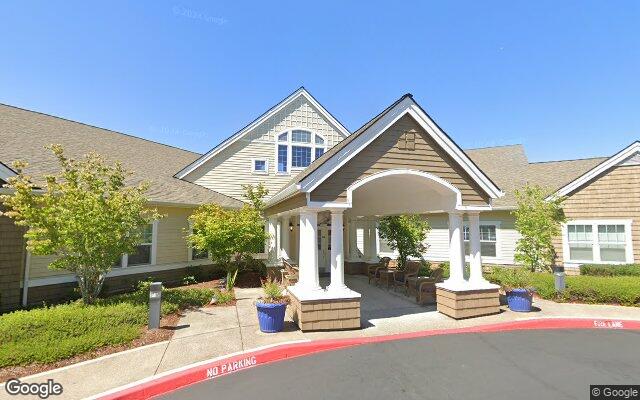
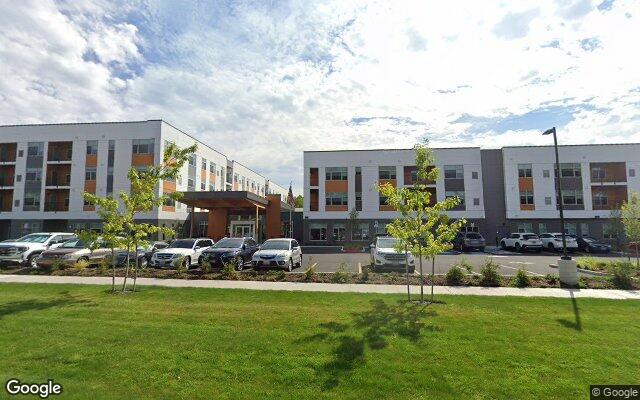
Full Inspection Record
Family reviews
No reviews yet — be the first to share your experience
Other memory care options nearby.
More options in neighboring cities
Licensed memory care in other cities within this county region — useful when your search radius crosses city limits.