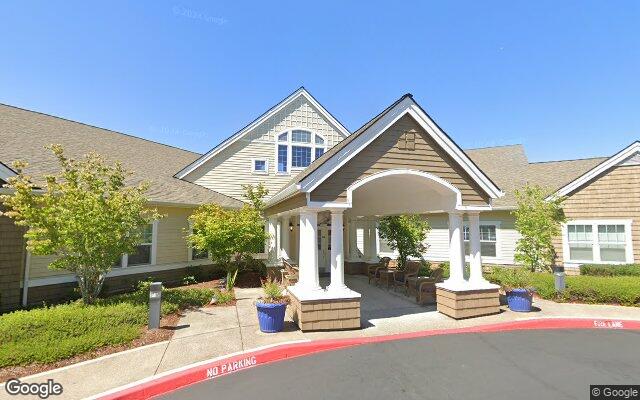
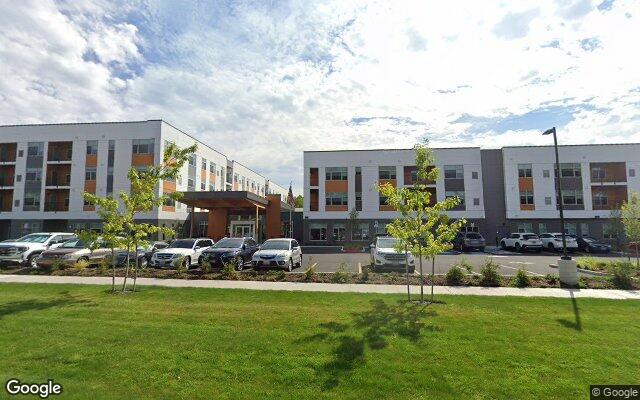
Oregon · Beaverton

Farmington Square Beaverton.
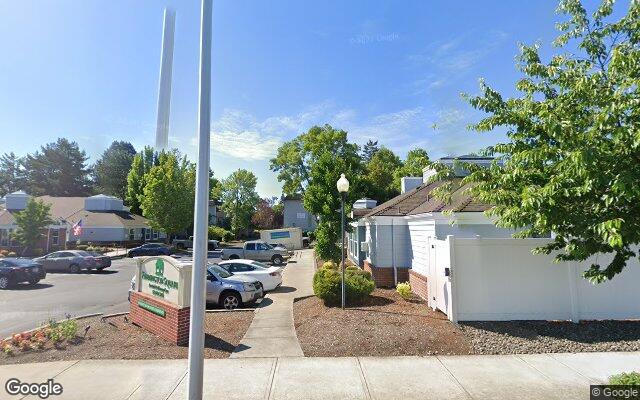
ALF · Memory Care72 bedsDementia-trained staff
Limited Inspection History · fewer than 4 records in 3 years
Endorsed Memory Care Community
Facility · Beaverton
A 72-bed ALF · Memory Care with 66 citations on file.
Licensed beds
72
Last inspection
Sep 2025
Last citation
Sep 2025
Operated by
Phone
Snapshot

A large home, reviewed on public record.

Farmington Square Beaverton

© Google Street View

Map showing location of Farmington Square Beaverton
© Mapbox · OpenStreetMap
Peer Comparison

Compared to 22 Oregon facilities with a similar number of beds.

ALF memory care · 36-month window. Higher percentile = better performance on inspection record. Source: Oregon Dept. of Human Services · Long-Term Care Licensing.

Severity rank
33rd%
Weighted citations per bed.
peer median
0
100
Repeat rank
100th%
Repeat deficiencies as share of total.
peer median
0
100
Frequency rank
43rd%
Deficiencies per inspection.
peer median
0
100

Rankings based on 36-month OR-DHS inspection data. Severity and frequency: fewer citations = higher percentile. Repeat rate: lower repeat citation share = higher percentile.

FACILITY WATCH · FREE

Farmington Square Beaverton has 66 citations on record. Know the moment anything changes.

New findings, complaint investigations, or status changes — emailed to you free.

Where are you in the process? (optional)

Save for comparison:
The Record

Citation history, plotted month by month.

66 deficiencies on record. Each bar is a month with a citation.

Peer median 27 · dashed
Last citation: SEP 2025. Compared against peer median (dashed).
peer median
SEP 2025
Jul 2024as of Jun 2026

Finding distribution

66 total · 36 months

Scope × Severity (CMS A–L)

Isolated
Pattern
Widespread
Sev 4 · IJ
J
K
L
Sev 3
G
H
I
Sev 2
D
E
F
Sev 1
A66
B
C
Full Inspection Record

Every inspection visit, verbatim.

3 inspections in the public record, most recent first. Click any row to expand — cited rows open automatically.

3
reports on file
66
total deficiencies
2025-09-23
Annual Compliance Visit
OR-cited · 6 findings

Plain-language summary

During a routine kitchen inspection, the facility was found to have failed to maintain the kitchen in good repair and in a sanitary manner according to Oregon Food Sanitation Rules. The facility also failed to comply with licensing rules for Residential Care and Assisted Living Facilities, specifically regarding administration compliance requirements for memory care communities. Details of the specific violations are referenced in the inspection report.

OR-citedOAR §C0240
Verbatim citation text · OAR §C0240

Based on observation and interview, it was determined the facility failed to maintain the kitchen in good repair and in a sanitary manner in accordance with Food Sanitation Rules, OAR 333-150-000. Findings include, but are not limited to:

OR-citedOAR §Z0142
Verbatim citation text · OAR §Z0142

Based on observation and interview, it was determined the facility failed to follow licensing rules for Residential Care and Assisted Living Facilities. Findings include, but are limited to: Refer to C240 Refer to C 240 OAR 411-057-0140(2) Administration Compliance (2) The licensee of a memory care community must comply with both the licensing rules for the facility and Chapter 411, Division 57. This Rule is not met as evidenced by:

OR-citedOAR §C0240
Verbatim citation text · OAR §C0240

Based on observation and interview, it was determined the facility failed to maintain the kitchen in good repair and in a sanitary manner in accordance with Food Sanitation Rules, OAR 333-150-000. Findings include, but are not limited to:

OR-citedOAR §Z0142
Verbatim citation text · OAR §Z0142

Based on observation and interview, it was determined the facility failed to follow licensing rules for Residential Care and Assisted Living Facilities. Findings include, but are limited to: Refer to C240 Refer to C 240 OAR 411-057-0140(2) Administration Compliance (2) The licensee of a memory care community must comply with both the licensing rules for the facility and Chapter 411, Division 57. This Rule is not met as evidenced by:

OR-citedOAR §C0240
Verbatim citation text · OAR §C0240

Based on observation and interview, it was determined the facility failed to maintain the kitchen in good repair and in a sanitary manner in accordance with Food Sanitation Rules, OAR 333-150-000. Findings include, but are not limited to:

OR-citedOAR §Z0142
Verbatim citation text · OAR §Z0142

Based on observation and interview, it was determined the facility failed to follow licensing rules for Residential Care and Assisted Living Facilities. Findings include, but are limited to: Refer to C240 Refer to C 240 OAR 411-057-0140(2) Administration Compliance (2) The licensee of a memory care community must comply with both the licensing rules for the facility and Chapter 411, Division 57. This Rule is not met as evidenced by:

Read raw inspector notes

Based on observation and interview, it was determined the facility failed to maintain the kitchen in good repair and in a sanitary manner in accordance with Food Sanitation Rules, OAR 333-150-000. Findings include, but are not limited to: Based on observation and interview, it was determined the facility failed to follow licensing rules for Residential Care and Assisted Living Facilities. Findings include, but are limited to: Refer to C240 Refer to C 240 OAR 411-057-0140(2) Administration Compliance (2) The licensee of a memory care community must comply with both the licensing rules for the facility and Chapter 411, Division 57. This Rule is not met as evidenced by:

2024-04-08
Annual Compliance Visit
OR-cited · 57 findings

Plain-language summary

A re-licensure validation survey conducted from April through January 2025 found that the facility was in substantial compliance with Oregon residential care, assisted living, and memory care regulations. However, the survey identified a licensing violation: the facility failed to report two resident physical altercations and injuries of unknown cause to the state protective services office when the facility's own investigation could not reasonably rule out abuse.

OR-citedOAR §C0000
Verbatim citation text · OAR §C0000

The findings of the re-licensure survey conducted 04/08/24 through 04/12/24 are documented in this report. The survey was conducted to determine compliance with OARs 411 Division 54 for Residential Care and Assisted Living Facilities, OARs 411 Division 57 for Memory Care Communities, and OARs 411 Division 004 for Home and Community Based Services Regulations. Tag numbers beginning with the letter C refer to the Residential Care and Assisted Living rules. Tag numbers beginning with the letter Z refer to the Memory Care Community rules. Abbreviations possibly used in this document: ADL: activities of daily living bid: twice a day CBG: capillary blood glucose or blood sugar CG: caregiver cm: centimeter ED: Executive Director F: Fahrenheit HH: Home Health LPN: Licensed Practical Nurse MA:          Medication Aide MAR: Medication Administration Record MCC: Memory Care Community mg: milligram ml: milliliter MT: Medication Technician OT: Occupational Therapist PT: Physical Therapist PRN: as needed qd: every day or daily qid: four times a day QI: quality improvement RCC:       Resident Care Coordinator RN: Registered Nurse TAR: Treatment Administration Record tid: three times a day The findings of the re-licensure survey conducted 04/08/24 through 04/12/24 are documented in this report. The survey was conducted to determine compliance with OARs 411 Division 54 for Residential Care and Assisted Living Facilities, OARs 411 Division 57 for Memory Care Communities, and OARs 411 Division 004 for Home and Community Based Services Regulations. Tag numbers beginning with the letter C refer to the Residential Care and Assisted Living rules. Tag numbers beginning with the letter Z refer to the Memory Care Community rules. Abbreviations possibly used in this document: ADL: activities of daily living bid: twice a day CBG: capillary blood glucose or blood sugar CG: caregiver cm: centimeter ED: Executive Director F: Fahrenheit HH: Home Health LPN: Licensed Practical Nurse MA:          Medication Aide MAR: Medication Administration Record MCC: Memory Care Community mg: milligram ml: milliliter MT: Medication Technician OT: Occupational Therapist PT: Physical Therapist PRN: as needed qd: every day or daily qid: four times a day QI: quality improvement RCC:       Resident Care Coordinator RN: Registered Nurse TAR: Treatment Administration Record tid: three times a day The findings of the revisit to the re-licensure survey of 04/12/24, conducted 10/28/24 through 10/29/24, are documented in this report. The survey was conducted to determine compliance with OARs 411 Division 54 for Residential Care and Assisted Living Facilities, OARs 411 Division 57 for Memory Care Communities, and OARs 411 Division 004 for Home and Community Based Services Regulations. Tag numbers beginning with the letter C refer to the Residential Care and Assisted Living rules. Tag numbers beginning with the letter Z refer to the Memory Care Community rules. Abbreviations possibly used in this document: ADL: activities of daily living bid: twice a day CBG: capillary blood glucose or blood sugar CG: caregiver cm: centimeter ED: Executive Director F: Fahrenheit HH: Home Health LPN: Licensed Practical Nurse MA:          Medication Aide MAR: Medication Administration Record MCC: Memory Care Community mg: milligram ml: milliliter MT: Medication Technician OT: Occupational Therapist PT: Physical Therapist PRN: as needed qd: every day or daily qid: four times a day QI: quality improvement RCC:       Resident Care Coordinator RN: Registered Nurse TAR: Treatment Administration Record tid: three times a day The findings of the revisit to the re-licensure survey of 04/12/24, conducted 10/28/24 through 10/29/24, are documented in this report. The survey was conducted to determine compliance with OARs 411 Division 54 for Residential Care and Assisted Living Facilities, OARs 411 Division 57 for Memory Care Communities, and OARs 411 Division 004 for Home and Community Based Services Regulations. Tag numbers beginning with the letter C refer to the Residential Care and Assisted Living rules. Tag numbers beginning with the letter Z refer to the Memory Care Community rules. Abbreviations possibly used in this document: ADL: activities of daily living bid: twice a day CBG: capillary blood glucose or blood sugar CG: caregiver cm: centimeter ED: Executive Director F: Fahrenheit HH: Home Health LPN: Licensed Practical Nurse MA:          Medication Aide MAR: Medication Administration Record MCC: Memory Care Community mg: milligram ml: milliliter MT: Medication Technician OT: Occupational Therapist PT: Physical Therapist PRN: as needed qd: every day or daily qid: four times a day QI: quality improvement RCC:       Resident Care Coordinator RN: Registered Nurse TAR: Treatment Administration Record tid: three times a day The findings of the second revisit to the relicensure survey of 04/12/24, conducted 01/22/25, are documented in this report. It was determined the facility was in substantial compliance with the OARs 411 Division 54 for Residential Care and Assisted Living Facilities, OARs 411 Division 57 for Memory Care Communities, and OARs 411 Division 004 Home and Community Based Services Regulations. The findings of the second revisit to the relicensure survey of 04/12/24, conducted 01/22/25, are documented in this report. It was determined the facility was in substantial compliance with the OARs 411 Division 54 for Residential Care and Assisted Living Facilities, OARs 411 Division 57 for Memory Care Communities, and OARs 411 Division 004 Home and Community Based Services Regulations.

OR-citedOAR §C0231
Verbatim citation text · OAR §C0231

Based on interview and record review, it was determined the facility failed to ensure resident physical altercations were reported and injuries of unknown cause, when the facility investigation could not reasonably rule out abuse, were reported to the local SPD office for 2 of 2 sampled residents (#3 and 4) who had reportable incidents. Findings include, but are not limited to: 1. Resident 3 moved into the memory care facility in 09/2023 with diagnoses including Alzheimer's disease. The resident's care plan dated 09/21/23, observations and interviews with care staff between 04/08/24 and 04/11/24, indicated the resident ambulated independently throughout the facility, would take others' plates and blankets, and could be intrusive into other residents' spaces. A review of incident reports showed the following resident to resident incidents and injuries of unknown cause involving Resident 3: * 01/27/24: Resident 3 was struck in the face by another resident during an altercation; * 02/20/24: Progress note "alert for bruising to L [left] ankle"; and * 03/21/24: Resident 3 was struck in the chest by another resident during an altercation. In an interview on 04/10/24, Staff 1 (ED) stated the incidents had not been reported to the local SPD and the reports would be completed. The need to ensure injuries of unknown cause that could not be reasonably ruled out for abuse and physical altercations were reported to the local SPD office was reviewed with Staff 1 and Staff 2 (Operations Specialist) and Staff 7 (Wellness Director) on 04/11/24. They acknowledged the findings. Confirmation of the reporting was provided prior to survey exit. 2. Resident 4 moved into the memory care facility in 02/2024 with diagnoses including dementia. The resident's care plan dated 02/28/24, progress notes and incident reports dated from 02/28/24 through 04/08/24 showed the following: * 03/20/24: "bruise on right forearm", resident unable to explain how the bruise was obtained. In an interview on 04/10/24, Staff 1 (ED) stated the incident had not been reported to the local SPD office and the report would be completed. The need to ensure injuries of unknown cause that could not be reasonably ruled out for abuse were reported to the local SPD office was reviewed with Staff 1 and Staff 2 (Operations Specialist) and Staff 7 (Wellness Director) on 04/11/24. They acknowledged the findings. Confirmation of the reporting was provided prior to survey exit. Based on interview and record review, it was determined the facility failed to ensure resident physical altercations were reported and injuries of unknown cause, when the facility investigation could not reasonably rule out abuse, were reported to the local SPD office for 2 of 2 sampled residents (#3 and 4) who had reportable incidents. Findings include, but are not limited to:

OR-citedOAR §C0260
Verbatim citation text · OAR §C0260

Based on observation, interview and record review, it was determined the facility failed to ensure service plans were readily available to staff, reflective of residents' current care needs, the facility administrator was responsible for ensuring the implementation of services, and service plans provided clear directions to staff regarding the delivery of services for 4 of 6 sampled residents (#s 1, 2, 3 and 4) whose service plans were reviewed. Findings include, but are not limited to: 1. Resident 1 was admitted to the facility in 12/2019 with diagnoses including vascular dementia and type 2 diabetes mellitus. Interviews with staff and review of the current service plan, dated 02/16/24, revealed Resident 1's service plan was not reflective of the resident's current needs and lacked clear instructions to staff in the following areas: * Incorrect reference to resident not requiring assistance with injectable medications; * Instructions to staff on blood glucose monitoring protocol when resident slept late and skipped breakfast; * Personality, including how the resident coped with change or challenging situations; * Number of staff needed to assist with activities of daily living; * Frequency for the nurse to provide diabetic nail care; * Instructions on what types of skin impairments to report and to whom; and * Specific instructions for setting room temperature. The need to ensure the service plan reflected residents' current needs and provided clear instructions to staff regarding the delivery of services was reviewed with Staff 1 (ED), Staff 2 (Operations Specialist), and Staff 6 (Wellness Director) on 04/12/24. They acknowledged the findings. No further information was provided. Based on observation, interview and record review, it was determined the facility failed to ensure service plans were readily available to staff, reflective of residents' current care needs, the facility administrator was responsible for ensuring the implementation of services, and service plans provided clear directions to staff regarding the delivery of services for 4 of 6 sampled residents (#s 1, 2, 3 and 4) whose service plans were reviewed. Findings include, but are not limited to:

OR-citedOAR §C0270
Verbatim citation text · OAR §C0270

Based on observation, interview and record review, it was determined the facility failed to ensure short term changes of condition were evaluated, actions or interventions communicated to staff on each shift, resident specific interventions were determined and documented, and the condition was monitored with weekly progress noted until resolution, and residents were monitored consistent with his or her evaluated needs and service plan for 5 of 6 sampled residents (#s 1, 2, 3, 4, and 5) who were reviewed for changes of condition. Findings include, but are not limited to: 1. Resident 2 was admitted to facility in 04/2023 with diagnoses including major depressive disorder and graft-versus-host disease. The resident's service plan, dated 03/04/24, an Interim Service (Care) Plan dated 03/11/24, and progress notes, dated 12/17/23 through 03/27/24, were reviewed. Resident 2 and staff were interviewed. The following short-term changes of condition lacked documentation of resident-specific actions or interventions needed for the resident, communication of the determined actions or interventions to staff on all shifts, and progress noted at least weekly through resolution: * 02/29/24: Staff documented the resident was having suicidal thoughts; and * 03/14/24: Staff noted obtaining urine analysis for a suspected urinary tract infection. The need to ensure resident-specific actions or interventions for short term changes of condition were determined, documented, communicated to staff on each shift, and the changes of condition were monitored at least weekly through resolution was discussed with Staff 1 (ED), Staff 2 (Operations Specialist), and Staff 8 (Wellness Director) on 04/12/24. They acknowledged the findings. Based on observation, interview and record review, it was determined the facility failed to ensure short term changes of condition were evaluated, actions or interventions communicated to staff on each shift, resident specific interventions were determined and documented, and the condition was monitored with weekly progress noted until resolution, and residents were monitored consistent with his or her evaluated needs and service plan for 5 of 6 sampled residents (#s 1, 2, 3, 4, and 5) who were reviewed for changes of condition. Findings include, but are not limited to:

OR-citedOAR §Z0142
Verbatim citation text · OAR §Z0142

Based on observation, interview and record review, it was determined the facility failed to follow licensing rules for Residential Care and Assisted Living Facilities. Findings include, but are not limited to: Refer to C 231, C 360, C 361, C 372, C 420, C 422, and C 513. Based on observation, interview and record review, it was determined the facility failed to follow licensing rules for Residential Care and Assisted Living Facilities. Findings include, but are not limited to: Refer to C 231, C 360, C 361, C 372, C 420, C 422, and C 513. Refer to C231, C360, C361, C372, C420, C422, and C513. Refer to C231, C360, C361, C372, C420, C422, and C513. There are no detail notes for this visit.

OR-citedOAR §C0280
Verbatim citation text · OAR §C0280

Based on interview and record review, it was determined the facility failed to ensure an RN assessed significant changes of condition with documented findings, resident status, and interventions made as a result of the assessment for 2 of 2 sampled residents (#'s 3 and 4) who were reviewed for significant changes. Findings include, but are not limited to: 1. Resident 3 moved into the memory care facility in 09/2023 with diagnoses including Alzheimer's disease. The resident's clinical record was reviewed and revealed Resident 3 experienced weight loss from 10/01/23 through 01/11/24. Weight records showed the following: * 10/01/23: 129 pounds; * 11/01/23: 122 pounds; * 12/01/23: 121 pounds; and * 01/01/24: 116.8 pounds. Resident 3 lost 12.2 pounds in three months, or 9.6% of body weight. This constituted a significant change of condition requiring an RN assessment. On 01/06/24, the facility RN completed a "quarterly" assessment and identified weight loss, but the assessment did not document findings, resident status, and interventions made as a result of the assessment related to the weight loss. The need to ensure an RN conducted an assessment that included findings, status and interventions when a resident experienced a significant change of condition was reviewed with Staff 1 (ED), Staff 2 (Operations Specialist), Staff 5 (Wellness RN), and Staff 7 (Wellness Director). They acknowledged the findings. 2. Resident 4 moved into the memory care facility in 02/2024 with diagnoses including dementia and stroke with affected left side extremities. Review of the resident's progress notes, dated 02/28/24 through 04/07/24, and outside provider notes revealed the resident had an "unstageable" wound on his/her left elbow, discovered on 03/10/24. The wound was observed and treated by the resident's home health provider on 03/12/24. The provider communication form was reviewed by the facility's RN on 03/14/24. On 03/15/24 an assessment was completed by the facility RN. The assessment identified a "skin concern: A. pressure area." The pressure wound constituted a significant change in condition for which an assessment by the facility RN was required. The 03/15/24 assessment completed by the facility RN did not include documentation of findings, resident status, and interventions made as a result of the assessment related to the wound. During an interview on 04/10/24, Staff 5 (Wellness RN) acknowledged an assessment with all required components had not been completed for the wound. The need to ensure an RN conducted an assessment that included findings, status and interventions when a resident experienced a significant change of condition was reviewed with Staff 1 (ED), Staff 2 (Operations Specialist), Staff 5, and Staff 7 (Wellness Director). They acknowledged the findings. Based on interview and record review, it was determined the facility failed to ensure an RN assessed significant changes of condition with documented findings, resident status, and interventions made as a result of the assessment for 2 of 2 sampled residents (#'s 3 and 4) who were reviewed for significant changes. Findings include, but are not limited to:

OR-citedOAR §C0310
Verbatim citation text · OAR §C0310

Based on interview and record review, it was determined the facility failed to ensure residents' MARs were accurate and included medication specific instructions and resident specific parameters and instructions for PRN medications for 2 of 6 sampled residents (#s 2 and 4) whose MARs were reviewed. Findings include, but are not limited to: 1. Resident 2 was admitted to facility in 04/2023 with diagnoses including pain in unspecified lower leg and graft-versus-host disease (GVHD). The resident's MARs dated 03/08/24 through 04/08/24 and physician's orders were reviewed. The following inaccuracies were identified: a. The instruction to staff relating to tacrolimus ointment (an immunosuppressive agent for skin GVHD), "apply to affected areas topically [two] times daily" with no direction of where the affected areas were. b. Resident 2 had an order for acetaminophen (for pain) with directions for staff to administer "1 - 2 [tablets]" with no parameters on when to administer one versus two tablets. c. The signed physician's order for tramadol (for pain) had parameters on how much of the medication to administer per a pain scale, but it was not transcribed onto the MAR. d. There was no direction to staff on the sequential order of PRNs used to treat the same diagnosis for the following medications: * Acetaminophen for pain; * Tramadol for pain; * CP Lido/Ant+Sim/Diph for oral GVHD; * Mouthwash "BLM" for oral GVHD; * Hydrocortisone ointment for skin GVHD "flare"; and * Triamcinolone ointment for skin GVHD "flare". The requirement for MARs to be accurate and include medication specific instructions and resident specific parameters and instructions for PRN medications was discussed with Staff 1 (ED), Staff 2 (Operations Specialist), and Staff 8 (Wellness Director) on 04/12/24. They acknowledged the findings. Based on interview and record review, it was determined the facility failed to ensure residents' MARs were accurate and included medication specific instructions and resident specific parameters and instructions for PRN medications for 2 of 6 sampled residents (#s 2 and 4) whose MARs were reviewed. Findings include, but are not limited to:

OR-citedOAR §C0315
Verbatim citation text · OAR §C0315

Based on interview and record review, it was determined the facility failed to keep an accurate treatment record of all treatments ordered by a legally-recognized practitioner and administered by the facility, for 2 of 3 sampled residents (#s 3 and 4) whose treatments were reviewed. Findings include, but are not limited to: 1. Resident 3 moved into the facility in 09/2023 with diagnoses including Alzheimer's disease. The resident's 12/07/23 through 03/21/24 progress notes, interim service plans, physician orders signed 01/13/24, and the 01/01/24 through 01/31/24 MARs/TARs were reviewed. On 01/13/24, progress notes documented "caregiver noticed [s/he] was bleeding from right arm... 1 cm open scratch on forearm". An incident report completed the same day documented "med tech [MT] cleaned it up and used steri tape and covered it." The resident's 01/2024 MAR/TAR showed staff failed to document the treatments administered to the skin tear on the resident's treatment administration record. The need to ensure all treatments administered by the facility were documented on the treatment administration record was discussed with Staff 1 (ED), Staff 2 (Operations Specialist), Staff 5 (Wellness RN), and Staff 7 (Wellness Director). They acknowledged the findings. 2. Resident 4 moved into the memory care facility in 02/2024 with diagnoses including dementia and stroke. The resident's 02/28/24 through 04/07/24 progress notes, interim service plans, outside provider communication forms, 02/28/24 and 03/11/24 signed physician orders, and the 03/01/24 through 03/31/24 MAR/TAR were reviewed. a. On 03/10/24, progress notes documented "caregiver found open wound under elbow ...[MT] performed first aid." The 03/2024 MAR/TAR lacked documentation the treatment was administered. b. An outside provider communication form completed by the home health RN, dated 03/12/24, included directions for staff to "change the foam dressing to the left elbow wound with a foam dressing and replace netting if it falls off." The treatment instructions were not included on the treatment record. c. An interim service plan, dated 03/14/24 instructed staff to "apply barrier cream after every brief change..." The 03/01/24 through 04/07/24 MARs/TARs were reviewed and lacked documentation the treatments were administered. The need to ensure an accurate treatment record and all treatments administered by the facility were documented on the treatment administration record was discussed with Staff 1 (ED), Staff 2 (Operations Specialist), Staff 5 (Wellness RN), and Staff 7 (Wellness Director). They acknowledged the findings. Based on interview and record review, it was determined the facility failed to keep an accurate treatment record of all treatments ordered by a legally-recognized practitioner and administered by the facility, for 2 of 3 sampled residents (#s 3 and 4) whose treatments were reviewed. Findings include, but are not limited to:

OR-citedOAR §C0360
Verbatim citation text · OAR §C0360

Based on interview and record review, it was determined the facility failed to have a minimum of two direct care staff scheduled and available at all times whenever a resident required the assistance of two direct care staff for scheduled and unscheduled needs. Findings include, but are not limited to: The facility consisted of three detached buildings. Building A housed 14 memory care residents, Building B housed 20 RCF residents, and Building C/D housed 28 memory care residents. The current facility staffing plan and Acuity Based Staffing Tool (ABST) were reviewed, and interviews with facility staff were conducted. The following was revealed: * Building A had no residents who required two-person assist or the use of a mechanical lift for transfers; * Building B had five residents who required two-person assist for transfers, three of whom required the use of a mechanical lift; * Building C/D had 11 residents who required two-person assist for transfers, six of whom required the use of a mechanical lift; * Based on the ABST-generated staffing model, the facility was required to schedule one direct care staff for Building A, two direct care staff for Building B, and two direct care staff for Building C/D to cover the night shift; and * According to the facility's actual staffing plan, only one dedicated direct care staff was scheduled and available for Building B at all times. The night MT was shared as a floating direct care staff among the three buildings and therefore was not scheduled and available for Building B at all times. The need to have a minimum of two direct care staff scheduled and available at all times whenever a resident required the assistance of two direct care staff for scheduled and unscheduled needs was reviewed with Staff 1 (ED) and Staff 2 (Operations Specialist) on 04/12/24. They acknowledged the findings. No further information was provided. Based on interview and record review, it was determined the facility failed to have a minimum of two direct care staff scheduled and available at all times whenever a resident required the assistance of two direct care staff for scheduled and unscheduled needs. Findings include, but are not limited to: The facility consisted of three detached buildings. Building A housed 14 memory care residents, Building B housed 20 RCF residents, and Building C/D housed 28 memory care residents. The current facility staffing plan and Acuity Based Staffing Tool (ABST) were reviewed, and interviews with facility staff were conducted. The following was revealed: * Building A had no residents who required two-person assist or the use of a mechanical lift for transfers; * Building B had five residents who required two-person assist for transfers, three of whom required the use of a mechanical lift; * Building C/D had 11 residents who required two-person assist for transfers, six of whom required the use of a mechanical lift; * Based on the ABST-generated staffing model, the facility was required to schedule one direct care staff for Building A, two direct care staff for Building B, and two direct care staff for Building C/D to cover the night shift; and * According to the facility's actual staffing plan, only one dedicated direct care staff was scheduled and available for Building B at all times. The night MT was shared as a floating direct care staff among the three buildings and therefore was not scheduled and available for Building B at all times. The need to have a minimum of two direct care staff scheduled and available at all times whenever a resident required the assistance of two direct care staff for scheduled and unscheduled needs was reviewed with Staff 1 (ED) and Staff 2 (Operations Specialist) on 04/12/24. They acknowledged the findings. No further information was provided.

OR-citedOAR §C0361
Verbatim citation text · OAR §C0361

Based on interview and record review, it was determined the facility failed to address all evaluated care needs of residents, including the amount of staff time needed to provide care, in the facility's acuity-based staffing tool (ABST) for 3 of 6 sampled residents (#s 2, 3, and 4) whose ABST input was reviewed. Findings include, but are not limited to: The facility's ABST was reviewed and discussed with Staff 1 (ED) and Staff 2 (Operations Specialist) on 04/10/24. Review of Residents 2, 3 and 4's ABST input revealed multiple ADLs were not reflective of the residents' evaluated care needs. The need to ensure the facility's ABST addressed all evaluated care needs of residents, including the amount of staff time needed to provide care, was discussed with Staff 1 and Staff 2 on 04/12/24. They acknowledged the findings. No further information was provided. Based on interview and record review, it was determined the facility failed to address all evaluated care needs of residents, including the amount of staff time needed to provide care, in the facility's acuity-based staffing tool (ABST) for 3 of 6 sampled residents (#s 2, 3, and 4) whose ABST input was reviewed. Findings include, but are not limited to: The facility's ABST was reviewed and discussed with Staff 1 (ED) and Staff 2 (Operations Specialist) on 04/10/24. Review of Residents 2, 3 and 4's ABST input revealed multiple ADLs were not reflective of the residents' evaluated care needs. The need to ensure the facility's ABST addressed all evaluated care needs of residents, including the amount of staff time needed to provide care, was discussed with Staff 1 and Staff 2 on 04/12/24. They acknowledged the findings. No further information was provided.

OR-citedOAR §C0372
Verbatim citation text · OAR §C0372

Based on interview and record review, it was determined the facility failed to ensure 3 of 3 newly hired staff (#s 17, 18, and 19) completed and documented training in First Aid and abdominal thrust within 30 days of hire. Findings include, but are not limited to: Staff training records were reviewed on 04/10/24. There was no documented evidence Staff 17 (CG), Staff 18 (MT), or Staff 19 (CG), hired 02/09/24, 02/09/24, and 03/06/24, respectively, completed training in First Aid and abdominal thrust within 30 days of hire. The need for staff to complete all required training within the specified time frames was discussed with Staff 2 (Operations Specialist) and Staff 3 (Business Office Director) on 04/10/24. They acknowledged the findings. Based on interview and record review, it was determined the facility failed to ensure 3 of 3 newly hired staff (#s 17, 18, and 19) completed and documented training in First Aid and abdominal thrust within 30 days of hire. Findings include, but are not limited to: Staff training records were reviewed on 04/10/24. There was no documented evidence Staff 17 (CG), Staff 18 (MT), or Staff 19 (CG), hired 02/09/24, 02/09/24, and 03/06/24, respectively, completed training in First Aid and abdominal thrust within 30 days of hire. The need for staff to complete all required training within the specified time frames was discussed with Staff 2 (Operations Specialist) and Staff 3 (Business Office Director) on 04/10/24. They acknowledged the findings.

OR-citedOAR §C0420
Verbatim citation text · OAR §C0420

Based on interview and record review, it was determined the facility failed to provide and document fire and life safety instruction to staff on alternate months and to conduct unannounced fire drills according to the Oregon Fire Code (OFC). Findings include, but are not limited to: On 04/08/24, fire drill and fire and life safety records for the previous six months were requested. Review of the documentation provided revealed: a. There was no documented evidence the facility provided fire and life safety training on alternate months for staff; b. Written fire drill records did not include information on: * Location of simulated fire origin; * The escape route used; * Problems encountered and comments relating to residents who resisted or failed to participate in the drills; * Staff members on duty and participating; * Evacuation time period needed; and * Number of occupants evacuated. The need to provide fire and life safety instruction to staff on alternate months and the requirements regarding fire drills were discussed with Staff 1 (ED) and Staff 2 (Operations Specialist) on 04/12/24. They acknowledged the findings. No further information was provided. Based on interview and record review, it was determined the facility failed to provide and document fire and life safety instruction to staff on alternate months and to conduct unannounced fire drills according to the Oregon Fire Code (OFC). Findings include, but are not limited to: On 04/08/24, fire drill and fire and life safety records for the previous six months were requested. Review of the documentation provided revealed: a. There was no documented evidence the facility provided fire and life safety training on alternate months for staff; b. Written fire drill records did not include information on: * Location of simulated fire origin; * The escape route used; * Problems encountered and comments relating to residents who resisted or failed to participate in the drills; * Staff members on duty and participating; * Evacuation time period needed; and * Number of occupants evacuated. The need to provide fire and life safety instruction to staff on alternate months and the requirements regarding fire drills were discussed with Staff 1 (ED) and Staff 2 (Operations Specialist) on 04/12/24. They acknowledged the findings. No further information was provided.

OR-citedOAR §C0422
Verbatim citation text · OAR §C0422

Based on interview and record review, it was determined the facility failed to re-instruct residents, at least annually, on fire and life safety procedures according to the Oregon Fire Code (OFC), and keep a written record of fire safety training, including content of the training sessions and the residents attending. Findings include, but are not limited to: On 04/11/24, Staff 1 (ED) and Staff 2 (Operations Specialist) were asked to explain the facility's process for providing residents with annual instruction on fire and life safety procedures. Staff 2 reported the facility picked one month a year when fire and life safety training was provided to all residents. However, the facility was unable to produce any documented evidence confirming the annual training had been provided. The need to ensure residents were re-instructed, at least annually, on fire and life safety procedures according to the OFC and to keep a written record of fire safety training, including content of the training sessions and the residents attending, was discussed with Staff 1 and Staff 2 on 04/12/24. They acknowledged the findings. No further information was provided. Based on interview and record review, it was determined the facility failed to re-instruct residents, at least annually, on fire and life safety procedures according to the Oregon Fire Code (OFC), and keep a written record of fire safety training, including content of the training sessions and the residents attending. Findings include, but are not limited to: On 04/11/24, Staff 1 (ED) and Staff 2 (Operations Specialist) were asked to explain the facility's process for providing residents with annual instruction on fire and life safety procedures. Staff 2 reported the facility picked one month a year when fire and life safety training was provided to all residents. However, the facility was unable to produce any documented evidence confirming the annual training had been provided. The need to ensure residents were re-instructed, at least annually, on fire and life safety procedures according to the OFC and to keep a written record of fire safety training, including content of the training sessions and the residents attending, was discussed with Staff 1 and Staff 2 on 04/12/24. They acknowledged the findings. No further information was provided.

OR-citedOAR §C0455
Verbatim citation text · OAR §C0455

Based on observation and interview, it was determined the facility failed to ensure their re-licensure survey plan of correction was implemented and satisfied the Department. Findings include, but are not limited to: Refer to C 260, C 280, Z 162. Based on observation and interview, it was determined the facility failed to ensure their re-licensure survey plan of correction was implemented and satisfied the Department. Findings include, but are not limited to: Refer to C 260, C 280, Z 162. Refer to C 260, C 280, Z 162. Refer to C 260, C 280, Z 162. There are no detail notes for this visit.

OR-citedOAR §C0513
Verbatim citation text · OAR §C0513

Based on observation and interview, it was determined the facility failed to ensure the environment was kept in good repair. Findings include, but are not limited to: A tour of the facility on 04/08/24 through 04/10/24 revealed the following areas were in need of repair: Building A: * The door leading into the kitchen had peeling paint; * The air conditioning unit in the wall, located in the dining area was not sealed and a gap was observed from the interior of the wall to the exterior; * Laundry room walls had gaps around pipes that were not sealed; and * Multiple apartment doors had scuffs and scrapes with peeling paint. Building C: * Multiple resident unit doors had scuffs and peeling paint; * The drywall in the small dining area located next to the kitchen had damage and peeling paint; and * The drywall in the common area living room located behind the recliners had damage and peeling paint. The environment was toured with Staff 1 (ED) on 04/09/24. The need to ensure all interior and exterior materials and surfaces were kept clean and in good repair was discussed. She acknowledged the findings. Based on observation and interview, it was determined the facility failed to ensure the environment was kept in good repair. Findings include, but are not limited to: A tour of the facility on 04/08/24 through 04/10/24 revealed the following areas were in need of repair: Building A: * The door leading into the kitchen had peeling paint; * The air conditioning unit in the wall, located in the dining area was not sealed and a gap was observed from the interior of the wall to the exterior; * Laundry room walls had gaps around pipes that were not sealed; and * Multiple apartment doors had scuffs and scrapes with peeling paint. Building C: * Multiple resident unit doors had scuffs and peeling paint; * The drywall in the small dining area located next to the kitchen had damage and peeling paint; and * The drywall in the common area living room located behind the recliners had damage and peeling paint. The environment was toured with Staff 1 (ED) on 04/09/24. The need to ensure all interior and exterior materials and surfaces were kept clean and in good repair was discussed. She acknowledged the findings.

OR-citedOAR §Z0155
Verbatim citation text · OAR §Z0155

Based on interview and record review, it was determined the facility failed to ensure 1 of 2 long term staff (#14) completed the required number of annual in-service training hours, including annual infectious disease training and at least six hours of training on dementia care, and 1 of 2 long term non-direct care staff (#10) completed the annual infectious disease training. Findings include, but are not limited to: Staff training records were reviewed on 04/10/24. The following was identified: a. There was no documented evidence Staff 14 (MT), hired 10/01/21, had completed the required number of annual in-service training hours, including annual infectious disease training, and at least six hours of training related to dementia care. b. There was no documented evidence Staff 10 (Housekeeping), hired 03/30/20, completed the required annual infectious disease training. The need to ensure the required annual training was completed by staff in the time frames specified in the rules was discussed with Staff 2 (Operations Specialist) and Staff 3 (Business Office Director) on 04/10/24. They acknowledged the findings. Based on interview and record review, it was determined the facility failed to ensure 1 of 2 long term staff (#14) completed the required number of annual in-service training hours, including annual infectious disease training and at least six hours of training on dementia care, and 1 of 2 long term non-direct care staff (#10) completed the annual infectious disease training. Findings include, but are not limited to: Staff training records were reviewed on 04/10/24. The following was identified: a. There was no documented evidence Staff 14 (MT), hired 10/01/21, had completed the required number of annual in-service training hours, including annual infectious disease training, and at least six hours of training related to dementia care. b. There was no documented evidence Staff 10 (Housekeeping), hired 03/30/20, completed the required annual infectious disease training. The need to ensure the required annual training was completed by staff in the time frames specified in the rules was discussed with Staff 2 (Operations Specialist) and Staff 3 (Business Office Director) on 04/10/24. They acknowledged the findings.

OR-citedOAR §Z0162
Verbatim citation text · OAR §Z0162

Based on observation, interview, and record review, it was determined the facility failed to provide health care services in accordance with the licensing rules for Residential Care and Assisted Living Facilities. Findings include, but are not limited to: Refer to C 260, C 270, C 280, C 310, and C 315. Based on observation, interview, and record review, it was determined the facility failed to provide health care services in accordance with the licensing rules for Residential Care and Assisted Living Facilities. Findings include, but are not limited to: Refer to C 260, C 270, C 280, C 310, and C 315. Refer to C260, C270, C280, C310, and C315. Refer to C260, C270, C280, C310, and C315. Based on observation, interview, and record review, it was determined the facility failed to provide health care services in accordance with the licensing rules for Residential Care and Assisted Living Facilities. This is a repeat citation. Findings include, but are not limited to: Refer to C 260 and C 280. Based on observation, interview, and record review, it was determined the facility failed to provide health care services in accordance with the licensing rules for Residential Care and Assisted Living Facilities. This is a repeat citation. Findings include, but are not limited to: Refer to C 260 and C 280. Refer to C 260 and C 280. Refer to C 260 and C 280. There are no detail notes for this visit.

OR-citedOAR §Z0163
Verbatim citation text · OAR §Z0163

Based on observation, interview and record review, it was determined the facility failed to develop an individualized nutrition and hydration plan for each resident and included in the resident's service plan for 3 of 5 sampled residents (#s 1, 3, and 4) whose service plans were reviewed. Findings include, but are not limited to: 1. Resident 1 was admitted to the facility in 12/2019 with diagnoses including vascular dementia and type 2 diabetes mellitus. Resident 1's service plan dated 02/16/24 was reviewed. The resident's service plan lacked information regarding a daily meal program of hydration based upon the resident's preferences and needs. The need to develop an individualized nutrition and hydration plan for the resident and include the information in the resident's service plan was reviewed with Staff 1 (ED) , Staff 2 (Operations Specialist), and Staff 6 (Wellness Director) on 04/12/24. They acknowledged the findings. No further information was provided. Based on observation, interview and record review, it was determined the facility failed to develop an individualized nutrition and hydration plan for each resident and included in the resident's service plan for 3 of 5 sampled residents (#s 1, 3, and 4) whose service plans were reviewed. Findings include, but are not limited to:

OR-citedOAR §Z0164
Verbatim citation text · OAR §Z0164

Based on interview and record review, it was determined the facility failed to evaluate and develop individualized activity plans for 4 of 5 sampled residents (#s 3, 4, 5, and 6) whose activity plans were reviewed. Findings include, but are not limited to: Residents 3, 4, 5 and 6's records were reviewed during the survey. There was no documented evidence an activity evaluation had been completed and the service plans individualized to reflect one or more of the following components: * Residents' current preferences; * Abilities and skills; * Emotional/social needs and patterns; * Physical abilities and limitations; * Adaptations necessary for the resident to participate; and * Identification of activities for behavioral interventions. There was no specific activity plan which detailed what, when, how, and how often staff should offer and assist each resident with individualized activities. The need to evaluate and develop individualized activity plans, including all required components for each memory care resident, was discussed with Staff 1 (ED) and Staff 2 (Operations Specialist) during the survey. They acknowledged the findings. Based on interview and record review, it was determined the facility failed to evaluate and develop individualized activity plans for 4 of 5 sampled residents (#s 3, 4, 5, and 6) whose activity plans were reviewed. Findings include, but are not limited to: Residents 3, 4, 5 and 6's records were reviewed during the survey. There was no documented evidence an activity evaluation had been completed and the service plans individualized to reflect one or more of the following components: * Residents' current preferences; * Abilities and skills; * Emotional/social needs and patterns; * Physical abilities and limitations; * Adaptations necessary for the resident to participate; and * Identification of activities for behavioral interventions. There was no specific activity plan which detailed what, when, how, and how often staff should offer and assist each resident with individualized activities. The need to evaluate and develop individualized activity plans, including all required components for each memory care resident, was discussed with Staff 1 (ED) and Staff 2 (Operations Specialist) during the survey. They acknowledged the findings.

OR-citedOAR §C0000
Verbatim citation text · OAR §C0000

The findings of the re-licensure survey conducted 04/08/24 through 04/12/24 are documented in this report. The survey was conducted to determine compliance with OARs 411 Division 54 for Residential Care and Assisted Living Facilities, OARs 411 Division 57 for Memory Care Communities, and OARs 411 Division 004 for Home and Community Based Services Regulations. Tag numbers beginning with the letter C refer to the Residential Care and Assisted Living rules. Tag numbers beginning with the letter Z refer to the Memory Care Community rules. Abbreviations possibly used in this document: ADL: activities of daily living bid: twice a day CBG: capillary blood glucose or blood sugar CG: caregiver cm: centimeter ED: Executive Director F: Fahrenheit HH: Home Health LPN: Licensed Practical Nurse MA:          Medication Aide MAR: Medication Administration Record MCC: Memory Care Community mg: milligram ml: milliliter MT: Medication Technician OT: Occupational Therapist PT: Physical Therapist PRN: as needed qd: every day or daily qid: four times a day QI: quality improvement RCC:       Resident Care Coordinator RN: Registered Nurse TAR: Treatment Administration Record tid: three times a day The findings of the re-licensure survey conducted 04/08/24 through 04/12/24 are documented in this report. The survey was conducted to determine compliance with OARs 411 Division 54 for Residential Care and Assisted Living Facilities, OARs 411 Division 57 for Memory Care Communities, and OARs 411 Division 004 for Home and Community Based Services Regulations. Tag numbers beginning with the letter C refer to the Residential Care and Assisted Living rules. Tag numbers beginning with the letter Z refer to the Memory Care Community rules. Abbreviations possibly used in this document: ADL: activities of daily living bid: twice a day CBG: capillary blood glucose or blood sugar CG: caregiver cm: centimeter ED: Executive Director F: Fahrenheit HH: Home Health LPN: Licensed Practical Nurse MA:          Medication Aide MAR: Medication Administration Record MCC: Memory Care Community mg: milligram ml: milliliter MT: Medication Technician OT: Occupational Therapist PT: Physical Therapist PRN: as needed qd: every day or daily qid: four times a day QI: quality improvement RCC:       Resident Care Coordinator RN: Registered Nurse TAR: Treatment Administration Record tid: three times a day The findings of the revisit to the re-licensure survey of 04/12/24, conducted 10/28/24 through 10/29/24, are documented in this report. The survey was conducted to determine compliance with OARs 411 Division 54 for Residential Care and Assisted Living Facilities, OARs 411 Division 57 for Memory Care Communities, and OARs 411 Division 004 for Home and Community Based Services Regulations. Tag numbers beginning with the letter C refer to the Residential Care and Assisted Living rules. Tag numbers beginning with the letter Z refer to the Memory Care Community rules. Abbreviations possibly used in this document: ADL: activities of daily living bid: twice a day CBG: capillary blood glucose or blood sugar CG: caregiver cm: centimeter ED: Executive Director F: Fahrenheit HH: Home Health LPN: Licensed Practical Nurse MA:          Medication Aide MAR: Medication Administration Record MCC: Memory Care Community mg: milligram ml: milliliter MT: Medication Technician OT: Occupational Therapist PT: Physical Therapist PRN: as needed qd: every day or daily qid: four times a day QI: quality improvement RCC:       Resident Care Coordinator RN: Registered Nurse TAR: Treatment Administration Record tid: three times a day The findings of the revisit to the re-licensure survey of 04/12/24, conducted 10/28/24 through 10/29/24, are documented in this report. The survey was conducted to determine compliance with OARs 411 Division 54 for Residential Care and Assisted Living Facilities, OARs 411 Division 57 for Memory Care Communities, and OARs 411 Division 004 for Home and Community Based Services Regulations. Tag numbers beginning with the letter C refer to the Residential Care and Assisted Living rules. Tag numbers beginning with the letter Z refer to the Memory Care Community rules. Abbreviations possibly used in this document: ADL: activities of daily living bid: twice a day CBG: capillary blood glucose or blood sugar CG: caregiver cm: centimeter ED: Executive Director F: Fahrenheit HH: Home Health LPN: Licensed Practical Nurse MA:          Medication Aide MAR: Medication Administration Record MCC: Memory Care Community mg: milligram ml: milliliter MT: Medication Technician OT: Occupational Therapist PT: Physical Therapist PRN: as needed qd: every day or daily qid: four times a day QI: quality improvement RCC:       Resident Care Coordinator RN: Registered Nurse TAR: Treatment Administration Record tid: three times a day The findings of the second revisit to the relicensure survey of 04/12/24, conducted 01/22/25, are documented in this report. It was determined the facility was in substantial compliance with the OARs 411 Division 54 for Residential Care and Assisted Living Facilities, OARs 411 Division 57 for Memory Care Communities, and OARs 411 Division 004 Home and Community Based Services Regulations. The findings of the second revisit to the relicensure survey of 04/12/24, conducted 01/22/25, are documented in this report. It was determined the facility was in substantial compliance with the OARs 411 Division 54 for Residential Care and Assisted Living Facilities, OARs 411 Division 57 for Memory Care Communities, and OARs 411 Division 004 Home and Community Based Services Regulations.

OR-citedOAR §C0231
Verbatim citation text · OAR §C0231

Based on interview and record review, it was determined the facility failed to ensure resident physical altercations were reported and injuries of unknown cause, when the facility investigation could not reasonably rule out abuse, were reported to the local SPD office for 2 of 2 sampled residents (#3 and 4) who had reportable incidents. Findings include, but are not limited to: 1. Resident 3 moved into the memory care facility in 09/2023 with diagnoses including Alzheimer's disease. The resident's care plan dated 09/21/23, observations and interviews with care staff between 04/08/24 and 04/11/24, indicated the resident ambulated independently throughout the facility, would take others' plates and blankets, and could be intrusive into other residents' spaces. A review of incident reports showed the following resident to resident incidents and injuries of unknown cause involving Resident 3: * 01/27/24: Resident 3 was struck in the face by another resident during an altercation; * 02/20/24: Progress note "alert for bruising to L [left] ankle"; and * 03/21/24: Resident 3 was struck in the chest by another resident during an altercation. In an interview on 04/10/24, Staff 1 (ED) stated the incidents had not been reported to the local SPD and the reports would be completed. The need to ensure injuries of unknown cause that could not be reasonably ruled out for abuse and physical altercations were reported to the local SPD office was reviewed with Staff 1 and Staff 2 (Operations Specialist) and Staff 7 (Wellness Director) on 04/11/24. They acknowledged the findings. Confirmation of the reporting was provided prior to survey exit. 2. Resident 4 moved into the memory care facility in 02/2024 with diagnoses including dementia. The resident's care plan dated 02/28/24, progress notes and incident reports dated from 02/28/24 through 04/08/24 showed the following: * 03/20/24: "bruise on right forearm", resident unable to explain how the bruise was obtained. In an interview on 04/10/24, Staff 1 (ED) stated the incident had not been reported to the local SPD office and the report would be completed. The need to ensure injuries of unknown cause that could not be reasonably ruled out for abuse were reported to the local SPD office was reviewed with Staff 1 and Staff 2 (Operations Specialist) and Staff 7 (Wellness Director) on 04/11/24. They acknowledged the findings. Confirmation of the reporting was provided prior to survey exit. Based on interview and record review, it was determined the facility failed to ensure resident physical altercations were reported and injuries of unknown cause, when the facility investigation could not reasonably rule out abuse, were reported to the local SPD office for 2 of 2 sampled residents (#3 and 4) who had reportable incidents. Findings include, but are not limited to:

OR-citedOAR §C0260
Verbatim citation text · OAR §C0260

Based on observation, interview and record review, it was determined the facility failed to ensure service plans were readily available to staff, reflective of residents' current care needs, the facility administrator was responsible for ensuring the implementation of services, and service plans provided clear directions to staff regarding the delivery of services for 4 of 6 sampled residents (#s 1, 2, 3 and 4) whose service plans were reviewed. Findings include, but are not limited to: 1. Resident 1 was admitted to the facility in 12/2019 with diagnoses including vascular dementia and type 2 diabetes mellitus. Interviews with staff and review of the current service plan, dated 02/16/24, revealed Resident 1's service plan was not reflective of the resident's current needs and lacked clear instructions to staff in the following areas: * Incorrect reference to resident not requiring assistance with injectable medications; * Instructions to staff on blood glucose monitoring protocol when resident slept late and skipped breakfast; * Personality, including how the resident coped with change or challenging situations; * Number of staff needed to assist with activities of daily living; * Frequency for the nurse to provide diabetic nail care; * Instructions on what types of skin impairments to report and to whom; and * Specific instructions for setting room temperature. The need to ensure the service plan reflected residents' current needs and provided clear instructions to staff regarding the delivery of services was reviewed with Staff 1 (ED), Staff 2 (Operations Specialist), and Staff 6 (Wellness Director) on 04/12/24. They acknowledged the findings. No further information was provided. Based on observation, interview and record review, it was determined the facility failed to ensure service plans were readily available to staff, reflective of residents' current care needs, the facility administrator was responsible for ensuring the implementation of services, and service plans provided clear directions to staff regarding the delivery of services for 4 of 6 sampled residents (#s 1, 2, 3 and 4) whose service plans were reviewed. Findings include, but are not limited to:

OR-citedOAR §C0270
Verbatim citation text · OAR §C0270

Based on observation, interview and record review, it was determined the facility failed to ensure short term changes of condition were evaluated, actions or interventions communicated to staff on each shift, resident specific interventions were determined and documented, and the condition was monitored with weekly progress noted until resolution, and residents were monitored consistent with his or her evaluated needs and service plan for 5 of 6 sampled residents (#s 1, 2, 3, 4, and 5) who were reviewed for changes of condition. Findings include, but are not limited to: 1. Resident 2 was admitted to facility in 04/2023 with diagnoses including major depressive disorder and graft-versus-host disease. The resident's service plan, dated 03/04/24, an Interim Service (Care) Plan dated 03/11/24, and progress notes, dated 12/17/23 through 03/27/24, were reviewed. Resident 2 and staff were interviewed. The following short-term changes of condition lacked documentation of resident-specific actions or interventions needed for the resident, communication of the determined actions or interventions to staff on all shifts, and progress noted at least weekly through resolution: * 02/29/24: Staff documented the resident was having suicidal thoughts; and * 03/14/24: Staff noted obtaining urine analysis for a suspected urinary tract infection. The need to ensure resident-specific actions or interventions for short term changes of condition were determined, documented, communicated to staff on each shift, and the changes of condition were monitored at least weekly through resolution was discussed with Staff 1 (ED), Staff 2 (Operations Specialist), and Staff 8 (Wellness Director) on 04/12/24. They acknowledged the findings. Based on observation, interview and record review, it was determined the facility failed to ensure short term changes of condition were evaluated, actions or interventions communicated to staff on each shift, resident specific interventions were determined and documented, and the condition was monitored with weekly progress noted until resolution, and residents were monitored consistent with his or her evaluated needs and service plan for 5 of 6 sampled residents (#s 1, 2, 3, 4, and 5) who were reviewed for changes of condition. Findings include, but are not limited to:

OR-citedOAR §C0280
Verbatim citation text · OAR §C0280

Based on interview and record review, it was determined the facility failed to ensure an RN assessed significant changes of condition with documented findings, resident status, and interventions made as a result of the assessment for 2 of 2 sampled residents (#'s 3 and 4) who were reviewed for significant changes. Findings include, but are not limited to: 1. Resident 3 moved into the memory care facility in 09/2023 with diagnoses including Alzheimer's disease. The resident's clinical record was reviewed and revealed Resident 3 experienced weight loss from 10/01/23 through 01/11/24. Weight records showed the following: * 10/01/23: 129 pounds; * 11/01/23: 122 pounds; * 12/01/23: 121 pounds; and * 01/01/24: 116.8 pounds. Resident 3 lost 12.2 pounds in three months, or 9.6% of body weight. This constituted a significant change of condition requiring an RN assessment. On 01/06/24, the facility RN completed a "quarterly" assessment and identified weight loss, but the assessment did not document findings, resident status, and interventions made as a result of the assessment related to the weight loss. The need to ensure an RN conducted an assessment that included findings, status and interventions when a resident experienced a significant change of condition was reviewed with Staff 1 (ED), Staff 2 (Operations Specialist), Staff 5 (Wellness RN), and Staff 7 (Wellness Director). They acknowledged the findings. 2. Resident 4 moved into the memory care facility in 02/2024 with diagnoses including dementia and stroke with affected left side extremities. Review of the resident's progress notes, dated 02/28/24 through 04/07/24, and outside provider notes revealed the resident had an "unstageable" wound on his/her left elbow, discovered on 03/10/24. The wound was observed and treated by the resident's home health provider on 03/12/24. The provider communication form was reviewed by the facility's RN on 03/14/24. On 03/15/24 an assessment was completed by the facility RN. The assessment identified a "skin concern: A. pressure area." The pressure wound constituted a significant change in condition for which an assessment by the facility RN was required. The 03/15/24 assessment completed by the facility RN did not include documentation of findings, resident status, and interventions made as a result of the assessment related to the wound. During an interview on 04/10/24, Staff 5 (Wellness RN) acknowledged an assessment with all required components had not been completed for the wound. The need to ensure an RN conducted an assessment that included findings, status and interventions when a resident experienced a significant change of condition was reviewed with Staff 1 (ED), Staff 2 (Operations Specialist), Staff 5, and Staff 7 (Wellness Director). They acknowledged the findings. Based on interview and record review, it was determined the facility failed to ensure an RN assessed significant changes of condition with documented findings, resident status, and interventions made as a result of the assessment for 2 of 2 sampled residents (#'s 3 and 4) who were reviewed for significant changes. Findings include, but are not limited to:

OR-citedOAR §C0310
Verbatim citation text · OAR §C0310

Based on interview and record review, it was determined the facility failed to ensure residents' MARs were accurate and included medication specific instructions and resident specific parameters and instructions for PRN medications for 2 of 6 sampled residents (#s 2 and 4) whose MARs were reviewed. Findings include, but are not limited to: 1. Resident 2 was admitted to facility in 04/2023 with diagnoses including pain in unspecified lower leg and graft-versus-host disease (GVHD). The resident's MARs dated 03/08/24 through 04/08/24 and physician's orders were reviewed. The following inaccuracies were identified: a. The instruction to staff relating to tacrolimus ointment (an immunosuppressive agent for skin GVHD), "apply to affected areas topically [two] times daily" with no direction of where the affected areas were. b. Resident 2 had an order for acetaminophen (for pain) with directions for staff to administer "1 - 2 [tablets]" with no parameters on when to administer one versus two tablets. c. The signed physician's order for tramadol (for pain) had parameters on how much of the medication to administer per a pain scale, but it was not transcribed onto the MAR. d. There was no direction to staff on the sequential order of PRNs used to treat the same diagnosis for the following medications: * Acetaminophen for pain; * Tramadol for pain; * CP Lido/Ant+Sim/Diph for oral GVHD; * Mouthwash "BLM" for oral GVHD; * Hydrocortisone ointment for skin GVHD "flare"; and * Triamcinolone ointment for skin GVHD "flare". The requirement for MARs to be accurate and include medication specific instructions and resident specific parameters and instructions for PRN medications was discussed with Staff 1 (ED), Staff 2 (Operations Specialist), and Staff 8 (Wellness Director) on 04/12/24. They acknowledged the findings. Based on interview and record review, it was determined the facility failed to ensure residents' MARs were accurate and included medication specific instructions and resident specific parameters and instructions for PRN medications for 2 of 6 sampled residents (#s 2 and 4) whose MARs were reviewed. Findings include, but are not limited to:

OR-citedOAR §C0315
Verbatim citation text · OAR §C0315

Based on interview and record review, it was determined the facility failed to keep an accurate treatment record of all treatments ordered by a legally-recognized practitioner and administered by the facility, for 2 of 3 sampled residents (#s 3 and 4) whose treatments were reviewed. Findings include, but are not limited to: 1. Resident 3 moved into the facility in 09/2023 with diagnoses including Alzheimer's disease. The resident's 12/07/23 through 03/21/24 progress notes, interim service plans, physician orders signed 01/13/24, and the 01/01/24 through 01/31/24 MARs/TARs were reviewed. On 01/13/24, progress notes documented "caregiver noticed [s/he] was bleeding from right arm... 1 cm open scratch on forearm". An incident report completed the same day documented "med tech [MT] cleaned it up and used steri tape and covered it." The resident's 01/2024 MAR/TAR showed staff failed to document the treatments administered to the skin tear on the resident's treatment administration record. The need to ensure all treatments administered by the facility were documented on the treatment administration record was discussed with Staff 1 (ED), Staff 2 (Operations Specialist), Staff 5 (Wellness RN), and Staff 7 (Wellness Director). They acknowledged the findings. 2. Resident 4 moved into the memory care facility in 02/2024 with diagnoses including dementia and stroke. The resident's 02/28/24 through 04/07/24 progress notes, interim service plans, outside provider communication forms, 02/28/24 and 03/11/24 signed physician orders, and the 03/01/24 through 03/31/24 MAR/TAR were reviewed. a. On 03/10/24, progress notes documented "caregiver found open wound under elbow ...[MT] performed first aid." The 03/2024 MAR/TAR lacked documentation the treatment was administered. b. An outside provider communication form completed by the home health RN, dated 03/12/24, included directions for staff to "change the foam dressing to the left elbow wound with a foam dressing and replace netting if it falls off." The treatment instructions were not included on the treatment record. c. An interim service plan, dated 03/14/24 instructed staff to "apply barrier cream after every brief change..." The 03/01/24 through 04/07/24 MARs/TARs were reviewed and lacked documentation the treatments were administered. The need to ensure an accurate treatment record and all treatments administered by the facility were documented on the treatment administration record was discussed with Staff 1 (ED), Staff 2 (Operations Specialist), Staff 5 (Wellness RN), and Staff 7 (Wellness Director). They acknowledged the findings. Based on interview and record review, it was determined the facility failed to keep an accurate treatment record of all treatments ordered by a legally-recognized practitioner and administered by the facility, for 2 of 3 sampled residents (#s 3 and 4) whose treatments were reviewed. Findings include, but are not limited to:

OR-citedOAR §C0360
Verbatim citation text · OAR §C0360

Based on interview and record review, it was determined the facility failed to have a minimum of two direct care staff scheduled and available at all times whenever a resident required the assistance of two direct care staff for scheduled and unscheduled needs. Findings include, but are not limited to: The facility consisted of three detached buildings. Building A housed 14 memory care residents, Building B housed 20 RCF residents, and Building C/D housed 28 memory care residents. The current facility staffing plan and Acuity Based Staffing Tool (ABST) were reviewed, and interviews with facility staff were conducted. The following was revealed: * Building A had no residents who required two-person assist or the use of a mechanical lift for transfers; * Building B had five residents who required two-person assist for transfers, three of whom required the use of a mechanical lift; * Building C/D had 11 residents who required two-person assist for transfers, six of whom required the use of a mechanical lift; * Based on the ABST-generated staffing model, the facility was required to schedule one direct care staff for Building A, two direct care staff for Building B, and two direct care staff for Building C/D to cover the night shift; and * According to the facility's actual staffing plan, only one dedicated direct care staff was scheduled and available for Building B at all times. The night MT was shared as a floating direct care staff among the three buildings and therefore was not scheduled and available for Building B at all times. The need to have a minimum of two direct care staff scheduled and available at all times whenever a resident required the assistance of two direct care staff for scheduled and unscheduled needs was reviewed with Staff 1 (ED) and Staff 2 (Operations Specialist) on 04/12/24. They acknowledged the findings. No further information was provided. Based on interview and record review, it was determined the facility failed to have a minimum of two direct care staff scheduled and available at all times whenever a resident required the assistance of two direct care staff for scheduled and unscheduled needs. Findings include, but are not limited to: The facility consisted of three detached buildings. Building A housed 14 memory care residents, Building B housed 20 RCF residents, and Building C/D housed 28 memory care residents. The current facility staffing plan and Acuity Based Staffing Tool (ABST) were reviewed, and interviews with facility staff were conducted. The following was revealed: * Building A had no residents who required two-person assist or the use of a mechanical lift for transfers; * Building B had five residents who required two-person assist for transfers, three of whom required the use of a mechanical lift; * Building C/D had 11 residents who required two-person assist for transfers, six of whom required the use of a mechanical lift; * Based on the ABST-generated staffing model, the facility was required to schedule one direct care staff for Building A, two direct care staff for Building B, and two direct care staff for Building C/D to cover the night shift; and * According to the facility's actual staffing plan, only one dedicated direct care staff was scheduled and available for Building B at all times. The night MT was shared as a floating direct care staff among the three buildings and therefore was not scheduled and available for Building B at all times. The need to have a minimum of two direct care staff scheduled and available at all times whenever a resident required the assistance of two direct care staff for scheduled and unscheduled needs was reviewed with Staff 1 (ED) and Staff 2 (Operations Specialist) on 04/12/24. They acknowledged the findings. No further information was provided.

OR-citedOAR §C0361
Verbatim citation text · OAR §C0361

Based on interview and record review, it was determined the facility failed to address all evaluated care needs of residents, including the amount of staff time needed to provide care, in the facility's acuity-based staffing tool (ABST) for 3 of 6 sampled residents (#s 2, 3, and 4) whose ABST input was reviewed. Findings include, but are not limited to: The facility's ABST was reviewed and discussed with Staff 1 (ED) and Staff 2 (Operations Specialist) on 04/10/24. Review of Residents 2, 3 and 4's ABST input revealed multiple ADLs were not reflective of the residents' evaluated care needs. The need to ensure the facility's ABST addressed all evaluated care needs of residents, including the amount of staff time needed to provide care, was discussed with Staff 1 and Staff 2 on 04/12/24. They acknowledged the findings. No further information was provided. Based on interview and record review, it was determined the facility failed to address all evaluated care needs of residents, including the amount of staff time needed to provide care, in the facility's acuity-based staffing tool (ABST) for 3 of 6 sampled residents (#s 2, 3, and 4) whose ABST input was reviewed. Findings include, but are not limited to: The facility's ABST was reviewed and discussed with Staff 1 (ED) and Staff 2 (Operations Specialist) on 04/10/24. Review of Residents 2, 3 and 4's ABST input revealed multiple ADLs were not reflective of the residents' evaluated care needs. The need to ensure the facility's ABST addressed all evaluated care needs of residents, including the amount of staff time needed to provide care, was discussed with Staff 1 and Staff 2 on 04/12/24. They acknowledged the findings. No further information was provided.

OR-citedOAR §C0372
Verbatim citation text · OAR §C0372

Based on interview and record review, it was determined the facility failed to ensure 3 of 3 newly hired staff (#s 17, 18, and 19) completed and documented training in First Aid and abdominal thrust within 30 days of hire. Findings include, but are not limited to: Staff training records were reviewed on 04/10/24. There was no documented evidence Staff 17 (CG), Staff 18 (MT), or Staff 19 (CG), hired 02/09/24, 02/09/24, and 03/06/24, respectively, completed training in First Aid and abdominal thrust within 30 days of hire. The need for staff to complete all required training within the specified time frames was discussed with Staff 2 (Operations Specialist) and Staff 3 (Business Office Director) on 04/10/24. They acknowledged the findings. Based on interview and record review, it was determined the facility failed to ensure 3 of 3 newly hired staff (#s 17, 18, and 19) completed and documented training in First Aid and abdominal thrust within 30 days of hire. Findings include, but are not limited to: Staff training records were reviewed on 04/10/24. There was no documented evidence Staff 17 (CG), Staff 18 (MT), or Staff 19 (CG), hired 02/09/24, 02/09/24, and 03/06/24, respectively, completed training in First Aid and abdominal thrust within 30 days of hire. The need for staff to complete all required training within the specified time frames was discussed with Staff 2 (Operations Specialist) and Staff 3 (Business Office Director) on 04/10/24. They acknowledged the findings.

OR-citedOAR §C0420
Verbatim citation text · OAR §C0420

Based on interview and record review, it was determined the facility failed to provide and document fire and life safety instruction to staff on alternate months and to conduct unannounced fire drills according to the Oregon Fire Code (OFC). Findings include, but are not limited to: On 04/08/24, fire drill and fire and life safety records for the previous six months were requested. Review of the documentation provided revealed: a. There was no documented evidence the facility provided fire and life safety training on alternate months for staff; b. Written fire drill records did not include information on: * Location of simulated fire origin; * The escape route used; * Problems encountered and comments relating to residents who resisted or failed to participate in the drills; * Staff members on duty and participating; * Evacuation time period needed; and * Number of occupants evacuated. The need to provide fire and life safety instruction to staff on alternate months and the requirements regarding fire drills were discussed with Staff 1 (ED) and Staff 2 (Operations Specialist) on 04/12/24. They acknowledged the findings. No further information was provided. Based on interview and record review, it was determined the facility failed to provide and document fire and life safety instruction to staff on alternate months and to conduct unannounced fire drills according to the Oregon Fire Code (OFC). Findings include, but are not limited to: On 04/08/24, fire drill and fire and life safety records for the previous six months were requested. Review of the documentation provided revealed: a. There was no documented evidence the facility provided fire and life safety training on alternate months for staff; b. Written fire drill records did not include information on: * Location of simulated fire origin; * The escape route used; * Problems encountered and comments relating to residents who resisted or failed to participate in the drills; * Staff members on duty and participating; * Evacuation time period needed; and * Number of occupants evacuated. The need to provide fire and life safety instruction to staff on alternate months and the requirements regarding fire drills were discussed with Staff 1 (ED) and Staff 2 (Operations Specialist) on 04/12/24. They acknowledged the findings. No further information was provided.

OR-citedOAR §C0422
Verbatim citation text · OAR §C0422

Based on interview and record review, it was determined the facility failed to re-instruct residents, at least annually, on fire and life safety procedures according to the Oregon Fire Code (OFC), and keep a written record of fire safety training, including content of the training sessions and the residents attending. Findings include, but are not limited to: On 04/11/24, Staff 1 (ED) and Staff 2 (Operations Specialist) were asked to explain the facility's process for providing residents with annual instruction on fire and life safety procedures. Staff 2 reported the facility picked one month a year when fire and life safety training was provided to all residents. However, the facility was unable to produce any documented evidence confirming the annual training had been provided. The need to ensure residents were re-instructed, at least annually, on fire and life safety procedures according to the OFC and to keep a written record of fire safety training, including content of the training sessions and the residents attending, was discussed with Staff 1 and Staff 2 on 04/12/24. They acknowledged the findings. No further information was provided. Based on interview and record review, it was determined the facility failed to re-instruct residents, at least annually, on fire and life safety procedures according to the Oregon Fire Code (OFC), and keep a written record of fire safety training, including content of the training sessions and the residents attending. Findings include, but are not limited to: On 04/11/24, Staff 1 (ED) and Staff 2 (Operations Specialist) were asked to explain the facility's process for providing residents with annual instruction on fire and life safety procedures. Staff 2 reported the facility picked one month a year when fire and life safety training was provided to all residents. However, the facility was unable to produce any documented evidence confirming the annual training had been provided. The need to ensure residents were re-instructed, at least annually, on fire and life safety procedures according to the OFC and to keep a written record of fire safety training, including content of the training sessions and the residents attending, was discussed with Staff 1 and Staff 2 on 04/12/24. They acknowledged the findings. No further information was provided.

OR-citedOAR §C0455
Verbatim citation text · OAR §C0455

Based on observation and interview, it was determined the facility failed to ensure their re-licensure survey plan of correction was implemented and satisfied the Department. Findings include, but are not limited to: Refer to C 260, C 280, Z 162. Based on observation and interview, it was determined the facility failed to ensure their re-licensure survey plan of correction was implemented and satisfied the Department. Findings include, but are not limited to: Refer to C 260, C 280, Z 162. Refer to C 260, C 280, Z 162. Refer to C 260, C 280, Z 162. There are no detail notes for this visit.

OR-citedOAR §C0513
Verbatim citation text · OAR §C0513

Based on observation and interview, it was determined the facility failed to ensure the environment was kept in good repair. Findings include, but are not limited to: A tour of the facility on 04/08/24 through 04/10/24 revealed the following areas were in need of repair: Building A: * The door leading into the kitchen had peeling paint; * The air conditioning unit in the wall, located in the dining area was not sealed and a gap was observed from the interior of the wall to the exterior; * Laundry room walls had gaps around pipes that were not sealed; and * Multiple apartment doors had scuffs and scrapes with peeling paint. Building C: * Multiple resident unit doors had scuffs and peeling paint; * The drywall in the small dining area located next to the kitchen had damage and peeling paint; and * The drywall in the common area living room located behind the recliners had damage and peeling paint. The environment was toured with Staff 1 (ED) on 04/09/24. The need to ensure all interior and exterior materials and surfaces were kept clean and in good repair was discussed. She acknowledged the findings. Based on observation and interview, it was determined the facility failed to ensure the environment was kept in good repair. Findings include, but are not limited to: A tour of the facility on 04/08/24 through 04/10/24 revealed the following areas were in need of repair: Building A: * The door leading into the kitchen had peeling paint; * The air conditioning unit in the wall, located in the dining area was not sealed and a gap was observed from the interior of the wall to the exterior; * Laundry room walls had gaps around pipes that were not sealed; and * Multiple apartment doors had scuffs and scrapes with peeling paint. Building C: * Multiple resident unit doors had scuffs and peeling paint; * The drywall in the small dining area located next to the kitchen had damage and peeling paint; and * The drywall in the common area living room located behind the recliners had damage and peeling paint. The environment was toured with Staff 1 (ED) on 04/09/24. The need to ensure all interior and exterior materials and surfaces were kept clean and in good repair was discussed. She acknowledged the findings.

OR-citedOAR §Z0142
Verbatim citation text · OAR §Z0142

Based on observation, interview and record review, it was determined the facility failed to follow licensing rules for Residential Care and Assisted Living Facilities. Findings include, but are not limited to: Refer to C 231, C 360, C 361, C 372, C 420, C 422, and C 513. Based on observation, interview and record review, it was determined the facility failed to follow licensing rules for Residential Care and Assisted Living Facilities. Findings include, but are not limited to: Refer to C 231, C 360, C 361, C 372, C 420, C 422, and C 513. Refer to C231, C360, C361, C372, C420, C422, and C513. Refer to C231, C360, C361, C372, C420, C422, and C513. There are no detail notes for this visit.

OR-citedOAR §Z0155
Verbatim citation text · OAR §Z0155

Based on interview and record review, it was determined the facility failed to ensure 1 of 2 long term staff (#14) completed the required number of annual in-service training hours, including annual infectious disease training and at least six hours of training on dementia care, and 1 of 2 long term non-direct care staff (#10) completed the annual infectious disease training. Findings include, but are not limited to: Staff training records were reviewed on 04/10/24. The following was identified: a. There was no documented evidence Staff 14 (MT), hired 10/01/21, had completed the required number of annual in-service training hours, including annual infectious disease training, and at least six hours of training related to dementia care. b. There was no documented evidence Staff 10 (Housekeeping), hired 03/30/20, completed the required annual infectious disease training. The need to ensure the required annual training was completed by staff in the time frames specified in the rules was discussed with Staff 2 (Operations Specialist) and Staff 3 (Business Office Director) on 04/10/24. They acknowledged the findings. Based on interview and record review, it was determined the facility failed to ensure 1 of 2 long term staff (#14) completed the required number of annual in-service training hours, including annual infectious disease training and at least six hours of training on dementia care, and 1 of 2 long term non-direct care staff (#10) completed the annual infectious disease training. Findings include, but are not limited to: Staff training records were reviewed on 04/10/24. The following was identified: a. There was no documented evidence Staff 14 (MT), hired 10/01/21, had completed the required number of annual in-service training hours, including annual infectious disease training, and at least six hours of training related to dementia care. b. There was no documented evidence Staff 10 (Housekeeping), hired 03/30/20, completed the required annual infectious disease training. The need to ensure the required annual training was completed by staff in the time frames specified in the rules was discussed with Staff 2 (Operations Specialist) and Staff 3 (Business Office Director) on 04/10/24. They acknowledged the findings.

OR-citedOAR §Z0162
Verbatim citation text · OAR §Z0162

Based on observation, interview, and record review, it was determined the facility failed to provide health care services in accordance with the licensing rules for Residential Care and Assisted Living Facilities. Findings include, but are not limited to: Refer to C 260, C 270, C 280, C 310, and C 315. Based on observation, interview, and record review, it was determined the facility failed to provide health care services in accordance with the licensing rules for Residential Care and Assisted Living Facilities. Findings include, but are not limited to: Refer to C 260, C 270, C 280, C 310, and C 315. Refer to C260, C270, C280, C310, and C315. Refer to C260, C270, C280, C310, and C315. Based on observation, interview, and record review, it was determined the facility failed to provide health care services in accordance with the licensing rules for Residential Care and Assisted Living Facilities. This is a repeat citation. Findings include, but are not limited to: Refer to C 260 and C 280. Based on observation, interview, and record review, it was determined the facility failed to provide health care services in accordance with the licensing rules for Residential Care and Assisted Living Facilities. This is a repeat citation. Findings include, but are not limited to: Refer to C 260 and C 280. Refer to C 260 and C 280. Refer to C 260 and C 280. There are no detail notes for this visit.

OR-citedOAR §Z0163
Verbatim citation text · OAR §Z0163

Based on observation, interview and record review, it was determined the facility failed to develop an individualized nutrition and hydration plan for each resident and included in the resident's service plan for 3 of 5 sampled residents (#s 1, 3, and 4) whose service plans were reviewed. Findings include, but are not limited to: 1. Resident 1 was admitted to the facility in 12/2019 with diagnoses including vascular dementia and type 2 diabetes mellitus. Resident 1's service plan dated 02/16/24 was reviewed. The resident's service plan lacked information regarding a daily meal program of hydration based upon the resident's preferences and needs. The need to develop an individualized nutrition and hydration plan for the resident and include the information in the resident's service plan was reviewed with Staff 1 (ED) , Staff 2 (Operations Specialist), and Staff 6 (Wellness Director) on 04/12/24. They acknowledged the findings. No further information was provided. Based on observation, interview and record review, it was determined the facility failed to develop an individualized nutrition and hydration plan for each resident and included in the resident's service plan for 3 of 5 sampled residents (#s 1, 3, and 4) whose service plans were reviewed. Findings include, but are not limited to:

OR-citedOAR §Z0164
Verbatim citation text · OAR §Z0164

Based on interview and record review, it was determined the facility failed to evaluate and develop individualized activity plans for 4 of 5 sampled residents (#s 3, 4, 5, and 6) whose activity plans were reviewed. Findings include, but are not limited to: Residents 3, 4, 5 and 6's records were reviewed during the survey. There was no documented evidence an activity evaluation had been completed and the service plans individualized to reflect one or more of the following components: * Residents' current preferences; * Abilities and skills; * Emotional/social needs and patterns; * Physical abilities and limitations; * Adaptations necessary for the resident to participate; and * Identification of activities for behavioral interventions. There was no specific activity plan which detailed what, when, how, and how often staff should offer and assist each resident with individualized activities. The need to evaluate and develop individualized activity plans, including all required components for each memory care resident, was discussed with Staff 1 (ED) and Staff 2 (Operations Specialist) during the survey. They acknowledged the findings. Based on interview and record review, it was determined the facility failed to evaluate and develop individualized activity plans for 4 of 5 sampled residents (#s 3, 4, 5, and 6) whose activity plans were reviewed. Findings include, but are not limited to: Residents 3, 4, 5 and 6's records were reviewed during the survey. There was no documented evidence an activity evaluation had been completed and the service plans individualized to reflect one or more of the following components: * Residents' current preferences; * Abilities and skills; * Emotional/social needs and patterns; * Physical abilities and limitations; * Adaptations necessary for the resident to participate; and * Identification of activities for behavioral interventions. There was no specific activity plan which detailed what, when, how, and how often staff should offer and assist each resident with individualized activities. The need to evaluate and develop individualized activity plans, including all required components for each memory care resident, was discussed with Staff 1 (ED) and Staff 2 (Operations Specialist) during the survey. They acknowledged the findings.

OR-citedOAR §C0000
Verbatim citation text · OAR §C0000

The findings of the re-licensure survey conducted 04/08/24 through 04/12/24 are documented in this report. The survey was conducted to determine compliance with OARs 411 Division 54 for Residential Care and Assisted Living Facilities, OARs 411 Division 57 for Memory Care Communities, and OARs 411 Division 004 for Home and Community Based Services Regulations. Tag numbers beginning with the letter C refer to the Residential Care and Assisted Living rules. Tag numbers beginning with the letter Z refer to the Memory Care Community rules. Abbreviations possibly used in this document: ADL: activities of daily living bid: twice a day CBG: capillary blood glucose or blood sugar CG: caregiver cm: centimeter ED: Executive Director F: Fahrenheit HH: Home Health LPN: Licensed Practical Nurse MA:          Medication Aide MAR: Medication Administration Record MCC: Memory Care Community mg: milligram ml: milliliter MT: Medication Technician OT: Occupational Therapist PT: Physical Therapist PRN: as needed qd: every day or daily qid: four times a day QI: quality improvement RCC:       Resident Care Coordinator RN: Registered Nurse TAR: Treatment Administration Record tid: three times a day The findings of the re-licensure survey conducted 04/08/24 through 04/12/24 are documented in this report. The survey was conducted to determine compliance with OARs 411 Division 54 for Residential Care and Assisted Living Facilities, OARs 411 Division 57 for Memory Care Communities, and OARs 411 Division 004 for Home and Community Based Services Regulations. Tag numbers beginning with the letter C refer to the Residential Care and Assisted Living rules. Tag numbers beginning with the letter Z refer to the Memory Care Community rules. Abbreviations possibly used in this document: ADL: activities of daily living bid: twice a day CBG: capillary blood glucose or blood sugar CG: caregiver cm: centimeter ED: Executive Director F: Fahrenheit HH: Home Health LPN: Licensed Practical Nurse MA:          Medication Aide MAR: Medication Administration Record MCC: Memory Care Community mg: milligram ml: milliliter MT: Medication Technician OT: Occupational Therapist PT: Physical Therapist PRN: as needed qd: every day or daily qid: four times a day QI: quality improvement RCC:       Resident Care Coordinator RN: Registered Nurse TAR: Treatment Administration Record tid: three times a day The findings of the revisit to the re-licensure survey of 04/12/24, conducted 10/28/24 through 10/29/24, are documented in this report. The survey was conducted to determine compliance with OARs 411 Division 54 for Residential Care and Assisted Living Facilities, OARs 411 Division 57 for Memory Care Communities, and OARs 411 Division 004 for Home and Community Based Services Regulations. Tag numbers beginning with the letter C refer to the Residential Care and Assisted Living rules. Tag numbers beginning with the letter Z refer to the Memory Care Community rules. Abbreviations possibly used in this document: ADL: activities of daily living bid: twice a day CBG: capillary blood glucose or blood sugar CG: caregiver cm: centimeter ED: Executive Director F: Fahrenheit HH: Home Health LPN: Licensed Practical Nurse MA:          Medication Aide MAR: Medication Administration Record MCC: Memory Care Community mg: milligram ml: milliliter MT: Medication Technician OT: Occupational Therapist PT: Physical Therapist PRN: as needed qd: every day or daily qid: four times a day QI: quality improvement RCC:       Resident Care Coordinator RN: Registered Nurse TAR: Treatment Administration Record tid: three times a day The findings of the revisit to the re-licensure survey of 04/12/24, conducted 10/28/24 through 10/29/24, are documented in this report. The survey was conducted to determine compliance with OARs 411 Division 54 for Residential Care and Assisted Living Facilities, OARs 411 Division 57 for Memory Care Communities, and OARs 411 Division 004 for Home and Community Based Services Regulations. Tag numbers beginning with the letter C refer to the Residential Care and Assisted Living rules. Tag numbers beginning with the letter Z refer to the Memory Care Community rules. Abbreviations possibly used in this document: ADL: activities of daily living bid: twice a day CBG: capillary blood glucose or blood sugar CG: caregiver cm: centimeter ED: Executive Director F: Fahrenheit HH: Home Health LPN: Licensed Practical Nurse MA:          Medication Aide MAR: Medication Administration Record MCC: Memory Care Community mg: milligram ml: milliliter MT: Medication Technician OT: Occupational Therapist PT: Physical Therapist PRN: as needed qd: every day or daily qid: four times a day QI: quality improvement RCC:       Resident Care Coordinator RN: Registered Nurse TAR: Treatment Administration Record tid: three times a day The findings of the second revisit to the relicensure survey of 04/12/24, conducted 01/22/25, are documented in this report. It was determined the facility was in substantial compliance with the OARs 411 Division 54 for Residential Care and Assisted Living Facilities, OARs 411 Division 57 for Memory Care Communities, and OARs 411 Division 004 Home and Community Based Services Regulations. The findings of the second revisit to the relicensure survey of 04/12/24, conducted 01/22/25, are documented in this report. It was determined the facility was in substantial compliance with the OARs 411 Division 54 for Residential Care and Assisted Living Facilities, OARs 411 Division 57 for Memory Care Communities, and OARs 411 Division 004 Home and Community Based Services Regulations.

OR-citedOAR §C0231
Verbatim citation text · OAR §C0231

Based on interview and record review, it was determined the facility failed to ensure resident physical altercations were reported and injuries of unknown cause, when the facility investigation could not reasonably rule out abuse, were reported to the local SPD office for 2 of 2 sampled residents (#3 and 4) who had reportable incidents. Findings include, but are not limited to: 1. Resident 3 moved into the memory care facility in 09/2023 with diagnoses including Alzheimer's disease. The resident's care plan dated 09/21/23, observations and interviews with care staff between 04/08/24 and 04/11/24, indicated the resident ambulated independently throughout the facility, would take others' plates and blankets, and could be intrusive into other residents' spaces. A review of incident reports showed the following resident to resident incidents and injuries of unknown cause involving Resident 3: * 01/27/24: Resident 3 was struck in the face by another resident during an altercation; * 02/20/24: Progress note "alert for bruising to L [left] ankle"; and * 03/21/24: Resident 3 was struck in the chest by another resident during an altercation. In an interview on 04/10/24, Staff 1 (ED) stated the incidents had not been reported to the local SPD and the reports would be completed. The need to ensure injuries of unknown cause that could not be reasonably ruled out for abuse and physical altercations were reported to the local SPD office was reviewed with Staff 1 and Staff 2 (Operations Specialist) and Staff 7 (Wellness Director) on 04/11/24. They acknowledged the findings. Confirmation of the reporting was provided prior to survey exit. 2. Resident 4 moved into the memory care facility in 02/2024 with diagnoses including dementia. The resident's care plan dated 02/28/24, progress notes and incident reports dated from 02/28/24 through 04/08/24 showed the following: * 03/20/24: "bruise on right forearm", resident unable to explain how the bruise was obtained. In an interview on 04/10/24, Staff 1 (ED) stated the incident had not been reported to the local SPD office and the report would be completed. The need to ensure injuries of unknown cause that could not be reasonably ruled out for abuse were reported to the local SPD office was reviewed with Staff 1 and Staff 2 (Operations Specialist) and Staff 7 (Wellness Director) on 04/11/24. They acknowledged the findings. Confirmation of the reporting was provided prior to survey exit. Based on interview and record review, it was determined the facility failed to ensure resident physical altercations were reported and injuries of unknown cause, when the facility investigation could not reasonably rule out abuse, were reported to the local SPD office for 2 of 2 sampled residents (#3 and 4) who had reportable incidents. Findings include, but are not limited to:

OR-citedOAR §C0260
Verbatim citation text · OAR §C0260

Based on observation, interview and record review, it was determined the facility failed to ensure service plans were readily available to staff, reflective of residents' current care needs, the facility administrator was responsible for ensuring the implementation of services, and service plans provided clear directions to staff regarding the delivery of services for 4 of 6 sampled residents (#s 1, 2, 3 and 4) whose service plans were reviewed. Findings include, but are not limited to: 1. Resident 1 was admitted to the facility in 12/2019 with diagnoses including vascular dementia and type 2 diabetes mellitus. Interviews with staff and review of the current service plan, dated 02/16/24, revealed Resident 1's service plan was not reflective of the resident's current needs and lacked clear instructions to staff in the following areas: * Incorrect reference to resident not requiring assistance with injectable medications; * Instructions to staff on blood glucose monitoring protocol when resident slept late and skipped breakfast; * Personality, including how the resident coped with change or challenging situations; * Number of staff needed to assist with activities of daily living; * Frequency for the nurse to provide diabetic nail care; * Instructions on what types of skin impairments to report and to whom; and * Specific instructions for setting room temperature. The need to ensure the service plan reflected residents' current needs and provided clear instructions to staff regarding the delivery of services was reviewed with Staff 1 (ED), Staff 2 (Operations Specialist), and Staff 6 (Wellness Director) on 04/12/24. They acknowledged the findings. No further information was provided. Based on observation, interview and record review, it was determined the facility failed to ensure service plans were readily available to staff, reflective of residents' current care needs, the facility administrator was responsible for ensuring the implementation of services, and service plans provided clear directions to staff regarding the delivery of services for 4 of 6 sampled residents (#s 1, 2, 3 and 4) whose service plans were reviewed. Findings include, but are not limited to:

OR-citedOAR §C0270
Verbatim citation text · OAR §C0270

Based on observation, interview and record review, it was determined the facility failed to ensure short term changes of condition were evaluated, actions or interventions communicated to staff on each shift, resident specific interventions were determined and documented, and the condition was monitored with weekly progress noted until resolution, and residents were monitored consistent with his or her evaluated needs and service plan for 5 of 6 sampled residents (#s 1, 2, 3, 4, and 5) who were reviewed for changes of condition. Findings include, but are not limited to: 1. Resident 2 was admitted to facility in 04/2023 with diagnoses including major depressive disorder and graft-versus-host disease. The resident's service plan, dated 03/04/24, an Interim Service (Care) Plan dated 03/11/24, and progress notes, dated 12/17/23 through 03/27/24, were reviewed. Resident 2 and staff were interviewed. The following short-term changes of condition lacked documentation of resident-specific actions or interventions needed for the resident, communication of the determined actions or interventions to staff on all shifts, and progress noted at least weekly through resolution: * 02/29/24: Staff documented the resident was having suicidal thoughts; and * 03/14/24: Staff noted obtaining urine analysis for a suspected urinary tract infection. The need to ensure resident-specific actions or interventions for short term changes of condition were determined, documented, communicated to staff on each shift, and the changes of condition were monitored at least weekly through resolution was discussed with Staff 1 (ED), Staff 2 (Operations Specialist), and Staff 8 (Wellness Director) on 04/12/24. They acknowledged the findings. Based on observation, interview and record review, it was determined the facility failed to ensure short term changes of condition were evaluated, actions or interventions communicated to staff on each shift, resident specific interventions were determined and documented, and the condition was monitored with weekly progress noted until resolution, and residents were monitored consistent with his or her evaluated needs and service plan for 5 of 6 sampled residents (#s 1, 2, 3, 4, and 5) who were reviewed for changes of condition. Findings include, but are not limited to:

OR-citedOAR §C0280
Verbatim citation text · OAR §C0280

Based on interview and record review, it was determined the facility failed to ensure an RN assessed significant changes of condition with documented findings, resident status, and interventions made as a result of the assessment for 2 of 2 sampled residents (#'s 3 and 4) who were reviewed for significant changes. Findings include, but are not limited to: 1. Resident 3 moved into the memory care facility in 09/2023 with diagnoses including Alzheimer's disease. The resident's clinical record was reviewed and revealed Resident 3 experienced weight loss from 10/01/23 through 01/11/24. Weight records showed the following: * 10/01/23: 129 pounds; * 11/01/23: 122 pounds; * 12/01/23: 121 pounds; and * 01/01/24: 116.8 pounds. Resident 3 lost 12.2 pounds in three months, or 9.6% of body weight. This constituted a significant change of condition requiring an RN assessment. On 01/06/24, the facility RN completed a "quarterly" assessment and identified weight loss, but the assessment did not document findings, resident status, and interventions made as a result of the assessment related to the weight loss. The need to ensure an RN conducted an assessment that included findings, status and interventions when a resident experienced a significant change of condition was reviewed with Staff 1 (ED), Staff 2 (Operations Specialist), Staff 5 (Wellness RN), and Staff 7 (Wellness Director). They acknowledged the findings. 2. Resident 4 moved into the memory care facility in 02/2024 with diagnoses including dementia and stroke with affected left side extremities. Review of the resident's progress notes, dated 02/28/24 through 04/07/24, and outside provider notes revealed the resident had an "unstageable" wound on his/her left elbow, discovered on 03/10/24. The wound was observed and treated by the resident's home health provider on 03/12/24. The provider communication form was reviewed by the facility's RN on 03/14/24. On 03/15/24 an assessment was completed by the facility RN. The assessment identified a "skin concern: A. pressure area." The pressure wound constituted a significant change in condition for which an assessment by the facility RN was required. The 03/15/24 assessment completed by the facility RN did not include documentation of findings, resident status, and interventions made as a result of the assessment related to the wound. During an interview on 04/10/24, Staff 5 (Wellness RN) acknowledged an assessment with all required components had not been completed for the wound. The need to ensure an RN conducted an assessment that included findings, status and interventions when a resident experienced a significant change of condition was reviewed with Staff 1 (ED), Staff 2 (Operations Specialist), Staff 5, and Staff 7 (Wellness Director). They acknowledged the findings. Based on interview and record review, it was determined the facility failed to ensure an RN assessed significant changes of condition with documented findings, resident status, and interventions made as a result of the assessment for 2 of 2 sampled residents (#'s 3 and 4) who were reviewed for significant changes. Findings include, but are not limited to:

OR-citedOAR §C0310
Verbatim citation text · OAR §C0310

Based on interview and record review, it was determined the facility failed to ensure residents' MARs were accurate and included medication specific instructions and resident specific parameters and instructions for PRN medications for 2 of 6 sampled residents (#s 2 and 4) whose MARs were reviewed. Findings include, but are not limited to: 1. Resident 2 was admitted to facility in 04/2023 with diagnoses including pain in unspecified lower leg and graft-versus-host disease (GVHD). The resident's MARs dated 03/08/24 through 04/08/24 and physician's orders were reviewed. The following inaccuracies were identified: a. The instruction to staff relating to tacrolimus ointment (an immunosuppressive agent for skin GVHD), "apply to affected areas topically [two] times daily" with no direction of where the affected areas were. b. Resident 2 had an order for acetaminophen (for pain) with directions for staff to administer "1 - 2 [tablets]" with no parameters on when to administer one versus two tablets. c. The signed physician's order for tramadol (for pain) had parameters on how much of the medication to administer per a pain scale, but it was not transcribed onto the MAR. d. There was no direction to staff on the sequential order of PRNs used to treat the same diagnosis for the following medications: * Acetaminophen for pain; * Tramadol for pain; * CP Lido/Ant+Sim/Diph for oral GVHD; * Mouthwash "BLM" for oral GVHD; * Hydrocortisone ointment for skin GVHD "flare"; and * Triamcinolone ointment for skin GVHD "flare". The requirement for MARs to be accurate and include medication specific instructions and resident specific parameters and instructions for PRN medications was discussed with Staff 1 (ED), Staff 2 (Operations Specialist), and Staff 8 (Wellness Director) on 04/12/24. They acknowledged the findings. Based on interview and record review, it was determined the facility failed to ensure residents' MARs were accurate and included medication specific instructions and resident specific parameters and instructions for PRN medications for 2 of 6 sampled residents (#s 2 and 4) whose MARs were reviewed. Findings include, but are not limited to:

OR-citedOAR §C0315
Verbatim citation text · OAR §C0315

Based on interview and record review, it was determined the facility failed to keep an accurate treatment record of all treatments ordered by a legally-recognized practitioner and administered by the facility, for 2 of 3 sampled residents (#s 3 and 4) whose treatments were reviewed. Findings include, but are not limited to: 1. Resident 3 moved into the facility in 09/2023 with diagnoses including Alzheimer's disease. The resident's 12/07/23 through 03/21/24 progress notes, interim service plans, physician orders signed 01/13/24, and the 01/01/24 through 01/31/24 MARs/TARs were reviewed. On 01/13/24, progress notes documented "caregiver noticed [s/he] was bleeding from right arm... 1 cm open scratch on forearm". An incident report completed the same day documented "med tech [MT] cleaned it up and used steri tape and covered it." The resident's 01/2024 MAR/TAR showed staff failed to document the treatments administered to the skin tear on the resident's treatment administration record. The need to ensure all treatments administered by the facility were documented on the treatment administration record was discussed with Staff 1 (ED), Staff 2 (Operations Specialist), Staff 5 (Wellness RN), and Staff 7 (Wellness Director). They acknowledged the findings. 2. Resident 4 moved into the memory care facility in 02/2024 with diagnoses including dementia and stroke. The resident's 02/28/24 through 04/07/24 progress notes, interim service plans, outside provider communication forms, 02/28/24 and 03/11/24 signed physician orders, and the 03/01/24 through 03/31/24 MAR/TAR were reviewed. a. On 03/10/24, progress notes documented "caregiver found open wound under elbow ...[MT] performed first aid." The 03/2024 MAR/TAR lacked documentation the treatment was administered. b. An outside provider communication form completed by the home health RN, dated 03/12/24, included directions for staff to "change the foam dressing to the left elbow wound with a foam dressing and replace netting if it falls off." The treatment instructions were not included on the treatment record. c. An interim service plan, dated 03/14/24 instructed staff to "apply barrier cream after every brief change..." The 03/01/24 through 04/07/24 MARs/TARs were reviewed and lacked documentation the treatments were administered. The need to ensure an accurate treatment record and all treatments administered by the facility were documented on the treatment administration record was discussed with Staff 1 (ED), Staff 2 (Operations Specialist), Staff 5 (Wellness RN), and Staff 7 (Wellness Director). They acknowledged the findings. Based on interview and record review, it was determined the facility failed to keep an accurate treatment record of all treatments ordered by a legally-recognized practitioner and administered by the facility, for 2 of 3 sampled residents (#s 3 and 4) whose treatments were reviewed. Findings include, but are not limited to:

OR-citedOAR §C0360
Verbatim citation text · OAR §C0360

Based on interview and record review, it was determined the facility failed to have a minimum of two direct care staff scheduled and available at all times whenever a resident required the assistance of two direct care staff for scheduled and unscheduled needs. Findings include, but are not limited to: The facility consisted of three detached buildings. Building A housed 14 memory care residents, Building B housed 20 RCF residents, and Building C/D housed 28 memory care residents. The current facility staffing plan and Acuity Based Staffing Tool (ABST) were reviewed, and interviews with facility staff were conducted. The following was revealed: * Building A had no residents who required two-person assist or the use of a mechanical lift for transfers; * Building B had five residents who required two-person assist for transfers, three of whom required the use of a mechanical lift; * Building C/D had 11 residents who required two-person assist for transfers, six of whom required the use of a mechanical lift; * Based on the ABST-generated staffing model, the facility was required to schedule one direct care staff for Building A, two direct care staff for Building B, and two direct care staff for Building C/D to cover the night shift; and * According to the facility's actual staffing plan, only one dedicated direct care staff was scheduled and available for Building B at all times. The night MT was shared as a floating direct care staff among the three buildings and therefore was not scheduled and available for Building B at all times. The need to have a minimum of two direct care staff scheduled and available at all times whenever a resident required the assistance of two direct care staff for scheduled and unscheduled needs was reviewed with Staff 1 (ED) and Staff 2 (Operations Specialist) on 04/12/24. They acknowledged the findings. No further information was provided. Based on interview and record review, it was determined the facility failed to have a minimum of two direct care staff scheduled and available at all times whenever a resident required the assistance of two direct care staff for scheduled and unscheduled needs. Findings include, but are not limited to: The facility consisted of three detached buildings. Building A housed 14 memory care residents, Building B housed 20 RCF residents, and Building C/D housed 28 memory care residents. The current facility staffing plan and Acuity Based Staffing Tool (ABST) were reviewed, and interviews with facility staff were conducted. The following was revealed: * Building A had no residents who required two-person assist or the use of a mechanical lift for transfers; * Building B had five residents who required two-person assist for transfers, three of whom required the use of a mechanical lift; * Building C/D had 11 residents who required two-person assist for transfers, six of whom required the use of a mechanical lift; * Based on the ABST-generated staffing model, the facility was required to schedule one direct care staff for Building A, two direct care staff for Building B, and two direct care staff for Building C/D to cover the night shift; and * According to the facility's actual staffing plan, only one dedicated direct care staff was scheduled and available for Building B at all times. The night MT was shared as a floating direct care staff among the three buildings and therefore was not scheduled and available for Building B at all times. The need to have a minimum of two direct care staff scheduled and available at all times whenever a resident required the assistance of two direct care staff for scheduled and unscheduled needs was reviewed with Staff 1 (ED) and Staff 2 (Operations Specialist) on 04/12/24. They acknowledged the findings. No further information was provided.

OR-citedOAR §C0361
Verbatim citation text · OAR §C0361

Based on interview and record review, it was determined the facility failed to address all evaluated care needs of residents, including the amount of staff time needed to provide care, in the facility's acuity-based staffing tool (ABST) for 3 of 6 sampled residents (#s 2, 3, and 4) whose ABST input was reviewed. Findings include, but are not limited to: The facility's ABST was reviewed and discussed with Staff 1 (ED) and Staff 2 (Operations Specialist) on 04/10/24. Review of Residents 2, 3 and 4's ABST input revealed multiple ADLs were not reflective of the residents' evaluated care needs. The need to ensure the facility's ABST addressed all evaluated care needs of residents, including the amount of staff time needed to provide care, was discussed with Staff 1 and Staff 2 on 04/12/24. They acknowledged the findings. No further information was provided. Based on interview and record review, it was determined the facility failed to address all evaluated care needs of residents, including the amount of staff time needed to provide care, in the facility's acuity-based staffing tool (ABST) for 3 of 6 sampled residents (#s 2, 3, and 4) whose ABST input was reviewed. Findings include, but are not limited to: The facility's ABST was reviewed and discussed with Staff 1 (ED) and Staff 2 (Operations Specialist) on 04/10/24. Review of Residents 2, 3 and 4's ABST input revealed multiple ADLs were not reflective of the residents' evaluated care needs. The need to ensure the facility's ABST addressed all evaluated care needs of residents, including the amount of staff time needed to provide care, was discussed with Staff 1 and Staff 2 on 04/12/24. They acknowledged the findings. No further information was provided.

OR-citedOAR §C0372
Verbatim citation text · OAR §C0372

Based on interview and record review, it was determined the facility failed to ensure 3 of 3 newly hired staff (#s 17, 18, and 19) completed and documented training in First Aid and abdominal thrust within 30 days of hire. Findings include, but are not limited to: Staff training records were reviewed on 04/10/24. There was no documented evidence Staff 17 (CG), Staff 18 (MT), or Staff 19 (CG), hired 02/09/24, 02/09/24, and 03/06/24, respectively, completed training in First Aid and abdominal thrust within 30 days of hire. The need for staff to complete all required training within the specified time frames was discussed with Staff 2 (Operations Specialist) and Staff 3 (Business Office Director) on 04/10/24. They acknowledged the findings. Based on interview and record review, it was determined the facility failed to ensure 3 of 3 newly hired staff (#s 17, 18, and 19) completed and documented training in First Aid and abdominal thrust within 30 days of hire. Findings include, but are not limited to: Staff training records were reviewed on 04/10/24. There was no documented evidence Staff 17 (CG), Staff 18 (MT), or Staff 19 (CG), hired 02/09/24, 02/09/24, and 03/06/24, respectively, completed training in First Aid and abdominal thrust within 30 days of hire. The need for staff to complete all required training within the specified time frames was discussed with Staff 2 (Operations Specialist) and Staff 3 (Business Office Director) on 04/10/24. They acknowledged the findings.

OR-citedOAR §C0420
Verbatim citation text · OAR §C0420

Based on interview and record review, it was determined the facility failed to provide and document fire and life safety instruction to staff on alternate months and to conduct unannounced fire drills according to the Oregon Fire Code (OFC). Findings include, but are not limited to: On 04/08/24, fire drill and fire and life safety records for the previous six months were requested. Review of the documentation provided revealed: a. There was no documented evidence the facility provided fire and life safety training on alternate months for staff; b. Written fire drill records did not include information on: * Location of simulated fire origin; * The escape route used; * Problems encountered and comments relating to residents who resisted or failed to participate in the drills; * Staff members on duty and participating; * Evacuation time period needed; and * Number of occupants evacuated. The need to provide fire and life safety instruction to staff on alternate months and the requirements regarding fire drills were discussed with Staff 1 (ED) and Staff 2 (Operations Specialist) on 04/12/24. They acknowledged the findings. No further information was provided. Based on interview and record review, it was determined the facility failed to provide and document fire and life safety instruction to staff on alternate months and to conduct unannounced fire drills according to the Oregon Fire Code (OFC). Findings include, but are not limited to: On 04/08/24, fire drill and fire and life safety records for the previous six months were requested. Review of the documentation provided revealed: a. There was no documented evidence the facility provided fire and life safety training on alternate months for staff; b. Written fire drill records did not include information on: * Location of simulated fire origin; * The escape route used; * Problems encountered and comments relating to residents who resisted or failed to participate in the drills; * Staff members on duty and participating; * Evacuation time period needed; and * Number of occupants evacuated. The need to provide fire and life safety instruction to staff on alternate months and the requirements regarding fire drills were discussed with Staff 1 (ED) and Staff 2 (Operations Specialist) on 04/12/24. They acknowledged the findings. No further information was provided.

OR-citedOAR §C0422
Verbatim citation text · OAR §C0422

Based on interview and record review, it was determined the facility failed to re-instruct residents, at least annually, on fire and life safety procedures according to the Oregon Fire Code (OFC), and keep a written record of fire safety training, including content of the training sessions and the residents attending. Findings include, but are not limited to: On 04/11/24, Staff 1 (ED) and Staff 2 (Operations Specialist) were asked to explain the facility's process for providing residents with annual instruction on fire and life safety procedures. Staff 2 reported the facility picked one month a year when fire and life safety training was provided to all residents. However, the facility was unable to produce any documented evidence confirming the annual training had been provided. The need to ensure residents were re-instructed, at least annually, on fire and life safety procedures according to the OFC and to keep a written record of fire safety training, including content of the training sessions and the residents attending, was discussed with Staff 1 and Staff 2 on 04/12/24. They acknowledged the findings. No further information was provided. Based on interview and record review, it was determined the facility failed to re-instruct residents, at least annually, on fire and life safety procedures according to the Oregon Fire Code (OFC), and keep a written record of fire safety training, including content of the training sessions and the residents attending. Findings include, but are not limited to: On 04/11/24, Staff 1 (ED) and Staff 2 (Operations Specialist) were asked to explain the facility's process for providing residents with annual instruction on fire and life safety procedures. Staff 2 reported the facility picked one month a year when fire and life safety training was provided to all residents. However, the facility was unable to produce any documented evidence confirming the annual training had been provided. The need to ensure residents were re-instructed, at least annually, on fire and life safety procedures according to the OFC and to keep a written record of fire safety training, including content of the training sessions and the residents attending, was discussed with Staff 1 and Staff 2 on 04/12/24. They acknowledged the findings. No further information was provided.

OR-citedOAR §C0455
Verbatim citation text · OAR §C0455

Based on observation and interview, it was determined the facility failed to ensure their re-licensure survey plan of correction was implemented and satisfied the Department. Findings include, but are not limited to: Refer to C 260, C 280, Z 162. Based on observation and interview, it was determined the facility failed to ensure their re-licensure survey plan of correction was implemented and satisfied the Department. Findings include, but are not limited to: Refer to C 260, C 280, Z 162. Refer to C 260, C 280, Z 162. Refer to C 260, C 280, Z 162. There are no detail notes for this visit.

OR-citedOAR §C0513
Verbatim citation text · OAR §C0513

Based on observation and interview, it was determined the facility failed to ensure the environment was kept in good repair. Findings include, but are not limited to: A tour of the facility on 04/08/24 through 04/10/24 revealed the following areas were in need of repair: Building A: * The door leading into the kitchen had peeling paint; * The air conditioning unit in the wall, located in the dining area was not sealed and a gap was observed from the interior of the wall to the exterior; * Laundry room walls had gaps around pipes that were not sealed; and * Multiple apartment doors had scuffs and scrapes with peeling paint. Building C: * Multiple resident unit doors had scuffs and peeling paint; * The drywall in the small dining area located next to the kitchen had damage and peeling paint; and * The drywall in the common area living room located behind the recliners had damage and peeling paint. The environment was toured with Staff 1 (ED) on 04/09/24. The need to ensure all interior and exterior materials and surfaces were kept clean and in good repair was discussed. She acknowledged the findings. Based on observation and interview, it was determined the facility failed to ensure the environment was kept in good repair. Findings include, but are not limited to: A tour of the facility on 04/08/24 through 04/10/24 revealed the following areas were in need of repair: Building A: * The door leading into the kitchen had peeling paint; * The air conditioning unit in the wall, located in the dining area was not sealed and a gap was observed from the interior of the wall to the exterior; * Laundry room walls had gaps around pipes that were not sealed; and * Multiple apartment doors had scuffs and scrapes with peeling paint. Building C: * Multiple resident unit doors had scuffs and peeling paint; * The drywall in the small dining area located next to the kitchen had damage and peeling paint; and * The drywall in the common area living room located behind the recliners had damage and peeling paint. The environment was toured with Staff 1 (ED) on 04/09/24. The need to ensure all interior and exterior materials and surfaces were kept clean and in good repair was discussed. She acknowledged the findings.

OR-citedOAR §Z0142
Verbatim citation text · OAR §Z0142

Based on observation, interview and record review, it was determined the facility failed to follow licensing rules for Residential Care and Assisted Living Facilities. Findings include, but are not limited to: Refer to C 231, C 360, C 361, C 372, C 420, C 422, and C 513. Based on observation, interview and record review, it was determined the facility failed to follow licensing rules for Residential Care and Assisted Living Facilities. Findings include, but are not limited to: Refer to C 231, C 360, C 361, C 372, C 420, C 422, and C 513. Refer to C231, C360, C361, C372, C420, C422, and C513. Refer to C231, C360, C361, C372, C420, C422, and C513. There are no detail notes for this visit.

OR-citedOAR §Z0155
Verbatim citation text · OAR §Z0155

Based on interview and record review, it was determined the facility failed to ensure 1 of 2 long term staff (#14) completed the required number of annual in-service training hours, including annual infectious disease training and at least six hours of training on dementia care, and 1 of 2 long term non-direct care staff (#10) completed the annual infectious disease training. Findings include, but are not limited to: Staff training records were reviewed on 04/10/24. The following was identified: a. There was no documented evidence Staff 14 (MT), hired 10/01/21, had completed the required number of annual in-service training hours, including annual infectious disease training, and at least six hours of training related to dementia care. b. There was no documented evidence Staff 10 (Housekeeping), hired 03/30/20, completed the required annual infectious disease training. The need to ensure the required annual training was completed by staff in the time frames specified in the rules was discussed with Staff 2 (Operations Specialist) and Staff 3 (Business Office Director) on 04/10/24. They acknowledged the findings. Based on interview and record review, it was determined the facility failed to ensure 1 of 2 long term staff (#14) completed the required number of annual in-service training hours, including annual infectious disease training and at least six hours of training on dementia care, and 1 of 2 long term non-direct care staff (#10) completed the annual infectious disease training. Findings include, but are not limited to: Staff training records were reviewed on 04/10/24. The following was identified: a. There was no documented evidence Staff 14 (MT), hired 10/01/21, had completed the required number of annual in-service training hours, including annual infectious disease training, and at least six hours of training related to dementia care. b. There was no documented evidence Staff 10 (Housekeeping), hired 03/30/20, completed the required annual infectious disease training. The need to ensure the required annual training was completed by staff in the time frames specified in the rules was discussed with Staff 2 (Operations Specialist) and Staff 3 (Business Office Director) on 04/10/24. They acknowledged the findings.

OR-citedOAR §Z0162
Verbatim citation text · OAR §Z0162

Based on observation, interview, and record review, it was determined the facility failed to provide health care services in accordance with the licensing rules for Residential Care and Assisted Living Facilities. Findings include, but are not limited to: Refer to C 260, C 270, C 280, C 310, and C 315. Based on observation, interview, and record review, it was determined the facility failed to provide health care services in accordance with the licensing rules for Residential Care and Assisted Living Facilities. Findings include, but are not limited to: Refer to C 260, C 270, C 280, C 310, and C 315. Refer to C260, C270, C280, C310, and C315. Refer to C260, C270, C280, C310, and C315. Based on observation, interview, and record review, it was determined the facility failed to provide health care services in accordance with the licensing rules for Residential Care and Assisted Living Facilities. This is a repeat citation. Findings include, but are not limited to: Refer to C 260 and C 280. Based on observation, interview, and record review, it was determined the facility failed to provide health care services in accordance with the licensing rules for Residential Care and Assisted Living Facilities. This is a repeat citation. Findings include, but are not limited to: Refer to C 260 and C 280. Refer to C 260 and C 280. Refer to C 260 and C 280. There are no detail notes for this visit.

OR-citedOAR §Z0163
Verbatim citation text · OAR §Z0163

Based on observation, interview and record review, it was determined the facility failed to develop an individualized nutrition and hydration plan for each resident and included in the resident's service plan for 3 of 5 sampled residents (#s 1, 3, and 4) whose service plans were reviewed. Findings include, but are not limited to: 1. Resident 1 was admitted to the facility in 12/2019 with diagnoses including vascular dementia and type 2 diabetes mellitus. Resident 1's service plan dated 02/16/24 was reviewed. The resident's service plan lacked information regarding a daily meal program of hydration based upon the resident's preferences and needs. The need to develop an individualized nutrition and hydration plan for the resident and include the information in the resident's service plan was reviewed with Staff 1 (ED) , Staff 2 (Operations Specialist), and Staff 6 (Wellness Director) on 04/12/24. They acknowledged the findings. No further information was provided. Based on observation, interview and record review, it was determined the facility failed to develop an individualized nutrition and hydration plan for each resident and included in the resident's service plan for 3 of 5 sampled residents (#s 1, 3, and 4) whose service plans were reviewed. Findings include, but are not limited to:

OR-citedOAR §Z0164
Verbatim citation text · OAR §Z0164

Based on interview and record review, it was determined the facility failed to evaluate and develop individualized activity plans for 4 of 5 sampled residents (#s 3, 4, 5, and 6) whose activity plans were reviewed. Findings include, but are not limited to: Residents 3, 4, 5 and 6's records were reviewed during the survey. There was no documented evidence an activity evaluation had been completed and the service plans individualized to reflect one or more of the following components: * Residents' current preferences; * Abilities and skills; * Emotional/social needs and patterns; * Physical abilities and limitations; * Adaptations necessary for the resident to participate; and * Identification of activities for behavioral interventions. There was no specific activity plan which detailed what, when, how, and how often staff should offer and assist each resident with individualized activities. The need to evaluate and develop individualized activity plans, including all required components for each memory care resident, was discussed with Staff 1 (ED) and Staff 2 (Operations Specialist) during the survey. They acknowledged the findings. Based on interview and record review, it was determined the facility failed to evaluate and develop individualized activity plans for 4 of 5 sampled residents (#s 3, 4, 5, and 6) whose activity plans were reviewed. Findings include, but are not limited to: Residents 3, 4, 5 and 6's records were reviewed during the survey. There was no documented evidence an activity evaluation had been completed and the service plans individualized to reflect one or more of the following components: * Residents' current preferences; * Abilities and skills; * Emotional/social needs and patterns; * Physical abilities and limitations; * Adaptations necessary for the resident to participate; and * Identification of activities for behavioral interventions. There was no specific activity plan which detailed what, when, how, and how often staff should offer and assist each resident with individualized activities. The need to evaluate and develop individualized activity plans, including all required components for each memory care resident, was discussed with Staff 1 (ED) and Staff 2 (Operations Specialist) during the survey. They acknowledged the findings.

Read raw inspector notes

The findings of the re-licensure survey conducted 04/08/24 through 04/12/24 are documented in this report. The survey was conducted to determine compliance with OARs 411 Division 54 for Residential Care and Assisted Living Facilities, OARs 411 Division 57 for Memory Care Communities, and OARs 411 Division 004 for Home and Community Based Services Regulations. Tag numbers beginning with the letter C refer to the Residential Care and Assisted Living rules. Tag numbers beginning with the letter Z refer to the Memory Care Community rules. Abbreviations possibly used in this document: ADL: activities of daily living bid: twice a day CBG: capillary blood glucose or blood sugar CG: caregiver cm: centimeter ED: Executive Director F: Fahrenheit HH: Home Health LPN: Licensed Practical Nurse MA:          Medication Aide MAR: Medication Administration Record MCC: Memory Care Community mg: milligram ml: milliliter MT: Medication Technician OT: Occupational Therapist PT: Physical Therapist PRN: as needed qd: every day or daily qid: four times a day QI: quality improvement RCC:       Resident Care Coordinator RN: Registered Nurse TAR: Treatment Administration Record tid: three times a day The findings of the re-licensure survey conducted 04/08/24 through 04/12/24 are documented in this report. The survey was conducted to determine compliance with OARs 411 Division 54 for Residential Care and Assisted Living Facilities, OARs 411 Division 57 for Memory Care Communities, and OARs 411 Division 004 for Home and Community Based Services Regulations. Tag numbers beginning with the letter C refer to the Residential Care and Assisted Living rules. Tag numbers beginning with the letter Z refer to the Memory Care Community rules. Abbreviations possibly used in this document: ADL: activities of daily living bid: twice a day CBG: capillary blood glucose or blood sugar CG: caregiver cm: centimeter ED: Executive Director F: Fahrenheit HH: Home Health LPN: Licensed Practical Nurse MA:          Medication Aide MAR: Medication Administration Record MCC: Memory Care Community mg: milligram ml: milliliter MT: Medication Technician OT: Occupational Therapist PT: Physical Therapist PRN: as needed qd: every day or daily qid: four times a day QI: quality improvement RCC:       Resident Care Coordinator RN: Registered Nurse TAR: Treatment Administration Record tid: three times a day The findings of the revisit to the re-licensure survey of 04/12/24, conducted 10/28/24 through 10/29/24, are documented in this report. The survey was conducted to determine compliance with OARs 411 Division 54 for Residential Care and Assisted Living Facilities, OARs 411 Division 57 for Memory Care Communities, and OARs 411 Division 004 for Home and Community Based Services Regulations. Tag numbers beginning with the letter C refer to the Residential Care and Assisted Living rules. Tag numbers beginning with the letter Z refer to the Memory Care Community rules. Abbreviations possibly used in this document: ADL: activities of daily living bid: twice a day CBG: capillary blood glucose or blood sugar CG: caregiver cm: centimeter ED: Executive Director F: Fahrenheit HH: Home Health LPN: Licensed Practical Nurse MA:          Medication Aide MAR: Medication Administration Record MCC: Memory Care Community mg: milligram ml: milliliter MT: Medication Technician OT: Occupational Therapist PT: Physical Therapist PRN: as needed qd: every day or daily qid: four times a day QI: quality improvement RCC:       Resident Care Coordinator RN: Registered Nurse TAR: Treatment Administration Record tid: three times a day The findings of the revisit to the re-licensure survey of 04/12/24, conducted 10/28/24 through 10/29/24, are documented in this report. The survey was conducted to determine compliance with OARs 411 Division 54 for Residential Care and Assisted Living Facilities, OARs 411 Division 57 for Memory Care Communities, and OARs 411 Division 004 for Home and Community Based Services Regulations. Tag numbers beginning with the letter C refer to the Residential Care and Assisted Living rules. Tag numbers beginning with the letter Z refer to the Memory Care Community rules. Abbreviations possibly used in this document: ADL: activities of daily living bid: twice a day CBG: capillary blood glucose or blood sugar CG: caregiver cm: centimeter ED: Executive Director F: Fahrenheit HH: Home Health LPN: Licensed Practical Nurse MA:          Medication Aide MAR: Medication Administration Record MCC: Memory Care Community mg: milligram ml: milliliter MT: Medication Technician OT: Occupational Therapist PT: Physical Therapist PRN: as needed qd: every day or daily qid: four times a day QI: quality improvement RCC:       Resident Care Coordinator RN: Registered Nurse TAR: Treatment Administration Record tid: three times a day The findings of the second revisit to the relicensure survey of 04/12/24, conducted 01/22/25, are documented in this report. It was determined the facility was in substantial compliance with the OARs 411 Division 54 for Residential Care and Assisted Living Facilities, OARs 411 Division 57 for Memory Care Communities, and OARs 411 Division 004 Home and Community Based Services Regulations. The findings of the second revisit to the relicensure survey of 04/12/24, conducted 01/22/25, are documented in this report. It was determined the facility was in substantial compliance with the OARs 411 Division 54 for Residential Care and Assisted Living Facilities, OARs 411 Division 57 for Memory Care Communities, and OARs 411 Division 004 Home and Community Based Services Regulations. Based on interview and record review, it was determined the facility failed to ensure resident physical altercations were reported and injuries of unknown cause, when the facility investigation could not reasonably rule out abuse, were reported to the local SPD office for 2 of 2 sampled residents (#3 and 4) who had reportable incidents. Findings include, but are not limited to: 1. Resident 3 moved into the memory care facility in 09/2023 with diagnoses including Alzheimer's disease. The resident's care plan dated 09/21/23, observations and interviews with care staff between 04/08/24 and 04/11/24, indicated the resident ambulated independently throughout the facility, would take others' plates and blankets, and could be intrusive into other residents' spaces. A review of incident reports showed the following resident to resident incidents and injuries of unknown cause involving Resident 3: * 01/27/24: Resident 3 was struck in the face by another resident during an altercation; * 02/20/24: Progress note "alert for bruising to L [left] ankle"; and * 03/21/24: Resident 3 was struck in the chest by another resident during an altercation. In an interview on 04/10/24, Staff 1 (ED) stated the incidents had not been reported to the local SPD and the reports would be completed. The need to ensure injuries of unknown cause that could not be reasonably ruled out for abuse and physical altercations were reported to the local SPD office was reviewed with Staff 1 and Staff 2 (Operations Specialist) and Staff 7 (Wellness Director) on 04/11/24. They acknowledged the findings. Confirmation of the reporting was provided prior to survey exit. 2. Resident 4 moved into the memory care facility in 02/2024 with diagnoses including dementia. The resident's care plan dated 02/28/24, progress notes and incident reports dated from 02/28/24 through 04/08/24 showed the following: * 03/20/24: "bruise on right forearm", resident unable to explain how the bruise was obtained. In an interview on 04/10/24, Staff 1 (ED) stated the incident had not been reported to the local SPD office and the report would be completed. The need to ensure injuries of unknown cause that could not be reasonably ruled out for abuse were reported to the local SPD office was reviewed with Staff 1 and Staff 2 (Operations Specialist) and Staff 7 (Wellness Director) on 04/11/24. They acknowledged the findings. Confirmation of the reporting was provided prior to survey exit. Based on interview and record review, it was determined the facility failed to ensure resident physical altercations were reported and injuries of unknown cause, when the facility investigation could not reasonably rule out abuse, were reported to the local SPD office for 2 of 2 sampled residents (#3 and 4) who had reportable incidents. Findings include, but are not limited to: Based on observation, interview and record review, it was determined the facility failed to ensure service plans were readily available to staff, reflective of residents' current care needs, the facility administrator was responsible for ensuring the implementation of services, and service plans provided clear directions to staff regarding the delivery of services for 4 of 6 sampled residents (#s 1, 2, 3 and 4) whose service plans were reviewed. Findings include, but are not limited to: 1. Resident 1 was admitted to the facility in 12/2019 with diagnoses including vascular dementia and type 2 diabetes mellitus. Interviews with staff and review of the current service plan, dated 02/16/24, revealed Resident 1's service plan was not reflective of the resident's current needs and lacked clear instructions to staff in the following areas: * Incorrect reference to resident not requiring assistance with injectable medications; * Instructions to staff on blood glucose monitoring protocol when resident slept late and skipped breakfast; * Personality, including how the resident coped with change or challenging situations; * Number of staff needed to assist with activities of daily living; * Frequency for the nurse to provide diabetic nail care; * Instructions on what types of skin impairments to report and to whom; and * Specific instructions for setting room temperature. The need to ensure the service plan reflected residents' current needs and provided clear instructions to staff regarding the delivery of services was reviewed with Staff 1 (ED), Staff 2 (Operations Specialist), and Staff 6 (Wellness Director) on 04/12/24. They acknowledged the findings. No further information was provided. Based on observation, interview and record review, it was determined the facility failed to ensure service plans were readily available to staff, reflective of residents' current care needs, the facility administrator was responsible for ensuring the implementation of services, and service plans provided clear directions to staff regarding the delivery of services for 4 of 6 sampled residents (#s 1, 2, 3 and 4) whose service plans were reviewed. Findings include, but are not limited to: Based on observation, interview and record review, it was determined the facility failed to ensure short term changes of condition were evaluated, actions or interventions communicated to staff on each shift, resident specific interventions were determined and documented, and the condition was monitored with weekly progress noted until resolution, and residents were monitored consistent with his or her evaluated needs and service plan for 5 of 6 sampled residents (#s 1, 2, 3, 4, and 5) who were reviewed for changes of condition. Findings include, but are not limited to: 1. Resident 2 was admitted to facility in 04/2023 with diagnoses including major depressive disorder and graft-versus-host disease. The resident's service plan, dated 03/04/24, an Interim Service (Care) Plan dated 03/11/24, and progress notes, dated 12/17/23 through 03/27/24, were reviewed. Resident 2 and staff were interviewed. The following short-term changes of condition lacked documentation of resident-specific actions or interventions needed for the resident, communication of the determined actions or interventions to staff on all shifts, and progress noted at least weekly through resolution: * 02/29/24: Staff documented the resident was having suicidal thoughts; and * 03/14/24: Staff noted obtaining urine analysis for a suspected urinary tract infection. The need to ensure resident-specific actions or interventions for short term changes of condition were determined, documented, communicated to staff on each shift, and the changes of condition were monitored at least weekly through resolution was discussed with Staff 1 (ED), Staff 2 (Operations Specialist), and Staff 8 (Wellness Director) on 04/12/24. They acknowledged the findings. Based on observation, interview and record review, it was determined the facility failed to ensure short term changes of condition were evaluated, actions or interventions communicated to staff on each shift, resident specific interventions were determined and documented, and the condition was monitored with weekly progress noted until resolution, and residents were monitored consistent with his or her evaluated needs and service plan for 5 of 6 sampled residents (#s 1, 2, 3, 4, and 5) who were reviewed for changes of condition. Findings include, but are not limited to: Based on interview and record review, it was determined the facility failed to ensure an RN assessed significant changes of condition with documented findings, resident status, and interventions made as a result of the assessment for 2 of 2 sampled residents (#'s 3 and 4) who were reviewed for significant changes. Findings include, but are not limited to: 1. Resident 3 moved into the memory care facility in 09/2023 with diagnoses including Alzheimer's disease. The resident's clinical record was reviewed and revealed Resident 3 experienced weight loss from 10/01/23 through 01/11/24. Weight records showed the following: * 10/01/23: 129 pounds; * 11/01/23: 122 pounds; * 12/01/23: 121 pounds; and * 01/01/24: 116.8 pounds. Resident 3 lost 12.2 pounds in three months, or 9.6% of body weight. This constituted a significant change of condition requiring an RN assessment. On 01/06/24, the facility RN completed a "quarterly" assessment and identified weight loss, but the assessment did not document findings, resident status, and interventions made as a result of the assessment related to the weight loss. The need to ensure an RN conducted an assessment that included findings, status and interventions when a resident experienced a significant change of condition was reviewed with Staff 1 (ED), Staff 2 (Operations Specialist), Staff 5 (Wellness RN), and Staff 7 (Wellness Director). They acknowledged the findings. 2. Resident 4 moved into the memory care facility in 02/2024 with diagnoses including dementia and stroke with affected left side extremities. Review of the resident's progress notes, dated 02/28/24 through 04/07/24, and outside provider notes revealed the resident had an "unstageable" wound on his/her left elbow, discovered on 03/10/24. The wound was observed and treated by the resident's home health provider on 03/12/24. The provider communication form was reviewed by the facility's RN on 03/14/24. On 03/15/24 an assessment was completed by the facility RN. The assessment identified a "skin concern: A. pressure area." The pressure wound constituted a significant change in condition for which an assessment by the facility RN was required. The 03/15/24 assessment completed by the facility RN did not include documentation of findings, resident status, and interventions made as a result of the assessment related to the wound. During an interview on 04/10/24, Staff 5 (Wellness RN) acknowledged an assessment with all required components had not been completed for the wound. The need to ensure an RN conducted an assessment that included findings, status and interventions when a resident experienced a significant change of condition was reviewed with Staff 1 (ED), Staff 2 (Operations Specialist), Staff 5, and Staff 7 (Wellness Director). They acknowledged the findings. Based on interview and record review, it was determined the facility failed to ensure an RN assessed significant changes of condition with documented findings, resident status, and interventions made as a result of the assessment for 2 of 2 sampled residents (#'s 3 and 4) who were reviewed for significant changes. Findings include, but are not limited to: Based on interview and record review, it was determined the facility failed to ensure residents' MARs were accurate and included medication specific instructions and resident specific parameters and instructions for PRN medications for 2 of 6 sampled residents (#s 2 and 4) whose MARs were reviewed. Findings include, but are not limited to: 1. Resident 2 was admitted to facility in 04/2023 with diagnoses including pain in unspecified lower leg and graft-versus-host disease (GVHD). The resident's MARs dated 03/08/24 through 04/08/24 and physician's orders were reviewed. The following inaccuracies were identified: a. The instruction to staff relating to tacrolimus ointment (an immunosuppressive agent for skin GVHD), "apply to affected areas topically [two] times daily" with no direction of where the affected areas were. b. Resident 2 had an order for acetaminophen (for pain) with directions for staff to administer "1 - 2 [tablets]" with no parameters on when to administer one versus two tablets. c. The signed physician's order for tramadol (for pain) had parameters on how much of the medication to administer per a pain scale, but it was not transcribed onto the MAR. d. There was no direction to staff on the sequential order of PRNs used to treat the same diagnosis for the following medications: * Acetaminophen for pain; * Tramadol for pain; * CP Lido/Ant+Sim/Diph for oral GVHD; * Mouthwash "BLM" for oral GVHD; * Hydrocortisone ointment for skin GVHD "flare"; and * Triamcinolone ointment for skin GVHD "flare". The requirement for MARs to be accurate and include medication specific instructions and resident specific parameters and instructions for PRN medications was discussed with Staff 1 (ED), Staff 2 (Operations Specialist), and Staff 8 (Wellness Director) on 04/12/24. They acknowledged the findings. Based on interview and record review, it was determined the facility failed to ensure residents' MARs were accurate and included medication specific instructions and resident specific parameters and instructions for PRN medications for 2 of 6 sampled residents (#s 2 and 4) whose MARs were reviewed. Findings include, but are not limited to: Based on interview and record review, it was determined the facility failed to keep an accurate treatment record of all treatments ordered by a legally-recognized practitioner and administered by the facility, for 2 of 3 sampled residents (#s 3 and 4) whose treatments were reviewed. Findings include, but are not limited to: 1. Resident 3 moved into the facility in 09/2023 with diagnoses including Alzheimer's disease. The resident's 12/07/23 through 03/21/24 progress notes, interim service plans, physician orders signed 01/13/24, and the 01/01/24 through 01/31/24 MARs/TARs were reviewed. On 01/13/24, progress notes documented "caregiver noticed [s/he] was bleeding from right arm... 1 cm open scratch on forearm". An incident report completed the same day documented "med tech [MT] cleaned it up and used steri tape and covered it." The resident's 01/2024 MAR/TAR showed staff failed to document the treatments administered to the skin tear on the resident's treatment administration record. The need to ensure all treatments administered by the facility were documented on the treatment administration record was discussed with Staff 1 (ED), Staff 2 (Operations Specialist), Staff 5 (Wellness RN), and Staff 7 (Wellness Director). They acknowledged the findings. 2. Resident 4 moved into the memory care facility in 02/2024 with diagnoses including dementia and stroke. The resident's 02/28/24 through 04/07/24 progress notes, interim service plans, outside provider communication forms, 02/28/24 and 03/11/24 signed physician orders, and the 03/01/24 through 03/31/24 MAR/TAR were reviewed. a. On 03/10/24, progress notes documented "caregiver found open wound under elbow ...[MT] performed first aid." The 03/2024 MAR/TAR lacked documentation the treatment was administered. b. An outside provider communication form completed by the home health RN, dated 03/12/24, included directions for staff to "change the foam dressing to the left elbow wound with a foam dressing and replace netting if it falls off." The treatment instructions were not included on the treatment record. c. An interim service plan, dated 03/14/24 instructed staff to "apply barrier cream after every brief change..." The 03/01/24 through 04/07/24 MARs/TARs were reviewed and lacked documentation the treatments were administered. The need to ensure an accurate treatment record and all treatments administered by the facility were documented on the treatment administration record was discussed with Staff 1 (ED), Staff 2 (Operations Specialist), Staff 5 (Wellness RN), and Staff 7 (Wellness Director). They acknowledged the findings. Based on interview and record review, it was determined the facility failed to keep an accurate treatment record of all treatments ordered by a legally-recognized practitioner and administered by the facility, for 2 of 3 sampled residents (#s 3 and 4) whose treatments were reviewed. Findings include, but are not limited to: Based on interview and record review, it was determined the facility failed to have a minimum of two direct care staff scheduled and available at all times whenever a resident required the assistance of two direct care staff for scheduled and unscheduled needs. Findings include, but are not limited to: The facility consisted of three detached buildings. Building A housed 14 memory care residents, Building B housed 20 RCF residents, and Building C/D housed 28 memory care residents. The current facility staffing plan and Acuity Based Staffing Tool (ABST) were reviewed, and interviews with facility staff were conducted. The following was revealed: * Building A had no residents who required two-person assist or the use of a mechanical lift for transfers; * Building B had five residents who required two-person assist for transfers, three of whom required the use of a mechanical lift; * Building C/D had 11 residents who required two-person assist for transfers, six of whom required the use of a mechanical lift; * Based on the ABST-generated staffing model, the facility was required to schedule one direct care staff for Building A, two direct care staff for Building B, and two direct care staff for Building C/D to cover the night shift; and * According to the facility's actual staffing plan, only one dedicated direct care staff was scheduled and available for Building B at all times. The night MT was shared as a floating direct care staff among the three buildings and therefore was not scheduled and available for Building B at all times. The need to have a minimum of two direct care staff scheduled and available at all times whenever a resident required the assistance of two direct care staff for scheduled and unscheduled needs was reviewed with Staff 1 (ED) and Staff 2 (Operations Specialist) on 04/12/24. They acknowledged the findings. No further information was provided. Based on interview and record review, it was determined the facility failed to have a minimum of two direct care staff scheduled and available at all times whenever a resident required the assistance of two direct care staff for scheduled and unscheduled needs. Findings include, but are not limited to: The facility consisted of three detached buildings. Building A housed 14 memory care residents, Building B housed 20 RCF residents, and Building C/D housed 28 memory care residents. The current facility staffing plan and Acuity Based Staffing Tool (ABST) were reviewed, and interviews with facility staff were conducted. The following was revealed: * Building A had no residents who required two-person assist or the use of a mechanical lift for transfers; * Building B had five residents who required two-person assist for transfers, three of whom required the use of a mechanical lift; * Building C/D had 11 residents who required two-person assist for transfers, six of whom required the use of a mechanical lift; * Based on the ABST-generated staffing model, the facility was required to schedule one direct care staff for Building A, two direct care staff for Building B, and two direct care staff for Building C/D to cover the night shift; and * According to the facility's actual staffing plan, only one dedicated direct care staff was scheduled and available for Building B at all times. The night MT was shared as a floating direct care staff among the three buildings and therefore was not scheduled and available for Building B at all times. The need to have a minimum of two direct care staff scheduled and available at all times whenever a resident required the assistance of two direct care staff for scheduled and unscheduled needs was reviewed with Staff 1 (ED) and Staff 2 (Operations Specialist) on 04/12/24. They acknowledged the findings. No further information was provided. Based on interview and record review, it was determined the facility failed to address all evaluated care needs of residents, including the amount of staff time needed to provide care, in the facility's acuity-based staffing tool (ABST) for 3 of 6 sampled residents (#s 2, 3, and 4) whose ABST input was reviewed. Findings include, but are not limited to: The facility's ABST was reviewed and discussed with Staff 1 (ED) and Staff 2 (Operations Specialist) on 04/10/24. Review of Residents 2, 3 and 4's ABST input revealed multiple ADLs were not reflective of the residents' evaluated care needs. The need to ensure the facility's ABST addressed all evaluated care needs of residents, including the amount of staff time needed to provide care, was discussed with Staff 1 and Staff 2 on 04/12/24. They acknowledged the findings. No further information was provided. Based on interview and record review, it was determined the facility failed to address all evaluated care needs of residents, including the amount of staff time needed to provide care, in the facility's acuity-based staffing tool (ABST) for 3 of 6 sampled residents (#s 2, 3, and 4) whose ABST input was reviewed. Findings include, but are not limited to: The facility's ABST was reviewed and discussed with Staff 1 (ED) and Staff 2 (Operations Specialist) on 04/10/24. Review of Residents 2, 3 and 4's ABST input revealed multiple ADLs were not reflective of the residents' evaluated care needs. The need to ensure the facility's ABST addressed all evaluated care needs of residents, including the amount of staff time needed to provide care, was discussed with Staff 1 and Staff 2 on 04/12/24. They acknowledged the findings. No further information was provided. Based on interview and record review, it was determined the facility failed to ensure 3 of 3 newly hired staff (#s 17, 18, and 19) completed and documented training in First Aid and abdominal thrust within 30 days of hire. Findings include, but are not limited to: Staff training records were reviewed on 04/10/24. There was no documented evidence Staff 17 (CG), Staff 18 (MT), or Staff 19 (CG), hired 02/09/24, 02/09/24, and 03/06/24, respectively, completed training in First Aid and abdominal thrust within 30 days of hire. The need for staff to complete all required training within the specified time frames was discussed with Staff 2 (Operations Specialist) and Staff 3 (Business Office Director) on 04/10/24. They acknowledged the findings. Based on interview and record review, it was determined the facility failed to ensure 3 of 3 newly hired staff (#s 17, 18, and 19) completed and documented training in First Aid and abdominal thrust within 30 days of hire. Findings include, but are not limited to: Staff training records were reviewed on 04/10/24. There was no documented evidence Staff 17 (CG), Staff 18 (MT), or Staff 19 (CG), hired 02/09/24, 02/09/24, and 03/06/24, respectively, completed training in First Aid and abdominal thrust within 30 days of hire. The need for staff to complete all required training within the specified time frames was discussed with Staff 2 (Operations Specialist) and Staff 3 (Business Office Director) on 04/10/24. They acknowledged the findings. Based on interview and record review, it was determined the facility failed to provide and document fire and life safety instruction to staff on alternate months and to conduct unannounced fire drills according to the Oregon Fire Code (OFC). Findings include, but are not limited to: On 04/08/24, fire drill and fire and life safety records for the previous six months were requested. Review of the documentation provided revealed: a. There was no documented evidence the facility provided fire and life safety training on alternate months for staff; b. Written fire drill records did not include information on: * Location of simulated fire origin; * The escape route used; * Problems encountered and comments relating to residents who resisted or failed to participate in the drills; * Staff members on duty and participating; * Evacuation time period needed; and * Number of occupants evacuated. The need to provide fire and life safety instruction to staff on alternate months and the requirements regarding fire drills were discussed with Staff 1 (ED) and Staff 2 (Operations Specialist) on 04/12/24. They acknowledged the findings. No further information was provided. Based on interview and record review, it was determined the facility failed to provide and document fire and life safety instruction to staff on alternate months and to conduct unannounced fire drills according to the Oregon Fire Code (OFC). Findings include, but are not limited to: On 04/08/24, fire drill and fire and life safety records for the previous six months were requested. Review of the documentation provided revealed: a. There was no documented evidence the facility provided fire and life safety training on alternate months for staff; b. Written fire drill records did not include information on: * Location of simulated fire origin; * The escape route used; * Problems encountered and comments relating to residents who resisted or failed to participate in the drills; * Staff members on duty and participating; * Evacuation time period needed; and * Number of occupants evacuated. The need to provide fire and life safety instruction to staff on alternate months and the requirements regarding fire drills were discussed with Staff 1 (ED) and Staff 2 (Operations Specialist) on 04/12/24. They acknowledged the findings. No further information was provided. Based on interview and record review, it was determined the facility failed to re-instruct residents, at least annually, on fire and life safety procedures according to the Oregon Fire Code (OFC), and keep a written record of fire safety training, including content of the training sessions and the residents attending. Findings include, but are not limited to: On 04/11/24, Staff 1 (ED) and Staff 2 (Operations Specialist) were asked to explain the facility's process for providing residents with annual instruction on fire and life safety procedures. Staff 2 reported the facility picked one month a year when fire and life safety training was provided to all residents. However, the facility was unable to produce any documented evidence confirming the annual training had been provided. The need to ensure residents were re-instructed, at least annually, on fire and life safety procedures according to the OFC and to keep a written record of fire safety training, including content of the training sessions and the residents attending, was discussed with Staff 1 and Staff 2 on 04/12/24. They acknowledged the findings. No further information was provided. Based on interview and record review, it was determined the facility failed to re-instruct residents, at least annually, on fire and life safety procedures according to the Oregon Fire Code (OFC), and keep a written record of fire safety training, including content of the training sessions and the residents attending. Findings include, but are not limited to: On 04/11/24, Staff 1 (ED) and Staff 2 (Operations Specialist) were asked to explain the facility's process for providing residents with annual instruction on fire and life safety procedures. Staff 2 reported the facility picked one month a year when fire and life safety training was provided to all residents. However, the facility was unable to produce any documented evidence confirming the annual training had been provided. The need to ensure residents were re-instructed, at least annually, on fire and life safety procedures according to the OFC and to keep a written record of fire safety training, including content of the training sessions and the residents attending, was discussed with Staff 1 and Staff 2 on 04/12/24. They acknowledged the findings. No further information was provided. Based on observation and interview, it was determined the facility failed to ensure their re-licensure survey plan of correction was implemented and satisfied the Department. Findings include, but are not limited to: Refer to C 260, C 280, Z 162. Based on observation and interview, it was determined the facility failed to ensure their re-licensure survey plan of correction was implemented and satisfied the Department. Findings include, but are not limited to: Refer to C 260, C 280, Z 162. Refer to C 260, C 280, Z 162. Refer to C 260, C 280, Z 162. There are no detail notes for this visit. Based on observation and interview, it was determined the facility failed to ensure the environment was kept in good repair. Findings include, but are not limited to: A tour of the facility on 04/08/24 through 04/10/24 revealed the following areas were in need of repair: Building A: * The door leading into the kitchen had peeling paint; * The air conditioning unit in the wall, located in the dining area was not sealed and a gap was observed from the interior of the wall to the exterior; * Laundry room walls had gaps around pipes that were not sealed; and * Multiple apartment doors had scuffs and scrapes with peeling paint. Building C: * Multiple resident unit doors had scuffs and peeling paint; * The drywall in the small dining area located next to the kitchen had damage and peeling paint; and * The drywall in the common area living room located behind the recliners had damage and peeling paint. The environment was toured with Staff 1 (ED) on 04/09/24. The need to ensure all interior and exterior materials and surfaces were kept clean and in good repair was discussed. She acknowledged the findings. Based on observation and interview, it was determined the facility failed to ensure the environment was kept in good repair. Findings include, but are not limited to: A tour of the facility on 04/08/24 through 04/10/24 revealed the following areas were in need of repair: Building A: * The door leading into the kitchen had peeling paint; * The air conditioning unit in the wall, located in the dining area was not sealed and a gap was observed from the interior of the wall to the exterior; * Laundry room walls had gaps around pipes that were not sealed; and * Multiple apartment doors had scuffs and scrapes with peeling paint. Building C: * Multiple resident unit doors had scuffs and peeling paint; * The drywall in the small dining area located next to the kitchen had damage and peeling paint; and * The drywall in the common area living room located behind the recliners had damage and peeling paint. The environment was toured with Staff 1 (ED) on 04/09/24. The need to ensure all interior and exterior materials and surfaces were kept clean and in good repair was discussed. She acknowledged the findings. Based on observation, interview and record review, it was determined the facility failed to follow licensing rules for Residential Care and Assisted Living Facilities. Findings include, but are not limited to: Refer to C 231, C 360, C 361, C 372, C 420, C 422, and C 513. Based on observation, interview and record review, it was determined the facility failed to follow licensing rules for Residential Care and Assisted Living Facilities. Findings include, but are not limited to: Refer to C 231, C 360, C 361, C 372, C 420, C 422, and C 513. Refer to C231, C360, C361, C372, C420, C422, and C513. Refer to C231, C360, C361, C372, C420, C422, and C513. There are no detail notes for this visit. Based on interview and record review, it was determined the facility failed to ensure 1 of 2 long term staff (#14) completed the required number of annual in-service training hours, including annual infectious disease training and at least six hours of training on dementia care, and 1 of 2 long term non-direct care staff (#10) completed the annual infectious disease training. Findings include, but are not limited to: Staff training records were reviewed on 04/10/24. The following was identified: a. There was no documented evidence Staff 14 (MT), hired 10/01/21, had completed the required number of annual in-service training hours, including annual infectious disease training, and at least six hours of training related to dementia care. b. There was no documented evidence Staff 10 (Housekeeping), hired 03/30/20, completed the required annual infectious disease training. The need to ensure the required annual training was completed by staff in the time frames specified in the rules was discussed with Staff 2 (Operations Specialist) and Staff 3 (Business Office Director) on 04/10/24. They acknowledged the findings. Based on interview and record review, it was determined the facility failed to ensure 1 of 2 long term staff (#14) completed the required number of annual in-service training hours, including annual infectious disease training and at least six hours of training on dementia care, and 1 of 2 long term non-direct care staff (#10) completed the annual infectious disease training. Findings include, but are not limited to: Staff training records were reviewed on 04/10/24. The following was identified: a. There was no documented evidence Staff 14 (MT), hired 10/01/21, had completed the required number of annual in-service training hours, including annual infectious disease training, and at least six hours of training related to dementia care. b. There was no documented evidence Staff 10 (Housekeeping), hired 03/30/20, completed the required annual infectious disease training. The need to ensure the required annual training was completed by staff in the time frames specified in the rules was discussed with Staff 2 (Operations Specialist) and Staff 3 (Business Office Director) on 04/10/24. They acknowledged the findings. Based on observation, interview, and record review, it was determined the facility failed to provide health care services in accordance with the licensing rules for Residential Care and Assisted Living Facilities. Findings include, but are not limited to: Refer to C 260, C 270, C 280, C 310, and C 315. Based on observation, interview, and record review, it was determined the facility failed to provide health care services in accordance with the licensing rules for Residential Care and Assisted Living Facilities. Findings include, but are not limited to: Refer to C 260, C 270, C 280, C 310, and C 315. Refer to C260, C270, C280, C310, and C315. Refer to C260, C270, C280, C310, and C315. Based on observation, interview, and record review, it was determined the facility failed to provide health care services in accordance with the licensing rules for Residential Care and Assisted Living Facilities. This is a repeat citation. Findings include, but are not limited to: Refer to C 260 and C 280. Based on observation, interview, and record review, it was determined the facility failed to provide health care services in accordance with the licensing rules for Residential Care and Assisted Living Facilities. This is a repeat citation. Findings include, but are not limited to: Refer to C 260 and C 280. Refer to C 260 and C 280. Refer to C 260 and C 280. There are no detail notes for this visit. Based on observation, interview and record review, it was determined the facility failed to develop an individualized nutrition and hydration plan for each resident and included in the resident's service plan for 3 of 5 sampled residents (#s 1, 3, and 4) whose service plans were reviewed. Findings include, but are not limited to: 1. Resident 1 was admitted to the facility in 12/2019 with diagnoses including vascular dementia and type 2 diabetes mellitus. Resident 1's service plan dated 02/16/24 was reviewed. The resident's service plan lacked information regarding a daily meal program of hydration based upon the resident's preferences and needs. The need to develop an individualized nutrition and hydration plan for the resident and include the information in the resident's service plan was reviewed with Staff 1 (ED) , Staff 2 (Operations Specialist), and Staff 6 (Wellness Director) on 04/12/24. They acknowledged the findings. No further information was provided. Based on observation, interview and record review, it was determined the facility failed to develop an individualized nutrition and hydration plan for each resident and included in the resident's service plan for 3 of 5 sampled residents (#s 1, 3, and 4) whose service plans were reviewed. Findings include, but are not limited to: Based on interview and record review, it was determined the facility failed to evaluate and develop individualized activity plans for 4 of 5 sampled residents (#s 3, 4, 5, and 6) whose activity plans were reviewed. Findings include, but are not limited to: Residents 3, 4, 5 and 6's records were reviewed during the survey. There was no documented evidence an activity evaluation had been completed and the service plans individualized to reflect one or more of the following components: * Residents' current preferences; * Abilities and skills; * Emotional/social needs and patterns; * Physical abilities and limitations; * Adaptations necessary for the resident to participate; and * Identification of activities for behavioral interventions. There was no specific activity plan which detailed what, when, how, and how often staff should offer and assist each resident with individualized activities. The need to evaluate and develop individualized activity plans, including all required components for each memory care resident, was discussed with Staff 1 (ED) and Staff 2 (Operations Specialist) during the survey. They acknowledged the findings. Based on interview and record review, it was determined the facility failed to evaluate and develop individualized activity plans for 4 of 5 sampled residents (#s 3, 4, 5, and 6) whose activity plans were reviewed. Findings include, but are not limited to: Residents 3, 4, 5 and 6's records were reviewed during the survey. There was no documented evidence an activity evaluation had been completed and the service plans individualized to reflect one or more of the following components: * Residents' current preferences; * Abilities and skills; * Emotional/social needs and patterns; * Physical abilities and limitations; * Adaptations necessary for the resident to participate; and * Identification of activities for behavioral interventions. There was no specific activity plan which detailed what, when, how, and how often staff should offer and assist each resident with individualized activities. The need to evaluate and develop individualized activity plans, including all required components for each memory care resident, was discussed with Staff 1 (ED) and Staff 2 (Operations Specialist) during the survey. They acknowledged the findings.

2023-10-12
Annual Compliance Visit
OR-cited · 3 findings

Plain-language summary

A state kitchen inspection conducted on October 12, 2023, found the facility in substantial compliance with Oregon rules for meal service and food sanitation. No violations were identified.

OR-citedOAR §C0000
Verbatim citation text · OAR §C0000

The findings of the kitchen inspection, conducted 10/12/23, are documented in this report. It was determined the facility was in substantial compliance with the OARs 411-054-0030 for Residential Care and Assisted Living Facilities for Resident Services - Meals and Oregon Health Service Food Sanitation Rules OARs 333-150-0000. The findings of the kitchen inspection, conducted 10/12/23, are documented in this report. It was determined the facility was in substantial compliance with the OARs 411-054-0030 for Residential Care and Assisted Living Facilities for Resident Services - Meals and Oregon Health Service Food Sanitation Rules OARs 333-150-0000.

OR-citedOAR §C0000
Verbatim citation text · OAR §C0000

The findings of the kitchen inspection, conducted 10/12/23, are documented in this report. It was determined the facility was in substantial compliance with the OARs 411-054-0030 for Residential Care and Assisted Living Facilities for Resident Services - Meals and Oregon Health Service Food Sanitation Rules OARs 333-150-0000. The findings of the kitchen inspection, conducted 10/12/23, are documented in this report. It was determined the facility was in substantial compliance with the OARs 411-054-0030 for Residential Care and Assisted Living Facilities for Resident Services - Meals and Oregon Health Service Food Sanitation Rules OARs 333-150-0000.

OR-citedOAR §C0000
Verbatim citation text · OAR §C0000

The findings of the kitchen inspection, conducted 10/12/23, are documented in this report. It was determined the facility was in substantial compliance with the OARs 411-054-0030 for Residential Care and Assisted Living Facilities for Resident Services - Meals and Oregon Health Service Food Sanitation Rules OARs 333-150-0000. The findings of the kitchen inspection, conducted 10/12/23, are documented in this report. It was determined the facility was in substantial compliance with the OARs 411-054-0030 for Residential Care and Assisted Living Facilities for Resident Services - Meals and Oregon Health Service Food Sanitation Rules OARs 333-150-0000.

Read raw inspector notes

The findings of the kitchen inspection, conducted 10/12/23, are documented in this report. It was determined the facility was in substantial compliance with the OARs 411-054-0030 for Residential Care and Assisted Living Facilities for Resident Services - Meals and Oregon Health Service Food Sanitation Rules OARs 333-150-0000. The findings of the kitchen inspection, conducted 10/12/23, are documented in this report. It was determined the facility was in substantial compliance with the OARs 411-054-0030 for Residential Care and Assisted Living Facilities for Resident Services - Meals and Oregon Health Service Food Sanitation Rules OARs 333-150-0000.

1 older inspection from 2022 are not shown above.

Get the complete record, translated into plain language — emailed to you.

Family reviews

No reviews yet — be the first to share your experience

Related in this city

Other memory care options nearby.

Nearby cities · same county

More options in neighboring cities

Licensed memory care in other cities within this county region — useful when your search radius crosses city limits.

Is this listing wrong? Report an issue →
Reports help us maintain accurate facility information. Your report will be reviewed within 1-2 business days.
Editorial Independence

The memory care site on the family's side: StarlynnCare receives no referral commissions, lead fees, or paid placement from facilities.