Brookdale River Valley Tualatin.
A large home, reviewed on public record.
Compared to 15 Oregon facilities with a similar number of beds.
ALF memory care · 36-month window. Higher percentile = better performance on inspection record. Source: Oregon Dept. of Human Services · Long-Term Care Licensing.
among peers to rank.
Rankings based on 36-month OR-DHS inspection data. Severity and frequency: fewer citations = higher percentile. Repeat rate: lower repeat citation share = higher percentile.
Citation history, plotted month by month.
16 deficiencies on record. Each bar is a month with a citation.
Finding distribution
16 total · 36 monthsScope × Severity (CMS A–L)
Every inspection visit, verbatim.
6 inspections in the public record, most recent first. Plain-language summaries open first — click into any row for the full citation text.
2026-06-11Annual Compliance VisitNo findings
2026-01-08Annual Compliance VisitOR-cited · 7 findings
Plain-language summary
During a re-licensure inspection, the facility was found to have failed to complete initial and quarterly resident evaluations with all required elements for two residents, and failed to provide clear service plan direction for a memory care resident regarding assistance with bathing, bathroom use, behaviors, fall risk, communication, dressing, and grooming. Staff acknowledged these findings and the facility has completed corrective actions including updating the service plan, providing additional training on person-centered care approaches, and implementing weekly care reviews and monthly audits. The inspection also identified that the facility failed to notify physicians when residents refused consent for prescribed orders for all three sampled residents reviewed.
Read full citation text (7)Hide full citation text
“Based on observation, interview, and record review, it was determined the facility failed to provide health care services in accordance with the licensing rules for Residential Care and Assisted Living Facilities. Findings include, but are not limited to: Please refer to: C 260 and C 305. Refer to plan of correction for C252, C260, C305, C310, C325, and C330. OAR 411-057-0160(2b) Compliance with Rules Health Care (b) Health care services provided in accordance with the licensing rules of the facility. This Rule is not met as evidenced by:”
“Based on interview and record review, it was determined the facility failed to ensure the initial evaluation contained all required elements specified in the rule and quarterly evaluations described the resident’s physical health status for 2 of 5 sampled residents (#s 2 and 3) whose evaluations were reviewed. Findings include, but are not limited to:”
“Based on the resident evaluation performed before move-in, an initial service plan must be developed before move-in that reflects the identified needs and preferences of the resident. (b) The initial service plan must be reviewed within 30-days of movein to ensure that any changes made to the plan during the initial 30- days, accurately reflect the resident's needs and preferences. (c) Staff must document and date adjustments or changes as applicable. (4) QUARTERLY SERVICE PLAN REQUIREMENTS. (a) Service plans must be completed quarterly after the resident moves into the facility. (b) The quarterly evaluation is the basis of the resident's quarterly service plan. (c) If the resident's service plan is revised and updated at the quarterly review, changes must be dated and initialed, and prior historical information must be maintained. This Rule is not met as evidenced by: Based on observation, interview, and record review, it was determined the facility failed to ensure service plans provided clear direction regarding the delivery of services for 1 of 1 sampled resident (# 5) who resided in the memory care unit. Findings include, but are not limited to: Resident 5 moved into the memory care unit in 07/2025 with diagnoses including dementia. The resident's clinical record was reviewed, interviews were completed with staff, and observations were made. The service plan did not provide clear direction to staff in the following areas: * Showers pertaining to when the resident required full assistance, stand-by assistance, and when Resident 5 requested additional showers; * Bathroom assistance and when it was needed; * How the resident exhibited behaviors and direction to staff on what precautions to take; * Increased fall risk when Resident 5 exhibited behaviors; * Ability to communicate needs and wants; * Dressing assistance needs and the use of underwear or briefs; and * Personal preference of assistance with hair brushing. The need to ensure service plans provided clear direction regarding the delivery of services was discussed with Staff 1 (ED), Staff 2 (Associate ED), Staff 3 (Health and Wellness Director), Staff 10 (Regional Director of Operations), and Staff 11 (Director of Clinical Services) on 01/08/26 at 1:24 pm. They acknowledged the findings. Service plan for resident # 5 was reviewed and updated with person centered instruction and interventions on 1/21/26 Service plans will be reviewed and updated for person centered instruction by 3/09/2026 Associates who create service plans received additional training on person centered approach and behavioral supports on 1/16/2026- 1/23/2026 Additional Service plan reviews will be completed during weekly collaborative care reviews Executive Director or designee will audit completion three (3) times a month for 60 days Health and Wellness Director or designee will review plan of correction at monthly quality assurance review for 180 days OAR 411-054-0036 (1-4) Service Plan: General (1) If the resident has a Person-Centered Service Plan pursuant to 411- 004-0030, the facility must incorporate all elements identified in the person centered service plan into the resident's service plan. (2) SERVICE PLAN. The service plan must reflect the resident's needs as identified in the evaluation and include resident preferences that support the principles of dignity, privacy, choice, individuality, and independence. (a) The service plan must be completed: (A) Before resident move-in, with updates and changes as appropriate within the first 30-days; and (B) Following quarterly evaluations. (b) The service plan must be readily available to staff and provide clear direction regarding the delivery of services. (c) The service plan must include a written description of who shall provide the services and what, when, how, and how often the services shall be provided. (d) Changes and entries made to the service plan must be dated and initialed. (e) When the resident experiences a significant change of condition the service plan must be reviewed and updated as needed. (f) A copy of the service plan, including each update, must be offered to the resident or to the resident's legal representative. (g) The facility administrator is responsible for ensuring the implementation of services. (h) Changes to the service plan, including updates due to a significant change of condition and quarterly updates must be reflected in the facility’s ABST care elements. (3) SERVICE PLAN REQUIREMENTS BEFORE MOVE-IN. (a) Based on the resident evaluation performed before move-in, an initial service plan must be developed before move-in that reflects the identified needs and preferences of the resident. (b) The initial service plan must be reviewed within 30-days of movein to ensure that any changes made to the plan during the initial 30- days, accurately reflect the resident's needs and preferences. (c) Staff must document and date adjustments or changes as applicable. (4) QUARTERLY SERVICE PLAN REQUIREMENTS. (a) Service plans must be completed quarterly after the resident moves into the facility. (b) The quarterly evaluation is the basis of the resident's quarterly service plan. (c) If the resident's service plan is revised and updated at the quarterly review, changes must be dated and initialed, and prior historical information must be maintained. This Rule is not met as evidenced by:”
“Based on interview and record review, it was determined the facility failed to notify the physician or other practitioner when a resident refused to consent to an order for 3 of 3 sampled residents (#s 2, 3, and 5) with documented medication refusals. Findings include, but are not limited to:”
“Based on observation, interview, and record review, it was determined the facility failed to keep an accurate MAR for all medications that were ordered by a legally-recognized provider and administered by the facility for 3 of 5 sampled residents (#s 1, 2, and 3) whose MARs were reviewed. Findings include, but are not limited to:”
“Based on interview and record review, it was determined the facility failed to ensure residents who chose to self-administer their medications were evaluated quarterly and had a physician's or other legally recognized practitioner's written order of approval for self-administration of prescription medications for 1 of 1 sampled resident (#1) who was reviewed for self-administration of medications. Findings include, but are not limited to: Resident 1 moved into the facility in 07/2023 with diagnoses including fibromyalgia, chronic pain, chronic fatigue syndrome, and constipation. Resident 1's signed physician orders, dated 09/03/25, and MAR, dated 12/01/25 through 01/05/26, were reviewed during the survey and indicated the following: * During the MAR review, it was discovered that the resident was prescribed the following medications and administering them him/herself, as indicated by “unsupervised self-administration” noted on the MAR for each medication: - Miralax Oral Powder 17gm/scoop (for constipation); - Vit D3 oral capsule 1000 units (a supplement); - Lubiprostone oral capsule 8mcg (for Parkinson’s related constipation); - Colace oral capsule 100mg (for constipation); - Senna oral tablet 8.6mg (for constipation); and - Zinc oral tablet (a supplement). * There was no documented evidence the facility had obtained signed written orders of approval for the resident to self-administer the medications. During an interview with Staff 3 (Health and Wellness Director) on 01/05/26, she confirmed that there was not an order for self-administration of medications. There was no documented evidence that self-medication evaluations were being completed on a quarterly basis. The evaluations provided were completed on 03/26/25 and 01/05/26. The need to ensure residents who choose to self-administer their medications were evaluated quarterly and had a physician's or other legally recognized practitioner's written order of approval for self-administration of prescription medication was discussed with Staff 1(ED), Staff 2 (Associate ED), Staff 3, Staff 10 (Regional Director of Operations), and Staff 11 (Director of Clinical Services) on 01/08/26 at 2:05 pm. They acknowledged the findings. Self Administration evaluation completed for resident 1 on1/5/26 An audit for the other residents who self-administer medication was completed on 1/20/2026 Associates who complete self-administration audits were trained on policy on 1/23/2026 Service plan team will review required evaluation forms during care conference for completion Health and Wellness Director or designee will audit completion of quarterly evaluations per service plan schedule or changes in condition during collaborative care review weekly for 90 days Executive Director or designee will monitor audit completion 3 times a month for 60 days Health and Wellness Director or designee will review plan of correction at monthly quality assurance review for 180 days. OAR 411-054-0055 (5) Systems: Self-Administration of Meds (5) SELF ADMINISTRATION OF MEDICATION.(a) Residents who choose to self-administer their medications must be evaluated upon move-in and at least quarterly thereafter, to assure ability to safely self-administer medications.(b) Residents must have a physician's or other legally recognized practitioner's written order of approval for self-administration of prescription medications.(c) Residents able to administer their own medication regimen may keep prescription medications in their unit.(d) If more than one resident resides in the unit, an evaluation must be made of each person and the resident's ability to safely have medications in the unit. If safety is a factor, the medications must be kept in a locked container in the unit.(e) Unless contraindicated by a physician or resident evaluation, residents may keep and use over-the-counter medications in their unit without a written order. This Rule is not met as evidenced by:”
“Based on interview and record review, it was determined the facility failed to ensure PRN psychotropic medications, administered to treat a resident's behavior, must have written, resident-specific parameters, for 1 of 1 sampled resident (#3) who was administered PRN psychotropic medications. Resident 3 was admitted to the facility in 12/2025 with diagnoses including Alzheimer’s disease, type 2 diabetes mellitus, and history of diverticulitis. The resident had orders from the hospice provider for: * PRN haloperidol (for hallucinations and agitation); and * PRN lorazepam (for anxiety or difficulty breathing). There were no parameters for unlicensed staff which described how Resident 3 exhibited hallucinations, agitation, and anxiety to guide the staff in administering the medications. The need to ensure PRN psychotropic medications to treat a resident's behavior had written, resident-specific parameters was reviewed with Staff 1 (ED), Staff 2 (Associate ED), Staff 3 (Health and Wellness Director), Staff 10 (Regional Director of Operations), and Staff 11 (Director of Clinical Services) on 01/08/26 at 12:45 pm. They acknowledged the findings. Review of residents on PRN psychotropic medications was completed on 1/09/2026 and 1/20/26 Diagnosis clarification and/or individualized parameters will be completed by 1/31/2026 Associates were trained on PRN medications and treatment policy on 1/20/2026 PRN Psychotropics and other PRN medications orders will be reviewed during clinical review at least 5 days a week for three months. Executive Director or designee will monitor audit completion 3 times a month for 60 days Health and Wellness Director or designee will review plan of correction at monthly quality assurance review for 180 days. OAR 411-054-0055 (6) Systems: Psychotropic Medication (6) PSYCHOTROPIC MEDICATION. Psychotropic medications may be used only pursuant to a prescription that specifies the circumstances, dosage and duration of use.(a) Facility administered psychotropic medications may be used only when required to treat a resident's medical symptoms or to maximize a resident's functioning.(b) The facility must not request psychotropic medication to treat a resident's behavioral symptoms without a consultation from a physician, nurse practitioner, registered nurse, or mental health professional. This does not apply when a resident is enrolled in a hospice program as defined in OAR 333-035-0050.(c) Prior to requesting a psychotropic medication, the facility must demonstrate through the evaluation and service planning process that non-pharmacological interventions have been attempted.(d) Prior to administering any psychotropic medications to treat a resident's behavior, all direct care staff administering medications for the resident must know:(A) The specific reasons for the use of the psychotropic medication for that resident.(B) The common side effects of the medications.(C) When to contact a health professional regarding side effects.(e) When a psychotropic medication is ordered by a health care practitioner other than the resident's primary care provider, the facility is responsible for notifying the resident's primary care provider of that medication order within 72 hours of when the facility was notified of the order. This includes weekends and holidays. Notification may be either by telephone or electronic submission and should be documented by the facility.(f) Medications that are administered p.r.n. that are given to treat a resident's behavior must have written, resident-specific parameters.(A) These p.r.n. medications may be used only after documented; non-pharmacological interventions have been tried with ineffective results.(B) All direct care staff must have knowledge of non-pharmacological interventions.(g) Psychotropic medications must not be given to discipline a resident, or for the convenience of the facility. This Rule is not met as evidenced by:”
Read raw inspector notesClose inspector notes
Based on interview and record review, it was determined the facility failed to ensure the initial evaluation contained all required elements specified in the rule and quarterly evaluations described the resident’s physical health status for 2 of 5 sampled residents (#s 2 and 3) whose evaluations were reviewed. Findings include, but are not limited to: Based on the resident evaluation performed before move-in, an initial service plan must be developed before move-in that reflects the identified needs and preferences of the resident. (b) The initial service plan must be reviewed within 30-days of movein to ensure that any changes made to the plan during the initial 30- days, accurately reflect the resident's needs and preferences. (c) Staff must document and date adjustments or changes as applicable. (4) QUARTERLY SERVICE PLAN REQUIREMENTS. (a) Service plans must be completed quarterly after the resident moves into the facility. (b) The quarterly evaluation is the basis of the resident's quarterly service plan. (c) If the resident's service plan is revised and updated at the quarterly review, changes must be dated and initialed, and prior historical information must be maintained. This Rule is not met as evidenced by: Based on observation, interview, and record review, it was determined the facility failed to ensure service plans provided clear direction regarding the delivery of services for 1 of 1 sampled resident (# 5) who resided in the memory care unit. Findings include, but are not limited to: Resident 5 moved into the memory care unit in 07/2025 with diagnoses including dementia. The resident's clinical record was reviewed, interviews were completed with staff, and observations were made. The service plan did not provide clear direction to staff in the following areas: * Showers pertaining to when the resident required full assistance, stand-by assistance, and when Resident 5 requested additional showers; * Bathroom assistance and when it was needed; * How the resident exhibited behaviors and direction to staff on what precautions to take; * Increased fall risk when Resident 5 exhibited behaviors; * Ability to communicate needs and wants; * Dressing assistance needs and the use of underwear or briefs; and * Personal preference of assistance with hair brushing. The need to ensure service plans provided clear direction regarding the delivery of services was discussed with Staff 1 (ED), Staff 2 (Associate ED), Staff 3 (Health and Wellness Director), Staff 10 (Regional Director of Operations), and Staff 11 (Director of Clinical Services) on 01/08/26 at 1:24 pm. They acknowledged the findings. Service plan for resident # 5 was reviewed and updated with person centered instruction and interventions on 1/21/26 Service plans will be reviewed and updated for person centered instruction by 3/09/2026 Associates who create service plans received additional training on person centered approach and behavioral supports on 1/16/2026- 1/23/2026 Additional Service plan reviews will be completed during weekly collaborative care reviews Executive Director or designee will audit completion three (3) times a month for 60 days Health and Wellness Director or designee will review plan of correction at monthly quality assurance review for 180 days OAR 411-054-0036 (1-4) Service Plan: General (1) If the resident has a Person-Centered Service Plan pursuant to 411- 004-0030, the facility must incorporate all elements identified in the person centered service plan into the resident's service plan. (2) SERVICE PLAN. The service plan must reflect the resident's needs as identified in the evaluation and include resident preferences that support the principles of dignity, privacy, choice, individuality, and independence. (a) The service plan must be completed: (A) Before resident move-in, with updates and changes as appropriate within the first 30-days; and (B) Following quarterly evaluations. (b) The service plan must be readily available to staff and provide clear direction regarding the delivery of services. (c) The service plan must include a written description of who shall provide the services and what, when, how, and how often the services shall be provided. (d) Changes and entries made to the service plan must be dated and initialed. (e) When the resident experiences a significant change of condition the service plan must be reviewed and updated as needed. (f) A copy of the service plan, including each update, must be offered to the resident or to the resident's legal representative. (g) The facility administrator is responsible for ensuring the implementation of services. (h) Changes to the service plan, including updates due to a significant change of condition and quarterly updates must be reflected in the facility’s ABST care elements. (3) SERVICE PLAN REQUIREMENTS BEFORE MOVE-IN. (a) Based on the resident evaluation performed before move-in, an initial service plan must be developed before move-in that reflects the identified needs and preferences of the resident. (b) The initial service plan must be reviewed within 30-days of movein to ensure that any changes made to the plan during the initial 30- days, accurately reflect the resident's needs and preferences. (c) Staff must document and date adjustments or changes as applicable. (4) QUARTERLY SERVICE PLAN REQUIREMENTS. (a) Service plans must be completed quarterly after the resident moves into the facility. (b) The quarterly evaluation is the basis of the resident's quarterly service plan. (c) If the resident's service plan is revised and updated at the quarterly review, changes must be dated and initialed, and prior historical information must be maintained. This Rule is not met as evidenced by: Based on interview and record review, it was determined the facility failed to notify the physician or other practitioner when a resident refused to consent to an order for 3 of 3 sampled residents (#s 2, 3, and 5) with documented medication refusals. Findings include, but are not limited to: Based on observation, interview, and record review, it was determined the facility failed to keep an accurate MAR for all medications that were ordered by a legally-recognized provider and administered by the facility for 3 of 5 sampled residents (#s 1, 2, and 3) whose MARs were reviewed. Findings include, but are not limited to: Based on interview and record review, it was determined the facility failed to ensure residents who chose to self-administer their medications were evaluated quarterly and had a physician's or other legally recognized practitioner's written order of approval for self-administration of prescription medications for 1 of 1 sampled resident (#1) who was reviewed for self-administration of medications. Findings include, but are not limited to: Resident 1 moved into the facility in 07/2023 with diagnoses including fibromyalgia, chronic pain, chronic fatigue syndrome, and constipation. Resident 1's signed physician orders, dated 09/03/25, and MAR, dated 12/01/25 through 01/05/26, were reviewed during the survey and indicated the following: * During the MAR review, it was discovered that the resident was prescribed the following medications and administering them him/herself, as indicated by “unsupervised self-administration” noted on the MAR for each medication: - Miralax Oral Powder 17gm/scoop (for constipation); - Vit D3 oral capsule 1000 units (a supplement); - Lubiprostone oral capsule 8mcg (for Parkinson’s related constipation); - Colace oral capsule 100mg (for constipation); - Senna oral tablet 8.6mg (for constipation); and - Zinc oral tablet (a supplement). * There was no documented evidence the facility had obtained signed written orders of approval for the resident to self-administer the medications. During an interview with Staff 3 (Health and Wellness Director) on 01/05/26, she confirmed that there was not an order for self-administration of medications. There was no documented evidence that self-medication evaluations were being completed on a quarterly basis. The evaluations provided were completed on 03/26/25 and 01/05/26. The need to ensure residents who choose to self-administer their medications were evaluated quarterly and had a physician's or other legally recognized practitioner's written order of approval for self-administration of prescription medication was discussed with Staff 1(ED), Staff 2 (Associate ED), Staff 3, Staff 10 (Regional Director of Operations), and Staff 11 (Director of Clinical Services) on 01/08/26 at 2:05 pm. They acknowledged the findings. Self Administration evaluation completed for resident 1 on1/5/26 An audit for the other residents who self-administer medication was completed on 1/20/2026 Associates who complete self-administration audits were trained on policy on 1/23/2026 Service plan team will review required evaluation forms during care conference for completion Health and Wellness Director or designee will audit completion of quarterly evaluations per service plan schedule or changes in condition during collaborative care review weekly for 90 days Executive Director or designee will monitor audit completion 3 times a month for 60 days Health and Wellness Director or designee will review plan of correction at monthly quality assurance review for 180 days. OAR 411-054-0055 (5) Systems: Self-Administration of Meds (5) SELF ADMINISTRATION OF MEDICATION.(a) Residents who choose to self-administer their medications must be evaluated upon move-in and at least quarterly thereafter, to assure ability to safely self-administer medications.(b) Residents must have a physician's or other legally recognized practitioner's written order of approval for self-administration of prescription medications.(c) Residents able to administer their own medication regimen may keep prescription medications in their unit.(d) If more than one resident resides in the unit, an evaluation must be made of each person and the resident's ability to safely have medications in the unit. If safety is a factor, the medications must be kept in a locked container in the unit.(e) Unless contraindicated by a physician or resident evaluation, residents may keep and use over-the-counter medications in their unit without a written order. This Rule is not met as evidenced by: Based on interview and record review, it was determined the facility failed to ensure PRN psychotropic medications, administered to treat a resident's behavior, must have written, resident-specific parameters, for 1 of 1 sampled resident (#3) who was administered PRN psychotropic medications. Resident 3 was admitted to the facility in 12/2025 with diagnoses including Alzheimer’s disease, type 2 diabetes mellitus, and history of diverticulitis. The resident had orders from the hospice provider for: * PRN haloperidol (for hallucinations and agitation); and * PRN lorazepam (for anxiety or difficulty breathing). There were no parameters for unlicensed staff which described how Resident 3 exhibited hallucinations, agitation, and anxiety to guide the staff in administering the medications. The need to ensure PRN psychotropic medications to treat a resident's behavior had written, resident-specific parameters was reviewed with Staff 1 (ED), Staff 2 (Associate ED), Staff 3 (Health and Wellness Director), Staff 10 (Regional Director of Operations), and Staff 11 (Director of Clinical Services) on 01/08/26 at 12:45 pm. They acknowledged the findings. Review of residents on PRN psychotropic medications was completed on 1/09/2026 and 1/20/26 Diagnosis clarification and/or individualized parameters will be completed by 1/31/2026 Associates were trained on PRN medications and treatment policy on 1/20/2026 PRN Psychotropics and other PRN medications orders will be reviewed during clinical review at least 5 days a week for three months. Executive Director or designee will monitor audit completion 3 times a month for 60 days Health and Wellness Director or designee will review plan of correction at monthly quality assurance review for 180 days. OAR 411-054-0055 (6) Systems: Psychotropic Medication (6) PSYCHOTROPIC MEDICATION. Psychotropic medications may be used only pursuant to a prescription that specifies the circumstances, dosage and duration of use.(a) Facility administered psychotropic medications may be used only when required to treat a resident's medical symptoms or to maximize a resident's functioning.(b) The facility must not request psychotropic medication to treat a resident's behavioral symptoms without a consultation from a physician, nurse practitioner, registered nurse, or mental health professional. This does not apply when a resident is enrolled in a hospice program as defined in OAR 333-035-0050.(c) Prior to requesting a psychotropic medication, the facility must demonstrate through the evaluation and service planning process that non-pharmacological interventions have been attempted.(d) Prior to administering any psychotropic medications to treat a resident's behavior, all direct care staff administering medications for the resident must know:(A) The specific reasons for the use of the psychotropic medication for that resident.(B) The common side effects of the medications.(C) When to contact a health professional regarding side effects.(e) When a psychotropic medication is ordered by a health care practitioner other than the resident's primary care provider, the facility is responsible for notifying the resident's primary care provider of that medication order within 72 hours of when the facility was notified of the order. This includes weekends and holidays. Notification may be either by telephone or electronic submission and should be documented by the facility.(f) Medications that are administered p.r.n. that are given to treat a resident's behavior must have written, resident-specific parameters.(A) These p.r.n. medications may be used only after documented; non-pharmacological interventions have been tried with ineffective results.(B) All direct care staff must have knowledge of non-pharmacological interventions.(g) Psychotropic medications must not be given to discipline a resident, or for the convenience of the facility. This Rule is not met as evidenced by: Based on observation, interview, and record review, it was determined the facility failed to provide health care services in accordance with the licensing rules for Residential Care and Assisted Living Facilities. Findings include, but are not limited to: Please refer to: C 260 and C 305. Refer to plan of correction for C252, C260, C305, C310, C325, and C330. OAR 411-057-0160(2b) Compliance with Rules Health Care (b) Health care services provided in accordance with the licensing rules of the facility. This Rule is not met as evidenced by:
2025-07-03Complaint InvestigationOR-cited · 1 finding
Plain-language summary
A complaint investigation conducted on July 3, 2025 found that the facility's Acuity-Based Staffing Tool did not match its posted staffing plan, with the plan calling for 5,400 minutes of staffing compared to the tool's calculation of 5,970.51 minutes needed for the assisted living section, and the resident profile in the tool contained inaccuracies in six areas including personal hygiene, grooming, transferring, repositioning, eating, and monitoring for physical conditions. The facility was also found to have failed to develop a staffing plan for each shift that meets the scheduled and unscheduled needs of all residents.
Read full citation text (1)Hide full citation text
“Based on observation, interview and record review, conducted during a site visit on 07/03/25, the facility's failure to develop, maintain, and implement an Acuity-Based Staffing Tool (ABST) was substantiated for 1 of 2 sampled residents (#1). Findings include, but are not limited to: In separate interviews, Staff 1 (Administrator) stated the following: * The facility used a proprietary ABST called "Service Alignment;" * The tool was separated by "assisted living" and "memory care;" * The tool reported staffing hours in total minutes per 24 hours; * The posted staffing plan was built off the ABST. A review of the facility's proprietary ABST indicated the need for 5,970.51 staffing minutes for the "assisted living." A review of the facility's posted staffing plan for the "assisted living" indicated it was not built off the ABST, for a total of 5,400 minutes: * Day: four direct care staff and two medication aides; * Evening: two direct care staff and two medication aides; * Night: one direct care staff and one medication aide. Additionally, observation and interviews indicated discrepancies in the ABST profile for Resident 1 for the following ADLs: * Personal hygiene; * Grooming; * Transfering; * Repositioning; * Eating; and * Monitoring for physical conditions or symptoms. The findings were reviewed with and acknowledged by Staff 1 via electronic communication on 07/30/25. The facility's failure to develop a staffing plan for each shift, that meets the scheduled and unscheduled needs of all residents, was substantiated. Based on observation, interview and record review, conducted during a site visit on 07/03/25, the facility's failure to develop, maintain, and implement an Acuity-Based Staffing Tool (ABST) was substantiated for 1 of 2 sampled residents (#1). Findings include, but are not limited to: In separate interviews, Staff 1 (Administrator) stated the following: * The facility used a proprietary ABST called "Service Alignment;" * The tool was separated by "assisted living" and "memory care;" * The tool reported staffing hours in total minutes per 24 hours; * The posted staffing plan was built off the ABST. A review of the facility's proprietary ABST indicated the need for 5,970.51 staffing minutes for the "assisted living." A review of the facility's posted staffing plan for the "assisted living" indicated it was not built off the ABST, for a total of 5,400 minutes: * Day: four direct care staff and two medication aides; * Evening: two direct care staff and two medication aides; * Night: one direct care staff and one medication aide. Additionally, observation and interviews indicated discrepancies in the ABST profile for Resident 1 for the following ADLs: * Personal hygiene; * Grooming; * Transfering; * Repositioning; * Eating; and * Monitoring for physical conditions or symptoms. The findings were reviewed with and acknowledged by Staff 1 via electronic communication on 07/30/25. The facility's failure to develop a staffing plan for each shift, that meets the scheduled and unscheduled needs of all residents, was substantiated.”
Read raw inspector notesClose inspector notes
Based on observation, interview and record review, conducted during a site visit on 07/03/25, the facility's failure to develop, maintain, and implement an Acuity-Based Staffing Tool (ABST) was substantiated for 1 of 2 sampled residents (#1). Findings include, but are not limited to: In separate interviews, Staff 1 (Administrator) stated the following: * The facility used a proprietary ABST called "Service Alignment;" * The tool was separated by "assisted living" and "memory care;" * The tool reported staffing hours in total minutes per 24 hours; * The posted staffing plan was built off the ABST. A review of the facility's proprietary ABST indicated the need for 5,970.51 staffing minutes for the "assisted living." A review of the facility's posted staffing plan for the "assisted living" indicated it was not built off the ABST, for a total of 5,400 minutes: * Day: four direct care staff and two medication aides; * Evening: two direct care staff and two medication aides; * Night: one direct care staff and one medication aide. Additionally, observation and interviews indicated discrepancies in the ABST profile for Resident 1 for the following ADLs: * Personal hygiene; * Grooming; * Transfering; * Repositioning; * Eating; and * Monitoring for physical conditions or symptoms. The findings were reviewed with and acknowledged by Staff 1 via electronic communication on 07/30/25. The facility's failure to develop a staffing plan for each shift, that meets the scheduled and unscheduled needs of all residents, was substantiated. Based on observation, interview and record review, conducted during a site visit on 07/03/25, the facility's failure to develop, maintain, and implement an Acuity-Based Staffing Tool (ABST) was substantiated for 1 of 2 sampled residents (#1). Findings include, but are not limited to: In separate interviews, Staff 1 (Administrator) stated the following: * The facility used a proprietary ABST called "Service Alignment;" * The tool was separated by "assisted living" and "memory care;" * The tool reported staffing hours in total minutes per 24 hours; * The posted staffing plan was built off the ABST. A review of the facility's proprietary ABST indicated the need for 5,970.51 staffing minutes for the "assisted living." A review of the facility's posted staffing plan for the "assisted living" indicated it was not built off the ABST, for a total of 5,400 minutes: * Day: four direct care staff and two medication aides; * Evening: two direct care staff and two medication aides; * Night: one direct care staff and one medication aide. Additionally, observation and interviews indicated discrepancies in the ABST profile for Resident 1 for the following ADLs: * Personal hygiene; * Grooming; * Transfering; * Repositioning; * Eating; and * Monitoring for physical conditions or symptoms. The findings were reviewed with and acknowledged by Staff 1 via electronic communication on 07/30/25. The facility's failure to develop a staffing plan for each shift, that meets the scheduled and unscheduled needs of all residents, was substantiated.
2025-04-09Annual Compliance VisitOR-cited · 2 findings
Plain-language summary
A routine kitchen inspection on April 9, 2025 found that the facility did not meet food sanitation rules, with violations including heavy dust and grease buildup on vents, hood equipment, and piping, debris under sinks, worn cutting boards, and some staff not using hair restraints. The facility cleaned or replaced the affected areas between April 10 and April 15, 2025, retrained staff on sanitation and hair net use, revised cleaning schedules, and implemented weekly audits and monthly management reviews to maintain compliance going forward.
Read full citation text (2)Hide full citation text
“Based on observation and interview, it was determined the facility failed to follow licensing rules for Residential Care and Assisted Living Facilities. Findings include, but are not limited to: Refer to C240. Ceiling venting and surrounding areas between cooking equipment and service line was assessed by Maintenance on 4/16/25 and scheduled for cleaning and repair 4/18/25____ Drain and flooring underneath two sink counter was cleaned on _4/15/25____ Hood vents above cooking equipment was cleaned on 4/16/25 Staff trained on how to clean Piping between convection oven and flat top grill on_4/17/25__ Oven doors and handles was cleaned on_4/10/25__ Backsplash on dirty side of dishwashing areas wall and under sink was cleaned on_4/10/25__ Color cutting boards purchased on 4/15/25 Staff retrained on hair net use on 4/09/25 and 4/15___ Staff retrained on policy kitchen santitation on 4/17/25 Dining Manager or designee reviewed and revised cleaning schedule and task assignments to add identified areas of concern on 4/13/25 Dining staff will complete updated assignments as designed with no end date Dining Manager or designee will review staff cleaning assignent completion weekly with no end date Dining Manager or designee will complete kitchen santitation audit at least 1 time a week for 30 days and then monthly with no end date Dining Manager or designee will submit maintenance work orders that require maintenance or vendor intervention at time identified Dining Manager or designee will track and trend kitchen sanitation audit/observation and present trends with action plan to Quality Assurance review monthly for 90 days or until consistent compliance is met. Executive Director or designee will inspect and monitor kitchen sanitation through monthly quality assurance reviews for 90 days and quarterly thereafter with no end date. OAR 411-057-0140(2) Administration Compliance (2) The licensee of a memory care community must comply with both the licensing rules for the facility and Chapter 411, Division 57. This Rule is not met as evidenced by:”
“Based on observation and interview, it was determined the facility failed to ensure kitchen practices and protocols were in accordance with the Food Sanitation Rules OARs 333-150-0000. Findings include, but are not limited to: On 04/09/25 at 10:45 am, the facility kitchen was observed to need cleaning in the following areas: * Vents and surrounding ceiling area between cooking equipment and service line – heavy build up of dust; * Drain and flooring underneath two sink counter – significant build up of debris/black matter; * Hood vents above cooking equipment – build up of grease/dust; * Piping between convection oven and flat top grill – heavy build up of dust/grease; * Oven doors and handles – sticky/drips/spills; and * Backsplash on dirty side of dishwashing area and wall underneath dishwashing sink counter – build up of black matter. Other areas of concern included: * Colored cutting boards – finish worn/scored (potentially uncleanable). * Some staff lacked use of hair and beard restraints. The areas of concern were observed and discussed with Staff 1 (Dining Services Manager) and discussed with Staff 2 (Executive Director) on 04/09/25. The findings were acknowledged. Ceiling venting and surrounding areas between cooking equipment and service line was cleaned was assessed by Mainteance on 4/16/25 and scheduled for repair and cleaning for 4/18/25____ Drain and flooring underneath two sink counter was cleaned on _4/15/25____ Hood vents above cooking equipment was assessed by mainteance on 4/16/25 Staff trained on how to clean Piping between convection oven and flat top grill on_4/17/25__ Oven doors and handles was cleaned on_4/10/25__ Backsplash on dirty side of dishwashing areas wall and under sink was cleaned on_4/10/25__ Color cutting boards purchased on 4/15/25 Staff retrained on hair net use on 4/09/25 and 4/15___ Staff retrained on policy kitchen santitation on 4/17/25 Dining Manager or designee reviewed and revised cleaning schedule and task assignments to add identified areas of concern on 4/13/25 Dining staff will complete updated assignments as designed with no end date Dining Manager or designee will review staff cleaning assignent completion weekly with no end date Dining Manager or designee will complete kitchen santitation audit at least 1 time a week for 30 days and then monthly with no end date Dining Manager or designee will submit maintenance work orders that require maintenance or vendor intervention at time identified Dining Manager or designee will track and trend kitchen sanitation audit/observation and present trends with action plan to Quality Assurance review monthly for 90 days or until consistent compliance is met. Executive Director or designee will inspect and monitor kitchen sanitation through monthly quality assurance reviews for 90 days and quarterly thereafter with no end date. OAR 411-054-0030 (1)(a) Resident Services Meals, Food Sanitation Rule (1) The residential care or assisted living facility must provide a minimum scope of services as follows: (a) Three daily nutritious, palatable meals with snacks available seven days a week, in accordance with the recommended dietary allowances found in the United States Department of Agriculture (USDA) guidelines, including seasonal fresh fruit and fresh vegetables; (A) Modified special diets that are appropriate to residents' needs and choices. The facility must encourage residents' involvement in developing menus. (B) Menus must be prepared at least one week in advance, and must be made available to all residents. Meal substitutions must be of similar nutritional value if a resident refuses a food that is served. Residents must be informed in advance of menu changes. (C) Food must be prepared and served in accordance with OAR 333-150-0000 (Food Sanitation Rules). This Rule is not met as evidenced by:”
Read raw inspector notesClose inspector notes
Based on observation and interview, it was determined the facility failed to ensure kitchen practices and protocols were in accordance with the Food Sanitation Rules OARs 333-150-0000. Findings include, but are not limited to: On 04/09/25 at 10:45 am, the facility kitchen was observed to need cleaning in the following areas: * Vents and surrounding ceiling area between cooking equipment and service line – heavy build up of dust; * Drain and flooring underneath two sink counter – significant build up of debris/black matter; * Hood vents above cooking equipment – build up of grease/dust; * Piping between convection oven and flat top grill – heavy build up of dust/grease; * Oven doors and handles – sticky/drips/spills; and * Backsplash on dirty side of dishwashing area and wall underneath dishwashing sink counter – build up of black matter. Other areas of concern included: * Colored cutting boards – finish worn/scored (potentially uncleanable). * Some staff lacked use of hair and beard restraints. The areas of concern were observed and discussed with Staff 1 (Dining Services Manager) and discussed with Staff 2 (Executive Director) on 04/09/25. The findings were acknowledged. Ceiling venting and surrounding areas between cooking equipment and service line was cleaned was assessed by Mainteance on 4/16/25 and scheduled for repair and cleaning for 4/18/25____ Drain and flooring underneath two sink counter was cleaned on _4/15/25____ Hood vents above cooking equipment was assessed by mainteance on 4/16/25 Staff trained on how to clean Piping between convection oven and flat top grill on_4/17/25__ Oven doors and handles was cleaned on_4/10/25__ Backsplash on dirty side of dishwashing areas wall and under sink was cleaned on_4/10/25__ Color cutting boards purchased on 4/15/25 Staff retrained on hair net use on 4/09/25 and 4/15___ Staff retrained on policy kitchen santitation on 4/17/25 Dining Manager or designee reviewed and revised cleaning schedule and task assignments to add identified areas of concern on 4/13/25 Dining staff will complete updated assignments as designed with no end date Dining Manager or designee will review staff cleaning assignent completion weekly with no end date Dining Manager or designee will complete kitchen santitation audit at least 1 time a week for 30 days and then monthly with no end date Dining Manager or designee will submit maintenance work orders that require maintenance or vendor intervention at time identified Dining Manager or designee will track and trend kitchen sanitation audit/observation and present trends with action plan to Quality Assurance review monthly for 90 days or until consistent compliance is met. Executive Director or designee will inspect and monitor kitchen sanitation through monthly quality assurance reviews for 90 days and quarterly thereafter with no end date. OAR 411-054-0030 (1)(a) Resident Services Meals, Food Sanitation Rule (1) The residential care or assisted living facility must provide a minimum scope of services as follows: (a) Three daily nutritious, palatable meals with snacks available seven days a week, in accordance with the recommended dietary allowances found in the United States Department of Agriculture (USDA) guidelines, including seasonal fresh fruit and fresh vegetables; (A) Modified special diets that are appropriate to residents' needs and choices. The facility must encourage residents' involvement in developing menus. (B) Menus must be prepared at least one week in advance, and must be made available to all residents. Meal substitutions must be of similar nutritional value if a resident refuses a food that is served. Residents must be informed in advance of menu changes. (C) Food must be prepared and served in accordance with OAR 333-150-0000 (Food Sanitation Rules). This Rule is not met as evidenced by: Based on observation and interview, it was determined the facility failed to follow licensing rules for Residential Care and Assisted Living Facilities. Findings include, but are not limited to: Refer to C240. Ceiling venting and surrounding areas between cooking equipment and service line was assessed by Maintenance on 4/16/25 and scheduled for cleaning and repair 4/18/25____ Drain and flooring underneath two sink counter was cleaned on _4/15/25____ Hood vents above cooking equipment was cleaned on 4/16/25 Staff trained on how to clean Piping between convection oven and flat top grill on_4/17/25__ Oven doors and handles was cleaned on_4/10/25__ Backsplash on dirty side of dishwashing areas wall and under sink was cleaned on_4/10/25__ Color cutting boards purchased on 4/15/25 Staff retrained on hair net use on 4/09/25 and 4/15___ Staff retrained on policy kitchen santitation on 4/17/25 Dining Manager or designee reviewed and revised cleaning schedule and task assignments to add identified areas of concern on 4/13/25 Dining staff will complete updated assignments as designed with no end date Dining Manager or designee will review staff cleaning assignent completion weekly with no end date Dining Manager or designee will complete kitchen santitation audit at least 1 time a week for 30 days and then monthly with no end date Dining Manager or designee will submit maintenance work orders that require maintenance or vendor intervention at time identified Dining Manager or designee will track and trend kitchen sanitation audit/observation and present trends with action plan to Quality Assurance review monthly for 90 days or until consistent compliance is met. Executive Director or designee will inspect and monitor kitchen sanitation through monthly quality assurance reviews for 90 days and quarterly thereafter with no end date. OAR 411-057-0140(2) Administration Compliance (2) The licensee of a memory care community must comply with both the licensing rules for the facility and Chapter 411, Division 57. This Rule is not met as evidenced by:
2023-12-07Annual Compliance VisitOR-cited · 2 findings
Plain-language summary
A routine kitchen inspection on December 7, 2023 found the facility failed to maintain the kitchen in sanitary condition, with findings including accumulation of food debris and dirt on equipment and surfaces, uncovered ready-to-eat food exposed to contamination, food items stored on the floor, rusted cooler racks, and staff not consistently wearing aprons; additionally, meals for residents requiring modified diets were pureed together rather than separately, resulting in an unpalatable product. The facility completed cleaning of affected areas between December 7 and December 12, 2023 and retrained staff on December 28, 2023. A follow-up inspection on March 5, 2024 determined the facility was in compliance with food sanitation and meal service rules.
Read full citation text (2)Hide full citation text
“The findings of the kitchen inspection, conducted 12/07/23, are documented in this report. The survey was conducted to determine compliance with the OARs 411-054-0030 for Residential Care and Assisted Living Facilities for Resident Services- Meals and Oregon Health Service Food Sanitation Rules OARs 333-150-0000. The findings of the kitchen inspection, conducted 12/07/23, are documented in this report. The survey was conducted to determine compliance with the OARs 411-054-0030 for Residential Care and Assisted Living Facilities for Resident Services- Meals and Oregon Health Service Food Sanitation Rules OARs 333-150-0000. The findings of the revisit to the kitchen inspection of 12/07/23, conducted on 03/05/24, are documented in this report. It was determined the facility was in compliance with OARs 411-054-0030 for Residential Care and Assisted Living Facilities for Resident Services- Meals, and Oregon Health Service Food Sanitation Rules OARs 333-150-0000. The findings of the revisit to the kitchen inspection of 12/07/23, conducted on 03/05/24, are documented in this report. It was determined the facility was in compliance with OARs 411-054-0030 for Residential Care and Assisted Living Facilities for Resident Services- Meals, and Oregon Health Service Food Sanitation Rules OARs 333-150-0000.”
“Based on observation and interview, it was determined the facility failed to maintain the kitchen in good repair and in a sanitary manner in accordance with Food Sanitation Rules, OAR 333-150-000. Findings include, but are not limited to: Observations of the main kitchen and unit kitchenette was conducted on 12/07/23 from approximately 10:50 am through 1:20 pm and revealed the following: a. An accumulation of food spills, splatters, loose food and trash debris, dirt, dust, and/or black matter was visible on or underneath the following: * Interior of drawers and cabinets; * Interior and exterior of range/ovens and grill; * Grill flat top; * Fan cage and ceiling of walk-in cooler; * Interior of plate warmer; * Metal rack storing canned goods; * Multiple open stainless steel shelves; * One utility cart; * Cobwebs on the interior and exterior of two sets of windows and ceiling corners; * Flooring thresholds, corners, edges, between, under and behind equipment; and * Multiple areas on walls throughout. b. Multiple metal racks in the walk in cooler were rusted and/or worn to bare metal. c. Scoops were found stored in food item bins/containers. d. Multiple ready to eat food items stored in kitchen area and in the walk-in cooler were uncovered and exposed to potential contamination. e. Food items delivered from the previous day were stored on the floor in the dry storage area. f. Two meals consisting of vegetables, stuffing, and chicken were pureed together for residents with modified diets. Staff 3 (Sous Chef) reported she didn't have time to puree the items separately. The meal was not considered palatable. g. Kitchens staff and servers were not consistently wearing aprons. At approximately 1:20 pm on 12/07/23 the above areas were discussed and reviewed with Staff 1 (Executive Director) and Staff 2 (Dining Services Director). They acknowledged the findings. Based on observation and interview, it was determined the facility failed to maintain the kitchen in good repair and in a sanitary manner in accordance with Food Sanitation Rules, OAR 333-150-000. Findings include, but are not limited to: Observations of the main kitchen and unit kitchenette was conducted on 12/07/23 from approximately 10:50 am through 1:20 pm and revealed the following: a. An accumulation of food spills, splatters, loose food and trash debris, dirt, dust, and/or black matter was visible on or underneath the following: * Interior of drawers and cabinets; * Interior and exterior of range/ovens and grill; * Grill flat top; * Fan cage and ceiling of walk-in cooler; * Interior of plate warmer; * Metal rack storing canned goods; * Multiple open stainless steel shelves; * One utility cart; * Cobwebs on the interior and exterior of two sets of windows and ceiling corners; * Flooring thresholds, corners, edges, between, under and behind equipment; and * Multiple areas on walls throughout. b. Multiple metal racks in the walk in cooler were rusted and/or worn to bare metal. c. Scoops were found stored in food item bins/containers. d. Multiple ready to eat food items stored in kitchen area and in the walk-in cooler were uncovered and exposed to potential contamination. e. Food items delivered from the previous day were stored on the floor in the dry storage area. f. Two meals consisting of vegetables, stuffing, and chicken were pureed together for residents with modified diets. Staff 3 (Sous Chef) reported she didn't have time to puree the items separately. The meal was not considered palatable. g. Kitchens staff and servers were not consistently wearing aprons. At approximately 1:20 pm on 12/07/23 the above areas were discussed and reviewed with Staff 1 (Executive Director) and Staff 2 (Dining Services Director). They acknowledged the findings. Unit Kitchenette interior and exterior cabinets were cleaned and sanitized on 12/7/2023 Unit Kitchenette interior and exterior range/ovens cleaned on 12/7/2023. staff retrained 12/28/23 Grill flat top cleaned on 12/8/23 * Fan cage and ceiling of walk-in cooler were cleaned -12/12/23 * Interior of plate warmer cleaned on 12/7/23 and will be convered to prevent accumalation of debris * Metal rack storing canned goods cleaned 12/12/23 * Multiple open stainless steel shelves- cleaned 12/8/23 * One utility cart cleaned on 12/7/23 * Cobwebs on the interior and exterior of two sets of windows and ceiling corners;- cleaned on 12/8/23 window clean, window sill painted, and air conditioner removed. 12/12/23 * Flooring thresholds, corners, edges, between, under and behind equipment- Cleaned on 12/8/23. retrained 12/28/23 Multiple metal racks in the walk in cooler were rusted and/or worn to bare metal.- Shelving ordered 12/29/23 and will be replaced. Metal shelves organized and cleaned 12.22.23 Scoops were found stored in food item bins/containers.- removed 12.7.23/ staff inserviced. Staff retrained 12.28.23 Multiple ready to eat food items stored in kitchen area and in the walk-in cooler were uncovered and exposed to potential contamination.- Items removed on 12.7.23 staff retrained on 12.28.23 and 12.29.23 Food items delivered from the previous day were stored on the floor in the dry storage area- Items moved on 12.7.23, staff retrained on 12.8.23 and 12.28.23 f. Sous Chef and staff trained on modified diet preperation on 12.7.23 and 12.28.23. g. Kitchens staff and servers trained on wearing aprons Corrected 12/7/23- staff retrained on_12.28.23 ___ Policy and procedures for food sanitation, preparation, modified diets, cleaning schedules/sanitation checklist, cross contamination, equipment maintenance, labeling, pest control, satellite kitchen, storage of perishable food reviewed with dining staff on_12.28.23 Dining staff received additioanl training on preparation of modified diets, palatable and presentation on_12/28/23 Dining staff will complete updated food safety and sanitation assignments per daily, weekly, and monthly schedule with no end date Dining Manager or designee will review dining staff assignment completion weekly with no end date Dining Manager or designee will complete full Food Safety and Sanitation audit at least 1 times a week for 30 days and then monthly with no end date Dining Manager or designee will monitor modified diet preparation and presentation prior to serving daily for 30 days or until consistency is met and then during monthly audits. Dining Manager or designee will track and trend food safety and sanitation audits and present action plant for Quality assurance review monthly for 90 days or until consistent compliance is met. Executive Director or designee will inspect and monitor compliance with food preparation, food safety and sanitation through monthly quality assurance reviews for 90 days and quarterly thereafter with no end date. Unit Kitchenette interior and exterior cabinets were cleaned and sanitized on 12/7/2023 Unit Kitchenette interior and exterior range/ovens cleaned on 12/7/2023. staff retrained 12/28/23 Grill flat top cleaned on 12/8/23 * Fan cage and ceiling of walk-in cooler were cleaned -12/12/23 * Interior of plate warmer cleaned on 12/7/23 and will be convered to prevent accumalation of debris * Metal rack storing canned goods cleaned 12/12/23 * Multiple open stainless steel shelves- cleaned 12/8/23 * One utility cart cleaned on 12/7/23 * Cobwebs on the interior and exterior of two sets of windows and ceiling corners;- cleaned on 12/8/23 window clean, window sill painted, and air conditioner removed. 12/12/23 * Flooring thresholds, corners, edges, between, under and behind equipment- Cleaned on 12/8/23. retrained 12/28/23 Multiple metal racks in the walk in cooler were rusted and/or worn to bare metal.- Shelving ordered 12/29/23 and will be replaced. Metal shelves organized and cleaned 12.22.23 Scoops were found stored in food item bins/containers.- removed 12.7.23/ staff inserviced. Staff retrained 12.28.23 Multiple ready to eat food”
Read raw inspector notesClose inspector notes
The findings of the kitchen inspection, conducted 12/07/23, are documented in this report. The survey was conducted to determine compliance with the OARs 411-054-0030 for Residential Care and Assisted Living Facilities for Resident Services- Meals and Oregon Health Service Food Sanitation Rules OARs 333-150-0000. The findings of the kitchen inspection, conducted 12/07/23, are documented in this report. The survey was conducted to determine compliance with the OARs 411-054-0030 for Residential Care and Assisted Living Facilities for Resident Services- Meals and Oregon Health Service Food Sanitation Rules OARs 333-150-0000. The findings of the revisit to the kitchen inspection of 12/07/23, conducted on 03/05/24, are documented in this report. It was determined the facility was in compliance with OARs 411-054-0030 for Residential Care and Assisted Living Facilities for Resident Services- Meals, and Oregon Health Service Food Sanitation Rules OARs 333-150-0000. The findings of the revisit to the kitchen inspection of 12/07/23, conducted on 03/05/24, are documented in this report. It was determined the facility was in compliance with OARs 411-054-0030 for Residential Care and Assisted Living Facilities for Resident Services- Meals, and Oregon Health Service Food Sanitation Rules OARs 333-150-0000. Based on observation and interview, it was determined the facility failed to maintain the kitchen in good repair and in a sanitary manner in accordance with Food Sanitation Rules, OAR 333-150-000. Findings include, but are not limited to: Observations of the main kitchen and unit kitchenette was conducted on 12/07/23 from approximately 10:50 am through 1:20 pm and revealed the following: a. An accumulation of food spills, splatters, loose food and trash debris, dirt, dust, and/or black matter was visible on or underneath the following: * Interior of drawers and cabinets; * Interior and exterior of range/ovens and grill; * Grill flat top; * Fan cage and ceiling of walk-in cooler; * Interior of plate warmer; * Metal rack storing canned goods; * Multiple open stainless steel shelves; * One utility cart; * Cobwebs on the interior and exterior of two sets of windows and ceiling corners; * Flooring thresholds, corners, edges, between, under and behind equipment; and * Multiple areas on walls throughout. b. Multiple metal racks in the walk in cooler were rusted and/or worn to bare metal. c. Scoops were found stored in food item bins/containers. d. Multiple ready to eat food items stored in kitchen area and in the walk-in cooler were uncovered and exposed to potential contamination. e. Food items delivered from the previous day were stored on the floor in the dry storage area. f. Two meals consisting of vegetables, stuffing, and chicken were pureed together for residents with modified diets. Staff 3 (Sous Chef) reported she didn't have time to puree the items separately. The meal was not considered palatable. g. Kitchens staff and servers were not consistently wearing aprons. At approximately 1:20 pm on 12/07/23 the above areas were discussed and reviewed with Staff 1 (Executive Director) and Staff 2 (Dining Services Director). They acknowledged the findings. Based on observation and interview, it was determined the facility failed to maintain the kitchen in good repair and in a sanitary manner in accordance with Food Sanitation Rules, OAR 333-150-000. Findings include, but are not limited to: Observations of the main kitchen and unit kitchenette was conducted on 12/07/23 from approximately 10:50 am through 1:20 pm and revealed the following: a. An accumulation of food spills, splatters, loose food and trash debris, dirt, dust, and/or black matter was visible on or underneath the following: * Interior of drawers and cabinets; * Interior and exterior of range/ovens and grill; * Grill flat top; * Fan cage and ceiling of walk-in cooler; * Interior of plate warmer; * Metal rack storing canned goods; * Multiple open stainless steel shelves; * One utility cart; * Cobwebs on the interior and exterior of two sets of windows and ceiling corners; * Flooring thresholds, corners, edges, between, under and behind equipment; and * Multiple areas on walls throughout. b. Multiple metal racks in the walk in cooler were rusted and/or worn to bare metal. c. Scoops were found stored in food item bins/containers. d. Multiple ready to eat food items stored in kitchen area and in the walk-in cooler were uncovered and exposed to potential contamination. e. Food items delivered from the previous day were stored on the floor in the dry storage area. f. Two meals consisting of vegetables, stuffing, and chicken were pureed together for residents with modified diets. Staff 3 (Sous Chef) reported she didn't have time to puree the items separately. The meal was not considered palatable. g. Kitchens staff and servers were not consistently wearing aprons. At approximately 1:20 pm on 12/07/23 the above areas were discussed and reviewed with Staff 1 (Executive Director) and Staff 2 (Dining Services Director). They acknowledged the findings. Unit Kitchenette interior and exterior cabinets were cleaned and sanitized on 12/7/2023 Unit Kitchenette interior and exterior range/ovens cleaned on 12/7/2023. staff retrained 12/28/23 Grill flat top cleaned on 12/8/23 * Fan cage and ceiling of walk-in cooler were cleaned -12/12/23 * Interior of plate warmer cleaned on 12/7/23 and will be convered to prevent accumalation of debris * Metal rack storing canned goods cleaned 12/12/23 * Multiple open stainless steel shelves- cleaned 12/8/23 * One utility cart cleaned on 12/7/23 * Cobwebs on the interior and exterior of two sets of windows and ceiling corners;- cleaned on 12/8/23 window clean, window sill painted, and air conditioner removed. 12/12/23 * Flooring thresholds, corners, edges, between, under and behind equipment- Cleaned on 12/8/23. retrained 12/28/23 Multiple metal racks in the walk in cooler were rusted and/or worn to bare metal.- Shelving ordered 12/29/23 and will be replaced. Metal shelves organized and cleaned 12.22.23 Scoops were found stored in food item bins/containers.- removed 12.7.23/ staff inserviced. Staff retrained 12.28.23 Multiple ready to eat food items stored in kitchen area and in the walk-in cooler were uncovered and exposed to potential contamination.- Items removed on 12.7.23 staff retrained on 12.28.23 and 12.29.23 Food items delivered from the previous day were stored on the floor in the dry storage area- Items moved on 12.7.23, staff retrained on 12.8.23 and 12.28.23 f. Sous Chef and staff trained on modified diet preperation on 12.7.23 and 12.28.23. g. Kitchens staff and servers trained on wearing aprons Corrected 12/7/23- staff retrained on_12.28.23 ___ Policy and procedures for food sanitation, preparation, modified diets, cleaning schedules/sanitation checklist, cross contamination, equipment maintenance, labeling, pest control, satellite kitchen, storage of perishable food reviewed with dining staff on_12.28.23 Dining staff received additioanl training on preparation of modified diets, palatable and presentation on_12/28/23 Dining staff will complete updated food safety and sanitation assignments per daily, weekly, and monthly schedule with no end date Dining Manager or designee will review dining staff assignment completion weekly with no end date Dining Manager or designee will complete full Food Safety and Sanitation audit at least 1 times a week for 30 days and then monthly with no end date Dining Manager or designee will monitor modified diet preparation and presentation prior to serving daily for 30 days or until consistency is met and then during monthly audits. Dining Manager or designee will track and trend food safety and sanitation audits and present action plant for Quality assurance review monthly for 90 days or until consistent compliance is met. Executive Director or designee will inspect and monitor compliance with food preparation, food safety and sanitation through monthly quality assurance reviews for 90 days and quarterly thereafter with no end date. Unit Kitchenette interior and exterior cabinets were cleaned and sanitized on 12/7/2023 Unit Kitchenette interior and exterior range/ovens cleaned on 12/7/2023. staff retrained 12/28/23 Grill flat top cleaned on 12/8/23 * Fan cage and ceiling of walk-in cooler were cleaned -12/12/23 * Interior of plate warmer cleaned on 12/7/23 and will be convered to prevent accumalation of debris * Metal rack storing canned goods cleaned 12/12/23 * Multiple open stainless steel shelves- cleaned 12/8/23 * One utility cart cleaned on 12/7/23 * Cobwebs on the interior and exterior of two sets of windows and ceiling corners;- cleaned on 12/8/23 window clean, window sill painted, and air conditioner removed. 12/12/23 * Flooring thresholds, corners, edges, between, under and behind equipment- Cleaned on 12/8/23. retrained 12/28/23 Multiple metal racks in the walk in cooler were rusted and/or worn to bare metal.- Shelving ordered 12/29/23 and will be replaced. Metal shelves organized and cleaned 12.22.23 Scoops were found stored in food item bins/containers.- removed 12.7.23/ staff inserviced. Staff retrained 12.28.23 Multiple ready to eat food
2023-10-18Complaint InvestigationOR-cited · 4 findings
Plain-language summary
A complaint investigation conducted October 18–19, 2023 found that the facility failed to maintain adequate staffing to meet residents' needs, with one resident waiting 52 minutes for a call light response and experiencing multiple instances of waiting over 25 minutes for assistance, sometimes resulting in incontinence before staff arrived. Call light logs for a second resident showed at least four occasions of waits exceeding 25 minutes, and staffing schedules revealed the facility was not consistently meeting its own posted staffing plan. The investigation also documented a June 2023 incident in which a single staff member was alone in the locked memory care unit during a fire alarm, unable to simultaneously monitor both exit doors while caring for all residents.
Read full citation text (4)Hide full citation text
“The findings of the on-site investigation, conducted 10/18/23 through 10/19/23 are documented in this report. The investigation was conducted to determine compliance with the OARs 411 Division 54 for Residential Care and Assisted Living Facilities. Abbreviations possibly used in this document: ADL: activities of daily living bid: twice a day CBG: capillary blood glucose or blood sugar cc: cubic centimeter CG: caregiver cm: centimeter F: Fahrenheit HH: Home Health HS or hs: hour of sleep LPN: Licensed Practical Nurse MA: Medication Aide MAR: Medication Administration Record MCC Memory Care Community mg: milligram ml: milliliter O2 sats: oxygen saturation in the blood OT: Occupational Therapist PT: Physical Therapist PRN: as needed qd: every day or daily qid: four times a day RN: Registered Nurse SP: service plan TAR: Treatment Administration Record tid: three times a day The findings of the on-site investigation, conducted 10/18/23 through 10/19/23 are documented in this report. The investigation was conducted to determine compliance with the OARs 411 Division 54 for Residential Care and Assisted Living Facilities. Abbreviations possibly used in this document: ADL: activities of daily living bid: twice a day CBG: capillary blood glucose or blood sugar cc: cubic centimeter CG: caregiver cm: centimeter F: Fahrenheit HH: Home Health HS or hs: hour of sleep LPN: Licensed Practical Nurse MA: Medication Aide MAR: Medication Administration Record MCC Memory Care Community mg: milligram ml: milliliter O2 sats: oxygen saturation in the blood OT: Occupational Therapist PT: Physical Therapist PRN: as needed qd: every day or daily qid: four times a day RN: Registered Nurse SP: service plan TAR: Treatment Administration Record tid: three times a day”
“Based on observation, interview and record review, conducted during a site visit from 10/18/23 to 10/19/23, it was confirmed the facility failed to provide qualified awake direct care staff sufficient in number to meet the 24-hour scheduled and unscheduled needs of each resident for 2 of 2 sampled residents (#s 6 and 7). Findings include, but are not limited to: The facility's posted staffing plan indicated the need for the following staff: RCF: Day: 3 CG, 2 MT; Evening: 2 CG, 2 MT; and Night: 2 CG, 1 MT. Memory Care: Day: 2 CG, 1 MT; Evening: 2 CG, 1 MT; and Night, 1 CG, 1 MT. 2 MT and 1 CG were observed working in the RCF portion on the facility on day shift 10/19/23. A review of the facility's staff schedules for October 2023 revealed the facility is not consistently staffed to their posted staffing plan. During an observation and interview on 10/19/23, Resident 6 waited 52 minutes for a response to his/her call light. A review of Resident 6's call light logs for the prior 30 days revealed at least 11 other incidences when s/he waited over 25 minutes for his/her call light to be answered. During an interview on 10/19/23, Resident 6 stated sometimes s/he has to wait so long to get assistance that s/he soils his/herself before staff arrive. A review of Resident 7's call light logs for the prior 30 days revealed at least 4 occasions when s/he waited over 25 minutes for a call light to be answered. During an interview on 10/18/23, the Compliance Specialist was notified of an incident on night shift in June 2023 when a single staff member was working in the locked memory care portion of the facility and the building's smoke alarms went off, causing the exit doors to remain unlocked. Staff 5 stated that all residents were woken up and that s/he was left to care for all memory care residents alone, and was unable to monitor both exit doors at the same time. One exit door leads to the street. The findings were reviewed with and acknowlegded by Staff 1 (Executive Director) and Staff 12 (RN). The facility failed to provide qualified awake direct care staff sufficient in number to meet the 24-hour scheduled and unscheduled needs of each resident. Verbal plan of correction: Staffing had been a focus since new ED started. They have a brand new RCC, 10/19/23 was her first day shadowing. Hiring is ongoing. They have updated job postings, offering sign-on bonus and referral bonus. The facility just hired two new caregivers that will start training on the floor that week and just hired another CG the morning of 10/19/23. ED emailed a sister facility to see if they have anyone who needed extra hours. They had a couple people out on leave. Based on observation, interview and record review, conducted during a site visit from 10/18/23 to 10/19/23, it was confirmed the facility failed to provide qualified awake direct care staff sufficient in number to meet the 24-hour scheduled and unscheduled needs of each resident for 2 of 2 sampled residents (#s 6 and 7). Findings include, but are not limited to: The facility's posted staffing plan indicated the need for the following staff: RCF: Day: 3 CG, 2 MT; Evening: 2 CG, 2 MT; and Night: 2 CG, 1 MT. Memory Care: Day: 2 CG, 1 MT; Evening: 2 CG, 1 MT; and Night, 1 CG, 1 MT. 2 MT and 1 CG were observed working in the RCF portion on the facility on day shift 10/19/23. A review of the facility's staff schedules for October 2023 revealed the facility is not consistently staffed to their posted staffing plan. During an observation and interview on 10/19/23, Resident 6 waited 52 minutes for a response to his/her call light. A review of Resident 6's call light logs for the prior 30 days revealed at least 11 other incidences when s/he waited over 25 minutes for his/her call light to be answered. During an interview on 10/19/23, Resident 6 stated sometimes s/he has to wait so long to get assistance that s/he soils his/herself before staff arrive. A review of Resident 7's call light logs for the prior 30 days revealed at least 4 occasions when s/he waited over 25 minutes for a call light to be answered. During an interview on 10/18/23, the Compliance Specialist was notified of an incident on night shift in June 2023 when a single staff member was working in the locked memory care portion of the facility and the building's smoke alarms went off, causing the exit doors to remain unlocked. Staff 5 stated that all residents were woken up and that s/he was left to care for all memory care residents alone, and was unable to monitor both exit doors at the same time. One exit door leads to the street. The findings were reviewed with and acknowlegded by Staff 1 (Executive Director) and Staff 12 (RN). The facility failed to provide qualified awake direct care staff sufficient in number to meet the 24-hour scheduled and unscheduled needs of each resident. Verbal plan of correction: Staffing had been a focus since new ED started. They have a brand new RCC, 10/19/23 was her first day shadowing. Hiring is ongoing. They have updated job postings, offering sign-on bonus and referral bonus. The facility just hired two new caregivers that will start training on the floor that week and just hired another CG the morning of 10/19/23. ED emailed a sister facility to see if they have anyone who needed extra hours. They had a couple people out on leave.”
“Based on interview and record review, conducted during a site visit from 10/18/23 to 10/19/23, it was confirmed the facility failed to ensure that staff have sufficient communication and language skills. Findings include, but are not limited to: During the site visit on 10/19/23, Compliance Specialist attempted to interview Staff 6 (CG) who was unable to understand and answer the questions asked in English. An incident investigation dated 10/09/23 stated "Appears to be a language barrier [with Staff 6] as evidence by interviewer need to repeat and explain questions." The findings were reviewed with and acknowledged by Staff 1 (Executive Director) and Staff 12 (RN) on 10/19/23. It was confirmed the facility failed to ensure that staff have sufficient communication and language skills. Verbal plan of correction: During hiring process now they do their best to verify that individuals speak and understand English. RN now responsible for interviewing care staff. Former RCC spoke Spanish and would interview staff in Spanish if needed and hire them. Facility stated they would implement oversight of Spanish-speaking staff to ensure they were able to communicate with residents and would review facility's tuition-reimbursement program if staff want to take English classes. Based on interview and record review, conducted during a site visit from 10/18/23 to 10/19/23, it was confirmed the facility failed to ensure that staff have sufficient communication and language skills. Findings include, but are not limited to: During the site visit on 10/19/23, Compliance Specialist attempted to interview Staff 6 (CG) who was unable to understand and answer the questions asked in English. An incident investigation dated 10/09/23 stated "Appears to be a language barrier [with Staff 6] as evidence by interviewer need to repeat and explain questions." The findings were reviewed with and acknowledged by Staff 1 (Executive Director) and Staff 12 (RN) on 10/19/23. It was confirmed the facility failed to ensure that staff have sufficient communication and language skills. Verbal plan of correction: During hiring process now they do their best to verify that individuals speak and understand English. RN now responsible for interviewing care staff. Former RCC spoke Spanish and would interview staff in Spanish if needed and hire them. Facility stated they would implement oversight of Spanish-speaking staff to ensure they were able to communicate with residents and would review facility's tuition-reimbursement program if staff want to take English classes.”
Read raw inspector notesClose inspector notes
The findings of the on-site investigation, conducted 10/18/23 through 10/19/23 are documented in this report. The investigation was conducted to determine compliance with the OARs 411 Division 54 for Residential Care and Assisted Living Facilities. Abbreviations possibly used in this document: ADL: activities of daily living bid: twice a day CBG: capillary blood glucose or blood sugar cc: cubic centimeter CG: caregiver cm: centimeter F: Fahrenheit HH: Home Health HS or hs: hour of sleep LPN: Licensed Practical Nurse MA: Medication Aide MAR: Medication Administration Record MCC Memory Care Community mg: milligram ml: milliliter O2 sats: oxygen saturation in the blood OT: Occupational Therapist PT: Physical Therapist PRN: as needed qd: every day or daily qid: four times a day RN: Registered Nurse SP: service plan TAR: Treatment Administration Record tid: three times a day The findings of the on-site investigation, conducted 10/18/23 through 10/19/23 are documented in this report. The investigation was conducted to determine compliance with the OARs 411 Division 54 for Residential Care and Assisted Living Facilities. Abbreviations possibly used in this document: ADL: activities of daily living bid: twice a day CBG: capillary blood glucose or blood sugar cc: cubic centimeter CG: caregiver cm: centimeter F: Fahrenheit HH: Home Health HS or hs: hour of sleep LPN: Licensed Practical Nurse MA: Medication Aide MAR: Medication Administration Record MCC Memory Care Community mg: milligram ml: milliliter O2 sats: oxygen saturation in the blood OT: Occupational Therapist PT: Physical Therapist PRN: as needed qd: every day or daily qid: four times a day RN: Registered Nurse SP: service plan TAR: Treatment Administration Record tid: three times a day Based on observation, interview and record review, conducted during a site visit from 10/18/23 to 10/19/23, it was confirmed the facility failed to provide qualified awake direct care staff sufficient in number to meet the 24-hour scheduled and unscheduled needs of each resident for 2 of 2 sampled residents (#s 6 and 7). Findings include, but are not limited to: The facility's posted staffing plan indicated the need for the following staff: RCF: Day: 3 CG, 2 MT; Evening: 2 CG, 2 MT; and Night: 2 CG, 1 MT. Memory Care: Day: 2 CG, 1 MT; Evening: 2 CG, 1 MT; and Night, 1 CG, 1 MT. 2 MT and 1 CG were observed working in the RCF portion on the facility on day shift 10/19/23. A review of the facility's staff schedules for October 2023 revealed the facility is not consistently staffed to their posted staffing plan. During an observation and interview on 10/19/23, Resident 6 waited 52 minutes for a response to his/her call light. A review of Resident 6's call light logs for the prior 30 days revealed at least 11 other incidences when s/he waited over 25 minutes for his/her call light to be answered. During an interview on 10/19/23, Resident 6 stated sometimes s/he has to wait so long to get assistance that s/he soils his/herself before staff arrive. A review of Resident 7's call light logs for the prior 30 days revealed at least 4 occasions when s/he waited over 25 minutes for a call light to be answered. During an interview on 10/18/23, the Compliance Specialist was notified of an incident on night shift in June 2023 when a single staff member was working in the locked memory care portion of the facility and the building's smoke alarms went off, causing the exit doors to remain unlocked. Staff 5 stated that all residents were woken up and that s/he was left to care for all memory care residents alone, and was unable to monitor both exit doors at the same time. One exit door leads to the street. The findings were reviewed with and acknowlegded by Staff 1 (Executive Director) and Staff 12 (RN). The facility failed to provide qualified awake direct care staff sufficient in number to meet the 24-hour scheduled and unscheduled needs of each resident. Verbal plan of correction: Staffing had been a focus since new ED started. They have a brand new RCC, 10/19/23 was her first day shadowing. Hiring is ongoing. They have updated job postings, offering sign-on bonus and referral bonus. The facility just hired two new caregivers that will start training on the floor that week and just hired another CG the morning of 10/19/23. ED emailed a sister facility to see if they have anyone who needed extra hours. They had a couple people out on leave. Based on observation, interview and record review, conducted during a site visit from 10/18/23 to 10/19/23, it was confirmed the facility failed to provide qualified awake direct care staff sufficient in number to meet the 24-hour scheduled and unscheduled needs of each resident for 2 of 2 sampled residents (#s 6 and 7). Findings include, but are not limited to: The facility's posted staffing plan indicated the need for the following staff: RCF: Day: 3 CG, 2 MT; Evening: 2 CG, 2 MT; and Night: 2 CG, 1 MT. Memory Care: Day: 2 CG, 1 MT; Evening: 2 CG, 1 MT; and Night, 1 CG, 1 MT. 2 MT and 1 CG were observed working in the RCF portion on the facility on day shift 10/19/23. A review of the facility's staff schedules for October 2023 revealed the facility is not consistently staffed to their posted staffing plan. During an observation and interview on 10/19/23, Resident 6 waited 52 minutes for a response to his/her call light. A review of Resident 6's call light logs for the prior 30 days revealed at least 11 other incidences when s/he waited over 25 minutes for his/her call light to be answered. During an interview on 10/19/23, Resident 6 stated sometimes s/he has to wait so long to get assistance that s/he soils his/herself before staff arrive. A review of Resident 7's call light logs for the prior 30 days revealed at least 4 occasions when s/he waited over 25 minutes for a call light to be answered. During an interview on 10/18/23, the Compliance Specialist was notified of an incident on night shift in June 2023 when a single staff member was working in the locked memory care portion of the facility and the building's smoke alarms went off, causing the exit doors to remain unlocked. Staff 5 stated that all residents were woken up and that s/he was left to care for all memory care residents alone, and was unable to monitor both exit doors at the same time. One exit door leads to the street. The findings were reviewed with and acknowlegded by Staff 1 (Executive Director) and Staff 12 (RN). The facility failed to provide qualified awake direct care staff sufficient in number to meet the 24-hour scheduled and unscheduled needs of each resident. Verbal plan of correction: Staffing had been a focus since new ED started. They have a brand new RCC, 10/19/23 was her first day shadowing. Hiring is ongoing. They have updated job postings, offering sign-on bonus and referral bonus. The facility just hired two new caregivers that will start training on the floor that week and just hired another CG the morning of 10/19/23. ED emailed a sister facility to see if they have anyone who needed extra hours. They had a couple people out on leave. Based on interview and record review, conducted during a site visit from 10/18/23 to 10/19/23, it was confirmed the facility failed to ensure that staff have sufficient communication and language skills. Findings include, but are not limited to: During the site visit on 10/19/23, Compliance Specialist attempted to interview Staff 6 (CG) who was unable to understand and answer the questions asked in English. An incident investigation dated 10/09/23 stated "Appears to be a language barrier [with Staff 6] as evidence by interviewer need to repeat and explain questions." The findings were reviewed with and acknowledged by Staff 1 (Executive Director) and Staff 12 (RN) on 10/19/23. It was confirmed the facility failed to ensure that staff have sufficient communication and language skills. Verbal plan of correction: During hiring process now they do their best to verify that individuals speak and understand English. RN now responsible for interviewing care staff. Former RCC spoke Spanish and would interview staff in Spanish if needed and hire them. Facility stated they would implement oversight of Spanish-speaking staff to ensure they were able to communicate with residents and would review facility's tuition-reimbursement program if staff want to take English classes. Based on interview and record review, conducted during a site visit from 10/18/23 to 10/19/23, it was confirmed the facility failed to ensure that staff have sufficient communication and language skills. Findings include, but are not limited to: During the site visit on 10/19/23, Compliance Specialist attempted to interview Staff 6 (CG) who was unable to understand and answer the questions asked in English. An incident investigation dated 10/09/23 stated "Appears to be a language barrier [with Staff 6] as evidence by interviewer need to repeat and explain questions." The findings were reviewed with and acknowledged by Staff 1 (Executive Director) and Staff 12 (RN) on 10/19/23. It was confirmed the facility failed to ensure that staff have sufficient communication and language skills. Verbal plan of correction: During hiring process now they do their best to verify that individuals speak and understand English. RN now responsible for interviewing care staff. Former RCC spoke Spanish and would interview staff in Spanish if needed and hire them. Facility stated they would implement oversight of Spanish-speaking staff to ensure they were able to communicate with residents and would review facility's tuition-reimbursement program if staff want to take English classes.
2 older inspections from 2022 are not shown above.
Get the complete record, translated into plain language — emailed to you.
Other facilities in Washington County.
Other memory care facilities in Washington County with similar care offerings.
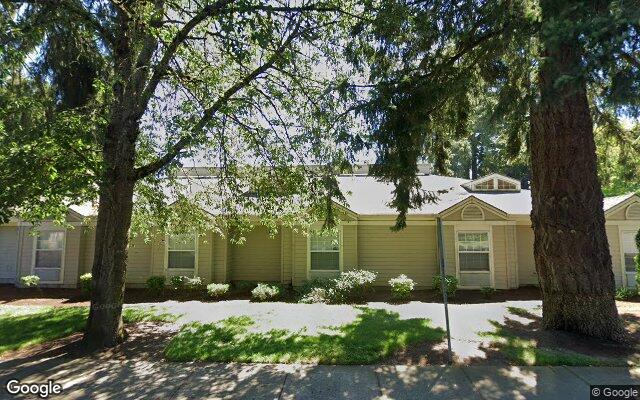
Contract Decoder
Family reviews
No reviews yet — be the first to share your experience
Other memory care options nearby.
More options in neighboring cities
Licensed memory care in other cities within this county region — useful when your search radius crosses city limits.