Footsteps at Tanasbourne.
Footsteps at Tanasbourne is Ranked in the bottom 3% on citation frequency among Oregon peers with 69 OR DHS citations on record; last inspected Mar 2024.

A medium home, reviewed on public record.

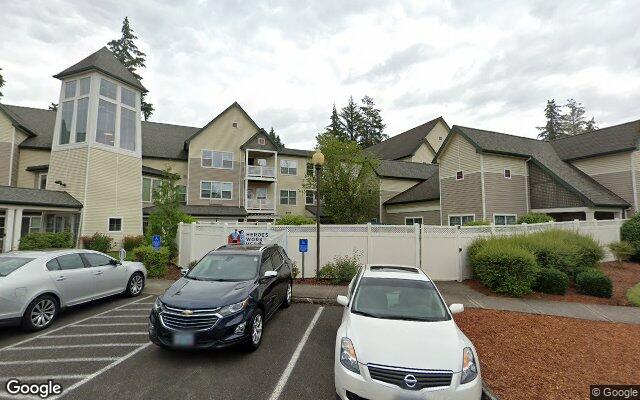
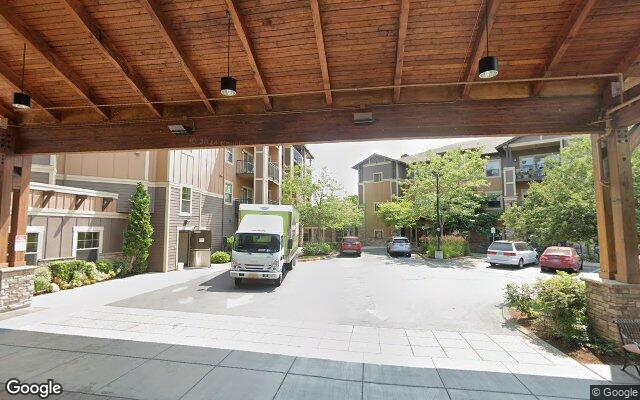
© Google Street View
Compared to 38 Oregon facilities with a similar number of beds.
ALF memory care · 36-month window. Higher percentile = better performance on inspection record. Source: Oregon Dept. of Human Services · Long-Term Care Licensing.
among peers to rank.
Rankings based on 36-month OR-DHS inspection data. Severity and frequency: fewer citations = higher percentile. Repeat rate: lower repeat citation share = higher percentile.
FACILITY WATCH · FREE
Footsteps at Tanasbourne has 69 citations on record. Know the moment anything changes.
New findings, complaint investigations, or status changes — emailed to you free.
Where are you in the process? (optional)
Citation history, plotted month by month.
69 deficiencies on record. Each bar is a month with a citation.
Finding distribution
69 total · 36 monthsScope × Severity (CMS A–L)
Every inspection visit, verbatim.
3 inspections in the public record, most recent first. Click any row to expand — cited rows open automatically.
2024-03-05Annual Compliance VisitOR-cited · 9 findings
Plain-language summary
A routine kitchen inspection on March 5, 2024 found the facility did not comply with food sanitation rules, including dirty surfaces throughout the kitchen, improper glove use, uncovered and unlabeled food in storage, and lack of beard restraints during food preparation. The facility completed a deep cleaning by March 18, 2024 and added daily and twice-daily cleaning tasks to its procedures. A follow-up inspection on May 16, 2024 determined the facility was in substantial compliance with food sanitation rules.
“Based on observation and interview, it was determined the facility failed to follow licensing rules for Residential Care and Assisted Living Facilities. Findings include, but are not limited to: Refer to C 240. Based on observation and interview, it was determined the facility failed to follow licensing rules for Residential Care and Assisted Living Facilities. Findings include, but are not limited to: Refer to C 240. Refer to POC in tag C 240. Refer to POC in tag C 240. There are no detail notes for this visit.”
“The findings of the kitchen inspection, conducted 03/05/24, are documented in this report. The survey was conducted to determine compliance with the OARs 411-054-0030 for Residential Care and Assisted Living Facilities for Resident Services - Meals and Oregon Health Service Food Sanitation Rules OARs 333-150-0000. The findings of the kitchen inspection, conducted 03/05/24, are documented in this report. The survey was conducted to determine compliance with the OARs 411-054-0030 for Residential Care and Assisted Living Facilities for Resident Services - Meals and Oregon Health Service Food Sanitation Rules OARs 333-150-0000. The findings of the first revisit to the kitchen inspection of 03/05/24, conducted 05/16/24, are documented in this report. It was determined the facility was in substantial compliance with the OARs 411-054-0030 for Residential Care and Assisted Living Facilities for Resident Services- Meals, and Oregon Health Service Food Sanitation Rules OARs 333-150-0000. The findings of the first revisit to the kitchen inspection of 03/05/24, conducted 05/16/24, are documented in this report. It was determined the facility was in substantial compliance with the OARs 411-054-0030 for Residential Care and Assisted Living Facilities for Resident Services- Meals, and Oregon Health Service Food Sanitation Rules OARs 333-150-0000.”
“Based on observation and interview, it was determined the facility failed to ensure kitchen practices and protocols were in accordance with the Food Sanitation Rules OARs 333-150-0000. Findings include, but are not limited to: On 03/05/24 at 11:00 am, the facility kitchen was observed to need cleaning in the following areas: a. Food spills/splatters, debris, dust and/or grease were observed on or underneath the following: * Walk in refrigerator and freezer floors; * Refrigerator #7's interior bottom shelf; * Freezer next to the deep fat fryer's interior bottom shelf; * Lower shelves throughout the kitchen including under the steam table and prep area tables; * Dry storage shelves with pans holding food items and shelves with plastic barriers; * Exterior oven doors; * Hood vents above and walls behind stoves/grills/steam jacketed kettle, tilt pan; * Pan food slicer was sitting on; and * Dishroom wall behind the sink spray hose. Additional observation included: * Improper use of gloves including not washing hands between changes, using same gloves to handle several food items, wearing gloves to retrieve food items from refrigerator and returning to handle food items with same gloves. Not using gloves when preparing ready to eat items; * Dishes stored on lowest shelf in the area across from the dishwashing area were stored in a manner that could cause cross contamination; * Food on rolling carts in walk in refrigerator were uncovered/undated/unlabeled; * Three large tubs of food being cooled with frozen wands were not covered tightly; * The freezer next to the deep fat fryer had open bags and uncovered tubs of food; * Garbage cans were not covered when not in use; and * Lack of beard restraints while preparing and serving food. The areas of concerned were discussed with Staff 1 (Executive Chef), Staff 2 (Food & Beverage Director), Staff 3 (Executive Director), Staff 4 (ALF Administrator) and Staff 5 (MCC Administrator) on 03/25/24. The findings were acknowledged. Based on observation and interview, it was determined the facility failed to ensure kitchen practices and protocols were in accordance with the Food Sanitation Rules OARs 333-150-0000. Findings include, but are not limited to: On 03/05/24 at 11:00 am, the facility kitchen was observed to need cleaning in the following areas: a. Food spills/splatters, debris, dust and/or grease were observed on or underneath the following: * Walk in refrigerator and freezer floors; * Refrigerator #7's interior bottom shelf; * Freezer next to the deep fat fryer's interior bottom shelf; * Lower shelves throughout the kitchen including under the steam table and prep area tables; * Dry storage shelves with pans holding food items and shelves with plastic barriers; * Exterior oven doors; * Hood vents above and walls behind stoves/grills/steam jacketed kettle, tilt pan; * Pan food slicer was sitting on; and * Dishroom wall behind the sink spray hose. Additional observation included: * Improper use of gloves including not washing hands between changes, using same gloves to handle several food items, wearing gloves to retrieve food items from refrigerator and returning to handle food items with same gloves. Not using gloves when preparing ready to eat items; * Dishes stored on lowest shelf in the area across from the dishwashing area were stored in a manner that could cause cross contamination; * Food on rolling carts in walk in refrigerator were uncovered/undated/unlabeled; * Three large tubs of food being cooled with frozen wands were not covered tightly; * The freezer next to the deep fat fryer had open bags and uncovered tubs of food; * Garbage cans were not covered when not in use; and * Lack of beard restraints while preparing and serving food. The areas of concerned were discussed with Staff 1 (Executive Chef), Staff 2 (Food & Beverage Director), Staff 3 (Executive Director), Staff 4 (ALF Administrator) and Staff 5 (MCC Administrator) on 03/25/24. The findings were acknowledged. o Kitchen staff did a thorough deep cleaning of all kitchen and storage areas that was completed on 3/18/24. The Executive Chef placed this cleaning duty on daily cleaning list. This list will be completed by kitchen staff on a daily basis. The Executive Chef and/or Sous Chef will ensure this daily cleaning task is completed and continue to monitor. o Kitchen staff completed a detailed cleaning of the walk in refrigerator and freezers on 3/15/24 . The Executive Chef added a twice daily sweep and mop of the cooler spaces to the daily cleaning list. This list will be completed by kitchen staff on a daily basis. The Executive Chef and/or Sous Chef will ensure this daily cleaning task is completed and continue to monitor. o All lower shelves in the refrigerator, near the freezer next to the deep fat fryer, and below the steam table and prep area tables were thoroughly cleaned on 3/16/24. These cleaning tasks were added to daily cleaning list by Executive Chef. This list will be completed by kitchen staff on a daily basis. The Executive Chef and/or Sous Chef will ensure this daily cleaning task is completed and continue to monitor. o All plastic sheets in dry storage to be removed and all racks will be properly cleaned by 3/20/24. This cleaning tasks was added to daily cleaning list by Executive Chef. This list will be completed by kitchen staff on a daily basis. The Executive Chef and/or Sous Chef will ensure this daily cleaning task is completed and continue to monitor. o Exterior oven doors, the hood vents, and the walls behind the stoves/grills/steam jacketed kettle, and the tilt pan will be cleaned by 5/4/2024. Moving forward these items will be cleaned weekly and sometimes daily as needed. These cleaning tasks were added to the weekly cleaning list by the Executive Chef. This list will be completed by kitchen staff on a weekly basis. The Executive Chef and/or Sous Chef will ensure this weekly cleaning task is completed and continue to monitor. o Beginning on 3/18/24 or sooner the slicer pan is being replaced daily. This item was added to the daily checklist for the Sous Chefs. The Executive Chef will oversee the Sous Chefs to ensure they are completing their daily checklists and the Executive Chef will continue to monitor. o All dishes on lower shelving are being stored inverted as of 3/15/24. This item was added to the daily checklist for the Sous Chefs. The Executive Chef will oversee the Sous Chefs to ensure they are completing their daily checklists and the Executive Chef will continue to monitor. o Kitchen staff completed a detailed cleaning of the wall behind the sink spray hose on 3/15/24 . This cleaning tasks was added to the daily cleaning list by the Executive Chef. This list will be completed by kitchen staff on a daily basis. The Executive Chef and/or Sous Chef will ensure this daily cleaning task is completed and continue to monitor. o As of 3/5/2024 all food items in the walk-in coolers have the proper covers and labels. This item was added to the daily checklist for the Sous Chefs. The Executive Chef will oversee the Sous Chefs to ensure they are completing their daily checklists and the Executive Chef will continue to monitor. o As of 3/5/2024 all items in the walk-in and smaller freezer are stored in closed containers and/or properly sealed packaging. This item was added to the daily checklist for the Sous Chefs. The Executive Chef will oversee the Sous Chefs to ensure they are completing their daily checklists and the Executive Chef will continue to monitor. o The Food and Beverage Director ordered new spin top lids to replace broken flip top lids. Lids ordered on 3/6/24 by the Food and Beverage Director. These lids will be installed upon arrival by the Executive Chef. The Executive Chef will monitor these lids on a daily basis and replace them as needed. o As of 3/21/24 beard restraints were required to be worn by all kitchen staff with facial hair. ”
“Based on observation and interview, it was determined the facility failed to follow licensing rules for Residential Care and Assisted Living Facilities. Findings include, but are not limited to: Refer to C 240. Based on observation and interview, it was determined the facility failed to follow licensing rules for Residential Care and Assisted Living Facilities. Findings include, but are not limited to: Refer to C 240. Refer to POC in tag C 240. Refer to POC in tag C 240. There are no detail notes for this visit.”
“The findings of the kitchen inspection, conducted 03/05/24, are documented in this report. The survey was conducted to determine compliance with the OARs 411-054-0030 for Residential Care and Assisted Living Facilities for Resident Services - Meals and Oregon Health Service Food Sanitation Rules OARs 333-150-0000. The findings of the kitchen inspection, conducted 03/05/24, are documented in this report. The survey was conducted to determine compliance with the OARs 411-054-0030 for Residential Care and Assisted Living Facilities for Resident Services - Meals and Oregon Health Service Food Sanitation Rules OARs 333-150-0000. The findings of the first revisit to the kitchen inspection of 03/05/24, conducted 05/16/24, are documented in this report. It was determined the facility was in substantial compliance with the OARs 411-054-0030 for Residential Care and Assisted Living Facilities for Resident Services- Meals, and Oregon Health Service Food Sanitation Rules OARs 333-150-0000. The findings of the first revisit to the kitchen inspection of 03/05/24, conducted 05/16/24, are documented in this report. It was determined the facility was in substantial compliance with the OARs 411-054-0030 for Residential Care and Assisted Living Facilities for Resident Services- Meals, and Oregon Health Service Food Sanitation Rules OARs 333-150-0000.”
“Based on observation and interview, it was determined the facility failed to ensure kitchen practices and protocols were in accordance with the Food Sanitation Rules OARs 333-150-0000. Findings include, but are not limited to: On 03/05/24 at 11:00 am, the facility kitchen was observed to need cleaning in the following areas: a. Food spills/splatters, debris, dust and/or grease were observed on or underneath the following: * Walk in refrigerator and freezer floors; * Refrigerator #7's interior bottom shelf; * Freezer next to the deep fat fryer's interior bottom shelf; * Lower shelves throughout the kitchen including under the steam table and prep area tables; * Dry storage shelves with pans holding food items and shelves with plastic barriers; * Exterior oven doors; * Hood vents above and walls behind stoves/grills/steam jacketed kettle, tilt pan; * Pan food slicer was sitting on; and * Dishroom wall behind the sink spray hose. Additional observation included: * Improper use of gloves including not washing hands between changes, using same gloves to handle several food items, wearing gloves to retrieve food items from refrigerator and returning to handle food items with same gloves. Not using gloves when preparing ready to eat items; * Dishes stored on lowest shelf in the area across from the dishwashing area were stored in a manner that could cause cross contamination; * Food on rolling carts in walk in refrigerator were uncovered/undated/unlabeled; * Three large tubs of food being cooled with frozen wands were not covered tightly; * The freezer next to the deep fat fryer had open bags and uncovered tubs of food; * Garbage cans were not covered when not in use; and * Lack of beard restraints while preparing and serving food. The areas of concerned were discussed with Staff 1 (Executive Chef), Staff 2 (Food & Beverage Director), Staff 3 (Executive Director), Staff 4 (ALF Administrator) and Staff 5 (MCC Administrator) on 03/25/24. The findings were acknowledged. Based on observation and interview, it was determined the facility failed to ensure kitchen practices and protocols were in accordance with the Food Sanitation Rules OARs 333-150-0000. Findings include, but are not limited to: On 03/05/24 at 11:00 am, the facility kitchen was observed to need cleaning in the following areas: a. Food spills/splatters, debris, dust and/or grease were observed on or underneath the following: * Walk in refrigerator and freezer floors; * Refrigerator #7's interior bottom shelf; * Freezer next to the deep fat fryer's interior bottom shelf; * Lower shelves throughout the kitchen including under the steam table and prep area tables; * Dry storage shelves with pans holding food items and shelves with plastic barriers; * Exterior oven doors; * Hood vents above and walls behind stoves/grills/steam jacketed kettle, tilt pan; * Pan food slicer was sitting on; and * Dishroom wall behind the sink spray hose. Additional observation included: * Improper use of gloves including not washing hands between changes, using same gloves to handle several food items, wearing gloves to retrieve food items from refrigerator and returning to handle food items with same gloves. Not using gloves when preparing ready to eat items; * Dishes stored on lowest shelf in the area across from the dishwashing area were stored in a manner that could cause cross contamination; * Food on rolling carts in walk in refrigerator were uncovered/undated/unlabeled; * Three large tubs of food being cooled with frozen wands were not covered tightly; * The freezer next to the deep fat fryer had open bags and uncovered tubs of food; * Garbage cans were not covered when not in use; and * Lack of beard restraints while preparing and serving food. The areas of concerned were discussed with Staff 1 (Executive Chef), Staff 2 (Food & Beverage Director), Staff 3 (Executive Director), Staff 4 (ALF Administrator) and Staff 5 (MCC Administrator) on 03/25/24. The findings were acknowledged. o Kitchen staff did a thorough deep cleaning of all kitchen and storage areas that was completed on 3/18/24. The Executive Chef placed this cleaning duty on daily cleaning list. This list will be completed by kitchen staff on a daily basis. The Executive Chef and/or Sous Chef will ensure this daily cleaning task is completed and continue to monitor. o Kitchen staff completed a detailed cleaning of the walk in refrigerator and freezers on 3/15/24 . The Executive Chef added a twice daily sweep and mop of the cooler spaces to the daily cleaning list. This list will be completed by kitchen staff on a daily basis. The Executive Chef and/or Sous Chef will ensure this daily cleaning task is completed and continue to monitor. o All lower shelves in the refrigerator, near the freezer next to the deep fat fryer, and below the steam table and prep area tables were thoroughly cleaned on 3/16/24. These cleaning tasks were added to daily cleaning list by Executive Chef. This list will be completed by kitchen staff on a daily basis. The Executive Chef and/or Sous Chef will ensure this daily cleaning task is completed and continue to monitor. o All plastic sheets in dry storage to be removed and all racks will be properly cleaned by 3/20/24. This cleaning tasks was added to daily cleaning list by Executive Chef. This list will be completed by kitchen staff on a daily basis. The Executive Chef and/or Sous Chef will ensure this daily cleaning task is completed and continue to monitor. o Exterior oven doors, the hood vents, and the walls behind the stoves/grills/steam jacketed kettle, and the tilt pan will be cleaned by 5/4/2024. Moving forward these items will be cleaned weekly and sometimes daily as needed. These cleaning tasks were added to the weekly cleaning list by the Executive Chef. This list will be completed by kitchen staff on a weekly basis. The Executive Chef and/or Sous Chef will ensure this weekly cleaning task is completed and continue to monitor. o Beginning on 3/18/24 or sooner the slicer pan is being replaced daily. This item was added to the daily checklist for the Sous Chefs. The Executive Chef will oversee the Sous Chefs to ensure they are completing their daily checklists and the Executive Chef will continue to monitor. o All dishes on lower shelving are being stored inverted as of 3/15/24. This item was added to the daily checklist for the Sous Chefs. The Executive Chef will oversee the Sous Chefs to ensure they are completing their daily checklists and the Executive Chef will continue to monitor. o Kitchen staff completed a detailed cleaning of the wall behind the sink spray hose on 3/15/24 . This cleaning tasks was added to the daily cleaning list by the Executive Chef. This list will be completed by kitchen staff on a daily basis. The Executive Chef and/or Sous Chef will ensure this daily cleaning task is completed and continue to monitor. o As of 3/5/2024 all food items in the walk-in coolers have the proper covers and labels. This item was added to the daily checklist for the Sous Chefs. The Executive Chef will oversee the Sous Chefs to ensure they are completing their daily checklists and the Executive Chef will continue to monitor. o As of 3/5/2024 all items in the walk-in and smaller freezer are stored in closed containers and/or properly sealed packaging. This item was added to the daily checklist for the Sous Chefs. The Executive Chef will oversee the Sous Chefs to ensure they are completing their daily checklists and the Executive Chef will continue to monitor. o The Food and Beverage Director ordered new spin top lids to replace broken flip top lids. Lids ordered on 3/6/24 by the Food and Beverage Director. These lids will be installed upon arrival by the Executive Chef. The Executive Chef will monitor these lids on a daily basis and replace them as needed. o As of 3/21/24 beard restraints were required to be worn by all kitchen staff with facial hair. ”
“Based on observation and interview, it was determined the facility failed to follow licensing rules for Residential Care and Assisted Living Facilities. Findings include, but are not limited to: Refer to C 240. Based on observation and interview, it was determined the facility failed to follow licensing rules for Residential Care and Assisted Living Facilities. Findings include, but are not limited to: Refer to C 240. Refer to POC in tag C 240. Refer to POC in tag C 240. There are no detail notes for this visit.”
“The findings of the kitchen inspection, conducted 03/05/24, are documented in this report. The survey was conducted to determine compliance with the OARs 411-054-0030 for Residential Care and Assisted Living Facilities for Resident Services - Meals and Oregon Health Service Food Sanitation Rules OARs 333-150-0000. The findings of the kitchen inspection, conducted 03/05/24, are documented in this report. The survey was conducted to determine compliance with the OARs 411-054-0030 for Residential Care and Assisted Living Facilities for Resident Services - Meals and Oregon Health Service Food Sanitation Rules OARs 333-150-0000. The findings of the first revisit to the kitchen inspection of 03/05/24, conducted 05/16/24, are documented in this report. It was determined the facility was in substantial compliance with the OARs 411-054-0030 for Residential Care and Assisted Living Facilities for Resident Services- Meals, and Oregon Health Service Food Sanitation Rules OARs 333-150-0000. The findings of the first revisit to the kitchen inspection of 03/05/24, conducted 05/16/24, are documented in this report. It was determined the facility was in substantial compliance with the OARs 411-054-0030 for Residential Care and Assisted Living Facilities for Resident Services- Meals, and Oregon Health Service Food Sanitation Rules OARs 333-150-0000.”
“Based on observation and interview, it was determined the facility failed to ensure kitchen practices and protocols were in accordance with the Food Sanitation Rules OARs 333-150-0000. Findings include, but are not limited to: On 03/05/24 at 11:00 am, the facility kitchen was observed to need cleaning in the following areas: a. Food spills/splatters, debris, dust and/or grease were observed on or underneath the following: * Walk in refrigerator and freezer floors; * Refrigerator #7's interior bottom shelf; * Freezer next to the deep fat fryer's interior bottom shelf; * Lower shelves throughout the kitchen including under the steam table and prep area tables; * Dry storage shelves with pans holding food items and shelves with plastic barriers; * Exterior oven doors; * Hood vents above and walls behind stoves/grills/steam jacketed kettle, tilt pan; * Pan food slicer was sitting on; and * Dishroom wall behind the sink spray hose. Additional observation included: * Improper use of gloves including not washing hands between changes, using same gloves to handle several food items, wearing gloves to retrieve food items from refrigerator and returning to handle food items with same gloves. Not using gloves when preparing ready to eat items; * Dishes stored on lowest shelf in the area across from the dishwashing area were stored in a manner that could cause cross contamination; * Food on rolling carts in walk in refrigerator were uncovered/undated/unlabeled; * Three large tubs of food being cooled with frozen wands were not covered tightly; * The freezer next to the deep fat fryer had open bags and uncovered tubs of food; * Garbage cans were not covered when not in use; and * Lack of beard restraints while preparing and serving food. The areas of concerned were discussed with Staff 1 (Executive Chef), Staff 2 (Food & Beverage Director), Staff 3 (Executive Director), Staff 4 (ALF Administrator) and Staff 5 (MCC Administrator) on 03/25/24. The findings were acknowledged. Based on observation and interview, it was determined the facility failed to ensure kitchen practices and protocols were in accordance with the Food Sanitation Rules OARs 333-150-0000. Findings include, but are not limited to: On 03/05/24 at 11:00 am, the facility kitchen was observed to need cleaning in the following areas: a. Food spills/splatters, debris, dust and/or grease were observed on or underneath the following: * Walk in refrigerator and freezer floors; * Refrigerator #7's interior bottom shelf; * Freezer next to the deep fat fryer's interior bottom shelf; * Lower shelves throughout the kitchen including under the steam table and prep area tables; * Dry storage shelves with pans holding food items and shelves with plastic barriers; * Exterior oven doors; * Hood vents above and walls behind stoves/grills/steam jacketed kettle, tilt pan; * Pan food slicer was sitting on; and * Dishroom wall behind the sink spray hose. Additional observation included: * Improper use of gloves including not washing hands between changes, using same gloves to handle several food items, wearing gloves to retrieve food items from refrigerator and returning to handle food items with same gloves. Not using gloves when preparing ready to eat items; * Dishes stored on lowest shelf in the area across from the dishwashing area were stored in a manner that could cause cross contamination; * Food on rolling carts in walk in refrigerator were uncovered/undated/unlabeled; * Three large tubs of food being cooled with frozen wands were not covered tightly; * The freezer next to the deep fat fryer had open bags and uncovered tubs of food; * Garbage cans were not covered when not in use; and * Lack of beard restraints while preparing and serving food. The areas of concerned were discussed with Staff 1 (Executive Chef), Staff 2 (Food & Beverage Director), Staff 3 (Executive Director), Staff 4 (ALF Administrator) and Staff 5 (MCC Administrator) on 03/25/24. The findings were acknowledged. o Kitchen staff did a thorough deep cleaning of all kitchen and storage areas that was completed on 3/18/24. The Executive Chef placed this cleaning duty on daily cleaning list. This list will be completed by kitchen staff on a daily basis. The Executive Chef and/or Sous Chef will ensure this daily cleaning task is completed and continue to monitor. o Kitchen staff completed a detailed cleaning of the walk in refrigerator and freezers on 3/15/24 . The Executive Chef added a twice daily sweep and mop of the cooler spaces to the daily cleaning list. This list will be completed by kitchen staff on a daily basis. The Executive Chef and/or Sous Chef will ensure this daily cleaning task is completed and continue to monitor. o All lower shelves in the refrigerator, near the freezer next to the deep fat fryer, and below the steam table and prep area tables were thoroughly cleaned on 3/16/24. These cleaning tasks were added to daily cleaning list by Executive Chef. This list will be completed by kitchen staff on a daily basis. The Executive Chef and/or Sous Chef will ensure this daily cleaning task is completed and continue to monitor. o All plastic sheets in dry storage to be removed and all racks will be properly cleaned by 3/20/24. This cleaning tasks was added to daily cleaning list by Executive Chef. This list will be completed by kitchen staff on a daily basis. The Executive Chef and/or Sous Chef will ensure this daily cleaning task is completed and continue to monitor. o Exterior oven doors, the hood vents, and the walls behind the stoves/grills/steam jacketed kettle, and the tilt pan will be cleaned by 5/4/2024. Moving forward these items will be cleaned weekly and sometimes daily as needed. These cleaning tasks were added to the weekly cleaning list by the Executive Chef. This list will be completed by kitchen staff on a weekly basis. The Executive Chef and/or Sous Chef will ensure this weekly cleaning task is completed and continue to monitor. o Beginning on 3/18/24 or sooner the slicer pan is being replaced daily. This item was added to the daily checklist for the Sous Chefs. The Executive Chef will oversee the Sous Chefs to ensure they are completing their daily checklists and the Executive Chef will continue to monitor. o All dishes on lower shelving are being stored inverted as of 3/15/24. This item was added to the daily checklist for the Sous Chefs. The Executive Chef will oversee the Sous Chefs to ensure they are completing their daily checklists and the Executive Chef will continue to monitor. o Kitchen staff completed a detailed cleaning of the wall behind the sink spray hose on 3/15/24 . This cleaning tasks was added to the daily cleaning list by the Executive Chef. This list will be completed by kitchen staff on a daily basis. The Executive Chef and/or Sous Chef will ensure this daily cleaning task is completed and continue to monitor. o As of 3/5/2024 all food items in the walk-in coolers have the proper covers and labels. This item was added to the daily checklist for the Sous Chefs. The Executive Chef will oversee the Sous Chefs to ensure they are completing their daily checklists and the Executive Chef will continue to monitor. o As of 3/5/2024 all items in the walk-in and smaller freezer are stored in closed containers and/or properly sealed packaging. This item was added to the daily checklist for the Sous Chefs. The Executive Chef will oversee the Sous Chefs to ensure they are completing their daily checklists and the Executive Chef will continue to monitor. o The Food and Beverage Director ordered new spin top lids to replace broken flip top lids. Lids ordered on 3/6/24 by the Food and Beverage Director. These lids will be installed upon arrival by the Executive Chef. The Executive Chef will monitor these lids on a daily basis and replace them as needed. o As of 3/21/24 beard restraints were required to be worn by all kitchen staff with facial hair. ”
Read raw inspector notesClose inspector notes
The findings of the kitchen inspection, conducted 03/05/24, are documented in this report. The survey was conducted to determine compliance with the OARs 411-054-0030 for Residential Care and Assisted Living Facilities for Resident Services - Meals and Oregon Health Service Food Sanitation Rules OARs 333-150-0000. The findings of the kitchen inspection, conducted 03/05/24, are documented in this report. The survey was conducted to determine compliance with the OARs 411-054-0030 for Residential Care and Assisted Living Facilities for Resident Services - Meals and Oregon Health Service Food Sanitation Rules OARs 333-150-0000. The findings of the first revisit to the kitchen inspection of 03/05/24, conducted 05/16/24, are documented in this report. It was determined the facility was in substantial compliance with the OARs 411-054-0030 for Residential Care and Assisted Living Facilities for Resident Services- Meals, and Oregon Health Service Food Sanitation Rules OARs 333-150-0000. The findings of the first revisit to the kitchen inspection of 03/05/24, conducted 05/16/24, are documented in this report. It was determined the facility was in substantial compliance with the OARs 411-054-0030 for Residential Care and Assisted Living Facilities for Resident Services- Meals, and Oregon Health Service Food Sanitation Rules OARs 333-150-0000. Based on observation and interview, it was determined the facility failed to ensure kitchen practices and protocols were in accordance with the Food Sanitation Rules OARs 333-150-0000. Findings include, but are not limited to: On 03/05/24 at 11:00 am, the facility kitchen was observed to need cleaning in the following areas: a. Food spills/splatters, debris, dust and/or grease were observed on or underneath the following: * Walk in refrigerator and freezer floors; * Refrigerator #7's interior bottom shelf; * Freezer next to the deep fat fryer's interior bottom shelf; * Lower shelves throughout the kitchen including under the steam table and prep area tables; * Dry storage shelves with pans holding food items and shelves with plastic barriers; * Exterior oven doors; * Hood vents above and walls behind stoves/grills/steam jacketed kettle, tilt pan; * Pan food slicer was sitting on; and * Dishroom wall behind the sink spray hose. Additional observation included: * Improper use of gloves including not washing hands between changes, using same gloves to handle several food items, wearing gloves to retrieve food items from refrigerator and returning to handle food items with same gloves. Not using gloves when preparing ready to eat items; * Dishes stored on lowest shelf in the area across from the dishwashing area were stored in a manner that could cause cross contamination; * Food on rolling carts in walk in refrigerator were uncovered/undated/unlabeled; * Three large tubs of food being cooled with frozen wands were not covered tightly; * The freezer next to the deep fat fryer had open bags and uncovered tubs of food; * Garbage cans were not covered when not in use; and * Lack of beard restraints while preparing and serving food. The areas of concerned were discussed with Staff 1 (Executive Chef), Staff 2 (Food & Beverage Director), Staff 3 (Executive Director), Staff 4 (ALF Administrator) and Staff 5 (MCC Administrator) on 03/25/24. The findings were acknowledged. Based on observation and interview, it was determined the facility failed to ensure kitchen practices and protocols were in accordance with the Food Sanitation Rules OARs 333-150-0000. Findings include, but are not limited to: On 03/05/24 at 11:00 am, the facility kitchen was observed to need cleaning in the following areas: a. Food spills/splatters, debris, dust and/or grease were observed on or underneath the following: * Walk in refrigerator and freezer floors; * Refrigerator #7's interior bottom shelf; * Freezer next to the deep fat fryer's interior bottom shelf; * Lower shelves throughout the kitchen including under the steam table and prep area tables; * Dry storage shelves with pans holding food items and shelves with plastic barriers; * Exterior oven doors; * Hood vents above and walls behind stoves/grills/steam jacketed kettle, tilt pan; * Pan food slicer was sitting on; and * Dishroom wall behind the sink spray hose. Additional observation included: * Improper use of gloves including not washing hands between changes, using same gloves to handle several food items, wearing gloves to retrieve food items from refrigerator and returning to handle food items with same gloves. Not using gloves when preparing ready to eat items; * Dishes stored on lowest shelf in the area across from the dishwashing area were stored in a manner that could cause cross contamination; * Food on rolling carts in walk in refrigerator were uncovered/undated/unlabeled; * Three large tubs of food being cooled with frozen wands were not covered tightly; * The freezer next to the deep fat fryer had open bags and uncovered tubs of food; * Garbage cans were not covered when not in use; and * Lack of beard restraints while preparing and serving food. The areas of concerned were discussed with Staff 1 (Executive Chef), Staff 2 (Food & Beverage Director), Staff 3 (Executive Director), Staff 4 (ALF Administrator) and Staff 5 (MCC Administrator) on 03/25/24. The findings were acknowledged. o Kitchen staff did a thorough deep cleaning of all kitchen and storage areas that was completed on 3/18/24. The Executive Chef placed this cleaning duty on daily cleaning list. This list will be completed by kitchen staff on a daily basis. The Executive Chef and/or Sous Chef will ensure this daily cleaning task is completed and continue to monitor. o Kitchen staff completed a detailed cleaning of the walk in refrigerator and freezers on 3/15/24 . The Executive Chef added a twice daily sweep and mop of the cooler spaces to the daily cleaning list. This list will be completed by kitchen staff on a daily basis. The Executive Chef and/or Sous Chef will ensure this daily cleaning task is completed and continue to monitor. o All lower shelves in the refrigerator, near the freezer next to the deep fat fryer, and below the steam table and prep area tables were thoroughly cleaned on 3/16/24. These cleaning tasks were added to daily cleaning list by Executive Chef. This list will be completed by kitchen staff on a daily basis. The Executive Chef and/or Sous Chef will ensure this daily cleaning task is completed and continue to monitor. o All plastic sheets in dry storage to be removed and all racks will be properly cleaned by 3/20/24. This cleaning tasks was added to daily cleaning list by Executive Chef. This list will be completed by kitchen staff on a daily basis. The Executive Chef and/or Sous Chef will ensure this daily cleaning task is completed and continue to monitor. o Exterior oven doors, the hood vents, and the walls behind the stoves/grills/steam jacketed kettle, and the tilt pan will be cleaned by 5/4/2024. Moving forward these items will be cleaned weekly and sometimes daily as needed. These cleaning tasks were added to the weekly cleaning list by the Executive Chef. This list will be completed by kitchen staff on a weekly basis. The Executive Chef and/or Sous Chef will ensure this weekly cleaning task is completed and continue to monitor. o Beginning on 3/18/24 or sooner the slicer pan is being replaced daily. This item was added to the daily checklist for the Sous Chefs. The Executive Chef will oversee the Sous Chefs to ensure they are completing their daily checklists and the Executive Chef will continue to monitor. o All dishes on lower shelving are being stored inverted as of 3/15/24. This item was added to the daily checklist for the Sous Chefs. The Executive Chef will oversee the Sous Chefs to ensure they are completing their daily checklists and the Executive Chef will continue to monitor. o Kitchen staff completed a detailed cleaning of the wall behind the sink spray hose on 3/15/24 . This cleaning tasks was added to the daily cleaning list by the Executive Chef. This list will be completed by kitchen staff on a daily basis. The Executive Chef and/or Sous Chef will ensure this daily cleaning task is completed and continue to monitor. o As of 3/5/2024 all food items in the walk-in coolers have the proper covers and labels. This item was added to the daily checklist for the Sous Chefs. The Executive Chef will oversee the Sous Chefs to ensure they are completing their daily checklists and the Executive Chef will continue to monitor. o As of 3/5/2024 all items in the walk-in and smaller freezer are stored in closed containers and/or properly sealed packaging. This item was added to the daily checklist for the Sous Chefs. The Executive Chef will oversee the Sous Chefs to ensure they are completing their daily checklists and the Executive Chef will continue to monitor. o The Food and Beverage Director ordered new spin top lids to replace broken flip top lids. Lids ordered on 3/6/24 by the Food and Beverage Director. These lids will be installed upon arrival by the Executive Chef. The Executive Chef will monitor these lids on a daily basis and replace them as needed. o As of 3/21/24 beard restraints were required to be worn by all kitchen staff with facial hair. Based on observation and interview, it was determined the facility failed to follow licensing rules for Residential Care and Assisted Living Facilities. Findings include, but are not limited to: Refer to C 240. Based on observation and interview, it was determined the facility failed to follow licensing rules for Residential Care and Assisted Living Facilities. Findings include, but are not limited to: Refer to C 240. Refer to POC in tag C 240. Refer to POC in tag C 240. There are no detail notes for this visit.
2023-10-04Complaint InvestigationOR-cited · 3 findings
2023-08-02Annual Compliance VisitOR-cited · 57 findings
Plain-language summary
A re-licensure validation survey was conducted August 2–4, 2023, with follow-up visits in December 2023 and March 2024. The facility was found to be in compliance with Oregon residential care, assisted living, and memory care regulations as of the March 2024 follow-up visit.
“The findings of the re-licensure survey, conducted 08/02/23 through 08/04/23, are documented in this report. The survey was conducted to determine compliance with the OARs 411 Division 54 for Residential Care and Assisted Living Facilities, OARs 411 Division 57 for Memory Care Communities and OARs 411 Division 004 Home and Community Based Services Regulations. Tag numbers beginning with the letter C refer to the Residential Care and Assisted Living rules. Tag numbers beginning with the letter Z refer to the Memory Care Community rules. Abbreviations possibly used in this document: ADL: activities of daily living bid: twice a day CBG: capillary blood glucose or blood sugar CG: caregiver cm: centimeter ED: Executive Director F: Fahrenheit HH: Home Health LPN: Licensed Practical Nurse MA: Medication Aide MAR: Medication Administration Record MCC: Memory Care Community mg: milligram ml: milliliter MT: Medication Technician OT: Occupational Therapist PT: Physical Therapist PRN: as needed qd: every day or daily qid: four times a day QI: quality improvement RCC: Resident Care Coordinator RN: Registered Nurse TAR: Treatment Administration Record tid: three times a day The findings of the re-licensure survey, conducted 08/02/23 through 08/04/23, are documented in this report. The survey was conducted to determine compliance with the OARs 411 Division 54 for Residential Care and Assisted Living Facilities, OARs 411 Division 57 for Memory Care Communities and OARs 411 Division 004 Home and Community Based Services Regulations. Tag numbers beginning with the letter C refer to the Residential Care and Assisted Living rules. Tag numbers beginning with the letter Z refer to the Memory Care Community rules. Abbreviations possibly used in this document: ADL: activities of daily living bid: twice a day CBG: capillary blood glucose or blood sugar CG: caregiver cm: centimeter ED: Executive Director F: Fahrenheit HH: Home Health LPN: Licensed Practical Nurse MA: Medication Aide MAR: Medication Administration Record MCC: Memory Care Community mg: milligram ml: milliliter MT: Medication Technician OT: Occupational Therapist PT: Physical Therapist PRN: as needed qd: every day or daily qid: four times a day QI: quality improvement RCC: Resident Care Coordinator RN: Registered Nurse TAR: Treatment Administration Record tid: three times a day The findings of the first re-visit to the re-licensure survey of 08/04/23, conducted 12/26/23 through 12/28/23, are documented in this report. The survey was conducted to determine compliance with the OARs 411 Division 54 for Residential Care and Assisted Living Facilities, OARs 411 Division 57 for Memory Care Communities and OARs 411 Division 004 Home and Community Based Services Regulations. Tag numbers beginning with the letter C refer to the Residential Care and Assisted Living rules. Tag numbers beginning with the letter Z refer to the Memory Care Community rules. Abbreviations possibly used in this document: ADL: activities of daily living bid: twice a day CBG: capillary blood glucose or blood sugar CG: caregiver cm: centimeter ED: Executive Director F: Fahrenheit HH: Home Health LPN: Licensed Practical Nurse MA: Medication Aide MAR: Medication Administration Record MCC: Memory Care Community mg: milligram ml: milliliter MT: Medication Technician OT: Occupational Therapist PT: Physical Therapist PRN: as needed qd: every day or daily qid: four times a day QI: quality improvement RCC: Resident Care Coordinator RN: Registered Nurse TAR: Treatment Administration Record tid: three times a day The findings of the first re-visit to the re-licensure survey of 08/04/23, conducted 12/26/23 through 12/28/23, are documented in this report. The survey was conducted to determine compliance with the OARs 411 Division 54 for Residential Care and Assisted Living Facilities, OARs 411 Division 57 for Memory Care Communities and OARs 411 Division 004 Home and Community Based Services Regulations. Tag numbers beginning with the letter C refer to the Residential Care and Assisted Living rules. Tag numbers beginning with the letter Z refer to the Memory Care Community rules. Abbreviations possibly used in this document: ADL: activities of daily living bid: twice a day CBG: capillary blood glucose or blood sugar CG: caregiver cm: centimeter ED: Executive Director F: Fahrenheit HH: Home Health LPN: Licensed Practical Nurse MA: Medication Aide MAR: Medication Administration Record MCC: Memory Care Community mg: milligram ml: milliliter MT: Medication Technician OT: Occupational Therapist PT: Physical Therapist PRN: as needed qd: every day or daily qid: four times a day QI: quality improvement RCC: Resident Care Coordinator RN: Registered Nurse TAR: Treatment Administration Record tid: three times a day The findings of the second re-visit to the re-licensure survey of 08/04/23, conducted on 03/18/24, are documented in this report. It was determined the facility was in compliance with the OARs 411 Division 54 for Residential Care and Assisted Living Facilities, OARs 411 Division 57 for Memory Care Communities and OARs 411 Division 004 Home and Community Based Services Regulations. The findings of the second re-visit to the re-licensure survey of 08/04/23, conducted on 03/18/24, are documented in this report. It was determined the facility was in compliance with the OARs 411 Division 54 for Residential Care and Assisted Living Facilities, OARs 411 Division 57 for Memory Care Communities and OARs 411 Division 004 Home and Community Based Services Regulations.”
“Based on observation and interview, it was determined the facility failed to ensure required postings were posted in a routinely accessible and conspicuous location to residents and visitors. Findings include, but are not limited to: A tour of the facility conducted on 08/02/23 at 9:52 am identified the following was not accessible and in a conspicuous location: * The name of the administrator or designee in charge. The designee in charge was not posted by shift or whenever the Memory Care Coordinator was out of the facility; and * A copy of the most recent re-licensure survey, including all revisits and plans of correction as applicable. The need to ensure all required postings were in an accessible and conspicuous place was discussed with Staff 1 (ED), Staff 2 (Administrator), Staff 4 (Memory Care Coordinator), and Staff 6 (Director of Plant Operations) on 08/04/2 at 10:12 am. They acknowledged the findings. Based on observation and interview, it was determined the facility failed to ensure required postings were posted in a routinely accessible and conspicuous location to residents and visitors. Findings include, but are not limited to: A tour of the facility conducted on 08/02/23 at 9:52 am identified the following was not accessible and in a conspicuous location: * The name of the administrator or designee in charge. The designee in charge was not posted by shift or whenever the Memory Care Coordinator was out of the facility; and * A copy of the most recent re-licensure survey, including all revisits and plans of correction as applicable. The need to ensure all required postings were in an accessible and conspicuous place was discussed with Staff 1 (ED), Staff 2 (Administrator), Staff 4 (Memory Care Coordinator), and Staff 6 (Director of Plant Operations) on 08/04/2 at 10:12 am. They acknowledged the findings. C152 - Facility Administration: Required Postings o There is already a "Manager on Duty" sign in the unit, however the facility did not have a name or position designated in this sign. The Administrator is ordering "Med Tech" and "Memory Care Coordinator (MCC)" name plates that will be used at the appropriate times throughout the day and night to designate whether the MCC or the med tech is the current manager on duty. The Administrator and/or designee will train all memory care med techs and the MCC on this new procedure. o The Administrator posted a sign in front of the main memory care entrance that says where the latest state survey is located. The most recent re-licensure survey is located in the designated location as specified on the posting next to the memory care entrance. o For the monitoring plan the Administrator and/or designee will do a daily walk through to check for the following postings: (1) to ensure that staff are putting the appropriate position name plate in the "Manager on Duty" sign; (2) that the signage indicating the location of the most recent re-licensure survey is posted next to the memory care doors; and (3) that the copy of the most recent re-licensure survey is available in the designated location. C152 - Facility Administration: Required Postings o There is already a "Manager on Duty" sign in the unit, however the facility did not have a name or position designated in this sign. The Administrator is ordering "Med Tech" and "Memory Care Coordinator (MCC)" name plates that will be used at the appropriate times throughout the day and night to designate whether the MCC or the med tech is the current manager on duty. The Administrator and/or designee will train all memory care med techs and the MCC on this new procedure. o The Administrator posted a sign in front of the main memory care entrance that says where the latest state survey is located. The most recent re-licensure survey is located in the designated location as specified on the posting next to the memory care entrance. o For the monitoring plan the Administrator and/or designee will do a daily walk through to check for the following postings: (1) to ensure that staff are putting the appropriate position name plate in the "Manager on Duty" sign; (2) that the signage indicating the location of the most recent re-licensure survey is posted next to the memory care doors; and (3) that the copy of the most recent re-licensure survey is available in the designated location. There are no detail notes for this visit.”
“Based on interview and record review, it was determined the facility failed to conduct investigations for injuries of unknown cause to rule out abuse, or report the injuries as suspected abuse to the local Seniors and People with Disabilities (SPD) office for 1 of 1 sampled resident (# 1) whose record was reviewed. Findings include, but are not limited to: Resident 1 was admitted to the facility in 08/2022 with diagnoses including dementia with behavioral disturbance and anxiety. Progress notes dated from 05/05/23 through 08/02/23 and incident reports were reviewed and revealed the following: a. A progress note dated 05/15/23 reflected a bruise to the resident's left breast had been resolved. There was no documented evidence the facility investigated the injury of unknown cause to rule out abuse or neglect. b. On 05/31/23, Staff 5 (LPN) noted an abrasion to the resident's left eye. The progress note verified Resident 1 was "unable to recall how it happened" and Staff 5 documented "seems to be resident tried to scratch [his/her] eye." Staff 5 was unable to provide the details of why he thought Resident 1 was trying to scratch his/her eye. There was no documented evidence the facility investigated the injury of unknown cause to reasonably rule out abuse or neglect. The need to ensure injuries of unknown cause were investigated within 24 hours to reasonably rule out abuse and/or neglect, and to report them to the local SPD office when abuse and/or neglect could not be ruled out was discussed with Staff 1 (ED), Staff 2 (Administrator), Staff 3 (Director of Health Services), Staff 4 (Memory Care Coordinator), and Staff 5 on 08/04/23. They acknowledged the findings. Based on interview and record review, it was determined the facility failed to conduct investigations for injuries of unknown cause to rule out abuse, or report the injuries as suspected abuse to the local Seniors and People with Disabilities (SPD) office for 1 of 1 sampled resident (# 1) whose record was reviewed. Findings include, but are not limited to: Resident 1 was admitted to the facility in 08/2022 with diagnoses including dementia with behavioral disturbance and anxiety. Progress notes dated from 05/05/23 through 08/02/23 and incident reports were reviewed and revealed the following: a. A progress note dated 05/15/23 reflected a bruise to the resident's left breast had been resolved. There was no documented evidence the facility investigated the injury of unknown cause to rule out abuse or neglect. b. On 05/31/23, Staff 5 (LPN) noted an abrasion to the resident's left eye. The progress note verified Resident 1 was "unable to recall how it happened" and Staff 5 documented "seems to be resident tried to scratch [his/her] eye." Staff 5 was unable to provide the details of why he thought Resident 1 was trying to scratch his/her eye. There was no documented evidence the facility investigated the injury of unknown cause to reasonably rule out abuse or neglect. The need to ensure injuries of unknown cause were investigated within 24 hours to reasonably rule out abuse and/or neglect, and to report them to the local SPD office when abuse and/or neglect could not be ruled out was discussed with Staff 1 (ED), Staff 2 (Administrator), Staff 3 (Director of Health Services), Staff 4 (Memory Care Coordinator), and Staff 5 on 08/04/23. They acknowledged the findings. C231 - Reporting & Investigating Abuse-Other Action o The Administrator and/or designee will ensure an incident report and subsequent investigation to rule out abuse or neglect are completed for the issues brought up in the 5/15/2023 progress note in Resident 1's chart. The facility will self-report any injuries of unknown origin to APS. o The Administrator and/or designee will ensure an incident report and subsequent investigation to rule out abuse and neglect are completed for the issues brought up in the 5/31/2023 progress note in Resident 1's chart. The facility will self-report any injuries of unknown origin to APS. o The Administrator will conduct a training for the nurses on when skin issues with residents require an incident report and subsequent investigation. o The Administrator of designee will conduct a training for all med techs on the need to put in an incident report for every skin issue. o For the monitoring plan the Administrator or designee will check all skins logs from memory care once per week to ensure issues are closed out or that a weekly progress note has been written by one of the nurses. C231 - Reporting & Investigating Abuse-Other Action o The Administrator and/or designee will ensure an incident report and subsequent investigation to rule out abuse or neglect are completed for the issues brought up in the 5/15/2023 progress note in Resident 1's chart. The facility will self-report any injuries of unknown origin to APS. o The Administrator and/or designee will ensure an incident report and subsequent investigation to rule out abuse and neglect are completed for the issues brought up in the 5/31/2023 progress note in Resident 1's chart. The facility will self-report any injuries of unknown origin to APS. o The Administrator will conduct a training for the nurses on when skin issues with residents require an incident report and subsequent investigation. o The Administrator of designee will conduct a training for all med techs on the need to put in an incident report for every skin issue. o For the monitoring plan the Administrator or designee will check all skins logs from memory care once per week to ensure issues are closed out or that a weekly progress note has been written by one of the nurses. There are no detail notes for this visit.”
“Based on observation, interview, and record review, it was determined the facility failed to ensure service plans were reflective of residents' needs and provided a written description of who shall provide the services and what, when, how, and how often the services shall be provided for 2 of 2 sampled residents (#s 1 and 2) whose service plans were reviewed. Findings include, but are not limited to: 1. Resident 1 was admitted to the facility in 08/2022 with diagnoses including dementia with behavioral disturbance, anxiety, and having a pacemaker. The resident's 05/12/23 service plan and service plan updates dated from 05/30/23 through 07/25/23 were reviewed, and care giving staff were interviewed. The service plan was not reflective of the resident's current status or did not provide clear direction to staff in the following areas: * Cell phone use and assisting in keeping it charged; * What to expect when family visits the resident; * Specific requests of how to leave the resident's room (e.g. blinds closed, door shut); * The resident's interests in television, music, and reading the newspaper; * Person centered behavior interventions relating to anxiety, depression, and refusing care; * Topical pain medication; * Ability to use the call system; * Who provides bathing assistance and the bathing schedule; * Instructions relating to a pacemaker; * Person centered discussion topics; * How the resident takes his/her water; * Barrier cream application with each incontinent change; and * Transportation assistance needed. The need to ensure service plans were reflective of residents' current needs, and included a written description of who shall provide the services and what, when, how, and how often the services shall be provided was discussed with Staff 1 (ED), Staff 2 (Administrator), Staff 3 (Director of Health Services), Staff 4 (Memory Care Coordinator), and Staff 5 (LPN) on 08/04/23. They acknowledged the findings. 2. Resident 2 was admitted to the facility in 06/2023 with diagnoses including unspecified dementia and having a pacemaker. The resident's 06/29/23 service plan and Care Plan Updates dated 07/25/23 through 08/02/23 were reviewed. Staff were interviewed and the resident was observed. The following lacked clear instruction to care giving staff relating to the provision of care for the resident: * Instructions relating to a pacemaker; * The personality of the resident and how to approach him/her; * Cueing and supervision during meal times; * Resident 2's spouse and him/her going to the Assisted Living Facility's dining room for lunch at least once a week; * Ability to shave self when handed the electric razor; * Ability to brush own teeth when handed a toothbrush; and * Mattress flipping. The need to ensure service plans were reflective of residents' current needs, and included a written description of who shall provide the services and what, when, how, and how often the services shall be provided was discussed with Staff 1 (ED), Staff 2 (Administrator), Staff 3 (Director of Health Services), Staff 4 (Memory Care Coordinator), and Staff 5 (LPN) on 08/04/23. They acknowledged the findings. Based on observation, interview, and record review, it was determined the facility failed to ensure service plans were reflective of residents' needs and provided a written description of who shall provide the services and what, when, how, and how often the services shall be provided for 2 of 2 sampled residents (#s 1 and 2) whose service plans were reviewed. Findings include, but are not limited to:”
“Based on interview and record review, it was determined the facility failed to ensure changes of condition were evaluated and interventions determined, documented, and monitored until resolution for 2 of 2 sampled residents (#s 1 and 2) who experienced changes of condition. Findings include, but not limited to: 1. Resident 1 was admitted to the facility in 08/2022 with diagnoses including dementia with behavioral disturbance and muscle contracture. Progress notes dated from 05/05/23 through 08/02/23 and outside provider notes dated from 06/08/23 through 08/01/23 were reviewed. The following short term changes of condition were identified: * 05/05/23 - assisted fall to the floor; * 07/11/23 - "redness under both armpits"; and * 07/13/23 - a wound to the right foot. There was no documented evidence the facility determined and documented what actions or interventions were needed for the resident, communicated the actions or interventions to staff on each shift, and monitored the conditions with progress noted at least weekly through resolution for each of the resident's changes of condition. The need to ensure changes of condition were evaluated to determine what actions or interventions were needed, actions or interventions were communicated to staff on each shift, and conditions were monitored with progress noted at least weekly through resolution was discussed with Staff 1 (ED), Staff 2 (Administrator), Staff 3 (Director of Health Services), Staff 4 (Memory Care Coordinator), and Staff 5 (LPN) on 08/04/23. They acknowledged the findings. 2. Resident 2 was admitted to the facility in 06/2023 with diagnoses including unspecified dementia and was identified as having a catheter. Progress notes dated from 06/29/23 through 08/02/23, and MARs dated from 07/01/23 through 08/02/23 were reviewed. The following short term changes of condition were identified: * 06/29/23 - admitted to the facility; and * 07/24/23 - a urinary tract infection (UTI) and an antibiotic was started on the same day. There was no documented evidence the facility determined and documented what actions or interventions were needed for the resident, communicated the actions or interventions to staff on each shift, and monitored the conditions with progress noted at least weekly through resolution for each of the resident's changes of condition. The need to ensure changes of condition were evaluated to determine what actions or interventions were needed, actions or interventions were communicated to staff on each shift, and conditions monitored with progress noted at least weekly through resolution was discussed with Staff 1 (ED), Staff 2 (Administrator), Staff 3 (Director of Health Services), Staff 4 (Memory Care Coordinator), and Staff 5 (LPN) on 08/04/23. They acknowledged the findings. Based on interview and record review, it was determined the facility failed to ensure changes of condition were evaluated and interventions determined, documented, and monitored until resolution for 2 of 2 sampled residents (#s 1 and 2) who experienced changes of condition. Findings include, but not limited to:”
“Based on interview and record review, it was determined the facility failed to ensure physician orders were carried out as prescribed and had signed physician orders for all medications the facility was responsible to administer for 2 of 2 residents (#s 1 and 2) whose orders were reviewed. Findings include, but are not limited to: 1. Resident 1 was admitted to the facility in 08/2022 with diagnoses including dementia with behavioral disturbance, hypertension, and depression. The resident's 07/01/23 through 08/02/23 MARs and physician's orders were reviewed. The following medications were not administered as prescribed due to the medication not being available at the facility: * Losartan (for hypertension) on 07/28/23, 08/01/23, and 08/02/23; * Sertraline (for depression) on 07/01/23; * Vitamin B12 (for supplement) from 07/22/23 through 07/25/23; and * Povidone-Iodine (for wound care) on 07/01/23 and 07/07/23. The need to ensure the facility administered all medications per physician's order was discussed with Staff 1 (ED), Staff 2 (Administrator), Staff 3 (Director of Health Services), Staff 4 (Memory Care Coordinator), and Staff 5 (LPN) on 08/04/23. They acknowledged the findings. 2. Resident 2 was admitted to the facility in 06/2023 with diagnoses including unspecified dementia and uncontrolled type 2 diabetes. The resident's 07/01/23 through 08/02/23 MARs and physician's orders were reviewed. The following issues were identified: * Atrovastatin (for high cholesterol) was not administered on 07/11/23 and ciprofloxacin (antibiotic) was not administered on 07/24/23 at 8:00 am as the medication was not available at the facility; * It was unclear if the resident's capillary blood glucose (CBG) reading was done or if s/he received sliding scale Novolog on 07/01/23 at 1:00 pm as the MAR was blank for that entry; * The physician ordered parameters for Resident 2's CBGs were, " below 70, staff to give 8 oz glass of juice, or a small mini candy bar, followed by a glass of milk or half of sandwich." On 07/01/23, staff documented the resident's CBGs were 71, but they followed the parameters as if the CBGs were below 70; and * There was no documented evidence of a signed physician's order for Desitin cream. The need to ensure the facility administered all medications per physician's order and had signed physician orders for all medications the facility was responsible to administer was discussed with Staff 1 (ED), Staff 2 (Administrator), Staff 3 (Director of Health Services), Staff 4 (Memory Care Coordinator), and Staff 5 (LPN) on 08/04/23. They acknowledged the findings. Based on interview and record review, it was determined the facility failed to ensure physician orders were carried out as prescribed and had signed physician orders for all medications the facility was responsible to administer for 2 of 2 residents (#s 1 and 2) whose orders were reviewed. Findings include, but are not limited to:”
“Based on interview and record review, it was determined the facility failed to ensure the accuracy of MARs which included completed documentation, the reason for use for each medication, resident specific parameters and instructions for PRN medications, and initials of the person administering the medication for 2 of 2 sampled residents (#s 1 and 2) whose MARs were reviewed. Findings include, but are not limited to: 1. Resident 1 was admitted to the facility in 08/2022 with diagnoses including dementia with behavioral disturbance and anxiety. The resident's 07/01/23 through 08/02/23 MARs were reviewed and the following inaccuracies were identified: a. Povidone-Iodine lacked a reason for use and clear direction to staff on where to administer the medication. b. The following PRN medications to treat for the same reason lacked resident specific parameters and instructions relating to the order of administration: * Bisacodyl suppository (for constipation); * Polyethylene glycol (for constipation); * Haloperidol (for hallucinations and agitation); * Quetiapine (for hallucinations and agitation); * Gabapentin (for pain); and * Morphine (for pain). The need to ensure residents' MARs were accurate, included reasons for use, and had clear resident specific parameters and instruction to staff was discussed with Staff 1 (ED), Staff 2 (Administrator), Staff 3 (Director of Health Services), Staff 4 (Memory Care Coordinator), and Staff 5 (LPN) on 08/04/23. They acknowledged the findings. 2. Resident 2 was admitted to the facility in 06/2023 with diagnoses including unspecified dementia and uncontrolled type 2 diabetes. The resident's 07/01/23 through 08/02/23 MARs were reviewed and the following inaccuracies were identified: a. Preservision Areds lacked a reason for use. b. On 07/19/23 the staff member that administered the sliding scale Novolog was not the same staff member who signed the MAR. c. There were five PRN bowel medications to treat constipation, but there were no resident specific parameters listed for polyethylene glycol or Senna. d. The facility's RN had added the following directions to staff on the MAR: - Check resident's catheter bag for blood in urine three times a day. There were blanks on 07/03/23, 07/04/23, and 07/08/23 for the 11:00 pm check. Staff noted the resident was sleeping at the 11:00 pm check on 07/01/23, 07/02/23, 07/06/23, 07/10/23 through 07/12/23, 7/15/23, 07/16/23, 07/19/23 through 07/26/23 so there was no information documented. - Give Resident 2 a night time snack in order to help maintain blood sugars at 8:30 pm or at 9:30 pm. Staff documented the snacks were not given on 07/02/23, 07/03/23, 07/05/23 through 07/10/23, 07/12/23 through 07/14/23, and 07/17/23 through 07/22/23. - Staff were directed to obtain a urine sample every two weeks. It was not completed on 07/12/23 and there was no documented evidence it was tried again until 07/26/23. - Staff were directed to give eight ounces of water to the resident if s/he had capillary blood glucose (CBG) readings of 300 to 349. Eight ounces of water was not documented as given on 07/02/23, 07/06/23, 07/11/23 (two separate times), 07/14/23, 07/18/23, 07/19/23, 07/24/23, and 07/25/23. - Staff were also directed to give the resident 16 ounces of water if his/her CBG readings were 350 and above. There was no documentation the water had been given on 07/08/23 (two separate times), 07/14/23, 07/17/23, 07/18/23, and 07/24/23. The need to ensure MARs were accurate, included completed documentation, reasons for use for each medication, resident specific parameters and instructions for PRN medications, and initials of the person administering the medication was discussed with Staff 1 (ED), Staff 2 (Administrator), Staff 3 (Director of Health Services), Staff 4 (Memory Care Coordinator), and Staff 5 (LPN) on 08/04/23. They acknowledged the findings. Based on interview and record review, it was determined the facility failed to ensure the accuracy of MARs which included completed documentation, the reason for use for each medication, resident specific parameters and instructions for PRN medications, and initials of the person administering the medication for 2 of 2 sampled residents (#s 1 and 2) whose MARs were reviewed. Findings include, but are not limited to:”
“Based on interview and record review, it was determined the facility failed to ensure PRN medications used to treat residents' behaviors had written, resident-specific parameters and non-pharmacological interventions for staff to attempt prior to administering a PRN psychotropic medication for 1 of 1 sampled resident (# 1) who was prescribed a PRN medication to address anxiety. Findings include, but are not limited to: Resident 1 was admitted to the facility in 08/2022 with diagnoses including dementia with behavioral disturbance and anxiety. The resident's 07/01/23 through 08/02/23 MARs and physician's orders were reviewed. On 07/11/23 staff administered a PRN Lorazepam (for anxiety). There was no documented evidence non-pharmacological interventions had been tried with ineffective results prior to administering the medication. The need to ensure residents' MARs included resident specific non-pharmacological interventions for staff to try prior to the administration of a PRN psychotropic which included documentation of the interventions tried with ineffective results was discussed with Staff 1 (ED), Staff 2 (Administrator), Staff 3 (Director of Health Services), Staff 4 (Memory Care Coordinator), and Staff 5 (LPN) on 08/04/23. They acknowledged the findings. Based on interview and record review, it was determined the facility failed to ensure PRN medications used to treat residents' behaviors had written, resident-specific parameters and non-pharmacological interventions for staff to attempt prior to administering a PRN psychotropic medication for 1 of 1 sampled resident (# 1) who was prescribed a PRN medication to address anxiety. Findings include, but are not limited to: Resident 1 was admitted to the facility in 08/2022 with diagnoses including dementia with behavioral disturbance and anxiety. The resident's 07/01/23 through 08/02/23 MARs and physician's orders were reviewed. On 07/11/23 staff administered a PRN Lorazepam (for anxiety). There was no documented evidence non-pharmacological interventions had been tried with ineffective results prior to administering the medication. The need to ensure residents' MARs included resident specific non-pharmacological interventions for staff to try prior to the administration of a PRN psychotropic which included documentation of the interventions tried with ineffective results was discussed with Staff 1 (ED), Staff 2 (Administrator), Staff 3 (Director of Health Services), Staff 4 (Memory Care Coordinator), and Staff 5 (LPN) on 08/04/23. They acknowledged the findings. C330 - Systems: Psychotropic Medication o The Director of Health Services (DHS) and/or designee will ensure Resident 1's MAR includes resident-specific non-pharmacological interventions for staff to try prior to the administration of a PRN psychotropic, which includes documentation of the interventions tried with ineffective results. o The Administrator and/or designee will audit to ensure all psychotropic meds have at least 3 non-pharmacological interventions listed that can be used before the medication is administered. o The Administrator and/or designee will retrain all med techs on how to use and document all non-pharmacological interventions prior to administering a medication. o For the monitoring plan the Administrator and/or designee will monitor each psychotropic medication order to ensure that we have 3 non-pharmacological interventions. C330 - Systems: Psychotropic Medication o The Director of Health Services (DHS) and/or designee will ensure Resident 1's MAR includes resident-specific non-pharmacological interventions for staff to try prior to the administration of a PRN psychotropic, which includes documentation of the interventions tried with ineffective results. o The Administrator and/or designee will audit to ensure all psychotropic meds have at least 3 non-pharmacological interventions listed that can be used before the medication is administered. o The Administrator and/or designee will retrain all med techs on how to use and document all non-pharmacological interventions prior to administering a medication. o For the monitoring plan the Administrator and/or designee will monitor each psychotropic medication order to ensure that we have 3 non-pharmacological interventions. There are no detail notes for this visit.”
“Based on interview and record review, it was determined the facility failed to implement an acuity based staffing tool (ABST) that met the regulation. Findings include, but are not limited to: A review of the facility's ABST revealed there was no documented evidence the following required eight elements were addressed: * Dressing and undressing; * Medication administration, passing out medications; * Providing non-drug interventions for pain management; * Providing treatments (e.g., skin care, wound care, antibiotic treatment); * Cueing or redirecting due to cognitive impairment or dementia; * Monitoring physical conditions or symptoms; * Monitoring behavioral conditions or symptoms; and * Responding to call lights. The facility's ABST was reviewed and discussed with Staff 1 (ED) and Staff 2 (Administrator) on 08/04/23. No additional information was received. Based on interview and record review, it was determined the facility failed to implement an acuity based staffing tool (ABST) that met the regulation. Findings include, but are not limited to: A review of the facility's ABST revealed there was no documented evidence the following required eight elements were addressed: * Dressing and undressing; * Medication administration, passing out medications; * Providing non-drug interventions for pain management; * Providing treatments (e.g., skin care, wound care, antibiotic treatment); * Cueing or redirecting due to cognitive impairment or dementia; * Monitoring physical conditions or symptoms; * Monitoring behavioral conditions or symptoms; and * Responding to call lights. The facility's ABST was reviewed and discussed with Staff 1 (ED) and Staff 2 (Administrator) on 08/04/23. No additional information was received. C361 - Acuity-Based Staffing Tool o The Administrator and/or designee will switch to using the State of Oregon acuity-based staffing tool. o The Administrator, Resident Service Coordinators, and/or Memory Care Coordinator will enter all residents into the state tool. In the future all new residents will be added into the state tool upon move-in and all existing residents will have their profiles updated on a quarterly basis or when a change of condition occurs. C361 - Acuity-Based Staffing Tool o The Administrator and/or designee will switch to using the State of Oregon acuity-based staffing tool. o The Administrator, Resident Service Coordinators, and/or Memory Care Coordinator will enter all residents into the state tool. In the future all new residents will be added into the state tool upon move-in and all existing residents will have their profiles updated on a quarterly basis or when a change of condition occurs. There are no detail notes for this visit.”
“Based on interview and record review, it was determined the facility failed to conduct fire drills every other month in accordance with the Oregon Fire Code (OFC) and failed to provide fire and life safety instruction to staff on alternate months. Findings include, but are not limited to: Fire drill and fire and life safety training records from 02/01/23 through 08/02/23 were requested. Review of the records provided identified the following deficiencies: a. Fire Drills: * One fire drill was conducted on 05/12/23 at 9:00 pm, not every other month as required. * The facility was not relocating residents from the simulated fire area. Therefore, there was no documentation of: - Problems encountered, comments relating to residents who resisted or failed to participate in the drills; - Evacuation time-period needed; and - Number of occupants evacuated. b. Fire and life safety training for staff: * The facility was not providing fire and life safety training for staff on alternate months as required. Although there was documentation of fire and life safety training provided on 07/11/23 and 04/25/23 campus wide, per reviewing the staff sign in sheets, only two of the 17 identified memory care staff were present during these trainings. On 08/04/23 at 10:30 am, Staff 1 (ED) confirmed there was no system in place to ensure all memory care staff were trained in fire and life safety if they had not attended the all-staff trainings. The need to ensure fire drills and fire and life safety training was conducted per the rules was reviewed with Staff 1 on 08/04/23. She acknowledged the findings. Based on interview and record review, it was determined the facility failed to conduct fire drills every other month in accordance with the Oregon Fire Code (OFC) and failed to provide fire and life safety instruction to staff on alternate months. Findings include, but are not limited to: Fire drill and fire and life safety training records from 02/01/23 through 08/02/23 were requested. Review of the records provided identified the following deficiencies: a. Fire Drills: * One fire drill was conducted on 05/12/23 at 9:00 pm, not every other month as required. * The facility was not relocating residents from the simulated fire area. Therefore, there was no documentation of: - Problems encountered, comments relating to residents who resisted or failed to participate in the drills; - Evacuation time-period needed; and - Number of occupants evacuated. b. Fire and life safety training for staff: * The facility was not providing fire and life safety training for staff on alternate months as required. Although there was documentation of fire and life safety training provided on 07/11/23 and 04/25/23 campus wide, per reviewing the staff sign in sheets, only two of the 17 identified memory care staff were present during these trainings. On 08/04/23 at 10:30 am, Staff 1 (ED) confirmed there was no system in place to ensure all memory care staff were trained in fire and life safety if they had not attended the all-staff trainings. The need to ensure fire drills and fire and life safety training was conducted per the rules was reviewed with Staff 1 on 08/04/23. She acknowledged the findings. C420 - Fire and Life Safety: Safety o The Director of Plant Operations and/or designee will run fire drills in memory care every other month to ensure the facility is meeting the requirements set form in the relevant OARs. o The Director of Plant Operations and/or designee will run fire and life safety trainings every other month for all memory care employees (alternating on month's where the fire drills didn't happen). Employee attendance will be tracked and logged. The Administrator and/or designee will ensure all memory care staff attend these trainings or are trained later to make up for any missed group trainings. o The Director of Plant Operations or designee in collaboration with the Administrator or designee will do a monthly audit to ensure all memory care employees have attended a fire drill and/or attended a fire and life safety training each month. C420 - Fire and Life Safety: Safety o The Director of Plant Operations and/or designee will run fire drills in memory care every other month to ensure the facility is meeting the requirements set form in the relevant OARs. o The Director of Plant Operations and/or designee will run fire and life safety trainings every other month for all memory care employees (alternating on month's where the fire drills didn't happen). Employee attendance will be tracked and logged. The Administrator and/or designee will ensure all memory care staff attend these trainings or are trained later to make up for any missed group trainings. o The Director of Plant Operations or designee in collaboration with the Administrator or designee will do a monthly audit to ensure all memory care employees have attended a fire drill and/or attended a fire and life safety training each month. Based on interview and record review, it was determined the facility failed to provide and document fire and life safety instruction to staff on alternate months. This is a repeat citation. Findings include, but are not limited to: Fire drill and fire and life safety training records from 10/03/23 through 12/26/23 were requested. Review of the records provided identified the following: In interview on 12/28/23 Staff 2 (Administrator) stated the system for providing life safety instruction was to have MCC staff attend a meeting on the ALF side of the building. Review of the life safety instruction records showed on 11/02/23 and 11/03/23 an employee town hall meeting was conducted and included information about fire drills. Review of the sign in sheet revealed no staff from MCC had attended the meeting. In interview on 12/28/23 with Staff 2 (Administrator) and Staff 4 (Memory Care Administrator) they acknowledged there was no system in place to ensure memory care staff were trained in fire and life safety if they did not attend the employee town hall meeting. The need to ensure fire and life safety training was conducted and documented per Oregon Administrative Rules for all MCC staff was reviewed with Staff 2 (Administrator) and Staff 4 (Memory Care Administrator) on 12/28/23. They acknowledged the findings. Based on interview and record review, it was determined the facility failed to provide and document fire and life safety instruction to staff on alternate months. This is a repeat citation. Findings include, but are not limited to: Fire drill and fire and life safety training records from 10/03/23 through 12/26/23 were requested. Review of the records provided identified the following: In interview on 12/28/23 Staff 2 (Administrator) stated the system for providing life safety instruction was to have MCC staff attend a meeting on the ALF side of the building. Review of the life safety instruction records showed on 11/02/23 and 11/03/23 an employee town hall meeting was conducted and included information about fire drills. Review of the sign in sheet revealed no staff from MCC had attended the meeting. In interview on 12/28/23 with Staff 2 (Administrator) and Staff 4 (Memory Care Administrator) they acknowledged there was no system in place to ensure memory care staff were trained in fire and life safety if they did not attend the employee town hall meeting. The need to ensure fire and life safety training was conducted and documented per Oregon Administrative Rules for all MCC staff was reviewed with Staff 2 (Administrator) and Staff 4 (Memory Care Administrator) on 12/28/23. They acknowledged the findings. C 420 - Fire and Life Safety - The Director of Plant Operations and/or designee will run fire drills in memory care every month (even months) to ensure the facility is meeting the requirements set forth in the relevant OARs. Our online maintenace system will trigger these drills on the appropriate month”
“Based on interview and record review, it was determined the facility failed to ensure residents were instructed within 24 hours of admission and re-instructed at least annually in general safety procedures, evacuation methods, responsibilities during fire drills and designated meeting places outside the building or within the fire safe area in the event of an actual fire. Findings include, but are not limited to: On 08/04/23, Staff 1 (ED) was asked to explain the facility's process for providing fire safety training to residents upon admission and annually. Staff 1 stated that although there was a resident binder the facility provided campus wide to new admissions that included fire and life safety information, she did not know what the facility's process was to ensure residents who moved in to the memory care unit received the information. Staff 1 confirmed the facility was not providing annual training as required. The need to ensure residents were trained in fire safety procedures upon admission and at least annually was reviewed with Staff 1 on 08/04/23. She acknowledged the findings. Based on interview and record review, it was determined the facility failed to ensure residents were instructed within 24 hours of admission and re-instructed at least annually in general safety procedures, evacuation methods, responsibilities during fire drills and designated meeting places outside the building or within the fire safe area in the event of an actual fire. Findings include, but are not limited to: On 08/04/23, Staff 1 (ED) was asked to explain the facility's process for providing fire safety training to residents upon admission and annually. Staff 1 stated that although there was a resident binder the facility provided campus wide to new admissions that included fire and life safety information, she did not know what the facility's process was to ensure residents who moved in to the memory care unit received the information. Staff 1 confirmed the facility was not providing annual training as required. The need to ensure residents were trained in fire safety procedures upon admission and at least annually was reviewed with Staff 1 on 08/04/23. She acknowledged the findings. C422 - Fire and Life Safety: Training for Residents o The Administrator and/or designee will immediately conduct and document a fire and life safety training for all current memory care residents and their family member/s to ensure everyone is up to date on their trainings. This will be documented on a new form and put in the resident medical record. o Upon move in the Director of Community Relations and/or designee will provide a fire and life safety training for the new resident and their family member/s. This will be documented on a new form and put in the resident medical record. o Annually the Memory Care Coordinator and/or designee will provide all memory care residents and their family member/s with a fire and life safety trainnig. This will be documented on a form and put in each resident's medical record for documentation. o For a monitoring plan the Administrator and/or designee will conduct an annual audit to ensure that all annual trainings have been completed. Additionally, the Administrator and/or designee will audit each new move in to the memory care unit through the Move-In Checklist to ensure the fire and life safety training form has been filled out for all new residents. C422 - Fire and Life Safety: Training for Residents o The Administrator and/or designee will immediately conduct and document a fire and life safety training for all current memory care residents and their family member/s to ensure everyone is up to date on their trainings. This will be documented on a new form and put in the resident medical record. o Upon move in the Director of Community Relations and/or designee will provide a fire and life safety training for the new resident and their family member/s. This will be documented on a new form and put in the resident medical record. o Annually the Memory Care Coordinator and/or designee will provide all memory care residents and their family member/s with a fire and life safety trainnig. This will be documented on a form and put in each resident's medical record for documentation. o For a monitoring plan the Administrator and/or designee will conduct an annual audit to ensure that all annual trainings have been completed. Additionally, the Administrator and/or designee will audit each new move in to the memory care unit through the Move-In Checklist to ensure the fire and life safety training form has been filled out for all new residents. Based on interview and record review, it was determined the facility failed to ensure residents were instructed within 24 hours of admission and re-instructed at least annually in general safety procedures, evacuation methods, responsibilities during fire drills and designated meeting places outside the building or within the fire safe area in the event of an actual fire. This is a repeat citation. Findings include, but are not limited to: On 12/28/23, Staff 2 (Administrator) and Staff 4 (Memory Care Administrator) were asked to explain the facility's process for providing fire safety training to residents in the MCC upon admission and annually. They confirmed the facility was not yet providing and documenting annual instruction for residents as required. The need to ensure residents were given instruction in fire safety procedures upon admission and annually, or evaluated and documented as unable to follow instructions, was reviewed with Staff 2 (Administrator) and Staff 4 (Memory Care Administrator) on 12/28/23. They acknowledged the findings. Based on interview and record review, it was determined the facility failed to ensure residents were instructed within 24 hours of admission and re-instructed at least annually in general safety procedures, evacuation methods, responsibilities during fire drills and designated meeting places outside the building or within the fire safe area in the event of an actual fire. This is a repeat citation. Findings include, but are not limited to: On 12/28/23, Staff 2 (Administrator) and Staff 4 (Memory Care Administrator) were asked to explain the facility's process for providing fire safety training to residents in the MCC upon admission and annually. They confirmed the facility was not yet providing and documenting annual instruction for residents as required. The need to ensure residents were given instruction in fire safety procedures upon admission and annually, or evaluated and documented as unable to follow instructions, was reviewed with Staff 2 (Administrator) and Staff 4 (Memory Care Administrator) on 12/28/23. They acknowledged the findings. C 422 - Fire and Life Safety; Training for Residents MCA will provide training to residents, within 24 hours of admissopn and at least annually on general safety procedures, evacuation methods, responsibilities during fire drill and designated meeting places outside the building or within the fire safe area in the event of an actual fire. The MCA will assess all the memory care residents, including the two residents who were reviewed during the survey, to determine who can cognitively benefit from this training and who can follow direction. If a resident cannot follow direction and would not benefit from a fire and safety training, this will be documented in that resident's service plan. The MCA will update each residents' service plan with this training if they are assessed as able to follow direction. To monitor this annually, the date of these trainings will be listed on each resident's service plan so that annual trainings can be updated. As a monitoring plan, the fire and life safety has been included in the move-in checklist so that each resident who moves into memory care can receive this training. The move-in checklists for all new memory care residents are reviewed da”
“Based on interview and record review, it was determined the facility failed to ensure their re-licensure survey plan of correction was implemented and satisfied the Department. Findings include, but are not limited to: Refer to C420, C422, Z155, and Z164. Based on interview and record review, it was determined the facility failed to ensure their re-licensure survey plan of correction was implemented and satisfied the Department. Findings include, but are not limited to: Refer to C420, C422, Z155, and Z164. C 455 - Inspections and Investigation: Insp Interval Refer to the corrective action plans for the following citations: C 420, C 422, Z155, and Z 164. C 455 - Inspections and Investigation: Insp Interval Refer to the corrective action plans for the following citations: C 420, C 422, Z155, and Z 164. There are no detail notes for this visit.”
“Based on observation and interview, it was determined the facility failed to ensure all exterior Residential Care Facility's (RCF) grounds were kept orderly and free of litter and refuse. Findings include, but are not limited to: Observations of the outside secured courtyard on 08/02/23 and 08/04/23 revealed the following: * A folding table was being stored in the courtyard; * Two dining room chairs, one in disrepair, were located in the courtyard; and * Refuse from the raised gardening beds was laying beside a pathway. The secured courtyard was toured with Staff 1 (ED), Staff 2 (Administrator), Staff 4 (Memory Care Coordinator), and Staff 6 (Director of Plant Operations) on 08/04/2 at 10:12 am. They acknowledged the findings. Based on observation and interview, it was determined the facility failed to ensure all exterior Residential Care Facility's (RCF) grounds were kept orderly and free of litter and refuse. Findings include, but are not limited to: Observations of the outside secured courtyard on 08/02/23 and 08/04/23 revealed the following: * A folding table was being stored in the courtyard; * Two dining room chairs, one in disrepair, were located in the courtyard; and * Refuse from the raised gardening beds was laying beside a pathway. The secured courtyard was toured with Staff 1 (ED), Staff 2 (Administrator), Staff 4 (Memory Care Coordinator), and Staff 6 (Director of Plant Operations) on 08/04/2 at 10:12 am. They acknowledged the findings. C510 - General Building Exterior o The Director of Plant Operations and/or designee cleaned up all refuse in the outdoor courtyard immediately. o The Director of Plant Operations and/or designee placed a refuse container in the memory care garden for yard waste. o Administrator and/or designee will do a staff training in memory care with a sign in sheet to ensure the employees know they cannot put refuse or broken items out in the courtyards. o The Administrator, Porter, and/or Memory Care Coordinator will do daily rounds to ensure no refuse is put in the courtyards. C510 - General Building Exterior o The Director of Plant Operations and/or designee cleaned up all refuse in the outdoor courtyard immediately. o The Director of Plant Operations and/or designee placed a refuse container in the memory care garden for yard waste. o Administrator and/or designee will do a staff training in memory care with a sign in sheet to ensure the employees know they cannot put refuse or broken items out in the courtyards. o The Administrator, Porter, and/or Memory Care Coordinator will do daily rounds to ensure no refuse is put in the courtyards. There are no detail notes for this visit.”
“Based on observation and interview, it was determined the facility failed to ensure an exit door alarm or other acceptable system was provided for security purposes and to alert staff when residents exited the Residential Care Facility (RCF). Findings include, but are not limited to: The facility was toured on 08/02/23. It was observed the door leading out to the secured courtyard did not have an operating system that would alert staff when a resident exited the building. The need to ensure the facility provided an exit door alarm or other acceptable system to alert staff when residents exited the RCF was discussed with Staff 1 (ED), Staff 2 (Administrator), Staff 4 (Memory Care Coordinator), and Staff 6 (Director of Plant Operations) on 08/04/2 at 10:12 am. They acknowledged the findings. Based on observation and interview, it was determined the facility failed to ensure an exit door alarm or other acceptable system was provided for security purposes and to alert staff when residents exited the Residential Care Facility (RCF). Findings include, but are not limited to: The facility was toured on 08/02/23. It was observed the door leading out to the secured courtyard did not have an operating system that would alert staff when a resident exited the building. The need to ensure the facility provided an exit door alarm or other acceptable system to alert staff when residents exited the RCF was discussed with Staff 1 (ED), Staff 2 (Administrator), Staff 4 (Memory Care Coordinator), and Staff 6 (Director of Plant Operations) on 08/04/2 at 10:12 am. They acknowledged the findings. C555 - Call Sys, Exit Dr Alarm, Phones, TV, or Cable o The Administrator installed functioning door alarms on both courtyard door and the front door of memory care. o The Administrator has ensured that our alarm monitoring software, CISCOR, is up and running on the computer in the memory care chart room. Additionally the Administrator has ensured that a functioning walkie talkie has been placed in the memory care kitchen so that care staff can hear the door alarms if anyone is going through either of these doors. o The Administrator or designee will train all memory care staff on the door alarm system and expectations on walkie talkie use. o The Administrator or designee will do a weekly check on all door alarms in memory care to ensure they are functioning properly. C555 - Call Sys, Exit Dr Alarm, Phones, TV, or Cable o The Administrator installed functioning door alarms on both courtyard door and the front door of memory care. o The Administrator has ensured that our alarm monitoring software, CISCOR, is up and running on the computer in the memory care chart room. Additionally the Administrator has ensured that a functioning walkie talkie has been placed in the memory care kitchen so that care staff can hear the door alarms if anyone is going through either of these doors. o The Administrator or designee will train all memory care staff on the door alarm system and expectations on walkie talkie use. o The Administrator or designee will do a weekly check on all door alarms in memory care to ensure they are functioning properly. There are no detail notes for this visit.”
“Based on observation, interview and record review, it was determined the facility failed to follow licensing rules for Residential Care and Assisted Living Facilities. Findings include, but are not limited to: Refer to C 152, C 231, C 361, C 420, C 422, C 510, and C 555. Based on observation, interview and record review, it was determined the facility failed to follow licensing rules for Residential Care and Assisted Living Facilities. Findings include, but are not limited to: Refer to C 152, C 231, C 361, C 420, C 422, C 510, and C 555. Z142 - Administration Compliance o Refer to the corrective action plans for the following citations: C 152, C 231, C 361, C 420, C 422, C 510, and C 555. Z142 - Administration Compliance o Refer to the corrective action plans for the following citations: C 152, C 231, C 361, C 420, C 422, C 510, and C 555. Based on observation, interview, and record review, it was determined the facility failed to follow licensing rules for Residential Care and Assisted Living Facilities. Findings include, but are not limited to: Refer to C420 and C422. Based on observation, interview, and record review, it was determined the facility failed to follow licensing rules for Residential Care and Assisted Living Facilities. Findings include, but are not limited to: Refer to C420 and C422. Z 142 - Administration Compliance Refer to the corrective action plans for the following citations: C 420 and C 422. Z 142 - Administration Compliance Refer to the corrective action plans for the following citations: C 420 and C 422. There are no detail notes for this visit.”
“Based on interview and record review, it was determined the facility failed to have documented evidence of required demonstrated competency in assigned duties within 30 days of hire for 3 of 3 newly hired direct care staff (#s 8, 12, and 13), annual training including six hours related to dementia care topics for 1 of 2 long-term direct care staff (#7), and annual infection control training for 1 of 2 non-direct care staff (#15). Finding include, but are not limited to: Staff training records were reviewed with Staff 1 (ED) on 08/04/23 and the following deficiencies were identified: a. Staff 8 (MT), hired 06/08/23, Staff 12 (CG), hired 01/26/23, and Staff 13 (CG), hired 01/31/23, lacked documented evidence of knowledge and performance demonstrated within 30 days of hire in the following required areas: * Providing assistance with ADLs; and * Conditions that required assessment, treatment, observation and reporting. b. Staff 7 (MT), hired 07/07/14, lacked documented evidence of completion of 16 hours of annual in-service training which included at least six hours of training related to dementia care. c. Staff 15 (Life Enrichment Assistant), hired 09/21/16, lacked documented evidence of annual infection control training. The need to ensure all required training was completed was reviewed with Staff 1 and Staff 2 (Administrator) on 08/04/23. They acknowledged the findings. Based on interview and record review, it was determined the facility failed to have documented evidence of required demonstrated competency in assigned duties within 30 days of hire for 3 of 3 newly hired direct care staff (#s 8, 12, and 13), annual training including six hours related to dementia care topics for 1 of 2 long-term direct care staff (#7), and annual infection control training for 1 of 2 non-direct care staff (#15). Finding include, but are not limited to: Staff training records were reviewed with Staff 1 (ED) on 08/04/23 and the following deficiencies were identified: a. Staff 8 (MT), hired 06/08/23, Staff 12 (CG), hired 01/26/23, and Staff 13 (CG), hired 01/31/23, lacked documented evidence of knowledge and performance demonstrated within 30 days of hire in the following required areas: * Providing assistance with ADLs; and * Conditions that required assessment, treatment, observation and reporting. b. Staff 7 (MT), hired 07/07/14, lacked documented evidence of completion of 16 hours of annual in-service training which included at least six hours of training related to dementia care. c. Staff 15 (Life Enrichment Assistant), hired 09/21/16, lacked documented evidence of annual infection control training. The need to ensure all required training was completed was reviewed with Staff 1 and Staff 2 (Administrator) on 08/04/23. They acknowledged the findings. Z155 - Staff Training Requirements o The Administrator or designee will ensure that Staff #8, #12, and #13, complete their competency checklists. o The Administrator or designee will ensure that Staff #7 completes all of their annual training, including six hours of dementia care topics. o The Director of Life Enrichment or designee will ensure that Staff #15 completes their annual infection control training. o The Administrator or designee will ensure our med tech and caregiver competency checklists include the following items: o * Providing assistance with ADLs; and o * Conditions that required assessment, treatment, observation and reporting. o The Administrator or designee will ensure all new memory care employees have a completed competency checklist within 30 days of hire. o The Administrator or designee will conduct a weekly audit and utilize the Pulse Report to report out compliance with this OAR on a weekly basis at the Jump Meeting. o The Administrator or designee will ensure all memory care staff complete all required monthly CEU trainings and meet their annual training hours requirement. o The Executive Director or designee will ensure all direct care and non-direct care employees complete their annual infection control training. o The Administrator or designee will conduct an audit each month by the 25th to ensure all memory care employees have completed their monthly CEU trainings. The audit results will be reported in the Jump Meeting via the Pulse Report. By completing this audit by the 25th of the month the Administrator or designee can catch anyone who hasn't completed their CEUs and ensure they complete them by the end of each month. Z155 - Staff Training Requirements o The Administrator or designee will ensure that Staff #8, #12, and #13, complete their competency checklists. o The Administrator or designee will ensure that Staff #7 completes all of their annual training, including six hours of dementia care topics. o The Director of Life Enrichment or designee will ensure that Staff #15 completes their annual infection control training. o The Administrator or designee will ensure our med tech and caregiver competency checklists include the following items: o * Providing assistance with ADLs; and o * Conditions that required assessment, treatment, observation and reporting. o The Administrator or designee will ensure all new memory care employees have a completed competency checklist within 30 days of hire. o The Administrator or designee will conduct a weekly audit and utilize the Pulse Report to report out compliance with this OAR on a weekly basis at the Jump Meeting. o The Administrator or designee will ensure all memory care staff complete all required monthly CEU trainings and meet their annual training hours requirement. o The Executive Director or designee will ensure all direct care and non-direct care employees complete their annual infection control training. o The Administrator or designee will conduct an audit each month by the 25th to ensure all memory care employees have completed their monthly CEU trainings. The audit results will be reported in the Jump Meeting via the Pulse Report. By completing this audit by the 25th of the month the Administrator or designee can catch anyone who hasn't completed their CEUs and ensure they complete them by the end of each month. Based on interview and record review, it was determined the facility failed to complete required pre-service orientation prior to beginning their job responsibilities, for 1 of 3 newly hired staff (#19), have documented evidence of required pre-service dementia training completed for 2 of 3 newly hired staff (#s 18 and 19) and demonstrated competency in assigned duties within 30 days of hire for 2 of 3 newly hired direct care staff (#s 17 and 19). This is a repeat citation. Findings include, but are not limited to: On 12/27/23, training records were reviewed with Staff 2 (Administrator) and Staff 20 (Business Office Manager). The following deficiencies were identified. 1. Staff 19 (CG), hired on 11/03/23, failed to complete required infectious disease prevention prior to beginning her job responsibilities. 2. Staff 18 (CG) and Staff 19 (CG), hired on 10/31/23 and 11/03/23, identified the following. a. Staff 18 lacked documentation in the following areas: * Specific aspects of dementia care and ensuring safety of residents with dementia including addressing pain, providing food/fluids, preventing wandering, use of person-centered approach; * Environmental factors that are important to a resident's well-being; and * Use of supportive devices with restraining qualities in memory care communities. b. Staff 19 failed to complete the following required areas prior to beginning her job responsibilities: * Dementia disease process including progression of the disease, memory loss and psychiatric and behavioral symptoms; * Techniques for understanding, communicating and responding to distressful behavioral symptoms; * Strategies for addressing social needs and engaging person dementia in meaningful activities; * Specific aspects of dementia care and ensuring safety of residents with dementia inc”
“Based on observation, interview and record review, it was determined the facility failed to provide health care services in accordance with the licensing rules for Residential Care and Assisted Living Facilities. Findings include, but are not limited to: Refer to C 260, C 270, C 303, C 310, and C 330. Based on observation, interview and record review, it was determined the facility failed to provide health care services in accordance with the licensing rules for Residential Care and Assisted Living Facilities. Findings include, but are not limited to: Refer to C 260, C 270, C 303, C 310, and C 330. Z162 - Compliance with Rules Health Care o Refer to the corrective action plans for the following citations: C 260, C 270, C 303, C 310, and C 330. Z162 - Compliance with Rules Health Care o Refer to the corrective action plans for the following citations: C 260, C 270, C 303, C 310, and C 330. There are no detail notes for this visit.”
“Based on observation, interview and record review, it was determined the facility failed to evaluate and develop individualized activity plans and provide a meaningful activity program for 2 of 2 sampled residents (#s 1 and 2) whose service plans were reviewed. Findings include, but are not limited to: 1. Resident 1 was admitted to the facility in 08/2022 with diagnoses including dementia with behavioral disturbance, anxiety, depression, and muscle contracture. The resident was identified as being bed bound and not wanting to leave his/her room. Although there was some information related to activities Resident 1 may want to participate in, the documentation lacked the following components: * Past and current interests; * Current abilities and skills; * Emotional and social needs and patterns; * Physical abilities and limitations; * Adaptations necessary for the resident to participate; and * Identification of activities for behavioral interventions. There was no specific activity plan which detailed what, when, how and how often staff should offer and assist the resident with more individualized activities. Resident 1's 05/12/23 service plan identified cooking, exercise, music, reading the newspaper, watching television, and walking for his/her preferred hobbies and interests. Per interview with Staff 11 (CG) on 08/04/23 at 9:52 am, the resident did not have a television in his/her room, had no interest in leaving their room, preferred the "blinds down," and would tell staff, "don't leave the door open." There were no observations made of staff inviting Resident 1 to any of the facility's activities or going in to the resident's room to visit. The lack of an activity evaluation and individualized activity plan was discussed with Staff 1 (ED), Staff 2 (Administrator), Staff 3 (Director of Health Services), Staff 4 (Memory Care Coordinator), and Staff 5 (LPN) on 08/04/23. They acknowledged the findings. 2. Resident 2 was admitted to the facility in 06/2023 with diagnoses including unspecified dementia. Although there was some information related to Resident 2's current interests, the documentation lacked the following components: * Past interests; * Current abilities and skills; * Emotional and social needs and patterns; * Physical abilities and limitations; * Adaptations necessary for the resident to participate; and * Identification of activities for behavioral interventions. There was no specific activity plan which detailed what, when, how and how often staff should offer and assist the resident with more individualized activities. On 08/04/23 at 10:58 am, Staff 10 (CG) confirmed Resident 2's current interests as well as his/her ability to let staff know which television channel s/he prefers. Observations of the resident during the survey were of him/her in a recliner watching television in his/her room with daily visits from family. The lack of an activity evaluation and individualized activity plan was discussed with Staff 1 (ED), Staff 2 (Administrator), Staff 3 (Director of Health Services), Staff 4 (Memory Care Coordinator), and Staff 5 (LPN) on 08/04/23. They acknowledged the findings. Based on observation, interview and record review, it was determined the facility failed to evaluate and develop individualized activity plans and provide a meaningful activity program for 2 of 2 sampled residents (#s 1 and 2) whose service plans were reviewed. Findings include, but are not limited to:”
“Based on observation and interview, it was determined the facility failed to ensure outdoor furniture was of sufficient weight, stability and design, to prevent resident injury or aid in elopement. Findings include, but are not limited to: The outdoor secured courtyard was toured on 08/02/23 at 9:52 am and the following was observed: * A wicker couch; * A wicker love seat; * A bench; and * Four chairs. Residents had free access to the secured courtyard. The above mentioned outdoor furniture was easily movable, thus not of sufficient weight to prevent injury or elopement. The secured courtyard was toured on 08/04/23 at 10:12 am with Staff 1 (ED), Staff 2 (Administrator), Staff 4 (Memory Care Coordinator), and Staff 6 (Director of Plant Operations) on 08/04/2 at 10:12 am. They acknowledged the findings. Based on observation and interview, it was determined the facility failed to ensure outdoor furniture was of sufficient weight, stability and design, to prevent resident injury or aid in elopement. Findings include, but are not limited to: The outdoor secured courtyard was toured on 08/02/23 at 9:52 am and the following was observed: * A wicker couch; * A wicker love seat; * A bench; and * Four chairs. Residents had free access to the secured courtyard. The above mentioned outdoor furniture was easily movable, thus not of sufficient weight to prevent injury or elopement. The secured courtyard was toured on 08/04/23 at 10:12 am with Staff 1 (ED), Staff 2 (Administrator), Staff 4 (Memory Care Coordinator), and Staff 6 (Director of Plant Operations) on 08/04/2 at 10:12 am. They acknowledged the findings. Z173 - Secure Outdoor Recreation Area o The Director of Plant Operations and/or designee will ensure that all furniture and/or climbable objects that are within six feet of the fence have been removed. o The Director of Plant Operations or designee will ensure that all furniture is secured in place and at least six feet from the fence. o The Director of Plant Operations and/or designee will do daily rounds in the memory care courtyard to ensure that all furniture is at least six feet from the fence and secured in place. Z173 - Secure Outdoor Recreation Area o The Director of Plant Operations and/or designee will ensure that all furniture and/or climbable objects that are within six feet of the fence have been removed. o The Director of Plant Operations or designee will ensure that all furniture is secured in place and at least six feet from the fence. o The Director of Plant Operations and/or designee will do daily rounds in the memory care courtyard to ensure that all furniture is at least six feet from the fence and secured in place. There are no detail notes for this visit.”
“The findings of the re-licensure survey, conducted 08/02/23 through 08/04/23, are documented in this report. The survey was conducted to determine compliance with the OARs 411 Division 54 for Residential Care and Assisted Living Facilities, OARs 411 Division 57 for Memory Care Communities and OARs 411 Division 004 Home and Community Based Services Regulations. Tag numbers beginning with the letter C refer to the Residential Care and Assisted Living rules. Tag numbers beginning with the letter Z refer to the Memory Care Community rules. Abbreviations possibly used in this document: ADL: activities of daily living bid: twice a day CBG: capillary blood glucose or blood sugar CG: caregiver cm: centimeter ED: Executive Director F: Fahrenheit HH: Home Health LPN: Licensed Practical Nurse MA: Medication Aide MAR: Medication Administration Record MCC: Memory Care Community mg: milligram ml: milliliter MT: Medication Technician OT: Occupational Therapist PT: Physical Therapist PRN: as needed qd: every day or daily qid: four times a day QI: quality improvement RCC: Resident Care Coordinator RN: Registered Nurse TAR: Treatment Administration Record tid: three times a day The findings of the re-licensure survey, conducted 08/02/23 through 08/04/23, are documented in this report. The survey was conducted to determine compliance with the OARs 411 Division 54 for Residential Care and Assisted Living Facilities, OARs 411 Division 57 for Memory Care Communities and OARs 411 Division 004 Home and Community Based Services Regulations. Tag numbers beginning with the letter C refer to the Residential Care and Assisted Living rules. Tag numbers beginning with the letter Z refer to the Memory Care Community rules. Abbreviations possibly used in this document: ADL: activities of daily living bid: twice a day CBG: capillary blood glucose or blood sugar CG: caregiver cm: centimeter ED: Executive Director F: Fahrenheit HH: Home Health LPN: Licensed Practical Nurse MA: Medication Aide MAR: Medication Administration Record MCC: Memory Care Community mg: milligram ml: milliliter MT: Medication Technician OT: Occupational Therapist PT: Physical Therapist PRN: as needed qd: every day or daily qid: four times a day QI: quality improvement RCC: Resident Care Coordinator RN: Registered Nurse TAR: Treatment Administration Record tid: three times a day The findings of the first re-visit to the re-licensure survey of 08/04/23, conducted 12/26/23 through 12/28/23, are documented in this report. The survey was conducted to determine compliance with the OARs 411 Division 54 for Residential Care and Assisted Living Facilities, OARs 411 Division 57 for Memory Care Communities and OARs 411 Division 004 Home and Community Based Services Regulations. Tag numbers beginning with the letter C refer to the Residential Care and Assisted Living rules. Tag numbers beginning with the letter Z refer to the Memory Care Community rules. Abbreviations possibly used in this document: ADL: activities of daily living bid: twice a day CBG: capillary blood glucose or blood sugar CG: caregiver cm: centimeter ED: Executive Director F: Fahrenheit HH: Home Health LPN: Licensed Practical Nurse MA: Medication Aide MAR: Medication Administration Record MCC: Memory Care Community mg: milligram ml: milliliter MT: Medication Technician OT: Occupational Therapist PT: Physical Therapist PRN: as needed qd: every day or daily qid: four times a day QI: quality improvement RCC: Resident Care Coordinator RN: Registered Nurse TAR: Treatment Administration Record tid: three times a day The findings of the first re-visit to the re-licensure survey of 08/04/23, conducted 12/26/23 through 12/28/23, are documented in this report. The survey was conducted to determine compliance with the OARs 411 Division 54 for Residential Care and Assisted Living Facilities, OARs 411 Division 57 for Memory Care Communities and OARs 411 Division 004 Home and Community Based Services Regulations. Tag numbers beginning with the letter C refer to the Residential Care and Assisted Living rules. Tag numbers beginning with the letter Z refer to the Memory Care Community rules. Abbreviations possibly used in this document: ADL: activities of daily living bid: twice a day CBG: capillary blood glucose or blood sugar CG: caregiver cm: centimeter ED: Executive Director F: Fahrenheit HH: Home Health LPN: Licensed Practical Nurse MA: Medication Aide MAR: Medication Administration Record MCC: Memory Care Community mg: milligram ml: milliliter MT: Medication Technician OT: Occupational Therapist PT: Physical Therapist PRN: as needed qd: every day or daily qid: four times a day QI: quality improvement RCC: Resident Care Coordinator RN: Registered Nurse TAR: Treatment Administration Record tid: three times a day The findings of the second re-visit to the re-licensure survey of 08/04/23, conducted on 03/18/24, are documented in this report. It was determined the facility was in compliance with the OARs 411 Division 54 for Residential Care and Assisted Living Facilities, OARs 411 Division 57 for Memory Care Communities and OARs 411 Division 004 Home and Community Based Services Regulations. The findings of the second re-visit to the re-licensure survey of 08/04/23, conducted on 03/18/24, are documented in this report. It was determined the facility was in compliance with the OARs 411 Division 54 for Residential Care and Assisted Living Facilities, OARs 411 Division 57 for Memory Care Communities and OARs 411 Division 004 Home and Community Based Services Regulations.”
“Based on observation and interview, it was determined the facility failed to ensure required postings were posted in a routinely accessible and conspicuous location to residents and visitors. Findings include, but are not limited to: A tour of the facility conducted on 08/02/23 at 9:52 am identified the following was not accessible and in a conspicuous location: * The name of the administrator or designee in charge. The designee in charge was not posted by shift or whenever the Memory Care Coordinator was out of the facility; and * A copy of the most recent re-licensure survey, including all revisits and plans of correction as applicable. The need to ensure all required postings were in an accessible and conspicuous place was discussed with Staff 1 (ED), Staff 2 (Administrator), Staff 4 (Memory Care Coordinator), and Staff 6 (Director of Plant Operations) on 08/04/2 at 10:12 am. They acknowledged the findings. Based on observation and interview, it was determined the facility failed to ensure required postings were posted in a routinely accessible and conspicuous location to residents and visitors. Findings include, but are not limited to: A tour of the facility conducted on 08/02/23 at 9:52 am identified the following was not accessible and in a conspicuous location: * The name of the administrator or designee in charge. The designee in charge was not posted by shift or whenever the Memory Care Coordinator was out of the facility; and * A copy of the most recent re-licensure survey, including all revisits and plans of correction as applicable. The need to ensure all required postings were in an accessible and conspicuous place was discussed with Staff 1 (ED), Staff 2 (Administrator), Staff 4 (Memory Care Coordinator), and Staff 6 (Director of Plant Operations) on 08/04/2 at 10:12 am. They acknowledged the findings. C152 - Facility Administration: Required Postings o There is already a "Manager on Duty" sign in the unit, however the facility did not have a name or position designated in this sign. The Administrator is ordering "Med Tech" and "Memory Care Coordinator (MCC)" name plates that will be used at the appropriate times throughout the day and night to designate whether the MCC or the med tech is the current manager on duty. The Administrator and/or designee will train all memory care med techs and the MCC on this new procedure. o The Administrator posted a sign in front of the main memory care entrance that says where the latest state survey is located. The most recent re-licensure survey is located in the designated location as specified on the posting next to the memory care entrance. o For the monitoring plan the Administrator and/or designee will do a daily walk through to check for the following postings: (1) to ensure that staff are putting the appropriate position name plate in the "Manager on Duty" sign; (2) that the signage indicating the location of the most recent re-licensure survey is posted next to the memory care doors; and (3) that the copy of the most recent re-licensure survey is available in the designated location. C152 - Facility Administration: Required Postings o There is already a "Manager on Duty" sign in the unit, however the facility did not have a name or position designated in this sign. The Administrator is ordering "Med Tech" and "Memory Care Coordinator (MCC)" name plates that will be used at the appropriate times throughout the day and night to designate whether the MCC or the med tech is the current manager on duty. The Administrator and/or designee will train all memory care med techs and the MCC on this new procedure. o The Administrator posted a sign in front of the main memory care entrance that says where the latest state survey is located. The most recent re-licensure survey is located in the designated location as specified on the posting next to the memory care entrance. o For the monitoring plan the Administrator and/or designee will do a daily walk through to check for the following postings: (1) to ensure that staff are putting the appropriate position name plate in the "Manager on Duty" sign; (2) that the signage indicating the location of the most recent re-licensure survey is posted next to the memory care doors; and (3) that the copy of the most recent re-licensure survey is available in the designated location. There are no detail notes for this visit.”
“Based on interview and record review, it was determined the facility failed to conduct investigations for injuries of unknown cause to rule out abuse, or report the injuries as suspected abuse to the local Seniors and People with Disabilities (SPD) office for 1 of 1 sampled resident (# 1) whose record was reviewed. Findings include, but are not limited to: Resident 1 was admitted to the facility in 08/2022 with diagnoses including dementia with behavioral disturbance and anxiety. Progress notes dated from 05/05/23 through 08/02/23 and incident reports were reviewed and revealed the following: a. A progress note dated 05/15/23 reflected a bruise to the resident's left breast had been resolved. There was no documented evidence the facility investigated the injury of unknown cause to rule out abuse or neglect. b. On 05/31/23, Staff 5 (LPN) noted an abrasion to the resident's left eye. The progress note verified Resident 1 was "unable to recall how it happened" and Staff 5 documented "seems to be resident tried to scratch [his/her] eye." Staff 5 was unable to provide the details of why he thought Resident 1 was trying to scratch his/her eye. There was no documented evidence the facility investigated the injury of unknown cause to reasonably rule out abuse or neglect. The need to ensure injuries of unknown cause were investigated within 24 hours to reasonably rule out abuse and/or neglect, and to report them to the local SPD office when abuse and/or neglect could not be ruled out was discussed with Staff 1 (ED), Staff 2 (Administrator), Staff 3 (Director of Health Services), Staff 4 (Memory Care Coordinator), and Staff 5 on 08/04/23. They acknowledged the findings. Based on interview and record review, it was determined the facility failed to conduct investigations for injuries of unknown cause to rule out abuse, or report the injuries as suspected abuse to the local Seniors and People with Disabilities (SPD) office for 1 of 1 sampled resident (# 1) whose record was reviewed. Findings include, but are not limited to: Resident 1 was admitted to the facility in 08/2022 with diagnoses including dementia with behavioral disturbance and anxiety. Progress notes dated from 05/05/23 through 08/02/23 and incident reports were reviewed and revealed the following: a. A progress note dated 05/15/23 reflected a bruise to the resident's left breast had been resolved. There was no documented evidence the facility investigated the injury of unknown cause to rule out abuse or neglect. b. On 05/31/23, Staff 5 (LPN) noted an abrasion to the resident's left eye. The progress note verified Resident 1 was "unable to recall how it happened" and Staff 5 documented "seems to be resident tried to scratch [his/her] eye." Staff 5 was unable to provide the details of why he thought Resident 1 was trying to scratch his/her eye. There was no documented evidence the facility investigated the injury of unknown cause to reasonably rule out abuse or neglect. The need to ensure injuries of unknown cause were investigated within 24 hours to reasonably rule out abuse and/or neglect, and to report them to the local SPD office when abuse and/or neglect could not be ruled out was discussed with Staff 1 (ED), Staff 2 (Administrator), Staff 3 (Director of Health Services), Staff 4 (Memory Care Coordinator), and Staff 5 on 08/04/23. They acknowledged the findings. C231 - Reporting & Investigating Abuse-Other Action o The Administrator and/or designee will ensure an incident report and subsequent investigation to rule out abuse or neglect are completed for the issues brought up in the 5/15/2023 progress note in Resident 1's chart. The facility will self-report any injuries of unknown origin to APS. o The Administrator and/or designee will ensure an incident report and subsequent investigation to rule out abuse and neglect are completed for the issues brought up in the 5/31/2023 progress note in Resident 1's chart. The facility will self-report any injuries of unknown origin to APS. o The Administrator will conduct a training for the nurses on when skin issues with residents require an incident report and subsequent investigation. o The Administrator of designee will conduct a training for all med techs on the need to put in an incident report for every skin issue. o For the monitoring plan the Administrator or designee will check all skins logs from memory care once per week to ensure issues are closed out or that a weekly progress note has been written by one of the nurses. C231 - Reporting & Investigating Abuse-Other Action o The Administrator and/or designee will ensure an incident report and subsequent investigation to rule out abuse or neglect are completed for the issues brought up in the 5/15/2023 progress note in Resident 1's chart. The facility will self-report any injuries of unknown origin to APS. o The Administrator and/or designee will ensure an incident report and subsequent investigation to rule out abuse and neglect are completed for the issues brought up in the 5/31/2023 progress note in Resident 1's chart. The facility will self-report any injuries of unknown origin to APS. o The Administrator will conduct a training for the nurses on when skin issues with residents require an incident report and subsequent investigation. o The Administrator of designee will conduct a training for all med techs on the need to put in an incident report for every skin issue. o For the monitoring plan the Administrator or designee will check all skins logs from memory care once per week to ensure issues are closed out or that a weekly progress note has been written by one of the nurses. There are no detail notes for this visit.”
“Based on observation, interview, and record review, it was determined the facility failed to ensure service plans were reflective of residents' needs and provided a written description of who shall provide the services and what, when, how, and how often the services shall be provided for 2 of 2 sampled residents (#s 1 and 2) whose service plans were reviewed. Findings include, but are not limited to: 1. Resident 1 was admitted to the facility in 08/2022 with diagnoses including dementia with behavioral disturbance, anxiety, and having a pacemaker. The resident's 05/12/23 service plan and service plan updates dated from 05/30/23 through 07/25/23 were reviewed, and care giving staff were interviewed. The service plan was not reflective of the resident's current status or did not provide clear direction to staff in the following areas: * Cell phone use and assisting in keeping it charged; * What to expect when family visits the resident; * Specific requests of how to leave the resident's room (e.g. blinds closed, door shut); * The resident's interests in television, music, and reading the newspaper; * Person centered behavior interventions relating to anxiety, depression, and refusing care; * Topical pain medication; * Ability to use the call system; * Who provides bathing assistance and the bathing schedule; * Instructions relating to a pacemaker; * Person centered discussion topics; * How the resident takes his/her water; * Barrier cream application with each incontinent change; and * Transportation assistance needed. The need to ensure service plans were reflective of residents' current needs, and included a written description of who shall provide the services and what, when, how, and how often the services shall be provided was discussed with Staff 1 (ED), Staff 2 (Administrator), Staff 3 (Director of Health Services), Staff 4 (Memory Care Coordinator), and Staff 5 (LPN) on 08/04/23. They acknowledged the findings. 2. Resident 2 was admitted to the facility in 06/2023 with diagnoses including unspecified dementia and having a pacemaker. The resident's 06/29/23 service plan and Care Plan Updates dated 07/25/23 through 08/02/23 were reviewed. Staff were interviewed and the resident was observed. The following lacked clear instruction to care giving staff relating to the provision of care for the resident: * Instructions relating to a pacemaker; * The personality of the resident and how to approach him/her; * Cueing and supervision during meal times; * Resident 2's spouse and him/her going to the Assisted Living Facility's dining room for lunch at least once a week; * Ability to shave self when handed the electric razor; * Ability to brush own teeth when handed a toothbrush; and * Mattress flipping. The need to ensure service plans were reflective of residents' current needs, and included a written description of who shall provide the services and what, when, how, and how often the services shall be provided was discussed with Staff 1 (ED), Staff 2 (Administrator), Staff 3 (Director of Health Services), Staff 4 (Memory Care Coordinator), and Staff 5 (LPN) on 08/04/23. They acknowledged the findings. Based on observation, interview, and record review, it was determined the facility failed to ensure service plans were reflective of residents' needs and provided a written description of who shall provide the services and what, when, how, and how often the services shall be provided for 2 of 2 sampled residents (#s 1 and 2) whose service plans were reviewed. Findings include, but are not limited to:”
“Based on interview and record review, it was determined the facility failed to ensure changes of condition were evaluated and interventions determined, documented, and monitored until resolution for 2 of 2 sampled residents (#s 1 and 2) who experienced changes of condition. Findings include, but not limited to: 1. Resident 1 was admitted to the facility in 08/2022 with diagnoses including dementia with behavioral disturbance and muscle contracture. Progress notes dated from 05/05/23 through 08/02/23 and outside provider notes dated from 06/08/23 through 08/01/23 were reviewed. The following short term changes of condition were identified: * 05/05/23 - assisted fall to the floor; * 07/11/23 - "redness under both armpits"; and * 07/13/23 - a wound to the right foot. There was no documented evidence the facility determined and documented what actions or interventions were needed for the resident, communicated the actions or interventions to staff on each shift, and monitored the conditions with progress noted at least weekly through resolution for each of the resident's changes of condition. The need to ensure changes of condition were evaluated to determine what actions or interventions were needed, actions or interventions were communicated to staff on each shift, and conditions were monitored with progress noted at least weekly through resolution was discussed with Staff 1 (ED), Staff 2 (Administrator), Staff 3 (Director of Health Services), Staff 4 (Memory Care Coordinator), and Staff 5 (LPN) on 08/04/23. They acknowledged the findings. 2. Resident 2 was admitted to the facility in 06/2023 with diagnoses including unspecified dementia and was identified as having a catheter. Progress notes dated from 06/29/23 through 08/02/23, and MARs dated from 07/01/23 through 08/02/23 were reviewed. The following short term changes of condition were identified: * 06/29/23 - admitted to the facility; and * 07/24/23 - a urinary tract infection (UTI) and an antibiotic was started on the same day. There was no documented evidence the facility determined and documented what actions or interventions were needed for the resident, communicated the actions or interventions to staff on each shift, and monitored the conditions with progress noted at least weekly through resolution for each of the resident's changes of condition. The need to ensure changes of condition were evaluated to determine what actions or interventions were needed, actions or interventions were communicated to staff on each shift, and conditions monitored with progress noted at least weekly through resolution was discussed with Staff 1 (ED), Staff 2 (Administrator), Staff 3 (Director of Health Services), Staff 4 (Memory Care Coordinator), and Staff 5 (LPN) on 08/04/23. They acknowledged the findings. Based on interview and record review, it was determined the facility failed to ensure changes of condition were evaluated and interventions determined, documented, and monitored until resolution for 2 of 2 sampled residents (#s 1 and 2) who experienced changes of condition. Findings include, but not limited to:”
“Based on interview and record review, it was determined the facility failed to ensure physician orders were carried out as prescribed and had signed physician orders for all medications the facility was responsible to administer for 2 of 2 residents (#s 1 and 2) whose orders were reviewed. Findings include, but are not limited to: 1. Resident 1 was admitted to the facility in 08/2022 with diagnoses including dementia with behavioral disturbance, hypertension, and depression. The resident's 07/01/23 through 08/02/23 MARs and physician's orders were reviewed. The following medications were not administered as prescribed due to the medication not being available at the facility: * Losartan (for hypertension) on 07/28/23, 08/01/23, and 08/02/23; * Sertraline (for depression) on 07/01/23; * Vitamin B12 (for supplement) from 07/22/23 through 07/25/23; and * Povidone-Iodine (for wound care) on 07/01/23 and 07/07/23. The need to ensure the facility administered all medications per physician's order was discussed with Staff 1 (ED), Staff 2 (Administrator), Staff 3 (Director of Health Services), Staff 4 (Memory Care Coordinator), and Staff 5 (LPN) on 08/04/23. They acknowledged the findings. 2. Resident 2 was admitted to the facility in 06/2023 with diagnoses including unspecified dementia and uncontrolled type 2 diabetes. The resident's 07/01/23 through 08/02/23 MARs and physician's orders were reviewed. The following issues were identified: * Atrovastatin (for high cholesterol) was not administered on 07/11/23 and ciprofloxacin (antibiotic) was not administered on 07/24/23 at 8:00 am as the medication was not available at the facility; * It was unclear if the resident's capillary blood glucose (CBG) reading was done or if s/he received sliding scale Novolog on 07/01/23 at 1:00 pm as the MAR was blank for that entry; * The physician ordered parameters for Resident 2's CBGs were, " below 70, staff to give 8 oz glass of juice, or a small mini candy bar, followed by a glass of milk or half of sandwich." On 07/01/23, staff documented the resident's CBGs were 71, but they followed the parameters as if the CBGs were below 70; and * There was no documented evidence of a signed physician's order for Desitin cream. The need to ensure the facility administered all medications per physician's order and had signed physician orders for all medications the facility was responsible to administer was discussed with Staff 1 (ED), Staff 2 (Administrator), Staff 3 (Director of Health Services), Staff 4 (Memory Care Coordinator), and Staff 5 (LPN) on 08/04/23. They acknowledged the findings. Based on interview and record review, it was determined the facility failed to ensure physician orders were carried out as prescribed and had signed physician orders for all medications the facility was responsible to administer for 2 of 2 residents (#s 1 and 2) whose orders were reviewed. Findings include, but are not limited to:”
“Based on interview and record review, it was determined the facility failed to ensure the accuracy of MARs which included completed documentation, the reason for use for each medication, resident specific parameters and instructions for PRN medications, and initials of the person administering the medication for 2 of 2 sampled residents (#s 1 and 2) whose MARs were reviewed. Findings include, but are not limited to: 1. Resident 1 was admitted to the facility in 08/2022 with diagnoses including dementia with behavioral disturbance and anxiety. The resident's 07/01/23 through 08/02/23 MARs were reviewed and the following inaccuracies were identified: a. Povidone-Iodine lacked a reason for use and clear direction to staff on where to administer the medication. b. The following PRN medications to treat for the same reason lacked resident specific parameters and instructions relating to the order of administration: * Bisacodyl suppository (for constipation); * Polyethylene glycol (for constipation); * Haloperidol (for hallucinations and agitation); * Quetiapine (for hallucinations and agitation); * Gabapentin (for pain); and * Morphine (for pain). The need to ensure residents' MARs were accurate, included reasons for use, and had clear resident specific parameters and instruction to staff was discussed with Staff 1 (ED), Staff 2 (Administrator), Staff 3 (Director of Health Services), Staff 4 (Memory Care Coordinator), and Staff 5 (LPN) on 08/04/23. They acknowledged the findings. 2. Resident 2 was admitted to the facility in 06/2023 with diagnoses including unspecified dementia and uncontrolled type 2 diabetes. The resident's 07/01/23 through 08/02/23 MARs were reviewed and the following inaccuracies were identified: a. Preservision Areds lacked a reason for use. b. On 07/19/23 the staff member that administered the sliding scale Novolog was not the same staff member who signed the MAR. c. There were five PRN bowel medications to treat constipation, but there were no resident specific parameters listed for polyethylene glycol or Senna. d. The facility's RN had added the following directions to staff on the MAR: - Check resident's catheter bag for blood in urine three times a day. There were blanks on 07/03/23, 07/04/23, and 07/08/23 for the 11:00 pm check. Staff noted the resident was sleeping at the 11:00 pm check on 07/01/23, 07/02/23, 07/06/23, 07/10/23 through 07/12/23, 7/15/23, 07/16/23, 07/19/23 through 07/26/23 so there was no information documented. - Give Resident 2 a night time snack in order to help maintain blood sugars at 8:30 pm or at 9:30 pm. Staff documented the snacks were not given on 07/02/23, 07/03/23, 07/05/23 through 07/10/23, 07/12/23 through 07/14/23, and 07/17/23 through 07/22/23. - Staff were directed to obtain a urine sample every two weeks. It was not completed on 07/12/23 and there was no documented evidence it was tried again until 07/26/23. - Staff were directed to give eight ounces of water to the resident if s/he had capillary blood glucose (CBG) readings of 300 to 349. Eight ounces of water was not documented as given on 07/02/23, 07/06/23, 07/11/23 (two separate times), 07/14/23, 07/18/23, 07/19/23, 07/24/23, and 07/25/23. - Staff were also directed to give the resident 16 ounces of water if his/her CBG readings were 350 and above. There was no documentation the water had been given on 07/08/23 (two separate times), 07/14/23, 07/17/23, 07/18/23, and 07/24/23. The need to ensure MARs were accurate, included completed documentation, reasons for use for each medication, resident specific parameters and instructions for PRN medications, and initials of the person administering the medication was discussed with Staff 1 (ED), Staff 2 (Administrator), Staff 3 (Director of Health Services), Staff 4 (Memory Care Coordinator), and Staff 5 (LPN) on 08/04/23. They acknowledged the findings. Based on interview and record review, it was determined the facility failed to ensure the accuracy of MARs which included completed documentation, the reason for use for each medication, resident specific parameters and instructions for PRN medications, and initials of the person administering the medication for 2 of 2 sampled residents (#s 1 and 2) whose MARs were reviewed. Findings include, but are not limited to:”
“Based on interview and record review, it was determined the facility failed to ensure PRN medications used to treat residents' behaviors had written, resident-specific parameters and non-pharmacological interventions for staff to attempt prior to administering a PRN psychotropic medication for 1 of 1 sampled resident (# 1) who was prescribed a PRN medication to address anxiety. Findings include, but are not limited to: Resident 1 was admitted to the facility in 08/2022 with diagnoses including dementia with behavioral disturbance and anxiety. The resident's 07/01/23 through 08/02/23 MARs and physician's orders were reviewed. On 07/11/23 staff administered a PRN Lorazepam (for anxiety). There was no documented evidence non-pharmacological interventions had been tried with ineffective results prior to administering the medication. The need to ensure residents' MARs included resident specific non-pharmacological interventions for staff to try prior to the administration of a PRN psychotropic which included documentation of the interventions tried with ineffective results was discussed with Staff 1 (ED), Staff 2 (Administrator), Staff 3 (Director of Health Services), Staff 4 (Memory Care Coordinator), and Staff 5 (LPN) on 08/04/23. They acknowledged the findings. Based on interview and record review, it was determined the facility failed to ensure PRN medications used to treat residents' behaviors had written, resident-specific parameters and non-pharmacological interventions for staff to attempt prior to administering a PRN psychotropic medication for 1 of 1 sampled resident (# 1) who was prescribed a PRN medication to address anxiety. Findings include, but are not limited to: Resident 1 was admitted to the facility in 08/2022 with diagnoses including dementia with behavioral disturbance and anxiety. The resident's 07/01/23 through 08/02/23 MARs and physician's orders were reviewed. On 07/11/23 staff administered a PRN Lorazepam (for anxiety). There was no documented evidence non-pharmacological interventions had been tried with ineffective results prior to administering the medication. The need to ensure residents' MARs included resident specific non-pharmacological interventions for staff to try prior to the administration of a PRN psychotropic which included documentation of the interventions tried with ineffective results was discussed with Staff 1 (ED), Staff 2 (Administrator), Staff 3 (Director of Health Services), Staff 4 (Memory Care Coordinator), and Staff 5 (LPN) on 08/04/23. They acknowledged the findings. C330 - Systems: Psychotropic Medication o The Director of Health Services (DHS) and/or designee will ensure Resident 1's MAR includes resident-specific non-pharmacological interventions for staff to try prior to the administration of a PRN psychotropic, which includes documentation of the interventions tried with ineffective results. o The Administrator and/or designee will audit to ensure all psychotropic meds have at least 3 non-pharmacological interventions listed that can be used before the medication is administered. o The Administrator and/or designee will retrain all med techs on how to use and document all non-pharmacological interventions prior to administering a medication. o For the monitoring plan the Administrator and/or designee will monitor each psychotropic medication order to ensure that we have 3 non-pharmacological interventions. C330 - Systems: Psychotropic Medication o The Director of Health Services (DHS) and/or designee will ensure Resident 1's MAR includes resident-specific non-pharmacological interventions for staff to try prior to the administration of a PRN psychotropic, which includes documentation of the interventions tried with ineffective results. o The Administrator and/or designee will audit to ensure all psychotropic meds have at least 3 non-pharmacological interventions listed that can be used before the medication is administered. o The Administrator and/or designee will retrain all med techs on how to use and document all non-pharmacological interventions prior to administering a medication. o For the monitoring plan the Administrator and/or designee will monitor each psychotropic medication order to ensure that we have 3 non-pharmacological interventions. There are no detail notes for this visit.”
“Based on interview and record review, it was determined the facility failed to implement an acuity based staffing tool (ABST) that met the regulation. Findings include, but are not limited to: A review of the facility's ABST revealed there was no documented evidence the following required eight elements were addressed: * Dressing and undressing; * Medication administration, passing out medications; * Providing non-drug interventions for pain management; * Providing treatments (e.g., skin care, wound care, antibiotic treatment); * Cueing or redirecting due to cognitive impairment or dementia; * Monitoring physical conditions or symptoms; * Monitoring behavioral conditions or symptoms; and * Responding to call lights. The facility's ABST was reviewed and discussed with Staff 1 (ED) and Staff 2 (Administrator) on 08/04/23. No additional information was received. Based on interview and record review, it was determined the facility failed to implement an acuity based staffing tool (ABST) that met the regulation. Findings include, but are not limited to: A review of the facility's ABST revealed there was no documented evidence the following required eight elements were addressed: * Dressing and undressing; * Medication administration, passing out medications; * Providing non-drug interventions for pain management; * Providing treatments (e.g., skin care, wound care, antibiotic treatment); * Cueing or redirecting due to cognitive impairment or dementia; * Monitoring physical conditions or symptoms; * Monitoring behavioral conditions or symptoms; and * Responding to call lights. The facility's ABST was reviewed and discussed with Staff 1 (ED) and Staff 2 (Administrator) on 08/04/23. No additional information was received. C361 - Acuity-Based Staffing Tool o The Administrator and/or designee will switch to using the State of Oregon acuity-based staffing tool. o The Administrator, Resident Service Coordinators, and/or Memory Care Coordinator will enter all residents into the state tool. In the future all new residents will be added into the state tool upon move-in and all existing residents will have their profiles updated on a quarterly basis or when a change of condition occurs. C361 - Acuity-Based Staffing Tool o The Administrator and/or designee will switch to using the State of Oregon acuity-based staffing tool. o The Administrator, Resident Service Coordinators, and/or Memory Care Coordinator will enter all residents into the state tool. In the future all new residents will be added into the state tool upon move-in and all existing residents will have their profiles updated on a quarterly basis or when a change of condition occurs. There are no detail notes for this visit.”
“Based on interview and record review, it was determined the facility failed to conduct fire drills every other month in accordance with the Oregon Fire Code (OFC) and failed to provide fire and life safety instruction to staff on alternate months. Findings include, but are not limited to: Fire drill and fire and life safety training records from 02/01/23 through 08/02/23 were requested. Review of the records provided identified the following deficiencies: a. Fire Drills: * One fire drill was conducted on 05/12/23 at 9:00 pm, not every other month as required. * The facility was not relocating residents from the simulated fire area. Therefore, there was no documentation of: - Problems encountered, comments relating to residents who resisted or failed to participate in the drills; - Evacuation time-period needed; and - Number of occupants evacuated. b. Fire and life safety training for staff: * The facility was not providing fire and life safety training for staff on alternate months as required. Although there was documentation of fire and life safety training provided on 07/11/23 and 04/25/23 campus wide, per reviewing the staff sign in sheets, only two of the 17 identified memory care staff were present during these trainings. On 08/04/23 at 10:30 am, Staff 1 (ED) confirmed there was no system in place to ensure all memory care staff were trained in fire and life safety if they had not attended the all-staff trainings. The need to ensure fire drills and fire and life safety training was conducted per the rules was reviewed with Staff 1 on 08/04/23. She acknowledged the findings. Based on interview and record review, it was determined the facility failed to conduct fire drills every other month in accordance with the Oregon Fire Code (OFC) and failed to provide fire and life safety instruction to staff on alternate months. Findings include, but are not limited to: Fire drill and fire and life safety training records from 02/01/23 through 08/02/23 were requested. Review of the records provided identified the following deficiencies: a. Fire Drills: * One fire drill was conducted on 05/12/23 at 9:00 pm, not every other month as required. * The facility was not relocating residents from the simulated fire area. Therefore, there was no documentation of: - Problems encountered, comments relating to residents who resisted or failed to participate in the drills; - Evacuation time-period needed; and - Number of occupants evacuated. b. Fire and life safety training for staff: * The facility was not providing fire and life safety training for staff on alternate months as required. Although there was documentation of fire and life safety training provided on 07/11/23 and 04/25/23 campus wide, per reviewing the staff sign in sheets, only two of the 17 identified memory care staff were present during these trainings. On 08/04/23 at 10:30 am, Staff 1 (ED) confirmed there was no system in place to ensure all memory care staff were trained in fire and life safety if they had not attended the all-staff trainings. The need to ensure fire drills and fire and life safety training was conducted per the rules was reviewed with Staff 1 on 08/04/23. She acknowledged the findings. C420 - Fire and Life Safety: Safety o The Director of Plant Operations and/or designee will run fire drills in memory care every other month to ensure the facility is meeting the requirements set form in the relevant OARs. o The Director of Plant Operations and/or designee will run fire and life safety trainings every other month for all memory care employees (alternating on month's where the fire drills didn't happen). Employee attendance will be tracked and logged. The Administrator and/or designee will ensure all memory care staff attend these trainings or are trained later to make up for any missed group trainings. o The Director of Plant Operations or designee in collaboration with the Administrator or designee will do a monthly audit to ensure all memory care employees have attended a fire drill and/or attended a fire and life safety training each month. C420 - Fire and Life Safety: Safety o The Director of Plant Operations and/or designee will run fire drills in memory care every other month to ensure the facility is meeting the requirements set form in the relevant OARs. o The Director of Plant Operations and/or designee will run fire and life safety trainings every other month for all memory care employees (alternating on month's where the fire drills didn't happen). Employee attendance will be tracked and logged. The Administrator and/or designee will ensure all memory care staff attend these trainings or are trained later to make up for any missed group trainings. o The Director of Plant Operations or designee in collaboration with the Administrator or designee will do a monthly audit to ensure all memory care employees have attended a fire drill and/or attended a fire and life safety training each month. Based on interview and record review, it was determined the facility failed to provide and document fire and life safety instruction to staff on alternate months. This is a repeat citation. Findings include, but are not limited to: Fire drill and fire and life safety training records from 10/03/23 through 12/26/23 were requested. Review of the records provided identified the following: In interview on 12/28/23 Staff 2 (Administrator) stated the system for providing life safety instruction was to have MCC staff attend a meeting on the ALF side of the building. Review of the life safety instruction records showed on 11/02/23 and 11/03/23 an employee town hall meeting was conducted and included information about fire drills. Review of the sign in sheet revealed no staff from MCC had attended the meeting. In interview on 12/28/23 with Staff 2 (Administrator) and Staff 4 (Memory Care Administrator) they acknowledged there was no system in place to ensure memory care staff were trained in fire and life safety if they did not attend the employee town hall meeting. The need to ensure fire and life safety training was conducted and documented per Oregon Administrative Rules for all MCC staff was reviewed with Staff 2 (Administrator) and Staff 4 (Memory Care Administrator) on 12/28/23. They acknowledged the findings. Based on interview and record review, it was determined the facility failed to provide and document fire and life safety instruction to staff on alternate months. This is a repeat citation. Findings include, but are not limited to: Fire drill and fire and life safety training records from 10/03/23 through 12/26/23 were requested. Review of the records provided identified the following: In interview on 12/28/23 Staff 2 (Administrator) stated the system for providing life safety instruction was to have MCC staff attend a meeting on the ALF side of the building. Review of the life safety instruction records showed on 11/02/23 and 11/03/23 an employee town hall meeting was conducted and included information about fire drills. Review of the sign in sheet revealed no staff from MCC had attended the meeting. In interview on 12/28/23 with Staff 2 (Administrator) and Staff 4 (Memory Care Administrator) they acknowledged there was no system in place to ensure memory care staff were trained in fire and life safety if they did not attend the employee town hall meeting. The need to ensure fire and life safety training was conducted and documented per Oregon Administrative Rules for all MCC staff was reviewed with Staff 2 (Administrator) and Staff 4 (Memory Care Administrator) on 12/28/23. They acknowledged the findings. C 420 - Fire and Life Safety - The Director of Plant Operations and/or designee will run fire drills in memory care every month (even months) to ensure the facility is meeting the requirements set forth in the relevant OARs. Our online maintenace system will trigger these drills on the appropriate month”
“Based on interview and record review, it was determined the facility failed to ensure residents were instructed within 24 hours of admission and re-instructed at least annually in general safety procedures, evacuation methods, responsibilities during fire drills and designated meeting places outside the building or within the fire safe area in the event of an actual fire. Findings include, but are not limited to: On 08/04/23, Staff 1 (ED) was asked to explain the facility's process for providing fire safety training to residents upon admission and annually. Staff 1 stated that although there was a resident binder the facility provided campus wide to new admissions that included fire and life safety information, she did not know what the facility's process was to ensure residents who moved in to the memory care unit received the information. Staff 1 confirmed the facility was not providing annual training as required. The need to ensure residents were trained in fire safety procedures upon admission and at least annually was reviewed with Staff 1 on 08/04/23. She acknowledged the findings. Based on interview and record review, it was determined the facility failed to ensure residents were instructed within 24 hours of admission and re-instructed at least annually in general safety procedures, evacuation methods, responsibilities during fire drills and designated meeting places outside the building or within the fire safe area in the event of an actual fire. Findings include, but are not limited to: On 08/04/23, Staff 1 (ED) was asked to explain the facility's process for providing fire safety training to residents upon admission and annually. Staff 1 stated that although there was a resident binder the facility provided campus wide to new admissions that included fire and life safety information, she did not know what the facility's process was to ensure residents who moved in to the memory care unit received the information. Staff 1 confirmed the facility was not providing annual training as required. The need to ensure residents were trained in fire safety procedures upon admission and at least annually was reviewed with Staff 1 on 08/04/23. She acknowledged the findings. C422 - Fire and Life Safety: Training for Residents o The Administrator and/or designee will immediately conduct and document a fire and life safety training for all current memory care residents and their family member/s to ensure everyone is up to date on their trainings. This will be documented on a new form and put in the resident medical record. o Upon move in the Director of Community Relations and/or designee will provide a fire and life safety training for the new resident and their family member/s. This will be documented on a new form and put in the resident medical record. o Annually the Memory Care Coordinator and/or designee will provide all memory care residents and their family member/s with a fire and life safety trainnig. This will be documented on a form and put in each resident's medical record for documentation. o For a monitoring plan the Administrator and/or designee will conduct an annual audit to ensure that all annual trainings have been completed. Additionally, the Administrator and/or designee will audit each new move in to the memory care unit through the Move-In Checklist to ensure the fire and life safety training form has been filled out for all new residents. C422 - Fire and Life Safety: Training for Residents o The Administrator and/or designee will immediately conduct and document a fire and life safety training for all current memory care residents and their family member/s to ensure everyone is up to date on their trainings. This will be documented on a new form and put in the resident medical record. o Upon move in the Director of Community Relations and/or designee will provide a fire and life safety training for the new resident and their family member/s. This will be documented on a new form and put in the resident medical record. o Annually the Memory Care Coordinator and/or designee will provide all memory care residents and their family member/s with a fire and life safety trainnig. This will be documented on a form and put in each resident's medical record for documentation. o For a monitoring plan the Administrator and/or designee will conduct an annual audit to ensure that all annual trainings have been completed. Additionally, the Administrator and/or designee will audit each new move in to the memory care unit through the Move-In Checklist to ensure the fire and life safety training form has been filled out for all new residents. Based on interview and record review, it was determined the facility failed to ensure residents were instructed within 24 hours of admission and re-instructed at least annually in general safety procedures, evacuation methods, responsibilities during fire drills and designated meeting places outside the building or within the fire safe area in the event of an actual fire. This is a repeat citation. Findings include, but are not limited to: On 12/28/23, Staff 2 (Administrator) and Staff 4 (Memory Care Administrator) were asked to explain the facility's process for providing fire safety training to residents in the MCC upon admission and annually. They confirmed the facility was not yet providing and documenting annual instruction for residents as required. The need to ensure residents were given instruction in fire safety procedures upon admission and annually, or evaluated and documented as unable to follow instructions, was reviewed with Staff 2 (Administrator) and Staff 4 (Memory Care Administrator) on 12/28/23. They acknowledged the findings. Based on interview and record review, it was determined the facility failed to ensure residents were instructed within 24 hours of admission and re-instructed at least annually in general safety procedures, evacuation methods, responsibilities during fire drills and designated meeting places outside the building or within the fire safe area in the event of an actual fire. This is a repeat citation. Findings include, but are not limited to: On 12/28/23, Staff 2 (Administrator) and Staff 4 (Memory Care Administrator) were asked to explain the facility's process for providing fire safety training to residents in the MCC upon admission and annually. They confirmed the facility was not yet providing and documenting annual instruction for residents as required. The need to ensure residents were given instruction in fire safety procedures upon admission and annually, or evaluated and documented as unable to follow instructions, was reviewed with Staff 2 (Administrator) and Staff 4 (Memory Care Administrator) on 12/28/23. They acknowledged the findings. C 422 - Fire and Life Safety; Training for Residents MCA will provide training to residents, within 24 hours of admissopn and at least annually on general safety procedures, evacuation methods, responsibilities during fire drill and designated meeting places outside the building or within the fire safe area in the event of an actual fire. The MCA will assess all the memory care residents, including the two residents who were reviewed during the survey, to determine who can cognitively benefit from this training and who can follow direction. If a resident cannot follow direction and would not benefit from a fire and safety training, this will be documented in that resident's service plan. The MCA will update each residents' service plan with this training if they are assessed as able to follow direction. To monitor this annually, the date of these trainings will be listed on each resident's service plan so that annual trainings can be updated. As a monitoring plan, the fire and life safety has been included in the move-in checklist so that each resident who moves into memory care can receive this training. The move-in checklists for all new memory care residents are reviewed da”
“Based on interview and record review, it was determined the facility failed to ensure their re-licensure survey plan of correction was implemented and satisfied the Department. Findings include, but are not limited to: Refer to C420, C422, Z155, and Z164. Based on interview and record review, it was determined the facility failed to ensure their re-licensure survey plan of correction was implemented and satisfied the Department. Findings include, but are not limited to: Refer to C420, C422, Z155, and Z164. C 455 - Inspections and Investigation: Insp Interval Refer to the corrective action plans for the following citations: C 420, C 422, Z155, and Z 164. C 455 - Inspections and Investigation: Insp Interval Refer to the corrective action plans for the following citations: C 420, C 422, Z155, and Z 164. There are no detail notes for this visit.”
“Based on observation and interview, it was determined the facility failed to ensure all exterior Residential Care Facility's (RCF) grounds were kept orderly and free of litter and refuse. Findings include, but are not limited to: Observations of the outside secured courtyard on 08/02/23 and 08/04/23 revealed the following: * A folding table was being stored in the courtyard; * Two dining room chairs, one in disrepair, were located in the courtyard; and * Refuse from the raised gardening beds was laying beside a pathway. The secured courtyard was toured with Staff 1 (ED), Staff 2 (Administrator), Staff 4 (Memory Care Coordinator), and Staff 6 (Director of Plant Operations) on 08/04/2 at 10:12 am. They acknowledged the findings. Based on observation and interview, it was determined the facility failed to ensure all exterior Residential Care Facility's (RCF) grounds were kept orderly and free of litter and refuse. Findings include, but are not limited to: Observations of the outside secured courtyard on 08/02/23 and 08/04/23 revealed the following: * A folding table was being stored in the courtyard; * Two dining room chairs, one in disrepair, were located in the courtyard; and * Refuse from the raised gardening beds was laying beside a pathway. The secured courtyard was toured with Staff 1 (ED), Staff 2 (Administrator), Staff 4 (Memory Care Coordinator), and Staff 6 (Director of Plant Operations) on 08/04/2 at 10:12 am. They acknowledged the findings. C510 - General Building Exterior o The Director of Plant Operations and/or designee cleaned up all refuse in the outdoor courtyard immediately. o The Director of Plant Operations and/or designee placed a refuse container in the memory care garden for yard waste. o Administrator and/or designee will do a staff training in memory care with a sign in sheet to ensure the employees know they cannot put refuse or broken items out in the courtyards. o The Administrator, Porter, and/or Memory Care Coordinator will do daily rounds to ensure no refuse is put in the courtyards. C510 - General Building Exterior o The Director of Plant Operations and/or designee cleaned up all refuse in the outdoor courtyard immediately. o The Director of Plant Operations and/or designee placed a refuse container in the memory care garden for yard waste. o Administrator and/or designee will do a staff training in memory care with a sign in sheet to ensure the employees know they cannot put refuse or broken items out in the courtyards. o The Administrator, Porter, and/or Memory Care Coordinator will do daily rounds to ensure no refuse is put in the courtyards. There are no detail notes for this visit.”
“Based on observation and interview, it was determined the facility failed to ensure an exit door alarm or other acceptable system was provided for security purposes and to alert staff when residents exited the Residential Care Facility (RCF). Findings include, but are not limited to: The facility was toured on 08/02/23. It was observed the door leading out to the secured courtyard did not have an operating system that would alert staff when a resident exited the building. The need to ensure the facility provided an exit door alarm or other acceptable system to alert staff when residents exited the RCF was discussed with Staff 1 (ED), Staff 2 (Administrator), Staff 4 (Memory Care Coordinator), and Staff 6 (Director of Plant Operations) on 08/04/2 at 10:12 am. They acknowledged the findings. Based on observation and interview, it was determined the facility failed to ensure an exit door alarm or other acceptable system was provided for security purposes and to alert staff when residents exited the Residential Care Facility (RCF). Findings include, but are not limited to: The facility was toured on 08/02/23. It was observed the door leading out to the secured courtyard did not have an operating system that would alert staff when a resident exited the building. The need to ensure the facility provided an exit door alarm or other acceptable system to alert staff when residents exited the RCF was discussed with Staff 1 (ED), Staff 2 (Administrator), Staff 4 (Memory Care Coordinator), and Staff 6 (Director of Plant Operations) on 08/04/2 at 10:12 am. They acknowledged the findings. C555 - Call Sys, Exit Dr Alarm, Phones, TV, or Cable o The Administrator installed functioning door alarms on both courtyard door and the front door of memory care. o The Administrator has ensured that our alarm monitoring software, CISCOR, is up and running on the computer in the memory care chart room. Additionally the Administrator has ensured that a functioning walkie talkie has been placed in the memory care kitchen so that care staff can hear the door alarms if anyone is going through either of these doors. o The Administrator or designee will train all memory care staff on the door alarm system and expectations on walkie talkie use. o The Administrator or designee will do a weekly check on all door alarms in memory care to ensure they are functioning properly. C555 - Call Sys, Exit Dr Alarm, Phones, TV, or Cable o The Administrator installed functioning door alarms on both courtyard door and the front door of memory care. o The Administrator has ensured that our alarm monitoring software, CISCOR, is up and running on the computer in the memory care chart room. Additionally the Administrator has ensured that a functioning walkie talkie has been placed in the memory care kitchen so that care staff can hear the door alarms if anyone is going through either of these doors. o The Administrator or designee will train all memory care staff on the door alarm system and expectations on walkie talkie use. o The Administrator or designee will do a weekly check on all door alarms in memory care to ensure they are functioning properly. There are no detail notes for this visit.”
“Based on observation, interview and record review, it was determined the facility failed to follow licensing rules for Residential Care and Assisted Living Facilities. Findings include, but are not limited to: Refer to C 152, C 231, C 361, C 420, C 422, C 510, and C 555. Based on observation, interview and record review, it was determined the facility failed to follow licensing rules for Residential Care and Assisted Living Facilities. Findings include, but are not limited to: Refer to C 152, C 231, C 361, C 420, C 422, C 510, and C 555. Z142 - Administration Compliance o Refer to the corrective action plans for the following citations: C 152, C 231, C 361, C 420, C 422, C 510, and C 555. Z142 - Administration Compliance o Refer to the corrective action plans for the following citations: C 152, C 231, C 361, C 420, C 422, C 510, and C 555. Based on observation, interview, and record review, it was determined the facility failed to follow licensing rules for Residential Care and Assisted Living Facilities. Findings include, but are not limited to: Refer to C420 and C422. Based on observation, interview, and record review, it was determined the facility failed to follow licensing rules for Residential Care and Assisted Living Facilities. Findings include, but are not limited to: Refer to C420 and C422. Z 142 - Administration Compliance Refer to the corrective action plans for the following citations: C 420 and C 422. Z 142 - Administration Compliance Refer to the corrective action plans for the following citations: C 420 and C 422. There are no detail notes for this visit.”
“Based on interview and record review, it was determined the facility failed to have documented evidence of required demonstrated competency in assigned duties within 30 days of hire for 3 of 3 newly hired direct care staff (#s 8, 12, and 13), annual training including six hours related to dementia care topics for 1 of 2 long-term direct care staff (#7), and annual infection control training for 1 of 2 non-direct care staff (#15). Finding include, but are not limited to: Staff training records were reviewed with Staff 1 (ED) on 08/04/23 and the following deficiencies were identified: a. Staff 8 (MT), hired 06/08/23, Staff 12 (CG), hired 01/26/23, and Staff 13 (CG), hired 01/31/23, lacked documented evidence of knowledge and performance demonstrated within 30 days of hire in the following required areas: * Providing assistance with ADLs; and * Conditions that required assessment, treatment, observation and reporting. b. Staff 7 (MT), hired 07/07/14, lacked documented evidence of completion of 16 hours of annual in-service training which included at least six hours of training related to dementia care. c. Staff 15 (Life Enrichment Assistant), hired 09/21/16, lacked documented evidence of annual infection control training. The need to ensure all required training was completed was reviewed with Staff 1 and Staff 2 (Administrator) on 08/04/23. They acknowledged the findings. Based on interview and record review, it was determined the facility failed to have documented evidence of required demonstrated competency in assigned duties within 30 days of hire for 3 of 3 newly hired direct care staff (#s 8, 12, and 13), annual training including six hours related to dementia care topics for 1 of 2 long-term direct care staff (#7), and annual infection control training for 1 of 2 non-direct care staff (#15). Finding include, but are not limited to: Staff training records were reviewed with Staff 1 (ED) on 08/04/23 and the following deficiencies were identified: a. Staff 8 (MT), hired 06/08/23, Staff 12 (CG), hired 01/26/23, and Staff 13 (CG), hired 01/31/23, lacked documented evidence of knowledge and performance demonstrated within 30 days of hire in the following required areas: * Providing assistance with ADLs; and * Conditions that required assessment, treatment, observation and reporting. b. Staff 7 (MT), hired 07/07/14, lacked documented evidence of completion of 16 hours of annual in-service training which included at least six hours of training related to dementia care. c. Staff 15 (Life Enrichment Assistant), hired 09/21/16, lacked documented evidence of annual infection control training. The need to ensure all required training was completed was reviewed with Staff 1 and Staff 2 (Administrator) on 08/04/23. They acknowledged the findings. Z155 - Staff Training Requirements o The Administrator or designee will ensure that Staff #8, #12, and #13, complete their competency checklists. o The Administrator or designee will ensure that Staff #7 completes all of their annual training, including six hours of dementia care topics. o The Director of Life Enrichment or designee will ensure that Staff #15 completes their annual infection control training. o The Administrator or designee will ensure our med tech and caregiver competency checklists include the following items: o * Providing assistance with ADLs; and o * Conditions that required assessment, treatment, observation and reporting. o The Administrator or designee will ensure all new memory care employees have a completed competency checklist within 30 days of hire. o The Administrator or designee will conduct a weekly audit and utilize the Pulse Report to report out compliance with this OAR on a weekly basis at the Jump Meeting. o The Administrator or designee will ensure all memory care staff complete all required monthly CEU trainings and meet their annual training hours requirement. o The Executive Director or designee will ensure all direct care and non-direct care employees complete their annual infection control training. o The Administrator or designee will conduct an audit each month by the 25th to ensure all memory care employees have completed their monthly CEU trainings. The audit results will be reported in the Jump Meeting via the Pulse Report. By completing this audit by the 25th of the month the Administrator or designee can catch anyone who hasn't completed their CEUs and ensure they complete them by the end of each month. Z155 - Staff Training Requirements o The Administrator or designee will ensure that Staff #8, #12, and #13, complete their competency checklists. o The Administrator or designee will ensure that Staff #7 completes all of their annual training, including six hours of dementia care topics. o The Director of Life Enrichment or designee will ensure that Staff #15 completes their annual infection control training. o The Administrator or designee will ensure our med tech and caregiver competency checklists include the following items: o * Providing assistance with ADLs; and o * Conditions that required assessment, treatment, observation and reporting. o The Administrator or designee will ensure all new memory care employees have a completed competency checklist within 30 days of hire. o The Administrator or designee will conduct a weekly audit and utilize the Pulse Report to report out compliance with this OAR on a weekly basis at the Jump Meeting. o The Administrator or designee will ensure all memory care staff complete all required monthly CEU trainings and meet their annual training hours requirement. o The Executive Director or designee will ensure all direct care and non-direct care employees complete their annual infection control training. o The Administrator or designee will conduct an audit each month by the 25th to ensure all memory care employees have completed their monthly CEU trainings. The audit results will be reported in the Jump Meeting via the Pulse Report. By completing this audit by the 25th of the month the Administrator or designee can catch anyone who hasn't completed their CEUs and ensure they complete them by the end of each month. Based on interview and record review, it was determined the facility failed to complete required pre-service orientation prior to beginning their job responsibilities, for 1 of 3 newly hired staff (#19), have documented evidence of required pre-service dementia training completed for 2 of 3 newly hired staff (#s 18 and 19) and demonstrated competency in assigned duties within 30 days of hire for 2 of 3 newly hired direct care staff (#s 17 and 19). This is a repeat citation. Findings include, but are not limited to: On 12/27/23, training records were reviewed with Staff 2 (Administrator) and Staff 20 (Business Office Manager). The following deficiencies were identified. 1. Staff 19 (CG), hired on 11/03/23, failed to complete required infectious disease prevention prior to beginning her job responsibilities. 2. Staff 18 (CG) and Staff 19 (CG), hired on 10/31/23 and 11/03/23, identified the following. a. Staff 18 lacked documentation in the following areas: * Specific aspects of dementia care and ensuring safety of residents with dementia including addressing pain, providing food/fluids, preventing wandering, use of person-centered approach; * Environmental factors that are important to a resident's well-being; and * Use of supportive devices with restraining qualities in memory care communities. b. Staff 19 failed to complete the following required areas prior to beginning her job responsibilities: * Dementia disease process including progression of the disease, memory loss and psychiatric and behavioral symptoms; * Techniques for understanding, communicating and responding to distressful behavioral symptoms; * Strategies for addressing social needs and engaging person dementia in meaningful activities; * Specific aspects of dementia care and ensuring safety of residents with dementia inc”
“Based on observation, interview and record review, it was determined the facility failed to provide health care services in accordance with the licensing rules for Residential Care and Assisted Living Facilities. Findings include, but are not limited to: Refer to C 260, C 270, C 303, C 310, and C 330. Based on observation, interview and record review, it was determined the facility failed to provide health care services in accordance with the licensing rules for Residential Care and Assisted Living Facilities. Findings include, but are not limited to: Refer to C 260, C 270, C 303, C 310, and C 330. Z162 - Compliance with Rules Health Care o Refer to the corrective action plans for the following citations: C 260, C 270, C 303, C 310, and C 330. Z162 - Compliance with Rules Health Care o Refer to the corrective action plans for the following citations: C 260, C 270, C 303, C 310, and C 330. There are no detail notes for this visit.”
“Based on observation, interview and record review, it was determined the facility failed to evaluate and develop individualized activity plans and provide a meaningful activity program for 2 of 2 sampled residents (#s 1 and 2) whose service plans were reviewed. Findings include, but are not limited to: 1. Resident 1 was admitted to the facility in 08/2022 with diagnoses including dementia with behavioral disturbance, anxiety, depression, and muscle contracture. The resident was identified as being bed bound and not wanting to leave his/her room. Although there was some information related to activities Resident 1 may want to participate in, the documentation lacked the following components: * Past and current interests; * Current abilities and skills; * Emotional and social needs and patterns; * Physical abilities and limitations; * Adaptations necessary for the resident to participate; and * Identification of activities for behavioral interventions. There was no specific activity plan which detailed what, when, how and how often staff should offer and assist the resident with more individualized activities. Resident 1's 05/12/23 service plan identified cooking, exercise, music, reading the newspaper, watching television, and walking for his/her preferred hobbies and interests. Per interview with Staff 11 (CG) on 08/04/23 at 9:52 am, the resident did not have a television in his/her room, had no interest in leaving their room, preferred the "blinds down," and would tell staff, "don't leave the door open." There were no observations made of staff inviting Resident 1 to any of the facility's activities or going in to the resident's room to visit. The lack of an activity evaluation and individualized activity plan was discussed with Staff 1 (ED), Staff 2 (Administrator), Staff 3 (Director of Health Services), Staff 4 (Memory Care Coordinator), and Staff 5 (LPN) on 08/04/23. They acknowledged the findings. 2. Resident 2 was admitted to the facility in 06/2023 with diagnoses including unspecified dementia. Although there was some information related to Resident 2's current interests, the documentation lacked the following components: * Past interests; * Current abilities and skills; * Emotional and social needs and patterns; * Physical abilities and limitations; * Adaptations necessary for the resident to participate; and * Identification of activities for behavioral interventions. There was no specific activity plan which detailed what, when, how and how often staff should offer and assist the resident with more individualized activities. On 08/04/23 at 10:58 am, Staff 10 (CG) confirmed Resident 2's current interests as well as his/her ability to let staff know which television channel s/he prefers. Observations of the resident during the survey were of him/her in a recliner watching television in his/her room with daily visits from family. The lack of an activity evaluation and individualized activity plan was discussed with Staff 1 (ED), Staff 2 (Administrator), Staff 3 (Director of Health Services), Staff 4 (Memory Care Coordinator), and Staff 5 (LPN) on 08/04/23. They acknowledged the findings. Based on observation, interview and record review, it was determined the facility failed to evaluate and develop individualized activity plans and provide a meaningful activity program for 2 of 2 sampled residents (#s 1 and 2) whose service plans were reviewed. Findings include, but are not limited to:”
“Based on observation and interview, it was determined the facility failed to ensure outdoor furniture was of sufficient weight, stability and design, to prevent resident injury or aid in elopement. Findings include, but are not limited to: The outdoor secured courtyard was toured on 08/02/23 at 9:52 am and the following was observed: * A wicker couch; * A wicker love seat; * A bench; and * Four chairs. Residents had free access to the secured courtyard. The above mentioned outdoor furniture was easily movable, thus not of sufficient weight to prevent injury or elopement. The secured courtyard was toured on 08/04/23 at 10:12 am with Staff 1 (ED), Staff 2 (Administrator), Staff 4 (Memory Care Coordinator), and Staff 6 (Director of Plant Operations) on 08/04/2 at 10:12 am. They acknowledged the findings. Based on observation and interview, it was determined the facility failed to ensure outdoor furniture was of sufficient weight, stability and design, to prevent resident injury or aid in elopement. Findings include, but are not limited to: The outdoor secured courtyard was toured on 08/02/23 at 9:52 am and the following was observed: * A wicker couch; * A wicker love seat; * A bench; and * Four chairs. Residents had free access to the secured courtyard. The above mentioned outdoor furniture was easily movable, thus not of sufficient weight to prevent injury or elopement. The secured courtyard was toured on 08/04/23 at 10:12 am with Staff 1 (ED), Staff 2 (Administrator), Staff 4 (Memory Care Coordinator), and Staff 6 (Director of Plant Operations) on 08/04/2 at 10:12 am. They acknowledged the findings. Z173 - Secure Outdoor Recreation Area o The Director of Plant Operations and/or designee will ensure that all furniture and/or climbable objects that are within six feet of the fence have been removed. o The Director of Plant Operations or designee will ensure that all furniture is secured in place and at least six feet from the fence. o The Director of Plant Operations and/or designee will do daily rounds in the memory care courtyard to ensure that all furniture is at least six feet from the fence and secured in place. Z173 - Secure Outdoor Recreation Area o The Director of Plant Operations and/or designee will ensure that all furniture and/or climbable objects that are within six feet of the fence have been removed. o The Director of Plant Operations or designee will ensure that all furniture is secured in place and at least six feet from the fence. o The Director of Plant Operations and/or designee will do daily rounds in the memory care courtyard to ensure that all furniture is at least six feet from the fence and secured in place. There are no detail notes for this visit.”
“The findings of the re-licensure survey, conducted 08/02/23 through 08/04/23, are documented in this report. The survey was conducted to determine compliance with the OARs 411 Division 54 for Residential Care and Assisted Living Facilities, OARs 411 Division 57 for Memory Care Communities and OARs 411 Division 004 Home and Community Based Services Regulations. Tag numbers beginning with the letter C refer to the Residential Care and Assisted Living rules. Tag numbers beginning with the letter Z refer to the Memory Care Community rules. Abbreviations possibly used in this document: ADL: activities of daily living bid: twice a day CBG: capillary blood glucose or blood sugar CG: caregiver cm: centimeter ED: Executive Director F: Fahrenheit HH: Home Health LPN: Licensed Practical Nurse MA: Medication Aide MAR: Medication Administration Record MCC: Memory Care Community mg: milligram ml: milliliter MT: Medication Technician OT: Occupational Therapist PT: Physical Therapist PRN: as needed qd: every day or daily qid: four times a day QI: quality improvement RCC: Resident Care Coordinator RN: Registered Nurse TAR: Treatment Administration Record tid: three times a day The findings of the re-licensure survey, conducted 08/02/23 through 08/04/23, are documented in this report. The survey was conducted to determine compliance with the OARs 411 Division 54 for Residential Care and Assisted Living Facilities, OARs 411 Division 57 for Memory Care Communities and OARs 411 Division 004 Home and Community Based Services Regulations. Tag numbers beginning with the letter C refer to the Residential Care and Assisted Living rules. Tag numbers beginning with the letter Z refer to the Memory Care Community rules. Abbreviations possibly used in this document: ADL: activities of daily living bid: twice a day CBG: capillary blood glucose or blood sugar CG: caregiver cm: centimeter ED: Executive Director F: Fahrenheit HH: Home Health LPN: Licensed Practical Nurse MA: Medication Aide MAR: Medication Administration Record MCC: Memory Care Community mg: milligram ml: milliliter MT: Medication Technician OT: Occupational Therapist PT: Physical Therapist PRN: as needed qd: every day or daily qid: four times a day QI: quality improvement RCC: Resident Care Coordinator RN: Registered Nurse TAR: Treatment Administration Record tid: three times a day The findings of the first re-visit to the re-licensure survey of 08/04/23, conducted 12/26/23 through 12/28/23, are documented in this report. The survey was conducted to determine compliance with the OARs 411 Division 54 for Residential Care and Assisted Living Facilities, OARs 411 Division 57 for Memory Care Communities and OARs 411 Division 004 Home and Community Based Services Regulations. Tag numbers beginning with the letter C refer to the Residential Care and Assisted Living rules. Tag numbers beginning with the letter Z refer to the Memory Care Community rules. Abbreviations possibly used in this document: ADL: activities of daily living bid: twice a day CBG: capillary blood glucose or blood sugar CG: caregiver cm: centimeter ED: Executive Director F: Fahrenheit HH: Home Health LPN: Licensed Practical Nurse MA: Medication Aide MAR: Medication Administration Record MCC: Memory Care Community mg: milligram ml: milliliter MT: Medication Technician OT: Occupational Therapist PT: Physical Therapist PRN: as needed qd: every day or daily qid: four times a day QI: quality improvement RCC: Resident Care Coordinator RN: Registered Nurse TAR: Treatment Administration Record tid: three times a day The findings of the first re-visit to the re-licensure survey of 08/04/23, conducted 12/26/23 through 12/28/23, are documented in this report. The survey was conducted to determine compliance with the OARs 411 Division 54 for Residential Care and Assisted Living Facilities, OARs 411 Division 57 for Memory Care Communities and OARs 411 Division 004 Home and Community Based Services Regulations. Tag numbers beginning with the letter C refer to the Residential Care and Assisted Living rules. Tag numbers beginning with the letter Z refer to the Memory Care Community rules. Abbreviations possibly used in this document: ADL: activities of daily living bid: twice a day CBG: capillary blood glucose or blood sugar CG: caregiver cm: centimeter ED: Executive Director F: Fahrenheit HH: Home Health LPN: Licensed Practical Nurse MA: Medication Aide MAR: Medication Administration Record MCC: Memory Care Community mg: milligram ml: milliliter MT: Medication Technician OT: Occupational Therapist PT: Physical Therapist PRN: as needed qd: every day or daily qid: four times a day QI: quality improvement RCC: Resident Care Coordinator RN: Registered Nurse TAR: Treatment Administration Record tid: three times a day The findings of the second re-visit to the re-licensure survey of 08/04/23, conducted on 03/18/24, are documented in this report. It was determined the facility was in compliance with the OARs 411 Division 54 for Residential Care and Assisted Living Facilities, OARs 411 Division 57 for Memory Care Communities and OARs 411 Division 004 Home and Community Based Services Regulations. The findings of the second re-visit to the re-licensure survey of 08/04/23, conducted on 03/18/24, are documented in this report. It was determined the facility was in compliance with the OARs 411 Division 54 for Residential Care and Assisted Living Facilities, OARs 411 Division 57 for Memory Care Communities and OARs 411 Division 004 Home and Community Based Services Regulations.”
“Based on observation and interview, it was determined the facility failed to ensure required postings were posted in a routinely accessible and conspicuous location to residents and visitors. Findings include, but are not limited to: A tour of the facility conducted on 08/02/23 at 9:52 am identified the following was not accessible and in a conspicuous location: * The name of the administrator or designee in charge. The designee in charge was not posted by shift or whenever the Memory Care Coordinator was out of the facility; and * A copy of the most recent re-licensure survey, including all revisits and plans of correction as applicable. The need to ensure all required postings were in an accessible and conspicuous place was discussed with Staff 1 (ED), Staff 2 (Administrator), Staff 4 (Memory Care Coordinator), and Staff 6 (Director of Plant Operations) on 08/04/2 at 10:12 am. They acknowledged the findings. Based on observation and interview, it was determined the facility failed to ensure required postings were posted in a routinely accessible and conspicuous location to residents and visitors. Findings include, but are not limited to: A tour of the facility conducted on 08/02/23 at 9:52 am identified the following was not accessible and in a conspicuous location: * The name of the administrator or designee in charge. The designee in charge was not posted by shift or whenever the Memory Care Coordinator was out of the facility; and * A copy of the most recent re-licensure survey, including all revisits and plans of correction as applicable. The need to ensure all required postings were in an accessible and conspicuous place was discussed with Staff 1 (ED), Staff 2 (Administrator), Staff 4 (Memory Care Coordinator), and Staff 6 (Director of Plant Operations) on 08/04/2 at 10:12 am. They acknowledged the findings. C152 - Facility Administration: Required Postings o There is already a "Manager on Duty" sign in the unit, however the facility did not have a name or position designated in this sign. The Administrator is ordering "Med Tech" and "Memory Care Coordinator (MCC)" name plates that will be used at the appropriate times throughout the day and night to designate whether the MCC or the med tech is the current manager on duty. The Administrator and/or designee will train all memory care med techs and the MCC on this new procedure. o The Administrator posted a sign in front of the main memory care entrance that says where the latest state survey is located. The most recent re-licensure survey is located in the designated location as specified on the posting next to the memory care entrance. o For the monitoring plan the Administrator and/or designee will do a daily walk through to check for the following postings: (1) to ensure that staff are putting the appropriate position name plate in the "Manager on Duty" sign; (2) that the signage indicating the location of the most recent re-licensure survey is posted next to the memory care doors; and (3) that the copy of the most recent re-licensure survey is available in the designated location. C152 - Facility Administration: Required Postings o There is already a "Manager on Duty" sign in the unit, however the facility did not have a name or position designated in this sign. The Administrator is ordering "Med Tech" and "Memory Care Coordinator (MCC)" name plates that will be used at the appropriate times throughout the day and night to designate whether the MCC or the med tech is the current manager on duty. The Administrator and/or designee will train all memory care med techs and the MCC on this new procedure. o The Administrator posted a sign in front of the main memory care entrance that says where the latest state survey is located. The most recent re-licensure survey is located in the designated location as specified on the posting next to the memory care entrance. o For the monitoring plan the Administrator and/or designee will do a daily walk through to check for the following postings: (1) to ensure that staff are putting the appropriate position name plate in the "Manager on Duty" sign; (2) that the signage indicating the location of the most recent re-licensure survey is posted next to the memory care doors; and (3) that the copy of the most recent re-licensure survey is available in the designated location. There are no detail notes for this visit.”
“Based on interview and record review, it was determined the facility failed to conduct investigations for injuries of unknown cause to rule out abuse, or report the injuries as suspected abuse to the local Seniors and People with Disabilities (SPD) office for 1 of 1 sampled resident (# 1) whose record was reviewed. Findings include, but are not limited to: Resident 1 was admitted to the facility in 08/2022 with diagnoses including dementia with behavioral disturbance and anxiety. Progress notes dated from 05/05/23 through 08/02/23 and incident reports were reviewed and revealed the following: a. A progress note dated 05/15/23 reflected a bruise to the resident's left breast had been resolved. There was no documented evidence the facility investigated the injury of unknown cause to rule out abuse or neglect. b. On 05/31/23, Staff 5 (LPN) noted an abrasion to the resident's left eye. The progress note verified Resident 1 was "unable to recall how it happened" and Staff 5 documented "seems to be resident tried to scratch [his/her] eye." Staff 5 was unable to provide the details of why he thought Resident 1 was trying to scratch his/her eye. There was no documented evidence the facility investigated the injury of unknown cause to reasonably rule out abuse or neglect. The need to ensure injuries of unknown cause were investigated within 24 hours to reasonably rule out abuse and/or neglect, and to report them to the local SPD office when abuse and/or neglect could not be ruled out was discussed with Staff 1 (ED), Staff 2 (Administrator), Staff 3 (Director of Health Services), Staff 4 (Memory Care Coordinator), and Staff 5 on 08/04/23. They acknowledged the findings. Based on interview and record review, it was determined the facility failed to conduct investigations for injuries of unknown cause to rule out abuse, or report the injuries as suspected abuse to the local Seniors and People with Disabilities (SPD) office for 1 of 1 sampled resident (# 1) whose record was reviewed. Findings include, but are not limited to: Resident 1 was admitted to the facility in 08/2022 with diagnoses including dementia with behavioral disturbance and anxiety. Progress notes dated from 05/05/23 through 08/02/23 and incident reports were reviewed and revealed the following: a. A progress note dated 05/15/23 reflected a bruise to the resident's left breast had been resolved. There was no documented evidence the facility investigated the injury of unknown cause to rule out abuse or neglect. b. On 05/31/23, Staff 5 (LPN) noted an abrasion to the resident's left eye. The progress note verified Resident 1 was "unable to recall how it happened" and Staff 5 documented "seems to be resident tried to scratch [his/her] eye." Staff 5 was unable to provide the details of why he thought Resident 1 was trying to scratch his/her eye. There was no documented evidence the facility investigated the injury of unknown cause to reasonably rule out abuse or neglect. The need to ensure injuries of unknown cause were investigated within 24 hours to reasonably rule out abuse and/or neglect, and to report them to the local SPD office when abuse and/or neglect could not be ruled out was discussed with Staff 1 (ED), Staff 2 (Administrator), Staff 3 (Director of Health Services), Staff 4 (Memory Care Coordinator), and Staff 5 on 08/04/23. They acknowledged the findings. C231 - Reporting & Investigating Abuse-Other Action o The Administrator and/or designee will ensure an incident report and subsequent investigation to rule out abuse or neglect are completed for the issues brought up in the 5/15/2023 progress note in Resident 1's chart. The facility will self-report any injuries of unknown origin to APS. o The Administrator and/or designee will ensure an incident report and subsequent investigation to rule out abuse and neglect are completed for the issues brought up in the 5/31/2023 progress note in Resident 1's chart. The facility will self-report any injuries of unknown origin to APS. o The Administrator will conduct a training for the nurses on when skin issues with residents require an incident report and subsequent investigation. o The Administrator of designee will conduct a training for all med techs on the need to put in an incident report for every skin issue. o For the monitoring plan the Administrator or designee will check all skins logs from memory care once per week to ensure issues are closed out or that a weekly progress note has been written by one of the nurses. C231 - Reporting & Investigating Abuse-Other Action o The Administrator and/or designee will ensure an incident report and subsequent investigation to rule out abuse or neglect are completed for the issues brought up in the 5/15/2023 progress note in Resident 1's chart. The facility will self-report any injuries of unknown origin to APS. o The Administrator and/or designee will ensure an incident report and subsequent investigation to rule out abuse and neglect are completed for the issues brought up in the 5/31/2023 progress note in Resident 1's chart. The facility will self-report any injuries of unknown origin to APS. o The Administrator will conduct a training for the nurses on when skin issues with residents require an incident report and subsequent investigation. o The Administrator of designee will conduct a training for all med techs on the need to put in an incident report for every skin issue. o For the monitoring plan the Administrator or designee will check all skins logs from memory care once per week to ensure issues are closed out or that a weekly progress note has been written by one of the nurses. There are no detail notes for this visit.”
“Based on observation, interview, and record review, it was determined the facility failed to ensure service plans were reflective of residents' needs and provided a written description of who shall provide the services and what, when, how, and how often the services shall be provided for 2 of 2 sampled residents (#s 1 and 2) whose service plans were reviewed. Findings include, but are not limited to: 1. Resident 1 was admitted to the facility in 08/2022 with diagnoses including dementia with behavioral disturbance, anxiety, and having a pacemaker. The resident's 05/12/23 service plan and service plan updates dated from 05/30/23 through 07/25/23 were reviewed, and care giving staff were interviewed. The service plan was not reflective of the resident's current status or did not provide clear direction to staff in the following areas: * Cell phone use and assisting in keeping it charged; * What to expect when family visits the resident; * Specific requests of how to leave the resident's room (e.g. blinds closed, door shut); * The resident's interests in television, music, and reading the newspaper; * Person centered behavior interventions relating to anxiety, depression, and refusing care; * Topical pain medication; * Ability to use the call system; * Who provides bathing assistance and the bathing schedule; * Instructions relating to a pacemaker; * Person centered discussion topics; * How the resident takes his/her water; * Barrier cream application with each incontinent change; and * Transportation assistance needed. The need to ensure service plans were reflective of residents' current needs, and included a written description of who shall provide the services and what, when, how, and how often the services shall be provided was discussed with Staff 1 (ED), Staff 2 (Administrator), Staff 3 (Director of Health Services), Staff 4 (Memory Care Coordinator), and Staff 5 (LPN) on 08/04/23. They acknowledged the findings. 2. Resident 2 was admitted to the facility in 06/2023 with diagnoses including unspecified dementia and having a pacemaker. The resident's 06/29/23 service plan and Care Plan Updates dated 07/25/23 through 08/02/23 were reviewed. Staff were interviewed and the resident was observed. The following lacked clear instruction to care giving staff relating to the provision of care for the resident: * Instructions relating to a pacemaker; * The personality of the resident and how to approach him/her; * Cueing and supervision during meal times; * Resident 2's spouse and him/her going to the Assisted Living Facility's dining room for lunch at least once a week; * Ability to shave self when handed the electric razor; * Ability to brush own teeth when handed a toothbrush; and * Mattress flipping. The need to ensure service plans were reflective of residents' current needs, and included a written description of who shall provide the services and what, when, how, and how often the services shall be provided was discussed with Staff 1 (ED), Staff 2 (Administrator), Staff 3 (Director of Health Services), Staff 4 (Memory Care Coordinator), and Staff 5 (LPN) on 08/04/23. They acknowledged the findings. Based on observation, interview, and record review, it was determined the facility failed to ensure service plans were reflective of residents' needs and provided a written description of who shall provide the services and what, when, how, and how often the services shall be provided for 2 of 2 sampled residents (#s 1 and 2) whose service plans were reviewed. Findings include, but are not limited to:”
“Based on interview and record review, it was determined the facility failed to ensure changes of condition were evaluated and interventions determined, documented, and monitored until resolution for 2 of 2 sampled residents (#s 1 and 2) who experienced changes of condition. Findings include, but not limited to: 1. Resident 1 was admitted to the facility in 08/2022 with diagnoses including dementia with behavioral disturbance and muscle contracture. Progress notes dated from 05/05/23 through 08/02/23 and outside provider notes dated from 06/08/23 through 08/01/23 were reviewed. The following short term changes of condition were identified: * 05/05/23 - assisted fall to the floor; * 07/11/23 - "redness under both armpits"; and * 07/13/23 - a wound to the right foot. There was no documented evidence the facility determined and documented what actions or interventions were needed for the resident, communicated the actions or interventions to staff on each shift, and monitored the conditions with progress noted at least weekly through resolution for each of the resident's changes of condition. The need to ensure changes of condition were evaluated to determine what actions or interventions were needed, actions or interventions were communicated to staff on each shift, and conditions were monitored with progress noted at least weekly through resolution was discussed with Staff 1 (ED), Staff 2 (Administrator), Staff 3 (Director of Health Services), Staff 4 (Memory Care Coordinator), and Staff 5 (LPN) on 08/04/23. They acknowledged the findings. 2. Resident 2 was admitted to the facility in 06/2023 with diagnoses including unspecified dementia and was identified as having a catheter. Progress notes dated from 06/29/23 through 08/02/23, and MARs dated from 07/01/23 through 08/02/23 were reviewed. The following short term changes of condition were identified: * 06/29/23 - admitted to the facility; and * 07/24/23 - a urinary tract infection (UTI) and an antibiotic was started on the same day. There was no documented evidence the facility determined and documented what actions or interventions were needed for the resident, communicated the actions or interventions to staff on each shift, and monitored the conditions with progress noted at least weekly through resolution for each of the resident's changes of condition. The need to ensure changes of condition were evaluated to determine what actions or interventions were needed, actions or interventions were communicated to staff on each shift, and conditions monitored with progress noted at least weekly through resolution was discussed with Staff 1 (ED), Staff 2 (Administrator), Staff 3 (Director of Health Services), Staff 4 (Memory Care Coordinator), and Staff 5 (LPN) on 08/04/23. They acknowledged the findings. Based on interview and record review, it was determined the facility failed to ensure changes of condition were evaluated and interventions determined, documented, and monitored until resolution for 2 of 2 sampled residents (#s 1 and 2) who experienced changes of condition. Findings include, but not limited to:”
“Based on interview and record review, it was determined the facility failed to ensure physician orders were carried out as prescribed and had signed physician orders for all medications the facility was responsible to administer for 2 of 2 residents (#s 1 and 2) whose orders were reviewed. Findings include, but are not limited to: 1. Resident 1 was admitted to the facility in 08/2022 with diagnoses including dementia with behavioral disturbance, hypertension, and depression. The resident's 07/01/23 through 08/02/23 MARs and physician's orders were reviewed. The following medications were not administered as prescribed due to the medication not being available at the facility: * Losartan (for hypertension) on 07/28/23, 08/01/23, and 08/02/23; * Sertraline (for depression) on 07/01/23; * Vitamin B12 (for supplement) from 07/22/23 through 07/25/23; and * Povidone-Iodine (for wound care) on 07/01/23 and 07/07/23. The need to ensure the facility administered all medications per physician's order was discussed with Staff 1 (ED), Staff 2 (Administrator), Staff 3 (Director of Health Services), Staff 4 (Memory Care Coordinator), and Staff 5 (LPN) on 08/04/23. They acknowledged the findings. 2. Resident 2 was admitted to the facility in 06/2023 with diagnoses including unspecified dementia and uncontrolled type 2 diabetes. The resident's 07/01/23 through 08/02/23 MARs and physician's orders were reviewed. The following issues were identified: * Atrovastatin (for high cholesterol) was not administered on 07/11/23 and ciprofloxacin (antibiotic) was not administered on 07/24/23 at 8:00 am as the medication was not available at the facility; * It was unclear if the resident's capillary blood glucose (CBG) reading was done or if s/he received sliding scale Novolog on 07/01/23 at 1:00 pm as the MAR was blank for that entry; * The physician ordered parameters for Resident 2's CBGs were, " below 70, staff to give 8 oz glass of juice, or a small mini candy bar, followed by a glass of milk or half of sandwich." On 07/01/23, staff documented the resident's CBGs were 71, but they followed the parameters as if the CBGs were below 70; and * There was no documented evidence of a signed physician's order for Desitin cream. The need to ensure the facility administered all medications per physician's order and had signed physician orders for all medications the facility was responsible to administer was discussed with Staff 1 (ED), Staff 2 (Administrator), Staff 3 (Director of Health Services), Staff 4 (Memory Care Coordinator), and Staff 5 (LPN) on 08/04/23. They acknowledged the findings. Based on interview and record review, it was determined the facility failed to ensure physician orders were carried out as prescribed and had signed physician orders for all medications the facility was responsible to administer for 2 of 2 residents (#s 1 and 2) whose orders were reviewed. Findings include, but are not limited to:”
“Based on interview and record review, it was determined the facility failed to ensure the accuracy of MARs which included completed documentation, the reason for use for each medication, resident specific parameters and instructions for PRN medications, and initials of the person administering the medication for 2 of 2 sampled residents (#s 1 and 2) whose MARs were reviewed. Findings include, but are not limited to: 1. Resident 1 was admitted to the facility in 08/2022 with diagnoses including dementia with behavioral disturbance and anxiety. The resident's 07/01/23 through 08/02/23 MARs were reviewed and the following inaccuracies were identified: a. Povidone-Iodine lacked a reason for use and clear direction to staff on where to administer the medication. b. The following PRN medications to treat for the same reason lacked resident specific parameters and instructions relating to the order of administration: * Bisacodyl suppository (for constipation); * Polyethylene glycol (for constipation); * Haloperidol (for hallucinations and agitation); * Quetiapine (for hallucinations and agitation); * Gabapentin (for pain); and * Morphine (for pain). The need to ensure residents' MARs were accurate, included reasons for use, and had clear resident specific parameters and instruction to staff was discussed with Staff 1 (ED), Staff 2 (Administrator), Staff 3 (Director of Health Services), Staff 4 (Memory Care Coordinator), and Staff 5 (LPN) on 08/04/23. They acknowledged the findings. 2. Resident 2 was admitted to the facility in 06/2023 with diagnoses including unspecified dementia and uncontrolled type 2 diabetes. The resident's 07/01/23 through 08/02/23 MARs were reviewed and the following inaccuracies were identified: a. Preservision Areds lacked a reason for use. b. On 07/19/23 the staff member that administered the sliding scale Novolog was not the same staff member who signed the MAR. c. There were five PRN bowel medications to treat constipation, but there were no resident specific parameters listed for polyethylene glycol or Senna. d. The facility's RN had added the following directions to staff on the MAR: - Check resident's catheter bag for blood in urine three times a day. There were blanks on 07/03/23, 07/04/23, and 07/08/23 for the 11:00 pm check. Staff noted the resident was sleeping at the 11:00 pm check on 07/01/23, 07/02/23, 07/06/23, 07/10/23 through 07/12/23, 7/15/23, 07/16/23, 07/19/23 through 07/26/23 so there was no information documented. - Give Resident 2 a night time snack in order to help maintain blood sugars at 8:30 pm or at 9:30 pm. Staff documented the snacks were not given on 07/02/23, 07/03/23, 07/05/23 through 07/10/23, 07/12/23 through 07/14/23, and 07/17/23 through 07/22/23. - Staff were directed to obtain a urine sample every two weeks. It was not completed on 07/12/23 and there was no documented evidence it was tried again until 07/26/23. - Staff were directed to give eight ounces of water to the resident if s/he had capillary blood glucose (CBG) readings of 300 to 349. Eight ounces of water was not documented as given on 07/02/23, 07/06/23, 07/11/23 (two separate times), 07/14/23, 07/18/23, 07/19/23, 07/24/23, and 07/25/23. - Staff were also directed to give the resident 16 ounces of water if his/her CBG readings were 350 and above. There was no documentation the water had been given on 07/08/23 (two separate times), 07/14/23, 07/17/23, 07/18/23, and 07/24/23. The need to ensure MARs were accurate, included completed documentation, reasons for use for each medication, resident specific parameters and instructions for PRN medications, and initials of the person administering the medication was discussed with Staff 1 (ED), Staff 2 (Administrator), Staff 3 (Director of Health Services), Staff 4 (Memory Care Coordinator), and Staff 5 (LPN) on 08/04/23. They acknowledged the findings. Based on interview and record review, it was determined the facility failed to ensure the accuracy of MARs which included completed documentation, the reason for use for each medication, resident specific parameters and instructions for PRN medications, and initials of the person administering the medication for 2 of 2 sampled residents (#s 1 and 2) whose MARs were reviewed. Findings include, but are not limited to:”
“Based on interview and record review, it was determined the facility failed to ensure PRN medications used to treat residents' behaviors had written, resident-specific parameters and non-pharmacological interventions for staff to attempt prior to administering a PRN psychotropic medication for 1 of 1 sampled resident (# 1) who was prescribed a PRN medication to address anxiety. Findings include, but are not limited to: Resident 1 was admitted to the facility in 08/2022 with diagnoses including dementia with behavioral disturbance and anxiety. The resident's 07/01/23 through 08/02/23 MARs and physician's orders were reviewed. On 07/11/23 staff administered a PRN Lorazepam (for anxiety). There was no documented evidence non-pharmacological interventions had been tried with ineffective results prior to administering the medication. The need to ensure residents' MARs included resident specific non-pharmacological interventions for staff to try prior to the administration of a PRN psychotropic which included documentation of the interventions tried with ineffective results was discussed with Staff 1 (ED), Staff 2 (Administrator), Staff 3 (Director of Health Services), Staff 4 (Memory Care Coordinator), and Staff 5 (LPN) on 08/04/23. They acknowledged the findings. Based on interview and record review, it was determined the facility failed to ensure PRN medications used to treat residents' behaviors had written, resident-specific parameters and non-pharmacological interventions for staff to attempt prior to administering a PRN psychotropic medication for 1 of 1 sampled resident (# 1) who was prescribed a PRN medication to address anxiety. Findings include, but are not limited to: Resident 1 was admitted to the facility in 08/2022 with diagnoses including dementia with behavioral disturbance and anxiety. The resident's 07/01/23 through 08/02/23 MARs and physician's orders were reviewed. On 07/11/23 staff administered a PRN Lorazepam (for anxiety). There was no documented evidence non-pharmacological interventions had been tried with ineffective results prior to administering the medication. The need to ensure residents' MARs included resident specific non-pharmacological interventions for staff to try prior to the administration of a PRN psychotropic which included documentation of the interventions tried with ineffective results was discussed with Staff 1 (ED), Staff 2 (Administrator), Staff 3 (Director of Health Services), Staff 4 (Memory Care Coordinator), and Staff 5 (LPN) on 08/04/23. They acknowledged the findings. C330 - Systems: Psychotropic Medication o The Director of Health Services (DHS) and/or designee will ensure Resident 1's MAR includes resident-specific non-pharmacological interventions for staff to try prior to the administration of a PRN psychotropic, which includes documentation of the interventions tried with ineffective results. o The Administrator and/or designee will audit to ensure all psychotropic meds have at least 3 non-pharmacological interventions listed that can be used before the medication is administered. o The Administrator and/or designee will retrain all med techs on how to use and document all non-pharmacological interventions prior to administering a medication. o For the monitoring plan the Administrator and/or designee will monitor each psychotropic medication order to ensure that we have 3 non-pharmacological interventions. C330 - Systems: Psychotropic Medication o The Director of Health Services (DHS) and/or designee will ensure Resident 1's MAR includes resident-specific non-pharmacological interventions for staff to try prior to the administration of a PRN psychotropic, which includes documentation of the interventions tried with ineffective results. o The Administrator and/or designee will audit to ensure all psychotropic meds have at least 3 non-pharmacological interventions listed that can be used before the medication is administered. o The Administrator and/or designee will retrain all med techs on how to use and document all non-pharmacological interventions prior to administering a medication. o For the monitoring plan the Administrator and/or designee will monitor each psychotropic medication order to ensure that we have 3 non-pharmacological interventions. There are no detail notes for this visit.”
“Based on interview and record review, it was determined the facility failed to implement an acuity based staffing tool (ABST) that met the regulation. Findings include, but are not limited to: A review of the facility's ABST revealed there was no documented evidence the following required eight elements were addressed: * Dressing and undressing; * Medication administration, passing out medications; * Providing non-drug interventions for pain management; * Providing treatments (e.g., skin care, wound care, antibiotic treatment); * Cueing or redirecting due to cognitive impairment or dementia; * Monitoring physical conditions or symptoms; * Monitoring behavioral conditions or symptoms; and * Responding to call lights. The facility's ABST was reviewed and discussed with Staff 1 (ED) and Staff 2 (Administrator) on 08/04/23. No additional information was received. Based on interview and record review, it was determined the facility failed to implement an acuity based staffing tool (ABST) that met the regulation. Findings include, but are not limited to: A review of the facility's ABST revealed there was no documented evidence the following required eight elements were addressed: * Dressing and undressing; * Medication administration, passing out medications; * Providing non-drug interventions for pain management; * Providing treatments (e.g., skin care, wound care, antibiotic treatment); * Cueing or redirecting due to cognitive impairment or dementia; * Monitoring physical conditions or symptoms; * Monitoring behavioral conditions or symptoms; and * Responding to call lights. The facility's ABST was reviewed and discussed with Staff 1 (ED) and Staff 2 (Administrator) on 08/04/23. No additional information was received. C361 - Acuity-Based Staffing Tool o The Administrator and/or designee will switch to using the State of Oregon acuity-based staffing tool. o The Administrator, Resident Service Coordinators, and/or Memory Care Coordinator will enter all residents into the state tool. In the future all new residents will be added into the state tool upon move-in and all existing residents will have their profiles updated on a quarterly basis or when a change of condition occurs. C361 - Acuity-Based Staffing Tool o The Administrator and/or designee will switch to using the State of Oregon acuity-based staffing tool. o The Administrator, Resident Service Coordinators, and/or Memory Care Coordinator will enter all residents into the state tool. In the future all new residents will be added into the state tool upon move-in and all existing residents will have their profiles updated on a quarterly basis or when a change of condition occurs. There are no detail notes for this visit.”
“Based on interview and record review, it was determined the facility failed to conduct fire drills every other month in accordance with the Oregon Fire Code (OFC) and failed to provide fire and life safety instruction to staff on alternate months. Findings include, but are not limited to: Fire drill and fire and life safety training records from 02/01/23 through 08/02/23 were requested. Review of the records provided identified the following deficiencies: a. Fire Drills: * One fire drill was conducted on 05/12/23 at 9:00 pm, not every other month as required. * The facility was not relocating residents from the simulated fire area. Therefore, there was no documentation of: - Problems encountered, comments relating to residents who resisted or failed to participate in the drills; - Evacuation time-period needed; and - Number of occupants evacuated. b. Fire and life safety training for staff: * The facility was not providing fire and life safety training for staff on alternate months as required. Although there was documentation of fire and life safety training provided on 07/11/23 and 04/25/23 campus wide, per reviewing the staff sign in sheets, only two of the 17 identified memory care staff were present during these trainings. On 08/04/23 at 10:30 am, Staff 1 (ED) confirmed there was no system in place to ensure all memory care staff were trained in fire and life safety if they had not attended the all-staff trainings. The need to ensure fire drills and fire and life safety training was conducted per the rules was reviewed with Staff 1 on 08/04/23. She acknowledged the findings. Based on interview and record review, it was determined the facility failed to conduct fire drills every other month in accordance with the Oregon Fire Code (OFC) and failed to provide fire and life safety instruction to staff on alternate months. Findings include, but are not limited to: Fire drill and fire and life safety training records from 02/01/23 through 08/02/23 were requested. Review of the records provided identified the following deficiencies: a. Fire Drills: * One fire drill was conducted on 05/12/23 at 9:00 pm, not every other month as required. * The facility was not relocating residents from the simulated fire area. Therefore, there was no documentation of: - Problems encountered, comments relating to residents who resisted or failed to participate in the drills; - Evacuation time-period needed; and - Number of occupants evacuated. b. Fire and life safety training for staff: * The facility was not providing fire and life safety training for staff on alternate months as required. Although there was documentation of fire and life safety training provided on 07/11/23 and 04/25/23 campus wide, per reviewing the staff sign in sheets, only two of the 17 identified memory care staff were present during these trainings. On 08/04/23 at 10:30 am, Staff 1 (ED) confirmed there was no system in place to ensure all memory care staff were trained in fire and life safety if they had not attended the all-staff trainings. The need to ensure fire drills and fire and life safety training was conducted per the rules was reviewed with Staff 1 on 08/04/23. She acknowledged the findings. C420 - Fire and Life Safety: Safety o The Director of Plant Operations and/or designee will run fire drills in memory care every other month to ensure the facility is meeting the requirements set form in the relevant OARs. o The Director of Plant Operations and/or designee will run fire and life safety trainings every other month for all memory care employees (alternating on month's where the fire drills didn't happen). Employee attendance will be tracked and logged. The Administrator and/or designee will ensure all memory care staff attend these trainings or are trained later to make up for any missed group trainings. o The Director of Plant Operations or designee in collaboration with the Administrator or designee will do a monthly audit to ensure all memory care employees have attended a fire drill and/or attended a fire and life safety training each month. C420 - Fire and Life Safety: Safety o The Director of Plant Operations and/or designee will run fire drills in memory care every other month to ensure the facility is meeting the requirements set form in the relevant OARs. o The Director of Plant Operations and/or designee will run fire and life safety trainings every other month for all memory care employees (alternating on month's where the fire drills didn't happen). Employee attendance will be tracked and logged. The Administrator and/or designee will ensure all memory care staff attend these trainings or are trained later to make up for any missed group trainings. o The Director of Plant Operations or designee in collaboration with the Administrator or designee will do a monthly audit to ensure all memory care employees have attended a fire drill and/or attended a fire and life safety training each month. Based on interview and record review, it was determined the facility failed to provide and document fire and life safety instruction to staff on alternate months. This is a repeat citation. Findings include, but are not limited to: Fire drill and fire and life safety training records from 10/03/23 through 12/26/23 were requested. Review of the records provided identified the following: In interview on 12/28/23 Staff 2 (Administrator) stated the system for providing life safety instruction was to have MCC staff attend a meeting on the ALF side of the building. Review of the life safety instruction records showed on 11/02/23 and 11/03/23 an employee town hall meeting was conducted and included information about fire drills. Review of the sign in sheet revealed no staff from MCC had attended the meeting. In interview on 12/28/23 with Staff 2 (Administrator) and Staff 4 (Memory Care Administrator) they acknowledged there was no system in place to ensure memory care staff were trained in fire and life safety if they did not attend the employee town hall meeting. The need to ensure fire and life safety training was conducted and documented per Oregon Administrative Rules for all MCC staff was reviewed with Staff 2 (Administrator) and Staff 4 (Memory Care Administrator) on 12/28/23. They acknowledged the findings. Based on interview and record review, it was determined the facility failed to provide and document fire and life safety instruction to staff on alternate months. This is a repeat citation. Findings include, but are not limited to: Fire drill and fire and life safety training records from 10/03/23 through 12/26/23 were requested. Review of the records provided identified the following: In interview on 12/28/23 Staff 2 (Administrator) stated the system for providing life safety instruction was to have MCC staff attend a meeting on the ALF side of the building. Review of the life safety instruction records showed on 11/02/23 and 11/03/23 an employee town hall meeting was conducted and included information about fire drills. Review of the sign in sheet revealed no staff from MCC had attended the meeting. In interview on 12/28/23 with Staff 2 (Administrator) and Staff 4 (Memory Care Administrator) they acknowledged there was no system in place to ensure memory care staff were trained in fire and life safety if they did not attend the employee town hall meeting. The need to ensure fire and life safety training was conducted and documented per Oregon Administrative Rules for all MCC staff was reviewed with Staff 2 (Administrator) and Staff 4 (Memory Care Administrator) on 12/28/23. They acknowledged the findings. C 420 - Fire and Life Safety - The Director of Plant Operations and/or designee will run fire drills in memory care every month (even months) to ensure the facility is meeting the requirements set forth in the relevant OARs. Our online maintenace system will trigger these drills on the appropriate month”
“Based on interview and record review, it was determined the facility failed to ensure residents were instructed within 24 hours of admission and re-instructed at least annually in general safety procedures, evacuation methods, responsibilities during fire drills and designated meeting places outside the building or within the fire safe area in the event of an actual fire. Findings include, but are not limited to: On 08/04/23, Staff 1 (ED) was asked to explain the facility's process for providing fire safety training to residents upon admission and annually. Staff 1 stated that although there was a resident binder the facility provided campus wide to new admissions that included fire and life safety information, she did not know what the facility's process was to ensure residents who moved in to the memory care unit received the information. Staff 1 confirmed the facility was not providing annual training as required. The need to ensure residents were trained in fire safety procedures upon admission and at least annually was reviewed with Staff 1 on 08/04/23. She acknowledged the findings. Based on interview and record review, it was determined the facility failed to ensure residents were instructed within 24 hours of admission and re-instructed at least annually in general safety procedures, evacuation methods, responsibilities during fire drills and designated meeting places outside the building or within the fire safe area in the event of an actual fire. Findings include, but are not limited to: On 08/04/23, Staff 1 (ED) was asked to explain the facility's process for providing fire safety training to residents upon admission and annually. Staff 1 stated that although there was a resident binder the facility provided campus wide to new admissions that included fire and life safety information, she did not know what the facility's process was to ensure residents who moved in to the memory care unit received the information. Staff 1 confirmed the facility was not providing annual training as required. The need to ensure residents were trained in fire safety procedures upon admission and at least annually was reviewed with Staff 1 on 08/04/23. She acknowledged the findings. C422 - Fire and Life Safety: Training for Residents o The Administrator and/or designee will immediately conduct and document a fire and life safety training for all current memory care residents and their family member/s to ensure everyone is up to date on their trainings. This will be documented on a new form and put in the resident medical record. o Upon move in the Director of Community Relations and/or designee will provide a fire and life safety training for the new resident and their family member/s. This will be documented on a new form and put in the resident medical record. o Annually the Memory Care Coordinator and/or designee will provide all memory care residents and their family member/s with a fire and life safety trainnig. This will be documented on a form and put in each resident's medical record for documentation. o For a monitoring plan the Administrator and/or designee will conduct an annual audit to ensure that all annual trainings have been completed. Additionally, the Administrator and/or designee will audit each new move in to the memory care unit through the Move-In Checklist to ensure the fire and life safety training form has been filled out for all new residents. C422 - Fire and Life Safety: Training for Residents o The Administrator and/or designee will immediately conduct and document a fire and life safety training for all current memory care residents and their family member/s to ensure everyone is up to date on their trainings. This will be documented on a new form and put in the resident medical record. o Upon move in the Director of Community Relations and/or designee will provide a fire and life safety training for the new resident and their family member/s. This will be documented on a new form and put in the resident medical record. o Annually the Memory Care Coordinator and/or designee will provide all memory care residents and their family member/s with a fire and life safety trainnig. This will be documented on a form and put in each resident's medical record for documentation. o For a monitoring plan the Administrator and/or designee will conduct an annual audit to ensure that all annual trainings have been completed. Additionally, the Administrator and/or designee will audit each new move in to the memory care unit through the Move-In Checklist to ensure the fire and life safety training form has been filled out for all new residents. Based on interview and record review, it was determined the facility failed to ensure residents were instructed within 24 hours of admission and re-instructed at least annually in general safety procedures, evacuation methods, responsibilities during fire drills and designated meeting places outside the building or within the fire safe area in the event of an actual fire. This is a repeat citation. Findings include, but are not limited to: On 12/28/23, Staff 2 (Administrator) and Staff 4 (Memory Care Administrator) were asked to explain the facility's process for providing fire safety training to residents in the MCC upon admission and annually. They confirmed the facility was not yet providing and documenting annual instruction for residents as required. The need to ensure residents were given instruction in fire safety procedures upon admission and annually, or evaluated and documented as unable to follow instructions, was reviewed with Staff 2 (Administrator) and Staff 4 (Memory Care Administrator) on 12/28/23. They acknowledged the findings. Based on interview and record review, it was determined the facility failed to ensure residents were instructed within 24 hours of admission and re-instructed at least annually in general safety procedures, evacuation methods, responsibilities during fire drills and designated meeting places outside the building or within the fire safe area in the event of an actual fire. This is a repeat citation. Findings include, but are not limited to: On 12/28/23, Staff 2 (Administrator) and Staff 4 (Memory Care Administrator) were asked to explain the facility's process for providing fire safety training to residents in the MCC upon admission and annually. They confirmed the facility was not yet providing and documenting annual instruction for residents as required. The need to ensure residents were given instruction in fire safety procedures upon admission and annually, or evaluated and documented as unable to follow instructions, was reviewed with Staff 2 (Administrator) and Staff 4 (Memory Care Administrator) on 12/28/23. They acknowledged the findings. C 422 - Fire and Life Safety; Training for Residents MCA will provide training to residents, within 24 hours of admissopn and at least annually on general safety procedures, evacuation methods, responsibilities during fire drill and designated meeting places outside the building or within the fire safe area in the event of an actual fire. The MCA will assess all the memory care residents, including the two residents who were reviewed during the survey, to determine who can cognitively benefit from this training and who can follow direction. If a resident cannot follow direction and would not benefit from a fire and safety training, this will be documented in that resident's service plan. The MCA will update each residents' service plan with this training if they are assessed as able to follow direction. To monitor this annually, the date of these trainings will be listed on each resident's service plan so that annual trainings can be updated. As a monitoring plan, the fire and life safety has been included in the move-in checklist so that each resident who moves into memory care can receive this training. The move-in checklists for all new memory care residents are reviewed da”
“Based on interview and record review, it was determined the facility failed to ensure their re-licensure survey plan of correction was implemented and satisfied the Department. Findings include, but are not limited to: Refer to C420, C422, Z155, and Z164. Based on interview and record review, it was determined the facility failed to ensure their re-licensure survey plan of correction was implemented and satisfied the Department. Findings include, but are not limited to: Refer to C420, C422, Z155, and Z164. C 455 - Inspections and Investigation: Insp Interval Refer to the corrective action plans for the following citations: C 420, C 422, Z155, and Z 164. C 455 - Inspections and Investigation: Insp Interval Refer to the corrective action plans for the following citations: C 420, C 422, Z155, and Z 164. There are no detail notes for this visit.”
“Based on observation and interview, it was determined the facility failed to ensure all exterior Residential Care Facility's (RCF) grounds were kept orderly and free of litter and refuse. Findings include, but are not limited to: Observations of the outside secured courtyard on 08/02/23 and 08/04/23 revealed the following: * A folding table was being stored in the courtyard; * Two dining room chairs, one in disrepair, were located in the courtyard; and * Refuse from the raised gardening beds was laying beside a pathway. The secured courtyard was toured with Staff 1 (ED), Staff 2 (Administrator), Staff 4 (Memory Care Coordinator), and Staff 6 (Director of Plant Operations) on 08/04/2 at 10:12 am. They acknowledged the findings. Based on observation and interview, it was determined the facility failed to ensure all exterior Residential Care Facility's (RCF) grounds were kept orderly and free of litter and refuse. Findings include, but are not limited to: Observations of the outside secured courtyard on 08/02/23 and 08/04/23 revealed the following: * A folding table was being stored in the courtyard; * Two dining room chairs, one in disrepair, were located in the courtyard; and * Refuse from the raised gardening beds was laying beside a pathway. The secured courtyard was toured with Staff 1 (ED), Staff 2 (Administrator), Staff 4 (Memory Care Coordinator), and Staff 6 (Director of Plant Operations) on 08/04/2 at 10:12 am. They acknowledged the findings. C510 - General Building Exterior o The Director of Plant Operations and/or designee cleaned up all refuse in the outdoor courtyard immediately. o The Director of Plant Operations and/or designee placed a refuse container in the memory care garden for yard waste. o Administrator and/or designee will do a staff training in memory care with a sign in sheet to ensure the employees know they cannot put refuse or broken items out in the courtyards. o The Administrator, Porter, and/or Memory Care Coordinator will do daily rounds to ensure no refuse is put in the courtyards. C510 - General Building Exterior o The Director of Plant Operations and/or designee cleaned up all refuse in the outdoor courtyard immediately. o The Director of Plant Operations and/or designee placed a refuse container in the memory care garden for yard waste. o Administrator and/or designee will do a staff training in memory care with a sign in sheet to ensure the employees know they cannot put refuse or broken items out in the courtyards. o The Administrator, Porter, and/or Memory Care Coordinator will do daily rounds to ensure no refuse is put in the courtyards. There are no detail notes for this visit.”
“Based on observation and interview, it was determined the facility failed to ensure an exit door alarm or other acceptable system was provided for security purposes and to alert staff when residents exited the Residential Care Facility (RCF). Findings include, but are not limited to: The facility was toured on 08/02/23. It was observed the door leading out to the secured courtyard did not have an operating system that would alert staff when a resident exited the building. The need to ensure the facility provided an exit door alarm or other acceptable system to alert staff when residents exited the RCF was discussed with Staff 1 (ED), Staff 2 (Administrator), Staff 4 (Memory Care Coordinator), and Staff 6 (Director of Plant Operations) on 08/04/2 at 10:12 am. They acknowledged the findings. Based on observation and interview, it was determined the facility failed to ensure an exit door alarm or other acceptable system was provided for security purposes and to alert staff when residents exited the Residential Care Facility (RCF). Findings include, but are not limited to: The facility was toured on 08/02/23. It was observed the door leading out to the secured courtyard did not have an operating system that would alert staff when a resident exited the building. The need to ensure the facility provided an exit door alarm or other acceptable system to alert staff when residents exited the RCF was discussed with Staff 1 (ED), Staff 2 (Administrator), Staff 4 (Memory Care Coordinator), and Staff 6 (Director of Plant Operations) on 08/04/2 at 10:12 am. They acknowledged the findings. C555 - Call Sys, Exit Dr Alarm, Phones, TV, or Cable o The Administrator installed functioning door alarms on both courtyard door and the front door of memory care. o The Administrator has ensured that our alarm monitoring software, CISCOR, is up and running on the computer in the memory care chart room. Additionally the Administrator has ensured that a functioning walkie talkie has been placed in the memory care kitchen so that care staff can hear the door alarms if anyone is going through either of these doors. o The Administrator or designee will train all memory care staff on the door alarm system and expectations on walkie talkie use. o The Administrator or designee will do a weekly check on all door alarms in memory care to ensure they are functioning properly. C555 - Call Sys, Exit Dr Alarm, Phones, TV, or Cable o The Administrator installed functioning door alarms on both courtyard door and the front door of memory care. o The Administrator has ensured that our alarm monitoring software, CISCOR, is up and running on the computer in the memory care chart room. Additionally the Administrator has ensured that a functioning walkie talkie has been placed in the memory care kitchen so that care staff can hear the door alarms if anyone is going through either of these doors. o The Administrator or designee will train all memory care staff on the door alarm system and expectations on walkie talkie use. o The Administrator or designee will do a weekly check on all door alarms in memory care to ensure they are functioning properly. There are no detail notes for this visit.”
“Based on observation, interview and record review, it was determined the facility failed to follow licensing rules for Residential Care and Assisted Living Facilities. Findings include, but are not limited to: Refer to C 152, C 231, C 361, C 420, C 422, C 510, and C 555. Based on observation, interview and record review, it was determined the facility failed to follow licensing rules for Residential Care and Assisted Living Facilities. Findings include, but are not limited to: Refer to C 152, C 231, C 361, C 420, C 422, C 510, and C 555. Z142 - Administration Compliance o Refer to the corrective action plans for the following citations: C 152, C 231, C 361, C 420, C 422, C 510, and C 555. Z142 - Administration Compliance o Refer to the corrective action plans for the following citations: C 152, C 231, C 361, C 420, C 422, C 510, and C 555. Based on observation, interview, and record review, it was determined the facility failed to follow licensing rules for Residential Care and Assisted Living Facilities. Findings include, but are not limited to: Refer to C420 and C422. Based on observation, interview, and record review, it was determined the facility failed to follow licensing rules for Residential Care and Assisted Living Facilities. Findings include, but are not limited to: Refer to C420 and C422. Z 142 - Administration Compliance Refer to the corrective action plans for the following citations: C 420 and C 422. Z 142 - Administration Compliance Refer to the corrective action plans for the following citations: C 420 and C 422. There are no detail notes for this visit.”
“Based on interview and record review, it was determined the facility failed to have documented evidence of required demonstrated competency in assigned duties within 30 days of hire for 3 of 3 newly hired direct care staff (#s 8, 12, and 13), annual training including six hours related to dementia care topics for 1 of 2 long-term direct care staff (#7), and annual infection control training for 1 of 2 non-direct care staff (#15). Finding include, but are not limited to: Staff training records were reviewed with Staff 1 (ED) on 08/04/23 and the following deficiencies were identified: a. Staff 8 (MT), hired 06/08/23, Staff 12 (CG), hired 01/26/23, and Staff 13 (CG), hired 01/31/23, lacked documented evidence of knowledge and performance demonstrated within 30 days of hire in the following required areas: * Providing assistance with ADLs; and * Conditions that required assessment, treatment, observation and reporting. b. Staff 7 (MT), hired 07/07/14, lacked documented evidence of completion of 16 hours of annual in-service training which included at least six hours of training related to dementia care. c. Staff 15 (Life Enrichment Assistant), hired 09/21/16, lacked documented evidence of annual infection control training. The need to ensure all required training was completed was reviewed with Staff 1 and Staff 2 (Administrator) on 08/04/23. They acknowledged the findings. Based on interview and record review, it was determined the facility failed to have documented evidence of required demonstrated competency in assigned duties within 30 days of hire for 3 of 3 newly hired direct care staff (#s 8, 12, and 13), annual training including six hours related to dementia care topics for 1 of 2 long-term direct care staff (#7), and annual infection control training for 1 of 2 non-direct care staff (#15). Finding include, but are not limited to: Staff training records were reviewed with Staff 1 (ED) on 08/04/23 and the following deficiencies were identified: a. Staff 8 (MT), hired 06/08/23, Staff 12 (CG), hired 01/26/23, and Staff 13 (CG), hired 01/31/23, lacked documented evidence of knowledge and performance demonstrated within 30 days of hire in the following required areas: * Providing assistance with ADLs; and * Conditions that required assessment, treatment, observation and reporting. b. Staff 7 (MT), hired 07/07/14, lacked documented evidence of completion of 16 hours of annual in-service training which included at least six hours of training related to dementia care. c. Staff 15 (Life Enrichment Assistant), hired 09/21/16, lacked documented evidence of annual infection control training. The need to ensure all required training was completed was reviewed with Staff 1 and Staff 2 (Administrator) on 08/04/23. They acknowledged the findings. Z155 - Staff Training Requirements o The Administrator or designee will ensure that Staff #8, #12, and #13, complete their competency checklists. o The Administrator or designee will ensure that Staff #7 completes all of their annual training, including six hours of dementia care topics. o The Director of Life Enrichment or designee will ensure that Staff #15 completes their annual infection control training. o The Administrator or designee will ensure our med tech and caregiver competency checklists include the following items: o * Providing assistance with ADLs; and o * Conditions that required assessment, treatment, observation and reporting. o The Administrator or designee will ensure all new memory care employees have a completed competency checklist within 30 days of hire. o The Administrator or designee will conduct a weekly audit and utilize the Pulse Report to report out compliance with this OAR on a weekly basis at the Jump Meeting. o The Administrator or designee will ensure all memory care staff complete all required monthly CEU trainings and meet their annual training hours requirement. o The Executive Director or designee will ensure all direct care and non-direct care employees complete their annual infection control training. o The Administrator or designee will conduct an audit each month by the 25th to ensure all memory care employees have completed their monthly CEU trainings. The audit results will be reported in the Jump Meeting via the Pulse Report. By completing this audit by the 25th of the month the Administrator or designee can catch anyone who hasn't completed their CEUs and ensure they complete them by the end of each month. Z155 - Staff Training Requirements o The Administrator or designee will ensure that Staff #8, #12, and #13, complete their competency checklists. o The Administrator or designee will ensure that Staff #7 completes all of their annual training, including six hours of dementia care topics. o The Director of Life Enrichment or designee will ensure that Staff #15 completes their annual infection control training. o The Administrator or designee will ensure our med tech and caregiver competency checklists include the following items: o * Providing assistance with ADLs; and o * Conditions that required assessment, treatment, observation and reporting. o The Administrator or designee will ensure all new memory care employees have a completed competency checklist within 30 days of hire. o The Administrator or designee will conduct a weekly audit and utilize the Pulse Report to report out compliance with this OAR on a weekly basis at the Jump Meeting. o The Administrator or designee will ensure all memory care staff complete all required monthly CEU trainings and meet their annual training hours requirement. o The Executive Director or designee will ensure all direct care and non-direct care employees complete their annual infection control training. o The Administrator or designee will conduct an audit each month by the 25th to ensure all memory care employees have completed their monthly CEU trainings. The audit results will be reported in the Jump Meeting via the Pulse Report. By completing this audit by the 25th of the month the Administrator or designee can catch anyone who hasn't completed their CEUs and ensure they complete them by the end of each month. Based on interview and record review, it was determined the facility failed to complete required pre-service orientation prior to beginning their job responsibilities, for 1 of 3 newly hired staff (#19), have documented evidence of required pre-service dementia training completed for 2 of 3 newly hired staff (#s 18 and 19) and demonstrated competency in assigned duties within 30 days of hire for 2 of 3 newly hired direct care staff (#s 17 and 19). This is a repeat citation. Findings include, but are not limited to: On 12/27/23, training records were reviewed with Staff 2 (Administrator) and Staff 20 (Business Office Manager). The following deficiencies were identified. 1. Staff 19 (CG), hired on 11/03/23, failed to complete required infectious disease prevention prior to beginning her job responsibilities. 2. Staff 18 (CG) and Staff 19 (CG), hired on 10/31/23 and 11/03/23, identified the following. a. Staff 18 lacked documentation in the following areas: * Specific aspects of dementia care and ensuring safety of residents with dementia including addressing pain, providing food/fluids, preventing wandering, use of person-centered approach; * Environmental factors that are important to a resident's well-being; and * Use of supportive devices with restraining qualities in memory care communities. b. Staff 19 failed to complete the following required areas prior to beginning her job responsibilities: * Dementia disease process including progression of the disease, memory loss and psychiatric and behavioral symptoms; * Techniques for understanding, communicating and responding to distressful behavioral symptoms; * Strategies for addressing social needs and engaging person dementia in meaningful activities; * Specific aspects of dementia care and ensuring safety of residents with dementia inc”
“Based on observation, interview and record review, it was determined the facility failed to provide health care services in accordance with the licensing rules for Residential Care and Assisted Living Facilities. Findings include, but are not limited to: Refer to C 260, C 270, C 303, C 310, and C 330. Based on observation, interview and record review, it was determined the facility failed to provide health care services in accordance with the licensing rules for Residential Care and Assisted Living Facilities. Findings include, but are not limited to: Refer to C 260, C 270, C 303, C 310, and C 330. Z162 - Compliance with Rules Health Care o Refer to the corrective action plans for the following citations: C 260, C 270, C 303, C 310, and C 330. Z162 - Compliance with Rules Health Care o Refer to the corrective action plans for the following citations: C 260, C 270, C 303, C 310, and C 330. There are no detail notes for this visit.”
“Based on observation, interview and record review, it was determined the facility failed to evaluate and develop individualized activity plans and provide a meaningful activity program for 2 of 2 sampled residents (#s 1 and 2) whose service plans were reviewed. Findings include, but are not limited to: 1. Resident 1 was admitted to the facility in 08/2022 with diagnoses including dementia with behavioral disturbance, anxiety, depression, and muscle contracture. The resident was identified as being bed bound and not wanting to leave his/her room. Although there was some information related to activities Resident 1 may want to participate in, the documentation lacked the following components: * Past and current interests; * Current abilities and skills; * Emotional and social needs and patterns; * Physical abilities and limitations; * Adaptations necessary for the resident to participate; and * Identification of activities for behavioral interventions. There was no specific activity plan which detailed what, when, how and how often staff should offer and assist the resident with more individualized activities. Resident 1's 05/12/23 service plan identified cooking, exercise, music, reading the newspaper, watching television, and walking for his/her preferred hobbies and interests. Per interview with Staff 11 (CG) on 08/04/23 at 9:52 am, the resident did not have a television in his/her room, had no interest in leaving their room, preferred the "blinds down," and would tell staff, "don't leave the door open." There were no observations made of staff inviting Resident 1 to any of the facility's activities or going in to the resident's room to visit. The lack of an activity evaluation and individualized activity plan was discussed with Staff 1 (ED), Staff 2 (Administrator), Staff 3 (Director of Health Services), Staff 4 (Memory Care Coordinator), and Staff 5 (LPN) on 08/04/23. They acknowledged the findings. 2. Resident 2 was admitted to the facility in 06/2023 with diagnoses including unspecified dementia. Although there was some information related to Resident 2's current interests, the documentation lacked the following components: * Past interests; * Current abilities and skills; * Emotional and social needs and patterns; * Physical abilities and limitations; * Adaptations necessary for the resident to participate; and * Identification of activities for behavioral interventions. There was no specific activity plan which detailed what, when, how and how often staff should offer and assist the resident with more individualized activities. On 08/04/23 at 10:58 am, Staff 10 (CG) confirmed Resident 2's current interests as well as his/her ability to let staff know which television channel s/he prefers. Observations of the resident during the survey were of him/her in a recliner watching television in his/her room with daily visits from family. The lack of an activity evaluation and individualized activity plan was discussed with Staff 1 (ED), Staff 2 (Administrator), Staff 3 (Director of Health Services), Staff 4 (Memory Care Coordinator), and Staff 5 (LPN) on 08/04/23. They acknowledged the findings. Based on observation, interview and record review, it was determined the facility failed to evaluate and develop individualized activity plans and provide a meaningful activity program for 2 of 2 sampled residents (#s 1 and 2) whose service plans were reviewed. Findings include, but are not limited to:”
“Based on observation and interview, it was determined the facility failed to ensure outdoor furniture was of sufficient weight, stability and design, to prevent resident injury or aid in elopement. Findings include, but are not limited to: The outdoor secured courtyard was toured on 08/02/23 at 9:52 am and the following was observed: * A wicker couch; * A wicker love seat; * A bench; and * Four chairs. Residents had free access to the secured courtyard. The above mentioned outdoor furniture was easily movable, thus not of sufficient weight to prevent injury or elopement. The secured courtyard was toured on 08/04/23 at 10:12 am with Staff 1 (ED), Staff 2 (Administrator), Staff 4 (Memory Care Coordinator), and Staff 6 (Director of Plant Operations) on 08/04/2 at 10:12 am. They acknowledged the findings. Based on observation and interview, it was determined the facility failed to ensure outdoor furniture was of sufficient weight, stability and design, to prevent resident injury or aid in elopement. Findings include, but are not limited to: The outdoor secured courtyard was toured on 08/02/23 at 9:52 am and the following was observed: * A wicker couch; * A wicker love seat; * A bench; and * Four chairs. Residents had free access to the secured courtyard. The above mentioned outdoor furniture was easily movable, thus not of sufficient weight to prevent injury or elopement. The secured courtyard was toured on 08/04/23 at 10:12 am with Staff 1 (ED), Staff 2 (Administrator), Staff 4 (Memory Care Coordinator), and Staff 6 (Director of Plant Operations) on 08/04/2 at 10:12 am. They acknowledged the findings. Z173 - Secure Outdoor Recreation Area o The Director of Plant Operations and/or designee will ensure that all furniture and/or climbable objects that are within six feet of the fence have been removed. o The Director of Plant Operations or designee will ensure that all furniture is secured in place and at least six feet from the fence. o The Director of Plant Operations and/or designee will do daily rounds in the memory care courtyard to ensure that all furniture is at least six feet from the fence and secured in place. Z173 - Secure Outdoor Recreation Area o The Director of Plant Operations and/or designee will ensure that all furniture and/or climbable objects that are within six feet of the fence have been removed. o The Director of Plant Operations or designee will ensure that all furniture is secured in place and at least six feet from the fence. o The Director of Plant Operations and/or designee will do daily rounds in the memory care courtyard to ensure that all furniture is at least six feet from the fence and secured in place. There are no detail notes for this visit.”
Read raw inspector notesClose inspector notes
The findings of the re-licensure survey, conducted 08/02/23 through 08/04/23, are documented in this report. The survey was conducted to determine compliance with the OARs 411 Division 54 for Residential Care and Assisted Living Facilities, OARs 411 Division 57 for Memory Care Communities and OARs 411 Division 004 Home and Community Based Services Regulations. Tag numbers beginning with the letter C refer to the Residential Care and Assisted Living rules. Tag numbers beginning with the letter Z refer to the Memory Care Community rules. Abbreviations possibly used in this document: ADL: activities of daily living bid: twice a day CBG: capillary blood glucose or blood sugar CG: caregiver cm: centimeter ED: Executive Director F: Fahrenheit HH: Home Health LPN: Licensed Practical Nurse MA: Medication Aide MAR: Medication Administration Record MCC: Memory Care Community mg: milligram ml: milliliter MT: Medication Technician OT: Occupational Therapist PT: Physical Therapist PRN: as needed qd: every day or daily qid: four times a day QI: quality improvement RCC: Resident Care Coordinator RN: Registered Nurse TAR: Treatment Administration Record tid: three times a day The findings of the re-licensure survey, conducted 08/02/23 through 08/04/23, are documented in this report. The survey was conducted to determine compliance with the OARs 411 Division 54 for Residential Care and Assisted Living Facilities, OARs 411 Division 57 for Memory Care Communities and OARs 411 Division 004 Home and Community Based Services Regulations. Tag numbers beginning with the letter C refer to the Residential Care and Assisted Living rules. Tag numbers beginning with the letter Z refer to the Memory Care Community rules. Abbreviations possibly used in this document: ADL: activities of daily living bid: twice a day CBG: capillary blood glucose or blood sugar CG: caregiver cm: centimeter ED: Executive Director F: Fahrenheit HH: Home Health LPN: Licensed Practical Nurse MA: Medication Aide MAR: Medication Administration Record MCC: Memory Care Community mg: milligram ml: milliliter MT: Medication Technician OT: Occupational Therapist PT: Physical Therapist PRN: as needed qd: every day or daily qid: four times a day QI: quality improvement RCC: Resident Care Coordinator RN: Registered Nurse TAR: Treatment Administration Record tid: three times a day The findings of the first re-visit to the re-licensure survey of 08/04/23, conducted 12/26/23 through 12/28/23, are documented in this report. The survey was conducted to determine compliance with the OARs 411 Division 54 for Residential Care and Assisted Living Facilities, OARs 411 Division 57 for Memory Care Communities and OARs 411 Division 004 Home and Community Based Services Regulations. Tag numbers beginning with the letter C refer to the Residential Care and Assisted Living rules. Tag numbers beginning with the letter Z refer to the Memory Care Community rules. Abbreviations possibly used in this document: ADL: activities of daily living bid: twice a day CBG: capillary blood glucose or blood sugar CG: caregiver cm: centimeter ED: Executive Director F: Fahrenheit HH: Home Health LPN: Licensed Practical Nurse MA: Medication Aide MAR: Medication Administration Record MCC: Memory Care Community mg: milligram ml: milliliter MT: Medication Technician OT: Occupational Therapist PT: Physical Therapist PRN: as needed qd: every day or daily qid: four times a day QI: quality improvement RCC: Resident Care Coordinator RN: Registered Nurse TAR: Treatment Administration Record tid: three times a day The findings of the first re-visit to the re-licensure survey of 08/04/23, conducted 12/26/23 through 12/28/23, are documented in this report. The survey was conducted to determine compliance with the OARs 411 Division 54 for Residential Care and Assisted Living Facilities, OARs 411 Division 57 for Memory Care Communities and OARs 411 Division 004 Home and Community Based Services Regulations. Tag numbers beginning with the letter C refer to the Residential Care and Assisted Living rules. Tag numbers beginning with the letter Z refer to the Memory Care Community rules. Abbreviations possibly used in this document: ADL: activities of daily living bid: twice a day CBG: capillary blood glucose or blood sugar CG: caregiver cm: centimeter ED: Executive Director F: Fahrenheit HH: Home Health LPN: Licensed Practical Nurse MA: Medication Aide MAR: Medication Administration Record MCC: Memory Care Community mg: milligram ml: milliliter MT: Medication Technician OT: Occupational Therapist PT: Physical Therapist PRN: as needed qd: every day or daily qid: four times a day QI: quality improvement RCC: Resident Care Coordinator RN: Registered Nurse TAR: Treatment Administration Record tid: three times a day The findings of the second re-visit to the re-licensure survey of 08/04/23, conducted on 03/18/24, are documented in this report. It was determined the facility was in compliance with the OARs 411 Division 54 for Residential Care and Assisted Living Facilities, OARs 411 Division 57 for Memory Care Communities and OARs 411 Division 004 Home and Community Based Services Regulations. The findings of the second re-visit to the re-licensure survey of 08/04/23, conducted on 03/18/24, are documented in this report. It was determined the facility was in compliance with the OARs 411 Division 54 for Residential Care and Assisted Living Facilities, OARs 411 Division 57 for Memory Care Communities and OARs 411 Division 004 Home and Community Based Services Regulations. Based on observation and interview, it was determined the facility failed to ensure required postings were posted in a routinely accessible and conspicuous location to residents and visitors. Findings include, but are not limited to: A tour of the facility conducted on 08/02/23 at 9:52 am identified the following was not accessible and in a conspicuous location: * The name of the administrator or designee in charge. The designee in charge was not posted by shift or whenever the Memory Care Coordinator was out of the facility; and * A copy of the most recent re-licensure survey, including all revisits and plans of correction as applicable. The need to ensure all required postings were in an accessible and conspicuous place was discussed with Staff 1 (ED), Staff 2 (Administrator), Staff 4 (Memory Care Coordinator), and Staff 6 (Director of Plant Operations) on 08/04/2 at 10:12 am. They acknowledged the findings. Based on observation and interview, it was determined the facility failed to ensure required postings were posted in a routinely accessible and conspicuous location to residents and visitors. Findings include, but are not limited to: A tour of the facility conducted on 08/02/23 at 9:52 am identified the following was not accessible and in a conspicuous location: * The name of the administrator or designee in charge. The designee in charge was not posted by shift or whenever the Memory Care Coordinator was out of the facility; and * A copy of the most recent re-licensure survey, including all revisits and plans of correction as applicable. The need to ensure all required postings were in an accessible and conspicuous place was discussed with Staff 1 (ED), Staff 2 (Administrator), Staff 4 (Memory Care Coordinator), and Staff 6 (Director of Plant Operations) on 08/04/2 at 10:12 am. They acknowledged the findings. C152 - Facility Administration: Required Postings o There is already a "Manager on Duty" sign in the unit, however the facility did not have a name or position designated in this sign. The Administrator is ordering "Med Tech" and "Memory Care Coordinator (MCC)" name plates that will be used at the appropriate times throughout the day and night to designate whether the MCC or the med tech is the current manager on duty. The Administrator and/or designee will train all memory care med techs and the MCC on this new procedure. o The Administrator posted a sign in front of the main memory care entrance that says where the latest state survey is located. The most recent re-licensure survey is located in the designated location as specified on the posting next to the memory care entrance. o For the monitoring plan the Administrator and/or designee will do a daily walk through to check for the following postings: (1) to ensure that staff are putting the appropriate position name plate in the "Manager on Duty" sign; (2) that the signage indicating the location of the most recent re-licensure survey is posted next to the memory care doors; and (3) that the copy of the most recent re-licensure survey is available in the designated location. C152 - Facility Administration: Required Postings o There is already a "Manager on Duty" sign in the unit, however the facility did not have a name or position designated in this sign. The Administrator is ordering "Med Tech" and "Memory Care Coordinator (MCC)" name plates that will be used at the appropriate times throughout the day and night to designate whether the MCC or the med tech is the current manager on duty. The Administrator and/or designee will train all memory care med techs and the MCC on this new procedure. o The Administrator posted a sign in front of the main memory care entrance that says where the latest state survey is located. The most recent re-licensure survey is located in the designated location as specified on the posting next to the memory care entrance. o For the monitoring plan the Administrator and/or designee will do a daily walk through to check for the following postings: (1) to ensure that staff are putting the appropriate position name plate in the "Manager on Duty" sign; (2) that the signage indicating the location of the most recent re-licensure survey is posted next to the memory care doors; and (3) that the copy of the most recent re-licensure survey is available in the designated location. There are no detail notes for this visit. Based on interview and record review, it was determined the facility failed to conduct investigations for injuries of unknown cause to rule out abuse, or report the injuries as suspected abuse to the local Seniors and People with Disabilities (SPD) office for 1 of 1 sampled resident (# 1) whose record was reviewed. Findings include, but are not limited to: Resident 1 was admitted to the facility in 08/2022 with diagnoses including dementia with behavioral disturbance and anxiety. Progress notes dated from 05/05/23 through 08/02/23 and incident reports were reviewed and revealed the following: a. A progress note dated 05/15/23 reflected a bruise to the resident's left breast had been resolved. There was no documented evidence the facility investigated the injury of unknown cause to rule out abuse or neglect. b. On 05/31/23, Staff 5 (LPN) noted an abrasion to the resident's left eye. The progress note verified Resident 1 was "unable to recall how it happened" and Staff 5 documented "seems to be resident tried to scratch [his/her] eye." Staff 5 was unable to provide the details of why he thought Resident 1 was trying to scratch his/her eye. There was no documented evidence the facility investigated the injury of unknown cause to reasonably rule out abuse or neglect. The need to ensure injuries of unknown cause were investigated within 24 hours to reasonably rule out abuse and/or neglect, and to report them to the local SPD office when abuse and/or neglect could not be ruled out was discussed with Staff 1 (ED), Staff 2 (Administrator), Staff 3 (Director of Health Services), Staff 4 (Memory Care Coordinator), and Staff 5 on 08/04/23. They acknowledged the findings. Based on interview and record review, it was determined the facility failed to conduct investigations for injuries of unknown cause to rule out abuse, or report the injuries as suspected abuse to the local Seniors and People with Disabilities (SPD) office for 1 of 1 sampled resident (# 1) whose record was reviewed. Findings include, but are not limited to: Resident 1 was admitted to the facility in 08/2022 with diagnoses including dementia with behavioral disturbance and anxiety. Progress notes dated from 05/05/23 through 08/02/23 and incident reports were reviewed and revealed the following: a. A progress note dated 05/15/23 reflected a bruise to the resident's left breast had been resolved. There was no documented evidence the facility investigated the injury of unknown cause to rule out abuse or neglect. b. On 05/31/23, Staff 5 (LPN) noted an abrasion to the resident's left eye. The progress note verified Resident 1 was "unable to recall how it happened" and Staff 5 documented "seems to be resident tried to scratch [his/her] eye." Staff 5 was unable to provide the details of why he thought Resident 1 was trying to scratch his/her eye. There was no documented evidence the facility investigated the injury of unknown cause to reasonably rule out abuse or neglect. The need to ensure injuries of unknown cause were investigated within 24 hours to reasonably rule out abuse and/or neglect, and to report them to the local SPD office when abuse and/or neglect could not be ruled out was discussed with Staff 1 (ED), Staff 2 (Administrator), Staff 3 (Director of Health Services), Staff 4 (Memory Care Coordinator), and Staff 5 on 08/04/23. They acknowledged the findings. C231 - Reporting & Investigating Abuse-Other Action o The Administrator and/or designee will ensure an incident report and subsequent investigation to rule out abuse or neglect are completed for the issues brought up in the 5/15/2023 progress note in Resident 1's chart. The facility will self-report any injuries of unknown origin to APS. o The Administrator and/or designee will ensure an incident report and subsequent investigation to rule out abuse and neglect are completed for the issues brought up in the 5/31/2023 progress note in Resident 1's chart. The facility will self-report any injuries of unknown origin to APS. o The Administrator will conduct a training for the nurses on when skin issues with residents require an incident report and subsequent investigation. o The Administrator of designee will conduct a training for all med techs on the need to put in an incident report for every skin issue. o For the monitoring plan the Administrator or designee will check all skins logs from memory care once per week to ensure issues are closed out or that a weekly progress note has been written by one of the nurses. C231 - Reporting & Investigating Abuse-Other Action o The Administrator and/or designee will ensure an incident report and subsequent investigation to rule out abuse or neglect are completed for the issues brought up in the 5/15/2023 progress note in Resident 1's chart. The facility will self-report any injuries of unknown origin to APS. o The Administrator and/or designee will ensure an incident report and subsequent investigation to rule out abuse and neglect are completed for the issues brought up in the 5/31/2023 progress note in Resident 1's chart. The facility will self-report any injuries of unknown origin to APS. o The Administrator will conduct a training for the nurses on when skin issues with residents require an incident report and subsequent investigation. o The Administrator of designee will conduct a training for all med techs on the need to put in an incident report for every skin issue. o For the monitoring plan the Administrator or designee will check all skins logs from memory care once per week to ensure issues are closed out or that a weekly progress note has been written by one of the nurses. There are no detail notes for this visit. Based on observation, interview, and record review, it was determined the facility failed to ensure service plans were reflective of residents' needs and provided a written description of who shall provide the services and what, when, how, and how often the services shall be provided for 2 of 2 sampled residents (#s 1 and 2) whose service plans were reviewed. Findings include, but are not limited to: 1. Resident 1 was admitted to the facility in 08/2022 with diagnoses including dementia with behavioral disturbance, anxiety, and having a pacemaker. The resident's 05/12/23 service plan and service plan updates dated from 05/30/23 through 07/25/23 were reviewed, and care giving staff were interviewed. The service plan was not reflective of the resident's current status or did not provide clear direction to staff in the following areas: * Cell phone use and assisting in keeping it charged; * What to expect when family visits the resident; * Specific requests of how to leave the resident's room (e.g. blinds closed, door shut); * The resident's interests in television, music, and reading the newspaper; * Person centered behavior interventions relating to anxiety, depression, and refusing care; * Topical pain medication; * Ability to use the call system; * Who provides bathing assistance and the bathing schedule; * Instructions relating to a pacemaker; * Person centered discussion topics; * How the resident takes his/her water; * Barrier cream application with each incontinent change; and * Transportation assistance needed. The need to ensure service plans were reflective of residents' current needs, and included a written description of who shall provide the services and what, when, how, and how often the services shall be provided was discussed with Staff 1 (ED), Staff 2 (Administrator), Staff 3 (Director of Health Services), Staff 4 (Memory Care Coordinator), and Staff 5 (LPN) on 08/04/23. They acknowledged the findings. 2. Resident 2 was admitted to the facility in 06/2023 with diagnoses including unspecified dementia and having a pacemaker. The resident's 06/29/23 service plan and Care Plan Updates dated 07/25/23 through 08/02/23 were reviewed. Staff were interviewed and the resident was observed. The following lacked clear instruction to care giving staff relating to the provision of care for the resident: * Instructions relating to a pacemaker; * The personality of the resident and how to approach him/her; * Cueing and supervision during meal times; * Resident 2's spouse and him/her going to the Assisted Living Facility's dining room for lunch at least once a week; * Ability to shave self when handed the electric razor; * Ability to brush own teeth when handed a toothbrush; and * Mattress flipping. The need to ensure service plans were reflective of residents' current needs, and included a written description of who shall provide the services and what, when, how, and how often the services shall be provided was discussed with Staff 1 (ED), Staff 2 (Administrator), Staff 3 (Director of Health Services), Staff 4 (Memory Care Coordinator), and Staff 5 (LPN) on 08/04/23. They acknowledged the findings. Based on observation, interview, and record review, it was determined the facility failed to ensure service plans were reflective of residents' needs and provided a written description of who shall provide the services and what, when, how, and how often the services shall be provided for 2 of 2 sampled residents (#s 1 and 2) whose service plans were reviewed. Findings include, but are not limited to: Based on interview and record review, it was determined the facility failed to ensure changes of condition were evaluated and interventions determined, documented, and monitored until resolution for 2 of 2 sampled residents (#s 1 and 2) who experienced changes of condition. Findings include, but not limited to: 1. Resident 1 was admitted to the facility in 08/2022 with diagnoses including dementia with behavioral disturbance and muscle contracture. Progress notes dated from 05/05/23 through 08/02/23 and outside provider notes dated from 06/08/23 through 08/01/23 were reviewed. The following short term changes of condition were identified: * 05/05/23 - assisted fall to the floor; * 07/11/23 - "redness under both armpits"; and * 07/13/23 - a wound to the right foot. There was no documented evidence the facility determined and documented what actions or interventions were needed for the resident, communicated the actions or interventions to staff on each shift, and monitored the conditions with progress noted at least weekly through resolution for each of the resident's changes of condition. The need to ensure changes of condition were evaluated to determine what actions or interventions were needed, actions or interventions were communicated to staff on each shift, and conditions were monitored with progress noted at least weekly through resolution was discussed with Staff 1 (ED), Staff 2 (Administrator), Staff 3 (Director of Health Services), Staff 4 (Memory Care Coordinator), and Staff 5 (LPN) on 08/04/23. They acknowledged the findings. 2. Resident 2 was admitted to the facility in 06/2023 with diagnoses including unspecified dementia and was identified as having a catheter. Progress notes dated from 06/29/23 through 08/02/23, and MARs dated from 07/01/23 through 08/02/23 were reviewed. The following short term changes of condition were identified: * 06/29/23 - admitted to the facility; and * 07/24/23 - a urinary tract infection (UTI) and an antibiotic was started on the same day. There was no documented evidence the facility determined and documented what actions or interventions were needed for the resident, communicated the actions or interventions to staff on each shift, and monitored the conditions with progress noted at least weekly through resolution for each of the resident's changes of condition. The need to ensure changes of condition were evaluated to determine what actions or interventions were needed, actions or interventions were communicated to staff on each shift, and conditions monitored with progress noted at least weekly through resolution was discussed with Staff 1 (ED), Staff 2 (Administrator), Staff 3 (Director of Health Services), Staff 4 (Memory Care Coordinator), and Staff 5 (LPN) on 08/04/23. They acknowledged the findings. Based on interview and record review, it was determined the facility failed to ensure changes of condition were evaluated and interventions determined, documented, and monitored until resolution for 2 of 2 sampled residents (#s 1 and 2) who experienced changes of condition. Findings include, but not limited to: Based on interview and record review, it was determined the facility failed to ensure physician orders were carried out as prescribed and had signed physician orders for all medications the facility was responsible to administer for 2 of 2 residents (#s 1 and 2) whose orders were reviewed. Findings include, but are not limited to: 1. Resident 1 was admitted to the facility in 08/2022 with diagnoses including dementia with behavioral disturbance, hypertension, and depression. The resident's 07/01/23 through 08/02/23 MARs and physician's orders were reviewed. The following medications were not administered as prescribed due to the medication not being available at the facility: * Losartan (for hypertension) on 07/28/23, 08/01/23, and 08/02/23; * Sertraline (for depression) on 07/01/23; * Vitamin B12 (for supplement) from 07/22/23 through 07/25/23; and * Povidone-Iodine (for wound care) on 07/01/23 and 07/07/23. The need to ensure the facility administered all medications per physician's order was discussed with Staff 1 (ED), Staff 2 (Administrator), Staff 3 (Director of Health Services), Staff 4 (Memory Care Coordinator), and Staff 5 (LPN) on 08/04/23. They acknowledged the findings. 2. Resident 2 was admitted to the facility in 06/2023 with diagnoses including unspecified dementia and uncontrolled type 2 diabetes. The resident's 07/01/23 through 08/02/23 MARs and physician's orders were reviewed. The following issues were identified: * Atrovastatin (for high cholesterol) was not administered on 07/11/23 and ciprofloxacin (antibiotic) was not administered on 07/24/23 at 8:00 am as the medication was not available at the facility; * It was unclear if the resident's capillary blood glucose (CBG) reading was done or if s/he received sliding scale Novolog on 07/01/23 at 1:00 pm as the MAR was blank for that entry; * The physician ordered parameters for Resident 2's CBGs were, " below 70, staff to give 8 oz glass of juice, or a small mini candy bar, followed by a glass of milk or half of sandwich." On 07/01/23, staff documented the resident's CBGs were 71, but they followed the parameters as if the CBGs were below 70; and * There was no documented evidence of a signed physician's order for Desitin cream. The need to ensure the facility administered all medications per physician's order and had signed physician orders for all medications the facility was responsible to administer was discussed with Staff 1 (ED), Staff 2 (Administrator), Staff 3 (Director of Health Services), Staff 4 (Memory Care Coordinator), and Staff 5 (LPN) on 08/04/23. They acknowledged the findings. Based on interview and record review, it was determined the facility failed to ensure physician orders were carried out as prescribed and had signed physician orders for all medications the facility was responsible to administer for 2 of 2 residents (#s 1 and 2) whose orders were reviewed. Findings include, but are not limited to: Based on interview and record review, it was determined the facility failed to ensure the accuracy of MARs which included completed documentation, the reason for use for each medication, resident specific parameters and instructions for PRN medications, and initials of the person administering the medication for 2 of 2 sampled residents (#s 1 and 2) whose MARs were reviewed. Findings include, but are not limited to: 1. Resident 1 was admitted to the facility in 08/2022 with diagnoses including dementia with behavioral disturbance and anxiety. The resident's 07/01/23 through 08/02/23 MARs were reviewed and the following inaccuracies were identified: a. Povidone-Iodine lacked a reason for use and clear direction to staff on where to administer the medication. b. The following PRN medications to treat for the same reason lacked resident specific parameters and instructions relating to the order of administration: * Bisacodyl suppository (for constipation); * Polyethylene glycol (for constipation); * Haloperidol (for hallucinations and agitation); * Quetiapine (for hallucinations and agitation); * Gabapentin (for pain); and * Morphine (for pain). The need to ensure residents' MARs were accurate, included reasons for use, and had clear resident specific parameters and instruction to staff was discussed with Staff 1 (ED), Staff 2 (Administrator), Staff 3 (Director of Health Services), Staff 4 (Memory Care Coordinator), and Staff 5 (LPN) on 08/04/23. They acknowledged the findings. 2. Resident 2 was admitted to the facility in 06/2023 with diagnoses including unspecified dementia and uncontrolled type 2 diabetes. The resident's 07/01/23 through 08/02/23 MARs were reviewed and the following inaccuracies were identified: a. Preservision Areds lacked a reason for use. b. On 07/19/23 the staff member that administered the sliding scale Novolog was not the same staff member who signed the MAR. c. There were five PRN bowel medications to treat constipation, but there were no resident specific parameters listed for polyethylene glycol or Senna. d. The facility's RN had added the following directions to staff on the MAR: - Check resident's catheter bag for blood in urine three times a day. There were blanks on 07/03/23, 07/04/23, and 07/08/23 for the 11:00 pm check. Staff noted the resident was sleeping at the 11:00 pm check on 07/01/23, 07/02/23, 07/06/23, 07/10/23 through 07/12/23, 7/15/23, 07/16/23, 07/19/23 through 07/26/23 so there was no information documented. - Give Resident 2 a night time snack in order to help maintain blood sugars at 8:30 pm or at 9:30 pm. Staff documented the snacks were not given on 07/02/23, 07/03/23, 07/05/23 through 07/10/23, 07/12/23 through 07/14/23, and 07/17/23 through 07/22/23. - Staff were directed to obtain a urine sample every two weeks. It was not completed on 07/12/23 and there was no documented evidence it was tried again until 07/26/23. - Staff were directed to give eight ounces of water to the resident if s/he had capillary blood glucose (CBG) readings of 300 to 349. Eight ounces of water was not documented as given on 07/02/23, 07/06/23, 07/11/23 (two separate times), 07/14/23, 07/18/23, 07/19/23, 07/24/23, and 07/25/23. - Staff were also directed to give the resident 16 ounces of water if his/her CBG readings were 350 and above. There was no documentation the water had been given on 07/08/23 (two separate times), 07/14/23, 07/17/23, 07/18/23, and 07/24/23. The need to ensure MARs were accurate, included completed documentation, reasons for use for each medication, resident specific parameters and instructions for PRN medications, and initials of the person administering the medication was discussed with Staff 1 (ED), Staff 2 (Administrator), Staff 3 (Director of Health Services), Staff 4 (Memory Care Coordinator), and Staff 5 (LPN) on 08/04/23. They acknowledged the findings. Based on interview and record review, it was determined the facility failed to ensure the accuracy of MARs which included completed documentation, the reason for use for each medication, resident specific parameters and instructions for PRN medications, and initials of the person administering the medication for 2 of 2 sampled residents (#s 1 and 2) whose MARs were reviewed. Findings include, but are not limited to: Based on interview and record review, it was determined the facility failed to ensure PRN medications used to treat residents' behaviors had written, resident-specific parameters and non-pharmacological interventions for staff to attempt prior to administering a PRN psychotropic medication for 1 of 1 sampled resident (# 1) who was prescribed a PRN medication to address anxiety. Findings include, but are not limited to: Resident 1 was admitted to the facility in 08/2022 with diagnoses including dementia with behavioral disturbance and anxiety. The resident's 07/01/23 through 08/02/23 MARs and physician's orders were reviewed. On 07/11/23 staff administered a PRN Lorazepam (for anxiety). There was no documented evidence non-pharmacological interventions had been tried with ineffective results prior to administering the medication. The need to ensure residents' MARs included resident specific non-pharmacological interventions for staff to try prior to the administration of a PRN psychotropic which included documentation of the interventions tried with ineffective results was discussed with Staff 1 (ED), Staff 2 (Administrator), Staff 3 (Director of Health Services), Staff 4 (Memory Care Coordinator), and Staff 5 (LPN) on 08/04/23. They acknowledged the findings. Based on interview and record review, it was determined the facility failed to ensure PRN medications used to treat residents' behaviors had written, resident-specific parameters and non-pharmacological interventions for staff to attempt prior to administering a PRN psychotropic medication for 1 of 1 sampled resident (# 1) who was prescribed a PRN medication to address anxiety. Findings include, but are not limited to: Resident 1 was admitted to the facility in 08/2022 with diagnoses including dementia with behavioral disturbance and anxiety. The resident's 07/01/23 through 08/02/23 MARs and physician's orders were reviewed. On 07/11/23 staff administered a PRN Lorazepam (for anxiety). There was no documented evidence non-pharmacological interventions had been tried with ineffective results prior to administering the medication. The need to ensure residents' MARs included resident specific non-pharmacological interventions for staff to try prior to the administration of a PRN psychotropic which included documentation of the interventions tried with ineffective results was discussed with Staff 1 (ED), Staff 2 (Administrator), Staff 3 (Director of Health Services), Staff 4 (Memory Care Coordinator), and Staff 5 (LPN) on 08/04/23. They acknowledged the findings. C330 - Systems: Psychotropic Medication o The Director of Health Services (DHS) and/or designee will ensure Resident 1's MAR includes resident-specific non-pharmacological interventions for staff to try prior to the administration of a PRN psychotropic, which includes documentation of the interventions tried with ineffective results. o The Administrator and/or designee will audit to ensure all psychotropic meds have at least 3 non-pharmacological interventions listed that can be used before the medication is administered. o The Administrator and/or designee will retrain all med techs on how to use and document all non-pharmacological interventions prior to administering a medication. o For the monitoring plan the Administrator and/or designee will monitor each psychotropic medication order to ensure that we have 3 non-pharmacological interventions. C330 - Systems: Psychotropic Medication o The Director of Health Services (DHS) and/or designee will ensure Resident 1's MAR includes resident-specific non-pharmacological interventions for staff to try prior to the administration of a PRN psychotropic, which includes documentation of the interventions tried with ineffective results. o The Administrator and/or designee will audit to ensure all psychotropic meds have at least 3 non-pharmacological interventions listed that can be used before the medication is administered. o The Administrator and/or designee will retrain all med techs on how to use and document all non-pharmacological interventions prior to administering a medication. o For the monitoring plan the Administrator and/or designee will monitor each psychotropic medication order to ensure that we have 3 non-pharmacological interventions. There are no detail notes for this visit. Based on interview and record review, it was determined the facility failed to implement an acuity based staffing tool (ABST) that met the regulation. Findings include, but are not limited to: A review of the facility's ABST revealed there was no documented evidence the following required eight elements were addressed: * Dressing and undressing; * Medication administration, passing out medications; * Providing non-drug interventions for pain management; * Providing treatments (e.g., skin care, wound care, antibiotic treatment); * Cueing or redirecting due to cognitive impairment or dementia; * Monitoring physical conditions or symptoms; * Monitoring behavioral conditions or symptoms; and * Responding to call lights. The facility's ABST was reviewed and discussed with Staff 1 (ED) and Staff 2 (Administrator) on 08/04/23. No additional information was received. Based on interview and record review, it was determined the facility failed to implement an acuity based staffing tool (ABST) that met the regulation. Findings include, but are not limited to: A review of the facility's ABST revealed there was no documented evidence the following required eight elements were addressed: * Dressing and undressing; * Medication administration, passing out medications; * Providing non-drug interventions for pain management; * Providing treatments (e.g., skin care, wound care, antibiotic treatment); * Cueing or redirecting due to cognitive impairment or dementia; * Monitoring physical conditions or symptoms; * Monitoring behavioral conditions or symptoms; and * Responding to call lights. The facility's ABST was reviewed and discussed with Staff 1 (ED) and Staff 2 (Administrator) on 08/04/23. No additional information was received. C361 - Acuity-Based Staffing Tool o The Administrator and/or designee will switch to using the State of Oregon acuity-based staffing tool. o The Administrator, Resident Service Coordinators, and/or Memory Care Coordinator will enter all residents into the state tool. In the future all new residents will be added into the state tool upon move-in and all existing residents will have their profiles updated on a quarterly basis or when a change of condition occurs. C361 - Acuity-Based Staffing Tool o The Administrator and/or designee will switch to using the State of Oregon acuity-based staffing tool. o The Administrator, Resident Service Coordinators, and/or Memory Care Coordinator will enter all residents into the state tool. In the future all new residents will be added into the state tool upon move-in and all existing residents will have their profiles updated on a quarterly basis or when a change of condition occurs. There are no detail notes for this visit. Based on interview and record review, it was determined the facility failed to conduct fire drills every other month in accordance with the Oregon Fire Code (OFC) and failed to provide fire and life safety instruction to staff on alternate months. Findings include, but are not limited to: Fire drill and fire and life safety training records from 02/01/23 through 08/02/23 were requested. Review of the records provided identified the following deficiencies: a. Fire Drills: * One fire drill was conducted on 05/12/23 at 9:00 pm, not every other month as required. * The facility was not relocating residents from the simulated fire area. Therefore, there was no documentation of: - Problems encountered, comments relating to residents who resisted or failed to participate in the drills; - Evacuation time-period needed; and - Number of occupants evacuated. b. Fire and life safety training for staff: * The facility was not providing fire and life safety training for staff on alternate months as required. Although there was documentation of fire and life safety training provided on 07/11/23 and 04/25/23 campus wide, per reviewing the staff sign in sheets, only two of the 17 identified memory care staff were present during these trainings. On 08/04/23 at 10:30 am, Staff 1 (ED) confirmed there was no system in place to ensure all memory care staff were trained in fire and life safety if they had not attended the all-staff trainings. The need to ensure fire drills and fire and life safety training was conducted per the rules was reviewed with Staff 1 on 08/04/23. She acknowledged the findings. Based on interview and record review, it was determined the facility failed to conduct fire drills every other month in accordance with the Oregon Fire Code (OFC) and failed to provide fire and life safety instruction to staff on alternate months. Findings include, but are not limited to: Fire drill and fire and life safety training records from 02/01/23 through 08/02/23 were requested. Review of the records provided identified the following deficiencies: a. Fire Drills: * One fire drill was conducted on 05/12/23 at 9:00 pm, not every other month as required. * The facility was not relocating residents from the simulated fire area. Therefore, there was no documentation of: - Problems encountered, comments relating to residents who resisted or failed to participate in the drills; - Evacuation time-period needed; and - Number of occupants evacuated. b. Fire and life safety training for staff: * The facility was not providing fire and life safety training for staff on alternate months as required. Although there was documentation of fire and life safety training provided on 07/11/23 and 04/25/23 campus wide, per reviewing the staff sign in sheets, only two of the 17 identified memory care staff were present during these trainings. On 08/04/23 at 10:30 am, Staff 1 (ED) confirmed there was no system in place to ensure all memory care staff were trained in fire and life safety if they had not attended the all-staff trainings. The need to ensure fire drills and fire and life safety training was conducted per the rules was reviewed with Staff 1 on 08/04/23. She acknowledged the findings. C420 - Fire and Life Safety: Safety o The Director of Plant Operations and/or designee will run fire drills in memory care every other month to ensure the facility is meeting the requirements set form in the relevant OARs. o The Director of Plant Operations and/or designee will run fire and life safety trainings every other month for all memory care employees (alternating on month's where the fire drills didn't happen). Employee attendance will be tracked and logged. The Administrator and/or designee will ensure all memory care staff attend these trainings or are trained later to make up for any missed group trainings. o The Director of Plant Operations or designee in collaboration with the Administrator or designee will do a monthly audit to ensure all memory care employees have attended a fire drill and/or attended a fire and life safety training each month. C420 - Fire and Life Safety: Safety o The Director of Plant Operations and/or designee will run fire drills in memory care every other month to ensure the facility is meeting the requirements set form in the relevant OARs. o The Director of Plant Operations and/or designee will run fire and life safety trainings every other month for all memory care employees (alternating on month's where the fire drills didn't happen). Employee attendance will be tracked and logged. The Administrator and/or designee will ensure all memory care staff attend these trainings or are trained later to make up for any missed group trainings. o The Director of Plant Operations or designee in collaboration with the Administrator or designee will do a monthly audit to ensure all memory care employees have attended a fire drill and/or attended a fire and life safety training each month. Based on interview and record review, it was determined the facility failed to provide and document fire and life safety instruction to staff on alternate months. This is a repeat citation. Findings include, but are not limited to: Fire drill and fire and life safety training records from 10/03/23 through 12/26/23 were requested. Review of the records provided identified the following: In interview on 12/28/23 Staff 2 (Administrator) stated the system for providing life safety instruction was to have MCC staff attend a meeting on the ALF side of the building. Review of the life safety instruction records showed on 11/02/23 and 11/03/23 an employee town hall meeting was conducted and included information about fire drills. Review of the sign in sheet revealed no staff from MCC had attended the meeting. In interview on 12/28/23 with Staff 2 (Administrator) and Staff 4 (Memory Care Administrator) they acknowledged there was no system in place to ensure memory care staff were trained in fire and life safety if they did not attend the employee town hall meeting. The need to ensure fire and life safety training was conducted and documented per Oregon Administrative Rules for all MCC staff was reviewed with Staff 2 (Administrator) and Staff 4 (Memory Care Administrator) on 12/28/23. They acknowledged the findings. Based on interview and record review, it was determined the facility failed to provide and document fire and life safety instruction to staff on alternate months. This is a repeat citation. Findings include, but are not limited to: Fire drill and fire and life safety training records from 10/03/23 through 12/26/23 were requested. Review of the records provided identified the following: In interview on 12/28/23 Staff 2 (Administrator) stated the system for providing life safety instruction was to have MCC staff attend a meeting on the ALF side of the building. Review of the life safety instruction records showed on 11/02/23 and 11/03/23 an employee town hall meeting was conducted and included information about fire drills. Review of the sign in sheet revealed no staff from MCC had attended the meeting. In interview on 12/28/23 with Staff 2 (Administrator) and Staff 4 (Memory Care Administrator) they acknowledged there was no system in place to ensure memory care staff were trained in fire and life safety if they did not attend the employee town hall meeting. The need to ensure fire and life safety training was conducted and documented per Oregon Administrative Rules for all MCC staff was reviewed with Staff 2 (Administrator) and Staff 4 (Memory Care Administrator) on 12/28/23. They acknowledged the findings. C 420 - Fire and Life Safety - The Director of Plant Operations and/or designee will run fire drills in memory care every month (even months) to ensure the facility is meeting the requirements set forth in the relevant OARs. Our online maintenace system will trigger these drills on the appropriate month Based on interview and record review, it was determined the facility failed to ensure residents were instructed within 24 hours of admission and re-instructed at least annually in general safety procedures, evacuation methods, responsibilities during fire drills and designated meeting places outside the building or within the fire safe area in the event of an actual fire. Findings include, but are not limited to: On 08/04/23, Staff 1 (ED) was asked to explain the facility's process for providing fire safety training to residents upon admission and annually. Staff 1 stated that although there was a resident binder the facility provided campus wide to new admissions that included fire and life safety information, she did not know what the facility's process was to ensure residents who moved in to the memory care unit received the information. Staff 1 confirmed the facility was not providing annual training as required. The need to ensure residents were trained in fire safety procedures upon admission and at least annually was reviewed with Staff 1 on 08/04/23. She acknowledged the findings. Based on interview and record review, it was determined the facility failed to ensure residents were instructed within 24 hours of admission and re-instructed at least annually in general safety procedures, evacuation methods, responsibilities during fire drills and designated meeting places outside the building or within the fire safe area in the event of an actual fire. Findings include, but are not limited to: On 08/04/23, Staff 1 (ED) was asked to explain the facility's process for providing fire safety training to residents upon admission and annually. Staff 1 stated that although there was a resident binder the facility provided campus wide to new admissions that included fire and life safety information, she did not know what the facility's process was to ensure residents who moved in to the memory care unit received the information. Staff 1 confirmed the facility was not providing annual training as required. The need to ensure residents were trained in fire safety procedures upon admission and at least annually was reviewed with Staff 1 on 08/04/23. She acknowledged the findings. C422 - Fire and Life Safety: Training for Residents o The Administrator and/or designee will immediately conduct and document a fire and life safety training for all current memory care residents and their family member/s to ensure everyone is up to date on their trainings. This will be documented on a new form and put in the resident medical record. o Upon move in the Director of Community Relations and/or designee will provide a fire and life safety training for the new resident and their family member/s. This will be documented on a new form and put in the resident medical record. o Annually the Memory Care Coordinator and/or designee will provide all memory care residents and their family member/s with a fire and life safety trainnig. This will be documented on a form and put in each resident's medical record for documentation. o For a monitoring plan the Administrator and/or designee will conduct an annual audit to ensure that all annual trainings have been completed. Additionally, the Administrator and/or designee will audit each new move in to the memory care unit through the Move-In Checklist to ensure the fire and life safety training form has been filled out for all new residents. C422 - Fire and Life Safety: Training for Residents o The Administrator and/or designee will immediately conduct and document a fire and life safety training for all current memory care residents and their family member/s to ensure everyone is up to date on their trainings. This will be documented on a new form and put in the resident medical record. o Upon move in the Director of Community Relations and/or designee will provide a fire and life safety training for the new resident and their family member/s. This will be documented on a new form and put in the resident medical record. o Annually the Memory Care Coordinator and/or designee will provide all memory care residents and their family member/s with a fire and life safety trainnig. This will be documented on a form and put in each resident's medical record for documentation. o For a monitoring plan the Administrator and/or designee will conduct an annual audit to ensure that all annual trainings have been completed. Additionally, the Administrator and/or designee will audit each new move in to the memory care unit through the Move-In Checklist to ensure the fire and life safety training form has been filled out for all new residents. Based on interview and record review, it was determined the facility failed to ensure residents were instructed within 24 hours of admission and re-instructed at least annually in general safety procedures, evacuation methods, responsibilities during fire drills and designated meeting places outside the building or within the fire safe area in the event of an actual fire. This is a repeat citation. Findings include, but are not limited to: On 12/28/23, Staff 2 (Administrator) and Staff 4 (Memory Care Administrator) were asked to explain the facility's process for providing fire safety training to residents in the MCC upon admission and annually. They confirmed the facility was not yet providing and documenting annual instruction for residents as required. The need to ensure residents were given instruction in fire safety procedures upon admission and annually, or evaluated and documented as unable to follow instructions, was reviewed with Staff 2 (Administrator) and Staff 4 (Memory Care Administrator) on 12/28/23. They acknowledged the findings. Based on interview and record review, it was determined the facility failed to ensure residents were instructed within 24 hours of admission and re-instructed at least annually in general safety procedures, evacuation methods, responsibilities during fire drills and designated meeting places outside the building or within the fire safe area in the event of an actual fire. This is a repeat citation. Findings include, but are not limited to: On 12/28/23, Staff 2 (Administrator) and Staff 4 (Memory Care Administrator) were asked to explain the facility's process for providing fire safety training to residents in the MCC upon admission and annually. They confirmed the facility was not yet providing and documenting annual instruction for residents as required. The need to ensure residents were given instruction in fire safety procedures upon admission and annually, or evaluated and documented as unable to follow instructions, was reviewed with Staff 2 (Administrator) and Staff 4 (Memory Care Administrator) on 12/28/23. They acknowledged the findings. C 422 - Fire and Life Safety; Training for Residents MCA will provide training to residents, within 24 hours of admissopn and at least annually on general safety procedures, evacuation methods, responsibilities during fire drill and designated meeting places outside the building or within the fire safe area in the event of an actual fire. The MCA will assess all the memory care residents, including the two residents who were reviewed during the survey, to determine who can cognitively benefit from this training and who can follow direction. If a resident cannot follow direction and would not benefit from a fire and safety training, this will be documented in that resident's service plan. The MCA will update each residents' service plan with this training if they are assessed as able to follow direction. To monitor this annually, the date of these trainings will be listed on each resident's service plan so that annual trainings can be updated. As a monitoring plan, the fire and life safety has been included in the move-in checklist so that each resident who moves into memory care can receive this training. The move-in checklists for all new memory care residents are reviewed da Based on interview and record review, it was determined the facility failed to ensure their re-licensure survey plan of correction was implemented and satisfied the Department. Findings include, but are not limited to: Refer to C420, C422, Z155, and Z164. Based on interview and record review, it was determined the facility failed to ensure their re-licensure survey plan of correction was implemented and satisfied the Department. Findings include, but are not limited to: Refer to C420, C422, Z155, and Z164. C 455 - Inspections and Investigation: Insp Interval Refer to the corrective action plans for the following citations: C 420, C 422, Z155, and Z 164. C 455 - Inspections and Investigation: Insp Interval Refer to the corrective action plans for the following citations: C 420, C 422, Z155, and Z 164. There are no detail notes for this visit. Based on observation and interview, it was determined the facility failed to ensure all exterior Residential Care Facility's (RCF) grounds were kept orderly and free of litter and refuse. Findings include, but are not limited to: Observations of the outside secured courtyard on 08/02/23 and 08/04/23 revealed the following: * A folding table was being stored in the courtyard; * Two dining room chairs, one in disrepair, were located in the courtyard; and * Refuse from the raised gardening beds was laying beside a pathway. The secured courtyard was toured with Staff 1 (ED), Staff 2 (Administrator), Staff 4 (Memory Care Coordinator), and Staff 6 (Director of Plant Operations) on 08/04/2 at 10:12 am. They acknowledged the findings. Based on observation and interview, it was determined the facility failed to ensure all exterior Residential Care Facility's (RCF) grounds were kept orderly and free of litter and refuse. Findings include, but are not limited to: Observations of the outside secured courtyard on 08/02/23 and 08/04/23 revealed the following: * A folding table was being stored in the courtyard; * Two dining room chairs, one in disrepair, were located in the courtyard; and * Refuse from the raised gardening beds was laying beside a pathway. The secured courtyard was toured with Staff 1 (ED), Staff 2 (Administrator), Staff 4 (Memory Care Coordinator), and Staff 6 (Director of Plant Operations) on 08/04/2 at 10:12 am. They acknowledged the findings. C510 - General Building Exterior o The Director of Plant Operations and/or designee cleaned up all refuse in the outdoor courtyard immediately. o The Director of Plant Operations and/or designee placed a refuse container in the memory care garden for yard waste. o Administrator and/or designee will do a staff training in memory care with a sign in sheet to ensure the employees know they cannot put refuse or broken items out in the courtyards. o The Administrator, Porter, and/or Memory Care Coordinator will do daily rounds to ensure no refuse is put in the courtyards. C510 - General Building Exterior o The Director of Plant Operations and/or designee cleaned up all refuse in the outdoor courtyard immediately. o The Director of Plant Operations and/or designee placed a refuse container in the memory care garden for yard waste. o Administrator and/or designee will do a staff training in memory care with a sign in sheet to ensure the employees know they cannot put refuse or broken items out in the courtyards. o The Administrator, Porter, and/or Memory Care Coordinator will do daily rounds to ensure no refuse is put in the courtyards. There are no detail notes for this visit. Based on observation and interview, it was determined the facility failed to ensure an exit door alarm or other acceptable system was provided for security purposes and to alert staff when residents exited the Residential Care Facility (RCF). Findings include, but are not limited to: The facility was toured on 08/02/23. It was observed the door leading out to the secured courtyard did not have an operating system that would alert staff when a resident exited the building. The need to ensure the facility provided an exit door alarm or other acceptable system to alert staff when residents exited the RCF was discussed with Staff 1 (ED), Staff 2 (Administrator), Staff 4 (Memory Care Coordinator), and Staff 6 (Director of Plant Operations) on 08/04/2 at 10:12 am. They acknowledged the findings. Based on observation and interview, it was determined the facility failed to ensure an exit door alarm or other acceptable system was provided for security purposes and to alert staff when residents exited the Residential Care Facility (RCF). Findings include, but are not limited to: The facility was toured on 08/02/23. It was observed the door leading out to the secured courtyard did not have an operating system that would alert staff when a resident exited the building. The need to ensure the facility provided an exit door alarm or other acceptable system to alert staff when residents exited the RCF was discussed with Staff 1 (ED), Staff 2 (Administrator), Staff 4 (Memory Care Coordinator), and Staff 6 (Director of Plant Operations) on 08/04/2 at 10:12 am. They acknowledged the findings. C555 - Call Sys, Exit Dr Alarm, Phones, TV, or Cable o The Administrator installed functioning door alarms on both courtyard door and the front door of memory care. o The Administrator has ensured that our alarm monitoring software, CISCOR, is up and running on the computer in the memory care chart room. Additionally the Administrator has ensured that a functioning walkie talkie has been placed in the memory care kitchen so that care staff can hear the door alarms if anyone is going through either of these doors. o The Administrator or designee will train all memory care staff on the door alarm system and expectations on walkie talkie use. o The Administrator or designee will do a weekly check on all door alarms in memory care to ensure they are functioning properly. C555 - Call Sys, Exit Dr Alarm, Phones, TV, or Cable o The Administrator installed functioning door alarms on both courtyard door and the front door of memory care. o The Administrator has ensured that our alarm monitoring software, CISCOR, is up and running on the computer in the memory care chart room. Additionally the Administrator has ensured that a functioning walkie talkie has been placed in the memory care kitchen so that care staff can hear the door alarms if anyone is going through either of these doors. o The Administrator or designee will train all memory care staff on the door alarm system and expectations on walkie talkie use. o The Administrator or designee will do a weekly check on all door alarms in memory care to ensure they are functioning properly. There are no detail notes for this visit. Based on observation, interview and record review, it was determined the facility failed to follow licensing rules for Residential Care and Assisted Living Facilities. Findings include, but are not limited to: Refer to C 152, C 231, C 361, C 420, C 422, C 510, and C 555. Based on observation, interview and record review, it was determined the facility failed to follow licensing rules for Residential Care and Assisted Living Facilities. Findings include, but are not limited to: Refer to C 152, C 231, C 361, C 420, C 422, C 510, and C 555. Z142 - Administration Compliance o Refer to the corrective action plans for the following citations: C 152, C 231, C 361, C 420, C 422, C 510, and C 555. Z142 - Administration Compliance o Refer to the corrective action plans for the following citations: C 152, C 231, C 361, C 420, C 422, C 510, and C 555. Based on observation, interview, and record review, it was determined the facility failed to follow licensing rules for Residential Care and Assisted Living Facilities. Findings include, but are not limited to: Refer to C420 and C422. Based on observation, interview, and record review, it was determined the facility failed to follow licensing rules for Residential Care and Assisted Living Facilities. Findings include, but are not limited to: Refer to C420 and C422. Z 142 - Administration Compliance Refer to the corrective action plans for the following citations: C 420 and C 422. Z 142 - Administration Compliance Refer to the corrective action plans for the following citations: C 420 and C 422. There are no detail notes for this visit. Based on interview and record review, it was determined the facility failed to have documented evidence of required demonstrated competency in assigned duties within 30 days of hire for 3 of 3 newly hired direct care staff (#s 8, 12, and 13), annual training including six hours related to dementia care topics for 1 of 2 long-term direct care staff (#7), and annual infection control training for 1 of 2 non-direct care staff (#15). Finding include, but are not limited to: Staff training records were reviewed with Staff 1 (ED) on 08/04/23 and the following deficiencies were identified: a. Staff 8 (MT), hired 06/08/23, Staff 12 (CG), hired 01/26/23, and Staff 13 (CG), hired 01/31/23, lacked documented evidence of knowledge and performance demonstrated within 30 days of hire in the following required areas: * Providing assistance with ADLs; and * Conditions that required assessment, treatment, observation and reporting. b. Staff 7 (MT), hired 07/07/14, lacked documented evidence of completion of 16 hours of annual in-service training which included at least six hours of training related to dementia care. c. Staff 15 (Life Enrichment Assistant), hired 09/21/16, lacked documented evidence of annual infection control training. The need to ensure all required training was completed was reviewed with Staff 1 and Staff 2 (Administrator) on 08/04/23. They acknowledged the findings. Based on interview and record review, it was determined the facility failed to have documented evidence of required demonstrated competency in assigned duties within 30 days of hire for 3 of 3 newly hired direct care staff (#s 8, 12, and 13), annual training including six hours related to dementia care topics for 1 of 2 long-term direct care staff (#7), and annual infection control training for 1 of 2 non-direct care staff (#15). Finding include, but are not limited to: Staff training records were reviewed with Staff 1 (ED) on 08/04/23 and the following deficiencies were identified: a. Staff 8 (MT), hired 06/08/23, Staff 12 (CG), hired 01/26/23, and Staff 13 (CG), hired 01/31/23, lacked documented evidence of knowledge and performance demonstrated within 30 days of hire in the following required areas: * Providing assistance with ADLs; and * Conditions that required assessment, treatment, observation and reporting. b. Staff 7 (MT), hired 07/07/14, lacked documented evidence of completion of 16 hours of annual in-service training which included at least six hours of training related to dementia care. c. Staff 15 (Life Enrichment Assistant), hired 09/21/16, lacked documented evidence of annual infection control training. The need to ensure all required training was completed was reviewed with Staff 1 and Staff 2 (Administrator) on 08/04/23. They acknowledged the findings. Z155 - Staff Training Requirements o The Administrator or designee will ensure that Staff #8, #12, and #13, complete their competency checklists. o The Administrator or designee will ensure that Staff #7 completes all of their annual training, including six hours of dementia care topics. o The Director of Life Enrichment or designee will ensure that Staff #15 completes their annual infection control training. o The Administrator or designee will ensure our med tech and caregiver competency checklists include the following items: o * Providing assistance with ADLs; and o * Conditions that required assessment, treatment, observation and reporting. o The Administrator or designee will ensure all new memory care employees have a completed competency checklist within 30 days of hire. o The Administrator or designee will conduct a weekly audit and utilize the Pulse Report to report out compliance with this OAR on a weekly basis at the Jump Meeting. o The Administrator or designee will ensure all memory care staff complete all required monthly CEU trainings and meet their annual training hours requirement. o The Executive Director or designee will ensure all direct care and non-direct care employees complete their annual infection control training. o The Administrator or designee will conduct an audit each month by the 25th to ensure all memory care employees have completed their monthly CEU trainings. The audit results will be reported in the Jump Meeting via the Pulse Report. By completing this audit by the 25th of the month the Administrator or designee can catch anyone who hasn't completed their CEUs and ensure they complete them by the end of each month. Z155 - Staff Training Requirements o The Administrator or designee will ensure that Staff #8, #12, and #13, complete their competency checklists. o The Administrator or designee will ensure that Staff #7 completes all of their annual training, including six hours of dementia care topics. o The Director of Life Enrichment or designee will ensure that Staff #15 completes their annual infection control training. o The Administrator or designee will ensure our med tech and caregiver competency checklists include the following items: o * Providing assistance with ADLs; and o * Conditions that required assessment, treatment, observation and reporting. o The Administrator or designee will ensure all new memory care employees have a completed competency checklist within 30 days of hire. o The Administrator or designee will conduct a weekly audit and utilize the Pulse Report to report out compliance with this OAR on a weekly basis at the Jump Meeting. o The Administrator or designee will ensure all memory care staff complete all required monthly CEU trainings and meet their annual training hours requirement. o The Executive Director or designee will ensure all direct care and non-direct care employees complete their annual infection control training. o The Administrator or designee will conduct an audit each month by the 25th to ensure all memory care employees have completed their monthly CEU trainings. The audit results will be reported in the Jump Meeting via the Pulse Report. By completing this audit by the 25th of the month the Administrator or designee can catch anyone who hasn't completed their CEUs and ensure they complete them by the end of each month. Based on interview and record review, it was determined the facility failed to complete required pre-service orientation prior to beginning their job responsibilities, for 1 of 3 newly hired staff (#19), have documented evidence of required pre-service dementia training completed for 2 of 3 newly hired staff (#s 18 and 19) and demonstrated competency in assigned duties within 30 days of hire for 2 of 3 newly hired direct care staff (#s 17 and 19). This is a repeat citation. Findings include, but are not limited to: On 12/27/23, training records were reviewed with Staff 2 (Administrator) and Staff 20 (Business Office Manager). The following deficiencies were identified. 1. Staff 19 (CG), hired on 11/03/23, failed to complete required infectious disease prevention prior to beginning her job responsibilities. 2. Staff 18 (CG) and Staff 19 (CG), hired on 10/31/23 and 11/03/23, identified the following. a. Staff 18 lacked documentation in the following areas: * Specific aspects of dementia care and ensuring safety of residents with dementia including addressing pain, providing food/fluids, preventing wandering, use of person-centered approach; * Environmental factors that are important to a resident's well-being; and * Use of supportive devices with restraining qualities in memory care communities. b. Staff 19 failed to complete the following required areas prior to beginning her job responsibilities: * Dementia disease process including progression of the disease, memory loss and psychiatric and behavioral symptoms; * Techniques for understanding, communicating and responding to distressful behavioral symptoms; * Strategies for addressing social needs and engaging person dementia in meaningful activities; * Specific aspects of dementia care and ensuring safety of residents with dementia inc Based on observation, interview and record review, it was determined the facility failed to provide health care services in accordance with the licensing rules for Residential Care and Assisted Living Facilities. Findings include, but are not limited to: Refer to C 260, C 270, C 303, C 310, and C 330. Based on observation, interview and record review, it was determined the facility failed to provide health care services in accordance with the licensing rules for Residential Care and Assisted Living Facilities. Findings include, but are not limited to: Refer to C 260, C 270, C 303, C 310, and C 330. Z162 - Compliance with Rules Health Care o Refer to the corrective action plans for the following citations: C 260, C 270, C 303, C 310, and C 330. Z162 - Compliance with Rules Health Care o Refer to the corrective action plans for the following citations: C 260, C 270, C 303, C 310, and C 330. There are no detail notes for this visit. Based on observation, interview and record review, it was determined the facility failed to evaluate and develop individualized activity plans and provide a meaningful activity program for 2 of 2 sampled residents (#s 1 and 2) whose service plans were reviewed. Findings include, but are not limited to: 1. Resident 1 was admitted to the facility in 08/2022 with diagnoses including dementia with behavioral disturbance, anxiety, depression, and muscle contracture. The resident was identified as being bed bound and not wanting to leave his/her room. Although there was some information related to activities Resident 1 may want to participate in, the documentation lacked the following components: * Past and current interests; * Current abilities and skills; * Emotional and social needs and patterns; * Physical abilities and limitations; * Adaptations necessary for the resident to participate; and * Identification of activities for behavioral interventions. There was no specific activity plan which detailed what, when, how and how often staff should offer and assist the resident with more individualized activities. Resident 1's 05/12/23 service plan identified cooking, exercise, music, reading the newspaper, watching television, and walking for his/her preferred hobbies and interests. Per interview with Staff 11 (CG) on 08/04/23 at 9:52 am, the resident did not have a television in his/her room, had no interest in leaving their room, preferred the "blinds down," and would tell staff, "don't leave the door open." There were no observations made of staff inviting Resident 1 to any of the facility's activities or going in to the resident's room to visit. The lack of an activity evaluation and individualized activity plan was discussed with Staff 1 (ED), Staff 2 (Administrator), Staff 3 (Director of Health Services), Staff 4 (Memory Care Coordinator), and Staff 5 (LPN) on 08/04/23. They acknowledged the findings. 2. Resident 2 was admitted to the facility in 06/2023 with diagnoses including unspecified dementia. Although there was some information related to Resident 2's current interests, the documentation lacked the following components: * Past interests; * Current abilities and skills; * Emotional and social needs and patterns; * Physical abilities and limitations; * Adaptations necessary for the resident to participate; and * Identification of activities for behavioral interventions. There was no specific activity plan which detailed what, when, how and how often staff should offer and assist the resident with more individualized activities. On 08/04/23 at 10:58 am, Staff 10 (CG) confirmed Resident 2's current interests as well as his/her ability to let staff know which television channel s/he prefers. Observations of the resident during the survey were of him/her in a recliner watching television in his/her room with daily visits from family. The lack of an activity evaluation and individualized activity plan was discussed with Staff 1 (ED), Staff 2 (Administrator), Staff 3 (Director of Health Services), Staff 4 (Memory Care Coordinator), and Staff 5 (LPN) on 08/04/23. They acknowledged the findings. Based on observation, interview and record review, it was determined the facility failed to evaluate and develop individualized activity plans and provide a meaningful activity program for 2 of 2 sampled residents (#s 1 and 2) whose service plans were reviewed. Findings include, but are not limited to: Based on observation and interview, it was determined the facility failed to ensure outdoor furniture was of sufficient weight, stability and design, to prevent resident injury or aid in elopement. Findings include, but are not limited to: The outdoor secured courtyard was toured on 08/02/23 at 9:52 am and the following was observed: * A wicker couch; * A wicker love seat; * A bench; and * Four chairs. Residents had free access to the secured courtyard. The above mentioned outdoor furniture was easily movable, thus not of sufficient weight to prevent injury or elopement. The secured courtyard was toured on 08/04/23 at 10:12 am with Staff 1 (ED), Staff 2 (Administrator), Staff 4 (Memory Care Coordinator), and Staff 6 (Director of Plant Operations) on 08/04/2 at 10:12 am. They acknowledged the findings. Based on observation and interview, it was determined the facility failed to ensure outdoor furniture was of sufficient weight, stability and design, to prevent resident injury or aid in elopement. Findings include, but are not limited to: The outdoor secured courtyard was toured on 08/02/23 at 9:52 am and the following was observed: * A wicker couch; * A wicker love seat; * A bench; and * Four chairs. Residents had free access to the secured courtyard. The above mentioned outdoor furniture was easily movable, thus not of sufficient weight to prevent injury or elopement. The secured courtyard was toured on 08/04/23 at 10:12 am with Staff 1 (ED), Staff 2 (Administrator), Staff 4 (Memory Care Coordinator), and Staff 6 (Director of Plant Operations) on 08/04/2 at 10:12 am. They acknowledged the findings. Z173 - Secure Outdoor Recreation Area o The Director of Plant Operations and/or designee will ensure that all furniture and/or climbable objects that are within six feet of the fence have been removed. o The Director of Plant Operations or designee will ensure that all furniture is secured in place and at least six feet from the fence. o The Director of Plant Operations and/or designee will do daily rounds in the memory care courtyard to ensure that all furniture is at least six feet from the fence and secured in place. Z173 - Secure Outdoor Recreation Area o The Director of Plant Operations and/or designee will ensure that all furniture and/or climbable objects that are within six feet of the fence have been removed. o The Director of Plant Operations or designee will ensure that all furniture is secured in place and at least six feet from the fence. o The Director of Plant Operations and/or designee will do daily rounds in the memory care courtyard to ensure that all furniture is at least six feet from the fence and secured in place. There are no detail notes for this visit.
1 older inspection from 2023 are not shown above.
Get the complete record, translated into plain language — emailed to you.
Other facilities in Washington County.
Other memory care facilities in Washington County with similar care offerings.
Free · Facility Watch
Family reviews
No reviews yet — be the first to share your experience
Other memory care options nearby.
More options in neighboring cities
Licensed memory care in other cities within this county region — useful when your search radius crosses city limits.