Avamere at Hillsboro.
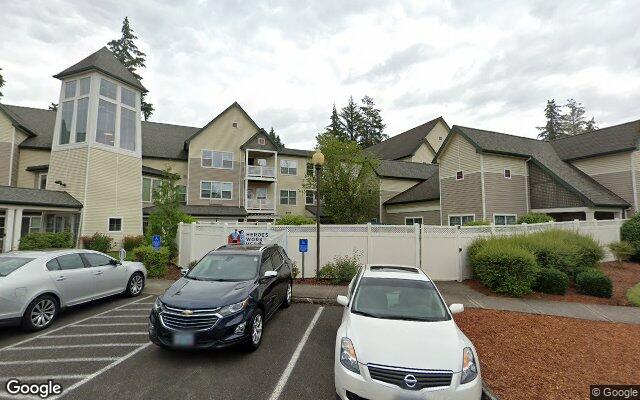
A medium home, reviewed on public record.
© Google Street View
Compared to 38 Oregon facilities with a similar number of beds.
ALF memory care · 36-month window. Higher percentile = better performance on inspection record. Source: Oregon Dept. of Human Services · Long-Term Care Licensing.
Rankings based on 36-month OR-DHS inspection data. Severity and frequency: fewer citations = higher percentile. Repeat rate: lower repeat citation share = higher percentile.
Citation history, plotted month by month.
10 deficiencies on record. Each bar is a month with a citation.
Finding distribution
10 total · 36 monthsScope × Severity (CMS A–L)
Every inspection visit, verbatim.
3 inspections in the public record, most recent first. Plain-language summaries open first — click into any row for the full citation text.
2025-07-01Annual Compliance VisitOR-cited · 2 findings
Plain-language summary
A routine kitchen inspection on July 1, 2025 found the facility failed to maintain sanitary conditions under Oregon food safety rules, with violations including dust and grease buildup on equipment, soiled storage bins and refrigerator interiors, missing baseboards, worn food prep equipment, staff beverages stored above uncovered resident food, unavailable sanitizing wipes for thermometers, and uncovered soups and beverages being delivered to resident rooms. The facility did not have alcohol wipes available for sanitizing food temperature thermometers, and staff were delivering meals to residents without covering beverages or soup. The facility's administration did not ensure compliance with memory care community licensing requirements, which mandate following both standard facility rules and the additional memory care regulations.
Read full citation text (2)Hide full citation text
“Based on observation and interview, it was determined the facility failed to follow licensing rules for Residential Care and Assisted Living Facilities. Findings include, but are not limited to: Refer to C 240. Refer to C240. OAR 411-057-0140(2) Administration Compliance (2) The licensee of a memory care community must comply with both the licensing rules for the facility and Chapter 411, Division 57. This Rule is not met as evidenced by:”
“Based on observation and interview, it was determined the facility failed to ensure the kitchen was maintained in accordance with the Food Sanitation Rules OARS 333-150-000. Findings include, but are not limited to: The kitchen and MCC kitchenette were toured at 11:17 am on 07/01/25. The following was identified: a. The following areas were in need of cleaning: * A build-up of dust was observed on the galvanized metal shelving, the exterior of the ice maker, and the ceiling; * A build-up of grease drips was observed on the sides of the fryer; * The dry storage bins containing sugar, flour, and oats had a build-up of grime on the exterior; * The main kitchen doors and frames had chipped paint and black scuff marks; and * The MCC kitchenette refrigerator interior, floors, walls, and cupboard exteriors had a build-up of food spills and debris. b. The following items were in need of repair: * Baseboard was missing along the bottom of the wall in front of the hot food pass and on the bottom corner next to the oven; * The plastic cold food prep board was worn with deep grooves and plastic chipped off; * A rubber spatula was worn with pieces chipped off; and * The laminate wall below the hot food station had worn/chipped pieces and metal peeling back rendering it uncleanable. c. Staff beverages were observed on the shelf of the hot food service station directly above an uncovered cake intended to be served to residents. Surveyor requested the beverages be removed. d. Staff did not have alcohol wipes available to use for food temping thermometers. e. Staff were observed delivering meals to MCC resident rooms without covering beverages or soup. The above areas were toured with and/or reviewed with Staff 1 (ALF ED) at 12:45 pm on 07/01/25. She acknowledged the findings. C0240”
Read raw inspector notesClose inspector notes
Based on observation and interview, it was determined the facility failed to ensure the kitchen was maintained in accordance with the Food Sanitation Rules OARS 333-150-000. Findings include, but are not limited to: The kitchen and MCC kitchenette were toured at 11:17 am on 07/01/25. The following was identified: a. The following areas were in need of cleaning: * A build-up of dust was observed on the galvanized metal shelving, the exterior of the ice maker, and the ceiling; * A build-up of grease drips was observed on the sides of the fryer; * The dry storage bins containing sugar, flour, and oats had a build-up of grime on the exterior; * The main kitchen doors and frames had chipped paint and black scuff marks; and * The MCC kitchenette refrigerator interior, floors, walls, and cupboard exteriors had a build-up of food spills and debris. b. The following items were in need of repair: * Baseboard was missing along the bottom of the wall in front of the hot food pass and on the bottom corner next to the oven; * The plastic cold food prep board was worn with deep grooves and plastic chipped off; * A rubber spatula was worn with pieces chipped off; and * The laminate wall below the hot food station had worn/chipped pieces and metal peeling back rendering it uncleanable. c. Staff beverages were observed on the shelf of the hot food service station directly above an uncovered cake intended to be served to residents. Surveyor requested the beverages be removed. d. Staff did not have alcohol wipes available to use for food temping thermometers. e. Staff were observed delivering meals to MCC resident rooms without covering beverages or soup. The above areas were toured with and/or reviewed with Staff 1 (ALF ED) at 12:45 pm on 07/01/25. She acknowledged the findings. C0240 Based on observation and interview, it was determined the facility failed to follow licensing rules for Residential Care and Assisted Living Facilities. Findings include, but are not limited to: Refer to C 240. Refer to C240. OAR 411-057-0140(2) Administration Compliance (2) The licensee of a memory care community must comply with both the licensing rules for the facility and Chapter 411, Division 57. This Rule is not met as evidenced by:
2024-09-12Annual Compliance VisitOR-cited · 5 findings
Plain-language summary
A re-licensure inspection on September 9-12, 2024, found that the facility failed to complete and properly document monthly fire drills, failed to provide fire and life safety training to staff on alternate months, did not maintain orderly grounds free of litter and debris, and did not keep interior surfaces and door frames in good repair. The inspection also identified that the facility failed to meet memory care staff training requirements under Oregon's memory care endorsement rules. The facility's administrators and maintenance director acknowledged all findings during tours and discussions with inspectors.
Read full citation text (5)Hide full citation text
“Based on interview and record review, it was determined the facility failed to complete fire drills on alternate months and document all required components of fire drills. Findings include, but are not limited to: Fire drill records from 04/2024 through 09/2024 were reviewed on 09/12/24. The facility failed to document the following required components: * Date & time of fire drill; * Location of simulated fire origin; * Escape route used; * Problems encountered, comments relating to residents who resisted or failed to participate in the drills; * Evacuation time-period needed; * Staff members on duty & participating; and * Number of residents evacuated. There was no documented evidence fire drills were provided to staff on alternate months of fire and life safety training. On 09/12/24, the need to ensure all required components of fire drills were documented and fire and life safety instruction to staff was provided on alternate months was discussed with Staff 3 (ED) and Staff 5 (Director of Maintenance). They acknowledged the findings.”
“Based on observation and interview, it was determined the facility failed to ensure the grounds were orderly and free of litter and refuse, and provided storage for maintenance equipment, including yard maintenance tools. Findings include, but are not limited to: The interior courtyard was toured on 09/09/24. The following was identified: * A large, opened bag of potting soil on the patio contained multiple pieces of litter. * A crumpled latex glove was observed in the bark mulch. * An upside-down stack of tomato cages, with metal ends sticking upright, was observed in the bark mulch. These findings were reviewed in a tour of the facility on 09/10/24 with Staff 1 (Administrator 1) and Staff 5 (Director of Maintenance). They acknowledged the findings.”
“Based on observation and interview, it was determined the facility failed to keep all interior materials and surfaces clean and in good repair. Findings include, but are not limited to: During observations conducted 09/09/24 the following were found to need cleaning and/or repair: * Multiple door frames and doors throughout the facility had chips, gouges and/or scrapes; and * The window blinds in resident room 112B had multiple broken and crumpled slats. These findings were reviewed in a tour of the facility on 09/10/24 with Staff 1 (Administrator 1) and Staff 5 (Director of Maintenance). They acknowledged the findings.”
“Based on observation, interview, and record review, it was determined the facility failed to follow licensing rules for Residential Care and Assisted Living Facilities. Findings include, but are not limited to: Refer to C420, C510, and C513. See POC for C420, C510 and C513 OAR 411-057-0140(2) Administration Compliance (2) The licensee of a memory care community must comply with both the licensing rules for the facility and Chapter 411, Division 57. This Rule is not met as evidenced by:”
“OAR 411-057-0155(1-6) Staff Training Requirements (1) A memory care community must ensure staff who provide support to residents with dementia have a basic understanding and fundamental knowledge of the residents' emotional and unique health care needs prior to providing services to residents. The training requirements for staff who work in memory care communities are described in the following sections. (2) ALL STAFF TRAINING REQUIREMENTS. All staff who work in memory care communities licensed as residential care facilities or assisted living facilities must complete the following: (a) Orientation as required in OAR 411-054-0070(3) before performing any job duties. (b) Pre-service dementia care training as required before independently providing personal care or other services. The dementia care training must address these topics: (A) Education on the dementia disease process, including the progression of the disease, memory loss and psychiatric and behavioral symptoms. (B) Techniques for understanding, communicating and responding to distressful behavioral symptoms; including but not limited to, reducing the use of antipsychotic medications for non-standard uses when responding to distressful behavioral symptoms. (C) Strategies for addressing social needs of persons with dementia and engaging them with meaningful activities; (D) Information concerning specific aspects of dementia care and ensuring safety of residents with dementia including, but not limited to, how to: (i) Identify and address pain; (ii) Provide food and fluid; (iii) Prevent wandering and elopement; (iv) Use a person-centered approach. (c) Additional pre-service training topics that must be completed before independently providing personal care to residents: (A) Environmental factors that are important to resident ' s well-being (e.g. noise, staff interactions, lighting, room temperature, etc.); (B) Family support and the role the family may have in the care of the resident; (C) How to recognize behaviors that indicate a change in the resident ' s condition and report behaviors that require on-going assessment. (3) DIRECT CARE STAFF TRAINING REQUIREMENTS. Direct care staff must be directly supervised by a qualified staff person until they have successfully demonstrated satisfactory performance in any task assigned in the provision of individualized resident services. In addition to training required for all staff as described in paragraph (2): (a) Before independently providing personal care or other services to residents, direct care staff must complete training on: (A) How to provide personal care to a resident with dementia, including an orientation to the resident and the resident ' s service plan, as required in OAR 411-054-0070(4). (B) The use of supportive devices with restraining qualities in memory care communities. (b) Within 30 days after hire, direct care staff must complete training as outlined in OAR 411-054-0070(5). (c) Direct care staff who work in memory care communities licensed as residential care facilities or assisted living facilities must complete a total of 16 hours of in-service training annually. The six hours of annual dementia care training required pursuant to OAR 411-054-0070(6) may be included in the 16 hours of in-service training. Annual in-service hours required of each staff are due by the anniversary date of that person ' s hire. All completed trainings must be documented by the facility. (4) NURSING FACILITY STAFF. Staff who work in memory care communities licensed as nursing facilities must complete the following: (a) Orientation as outlined in OAR 411-086-0310, 42 CFR ? 483.95 (F 943). (b) Pre-service dementia care training as outlined in paragraphs (2)(b) and (c) and paragraph (3)(a) of this section. (c) A total of 16 hours of annual in-service training must be completed by direct care staff only. Four of the 16 hours must be dementia care training and may be included in the 16 hours of in-service training. Annual in-service hours required of each staff are due by the anniversary date of that person ' s hire. All completed trainings must be documented by the facility. (5) Persons providing or overseeing the training of staff must have experience and knowledge in the care of individuals with dementia. (6) The memory care community must have a method for determining and documenting each staff person ' s competency of training in accordance with the licensing rules. All training must be documented and available to the Department upon request. This Rule is not met as evidenced by: Cut and paste here....”
Read raw inspector notesClose inspector notes
Based on interview and record review, it was determined the facility failed to complete fire drills on alternate months and document all required components of fire drills. Findings include, but are not limited to: Fire drill records from 04/2024 through 09/2024 were reviewed on 09/12/24. The facility failed to document the following required components: * Date & time of fire drill; * Location of simulated fire origin; * Escape route used; * Problems encountered, comments relating to residents who resisted or failed to participate in the drills; * Evacuation time-period needed; * Staff members on duty & participating; and * Number of residents evacuated. There was no documented evidence fire drills were provided to staff on alternate months of fire and life safety training. On 09/12/24, the need to ensure all required components of fire drills were documented and fire and life safety instruction to staff was provided on alternate months was discussed with Staff 3 (ED) and Staff 5 (Director of Maintenance). They acknowledged the findings. Based on observation and interview, it was determined the facility failed to ensure the grounds were orderly and free of litter and refuse, and provided storage for maintenance equipment, including yard maintenance tools. Findings include, but are not limited to: The interior courtyard was toured on 09/09/24. The following was identified: * A large, opened bag of potting soil on the patio contained multiple pieces of litter. * A crumpled latex glove was observed in the bark mulch. * An upside-down stack of tomato cages, with metal ends sticking upright, was observed in the bark mulch. These findings were reviewed in a tour of the facility on 09/10/24 with Staff 1 (Administrator 1) and Staff 5 (Director of Maintenance). They acknowledged the findings. Based on observation and interview, it was determined the facility failed to keep all interior materials and surfaces clean and in good repair. Findings include, but are not limited to: During observations conducted 09/09/24 the following were found to need cleaning and/or repair: * Multiple door frames and doors throughout the facility had chips, gouges and/or scrapes; and * The window blinds in resident room 112B had multiple broken and crumpled slats. These findings were reviewed in a tour of the facility on 09/10/24 with Staff 1 (Administrator 1) and Staff 5 (Director of Maintenance). They acknowledged the findings. Based on observation, interview, and record review, it was determined the facility failed to follow licensing rules for Residential Care and Assisted Living Facilities. Findings include, but are not limited to: Refer to C420, C510, and C513. See POC for C420, C510 and C513 OAR 411-057-0140(2) Administration Compliance (2) The licensee of a memory care community must comply with both the licensing rules for the facility and Chapter 411, Division 57. This Rule is not met as evidenced by: OAR 411-057-0155(1-6) Staff Training Requirements (1) A memory care community must ensure staff who provide support to residents with dementia have a basic understanding and fundamental knowledge of the residents' emotional and unique health care needs prior to providing services to residents. The training requirements for staff who work in memory care communities are described in the following sections. (2) ALL STAFF TRAINING REQUIREMENTS. All staff who work in memory care communities licensed as residential care facilities or assisted living facilities must complete the following: (a) Orientation as required in OAR 411-054-0070(3) before performing any job duties. (b) Pre-service dementia care training as required before independently providing personal care or other services. The dementia care training must address these topics: (A) Education on the dementia disease process, including the progression of the disease, memory loss and psychiatric and behavioral symptoms. (B) Techniques for understanding, communicating and responding to distressful behavioral symptoms; including but not limited to, reducing the use of antipsychotic medications for non-standard uses when responding to distressful behavioral symptoms. (C) Strategies for addressing social needs of persons with dementia and engaging them with meaningful activities; (D) Information concerning specific aspects of dementia care and ensuring safety of residents with dementia including, but not limited to, how to: (i) Identify and address pain; (ii) Provide food and fluid; (iii) Prevent wandering and elopement; (iv) Use a person-centered approach. (c) Additional pre-service training topics that must be completed before independently providing personal care to residents: (A) Environmental factors that are important to resident ' s well-being (e.g. noise, staff interactions, lighting, room temperature, etc.); (B) Family support and the role the family may have in the care of the resident; (C) How to recognize behaviors that indicate a change in the resident ' s condition and report behaviors that require on-going assessment. (3) DIRECT CARE STAFF TRAINING REQUIREMENTS. Direct care staff must be directly supervised by a qualified staff person until they have successfully demonstrated satisfactory performance in any task assigned in the provision of individualized resident services. In addition to training required for all staff as described in paragraph (2): (a) Before independently providing personal care or other services to residents, direct care staff must complete training on: (A) How to provide personal care to a resident with dementia, including an orientation to the resident and the resident ' s service plan, as required in OAR 411-054-0070(4). (B) The use of supportive devices with restraining qualities in memory care communities. (b) Within 30 days after hire, direct care staff must complete training as outlined in OAR 411-054-0070(5). (c) Direct care staff who work in memory care communities licensed as residential care facilities or assisted living facilities must complete a total of 16 hours of in-service training annually. The six hours of annual dementia care training required pursuant to OAR 411-054-0070(6) may be included in the 16 hours of in-service training. Annual in-service hours required of each staff are due by the anniversary date of that person ' s hire. All completed trainings must be documented by the facility. (4) NURSING FACILITY STAFF. Staff who work in memory care communities licensed as nursing facilities must complete the following: (a) Orientation as outlined in OAR 411-086-0310, 42 CFR ? 483.95 (F 943). (b) Pre-service dementia care training as outlined in paragraphs (2)(b) and (c) and paragraph (3)(a) of this section. (c) A total of 16 hours of annual in-service training must be completed by direct care staff only. Four of the 16 hours must be dementia care training and may be included in the 16 hours of in-service training. Annual in-service hours required of each staff are due by the anniversary date of that person ' s hire. All completed trainings must be documented by the facility. (5) Persons providing or overseeing the training of staff must have experience and knowledge in the care of individuals with dementia. (6) The memory care community must have a method for determining and documenting each staff person ' s competency of training in accordance with the licensing rules. All training must be documented and available to the Department upon request. This Rule is not met as evidenced by: Cut and paste here....
2024-06-20Annual Compliance VisitOR-cited · 3 findings
Plain-language summary
A routine kitchen inspection on June 20, 2024 found multiple violations of food sanitation rules, including dirty flooring, walls, vents, and shelving throughout the kitchen; improper food storage with items left uncovered, unlabeled, or stored in unsafe locations; a dishwashing machine not reaching required temperature; and staff not following proper hand-washing protocols. A follow-up inspection on August 20, 2024 found the facility in substantial compliance with meal service and food sanitation rules.
Read full citation text (3)Hide full citation text
“The findings of the kitchen inspection, conducted 06/20/24, are documented in this report. The survey was conducted to determine compliance with the OARs 411-054-0030 for Residential Care and Assisted Living Facilities for Resident Services - Meals and Oregon Health Service Food Sanitation Rules OARs 333-150-0000 and OARs 411 Division 57 for Memory Care Communities. Tag numbers beginning with the letter C refer to the Residential Care and Assisted Living rules. Tag numbers beginning with the letter Z refer to the Memory Care Community rules. The findings of the kitchen inspection, conducted 06/20/24, are documented in this report. The survey was conducted to determine compliance with the OARs 411-054-0030 for Residential Care and Assisted Living Facilities for Resident Services - Meals and Oregon Health Service Food Sanitation Rules OARs 333-150-0000 and OARs 411 Division 57 for Memory Care Communities. Tag numbers beginning with the letter C refer to the Residential Care and Assisted Living rules. Tag numbers beginning with the letter Z refer to the Memory Care Community rules. The findings of the re-visit to the kitchen inspection of 06/20/24, conducted 08/20/24, are documented in this report. The facility was found to be in substantial compliance with the OARs 411-054-0030 for Residential Care and Assisted Living Facilities for Resident Services- Meals, and Oregon Health Service Food Sanitation Rules OARs 333-150-0000. The findings of the re-visit to the kitchen inspection of 06/20/24, conducted 08/20/24, are documented in this report. The facility was found to be in substantial compliance with the OARs 411-054-0030 for Residential Care and Assisted Living Facilities for Resident Services- Meals, and Oregon Health Service Food Sanitation Rules OARs 333-150-0000.”
“Based on observation and interview, it was determined the facility failed to ensure kitchen practices and protocols were in accordance with the Food Sanitation Rules OARs 333-150-0000. Findings include, but are not limited to: On 06/20/24 at 11:00 am, the facility kitchen was observed to need cleaning in the following areas: * Flooring throughout kitchen - spills/food debris/dust/dirt - dishwashing area, under counters, next to ice cream freezer, between stove/oven & steam table, dry storage, walk in refrigerator; * Vents and surrounding ceiling - significant dust build up - above steam table, outside dry storage area, near ice maker; * Walls - dishwashing area - black matter around caulking, brown drips below shelf on dirty side, next to soup warmer, behind/above two door refrigerator; * Shelving above and below counters throughout the kitchen - food debris/dust/drips/spills - dishwashing area, prep counter with two drawers next to commercial mixer, prep counter near entrance to dining room; * Cart containing large container of grease with significant spills; * Interior of microwave - food splatter; and * Food bin lids and exterior - dry food debris. Improper food storage: * Refrigerated items open to air, not securely closed; * Refrigerated items not labeled/dated; * Uncovered salads on counter; * Onions and potatoes on floor in dry storage: * Open box of rice in dry storage; * Open undated bags of almonds and peanuts in dry storage; and * Food stored below sink next to sanitation bucket and unlabeled spray bottle. Other areas of concern: * Lack of thermometers in walk in refrigerator and small refrigerator on service line; * Dishwashing machine not meeting minimum temperature - maintenance checked and called vendor to check immediately. Facility to use three-compartment sink until dishmachine was reaching the required temperature; * Two uncovered garbage cans near dining entrance; * Very worn colored cutting boards - cuts/grooves - uncleanable; * Uncovered ceiling light; * Build up of ice preventing freezer door from closing completely; * Not using pasteurized eggs, PIC stated eggs were served over easy and sunny side up occasionally - encouraged to use eggs fully cook if cannot be returned for pasteurized eggs; and * Kitchen staff changing gloves on service line without washing hands between dirty and clean. The areas of concern were discussed and observed by Staff 1 (PIC/Cook) and discussed with Staff 2 (Business Office Manager) and Staff 3 (Corporate Staff) on 06/20/24. The findings were acknowledged. Based on observation and interview, it was determined the facility failed to ensure kitchen practices and protocols were in accordance with the Food Sanitation Rules OARs 333-150-0000. Findings include, but are not limited to: On 06/20/24 at 11:00 am, the facility kitchen was observed to need cleaning in the following areas: * Flooring throughout kitchen - spills/food debris/dust/dirt - dishwashing area, under counters, next to ice cream freezer, between stove/oven & steam table, dry storage, walk in refrigerator; * Vents and surrounding ceiling - significant dust build up - above steam table, outside dry storage area, near ice maker; * Walls - dishwashing area - black matter around caulking, brown drips below shelf on dirty side, next to soup warmer, behind/above two door refrigerator; * Shelving above and below counters throughout the kitchen - food debris/dust/drips/spills - dishwashing area, prep counter with two drawers next to commercial mixer, prep counter near entrance to dining room; * Cart containing large container of grease with significant spills; * Interior of microwave - food splatter; and * Food bin lids and exterior - dry food debris. Improper food storage: * Refrigerated items open to air, not securely closed; * Refrigerated items not labeled/dated; * Uncovered salads on counter; * Onions and potatoes on floor in dry storage: * Open box of rice in dry storage; * Open undated bags of almonds and peanuts in dry storage; and * Food stored below sink next to sanitation bucket and unlabeled spray bottle. Other areas of concern: * Lack of thermometers in walk in refrigerator and small refrigerator on service line; * Dishwashing machine not meeting minimum temperature - maintenance checked and called vendor to check immediately. Facility to use three-compartment sink until dishmachine was reaching the required temperature; * Two uncovered garbage cans near dining entrance; * Very worn colored cutting boards - cuts/grooves - uncleanable; * Uncovered ceiling light; * Build up of ice preventing freezer door from closing completely; * Not using pasteurized eggs, PIC stated eggs were served over easy and sunny side up occasionally - encouraged to use eggs fully cook if cannot be returned for pasteurized eggs; and * Kitchen staff changing gloves on service line without washing hands between dirty and clean. The areas of concern were discussed and observed by Staff 1 (PIC/Cook) and discussed with Staff 2 (Business Office Manager) and Staff 3 (Corporate Staff) on 06/20/24. The findings were acknowledged. Flooring and walls throughout the kitchen were professionally cleaned by Summit Facility Services on July 10th, 2024. Vents throughout the kitchen were cleaned and will be added to the monthly cleaning schedule in our building management system. This will be completed by the Director of Environmental Services. Shelving was cleaned and will be done weekly by dietary staff. The grease container cart was removed and oil storage buckets with closed lids and pour spouts were ordered. Microwave and food bins were cleaned. Ceiling tiles replaced. Food storage area was audited for open dates and proper storage was reviewed. Additional thermometers were ordered and are in place. Smart Care came to inspect the dishwasher on June 21st and found adequate temperatures were achieved after running 2-3 cycles. Signage added to dishwasher and dining staff trained on this requirement. Executive Director will look into availability of low temp sanitizer through our chemical vendor. Replacement lids ordered and in place for trash bins. Cutting boards replaced. Ceiling light cover replaced. Maintenance request placed for freezer door inspection through Sunglow for review of seals and latches. Pasteurized Eggs to be ordered routinely, purchased locally if unavailable from preferred vendor. Dining staff educated on the requirements for eggs. Proper handwashing procedures reviewed with all dining staff. The findings of this survey were reviewed in entirety with the dining staff and retraining provided in areas needed. The Dining Services Director will complete an audit of all areas weekly and submit to the Executive Director for review. The Executive Director will audit monthly to ensure continuous quality improvement. Flooring and walls throughout the kitchen were professionally cleaned by Summit Facility Services on July 10th, 2024. Vents throughout the kitchen were cleaned and will be added to the monthly cleaning schedule in our building management system. This will be completed by the Director of Environmental Services. Shelving was cleaned and will be done weekly by dietary staff. The grease container cart was removed and oil storage buckets with closed lids and pour spouts were ordered. Microwave and food bins were cleaned. Ceiling tiles replaced. Food storage area was audited for open dates and proper storage was reviewed. Additional thermometers were ordered and are in place. Smart Care came to inspect the dishwasher on June 21st and found adequate temperatures were achieved after running 2-3 cycles. Signage added to dishwasher and dining staff trained on this requirement. Executive Director will look into availability of low temp sanitizer through our chemical vendor. Replacement lids ordered and in place for trash bins. Cutting boards replaced. Ceiling light cover replaced. Maintenance request placed fo”
“Based on observation and interview, it was determined the facility failed to follow licensing rules for Residential Care and Assisted Living Facilities. Findings include, but are not limited to: Refer to C 240. Based on observation and interview, it was determined the facility failed to follow licensing rules for Residential Care and Assisted Living Facilities. Findings include, but are not limited to: Refer to C 240. see C 240 see C 240 There are no detail notes for this visit.”
Read raw inspector notesClose inspector notes
The findings of the kitchen inspection, conducted 06/20/24, are documented in this report. The survey was conducted to determine compliance with the OARs 411-054-0030 for Residential Care and Assisted Living Facilities for Resident Services - Meals and Oregon Health Service Food Sanitation Rules OARs 333-150-0000 and OARs 411 Division 57 for Memory Care Communities. Tag numbers beginning with the letter C refer to the Residential Care and Assisted Living rules. Tag numbers beginning with the letter Z refer to the Memory Care Community rules. The findings of the kitchen inspection, conducted 06/20/24, are documented in this report. The survey was conducted to determine compliance with the OARs 411-054-0030 for Residential Care and Assisted Living Facilities for Resident Services - Meals and Oregon Health Service Food Sanitation Rules OARs 333-150-0000 and OARs 411 Division 57 for Memory Care Communities. Tag numbers beginning with the letter C refer to the Residential Care and Assisted Living rules. Tag numbers beginning with the letter Z refer to the Memory Care Community rules. The findings of the re-visit to the kitchen inspection of 06/20/24, conducted 08/20/24, are documented in this report. The facility was found to be in substantial compliance with the OARs 411-054-0030 for Residential Care and Assisted Living Facilities for Resident Services- Meals, and Oregon Health Service Food Sanitation Rules OARs 333-150-0000. The findings of the re-visit to the kitchen inspection of 06/20/24, conducted 08/20/24, are documented in this report. The facility was found to be in substantial compliance with the OARs 411-054-0030 for Residential Care and Assisted Living Facilities for Resident Services- Meals, and Oregon Health Service Food Sanitation Rules OARs 333-150-0000. Based on observation and interview, it was determined the facility failed to ensure kitchen practices and protocols were in accordance with the Food Sanitation Rules OARs 333-150-0000. Findings include, but are not limited to: On 06/20/24 at 11:00 am, the facility kitchen was observed to need cleaning in the following areas: * Flooring throughout kitchen - spills/food debris/dust/dirt - dishwashing area, under counters, next to ice cream freezer, between stove/oven & steam table, dry storage, walk in refrigerator; * Vents and surrounding ceiling - significant dust build up - above steam table, outside dry storage area, near ice maker; * Walls - dishwashing area - black matter around caulking, brown drips below shelf on dirty side, next to soup warmer, behind/above two door refrigerator; * Shelving above and below counters throughout the kitchen - food debris/dust/drips/spills - dishwashing area, prep counter with two drawers next to commercial mixer, prep counter near entrance to dining room; * Cart containing large container of grease with significant spills; * Interior of microwave - food splatter; and * Food bin lids and exterior - dry food debris. Improper food storage: * Refrigerated items open to air, not securely closed; * Refrigerated items not labeled/dated; * Uncovered salads on counter; * Onions and potatoes on floor in dry storage: * Open box of rice in dry storage; * Open undated bags of almonds and peanuts in dry storage; and * Food stored below sink next to sanitation bucket and unlabeled spray bottle. Other areas of concern: * Lack of thermometers in walk in refrigerator and small refrigerator on service line; * Dishwashing machine not meeting minimum temperature - maintenance checked and called vendor to check immediately. Facility to use three-compartment sink until dishmachine was reaching the required temperature; * Two uncovered garbage cans near dining entrance; * Very worn colored cutting boards - cuts/grooves - uncleanable; * Uncovered ceiling light; * Build up of ice preventing freezer door from closing completely; * Not using pasteurized eggs, PIC stated eggs were served over easy and sunny side up occasionally - encouraged to use eggs fully cook if cannot be returned for pasteurized eggs; and * Kitchen staff changing gloves on service line without washing hands between dirty and clean. The areas of concern were discussed and observed by Staff 1 (PIC/Cook) and discussed with Staff 2 (Business Office Manager) and Staff 3 (Corporate Staff) on 06/20/24. The findings were acknowledged. Based on observation and interview, it was determined the facility failed to ensure kitchen practices and protocols were in accordance with the Food Sanitation Rules OARs 333-150-0000. Findings include, but are not limited to: On 06/20/24 at 11:00 am, the facility kitchen was observed to need cleaning in the following areas: * Flooring throughout kitchen - spills/food debris/dust/dirt - dishwashing area, under counters, next to ice cream freezer, between stove/oven & steam table, dry storage, walk in refrigerator; * Vents and surrounding ceiling - significant dust build up - above steam table, outside dry storage area, near ice maker; * Walls - dishwashing area - black matter around caulking, brown drips below shelf on dirty side, next to soup warmer, behind/above two door refrigerator; * Shelving above and below counters throughout the kitchen - food debris/dust/drips/spills - dishwashing area, prep counter with two drawers next to commercial mixer, prep counter near entrance to dining room; * Cart containing large container of grease with significant spills; * Interior of microwave - food splatter; and * Food bin lids and exterior - dry food debris. Improper food storage: * Refrigerated items open to air, not securely closed; * Refrigerated items not labeled/dated; * Uncovered salads on counter; * Onions and potatoes on floor in dry storage: * Open box of rice in dry storage; * Open undated bags of almonds and peanuts in dry storage; and * Food stored below sink next to sanitation bucket and unlabeled spray bottle. Other areas of concern: * Lack of thermometers in walk in refrigerator and small refrigerator on service line; * Dishwashing machine not meeting minimum temperature - maintenance checked and called vendor to check immediately. Facility to use three-compartment sink until dishmachine was reaching the required temperature; * Two uncovered garbage cans near dining entrance; * Very worn colored cutting boards - cuts/grooves - uncleanable; * Uncovered ceiling light; * Build up of ice preventing freezer door from closing completely; * Not using pasteurized eggs, PIC stated eggs were served over easy and sunny side up occasionally - encouraged to use eggs fully cook if cannot be returned for pasteurized eggs; and * Kitchen staff changing gloves on service line without washing hands between dirty and clean. The areas of concern were discussed and observed by Staff 1 (PIC/Cook) and discussed with Staff 2 (Business Office Manager) and Staff 3 (Corporate Staff) on 06/20/24. The findings were acknowledged. Flooring and walls throughout the kitchen were professionally cleaned by Summit Facility Services on July 10th, 2024. Vents throughout the kitchen were cleaned and will be added to the monthly cleaning schedule in our building management system. This will be completed by the Director of Environmental Services. Shelving was cleaned and will be done weekly by dietary staff. The grease container cart was removed and oil storage buckets with closed lids and pour spouts were ordered. Microwave and food bins were cleaned. Ceiling tiles replaced. Food storage area was audited for open dates and proper storage was reviewed. Additional thermometers were ordered and are in place. Smart Care came to inspect the dishwasher on June 21st and found adequate temperatures were achieved after running 2-3 cycles. Signage added to dishwasher and dining staff trained on this requirement. Executive Director will look into availability of low temp sanitizer through our chemical vendor. Replacement lids ordered and in place for trash bins. Cutting boards replaced. Ceiling light cover replaced. Maintenance request placed for freezer door inspection through Sunglow for review of seals and latches. Pasteurized Eggs to be ordered routinely, purchased locally if unavailable from preferred vendor. Dining staff educated on the requirements for eggs. Proper handwashing procedures reviewed with all dining staff. The findings of this survey were reviewed in entirety with the dining staff and retraining provided in areas needed. The Dining Services Director will complete an audit of all areas weekly and submit to the Executive Director for review. The Executive Director will audit monthly to ensure continuous quality improvement. Flooring and walls throughout the kitchen were professionally cleaned by Summit Facility Services on July 10th, 2024. Vents throughout the kitchen were cleaned and will be added to the monthly cleaning schedule in our building management system. This will be completed by the Director of Environmental Services. Shelving was cleaned and will be done weekly by dietary staff. The grease container cart was removed and oil storage buckets with closed lids and pour spouts were ordered. Microwave and food bins were cleaned. Ceiling tiles replaced. Food storage area was audited for open dates and proper storage was reviewed. Additional thermometers were ordered and are in place. Smart Care came to inspect the dishwasher on June 21st and found adequate temperatures were achieved after running 2-3 cycles. Signage added to dishwasher and dining staff trained on this requirement. Executive Director will look into availability of low temp sanitizer through our chemical vendor. Replacement lids ordered and in place for trash bins. Cutting boards replaced. Ceiling light cover replaced. Maintenance request placed fo Based on observation and interview, it was determined the facility failed to follow licensing rules for Residential Care and Assisted Living Facilities. Findings include, but are not limited to: Refer to C 240. Based on observation and interview, it was determined the facility failed to follow licensing rules for Residential Care and Assisted Living Facilities. Findings include, but are not limited to: Refer to C 240. see C 240 see C 240 There are no detail notes for this visit.
2 older inspections from 2022 are not shown above.
Get the complete record, translated into plain language — emailed to you.
Other facilities in Washington County.
Other memory care facilities in Washington County with similar care offerings.
Contract Decoder
Family reviews
No reviews yet — be the first to share your experience
Other memory care options nearby.
More options in neighboring cities
Licensed memory care in other cities within this county region — useful when your search radius crosses city limits.