Jurgens Park Senior Living.
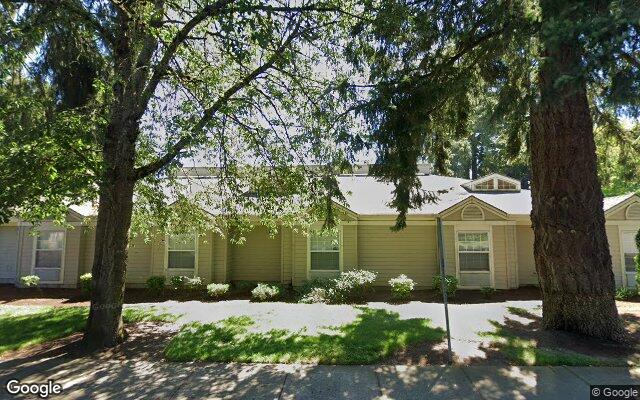
A large home, reviewed on public record.
© Google Street View
Compared to 22 Oregon facilities with a similar number of beds.
ALF memory care · 36-month window. Higher percentile = better performance on inspection record. Source: Oregon Dept. of Human Services · Long-Term Care Licensing.
Rankings based on 36-month OR-DHS inspection data. Severity and frequency: fewer citations = higher percentile. Repeat rate: lower repeat citation share = higher percentile.
Citation history, plotted month by month.
32 deficiencies on record. Each bar is a month with a citation.
Finding distribution
32 total · 36 monthsScope × Severity (CMS A–L)
Every inspection visit, verbatim.
5 inspections in the public record, most recent first. Plain-language summaries open first — click into any row for the full citation text.
2026-09-02Annual Compliance VisitNo findings
2025-07-09Annual Compliance VisitOR-cited · 2 findings
Plain-language summary
A routine kitchen inspection on July 9, 2025 found the facility did not meet food sanitation rules, with violations including dust buildup in ceiling vents, black matter on walls, food debris under counters, worn cutting boards, uncovered garbage cans, and non-functioning dishwasher thermometers across three kitchen areas. The facility has implemented corrective actions including cleaning all identified areas, scheduling repairs and painting, repairing thermostats, establishing daily cleaning schedules with staff audits, and planning management reviews to monitor compliance. The memory care facility is required to comply with these rules as part of its licensing requirements.
Read full citation text (2)Hide full citation text
“Based on observation and interview, it was determined the facility failed to ensure kitchen practices and protocols were in accordance with the Food Sanitation Rules OARs 333-150-0000. Findings include, but are not limited to: On 07/09/25 at10:45, the facility kitchen was observed to need cleaning and repair in the following areas: PONDEROSA kitchen (food prep for entire campus): * Ceiling vents – heavy build up of dust; * Wall above three compartment sinks – build up of black matter/finish worn/uncleanable; * Wall under counter next to dishwashing machine – splatters/drips/spills; * Wall above counter next to dishwashing machine – in need of painting/uncleanable; and * Floor under counter next to dishwashing machine – significant build up of debris/black matter. BEECHWOOD kitchen: * Microwave interior – significant amount of food splatters. ALPINE kitchen: * Wall above three compartment sink – build up of black matter; and * Exterior of garbage can and sink leg next to it – significant food drips/spills. Other areas of concern included: PONDEROSA kitchen: * Garbage can uncovered when not in use; * Colored cutting boards – finish worn/heavily scored; and * Thermometer for dishwashing machine – not working/full of moisture (temperature checked by other means/chlorine parts per million appropriate). ALPINE kitchen: * Dishwasher thermometer – working appropriately although significant amount of moisture build up; and * Shelf above coffee station – pulling away from wall. The areas of concern were observed and discussed with Staff 1 (Food Services Director) and discussed with Staff 2 (Executive Director) on 07/09/25. The findings were acknowledged. All identified areas were cleaned by Culinary Services Team. All items (walls painted/shelving) needing painted/repaired will be completed by Maintenance Director. Dishwasher thermostats will be repaired by vendor company Auto-Chlor. The CSD will educate Culinary staff on cleaning expectations and schedules. Daily, weekly and monthly cleaning schedules are posted in the kitchen for staff to follow. CSD will audit cleaning schedules/cleanliness at least 3 days/week. Weekly kitchen inspection report to be compeleted by CSD. Executive Director (ED) will audit kitchen cleaning and schedules weekly x 4 weeks, bi-weekly x 4 weeks, and then randomly ongoing. CSD received review on importance of dry storage dates/labels. CSD will educate culinary team on maintaining dates/labels on food items. ED/CSD will review and monitor that corrections are implemented, completed and monitored. OAR 411-054-0030 (1)(a) Resident Services Meals, Food Sanitation Rule (1) The residential care or assisted living facility must provide a minimum scope of services as follows: (a) Three daily nutritious, palatable meals with snacks available seven days a week, in accordance with the recommended dietary allowances found in the United States Department of Agriculture (USDA) guidelines, including seasonal fresh fruit and fresh vegetables; (A) Modified special diets that are appropriate to residents' needs and choices. The facility must encourage residents' involvement in developing menus. (B) Menus must be prepared at least one week in advance, and must be made available to all residents. Meal substitutions must be of similar nutritional value if a resident refuses a food that is served. Residents must be informed in advance of menu changes. (C) Food must be prepared and served in accordance with OAR 333-150-0000 (Food Sanitation Rules). This Rule is not met as evidenced by:”
“Based on observation and interview, it was determined the facility failed to follow licensing rules for Residential Care and Assisted Living Facilities. Findings include, but are not limited to: Refer to C240. See C240 plan. OAR 411-057-0140(2) Administration Compliance (2) The licensee of a memory care community must comply with both the licensing rules for the facility and Chapter 411, Division 57. This Rule is not met as evidenced by:”
Read raw inspector notesClose inspector notes
Based on observation and interview, it was determined the facility failed to ensure kitchen practices and protocols were in accordance with the Food Sanitation Rules OARs 333-150-0000. Findings include, but are not limited to: On 07/09/25 at10:45, the facility kitchen was observed to need cleaning and repair in the following areas: PONDEROSA kitchen (food prep for entire campus): * Ceiling vents – heavy build up of dust; * Wall above three compartment sinks – build up of black matter/finish worn/uncleanable; * Wall under counter next to dishwashing machine – splatters/drips/spills; * Wall above counter next to dishwashing machine – in need of painting/uncleanable; and * Floor under counter next to dishwashing machine – significant build up of debris/black matter. BEECHWOOD kitchen: * Microwave interior – significant amount of food splatters. ALPINE kitchen: * Wall above three compartment sink – build up of black matter; and * Exterior of garbage can and sink leg next to it – significant food drips/spills. Other areas of concern included: PONDEROSA kitchen: * Garbage can uncovered when not in use; * Colored cutting boards – finish worn/heavily scored; and * Thermometer for dishwashing machine – not working/full of moisture (temperature checked by other means/chlorine parts per million appropriate). ALPINE kitchen: * Dishwasher thermometer – working appropriately although significant amount of moisture build up; and * Shelf above coffee station – pulling away from wall. The areas of concern were observed and discussed with Staff 1 (Food Services Director) and discussed with Staff 2 (Executive Director) on 07/09/25. The findings were acknowledged. All identified areas were cleaned by Culinary Services Team. All items (walls painted/shelving) needing painted/repaired will be completed by Maintenance Director. Dishwasher thermostats will be repaired by vendor company Auto-Chlor. The CSD will educate Culinary staff on cleaning expectations and schedules. Daily, weekly and monthly cleaning schedules are posted in the kitchen for staff to follow. CSD will audit cleaning schedules/cleanliness at least 3 days/week. Weekly kitchen inspection report to be compeleted by CSD. Executive Director (ED) will audit kitchen cleaning and schedules weekly x 4 weeks, bi-weekly x 4 weeks, and then randomly ongoing. CSD received review on importance of dry storage dates/labels. CSD will educate culinary team on maintaining dates/labels on food items. ED/CSD will review and monitor that corrections are implemented, completed and monitored. OAR 411-054-0030 (1)(a) Resident Services Meals, Food Sanitation Rule (1) The residential care or assisted living facility must provide a minimum scope of services as follows: (a) Three daily nutritious, palatable meals with snacks available seven days a week, in accordance with the recommended dietary allowances found in the United States Department of Agriculture (USDA) guidelines, including seasonal fresh fruit and fresh vegetables; (A) Modified special diets that are appropriate to residents' needs and choices. The facility must encourage residents' involvement in developing menus. (B) Menus must be prepared at least one week in advance, and must be made available to all residents. Meal substitutions must be of similar nutritional value if a resident refuses a food that is served. Residents must be informed in advance of menu changes. (C) Food must be prepared and served in accordance with OAR 333-150-0000 (Food Sanitation Rules). This Rule is not met as evidenced by: Based on observation and interview, it was determined the facility failed to follow licensing rules for Residential Care and Assisted Living Facilities. Findings include, but are not limited to: Refer to C240. See C240 plan. OAR 411-057-0140(2) Administration Compliance (2) The licensee of a memory care community must comply with both the licensing rules for the facility and Chapter 411, Division 57. This Rule is not met as evidenced by:
2024-12-19Annual Compliance VisitOR-cited · 20 findings
Plain-language summary
During a change of ownership inspection conducted December 17–19, 2024, the facility was found to violate licensing rules requiring effective oversight and quality care, including failing to ensure safe bed mobility and incontinence care for a dependent resident with dementia. Observations showed staff positioned the resident dangerously close to bed edges during care, used the resident's head as leverage to turn him, and did not inform the resident of care steps, resulting in the resident expressing distress, yelling, and grabbing at staff. The facility's executive director and board of management were required to implement corrective actions including background check procedures, staff training on care techniques, and weekend management oversight.
Read full citation text (20)Hide full citation text
“Based on observation, interview, and record review, it was determined the licensee failed to provide effective oversight to ensure the quality of care and services that were rendered in the facility. Findings include, but are not limited to: During the CHOW survey, conducted 12/17/24 through 12/19/24, oversight to ensure adequate resident care and services rendered in the facility was found to be ineffective based on the number and severity of citations. Refer to deficiencies in report. ED and BOM will ensure background checks are completed and cleared prior to scheduling employee(s), ED and BOM will ensure to gather all required documents at orientation utilizing checklist to verify. ED and BOM will monitor daily at stand up by conducting employee file audit(s) to ensure completion of necessary required paperwork ED will implement a weekend manager on duty schedule All dept heads will be educated by the RDO, RDHS, and VP Clinical Services on expectations of weekend MOD ED will ensure the corrections are completed and monitored. OAR 411-054-0025 (1) Facility Administration: Operation (1) FACILITY OPERATION. (a) The licensee is responsible for the operation of the facility and the quality of services rendered in the facility. (b) The licensee is responsible for the supervision, training, and overall conduct of staff when staff are acting within the scope of their his or her employment duties.(c) The licensee is responsible for ensuring that the facility complies with the tuberculosis screening recommendations in OAR 333-019-0041.(d) The licensee is responsible for obtaining background checks on all subject individuals. This Rule is not met as evidenced by:”
“Based on observation, interview, and record review, it was determined the facility failed to ensure reasonable precautions were implemented to ensure a resident received sufficient assistance with bed mobility, during incontinent care, to maintain their health and safety for 1 of 1 sampled resident who was dependent for care (#3). Resident 3 expressed distress and anxiety during care related to how staff were moving the resident in bed. Resident 3 was admitted to the facility in 01/2014 with diagnoses including dementia. Observations of the resident, interviews with staff, and review of the resident's 11/15/24 service plan, 09/17/24 through 11/26/24 observation notes, physician communications, and incident investigations were completed. The resident was noted to be dependent with all ADLs. The resident required two staff assistance for transfers and dressing and a Hoyer lift for transfers. The resident was nonverbal. The resident’s muscles and limbs were very tight to move, straighten and bend fully. The resident was noted to have anxiety and behaviors with ADL cares due to his/her confusion. Staff were instructed to tell the resident step by step what was occurring during care to help alleviate any distress. Observations of ADL care including incontinent care, bed mobility, Hoyer transfer and dressing were completed between 12/17/24 and 12/19/24 and showed the following: Afternoon incontinence care on 12/17/24: * The resident was assisted by two staff and a Hoyer from his/her wheelchair into his/her bed. * The resident required incontinence care and a clothing change during the observation. * The resident was turned side to side to remove and replace his/her brief, provide cleaning and change the resident’s pants. * The resident was positioned too close to the outer edge of the mattress during multiple rolls side to side. * On two occasions Staff 18 (CG) put a hand on the side of the resident’s head and used his/her head as leverage to help turn the resident, while the other hand was at the resident’s hip. Staff 18 was told by Staff 9 (CG) and by the surveyor not to use the resident’s head to help turn him/her. * When rolled to the right, the resident’s entire upper body and arms were observed hanging off the bed. Staff were standing on the right side of the bed near the resident’s waist. The resident’s torso was dangling off the bed when staff were asked by the surveyor, to adjust the resident. * When the resident was rolled to the right while lying on the very outer edge of the bed, s/he began to yell out, grab at staff and/or flail his/her arms. * The resident was not placed in the center of the bed, or his/her placement readjusted prior to providing care or rolling. Start of day dressing, incontinence care and mid-morning incontinence care on 12/18/24: * The resident was dressed for the day and his/her brief changed as part of his/her morning routine. * The resident’s position in bed was not checked or adjusted prior to rolling the resident for clothing and brief changes. * The resident was rolled to the left side with his/her head landing extremely close to the wall. The resident’s head did not contact the wall. The resident was making noises, yelling and moaning during care. The resident was not told what was occurring before it happened. * The resident was rolled to the right side but was extremely close to the edge. The resident showed signs of distress when turned to the right, was unstable and grabbing at staff clothing and bodies. The resident was heard moaning, yelling, and observed flailing his/her arms. * The resident was rolled so far to the right s/he was partially on his/her stomach. The resident’s face was pressed closely to the staff’s pants/leg and his/her yelling/crying out was muffled. * Staff 12 and 18 (CGs) were again asked by the surveyor to readjust the resident’s position to keep him/her away from the edge when rolling and to ensure the resident’s face was not up against the bedding or staff clothing/legs. * The side of the resident’s head was used to assist in a roll as previously observed on 12/17/24. Additionally, the back of the resident’s head/upper neck was used to help lift the resident up to adjust his/her shirt placement. * Staff 18 (CG) was told by the surveyor not to use the side of the resident’s head or the back of his/her neck for any position adjustments as it could cause injury. * Neither of the two staff taking care of the resident provided him/her information on what was occurring with care or spoke to the resident to try and soothe him/her when showing signs of distress and being upset during most of the care. * While agitated and calling out, the resident was grabbing at staff, his/her brief and putting hands near peri area. Staff 12 (CG) was observed to pull the residents sweatshirt up over the resident’s now crossed arms and place her own hand on top of the sweatshirt over the resident’s arms. The resident pulled his/her arms free, and staff did not attempt a similar move during the remainder of care. In an interview on 12/18/24, Staff 12 and Staff 18 indicated they understood the resident should be positioned away from the edge of the bed before rolling. In an interview on 12/18/24, Staff 1 (ED) and Staff 5 (RCC) were provided with information on the observations of care for Resident 3. Staff 1 and Staff 5 indicated the care staff should not be talking over the resident and should be telling the resident what was going on during care to help with distress. Staff 1 and Staff 5 acknowledged that the resident should not be rolled so closely to the edge of the bed, or any attempt made to restrain arms or hands with clothing. Staff 1 indicated additional training was required. Staff 1 and Staff 5 indicated they would be reviewing proper care of the resident with the staff observed as well as the staff normally assigned to the house. In an additional interview on 12/19/24, Staff 1 indicated they reviewed transfers and resident care at the staff meeting on 12/18/24 as well as working on individual trainings. An additional observation of morning care was completed on 12/19/24 with improvement in some areas of the transfer and provision of care. A draw sheet was utilized, and the resident was adjusted in bed prior to rolling side to side. The need to ensure staff took reasonable precautions to provide appropriate care to ensure the safety and well-being of a dependent resident, during ADL care, was discussed with Staff 1 (ED), Staff 2 (Health Services Director/LPN) and Staff 5 (RCC) on 12/18/24 and 12/19/24. The staff acknowledged the findings. Refer to C 200. All staff will be educated by the ED and HSD on resident rights and dignity, including language,dignity with dining, and privacy/dignity with cares. Staff educated on providing care for resident #3 to minimize unpleasent feelings when providing care and transfers. All staff will receive this education at time of hire, and at least annually. ED will be responsible for ensuring corrections are completed and monitored. OAR 411-054-0025 (4) Reasonable Precautions (4) Reasonable precautions must be exercised against any condition that could threaten the health, safety, or welfare of residents. This Rule is not met as evidenced by: RCC’s, HSD or Designee to ensure all staff have Notify palm pilots active and in good working order daily at shift change. ED or designee will educate all staff on the expectations of answering call lights. Call Light System Audits to Ensure System is Running Effectively & Staff are responding in a timely manner. • ED to perform Daily Audits through 6/15/2025 and address any call lights over 15 minutes with care staff • Weekly Audits through 7/2025 • Bi-Weekly Audits through 8/2025 • Monthly Audits Moving Forward Responsible Party: Executive Director, Health Services Director (HSD) or Designee OAR 411-054-0025 (4) Reasonable Precautions (4) Reasonable precautions must b”
“Based on observation, interview, and record review it was determined the facility failed to ensure a resident was treated with dignity and respect and maintained a safe and homelike environment during ADL care for 1 of 3 sampled residents (#3). Resident 3 experienced distress and abrupt handling during ADL care. Findings include, but are not limited to: Resident 3 was admitted to the facility in 01/2014 with diagnoses including dementia. Observations of the resident, interviews with staff, and review of the resident's 11/15/24 service plan, 09/17/24 through 11/26/24 observation notes, physician communications, and incident investigations were completed. The resident was noted to be dependent with all ADLs. The resident required two staff assistance for transfers and dressing and a Hoyer lift for transfers. The resident was nonverbal. The resident’s muscles and limbs were very tight to move, straighten and bend fully. The resident was noted to have anxiety and behaviors with ADL cares due to his/her confusion. Staff were instructed to tell the resident step by step what was occurring during care to help alleviate any distress. Observations of ADL care including incontinence care, bed mobility, Hoyer transfer and dressing were completed between 12/17/24 and 12/19/24. a. The resident was dressed/undressed, had a brief change, cleaned and rolled side to side with minimal to no interaction from staff. Additionally, the resident required a Hoyer lift for transfers out of his/her bed and wheelchair. During several observations, the resident was moved with the lift without interaction from staff or verbal reassurance before or during transfers. Multiple instances of bed mobility showed the resident dangling off the bed, rolled over the edge of the bed with marginal support of torso, turned so far to the right that s/he was close to being on his/her stomach and/or the resident pulled so far to the right while at the edge that s/he was pointed towards the floor. The resident would flail around for something to hold onto and yell. One of these observations the resident’s face was so close to Staff 18’s pant leg and thigh that the resident’s yells were muffled, and his/her hands were unable to move due to the position of the resident’s body. The surveyor instructed staff to adjust the resident’s positioning to keep him/her away from the edge of the bed and to keep his/her face away from clothing, staff legs and bedding. b. The resident was abruptly turned and moved around the bed for care. Multiple occasions the side of the resident’s head was used as a contact point to try to move the resident. Staff were advised by the surveyor not to use the side of the resident’s head as a transfer point. c. The resident’s soiled brief was removed, and the resident left uncovered while additional wipes were located for clean-up. d. The resident was aggressively and abruptly cleaned after a bowel movement. The resident was not told what was happening, not advised wipes might be cold and not prepared for the next bit of care. The resident startled and made sounds when the wipes first touched his/her skin. e. The resident showed signs of distress during care. The resident was calling out and hitting out at staff. The resident’s sweatshirt was pulled up over his/her arms and briefly held in place before the resident pulled an arm free. There were no further attempts to restrain the resident. f. The resident was observed during three meals. Staff provided the resident with his/her pureed diet and thickened liquids. The staff provided bites that were larger than indicated by the service plan, had minimal to no interaction with the resident during the meal, rushed fluid intake and were task oriented rather than person oriented. g. The resident showed signs of pain and discomfort during his/her breakfast meal on 12/18/24. Soon after the resident began crying out a strong odor appeared around the resident. The resident ate less than 25% of his/her meal, would not take any additional bites and was wheeled near the living room and parked. The fecal odor around the resident was very strong. The surveyor informed the MT of the odor around the resident and that it began while the resident was having breakfast. Staff did not assist the resident with incontinence care until approximately 60 minutes after the odor first appeared and approximately 30 minutes after the MT was informed. When Staff 12 (CG) and Staff 18 (CG) transferred the resident to bed, it was determined the resident’s pants were soiled and required changing along with his/her brief. The resident’s pants were forcefully removed, and, in the process, fecal matter was flung about the resident’s bed. The resident required numerous turns and wipes to get all areas sufficiently clean. The resident was distressed throughout the process with some flailing of arms, grabbing at staff and vocalization of sounds. The staff continued to talk over the resident in English and Spanish but rarely to the resident himself/herself. In an interview on 12/18/24, Staff 1 (ED) and Staff 5 (RCC) were provided with information on the observations of care for Resident 3. Staff 1 and Staff 5 indicated the care staff should not be talking over the resident and should be telling the resident what was going on during care to help with distress. Staff 1 and Staff 5 acknowledged that the resident should not be rolled so closely to the edge of the bed, or any attempt made to restrain arms or hands with clothing. Staff 1 indicated additional training was required. Staff 1 and Staff 5 indicated they would be reviewing proper care of the resident with the staff observed as well as the staff normally assigned to the house. In an additional interview on 12/19/24, Staff 1 indicated they reviewed transfers and resident care at the staff meeting on 12/18/24 as well as working on individual trainings. An additional meal observation and care observation on 12/18/24 and 12/19/24 showed staff were seated in front of the resident and speaking with him/her about the meal. Smaller bites were offered more slowly, and single sips of fluids were offered one at a time. Staff were interacting with the resident more efficiently during ADL care and ensuring the resident was positioned away from the edge of the bed. The resident showed less distress with this observation of ADL care. The need to ensure staff treated residents with dignity and respect and provided a safe and home like environment when providing care was discussed with Staff 1, Staff 2 (Health Services Director/LPN) and Staff 5 on 12/18/24 and 12/19/24. The staff acknowledged the findings. Refer to C160. All staff will be educated by the ED and HSD on resident rights and dignity, including language,dignity with dining, and privacy/dignity with cares. ED educated the caregivers on resident rights and providing personal care with dignity on 12/18/2025 All staff will receive this education at time of hire and at least annually. ED will ensure the corrections are completed and monitored. OAR 411-054-0027 (1) Resident Rights and Protection - General (1) GENERAL RIGHTS. The facility must implement a residents' Bill of Rights. Each resident and the resident's designated representative, if appropriate, must be given a copy of the resident's rights and responsibilities before moving into the facility. The Bill of Rights must state that residents have the right: (a) To be treated with dignity and respect. (b) To be given informed choice and opportunity to select or refuse service and to accept responsibility for the consequences. (c) To be given informed consent before any nontherapeutic examination, observation or treatment is provided. (d) To participate in the development of their initial service plan and any revisions or updates at the time those changes are made. (e) To receive information about the method for evaluating their service needs and assessing co”
“Based on interview and record review, it was determined the facility failed to report incidents of abuse to the local Seniors and People with Disabilities (SPD) office and failed to report injuries including injuries of unknown cause as suspected abuse to the local SPD office unless an immediate facility investigation reasonably concluded and documented the injuries were not the result of abuse for 4 of 5 sampled residents (#s 1, 3, 4 and 7) whose records were reviewed. Findings include but are not limited to:”
“Based on the resident evaluation performed before move-in, an initial service plan must be developed before move-in that reflects the identified needs and preferences of the resident. (b) The initial service plan must be reviewed within 30-days of movein to ensure that any changes made to the plan during the initial 30- days, accurately reflect the resident's needs and preferences. (c) Staff must document and date adjustments or changes as applicable. (4) QUARTERLY SERVICE PLAN REQUIREMENTS. (a) Service plans must be completed quarterly after the resident moves into the facility. (b) The quarterly evaluation is the basis of the resident's quarterly service plan. (c) If the resident's service plan is revised and updated at the quarterly review, changes must be dated and initialed, and prior historical information must be maintained. This Rule is not met as evidenced by: Based on observation, interview, and record review, it was determined the facility failed to ensure service plans were reflective of residents' needs and preferences, provided clear direction to staff regarding the delivery of services, or was implemented for 6 of 6 sampled residents (#s 1, 2, 3, 4, 5 and 7) whose service plans were reviewed. Findings include, but are not limited to:”
“Based on interview and record review it was determined the facility failed to ensure actions or interventions were determined, documented, and communicated with staff on all shifts for changes of condition and failed to ensure changes were monitored, with progress noted at least weekly until resolution, and/or referred to the facility nurse for a significant change of condition for 6 of 6 sampled residents (#1, 2, 3, 4, 5, and 7) who experienced changes of condition. Findings include, but are not limited to:”
“Based on observation, interview, and record review, it was determined the facility failed to ensure an RN assessment was completed timely and documented findings, resident status, and interventions made as a result of the assessment for 1 of 3 sampled residents (#3) who experienced significant changes of condition. Resident 3 experienced continued severe weight changes without intervention. Findings include, but are not limited to: Resident 3 was admitted to the facility in 01/2014 with diagnoses including dementia. Review of the resident’s service plan dated 11/15/24, observation notes, physician communications, RN notes and weight records dated 09/17/24 through 11/26/24 were completed. The resident required full assistance from staff for all ADL care. The resident required one staff assistance for all food and fluid intake. The resident received a pureed diet and nectar thick liquids for all snacks and meals. Multiple daily observations of the resident between 11/17/24 and 11/19/24 showed the resident up in his/her wheelchair and reclined back approximately 45 degrees. The resident was dependent for all care. Staff would assist the resident to his/her wheelchair after providing ADL care. The resident was observed during two breakfast meals, two lunch meals and part of a dinner meal. The resident did not initiate any intake on his/her own. Staff provided total assistance with all intakes. The resident received pureed food in a three-compartment plate with raised sides. The staff were observed to offer the resident bites without much interaction. Fluids were alternated with bites of food. The resident took single sips from the cups offered. The resident did not appear able to complete successive sips. The resident ate between 25% and 50% of the meals offered. One meal staff reported the resident ate 100%, the dishes were cleared before an observation was made. The resident was not observed to receive snacks in the morning or afternoon during survey. The resident was brought to breakfast later in the morning, not long before the scheduled snack time, and provided his/her breakfast meal. Weight records reviewed from 07/22/24 through 12/19/24 were reviewed and showed the following: * A weight of 133.2 pounds on 07/22/24 and a weight of 126.2 pounds on 08/19/24. This constituted a seven pound, 5.25% severe weight loss in one month. * A weight of 133 pounds on 09/23/24 and a weight of 123 pounds on 10/21/24. This constituted a 10 pound, 7.5% severe weight loss in one month. * A weight of 123 pounds on 10/21/24 and a weight of 130 pounds on 11/04/24. This constituted a seven pound, 5.69% severe increase in less than two weeks. * The resident’s weight on 11/25/24 was documented as 125.6 pounds. * A current weight was requested from the facility. The resident’s weight on 12/19/24 was observed and documented as 118.2 pounds. This constituted a 7.4 pound, 5.89% severe loss from the last recorded weight. The resident received Boost health shakes which were held and no longer administered on 09/23/24 due to swallowing concerns related to the thin consistency. The resident was noted to be placed on weekly weights prior to June 2024. The weekly weights were discontinued on 11/25/24. In interviews on 12/17/24 and 12/18/24, Staff 9 (CG), Staff 18 (CG) and Staff 22 (CG) indicated the resident required full staff assistance to eat. The resident could not feed himself/herself due to cognition, confusion, and physical limitations. The staff indicated the resident did not generally have very good intake, but it did vary. Staff 22 indicated the resident ate 100% of his/her lunch meal on 12/18/24 but had not eaten well for breakfast. In an interview on 12/19/24, Staff 4 (Regional Director of Health Services) indicated the current RN was not made aware of the resident’s changes in weight. Reports were normally pulled near the beginning of the month for monthly weight review. Staff 4 stated Staff 2 (Health Services Director/LPN) would be responsible for pulling additional reports for the weekly weights, checking weights and reporting any issues or significant changes to the current facility RN. In an interview on 12/19/24, Staff 3 (RN) indicated she was not aware of the significant changes in the resident’s weights over the last few months. The reports she had reviewed looked only at the beginning of the month so other weights during the month were not on her radar. Staff 3 assisted to get a current weight on the resident, restarted weekly weights and would look into nutritional supplements once she was able to get a baseline for the resident’s weight. Staff 3 wanted to observe the weights as they were completed to ensure proper technique and calculations were being completed. The resident was not interviewable due to cognitive impairment and non-verbal status. The facility failed to ensure an RN assessment was completed for the severe weight changes from July 2024 to November 2024 which documented findings, resident status, and interventions made as a result of the assessment. The need to ensure an RN assessment was completed which documented findings, resident status, and interventions made as a result of the assessment was discussed with Staff 1 (ED), Staff 3, Staff 4 and Staff 5 (RCC) on 12/18/24 and 12/19/24. The staff acknowledged the findings. ED and HSD will take the Change of Condition courses on NurseLearn. RN assessed resident #3 on 12/19/2024 and weekly after that with additional monitoring. The RDHS will educate the ED and HSD on referral of change of conditions to the RN. Direct care staff will be inserviced by the ED/HSD on reporting change of condition. ED, HSD and RCC's will review the observation notes at least 5 days per week, any short term or significant change of condition will be referred to the RN by the HSD and/or ED and documentation will reflect that referral. OAR 411-054-0045 (1)(a-f)(A)(C-F) Resident Health Services Resident Health Services (1) RESIDENT HEALTH SERVICES. The facility must provide health services and have systems in place to respond to the 24-hour care needs of residents. The system must:(a) Include written policies and procedures on medical emergency response for all shifts.(b) Include an Oregon licensed nurse who is regularly scheduled for onsite duties at the facility and who is available for phone consultation.(c) Assure an adequate number of nursing hours relevant to the census and acuity of the resident population. IICs must meet contract requirements concerning nursing hours.(d) Ensure that the facility RN is notified of nursing needs as identified in OAR 411-054-0034 (Resident Move-In and Evaluation) or OAR 411-054-0036 (Service Plan - General).(e) Define the duties, responsibilities and limitations of the facility nurse in policy and procedures, admission, and disclosure material.(f) Licensed nurses must deliver the following nursing services:(A) Registered nurse (RN) assessment in accordance with facility policy and resident condition. At minimum, the RN must assess all residents with a significant change of condition. The assessment may be a full or problem focused assessment as determined by the RN. A chart review or phone consultation may be performed as part of this assessment. The RN must document findings, resident status, and interventions made as a result of this assessment. The assessment must be timely, but is not required prior to emergency response in acute situations.(C) Monitoring of Resident Condition. The facility must specify the role of the licensed nurse in the facility's monitoring and reporting system.(D) Participation on Service Planning Team. If the resident experiences a significant change of condition and the service plan is updated, the licensed nurse must participate on the Service Planning Team, or must review the service plan with date and signature within 48 hours.(E) Health Care Teaching and Counseling. A licensed nurse must provide individual ”
“Based on observation and interview, it was determined the facility failed to follow established infection prevention and control protocols to ensure a safe, sanitary, and comfortable environment for 2 of 3 sampled residents (#s 3 and 5) whose ADL care was observed. Findings include, but are not limited to:”
“Based on observation, interview and record review it was determined the facility failed to ensure devices with restraining qualities were assessed at least quarterly by an RN, OT or PT to determine safety of the device, the risks vs benefits for the resident and if the least restrictive option was utilized for 2 of 3 sampled residents (#s 3 and 5). Findings include, but are not limited to:”
“Based on observation, interview, and record review, it was determined the facility failed to ensure they accurately captured care time and care elements that staff were providing to each resident as outlined in each individual service plan for 5 of 5 sampled residents (#s 1, 2, 3, 4 and 5) whose Acuity Based Staffing Tool (ABST) was reviewed. Findings include, but are not limited to: The facility's ABST was reviewed and discussed with Staff 1 (ED) and Staff 4 (Regional Director of Health Services) on 12/19/24 at 12:45 pm. Review of Residents 1, 2, 3, 4 and 5’s ABST input revealed multiple ADLs were not reflective of the residents' evaluated care needs. The need to ensure the facility's ABST addressed all evaluated care needs of residents, including the amount of staff time needed to provide care, was discussed with Staff 1 and Staff 4 on 12/19/24. They acknowledged the findings. No further information was provided. The service plan(s) for resident(s) # 1, 2, 3, 4, 5 and 7 will be updated to reflect needs and provide clear direction to care staff. This will be completed by RCC, HSD and ED by 1/17/2025 The ED/designee is responsible to update the ABST prior to admission, quarterly, and with any change in condition. The ODHS ABST tool will be audited by the ED/HSD/designee with each service plan update and the staffing pattern will be adjusted accordingly. OAR 411-054-0037 (1)(b-g) Acuity Based Staffing Tool - ABST Time (1) DEVELOP AND MAINTAIN ACUITY-BASED STAFFING (b) Accurately capture care time and care elements that staff are providing to each resident as outlined in each individual service plan. Established care time must be resident specific, rather than a predetermined average. (c) Develop a staffing plan for each shift, that meets the scheduled and unscheduled needs of all residents. (d) Develop ABST reports and posted staffing plans that reflect distinct and segregated areas as outlined in OAR 411-054-0070(1). (e) If applicable, determine ABST time for residents on a Specific Needs Settings Contract and residents not on a Specific Needs Setting Contract to build posted staffing plan as outlined in this rule. (f) Develop written policies and procedures to accurately and consistently implement the ABST. The policy must explain how a facility evaluates and accounts for both scheduled and unscheduled resident needs. (g) Provide the relevant ABST information for a specific resident if requested by the Department, that specific resident, that specific resident’s legal representative, or the Long-Term Care Ombudsman. This Rule is not met as evidenced by: Based on interview and record review, it was determined the facility failed to ensure they accurately captured care time and care elements that staff were providing to each resident as outlined in each individual service plan for 4 of 4 sampled residents (#s 8, 9, 10, and 11) whose Acuity Based Staffing Tool (ABST) was reviewed. This is a repeat citation. Findings include, but are not limited to: Review of Resident 8, 9, 10, and 11’s ABST revealed multiple care elements that did not accurately capture the care time needed to complete the tasks. The need to ensure the facility's ABST addressed all evaluated care needs of residents, including the amount of staff time needed to provide care, was discussed with Staff 1 (ED) on 05/07/25. She acknowledged the findings. HSD or designee will update residents 8, 9, 10 and 11 to reflect appropriate time for care elements. ED/Designee will audit 10% of resident evaluations/service plans per month x 3 months to ensure accuracy of services provided and time of care provided. ED/Designee will ensure that staffing meets or exceeds the ABST tool to meet resident's scheduled and unscheduled need ED/HSD/designee will update the ABST prior to move in, every quarter with service plan updates and with changes in condition. OAR 411-054-0037 (1)(b-g) Acuity Based Staffing Tool - ABST Time (1) DEVELOP AND MAINTAIN ACUITY-BASED STAFFING (b) Accurately capture care time and care elements that staff are providing to each resident as outlined in each individual service plan. Established care time must be resident specific, rather than a predetermined average. (c) Develop a staffing plan for each shift, that meets the scheduled and unscheduled needs of all residents. (d) Develop ABST reports and posted staffing plans that reflect distinct and segregated areas as outlined in OAR 411-054-0070(1). (e) If applicable, determine ABST time for residents on a Specific Needs Settings Contract and residents not on a Specific Needs Setting Contract to build posted staffing plan as outlined in this rule. (f) Develop written policies and procedures to accurately and consistently implement the ABST. The policy must explain how a facility evaluates and accounts for both scheduled and unscheduled resident needs. (g) Provide the relevant ABST information for a specific resident if requested by the Department, that specific resident, that specific resident’s legal representative, or the Long-Term Care Ombudsman. This Rule is not met as evidenced by: Based on interview and record review, it was determined the facility failed to accurately capture care time and care elements that staff were providing to each resident as outlined in each individual service plan for 3 of 3 sampled residents (#s 1, 12, and 13) whose Acuity Based Staffing Tool (ABST) was reviewed. This is a repeat citation. Findings include, but are not limited to: A review of Resident 1, 12, and 13’s ABST and service plans, observations of the residents, and interviews with staff revealed multiple care elements that did not accurately capture the care time needed to complete the tasks. The need to ensure the facility accurately captured care time and care elements that staff were providing to each resident as outlined in each individual service plan was reviewed with Staff 28 (Director of Health Services/LPN), Staff 30 (Regional Director of Health Services), and Staff 31 (Administrator) on 08/14/25 at 12:00 pm. They acknowledged the findings. OAR 411-054-0037 (1)(b-g) Acuity Based Staffing Tool - ABST Time (1) DEVELOP AND MAINTAIN ACUITY-BASED STAFFING (b) Accurately capture care time and care elements that staff are providing to each resident as outlined in each individual service plan. Established care time must be resident specific, rather than a predetermined average. (c) Develop a staffing plan for each shift, that meets the scheduled and unscheduled needs of all residents. (d) Develop ABST reports and posted staffing plans that reflect distinct and segregated areas as outlined in OAR 411-054-0070(1). (e) If applicable, determine ABST time for residents on a Specific Needs Settings Contract and residents not on a Specific Needs Setting Contract to build posted staffing plan as outlined in this rule. (f) Develop written policies and procedures to accurately and consistently implement the ABST. The policy must explain how a facility evaluates and accounts for both scheduled and unscheduled resident needs. (g) Provide the relevant ABST information for a specific resident if requested by the Department, that specific resident, that specific resident’s legal representative, or the Long-Term Care Ombudsman. This Rule is not met as evidenced by:”
“Based on interview and record review, it was determined the facility failed to provide fire and life safety instruction to staff on alternate months. Findings include, but are not limited to: On 12/18/24, fire and life safety records dated 06/2024 through 11/2024 were reviewed and revealed the following: * The facility provided no documented evidence staff were provided fire and life safety training on alternate months from fire drills. On 12/19/24 at 4:27 pm, the need to provide fire and life safety instruction to staff on alternating months from fire drills was discussed with Staff 1 (ED) and Staff 4 (Regional Director of Health Services). They acknowledged the findings.”
“Based on interview and record review, it was determined the facility failed to ensure residents were instructed on general safety procedures, evacuation methods, responsibilities during a fire, and designated meeting places inside or outside the building in the event of an actual fire within 24 hours of admission. Findings include, but are not limited to: Fire and life safety records were requested and reviewed with Staff 7 (Maintenance Director) on 12/18/24 and the following deficiency was identified: * There was no documented evidence residents were instructed on general safety procedures, evacuation methods, responsibilities during a fire, and designated meeting places inside or outside the building in the event of an actual fire within 24 hours of admission. The need to ensure residents received fire and life safety instruction within 24 hours of admission was discussed with Staff 1 (ED) and Staff 4 (Regional Director of Health Services) on 12/19/24 at 4:27 pm. They acknowledged the findings.”
“Based on observation, interview, and record review, it was determined the facility failed to ensure the plan of correction was implemented and satisfied the Department. This is a repeat citation. Findings include, but are not limited to: Refer to: C160, C260, C280, and C362. OAR 411-054-0105 (2-4) Inspections and Investigation: Insp Interval (Amended 12/15/21)(2) The facility shall not interfere with a good faith disclosure of information by an employee or volunteer concerning abuse or other action affecting a resident's safety or welfare, as described in OAR 411-054-0028(4).(3) Staff of the Department shall visit and inspect every facility at least but not limited to once every two years for a full in-person survey to determine whether the facility is maintained and operated in accordance with these rules.(a) For each year during which a facility does not have a full survey, the Department shall conduct an in-person inspection of the kitchen and other areas where food is prepared for residents.(b) Subsection (a) will not go into effect until July 1, 2022.(c) Facilities not in compliance with these rules must submit, within ten days of receipt of the inspection report, a plan of correction that satisfies the Department.(d) The Department may impose sanctions for failure to comply with these rules.(4) Department staff may consult with and advise the facility administrator concerning methods of care, records, housing, equipment, and other areas of operation. This Rule is not met as evidenced by:”
“Based on observation and interview, it was determined the facility failed to keep all interior and exterior materials and surfaces clean and in good repair. Findings include, but are not limited to: Observations of the facility’s three cottages (Alpine, Beachwood and Ponderosa) from 12/17/24 through 12/19/24 revealed the following needed cleaning and/or repair: a. Interior of facility cottages: * Multiple corner guards had cracked/missing pieces (all three cottages); * Dining room window trim had gouges/exposed drywall and missing/discolored paint (Alpine); * Multiple walls, doors, and door frames had scrapes, dings and chips; (Alpine and Beachwood); and * Multiple ceiling light fixtures had lights out. (Alpine). b. Laundry rooms: * Multiple walls had spatters/drips/gouges/exposed drywall and missing and/or peeling paint (all three cottages); * Washing machines had peeling paint on the exterior of the machine and/or interior of the lid (all three cottages); * Build-up/drips of laundry detergent on the exterior of washing machines and pooling on the floor (all three cottages); * Flooring had areas that were cracked/buckled and/or dark discoloration of laminate (all three cottages); * Debris on flooring and on interior of washing machine lids and detergent dispensers (all three cottages); * Ceiling lighting fixtures had lights out and/or were missing covers (all three cottages); * Door gouged with exposed wood (Alpine); and * Hopper had missing faucet handle and was out of order (Beachwood). c. Exterior of facility cottages: * Multiple areas of gutters and downspouts had leaking and pooling of rainwater (all three cottages); * Multiple areas had missing/worn/discolored paint and/or exposed wood (all three cottages); and * Seams on porch drywall had cracks (Alpine). The facility was toured with Staff 1 (ED) and Staff 7 (Maintenance Director) on 12/19/24 at 11:00 am. They acknowledged the areas needing cleaning and/or repair.”
“Based on observation and interview, it was determined the facility failed to ensure resident’s rights of privacy and dignity for 1 of 3 sampled residents (#3), who required assistance with ADL care. Findings include, but are not limited to: Resident 3 was subjected to repeated undignified treatment during incontinence care and bed mobility including abrupt handling and movements, lack of communication of what was going on, and poor positioning in the bed which caused the resident visible distress. Refer to C 200. Refer to C200 OAR411-004-0020(1)(c) Individual Rights Settings: Privacy, Dignity (1) Residential and non-residential HCB settings must have all of the following qualities: (c) The setting ensures individual rights of privacy, dignity, respect, and freedom from coercion and restraint. This Rule is not met as evidenced by:”
“Based on interview and record review, it was determined the facility failed to ensure the individual and only appropriate staff had a key to access their unit for multiple sampled and unsampled residents. Findings include, but are not limited to: During an interview on 12/18/24 at 10:05 am, Staff 1 (ED) confirmed the majority of the residents did not have keys to their units. The need to ensure the individual and only appropriate staff had a key to access their unit was discussed with Staff 1 and Staff 4 (Regional Director of Health Services) on 12/19/24 at 2:55 pm. They acknowledged the findings.”
“Based on observation, interview, and record review, it was determined the facility failed to follow licensing rules for Residential Care and Assisted Living Facilities. Findings include, but are not limited to: Refer to C150, C160, C200, C231, C295, C362, C420, C422, and C513. Refer to C150, C160, C200, C231, C295, C362, C420, C422, and C513 OAR 411-057-0140(2) Administration Compliance (2) The licensee of a memory care community must comply with both the licensing rules for the facility and Chapter 411, Division 57. This Rule is not met as evidenced by: Based on interview and record review, it was determined the facility failed to follow licensing rules for Residential Care and Assisted Living Facilities. This is a repeat citation. Findings include, but are limited to: Refer to C160, C231 and C362. Refer to C160, C231, C362, OAR 411-057-0140(2) Administration Compliance (2) The licensee of a memory care community must comply with both the licensing rules for the facility and Chapter 411, Division 57. This Rule is not met as evidenced by: Based on observation, interview, and record review, it was determined the facility failed to follow licensing rules for Residential Care and Assisted Living Facilities. This is a repeat citation. Findings include, but are not limited to: Refer to: C160 and C362. OAR 411-057-0140(2) Administration Compliance (2) The licensee of a memory care community must comply with both the licensing rules for the facility and Chapter 411, Division 57. This Rule is not met as evidenced by:”
“Based on observation, interview, and record review, it was determined the facility failed to provide health care services in accordance with the licensing rules for Residential Care and Assisted Living Facilities. Findings include, but are not limited to: Refer to: C260, C270, C280 and C340. Refer to: C260, C270, C280 and C340. OAR 411-057-0160(2b) Compliance with Rules Health Care (b) Health care services provided in accordance with the licensing rules of the facility. This Rule is not met as evidenced by: Based on observation, interview, and record review, it was determined the facility failed to ensure health service were consistently provided. This is a repeat citation. Findings include, but are not limited to: Refer to C260, C270, and C280. Refer to C 260, C270 and C280 OAR 411-057-0160(2b) Compliance with Rules Health Care (b) Health care services provided in accordance with the licensing rules of the facility. This Rule is not met as evidenced by: Based on observation, interview, and record review, it was determined the facility failed to provide health care services in accordance with the licensing rules for Residential Care and Assisted Living Facilities. This is a repeat citation. Findings include, but are not limited to: Refer to: C260 and C280. OAR 411-057-0160(2b) Compliance with Rules Health Care (b) Health care services provided in accordance with the licensing rules of the facility. This Rule is not met as evidenced by:”
“Based on interview and record review, it was determined the facility failed to ensure an individualized nutrition and hydration plan was documented in the resident's service plan for 2 of 4 sampled residents (#s 1 and 2) whose service plans were reviewed. Findings include, but are not limited to. Resident’s 1 and 2’s current service plans were reviewed during survey. Each service plan lacked information and/or staff instructions related to the individualized nutrition and hydration status and preferences of the resident. The need to document an individualized nutrition and hydration plan in each resident’s service plan was discussed with Staff 1 (ED), Staff 2 (Health Services Director) and Staff 4 (Regional Director of Health Services.) on 12/19/24. They acknowledged the findings.”
“based on their activity evaluation. The plan must reflect the resident ' s activity preferences and needs. (C) A selection of daily structured and non-structured activities must be provided and included on the resident ' s activity service or care plan as appropriate. Daily activity options based on resident evaluation may include but are not limited to: (i) Occupation or chore related tasks; (ii) Scheduled and planned events (e.g. entertainment, outings); (iii) Spontaneous activities for enjoyment or those that may help diffuse a behavior; (iv) One to one activities that encourage positive relationships between residents and staff (e.g. life story, reminiscing, music); (v) Spiritual, creative, and intellectual activities; (vi) Sensory stimulation activities; (vii) Physical activities that enhance or maintain a resident ' s ability to ambulate or move; and (viii) Outdoor activities. This Rule is not met as evidenced by: Based on interview and record review, it was determined the facility failed to develop individualized activity plans for 4 of 5 sampled residents (#s 1, 3, 4 and 7) whose activity plans were reviewed. Findings include, but are not limited to: Residents 1, 3, 4, and 7’s records were reviewed during the survey. There was no resident specific activity plan which detailed what, when, how and how often staff should offer and assist each resident with individualized activities. The need to develop individualized activity plans, for each memory care resident was discussed with Staff 1 (ED), Staff 2 (Health Services Director) and Staff 4 (Regional Director of Health Services) on 12/19/24. They acknowledged the findings.”
Read raw inspector notesClose inspector notes
Based on observation, interview, and record review, it was determined the licensee failed to provide effective oversight to ensure the quality of care and services that were rendered in the facility. Findings include, but are not limited to: During the CHOW survey, conducted 12/17/24 through 12/19/24, oversight to ensure adequate resident care and services rendered in the facility was found to be ineffective based on the number and severity of citations. Refer to deficiencies in report. ED and BOM will ensure background checks are completed and cleared prior to scheduling employee(s), ED and BOM will ensure to gather all required documents at orientation utilizing checklist to verify. ED and BOM will monitor daily at stand up by conducting employee file audit(s) to ensure completion of necessary required paperwork ED will implement a weekend manager on duty schedule All dept heads will be educated by the RDO, RDHS, and VP Clinical Services on expectations of weekend MOD ED will ensure the corrections are completed and monitored. OAR 411-054-0025 (1) Facility Administration: Operation (1) FACILITY OPERATION. (a) The licensee is responsible for the operation of the facility and the quality of services rendered in the facility. (b) The licensee is responsible for the supervision, training, and overall conduct of staff when staff are acting within the scope of their his or her employment duties.(c) The licensee is responsible for ensuring that the facility complies with the tuberculosis screening recommendations in OAR 333-019-0041.(d) The licensee is responsible for obtaining background checks on all subject individuals. This Rule is not met as evidenced by: Based on observation, interview, and record review, it was determined the facility failed to ensure reasonable precautions were implemented to ensure a resident received sufficient assistance with bed mobility, during incontinent care, to maintain their health and safety for 1 of 1 sampled resident who was dependent for care (#3). Resident 3 expressed distress and anxiety during care related to how staff were moving the resident in bed. Resident 3 was admitted to the facility in 01/2014 with diagnoses including dementia. Observations of the resident, interviews with staff, and review of the resident's 11/15/24 service plan, 09/17/24 through 11/26/24 observation notes, physician communications, and incident investigations were completed. The resident was noted to be dependent with all ADLs. The resident required two staff assistance for transfers and dressing and a Hoyer lift for transfers. The resident was nonverbal. The resident’s muscles and limbs were very tight to move, straighten and bend fully. The resident was noted to have anxiety and behaviors with ADL cares due to his/her confusion. Staff were instructed to tell the resident step by step what was occurring during care to help alleviate any distress. Observations of ADL care including incontinent care, bed mobility, Hoyer transfer and dressing were completed between 12/17/24 and 12/19/24 and showed the following: Afternoon incontinence care on 12/17/24: * The resident was assisted by two staff and a Hoyer from his/her wheelchair into his/her bed. * The resident required incontinence care and a clothing change during the observation. * The resident was turned side to side to remove and replace his/her brief, provide cleaning and change the resident’s pants. * The resident was positioned too close to the outer edge of the mattress during multiple rolls side to side. * On two occasions Staff 18 (CG) put a hand on the side of the resident’s head and used his/her head as leverage to help turn the resident, while the other hand was at the resident’s hip. Staff 18 was told by Staff 9 (CG) and by the surveyor not to use the resident’s head to help turn him/her. * When rolled to the right, the resident’s entire upper body and arms were observed hanging off the bed. Staff were standing on the right side of the bed near the resident’s waist. The resident’s torso was dangling off the bed when staff were asked by the surveyor, to adjust the resident. * When the resident was rolled to the right while lying on the very outer edge of the bed, s/he began to yell out, grab at staff and/or flail his/her arms. * The resident was not placed in the center of the bed, or his/her placement readjusted prior to providing care or rolling. Start of day dressing, incontinence care and mid-morning incontinence care on 12/18/24: * The resident was dressed for the day and his/her brief changed as part of his/her morning routine. * The resident’s position in bed was not checked or adjusted prior to rolling the resident for clothing and brief changes. * The resident was rolled to the left side with his/her head landing extremely close to the wall. The resident’s head did not contact the wall. The resident was making noises, yelling and moaning during care. The resident was not told what was occurring before it happened. * The resident was rolled to the right side but was extremely close to the edge. The resident showed signs of distress when turned to the right, was unstable and grabbing at staff clothing and bodies. The resident was heard moaning, yelling, and observed flailing his/her arms. * The resident was rolled so far to the right s/he was partially on his/her stomach. The resident’s face was pressed closely to the staff’s pants/leg and his/her yelling/crying out was muffled. * Staff 12 and 18 (CGs) were again asked by the surveyor to readjust the resident’s position to keep him/her away from the edge when rolling and to ensure the resident’s face was not up against the bedding or staff clothing/legs. * The side of the resident’s head was used to assist in a roll as previously observed on 12/17/24. Additionally, the back of the resident’s head/upper neck was used to help lift the resident up to adjust his/her shirt placement. * Staff 18 (CG) was told by the surveyor not to use the side of the resident’s head or the back of his/her neck for any position adjustments as it could cause injury. * Neither of the two staff taking care of the resident provided him/her information on what was occurring with care or spoke to the resident to try and soothe him/her when showing signs of distress and being upset during most of the care. * While agitated and calling out, the resident was grabbing at staff, his/her brief and putting hands near peri area. Staff 12 (CG) was observed to pull the residents sweatshirt up over the resident’s now crossed arms and place her own hand on top of the sweatshirt over the resident’s arms. The resident pulled his/her arms free, and staff did not attempt a similar move during the remainder of care. In an interview on 12/18/24, Staff 12 and Staff 18 indicated they understood the resident should be positioned away from the edge of the bed before rolling. In an interview on 12/18/24, Staff 1 (ED) and Staff 5 (RCC) were provided with information on the observations of care for Resident 3. Staff 1 and Staff 5 indicated the care staff should not be talking over the resident and should be telling the resident what was going on during care to help with distress. Staff 1 and Staff 5 acknowledged that the resident should not be rolled so closely to the edge of the bed, or any attempt made to restrain arms or hands with clothing. Staff 1 indicated additional training was required. Staff 1 and Staff 5 indicated they would be reviewing proper care of the resident with the staff observed as well as the staff normally assigned to the house. In an additional interview on 12/19/24, Staff 1 indicated they reviewed transfers and resident care at the staff meeting on 12/18/24 as well as working on individual trainings. An additional observation of morning care was completed on 12/19/24 with improvement in some areas of the transfer and provision of care. A draw sheet was utilized, and the resident was adjusted in bed prior to rolling side to side. The need to ensure staff took reasonable precautions to provide appropriate care to ensure the safety and well-being of a dependent resident, during ADL care, was discussed with Staff 1 (ED), Staff 2 (Health Services Director/LPN) and Staff 5 (RCC) on 12/18/24 and 12/19/24. The staff acknowledged the findings. Refer to C 200. All staff will be educated by the ED and HSD on resident rights and dignity, including language,dignity with dining, and privacy/dignity with cares. Staff educated on providing care for resident #3 to minimize unpleasent feelings when providing care and transfers. All staff will receive this education at time of hire, and at least annually. ED will be responsible for ensuring corrections are completed and monitored. OAR 411-054-0025 (4) Reasonable Precautions (4) Reasonable precautions must be exercised against any condition that could threaten the health, safety, or welfare of residents. This Rule is not met as evidenced by: RCC’s, HSD or Designee to ensure all staff have Notify palm pilots active and in good working order daily at shift change. ED or designee will educate all staff on the expectations of answering call lights. Call Light System Audits to Ensure System is Running Effectively & Staff are responding in a timely manner. • ED to perform Daily Audits through 6/15/2025 and address any call lights over 15 minutes with care staff • Weekly Audits through 7/2025 • Bi-Weekly Audits through 8/2025 • Monthly Audits Moving Forward Responsible Party: Executive Director, Health Services Director (HSD) or Designee OAR 411-054-0025 (4) Reasonable Precautions (4) Reasonable precautions must b Based on observation, interview, and record review it was determined the facility failed to ensure a resident was treated with dignity and respect and maintained a safe and homelike environment during ADL care for 1 of 3 sampled residents (#3). Resident 3 experienced distress and abrupt handling during ADL care. Findings include, but are not limited to: Resident 3 was admitted to the facility in 01/2014 with diagnoses including dementia. Observations of the resident, interviews with staff, and review of the resident's 11/15/24 service plan, 09/17/24 through 11/26/24 observation notes, physician communications, and incident investigations were completed. The resident was noted to be dependent with all ADLs. The resident required two staff assistance for transfers and dressing and a Hoyer lift for transfers. The resident was nonverbal. The resident’s muscles and limbs were very tight to move, straighten and bend fully. The resident was noted to have anxiety and behaviors with ADL cares due to his/her confusion. Staff were instructed to tell the resident step by step what was occurring during care to help alleviate any distress. Observations of ADL care including incontinence care, bed mobility, Hoyer transfer and dressing were completed between 12/17/24 and 12/19/24. a. The resident was dressed/undressed, had a brief change, cleaned and rolled side to side with minimal to no interaction from staff. Additionally, the resident required a Hoyer lift for transfers out of his/her bed and wheelchair. During several observations, the resident was moved with the lift without interaction from staff or verbal reassurance before or during transfers. Multiple instances of bed mobility showed the resident dangling off the bed, rolled over the edge of the bed with marginal support of torso, turned so far to the right that s/he was close to being on his/her stomach and/or the resident pulled so far to the right while at the edge that s/he was pointed towards the floor. The resident would flail around for something to hold onto and yell. One of these observations the resident’s face was so close to Staff 18’s pant leg and thigh that the resident’s yells were muffled, and his/her hands were unable to move due to the position of the resident’s body. The surveyor instructed staff to adjust the resident’s positioning to keep him/her away from the edge of the bed and to keep his/her face away from clothing, staff legs and bedding. b. The resident was abruptly turned and moved around the bed for care. Multiple occasions the side of the resident’s head was used as a contact point to try to move the resident. Staff were advised by the surveyor not to use the side of the resident’s head as a transfer point. c. The resident’s soiled brief was removed, and the resident left uncovered while additional wipes were located for clean-up. d. The resident was aggressively and abruptly cleaned after a bowel movement. The resident was not told what was happening, not advised wipes might be cold and not prepared for the next bit of care. The resident startled and made sounds when the wipes first touched his/her skin. e. The resident showed signs of distress during care. The resident was calling out and hitting out at staff. The resident’s sweatshirt was pulled up over his/her arms and briefly held in place before the resident pulled an arm free. There were no further attempts to restrain the resident. f. The resident was observed during three meals. Staff provided the resident with his/her pureed diet and thickened liquids. The staff provided bites that were larger than indicated by the service plan, had minimal to no interaction with the resident during the meal, rushed fluid intake and were task oriented rather than person oriented. g. The resident showed signs of pain and discomfort during his/her breakfast meal on 12/18/24. Soon after the resident began crying out a strong odor appeared around the resident. The resident ate less than 25% of his/her meal, would not take any additional bites and was wheeled near the living room and parked. The fecal odor around the resident was very strong. The surveyor informed the MT of the odor around the resident and that it began while the resident was having breakfast. Staff did not assist the resident with incontinence care until approximately 60 minutes after the odor first appeared and approximately 30 minutes after the MT was informed. When Staff 12 (CG) and Staff 18 (CG) transferred the resident to bed, it was determined the resident’s pants were soiled and required changing along with his/her brief. The resident’s pants were forcefully removed, and, in the process, fecal matter was flung about the resident’s bed. The resident required numerous turns and wipes to get all areas sufficiently clean. The resident was distressed throughout the process with some flailing of arms, grabbing at staff and vocalization of sounds. The staff continued to talk over the resident in English and Spanish but rarely to the resident himself/herself. In an interview on 12/18/24, Staff 1 (ED) and Staff 5 (RCC) were provided with information on the observations of care for Resident 3. Staff 1 and Staff 5 indicated the care staff should not be talking over the resident and should be telling the resident what was going on during care to help with distress. Staff 1 and Staff 5 acknowledged that the resident should not be rolled so closely to the edge of the bed, or any attempt made to restrain arms or hands with clothing. Staff 1 indicated additional training was required. Staff 1 and Staff 5 indicated they would be reviewing proper care of the resident with the staff observed as well as the staff normally assigned to the house. In an additional interview on 12/19/24, Staff 1 indicated they reviewed transfers and resident care at the staff meeting on 12/18/24 as well as working on individual trainings. An additional meal observation and care observation on 12/18/24 and 12/19/24 showed staff were seated in front of the resident and speaking with him/her about the meal. Smaller bites were offered more slowly, and single sips of fluids were offered one at a time. Staff were interacting with the resident more efficiently during ADL care and ensuring the resident was positioned away from the edge of the bed. The resident showed less distress with this observation of ADL care. The need to ensure staff treated residents with dignity and respect and provided a safe and home like environment when providing care was discussed with Staff 1, Staff 2 (Health Services Director/LPN) and Staff 5 on 12/18/24 and 12/19/24. The staff acknowledged the findings. Refer to C160. All staff will be educated by the ED and HSD on resident rights and dignity, including language,dignity with dining, and privacy/dignity with cares. ED educated the caregivers on resident rights and providing personal care with dignity on 12/18/2025 All staff will receive this education at time of hire and at least annually. ED will ensure the corrections are completed and monitored. OAR 411-054-0027 (1) Resident Rights and Protection - General (1) GENERAL RIGHTS. The facility must implement a residents' Bill of Rights. Each resident and the resident's designated representative, if appropriate, must be given a copy of the resident's rights and responsibilities before moving into the facility. The Bill of Rights must state that residents have the right: (a) To be treated with dignity and respect. (b) To be given informed choice and opportunity to select or refuse service and to accept responsibility for the consequences. (c) To be given informed consent before any nontherapeutic examination, observation or treatment is provided. (d) To participate in the development of their initial service plan and any revisions or updates at the time those changes are made. (e) To receive information about the method for evaluating their service needs and assessing co Based on interview and record review, it was determined the facility failed to report incidents of abuse to the local Seniors and People with Disabilities (SPD) office and failed to report injuries including injuries of unknown cause as suspected abuse to the local SPD office unless an immediate facility investigation reasonably concluded and documented the injuries were not the result of abuse for 4 of 5 sampled residents (#s 1, 3, 4 and 7) whose records were reviewed. Findings include but are not limited to: Based on the resident evaluation performed before move-in, an initial service plan must be developed before move-in that reflects the identified needs and preferences of the resident. (b) The initial service plan must be reviewed within 30-days of movein to ensure that any changes made to the plan during the initial 30- days, accurately reflect the resident's needs and preferences. (c) Staff must document and date adjustments or changes as applicable. (4) QUARTERLY SERVICE PLAN REQUIREMENTS. (a) Service plans must be completed quarterly after the resident moves into the facility. (b) The quarterly evaluation is the basis of the resident's quarterly service plan. (c) If the resident's service plan is revised and updated at the quarterly review, changes must be dated and initialed, and prior historical information must be maintained. This Rule is not met as evidenced by: Based on observation, interview, and record review, it was determined the facility failed to ensure service plans were reflective of residents' needs and preferences, provided clear direction to staff regarding the delivery of services, or was implemented for 6 of 6 sampled residents (#s 1, 2, 3, 4, 5 and 7) whose service plans were reviewed. Findings include, but are not limited to: Based on interview and record review it was determined the facility failed to ensure actions or interventions were determined, documented, and communicated with staff on all shifts for changes of condition and failed to ensure changes were monitored, with progress noted at least weekly until resolution, and/or referred to the facility nurse for a significant change of condition for 6 of 6 sampled residents (#1, 2, 3, 4, 5, and 7) who experienced changes of condition. Findings include, but are not limited to: Based on observation, interview, and record review, it was determined the facility failed to ensure an RN assessment was completed timely and documented findings, resident status, and interventions made as a result of the assessment for 1 of 3 sampled residents (#3) who experienced significant changes of condition. Resident 3 experienced continued severe weight changes without intervention. Findings include, but are not limited to: Resident 3 was admitted to the facility in 01/2014 with diagnoses including dementia. Review of the resident’s service plan dated 11/15/24, observation notes, physician communications, RN notes and weight records dated 09/17/24 through 11/26/24 were completed. The resident required full assistance from staff for all ADL care. The resident required one staff assistance for all food and fluid intake. The resident received a pureed diet and nectar thick liquids for all snacks and meals. Multiple daily observations of the resident between 11/17/24 and 11/19/24 showed the resident up in his/her wheelchair and reclined back approximately 45 degrees. The resident was dependent for all care. Staff would assist the resident to his/her wheelchair after providing ADL care. The resident was observed during two breakfast meals, two lunch meals and part of a dinner meal. The resident did not initiate any intake on his/her own. Staff provided total assistance with all intakes. The resident received pureed food in a three-compartment plate with raised sides. The staff were observed to offer the resident bites without much interaction. Fluids were alternated with bites of food. The resident took single sips from the cups offered. The resident did not appear able to complete successive sips. The resident ate between 25% and 50% of the meals offered. One meal staff reported the resident ate 100%, the dishes were cleared before an observation was made. The resident was not observed to receive snacks in the morning or afternoon during survey. The resident was brought to breakfast later in the morning, not long before the scheduled snack time, and provided his/her breakfast meal. Weight records reviewed from 07/22/24 through 12/19/24 were reviewed and showed the following: * A weight of 133.2 pounds on 07/22/24 and a weight of 126.2 pounds on 08/19/24. This constituted a seven pound, 5.25% severe weight loss in one month. * A weight of 133 pounds on 09/23/24 and a weight of 123 pounds on 10/21/24. This constituted a 10 pound, 7.5% severe weight loss in one month. * A weight of 123 pounds on 10/21/24 and a weight of 130 pounds on 11/04/24. This constituted a seven pound, 5.69% severe increase in less than two weeks. * The resident’s weight on 11/25/24 was documented as 125.6 pounds. * A current weight was requested from the facility. The resident’s weight on 12/19/24 was observed and documented as 118.2 pounds. This constituted a 7.4 pound, 5.89% severe loss from the last recorded weight. The resident received Boost health shakes which were held and no longer administered on 09/23/24 due to swallowing concerns related to the thin consistency. The resident was noted to be placed on weekly weights prior to June 2024. The weekly weights were discontinued on 11/25/24. In interviews on 12/17/24 and 12/18/24, Staff 9 (CG), Staff 18 (CG) and Staff 22 (CG) indicated the resident required full staff assistance to eat. The resident could not feed himself/herself due to cognition, confusion, and physical limitations. The staff indicated the resident did not generally have very good intake, but it did vary. Staff 22 indicated the resident ate 100% of his/her lunch meal on 12/18/24 but had not eaten well for breakfast. In an interview on 12/19/24, Staff 4 (Regional Director of Health Services) indicated the current RN was not made aware of the resident’s changes in weight. Reports were normally pulled near the beginning of the month for monthly weight review. Staff 4 stated Staff 2 (Health Services Director/LPN) would be responsible for pulling additional reports for the weekly weights, checking weights and reporting any issues or significant changes to the current facility RN. In an interview on 12/19/24, Staff 3 (RN) indicated she was not aware of the significant changes in the resident’s weights over the last few months. The reports she had reviewed looked only at the beginning of the month so other weights during the month were not on her radar. Staff 3 assisted to get a current weight on the resident, restarted weekly weights and would look into nutritional supplements once she was able to get a baseline for the resident’s weight. Staff 3 wanted to observe the weights as they were completed to ensure proper technique and calculations were being completed. The resident was not interviewable due to cognitive impairment and non-verbal status. The facility failed to ensure an RN assessment was completed for the severe weight changes from July 2024 to November 2024 which documented findings, resident status, and interventions made as a result of the assessment. The need to ensure an RN assessment was completed which documented findings, resident status, and interventions made as a result of the assessment was discussed with Staff 1 (ED), Staff 3, Staff 4 and Staff 5 (RCC) on 12/18/24 and 12/19/24. The staff acknowledged the findings. ED and HSD will take the Change of Condition courses on NurseLearn. RN assessed resident #3 on 12/19/2024 and weekly after that with additional monitoring. The RDHS will educate the ED and HSD on referral of change of conditions to the RN. Direct care staff will be inserviced by the ED/HSD on reporting change of condition. ED, HSD and RCC's will review the observation notes at least 5 days per week, any short term or significant change of condition will be referred to the RN by the HSD and/or ED and documentation will reflect that referral. OAR 411-054-0045 (1)(a-f)(A)(C-F) Resident Health Services Resident Health Services (1) RESIDENT HEALTH SERVICES. The facility must provide health services and have systems in place to respond to the 24-hour care needs of residents. The system must:(a) Include written policies and procedures on medical emergency response for all shifts.(b) Include an Oregon licensed nurse who is regularly scheduled for onsite duties at the facility and who is available for phone consultation.(c) Assure an adequate number of nursing hours relevant to the census and acuity of the resident population. IICs must meet contract requirements concerning nursing hours.(d) Ensure that the facility RN is notified of nursing needs as identified in OAR 411-054-0034 (Resident Move-In and Evaluation) or OAR 411-054-0036 (Service Plan - General).(e) Define the duties, responsibilities and limitations of the facility nurse in policy and procedures, admission, and disclosure material.(f) Licensed nurses must deliver the following nursing services:(A) Registered nurse (RN) assessment in accordance with facility policy and resident condition. At minimum, the RN must assess all residents with a significant change of condition. The assessment may be a full or problem focused assessment as determined by the RN. A chart review or phone consultation may be performed as part of this assessment. The RN must document findings, resident status, and interventions made as a result of this assessment. The assessment must be timely, but is not required prior to emergency response in acute situations.(C) Monitoring of Resident Condition. The facility must specify the role of the licensed nurse in the facility's monitoring and reporting system.(D) Participation on Service Planning Team. If the resident experiences a significant change of condition and the service plan is updated, the licensed nurse must participate on the Service Planning Team, or must review the service plan with date and signature within 48 hours.(E) Health Care Teaching and Counseling. A licensed nurse must provide individual Based on observation and interview, it was determined the facility failed to follow established infection prevention and control protocols to ensure a safe, sanitary, and comfortable environment for 2 of 3 sampled residents (#s 3 and 5) whose ADL care was observed. Findings include, but are not limited to: Based on observation, interview and record review it was determined the facility failed to ensure devices with restraining qualities were assessed at least quarterly by an RN, OT or PT to determine safety of the device, the risks vs benefits for the resident and if the least restrictive option was utilized for 2 of 3 sampled residents (#s 3 and 5). Findings include, but are not limited to: Based on observation, interview, and record review, it was determined the facility failed to ensure they accurately captured care time and care elements that staff were providing to each resident as outlined in each individual service plan for 5 of 5 sampled residents (#s 1, 2, 3, 4 and 5) whose Acuity Based Staffing Tool (ABST) was reviewed. Findings include, but are not limited to: The facility's ABST was reviewed and discussed with Staff 1 (ED) and Staff 4 (Regional Director of Health Services) on 12/19/24 at 12:45 pm. Review of Residents 1, 2, 3, 4 and 5’s ABST input revealed multiple ADLs were not reflective of the residents' evaluated care needs. The need to ensure the facility's ABST addressed all evaluated care needs of residents, including the amount of staff time needed to provide care, was discussed with Staff 1 and Staff 4 on 12/19/24. They acknowledged the findings. No further information was provided. The service plan(s) for resident(s) # 1, 2, 3, 4, 5 and 7 will be updated to reflect needs and provide clear direction to care staff. This will be completed by RCC, HSD and ED by 1/17/2025 The ED/designee is responsible to update the ABST prior to admission, quarterly, and with any change in condition. The ODHS ABST tool will be audited by the ED/HSD/designee with each service plan update and the staffing pattern will be adjusted accordingly. OAR 411-054-0037 (1)(b-g) Acuity Based Staffing Tool - ABST Time (1) DEVELOP AND MAINTAIN ACUITY-BASED STAFFING (b) Accurately capture care time and care elements that staff are providing to each resident as outlined in each individual service plan. Established care time must be resident specific, rather than a predetermined average. (c) Develop a staffing plan for each shift, that meets the scheduled and unscheduled needs of all residents. (d) Develop ABST reports and posted staffing plans that reflect distinct and segregated areas as outlined in OAR 411-054-0070(1). (e) If applicable, determine ABST time for residents on a Specific Needs Settings Contract and residents not on a Specific Needs Setting Contract to build posted staffing plan as outlined in this rule. (f) Develop written policies and procedures to accurately and consistently implement the ABST. The policy must explain how a facility evaluates and accounts for both scheduled and unscheduled resident needs. (g) Provide the relevant ABST information for a specific resident if requested by the Department, that specific resident, that specific resident’s legal representative, or the Long-Term Care Ombudsman. This Rule is not met as evidenced by: Based on interview and record review, it was determined the facility failed to ensure they accurately captured care time and care elements that staff were providing to each resident as outlined in each individual service plan for 4 of 4 sampled residents (#s 8, 9, 10, and 11) whose Acuity Based Staffing Tool (ABST) was reviewed. This is a repeat citation. Findings include, but are not limited to: Review of Resident 8, 9, 10, and 11’s ABST revealed multiple care elements that did not accurately capture the care time needed to complete the tasks. The need to ensure the facility's ABST addressed all evaluated care needs of residents, including the amount of staff time needed to provide care, was discussed with Staff 1 (ED) on 05/07/25. She acknowledged the findings. HSD or designee will update residents 8, 9, 10 and 11 to reflect appropriate time for care elements. ED/Designee will audit 10% of resident evaluations/service plans per month x 3 months to ensure accuracy of services provided and time of care provided. ED/Designee will ensure that staffing meets or exceeds the ABST tool to meet resident's scheduled and unscheduled need ED/HSD/designee will update the ABST prior to move in, every quarter with service plan updates and with changes in condition. OAR 411-054-0037 (1)(b-g) Acuity Based Staffing Tool - ABST Time (1) DEVELOP AND MAINTAIN ACUITY-BASED STAFFING (b) Accurately capture care time and care elements that staff are providing to each resident as outlined in each individual service plan. Established care time must be resident specific, rather than a predetermined average. (c) Develop a staffing plan for each shift, that meets the scheduled and unscheduled needs of all residents. (d) Develop ABST reports and posted staffing plans that reflect distinct and segregated areas as outlined in OAR 411-054-0070(1). (e) If applicable, determine ABST time for residents on a Specific Needs Settings Contract and residents not on a Specific Needs Setting Contract to build posted staffing plan as outlined in this rule. (f) Develop written policies and procedures to accurately and consistently implement the ABST. The policy must explain how a facility evaluates and accounts for both scheduled and unscheduled resident needs. (g) Provide the relevant ABST information for a specific resident if requested by the Department, that specific resident, that specific resident’s legal representative, or the Long-Term Care Ombudsman. This Rule is not met as evidenced by: Based on interview and record review, it was determined the facility failed to accurately capture care time and care elements that staff were providing to each resident as outlined in each individual service plan for 3 of 3 sampled residents (#s 1, 12, and 13) whose Acuity Based Staffing Tool (ABST) was reviewed. This is a repeat citation. Findings include, but are not limited to: A review of Resident 1, 12, and 13’s ABST and service plans, observations of the residents, and interviews with staff revealed multiple care elements that did not accurately capture the care time needed to complete the tasks. The need to ensure the facility accurately captured care time and care elements that staff were providing to each resident as outlined in each individual service plan was reviewed with Staff 28 (Director of Health Services/LPN), Staff 30 (Regional Director of Health Services), and Staff 31 (Administrator) on 08/14/25 at 12:00 pm. They acknowledged the findings. OAR 411-054-0037 (1)(b-g) Acuity Based Staffing Tool - ABST Time (1) DEVELOP AND MAINTAIN ACUITY-BASED STAFFING (b) Accurately capture care time and care elements that staff are providing to each resident as outlined in each individual service plan. Established care time must be resident specific, rather than a predetermined average. (c) Develop a staffing plan for each shift, that meets the scheduled and unscheduled needs of all residents. (d) Develop ABST reports and posted staffing plans that reflect distinct and segregated areas as outlined in OAR 411-054-0070(1). (e) If applicable, determine ABST time for residents on a Specific Needs Settings Contract and residents not on a Specific Needs Setting Contract to build posted staffing plan as outlined in this rule. (f) Develop written policies and procedures to accurately and consistently implement the ABST. The policy must explain how a facility evaluates and accounts for both scheduled and unscheduled resident needs. (g) Provide the relevant ABST information for a specific resident if requested by the Department, that specific resident, that specific resident’s legal representative, or the Long-Term Care Ombudsman. This Rule is not met as evidenced by: Based on interview and record review, it was determined the facility failed to provide fire and life safety instruction to staff on alternate months. Findings include, but are not limited to: On 12/18/24, fire and life safety records dated 06/2024 through 11/2024 were reviewed and revealed the following: * The facility provided no documented evidence staff were provided fire and life safety training on alternate months from fire drills. On 12/19/24 at 4:27 pm, the need to provide fire and life safety instruction to staff on alternating months from fire drills was discussed with Staff 1 (ED) and Staff 4 (Regional Director of Health Services). They acknowledged the findings. Based on interview and record review, it was determined the facility failed to ensure residents were instructed on general safety procedures, evacuation methods, responsibilities during a fire, and designated meeting places inside or outside the building in the event of an actual fire within 24 hours of admission. Findings include, but are not limited to: Fire and life safety records were requested and reviewed with Staff 7 (Maintenance Director) on 12/18/24 and the following deficiency was identified: * There was no documented evidence residents were instructed on general safety procedures, evacuation methods, responsibilities during a fire, and designated meeting places inside or outside the building in the event of an actual fire within 24 hours of admission. The need to ensure residents received fire and life safety instruction within 24 hours of admission was discussed with Staff 1 (ED) and Staff 4 (Regional Director of Health Services) on 12/19/24 at 4:27 pm. They acknowledged the findings. Based on observation, interview, and record review, it was determined the facility failed to ensure the plan of correction was implemented and satisfied the Department. This is a repeat citation. Findings include, but are not limited to: Refer to: C160, C260, C280, and C362. OAR 411-054-0105 (2-4) Inspections and Investigation: Insp Interval (Amended 12/15/21)(2) The facility shall not interfere with a good faith disclosure of information by an employee or volunteer concerning abuse or other action affecting a resident's safety or welfare, as described in OAR 411-054-0028(4).(3) Staff of the Department shall visit and inspect every facility at least but not limited to once every two years for a full in-person survey to determine whether the facility is maintained and operated in accordance with these rules.(a) For each year during which a facility does not have a full survey, the Department shall conduct an in-person inspection of the kitchen and other areas where food is prepared for residents.(b) Subsection (a) will not go into effect until July 1, 2022.(c) Facilities not in compliance with these rules must submit, within ten days of receipt of the inspection report, a plan of correction that satisfies the Department.(d) The Department may impose sanctions for failure to comply with these rules.(4) Department staff may consult with and advise the facility administrator concerning methods of care, records, housing, equipment, and other areas of operation. This Rule is not met as evidenced by: Based on observation and interview, it was determined the facility failed to keep all interior and exterior materials and surfaces clean and in good repair. Findings include, but are not limited to: Observations of the facility’s three cottages (Alpine, Beachwood and Ponderosa) from 12/17/24 through 12/19/24 revealed the following needed cleaning and/or repair: a. Interior of facility cottages: * Multiple corner guards had cracked/missing pieces (all three cottages); * Dining room window trim had gouges/exposed drywall and missing/discolored paint (Alpine); * Multiple walls, doors, and door frames had scrapes, dings and chips; (Alpine and Beachwood); and * Multiple ceiling light fixtures had lights out. (Alpine). b. Laundry rooms: * Multiple walls had spatters/drips/gouges/exposed drywall and missing and/or peeling paint (all three cottages); * Washing machines had peeling paint on the exterior of the machine and/or interior of the lid (all three cottages); * Build-up/drips of laundry detergent on the exterior of washing machines and pooling on the floor (all three cottages); * Flooring had areas that were cracked/buckled and/or dark discoloration of laminate (all three cottages); * Debris on flooring and on interior of washing machine lids and detergent dispensers (all three cottages); * Ceiling lighting fixtures had lights out and/or were missing covers (all three cottages); * Door gouged with exposed wood (Alpine); and * Hopper had missing faucet handle and was out of order (Beachwood). c. Exterior of facility cottages: * Multiple areas of gutters and downspouts had leaking and pooling of rainwater (all three cottages); * Multiple areas had missing/worn/discolored paint and/or exposed wood (all three cottages); and * Seams on porch drywall had cracks (Alpine). The facility was toured with Staff 1 (ED) and Staff 7 (Maintenance Director) on 12/19/24 at 11:00 am. They acknowledged the areas needing cleaning and/or repair. Based on observation and interview, it was determined the facility failed to ensure resident’s rights of privacy and dignity for 1 of 3 sampled residents (#3), who required assistance with ADL care. Findings include, but are not limited to: Resident 3 was subjected to repeated undignified treatment during incontinence care and bed mobility including abrupt handling and movements, lack of communication of what was going on, and poor positioning in the bed which caused the resident visible distress. Refer to C 200. Refer to C200 OAR411-004-0020(1)(c) Individual Rights Settings: Privacy, Dignity (1) Residential and non-residential HCB settings must have all of the following qualities: (c) The setting ensures individual rights of privacy, dignity, respect, and freedom from coercion and restraint. This Rule is not met as evidenced by: Based on interview and record review, it was determined the facility failed to ensure the individual and only appropriate staff had a key to access their unit for multiple sampled and unsampled residents. Findings include, but are not limited to: During an interview on 12/18/24 at 10:05 am, Staff 1 (ED) confirmed the majority of the residents did not have keys to their units. The need to ensure the individual and only appropriate staff had a key to access their unit was discussed with Staff 1 and Staff 4 (Regional Director of Health Services) on 12/19/24 at 2:55 pm. They acknowledged the findings. Based on observation, interview, and record review, it was determined the facility failed to follow licensing rules for Residential Care and Assisted Living Facilities. Findings include, but are not limited to: Refer to C150, C160, C200, C231, C295, C362, C420, C422, and C513. Refer to C150, C160, C200, C231, C295, C362, C420, C422, and C513 OAR 411-057-0140(2) Administration Compliance (2) The licensee of a memory care community must comply with both the licensing rules for the facility and Chapter 411, Division 57. This Rule is not met as evidenced by: Based on interview and record review, it was determined the facility failed to follow licensing rules for Residential Care and Assisted Living Facilities. This is a repeat citation. Findings include, but are limited to: Refer to C160, C231 and C362. Refer to C160, C231, C362, OAR 411-057-0140(2) Administration Compliance (2) The licensee of a memory care community must comply with both the licensing rules for the facility and Chapter 411, Division 57. This Rule is not met as evidenced by: Based on observation, interview, and record review, it was determined the facility failed to follow licensing rules for Residential Care and Assisted Living Facilities. This is a repeat citation. Findings include, but are not limited to: Refer to: C160 and C362. OAR 411-057-0140(2) Administration Compliance (2) The licensee of a memory care community must comply with both the licensing rules for the facility and Chapter 411, Division 57. This Rule is not met as evidenced by: Based on observation, interview, and record review, it was determined the facility failed to provide health care services in accordance with the licensing rules for Residential Care and Assisted Living Facilities. Findings include, but are not limited to: Refer to: C260, C270, C280 and C340. Refer to: C260, C270, C280 and C340. OAR 411-057-0160(2b) Compliance with Rules Health Care (b) Health care services provided in accordance with the licensing rules of the facility. This Rule is not met as evidenced by: Based on observation, interview, and record review, it was determined the facility failed to ensure health service were consistently provided. This is a repeat citation. Findings include, but are not limited to: Refer to C260, C270, and C280. Refer to C 260, C270 and C280 OAR 411-057-0160(2b) Compliance with Rules Health Care (b) Health care services provided in accordance with the licensing rules of the facility. This Rule is not met as evidenced by: Based on observation, interview, and record review, it was determined the facility failed to provide health care services in accordance with the licensing rules for Residential Care and Assisted Living Facilities. This is a repeat citation. Findings include, but are not limited to: Refer to: C260 and C280. OAR 411-057-0160(2b) Compliance with Rules Health Care (b) Health care services provided in accordance with the licensing rules of the facility. This Rule is not met as evidenced by: Based on interview and record review, it was determined the facility failed to ensure an individualized nutrition and hydration plan was documented in the resident's service plan for 2 of 4 sampled residents (#s 1 and 2) whose service plans were reviewed. Findings include, but are not limited to. Resident’s 1 and 2’s current service plans were reviewed during survey. Each service plan lacked information and/or staff instructions related to the individualized nutrition and hydration status and preferences of the resident. The need to document an individualized nutrition and hydration plan in each resident’s service plan was discussed with Staff 1 (ED), Staff 2 (Health Services Director) and Staff 4 (Regional Director of Health Services.) on 12/19/24. They acknowledged the findings. based on their activity evaluation. The plan must reflect the resident ' s activity preferences and needs. (C) A selection of daily structured and non-structured activities must be provided and included on the resident ' s activity service or care plan as appropriate. Daily activity options based on resident evaluation may include but are not limited to: (i) Occupation or chore related tasks; (ii) Scheduled and planned events (e.g. entertainment, outings); (iii) Spontaneous activities for enjoyment or those that may help diffuse a behavior; (iv) One to one activities that encourage positive relationships between residents and staff (e.g. life story, reminiscing, music); (v) Spiritual, creative, and intellectual activities; (vi) Sensory stimulation activities; (vii) Physical activities that enhance or maintain a resident ' s ability to ambulate or move; and (viii) Outdoor activities. This Rule is not met as evidenced by: Based on interview and record review, it was determined the facility failed to develop individualized activity plans for 4 of 5 sampled residents (#s 1, 3, 4 and 7) whose activity plans were reviewed. Findings include, but are not limited to: Residents 1, 3, 4, and 7’s records were reviewed during the survey. There was no resident specific activity plan which detailed what, when, how and how often staff should offer and assist each resident with individualized activities. The need to develop individualized activity plans, for each memory care resident was discussed with Staff 1 (ED), Staff 2 (Health Services Director) and Staff 4 (Regional Director of Health Services) on 12/19/24. They acknowledged the findings.
2024-05-02Annual Compliance VisitOR-cited · 3 findings
Plain-language summary
A routine kitchen inspection in May 2024 found the facility's dishwashing machines in two cottages were not reaching required sanitation temperatures, lacked data plates showing temperature and chemical levels, and hood vents had dust and grease buildup. The facility corrected these violations by repairing the dishwashing machines, installing data plates, adjusting water temperature, and cleaning the vents. A follow-up inspection in July 2024 confirmed the facility was in substantial compliance with food sanitation rules.
Read full citation text (3)Hide full citation text
“The findings of the kitchen inspection, conducted 05/02/24, are documented in this report. The survey was conducted to determine compliance with the OARs 411-054-0030 for Residential Care and Assisted Living Facilities for Resident Services - Meals and Oregon Health Service Food Sanitation Rules OARs 333-150-0000. The findings of the kitchen inspection, conducted 05/02/24, are documented in this report. The survey was conducted to determine compliance with the OARs 411-054-0030 for Residential Care and Assisted Living Facilities for Resident Services - Meals and Oregon Health Service Food Sanitation Rules OARs 333-150-0000. The findings of the revisit to the kitchen inspection of 05/02/24, conducted on 07/02/24, are documented in this report. The facility was found to be in substantial compliance with the OARs 411-054-0030 for Residential Care and Assisted Living Facilities for Resident Services- Meals, and Oregon Health Service Food Sanitation Rules OARs 333-150-0000. The findings of the revisit to the kitchen inspection of 05/02/24, conducted on 07/02/24, are documented in this report. The facility was found to be in substantial compliance with the OARs 411-054-0030 for Residential Care and Assisted Living Facilities for Resident Services- Meals, and Oregon Health Service Food Sanitation Rules OARs 333-150-0000.”
“Based on observation and interview, it was determined the facility failed to ensure kitchen practices and protocols were in accordance with the Food Sanitation Rules OARs 333-150-0000. Findings include, but are not limited to: On 05/02/24 at 11:00 am, the kitchens were observed with the following: * The dishwashing machines in the Ponderosa and Beechwood cottages did not have data plates to indicate proper temperature and chemical levels for sanitation; * The dishwashing machine in the Ponderosa cottage failed to properly sanitize dishware, the temperature gauge did not reach the minimum temperature of 120 degrees Fahrenheit and the chemical sanitation test strip was below the required 50 - 100 parts per million for chlorine. Staff 1 (Food Service Director) contacted service vender to request onsite visit; * The dishwashing machine in the Beechwood cottage failed to reach minimum temperature of 120 degrees Fahrenheit; and * The hood vents in the Ponderosa cottage had accumulation of dust and grease. The areas of concern were observed and discussed with Staff 1 and discussed with Staff 2 (Executive Director) on 05/02/24. The findings were acknowledged. Based on observation and interview, it was determined the facility failed to ensure kitchen practices and protocols were in accordance with the Food Sanitation Rules OARs 333-150-0000. Findings include, but are not limited to: On 05/02/24 at 11:00 am, the kitchens were observed with the following: * The dishwashing machines in the Ponderosa and Beechwood cottages did not have data plates to indicate proper temperature and chemical levels for sanitation; * The dishwashing machine in the Ponderosa cottage failed to properly sanitize dishware, the temperature gauge did not reach the minimum temperature of 120 degrees Fahrenheit and the chemical sanitation test strip was below the required 50 - 100 parts per million for chlorine. Staff 1 (Food Service Director) contacted service vender to request onsite visit; * The dishwashing machine in the Beechwood cottage failed to reach minimum temperature of 120 degrees Fahrenheit; and * The hood vents in the Ponderosa cottage had accumulation of dust and grease. The areas of concern were observed and discussed with Staff 1 and discussed with Staff 2 (Executive Director) on 05/02/24. The findings were acknowledged. On 5/7/24-The data plates for dishwashing machines were provided by manufacturers and adhered to each machine by the CSD/Designee. On 5/7/2024-ED conducted an in-service with dietary team regarding data plates and accurate temperature checks. CSD/Designee will review weekly to ensure data plate is still intact and document any changes as needed. Results of audit results will be reported to the QAPI committee at the monthly CQI meeting. On 05/08/24-Maintenance Director adjusted incoming water temperature to meet 120 degrees. The dish washing machine was checked by manufacturer to ensure temperature adjustment was correct and temperature gauges were repaired, this included both dishwashing machines for Ponderosa and Beechwood. On 5/8/24 -ED/CSD conducted an in-service with dietary staff on how properly use of chemical tabs to ensure proper sanitation has occurred. CSD/Designee will check temps daily to ensure temperatures are within range and document on daily log, ongoing. Results of audit results will be reported to the QAPI committee at the monthly CQI meeting. On 5/6/24- The vents hoods were cleaned of dust and grease buildup on 5/6/24. On 5/6/24-ED/CSD conducted in-service with staff regarding vent cleanliness weekly. Vent Pro manufacturer is scheduled to complete cleaning of vents every 3 months, CSD/Designee to ensure this occurs every month. CSD/Designee will ensure cleaning is completed daily and weekly according to posted cleaning schedule for daily and weekly checks Results of audit results will be reported to the QAPI committee at the monthly CQI meeting. Refer to POC for C240 On 5/7/24-The data plates for dishwashing machines were provided by manufacturers and adhered to each machine by the CSD/Designee. On 5/7/2024-ED conducted an in-service with dietary team regarding data plates and accurate temperature checks. CSD/Designee will review weekly to ensure data plate is still intact and document any changes as needed. Results of audit results will be reported to the QAPI committee at the monthly CQI meeting. On 05/08/24-Maintenance Director adjusted incoming water temperature to meet 120 degrees. The dish washing machine was checked by manufacturer to ensure temperature adjustment was correct and temperature gauges were repaired, this included both dishwashing machines for Ponderosa and Beechwood. On 5/8/24 -ED/CSD conducted an in-service with dietary staff on how properly use of chemical tabs to ensure proper sanitation has occurred. CSD/Designee will check temps daily to ensure temperatures are within range and document on daily log, ongoing. Results of audit results will be reported to the QAPI committee at the monthly CQI meeting. On 5/6/24- The vents hoods were cleaned of dust and grease buildup on 5/6/24. On 5/6/24-ED/CSD conducted in-service with staff regarding vent cleanliness weekly. Vent Pro manufacturer is scheduled to complete cleaning of vents every 3 months, CSD/Designee to ensure this occurs every month. CSD/Designee will ensure cleaning is completed daily and weekly according to posted cleaning schedule for daily and weekly checks Results of audit results will be reported to the QAPI committee at the monthly CQI meeting. Refer to POC for C240 There are no detail notes for this visit.”
“Based on observation and interview, it was determined the facility failed to follow licensing rules for Residential Care and Assisted Living Facilities. Findings include, but are not limited to: Refer to C 240. Based on observation and interview, it was determined the facility failed to follow licensing rules for Residential Care and Assisted Living Facilities. Findings include, but are not limited to: Refer to C 240. see C 240 see C 240 There are no detail notes for this visit.”
Read raw inspector notesClose inspector notes
The findings of the kitchen inspection, conducted 05/02/24, are documented in this report. The survey was conducted to determine compliance with the OARs 411-054-0030 for Residential Care and Assisted Living Facilities for Resident Services - Meals and Oregon Health Service Food Sanitation Rules OARs 333-150-0000. The findings of the kitchen inspection, conducted 05/02/24, are documented in this report. The survey was conducted to determine compliance with the OARs 411-054-0030 for Residential Care and Assisted Living Facilities for Resident Services - Meals and Oregon Health Service Food Sanitation Rules OARs 333-150-0000. The findings of the revisit to the kitchen inspection of 05/02/24, conducted on 07/02/24, are documented in this report. The facility was found to be in substantial compliance with the OARs 411-054-0030 for Residential Care and Assisted Living Facilities for Resident Services- Meals, and Oregon Health Service Food Sanitation Rules OARs 333-150-0000. The findings of the revisit to the kitchen inspection of 05/02/24, conducted on 07/02/24, are documented in this report. The facility was found to be in substantial compliance with the OARs 411-054-0030 for Residential Care and Assisted Living Facilities for Resident Services- Meals, and Oregon Health Service Food Sanitation Rules OARs 333-150-0000. Based on observation and interview, it was determined the facility failed to ensure kitchen practices and protocols were in accordance with the Food Sanitation Rules OARs 333-150-0000. Findings include, but are not limited to: On 05/02/24 at 11:00 am, the kitchens were observed with the following: * The dishwashing machines in the Ponderosa and Beechwood cottages did not have data plates to indicate proper temperature and chemical levels for sanitation; * The dishwashing machine in the Ponderosa cottage failed to properly sanitize dishware, the temperature gauge did not reach the minimum temperature of 120 degrees Fahrenheit and the chemical sanitation test strip was below the required 50 - 100 parts per million for chlorine. Staff 1 (Food Service Director) contacted service vender to request onsite visit; * The dishwashing machine in the Beechwood cottage failed to reach minimum temperature of 120 degrees Fahrenheit; and * The hood vents in the Ponderosa cottage had accumulation of dust and grease. The areas of concern were observed and discussed with Staff 1 and discussed with Staff 2 (Executive Director) on 05/02/24. The findings were acknowledged. Based on observation and interview, it was determined the facility failed to ensure kitchen practices and protocols were in accordance with the Food Sanitation Rules OARs 333-150-0000. Findings include, but are not limited to: On 05/02/24 at 11:00 am, the kitchens were observed with the following: * The dishwashing machines in the Ponderosa and Beechwood cottages did not have data plates to indicate proper temperature and chemical levels for sanitation; * The dishwashing machine in the Ponderosa cottage failed to properly sanitize dishware, the temperature gauge did not reach the minimum temperature of 120 degrees Fahrenheit and the chemical sanitation test strip was below the required 50 - 100 parts per million for chlorine. Staff 1 (Food Service Director) contacted service vender to request onsite visit; * The dishwashing machine in the Beechwood cottage failed to reach minimum temperature of 120 degrees Fahrenheit; and * The hood vents in the Ponderosa cottage had accumulation of dust and grease. The areas of concern were observed and discussed with Staff 1 and discussed with Staff 2 (Executive Director) on 05/02/24. The findings were acknowledged. On 5/7/24-The data plates for dishwashing machines were provided by manufacturers and adhered to each machine by the CSD/Designee. On 5/7/2024-ED conducted an in-service with dietary team regarding data plates and accurate temperature checks. CSD/Designee will review weekly to ensure data plate is still intact and document any changes as needed. Results of audit results will be reported to the QAPI committee at the monthly CQI meeting. On 05/08/24-Maintenance Director adjusted incoming water temperature to meet 120 degrees. The dish washing machine was checked by manufacturer to ensure temperature adjustment was correct and temperature gauges were repaired, this included both dishwashing machines for Ponderosa and Beechwood. On 5/8/24 -ED/CSD conducted an in-service with dietary staff on how properly use of chemical tabs to ensure proper sanitation has occurred. CSD/Designee will check temps daily to ensure temperatures are within range and document on daily log, ongoing. Results of audit results will be reported to the QAPI committee at the monthly CQI meeting. On 5/6/24- The vents hoods were cleaned of dust and grease buildup on 5/6/24. On 5/6/24-ED/CSD conducted in-service with staff regarding vent cleanliness weekly. Vent Pro manufacturer is scheduled to complete cleaning of vents every 3 months, CSD/Designee to ensure this occurs every month. CSD/Designee will ensure cleaning is completed daily and weekly according to posted cleaning schedule for daily and weekly checks Results of audit results will be reported to the QAPI committee at the monthly CQI meeting. Refer to POC for C240 On 5/7/24-The data plates for dishwashing machines were provided by manufacturers and adhered to each machine by the CSD/Designee. On 5/7/2024-ED conducted an in-service with dietary team regarding data plates and accurate temperature checks. CSD/Designee will review weekly to ensure data plate is still intact and document any changes as needed. Results of audit results will be reported to the QAPI committee at the monthly CQI meeting. On 05/08/24-Maintenance Director adjusted incoming water temperature to meet 120 degrees. The dish washing machine was checked by manufacturer to ensure temperature adjustment was correct and temperature gauges were repaired, this included both dishwashing machines for Ponderosa and Beechwood. On 5/8/24 -ED/CSD conducted an in-service with dietary staff on how properly use of chemical tabs to ensure proper sanitation has occurred. CSD/Designee will check temps daily to ensure temperatures are within range and document on daily log, ongoing. Results of audit results will be reported to the QAPI committee at the monthly CQI meeting. On 5/6/24- The vents hoods were cleaned of dust and grease buildup on 5/6/24. On 5/6/24-ED/CSD conducted in-service with staff regarding vent cleanliness weekly. Vent Pro manufacturer is scheduled to complete cleaning of vents every 3 months, CSD/Designee to ensure this occurs every month. CSD/Designee will ensure cleaning is completed daily and weekly according to posted cleaning schedule for daily and weekly checks Results of audit results will be reported to the QAPI committee at the monthly CQI meeting. Refer to POC for C240 There are no detail notes for this visit. Based on observation and interview, it was determined the facility failed to follow licensing rules for Residential Care and Assisted Living Facilities. Findings include, but are not limited to: Refer to C 240. Based on observation and interview, it was determined the facility failed to follow licensing rules for Residential Care and Assisted Living Facilities. Findings include, but are not limited to: Refer to C 240. see C 240 see C 240 There are no detail notes for this visit.
2024-02-07Complaint InvestigationOR-cited · 7 findings
Plain-language summary
During a complaint investigation in February 2024, the facility failed to report suspected abuse or neglect incidents to the Department or Adult Protective Services, including unexplained facial bruising on one resident, a fall with possible head injury on another, purple discoloration on a third resident's arm, and skin discoloration around a fourth resident's eye. The facility's policy required reporting within 24 hours, but there was no evidence these incidents were investigated or reported to authorities. The facility agreed to report the identified incidents and provide staff training on reporting requirements.
Read full citation text (7)Hide full citation text
“Based on interview and record review, conducted during a site visit on 02/07/24, 02/08/24 and 02/13/24, it was confirmed the facility failed to immediately notify the local Department office of any incident of abuse or suspected abuse for 1 of 1 sampled resident (#2) whose records were reviewed. Findings include, but are not limited to: A review of the faciltiy's policy and procedure "Incident Report - State Reporting", dated 01/05/24, indicated "the community will follow state regulations in regards to reporting incidents that negatively affect or that threaten the life, health, or safety of any resident." In an interview on 02/08/24, Staff 2 (Administrator) stated the process for reporting incidents of abuse or neglect must be done "within 24 hours", during that time an internal investigation is conducted, and the residents and staff are asked what happened. A report is submitted via email. A review of Resident 2's records indicated s/he experienced an injury of unknown cause: * Progress note, dated 04/24/23 at 12:12 pm, indicated resident had an "unwitnessed fall.... Resident stated [s/he] lost [his/her] balance. Resident was checked for injuries and non were noted at the moment." * Progress note, dated 04/25/23 at 9:07 pm, indicated no bruising had been witnessed by the writer. * Progress note, dated 04/26/23 at 11:43 am, indicated "resident has had evident bruising on [his/her] face for the last couple of days." * There was no evidence this facial bruising was investigated or reported to the Department or local AAA. * Progress note, dated 06/19/23 at 12:00 pm, indicated "caregiver found resident on the floor on top of pillows and blankets near [his/her] bed.... nude..... Resident was unable to clearly state what had occurred." * There was no evidence to indicate abuse or neglect had been ruled out or reported to the local Department office or local AAA. Resident 2 was discharged from facility on 07/29/23. On 02/13/24, these findings were reviewed with and acknowledged by Staff 2 and Staff 16 (BOM). The facility failed to immediately notify the local Department office of any incident of abuse or suspected abuse. Verbal Plan of Correction: Within 24 hours, the identified incidents will be reported the local Department office or local AAA and within two weeks, Administrator will provide training with nurse, medication technicians, and resident care coordinator. II. Based on interview and record review, conducted during a site visit on 02/07/24, 02/08/24 and 02/13/24, it was confirmed the facility failed to immediately notify the local Department office of any incident of abuse or suspected abuse for 3 of 3 sampled residents (#s 3, 4, and 6) whose records were reviewed. Findings include, but are not limited to: A review of the faciltiy's policy and procedure "Incident Report - State Reporting", dated 01/05/24, inidcated "the community will follow state regulations in regards to reporting incidents that negatively affect or that threaten the life, health, or safety of any resident." In an interview on 02/08/24, Staff 2 (Administrator) stated the process for reporting incidents of abuse or neglect must be done "within 24 hours", during that time an internal investigation was conducted and the residents and staff were asked what happened. A report was submitted via email. A. A review of Resident 3's records indicated the following: * Progress note, dated 12/30/23 at 05:47 am, indicated "Resident on alert on 12/29/23 for resident altercation with [Room #]. Resident slept okay." * An Incident Report, dated 12/29/23, indicated Resident 6 walked into Resident 3's room and pulled the blanket that Resident 3 was laying on. Resident was then laying on his/her back with legs up. Paramedics were called due to resident possibly hitting his/her head when Resident 3 fell onto the floor. * There was no evidence this incident was reported to the local Department or local AAA. * Progress note, dated 01/27/24 at 11:29 am, indicated Resident 3 had an "unwitnessed fall". At 8:00 am the same morning, Resident 3 was found on the floor in another resident's room sleeping on his/her stomach with a stuffed animal under his/her head. * Service plan, dated 12/04/23, indicated s/he was monitored for wellness "4 [times] per shift." * The facility's investigation lacked any indication if the service plan was being followed at the time the resident was found in another resident' unit. B. A review of Resident 4's records indicated the following: * Progress note, dated 11/11/23 at 9:11 pm, indicated resident was placed on alert due to discoloration to his/her right arm, turning purple, and had pain when touched. * A temporary service plan, dated 11/11/23, was implemented. * An incident report, dated 11/11/23, indicated "Caregiver reported that resident has purple discoloration on [his/her] right arm." * There was no evidence to indicate abuse or neglect had been ruled out or reported to the local Department office or local AAA. C. A review of the facility's records indicated on 12/31/23 at 11:07 am, Resident 6 was in bed when skin discoloration around his/her right eye was found. The facility's investigation lacked any documented reasonable conclusion that the physical injury was not the result of abuse and was not reported to the local Department office or local AAA. On 02/13/24, these findings were reviewed with and acknowledged by Staff 2 and Staff 16 (BOM). The facility failed to immediately notify the local Department office of any incident of abuse or suspected abuse. Verbal Plan of Correction: Within 24 hours, the identified incidents would be reported the the local Department office or local AAA and within two weeks, Administrator did provide training with nurse, medication technicians, and resident care coordinator. I. Based on interview and record review, conducted during a site visit on 02/07/24, 02/08/24 and 02/13/24, it was confirmed the facility failed to immediately notify the local Department office of any incident of abuse or suspected abuse for 1 of 1 sampled resident (#2) whose records were reviewed. Findings include, but are not limited to: A review of the faciltiy's policy and procedure "Incident Report - State Reporting", dated 01/05/24, indicated "the community will follow state regulations in regards to reporting incidents that negatively affect or that threaten the life, health, or safety of any resident." In an interview on 02/08/24, Staff 2 (Administrator) stated the process for reporting incidents of abuse or neglect must be done "within 24 hours", during that time an internal investigation is conducted, and the residents and staff are asked what happened. A report is submitted via email. A review of Resident 2's records indicated s/he experienced an injury of unknown cause: * Progress note, dated 04/24/23 at 12:12 pm, indicated resident had an "unwitnessed fall.... Resident stated [s/he] lost [his/her] balance. Resident was checked for injuries and non were noted at the moment." * Progress note, dated 04/25/23 at 9:07 pm, indicated no bruising had been witnessed by the writer. * Progress note, dated 04/26/23 at 11:43 am, indicated "resident has had evident bruising on [his/her] face for the last couple of days." * There was no evidence this facial bruising was investigated or reported to the Department or local AAA. * Progress note, dated 06/19/23 at 12:00 pm, indicated "caregiver found resident on the floor on top of pillows and blankets near [his/her] bed.... nude..... Resident was unable to clearly state what had occurred." * There was no evidence to indicate abuse or neglect had been ruled out or reported to the local Department office or local AAA. Resident 2 was discharged from facility on 07/29/23. On 02/13/24, these findings were reviewed with and acknowledged by Staff 2 and Staff 16 (BOM). The facility failed to immediately notify the local Department office of any incident of abuse or suspected abuse. Verbal ”
“Based on interview and record review, conducted during a site visit on 02/07/24, 02/08/24 and 02/13/24, it was confirmed the facility failed ensure the implementation of services and failed to provide clear directions for 2 of 3 sampled residents (#s 4 and 5) whose records were reviewed. Findings include, but are not limited to: On 02/13/24 at 8:17 am, the Compliance Specialist (CS) observed breakfast plates delivered to Resident 4 and Resident 5. Resident 4's plated meal was regular texture and Resident 5's plated meal was pureed. On 02/13/24 at 8:26 am, the Compliance Specialist (CS) observed posted in the kitchen of Cottage A, the facility's Residents' Dietary profile which indicated Resident 4 was on a regular textured diet with thin liquids and Resident 5 was on a controlled carb diet with pureed textures. A review of Resident 4's records indicated the following: * Service plan, dated 11/14/23, provided conflicting information. One area of the service plan indicated s/he was to receive a "regular NAS, regular texture [with] thin liquid" diet and another indicated the resident was to receive "regular diet" and "mechanical soft." * A review of hospice provider notes, dated 01/31/24, indicated "nutritional concern: ...difficulty swallowing" and "nutrition diet type: mechanical soft". On 12/13/24 at 8:39 am, the CS stopped Staff 15 (CG) from feeding Resident 4 due to choking concerns and a new plate with the ordered diet type was provided. A review of Resident 5's records indicated the following: * Service Plan, dated 11/15/23, indicated in the area "Profile Overview" s/he was to receive "control carb, regular texture, thin liquids" diet. * In the area of "nutrition" his/her service plan indicated resident was to receive "regular diet". A review of Resident 5's signed physician orders, dated 10/28/23, indicated "diet- regular diet as tolerated". A review of Resident 5's nursing assessment dated 12/05/2, indicated "diet and texture: puree." There were no written physician orders found for the pureed diet. In an interview on 02/13/24 at 9:15 am, Staff 2 (Administrator) and Staff 17 (RN) confirmed the contradictory service plan directions. It was confirmed the facility failed to ensure the implementation of services and failed to provide clear directions. On 02/13/24, these findings were reviewed with and acknowledged by Staff 2 and Staff 16 (BOM). Verbal Plan of Correction: Effective immediately, the RCC and RN did conduct a quarterly evaluation and assessment for Resident 5, and by end of day the Administrator did audit and update the facility's posted Dietary Profile in the kitchen, and implement a three check process in which new orders received were entered by staff, doubled checked by the RCC, then the RN did conduct the final review. Based on interview and record review, conducted during a site visit on 02/07/24, 02/08/24 and 02/13/24, it was confirmed the facility failed ensure the implementation of services and failed to provide clear directions for 2 of 3 sampled residents (#s 4 and 5) whose records were reviewed. Findings include, but are not limited to: On 02/13/24 at 8:17 am, the Compliance Specialist (CS) observed breakfast plates delivered to Resident 4 and Resident 5. Resident 4's plated meal was regular texture and Resident 5's plated meal was pureed. On 02/13/24 at 8:26 am, the Compliance Specialist (CS) observed posted in the kitchen of Cottage A, the facility's Residents' Dietary profile which indicated Resident 4 was on a regular textured diet with thin liquids and Resident 5 was on a controlled carb diet with pureed textures. A review of Resident 4's records indicated the following: * Service plan, dated 11/14/23, provided conflicting information. One area of the service plan indicated s/he was to receive a "regular NAS, regular texture [with] thin liquid" diet and another indicated the resident was to receive "regular diet" and "mechanical soft." * A review of hospice provider notes, dated 01/31/24, indicated "nutritional concern: ...difficulty swallowing" and "nutrition diet type: mechanical soft". On 12/13/24 at 8:39 am, the CS stopped Staff 15 (CG) from feeding Resident 4 due to choking concerns and a new plate with the ordered diet type was provided. A review of Resident 5's records indicated the following: * Service Plan, dated 11/15/23, indicated in the area "Profile Overview" s/he was to receive "control carb, regular texture, thin liquids" diet. * In the area of "nutrition" his/her service plan indicated resident was to receive "regular diet". A review of Resident 5's signed physician orders, dated 10/28/23, indicated "diet- regular diet as tolerated". A review of Resident 5's nursing assessment dated 12/05/2, indicated "diet and texture: puree." There were no written physician orders found for the pureed diet. In an interview on 02/13/24 at 9:15 am, Staff 2 (Administrator) and Staff 17 (RN) confirmed the contradictory service plan directions. It was confirmed the facility failed to ensure the implementation of services and failed to provide clear directions. On 02/13/24, these findings were reviewed with and acknowledged by Staff 2 and Staff 16 (BOM). Verbal Plan of Correction: Effective immediately, the RCC and RN did conduct a quarterly evaluation and assessment for Resident 5, and by end of day the Administrator did audit and update the facility's posted Dietary Profile in the kitchen, and implement a three check process in which new orders received were entered by staff, doubled checked by the RCC, then the RN did conduct the final review.”
“Based on interview and record review, conducted during a site visit on 02/07/24, 02/08/24 and 02/13/24, it was confirmed the facility failed to include a Service Planning Team (SPT) that consisted of the resident or the resident's legal representative for 3 of 3 sampled residents (#s 3, 4, and 5) whose records were reviewed. Findings include, but are not limited to: A review of Resident 3, 4, and 5s' service plans, dated 12/04/23, 11/14/23, and 11/15/23 respectively, and progress notes, dated 11/01/23 through 02/13/24, lacked any indications these service plans were reviewed with the resident or his/her legal representative. In an interview on 02/08/24 at approximately 3:15 pm, Staff 2 (Administrator) stated the RCC reviewed the service plan with the family at care conferences. The RCC would have the resident or legal representative sign the service plan during the meeting. When unable to meet in person the service plan was reviewed via telephone and documented. Staff 2 was shown Resident 3, 4, and 5 s' service plans and confirmed the lack of resident or legal representative's signatures. On 02/08/24, these findings were reviewed with and acknowledged by Staff 2 and Staff 16 (BOM). Verbal Plan of Correction: Within 30 days, the Administrator did review SPT requirements with the RCC and ensure the resident or legal representative are involved in the SPT. Based on interview and record review, conducted during a site visit on 02/07/24, 02/08/24 and 02/13/24, it was confirmed the facility failed to include a Service Planning Team (SPT) that consisted of the resident or the resident's legal representative for 3 of 3 sampled residents (#s 3, 4, and 5) whose records were reviewed. Findings include, but are not limited to: A review of Resident 3, 4, and 5s' service plans, dated 12/04/23, 11/14/23, and 11/15/23 respectively, and progress notes, dated 11/01/23 through 02/13/24, lacked any indications these service plans were reviewed with the resident or his/her legal representative. In an interview on 02/08/24 at approximately 3:15 pm, Staff 2 (Administrator) stated the RCC reviewed the service plan with the family at care conferences. The RCC would have the resident or legal representative sign the service plan during the meeting. When unable to meet in person the service plan was reviewed via telephone and documented. Staff 2 was shown Resident 3, 4, and 5 s' service plans and confirmed the lack of resident or legal representative's signatures. On 02/08/24, these findings were reviewed with and acknowledged by Staff 2 and Staff 16 (BOM). Verbal Plan of Correction: Within 30 days, the Administrator did review SPT requirements with the RCC and ensure the resident or legal representative are involved in the SPT.”
“Based on observation, interview, and record review, conducted during a site visit on 02/07/24, 02/08/24, and 02/13/24, it was determined the facility failed to implement an acuity based staffing tool for 2 of 3 sampled residents (#s 4 and 5) whose records were reviewed. Findings include, but are not limited to: In an interview on 02/08/24 at 3:15 pm, Staff 2 (Administrator) stated the following: * There were 52 residents that called this facility home. * Staffing levels were determined after a service plan was reviewed and entered into their Acuity Based Staffing Tool. * If there were changes to residents' needs, the ABST was updated. * The clinician team met one time a week to review resident acuity. * Facility was currently using the ODHS ABST. * Staffing levels were calculated by identifying the day of the week with the highest acuity time and dividing by 7.5 for each shift. In separate interviews on 02/08/24, Staff 9 (CG) and Staff 18 (RCC/MT) stated the following: * It took a total of 10 minutes to transfer Resident 4 and Resident 5 out of bed. * It took a total of 15-20 minutes to provide feeding assistance to Resident 4 and Resident 5. * It took a total of 5-8 minutes to transfer Resident 5 out of bed and 5-7 minutes to transfer Resident 4 out of bed. A review of the facility's ABST with Staff 2, indicated the following: * All residents were entered. * A staffing plan was generated per day per shift. * There were 22 distinct ADLs listed in the ABST. a. A review of Resident 4's records, their ABST profile and observation of the resident indicated the following; * Resident 4's Service Plan, dated 11/14/23, indicated s/he required total staff assistance with ADLs. Two staff members were required for ADLs including transfers, dressing, toileting. * The ABST was not refletive of Resident 4's two-person-assist status. * Resident 4's ABST indicated six minutes was spent on assisting resident with eating and two minutes was spent transferring the resident in/out of bed or a chair. * On 02/13/24, at 6:40 am, Staff 14 and Staff 15 provided dresssing and toileting assistance. * At 6:46 am through 6:52 am, Staff 14 and Staff 15 provided assistance with transfer from bed to chair. * Staff 15 provided feeding assistance that took a total of 45 minutes and 56 seconds. b. A review of Resident 5's records, their ABST profile, and observation of the resident indicated the following; * Resident 5's Service Plan, dated 11/15/23, indicated s/he required total staff assistance with ADLs, and assistance of two staff members for ADLs including transfers, dressing, toileting. * The ABST was not refletive of Resident 5's two-person-assist status. * Resident 5's ABST indicated seven minutes was spent on assisting resident with eating and four minutes was spent transferring the resident in/out of bed or a chair. * On 02/13/24, at 6:24 am, Staff 14 and Staff 15 provided toileting assistance. * At 6:30 am through 6:37 am, Staff 14 and Staff 15 provided assistance with transfer from bed to chair. * Staff 14 provided feeding assistance that took a total of 36 minutes and 29 seconds. The facility failed to implement an acuity based staffing tool. On 02/13/24, these findings were reviewed with and acknowledged by Staff 2 (Administrator) and Staff 16 (BOM). Based on observation, interview, and record review, conducted during a site visit on 02/07/24, 02/08/24, and 02/13/24, it was determined the facility failed to implement an acuity based staffing tool for 2 of 3 sampled residents (#s 4 and 5) whose records were reviewed. Findings include, but are not limited to: In an interview on 02/08/24 at 3:15 pm, Staff 2 (Administrator) stated the following: * There were 52 residents that called this facility home. * Staffing levels were determined after a service plan was reviewed and entered into their Acuity Based Staffing Tool. * If there were changes to residents' needs, the ABST was updated. * The clinician team met one time a week to review resident acuity. * Facility was currently using the ODHS ABST. * Staffing levels were calculated by identifying the day of the week with the highest acuity time and dividing by 7.5 for each shift. In separate interviews on 02/08/24, Staff 9 (CG) and Staff 18 (RCC/MT) stated the following: * It took a total of 10 minutes to transfer Resident 4 and Resident 5 out of bed. * It took a total of 15-20 minutes to provide feeding assistance to Resident 4 and Resident 5. * It took a total of 5-8 minutes to transfer Resident 5 out of bed and 5-7 minutes to transfer Resident 4 out of bed. A review of the facility's ABST with Staff 2, indicated the following: * All residents were entered. * A staffing plan was generated per day per shift. * There were 22 distinct ADLs listed in the ABST. a. A review of Resident 4's records, their ABST profile and observation of the resident indicated the following; * Resident 4's Service Plan, dated 11/14/23, indicated s/he required total staff assistance with ADLs. Two staff members were required for ADLs including transfers, dressing, toileting. * The ABST was not refletive of Resident 4's two-person-assist status. * Resident 4's ABST indicated six minutes was spent on assisting resident with eating and two minutes was spent transferring the resident in/out of bed or a chair. * On 02/13/24, at 6:40 am, Staff 14 and Staff 15 provided dresssing and toileting assistance. * At 6:46 am through 6:52 am, Staff 14 and Staff 15 provided assistance with transfer from bed to chair. * Staff 15 provided feeding assistance that took a total of 45 minutes and 56 seconds. b. A review of Resident 5's records, their ABST profile, and observation of the resident indicated the following; * Resident 5's Service Plan, dated 11/15/23, indicated s/he required total staff assistance with ADLs, and assistance of two staff members for ADLs including transfers, dressing, toileting. * The ABST was not refletive of Resident 5's two-person-assist status. * Resident 5's ABST indicated seven minutes was spent on assisting resident with eating and four minutes was spent transferring the resident in/out of bed or a chair. * On 02/13/24, at 6:24 am, Staff 14 and Staff 15 provided toileting assistance. * At 6:30 am through 6:37 am, Staff 14 and Staff 15 provided assistance with transfer from bed to chair. * Staff 14 provided feeding assistance that took a total of 36 minutes and 29 seconds. The facility failed to implement an acuity based staffing tool. On 02/13/24, these findings were reviewed with and acknowledged by Staff 2 (Administrator) and Staff 16 (BOM).”
“Based on interview and record review, conducted during a site visit on 02/07/24, 02/08/24, and 02/13/24, it was determined the facility failed to ensure 4 of 4 sample staff (#s 7, 9, 13, and 21) who records were reviewed completed pre-service dementia training; and the facility failed to ensure 2 of 3 sampled direct care staff (#s 9 and 21) had completed required training within 30 days of hire. Findings include, but are not limited to: A review of training records for Staff 7 (CG) hired on 11/09/22, Staff 9 (CG) hired on 08/02/23, Staff 13 (Activity Coordinator) hired on 08/02/23, and Staff 21 (CG) hired on 11/06/23, lacked documented training in one or more of the following required topics: * Information concerning specific aspects of dementia care and ensuring the safety of residents with dementia, including, but not limited to, how to: Identify and address pain. * Environmental factors that are important to resident ' s well-being (e.g., noise, staff interactions, lighting, room temperature, etc.); * Family support and the role the family may have in the care of the resident; and * The use of supportive devices with restraining qualities in memory care communities. A review of training records for direct care staff for Staff 7 (CG) hired on 11/09/22, Staff 9 (CG) hired on 08/02/23, and Staff 21 (CG) hired on 11/06/23, lacked documented training in the following required topic: * Changes associated with normal aging. It was determined the facility failed to ensure staff members completed pre-service dementia training and the facility failed to ensure direct care staff had completed required training within 30 days of hire. On 02/13/24, these findings were reviewed with and acknowledged by Staff 2 (Administrator) and Staff 16 (BOM). Verbal Plan of Correction: Within 30 days, the Administrator or Business Office Manager will audit current staff's training records to ensure all required training are completed. Based on interview and record review, conducted during a site visit on 02/07/24, 02/08/24, and 02/13/24, it was determined the facility failed to ensure 4 of 4 sample staff (#s 7, 9, 13, and 21) who records were reviewed completed pre-service dementia training; and the facility failed to ensure 2 of 3 sampled direct care staff (#s 9 and 21) had completed required training within 30 days of hire. Findings include, but are not limited to: A review of training records for Staff 7 (CG) hired on 11/09/22, Staff 9 (CG) hired on 08/02/23, Staff 13 (Activity Coordinator) hired on 08/02/23, and Staff 21 (CG) hired on 11/06/23, lacked documented training in one or more of the following required topics: * Information concerning specific aspects of dementia care and ensuring the safety of residents with dementia, including, but not limited to, how to: Identify and address pain. * Environmental factors that are important to resident ' s well-being (e.g., noise, staff interactions, lighting, room temperature, etc.); * Family support and the role the family may have in the care of the resident; and * The use of supportive devices with restraining qualities in memory care communities. A review of training records for direct care staff for Staff 7 (CG) hired on 11/09/22, Staff 9 (CG) hired on 08/02/23, and Staff 21 (CG) hired on 11/06/23, lacked documented training in the following required topic: * Changes associated with normal aging. It was determined the facility failed to ensure staff members completed pre-service dementia training and the facility failed to ensure direct care staff had completed required training within 30 days of hire. On 02/13/24, these findings were reviewed with and acknowledged by Staff 2 (Administrator) and Staff 16 (BOM). Verbal Plan of Correction: Within 30 days, the Administrator or Business Office Manager will audit current staff's training records to ensure all required training are completed.”
“Based on observation, interviews, and record review, conducted during a site visit on 02/07/24, 02/08/24 and 02/13/24, it was confirmed the facility failed to provide a call system that connects resident units to the care staff center or staff pagers. Findings include, but are not limited to: On 02/07/24, the Compliance Specialists observed this facility had three separate and distinct buildings referred to as Alpine Cottage A, Beachwood Cottage B, and Ponderosa Cottage C. On 02/07/24 at 12:45 pm, in an interview, Staff 1 (Community Resource Director) and Staff 5 (RCC) stated the following: * There were two pull cords available to residents- one in the bathroom and one near the head of resident's bed. Call pendants are also available for residents. * When activated the signal registered on the care staff's iPod. * The caregiver used a magnet to deactivate the call. Each caregiver must carry an iPod. * The facility's expectation for staff's call light response time is 15 minutes. * Staff carry walkie-talkies to communicate when a call light was activated. * There were no current call lights that were known to be broken, but when wall cords' batteries get low it will "beep". * There was a time "approximately end of 2023", the vendor had to get involved due to internet was not connecting to current pendants and new pendants were on back order and not available until summer. On 02/07/24, the Compliance Specialists observed the following: * When a call light was activated a light on the wall mount is red * In Cottage C, at 2:08 pm, the front public-accessible restroom's wall mounted cord did not work. * In Cottage A, between 3:20 pm and 3:45 pm, the wall mounted pull cords did not work in a bathroom in the common area near apartment 8. * Apartment 8's bathroom wall mounted pull cord did not work. * Both of apartment 6's bedsidewall mounted pull cords did not work. While at apartment 6, two direct care staff members were requested to check their iPods. It was confirmed the signal was received for the bathroom, but a direct care staff member's iPod was set to the wrong building. * Apartment 1's bedside cord did not work. * In Cottage B, between 4:23 pm and 4:40 pm, the wall mounted pull cords were pulled in apartment 10. The bathroom's wall mount was activated but no signal was received. *Apartment 5's wall mounted pull cord in the bathroom did not work. On 02/07/24, these findings were reviewed with and acknowledged by Staff 1 and Staff 2 (Administrator). The facility failed to provide a call system that connects resident units to the care staff center or staff pagers. Verbal Plan of Correction: Within 24 hours, the facility Administrator or designee, will conduct an audit by going room to room, comparing with their vendor app, and will increase frequency of checks on residents with non-working call lights. On 02/08/24, the facility provided the Compliance Specialists the facility's Emergency Call Station Monthly Inspection form, dated 02/08/24, as verification the call system was tested and those lights that did not work were repaired with a battery replacement. Based on observation, interviews, and record review, conducted during a site visit on 02/07/24, 02/08/24 and 02/13/24, it was confirmed the facility failed to provide a call system that connects resident units to the care staff center or staff pagers. Findings include, but are not limited to: On 02/07/24, the Compliance Specialists observed this facility had three separate and distinct buildings referred to as Alpine Cottage A, Beachwood Cottage B, and Ponderosa Cottage C. On 02/07/24 at 12:45 pm, in an interview, Staff 1 (Community Resource Director) and Staff 5 (RCC) stated the following: * There were two pull cords available to residents- one in the bathroom and one near the head of resident's bed. Call pendants are also available for residents. * When activated the signal registered on the care staff's iPod. * The caregiver used a magnet to deactivate the call. Each caregiver must carry an iPod. * The facility's expectation for staff's call light response time is 15 minutes. * Staff carry walkie-talkies to communicate when a call light was activated. * There were no current call lights that were known to be broken, but when wall cords' batteries get low it will "beep". * There was a time "approximately end of 2023", the vendor had to get involved due to internet was not connecting to current pendants and new pendants were on back order and not available until summer. On 02/07/24, the Compliance Specialists observed the following: * When a call light was activated a light on the wall mount is red * In Cottage C, at 2:08 pm, the front public-accessible restroom's wall mounted cord did not work. * In Cottage A, between 3:20 pm and 3:45 pm, the wall mounted pull cords did not work in a bathroom in the common area near apartment 8. * Apartment 8's bathroom wall mounted pull cord did not work. * Both of apartment 6's bedsidewall mounted pull cords did not work. While at apartment 6, two direct care staff members were requested to check their iPods. It was confirmed the signal was received for the bathroom, but a direct care staff member's iPod was set to the wrong building. * Apartment 1's bedside cord did not work. * In Cottage B, between 4:23 pm and 4:40 pm, the wall mounted pull cords were pulled in apartment 10. The bathroom's wall mount was activated but no signal was received. *Apartment 5's wall mounted pull cord in the bathroom did not work. On 02/07/24, these findings were reviewed with and acknowledged by Staff 1 and Staff 2 (Administrator). The facility failed to provide a call system that connects resident units to the care staff center or staff pagers. Verbal Plan of Correction: Within 24 hours, the facility Administrator or designee, will conduct an audit by going room to room, comparing with their vendor app, and will increase frequency of checks on residents with non-working call lights. On 02/08/24, the facility provided the Compliance Specialists the facility's Emergency Call Station Monthly Inspection form, dated 02/08/24, as verification the call system was tested and those lights that did not work were repaired with a battery replacement.”
“Based on interview and record review, conducted during a site visit on 02/07/24, 02/08/24, and 02/13/24, it was determined the facility failed to ensure 4 of 4 sample staff (#s 7, 9, 13, and 21) who records were reviewed completed pre-service dementia training; and the facility failed to ensure 2 of 3 sampled direct care staff (#s 9 and 21) had completed required training within 30 days of hire. Findings include, but are not limited to: A review of training records for Staff 7 (CG) hired on 11/09/22, Staff 9 (CG) hired on 08/02/23, Staff 13 (Activity Coordinator) hired on 08/02/23, and Staff 21 (CG) hired on 11/06/23, lacked documented training in one or more of the following required topics: * Information concerning specific aspects of dementia care and ensuring the safety of residents with dementia, including, but not limited to, how to: Identify and address pain. * Environmental factors that are important to resident ' s well-being (e.g., noise, staff interactions, lighting, room temperature, etc.); * Family support and the role the family may have in the care of the resident; and * The use of supportive devices with restraining qualities in memory care communities. A review of training records for direct care staff for Staff 7 (CG) hired on 11/09/22, Staff 9 (CG) hired on 08/02/23, and Staff 21 (CG) hired on 11/06/23, lacked documented training in the following required topic: * Changes associated with normal aging. It was determined the facility failed to ensure staff members completed pre-service dementia training and the facility failed to ensure direct care staff had completed required training within 30 days of hire. On 02/13/24, these findings were reviewed with and acknowledged by Staff 2 (Administrator) and Staff 16 (BOM). Verbal Plan of Correction: Within 30 days, the Administrator or Business Office Manager will audit current staff's training records to ensure all required training are completed. Based on interview and record review, conducted during a site visit on 02/07/24, 02/08/24, and 02/13/24, it was determined the facility failed to ensure 4 of 4 sample staff (#s 7, 9, 13, and 21) who records were reviewed completed pre-service dementia training; and the facility failed to ensure 2 of 3 sampled direct care staff (#s 9 and 21) had completed required training within 30 days of hire. Findings include, but are not limited to: A review of training records for Staff 7 (CG) hired on 11/09/22, Staff 9 (CG) hired on 08/02/23, Staff 13 (Activity Coordinator) hired on 08/02/23, and Staff 21 (CG) hired on 11/06/23, lacked documented training in one or more of the following required topics: * Information concerning specific aspects of dementia care and ensuring the safety of residents with dementia, including, but not limited to, how to: Identify and address pain. * Environmental factors that are important to resident ' s well-being (e.g., noise, staff interactions, lighting, room temperature, etc.); * Family support and the role the family may have in the care of the resident; and * The use of supportive devices with restraining qualities in memory care communities. A review of training records for direct care staff for Staff 7 (CG) hired on 11/09/22, Staff 9 (CG) hired on 08/02/23, and Staff 21 (CG) hired on 11/06/23, lacked documented training in the following required topic: * Changes associated with normal aging. It was determined the facility failed to ensure staff members completed pre-service dementia training and the facility failed to ensure direct care staff had completed required training within 30 days of hire. On 02/13/24, these findings were reviewed with and acknowledged by Staff 2 (Administrator) and Staff 16 (BOM). Verbal Plan of Correction: Within 30 days, the Administrator or Business Office Manager will audit current staff's training records to ensure all required training are completed.”
Read raw inspector notesClose inspector notes
Based on interview and record review, conducted during a site visit on 02/07/24, 02/08/24 and 02/13/24, it was confirmed the facility failed to immediately notify the local Department office of any incident of abuse or suspected abuse for 1 of 1 sampled resident (#2) whose records were reviewed. Findings include, but are not limited to: A review of the faciltiy's policy and procedure "Incident Report - State Reporting", dated 01/05/24, indicated "the community will follow state regulations in regards to reporting incidents that negatively affect or that threaten the life, health, or safety of any resident." In an interview on 02/08/24, Staff 2 (Administrator) stated the process for reporting incidents of abuse or neglect must be done "within 24 hours", during that time an internal investigation is conducted, and the residents and staff are asked what happened. A report is submitted via email. A review of Resident 2's records indicated s/he experienced an injury of unknown cause: * Progress note, dated 04/24/23 at 12:12 pm, indicated resident had an "unwitnessed fall.... Resident stated [s/he] lost [his/her] balance. Resident was checked for injuries and non were noted at the moment." * Progress note, dated 04/25/23 at 9:07 pm, indicated no bruising had been witnessed by the writer. * Progress note, dated 04/26/23 at 11:43 am, indicated "resident has had evident bruising on [his/her] face for the last couple of days." * There was no evidence this facial bruising was investigated or reported to the Department or local AAA. * Progress note, dated 06/19/23 at 12:00 pm, indicated "caregiver found resident on the floor on top of pillows and blankets near [his/her] bed.... nude..... Resident was unable to clearly state what had occurred." * There was no evidence to indicate abuse or neglect had been ruled out or reported to the local Department office or local AAA. Resident 2 was discharged from facility on 07/29/23. On 02/13/24, these findings were reviewed with and acknowledged by Staff 2 and Staff 16 (BOM). The facility failed to immediately notify the local Department office of any incident of abuse or suspected abuse. Verbal Plan of Correction: Within 24 hours, the identified incidents will be reported the local Department office or local AAA and within two weeks, Administrator will provide training with nurse, medication technicians, and resident care coordinator. II. Based on interview and record review, conducted during a site visit on 02/07/24, 02/08/24 and 02/13/24, it was confirmed the facility failed to immediately notify the local Department office of any incident of abuse or suspected abuse for 3 of 3 sampled residents (#s 3, 4, and 6) whose records were reviewed. Findings include, but are not limited to: A review of the faciltiy's policy and procedure "Incident Report - State Reporting", dated 01/05/24, inidcated "the community will follow state regulations in regards to reporting incidents that negatively affect or that threaten the life, health, or safety of any resident." In an interview on 02/08/24, Staff 2 (Administrator) stated the process for reporting incidents of abuse or neglect must be done "within 24 hours", during that time an internal investigation was conducted and the residents and staff were asked what happened. A report was submitted via email. A. A review of Resident 3's records indicated the following: * Progress note, dated 12/30/23 at 05:47 am, indicated "Resident on alert on 12/29/23 for resident altercation with [Room #]. Resident slept okay." * An Incident Report, dated 12/29/23, indicated Resident 6 walked into Resident 3's room and pulled the blanket that Resident 3 was laying on. Resident was then laying on his/her back with legs up. Paramedics were called due to resident possibly hitting his/her head when Resident 3 fell onto the floor. * There was no evidence this incident was reported to the local Department or local AAA. * Progress note, dated 01/27/24 at 11:29 am, indicated Resident 3 had an "unwitnessed fall". At 8:00 am the same morning, Resident 3 was found on the floor in another resident's room sleeping on his/her stomach with a stuffed animal under his/her head. * Service plan, dated 12/04/23, indicated s/he was monitored for wellness "4 [times] per shift." * The facility's investigation lacked any indication if the service plan was being followed at the time the resident was found in another resident' unit. B. A review of Resident 4's records indicated the following: * Progress note, dated 11/11/23 at 9:11 pm, indicated resident was placed on alert due to discoloration to his/her right arm, turning purple, and had pain when touched. * A temporary service plan, dated 11/11/23, was implemented. * An incident report, dated 11/11/23, indicated "Caregiver reported that resident has purple discoloration on [his/her] right arm." * There was no evidence to indicate abuse or neglect had been ruled out or reported to the local Department office or local AAA. C. A review of the facility's records indicated on 12/31/23 at 11:07 am, Resident 6 was in bed when skin discoloration around his/her right eye was found. The facility's investigation lacked any documented reasonable conclusion that the physical injury was not the result of abuse and was not reported to the local Department office or local AAA. On 02/13/24, these findings were reviewed with and acknowledged by Staff 2 and Staff 16 (BOM). The facility failed to immediately notify the local Department office of any incident of abuse or suspected abuse. Verbal Plan of Correction: Within 24 hours, the identified incidents would be reported the the local Department office or local AAA and within two weeks, Administrator did provide training with nurse, medication technicians, and resident care coordinator. I. Based on interview and record review, conducted during a site visit on 02/07/24, 02/08/24 and 02/13/24, it was confirmed the facility failed to immediately notify the local Department office of any incident of abuse or suspected abuse for 1 of 1 sampled resident (#2) whose records were reviewed. Findings include, but are not limited to: A review of the faciltiy's policy and procedure "Incident Report - State Reporting", dated 01/05/24, indicated "the community will follow state regulations in regards to reporting incidents that negatively affect or that threaten the life, health, or safety of any resident." In an interview on 02/08/24, Staff 2 (Administrator) stated the process for reporting incidents of abuse or neglect must be done "within 24 hours", during that time an internal investigation is conducted, and the residents and staff are asked what happened. A report is submitted via email. A review of Resident 2's records indicated s/he experienced an injury of unknown cause: * Progress note, dated 04/24/23 at 12:12 pm, indicated resident had an "unwitnessed fall.... Resident stated [s/he] lost [his/her] balance. Resident was checked for injuries and non were noted at the moment." * Progress note, dated 04/25/23 at 9:07 pm, indicated no bruising had been witnessed by the writer. * Progress note, dated 04/26/23 at 11:43 am, indicated "resident has had evident bruising on [his/her] face for the last couple of days." * There was no evidence this facial bruising was investigated or reported to the Department or local AAA. * Progress note, dated 06/19/23 at 12:00 pm, indicated "caregiver found resident on the floor on top of pillows and blankets near [his/her] bed.... nude..... Resident was unable to clearly state what had occurred." * There was no evidence to indicate abuse or neglect had been ruled out or reported to the local Department office or local AAA. Resident 2 was discharged from facility on 07/29/23. On 02/13/24, these findings were reviewed with and acknowledged by Staff 2 and Staff 16 (BOM). The facility failed to immediately notify the local Department office of any incident of abuse or suspected abuse. Verbal Based on interview and record review, conducted during a site visit on 02/07/24, 02/08/24 and 02/13/24, it was confirmed the facility failed ensure the implementation of services and failed to provide clear directions for 2 of 3 sampled residents (#s 4 and 5) whose records were reviewed. Findings include, but are not limited to: On 02/13/24 at 8:17 am, the Compliance Specialist (CS) observed breakfast plates delivered to Resident 4 and Resident 5. Resident 4's plated meal was regular texture and Resident 5's plated meal was pureed. On 02/13/24 at 8:26 am, the Compliance Specialist (CS) observed posted in the kitchen of Cottage A, the facility's Residents' Dietary profile which indicated Resident 4 was on a regular textured diet with thin liquids and Resident 5 was on a controlled carb diet with pureed textures. A review of Resident 4's records indicated the following: * Service plan, dated 11/14/23, provided conflicting information. One area of the service plan indicated s/he was to receive a "regular NAS, regular texture [with] thin liquid" diet and another indicated the resident was to receive "regular diet" and "mechanical soft." * A review of hospice provider notes, dated 01/31/24, indicated "nutritional concern: ...difficulty swallowing" and "nutrition diet type: mechanical soft". On 12/13/24 at 8:39 am, the CS stopped Staff 15 (CG) from feeding Resident 4 due to choking concerns and a new plate with the ordered diet type was provided. A review of Resident 5's records indicated the following: * Service Plan, dated 11/15/23, indicated in the area "Profile Overview" s/he was to receive "control carb, regular texture, thin liquids" diet. * In the area of "nutrition" his/her service plan indicated resident was to receive "regular diet". A review of Resident 5's signed physician orders, dated 10/28/23, indicated "diet- regular diet as tolerated". A review of Resident 5's nursing assessment dated 12/05/2, indicated "diet and texture: puree." There were no written physician orders found for the pureed diet. In an interview on 02/13/24 at 9:15 am, Staff 2 (Administrator) and Staff 17 (RN) confirmed the contradictory service plan directions. It was confirmed the facility failed to ensure the implementation of services and failed to provide clear directions. On 02/13/24, these findings were reviewed with and acknowledged by Staff 2 and Staff 16 (BOM). Verbal Plan of Correction: Effective immediately, the RCC and RN did conduct a quarterly evaluation and assessment for Resident 5, and by end of day the Administrator did audit and update the facility's posted Dietary Profile in the kitchen, and implement a three check process in which new orders received were entered by staff, doubled checked by the RCC, then the RN did conduct the final review. Based on interview and record review, conducted during a site visit on 02/07/24, 02/08/24 and 02/13/24, it was confirmed the facility failed ensure the implementation of services and failed to provide clear directions for 2 of 3 sampled residents (#s 4 and 5) whose records were reviewed. Findings include, but are not limited to: On 02/13/24 at 8:17 am, the Compliance Specialist (CS) observed breakfast plates delivered to Resident 4 and Resident 5. Resident 4's plated meal was regular texture and Resident 5's plated meal was pureed. On 02/13/24 at 8:26 am, the Compliance Specialist (CS) observed posted in the kitchen of Cottage A, the facility's Residents' Dietary profile which indicated Resident 4 was on a regular textured diet with thin liquids and Resident 5 was on a controlled carb diet with pureed textures. A review of Resident 4's records indicated the following: * Service plan, dated 11/14/23, provided conflicting information. One area of the service plan indicated s/he was to receive a "regular NAS, regular texture [with] thin liquid" diet and another indicated the resident was to receive "regular diet" and "mechanical soft." * A review of hospice provider notes, dated 01/31/24, indicated "nutritional concern: ...difficulty swallowing" and "nutrition diet type: mechanical soft". On 12/13/24 at 8:39 am, the CS stopped Staff 15 (CG) from feeding Resident 4 due to choking concerns and a new plate with the ordered diet type was provided. A review of Resident 5's records indicated the following: * Service Plan, dated 11/15/23, indicated in the area "Profile Overview" s/he was to receive "control carb, regular texture, thin liquids" diet. * In the area of "nutrition" his/her service plan indicated resident was to receive "regular diet". A review of Resident 5's signed physician orders, dated 10/28/23, indicated "diet- regular diet as tolerated". A review of Resident 5's nursing assessment dated 12/05/2, indicated "diet and texture: puree." There were no written physician orders found for the pureed diet. In an interview on 02/13/24 at 9:15 am, Staff 2 (Administrator) and Staff 17 (RN) confirmed the contradictory service plan directions. It was confirmed the facility failed to ensure the implementation of services and failed to provide clear directions. On 02/13/24, these findings were reviewed with and acknowledged by Staff 2 and Staff 16 (BOM). Verbal Plan of Correction: Effective immediately, the RCC and RN did conduct a quarterly evaluation and assessment for Resident 5, and by end of day the Administrator did audit and update the facility's posted Dietary Profile in the kitchen, and implement a three check process in which new orders received were entered by staff, doubled checked by the RCC, then the RN did conduct the final review. Based on interview and record review, conducted during a site visit on 02/07/24, 02/08/24 and 02/13/24, it was confirmed the facility failed to include a Service Planning Team (SPT) that consisted of the resident or the resident's legal representative for 3 of 3 sampled residents (#s 3, 4, and 5) whose records were reviewed. Findings include, but are not limited to: A review of Resident 3, 4, and 5s' service plans, dated 12/04/23, 11/14/23, and 11/15/23 respectively, and progress notes, dated 11/01/23 through 02/13/24, lacked any indications these service plans were reviewed with the resident or his/her legal representative. In an interview on 02/08/24 at approximately 3:15 pm, Staff 2 (Administrator) stated the RCC reviewed the service plan with the family at care conferences. The RCC would have the resident or legal representative sign the service plan during the meeting. When unable to meet in person the service plan was reviewed via telephone and documented. Staff 2 was shown Resident 3, 4, and 5 s' service plans and confirmed the lack of resident or legal representative's signatures. On 02/08/24, these findings were reviewed with and acknowledged by Staff 2 and Staff 16 (BOM). Verbal Plan of Correction: Within 30 days, the Administrator did review SPT requirements with the RCC and ensure the resident or legal representative are involved in the SPT. Based on interview and record review, conducted during a site visit on 02/07/24, 02/08/24 and 02/13/24, it was confirmed the facility failed to include a Service Planning Team (SPT) that consisted of the resident or the resident's legal representative for 3 of 3 sampled residents (#s 3, 4, and 5) whose records were reviewed. Findings include, but are not limited to: A review of Resident 3, 4, and 5s' service plans, dated 12/04/23, 11/14/23, and 11/15/23 respectively, and progress notes, dated 11/01/23 through 02/13/24, lacked any indications these service plans were reviewed with the resident or his/her legal representative. In an interview on 02/08/24 at approximately 3:15 pm, Staff 2 (Administrator) stated the RCC reviewed the service plan with the family at care conferences. The RCC would have the resident or legal representative sign the service plan during the meeting. When unable to meet in person the service plan was reviewed via telephone and documented. Staff 2 was shown Resident 3, 4, and 5 s' service plans and confirmed the lack of resident or legal representative's signatures. On 02/08/24, these findings were reviewed with and acknowledged by Staff 2 and Staff 16 (BOM). Verbal Plan of Correction: Within 30 days, the Administrator did review SPT requirements with the RCC and ensure the resident or legal representative are involved in the SPT. Based on observation, interview, and record review, conducted during a site visit on 02/07/24, 02/08/24, and 02/13/24, it was determined the facility failed to implement an acuity based staffing tool for 2 of 3 sampled residents (#s 4 and 5) whose records were reviewed. Findings include, but are not limited to: In an interview on 02/08/24 at 3:15 pm, Staff 2 (Administrator) stated the following: * There were 52 residents that called this facility home. * Staffing levels were determined after a service plan was reviewed and entered into their Acuity Based Staffing Tool. * If there were changes to residents' needs, the ABST was updated. * The clinician team met one time a week to review resident acuity. * Facility was currently using the ODHS ABST. * Staffing levels were calculated by identifying the day of the week with the highest acuity time and dividing by 7.5 for each shift. In separate interviews on 02/08/24, Staff 9 (CG) and Staff 18 (RCC/MT) stated the following: * It took a total of 10 minutes to transfer Resident 4 and Resident 5 out of bed. * It took a total of 15-20 minutes to provide feeding assistance to Resident 4 and Resident 5. * It took a total of 5-8 minutes to transfer Resident 5 out of bed and 5-7 minutes to transfer Resident 4 out of bed. A review of the facility's ABST with Staff 2, indicated the following: * All residents were entered. * A staffing plan was generated per day per shift. * There were 22 distinct ADLs listed in the ABST. a. A review of Resident 4's records, their ABST profile and observation of the resident indicated the following; * Resident 4's Service Plan, dated 11/14/23, indicated s/he required total staff assistance with ADLs. Two staff members were required for ADLs including transfers, dressing, toileting. * The ABST was not refletive of Resident 4's two-person-assist status. * Resident 4's ABST indicated six minutes was spent on assisting resident with eating and two minutes was spent transferring the resident in/out of bed or a chair. * On 02/13/24, at 6:40 am, Staff 14 and Staff 15 provided dresssing and toileting assistance. * At 6:46 am through 6:52 am, Staff 14 and Staff 15 provided assistance with transfer from bed to chair. * Staff 15 provided feeding assistance that took a total of 45 minutes and 56 seconds. b. A review of Resident 5's records, their ABST profile, and observation of the resident indicated the following; * Resident 5's Service Plan, dated 11/15/23, indicated s/he required total staff assistance with ADLs, and assistance of two staff members for ADLs including transfers, dressing, toileting. * The ABST was not refletive of Resident 5's two-person-assist status. * Resident 5's ABST indicated seven minutes was spent on assisting resident with eating and four minutes was spent transferring the resident in/out of bed or a chair. * On 02/13/24, at 6:24 am, Staff 14 and Staff 15 provided toileting assistance. * At 6:30 am through 6:37 am, Staff 14 and Staff 15 provided assistance with transfer from bed to chair. * Staff 14 provided feeding assistance that took a total of 36 minutes and 29 seconds. The facility failed to implement an acuity based staffing tool. On 02/13/24, these findings were reviewed with and acknowledged by Staff 2 (Administrator) and Staff 16 (BOM). Based on observation, interview, and record review, conducted during a site visit on 02/07/24, 02/08/24, and 02/13/24, it was determined the facility failed to implement an acuity based staffing tool for 2 of 3 sampled residents (#s 4 and 5) whose records were reviewed. Findings include, but are not limited to: In an interview on 02/08/24 at 3:15 pm, Staff 2 (Administrator) stated the following: * There were 52 residents that called this facility home. * Staffing levels were determined after a service plan was reviewed and entered into their Acuity Based Staffing Tool. * If there were changes to residents' needs, the ABST was updated. * The clinician team met one time a week to review resident acuity. * Facility was currently using the ODHS ABST. * Staffing levels were calculated by identifying the day of the week with the highest acuity time and dividing by 7.5 for each shift. In separate interviews on 02/08/24, Staff 9 (CG) and Staff 18 (RCC/MT) stated the following: * It took a total of 10 minutes to transfer Resident 4 and Resident 5 out of bed. * It took a total of 15-20 minutes to provide feeding assistance to Resident 4 and Resident 5. * It took a total of 5-8 minutes to transfer Resident 5 out of bed and 5-7 minutes to transfer Resident 4 out of bed. A review of the facility's ABST with Staff 2, indicated the following: * All residents were entered. * A staffing plan was generated per day per shift. * There were 22 distinct ADLs listed in the ABST. a. A review of Resident 4's records, their ABST profile and observation of the resident indicated the following; * Resident 4's Service Plan, dated 11/14/23, indicated s/he required total staff assistance with ADLs. Two staff members were required for ADLs including transfers, dressing, toileting. * The ABST was not refletive of Resident 4's two-person-assist status. * Resident 4's ABST indicated six minutes was spent on assisting resident with eating and two minutes was spent transferring the resident in/out of bed or a chair. * On 02/13/24, at 6:40 am, Staff 14 and Staff 15 provided dresssing and toileting assistance. * At 6:46 am through 6:52 am, Staff 14 and Staff 15 provided assistance with transfer from bed to chair. * Staff 15 provided feeding assistance that took a total of 45 minutes and 56 seconds. b. A review of Resident 5's records, their ABST profile, and observation of the resident indicated the following; * Resident 5's Service Plan, dated 11/15/23, indicated s/he required total staff assistance with ADLs, and assistance of two staff members for ADLs including transfers, dressing, toileting. * The ABST was not refletive of Resident 5's two-person-assist status. * Resident 5's ABST indicated seven minutes was spent on assisting resident with eating and four minutes was spent transferring the resident in/out of bed or a chair. * On 02/13/24, at 6:24 am, Staff 14 and Staff 15 provided toileting assistance. * At 6:30 am through 6:37 am, Staff 14 and Staff 15 provided assistance with transfer from bed to chair. * Staff 14 provided feeding assistance that took a total of 36 minutes and 29 seconds. The facility failed to implement an acuity based staffing tool. On 02/13/24, these findings were reviewed with and acknowledged by Staff 2 (Administrator) and Staff 16 (BOM). Based on interview and record review, conducted during a site visit on 02/07/24, 02/08/24, and 02/13/24, it was determined the facility failed to ensure 4 of 4 sample staff (#s 7, 9, 13, and 21) who records were reviewed completed pre-service dementia training; and the facility failed to ensure 2 of 3 sampled direct care staff (#s 9 and 21) had completed required training within 30 days of hire. Findings include, but are not limited to: A review of training records for Staff 7 (CG) hired on 11/09/22, Staff 9 (CG) hired on 08/02/23, Staff 13 (Activity Coordinator) hired on 08/02/23, and Staff 21 (CG) hired on 11/06/23, lacked documented training in one or more of the following required topics: * Information concerning specific aspects of dementia care and ensuring the safety of residents with dementia, including, but not limited to, how to: Identify and address pain. * Environmental factors that are important to resident ' s well-being (e.g., noise, staff interactions, lighting, room temperature, etc.); * Family support and the role the family may have in the care of the resident; and * The use of supportive devices with restraining qualities in memory care communities. A review of training records for direct care staff for Staff 7 (CG) hired on 11/09/22, Staff 9 (CG) hired on 08/02/23, and Staff 21 (CG) hired on 11/06/23, lacked documented training in the following required topic: * Changes associated with normal aging. It was determined the facility failed to ensure staff members completed pre-service dementia training and the facility failed to ensure direct care staff had completed required training within 30 days of hire. On 02/13/24, these findings were reviewed with and acknowledged by Staff 2 (Administrator) and Staff 16 (BOM). Verbal Plan of Correction: Within 30 days, the Administrator or Business Office Manager will audit current staff's training records to ensure all required training are completed. Based on interview and record review, conducted during a site visit on 02/07/24, 02/08/24, and 02/13/24, it was determined the facility failed to ensure 4 of 4 sample staff (#s 7, 9, 13, and 21) who records were reviewed completed pre-service dementia training; and the facility failed to ensure 2 of 3 sampled direct care staff (#s 9 and 21) had completed required training within 30 days of hire. Findings include, but are not limited to: A review of training records for Staff 7 (CG) hired on 11/09/22, Staff 9 (CG) hired on 08/02/23, Staff 13 (Activity Coordinator) hired on 08/02/23, and Staff 21 (CG) hired on 11/06/23, lacked documented training in one or more of the following required topics: * Information concerning specific aspects of dementia care and ensuring the safety of residents with dementia, including, but not limited to, how to: Identify and address pain. * Environmental factors that are important to resident ' s well-being (e.g., noise, staff interactions, lighting, room temperature, etc.); * Family support and the role the family may have in the care of the resident; and * The use of supportive devices with restraining qualities in memory care communities. A review of training records for direct care staff for Staff 7 (CG) hired on 11/09/22, Staff 9 (CG) hired on 08/02/23, and Staff 21 (CG) hired on 11/06/23, lacked documented training in the following required topic: * Changes associated with normal aging. It was determined the facility failed to ensure staff members completed pre-service dementia training and the facility failed to ensure direct care staff had completed required training within 30 days of hire. On 02/13/24, these findings were reviewed with and acknowledged by Staff 2 (Administrator) and Staff 16 (BOM). Verbal Plan of Correction: Within 30 days, the Administrator or Business Office Manager will audit current staff's training records to ensure all required training are completed. Based on observation, interviews, and record review, conducted during a site visit on 02/07/24, 02/08/24 and 02/13/24, it was confirmed the facility failed to provide a call system that connects resident units to the care staff center or staff pagers. Findings include, but are not limited to: On 02/07/24, the Compliance Specialists observed this facility had three separate and distinct buildings referred to as Alpine Cottage A, Beachwood Cottage B, and Ponderosa Cottage C. On 02/07/24 at 12:45 pm, in an interview, Staff 1 (Community Resource Director) and Staff 5 (RCC) stated the following: * There were two pull cords available to residents- one in the bathroom and one near the head of resident's bed. Call pendants are also available for residents. * When activated the signal registered on the care staff's iPod. * The caregiver used a magnet to deactivate the call. Each caregiver must carry an iPod. * The facility's expectation for staff's call light response time is 15 minutes. * Staff carry walkie-talkies to communicate when a call light was activated. * There were no current call lights that were known to be broken, but when wall cords' batteries get low it will "beep". * There was a time "approximately end of 2023", the vendor had to get involved due to internet was not connecting to current pendants and new pendants were on back order and not available until summer. On 02/07/24, the Compliance Specialists observed the following: * When a call light was activated a light on the wall mount is red * In Cottage C, at 2:08 pm, the front public-accessible restroom's wall mounted cord did not work. * In Cottage A, between 3:20 pm and 3:45 pm, the wall mounted pull cords did not work in a bathroom in the common area near apartment 8. * Apartment 8's bathroom wall mounted pull cord did not work. * Both of apartment 6's bedsidewall mounted pull cords did not work. While at apartment 6, two direct care staff members were requested to check their iPods. It was confirmed the signal was received for the bathroom, but a direct care staff member's iPod was set to the wrong building. * Apartment 1's bedside cord did not work. * In Cottage B, between 4:23 pm and 4:40 pm, the wall mounted pull cords were pulled in apartment 10. The bathroom's wall mount was activated but no signal was received. *Apartment 5's wall mounted pull cord in the bathroom did not work. On 02/07/24, these findings were reviewed with and acknowledged by Staff 1 and Staff 2 (Administrator). The facility failed to provide a call system that connects resident units to the care staff center or staff pagers. Verbal Plan of Correction: Within 24 hours, the facility Administrator or designee, will conduct an audit by going room to room, comparing with their vendor app, and will increase frequency of checks on residents with non-working call lights. On 02/08/24, the facility provided the Compliance Specialists the facility's Emergency Call Station Monthly Inspection form, dated 02/08/24, as verification the call system was tested and those lights that did not work were repaired with a battery replacement. Based on observation, interviews, and record review, conducted during a site visit on 02/07/24, 02/08/24 and 02/13/24, it was confirmed the facility failed to provide a call system that connects resident units to the care staff center or staff pagers. Findings include, but are not limited to: On 02/07/24, the Compliance Specialists observed this facility had three separate and distinct buildings referred to as Alpine Cottage A, Beachwood Cottage B, and Ponderosa Cottage C. On 02/07/24 at 12:45 pm, in an interview, Staff 1 (Community Resource Director) and Staff 5 (RCC) stated the following: * There were two pull cords available to residents- one in the bathroom and one near the head of resident's bed. Call pendants are also available for residents. * When activated the signal registered on the care staff's iPod. * The caregiver used a magnet to deactivate the call. Each caregiver must carry an iPod. * The facility's expectation for staff's call light response time is 15 minutes. * Staff carry walkie-talkies to communicate when a call light was activated. * There were no current call lights that were known to be broken, but when wall cords' batteries get low it will "beep". * There was a time "approximately end of 2023", the vendor had to get involved due to internet was not connecting to current pendants and new pendants were on back order and not available until summer. On 02/07/24, the Compliance Specialists observed the following: * When a call light was activated a light on the wall mount is red * In Cottage C, at 2:08 pm, the front public-accessible restroom's wall mounted cord did not work. * In Cottage A, between 3:20 pm and 3:45 pm, the wall mounted pull cords did not work in a bathroom in the common area near apartment 8. * Apartment 8's bathroom wall mounted pull cord did not work. * Both of apartment 6's bedsidewall mounted pull cords did not work. While at apartment 6, two direct care staff members were requested to check their iPods. It was confirmed the signal was received for the bathroom, but a direct care staff member's iPod was set to the wrong building. * Apartment 1's bedside cord did not work. * In Cottage B, between 4:23 pm and 4:40 pm, the wall mounted pull cords were pulled in apartment 10. The bathroom's wall mount was activated but no signal was received. *Apartment 5's wall mounted pull cord in the bathroom did not work. On 02/07/24, these findings were reviewed with and acknowledged by Staff 1 and Staff 2 (Administrator). The facility failed to provide a call system that connects resident units to the care staff center or staff pagers. Verbal Plan of Correction: Within 24 hours, the facility Administrator or designee, will conduct an audit by going room to room, comparing with their vendor app, and will increase frequency of checks on residents with non-working call lights. On 02/08/24, the facility provided the Compliance Specialists the facility's Emergency Call Station Monthly Inspection form, dated 02/08/24, as verification the call system was tested and those lights that did not work were repaired with a battery replacement. Based on interview and record review, conducted during a site visit on 02/07/24, 02/08/24, and 02/13/24, it was determined the facility failed to ensure 4 of 4 sample staff (#s 7, 9, 13, and 21) who records were reviewed completed pre-service dementia training; and the facility failed to ensure 2 of 3 sampled direct care staff (#s 9 and 21) had completed required training within 30 days of hire. Findings include, but are not limited to: A review of training records for Staff 7 (CG) hired on 11/09/22, Staff 9 (CG) hired on 08/02/23, Staff 13 (Activity Coordinator) hired on 08/02/23, and Staff 21 (CG) hired on 11/06/23, lacked documented training in one or more of the following required topics: * Information concerning specific aspects of dementia care and ensuring the safety of residents with dementia, including, but not limited to, how to: Identify and address pain. * Environmental factors that are important to resident ' s well-being (e.g., noise, staff interactions, lighting, room temperature, etc.); * Family support and the role the family may have in the care of the resident; and * The use of supportive devices with restraining qualities in memory care communities. A review of training records for direct care staff for Staff 7 (CG) hired on 11/09/22, Staff 9 (CG) hired on 08/02/23, and Staff 21 (CG) hired on 11/06/23, lacked documented training in the following required topic: * Changes associated with normal aging. It was determined the facility failed to ensure staff members completed pre-service dementia training and the facility failed to ensure direct care staff had completed required training within 30 days of hire. On 02/13/24, these findings were reviewed with and acknowledged by Staff 2 (Administrator) and Staff 16 (BOM). Verbal Plan of Correction: Within 30 days, the Administrator or Business Office Manager will audit current staff's training records to ensure all required training are completed. Based on interview and record review, conducted during a site visit on 02/07/24, 02/08/24, and 02/13/24, it was determined the facility failed to ensure 4 of 4 sample staff (#s 7, 9, 13, and 21) who records were reviewed completed pre-service dementia training; and the facility failed to ensure 2 of 3 sampled direct care staff (#s 9 and 21) had completed required training within 30 days of hire. Findings include, but are not limited to: A review of training records for Staff 7 (CG) hired on 11/09/22, Staff 9 (CG) hired on 08/02/23, Staff 13 (Activity Coordinator) hired on 08/02/23, and Staff 21 (CG) hired on 11/06/23, lacked documented training in one or more of the following required topics: * Information concerning specific aspects of dementia care and ensuring the safety of residents with dementia, including, but not limited to, how to: Identify and address pain. * Environmental factors that are important to resident ' s well-being (e.g., noise, staff interactions, lighting, room temperature, etc.); * Family support and the role the family may have in the care of the resident; and * The use of supportive devices with restraining qualities in memory care communities. A review of training records for direct care staff for Staff 7 (CG) hired on 11/09/22, Staff 9 (CG) hired on 08/02/23, and Staff 21 (CG) hired on 11/06/23, lacked documented training in the following required topic: * Changes associated with normal aging. It was determined the facility failed to ensure staff members completed pre-service dementia training and the facility failed to ensure direct care staff had completed required training within 30 days of hire. On 02/13/24, these findings were reviewed with and acknowledged by Staff 2 (Administrator) and Staff 16 (BOM). Verbal Plan of Correction: Within 30 days, the Administrator or Business Office Manager will audit current staff's training records to ensure all required training are completed.
3 older inspections from 2022 are not shown above.
Get the complete record, translated into plain language — emailed to you.
Other facilities in Washington County.
Other memory care facilities in Washington County with similar care offerings.
Full Inspection Record
Family reviews
No reviews yet — be the first to share your experience
Other memory care options nearby.
More options in neighboring cities
Licensed memory care in other cities within this county region — useful when your search radius crosses city limits.