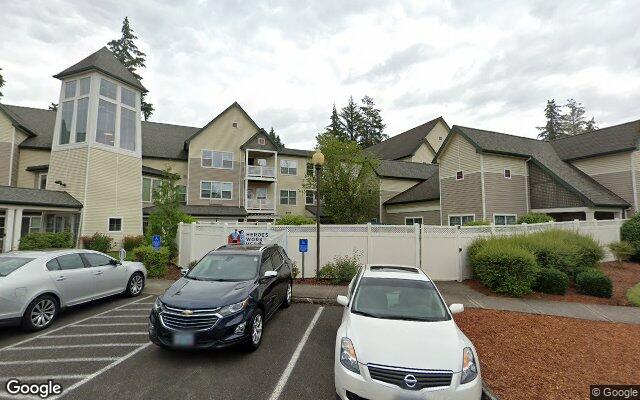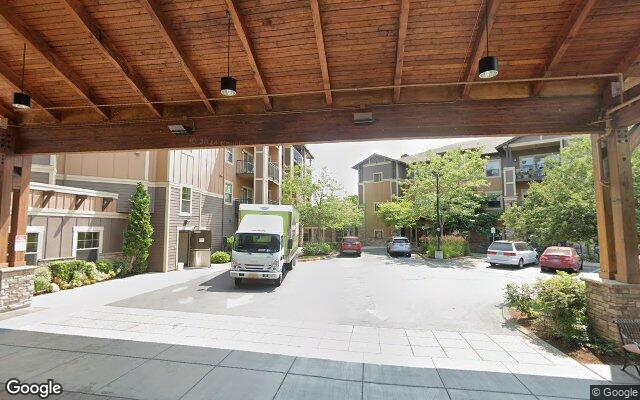
Oregon · Hillsboro

Holi Senior Living.

ALF · Memory Care90 bedsDementia-trained staff
Endorsed Memory Care Community
Facility · Hillsboro
A 90-bed ALF · Memory Care with 93 citations on file.
Licensed beds
90
Last inspection
Dec 2025
Last citation
Dec 2025
Operated by
Phone
Snapshot

A large home, reviewed on public record.

Holi Senior Living

© Google Street View

Map showing location of Holi Senior Living
© Mapbox · OpenStreetMap
Peer Comparison

Compared to 22 Oregon facilities with a similar number of beds.

ALF memory care · 36-month window. Higher percentile = better performance on inspection record. Source: Oregon Dept. of Human Services · Long-Term Care Licensing.

Severity rank
29th%
Weighted citations per bed.
peer median
0
100
Repeat rank
52nd%
Repeat deficiencies as share of total.
peer median
0
100
Frequency rank
24th%
Deficiencies per inspection.
peer median
0
100

Rankings based on 36-month OR-DHS inspection data. Severity and frequency: fewer citations = higher percentile. Repeat rate: lower repeat citation share = higher percentile.

FACILITY WATCH · FREE

Holi Senior Living has 93 citations on record. Know the moment anything changes.

New findings, complaint investigations, or status changes — emailed to you free.

Where are you in the process? (optional)

Save for comparison:
The Record

Citation history, plotted month by month.

93 deficiencies on record. Each bar is a month with a citation.

Peer median 27 · dashed
Last citation: DEC 2025. Compared against peer median (dashed).
peer median
DEC 2025
Jul 2024as of Jun 2026

Finding distribution

93 total · 36 months

Scope × Severity (CMS A–L)

Isolated
Pattern
Widespread
Sev 4 · IJ
J
K
L
Sev 3
G
H
I
Sev 2
D
E
F
Sev 1
A93
B
C
Full Inspection Record

Every inspection visit, verbatim.

4 inspections in the public record, most recent first. Click any row to expand — cited rows open automatically.

4
reports on file
93
total deficiencies
2025-12-11
Annual Compliance Visit
OR-cited · 66 findings

Plain-language summary

During a re-licensure inspection, the facility was found to have violated rules requiring prompt reporting of injuries of unknown cause as suspected abuse. A resident with dementia sustained a bruise on the breast in November 2025, but the facility did not report it to the local Seniors and People with Disabilities office until December 9, 2025—over a month later—after being asked to do so by the inspector. The facility also failed to treat residents with dignity and respect and to protect their privacy for five of six sampled residents and multiple other residents.

OR-citedOAR §C0200
Verbatim citation text · OAR §C0200

Based on observation and record review, it was determined the facility failed to create an environment in which residents were treated with dignity and respect, were free from neglect, and received services in a manner that protected privacy for 5 of 6 sampled residents (#s 1, 2, 3, 5, and 6) and multiple unsampled residents. Findings include, but are not limited to:

OR-citedOAR §C0231
Verbatim citation text · OAR §C0231

Based on interview and record review, it was determined the facility failed to ensure an injury of unknown cause was reported to the local Seniors and People with Disabilities (SPD) office as suspected abuse when the facility’s investigation could not reasonably conclude that the physical injury was not the result of abuse for 1 of 1 sampled resident (# 2), who sustained an injury of unknown cause. Findings include, but are not limited to: Resident 2 moved into the MCC1 in 10/2025 with diagnoses including dementia. A review of the resident's clinical record, including progress notes and incident reports, identified the following: On 11/07/25, an incident form was created and noted, “a bruise [on the resident’s right] breast nipple.” The incident form included the question, “Is abuse suspected?” In response, staff wrote, “We don’t know at this time.” During the facility’s investigation, Resident 2 was asked what happened. The resident stated that s/he did not know. On 11/08/25, Staff 3 (Wellness Director /LPN) documented in a progress note that “care staff reported that resident has a bruise on [his/her] right breast.” Staff 3 documented the bruise was “below [his/her] right nipple” and was “approximately 1.5 [centimeters by] 1.5 [centimeters]” and was a “light purplish color.” On 12/09/25 at 10:24 am, Staff 3 was unable to locate documented evidence that the injury of unknown cause had been reported to the local SPD office. At the request of survey, the facility reported the incident on 12/09/25 at 12:38 pm and provided the documentation to survey at 1:07 pm. The need to ensure injuries of unknown cause were reported to the local SPD office as suspected abuse when the facility’s investigation could not reasonably conclude that the physical injury was not the result of abuse was discussed with Staff 1 (ED) and Staff 3 on 12/09/25 at 10:24 am. They acknowledged the findings. - Incident reports will be reviewed promptly within 24 hours to ensure cases where abuse cannot be ruled out are reported timely. - Morning manager meetings will include discussions to confirm no reports are missed. - Daily checks of Incident Reports in Yardi by the ED, Wellness Coordinator, and Wellness Director will ensure compliance OAR 411-054-0028 (1-3) Reporting & Investigating Abuse-Other Action (Amended 12/15/21)(1) The facility must have policies and procedures in place to assure the prevention and appropriate response to any incident. In the case of incidents of abuse, suspected abuse, or injury of unknown cause, policies and procedures must follow the requirements outlined below. In the case of incidents that are not abuse or injuries of unknown cause where abuse has been ruled out, the facility must have policies and procedures in place to respond appropriately, which may include such things as re-assessment, monitoring, or medication review. (2) ABUSE REPORTING. Abuse is prohibited. The facility employees, agents and licensee must not permit, aid, or engage in abuse of residents who are under their care. (a) STAFF REPORTING. All facility employees are required to immediately report abuse and suspected abuse to the local SPD office, or the local AAA, the facility administrator, or to the facility administrator's designee. (b) FACILITY REPORTING. The facility administrator, or designee, must immediately notify the local SPD office, or the local AAA, of any incident of abuse or suspected abuse, including events overheard or witnessed by observation. (c) LAW ENFORCEMENT AGENCY. The local law enforcement agency must be called first when the suspected abuse is believed to be a crime (e.g., rape, murder, assault, burglary, kidnapping, theft of controlled substances, etc.). (d) INJURY OF UNKNOWN CAUSE. Physical injury of unknown cause must be reported to the local SPD office, or the local AAA, as suspected abuse, unless an immediate facility investigation reasonably concludes and documents that the physical injury is not the result of abuse. (3) FACILITY INVESTIGATION. In addition to immediately reporting abuse or suspected abuse to SPD, AAA, or the law enforcement agency, the facility must promptly investigate all reports of abuse and suspected abuse and take measures necessary to protect residents and prevent the reoccurrence of abuse. Investigation of suspected abuse must document: (a) Time, date, place and individuals present; (b) Description of the event as reported; (c) Response of staff at the time of the event; (d) Follow-up action; and (e) Administrator's review. This Rule is not met as evidenced by: Any/All reports that can not be rule out abuse and neglect will be investiaged and turned into APS within 24 hours. The system will be corrected by oversight of the ED, Wellness Director, and Wellness coordinator to disucss in morning clinical meetings if reports have been made that need to be reported each day. This will be evaluated daily or as reports are made to the facility. The ED, Wellness Director, and Wellness Coordinator will be responsible for contiuned monitoring. OAR 411-054-0028 (1-3) Reporting & Investigating Abuse-Other Action (Amended 12/15/21)(1) The facility must have policies and procedures in place to assure the prevention and appropriate response to any incident. In the case of incidents of abuse, suspected abuse, or injury of unknown cause, policies and procedures must follow the requirements outlined below. In the case of incidents that are not abuse or injuries of unknown cause where abuse has been ruled out, the facility must have policies and procedures in place to respond appropriately, which may include such things as re-assessment, monitoring, or medication review. (2) ABUSE REPORTING. Abuse is prohibited. The facility employees, agents and licensee must not permit, aid, or engage in abuse of residents who are under their care. (a) STAFF REPORTING. All facility employees are required to immediately report abuse and suspected abuse to the local SPD office, or the local AAA, the facility administrator, or to the facility administrator's designee. (b) FACILITY REPORTING. The facility administrator, or designee, must immediately notify the local SPD office, or the local AAA, of any incident of abuse or suspected abuse, including events overheard or witnessed by observation. (c) LAW ENFORCEMENT AGENCY. The local law enforcement agency must be called first when the suspected abuse is believed to be a crime (e.g., rape, murder, assault, burglary, kidnapping, theft of controlled substances, etc.). (d) INJURY OF UNKNOWN CAUSE. Physical injury of unknown cause must be reported to the local SPD office, or the local AAA, as suspected abuse, unless an immediate facility investigation reasonably concludes and documents that the physical injury is not the result of abuse. (3) FACILITY INVESTIGATION. In addition to immediately reporting abuse or suspected abuse to SPD, AAA, or the law enforcement agency, the facility must promptly investigate all reports of abuse and suspected abuse and take measures necessary to protect residents and prevent the reoccurrence of abuse. Investigation of suspected abuse must document: (a) Time, date, place and individuals present; (b) Description of the event as reported; (c) Response of staff at the time of the event; (d) Follow-up action; and (e) Administrator's review. This Rule is not met as evidenced by:

OR-citedOAR §C0252
Verbatim citation text · OAR §C0252

Based on interview and record review, it was determined the facility failed to ensure the initial evaluation addressed all required elements for 2 of 2 sampled residents (#s 2 and 5) and the initial evaluation was updated and modified as needed during the first 30 days following the resident’s move-in to the facility for 1 of 1 sampled resident (# 2) who had resided at the facility for over 30 days. Findings include, but are not limited to:

OR-citedOAR §C0260
Verbatim citation text · OAR §C0260

Based on the resident evaluation performed before move-in, an initial service plan must be developed before move-in that reflects the identified needs and preferences of the resident. (b) The initial service plan must be reviewed within 30-days of movein to ensure that any changes made to the plan during the initial 30- days, accurately reflect the resident's needs and preferences. (c) Staff must document and date adjustments or changes as applicable. (4) QUARTERLY SERVICE PLAN REQUIREMENTS. (a) Service plans must be completed quarterly after the resident moves into the facility. (b) The quarterly evaluation is the basis of the resident's quarterly service plan. (c) If the resident's service plan is revised and updated at the quarterly review, changes must be dated and initialed, and prior historical information must be maintained. This Rule is not met as evidenced by: Based on observation, interview, and record review, it was determined the facility failed to ensure service plans were reflective of residents' current care needs, provided clear directions to staff regarding the delivery of services and/or were completed quarterly for 5 of 6 sampled residents (#s 1, 2, 3, 5, and 6) whose service plans were reviewed. Findings include, but are not limited to:

OR-citedOAR §C0270
Verbatim citation text · OAR §C0270

Based on observation, interview, and record review, it was determined the facility failed to ensure resident-specific actions or interventions were determined, documented, and communicated to staff on all shifts for short-term changes of condition, for 1 of 1 sampled resident (# 11) who experienced a change of condition. Findings include, but are not limited to: Resident 11 was admitted to the Memory Care Community Two (MCC2) unit in 12/2025 with Alzheimer’s dementia. Resident 11’s progress notes indicated the following: * On 02/21/26 Resident 11 was placed on alert and staff noted, “During this shift [Resident 11] expressed suicidal comments to the care staff and was observed cleaning the butterknives while making comments about ending [his/her] life … went thru [sic] residents [sic] room to look for any sharp objects and took them out. Nurse was notified on this.” * Staff documented in progress notes from 02/22/26 through 02/24/26 that the resident was at baseline with his/her behaviors and no statements of suicidal ideations had been voiced. Observations were made on the MCC2 unit on 02/25/26. At 4:31 pm Resident 11 entered the dining room, approached an unsampled resident who was seated at the table, and asked if the resident had a knife so s/he could cut “right here in my throat” and motioned with his/her finger across his/her neck. Resident 11 leaned down again, muttered something unintelligible to the resident, stood up and made the same motion to his/her neck and stated, “I’d just like to go to heaven.” Resident 11 then pointed at the surveyor’s pen and sat down next to the surveyor. Resident 11’s hands were shaky, s/he displayed a worried look on his/her face, and s/he asked the surveyor if s/he had a knife “or the pen will do.” S/he repeated in that conversation, “I just want to go to heaven.” On 02/25/26 at 4:36 pm, the surveyor alerted Staff 5 (MT/CG) of the observation and interview with Resident 11. Staff 5 stated the facility was aware of his/her suicidal ideations from 02/21/26, a temporary service plan (TSP) was in place, and staff were monitoring the resident. On 02/25/26 at 5:03 pm, the surveyor shared the observations and interviews with Staff 3 (Director of Wellness/LPN) and he indicated he had not been aware of Resident 11’s suicidal ideation statements made on 02/21/26. A copy of the TSP related to suicidal ideations was requested. On 02/25/26 at 5:11 pm. Staff 3 and Staff 5 could not provide a TSP and acknowledged there was no documented evidence the facility had determined actions or interventions and communicated to staff to address Resident 11’s suicidal ideation on 02/21/26. Staff 3 immediately created a TSP that instructed staff to provide “frequent safety checks … avoid sharp objects like knife, pen, pencils.” Staff were also instructed to contact the physician or call 911 if s/he demonstrated any suicidal behavior. On 02/25/26 at 5:22 pm, the new TSP was provided. The surveyor then observed staff place a fork, spoon, and butterknife next to Resident 11 with dinner. The surveyor alerted Staff 3 and Staff 5 of this observation, and the fork and butterknife were immediately removed. Staff 3 stated he would ensure all staff on all shifts were made aware of the interventions identified in the TSP. An additional TSP was provided on 02/26/26, at 1:15 pm, that included how staff should respond to verbal comments of suicidal ideation, that they should check on the resident every hour, and what behaviors would warrant a call to 911. Staff working on the MCC2 unit were also trained in suicidal behaviors, and staff removed from the environment any devices that could possibly aid in a suicide attempt. The need to ensure the facility determined and documented resident-specific actions or interventions needed to address a resident’s condition and communicated the determined actions and interventions to staff was discussed with Staff 3 (Director of Wellness/LPN) on 02/25/26 at 5:03 pm and on 02/27/26 at 11:50 pm. He acknowledged the findings. Short term change in conditions or residents put on alert for any reasons will have an immiediate tempary service plan put in place. This will be corrected by initiating the tempary service plan for all short term changes and residents on alert to include relevant information for each situation such as interventions, symptoms to look out for, instructions for new/changed care. This will be evaluated each day in wellness clinical meeting and each day as new changes of conditions and alerts happen. Temporay service plans will be initiated by Medication techs, Wellness Coordinator, Wellness Director, and ED. This will be monitored by the ED, Wellness Director, and Wellness Coordinator. OAR 411-054-0040 (1-2) Change of Condition and Monitoring (1) CHANGE OF CONDITION. These rules define a resident's change of condition as either short term or significant with the following meanings: (a) Short term change of condition means a change in the resident's health or functioning that is expected to resolve or be reversed with minimal intervention or is an established, predictable, cyclical pattern associated with a previously diagnosed condition. (b) Significant change of condition means a major deviation from the most recent evaluation that may affect multiple areas of functioning or health that is not expected to be short term and imposes significant risk to the resident.(c) If a resident experiences a significant change of condition that is a major deviation in the resident's health or functional abilities, the facility must evaluate the resident, refer to the facility nurse, document the change, and update the service plan as needed. (d) If a resident experiences a short-term change of condition that is expected to resolve or reverse with minimal intervention, the facility must determine and document what action or intervention is needed for the resident. (A) The determined action or intervention must be communicated to staff on each shift. (B) The documentation of staff instructions or interventions must be resident specific and made part of the resident record with weekly progress noted until the condition resolves. (2) MONITORING. The facility must have written policies to ensure a resident monitoring and reporting system is implemented 24-hours a day. The policies must specify staff responsibilities and identify criteria for notifying the administrator, registered nurse, or healthcare provider. The facility must: (a) Monitor each resident consistent with his or her evaluated needs and service plan; (b) Train staff to identify changes in the resident's physical, emotional and mental functioning and document and report on the resident's changes of condition; (c) Have a reporting protocol with access to a designated staff person, 24-hours a day, seven days a week, who can determine if a change in the resident's condition requires further action; and (d) Provide written communication of a resident's change of condition, and any required interventions, for caregivers on each shift. This Rule is not met as evidenced by:

OR-citedOAR §C0295
Verbatim citation text · OAR §C0295

Based on observation and interview, it was determined the facility failed to establish and maintain infection prevention and control protocols to provide a safe, sanitary, and comfortable environment. Findings include, but are not limited to:

OR-citedOAR §C0303
Verbatim citation text · OAR §C0303

Based on interview and record review, it was determined the facility failed to ensure treatment orders were carried out as prescribed for 2 of 6 sampled residents (#s 3 and 6) whose orders were reviewed. Findings include, but are not limited to:

OR-citedOAR §C0305
Verbatim citation text · OAR §C0305

Based on interview and record review, it was determined the facility failed to notify the physician when a resident refused to consent to orders for 1 of 1 sampled resident (# 3) who had documented treatment refusals. Findings include, but are not limited to: Resident 3 moved into the MCC2 in 06/2023 with diagnoses including dementia, adjustment disorder with anxiety, depression, and Alzheimer’s disease. The resident’s 11/01/25 through 12/08/25 MARs, physician orders, and 09/04/25 through 12/05/25 progress notes were reviewed. The resident refused having his/her blood pressure taken on 10 occasions between 11/01/25 and 12/08/25. There was documented evidence the resident had refused medications on multiple days, as well; however, on 12/09/25 at 1:17 pm, Staff 23 (MT) confirmed that she faxed Resident 3’s medication refusals to the physician each time the resident refused them. Staff 23 stated she gave the verification of the faxes to Staff 3 (Wellness Director /LPN) for review. Staff 23 stated she did not notify the physician when the resident refused treatments. The need to notify the physician of resident treatment refusals was discussed with Staff 1 (ED) and Staff 3 on 12/11/25 at 12:35 pm. They acknowledged the findings. -Internal service plan will be put in place for all refusals of medications, treatments, or any physcians order not completed to notify physican day of refusal and Wellness Director. -Re-training and notices in Med Rooms will be put in place as well to ensure this is standard practice. -The Wellness Director and Wellness Coordinator will evaluate, and monitor daily. OAR 411-054-0055 (1)(j-k) Systems: Resident Right to Refuse (j) The resident or the person legally authorized to make health care decisions for the resident has the right to consent to, or refuse, medications and treatments.(k) The physician or other practitioner must be notified if a resident refuses consent to an order. Subsequent refusals to consent to an order will be reported as requested by the prescriber. This Rule is not met as evidenced by:

OR-citedOAR §C0310
Verbatim citation text · OAR §C0310

Based on interview and record review, it was determined the facility failed to ensure residents' MARs included resident-specific parameters and instructions for PRN medications, included reasons for use, and were initialed by the person administering the medication for 2 of 6 sampled residents (#s 1 and 3) whose MARs were reviewed. Findings include, but are not limited to:

OR-citedOAR §C0330
Verbatim citation text · OAR §C0330

Based on interview and record review, it was determined the facility failed to ensure non-pharmacological interventions had been tried with ineffective results prior to administering PRN psychotropic medications for 2 of 3 sampled residents (#s 1 and 2) who were prescribed PRN psychotropic medications. Findings include, but are not limited to:

OR-citedOAR §C0340
Verbatim citation text · OAR §C0340

Based on observation, interview, and record review, it was determined the facility failed to ensure a supportive device with restraining qualities was assessed by an RN, PT, or OT prior to use, caregivers were instructed on the correct use of and precautions for the device, and use of the device was included in the resident’s service plan for 2 of 2 sampled residents (#1 and 6) who had side rails on their bed. Findings include, but are not limited to:

OR-citedOAR §C0363
Verbatim citation text · OAR §C0363

Based on interview and record review, it was determined the facility failed to ensure the acuity-based staffing tool (ABST) was updated and reviewed for each resident before they moved into the facility, whenever there was a significant change of condition, and updated no less than quarterly at the same time the resident’s service plan was updated for 3 of 6 sampled residents (#s 2, 4 and 6). Findings include, but are not limited to: During the acuity interview, at 9:43 am on 12/08/25, Staff 3 (Wellness Director/LPN), Staff 21 (MT), and Staff 11 (CG) confirmed the facility census was at 66 residents. The facility’s ABST data was reviewed on 12/08/25 and revealed the following: * There was no documented evidence Resident 2’s ABST data had been updated before the resident moved in; * There was no documented evidence Resident 4’s ABST data had been updated following a significant change of condition; and * There was no documented evidence Resident 6’s ABST data had been updated quarterly. The need to ensure residents’ ABST data was updated following a significant change of condition, no less than quarterly, and prior to move-in was reviewed with Staff 1 (ED) and Staff 3 (Wellness Director/LPN) on 12/11/25 at 2:07 pm. They acknowledged the findings. ABST will be updated berfore move in, any time signifgant changes occur, and quarterly. New residents will be added as soon as care plan is created, berfore move in. -Resident chages and quartley evaultions will be discussed in daily clinical meetings and will be updated as they occur. -This will be evaluated daily as need arrises. -The ED will be responsible for updates with assistance from Wellness Coordinator. OAR 411-054-0037 (4-6) Acuity Based Staffing Tool - Updates & Staffing Plan (4) FREQUENCY OF UPDATES. Facilities must complete or update and review the ABST evaluation for each resident according to the following schedule. (a) Before a resident moves in. (b) Whenever there is a significant change of condition as defined in OAR 411-054-0040(1)(b). (c) No less than quarterly at the same time the resident’s service plan is updated as required by OAR 411-054-0034. (5) DEVELOP AND MAINTAIN UPDATED POSTED STAFFING PLAN. Each facility should use the results of an ABST to develop and routinely update the facility’s posted staffing plan. The staffing plan must outline the staffing numbers required to meet the scheduled and unscheduled needs of all residents in the facility, for each shift. The ABST and staffing plan must be reviewed at the frequency required in paragraph (4) of this rule. The facility must review the following and ensure accuracy between the posted staffing plan and ABST: (a) The total ABST care time required for the individual care elements as referenced in paragraph (3) of this rule. (b) Staffing plan must account for unscheduled care needs. (c) Documentation of consistently staffing to meet or exceed the posted staffing plan 24 hours a day, seven days a week. (d) The staffing requirements outlined in OAR 411-054-0070(1). (e) Any other applicable factors to be considered. (e.g., disruptions to normal facility operations.) (f) Time for paid or unpaid staff meal breaks must be accounted for and should not be included in the total scheduled staff time per shift. (g) Distinct posted staffing plans for segregated areas as outlined in OAR 411-054-0070(1) to meet the scheduled and unscheduled needs of residents who reside in each segregated area. (h) The staffing needs required under the Specific Needs Contracts, if applicable. (6) ABST REPORTING OF SPECIFIC NEEDS CONTRACTS AND EXCEPTIONAL PAYMENTS. Staffing required by a Specific Needs Contract (Contract), as described in OAR chapter 411, division 027, must be included in a facility’s ABST. (a) If all residents within the facility are receiving service through a Contract: (A) The facility’s staffing plan must include the number of staff required by the Contract and additional staff time, if required to meet the scheduled and unscheduled needs of the residents. (B) If the ABST staffing analysis indicates numbers higher than the Contract, the facility must staff to the numbers indicated by the ABST. (b) If certain residents within the facility are served under Contract, and other residents are not served by a Contract: (A) The facility must maintain a posted staffing plan that includes the staffing required for residents served by the Contract as well as the staffing required for residents not served by the Contract. (B) The facility must prepare two distinct ABST reports: one for residents served by the Contract and the other for residents not served by the Contract. (C) If the ABST indicates higher staffing numbers than the Contract for residents who are served by the Contract, the facility must staff to numbers indicated by the ABST. (c) If the facility has any residents funded by an exceptional payment, as provided in OAR 411-027-0050, that must be included in the ABST and the facility must staff to the greater of the exception or the ABST. This Rule is not met as evidenced by: The ABST will be reviewed weekly and as new move ins, care plan updates, and changes of conditon occur. This will be corrected by training the Wellness Coordinator and Wellness Director as well on updating. And weekly reviews to ensure all updates have been made. This will be evaluated weekly or as new move ins, care plans update, and changes in condition occur. The ED will be responsible for the contiued monitoring OAR 411-054-0037 (4-6) Acuity Based Staffing Tool - Updates & Staffing Plan (4) FREQUENCY OF UPDATES. Facilities must complete or update and review the ABST evaluation for each resident according to the following schedule. (a) Before a resident moves in. (b) Whenever there is a significant change of condition as defined in OAR 411-054-0040(1)(b). (c) No less than quarterly at the same time the resident’s service plan is updated as required by OAR 411-054-0034. (5) DEVELOP AND MAINTAIN UPDATED POSTED STAFFING PLAN. Each facility should use the results of an ABST to develop and routinely update the facility’s posted staffing plan. The staffing plan must outline the staffing numbers required to meet the scheduled and unscheduled needs of all residents in the facility, for each shift. The ABST and staffing plan must be reviewed at the frequency required in paragraph (4) of this rule. The facility must review the following and ensure accuracy between the posted staffing plan and ABST: (a) The total ABST care time required for the individual care elements as referenced in paragraph (3) of this rule. (b) Staffing plan must account for unscheduled care needs. (c) Documentation of consistently staffing to meet or exceed the posted staffing plan 24 hours a day, seven days a week. (d) The staffing requirements outlined in OAR 411-054-0070(1). (e) Any other applicable factors to be considered. (e.g., disruptions to normal facility operations.) (f) Time for paid or unpaid staff meal breaks must be accounted for and should not be included in the total scheduled staff time per shift. (g) Distinct posted staffing plans for segregated areas as outlined in OAR 411-054-0070(1) to meet the scheduled and unscheduled needs of residents who reside in each segregated area. (h) The staffing needs required under the Specific Needs Contracts, if applicable. (6) ABST REPORTING OF SPECIFIC NEEDS CONTRACTS AND EXCEPTIONAL PAYMENTS. Staffing required by a Specific Needs Contract (Contract), as described in OAR chapter 411, division 027, must be included in a facility’s ABST. (a) If all residents within the facility are receiving service through a Contract: (A) The facility’s staffing plan must include the number of staff required by the Contract and additional staff time, if required to meet the scheduled and unscheduled needs of the residents. (B) If the ABST staffing analysis indicates numbers higher than the Contract, the facility

OR-citedOAR §C0420
Verbatim citation text · OAR §C0420

Based on interview and record review, it was determined the facility failed to ensure fire drills were conducted every other month and recorded according to Oregon Fire Code (OFC) and fire and life safety instruction was provided to staff on alternate months. Findings include, but are not limited to: On 12/09/25 at 3:10 pm, six months of facility fire drill and fire and life safety records, from 06/2025 through 11/2025, were requested and reviewed with Staff 4 (Maintenance Director). The following was determined: a. The facility lacked documented evidence unannounced fire drills were conducted and recorded at least every other month. b. Fire drill records lacked documentation of the following required elements: * Location of the simulated fire origin; * Escape route used; * Problems encountered and comments relating to residents who resisted or failed to participate in the drills; * Evacuation time period needed; * Staff members on duty and participating; and * Number of occupants evacuated. c. The facility lacked documented evidence fire and life safety instruction was provided to staff on alternate months from fire drills. The need to ensure fire drills were conducted per the OFC and staff were provided fire and life safety instruction on alternate months was discussed with Staff 1 (ED) on 12/11/25 at 4:05 pm. She acknowledged the findings. Maintance Director has scheduled fire drills for the year. They will be documented for the required elements; Location, escape route, promlems that occurred, evacuation time/ reponse time, staff who participated, and residents. -The schedule will be set in the ED and Maintance directors calendars.This will be evaluated every other month. -The ED and Maintance director will be responsible to ensure these are completed. OAR 411-054-0090 (1-2) Fire and Life Safety: Safety (1) FIRE DRILLS. All fire drills shall be conducted according to the Oregon Fire Code (OFC). (a) Unannounced fire drills must be conducted and recorded every other month at different times of the day, evening, and night shifts. (b) Fire and life safety instruction to staff must be provided on alternate months. (c) The Fire Authority may develop an alternative fire drill plan for the facility. Any such plan must be submitted to the Department. (d) A written fire drill record must be kept to document fire drills that include: (A) Date and time of day; (B) Location of simulated fire origin; (C) The escape route used; (D) Problems encountered and comments relating to residents who resisted or failed to participate in the drills; (E) Evacuation time period needed; (F) Staff members on duty and participating; and (G) Number of occupants evacuated. (e) Alternate exit routes must be used during fire drills to react to varying potential fire origin points. (f) The evacuation capability of the residents and staff is a function of both the ability of the residents to evacuate and the assistance provided by the staff. (g) Staff must provide fire evacuation assistance to residents from the building to a designated point of safety as determined by the Fire Authority having jurisdiction. Points of safety may include, outside the building, through a horizontal exit, or other areas as determined by the Fire Authority having jurisdiction. (h) The fire alarm system shall be activated during each fire drill, unless otherwise directed by the Fire Authority having jurisdiction. (2) If the facility is unable to meet the applicable evacuation level, the facility must make an immediate effort to make changes to ensure the evacuation standard is met. Changes must include, but not be limited to: (a) Increasing staff levels, (b) Changing staff assignments, (c) Requesting change in resident rooms, and (d) Arranging for special equipment. After making necessary changes, if the facility fails to meet the applicable evacuation level, the facility must issue an involuntary move-out notice to the residents in accordance with OAR 411-054-0080. This Rule is not met as evidenced by: Fire Drills will be scheduled in advance by Maintance Director. Residents will be included by evacuating and re-located. Escape routes will be documented and problems that occurred, and number of residents/staff who participated will be documented as well. Drills will be scheduled and put on all management calanders. Documentation will be created to have a format that has all areas of concern to be filled out. This will need to be evaluated after each drill. The Maintance Director will be responsible for corrections and monitoring with ED to confirm completion each time. OAR 411-054-0090 (1-2) Fire and Life Safety: Safety (1) FIRE DRILLS. All fire drills shall be conducted according to the Oregon Fire Code (OFC). (a) Unannounced fire drills must be conducted and recorded every other month at different times of the day, evening, and night shifts. (b) Fire and life safety instruction to staff must be provided on alternate months. (c) The Fire Authority may develop an alternative fire drill plan for the facility. Any such plan must be submitted to the Department. (d) A written fire drill record must be kept to document fire drills that include: (A) Date and time of day; (B) Location of simulated fire origin; (C) The escape route used; (D) Problems encountered and comments relating to residents who resisted or failed to participate in the drills; (E) Evacuation time period needed; (F) Staff members on duty and participating; and (G) Number of occupants evacuated. (e) Alternate exit routes must be used during fire drills to react to varying potential fire origin points. (f) The evacuation capability of the residents and staff is a function of both the ability of the residents to evacuate and the assistance provided by the staff. (g) Staff must provide fire evacuation assistance to residents from the building to a designated point of safety as determined by the Fire Authority having jurisdiction. Points of safety may include, outside the building, through a horizontal exit, or other areas as determined by the Fire Authority having jurisdiction. (h) The fire alarm system shall be activated during each fire drill, unless otherwise directed by the Fire Authority having jurisdiction. (2) If the facility is unable to meet the applicable evacuation level, the facility must make an immediate effort to make changes to ensure the evacuation standard is met. Changes must include, but not be limited to: (a) Increasing staff levels, (b) Changing staff assignments, (c) Requesting change in resident rooms, and (d) Arranging for special equipment. After making necessary changes, if the facility fails to meet the applicable evacuation level, the facility must issue an involuntary move-out notice to the residents in accordance with OAR 411-054-0080. This Rule is not met as evidenced by:

OR-citedOAR §C0422
Verbatim citation text · OAR §C0422

Based on interview and record review, it was determined the facility failed to ensure residents were instructed on general safety procedures, evacuation methods, responsibilities during fire drills, and designated meeting places inside or outside the building within 24 hours of admission and failed to re-instruct residents on fire and life safety at least annually, with a written record of the content of the training sessions and the residents attending, per the Oregon Fire Code (OFC). Findings include, but are not limited to: Facility fire and life safety records were provided by the facility and reviewed with Staff 4 (Maintenance Director) on 12/09/25 at 3:15 pm. There was no documented evidence residents were instructed in fire and life safety procedures within 24 hours of admission and re-instructed at least annually. The need to ensure residents were instructed on general safety procedures, evacuation methods, responsibilities during fire drills, and designated meeting places inside or outside the building within 24 hours of admission and to re-instruct residents on fire and life safety at least annually, with a written record of the content of the training sessions and the residents attending, per the OFC, was discussed with Staff 1 (ED) on 12/11/25 at 4:15 pm. She acknowledged the findings. -The fire life and safety overview will be completed on day of move in for all residents and annually with whole building. -To correct this the instruction will be part of the move in process so that is done on move in day. Annually it will be scheduled for all residents with a month time period and repeatded anuually going forward. -The will be evaulated weekly during Maintennace and ED meeting. -The Maintenance director is responsible to complete and monitor. OAR 411-054-0090 (5) Fire and Life Safety: Training for Residents (5) TRAINING FOR RESIDENTS. Residents must be instructed about the facility's fire and life safety procedures per OFC. (a) Each resident must be instructed within 24 hours of admission and re-instructed, at least annually, in general safety procedures, evacuation methods, responsibilities during fire drills, and designated meeting places outside the building or within the fire safe area in the event of an actual fire. This requirement does not apply to residents whose mental capability does not allow for following such instruction. (b) A written record of fire safety training, including content of the training sessions and the residents attending, must be kept. This Rule is not met as evidenced by: All residents will be instructed on Fire life and safety procedures at move in. This will become part of the move in process. And then annually. The Fire life and safety procedures will be done as part of the move in process, and then scheduled in the maintance directors calandar to be done annually. This will be evaluated monthly to ensure everyone is up to date. The Marketing director will follow up with the Maintance Director on day of move in for initial instruction. The new move in and annual intstruction will be the Maintance Directors responsibility and monitored by the ED to ensure completion. OAR 411-054-0090 (5) Fire and Life Safety: Training for Residents (5) TRAINING FOR RESIDENTS. Residents must be instructed about the facility's fire and life safety procedures per OFC. (a) Each resident must be instructed within 24 hours of admission and re-instructed, at least annually, in general safety procedures, evacuation methods, responsibilities during fire drills, and designated meeting places outside the building or within the fire safe area in the event of an actual fire. This requirement does not apply to residents whose mental capability does not allow for following such instruction. (b) A written record of fire safety training, including content of the training sessions and the residents attending, must be kept. This Rule is not met as evidenced by:

OR-citedOAR §C0435
Verbatim citation text · OAR §C0435

Based on interview and record review, it was determined the facility failed to conduct a drill of the emergency preparedness plan at least twice a year in accordance with the Oregon Fire Code (OFC) and other applicable state and local codes as required. Findings include, but are not limited to: The facility was a two- story licensed residential care facility that included two memory care units. During an acuity interview on 12/08/25 and other staff interviews throughout the survey, the resident census was identified at 67, with 16 residents who required the assistance of two staff for transfers (eight on the second floor, including four residents who required a mechanical lift for transfers, and eight on the first floor, including five residents who required a mechanical lift for transfers). During an interview at 3:10 pm on 12/09/25, Staff 4 (Maintenance Director) stated the facility had not practiced a full evacuation that included the residents who required two-person transfer assistance. Documentation of the facility’s emergency preparedness plan, including evidence that a drill of the plan was conducted at least twice a year, was requested on 12/11/25 at 2:14 pm. Staff 1 (ED) confirmed at the same time that the facility had not conducted a drill of the plan at least twice a year. The need to ensure the facility conducted a drill of the emergency preparedness plan at least twice a year in accordance with the OFC, and other applicable state and local codes as required, was discussed with Staff 1 on 12/11/25. She acknowledged the findings, and no further information was provided. Scheduled simulated drills will take place in June and Nov of each year to ensure it becomes a standard exercise. -This will be a scheduled drill in all manager calandars for participation. -This will be evaluated twice a year for completion and admendments on the procudure to update for even more sucessful drills in the future. -This will be the maintenance directors responsibility to complete and will be monitored by the Maintence director and ED. OAR 411-054-0093 (1-5) Emergency and Disaster Planning An emergency preparedness plan is a written procedure that identifies a facility's response to an emergency or disaster for the purpose of minimizing loss of life, mitigating trauma, and to the extent possible, maintaining services for residents, and preventing or reducing property loss. (1) The facility must prepare and maintain a written emergency preparedness plan in accordance with the OFC. (2) The emergency preparedness plan must: (a) Include analysis and response to potential emergency hazards including but not limited to: (A) Evacuation of a facility; (B) Fire, smoke, bomb threat, or explosion; (C) Prolonged power failure, water, or sewer loss; (D) Structural damage; (E) Hurricane, tornado, tsunami, volcanic eruption, flood, and earthquake; (F) Chemical spill or leak; and (G) Pandemic. (b) Address the medical needs of the residents including: (A) Access to medical records necessary to provide care and treatment; and (B) Access to pharmaceuticals, medical supplies, and equipment during and after an evacuation. (c) Include provisions and supplies sufficient to shelter in place for a minimum of three days without electricity, running water, or replacement staff. (3) The facility must notify the Department, the local AAA office, or designee, of the facility's status in the event of an emergency that requires evacuation and during any emergent situation when requested. (4) The facility must conduct a drill of the emergency preparedness plan at least twice a year in accordance with the OFC and other applicable state and local codes as required. One of the practice drills may consist of a walk-through of the duties or a discussion exercise with a hypothetical event, commonly known as a tabletop exercise. These simulated drills may not take the place of the required fire drills. (5) The facility must annually review or update the emergency preparedness plan as required by the OFC and the emergency preparedness plan must be available on-site for review upon request. This Rule is not met as evidenced by:

OR-citedOAR §C0455
Verbatim citation text · OAR §C0455

OAR 411-054-0105 (2-4) Inspections and Investigation: Insp Interval (Amended 12/15/21)(2) The facility shall not interfere with a good faith disclosure of information by an employee or volunteer concerning abuse or other action affecting a resident's safety or welfare, as described in OAR 411-054-0028(4).(3) Staff of the Department shall visit and inspect every facility at least but not limited to once every two years for a full in-person survey to determine whether the facility is maintained and operated in accordance with these rules.(a) For each year during which a facility does not have a full survey, the Department shall conduct an in-person inspection of the kitchen and other areas where food is prepared for residents.(b) Subsection (a) will not go into effect until July 1, 2022.(c) Facilities not in compliance with these rules must submit, within ten days of receipt of the inspection report, a plan of correction that satisfies the Department.(d) The Department may impose sanctions for failure to comply with these rules.(4) Department staff may consult with and advise the facility administrator concerning methods of care, records, housing, equipment, and other areas of operation. This Rule is not met as evidenced by: The Copies of Plan of correction will be provided to all management members and each will be required to correct per plan by complaince date. Daily follow up to ensure corrections have been made, and manager discussion each morning on progress and completion in morning meeting. This will be evaluated each day till completed, and then on going evaluation it stays in compliance. Each department head and the ED will be responsible for conitued monitoring and compliance. OAR 411-054-0105 (2-4) Inspections and Investigation: Insp Interval (Amended 12/15/21)(2) The facility shall not interfere with a good faith disclosure of information by an employee or volunteer concerning abuse or other action affecting a resident's safety or welfare, as described in OAR 411-054-0028(4).(3) Staff of the Department shall visit and inspect every facility at least but not limited to once every two years for a full in-person survey to determine whether the facility is maintained and operated in accordance with these rules.(a) For each year during which a facility does not have a full survey, the Department shall conduct an in-person inspection of the kitchen and other areas where food is prepared for residents.(b) Subsection (a) will not go into effect until July 1, 2022.(c) Facilities not in compliance with these rules must submit, within ten days of receipt of the inspection report, a plan of correction that satisfies the Department.(d) The Department may impose sanctions for failure to comply with these rules.(4) Department staff may consult with and advise the facility administrator concerning methods of care, records, housing, equipment, and other areas of operation. This Rule is not met as evidenced by:

OR-citedOAR §C0513
Verbatim citation text · OAR §C0513

Based on observation and interview, it was determined the facility failed to ensure all interior materials and surfaces were kept clean and in good repair. Findings include, but are not limited to: On 12/08/25, the interior of the facility was toured, and the following observations were made: * Walls, doors, windowsills, and handrails throughout the building on the first and second floors had scrapes, gouges, and chips in the paint, exposing drywall and wood, which created non-cleanable surfaces; * Multiple chairs and a sofa in the MMC1, common area, had excessive wear, including large tears and rips in the material coverings creating non-cleanable surfaces; and * Coffee and water tables in MMC1, MMC2, and the RCF were observed to have water damage, with rust. The environment was toured and the need to ensure all interior materials and surfaces were kept clean and in good repair was discussed with Staff 1 (ED) and Staff 4 (Maintenance Director) on 12/11/25 at 10:02 am. They acknowledged the findings. -Touch up to interior walls, doors, windowsills, hand rails, and walls will be patched repaired. -Plan is in place to replace furniture in MMC1 and MMC2. -Damaged or rusted drinking stations will be replaced. - updates are already in process of replacement. -This will be evaluated on daily walk throughs with Maintenance and Marketing departments. -Maintenance director will be responsible for completion and continued monitoring. OAR 411-054-0200 (4)(d-i) Doors, Walls, Elevators, Odors (d) INTERIOR DOORS. Lever-type door handles must be provided on all doors used by residents.(e) EXIT DOORS. Exit doors may not include locks that delay evacuation except as specified by the building codes. Such locks may not be installed except with written approval of the Department.(A) Exit doors may not include locks that prevent evacuation.(B) If an electronic code must be entered to use an exit door that code must be clearly posted for residents, visitors, and staff use.(f) WALLS AND CEILINGS. Walls and ceilings must be cleanable in kitchen, laundry, and bathing areas. Kitchen walls must be finished smooth per OAR 333-150-0000 (Food Sanitation Rules).(g) ELEVATORS. A RCF with residents on more than one floor must provide at least one elevator that meets Oregon Elevator Specialty Code (OESC) requirements.(h) The interior of the facility must be free from unpleasant odors.(i) All interior and exterior materials and surfaces (e.g., floors, walls, roofs, ceilings, windows, and furniture) and all equipment necessary for the health, safety, and comfort of the resident will be kept clean and in good repair. This Rule is not met as evidenced by: The maintance director will paint areas with missing paint, front doors have already scheduled with vendor to repair- maintance will paint, courtyard doors will be painted, kitchen hallway will be patched and repainted,chair rails, hand rails will be patched and painted. Recliners are all being replaced- plan in place for all. Chairs that were seriously ripped were taken out. Bathroom walls will be cleaned and scuffs repaired. Resident doors and bathrooms needed painted will also be done. the system will be corrected by doing daily walk throughs and touching up areas as needed. The correction will be evaulated weekly to look for areas that are needing attention. The maintenance director will be responsible for corrections and monitoring. OAR 411-054-0200 (4)(d-i) Doors, Walls, Elevators, Odors (d) INTERIOR DOORS. Lever-type door handles must be provided on all doors used by residents.(e) EXIT DOORS. Exit doors may not include locks that delay evacuation except as specified by the building codes. Such locks may not be installed except with written approval of the Department.(A) Exit doors may not include locks that prevent evacuation.(B) If an electronic code must be entered to use an exit door that code must be clearly posted for residents, visitors, and staff use.(f) WALLS AND CEILINGS. Walls and ceilings must be cleanable in kitchen, laundry, and bathing areas. Kitchen walls must be finished smooth per OAR 333-150-0000 (Food Sanitation Rules).(g) ELEVATORS. A RCF with residents on more than one floor must provide at least one elevator that meets Oregon Elevator Specialty Code (OESC) requirements.(h) The interior of the facility must be free from unpleasant odors.(i) All interior and exterior materials and surfaces (e.g., floors, walls, roofs, ceilings, windows, and furniture) and all equipment necessary for the health, safety, and comfort of the resident will be kept clean and in good repair. This Rule is not met as evidenced by:

OR-citedOAR §H1510
Verbatim citation text · OAR §H1510

Based on observation and record review, it was determined the facility failed to create an environment in which residents were treated with dignity and respect, were free from neglect, and received services in a manner that protected privacy for 3 of 6 sampled residents (#s 1, 2, 3, 5, and 6) and multiple unsampled residents. Findings include, but are not limited to: Refer to C200. Please refer to C200 for plan of correction. OAR411-004-0020(1)(c) Individual Rights Settings: Privacy, Dignity (1) Residential and non-residential HCB settings must have all of the following qualities: (c) The setting ensures individual rights of privacy, dignity, respect, and freedom from coercion and restraint. This Rule is not met as evidenced by:

OR-citedOAR §Z0142
Verbatim citation text · OAR §Z0142

Based on observation, interview and record review, it was determined the facility failed to follow licensing rules for Residential Care and Assisted Living Facilities. Findings include, but are not limited to: Refer to C200, C231, C295, C363, C420, C422, C435, and C513. Please refer to C200, C231, C295,C363, C420, C422, C435, and C513 for plan of correction. OAR 411-057-0140(2) Administration Compliance (2) The licensee of a memory care community must comply with both the licensing rules for the facility and Chapter 411, Division 57. This Rule is not met as evidenced by: Please refer to C231,C363,C420, C422, and C513 for plan of correction. OAR 411-057-0140(2) Administration Compliance (2) The licensee of a memory care community must comply with both the licensing rules for the facility and Chapter 411, Division 57. This Rule is not met as evidenced by:

OR-citedOAR §Z0155
Verbatim citation text · OAR §Z0155

Based on interview and record review, it was determined the facility failed to ensure 3 of 3 newly hired direct care staff 18, 19 and 20 completed pre-service dementia training requirements prior to providing services to residents and demonstrated satisfactory performance in any duty they were assigned within 30-days of hire. Findings include but are not limited to: On 12/09/25, staff training records were reviewed and revealed the following: a. There was no documented evidence Staff 18 (MT), hired on 09/25/25, Staff 19 (CG), hired on 10/23/25, and Staff 20 (CG), hired on 10/23/25 had completed the following required dementia care trainings prior to providing care and working with residents independently: * Family support and the role the family may have in the care of the resident; * Behaviors that indicate change of condition; * Providing personal care to residents with dementia; * Orientation to service plans; and * Use of supportive devices with restraining qualities. b. There was no documented evidence Staff 19 and Staff 20 demonstrated satisfactory performance within 30-days of hire in the following areas: * Role of service plans; * Changes with normal aging; * Identification, documentation and reporting of change of condition; * Conditions that require assessment, treatment, observation and reporting; and * General food safety, serving and sanitation. c. Staff 18, had not successfully demonstrated satisfactory performance in the following areas: * Role of service plans; * Changes with normal aging; * Identification, documentation and reporting of change of condition; * Conditions that require assessment, treatment, observation and reporting; * General food safety, serving and sanitation; and * Medication administration. The need to ensure direct care staff completed pre-service dementia training requirements prior to providing services to residents independently and demonstrated satisfactory performance in any duty they were assigned within 30-days of hire was discussed with Staff 1 (ED) at 1:45 pm on 12/11/25. She acknowledged the findings. -Staff in Memory Care will be assigned correct dementia specific trainings with a required completion date. -Staff who are missing the initial training classes will be assgined specific training with required completion date. -Caregiver and medication tech new hire checklists will be re-done to ensure satisfactory perfomance of required duties with a requried completion date. -This will be corrected and evaluation monthly. -The Business Office Manager and Wellness Coordinator will be responsible for completion and contiued montioring. OAR 411-057-0155(1-6) Staff Training Requirements (1) A memory care community must ensure staff who provide support to residents with dementia have a basic understanding and fundamental knowledge of the residents' emotional and unique health care needs prior to providing services to residents. The training requirements for staff who work in memory care communities are described in the following sections. (2) ALL STAFF TRAINING REQUIREMENTS. All staff who work in memory care communities licensed as residential care facilities or assisted living facilities must complete the following: (a) Orientation as required in OAR 411-054-0070(3) before performing any job duties. (b) Pre-service dementia care training as required before independently providing personal care or other services. The dementia care training must address these topics: (A) Education on the dementia disease process, including the progression of the disease, memory loss and psychiatric and behavioral symptoms. (B) Techniques for understanding, communicating and responding to distressful behavioral symptoms; including but not limited to, reducing the use of antipsychotic medications for non-standard uses when responding to distressful behavioral symptoms. (C) Strategies for addressing social needs of persons with dementia and engaging them with meaningful activities; (D) Information concerning specific aspects of dementia care and ensuring safety of residents with dementia including, but not limited to, how to: (i) Identify and address pain; (ii) Provide food and fluid; (iii) Prevent wandering and elopement; (iv) Use a person-centered approach. (c) Additional pre-service training topics that must be completed before independently providing personal care to residents: (A) Environmental factors that are important to resident ' s well-being (e.g. noise, staff interactions, lighting, room temperature, etc.); (B) Family support and the role the family may have in the care of the resident; (C) How to recognize behaviors that indicate a change in the resident ' s condition and report behaviors that require on-going assessment. (3) DIRECT CARE STAFF TRAINING REQUIREMENTS. Direct care staff must be directly supervised by a qualified staff person until they have successfully demonstrated satisfactory performance in any task assigned in the provision of individualized resident services. In addition to training required for all staff as described in paragraph (2): (a) Before independently providing personal care or other services to residents, direct care staff must complete training on: (A) How to provide personal care to a resident with dementia, including an orientation to the resident and the resident ' s service plan, as required in OAR 411-054-0070(4). (B) The use of supportive devices with restraining qualities in memory care communities. (b) Within 30 days after hire, direct care staff must complete training as outlined in OAR 411-054-0070(5). (c) Direct care staff who work in memory care communities licensed as residential care facilities or assisted living facilities must complete a total of 16 hours of in-service training annually. The six hours of annual dementia care training required pursuant to OAR 411-054-0070(6) may be included in the 16 hours of in-service training. Annual in-service hours required of each staff are due by the anniversary date of that person ' s hire. All completed trainings must be documented by the facility. (4) NURSING FACILITY STAFF. Staff who work in memory care communities licensed as nursing facilities must complete the following: (a) Orientation as outlined in OAR 411-086-0310, 42 CFR ? 483.95 (F 943). (b) Pre-service dementia care training as outlined in paragraphs (2)(b) and (c) and paragraph (3)(a) of this section. (c) A total of 16 hours of annual in-service training must be completed by direct care staff only. Four of the 16 hours must be dementia care training and may be included in the 16 hours of in-service training. Annual in-service hours required of each staff are due by the anniversary date of that person ' s hire. All completed trainings must be documented by the facility. (5) Persons providing or overseeing the training of staff must have experience and knowledge in the care of individuals with dementia. (6) The memory care community must have a method for determining and documenting each staff person ' s competency of training in accordance with the licensing rules. All training must be documented and available to the Department upon request. This Rule is not met as evidenced by:

OR-citedOAR §Z0162
Verbatim citation text · OAR §Z0162

Based on interview and record review, it was determined the facility failed to provide health care services in accordance with the licensing rules for Residential Care and Assisted Living Facilities. Findings include, but are not limited to: Refer to C252, C260, C303, C305, C310, C330, and C340. Please refer to C252,C260, C303, C305,C310, C330, and C340 for plan of correction. OAR 411-057-0160(2b) Compliance with Rules Health Care (b) Health care services provided in accordance with the licensing rules of the facility. This Rule is not met as evidenced by: Please refer to tag C270 for plan of correction. OAR 411-057-0160(2b) Compliance with Rules Health Care (b) Health care services provided in accordance with the licensing rules of the facility. This Rule is not met as evidenced by:

OR-citedOAR §Z0164
Verbatim citation text · OAR §Z0164

based on their activity evaluation. The plan must reflect the resident ' s activity preferences and needs. (C) A selection of daily structured and non-structured activities must be provided and included on the resident ' s activity service or care plan as appropriate. Daily activity options based on resident evaluation may include but are not limited to: (i) Occupation or chore related tasks; (ii) Scheduled and planned events (e.g. entertainment, outings); (iii) Spontaneous activities for enjoyment or those that may help diffuse a behavior; (iv) One to one activities that encourage positive relationships between residents and staff (e.g. life story, reminiscing, music); (v) Spiritual, creative, and intellectual activities; (vi) Sensory stimulation activities; (vii) Physical activities that enhance or maintain a resident ' s ability to ambulate or move; and (viii) Outdoor activities. This Rule is not met as evidenced by: Based on observation, interview, and record review, it was determined the facility failed to ensure activity evaluations and individualized activity plans were completed for 2 of 3 sampled residents (#s 2 and 3) whose service plans were reviewed. Findings include, but are not limited to: Resident 2 and 3’s service plans offered some information about residents' interests, but the facility had not fully evaluated the residents' activity needs in one or more of the following areas: * Current abilities and skills; * Emotional and social needs and patterns; * Physical abilities and limitations; * Adaptations necessary for the resident to participate; and * Activities which could be used as behavioral interventions, if necessary. There were no resident-specific activity plans developed from activity evaluations which detailed what, when, how, and how often staff should offer and assist the resident with more individualized activities. Observations made in MCC2 between 12/08/25 and 12/11/25 showed one group activity being led by facility staff on 12/09/25. The television was on in the unit, which played music or movies, and there were coloring pages, crayons, and colored pencils on a table. On 12/11/25 at 9:43 am, Staff 1 (ED) told a CG in the community about a painting activity starting at 10:00 am. She encouraged the CG to invite residents who were interested. No observations were made of the CG asking any residents if they wanted to join the activity, and no residents were taken to the activity at 10:00 am. The need to ensure activity evaluations were completed for all residents and individualized activity plans were developed and implemented was discussed with Staff 1 and Staff 3 (Wellness Director /LPN) on 12/11/25 at 12:35 pm. They acknowledged the findings. -Activity profiles will be updated for current residents and done at move in for new residents. -Activity profiles will be givento wellness for appropriete updates to care plans, and a binder created for activites to keep and update as changes occur. -Activiy profiles will be addressed as changes in condition occur and at quartly evaluatons this will be initated by wellness management team to the activites department to assist in up to date accuracy. -This will be the responsibility of the activites department, Wellness Coordinator, and Wellness director to monitor and complete as changes or move ins occur. OAR 411-057-0160(2d) Activities (d) Meaningful activities that promote or help sustain the physical and emotional well-being of residents. The activities must be person centered and available during residents ' waking hours. (A) Each resident must be evaluated for activities according to the licensing rules of the facility. In addition, the evaluation must address the following: (i) Past and current interests; (ii) Current abilities and skills; (iii) Emotional and social needs and patterns; (iv) Physical abilities and limitations; (v) Adaptations necessary for the resident to participate; and (vi) Identification of activities for behavioral interventions. (B) An individualized activity plan must be developed for each resident based on their activity evaluation. The plan must reflect the resident ' s activity preferences and needs. (C) A selection of daily structured and non-structured activities must be provided and included on the resident ' s activity service or care plan as appropriate. Daily activity options based on resident evaluation may include but are not limited to: (i) Occupation or chore related tasks; (ii) Scheduled and planned events (e.g. entertainment, outings); (iii) Spontaneous activities for enjoyment or those that may help diffuse a behavior; (iv) One to one activities that encourage positive relationships between residents and staff (e.g. life story, reminiscing, music); (v) Spiritual, creative, and intellectual activities; (vi) Sensory stimulation activities; (vii) Physical activities that enhance or maintain a resident ' s ability to ambulate or move; and (viii) Outdoor activities. This Rule is not met as evidenced by: Please refer to tag C270 for plan of correction. OAR 411-057-0160(2d) Activities (d) Meaningful activities that promote or help sustain the physical and emotional well-being of residents. The activities must be person centered and available during residents ' waking hours. (A) Each resident must be evaluated for activities according to the licensing rules of the facility. In addition, the evaluation must address the following: (i) Past and current interests; (ii) Current abilities and skills; (iii) Emotional and social needs and patterns; (iv) Physical abilities and limitations; (v) Adaptations necessary for the resident to participate; and (vi) Identification of activities for behavioral interventions. (B) An individualized activity plan must be developed for each resident based on their activity evaluation. The plan must reflect the resident ' s activity preferences and needs. (C) A selection of daily structured and non-structured activities must be provided and included on the resident ' s activity service or care plan as appropriate. Daily activity options based on resident evaluation may include but are not limited to: (i) Occupation or chore related tasks; (ii) Scheduled and planned events (e.g. entertainment, outings); (iii) Spontaneous activities for enjoyment or those that may help diffuse a behavior; (iv) One to one activities that encourage positive relationships between residents and staff (e.g. life story, reminiscing, music); (v) Spiritual, creative, and intellectual activities; (vi) Sensory stimulation activities; (vii) Physical activities that enhance or maintain a resident ' s ability to ambulate or move; and (viii) Outdoor activities. This Rule is not met as evidenced by:

OR-citedOAR §C0303
Verbatim citation text · OAR §C0303

Based on interview and record review, it was determined the facility failed to ensure treatment orders were carried out as prescribed for 2 of 6 sampled residents (#s 3 and 6) whose orders were reviewed. Findings include, but are not limited to:

OR-citedOAR §H1510
Verbatim citation text · OAR §H1510

Based on observation and record review, it was determined the facility failed to create an environment in which residents were treated with dignity and respect, were free from neglect, and received services in a manner that protected privacy for 3 of 6 sampled residents (#s 1, 2, 3, 5, and 6) and multiple unsampled residents. Findings include, but are not limited to: Refer to C200. Please refer to C200 for plan of correction. OAR411-004-0020(1)(c) Individual Rights Settings: Privacy, Dignity (1) Residential and non-residential HCB settings must have all of the following qualities: (c) The setting ensures individual rights of privacy, dignity, respect, and freedom from coercion and restraint. This Rule is not met as evidenced by:

OR-citedOAR §C0200
Verbatim citation text · OAR §C0200

Based on observation and record review, it was determined the facility failed to create an environment in which residents were treated with dignity and respect, were free from neglect, and received services in a manner that protected privacy for 5 of 6 sampled residents (#s 1, 2, 3, 5, and 6) and multiple unsampled residents. Findings include, but are not limited to:

OR-citedOAR §C0231
Verbatim citation text · OAR §C0231

Based on interview and record review, it was determined the facility failed to ensure an injury of unknown cause was reported to the local Seniors and People with Disabilities (SPD) office as suspected abuse when the facility’s investigation could not reasonably conclude that the physical injury was not the result of abuse for 1 of 1 sampled resident (# 2), who sustained an injury of unknown cause. Findings include, but are not limited to: Resident 2 moved into the MCC1 in 10/2025 with diagnoses including dementia. A review of the resident's clinical record, including progress notes and incident reports, identified the following: On 11/07/25, an incident form was created and noted, “a bruise [on the resident’s right] breast nipple.” The incident form included the question, “Is abuse suspected?” In response, staff wrote, “We don’t know at this time.” During the facility’s investigation, Resident 2 was asked what happened. The resident stated that s/he did not know. On 11/08/25, Staff 3 (Wellness Director /LPN) documented in a progress note that “care staff reported that resident has a bruise on [his/her] right breast.” Staff 3 documented the bruise was “below [his/her] right nipple” and was “approximately 1.5 [centimeters by] 1.5 [centimeters]” and was a “light purplish color.” On 12/09/25 at 10:24 am, Staff 3 was unable to locate documented evidence that the injury of unknown cause had been reported to the local SPD office. At the request of survey, the facility reported the incident on 12/09/25 at 12:38 pm and provided the documentation to survey at 1:07 pm. The need to ensure injuries of unknown cause were reported to the local SPD office as suspected abuse when the facility’s investigation could not reasonably conclude that the physical injury was not the result of abuse was discussed with Staff 1 (ED) and Staff 3 on 12/09/25 at 10:24 am. They acknowledged the findings. - Incident reports will be reviewed promptly within 24 hours to ensure cases where abuse cannot be ruled out are reported timely. - Morning manager meetings will include discussions to confirm no reports are missed. - Daily checks of Incident Reports in Yardi by the ED, Wellness Coordinator, and Wellness Director will ensure compliance OAR 411-054-0028 (1-3) Reporting & Investigating Abuse-Other Action (Amended 12/15/21)(1) The facility must have policies and procedures in place to assure the prevention and appropriate response to any incident. In the case of incidents of abuse, suspected abuse, or injury of unknown cause, policies and procedures must follow the requirements outlined below. In the case of incidents that are not abuse or injuries of unknown cause where abuse has been ruled out, the facility must have policies and procedures in place to respond appropriately, which may include such things as re-assessment, monitoring, or medication review. (2) ABUSE REPORTING. Abuse is prohibited. The facility employees, agents and licensee must not permit, aid, or engage in abuse of residents who are under their care. (a) STAFF REPORTING. All facility employees are required to immediately report abuse and suspected abuse to the local SPD office, or the local AAA, the facility administrator, or to the facility administrator's designee. (b) FACILITY REPORTING. The facility administrator, or designee, must immediately notify the local SPD office, or the local AAA, of any incident of abuse or suspected abuse, including events overheard or witnessed by observation. (c) LAW ENFORCEMENT AGENCY. The local law enforcement agency must be called first when the suspected abuse is believed to be a crime (e.g., rape, murder, assault, burglary, kidnapping, theft of controlled substances, etc.). (d) INJURY OF UNKNOWN CAUSE. Physical injury of unknown cause must be reported to the local SPD office, or the local AAA, as suspected abuse, unless an immediate facility investigation reasonably concludes and documents that the physical injury is not the result of abuse. (3) FACILITY INVESTIGATION. In addition to immediately reporting abuse or suspected abuse to SPD, AAA, or the law enforcement agency, the facility must promptly investigate all reports of abuse and suspected abuse and take measures necessary to protect residents and prevent the reoccurrence of abuse. Investigation of suspected abuse must document: (a) Time, date, place and individuals present; (b) Description of the event as reported; (c) Response of staff at the time of the event; (d) Follow-up action; and (e) Administrator's review. This Rule is not met as evidenced by: Any/All reports that can not be rule out abuse and neglect will be investiaged and turned into APS within 24 hours. The system will be corrected by oversight of the ED, Wellness Director, and Wellness coordinator to disucss in morning clinical meetings if reports have been made that need to be reported each day. This will be evaluated daily or as reports are made to the facility. The ED, Wellness Director, and Wellness Coordinator will be responsible for contiuned monitoring. OAR 411-054-0028 (1-3) Reporting & Investigating Abuse-Other Action (Amended 12/15/21)(1) The facility must have policies and procedures in place to assure the prevention and appropriate response to any incident. In the case of incidents of abuse, suspected abuse, or injury of unknown cause, policies and procedures must follow the requirements outlined below. In the case of incidents that are not abuse or injuries of unknown cause where abuse has been ruled out, the facility must have policies and procedures in place to respond appropriately, which may include such things as re-assessment, monitoring, or medication review. (2) ABUSE REPORTING. Abuse is prohibited. The facility employees, agents and licensee must not permit, aid, or engage in abuse of residents who are under their care. (a) STAFF REPORTING. All facility employees are required to immediately report abuse and suspected abuse to the local SPD office, or the local AAA, the facility administrator, or to the facility administrator's designee. (b) FACILITY REPORTING. The facility administrator, or designee, must immediately notify the local SPD office, or the local AAA, of any incident of abuse or suspected abuse, including events overheard or witnessed by observation. (c) LAW ENFORCEMENT AGENCY. The local law enforcement agency must be called first when the suspected abuse is believed to be a crime (e.g., rape, murder, assault, burglary, kidnapping, theft of controlled substances, etc.). (d) INJURY OF UNKNOWN CAUSE. Physical injury of unknown cause must be reported to the local SPD office, or the local AAA, as suspected abuse, unless an immediate facility investigation reasonably concludes and documents that the physical injury is not the result of abuse. (3) FACILITY INVESTIGATION. In addition to immediately reporting abuse or suspected abuse to SPD, AAA, or the law enforcement agency, the facility must promptly investigate all reports of abuse and suspected abuse and take measures necessary to protect residents and prevent the reoccurrence of abuse. Investigation of suspected abuse must document: (a) Time, date, place and individuals present; (b) Description of the event as reported; (c) Response of staff at the time of the event; (d) Follow-up action; and (e) Administrator's review. This Rule is not met as evidenced by:

OR-citedOAR §C0252
Verbatim citation text · OAR §C0252

Based on interview and record review, it was determined the facility failed to ensure the initial evaluation addressed all required elements for 2 of 2 sampled residents (#s 2 and 5) and the initial evaluation was updated and modified as needed during the first 30 days following the resident’s move-in to the facility for 1 of 1 sampled resident (# 2) who had resided at the facility for over 30 days. Findings include, but are not limited to:

OR-citedOAR §C0260
Verbatim citation text · OAR §C0260

Based on the resident evaluation performed before move-in, an initial service plan must be developed before move-in that reflects the identified needs and preferences of the resident. (b) The initial service plan must be reviewed within 30-days of movein to ensure that any changes made to the plan during the initial 30- days, accurately reflect the resident's needs and preferences. (c) Staff must document and date adjustments or changes as applicable. (4) QUARTERLY SERVICE PLAN REQUIREMENTS. (a) Service plans must be completed quarterly after the resident moves into the facility. (b) The quarterly evaluation is the basis of the resident's quarterly service plan. (c) If the resident's service plan is revised and updated at the quarterly review, changes must be dated and initialed, and prior historical information must be maintained. This Rule is not met as evidenced by: Based on observation, interview, and record review, it was determined the facility failed to ensure service plans were reflective of residents' current care needs, provided clear directions to staff regarding the delivery of services and/or were completed quarterly for 5 of 6 sampled residents (#s 1, 2, 3, 5, and 6) whose service plans were reviewed. Findings include, but are not limited to:

OR-citedOAR §C0270
Verbatim citation text · OAR §C0270

Based on observation, interview, and record review, it was determined the facility failed to ensure resident-specific actions or interventions were determined, documented, and communicated to staff on all shifts for short-term changes of condition, for 1 of 1 sampled resident (# 11) who experienced a change of condition. Findings include, but are not limited to: Resident 11 was admitted to the Memory Care Community Two (MCC2) unit in 12/2025 with Alzheimer’s dementia. Resident 11’s progress notes indicated the following: * On 02/21/26 Resident 11 was placed on alert and staff noted, “During this shift [Resident 11] expressed suicidal comments to the care staff and was observed cleaning the butterknives while making comments about ending [his/her] life … went thru [sic] residents [sic] room to look for any sharp objects and took them out. Nurse was notified on this.” * Staff documented in progress notes from 02/22/26 through 02/24/26 that the resident was at baseline with his/her behaviors and no statements of suicidal ideations had been voiced. Observations were made on the MCC2 unit on 02/25/26. At 4:31 pm Resident 11 entered the dining room, approached an unsampled resident who was seated at the table, and asked if the resident had a knife so s/he could cut “right here in my throat” and motioned with his/her finger across his/her neck. Resident 11 leaned down again, muttered something unintelligible to the resident, stood up and made the same motion to his/her neck and stated, “I’d just like to go to heaven.” Resident 11 then pointed at the surveyor’s pen and sat down next to the surveyor. Resident 11’s hands were shaky, s/he displayed a worried look on his/her face, and s/he asked the surveyor if s/he had a knife “or the pen will do.” S/he repeated in that conversation, “I just want to go to heaven.” On 02/25/26 at 4:36 pm, the surveyor alerted Staff 5 (MT/CG) of the observation and interview with Resident 11. Staff 5 stated the facility was aware of his/her suicidal ideations from 02/21/26, a temporary service plan (TSP) was in place, and staff were monitoring the resident. On 02/25/26 at 5:03 pm, the surveyor shared the observations and interviews with Staff 3 (Director of Wellness/LPN) and he indicated he had not been aware of Resident 11’s suicidal ideation statements made on 02/21/26. A copy of the TSP related to suicidal ideations was requested. On 02/25/26 at 5:11 pm. Staff 3 and Staff 5 could not provide a TSP and acknowledged there was no documented evidence the facility had determined actions or interventions and communicated to staff to address Resident 11’s suicidal ideation on 02/21/26. Staff 3 immediately created a TSP that instructed staff to provide “frequent safety checks … avoid sharp objects like knife, pen, pencils.” Staff were also instructed to contact the physician or call 911 if s/he demonstrated any suicidal behavior. On 02/25/26 at 5:22 pm, the new TSP was provided. The surveyor then observed staff place a fork, spoon, and butterknife next to Resident 11 with dinner. The surveyor alerted Staff 3 and Staff 5 of this observation, and the fork and butterknife were immediately removed. Staff 3 stated he would ensure all staff on all shifts were made aware of the interventions identified in the TSP. An additional TSP was provided on 02/26/26, at 1:15 pm, that included how staff should respond to verbal comments of suicidal ideation, that they should check on the resident every hour, and what behaviors would warrant a call to 911. Staff working on the MCC2 unit were also trained in suicidal behaviors, and staff removed from the environment any devices that could possibly aid in a suicide attempt. The need to ensure the facility determined and documented resident-specific actions or interventions needed to address a resident’s condition and communicated the determined actions and interventions to staff was discussed with Staff 3 (Director of Wellness/LPN) on 02/25/26 at 5:03 pm and on 02/27/26 at 11:50 pm. He acknowledged the findings. Short term change in conditions or residents put on alert for any reasons will have an immiediate tempary service plan put in place. This will be corrected by initiating the tempary service plan for all short term changes and residents on alert to include relevant information for each situation such as interventions, symptoms to look out for, instructions for new/changed care. This will be evaluated each day in wellness clinical meeting and each day as new changes of conditions and alerts happen. Temporay service plans will be initiated by Medication techs, Wellness Coordinator, Wellness Director, and ED. This will be monitored by the ED, Wellness Director, and Wellness Coordinator. OAR 411-054-0040 (1-2) Change of Condition and Monitoring (1) CHANGE OF CONDITION. These rules define a resident's change of condition as either short term or significant with the following meanings: (a) Short term change of condition means a change in the resident's health or functioning that is expected to resolve or be reversed with minimal intervention or is an established, predictable, cyclical pattern associated with a previously diagnosed condition. (b) Significant change of condition means a major deviation from the most recent evaluation that may affect multiple areas of functioning or health that is not expected to be short term and imposes significant risk to the resident.(c) If a resident experiences a significant change of condition that is a major deviation in the resident's health or functional abilities, the facility must evaluate the resident, refer to the facility nurse, document the change, and update the service plan as needed. (d) If a resident experiences a short-term change of condition that is expected to resolve or reverse with minimal intervention, the facility must determine and document what action or intervention is needed for the resident. (A) The determined action or intervention must be communicated to staff on each shift. (B) The documentation of staff instructions or interventions must be resident specific and made part of the resident record with weekly progress noted until the condition resolves. (2) MONITORING. The facility must have written policies to ensure a resident monitoring and reporting system is implemented 24-hours a day. The policies must specify staff responsibilities and identify criteria for notifying the administrator, registered nurse, or healthcare provider. The facility must: (a) Monitor each resident consistent with his or her evaluated needs and service plan; (b) Train staff to identify changes in the resident's physical, emotional and mental functioning and document and report on the resident's changes of condition; (c) Have a reporting protocol with access to a designated staff person, 24-hours a day, seven days a week, who can determine if a change in the resident's condition requires further action; and (d) Provide written communication of a resident's change of condition, and any required interventions, for caregivers on each shift. This Rule is not met as evidenced by:

OR-citedOAR §C0295
Verbatim citation text · OAR §C0295

Based on observation and interview, it was determined the facility failed to establish and maintain infection prevention and control protocols to provide a safe, sanitary, and comfortable environment. Findings include, but are not limited to:

OR-citedOAR §C0305
Verbatim citation text · OAR §C0305

Based on interview and record review, it was determined the facility failed to notify the physician when a resident refused to consent to orders for 1 of 1 sampled resident (# 3) who had documented treatment refusals. Findings include, but are not limited to: Resident 3 moved into the MCC2 in 06/2023 with diagnoses including dementia, adjustment disorder with anxiety, depression, and Alzheimer’s disease. The resident’s 11/01/25 through 12/08/25 MARs, physician orders, and 09/04/25 through 12/05/25 progress notes were reviewed. The resident refused having his/her blood pressure taken on 10 occasions between 11/01/25 and 12/08/25. There was documented evidence the resident had refused medications on multiple days, as well; however, on 12/09/25 at 1:17 pm, Staff 23 (MT) confirmed that she faxed Resident 3’s medication refusals to the physician each time the resident refused them. Staff 23 stated she gave the verification of the faxes to Staff 3 (Wellness Director /LPN) for review. Staff 23 stated she did not notify the physician when the resident refused treatments. The need to notify the physician of resident treatment refusals was discussed with Staff 1 (ED) and Staff 3 on 12/11/25 at 12:35 pm. They acknowledged the findings. -Internal service plan will be put in place for all refusals of medications, treatments, or any physcians order not completed to notify physican day of refusal and Wellness Director. -Re-training and notices in Med Rooms will be put in place as well to ensure this is standard practice. -The Wellness Director and Wellness Coordinator will evaluate, and monitor daily. OAR 411-054-0055 (1)(j-k) Systems: Resident Right to Refuse (j) The resident or the person legally authorized to make health care decisions for the resident has the right to consent to, or refuse, medications and treatments.(k) The physician or other practitioner must be notified if a resident refuses consent to an order. Subsequent refusals to consent to an order will be reported as requested by the prescriber. This Rule is not met as evidenced by:

OR-citedOAR §C0310
Verbatim citation text · OAR §C0310

Based on interview and record review, it was determined the facility failed to ensure residents' MARs included resident-specific parameters and instructions for PRN medications, included reasons for use, and were initialed by the person administering the medication for 2 of 6 sampled residents (#s 1 and 3) whose MARs were reviewed. Findings include, but are not limited to:

OR-citedOAR §C0330
Verbatim citation text · OAR §C0330

Based on interview and record review, it was determined the facility failed to ensure non-pharmacological interventions had been tried with ineffective results prior to administering PRN psychotropic medications for 2 of 3 sampled residents (#s 1 and 2) who were prescribed PRN psychotropic medications. Findings include, but are not limited to:

OR-citedOAR §C0340
Verbatim citation text · OAR §C0340

Based on observation, interview, and record review, it was determined the facility failed to ensure a supportive device with restraining qualities was assessed by an RN, PT, or OT prior to use, caregivers were instructed on the correct use of and precautions for the device, and use of the device was included in the resident’s service plan for 2 of 2 sampled residents (#1 and 6) who had side rails on their bed. Findings include, but are not limited to:

OR-citedOAR §Z0142
Verbatim citation text · OAR §Z0142

Based on observation, interview and record review, it was determined the facility failed to follow licensing rules for Residential Care and Assisted Living Facilities. Findings include, but are not limited to: Refer to C200, C231, C295, C363, C420, C422, C435, and C513. Please refer to C200, C231, C295,C363, C420, C422, C435, and C513 for plan of correction. OAR 411-057-0140(2) Administration Compliance (2) The licensee of a memory care community must comply with both the licensing rules for the facility and Chapter 411, Division 57. This Rule is not met as evidenced by: Please refer to C231,C363,C420, C422, and C513 for plan of correction. OAR 411-057-0140(2) Administration Compliance (2) The licensee of a memory care community must comply with both the licensing rules for the facility and Chapter 411, Division 57. This Rule is not met as evidenced by:

OR-citedOAR §C0363
Verbatim citation text · OAR §C0363

Based on interview and record review, it was determined the facility failed to ensure the acuity-based staffing tool (ABST) was updated and reviewed for each resident before they moved into the facility, whenever there was a significant change of condition, and updated no less than quarterly at the same time the resident’s service plan was updated for 3 of 6 sampled residents (#s 2, 4 and 6). Findings include, but are not limited to: During the acuity interview, at 9:43 am on 12/08/25, Staff 3 (Wellness Director/LPN), Staff 21 (MT), and Staff 11 (CG) confirmed the facility census was at 66 residents. The facility’s ABST data was reviewed on 12/08/25 and revealed the following: * There was no documented evidence Resident 2’s ABST data had been updated before the resident moved in; * There was no documented evidence Resident 4’s ABST data had been updated following a significant change of condition; and * There was no documented evidence Resident 6’s ABST data had been updated quarterly. The need to ensure residents’ ABST data was updated following a significant change of condition, no less than quarterly, and prior to move-in was reviewed with Staff 1 (ED) and Staff 3 (Wellness Director/LPN) on 12/11/25 at 2:07 pm. They acknowledged the findings. ABST will be updated berfore move in, any time signifgant changes occur, and quarterly. New residents will be added as soon as care plan is created, berfore move in. -Resident chages and quartley evaultions will be discussed in daily clinical meetings and will be updated as they occur. -This will be evaluated daily as need arrises. -The ED will be responsible for updates with assistance from Wellness Coordinator. OAR 411-054-0037 (4-6) Acuity Based Staffing Tool - Updates & Staffing Plan (4) FREQUENCY OF UPDATES. Facilities must complete or update and review the ABST evaluation for each resident according to the following schedule. (a) Before a resident moves in. (b) Whenever there is a significant change of condition as defined in OAR 411-054-0040(1)(b). (c) No less than quarterly at the same time the resident’s service plan is updated as required by OAR 411-054-0034. (5) DEVELOP AND MAINTAIN UPDATED POSTED STAFFING PLAN. Each facility should use the results of an ABST to develop and routinely update the facility’s posted staffing plan. The staffing plan must outline the staffing numbers required to meet the scheduled and unscheduled needs of all residents in the facility, for each shift. The ABST and staffing plan must be reviewed at the frequency required in paragraph (4) of this rule. The facility must review the following and ensure accuracy between the posted staffing plan and ABST: (a) The total ABST care time required for the individual care elements as referenced in paragraph (3) of this rule. (b) Staffing plan must account for unscheduled care needs. (c) Documentation of consistently staffing to meet or exceed the posted staffing plan 24 hours a day, seven days a week. (d) The staffing requirements outlined in OAR 411-054-0070(1). (e) Any other applicable factors to be considered. (e.g., disruptions to normal facility operations.) (f) Time for paid or unpaid staff meal breaks must be accounted for and should not be included in the total scheduled staff time per shift. (g) Distinct posted staffing plans for segregated areas as outlined in OAR 411-054-0070(1) to meet the scheduled and unscheduled needs of residents who reside in each segregated area. (h) The staffing needs required under the Specific Needs Contracts, if applicable. (6) ABST REPORTING OF SPECIFIC NEEDS CONTRACTS AND EXCEPTIONAL PAYMENTS. Staffing required by a Specific Needs Contract (Contract), as described in OAR chapter 411, division 027, must be included in a facility’s ABST. (a) If all residents within the facility are receiving service through a Contract: (A) The facility’s staffing plan must include the number of staff required by the Contract and additional staff time, if required to meet the scheduled and unscheduled needs of the residents. (B) If the ABST staffing analysis indicates numbers higher than the Contract, the facility must staff to the numbers indicated by the ABST. (b) If certain residents within the facility are served under Contract, and other residents are not served by a Contract: (A) The facility must maintain a posted staffing plan that includes the staffing required for residents served by the Contract as well as the staffing required for residents not served by the Contract. (B) The facility must prepare two distinct ABST reports: one for residents served by the Contract and the other for residents not served by the Contract. (C) If the ABST indicates higher staffing numbers than the Contract for residents who are served by the Contract, the facility must staff to numbers indicated by the ABST. (c) If the facility has any residents funded by an exceptional payment, as provided in OAR 411-027-0050, that must be included in the ABST and the facility must staff to the greater of the exception or the ABST. This Rule is not met as evidenced by: The ABST will be reviewed weekly and as new move ins, care plan updates, and changes of conditon occur. This will be corrected by training the Wellness Coordinator and Wellness Director as well on updating. And weekly reviews to ensure all updates have been made. This will be evaluated weekly or as new move ins, care plans update, and changes in condition occur. The ED will be responsible for the contiued monitoring OAR 411-054-0037 (4-6) Acuity Based Staffing Tool - Updates & Staffing Plan (4) FREQUENCY OF UPDATES. Facilities must complete or update and review the ABST evaluation for each resident according to the following schedule. (a) Before a resident moves in. (b) Whenever there is a significant change of condition as defined in OAR 411-054-0040(1)(b). (c) No less than quarterly at the same time the resident’s service plan is updated as required by OAR 411-054-0034. (5) DEVELOP AND MAINTAIN UPDATED POSTED STAFFING PLAN. Each facility should use the results of an ABST to develop and routinely update the facility’s posted staffing plan. The staffing plan must outline the staffing numbers required to meet the scheduled and unscheduled needs of all residents in the facility, for each shift. The ABST and staffing plan must be reviewed at the frequency required in paragraph (4) of this rule. The facility must review the following and ensure accuracy between the posted staffing plan and ABST: (a) The total ABST care time required for the individual care elements as referenced in paragraph (3) of this rule. (b) Staffing plan must account for unscheduled care needs. (c) Documentation of consistently staffing to meet or exceed the posted staffing plan 24 hours a day, seven days a week. (d) The staffing requirements outlined in OAR 411-054-0070(1). (e) Any other applicable factors to be considered. (e.g., disruptions to normal facility operations.) (f) Time for paid or unpaid staff meal breaks must be accounted for and should not be included in the total scheduled staff time per shift. (g) Distinct posted staffing plans for segregated areas as outlined in OAR 411-054-0070(1) to meet the scheduled and unscheduled needs of residents who reside in each segregated area. (h) The staffing needs required under the Specific Needs Contracts, if applicable. (6) ABST REPORTING OF SPECIFIC NEEDS CONTRACTS AND EXCEPTIONAL PAYMENTS. Staffing required by a Specific Needs Contract (Contract), as described in OAR chapter 411, division 027, must be included in a facility’s ABST. (a) If all residents within the facility are receiving service through a Contract: (A) The facility’s staffing plan must include the number of staff required by the Contract and additional staff time, if required to meet the scheduled and unscheduled needs of the residents. (B) If the ABST staffing analysis indicates numbers higher than the Contract, the facility

OR-citedOAR §C0420
Verbatim citation text · OAR §C0420

Based on interview and record review, it was determined the facility failed to ensure fire drills were conducted every other month and recorded according to Oregon Fire Code (OFC) and fire and life safety instruction was provided to staff on alternate months. Findings include, but are not limited to: On 12/09/25 at 3:10 pm, six months of facility fire drill and fire and life safety records, from 06/2025 through 11/2025, were requested and reviewed with Staff 4 (Maintenance Director). The following was determined: a. The facility lacked documented evidence unannounced fire drills were conducted and recorded at least every other month. b. Fire drill records lacked documentation of the following required elements: * Location of the simulated fire origin; * Escape route used; * Problems encountered and comments relating to residents who resisted or failed to participate in the drills; * Evacuation time period needed; * Staff members on duty and participating; and * Number of occupants evacuated. c. The facility lacked documented evidence fire and life safety instruction was provided to staff on alternate months from fire drills. The need to ensure fire drills were conducted per the OFC and staff were provided fire and life safety instruction on alternate months was discussed with Staff 1 (ED) on 12/11/25 at 4:05 pm. She acknowledged the findings. Maintance Director has scheduled fire drills for the year. They will be documented for the required elements; Location, escape route, promlems that occurred, evacuation time/ reponse time, staff who participated, and residents. -The schedule will be set in the ED and Maintance directors calendars.This will be evaluated every other month. -The ED and Maintance director will be responsible to ensure these are completed. OAR 411-054-0090 (1-2) Fire and Life Safety: Safety (1) FIRE DRILLS. All fire drills shall be conducted according to the Oregon Fire Code (OFC). (a) Unannounced fire drills must be conducted and recorded every other month at different times of the day, evening, and night shifts. (b) Fire and life safety instruction to staff must be provided on alternate months. (c) The Fire Authority may develop an alternative fire drill plan for the facility. Any such plan must be submitted to the Department. (d) A written fire drill record must be kept to document fire drills that include: (A) Date and time of day; (B) Location of simulated fire origin; (C) The escape route used; (D) Problems encountered and comments relating to residents who resisted or failed to participate in the drills; (E) Evacuation time period needed; (F) Staff members on duty and participating; and (G) Number of occupants evacuated. (e) Alternate exit routes must be used during fire drills to react to varying potential fire origin points. (f) The evacuation capability of the residents and staff is a function of both the ability of the residents to evacuate and the assistance provided by the staff. (g) Staff must provide fire evacuation assistance to residents from the building to a designated point of safety as determined by the Fire Authority having jurisdiction. Points of safety may include, outside the building, through a horizontal exit, or other areas as determined by the Fire Authority having jurisdiction. (h) The fire alarm system shall be activated during each fire drill, unless otherwise directed by the Fire Authority having jurisdiction. (2) If the facility is unable to meet the applicable evacuation level, the facility must make an immediate effort to make changes to ensure the evacuation standard is met. Changes must include, but not be limited to: (a) Increasing staff levels, (b) Changing staff assignments, (c) Requesting change in resident rooms, and (d) Arranging for special equipment. After making necessary changes, if the facility fails to meet the applicable evacuation level, the facility must issue an involuntary move-out notice to the residents in accordance with OAR 411-054-0080. This Rule is not met as evidenced by: Fire Drills will be scheduled in advance by Maintance Director. Residents will be included by evacuating and re-located. Escape routes will be documented and problems that occurred, and number of residents/staff who participated will be documented as well. Drills will be scheduled and put on all management calanders. Documentation will be created to have a format that has all areas of concern to be filled out. This will need to be evaluated after each drill. The Maintance Director will be responsible for corrections and monitoring with ED to confirm completion each time. OAR 411-054-0090 (1-2) Fire and Life Safety: Safety (1) FIRE DRILLS. All fire drills shall be conducted according to the Oregon Fire Code (OFC). (a) Unannounced fire drills must be conducted and recorded every other month at different times of the day, evening, and night shifts. (b) Fire and life safety instruction to staff must be provided on alternate months. (c) The Fire Authority may develop an alternative fire drill plan for the facility. Any such plan must be submitted to the Department. (d) A written fire drill record must be kept to document fire drills that include: (A) Date and time of day; (B) Location of simulated fire origin; (C) The escape route used; (D) Problems encountered and comments relating to residents who resisted or failed to participate in the drills; (E) Evacuation time period needed; (F) Staff members on duty and participating; and (G) Number of occupants evacuated. (e) Alternate exit routes must be used during fire drills to react to varying potential fire origin points. (f) The evacuation capability of the residents and staff is a function of both the ability of the residents to evacuate and the assistance provided by the staff. (g) Staff must provide fire evacuation assistance to residents from the building to a designated point of safety as determined by the Fire Authority having jurisdiction. Points of safety may include, outside the building, through a horizontal exit, or other areas as determined by the Fire Authority having jurisdiction. (h) The fire alarm system shall be activated during each fire drill, unless otherwise directed by the Fire Authority having jurisdiction. (2) If the facility is unable to meet the applicable evacuation level, the facility must make an immediate effort to make changes to ensure the evacuation standard is met. Changes must include, but not be limited to: (a) Increasing staff levels, (b) Changing staff assignments, (c) Requesting change in resident rooms, and (d) Arranging for special equipment. After making necessary changes, if the facility fails to meet the applicable evacuation level, the facility must issue an involuntary move-out notice to the residents in accordance with OAR 411-054-0080. This Rule is not met as evidenced by:

OR-citedOAR §C0422
Verbatim citation text · OAR §C0422

Based on interview and record review, it was determined the facility failed to ensure residents were instructed on general safety procedures, evacuation methods, responsibilities during fire drills, and designated meeting places inside or outside the building within 24 hours of admission and failed to re-instruct residents on fire and life safety at least annually, with a written record of the content of the training sessions and the residents attending, per the Oregon Fire Code (OFC). Findings include, but are not limited to: Facility fire and life safety records were provided by the facility and reviewed with Staff 4 (Maintenance Director) on 12/09/25 at 3:15 pm. There was no documented evidence residents were instructed in fire and life safety procedures within 24 hours of admission and re-instructed at least annually. The need to ensure residents were instructed on general safety procedures, evacuation methods, responsibilities during fire drills, and designated meeting places inside or outside the building within 24 hours of admission and to re-instruct residents on fire and life safety at least annually, with a written record of the content of the training sessions and the residents attending, per the OFC, was discussed with Staff 1 (ED) on 12/11/25 at 4:15 pm. She acknowledged the findings. -The fire life and safety overview will be completed on day of move in for all residents and annually with whole building. -To correct this the instruction will be part of the move in process so that is done on move in day. Annually it will be scheduled for all residents with a month time period and repeatded anuually going forward. -The will be evaulated weekly during Maintennace and ED meeting. -The Maintenance director is responsible to complete and monitor. OAR 411-054-0090 (5) Fire and Life Safety: Training for Residents (5) TRAINING FOR RESIDENTS. Residents must be instructed about the facility's fire and life safety procedures per OFC. (a) Each resident must be instructed within 24 hours of admission and re-instructed, at least annually, in general safety procedures, evacuation methods, responsibilities during fire drills, and designated meeting places outside the building or within the fire safe area in the event of an actual fire. This requirement does not apply to residents whose mental capability does not allow for following such instruction. (b) A written record of fire safety training, including content of the training sessions and the residents attending, must be kept. This Rule is not met as evidenced by: All residents will be instructed on Fire life and safety procedures at move in. This will become part of the move in process. And then annually. The Fire life and safety procedures will be done as part of the move in process, and then scheduled in the maintance directors calandar to be done annually. This will be evaluated monthly to ensure everyone is up to date. The Marketing director will follow up with the Maintance Director on day of move in for initial instruction. The new move in and annual intstruction will be the Maintance Directors responsibility and monitored by the ED to ensure completion. OAR 411-054-0090 (5) Fire and Life Safety: Training for Residents (5) TRAINING FOR RESIDENTS. Residents must be instructed about the facility's fire and life safety procedures per OFC. (a) Each resident must be instructed within 24 hours of admission and re-instructed, at least annually, in general safety procedures, evacuation methods, responsibilities during fire drills, and designated meeting places outside the building or within the fire safe area in the event of an actual fire. This requirement does not apply to residents whose mental capability does not allow for following such instruction. (b) A written record of fire safety training, including content of the training sessions and the residents attending, must be kept. This Rule is not met as evidenced by:

OR-citedOAR §C0435
Verbatim citation text · OAR §C0435

Based on interview and record review, it was determined the facility failed to conduct a drill of the emergency preparedness plan at least twice a year in accordance with the Oregon Fire Code (OFC) and other applicable state and local codes as required. Findings include, but are not limited to: The facility was a two- story licensed residential care facility that included two memory care units. During an acuity interview on 12/08/25 and other staff interviews throughout the survey, the resident census was identified at 67, with 16 residents who required the assistance of two staff for transfers (eight on the second floor, including four residents who required a mechanical lift for transfers, and eight on the first floor, including five residents who required a mechanical lift for transfers). During an interview at 3:10 pm on 12/09/25, Staff 4 (Maintenance Director) stated the facility had not practiced a full evacuation that included the residents who required two-person transfer assistance. Documentation of the facility’s emergency preparedness plan, including evidence that a drill of the plan was conducted at least twice a year, was requested on 12/11/25 at 2:14 pm. Staff 1 (ED) confirmed at the same time that the facility had not conducted a drill of the plan at least twice a year. The need to ensure the facility conducted a drill of the emergency preparedness plan at least twice a year in accordance with the OFC, and other applicable state and local codes as required, was discussed with Staff 1 on 12/11/25. She acknowledged the findings, and no further information was provided. Scheduled simulated drills will take place in June and Nov of each year to ensure it becomes a standard exercise. -This will be a scheduled drill in all manager calandars for participation. -This will be evaluated twice a year for completion and admendments on the procudure to update for even more sucessful drills in the future. -This will be the maintenance directors responsibility to complete and will be monitored by the Maintence director and ED. OAR 411-054-0093 (1-5) Emergency and Disaster Planning An emergency preparedness plan is a written procedure that identifies a facility's response to an emergency or disaster for the purpose of minimizing loss of life, mitigating trauma, and to the extent possible, maintaining services for residents, and preventing or reducing property loss. (1) The facility must prepare and maintain a written emergency preparedness plan in accordance with the OFC. (2) The emergency preparedness plan must: (a) Include analysis and response to potential emergency hazards including but not limited to: (A) Evacuation of a facility; (B) Fire, smoke, bomb threat, or explosion; (C) Prolonged power failure, water, or sewer loss; (D) Structural damage; (E) Hurricane, tornado, tsunami, volcanic eruption, flood, and earthquake; (F) Chemical spill or leak; and (G) Pandemic. (b) Address the medical needs of the residents including: (A) Access to medical records necessary to provide care and treatment; and (B) Access to pharmaceuticals, medical supplies, and equipment during and after an evacuation. (c) Include provisions and supplies sufficient to shelter in place for a minimum of three days without electricity, running water, or replacement staff. (3) The facility must notify the Department, the local AAA office, or designee, of the facility's status in the event of an emergency that requires evacuation and during any emergent situation when requested. (4) The facility must conduct a drill of the emergency preparedness plan at least twice a year in accordance with the OFC and other applicable state and local codes as required. One of the practice drills may consist of a walk-through of the duties or a discussion exercise with a hypothetical event, commonly known as a tabletop exercise. These simulated drills may not take the place of the required fire drills. (5) The facility must annually review or update the emergency preparedness plan as required by the OFC and the emergency preparedness plan must be available on-site for review upon request. This Rule is not met as evidenced by:

OR-citedOAR §C0455
Verbatim citation text · OAR §C0455

OAR 411-054-0105 (2-4) Inspections and Investigation: Insp Interval (Amended 12/15/21)(2) The facility shall not interfere with a good faith disclosure of information by an employee or volunteer concerning abuse or other action affecting a resident's safety or welfare, as described in OAR 411-054-0028(4).(3) Staff of the Department shall visit and inspect every facility at least but not limited to once every two years for a full in-person survey to determine whether the facility is maintained and operated in accordance with these rules.(a) For each year during which a facility does not have a full survey, the Department shall conduct an in-person inspection of the kitchen and other areas where food is prepared for residents.(b) Subsection (a) will not go into effect until July 1, 2022.(c) Facilities not in compliance with these rules must submit, within ten days of receipt of the inspection report, a plan of correction that satisfies the Department.(d) The Department may impose sanctions for failure to comply with these rules.(4) Department staff may consult with and advise the facility administrator concerning methods of care, records, housing, equipment, and other areas of operation. This Rule is not met as evidenced by: The Copies of Plan of correction will be provided to all management members and each will be required to correct per plan by complaince date. Daily follow up to ensure corrections have been made, and manager discussion each morning on progress and completion in morning meeting. This will be evaluated each day till completed, and then on going evaluation it stays in compliance. Each department head and the ED will be responsible for conitued monitoring and compliance. OAR 411-054-0105 (2-4) Inspections and Investigation: Insp Interval (Amended 12/15/21)(2) The facility shall not interfere with a good faith disclosure of information by an employee or volunteer concerning abuse or other action affecting a resident's safety or welfare, as described in OAR 411-054-0028(4).(3) Staff of the Department shall visit and inspect every facility at least but not limited to once every two years for a full in-person survey to determine whether the facility is maintained and operated in accordance with these rules.(a) For each year during which a facility does not have a full survey, the Department shall conduct an in-person inspection of the kitchen and other areas where food is prepared for residents.(b) Subsection (a) will not go into effect until July 1, 2022.(c) Facilities not in compliance with these rules must submit, within ten days of receipt of the inspection report, a plan of correction that satisfies the Department.(d) The Department may impose sanctions for failure to comply with these rules.(4) Department staff may consult with and advise the facility administrator concerning methods of care, records, housing, equipment, and other areas of operation. This Rule is not met as evidenced by:

OR-citedOAR §C0513
Verbatim citation text · OAR §C0513

Based on observation and interview, it was determined the facility failed to ensure all interior materials and surfaces were kept clean and in good repair. Findings include, but are not limited to: On 12/08/25, the interior of the facility was toured, and the following observations were made: * Walls, doors, windowsills, and handrails throughout the building on the first and second floors had scrapes, gouges, and chips in the paint, exposing drywall and wood, which created non-cleanable surfaces; * Multiple chairs and a sofa in the MMC1, common area, had excessive wear, including large tears and rips in the material coverings creating non-cleanable surfaces; and * Coffee and water tables in MMC1, MMC2, and the RCF were observed to have water damage, with rust. The environment was toured and the need to ensure all interior materials and surfaces were kept clean and in good repair was discussed with Staff 1 (ED) and Staff 4 (Maintenance Director) on 12/11/25 at 10:02 am. They acknowledged the findings. -Touch up to interior walls, doors, windowsills, hand rails, and walls will be patched repaired. -Plan is in place to replace furniture in MMC1 and MMC2. -Damaged or rusted drinking stations will be replaced. - updates are already in process of replacement. -This will be evaluated on daily walk throughs with Maintenance and Marketing departments. -Maintenance director will be responsible for completion and continued monitoring. OAR 411-054-0200 (4)(d-i) Doors, Walls, Elevators, Odors (d) INTERIOR DOORS. Lever-type door handles must be provided on all doors used by residents.(e) EXIT DOORS. Exit doors may not include locks that delay evacuation except as specified by the building codes. Such locks may not be installed except with written approval of the Department.(A) Exit doors may not include locks that prevent evacuation.(B) If an electronic code must be entered to use an exit door that code must be clearly posted for residents, visitors, and staff use.(f) WALLS AND CEILINGS. Walls and ceilings must be cleanable in kitchen, laundry, and bathing areas. Kitchen walls must be finished smooth per OAR 333-150-0000 (Food Sanitation Rules).(g) ELEVATORS. A RCF with residents on more than one floor must provide at least one elevator that meets Oregon Elevator Specialty Code (OESC) requirements.(h) The interior of the facility must be free from unpleasant odors.(i) All interior and exterior materials and surfaces (e.g., floors, walls, roofs, ceilings, windows, and furniture) and all equipment necessary for the health, safety, and comfort of the resident will be kept clean and in good repair. This Rule is not met as evidenced by: The maintance director will paint areas with missing paint, front doors have already scheduled with vendor to repair- maintance will paint, courtyard doors will be painted, kitchen hallway will be patched and repainted,chair rails, hand rails will be patched and painted. Recliners are all being replaced- plan in place for all. Chairs that were seriously ripped were taken out. Bathroom walls will be cleaned and scuffs repaired. Resident doors and bathrooms needed painted will also be done. the system will be corrected by doing daily walk throughs and touching up areas as needed. The correction will be evaulated weekly to look for areas that are needing attention. The maintenance director will be responsible for corrections and monitoring. OAR 411-054-0200 (4)(d-i) Doors, Walls, Elevators, Odors (d) INTERIOR DOORS. Lever-type door handles must be provided on all doors used by residents.(e) EXIT DOORS. Exit doors may not include locks that delay evacuation except as specified by the building codes. Such locks may not be installed except with written approval of the Department.(A) Exit doors may not include locks that prevent evacuation.(B) If an electronic code must be entered to use an exit door that code must be clearly posted for residents, visitors, and staff use.(f) WALLS AND CEILINGS. Walls and ceilings must be cleanable in kitchen, laundry, and bathing areas. Kitchen walls must be finished smooth per OAR 333-150-0000 (Food Sanitation Rules).(g) ELEVATORS. A RCF with residents on more than one floor must provide at least one elevator that meets Oregon Elevator Specialty Code (OESC) requirements.(h) The interior of the facility must be free from unpleasant odors.(i) All interior and exterior materials and surfaces (e.g., floors, walls, roofs, ceilings, windows, and furniture) and all equipment necessary for the health, safety, and comfort of the resident will be kept clean and in good repair. This Rule is not met as evidenced by:

OR-citedOAR §Z0155
Verbatim citation text · OAR §Z0155

Based on interview and record review, it was determined the facility failed to ensure 3 of 3 newly hired direct care staff 18, 19 and 20 completed pre-service dementia training requirements prior to providing services to residents and demonstrated satisfactory performance in any duty they were assigned within 30-days of hire. Findings include but are not limited to: On 12/09/25, staff training records were reviewed and revealed the following: a. There was no documented evidence Staff 18 (MT), hired on 09/25/25, Staff 19 (CG), hired on 10/23/25, and Staff 20 (CG), hired on 10/23/25 had completed the following required dementia care trainings prior to providing care and working with residents independently: * Family support and the role the family may have in the care of the resident; * Behaviors that indicate change of condition; * Providing personal care to residents with dementia; * Orientation to service plans; and * Use of supportive devices with restraining qualities. b. There was no documented evidence Staff 19 and Staff 20 demonstrated satisfactory performance within 30-days of hire in the following areas: * Role of service plans; * Changes with normal aging; * Identification, documentation and reporting of change of condition; * Conditions that require assessment, treatment, observation and reporting; and * General food safety, serving and sanitation. c. Staff 18, had not successfully demonstrated satisfactory performance in the following areas: * Role of service plans; * Changes with normal aging; * Identification, documentation and reporting of change of condition; * Conditions that require assessment, treatment, observation and reporting; * General food safety, serving and sanitation; and * Medication administration. The need to ensure direct care staff completed pre-service dementia training requirements prior to providing services to residents independently and demonstrated satisfactory performance in any duty they were assigned within 30-days of hire was discussed with Staff 1 (ED) at 1:45 pm on 12/11/25. She acknowledged the findings. -Staff in Memory Care will be assigned correct dementia specific trainings with a required completion date. -Staff who are missing the initial training classes will be assgined specific training with required completion date. -Caregiver and medication tech new hire checklists will be re-done to ensure satisfactory perfomance of required duties with a requried completion date. -This will be corrected and evaluation monthly. -The Business Office Manager and Wellness Coordinator will be responsible for completion and contiued montioring. OAR 411-057-0155(1-6) Staff Training Requirements (1) A memory care community must ensure staff who provide support to residents with dementia have a basic understanding and fundamental knowledge of the residents' emotional and unique health care needs prior to providing services to residents. The training requirements for staff who work in memory care communities are described in the following sections. (2) ALL STAFF TRAINING REQUIREMENTS. All staff who work in memory care communities licensed as residential care facilities or assisted living facilities must complete the following: (a) Orientation as required in OAR 411-054-0070(3) before performing any job duties. (b) Pre-service dementia care training as required before independently providing personal care or other services. The dementia care training must address these topics: (A) Education on the dementia disease process, including the progression of the disease, memory loss and psychiatric and behavioral symptoms. (B) Techniques for understanding, communicating and responding to distressful behavioral symptoms; including but not limited to, reducing the use of antipsychotic medications for non-standard uses when responding to distressful behavioral symptoms. (C) Strategies for addressing social needs of persons with dementia and engaging them with meaningful activities; (D) Information concerning specific aspects of dementia care and ensuring safety of residents with dementia including, but not limited to, how to: (i) Identify and address pain; (ii) Provide food and fluid; (iii) Prevent wandering and elopement; (iv) Use a person-centered approach. (c) Additional pre-service training topics that must be completed before independently providing personal care to residents: (A) Environmental factors that are important to resident ' s well-being (e.g. noise, staff interactions, lighting, room temperature, etc.); (B) Family support and the role the family may have in the care of the resident; (C) How to recognize behaviors that indicate a change in the resident ' s condition and report behaviors that require on-going assessment. (3) DIRECT CARE STAFF TRAINING REQUIREMENTS. Direct care staff must be directly supervised by a qualified staff person until they have successfully demonstrated satisfactory performance in any task assigned in the provision of individualized resident services. In addition to training required for all staff as described in paragraph (2): (a) Before independently providing personal care or other services to residents, direct care staff must complete training on: (A) How to provide personal care to a resident with dementia, including an orientation to the resident and the resident ' s service plan, as required in OAR 411-054-0070(4). (B) The use of supportive devices with restraining qualities in memory care communities. (b) Within 30 days after hire, direct care staff must complete training as outlined in OAR 411-054-0070(5). (c) Direct care staff who work in memory care communities licensed as residential care facilities or assisted living facilities must complete a total of 16 hours of in-service training annually. The six hours of annual dementia care training required pursuant to OAR 411-054-0070(6) may be included in the 16 hours of in-service training. Annual in-service hours required of each staff are due by the anniversary date of that person ' s hire. All completed trainings must be documented by the facility. (4) NURSING FACILITY STAFF. Staff who work in memory care communities licensed as nursing facilities must complete the following: (a) Orientation as outlined in OAR 411-086-0310, 42 CFR ? 483.95 (F 943). (b) Pre-service dementia care training as outlined in paragraphs (2)(b) and (c) and paragraph (3)(a) of this section. (c) A total of 16 hours of annual in-service training must be completed by direct care staff only. Four of the 16 hours must be dementia care training and may be included in the 16 hours of in-service training. Annual in-service hours required of each staff are due by the anniversary date of that person ' s hire. All completed trainings must be documented by the facility. (5) Persons providing or overseeing the training of staff must have experience and knowledge in the care of individuals with dementia. (6) The memory care community must have a method for determining and documenting each staff person ' s competency of training in accordance with the licensing rules. All training must be documented and available to the Department upon request. This Rule is not met as evidenced by:

OR-citedOAR §Z0162
Verbatim citation text · OAR §Z0162

Based on interview and record review, it was determined the facility failed to provide health care services in accordance with the licensing rules for Residential Care and Assisted Living Facilities. Findings include, but are not limited to: Refer to C252, C260, C303, C305, C310, C330, and C340. Please refer to C252,C260, C303, C305,C310, C330, and C340 for plan of correction. OAR 411-057-0160(2b) Compliance with Rules Health Care (b) Health care services provided in accordance with the licensing rules of the facility. This Rule is not met as evidenced by: Please refer to tag C270 for plan of correction. OAR 411-057-0160(2b) Compliance with Rules Health Care (b) Health care services provided in accordance with the licensing rules of the facility. This Rule is not met as evidenced by:

OR-citedOAR §Z0164
Verbatim citation text · OAR §Z0164

based on their activity evaluation. The plan must reflect the resident ' s activity preferences and needs. (C) A selection of daily structured and non-structured activities must be provided and included on the resident ' s activity service or care plan as appropriate. Daily activity options based on resident evaluation may include but are not limited to: (i) Occupation or chore related tasks; (ii) Scheduled and planned events (e.g. entertainment, outings); (iii) Spontaneous activities for enjoyment or those that may help diffuse a behavior; (iv) One to one activities that encourage positive relationships between residents and staff (e.g. life story, reminiscing, music); (v) Spiritual, creative, and intellectual activities; (vi) Sensory stimulation activities; (vii) Physical activities that enhance or maintain a resident ' s ability to ambulate or move; and (viii) Outdoor activities. This Rule is not met as evidenced by: Based on observation, interview, and record review, it was determined the facility failed to ensure activity evaluations and individualized activity plans were completed for 2 of 3 sampled residents (#s 2 and 3) whose service plans were reviewed. Findings include, but are not limited to: Resident 2 and 3’s service plans offered some information about residents' interests, but the facility had not fully evaluated the residents' activity needs in one or more of the following areas: * Current abilities and skills; * Emotional and social needs and patterns; * Physical abilities and limitations; * Adaptations necessary for the resident to participate; and * Activities which could be used as behavioral interventions, if necessary. There were no resident-specific activity plans developed from activity evaluations which detailed what, when, how, and how often staff should offer and assist the resident with more individualized activities. Observations made in MCC2 between 12/08/25 and 12/11/25 showed one group activity being led by facility staff on 12/09/25. The television was on in the unit, which played music or movies, and there were coloring pages, crayons, and colored pencils on a table. On 12/11/25 at 9:43 am, Staff 1 (ED) told a CG in the community about a painting activity starting at 10:00 am. She encouraged the CG to invite residents who were interested. No observations were made of the CG asking any residents if they wanted to join the activity, and no residents were taken to the activity at 10:00 am. The need to ensure activity evaluations were completed for all residents and individualized activity plans were developed and implemented was discussed with Staff 1 and Staff 3 (Wellness Director /LPN) on 12/11/25 at 12:35 pm. They acknowledged the findings. -Activity profiles will be updated for current residents and done at move in for new residents. -Activity profiles will be givento wellness for appropriete updates to care plans, and a binder created for activites to keep and update as changes occur. -Activiy profiles will be addressed as changes in condition occur and at quartly evaluatons this will be initated by wellness management team to the activites department to assist in up to date accuracy. -This will be the responsibility of the activites department, Wellness Coordinator, and Wellness director to monitor and complete as changes or move ins occur. OAR 411-057-0160(2d) Activities (d) Meaningful activities that promote or help sustain the physical and emotional well-being of residents. The activities must be person centered and available during residents ' waking hours. (A) Each resident must be evaluated for activities according to the licensing rules of the facility. In addition, the evaluation must address the following: (i) Past and current interests; (ii) Current abilities and skills; (iii) Emotional and social needs and patterns; (iv) Physical abilities and limitations; (v) Adaptations necessary for the resident to participate; and (vi) Identification of activities for behavioral interventions. (B) An individualized activity plan must be developed for each resident based on their activity evaluation. The plan must reflect the resident ' s activity preferences and needs. (C) A selection of daily structured and non-structured activities must be provided and included on the resident ' s activity service or care plan as appropriate. Daily activity options based on resident evaluation may include but are not limited to: (i) Occupation or chore related tasks; (ii) Scheduled and planned events (e.g. entertainment, outings); (iii) Spontaneous activities for enjoyment or those that may help diffuse a behavior; (iv) One to one activities that encourage positive relationships between residents and staff (e.g. life story, reminiscing, music); (v) Spiritual, creative, and intellectual activities; (vi) Sensory stimulation activities; (vii) Physical activities that enhance or maintain a resident ' s ability to ambulate or move; and (viii) Outdoor activities. This Rule is not met as evidenced by: Please refer to tag C270 for plan of correction. OAR 411-057-0160(2d) Activities (d) Meaningful activities that promote or help sustain the physical and emotional well-being of residents. The activities must be person centered and available during residents ' waking hours. (A) Each resident must be evaluated for activities according to the licensing rules of the facility. In addition, the evaluation must address the following: (i) Past and current interests; (ii) Current abilities and skills; (iii) Emotional and social needs and patterns; (iv) Physical abilities and limitations; (v) Adaptations necessary for the resident to participate; and (vi) Identification of activities for behavioral interventions. (B) An individualized activity plan must be developed for each resident based on their activity evaluation. The plan must reflect the resident ' s activity preferences and needs. (C) A selection of daily structured and non-structured activities must be provided and included on the resident ' s activity service or care plan as appropriate. Daily activity options based on resident evaluation may include but are not limited to: (i) Occupation or chore related tasks; (ii) Scheduled and planned events (e.g. entertainment, outings); (iii) Spontaneous activities for enjoyment or those that may help diffuse a behavior; (iv) One to one activities that encourage positive relationships between residents and staff (e.g. life story, reminiscing, music); (v) Spiritual, creative, and intellectual activities; (vi) Sensory stimulation activities; (vii) Physical activities that enhance or maintain a resident ' s ability to ambulate or move; and (viii) Outdoor activities. This Rule is not met as evidenced by:

OR-citedOAR §C0303
Verbatim citation text · OAR §C0303

Based on interview and record review, it was determined the facility failed to ensure treatment orders were carried out as prescribed for 2 of 6 sampled residents (#s 3 and 6) whose orders were reviewed. Findings include, but are not limited to:

OR-citedOAR §C0200
Verbatim citation text · OAR §C0200

Based on observation and record review, it was determined the facility failed to create an environment in which residents were treated with dignity and respect, were free from neglect, and received services in a manner that protected privacy for 5 of 6 sampled residents (#s 1, 2, 3, 5, and 6) and multiple unsampled residents. Findings include, but are not limited to:

OR-citedOAR §C0231
Verbatim citation text · OAR §C0231

Based on interview and record review, it was determined the facility failed to ensure an injury of unknown cause was reported to the local Seniors and People with Disabilities (SPD) office as suspected abuse when the facility’s investigation could not reasonably conclude that the physical injury was not the result of abuse for 1 of 1 sampled resident (# 2), who sustained an injury of unknown cause. Findings include, but are not limited to: Resident 2 moved into the MCC1 in 10/2025 with diagnoses including dementia. A review of the resident's clinical record, including progress notes and incident reports, identified the following: On 11/07/25, an incident form was created and noted, “a bruise [on the resident’s right] breast nipple.” The incident form included the question, “Is abuse suspected?” In response, staff wrote, “We don’t know at this time.” During the facility’s investigation, Resident 2 was asked what happened. The resident stated that s/he did not know. On 11/08/25, Staff 3 (Wellness Director /LPN) documented in a progress note that “care staff reported that resident has a bruise on [his/her] right breast.” Staff 3 documented the bruise was “below [his/her] right nipple” and was “approximately 1.5 [centimeters by] 1.5 [centimeters]” and was a “light purplish color.” On 12/09/25 at 10:24 am, Staff 3 was unable to locate documented evidence that the injury of unknown cause had been reported to the local SPD office. At the request of survey, the facility reported the incident on 12/09/25 at 12:38 pm and provided the documentation to survey at 1:07 pm. The need to ensure injuries of unknown cause were reported to the local SPD office as suspected abuse when the facility’s investigation could not reasonably conclude that the physical injury was not the result of abuse was discussed with Staff 1 (ED) and Staff 3 on 12/09/25 at 10:24 am. They acknowledged the findings. - Incident reports will be reviewed promptly within 24 hours to ensure cases where abuse cannot be ruled out are reported timely. - Morning manager meetings will include discussions to confirm no reports are missed. - Daily checks of Incident Reports in Yardi by the ED, Wellness Coordinator, and Wellness Director will ensure compliance OAR 411-054-0028 (1-3) Reporting & Investigating Abuse-Other Action (Amended 12/15/21)(1) The facility must have policies and procedures in place to assure the prevention and appropriate response to any incident. In the case of incidents of abuse, suspected abuse, or injury of unknown cause, policies and procedures must follow the requirements outlined below. In the case of incidents that are not abuse or injuries of unknown cause where abuse has been ruled out, the facility must have policies and procedures in place to respond appropriately, which may include such things as re-assessment, monitoring, or medication review. (2) ABUSE REPORTING. Abuse is prohibited. The facility employees, agents and licensee must not permit, aid, or engage in abuse of residents who are under their care. (a) STAFF REPORTING. All facility employees are required to immediately report abuse and suspected abuse to the local SPD office, or the local AAA, the facility administrator, or to the facility administrator's designee. (b) FACILITY REPORTING. The facility administrator, or designee, must immediately notify the local SPD office, or the local AAA, of any incident of abuse or suspected abuse, including events overheard or witnessed by observation. (c) LAW ENFORCEMENT AGENCY. The local law enforcement agency must be called first when the suspected abuse is believed to be a crime (e.g., rape, murder, assault, burglary, kidnapping, theft of controlled substances, etc.). (d) INJURY OF UNKNOWN CAUSE. Physical injury of unknown cause must be reported to the local SPD office, or the local AAA, as suspected abuse, unless an immediate facility investigation reasonably concludes and documents that the physical injury is not the result of abuse. (3) FACILITY INVESTIGATION. In addition to immediately reporting abuse or suspected abuse to SPD, AAA, or the law enforcement agency, the facility must promptly investigate all reports of abuse and suspected abuse and take measures necessary to protect residents and prevent the reoccurrence of abuse. Investigation of suspected abuse must document: (a) Time, date, place and individuals present; (b) Description of the event as reported; (c) Response of staff at the time of the event; (d) Follow-up action; and (e) Administrator's review. This Rule is not met as evidenced by: Any/All reports that can not be rule out abuse and neglect will be investiaged and turned into APS within 24 hours. The system will be corrected by oversight of the ED, Wellness Director, and Wellness coordinator to disucss in morning clinical meetings if reports have been made that need to be reported each day. This will be evaluated daily or as reports are made to the facility. The ED, Wellness Director, and Wellness Coordinator will be responsible for contiuned monitoring. OAR 411-054-0028 (1-3) Reporting & Investigating Abuse-Other Action (Amended 12/15/21)(1) The facility must have policies and procedures in place to assure the prevention and appropriate response to any incident. In the case of incidents of abuse, suspected abuse, or injury of unknown cause, policies and procedures must follow the requirements outlined below. In the case of incidents that are not abuse or injuries of unknown cause where abuse has been ruled out, the facility must have policies and procedures in place to respond appropriately, which may include such things as re-assessment, monitoring, or medication review. (2) ABUSE REPORTING. Abuse is prohibited. The facility employees, agents and licensee must not permit, aid, or engage in abuse of residents who are under their care. (a) STAFF REPORTING. All facility employees are required to immediately report abuse and suspected abuse to the local SPD office, or the local AAA, the facility administrator, or to the facility administrator's designee. (b) FACILITY REPORTING. The facility administrator, or designee, must immediately notify the local SPD office, or the local AAA, of any incident of abuse or suspected abuse, including events overheard or witnessed by observation. (c) LAW ENFORCEMENT AGENCY. The local law enforcement agency must be called first when the suspected abuse is believed to be a crime (e.g., rape, murder, assault, burglary, kidnapping, theft of controlled substances, etc.). (d) INJURY OF UNKNOWN CAUSE. Physical injury of unknown cause must be reported to the local SPD office, or the local AAA, as suspected abuse, unless an immediate facility investigation reasonably concludes and documents that the physical injury is not the result of abuse. (3) FACILITY INVESTIGATION. In addition to immediately reporting abuse or suspected abuse to SPD, AAA, or the law enforcement agency, the facility must promptly investigate all reports of abuse and suspected abuse and take measures necessary to protect residents and prevent the reoccurrence of abuse. Investigation of suspected abuse must document: (a) Time, date, place and individuals present; (b) Description of the event as reported; (c) Response of staff at the time of the event; (d) Follow-up action; and (e) Administrator's review. This Rule is not met as evidenced by:

OR-citedOAR §C0252
Verbatim citation text · OAR §C0252

Based on interview and record review, it was determined the facility failed to ensure the initial evaluation addressed all required elements for 2 of 2 sampled residents (#s 2 and 5) and the initial evaluation was updated and modified as needed during the first 30 days following the resident’s move-in to the facility for 1 of 1 sampled resident (# 2) who had resided at the facility for over 30 days. Findings include, but are not limited to:

OR-citedOAR §C0260
Verbatim citation text · OAR §C0260

Based on the resident evaluation performed before move-in, an initial service plan must be developed before move-in that reflects the identified needs and preferences of the resident. (b) The initial service plan must be reviewed within 30-days of movein to ensure that any changes made to the plan during the initial 30- days, accurately reflect the resident's needs and preferences. (c) Staff must document and date adjustments or changes as applicable. (4) QUARTERLY SERVICE PLAN REQUIREMENTS. (a) Service plans must be completed quarterly after the resident moves into the facility. (b) The quarterly evaluation is the basis of the resident's quarterly service plan. (c) If the resident's service plan is revised and updated at the quarterly review, changes must be dated and initialed, and prior historical information must be maintained. This Rule is not met as evidenced by: Based on observation, interview, and record review, it was determined the facility failed to ensure service plans were reflective of residents' current care needs, provided clear directions to staff regarding the delivery of services and/or were completed quarterly for 5 of 6 sampled residents (#s 1, 2, 3, 5, and 6) whose service plans were reviewed. Findings include, but are not limited to:

OR-citedOAR §C0270
Verbatim citation text · OAR §C0270

Based on observation, interview, and record review, it was determined the facility failed to ensure resident-specific actions or interventions were determined, documented, and communicated to staff on all shifts for short-term changes of condition, for 1 of 1 sampled resident (# 11) who experienced a change of condition. Findings include, but are not limited to: Resident 11 was admitted to the Memory Care Community Two (MCC2) unit in 12/2025 with Alzheimer’s dementia. Resident 11’s progress notes indicated the following: * On 02/21/26 Resident 11 was placed on alert and staff noted, “During this shift [Resident 11] expressed suicidal comments to the care staff and was observed cleaning the butterknives while making comments about ending [his/her] life … went thru [sic] residents [sic] room to look for any sharp objects and took them out. Nurse was notified on this.” * Staff documented in progress notes from 02/22/26 through 02/24/26 that the resident was at baseline with his/her behaviors and no statements of suicidal ideations had been voiced. Observations were made on the MCC2 unit on 02/25/26. At 4:31 pm Resident 11 entered the dining room, approached an unsampled resident who was seated at the table, and asked if the resident had a knife so s/he could cut “right here in my throat” and motioned with his/her finger across his/her neck. Resident 11 leaned down again, muttered something unintelligible to the resident, stood up and made the same motion to his/her neck and stated, “I’d just like to go to heaven.” Resident 11 then pointed at the surveyor’s pen and sat down next to the surveyor. Resident 11’s hands were shaky, s/he displayed a worried look on his/her face, and s/he asked the surveyor if s/he had a knife “or the pen will do.” S/he repeated in that conversation, “I just want to go to heaven.” On 02/25/26 at 4:36 pm, the surveyor alerted Staff 5 (MT/CG) of the observation and interview with Resident 11. Staff 5 stated the facility was aware of his/her suicidal ideations from 02/21/26, a temporary service plan (TSP) was in place, and staff were monitoring the resident. On 02/25/26 at 5:03 pm, the surveyor shared the observations and interviews with Staff 3 (Director of Wellness/LPN) and he indicated he had not been aware of Resident 11’s suicidal ideation statements made on 02/21/26. A copy of the TSP related to suicidal ideations was requested. On 02/25/26 at 5:11 pm. Staff 3 and Staff 5 could not provide a TSP and acknowledged there was no documented evidence the facility had determined actions or interventions and communicated to staff to address Resident 11’s suicidal ideation on 02/21/26. Staff 3 immediately created a TSP that instructed staff to provide “frequent safety checks … avoid sharp objects like knife, pen, pencils.” Staff were also instructed to contact the physician or call 911 if s/he demonstrated any suicidal behavior. On 02/25/26 at 5:22 pm, the new TSP was provided. The surveyor then observed staff place a fork, spoon, and butterknife next to Resident 11 with dinner. The surveyor alerted Staff 3 and Staff 5 of this observation, and the fork and butterknife were immediately removed. Staff 3 stated he would ensure all staff on all shifts were made aware of the interventions identified in the TSP. An additional TSP was provided on 02/26/26, at 1:15 pm, that included how staff should respond to verbal comments of suicidal ideation, that they should check on the resident every hour, and what behaviors would warrant a call to 911. Staff working on the MCC2 unit were also trained in suicidal behaviors, and staff removed from the environment any devices that could possibly aid in a suicide attempt. The need to ensure the facility determined and documented resident-specific actions or interventions needed to address a resident’s condition and communicated the determined actions and interventions to staff was discussed with Staff 3 (Director of Wellness/LPN) on 02/25/26 at 5:03 pm and on 02/27/26 at 11:50 pm. He acknowledged the findings. Short term change in conditions or residents put on alert for any reasons will have an immiediate tempary service plan put in place. This will be corrected by initiating the tempary service plan for all short term changes and residents on alert to include relevant information for each situation such as interventions, symptoms to look out for, instructions for new/changed care. This will be evaluated each day in wellness clinical meeting and each day as new changes of conditions and alerts happen. Temporay service plans will be initiated by Medication techs, Wellness Coordinator, Wellness Director, and ED. This will be monitored by the ED, Wellness Director, and Wellness Coordinator. OAR 411-054-0040 (1-2) Change of Condition and Monitoring (1) CHANGE OF CONDITION. These rules define a resident's change of condition as either short term or significant with the following meanings: (a) Short term change of condition means a change in the resident's health or functioning that is expected to resolve or be reversed with minimal intervention or is an established, predictable, cyclical pattern associated with a previously diagnosed condition. (b) Significant change of condition means a major deviation from the most recent evaluation that may affect multiple areas of functioning or health that is not expected to be short term and imposes significant risk to the resident.(c) If a resident experiences a significant change of condition that is a major deviation in the resident's health or functional abilities, the facility must evaluate the resident, refer to the facility nurse, document the change, and update the service plan as needed. (d) If a resident experiences a short-term change of condition that is expected to resolve or reverse with minimal intervention, the facility must determine and document what action or intervention is needed for the resident. (A) The determined action or intervention must be communicated to staff on each shift. (B) The documentation of staff instructions or interventions must be resident specific and made part of the resident record with weekly progress noted until the condition resolves. (2) MONITORING. The facility must have written policies to ensure a resident monitoring and reporting system is implemented 24-hours a day. The policies must specify staff responsibilities and identify criteria for notifying the administrator, registered nurse, or healthcare provider. The facility must: (a) Monitor each resident consistent with his or her evaluated needs and service plan; (b) Train staff to identify changes in the resident's physical, emotional and mental functioning and document and report on the resident's changes of condition; (c) Have a reporting protocol with access to a designated staff person, 24-hours a day, seven days a week, who can determine if a change in the resident's condition requires further action; and (d) Provide written communication of a resident's change of condition, and any required interventions, for caregivers on each shift. This Rule is not met as evidenced by:

OR-citedOAR §C0295
Verbatim citation text · OAR §C0295

Based on observation and interview, it was determined the facility failed to establish and maintain infection prevention and control protocols to provide a safe, sanitary, and comfortable environment. Findings include, but are not limited to:

OR-citedOAR §C0305
Verbatim citation text · OAR §C0305

Based on interview and record review, it was determined the facility failed to notify the physician when a resident refused to consent to orders for 1 of 1 sampled resident (# 3) who had documented treatment refusals. Findings include, but are not limited to: Resident 3 moved into the MCC2 in 06/2023 with diagnoses including dementia, adjustment disorder with anxiety, depression, and Alzheimer’s disease. The resident’s 11/01/25 through 12/08/25 MARs, physician orders, and 09/04/25 through 12/05/25 progress notes were reviewed. The resident refused having his/her blood pressure taken on 10 occasions between 11/01/25 and 12/08/25. There was documented evidence the resident had refused medications on multiple days, as well; however, on 12/09/25 at 1:17 pm, Staff 23 (MT) confirmed that she faxed Resident 3’s medication refusals to the physician each time the resident refused them. Staff 23 stated she gave the verification of the faxes to Staff 3 (Wellness Director /LPN) for review. Staff 23 stated she did not notify the physician when the resident refused treatments. The need to notify the physician of resident treatment refusals was discussed with Staff 1 (ED) and Staff 3 on 12/11/25 at 12:35 pm. They acknowledged the findings. -Internal service plan will be put in place for all refusals of medications, treatments, or any physcians order not completed to notify physican day of refusal and Wellness Director. -Re-training and notices in Med Rooms will be put in place as well to ensure this is standard practice. -The Wellness Director and Wellness Coordinator will evaluate, and monitor daily. OAR 411-054-0055 (1)(j-k) Systems: Resident Right to Refuse (j) The resident or the person legally authorized to make health care decisions for the resident has the right to consent to, or refuse, medications and treatments.(k) The physician or other practitioner must be notified if a resident refuses consent to an order. Subsequent refusals to consent to an order will be reported as requested by the prescriber. This Rule is not met as evidenced by:

OR-citedOAR §C0310
Verbatim citation text · OAR §C0310

Based on interview and record review, it was determined the facility failed to ensure residents' MARs included resident-specific parameters and instructions for PRN medications, included reasons for use, and were initialed by the person administering the medication for 2 of 6 sampled residents (#s 1 and 3) whose MARs were reviewed. Findings include, but are not limited to:

OR-citedOAR §C0330
Verbatim citation text · OAR §C0330

Based on interview and record review, it was determined the facility failed to ensure non-pharmacological interventions had been tried with ineffective results prior to administering PRN psychotropic medications for 2 of 3 sampled residents (#s 1 and 2) who were prescribed PRN psychotropic medications. Findings include, but are not limited to:

OR-citedOAR §C0340
Verbatim citation text · OAR §C0340

Based on observation, interview, and record review, it was determined the facility failed to ensure a supportive device with restraining qualities was assessed by an RN, PT, or OT prior to use, caregivers were instructed on the correct use of and precautions for the device, and use of the device was included in the resident’s service plan for 2 of 2 sampled residents (#1 and 6) who had side rails on their bed. Findings include, but are not limited to:

OR-citedOAR §H1510
Verbatim citation text · OAR §H1510

Based on observation and record review, it was determined the facility failed to create an environment in which residents were treated with dignity and respect, were free from neglect, and received services in a manner that protected privacy for 3 of 6 sampled residents (#s 1, 2, 3, 5, and 6) and multiple unsampled residents. Findings include, but are not limited to: Refer to C200. Please refer to C200 for plan of correction. OAR411-004-0020(1)(c) Individual Rights Settings: Privacy, Dignity (1) Residential and non-residential HCB settings must have all of the following qualities: (c) The setting ensures individual rights of privacy, dignity, respect, and freedom from coercion and restraint. This Rule is not met as evidenced by:

OR-citedOAR §C0363
Verbatim citation text · OAR §C0363

Based on interview and record review, it was determined the facility failed to ensure the acuity-based staffing tool (ABST) was updated and reviewed for each resident before they moved into the facility, whenever there was a significant change of condition, and updated no less than quarterly at the same time the resident’s service plan was updated for 3 of 6 sampled residents (#s 2, 4 and 6). Findings include, but are not limited to: During the acuity interview, at 9:43 am on 12/08/25, Staff 3 (Wellness Director/LPN), Staff 21 (MT), and Staff 11 (CG) confirmed the facility census was at 66 residents. The facility’s ABST data was reviewed on 12/08/25 and revealed the following: * There was no documented evidence Resident 2’s ABST data had been updated before the resident moved in; * There was no documented evidence Resident 4’s ABST data had been updated following a significant change of condition; and * There was no documented evidence Resident 6’s ABST data had been updated quarterly. The need to ensure residents’ ABST data was updated following a significant change of condition, no less than quarterly, and prior to move-in was reviewed with Staff 1 (ED) and Staff 3 (Wellness Director/LPN) on 12/11/25 at 2:07 pm. They acknowledged the findings. ABST will be updated berfore move in, any time signifgant changes occur, and quarterly. New residents will be added as soon as care plan is created, berfore move in. -Resident chages and quartley evaultions will be discussed in daily clinical meetings and will be updated as they occur. -This will be evaluated daily as need arrises. -The ED will be responsible for updates with assistance from Wellness Coordinator. OAR 411-054-0037 (4-6) Acuity Based Staffing Tool - Updates & Staffing Plan (4) FREQUENCY OF UPDATES. Facilities must complete or update and review the ABST evaluation for each resident according to the following schedule. (a) Before a resident moves in. (b) Whenever there is a significant change of condition as defined in OAR 411-054-0040(1)(b). (c) No less than quarterly at the same time the resident’s service plan is updated as required by OAR 411-054-0034. (5) DEVELOP AND MAINTAIN UPDATED POSTED STAFFING PLAN. Each facility should use the results of an ABST to develop and routinely update the facility’s posted staffing plan. The staffing plan must outline the staffing numbers required to meet the scheduled and unscheduled needs of all residents in the facility, for each shift. The ABST and staffing plan must be reviewed at the frequency required in paragraph (4) of this rule. The facility must review the following and ensure accuracy between the posted staffing plan and ABST: (a) The total ABST care time required for the individual care elements as referenced in paragraph (3) of this rule. (b) Staffing plan must account for unscheduled care needs. (c) Documentation of consistently staffing to meet or exceed the posted staffing plan 24 hours a day, seven days a week. (d) The staffing requirements outlined in OAR 411-054-0070(1). (e) Any other applicable factors to be considered. (e.g., disruptions to normal facility operations.) (f) Time for paid or unpaid staff meal breaks must be accounted for and should not be included in the total scheduled staff time per shift. (g) Distinct posted staffing plans for segregated areas as outlined in OAR 411-054-0070(1) to meet the scheduled and unscheduled needs of residents who reside in each segregated area. (h) The staffing needs required under the Specific Needs Contracts, if applicable. (6) ABST REPORTING OF SPECIFIC NEEDS CONTRACTS AND EXCEPTIONAL PAYMENTS. Staffing required by a Specific Needs Contract (Contract), as described in OAR chapter 411, division 027, must be included in a facility’s ABST. (a) If all residents within the facility are receiving service through a Contract: (A) The facility’s staffing plan must include the number of staff required by the Contract and additional staff time, if required to meet the scheduled and unscheduled needs of the residents. (B) If the ABST staffing analysis indicates numbers higher than the Contract, the facility must staff to the numbers indicated by the ABST. (b) If certain residents within the facility are served under Contract, and other residents are not served by a Contract: (A) The facility must maintain a posted staffing plan that includes the staffing required for residents served by the Contract as well as the staffing required for residents not served by the Contract. (B) The facility must prepare two distinct ABST reports: one for residents served by the Contract and the other for residents not served by the Contract. (C) If the ABST indicates higher staffing numbers than the Contract for residents who are served by the Contract, the facility must staff to numbers indicated by the ABST. (c) If the facility has any residents funded by an exceptional payment, as provided in OAR 411-027-0050, that must be included in the ABST and the facility must staff to the greater of the exception or the ABST. This Rule is not met as evidenced by: The ABST will be reviewed weekly and as new move ins, care plan updates, and changes of conditon occur. This will be corrected by training the Wellness Coordinator and Wellness Director as well on updating. And weekly reviews to ensure all updates have been made. This will be evaluated weekly or as new move ins, care plans update, and changes in condition occur. The ED will be responsible for the contiued monitoring OAR 411-054-0037 (4-6) Acuity Based Staffing Tool - Updates & Staffing Plan (4) FREQUENCY OF UPDATES. Facilities must complete or update and review the ABST evaluation for each resident according to the following schedule. (a) Before a resident moves in. (b) Whenever there is a significant change of condition as defined in OAR 411-054-0040(1)(b). (c) No less than quarterly at the same time the resident’s service plan is updated as required by OAR 411-054-0034. (5) DEVELOP AND MAINTAIN UPDATED POSTED STAFFING PLAN. Each facility should use the results of an ABST to develop and routinely update the facility’s posted staffing plan. The staffing plan must outline the staffing numbers required to meet the scheduled and unscheduled needs of all residents in the facility, for each shift. The ABST and staffing plan must be reviewed at the frequency required in paragraph (4) of this rule. The facility must review the following and ensure accuracy between the posted staffing plan and ABST: (a) The total ABST care time required for the individual care elements as referenced in paragraph (3) of this rule. (b) Staffing plan must account for unscheduled care needs. (c) Documentation of consistently staffing to meet or exceed the posted staffing plan 24 hours a day, seven days a week. (d) The staffing requirements outlined in OAR 411-054-0070(1). (e) Any other applicable factors to be considered. (e.g., disruptions to normal facility operations.) (f) Time for paid or unpaid staff meal breaks must be accounted for and should not be included in the total scheduled staff time per shift. (g) Distinct posted staffing plans for segregated areas as outlined in OAR 411-054-0070(1) to meet the scheduled and unscheduled needs of residents who reside in each segregated area. (h) The staffing needs required under the Specific Needs Contracts, if applicable. (6) ABST REPORTING OF SPECIFIC NEEDS CONTRACTS AND EXCEPTIONAL PAYMENTS. Staffing required by a Specific Needs Contract (Contract), as described in OAR chapter 411, division 027, must be included in a facility’s ABST. (a) If all residents within the facility are receiving service through a Contract: (A) The facility’s staffing plan must include the number of staff required by the Contract and additional staff time, if required to meet the scheduled and unscheduled needs of the residents. (B) If the ABST staffing analysis indicates numbers higher than the Contract, the facility

OR-citedOAR §C0420
Verbatim citation text · OAR §C0420

Based on interview and record review, it was determined the facility failed to ensure fire drills were conducted every other month and recorded according to Oregon Fire Code (OFC) and fire and life safety instruction was provided to staff on alternate months. Findings include, but are not limited to: On 12/09/25 at 3:10 pm, six months of facility fire drill and fire and life safety records, from 06/2025 through 11/2025, were requested and reviewed with Staff 4 (Maintenance Director). The following was determined: a. The facility lacked documented evidence unannounced fire drills were conducted and recorded at least every other month. b. Fire drill records lacked documentation of the following required elements: * Location of the simulated fire origin; * Escape route used; * Problems encountered and comments relating to residents who resisted or failed to participate in the drills; * Evacuation time period needed; * Staff members on duty and participating; and * Number of occupants evacuated. c. The facility lacked documented evidence fire and life safety instruction was provided to staff on alternate months from fire drills. The need to ensure fire drills were conducted per the OFC and staff were provided fire and life safety instruction on alternate months was discussed with Staff 1 (ED) on 12/11/25 at 4:05 pm. She acknowledged the findings. Maintance Director has scheduled fire drills for the year. They will be documented for the required elements; Location, escape route, promlems that occurred, evacuation time/ reponse time, staff who participated, and residents. -The schedule will be set in the ED and Maintance directors calendars.This will be evaluated every other month. -The ED and Maintance director will be responsible to ensure these are completed. OAR 411-054-0090 (1-2) Fire and Life Safety: Safety (1) FIRE DRILLS. All fire drills shall be conducted according to the Oregon Fire Code (OFC). (a) Unannounced fire drills must be conducted and recorded every other month at different times of the day, evening, and night shifts. (b) Fire and life safety instruction to staff must be provided on alternate months. (c) The Fire Authority may develop an alternative fire drill plan for the facility. Any such plan must be submitted to the Department. (d) A written fire drill record must be kept to document fire drills that include: (A) Date and time of day; (B) Location of simulated fire origin; (C) The escape route used; (D) Problems encountered and comments relating to residents who resisted or failed to participate in the drills; (E) Evacuation time period needed; (F) Staff members on duty and participating; and (G) Number of occupants evacuated. (e) Alternate exit routes must be used during fire drills to react to varying potential fire origin points. (f) The evacuation capability of the residents and staff is a function of both the ability of the residents to evacuate and the assistance provided by the staff. (g) Staff must provide fire evacuation assistance to residents from the building to a designated point of safety as determined by the Fire Authority having jurisdiction. Points of safety may include, outside the building, through a horizontal exit, or other areas as determined by the Fire Authority having jurisdiction. (h) The fire alarm system shall be activated during each fire drill, unless otherwise directed by the Fire Authority having jurisdiction. (2) If the facility is unable to meet the applicable evacuation level, the facility must make an immediate effort to make changes to ensure the evacuation standard is met. Changes must include, but not be limited to: (a) Increasing staff levels, (b) Changing staff assignments, (c) Requesting change in resident rooms, and (d) Arranging for special equipment. After making necessary changes, if the facility fails to meet the applicable evacuation level, the facility must issue an involuntary move-out notice to the residents in accordance with OAR 411-054-0080. This Rule is not met as evidenced by: Fire Drills will be scheduled in advance by Maintance Director. Residents will be included by evacuating and re-located. Escape routes will be documented and problems that occurred, and number of residents/staff who participated will be documented as well. Drills will be scheduled and put on all management calanders. Documentation will be created to have a format that has all areas of concern to be filled out. This will need to be evaluated after each drill. The Maintance Director will be responsible for corrections and monitoring with ED to confirm completion each time. OAR 411-054-0090 (1-2) Fire and Life Safety: Safety (1) FIRE DRILLS. All fire drills shall be conducted according to the Oregon Fire Code (OFC). (a) Unannounced fire drills must be conducted and recorded every other month at different times of the day, evening, and night shifts. (b) Fire and life safety instruction to staff must be provided on alternate months. (c) The Fire Authority may develop an alternative fire drill plan for the facility. Any such plan must be submitted to the Department. (d) A written fire drill record must be kept to document fire drills that include: (A) Date and time of day; (B) Location of simulated fire origin; (C) The escape route used; (D) Problems encountered and comments relating to residents who resisted or failed to participate in the drills; (E) Evacuation time period needed; (F) Staff members on duty and participating; and (G) Number of occupants evacuated. (e) Alternate exit routes must be used during fire drills to react to varying potential fire origin points. (f) The evacuation capability of the residents and staff is a function of both the ability of the residents to evacuate and the assistance provided by the staff. (g) Staff must provide fire evacuation assistance to residents from the building to a designated point of safety as determined by the Fire Authority having jurisdiction. Points of safety may include, outside the building, through a horizontal exit, or other areas as determined by the Fire Authority having jurisdiction. (h) The fire alarm system shall be activated during each fire drill, unless otherwise directed by the Fire Authority having jurisdiction. (2) If the facility is unable to meet the applicable evacuation level, the facility must make an immediate effort to make changes to ensure the evacuation standard is met. Changes must include, but not be limited to: (a) Increasing staff levels, (b) Changing staff assignments, (c) Requesting change in resident rooms, and (d) Arranging for special equipment. After making necessary changes, if the facility fails to meet the applicable evacuation level, the facility must issue an involuntary move-out notice to the residents in accordance with OAR 411-054-0080. This Rule is not met as evidenced by:

OR-citedOAR §C0422
Verbatim citation text · OAR §C0422

Based on interview and record review, it was determined the facility failed to ensure residents were instructed on general safety procedures, evacuation methods, responsibilities during fire drills, and designated meeting places inside or outside the building within 24 hours of admission and failed to re-instruct residents on fire and life safety at least annually, with a written record of the content of the training sessions and the residents attending, per the Oregon Fire Code (OFC). Findings include, but are not limited to: Facility fire and life safety records were provided by the facility and reviewed with Staff 4 (Maintenance Director) on 12/09/25 at 3:15 pm. There was no documented evidence residents were instructed in fire and life safety procedures within 24 hours of admission and re-instructed at least annually. The need to ensure residents were instructed on general safety procedures, evacuation methods, responsibilities during fire drills, and designated meeting places inside or outside the building within 24 hours of admission and to re-instruct residents on fire and life safety at least annually, with a written record of the content of the training sessions and the residents attending, per the OFC, was discussed with Staff 1 (ED) on 12/11/25 at 4:15 pm. She acknowledged the findings. -The fire life and safety overview will be completed on day of move in for all residents and annually with whole building. -To correct this the instruction will be part of the move in process so that is done on move in day. Annually it will be scheduled for all residents with a month time period and repeatded anuually going forward. -The will be evaulated weekly during Maintennace and ED meeting. -The Maintenance director is responsible to complete and monitor. OAR 411-054-0090 (5) Fire and Life Safety: Training for Residents (5) TRAINING FOR RESIDENTS. Residents must be instructed about the facility's fire and life safety procedures per OFC. (a) Each resident must be instructed within 24 hours of admission and re-instructed, at least annually, in general safety procedures, evacuation methods, responsibilities during fire drills, and designated meeting places outside the building or within the fire safe area in the event of an actual fire. This requirement does not apply to residents whose mental capability does not allow for following such instruction. (b) A written record of fire safety training, including content of the training sessions and the residents attending, must be kept. This Rule is not met as evidenced by: All residents will be instructed on Fire life and safety procedures at move in. This will become part of the move in process. And then annually. The Fire life and safety procedures will be done as part of the move in process, and then scheduled in the maintance directors calandar to be done annually. This will be evaluated monthly to ensure everyone is up to date. The Marketing director will follow up with the Maintance Director on day of move in for initial instruction. The new move in and annual intstruction will be the Maintance Directors responsibility and monitored by the ED to ensure completion. OAR 411-054-0090 (5) Fire and Life Safety: Training for Residents (5) TRAINING FOR RESIDENTS. Residents must be instructed about the facility's fire and life safety procedures per OFC. (a) Each resident must be instructed within 24 hours of admission and re-instructed, at least annually, in general safety procedures, evacuation methods, responsibilities during fire drills, and designated meeting places outside the building or within the fire safe area in the event of an actual fire. This requirement does not apply to residents whose mental capability does not allow for following such instruction. (b) A written record of fire safety training, including content of the training sessions and the residents attending, must be kept. This Rule is not met as evidenced by:

OR-citedOAR §C0435
Verbatim citation text · OAR §C0435

Based on interview and record review, it was determined the facility failed to conduct a drill of the emergency preparedness plan at least twice a year in accordance with the Oregon Fire Code (OFC) and other applicable state and local codes as required. Findings include, but are not limited to: The facility was a two- story licensed residential care facility that included two memory care units. During an acuity interview on 12/08/25 and other staff interviews throughout the survey, the resident census was identified at 67, with 16 residents who required the assistance of two staff for transfers (eight on the second floor, including four residents who required a mechanical lift for transfers, and eight on the first floor, including five residents who required a mechanical lift for transfers). During an interview at 3:10 pm on 12/09/25, Staff 4 (Maintenance Director) stated the facility had not practiced a full evacuation that included the residents who required two-person transfer assistance. Documentation of the facility’s emergency preparedness plan, including evidence that a drill of the plan was conducted at least twice a year, was requested on 12/11/25 at 2:14 pm. Staff 1 (ED) confirmed at the same time that the facility had not conducted a drill of the plan at least twice a year. The need to ensure the facility conducted a drill of the emergency preparedness plan at least twice a year in accordance with the OFC, and other applicable state and local codes as required, was discussed with Staff 1 on 12/11/25. She acknowledged the findings, and no further information was provided. Scheduled simulated drills will take place in June and Nov of each year to ensure it becomes a standard exercise. -This will be a scheduled drill in all manager calandars for participation. -This will be evaluated twice a year for completion and admendments on the procudure to update for even more sucessful drills in the future. -This will be the maintenance directors responsibility to complete and will be monitored by the Maintence director and ED. OAR 411-054-0093 (1-5) Emergency and Disaster Planning An emergency preparedness plan is a written procedure that identifies a facility's response to an emergency or disaster for the purpose of minimizing loss of life, mitigating trauma, and to the extent possible, maintaining services for residents, and preventing or reducing property loss. (1) The facility must prepare and maintain a written emergency preparedness plan in accordance with the OFC. (2) The emergency preparedness plan must: (a) Include analysis and response to potential emergency hazards including but not limited to: (A) Evacuation of a facility; (B) Fire, smoke, bomb threat, or explosion; (C) Prolonged power failure, water, or sewer loss; (D) Structural damage; (E) Hurricane, tornado, tsunami, volcanic eruption, flood, and earthquake; (F) Chemical spill or leak; and (G) Pandemic. (b) Address the medical needs of the residents including: (A) Access to medical records necessary to provide care and treatment; and (B) Access to pharmaceuticals, medical supplies, and equipment during and after an evacuation. (c) Include provisions and supplies sufficient to shelter in place for a minimum of three days without electricity, running water, or replacement staff. (3) The facility must notify the Department, the local AAA office, or designee, of the facility's status in the event of an emergency that requires evacuation and during any emergent situation when requested. (4) The facility must conduct a drill of the emergency preparedness plan at least twice a year in accordance with the OFC and other applicable state and local codes as required. One of the practice drills may consist of a walk-through of the duties or a discussion exercise with a hypothetical event, commonly known as a tabletop exercise. These simulated drills may not take the place of the required fire drills. (5) The facility must annually review or update the emergency preparedness plan as required by the OFC and the emergency preparedness plan must be available on-site for review upon request. This Rule is not met as evidenced by:

OR-citedOAR §C0455
Verbatim citation text · OAR §C0455

OAR 411-054-0105 (2-4) Inspections and Investigation: Insp Interval (Amended 12/15/21)(2) The facility shall not interfere with a good faith disclosure of information by an employee or volunteer concerning abuse or other action affecting a resident's safety or welfare, as described in OAR 411-054-0028(4).(3) Staff of the Department shall visit and inspect every facility at least but not limited to once every two years for a full in-person survey to determine whether the facility is maintained and operated in accordance with these rules.(a) For each year during which a facility does not have a full survey, the Department shall conduct an in-person inspection of the kitchen and other areas where food is prepared for residents.(b) Subsection (a) will not go into effect until July 1, 2022.(c) Facilities not in compliance with these rules must submit, within ten days of receipt of the inspection report, a plan of correction that satisfies the Department.(d) The Department may impose sanctions for failure to comply with these rules.(4) Department staff may consult with and advise the facility administrator concerning methods of care, records, housing, equipment, and other areas of operation. This Rule is not met as evidenced by: The Copies of Plan of correction will be provided to all management members and each will be required to correct per plan by complaince date. Daily follow up to ensure corrections have been made, and manager discussion each morning on progress and completion in morning meeting. This will be evaluated each day till completed, and then on going evaluation it stays in compliance. Each department head and the ED will be responsible for conitued monitoring and compliance. OAR 411-054-0105 (2-4) Inspections and Investigation: Insp Interval (Amended 12/15/21)(2) The facility shall not interfere with a good faith disclosure of information by an employee or volunteer concerning abuse or other action affecting a resident's safety or welfare, as described in OAR 411-054-0028(4).(3) Staff of the Department shall visit and inspect every facility at least but not limited to once every two years for a full in-person survey to determine whether the facility is maintained and operated in accordance with these rules.(a) For each year during which a facility does not have a full survey, the Department shall conduct an in-person inspection of the kitchen and other areas where food is prepared for residents.(b) Subsection (a) will not go into effect until July 1, 2022.(c) Facilities not in compliance with these rules must submit, within ten days of receipt of the inspection report, a plan of correction that satisfies the Department.(d) The Department may impose sanctions for failure to comply with these rules.(4) Department staff may consult with and advise the facility administrator concerning methods of care, records, housing, equipment, and other areas of operation. This Rule is not met as evidenced by:

OR-citedOAR §C0513
Verbatim citation text · OAR §C0513

Based on observation and interview, it was determined the facility failed to ensure all interior materials and surfaces were kept clean and in good repair. Findings include, but are not limited to: On 12/08/25, the interior of the facility was toured, and the following observations were made: * Walls, doors, windowsills, and handrails throughout the building on the first and second floors had scrapes, gouges, and chips in the paint, exposing drywall and wood, which created non-cleanable surfaces; * Multiple chairs and a sofa in the MMC1, common area, had excessive wear, including large tears and rips in the material coverings creating non-cleanable surfaces; and * Coffee and water tables in MMC1, MMC2, and the RCF were observed to have water damage, with rust. The environment was toured and the need to ensure all interior materials and surfaces were kept clean and in good repair was discussed with Staff 1 (ED) and Staff 4 (Maintenance Director) on 12/11/25 at 10:02 am. They acknowledged the findings. -Touch up to interior walls, doors, windowsills, hand rails, and walls will be patched repaired. -Plan is in place to replace furniture in MMC1 and MMC2. -Damaged or rusted drinking stations will be replaced. - updates are already in process of replacement. -This will be evaluated on daily walk throughs with Maintenance and Marketing departments. -Maintenance director will be responsible for completion and continued monitoring. OAR 411-054-0200 (4)(d-i) Doors, Walls, Elevators, Odors (d) INTERIOR DOORS. Lever-type door handles must be provided on all doors used by residents.(e) EXIT DOORS. Exit doors may not include locks that delay evacuation except as specified by the building codes. Such locks may not be installed except with written approval of the Department.(A) Exit doors may not include locks that prevent evacuation.(B) If an electronic code must be entered to use an exit door that code must be clearly posted for residents, visitors, and staff use.(f) WALLS AND CEILINGS. Walls and ceilings must be cleanable in kitchen, laundry, and bathing areas. Kitchen walls must be finished smooth per OAR 333-150-0000 (Food Sanitation Rules).(g) ELEVATORS. A RCF with residents on more than one floor must provide at least one elevator that meets Oregon Elevator Specialty Code (OESC) requirements.(h) The interior of the facility must be free from unpleasant odors.(i) All interior and exterior materials and surfaces (e.g., floors, walls, roofs, ceilings, windows, and furniture) and all equipment necessary for the health, safety, and comfort of the resident will be kept clean and in good repair. This Rule is not met as evidenced by: The maintance director will paint areas with missing paint, front doors have already scheduled with vendor to repair- maintance will paint, courtyard doors will be painted, kitchen hallway will be patched and repainted,chair rails, hand rails will be patched and painted. Recliners are all being replaced- plan in place for all. Chairs that were seriously ripped were taken out. Bathroom walls will be cleaned and scuffs repaired. Resident doors and bathrooms needed painted will also be done. the system will be corrected by doing daily walk throughs and touching up areas as needed. The correction will be evaulated weekly to look for areas that are needing attention. The maintenance director will be responsible for corrections and monitoring. OAR 411-054-0200 (4)(d-i) Doors, Walls, Elevators, Odors (d) INTERIOR DOORS. Lever-type door handles must be provided on all doors used by residents.(e) EXIT DOORS. Exit doors may not include locks that delay evacuation except as specified by the building codes. Such locks may not be installed except with written approval of the Department.(A) Exit doors may not include locks that prevent evacuation.(B) If an electronic code must be entered to use an exit door that code must be clearly posted for residents, visitors, and staff use.(f) WALLS AND CEILINGS. Walls and ceilings must be cleanable in kitchen, laundry, and bathing areas. Kitchen walls must be finished smooth per OAR 333-150-0000 (Food Sanitation Rules).(g) ELEVATORS. A RCF with residents on more than one floor must provide at least one elevator that meets Oregon Elevator Specialty Code (OESC) requirements.(h) The interior of the facility must be free from unpleasant odors.(i) All interior and exterior materials and surfaces (e.g., floors, walls, roofs, ceilings, windows, and furniture) and all equipment necessary for the health, safety, and comfort of the resident will be kept clean and in good repair. This Rule is not met as evidenced by:

OR-citedOAR §Z0142
Verbatim citation text · OAR §Z0142

Based on observation, interview and record review, it was determined the facility failed to follow licensing rules for Residential Care and Assisted Living Facilities. Findings include, but are not limited to: Refer to C200, C231, C295, C363, C420, C422, C435, and C513. Please refer to C200, C231, C295,C363, C420, C422, C435, and C513 for plan of correction. OAR 411-057-0140(2) Administration Compliance (2) The licensee of a memory care community must comply with both the licensing rules for the facility and Chapter 411, Division 57. This Rule is not met as evidenced by: Please refer to C231,C363,C420, C422, and C513 for plan of correction. OAR 411-057-0140(2) Administration Compliance (2) The licensee of a memory care community must comply with both the licensing rules for the facility and Chapter 411, Division 57. This Rule is not met as evidenced by:

OR-citedOAR §Z0155
Verbatim citation text · OAR §Z0155

Based on interview and record review, it was determined the facility failed to ensure 3 of 3 newly hired direct care staff 18, 19 and 20 completed pre-service dementia training requirements prior to providing services to residents and demonstrated satisfactory performance in any duty they were assigned within 30-days of hire. Findings include but are not limited to: On 12/09/25, staff training records were reviewed and revealed the following: a. There was no documented evidence Staff 18 (MT), hired on 09/25/25, Staff 19 (CG), hired on 10/23/25, and Staff 20 (CG), hired on 10/23/25 had completed the following required dementia care trainings prior to providing care and working with residents independently: * Family support and the role the family may have in the care of the resident; * Behaviors that indicate change of condition; * Providing personal care to residents with dementia; * Orientation to service plans; and * Use of supportive devices with restraining qualities. b. There was no documented evidence Staff 19 and Staff 20 demonstrated satisfactory performance within 30-days of hire in the following areas: * Role of service plans; * Changes with normal aging; * Identification, documentation and reporting of change of condition; * Conditions that require assessment, treatment, observation and reporting; and * General food safety, serving and sanitation. c. Staff 18, had not successfully demonstrated satisfactory performance in the following areas: * Role of service plans; * Changes with normal aging; * Identification, documentation and reporting of change of condition; * Conditions that require assessment, treatment, observation and reporting; * General food safety, serving and sanitation; and * Medication administration. The need to ensure direct care staff completed pre-service dementia training requirements prior to providing services to residents independently and demonstrated satisfactory performance in any duty they were assigned within 30-days of hire was discussed with Staff 1 (ED) at 1:45 pm on 12/11/25. She acknowledged the findings. -Staff in Memory Care will be assigned correct dementia specific trainings with a required completion date. -Staff who are missing the initial training classes will be assgined specific training with required completion date. -Caregiver and medication tech new hire checklists will be re-done to ensure satisfactory perfomance of required duties with a requried completion date. -This will be corrected and evaluation monthly. -The Business Office Manager and Wellness Coordinator will be responsible for completion and contiued montioring. OAR 411-057-0155(1-6) Staff Training Requirements (1) A memory care community must ensure staff who provide support to residents with dementia have a basic understanding and fundamental knowledge of the residents' emotional and unique health care needs prior to providing services to residents. The training requirements for staff who work in memory care communities are described in the following sections. (2) ALL STAFF TRAINING REQUIREMENTS. All staff who work in memory care communities licensed as residential care facilities or assisted living facilities must complete the following: (a) Orientation as required in OAR 411-054-0070(3) before performing any job duties. (b) Pre-service dementia care training as required before independently providing personal care or other services. The dementia care training must address these topics: (A) Education on the dementia disease process, including the progression of the disease, memory loss and psychiatric and behavioral symptoms. (B) Techniques for understanding, communicating and responding to distressful behavioral symptoms; including but not limited to, reducing the use of antipsychotic medications for non-standard uses when responding to distressful behavioral symptoms. (C) Strategies for addressing social needs of persons with dementia and engaging them with meaningful activities; (D) Information concerning specific aspects of dementia care and ensuring safety of residents with dementia including, but not limited to, how to: (i) Identify and address pain; (ii) Provide food and fluid; (iii) Prevent wandering and elopement; (iv) Use a person-centered approach. (c) Additional pre-service training topics that must be completed before independently providing personal care to residents: (A) Environmental factors that are important to resident ' s well-being (e.g. noise, staff interactions, lighting, room temperature, etc.); (B) Family support and the role the family may have in the care of the resident; (C) How to recognize behaviors that indicate a change in the resident ' s condition and report behaviors that require on-going assessment. (3) DIRECT CARE STAFF TRAINING REQUIREMENTS. Direct care staff must be directly supervised by a qualified staff person until they have successfully demonstrated satisfactory performance in any task assigned in the provision of individualized resident services. In addition to training required for all staff as described in paragraph (2): (a) Before independently providing personal care or other services to residents, direct care staff must complete training on: (A) How to provide personal care to a resident with dementia, including an orientation to the resident and the resident ' s service plan, as required in OAR 411-054-0070(4). (B) The use of supportive devices with restraining qualities in memory care communities. (b) Within 30 days after hire, direct care staff must complete training as outlined in OAR 411-054-0070(5). (c) Direct care staff who work in memory care communities licensed as residential care facilities or assisted living facilities must complete a total of 16 hours of in-service training annually. The six hours of annual dementia care training required pursuant to OAR 411-054-0070(6) may be included in the 16 hours of in-service training. Annual in-service hours required of each staff are due by the anniversary date of that person ' s hire. All completed trainings must be documented by the facility. (4) NURSING FACILITY STAFF. Staff who work in memory care communities licensed as nursing facilities must complete the following: (a) Orientation as outlined in OAR 411-086-0310, 42 CFR ? 483.95 (F 943). (b) Pre-service dementia care training as outlined in paragraphs (2)(b) and (c) and paragraph (3)(a) of this section. (c) A total of 16 hours of annual in-service training must be completed by direct care staff only. Four of the 16 hours must be dementia care training and may be included in the 16 hours of in-service training. Annual in-service hours required of each staff are due by the anniversary date of that person ' s hire. All completed trainings must be documented by the facility. (5) Persons providing or overseeing the training of staff must have experience and knowledge in the care of individuals with dementia. (6) The memory care community must have a method for determining and documenting each staff person ' s competency of training in accordance with the licensing rules. All training must be documented and available to the Department upon request. This Rule is not met as evidenced by:

OR-citedOAR §Z0162
Verbatim citation text · OAR §Z0162

Based on interview and record review, it was determined the facility failed to provide health care services in accordance with the licensing rules for Residential Care and Assisted Living Facilities. Findings include, but are not limited to: Refer to C252, C260, C303, C305, C310, C330, and C340. Please refer to C252,C260, C303, C305,C310, C330, and C340 for plan of correction. OAR 411-057-0160(2b) Compliance with Rules Health Care (b) Health care services provided in accordance with the licensing rules of the facility. This Rule is not met as evidenced by: Please refer to tag C270 for plan of correction. OAR 411-057-0160(2b) Compliance with Rules Health Care (b) Health care services provided in accordance with the licensing rules of the facility. This Rule is not met as evidenced by:

OR-citedOAR §Z0164
Verbatim citation text · OAR §Z0164

based on their activity evaluation. The plan must reflect the resident ' s activity preferences and needs. (C) A selection of daily structured and non-structured activities must be provided and included on the resident ' s activity service or care plan as appropriate. Daily activity options based on resident evaluation may include but are not limited to: (i) Occupation or chore related tasks; (ii) Scheduled and planned events (e.g. entertainment, outings); (iii) Spontaneous activities for enjoyment or those that may help diffuse a behavior; (iv) One to one activities that encourage positive relationships between residents and staff (e.g. life story, reminiscing, music); (v) Spiritual, creative, and intellectual activities; (vi) Sensory stimulation activities; (vii) Physical activities that enhance or maintain a resident ' s ability to ambulate or move; and (viii) Outdoor activities. This Rule is not met as evidenced by: Based on observation, interview, and record review, it was determined the facility failed to ensure activity evaluations and individualized activity plans were completed for 2 of 3 sampled residents (#s 2 and 3) whose service plans were reviewed. Findings include, but are not limited to: Resident 2 and 3’s service plans offered some information about residents' interests, but the facility had not fully evaluated the residents' activity needs in one or more of the following areas: * Current abilities and skills; * Emotional and social needs and patterns; * Physical abilities and limitations; * Adaptations necessary for the resident to participate; and * Activities which could be used as behavioral interventions, if necessary. There were no resident-specific activity plans developed from activity evaluations which detailed what, when, how, and how often staff should offer and assist the resident with more individualized activities. Observations made in MCC2 between 12/08/25 and 12/11/25 showed one group activity being led by facility staff on 12/09/25. The television was on in the unit, which played music or movies, and there were coloring pages, crayons, and colored pencils on a table. On 12/11/25 at 9:43 am, Staff 1 (ED) told a CG in the community about a painting activity starting at 10:00 am. She encouraged the CG to invite residents who were interested. No observations were made of the CG asking any residents if they wanted to join the activity, and no residents were taken to the activity at 10:00 am. The need to ensure activity evaluations were completed for all residents and individualized activity plans were developed and implemented was discussed with Staff 1 and Staff 3 (Wellness Director /LPN) on 12/11/25 at 12:35 pm. They acknowledged the findings. -Activity profiles will be updated for current residents and done at move in for new residents. -Activity profiles will be givento wellness for appropriete updates to care plans, and a binder created for activites to keep and update as changes occur. -Activiy profiles will be addressed as changes in condition occur and at quartly evaluatons this will be initated by wellness management team to the activites department to assist in up to date accuracy. -This will be the responsibility of the activites department, Wellness Coordinator, and Wellness director to monitor and complete as changes or move ins occur. OAR 411-057-0160(2d) Activities (d) Meaningful activities that promote or help sustain the physical and emotional well-being of residents. The activities must be person centered and available during residents ' waking hours. (A) Each resident must be evaluated for activities according to the licensing rules of the facility. In addition, the evaluation must address the following: (i) Past and current interests; (ii) Current abilities and skills; (iii) Emotional and social needs and patterns; (iv) Physical abilities and limitations; (v) Adaptations necessary for the resident to participate; and (vi) Identification of activities for behavioral interventions. (B) An individualized activity plan must be developed for each resident based on their activity evaluation. The plan must reflect the resident ' s activity preferences and needs. (C) A selection of daily structured and non-structured activities must be provided and included on the resident ' s activity service or care plan as appropriate. Daily activity options based on resident evaluation may include but are not limited to: (i) Occupation or chore related tasks; (ii) Scheduled and planned events (e.g. entertainment, outings); (iii) Spontaneous activities for enjoyment or those that may help diffuse a behavior; (iv) One to one activities that encourage positive relationships between residents and staff (e.g. life story, reminiscing, music); (v) Spiritual, creative, and intellectual activities; (vi) Sensory stimulation activities; (vii) Physical activities that enhance or maintain a resident ' s ability to ambulate or move; and (viii) Outdoor activities. This Rule is not met as evidenced by: Please refer to tag C270 for plan of correction. OAR 411-057-0160(2d) Activities (d) Meaningful activities that promote or help sustain the physical and emotional well-being of residents. The activities must be person centered and available during residents ' waking hours. (A) Each resident must be evaluated for activities according to the licensing rules of the facility. In addition, the evaluation must address the following: (i) Past and current interests; (ii) Current abilities and skills; (iii) Emotional and social needs and patterns; (iv) Physical abilities and limitations; (v) Adaptations necessary for the resident to participate; and (vi) Identification of activities for behavioral interventions. (B) An individualized activity plan must be developed for each resident based on their activity evaluation. The plan must reflect the resident ' s activity preferences and needs. (C) A selection of daily structured and non-structured activities must be provided and included on the resident ' s activity service or care plan as appropriate. Daily activity options based on resident evaluation may include but are not limited to: (i) Occupation or chore related tasks; (ii) Scheduled and planned events (e.g. entertainment, outings); (iii) Spontaneous activities for enjoyment or those that may help diffuse a behavior; (iv) One to one activities that encourage positive relationships between residents and staff (e.g. life story, reminiscing, music); (v) Spiritual, creative, and intellectual activities; (vi) Sensory stimulation activities; (vii) Physical activities that enhance or maintain a resident ' s ability to ambulate or move; and (viii) Outdoor activities. This Rule is not met as evidenced by:

Read raw inspector notes

Based on observation and record review, it was determined the facility failed to create an environment in which residents were treated with dignity and respect, were free from neglect, and received services in a manner that protected privacy for 5 of 6 sampled residents (#s 1, 2, 3, 5, and 6) and multiple unsampled residents. Findings include, but are not limited to: Based on interview and record review, it was determined the facility failed to ensure an injury of unknown cause was reported to the local Seniors and People with Disabilities (SPD) office as suspected abuse when the facility’s investigation could not reasonably conclude that the physical injury was not the result of abuse for 1 of 1 sampled resident (# 2), who sustained an injury of unknown cause. Findings include, but are not limited to: Resident 2 moved into the MCC1 in 10/2025 with diagnoses including dementia. A review of the resident's clinical record, including progress notes and incident reports, identified the following: On 11/07/25, an incident form was created and noted, “a bruise [on the resident’s right] breast nipple.” The incident form included the question, “Is abuse suspected?” In response, staff wrote, “We don’t know at this time.” During the facility’s investigation, Resident 2 was asked what happened. The resident stated that s/he did not know. On 11/08/25, Staff 3 (Wellness Director /LPN) documented in a progress note that “care staff reported that resident has a bruise on [his/her] right breast.” Staff 3 documented the bruise was “below [his/her] right nipple” and was “approximately 1.5 [centimeters by] 1.5 [centimeters]” and was a “light purplish color.” On 12/09/25 at 10:24 am, Staff 3 was unable to locate documented evidence that the injury of unknown cause had been reported to the local SPD office. At the request of survey, the facility reported the incident on 12/09/25 at 12:38 pm and provided the documentation to survey at 1:07 pm. The need to ensure injuries of unknown cause were reported to the local SPD office as suspected abuse when the facility’s investigation could not reasonably conclude that the physical injury was not the result of abuse was discussed with Staff 1 (ED) and Staff 3 on 12/09/25 at 10:24 am. They acknowledged the findings. - Incident reports will be reviewed promptly within 24 hours to ensure cases where abuse cannot be ruled out are reported timely. - Morning manager meetings will include discussions to confirm no reports are missed. - Daily checks of Incident Reports in Yardi by the ED, Wellness Coordinator, and Wellness Director will ensure compliance OAR 411-054-0028 (1-3) Reporting & Investigating Abuse-Other Action (Amended 12/15/21)(1) The facility must have policies and procedures in place to assure the prevention and appropriate response to any incident. In the case of incidents of abuse, suspected abuse, or injury of unknown cause, policies and procedures must follow the requirements outlined below. In the case of incidents that are not abuse or injuries of unknown cause where abuse has been ruled out, the facility must have policies and procedures in place to respond appropriately, which may include such things as re-assessment, monitoring, or medication review. (2) ABUSE REPORTING. Abuse is prohibited. The facility employees, agents and licensee must not permit, aid, or engage in abuse of residents who are under their care. (a) STAFF REPORTING. All facility employees are required to immediately report abuse and suspected abuse to the local SPD office, or the local AAA, the facility administrator, or to the facility administrator's designee. (b) FACILITY REPORTING. The facility administrator, or designee, must immediately notify the local SPD office, or the local AAA, of any incident of abuse or suspected abuse, including events overheard or witnessed by observation. (c) LAW ENFORCEMENT AGENCY. The local law enforcement agency must be called first when the suspected abuse is believed to be a crime (e.g., rape, murder, assault, burglary, kidnapping, theft of controlled substances, etc.). (d) INJURY OF UNKNOWN CAUSE. Physical injury of unknown cause must be reported to the local SPD office, or the local AAA, as suspected abuse, unless an immediate facility investigation reasonably concludes and documents that the physical injury is not the result of abuse. (3) FACILITY INVESTIGATION. In addition to immediately reporting abuse or suspected abuse to SPD, AAA, or the law enforcement agency, the facility must promptly investigate all reports of abuse and suspected abuse and take measures necessary to protect residents and prevent the reoccurrence of abuse. Investigation of suspected abuse must document: (a) Time, date, place and individuals present; (b) Description of the event as reported; (c) Response of staff at the time of the event; (d) Follow-up action; and (e) Administrator's review. This Rule is not met as evidenced by: Any/All reports that can not be rule out abuse and neglect will be investiaged and turned into APS within 24 hours. The system will be corrected by oversight of the ED, Wellness Director, and Wellness coordinator to disucss in morning clinical meetings if reports have been made that need to be reported each day. This will be evaluated daily or as reports are made to the facility. The ED, Wellness Director, and Wellness Coordinator will be responsible for contiuned monitoring. OAR 411-054-0028 (1-3) Reporting & Investigating Abuse-Other Action (Amended 12/15/21)(1) The facility must have policies and procedures in place to assure the prevention and appropriate response to any incident. In the case of incidents of abuse, suspected abuse, or injury of unknown cause, policies and procedures must follow the requirements outlined below. In the case of incidents that are not abuse or injuries of unknown cause where abuse has been ruled out, the facility must have policies and procedures in place to respond appropriately, which may include such things as re-assessment, monitoring, or medication review. (2) ABUSE REPORTING. Abuse is prohibited. The facility employees, agents and licensee must not permit, aid, or engage in abuse of residents who are under their care. (a) STAFF REPORTING. All facility employees are required to immediately report abuse and suspected abuse to the local SPD office, or the local AAA, the facility administrator, or to the facility administrator's designee. (b) FACILITY REPORTING. The facility administrator, or designee, must immediately notify the local SPD office, or the local AAA, of any incident of abuse or suspected abuse, including events overheard or witnessed by observation. (c) LAW ENFORCEMENT AGENCY. The local law enforcement agency must be called first when the suspected abuse is believed to be a crime (e.g., rape, murder, assault, burglary, kidnapping, theft of controlled substances, etc.). (d) INJURY OF UNKNOWN CAUSE. Physical injury of unknown cause must be reported to the local SPD office, or the local AAA, as suspected abuse, unless an immediate facility investigation reasonably concludes and documents that the physical injury is not the result of abuse. (3) FACILITY INVESTIGATION. In addition to immediately reporting abuse or suspected abuse to SPD, AAA, or the law enforcement agency, the facility must promptly investigate all reports of abuse and suspected abuse and take measures necessary to protect residents and prevent the reoccurrence of abuse. Investigation of suspected abuse must document: (a) Time, date, place and individuals present; (b) Description of the event as reported; (c) Response of staff at the time of the event; (d) Follow-up action; and (e) Administrator's review. This Rule is not met as evidenced by: Based on interview and record review, it was determined the facility failed to ensure the initial evaluation addressed all required elements for 2 of 2 sampled residents (#s 2 and 5) and the initial evaluation was updated and modified as needed during the first 30 days following the resident’s move-in to the facility for 1 of 1 sampled resident (# 2) who had resided at the facility for over 30 days. Findings include, but are not limited to: Based on the resident evaluation performed before move-in, an initial service plan must be developed before move-in that reflects the identified needs and preferences of the resident. (b) The initial service plan must be reviewed within 30-days of movein to ensure that any changes made to the plan during the initial 30- days, accurately reflect the resident's needs and preferences. (c) Staff must document and date adjustments or changes as applicable. (4) QUARTERLY SERVICE PLAN REQUIREMENTS. (a) Service plans must be completed quarterly after the resident moves into the facility. (b) The quarterly evaluation is the basis of the resident's quarterly service plan. (c) If the resident's service plan is revised and updated at the quarterly review, changes must be dated and initialed, and prior historical information must be maintained. This Rule is not met as evidenced by: Based on observation, interview, and record review, it was determined the facility failed to ensure service plans were reflective of residents' current care needs, provided clear directions to staff regarding the delivery of services and/or were completed quarterly for 5 of 6 sampled residents (#s 1, 2, 3, 5, and 6) whose service plans were reviewed. Findings include, but are not limited to: Based on observation, interview, and record review, it was determined the facility failed to ensure resident-specific actions or interventions were determined, documented, and communicated to staff on all shifts for short-term changes of condition, for 1 of 1 sampled resident (# 11) who experienced a change of condition. Findings include, but are not limited to: Resident 11 was admitted to the Memory Care Community Two (MCC2) unit in 12/2025 with Alzheimer’s dementia. Resident 11’s progress notes indicated the following: * On 02/21/26 Resident 11 was placed on alert and staff noted, “During this shift [Resident 11] expressed suicidal comments to the care staff and was observed cleaning the butterknives while making comments about ending [his/her] life … went thru [sic] residents [sic] room to look for any sharp objects and took them out. Nurse was notified on this.” * Staff documented in progress notes from 02/22/26 through 02/24/26 that the resident was at baseline with his/her behaviors and no statements of suicidal ideations had been voiced. Observations were made on the MCC2 unit on 02/25/26. At 4:31 pm Resident 11 entered the dining room, approached an unsampled resident who was seated at the table, and asked if the resident had a knife so s/he could cut “right here in my throat” and motioned with his/her finger across his/her neck. Resident 11 leaned down again, muttered something unintelligible to the resident, stood up and made the same motion to his/her neck and stated, “I’d just like to go to heaven.” Resident 11 then pointed at the surveyor’s pen and sat down next to the surveyor. Resident 11’s hands were shaky, s/he displayed a worried look on his/her face, and s/he asked the surveyor if s/he had a knife “or the pen will do.” S/he repeated in that conversation, “I just want to go to heaven.” On 02/25/26 at 4:36 pm, the surveyor alerted Staff 5 (MT/CG) of the observation and interview with Resident 11. Staff 5 stated the facility was aware of his/her suicidal ideations from 02/21/26, a temporary service plan (TSP) was in place, and staff were monitoring the resident. On 02/25/26 at 5:03 pm, the surveyor shared the observations and interviews with Staff 3 (Director of Wellness/LPN) and he indicated he had not been aware of Resident 11’s suicidal ideation statements made on 02/21/26. A copy of the TSP related to suicidal ideations was requested. On 02/25/26 at 5:11 pm. Staff 3 and Staff 5 could not provide a TSP and acknowledged there was no documented evidence the facility had determined actions or interventions and communicated to staff to address Resident 11’s suicidal ideation on 02/21/26. Staff 3 immediately created a TSP that instructed staff to provide “frequent safety checks … avoid sharp objects like knife, pen, pencils.” Staff were also instructed to contact the physician or call 911 if s/he demonstrated any suicidal behavior. On 02/25/26 at 5:22 pm, the new TSP was provided. The surveyor then observed staff place a fork, spoon, and butterknife next to Resident 11 with dinner. The surveyor alerted Staff 3 and Staff 5 of this observation, and the fork and butterknife were immediately removed. Staff 3 stated he would ensure all staff on all shifts were made aware of the interventions identified in the TSP. An additional TSP was provided on 02/26/26, at 1:15 pm, that included how staff should respond to verbal comments of suicidal ideation, that they should check on the resident every hour, and what behaviors would warrant a call to 911. Staff working on the MCC2 unit were also trained in suicidal behaviors, and staff removed from the environment any devices that could possibly aid in a suicide attempt. The need to ensure the facility determined and documented resident-specific actions or interventions needed to address a resident’s condition and communicated the determined actions and interventions to staff was discussed with Staff 3 (Director of Wellness/LPN) on 02/25/26 at 5:03 pm and on 02/27/26 at 11:50 pm. He acknowledged the findings. Short term change in conditions or residents put on alert for any reasons will have an immiediate tempary service plan put in place. This will be corrected by initiating the tempary service plan for all short term changes and residents on alert to include relevant information for each situation such as interventions, symptoms to look out for, instructions for new/changed care. This will be evaluated each day in wellness clinical meeting and each day as new changes of conditions and alerts happen. Temporay service plans will be initiated by Medication techs, Wellness Coordinator, Wellness Director, and ED. This will be monitored by the ED, Wellness Director, and Wellness Coordinator. OAR 411-054-0040 (1-2) Change of Condition and Monitoring (1) CHANGE OF CONDITION. These rules define a resident's change of condition as either short term or significant with the following meanings: (a) Short term change of condition means a change in the resident's health or functioning that is expected to resolve or be reversed with minimal intervention or is an established, predictable, cyclical pattern associated with a previously diagnosed condition. (b) Significant change of condition means a major deviation from the most recent evaluation that may affect multiple areas of functioning or health that is not expected to be short term and imposes significant risk to the resident.(c) If a resident experiences a significant change of condition that is a major deviation in the resident's health or functional abilities, the facility must evaluate the resident, refer to the facility nurse, document the change, and update the service plan as needed. (d) If a resident experiences a short-term change of condition that is expected to resolve or reverse with minimal intervention, the facility must determine and document what action or intervention is needed for the resident. (A) The determined action or intervention must be communicated to staff on each shift. (B) The documentation of staff instructions or interventions must be resident specific and made part of the resident record with weekly progress noted until the condition resolves. (2) MONITORING. The facility must have written policies to ensure a resident monitoring and reporting system is implemented 24-hours a day. The policies must specify staff responsibilities and identify criteria for notifying the administrator, registered nurse, or healthcare provider. The facility must: (a) Monitor each resident consistent with his or her evaluated needs and service plan; (b) Train staff to identify changes in the resident's physical, emotional and mental functioning and document and report on the resident's changes of condition; (c) Have a reporting protocol with access to a designated staff person, 24-hours a day, seven days a week, who can determine if a change in the resident's condition requires further action; and (d) Provide written communication of a resident's change of condition, and any required interventions, for caregivers on each shift. This Rule is not met as evidenced by: Based on observation and interview, it was determined the facility failed to establish and maintain infection prevention and control protocols to provide a safe, sanitary, and comfortable environment. Findings include, but are not limited to: Based on interview and record review, it was determined the facility failed to ensure treatment orders were carried out as prescribed for 2 of 6 sampled residents (#s 3 and 6) whose orders were reviewed. Findings include, but are not limited to: Based on interview and record review, it was determined the facility failed to notify the physician when a resident refused to consent to orders for 1 of 1 sampled resident (# 3) who had documented treatment refusals. Findings include, but are not limited to: Resident 3 moved into the MCC2 in 06/2023 with diagnoses including dementia, adjustment disorder with anxiety, depression, and Alzheimer’s disease. The resident’s 11/01/25 through 12/08/25 MARs, physician orders, and 09/04/25 through 12/05/25 progress notes were reviewed. The resident refused having his/her blood pressure taken on 10 occasions between 11/01/25 and 12/08/25. There was documented evidence the resident had refused medications on multiple days, as well; however, on 12/09/25 at 1:17 pm, Staff 23 (MT) confirmed that she faxed Resident 3’s medication refusals to the physician each time the resident refused them. Staff 23 stated she gave the verification of the faxes to Staff 3 (Wellness Director /LPN) for review. Staff 23 stated she did not notify the physician when the resident refused treatments. The need to notify the physician of resident treatment refusals was discussed with Staff 1 (ED) and Staff 3 on 12/11/25 at 12:35 pm. They acknowledged the findings. -Internal service plan will be put in place for all refusals of medications, treatments, or any physcians order not completed to notify physican day of refusal and Wellness Director. -Re-training and notices in Med Rooms will be put in place as well to ensure this is standard practice. -The Wellness Director and Wellness Coordinator will evaluate, and monitor daily. OAR 411-054-0055 (1)(j-k) Systems: Resident Right to Refuse (j) The resident or the person legally authorized to make health care decisions for the resident has the right to consent to, or refuse, medications and treatments.(k) The physician or other practitioner must be notified if a resident refuses consent to an order. Subsequent refusals to consent to an order will be reported as requested by the prescriber. This Rule is not met as evidenced by: Based on interview and record review, it was determined the facility failed to ensure residents' MARs included resident-specific parameters and instructions for PRN medications, included reasons for use, and were initialed by the person administering the medication for 2 of 6 sampled residents (#s 1 and 3) whose MARs were reviewed. Findings include, but are not limited to: Based on interview and record review, it was determined the facility failed to ensure non-pharmacological interventions had been tried with ineffective results prior to administering PRN psychotropic medications for 2 of 3 sampled residents (#s 1 and 2) who were prescribed PRN psychotropic medications. Findings include, but are not limited to: Based on observation, interview, and record review, it was determined the facility failed to ensure a supportive device with restraining qualities was assessed by an RN, PT, or OT prior to use, caregivers were instructed on the correct use of and precautions for the device, and use of the device was included in the resident’s service plan for 2 of 2 sampled residents (#1 and 6) who had side rails on their bed. Findings include, but are not limited to: Based on interview and record review, it was determined the facility failed to ensure the acuity-based staffing tool (ABST) was updated and reviewed for each resident before they moved into the facility, whenever there was a significant change of condition, and updated no less than quarterly at the same time the resident’s service plan was updated for 3 of 6 sampled residents (#s 2, 4 and 6). Findings include, but are not limited to: During the acuity interview, at 9:43 am on 12/08/25, Staff 3 (Wellness Director/LPN), Staff 21 (MT), and Staff 11 (CG) confirmed the facility census was at 66 residents. The facility’s ABST data was reviewed on 12/08/25 and revealed the following: * There was no documented evidence Resident 2’s ABST data had been updated before the resident moved in; * There was no documented evidence Resident 4’s ABST data had been updated following a significant change of condition; and * There was no documented evidence Resident 6’s ABST data had been updated quarterly. The need to ensure residents’ ABST data was updated following a significant change of condition, no less than quarterly, and prior to move-in was reviewed with Staff 1 (ED) and Staff 3 (Wellness Director/LPN) on 12/11/25 at 2:07 pm. They acknowledged the findings. ABST will be updated berfore move in, any time signifgant changes occur, and quarterly. New residents will be added as soon as care plan is created, berfore move in. -Resident chages and quartley evaultions will be discussed in daily clinical meetings and will be updated as they occur. -This will be evaluated daily as need arrises. -The ED will be responsible for updates with assistance from Wellness Coordinator. OAR 411-054-0037 (4-6) Acuity Based Staffing Tool - Updates & Staffing Plan (4) FREQUENCY OF UPDATES. Facilities must complete or update and review the ABST evaluation for each resident according to the following schedule. (a) Before a resident moves in. (b) Whenever there is a significant change of condition as defined in OAR 411-054-0040(1)(b). (c) No less than quarterly at the same time the resident’s service plan is updated as required by OAR 411-054-0034. (5) DEVELOP AND MAINTAIN UPDATED POSTED STAFFING PLAN. Each facility should use the results of an ABST to develop and routinely update the facility’s posted staffing plan. The staffing plan must outline the staffing numbers required to meet the scheduled and unscheduled needs of all residents in the facility, for each shift. The ABST and staffing plan must be reviewed at the frequency required in paragraph (4) of this rule. The facility must review the following and ensure accuracy between the posted staffing plan and ABST: (a) The total ABST care time required for the individual care elements as referenced in paragraph (3) of this rule. (b) Staffing plan must account for unscheduled care needs. (c) Documentation of consistently staffing to meet or exceed the posted staffing plan 24 hours a day, seven days a week. (d) The staffing requirements outlined in OAR 411-054-0070(1). (e) Any other applicable factors to be considered. (e.g., disruptions to normal facility operations.) (f) Time for paid or unpaid staff meal breaks must be accounted for and should not be included in the total scheduled staff time per shift. (g) Distinct posted staffing plans for segregated areas as outlined in OAR 411-054-0070(1) to meet the scheduled and unscheduled needs of residents who reside in each segregated area. (h) The staffing needs required under the Specific Needs Contracts, if applicable. (6) ABST REPORTING OF SPECIFIC NEEDS CONTRACTS AND EXCEPTIONAL PAYMENTS. Staffing required by a Specific Needs Contract (Contract), as described in OAR chapter 411, division 027, must be included in a facility’s ABST. (a) If all residents within the facility are receiving service through a Contract: (A) The facility’s staffing plan must include the number of staff required by the Contract and additional staff time, if required to meet the scheduled and unscheduled needs of the residents. (B) If the ABST staffing analysis indicates numbers higher than the Contract, the facility must staff to the numbers indicated by the ABST. (b) If certain residents within the facility are served under Contract, and other residents are not served by a Contract: (A) The facility must maintain a posted staffing plan that includes the staffing required for residents served by the Contract as well as the staffing required for residents not served by the Contract. (B) The facility must prepare two distinct ABST reports: one for residents served by the Contract and the other for residents not served by the Contract. (C) If the ABST indicates higher staffing numbers than the Contract for residents who are served by the Contract, the facility must staff to numbers indicated by the ABST. (c) If the facility has any residents funded by an exceptional payment, as provided in OAR 411-027-0050, that must be included in the ABST and the facility must staff to the greater of the exception or the ABST. This Rule is not met as evidenced by: The ABST will be reviewed weekly and as new move ins, care plan updates, and changes of conditon occur. This will be corrected by training the Wellness Coordinator and Wellness Director as well on updating. And weekly reviews to ensure all updates have been made. This will be evaluated weekly or as new move ins, care plans update, and changes in condition occur. The ED will be responsible for the contiued monitoring OAR 411-054-0037 (4-6) Acuity Based Staffing Tool - Updates & Staffing Plan (4) FREQUENCY OF UPDATES. Facilities must complete or update and review the ABST evaluation for each resident according to the following schedule. (a) Before a resident moves in. (b) Whenever there is a significant change of condition as defined in OAR 411-054-0040(1)(b). (c) No less than quarterly at the same time the resident’s service plan is updated as required by OAR 411-054-0034. (5) DEVELOP AND MAINTAIN UPDATED POSTED STAFFING PLAN. Each facility should use the results of an ABST to develop and routinely update the facility’s posted staffing plan. The staffing plan must outline the staffing numbers required to meet the scheduled and unscheduled needs of all residents in the facility, for each shift. The ABST and staffing plan must be reviewed at the frequency required in paragraph (4) of this rule. The facility must review the following and ensure accuracy between the posted staffing plan and ABST: (a) The total ABST care time required for the individual care elements as referenced in paragraph (3) of this rule. (b) Staffing plan must account for unscheduled care needs. (c) Documentation of consistently staffing to meet or exceed the posted staffing plan 24 hours a day, seven days a week. (d) The staffing requirements outlined in OAR 411-054-0070(1). (e) Any other applicable factors to be considered. (e.g., disruptions to normal facility operations.) (f) Time for paid or unpaid staff meal breaks must be accounted for and should not be included in the total scheduled staff time per shift. (g) Distinct posted staffing plans for segregated areas as outlined in OAR 411-054-0070(1) to meet the scheduled and unscheduled needs of residents who reside in each segregated area. (h) The staffing needs required under the Specific Needs Contracts, if applicable. (6) ABST REPORTING OF SPECIFIC NEEDS CONTRACTS AND EXCEPTIONAL PAYMENTS. Staffing required by a Specific Needs Contract (Contract), as described in OAR chapter 411, division 027, must be included in a facility’s ABST. (a) If all residents within the facility are receiving service through a Contract: (A) The facility’s staffing plan must include the number of staff required by the Contract and additional staff time, if required to meet the scheduled and unscheduled needs of the residents. (B) If the ABST staffing analysis indicates numbers higher than the Contract, the facility Based on interview and record review, it was determined the facility failed to ensure fire drills were conducted every other month and recorded according to Oregon Fire Code (OFC) and fire and life safety instruction was provided to staff on alternate months. Findings include, but are not limited to: On 12/09/25 at 3:10 pm, six months of facility fire drill and fire and life safety records, from 06/2025 through 11/2025, were requested and reviewed with Staff 4 (Maintenance Director). The following was determined: a. The facility lacked documented evidence unannounced fire drills were conducted and recorded at least every other month. b. Fire drill records lacked documentation of the following required elements: * Location of the simulated fire origin; * Escape route used; * Problems encountered and comments relating to residents who resisted or failed to participate in the drills; * Evacuation time period needed; * Staff members on duty and participating; and * Number of occupants evacuated. c. The facility lacked documented evidence fire and life safety instruction was provided to staff on alternate months from fire drills. The need to ensure fire drills were conducted per the OFC and staff were provided fire and life safety instruction on alternate months was discussed with Staff 1 (ED) on 12/11/25 at 4:05 pm. She acknowledged the findings. Maintance Director has scheduled fire drills for the year. They will be documented for the required elements; Location, escape route, promlems that occurred, evacuation time/ reponse time, staff who participated, and residents. -The schedule will be set in the ED and Maintance directors calendars.This will be evaluated every other month. -The ED and Maintance director will be responsible to ensure these are completed. OAR 411-054-0090 (1-2) Fire and Life Safety: Safety (1) FIRE DRILLS. All fire drills shall be conducted according to the Oregon Fire Code (OFC). (a) Unannounced fire drills must be conducted and recorded every other month at different times of the day, evening, and night shifts. (b) Fire and life safety instruction to staff must be provided on alternate months. (c) The Fire Authority may develop an alternative fire drill plan for the facility. Any such plan must be submitted to the Department. (d) A written fire drill record must be kept to document fire drills that include: (A) Date and time of day; (B) Location of simulated fire origin; (C) The escape route used; (D) Problems encountered and comments relating to residents who resisted or failed to participate in the drills; (E) Evacuation time period needed; (F) Staff members on duty and participating; and (G) Number of occupants evacuated. (e) Alternate exit routes must be used during fire drills to react to varying potential fire origin points. (f) The evacuation capability of the residents and staff is a function of both the ability of the residents to evacuate and the assistance provided by the staff. (g) Staff must provide fire evacuation assistance to residents from the building to a designated point of safety as determined by the Fire Authority having jurisdiction. Points of safety may include, outside the building, through a horizontal exit, or other areas as determined by the Fire Authority having jurisdiction. (h) The fire alarm system shall be activated during each fire drill, unless otherwise directed by the Fire Authority having jurisdiction. (2) If the facility is unable to meet the applicable evacuation level, the facility must make an immediate effort to make changes to ensure the evacuation standard is met. Changes must include, but not be limited to: (a) Increasing staff levels, (b) Changing staff assignments, (c) Requesting change in resident rooms, and (d) Arranging for special equipment. After making necessary changes, if the facility fails to meet the applicable evacuation level, the facility must issue an involuntary move-out notice to the residents in accordance with OAR 411-054-0080. This Rule is not met as evidenced by: Fire Drills will be scheduled in advance by Maintance Director. Residents will be included by evacuating and re-located. Escape routes will be documented and problems that occurred, and number of residents/staff who participated will be documented as well. Drills will be scheduled and put on all management calanders. Documentation will be created to have a format that has all areas of concern to be filled out. This will need to be evaluated after each drill. The Maintance Director will be responsible for corrections and monitoring with ED to confirm completion each time. OAR 411-054-0090 (1-2) Fire and Life Safety: Safety (1) FIRE DRILLS. All fire drills shall be conducted according to the Oregon Fire Code (OFC). (a) Unannounced fire drills must be conducted and recorded every other month at different times of the day, evening, and night shifts. (b) Fire and life safety instruction to staff must be provided on alternate months. (c) The Fire Authority may develop an alternative fire drill plan for the facility. Any such plan must be submitted to the Department. (d) A written fire drill record must be kept to document fire drills that include: (A) Date and time of day; (B) Location of simulated fire origin; (C) The escape route used; (D) Problems encountered and comments relating to residents who resisted or failed to participate in the drills; (E) Evacuation time period needed; (F) Staff members on duty and participating; and (G) Number of occupants evacuated. (e) Alternate exit routes must be used during fire drills to react to varying potential fire origin points. (f) The evacuation capability of the residents and staff is a function of both the ability of the residents to evacuate and the assistance provided by the staff. (g) Staff must provide fire evacuation assistance to residents from the building to a designated point of safety as determined by the Fire Authority having jurisdiction. Points of safety may include, outside the building, through a horizontal exit, or other areas as determined by the Fire Authority having jurisdiction. (h) The fire alarm system shall be activated during each fire drill, unless otherwise directed by the Fire Authority having jurisdiction. (2) If the facility is unable to meet the applicable evacuation level, the facility must make an immediate effort to make changes to ensure the evacuation standard is met. Changes must include, but not be limited to: (a) Increasing staff levels, (b) Changing staff assignments, (c) Requesting change in resident rooms, and (d) Arranging for special equipment. After making necessary changes, if the facility fails to meet the applicable evacuation level, the facility must issue an involuntary move-out notice to the residents in accordance with OAR 411-054-0080. This Rule is not met as evidenced by: Based on interview and record review, it was determined the facility failed to ensure residents were instructed on general safety procedures, evacuation methods, responsibilities during fire drills, and designated meeting places inside or outside the building within 24 hours of admission and failed to re-instruct residents on fire and life safety at least annually, with a written record of the content of the training sessions and the residents attending, per the Oregon Fire Code (OFC). Findings include, but are not limited to: Facility fire and life safety records were provided by the facility and reviewed with Staff 4 (Maintenance Director) on 12/09/25 at 3:15 pm. There was no documented evidence residents were instructed in fire and life safety procedures within 24 hours of admission and re-instructed at least annually. The need to ensure residents were instructed on general safety procedures, evacuation methods, responsibilities during fire drills, and designated meeting places inside or outside the building within 24 hours of admission and to re-instruct residents on fire and life safety at least annually, with a written record of the content of the training sessions and the residents attending, per the OFC, was discussed with Staff 1 (ED) on 12/11/25 at 4:15 pm. She acknowledged the findings. -The fire life and safety overview will be completed on day of move in for all residents and annually with whole building. -To correct this the instruction will be part of the move in process so that is done on move in day. Annually it will be scheduled for all residents with a month time period and repeatded anuually going forward. -The will be evaulated weekly during Maintennace and ED meeting. -The Maintenance director is responsible to complete and monitor. OAR 411-054-0090 (5) Fire and Life Safety: Training for Residents (5) TRAINING FOR RESIDENTS. Residents must be instructed about the facility's fire and life safety procedures per OFC. (a) Each resident must be instructed within 24 hours of admission and re-instructed, at least annually, in general safety procedures, evacuation methods, responsibilities during fire drills, and designated meeting places outside the building or within the fire safe area in the event of an actual fire. This requirement does not apply to residents whose mental capability does not allow for following such instruction. (b) A written record of fire safety training, including content of the training sessions and the residents attending, must be kept. This Rule is not met as evidenced by: All residents will be instructed on Fire life and safety procedures at move in. This will become part of the move in process. And then annually. The Fire life and safety procedures will be done as part of the move in process, and then scheduled in the maintance directors calandar to be done annually. This will be evaluated monthly to ensure everyone is up to date. The Marketing director will follow up with the Maintance Director on day of move in for initial instruction. The new move in and annual intstruction will be the Maintance Directors responsibility and monitored by the ED to ensure completion. OAR 411-054-0090 (5) Fire and Life Safety: Training for Residents (5) TRAINING FOR RESIDENTS. Residents must be instructed about the facility's fire and life safety procedures per OFC. (a) Each resident must be instructed within 24 hours of admission and re-instructed, at least annually, in general safety procedures, evacuation methods, responsibilities during fire drills, and designated meeting places outside the building or within the fire safe area in the event of an actual fire. This requirement does not apply to residents whose mental capability does not allow for following such instruction. (b) A written record of fire safety training, including content of the training sessions and the residents attending, must be kept. This Rule is not met as evidenced by: Based on interview and record review, it was determined the facility failed to conduct a drill of the emergency preparedness plan at least twice a year in accordance with the Oregon Fire Code (OFC) and other applicable state and local codes as required. Findings include, but are not limited to: The facility was a two- story licensed residential care facility that included two memory care units. During an acuity interview on 12/08/25 and other staff interviews throughout the survey, the resident census was identified at 67, with 16 residents who required the assistance of two staff for transfers (eight on the second floor, including four residents who required a mechanical lift for transfers, and eight on the first floor, including five residents who required a mechanical lift for transfers). During an interview at 3:10 pm on 12/09/25, Staff 4 (Maintenance Director) stated the facility had not practiced a full evacuation that included the residents who required two-person transfer assistance. Documentation of the facility’s emergency preparedness plan, including evidence that a drill of the plan was conducted at least twice a year, was requested on 12/11/25 at 2:14 pm. Staff 1 (ED) confirmed at the same time that the facility had not conducted a drill of the plan at least twice a year. The need to ensure the facility conducted a drill of the emergency preparedness plan at least twice a year in accordance with the OFC, and other applicable state and local codes as required, was discussed with Staff 1 on 12/11/25. She acknowledged the findings, and no further information was provided. Scheduled simulated drills will take place in June and Nov of each year to ensure it becomes a standard exercise. -This will be a scheduled drill in all manager calandars for participation. -This will be evaluated twice a year for completion and admendments on the procudure to update for even more sucessful drills in the future. -This will be the maintenance directors responsibility to complete and will be monitored by the Maintence director and ED. OAR 411-054-0093 (1-5) Emergency and Disaster Planning An emergency preparedness plan is a written procedure that identifies a facility's response to an emergency or disaster for the purpose of minimizing loss of life, mitigating trauma, and to the extent possible, maintaining services for residents, and preventing or reducing property loss. (1) The facility must prepare and maintain a written emergency preparedness plan in accordance with the OFC. (2) The emergency preparedness plan must: (a) Include analysis and response to potential emergency hazards including but not limited to: (A) Evacuation of a facility; (B) Fire, smoke, bomb threat, or explosion; (C) Prolonged power failure, water, or sewer loss; (D) Structural damage; (E) Hurricane, tornado, tsunami, volcanic eruption, flood, and earthquake; (F) Chemical spill or leak; and (G) Pandemic. (b) Address the medical needs of the residents including: (A) Access to medical records necessary to provide care and treatment; and (B) Access to pharmaceuticals, medical supplies, and equipment during and after an evacuation. (c) Include provisions and supplies sufficient to shelter in place for a minimum of three days without electricity, running water, or replacement staff. (3) The facility must notify the Department, the local AAA office, or designee, of the facility's status in the event of an emergency that requires evacuation and during any emergent situation when requested. (4) The facility must conduct a drill of the emergency preparedness plan at least twice a year in accordance with the OFC and other applicable state and local codes as required. One of the practice drills may consist of a walk-through of the duties or a discussion exercise with a hypothetical event, commonly known as a tabletop exercise. These simulated drills may not take the place of the required fire drills. (5) The facility must annually review or update the emergency preparedness plan as required by the OFC and the emergency preparedness plan must be available on-site for review upon request. This Rule is not met as evidenced by: OAR 411-054-0105 (2-4) Inspections and Investigation: Insp Interval (Amended 12/15/21)(2) The facility shall not interfere with a good faith disclosure of information by an employee or volunteer concerning abuse or other action affecting a resident's safety or welfare, as described in OAR 411-054-0028(4).(3) Staff of the Department shall visit and inspect every facility at least but not limited to once every two years for a full in-person survey to determine whether the facility is maintained and operated in accordance with these rules.(a) For each year during which a facility does not have a full survey, the Department shall conduct an in-person inspection of the kitchen and other areas where food is prepared for residents.(b) Subsection (a) will not go into effect until July 1, 2022.(c) Facilities not in compliance with these rules must submit, within ten days of receipt of the inspection report, a plan of correction that satisfies the Department.(d) The Department may impose sanctions for failure to comply with these rules.(4) Department staff may consult with and advise the facility administrator concerning methods of care, records, housing, equipment, and other areas of operation. This Rule is not met as evidenced by: The Copies of Plan of correction will be provided to all management members and each will be required to correct per plan by complaince date. Daily follow up to ensure corrections have been made, and manager discussion each morning on progress and completion in morning meeting. This will be evaluated each day till completed, and then on going evaluation it stays in compliance. Each department head and the ED will be responsible for conitued monitoring and compliance. OAR 411-054-0105 (2-4) Inspections and Investigation: Insp Interval (Amended 12/15/21)(2) The facility shall not interfere with a good faith disclosure of information by an employee or volunteer concerning abuse or other action affecting a resident's safety or welfare, as described in OAR 411-054-0028(4).(3) Staff of the Department shall visit and inspect every facility at least but not limited to once every two years for a full in-person survey to determine whether the facility is maintained and operated in accordance with these rules.(a) For each year during which a facility does not have a full survey, the Department shall conduct an in-person inspection of the kitchen and other areas where food is prepared for residents.(b) Subsection (a) will not go into effect until July 1, 2022.(c) Facilities not in compliance with these rules must submit, within ten days of receipt of the inspection report, a plan of correction that satisfies the Department.(d) The Department may impose sanctions for failure to comply with these rules.(4) Department staff may consult with and advise the facility administrator concerning methods of care, records, housing, equipment, and other areas of operation. This Rule is not met as evidenced by: Based on observation and interview, it was determined the facility failed to ensure all interior materials and surfaces were kept clean and in good repair. Findings include, but are not limited to: On 12/08/25, the interior of the facility was toured, and the following observations were made: * Walls, doors, windowsills, and handrails throughout the building on the first and second floors had scrapes, gouges, and chips in the paint, exposing drywall and wood, which created non-cleanable surfaces; * Multiple chairs and a sofa in the MMC1, common area, had excessive wear, including large tears and rips in the material coverings creating non-cleanable surfaces; and * Coffee and water tables in MMC1, MMC2, and the RCF were observed to have water damage, with rust. The environment was toured and the need to ensure all interior materials and surfaces were kept clean and in good repair was discussed with Staff 1 (ED) and Staff 4 (Maintenance Director) on 12/11/25 at 10:02 am. They acknowledged the findings. -Touch up to interior walls, doors, windowsills, hand rails, and walls will be patched repaired. -Plan is in place to replace furniture in MMC1 and MMC2. -Damaged or rusted drinking stations will be replaced. - updates are already in process of replacement. -This will be evaluated on daily walk throughs with Maintenance and Marketing departments. -Maintenance director will be responsible for completion and continued monitoring. OAR 411-054-0200 (4)(d-i) Doors, Walls, Elevators, Odors (d) INTERIOR DOORS. Lever-type door handles must be provided on all doors used by residents.(e) EXIT DOORS. Exit doors may not include locks that delay evacuation except as specified by the building codes. Such locks may not be installed except with written approval of the Department.(A) Exit doors may not include locks that prevent evacuation.(B) If an electronic code must be entered to use an exit door that code must be clearly posted for residents, visitors, and staff use.(f) WALLS AND CEILINGS. Walls and ceilings must be cleanable in kitchen, laundry, and bathing areas. Kitchen walls must be finished smooth per OAR 333-150-0000 (Food Sanitation Rules).(g) ELEVATORS. A RCF with residents on more than one floor must provide at least one elevator that meets Oregon Elevator Specialty Code (OESC) requirements.(h) The interior of the facility must be free from unpleasant odors.(i) All interior and exterior materials and surfaces (e.g., floors, walls, roofs, ceilings, windows, and furniture) and all equipment necessary for the health, safety, and comfort of the resident will be kept clean and in good repair. This Rule is not met as evidenced by: The maintance director will paint areas with missing paint, front doors have already scheduled with vendor to repair- maintance will paint, courtyard doors will be painted, kitchen hallway will be patched and repainted,chair rails, hand rails will be patched and painted. Recliners are all being replaced- plan in place for all. Chairs that were seriously ripped were taken out. Bathroom walls will be cleaned and scuffs repaired. Resident doors and bathrooms needed painted will also be done. the system will be corrected by doing daily walk throughs and touching up areas as needed. The correction will be evaulated weekly to look for areas that are needing attention. The maintenance director will be responsible for corrections and monitoring. OAR 411-054-0200 (4)(d-i) Doors, Walls, Elevators, Odors (d) INTERIOR DOORS. Lever-type door handles must be provided on all doors used by residents.(e) EXIT DOORS. Exit doors may not include locks that delay evacuation except as specified by the building codes. Such locks may not be installed except with written approval of the Department.(A) Exit doors may not include locks that prevent evacuation.(B) If an electronic code must be entered to use an exit door that code must be clearly posted for residents, visitors, and staff use.(f) WALLS AND CEILINGS. Walls and ceilings must be cleanable in kitchen, laundry, and bathing areas. Kitchen walls must be finished smooth per OAR 333-150-0000 (Food Sanitation Rules).(g) ELEVATORS. A RCF with residents on more than one floor must provide at least one elevator that meets Oregon Elevator Specialty Code (OESC) requirements.(h) The interior of the facility must be free from unpleasant odors.(i) All interior and exterior materials and surfaces (e.g., floors, walls, roofs, ceilings, windows, and furniture) and all equipment necessary for the health, safety, and comfort of the resident will be kept clean and in good repair. This Rule is not met as evidenced by: Based on observation and record review, it was determined the facility failed to create an environment in which residents were treated with dignity and respect, were free from neglect, and received services in a manner that protected privacy for 3 of 6 sampled residents (#s 1, 2, 3, 5, and 6) and multiple unsampled residents. Findings include, but are not limited to: Refer to C200. Please refer to C200 for plan of correction. OAR411-004-0020(1)(c) Individual Rights Settings: Privacy, Dignity (1) Residential and non-residential HCB settings must have all of the following qualities: (c) The setting ensures individual rights of privacy, dignity, respect, and freedom from coercion and restraint. This Rule is not met as evidenced by: Based on observation, interview and record review, it was determined the facility failed to follow licensing rules for Residential Care and Assisted Living Facilities. Findings include, but are not limited to: Refer to C200, C231, C295, C363, C420, C422, C435, and C513. Please refer to C200, C231, C295,C363, C420, C422, C435, and C513 for plan of correction. OAR 411-057-0140(2) Administration Compliance (2) The licensee of a memory care community must comply with both the licensing rules for the facility and Chapter 411, Division 57. This Rule is not met as evidenced by: Please refer to C231,C363,C420, C422, and C513 for plan of correction. OAR 411-057-0140(2) Administration Compliance (2) The licensee of a memory care community must comply with both the licensing rules for the facility and Chapter 411, Division 57. This Rule is not met as evidenced by: Based on interview and record review, it was determined the facility failed to ensure 3 of 3 newly hired direct care staff 18, 19 and 20 completed pre-service dementia training requirements prior to providing services to residents and demonstrated satisfactory performance in any duty they were assigned within 30-days of hire. Findings include but are not limited to: On 12/09/25, staff training records were reviewed and revealed the following: a. There was no documented evidence Staff 18 (MT), hired on 09/25/25, Staff 19 (CG), hired on 10/23/25, and Staff 20 (CG), hired on 10/23/25 had completed the following required dementia care trainings prior to providing care and working with residents independently: * Family support and the role the family may have in the care of the resident; * Behaviors that indicate change of condition; * Providing personal care to residents with dementia; * Orientation to service plans; and * Use of supportive devices with restraining qualities. b. There was no documented evidence Staff 19 and Staff 20 demonstrated satisfactory performance within 30-days of hire in the following areas: * Role of service plans; * Changes with normal aging; * Identification, documentation and reporting of change of condition; * Conditions that require assessment, treatment, observation and reporting; and * General food safety, serving and sanitation. c. Staff 18, had not successfully demonstrated satisfactory performance in the following areas: * Role of service plans; * Changes with normal aging; * Identification, documentation and reporting of change of condition; * Conditions that require assessment, treatment, observation and reporting; * General food safety, serving and sanitation; and * Medication administration. The need to ensure direct care staff completed pre-service dementia training requirements prior to providing services to residents independently and demonstrated satisfactory performance in any duty they were assigned within 30-days of hire was discussed with Staff 1 (ED) at 1:45 pm on 12/11/25. She acknowledged the findings. -Staff in Memory Care will be assigned correct dementia specific trainings with a required completion date. -Staff who are missing the initial training classes will be assgined specific training with required completion date. -Caregiver and medication tech new hire checklists will be re-done to ensure satisfactory perfomance of required duties with a requried completion date. -This will be corrected and evaluation monthly. -The Business Office Manager and Wellness Coordinator will be responsible for completion and contiued montioring. OAR 411-057-0155(1-6) Staff Training Requirements (1) A memory care community must ensure staff who provide support to residents with dementia have a basic understanding and fundamental knowledge of the residents' emotional and unique health care needs prior to providing services to residents. The training requirements for staff who work in memory care communities are described in the following sections. (2) ALL STAFF TRAINING REQUIREMENTS. All staff who work in memory care communities licensed as residential care facilities or assisted living facilities must complete the following: (a) Orientation as required in OAR 411-054-0070(3) before performing any job duties. (b) Pre-service dementia care training as required before independently providing personal care or other services. The dementia care training must address these topics: (A) Education on the dementia disease process, including the progression of the disease, memory loss and psychiatric and behavioral symptoms. (B) Techniques for understanding, communicating and responding to distressful behavioral symptoms; including but not limited to, reducing the use of antipsychotic medications for non-standard uses when responding to distressful behavioral symptoms. (C) Strategies for addressing social needs of persons with dementia and engaging them with meaningful activities; (D) Information concerning specific aspects of dementia care and ensuring safety of residents with dementia including, but not limited to, how to: (i) Identify and address pain; (ii) Provide food and fluid; (iii) Prevent wandering and elopement; (iv) Use a person-centered approach. (c) Additional pre-service training topics that must be completed before independently providing personal care to residents: (A) Environmental factors that are important to resident ' s well-being (e.g. noise, staff interactions, lighting, room temperature, etc.); (B) Family support and the role the family may have in the care of the resident; (C) How to recognize behaviors that indicate a change in the resident ' s condition and report behaviors that require on-going assessment. (3) DIRECT CARE STAFF TRAINING REQUIREMENTS. Direct care staff must be directly supervised by a qualified staff person until they have successfully demonstrated satisfactory performance in any task assigned in the provision of individualized resident services. In addition to training required for all staff as described in paragraph (2): (a) Before independently providing personal care or other services to residents, direct care staff must complete training on: (A) How to provide personal care to a resident with dementia, including an orientation to the resident and the resident ' s service plan, as required in OAR 411-054-0070(4). (B) The use of supportive devices with restraining qualities in memory care communities. (b) Within 30 days after hire, direct care staff must complete training as outlined in OAR 411-054-0070(5). (c) Direct care staff who work in memory care communities licensed as residential care facilities or assisted living facilities must complete a total of 16 hours of in-service training annually. The six hours of annual dementia care training required pursuant to OAR 411-054-0070(6) may be included in the 16 hours of in-service training. Annual in-service hours required of each staff are due by the anniversary date of that person ' s hire. All completed trainings must be documented by the facility. (4) NURSING FACILITY STAFF. Staff who work in memory care communities licensed as nursing facilities must complete the following: (a) Orientation as outlined in OAR 411-086-0310, 42 CFR ? 483.95 (F 943). (b) Pre-service dementia care training as outlined in paragraphs (2)(b) and (c) and paragraph (3)(a) of this section. (c) A total of 16 hours of annual in-service training must be completed by direct care staff only. Four of the 16 hours must be dementia care training and may be included in the 16 hours of in-service training. Annual in-service hours required of each staff are due by the anniversary date of that person ' s hire. All completed trainings must be documented by the facility. (5) Persons providing or overseeing the training of staff must have experience and knowledge in the care of individuals with dementia. (6) The memory care community must have a method for determining and documenting each staff person ' s competency of training in accordance with the licensing rules. All training must be documented and available to the Department upon request. This Rule is not met as evidenced by: Based on interview and record review, it was determined the facility failed to provide health care services in accordance with the licensing rules for Residential Care and Assisted Living Facilities. Findings include, but are not limited to: Refer to C252, C260, C303, C305, C310, C330, and C340. Please refer to C252,C260, C303, C305,C310, C330, and C340 for plan of correction. OAR 411-057-0160(2b) Compliance with Rules Health Care (b) Health care services provided in accordance with the licensing rules of the facility. This Rule is not met as evidenced by: Please refer to tag C270 for plan of correction. OAR 411-057-0160(2b) Compliance with Rules Health Care (b) Health care services provided in accordance with the licensing rules of the facility. This Rule is not met as evidenced by: based on their activity evaluation. The plan must reflect the resident ' s activity preferences and needs. (C) A selection of daily structured and non-structured activities must be provided and included on the resident ' s activity service or care plan as appropriate. Daily activity options based on resident evaluation may include but are not limited to: (i) Occupation or chore related tasks; (ii) Scheduled and planned events (e.g. entertainment, outings); (iii) Spontaneous activities for enjoyment or those that may help diffuse a behavior; (iv) One to one activities that encourage positive relationships between residents and staff (e.g. life story, reminiscing, music); (v) Spiritual, creative, and intellectual activities; (vi) Sensory stimulation activities; (vii) Physical activities that enhance or maintain a resident ' s ability to ambulate or move; and (viii) Outdoor activities. This Rule is not met as evidenced by: Based on observation, interview, and record review, it was determined the facility failed to ensure activity evaluations and individualized activity plans were completed for 2 of 3 sampled residents (#s 2 and 3) whose service plans were reviewed. Findings include, but are not limited to: Resident 2 and 3’s service plans offered some information about residents' interests, but the facility had not fully evaluated the residents' activity needs in one or more of the following areas: * Current abilities and skills; * Emotional and social needs and patterns; * Physical abilities and limitations; * Adaptations necessary for the resident to participate; and * Activities which could be used as behavioral interventions, if necessary. There were no resident-specific activity plans developed from activity evaluations which detailed what, when, how, and how often staff should offer and assist the resident with more individualized activities. Observations made in MCC2 between 12/08/25 and 12/11/25 showed one group activity being led by facility staff on 12/09/25. The television was on in the unit, which played music or movies, and there were coloring pages, crayons, and colored pencils on a table. On 12/11/25 at 9:43 am, Staff 1 (ED) told a CG in the community about a painting activity starting at 10:00 am. She encouraged the CG to invite residents who were interested. No observations were made of the CG asking any residents if they wanted to join the activity, and no residents were taken to the activity at 10:00 am. The need to ensure activity evaluations were completed for all residents and individualized activity plans were developed and implemented was discussed with Staff 1 and Staff 3 (Wellness Director /LPN) on 12/11/25 at 12:35 pm. They acknowledged the findings. -Activity profiles will be updated for current residents and done at move in for new residents. -Activity profiles will be givento wellness for appropriete updates to care plans, and a binder created for activites to keep and update as changes occur. -Activiy profiles will be addressed as changes in condition occur and at quartly evaluatons this will be initated by wellness management team to the activites department to assist in up to date accuracy. -This will be the responsibility of the activites department, Wellness Coordinator, and Wellness director to monitor and complete as changes or move ins occur. OAR 411-057-0160(2d) Activities (d) Meaningful activities that promote or help sustain the physical and emotional well-being of residents. The activities must be person centered and available during residents ' waking hours. (A) Each resident must be evaluated for activities according to the licensing rules of the facility. In addition, the evaluation must address the following: (i) Past and current interests; (ii) Current abilities and skills; (iii) Emotional and social needs and patterns; (iv) Physical abilities and limitations; (v) Adaptations necessary for the resident to participate; and (vi) Identification of activities for behavioral interventions. (B) An individualized activity plan must be developed for each resident based on their activity evaluation. The plan must reflect the resident ' s activity preferences and needs. (C) A selection of daily structured and non-structured activities must be provided and included on the resident ' s activity service or care plan as appropriate. Daily activity options based on resident evaluation may include but are not limited to: (i) Occupation or chore related tasks; (ii) Scheduled and planned events (e.g. entertainment, outings); (iii) Spontaneous activities for enjoyment or those that may help diffuse a behavior; (iv) One to one activities that encourage positive relationships between residents and staff (e.g. life story, reminiscing, music); (v) Spiritual, creative, and intellectual activities; (vi) Sensory stimulation activities; (vii) Physical activities that enhance or maintain a resident ' s ability to ambulate or move; and (viii) Outdoor activities. This Rule is not met as evidenced by: Please refer to tag C270 for plan of correction. OAR 411-057-0160(2d) Activities (d) Meaningful activities that promote or help sustain the physical and emotional well-being of residents. The activities must be person centered and available during residents ' waking hours. (A) Each resident must be evaluated for activities according to the licensing rules of the facility. In addition, the evaluation must address the following: (i) Past and current interests; (ii) Current abilities and skills; (iii) Emotional and social needs and patterns; (iv) Physical abilities and limitations; (v) Adaptations necessary for the resident to participate; and (vi) Identification of activities for behavioral interventions. (B) An individualized activity plan must be developed for each resident based on their activity evaluation. The plan must reflect the resident ' s activity preferences and needs. (C) A selection of daily structured and non-structured activities must be provided and included on the resident ' s activity service or care plan as appropriate. Daily activity options based on resident evaluation may include but are not limited to: (i) Occupation or chore related tasks; (ii) Scheduled and planned events (e.g. entertainment, outings); (iii) Spontaneous activities for enjoyment or those that may help diffuse a behavior; (iv) One to one activities that encourage positive relationships between residents and staff (e.g. life story, reminiscing, music); (v) Spiritual, creative, and intellectual activities; (vi) Sensory stimulation activities; (vii) Physical activities that enhance or maintain a resident ' s ability to ambulate or move; and (viii) Outdoor activities. This Rule is not met as evidenced by:

2025-03-12
Annual Compliance Visit
OR-cited · 6 findings

Plain-language summary

During a kitchen inspection on March 12, 2025, the facility was found to have multiple sanitation violations including build-up of black matter on walls and flooring, food debris and spills in freezers, dusty and greasy hood vents, unlabeled food containers, an uncovered garbage can, worn cutting boards, and two kitchen staff members not wearing hair restraints. The facility acknowledged these findings and committed to deep cleaning the kitchen, implementing updated daily, weekly, and monthly cleaning schedules, labeling and dating all food containers, replacing cutting boards, providing hair restraints to all staff, and having supervisory walk-throughs to monitor compliance.

OR-citedOAR §C0240
Verbatim citation text · OAR §C0240

Based on observation and interview, it was determined the facility failed to ensure kitchen practices and protocols were in accordance with the Food Sanitation Rules OARs 333-150-0000. Findings include, but are not limited to: On 03/12/25 at 10:45 am, the facility kitchen was observed to need cleaning in the following areas: * Wall behind spray hose in dishwashing area – build up of black matter; * Exterior doors on two and three door freezers – smears/spills/drips; * Interior of two and three door freezers – food debris on bottom shelves; * Hood vents above cooking equipment – dusty/greasy; and * Flooring under prep counters and ice maker – build up of black matter. Other areas of concern included: * Individual portioned food containers in refrigerator were not labeled or dated; * Garbage can next to handwashing sink full and not covered when not in use; * Colored cutting boards – worn finish, potentially uncleanable; and * Two kitchen staff not wearing hair restraints. The areas of concern were observed and discussed with Staff 1 (Dining Services Director) on 03/12/25. The findings were acknowledged. Deep cleaning of full kitchen will be done to address cleaning violations.The kitchen cleaning system will be corrected by updated cleaning plans for daily, weekly, and monthly on schedule. Each area of concern will be addressed according to its scheduled cleaning and Dining Services Director and Executive Director will do walk throughs daily, weekly and monthly to ensure the complaince of new cleaning schedules. The following findings will be addressed as follows: *Wall behind dishpit and spray hose will be wiped daily and deep cleaned monthly *Exterior doors on freezers will be cleaned daily and deep cleaned monthly. *Interior freezer doors will be wiped daily, and food debris will be cleaned out daily. *Hood vents will be wiped down weekly and monthly deep cleaned by staff monthly. Quartley proffestional cleaning will contiue to be done as well. *individula portioned food contiaiers will be labeled a and dated as received. Any containers without labels will be desposed of. *Colored cutting boards will be replaced. *Hair restraints will be provided to all kitchen staff and put into use immiedietly. OAR 411-054-0030 (1)(a) Resident Services Meals, Food Sanitation Rule (1) The residential care or assisted living facility must provide a minimum scope of services as follows: (a) Three daily nutritious, palatable meals with snacks available seven days a week, in accordance with the recommended dietary allowances found in the United States Department of Agriculture (USDA) guidelines, including seasonal fresh fruit and fresh vegetables; (A) Modified special diets that are appropriate to residents' needs and choices. The facility must encourage residents' involvement in developing menus. (B) Menus must be prepared at least one week in advance, and must be made available to all residents. Meal substitutions must be of similar nutritional value if a resident refuses a food that is served. Residents must be informed in advance of menu changes. (C) Food must be prepared and served in accordance with OAR 333-150-0000 (Food Sanitation Rules). This Rule is not met as evidenced by:

OR-citedOAR §Z0142
Verbatim citation text · OAR §Z0142

Based on observation and interview, it was determined the facility failed to follow licensing rules for Residential Care and Assisted Living Facilities. Findings include, but are not limited to: Refer to C240. Refer to C240 OAR 411-057-0140(2) Administration Compliance (2) The licensee of a memory care community must comply with both the licensing rules for the facility and Chapter 411, Division 57. This Rule is not met as evidenced by:

OR-citedOAR §C0240
Verbatim citation text · OAR §C0240

Based on observation and interview, it was determined the facility failed to ensure kitchen practices and protocols were in accordance with the Food Sanitation Rules OARs 333-150-0000. Findings include, but are not limited to: On 03/12/25 at 10:45 am, the facility kitchen was observed to need cleaning in the following areas: * Wall behind spray hose in dishwashing area – build up of black matter; * Exterior doors on two and three door freezers – smears/spills/drips; * Interior of two and three door freezers – food debris on bottom shelves; * Hood vents above cooking equipment – dusty/greasy; and * Flooring under prep counters and ice maker – build up of black matter. Other areas of concern included: * Individual portioned food containers in refrigerator were not labeled or dated; * Garbage can next to handwashing sink full and not covered when not in use; * Colored cutting boards – worn finish, potentially uncleanable; and * Two kitchen staff not wearing hair restraints. The areas of concern were observed and discussed with Staff 1 (Dining Services Director) on 03/12/25. The findings were acknowledged. Deep cleaning of full kitchen will be done to address cleaning violations.The kitchen cleaning system will be corrected by updated cleaning plans for daily, weekly, and monthly on schedule. Each area of concern will be addressed according to its scheduled cleaning and Dining Services Director and Executive Director will do walk throughs daily, weekly and monthly to ensure the complaince of new cleaning schedules. The following findings will be addressed as follows: *Wall behind dishpit and spray hose will be wiped daily and deep cleaned monthly *Exterior doors on freezers will be cleaned daily and deep cleaned monthly. *Interior freezer doors will be wiped daily, and food debris will be cleaned out daily. *Hood vents will be wiped down weekly and monthly deep cleaned by staff monthly. Quartley proffestional cleaning will contiue to be done as well. *individula portioned food contiaiers will be labeled a and dated as received. Any containers without labels will be desposed of. *Colored cutting boards will be replaced. *Hair restraints will be provided to all kitchen staff and put into use immiedietly. OAR 411-054-0030 (1)(a) Resident Services Meals, Food Sanitation Rule (1) The residential care or assisted living facility must provide a minimum scope of services as follows: (a) Three daily nutritious, palatable meals with snacks available seven days a week, in accordance with the recommended dietary allowances found in the United States Department of Agriculture (USDA) guidelines, including seasonal fresh fruit and fresh vegetables; (A) Modified special diets that are appropriate to residents' needs and choices. The facility must encourage residents' involvement in developing menus. (B) Menus must be prepared at least one week in advance, and must be made available to all residents. Meal substitutions must be of similar nutritional value if a resident refuses a food that is served. Residents must be informed in advance of menu changes. (C) Food must be prepared and served in accordance with OAR 333-150-0000 (Food Sanitation Rules). This Rule is not met as evidenced by:

OR-citedOAR §Z0142
Verbatim citation text · OAR §Z0142

Based on observation and interview, it was determined the facility failed to follow licensing rules for Residential Care and Assisted Living Facilities. Findings include, but are not limited to: Refer to C240. Refer to C240 OAR 411-057-0140(2) Administration Compliance (2) The licensee of a memory care community must comply with both the licensing rules for the facility and Chapter 411, Division 57. This Rule is not met as evidenced by:

OR-citedOAR §C0240
Verbatim citation text · OAR §C0240

Based on observation and interview, it was determined the facility failed to ensure kitchen practices and protocols were in accordance with the Food Sanitation Rules OARs 333-150-0000. Findings include, but are not limited to: On 03/12/25 at 10:45 am, the facility kitchen was observed to need cleaning in the following areas: * Wall behind spray hose in dishwashing area – build up of black matter; * Exterior doors on two and three door freezers – smears/spills/drips; * Interior of two and three door freezers – food debris on bottom shelves; * Hood vents above cooking equipment – dusty/greasy; and * Flooring under prep counters and ice maker – build up of black matter. Other areas of concern included: * Individual portioned food containers in refrigerator were not labeled or dated; * Garbage can next to handwashing sink full and not covered when not in use; * Colored cutting boards – worn finish, potentially uncleanable; and * Two kitchen staff not wearing hair restraints. The areas of concern were observed and discussed with Staff 1 (Dining Services Director) on 03/12/25. The findings were acknowledged. Deep cleaning of full kitchen will be done to address cleaning violations.The kitchen cleaning system will be corrected by updated cleaning plans for daily, weekly, and monthly on schedule. Each area of concern will be addressed according to its scheduled cleaning and Dining Services Director and Executive Director will do walk throughs daily, weekly and monthly to ensure the complaince of new cleaning schedules. The following findings will be addressed as follows: *Wall behind dishpit and spray hose will be wiped daily and deep cleaned monthly *Exterior doors on freezers will be cleaned daily and deep cleaned monthly. *Interior freezer doors will be wiped daily, and food debris will be cleaned out daily. *Hood vents will be wiped down weekly and monthly deep cleaned by staff monthly. Quartley proffestional cleaning will contiue to be done as well. *individula portioned food contiaiers will be labeled a and dated as received. Any containers without labels will be desposed of. *Colored cutting boards will be replaced. *Hair restraints will be provided to all kitchen staff and put into use immiedietly. OAR 411-054-0030 (1)(a) Resident Services Meals, Food Sanitation Rule (1) The residential care or assisted living facility must provide a minimum scope of services as follows: (a) Three daily nutritious, palatable meals with snacks available seven days a week, in accordance with the recommended dietary allowances found in the United States Department of Agriculture (USDA) guidelines, including seasonal fresh fruit and fresh vegetables; (A) Modified special diets that are appropriate to residents' needs and choices. The facility must encourage residents' involvement in developing menus. (B) Menus must be prepared at least one week in advance, and must be made available to all residents. Meal substitutions must be of similar nutritional value if a resident refuses a food that is served. Residents must be informed in advance of menu changes. (C) Food must be prepared and served in accordance with OAR 333-150-0000 (Food Sanitation Rules). This Rule is not met as evidenced by:

OR-citedOAR §Z0142
Verbatim citation text · OAR §Z0142

Based on observation and interview, it was determined the facility failed to follow licensing rules for Residential Care and Assisted Living Facilities. Findings include, but are not limited to: Refer to C240. Refer to C240 OAR 411-057-0140(2) Administration Compliance (2) The licensee of a memory care community must comply with both the licensing rules for the facility and Chapter 411, Division 57. This Rule is not met as evidenced by:

Read raw inspector notes

Based on observation and interview, it was determined the facility failed to ensure kitchen practices and protocols were in accordance with the Food Sanitation Rules OARs 333-150-0000. Findings include, but are not limited to: On 03/12/25 at 10:45 am, the facility kitchen was observed to need cleaning in the following areas: * Wall behind spray hose in dishwashing area – build up of black matter; * Exterior doors on two and three door freezers – smears/spills/drips; * Interior of two and three door freezers – food debris on bottom shelves; * Hood vents above cooking equipment – dusty/greasy; and * Flooring under prep counters and ice maker – build up of black matter. Other areas of concern included: * Individual portioned food containers in refrigerator were not labeled or dated; * Garbage can next to handwashing sink full and not covered when not in use; * Colored cutting boards – worn finish, potentially uncleanable; and * Two kitchen staff not wearing hair restraints. The areas of concern were observed and discussed with Staff 1 (Dining Services Director) on 03/12/25. The findings were acknowledged. Deep cleaning of full kitchen will be done to address cleaning violations.The kitchen cleaning system will be corrected by updated cleaning plans for daily, weekly, and monthly on schedule. Each area of concern will be addressed according to its scheduled cleaning and Dining Services Director and Executive Director will do walk throughs daily, weekly and monthly to ensure the complaince of new cleaning schedules. The following findings will be addressed as follows: *Wall behind dishpit and spray hose will be wiped daily and deep cleaned monthly *Exterior doors on freezers will be cleaned daily and deep cleaned monthly. *Interior freezer doors will be wiped daily, and food debris will be cleaned out daily. *Hood vents will be wiped down weekly and monthly deep cleaned by staff monthly. Quartley proffestional cleaning will contiue to be done as well. *individula portioned food contiaiers will be labeled a and dated as received. Any containers without labels will be desposed of. *Colored cutting boards will be replaced. *Hair restraints will be provided to all kitchen staff and put into use immiedietly. OAR 411-054-0030 (1)(a) Resident Services Meals, Food Sanitation Rule (1) The residential care or assisted living facility must provide a minimum scope of services as follows: (a) Three daily nutritious, palatable meals with snacks available seven days a week, in accordance with the recommended dietary allowances found in the United States Department of Agriculture (USDA) guidelines, including seasonal fresh fruit and fresh vegetables; (A) Modified special diets that are appropriate to residents' needs and choices. The facility must encourage residents' involvement in developing menus. (B) Menus must be prepared at least one week in advance, and must be made available to all residents. Meal substitutions must be of similar nutritional value if a resident refuses a food that is served. Residents must be informed in advance of menu changes. (C) Food must be prepared and served in accordance with OAR 333-150-0000 (Food Sanitation Rules). This Rule is not met as evidenced by: Based on observation and interview, it was determined the facility failed to follow licensing rules for Residential Care and Assisted Living Facilities. Findings include, but are not limited to: Refer to C240. Refer to C240 OAR 411-057-0140(2) Administration Compliance (2) The licensee of a memory care community must comply with both the licensing rules for the facility and Chapter 411, Division 57. This Rule is not met as evidenced by:

2024-01-24
Complaint Investigation
OR-cited · 12 findings

Plain-language summary

A complaint investigation in January 2024 found the facility failed to report an unwitnessed fall with injury that occurred in December 2023, with the incident report discovered in the nurse's desk; the facility was supposed to have reported this to Adult Protective Services. The investigation also found the facility failed to provide regular bathing assistance to a resident who was scheduled for twice-weekly showers but did not receive any showers for ten days in January 2024, with the resident reporting having to "beg for showers on scheduled shower days."

OR-citedOAR §C0010
Verbatim citation text · OAR §C0010

Assisted Living and Residential Care Facilities must operate and provide services in compliance with all applicable State and local laws, regulations and codes.  This report reflects the findings of the complaint investigation conducted 02/01/22.  The facility was evaluated for compliance with Oregon Administrative Rule 411, Division 54 and if applicable, Oregon Administrative Rule 411, Division 57.  The following deficiencies were identified: Abbreviations possibly used in this document: ADL: activities of daily living bid: twice a day CBG: capillary blood glucose or blood sugar cc: cubic centimeter CG: caregiver cm: centimeter F: Fahrenheit HH: Home Health HS or hs: hour of sleep LPN: Licensed Practical Nurse MA: Medication Aide MAR: Medication Administration Record MCC Memory Care Community mg: milligram ml: milliliter O2 sats: oxygen saturation in the blood OT: Occupational Therapist PT: Physical Therapist PRN: as needed qd: every day or daily qid: four times a day RN: Registered Nurse SP: service plan TAR: Treatment Administration Record tid: three times a day Assisted Living and Residential Care Facilities must operate and provide services in compliance with all applicable State and local laws, regulations and codes.  This report reflects the findings of the complaint investigation conducted 02/01/22.  The facility was evaluated for compliance with Oregon Administrative Rule 411, Division 54 and if applicable, Oregon Administrative Rule 411, Division 57.  The following deficiencies were identified: Abbreviations possibly used in this document: ADL: activities of daily living bid: twice a day CBG: capillary blood glucose or blood sugar cc: cubic centimeter CG: caregiver cm: centimeter F: Fahrenheit HH: Home Health HS or hs: hour of sleep LPN: Licensed Practical Nurse MA: Medication Aide MAR: Medication Administration Record MCC Memory Care Community mg: milligram ml: milliliter O2 sats: oxygen saturation in the blood OT: Occupational Therapist PT: Physical Therapist PRN: as needed qd: every day or daily qid: four times a day RN: Registered Nurse SP: service plan TAR: Treatment Administration Record tid: three times a day

OR-citedOAR §C0231
Verbatim citation text · OAR §C0231

Based on interview and record review, conducted during a site visit on 01/24/24 and 01/25/24, it was confirmed the facility failed to investigate and report an injury of unknown cause for 1 of 1 sampled resident (# 6). Findings include, but are not limited to: An incident report, dated 12/14/23, indicated Resident 6 had an unwitnessed fall with injury and was unable to tell staff what had happened. During an interview on 01/25/24, Staff 1 (Executive Director) stated the incident report "was recently found in the RN's desk" and the incident should have been reported to APS. The findings of the investigation were reviewed with and acknowledged by Staff 1, Staff 2 (RN), Staff 3 (Wellness Coordinator), Staff 4 (Marketing and Sales Director), and Staff 5 (Regional Director of Operations) on 01/25/24. It was determined the facility failed to investigate and report an injury of unknown cause. Verbal plan of correction: All incidents will be reviewed by RN and ED at daily clinical meetings. Staff will be trained on 1/31/24 to complete incident reports timely. Facility was in the process of reporting the incident to APS on 01/25/23. Based on interview and record review, conducted during a site visit on 01/24/24 and 01/25/24, it was confirmed the facility failed to investigate and report an injury of unknown cause for 1 of 1 sampled resident (# 6). Findings include, but are not limited to: An incident report, dated 12/14/23, indicated Resident 6 had an unwitnessed fall with injury and was unable to tell staff what had happened. During an interview on 01/25/24, Staff 1 (Executive Director) stated the incident report "was recently found in the RN's desk" and the incident should have been reported to APS. The findings of the investigation were reviewed with and acknowledged by Staff 1, Staff 2 (RN), Staff 3 (Wellness Coordinator), Staff 4 (Marketing and Sales Director), and Staff 5 (Regional Director of Operations) on 01/25/24. It was determined the facility failed to investigate and report an injury of unknown cause. Verbal plan of correction: All incidents will be reviewed by RN and ED at daily clinical meetings. Staff will be trained on 1/31/24 to complete incident reports timely. Facility was in the process of reporting the incident to APS on 01/25/23.

OR-citedOAR §C0260
Verbatim citation text · OAR §C0260

Based on interview and record review, conducted during a site visit on 01/24/24 and 01/25/24, it was confirmed the facility failed to ensure a resident receives regular bathing assistance for 1 of 1 sampled resident (# 4). Findings include, but are not limited to: During an interview on 01/24/24, Resident 4 s/he had to "beg for showers on scheduled shower days." Resident 4's service plan, dated 01/25/24, indicated "Staff will provide standby assist for showers twice a week." A review of the facility's "Caregiver Daily Assignment Sheet" and "Shower Review" sheets, dated 01/09/24 through 01/24/24, indicated Resident 4 had not received a shower from 01/14/24 through 01/23/24. The findings of the investigation were reviewed with and acknowledged by Staff 1, Staff 2 (RN), Staff 3 (Wellness Coordinator), Staff 4 (Marketing and Sales Director), and Staff 5 (Regional Director of Operations) on 01/25/24. It was determined the facility failed to ensure a resident receives regular bathing assistance. Verbal plan of correction: Beginning 01/31/23, facility will be including shower sheets to clinical meeting. Based on interview and record review, conducted during a site visit on 01/24/24 and 01/25/24, it was confirmed the facility failed to ensure a resident receives regular bathing assistance for 1 of 1 sampled resident (# 4). Findings include, but are not limited to: During an interview on 01/24/24, Resident 4 s/he had to "beg for showers on scheduled shower days." Resident 4's service plan, dated 01/25/24, indicated "Staff will provide standby assist for showers twice a week." A review of the facility's "Caregiver Daily Assignment Sheet" and "Shower Review" sheets, dated 01/09/24 through 01/24/24, indicated Resident 4 had not received a shower from 01/14/24 through 01/23/24. The findings of the investigation were reviewed with and acknowledged by Staff 1, Staff 2 (RN), Staff 3 (Wellness Coordinator), Staff 4 (Marketing and Sales Director), and Staff 5 (Regional Director of Operations) on 01/25/24. It was determined the facility failed to ensure a resident receives regular bathing assistance. Verbal plan of correction: Beginning 01/31/23, facility will be including shower sheets to clinical meeting.

OR-citedOAR §C0303
Verbatim citation text · OAR §C0303

Based on observation, interview, and record review, conducted during a site visit on 01/24/24 and 01/25/24, it was confirmed the facility failed to follow physician orders as prescribed for 2 of 2 sampled residents (#s 3 and 5). Findings include, but are not limited to: Resident 3's MAR, dated 10/01/23 through 10/31/23, indicated the following: *Atorvastatin 40mg (heart medication) and Losartan 100mg (hypertensive) were not administered 10/01/23 through 10/04/23. Notes indicated the facility was "waiting for medication from the pharmacy;" *Amlodipine 5mg (blood pressure) was not administered 10/14/23 through 10/17/23. Notes indicated the facility was "waiting for medication from the pharmacy;" and *Donepezil 5mg (dementia) was not administered 10/27/23 through 10/30/23. Notes indicated "meds unavailable." There was no documented evidence Resident 3's Atorvastatin, Losartan, Amlodipine, or Donepezil had been discontinued by a physician for any length of time in 10/2023. During an interview on 01/25/24, Resident 5 stated s/he was supposed to receive his/her Carbidopa/Levo 25-100mg (Parkinsons medication) late, and that if s/he did not receive it on time his/her body would begin to "lock up". Physicians order for Resident 5, dated 08/16/23, indicated s/he was to receive Carbidopa/Levo 25-100mg every two hours beginning at 8:00 am. On 01/25/24, Resident 5 was observed to have his/her 10:00 am dose of Carbidopa/Levo 25-100mg administered at approximately 10:37 am. The findings of the investigation were reviewed with and acknowledged by Staff 1 (Executive Director), Staff 2 (RN), Staff 3 (Wellness Coordinator), Staff 4 (Marketing and Sales Director), and Staff 5 (Regional Director of Operations) on 01/25/24. It was determined the facility failed to follow physician orders as prescribed. Based on observation, interview, and record review, conducted during a site visit on 01/24/24 and 01/25/24, it was confirmed the facility failed to follow physician orders as prescribed for 2 of 2 sampled residents (#s 3 and 5). Findings include, but are not limited to: Resident 3's MAR, dated 10/01/23 through 10/31/23, indicated the following: *Atorvastatin 40mg (heart medication) and Losartan 100mg (hypertensive) were not administered 10/01/23 through 10/04/23. Notes indicated the facility was "waiting for medication from the pharmacy;" *Amlodipine 5mg (blood pressure) was not administered 10/14/23 through 10/17/23. Notes indicated the facility was "waiting for medication from the pharmacy;" and *Donepezil 5mg (dementia) was not administered 10/27/23 through 10/30/23. Notes indicated "meds unavailable." There was no documented evidence Resident 3's Atorvastatin, Losartan, Amlodipine, or Donepezil had been discontinued by a physician for any length of time in 10/2023. During an interview on 01/25/24, Resident 5 stated s/he was supposed to receive his/her Carbidopa/Levo 25-100mg (Parkinsons medication) late, and that if s/he did not receive it on time his/her body would begin to "lock up". Physicians order for Resident 5, dated 08/16/23, indicated s/he was to receive Carbidopa/Levo 25-100mg every two hours beginning at 8:00 am. On 01/25/24, Resident 5 was observed to have his/her 10:00 am dose of Carbidopa/Levo 25-100mg administered at approximately 10:37 am. The findings of the investigation were reviewed with and acknowledged by Staff 1 (Executive Director), Staff 2 (RN), Staff 3 (Wellness Coordinator), Staff 4 (Marketing and Sales Director), and Staff 5 (Regional Director of Operations) on 01/25/24. It was determined the facility failed to follow physician orders as prescribed.

OR-citedOAR §C0260
Verbatim citation text · OAR §C0260

Based on interview and record review, conducted during a site visit on 01/24/24 and 01/25/24, it was confirmed the facility failed to ensure a resident receives regular bathing assistance for 1 of 1 sampled resident (# 4). Findings include, but are not limited to: During an interview on 01/24/24, Resident 4 s/he had to "beg for showers on scheduled shower days." Resident 4's service plan, dated 01/25/24, indicated "Staff will provide standby assist for showers twice a week." A review of the facility's "Caregiver Daily Assignment Sheet" and "Shower Review" sheets, dated 01/09/24 through 01/24/24, indicated Resident 4 had not received a shower from 01/14/24 through 01/23/24. The findings of the investigation were reviewed with and acknowledged by Staff 1, Staff 2 (RN), Staff 3 (Wellness Coordinator), Staff 4 (Marketing and Sales Director), and Staff 5 (Regional Director of Operations) on 01/25/24. It was determined the facility failed to ensure a resident receives regular bathing assistance. Verbal plan of correction: Beginning 01/31/23, facility will be including shower sheets to clinical meeting. Based on interview and record review, conducted during a site visit on 01/24/24 and 01/25/24, it was confirmed the facility failed to ensure a resident receives regular bathing assistance for 1 of 1 sampled resident (# 4). Findings include, but are not limited to: During an interview on 01/24/24, Resident 4 s/he had to "beg for showers on scheduled shower days." Resident 4's service plan, dated 01/25/24, indicated "Staff will provide standby assist for showers twice a week." A review of the facility's "Caregiver Daily Assignment Sheet" and "Shower Review" sheets, dated 01/09/24 through 01/24/24, indicated Resident 4 had not received a shower from 01/14/24 through 01/23/24. The findings of the investigation were reviewed with and acknowledged by Staff 1, Staff 2 (RN), Staff 3 (Wellness Coordinator), Staff 4 (Marketing and Sales Director), and Staff 5 (Regional Director of Operations) on 01/25/24. It was determined the facility failed to ensure a resident receives regular bathing assistance. Verbal plan of correction: Beginning 01/31/23, facility will be including shower sheets to clinical meeting.

OR-citedOAR §C0010
Verbatim citation text · OAR §C0010

Assisted Living and Residential Care Facilities must operate and provide services in compliance with all applicable State and local laws, regulations and codes.  This report reflects the findings of the complaint investigation conducted 02/01/22.  The facility was evaluated for compliance with Oregon Administrative Rule 411, Division 54 and if applicable, Oregon Administrative Rule 411, Division 57.  The following deficiencies were identified: Abbreviations possibly used in this document: ADL: activities of daily living bid: twice a day CBG: capillary blood glucose or blood sugar cc: cubic centimeter CG: caregiver cm: centimeter F: Fahrenheit HH: Home Health HS or hs: hour of sleep LPN: Licensed Practical Nurse MA: Medication Aide MAR: Medication Administration Record MCC Memory Care Community mg: milligram ml: milliliter O2 sats: oxygen saturation in the blood OT: Occupational Therapist PT: Physical Therapist PRN: as needed qd: every day or daily qid: four times a day RN: Registered Nurse SP: service plan TAR: Treatment Administration Record tid: three times a day Assisted Living and Residential Care Facilities must operate and provide services in compliance with all applicable State and local laws, regulations and codes.  This report reflects the findings of the complaint investigation conducted 02/01/22.  The facility was evaluated for compliance with Oregon Administrative Rule 411, Division 54 and if applicable, Oregon Administrative Rule 411, Division 57.  The following deficiencies were identified: Abbreviations possibly used in this document: ADL: activities of daily living bid: twice a day CBG: capillary blood glucose or blood sugar cc: cubic centimeter CG: caregiver cm: centimeter F: Fahrenheit HH: Home Health HS or hs: hour of sleep LPN: Licensed Practical Nurse MA: Medication Aide MAR: Medication Administration Record MCC Memory Care Community mg: milligram ml: milliliter O2 sats: oxygen saturation in the blood OT: Occupational Therapist PT: Physical Therapist PRN: as needed qd: every day or daily qid: four times a day RN: Registered Nurse SP: service plan TAR: Treatment Administration Record tid: three times a day

OR-citedOAR §C0231
Verbatim citation text · OAR §C0231

Based on interview and record review, conducted during a site visit on 01/24/24 and 01/25/24, it was confirmed the facility failed to investigate and report an injury of unknown cause for 1 of 1 sampled resident (# 6). Findings include, but are not limited to: An incident report, dated 12/14/23, indicated Resident 6 had an unwitnessed fall with injury and was unable to tell staff what had happened. During an interview on 01/25/24, Staff 1 (Executive Director) stated the incident report "was recently found in the RN's desk" and the incident should have been reported to APS. The findings of the investigation were reviewed with and acknowledged by Staff 1, Staff 2 (RN), Staff 3 (Wellness Coordinator), Staff 4 (Marketing and Sales Director), and Staff 5 (Regional Director of Operations) on 01/25/24. It was determined the facility failed to investigate and report an injury of unknown cause. Verbal plan of correction: All incidents will be reviewed by RN and ED at daily clinical meetings. Staff will be trained on 1/31/24 to complete incident reports timely. Facility was in the process of reporting the incident to APS on 01/25/23. Based on interview and record review, conducted during a site visit on 01/24/24 and 01/25/24, it was confirmed the facility failed to investigate and report an injury of unknown cause for 1 of 1 sampled resident (# 6). Findings include, but are not limited to: An incident report, dated 12/14/23, indicated Resident 6 had an unwitnessed fall with injury and was unable to tell staff what had happened. During an interview on 01/25/24, Staff 1 (Executive Director) stated the incident report "was recently found in the RN's desk" and the incident should have been reported to APS. The findings of the investigation were reviewed with and acknowledged by Staff 1, Staff 2 (RN), Staff 3 (Wellness Coordinator), Staff 4 (Marketing and Sales Director), and Staff 5 (Regional Director of Operations) on 01/25/24. It was determined the facility failed to investigate and report an injury of unknown cause. Verbal plan of correction: All incidents will be reviewed by RN and ED at daily clinical meetings. Staff will be trained on 1/31/24 to complete incident reports timely. Facility was in the process of reporting the incident to APS on 01/25/23.

OR-citedOAR §C0303
Verbatim citation text · OAR §C0303

Based on observation, interview, and record review, conducted during a site visit on 01/24/24 and 01/25/24, it was confirmed the facility failed to follow physician orders as prescribed for 2 of 2 sampled residents (#s 3 and 5). Findings include, but are not limited to: Resident 3's MAR, dated 10/01/23 through 10/31/23, indicated the following: *Atorvastatin 40mg (heart medication) and Losartan 100mg (hypertensive) were not administered 10/01/23 through 10/04/23. Notes indicated the facility was "waiting for medication from the pharmacy;" *Amlodipine 5mg (blood pressure) was not administered 10/14/23 through 10/17/23. Notes indicated the facility was "waiting for medication from the pharmacy;" and *Donepezil 5mg (dementia) was not administered 10/27/23 through 10/30/23. Notes indicated "meds unavailable." There was no documented evidence Resident 3's Atorvastatin, Losartan, Amlodipine, or Donepezil had been discontinued by a physician for any length of time in 10/2023. During an interview on 01/25/24, Resident 5 stated s/he was supposed to receive his/her Carbidopa/Levo 25-100mg (Parkinsons medication) late, and that if s/he did not receive it on time his/her body would begin to "lock up". Physicians order for Resident 5, dated 08/16/23, indicated s/he was to receive Carbidopa/Levo 25-100mg every two hours beginning at 8:00 am. On 01/25/24, Resident 5 was observed to have his/her 10:00 am dose of Carbidopa/Levo 25-100mg administered at approximately 10:37 am. The findings of the investigation were reviewed with and acknowledged by Staff 1 (Executive Director), Staff 2 (RN), Staff 3 (Wellness Coordinator), Staff 4 (Marketing and Sales Director), and Staff 5 (Regional Director of Operations) on 01/25/24. It was determined the facility failed to follow physician orders as prescribed. Based on observation, interview, and record review, conducted during a site visit on 01/24/24 and 01/25/24, it was confirmed the facility failed to follow physician orders as prescribed for 2 of 2 sampled residents (#s 3 and 5). Findings include, but are not limited to: Resident 3's MAR, dated 10/01/23 through 10/31/23, indicated the following: *Atorvastatin 40mg (heart medication) and Losartan 100mg (hypertensive) were not administered 10/01/23 through 10/04/23. Notes indicated the facility was "waiting for medication from the pharmacy;" *Amlodipine 5mg (blood pressure) was not administered 10/14/23 through 10/17/23. Notes indicated the facility was "waiting for medication from the pharmacy;" and *Donepezil 5mg (dementia) was not administered 10/27/23 through 10/30/23. Notes indicated "meds unavailable." There was no documented evidence Resident 3's Atorvastatin, Losartan, Amlodipine, or Donepezil had been discontinued by a physician for any length of time in 10/2023. During an interview on 01/25/24, Resident 5 stated s/he was supposed to receive his/her Carbidopa/Levo 25-100mg (Parkinsons medication) late, and that if s/he did not receive it on time his/her body would begin to "lock up". Physicians order for Resident 5, dated 08/16/23, indicated s/he was to receive Carbidopa/Levo 25-100mg every two hours beginning at 8:00 am. On 01/25/24, Resident 5 was observed to have his/her 10:00 am dose of Carbidopa/Levo 25-100mg administered at approximately 10:37 am. The findings of the investigation were reviewed with and acknowledged by Staff 1 (Executive Director), Staff 2 (RN), Staff 3 (Wellness Coordinator), Staff 4 (Marketing and Sales Director), and Staff 5 (Regional Director of Operations) on 01/25/24. It was determined the facility failed to follow physician orders as prescribed.

OR-citedOAR §C0010
Verbatim citation text · OAR §C0010

Assisted Living and Residential Care Facilities must operate and provide services in compliance with all applicable State and local laws, regulations and codes.  This report reflects the findings of the complaint investigation conducted 02/01/22.  The facility was evaluated for compliance with Oregon Administrative Rule 411, Division 54 and if applicable, Oregon Administrative Rule 411, Division 57.  The following deficiencies were identified: Abbreviations possibly used in this document: ADL: activities of daily living bid: twice a day CBG: capillary blood glucose or blood sugar cc: cubic centimeter CG: caregiver cm: centimeter F: Fahrenheit HH: Home Health HS or hs: hour of sleep LPN: Licensed Practical Nurse MA: Medication Aide MAR: Medication Administration Record MCC Memory Care Community mg: milligram ml: milliliter O2 sats: oxygen saturation in the blood OT: Occupational Therapist PT: Physical Therapist PRN: as needed qd: every day or daily qid: four times a day RN: Registered Nurse SP: service plan TAR: Treatment Administration Record tid: three times a day Assisted Living and Residential Care Facilities must operate and provide services in compliance with all applicable State and local laws, regulations and codes.  This report reflects the findings of the complaint investigation conducted 02/01/22.  The facility was evaluated for compliance with Oregon Administrative Rule 411, Division 54 and if applicable, Oregon Administrative Rule 411, Division 57.  The following deficiencies were identified: Abbreviations possibly used in this document: ADL: activities of daily living bid: twice a day CBG: capillary blood glucose or blood sugar cc: cubic centimeter CG: caregiver cm: centimeter F: Fahrenheit HH: Home Health HS or hs: hour of sleep LPN: Licensed Practical Nurse MA: Medication Aide MAR: Medication Administration Record MCC Memory Care Community mg: milligram ml: milliliter O2 sats: oxygen saturation in the blood OT: Occupational Therapist PT: Physical Therapist PRN: as needed qd: every day or daily qid: four times a day RN: Registered Nurse SP: service plan TAR: Treatment Administration Record tid: three times a day

OR-citedOAR §C0231
Verbatim citation text · OAR §C0231

Based on interview and record review, conducted during a site visit on 01/24/24 and 01/25/24, it was confirmed the facility failed to investigate and report an injury of unknown cause for 1 of 1 sampled resident (# 6). Findings include, but are not limited to: An incident report, dated 12/14/23, indicated Resident 6 had an unwitnessed fall with injury and was unable to tell staff what had happened. During an interview on 01/25/24, Staff 1 (Executive Director) stated the incident report "was recently found in the RN's desk" and the incident should have been reported to APS. The findings of the investigation were reviewed with and acknowledged by Staff 1, Staff 2 (RN), Staff 3 (Wellness Coordinator), Staff 4 (Marketing and Sales Director), and Staff 5 (Regional Director of Operations) on 01/25/24. It was determined the facility failed to investigate and report an injury of unknown cause. Verbal plan of correction: All incidents will be reviewed by RN and ED at daily clinical meetings. Staff will be trained on 1/31/24 to complete incident reports timely. Facility was in the process of reporting the incident to APS on 01/25/23. Based on interview and record review, conducted during a site visit on 01/24/24 and 01/25/24, it was confirmed the facility failed to investigate and report an injury of unknown cause for 1 of 1 sampled resident (# 6). Findings include, but are not limited to: An incident report, dated 12/14/23, indicated Resident 6 had an unwitnessed fall with injury and was unable to tell staff what had happened. During an interview on 01/25/24, Staff 1 (Executive Director) stated the incident report "was recently found in the RN's desk" and the incident should have been reported to APS. The findings of the investigation were reviewed with and acknowledged by Staff 1, Staff 2 (RN), Staff 3 (Wellness Coordinator), Staff 4 (Marketing and Sales Director), and Staff 5 (Regional Director of Operations) on 01/25/24. It was determined the facility failed to investigate and report an injury of unknown cause. Verbal plan of correction: All incidents will be reviewed by RN and ED at daily clinical meetings. Staff will be trained on 1/31/24 to complete incident reports timely. Facility was in the process of reporting the incident to APS on 01/25/23.

OR-citedOAR §C0260
Verbatim citation text · OAR §C0260

Based on interview and record review, conducted during a site visit on 01/24/24 and 01/25/24, it was confirmed the facility failed to ensure a resident receives regular bathing assistance for 1 of 1 sampled resident (# 4). Findings include, but are not limited to: During an interview on 01/24/24, Resident 4 s/he had to "beg for showers on scheduled shower days." Resident 4's service plan, dated 01/25/24, indicated "Staff will provide standby assist for showers twice a week." A review of the facility's "Caregiver Daily Assignment Sheet" and "Shower Review" sheets, dated 01/09/24 through 01/24/24, indicated Resident 4 had not received a shower from 01/14/24 through 01/23/24. The findings of the investigation were reviewed with and acknowledged by Staff 1, Staff 2 (RN), Staff 3 (Wellness Coordinator), Staff 4 (Marketing and Sales Director), and Staff 5 (Regional Director of Operations) on 01/25/24. It was determined the facility failed to ensure a resident receives regular bathing assistance. Verbal plan of correction: Beginning 01/31/23, facility will be including shower sheets to clinical meeting. Based on interview and record review, conducted during a site visit on 01/24/24 and 01/25/24, it was confirmed the facility failed to ensure a resident receives regular bathing assistance for 1 of 1 sampled resident (# 4). Findings include, but are not limited to: During an interview on 01/24/24, Resident 4 s/he had to "beg for showers on scheduled shower days." Resident 4's service plan, dated 01/25/24, indicated "Staff will provide standby assist for showers twice a week." A review of the facility's "Caregiver Daily Assignment Sheet" and "Shower Review" sheets, dated 01/09/24 through 01/24/24, indicated Resident 4 had not received a shower from 01/14/24 through 01/23/24. The findings of the investigation were reviewed with and acknowledged by Staff 1, Staff 2 (RN), Staff 3 (Wellness Coordinator), Staff 4 (Marketing and Sales Director), and Staff 5 (Regional Director of Operations) on 01/25/24. It was determined the facility failed to ensure a resident receives regular bathing assistance. Verbal plan of correction: Beginning 01/31/23, facility will be including shower sheets to clinical meeting.

OR-citedOAR §C0303
Verbatim citation text · OAR §C0303

Based on observation, interview, and record review, conducted during a site visit on 01/24/24 and 01/25/24, it was confirmed the facility failed to follow physician orders as prescribed for 2 of 2 sampled residents (#s 3 and 5). Findings include, but are not limited to: Resident 3's MAR, dated 10/01/23 through 10/31/23, indicated the following: *Atorvastatin 40mg (heart medication) and Losartan 100mg (hypertensive) were not administered 10/01/23 through 10/04/23. Notes indicated the facility was "waiting for medication from the pharmacy;" *Amlodipine 5mg (blood pressure) was not administered 10/14/23 through 10/17/23. Notes indicated the facility was "waiting for medication from the pharmacy;" and *Donepezil 5mg (dementia) was not administered 10/27/23 through 10/30/23. Notes indicated "meds unavailable." There was no documented evidence Resident 3's Atorvastatin, Losartan, Amlodipine, or Donepezil had been discontinued by a physician for any length of time in 10/2023. During an interview on 01/25/24, Resident 5 stated s/he was supposed to receive his/her Carbidopa/Levo 25-100mg (Parkinsons medication) late, and that if s/he did not receive it on time his/her body would begin to "lock up". Physicians order for Resident 5, dated 08/16/23, indicated s/he was to receive Carbidopa/Levo 25-100mg every two hours beginning at 8:00 am. On 01/25/24, Resident 5 was observed to have his/her 10:00 am dose of Carbidopa/Levo 25-100mg administered at approximately 10:37 am. The findings of the investigation were reviewed with and acknowledged by Staff 1 (Executive Director), Staff 2 (RN), Staff 3 (Wellness Coordinator), Staff 4 (Marketing and Sales Director), and Staff 5 (Regional Director of Operations) on 01/25/24. It was determined the facility failed to follow physician orders as prescribed. Based on observation, interview, and record review, conducted during a site visit on 01/24/24 and 01/25/24, it was confirmed the facility failed to follow physician orders as prescribed for 2 of 2 sampled residents (#s 3 and 5). Findings include, but are not limited to: Resident 3's MAR, dated 10/01/23 through 10/31/23, indicated the following: *Atorvastatin 40mg (heart medication) and Losartan 100mg (hypertensive) were not administered 10/01/23 through 10/04/23. Notes indicated the facility was "waiting for medication from the pharmacy;" *Amlodipine 5mg (blood pressure) was not administered 10/14/23 through 10/17/23. Notes indicated the facility was "waiting for medication from the pharmacy;" and *Donepezil 5mg (dementia) was not administered 10/27/23 through 10/30/23. Notes indicated "meds unavailable." There was no documented evidence Resident 3's Atorvastatin, Losartan, Amlodipine, or Donepezil had been discontinued by a physician for any length of time in 10/2023. During an interview on 01/25/24, Resident 5 stated s/he was supposed to receive his/her Carbidopa/Levo 25-100mg (Parkinsons medication) late, and that if s/he did not receive it on time his/her body would begin to "lock up". Physicians order for Resident 5, dated 08/16/23, indicated s/he was to receive Carbidopa/Levo 25-100mg every two hours beginning at 8:00 am. On 01/25/24, Resident 5 was observed to have his/her 10:00 am dose of Carbidopa/Levo 25-100mg administered at approximately 10:37 am. The findings of the investigation were reviewed with and acknowledged by Staff 1 (Executive Director), Staff 2 (RN), Staff 3 (Wellness Coordinator), Staff 4 (Marketing and Sales Director), and Staff 5 (Regional Director of Operations) on 01/25/24. It was determined the facility failed to follow physician orders as prescribed.

Read raw inspector notes

Assisted Living and Residential Care Facilities must operate and provide services in compliance with all applicable State and local laws, regulations and codes.  This report reflects the findings of the complaint investigation conducted 02/01/22.  The facility was evaluated for compliance with Oregon Administrative Rule 411, Division 54 and if applicable, Oregon Administrative Rule 411, Division 57.  The following deficiencies were identified: Abbreviations possibly used in this document: ADL: activities of daily living bid: twice a day CBG: capillary blood glucose or blood sugar cc: cubic centimeter CG: caregiver cm: centimeter F: Fahrenheit HH: Home Health HS or hs: hour of sleep LPN: Licensed Practical Nurse MA: Medication Aide MAR: Medication Administration Record MCC Memory Care Community mg: milligram ml: milliliter O2 sats: oxygen saturation in the blood OT: Occupational Therapist PT: Physical Therapist PRN: as needed qd: every day or daily qid: four times a day RN: Registered Nurse SP: service plan TAR: Treatment Administration Record tid: three times a day Assisted Living and Residential Care Facilities must operate and provide services in compliance with all applicable State and local laws, regulations and codes.  This report reflects the findings of the complaint investigation conducted 02/01/22.  The facility was evaluated for compliance with Oregon Administrative Rule 411, Division 54 and if applicable, Oregon Administrative Rule 411, Division 57.  The following deficiencies were identified: Abbreviations possibly used in this document: ADL: activities of daily living bid: twice a day CBG: capillary blood glucose or blood sugar cc: cubic centimeter CG: caregiver cm: centimeter F: Fahrenheit HH: Home Health HS or hs: hour of sleep LPN: Licensed Practical Nurse MA: Medication Aide MAR: Medication Administration Record MCC Memory Care Community mg: milligram ml: milliliter O2 sats: oxygen saturation in the blood OT: Occupational Therapist PT: Physical Therapist PRN: as needed qd: every day or daily qid: four times a day RN: Registered Nurse SP: service plan TAR: Treatment Administration Record tid: three times a day Based on interview and record review, conducted during a site visit on 01/24/24 and 01/25/24, it was confirmed the facility failed to investigate and report an injury of unknown cause for 1 of 1 sampled resident (# 6). Findings include, but are not limited to: An incident report, dated 12/14/23, indicated Resident 6 had an unwitnessed fall with injury and was unable to tell staff what had happened. During an interview on 01/25/24, Staff 1 (Executive Director) stated the incident report "was recently found in the RN's desk" and the incident should have been reported to APS. The findings of the investigation were reviewed with and acknowledged by Staff 1, Staff 2 (RN), Staff 3 (Wellness Coordinator), Staff 4 (Marketing and Sales Director), and Staff 5 (Regional Director of Operations) on 01/25/24. It was determined the facility failed to investigate and report an injury of unknown cause. Verbal plan of correction: All incidents will be reviewed by RN and ED at daily clinical meetings. Staff will be trained on 1/31/24 to complete incident reports timely. Facility was in the process of reporting the incident to APS on 01/25/23. Based on interview and record review, conducted during a site visit on 01/24/24 and 01/25/24, it was confirmed the facility failed to investigate and report an injury of unknown cause for 1 of 1 sampled resident (# 6). Findings include, but are not limited to: An incident report, dated 12/14/23, indicated Resident 6 had an unwitnessed fall with injury and was unable to tell staff what had happened. During an interview on 01/25/24, Staff 1 (Executive Director) stated the incident report "was recently found in the RN's desk" and the incident should have been reported to APS. The findings of the investigation were reviewed with and acknowledged by Staff 1, Staff 2 (RN), Staff 3 (Wellness Coordinator), Staff 4 (Marketing and Sales Director), and Staff 5 (Regional Director of Operations) on 01/25/24. It was determined the facility failed to investigate and report an injury of unknown cause. Verbal plan of correction: All incidents will be reviewed by RN and ED at daily clinical meetings. Staff will be trained on 1/31/24 to complete incident reports timely. Facility was in the process of reporting the incident to APS on 01/25/23. Based on interview and record review, conducted during a site visit on 01/24/24 and 01/25/24, it was confirmed the facility failed to ensure a resident receives regular bathing assistance for 1 of 1 sampled resident (# 4). Findings include, but are not limited to: During an interview on 01/24/24, Resident 4 s/he had to "beg for showers on scheduled shower days." Resident 4's service plan, dated 01/25/24, indicated "Staff will provide standby assist for showers twice a week." A review of the facility's "Caregiver Daily Assignment Sheet" and "Shower Review" sheets, dated 01/09/24 through 01/24/24, indicated Resident 4 had not received a shower from 01/14/24 through 01/23/24. The findings of the investigation were reviewed with and acknowledged by Staff 1, Staff 2 (RN), Staff 3 (Wellness Coordinator), Staff 4 (Marketing and Sales Director), and Staff 5 (Regional Director of Operations) on 01/25/24. It was determined the facility failed to ensure a resident receives regular bathing assistance. Verbal plan of correction: Beginning 01/31/23, facility will be including shower sheets to clinical meeting. Based on interview and record review, conducted during a site visit on 01/24/24 and 01/25/24, it was confirmed the facility failed to ensure a resident receives regular bathing assistance for 1 of 1 sampled resident (# 4). Findings include, but are not limited to: During an interview on 01/24/24, Resident 4 s/he had to "beg for showers on scheduled shower days." Resident 4's service plan, dated 01/25/24, indicated "Staff will provide standby assist for showers twice a week." A review of the facility's "Caregiver Daily Assignment Sheet" and "Shower Review" sheets, dated 01/09/24 through 01/24/24, indicated Resident 4 had not received a shower from 01/14/24 through 01/23/24. The findings of the investigation were reviewed with and acknowledged by Staff 1, Staff 2 (RN), Staff 3 (Wellness Coordinator), Staff 4 (Marketing and Sales Director), and Staff 5 (Regional Director of Operations) on 01/25/24. It was determined the facility failed to ensure a resident receives regular bathing assistance. Verbal plan of correction: Beginning 01/31/23, facility will be including shower sheets to clinical meeting. Based on observation, interview, and record review, conducted during a site visit on 01/24/24 and 01/25/24, it was confirmed the facility failed to follow physician orders as prescribed for 2 of 2 sampled residents (#s 3 and 5). Findings include, but are not limited to: Resident 3's MAR, dated 10/01/23 through 10/31/23, indicated the following: *Atorvastatin 40mg (heart medication) and Losartan 100mg (hypertensive) were not administered 10/01/23 through 10/04/23. Notes indicated the facility was "waiting for medication from the pharmacy;" *Amlodipine 5mg (blood pressure) was not administered 10/14/23 through 10/17/23. Notes indicated the facility was "waiting for medication from the pharmacy;" and *Donepezil 5mg (dementia) was not administered 10/27/23 through 10/30/23. Notes indicated "meds unavailable." There was no documented evidence Resident 3's Atorvastatin, Losartan, Amlodipine, or Donepezil had been discontinued by a physician for any length of time in 10/2023. During an interview on 01/25/24, Resident 5 stated s/he was supposed to receive his/her Carbidopa/Levo 25-100mg (Parkinsons medication) late, and that if s/he did not receive it on time his/her body would begin to "lock up". Physicians order for Resident 5, dated 08/16/23, indicated s/he was to receive Carbidopa/Levo 25-100mg every two hours beginning at 8:00 am. On 01/25/24, Resident 5 was observed to have his/her 10:00 am dose of Carbidopa/Levo 25-100mg administered at approximately 10:37 am. The findings of the investigation were reviewed with and acknowledged by Staff 1 (Executive Director), Staff 2 (RN), Staff 3 (Wellness Coordinator), Staff 4 (Marketing and Sales Director), and Staff 5 (Regional Director of Operations) on 01/25/24. It was determined the facility failed to follow physician orders as prescribed. Based on observation, interview, and record review, conducted during a site visit on 01/24/24 and 01/25/24, it was confirmed the facility failed to follow physician orders as prescribed for 2 of 2 sampled residents (#s 3 and 5). Findings include, but are not limited to: Resident 3's MAR, dated 10/01/23 through 10/31/23, indicated the following: *Atorvastatin 40mg (heart medication) and Losartan 100mg (hypertensive) were not administered 10/01/23 through 10/04/23. Notes indicated the facility was "waiting for medication from the pharmacy;" *Amlodipine 5mg (blood pressure) was not administered 10/14/23 through 10/17/23. Notes indicated the facility was "waiting for medication from the pharmacy;" and *Donepezil 5mg (dementia) was not administered 10/27/23 through 10/30/23. Notes indicated "meds unavailable." There was no documented evidence Resident 3's Atorvastatin, Losartan, Amlodipine, or Donepezil had been discontinued by a physician for any length of time in 10/2023. During an interview on 01/25/24, Resident 5 stated s/he was supposed to receive his/her Carbidopa/Levo 25-100mg (Parkinsons medication) late, and that if s/he did not receive it on time his/her body would begin to "lock up". Physicians order for Resident 5, dated 08/16/23, indicated s/he was to receive Carbidopa/Levo 25-100mg every two hours beginning at 8:00 am. On 01/25/24, Resident 5 was observed to have his/her 10:00 am dose of Carbidopa/Levo 25-100mg administered at approximately 10:37 am. The findings of the investigation were reviewed with and acknowledged by Staff 1 (Executive Director), Staff 2 (RN), Staff 3 (Wellness Coordinator), Staff 4 (Marketing and Sales Director), and Staff 5 (Regional Director of Operations) on 01/25/24. It was determined the facility failed to follow physician orders as prescribed.

2023-11-14
Annual Compliance Visit
OR-cited · 9 findings

Plain-language summary

A state kitchen inspection on November 14, 2023 found multiple violations of food sanitation rules, including buildup of food debris and brown matter on equipment, sticky and dripping surfaces on freezers and doors, dirty cutting boards, dusty fans and pipes, cracked caulking at the hand washing sink, dented cans, and filthy microwaves and food warmers throughout the kitchen and kitchenette areas. The facility was given time to correct these violations and a follow-up inspection on January 26, 2024 confirmed the facility had achieved substantial compliance with sanitation rules.

OR-citedOAR §C0000
Verbatim citation text · OAR §C0000

The findings of the kitchen inspection, conducted on 11/14/23, are documented in this report. The survey was conducted to determine compliance with the OARs 411-054-0030 for Residential Care and Assisted Living Facilities for Resident Services- Meals, and Oregon Health Service Food Sanitation Rules OARs 333-150-0000. The findings of the kitchen inspection, conducted on 11/14/23, are documented in this report. The survey was conducted to determine compliance with the OARs 411-054-0030 for Residential Care and Assisted Living Facilities for Resident Services- Meals, and Oregon Health Service Food Sanitation Rules OARs 333-150-0000. The findings of the revisit to the kitchen inspection of 11/14/23, conducted on 01/26/24, are documented in this report. The facility was found in substantial compliance with the OARs 411-054-0030 for Residential Care and Assisted Living Facilities for Resident Services- Meals, and Oregon Health Service Food Sanitation Rules OARs 333-150-0000. The findings of the revisit to the kitchen inspection of 11/14/23, conducted on 01/26/24, are documented in this report. The facility was found in substantial compliance with the OARs 411-054-0030 for Residential Care and Assisted Living Facilities for Resident Services- Meals, and Oregon Health Service Food Sanitation Rules OARs 333-150-0000.

OR-citedOAR §C0240
Verbatim citation text · OAR §C0240

Based on observation and interview, it was determined the facility failed to ensure the kitchen was maintained in accordance with Food Sanitation Rules OAR 333-150-000. Findings include, but are not limited to: Observations of the facility kitchen, food storage areas, food preparation and food service on 11/14/23 revealed the following: * The outside of the juice machine had splatters present and was sticky to the touch; * The stand up fan was dusty; * The outside of the reach in freezer had drips visible, the handles were sticky to the touch, and the inside of the far right unit had food debris present; * A large canned food holder to the left of the stove had built up food debris on the racks; * The wall behind the large canned food holder had gouges and chipped paint present; * The industrial can opener had black matter present; * The double doors to the left of the dry storage had drips, scuffs, and brown matter present; * There were two 6.56 pound cans of pears that were very dented; * The area surrounding the dry food storage and walk in cooler had paint chipping present; * The flooring underneath the kitchen equipment had built-up black matter present; * The stand up mixer behind the kitchen door had dried, built up food matter throughout the machine; * The bread rack had food debris present; * Caulking around the hand washing sink was cracked and pulling away from the wall; * There was brown matter and drips observed on the wall where the hand washing sink was located from the automatic towel dispenser down to the floor; * The pipes under the hand washing sink had a layer of dust present; * There were two white unconnected pipes on the floor located to the left of the hand washing sink; * The lower section of the convection oven had built-up brown matter inside the lower portion of the equipment; * Inside of the right oven was in need of cleaning; * The back area of the stove, above the grill, had built up food debris present; * The fire safety inserts located in the hood above the stove had built up debris observed; * The lower shelving under the two compartment sink across from the stove had food debris present; * Cutting boards located in the kitchen and in the upstairs kitchenette had deep score marks observed; * The microwaves located in the kitchen and upstairs kitchenette had food build-up present on the inside and outside; * The upstairs kitchenette cupboards under the cereal buffet had food debris and splatters inside of them; * The food warmers located in the kitchenette had brown, built-up debris present; and * The drawers located in the upstairs kitchenette had food debris inside of them. The areas in need of cleaning and repair were reviewed with Staff 2 (Dining Services Manager) on 11/14/23. He acknowledged the findings. Based on observation and interview, it was determined the facility failed to ensure the kitchen was maintained in accordance with Food Sanitation Rules OAR 333-150-000. Findings include, but are not limited to: Observations of the facility kitchen, food storage areas, food preparation and food service on 11/14/23 revealed the following: * The outside of the juice machine had splatters present and was sticky to the touch; * The stand up fan was dusty; * The outside of the reach in freezer had drips visible, the handles were sticky to the touch, and the inside of the far right unit had food debris present; * A large canned food holder to the left of the stove had built up food debris on the racks; * The wall behind the large canned food holder had gouges and chipped paint present; * The industrial can opener had black matter present; * The double doors to the left of the dry storage had drips, scuffs, and brown matter present; * There were two 6.56 pound cans of pears that were very dented; * The area surrounding the dry food storage and walk in cooler had paint chipping present; * The flooring underneath the kitchen equipment had built-up black matter present; * The stand up mixer behind the kitchen door had dried, built up food matter throughout the machine; * The bread rack had food debris present; * Caulking around the hand washing sink was cracked and pulling away from the wall; * There was brown matter and drips observed on the wall where the hand washing sink was located from the automatic towel dispenser down to the floor; * The pipes under the hand washing sink had a layer of dust present; * There were two white unconnected pipes on the floor located to the left of the hand washing sink; * The lower section of the convection oven had built-up brown matter inside the lower portion of the equipment; * Inside of the right oven was in need of cleaning; * The back area of the stove, above the grill, had built up food debris present; * The fire safety inserts located in the hood above the stove had built up debris observed; * The lower shelving under the two compartment sink across from the stove had food debris present; * Cutting boards located in the kitchen and in the upstairs kitchenette had deep score marks observed; * The microwaves located in the kitchen and upstairs kitchenette had food build-up present on the inside and outside; * The upstairs kitchenette cupboards under the cereal buffet had food debris and splatters inside of them; * The food warmers located in the kitchenette had brown, built-up debris present; and * The drawers located in the upstairs kitchenette had food debris inside of them. The areas in need of cleaning and repair were reviewed with Staff 2 (Dining Services Manager) on 11/14/23. He acknowledged the findings.

OR-citedOAR §Z0142
Verbatim citation text · OAR §Z0142

Based on observation and interview, it was determined the facility failed to follow licensing rules for Residential Care and Assisted Living Facilities. Findings include, but are not limited to: Refer to C 240. Based on observation and interview, it was determined the facility failed to follow licensing rules for Residential Care and Assisted Living Facilities. Findings include, but are not limited to: Refer to C 240. See c 240 See c 240 There are no detail notes for this visit.

OR-citedOAR §C0000
Verbatim citation text · OAR §C0000

The findings of the kitchen inspection, conducted on 11/14/23, are documented in this report. The survey was conducted to determine compliance with the OARs 411-054-0030 for Residential Care and Assisted Living Facilities for Resident Services- Meals, and Oregon Health Service Food Sanitation Rules OARs 333-150-0000. The findings of the kitchen inspection, conducted on 11/14/23, are documented in this report. The survey was conducted to determine compliance with the OARs 411-054-0030 for Residential Care and Assisted Living Facilities for Resident Services- Meals, and Oregon Health Service Food Sanitation Rules OARs 333-150-0000. The findings of the revisit to the kitchen inspection of 11/14/23, conducted on 01/26/24, are documented in this report. The facility was found in substantial compliance with the OARs 411-054-0030 for Residential Care and Assisted Living Facilities for Resident Services- Meals, and Oregon Health Service Food Sanitation Rules OARs 333-150-0000. The findings of the revisit to the kitchen inspection of 11/14/23, conducted on 01/26/24, are documented in this report. The facility was found in substantial compliance with the OARs 411-054-0030 for Residential Care and Assisted Living Facilities for Resident Services- Meals, and Oregon Health Service Food Sanitation Rules OARs 333-150-0000.

OR-citedOAR §C0240
Verbatim citation text · OAR §C0240

Based on observation and interview, it was determined the facility failed to ensure the kitchen was maintained in accordance with Food Sanitation Rules OAR 333-150-000. Findings include, but are not limited to: Observations of the facility kitchen, food storage areas, food preparation and food service on 11/14/23 revealed the following: * The outside of the juice machine had splatters present and was sticky to the touch; * The stand up fan was dusty; * The outside of the reach in freezer had drips visible, the handles were sticky to the touch, and the inside of the far right unit had food debris present; * A large canned food holder to the left of the stove had built up food debris on the racks; * The wall behind the large canned food holder had gouges and chipped paint present; * The industrial can opener had black matter present; * The double doors to the left of the dry storage had drips, scuffs, and brown matter present; * There were two 6.56 pound cans of pears that were very dented; * The area surrounding the dry food storage and walk in cooler had paint chipping present; * The flooring underneath the kitchen equipment had built-up black matter present; * The stand up mixer behind the kitchen door had dried, built up food matter throughout the machine; * The bread rack had food debris present; * Caulking around the hand washing sink was cracked and pulling away from the wall; * There was brown matter and drips observed on the wall where the hand washing sink was located from the automatic towel dispenser down to the floor; * The pipes under the hand washing sink had a layer of dust present; * There were two white unconnected pipes on the floor located to the left of the hand washing sink; * The lower section of the convection oven had built-up brown matter inside the lower portion of the equipment; * Inside of the right oven was in need of cleaning; * The back area of the stove, above the grill, had built up food debris present; * The fire safety inserts located in the hood above the stove had built up debris observed; * The lower shelving under the two compartment sink across from the stove had food debris present; * Cutting boards located in the kitchen and in the upstairs kitchenette had deep score marks observed; * The microwaves located in the kitchen and upstairs kitchenette had food build-up present on the inside and outside; * The upstairs kitchenette cupboards under the cereal buffet had food debris and splatters inside of them; * The food warmers located in the kitchenette had brown, built-up debris present; and * The drawers located in the upstairs kitchenette had food debris inside of them. The areas in need of cleaning and repair were reviewed with Staff 2 (Dining Services Manager) on 11/14/23. He acknowledged the findings. Based on observation and interview, it was determined the facility failed to ensure the kitchen was maintained in accordance with Food Sanitation Rules OAR 333-150-000. Findings include, but are not limited to: Observations of the facility kitchen, food storage areas, food preparation and food service on 11/14/23 revealed the following: * The outside of the juice machine had splatters present and was sticky to the touch; * The stand up fan was dusty; * The outside of the reach in freezer had drips visible, the handles were sticky to the touch, and the inside of the far right unit had food debris present; * A large canned food holder to the left of the stove had built up food debris on the racks; * The wall behind the large canned food holder had gouges and chipped paint present; * The industrial can opener had black matter present; * The double doors to the left of the dry storage had drips, scuffs, and brown matter present; * There were two 6.56 pound cans of pears that were very dented; * The area surrounding the dry food storage and walk in cooler had paint chipping present; * The flooring underneath the kitchen equipment had built-up black matter present; * The stand up mixer behind the kitchen door had dried, built up food matter throughout the machine; * The bread rack had food debris present; * Caulking around the hand washing sink was cracked and pulling away from the wall; * There was brown matter and drips observed on the wall where the hand washing sink was located from the automatic towel dispenser down to the floor; * The pipes under the hand washing sink had a layer of dust present; * There were two white unconnected pipes on the floor located to the left of the hand washing sink; * The lower section of the convection oven had built-up brown matter inside the lower portion of the equipment; * Inside of the right oven was in need of cleaning; * The back area of the stove, above the grill, had built up food debris present; * The fire safety inserts located in the hood above the stove had built up debris observed; * The lower shelving under the two compartment sink across from the stove had food debris present; * Cutting boards located in the kitchen and in the upstairs kitchenette had deep score marks observed; * The microwaves located in the kitchen and upstairs kitchenette had food build-up present on the inside and outside; * The upstairs kitchenette cupboards under the cereal buffet had food debris and splatters inside of them; * The food warmers located in the kitchenette had brown, built-up debris present; and * The drawers located in the upstairs kitchenette had food debris inside of them. The areas in need of cleaning and repair were reviewed with Staff 2 (Dining Services Manager) on 11/14/23. He acknowledged the findings.

OR-citedOAR §Z0142
Verbatim citation text · OAR §Z0142

Based on observation and interview, it was determined the facility failed to follow licensing rules for Residential Care and Assisted Living Facilities. Findings include, but are not limited to: Refer to C 240. Based on observation and interview, it was determined the facility failed to follow licensing rules for Residential Care and Assisted Living Facilities. Findings include, but are not limited to: Refer to C 240. See c 240 See c 240 There are no detail notes for this visit.

OR-citedOAR §C0000
Verbatim citation text · OAR §C0000

The findings of the kitchen inspection, conducted on 11/14/23, are documented in this report. The survey was conducted to determine compliance with the OARs 411-054-0030 for Residential Care and Assisted Living Facilities for Resident Services- Meals, and Oregon Health Service Food Sanitation Rules OARs 333-150-0000. The findings of the kitchen inspection, conducted on 11/14/23, are documented in this report. The survey was conducted to determine compliance with the OARs 411-054-0030 for Residential Care and Assisted Living Facilities for Resident Services- Meals, and Oregon Health Service Food Sanitation Rules OARs 333-150-0000. The findings of the revisit to the kitchen inspection of 11/14/23, conducted on 01/26/24, are documented in this report. The facility was found in substantial compliance with the OARs 411-054-0030 for Residential Care and Assisted Living Facilities for Resident Services- Meals, and Oregon Health Service Food Sanitation Rules OARs 333-150-0000. The findings of the revisit to the kitchen inspection of 11/14/23, conducted on 01/26/24, are documented in this report. The facility was found in substantial compliance with the OARs 411-054-0030 for Residential Care and Assisted Living Facilities for Resident Services- Meals, and Oregon Health Service Food Sanitation Rules OARs 333-150-0000.

OR-citedOAR §C0240
Verbatim citation text · OAR §C0240

Based on observation and interview, it was determined the facility failed to ensure the kitchen was maintained in accordance with Food Sanitation Rules OAR 333-150-000. Findings include, but are not limited to: Observations of the facility kitchen, food storage areas, food preparation and food service on 11/14/23 revealed the following: * The outside of the juice machine had splatters present and was sticky to the touch; * The stand up fan was dusty; * The outside of the reach in freezer had drips visible, the handles were sticky to the touch, and the inside of the far right unit had food debris present; * A large canned food holder to the left of the stove had built up food debris on the racks; * The wall behind the large canned food holder had gouges and chipped paint present; * The industrial can opener had black matter present; * The double doors to the left of the dry storage had drips, scuffs, and brown matter present; * There were two 6.56 pound cans of pears that were very dented; * The area surrounding the dry food storage and walk in cooler had paint chipping present; * The flooring underneath the kitchen equipment had built-up black matter present; * The stand up mixer behind the kitchen door had dried, built up food matter throughout the machine; * The bread rack had food debris present; * Caulking around the hand washing sink was cracked and pulling away from the wall; * There was brown matter and drips observed on the wall where the hand washing sink was located from the automatic towel dispenser down to the floor; * The pipes under the hand washing sink had a layer of dust present; * There were two white unconnected pipes on the floor located to the left of the hand washing sink; * The lower section of the convection oven had built-up brown matter inside the lower portion of the equipment; * Inside of the right oven was in need of cleaning; * The back area of the stove, above the grill, had built up food debris present; * The fire safety inserts located in the hood above the stove had built up debris observed; * The lower shelving under the two compartment sink across from the stove had food debris present; * Cutting boards located in the kitchen and in the upstairs kitchenette had deep score marks observed; * The microwaves located in the kitchen and upstairs kitchenette had food build-up present on the inside and outside; * The upstairs kitchenette cupboards under the cereal buffet had food debris and splatters inside of them; * The food warmers located in the kitchenette had brown, built-up debris present; and * The drawers located in the upstairs kitchenette had food debris inside of them. The areas in need of cleaning and repair were reviewed with Staff 2 (Dining Services Manager) on 11/14/23. He acknowledged the findings. Based on observation and interview, it was determined the facility failed to ensure the kitchen was maintained in accordance with Food Sanitation Rules OAR 333-150-000. Findings include, but are not limited to: Observations of the facility kitchen, food storage areas, food preparation and food service on 11/14/23 revealed the following: * The outside of the juice machine had splatters present and was sticky to the touch; * The stand up fan was dusty; * The outside of the reach in freezer had drips visible, the handles were sticky to the touch, and the inside of the far right unit had food debris present; * A large canned food holder to the left of the stove had built up food debris on the racks; * The wall behind the large canned food holder had gouges and chipped paint present; * The industrial can opener had black matter present; * The double doors to the left of the dry storage had drips, scuffs, and brown matter present; * There were two 6.56 pound cans of pears that were very dented; * The area surrounding the dry food storage and walk in cooler had paint chipping present; * The flooring underneath the kitchen equipment had built-up black matter present; * The stand up mixer behind the kitchen door had dried, built up food matter throughout the machine; * The bread rack had food debris present; * Caulking around the hand washing sink was cracked and pulling away from the wall; * There was brown matter and drips observed on the wall where the hand washing sink was located from the automatic towel dispenser down to the floor; * The pipes under the hand washing sink had a layer of dust present; * There were two white unconnected pipes on the floor located to the left of the hand washing sink; * The lower section of the convection oven had built-up brown matter inside the lower portion of the equipment; * Inside of the right oven was in need of cleaning; * The back area of the stove, above the grill, had built up food debris present; * The fire safety inserts located in the hood above the stove had built up debris observed; * The lower shelving under the two compartment sink across from the stove had food debris present; * Cutting boards located in the kitchen and in the upstairs kitchenette had deep score marks observed; * The microwaves located in the kitchen and upstairs kitchenette had food build-up present on the inside and outside; * The upstairs kitchenette cupboards under the cereal buffet had food debris and splatters inside of them; * The food warmers located in the kitchenette had brown, built-up debris present; and * The drawers located in the upstairs kitchenette had food debris inside of them. The areas in need of cleaning and repair were reviewed with Staff 2 (Dining Services Manager) on 11/14/23. He acknowledged the findings.

OR-citedOAR §Z0142
Verbatim citation text · OAR §Z0142

Based on observation and interview, it was determined the facility failed to follow licensing rules for Residential Care and Assisted Living Facilities. Findings include, but are not limited to: Refer to C 240. Based on observation and interview, it was determined the facility failed to follow licensing rules for Residential Care and Assisted Living Facilities. Findings include, but are not limited to: Refer to C 240. See c 240 See c 240 There are no detail notes for this visit.

Read raw inspector notes

The findings of the kitchen inspection, conducted on 11/14/23, are documented in this report. The survey was conducted to determine compliance with the OARs 411-054-0030 for Residential Care and Assisted Living Facilities for Resident Services- Meals, and Oregon Health Service Food Sanitation Rules OARs 333-150-0000. The findings of the kitchen inspection, conducted on 11/14/23, are documented in this report. The survey was conducted to determine compliance with the OARs 411-054-0030 for Residential Care and Assisted Living Facilities for Resident Services- Meals, and Oregon Health Service Food Sanitation Rules OARs 333-150-0000. The findings of the revisit to the kitchen inspection of 11/14/23, conducted on 01/26/24, are documented in this report. The facility was found in substantial compliance with the OARs 411-054-0030 for Residential Care and Assisted Living Facilities for Resident Services- Meals, and Oregon Health Service Food Sanitation Rules OARs 333-150-0000. The findings of the revisit to the kitchen inspection of 11/14/23, conducted on 01/26/24, are documented in this report. The facility was found in substantial compliance with the OARs 411-054-0030 for Residential Care and Assisted Living Facilities for Resident Services- Meals, and Oregon Health Service Food Sanitation Rules OARs 333-150-0000. Based on observation and interview, it was determined the facility failed to ensure the kitchen was maintained in accordance with Food Sanitation Rules OAR 333-150-000. Findings include, but are not limited to: Observations of the facility kitchen, food storage areas, food preparation and food service on 11/14/23 revealed the following: * The outside of the juice machine had splatters present and was sticky to the touch; * The stand up fan was dusty; * The outside of the reach in freezer had drips visible, the handles were sticky to the touch, and the inside of the far right unit had food debris present; * A large canned food holder to the left of the stove had built up food debris on the racks; * The wall behind the large canned food holder had gouges and chipped paint present; * The industrial can opener had black matter present; * The double doors to the left of the dry storage had drips, scuffs, and brown matter present; * There were two 6.56 pound cans of pears that were very dented; * The area surrounding the dry food storage and walk in cooler had paint chipping present; * The flooring underneath the kitchen equipment had built-up black matter present; * The stand up mixer behind the kitchen door had dried, built up food matter throughout the machine; * The bread rack had food debris present; * Caulking around the hand washing sink was cracked and pulling away from the wall; * There was brown matter and drips observed on the wall where the hand washing sink was located from the automatic towel dispenser down to the floor; * The pipes under the hand washing sink had a layer of dust present; * There were two white unconnected pipes on the floor located to the left of the hand washing sink; * The lower section of the convection oven had built-up brown matter inside the lower portion of the equipment; * Inside of the right oven was in need of cleaning; * The back area of the stove, above the grill, had built up food debris present; * The fire safety inserts located in the hood above the stove had built up debris observed; * The lower shelving under the two compartment sink across from the stove had food debris present; * Cutting boards located in the kitchen and in the upstairs kitchenette had deep score marks observed; * The microwaves located in the kitchen and upstairs kitchenette had food build-up present on the inside and outside; * The upstairs kitchenette cupboards under the cereal buffet had food debris and splatters inside of them; * The food warmers located in the kitchenette had brown, built-up debris present; and * The drawers located in the upstairs kitchenette had food debris inside of them. The areas in need of cleaning and repair were reviewed with Staff 2 (Dining Services Manager) on 11/14/23. He acknowledged the findings. Based on observation and interview, it was determined the facility failed to ensure the kitchen was maintained in accordance with Food Sanitation Rules OAR 333-150-000. Findings include, but are not limited to: Observations of the facility kitchen, food storage areas, food preparation and food service on 11/14/23 revealed the following: * The outside of the juice machine had splatters present and was sticky to the touch; * The stand up fan was dusty; * The outside of the reach in freezer had drips visible, the handles were sticky to the touch, and the inside of the far right unit had food debris present; * A large canned food holder to the left of the stove had built up food debris on the racks; * The wall behind the large canned food holder had gouges and chipped paint present; * The industrial can opener had black matter present; * The double doors to the left of the dry storage had drips, scuffs, and brown matter present; * There were two 6.56 pound cans of pears that were very dented; * The area surrounding the dry food storage and walk in cooler had paint chipping present; * The flooring underneath the kitchen equipment had built-up black matter present; * The stand up mixer behind the kitchen door had dried, built up food matter throughout the machine; * The bread rack had food debris present; * Caulking around the hand washing sink was cracked and pulling away from the wall; * There was brown matter and drips observed on the wall where the hand washing sink was located from the automatic towel dispenser down to the floor; * The pipes under the hand washing sink had a layer of dust present; * There were two white unconnected pipes on the floor located to the left of the hand washing sink; * The lower section of the convection oven had built-up brown matter inside the lower portion of the equipment; * Inside of the right oven was in need of cleaning; * The back area of the stove, above the grill, had built up food debris present; * The fire safety inserts located in the hood above the stove had built up debris observed; * The lower shelving under the two compartment sink across from the stove had food debris present; * Cutting boards located in the kitchen and in the upstairs kitchenette had deep score marks observed; * The microwaves located in the kitchen and upstairs kitchenette had food build-up present on the inside and outside; * The upstairs kitchenette cupboards under the cereal buffet had food debris and splatters inside of them; * The food warmers located in the kitchenette had brown, built-up debris present; and * The drawers located in the upstairs kitchenette had food debris inside of them. The areas in need of cleaning and repair were reviewed with Staff 2 (Dining Services Manager) on 11/14/23. He acknowledged the findings. Based on observation and interview, it was determined the facility failed to follow licensing rules for Residential Care and Assisted Living Facilities. Findings include, but are not limited to: Refer to C 240. Based on observation and interview, it was determined the facility failed to follow licensing rules for Residential Care and Assisted Living Facilities. Findings include, but are not limited to: Refer to C 240. See c 240 See c 240 There are no detail notes for this visit.

1 older inspection from 2022 are not shown above.

Get the complete record, translated into plain language — emailed to you.

Nearby

Other facilities in Washington County.

Other memory care facilities in Washington County with similar care offerings.
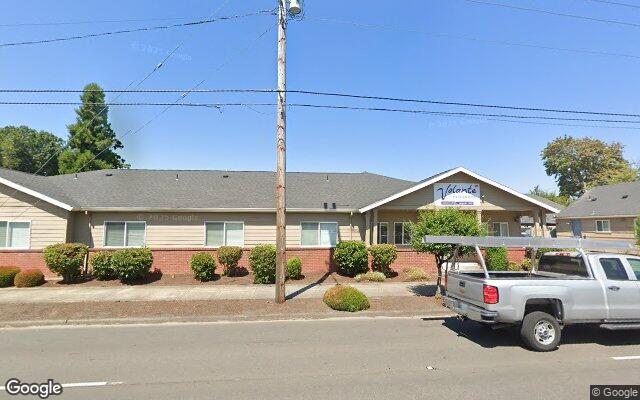
Family reviews

No reviews yet — be the first to share your experience

Related in this city

Other memory care options nearby.

Nearby cities · same county

More options in neighboring cities

Licensed memory care in other cities within this county region — useful when your search radius crosses city limits.

Is this listing wrong? Report an issue →
Reports help us maintain accurate facility information. Your report will be reviewed within 1-2 business days.
Editorial Independence

The memory care site on the family's side: StarlynnCare receives no referral commissions, lead fees, or paid placement from facilities.