StarlynnCare · About
About StarlynnCare
The first time you tour a memory care facility, you are already behind. The marketing materials are professional. The lobby smells like fresh flowers. The admissions coordinator knows exactly how long to make eye contact. And the state inspection record — the document where a regulator walked those same halls and wrote down what they found — is buried on a government portal in a format that assumes you know what a Type-A deficiency is.
Most families don’t. Most families are calling facilities the same week a neurologist uses the word “placement.” There is no runway. There is no research team. There is one person — usually a daughter or a spouse — Googling at midnight and clicking through paid directories where the top results are whoever wrote the largest referral check that month.
How it works
The technical core is a data pipeline that ingests state inspection exports and normalizes them into facility profiles. For California, that means pulling directly from CDSS Community Care Licensing — license numbers, facility characteristics, deficiency narratives, and complaint outcomes, matched to facilities by their official CDSS license identifier. Texas records come from HHSC’s Long-Term Care licensing system. Oregon runs through DHS, Washington through DSHS, Minnesota through MDH. Each regulator uses different severity classifications and different inspection frequencies; the profiles explain those differences in plain language so a family comparing a California RCFE to a Texas ALF doesn’t mistake the terminology for the quality signal.
Peer rankings are derived from inspection data within each state, not across states. A facility’s percentile reflects how its citation history compares to similarly-licensed facilities in the same regulatory environment — not against a national average that would obscure what California’s inspection frequency actually looks like relative to Minnesota’s. The methodology is published and linkable. Discharge planners and geriatric care managers are welcome to cite StarlynnCare profiles directly in placement packets; the license numbers link straight to the originating regulator portal whenever families want to verify the primary source.
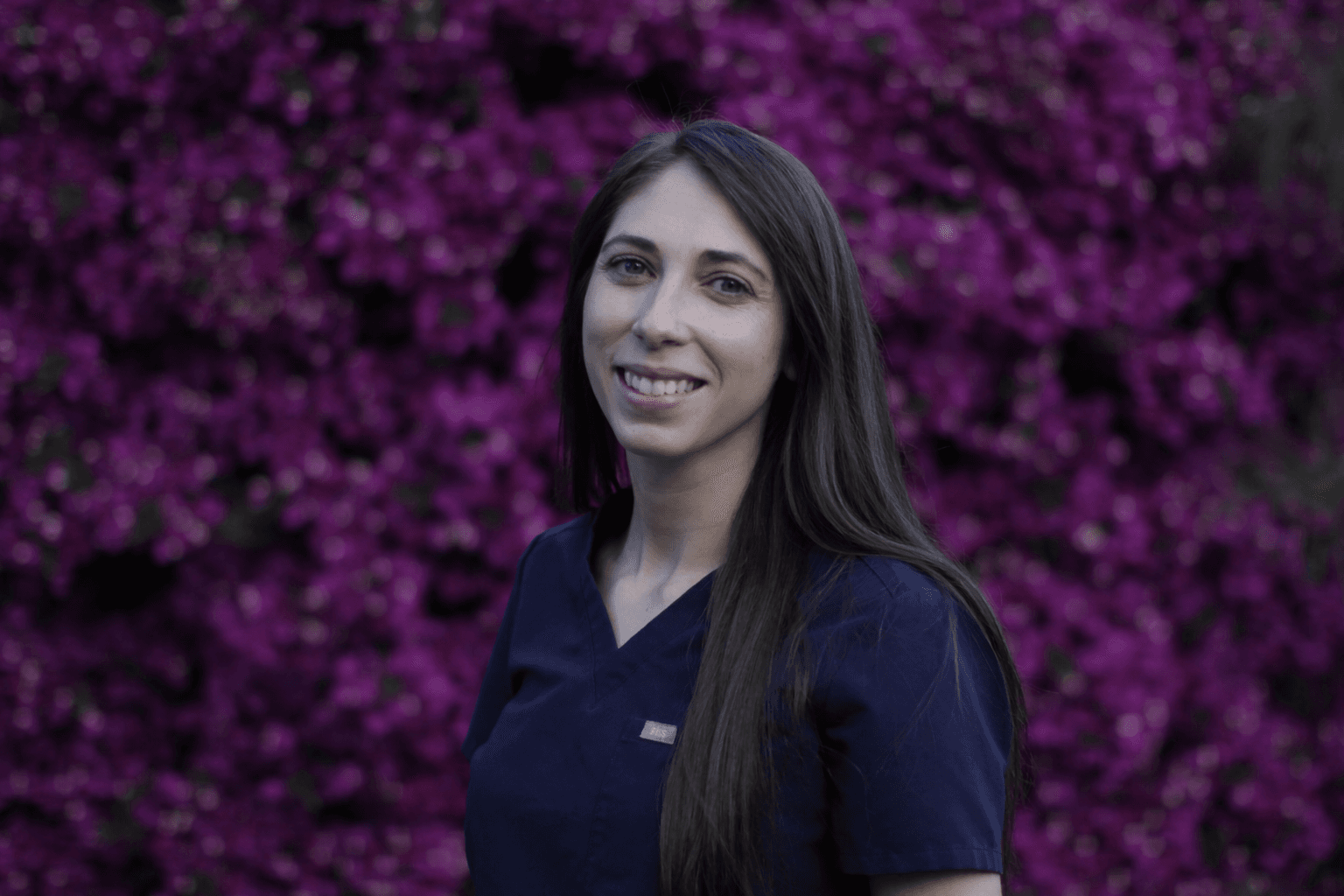
Rebecca Lynn Starkey, BSN, RN, PHN
Co-founder · Clinical voice
Rebecca Lynn Starkey — friends call her Star — is a registered nurse whose career spans older adult primary care, public health case management, and regulatory survey work in California. That last category is the relevant one here: she has walked into facilities after complaints, reviewed records, interviewed staff, and seen firsthand whether cited deficiencies were being fixed or being reframed. Her California RN license (Board of Registered Nursing #95100373, verifiable at search.dca.ca.gov) is the credential that anchors StarlynnCare’s clinical review chain. Every guide, every glossary entry, and every tour question on this site passes through Star’s review before it publishes.
What she saw in that work was a pattern: the same facilities appeared on repeat. The same classes of deficiency — medication errors, staffing shortfalls, inadequate dementia programming — kept showing up under new administration names or after a round of cosmetic renovations. Families making placement decisions had no systematic way to see that history. Paid review sites, referral aggregators, and facility marketing filled the void with content that served operators. Star decided to build something that served families.

Blake Jones
Co-founder · Systems & storytelling
Blake leads the publishing stack — the ingestion scripts, the normalization layer, the data pipeline that turns raw CDSS and HHSC exports into the structured facility profiles on this site. His background is brand strategy and operations; he is currently an MBA candidate at UC Berkeley Haas, where his concentration is Social Impact.
He is also Star’s husband, which is how this project started: a conversation about why the families she was trying to help kept making decisions without the information she already had access to.
And they happened to be married.
Editorial standards & conflict of interest
StarlynnCare’s editorial decisions — which facilities appear, how they are ranked, what the guides say — are made by the founders without operator input. Neither Blake nor Star holds equity in any licensed memory care operator reviewed on this site. No pending commercial relationships with operators exist. Future partnerships — research grants, foundation funding, or data licensing arrangements — will be disclosed on this page if they could materially influence how facilities are ranked.
Errors happen. When primary regulatory records contradict something published on a facility profile, the correction goes up within five business days of verifiable notice. Substantive clinical changes to editorial guides carry an updated reviewer date and a note on what changed. The fastest path to a correction is hello@starlynncare.com with the facility’s license number and a link to the primary source. Read the full commitment in our editorial policy.
Questions, corrections, or collaboration ideas? hello@starlynncare.com