Windsong at Eola Hills.
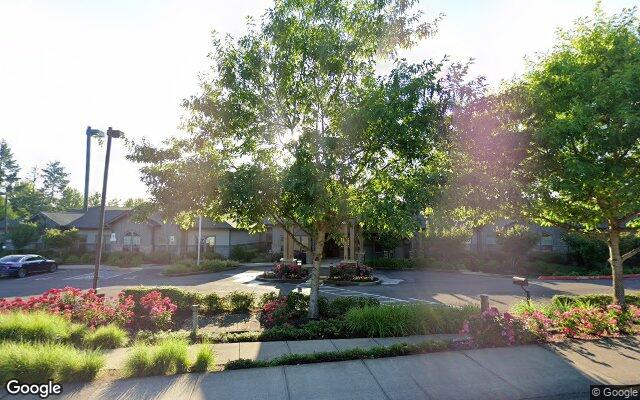
A large home, reviewed on public record.
© Google Street View
Compared to 22 Oregon facilities with a similar number of beds.
ALF memory care · 36-month window. Higher percentile = better performance on inspection record. Source: Oregon Dept. of Human Services · Long-Term Care Licensing.
Rankings based on 36-month OR-DHS inspection data. Severity and frequency: fewer citations = higher percentile. Repeat rate: lower repeat citation share = higher percentile.
Citation history, plotted month by month.
22 deficiencies on record. Each bar is a month with a citation.
Finding distribution
22 total · 36 monthsScope × Severity (CMS A–L)
Every inspection visit, verbatim.
4 inspections in the public record, most recent first. Plain-language summaries open first — click into any row for the full citation text.
2026-02-19Annual Compliance VisitOR-cited · 6 findings
Plain-language summary
A change of owner inspection on February 18–19, 2026 found that the facility failed to conduct fire drills with all required documentation (escape routes used, number of occupants evacuated, and alternate routes), did not provide fire and life safety training to staff on alternate months as required, and did not instruct residents within 24 hours of admission or annually on fire and life safety procedures. The facility acknowledged these findings and committed to updating fire drill forms, organizing training schedules, instructing all current residents and those admitted going forward, and documenting all fire safety training with resident sign-offs.
Read full citation text (6)Hide full citation text
“Based on interview and record review, it was determined the facility failed to ensure fire drills were conducted in accordance with the Oregon Fire Code and that fire and life safety instruction was provided to staff on alternate months. Findings include, but are not limited to: Fire and life safety records, reviewed from 08/2025 through 02/2026, showed fire drill documentation was lacking in the following areas: * The escape route used; * Number of occupants evacuated; and * Evidence of alternate routes used. Additionally, the records reviewed did not show fire and life safety training was provided to staff on alternate months from fire drills. On 02/19/26 at 01:20 pm Staff 1 (ED) and Staff 5 (Maintenance Director) confirmed that all required elements were not included on their current fire drill documentation records and life safety training had not been completed as required. The need to ensure all required components were addressed and documented for each fire drill, and that drills were conducted on alternate months from fire and life safety training, was discussed with Staff 1 and Staff 5 on 02/19/26. Fire drills and Life Safety training will be completed on schedule per the OAR. Life safety Binder and Fire drill binder will be organized according to month due and monthly calendar schedules will be completed as reminders of due dates. (Maintenance Director) will hold all trainings on fire and life safety during new hire orientation every Tuesday and as needed. Maintenance Director will ensure that every current employee has had fire and life safety training. Fire drill form updated to include required questions pertaining to OAR which include *the escape route used; *Number of occupants evacuated; and *Evidence of alternate routes used. Fire and Life Safety is on an alternate month schedule in our TELS system to provide reminders and due dates to our Maintenance director. OAR 411-054-0090 (1-2) Fire and Life Safety: Safety (1) FIRE DRILLS. All fire drills shall be conducted according to the Oregon Fire Code (OFC). (a) Unannounced fire drills must be conducted and recorded every other month at different times of the day, evening, and night shifts. (b) Fire and life safety instruction to staff must be provided on alternate months. (c) The Fire Authority may develop an alternative fire drill plan for the facility. Any such plan must be submitted to the Department. (d) A written fire drill record must be kept to document fire drills that include: (A) Date and time of day; (B) Location of simulated fire origin; (C) The escape route used; (D) Problems encountered and comments relating to residents who resisted or failed to participate in the drills; (E) Evacuation time period needed; (F) Staff members on duty and participating; and (G) Number of occupants evacuated. (e) Alternate exit routes must be used during fire drills to react to varying potential fire origin points. (f) The evacuation capability of the residents and staff is a function of both the ability of the residents to evacuate and the assistance provided by the staff. (g) Staff must provide fire evacuation assistance to residents from the building to a designated point of safety as determined by the Fire Authority having jurisdiction. Points of safety may include, outside the building, through a horizontal exit, or other areas as determined by the Fire Authority having jurisdiction. (h) The fire alarm system shall be activated during each fire drill, unless otherwise directed by the Fire Authority having jurisdiction. (2) If the facility is unable to meet the applicable evacuation level, the facility must make an immediate effort to make changes to ensure the evacuation standard is met. Changes must include, but not be limited to: (a) Increasing staff levels, (b) Changing staff assignments, (c) Requesting change in resident rooms, and (d) Arranging for special equipment. After making necessary changes, if the facility fails to meet the applicable evacuation level, the facility must issue an involuntary move-out notice to the residents in accordance with OAR 411-054-0080. This Rule is not met as evidenced by:”
“Based on interview and record review, it was determined the facility failed to instruct residents within 24 hours of admission, and re-instruct at least annually, on general safety procedures, evacuation methods, responsibilities during fire drills, and designated meeting places outside the building or within the fire safe area in the event of an actual fire, and failed to maintain a written record of fire safety training, including content of the training sessions and the residents attending. Findings include, but are not limited to: Review of fire drill and fire and life safety records from 11/01/25 through 02/17/26 revealed there was no documented evidence of resident instruction within 24 hours of admission or annual fire safety re-instruction. On 02/18/25 at 1:15 pm, Staff 1 (ED) confirmed the facility did not have a system for instructing residents within 24 hours of admission or re-instructing residents at least annually on fire and life safety expectations. The need to instruct residents within 24 hours of admission and re-instruct at least annually on fire and life safety procedures was discussed with Staff 1 and Staff 5 (Maintenance Director) on 02/19/25 at 1:20 pm. They acknowledged the findings. All residents and their POA’s who currently reside at Windsong will have facility fire and life safety procedures explained and documented. RCC’s will review this quarterly with resident care plan meetings to ensure completion. All new residents will have fire and life safety training within 24 hours of admission from our Community relations director. Move in packets will contain our life and fire safety form for Community relations director to go over. OAR 411-054-0090 (5) Fire and Life Safety: Training for Residents (5) TRAINING FOR RESIDENTS. Residents must be instructed about the facility's fire and life safety procedures per OFC. (a) Each resident must be instructed within 24 hours of admission and re-instructed, at least annually, in general safety procedures, evacuation methods, responsibilities during fire drills, and designated meeting places outside the building or within the fire safe area in the event of an actual fire. This requirement does not apply to residents whose mental capability does not allow for following such instruction. (b) A written record of fire safety training, including content of the training sessions and the residents attending, must be kept. This Rule is not met as evidenced by:”
“Based on observation and interview, it was determined the facility failed to ensure all chemicals and other toxic materials were in a locked storage unit and exterior pathways were maintained in good repair. Findings include, but are not limited to: During a tour of the MCC on 02/17/26 at 12:45 pm, the following was identified: * Cleaning chemicals and disinfectants were observed accessible to the residents in unlocked cupboards within the dining room kitchenettes in both Aspen and Cedar units of the MCC; and * The interior and exterior courtyard pathways had multiple drop-offs along pathway edges, measuring up to approximately two inches in depth. The drop-offs presented a potential trip and fall hazard to residents using the pathways. The need to ensure all chemicals and other toxic materials were in a locked storage unit and exterior pathways were maintained in good repair was discussed with Staff 1 (ED) and Staff 4 (Resident Care Coordinator) on 02/19/26 at 3:50 pm. They acknowledged the findings. Courtyard pathway edges that measured up to two inches in depth will be filled in with Mulch by Maintenance Director and monitored Monthly. All chemicals and other Toxic materials were removed immediately. Cleaning chemicals are now stored in locked housekeeping closets. Housekeeping will ensure that after using chemicals, they will return them to locked closets directly after. OAR 411-054-0200 (3) General Building Exterior (3) GENERAL BUILDING EXTERIOR.(a) All exterior pathways and accesses to the RCF common-use areas, entrance, and exit ways must be made of hard, smooth material, be accessible, and maintained in good repair.(b) A RCF must take measures to prevent the entry of rodents, flies, mosquitoes, and other insects. There must be locked storage for all poisons, chemicals, rodenticides, and other toxic materials. All materials must be properly labeled.(c) RCF grounds must be kept orderly and free of litter and refuse. Garbage must be stored in covered refuse containers.(d) As described in OAR 411, division 057, memory care communities licensed as a RCF must be located on the ground floor. A CF cannot be endorsed as a memory care community.(e) A RCF must provide storage for all maintenance equipment, including yard maintenance tools, if not provided by a third-party contract.(f) A RCF must provide an accessible outdoor recreation area. The outdoor recreation area must be available to all residents. Lighting must be equal to a minimum of five foot candles. Memory Care Communities must provide residents with direct access to a secure outdoor recreation area as described in OAR chapter 411, division 057.(g) Outdoor perimeter fencing may not be secured to prevent exit unless the RCF has written approval from the Department for an exception or the RCF is in compliance with OAR chapter 411, division 057 (Memory Care Communities) or OAR 309-019-0100 through 309-019-0220.(h) A RCF must have an entry and exit drive to and from the main building entrance that allows for a vehicle to pick up and drop off residents and mail deliveries without the need for vehicles to back up. This Rule is not met as evidenced by:”
“Based on observation, interview, and record review, it was determined the facility failed to follow licensing rules for Residential Care and Assisted Living Facilities. Findings include, but are not limited to: Refer to C420, C422, and C510. The issue identified during survey was reviewed by the Administrator immediately upon notification. All documentation and procedures related to the cited concern were reviewed to ensure compliance with Oregon Administrative Rules for Residential Care Facilities.The Administrator has reviewed the applicable Oregon Administrative Rules and facility policies to ensure administrative compliance. Staff and management were re-educated on regulatory requirements and facility policy to ensure ongoing adherence to state regulations.The Administrator or designee will conduct periodic reviews of relevant documentation and practices to ensure compliance with Oregon Administrative Rules. Any concerns will be addressed immediately through retraining or policy clarification. OAR 411-057-0140(2) Administration Compliance (2) The licensee of a memory care community must comply with both the licensing rules for the facility and Chapter 411, Division 57. This Rule is not met as evidenced by:”
“Based on interview and record review, it was determined the facility failed to ensure staff training requirements were met related to pre-service orientation for 3 of 3 newly hired staff (#s 11, 12, and 16), dementia training for 4 of 4 newly hired (#s 11, 12, 16, and 7), and demonstration of competency in job duties within 30 days of hire for 3 of 3 newly hired staff (#s 11, 12, and 16). Findings include, but are not limited to: Training records were reviewed on 02/18/26 at 11:20 am with Staff 6 (Business Office Manager). The following was identified:”
“Based on observation and interview, it was determined the facility failed to provide access to a secured outdoor space and walkways which allowed residents to enter and return without staff assistance. Findings include, but are not limited to: During a tour of the secured interior and exterior courtyards of the Aspen and Cedar units on 02/17/26 at approximately 1:00 pm, it was observed that the doors allowing entry to and return from the courtyards in Cedar and Aspen units were locked. Residents were unable to access the secured courtyards or return indoors without staff assistance. Interviews conducted with multiple care staff on 02/18/26 indicated the courtyard doors in both Aspen and Cedar remained locked, and staff opened the doors for the residents when they requested to go outside. The need to provide access to a secured outdoor space and walkways which allowed residents to enter and return without staff assistance was discussed with Staff 1 (ED) and Staff 4 (Resident Care Coordinator) on 02/19/26 at 3:50 pm. They acknowledged the findings. Interior and exterior doors to the secured courtyards have been unlocked to allow residents to enter and return without staff assistance. Interior and exterior doors will only be locked when there are unsafe weather conditions, and a sign will be posted by Maintenance Director. Maintenance will check doors daily to ensure they are unlocked and if needed lock due to unsafe weather, signage will be posted. OAR 411-057-0160(g) Outside Area (g) Access to secured outdoor space and walkways which allow residents to enter and return without staff assistance, except when indicated by OAR 411-057-0170(5)(e). This Rule is not met as evidenced by:”
Read raw inspector notesClose inspector notes
Based on interview and record review, it was determined the facility failed to ensure fire drills were conducted in accordance with the Oregon Fire Code and that fire and life safety instruction was provided to staff on alternate months. Findings include, but are not limited to: Fire and life safety records, reviewed from 08/2025 through 02/2026, showed fire drill documentation was lacking in the following areas: * The escape route used; * Number of occupants evacuated; and * Evidence of alternate routes used. Additionally, the records reviewed did not show fire and life safety training was provided to staff on alternate months from fire drills. On 02/19/26 at 01:20 pm Staff 1 (ED) and Staff 5 (Maintenance Director) confirmed that all required elements were not included on their current fire drill documentation records and life safety training had not been completed as required. The need to ensure all required components were addressed and documented for each fire drill, and that drills were conducted on alternate months from fire and life safety training, was discussed with Staff 1 and Staff 5 on 02/19/26. Fire drills and Life Safety training will be completed on schedule per the OAR. Life safety Binder and Fire drill binder will be organized according to month due and monthly calendar schedules will be completed as reminders of due dates. (Maintenance Director) will hold all trainings on fire and life safety during new hire orientation every Tuesday and as needed. Maintenance Director will ensure that every current employee has had fire and life safety training. Fire drill form updated to include required questions pertaining to OAR which include *the escape route used; *Number of occupants evacuated; and *Evidence of alternate routes used. Fire and Life Safety is on an alternate month schedule in our TELS system to provide reminders and due dates to our Maintenance director. OAR 411-054-0090 (1-2) Fire and Life Safety: Safety (1) FIRE DRILLS. All fire drills shall be conducted according to the Oregon Fire Code (OFC). (a) Unannounced fire drills must be conducted and recorded every other month at different times of the day, evening, and night shifts. (b) Fire and life safety instruction to staff must be provided on alternate months. (c) The Fire Authority may develop an alternative fire drill plan for the facility. Any such plan must be submitted to the Department. (d) A written fire drill record must be kept to document fire drills that include: (A) Date and time of day; (B) Location of simulated fire origin; (C) The escape route used; (D) Problems encountered and comments relating to residents who resisted or failed to participate in the drills; (E) Evacuation time period needed; (F) Staff members on duty and participating; and (G) Number of occupants evacuated. (e) Alternate exit routes must be used during fire drills to react to varying potential fire origin points. (f) The evacuation capability of the residents and staff is a function of both the ability of the residents to evacuate and the assistance provided by the staff. (g) Staff must provide fire evacuation assistance to residents from the building to a designated point of safety as determined by the Fire Authority having jurisdiction. Points of safety may include, outside the building, through a horizontal exit, or other areas as determined by the Fire Authority having jurisdiction. (h) The fire alarm system shall be activated during each fire drill, unless otherwise directed by the Fire Authority having jurisdiction. (2) If the facility is unable to meet the applicable evacuation level, the facility must make an immediate effort to make changes to ensure the evacuation standard is met. Changes must include, but not be limited to: (a) Increasing staff levels, (b) Changing staff assignments, (c) Requesting change in resident rooms, and (d) Arranging for special equipment. After making necessary changes, if the facility fails to meet the applicable evacuation level, the facility must issue an involuntary move-out notice to the residents in accordance with OAR 411-054-0080. This Rule is not met as evidenced by: Based on interview and record review, it was determined the facility failed to instruct residents within 24 hours of admission, and re-instruct at least annually, on general safety procedures, evacuation methods, responsibilities during fire drills, and designated meeting places outside the building or within the fire safe area in the event of an actual fire, and failed to maintain a written record of fire safety training, including content of the training sessions and the residents attending. Findings include, but are not limited to: Review of fire drill and fire and life safety records from 11/01/25 through 02/17/26 revealed there was no documented evidence of resident instruction within 24 hours of admission or annual fire safety re-instruction. On 02/18/25 at 1:15 pm, Staff 1 (ED) confirmed the facility did not have a system for instructing residents within 24 hours of admission or re-instructing residents at least annually on fire and life safety expectations. The need to instruct residents within 24 hours of admission and re-instruct at least annually on fire and life safety procedures was discussed with Staff 1 and Staff 5 (Maintenance Director) on 02/19/25 at 1:20 pm. They acknowledged the findings. All residents and their POA’s who currently reside at Windsong will have facility fire and life safety procedures explained and documented. RCC’s will review this quarterly with resident care plan meetings to ensure completion. All new residents will have fire and life safety training within 24 hours of admission from our Community relations director. Move in packets will contain our life and fire safety form for Community relations director to go over. OAR 411-054-0090 (5) Fire and Life Safety: Training for Residents (5) TRAINING FOR RESIDENTS. Residents must be instructed about the facility's fire and life safety procedures per OFC. (a) Each resident must be instructed within 24 hours of admission and re-instructed, at least annually, in general safety procedures, evacuation methods, responsibilities during fire drills, and designated meeting places outside the building or within the fire safe area in the event of an actual fire. This requirement does not apply to residents whose mental capability does not allow for following such instruction. (b) A written record of fire safety training, including content of the training sessions and the residents attending, must be kept. This Rule is not met as evidenced by: Based on observation and interview, it was determined the facility failed to ensure all chemicals and other toxic materials were in a locked storage unit and exterior pathways were maintained in good repair. Findings include, but are not limited to: During a tour of the MCC on 02/17/26 at 12:45 pm, the following was identified: * Cleaning chemicals and disinfectants were observed accessible to the residents in unlocked cupboards within the dining room kitchenettes in both Aspen and Cedar units of the MCC; and * The interior and exterior courtyard pathways had multiple drop-offs along pathway edges, measuring up to approximately two inches in depth. The drop-offs presented a potential trip and fall hazard to residents using the pathways. The need to ensure all chemicals and other toxic materials were in a locked storage unit and exterior pathways were maintained in good repair was discussed with Staff 1 (ED) and Staff 4 (Resident Care Coordinator) on 02/19/26 at 3:50 pm. They acknowledged the findings. Courtyard pathway edges that measured up to two inches in depth will be filled in with Mulch by Maintenance Director and monitored Monthly. All chemicals and other Toxic materials were removed immediately. Cleaning chemicals are now stored in locked housekeeping closets. Housekeeping will ensure that after using chemicals, they will return them to locked closets directly after. OAR 411-054-0200 (3) General Building Exterior (3) GENERAL BUILDING EXTERIOR.(a) All exterior pathways and accesses to the RCF common-use areas, entrance, and exit ways must be made of hard, smooth material, be accessible, and maintained in good repair.(b) A RCF must take measures to prevent the entry of rodents, flies, mosquitoes, and other insects. There must be locked storage for all poisons, chemicals, rodenticides, and other toxic materials. All materials must be properly labeled.(c) RCF grounds must be kept orderly and free of litter and refuse. Garbage must be stored in covered refuse containers.(d) As described in OAR 411, division 057, memory care communities licensed as a RCF must be located on the ground floor. A CF cannot be endorsed as a memory care community.(e) A RCF must provide storage for all maintenance equipment, including yard maintenance tools, if not provided by a third-party contract.(f) A RCF must provide an accessible outdoor recreation area. The outdoor recreation area must be available to all residents. Lighting must be equal to a minimum of five foot candles. Memory Care Communities must provide residents with direct access to a secure outdoor recreation area as described in OAR chapter 411, division 057.(g) Outdoor perimeter fencing may not be secured to prevent exit unless the RCF has written approval from the Department for an exception or the RCF is in compliance with OAR chapter 411, division 057 (Memory Care Communities) or OAR 309-019-0100 through 309-019-0220.(h) A RCF must have an entry and exit drive to and from the main building entrance that allows for a vehicle to pick up and drop off residents and mail deliveries without the need for vehicles to back up. This Rule is not met as evidenced by: Based on observation, interview, and record review, it was determined the facility failed to follow licensing rules for Residential Care and Assisted Living Facilities. Findings include, but are not limited to: Refer to C420, C422, and C510. The issue identified during survey was reviewed by the Administrator immediately upon notification. All documentation and procedures related to the cited concern were reviewed to ensure compliance with Oregon Administrative Rules for Residential Care Facilities.The Administrator has reviewed the applicable Oregon Administrative Rules and facility policies to ensure administrative compliance. Staff and management were re-educated on regulatory requirements and facility policy to ensure ongoing adherence to state regulations.The Administrator or designee will conduct periodic reviews of relevant documentation and practices to ensure compliance with Oregon Administrative Rules. Any concerns will be addressed immediately through retraining or policy clarification. OAR 411-057-0140(2) Administration Compliance (2) The licensee of a memory care community must comply with both the licensing rules for the facility and Chapter 411, Division 57. This Rule is not met as evidenced by: Based on interview and record review, it was determined the facility failed to ensure staff training requirements were met related to pre-service orientation for 3 of 3 newly hired staff (#s 11, 12, and 16), dementia training for 4 of 4 newly hired (#s 11, 12, 16, and 7), and demonstration of competency in job duties within 30 days of hire for 3 of 3 newly hired staff (#s 11, 12, and 16). Findings include, but are not limited to: Training records were reviewed on 02/18/26 at 11:20 am with Staff 6 (Business Office Manager). The following was identified: Based on observation and interview, it was determined the facility failed to provide access to a secured outdoor space and walkways which allowed residents to enter and return without staff assistance. Findings include, but are not limited to: During a tour of the secured interior and exterior courtyards of the Aspen and Cedar units on 02/17/26 at approximately 1:00 pm, it was observed that the doors allowing entry to and return from the courtyards in Cedar and Aspen units were locked. Residents were unable to access the secured courtyards or return indoors without staff assistance. Interviews conducted with multiple care staff on 02/18/26 indicated the courtyard doors in both Aspen and Cedar remained locked, and staff opened the doors for the residents when they requested to go outside. The need to provide access to a secured outdoor space and walkways which allowed residents to enter and return without staff assistance was discussed with Staff 1 (ED) and Staff 4 (Resident Care Coordinator) on 02/19/26 at 3:50 pm. They acknowledged the findings. Interior and exterior doors to the secured courtyards have been unlocked to allow residents to enter and return without staff assistance. Interior and exterior doors will only be locked when there are unsafe weather conditions, and a sign will be posted by Maintenance Director. Maintenance will check doors daily to ensure they are unlocked and if needed lock due to unsafe weather, signage will be posted. OAR 411-057-0160(g) Outside Area (g) Access to secured outdoor space and walkways which allow residents to enter and return without staff assistance, except when indicated by OAR 411-057-0170(5)(e). This Rule is not met as evidenced by:
2025-08-20Annual Compliance VisitOR-cited · 3 findings
Plain-language summary
A routine kitchen inspection on August 20, 2025 found licensing violations: the kitchen and unit kitchenettes had accumulated food debris, grease, and dirt on multiple surfaces and equipment; opened food items were not dated and some were past expiration; chemical sanitizer test strips were missing; staff beverages and food were stored improperly next to resident food; and kitchen staff served residents on texture-modified diets items that did not meet the required texture standards, including whole rolls and oversized vegetable pieces, because they had received minimal training on texture modification guidelines. The facility immediately deep-cleaned all kitchen areas, removed expired items, retrained all kitchen staff on proper diet texture standards, implemented daily and weekly cleaning schedules with audits, obtained proper sanitizer test strips, and established monthly unannounced inspections by administration.
Read full citation text (3)Hide full citation text
“Based on observation and interview, it was determined the facility failed to maintain the kitchen in a sanitary manner in accordance with Food Sanitation Rules, OAR 333-150-000. Facility did not ensure residents with modified textured diets received correct textures. Findings include, but are not limited to: Observation of the main facility kitchen and the unit kitchenettes were reviewed on 08/20/25 from 11:15 am through 1:45 pm and revealed the following deficient practices: a. An accumulation of food spills, splatters, loose food and trash debris, dirt, dust, black matter and grease was visible on or underneath the following: * Kitchen drain under ice machine * Ceiling vents above steam table area * Open shelving in prep area; * Sides of fryer and grill top; * Metal racks storing clean dishes and service supplies; * Walk in freezer floor; * Dry storage floor * Metal rack in walk in * Large can rack in dry storage * Cedar unit kitchenette oven * Cedar unit cupboards and drawers * Aspen unit kitchenette reach in freezer * Walk in ceiling. b. Multiple food items/packages/containers found in walk in not dated when opened. Item found past manufactures use by date. c. Facility was using a quaternary ammonia surface sanitizer but did not have the appropriate chemical testing strips to validate correct concentration for chemicals to effectively sanitize surfaces. d. Multiple staff beverages and food items were observed stored in walk in cooler next to and above/on food designated for resident use causing potential contamination issues. e. Kitchen staff was observed to serve multiple residents with “soft and bite size” diet orders items that were not bite size. Staff was not able to demonstrate appropriate knowledge of appropriate items and/or size for standardized bite size diets. Staff did not know bread items typically not appropriate for this diet type unless approved by SLP (speech therapist) and those items would need to be bite size. Staff was observed to served multiple residents with large vegetable pieces including broccoli stems and/or large broccoli florets. Staff served multiple residents on soft and bite size diets whole roles. Staff was not aware of appropriate validating/testing measures for minced and moist and puree textures to ensure they met those diet texture specifications. Staff acknowledged very limited training on these diets were provided. f. Meal service single use disposable items were noted stored uncovered with the food contact surfaces exposed/not protected from contamination. g. Multiple scoop plates were observed heavily stained/scored and in need of replacement. At 1:30 pm Staff 1 (Executive Director) was informed of above areas in need of correction, and they acknowledged the identified areas. • Dinning Services Manager Immediately re-trained all kitchen staff on IDDSI (International Dysphagia Diet Standardisation Initiative) guidelines, including proper texture modifications, approved food items, and portion sizing for bite-sized diets. • Removed inappropriate bread items from texture-modified diet line-up unless approved by a speech therapist. • RN to consult with Speech therapist to review and update dietary guidelines for residents requiring texture modification. • All kitchen staff will receive annual and ongoing quarterly training on IDDSI guidelines. • DSM will provide Visual guides and portion reference posters in the kitchen and dietary prep areas. • Dietary Manager/designee will conduct weekly meal audits to verify proper food textures and resident diet compliance. • DSM and kitchen staff will preform a full deep-clean of all kitchen areas, neighborhood kitchenettes, shelving, vents, drains, and appliances was completed immediately following the survey. • All expired food items were removed and discarded. • Implemented a written daily, weekly, and monthly cleaning schedule with assigned staff responsibilities and supervisory sign-off. • Kitchenettes in memory care neighborhoods will be placed on the same cleaning and inspection schedule as the main kitchen. • Dietary Manager and Environmental Services Supervisor will perform weekly sanitation audits using a standardized checklist. • Monthly unannounced kitchen inspections will be completed by the Executive Director/designee. • All undated or expired items were discarded immediately. • Staff were re-educated on the requirement that all opened items must be labeled and dated. Weekly audits of food storage areas by Dietary Manager. • Proper quaternary ammonia test strips were obtained immediately. • Staff trained on proper testing technique and acceptable sanitizer ranges. • All staff food/beverages were removed from resident food areas immediately. • Staff re-educated that personal food and drink must be kept in designated breakroom refrigerators only. OAR 411-054-0030 (1)(a) Resident Services Meals, Food Sanitation Rule (1) The residential care or assisted living facility must provide a minimum scope of services as follows: (a) Three daily nutritious, palatable meals with snacks available seven days a week, in accordance with the recommended dietary allowances found in the United States Department of Agriculture (USDA) guidelines, including seasonal fresh fruit and fresh vegetables; (A) Modified special diets that are appropriate to residents' needs and choices. The facility must encourage residents' involvement in developing menus. (B) Menus must be prepared at least one week in advance, and must be made available to all residents. Meal substitutions must be of similar nutritional value if a resident refuses a food that is served. Residents must be informed in advance of menu changes. (C) Food must be prepared and served in accordance with OAR 333-150-0000 (Food Sanitation Rules). This Rule is not met as evidenced by: Based on observation and interview, it was determined the facility failed to maintain the kitchen in a sanitary manner in accordance with Food Sanitation Rules, OAR 333-150-000, and failed to ensure meals were served according to established menus. This is a repeat citation. Findings include, but are not limited to: Observations of the main facility kitchen and the unit kitchenettes were completed on 12/02/25 from 10:30 am through 2:00 pm and revealed the following: a. An accumulation of food spills, splatters, loose food and trash debris, dirt, dust, black matter, white billowy matter, and grease was visible on or underneath the following: * Kitchen drains under ice machine, steam line, and prep area; * Open shelving storing spices; * Plastic “shelf liners” on metal racks storing clean dishes and service supplies; * Walk-in freezer floor; * Metal racks in walk-in; * Fan cage in walk-in cooler; * Large can rack in dry storage; * Movable baking rack stored in walk-in; * Metal water hose and spigots near stove; * Countertop mixer; * Cedar unit kitchenette oven; * Cedar unit cupboards and drawers; * Cedar unit reach-in refrigerator; and * Aspen unit kitchenette oven interior. b. Food items/packages/containers found in walk-in not were not dated when opened. Items found past manufacturer’s use by date. A rotting head of iceberg lettuce was cut and wrapped in foodservice plastic without a date. Hot dogs were observed in a pan dated 11/20, past the use by date for the opened product. c. During the meal observation, the menu items were from the day before according to the week-at-a-glance menu provided to residents and families. No notification of the menu change was provided to the residents. Staff 2 (Dining Services Manager) acknowledged she did not know the process for finding and generating daily menus yet and was due to receive training soon in this area. The lunch menu items posted at the table stated that the vegetable was to be carrots; however, the vegetable served was corn. Staff 2 stated typically items that were changed would be communicated to residents but”
“Based on interview, observation and review of records, it was determined the facility failed to ensure their kitchen survey plan of correction was implemented and satisfied the Department. Findings include, but are not limited to: Refer to C 240, and Z142. A. All open shelving, metal racks, plastic shelf liners, and storage surfaces were scrubbed, sanitized, and reorganized to prevent debris accumulation. Walk-in freezer floor and metal racks were deep-cleaned, and sanitized. Walk-in cooler fan cage was fully cleaned to remove dust accumulation. Large dry-storage can rack and movable baking rack were removed, cleaned, sanitized. Metal water hose and spigots near the stove were cleaned and sanitized to remove grease buildup. Countertop mixer was fully disassembled, cleaned, and sanitized. Cedar unit kitchenette oven, cupboards, drawers, and reach-in refrigerator were cleaned to remove spills, stains, dust, and debris. Aspen unit kitchenette oven interior was fully cleaned and degreased. Stephanie Morton Dinning Services Manager/cooks/dietary aides. a weekly deep-clean checklist that includes all racks, shelving, fan guards, equipment surfaces, and unit kitchenettes. Stephanie Morton, Cooks,and Dietary Aides. B.Food items/packages/containers in walk-in were all dated and any expired foods were thrown away. Dietary aides now have a task list to check through walk-in daily to ensure all open dates are in place as well as checking for expired food items. Dietary Aides, DSM, Cooks C. when Substitutions are needed for meal changes, Cooks/dietary aides will write on menu to notify family, residents and staff. 12/2/25 Dietary aides, RA's, Cooks E. Grease/oil that was uncovered was immedietly covered. Grease/oil will be kept in a closed container to prevent insects/pests. 12/2/25 Stephanie Morton OAR 411-054-0105 (2-4) Inspections and Investigation: Insp Interval (Amended 12/15/21)(2) The facility shall not interfere with a good faith disclosure of information by an employee or volunteer concerning abuse or other action affecting a resident's safety or welfare, as described in OAR 411-054-0028(4).(3) Staff of the Department shall visit and inspect every facility at least but not limited to once every two years for a full in-person survey to determine whether the facility is maintained and operated in accordance with these rules.(a) For each year during which a facility does not have a full survey, the Department shall conduct an in-person inspection of the kitchen and other areas where food is prepared for residents.(b) Subsection (a) will not go into effect until July 1, 2022.(c) Facilities not in compliance with these rules must submit, within ten days of receipt of the inspection report, a plan of correction that satisfies the Department.(d) The Department may impose sanctions for failure to comply with these rules.(4) Department staff may consult with and advise the facility administrator concerning methods of care, records, housing, equipment, and other areas of operation. This Rule is not met as evidenced by:”
“Based on observations and interviews, it was determined the facility failed to follow licensing rules for Residential Care and Assisted Living Facilities. Findings include, but are not limited to: Refer to C240. • Dinning Services Manager Immediately re-trained all kitchen staff on IDDSI (International Dysphagia Diet Standardisation Initiative) guidelines, including proper texture modifications, approved food items, and portion sizing for bite-sized diets. • Removed inappropriate bread items from texture-modified diet line-up unless approved by a speech therapist. • RN to consult with Speech therapist to review and update dietary guidelines for residents requiring texture modification immedietly following survey. • All kitchen staff will receive annual and ongoing quarterly training from DSM on IDDSI guidelines. • Visual guides and portion reference posters are now posted in the kitchen and dietary prep areas. • Dietary Manager/designee will conduct weekly meal audits to verify proper food textures and resident diet compliance. • DSM and all kitchen staff will preform a full deep-clean of all kitchen areas, neighborhood kitchenettes, shelving, vents, drains, and appliances immediately following the survey. • All expired food items were removed and discarded. • DSM will Implement a written daily, weekly, and monthly cleaning schedule with assigned staff responsibilities and supervisory sign-off. • DSM will ensure that Kitchenettes in memory care neighborhoods will be placed on the same cleaning and inspection schedule as the main kitchen. • Dietary Manager will perform weekly sanitation audits using a standardized checklist which will be turned into Executive director for sign off. • Monthly unannounced kitchen inspections will be completed by the Executive Director/designee. • All undated or expired items were discarded immediately. • Staff were re-educated on the requirement that all opened items must be labeled and dated. Weekly audits of food storage areas by Dietary Manager. Open date stickers we provided and will be in a designated area so that they are available at all times. • Proper quaternary ammonia test strips were obtained immediately. • DSM trained Staff on proper testing technique and acceptable sanitizer ranges. • All staff food/beverages were removed from resident food areas immediately. Signage placed of refridgerator door that states "no staff food or drink". • DSM/Executive Director re-educated that personal food and drink must be kept in designated breakroom refrigerators only. OAR 411-057-0140(2) Administration Compliance (2) The licensee of a memory care community must comply with both the licensing rules for the facility and Chapter 411, Division 57. This Rule is not met as evidenced by: Based on observations and interviews, it was determined the facility failed to follow licensing rules for Residential Care and Assisted Living Facilities. This is a repeat citation. Findings include, but are not limited to: Refer to C240 and C455 A. All open shelving, metal racks, plastic shelf liners, and storage surfaces were scrubbed, sanitized, and reorganized to prevent debris accumulation. Walk-in freezer floor and metal racks were deep-cleaned, and sanitized. Walk-in cooler fan cage was fully cleaned to remove dust accumulation. Large dry-storage can rack and movable baking rack were removed, cleaned, sanitized. Metal water hose and spigots near the stove were cleaned and sanitized to remove grease buildup. Countertop mixer was fully disassembled, cleaned, and sanitized. Cedar unit kitchenette oven, cupboards, drawers, and reach-in refrigerator were cleaned to remove spills, stains, dust, and debris. Aspen unit kitchenette oven interior was fully cleaned and degreased. Stephanie Morton Dinning Services Manager/cooks/dietary aides. a weekly deep-clean checklist that includes all racks, shelving, fan guards, equipment surfaces, and unit kitchenettes. Stephanie Morton, Cooks,and Dietary Aides. B.Food items/packages/containers in walk-in were all dated and any expired foods were thrown away. Dietary aides now have a task list to check through walk-in daily to ensure all open dates are in place as well as checking for expired food items. Dietary Aides, DSM, Cooks C. when Substitutions are needed for meal changes, Cooks/dietary aides will write on menu to notify family, residents and staff. Dietary aides, RA's, Cooks E. Grease/oil that was uncovered was immedietly covered. Grease/oil will be kept in a closed container to prevent insects/pests. Stephanie Morton OAR 411-057-0140(2) Administration Compliance (2) The licensee of a memory care community must comply with both the licensing rules for the facility and Chapter 411, Division 57. This Rule is not met as evidenced by:”
Read raw inspector notesClose inspector notes
Based on observation and interview, it was determined the facility failed to maintain the kitchen in a sanitary manner in accordance with Food Sanitation Rules, OAR 333-150-000. Facility did not ensure residents with modified textured diets received correct textures. Findings include, but are not limited to: Observation of the main facility kitchen and the unit kitchenettes were reviewed on 08/20/25 from 11:15 am through 1:45 pm and revealed the following deficient practices: a. An accumulation of food spills, splatters, loose food and trash debris, dirt, dust, black matter and grease was visible on or underneath the following: * Kitchen drain under ice machine * Ceiling vents above steam table area * Open shelving in prep area; * Sides of fryer and grill top; * Metal racks storing clean dishes and service supplies; * Walk in freezer floor; * Dry storage floor * Metal rack in walk in * Large can rack in dry storage * Cedar unit kitchenette oven * Cedar unit cupboards and drawers * Aspen unit kitchenette reach in freezer * Walk in ceiling. b. Multiple food items/packages/containers found in walk in not dated when opened. Item found past manufactures use by date. c. Facility was using a quaternary ammonia surface sanitizer but did not have the appropriate chemical testing strips to validate correct concentration for chemicals to effectively sanitize surfaces. d. Multiple staff beverages and food items were observed stored in walk in cooler next to and above/on food designated for resident use causing potential contamination issues. e. Kitchen staff was observed to serve multiple residents with “soft and bite size” diet orders items that were not bite size. Staff was not able to demonstrate appropriate knowledge of appropriate items and/or size for standardized bite size diets. Staff did not know bread items typically not appropriate for this diet type unless approved by SLP (speech therapist) and those items would need to be bite size. Staff was observed to served multiple residents with large vegetable pieces including broccoli stems and/or large broccoli florets. Staff served multiple residents on soft and bite size diets whole roles. Staff was not aware of appropriate validating/testing measures for minced and moist and puree textures to ensure they met those diet texture specifications. Staff acknowledged very limited training on these diets were provided. f. Meal service single use disposable items were noted stored uncovered with the food contact surfaces exposed/not protected from contamination. g. Multiple scoop plates were observed heavily stained/scored and in need of replacement. At 1:30 pm Staff 1 (Executive Director) was informed of above areas in need of correction, and they acknowledged the identified areas. • Dinning Services Manager Immediately re-trained all kitchen staff on IDDSI (International Dysphagia Diet Standardisation Initiative) guidelines, including proper texture modifications, approved food items, and portion sizing for bite-sized diets. • Removed inappropriate bread items from texture-modified diet line-up unless approved by a speech therapist. • RN to consult with Speech therapist to review and update dietary guidelines for residents requiring texture modification. • All kitchen staff will receive annual and ongoing quarterly training on IDDSI guidelines. • DSM will provide Visual guides and portion reference posters in the kitchen and dietary prep areas. • Dietary Manager/designee will conduct weekly meal audits to verify proper food textures and resident diet compliance. • DSM and kitchen staff will preform a full deep-clean of all kitchen areas, neighborhood kitchenettes, shelving, vents, drains, and appliances was completed immediately following the survey. • All expired food items were removed and discarded. • Implemented a written daily, weekly, and monthly cleaning schedule with assigned staff responsibilities and supervisory sign-off. • Kitchenettes in memory care neighborhoods will be placed on the same cleaning and inspection schedule as the main kitchen. • Dietary Manager and Environmental Services Supervisor will perform weekly sanitation audits using a standardized checklist. • Monthly unannounced kitchen inspections will be completed by the Executive Director/designee. • All undated or expired items were discarded immediately. • Staff were re-educated on the requirement that all opened items must be labeled and dated. Weekly audits of food storage areas by Dietary Manager. • Proper quaternary ammonia test strips were obtained immediately. • Staff trained on proper testing technique and acceptable sanitizer ranges. • All staff food/beverages were removed from resident food areas immediately. • Staff re-educated that personal food and drink must be kept in designated breakroom refrigerators only. OAR 411-054-0030 (1)(a) Resident Services Meals, Food Sanitation Rule (1) The residential care or assisted living facility must provide a minimum scope of services as follows: (a) Three daily nutritious, palatable meals with snacks available seven days a week, in accordance with the recommended dietary allowances found in the United States Department of Agriculture (USDA) guidelines, including seasonal fresh fruit and fresh vegetables; (A) Modified special diets that are appropriate to residents' needs and choices. The facility must encourage residents' involvement in developing menus. (B) Menus must be prepared at least one week in advance, and must be made available to all residents. Meal substitutions must be of similar nutritional value if a resident refuses a food that is served. Residents must be informed in advance of menu changes. (C) Food must be prepared and served in accordance with OAR 333-150-0000 (Food Sanitation Rules). This Rule is not met as evidenced by: Based on observation and interview, it was determined the facility failed to maintain the kitchen in a sanitary manner in accordance with Food Sanitation Rules, OAR 333-150-000, and failed to ensure meals were served according to established menus. This is a repeat citation. Findings include, but are not limited to: Observations of the main facility kitchen and the unit kitchenettes were completed on 12/02/25 from 10:30 am through 2:00 pm and revealed the following: a. An accumulation of food spills, splatters, loose food and trash debris, dirt, dust, black matter, white billowy matter, and grease was visible on or underneath the following: * Kitchen drains under ice machine, steam line, and prep area; * Open shelving storing spices; * Plastic “shelf liners” on metal racks storing clean dishes and service supplies; * Walk-in freezer floor; * Metal racks in walk-in; * Fan cage in walk-in cooler; * Large can rack in dry storage; * Movable baking rack stored in walk-in; * Metal water hose and spigots near stove; * Countertop mixer; * Cedar unit kitchenette oven; * Cedar unit cupboards and drawers; * Cedar unit reach-in refrigerator; and * Aspen unit kitchenette oven interior. b. Food items/packages/containers found in walk-in not were not dated when opened. Items found past manufacturer’s use by date. A rotting head of iceberg lettuce was cut and wrapped in foodservice plastic without a date. Hot dogs were observed in a pan dated 11/20, past the use by date for the opened product. c. During the meal observation, the menu items were from the day before according to the week-at-a-glance menu provided to residents and families. No notification of the menu change was provided to the residents. Staff 2 (Dining Services Manager) acknowledged she did not know the process for finding and generating daily menus yet and was due to receive training soon in this area. The lunch menu items posted at the table stated that the vegetable was to be carrots; however, the vegetable served was corn. Staff 2 stated typically items that were changed would be communicated to residents but Based on interview, observation and review of records, it was determined the facility failed to ensure their kitchen survey plan of correction was implemented and satisfied the Department. Findings include, but are not limited to: Refer to C 240, and Z142. A. All open shelving, metal racks, plastic shelf liners, and storage surfaces were scrubbed, sanitized, and reorganized to prevent debris accumulation. Walk-in freezer floor and metal racks were deep-cleaned, and sanitized. Walk-in cooler fan cage was fully cleaned to remove dust accumulation. Large dry-storage can rack and movable baking rack were removed, cleaned, sanitized. Metal water hose and spigots near the stove were cleaned and sanitized to remove grease buildup. Countertop mixer was fully disassembled, cleaned, and sanitized. Cedar unit kitchenette oven, cupboards, drawers, and reach-in refrigerator were cleaned to remove spills, stains, dust, and debris. Aspen unit kitchenette oven interior was fully cleaned and degreased. Stephanie Morton Dinning Services Manager/cooks/dietary aides. a weekly deep-clean checklist that includes all racks, shelving, fan guards, equipment surfaces, and unit kitchenettes. Stephanie Morton, Cooks,and Dietary Aides. B.Food items/packages/containers in walk-in were all dated and any expired foods were thrown away. Dietary aides now have a task list to check through walk-in daily to ensure all open dates are in place as well as checking for expired food items. Dietary Aides, DSM, Cooks C. when Substitutions are needed for meal changes, Cooks/dietary aides will write on menu to notify family, residents and staff. 12/2/25 Dietary aides, RA's, Cooks E. Grease/oil that was uncovered was immedietly covered. Grease/oil will be kept in a closed container to prevent insects/pests. 12/2/25 Stephanie Morton OAR 411-054-0105 (2-4) Inspections and Investigation: Insp Interval (Amended 12/15/21)(2) The facility shall not interfere with a good faith disclosure of information by an employee or volunteer concerning abuse or other action affecting a resident's safety or welfare, as described in OAR 411-054-0028(4).(3) Staff of the Department shall visit and inspect every facility at least but not limited to once every two years for a full in-person survey to determine whether the facility is maintained and operated in accordance with these rules.(a) For each year during which a facility does not have a full survey, the Department shall conduct an in-person inspection of the kitchen and other areas where food is prepared for residents.(b) Subsection (a) will not go into effect until July 1, 2022.(c) Facilities not in compliance with these rules must submit, within ten days of receipt of the inspection report, a plan of correction that satisfies the Department.(d) The Department may impose sanctions for failure to comply with these rules.(4) Department staff may consult with and advise the facility administrator concerning methods of care, records, housing, equipment, and other areas of operation. This Rule is not met as evidenced by: Based on observations and interviews, it was determined the facility failed to follow licensing rules for Residential Care and Assisted Living Facilities. Findings include, but are not limited to: Refer to C240. • Dinning Services Manager Immediately re-trained all kitchen staff on IDDSI (International Dysphagia Diet Standardisation Initiative) guidelines, including proper texture modifications, approved food items, and portion sizing for bite-sized diets. • Removed inappropriate bread items from texture-modified diet line-up unless approved by a speech therapist. • RN to consult with Speech therapist to review and update dietary guidelines for residents requiring texture modification immedietly following survey. • All kitchen staff will receive annual and ongoing quarterly training from DSM on IDDSI guidelines. • Visual guides and portion reference posters are now posted in the kitchen and dietary prep areas. • Dietary Manager/designee will conduct weekly meal audits to verify proper food textures and resident diet compliance. • DSM and all kitchen staff will preform a full deep-clean of all kitchen areas, neighborhood kitchenettes, shelving, vents, drains, and appliances immediately following the survey. • All expired food items were removed and discarded. • DSM will Implement a written daily, weekly, and monthly cleaning schedule with assigned staff responsibilities and supervisory sign-off. • DSM will ensure that Kitchenettes in memory care neighborhoods will be placed on the same cleaning and inspection schedule as the main kitchen. • Dietary Manager will perform weekly sanitation audits using a standardized checklist which will be turned into Executive director for sign off. • Monthly unannounced kitchen inspections will be completed by the Executive Director/designee. • All undated or expired items were discarded immediately. • Staff were re-educated on the requirement that all opened items must be labeled and dated. Weekly audits of food storage areas by Dietary Manager. Open date stickers we provided and will be in a designated area so that they are available at all times. • Proper quaternary ammonia test strips were obtained immediately. • DSM trained Staff on proper testing technique and acceptable sanitizer ranges. • All staff food/beverages were removed from resident food areas immediately. Signage placed of refridgerator door that states "no staff food or drink". • DSM/Executive Director re-educated that personal food and drink must be kept in designated breakroom refrigerators only. OAR 411-057-0140(2) Administration Compliance (2) The licensee of a memory care community must comply with both the licensing rules for the facility and Chapter 411, Division 57. This Rule is not met as evidenced by: Based on observations and interviews, it was determined the facility failed to follow licensing rules for Residential Care and Assisted Living Facilities. This is a repeat citation. Findings include, but are not limited to: Refer to C240 and C455 A. All open shelving, metal racks, plastic shelf liners, and storage surfaces were scrubbed, sanitized, and reorganized to prevent debris accumulation. Walk-in freezer floor and metal racks were deep-cleaned, and sanitized. Walk-in cooler fan cage was fully cleaned to remove dust accumulation. Large dry-storage can rack and movable baking rack were removed, cleaned, sanitized. Metal water hose and spigots near the stove were cleaned and sanitized to remove grease buildup. Countertop mixer was fully disassembled, cleaned, and sanitized. Cedar unit kitchenette oven, cupboards, drawers, and reach-in refrigerator were cleaned to remove spills, stains, dust, and debris. Aspen unit kitchenette oven interior was fully cleaned and degreased. Stephanie Morton Dinning Services Manager/cooks/dietary aides. a weekly deep-clean checklist that includes all racks, shelving, fan guards, equipment surfaces, and unit kitchenettes. Stephanie Morton, Cooks,and Dietary Aides. B.Food items/packages/containers in walk-in were all dated and any expired foods were thrown away. Dietary aides now have a task list to check through walk-in daily to ensure all open dates are in place as well as checking for expired food items. Dietary Aides, DSM, Cooks C. when Substitutions are needed for meal changes, Cooks/dietary aides will write on menu to notify family, residents and staff. Dietary aides, RA's, Cooks E. Grease/oil that was uncovered was immedietly covered. Grease/oil will be kept in a closed container to prevent insects/pests. Stephanie Morton OAR 411-057-0140(2) Administration Compliance (2) The licensee of a memory care community must comply with both the licensing rules for the facility and Chapter 411, Division 57. This Rule is not met as evidenced by:
2024-07-18Annual Compliance VisitOR-cited · 4 findings
Plain-language summary
A routine kitchen inspection on July 18, 2024, found multiple food sanitation violations including accumulation of food debris, grease, and dirt throughout the kitchen and storage areas; broken cooler seals; unlabeled and exposed food items; staff not wearing hair restraints or washing hands between tasks; and inadequate temperature monitoring and sanitizer testing. The facility was required to correct these violations and completed corrective actions by a third revisit on January 31, 2025, at which point it was determined to be in substantial compliance with food safety and memory care rules.
Read full citation text (4)Hide full citation text
“The findings of the kitchen inspection, conducted 07/18/24, are documented in this report. The survey was conducted to determine compliance with the OARs 411-054-0030 for Residential Care and Assisted Living Facilities for Resident Services- Meals, and Oregon Health Service Food Sanitation Rules OARs 333-150-0000. Tag numbers beginning with C refer to the Residential Care and Assisted Living Facilities rules. Tag numbers beginning with the letter Z refer to the Memory Care Community rules. The findings of the kitchen inspection, conducted 07/18/24, are documented in this report. The survey was conducted to determine compliance with the OARs 411-054-0030 for Residential Care and Assisted Living Facilities for Resident Services- Meals, and Oregon Health Service Food Sanitation Rules OARs 333-150-0000. Tag numbers beginning with C refer to the Residential Care and Assisted Living Facilities rules. Tag numbers beginning with the letter Z refer to the Memory Care Community rules. The findings of the revisit to the kitchen inspection of 07/18/24, conducted 09/27/24, are documented in this report. The survey was conducted to determine compliance with the OARs 411-054-0030 for Residential Care and Assisted Living Facilities for Resident Services- Meals, and Oregon Health Service Food Sanitation Rules OARs 333-150-0000. The findings of the revisit to the kitchen inspection of 07/18/24, conducted 09/27/24, are documented in this report. The survey was conducted to determine compliance with the OARs 411-054-0030 for Residential Care and Assisted Living Facilities for Resident Services- Meals, and Oregon Health Service Food Sanitation Rules OARs 333-150-0000. The findings of the second re-visit to the kitchen inspection of 07/18/24, conducted 11/26/24, are documented in this report. The survey was conducted to determine compliance with the OARs 411-054-0030 for Residential Care and Assisted Living Facilities for Resident Services- Meals, and Oregon Health Service Food Sanitation Rules OARs 333-150-0000. The findings of the second re-visit to the kitchen inspection of 07/18/24, conducted 11/26/24, are documented in this report. The survey was conducted to determine compliance with the OARs 411-054-0030 for Residential Care and Assisted Living Facilities for Resident Services- Meals, and Oregon Health Service Food Sanitation Rules OARs 333-150-0000. The findings of the third revisit to the kitchen inspection of 09/27/24, conducted 01/31/25, are documented in this report. It was determined the facility was in substantial compliance with the OARs 411-054-0030 for Residential Care and Assisted Living Facilities for Resident Services- Meals, Oregon Health Service Food Sanitation Rules OARs 333-150-0000 and OARs 411 Division 57 for Memory Care Communities. The findings of the third revisit to the kitchen inspection of 09/27/24, conducted 01/31/25, are documented in this report. It was determined the facility was in substantial compliance with the OARs 411-054-0030 for Residential Care and Assisted Living Facilities for Resident Services- Meals, Oregon Health Service Food Sanitation Rules OARs 333-150-0000 and OARs 411 Division 57 for Memory Care Communities.”
“Based on observation and interview, it was determined the facility failed to maintain the kitchen in good repair and in a sanitary manner in accordance with Food Sanitation Rules, OAR 333-150-000. Findings include, but are not limited to: Observation of the main facility kitchen and the unit kitchenettes were reviewed on 07/18/24 from 10:20 am through 2:00 pm and revealed the following deficient practices: a. An accumulation of food spills, splatters, loose food and trash debris, dirt, dust, black matter and grease was visible on or underneath the following: * Kitchen drain under prep area; * Ceiling vents and light fixtures; * Removable hood vents; * Open shelving in prep area; * Counter top mixer; * Table holding slicer; * Large can opener base and housing; * Industrial slicer; * Rack shelving in walk in cooler; * Interior of reach in deli cooler; * Sides of fryer and grill top; * Metal racks storing clean dishes and service supplies; * Walk in cooler floor; * Unit kitchenette ovens; * Unit kitchenette reach in refrigerators; and * Walk in ceiling. b. The following areas needed repair: * Reach in cooler door seal broken/missing; * Large accumulation of dust/dirt/debris on the walk in cooler fans and cage. * Reach in refrigerator in south kitchenette reading at 62 degrees. * Metal racks in reach in cooler next to tray line with rusted racks. c. Multiple food items/packages/containers found in walk in, reach in deli fridge and reach in cooler near the line with food items not dated, labeled, or uncovered and exposed to potential contamination. d. Multiple kitchen staff observed to prepare foods or handle clean dishes/equipment without hair or facial hair effectively restrained. e. Reach in refrigerator in North unit did not have a thermometer to monitor that food was stored at appropriate temperatures. A container of Ensure for a resident and a container of cream cheese along with beverages were stored in this refrigerator. f. Facility was using a chlorine based surface sanitizer but did not have the appropriate chemical testing strips to validate correct concentration for chemicals to effectively sanitize surfaces. g. Kitchen staff not washing hands when going from washing dirty dishes to handling clean dishes. Staff was observed to exit kitchen and did not wash hands upon returning to kitchen. At 1:30 pm Staff 1 (Executive Director) and Staff 2 (Dietary Manager) were informed of above areas in need of correction and they acknowledged the identified areas. Based on observation and interview, it was determined the facility failed to maintain the kitchen in good repair and in a sanitary manner in accordance with Food Sanitation Rules, OAR 333-150-000. Findings include, but are not limited to: Observation of the main facility kitchen and the unit kitchenettes were reviewed on 07/18/24 from 10:20 am through 2:00 pm and revealed the following deficient practices: a. An accumulation of food spills, splatters, loose food and trash debris, dirt, dust, black matter and grease was visible on or underneath the following: * Kitchen drain under prep area; * Ceiling vents and light fixtures; * Removable hood vents; * Open shelving in prep area; * Counter top mixer; * Table holding slicer; * Large can opener base and housing; * Industrial slicer; * Rack shelving in walk in cooler; * Interior of reach in deli cooler; * Sides of fryer and grill top; * Metal racks storing clean dishes and service supplies; * Walk in cooler floor; * Unit kitchenette ovens; * Unit kitchenette reach in refrigerators; and * Walk in ceiling. b. The following areas needed repair: * Reach in cooler door seal broken/missing; * Large accumulation of dust/dirt/debris on the walk in cooler fans and cage. * Reach in refrigerator in south kitchenette reading at 62 degrees. * Metal racks in reach in cooler next to tray line with rusted racks. c. Multiple food items/packages/containers found in walk in, reach in deli fridge and reach in cooler near the line with food items not dated, labeled, or uncovered and exposed to potential contamination. d. Multiple kitchen staff observed to prepare foods or handle clean dishes/equipment without hair or facial hair effectively restrained. e. Reach in refrigerator in North unit did not have a thermometer to monitor that food was stored at appropriate temperatures. A container of Ensure for a resident and a container of cream cheese along with beverages were stored in this refrigerator. f. Facility was using a chlorine based surface sanitizer but did not have the appropriate chemical testing strips to validate correct concentration for chemicals to effectively sanitize surfaces. g. Kitchen staff not washing hands when going from washing dirty dishes to handling clean dishes. Staff was observed to exit kitchen and did not wash hands upon returning to kitchen. At 1:30 pm Staff 1 (Executive Director) and Staff 2 (Dietary Manager) were informed of above areas in need of correction and they acknowledged the identified areas. A) The following areas will be added to the weekly cleaning task list: * Kitchen drain under prep area; * Ceiling vents and light fixtures; * Removable hood vents; * Open shelving in prep area; * Counter top mixer; * Table holding slicer; * Large can opener base and housing; * Industrial slicer; * Rack shelving in walk in cooler; * Interior of reach in deli cooler; * Sides of fryer and grill top; * Metal racks storing clean dishes and service supplies; * Walk in cooler floor; * Unit kitchenette ovens; * Unit kitchenette reach in refrigerators; and * Walk in ceiling. DSD (Dining Services Manager) is responsible to ensure task lists are turned in and completed weekly. ED to conduct audit monthly. B) * Reach in cooler door seal will be replaced * Large accumulation of dust/dirt/debris on the walk in cooler fans and cage.- Added to TELs for monthly cleaning * Reach in refrigerator in south kitchenette reading at 62 degrees. * Metal racks in reach in cooler next to tray line with rusted racks will be replaced C) Multiple food items/packages/containers found in walk in, reach in deli fridge and reach in cooler near the line with food items not dated, labeled, or uncovered and exposed to potential contamination- Dietary team to receive in-service on proper storage and dating of items in kitchen. DSD to conduct audit weekly and ED to audit monthly. D) Multiple kitchen staff observed to prepare foods or handle clean dishes/equipment without hair or facial hair effectively restrained. Dietary team to receive in-service regard proper hair restraints. DSD to ensure team members are following proper hair restraints at all times. e. Reach in refrigerator in North unit did not have a thermometer to monitor that food was stored at appropriate temperatures. A container of Ensure for a resident and a container of cream cheese along with beverages were stored in this refrigerator. Thermometer to be purchased and installed in North kitchenette refrigerator. Staff to be in-serviced that personal items are not stored in resident refrigerators at next staff meeting as well as appropriate food storage of resident items. f. Facility was using a chlorine based surface sanitizer but did not have the appropriate chemical testing strips to validate correct concentration for chemicals to effectively sanitize surfaces. Proper chemical strips ordered. g. Kitchen staff not washing hands when going from washing dirty dishes to handling clean dishes. Staff was observed to exit kitchen and did not wash hands upon returning to kitchen. Dietary staff will be in-serviced on appropriate handwashing procedures. DSD to ensure observations of handwashing and instruct team to conduct as needed. A) The following areas will be added to the weekly cleaning task list: * Kitchen drain under prep area; * Ceiling vents and light fixtures; * Removable hood vents; * Open shelving in prep area; * Counter top mixer; * Table holding slice”
“Based on interview and observations, it was determined the facility failed to ensure their kitchen survey plan of correction was implemented and satisfied the Department. Findings include, but are not limited to: Refer to C 240. Based on interview and observations, it was determined the facility failed to ensure their kitchen survey plan of correction was implemented and satisfied the Department. Findings include, but are not limited to: Refer to C 240. Refer to C240 Refer to C240 Based on interview, observation, and review of records, it was determined the facility failed to ensure their kitchen survey plan of correction was implemented and satisfied the Department. Findings include, but are not limited to: Refer to C240. Based on interview, observation, and review of records, it was determined the facility failed to ensure their kitchen survey plan of correction was implemented and satisfied the Department. Findings include, but are not limited to: Refer to C240. Sanitation checklists will be reviewed weekly by the Dining Services Director and submitted to the Executive Director. The Executive Director will spot audit kitchen and kitchenettes weekly, referencing the cleaning checklists. Regional Director will review the status of the kitchen at least quarterly to ensure proper maintenance and sanitation. Sanitation checklists will be reviewed weekly by the Dining Services Director and submitted to the Executive Director. The Executive Director will spot audit kitchen and kitchenettes weekly, referencing the cleaning checklists. Regional Director will review the status of the kitchen at least quarterly to ensure proper maintenance and sanitation. There are no detail notes for this visit.”
“Based on observations and interviews, it was determined the facility failed to follow licensing rules for Residential Care and Assisted Living Facilities. Findings include, but are not limited to: Refer to C 240. Based on observations and interviews, it was determined the facility failed to follow licensing rules for Residential Care and Assisted Living Facilities. Findings include, but are not limited to: Refer to C 240. see C 240 see C 240 Based on observations and interviews, it was determined the facility failed to follow licensing rules for Residential Care and Assisted Living Facilities. This is a repeat citation. Findings include, but are not limited to: Refer to C 240. Based on observations and interviews, it was determined the facility failed to follow licensing rules for Residential Care and Assisted Living Facilities. This is a repeat citation. Findings include, but are not limited to: Refer to C 240. Refer to C240 Refer to C240 Based on observations and interviews, it was determined the facility failed to follow licensing rules for Residential Care and Assisted Living Facilities. Findings include, but are not limited to: Refer to C240. Based on observations and interviews, it was determined the facility failed to follow licensing rules for Residential Care and Assisted Living Facilities. Findings include, but are not limited to: Refer to C240. Refer to C240. Refer to C240. There are no detail notes for this visit.”
Read raw inspector notesClose inspector notes
The findings of the kitchen inspection, conducted 07/18/24, are documented in this report. The survey was conducted to determine compliance with the OARs 411-054-0030 for Residential Care and Assisted Living Facilities for Resident Services- Meals, and Oregon Health Service Food Sanitation Rules OARs 333-150-0000. Tag numbers beginning with C refer to the Residential Care and Assisted Living Facilities rules. Tag numbers beginning with the letter Z refer to the Memory Care Community rules. The findings of the kitchen inspection, conducted 07/18/24, are documented in this report. The survey was conducted to determine compliance with the OARs 411-054-0030 for Residential Care and Assisted Living Facilities for Resident Services- Meals, and Oregon Health Service Food Sanitation Rules OARs 333-150-0000. Tag numbers beginning with C refer to the Residential Care and Assisted Living Facilities rules. Tag numbers beginning with the letter Z refer to the Memory Care Community rules. The findings of the revisit to the kitchen inspection of 07/18/24, conducted 09/27/24, are documented in this report. The survey was conducted to determine compliance with the OARs 411-054-0030 for Residential Care and Assisted Living Facilities for Resident Services- Meals, and Oregon Health Service Food Sanitation Rules OARs 333-150-0000. The findings of the revisit to the kitchen inspection of 07/18/24, conducted 09/27/24, are documented in this report. The survey was conducted to determine compliance with the OARs 411-054-0030 for Residential Care and Assisted Living Facilities for Resident Services- Meals, and Oregon Health Service Food Sanitation Rules OARs 333-150-0000. The findings of the second re-visit to the kitchen inspection of 07/18/24, conducted 11/26/24, are documented in this report. The survey was conducted to determine compliance with the OARs 411-054-0030 for Residential Care and Assisted Living Facilities for Resident Services- Meals, and Oregon Health Service Food Sanitation Rules OARs 333-150-0000. The findings of the second re-visit to the kitchen inspection of 07/18/24, conducted 11/26/24, are documented in this report. The survey was conducted to determine compliance with the OARs 411-054-0030 for Residential Care and Assisted Living Facilities for Resident Services- Meals, and Oregon Health Service Food Sanitation Rules OARs 333-150-0000. The findings of the third revisit to the kitchen inspection of 09/27/24, conducted 01/31/25, are documented in this report. It was determined the facility was in substantial compliance with the OARs 411-054-0030 for Residential Care and Assisted Living Facilities for Resident Services- Meals, Oregon Health Service Food Sanitation Rules OARs 333-150-0000 and OARs 411 Division 57 for Memory Care Communities. The findings of the third revisit to the kitchen inspection of 09/27/24, conducted 01/31/25, are documented in this report. It was determined the facility was in substantial compliance with the OARs 411-054-0030 for Residential Care and Assisted Living Facilities for Resident Services- Meals, Oregon Health Service Food Sanitation Rules OARs 333-150-0000 and OARs 411 Division 57 for Memory Care Communities. Based on observation and interview, it was determined the facility failed to maintain the kitchen in good repair and in a sanitary manner in accordance with Food Sanitation Rules, OAR 333-150-000. Findings include, but are not limited to: Observation of the main facility kitchen and the unit kitchenettes were reviewed on 07/18/24 from 10:20 am through 2:00 pm and revealed the following deficient practices: a. An accumulation of food spills, splatters, loose food and trash debris, dirt, dust, black matter and grease was visible on or underneath the following: * Kitchen drain under prep area; * Ceiling vents and light fixtures; * Removable hood vents; * Open shelving in prep area; * Counter top mixer; * Table holding slicer; * Large can opener base and housing; * Industrial slicer; * Rack shelving in walk in cooler; * Interior of reach in deli cooler; * Sides of fryer and grill top; * Metal racks storing clean dishes and service supplies; * Walk in cooler floor; * Unit kitchenette ovens; * Unit kitchenette reach in refrigerators; and * Walk in ceiling. b. The following areas needed repair: * Reach in cooler door seal broken/missing; * Large accumulation of dust/dirt/debris on the walk in cooler fans and cage. * Reach in refrigerator in south kitchenette reading at 62 degrees. * Metal racks in reach in cooler next to tray line with rusted racks. c. Multiple food items/packages/containers found in walk in, reach in deli fridge and reach in cooler near the line with food items not dated, labeled, or uncovered and exposed to potential contamination. d. Multiple kitchen staff observed to prepare foods or handle clean dishes/equipment without hair or facial hair effectively restrained. e. Reach in refrigerator in North unit did not have a thermometer to monitor that food was stored at appropriate temperatures. A container of Ensure for a resident and a container of cream cheese along with beverages were stored in this refrigerator. f. Facility was using a chlorine based surface sanitizer but did not have the appropriate chemical testing strips to validate correct concentration for chemicals to effectively sanitize surfaces. g. Kitchen staff not washing hands when going from washing dirty dishes to handling clean dishes. Staff was observed to exit kitchen and did not wash hands upon returning to kitchen. At 1:30 pm Staff 1 (Executive Director) and Staff 2 (Dietary Manager) were informed of above areas in need of correction and they acknowledged the identified areas. Based on observation and interview, it was determined the facility failed to maintain the kitchen in good repair and in a sanitary manner in accordance with Food Sanitation Rules, OAR 333-150-000. Findings include, but are not limited to: Observation of the main facility kitchen and the unit kitchenettes were reviewed on 07/18/24 from 10:20 am through 2:00 pm and revealed the following deficient practices: a. An accumulation of food spills, splatters, loose food and trash debris, dirt, dust, black matter and grease was visible on or underneath the following: * Kitchen drain under prep area; * Ceiling vents and light fixtures; * Removable hood vents; * Open shelving in prep area; * Counter top mixer; * Table holding slicer; * Large can opener base and housing; * Industrial slicer; * Rack shelving in walk in cooler; * Interior of reach in deli cooler; * Sides of fryer and grill top; * Metal racks storing clean dishes and service supplies; * Walk in cooler floor; * Unit kitchenette ovens; * Unit kitchenette reach in refrigerators; and * Walk in ceiling. b. The following areas needed repair: * Reach in cooler door seal broken/missing; * Large accumulation of dust/dirt/debris on the walk in cooler fans and cage. * Reach in refrigerator in south kitchenette reading at 62 degrees. * Metal racks in reach in cooler next to tray line with rusted racks. c. Multiple food items/packages/containers found in walk in, reach in deli fridge and reach in cooler near the line with food items not dated, labeled, or uncovered and exposed to potential contamination. d. Multiple kitchen staff observed to prepare foods or handle clean dishes/equipment without hair or facial hair effectively restrained. e. Reach in refrigerator in North unit did not have a thermometer to monitor that food was stored at appropriate temperatures. A container of Ensure for a resident and a container of cream cheese along with beverages were stored in this refrigerator. f. Facility was using a chlorine based surface sanitizer but did not have the appropriate chemical testing strips to validate correct concentration for chemicals to effectively sanitize surfaces. g. Kitchen staff not washing hands when going from washing dirty dishes to handling clean dishes. Staff was observed to exit kitchen and did not wash hands upon returning to kitchen. At 1:30 pm Staff 1 (Executive Director) and Staff 2 (Dietary Manager) were informed of above areas in need of correction and they acknowledged the identified areas. A) The following areas will be added to the weekly cleaning task list: * Kitchen drain under prep area; * Ceiling vents and light fixtures; * Removable hood vents; * Open shelving in prep area; * Counter top mixer; * Table holding slicer; * Large can opener base and housing; * Industrial slicer; * Rack shelving in walk in cooler; * Interior of reach in deli cooler; * Sides of fryer and grill top; * Metal racks storing clean dishes and service supplies; * Walk in cooler floor; * Unit kitchenette ovens; * Unit kitchenette reach in refrigerators; and * Walk in ceiling. DSD (Dining Services Manager) is responsible to ensure task lists are turned in and completed weekly. ED to conduct audit monthly. B) * Reach in cooler door seal will be replaced * Large accumulation of dust/dirt/debris on the walk in cooler fans and cage.- Added to TELs for monthly cleaning * Reach in refrigerator in south kitchenette reading at 62 degrees. * Metal racks in reach in cooler next to tray line with rusted racks will be replaced C) Multiple food items/packages/containers found in walk in, reach in deli fridge and reach in cooler near the line with food items not dated, labeled, or uncovered and exposed to potential contamination- Dietary team to receive in-service on proper storage and dating of items in kitchen. DSD to conduct audit weekly and ED to audit monthly. D) Multiple kitchen staff observed to prepare foods or handle clean dishes/equipment without hair or facial hair effectively restrained. Dietary team to receive in-service regard proper hair restraints. DSD to ensure team members are following proper hair restraints at all times. e. Reach in refrigerator in North unit did not have a thermometer to monitor that food was stored at appropriate temperatures. A container of Ensure for a resident and a container of cream cheese along with beverages were stored in this refrigerator. Thermometer to be purchased and installed in North kitchenette refrigerator. Staff to be in-serviced that personal items are not stored in resident refrigerators at next staff meeting as well as appropriate food storage of resident items. f. Facility was using a chlorine based surface sanitizer but did not have the appropriate chemical testing strips to validate correct concentration for chemicals to effectively sanitize surfaces. Proper chemical strips ordered. g. Kitchen staff not washing hands when going from washing dirty dishes to handling clean dishes. Staff was observed to exit kitchen and did not wash hands upon returning to kitchen. Dietary staff will be in-serviced on appropriate handwashing procedures. DSD to ensure observations of handwashing and instruct team to conduct as needed. A) The following areas will be added to the weekly cleaning task list: * Kitchen drain under prep area; * Ceiling vents and light fixtures; * Removable hood vents; * Open shelving in prep area; * Counter top mixer; * Table holding slice Based on interview and observations, it was determined the facility failed to ensure their kitchen survey plan of correction was implemented and satisfied the Department. Findings include, but are not limited to: Refer to C 240. Based on interview and observations, it was determined the facility failed to ensure their kitchen survey plan of correction was implemented and satisfied the Department. Findings include, but are not limited to: Refer to C 240. Refer to C240 Refer to C240 Based on interview, observation, and review of records, it was determined the facility failed to ensure their kitchen survey plan of correction was implemented and satisfied the Department. Findings include, but are not limited to: Refer to C240. Based on interview, observation, and review of records, it was determined the facility failed to ensure their kitchen survey plan of correction was implemented and satisfied the Department. Findings include, but are not limited to: Refer to C240. Sanitation checklists will be reviewed weekly by the Dining Services Director and submitted to the Executive Director. The Executive Director will spot audit kitchen and kitchenettes weekly, referencing the cleaning checklists. Regional Director will review the status of the kitchen at least quarterly to ensure proper maintenance and sanitation. Sanitation checklists will be reviewed weekly by the Dining Services Director and submitted to the Executive Director. The Executive Director will spot audit kitchen and kitchenettes weekly, referencing the cleaning checklists. Regional Director will review the status of the kitchen at least quarterly to ensure proper maintenance and sanitation. There are no detail notes for this visit. Based on observations and interviews, it was determined the facility failed to follow licensing rules for Residential Care and Assisted Living Facilities. Findings include, but are not limited to: Refer to C 240. Based on observations and interviews, it was determined the facility failed to follow licensing rules for Residential Care and Assisted Living Facilities. Findings include, but are not limited to: Refer to C 240. see C 240 see C 240 Based on observations and interviews, it was determined the facility failed to follow licensing rules for Residential Care and Assisted Living Facilities. This is a repeat citation. Findings include, but are not limited to: Refer to C 240. Based on observations and interviews, it was determined the facility failed to follow licensing rules for Residential Care and Assisted Living Facilities. This is a repeat citation. Findings include, but are not limited to: Refer to C 240. Refer to C240 Refer to C240 Based on observations and interviews, it was determined the facility failed to follow licensing rules for Residential Care and Assisted Living Facilities. Findings include, but are not limited to: Refer to C240. Based on observations and interviews, it was determined the facility failed to follow licensing rules for Residential Care and Assisted Living Facilities. Findings include, but are not limited to: Refer to C240. Refer to C240. Refer to C240. There are no detail notes for this visit.
2023-10-30Annual Compliance VisitOR-cited · 9 findings
Plain-language summary
A re-licensure survey conducted from October 30 to November 1, 2023, found that the facility failed to immediately investigate and report physical injuries of unknown cause to the local Seniors and People with Disabilities office as suspected abuse for two residents with dementia who sustained multiple skin tears and injuries without documented explanation. The facility did not conduct immediate investigations to rule out abuse or make timely reports to the SPD office, though staff self-reported some incidents after the survey began. A follow-up visit in February 2024 determined the facility was in substantial compliance with state regulations.
Read full citation text (9)Hide full citation text
“The findings of the re-licensure survey, conducted 10/30/23 through 11/01/23, are documented in this report. The survey was conducted to determine compliance with the OARs 411 Division 54 for Residential Care and Assisted Living Facilities, OARs 411 Division 57 for Memory Care Communities and OARs 411 Division 004 for Home and Community Based Services Regulations. Tag numbers beginning with the letter C refer to the Residential Care and Assisted Living rules. Tag numbers beginning with the letter Z refer to the Memory Care Community rules. Abbreviations possibly used in this document: ADL: activities of daily living bid: twice a day CBG: capillary blood glucose or blood sugar CG: caregiver cm: centimeter ED: Executive Director F: Fahrenheit HH: Home Health LPN: Licensed Practical Nurse MA: Medication Aide MAR: Medication Administration Record MCC: Memory Care Community mg: milligram ml: milliliter MT: Medication Technician OT: Occupational Therapist PT: Physical Therapist PRN: as needed qd: every day or daily qid: four times a day QI: quality improvement RCC: Resident Care Coordinator RN: Registered Nurse TAR: Treatment Administration Record tid: three times a day The findings of the re-licensure survey, conducted 10/30/23 through 11/01/23, are documented in this report. The survey was conducted to determine compliance with the OARs 411 Division 54 for Residential Care and Assisted Living Facilities, OARs 411 Division 57 for Memory Care Communities and OARs 411 Division 004 for Home and Community Based Services Regulations. Tag numbers beginning with the letter C refer to the Residential Care and Assisted Living rules. Tag numbers beginning with the letter Z refer to the Memory Care Community rules. Abbreviations possibly used in this document: ADL: activities of daily living bid: twice a day CBG: capillary blood glucose or blood sugar CG: caregiver cm: centimeter ED: Executive Director F: Fahrenheit HH: Home Health LPN: Licensed Practical Nurse MA: Medication Aide MAR: Medication Administration Record MCC: Memory Care Community mg: milligram ml: milliliter MT: Medication Technician OT: Occupational Therapist PT: Physical Therapist PRN: as needed qd: every day or daily qid: four times a day QI: quality improvement RCC: Resident Care Coordinator RN: Registered Nurse TAR: Treatment Administration Record tid: three times a day The findings of the first revisit to the re-licensure survey of 11/01/23, conducted 02/05/24 through 02/06/24, are documented in this report. It was determined the facility was in substantial compliance with the OARs 411 Division 54 for Residential Care and Assisted Living Facilities, Division 57 for Memory Care Communities, and Division 004 for Home and Community Based Services. The findings of the first revisit to the re-licensure survey of 11/01/23, conducted 02/05/24 through 02/06/24, are documented in this report. It was determined the facility was in substantial compliance with the OARs 411 Division 54 for Residential Care and Assisted Living Facilities, Division 57 for Memory Care Communities, and Division 004 for Home and Community Based Services.”
“Based on interview and record review, it was determined the facility failed to report physical injuries of unknown cause to the local Seniors and People with Disabilities (SPD) office as suspected abuse, unless an immediate facility investigation reasonably concluded and documented the physical injuries were not the result of abuse for 2 of 4 sampled residents (#s 2 and 4) with injuries of unknown cause. Findings include, but are not limited to: 1. Resident 2 was admitted to the facility in 06/2022 with diagnoses including dementia, asthma, anxiety and shortness of breath. The Service Plan dated 07/31/23 indicated the resident "is not oriented to time, place, date, situations and is only oriented to self, [his/her spouse] and familiar faces such as family and friends." A review of the resident's clinical record between 07/31/23 and 10/29/23, and family and staff interviews identified the following: * A Progress Note entry dated 07/31/23 noted: "Being put on alert for skin tear to L [left] leg below knee."; * A Progress Note entry dated 08/13/23 noted: "Resident is also being placed on alert for skin tear to left outer knee."; * A Progress Note entry dated 08/16/23 noted: "right wrist skin tear ....Placing on RN skin checks."; and * A Progress Note entry dated 08/30/23 noted: " ...also added new skin tear alert for resident: skin tear on back of L [left] calf." The incidents on 07/31/23, 08/13/23, 08/16/23 and 08/30/23 represented injuries of unknown cause. There was no documented evidence the facility immediately investigated the injuries to rule out abuse, nor reported them to the local SPD office as suspected abuse. In an interview with Staff 1 (ED) on 11/01/23, she acknowledged the four incidents of injuries of unknown cause were not reported immediately to the local SPD office. On 11/01/23, Staff 3 (RCC) provided documentation that she self-reported the incidents to the local SPD office. The need to ensure resident incidents were immediately investigated by the facility to reasonably conclude and document that the physical injuries was not the result of abuse, and reported to the local SPD office as needed was discussed with Staff 1, Staff 2 (RN), and Staff 3 on 11/01/23 at 12:45 pm. They acknowledged the findings. No further information was provided. Based on interview and record review, it was determined the facility failed to report physical injuries of unknown cause to the local Seniors and People with Disabilities (SPD) office as suspected abuse, unless an immediate facility investigation reasonably concluded and documented the physical injuries were not the result of abuse for 2 of 4 sampled residents (#s 2 and 4) with injuries of unknown cause. Findings include, but are not limited to:”
“Based on interview and record review, it was determined the facility failed to ensure move-in evaluations addressed all required elements for 1 of 1 sampled resident (# 5). Findings include, but are not limited to: Resident 5 was admitted to the facility on 10/219/23 with diagnoses including Alzheimer's dementia. The resident's new move-in evaluation was completed on 10/13/23. The following elements were not addressed in the move-in evaluation: * Personality, including how the person copes with change or challenging situations; * Complex medication regimen; and * Environmental factors that impact the resident's behavior including, but not limited to, noise, lighting and room temperature. The need to complete move-in evaluations that addressed all required elements was discussed with Staff 1 (ED), Staff 2 (RN) and Staff 3 (RCC) on 11/01/23. The staff acknowledged the findings. Based on interview and record review, it was determined the facility failed to ensure move-in evaluations addressed all required elements for 1 of 1 sampled resident (# 5). Findings include, but are not limited to: Resident 5 was admitted to the facility on 10/219/23 with diagnoses including Alzheimer's dementia. The resident's new move-in evaluation was completed on 10/13/23. The following elements were not addressed in the move-in evaluation: * Personality, including how the person copes with change or challenging situations; * Complex medication regimen; and * Environmental factors that impact the resident's behavior including, but not limited to, noise, lighting and room temperature. The need to complete move-in evaluations that addressed all required elements was discussed with Staff 1 (ED), Staff 2 (RN) and Staff 3 (RCC) on 11/01/23. The staff acknowledged the findings. The Functional Evaluation tool that is used by the facility will be reviewed and edited to include the same components as is on the service plan to include "personality, including how the person copes with change or challenging situations, complex medication regimen, and environmental factors that impact the resident's behavior including, but not limited to, noise, lighting, and room temperature." All residents' current functional evaluations will be reviewed by either RCC, HSD, or ED and components added once tool is updated. Moving forward, components will be added to the functional evaluation tool which cannot be completed with missing information. This will be reviewed by RCC and/or HSD during initial move in and per service plan schedule/with significant change of condition to ensure all necessary compenents are met. The Functional Evaluation tool that is used by the facility will be reviewed and edited to include the same components as is on the service plan to include "personality, including how the person copes with change or challenging situations, complex medication regimen, and environmental factors that impact the resident's behavior including, but not limited to, noise, lighting, and room temperature." All residents' current functional evaluations will be reviewed by either RCC, HSD, or ED and components added once tool is updated. Moving forward, components will be added to the functional evaluation tool which cannot be completed with missing information. This will be reviewed by RCC and/or HSD during initial move in and per service plan schedule/with significant change of condition to ensure all necessary compenents are met. There are no detail notes for this visit.”
“Based on observation, interview, and record review, it was determined the facility failed to ensure service plans were reflective of residents' current care needs, provided clear directions to staff regarding the delivery of services, and/or were implemented for 2 of 4 sampled residents (#s 2 and 4) whose service plans were reviewed. Findings include, but are not limited to: 1. Resident 2 was admitted to the facility in 06/2022 with diagnoses including dementia, asthma, anxiety and shortness of breath. Observations were made of the resident's care on 10/30/23 and 10/31/23. Interviews with facility staff and the resident's family were conducted. The current service plan dated 07/31/23 was reviewed. Resident 2's service plan was not implemented and lacked clear instructions to staff in the following areas: * Oxygen equipment precautions, instructions for proper maintenance, and how to monitor for safety; and * Use of barrier cream with toileting changes. The need to ensure the service plan was implemented and provided clear instructions to staff regarding delivery of services was reviewed with Staff 1 (ED), Staff 2 (RN), and Staff 3 (RCC) on 11/01/23. They acknowledged the findings. No further information was provided. Based on observation, interview, and record review, it was determined the facility failed to ensure service plans were reflective of residents' current care needs, provided clear directions to staff regarding the delivery of services, and/or were implemented for 2 of 4 sampled residents (#s 2 and 4) whose service plans were reviewed. Findings include, but are not limited to:”
“Based on observation, interview and record review, it was determined the facility failed to ensure the Acuity-Based Staffing Tool (ABST) was updated no less than quarterly and with changes of condition. Findings include, but are not limited to: 1. On 11/01/23, the facility ABST was reviewed with Staff 1 (ED). Multiple sampled and unsampled residents lacked documented evidence their ABST had been reviewed and updated quarterly. On 11/01/23, the need to ensure resident ABST's were updated quarterly was discussed with Staff 1 (ED). She acknowledged the findings. Based on observation, interview and record review, it was determined the facility failed to ensure the Acuity-Based Staffing Tool (ABST) was updated no less than quarterly and with changes of condition. Findings include, but are not limited to:”
“Based on observation and interview, it was determined the facility failed to ensure an exit door alarm or other acceptable system was provided for security purposes and to alert staff when residents exited the MCC. Findings include, but are not limited to: The facility was toured 10/30/23 through 11/01/23. The four exit doors leading to the secure courtyard areas in the north and south hall units did not have working door alarms or other acceptable system that alerted staff when a resident exited the neighborhood. Staff 1 (ED) reported there was an audible alarm on each door. However, when the doors were opened there was no audible sound or other system to alert staff of a resident exiting to the courtyards. The need to provide an alarm or other system on the exit doors for each unit was reviewed with Staff 1 on 11/01/23. She acknowledged the findings. Based on observation and interview, it was determined the facility failed to ensure an exit door alarm or other acceptable system was provided for security purposes and to alert staff when residents exited the MCC. Findings include, but are not limited to: The facility was toured 10/30/23 through 11/01/23. The four exit doors leading to the secure courtyard areas in the north and south hall units did not have working door alarms or other acceptable system that alerted staff when a resident exited the neighborhood. Staff 1 (ED) reported there was an audible alarm on each door. However, when the doors were opened there was no audible sound or other system to alert staff of a resident exiting to the courtyards. The need to provide an alarm or other system on the exit doors for each unit was reviewed with Staff 1 on 11/01/23. She acknowledged the findings. New audible operating system for interior courtyards will be ordered and installed by Maintenance Director. (MD) Maintenance Director will be responsible for ensuring functional operation of alert system weekly. This task has been added to weekly TELs task list. If not working properly, MD will take the necessary steps to correct. ED will conduct audit monthly to ensure devices are operational. New audible operating system for interior courtyards will be ordered and installed by Maintenance Director. (MD) Maintenance Director will be responsible for ensuring functional operation of alert system weekly. This task has been added to weekly TELs task list. If not working properly, MD will take the necessary steps to correct. ED will conduct audit monthly to ensure devices are operational. There are no detail notes for this visit.”
“Based on observation, interview and record review, it was determined the facility failed to follow licensing rules for Residential Care and Assisted Living Facilities. Findings include, but are not limited to: Refer to C 231, C 361, C 555. Based on observation, interview and record review, it was determined the facility failed to follow licensing rules for Residential Care and Assisted Living Facilities. Findings include, but are not limited to: Refer to C 231, C 361, C 555. Refer to C231, C361, and C555 Refer to C231, C361, and C555 There are no detail notes for this visit.”
“Based on interview and record review, it was determined the facility failed to ensure 2 of 2 newly hired staff (#s 16 and 17) completed all required pre-service training prior to beginning job duties independently, and 1 of 2 sampled long-term direct care staff (#15) completed a total of 16 hours of annual in-service training, including six hours of dementia care training. Findings include, but are not limited to: Training records were reviewed on 10/31/23, and the following was identified: Staff 15 (Resident Assistant) was hired 04/20/21, Staff 16 (Resident Assistant) was hired 09/27/23, and Staff 17 (Resident Assistant) 08/22/23. a. There was no documented evidence Staff 16 and Staff 17 completed the required pre-service training prior to providing personal care independently in the use of supportive devices with restraining qualities in memory care communities. b. There was no documented evidence Staff 15 completed the required annual in-service training, including six hours of dementia care training. The need to ensure newly hired direct care staff completed all pre-service training topics prior to beginning any job duties, and long-term direct care staff completed a total of 16 hours of annual in-service training, including six hours of dementia care training was discussed with Staff 1 (ED), Staff 2 (RN), and Staff 3 (RCC) on 11/01/23. They acknowledged the findings. No further information was provided. Based on interview and record review, it was determined the facility failed to ensure 2 of 2 newly hired staff (#s 16 and 17) completed all required pre-service training prior to beginning job duties independently, and 1 of 2 sampled long-term direct care staff (#15) completed a total of 16 hours of annual in-service training, including six hours of dementia care training. Findings include, but are not limited to: Training records were reviewed on 10/31/23, and the following was identified: Staff 15 (Resident Assistant) was hired 04/20/21, Staff 16 (Resident Assistant) was hired 09/27/23, and Staff 17 (Resident Assistant) 08/22/23. a. There was no documented evidence Staff 16 and Staff 17 completed the required pre-service training prior to providing personal care independently in the use of supportive devices with restraining qualities in memory care communities. b. There was no documented evidence Staff 15 completed the required annual in-service training, including six hours of dementia care training. The need to ensure newly hired direct care staff completed all pre-service training topics prior to beginning any job duties, and long-term direct care staff completed a total of 16 hours of annual in-service training, including six hours of dementia care training was discussed with Staff 1 (ED), Staff 2 (RN), and Staff 3 (RCC) on 11/01/23. They acknowledged the findings. No further information was provided. ED will review Relias platform and identify a course that meets the description of the use of supportive devices with restraining qualities in memory care communities. This coarse will be added to the Relias new hire onboarding module. Current staff will be inserviced on supportive devices with restraining qualities at staff meeting and/or one on one in-service as applicable. New hires will be expected to complete all Relias training modules prior to being permitted to train on the floor. Business Office Manager BOM will pull Relias transcript once new hires indicate completion to ensure all classes completed before being permitted to train on floor. Ongoing dementia CEUs: BOM will conduct audit of all staff that have been employed longer than 1 year to identify which staff have not completed 6 dementia CEU's. BOM will provide list of staff not currently meeting this rule to RCC. RCC will be responsible for ensuring staff are scheduled to complete CEUs to meet this requirement. BOM will conduct monthly audit to identify which staff are in need of CEUs. BOM will provide list to RCC for RCC to schedule completion of monthly CEUs. For staff that fail to meet their annual CEU's, BOM will notify RCC. RCC and/or ED will remove staff from schedule until CEUs are completed. ED will review Relias platform and identify a course that meets the description of the use of supportive devices with restraining qualities in memory care communities. This coarse will be added to the Relias new hire onboarding module. Current staff will be inserviced on supportive devices with restraining qualities at staff meeting and/or one on one in-service as applicable. New hires will be expected to complete all Relias training modules prior to being permitted to train on the floor. Business Office Manager BOM will pull Relias transcript once new hires indicate completion to ensure all classes completed before being permitted to train on floor. Ongoing dementia CEUs: BOM will conduct audit of all staff that have been employed longer than 1 year to identify which staff have not completed 6 dementia CEU's. BOM will provide list of staff not currently meeting this rule to RCC. RCC will be responsible for ensuring staff are scheduled to complete CEUs to meet this requirement. BOM will conduct monthly audit to identify which staff are in need of CEUs. BOM will provide list to RCC for RCC to schedule completion of monthly CEUs. For staff that fail to meet their annual CEU's, BOM will notify RCC. RCC and/or ED will remove staff from schedule until CEUs are completed. There are no detail notes for this visit.”
“Based on observation, interview and record review, it was determined the facility failed to provide health care services in accordance with the licensing rules for Residential Care and Assisted Living Facilities. Findings include, but are not limited to: Refer to C 252 and C 260. Based on observation, interview and record review, it was determined the facility failed to provide health care services in accordance with the licensing rules for Residential Care and Assisted Living Facilities. Findings include, but are not limited to: Refer to C 252 and C 260. Refer to C252 and C260 Refer to C252 and C260 There are no detail notes for this visit.”
Read raw inspector notesClose inspector notes
The findings of the re-licensure survey, conducted 10/30/23 through 11/01/23, are documented in this report. The survey was conducted to determine compliance with the OARs 411 Division 54 for Residential Care and Assisted Living Facilities, OARs 411 Division 57 for Memory Care Communities and OARs 411 Division 004 for Home and Community Based Services Regulations. Tag numbers beginning with the letter C refer to the Residential Care and Assisted Living rules. Tag numbers beginning with the letter Z refer to the Memory Care Community rules. Abbreviations possibly used in this document: ADL: activities of daily living bid: twice a day CBG: capillary blood glucose or blood sugar CG: caregiver cm: centimeter ED: Executive Director F: Fahrenheit HH: Home Health LPN: Licensed Practical Nurse MA: Medication Aide MAR: Medication Administration Record MCC: Memory Care Community mg: milligram ml: milliliter MT: Medication Technician OT: Occupational Therapist PT: Physical Therapist PRN: as needed qd: every day or daily qid: four times a day QI: quality improvement RCC: Resident Care Coordinator RN: Registered Nurse TAR: Treatment Administration Record tid: three times a day The findings of the re-licensure survey, conducted 10/30/23 through 11/01/23, are documented in this report. The survey was conducted to determine compliance with the OARs 411 Division 54 for Residential Care and Assisted Living Facilities, OARs 411 Division 57 for Memory Care Communities and OARs 411 Division 004 for Home and Community Based Services Regulations. Tag numbers beginning with the letter C refer to the Residential Care and Assisted Living rules. Tag numbers beginning with the letter Z refer to the Memory Care Community rules. Abbreviations possibly used in this document: ADL: activities of daily living bid: twice a day CBG: capillary blood glucose or blood sugar CG: caregiver cm: centimeter ED: Executive Director F: Fahrenheit HH: Home Health LPN: Licensed Practical Nurse MA: Medication Aide MAR: Medication Administration Record MCC: Memory Care Community mg: milligram ml: milliliter MT: Medication Technician OT: Occupational Therapist PT: Physical Therapist PRN: as needed qd: every day or daily qid: four times a day QI: quality improvement RCC: Resident Care Coordinator RN: Registered Nurse TAR: Treatment Administration Record tid: three times a day The findings of the first revisit to the re-licensure survey of 11/01/23, conducted 02/05/24 through 02/06/24, are documented in this report. It was determined the facility was in substantial compliance with the OARs 411 Division 54 for Residential Care and Assisted Living Facilities, Division 57 for Memory Care Communities, and Division 004 for Home and Community Based Services. The findings of the first revisit to the re-licensure survey of 11/01/23, conducted 02/05/24 through 02/06/24, are documented in this report. It was determined the facility was in substantial compliance with the OARs 411 Division 54 for Residential Care and Assisted Living Facilities, Division 57 for Memory Care Communities, and Division 004 for Home and Community Based Services. Based on interview and record review, it was determined the facility failed to report physical injuries of unknown cause to the local Seniors and People with Disabilities (SPD) office as suspected abuse, unless an immediate facility investigation reasonably concluded and documented the physical injuries were not the result of abuse for 2 of 4 sampled residents (#s 2 and 4) with injuries of unknown cause. Findings include, but are not limited to: 1. Resident 2 was admitted to the facility in 06/2022 with diagnoses including dementia, asthma, anxiety and shortness of breath. The Service Plan dated 07/31/23 indicated the resident "is not oriented to time, place, date, situations and is only oriented to self, [his/her spouse] and familiar faces such as family and friends." A review of the resident's clinical record between 07/31/23 and 10/29/23, and family and staff interviews identified the following: * A Progress Note entry dated 07/31/23 noted: "Being put on alert for skin tear to L [left] leg below knee."; * A Progress Note entry dated 08/13/23 noted: "Resident is also being placed on alert for skin tear to left outer knee."; * A Progress Note entry dated 08/16/23 noted: "right wrist skin tear ....Placing on RN skin checks."; and * A Progress Note entry dated 08/30/23 noted: " ...also added new skin tear alert for resident: skin tear on back of L [left] calf." The incidents on 07/31/23, 08/13/23, 08/16/23 and 08/30/23 represented injuries of unknown cause. There was no documented evidence the facility immediately investigated the injuries to rule out abuse, nor reported them to the local SPD office as suspected abuse. In an interview with Staff 1 (ED) on 11/01/23, she acknowledged the four incidents of injuries of unknown cause were not reported immediately to the local SPD office. On 11/01/23, Staff 3 (RCC) provided documentation that she self-reported the incidents to the local SPD office. The need to ensure resident incidents were immediately investigated by the facility to reasonably conclude and document that the physical injuries was not the result of abuse, and reported to the local SPD office as needed was discussed with Staff 1, Staff 2 (RN), and Staff 3 on 11/01/23 at 12:45 pm. They acknowledged the findings. No further information was provided. Based on interview and record review, it was determined the facility failed to report physical injuries of unknown cause to the local Seniors and People with Disabilities (SPD) office as suspected abuse, unless an immediate facility investigation reasonably concluded and documented the physical injuries were not the result of abuse for 2 of 4 sampled residents (#s 2 and 4) with injuries of unknown cause. Findings include, but are not limited to: Based on interview and record review, it was determined the facility failed to ensure move-in evaluations addressed all required elements for 1 of 1 sampled resident (# 5). Findings include, but are not limited to: Resident 5 was admitted to the facility on 10/219/23 with diagnoses including Alzheimer's dementia. The resident's new move-in evaluation was completed on 10/13/23. The following elements were not addressed in the move-in evaluation: * Personality, including how the person copes with change or challenging situations; * Complex medication regimen; and * Environmental factors that impact the resident's behavior including, but not limited to, noise, lighting and room temperature. The need to complete move-in evaluations that addressed all required elements was discussed with Staff 1 (ED), Staff 2 (RN) and Staff 3 (RCC) on 11/01/23. The staff acknowledged the findings. Based on interview and record review, it was determined the facility failed to ensure move-in evaluations addressed all required elements for 1 of 1 sampled resident (# 5). Findings include, but are not limited to: Resident 5 was admitted to the facility on 10/219/23 with diagnoses including Alzheimer's dementia. The resident's new move-in evaluation was completed on 10/13/23. The following elements were not addressed in the move-in evaluation: * Personality, including how the person copes with change or challenging situations; * Complex medication regimen; and * Environmental factors that impact the resident's behavior including, but not limited to, noise, lighting and room temperature. The need to complete move-in evaluations that addressed all required elements was discussed with Staff 1 (ED), Staff 2 (RN) and Staff 3 (RCC) on 11/01/23. The staff acknowledged the findings. The Functional Evaluation tool that is used by the facility will be reviewed and edited to include the same components as is on the service plan to include "personality, including how the person copes with change or challenging situations, complex medication regimen, and environmental factors that impact the resident's behavior including, but not limited to, noise, lighting, and room temperature." All residents' current functional evaluations will be reviewed by either RCC, HSD, or ED and components added once tool is updated. Moving forward, components will be added to the functional evaluation tool which cannot be completed with missing information. This will be reviewed by RCC and/or HSD during initial move in and per service plan schedule/with significant change of condition to ensure all necessary compenents are met. The Functional Evaluation tool that is used by the facility will be reviewed and edited to include the same components as is on the service plan to include "personality, including how the person copes with change or challenging situations, complex medication regimen, and environmental factors that impact the resident's behavior including, but not limited to, noise, lighting, and room temperature." All residents' current functional evaluations will be reviewed by either RCC, HSD, or ED and components added once tool is updated. Moving forward, components will be added to the functional evaluation tool which cannot be completed with missing information. This will be reviewed by RCC and/or HSD during initial move in and per service plan schedule/with significant change of condition to ensure all necessary compenents are met. There are no detail notes for this visit. Based on observation, interview, and record review, it was determined the facility failed to ensure service plans were reflective of residents' current care needs, provided clear directions to staff regarding the delivery of services, and/or were implemented for 2 of 4 sampled residents (#s 2 and 4) whose service plans were reviewed. Findings include, but are not limited to: 1. Resident 2 was admitted to the facility in 06/2022 with diagnoses including dementia, asthma, anxiety and shortness of breath. Observations were made of the resident's care on 10/30/23 and 10/31/23. Interviews with facility staff and the resident's family were conducted. The current service plan dated 07/31/23 was reviewed. Resident 2's service plan was not implemented and lacked clear instructions to staff in the following areas: * Oxygen equipment precautions, instructions for proper maintenance, and how to monitor for safety; and * Use of barrier cream with toileting changes. The need to ensure the service plan was implemented and provided clear instructions to staff regarding delivery of services was reviewed with Staff 1 (ED), Staff 2 (RN), and Staff 3 (RCC) on 11/01/23. They acknowledged the findings. No further information was provided. Based on observation, interview, and record review, it was determined the facility failed to ensure service plans were reflective of residents' current care needs, provided clear directions to staff regarding the delivery of services, and/or were implemented for 2 of 4 sampled residents (#s 2 and 4) whose service plans were reviewed. Findings include, but are not limited to: Based on observation, interview and record review, it was determined the facility failed to ensure the Acuity-Based Staffing Tool (ABST) was updated no less than quarterly and with changes of condition. Findings include, but are not limited to: 1. On 11/01/23, the facility ABST was reviewed with Staff 1 (ED). Multiple sampled and unsampled residents lacked documented evidence their ABST had been reviewed and updated quarterly. On 11/01/23, the need to ensure resident ABST's were updated quarterly was discussed with Staff 1 (ED). She acknowledged the findings. Based on observation, interview and record review, it was determined the facility failed to ensure the Acuity-Based Staffing Tool (ABST) was updated no less than quarterly and with changes of condition. Findings include, but are not limited to: Based on observation and interview, it was determined the facility failed to ensure an exit door alarm or other acceptable system was provided for security purposes and to alert staff when residents exited the MCC. Findings include, but are not limited to: The facility was toured 10/30/23 through 11/01/23. The four exit doors leading to the secure courtyard areas in the north and south hall units did not have working door alarms or other acceptable system that alerted staff when a resident exited the neighborhood. Staff 1 (ED) reported there was an audible alarm on each door. However, when the doors were opened there was no audible sound or other system to alert staff of a resident exiting to the courtyards. The need to provide an alarm or other system on the exit doors for each unit was reviewed with Staff 1 on 11/01/23. She acknowledged the findings. Based on observation and interview, it was determined the facility failed to ensure an exit door alarm or other acceptable system was provided for security purposes and to alert staff when residents exited the MCC. Findings include, but are not limited to: The facility was toured 10/30/23 through 11/01/23. The four exit doors leading to the secure courtyard areas in the north and south hall units did not have working door alarms or other acceptable system that alerted staff when a resident exited the neighborhood. Staff 1 (ED) reported there was an audible alarm on each door. However, when the doors were opened there was no audible sound or other system to alert staff of a resident exiting to the courtyards. The need to provide an alarm or other system on the exit doors for each unit was reviewed with Staff 1 on 11/01/23. She acknowledged the findings. New audible operating system for interior courtyards will be ordered and installed by Maintenance Director. (MD) Maintenance Director will be responsible for ensuring functional operation of alert system weekly. This task has been added to weekly TELs task list. If not working properly, MD will take the necessary steps to correct. ED will conduct audit monthly to ensure devices are operational. New audible operating system for interior courtyards will be ordered and installed by Maintenance Director. (MD) Maintenance Director will be responsible for ensuring functional operation of alert system weekly. This task has been added to weekly TELs task list. If not working properly, MD will take the necessary steps to correct. ED will conduct audit monthly to ensure devices are operational. There are no detail notes for this visit. Based on observation, interview and record review, it was determined the facility failed to follow licensing rules for Residential Care and Assisted Living Facilities. Findings include, but are not limited to: Refer to C 231, C 361, C 555. Based on observation, interview and record review, it was determined the facility failed to follow licensing rules for Residential Care and Assisted Living Facilities. Findings include, but are not limited to: Refer to C 231, C 361, C 555. Refer to C231, C361, and C555 Refer to C231, C361, and C555 There are no detail notes for this visit. Based on interview and record review, it was determined the facility failed to ensure 2 of 2 newly hired staff (#s 16 and 17) completed all required pre-service training prior to beginning job duties independently, and 1 of 2 sampled long-term direct care staff (#15) completed a total of 16 hours of annual in-service training, including six hours of dementia care training. Findings include, but are not limited to: Training records were reviewed on 10/31/23, and the following was identified: Staff 15 (Resident Assistant) was hired 04/20/21, Staff 16 (Resident Assistant) was hired 09/27/23, and Staff 17 (Resident Assistant) 08/22/23. a. There was no documented evidence Staff 16 and Staff 17 completed the required pre-service training prior to providing personal care independently in the use of supportive devices with restraining qualities in memory care communities. b. There was no documented evidence Staff 15 completed the required annual in-service training, including six hours of dementia care training. The need to ensure newly hired direct care staff completed all pre-service training topics prior to beginning any job duties, and long-term direct care staff completed a total of 16 hours of annual in-service training, including six hours of dementia care training was discussed with Staff 1 (ED), Staff 2 (RN), and Staff 3 (RCC) on 11/01/23. They acknowledged the findings. No further information was provided. Based on interview and record review, it was determined the facility failed to ensure 2 of 2 newly hired staff (#s 16 and 17) completed all required pre-service training prior to beginning job duties independently, and 1 of 2 sampled long-term direct care staff (#15) completed a total of 16 hours of annual in-service training, including six hours of dementia care training. Findings include, but are not limited to: Training records were reviewed on 10/31/23, and the following was identified: Staff 15 (Resident Assistant) was hired 04/20/21, Staff 16 (Resident Assistant) was hired 09/27/23, and Staff 17 (Resident Assistant) 08/22/23. a. There was no documented evidence Staff 16 and Staff 17 completed the required pre-service training prior to providing personal care independently in the use of supportive devices with restraining qualities in memory care communities. b. There was no documented evidence Staff 15 completed the required annual in-service training, including six hours of dementia care training. The need to ensure newly hired direct care staff completed all pre-service training topics prior to beginning any job duties, and long-term direct care staff completed a total of 16 hours of annual in-service training, including six hours of dementia care training was discussed with Staff 1 (ED), Staff 2 (RN), and Staff 3 (RCC) on 11/01/23. They acknowledged the findings. No further information was provided. ED will review Relias platform and identify a course that meets the description of the use of supportive devices with restraining qualities in memory care communities. This coarse will be added to the Relias new hire onboarding module. Current staff will be inserviced on supportive devices with restraining qualities at staff meeting and/or one on one in-service as applicable. New hires will be expected to complete all Relias training modules prior to being permitted to train on the floor. Business Office Manager BOM will pull Relias transcript once new hires indicate completion to ensure all classes completed before being permitted to train on floor. Ongoing dementia CEUs: BOM will conduct audit of all staff that have been employed longer than 1 year to identify which staff have not completed 6 dementia CEU's. BOM will provide list of staff not currently meeting this rule to RCC. RCC will be responsible for ensuring staff are scheduled to complete CEUs to meet this requirement. BOM will conduct monthly audit to identify which staff are in need of CEUs. BOM will provide list to RCC for RCC to schedule completion of monthly CEUs. For staff that fail to meet their annual CEU's, BOM will notify RCC. RCC and/or ED will remove staff from schedule until CEUs are completed. ED will review Relias platform and identify a course that meets the description of the use of supportive devices with restraining qualities in memory care communities. This coarse will be added to the Relias new hire onboarding module. Current staff will be inserviced on supportive devices with restraining qualities at staff meeting and/or one on one in-service as applicable. New hires will be expected to complete all Relias training modules prior to being permitted to train on the floor. Business Office Manager BOM will pull Relias transcript once new hires indicate completion to ensure all classes completed before being permitted to train on floor. Ongoing dementia CEUs: BOM will conduct audit of all staff that have been employed longer than 1 year to identify which staff have not completed 6 dementia CEU's. BOM will provide list of staff not currently meeting this rule to RCC. RCC will be responsible for ensuring staff are scheduled to complete CEUs to meet this requirement. BOM will conduct monthly audit to identify which staff are in need of CEUs. BOM will provide list to RCC for RCC to schedule completion of monthly CEUs. For staff that fail to meet their annual CEU's, BOM will notify RCC. RCC and/or ED will remove staff from schedule until CEUs are completed. There are no detail notes for this visit. Based on observation, interview and record review, it was determined the facility failed to provide health care services in accordance with the licensing rules for Residential Care and Assisted Living Facilities. Findings include, but are not limited to: Refer to C 252 and C 260. Based on observation, interview and record review, it was determined the facility failed to provide health care services in accordance with the licensing rules for Residential Care and Assisted Living Facilities. Findings include, but are not limited to: Refer to C 252 and C 260. Refer to C252 and C260 Refer to C252 and C260 There are no detail notes for this visit.
2 older inspections from 2021 are not shown above.
Get the complete record, translated into plain language — emailed to you.
Other facilities in Marion County.
Other memory care facilities in Marion County with similar care offerings.
Tour Prep
Family reviews
No reviews yet — be the first to share your experience
Other memory care options nearby.
More options in neighboring cities
Licensed memory care in other cities within this county region — useful when your search radius crosses city limits.