The Springs at Willowcreek.
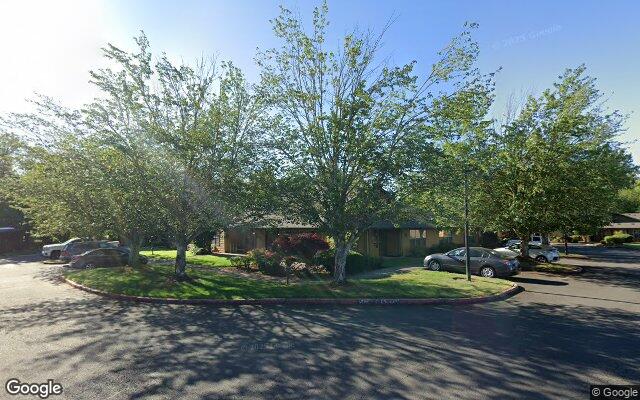
A large home, reviewed on public record.
© Google Street View
Compared to 22 Oregon facilities with a similar number of beds.
ALF memory care · 36-month window. Higher percentile = better performance on inspection record. Source: Oregon Dept. of Human Services · Long-Term Care Licensing.
among peers to rank.
Rankings based on 36-month OR-DHS inspection data. Severity and frequency: fewer citations = higher percentile. Repeat rate: lower repeat citation share = higher percentile.
Citation history, plotted month by month.
6 deficiencies on record. Each bar is a month with a citation.
Finding distribution
6 total · 36 monthsScope × Severity (CMS A–L)
Every inspection visit, verbatim.
3 inspections in the public record, most recent first. Plain-language summaries open first — click into any row for the full citation text.
2025-05-30Annual Compliance VisitOR-cited · 2 findings
Plain-language summary
A routine kitchen inspection on May 30, 2025 found violations of food sanitation rules, including accumulation of food debris and dirt in equipment and storage areas, a gap in the screen door allowing pest entry, sanitizer buckets not dispensing the correct chemical concentration for effective surface cleaning, food stored past safe dates, bare-hand contact with ready-to-eat salmon, and care staff assisting with meals without protective barriers between their care duties and food service. The facility also was not displaying menus for residents, was serving pureed meals that were reheated from the previous day rather than freshly cooked, and was mixing all pureed food items together on one plate rather than keeping items separate for palatability. The facility has agreed to corrections including updated cleaning checklists, equipment repairs, staff retraining on chemical sanitizing procedures and food safety practices, and changes to how pureed meals are prepared and presented.
Read full citation text (2)Hide full citation text
“Based on observation, and interview, it was determined the facility failed to maintain the kitchen in good repair and in a sanitary manner in accordance with Food Sanitation Rules, OAR 333-150-000. Facility also failed to ensure menus were predominately displayed for residents with altered texture diets were served meals in a palatable manor and in accordance with the menus. Findings include, but are not limited to: Observation of the main kitchen and individual house kitchens were reviewed on 05/30/25from 10:30 am through 2:00pm and found the following: a. An accumulation of food spills, splatters, loose food and trash debris, dirt, dust, and/or black matter was visible on or underneath the following: * Walk in cooler fan grates * Exterior of Ninja blender * Interior of plastic bins storing measuring cups, spoons and scoops * Hinge of portable tray line shelf b. The following areas needed repair: * Screen door in the main kitchen area left a 1 ½ inch gap at the bottom of the door when in the closed position leaving space for insects/pests to enter. Main door was observed open the majority of survey with this gap allowing potential pest entry to kitchen * Knobs to one of the portable steam lines where broken off. c. Surface sanitizer buckets were tested upon entry to the main kitchen area. No parts per million (PPM) of sanitizer registered on the strips. The buckets were changed by staff and a fresh one was mad that also registered 0 ppm. The chemical was not observed flowing thru the hose to the mixing valve until ran for several seconds. Mixture was then tested and was registering 100ppm. Facility staff including staff 2 (Executive Chef) were not able to verbalize the correct concentration for the sanitizing solution used. Logs were reviewed and it was documented the staff documented the sanitizing solution earlier that day at 125 ppm. The facility was utilizing quaternary ammonia for surface sanitation which needs to be between 200 and 400 ppm for effective sanitation. Facility was unsure how long the dispenser of surface sanitizer was not dispensing the correct sanitation amounts. Surveyor brought this to the attention of Staff 2 who discussed the correct concentration needs to staff members. d. Multiple food items were found stored in the walk-in cooler that did not have a date opened or prepared and/or past the seven days as required. One item was found multiple days past the manufactures use by dates. e. A cook was observed to touch multiple servings of ready to eat Salmon for lunch with their bare hands while transferring from the baking pan to the tray line pan. f. Care staff members in multiple houses were observed serving and/or assisting residents with their meals without protective barriers to prevent cross contamination from care giving duties with meal service tasks. g. Kitchen staff drinking/beverage cups were not off the approved style making hand contact to lip surfaces of the cup likely which is prohibited per rule. h. Food and beverage items were not appropriately covered and protected from potential contamination when delivered to resident rooms. i. Menus were not predominately posted in the houses for residents/visitors to review. j. A resident in house E was observed to be served all pureed food items in 1 dish all mixed together. It did not look appetizing. Caregiver was asked why they were doing it that way and they said they had just always done it that way. Staff 2 acknowledged this was not an appropriate way to present the food products for palatability and provided education to the staff member. k. Multiple prepared pureed meals were observed in the walk in cooler. Staff 2 was interviewed and indicated the facility’s practice was to puree the days meal for meal service the next day. This meant that residents receiving the pureed meal were a day behind the rest of the residents and that the residents were always getting reheated “leftovers” from the day before. Staff 2 verified the residents on puree diets were not served freshly cooked food like the other residents. This practice was related to allowing staff the ability to serve puree residents before other residents related to assistance needed with meals. This practice was not related to resident request or choice. At 1:30 pm, surveyor reviewed above areas with staff 2 and staff 1 (Facility Designee) who acknowledged areas in need of attention. A) Cleaning checklist has been updated to include items found to be deficient: fan in walk in cooler, blender, bins, and portable tray B) Screen door and knobs on steam lines will be replaced by 6/17/25 C) On 6/5/25 all kitchen staff were properly trained on different chemical strips, submersion time for each strip, and frequency. Administrator will routinely have kitchen staff demonstrate procedure at least weekly D) Administrator will check stored and shelved food for dates, prepared within 7 days, and properly stored E) Staff training provided on cleanliness, proper use of gloves, and hand hygiene. Administrator to ensure individuals are following best practices F) Training and routine monitoring starting 5/31/25 to ensure staff are wearing full aprons and following best practices G) On date indicated, staff to be prohibited from keeping drinks in main kitchen H) Training and routine monitoring starting 5/31/25 to ensure staff are properly covering food and drinks when delivering trays I) Menus will continue to be emailed to families weekly, resident’s input during resident council meetings, and will be displayed on the refrigerator J) Puree food will be served in divided plates, staff will be trained on not mixing pureed food unless this is resident’s preference and will be care planned, and dining will use menu items of the day for puree foods OAR 411-054-0030 (1)(a) Resident Services Meals, Food Sanitation Rule (1) The residential care or assisted living facility must provide a minimum scope of services as follows: (a) Three daily nutritious, palatable meals with snacks available seven days a week, in accordance with the recommended dietary allowances found in the United States Department of Agriculture (USDA) guidelines, including seasonal fresh fruit and fresh vegetables; (A) Modified special diets that are appropriate to residents' needs and choices. The facility must encourage residents' involvement in developing menus. (B) Menus must be prepared at least one week in advance, and must be made available to all residents. Meal substitutions must be of similar nutritional value if a resident refuses a food that is served. Residents must be informed in advance of menu changes. (C) Food must be prepared and served in accordance with OAR 333-150-0000 (Food Sanitation Rules). This Rule is not met as evidenced by:”
“Based on observations and interviews, it was determined the facility failed to follow licensing rules for Residential Care and Assisted Living Facilities. Findings include, but are not limited to: Refer to C240. Z0142) Community will follow proposed POC to ensure compliance of this rule OAR 411-057-0140(2) Administration Compliance (2) The licensee of a memory care community must comply with both the licensing rules for the facility and Chapter 411, Division 57. This Rule is not met as evidenced by:”
Read raw inspector notesClose inspector notes
Based on observation, and interview, it was determined the facility failed to maintain the kitchen in good repair and in a sanitary manner in accordance with Food Sanitation Rules, OAR 333-150-000. Facility also failed to ensure menus were predominately displayed for residents with altered texture diets were served meals in a palatable manor and in accordance with the menus. Findings include, but are not limited to: Observation of the main kitchen and individual house kitchens were reviewed on 05/30/25from 10:30 am through 2:00pm and found the following: a. An accumulation of food spills, splatters, loose food and trash debris, dirt, dust, and/or black matter was visible on or underneath the following: * Walk in cooler fan grates * Exterior of Ninja blender * Interior of plastic bins storing measuring cups, spoons and scoops * Hinge of portable tray line shelf b. The following areas needed repair: * Screen door in the main kitchen area left a 1 ½ inch gap at the bottom of the door when in the closed position leaving space for insects/pests to enter. Main door was observed open the majority of survey with this gap allowing potential pest entry to kitchen * Knobs to one of the portable steam lines where broken off. c. Surface sanitizer buckets were tested upon entry to the main kitchen area. No parts per million (PPM) of sanitizer registered on the strips. The buckets were changed by staff and a fresh one was mad that also registered 0 ppm. The chemical was not observed flowing thru the hose to the mixing valve until ran for several seconds. Mixture was then tested and was registering 100ppm. Facility staff including staff 2 (Executive Chef) were not able to verbalize the correct concentration for the sanitizing solution used. Logs were reviewed and it was documented the staff documented the sanitizing solution earlier that day at 125 ppm. The facility was utilizing quaternary ammonia for surface sanitation which needs to be between 200 and 400 ppm for effective sanitation. Facility was unsure how long the dispenser of surface sanitizer was not dispensing the correct sanitation amounts. Surveyor brought this to the attention of Staff 2 who discussed the correct concentration needs to staff members. d. Multiple food items were found stored in the walk-in cooler that did not have a date opened or prepared and/or past the seven days as required. One item was found multiple days past the manufactures use by dates. e. A cook was observed to touch multiple servings of ready to eat Salmon for lunch with their bare hands while transferring from the baking pan to the tray line pan. f. Care staff members in multiple houses were observed serving and/or assisting residents with their meals without protective barriers to prevent cross contamination from care giving duties with meal service tasks. g. Kitchen staff drinking/beverage cups were not off the approved style making hand contact to lip surfaces of the cup likely which is prohibited per rule. h. Food and beverage items were not appropriately covered and protected from potential contamination when delivered to resident rooms. i. Menus were not predominately posted in the houses for residents/visitors to review. j. A resident in house E was observed to be served all pureed food items in 1 dish all mixed together. It did not look appetizing. Caregiver was asked why they were doing it that way and they said they had just always done it that way. Staff 2 acknowledged this was not an appropriate way to present the food products for palatability and provided education to the staff member. k. Multiple prepared pureed meals were observed in the walk in cooler. Staff 2 was interviewed and indicated the facility’s practice was to puree the days meal for meal service the next day. This meant that residents receiving the pureed meal were a day behind the rest of the residents and that the residents were always getting reheated “leftovers” from the day before. Staff 2 verified the residents on puree diets were not served freshly cooked food like the other residents. This practice was related to allowing staff the ability to serve puree residents before other residents related to assistance needed with meals. This practice was not related to resident request or choice. At 1:30 pm, surveyor reviewed above areas with staff 2 and staff 1 (Facility Designee) who acknowledged areas in need of attention. A) Cleaning checklist has been updated to include items found to be deficient: fan in walk in cooler, blender, bins, and portable tray B) Screen door and knobs on steam lines will be replaced by 6/17/25 C) On 6/5/25 all kitchen staff were properly trained on different chemical strips, submersion time for each strip, and frequency. Administrator will routinely have kitchen staff demonstrate procedure at least weekly D) Administrator will check stored and shelved food for dates, prepared within 7 days, and properly stored E) Staff training provided on cleanliness, proper use of gloves, and hand hygiene. Administrator to ensure individuals are following best practices F) Training and routine monitoring starting 5/31/25 to ensure staff are wearing full aprons and following best practices G) On date indicated, staff to be prohibited from keeping drinks in main kitchen H) Training and routine monitoring starting 5/31/25 to ensure staff are properly covering food and drinks when delivering trays I) Menus will continue to be emailed to families weekly, resident’s input during resident council meetings, and will be displayed on the refrigerator J) Puree food will be served in divided plates, staff will be trained on not mixing pureed food unless this is resident’s preference and will be care planned, and dining will use menu items of the day for puree foods OAR 411-054-0030 (1)(a) Resident Services Meals, Food Sanitation Rule (1) The residential care or assisted living facility must provide a minimum scope of services as follows: (a) Three daily nutritious, palatable meals with snacks available seven days a week, in accordance with the recommended dietary allowances found in the United States Department of Agriculture (USDA) guidelines, including seasonal fresh fruit and fresh vegetables; (A) Modified special diets that are appropriate to residents' needs and choices. The facility must encourage residents' involvement in developing menus. (B) Menus must be prepared at least one week in advance, and must be made available to all residents. Meal substitutions must be of similar nutritional value if a resident refuses a food that is served. Residents must be informed in advance of menu changes. (C) Food must be prepared and served in accordance with OAR 333-150-0000 (Food Sanitation Rules). This Rule is not met as evidenced by: Based on observations and interviews, it was determined the facility failed to follow licensing rules for Residential Care and Assisted Living Facilities. Findings include, but are not limited to: Refer to C240. Z0142) Community will follow proposed POC to ensure compliance of this rule OAR 411-057-0140(2) Administration Compliance (2) The licensee of a memory care community must comply with both the licensing rules for the facility and Chapter 411, Division 57. This Rule is not met as evidenced by:
2024-06-27Annual Compliance VisitOR-cited · 3 findings
Plain-language summary
A routine state licensure kitchen inspection on June 27, 2024 found violations of food sanitation and meal service rules, including accumulated food debris and grease on kitchen equipment, damaged and non-cleanable cabinet surfaces in multiple cottages, pest entry points including a screen door gap with flies present, improper food storage (unrefrigerated cream cheese), hand-washing procedures not meeting required duration and technique, uncovered meals during transport, missing trash can lids, and cookware with buildup and scratches. A follow-up inspection on October 3, 2024 found the facility in substantial compliance with the applicable rules.
Read full citation text (3)Hide full citation text
“The findings of the kitchen inspection, conducted 06/27/24, are documented in this report. The survey was conducted to determine compliance with the OARs 411-054-0030 for Residential Care and Assisted Living Facilities for Resident Services- Meals, and Oregon Health Service Food Sanitation Rules OARs 333-150-0000. Tag numbers beginning with C refer to the Residential Care and Assisted Living Facilities rules. Tag numbers beginning with the letter Z refer to the Memory Care Community rules. The findings of the kitchen inspection, conducted 06/27/24, are documented in this report. The survey was conducted to determine compliance with the OARs 411-054-0030 for Residential Care and Assisted Living Facilities for Resident Services- Meals, and Oregon Health Service Food Sanitation Rules OARs 333-150-0000. Tag numbers beginning with C refer to the Residential Care and Assisted Living Facilities rules. Tag numbers beginning with the letter Z refer to the Memory Care Community rules. The findings of the revisit to kitchen inspection of 06/27/24, conducted on 10/03/24, are documented in this report. The facility was found to be in substantial compliance with the OARs 411-054-0030 for Residential Care and Assisted Living Facilities for Resident Services- Meals, and Oregon Health Service Food Sanitation Rules OARs 333-150-0000. The findings of the revisit to kitchen inspection of 06/27/24, conducted on 10/03/24, are documented in this report. The facility was found to be in substantial compliance with the OARs 411-054-0030 for Residential Care and Assisted Living Facilities for Resident Services- Meals, and Oregon Health Service Food Sanitation Rules OARs 333-150-0000.”
“Based on observation, interview, and record review, it was determined the facility failed to maintain the kitchen in good repair and in a sanitary manner, and to ensure meals were served at appropriate temperatures and were palatable, in accordance with the Food Sanitation Rules, OAR 333-150-000. Findings include, but are not limited to: Observation of the main kitchen and five cottage kitchenettes on 06/27/24 at 10:30 am through 2:00 pm revealed the following deficiencies: a. An accumulation of food spills, splatters, loose food and trash debris, dirt, dust, black matter and grease was visible on or underneath the following: * Fan next to three compartment sink and fan in kitchenette Building E; * Fans in reach in cooler; * Can opener and housing; b. The following areas were found in need of repair: * Screen door to main kitchen area with 1/2-1 inch gap. Door observed open allowing entry point for pests/insects. Multiple flies were observed in kitchen area. * All cottages noted with kitchenette cabinets and/or drawers with damage. Protective coating worn, chipped causing non-cleanable surfaces. Some drawers or cabinets missing front covers or not opening correctly. * Cottage F and A with severe water damage to cabinets under sink. Large holes in walls under sinks where pests could enter. Visible build up of black matter/debris where water damage occurred. c. Container of strawberry cream cheese noted stored in cabinet not refrigerated. Food product was warm to touch. It did not contain a date as to when it was opened. Staff 1 (Administrator) discarded item. d. Multiple kitchen staff and caregiving staff were observed to wash hands for less than the 20 seconds required to effectively remove dirt/debris stopping at 10 seconds. Some were observed to immediately rinse hands after applying soap and failing to lather up hands/finger/etc with soap prior to rinsing in order to effectively clean hands. e. Staff were observed to serve resident meals to rooms with food and beverages uncovered failing to protect from potential contamination during transport. f. Care staff were not wearing aprons when serving and/or assisting residents with meals. g. Multiple kitchenettes did not have lids for trash cans to cover garbage when not in use. h. Multiple small saute pans with noted build up of black carbon debris on cooking surface and/or scratches in non stick coating. Staff 1 (Administrator) and Staff 2 (Maintenance Director) toured kitchen and kitchenettes with surveyors and they acknowledged areas needing to be addressed. Based on observation, interview, and record review, it was determined the facility failed to maintain the kitchen in good repair and in a sanitary manner, and to ensure meals were served at appropriate temperatures and were palatable, in accordance with the Food Sanitation Rules, OAR 333-150-000. Findings include, but are not limited to: Observation of the main kitchen and five cottage kitchenettes on 06/27/24 at 10:30 am through 2:00 pm revealed the following deficiencies: a. An accumulation of food spills, splatters, loose food and trash debris, dirt, dust, black matter and grease was visible on or underneath the following: * Fan next to three compartment sink and fan in kitchenette Building E; * Fans in reach in cooler; * Can opener and housing; b. The following areas were found in need of repair: * Screen door to main kitchen area with 1/2-1 inch gap. Door observed open allowing entry point for pests/insects. Multiple flies were observed in kitchen area. * All cottages noted with kitchenette cabinets and/or drawers with damage. Protective coating worn, chipped causing non-cleanable surfaces. Some drawers or cabinets missing front covers or not opening correctly. * Cottage F and A with severe water damage to cabinets under sink. Large holes in walls under sinks where pests could enter. Visible build up of black matter/debris where water damage occurred. c. Container of strawberry cream cheese noted stored in cabinet not refrigerated. Food product was warm to touch. It did not contain a date as to when it was opened. Staff 1 (Administrator) discarded item. d. Multiple kitchen staff and caregiving staff were observed to wash hands for less than the 20 seconds required to effectively remove dirt/debris stopping at 10 seconds. Some were observed to immediately rinse hands after applying soap and failing to lather up hands/finger/etc with soap prior to rinsing in order to effectively clean hands. e. Staff were observed to serve resident meals to rooms with food and beverages uncovered failing to protect from potential contamination during transport. f. Care staff were not wearing aprons when serving and/or assisting residents with meals. g. Multiple kitchenettes did not have lids for trash cans to cover garbage when not in use. h. Multiple small saute pans with noted build up of black carbon debris on cooking surface and/or scratches in non stick coating. Staff 1 (Administrator) and Staff 2 (Maintenance Director) toured kitchen and kitchenettes with surveyors and they acknowledged areas needing to be addressed. A. Cleaning portable fans will be added to cleaning tasks list B. Screen door will be repaired by maintenance department C. Cabinettes, drawers, and damage under sinks will be repaired by Plant Ops department and contractor of facilities choosing D. Staff training on proper handwashing, wearing [full] aprons, and covering meal items when delivering trays E. Kitchen to purchase new cookwear F. New trash cans to be repurchased A. Cleaning portable fans will be added to cleaning tasks list B. Screen door will be repaired by maintenance department C. Cabinettes, drawers, and damage under sinks will be repaired by Plant Ops department and contractor of facilities choosing D. Staff training on proper handwashing, wearing [full] aprons, and covering meal items when delivering trays E. Kitchen to purchase new cookwear F. New trash cans to be repurchased There are no detail notes for this visit.”
“Based on observations and interviews, it was determined the facility failed to follow licensing rules for Residential Care and Assisted Living Facilities. Findings include, but are not limited to: Refer to C240. Based on observations and interviews, it was determined the facility failed to follow licensing rules for Residential Care and Assisted Living Facilities. Findings include, but are not limited to: Refer to C240. Facility to follow plan of correction of C240 to be in compliance of Z142 Facility to follow plan of correction of C240 to be in compliance of Z142 There are no detail notes for this visit.”
Read raw inspector notesClose inspector notes
The findings of the kitchen inspection, conducted 06/27/24, are documented in this report. The survey was conducted to determine compliance with the OARs 411-054-0030 for Residential Care and Assisted Living Facilities for Resident Services- Meals, and Oregon Health Service Food Sanitation Rules OARs 333-150-0000. Tag numbers beginning with C refer to the Residential Care and Assisted Living Facilities rules. Tag numbers beginning with the letter Z refer to the Memory Care Community rules. The findings of the kitchen inspection, conducted 06/27/24, are documented in this report. The survey was conducted to determine compliance with the OARs 411-054-0030 for Residential Care and Assisted Living Facilities for Resident Services- Meals, and Oregon Health Service Food Sanitation Rules OARs 333-150-0000. Tag numbers beginning with C refer to the Residential Care and Assisted Living Facilities rules. Tag numbers beginning with the letter Z refer to the Memory Care Community rules. The findings of the revisit to kitchen inspection of 06/27/24, conducted on 10/03/24, are documented in this report. The facility was found to be in substantial compliance with the OARs 411-054-0030 for Residential Care and Assisted Living Facilities for Resident Services- Meals, and Oregon Health Service Food Sanitation Rules OARs 333-150-0000. The findings of the revisit to kitchen inspection of 06/27/24, conducted on 10/03/24, are documented in this report. The facility was found to be in substantial compliance with the OARs 411-054-0030 for Residential Care and Assisted Living Facilities for Resident Services- Meals, and Oregon Health Service Food Sanitation Rules OARs 333-150-0000. Based on observation, interview, and record review, it was determined the facility failed to maintain the kitchen in good repair and in a sanitary manner, and to ensure meals were served at appropriate temperatures and were palatable, in accordance with the Food Sanitation Rules, OAR 333-150-000. Findings include, but are not limited to: Observation of the main kitchen and five cottage kitchenettes on 06/27/24 at 10:30 am through 2:00 pm revealed the following deficiencies: a. An accumulation of food spills, splatters, loose food and trash debris, dirt, dust, black matter and grease was visible on or underneath the following: * Fan next to three compartment sink and fan in kitchenette Building E; * Fans in reach in cooler; * Can opener and housing; b. The following areas were found in need of repair: * Screen door to main kitchen area with 1/2-1 inch gap. Door observed open allowing entry point for pests/insects. Multiple flies were observed in kitchen area. * All cottages noted with kitchenette cabinets and/or drawers with damage. Protective coating worn, chipped causing non-cleanable surfaces. Some drawers or cabinets missing front covers or not opening correctly. * Cottage F and A with severe water damage to cabinets under sink. Large holes in walls under sinks where pests could enter. Visible build up of black matter/debris where water damage occurred. c. Container of strawberry cream cheese noted stored in cabinet not refrigerated. Food product was warm to touch. It did not contain a date as to when it was opened. Staff 1 (Administrator) discarded item. d. Multiple kitchen staff and caregiving staff were observed to wash hands for less than the 20 seconds required to effectively remove dirt/debris stopping at 10 seconds. Some were observed to immediately rinse hands after applying soap and failing to lather up hands/finger/etc with soap prior to rinsing in order to effectively clean hands. e. Staff were observed to serve resident meals to rooms with food and beverages uncovered failing to protect from potential contamination during transport. f. Care staff were not wearing aprons when serving and/or assisting residents with meals. g. Multiple kitchenettes did not have lids for trash cans to cover garbage when not in use. h. Multiple small saute pans with noted build up of black carbon debris on cooking surface and/or scratches in non stick coating. Staff 1 (Administrator) and Staff 2 (Maintenance Director) toured kitchen and kitchenettes with surveyors and they acknowledged areas needing to be addressed. Based on observation, interview, and record review, it was determined the facility failed to maintain the kitchen in good repair and in a sanitary manner, and to ensure meals were served at appropriate temperatures and were palatable, in accordance with the Food Sanitation Rules, OAR 333-150-000. Findings include, but are not limited to: Observation of the main kitchen and five cottage kitchenettes on 06/27/24 at 10:30 am through 2:00 pm revealed the following deficiencies: a. An accumulation of food spills, splatters, loose food and trash debris, dirt, dust, black matter and grease was visible on or underneath the following: * Fan next to three compartment sink and fan in kitchenette Building E; * Fans in reach in cooler; * Can opener and housing; b. The following areas were found in need of repair: * Screen door to main kitchen area with 1/2-1 inch gap. Door observed open allowing entry point for pests/insects. Multiple flies were observed in kitchen area. * All cottages noted with kitchenette cabinets and/or drawers with damage. Protective coating worn, chipped causing non-cleanable surfaces. Some drawers or cabinets missing front covers or not opening correctly. * Cottage F and A with severe water damage to cabinets under sink. Large holes in walls under sinks where pests could enter. Visible build up of black matter/debris where water damage occurred. c. Container of strawberry cream cheese noted stored in cabinet not refrigerated. Food product was warm to touch. It did not contain a date as to when it was opened. Staff 1 (Administrator) discarded item. d. Multiple kitchen staff and caregiving staff were observed to wash hands for less than the 20 seconds required to effectively remove dirt/debris stopping at 10 seconds. Some were observed to immediately rinse hands after applying soap and failing to lather up hands/finger/etc with soap prior to rinsing in order to effectively clean hands. e. Staff were observed to serve resident meals to rooms with food and beverages uncovered failing to protect from potential contamination during transport. f. Care staff were not wearing aprons when serving and/or assisting residents with meals. g. Multiple kitchenettes did not have lids for trash cans to cover garbage when not in use. h. Multiple small saute pans with noted build up of black carbon debris on cooking surface and/or scratches in non stick coating. Staff 1 (Administrator) and Staff 2 (Maintenance Director) toured kitchen and kitchenettes with surveyors and they acknowledged areas needing to be addressed. A. Cleaning portable fans will be added to cleaning tasks list B. Screen door will be repaired by maintenance department C. Cabinettes, drawers, and damage under sinks will be repaired by Plant Ops department and contractor of facilities choosing D. Staff training on proper handwashing, wearing [full] aprons, and covering meal items when delivering trays E. Kitchen to purchase new cookwear F. New trash cans to be repurchased A. Cleaning portable fans will be added to cleaning tasks list B. Screen door will be repaired by maintenance department C. Cabinettes, drawers, and damage under sinks will be repaired by Plant Ops department and contractor of facilities choosing D. Staff training on proper handwashing, wearing [full] aprons, and covering meal items when delivering trays E. Kitchen to purchase new cookwear F. New trash cans to be repurchased There are no detail notes for this visit. Based on observations and interviews, it was determined the facility failed to follow licensing rules for Residential Care and Assisted Living Facilities. Findings include, but are not limited to: Refer to C240. Based on observations and interviews, it was determined the facility failed to follow licensing rules for Residential Care and Assisted Living Facilities. Findings include, but are not limited to: Refer to C240. Facility to follow plan of correction of C240 to be in compliance of Z142 Facility to follow plan of correction of C240 to be in compliance of Z142 There are no detail notes for this visit.
2024-05-15Complaint InvestigationOR-cited · 1 finding
2 older inspections from 2022 are not shown above.
Get the complete record, translated into plain language — emailed to you.
Other facilities in Marion County.
Other memory care facilities in Marion County with similar care offerings.


Tour Prep
Family reviews
No reviews yet — be the first to share your experience
Other memory care options nearby.
More options in neighboring cities
Licensed memory care in other cities within this county region — useful when your search radius crosses city limits.