Faye Wright Senior Living.
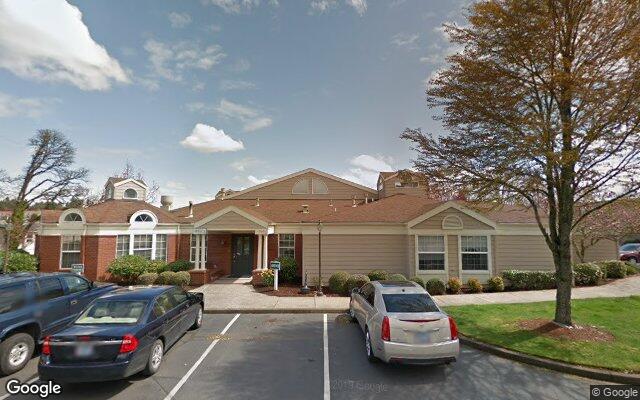
A large home, reviewed on public record.
© Google Street View
Compared to 15 Oregon facilities with a similar number of beds.
ALF memory care · 36-month window. Higher percentile = better performance on inspection record. Source: Oregon Dept. of Human Services · Long-Term Care Licensing.
among peers to rank.
Rankings based on 36-month OR-DHS inspection data. Severity and frequency: fewer citations = higher percentile. Repeat rate: lower repeat citation share = higher percentile.
Citation history, plotted month by month.
41 deficiencies on record. Each bar is a month with a citation.
Finding distribution
41 total · 36 monthsScope × Severity (CMS A–L)
Every inspection visit, verbatim.
6 inspections in the public record, most recent first. Plain-language summaries open first — click into any row for the full citation text.
2026-09-03Annual Compliance VisitNo findings
2026-09-03Annual Compliance VisitNo findings
2025-07-22Annual Compliance VisitOR-cited · 2 findings
Plain-language summary
During a routine kitchen inspection, the facility was found to have violations related to kitchen sanitation and food preparation under Oregon's Food Sanitation Rules. The facility did not maintain the kitchen in good repair or sanitary condition, and failed to ensure that residents receiving pureed meals were receiving nutritious food prepared according to the facility's menus. Additional violations of residential care and assisted living facility licensing rules were identified.
Read full citation text (2)Hide full citation text
“Based on observation, and interview, it was determined the facility failed to maintain the kitchen in good repair and in a sanitary manner in accordance with the Food Sanitation Rules, OAR 333-150-000. Facility also failed to ensure residents receiving puree textures meals were nutritious and menus were followed. Findings include, but are not limited to:”
“Based on observations and interviews, it was determined the facility failed to follow licensing rules for Residential Care and Assisted Living Facilities. Findings include, but are not limited to: Refer to C240.”
Read raw inspector notesClose inspector notes
Based on observation, and interview, it was determined the facility failed to maintain the kitchen in good repair and in a sanitary manner in accordance with the Food Sanitation Rules, OAR 333-150-000. Facility also failed to ensure residents receiving puree textures meals were nutritious and menus were followed. Findings include, but are not limited to: Based on observations and interviews, it was determined the facility failed to follow licensing rules for Residential Care and Assisted Living Facilities. Findings include, but are not limited to: Refer to C240.
2025-03-28Complaint InvestigationOR-cited · 1 finding
2024-03-04Annual Compliance VisitOR-cited · 33 findings
Plain-language summary
A change of ownership survey was conducted from March 4–7, 2024, followed by revisits on July 15–17, 2024 and September 5, 2024, to verify compliance with Oregon's rules for residential care, assisted living, memory care, and home and community-based services. By the second revisit on September 5, 2024, the facility was found to be in compliance with all applicable regulations.
Read full citation text (33)Hide full citation text
“Based on observation, interview, and record review, it was determined the facility failed to ensure residents were treated with dignity and respect and had a homelike environment for 1 of 1 sampled resident (#5) and two unsampled residents. Findings include, but are not limited to: 1. Resident 5 was admitted to the facility in 01/2015 with diagnoses including dementia. His/her service plan, dated 10/09/23, stated, "Staff are to feed [Resident] at all times, as [Resident] is unable to feed [him/herself]." Staff stated the resident would attempt to feed him/herself but was not able to use utensils and had to be fed hand-to-mouth at all meals. Staff stated the resident was not able to communicate his/her needs verbally. On 03/04/23, the resident was observed seated at a dining room table for lunch. A caregiver was seated nearby and assisted the resident with eating from 12:37 pm to 12:45 pm. The food consisted of mixed rice, mashed beans, and cut up chicken. The caregiver left the table at 12:45 and did not return until 1:15 pm. During those 30 minutes, the resident was not assisted by a staff member. S/he attempted to eat with his/her hands, resulting in greater than 50% of the meal on his/her hands, face, and clothing protector. The need to ensure residents were treated with dignity and respect, including assisting with meals, was discussed with Staff 1 (ED) and Staff 2 (Health Services Director/LPN) on 03/07/24. They acknowledged the findings. 2. On 03/05/24, multiple staff members approached the survey team to discuss the lack of hot water in the shower in building 940, room 2. Staff stated two residents had not been able to shower in their room, room 2, for approximately one month as there was no hot water in the shower. The building did have a community bathroom with a shower, but it was inaccessible. When the survey team attempted to observe the community shower room, the door was unable to be opened fully due to the amount of large storage items stacked in the room, and there was a significant odor of sewage coming from the room. Staff stated that the two residents in room 2 had been offered to shower in other resident's rooms but the residents had not felt comfortable with this and had been repeatedly declining to shower. During interviews on 03/05/24 and 03/06/24, Staff 1 (ED) and Staff 4 (Maintenance Director) stated they were aware of the lack of hot water in room 2, but were not aware of the impact on the residents' ability to shower due to the lack of available community shower room and would address the situation. On 03/07/24, the survey team verified that the community shower room had been cleaned and the residents had access to the private shower area which had hot water. All storage items had been removed and the odor had dissipated. The need to ensure residents were treated with dignity and respect and had access to a homelike environment was reviewed with Staff 1 and Staff 4 on 03/05/24. They acknowledged the findings. Based on observation, interview, and record review, it was determined the facility failed to ensure residents were treated with dignity and respect and had a homelike environment for 1 of 1 sampled resident (#5) and two unsampled residents. Findings include, but are not limited to:”
“The findings of the change of ownership survey, conducted 03/04/24 through 03/07/24, are documented in this report. The survey was conducted to determine compliance with the OARs 411 Division 54 for Residential Care and Assisted Living Facilities, OARs 411 Division 57 for Memory Care Communities, and OARs 411 Division 004 for Home and Community Based Services Regulations. Tag numbers beginning with C refer to the Residential Care and Assisted Living Facilities rules. Tag numbers beginning with the letter Z refer to the Memory Care Community rules. Tag numbers beginning with the letter H refer to the Home & Community-Based Services rules. Abbreviations possibly used in this document: ADL: activities of daily living bid: twice a day CBG: capillary blood glucose or blood sugar CG: caregiver cm: centimeter ED: Executive Director F: Fahrenheit HH: Home Health LPN: Licensed Practical Nurse MA: Medication Aide MAR: Medication Administration Record MCC: Memory Care Community mg: milligram ml: milliliter MT: Medication Technician OT: Occupational Therapist PT: Physical Therapist PRN: as needed qd: every day or daily qid: four times a day QI: quality improvement RCC: Resident Care Coordinator RN: Registered Nurse TAR: Treatment Administration Record tid: three times a day The findings of the change of ownership survey, conducted 03/04/24 through 03/07/24, are documented in this report. The survey was conducted to determine compliance with the OARs 411 Division 54 for Residential Care and Assisted Living Facilities, OARs 411 Division 57 for Memory Care Communities, and OARs 411 Division 004 for Home and Community Based Services Regulations. Tag numbers beginning with C refer to the Residential Care and Assisted Living Facilities rules. Tag numbers beginning with the letter Z refer to the Memory Care Community rules. Tag numbers beginning with the letter H refer to the Home & Community-Based Services rules. Abbreviations possibly used in this document: ADL: activities of daily living bid: twice a day CBG: capillary blood glucose or blood sugar CG: caregiver cm: centimeter ED: Executive Director F: Fahrenheit HH: Home Health LPN: Licensed Practical Nurse MA: Medication Aide MAR: Medication Administration Record MCC: Memory Care Community mg: milligram ml: milliliter MT: Medication Technician OT: Occupational Therapist PT: Physical Therapist PRN: as needed qd: every day or daily qid: four times a day QI: quality improvement RCC: Resident Care Coordinator RN: Registered Nurse TAR: Treatment Administration Record tid: three times a day The findings of the first revisit to the change of ownership survey of 03/07/24, conducted 07/15/24 through 07/17/24, are documented in this report. The survey was conducted to determine compliance with OARs 411 Division 54 for Residential Care and Assisted Living Facilities, OARs 411 Division 57 for Memory Care Communities, and OARs 411 Division 004 for Home and Community Based Services Regulations. Tag numbers beginning with the letter C refer to the Residential Care and Assisted Living rules. Tag numbers beginning with the letter Z refer to the Memory Care Community rules. Abbreviations possibly used in this document: ADL: activities of daily living bid: twice a day CBG: capillary blood glucose or blood sugar CG: caregiver cm: centimeter ED: Executive Director F: Fahrenheit HH: Home Health LPN: Licensed Practical Nurse MA: Medication Aide MAR: Medication Administration Record MCC: Memory Care Community mg: milligram ml: milliliter MT: Medication Technician OT: Occupational Therapist PT: Physical Therapist PRN: as needed qd: every day or daily qid: four times a day QI: quality improvement RCC: Resident Care Coordinator RN: Registered Nurse TAR: Treatment Administration Record tid: three times a day The findings of the first revisit to the change of ownership survey of 03/07/24, conducted 07/15/24 through 07/17/24, are documented in this report. The survey was conducted to determine compliance with OARs 411 Division 54 for Residential Care and Assisted Living Facilities, OARs 411 Division 57 for Memory Care Communities, and OARs 411 Division 004 for Home and Community Based Services Regulations. Tag numbers beginning with the letter C refer to the Residential Care and Assisted Living rules. Tag numbers beginning with the letter Z refer to the Memory Care Community rules. Abbreviations possibly used in this document: ADL: activities of daily living bid: twice a day CBG: capillary blood glucose or blood sugar CG: caregiver cm: centimeter ED: Executive Director F: Fahrenheit HH: Home Health LPN: Licensed Practical Nurse MA: Medication Aide MAR: Medication Administration Record MCC: Memory Care Community mg: milligram ml: milliliter MT: Medication Technician OT: Occupational Therapist PT: Physical Therapist PRN: as needed qd: every day or daily qid: four times a day QI: quality improvement RCC: Resident Care Coordinator RN: Registered Nurse TAR: Treatment Administration Record tid: three times a day The findings of the second revisit to the change of ownership survey of 03/07/24, conducted 09/05/24, are documented in this report. It was determined the facility was in compliance with the OARs 411 Division 54 for Residential Care and Assisted Living Facilities, OARs 411 Division 57 for Memory Care Communities, and Home and Community Based Services Regulations OARs 411 Division 004. The findings of the second revisit to the change of ownership survey of 03/07/24, conducted 09/05/24, are documented in this report. It was determined the facility was in compliance with the OARs 411 Division 54 for Residential Care and Assisted Living Facilities, OARs 411 Division 57 for Memory Care Communities, and Home and Community Based Services Regulations OARs 411 Division 004.”
“Based on observation, interview, and record review, it was determined the licensee failed to provide effective oversight to ensure the quality and care of services rendered in the facility. Findings include, but are not limited to: During the change of ownership survey, conducted 03/04/24 through 03/07/24, oversight to ensure adequate resident care and services rendered in the facility was found to be ineffective, based on the number and severity of citations. Refer to the deficiencies in the report. Based on observation, interview, and record review, it was determined the licensee failed to provide effective oversight to ensure the quality and care of services rendered in the facility. Findings include, but are not limited to: During the change of ownership survey, conducted 03/04/24 through 03/07/24, oversight to ensure adequate resident care and services rendered in the facility was found to be ineffective, based on the number and severity of citations. Refer to the deficiencies in the report. ED will implement a nursing follow-up spreadsheet to be used by HSD/designee by 4/15/24. ED will audit the spreadsheet at minimum twice a month to ensure tasks have been completed. The nursing follow-up spreadsheet is a tool used where the HSD/Designee can track audit results of clinical items listed in this POC. ED will work with all other Department Managers to ensure the plans listed in this statement of Deficiency.(SOD) ED will train other managers on this POC and their expectations by 4/5/2024 ED/HSD/Designee will provide continuous training for all staff by holding a training meeting every quarter to review relevant topics first meeting to be held by 5/5/24. ED will implement a nursing follow-up spreadsheet to be used by HSD/designee by 4/15/24. ED will audit the spreadsheet at minimum twice a month to ensure tasks have been completed. The nursing follow-up spreadsheet is a tool used where the HSD/Designee can track audit results of clinical items listed in this POC. ED will work with all other Department Managers to ensure the plans listed in this statement of Deficiency.(SOD) ED will train other managers on this POC and their expectations by 4/5/2024 ED/HSD/Designee will provide continuous training for all staff by holding a training meeting every quarter to review relevant topics first meeting to be held by 5/5/24. There are no detail notes for this visit.”
“Based on observation, interview, and record review, it was determined the facility failed to exercise reasonable precautions against any condition that could threaten the health, safety, or welfare of 2 of 5 sampled residents (#s 3 and 4) related to disposable razor storage and residents who required altered diet textures due to aspiration and choking risk. Residents 3 and 4 received inaccurate food textures which caused them to choke and placed them at risk for aspiration, additional choking events and/or avoidable hospitalization. Findings include, but are not limited to The International Dysphagia Diet Standardization Initiative (IDDSI) describes a Soft & Bite Sized (Mechanical soft) diet, as a Level 6 diet and a Minced & Moist diet, as a level 5 diet. A Minced & Moist diet is more restrictive than a Level 6. The individual diets included the following characteristics: * Mechanical Soft-soft, tender and moist, but with no thin liquid leaking/dripping from the food. Ability to bite off a piece of food is not required, but the ability to chew bite-sized pieces so that they are safe to swallow is required. Bite-sized pieces no bigger than 1.5 cm x 1.5 cm in size, food can be mashed/broken down with pressure from a fork, and a knife is not required to cut this food. * Minced & Minced-soft and moist, but with no liquid leaking/dripping from the food. Biting is not required, minimal chewing is required, can have lumps up to 4 mm in size and lumps can be mashed with the tongue. The food can be easily mashed with just a little pressure from a fork, should be able to scoop the food onto a fork with no liquid dripping and no crumbles falling off the fork. 1. Resident 4 was admitted to the facility in 11/2023 with diagnoses including dementia and stroke. The service plan, dated 12/01/23, and progress notes, temporary service plans, speech therapy notes, and physician communications dated 12/04/23 through 03/05/24 were reviewed and showed the following: * A speech therapy note dated 01/22/24 indicated the resident required mechanical soft textures with extra moisture. * A progress note dated 01/28/24 indicated the resident had a choking episode at lunch, the medication technician "got food out of throat." There was no other information about the incident. No investigation of the choking incident was completed. * A progress note dated 01/31/24 indicated "more and more choking episodes." There was no other information regarding the incident. * A speech therapy note dated 02/06/24 indicated the resident was trailed on minced moist textures. The resident was noted to shovel foods into his/her mouth. Interventions to slow the resident's intake were unsuccessful due to the resident's cognition and difficulty understanding. The speech therapist recommended a diet downgrade to minced moist, but the resident could continue with thin liquids. * A speech therapy note dated 02/16/24 indicated the resident was consuming moist, mechanical soft textures. There were no overt signs or symptoms of aspiration. * A speech therapy discharge note, dated 02/26/24, indicated the resident continued with moist mechanical soft textures and thin liquids. * The current service plan was not reflective of the speech therapy recommendations, the resident's "shoveling" of foods, or the diet textures directed by the therapist. * The Resident Diet Roster Report, printed on 03/04/24 and available for kitchen staff, indicated the resident received "soft texture, minced/moist foods." * Meal observations were completed for lunch and snack on 03/04/24, and breakfast and lunch on 03/05/24 and 03/06/24. The 03/04/24 lunch meal observation showed the resident received cooked green beans, uncut fettuccine noodles with minimal sauce and large chunks of chicken cordon bleu. The resident received multiple cups of fluids. The resident ate 100% of the lunch meal. S/he ate the meal very quickly, using both hand and utensil to get food into his/her mouth. The resident intermittently alternated foods with the fluids. Snack was provided to the resident after interviews with Staff 2, 6, and 9 about ordered diet texture. The resident was given a medium sized oatmeal cookie by Staff 11 (CG). Observation of the resident showed s/he rapidly ate the cookie. The resident alternated with fluids and cleared throat with two small coughs in between bites. The resident was given a bowl of yogurt by kitchen staff shortly after the cookie was given and stated the resident needed soft items. In an interview on 03/04/24, Staff 6 (Cook) indicated the resident received a mechanical soft texture. She was unaware of what the diet roster said or what minced moist would be. In an interview on 03/04/24, Staff 2 (Health Services Director/LPN) and Staff 9 (Dietary Manager) indicated they thought minced moist was the same as mechanical soft textures. Staff 9 was not sure their facility even offered minced moist as a diet texture option. Staff 2 and Staff 9 agreed that typically the care staff would let them know if they needed to adjust the resident's diet texture or if the items served in the meal were difficult for the resident. Staff 2 and Staff 9 were advised the resident received long, uncut fettuccine noodles as well as large chunks of cordon bleu chicken for lunch. The staff acknowledge the chicken did not meet a minced, moist or mechanically soft diet. Staff 2 was unaware the resident had an actual choking incident. In interview on 03/04/24, Staff 11 indicated the resident had mechanical soft foods. He gave the resident the cookie for snack because it was soft. Staff 11 was not aware of any problems related to the resident choking. In interviews on 03/04/24, Staff 10 (CG), Staff 12 (MT), and Staff 14 (CG) indicated the resident ate very well. They were unaware of any choking problems. The staff indicated the resident was given soft, easy-to-chew items for meals and snacks. Staff 3 (RN) was unaware of the choking incident noted in the progress notes or what the resident's diet texture was. Staff 1 (ED) indicated a choking incident should have an investigation to figure out what occurred. He was unable to locate any investigation of this incident or investigations regarding increased choking noted in the progress notes. The resident had multiple choking incidents noted near the end of January with no investigation to determine if the resident received the proper assistance and diet texture. Staff were observed to give the resident the wrong diet textures at the time of survey and continued to give inappropriate food items until the surveyor intervened. There was no documentation to reflect any interventions implemented or monitoring completed related to the previous choking incidents and updates made to the resident's care needs. The need to ensure the facility exercised reasonable precautions against any condition which could threaten the health, safety, or welfare of residents was discussed with Staff 1 (ED), Staff 2 (Health Services Director/LPN), Staff 3 (RN), and Staff 27 (RCC) on 03/04/24 and 03/06/24. The staff acknowledged the findings. Based on observation, interview, and record review, it was determined the facility failed to exercise reasonable precautions against any condition that could threaten the health, safety, or welfare of 2 of 5 sampled residents (#s 3 and 4) related to disposable razor storage and residents who required altered diet textures due to aspiration and choking risk. Residents 3 and 4 received inaccurate food textures which caused them to choke and placed them at risk for aspiration, additional choking events and/or avoidable hospitalization. Findings include, but are not limited to The International Dysphagia Diet Standardization Initiative (IDDSI) describes a Soft & Bite Sized (Mechanical soft) diet, as a Level 6 diet and a Minced & Moist diet, as a level 5 diet. A Minced & Moist diet is more restrictive than a Level 6. The individual diets included the following characteristics: * Mecha”
“Based on interview and record review, it was determined the facility failed to ensure information and interventions provided by outside service providers were communicated to staff and service plans adjusted if necessary for 3 of 5 sampled residents (#s 2, 4, and 6) who received outside services. Findings include, but are not limited to: 1. Resident 2's current service plan, temporary service plans, progress notes, 02/01/24 through 03/04/24 MARs/TARs, and outside provider visit notes dated 12/04/23 through 03/04/24 were reviewed. The following outside provider recommendations were noted: * 12/27/23 - "Please turn pt [patient] every two hours to prevent bed sore"; * 01/02/24 - "Continue to turn and reposition patient at least every two hours and with incontinence episodes"; * 01/09/24 - "Encourage protein intake as able for wound healing"; * 01/25/24 - "Change bandage to right buttock when wet/soiled or every other day"; * 02/02/24 - "Ok to replace foam dressing if falls off or wet/soiled"; and * 02/19/24 - "Recommend position changes every two to four hours to reduce pressure to area." There was no documented evidence the recommendations were implemented with updates to the service plan and MARs/TARs or evidence that staff were informed. The need to ensure the facility had protocols to ensure staff were informed of outside provider information and interventions, and the service plan adjusted if necessary, was reviewed with Staff 2 (Health Services Director/LPN) and Staff 3 (RN) on 03/06/24. They acknowledged the findings. Based on interview and record review, it was determined the facility failed to ensure information and interventions provided by outside service providers were communicated to staff and service plans adjusted if necessary for 3 of 5 sampled residents (#s 2, 4, and 6) who received outside services. Findings include, but are not limited to:”
“Based on interview and record review, it was determined the facility failed to ensure it had a trained and designated Infection Control Specialist and failed to develop protocols to prevent the development and transmission of communicable diseases. Findings include, but are not limited to: In an interview on 03/05/24 with Staff 1 (ED), he reported the facility did not have an Infection Control Specialist. On 03/07/24, Staff 1 was requested to provide the facility's infection prevention and control protocols. Staff 1 reported they did not have that information on site. The need to have a trained and designated Infection Control Specialist and to have protocols in place to prevent the development and transmission of communicable diseases was discussed with Staff 1 (ED) on 03/07/24. He acknowledged the findings. Infection prevention and control protocols were provided prior to survey exit. Based on interview and record review, it was determined the facility failed to ensure it had a trained and designated Infection Control Specialist and failed to develop protocols to prevent the development and transmission of communicable diseases. Findings include, but are not limited to: In an interview on 03/05/24 with Staff 1 (ED), he reported the facility did not have an Infection Control Specialist. On 03/07/24, Staff 1 was requested to provide the facility's infection prevention and control protocols. Staff 1 reported they did not have that information on site. The need to have a trained and designated Infection Control Specialist and to have protocols in place to prevent the development and transmission of communicable diseases was discussed with Staff 1 (ED) on 03/07/24. He acknowledged the findings. Infection prevention and control protocols were provided prior to survey exit. ED completedf course on 3/25/24. ED/HSD were reeducated on requirements & company guidelines to have a designated IC Specialist & ensure infection control protocols are place on 3/21/24 per Corporate Director of Policy & Survey. ED/HSD were provided guidelines for OR state IC Specialist by Regional Nurse on 3/21/24. ED/HSD will complete online Infection Control Training per Oregon Care Partners ED completedf course on 3/25/24. ED/HSD were reeducated on requirements & company guidelines to have a designated IC Specialist & ensure infection control protocols are place on 3/21/24 per Corporate Director of Policy & Survey. ED/HSD were provided guidelines for OR state IC Specialist by Regional Nurse on 3/21/24. ED/HSD will complete online Infection Control Training per Oregon Care Partners There are no detail notes for this visit.”
“Based on interview and record review, it was determined the facility failed to ensure a safe medication and treatment system was in place and failed to ensure adequate professional oversight of the medication and treatment administration systems. Findings include, but are not limited to: During the change of ownership survey, conducted 03/04/24 through 03/07/24, administrative oversight of the facility's medication system was found to be ineffective based on deficiencies in the following areas: * C282 - RN Delegation and Teaching; * C303 - Systems: Medication and Treatment Orders; * C304 - Systems: Medication and Treatment Review; * C310 - Systems: Medication Administration; * C315 - Systems: Treatment Administration; and * C330 - Systems: Psychotropic Medication. The need to ensure a safe medication system and to ensure adequate professional oversight was discussed with Staff 1 (ED) on 03/07/24. He acknowledged the findings. Based on interview and record review, it was determined the facility failed to ensure a safe medication and treatment system was in place and failed to ensure adequate professional oversight of the medication and treatment administration systems. Findings include, but are not limited to: During the change of ownership survey, conducted 03/04/24 through 03/07/24, administrative oversight of the facility's medication system was found to be ineffective based on deficiencies in the following areas: * C282 - RN Delegation and Teaching; * C303 - Systems: Medication and Treatment Orders; * C304 - Systems: Medication and Treatment Review; * C310 - Systems: Medication Administration; * C315 - Systems: Treatment Administration; and * C330 - Systems: Psychotropic Medication. The need to ensure a safe medication system and to ensure adequate professional oversight was discussed with Staff 1 (ED) on 03/07/24. He acknowledged the findings. Weekly medication cart audit will be completed on Wednesday and the HSD/ED/Designee will order any medications that are 7-14 days from running out and not on cycle fill. The ED/HSD/Designee will run the medication exception report at least 3 x's/week and follow up on any refusal of medications that Physician notification occurred. If it did not occur, the Med tech will be re- educated and the ED/HSD/Designee will notify the physician. The HSD/Designee will complete an audit of medication orders initially, and then monthly to ensure the correct diagnosis and reason for use is outlined on the MAR. The HSD/Designee will complete an audit of physician orders for non-pharmacological interventions listed. RN/HSD/Designee will audit progress notes and PRN administration records at least 3x's/weekly x 2 months, 2 x's weekly x 1 month, and then weekly for documentation related to non-pharmacological interventions. ED/HSD/Designee will provide continuous training for med techs by holding a training meeting every quarter to review relevant topics. First meeting will be held by 5/5/24. Weekly medication cart audit will be completed on Wednesday and the HSD/ED/Designee will order any medications that are 7-14 days from running out and not on cycle fill. The ED/HSD/Designee will run the medication exception report at least 3 x's/week and follow up on any refusal of medications that Physician notification occurred. If it did not occur, the Med tech will be re- educated and the ED/HSD/Designee will notify the physician. The HSD/Designee will complete an audit of medication orders initially, and then monthly to ensure the correct diagnosis and reason for use is outlined on the MAR. The HSD/Designee will complete an audit of physician orders for non-pharmacological interventions listed. RN/HSD/Designee will audit progress notes and PRN administration records at least 3x's/weekly x 2 months, 2 x's weekly x 1 month, and then weekly for documentation related to non-pharmacological interventions. ED/HSD/Designee will provide continuous training for med techs by holding a training meeting every quarter to review relevant topics. First meeting will be held by 5/5/24. There are no detail notes for this visit.”
“Based on interview and record review, it was determined the facility failed to follow physician or other legally recognized practitioner orders as prescribed and/or failed to have written, signed orders in the resident's facility record for all medications and treatments the facility was responsible to administer for 3 of 5 sampled residents (#s 2, 4, and 6) whose physician orders were reviewed. Findings include, but are not limited to: 1. Resident 2 was admitted to the facility in 11/2023 with diagnoses including insulin-dependent diabetes, hypertension, congestive heart failure, and polyarthritis. During the acuity interview on 03/04/24, the resident was identified as being administered insulin multiple times daily by facility staff. The resident's 02/01/24 through 03/04/24 MARs and 11/07/23 through 03/04/24 progress notes were reviewed, along with physician orders and communications. The following was identified: a. There were no signed physician or other legally recognized practitioner orders for the following medications being administered: * Acetaminophen 1000 mg three times a day (used for pain and/or fever); * Allopurinol 100 mg once a day at waking (used for gout); * Atrovastatin 40 mg at bedtime (used to lower cholesterol); * Calcium Carb W/D3 600 mg/400 IU one by mouth daily at lunch for supplementation; * Docusate Sodium 100 mg softgel twice daily (used for bowel function); * Eliquis 5 mg twice daily at waking and at bedtime for anticoagulation; * Ezetimibe 10 mg once daily at waking (used to lower cholesterol); * Ferrous Sulfate 325 mg at bedtime for supplementation; and * Gabapentin 300 mg twice daily for nerve pain. b. There was no documented evidence the resident received medications as ordered for the following: * On 11/8/23 at 7:53 pm Staff 7 (MT) documented in the progress notes that the resident "did miss CBG checks and insulin today as we were waiting delegation from the nurse." * On 11/15/23 at 1:19 pm Staff 40 (RCC) documented in the progress notes that "resident did not get [his/her] insulin today because I am not delegated. There was nobody here delegated either that could have done it." * Insulin Aspart 100 unit/ml pen was ordered to be administered based on Resident 2's blood glucose level (CBG) at 08:00 am, 12:00 pm and 05:00 pm daily as follows: six units for CBG 141-180, eight units for CBG 181-220, etc. There were four occasions between 02/1/24 and 02/29/24 where the documentation indicated sliding scale insulin was administered when the resident's CBG was below 141, indicating no sliding scale insulin should have been administered. The need to ensure all medications the facility administered had signed physician or other legally recognized practitioner orders and that medications were administered as ordered was discussed with Staff 2 (Health Services Director/LPN) and Staff 3 (RN) on 03/16/24. No further documentation was provided. They acknowledged the findings. Based on interview and record review, it was determined the facility failed to follow physician or other legally recognized practitioner orders as prescribed and/or failed to have written, signed orders in the resident's facility record for all medications and treatments the facility was responsible to administer for 3 of 5 sampled residents (#s 2, 4, and 6) whose physician orders were reviewed. Findings include, but are not limited to:”
“Based on interview and record review, it was determined the facility failed to ensure a registered pharmacist or registered nurse reviewed all medications and treatments administered by the facility to a resident at least every 90 days. Findings include, but are not limited to: In an interview on 03/07/24, at approximately 10:15 am, Staff 2 (Health Services Director/LPN) reported a registered pharmacist or registered nurse had not reviewed all medications and treatments administered by the facility to residents in the last 90 days. The need to ensure all medications and treatments administered by the facility were reviewed by a registered pharmacist or RN at least every 90 days was discussed with Staff 1 (ED) at approximately 10:25 am on 03/07/24. He acknowledged the findings. Based on interview and record review, it was determined the facility failed to ensure a registered pharmacist or registered nurse reviewed all medications and treatments administered by the facility to a resident at least every 90 days. Findings include, but are not limited to: In an interview on 03/07/24, at approximately 10:15 am, Staff 2 (Health Services Director/LPN) reported a registered pharmacist or registered nurse had not reviewed all medications and treatments administered by the facility to residents in the last 90 days. The need to ensure all medications and treatments administered by the facility were reviewed by a registered pharmacist or RN at least every 90 days was discussed with Staff 1 (ED) at approximately 10:25 am on 03/07/24. He acknowledged the findings. ED/HSD were reeducated on ensuring Pharmacy Consultant visits were completed every 90 days and recommendations followed up on 3/21/24 by the Regional Director of Health Services. Pharmacist review was performed in December, 2023. HSD/Designee will follow up with recommendations from this audit by 4/10/2024. HSD/Designee will ensure recommendations are sent to primary care physicians quarterly when received from the pharmacy. Pharmacy will complete a total MAR-cart audit and findings will be followed up on by HSD/RN. ED/HSD were reeducated on ensuring Pharmacy Consultant visits were completed every 90 days and recommendations followed up on 3/21/24 by the Regional Director of Health Services. Pharmacist review was performed in December, 2023. HSD/Designee will follow up with recommendations from this audit by 4/10/2024. HSD/Designee will ensure recommendations are sent to primary care physicians quarterly when received from the pharmacy. Pharmacy will complete a total MAR-cart audit and findings will be followed up on by HSD/RN. There are no detail notes for this visit.”
“Based on interview and record review, it was determined the facility failed to ensure an accurate MAR was maintained for 5 of 5 sampled residents (#s 2, 3, 4, 5, and 6) whose MARs were reviewed. Findings include, but are not limited to: 1. Resident 4 was admitted to the facility in 11/2023 with diagnoses including stroke. The resident's 12/04/23 through 03/05/24 progress notes and physician communications, 02/28/24 signed physician orders, and the 02/01/24 through 03/06/24 MARs/TARs were reviewed. The 02/01/24 through 03/06/24 MARs/TARs showed there was no reason for use documented for any of the resident's medications. The need to ensure medication administration records were complete was discussed with Staff 1 (ED), Staff 2 (Health Services Director/LPN), Staff 3 (RN), and Staff 27 (RCC) on 03/06/24. The staff acknowledged the findings. 2. Resident 6 was admitted to the facility in 10/2023 with diagnoses including congestive heart failure and edema. The resident's 11/17/23 through 03/06/24 progress notes and physician communications, 01/09/24 signed hospital discharge orders, 02/26/24 signed physician orders, and the 02/01/24 through 03/06/24 MARs/TARs were reviewed. The 02/01/24 through 03/06/24 MARs/TARs showed nine of the resident's prescribed medications had no reason for use. The need to ensure medication administration records were complete was discussed with Staff 1 (ED), Staff 2 (Health Services Director/LPN), Staff 3 (RN), and Staff 27 (RCC) on 03/06/24. The staff acknowledged the findings. Based on interview and record review, it was determined the facility failed to ensure an accurate MAR was maintained for 5 of 5 sampled residents (#s 2, 3, 4, 5, and 6) whose MARs were reviewed. Findings include, but are not limited to:”
“Based on interview and record review, it was determined the facility failed to ensure delegation and supervision of special tasks of nursing care were completed in accordance with Oregon State Board of Nursing (OSBN) Division 47 rules, for 1 of 1 sampled resident (# 2) who received insulin injections by unlicensed facility staff. Findings include, but are not limited to: According to OSBN Division 47 Administrative Rules, delegation means an RN authorizes an unlicensed person to perform tasks of nursing care and indicates the authorization in writing. The delegation process includes nursing assessment of the client in a specific situation, evaluation of the ability of the unlicensed persons, teaching the task, and observing the staff demonstrate the task. During the acuity interview on 03/04/24, it was identified that Resident 2 received insulin injections by unlicensed (MT) staff daily. Review of Resident 2's delegation documentation during the survey revealed the following: The initial delegation reviews for Staff 5 (MT), dated 11/19/23, Staff 7 (MT), dated 02/07/24, and Staff 8 (MT), dated 11/14/23, completed on 03/05/24 lacked the following documentation: * The RN's determination that the client's condition was stable and predictable; * The client did not require assessment during the procedure; * The procedure did not require interpretation or independent decision making; * Results of the procedure were reasonably predictable; * The procedure was not life-threatening and delegation posed minimal risk to the client; * The client's environment supported safe performance of the procedure; and * Documented recommendations on how the client would continue to receive the procedure if the RN was no longer a member of the health care team and the procedure remained ordered for the client. Re-delegation evaluations were reviewed and revealed the RN did not complete the re-delegation evaluation within 60 days of the initial delegation for Staff 8. In an interview on 03/05/24 at approximately 4:00 pm, Staff 3 (RN) reported being unaware of the current delegation requirements and not knowing the initial re-delegation evaluation must be completed within 60 days of the initial delegation. The need to ensure staff who administered insulin injections were appropriately delegated in accordance with OSBN Division 47 Rules was discussed with Staff 2 (Health Services Director/LPN) and Staff 3 on 03/05/24. Staff 1 (ED) declined to attend the review of findings. Staff 3 stated she would complete the re-delegation for Staff 8 immediately. A copy of Division 47 rules was provided. Based on interview and record review, it was determined the facility failed to ensure delegation and supervision of special tasks of nursing care were completed in accordance with Oregon State Board of Nursing (OSBN) Division 47 rules, for 1 of 1 sampled resident (# 2) who received insulin injections by unlicensed facility staff. Findings include, but are not limited to: According to OSBN Division 47 Administrative Rules, delegation means an RN authorizes an unlicensed person to perform tasks of nursing care and indicates the authorization in writing. The delegation process includes nursing assessment of the client in a specific situation, evaluation of the ability of the unlicensed persons, teaching the task, and observing the staff demonstrate the task. During the acuity interview on 03/04/24, it was identified that Resident 2 received insulin injections by unlicensed (MT) staff daily. Review of Resident 2's delegation documentation during the survey revealed the following: The initial delegation reviews for Staff 5 (MT), dated 11/19/23, Staff 7 (MT), dated 02/07/24, and Staff 8 (MT), dated 11/14/23, completed on 03/05/24 lacked the following documentation: * The RN's determination that the client's condition was stable and predictable; * The client did not require assessment during the procedure; * The procedure did not require interpretation or independent decision making; * Results of the procedure were reasonably predictable; * The procedure was not life-threatening and delegation posed minimal risk to the client; * The client's environment supported safe performance of the procedure; and * Documented recommendations on how the client would continue to receive the procedure if the RN was no longer a member of the health care team and the procedure remained ordered for the client. Re-delegation evaluations were reviewed and revealed the RN did not complete the re-delegation evaluation within 60 days of the initial delegation for Staff 8. In an interview on 03/05/24 at approximately 4:00 pm, Staff 3 (RN) reported being unaware of the current delegation requirements and not knowing the initial re-delegation evaluation must be completed within 60 days of the initial delegation. The need to ensure staff who administered insulin injections were appropriately delegated in accordance with OSBN Division 47 Rules was discussed with Staff 2 (Health Services Director/LPN) and Staff 3 on 03/05/24. Staff 1 (ED) declined to attend the review of findings. Staff 3 stated she would complete the re-delegation for Staff 8 immediately. A copy of Division 47 rules was provided. RN Delegation Nurse re-delegated to staff #8 on 3/5/24. Rn Delegation Nurse will review and update delegation reviews on Staff #5 and #7 by 4/5/24. Regional Director of Health Services reeducated RN Delegation on the requirements of Division 47 as it relates to delegation of staff members on 3/13/24. RN completed the Role of the Nurse course September 12-14, 2023 through Leading Age. The RN is re-enrolled in the course May, 2024. ED/HSD/Designee will audit each delegated staff record to ensure all delegation tasks are documented by 4/1/24 RN will keep delegation paperwork in a binder as required through rule, but will also upload into Staff profile in EHR. Regional Director of Health Services will audit delegation forms weekly x 1 month, every other week x 1 month, and then monthly x 3 months. ED/HSD/Designee will audit delegated staff records monthly to enure all staff is in compliance with Division 47 rules. RN Delegation Nurse re-delegated to staff #8 on 3/5/24. Rn Delegation Nurse will review and update delegation reviews on Staff #5 and #7 by 4/5/24. Regional Director of Health Services reeducated RN Delegation on the requirements of Division 47 as it relates to delegation of staff members on 3/13/24. RN completed the Role of the Nurse course September 12-14, 2023 through Leading Age. The RN is re-enrolled in the course May, 2024. ED/HSD/Designee will audit each delegated staff record to ensure all delegation tasks are documented by 4/1/24 RN will keep delegation paperwork in a binder as required through rule, but will also upload into Staff profile in EHR. Regional Director of Health Services will audit delegation forms weekly x 1 month, every other week x 1 month, and then monthly x 3 months. ED/HSD/Designee will audit delegated staff records monthly to enure all staff is in compliance with Division 47 rules. Based on interview and record review, it was determined the facility failed to ensure delegation and teaching was provided and documented by an RN in accordance with the Oregon Administrative Rules (OAR) adopted by the Oregon State Board of Nursing (OSBN) in chapter 851, division 047 for 1 of 1 sampled resident (#9) who received subcutaneous injections by a facility unregulated assistive person (UAP). This is a repeat citation. Findings include, but are not limited to: Pursuant to OAR chapter 851, division 006, delegation process means the process utilized by an RN to authorize a UAP to perform a nursing procedure for a client, the outcome of which the RN retains accountability for. The RN must document all delegation process decisions, actions, and outcomes pursuant to OAR 851-045 including comprehensive assessment and reasoned conclusions that identify ”
“Based on observation, interview, and record review, it was determined the facility failed to ensure incidents were promptly investigated to rule out abuse and neglect and reported to the local SPD office when required, for 6 of 7 sampled residents (#s 3, 4, 5, 6, 7 and 8). Findings include, but are not limited to: 1. Resident 4 was admitted to the facility in 11/2023 with diagnoses including stroke. Observations of the resident, interviews with staff, and review of the resident's 12/01/23 service plan, 12/04/23 through 03/05/24 temporary service plans, progress notes, physician communications, and incident investigations were completed. The resident required extensive assistance with his/her ADL care. The resident was primarily non-verbal but could make some needs known through gestures, simple yes/no questions, or selection between two choices. The resident moved from the assisted living portion of the facility to the memory care in December 2023. Review of the resident's records showed the following: * An incident investigation dated 01/13/24, indicated Resident 4 wandered into another resident's room and struck them in the arm. Staff were present and removed Resident 4 from the room. There was no documentation the resident altercation was reported to the local SPD office. * An incident investigation dated 01/14/24, indicated Resident 4 was found grabbing hold of another resident's arms who had entered his/her room. Staff separated the two residents. There was no documentation the resident altercation was reported to the local SPD office. * A progress note dated 01/28/24, indicated the resident experienced a choking episode and the medication technician "got the food out of (his/her) throat." No investigation was completed regarding the incident to rule out abuse and neglect. * A progress note dated 02/06/24 indicated Resident 4 had physical altercations with two different residents. No investigation was completed, and no report was made of the altercations to the local SPD office. * An incident investigation dated 02/14/24, indicated Resident 4 was found hitting and pushing another resident. There was no other information noted on the report. There was no documentation the resident altercation was reported to the local SPD office. * An incident investigation dated 02/16/24, indicated Resident 4 grabbed another resident and pushed them. No other information about the incident was noted. There was no documentation the resident altercation was reported to the local SPD office. * An incident investigation dated 02/25/24 indicated Resident 4 and another resident were hitting each other while in the dining room. There was no other information regarding the incident. There was no documentation the resident altercation was reported to the local SPD office. The facility reported the incidents to the local SPD office at the time of survey on 03/07/24. A confirmation of the reports was provided to the survey team prior to exit. The need to ensure resident altercations and incidents were investigated and reported to the local SPD office was discussed with Staff 1 (ED), Staff 2 (Health Services Director/LPN), and Staff 3 (RN) on 03/06/24 and 03/07/24. The staff acknowledged the findings. 2. Resident 6 was admitted to the facility in 10/2023 with diagnoses including diabetes. Observations of the resident, interviews with staff, and review of the resident's 12/12/23 service plan, 11/17/23 through 03/06/24 temporary service plans, progress notes, physician communications, and incident investigations were completed. The resident required extensive assistance with his/her ADL care. The resident could make his/her needs known and direct his/her own care. The resident could move in a wheelchair around the facility on his/her own, but staff frequently moved the resident to whatever area s/he needed to be. Staff provided one- to two-person assistance with the wheelchair or a walker. The resident had some confusion and could get agitated with staff when things were not done how and when s/he directed. Review of the resident's records showed the following: * A progress noted dated 12/14/23 indicated the resident had swelling to the right-hand, middle finger. No investigation was completed, and no report was made to the local SPD unit regarding the injury. * A progress note dated 12/21/23 indicated the resident reported their roommate was cursing at them and going through his/her personal belongings. No investigation was completed regarding the roommate concerns and no report was made to the local SPD office. * A progress note dated 12/27/23 indicated the resident's big toenail was split and had some cloudy discharge. No investigation was completed, and no report was made of the injury of unknown cause to the local SPD office. * A progress note dated 02/12/24 indicated the resident sustained a skin tear to the left thumb on 02/05/24. No investigation was completed, and no report was made of the injury of unknown cause to the local SPD office. * A progress note dated 02/20/24 indicated the resident had a skin tear to the left lower arm. No investigation was completed, and no report was made of the injury of unknown cause to the local SPD office. * An incident investigation dated 02/29/24 indicated the resident was found to have a skin tear on the right hand. The resident indicated s/he caught the hand on the door while grabbing a water bottle. There was no other information regarding the injury to rule out abuse and neglect. The facility reported the incidents to the local SPD office at the time of survey on 03/07/24. A confirmation of the reports was provided to the survey team prior to exit. The need to ensure resident altercations and incidents were investigated and reported to the local SPD office as needed was discussed with Staff 1 (ED), Staff 2 (Health Services Director/LPN), and Staff 3 (RN) on 03/06/24 and 03/07/24. The staff acknowledged the findings. Based on observation, interview, and record review, it was determined the facility failed to ensure incidents were promptly investigated to rule out abuse and neglect and reported to the local SPD office when required, for 6 of 7 sampled residents (#s 3, 4, 5, 6, 7 and 8). Findings include, but are not limited to:”
“Based on observation, interview, and record review, it was determined the facility failed to provide a daily program of social and recreational activities based upon individual and group interests, physical, mental, and psychosocial needs, and opportunities for active participation in the community at large. Findings include, but are not limited to: During the survey, conducted 03/04/24 through 03/07/24, observations were made in all four resident-occupied buildings (Building #s 910, 920, 940, and 950), as well as Building 930. On 03/05/24, a religious activity was held in Building 930 for any residents who wished to attend. No other large group activities were observed. Small groups of residents were observed participating in activities sporadically in Buildings 910, 920, 940, and 950. The posted activities calendar in each building was not followed. Multiple care staff were interviewed between 03/04/24 and 03/07/24, from all four buildings, regarding activities in the buildings. Care staff reported they did not conduct activities with residents. On 03/07/24, Staff 37 (Activities Assistant) reported she did what she could with the residents but spent about half of her time doing other job duties. The need to ensure a daily activity program was provided for residents to address their mental, physical, and psychosocial needs was reviewed with Staff 1 (ED) on 03/06/24. He acknowledged the findings. Based on observation, interview, and record review, it was determined the facility failed to provide a daily program of social and recreational activities based upon individual and group interests, physical, mental, and psychosocial needs, and opportunities for active participation in the community at large. Findings include, but are not limited to: During the survey, conducted 03/04/24 through 03/07/24, observations were made in all four resident-occupied buildings (Building #s 910, 920, 940, and 950), as well as Building 930. On 03/05/24, a religious activity was held in Building 930 for any residents who wished to attend. No other large group activities were observed. Small groups of residents were observed participating in activities sporadically in Buildings 910, 920, 940, and 950. The posted activities calendar in each building was not followed. Multiple care staff were interviewed between 03/04/24 and 03/07/24, from all four buildings, regarding activities in the buildings. Care staff reported they did not conduct activities with residents. On 03/07/24, Staff 37 (Activities Assistant) reported she did what she could with the residents but spent about half of her time doing other job duties. The need to ensure a daily activity program was provided for residents to address their mental, physical, and psychosocial needs was reviewed with Staff 1 (ED) on 03/06/24. He acknowledged the findings. ED/Life Enrichment Director/Designee will be reeducated on activities/programming and following the calendar of daily programming by National Program Director by 4/15/24. ED/Life Enrichment Director/Designee will reeducate all staff on programming and activity calendar by 4/15/24. ED/Designee will audit activities in all community houses daily x4weeks then weekly x3 months until compliance is met. Results of audits will be reported to QAPI Director and committee at next scheduled meeting. ED/Life Enrichment Director/Designee will be reeducated on activities/programming and following the calendar of daily programming by National Program Director by 4/15/24. ED/Life Enrichment Director/Designee will reeducate all staff on programming and activity calendar by 4/15/24. ED/Designee will audit activities in all community houses daily x4weeks then weekly x3 months until compliance is met. Results of audits will be reported to QAPI Director and committee at next scheduled meeting. There are no detail notes for this visit.”
“Based on interview and record review, it was determined the facility failed to ensure the move-in evaluation contained all required elements and addressed sufficient information to develop an initial service plan to meet the resident's needs for 1 of 1 sampled resident (# 2) who was recently admitted to the facility, and the most recent quarterly and/or change of condition evaluations were updated and reflective of the residents' current needs for 3 of 5 sampled residents (#s 2, 3, and 5) whose records were reviewed. Findings include, but are not limited to: 1. Resident 2 was admitted to the facility in 11/2023 with diagnoses including diabetes, lower extremity cellulitis, congestive heart failure, and morbid obesity. Review of the move-in evaluation, dated 11/02/23, identified the following required elements were not documented as being addressed: * Physical Health Status: vital signs, documented as indicated; * Skin conditions present; * List of treatments; * History of dehydration or unexplained weight loss or gain; and * Environmental factors that impact the resident's behavior including, but not limited to noise, lighting, room temperature. A change of condition evaluation was completed on 11/15/23 after Resident 2 sustained a fall with a left ankle fracture. The evaluation was not updated to reflect the resident's current functioning status to meet the resident's needs in multiple areas. The need to ensure the initial move-in evaluation contained all required elements and change of condition evaluations were reflective of the resident's current needs was reviewed with Staff 2 (Health Services Director/LPN) and Staff 3 (RN) on 03/07/24. They acknowledged the findings. Staff 1 (ED) declined participation in the findings discussion. No further information was provided. Based on interview and record review, it was determined the facility failed to ensure the move-in evaluation contained all required elements and addressed sufficient information to develop an initial service plan to meet the resident's needs for 1 of 1 sampled resident (# 2) who was recently admitted to the facility, and the most recent quarterly and/or change of condition evaluations were updated and reflective of the residents' current needs for 3 of 5 sampled residents (#s 2, 3, and 5) whose records were reviewed. Findings include, but are not limited to:”
“Based on observation, interview, and record review, it was determined the facility failed to ensure service plans were reflective of residents' needs, provided clear direction for staff, and/or were implemented for 5 of 5 sampled residents' (#s 2, 3, 4, 5, and 6) whose service plans were reviewed. Findings include, but are not limited to: 1. Resident 2 was admitted to the facility in 11/2023 with diagnoses including diabetes, polyarthritis, cellulitis of the left lower extremity, and had sustained a fall with left ankle fracture after admission to facility. Observations of the resident, interviews with staff, and review of the resident's service plan, dated 11/07/23, and progress notes, dated 11/07/23 to 03/04/24, were completed. The resident was observed to receive two-person assist with bed mobility, dressing, incontinence care, and transfers using a Hoyer lift. Staff indicated the resident was bed-bound since the fall with fracture, was provided bed baths only, ate all meals in bed, and with set-up assistance could comb his/her own hair and brush his/her teeth. The resident could make his/her needs known and would call for additional staff assistance as needed. The resident's service plan was not reflective, lacked resident-specific direction for staff, and/or interventions were not implemented in the following areas: * Non-weight bearing right foot; * Walking boot to right foot when in wheelchair; * Two-person Hoyer transfer; * Wheelchair for mobility to appointments; * Bathing status; * Skin conditions, treatments, and interventions; * Increased protein; * Ability to use key to room; * Outside provider services, RN; * Side rails on bed with safety monitoring directions; * Pressure-reducing pad in wheelchair seat; * Bed-bound by preference; * Pain in right lower leg, foot with interventions; * Meals in room with set-up assist; * Evacuation assistance; * Fall history with interventions as indicated; * Recent losses with interventions; and * Ability to use call system. The need to ensure resident service plans were reflective of current care needs, provided clear direction to staff, and/or were implemented was discussed with Staff 2 (Health Services Director/LPN) and Staff 3 (RN) on 03/06/24. The staff acknowledged the findings. Based on observation, interview, and record review, it was determined the facility failed to ensure service plans were reflective of residents' needs, provided clear direction for staff, and/or were implemented for 5 of 5 sampled residents' (#s 2, 3, 4, 5, and 6) whose service plans were reviewed. Findings include, but are not limited to:”
“Based on observation, interview, and record review, it was determined the facility failed to ensure residents who had short-term or significant changes of condition were evaluated, resident-specific instructions or interventions were developed and reviewed for effectiveness, changes were reported to the RN when needed, and progress was documented weekly until resolution for 7 of 7 sampled residents (#s 2, 3, 4, 5, 6, 7, and 8). Resident 4 experienced significant unaddressed agitation and repeated resident-to-resident altercations. Findings include, but are not limited to: 1. Resident 4 was admitted to the facility 11/2023 with diagnoses including dementia with behavioral disturbance and stroke. Observations of the resident, interviews with staff, and review of the resident's record were completed, including the service plan, dated 12/01/23, and temporary service plans, incident reports, outside provider communications, and progress notes dated 12/4/23 through 03/05/24. a. The following changes of condition lacked documentation of actions or interventions needed for the resident, communication of the determined actions or interventions to staff on all shifts, progress noted at least weekly through resolution, and/or referral to the nurse for evaluation: * 01/13/24 - Resident-to-resident physical altercation. Resident 4 struck another resident in the arm; * 01/14/24 - Resident-to-resident physical altercation. Resident 4 grabbed another resident by both arms "hard"; * 01/14/24 - Resident-to-resident verbal altercation and attempt to strike a passing resident; * 01/29/24 - Resident-to-resident physical altercation. Resident 4 was striking two different residents who entered his/her room; * 02/02/24 - Resident-to-resident physical altercation. Resident 4 struck another resident who came near his/her room; * 02/06/24 - Resident-to-resident physical altercation. Resident 4 struck two residents who entered his/her apartment and pulled one of the two residents out of their wheelchair and onto the floor; * 02/14/24 - Resident-to-resident physical altercation. Resident 4 found hitting and pushing another resident; * 02/16/24 - Resident-to-resident physical altercation. Resident 4 grabbed and pushed a resident who passed by his/her room; and * 02/25/24 - Resident 4 and another resident were both striking each other. Interventions put in place were to re-direct, keep residents apart, keep apartment door closed, offer snack, fluids, activity, and keep the resident in line-of-sight. Multiple daily observations during day and evening shift between 03/04/24 and 03/06/24, including continuous observations from approximately 1:00 pm to 3:00 pm on 03/04/24 and 7:15 am to 12:00 pm on 03/05/24. The resident was inconsistently in the line-of-sight of staff, was not involved in activities, and was offered food and fluids only at mealtime and some snack times. The resident wandered the halls up and down the unit, going in and out of his/her apartment, the secured courtyard, and the common area bathroom. Two near-altercations were observed; a staff was able to intervene for a dining room incident and a visitor intervened for a hallway incident near Resident 4's apartment. Interviews between 03/04/24 and 03/07/24 showed: Staff 10, 11, 14, and 15 (CGs) and Staff 12 and 17 (MTs) indicated the resident did not like others in his/her personal space or in his/her apartment. The staff stated the resident did not seek out others to start altercations and did not target any specific individuals. The resident would become agitated when others touched him/her or if they attempted to enter his/her apartment. The resident could become aggressive with staff as well when entering apartment and providing care. The staff further indicated the resident was more likely to become agitated if s/he did not understand what you were trying to do. Staff 2 (Health Services Director/LPN) and Staff 3 (RN) indicated they had no additional information on interventions evaluated or implemented after the resident altercations . Staff 2 stated the resident only became upset when others attempted to enter his/her apartment or if they invaded his/her personal space. Staff 3 had no additional information to provide about the resident's behaviors. Between the dates of 01/14/24 and 02/29/24, the resident experienced multiple short-term changes of condition which were not completely addressed related to effectiveness of interventions and resident-specific information. Additionally, these short term changes were not referred to the facility nurse for evaluation. This resulted in repeated physical altercations with other residents in the facility. b. The resident experienced multiple short-term changes without documented monitoring at least weekly until resolution, interventions were not reviewed for effectiveness, and/or lacked resident-specific directions to staff in the following areas: * Emergency room visit; * Medication changes and missed medications; * Swollen ankles; * Choking episodes; and * Resident-to-resident altercations. The need to ensure actions or interventions for short-term changes of condition were documented, communicated to staff on each shift, and the changes of condition were monitored through resolution was discussed with Staff 1 (ED), Staff 2 (Health Services Director/LPN), Staff 3 (RN), and Staff 27 (RCC) on 03/06/24 and 03/07/24. The staff acknowledged the findings. 2. Resident 6 was admitted to the facility in 10/2023 with diagnoses including congestive heart failure and edema. Observations of the resident, interviews with staff, and review of the resident's service plan, dated 12/12/23, and progress notes, dated 11/17/23 to 03/06/24, were completed. The resident experienced multiple short-term changes without documented monitoring of progress at least weekly until resolution, interventions were not reviewed for effectiveness, and/or lacked resident-specific directions to staff in the following areas: * Medication changes and missed medications; * Swollen right hand middle finger; * Multiple bouts of diarrhea; * Skin tears to left arm; * Complaints against roommate; * Injuries to multiple toes on the left foot; and * Increased extremity swelling, shortness of breath, and hospital return. The need to ensure actions or interventions for short-term changes of condition were documented, communicated to staff on each shift, and the changes of condition were monitored through resolution was discussed with Staff 1 (ED), Staff 2 (Health Services Director/LPN), Staff 3 (RN), and Staff 27 (RCC) on 03/06/24 and 03/07/24. The staff acknowledged the findings. Based on observation, interview, and record review, it was determined the facility failed to ensure residents who had short-term or significant changes of condition were evaluated, resident-specific instructions or interventions were developed and reviewed for effectiveness, changes were reported to the RN when needed, and progress was documented weekly until resolution for 7 of 7 sampled residents (#s 2, 3, 4, 5, 6, 7, and 8). Resident 4 experienced significant unaddressed agitation and repeated resident-to-resident altercations. Findings include, but are not limited to:”
“Based on observation, interview, and record review, it was determined the facility failed to ensure an RN assessment was completed in a timely manner which documented findings, resident status, and interventions made as a result of the assessment for 4 of 4 sampled residents (#s 2, 3, 4, and 6) who experienced significant changes of condition. Findings include, but are not limited to: 1. Resident 4 was admitted to the facility in 11/2023 with diagnoses including dementia with behavioral disturbances and stroke. Progress notes, temporary service plans, and physician communications dated 12/04/23 through 03/05/24 indicated the resident had numerous resident-to-resident altercations between 01/14/24 and 02/25/24. The resident hit, pushed, and grabbed at least four other residents who came too close to him/her, attempted to enter Resident 4's room, or were near his/her apartment. The resident had an additional physical altercation after accidentally entering another resident's apartment. Observations of the resident between 03/04/24 and 03/06/24 showed the resident wandered the halls throughout the day. The resident entered and left his/her apartment several times throughout the day. The resident did not enter other residents' apartments. The resident was observed to grab at other residents on two occasions when the other residents entered his/her personal space. Staff and a visitor were able to intervene before an altercation occurred in both incidents. Interviews with staff between 03/04/24 and 03/07/24, showed the following: Resident 4 was unable to be interviewed. Staff 10, 11, 14, and 15 (CGs) indicated the resident became agitated when others entered his/her personal space or went near the resident's apartment. The staff indicated the resident's behaviors seemed to worsen recently. Staff 11 and 14 stated the resident could sometimes be easily redirected and other times it was more difficult. Staff 10, 11, 14, and 15 further indicated the resident did not target any specific resident or seek out others to have an altercation. The resident was usually calm as s/he walked around the unit. Staff 2 (Health Services Director/LPN) and Staff 27 (RCC) indicated the resident's behaviors did not start until mid-January. Staff 2 stated they sent the resident out for evaluation related to the increased behaviors. Staff 2 stated there was no specific issue found. The staff were not sure what triggered the increase in behaviors and altercations with other residents. The resident did have some medication adjustments over the last month. The staff indicated the medications seemed to help with some of the behaviors. Staff 3 (RN) indicated she was not familiar with all of the resident's behavior issues. She acknowledged the increase in behaviors was significant. Staff 3 stated she did not complete or think about the need for a significant change of condition assessment related to the behaviors. She further indicated she understood the need to address the significant change the resident experienced. No RN assessment could be located for the significant increase in altercations and behaviors. The facility failed to ensure an RN assessment was completed for the resident's increased behaviors which included resident status and interventions made as a result of the assessment. The need to ensure an RN assessment was completed which documented findings, resident status, and interventions made was discussed with Staff 1 (ED), Staff 2, Staff 3, and Staff 27 on 03/06/24 and 03/07/24. The staff acknowledged the findings. 2. Resident 6 was admitted to the facility in 10/2023 with diagnoses including congestive heart failure and edema. Weight records and MARs/TARs, dated 02/19/24 through 02/29/24, and progress notes, hospital discharge notes, and physician communications, dated 11/14/23 through 03/06/24, indicated the following: * The resident had a signed hospital discharge order for daily weights related to congestive heart failure and fluid retention. * A 9.6-pound gain was noted between 02/19/24 and 02/21/24, which constituted a 5.03% significant gain in two days. * A 13.4-pound weight loss was noted between 02/21/24 and 02/22/24, which constituted a 6.73% severe weight loss in one day. * A 16.4 pound weight gain was noted between 02/22/24 and 02/23/24, which constituted an 8.83% severe weight gain in one day. * A 38 pound weight gain was noted between 02/27/24 and 02/28/24, which constituted an 18.4% severe weight gain in one day. * A 38.4 pound weight loss was noted between 02/28/24 and 02/29/24, which constituted a 15.73% weight loss in one day. The resident had an 8.1 pound weight loss between 03/02/24 and 03/02/24 which was not significant. The resident had additional on-going weight losses and gains of 1-4 pounds between 02/01/24 and 03/06/24, which were not considered significant losses or gains. Progress notes, temporary service plans, and physician communications, dated 11/14/23 through 03/06/24, indicated the resident had good intake and ate independently. The resident had ongoing fluid retention due to his/her congestive heart failure that fluctuated. The resident was hospitalized for worsening of his/her congestive heart failure in early January 2024. Observations of the resident between 03/04/24 and 03/06/24 showed s/he spent the majority of his/her time in bed. The resident was observed at meals seated in his/her wheelchair. The resident ate between 50-100% of the four meals observed. The resident declined snacks when offered. The resident carried a lidded water cup with him/her throughout the day for drinking. The resident had compression stockings to both lower legs in place during observations, as well. Interviews with staff and the resident between 03/04/24 and 03/06/24, showed the following: Resident 6 indicated s/he received plenty to eat and drink. S/he stated his/her legs would get swollen off and on, and the doctor was watching it. The resident further indicated s/he had a pacemaker and tried to keep his/her legs up as much as s/he could. Staff 10 and 14 (CGs) and Staff 12 (MT) indicated the resident ate and drank independently, usually at least half of the meal. The staff further indicated the resident had ongoing problems with swelling in his/her extremities. Staff 12 indicated the resident was weighed daily. Staff 3 (RN) indicated she was not aware of the significant weight changes the resident experienced. Staff 3 stated she did not complete a significant change of condition, nor did she think about the need to do so related to daily weights. No RN assessment could be located for the significant weight loss. The facility failed to ensure an RN assessment was completed for the resident's weight losses and gains, including resident status and interventions made as a result of the assessment. The need to ensure an RN assessment was completed which documented findings, resident status, and interventions made was discussed with Staff 1 (ED), Staff 2 (Health Services Director/LPN), Staff 3, and Staff 27 (RCC) on 03/06/24 and 03/07/24. The staff acknowledged the findings. Based on observation, interview, and record review, it was determined the facility failed to ensure an RN assessment was completed in a timely manner which documented findings, resident status, and interventions made as a result of the assessment for 4 of 4 sampled residents (#s 2, 3, 4, and 6) who experienced significant changes of condition. Findings include, but are not limited to:”
“Based on observation, interview, and record review, it was determined the facility failed to keep an accurate treatment record of all treatments ordered by a legally-recognized practitioner and administered by the facility, for 2 of 4 sampled residents (#s 2 and 6) whose records were reviewed. Findings include, but are not limited to: 1. Resident 2 was admitted to the facility in 11/2023 with diagnoses including congestive heart failure, cellulitis, and diabetes. The resident's 11/17/23 through 03/04/24 progress notes, physician communications, and temporary service plans, physician orders signed 02/26/24, outside provider visit notes, and the 02/01/24 through 03/04/24 MARs/TARs were reviewed. The RN outside provider visit notes included directions to staff to change the dressing to the right and/or left buttock with a foam dressing if it became wet or soiled on multiple dates. On 03/05/24 the resident was observed during cares to have a foam dressing in place. On 03/06/24 Staff 28 (RCC) was interviewed and reported that staff were changing the dressing on the resident's buttocks one to two times daily. The facility staff failed to document any of the treatments administered on the resident's treatment administration record. The need to ensure all treatments administered by the facility were documented on the treatment administration record was discussed with Staff 2 (Health Services Director/LPN) and Staff 3 (RN) on 03/06/24. The staff acknowledged the findings. Based on observation, interview, and record review, it was determined the facility failed to keep an accurate treatment record of all treatments ordered by a legally-recognized practitioner and administered by the facility, for 2 of 4 sampled residents (#s 2 and 6) whose records were reviewed. Findings include, but are not limited to:”
“Based on interview and record review, it was determined the facility failed to ensure PRN psychotropic medication used to treat resident behaviors had written, resident-specific parameters and non-pharmacological interventions were attempted and documented as not effective prior to administration of the medication for 3 of 3 sampled residents (#s 3, 4, and 5). Findings include, but are not limited to: 1. Resident 3 was admitted to the facility in 06/2022 with diagnoses including dementia. Review of the resident's 02/01/24 through 03/04/24 MAR and current physician orders revealed the following: * An order for lorazepam 0.5 mg, one tablet to be administered every 4 hours as needed for anxiety, agitation, restlessness and/or nausea; and * The medication was administered four times. The MAR lacked resident-specific parameters for staff describing how the resident presented behaviors such as agitation. There was no documentation of what non-pharmacological interventions were to be attempted prior to administration of the medication. The need to ensure there were resident-specific descriptions of how the resident behaviors presented, and non-pharmacological interventions were attempted and documented as not effective prior to administration of the medication, was discussed with Staff 1 (ED) and Staff 2 (Health Services Administrator/LPN) on 03/07/24. They acknowledged the findings. 2. Resident 5 was admitted to the facility in 01/2015 with diagnoses including dementia. Review of the resident's 02/01/24 through 03/04/24 MARs and current physician orders revealed the following: * An order for lorazepam 0.5 mg, one tablet to be administered every 4 hours as needed for anxiety/agitation/restlessness/nausea; and * The medication had not yet been administered to the resident. The MARs lacked resident-specific parameters for staff describing how the resident presented behaviors such as agitation. There was no documentation of what non-pharmacological interventions were to be attempted prior to administration of the medication. The need to ensure there were resident-specific descriptions of how the resident behaviors presented, and non-pharmacological interventions were attempted and documented as not effective prior to administration of the medication, was discussed with Staff 1 (ED) and Staff 2 (Health Services Administrator/LPN) on 03/07/24. They acknowledged the findings. Based on interview and record review, it was determined the facility failed to ensure PRN psychotropic medication used to treat resident behaviors had written, resident-specific parameters and non-pharmacological interventions were attempted and documented as not effective prior to administration of the medication for 3 of 3 sampled residents (#s 3, 4, and 5). Findings include, but are not limited to:”
“Based on observation, interview, and record review, it was determined the facility failed to have a sufficient number of caregivers to meet the 24-hour scheduled and unscheduled needs of each resident. Findings include, but are not limited to: In the acuity interview on 03/05/24, there were residents identified for each of the four buildings on campus who required the assistance of two staff for transfers. As part of reviewing the facility's acuity-based staffing tool (ABST), staffing plans for the four resident-occupied buildings on the campus were observed on 03/06/24 at 8:40 am. The posted staffing plans indicated the following: * Buildings 910, 920, and 950: - Day Shift - 1 MT, 2 CG; - Evening Shift - 1 MT, 2 CG; and - Overnight Shift - 1 MT, 1 CG. * Building 940: - Day Shift - 1 MT, 2 CG; - Evening Shift - 1 MT, 2 CG; and - Overnight Shift - 0.5 MT, 1 CG. On 03/06/24 at 9:35 am, Staff 2 (Health Services Director/LPN) reported a caregiver was scheduled to work in each of the four buildings every night. In addition, on five nights a week there were two MTs on duty to cover all four buildings, and on two nights a week there was one MT on duty to cover all four buildings. The need to have a sufficient number of staff in each building to meet all scheduled and unscheduled needs of residents on the overnight shift was discussed with Staff 1 (ED) and Staff 18 (Business Office Manager) on 03/06/24. They acknowledged the findings. Based on observation, interview, and record review, it was determined the facility failed to have a sufficient number of caregivers to meet the 24-hour scheduled and unscheduled needs of each resident. Findings include, but are not limited to: In the acuity interview on 03/05/24, there were residents identified for each of the four buildings on campus who required the assistance of two staff for transfers. As part of reviewing the facility's acuity-based staffing tool (ABST), staffing plans for the four resident-occupied buildings on the campus were observed on 03/06/24 at 8:40 am. The posted staffing plans indicated the following: * Buildings 910, 920, and 950: - Day Shift - 1 MT, 2 CG; - Evening Shift - 1 MT, 2 CG; and - Overnight Shift - 1 MT, 1 CG. * Building 940: - Day Shift - 1 MT, 2 CG; - Evening Shift - 1 MT, 2 CG; and - Overnight Shift - 0.5 MT, 1 CG. On 03/06/24 at 9:35 am, Staff 2 (Health Services Director/LPN) reported a caregiver was scheduled to work in each of the four buildings every night. In addition, on five nights a week there were two MTs on duty to cover all four buildings, and on two nights a week there was one MT on duty to cover all four buildings. The need to have a sufficient number of staff in each building to meet all scheduled and unscheduled needs of residents on the overnight shift was discussed with Staff 1 (ED) and Staff 18 (Business Office Manager) on 03/06/24. They acknowledged the findings. ED/HSD will be re-educated on the ABST staffing tool and expectations by the Regional Director of Operations and the Regional Director of Health Services. HSD/ED/Designee will update the ABST tool prior to a resident moving in, with quarterly service plan updates and with any change of condition. ED/Designee will audit 10% of resident evaluations/service plans per month to ensure accuracy of services provided and time of care provided. ED/Designee will ensure that staffing meets or exceeds the ABST tool to meet resident's scheduled and unscheduled needs. ED/HSD will be re-educated on the ABST staffing tool and expectations by the Regional Director of Operations and the Regional Director of Health Services. HSD/ED/Designee will update the ABST tool prior to a resident moving in, with quarterly service plan updates and with any change of condition. ED/Designee will audit 10% of resident evaluations/service plans per month to ensure accuracy of services provided and time of care provided. ED/Designee will ensure that staffing meets or exceeds the ABST tool to meet resident's scheduled and unscheduled needs. There are no detail notes for this visit.”
“Based on interview and record review, it was determined the facility failed to update the acuity-based staffing tool (ABST) whenever a resident experienced a significant change of condition and/or no less than quarterly and failed to staff to the level indicated on their posted staffing plan. Findings include, but are not limited to: The facility was using the Oregon Department of Human Services' ABST, which was reviewed on 03/05/24. The following was identified: * Data for multiple residents had not been updated within the last 90 days; and * The facility was not staffing the overnight shift to the level indicated by the staffing plan posted in each building. The need to update the ABST before a resident moved into the facility, with amendments as appropriate within the first 30 days, whenever a resident experienced a significant change of condition, and/or no less than quarterly, preferably at the same time the residents' service plans were updated, and the need to staff to the level indicated by the posted staffing plans was discussed with Staff 1 (ED) on 03/05/24. He acknowledged the findings. Based on interview and record review, it was determined the facility failed to update the acuity-based staffing tool (ABST) whenever a resident experienced a significant change of condition and/or no less than quarterly and failed to staff to the level indicated on their posted staffing plan. Findings include, but are not limited to: The facility was using the Oregon Department of Human Services' ABST, which was reviewed on 03/05/24. The following was identified: * Data for multiple residents had not been updated within the last 90 days; and * The facility was not staffing the overnight shift to the level indicated by the staffing plan posted in each building. The need to update the ABST before a resident moved into the facility, with amendments as appropriate within the first 30 days, whenever a resident experienced a significant change of condition, and/or no less than quarterly, preferably at the same time the residents' service plans were updated, and the need to staff to the level indicated by the posted staffing plans was discussed with Staff 1 (ED) on 03/05/24. He acknowledged the findings. ED/HSD will be re-educated on the ABST staffing tool and expectations by the Regional Director of Operations and the Regional Director of Health Services. HSD/ED/Designee will update the ABST tool prior to a resident moving in, with quarterly service plan updates and with any change of condition. ED/Designee will audit 10% of resident evaluations/service plans per month to ensure accuracy of services provided and time of care provided. ED/Designee will ensure that staffing meets or exceeds the ABST tool to meet resident's scheduled and unscheduled needs ED/HSD will be re-educated on the ABST staffing tool and expectations by the Regional Director of Operations and the Regional Director of Health Services. HSD/ED/Designee will update the ABST tool prior to a resident moving in, with quarterly service plan updates and with any change of condition. ED/Designee will audit 10% of resident evaluations/service plans per month to ensure accuracy of services provided and time of care provided. ED/Designee will ensure that staffing meets or exceeds the ABST tool to meet resident's scheduled and unscheduled needs There are no detail notes for this visit.”
“Based on interview and record review, it was determined the facility failed to ensure 4 of 4 newly hired staff (#s 13, 15, 16, and 17) completed and documented training in First Aid and abdominal thrust within 30 days of hire. Findings include, but are not limited to: Staff training records were reviewed on 03/05/24. There was no documented evidence Staff 13 (MT), Staff 15 (CG), Staff 16 (CG), or Staff 17 (MT), hired 01/11/24, 01/04/24, 12/07/23, and 02/01/24, respectively, completed training in First Aid and abdominal thrust within 30 days of hire. The need for staff to complete all required training within the specified time frames was discussed with Staff 1 (ED) and Staff 18 (Business Office Manager) on 03/06/24. They acknowledged the findings. Based on interview and record review, it was determined the facility failed to ensure 4 of 4 newly hired staff (#s 13, 15, 16, and 17) completed and documented training in First Aid and abdominal thrust within 30 days of hire. Findings include, but are not limited to: Staff training records were reviewed on 03/05/24. There was no documented evidence Staff 13 (MT), Staff 15 (CG), Staff 16 (CG), or Staff 17 (MT), hired 01/11/24, 01/04/24, 12/07/23, and 02/01/24, respectively, completed training in First Aid and abdominal thrust within 30 days of hire. The need for staff to complete all required training within the specified time frames was discussed with Staff 1 (ED) and Staff 18 (Business Office Manager) on 03/06/24. They acknowledged the findings. The BOM/Designee will conduct a full Employee File audit. The ED/BOM will schedule any missing training for all current staff to complete by 4/30/2024. Orientation checklists will be provided to all staff upon hire by the BOM. The BOM will track that these are completed within 3 working days and that the HSD/ED/designee has signed off, and will place in employee files and upload into ALIS under the staff profile. The BOM/Designee will track new hire and annual training requirements utilizing the CBC worksheet and ensure they are completed. The BOM/designee will audit 10% of emplyee files weekly x 2 months, bi-weekly x 2 months, and then monthly to maintain compliance. The BOM/Designee will conduct a full Employee File audit. The ED/BOM will schedule any missing training for all current staff to complete by 4/30/2024. Orientation checklists will be provided to all staff upon hire by the BOM. The BOM will track that these are completed within 3 working days and that the HSD/ED/designee has signed off, and will place in employee files and upload into ALIS under the staff profile. The BOM/Designee will track new hire and annual training requirements utilizing the CBC worksheet and ensure they are completed. The BOM/designee will audit 10% of emplyee files weekly x 2 months, bi-weekly x 2 months, and then monthly to maintain compliance. There are no detail notes for this visit.”
“Based on interview and record review, it was determined the facility failed to ensure fire drills were conducted every other month on alternating shifts, with all required elements documented, and failed to provide fire and life safety training to staff on alternate months, per the Oregon Fire Code (OFC). Findings include, but are not limited to: Fire and life safety records were reviewed on 03/05/24. 1. There was no documented evidence fire drills were conducted on alternating months on all shifts. The following required elements were not documented: * Location of simulated fire origin; * Escape route used; * Problems encountered, comments relating to residents who resisted or failed to participate in the drills; and * Number of occupants evacuated. In addition, there was no documented evidence alternate routes were used during fire drills. 2. There was no documented evidence fire and life safety instruction was provided to staff on alternating months from fire drills. The need to conduct fire drills every other month and document all required elements and provide fire and life safety training to staff on alternating months was discussed with Staff 1 (ED) on 03/05/24. He acknowledged the findings. Based on interview and record review, it was determined the facility failed to ensure fire drills were conducted every other month on alternating shifts, with all required elements documented, and failed to provide fire and life safety training to staff on alternate months, per the Oregon Fire Code (OFC). Findings include, but are not limited to: Fire and life safety records were reviewed on 03/05/24.”
“Based on interview and record review, it was determined the facility failed to ensure residents were instructed on general safety procedures, evacuation methods, responsibilities during fire drills, and designated meeting places inside or outside the building within 24 hours of admission; and failed to re-instruct residents on fire and life safety at least annually, with a written record of the content of the training sessions and the residents attending, per the Oregon Fire Code (OFC). Findings include, but are not limited to: Fire and life safety records were reviewed on 03/05/24. In an interview on 03/05/24 at approximately 12:35 pm, Staff 1 (ED) reported residents have not been receiving fire and life safety training on admission, nor has the facility been re-instructing residents at least annually. The need to instruct and re-instruct residents on fire and life safety training per the OFC requirements was discussed with Staff 1 (ED) on 03/05/24. He acknowledged the findings. Based on interview and record review, it was determined the facility failed to ensure residents were instructed on general safety procedures, evacuation methods, responsibilities during fire drills, and designated meeting places inside or outside the building within 24 hours of admission; and failed to re-instruct residents on fire and life safety at least annually, with a written record of the content of the training sessions and the residents attending, per the Oregon Fire Code (OFC). Findings include, but are not limited to: Fire and life safety records were reviewed on 03/05/24. In an interview on 03/05/24 at approximately 12:35 pm, Staff 1 (ED) reported residents have not been receiving fire and life safety training on admission, nor has the facility been re-instructing residents at least annually. The need to instruct and re-instruct residents on fire and life safety training per the OFC requirements was discussed with Staff 1 (ED) on 03/05/24. He acknowledged the findings. All managers will be trained by the VP Environmental Services on the requirement for initial and annual required training for fire safety by 4/15/2024. This training will be scheduled in the TELS system for an annual date. All managers will be trained by the VP Environmental Services on the requirement for initial and annual required training for fire safety by 4/15/2024. This training will be scheduled in the TELS system for an annual date. There are no detail notes for this visit.”
“Based on observation, interview and record review, it was determined the facility failed to ensure their change of ownership survey plan of correction was implemented and satisfied the Department. Findings include, but are not limited to: Refer to C 282 and C 510. Based on observation, interview and record review, it was determined the facility failed to ensure their change of ownership survey plan of correction was implemented and satisfied the Department. Findings include, but are not limited to: Refer to C 282 and C 510. Refer to C282 and C510 Refer to C282 and C510 There are no detail notes for this visit.”
“Based on observation and interview, it was determined the facility failed to ensure facility grounds were kept free of refuse and all exterior pathways and accesses to the RCF common use areas were maintained in good repair. Findings include, but are not limited to: On 03/04/24, outdoor areas of the 910, 920, 940, and 950 cottages were toured, and the following was identified: * The 910, 920, 940, and the 950 cottage courtyards contained multiple drop-offs, ranging from one to two inches from the concrete to the planting bed. The drop-offs created a potential fall hazard for residents who used the courtyard; * A section of concrete sidewalk between the 920 and 940 cottages was uneven and in need of repair. The uneven sidewalk created a potential fall hazard for residents who used the courtyard; and * The 940 and 950 cottages courtyards contained large piles of leaves and refuse near fence lines. On 03/06/24, an environment tour was conducted via telephone with Staff 1 (ED). He acknowledged the findings. Based on observation and interview, it was determined the facility failed to ensure facility grounds were kept free of refuse and all exterior pathways and accesses to the RCF common use areas were maintained in good repair. Findings include, but are not limited to: On 03/04/24, outdoor areas of the 910, 920, 940, and 950 cottages were toured, and the following was identified: * The 910, 920, 940, and the 950 cottage courtyards contained multiple drop-offs, ranging from one to two inches from the concrete to the planting bed. The drop-offs created a potential fall hazard for residents who used the courtyard; * A section of concrete sidewalk between the 920 and 940 cottages was uneven and in need of repair. The uneven sidewalk created a potential fall hazard for residents who used the courtyard; and * The 940 and 950 cottages courtyards contained large piles of leaves and refuse near fence lines. On 03/06/24, an environment tour was conducted via telephone with Staff 1 (ED). He acknowledged the findings. We will coordinate with our internal Maintenance Director and/or Landscape Vendor to address all the ground areas adjacent to the sidewalk that are not flush, filling the areas to alleviate potential fall hazards in all courtyards by 4/15/2024. We will coordinate with a concrete vendor to have the uneven section of sidewalk between cottage 920 and 940 to be repaired by 4/19/2024 We will coordinate with our internal Maintenance Director and/or Landscape Vendor to address the leaves and debris in the courtyards of 940 and 950 Cottages and the fence line by 4/15/2024 . ED/MTD/Designee will perform a monthly environmental walk through using the CBC form for ongoing compliance. We will coordinate with our internal Maintenance Director and/or Landscape Vendor to address all the ground areas adjacent to the sidewalk that are not flush, filling the areas to alleviate potential fall hazards in all courtyards by 4/15/2024. We will coordinate with a concrete vendor to have the uneven section of sidewalk between cottage 920 and 940 to be repaired by 4/19/2024 We will coordinate with our internal Maintenance Director and/or Landscape Vendor to address the leaves and debris in the courtyards of 940 and 950 Cottages and the fence line by 4/15/2024 . ED/MTD/Designee will perform a monthly environmental walk through using the CBC form for ongoing compliance. Based on observation and interview, it was determined the facility failed to ensure all exterior pathways and accesses to the RCF common-use areas were maintained in good repair. This is a repeat citation. Findings include, but are not limited to: On 07/15/24 at 11:05 am, outdoor grounds of the 910, 920, 940, and 950 cottages were toured, and the following was identified: The outdoor courtyard areas of all four cottages contained multiple drop-offs, of at least two inches from the concrete walkway to the planting bed. The 910 cottage contained a patio area, accessed from the common-use dining room, which had drop-offs of three to four inches around the concrete surface. These drop-offs created a potential fall hazard for residents who used the courtyard areas. On 07/16/24, at approximately 10:30 am, the outdoor grounds were toured with Staff 45 (Maintenance Director). He acknowledged the findings and stated plans to build up the drop-off areas to meet regulations. On 07/17/24, the need to maintain exterior pathways in good repair was discussed with Staff 1 (ED). He acknowledged the findings. Based on observation and interview, it was determined the facility failed to ensure all exterior pathways and accesses to the RCF common-use areas were maintained in good repair. This is a repeat citation. Findings include, but are not limited to: On 07/15/24 at 11:05 am, outdoor grounds of the 910, 920, 940, and 950 cottages were toured, and the following was identified: The outdoor courtyard areas of all four cottages contained multiple drop-offs, of at least two inches from the concrete walkway to the planting bed. The 910 cottage contained a patio area, accessed from the common-use dining room, which had drop-offs of three to four inches around the concrete surface. These drop-offs created a potential fall hazard for residents who used the courtyard areas. On 07/16/24, at approximately 10:30 am, the outdoor grounds were toured with Staff 45 (Maintenance Director). He acknowledged the findings and stated plans to build up the drop-off areas to meet regulations. On 07/17/24, the need to maintain exterior pathways in good repair was discussed with Staff 1 (ED). He acknowledged the findings. ED met with Landscape Contractor to come up with more permanent solution to the drop offs from the sidewalks. We are installing a base of pea gravel and then covering it with bark dust to create a more stable solution. ED to continue monthly enviornmental walk through with MTD. ED met with Landscape Contractor to come up with more permanent solution to the drop offs from the sidewalks. We are installing a base of pea gravel and then covering it with bark dust to create a more stable solution. ED to continue monthly enviornmental walk through with MTD. There are no detail notes for this visit.”
“Based on observation and interview, it was determined the facility failed to ensure all interior materials and surfaces were kept clean and in good repair. Findings include, but are not limited to: On 03/04/24, the interiors of the 910, 920, 940, and 950 cottages were toured, and the following areas were identified to be in need of cleaning and/or repair: -Building 910: * Family room chairs were stained. -Building 920: * Room 4's carpet was stained; * Common area floors had gouges and scrapes; and * Multiple walls, doors, and door frames throughout had scuffs and scrapes. -Building 940: * Multiple walls, doors, and door frames throughout had scuffs and scrapes; * Room 3 had non-resident furniture overflowing into resident area; * Room 5's carpet was significantly stained and had an odor which did not dissipate during three days of survey; * Room 6 had a broken toilet seat; and * Room 10 had extensive paint splatter on the floor and baseboards. -Building 950: * Room 9's door failed to seal when shut, allowing others to view into the room; * Common area floors had gouges and scrapes; and * Multiple walls, doors, and door frames throughout had scuffs and scrapes. On 03/06/24, an environment tour was conducted via telephone with Staff 1 (ED). He acknowledged the findings. Based on observation and interview, it was determined the facility failed to ensure all interior materials and surfaces were kept clean and in good repair. Findings include, but are not limited to: On 03/04/24, the interiors of the 910, 920, 940, and 950 cottages were toured, and the following areas were identified to be in need of cleaning and/or repair: -Building 910: * Family room chairs were stained. -Building 920: * Room 4's carpet was stained; * Common area floors had gouges and scrapes; and * Multiple walls, doors, and door frames throughout had scuffs and scrapes. -Building 940: * Multiple walls, doors, and door frames throughout had scuffs and scrapes; * Room 3 had non-resident furniture overflowing into resident area; * Room 5's carpet was significantly stained and had an odor which did not dissipate during three days of survey; * Room 6 had a broken toilet seat; and * Room 10 had extensive paint splatter on the floor and baseboards. -Building 950: * Room 9's door failed to seal when shut, allowing others to view into the room; * Common area floors had gouges and scrapes; and * Multiple walls, doors, and door frames throughout had scuffs and scrapes. On 03/06/24, an environment tour was conducted via telephone with Staff 1 (ED). He acknowledged the findings. We will coordinate with the Maintenance Director on site, as well as engage professional Carpet Cleaning and/or Painting services as needed to address the cleanliness and repairs of all items not in compliance as listed by cottage by 4/30/2024. ED/MTD/Designee will perform a monthly environmental walk through using the CBC form for ongoing compliance. We will coordinate with the Maintenance Director on site, as well as engage professional Carpet Cleaning and/or Painting services as needed to address the cleanliness and repairs of all items not in compliance as listed by cottage by 4/30/2024. ED/MTD/Designee will perform a monthly environmental walk through using the CBC form for ongoing compliance. There are no detail notes for this visit.”
“Based on observation and interview, it was determined the facility failed to ensure exit doors were equipped with an alarming device or other acceptable system to alert staff when residents exited the building. Findings include, but are not limited to: 1. Observations on 03/04/24 revealed exit doors to the interior courtyards of the 940 and 950 memory care units and the front doors of the 910 and 920 cottages failed to have an alarm or other acceptable system to alert staff when residents exited the building. On 03/06/24, the need to ensure exit doors were equipped with an audible alarm or other acceptable system was discussed with Staff 1 (ED). He acknowledged the findings. Based on observation and interview, it was determined the facility failed to ensure exit doors were equipped with an alarming device or other acceptable system to alert staff when residents exited the building. Findings include, but are not limited to:”
“Based on observation, interview, and record review, it was determined the facility failed to follow licensing rules for Residential Care and Assisted Living Facilities. Findings include, but are not limited to: Refer to C150, C160, C200, C231, C242, C360, C361, C372, C420, C422, C510, C513, and C555. Based on observation, interview, and record review, it was determined the facility failed to follow licensing rules for Residential Care and Assisted Living Facilities. Findings include, but are not limited to: Refer to C150, C160, C200, C231, C242, C360, C361, C372, C420, C422, C510, C513, and C555. Refer to C150, C160, C200, C231, C242, C360, C361, C372, C420, C422, C510, C513, and C555. Refer to C150, C160, C200, C231, C242, C360, C361, C372, C420, C422, C510, C513, and C555. Based on observation, interview and record review, it was determined the facility failed to follow licensing rules for Residential Care and Assisted Living Facilities. This is a repeat citation. Findings include, but are not limited to: Refer to C 510 Based on observation, interview and record review, it was determined the facility failed to follow licensing rules for Residential Care and Assisted Living Facilities. This is a repeat citation. Findings include, but are not limited to: Refer to C 510 Refer to C510 Refer to C510 There are no detail notes for this visit.”
“Based on interview and record review, it was determined the facility failed to ensure 3 of 4 newly hired staff (#s 13, 15, and 16) completed all required pre-service orientation and dementia training within the required time frames; failed to ensure 4 of 4 newly hired staff (#s 13, 15, 16, and 17) demonstrated competency in all assigned job duties within 30 days of hire; and failed to ensure 4 of 4 long-term employees completed the required number of annual in-service training hours, including infectious disease prevention and six hours of dementia training. Findings include, but are not limited to: Staff training records were reviewed on 03/05/24. a. There was no documented evidence Staff 13 (MT), Staff 15 (CG), and Staff 16 (CG), hired 01/11/23, 01/04/24, and 12/07/23, respectively, completed one or more of the following pre-service orientation elements: * Resident rights and values of CBC care; * Infectious Disease Prevention; * Fire safety and emergency procedures; and * Written job description. b. There was no documented evidence Staff 13 (MT), Staff 15 (CG), and Staff 16 (CG), hired 01/11/23, 01/04/24, and 12/07/23, respectively, completed one or more of the following pre-service dementia training topics: * Dementia disease process including progression of the disease, memory loss and psychiatric and behavioral symptoms; * Techniques for understanding, communicating and responding to distressful behavioral symptoms; * Strategies for addressing social needs and engaging persons with dementia in meaningful activities; * Specific aspects of dementia care and ensuring safety of residents with dementia including addressing pain, providing food/fluids, preventing wandering, use of person-centered approach; * Environmental Factors that are important to a resident's well-being (e.g., staff interactions, lighting, room temperature, noise, etc.); * Family support and the role the family may have in the care of the resident; * How to recognize behaviors that indicate a change in the resident's condition and report behaviors that require ongoing assessment; * How to provide personal care to a resident with dementia, including an orientation to the resident's service plan; and * Use of supportive devices with restraining qualities in memory care communities. c. There was no documented evidence Staff 13 (MT), Staff 15 (CG), Staff 16 (CG), or Staff 17 (MT), hired 01/11/24, 01/04/24, 12/07/23, and 02/01/24, respectively, demonstrated competency in all assigned job duties, including the following: * Role of service plans in providing individualized care; * Providing assistance with ADLs; * Changes associated with normal aging; * Identification, documentation and reporting of changes of condition; * Conditions that require assessment, treatment, observation and reporting; * General food safety, serving and sanitation; * Other duties as applicable (Med pass, treatments); and * First Aid/Abdominal Thrust. On 03/05/24, at approximately 3:05 pm, Staff 1 (ED) and Staff 18 (Business Office Manager) were informed all MTs must demonstrate competency in their assigned job duties before they could pass medications again, including those on duty at the time. At approximately 4:30 pm, Staff 2 (Health Services Director/LPN) reported she would be completing competency checklists with staff on duty at the time, as well as the Resident Care Coordinators (RCCs). She stated the RCCs would be observing competency of MTs on the overnight shift of 03/05/24 and before the first med pass on day shift on 03/06/24. Copies of completed medication technician competencies for nine MTs and two RCCs were received on 03/06/24. d. There was no documented evidence Staff 8 (MT/CG), Staff 19 (CG), Staff 20 (CG), or Staff 21 (Receptionist), hired 12/23/03, 08/16/04, 07/26/10, and 07/25/08, respectively, had completed the required annual infectious disease prevention training. e. There was no documented evidence Staff 8, Staff 19, or Staff 20 completed the required number of annual in-service training hours, including at least six hours of dementia care topics. The need to ensure all staff complete required training in the specific timeframes required by rules was discussed with Staff 18 (Business Office Manager) on 03/05/24 and Staff 1 (ED) and Staff 18 on 03/06/24. They acknowledged the findings. Based on interview and record review, it was determined the facility failed to ensure 3 of 4 newly hired staff (#s 13, 15, and 16) completed all required pre-service orientation and dementia training within the required time frames; failed to ensure 4 of 4 newly hired staff (#s 13, 15, 16, and 17) demonstrated competency in all assigned job duties within 30 days of hire; and failed to ensure 4 of 4 long-term employees completed the required number of annual in-service training hours, including infectious disease prevention and six hours of dementia training. Findings include, but are not limited to: Staff training records were reviewed on 03/05/24. a. There was no documented evidence Staff 13 (MT), Staff 15 (CG), and Staff 16 (CG), hired 01/11/23, 01/04/24, and 12/07/23, respectively, completed one or more of the following pre-service orientation elements: * Resident rights and values of CBC care; * Infectious Disease Prevention; * Fire safety and emergency procedures; and * Written job description. b. There was no documented evidence Staff 13 (MT), Staff 15 (CG), and Staff 16 (CG), hired 01/11/23, 01/04/24, and 12/07/23, respectively, completed one or more of the following pre-service dementia training topics: * Dementia disease process including progression of the disease, memory loss and psychiatric and behavioral symptoms; * Techniques for understanding, communicating and responding to distressful behavioral symptoms; * Strategies for addressing social needs and engaging persons with dementia in meaningful activities; * Specific aspects of dementia care and ensuring safety of residents with dementia including addressing pain, providing food/fluids, preventing wandering, use of person-centered approach; * Environmental Factors that are important to a resident's well-being (e.g., staff interactions, lighting, room temperature, noise, etc.); * Family support and the role the family may have in the care of the resident; * How to recognize behaviors that indicate a change in the resident's condition and report behaviors that require ongoing assessment; * How to provide personal care to a resident with dementia, including an orientation to the resident's service plan; and * Use of supportive devices with restraining qualities in memory care communities. c. There was no documented evidence Staff 13 (MT), Staff 15 (CG), Staff 16 (CG), or Staff 17 (MT), hired 01/11/24, 01/04/24, 12/07/23, and 02/01/24, respectively, demonstrated competency in all assigned job duties, including the following: * Role of service plans in providing individualized care; * Providing assistance with ADLs; * Changes associated with normal aging; * Identification, documentation and reporting of changes of condition; * Conditions that require assessment, treatment, observation and reporting; * General food safety, serving and sanitation; * Other duties as applicable (Med pass, treatments); and * First Aid/Abdominal Thrust. On 03/05/24, at approximately 3:05 pm, Staff 1 (ED) and Staff 18 (Business Office Manager) were informed all MTs must demonstrate competency in their assigned job duties before they could pass medications again, including those on duty at the time. At approximately 4:30 pm, Staff 2 (Health Services Director/LPN) reported she would be completing competency checklists with staff on duty at the time, as well as the Resident Care Coordinators (RCCs). She stated the RCCs would be observing competency of MTs on the overnight shift of 03/05/24 and before the first med pass on day shift on 03/06/24. Copies of completed medication technician competencies for nine MTs and two RCC”
“Based on observation, interview, and record review, it was determined the facility failed to follow health care rules for Residential Care and Assisted Living Facilities. Findings include, but are not limited to: Refer to C252, C260, C270, C280, C282, C290, C295, C300, C303, C304, C310, C315, and C330. Based on observation, interview, and record review, it was determined the facility failed to follow health care rules for Residential Care and Assisted Living Facilities. Findings include, but are not limited to: Refer to C252, C260, C270, C280, C282, C290, C295, C300, C303, C304, C310, C315, and C330. Refer to C252, C260, C270, C280, C282, C290, C295, C300, C303, C304, C310, C315, and C330. Refer to C252, C260, C270, C280, C282, C290, C295, C300, C303, C304, C310, C315, and C330. Based on interview and record review, it was determined the facility failed to provide health care services in accordance with the licensing rules for Residential Care and Assisted Living Facilities. This is a repeat citation. Findings include, but are not limited to: Refer to C 282 Based on interview and record review, it was determined the facility failed to provide health care services in accordance with the licensing rules for Residential Care and Assisted Living Facilities. This is a repeat citation. Findings include, but are not limited to: Refer to C 282 Refer to C282 Refer to C282 There are no detail notes for this visit.”
“Based on observation, interview, and record review, it was determined the facility failed to ensure an individualized nutrition and hydration plan for each resident was developed and included in residents' service plans, for 4 of 4 sampled residents (#s 3, 4, 5, and 6). Findings include, but are not limited to: Resident 3, 4, 5, and 6's service plans were reviewed. Each of the service plans lacked information and staff instructions related to individualized nutrition and hydration status and needs. The need to develop individualized service plans addressing residents' nutrition and hydration needs and preferences was discussed with Staff 1 (ED) and Staff 2 (Health Services Director/LPN) on 03/06/24 and 03/07/24. They acknowledged the findings. Based on observation, interview, and record review, it was determined the facility failed to ensure an individualized nutrition and hydration plan for each resident was developed and included in residents' service plans, for 4 of 4 sampled residents (#s 3, 4, 5, and 6). Findings include, but are not limited to: Resident 3, 4, 5, and 6's service plans were reviewed. Each of the service plans lacked information and staff instructions related to individualized nutrition and hydration status and needs. The need to develop individualized service plans addressing residents' nutrition and hydration needs and preferences was discussed with Staff 1 (ED) and Staff 2 (Health Services Director/LPN) on 03/06/24 and 03/07/24. They acknowledged the findings. Service plans for Res 3,4,5,6 will be updated to include individualized information for nutrition and hydration needs will be completed by 4/15/24. HSD/Designee will audit all resident records to ensure all individual hydration and nutrition needs are care planned by 5/1/24. Regional Nurse will reeducate ED/HSD/Designee on creating a comprehensive & accurate care plan to meet resident needs by 4/1/24. ED/HSD/Designee will complete Person Centered Care plans for Dementia and Care Planning in Assisted Living in Relias by 4/15/24. HSD/Designee will review resident evaluations/CP reports weekly to ensure care plans are completed & accurate x4 weeks then quarterly ongoing. Audit results will be reported to QAPI Director and committee at next scheduled meeting. Service plans for Res 3,4,5,6 will be updated to include individualized information for nutrition and hydration needs will be completed by 4/15/24. HSD/Designee will audit all resident records to ensure all individual hydration and nutrition needs are care planned by 5/1/24. Regional Nurse will reeducate ED/HSD/Designee on creating a comprehensive & accurate care plan to meet resident needs by 4/1/24. ED/HSD/Designee will complete Person Centered Care plans for Dementia and Care Planning in Assisted Living in Relias by 4/15/24. HSD/Designee will review resident evaluations/CP reports weekly to ensure care plans are completed & accurate x4 weeks then quarterly ongoing. Audit results will be reported to QAPI Director and committee at next scheduled meeting. There are no detail notes for this visit.”
“Based on observation, interview, and record review, it was determined the facility failed to consistently provide meaningful activities for all residents that promoted or helped sustain the physical and emotional well-being of the residents and failed to ensure an individualized activity plan was developed for each resident based on their activity evaluation, for 5 of 6 sampled residents (#s 3, 4, 5, and 6) whose service plans were reviewed. Findings include, but are not limited to: Residents 3, 4, 5, and 6's service plans offered some information about the residents' interests, but the facility had not fully evaluated the residents' individual activity needs in one or more of the following areas: * Current abilities and skills; * Emotional and social needs and patterns; * Physical abilities and limitations; * Adaptations necessary for the resident to participate; and/or * Activities that could be used as behavioral interventions, if necessary. There was no specific activity plan which detailed what, when, how, and how often staff should offer and assist the resident with more individualized activities. Observations between 03/04/24 and 03/06/24 showed minimal to no group activities being led by facility staff within the individual houses. Intermittent large group activities were conducted in other areas of the campus and individual residents were invited from the four houses. Residents located in the houses were observed wandering the halls, sleeping in chairs, or seated in the common area with a movie or music playing. The need to ensure all residents had individualized activity plans developed and consistently implemented to engage them in meaningful activities was discussed with Staff 1 (ED), Staff 2 (Health Services Director/LPN), Staff 3 (RN), and Staff 27 (RCC) on 03/06/24. The staff acknowledged the findings. Based on observation, interview, and record review, it was determined the facility failed to consistently provide meaningful activities for all residents that promoted or helped sustain the physical and emotional well-being of the residents and failed to ensure an individualized activity plan was developed for each resident based on their activity evaluation, for 5 of 6 sampled residents (#s 3, 4, 5, and 6) whose service plans were reviewed. Findings include, but are not limited to: Residents 3, 4, 5, and 6's service plans offered some information about the residents' interests, but the facility had not fully evaluated the residents' individual activity needs in one or more of the following areas: * Current abilities and skills; * Emotional and social needs and patterns; * Physical abilities and limitations; * Adaptations necessary for the resident to participate; and/or * Activities that could be used as behavioral interventions, if necessary. There was no specific activity plan which detailed what, when, how, and how often staff should offer and assist the resident with more individualized activities. Observations between 03/04/24 and 03/06/24 showed minimal to no group activities being led by facility staff within the individual houses. Intermittent large group activities were conducted in other areas of the campus and individual residents were invited from the four houses. Residents located in the houses were observed wandering the halls, sleeping in chairs, or seated in the common area with a movie or music playing. The need to ensure all residents had individualized activity plans developed and consistently implemented to engage them in meaningful activities was discussed with Staff 1 (ED), Staff 2 (Health Services Director/LPN), Staff 3 (RN), and Staff 27 (RCC) on 03/06/24. The staff acknowledged the findings. HSD/Designee will update care plans and evaluations for Residents (3,4,5,6) for to include more individualized information about preferences, abilities and include a more specific activity plan which details what, when,how and how often staff should offer and assist the residents with more individualized activities, by 4/15/24. ED/HSD/Designee will complete Person Centered Care plans for Dementia and Care Planning in Assisted Living in Relias by 4/15/24. HSD/Designee will review resident evaluations/CP reports weekly to ensure care plans are completed & accurate x4 weeks then quarterly ongoing. Audit results will be reported to QAPI Director and committee at next scheduled meeting. HSD/Designee will update care plans and evaluations for Residents (3,4,5,6) for to include more individualized information about preferences, abilities and include a more specific activity plan which details what, when,how and how often staff should offer and assist the residents with more individualized activities, by 4/15/24. ED/HSD/Designee will complete Person Centered Care plans for Dementia and Care Planning in Assisted Living in Relias by 4/15/24. HSD/Designee will review resident evaluations/CP reports weekly to ensure care plans are completed & accurate x4 weeks then quarterly ongoing. Audit results will be reported to QAPI Director and committee at next scheduled meeting. There are no detail notes for this visit.”
Read raw inspector notesClose inspector notes
The findings of the change of ownership survey, conducted 03/04/24 through 03/07/24, are documented in this report. The survey was conducted to determine compliance with the OARs 411 Division 54 for Residential Care and Assisted Living Facilities, OARs 411 Division 57 for Memory Care Communities, and OARs 411 Division 004 for Home and Community Based Services Regulations. Tag numbers beginning with C refer to the Residential Care and Assisted Living Facilities rules. Tag numbers beginning with the letter Z refer to the Memory Care Community rules. Tag numbers beginning with the letter H refer to the Home & Community-Based Services rules. Abbreviations possibly used in this document: ADL: activities of daily living bid: twice a day CBG: capillary blood glucose or blood sugar CG: caregiver cm: centimeter ED: Executive Director F: Fahrenheit HH: Home Health LPN: Licensed Practical Nurse MA: Medication Aide MAR: Medication Administration Record MCC: Memory Care Community mg: milligram ml: milliliter MT: Medication Technician OT: Occupational Therapist PT: Physical Therapist PRN: as needed qd: every day or daily qid: four times a day QI: quality improvement RCC: Resident Care Coordinator RN: Registered Nurse TAR: Treatment Administration Record tid: three times a day The findings of the change of ownership survey, conducted 03/04/24 through 03/07/24, are documented in this report. The survey was conducted to determine compliance with the OARs 411 Division 54 for Residential Care and Assisted Living Facilities, OARs 411 Division 57 for Memory Care Communities, and OARs 411 Division 004 for Home and Community Based Services Regulations. Tag numbers beginning with C refer to the Residential Care and Assisted Living Facilities rules. Tag numbers beginning with the letter Z refer to the Memory Care Community rules. Tag numbers beginning with the letter H refer to the Home & Community-Based Services rules. Abbreviations possibly used in this document: ADL: activities of daily living bid: twice a day CBG: capillary blood glucose or blood sugar CG: caregiver cm: centimeter ED: Executive Director F: Fahrenheit HH: Home Health LPN: Licensed Practical Nurse MA: Medication Aide MAR: Medication Administration Record MCC: Memory Care Community mg: milligram ml: milliliter MT: Medication Technician OT: Occupational Therapist PT: Physical Therapist PRN: as needed qd: every day or daily qid: four times a day QI: quality improvement RCC: Resident Care Coordinator RN: Registered Nurse TAR: Treatment Administration Record tid: three times a day The findings of the first revisit to the change of ownership survey of 03/07/24, conducted 07/15/24 through 07/17/24, are documented in this report. The survey was conducted to determine compliance with OARs 411 Division 54 for Residential Care and Assisted Living Facilities, OARs 411 Division 57 for Memory Care Communities, and OARs 411 Division 004 for Home and Community Based Services Regulations. Tag numbers beginning with the letter C refer to the Residential Care and Assisted Living rules. Tag numbers beginning with the letter Z refer to the Memory Care Community rules. Abbreviations possibly used in this document: ADL: activities of daily living bid: twice a day CBG: capillary blood glucose or blood sugar CG: caregiver cm: centimeter ED: Executive Director F: Fahrenheit HH: Home Health LPN: Licensed Practical Nurse MA: Medication Aide MAR: Medication Administration Record MCC: Memory Care Community mg: milligram ml: milliliter MT: Medication Technician OT: Occupational Therapist PT: Physical Therapist PRN: as needed qd: every day or daily qid: four times a day QI: quality improvement RCC: Resident Care Coordinator RN: Registered Nurse TAR: Treatment Administration Record tid: three times a day The findings of the first revisit to the change of ownership survey of 03/07/24, conducted 07/15/24 through 07/17/24, are documented in this report. The survey was conducted to determine compliance with OARs 411 Division 54 for Residential Care and Assisted Living Facilities, OARs 411 Division 57 for Memory Care Communities, and OARs 411 Division 004 for Home and Community Based Services Regulations. Tag numbers beginning with the letter C refer to the Residential Care and Assisted Living rules. Tag numbers beginning with the letter Z refer to the Memory Care Community rules. Abbreviations possibly used in this document: ADL: activities of daily living bid: twice a day CBG: capillary blood glucose or blood sugar CG: caregiver cm: centimeter ED: Executive Director F: Fahrenheit HH: Home Health LPN: Licensed Practical Nurse MA: Medication Aide MAR: Medication Administration Record MCC: Memory Care Community mg: milligram ml: milliliter MT: Medication Technician OT: Occupational Therapist PT: Physical Therapist PRN: as needed qd: every day or daily qid: four times a day QI: quality improvement RCC: Resident Care Coordinator RN: Registered Nurse TAR: Treatment Administration Record tid: three times a day The findings of the second revisit to the change of ownership survey of 03/07/24, conducted 09/05/24, are documented in this report. It was determined the facility was in compliance with the OARs 411 Division 54 for Residential Care and Assisted Living Facilities, OARs 411 Division 57 for Memory Care Communities, and Home and Community Based Services Regulations OARs 411 Division 004. The findings of the second revisit to the change of ownership survey of 03/07/24, conducted 09/05/24, are documented in this report. It was determined the facility was in compliance with the OARs 411 Division 54 for Residential Care and Assisted Living Facilities, OARs 411 Division 57 for Memory Care Communities, and Home and Community Based Services Regulations OARs 411 Division 004. Based on observation, interview, and record review, it was determined the licensee failed to provide effective oversight to ensure the quality and care of services rendered in the facility. Findings include, but are not limited to: During the change of ownership survey, conducted 03/04/24 through 03/07/24, oversight to ensure adequate resident care and services rendered in the facility was found to be ineffective, based on the number and severity of citations. Refer to the deficiencies in the report. Based on observation, interview, and record review, it was determined the licensee failed to provide effective oversight to ensure the quality and care of services rendered in the facility. Findings include, but are not limited to: During the change of ownership survey, conducted 03/04/24 through 03/07/24, oversight to ensure adequate resident care and services rendered in the facility was found to be ineffective, based on the number and severity of citations. Refer to the deficiencies in the report. ED will implement a nursing follow-up spreadsheet to be used by HSD/designee by 4/15/24. ED will audit the spreadsheet at minimum twice a month to ensure tasks have been completed. The nursing follow-up spreadsheet is a tool used where the HSD/Designee can track audit results of clinical items listed in this POC. ED will work with all other Department Managers to ensure the plans listed in this statement of Deficiency.(SOD) ED will train other managers on this POC and their expectations by 4/5/2024 ED/HSD/Designee will provide continuous training for all staff by holding a training meeting every quarter to review relevant topics first meeting to be held by 5/5/24. ED will implement a nursing follow-up spreadsheet to be used by HSD/designee by 4/15/24. ED will audit the spreadsheet at minimum twice a month to ensure tasks have been completed. The nursing follow-up spreadsheet is a tool used where the HSD/Designee can track audit results of clinical items listed in this POC. ED will work with all other Department Managers to ensure the plans listed in this statement of Deficiency.(SOD) ED will train other managers on this POC and their expectations by 4/5/2024 ED/HSD/Designee will provide continuous training for all staff by holding a training meeting every quarter to review relevant topics first meeting to be held by 5/5/24. There are no detail notes for this visit. Based on observation, interview, and record review, it was determined the facility failed to exercise reasonable precautions against any condition that could threaten the health, safety, or welfare of 2 of 5 sampled residents (#s 3 and 4) related to disposable razor storage and residents who required altered diet textures due to aspiration and choking risk. Residents 3 and 4 received inaccurate food textures which caused them to choke and placed them at risk for aspiration, additional choking events and/or avoidable hospitalization. Findings include, but are not limited to The International Dysphagia Diet Standardization Initiative (IDDSI) describes a Soft & Bite Sized (Mechanical soft) diet, as a Level 6 diet and a Minced & Moist diet, as a level 5 diet. A Minced & Moist diet is more restrictive than a Level 6. The individual diets included the following characteristics: * Mechanical Soft-soft, tender and moist, but with no thin liquid leaking/dripping from the food. Ability to bite off a piece of food is not required, but the ability to chew bite-sized pieces so that they are safe to swallow is required. Bite-sized pieces no bigger than 1.5 cm x 1.5 cm in size, food can be mashed/broken down with pressure from a fork, and a knife is not required to cut this food. * Minced & Minced-soft and moist, but with no liquid leaking/dripping from the food. Biting is not required, minimal chewing is required, can have lumps up to 4 mm in size and lumps can be mashed with the tongue. The food can be easily mashed with just a little pressure from a fork, should be able to scoop the food onto a fork with no liquid dripping and no crumbles falling off the fork. 1. Resident 4 was admitted to the facility in 11/2023 with diagnoses including dementia and stroke. The service plan, dated 12/01/23, and progress notes, temporary service plans, speech therapy notes, and physician communications dated 12/04/23 through 03/05/24 were reviewed and showed the following: * A speech therapy note dated 01/22/24 indicated the resident required mechanical soft textures with extra moisture. * A progress note dated 01/28/24 indicated the resident had a choking episode at lunch, the medication technician "got food out of throat." There was no other information about the incident. No investigation of the choking incident was completed. * A progress note dated 01/31/24 indicated "more and more choking episodes." There was no other information regarding the incident. * A speech therapy note dated 02/06/24 indicated the resident was trailed on minced moist textures. The resident was noted to shovel foods into his/her mouth. Interventions to slow the resident's intake were unsuccessful due to the resident's cognition and difficulty understanding. The speech therapist recommended a diet downgrade to minced moist, but the resident could continue with thin liquids. * A speech therapy note dated 02/16/24 indicated the resident was consuming moist, mechanical soft textures. There were no overt signs or symptoms of aspiration. * A speech therapy discharge note, dated 02/26/24, indicated the resident continued with moist mechanical soft textures and thin liquids. * The current service plan was not reflective of the speech therapy recommendations, the resident's "shoveling" of foods, or the diet textures directed by the therapist. * The Resident Diet Roster Report, printed on 03/04/24 and available for kitchen staff, indicated the resident received "soft texture, minced/moist foods." * Meal observations were completed for lunch and snack on 03/04/24, and breakfast and lunch on 03/05/24 and 03/06/24. The 03/04/24 lunch meal observation showed the resident received cooked green beans, uncut fettuccine noodles with minimal sauce and large chunks of chicken cordon bleu. The resident received multiple cups of fluids. The resident ate 100% of the lunch meal. S/he ate the meal very quickly, using both hand and utensil to get food into his/her mouth. The resident intermittently alternated foods with the fluids. Snack was provided to the resident after interviews with Staff 2, 6, and 9 about ordered diet texture. The resident was given a medium sized oatmeal cookie by Staff 11 (CG). Observation of the resident showed s/he rapidly ate the cookie. The resident alternated with fluids and cleared throat with two small coughs in between bites. The resident was given a bowl of yogurt by kitchen staff shortly after the cookie was given and stated the resident needed soft items. In an interview on 03/04/24, Staff 6 (Cook) indicated the resident received a mechanical soft texture. She was unaware of what the diet roster said or what minced moist would be. In an interview on 03/04/24, Staff 2 (Health Services Director/LPN) and Staff 9 (Dietary Manager) indicated they thought minced moist was the same as mechanical soft textures. Staff 9 was not sure their facility even offered minced moist as a diet texture option. Staff 2 and Staff 9 agreed that typically the care staff would let them know if they needed to adjust the resident's diet texture or if the items served in the meal were difficult for the resident. Staff 2 and Staff 9 were advised the resident received long, uncut fettuccine noodles as well as large chunks of cordon bleu chicken for lunch. The staff acknowledge the chicken did not meet a minced, moist or mechanically soft diet. Staff 2 was unaware the resident had an actual choking incident. In interview on 03/04/24, Staff 11 indicated the resident had mechanical soft foods. He gave the resident the cookie for snack because it was soft. Staff 11 was not aware of any problems related to the resident choking. In interviews on 03/04/24, Staff 10 (CG), Staff 12 (MT), and Staff 14 (CG) indicated the resident ate very well. They were unaware of any choking problems. The staff indicated the resident was given soft, easy-to-chew items for meals and snacks. Staff 3 (RN) was unaware of the choking incident noted in the progress notes or what the resident's diet texture was. Staff 1 (ED) indicated a choking incident should have an investigation to figure out what occurred. He was unable to locate any investigation of this incident or investigations regarding increased choking noted in the progress notes. The resident had multiple choking incidents noted near the end of January with no investigation to determine if the resident received the proper assistance and diet texture. Staff were observed to give the resident the wrong diet textures at the time of survey and continued to give inappropriate food items until the surveyor intervened. There was no documentation to reflect any interventions implemented or monitoring completed related to the previous choking incidents and updates made to the resident's care needs. The need to ensure the facility exercised reasonable precautions against any condition which could threaten the health, safety, or welfare of residents was discussed with Staff 1 (ED), Staff 2 (Health Services Director/LPN), Staff 3 (RN), and Staff 27 (RCC) on 03/04/24 and 03/06/24. The staff acknowledged the findings. Based on observation, interview, and record review, it was determined the facility failed to exercise reasonable precautions against any condition that could threaten the health, safety, or welfare of 2 of 5 sampled residents (#s 3 and 4) related to disposable razor storage and residents who required altered diet textures due to aspiration and choking risk. Residents 3 and 4 received inaccurate food textures which caused them to choke and placed them at risk for aspiration, additional choking events and/or avoidable hospitalization. Findings include, but are not limited to The International Dysphagia Diet Standardization Initiative (IDDSI) describes a Soft & Bite Sized (Mechanical soft) diet, as a Level 6 diet and a Minced & Moist diet, as a level 5 diet. A Minced & Moist diet is more restrictive than a Level 6. The individual diets included the following characteristics: * Mecha Based on observation, interview, and record review, it was determined the facility failed to ensure residents were treated with dignity and respect and had a homelike environment for 1 of 1 sampled resident (#5) and two unsampled residents. Findings include, but are not limited to: 1. Resident 5 was admitted to the facility in 01/2015 with diagnoses including dementia. His/her service plan, dated 10/09/23, stated, "Staff are to feed [Resident] at all times, as [Resident] is unable to feed [him/herself]." Staff stated the resident would attempt to feed him/herself but was not able to use utensils and had to be fed hand-to-mouth at all meals. Staff stated the resident was not able to communicate his/her needs verbally. On 03/04/23, the resident was observed seated at a dining room table for lunch. A caregiver was seated nearby and assisted the resident with eating from 12:37 pm to 12:45 pm. The food consisted of mixed rice, mashed beans, and cut up chicken. The caregiver left the table at 12:45 and did not return until 1:15 pm. During those 30 minutes, the resident was not assisted by a staff member. S/he attempted to eat with his/her hands, resulting in greater than 50% of the meal on his/her hands, face, and clothing protector. The need to ensure residents were treated with dignity and respect, including assisting with meals, was discussed with Staff 1 (ED) and Staff 2 (Health Services Director/LPN) on 03/07/24. They acknowledged the findings. 2. On 03/05/24, multiple staff members approached the survey team to discuss the lack of hot water in the shower in building 940, room 2. Staff stated two residents had not been able to shower in their room, room 2, for approximately one month as there was no hot water in the shower. The building did have a community bathroom with a shower, but it was inaccessible. When the survey team attempted to observe the community shower room, the door was unable to be opened fully due to the amount of large storage items stacked in the room, and there was a significant odor of sewage coming from the room. Staff stated that the two residents in room 2 had been offered to shower in other resident's rooms but the residents had not felt comfortable with this and had been repeatedly declining to shower. During interviews on 03/05/24 and 03/06/24, Staff 1 (ED) and Staff 4 (Maintenance Director) stated they were aware of the lack of hot water in room 2, but were not aware of the impact on the residents' ability to shower due to the lack of available community shower room and would address the situation. On 03/07/24, the survey team verified that the community shower room had been cleaned and the residents had access to the private shower area which had hot water. All storage items had been removed and the odor had dissipated. The need to ensure residents were treated with dignity and respect and had access to a homelike environment was reviewed with Staff 1 and Staff 4 on 03/05/24. They acknowledged the findings. Based on observation, interview, and record review, it was determined the facility failed to ensure residents were treated with dignity and respect and had a homelike environment for 1 of 1 sampled resident (#5) and two unsampled residents. Findings include, but are not limited to: Based on observation, interview, and record review, it was determined the facility failed to ensure incidents were promptly investigated to rule out abuse and neglect and reported to the local SPD office when required, for 6 of 7 sampled residents (#s 3, 4, 5, 6, 7 and 8). Findings include, but are not limited to: 1. Resident 4 was admitted to the facility in 11/2023 with diagnoses including stroke. Observations of the resident, interviews with staff, and review of the resident's 12/01/23 service plan, 12/04/23 through 03/05/24 temporary service plans, progress notes, physician communications, and incident investigations were completed. The resident required extensive assistance with his/her ADL care. The resident was primarily non-verbal but could make some needs known through gestures, simple yes/no questions, or selection between two choices. The resident moved from the assisted living portion of the facility to the memory care in December 2023. Review of the resident's records showed the following: * An incident investigation dated 01/13/24, indicated Resident 4 wandered into another resident's room and struck them in the arm. Staff were present and removed Resident 4 from the room. There was no documentation the resident altercation was reported to the local SPD office. * An incident investigation dated 01/14/24, indicated Resident 4 was found grabbing hold of another resident's arms who had entered his/her room. Staff separated the two residents. There was no documentation the resident altercation was reported to the local SPD office. * A progress note dated 01/28/24, indicated the resident experienced a choking episode and the medication technician "got the food out of (his/her) throat." No investigation was completed regarding the incident to rule out abuse and neglect. * A progress note dated 02/06/24 indicated Resident 4 had physical altercations with two different residents. No investigation was completed, and no report was made of the altercations to the local SPD office. * An incident investigation dated 02/14/24, indicated Resident 4 was found hitting and pushing another resident. There was no other information noted on the report. There was no documentation the resident altercation was reported to the local SPD office. * An incident investigation dated 02/16/24, indicated Resident 4 grabbed another resident and pushed them. No other information about the incident was noted. There was no documentation the resident altercation was reported to the local SPD office. * An incident investigation dated 02/25/24 indicated Resident 4 and another resident were hitting each other while in the dining room. There was no other information regarding the incident. There was no documentation the resident altercation was reported to the local SPD office. The facility reported the incidents to the local SPD office at the time of survey on 03/07/24. A confirmation of the reports was provided to the survey team prior to exit. The need to ensure resident altercations and incidents were investigated and reported to the local SPD office was discussed with Staff 1 (ED), Staff 2 (Health Services Director/LPN), and Staff 3 (RN) on 03/06/24 and 03/07/24. The staff acknowledged the findings. 2. Resident 6 was admitted to the facility in 10/2023 with diagnoses including diabetes. Observations of the resident, interviews with staff, and review of the resident's 12/12/23 service plan, 11/17/23 through 03/06/24 temporary service plans, progress notes, physician communications, and incident investigations were completed. The resident required extensive assistance with his/her ADL care. The resident could make his/her needs known and direct his/her own care. The resident could move in a wheelchair around the facility on his/her own, but staff frequently moved the resident to whatever area s/he needed to be. Staff provided one- to two-person assistance with the wheelchair or a walker. The resident had some confusion and could get agitated with staff when things were not done how and when s/he directed. Review of the resident's records showed the following: * A progress noted dated 12/14/23 indicated the resident had swelling to the right-hand, middle finger. No investigation was completed, and no report was made to the local SPD unit regarding the injury. * A progress note dated 12/21/23 indicated the resident reported their roommate was cursing at them and going through his/her personal belongings. No investigation was completed regarding the roommate concerns and no report was made to the local SPD office. * A progress note dated 12/27/23 indicated the resident's big toenail was split and had some cloudy discharge. No investigation was completed, and no report was made of the injury of unknown cause to the local SPD office. * A progress note dated 02/12/24 indicated the resident sustained a skin tear to the left thumb on 02/05/24. No investigation was completed, and no report was made of the injury of unknown cause to the local SPD office. * A progress note dated 02/20/24 indicated the resident had a skin tear to the left lower arm. No investigation was completed, and no report was made of the injury of unknown cause to the local SPD office. * An incident investigation dated 02/29/24 indicated the resident was found to have a skin tear on the right hand. The resident indicated s/he caught the hand on the door while grabbing a water bottle. There was no other information regarding the injury to rule out abuse and neglect. The facility reported the incidents to the local SPD office at the time of survey on 03/07/24. A confirmation of the reports was provided to the survey team prior to exit. The need to ensure resident altercations and incidents were investigated and reported to the local SPD office as needed was discussed with Staff 1 (ED), Staff 2 (Health Services Director/LPN), and Staff 3 (RN) on 03/06/24 and 03/07/24. The staff acknowledged the findings. Based on observation, interview, and record review, it was determined the facility failed to ensure incidents were promptly investigated to rule out abuse and neglect and reported to the local SPD office when required, for 6 of 7 sampled residents (#s 3, 4, 5, 6, 7 and 8). Findings include, but are not limited to: Based on observation, interview, and record review, it was determined the facility failed to provide a daily program of social and recreational activities based upon individual and group interests, physical, mental, and psychosocial needs, and opportunities for active participation in the community at large. Findings include, but are not limited to: During the survey, conducted 03/04/24 through 03/07/24, observations were made in all four resident-occupied buildings (Building #s 910, 920, 940, and 950), as well as Building 930. On 03/05/24, a religious activity was held in Building 930 for any residents who wished to attend. No other large group activities were observed. Small groups of residents were observed participating in activities sporadically in Buildings 910, 920, 940, and 950. The posted activities calendar in each building was not followed. Multiple care staff were interviewed between 03/04/24 and 03/07/24, from all four buildings, regarding activities in the buildings. Care staff reported they did not conduct activities with residents. On 03/07/24, Staff 37 (Activities Assistant) reported she did what she could with the residents but spent about half of her time doing other job duties. The need to ensure a daily activity program was provided for residents to address their mental, physical, and psychosocial needs was reviewed with Staff 1 (ED) on 03/06/24. He acknowledged the findings. Based on observation, interview, and record review, it was determined the facility failed to provide a daily program of social and recreational activities based upon individual and group interests, physical, mental, and psychosocial needs, and opportunities for active participation in the community at large. Findings include, but are not limited to: During the survey, conducted 03/04/24 through 03/07/24, observations were made in all four resident-occupied buildings (Building #s 910, 920, 940, and 950), as well as Building 930. On 03/05/24, a religious activity was held in Building 930 for any residents who wished to attend. No other large group activities were observed. Small groups of residents were observed participating in activities sporadically in Buildings 910, 920, 940, and 950. The posted activities calendar in each building was not followed. Multiple care staff were interviewed between 03/04/24 and 03/07/24, from all four buildings, regarding activities in the buildings. Care staff reported they did not conduct activities with residents. On 03/07/24, Staff 37 (Activities Assistant) reported she did what she could with the residents but spent about half of her time doing other job duties. The need to ensure a daily activity program was provided for residents to address their mental, physical, and psychosocial needs was reviewed with Staff 1 (ED) on 03/06/24. He acknowledged the findings. ED/Life Enrichment Director/Designee will be reeducated on activities/programming and following the calendar of daily programming by National Program Director by 4/15/24. ED/Life Enrichment Director/Designee will reeducate all staff on programming and activity calendar by 4/15/24. ED/Designee will audit activities in all community houses daily x4weeks then weekly x3 months until compliance is met. Results of audits will be reported to QAPI Director and committee at next scheduled meeting. ED/Life Enrichment Director/Designee will be reeducated on activities/programming and following the calendar of daily programming by National Program Director by 4/15/24. ED/Life Enrichment Director/Designee will reeducate all staff on programming and activity calendar by 4/15/24. ED/Designee will audit activities in all community houses daily x4weeks then weekly x3 months until compliance is met. Results of audits will be reported to QAPI Director and committee at next scheduled meeting. There are no detail notes for this visit. Based on interview and record review, it was determined the facility failed to ensure the move-in evaluation contained all required elements and addressed sufficient information to develop an initial service plan to meet the resident's needs for 1 of 1 sampled resident (# 2) who was recently admitted to the facility, and the most recent quarterly and/or change of condition evaluations were updated and reflective of the residents' current needs for 3 of 5 sampled residents (#s 2, 3, and 5) whose records were reviewed. Findings include, but are not limited to: 1. Resident 2 was admitted to the facility in 11/2023 with diagnoses including diabetes, lower extremity cellulitis, congestive heart failure, and morbid obesity. Review of the move-in evaluation, dated 11/02/23, identified the following required elements were not documented as being addressed: * Physical Health Status: vital signs, documented as indicated; * Skin conditions present; * List of treatments; * History of dehydration or unexplained weight loss or gain; and * Environmental factors that impact the resident's behavior including, but not limited to noise, lighting, room temperature. A change of condition evaluation was completed on 11/15/23 after Resident 2 sustained a fall with a left ankle fracture. The evaluation was not updated to reflect the resident's current functioning status to meet the resident's needs in multiple areas. The need to ensure the initial move-in evaluation contained all required elements and change of condition evaluations were reflective of the resident's current needs was reviewed with Staff 2 (Health Services Director/LPN) and Staff 3 (RN) on 03/07/24. They acknowledged the findings. Staff 1 (ED) declined participation in the findings discussion. No further information was provided. Based on interview and record review, it was determined the facility failed to ensure the move-in evaluation contained all required elements and addressed sufficient information to develop an initial service plan to meet the resident's needs for 1 of 1 sampled resident (# 2) who was recently admitted to the facility, and the most recent quarterly and/or change of condition evaluations were updated and reflective of the residents' current needs for 3 of 5 sampled residents (#s 2, 3, and 5) whose records were reviewed. Findings include, but are not limited to: Based on observation, interview, and record review, it was determined the facility failed to ensure service plans were reflective of residents' needs, provided clear direction for staff, and/or were implemented for 5 of 5 sampled residents' (#s 2, 3, 4, 5, and 6) whose service plans were reviewed. Findings include, but are not limited to: 1. Resident 2 was admitted to the facility in 11/2023 with diagnoses including diabetes, polyarthritis, cellulitis of the left lower extremity, and had sustained a fall with left ankle fracture after admission to facility. Observations of the resident, interviews with staff, and review of the resident's service plan, dated 11/07/23, and progress notes, dated 11/07/23 to 03/04/24, were completed. The resident was observed to receive two-person assist with bed mobility, dressing, incontinence care, and transfers using a Hoyer lift. Staff indicated the resident was bed-bound since the fall with fracture, was provided bed baths only, ate all meals in bed, and with set-up assistance could comb his/her own hair and brush his/her teeth. The resident could make his/her needs known and would call for additional staff assistance as needed. The resident's service plan was not reflective, lacked resident-specific direction for staff, and/or interventions were not implemented in the following areas: * Non-weight bearing right foot; * Walking boot to right foot when in wheelchair; * Two-person Hoyer transfer; * Wheelchair for mobility to appointments; * Bathing status; * Skin conditions, treatments, and interventions; * Increased protein; * Ability to use key to room; * Outside provider services, RN; * Side rails on bed with safety monitoring directions; * Pressure-reducing pad in wheelchair seat; * Bed-bound by preference; * Pain in right lower leg, foot with interventions; * Meals in room with set-up assist; * Evacuation assistance; * Fall history with interventions as indicated; * Recent losses with interventions; and * Ability to use call system. The need to ensure resident service plans were reflective of current care needs, provided clear direction to staff, and/or were implemented was discussed with Staff 2 (Health Services Director/LPN) and Staff 3 (RN) on 03/06/24. The staff acknowledged the findings. Based on observation, interview, and record review, it was determined the facility failed to ensure service plans were reflective of residents' needs, provided clear direction for staff, and/or were implemented for 5 of 5 sampled residents' (#s 2, 3, 4, 5, and 6) whose service plans were reviewed. Findings include, but are not limited to: Based on observation, interview, and record review, it was determined the facility failed to ensure residents who had short-term or significant changes of condition were evaluated, resident-specific instructions or interventions were developed and reviewed for effectiveness, changes were reported to the RN when needed, and progress was documented weekly until resolution for 7 of 7 sampled residents (#s 2, 3, 4, 5, 6, 7, and 8). Resident 4 experienced significant unaddressed agitation and repeated resident-to-resident altercations. Findings include, but are not limited to: 1. Resident 4 was admitted to the facility 11/2023 with diagnoses including dementia with behavioral disturbance and stroke. Observations of the resident, interviews with staff, and review of the resident's record were completed, including the service plan, dated 12/01/23, and temporary service plans, incident reports, outside provider communications, and progress notes dated 12/4/23 through 03/05/24. a. The following changes of condition lacked documentation of actions or interventions needed for the resident, communication of the determined actions or interventions to staff on all shifts, progress noted at least weekly through resolution, and/or referral to the nurse for evaluation: * 01/13/24 - Resident-to-resident physical altercation. Resident 4 struck another resident in the arm; * 01/14/24 - Resident-to-resident physical altercation. Resident 4 grabbed another resident by both arms "hard"; * 01/14/24 - Resident-to-resident verbal altercation and attempt to strike a passing resident; * 01/29/24 - Resident-to-resident physical altercation. Resident 4 was striking two different residents who entered his/her room; * 02/02/24 - Resident-to-resident physical altercation. Resident 4 struck another resident who came near his/her room; * 02/06/24 - Resident-to-resident physical altercation. Resident 4 struck two residents who entered his/her apartment and pulled one of the two residents out of their wheelchair and onto the floor; * 02/14/24 - Resident-to-resident physical altercation. Resident 4 found hitting and pushing another resident; * 02/16/24 - Resident-to-resident physical altercation. Resident 4 grabbed and pushed a resident who passed by his/her room; and * 02/25/24 - Resident 4 and another resident were both striking each other. Interventions put in place were to re-direct, keep residents apart, keep apartment door closed, offer snack, fluids, activity, and keep the resident in line-of-sight. Multiple daily observations during day and evening shift between 03/04/24 and 03/06/24, including continuous observations from approximately 1:00 pm to 3:00 pm on 03/04/24 and 7:15 am to 12:00 pm on 03/05/24. The resident was inconsistently in the line-of-sight of staff, was not involved in activities, and was offered food and fluids only at mealtime and some snack times. The resident wandered the halls up and down the unit, going in and out of his/her apartment, the secured courtyard, and the common area bathroom. Two near-altercations were observed; a staff was able to intervene for a dining room incident and a visitor intervened for a hallway incident near Resident 4's apartment. Interviews between 03/04/24 and 03/07/24 showed: Staff 10, 11, 14, and 15 (CGs) and Staff 12 and 17 (MTs) indicated the resident did not like others in his/her personal space or in his/her apartment. The staff stated the resident did not seek out others to start altercations and did not target any specific individuals. The resident would become agitated when others touched him/her or if they attempted to enter his/her apartment. The resident could become aggressive with staff as well when entering apartment and providing care. The staff further indicated the resident was more likely to become agitated if s/he did not understand what you were trying to do. Staff 2 (Health Services Director/LPN) and Staff 3 (RN) indicated they had no additional information on interventions evaluated or implemented after the resident altercations . Staff 2 stated the resident only became upset when others attempted to enter his/her apartment or if they invaded his/her personal space. Staff 3 had no additional information to provide about the resident's behaviors. Between the dates of 01/14/24 and 02/29/24, the resident experienced multiple short-term changes of condition which were not completely addressed related to effectiveness of interventions and resident-specific information. Additionally, these short term changes were not referred to the facility nurse for evaluation. This resulted in repeated physical altercations with other residents in the facility. b. The resident experienced multiple short-term changes without documented monitoring at least weekly until resolution, interventions were not reviewed for effectiveness, and/or lacked resident-specific directions to staff in the following areas: * Emergency room visit; * Medication changes and missed medications; * Swollen ankles; * Choking episodes; and * Resident-to-resident altercations. The need to ensure actions or interventions for short-term changes of condition were documented, communicated to staff on each shift, and the changes of condition were monitored through resolution was discussed with Staff 1 (ED), Staff 2 (Health Services Director/LPN), Staff 3 (RN), and Staff 27 (RCC) on 03/06/24 and 03/07/24. The staff acknowledged the findings. 2. Resident 6 was admitted to the facility in 10/2023 with diagnoses including congestive heart failure and edema. Observations of the resident, interviews with staff, and review of the resident's service plan, dated 12/12/23, and progress notes, dated 11/17/23 to 03/06/24, were completed. The resident experienced multiple short-term changes without documented monitoring of progress at least weekly until resolution, interventions were not reviewed for effectiveness, and/or lacked resident-specific directions to staff in the following areas: * Medication changes and missed medications; * Swollen right hand middle finger; * Multiple bouts of diarrhea; * Skin tears to left arm; * Complaints against roommate; * Injuries to multiple toes on the left foot; and * Increased extremity swelling, shortness of breath, and hospital return. The need to ensure actions or interventions for short-term changes of condition were documented, communicated to staff on each shift, and the changes of condition were monitored through resolution was discussed with Staff 1 (ED), Staff 2 (Health Services Director/LPN), Staff 3 (RN), and Staff 27 (RCC) on 03/06/24 and 03/07/24. The staff acknowledged the findings. Based on observation, interview, and record review, it was determined the facility failed to ensure residents who had short-term or significant changes of condition were evaluated, resident-specific instructions or interventions were developed and reviewed for effectiveness, changes were reported to the RN when needed, and progress was documented weekly until resolution for 7 of 7 sampled residents (#s 2, 3, 4, 5, 6, 7, and 8). Resident 4 experienced significant unaddressed agitation and repeated resident-to-resident altercations. Findings include, but are not limited to: Based on observation, interview, and record review, it was determined the facility failed to ensure an RN assessment was completed in a timely manner which documented findings, resident status, and interventions made as a result of the assessment for 4 of 4 sampled residents (#s 2, 3, 4, and 6) who experienced significant changes of condition. Findings include, but are not limited to: 1. Resident 4 was admitted to the facility in 11/2023 with diagnoses including dementia with behavioral disturbances and stroke. Progress notes, temporary service plans, and physician communications dated 12/04/23 through 03/05/24 indicated the resident had numerous resident-to-resident altercations between 01/14/24 and 02/25/24. The resident hit, pushed, and grabbed at least four other residents who came too close to him/her, attempted to enter Resident 4's room, or were near his/her apartment. The resident had an additional physical altercation after accidentally entering another resident's apartment. Observations of the resident between 03/04/24 and 03/06/24 showed the resident wandered the halls throughout the day. The resident entered and left his/her apartment several times throughout the day. The resident did not enter other residents' apartments. The resident was observed to grab at other residents on two occasions when the other residents entered his/her personal space. Staff and a visitor were able to intervene before an altercation occurred in both incidents. Interviews with staff between 03/04/24 and 03/07/24, showed the following: Resident 4 was unable to be interviewed. Staff 10, 11, 14, and 15 (CGs) indicated the resident became agitated when others entered his/her personal space or went near the resident's apartment. The staff indicated the resident's behaviors seemed to worsen recently. Staff 11 and 14 stated the resident could sometimes be easily redirected and other times it was more difficult. Staff 10, 11, 14, and 15 further indicated the resident did not target any specific resident or seek out others to have an altercation. The resident was usually calm as s/he walked around the unit. Staff 2 (Health Services Director/LPN) and Staff 27 (RCC) indicated the resident's behaviors did not start until mid-January. Staff 2 stated they sent the resident out for evaluation related to the increased behaviors. Staff 2 stated there was no specific issue found. The staff were not sure what triggered the increase in behaviors and altercations with other residents. The resident did have some medication adjustments over the last month. The staff indicated the medications seemed to help with some of the behaviors. Staff 3 (RN) indicated she was not familiar with all of the resident's behavior issues. She acknowledged the increase in behaviors was significant. Staff 3 stated she did not complete or think about the need for a significant change of condition assessment related to the behaviors. She further indicated she understood the need to address the significant change the resident experienced. No RN assessment could be located for the significant increase in altercations and behaviors. The facility failed to ensure an RN assessment was completed for the resident's increased behaviors which included resident status and interventions made as a result of the assessment. The need to ensure an RN assessment was completed which documented findings, resident status, and interventions made was discussed with Staff 1 (ED), Staff 2, Staff 3, and Staff 27 on 03/06/24 and 03/07/24. The staff acknowledged the findings. 2. Resident 6 was admitted to the facility in 10/2023 with diagnoses including congestive heart failure and edema. Weight records and MARs/TARs, dated 02/19/24 through 02/29/24, and progress notes, hospital discharge notes, and physician communications, dated 11/14/23 through 03/06/24, indicated the following: * The resident had a signed hospital discharge order for daily weights related to congestive heart failure and fluid retention. * A 9.6-pound gain was noted between 02/19/24 and 02/21/24, which constituted a 5.03% significant gain in two days. * A 13.4-pound weight loss was noted between 02/21/24 and 02/22/24, which constituted a 6.73% severe weight loss in one day. * A 16.4 pound weight gain was noted between 02/22/24 and 02/23/24, which constituted an 8.83% severe weight gain in one day. * A 38 pound weight gain was noted between 02/27/24 and 02/28/24, which constituted an 18.4% severe weight gain in one day. * A 38.4 pound weight loss was noted between 02/28/24 and 02/29/24, which constituted a 15.73% weight loss in one day. The resident had an 8.1 pound weight loss between 03/02/24 and 03/02/24 which was not significant. The resident had additional on-going weight losses and gains of 1-4 pounds between 02/01/24 and 03/06/24, which were not considered significant losses or gains. Progress notes, temporary service plans, and physician communications, dated 11/14/23 through 03/06/24, indicated the resident had good intake and ate independently. The resident had ongoing fluid retention due to his/her congestive heart failure that fluctuated. The resident was hospitalized for worsening of his/her congestive heart failure in early January 2024. Observations of the resident between 03/04/24 and 03/06/24 showed s/he spent the majority of his/her time in bed. The resident was observed at meals seated in his/her wheelchair. The resident ate between 50-100% of the four meals observed. The resident declined snacks when offered. The resident carried a lidded water cup with him/her throughout the day for drinking. The resident had compression stockings to both lower legs in place during observations, as well. Interviews with staff and the resident between 03/04/24 and 03/06/24, showed the following: Resident 6 indicated s/he received plenty to eat and drink. S/he stated his/her legs would get swollen off and on, and the doctor was watching it. The resident further indicated s/he had a pacemaker and tried to keep his/her legs up as much as s/he could. Staff 10 and 14 (CGs) and Staff 12 (MT) indicated the resident ate and drank independently, usually at least half of the meal. The staff further indicated the resident had ongoing problems with swelling in his/her extremities. Staff 12 indicated the resident was weighed daily. Staff 3 (RN) indicated she was not aware of the significant weight changes the resident experienced. Staff 3 stated she did not complete a significant change of condition, nor did she think about the need to do so related to daily weights. No RN assessment could be located for the significant weight loss. The facility failed to ensure an RN assessment was completed for the resident's weight losses and gains, including resident status and interventions made as a result of the assessment. The need to ensure an RN assessment was completed which documented findings, resident status, and interventions made was discussed with Staff 1 (ED), Staff 2 (Health Services Director/LPN), Staff 3, and Staff 27 (RCC) on 03/06/24 and 03/07/24. The staff acknowledged the findings. Based on observation, interview, and record review, it was determined the facility failed to ensure an RN assessment was completed in a timely manner which documented findings, resident status, and interventions made as a result of the assessment for 4 of 4 sampled residents (#s 2, 3, 4, and 6) who experienced significant changes of condition. Findings include, but are not limited to: Based on interview and record review, it was determined the facility failed to ensure delegation and supervision of special tasks of nursing care were completed in accordance with Oregon State Board of Nursing (OSBN) Division 47 rules, for 1 of 1 sampled resident (# 2) who received insulin injections by unlicensed facility staff. Findings include, but are not limited to: According to OSBN Division 47 Administrative Rules, delegation means an RN authorizes an unlicensed person to perform tasks of nursing care and indicates the authorization in writing. The delegation process includes nursing assessment of the client in a specific situation, evaluation of the ability of the unlicensed persons, teaching the task, and observing the staff demonstrate the task. During the acuity interview on 03/04/24, it was identified that Resident 2 received insulin injections by unlicensed (MT) staff daily. Review of Resident 2's delegation documentation during the survey revealed the following: The initial delegation reviews for Staff 5 (MT), dated 11/19/23, Staff 7 (MT), dated 02/07/24, and Staff 8 (MT), dated 11/14/23, completed on 03/05/24 lacked the following documentation: * The RN's determination that the client's condition was stable and predictable; * The client did not require assessment during the procedure; * The procedure did not require interpretation or independent decision making; * Results of the procedure were reasonably predictable; * The procedure was not life-threatening and delegation posed minimal risk to the client; * The client's environment supported safe performance of the procedure; and * Documented recommendations on how the client would continue to receive the procedure if the RN was no longer a member of the health care team and the procedure remained ordered for the client. Re-delegation evaluations were reviewed and revealed the RN did not complete the re-delegation evaluation within 60 days of the initial delegation for Staff 8. In an interview on 03/05/24 at approximately 4:00 pm, Staff 3 (RN) reported being unaware of the current delegation requirements and not knowing the initial re-delegation evaluation must be completed within 60 days of the initial delegation. The need to ensure staff who administered insulin injections were appropriately delegated in accordance with OSBN Division 47 Rules was discussed with Staff 2 (Health Services Director/LPN) and Staff 3 on 03/05/24. Staff 1 (ED) declined to attend the review of findings. Staff 3 stated she would complete the re-delegation for Staff 8 immediately. A copy of Division 47 rules was provided. Based on interview and record review, it was determined the facility failed to ensure delegation and supervision of special tasks of nursing care were completed in accordance with Oregon State Board of Nursing (OSBN) Division 47 rules, for 1 of 1 sampled resident (# 2) who received insulin injections by unlicensed facility staff. Findings include, but are not limited to: According to OSBN Division 47 Administrative Rules, delegation means an RN authorizes an unlicensed person to perform tasks of nursing care and indicates the authorization in writing. The delegation process includes nursing assessment of the client in a specific situation, evaluation of the ability of the unlicensed persons, teaching the task, and observing the staff demonstrate the task. During the acuity interview on 03/04/24, it was identified that Resident 2 received insulin injections by unlicensed (MT) staff daily. Review of Resident 2's delegation documentation during the survey revealed the following: The initial delegation reviews for Staff 5 (MT), dated 11/19/23, Staff 7 (MT), dated 02/07/24, and Staff 8 (MT), dated 11/14/23, completed on 03/05/24 lacked the following documentation: * The RN's determination that the client's condition was stable and predictable; * The client did not require assessment during the procedure; * The procedure did not require interpretation or independent decision making; * Results of the procedure were reasonably predictable; * The procedure was not life-threatening and delegation posed minimal risk to the client; * The client's environment supported safe performance of the procedure; and * Documented recommendations on how the client would continue to receive the procedure if the RN was no longer a member of the health care team and the procedure remained ordered for the client. Re-delegation evaluations were reviewed and revealed the RN did not complete the re-delegation evaluation within 60 days of the initial delegation for Staff 8. In an interview on 03/05/24 at approximately 4:00 pm, Staff 3 (RN) reported being unaware of the current delegation requirements and not knowing the initial re-delegation evaluation must be completed within 60 days of the initial delegation. The need to ensure staff who administered insulin injections were appropriately delegated in accordance with OSBN Division 47 Rules was discussed with Staff 2 (Health Services Director/LPN) and Staff 3 on 03/05/24. Staff 1 (ED) declined to attend the review of findings. Staff 3 stated she would complete the re-delegation for Staff 8 immediately. A copy of Division 47 rules was provided. RN Delegation Nurse re-delegated to staff #8 on 3/5/24. Rn Delegation Nurse will review and update delegation reviews on Staff #5 and #7 by 4/5/24. Regional Director of Health Services reeducated RN Delegation on the requirements of Division 47 as it relates to delegation of staff members on 3/13/24. RN completed the Role of the Nurse course September 12-14, 2023 through Leading Age. The RN is re-enrolled in the course May, 2024. ED/HSD/Designee will audit each delegated staff record to ensure all delegation tasks are documented by 4/1/24 RN will keep delegation paperwork in a binder as required through rule, but will also upload into Staff profile in EHR. Regional Director of Health Services will audit delegation forms weekly x 1 month, every other week x 1 month, and then monthly x 3 months. ED/HSD/Designee will audit delegated staff records monthly to enure all staff is in compliance with Division 47 rules. RN Delegation Nurse re-delegated to staff #8 on 3/5/24. Rn Delegation Nurse will review and update delegation reviews on Staff #5 and #7 by 4/5/24. Regional Director of Health Services reeducated RN Delegation on the requirements of Division 47 as it relates to delegation of staff members on 3/13/24. RN completed the Role of the Nurse course September 12-14, 2023 through Leading Age. The RN is re-enrolled in the course May, 2024. ED/HSD/Designee will audit each delegated staff record to ensure all delegation tasks are documented by 4/1/24 RN will keep delegation paperwork in a binder as required through rule, but will also upload into Staff profile in EHR. Regional Director of Health Services will audit delegation forms weekly x 1 month, every other week x 1 month, and then monthly x 3 months. ED/HSD/Designee will audit delegated staff records monthly to enure all staff is in compliance with Division 47 rules. Based on interview and record review, it was determined the facility failed to ensure delegation and teaching was provided and documented by an RN in accordance with the Oregon Administrative Rules (OAR) adopted by the Oregon State Board of Nursing (OSBN) in chapter 851, division 047 for 1 of 1 sampled resident (#9) who received subcutaneous injections by a facility unregulated assistive person (UAP). This is a repeat citation. Findings include, but are not limited to: Pursuant to OAR chapter 851, division 006, delegation process means the process utilized by an RN to authorize a UAP to perform a nursing procedure for a client, the outcome of which the RN retains accountability for. The RN must document all delegation process decisions, actions, and outcomes pursuant to OAR 851-045 including comprehensive assessment and reasoned conclusions that identify Based on interview and record review, it was determined the facility failed to ensure information and interventions provided by outside service providers were communicated to staff and service plans adjusted if necessary for 3 of 5 sampled residents (#s 2, 4, and 6) who received outside services. Findings include, but are not limited to: 1. Resident 2's current service plan, temporary service plans, progress notes, 02/01/24 through 03/04/24 MARs/TARs, and outside provider visit notes dated 12/04/23 through 03/04/24 were reviewed. The following outside provider recommendations were noted: * 12/27/23 - "Please turn pt [patient] every two hours to prevent bed sore"; * 01/02/24 - "Continue to turn and reposition patient at least every two hours and with incontinence episodes"; * 01/09/24 - "Encourage protein intake as able for wound healing"; * 01/25/24 - "Change bandage to right buttock when wet/soiled or every other day"; * 02/02/24 - "Ok to replace foam dressing if falls off or wet/soiled"; and * 02/19/24 - "Recommend position changes every two to four hours to reduce pressure to area." There was no documented evidence the recommendations were implemented with updates to the service plan and MARs/TARs or evidence that staff were informed. The need to ensure the facility had protocols to ensure staff were informed of outside provider information and interventions, and the service plan adjusted if necessary, was reviewed with Staff 2 (Health Services Director/LPN) and Staff 3 (RN) on 03/06/24. They acknowledged the findings. Based on interview and record review, it was determined the facility failed to ensure information and interventions provided by outside service providers were communicated to staff and service plans adjusted if necessary for 3 of 5 sampled residents (#s 2, 4, and 6) who received outside services. Findings include, but are not limited to: Based on interview and record review, it was determined the facility failed to ensure it had a trained and designated Infection Control Specialist and failed to develop protocols to prevent the development and transmission of communicable diseases. Findings include, but are not limited to: In an interview on 03/05/24 with Staff 1 (ED), he reported the facility did not have an Infection Control Specialist. On 03/07/24, Staff 1 was requested to provide the facility's infection prevention and control protocols. Staff 1 reported they did not have that information on site. The need to have a trained and designated Infection Control Specialist and to have protocols in place to prevent the development and transmission of communicable diseases was discussed with Staff 1 (ED) on 03/07/24. He acknowledged the findings. Infection prevention and control protocols were provided prior to survey exit. Based on interview and record review, it was determined the facility failed to ensure it had a trained and designated Infection Control Specialist and failed to develop protocols to prevent the development and transmission of communicable diseases. Findings include, but are not limited to: In an interview on 03/05/24 with Staff 1 (ED), he reported the facility did not have an Infection Control Specialist. On 03/07/24, Staff 1 was requested to provide the facility's infection prevention and control protocols. Staff 1 reported they did not have that information on site. The need to have a trained and designated Infection Control Specialist and to have protocols in place to prevent the development and transmission of communicable diseases was discussed with Staff 1 (ED) on 03/07/24. He acknowledged the findings. Infection prevention and control protocols were provided prior to survey exit. ED completedf course on 3/25/24. ED/HSD were reeducated on requirements & company guidelines to have a designated IC Specialist & ensure infection control protocols are place on 3/21/24 per Corporate Director of Policy & Survey. ED/HSD were provided guidelines for OR state IC Specialist by Regional Nurse on 3/21/24. ED/HSD will complete online Infection Control Training per Oregon Care Partners ED completedf course on 3/25/24. ED/HSD were reeducated on requirements & company guidelines to have a designated IC Specialist & ensure infection control protocols are place on 3/21/24 per Corporate Director of Policy & Survey. ED/HSD were provided guidelines for OR state IC Specialist by Regional Nurse on 3/21/24. ED/HSD will complete online Infection Control Training per Oregon Care Partners There are no detail notes for this visit. Based on interview and record review, it was determined the facility failed to ensure a safe medication and treatment system was in place and failed to ensure adequate professional oversight of the medication and treatment administration systems. Findings include, but are not limited to: During the change of ownership survey, conducted 03/04/24 through 03/07/24, administrative oversight of the facility's medication system was found to be ineffective based on deficiencies in the following areas: * C282 - RN Delegation and Teaching; * C303 - Systems: Medication and Treatment Orders; * C304 - Systems: Medication and Treatment Review; * C310 - Systems: Medication Administration; * C315 - Systems: Treatment Administration; and * C330 - Systems: Psychotropic Medication. The need to ensure a safe medication system and to ensure adequate professional oversight was discussed with Staff 1 (ED) on 03/07/24. He acknowledged the findings. Based on interview and record review, it was determined the facility failed to ensure a safe medication and treatment system was in place and failed to ensure adequate professional oversight of the medication and treatment administration systems. Findings include, but are not limited to: During the change of ownership survey, conducted 03/04/24 through 03/07/24, administrative oversight of the facility's medication system was found to be ineffective based on deficiencies in the following areas: * C282 - RN Delegation and Teaching; * C303 - Systems: Medication and Treatment Orders; * C304 - Systems: Medication and Treatment Review; * C310 - Systems: Medication Administration; * C315 - Systems: Treatment Administration; and * C330 - Systems: Psychotropic Medication. The need to ensure a safe medication system and to ensure adequate professional oversight was discussed with Staff 1 (ED) on 03/07/24. He acknowledged the findings. Weekly medication cart audit will be completed on Wednesday and the HSD/ED/Designee will order any medications that are 7-14 days from running out and not on cycle fill. The ED/HSD/Designee will run the medication exception report at least 3 x's/week and follow up on any refusal of medications that Physician notification occurred. If it did not occur, the Med tech will be re- educated and the ED/HSD/Designee will notify the physician. The HSD/Designee will complete an audit of medication orders initially, and then monthly to ensure the correct diagnosis and reason for use is outlined on the MAR. The HSD/Designee will complete an audit of physician orders for non-pharmacological interventions listed. RN/HSD/Designee will audit progress notes and PRN administration records at least 3x's/weekly x 2 months, 2 x's weekly x 1 month, and then weekly for documentation related to non-pharmacological interventions. ED/HSD/Designee will provide continuous training for med techs by holding a training meeting every quarter to review relevant topics. First meeting will be held by 5/5/24. Weekly medication cart audit will be completed on Wednesday and the HSD/ED/Designee will order any medications that are 7-14 days from running out and not on cycle fill. The ED/HSD/Designee will run the medication exception report at least 3 x's/week and follow up on any refusal of medications that Physician notification occurred. If it did not occur, the Med tech will be re- educated and the ED/HSD/Designee will notify the physician. The HSD/Designee will complete an audit of medication orders initially, and then monthly to ensure the correct diagnosis and reason for use is outlined on the MAR. The HSD/Designee will complete an audit of physician orders for non-pharmacological interventions listed. RN/HSD/Designee will audit progress notes and PRN administration records at least 3x's/weekly x 2 months, 2 x's weekly x 1 month, and then weekly for documentation related to non-pharmacological interventions. ED/HSD/Designee will provide continuous training for med techs by holding a training meeting every quarter to review relevant topics. First meeting will be held by 5/5/24. There are no detail notes for this visit. Based on interview and record review, it was determined the facility failed to follow physician or other legally recognized practitioner orders as prescribed and/or failed to have written, signed orders in the resident's facility record for all medications and treatments the facility was responsible to administer for 3 of 5 sampled residents (#s 2, 4, and 6) whose physician orders were reviewed. Findings include, but are not limited to: 1. Resident 2 was admitted to the facility in 11/2023 with diagnoses including insulin-dependent diabetes, hypertension, congestive heart failure, and polyarthritis. During the acuity interview on 03/04/24, the resident was identified as being administered insulin multiple times daily by facility staff. The resident's 02/01/24 through 03/04/24 MARs and 11/07/23 through 03/04/24 progress notes were reviewed, along with physician orders and communications. The following was identified: a. There were no signed physician or other legally recognized practitioner orders for the following medications being administered: * Acetaminophen 1000 mg three times a day (used for pain and/or fever); * Allopurinol 100 mg once a day at waking (used for gout); * Atrovastatin 40 mg at bedtime (used to lower cholesterol); * Calcium Carb W/D3 600 mg/400 IU one by mouth daily at lunch for supplementation; * Docusate Sodium 100 mg softgel twice daily (used for bowel function); * Eliquis 5 mg twice daily at waking and at bedtime for anticoagulation; * Ezetimibe 10 mg once daily at waking (used to lower cholesterol); * Ferrous Sulfate 325 mg at bedtime for supplementation; and * Gabapentin 300 mg twice daily for nerve pain. b. There was no documented evidence the resident received medications as ordered for the following: * On 11/8/23 at 7:53 pm Staff 7 (MT) documented in the progress notes that the resident "did miss CBG checks and insulin today as we were waiting delegation from the nurse." * On 11/15/23 at 1:19 pm Staff 40 (RCC) documented in the progress notes that "resident did not get [his/her] insulin today because I am not delegated. There was nobody here delegated either that could have done it." * Insulin Aspart 100 unit/ml pen was ordered to be administered based on Resident 2's blood glucose level (CBG) at 08:00 am, 12:00 pm and 05:00 pm daily as follows: six units for CBG 141-180, eight units for CBG 181-220, etc. There were four occasions between 02/1/24 and 02/29/24 where the documentation indicated sliding scale insulin was administered when the resident's CBG was below 141, indicating no sliding scale insulin should have been administered. The need to ensure all medications the facility administered had signed physician or other legally recognized practitioner orders and that medications were administered as ordered was discussed with Staff 2 (Health Services Director/LPN) and Staff 3 (RN) on 03/16/24. No further documentation was provided. They acknowledged the findings. Based on interview and record review, it was determined the facility failed to follow physician or other legally recognized practitioner orders as prescribed and/or failed to have written, signed orders in the resident's facility record for all medications and treatments the facility was responsible to administer for 3 of 5 sampled residents (#s 2, 4, and 6) whose physician orders were reviewed. Findings include, but are not limited to: Based on interview and record review, it was determined the facility failed to ensure a registered pharmacist or registered nurse reviewed all medications and treatments administered by the facility to a resident at least every 90 days. Findings include, but are not limited to: In an interview on 03/07/24, at approximately 10:15 am, Staff 2 (Health Services Director/LPN) reported a registered pharmacist or registered nurse had not reviewed all medications and treatments administered by the facility to residents in the last 90 days. The need to ensure all medications and treatments administered by the facility were reviewed by a registered pharmacist or RN at least every 90 days was discussed with Staff 1 (ED) at approximately 10:25 am on 03/07/24. He acknowledged the findings. Based on interview and record review, it was determined the facility failed to ensure a registered pharmacist or registered nurse reviewed all medications and treatments administered by the facility to a resident at least every 90 days. Findings include, but are not limited to: In an interview on 03/07/24, at approximately 10:15 am, Staff 2 (Health Services Director/LPN) reported a registered pharmacist or registered nurse had not reviewed all medications and treatments administered by the facility to residents in the last 90 days. The need to ensure all medications and treatments administered by the facility were reviewed by a registered pharmacist or RN at least every 90 days was discussed with Staff 1 (ED) at approximately 10:25 am on 03/07/24. He acknowledged the findings. ED/HSD were reeducated on ensuring Pharmacy Consultant visits were completed every 90 days and recommendations followed up on 3/21/24 by the Regional Director of Health Services. Pharmacist review was performed in December, 2023. HSD/Designee will follow up with recommendations from this audit by 4/10/2024. HSD/Designee will ensure recommendations are sent to primary care physicians quarterly when received from the pharmacy. Pharmacy will complete a total MAR-cart audit and findings will be followed up on by HSD/RN. ED/HSD were reeducated on ensuring Pharmacy Consultant visits were completed every 90 days and recommendations followed up on 3/21/24 by the Regional Director of Health Services. Pharmacist review was performed in December, 2023. HSD/Designee will follow up with recommendations from this audit by 4/10/2024. HSD/Designee will ensure recommendations are sent to primary care physicians quarterly when received from the pharmacy. Pharmacy will complete a total MAR-cart audit and findings will be followed up on by HSD/RN. There are no detail notes for this visit. Based on interview and record review, it was determined the facility failed to ensure an accurate MAR was maintained for 5 of 5 sampled residents (#s 2, 3, 4, 5, and 6) whose MARs were reviewed. Findings include, but are not limited to: 1. Resident 4 was admitted to the facility in 11/2023 with diagnoses including stroke. The resident's 12/04/23 through 03/05/24 progress notes and physician communications, 02/28/24 signed physician orders, and the 02/01/24 through 03/06/24 MARs/TARs were reviewed. The 02/01/24 through 03/06/24 MARs/TARs showed there was no reason for use documented for any of the resident's medications. The need to ensure medication administration records were complete was discussed with Staff 1 (ED), Staff 2 (Health Services Director/LPN), Staff 3 (RN), and Staff 27 (RCC) on 03/06/24. The staff acknowledged the findings. 2. Resident 6 was admitted to the facility in 10/2023 with diagnoses including congestive heart failure and edema. The resident's 11/17/23 through 03/06/24 progress notes and physician communications, 01/09/24 signed hospital discharge orders, 02/26/24 signed physician orders, and the 02/01/24 through 03/06/24 MARs/TARs were reviewed. The 02/01/24 through 03/06/24 MARs/TARs showed nine of the resident's prescribed medications had no reason for use. The need to ensure medication administration records were complete was discussed with Staff 1 (ED), Staff 2 (Health Services Director/LPN), Staff 3 (RN), and Staff 27 (RCC) on 03/06/24. The staff acknowledged the findings. Based on interview and record review, it was determined the facility failed to ensure an accurate MAR was maintained for 5 of 5 sampled residents (#s 2, 3, 4, 5, and 6) whose MARs were reviewed. Findings include, but are not limited to: Based on observation, interview, and record review, it was determined the facility failed to keep an accurate treatment record of all treatments ordered by a legally-recognized practitioner and administered by the facility, for 2 of 4 sampled residents (#s 2 and 6) whose records were reviewed. Findings include, but are not limited to: 1. Resident 2 was admitted to the facility in 11/2023 with diagnoses including congestive heart failure, cellulitis, and diabetes. The resident's 11/17/23 through 03/04/24 progress notes, physician communications, and temporary service plans, physician orders signed 02/26/24, outside provider visit notes, and the 02/01/24 through 03/04/24 MARs/TARs were reviewed. The RN outside provider visit notes included directions to staff to change the dressing to the right and/or left buttock with a foam dressing if it became wet or soiled on multiple dates. On 03/05/24 the resident was observed during cares to have a foam dressing in place. On 03/06/24 Staff 28 (RCC) was interviewed and reported that staff were changing the dressing on the resident's buttocks one to two times daily. The facility staff failed to document any of the treatments administered on the resident's treatment administration record. The need to ensure all treatments administered by the facility were documented on the treatment administration record was discussed with Staff 2 (Health Services Director/LPN) and Staff 3 (RN) on 03/06/24. The staff acknowledged the findings. Based on observation, interview, and record review, it was determined the facility failed to keep an accurate treatment record of all treatments ordered by a legally-recognized practitioner and administered by the facility, for 2 of 4 sampled residents (#s 2 and 6) whose records were reviewed. Findings include, but are not limited to: Based on interview and record review, it was determined the facility failed to ensure PRN psychotropic medication used to treat resident behaviors had written, resident-specific parameters and non-pharmacological interventions were attempted and documented as not effective prior to administration of the medication for 3 of 3 sampled residents (#s 3, 4, and 5). Findings include, but are not limited to: 1. Resident 3 was admitted to the facility in 06/2022 with diagnoses including dementia. Review of the resident's 02/01/24 through 03/04/24 MAR and current physician orders revealed the following: * An order for lorazepam 0.5 mg, one tablet to be administered every 4 hours as needed for anxiety, agitation, restlessness and/or nausea; and * The medication was administered four times. The MAR lacked resident-specific parameters for staff describing how the resident presented behaviors such as agitation. There was no documentation of what non-pharmacological interventions were to be attempted prior to administration of the medication. The need to ensure there were resident-specific descriptions of how the resident behaviors presented, and non-pharmacological interventions were attempted and documented as not effective prior to administration of the medication, was discussed with Staff 1 (ED) and Staff 2 (Health Services Administrator/LPN) on 03/07/24. They acknowledged the findings. 2. Resident 5 was admitted to the facility in 01/2015 with diagnoses including dementia. Review of the resident's 02/01/24 through 03/04/24 MARs and current physician orders revealed the following: * An order for lorazepam 0.5 mg, one tablet to be administered every 4 hours as needed for anxiety/agitation/restlessness/nausea; and * The medication had not yet been administered to the resident. The MARs lacked resident-specific parameters for staff describing how the resident presented behaviors such as agitation. There was no documentation of what non-pharmacological interventions were to be attempted prior to administration of the medication. The need to ensure there were resident-specific descriptions of how the resident behaviors presented, and non-pharmacological interventions were attempted and documented as not effective prior to administration of the medication, was discussed with Staff 1 (ED) and Staff 2 (Health Services Administrator/LPN) on 03/07/24. They acknowledged the findings. Based on interview and record review, it was determined the facility failed to ensure PRN psychotropic medication used to treat resident behaviors had written, resident-specific parameters and non-pharmacological interventions were attempted and documented as not effective prior to administration of the medication for 3 of 3 sampled residents (#s 3, 4, and 5). Findings include, but are not limited to: Based on observation, interview, and record review, it was determined the facility failed to have a sufficient number of caregivers to meet the 24-hour scheduled and unscheduled needs of each resident. Findings include, but are not limited to: In the acuity interview on 03/05/24, there were residents identified for each of the four buildings on campus who required the assistance of two staff for transfers. As part of reviewing the facility's acuity-based staffing tool (ABST), staffing plans for the four resident-occupied buildings on the campus were observed on 03/06/24 at 8:40 am. The posted staffing plans indicated the following: * Buildings 910, 920, and 950: - Day Shift - 1 MT, 2 CG; - Evening Shift - 1 MT, 2 CG; and - Overnight Shift - 1 MT, 1 CG. * Building 940: - Day Shift - 1 MT, 2 CG; - Evening Shift - 1 MT, 2 CG; and - Overnight Shift - 0.5 MT, 1 CG. On 03/06/24 at 9:35 am, Staff 2 (Health Services Director/LPN) reported a caregiver was scheduled to work in each of the four buildings every night. In addition, on five nights a week there were two MTs on duty to cover all four buildings, and on two nights a week there was one MT on duty to cover all four buildings. The need to have a sufficient number of staff in each building to meet all scheduled and unscheduled needs of residents on the overnight shift was discussed with Staff 1 (ED) and Staff 18 (Business Office Manager) on 03/06/24. They acknowledged the findings. Based on observation, interview, and record review, it was determined the facility failed to have a sufficient number of caregivers to meet the 24-hour scheduled and unscheduled needs of each resident. Findings include, but are not limited to: In the acuity interview on 03/05/24, there were residents identified for each of the four buildings on campus who required the assistance of two staff for transfers. As part of reviewing the facility's acuity-based staffing tool (ABST), staffing plans for the four resident-occupied buildings on the campus were observed on 03/06/24 at 8:40 am. The posted staffing plans indicated the following: * Buildings 910, 920, and 950: - Day Shift - 1 MT, 2 CG; - Evening Shift - 1 MT, 2 CG; and - Overnight Shift - 1 MT, 1 CG. * Building 940: - Day Shift - 1 MT, 2 CG; - Evening Shift - 1 MT, 2 CG; and - Overnight Shift - 0.5 MT, 1 CG. On 03/06/24 at 9:35 am, Staff 2 (Health Services Director/LPN) reported a caregiver was scheduled to work in each of the four buildings every night. In addition, on five nights a week there were two MTs on duty to cover all four buildings, and on two nights a week there was one MT on duty to cover all four buildings. The need to have a sufficient number of staff in each building to meet all scheduled and unscheduled needs of residents on the overnight shift was discussed with Staff 1 (ED) and Staff 18 (Business Office Manager) on 03/06/24. They acknowledged the findings. ED/HSD will be re-educated on the ABST staffing tool and expectations by the Regional Director of Operations and the Regional Director of Health Services. HSD/ED/Designee will update the ABST tool prior to a resident moving in, with quarterly service plan updates and with any change of condition. ED/Designee will audit 10% of resident evaluations/service plans per month to ensure accuracy of services provided and time of care provided. ED/Designee will ensure that staffing meets or exceeds the ABST tool to meet resident's scheduled and unscheduled needs. ED/HSD will be re-educated on the ABST staffing tool and expectations by the Regional Director of Operations and the Regional Director of Health Services. HSD/ED/Designee will update the ABST tool prior to a resident moving in, with quarterly service plan updates and with any change of condition. ED/Designee will audit 10% of resident evaluations/service plans per month to ensure accuracy of services provided and time of care provided. ED/Designee will ensure that staffing meets or exceeds the ABST tool to meet resident's scheduled and unscheduled needs. There are no detail notes for this visit. Based on interview and record review, it was determined the facility failed to update the acuity-based staffing tool (ABST) whenever a resident experienced a significant change of condition and/or no less than quarterly and failed to staff to the level indicated on their posted staffing plan. Findings include, but are not limited to: The facility was using the Oregon Department of Human Services' ABST, which was reviewed on 03/05/24. The following was identified: * Data for multiple residents had not been updated within the last 90 days; and * The facility was not staffing the overnight shift to the level indicated by the staffing plan posted in each building. The need to update the ABST before a resident moved into the facility, with amendments as appropriate within the first 30 days, whenever a resident experienced a significant change of condition, and/or no less than quarterly, preferably at the same time the residents' service plans were updated, and the need to staff to the level indicated by the posted staffing plans was discussed with Staff 1 (ED) on 03/05/24. He acknowledged the findings. Based on interview and record review, it was determined the facility failed to update the acuity-based staffing tool (ABST) whenever a resident experienced a significant change of condition and/or no less than quarterly and failed to staff to the level indicated on their posted staffing plan. Findings include, but are not limited to: The facility was using the Oregon Department of Human Services' ABST, which was reviewed on 03/05/24. The following was identified: * Data for multiple residents had not been updated within the last 90 days; and * The facility was not staffing the overnight shift to the level indicated by the staffing plan posted in each building. The need to update the ABST before a resident moved into the facility, with amendments as appropriate within the first 30 days, whenever a resident experienced a significant change of condition, and/or no less than quarterly, preferably at the same time the residents' service plans were updated, and the need to staff to the level indicated by the posted staffing plans was discussed with Staff 1 (ED) on 03/05/24. He acknowledged the findings. ED/HSD will be re-educated on the ABST staffing tool and expectations by the Regional Director of Operations and the Regional Director of Health Services. HSD/ED/Designee will update the ABST tool prior to a resident moving in, with quarterly service plan updates and with any change of condition. ED/Designee will audit 10% of resident evaluations/service plans per month to ensure accuracy of services provided and time of care provided. ED/Designee will ensure that staffing meets or exceeds the ABST tool to meet resident's scheduled and unscheduled needs ED/HSD will be re-educated on the ABST staffing tool and expectations by the Regional Director of Operations and the Regional Director of Health Services. HSD/ED/Designee will update the ABST tool prior to a resident moving in, with quarterly service plan updates and with any change of condition. ED/Designee will audit 10% of resident evaluations/service plans per month to ensure accuracy of services provided and time of care provided. ED/Designee will ensure that staffing meets or exceeds the ABST tool to meet resident's scheduled and unscheduled needs There are no detail notes for this visit. Based on interview and record review, it was determined the facility failed to ensure 4 of 4 newly hired staff (#s 13, 15, 16, and 17) completed and documented training in First Aid and abdominal thrust within 30 days of hire. Findings include, but are not limited to: Staff training records were reviewed on 03/05/24. There was no documented evidence Staff 13 (MT), Staff 15 (CG), Staff 16 (CG), or Staff 17 (MT), hired 01/11/24, 01/04/24, 12/07/23, and 02/01/24, respectively, completed training in First Aid and abdominal thrust within 30 days of hire. The need for staff to complete all required training within the specified time frames was discussed with Staff 1 (ED) and Staff 18 (Business Office Manager) on 03/06/24. They acknowledged the findings. Based on interview and record review, it was determined the facility failed to ensure 4 of 4 newly hired staff (#s 13, 15, 16, and 17) completed and documented training in First Aid and abdominal thrust within 30 days of hire. Findings include, but are not limited to: Staff training records were reviewed on 03/05/24. There was no documented evidence Staff 13 (MT), Staff 15 (CG), Staff 16 (CG), or Staff 17 (MT), hired 01/11/24, 01/04/24, 12/07/23, and 02/01/24, respectively, completed training in First Aid and abdominal thrust within 30 days of hire. The need for staff to complete all required training within the specified time frames was discussed with Staff 1 (ED) and Staff 18 (Business Office Manager) on 03/06/24. They acknowledged the findings. The BOM/Designee will conduct a full Employee File audit. The ED/BOM will schedule any missing training for all current staff to complete by 4/30/2024. Orientation checklists will be provided to all staff upon hire by the BOM. The BOM will track that these are completed within 3 working days and that the HSD/ED/designee has signed off, and will place in employee files and upload into ALIS under the staff profile. The BOM/Designee will track new hire and annual training requirements utilizing the CBC worksheet and ensure they are completed. The BOM/designee will audit 10% of emplyee files weekly x 2 months, bi-weekly x 2 months, and then monthly to maintain compliance. The BOM/Designee will conduct a full Employee File audit. The ED/BOM will schedule any missing training for all current staff to complete by 4/30/2024. Orientation checklists will be provided to all staff upon hire by the BOM. The BOM will track that these are completed within 3 working days and that the HSD/ED/designee has signed off, and will place in employee files and upload into ALIS under the staff profile. The BOM/Designee will track new hire and annual training requirements utilizing the CBC worksheet and ensure they are completed. The BOM/designee will audit 10% of emplyee files weekly x 2 months, bi-weekly x 2 months, and then monthly to maintain compliance. There are no detail notes for this visit. Based on interview and record review, it was determined the facility failed to ensure fire drills were conducted every other month on alternating shifts, with all required elements documented, and failed to provide fire and life safety training to staff on alternate months, per the Oregon Fire Code (OFC). Findings include, but are not limited to: Fire and life safety records were reviewed on 03/05/24. 1. There was no documented evidence fire drills were conducted on alternating months on all shifts. The following required elements were not documented: * Location of simulated fire origin; * Escape route used; * Problems encountered, comments relating to residents who resisted or failed to participate in the drills; and * Number of occupants evacuated. In addition, there was no documented evidence alternate routes were used during fire drills. 2. There was no documented evidence fire and life safety instruction was provided to staff on alternating months from fire drills. The need to conduct fire drills every other month and document all required elements and provide fire and life safety training to staff on alternating months was discussed with Staff 1 (ED) on 03/05/24. He acknowledged the findings. Based on interview and record review, it was determined the facility failed to ensure fire drills were conducted every other month on alternating shifts, with all required elements documented, and failed to provide fire and life safety training to staff on alternate months, per the Oregon Fire Code (OFC). Findings include, but are not limited to: Fire and life safety records were reviewed on 03/05/24. Based on interview and record review, it was determined the facility failed to ensure residents were instructed on general safety procedures, evacuation methods, responsibilities during fire drills, and designated meeting places inside or outside the building within 24 hours of admission; and failed to re-instruct residents on fire and life safety at least annually, with a written record of the content of the training sessions and the residents attending, per the Oregon Fire Code (OFC). Findings include, but are not limited to: Fire and life safety records were reviewed on 03/05/24. In an interview on 03/05/24 at approximately 12:35 pm, Staff 1 (ED) reported residents have not been receiving fire and life safety training on admission, nor has the facility been re-instructing residents at least annually. The need to instruct and re-instruct residents on fire and life safety training per the OFC requirements was discussed with Staff 1 (ED) on 03/05/24. He acknowledged the findings. Based on interview and record review, it was determined the facility failed to ensure residents were instructed on general safety procedures, evacuation methods, responsibilities during fire drills, and designated meeting places inside or outside the building within 24 hours of admission; and failed to re-instruct residents on fire and life safety at least annually, with a written record of the content of the training sessions and the residents attending, per the Oregon Fire Code (OFC). Findings include, but are not limited to: Fire and life safety records were reviewed on 03/05/24. In an interview on 03/05/24 at approximately 12:35 pm, Staff 1 (ED) reported residents have not been receiving fire and life safety training on admission, nor has the facility been re-instructing residents at least annually. The need to instruct and re-instruct residents on fire and life safety training per the OFC requirements was discussed with Staff 1 (ED) on 03/05/24. He acknowledged the findings. All managers will be trained by the VP Environmental Services on the requirement for initial and annual required training for fire safety by 4/15/2024. This training will be scheduled in the TELS system for an annual date. All managers will be trained by the VP Environmental Services on the requirement for initial and annual required training for fire safety by 4/15/2024. This training will be scheduled in the TELS system for an annual date. There are no detail notes for this visit. Based on observation, interview and record review, it was determined the facility failed to ensure their change of ownership survey plan of correction was implemented and satisfied the Department. Findings include, but are not limited to: Refer to C 282 and C 510. Based on observation, interview and record review, it was determined the facility failed to ensure their change of ownership survey plan of correction was implemented and satisfied the Department. Findings include, but are not limited to: Refer to C 282 and C 510. Refer to C282 and C510 Refer to C282 and C510 There are no detail notes for this visit. Based on observation and interview, it was determined the facility failed to ensure facility grounds were kept free of refuse and all exterior pathways and accesses to the RCF common use areas were maintained in good repair. Findings include, but are not limited to: On 03/04/24, outdoor areas of the 910, 920, 940, and 950 cottages were toured, and the following was identified: * The 910, 920, 940, and the 950 cottage courtyards contained multiple drop-offs, ranging from one to two inches from the concrete to the planting bed. The drop-offs created a potential fall hazard for residents who used the courtyard; * A section of concrete sidewalk between the 920 and 940 cottages was uneven and in need of repair. The uneven sidewalk created a potential fall hazard for residents who used the courtyard; and * The 940 and 950 cottages courtyards contained large piles of leaves and refuse near fence lines. On 03/06/24, an environment tour was conducted via telephone with Staff 1 (ED). He acknowledged the findings. Based on observation and interview, it was determined the facility failed to ensure facility grounds were kept free of refuse and all exterior pathways and accesses to the RCF common use areas were maintained in good repair. Findings include, but are not limited to: On 03/04/24, outdoor areas of the 910, 920, 940, and 950 cottages were toured, and the following was identified: * The 910, 920, 940, and the 950 cottage courtyards contained multiple drop-offs, ranging from one to two inches from the concrete to the planting bed. The drop-offs created a potential fall hazard for residents who used the courtyard; * A section of concrete sidewalk between the 920 and 940 cottages was uneven and in need of repair. The uneven sidewalk created a potential fall hazard for residents who used the courtyard; and * The 940 and 950 cottages courtyards contained large piles of leaves and refuse near fence lines. On 03/06/24, an environment tour was conducted via telephone with Staff 1 (ED). He acknowledged the findings. We will coordinate with our internal Maintenance Director and/or Landscape Vendor to address all the ground areas adjacent to the sidewalk that are not flush, filling the areas to alleviate potential fall hazards in all courtyards by 4/15/2024. We will coordinate with a concrete vendor to have the uneven section of sidewalk between cottage 920 and 940 to be repaired by 4/19/2024 We will coordinate with our internal Maintenance Director and/or Landscape Vendor to address the leaves and debris in the courtyards of 940 and 950 Cottages and the fence line by 4/15/2024 . ED/MTD/Designee will perform a monthly environmental walk through using the CBC form for ongoing compliance. We will coordinate with our internal Maintenance Director and/or Landscape Vendor to address all the ground areas adjacent to the sidewalk that are not flush, filling the areas to alleviate potential fall hazards in all courtyards by 4/15/2024. We will coordinate with a concrete vendor to have the uneven section of sidewalk between cottage 920 and 940 to be repaired by 4/19/2024 We will coordinate with our internal Maintenance Director and/or Landscape Vendor to address the leaves and debris in the courtyards of 940 and 950 Cottages and the fence line by 4/15/2024 . ED/MTD/Designee will perform a monthly environmental walk through using the CBC form for ongoing compliance. Based on observation and interview, it was determined the facility failed to ensure all exterior pathways and accesses to the RCF common-use areas were maintained in good repair. This is a repeat citation. Findings include, but are not limited to: On 07/15/24 at 11:05 am, outdoor grounds of the 910, 920, 940, and 950 cottages were toured, and the following was identified: The outdoor courtyard areas of all four cottages contained multiple drop-offs, of at least two inches from the concrete walkway to the planting bed. The 910 cottage contained a patio area, accessed from the common-use dining room, which had drop-offs of three to four inches around the concrete surface. These drop-offs created a potential fall hazard for residents who used the courtyard areas. On 07/16/24, at approximately 10:30 am, the outdoor grounds were toured with Staff 45 (Maintenance Director). He acknowledged the findings and stated plans to build up the drop-off areas to meet regulations. On 07/17/24, the need to maintain exterior pathways in good repair was discussed with Staff 1 (ED). He acknowledged the findings. Based on observation and interview, it was determined the facility failed to ensure all exterior pathways and accesses to the RCF common-use areas were maintained in good repair. This is a repeat citation. Findings include, but are not limited to: On 07/15/24 at 11:05 am, outdoor grounds of the 910, 920, 940, and 950 cottages were toured, and the following was identified: The outdoor courtyard areas of all four cottages contained multiple drop-offs, of at least two inches from the concrete walkway to the planting bed. The 910 cottage contained a patio area, accessed from the common-use dining room, which had drop-offs of three to four inches around the concrete surface. These drop-offs created a potential fall hazard for residents who used the courtyard areas. On 07/16/24, at approximately 10:30 am, the outdoor grounds were toured with Staff 45 (Maintenance Director). He acknowledged the findings and stated plans to build up the drop-off areas to meet regulations. On 07/17/24, the need to maintain exterior pathways in good repair was discussed with Staff 1 (ED). He acknowledged the findings. ED met with Landscape Contractor to come up with more permanent solution to the drop offs from the sidewalks. We are installing a base of pea gravel and then covering it with bark dust to create a more stable solution. ED to continue monthly enviornmental walk through with MTD. ED met with Landscape Contractor to come up with more permanent solution to the drop offs from the sidewalks. We are installing a base of pea gravel and then covering it with bark dust to create a more stable solution. ED to continue monthly enviornmental walk through with MTD. There are no detail notes for this visit. Based on observation and interview, it was determined the facility failed to ensure all interior materials and surfaces were kept clean and in good repair. Findings include, but are not limited to: On 03/04/24, the interiors of the 910, 920, 940, and 950 cottages were toured, and the following areas were identified to be in need of cleaning and/or repair: -Building 910: * Family room chairs were stained. -Building 920: * Room 4's carpet was stained; * Common area floors had gouges and scrapes; and * Multiple walls, doors, and door frames throughout had scuffs and scrapes. -Building 940: * Multiple walls, doors, and door frames throughout had scuffs and scrapes; * Room 3 had non-resident furniture overflowing into resident area; * Room 5's carpet was significantly stained and had an odor which did not dissipate during three days of survey; * Room 6 had a broken toilet seat; and * Room 10 had extensive paint splatter on the floor and baseboards. -Building 950: * Room 9's door failed to seal when shut, allowing others to view into the room; * Common area floors had gouges and scrapes; and * Multiple walls, doors, and door frames throughout had scuffs and scrapes. On 03/06/24, an environment tour was conducted via telephone with Staff 1 (ED). He acknowledged the findings. Based on observation and interview, it was determined the facility failed to ensure all interior materials and surfaces were kept clean and in good repair. Findings include, but are not limited to: On 03/04/24, the interiors of the 910, 920, 940, and 950 cottages were toured, and the following areas were identified to be in need of cleaning and/or repair: -Building 910: * Family room chairs were stained. -Building 920: * Room 4's carpet was stained; * Common area floors had gouges and scrapes; and * Multiple walls, doors, and door frames throughout had scuffs and scrapes. -Building 940: * Multiple walls, doors, and door frames throughout had scuffs and scrapes; * Room 3 had non-resident furniture overflowing into resident area; * Room 5's carpet was significantly stained and had an odor which did not dissipate during three days of survey; * Room 6 had a broken toilet seat; and * Room 10 had extensive paint splatter on the floor and baseboards. -Building 950: * Room 9's door failed to seal when shut, allowing others to view into the room; * Common area floors had gouges and scrapes; and * Multiple walls, doors, and door frames throughout had scuffs and scrapes. On 03/06/24, an environment tour was conducted via telephone with Staff 1 (ED). He acknowledged the findings. We will coordinate with the Maintenance Director on site, as well as engage professional Carpet Cleaning and/or Painting services as needed to address the cleanliness and repairs of all items not in compliance as listed by cottage by 4/30/2024. ED/MTD/Designee will perform a monthly environmental walk through using the CBC form for ongoing compliance. We will coordinate with the Maintenance Director on site, as well as engage professional Carpet Cleaning and/or Painting services as needed to address the cleanliness and repairs of all items not in compliance as listed by cottage by 4/30/2024. ED/MTD/Designee will perform a monthly environmental walk through using the CBC form for ongoing compliance. There are no detail notes for this visit. Based on observation and interview, it was determined the facility failed to ensure exit doors were equipped with an alarming device or other acceptable system to alert staff when residents exited the building. Findings include, but are not limited to: 1. Observations on 03/04/24 revealed exit doors to the interior courtyards of the 940 and 950 memory care units and the front doors of the 910 and 920 cottages failed to have an alarm or other acceptable system to alert staff when residents exited the building. On 03/06/24, the need to ensure exit doors were equipped with an audible alarm or other acceptable system was discussed with Staff 1 (ED). He acknowledged the findings. Based on observation and interview, it was determined the facility failed to ensure exit doors were equipped with an alarming device or other acceptable system to alert staff when residents exited the building. Findings include, but are not limited to: Based on observation, interview, and record review, it was determined the facility failed to follow licensing rules for Residential Care and Assisted Living Facilities. Findings include, but are not limited to: Refer to C150, C160, C200, C231, C242, C360, C361, C372, C420, C422, C510, C513, and C555. Based on observation, interview, and record review, it was determined the facility failed to follow licensing rules for Residential Care and Assisted Living Facilities. Findings include, but are not limited to: Refer to C150, C160, C200, C231, C242, C360, C361, C372, C420, C422, C510, C513, and C555. Refer to C150, C160, C200, C231, C242, C360, C361, C372, C420, C422, C510, C513, and C555. Refer to C150, C160, C200, C231, C242, C360, C361, C372, C420, C422, C510, C513, and C555. Based on observation, interview and record review, it was determined the facility failed to follow licensing rules for Residential Care and Assisted Living Facilities. This is a repeat citation. Findings include, but are not limited to: Refer to C 510 Based on observation, interview and record review, it was determined the facility failed to follow licensing rules for Residential Care and Assisted Living Facilities. This is a repeat citation. Findings include, but are not limited to: Refer to C 510 Refer to C510 Refer to C510 There are no detail notes for this visit. Based on interview and record review, it was determined the facility failed to ensure 3 of 4 newly hired staff (#s 13, 15, and 16) completed all required pre-service orientation and dementia training within the required time frames; failed to ensure 4 of 4 newly hired staff (#s 13, 15, 16, and 17) demonstrated competency in all assigned job duties within 30 days of hire; and failed to ensure 4 of 4 long-term employees completed the required number of annual in-service training hours, including infectious disease prevention and six hours of dementia training. Findings include, but are not limited to: Staff training records were reviewed on 03/05/24. a. There was no documented evidence Staff 13 (MT), Staff 15 (CG), and Staff 16 (CG), hired 01/11/23, 01/04/24, and 12/07/23, respectively, completed one or more of the following pre-service orientation elements: * Resident rights and values of CBC care; * Infectious Disease Prevention; * Fire safety and emergency procedures; and * Written job description. b. There was no documented evidence Staff 13 (MT), Staff 15 (CG), and Staff 16 (CG), hired 01/11/23, 01/04/24, and 12/07/23, respectively, completed one or more of the following pre-service dementia training topics: * Dementia disease process including progression of the disease, memory loss and psychiatric and behavioral symptoms; * Techniques for understanding, communicating and responding to distressful behavioral symptoms; * Strategies for addressing social needs and engaging persons with dementia in meaningful activities; * Specific aspects of dementia care and ensuring safety of residents with dementia including addressing pain, providing food/fluids, preventing wandering, use of person-centered approach; * Environmental Factors that are important to a resident's well-being (e.g., staff interactions, lighting, room temperature, noise, etc.); * Family support and the role the family may have in the care of the resident; * How to recognize behaviors that indicate a change in the resident's condition and report behaviors that require ongoing assessment; * How to provide personal care to a resident with dementia, including an orientation to the resident's service plan; and * Use of supportive devices with restraining qualities in memory care communities. c. There was no documented evidence Staff 13 (MT), Staff 15 (CG), Staff 16 (CG), or Staff 17 (MT), hired 01/11/24, 01/04/24, 12/07/23, and 02/01/24, respectively, demonstrated competency in all assigned job duties, including the following: * Role of service plans in providing individualized care; * Providing assistance with ADLs; * Changes associated with normal aging; * Identification, documentation and reporting of changes of condition; * Conditions that require assessment, treatment, observation and reporting; * General food safety, serving and sanitation; * Other duties as applicable (Med pass, treatments); and * First Aid/Abdominal Thrust. On 03/05/24, at approximately 3:05 pm, Staff 1 (ED) and Staff 18 (Business Office Manager) were informed all MTs must demonstrate competency in their assigned job duties before they could pass medications again, including those on duty at the time. At approximately 4:30 pm, Staff 2 (Health Services Director/LPN) reported she would be completing competency checklists with staff on duty at the time, as well as the Resident Care Coordinators (RCCs). She stated the RCCs would be observing competency of MTs on the overnight shift of 03/05/24 and before the first med pass on day shift on 03/06/24. Copies of completed medication technician competencies for nine MTs and two RCCs were received on 03/06/24. d. There was no documented evidence Staff 8 (MT/CG), Staff 19 (CG), Staff 20 (CG), or Staff 21 (Receptionist), hired 12/23/03, 08/16/04, 07/26/10, and 07/25/08, respectively, had completed the required annual infectious disease prevention training. e. There was no documented evidence Staff 8, Staff 19, or Staff 20 completed the required number of annual in-service training hours, including at least six hours of dementia care topics. The need to ensure all staff complete required training in the specific timeframes required by rules was discussed with Staff 18 (Business Office Manager) on 03/05/24 and Staff 1 (ED) and Staff 18 on 03/06/24. They acknowledged the findings. Based on interview and record review, it was determined the facility failed to ensure 3 of 4 newly hired staff (#s 13, 15, and 16) completed all required pre-service orientation and dementia training within the required time frames; failed to ensure 4 of 4 newly hired staff (#s 13, 15, 16, and 17) demonstrated competency in all assigned job duties within 30 days of hire; and failed to ensure 4 of 4 long-term employees completed the required number of annual in-service training hours, including infectious disease prevention and six hours of dementia training. Findings include, but are not limited to: Staff training records were reviewed on 03/05/24. a. There was no documented evidence Staff 13 (MT), Staff 15 (CG), and Staff 16 (CG), hired 01/11/23, 01/04/24, and 12/07/23, respectively, completed one or more of the following pre-service orientation elements: * Resident rights and values of CBC care; * Infectious Disease Prevention; * Fire safety and emergency procedures; and * Written job description. b. There was no documented evidence Staff 13 (MT), Staff 15 (CG), and Staff 16 (CG), hired 01/11/23, 01/04/24, and 12/07/23, respectively, completed one or more of the following pre-service dementia training topics: * Dementia disease process including progression of the disease, memory loss and psychiatric and behavioral symptoms; * Techniques for understanding, communicating and responding to distressful behavioral symptoms; * Strategies for addressing social needs and engaging persons with dementia in meaningful activities; * Specific aspects of dementia care and ensuring safety of residents with dementia including addressing pain, providing food/fluids, preventing wandering, use of person-centered approach; * Environmental Factors that are important to a resident's well-being (e.g., staff interactions, lighting, room temperature, noise, etc.); * Family support and the role the family may have in the care of the resident; * How to recognize behaviors that indicate a change in the resident's condition and report behaviors that require ongoing assessment; * How to provide personal care to a resident with dementia, including an orientation to the resident's service plan; and * Use of supportive devices with restraining qualities in memory care communities. c. There was no documented evidence Staff 13 (MT), Staff 15 (CG), Staff 16 (CG), or Staff 17 (MT), hired 01/11/24, 01/04/24, 12/07/23, and 02/01/24, respectively, demonstrated competency in all assigned job duties, including the following: * Role of service plans in providing individualized care; * Providing assistance with ADLs; * Changes associated with normal aging; * Identification, documentation and reporting of changes of condition; * Conditions that require assessment, treatment, observation and reporting; * General food safety, serving and sanitation; * Other duties as applicable (Med pass, treatments); and * First Aid/Abdominal Thrust. On 03/05/24, at approximately 3:05 pm, Staff 1 (ED) and Staff 18 (Business Office Manager) were informed all MTs must demonstrate competency in their assigned job duties before they could pass medications again, including those on duty at the time. At approximately 4:30 pm, Staff 2 (Health Services Director/LPN) reported she would be completing competency checklists with staff on duty at the time, as well as the Resident Care Coordinators (RCCs). She stated the RCCs would be observing competency of MTs on the overnight shift of 03/05/24 and before the first med pass on day shift on 03/06/24. Copies of completed medication technician competencies for nine MTs and two RCC Based on observation, interview, and record review, it was determined the facility failed to follow health care rules for Residential Care and Assisted Living Facilities. Findings include, but are not limited to: Refer to C252, C260, C270, C280, C282, C290, C295, C300, C303, C304, C310, C315, and C330. Based on observation, interview, and record review, it was determined the facility failed to follow health care rules for Residential Care and Assisted Living Facilities. Findings include, but are not limited to: Refer to C252, C260, C270, C280, C282, C290, C295, C300, C303, C304, C310, C315, and C330. Refer to C252, C260, C270, C280, C282, C290, C295, C300, C303, C304, C310, C315, and C330. Refer to C252, C260, C270, C280, C282, C290, C295, C300, C303, C304, C310, C315, and C330. Based on interview and record review, it was determined the facility failed to provide health care services in accordance with the licensing rules for Residential Care and Assisted Living Facilities. This is a repeat citation. Findings include, but are not limited to: Refer to C 282 Based on interview and record review, it was determined the facility failed to provide health care services in accordance with the licensing rules for Residential Care and Assisted Living Facilities. This is a repeat citation. Findings include, but are not limited to: Refer to C 282 Refer to C282 Refer to C282 There are no detail notes for this visit. Based on observation, interview, and record review, it was determined the facility failed to ensure an individualized nutrition and hydration plan for each resident was developed and included in residents' service plans, for 4 of 4 sampled residents (#s 3, 4, 5, and 6). Findings include, but are not limited to: Resident 3, 4, 5, and 6's service plans were reviewed. Each of the service plans lacked information and staff instructions related to individualized nutrition and hydration status and needs. The need to develop individualized service plans addressing residents' nutrition and hydration needs and preferences was discussed with Staff 1 (ED) and Staff 2 (Health Services Director/LPN) on 03/06/24 and 03/07/24. They acknowledged the findings. Based on observation, interview, and record review, it was determined the facility failed to ensure an individualized nutrition and hydration plan for each resident was developed and included in residents' service plans, for 4 of 4 sampled residents (#s 3, 4, 5, and 6). Findings include, but are not limited to: Resident 3, 4, 5, and 6's service plans were reviewed. Each of the service plans lacked information and staff instructions related to individualized nutrition and hydration status and needs. The need to develop individualized service plans addressing residents' nutrition and hydration needs and preferences was discussed with Staff 1 (ED) and Staff 2 (Health Services Director/LPN) on 03/06/24 and 03/07/24. They acknowledged the findings. Service plans for Res 3,4,5,6 will be updated to include individualized information for nutrition and hydration needs will be completed by 4/15/24. HSD/Designee will audit all resident records to ensure all individual hydration and nutrition needs are care planned by 5/1/24. Regional Nurse will reeducate ED/HSD/Designee on creating a comprehensive & accurate care plan to meet resident needs by 4/1/24. ED/HSD/Designee will complete Person Centered Care plans for Dementia and Care Planning in Assisted Living in Relias by 4/15/24. HSD/Designee will review resident evaluations/CP reports weekly to ensure care plans are completed & accurate x4 weeks then quarterly ongoing. Audit results will be reported to QAPI Director and committee at next scheduled meeting. Service plans for Res 3,4,5,6 will be updated to include individualized information for nutrition and hydration needs will be completed by 4/15/24. HSD/Designee will audit all resident records to ensure all individual hydration and nutrition needs are care planned by 5/1/24. Regional Nurse will reeducate ED/HSD/Designee on creating a comprehensive & accurate care plan to meet resident needs by 4/1/24. ED/HSD/Designee will complete Person Centered Care plans for Dementia and Care Planning in Assisted Living in Relias by 4/15/24. HSD/Designee will review resident evaluations/CP reports weekly to ensure care plans are completed & accurate x4 weeks then quarterly ongoing. Audit results will be reported to QAPI Director and committee at next scheduled meeting. There are no detail notes for this visit. Based on observation, interview, and record review, it was determined the facility failed to consistently provide meaningful activities for all residents that promoted or helped sustain the physical and emotional well-being of the residents and failed to ensure an individualized activity plan was developed for each resident based on their activity evaluation, for 5 of 6 sampled residents (#s 3, 4, 5, and 6) whose service plans were reviewed. Findings include, but are not limited to: Residents 3, 4, 5, and 6's service plans offered some information about the residents' interests, but the facility had not fully evaluated the residents' individual activity needs in one or more of the following areas: * Current abilities and skills; * Emotional and social needs and patterns; * Physical abilities and limitations; * Adaptations necessary for the resident to participate; and/or * Activities that could be used as behavioral interventions, if necessary. There was no specific activity plan which detailed what, when, how, and how often staff should offer and assist the resident with more individualized activities. Observations between 03/04/24 and 03/06/24 showed minimal to no group activities being led by facility staff within the individual houses. Intermittent large group activities were conducted in other areas of the campus and individual residents were invited from the four houses. Residents located in the houses were observed wandering the halls, sleeping in chairs, or seated in the common area with a movie or music playing. The need to ensure all residents had individualized activity plans developed and consistently implemented to engage them in meaningful activities was discussed with Staff 1 (ED), Staff 2 (Health Services Director/LPN), Staff 3 (RN), and Staff 27 (RCC) on 03/06/24. The staff acknowledged the findings. Based on observation, interview, and record review, it was determined the facility failed to consistently provide meaningful activities for all residents that promoted or helped sustain the physical and emotional well-being of the residents and failed to ensure an individualized activity plan was developed for each resident based on their activity evaluation, for 5 of 6 sampled residents (#s 3, 4, 5, and 6) whose service plans were reviewed. Findings include, but are not limited to: Residents 3, 4, 5, and 6's service plans offered some information about the residents' interests, but the facility had not fully evaluated the residents' individual activity needs in one or more of the following areas: * Current abilities and skills; * Emotional and social needs and patterns; * Physical abilities and limitations; * Adaptations necessary for the resident to participate; and/or * Activities that could be used as behavioral interventions, if necessary. There was no specific activity plan which detailed what, when, how, and how often staff should offer and assist the resident with more individualized activities. Observations between 03/04/24 and 03/06/24 showed minimal to no group activities being led by facility staff within the individual houses. Intermittent large group activities were conducted in other areas of the campus and individual residents were invited from the four houses. Residents located in the houses were observed wandering the halls, sleeping in chairs, or seated in the common area with a movie or music playing. The need to ensure all residents had individualized activity plans developed and consistently implemented to engage them in meaningful activities was discussed with Staff 1 (ED), Staff 2 (Health Services Director/LPN), Staff 3 (RN), and Staff 27 (RCC) on 03/06/24. The staff acknowledged the findings. HSD/Designee will update care plans and evaluations for Residents (3,4,5,6) for to include more individualized information about preferences, abilities and include a more specific activity plan which details what, when,how and how often staff should offer and assist the residents with more individualized activities, by 4/15/24. ED/HSD/Designee will complete Person Centered Care plans for Dementia and Care Planning in Assisted Living in Relias by 4/15/24. HSD/Designee will review resident evaluations/CP reports weekly to ensure care plans are completed & accurate x4 weeks then quarterly ongoing. Audit results will be reported to QAPI Director and committee at next scheduled meeting. HSD/Designee will update care plans and evaluations for Residents (3,4,5,6) for to include more individualized information about preferences, abilities and include a more specific activity plan which details what, when,how and how often staff should offer and assist the residents with more individualized activities, by 4/15/24. ED/HSD/Designee will complete Person Centered Care plans for Dementia and Care Planning in Assisted Living in Relias by 4/15/24. HSD/Designee will review resident evaluations/CP reports weekly to ensure care plans are completed & accurate x4 weeks then quarterly ongoing. Audit results will be reported to QAPI Director and committee at next scheduled meeting. There are no detail notes for this visit.
2023-12-13Complaint InvestigationOR-cited · 5 findings
Plain-language summary
On December 13, 2023, investigators found that the facility failed to post current staffing plans in multiple buildings, had not made ten residents' most recent service plans readily available to staff, and did not have enough awake direct care staff to meet residents' 24-hour needs, as confirmed through interviews where staff reported call lights went unanswered for a week, ongoing delays in response times, frequent uncovered call-outs, and staff working through lunch breaks due to inadequate staffing. The facility acknowledged these findings and verbally committed to posting staffing plans and updating service plan binders.
Read full citation text (5)Hide full citation text
“The findings of the on-site investigation, conducted 12/13/2023, are documented in this report. The investigation was conducted to determine compliance with the OARs 411 Division 54 for Residential Care and Assisted Living Facilities. Abbreviations possibly used in this document: ADL: activities of daily living CBG: capillary blood glucose or blood sugar CG: caregiver CS: Compliance Specialist cm: centimeter ED: Executive Director F: Fahrenheit HH: Home Health LPN: Licensed Practical Nurse MT: Medication Tech MAR: Medication Administration Record MCC: Memory Care Community OT: Occupational Therapist PT: Physical Therapist PRN: as needed RCC: Resident Care Coordinator RN: Registered Nurse The findings of the on-site investigation, conducted 12/13/2023, are documented in this report. The investigation was conducted to determine compliance with the OARs 411 Division 54 for Residential Care and Assisted Living Facilities. Abbreviations possibly used in this document: ADL: activities of daily living CBG: capillary blood glucose or blood sugar CG: caregiver CS: Compliance Specialist cm: centimeter ED: Executive Director F: Fahrenheit HH: Home Health LPN: Licensed Practical Nurse MT: Medication Tech MAR: Medication Administration Record MCC: Memory Care Community OT: Occupational Therapist PT: Physical Therapist PRN: as needed RCC: Resident Care Coordinator RN: Registered Nurse”
“Based on observation and interview, conducted during a site visit on 12/13/23, it was confirmed the facility failed to have the current staffing plan posted. Findings include, but are not limited to: On 12/13/23, CS observed no posted staffing plan in buildings 910, 920, and 940. CS observed in building 950 there was an old staffing plan posted which did not reflect the facility's ABST generated staffing plan. During an interview on 12/13/23, Staff 1 (ED) stated, "I removed the posted staffing plans back in August and did not replace them." It was confirmed the facility failed to have a current staffing plan posted. On 12/13/23, the findings were reviewed with and acknowledged by Staff 1. Verbal plan of correction: Staff 1 will create and post the required posted staffing plan by the end of the day on 12/13/2023. Based on observation and interview, conducted during a site visit on 12/13/23, it was confirmed the facility failed to have the current staffing plan posted. Findings include, but are not limited to: On 12/13/23, CS observed no posted staffing plan in buildings 910, 920, and 940. CS observed in building 950 there was an old staffing plan posted which did not reflect the facility's ABST generated staffing plan. During an interview on 12/13/23, Staff 1 (ED) stated, "I removed the posted staffing plans back in August and did not replace them." It was confirmed the facility failed to have a current staffing plan posted. On 12/13/23, the findings were reviewed with and acknowledged by Staff 1. Verbal plan of correction: Staff 1 will create and post the required posted staffing plan by the end of the day on 12/13/2023.”
“Based on observation, interview, and record review, during a site visit conducted on 12/13/23, it was confirmed the facility failed to have service plans readily available to staff. Findings include, but are not limited to: During an interview on 12/13/23, Staff 1 (ED) acknowledged that not all residents current service plans had been added into the service plan binders and had not been readily available to all staff. A review of the service plan binders matched with the resident roster indicated the service plan binder contained a service plan for all residents, but for ten of those residents, the most recent service plan was not available to staff. On 12/13/23, CS observed on Staff 1's computer, all residents to have current quarterly service plans. It was confirmed the facility failed to have a residents most recent service plans readily available to staff. On 12/13/23, the findings were reviewed with and acknowledged by Staff 1. Verbal plan of correction: The RCC will update the service plan binders to reflect all residents current service plans. Based on observation, interview, and record review, during a site visit conducted on 12/13/23, it was confirmed the facility failed to have service plans readily available to staff. Findings include, but are not limited to: During an interview on 12/13/23, Staff 1 (ED) acknowledged that not all residents current service plans had been added into the service plan binders and had not been readily available to all staff. A review of the service plan binders matched with the resident roster indicated the service plan binder contained a service plan for all residents, but for ten of those residents, the most recent service plan was not available to staff. On 12/13/23, CS observed on Staff 1's computer, all residents to have current quarterly service plans. It was confirmed the facility failed to have a residents most recent service plans readily available to staff. On 12/13/23, the findings were reviewed with and acknowledged by Staff 1. Verbal plan of correction: The RCC will update the service plan binders to reflect all residents current service plans.”
“Based on interview and record review, conducted during a site visit on 12/13/23, it was confirmed the facility failed to provide qualified awake direct care staff sufficient in number to meet the 24-hour scheduled and unscheduled needs of each resident. Findings include, but are not limited to: In separate interviews on 12/13/23, staff members stated the following: "The call light system was down for about a week resulting in call lights not having been answered." "Call lights not being answered timely has been an ongoing issue at the facility." "Multiple staff call out to their shifts and their shifts are not covered." "Staff have to work through their lunches due to not having enough staff on the floor." "Staff are often asked to float from one building to another." "Resident needs have been missed, such as showers and timely toileting needs." " There are no staffing plans posted in any building at the moment. " During an interview on 12/13/23, Staff 1 (ED) stated the facility currently staffed with the following: Buildings 910 and 920 are each staffed with one CG and one MT on day, swing, and night shifts, and the night shift MT oversees all four buildings. Buildings 940 and 950 are each staffed with two CGs and one MT on day and swing shift; and one CG and one MT who oversees all four buildings at once on night shift. A review of the call light log, dated 09/12/23, indicated 26 call light response times that had exceeded 20 minutes. 14 of those response times had exceeded 60 minutes. A review of the CG and MT schedules, dated 08/01/23 through 10/31/23, indicated several open uncovered shifts. A review of timecards, dated 08/14/23 and 09/12/23, indicated the facility was short staffed for swing and night shift. It was confirmed the facility failed to provide qualified awake direct care staff sufficient in number to meet the 24-hour scheduled and unscheduled needs of each resident. On 12/13/23, the findings were reviewed with and acknowledged by Staff 1. Verbal plan of correction: The facility has been hiring 3-6 people per month and will continue to hire. The facility had issues with their call light system that has been resolved. Based on interview and record review, conducted during a site visit on 12/13/23, it was confirmed the facility failed to provide qualified awake direct care staff sufficient in number to meet the 24-hour scheduled and unscheduled needs of each resident. Findings include, but are not limited to: In separate interviews on 12/13/23, staff members stated the following: During an interview on 12/13/23, Staff 1 (ED) stated the facility currently staffed with the following: A review of the call light log, dated 09/12/23, indicated 26 call light response times that had exceeded 20 minutes. 14 of those response times had exceeded 60 minutes. A review of the CG and MT schedules, dated 08/01/23 through 10/31/23, indicated several open uncovered shifts. A review of timecards, dated 08/14/23 and 09/12/23, indicated the facility was short staffed for swing and night shift. It was confirmed the facility failed to provide qualified awake direct care staff sufficient in number to meet the 24-hour scheduled and unscheduled needs of each resident. On 12/13/23, the findings were reviewed with and acknowledged by Staff 1. Verbal plan of correction: The facility has been hiring 3-6 people per month and will continue to hire. The facility had issues with their call light system that has been resolved.”
“Based on observation, interview, and record review, conducted during a site visit on 12/13/23, it was confirmed the facility failed to adopt an acuity-based staffing tool (ABST) to determine appropriate staffing levels for the facility. Findings include, but are not limited to: On 12/13/23, CS observed no posted staffing plan in buildings 910, 920, and 940. In building 950 posted was an old staffing plan which did not reflect the facility's ABST generated staffing plan. During an interview on 12/13/23, Staff 1 (ED) stated the facility currently staffed with the following: Buildings 910 and 920 are each staffed with one CG and one MT on day, swing, and night shifts, and the night shift MT oversees all four buildings. Buildings 940 and 950 are each staffed with two CGs and one MT on day and swing shift; and one CG and one MT who oversees all four buildings at once on night shift. During separate interviews, Staff 2 (CG) and Staff 5 (MT) stated the facility had been short staffed, often pulling staff from one building to another. Staff 2 stated, "There are many open shifts on the schedule that do not get filled. When staff are scheduled, there are frequent call outs." A review of the CG and MT schedules, dated 08/01/23 through 10/31/23, indicated several open shifts for every or every other day. The facility was not consistently staffing to the staffing hours generated in the ABST. The facility's ABST indicated the following staffing levels are required to meet the scheduled needs of residents: ·Building 910 and 920 (assisted living): oDay: 2 care staff in each building. oSwing 2 care staff in each building. oNight: 1 care staff in each building. ·Building 940 (memory care): oDay: 3 care staff. oSwing 2 care staff. oNight: 1 care staff. ·Building 950 (memory care): oDay: 2 care staff. oSwing 1 care staff. oNight: 1 care staff. It was confirmed the facility failed to adopt an acuity-based staffing tool (ABST) to determine appropriate staffing levels for the facility. On 12/13/23, the findings were reviewed with and acknowledged by Staff 1. Based on observation, interview, and record review, conducted during a site visit on 12/13/23, it was confirmed the facility failed to adopt an acuity-based staffing tool (ABST) to determine appropriate staffing levels for the facility. Findings include, but are not limited to: On 12/13/23, CS observed no posted staffing plan in buildings 910, 920, and 940. In building 950 posted was an old staffing plan which did not reflect the facility's ABST generated staffing plan. During an interview on 12/13/23, Staff 1 (ED) stated the facility currently staffed with the following: During separate interviews, Staff 2 (CG) and Staff 5 (MT) stated the facility had been short staffed, often pulling staff from one building to another. Staff 2 stated, "There are many open shifts on the schedule that do not get filled. When staff are scheduled, there are frequent call outs." A review of the CG and MT schedules, dated 08/01/23 through 10/31/23, indicated several open shifts for every or every other day. The facility was not consistently staffing to the staffing hours generated in the ABST. The facility's ABST indicated the following staffing levels are required to meet the scheduled needs of residents: ·Building 910 and 920 (assisted living): oDay: 2 care staff in each building. oSwing 2 care staff in each building. oNight: 1 care staff in each building. ·Building 940 (memory care): oDay: 3 care staff. oSwing 2 care staff. oNight: 1 care staff. ·Building 950 (memory care): oDay: 2 care staff. oSwing 1 care staff. oNight: 1 care staff. It was confirmed the facility failed to adopt an acuity-based staffing tool (ABST) to determine appropriate staffing levels for the facility. On 12/13/23, the findings were reviewed with and acknowledged by Staff 1.”
Read raw inspector notesClose inspector notes
The findings of the on-site investigation, conducted 12/13/2023, are documented in this report. The investigation was conducted to determine compliance with the OARs 411 Division 54 for Residential Care and Assisted Living Facilities. Abbreviations possibly used in this document: ADL: activities of daily living CBG: capillary blood glucose or blood sugar CG: caregiver CS: Compliance Specialist cm: centimeter ED: Executive Director F: Fahrenheit HH: Home Health LPN: Licensed Practical Nurse MT: Medication Tech MAR: Medication Administration Record MCC: Memory Care Community OT: Occupational Therapist PT: Physical Therapist PRN: as needed RCC: Resident Care Coordinator RN: Registered Nurse The findings of the on-site investigation, conducted 12/13/2023, are documented in this report. The investigation was conducted to determine compliance with the OARs 411 Division 54 for Residential Care and Assisted Living Facilities. Abbreviations possibly used in this document: ADL: activities of daily living CBG: capillary blood glucose or blood sugar CG: caregiver CS: Compliance Specialist cm: centimeter ED: Executive Director F: Fahrenheit HH: Home Health LPN: Licensed Practical Nurse MT: Medication Tech MAR: Medication Administration Record MCC: Memory Care Community OT: Occupational Therapist PT: Physical Therapist PRN: as needed RCC: Resident Care Coordinator RN: Registered Nurse Based on observation and interview, conducted during a site visit on 12/13/23, it was confirmed the facility failed to have the current staffing plan posted. Findings include, but are not limited to: On 12/13/23, CS observed no posted staffing plan in buildings 910, 920, and 940. CS observed in building 950 there was an old staffing plan posted which did not reflect the facility's ABST generated staffing plan. During an interview on 12/13/23, Staff 1 (ED) stated, "I removed the posted staffing plans back in August and did not replace them." It was confirmed the facility failed to have a current staffing plan posted. On 12/13/23, the findings were reviewed with and acknowledged by Staff 1. Verbal plan of correction: Staff 1 will create and post the required posted staffing plan by the end of the day on 12/13/2023. Based on observation and interview, conducted during a site visit on 12/13/23, it was confirmed the facility failed to have the current staffing plan posted. Findings include, but are not limited to: On 12/13/23, CS observed no posted staffing plan in buildings 910, 920, and 940. CS observed in building 950 there was an old staffing plan posted which did not reflect the facility's ABST generated staffing plan. During an interview on 12/13/23, Staff 1 (ED) stated, "I removed the posted staffing plans back in August and did not replace them." It was confirmed the facility failed to have a current staffing plan posted. On 12/13/23, the findings were reviewed with and acknowledged by Staff 1. Verbal plan of correction: Staff 1 will create and post the required posted staffing plan by the end of the day on 12/13/2023. Based on observation, interview, and record review, during a site visit conducted on 12/13/23, it was confirmed the facility failed to have service plans readily available to staff. Findings include, but are not limited to: During an interview on 12/13/23, Staff 1 (ED) acknowledged that not all residents current service plans had been added into the service plan binders and had not been readily available to all staff. A review of the service plan binders matched with the resident roster indicated the service plan binder contained a service plan for all residents, but for ten of those residents, the most recent service plan was not available to staff. On 12/13/23, CS observed on Staff 1's computer, all residents to have current quarterly service plans. It was confirmed the facility failed to have a residents most recent service plans readily available to staff. On 12/13/23, the findings were reviewed with and acknowledged by Staff 1. Verbal plan of correction: The RCC will update the service plan binders to reflect all residents current service plans. Based on observation, interview, and record review, during a site visit conducted on 12/13/23, it was confirmed the facility failed to have service plans readily available to staff. Findings include, but are not limited to: During an interview on 12/13/23, Staff 1 (ED) acknowledged that not all residents current service plans had been added into the service plan binders and had not been readily available to all staff. A review of the service plan binders matched with the resident roster indicated the service plan binder contained a service plan for all residents, but for ten of those residents, the most recent service plan was not available to staff. On 12/13/23, CS observed on Staff 1's computer, all residents to have current quarterly service plans. It was confirmed the facility failed to have a residents most recent service plans readily available to staff. On 12/13/23, the findings were reviewed with and acknowledged by Staff 1. Verbal plan of correction: The RCC will update the service plan binders to reflect all residents current service plans. Based on interview and record review, conducted during a site visit on 12/13/23, it was confirmed the facility failed to provide qualified awake direct care staff sufficient in number to meet the 24-hour scheduled and unscheduled needs of each resident. Findings include, but are not limited to: In separate interviews on 12/13/23, staff members stated the following: "The call light system was down for about a week resulting in call lights not having been answered." "Call lights not being answered timely has been an ongoing issue at the facility." "Multiple staff call out to their shifts and their shifts are not covered." "Staff have to work through their lunches due to not having enough staff on the floor." "Staff are often asked to float from one building to another." "Resident needs have been missed, such as showers and timely toileting needs." " There are no staffing plans posted in any building at the moment. " During an interview on 12/13/23, Staff 1 (ED) stated the facility currently staffed with the following: Buildings 910 and 920 are each staffed with one CG and one MT on day, swing, and night shifts, and the night shift MT oversees all four buildings. Buildings 940 and 950 are each staffed with two CGs and one MT on day and swing shift; and one CG and one MT who oversees all four buildings at once on night shift. A review of the call light log, dated 09/12/23, indicated 26 call light response times that had exceeded 20 minutes. 14 of those response times had exceeded 60 minutes. A review of the CG and MT schedules, dated 08/01/23 through 10/31/23, indicated several open uncovered shifts. A review of timecards, dated 08/14/23 and 09/12/23, indicated the facility was short staffed for swing and night shift. It was confirmed the facility failed to provide qualified awake direct care staff sufficient in number to meet the 24-hour scheduled and unscheduled needs of each resident. On 12/13/23, the findings were reviewed with and acknowledged by Staff 1. Verbal plan of correction: The facility has been hiring 3-6 people per month and will continue to hire. The facility had issues with their call light system that has been resolved. Based on interview and record review, conducted during a site visit on 12/13/23, it was confirmed the facility failed to provide qualified awake direct care staff sufficient in number to meet the 24-hour scheduled and unscheduled needs of each resident. Findings include, but are not limited to: In separate interviews on 12/13/23, staff members stated the following: During an interview on 12/13/23, Staff 1 (ED) stated the facility currently staffed with the following: A review of the call light log, dated 09/12/23, indicated 26 call light response times that had exceeded 20 minutes. 14 of those response times had exceeded 60 minutes. A review of the CG and MT schedules, dated 08/01/23 through 10/31/23, indicated several open uncovered shifts. A review of timecards, dated 08/14/23 and 09/12/23, indicated the facility was short staffed for swing and night shift. It was confirmed the facility failed to provide qualified awake direct care staff sufficient in number to meet the 24-hour scheduled and unscheduled needs of each resident. On 12/13/23, the findings were reviewed with and acknowledged by Staff 1. Verbal plan of correction: The facility has been hiring 3-6 people per month and will continue to hire. The facility had issues with their call light system that has been resolved. Based on observation, interview, and record review, conducted during a site visit on 12/13/23, it was confirmed the facility failed to adopt an acuity-based staffing tool (ABST) to determine appropriate staffing levels for the facility. Findings include, but are not limited to: On 12/13/23, CS observed no posted staffing plan in buildings 910, 920, and 940. In building 950 posted was an old staffing plan which did not reflect the facility's ABST generated staffing plan. During an interview on 12/13/23, Staff 1 (ED) stated the facility currently staffed with the following: Buildings 910 and 920 are each staffed with one CG and one MT on day, swing, and night shifts, and the night shift MT oversees all four buildings. Buildings 940 and 950 are each staffed with two CGs and one MT on day and swing shift; and one CG and one MT who oversees all four buildings at once on night shift. During separate interviews, Staff 2 (CG) and Staff 5 (MT) stated the facility had been short staffed, often pulling staff from one building to another. Staff 2 stated, "There are many open shifts on the schedule that do not get filled. When staff are scheduled, there are frequent call outs." A review of the CG and MT schedules, dated 08/01/23 through 10/31/23, indicated several open shifts for every or every other day. The facility was not consistently staffing to the staffing hours generated in the ABST. The facility's ABST indicated the following staffing levels are required to meet the scheduled needs of residents: ·Building 910 and 920 (assisted living): oDay: 2 care staff in each building. oSwing 2 care staff in each building. oNight: 1 care staff in each building. ·Building 940 (memory care): oDay: 3 care staff. oSwing 2 care staff. oNight: 1 care staff. ·Building 950 (memory care): oDay: 2 care staff. oSwing 1 care staff. oNight: 1 care staff. It was confirmed the facility failed to adopt an acuity-based staffing tool (ABST) to determine appropriate staffing levels for the facility. On 12/13/23, the findings were reviewed with and acknowledged by Staff 1. Based on observation, interview, and record review, conducted during a site visit on 12/13/23, it was confirmed the facility failed to adopt an acuity-based staffing tool (ABST) to determine appropriate staffing levels for the facility. Findings include, but are not limited to: On 12/13/23, CS observed no posted staffing plan in buildings 910, 920, and 940. In building 950 posted was an old staffing plan which did not reflect the facility's ABST generated staffing plan. During an interview on 12/13/23, Staff 1 (ED) stated the facility currently staffed with the following: During separate interviews, Staff 2 (CG) and Staff 5 (MT) stated the facility had been short staffed, often pulling staff from one building to another. Staff 2 stated, "There are many open shifts on the schedule that do not get filled. When staff are scheduled, there are frequent call outs." A review of the CG and MT schedules, dated 08/01/23 through 10/31/23, indicated several open shifts for every or every other day. The facility was not consistently staffing to the staffing hours generated in the ABST. The facility's ABST indicated the following staffing levels are required to meet the scheduled needs of residents: ·Building 910 and 920 (assisted living): oDay: 2 care staff in each building. oSwing 2 care staff in each building. oNight: 1 care staff in each building. ·Building 940 (memory care): oDay: 3 care staff. oSwing 2 care staff. oNight: 1 care staff. ·Building 950 (memory care): oDay: 2 care staff. oSwing 1 care staff. oNight: 1 care staff. It was confirmed the facility failed to adopt an acuity-based staffing tool (ABST) to determine appropriate staffing levels for the facility. On 12/13/23, the findings were reviewed with and acknowledged by Staff 1.
3 older inspections from 2022 are not shown above.
Get the complete record, translated into plain language — emailed to you.
Other facilities in Marion County.
Other memory care facilities in Marion County with similar care offerings.
Contract Decoder
Family reviews
No reviews yet — be the first to share your experience
Other memory care options nearby.
More options in neighboring cities
Licensed memory care in other cities within this county region — useful when your search radius crosses city limits.