Harmony House of Salem.

A medium home, reviewed on public record.
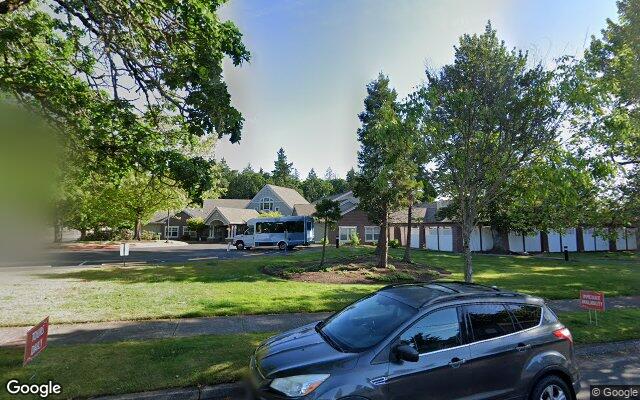
© Google Street View
Compared to 38 Oregon facilities with a similar number of beds.
ALF memory care · 36-month window. Higher percentile = better performance on inspection record. Source: Oregon Dept. of Human Services · Long-Term Care Licensing.
Rankings based on 36-month OR-DHS inspection data. Severity and frequency: fewer citations = higher percentile. Repeat rate: lower repeat citation share = higher percentile.
Citation history, plotted month by month.
10 deficiencies on record. Each bar is a month with a citation.
Finding distribution
10 total · 36 monthsScope × Severity (CMS A–L)
Every inspection visit, verbatim.
3 inspections in the public record, most recent first. Plain-language summaries open first — click into any row for the full citation text.
2025-07-02Annual Compliance VisitOR-cited · 5 findings
Plain-language summary
During a re-licensure inspection on June 30 and July 2, 2025, Harmony House of Salem was found to have failed to include specific parameters on medication administration records for when to give as-needed pain and psychiatric medications to one resident, failed to maintain safe exterior pathways free of tripping hazards in the courtyard, and failed to develop individualized activity plans based on proper evaluations for both residents sampled. The facility acknowledged these findings and committed to implementing corrective measures. These violations relate to medication management, facility safety, and activity services required under Oregon memory care licensing rules.
Read full citation text (5)Hide full citation text
“Based on interview and record review, it was determined the facility failed to ensure MARs included resident-specific parameters for PRN medications for 1 of 2 sampled residents (# 2) whose medications were reviewed. Findings include, but are not limited to: Resident 2 was admitted to the facility in 02/2025 with diagnoses including Alzheimer's disease, depression, and traumatic brain injury. Review of Resident 2’s MAR, dated 06/01/25 through 06/30/25, revealed the following: Two PRN pain medications, acetaminophen and morphine, and two PRN psychotropics, lorazepam (for “restlessness and anxiety”) and haloperidol (for “agitation”), lacked specific parameters on when to administer, and for sequential order of use. On 07/02/25, the need to ensure MARs included clear resident-specific parameters for PRN medications was discussed with Staff 1 (ED) and Staff 2 (Assistant Administrator). They acknowledged the findings. Harmony House of Salem will implement the following:”
“Based on observation and interview, it was determined the facility failed to ensure all exterior pathways were made of hard, smooth material, and maintained in good repair. Findings include, but are not limited to: On 06/30/2025, a tour of the facility courtyard identified uneven exterior cement pathways. These uneven pathways created tripping hazards for residents. On 07/01/2025, the need to ensure exterior pathways were made of hard, smooth material, and maintained in good repair was discussed with Staff 1 (ED). She acknowledged the findings. Harmony House of Salem will implement the following:”
“Based on interview and record review, it was determined the facility failed to follow licensing rules for Residential Care and Assisted Living Facilities. Findings include, but are not limited to: Refer to C510. Refer to C520 OAR 411-057-0140(2) Administration Compliance (2) The licensee of a memory care community must comply with both the licensing rules for the facility and Chapter 411, Division 57. This Rule is not met as evidenced by:”
“Based on observation, interview and record review, it was determined the facility failed to provide health care services in accordance with the licensing rules for Residential Care and Assisted Living Facilities. Findings include, but are not limited to: Refer to C310. Refer to C310 OAR 411-057-0160(2b) Compliance with Rules Health Care (b) Health care services provided in accordance with the licensing rules of the facility. This Rule is not met as evidenced by:”
“based on their activity evaluation. The plan must reflect the resident ' s activity preferences and needs. (C) A selection of daily structured and non-structured activities must be provided and included on the resident ' s activity service or care plan as appropriate. Daily activity options based on resident evaluation may include but are not limited to: (i) Occupation or chore related tasks; (ii) Scheduled and planned events (e.g. entertainment, outings); (iii) Spontaneous activities for enjoyment or those that may help diffuse a behavior; (iv) One to one activities that encourage positive relationships between residents and staff (e.g. life story, reminiscing, music); (v) Spiritual, creative, and intellectual activities; (vi) Sensory stimulation activities; (vii) Physical activities that enhance or maintain a resident ' s ability to ambulate or move; and (viii) Outdoor activities. This Rule is not met as evidenced by: Based on interview and record review, it was determined the facility failed to evaluate residents for activities and develop individualized activity plans based on the evaluation for 2 of 2 sampled residents (#s 1 and 2) whose records were reviewed. Findings include, but are not limited to: Review of Resident 1 and 2’s most recent service plans and evaluations revealed the following: a. The service plans lacked individualized plans for meaningful activities that promoted the physical and emotional well-being of the residents, and were person-directed; and b. The activity evaluations failed to address one or more of the following required elements: * Past and current interests; * Current abilities and skills; * Emotional and social needs and patterns; * Physical abilities and limitations; * Adaptations necessary for the resident to participate; and * Activities for behavior interventions. On 07/02/25, the lack of individualized activity plans that were based on an activity evaluation and addressed all required elements was discussed with Staff 1 (ED) and Staff 2 (Assistant Administrator). They acknowledged the findings. Harmony House of Salem will implement the following:”
Read raw inspector notesClose inspector notes
Based on interview and record review, it was determined the facility failed to ensure MARs included resident-specific parameters for PRN medications for 1 of 2 sampled residents (# 2) whose medications were reviewed. Findings include, but are not limited to: Resident 2 was admitted to the facility in 02/2025 with diagnoses including Alzheimer's disease, depression, and traumatic brain injury. Review of Resident 2’s MAR, dated 06/01/25 through 06/30/25, revealed the following: Two PRN pain medications, acetaminophen and morphine, and two PRN psychotropics, lorazepam (for “restlessness and anxiety”) and haloperidol (for “agitation”), lacked specific parameters on when to administer, and for sequential order of use. On 07/02/25, the need to ensure MARs included clear resident-specific parameters for PRN medications was discussed with Staff 1 (ED) and Staff 2 (Assistant Administrator). They acknowledged the findings. Harmony House of Salem will implement the following: Based on observation and interview, it was determined the facility failed to ensure all exterior pathways were made of hard, smooth material, and maintained in good repair. Findings include, but are not limited to: On 06/30/2025, a tour of the facility courtyard identified uneven exterior cement pathways. These uneven pathways created tripping hazards for residents. On 07/01/2025, the need to ensure exterior pathways were made of hard, smooth material, and maintained in good repair was discussed with Staff 1 (ED). She acknowledged the findings. Harmony House of Salem will implement the following: Based on interview and record review, it was determined the facility failed to follow licensing rules for Residential Care and Assisted Living Facilities. Findings include, but are not limited to: Refer to C510. Refer to C520 OAR 411-057-0140(2) Administration Compliance (2) The licensee of a memory care community must comply with both the licensing rules for the facility and Chapter 411, Division 57. This Rule is not met as evidenced by: Based on observation, interview and record review, it was determined the facility failed to provide health care services in accordance with the licensing rules for Residential Care and Assisted Living Facilities. Findings include, but are not limited to: Refer to C310. Refer to C310 OAR 411-057-0160(2b) Compliance with Rules Health Care (b) Health care services provided in accordance with the licensing rules of the facility. This Rule is not met as evidenced by: based on their activity evaluation. The plan must reflect the resident ' s activity preferences and needs. (C) A selection of daily structured and non-structured activities must be provided and included on the resident ' s activity service or care plan as appropriate. Daily activity options based on resident evaluation may include but are not limited to: (i) Occupation or chore related tasks; (ii) Scheduled and planned events (e.g. entertainment, outings); (iii) Spontaneous activities for enjoyment or those that may help diffuse a behavior; (iv) One to one activities that encourage positive relationships between residents and staff (e.g. life story, reminiscing, music); (v) Spiritual, creative, and intellectual activities; (vi) Sensory stimulation activities; (vii) Physical activities that enhance or maintain a resident ' s ability to ambulate or move; and (viii) Outdoor activities. This Rule is not met as evidenced by: Based on interview and record review, it was determined the facility failed to evaluate residents for activities and develop individualized activity plans based on the evaluation for 2 of 2 sampled residents (#s 1 and 2) whose records were reviewed. Findings include, but are not limited to: Review of Resident 1 and 2’s most recent service plans and evaluations revealed the following: a. The service plans lacked individualized plans for meaningful activities that promoted the physical and emotional well-being of the residents, and were person-directed; and b. The activity evaluations failed to address one or more of the following required elements: * Past and current interests; * Current abilities and skills; * Emotional and social needs and patterns; * Physical abilities and limitations; * Adaptations necessary for the resident to participate; and * Activities for behavior interventions. On 07/02/25, the lack of individualized activity plans that were based on an activity evaluation and addressed all required elements was discussed with Staff 1 (ED) and Staff 2 (Assistant Administrator). They acknowledged the findings. Harmony House of Salem will implement the following:
2025-05-01Annual Compliance VisitOR-cited · 2 findings
Plain-language summary
A routine kitchen inspection on May 1, 2025 found multiple violations of food sanitation rules, including cabinets needing repair, one non-functional dishwasher, staff not wearing hair restraints or aprons during food service, improperly stored and unlabeled food items, menus not posted for residents, and the person in charge lacking knowledge of required food safety practices including proper reheat temperatures and illness reporting. The facility committed to repairs, staff retraining on hand hygiene and food safety, dating and properly storing all food, posting accurate menus, and conducting weekly monitoring and monthly refresher training on kitchen sanitation.
Read full citation text (2)Hide full citation text
“Based on observation, record review and interview, it was determined the facility failed to maintain the kitchen and food storage areas in good repair and store and serve food in a sanitary manner in accordance with Food Sanitation Rules, OAR 333-150-000. Facility failed to ensure menus were posted for residents. The facility dedicated Person In Charge, did not demonstrate adequate knowledge of areas outlined in Food Sanitation Rules. Findings include, but are not limited to: Observation of the house kitchen on 05/01/25 from 10:45 am thru 1:30 pm revealed the following deficient practices. a. The following areas were identified as needing repair: * Cabinet under microwave with porous wood exposed in shelving. * Cabinet over microwave with damage exposing porous wood areas. * One of two dishwashers was not operational flashing error messages. Staff 2 (Care staff/PIC designee) stated it has been doing that for a while. Staff 2 indicated it had been fixed, but is was not working again and they were down to only one dishwasher. c. Care staff were observed going in and out of kitchen area without hair restraints, without aprons, without washing hands prior to pouring drinks, reaching in refrigerator to gather resident food/beverage items, or handling clean dishes. Care staff did not have aprons or clean barriers to their clothing to protect from possible contamination from care duties during lunch service. Staff serving/dishing out food did not have hair restrained as required. d. Two pans of plated fruits were observed without dates of preparation. e. Sliced cheese was observed stored in refrigerator open to potential contamination. f. Facility weekly menus were not posted for residents to access. The daily menu that was posted was not the food items served to residents. When staff were interviewed, they indicated they did not have the food in house to make what the menu called for. Staff 2 (Designated Person In Charge) acknowledged they did not update the daily menu to notify residents what was being served. g. Staff 2 was not able to effectively demonstrate adequate knowledge of Illnesses and symptoms that would be excludable/reportable per food code. Staff 2 was not able to correctly state the appropriate reheat temperature of food products. Staff 2 was not able to correctly identify the chemical solutions used for dish sanitation in a three compartment sink set up, nor the correct parts per million (PPM) needed for effective sanitation. Staff 2 verified that the majority of food was prepared on night shift by night shift staff members and that other shifts primarily reheated or cooked those items. At 1:00 pm, Staff 1 (Administrator) was interviewed and acknowledged the majority of food preparation occurred on the night shift. Staff 1 acknowledged there was no additional education/training provided to night shift staff on food safety/food sanitation. Staff 1 acknowledged the facility did not have a system or method to validate sufficient Person In Charge knowledge of staff preparing the majority of food for the residents. h. Staff 2 was observed to touch various potentially contaminated surfaces (drawers/handles/personal clothing) and then handle ready to eat food products. No gloves were used when handling ready to eat foods. Staff 2 was not aware that gloves or utensils must be used when handling ready to eat foods. i. Facility did not have a copy of the current food code for PIC or staff with food preparation duties to refer to as required. Staff 1 (Administrator) was not aware of the Food Sanitation Rules document and surveyor assisted the facility in locating and printing a copy for staff reference. In an interview on at 1:30 pm, Surveyor reviewed identified areas with Staff 1 who acknowledged the needed areas of correction. Harmony House will implement the following below: A. All repairs will be repaired. C. All staff have been retrained on universal precautions, wearing aprons and performing hand hygiene. As well as restraining hair back. D. All food items in refrigerators have been dated and labeled. E. Proper storage was bought for cheese slices to prevent contamination. F. All menus are up and avaliable for all residents to see weekly and daily. G. *Proper reheat temperatures; *Illnesses per food code that require exclusion and reporting; *Training on the three sink method and the chemicals used * Person in charge for night shift retrained on Food safety and food sanitation. H. * Staff retrained on contamination. I. * Food sanitation rules were printed and avaliable to all staff. 2. All the above noted areas will be corrected by retraining all staff, having task sheets and material printed available for all staff at all times., and going over Kitchen Sanitation at monthly staff meetings. 3. The areas will be evaluated at least three times a week. 4. The Executive Director and Assistant will be responsible to be sure all corrections are completed and monitored. OAR 411-054-0030 (1)(a) Resident Services Meals, Food Sanitation Rule (1) The residential care or assisted living facility must provide a minimum scope of services as follows: (a) Three daily nutritious, palatable meals with snacks available seven days a week, in accordance with the recommended dietary allowances found in the United States Department of Agriculture (USDA) guidelines, including seasonal fresh fruit and fresh vegetables; (A) Modified special diets that are appropriate to residents' needs and choices. The facility must encourage residents' involvement in developing menus. (B) Menus must be prepared at least one week in advance, and must be made available to all residents. Meal substitutions must be of similar nutritional value if a resident refuses a food that is served. Residents must be informed in advance of menu changes. (C) Food must be prepared and served in accordance with OAR 333-150-0000 (Food Sanitation Rules). This Rule is not met as evidenced by:”
“Based on observations and interviews, it was determined the facility failed to follow licensing rules for Residential Care and Assisted Living Facilities. Findings include, but are not limited to: Refer to C240. Please refer to C0240 OAR 411-057-0140(2) Administration Compliance (2) The licensee of a memory care community must comply with both the licensing rules for the facility and Chapter 411, Division 57. This Rule is not met as evidenced by:”
Read raw inspector notesClose inspector notes
Based on observation, record review and interview, it was determined the facility failed to maintain the kitchen and food storage areas in good repair and store and serve food in a sanitary manner in accordance with Food Sanitation Rules, OAR 333-150-000. Facility failed to ensure menus were posted for residents. The facility dedicated Person In Charge, did not demonstrate adequate knowledge of areas outlined in Food Sanitation Rules. Findings include, but are not limited to: Observation of the house kitchen on 05/01/25 from 10:45 am thru 1:30 pm revealed the following deficient practices. a. The following areas were identified as needing repair: * Cabinet under microwave with porous wood exposed in shelving. * Cabinet over microwave with damage exposing porous wood areas. * One of two dishwashers was not operational flashing error messages. Staff 2 (Care staff/PIC designee) stated it has been doing that for a while. Staff 2 indicated it had been fixed, but is was not working again and they were down to only one dishwasher. c. Care staff were observed going in and out of kitchen area without hair restraints, without aprons, without washing hands prior to pouring drinks, reaching in refrigerator to gather resident food/beverage items, or handling clean dishes. Care staff did not have aprons or clean barriers to their clothing to protect from possible contamination from care duties during lunch service. Staff serving/dishing out food did not have hair restrained as required. d. Two pans of plated fruits were observed without dates of preparation. e. Sliced cheese was observed stored in refrigerator open to potential contamination. f. Facility weekly menus were not posted for residents to access. The daily menu that was posted was not the food items served to residents. When staff were interviewed, they indicated they did not have the food in house to make what the menu called for. Staff 2 (Designated Person In Charge) acknowledged they did not update the daily menu to notify residents what was being served. g. Staff 2 was not able to effectively demonstrate adequate knowledge of Illnesses and symptoms that would be excludable/reportable per food code. Staff 2 was not able to correctly state the appropriate reheat temperature of food products. Staff 2 was not able to correctly identify the chemical solutions used for dish sanitation in a three compartment sink set up, nor the correct parts per million (PPM) needed for effective sanitation. Staff 2 verified that the majority of food was prepared on night shift by night shift staff members and that other shifts primarily reheated or cooked those items. At 1:00 pm, Staff 1 (Administrator) was interviewed and acknowledged the majority of food preparation occurred on the night shift. Staff 1 acknowledged there was no additional education/training provided to night shift staff on food safety/food sanitation. Staff 1 acknowledged the facility did not have a system or method to validate sufficient Person In Charge knowledge of staff preparing the majority of food for the residents. h. Staff 2 was observed to touch various potentially contaminated surfaces (drawers/handles/personal clothing) and then handle ready to eat food products. No gloves were used when handling ready to eat foods. Staff 2 was not aware that gloves or utensils must be used when handling ready to eat foods. i. Facility did not have a copy of the current food code for PIC or staff with food preparation duties to refer to as required. Staff 1 (Administrator) was not aware of the Food Sanitation Rules document and surveyor assisted the facility in locating and printing a copy for staff reference. In an interview on at 1:30 pm, Surveyor reviewed identified areas with Staff 1 who acknowledged the needed areas of correction. Harmony House will implement the following below: A. All repairs will be repaired. C. All staff have been retrained on universal precautions, wearing aprons and performing hand hygiene. As well as restraining hair back. D. All food items in refrigerators have been dated and labeled. E. Proper storage was bought for cheese slices to prevent contamination. F. All menus are up and avaliable for all residents to see weekly and daily. G. *Proper reheat temperatures; *Illnesses per food code that require exclusion and reporting; *Training on the three sink method and the chemicals used * Person in charge for night shift retrained on Food safety and food sanitation. H. * Staff retrained on contamination. I. * Food sanitation rules were printed and avaliable to all staff. 2. All the above noted areas will be corrected by retraining all staff, having task sheets and material printed available for all staff at all times., and going over Kitchen Sanitation at monthly staff meetings. 3. The areas will be evaluated at least three times a week. 4. The Executive Director and Assistant will be responsible to be sure all corrections are completed and monitored. OAR 411-054-0030 (1)(a) Resident Services Meals, Food Sanitation Rule (1) The residential care or assisted living facility must provide a minimum scope of services as follows: (a) Three daily nutritious, palatable meals with snacks available seven days a week, in accordance with the recommended dietary allowances found in the United States Department of Agriculture (USDA) guidelines, including seasonal fresh fruit and fresh vegetables; (A) Modified special diets that are appropriate to residents' needs and choices. The facility must encourage residents' involvement in developing menus. (B) Menus must be prepared at least one week in advance, and must be made available to all residents. Meal substitutions must be of similar nutritional value if a resident refuses a food that is served. Residents must be informed in advance of menu changes. (C) Food must be prepared and served in accordance with OAR 333-150-0000 (Food Sanitation Rules). This Rule is not met as evidenced by: Based on observations and interviews, it was determined the facility failed to follow licensing rules for Residential Care and Assisted Living Facilities. Findings include, but are not limited to: Refer to C240. Please refer to C0240 OAR 411-057-0140(2) Administration Compliance (2) The licensee of a memory care community must comply with both the licensing rules for the facility and Chapter 411, Division 57. This Rule is not met as evidenced by:
2024-03-14Annual Compliance VisitOR-cited · 3 findings
Plain-language summary
A routine kitchen inspection on March 14, 2024 found multiple violations of food sanitation and facility licensing rules, including inadequate cleaning of kitchen surfaces and equipment, failure to date opened food items, storage of expired yogurt, staff eating and drinking in food preparation areas, kitchen staff with long nails who did not wear gloves while preparing food, use of an unvalidated quick-cycle dish machine, and ineffective sanitizing of equipment between uses. A follow-up inspection on May 15, 2024 determined the facility was in substantial compliance with applicable rules.
Read full citation text (3)Hide full citation text
“The findings of the kitchen inspection, conducted 03/14/24, are documented in this report. The survey was conducted to determine compliance with the OARs 411-054-0030 for Residential Care and Assisted Living Facilities for Resident Services- Meals, and Oregon Health Service Food Sanitation Rules OARs 333-150-0000. The findings of the kitchen inspection, conducted 03/14/24, are documented in this report. The survey was conducted to determine compliance with the OARs 411-054-0030 for Residential Care and Assisted Living Facilities for Resident Services- Meals, and Oregon Health Service Food Sanitation Rules OARs 333-150-0000. The findings of the first revisit to the kitchen inspection of 03/14/24, conducted 05/15/24, are documented in this report. It was determined the facility was in substantial compliance with the OARs 411-054-0030 for Residential Care and Assisted Living Facilities for Resident Services- Meals, and Oregon Health Service Food Sanitation Rules OARs 333-150-0000. The findings of the first revisit to the kitchen inspection of 03/14/24, conducted 05/15/24, are documented in this report. It was determined the facility was in substantial compliance with the OARs 411-054-0030 for Residential Care and Assisted Living Facilities for Resident Services- Meals, and Oregon Health Service Food Sanitation Rules OARs 333-150-0000.”
“Based on observation and interview, it was determined the facility failed to ensure the kitchen was clean and in good repair, and food and/or equipment was stored appropriately in accordance with the Food Sanitation Rules OARs 333-150-0000. Findings include, but are not limited to: On 03/14/24 at 10:30 am through 1:00 pm, the facility kitchen was observed to need cleaning in the following areas: * Interior of microwave; * Stove top; * Stove vent hood; * Crock pot; * Walls behind counters/food prep areas; * Interior of drawers; * Floor in pantry in garage; and * Interior of cabinet with trash can. The following areas failed to meet the food code standards: * Bulk containers containing ice had scoop stored in the product; * Staff food stored with resident food in refrigerator; * Multiple food items were not dated when opened as required; * Multiple containers of yogurt were past their use by dates; * Staff were observed eating and drinking in food preparation space; * Kitchen staff observed with long nails and did not wear gloves while preparing or serving food as required; * Staff were operating dish machine on the quick cycle and that cycle had not been validated to effectively sanitize dishes; and * Kitchen staff observed to rinse dome cover for room delivery and serve to another resident not effectively sanitizing between as required. Upon interview with Staff 1 (Executive Director) it was determined that the majority of food preparation occurred on night shifts. Other facility staff then warmed the food or finished cooking the food for the meals for the day. Facility staff were not able to correctly identify the reheat temperature requirement of 165 degrees. Staff 1 validated that they were designated as person in charge. Staff 1 acknowledged the staff on night shift did not have any additional knowledge base to validate person in charge knowledge needs or responsibilities. At approximately 1:00 pm, areas needing cleaning, repair and correction were reviewed with Staff 1 (Administrator), they acknowledged the identified areas. Based on observation and interview, it was determined the facility failed to ensure the kitchen was clean and in good repair, and food and/or equipment was stored appropriately in accordance with the Food Sanitation Rules OARs 333-150-0000. Findings include, but are not limited to: On 03/14/24 at 10:30 am through 1:00 pm, the facility kitchen was observed to need cleaning in the following areas: * Interior of microwave; * Stove top; * Stove vent hood; * Crock pot; * Walls behind counters/food prep areas; * Interior of drawers; * Floor in pantry in garage; and * Interior of cabinet with trash can. The following areas failed to meet the food code standards: * Bulk containers containing ice had scoop stored in the product; * Staff food stored with resident food in refrigerator; * Multiple food items were not dated when opened as required; * Multiple containers of yogurt were past their use by dates; * Staff were observed eating and drinking in food preparation space; * Kitchen staff observed with long nails and did not wear gloves while preparing or serving food as required; * Staff were operating dish machine on the quick cycle and that cycle had not been validated to effectively sanitize dishes; and * Kitchen staff observed to rinse dome cover for room delivery and serve to another resident not effectively sanitizing between as required. Upon interview with Staff 1 (Executive Director) it was determined that the majority of food preparation occurred on night shifts. Other facility staff then warmed the food or finished cooking the food for the meals for the day. Facility staff were not able to correctly identify the reheat temperature requirement of 165 degrees. Staff 1 validated that they were designated as person in charge. Staff 1 acknowledged the staff on night shift did not have any additional knowledge base to validate person in charge knowledge needs or responsibilities. At approximately 1:00 pm, areas needing cleaning, repair and correction were reviewed with Staff 1 (Administrator), they acknowledged the identified areas.”
“Based on observation, record review, and interview, it was determined the facility failed to follow licensing rules for Residential Care and Assisted Living Facilities. Findings include, but are not limited to: Refer to C 240. Based on observation, record review, and interview, it was determined the facility failed to follow licensing rules for Residential Care and Assisted Living Facilities. Findings include, but are not limited to: Refer to C 240. Refer to page 1 for corrections for C240. Refer to page 1 for corrections for C240. There are no detail notes for this visit.”
Read raw inspector notesClose inspector notes
The findings of the kitchen inspection, conducted 03/14/24, are documented in this report. The survey was conducted to determine compliance with the OARs 411-054-0030 for Residential Care and Assisted Living Facilities for Resident Services- Meals, and Oregon Health Service Food Sanitation Rules OARs 333-150-0000. The findings of the kitchen inspection, conducted 03/14/24, are documented in this report. The survey was conducted to determine compliance with the OARs 411-054-0030 for Residential Care and Assisted Living Facilities for Resident Services- Meals, and Oregon Health Service Food Sanitation Rules OARs 333-150-0000. The findings of the first revisit to the kitchen inspection of 03/14/24, conducted 05/15/24, are documented in this report. It was determined the facility was in substantial compliance with the OARs 411-054-0030 for Residential Care and Assisted Living Facilities for Resident Services- Meals, and Oregon Health Service Food Sanitation Rules OARs 333-150-0000. The findings of the first revisit to the kitchen inspection of 03/14/24, conducted 05/15/24, are documented in this report. It was determined the facility was in substantial compliance with the OARs 411-054-0030 for Residential Care and Assisted Living Facilities for Resident Services- Meals, and Oregon Health Service Food Sanitation Rules OARs 333-150-0000. Based on observation and interview, it was determined the facility failed to ensure the kitchen was clean and in good repair, and food and/or equipment was stored appropriately in accordance with the Food Sanitation Rules OARs 333-150-0000. Findings include, but are not limited to: On 03/14/24 at 10:30 am through 1:00 pm, the facility kitchen was observed to need cleaning in the following areas: * Interior of microwave; * Stove top; * Stove vent hood; * Crock pot; * Walls behind counters/food prep areas; * Interior of drawers; * Floor in pantry in garage; and * Interior of cabinet with trash can. The following areas failed to meet the food code standards: * Bulk containers containing ice had scoop stored in the product; * Staff food stored with resident food in refrigerator; * Multiple food items were not dated when opened as required; * Multiple containers of yogurt were past their use by dates; * Staff were observed eating and drinking in food preparation space; * Kitchen staff observed with long nails and did not wear gloves while preparing or serving food as required; * Staff were operating dish machine on the quick cycle and that cycle had not been validated to effectively sanitize dishes; and * Kitchen staff observed to rinse dome cover for room delivery and serve to another resident not effectively sanitizing between as required. Upon interview with Staff 1 (Executive Director) it was determined that the majority of food preparation occurred on night shifts. Other facility staff then warmed the food or finished cooking the food for the meals for the day. Facility staff were not able to correctly identify the reheat temperature requirement of 165 degrees. Staff 1 validated that they were designated as person in charge. Staff 1 acknowledged the staff on night shift did not have any additional knowledge base to validate person in charge knowledge needs or responsibilities. At approximately 1:00 pm, areas needing cleaning, repair and correction were reviewed with Staff 1 (Administrator), they acknowledged the identified areas. Based on observation and interview, it was determined the facility failed to ensure the kitchen was clean and in good repair, and food and/or equipment was stored appropriately in accordance with the Food Sanitation Rules OARs 333-150-0000. Findings include, but are not limited to: On 03/14/24 at 10:30 am through 1:00 pm, the facility kitchen was observed to need cleaning in the following areas: * Interior of microwave; * Stove top; * Stove vent hood; * Crock pot; * Walls behind counters/food prep areas; * Interior of drawers; * Floor in pantry in garage; and * Interior of cabinet with trash can. The following areas failed to meet the food code standards: * Bulk containers containing ice had scoop stored in the product; * Staff food stored with resident food in refrigerator; * Multiple food items were not dated when opened as required; * Multiple containers of yogurt were past their use by dates; * Staff were observed eating and drinking in food preparation space; * Kitchen staff observed with long nails and did not wear gloves while preparing or serving food as required; * Staff were operating dish machine on the quick cycle and that cycle had not been validated to effectively sanitize dishes; and * Kitchen staff observed to rinse dome cover for room delivery and serve to another resident not effectively sanitizing between as required. Upon interview with Staff 1 (Executive Director) it was determined that the majority of food preparation occurred on night shifts. Other facility staff then warmed the food or finished cooking the food for the meals for the day. Facility staff were not able to correctly identify the reheat temperature requirement of 165 degrees. Staff 1 validated that they were designated as person in charge. Staff 1 acknowledged the staff on night shift did not have any additional knowledge base to validate person in charge knowledge needs or responsibilities. At approximately 1:00 pm, areas needing cleaning, repair and correction were reviewed with Staff 1 (Administrator), they acknowledged the identified areas. Based on observation, record review, and interview, it was determined the facility failed to follow licensing rules for Residential Care and Assisted Living Facilities. Findings include, but are not limited to: Refer to C 240. Based on observation, record review, and interview, it was determined the facility failed to follow licensing rules for Residential Care and Assisted Living Facilities. Findings include, but are not limited to: Refer to C 240. Refer to page 1 for corrections for C240. Refer to page 1 for corrections for C240. There are no detail notes for this visit.
2 older inspections from 2022 are not shown above.
Get the complete record, translated into plain language — emailed to you.
Other facilities in Marion County.
Other memory care facilities in Marion County with similar care offerings.

Contract Decoder
Family reviews
No reviews yet — be the first to share your experience
Other memory care options nearby.
More options in neighboring cities
Licensed memory care in other cities within this county region — useful when your search radius crosses city limits.