Heritage House of Woodburn.

A medium home, reviewed on public record.
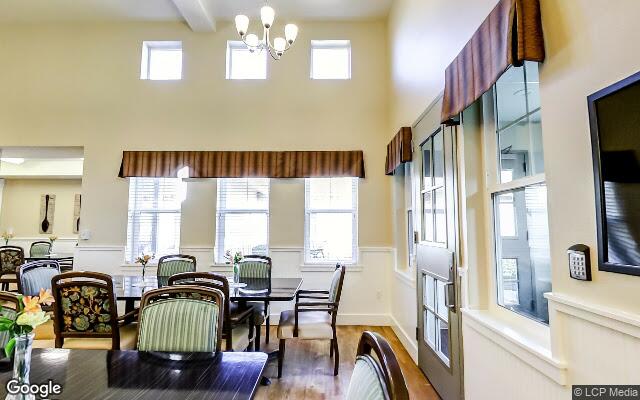
© Google Street View
Compared to 38 Oregon facilities with a similar number of beds.
ALF memory care · 36-month window. Higher percentile = better performance on inspection record. Source: Oregon Dept. of Human Services · Long-Term Care Licensing.
among peers to rank.
Rankings based on 36-month OR-DHS inspection data. Severity and frequency: fewer citations = higher percentile. Repeat rate: lower repeat citation share = higher percentile.
Citation history, plotted month by month.
17 deficiencies on record. Each bar is a month with a citation.
Finding distribution
17 total · 36 monthsScope × Severity (CMS A–L)
Every inspection visit, verbatim.
3 inspections in the public record, most recent first. Plain-language summaries open first — click into any row for the full citation text.
2025-07-17Annual Compliance VisitOR-cited · 11 findings
Plain-language summary
During a re-licensure inspection in July 2025, inspectors found the facility failed to maintain current service plans reflecting residents' needs and failed to timely assess a resident's significant change in condition despite documented severe weight loss of 31 pounds over six months; the resident's nursing assessment for this weight loss was not completed until six days after a second severe weight loss was identified, and staff were not documented as providing ordered nutritional interventions such as protein shakes. Inspectors also identified failures in infection prevention protocols during dining and personal care services, and failures to establish written parameters and document non-pharmacological interventions before administering PRN psychotropic medications.
Read full citation text (11)Hide full citation text
“Based on the resident evaluation performed before move-in, an initial service plan must be developed before move-in that reflects the identified needs and preferences of the resident. (b) The initial service plan must be reviewed within 30-days of movein to ensure that any changes made to the plan during the initial 30- days, accurately reflect the resident's needs and preferences. (c) Staff must document and date adjustments or changes as applicable. (4) QUARTERLY SERVICE PLAN REQUIREMENTS. (a) Service plans must be completed quarterly after the resident moves into the facility. (b) The quarterly evaluation is the basis of the resident's quarterly service plan. (c) If the resident's service plan is revised and updated at the quarterly review, changes must be dated and initialed, and prior historical information must be maintained. This Rule is not met as evidenced by: Based on observation, interview, and record review, it was determined the facility failed to ensure service plans were reflective of residents’ current status and care needs and provided clear direction to staff regarding the delivery of services for 2 of 2 sampled residents (#s 1 and 2) whose service plans were reviewed. Findings include, but are not limited to:”
“Based on observation, interview, and record review, it was determined the facility failed to ensure an RN assessment was completed in a timely manner for a significant change of condition for 1 of 1 sampled resident (#2) reviewed with weight loss. Resident 2 continued to lose weight. Findings include, but are not limited to: Resident 2 was admitted to the facility in 10/2024 with diagnoses including Alzheimer’s disease. During the acuity interview on 07/14/25, staff indicated Resident 2 was on hospice and had experienced significant weight loss within the last 90 days, The resident’s progress notes and temporary service plans (TSPs), dated 04/15/25 through 07/09/25, were reviewed, as well as weight loss records from 01/03/25 through 07/04/25. Observations were made of the resident, and staff were interviewed. The resident’s weight records indicated the following: * 01/03/25 – the resident weighed 141.5 pounds; * 06/03/25 – the resident weighed 114.5 pounds; and * 07/04/25 – the resident weighed 110.4 pounds. Between 01/03/25 and 06/03/25, the resident lost 27 pounds, or 19.08% of his/her total body weight, in five months. This constituted a severe weight loss and a significant change of condition. There was no documented evidence a significant change of condition assessment was completed by the RN. The resident continued to lose weight. A temporary service plan (TSP) dated 06/04/25 instructed staff to “encourage and assist with meals as needed or tolerated. Staff are to encourage a protein shake with all meals.” There was no documented evidence staff were providing protein shakes to the resident with meals. Between 06/03/25 and 07/04/25, the resident lost another 4.1 pounds. This was a total loss of 31.1 pounds between 01/03/25 and 07/04/25, or 21.97% of his/her total body weight. This constituted a severe weight loss. In an interview on 07/15/25 at 7:50 am, Staff 1 (ED) reported the RN had “overlooked” the need for a significant change of condition assessment after being notified when the resident’s weight loss was first identified on 06/04/25. Further weight loss was identified on 07/04/25, the RN was notified, and a significant change of condition assessment was completed and signed on 07/10/25. In that assessment, the RN incorrectly documented the resident had gained 4.1 pounds in one month. Survey requested the resident be weighed on 07/15/25. At 8:10 am, the resident’s weight was documented as 114.1 pounds, a gain of 3.7 pounds since 07/04/25. During the survey the resident was observed to begin eating lunch independently on 07/14/25. The resident was able to take a few bites but then appeared to be unable to cut up the food, at which time Staff 5 (MT/CG) began to assist the resident with eating. Resident 2 ate 100% of his/her lunch with staff assistance. In interviews on 07/14/25 and 07/15/25, Staff 4 (MT) and Staff 9 (MT/CG) indicated they had noticed Resident 2 losing weight in the last few months based on how his/her clothing fit. On 07/15/25 at 1:25 pm, Staff 4 (MT) reported Resident 2 ate 100% of his/her breakfast and approximately 75% of his/her lunch. When asked if the resident was provided with a protein shake after lunch, Staff 4 stated she was unsure if there were protein shakes for the resident. She indicated protein shakes were not on the resident’s MAR. The resident experienced severe and ongoing weight loss, with no documented evidence staff were assisting the resident with meals or providing protein shakes as noted in the 06/04/25 TSP. The RN significant change of condition assessment was completed and signed six days after the second identified severe weight loss. The need for all significant changes of condition to be assessed by an RN in a timely manner was discussed with Staff 1 (ED) on 07/16/25 at 1:05 pm and with Staff 1 and Staff 3 (VP of Operations) on 07/17/25 at 8:32 am. Staff acknowledged the findings. Heritage House of Woodburn will implement the following:”
“Based on observation and interview, it was determined the facility failed to maintain infection prevention and control protocols for 2 of 2 sampled residents and multiple unsampled residents related to dining services and 1 of 2 sampled residents (# 2) who were dependent on staff for ADL care. Findings include, but are not limited to:”
“Based on interview and record review, it was determined the facility failed to ensure there were written, resident-specific parameters for PRN psychotropic medication and failed to document non-pharmacological interventions as ineffective prior to administering a PRN psychotropic for 1 of 1 sampled resident (#2) who was prescribed PRN psychotropics. Findings include, but are not limited to: Resident 2 was admitted to the MCC in 10/2024 with diagnoses including Alzheimer’s disease and anxiety disorder. The resident’s 07/01/25 through 07/14/25 MAR and physician orders were reviewed, and staff were interviewed. The resident had two PRN psychotropic medication prescriptions: * Haloperidol lactate 2 mg/ml solution, 2.5 ml every two hours as needed for anxiety, agitation, and restlessness; and * Lorazepam 1 mg tablet, one tablet every two hours as needed for agitation, anxiety, and restlessness not relieved by haloperidol. There were no resident-specific parameters related to how the resident exhibited anxiety, agitation, and restlessness, nor were there non-pharmacological interventions listed on the resident’s MAR. There was no documented evidence staff had attempted non-pharmacological interventions and documented them as being ineffective prior to administering the PRN psychotropic medications. In an interview on 07/15/25 at 8:15 am, Staff 1 (ED) verified there were no resident-specific parameters or non-pharmacological interventions for the two PRN psychotropic medications on the MAR. Staff 1 stated the non-pharmacological interventions had been on the MAR in the past, but had not been re-entered when a new prescription was entered on the MAR by the RN. The need to ensure all PRN psychotropics on the resident’s MAR included resident-specific parameters and non-pharmacological interventions to attempt prior to administering the PRN psychotropic was discussed with Staff 1 (ED) on 07/16/25 at 1:05 pm. She acknowledged the findings. Heritage House of Woodburn will implement the following: 1.Correct interventions were placed in EMAR for staff to sign and in the care plan with detailed steps to try before use of behavioral medication. 2. Staff will be retrained on correct documentation with use of medication, and supplemental documentation was added and that will trigger for interventions to be charted before giving medication. 3. Executive Director and Assistant Executive Director and Nurse will review weekly for PRN use to ensure it is being used correctly and documentation is correct. 4.Executive Director And Assistant Executive Director will be responsible for weekly monitoring of PRN use. OAR 411-054-0055 (6) Systems: Psychotropic Medication (6) PSYCHOTROPIC MEDICATION. Psychotropic medications may be used only pursuant to a prescription that specifies the circumstances, dosage and duration of use.(a) Facility administered psychotropic medications may be used only when required to treat a resident's medical symptoms or to maximize a resident's functioning.(b) The facility must not request psychotropic medication to treat a resident's behavioral symptoms without a consultation from a physician, nurse practitioner, registered nurse, or mental health professional. This does not apply when a resident is enrolled in a hospice program as defined in OAR 333-035-0050.(c) Prior to requesting a psychotropic medication, the facility must demonstrate through the evaluation and service planning process that non-pharmacological interventions have been attempted.(d) Prior to administering any psychotropic medications to treat a resident's behavior, all direct care staff administering medications for the resident must know:(A) The specific reasons for the use of the psychotropic medication for that resident.(B) The common side effects of the medications.(C) When to contact a health professional regarding side effects.(e) When a psychotropic medication is ordered by a health care practitioner other than the resident's primary care provider, the facility is responsible for notifying the resident's primary care provider of that medication order within 72 hours of when the facility was notified of the order. This includes weekends and holidays. Notification may be either by telephone or electronic submission and should be documented by the facility.(f) Medications that are administered p.r.n. that are given to treat a resident's behavior must have written, resident-specific parameters.(A) These p.r.n. medications may be used only after documented; non-pharmacological interventions have been tried with ineffective results.(B) All direct care staff must have knowledge of non-pharmacological interventions.(g) Psychotropic medications must not be given to discipline a resident, or for the convenience of the facility. This Rule is not met as evidenced by:”
“Based on observation, interview and record review, it was determined the facility failed to ensure an RN, PT, or OT had conducted a thorough assessment of all supportive devices with restraining qualities for 1 of 1 sampled resident (#2) who had a supportive device. Findings include, but are not limited to: Resident 2 was admitted to the MCC in 10/2024 with diagnoses including Alzheimer’s disease and anxiety disorder. The resident’s clinical record was reviewed, observations of the resident were made, and staff were interviewed. The following was identified: * The resident’s current service plan, most recently updated on 07/10/25, indicated the resident used a tilt back wheelchair; * The resident was observed to be escorted to and from meals in the tilt back wheelchair. There was no documented evidence a thorough assessment of the tilt back wheelchair had been conducted by an RN, PT, or OT. In an interview on 07/16/25 at 9:05 am, Staff 1 (ED) reported the tilt back wheelchair was no longer being tilted back when the resident was using it and verified there was no assessment of the tilt back wheelchair completed by an RN, PT, or OT. The need for an RN, PT, or OT to thoroughly assess all supportive devices with restraining qualities was discussed with Staff 1 on 07/16/25 at 1:05 pm. She acknowledged the findings. Staff 1 provided an assessment of the tilt back wheelchair completed by the RN on 07/16/25, and stated she had ordered a new, non-tilt back wheelchair for the resident which was to be delivered later that day. Heritage House of Woodburn will implement the Following:”
“based on acuity, complaint investigation or survey inspection.(e) Based on resident acuity and facility structural design there must be adequate direct care staff present at all times, to meet the fire safety evacuation standards as required by the fire authority or the Department.(f) The licensee is responsible for assuring that staffing is increased to compensate for the evaluated care and service needs of residents at move-in and for the changing physical or mental needs of the residents.(g) A minimum of two direct care staff must be scheduled and available at all times whenever a resident requires the assistance of two direct care staff for scheduled and unscheduled needs.(h) In facilities where residents are hosed in two or more detached buildings, or if a building has distinct and segregated areas, a designated caregiver must be awake and available in each building and each segregated area at all times.(i) Facilities must have a written, defined system to determine appropriate numbers of direct care staff and general staffing based on resident acuity and service needs. Such systems may be either manual or electronic.(A) Guidelines for systems must also consider physical elements of a building, use of technology if applicable and staff experience.(B) Facilities must be able to demonstrate how their staffing systems work. This Rule is not met as evidenced by: Based on observation, interview, and record review, it was determined the facility failed to have qualified awake direct care staff, sufficient in number to meet the 24-hour scheduled and unscheduled needs of each resident during the overnight shifts, based on resident acuity. Findings include, but are not limited to: During the acuity interview at 9:45 am on 07/14/25 and other staff interviews throughout the survey, the following was noted: * The facility was a licensed MCC with a current census of 15 residents; * Two residents required a two-person assist to transfer; * Observations of the community, conducted from 07/14/25 to 07/17/25, revealed multiple sampled and unsampled residents used wheelchairs for mobility; and * Seven residents required two-person assist for behavioral symptoms. Review of staffing schedules from 07/07/25 through 07/13/25 revealed the facility staffed two Universal Workers on the overnight shifts from 07/07/25 through 07/13/25. The overnight shift staffing from 07/07/25 through 07/13/25 was insufficient to meet the unscheduled needs for multiple sampled and unsampled residents based on their acuity. The need to have a sufficient number of direct care staff to meet the scheduled and unscheduled needs of the residents was discussed with Staff 1 (ED) on 07/17/25 at 10:15 am. She acknowledged the findings.”
“Based on interview and record review, it was determined the facility failed to ensure residents were instructed in fire and life safety procedures at lease annually. Findings include, but are not limited to: Facility fire and life safety records were reviewed on 07/14/25. The facility lacked documented evidence residents were instructed in general safety procedures, evacuation methods, and responsibilities at least annually. The need to ensure residents were instructed in fire and life safety procedures at least annually, was discussed with Staff 1 (ED) on 07/16/25 at 2:15 pm. She acknowledged the findings. Heritage House of Woodburn will implement the following:”
“Based on observation, interview, and record review, it was determined the facility failed to ensure all individuals had the right to freedom from restraints. Findings include, but are not limited to the following: Refer to C340. Refer to C340 OAR411-004-0020(1)(d) Individual Rights Settings Right to Freedom (1) Residential and non-residential HCB settings must have all of the following qualities: (d) The setting ensures the individual the right to freedom from restraints, except in accordance with the standards set forth in ORS 443.739, OAR chapters 309 and 411, 1915(c) HCBS Waivers, 1915(i) State Plan HCBS, or 1915(k) Community First Choice (K State Plan Option). When the right to freedom from restraints must be limited due to a threat to the health and safety of an individual or others, an individually-based limitation as described in OAR 411-004-0040 must apply in any residential or non-residential setting. This Rule is not met as evidenced by:”
“Based on observation, interview, and record review, it was determined the facility failed to follow licensing rules for Residential Care and Assisted Living Facilities. Findings include, but are not limited to: Refer to C295, C360, and C422. Refer to C280 OAR 411-057-0140(2) Administration Compliance (2) The licensee of a memory care community must comply with both the licensing rules for the facility and Chapter 411, Division 57. This Rule is not met as evidenced by:”
“Based on observation, interview, and record review, it was determined the facility failed to provide health care services in accordance with the licensing rules for Residential Care and Assisted Living Facilities. Findings include, but are not limited to: Refer to C260, C280, C330, and C340. Refer to C260, C280, C330, and C340. OAR 411-057-0160(2b) Compliance with Rules Health Care (b) Health care services provided in accordance with the licensing rules of the facility. This Rule is not met as evidenced by:”
“based on their activity evaluation. The plan must reflect the resident ' s activity preferences and needs. (C) A selection of daily structured and non-structured activities must be provided and included on the resident ' s activity service or care plan as appropriate. Daily activity options based on resident evaluation may include but are not limited to: (i) Occupation or chore related tasks; (ii) Scheduled and planned events (e.g. entertainment, outings); (iii) Spontaneous activities for enjoyment or those that may help diffuse a behavior; (iv) One to one activities that encourage positive relationships between residents and staff (e.g. life story, reminiscing, music); (v) Spiritual, creative, and intellectual activities; (vi) Sensory stimulation activities; (vii) Physical activities that enhance or maintain a resident ' s ability to ambulate or move; and (viii) Outdoor activities. This Rule is not met as evidenced by: Based on interview and record review, it was determined the facility failed to evaluate the resident for activities and develop an individualized activity plan based on their activity evaluation, for 1 of 2 sampled residents (# 2) whose records were reviewed. Findings include, but are not limited to: Resident 2’s activity evaluation and service plan were reviewed. Though the activity evaluation offered some information about the residents’ past and current interests and included activities that could be used as behavioral interventions, the facility had not evaluated the resident’s: * Current abilities and skills; * Emotional and social needs and patterns; * Physical abilities and limitations; and * Adaptations necessary for participation. There was no individualized activity plan developed for the resident based on their activity evaluation which detailed what, when, how, and how often staff should offer and assist the resident with more individualized activities. The need to complete an activity evaluation which addressed all required elements and for an individualized activity plan to be developed from the evaluation for each resident was discussed with Staff 1 (ED) on 07/17/25 at 1:05 pm. She acknowledged the findings. Heritage House of Woodburn will implement the Following:”
Read raw inspector notesClose inspector notes
Based on the resident evaluation performed before move-in, an initial service plan must be developed before move-in that reflects the identified needs and preferences of the resident. (b) The initial service plan must be reviewed within 30-days of movein to ensure that any changes made to the plan during the initial 30- days, accurately reflect the resident's needs and preferences. (c) Staff must document and date adjustments or changes as applicable. (4) QUARTERLY SERVICE PLAN REQUIREMENTS. (a) Service plans must be completed quarterly after the resident moves into the facility. (b) The quarterly evaluation is the basis of the resident's quarterly service plan. (c) If the resident's service plan is revised and updated at the quarterly review, changes must be dated and initialed, and prior historical information must be maintained. This Rule is not met as evidenced by: Based on observation, interview, and record review, it was determined the facility failed to ensure service plans were reflective of residents’ current status and care needs and provided clear direction to staff regarding the delivery of services for 2 of 2 sampled residents (#s 1 and 2) whose service plans were reviewed. Findings include, but are not limited to: Based on observation, interview, and record review, it was determined the facility failed to ensure an RN assessment was completed in a timely manner for a significant change of condition for 1 of 1 sampled resident (#2) reviewed with weight loss. Resident 2 continued to lose weight. Findings include, but are not limited to: Resident 2 was admitted to the facility in 10/2024 with diagnoses including Alzheimer’s disease. During the acuity interview on 07/14/25, staff indicated Resident 2 was on hospice and had experienced significant weight loss within the last 90 days, The resident’s progress notes and temporary service plans (TSPs), dated 04/15/25 through 07/09/25, were reviewed, as well as weight loss records from 01/03/25 through 07/04/25. Observations were made of the resident, and staff were interviewed. The resident’s weight records indicated the following: * 01/03/25 – the resident weighed 141.5 pounds; * 06/03/25 – the resident weighed 114.5 pounds; and * 07/04/25 – the resident weighed 110.4 pounds. Between 01/03/25 and 06/03/25, the resident lost 27 pounds, or 19.08% of his/her total body weight, in five months. This constituted a severe weight loss and a significant change of condition. There was no documented evidence a significant change of condition assessment was completed by the RN. The resident continued to lose weight. A temporary service plan (TSP) dated 06/04/25 instructed staff to “encourage and assist with meals as needed or tolerated. Staff are to encourage a protein shake with all meals.” There was no documented evidence staff were providing protein shakes to the resident with meals. Between 06/03/25 and 07/04/25, the resident lost another 4.1 pounds. This was a total loss of 31.1 pounds between 01/03/25 and 07/04/25, or 21.97% of his/her total body weight. This constituted a severe weight loss. In an interview on 07/15/25 at 7:50 am, Staff 1 (ED) reported the RN had “overlooked” the need for a significant change of condition assessment after being notified when the resident’s weight loss was first identified on 06/04/25. Further weight loss was identified on 07/04/25, the RN was notified, and a significant change of condition assessment was completed and signed on 07/10/25. In that assessment, the RN incorrectly documented the resident had gained 4.1 pounds in one month. Survey requested the resident be weighed on 07/15/25. At 8:10 am, the resident’s weight was documented as 114.1 pounds, a gain of 3.7 pounds since 07/04/25. During the survey the resident was observed to begin eating lunch independently on 07/14/25. The resident was able to take a few bites but then appeared to be unable to cut up the food, at which time Staff 5 (MT/CG) began to assist the resident with eating. Resident 2 ate 100% of his/her lunch with staff assistance. In interviews on 07/14/25 and 07/15/25, Staff 4 (MT) and Staff 9 (MT/CG) indicated they had noticed Resident 2 losing weight in the last few months based on how his/her clothing fit. On 07/15/25 at 1:25 pm, Staff 4 (MT) reported Resident 2 ate 100% of his/her breakfast and approximately 75% of his/her lunch. When asked if the resident was provided with a protein shake after lunch, Staff 4 stated she was unsure if there were protein shakes for the resident. She indicated protein shakes were not on the resident’s MAR. The resident experienced severe and ongoing weight loss, with no documented evidence staff were assisting the resident with meals or providing protein shakes as noted in the 06/04/25 TSP. The RN significant change of condition assessment was completed and signed six days after the second identified severe weight loss. The need for all significant changes of condition to be assessed by an RN in a timely manner was discussed with Staff 1 (ED) on 07/16/25 at 1:05 pm and with Staff 1 and Staff 3 (VP of Operations) on 07/17/25 at 8:32 am. Staff acknowledged the findings. Heritage House of Woodburn will implement the following: Based on observation and interview, it was determined the facility failed to maintain infection prevention and control protocols for 2 of 2 sampled residents and multiple unsampled residents related to dining services and 1 of 2 sampled residents (# 2) who were dependent on staff for ADL care. Findings include, but are not limited to: Based on interview and record review, it was determined the facility failed to ensure there were written, resident-specific parameters for PRN psychotropic medication and failed to document non-pharmacological interventions as ineffective prior to administering a PRN psychotropic for 1 of 1 sampled resident (#2) who was prescribed PRN psychotropics. Findings include, but are not limited to: Resident 2 was admitted to the MCC in 10/2024 with diagnoses including Alzheimer’s disease and anxiety disorder. The resident’s 07/01/25 through 07/14/25 MAR and physician orders were reviewed, and staff were interviewed. The resident had two PRN psychotropic medication prescriptions: * Haloperidol lactate 2 mg/ml solution, 2.5 ml every two hours as needed for anxiety, agitation, and restlessness; and * Lorazepam 1 mg tablet, one tablet every two hours as needed for agitation, anxiety, and restlessness not relieved by haloperidol. There were no resident-specific parameters related to how the resident exhibited anxiety, agitation, and restlessness, nor were there non-pharmacological interventions listed on the resident’s MAR. There was no documented evidence staff had attempted non-pharmacological interventions and documented them as being ineffective prior to administering the PRN psychotropic medications. In an interview on 07/15/25 at 8:15 am, Staff 1 (ED) verified there were no resident-specific parameters or non-pharmacological interventions for the two PRN psychotropic medications on the MAR. Staff 1 stated the non-pharmacological interventions had been on the MAR in the past, but had not been re-entered when a new prescription was entered on the MAR by the RN. The need to ensure all PRN psychotropics on the resident’s MAR included resident-specific parameters and non-pharmacological interventions to attempt prior to administering the PRN psychotropic was discussed with Staff 1 (ED) on 07/16/25 at 1:05 pm. She acknowledged the findings. Heritage House of Woodburn will implement the following: 1.Correct interventions were placed in EMAR for staff to sign and in the care plan with detailed steps to try before use of behavioral medication. 2. Staff will be retrained on correct documentation with use of medication, and supplemental documentation was added and that will trigger for interventions to be charted before giving medication. 3. Executive Director and Assistant Executive Director and Nurse will review weekly for PRN use to ensure it is being used correctly and documentation is correct. 4.Executive Director And Assistant Executive Director will be responsible for weekly monitoring of PRN use. OAR 411-054-0055 (6) Systems: Psychotropic Medication (6) PSYCHOTROPIC MEDICATION. Psychotropic medications may be used only pursuant to a prescription that specifies the circumstances, dosage and duration of use.(a) Facility administered psychotropic medications may be used only when required to treat a resident's medical symptoms or to maximize a resident's functioning.(b) The facility must not request psychotropic medication to treat a resident's behavioral symptoms without a consultation from a physician, nurse practitioner, registered nurse, or mental health professional. This does not apply when a resident is enrolled in a hospice program as defined in OAR 333-035-0050.(c) Prior to requesting a psychotropic medication, the facility must demonstrate through the evaluation and service planning process that non-pharmacological interventions have been attempted.(d) Prior to administering any psychotropic medications to treat a resident's behavior, all direct care staff administering medications for the resident must know:(A) The specific reasons for the use of the psychotropic medication for that resident.(B) The common side effects of the medications.(C) When to contact a health professional regarding side effects.(e) When a psychotropic medication is ordered by a health care practitioner other than the resident's primary care provider, the facility is responsible for notifying the resident's primary care provider of that medication order within 72 hours of when the facility was notified of the order. This includes weekends and holidays. Notification may be either by telephone or electronic submission and should be documented by the facility.(f) Medications that are administered p.r.n. that are given to treat a resident's behavior must have written, resident-specific parameters.(A) These p.r.n. medications may be used only after documented; non-pharmacological interventions have been tried with ineffective results.(B) All direct care staff must have knowledge of non-pharmacological interventions.(g) Psychotropic medications must not be given to discipline a resident, or for the convenience of the facility. This Rule is not met as evidenced by: Based on observation, interview and record review, it was determined the facility failed to ensure an RN, PT, or OT had conducted a thorough assessment of all supportive devices with restraining qualities for 1 of 1 sampled resident (#2) who had a supportive device. Findings include, but are not limited to: Resident 2 was admitted to the MCC in 10/2024 with diagnoses including Alzheimer’s disease and anxiety disorder. The resident’s clinical record was reviewed, observations of the resident were made, and staff were interviewed. The following was identified: * The resident’s current service plan, most recently updated on 07/10/25, indicated the resident used a tilt back wheelchair; * The resident was observed to be escorted to and from meals in the tilt back wheelchair. There was no documented evidence a thorough assessment of the tilt back wheelchair had been conducted by an RN, PT, or OT. In an interview on 07/16/25 at 9:05 am, Staff 1 (ED) reported the tilt back wheelchair was no longer being tilted back when the resident was using it and verified there was no assessment of the tilt back wheelchair completed by an RN, PT, or OT. The need for an RN, PT, or OT to thoroughly assess all supportive devices with restraining qualities was discussed with Staff 1 on 07/16/25 at 1:05 pm. She acknowledged the findings. Staff 1 provided an assessment of the tilt back wheelchair completed by the RN on 07/16/25, and stated she had ordered a new, non-tilt back wheelchair for the resident which was to be delivered later that day. Heritage House of Woodburn will implement the Following: based on acuity, complaint investigation or survey inspection.(e) Based on resident acuity and facility structural design there must be adequate direct care staff present at all times, to meet the fire safety evacuation standards as required by the fire authority or the Department.(f) The licensee is responsible for assuring that staffing is increased to compensate for the evaluated care and service needs of residents at move-in and for the changing physical or mental needs of the residents.(g) A minimum of two direct care staff must be scheduled and available at all times whenever a resident requires the assistance of two direct care staff for scheduled and unscheduled needs.(h) In facilities where residents are hosed in two or more detached buildings, or if a building has distinct and segregated areas, a designated caregiver must be awake and available in each building and each segregated area at all times.(i) Facilities must have a written, defined system to determine appropriate numbers of direct care staff and general staffing based on resident acuity and service needs. Such systems may be either manual or electronic.(A) Guidelines for systems must also consider physical elements of a building, use of technology if applicable and staff experience.(B) Facilities must be able to demonstrate how their staffing systems work. This Rule is not met as evidenced by: Based on observation, interview, and record review, it was determined the facility failed to have qualified awake direct care staff, sufficient in number to meet the 24-hour scheduled and unscheduled needs of each resident during the overnight shifts, based on resident acuity. Findings include, but are not limited to: During the acuity interview at 9:45 am on 07/14/25 and other staff interviews throughout the survey, the following was noted: * The facility was a licensed MCC with a current census of 15 residents; * Two residents required a two-person assist to transfer; * Observations of the community, conducted from 07/14/25 to 07/17/25, revealed multiple sampled and unsampled residents used wheelchairs for mobility; and * Seven residents required two-person assist for behavioral symptoms. Review of staffing schedules from 07/07/25 through 07/13/25 revealed the facility staffed two Universal Workers on the overnight shifts from 07/07/25 through 07/13/25. The overnight shift staffing from 07/07/25 through 07/13/25 was insufficient to meet the unscheduled needs for multiple sampled and unsampled residents based on their acuity. The need to have a sufficient number of direct care staff to meet the scheduled and unscheduled needs of the residents was discussed with Staff 1 (ED) on 07/17/25 at 10:15 am. She acknowledged the findings. Based on interview and record review, it was determined the facility failed to ensure residents were instructed in fire and life safety procedures at lease annually. Findings include, but are not limited to: Facility fire and life safety records were reviewed on 07/14/25. The facility lacked documented evidence residents were instructed in general safety procedures, evacuation methods, and responsibilities at least annually. The need to ensure residents were instructed in fire and life safety procedures at least annually, was discussed with Staff 1 (ED) on 07/16/25 at 2:15 pm. She acknowledged the findings. Heritage House of Woodburn will implement the following: Based on observation, interview, and record review, it was determined the facility failed to ensure all individuals had the right to freedom from restraints. Findings include, but are not limited to the following: Refer to C340. Refer to C340 OAR411-004-0020(1)(d) Individual Rights Settings Right to Freedom (1) Residential and non-residential HCB settings must have all of the following qualities: (d) The setting ensures the individual the right to freedom from restraints, except in accordance with the standards set forth in ORS 443.739, OAR chapters 309 and 411, 1915(c) HCBS Waivers, 1915(i) State Plan HCBS, or 1915(k) Community First Choice (K State Plan Option). When the right to freedom from restraints must be limited due to a threat to the health and safety of an individual or others, an individually-based limitation as described in OAR 411-004-0040 must apply in any residential or non-residential setting. This Rule is not met as evidenced by: Based on observation, interview, and record review, it was determined the facility failed to follow licensing rules for Residential Care and Assisted Living Facilities. Findings include, but are not limited to: Refer to C295, C360, and C422. Refer to C280 OAR 411-057-0140(2) Administration Compliance (2) The licensee of a memory care community must comply with both the licensing rules for the facility and Chapter 411, Division 57. This Rule is not met as evidenced by: Based on observation, interview, and record review, it was determined the facility failed to provide health care services in accordance with the licensing rules for Residential Care and Assisted Living Facilities. Findings include, but are not limited to: Refer to C260, C280, C330, and C340. Refer to C260, C280, C330, and C340. OAR 411-057-0160(2b) Compliance with Rules Health Care (b) Health care services provided in accordance with the licensing rules of the facility. This Rule is not met as evidenced by: based on their activity evaluation. The plan must reflect the resident ' s activity preferences and needs. (C) A selection of daily structured and non-structured activities must be provided and included on the resident ' s activity service or care plan as appropriate. Daily activity options based on resident evaluation may include but are not limited to: (i) Occupation or chore related tasks; (ii) Scheduled and planned events (e.g. entertainment, outings); (iii) Spontaneous activities for enjoyment or those that may help diffuse a behavior; (iv) One to one activities that encourage positive relationships between residents and staff (e.g. life story, reminiscing, music); (v) Spiritual, creative, and intellectual activities; (vi) Sensory stimulation activities; (vii) Physical activities that enhance or maintain a resident ' s ability to ambulate or move; and (viii) Outdoor activities. This Rule is not met as evidenced by: Based on interview and record review, it was determined the facility failed to evaluate the resident for activities and develop an individualized activity plan based on their activity evaluation, for 1 of 2 sampled residents (# 2) whose records were reviewed. Findings include, but are not limited to: Resident 2’s activity evaluation and service plan were reviewed. Though the activity evaluation offered some information about the residents’ past and current interests and included activities that could be used as behavioral interventions, the facility had not evaluated the resident’s: * Current abilities and skills; * Emotional and social needs and patterns; * Physical abilities and limitations; and * Adaptations necessary for participation. There was no individualized activity plan developed for the resident based on their activity evaluation which detailed what, when, how, and how often staff should offer and assist the resident with more individualized activities. The need to complete an activity evaluation which addressed all required elements and for an individualized activity plan to be developed from the evaluation for each resident was discussed with Staff 1 (ED) on 07/17/25 at 1:05 pm. She acknowledged the findings. Heritage House of Woodburn will implement the Following:
2024-04-23Annual Compliance VisitOR-cited · 1 finding
Plain-language summary
A state kitchen inspection was conducted on April 23, 2024, and the facility was found to be in substantial compliance with Oregon meal service and food sanitation rules. No violations were identified during the inspection.
Read full citation text (1)Hide full citation text
“The findings of the kitchen inspection, conducted 04/23/24, are documented in this report. It was determined the facility was in substantial compliance with the OARs 411-054-0030 for Residential Care and Assisted Living Facilities for Resident Services - Meals and Oregon Health Service Food Sanitation Rules 333-150-0000. The findings of the kitchen inspection, conducted 04/23/24, are documented in this report. It was determined the facility was in substantial compliance with the OARs 411-054-0030 for Residential Care and Assisted Living Facilities for Resident Services - Meals and Oregon Health Service Food Sanitation Rules 333-150-0000.”
Read raw inspector notesClose inspector notes
The findings of the kitchen inspection, conducted 04/23/24, are documented in this report. It was determined the facility was in substantial compliance with the OARs 411-054-0030 for Residential Care and Assisted Living Facilities for Resident Services - Meals and Oregon Health Service Food Sanitation Rules 333-150-0000. The findings of the kitchen inspection, conducted 04/23/24, are documented in this report. It was determined the facility was in substantial compliance with the OARs 411-054-0030 for Residential Care and Assisted Living Facilities for Resident Services - Meals and Oregon Health Service Food Sanitation Rules 333-150-0000.
2023-10-24Complaint InvestigationOR-cited · 5 findings
Plain-language summary
A complaint investigation conducted on October 24, 2023 found that the facility failed to observe a resident take medication and provided a double dose of Quietiapine instead of the prescribed single dose on August 30, 2023. The facility self-reported the medication error to Adult Protective Services, completed an incident report, and took corrective actions including retraining staff on proper medication administration and visual observation procedures.
Read full citation text (5)Hide full citation text
“The findings of the on-site investigation, conducted on 10/24/2023, are documented in this report. The investigation was conducted to determine compliance with the OARs 411 Division 54 for Residential Care and Assisted Living Facilities, OARs 411 Division 57 for Memory Care Communities. Abbreviations possibly used in this document: ADL: activities of daily living CBG: capillary blood glucose or blood sugar CG: caregiver CS: Compliance Specialist cm: centimeter ED: Executive Director F: Fahrenheit HH: Home Health LPN: Licensed Practical Nurse MT: Medication Tech MAR: Medication Administration Record MCC: Memory Care Community OT: Occupational Therapist PT: Physical Therapist PRN: as needed RCC: Resident Care Coordinator RN: Registered Nurse The findings of the on-site investigation, conducted on 10/24/2023, are documented in this report. The investigation was conducted to determine compliance with the OARs 411 Division 54 for Residential Care and Assisted Living Facilities, OARs 411 Division 57 for Memory Care Communities. Abbreviations possibly used in this document: ADL: activities of daily living CBG: capillary blood glucose or blood sugar CG: caregiver CS: Compliance Specialist cm: centimeter ED: Executive Director F: Fahrenheit HH: Home Health LPN: Licensed Practical Nurse MT: Medication Tech MAR: Medication Administration Record MCC: Memory Care Community OT: Occupational Therapist PT: Physical Therapist PRN: as needed RCC: Resident Care Coordinator RN: Registered Nurse”
“Based on interview and record review, during a site visit conducted on 10/24/23, it was confirmed the facility failed to ensure the staff person who administed the medication visually observed the resident take the medication for 1 of 1 sampled resident (#1). Findings include, but not limited to: A review of the facility self-report, dated 08/30/23, confirmed staff had not observed Resident 1 take his/her Quietiapine, and they had provided the resident with an extra dose of the medication. During an interview on 10/24/23, Staff 1 (ED) confirmed that on 08/30/23 staff had not observed Resident 1 take their medication and had provided the resident with an extra dose of Quietiapine. It was confirmed the facility failed to ensure that the staff person who administered the medication visually observed the resident take the medication. On 10/24/23, the findings were reviewed with and acknowledged by Staff 1. Verbal plan of correction: Staff 1 did verbally coach the med tech to remind him/her to visibly observe resident take medication and went over medication errors. The community self-reported medication error to APS, completed an Incident Report, ISP's, placed resident on Alert Charting. Based on interview and record review, during a site visit conducted on 10/24/23, it was confirmed the facility failed to ensure the staff person who administed the medication visually observed the resident take the medication for 1 of 1 sampled resident (#1). Findings include, but not limited to: A review of the facility self-report, dated 08/30/23, confirmed staff had not observed Resident 1 take his/her Quietiapine, and they had provided the resident with an extra dose of the medication. During an interview on 10/24/23, Staff 1 (ED) confirmed that on 08/30/23 staff had not observed Resident 1 take their medication and had provided the resident with an extra dose of Quietiapine. It was confirmed the facility failed to ensure that the staff person who administered the medication visually observed the resident take the medication. On 10/24/23, the findings were reviewed with and acknowledged by Staff 1. Verbal plan of correction: Staff 1 did verbally coach the med tech to remind him/her to visibly observe resident take medication and went over medication errors. The community self-reported medication error to APS, completed an Incident Report, ISP's, placed resident on Alert Charting.”
“Based on interview and record review, during a site visit conducted on 10/24/23, it was confirmed the facility failed to carry out medication orders as prescribed for 1 of 1 sampled resident (#1). Findings include, but not limited to: A review of the facility self-report dated 08/30/23, confirmed Resident 1 had been given two doses of the PRN medication Quietiapine. A review of the physician order dated 08/16/23 indicated Resident 1 was to receive one tablet of Quietiapine by mouth daily at breakfast, lunch, and dinner. During an interview on 10/24/23, Staff 1 (ED) confirmed Resident 1 had been given a double dose of his/her medication. It was confirmed the facility failed to carry out medication orders as prescribed. On 10/24/23, the findings were reviewed with and acknowledged by Staff 1. Verbal plan of correction: Staff 1 did verbally coach the med tech to remind him/her to visibly observe resident take medication and went over medication errors. The community self-reported medication error to APS, completed an Incident Report, ISP's, placed resident on Alert Charting. Based on interview and record review, during a site visit conducted on 10/24/23, it was confirmed the facility failed to carry out medication orders as prescribed for 1 of 1 sampled resident (#1). Findings include, but not limited to: A review of the facility self-report dated 08/30/23, confirmed Resident 1 had been given two doses of the PRN medication Quietiapine. A review of the physician order dated 08/16/23 indicated Resident 1 was to receive one tablet of Quietiapine by mouth daily at breakfast, lunch, and dinner. During an interview on 10/24/23, Staff 1 (ED) confirmed Resident 1 had been given a double dose of his/her medication. It was confirmed the facility failed to carry out medication orders as prescribed. On 10/24/23, the findings were reviewed with and acknowledged by Staff 1. Verbal plan of correction: Staff 1 did verbally coach the med tech to remind him/her to visibly observe resident take medication and went over medication errors. The community self-reported medication error to APS, completed an Incident Report, ISP's, placed resident on Alert Charting.”
“Based on interview and record review, conducted during a site visit on 10/24/23, it was confirmed the facility failed to adopt an acuity-based staffing tool (ABST) to determine appropriate staffing levels for the facility. Findings include, but are not limited to: A review of the resident roster indicated the facility was home to 14 residents. A review of the facility's ABST indicated 12 residents were entered into the tool. Eight of those residents had not been updated quarterly or upon move-in. In an interview on 10/24/23, Staff 1 (ED) stated, "There are two new residents who had not been added into the ABST tool. One resident moved in on 09/22/23 and the second resident moved in on 10/03/23." It was confirmed the facility failed to adopt an acuity-based staffing tool (ABST) to determine appropriate staffing levels for the facility. On 10/24/23, the findings were reviewed with and acknowledged by Staff 1. Based on interview and record review, conducted during a site visit on 10/24/23, it was confirmed the facility failed to adopt an acuity-based staffing tool (ABST) to determine appropriate staffing levels for the facility. Findings include, but are not limited to: A review of the resident roster indicated the facility was home to 14 residents. A review of the facility's ABST indicated 12 residents were entered into the tool. Eight of those residents had not been updated quarterly or upon move-in. In an interview on 10/24/23, Staff 1 (ED) stated, "There are two new residents who had not been added into the ABST tool. One resident moved in on 09/22/23 and the second resident moved in on 10/03/23." It was confirmed the facility failed to adopt an acuity-based staffing tool (ABST) to determine appropriate staffing levels for the facility. On 10/24/23, the findings were reviewed with and acknowledged by Staff 1.”
“Based on interview and record review it was confirmed the facility failed to provide records to the Department upon request. Findings include: Compliance Specialist (CS) requested documentation on 01/18/24 from the facility for an investigation conducted on 10/24/23 and did not receive them. Reviewed email request dated 01/18/24 following up on the request for documentation still needed to Staff #1 (S1). The facility did not provide the documentation requested. On 01/25/24 CS informed S1 about documentation not being provided upon request. Plan Of Correction: Not provided. Based on interview and record review it was confirmed the facility failed to provide records to the Department upon request. Findings include: Compliance Specialist (CS) requested documentation on 01/18/24 from the facility for an investigation conducted on 10/24/23 and did not receive them. Reviewed email request dated 01/18/24 following up on the request for documentation still needed to Staff #1 (S1). The facility did not provide the documentation requested. On 01/25/24 CS informed S1 about documentation not being provided upon request. Plan Of Correction: Not provided.”
Read raw inspector notesClose inspector notes
The findings of the on-site investigation, conducted on 10/24/2023, are documented in this report. The investigation was conducted to determine compliance with the OARs 411 Division 54 for Residential Care and Assisted Living Facilities, OARs 411 Division 57 for Memory Care Communities. Abbreviations possibly used in this document: ADL: activities of daily living CBG: capillary blood glucose or blood sugar CG: caregiver CS: Compliance Specialist cm: centimeter ED: Executive Director F: Fahrenheit HH: Home Health LPN: Licensed Practical Nurse MT: Medication Tech MAR: Medication Administration Record MCC: Memory Care Community OT: Occupational Therapist PT: Physical Therapist PRN: as needed RCC: Resident Care Coordinator RN: Registered Nurse The findings of the on-site investigation, conducted on 10/24/2023, are documented in this report. The investigation was conducted to determine compliance with the OARs 411 Division 54 for Residential Care and Assisted Living Facilities, OARs 411 Division 57 for Memory Care Communities. Abbreviations possibly used in this document: ADL: activities of daily living CBG: capillary blood glucose or blood sugar CG: caregiver CS: Compliance Specialist cm: centimeter ED: Executive Director F: Fahrenheit HH: Home Health LPN: Licensed Practical Nurse MT: Medication Tech MAR: Medication Administration Record MCC: Memory Care Community OT: Occupational Therapist PT: Physical Therapist PRN: as needed RCC: Resident Care Coordinator RN: Registered Nurse Based on interview and record review, during a site visit conducted on 10/24/23, it was confirmed the facility failed to ensure the staff person who administed the medication visually observed the resident take the medication for 1 of 1 sampled resident (#1). Findings include, but not limited to: A review of the facility self-report, dated 08/30/23, confirmed staff had not observed Resident 1 take his/her Quietiapine, and they had provided the resident with an extra dose of the medication. During an interview on 10/24/23, Staff 1 (ED) confirmed that on 08/30/23 staff had not observed Resident 1 take their medication and had provided the resident with an extra dose of Quietiapine. It was confirmed the facility failed to ensure that the staff person who administered the medication visually observed the resident take the medication. On 10/24/23, the findings were reviewed with and acknowledged by Staff 1. Verbal plan of correction: Staff 1 did verbally coach the med tech to remind him/her to visibly observe resident take medication and went over medication errors. The community self-reported medication error to APS, completed an Incident Report, ISP's, placed resident on Alert Charting. Based on interview and record review, during a site visit conducted on 10/24/23, it was confirmed the facility failed to ensure the staff person who administed the medication visually observed the resident take the medication for 1 of 1 sampled resident (#1). Findings include, but not limited to: A review of the facility self-report, dated 08/30/23, confirmed staff had not observed Resident 1 take his/her Quietiapine, and they had provided the resident with an extra dose of the medication. During an interview on 10/24/23, Staff 1 (ED) confirmed that on 08/30/23 staff had not observed Resident 1 take their medication and had provided the resident with an extra dose of Quietiapine. It was confirmed the facility failed to ensure that the staff person who administered the medication visually observed the resident take the medication. On 10/24/23, the findings were reviewed with and acknowledged by Staff 1. Verbal plan of correction: Staff 1 did verbally coach the med tech to remind him/her to visibly observe resident take medication and went over medication errors. The community self-reported medication error to APS, completed an Incident Report, ISP's, placed resident on Alert Charting. Based on interview and record review, during a site visit conducted on 10/24/23, it was confirmed the facility failed to carry out medication orders as prescribed for 1 of 1 sampled resident (#1). Findings include, but not limited to: A review of the facility self-report dated 08/30/23, confirmed Resident 1 had been given two doses of the PRN medication Quietiapine. A review of the physician order dated 08/16/23 indicated Resident 1 was to receive one tablet of Quietiapine by mouth daily at breakfast, lunch, and dinner. During an interview on 10/24/23, Staff 1 (ED) confirmed Resident 1 had been given a double dose of his/her medication. It was confirmed the facility failed to carry out medication orders as prescribed. On 10/24/23, the findings were reviewed with and acknowledged by Staff 1. Verbal plan of correction: Staff 1 did verbally coach the med tech to remind him/her to visibly observe resident take medication and went over medication errors. The community self-reported medication error to APS, completed an Incident Report, ISP's, placed resident on Alert Charting. Based on interview and record review, during a site visit conducted on 10/24/23, it was confirmed the facility failed to carry out medication orders as prescribed for 1 of 1 sampled resident (#1). Findings include, but not limited to: A review of the facility self-report dated 08/30/23, confirmed Resident 1 had been given two doses of the PRN medication Quietiapine. A review of the physician order dated 08/16/23 indicated Resident 1 was to receive one tablet of Quietiapine by mouth daily at breakfast, lunch, and dinner. During an interview on 10/24/23, Staff 1 (ED) confirmed Resident 1 had been given a double dose of his/her medication. It was confirmed the facility failed to carry out medication orders as prescribed. On 10/24/23, the findings were reviewed with and acknowledged by Staff 1. Verbal plan of correction: Staff 1 did verbally coach the med tech to remind him/her to visibly observe resident take medication and went over medication errors. The community self-reported medication error to APS, completed an Incident Report, ISP's, placed resident on Alert Charting. Based on interview and record review, conducted during a site visit on 10/24/23, it was confirmed the facility failed to adopt an acuity-based staffing tool (ABST) to determine appropriate staffing levels for the facility. Findings include, but are not limited to: A review of the resident roster indicated the facility was home to 14 residents. A review of the facility's ABST indicated 12 residents were entered into the tool. Eight of those residents had not been updated quarterly or upon move-in. In an interview on 10/24/23, Staff 1 (ED) stated, "There are two new residents who had not been added into the ABST tool. One resident moved in on 09/22/23 and the second resident moved in on 10/03/23." It was confirmed the facility failed to adopt an acuity-based staffing tool (ABST) to determine appropriate staffing levels for the facility. On 10/24/23, the findings were reviewed with and acknowledged by Staff 1. Based on interview and record review, conducted during a site visit on 10/24/23, it was confirmed the facility failed to adopt an acuity-based staffing tool (ABST) to determine appropriate staffing levels for the facility. Findings include, but are not limited to: A review of the resident roster indicated the facility was home to 14 residents. A review of the facility's ABST indicated 12 residents were entered into the tool. Eight of those residents had not been updated quarterly or upon move-in. In an interview on 10/24/23, Staff 1 (ED) stated, "There are two new residents who had not been added into the ABST tool. One resident moved in on 09/22/23 and the second resident moved in on 10/03/23." It was confirmed the facility failed to adopt an acuity-based staffing tool (ABST) to determine appropriate staffing levels for the facility. On 10/24/23, the findings were reviewed with and acknowledged by Staff 1. Based on interview and record review it was confirmed the facility failed to provide records to the Department upon request. Findings include: Compliance Specialist (CS) requested documentation on 01/18/24 from the facility for an investigation conducted on 10/24/23 and did not receive them. Reviewed email request dated 01/18/24 following up on the request for documentation still needed to Staff #1 (S1). The facility did not provide the documentation requested. On 01/25/24 CS informed S1 about documentation not being provided upon request. Plan Of Correction: Not provided. Based on interview and record review it was confirmed the facility failed to provide records to the Department upon request. Findings include: Compliance Specialist (CS) requested documentation on 01/18/24 from the facility for an investigation conducted on 10/24/23 and did not receive them. Reviewed email request dated 01/18/24 following up on the request for documentation still needed to Staff #1 (S1). The facility did not provide the documentation requested. On 01/25/24 CS informed S1 about documentation not being provided upon request. Plan Of Correction: Not provided.
2 older inspections from 2022 are not shown above.
Get the complete record, translated into plain language — emailed to you.
Other facilities in Marion County.
Other memory care facilities in Marion County with similar care offerings.
Full Inspection Record
Family reviews
No reviews yet — be the first to share your experience
Other memory care options nearby.
More options in neighboring cities
Licensed memory care in other cities within this county region — useful when your search radius crosses city limits.