Oregon · Salem

Brookdale Salem.

ALF · Memory Care60 bedsDementia-trained staff
Limited Inspection History · fewer than 4 records in 3 years
Endorsed Memory Care Community
Peer rank
Top 52% of Oregon memory care
See full peer rank →
Facility · Salem
A 60-bed ALF · Memory Care with 27 citations on file.
Licensed beds
60
Last inspection
Jul 2024
Last citation
Jul 2024
Operated by
Phone
Snapshot

A large home, reviewed on public record.

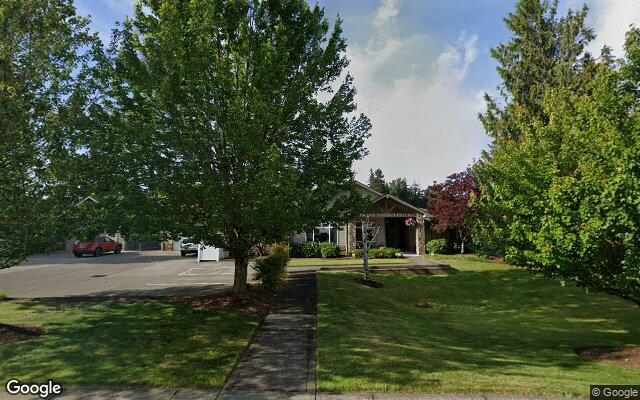
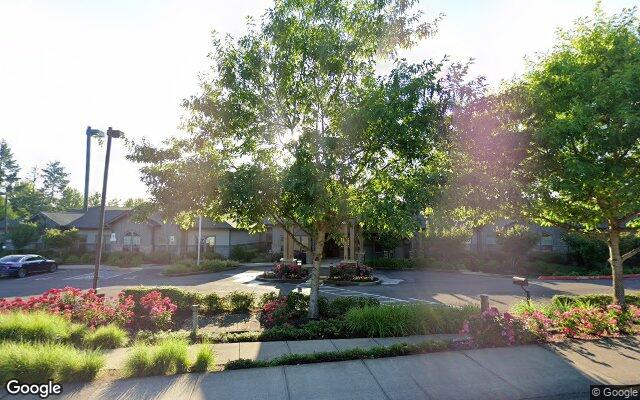
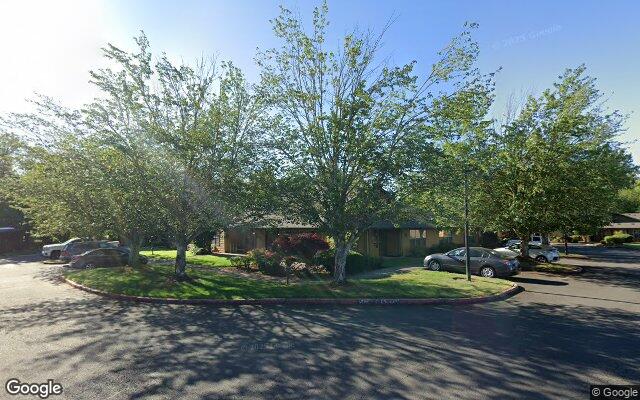
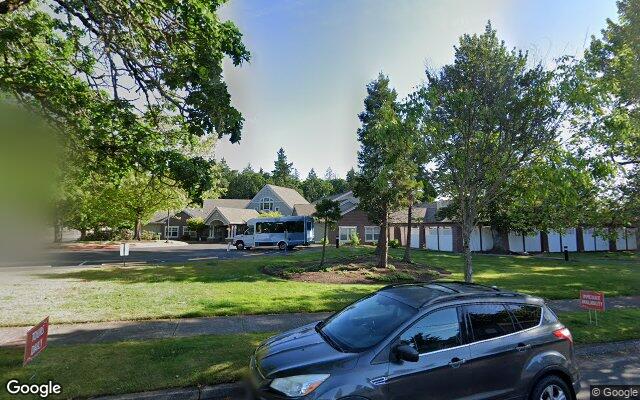
Brookdale Salem

© Google Street View

Map showing location of Brookdale Salem
© Mapbox · OpenStreetMap
Peer Comparison

Compared to 56 Oregon facilities with a similar number of beds.

ALF memory care · 36-month window. Higher percentile = better performance on inspection record. Source: Oregon Dept. of Human Services · Long-Term Care Licensing.

Severity rank
40th%
Weighted citations per bed.
peer median
0
100
Repeat rank
Not enough repeat citations
among peers to rank.
Repeat deficiencies as share of total.
Frequency rank
4th%
Deficiencies per inspection.
peer median
0
100

Rankings based on 36-month OR-DHS inspection data. Severity and frequency: fewer citations = higher percentile. Repeat rate: lower repeat citation share = higher percentile.

FACILITY WATCH · FREE

Brookdale Salem has 27 citations on record. Know the moment anything changes.

New findings, complaint investigations, or status changes — emailed to you free.

Where are you in the process? (optional)

Save for comparison:
The Record

Citation history, plotted month by month.

27 deficiencies on record. Each bar is a month with a citation.

Peer median 1 · dashed
No citation activity in this window.
peer median
Aug 2024as of Jul 2026

Finding distribution

27 total · 36 months

Scope × Severity (CMS A–L)

Isolated
Pattern
Widespread
Sev 4 · IJ
J
K
L
Sev 3
G
H
I
Sev 2
D
E
F
Sev 1
A27
B
C
Full Inspection Record

Every inspection visit, verbatim.

2 inspections in the public record, most recent first. Click any row to expand — cited rows open automatically.

2
reports on file
27
total deficiencies
2024-07-01
Annual Compliance Visit
OR-cited · 1 finding

Plain-language summary

A state kitchen inspection was conducted on July 1, 2024, and the facility was found to be in substantial compliance with Oregon rules governing meal service and food sanitation for residential care and assisted living facilities. No violations were identified during the inspection.

OR-citedOAR §C0000
Verbatim citation text · OAR §C0000

The findings of the kitchen inspection, conducted 07/01/24, are documented in this report. It was determined the facility was in substantial compliance with the OARs 411-054-0030 for Residential Care and Assisted Living Facilities for Resident Services- Meals, and Oregon Health Service Food Sanitation Rules OARs 333-150-0000. The findings of the kitchen inspection, conducted 07/01/24, are documented in this report. It was determined the facility was in substantial compliance with the OARs 411-054-0030 for Residential Care and Assisted Living Facilities for Resident Services- Meals, and Oregon Health Service Food Sanitation Rules OARs 333-150-0000.

Read raw inspector notes

The findings of the kitchen inspection, conducted 07/01/24, are documented in this report. It was determined the facility was in substantial compliance with the OARs 411-054-0030 for Residential Care and Assisted Living Facilities for Resident Services- Meals, and Oregon Health Service Food Sanitation Rules OARs 333-150-0000. The findings of the kitchen inspection, conducted 07/01/24, are documented in this report. It was determined the facility was in substantial compliance with the OARs 411-054-0030 for Residential Care and Assisted Living Facilities for Resident Services- Meals, and Oregon Health Service Food Sanitation Rules OARs 333-150-0000.

2023-08-28
Annual Compliance Visit
OR-cited · 26 findings

Plain-language summary

A re-licensure validation survey conducted August 28-31, 2023 identified violations in facility administration records, reasonable precautions, and resident rights that the facility corrected immediately during the survey. A follow-up revisit conducted January 22-24, 2024 identified an additional violation in reasonable precautions, which the facility also corrected immediately.

OR-citedOAR §C0231
Verbatim citation text · OAR §C0231

Based on interview and record review, it was determined the facility failed to ensure falls with injuries, injuries of unknown cause, and/or resident-to-resident altercations were investigated, investigated to reasonably rule out abuse and/or neglect, and/or were reported to the local Seniors and People with Disabilities (SPD) office for 2 of 10 sampled residents (#s 5 and 6). Findings include, but are not limited to: 1. Resident 5 was admitted to the facility in 12/2021 with diagnoses including Alzheimer's disease. The resident's current service plan, dated 08/17/23, progress notes dated 05/27/23 through 08/28/23, incident reports, and temporary service plans were reviewed, and staff were interviewed. The following was identified: a. The resident experienced 28 falls between 05/29/23 and 08/24/23. * On ten occasions the resident sustained injuries from falls. * The following unwitnessed falls were either not investigated in a timely manner to rule out abuse and/or neglect or the facility determined the resident's service plan was not being followed at the time of the incident: - 06/13/23, 6:20 pm - head laceration, received staples at the emergency room and interventions in place were not being used; - 06/15/23, 2:00 pm - no injury, interventions in place were not being used; - 06/23/23, 3:45 pm - no injury, no documented investigation; - 07/02/23, 8:00 pm - bump on the head, no documented investigation; - 07/05/23, 2:10 pm - no injury, no documented investigation; - 07/12/23, 9:00 am - skin tear on left knee, no documented investigation; - 07/17/23, 11:15 am - bump on back of head, no documented investigation; - 08/04/23, 4:45 pm - scrape/abrasion on "lower left side," no documented investigation; - 08/21/23, 7:00 am - previous stapled laceration bleeding, investigation not timely; - 08/21/23, 1:30 pm - no injury, investigation not timely; and - 08/23/23, 7:10 am - scrape/abrasion to left knee, "pool noodle" to be placed on the edge of the bed was on the other side of the room. b. On 08/17/23 at 7:00 am staff discovered Resident 5 in his/her bed with dried blood on the wall and the pillow, "a good amount of blood" on his/her back, and a puddle of blood in the bathroom. There was no documented investigation of the incident to rule out abuse and/or neglect, nor was it reported to the local SPD office. The need to investigate incidents in a timely manner to rule out abuse and/or neglect, and to report incidents to the local SPD office if abuse and/or neglect cannot be reasonably ruled out, was discussed with Staff 1 (ED) on 08/31/23 at 3:36 pm. She acknowledged the findings. The facility was asked to report the above incidents to the local SPD office during survey. Confirmations of the reports were received prior to exit. Based on interview and record review, it was determined the facility failed to ensure falls with injuries, injuries of unknown cause, and/or resident-to-resident altercations were investigated, investigated to reasonably rule out abuse and/or neglect, and/or were reported to the local Seniors and People with Disabilities (SPD) office for 2 of 10 sampled residents (#s 5 and 6). Findings include, but are not limited to:

OR-citedOAR §C0270
Verbatim citation text · OAR §C0270

Based on observation, interview, and record review, it was determined the facility failed to determine and document what action or intervention was needed for a resident, communicate the interventions to staff on each shift, ensure interventions were resident-specific, and monitor the resident consistent with his/her evaluated needs and service plan with weekly progress noted until the condition resolves for 7 of 11 sampled residents ( #s 1, 2, 6, 7, 8, 10, and 11) who experienced changes of condition. Findings include, but are not limited to: 1. Resident 8 was admitted to the facility in 04/2022 with diagnoses including osteoarthritis, spinal stenosis, Crohn's disease, and chronic pain syndrome. Observations of the resident, interviews with staff, and review of the resident's 07/14/23 service plan and progress notes from 05/27/23 through 08/28/23 identified the resident experienced multiple short-term changes of condition in the following areas: * 06/23/23 - Increased lower back pain; * 07/05/23 - "Resident had small amount of yellowish green [genital] discharge in brief"; * 07/09/23 - Blood in ileostomy bag, ER visit, diagnosed with a parastomal hernia; * 07/10/23 - Noted decline in appetite; * 08/11/23 - Non-injury fall; 08/15/23 - Home health PT progress note documented the resident complained of "burning with urination, dizziness in sitting, and hypotension at rest"; and * 08/17/23 - New antibiotic medication. There was no documented evidence the facility consistently evaluated changes of condition the resident experienced, determined actions or interventions specific to each change of condition, updated the service plan as needed, or monitored and documented the progress of the condition at least weekly until resolved. On 08/31/23, the need to ensure the facility evaluated, determined and documented what actions or interventions were needed for changes of condition, and monitored until resolution was reviewed with Staff 1 (ED). She acknowledged the findings. Based on observation, interview, and record review, it was determined the facility failed to determine and document what action or intervention was needed for a resident, communicate the interventions to staff on each shift, ensure interventions were resident-specific, and monitor the resident consistent with his/her evaluated needs and service plan with weekly progress noted until the condition resolves for 7 of 11 sampled residents ( #s 1, 2, 6, 7, 8, 10, and 11) who experienced changes of condition. Findings include, but are not limited to:

OR-citedOAR §C0513
Verbatim citation text · OAR §C0513

Based on observation and interview, it was determined the facility failed to ensure the facility was clean, in good repair, and free of unpleasant odors. Findings include, but are not limited to: Observations of the Bridge and Clare memory care units from 08/28/23 through 08/30/23 revealed the following: * Multiple areas of carpet in hallways and corridors were observed with dark stains throughout the facility; * Multiple walls, baseboards, doors, and door frames throughout the facility were dinged, chipped, gouged, scraped, and/or had black streaks; * Multiple handrails were worn to bare wood and chipped; * A wall in unit E 6 was missing drywall and bare metal was exposed; * Window blinds in units A 7 and E 5 were broken and in need of repair; * There was fecal matter on the floor in "A hall"; and * There was a strong, pervasive urine odor detected throughout both communities, which failed to dissipate over the course of the survey. On 08/29/23, the areas in need of cleaning and repair, as well as the areas with unpleasant odors, were discussed with and shown to Staff 1 (ED). She acknowledged the findings. Based on observation and interview, it was determined the facility failed to ensure the facility was clean, in good repair, and free of unpleasant odors. Findings include, but are not limited to: Observations of the Bridge and Clare memory care units from 08/28/23 through 08/30/23 revealed the following: * Multiple areas of carpet in hallways and corridors were observed with dark stains throughout the facility; * Multiple walls, baseboards, doors, and door frames throughout the facility were dinged, chipped, gouged, scraped, and/or had black streaks; * Multiple handrails were worn to bare wood and chipped; * A wall in unit E 6 was missing drywall and bare metal was exposed; * Window blinds in units A 7 and E 5 were broken and in need of repair; * There was fecal matter on the floor in "A hall"; and * There was a strong, pervasive urine odor detected throughout both communities, which failed to dissipate over the course of the survey. On 08/29/23, the areas in need of cleaning and repair, as well as the areas with unpleasant odors, were discussed with and shown to Staff 1 (ED). She acknowledged the findings. Professional carpet cleaners provided carpet cleaning services on 8/29/2023. Disrepairs identified will be addressed and repaired by 10/29/2023 Staff has received training on the use of the building management program (TELS). Staff willbe re-educated on the reporting of identified community maintenance concerns. Maintenance concerns will be discussed at daily stand up TELS (building management program) will be reviewed daily. Executive Director and Maintenance Director are responsible for this plan of correction. Professional carpet cleaners provided carpet cleaning services on 8/29/2023. Disrepairs identified will be addressed and repaired by 10/29/2023 Staff has received training on the use of the building management program (TELS). Staff willbe re-educated on the reporting of identified community maintenance concerns. Maintenance concerns will be discussed at daily stand up TELS (building management program) will be reviewed daily. Executive Director and Maintenance Director are responsible for this plan of correction. Based on observation and interview, it was determined the facility failed to ensure the facility was clean, in good repair, and free of unpleasant odors. This is a repeat citation. Findings include, but are not limited to: Observations of both neighborhoods of the memory care units from 01/22/24 through 01/24/24 revealed the following: * Multiple areas of carpet in hallways and corridors were observed with dark red, black and/or brown stains throughout the facility; * A window sill in the large TV room and a striped chair had large amounts of dried nasal mucous on the surfaces; * There was significant, pungent and pervasive urine odors in A hall, B hall, D hall and E hall that did not dissipate during survey. Additionally, a mix of strong urine odors and sour odors were noted in the unused dining rooms and small TV rooms in both neighborhoods; and * Numerous pieces of furniture in the large and small TV rooms had stains, spills and debris to the arms, sides and seats. One arm chair additionally had a torn seat. On 01/23/24, the areas in need of cleaning and repair, as well as the areas with unpleasant odors, were discussed with and shown to Staff 1 (ED). She acknowledged the findings. Based on observation and interview, it was determined the facility failed to ensure the facility was clean, in good repair, and free of unpleasant odors. This is a repeat citation. Findings include, but are not limited to: Observations of both neighborhoods of the memory care units from 01/22/24 through 01/24/24 revealed the following: * Multiple areas of carpet in hallways and corridors were observed with dark red, black and/or brown stains throughout the facility; * A window sill in the large TV room and a striped chair had large amounts of dried nasal mucous on the surfaces; * There was significant, pungent and pervasive urine odors in A hall, B hall, D hall and E hall that did not dissipate during survey. Additionally, a mix of strong urine odors and sour odors were noted in the unused dining rooms and small TV rooms in both neighborhoods; and * Numerous pieces of furniture in the large and small TV rooms had stains, spills and debris to the arms, sides and seats. One arm chair additionally had a torn seat. On 01/23/24, the areas in need of cleaning and repair, as well as the areas with unpleasant odors, were discussed with and shown to Staff 1 (ED). She acknowledged the findings.

OR-citedOAR §C0555
Verbatim citation text · OAR §C0555

Based on observation and interview, it was determined the facility failed to ensure all exit doors were equipped with an alarming device or other acceptable system to provide security and to alert staff when residents exited the building. Findings include, but are not limited to: Observations from 08/28/23 through 08/31/23 revealed exit doors to the interior courtyards of the Bridge and Clare memory care units failed to have an alarm or other acceptable system to alert staff when residents exited the building. The courtyard doors had an audible alarm which was frequently turned off over the course of the survey. On 08/31/23, the need to ensure exit doors were equipped with an audible alarm or other acceptable system was discussed with Staff 1 (ED). She acknowledged the findings. Based on observation and interview, it was determined the facility failed to ensure all exit doors were equipped with an alarming device or other acceptable system to provide security and to alert staff when residents exited the building. Findings include, but are not limited to: Observations from 08/28/23 through 08/31/23 revealed exit doors to the interior courtyards of the Bridge and Clare memory care units failed to have an alarm or other acceptable system to alert staff when residents exited the building. The courtyard doors had an audible alarm which was frequently turned off over the course of the survey. On 08/31/23, the need to ensure exit doors were equipped with an audible alarm or other acceptable system was discussed with Staff 1 (ED). She acknowledged the findings. Staff has been trained on the interior courtyard door alarm system on 8/29/2023.  Additional alarms placed on the interior courtyard doors The interior courtyard door alarms are checked during community walk through to assure alarm is activated. Community walk through will be completed 4 times a day, 5 days a week, 2 times a day 2 days a week for 60 days at which time this will occur twice a day 5 days a week and 1 time a day 2 days a week. Executive Director or designee is responsible for this plan of correction. Staff has been trained on the interior courtyard door alarm system on 8/29/2023.  Additional alarms placed on the interior courtyard doors The interior courtyard door alarms are checked during community walk through to assure alarm is activated. Community walk through will be completed 4 times a day, 5 days a week, 2 times a day 2 days a week for 60 days at which time this will occur twice a day 5 days a week and 1 time a day 2 days a week. Executive Director or designee is responsible for this plan of correction. There are no detail notes for this visit.

OR-citedOAR §Z0142
Verbatim citation text · OAR §Z0142

Based on observation, interview, and record review, it was determined the facility failed to follow licensing rules for Residential Care and Assisted Living Facilities. Findings include, but are not limited to: Refer to C 150, C 152, C 160, C 200, C 231, C 240, C 242, C 360, C 361, C 513, and C 555. Based on observation, interview, and record review, it was determined the facility failed to follow licensing rules for Residential Care and Assisted Living Facilities. Findings include, but are not limited to: Refer to C 150, C 152, C 160, C 200, C 231, C 240, C 242, C 360, C 361, C 513, and C 555. Refer to plan of correction for C150, C152, C160, C200, C231, C240, C242, C360, C361, C513 and C555. Refer to plan of correction for C150, C152, C160, C200, C231, C240, C242, C360, C361, C513 and C555. Based on observation, interview, and record review, it was determined the facility failed to follow licensing rules for Residential Care and Assisted Living Facilities. This is a repeat citation. Findings include, but are not limited to: Refer to C 150, C 160, C 200, C 231, C 242, C 361, and C 513. Based on observation, interview, and record review, it was determined the facility failed to follow licensing rules for Residential Care and Assisted Living Facilities. This is a repeat citation. Findings include, but are not limited to: Refer to C 150, C 160, C 200, C 231, C 242, C 361, and C 513. Refer to plan of correction for C 150, C 160, C 200, C 231, C 242, C 361, and C 513. Refer to plan of correction for C 150, C 160, C 200, C 231, C 242, C 361, and C 513. Based on interview and record review, it was determined the facility failed to follow licensing rules for Residential Care and Assisted Living Facilities. This is a repeat citation. Findings include, but are not limited to: Refer to C 361. Based on interview and record review, it was determined the facility failed to follow licensing rules for Residential Care and Assisted Living Facilities. This is a repeat citation. Findings include, but are not limited to: Refer to C 361. see C361 see C361 There are no detail notes for this visit.

OR-citedOAR §C0000
Verbatim citation text · OAR §C0000

The findings of the re-licensure survey, conducted 08/28/23 through 08/31/23, are documented in this report. The survey was conducted to determine compliance with the OARs 411 Division 54 for Residential Care and Assisted Living Facilities, Division 57 for Memory Care Communities, and Home and Community Based Services Regulations OARs 411 Division 004. Tag numbers beginning with the letter C refer to the Residential Care and Assisted Living Facilities rules. Tag numbers beginning with the letter Z refer to the Memory Care Community rules. Abbreviations possibly used in this document: ADL: activities of daily living bid: twice a day CBG: capillary blood glucose or blood sugar CG: caregiver cm: centimeter ED: Executive Director F: Fahrenheit HH: Home Health LPN: Licensed Practical Nurse MA:          Medication Aide MAR: Medication Administration Record MCC: Memory Care Community mg: milligram ml: milliliter MT: Medication Technician OT: Occupational Therapist PT: Physical Therapist PRN: as needed qd: every day or daily qid: four times a day QI: quality improvement RCC:       Resident Care Coordinator RN: Registered Nurse TAR: Treatment Administration Record tid: three times a day Situations were identified where failure of the facility to comply with the Department's rules were likely to cause residents serious harm. Immediate plans of correction were requested in the following areas: OAR 411-054-0025 (8) Facility Administration Records OAR 411-054-0025 (4) Reasonable Precautions OAR 411-054-0027 (1) Resident Rights The facility put immediate plans of correction in place during the survey and the situations were abated. The findings of the re-licensure survey, conducted 08/28/23 through 08/31/23, are documented in this report. The survey was conducted to determine compliance with the OARs 411 Division 54 for Residential Care and Assisted Living Facilities, Division 57 for Memory Care Communities, and Home and Community Based Services Regulations OARs 411 Division 004. Tag numbers beginning with the letter C refer to the Residential Care and Assisted Living Facilities rules. Tag numbers beginning with the letter Z refer to the Memory Care Community rules. Abbreviations possibly used in this document: ADL: activities of daily living bid: twice a day CBG: capillary blood glucose or blood sugar CG: caregiver cm: centimeter ED: Executive Director F: Fahrenheit HH: Home Health LPN: Licensed Practical Nurse MA:          Medication Aide MAR: Medication Administration Record MCC: Memory Care Community mg: milligram ml: milliliter MT: Medication Technician OT: Occupational Therapist PT: Physical Therapist PRN: as needed qd: every day or daily qid: four times a day QI: quality improvement RCC:       Resident Care Coordinator RN: Registered Nurse TAR: Treatment Administration Record tid: three times a day Situations were identified where failure of the facility to comply with the Department's rules were likely to cause residents serious harm. Immediate plans of correction were requested in the following areas: OAR 411-054-0025 (8) Facility Administration Records OAR 411-054-0025 (4) Reasonable Precautions OAR 411-054-0027 (1) Resident Rights The facility put immediate plans of correction in place during the survey and the situations were abated. The findings of the revisit to the re-licensure survey of 08/31/23, conducted 01/22/24 through 01/24/24, are documented in this report. The survey was conducted to determine compliance with the OARs 411 Division 54 for Residential Care and Assisted Living Facilities, Division 57 for Memory Care Communities, and Home and Community Based Services Regulations OARs 411 Division 004. Tag numbers beginning with the letter C refer to the Residential Care and Assisted Living Facilities rules. Tag numbers beginning with the letter Z refer to the Memory Care Community rules. Abbreviations possibly used in this document: ADL: activities of daily living bid: twice a day CBG: capillary blood glucose or blood sugar CG: caregiver cm: centimeter ED: Executive Director F: Fahrenheit HH: Home Health LPN: Licensed Practical Nurse MA:          Medication Aide MAR: Medication Administration Record MCC: Memory Care Community mg: milligram ml: milliliter MT: Medication Technician OT: Occupational Therapist PT: Physical Therapist PRN: as needed qd: every day or daily qid: four times a day QI: quality improvement RCC:       Resident Care Coordinator RN: Registered Nurse TAR: Treatment Administration Record tid: three times a day A situation was identified where failure of the facility to comply with the Department's rules was likely to cause residents serious harm. An immediate plan of correction was requested in the following areas: OAR 411-054-0025 (4) Reasonable Precautions The facility put an immediate plan of correction in place during the survey and the situation was abated. The findings of the revisit to the re-licensure survey of 08/31/23, conducted 01/22/24 through 01/24/24, are documented in this report. The survey was conducted to determine compliance with the OARs 411 Division 54 for Residential Care and Assisted Living Facilities, Division 57 for Memory Care Communities, and Home and Community Based Services Regulations OARs 411 Division 004. Tag numbers beginning with the letter C refer to the Residential Care and Assisted Living Facilities rules. Tag numbers beginning with the letter Z refer to the Memory Care Community rules. Abbreviations possibly used in this document: ADL: activities of daily living bid: twice a day CBG: capillary blood glucose or blood sugar CG: caregiver cm: centimeter ED: Executive Director F: Fahrenheit HH: Home Health LPN: Licensed Practical Nurse MA:          Medication Aide MAR: Medication Administration Record MCC: Memory Care Community mg: milligram ml: milliliter MT: Medication Technician OT: Occupational Therapist PT: Physical Therapist PRN: as needed qd: every day or daily qid: four times a day QI: quality improvement RCC:       Resident Care Coordinator RN: Registered Nurse TAR: Treatment Administration Record tid: three times a day A situation was identified where failure of the facility to comply with the Department's rules was likely to cause residents serious harm. An immediate plan of correction was requested in the following areas: OAR 411-054-0025 (4) Reasonable Precautions The facility put an immediate plan of correction in place during the survey and the situation was abated. The findings of the second revisit to the re-licensure survey of 08/31/24, conducted 04/01/24 through 04/02/24, are documented in this report. The survey was conducted to determine compliance with OARs 411 Division 54 for Residential Care and Assisted Living Facilities, OARs 411 Division 57 for Memory Care Communities and OARs 411 Division 004 for Home and Community Based Services Regulations. Abbreviations possibly used in this document: ADL: activities of daily living bid: twice a day CBG: capillary blood glucose or blood sugar CG: caregiver cm: centimeter ED: Executive Director F: Fahrenheit HH: Home Health LPN: Licensed Practical Nurse MA:          Medication Aide MAR: Medication Administration Record MCC: Memory Care Community mg: milligram ml: milliliter MT: Medication Technician OT: Occupational Therapist PT: Physical Therapist PRN: as needed qd: every day or daily qid: four times a day QI: quality improvement RCC:       Resident Care Coordinator RN: Registered Nurse TAR: Treatment Administration Record tid: three times a day The findings of the second revisit to the re-licensure survey of 08/31/24, conducted 04/01/24 through 04/02/24, are documented in this report. The survey was conducted to determine compliance with OARs 411 Division 54 for Residential Care and Assisted Living Facilities, OARs 411 Division 57 for Memory Care Communities and OARs 411 Division 004 for Home and Community Based Services Regu

OR-citedOAR §C0150
Verbatim citation text · OAR §C0150

Based on observation, interview, and record review, it was determined the facility failed to provide effective administrative oversight to ensure quality of care and services rendered in the facility. Findings include, but are not limited to: During the re-licensure survey, conducted 08/28/23 through 08/31/23, administrative oversight to ensure adequate resident care and services rendered in the facility was found to be ineffective, as evidenced by failure to monitor residents in common areas who had documented altercations and behaviors were frequently observed, failure to provide residents with ADLs, lack of activities, failure to provide meal assistance to dependent residents, unsanitary environmental conditions, and residents unable to access rooms including bathrooms. 1. A situation was identified which constituted an immediate threat to residents' health and safety in the following areas: * OAR 411-054-0025 (1) Facility Administration: Operation * OAR 411-054-0025 (4) Reasonable Precautions * OAR 411-054-0027 (1) Resident Rights The facility put immediate plans of correction in place during the survey, and the situations were abated. 2. Refer to deficiencies in the report. Based on observation, interview, and record review, it was determined the facility failed to provide effective administrative oversight to ensure quality of care and services rendered in the facility. Findings include, but are not limited to: During the re-licensure survey, conducted 08/28/23 through 08/31/23, administrative oversight to ensure adequate resident care and services rendered in the facility was found to be ineffective, as evidenced by failure to monitor residents in common areas who had documented altercations and behaviors were frequently observed, failure to provide residents with ADLs, lack of activities, failure to provide meal assistance to dependent residents, unsanitary environmental conditions, and residents unable to access rooms including bathrooms.

OR-citedOAR §C0152
Verbatim citation text · OAR §C0152

Based on observation and interview, it was determined the facility failed to ensure required postings were displayed in a routinely accessible and conspicuous location to residents and visitors and available for inspection. Findings include, but are not limited to: Tours of the facility were conducted between 08/28/23 and 08/30/23 and revealed a copy of the most recent re-licensure survey, including all re-visits and plans of correction, was unable to be located for viewing. On 08/30/23, at approximately 11:30 am, Staff 1 (ED) reported locating the survey binder. She indicated the binder would be placed in the entrance foyer. On 08/30/23, the need to ensure all required postings were in an accessible and conspicuous location for the public was discussed with Staff 1 (ED). She acknowledged the findings. Based on observation and interview, it was determined the facility failed to ensure required postings were displayed in a routinely accessible and conspicuous location to residents and visitors and available for inspection. Findings include, but are not limited to: Tours of the facility were conducted between 08/28/23 and 08/30/23 and revealed a copy of the most recent re-licensure survey, including all re-visits and plans of correction, was unable to be located for viewing. On 08/30/23, at approximately 11:30 am, Staff 1 (ED) reported locating the survey binder. She indicated the binder would be placed in the entrance foyer. On 08/30/23, the need to ensure all required postings were in an accessible and conspicuous location for the public was discussed with Staff 1 (ED). She acknowledged the findings. During survey visit, the prior re-licensure survey was located and placed in the entrance foyer. The front desk associate was educated on September 22, 2023 on the importance of regularly verifying that the re-licensure survey is present and available for residents and guests. The front desk associate will confirm that the re-licensure survey is present at the beginning and end of each shift a minimum of 3 days weekly. The Executive Director or designee will assure that the correction is completed. During survey visit, the prior re-licensure survey was located and placed in the entrance foyer. The front desk associate was educated on September 22, 2023 on the importance of regularly verifying that the re-licensure survey is present and available for residents and guests. The front desk associate will confirm that the re-licensure survey is present at the beginning and end of each shift a minimum of 3 days weekly. The Executive Director or designee will assure that the correction is completed. There are no detail notes for this visit.

OR-citedOAR §C0160
Verbatim citation text · OAR §C0160

Based on observation, interview, and record review, it was determined the facility failed to exercise reasonable precautions against any condition that could threaten the health, safety, or welfare of 1 of 1 sampled resident (# 9) who was dependent on staff and experienced a choking/aspiration episode while eating. This placed the resident at risk and constituted an immediate threat to the resident's health and safety. Findings include, but are not limited to: Resident 9 was admitted to the facility in 2014 with diagnoses including pneumonia, dysphagia (difficulty swallowing), and dementia. Resident 9's clinical record, including physician orders, service plan, incident reports, outside provider communication, and progress notes, was reviewed and the following was noted: * A physician order dated 08/23/22 noted the resident's diet was changed to pureed, extra sauces, butters, and gravies added to food, and regular liquids. * A progress note dated 07/29/23 revealed the resident had a choking/aspiration episode when provided with Jello and "started to turn purple..Med Tech was called and provided the Heimlich maneuver as soon as I got there and resident had gotten color back...Resident was aspirating for approximately 10 minutes after the occurrence. This was witness [sic] by a caregiver and she she said at 10:00 [am] snack [resident] started to cough, turn colors in [his/her face], was showing signs of having a hard time breathing." * An incident report dated 08/07/23, nine days after the aspiration episode, noted "Resident received a puree diet with thickened liquids. This event was a one time event. [S/he] was not injured and was able to continue eating without incident. Abuse/neglect are not suspected." * On 8/25/23, a speech pathologist assessed the resident for dysphagia and provided interventions for staff to follow. The resident required assistance to feed himself/herself and could tolerate puree with nectar thick liquids with a pause between bites and sips. It was noted the resident "coughed up green mucous and has been running a low grade fever." * The current service plan was not reflective of the ST recommendations, including positioning for the resident during meal times. During a lunch meal observation on 08/28/23, the resident was observed to be in a wheelchair with his/her head tipped back. The resident was served a puree diet with nectar thick liquids. A caregiver stood by the resident, placed the resident's spoon in his/her hand, and walked away. The resident was falling asleep and was not able to consume the meal on his/her own. The caregiver offered the resident one spoonful of food; the resident was asleep and did not take the bite. The caregiver stated, "I am not going to feed [the resident], as [s/he] continues to fall asleep." On 08/29/23 at 8:30 am, the resident was observed in the dining room at breakfast. S/he was in his/her wheelchair with his/her head leaning back and to his/her left. A caregiver spoke the resident's name repeatedly in an attempt to wake him/her up and asked if s/he wanted to have breakfast. The caregiver attempted to get resident to hold his/her spoon, saying, "I need you to hold your spoon so you can eat"; "[Resident], I need you to eat"; and "Are you going to eat?" The resident did not respond, and the caregiver put the spoon back in the bowl of hot cereal. The resident remained in his/her wheelchair at the dining room table until 9:25 am, at which time the caregiver gave the resident a bite of his/her cereal. The resident was speaking in "word salad" and began coughing. The caregiver told him/her to not talk while s/he was eating so s/he didn't choke. The resident continued to cough, and the caregiver gave him/her a drink of thickened water. Resident 9 had a choking/aspirating experience without an immediate evaluation or a plan put in place to avoid or minimize additional occurrences. Staff were not educated on proper meal assistance nor provided guidance on thickened liquids (Jello is not a thickened liquid). There was no documented evidence the resident was monitored after administration of the Heimlich and the current service plan lacked the meal assistance recommendations from the speech pathologist. There was no documented evidence the resident was evaluated related to the green mucous and fever. The situation constituted a condition which could threaten the health, safety, or welfare of the resident. The need to ensure the facility exercised reasonable precautions against any condition which could threaten the health, safety, or welfare of residents was discussed with Staff 1 (ED), Staff 4 (Regional Director of Operations), and Staff 17 (Lead MT/Resident Care Manager) on 08/29/23. An immediate plan of correction was requested by the survey team and was received on 08/29/23 at 4:45 pm. The situation was abated. Based on observation, interview, and record review, it was determined the facility failed to exercise reasonable precautions against any condition that could threaten the health, safety, or welfare of 1 of 1 sampled resident (# 9) who was dependent on staff and experienced a choking/aspiration episode while eating. This placed the resident at risk and constituted an immediate threat to the resident's health and safety. Findings include, but are not limited to: Resident 9 was admitted to the facility in 2014 with diagnoses including pneumonia, dysphagia (difficulty swallowing), and dementia. Resident 9's clinical record, including physician orders, service plan, incident reports, outside provider communication, and progress notes, was reviewed and the following was noted: * A physician order dated 08/23/22 noted the resident's diet was changed to pureed, extra sauces, butters, and gravies added to food, and regular liquids. * A progress note dated 07/29/23 revealed the resident had a choking/aspiration episode when provided with Jello and "started to turn purple..Med Tech was called and provided the Heimlich maneuver as soon as I got there and resident had gotten color back...Resident was aspirating for approximately 10 minutes after the occurrence. This was witness [sic] by a caregiver and she she said at 10:00 [am] snack [resident] started to cough, turn colors in [his/her face], was showing signs of having a hard time breathing." * An incident report dated 08/07/23, nine days after the aspiration episode, noted "Resident received a puree diet with thickened liquids. This event was a one time event. [S/he] was not injured and was able to continue eating without incident. Abuse/neglect are not suspected." * On 8/25/23, a speech pathologist assessed the resident for dysphagia and provided interventions for staff to follow. The resident required assistance to feed himself/herself and could tolerate puree with nectar thick liquids with a pause between bites and sips. It was noted the resident "coughed up green mucous and has been running a low grade fever." * The current service plan was not reflective of the ST recommendations, including positioning for the resident during meal times. During a lunch meal observation on 08/28/23, the resident was observed to be in a wheelchair with his/her head tipped back. The resident was served a puree diet with nectar thick liquids. A caregiver stood by the resident, placed the resident's spoon in his/her hand, and walked away. The resident was falling asleep and was not able to consume the meal on his/her own. The caregiver offered the resident one spoonful of food; the resident was asleep and did not take the bite. The caregiver stated, "I am not going to feed [the resident], as [s/he] continues to fall asleep." On 08/29/23 at 8:30 am, the resident was observed in the dining room at breakfast. S/he was in his/her wheelchair with his/her head leaning back and to his/her left. A caregiver spoke the resident's name repeatedly in an attempt to wake him/her up and asked if s/he wanted to have breakfast. The caregiver attempted to

OR-citedOAR §C0200
Verbatim citation text · OAR §C0200

Based on observation, interview, and record review, it was determined the facility failed to ensure residents were treated with dignity and respect and had a safe and home-like environment. Residents' lacked dignity and respect and their environment was not homelike and safe. Findings include, but are not limited to: During the survey on 08/28/23 through 08/29/23, the following was observed: * The facility had pervasive urine odors, corners throughout the facility were saturated with urine, there were dark stains on the furniture, and there were dark stains and fecal matter on the carpet throughout. * Residents' rooms were locked, and residents did not have access to the common area toilets. There were multiple observations of ambulatory residents trying to find a place to go to the bathroom. * Multiple sampled and non-sampled residents appeared disheveled and had not been showered for an extended period. Residents' hair was uncombed, greasy and/or unclean. Residents observed had body odor and/or urine odor, as well as soiled or stained clothing. Several residents clothing had dried food debris on pants and/or shirts. Resident fingernails were unkempt with dried brown/black substances underneath the end of their nails, and wheelchairs had dried-on food matter, dust, and debris on them. In an interview with Staff 23 (CG/MT) on 08/28/23, she stated the residents were not showered the week of 08/14/23 through 08/18/23 and "very few" residents got showered the week of 08/21/23 through 08/25/23, related to being "short-staffed." She stated for one month, she had 28 residents to attend to as a caregiver with "no support from management," and her last day working at the facility was 08/28/23. Staff 23 further stated residents' wheelchairs had not been cleaned for a while because there was "no time" to clean them. This represented a situation which placed residents in an unsafe environment and required an immediate plan of correction. On 08/29/23 at 1:30 pm the facility provided an immediate plan of correction and the situation was abated. The need to ensure residents were treated with dignity and respect, and had a safe and home-like environment was discussed with Staff 1 (ED), Staff 4 (Regional Director of Operations), and Staff 5 (Area Health & Wellness Director) on 08/29/23. Staff 4 provided the plan of correction. Based on observation, interview, and record review, it was determined the facility failed to ensure residents were treated with dignity and respect and had a safe and home-like environment. Residents' lacked dignity and respect and their environment was not homelike and safe. Findings include, but are not limited to: During the survey on 08/28/23 through 08/29/23, the following was observed: * The facility had pervasive urine odors, corners throughout the facility were saturated with urine, there were dark stains on the furniture, and there were dark stains and fecal matter on the carpet throughout. * Residents' rooms were locked, and residents did not have access to the common area toilets. There were multiple observations of ambulatory residents trying to find a place to go to the bathroom. * Multiple sampled and non-sampled residents appeared disheveled and had not been showered for an extended period. Residents' hair was uncombed, greasy and/or unclean. Residents observed had body odor and/or urine odor, as well as soiled or stained clothing. Several residents clothing had dried food debris on pants and/or shirts. Resident fingernails were unkempt with dried brown/black substances underneath the end of their nails, and wheelchairs had dried-on food matter, dust, and debris on them. In an interview with Staff 23 (CG/MT) on 08/28/23, she stated the residents were not showered the week of 08/14/23 through 08/18/23 and "very few" residents got showered the week of 08/21/23 through 08/25/23, related to being "short-staffed." She stated for one month, she had 28 residents to attend to as a caregiver with "no support from management," and her last day working at the facility was 08/28/23. Staff 23 further stated residents' wheelchairs had not been cleaned for a while because there was "no time" to clean them. This represented a situation which placed residents in an unsafe environment and required an immediate plan of correction. On 08/29/23 at 1:30 pm the facility provided an immediate plan of correction and the situation was abated. The need to ensure residents were treated with dignity and respect, and had a safe and home-like environment was discussed with Staff 1 (ED), Staff 4 (Regional Director of Operations), and Staff 5 (Area Health & Wellness Director) on 08/29/23. Staff 4 provided the plan of correction. Professional carpet cleaning service provided on 8/29/2023.  Apartment and public bathroom doors have been unlocked. Service plans have been updated to reflect those residents that are physically and cognitively able to use a key to lock and unlock their apartment doors. Training provided to associate concerning Resident right to room access on 8/29/2023. Survey team was provided with time cards as requested which showed that posted staffing pattern was followed and there was a minimum of 4 caregivers in the community during the day and evening shifts. 3. Professional carpet cleaners are scheduled monthly. On 8/22/2023 and 8/29/2023 staff received training on the use of the community carpet cleaner to assure that carpets are cleaned as quickly as possible. Associates were re-educated on resident room access policy on 8/30/2023.Associates were re-educated on resident rights on 8/30/23. The Executive Director, Health & Wellness Director, Area Health & Wellness Director and Clare Bridge Program Coordinator were re-educated on resident rights by Divisional Dementia Care Manager on 8/30/2023.  This included behavior problem solving and brainstorming scenarios for two residents who frequently enter other resident apartments.  This team developed programming interventions. Assignment sheets which outlined scheduled showers were printed and all staff were trained on use of assignment sheets and how to document care refusals on 9/21/23. Executive Director and/or Health and Wellness Director will complete rounds 4 times daily a minimum of 4 days a week as part of standard operations. Executive Director, Maintenance Director, Health & Wellness Director or designee are responsible for this plan of correction. Professional carpet cleaning service provided on 8/29/2023.  Apartment and public bathroom doors have been unlocked. Service plans have been updated to reflect those residents that are physically and cognitively able to use a key to lock and unlock their apartment doors. Training provided to associate concerning Resident right to room access on 8/29/2023. Survey team was provided with time cards as requested which showed that posted staffing pattern was followed and there was a minimum of 4 caregivers in the community during the day and evening shifts. 3. Professional carpet cleaners are scheduled monthly. On 8/22/2023 and 8/29/2023 staff received training on the use of the community carpet cleaner to assure that carpets are cleaned as quickly as possible. Associates were re-educated on resident room access policy on 8/30/2023.Associates were re-educated on resident rights on 8/30/23. The Executive Director, Health & Wellness Director, Area Health & Wellness Director and Clare Bridge Program Coordinator were re-educated on resident rights by Divisional Dementia Care Manager on 8/30/2023.  This included behavior problem solving and brainstorming scenarios for two residents who frequently enter other resident apartments.  This team developed programming interventions. Assignment sheets which outlined scheduled showers were printed and all staff were trained on use of assignment sheets and how to document care refusals on 9/21/23. Executive Director and/or Health and Wellness Director will complete rounds 4 times

OR-citedOAR §C0240
Verbatim citation text · OAR §C0240

Based on observation, interview, and record review, it was determined the facility failed to ensure the kitchen was kept clean and in good repair and food was palatable, in accordance with the Food Sanitation Rules OAR 333-150-00. Findings include, but are not limited to: 1. Observation of the kitchen on 08/28/23 at 9:08 am revealed the following areas needed cleaning and/or repair. Kitchen Area: * A two-compartment sink faucet handle was broken; * The entrance door jamb to the dish machine area had gouges and peeling paint; * The door by the walk-in refrigerator had gouges and was missing paint; * The front and sides of the toaster had dried food matter; * Two fans had dirt and debris on the blades blowing into the kitchen area where food was being prepared; * The wall behind the kitchen door had food spills and debris; * The soap dispenser near the hand washing sink had brown matter and food debris; * The wall above the three-compartment sink had food debris and brown matter; * Walls throughout the kitchen had dried-on food spills, smears, and splatters; * Stove front, side, inside, and knobs had dried food, dust, and debris; and * Oven pipes had an approximate one-inch layer of dust and debris. Dish washing area: * The wall throughout the area had brown matter, food spills, and debris; * The stainless steel counter had dried-on food matter on top and underneath; and * The floor had an accumulation of dirt, debris, and food matter. Floor: * The floor and baseboards had black matter build-up and food debris in the corners. In an interview with Staff 10 (Dietary Manager), the cleaning schedule was reviewed and had some documentation as items completed, however several areas were blank. Staff 10 stated the kitchen was short-staffed and cleaning was not completed as required. On 08/28/23 at approximately 10:30 am, the kitchen was toured with Staff 1 (ED) and the above areas were reviewed.  Staff 1 acknowledged the above areas needed cleaning and repair. 2. In an interview with Staff 9 (Cook), she mentioned that food often got cold quickly related to the facility not having plate warmers, hot carts were not used to transport food to individual units, and staff took a long time to collect the carts and distribute the food. A test tray was requested on 08/28/23 at 12:40 pm. The meal consisted of turkey with gravy, mixed vegetables, and stuffing. The food was lukewarm. The turkey, stuffing, and vegetables lacked flavor, had a mushy texture, and had a sodium taste. The gravy tasted of sodium and lacked flavor. The vegetables had a waxy after-taste. At 1:50 pm, the surveyor had a discussion with Staff 1 regarding test tray findings . Staff 1 verified she was unaware that the food palatability was poor. No further information was provided. Based on observation, interview, and record review, it was determined the facility failed to ensure the kitchen was kept clean and in good repair and food was palatable, in accordance with the Food Sanitation Rules OAR 333-150-00. Findings include, but are not limited to:

OR-citedOAR §C0242
Verbatim citation text · OAR §C0242

Based on observation, interview, and record review, it was determined the facility failed to ensure a daily program of social and recreational activities based upon individual and group interests and physical, mental, and psychosocial needs was provided for residents. Findings include, but are not limited to: During the survey, 08/28/23 through 08/31/23, observations of both neighborhoods and town square showed no group activities in the individual neighborhoods. There were one to three group activities conducted in the town square area located in the center of the two neighborhoods. The television was on throughout the day in both common areas of the neighborhoods. Residents from each neighborhood could attend activities in the town square. Several residents from each neighborhood remained in their individual neighborhoods and a few wandered between the two neighborhoods without attending any activity. In an interview on 08/29/23, Staff 8 (Program Director) indicated he worked Sunday to Thursday and his activity assistant worked Tuesday to Saturday. The activity assistant was currently out of the facility. Activities in the town square were scheduled several times a day and residents could come and go. Staff 8 did not have any specific activities he had on the schedule for individual neighborhoods. The need to ensure a daily activity program was provided for residents to address their mental, physical and psychosocial needs was reviewed with Staff 1 (ED) on 08/29/23 and 08/30/23. She acknowledged the findings. Based on observation, interview, and record review, it was determined the facility failed to ensure a daily program of social and recreational activities based upon individual and group interests and physical, mental, and psychosocial needs was provided for residents. Findings include, but are not limited to: During the survey, 08/28/23 through 08/31/23, observations of both neighborhoods and town square showed no group activities in the individual neighborhoods. There were one to three group activities conducted in the town square area located in the center of the two neighborhoods. The television was on throughout the day in both common areas of the neighborhoods. Residents from each neighborhood could attend activities in the town square. Several residents from each neighborhood remained in their individual neighborhoods and a few wandered between the two neighborhoods without attending any activity. In an interview on 08/29/23, Staff 8 (Program Director) indicated he worked Sunday to Thursday and his activity assistant worked Tuesday to Saturday. The activity assistant was currently out of the facility. Activities in the town square were scheduled several times a day and residents could come and go. Staff 8 did not have any specific activities he had on the schedule for individual neighborhoods. The need to ensure a daily activity program was provided for residents to address their mental, physical and psychosocial needs was reviewed with Staff 1 (ED) on 08/29/23 and 08/30/23. She acknowledged the findings. On 8/30/2023 staff received re-education from the Divisional Dementia Care Manager on small group and individual resident engagement. Items to engage residents were purchased and have been placed in common areas of the community to support the residents in their individual interests. Associates were educated on engagement boxes on 9/7/23 by Divisional Dementia Care Manager. Executive Director and Health and Wellness Director will ensure residents are engaged during community rounds. Clare Bridge Program Coordinator will audit supplies weekly to ensure residents have access to engagement items. Executive Director, Programs Coordinator or designee is responsible for this plan of correction. On 8/30/2023 staff received re-education from the Divisional Dementia Care Manager on small group and individual resident engagement. Items to engage residents were purchased and have been placed in common areas of the community to support the residents in their individual interests. Associates were educated on engagement boxes on 9/7/23 by Divisional Dementia Care Manager. Executive Director and Health and Wellness Director will ensure residents are engaged during community rounds. Clare Bridge Program Coordinator will audit supplies weekly to ensure residents have access to engagement items. Executive Director, Programs Coordinator or designee is responsible for this plan of correction. Based on observation, interview, and record review, it was determined the facility failed to ensure a daily program of social and recreational activities based upon individual and group interests and physical, mental, and psychosocial needs was provided for residents. This is a repeat citation. Findings include, but are not limited to: In an interview on 01/23/24, Staff 8 (Program Director) indicated he worked Sunday to Thursday and his activity assistant worked Tuesday to Saturday.  Activities in the town square were scheduled several times a day and residents could come and go. Staff 8 indicated he created activity boxes for each neighborhood and staff were educated on their use. The staff should be providing activities to the residents who did not attend activities in the town square. Staff 8 did not have any specific activities scheduled for the individual neighborhoods. Multiple care staff were interviewed between 01/23/24 and 01/24/24, from both neighborhoods, regarding activities in the neighborhoods and the activity boxes. One staff indicated there was not time to provide activities but she was aware of the boxes. Three staff indicated they were familiar with the activity boxes and felt they had plenty of time to get an activity box or complete an activity with residents if they chose to. One staff was not familiar with the activity boxes and had not utilized them with any residents. During the survey, 01/22/24 through 01/24/23, observations of both neighborhoods and town square showed no group activities in the individual neighborhoods. There were one to three group activities conducted in the town square area located in the center of the two neighborhoods. The television was on throughout the day in both common areas of the neighborhoods. Residents from each neighborhood could attend activities in the town square. Several residents from each neighborhood remained in their individual neighborhoods and a few wandered between the two neighborhoods without attending any activity. No activity boxes were observed in use. They were located on a cart, in an alcove of a small TV room in both neighborhoods. Staff were not observed to be doing activities with residents who did not leave their neighborhood. The need to ensure a daily activity program was provided for residents to address their mental, physical and psychosocial needs was reviewed with Staff 1 (ED) on 01/24/24. She acknowledged the findings. Based on observation, interview, and record review, it was determined the facility failed to ensure a daily program of social and recreational activities based upon individual and group interests and physical, mental, and psychosocial needs was provided for residents. This is a repeat citation. Findings include, but are not limited to: In an interview on 01/23/24, Staff 8 (Program Director) indicated he worked Sunday to Thursday and his activity assistant worked Tuesday to Saturday.  Activities in the town square were scheduled several times a day and residents could come and go. Staff 8 indicated he created activity boxes for each neighborhood and staff were educated on their use. The staff should be providing activities to the residents who did not attend activities in the town square. Staff 8 did not have any specific activities scheduled for the individual neighborhoods. Multiple care staff were interviewed between 01/23/24 and 01/24/24, from both neighborhoods, regarding activities in the neighborhoods and the activity boxes. One staff

OR-citedOAR §C0243
Verbatim citation text · OAR §C0243

Based on observation, interview, and record review, it was determined the facility failed to ensure adequate assistance was provided with ADL care for sampled and non-sampled residents including bathing, toileting, and dressing. Findings include, but are not limited to: Observations of the facility from 08/28/23 to 08/30/23 showed multiple sampled and non-sampled residents who appeared disheveled and had not been showered for an extended period. Residents' hair was uncombed, greasy, and/or unclean. Residents observed had body odor and/or urine odor, as well as soiled or stained clothing. Several residents' clothing had dried food debris on pants and/or shirts. Resident fingernails were unkempt, with dried brown/black substances underneath the end of their nails. The need to ensure all residents received adequate ADL care to ensure they were kept clean and well-groomed was discussed with Staff 1 (ED), Staff 3 (Area Health & Wellness Director), and Staff 4 (Regional Director of Operations) on 08/29/23 and 08/30/23. The staff acknowledged the findings. Based on observation, interview, and record review, it was determined the facility failed to ensure adequate assistance was provided with ADL care for sampled and non-sampled residents including bathing, toileting, and dressing. Findings include, but are not limited to: Observations of the facility from 08/28/23 to 08/30/23 showed multiple sampled and non-sampled residents who appeared disheveled and had not been showered for an extended period. Residents' hair was uncombed, greasy, and/or unclean. Residents observed had body odor and/or urine odor, as well as soiled or stained clothing. Several residents' clothing had dried food debris on pants and/or shirts. Resident fingernails were unkempt, with dried brown/black substances underneath the end of their nails. The need to ensure all residents received adequate ADL care to ensure they were kept clean and well-groomed was discussed with Staff 1 (ED), Staff 3 (Area Health & Wellness Director), and Staff 4 (Regional Director of Operations) on 08/29/23 and 08/30/23. The staff acknowledged the findings. Immediate review of resident's acuity in the areas of dressing, grooming, showering assistance and toileting has been completed to assure accuracy of service plans to assure resident needs have been captured. Training was provided to staff concerning use of daily assignment sheets on 9/21/23.  Staff has received training regarding documentation of refusal of care on 9/21/2023. Review of documented refusals and completion of care will reviewed during clinical meetings a minimum of 4 days weekly. Executive Director, Health & Wellness Director, Area Health and Wellness Director or designee are responsible for this plan of correction. Immediate review of resident's acuity in the areas of dressing, grooming, showering assistance and toileting has been completed to assure accuracy of service plans to assure resident needs have been captured. Training was provided to staff concerning use of daily assignment sheets on 9/21/23.  Staff has received training regarding documentation of refusal of care on 9/21/2023. Review of documented refusals and completion of care will reviewed during clinical meetings a minimum of 4 days weekly. Executive Director, Health & Wellness Director, Area Health and Wellness Director or designee are responsible for this plan of correction. There are no detail notes for this visit.

OR-citedOAR §C0252
Verbatim citation text · OAR §C0252

Based on interview and record review, it was determined the facility failed to ensure quarterly evaluations were being completed for 2 of 12 sampled residents (#s 4 and 5) whose evaluations were reviewed. Findings include, but are not limited to: 1. Resident 4 was admitted to the facility in 07/2021 with diagnoses including dementia. a. The resident's quarterly evaluation was completed on 04/21/23. The next quarterly evaluation was due on 07/21/23 and was not completed. b. Resident 4's 04/21/23 quarterly evaluation identified s/he was a smoker. There was no documented evidence of an updated smoking evaluation for Resident 3's ability to smoke safely. On 08/30/23, the need to ensure resident evaluations were completed at least quarterly was discussed with Staff 1 (ED). She acknowledged the findings. Based on interview and record review, it was determined the facility failed to ensure quarterly evaluations were being completed for 2 of 12 sampled residents (#s 4 and 5) whose evaluations were reviewed. Findings include, but are not limited to:

OR-citedOAR §C0260
Verbatim citation text · OAR §C0260

Based on observation, interview, and record review, it was determined the facility failed to ensure service plans were reflective of residents' needs, provided clear direction to staff regarding care and services, and were implemented by staff for 9 of 12 sampled residents (#s 1, 2, 3, 5, 7, 8, 9, 11, and 12) whose service plans were reviewed. Findings include, but are not limited to: 1. Resident 9 was admitted to the facility in 06/2014 with diagnoses including dysphagia (swallowing difficulties), dementia, and pneumonia. Observations of the resident, interviews with staff, and review of the service plan, dated 08/17/23, revealed the service plan was not reflective of the resident's current care needs, did not provide clear direction to staff, and/or was not followed by staff in the following areas: * Bathing; * Two person transfers; * Meal assistance; * Compression stockings; and * Washing hands at meal times. The need to ensure resident service plans were reflective of current care needs, provided direction to staff, and were followed was discussed with Staff 1 (ED) on 08/30/23. She acknowledged the findings. Based on observation, interview, and record review, it was determined the facility failed to ensure service plans were reflective of residents' needs, provided clear direction to staff regarding care and services, and were implemented by staff for 9 of 12 sampled residents (#s 1, 2, 3, 5, 7, 8, 9, 11, and 12) whose service plans were reviewed. Findings include, but are not limited to:

OR-citedOAR §C0280
Verbatim citation text · OAR §C0280

Based on interview and record review, it was determined the facility failed to ensure 3 of 9 sampled residents (#s 2, 6, and 8) who experienced significant changes of condition were assessed by the RN. Findings include but are not limited to: 1. Resident 6 was admitted to the facility in 12/2021 with diagnoses including dementia. A review of progress notes indicated the resident was sent to the emergency room on 08/24/23 after experiencing a fall. S/he returned with a diagnosis of a broken nose on 08/26/23. The new diagnosis of a broken nose represented a significant change of condition for the resident. There was no documented evidence an RN assessment was completed which documented findings, resident status, and interventions made because of the assessment. On 08/30/23 the need to conduct an RN assessment following a significant change in condition was discussed with Staff 1 (ED), She acknowledged the findings. Based on interview and record review, it was determined the facility failed to ensure 3 of 9 sampled residents (#s 2, 6, and 8) who experienced significant changes of condition were assessed by the RN. Findings include but are not limited to:

OR-citedOAR §C0290
Verbatim citation text · OAR §C0290

Based on interview and record review, it was determined the facility failed to coordinate care with outside providers in order to ensure the continuity of care for 1 of 1 sampled resident (#8) who received outside services. Findings include, but are not limited to: Resident 8 was admitted to the facility in 04/2022 with diagnoses including osteoarthritis, spinal stenosis, Crohn's disease, and chronic pain syndrome. During the acuity interview on 08/28/23, the resident was identified to receive home health PT services. Resident 8's outside provider documentation from 07/28/23 through 08/25/23 was reviewed during the survey and revealed the following recommendations: * 07/28/23 - the home exercise program instructions were changed; * 08/03/23 - use a heating pad to low back following ambulation for 20 minutes on medium setting; * 08/08/23 - "Please consider offering to assist patient with placing towel roll at low back when in recliner as tolerated"; and * 08/23/23 - assist resident in placing lumbar towel roll at low back and heating pad at low setting after meals for 15-20 minutes. There was no documented evidence staff were informed of new interventions and the service plan adjusted to ensure continuity of care. An interview on 08/29/23, Witness 1 (Family Member) stated the facility was not assisting the resident with the above pain management techniques. The need to ensure the facility coordinated care with outside service providers and communicated recommendations for staff to follow was discussed with Staff 1 (ED) on 08/31/23. She acknowledged the findings. Based on interview and record review, it was determined the facility failed to coordinate care with outside providers in order to ensure the continuity of care for 1 of 1 sampled resident (#8) who received outside services. Findings include, but are not limited to: Resident 8 was admitted to the facility in 04/2022 with diagnoses including osteoarthritis, spinal stenosis, Crohn's disease, and chronic pain syndrome. During the acuity interview on 08/28/23, the resident was identified to receive home health PT services. Resident 8's outside provider documentation from 07/28/23 through 08/25/23 was reviewed during the survey and revealed the following recommendations: * 07/28/23 - the home exercise program instructions were changed; * 08/03/23 - use a heating pad to low back following ambulation for 20 minutes on medium setting; * 08/08/23 - "Please consider offering to assist patient with placing towel roll at low back when in recliner as tolerated"; and * 08/23/23 - assist resident in placing lumbar towel roll at low back and heating pad at low setting after meals for 15-20 minutes. There was no documented evidence staff were informed of new interventions and the service plan adjusted to ensure continuity of care. An interview on 08/29/23, Witness 1 (Family Member) stated the facility was not assisting the resident with the above pain management techniques. The need to ensure the facility coordinated care with outside service providers and communicated recommendations for staff to follow was discussed with Staff 1 (ED) on 08/31/23. She acknowledged the findings. Res 8: Service plan has been updated to reflect physical therapy recommendation. Outside provider notes will be reviewed and confirmed during the triple check process of  orders. Outside provider notes will be reviewed for proper processing and implementation during routine clinical meeting Executive Director, Health & Wellness Director, Area Health and Wellness Director or designee are responsible for this plan of correction. Res 8: Service plan has been updated to reflect physical therapy recommendation. Outside provider notes will be reviewed and confirmed during the triple check process of  orders. Outside provider notes will be reviewed for proper processing and implementation during routine clinical meeting Executive Director, Health & Wellness Director, Area Health and Wellness Director or designee are responsible for this plan of correction. There are no detail notes for this visit.

OR-citedOAR §C0340
Verbatim citation text · OAR §C0340

Based on observation, interview, and record review, it was determined the facility failed to ensure a supportive device with potentially restraining qualities was assessed by an RN, PT, or OT and included documentation of less restrictive alternatives tried prior to use and instruction to staff on the correct use of and precautions for the device was included in the resident's evaluation and service plan for 1 of 1 sampled resident (#3) who had a tilt-in-space wheelchair. Findings include, but are not limited to: Resident 3 was admitted to the facility in 02/2018 with diagnoses including dementia. On 08/28/23 through 08/31/23 the resident was observed in a tilt-in-space wheelchair. There was no documented evidence the device with restraining qualities had been assessed by an RN, PT, or OT, no documentation of less restrictive alternatives tried prior to use, and instruction to caregivers on the correct use of and precautions for a tilt-in-space wheelchair had not been included in the resident's evaluation and service plan. In an interview with Staff 2 (Area Health and Wellness Director) on 08/30/23, she confirmed the above information had not been completed or documented in the resident's record. The need to complete all required elements related to use of an assistive device with restraining qualities was discussed with Staff 1 (ED) on 08/31/23. She acknowledged the findings. Based on observation, interview, and record review, it was determined the facility failed to ensure a supportive device with potentially restraining qualities was assessed by an RN, PT, or OT and included documentation of less restrictive alternatives tried prior to use and instruction to staff on the correct use of and precautions for the device was included in the resident's evaluation and service plan for 1 of 1 sampled resident (#3) who had a tilt-in-space wheelchair. Findings include, but are not limited to: Resident 3 was admitted to the facility in 02/2018 with diagnoses including dementia. On 08/28/23 through 08/31/23 the resident was observed in a tilt-in-space wheelchair. There was no documented evidence the device with restraining qualities had been assessed by an RN, PT, or OT, no documentation of less restrictive alternatives tried prior to use, and instruction to caregivers on the correct use of and precautions for a tilt-in-space wheelchair had not been included in the resident's evaluation and service plan. In an interview with Staff 2 (Area Health and Wellness Director) on 08/30/23, she confirmed the above information had not been completed or documented in the resident's record. The need to complete all required elements related to use of an assistive device with restraining qualities was discussed with Staff 1 (ED) on 08/31/23. She acknowledged the findings. Resident 3's use of a special wheelchair has been assessed and documented to reflect in the record by the RN. An audit was conducted to identify any other residents using devices with restraining qualities. RN was provided re-education on community policy regarding devices with restraining qualities on 9/22/23. The use of a device with restraining qualities will be assessed prior to residents use as part of standard operations. This will be discussed during routine clinical meeting. Executive Director and Area Health & Wellness Director (RN) are responsible for this plan of correction Resident 3's use of a special wheelchair has been assessed and documented to reflect in the record by the RN. An audit was conducted to identify any other residents using devices with restraining qualities. RN was provided re-education on community policy regarding devices with restraining qualities on 9/22/23. The use of a device with restraining qualities will be assessed prior to residents use as part of standard operations. This will be discussed during routine clinical meeting. Executive Director and Area Health & Wellness Director (RN) are responsible for this plan of correction There are no detail notes for this visit.

OR-citedOAR §C0360
Verbatim citation text · OAR §C0360

Based on observation, interview, and record review, it was determined the facility failed to have staff sufficient in number to meet the 24-hour scheduled and unscheduled needs of non-sampled residents and sampled residents. Findings include, but are not limited to: During the survey, from 08/28/23 through 08/31/23, multiple staff reported there were frequently an insufficient number of staff in the building. Observations were made and staff and residents (sampled and non-sampled) were interviewed during the survey. The following was noted: * Multiple daily observations of both the Clare and Bridge neighborhoods, between 08/28/23 and 08/30/23, showed common areas were unsupervised by staff for periods of 10 to 20 minutes while numerous residents were present. The neighborhoods each had two television (TV) common areas. Residents were placed in the TV rooms before and after meals. The smaller TV room had two to four residents present during observations and the larger TV room had four to twelve residents present during observations throughout the survey. * On 08/28/23 at approximately 11:12 am, two residents were observed in the Clare neighborhood's large TV room seated next to each other. There were no staff present in the room. Resident 10 yelled at a non-sampled resident and then grabbed his/her arm and squeezed. Resident 10 shook the non-sampled resident's arm while squeezing their wrist. Resident 10 continued to yell at the non-sampled resident, grabbed the resident's clothing at the shoulder, and shook him/her while pulling the clothing down and towards him/her. During this altercation, no staff were visible nearby. The surveyor stepped between the residents and asked Resident 10 if s/he needed help and would s/he please let go of the other resident. Resident 10 released the non-sampled resident and yelled that the other resident had done the same thing to Resident 10. Resident 10 was very agitated. The surveyor checked the halls for staff and informed Staff 12 (MT) what had occurred. Staff 12 acknowledged the information and left the TV room. Staff 12 returned a few minutes later, checked the arms/shoulders of both residents, asked each of them if they were ok, and left the room. The residents were not separated or seated elsewhere in the TV room. The residents continued to be unsupervised for extended periods until lunch time when staff moved all residents to the dining room. The incident was reported to Staff 1 (ED) by the surveyor as well as Staff 12 (MT) on 08/28/23. * Resident 11 was observed on multiple days of the survey to wander the halls, in and out of the courtyard, TV rooms, apartments, offices, and the dining room. The resident frequently grabbed other residents' foods and drinks and required nearly continuous re-direction by staff, especially during meals. The resident grabbed items out of the pantry refrigerator and freezer, along with others' health shakes and drinks. Staff interviewed on 08/29/23 and 08/30/23 indicated the resident frequently required 1:1 staff attention, especially during meals, to keep him/her out of others' food and drink items. The resident was typically very active and on-the-move constantly. Staff stated the resident grabbing food items did not necessarily correlate to his/her own thirst and hunger. Staff further indicated there was no predictor of the behavior or way to get the resident to stop. The resident could sometimes be re-directed and at other times would become agitated when attempts were made to stop what s/he was doing. Staff stated the resident required a lot of staff time for his/her care and behavior monitoring, which was frequently difficult to provide, depending on staffing levels. * Observations on 08/28/23 and 08/29/23 revealed many residents were disheveled, hair was matted, fingernails had black matter underneath them, clothes had dried-on food matter, and there was dried-on food matter, dust, and debris on wheelchairs. * In an interview with Staff 23 (MT/CG) on 08/28/23, s/he stated the residents were not showered the week of 08/14/23 through 08/18/23 and "very few" residents got showered the week of 08/21/23 through 08/25/23, related to being "short-staffed." Staff 23 stated for one month s/he had 28 residents to attend to as a caregiver, with "no support from management." S/he reported his/her last day working at the facility was 08/28/23. Staff 23 further stated residents' wheelchairs had not been cleaned for a while because there was "no time" to clean them. * In an interview on 08/28/23, Staff 13 (MT/CG) reported most day shifts were not fully staffed, and the facility was not meeting it's posted staffing plan of 1 MT and 2 CGs each on the Clare and Bridge neighborhoods. * A caregiver interviewed on 08/31/23 reported s/he was "lucky" if s/he "got one shower done a shift." * Several residents required meal oversight and/or full meal assistance. * Four residents required two-person assistance with transfers. * Multiple times throughout the survey, common areas of both neighborhoods were left unsupervised with no staff present. * There was a lack of scheduled and unscheduled activities provided for residents living in the MCC, and several residents were seated in front of the TV for long periods of time with no activities or engagement with staff. * During interviews, several staff confirmed the facility was short-staffed on a regular basis. Staff stated showers and ADLs were often missed due to lack of staffing. Staff reported weekends were especially bad, with one CG and one MT each on the Clare and Bridge neighborhoods. A caregiver working at the facility for over three months stated s/he had just recently been told where the resident service plans were kept. * Surveyor requested staff assistance for resident care on multiple occasions. The lack of services related to bathing, grooming, dressing, and toileting, along with staff providing inappropriate meal assistance for some residents, the lack of resident supervision, and ongoing staff complaints was reviewed and discussed during the survey. The need to have a sufficient number of staff to meet all scheduled and unscheduled needs of residents was discussed with Staff 1 (ED) on 08/31/23. No further information was provided. Based on observation, interview, and record review, it was determined the facility failed to have staff sufficient in number to meet the 24-hour scheduled and unscheduled needs of non-sampled residents and sampled residents. Findings include, but are not limited to: During the survey, from 08/28/23 through 08/31/23, multiple staff reported there were frequently an insufficient number of staff in the building. Observations were made and staff and residents (sampled and non-sampled) were interviewed during the survey. The following was noted: * Multiple daily observations of both the Clare and Bridge neighborhoods, between 08/28/23 and 08/30/23, showed common areas were unsupervised by staff for periods of 10 to 20 minutes while numerous residents were present. The neighborhoods each had two television (TV) common areas. Residents were placed in the TV rooms before and after meals. The smaller TV room had two to four residents present during observations and the larger TV room had four to twelve residents present during observations throughout the survey. * On 08/28/23 at approximately 11:12 am, two residents were observed in the Clare neighborhood's large TV room seated next to each other. There were no staff present in the room. Resident 10 yelled at a non-sampled resident and then grabbed his/her arm and squeezed. Resident 10 shook the non-sampled resident's arm while squeezing their wrist. Resident 10 continued to yell at the non-sampled resident, grabbed the resident's clothing at the shoulder, and shook him/her while pulling the clothing down and towards him/her. During this altercation, no staff were visible nearby. The surveyor stepped between the residents and asked Resident 10 if s/

OR-citedOAR §C0361
Verbatim citation text · OAR §C0361

Based on interview and record review, it was determined the facility failed to implement an acuity-based staffing tool (ABST) which met the regulation. Findings include, but are not limited to: The facility's ABST was reviewed on 08/30/23. There was no documented evidence all 22 required ADLs were addressed separately on the acuity-based staffing tool the facility was using. The need to have all required ADLs listed separately on the ABST was discussed with Staff 1 (ED) on 08/31/23. No further information was provided. Based on interview and record review, it was determined the facility failed to implement an acuity-based staffing tool (ABST) which met the regulation. Findings include, but are not limited to: The facility's ABST was reviewed on 08/30/23. There was no documented evidence all 22 required ADLs were addressed separately on the acuity-based staffing tool the facility was using. The need to have all required ADLs listed separately on the ABST was discussed with Staff 1 (ED) on 08/31/23. No further information was provided. Report showing acuity based staffing minutes were provided during survey Report showing acuity based staffing minutes were provided during survey Based on interview and record review, it was determined the facility failed to implement an acuity-based staffing tool (ABST) which met the regulation. This is a repeat citation. Findings include, but are not limited to: The facility's ABST was reviewed on 01/23/24. There was no documented evidence all 22 required ADLs were addressed separately on the ABST staffing tool the facility was using. The need to have all required ADLs listed separately on the ABST was discussed with Staff 1 (ED) on 01/23/24. No further information was provided. Based on interview and record review, it was determined the facility failed to implement an acuity-based staffing tool (ABST) which met the regulation. This is a repeat citation. Findings include, but are not limited to: The facility's ABST was reviewed on 01/23/24. There was no documented evidence all 22 required ADLs were addressed separately on the ABST staffing tool the facility was using. The need to have all required ADLs listed separately on the ABST was discussed with Staff 1 (ED) on 01/23/24. No further information was provided. 1.As we continue to partner with DHS on reviewing our ABST tool, we will continue to staff using the Brookdale acuity based staffing tool. 2. Brookdale continues to work with DHS regarding the ABST tool and the 22 elements that make up the ABST tool.  We will continue to staff at the levels currently identified in our tool. 3. The Health and Wellness Director/Resident Care Coordinator will review the acuity based staffing tool and current staff schedules to confirm that the staffing scheduled is consistent with the scheduled and unscheduled needs of the residents. 4. The Executive Director is responsible to verify that staffing levels are appropriate as defined by our staffing tool. 1.As we continue to partner with DHS on reviewing our ABST tool, we will continue to staff using the Brookdale acuity based staffing tool. 2. Brookdale continues to work with DHS regarding the ABST tool and the 22 elements that make up the ABST tool.  We will continue to staff at the levels currently identified in our tool. 3. The Health and Wellness Director/Resident Care Coordinator will review the acuity based staffing tool and current staff schedules to confirm that the staffing scheduled is consistent with the scheduled and unscheduled needs of the residents. 4. The Executive Director is responsible to verify that staffing levels are appropriate as defined by our staffing tool. Based on interview and record review, it was determined the facility failed to implement an acuity-based staffing tool (ABST) which met the regulation. This is a repeat citation. Findings include, but are not limited to: The facility's ABST was reviewed on 04/01/24. There was no documented evidence all 22 required activities of daily living were addressed separately on the ABST staffing tool the facility was using. The need to use an ABST which addressed all of the 22 activities of daily living for each resident and the amount of staff time needed to provide care was discussed with Staff 4 (District Director of Operations) on 04/05/24. She acknowledged the findings. Based on interview and record review, it was determined the facility failed to implement an acuity-based staffing tool (ABST) which met the regulation. This is a repeat citation. Findings include, but are not limited to: The facility's ABST was reviewed on 04/01/24. There was no documented evidence all 22 required activities of daily living were addressed separately on the ABST staffing tool the facility was using. The need to use an ABST which addressed all of the 22 activities of daily living for each resident and the amount of staff time needed to provide care was discussed with Staff 4 (District Director of Operations) on 04/05/24. She acknowledged the findings.

OR-citedOAR §C0455
Verbatim citation text · OAR §C0455

Based on observation, interview, and record review, it was determined the facility failed to ensure their re-licensure survey plan of correction was implemented and satisfied the Department. Findings include but are not limited to: Refer to C 150, C 160, C 200, C 231, C 242, C 270, C 280, C 361, C 513, Z 164, and Z 168. Based on observation, interview, and record review, it was determined the facility failed to ensure their re-licensure survey plan of correction was implemented and satisfied the Department. Findings include but are not limited to: Refer to C 150, C 160, C 200, C 231, C 242, C 270, C 280, C 361, C 513, Z 164, and Z 168. Refer to plan of correction C 150, C 160, C 200, C 231, C 242, C 270, C 280, C 361, C 513, Z 164, and Z 168. Refer to plan of correction C 150, C 160, C 200, C 231, C 242, C 270, C 280, C 361, C 513, Z 164, and Z 168. Based on interview and record review, it was determined the facility failed to ensure their re-licensure survey plan of correction was implemented and satisfied the Department. This is a repeat citation. Findings include but are not limited to: Refer to C 361. Based on interview and record review, it was determined the facility failed to ensure their re-licensure survey plan of correction was implemented and satisfied the Department. This is a repeat citation. Findings include but are not limited to: Refer to C 361.

OR-citedOAR §Z0162
Verbatim citation text · OAR §Z0162

Based on observation, interview, and record review, it was determined the facility failed to follow licensing rules for Residential Care and Assisted Living Facilities. Findings include, but are not limited to: Refer to C 243, C 260, C 270, C 280, C 290, and C 340. Based on observation, interview, and record review, it was determined the facility failed to follow licensing rules for Residential Care and Assisted Living Facilities. Findings include, but are not limited to: Refer to C 243, C 260, C 270, C 280, C 290, and C 340. Refer to plan of correction for C243, C260, C270, C280, C290, and C340. Refer to plan of correction for C243, C260, C270, C280, C290, and C340. Based on observation, interview, and record review, it was determined the facility failed to provide health care services in accordance with the licensing rules for Residential Care and Assisted Living Facilities. This is a repeat citation. Findings include, but are not limited to: Refer to C 270 and C 280. Based on observation, interview, and record review, it was determined the facility failed to provide health care services in accordance with the licensing rules for Residential Care and Assisted Living Facilities. This is a repeat citation. Findings include, but are not limited to: Refer to C 270 and C 280. Refer to plan of correction for C 270 and C 280 Refer to plan of correction for C 270 and C 280 There are no detail notes for this visit.

OR-citedOAR §Z0163
Verbatim citation text · OAR §Z0163

Based on observation, interview, and record review, it was determined the facility failed to ensure an individualized nutrition and hydration plan for each resident was developed and included in residents' service plans, for 6 of 12 sampled residents (#s 3, 5, 7, 8, 9, and 12) and the facility failed to provide a visual contrast between plates, eating utensils, and the table to maximize the independence of each resident. Findings include, but are not limited to: 1. Residents 3, 5, 7, 8, 9, and 12's current service plans were reviewed during survey. Each of the service plans lacked information and staff instructions related to individualized nutrition and hydration status and needs. 2. During meal observations, the facility had white plates, white bowls, and white cups on the table. The flatware was silver. There was no visual contrast between plates, eating utensils, and the table to maximize the independence of each resident. The need to develop individualized service plans addressing residents' nutrition and hydration and visual contrast between plates, eating utensils, and the table was discussed with Staff 1 (ED) on 8/30/23. She acknowledged the findings. Based on observation, interview, and record review, it was determined the facility failed to ensure an individualized nutrition and hydration plan for each resident was developed and included in residents' service plans, for 6 of 12 sampled residents (#s 3, 5, 7, 8, 9, and 12) and the facility failed to provide a visual contrast between plates, eating utensils, and the table to maximize the independence of each resident. Findings include, but are not limited to:

OR-citedOAR §Z0164
Verbatim citation text · OAR §Z0164

Based on observation, interview, and record review, it was determined the facility failed to consistently provide meaningful activities for all residents that promoted or helped sustain the physical and emotional well-being of the resident and failed to ensure activity evaluations were completed for 12 of 12 sampled residents (#s 1, 2, 3, 4, 5, 6, 7, 8, 9, 10, 11, and 12) whose service plans were reviewed. Findings include, but are not limited to: Resident 1, 2, 3, 4, 5, 6, 7, 8, 9, 10, 11, and 12's service plans offered some information about the residents' interests, and the facility had not fully evaluated the residents' activity needs in one or more of the following areas: * Current abilities and skills; * Emotional and social needs and patterns; * Physical abilities and limitations; * Adaptations necessary for the resident to participate; and * Activities which could be used as behavioral interventions, if necessary. There were no resident-specific activity plans developed from activity evaluations which detailed what, when, how, and how often staff should offer and assist the resident with more individualized activities. Observations between 08/28/23 and 08/30/23 showed multiple small group activities being led by facility staff. Residents 1, 7, 9, 11, and 12 were not consistently invited to activities or provided adaptations to participate in the activities. The need to ensure activity evaluations were completed for all residents, from which  individualized activity plans could be developed and consistently implemented to engage residents in meaningful activities, was discussed with Staff 1 (ED) on 08/29/23 and 08/30/23. She acknowledged the findings. Based on observation, interview, and record review, it was determined the facility failed to consistently provide meaningful activities for all residents that promoted or helped sustain the physical and emotional well-being of the resident and failed to ensure activity evaluations were completed for 12 of 12 sampled residents (#s 1, 2, 3, 4, 5, 6, 7, 8, 9, 10, 11, and 12) whose service plans were reviewed. Findings include, but are not limited to: Resident 1, 2, 3, 4, 5, 6, 7, 8, 9, 10, 11, and 12's service plans offered some information about the residents' interests, and the facility had not fully evaluated the residents' activity needs in one or more of the following areas: * Current abilities and skills; * Emotional and social needs and patterns; * Physical abilities and limitations; * Adaptations necessary for the resident to participate; and * Activities which could be used as behavioral interventions, if necessary. There were no resident-specific activity plans developed from activity evaluations which detailed what, when, how, and how often staff should offer and assist the resident with more individualized activities. Observations between 08/28/23 and 08/30/23 showed multiple small group activities being led by facility staff. Residents 1, 7, 9, 11, and 12 were not consistently invited to activities or provided adaptations to participate in the activities. The need to ensure activity evaluations were completed for all residents, from which  individualized activity plans could be developed and consistently implemented to engage residents in meaningful activities, was discussed with Staff 1 (ED) on 08/29/23 and 08/30/23. She acknowledged the findings. The service plans of resident 1, 2, 3, 5, 7, 8, 9, 11 and 12 have been reviewed by the interdisciplinary team at the community and updated to reflect current needs. A programing skills evaluation has been completed for  current residents. Small group and individual programs have been implemented and staff have received education on the use of this program. Residents' preferences, and needs to engage in activities of interest  will be reviewed by members of the community team to assure that care needs and skills are captured at quarterly review. Executive Director, Health and Wellness Director and Program Coordinator will receive education training on developing individualized activity plans for residents. Service plans will be reviewed quarterly and upon change of condition to ensure that individualized activity plans meet residents' preferences and needs. Executive Director, Health & Wellness Director, Area Health and Wellness Director, Programs Coordinator or designee are responsible for this plan of correction. The service plans of resident 1, 2, 3, 5, 7, 8, 9, 11 and 12 have been reviewed by the interdisciplinary team at the community and updated to reflect current needs. A programing skills evaluation has been completed for  current residents. Small group and individual programs have been implemented and staff have received education on the use of this program. Residents' preferences, and needs to engage in activities of interest  will be reviewed by members of the community team to assure that care needs and skills are captured at quarterly review. Executive Director, Health and Wellness Director and Program Coordinator will receive education training on developing individualized activity plans for residents. Service plans will be reviewed quarterly and upon change of condition to ensure that individualized activity plans meet residents' preferences and needs. Executive Director, Health & Wellness Director, Area Health and Wellness Director, Programs Coordinator or designee are responsible for this plan of correction. Based on observation, interview, and record review, it was determined the facility failed to consistently provide meaningful activities for all residents that promoted or helped sustain the physical and emotional well-being of the resident and failed to ensure activity evaluations were completed for 6 of 6 sampled residents (#s 1, 5, 13, 14, 15 and 17) whose service plans were reviewed. This is a repeat citation. Findings include, but are not limited to: Although Resident 1, 5, 13, 14, 15 and 17's service plans offered some information about the residents' interests, the facility had not fully evaluated the residents' activity needs in one or more of the following areas: * Current abilities and skills; * Emotional and social needs and patterns; * Physical abilities and limitations; * Adaptations necessary for the resident to participate; and * Activities which could be used as behavioral interventions, if necessary. There were no resident-specific activity plans developed from activity evaluations which detailed what, when, how, and how often staff should offer and assist the resident with more individualized activities. Observations between 01/22/24 and 01/24/24 showed multiple small group activities being led by facility staff in the town square. Residents 1, 5, 13 and 17 were not consistently invited to town square activities or provided adaptations to participate in the activities. No activities within their neighborhood were observed. The need to ensure activity evaluations were completed for all residents, from which individualized activity plans could be developed and consistently implemented to engage residents in meaningful activities, was discussed with Staff 1 (ED), Staff 2 (Area Nurse Manager), Staff 34 (Health & Wellness Director/LPN) and Staff 39 (Area Health & Wellness Director/RN) on 01/23/24 and 01/24/24. They acknowledged the findings. Based on observation, interview, and record review, it was determined the facility failed to consistently provide meaningful activities for all residents that promoted or helped sustain the physical and emotional well-being of the resident and failed to ensure activity evaluations were completed for 6 of 6 sampled residents (#s 1, 5, 13, 14, 15 and 17) whose service plans were reviewed. This is a repeat citation. Findings include, but are not limited to: Although Resident 1, 5, 13, 14, 15 and 17's service plans offered some information about the residents' interests, the facility had not fully evaluated the residents' activity needs in

OR-citedOAR §Z0168
Verbatim citation text · OAR §Z0168

Based on observation and interview, it was determined the facility failed to ensure residents had access to an enclosed, secured outdoor area. Findings include, but are not limited to: Observations of the Clare and Bridge memory care units from 08/28/23 through 08/30/23 revealed interior courtyard doors were frequently locked, preventing residents from entering without staff assistance. On 08/30/23 the need to provide access to secured outdoor space and walkways which allowed residents to enter and return without staff assistance was discussed with Staff 1 (ED). She acknowledged the findings. Based on observation and interview, it was determined the facility failed to ensure residents had access to an enclosed, secured outdoor area. Findings include, but are not limited to: Observations of the Clare and Bridge memory care units from 08/28/23 through 08/30/23 revealed interior courtyard doors were frequently locked, preventing residents from entering without staff assistance. On 08/30/23 the need to provide access to secured outdoor space and walkways which allowed residents to enter and return without staff assistance was discussed with Staff 1 (ED). She acknowledged the findings. Staff were re-educated on the interior courtyard door alarm system on 8/29/2023.  Additional alarms were placed on the interior courtyard doors to assure that the violation will not happen again. The interior courtyard door alarms are checked during community walk through to assure alarm is activated. Community walk through will be completed 4 times a day, 5 days a week, 2 times a day 2 days a week for 60 days at which time this will occur twice a day, 5 days a week and 1 time a day, 2 days a week. Executive Director or designee is responsible for this plan of correction. Staff were re-educated on the interior courtyard door alarm system on 8/29/2023.  Additional alarms were placed on the interior courtyard doors to assure that the violation will not happen again. The interior courtyard door alarms are checked during community walk through to assure alarm is activated. Community walk through will be completed 4 times a day, 5 days a week, 2 times a day 2 days a week for 60 days at which time this will occur twice a day, 5 days a week and 1 time a day, 2 days a week. Executive Director or designee is responsible for this plan of correction. Based on observation and interview, it was determined the facility failed to ensure residents had access to an enclosed, secured outdoor area. This is a repeat citation. Findings include, but are not limited to: Observations of both neighborhoods of the memory care on 01/22/24 showed interior courtyard doors were locked from approximately 10:45 am to 2:30 pm, preventing residents from entering without staff assistance. CG and MT staff interviewed indicated the doors were always kept locked. The need to provide access to secured outdoor space and walkways which allowed residents to enter and return without staff assistance was discussed with Staff 1 (ED) on 01/22/24. She acknowledged the findings. Based on observation and interview, it was determined the facility failed to ensure residents had access to an enclosed, secured outdoor area. This is a repeat citation. Findings include, but are not limited to: Observations of both neighborhoods of the memory care on 01/22/24 showed interior courtyard doors were locked from approximately 10:45 am to 2:30 pm, preventing residents from entering without staff assistance. CG and MT staff interviewed indicated the doors were always kept locked. The need to provide access to secured outdoor space and walkways which allowed residents to enter and return without staff assistance was discussed with Staff 1 (ED) on 01/22/24. She acknowledged the findings. 1.Courtyard doors were unlocked during survey. 2. Inclement weather policy was reviewed with staff on January 31, 2024.  Courtyard doors will be unlocked unless outdoor conditions (precipitation, extreme temperatures, etc) are present. Policy was posted for quick reference for staff, visitors, and residents. 3. Courtyard doors will be checked during daytime hours and/or to confirm that the doors are secured or unsecured in keeping with the inclement weather policy.  The check will occur during routine community walk-throughs twice daily 4-5 times each week. 4. Executive Director or designee is responsible for this plan of correction. 1.Courtyard doors were unlocked during survey. 2. Inclement weather policy was reviewed with staff on January 31, 2024.  Courtyard doors will be unlocked unless outdoor conditions (precipitation, extreme temperatures, etc) are present. Policy was posted for quick reference for staff, visitors, and residents. 3. Courtyard doors will be checked during daytime hours and/or to confirm that the doors are secured or unsecured in keeping with the inclement weather policy.  The check will occur during routine community walk-throughs twice daily 4-5 times each week. 4. Executive Director or designee is responsible for this plan of correction. There are no detail notes for this visit.

OR-citedOAR §Z0176
Verbatim citation text · OAR §Z0176

Based on observation and interview, it was determined the facility failed to consistently ensure residents were not locked outside their rooms. Findings include, but are not limited to: During the survey, observations of resident rooms in Bridge and Clare memory care units revealed rooms were locked from the outside, preventing residents from entering their rooms without assistance from staff. Direct care staff each carried a key which could open all residents' rooms. On 08/30/23, the need to ensure residents were not locked outside their rooms was discussed with Staff 1 (ED). She acknowledged the findings. Based on observation and interview, it was determined the facility failed to consistently ensure residents were not locked outside their rooms. Findings include, but are not limited to: During the survey, observations of resident rooms in Bridge and Clare memory care units revealed rooms were locked from the outside, preventing residents from entering their rooms without assistance from staff. Direct care staff each carried a key which could open all residents' rooms. On 08/30/23, the need to ensure residents were not locked outside their rooms was discussed with Staff 1 (ED). She acknowledged the findings. Staff has been trained on the interior courtyard door alarm system on 8/29/2023.  Additional alarms were placed on the interior courtyard doors The interior courtyard door alarms are checked during community walk through to assure alarm is activated. Community walk through will be completed 4 times a day, 5 days a week, 2 times a day 2 days a week for 60 days at which time this will occur twice a day 5 days a week and 1 time a day 2 days a week. Executive Director or designee is responsible for this plan of correction Staff has been trained on the interior courtyard door alarm system on 8/29/2023.  Additional alarms were placed on the interior courtyard doors The interior courtyard door alarms are checked during community walk through to assure alarm is activated. Community walk through will be completed 4 times a day, 5 days a week, 2 times a day 2 days a week for 60 days at which time this will occur twice a day 5 days a week and 1 time a day 2 days a week. Executive Director or designee is responsible for this plan of correction There are no detail notes for this visit.

Read raw inspector notes

The findings of the re-licensure survey, conducted 08/28/23 through 08/31/23, are documented in this report. The survey was conducted to determine compliance with the OARs 411 Division 54 for Residential Care and Assisted Living Facilities, Division 57 for Memory Care Communities, and Home and Community Based Services Regulations OARs 411 Division 004. Tag numbers beginning with the letter C refer to the Residential Care and Assisted Living Facilities rules. Tag numbers beginning with the letter Z refer to the Memory Care Community rules. Abbreviations possibly used in this document: ADL: activities of daily living bid: twice a day CBG: capillary blood glucose or blood sugar CG: caregiver cm: centimeter ED: Executive Director F: Fahrenheit HH: Home Health LPN: Licensed Practical Nurse MA:          Medication Aide MAR: Medication Administration Record MCC: Memory Care Community mg: milligram ml: milliliter MT: Medication Technician OT: Occupational Therapist PT: Physical Therapist PRN: as needed qd: every day or daily qid: four times a day QI: quality improvement RCC:       Resident Care Coordinator RN: Registered Nurse TAR: Treatment Administration Record tid: three times a day Situations were identified where failure of the facility to comply with the Department's rules were likely to cause residents serious harm. Immediate plans of correction were requested in the following areas: OAR 411-054-0025 (8) Facility Administration Records OAR 411-054-0025 (4) Reasonable Precautions OAR 411-054-0027 (1) Resident Rights The facility put immediate plans of correction in place during the survey and the situations were abated. The findings of the re-licensure survey, conducted 08/28/23 through 08/31/23, are documented in this report. The survey was conducted to determine compliance with the OARs 411 Division 54 for Residential Care and Assisted Living Facilities, Division 57 for Memory Care Communities, and Home and Community Based Services Regulations OARs 411 Division 004. Tag numbers beginning with the letter C refer to the Residential Care and Assisted Living Facilities rules. Tag numbers beginning with the letter Z refer to the Memory Care Community rules. Abbreviations possibly used in this document: ADL: activities of daily living bid: twice a day CBG: capillary blood glucose or blood sugar CG: caregiver cm: centimeter ED: Executive Director F: Fahrenheit HH: Home Health LPN: Licensed Practical Nurse MA:          Medication Aide MAR: Medication Administration Record MCC: Memory Care Community mg: milligram ml: milliliter MT: Medication Technician OT: Occupational Therapist PT: Physical Therapist PRN: as needed qd: every day or daily qid: four times a day QI: quality improvement RCC:       Resident Care Coordinator RN: Registered Nurse TAR: Treatment Administration Record tid: three times a day Situations were identified where failure of the facility to comply with the Department's rules were likely to cause residents serious harm. Immediate plans of correction were requested in the following areas: OAR 411-054-0025 (8) Facility Administration Records OAR 411-054-0025 (4) Reasonable Precautions OAR 411-054-0027 (1) Resident Rights The facility put immediate plans of correction in place during the survey and the situations were abated. The findings of the revisit to the re-licensure survey of 08/31/23, conducted 01/22/24 through 01/24/24, are documented in this report. The survey was conducted to determine compliance with the OARs 411 Division 54 for Residential Care and Assisted Living Facilities, Division 57 for Memory Care Communities, and Home and Community Based Services Regulations OARs 411 Division 004. Tag numbers beginning with the letter C refer to the Residential Care and Assisted Living Facilities rules. Tag numbers beginning with the letter Z refer to the Memory Care Community rules. Abbreviations possibly used in this document: ADL: activities of daily living bid: twice a day CBG: capillary blood glucose or blood sugar CG: caregiver cm: centimeter ED: Executive Director F: Fahrenheit HH: Home Health LPN: Licensed Practical Nurse MA:          Medication Aide MAR: Medication Administration Record MCC: Memory Care Community mg: milligram ml: milliliter MT: Medication Technician OT: Occupational Therapist PT: Physical Therapist PRN: as needed qd: every day or daily qid: four times a day QI: quality improvement RCC:       Resident Care Coordinator RN: Registered Nurse TAR: Treatment Administration Record tid: three times a day A situation was identified where failure of the facility to comply with the Department's rules was likely to cause residents serious harm. An immediate plan of correction was requested in the following areas: OAR 411-054-0025 (4) Reasonable Precautions The facility put an immediate plan of correction in place during the survey and the situation was abated. The findings of the revisit to the re-licensure survey of 08/31/23, conducted 01/22/24 through 01/24/24, are documented in this report. The survey was conducted to determine compliance with the OARs 411 Division 54 for Residential Care and Assisted Living Facilities, Division 57 for Memory Care Communities, and Home and Community Based Services Regulations OARs 411 Division 004. Tag numbers beginning with the letter C refer to the Residential Care and Assisted Living Facilities rules. Tag numbers beginning with the letter Z refer to the Memory Care Community rules. Abbreviations possibly used in this document: ADL: activities of daily living bid: twice a day CBG: capillary blood glucose or blood sugar CG: caregiver cm: centimeter ED: Executive Director F: Fahrenheit HH: Home Health LPN: Licensed Practical Nurse MA:          Medication Aide MAR: Medication Administration Record MCC: Memory Care Community mg: milligram ml: milliliter MT: Medication Technician OT: Occupational Therapist PT: Physical Therapist PRN: as needed qd: every day or daily qid: four times a day QI: quality improvement RCC:       Resident Care Coordinator RN: Registered Nurse TAR: Treatment Administration Record tid: three times a day A situation was identified where failure of the facility to comply with the Department's rules was likely to cause residents serious harm. An immediate plan of correction was requested in the following areas: OAR 411-054-0025 (4) Reasonable Precautions The facility put an immediate plan of correction in place during the survey and the situation was abated. The findings of the second revisit to the re-licensure survey of 08/31/24, conducted 04/01/24 through 04/02/24, are documented in this report. The survey was conducted to determine compliance with OARs 411 Division 54 for Residential Care and Assisted Living Facilities, OARs 411 Division 57 for Memory Care Communities and OARs 411 Division 004 for Home and Community Based Services Regulations. Abbreviations possibly used in this document: ADL: activities of daily living bid: twice a day CBG: capillary blood glucose or blood sugar CG: caregiver cm: centimeter ED: Executive Director F: Fahrenheit HH: Home Health LPN: Licensed Practical Nurse MA:          Medication Aide MAR: Medication Administration Record MCC: Memory Care Community mg: milligram ml: milliliter MT: Medication Technician OT: Occupational Therapist PT: Physical Therapist PRN: as needed qd: every day or daily qid: four times a day QI: quality improvement RCC:       Resident Care Coordinator RN: Registered Nurse TAR: Treatment Administration Record tid: three times a day The findings of the second revisit to the re-licensure survey of 08/31/24, conducted 04/01/24 through 04/02/24, are documented in this report. The survey was conducted to determine compliance with OARs 411 Division 54 for Residential Care and Assisted Living Facilities, OARs 411 Division 57 for Memory Care Communities and OARs 411 Division 004 for Home and Community Based Services Regu Based on observation, interview, and record review, it was determined the facility failed to provide effective administrative oversight to ensure quality of care and services rendered in the facility. Findings include, but are not limited to: During the re-licensure survey, conducted 08/28/23 through 08/31/23, administrative oversight to ensure adequate resident care and services rendered in the facility was found to be ineffective, as evidenced by failure to monitor residents in common areas who had documented altercations and behaviors were frequently observed, failure to provide residents with ADLs, lack of activities, failure to provide meal assistance to dependent residents, unsanitary environmental conditions, and residents unable to access rooms including bathrooms. 1. A situation was identified which constituted an immediate threat to residents' health and safety in the following areas: * OAR 411-054-0025 (1) Facility Administration: Operation * OAR 411-054-0025 (4) Reasonable Precautions * OAR 411-054-0027 (1) Resident Rights The facility put immediate plans of correction in place during the survey, and the situations were abated. 2. Refer to deficiencies in the report. Based on observation, interview, and record review, it was determined the facility failed to provide effective administrative oversight to ensure quality of care and services rendered in the facility. Findings include, but are not limited to: During the re-licensure survey, conducted 08/28/23 through 08/31/23, administrative oversight to ensure adequate resident care and services rendered in the facility was found to be ineffective, as evidenced by failure to monitor residents in common areas who had documented altercations and behaviors were frequently observed, failure to provide residents with ADLs, lack of activities, failure to provide meal assistance to dependent residents, unsanitary environmental conditions, and residents unable to access rooms including bathrooms. Based on observation and interview, it was determined the facility failed to ensure required postings were displayed in a routinely accessible and conspicuous location to residents and visitors and available for inspection. Findings include, but are not limited to: Tours of the facility were conducted between 08/28/23 and 08/30/23 and revealed a copy of the most recent re-licensure survey, including all re-visits and plans of correction, was unable to be located for viewing. On 08/30/23, at approximately 11:30 am, Staff 1 (ED) reported locating the survey binder. She indicated the binder would be placed in the entrance foyer. On 08/30/23, the need to ensure all required postings were in an accessible and conspicuous location for the public was discussed with Staff 1 (ED). She acknowledged the findings. Based on observation and interview, it was determined the facility failed to ensure required postings were displayed in a routinely accessible and conspicuous location to residents and visitors and available for inspection. Findings include, but are not limited to: Tours of the facility were conducted between 08/28/23 and 08/30/23 and revealed a copy of the most recent re-licensure survey, including all re-visits and plans of correction, was unable to be located for viewing. On 08/30/23, at approximately 11:30 am, Staff 1 (ED) reported locating the survey binder. She indicated the binder would be placed in the entrance foyer. On 08/30/23, the need to ensure all required postings were in an accessible and conspicuous location for the public was discussed with Staff 1 (ED). She acknowledged the findings. During survey visit, the prior re-licensure survey was located and placed in the entrance foyer. The front desk associate was educated on September 22, 2023 on the importance of regularly verifying that the re-licensure survey is present and available for residents and guests. The front desk associate will confirm that the re-licensure survey is present at the beginning and end of each shift a minimum of 3 days weekly. The Executive Director or designee will assure that the correction is completed. During survey visit, the prior re-licensure survey was located and placed in the entrance foyer. The front desk associate was educated on September 22, 2023 on the importance of regularly verifying that the re-licensure survey is present and available for residents and guests. The front desk associate will confirm that the re-licensure survey is present at the beginning and end of each shift a minimum of 3 days weekly. The Executive Director or designee will assure that the correction is completed. There are no detail notes for this visit. Based on observation, interview, and record review, it was determined the facility failed to exercise reasonable precautions against any condition that could threaten the health, safety, or welfare of 1 of 1 sampled resident (# 9) who was dependent on staff and experienced a choking/aspiration episode while eating. This placed the resident at risk and constituted an immediate threat to the resident's health and safety. Findings include, but are not limited to: Resident 9 was admitted to the facility in 2014 with diagnoses including pneumonia, dysphagia (difficulty swallowing), and dementia. Resident 9's clinical record, including physician orders, service plan, incident reports, outside provider communication, and progress notes, was reviewed and the following was noted: * A physician order dated 08/23/22 noted the resident's diet was changed to pureed, extra sauces, butters, and gravies added to food, and regular liquids. * A progress note dated 07/29/23 revealed the resident had a choking/aspiration episode when provided with Jello and "started to turn purple..Med Tech was called and provided the Heimlich maneuver as soon as I got there and resident had gotten color back...Resident was aspirating for approximately 10 minutes after the occurrence. This was witness [sic] by a caregiver and she she said at 10:00 [am] snack [resident] started to cough, turn colors in [his/her face], was showing signs of having a hard time breathing." * An incident report dated 08/07/23, nine days after the aspiration episode, noted "Resident received a puree diet with thickened liquids. This event was a one time event. [S/he] was not injured and was able to continue eating without incident. Abuse/neglect are not suspected." * On 8/25/23, a speech pathologist assessed the resident for dysphagia and provided interventions for staff to follow. The resident required assistance to feed himself/herself and could tolerate puree with nectar thick liquids with a pause between bites and sips. It was noted the resident "coughed up green mucous and has been running a low grade fever." * The current service plan was not reflective of the ST recommendations, including positioning for the resident during meal times. During a lunch meal observation on 08/28/23, the resident was observed to be in a wheelchair with his/her head tipped back. The resident was served a puree diet with nectar thick liquids. A caregiver stood by the resident, placed the resident's spoon in his/her hand, and walked away. The resident was falling asleep and was not able to consume the meal on his/her own. The caregiver offered the resident one spoonful of food; the resident was asleep and did not take the bite. The caregiver stated, "I am not going to feed [the resident], as [s/he] continues to fall asleep." On 08/29/23 at 8:30 am, the resident was observed in the dining room at breakfast. S/he was in his/her wheelchair with his/her head leaning back and to his/her left. A caregiver spoke the resident's name repeatedly in an attempt to wake him/her up and asked if s/he wanted to have breakfast. The caregiver attempted to get resident to hold his/her spoon, saying, "I need you to hold your spoon so you can eat"; "[Resident], I need you to eat"; and "Are you going to eat?" The resident did not respond, and the caregiver put the spoon back in the bowl of hot cereal. The resident remained in his/her wheelchair at the dining room table until 9:25 am, at which time the caregiver gave the resident a bite of his/her cereal. The resident was speaking in "word salad" and began coughing. The caregiver told him/her to not talk while s/he was eating so s/he didn't choke. The resident continued to cough, and the caregiver gave him/her a drink of thickened water. Resident 9 had a choking/aspirating experience without an immediate evaluation or a plan put in place to avoid or minimize additional occurrences. Staff were not educated on proper meal assistance nor provided guidance on thickened liquids (Jello is not a thickened liquid). There was no documented evidence the resident was monitored after administration of the Heimlich and the current service plan lacked the meal assistance recommendations from the speech pathologist. There was no documented evidence the resident was evaluated related to the green mucous and fever. The situation constituted a condition which could threaten the health, safety, or welfare of the resident. The need to ensure the facility exercised reasonable precautions against any condition which could threaten the health, safety, or welfare of residents was discussed with Staff 1 (ED), Staff 4 (Regional Director of Operations), and Staff 17 (Lead MT/Resident Care Manager) on 08/29/23. An immediate plan of correction was requested by the survey team and was received on 08/29/23 at 4:45 pm. The situation was abated. Based on observation, interview, and record review, it was determined the facility failed to exercise reasonable precautions against any condition that could threaten the health, safety, or welfare of 1 of 1 sampled resident (# 9) who was dependent on staff and experienced a choking/aspiration episode while eating. This placed the resident at risk and constituted an immediate threat to the resident's health and safety. Findings include, but are not limited to: Resident 9 was admitted to the facility in 2014 with diagnoses including pneumonia, dysphagia (difficulty swallowing), and dementia. Resident 9's clinical record, including physician orders, service plan, incident reports, outside provider communication, and progress notes, was reviewed and the following was noted: * A physician order dated 08/23/22 noted the resident's diet was changed to pureed, extra sauces, butters, and gravies added to food, and regular liquids. * A progress note dated 07/29/23 revealed the resident had a choking/aspiration episode when provided with Jello and "started to turn purple..Med Tech was called and provided the Heimlich maneuver as soon as I got there and resident had gotten color back...Resident was aspirating for approximately 10 minutes after the occurrence. This was witness [sic] by a caregiver and she she said at 10:00 [am] snack [resident] started to cough, turn colors in [his/her face], was showing signs of having a hard time breathing." * An incident report dated 08/07/23, nine days after the aspiration episode, noted "Resident received a puree diet with thickened liquids. This event was a one time event. [S/he] was not injured and was able to continue eating without incident. Abuse/neglect are not suspected." * On 8/25/23, a speech pathologist assessed the resident for dysphagia and provided interventions for staff to follow. The resident required assistance to feed himself/herself and could tolerate puree with nectar thick liquids with a pause between bites and sips. It was noted the resident "coughed up green mucous and has been running a low grade fever." * The current service plan was not reflective of the ST recommendations, including positioning for the resident during meal times. During a lunch meal observation on 08/28/23, the resident was observed to be in a wheelchair with his/her head tipped back. The resident was served a puree diet with nectar thick liquids. A caregiver stood by the resident, placed the resident's spoon in his/her hand, and walked away. The resident was falling asleep and was not able to consume the meal on his/her own. The caregiver offered the resident one spoonful of food; the resident was asleep and did not take the bite. The caregiver stated, "I am not going to feed [the resident], as [s/he] continues to fall asleep." On 08/29/23 at 8:30 am, the resident was observed in the dining room at breakfast. S/he was in his/her wheelchair with his/her head leaning back and to his/her left. A caregiver spoke the resident's name repeatedly in an attempt to wake him/her up and asked if s/he wanted to have breakfast. The caregiver attempted to Based on observation, interview, and record review, it was determined the facility failed to ensure residents were treated with dignity and respect and had a safe and home-like environment. Residents' lacked dignity and respect and their environment was not homelike and safe. Findings include, but are not limited to: During the survey on 08/28/23 through 08/29/23, the following was observed: * The facility had pervasive urine odors, corners throughout the facility were saturated with urine, there were dark stains on the furniture, and there were dark stains and fecal matter on the carpet throughout. * Residents' rooms were locked, and residents did not have access to the common area toilets. There were multiple observations of ambulatory residents trying to find a place to go to the bathroom. * Multiple sampled and non-sampled residents appeared disheveled and had not been showered for an extended period. Residents' hair was uncombed, greasy and/or unclean. Residents observed had body odor and/or urine odor, as well as soiled or stained clothing. Several residents clothing had dried food debris on pants and/or shirts. Resident fingernails were unkempt with dried brown/black substances underneath the end of their nails, and wheelchairs had dried-on food matter, dust, and debris on them. In an interview with Staff 23 (CG/MT) on 08/28/23, she stated the residents were not showered the week of 08/14/23 through 08/18/23 and "very few" residents got showered the week of 08/21/23 through 08/25/23, related to being "short-staffed." She stated for one month, she had 28 residents to attend to as a caregiver with "no support from management," and her last day working at the facility was 08/28/23. Staff 23 further stated residents' wheelchairs had not been cleaned for a while because there was "no time" to clean them. This represented a situation which placed residents in an unsafe environment and required an immediate plan of correction. On 08/29/23 at 1:30 pm the facility provided an immediate plan of correction and the situation was abated. The need to ensure residents were treated with dignity and respect, and had a safe and home-like environment was discussed with Staff 1 (ED), Staff 4 (Regional Director of Operations), and Staff 5 (Area Health & Wellness Director) on 08/29/23. Staff 4 provided the plan of correction. Based on observation, interview, and record review, it was determined the facility failed to ensure residents were treated with dignity and respect and had a safe and home-like environment. Residents' lacked dignity and respect and their environment was not homelike and safe. Findings include, but are not limited to: During the survey on 08/28/23 through 08/29/23, the following was observed: * The facility had pervasive urine odors, corners throughout the facility were saturated with urine, there were dark stains on the furniture, and there were dark stains and fecal matter on the carpet throughout. * Residents' rooms were locked, and residents did not have access to the common area toilets. There were multiple observations of ambulatory residents trying to find a place to go to the bathroom. * Multiple sampled and non-sampled residents appeared disheveled and had not been showered for an extended period. Residents' hair was uncombed, greasy and/or unclean. Residents observed had body odor and/or urine odor, as well as soiled or stained clothing. Several residents clothing had dried food debris on pants and/or shirts. Resident fingernails were unkempt with dried brown/black substances underneath the end of their nails, and wheelchairs had dried-on food matter, dust, and debris on them. In an interview with Staff 23 (CG/MT) on 08/28/23, she stated the residents were not showered the week of 08/14/23 through 08/18/23 and "very few" residents got showered the week of 08/21/23 through 08/25/23, related to being "short-staffed." She stated for one month, she had 28 residents to attend to as a caregiver with "no support from management," and her last day working at the facility was 08/28/23. Staff 23 further stated residents' wheelchairs had not been cleaned for a while because there was "no time" to clean them. This represented a situation which placed residents in an unsafe environment and required an immediate plan of correction. On 08/29/23 at 1:30 pm the facility provided an immediate plan of correction and the situation was abated. The need to ensure residents were treated with dignity and respect, and had a safe and home-like environment was discussed with Staff 1 (ED), Staff 4 (Regional Director of Operations), and Staff 5 (Area Health & Wellness Director) on 08/29/23. Staff 4 provided the plan of correction. Professional carpet cleaning service provided on 8/29/2023.  Apartment and public bathroom doors have been unlocked. Service plans have been updated to reflect those residents that are physically and cognitively able to use a key to lock and unlock their apartment doors. Training provided to associate concerning Resident right to room access on 8/29/2023. Survey team was provided with time cards as requested which showed that posted staffing pattern was followed and there was a minimum of 4 caregivers in the community during the day and evening shifts. 3. Professional carpet cleaners are scheduled monthly. On 8/22/2023 and 8/29/2023 staff received training on the use of the community carpet cleaner to assure that carpets are cleaned as quickly as possible. Associates were re-educated on resident room access policy on 8/30/2023.Associates were re-educated on resident rights on 8/30/23. The Executive Director, Health & Wellness Director, Area Health & Wellness Director and Clare Bridge Program Coordinator were re-educated on resident rights by Divisional Dementia Care Manager on 8/30/2023.  This included behavior problem solving and brainstorming scenarios for two residents who frequently enter other resident apartments.  This team developed programming interventions. Assignment sheets which outlined scheduled showers were printed and all staff were trained on use of assignment sheets and how to document care refusals on 9/21/23. Executive Director and/or Health and Wellness Director will complete rounds 4 times daily a minimum of 4 days a week as part of standard operations. Executive Director, Maintenance Director, Health & Wellness Director or designee are responsible for this plan of correction. Professional carpet cleaning service provided on 8/29/2023.  Apartment and public bathroom doors have been unlocked. Service plans have been updated to reflect those residents that are physically and cognitively able to use a key to lock and unlock their apartment doors. Training provided to associate concerning Resident right to room access on 8/29/2023. Survey team was provided with time cards as requested which showed that posted staffing pattern was followed and there was a minimum of 4 caregivers in the community during the day and evening shifts. 3. Professional carpet cleaners are scheduled monthly. On 8/22/2023 and 8/29/2023 staff received training on the use of the community carpet cleaner to assure that carpets are cleaned as quickly as possible. Associates were re-educated on resident room access policy on 8/30/2023.Associates were re-educated on resident rights on 8/30/23. The Executive Director, Health & Wellness Director, Area Health & Wellness Director and Clare Bridge Program Coordinator were re-educated on resident rights by Divisional Dementia Care Manager on 8/30/2023.  This included behavior problem solving and brainstorming scenarios for two residents who frequently enter other resident apartments.  This team developed programming interventions. Assignment sheets which outlined scheduled showers were printed and all staff were trained on use of assignment sheets and how to document care refusals on 9/21/23. Executive Director and/or Health and Wellness Director will complete rounds 4 times Based on interview and record review, it was determined the facility failed to ensure falls with injuries, injuries of unknown cause, and/or resident-to-resident altercations were investigated, investigated to reasonably rule out abuse and/or neglect, and/or were reported to the local Seniors and People with Disabilities (SPD) office for 2 of 10 sampled residents (#s 5 and 6). Findings include, but are not limited to: 1. Resident 5 was admitted to the facility in 12/2021 with diagnoses including Alzheimer's disease. The resident's current service plan, dated 08/17/23, progress notes dated 05/27/23 through 08/28/23, incident reports, and temporary service plans were reviewed, and staff were interviewed. The following was identified: a. The resident experienced 28 falls between 05/29/23 and 08/24/23. * On ten occasions the resident sustained injuries from falls. * The following unwitnessed falls were either not investigated in a timely manner to rule out abuse and/or neglect or the facility determined the resident's service plan was not being followed at the time of the incident: - 06/13/23, 6:20 pm - head laceration, received staples at the emergency room and interventions in place were not being used; - 06/15/23, 2:00 pm - no injury, interventions in place were not being used; - 06/23/23, 3:45 pm - no injury, no documented investigation; - 07/02/23, 8:00 pm - bump on the head, no documented investigation; - 07/05/23, 2:10 pm - no injury, no documented investigation; - 07/12/23, 9:00 am - skin tear on left knee, no documented investigation; - 07/17/23, 11:15 am - bump on back of head, no documented investigation; - 08/04/23, 4:45 pm - scrape/abrasion on "lower left side," no documented investigation; - 08/21/23, 7:00 am - previous stapled laceration bleeding, investigation not timely; - 08/21/23, 1:30 pm - no injury, investigation not timely; and - 08/23/23, 7:10 am - scrape/abrasion to left knee, "pool noodle" to be placed on the edge of the bed was on the other side of the room. b. On 08/17/23 at 7:00 am staff discovered Resident 5 in his/her bed with dried blood on the wall and the pillow, "a good amount of blood" on his/her back, and a puddle of blood in the bathroom. There was no documented investigation of the incident to rule out abuse and/or neglect, nor was it reported to the local SPD office. The need to investigate incidents in a timely manner to rule out abuse and/or neglect, and to report incidents to the local SPD office if abuse and/or neglect cannot be reasonably ruled out, was discussed with Staff 1 (ED) on 08/31/23 at 3:36 pm. She acknowledged the findings. The facility was asked to report the above incidents to the local SPD office during survey. Confirmations of the reports were received prior to exit. Based on interview and record review, it was determined the facility failed to ensure falls with injuries, injuries of unknown cause, and/or resident-to-resident altercations were investigated, investigated to reasonably rule out abuse and/or neglect, and/or were reported to the local Seniors and People with Disabilities (SPD) office for 2 of 10 sampled residents (#s 5 and 6). Findings include, but are not limited to: Based on observation, interview, and record review, it was determined the facility failed to ensure the kitchen was kept clean and in good repair and food was palatable, in accordance with the Food Sanitation Rules OAR 333-150-00. Findings include, but are not limited to: 1. Observation of the kitchen on 08/28/23 at 9:08 am revealed the following areas needed cleaning and/or repair. Kitchen Area: * A two-compartment sink faucet handle was broken; * The entrance door jamb to the dish machine area had gouges and peeling paint; * The door by the walk-in refrigerator had gouges and was missing paint; * The front and sides of the toaster had dried food matter; * Two fans had dirt and debris on the blades blowing into the kitchen area where food was being prepared; * The wall behind the kitchen door had food spills and debris; * The soap dispenser near the hand washing sink had brown matter and food debris; * The wall above the three-compartment sink had food debris and brown matter; * Walls throughout the kitchen had dried-on food spills, smears, and splatters; * Stove front, side, inside, and knobs had dried food, dust, and debris; and * Oven pipes had an approximate one-inch layer of dust and debris. Dish washing area: * The wall throughout the area had brown matter, food spills, and debris; * The stainless steel counter had dried-on food matter on top and underneath; and * The floor had an accumulation of dirt, debris, and food matter. Floor: * The floor and baseboards had black matter build-up and food debris in the corners. In an interview with Staff 10 (Dietary Manager), the cleaning schedule was reviewed and had some documentation as items completed, however several areas were blank. Staff 10 stated the kitchen was short-staffed and cleaning was not completed as required. On 08/28/23 at approximately 10:30 am, the kitchen was toured with Staff 1 (ED) and the above areas were reviewed.  Staff 1 acknowledged the above areas needed cleaning and repair. 2. In an interview with Staff 9 (Cook), she mentioned that food often got cold quickly related to the facility not having plate warmers, hot carts were not used to transport food to individual units, and staff took a long time to collect the carts and distribute the food. A test tray was requested on 08/28/23 at 12:40 pm. The meal consisted of turkey with gravy, mixed vegetables, and stuffing. The food was lukewarm. The turkey, stuffing, and vegetables lacked flavor, had a mushy texture, and had a sodium taste. The gravy tasted of sodium and lacked flavor. The vegetables had a waxy after-taste. At 1:50 pm, the surveyor had a discussion with Staff 1 regarding test tray findings . Staff 1 verified she was unaware that the food palatability was poor. No further information was provided. Based on observation, interview, and record review, it was determined the facility failed to ensure the kitchen was kept clean and in good repair and food was palatable, in accordance with the Food Sanitation Rules OAR 333-150-00. Findings include, but are not limited to: Based on observation, interview, and record review, it was determined the facility failed to ensure a daily program of social and recreational activities based upon individual and group interests and physical, mental, and psychosocial needs was provided for residents. Findings include, but are not limited to: During the survey, 08/28/23 through 08/31/23, observations of both neighborhoods and town square showed no group activities in the individual neighborhoods. There were one to three group activities conducted in the town square area located in the center of the two neighborhoods. The television was on throughout the day in both common areas of the neighborhoods. Residents from each neighborhood could attend activities in the town square. Several residents from each neighborhood remained in their individual neighborhoods and a few wandered between the two neighborhoods without attending any activity. In an interview on 08/29/23, Staff 8 (Program Director) indicated he worked Sunday to Thursday and his activity assistant worked Tuesday to Saturday. The activity assistant was currently out of the facility. Activities in the town square were scheduled several times a day and residents could come and go. Staff 8 did not have any specific activities he had on the schedule for individual neighborhoods. The need to ensure a daily activity program was provided for residents to address their mental, physical and psychosocial needs was reviewed with Staff 1 (ED) on 08/29/23 and 08/30/23. She acknowledged the findings. Based on observation, interview, and record review, it was determined the facility failed to ensure a daily program of social and recreational activities based upon individual and group interests and physical, mental, and psychosocial needs was provided for residents. Findings include, but are not limited to: During the survey, 08/28/23 through 08/31/23, observations of both neighborhoods and town square showed no group activities in the individual neighborhoods. There were one to three group activities conducted in the town square area located in the center of the two neighborhoods. The television was on throughout the day in both common areas of the neighborhoods. Residents from each neighborhood could attend activities in the town square. Several residents from each neighborhood remained in their individual neighborhoods and a few wandered between the two neighborhoods without attending any activity. In an interview on 08/29/23, Staff 8 (Program Director) indicated he worked Sunday to Thursday and his activity assistant worked Tuesday to Saturday. The activity assistant was currently out of the facility. Activities in the town square were scheduled several times a day and residents could come and go. Staff 8 did not have any specific activities he had on the schedule for individual neighborhoods. The need to ensure a daily activity program was provided for residents to address their mental, physical and psychosocial needs was reviewed with Staff 1 (ED) on 08/29/23 and 08/30/23. She acknowledged the findings. On 8/30/2023 staff received re-education from the Divisional Dementia Care Manager on small group and individual resident engagement. Items to engage residents were purchased and have been placed in common areas of the community to support the residents in their individual interests. Associates were educated on engagement boxes on 9/7/23 by Divisional Dementia Care Manager. Executive Director and Health and Wellness Director will ensure residents are engaged during community rounds. Clare Bridge Program Coordinator will audit supplies weekly to ensure residents have access to engagement items. Executive Director, Programs Coordinator or designee is responsible for this plan of correction. On 8/30/2023 staff received re-education from the Divisional Dementia Care Manager on small group and individual resident engagement. Items to engage residents were purchased and have been placed in common areas of the community to support the residents in their individual interests. Associates were educated on engagement boxes on 9/7/23 by Divisional Dementia Care Manager. Executive Director and Health and Wellness Director will ensure residents are engaged during community rounds. Clare Bridge Program Coordinator will audit supplies weekly to ensure residents have access to engagement items. Executive Director, Programs Coordinator or designee is responsible for this plan of correction. Based on observation, interview, and record review, it was determined the facility failed to ensure a daily program of social and recreational activities based upon individual and group interests and physical, mental, and psychosocial needs was provided for residents. This is a repeat citation. Findings include, but are not limited to: In an interview on 01/23/24, Staff 8 (Program Director) indicated he worked Sunday to Thursday and his activity assistant worked Tuesday to Saturday.  Activities in the town square were scheduled several times a day and residents could come and go. Staff 8 indicated he created activity boxes for each neighborhood and staff were educated on their use. The staff should be providing activities to the residents who did not attend activities in the town square. Staff 8 did not have any specific activities scheduled for the individual neighborhoods. Multiple care staff were interviewed between 01/23/24 and 01/24/24, from both neighborhoods, regarding activities in the neighborhoods and the activity boxes. One staff indicated there was not time to provide activities but she was aware of the boxes. Three staff indicated they were familiar with the activity boxes and felt they had plenty of time to get an activity box or complete an activity with residents if they chose to. One staff was not familiar with the activity boxes and had not utilized them with any residents. During the survey, 01/22/24 through 01/24/23, observations of both neighborhoods and town square showed no group activities in the individual neighborhoods. There were one to three group activities conducted in the town square area located in the center of the two neighborhoods. The television was on throughout the day in both common areas of the neighborhoods. Residents from each neighborhood could attend activities in the town square. Several residents from each neighborhood remained in their individual neighborhoods and a few wandered between the two neighborhoods without attending any activity. No activity boxes were observed in use. They were located on a cart, in an alcove of a small TV room in both neighborhoods. Staff were not observed to be doing activities with residents who did not leave their neighborhood. The need to ensure a daily activity program was provided for residents to address their mental, physical and psychosocial needs was reviewed with Staff 1 (ED) on 01/24/24. She acknowledged the findings. Based on observation, interview, and record review, it was determined the facility failed to ensure a daily program of social and recreational activities based upon individual and group interests and physical, mental, and psychosocial needs was provided for residents. This is a repeat citation. Findings include, but are not limited to: In an interview on 01/23/24, Staff 8 (Program Director) indicated he worked Sunday to Thursday and his activity assistant worked Tuesday to Saturday.  Activities in the town square were scheduled several times a day and residents could come and go. Staff 8 indicated he created activity boxes for each neighborhood and staff were educated on their use. The staff should be providing activities to the residents who did not attend activities in the town square. Staff 8 did not have any specific activities scheduled for the individual neighborhoods. Multiple care staff were interviewed between 01/23/24 and 01/24/24, from both neighborhoods, regarding activities in the neighborhoods and the activity boxes. One staff Based on observation, interview, and record review, it was determined the facility failed to ensure adequate assistance was provided with ADL care for sampled and non-sampled residents including bathing, toileting, and dressing. Findings include, but are not limited to: Observations of the facility from 08/28/23 to 08/30/23 showed multiple sampled and non-sampled residents who appeared disheveled and had not been showered for an extended period. Residents' hair was uncombed, greasy, and/or unclean. Residents observed had body odor and/or urine odor, as well as soiled or stained clothing. Several residents' clothing had dried food debris on pants and/or shirts. Resident fingernails were unkempt, with dried brown/black substances underneath the end of their nails. The need to ensure all residents received adequate ADL care to ensure they were kept clean and well-groomed was discussed with Staff 1 (ED), Staff 3 (Area Health & Wellness Director), and Staff 4 (Regional Director of Operations) on 08/29/23 and 08/30/23. The staff acknowledged the findings. Based on observation, interview, and record review, it was determined the facility failed to ensure adequate assistance was provided with ADL care for sampled and non-sampled residents including bathing, toileting, and dressing. Findings include, but are not limited to: Observations of the facility from 08/28/23 to 08/30/23 showed multiple sampled and non-sampled residents who appeared disheveled and had not been showered for an extended period. Residents' hair was uncombed, greasy, and/or unclean. Residents observed had body odor and/or urine odor, as well as soiled or stained clothing. Several residents' clothing had dried food debris on pants and/or shirts. Resident fingernails were unkempt, with dried brown/black substances underneath the end of their nails. The need to ensure all residents received adequate ADL care to ensure they were kept clean and well-groomed was discussed with Staff 1 (ED), Staff 3 (Area Health & Wellness Director), and Staff 4 (Regional Director of Operations) on 08/29/23 and 08/30/23. The staff acknowledged the findings. Immediate review of resident's acuity in the areas of dressing, grooming, showering assistance and toileting has been completed to assure accuracy of service plans to assure resident needs have been captured. Training was provided to staff concerning use of daily assignment sheets on 9/21/23.  Staff has received training regarding documentation of refusal of care on 9/21/2023. Review of documented refusals and completion of care will reviewed during clinical meetings a minimum of 4 days weekly. Executive Director, Health & Wellness Director, Area Health and Wellness Director or designee are responsible for this plan of correction. Immediate review of resident's acuity in the areas of dressing, grooming, showering assistance and toileting has been completed to assure accuracy of service plans to assure resident needs have been captured. Training was provided to staff concerning use of daily assignment sheets on 9/21/23.  Staff has received training regarding documentation of refusal of care on 9/21/2023. Review of documented refusals and completion of care will reviewed during clinical meetings a minimum of 4 days weekly. Executive Director, Health & Wellness Director, Area Health and Wellness Director or designee are responsible for this plan of correction. There are no detail notes for this visit. Based on interview and record review, it was determined the facility failed to ensure quarterly evaluations were being completed for 2 of 12 sampled residents (#s 4 and 5) whose evaluations were reviewed. Findings include, but are not limited to: 1. Resident 4 was admitted to the facility in 07/2021 with diagnoses including dementia. a. The resident's quarterly evaluation was completed on 04/21/23. The next quarterly evaluation was due on 07/21/23 and was not completed. b. Resident 4's 04/21/23 quarterly evaluation identified s/he was a smoker. There was no documented evidence of an updated smoking evaluation for Resident 3's ability to smoke safely. On 08/30/23, the need to ensure resident evaluations were completed at least quarterly was discussed with Staff 1 (ED). She acknowledged the findings. Based on interview and record review, it was determined the facility failed to ensure quarterly evaluations were being completed for 2 of 12 sampled residents (#s 4 and 5) whose evaluations were reviewed. Findings include, but are not limited to: Based on observation, interview, and record review, it was determined the facility failed to ensure service plans were reflective of residents' needs, provided clear direction to staff regarding care and services, and were implemented by staff for 9 of 12 sampled residents (#s 1, 2, 3, 5, 7, 8, 9, 11, and 12) whose service plans were reviewed. Findings include, but are not limited to: 1. Resident 9 was admitted to the facility in 06/2014 with diagnoses including dysphagia (swallowing difficulties), dementia, and pneumonia. Observations of the resident, interviews with staff, and review of the service plan, dated 08/17/23, revealed the service plan was not reflective of the resident's current care needs, did not provide clear direction to staff, and/or was not followed by staff in the following areas: * Bathing; * Two person transfers; * Meal assistance; * Compression stockings; and * Washing hands at meal times. The need to ensure resident service plans were reflective of current care needs, provided direction to staff, and were followed was discussed with Staff 1 (ED) on 08/30/23. She acknowledged the findings. Based on observation, interview, and record review, it was determined the facility failed to ensure service plans were reflective of residents' needs, provided clear direction to staff regarding care and services, and were implemented by staff for 9 of 12 sampled residents (#s 1, 2, 3, 5, 7, 8, 9, 11, and 12) whose service plans were reviewed. Findings include, but are not limited to: Based on observation, interview, and record review, it was determined the facility failed to determine and document what action or intervention was needed for a resident, communicate the interventions to staff on each shift, ensure interventions were resident-specific, and monitor the resident consistent with his/her evaluated needs and service plan with weekly progress noted until the condition resolves for 7 of 11 sampled residents ( #s 1, 2, 6, 7, 8, 10, and 11) who experienced changes of condition. Findings include, but are not limited to: 1. Resident 8 was admitted to the facility in 04/2022 with diagnoses including osteoarthritis, spinal stenosis, Crohn's disease, and chronic pain syndrome. Observations of the resident, interviews with staff, and review of the resident's 07/14/23 service plan and progress notes from 05/27/23 through 08/28/23 identified the resident experienced multiple short-term changes of condition in the following areas: * 06/23/23 - Increased lower back pain; * 07/05/23 - "Resident had small amount of yellowish green [genital] discharge in brief"; * 07/09/23 - Blood in ileostomy bag, ER visit, diagnosed with a parastomal hernia; * 07/10/23 - Noted decline in appetite; * 08/11/23 - Non-injury fall; 08/15/23 - Home health PT progress note documented the resident complained of "burning with urination, dizziness in sitting, and hypotension at rest"; and * 08/17/23 - New antibiotic medication. There was no documented evidence the facility consistently evaluated changes of condition the resident experienced, determined actions or interventions specific to each change of condition, updated the service plan as needed, or monitored and documented the progress of the condition at least weekly until resolved. On 08/31/23, the need to ensure the facility evaluated, determined and documented what actions or interventions were needed for changes of condition, and monitored until resolution was reviewed with Staff 1 (ED). She acknowledged the findings. Based on observation, interview, and record review, it was determined the facility failed to determine and document what action or intervention was needed for a resident, communicate the interventions to staff on each shift, ensure interventions were resident-specific, and monitor the resident consistent with his/her evaluated needs and service plan with weekly progress noted until the condition resolves for 7 of 11 sampled residents ( #s 1, 2, 6, 7, 8, 10, and 11) who experienced changes of condition. Findings include, but are not limited to: Based on interview and record review, it was determined the facility failed to ensure 3 of 9 sampled residents (#s 2, 6, and 8) who experienced significant changes of condition were assessed by the RN. Findings include but are not limited to: 1. Resident 6 was admitted to the facility in 12/2021 with diagnoses including dementia. A review of progress notes indicated the resident was sent to the emergency room on 08/24/23 after experiencing a fall. S/he returned with a diagnosis of a broken nose on 08/26/23. The new diagnosis of a broken nose represented a significant change of condition for the resident. There was no documented evidence an RN assessment was completed which documented findings, resident status, and interventions made because of the assessment. On 08/30/23 the need to conduct an RN assessment following a significant change in condition was discussed with Staff 1 (ED), She acknowledged the findings. Based on interview and record review, it was determined the facility failed to ensure 3 of 9 sampled residents (#s 2, 6, and 8) who experienced significant changes of condition were assessed by the RN. Findings include but are not limited to: Based on interview and record review, it was determined the facility failed to coordinate care with outside providers in order to ensure the continuity of care for 1 of 1 sampled resident (#8) who received outside services. Findings include, but are not limited to: Resident 8 was admitted to the facility in 04/2022 with diagnoses including osteoarthritis, spinal stenosis, Crohn's disease, and chronic pain syndrome. During the acuity interview on 08/28/23, the resident was identified to receive home health PT services. Resident 8's outside provider documentation from 07/28/23 through 08/25/23 was reviewed during the survey and revealed the following recommendations: * 07/28/23 - the home exercise program instructions were changed; * 08/03/23 - use a heating pad to low back following ambulation for 20 minutes on medium setting; * 08/08/23 - "Please consider offering to assist patient with placing towel roll at low back when in recliner as tolerated"; and * 08/23/23 - assist resident in placing lumbar towel roll at low back and heating pad at low setting after meals for 15-20 minutes. There was no documented evidence staff were informed of new interventions and the service plan adjusted to ensure continuity of care. An interview on 08/29/23, Witness 1 (Family Member) stated the facility was not assisting the resident with the above pain management techniques. The need to ensure the facility coordinated care with outside service providers and communicated recommendations for staff to follow was discussed with Staff 1 (ED) on 08/31/23. She acknowledged the findings. Based on interview and record review, it was determined the facility failed to coordinate care with outside providers in order to ensure the continuity of care for 1 of 1 sampled resident (#8) who received outside services. Findings include, but are not limited to: Resident 8 was admitted to the facility in 04/2022 with diagnoses including osteoarthritis, spinal stenosis, Crohn's disease, and chronic pain syndrome. During the acuity interview on 08/28/23, the resident was identified to receive home health PT services. Resident 8's outside provider documentation from 07/28/23 through 08/25/23 was reviewed during the survey and revealed the following recommendations: * 07/28/23 - the home exercise program instructions were changed; * 08/03/23 - use a heating pad to low back following ambulation for 20 minutes on medium setting; * 08/08/23 - "Please consider offering to assist patient with placing towel roll at low back when in recliner as tolerated"; and * 08/23/23 - assist resident in placing lumbar towel roll at low back and heating pad at low setting after meals for 15-20 minutes. There was no documented evidence staff were informed of new interventions and the service plan adjusted to ensure continuity of care. An interview on 08/29/23, Witness 1 (Family Member) stated the facility was not assisting the resident with the above pain management techniques. The need to ensure the facility coordinated care with outside service providers and communicated recommendations for staff to follow was discussed with Staff 1 (ED) on 08/31/23. She acknowledged the findings. Res 8: Service plan has been updated to reflect physical therapy recommendation. Outside provider notes will be reviewed and confirmed during the triple check process of  orders. Outside provider notes will be reviewed for proper processing and implementation during routine clinical meeting Executive Director, Health & Wellness Director, Area Health and Wellness Director or designee are responsible for this plan of correction. Res 8: Service plan has been updated to reflect physical therapy recommendation. Outside provider notes will be reviewed and confirmed during the triple check process of  orders. Outside provider notes will be reviewed for proper processing and implementation during routine clinical meeting Executive Director, Health & Wellness Director, Area Health and Wellness Director or designee are responsible for this plan of correction. There are no detail notes for this visit. Based on observation, interview, and record review, it was determined the facility failed to ensure a supportive device with potentially restraining qualities was assessed by an RN, PT, or OT and included documentation of less restrictive alternatives tried prior to use and instruction to staff on the correct use of and precautions for the device was included in the resident's evaluation and service plan for 1 of 1 sampled resident (#3) who had a tilt-in-space wheelchair. Findings include, but are not limited to: Resident 3 was admitted to the facility in 02/2018 with diagnoses including dementia. On 08/28/23 through 08/31/23 the resident was observed in a tilt-in-space wheelchair. There was no documented evidence the device with restraining qualities had been assessed by an RN, PT, or OT, no documentation of less restrictive alternatives tried prior to use, and instruction to caregivers on the correct use of and precautions for a tilt-in-space wheelchair had not been included in the resident's evaluation and service plan. In an interview with Staff 2 (Area Health and Wellness Director) on 08/30/23, she confirmed the above information had not been completed or documented in the resident's record. The need to complete all required elements related to use of an assistive device with restraining qualities was discussed with Staff 1 (ED) on 08/31/23. She acknowledged the findings. Based on observation, interview, and record review, it was determined the facility failed to ensure a supportive device with potentially restraining qualities was assessed by an RN, PT, or OT and included documentation of less restrictive alternatives tried prior to use and instruction to staff on the correct use of and precautions for the device was included in the resident's evaluation and service plan for 1 of 1 sampled resident (#3) who had a tilt-in-space wheelchair. Findings include, but are not limited to: Resident 3 was admitted to the facility in 02/2018 with diagnoses including dementia. On 08/28/23 through 08/31/23 the resident was observed in a tilt-in-space wheelchair. There was no documented evidence the device with restraining qualities had been assessed by an RN, PT, or OT, no documentation of less restrictive alternatives tried prior to use, and instruction to caregivers on the correct use of and precautions for a tilt-in-space wheelchair had not been included in the resident's evaluation and service plan. In an interview with Staff 2 (Area Health and Wellness Director) on 08/30/23, she confirmed the above information had not been completed or documented in the resident's record. The need to complete all required elements related to use of an assistive device with restraining qualities was discussed with Staff 1 (ED) on 08/31/23. She acknowledged the findings. Resident 3's use of a special wheelchair has been assessed and documented to reflect in the record by the RN. An audit was conducted to identify any other residents using devices with restraining qualities. RN was provided re-education on community policy regarding devices with restraining qualities on 9/22/23. The use of a device with restraining qualities will be assessed prior to residents use as part of standard operations. This will be discussed during routine clinical meeting. Executive Director and Area Health & Wellness Director (RN) are responsible for this plan of correction Resident 3's use of a special wheelchair has been assessed and documented to reflect in the record by the RN. An audit was conducted to identify any other residents using devices with restraining qualities. RN was provided re-education on community policy regarding devices with restraining qualities on 9/22/23. The use of a device with restraining qualities will be assessed prior to residents use as part of standard operations. This will be discussed during routine clinical meeting. Executive Director and Area Health & Wellness Director (RN) are responsible for this plan of correction There are no detail notes for this visit. Based on observation, interview, and record review, it was determined the facility failed to have staff sufficient in number to meet the 24-hour scheduled and unscheduled needs of non-sampled residents and sampled residents. Findings include, but are not limited to: During the survey, from 08/28/23 through 08/31/23, multiple staff reported there were frequently an insufficient number of staff in the building. Observations were made and staff and residents (sampled and non-sampled) were interviewed during the survey. The following was noted: * Multiple daily observations of both the Clare and Bridge neighborhoods, between 08/28/23 and 08/30/23, showed common areas were unsupervised by staff for periods of 10 to 20 minutes while numerous residents were present. The neighborhoods each had two television (TV) common areas. Residents were placed in the TV rooms before and after meals. The smaller TV room had two to four residents present during observations and the larger TV room had four to twelve residents present during observations throughout the survey. * On 08/28/23 at approximately 11:12 am, two residents were observed in the Clare neighborhood's large TV room seated next to each other. There were no staff present in the room. Resident 10 yelled at a non-sampled resident and then grabbed his/her arm and squeezed. Resident 10 shook the non-sampled resident's arm while squeezing their wrist. Resident 10 continued to yell at the non-sampled resident, grabbed the resident's clothing at the shoulder, and shook him/her while pulling the clothing down and towards him/her. During this altercation, no staff were visible nearby. The surveyor stepped between the residents and asked Resident 10 if s/he needed help and would s/he please let go of the other resident. Resident 10 released the non-sampled resident and yelled that the other resident had done the same thing to Resident 10. Resident 10 was very agitated. The surveyor checked the halls for staff and informed Staff 12 (MT) what had occurred. Staff 12 acknowledged the information and left the TV room. Staff 12 returned a few minutes later, checked the arms/shoulders of both residents, asked each of them if they were ok, and left the room. The residents were not separated or seated elsewhere in the TV room. The residents continued to be unsupervised for extended periods until lunch time when staff moved all residents to the dining room. The incident was reported to Staff 1 (ED) by the surveyor as well as Staff 12 (MT) on 08/28/23. * Resident 11 was observed on multiple days of the survey to wander the halls, in and out of the courtyard, TV rooms, apartments, offices, and the dining room. The resident frequently grabbed other residents' foods and drinks and required nearly continuous re-direction by staff, especially during meals. The resident grabbed items out of the pantry refrigerator and freezer, along with others' health shakes and drinks. Staff interviewed on 08/29/23 and 08/30/23 indicated the resident frequently required 1:1 staff attention, especially during meals, to keep him/her out of others' food and drink items. The resident was typically very active and on-the-move constantly. Staff stated the resident grabbing food items did not necessarily correlate to his/her own thirst and hunger. Staff further indicated there was no predictor of the behavior or way to get the resident to stop. The resident could sometimes be re-directed and at other times would become agitated when attempts were made to stop what s/he was doing. Staff stated the resident required a lot of staff time for his/her care and behavior monitoring, which was frequently difficult to provide, depending on staffing levels. * Observations on 08/28/23 and 08/29/23 revealed many residents were disheveled, hair was matted, fingernails had black matter underneath them, clothes had dried-on food matter, and there was dried-on food matter, dust, and debris on wheelchairs. * In an interview with Staff 23 (MT/CG) on 08/28/23, s/he stated the residents were not showered the week of 08/14/23 through 08/18/23 and "very few" residents got showered the week of 08/21/23 through 08/25/23, related to being "short-staffed." Staff 23 stated for one month s/he had 28 residents to attend to as a caregiver, with "no support from management." S/he reported his/her last day working at the facility was 08/28/23. Staff 23 further stated residents' wheelchairs had not been cleaned for a while because there was "no time" to clean them. * In an interview on 08/28/23, Staff 13 (MT/CG) reported most day shifts were not fully staffed, and the facility was not meeting it's posted staffing plan of 1 MT and 2 CGs each on the Clare and Bridge neighborhoods. * A caregiver interviewed on 08/31/23 reported s/he was "lucky" if s/he "got one shower done a shift." * Several residents required meal oversight and/or full meal assistance. * Four residents required two-person assistance with transfers. * Multiple times throughout the survey, common areas of both neighborhoods were left unsupervised with no staff present. * There was a lack of scheduled and unscheduled activities provided for residents living in the MCC, and several residents were seated in front of the TV for long periods of time with no activities or engagement with staff. * During interviews, several staff confirmed the facility was short-staffed on a regular basis. Staff stated showers and ADLs were often missed due to lack of staffing. Staff reported weekends were especially bad, with one CG and one MT each on the Clare and Bridge neighborhoods. A caregiver working at the facility for over three months stated s/he had just recently been told where the resident service plans were kept. * Surveyor requested staff assistance for resident care on multiple occasions. The lack of services related to bathing, grooming, dressing, and toileting, along with staff providing inappropriate meal assistance for some residents, the lack of resident supervision, and ongoing staff complaints was reviewed and discussed during the survey. The need to have a sufficient number of staff to meet all scheduled and unscheduled needs of residents was discussed with Staff 1 (ED) on 08/31/23. No further information was provided. Based on observation, interview, and record review, it was determined the facility failed to have staff sufficient in number to meet the 24-hour scheduled and unscheduled needs of non-sampled residents and sampled residents. Findings include, but are not limited to: During the survey, from 08/28/23 through 08/31/23, multiple staff reported there were frequently an insufficient number of staff in the building. Observations were made and staff and residents (sampled and non-sampled) were interviewed during the survey. The following was noted: * Multiple daily observations of both the Clare and Bridge neighborhoods, between 08/28/23 and 08/30/23, showed common areas were unsupervised by staff for periods of 10 to 20 minutes while numerous residents were present. The neighborhoods each had two television (TV) common areas. Residents were placed in the TV rooms before and after meals. The smaller TV room had two to four residents present during observations and the larger TV room had four to twelve residents present during observations throughout the survey. * On 08/28/23 at approximately 11:12 am, two residents were observed in the Clare neighborhood's large TV room seated next to each other. There were no staff present in the room. Resident 10 yelled at a non-sampled resident and then grabbed his/her arm and squeezed. Resident 10 shook the non-sampled resident's arm while squeezing their wrist. Resident 10 continued to yell at the non-sampled resident, grabbed the resident's clothing at the shoulder, and shook him/her while pulling the clothing down and towards him/her. During this altercation, no staff were visible nearby. The surveyor stepped between the residents and asked Resident 10 if s/ Based on interview and record review, it was determined the facility failed to implement an acuity-based staffing tool (ABST) which met the regulation. Findings include, but are not limited to: The facility's ABST was reviewed on 08/30/23. There was no documented evidence all 22 required ADLs were addressed separately on the acuity-based staffing tool the facility was using. The need to have all required ADLs listed separately on the ABST was discussed with Staff 1 (ED) on 08/31/23. No further information was provided. Based on interview and record review, it was determined the facility failed to implement an acuity-based staffing tool (ABST) which met the regulation. Findings include, but are not limited to: The facility's ABST was reviewed on 08/30/23. There was no documented evidence all 22 required ADLs were addressed separately on the acuity-based staffing tool the facility was using. The need to have all required ADLs listed separately on the ABST was discussed with Staff 1 (ED) on 08/31/23. No further information was provided. Report showing acuity based staffing minutes were provided during survey Report showing acuity based staffing minutes were provided during survey Based on interview and record review, it was determined the facility failed to implement an acuity-based staffing tool (ABST) which met the regulation. This is a repeat citation. Findings include, but are not limited to: The facility's ABST was reviewed on 01/23/24. There was no documented evidence all 22 required ADLs were addressed separately on the ABST staffing tool the facility was using. The need to have all required ADLs listed separately on the ABST was discussed with Staff 1 (ED) on 01/23/24. No further information was provided. Based on interview and record review, it was determined the facility failed to implement an acuity-based staffing tool (ABST) which met the regulation. This is a repeat citation. Findings include, but are not limited to: The facility's ABST was reviewed on 01/23/24. There was no documented evidence all 22 required ADLs were addressed separately on the ABST staffing tool the facility was using. The need to have all required ADLs listed separately on the ABST was discussed with Staff 1 (ED) on 01/23/24. No further information was provided. 1.As we continue to partner with DHS on reviewing our ABST tool, we will continue to staff using the Brookdale acuity based staffing tool. 2. Brookdale continues to work with DHS regarding the ABST tool and the 22 elements that make up the ABST tool.  We will continue to staff at the levels currently identified in our tool. 3. The Health and Wellness Director/Resident Care Coordinator will review the acuity based staffing tool and current staff schedules to confirm that the staffing scheduled is consistent with the scheduled and unscheduled needs of the residents. 4. The Executive Director is responsible to verify that staffing levels are appropriate as defined by our staffing tool. 1.As we continue to partner with DHS on reviewing our ABST tool, we will continue to staff using the Brookdale acuity based staffing tool. 2. Brookdale continues to work with DHS regarding the ABST tool and the 22 elements that make up the ABST tool.  We will continue to staff at the levels currently identified in our tool. 3. The Health and Wellness Director/Resident Care Coordinator will review the acuity based staffing tool and current staff schedules to confirm that the staffing scheduled is consistent with the scheduled and unscheduled needs of the residents. 4. The Executive Director is responsible to verify that staffing levels are appropriate as defined by our staffing tool. Based on interview and record review, it was determined the facility failed to implement an acuity-based staffing tool (ABST) which met the regulation. This is a repeat citation. Findings include, but are not limited to: The facility's ABST was reviewed on 04/01/24. There was no documented evidence all 22 required activities of daily living were addressed separately on the ABST staffing tool the facility was using. The need to use an ABST which addressed all of the 22 activities of daily living for each resident and the amount of staff time needed to provide care was discussed with Staff 4 (District Director of Operations) on 04/05/24. She acknowledged the findings. Based on interview and record review, it was determined the facility failed to implement an acuity-based staffing tool (ABST) which met the regulation. This is a repeat citation. Findings include, but are not limited to: The facility's ABST was reviewed on 04/01/24. There was no documented evidence all 22 required activities of daily living were addressed separately on the ABST staffing tool the facility was using. The need to use an ABST which addressed all of the 22 activities of daily living for each resident and the amount of staff time needed to provide care was discussed with Staff 4 (District Director of Operations) on 04/05/24. She acknowledged the findings. Based on observation, interview, and record review, it was determined the facility failed to ensure their re-licensure survey plan of correction was implemented and satisfied the Department. Findings include but are not limited to: Refer to C 150, C 160, C 200, C 231, C 242, C 270, C 280, C 361, C 513, Z 164, and Z 168. Based on observation, interview, and record review, it was determined the facility failed to ensure their re-licensure survey plan of correction was implemented and satisfied the Department. Findings include but are not limited to: Refer to C 150, C 160, C 200, C 231, C 242, C 270, C 280, C 361, C 513, Z 164, and Z 168. Refer to plan of correction C 150, C 160, C 200, C 231, C 242, C 270, C 280, C 361, C 513, Z 164, and Z 168. Refer to plan of correction C 150, C 160, C 200, C 231, C 242, C 270, C 280, C 361, C 513, Z 164, and Z 168. Based on interview and record review, it was determined the facility failed to ensure their re-licensure survey plan of correction was implemented and satisfied the Department. This is a repeat citation. Findings include but are not limited to: Refer to C 361. Based on interview and record review, it was determined the facility failed to ensure their re-licensure survey plan of correction was implemented and satisfied the Department. This is a repeat citation. Findings include but are not limited to: Refer to C 361. Based on observation and interview, it was determined the facility failed to ensure the facility was clean, in good repair, and free of unpleasant odors. Findings include, but are not limited to: Observations of the Bridge and Clare memory care units from 08/28/23 through 08/30/23 revealed the following: * Multiple areas of carpet in hallways and corridors were observed with dark stains throughout the facility; * Multiple walls, baseboards, doors, and door frames throughout the facility were dinged, chipped, gouged, scraped, and/or had black streaks; * Multiple handrails were worn to bare wood and chipped; * A wall in unit E 6 was missing drywall and bare metal was exposed; * Window blinds in units A 7 and E 5 were broken and in need of repair; * There was fecal matter on the floor in "A hall"; and * There was a strong, pervasive urine odor detected throughout both communities, which failed to dissipate over the course of the survey. On 08/29/23, the areas in need of cleaning and repair, as well as the areas with unpleasant odors, were discussed with and shown to Staff 1 (ED). She acknowledged the findings. Based on observation and interview, it was determined the facility failed to ensure the facility was clean, in good repair, and free of unpleasant odors. Findings include, but are not limited to: Observations of the Bridge and Clare memory care units from 08/28/23 through 08/30/23 revealed the following: * Multiple areas of carpet in hallways and corridors were observed with dark stains throughout the facility; * Multiple walls, baseboards, doors, and door frames throughout the facility were dinged, chipped, gouged, scraped, and/or had black streaks; * Multiple handrails were worn to bare wood and chipped; * A wall in unit E 6 was missing drywall and bare metal was exposed; * Window blinds in units A 7 and E 5 were broken and in need of repair; * There was fecal matter on the floor in "A hall"; and * There was a strong, pervasive urine odor detected throughout both communities, which failed to dissipate over the course of the survey. On 08/29/23, the areas in need of cleaning and repair, as well as the areas with unpleasant odors, were discussed with and shown to Staff 1 (ED). She acknowledged the findings. Professional carpet cleaners provided carpet cleaning services on 8/29/2023. Disrepairs identified will be addressed and repaired by 10/29/2023 Staff has received training on the use of the building management program (TELS). Staff willbe re-educated on the reporting of identified community maintenance concerns. Maintenance concerns will be discussed at daily stand up TELS (building management program) will be reviewed daily. Executive Director and Maintenance Director are responsible for this plan of correction. Professional carpet cleaners provided carpet cleaning services on 8/29/2023. Disrepairs identified will be addressed and repaired by 10/29/2023 Staff has received training on the use of the building management program (TELS). Staff willbe re-educated on the reporting of identified community maintenance concerns. Maintenance concerns will be discussed at daily stand up TELS (building management program) will be reviewed daily. Executive Director and Maintenance Director are responsible for this plan of correction. Based on observation and interview, it was determined the facility failed to ensure the facility was clean, in good repair, and free of unpleasant odors. This is a repeat citation. Findings include, but are not limited to: Observations of both neighborhoods of the memory care units from 01/22/24 through 01/24/24 revealed the following: * Multiple areas of carpet in hallways and corridors were observed with dark red, black and/or brown stains throughout the facility; * A window sill in the large TV room and a striped chair had large amounts of dried nasal mucous on the surfaces; * There was significant, pungent and pervasive urine odors in A hall, B hall, D hall and E hall that did not dissipate during survey. Additionally, a mix of strong urine odors and sour odors were noted in the unused dining rooms and small TV rooms in both neighborhoods; and * Numerous pieces of furniture in the large and small TV rooms had stains, spills and debris to the arms, sides and seats. One arm chair additionally had a torn seat. On 01/23/24, the areas in need of cleaning and repair, as well as the areas with unpleasant odors, were discussed with and shown to Staff 1 (ED). She acknowledged the findings. Based on observation and interview, it was determined the facility failed to ensure the facility was clean, in good repair, and free of unpleasant odors. This is a repeat citation. Findings include, but are not limited to: Observations of both neighborhoods of the memory care units from 01/22/24 through 01/24/24 revealed the following: * Multiple areas of carpet in hallways and corridors were observed with dark red, black and/or brown stains throughout the facility; * A window sill in the large TV room and a striped chair had large amounts of dried nasal mucous on the surfaces; * There was significant, pungent and pervasive urine odors in A hall, B hall, D hall and E hall that did not dissipate during survey. Additionally, a mix of strong urine odors and sour odors were noted in the unused dining rooms and small TV rooms in both neighborhoods; and * Numerous pieces of furniture in the large and small TV rooms had stains, spills and debris to the arms, sides and seats. One arm chair additionally had a torn seat. On 01/23/24, the areas in need of cleaning and repair, as well as the areas with unpleasant odors, were discussed with and shown to Staff 1 (ED). She acknowledged the findings. Based on observation and interview, it was determined the facility failed to ensure all exit doors were equipped with an alarming device or other acceptable system to provide security and to alert staff when residents exited the building. Findings include, but are not limited to: Observations from 08/28/23 through 08/31/23 revealed exit doors to the interior courtyards of the Bridge and Clare memory care units failed to have an alarm or other acceptable system to alert staff when residents exited the building. The courtyard doors had an audible alarm which was frequently turned off over the course of the survey. On 08/31/23, the need to ensure exit doors were equipped with an audible alarm or other acceptable system was discussed with Staff 1 (ED). She acknowledged the findings. Based on observation and interview, it was determined the facility failed to ensure all exit doors were equipped with an alarming device or other acceptable system to provide security and to alert staff when residents exited the building. Findings include, but are not limited to: Observations from 08/28/23 through 08/31/23 revealed exit doors to the interior courtyards of the Bridge and Clare memory care units failed to have an alarm or other acceptable system to alert staff when residents exited the building. The courtyard doors had an audible alarm which was frequently turned off over the course of the survey. On 08/31/23, the need to ensure exit doors were equipped with an audible alarm or other acceptable system was discussed with Staff 1 (ED). She acknowledged the findings. Staff has been trained on the interior courtyard door alarm system on 8/29/2023.  Additional alarms placed on the interior courtyard doors The interior courtyard door alarms are checked during community walk through to assure alarm is activated. Community walk through will be completed 4 times a day, 5 days a week, 2 times a day 2 days a week for 60 days at which time this will occur twice a day 5 days a week and 1 time a day 2 days a week. Executive Director or designee is responsible for this plan of correction. Staff has been trained on the interior courtyard door alarm system on 8/29/2023.  Additional alarms placed on the interior courtyard doors The interior courtyard door alarms are checked during community walk through to assure alarm is activated. Community walk through will be completed 4 times a day, 5 days a week, 2 times a day 2 days a week for 60 days at which time this will occur twice a day 5 days a week and 1 time a day 2 days a week. Executive Director or designee is responsible for this plan of correction. There are no detail notes for this visit. Based on observation, interview, and record review, it was determined the facility failed to follow licensing rules for Residential Care and Assisted Living Facilities. Findings include, but are not limited to: Refer to C 150, C 152, C 160, C 200, C 231, C 240, C 242, C 360, C 361, C 513, and C 555. Based on observation, interview, and record review, it was determined the facility failed to follow licensing rules for Residential Care and Assisted Living Facilities. Findings include, but are not limited to: Refer to C 150, C 152, C 160, C 200, C 231, C 240, C 242, C 360, C 361, C 513, and C 555. Refer to plan of correction for C150, C152, C160, C200, C231, C240, C242, C360, C361, C513 and C555. Refer to plan of correction for C150, C152, C160, C200, C231, C240, C242, C360, C361, C513 and C555. Based on observation, interview, and record review, it was determined the facility failed to follow licensing rules for Residential Care and Assisted Living Facilities. This is a repeat citation. Findings include, but are not limited to: Refer to C 150, C 160, C 200, C 231, C 242, C 361, and C 513. Based on observation, interview, and record review, it was determined the facility failed to follow licensing rules for Residential Care and Assisted Living Facilities. This is a repeat citation. Findings include, but are not limited to: Refer to C 150, C 160, C 200, C 231, C 242, C 361, and C 513. Refer to plan of correction for C 150, C 160, C 200, C 231, C 242, C 361, and C 513. Refer to plan of correction for C 150, C 160, C 200, C 231, C 242, C 361, and C 513. Based on interview and record review, it was determined the facility failed to follow licensing rules for Residential Care and Assisted Living Facilities. This is a repeat citation. Findings include, but are not limited to: Refer to C 361. Based on interview and record review, it was determined the facility failed to follow licensing rules for Residential Care and Assisted Living Facilities. This is a repeat citation. Findings include, but are not limited to: Refer to C 361. see C361 see C361 There are no detail notes for this visit. Based on observation, interview, and record review, it was determined the facility failed to follow licensing rules for Residential Care and Assisted Living Facilities. Findings include, but are not limited to: Refer to C 243, C 260, C 270, C 280, C 290, and C 340. Based on observation, interview, and record review, it was determined the facility failed to follow licensing rules for Residential Care and Assisted Living Facilities. Findings include, but are not limited to: Refer to C 243, C 260, C 270, C 280, C 290, and C 340. Refer to plan of correction for C243, C260, C270, C280, C290, and C340. Refer to plan of correction for C243, C260, C270, C280, C290, and C340. Based on observation, interview, and record review, it was determined the facility failed to provide health care services in accordance with the licensing rules for Residential Care and Assisted Living Facilities. This is a repeat citation. Findings include, but are not limited to: Refer to C 270 and C 280. Based on observation, interview, and record review, it was determined the facility failed to provide health care services in accordance with the licensing rules for Residential Care and Assisted Living Facilities. This is a repeat citation. Findings include, but are not limited to: Refer to C 270 and C 280. Refer to plan of correction for C 270 and C 280 Refer to plan of correction for C 270 and C 280 There are no detail notes for this visit. Based on observation, interview, and record review, it was determined the facility failed to ensure an individualized nutrition and hydration plan for each resident was developed and included in residents' service plans, for 6 of 12 sampled residents (#s 3, 5, 7, 8, 9, and 12) and the facility failed to provide a visual contrast between plates, eating utensils, and the table to maximize the independence of each resident. Findings include, but are not limited to: 1. Residents 3, 5, 7, 8, 9, and 12's current service plans were reviewed during survey. Each of the service plans lacked information and staff instructions related to individualized nutrition and hydration status and needs. 2. During meal observations, the facility had white plates, white bowls, and white cups on the table. The flatware was silver. There was no visual contrast between plates, eating utensils, and the table to maximize the independence of each resident. The need to develop individualized service plans addressing residents' nutrition and hydration and visual contrast between plates, eating utensils, and the table was discussed with Staff 1 (ED) on 8/30/23. She acknowledged the findings. Based on observation, interview, and record review, it was determined the facility failed to ensure an individualized nutrition and hydration plan for each resident was developed and included in residents' service plans, for 6 of 12 sampled residents (#s 3, 5, 7, 8, 9, and 12) and the facility failed to provide a visual contrast between plates, eating utensils, and the table to maximize the independence of each resident. Findings include, but are not limited to: Based on observation, interview, and record review, it was determined the facility failed to consistently provide meaningful activities for all residents that promoted or helped sustain the physical and emotional well-being of the resident and failed to ensure activity evaluations were completed for 12 of 12 sampled residents (#s 1, 2, 3, 4, 5, 6, 7, 8, 9, 10, 11, and 12) whose service plans were reviewed. Findings include, but are not limited to: Resident 1, 2, 3, 4, 5, 6, 7, 8, 9, 10, 11, and 12's service plans offered some information about the residents' interests, and the facility had not fully evaluated the residents' activity needs in one or more of the following areas: * Current abilities and skills; * Emotional and social needs and patterns; * Physical abilities and limitations; * Adaptations necessary for the resident to participate; and * Activities which could be used as behavioral interventions, if necessary. There were no resident-specific activity plans developed from activity evaluations which detailed what, when, how, and how often staff should offer and assist the resident with more individualized activities. Observations between 08/28/23 and 08/30/23 showed multiple small group activities being led by facility staff. Residents 1, 7, 9, 11, and 12 were not consistently invited to activities or provided adaptations to participate in the activities. The need to ensure activity evaluations were completed for all residents, from which  individualized activity plans could be developed and consistently implemented to engage residents in meaningful activities, was discussed with Staff 1 (ED) on 08/29/23 and 08/30/23. She acknowledged the findings. Based on observation, interview, and record review, it was determined the facility failed to consistently provide meaningful activities for all residents that promoted or helped sustain the physical and emotional well-being of the resident and failed to ensure activity evaluations were completed for 12 of 12 sampled residents (#s 1, 2, 3, 4, 5, 6, 7, 8, 9, 10, 11, and 12) whose service plans were reviewed. Findings include, but are not limited to: Resident 1, 2, 3, 4, 5, 6, 7, 8, 9, 10, 11, and 12's service plans offered some information about the residents' interests, and the facility had not fully evaluated the residents' activity needs in one or more of the following areas: * Current abilities and skills; * Emotional and social needs and patterns; * Physical abilities and limitations; * Adaptations necessary for the resident to participate; and * Activities which could be used as behavioral interventions, if necessary. There were no resident-specific activity plans developed from activity evaluations which detailed what, when, how, and how often staff should offer and assist the resident with more individualized activities. Observations between 08/28/23 and 08/30/23 showed multiple small group activities being led by facility staff. Residents 1, 7, 9, 11, and 12 were not consistently invited to activities or provided adaptations to participate in the activities. The need to ensure activity evaluations were completed for all residents, from which  individualized activity plans could be developed and consistently implemented to engage residents in meaningful activities, was discussed with Staff 1 (ED) on 08/29/23 and 08/30/23. She acknowledged the findings. The service plans of resident 1, 2, 3, 5, 7, 8, 9, 11 and 12 have been reviewed by the interdisciplinary team at the community and updated to reflect current needs. A programing skills evaluation has been completed for  current residents. Small group and individual programs have been implemented and staff have received education on the use of this program. Residents' preferences, and needs to engage in activities of interest  will be reviewed by members of the community team to assure that care needs and skills are captured at quarterly review. Executive Director, Health and Wellness Director and Program Coordinator will receive education training on developing individualized activity plans for residents. Service plans will be reviewed quarterly and upon change of condition to ensure that individualized activity plans meet residents' preferences and needs. Executive Director, Health & Wellness Director, Area Health and Wellness Director, Programs Coordinator or designee are responsible for this plan of correction. The service plans of resident 1, 2, 3, 5, 7, 8, 9, 11 and 12 have been reviewed by the interdisciplinary team at the community and updated to reflect current needs. A programing skills evaluation has been completed for  current residents. Small group and individual programs have been implemented and staff have received education on the use of this program. Residents' preferences, and needs to engage in activities of interest  will be reviewed by members of the community team to assure that care needs and skills are captured at quarterly review. Executive Director, Health and Wellness Director and Program Coordinator will receive education training on developing individualized activity plans for residents. Service plans will be reviewed quarterly and upon change of condition to ensure that individualized activity plans meet residents' preferences and needs. Executive Director, Health & Wellness Director, Area Health and Wellness Director, Programs Coordinator or designee are responsible for this plan of correction. Based on observation, interview, and record review, it was determined the facility failed to consistently provide meaningful activities for all residents that promoted or helped sustain the physical and emotional well-being of the resident and failed to ensure activity evaluations were completed for 6 of 6 sampled residents (#s 1, 5, 13, 14, 15 and 17) whose service plans were reviewed. This is a repeat citation. Findings include, but are not limited to: Although Resident 1, 5, 13, 14, 15 and 17's service plans offered some information about the residents' interests, the facility had not fully evaluated the residents' activity needs in one or more of the following areas: * Current abilities and skills; * Emotional and social needs and patterns; * Physical abilities and limitations; * Adaptations necessary for the resident to participate; and * Activities which could be used as behavioral interventions, if necessary. There were no resident-specific activity plans developed from activity evaluations which detailed what, when, how, and how often staff should offer and assist the resident with more individualized activities. Observations between 01/22/24 and 01/24/24 showed multiple small group activities being led by facility staff in the town square. Residents 1, 5, 13 and 17 were not consistently invited to town square activities or provided adaptations to participate in the activities. No activities within their neighborhood were observed. The need to ensure activity evaluations were completed for all residents, from which individualized activity plans could be developed and consistently implemented to engage residents in meaningful activities, was discussed with Staff 1 (ED), Staff 2 (Area Nurse Manager), Staff 34 (Health & Wellness Director/LPN) and Staff 39 (Area Health & Wellness Director/RN) on 01/23/24 and 01/24/24. They acknowledged the findings. Based on observation, interview, and record review, it was determined the facility failed to consistently provide meaningful activities for all residents that promoted or helped sustain the physical and emotional well-being of the resident and failed to ensure activity evaluations were completed for 6 of 6 sampled residents (#s 1, 5, 13, 14, 15 and 17) whose service plans were reviewed. This is a repeat citation. Findings include, but are not limited to: Although Resident 1, 5, 13, 14, 15 and 17's service plans offered some information about the residents' interests, the facility had not fully evaluated the residents' activity needs in Based on observation and interview, it was determined the facility failed to ensure residents had access to an enclosed, secured outdoor area. Findings include, but are not limited to: Observations of the Clare and Bridge memory care units from 08/28/23 through 08/30/23 revealed interior courtyard doors were frequently locked, preventing residents from entering without staff assistance. On 08/30/23 the need to provide access to secured outdoor space and walkways which allowed residents to enter and return without staff assistance was discussed with Staff 1 (ED). She acknowledged the findings. Based on observation and interview, it was determined the facility failed to ensure residents had access to an enclosed, secured outdoor area. Findings include, but are not limited to: Observations of the Clare and Bridge memory care units from 08/28/23 through 08/30/23 revealed interior courtyard doors were frequently locked, preventing residents from entering without staff assistance. On 08/30/23 the need to provide access to secured outdoor space and walkways which allowed residents to enter and return without staff assistance was discussed with Staff 1 (ED). She acknowledged the findings. Staff were re-educated on the interior courtyard door alarm system on 8/29/2023.  Additional alarms were placed on the interior courtyard doors to assure that the violation will not happen again. The interior courtyard door alarms are checked during community walk through to assure alarm is activated. Community walk through will be completed 4 times a day, 5 days a week, 2 times a day 2 days a week for 60 days at which time this will occur twice a day, 5 days a week and 1 time a day, 2 days a week. Executive Director or designee is responsible for this plan of correction. Staff were re-educated on the interior courtyard door alarm system on 8/29/2023.  Additional alarms were placed on the interior courtyard doors to assure that the violation will not happen again. The interior courtyard door alarms are checked during community walk through to assure alarm is activated. Community walk through will be completed 4 times a day, 5 days a week, 2 times a day 2 days a week for 60 days at which time this will occur twice a day, 5 days a week and 1 time a day, 2 days a week. Executive Director or designee is responsible for this plan of correction. Based on observation and interview, it was determined the facility failed to ensure residents had access to an enclosed, secured outdoor area. This is a repeat citation. Findings include, but are not limited to: Observations of both neighborhoods of the memory care on 01/22/24 showed interior courtyard doors were locked from approximately 10:45 am to 2:30 pm, preventing residents from entering without staff assistance. CG and MT staff interviewed indicated the doors were always kept locked. The need to provide access to secured outdoor space and walkways which allowed residents to enter and return without staff assistance was discussed with Staff 1 (ED) on 01/22/24. She acknowledged the findings. Based on observation and interview, it was determined the facility failed to ensure residents had access to an enclosed, secured outdoor area. This is a repeat citation. Findings include, but are not limited to: Observations of both neighborhoods of the memory care on 01/22/24 showed interior courtyard doors were locked from approximately 10:45 am to 2:30 pm, preventing residents from entering without staff assistance. CG and MT staff interviewed indicated the doors were always kept locked. The need to provide access to secured outdoor space and walkways which allowed residents to enter and return without staff assistance was discussed with Staff 1 (ED) on 01/22/24. She acknowledged the findings. 1.Courtyard doors were unlocked during survey. 2. Inclement weather policy was reviewed with staff on January 31, 2024.  Courtyard doors will be unlocked unless outdoor conditions (precipitation, extreme temperatures, etc) are present. Policy was posted for quick reference for staff, visitors, and residents. 3. Courtyard doors will be checked during daytime hours and/or to confirm that the doors are secured or unsecured in keeping with the inclement weather policy.  The check will occur during routine community walk-throughs twice daily 4-5 times each week. 4. Executive Director or designee is responsible for this plan of correction. 1.Courtyard doors were unlocked during survey. 2. Inclement weather policy was reviewed with staff on January 31, 2024.  Courtyard doors will be unlocked unless outdoor conditions (precipitation, extreme temperatures, etc) are present. Policy was posted for quick reference for staff, visitors, and residents. 3. Courtyard doors will be checked during daytime hours and/or to confirm that the doors are secured or unsecured in keeping with the inclement weather policy.  The check will occur during routine community walk-throughs twice daily 4-5 times each week. 4. Executive Director or designee is responsible for this plan of correction. There are no detail notes for this visit. Based on observation and interview, it was determined the facility failed to consistently ensure residents were not locked outside their rooms. Findings include, but are not limited to: During the survey, observations of resident rooms in Bridge and Clare memory care units revealed rooms were locked from the outside, preventing residents from entering their rooms without assistance from staff. Direct care staff each carried a key which could open all residents' rooms. On 08/30/23, the need to ensure residents were not locked outside their rooms was discussed with Staff 1 (ED). She acknowledged the findings. Based on observation and interview, it was determined the facility failed to consistently ensure residents were not locked outside their rooms. Findings include, but are not limited to: During the survey, observations of resident rooms in Bridge and Clare memory care units revealed rooms were locked from the outside, preventing residents from entering their rooms without assistance from staff. Direct care staff each carried a key which could open all residents' rooms. On 08/30/23, the need to ensure residents were not locked outside their rooms was discussed with Staff 1 (ED). She acknowledged the findings. Staff has been trained on the interior courtyard door alarm system on 8/29/2023.  Additional alarms were placed on the interior courtyard doors The interior courtyard door alarms are checked during community walk through to assure alarm is activated. Community walk through will be completed 4 times a day, 5 days a week, 2 times a day 2 days a week for 60 days at which time this will occur twice a day 5 days a week and 1 time a day 2 days a week. Executive Director or designee is responsible for this plan of correction Staff has been trained on the interior courtyard door alarm system on 8/29/2023.  Additional alarms were placed on the interior courtyard doors The interior courtyard door alarms are checked during community walk through to assure alarm is activated. Community walk through will be completed 4 times a day, 5 days a week, 2 times a day 2 days a week for 60 days at which time this will occur twice a day 5 days a week and 1 time a day 2 days a week. Executive Director or designee is responsible for this plan of correction There are no detail notes for this visit.

2 older inspections from 2022 are not shown above.

Get the complete record, translated into plain language — emailed to you.

Family reviews

No reviews yet — be the first to share your experience

Related in this city

Other memory care options nearby.

Nearby cities · same county

More options in neighboring cities

Licensed memory care in other cities within this county region — useful when your search radius crosses city limits.

Is this listing wrong? Report an issue →
Reports help us maintain accurate facility information. Your report will be reviewed within 1-2 business days.
Editorial Independence

The memory care site on the family's side: StarlynnCare receives no referral commissions, lead fees, or paid placement from facilities.