Capital Manor Retirement Community.

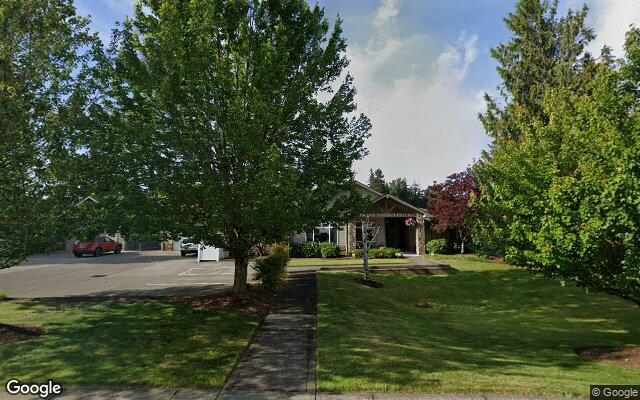
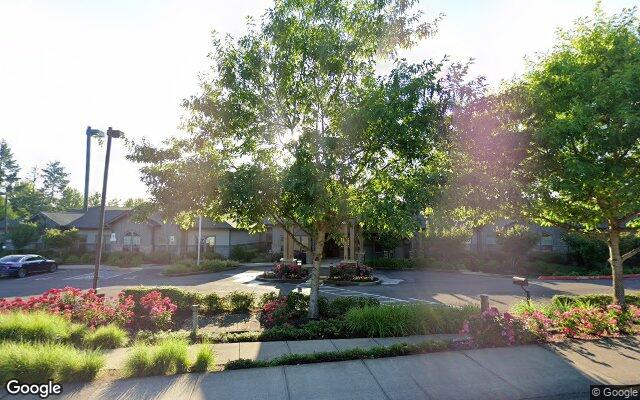
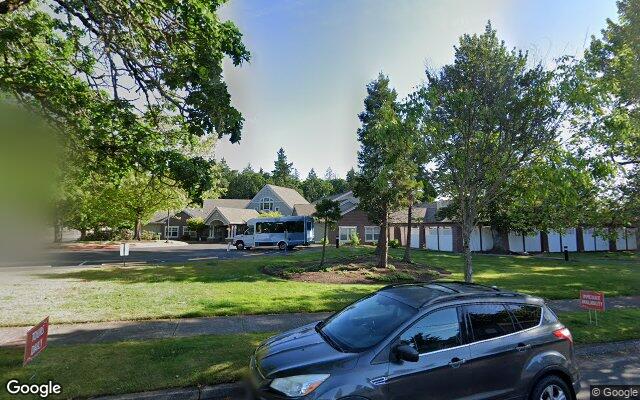
A large home, reviewed on public record.
© Google Street View
Compared to 15 Oregon facilities with a similar number of beds.
ALF memory care · 36-month window. Higher percentile = better performance on inspection record. Source: Oregon Dept. of Human Services · Long-Term Care Licensing.
Rankings based on 36-month OR-DHS inspection data. Severity and frequency: fewer citations = higher percentile. Repeat rate: lower repeat citation share = higher percentile.
Citation history, plotted month by month.
8 deficiencies on record. Each bar is a month with a citation.
Finding distribution
8 total · 36 monthsScope × Severity (CMS A–L)
Every inspection visit, verbatim.
4 inspections in the public record, most recent first. Plain-language summaries open first — click into any row for the full citation text.
2025-10-13Annual Compliance VisitOR-cited · 3 findings
Plain-language summary
A routine kitchen inspection on October 13, 2025 found that the facility failed to maintain the kitchen in good repair and sanitary condition under Oregon food sanitation rules, did not provide accurate puree textures for residents who required them, and did not implement a previous plan of correction as required. The violations applied to both the main facility and the memory care unit. The facility was required to submit a corrected plan of correction within ten days.
Read full citation text (3)Hide full citation text
“Based on observation, and interview, it was determined the facility failed to maintain the kitchen in good repair and in a sanitary manner, in accordance with the Food Sanitation Rules, OAR 333-150-000. Facility did not provide accurate textures for residents requiring puree. Findings include, but are not limited to: Observations were made of the main kitchen, dry food and paper product storage area, memory care unit kitchenette, and the RCF unit dining room kitchenettes on 10/13/25, between 10:00 am and 2:00 pm. The following areas were identified:”
“Based on interview, observation and review of records, it was determined the facility failed to ensure their kitchen survey plan of correction was implemented and satisfied the Department. Findings include, but are not limited to: Refer to C 240. Refer Plan Of Correction to addendum C 240 OAR 411-054-0105 (2-4) Inspections and Investigation: Insp Interval (Amended 12/15/21)(2) The facility shall not interfere with a good faith disclosure of information by an employee or volunteer concerning abuse or other action affecting a resident's safety or welfare, as described in OAR 411-054-0028(4).(3) Staff of the Department shall visit and inspect every facility at least but not limited to once every two years for a full in-person survey to determine whether the facility is maintained and operated in accordance with these rules.(a) For each year during which a facility does not have a full survey, the Department shall conduct an in-person inspection of the kitchen and other areas where food is prepared for residents.(b) Subsection (a) will not go into effect until July 1, 2022.(c) Facilities not in compliance with these rules must submit, within ten days of receipt of the inspection report, a plan of correction that satisfies the Department.(d) The Department may impose sanctions for failure to comply with these rules.(4) Department staff may consult with and advise the facility administrator concerning methods of care, records, housing, equipment, and other areas of operation. This Rule is not met as evidenced by:”
“Based on observations and interviews, it was determined the facility failed to follow licensing rules for Residential Care and Assisted Living Facilities. Findings include, but are not limited to: Refer to C240. Z142: The above information includes Memory Care. OAR 411-057-0140(2) Administration Compliance (2) The licensee of a memory care community must comply with both the licensing rules for the facility and Chapter 411, Division 57. This Rule is not met as evidenced by: Based on observations and interviews, it was determined the facility failed to follow licensing rules for Residential Care and Assisted Living Facilities. Findings include, but are not limited to: Refer to C240. Z0142: All above corrections apply to Memory Care. OAR 411-057-0140(2) Administration Compliance (2) The licensee of a memory care community must comply with both the licensing rules for the facility and Chapter 411, Division 57. This Rule is not met as evidenced by:”
Read raw inspector notesClose inspector notes
Based on observation, and interview, it was determined the facility failed to maintain the kitchen in good repair and in a sanitary manner, in accordance with the Food Sanitation Rules, OAR 333-150-000. Facility did not provide accurate textures for residents requiring puree. Findings include, but are not limited to: Observations were made of the main kitchen, dry food and paper product storage area, memory care unit kitchenette, and the RCF unit dining room kitchenettes on 10/13/25, between 10:00 am and 2:00 pm. The following areas were identified: Based on interview, observation and review of records, it was determined the facility failed to ensure their kitchen survey plan of correction was implemented and satisfied the Department. Findings include, but are not limited to: Refer to C 240. Refer Plan Of Correction to addendum C 240 OAR 411-054-0105 (2-4) Inspections and Investigation: Insp Interval (Amended 12/15/21)(2) The facility shall not interfere with a good faith disclosure of information by an employee or volunteer concerning abuse or other action affecting a resident's safety or welfare, as described in OAR 411-054-0028(4).(3) Staff of the Department shall visit and inspect every facility at least but not limited to once every two years for a full in-person survey to determine whether the facility is maintained and operated in accordance with these rules.(a) For each year during which a facility does not have a full survey, the Department shall conduct an in-person inspection of the kitchen and other areas where food is prepared for residents.(b) Subsection (a) will not go into effect until July 1, 2022.(c) Facilities not in compliance with these rules must submit, within ten days of receipt of the inspection report, a plan of correction that satisfies the Department.(d) The Department may impose sanctions for failure to comply with these rules.(4) Department staff may consult with and advise the facility administrator concerning methods of care, records, housing, equipment, and other areas of operation. This Rule is not met as evidenced by: Based on observations and interviews, it was determined the facility failed to follow licensing rules for Residential Care and Assisted Living Facilities. Findings include, but are not limited to: Refer to C240. Z142: The above information includes Memory Care. OAR 411-057-0140(2) Administration Compliance (2) The licensee of a memory care community must comply with both the licensing rules for the facility and Chapter 411, Division 57. This Rule is not met as evidenced by: Based on observations and interviews, it was determined the facility failed to follow licensing rules for Residential Care and Assisted Living Facilities. Findings include, but are not limited to: Refer to C240. Z0142: All above corrections apply to Memory Care. OAR 411-057-0140(2) Administration Compliance (2) The licensee of a memory care community must comply with both the licensing rules for the facility and Chapter 411, Division 57. This Rule is not met as evidenced by:
2024-11-19Annual Compliance VisitOR-cited · 1 finding
Plain-language summary
A routine kitchen inspection found that the facility did not meet food sanitation requirements under state rules, including issues with cleaning and repair, equipment condition, hair restraints and apron use, and food storage. The facility must correct these violations to comply with Oregon's food sanitation standards for residential care and assisted living facilities.
Read full citation text (1)Hide full citation text
“OAR 411-054-0030 (1)(a) Resident Services Meals, Food Sanitation Rule (1) The residential care or assisted living facility must provide a minimum scope of services as follows: (a) Three daily nutritious, palatable meals with snacks available seven days a week, in accordance with the recommended dietary allowances found in the United States Department of Agriculture (USDA) guidelines, including seasonal fresh fruit and fresh vegetables; (A) Modified special diets that are appropriate to residents' needs and choices. The facility must encourage residents' involvement in developing menus. (B) Menus must be prepared at least one week in advance, and must be made available to all residents. Meal substitutions must be of similar nutritional value if a resident refuses a food that is served. Residents must be informed in advance of menu changes. (C) Food must be prepared and served in accordance with OAR 333-150-0000 (Food Sanitation Rules). This Rule is not met as evidenced by: C 240: C) Food must be prepared and served in accordance with OAR 333-150-0000 (Food Sanitation Rules) related to minor cleaning and repair, equipment in good repair, hair restraints and apron use, and food storage.”
Read raw inspector notesClose inspector notes
OAR 411-054-0030 (1)(a) Resident Services Meals, Food Sanitation Rule (1) The residential care or assisted living facility must provide a minimum scope of services as follows: (a) Three daily nutritious, palatable meals with snacks available seven days a week, in accordance with the recommended dietary allowances found in the United States Department of Agriculture (USDA) guidelines, including seasonal fresh fruit and fresh vegetables; (A) Modified special diets that are appropriate to residents' needs and choices. The facility must encourage residents' involvement in developing menus. (B) Menus must be prepared at least one week in advance, and must be made available to all residents. Meal substitutions must be of similar nutritional value if a resident refuses a food that is served. Residents must be informed in advance of menu changes. (C) Food must be prepared and served in accordance with OAR 333-150-0000 (Food Sanitation Rules). This Rule is not met as evidenced by: C 240: C) Food must be prepared and served in accordance with OAR 333-150-0000 (Food Sanitation Rules) related to minor cleaning and repair, equipment in good repair, hair restraints and apron use, and food storage.
2024-08-05Complaint InvestigationOR-cited · 1 finding
Plain-language summary
During a complaint investigation on August 5, 2024, the facility was found to have failed to fully implement and update its Acuity Based Staffing Tool, and the posted staffing plan did not match the staffing levels required by the tool's calculation of 41.6 staff members needed for day shift. The facility's staffing methodology relied on a plan it had used historically rather than on current acuity data, and the tool's calculations were inflated due to counting single tasks across multiple activities of daily living. Interviews with residents did not reveal any missed care needs.
Read full citation text (1)Hide full citation text
“Based on observation, interview, and record review, conducted during a site visit on 08/05/24, it was confirmed the facility failed to fully implement and update an Acuity Based Staffing Tool. Findings include, but are not limited to: In an interview on 08/05/24, Staff 1 (Administrator) stated the building consisted of an RCF with two floors named "Manor Care 1 and 2" and a memory care named "Manor Care West." A review of the facility's Posted Staffing Plan stated the following: * Manor Care * Day: seven caregivers, two med techs, and one restorative aide; * Evening: seven caregivers and two med techs; and * Night: four caregivers and one med tech, who was shared with the memory care. * Memory Care * Day: five caregivers, one med tech, and one restorative aide; * Evening: five caregivers and one med tech; and * Night: three caregivers and one med tech, who was shared with Manor Care. In an interview on 08/05/24, when asked how the facility determines the staffing plan, Staff 1 stated this was "the plan the facility has always had." A review of the facility's ABST showed 312 total care hours, requiring 41.6 staff members for day shift. A review of the posted staffing plan and staff schedule revealed the facility was not staffing to the plan required by the ABST. In an interview on 08/20/24, Witness 2 (ABST Corrective Action Coordinator) stated the facility's high frequency count, which generated abnormally high staffing hours, was due to counting single ADL tasks across multiple ADLs in the ABST. Interviews with residents did not reveal any missed needs. The findings were reviewed with and acknowledged by Staff 1, Staff 2 (Director of Nursing), Staff 9 (Facility Compliance Specialist), and Staff 10 (Executive Director). It was confirmed the facility failed to fully implement an Acuity Based Staffing Tool. Based on observation, interview, and record review, conducted during a site visit on 08/05/24, it was confirmed the facility failed to fully implement and update an Acuity Based Staffing Tool. Findings include, but are not limited to: In an interview on 08/05/24, Staff 1 (Administrator) stated the building consisted of an RCF with two floors named "Manor Care 1 and 2" and a memory care named "Manor Care West." A review of the facility's Posted Staffing Plan stated the following: * Manor Care * Day: seven caregivers, two med techs, and one restorative aide; * Evening: seven caregivers and two med techs; and * Night: four caregivers and one med tech, who was shared with the memory care. * Memory Care * Day: five caregivers, one med tech, and one restorative aide; * Evening: five caregivers and one med tech; and * Night: three caregivers and one med tech, who was shared with Manor Care. In an interview on 08/05/24, when asked how the facility determines the staffing plan, Staff 1 stated this was "the plan the facility has always had." A review of the facility's ABST showed 312 total care hours, requiring 41.6 staff members for day shift. A review of the posted staffing plan and staff schedule revealed the facility was not staffing to the plan required by the ABST. In an interview on 08/20/24, Witness 2 (ABST Corrective Action Coordinator) stated the facility's high frequency count, which generated abnormally high staffing hours, was due to counting single ADL tasks across multiple ADLs in the ABST. Interviews with residents did not reveal any missed needs. The findings were reviewed with and acknowledged by Staff 1, Staff 2 (Director of Nursing), Staff 9 (Facility Compliance Specialist), and Staff 10 (Executive Director). It was confirmed the facility failed to fully implement an Acuity Based Staffing Tool.”
Read raw inspector notesClose inspector notes
Based on observation, interview, and record review, conducted during a site visit on 08/05/24, it was confirmed the facility failed to fully implement and update an Acuity Based Staffing Tool. Findings include, but are not limited to: In an interview on 08/05/24, Staff 1 (Administrator) stated the building consisted of an RCF with two floors named "Manor Care 1 and 2" and a memory care named "Manor Care West." A review of the facility's Posted Staffing Plan stated the following: * Manor Care * Day: seven caregivers, two med techs, and one restorative aide; * Evening: seven caregivers and two med techs; and * Night: four caregivers and one med tech, who was shared with the memory care. * Memory Care * Day: five caregivers, one med tech, and one restorative aide; * Evening: five caregivers and one med tech; and * Night: three caregivers and one med tech, who was shared with Manor Care. In an interview on 08/05/24, when asked how the facility determines the staffing plan, Staff 1 stated this was "the plan the facility has always had." A review of the facility's ABST showed 312 total care hours, requiring 41.6 staff members for day shift. A review of the posted staffing plan and staff schedule revealed the facility was not staffing to the plan required by the ABST. In an interview on 08/20/24, Witness 2 (ABST Corrective Action Coordinator) stated the facility's high frequency count, which generated abnormally high staffing hours, was due to counting single ADL tasks across multiple ADLs in the ABST. Interviews with residents did not reveal any missed needs. The findings were reviewed with and acknowledged by Staff 1, Staff 2 (Director of Nursing), Staff 9 (Facility Compliance Specialist), and Staff 10 (Executive Director). It was confirmed the facility failed to fully implement an Acuity Based Staffing Tool. Based on observation, interview, and record review, conducted during a site visit on 08/05/24, it was confirmed the facility failed to fully implement and update an Acuity Based Staffing Tool. Findings include, but are not limited to: In an interview on 08/05/24, Staff 1 (Administrator) stated the building consisted of an RCF with two floors named "Manor Care 1 and 2" and a memory care named "Manor Care West." A review of the facility's Posted Staffing Plan stated the following: * Manor Care * Day: seven caregivers, two med techs, and one restorative aide; * Evening: seven caregivers and two med techs; and * Night: four caregivers and one med tech, who was shared with the memory care. * Memory Care * Day: five caregivers, one med tech, and one restorative aide; * Evening: five caregivers and one med tech; and * Night: three caregivers and one med tech, who was shared with Manor Care. In an interview on 08/05/24, when asked how the facility determines the staffing plan, Staff 1 stated this was "the plan the facility has always had." A review of the facility's ABST showed 312 total care hours, requiring 41.6 staff members for day shift. A review of the posted staffing plan and staff schedule revealed the facility was not staffing to the plan required by the ABST. In an interview on 08/20/24, Witness 2 (ABST Corrective Action Coordinator) stated the facility's high frequency count, which generated abnormally high staffing hours, was due to counting single ADL tasks across multiple ADLs in the ABST. Interviews with residents did not reveal any missed needs. The findings were reviewed with and acknowledged by Staff 1, Staff 2 (Director of Nursing), Staff 9 (Facility Compliance Specialist), and Staff 10 (Executive Director). It was confirmed the facility failed to fully implement an Acuity Based Staffing Tool.
2023-10-25Complaint InvestigationOR-cited · 3 findings
Plain-language summary
A kitchen inspection on October 25, 2023 found multiple violations of food sanitation rules, including accumulation of food debris and grease on equipment, dust buildup on ventilation systems, damaged food-contact surfaces, food carts stored in hallways where they could be accessed by the public, a kitchen employee handling ready-to-eat food with potentially contaminated gloves, and a memory care refrigerator that repeatedly failed to maintain safe temperatures. A follow-up inspection on January 4, 2024 determined the facility was in substantial compliance with applicable regulations.
Read full citation text (3)Hide full citation text
“The findings of the kitchen inspection, conducted 10/25/23, are documented in this report. The survey was conducted to determine compliance with the OARs 411-054-0030 for Residential Care and Assisted Living Facilities for Resident Services- Meals, and Oregon Health Service Food Sanitation Rules OARs 333-150-0000. The findings of the kitchen inspection, conducted 10/25/23, are documented in this report. The survey was conducted to determine compliance with the OARs 411-054-0030 for Residential Care and Assisted Living Facilities for Resident Services- Meals, and Oregon Health Service Food Sanitation Rules OARs 333-150-0000. The findings of the revisit to the kitchen inspection of 10/25/23, conducted 01/04/24, are documented in this report. It was determined the facility was in substantial compliance with the OARs 411-054-0030 for Residential Care and Assisted Living Facilities for Resident Services- Meals, and Oregon Health Service Food Sanitation Rules OARs 333-150-0000. The findings of the revisit to the kitchen inspection of 10/25/23, conducted 01/04/24, are documented in this report. It was determined the facility was in substantial compliance with the OARs 411-054-0030 for Residential Care and Assisted Living Facilities for Resident Services- Meals, and Oregon Health Service Food Sanitation Rules OARs 333-150-0000.”
“Based on observation, interview, and record review, it was determined the facility failed to maintain the kitchen in good repair and in a sanitary manner, in accordance with the Food Sanitation Rules, OAR 333-150-000. Findings include, but are not limited to: Observations were made in the kitchen on 10/25/23, between 10:26 am and 1:15 pm, with facility staff. The following deficiencies were identified: a. An accumulation of food spills, splatters, loose food and trash debris, dirt, dust, black matter, and/or grease was visible on, underneath, or between the following: *Industrial and counter top can opener and housing; *Industrial mixer base and dough hook; *Convection oven; *Range top; *Grout behind dishwashing area; *Fans and ceiling in walk in cooler; *Handwashing sink near dishwashing area; and *Bottom two shelves of racks holding clean dishes. b. Heating and cooling system vents in the food prep and tray line areas, as well as in cold storage, had a build-up of visible dust. The ceiling and walls around the vents also had a visible build-up of dust, risking potential contamination of food. c. The coating on the blade of the large can opener was peeling off, leaving an uncleanable surface. The blade needed to be replaced. d. Multiple cutting boards and utility carts were found heavily scored, stained, and/or missing chunks, and needed to be replaced. e. In the dry storage area, multiple cans of food were observed dented/damaged. f. Multiple carts were observed lined up against the wall in a hallway near a dining room at 10:20 am. The carts held covered food and uncovered utensils and were accessible by anyone passing the area, exposing them to potential contamination. The Dining Services Manager reported there was a lack of space in the kitchen area for tray set up, so food delivery carts were kept in the hallway until service. g. Kitchen employee was observed to repeatedly handle RTE (ready to eat) food items with potentially contaminated gloves during tray line service. h. Memory care kitchenette reach in refrigerator was found to be at 49 degrees Fahrenheit. This was the units resident snack fridge. Review of documentation of temperature sheet revealed 10 times since 10/12/23 that the refrigerator temperatures were at higher than 41 degrees (42-48 degrees). Milk and condiments were observed stored in that refrigerator. Facility administrative staff verified they were not informed of any temperature concerns with that refrigerator. The findings were shared with the Staff 1 (Administrator) and Staff 2 (Dining Services Director) on 10/25/23 at 1:00 pm. They acknowledged the findings. Based on observation, interview, and record review, it was determined the facility failed to maintain the kitchen in good repair and in a sanitary manner, in accordance with the Food Sanitation Rules, OAR 333-150-000. Findings include, but are not limited to: Observations were made in the kitchen on 10/25/23, between 10:26 am and 1:15 pm, with facility staff. The following deficiencies were identified: a. An accumulation of food spills, splatters, loose food and trash debris, dirt, dust, black matter, and/or grease was visible on, underneath, or between the following: *Industrial and counter top can opener and housing; *Industrial mixer base and dough hook; *Convection oven; *Range top; *Grout behind dishwashing area; *Fans and ceiling in walk in cooler; *Handwashing sink near dishwashing area; and *Bottom two shelves of racks holding clean dishes. b. Heating and cooling system vents in the food prep and tray line areas, as well as in cold storage, had a build-up of visible dust. The ceiling and walls around the vents also had a visible build-up of dust, risking potential contamination of food. c. The coating on the blade of the large can opener was peeling off, leaving an uncleanable surface. The blade needed to be replaced. d. Multiple cutting boards and utility carts were found heavily scored, stained, and/or missing chunks, and needed to be replaced. e. In the dry storage area, multiple cans of food were observed dented/damaged. f. Multiple carts were observed lined up against the wall in a hallway near a dining room at 10:20 am. The carts held covered food and uncovered utensils and were accessible by anyone passing the area, exposing them to potential contamination. The Dining Services Manager reported there was a lack of space in the kitchen area for tray set up, so food delivery carts were kept in the hallway until service. g. Kitchen employee was observed to repeatedly handle RTE (ready to eat) food items with potentially contaminated gloves during tray line service. h. Memory care kitchenette reach in refrigerator was found to be at 49 degrees Fahrenheit. This was the units resident snack fridge. Review of documentation of temperature sheet revealed 10 times since 10/12/23 that the refrigerator temperatures were at higher than 41 degrees (42-48 degrees). Milk and condiments were observed stored in that refrigerator. Facility administrative staff verified they were not informed of any temperature concerns with that refrigerator. The findings were shared with the Staff 1 (Administrator) and Staff 2 (Dining Services Director) on 10/25/23 at 1:00 pm. They acknowledged the findings. C240: a. Action has been taken by refining our cleaning focus to delegate who and when the above-mentioned discrepancies will be cleaned. All tasks will be done by AM and PM kitchen staff. This cleaning focus will be checked daily by leads or designee.Weekly, a checklist with all state required regulations will be used by managers or designee. See attached cleaning focus (1.1) and checklist (1.2). b. Maintenance will perform regular vent cleaning. A work order will reoccur on the first Monday of every month. The vents, walls, ceiling, and shelving will be checked for any buildup of dust. Wiping walls will be part of the cleaning focus. See attached cleaning focus (1.1). Weekly, a walkthrough performed by the leads or designee, will be performed. See checklist (1.2). c. A new blade and inner mechanisms have been ordered and sent for immediate repair. See invoice (1.3). A task on the cleaning focus will be delegated by a team lead or designee to clean can openers. See attached cleaning focus (1.1). During the weekly walkthrough done by managers or designee, the can opener will be monitored for food debris or rust build up. See checklist (1.2). C240: a. Action has been taken by refining our cleaning focus to delegate who and when the above-mentioned discrepancies will be cleaned. All tasks will be done by AM and PM kitchen staff. This cleaning focus will be checked daily by leads or designee.Weekly, a checklist with all state required regulations will be used by managers or designee. See attached cleaning focus (1.1) and checklist (1.2). b. Maintenance will perform regular vent cleaning. A work order will reoccur on the first Monday of every month. The vents, walls, ceiling, and shelving will be checked for any buildup of dust. Wiping walls will be part of the cleaning focus. See attached cleaning focus (1.1). Weekly, a walkthrough performed by the leads or designee, will be performed. See checklist (1.2). c. A new blade and inner mechanisms have been ordered and sent for immediate repair. See invoice (1.3). A task on the cleaning focus will be delegated by a team lead or designee to clean can openers. See attached cleaning focus (1.1). During the weekly walkthrough done by managers or designee, the can opener will be monitored for food debris or rust build up. See checklist (1.2). There are no detail notes for this visit.”
“Based on observation, record review and interview, it was determined the facility failed to follow licensing rules for Residential Care and Assisted Living Facilities. Findings include, but are not limited to: Refer to C240. Based on observation, record review and interview, it was determined the facility failed to follow licensing rules for Residential Care and Assisted Living Facilities. Findings include, but are not limited to: Refer to C240. e. A designated area has been made in the dry storage to place any dented/damaged cans away from non-damaged cans. A memo has been made and training have been put into place to ensure all staff are aware of regulations and how to handle damaged goods on 12/16/23. Staff that actively put stock away have been trained by leads.During the weekly checklist done by the manager or designee (see 1.2), the dry storage will be monitored to ensure no damaged cans are mixed in with non-damaged cans. Immediate disposal will be taken if damaged cans have been found. See attached notice and training summary (1.6, 1.7) f. A new policy has been put into place to keep trays from potential contamination. All trays will be stacked and kept in the storage closet with no silverware until needed for tray service. We will no longer have trays set up and ready in the hallway. Moving forward, all food and utensil set up will be done in the kitchen 15 minutes before service starts in the dining room (7:15am, 11:15am, & 4:15pm). Silverware will be wrapped in the napkin to keep from exposure. Serving staff have been trained and a training meeting has been scheduled for 12/16/23. See attached training summary and tray notice (1.7, 1.8). g. Training has been scheduled to remind all kitchen staff about safe food handling 12/16/23. We have purchased smaller, individual utensils to use for line service to prevent any contamination of ready to eat foods when serving. See invoice and training summary (1.4, 1.7). h. Training has been scheduled on 12/16/23 to ensure staff are aware of safe refrigerator and freezer temperatures. Temp logs identify what safe temperatures are and to report to managers if temperatures are not safe. See training summary and temp logs (1.7, 1.9.) C999: (1) All staff have been informed about Noro Virus and the symptoms associated with the virus. A policy has been posted and communicated to maintain infection prevention. Staff are aware of what to do and to contact direct supervisors when symptoms occur to prevent infection. See policy (1.10). C370 A spreadsheet has been made to ensure that all staff have valid and up to date OR food handler's certificates. The dining service supervisor is to keep track of all food handler's certificates monthly to ensure compliance with regulations. See spreadsheet (1.11). Z142: The above information applies for memory care. e. A designated area has been made in the dry storage to place any dented/damaged cans away from non-damaged cans. A memo has been made and training have been put into place to ensure all staff are aware of regulations and how to handle damaged goods on 12/16/23. Staff that actively put stock away have been trained by leads.During the weekly checklist done by the manager or designee (see 1.2), the dry storage will be monitored to ensure no damaged cans are mixed in with non-damaged cans. Immediate disposal will be taken if damaged cans have been found. See attached notice and training summary (1.6, 1.7) f. A new policy has been put into place to keep trays from potential contamination. All trays will be stacked and kept in the storage closet with no silverware until needed for tray service. We will no longer have trays set up and ready in the hallway. Moving forward, all food and utensil set up will be done in the kitchen 15 minutes before service starts in the dining room (7:15am, 11:15am, & 4:15pm). Silverware will be wrapped in the napkin to keep from exposure. Serving staff have been trained and a training meeting has been scheduled for 12/16/23. See attached training summary and tray notice (1.7, 1.8). g. Training has been scheduled to remind all kitchen staff about safe food handling 12/16/23. We have purchased smaller, individual utensils to use for line service to prevent any contamination of ready to eat foods when serving. See invoice and training summary (1.4, 1.7). h. Training has been scheduled on 12/16/23 to ensure staff are aware of safe refrigerator and freezer temperatures. Temp logs identify what safe temperatures are and to report to managers if temperatures are not safe. See training summary and temp logs (1.7, 1.9.) C999: (1) All staff have been informed about Noro Virus and the symptoms associated with the virus. A policy has been posted and communicated to maintain infection prevention. Staff are aware of what to do and to contact direct supervisors when symptoms occur to prevent infection. See policy (1.10). C370 A spreadsheet has been made to ensure that all staff have valid and up to date OR food handler's certificates. The dining service supervisor is to keep track of all food handler's certificates monthly to ensure compliance with regulations. See spreadsheet (1.11). Z142: The above information applies for memory care. There are no detail notes for this visit.”
Read raw inspector notesClose inspector notes
The findings of the kitchen inspection, conducted 10/25/23, are documented in this report. The survey was conducted to determine compliance with the OARs 411-054-0030 for Residential Care and Assisted Living Facilities for Resident Services- Meals, and Oregon Health Service Food Sanitation Rules OARs 333-150-0000. The findings of the kitchen inspection, conducted 10/25/23, are documented in this report. The survey was conducted to determine compliance with the OARs 411-054-0030 for Residential Care and Assisted Living Facilities for Resident Services- Meals, and Oregon Health Service Food Sanitation Rules OARs 333-150-0000. The findings of the revisit to the kitchen inspection of 10/25/23, conducted 01/04/24, are documented in this report. It was determined the facility was in substantial compliance with the OARs 411-054-0030 for Residential Care and Assisted Living Facilities for Resident Services- Meals, and Oregon Health Service Food Sanitation Rules OARs 333-150-0000. The findings of the revisit to the kitchen inspection of 10/25/23, conducted 01/04/24, are documented in this report. It was determined the facility was in substantial compliance with the OARs 411-054-0030 for Residential Care and Assisted Living Facilities for Resident Services- Meals, and Oregon Health Service Food Sanitation Rules OARs 333-150-0000. Based on observation, interview, and record review, it was determined the facility failed to maintain the kitchen in good repair and in a sanitary manner, in accordance with the Food Sanitation Rules, OAR 333-150-000. Findings include, but are not limited to: Observations were made in the kitchen on 10/25/23, between 10:26 am and 1:15 pm, with facility staff. The following deficiencies were identified: a. An accumulation of food spills, splatters, loose food and trash debris, dirt, dust, black matter, and/or grease was visible on, underneath, or between the following: *Industrial and counter top can opener and housing; *Industrial mixer base and dough hook; *Convection oven; *Range top; *Grout behind dishwashing area; *Fans and ceiling in walk in cooler; *Handwashing sink near dishwashing area; and *Bottom two shelves of racks holding clean dishes. b. Heating and cooling system vents in the food prep and tray line areas, as well as in cold storage, had a build-up of visible dust. The ceiling and walls around the vents also had a visible build-up of dust, risking potential contamination of food. c. The coating on the blade of the large can opener was peeling off, leaving an uncleanable surface. The blade needed to be replaced. d. Multiple cutting boards and utility carts were found heavily scored, stained, and/or missing chunks, and needed to be replaced. e. In the dry storage area, multiple cans of food were observed dented/damaged. f. Multiple carts were observed lined up against the wall in a hallway near a dining room at 10:20 am. The carts held covered food and uncovered utensils and were accessible by anyone passing the area, exposing them to potential contamination. The Dining Services Manager reported there was a lack of space in the kitchen area for tray set up, so food delivery carts were kept in the hallway until service. g. Kitchen employee was observed to repeatedly handle RTE (ready to eat) food items with potentially contaminated gloves during tray line service. h. Memory care kitchenette reach in refrigerator was found to be at 49 degrees Fahrenheit. This was the units resident snack fridge. Review of documentation of temperature sheet revealed 10 times since 10/12/23 that the refrigerator temperatures were at higher than 41 degrees (42-48 degrees). Milk and condiments were observed stored in that refrigerator. Facility administrative staff verified they were not informed of any temperature concerns with that refrigerator. The findings were shared with the Staff 1 (Administrator) and Staff 2 (Dining Services Director) on 10/25/23 at 1:00 pm. They acknowledged the findings. Based on observation, interview, and record review, it was determined the facility failed to maintain the kitchen in good repair and in a sanitary manner, in accordance with the Food Sanitation Rules, OAR 333-150-000. Findings include, but are not limited to: Observations were made in the kitchen on 10/25/23, between 10:26 am and 1:15 pm, with facility staff. The following deficiencies were identified: a. An accumulation of food spills, splatters, loose food and trash debris, dirt, dust, black matter, and/or grease was visible on, underneath, or between the following: *Industrial and counter top can opener and housing; *Industrial mixer base and dough hook; *Convection oven; *Range top; *Grout behind dishwashing area; *Fans and ceiling in walk in cooler; *Handwashing sink near dishwashing area; and *Bottom two shelves of racks holding clean dishes. b. Heating and cooling system vents in the food prep and tray line areas, as well as in cold storage, had a build-up of visible dust. The ceiling and walls around the vents also had a visible build-up of dust, risking potential contamination of food. c. The coating on the blade of the large can opener was peeling off, leaving an uncleanable surface. The blade needed to be replaced. d. Multiple cutting boards and utility carts were found heavily scored, stained, and/or missing chunks, and needed to be replaced. e. In the dry storage area, multiple cans of food were observed dented/damaged. f. Multiple carts were observed lined up against the wall in a hallway near a dining room at 10:20 am. The carts held covered food and uncovered utensils and were accessible by anyone passing the area, exposing them to potential contamination. The Dining Services Manager reported there was a lack of space in the kitchen area for tray set up, so food delivery carts were kept in the hallway until service. g. Kitchen employee was observed to repeatedly handle RTE (ready to eat) food items with potentially contaminated gloves during tray line service. h. Memory care kitchenette reach in refrigerator was found to be at 49 degrees Fahrenheit. This was the units resident snack fridge. Review of documentation of temperature sheet revealed 10 times since 10/12/23 that the refrigerator temperatures were at higher than 41 degrees (42-48 degrees). Milk and condiments were observed stored in that refrigerator. Facility administrative staff verified they were not informed of any temperature concerns with that refrigerator. The findings were shared with the Staff 1 (Administrator) and Staff 2 (Dining Services Director) on 10/25/23 at 1:00 pm. They acknowledged the findings. C240: a. Action has been taken by refining our cleaning focus to delegate who and when the above-mentioned discrepancies will be cleaned. All tasks will be done by AM and PM kitchen staff. This cleaning focus will be checked daily by leads or designee.Weekly, a checklist with all state required regulations will be used by managers or designee. See attached cleaning focus (1.1) and checklist (1.2). b. Maintenance will perform regular vent cleaning. A work order will reoccur on the first Monday of every month. The vents, walls, ceiling, and shelving will be checked for any buildup of dust. Wiping walls will be part of the cleaning focus. See attached cleaning focus (1.1). Weekly, a walkthrough performed by the leads or designee, will be performed. See checklist (1.2). c. A new blade and inner mechanisms have been ordered and sent for immediate repair. See invoice (1.3). A task on the cleaning focus will be delegated by a team lead or designee to clean can openers. See attached cleaning focus (1.1). During the weekly walkthrough done by managers or designee, the can opener will be monitored for food debris or rust build up. See checklist (1.2). C240: a. Action has been taken by refining our cleaning focus to delegate who and when the above-mentioned discrepancies will be cleaned. All tasks will be done by AM and PM kitchen staff. This cleaning focus will be checked daily by leads or designee.Weekly, a checklist with all state required regulations will be used by managers or designee. See attached cleaning focus (1.1) and checklist (1.2). b. Maintenance will perform regular vent cleaning. A work order will reoccur on the first Monday of every month. The vents, walls, ceiling, and shelving will be checked for any buildup of dust. Wiping walls will be part of the cleaning focus. See attached cleaning focus (1.1). Weekly, a walkthrough performed by the leads or designee, will be performed. See checklist (1.2). c. A new blade and inner mechanisms have been ordered and sent for immediate repair. See invoice (1.3). A task on the cleaning focus will be delegated by a team lead or designee to clean can openers. See attached cleaning focus (1.1). During the weekly walkthrough done by managers or designee, the can opener will be monitored for food debris or rust build up. See checklist (1.2). There are no detail notes for this visit. Based on observation, record review and interview, it was determined the facility failed to follow licensing rules for Residential Care and Assisted Living Facilities. Findings include, but are not limited to: Refer to C240. Based on observation, record review and interview, it was determined the facility failed to follow licensing rules for Residential Care and Assisted Living Facilities. Findings include, but are not limited to: Refer to C240. e. A designated area has been made in the dry storage to place any dented/damaged cans away from non-damaged cans. A memo has been made and training have been put into place to ensure all staff are aware of regulations and how to handle damaged goods on 12/16/23. Staff that actively put stock away have been trained by leads.During the weekly checklist done by the manager or designee (see 1.2), the dry storage will be monitored to ensure no damaged cans are mixed in with non-damaged cans. Immediate disposal will be taken if damaged cans have been found. See attached notice and training summary (1.6, 1.7) f. A new policy has been put into place to keep trays from potential contamination. All trays will be stacked and kept in the storage closet with no silverware until needed for tray service. We will no longer have trays set up and ready in the hallway. Moving forward, all food and utensil set up will be done in the kitchen 15 minutes before service starts in the dining room (7:15am, 11:15am, & 4:15pm). Silverware will be wrapped in the napkin to keep from exposure. Serving staff have been trained and a training meeting has been scheduled for 12/16/23. See attached training summary and tray notice (1.7, 1.8). g. Training has been scheduled to remind all kitchen staff about safe food handling 12/16/23. We have purchased smaller, individual utensils to use for line service to prevent any contamination of ready to eat foods when serving. See invoice and training summary (1.4, 1.7). h. Training has been scheduled on 12/16/23 to ensure staff are aware of safe refrigerator and freezer temperatures. Temp logs identify what safe temperatures are and to report to managers if temperatures are not safe. See training summary and temp logs (1.7, 1.9.) C999: (1) All staff have been informed about Noro Virus and the symptoms associated with the virus. A policy has been posted and communicated to maintain infection prevention. Staff are aware of what to do and to contact direct supervisors when symptoms occur to prevent infection. See policy (1.10). C370 A spreadsheet has been made to ensure that all staff have valid and up to date OR food handler's certificates. The dining service supervisor is to keep track of all food handler's certificates monthly to ensure compliance with regulations. See spreadsheet (1.11). Z142: The above information applies for memory care. e. A designated area has been made in the dry storage to place any dented/damaged cans away from non-damaged cans. A memo has been made and training have been put into place to ensure all staff are aware of regulations and how to handle damaged goods on 12/16/23. Staff that actively put stock away have been trained by leads.During the weekly checklist done by the manager or designee (see 1.2), the dry storage will be monitored to ensure no damaged cans are mixed in with non-damaged cans. Immediate disposal will be taken if damaged cans have been found. See attached notice and training summary (1.6, 1.7) f. A new policy has been put into place to keep trays from potential contamination. All trays will be stacked and kept in the storage closet with no silverware until needed for tray service. We will no longer have trays set up and ready in the hallway. Moving forward, all food and utensil set up will be done in the kitchen 15 minutes before service starts in the dining room (7:15am, 11:15am, & 4:15pm). Silverware will be wrapped in the napkin to keep from exposure. Serving staff have been trained and a training meeting has been scheduled for 12/16/23. See attached training summary and tray notice (1.7, 1.8). g. Training has been scheduled to remind all kitchen staff about safe food handling 12/16/23. We have purchased smaller, individual utensils to use for line service to prevent any contamination of ready to eat foods when serving. See invoice and training summary (1.4, 1.7). h. Training has been scheduled on 12/16/23 to ensure staff are aware of safe refrigerator and freezer temperatures. Temp logs identify what safe temperatures are and to report to managers if temperatures are not safe. See training summary and temp logs (1.7, 1.9.) C999: (1) All staff have been informed about Noro Virus and the symptoms associated with the virus. A policy has been posted and communicated to maintain infection prevention. Staff are aware of what to do and to contact direct supervisors when symptoms occur to prevent infection. See policy (1.10). C370 A spreadsheet has been made to ensure that all staff have valid and up to date OR food handler's certificates. The dining service supervisor is to keep track of all food handler's certificates monthly to ensure compliance with regulations. See spreadsheet (1.11). Z142: The above information applies for memory care. There are no detail notes for this visit.
1 older inspection from 2022 are not shown above.
Get the complete record, translated into plain language — emailed to you.
Other facilities in Marion County.
Other memory care facilities in Marion County with similar care offerings.
Facility Watch · Premium
Family reviews
No reviews yet — be the first to share your experience
Other memory care options nearby.
More options in neighboring cities
Licensed memory care in other cities within this county region — useful when your search radius crosses city limits.