Hawthorne House of Salem.
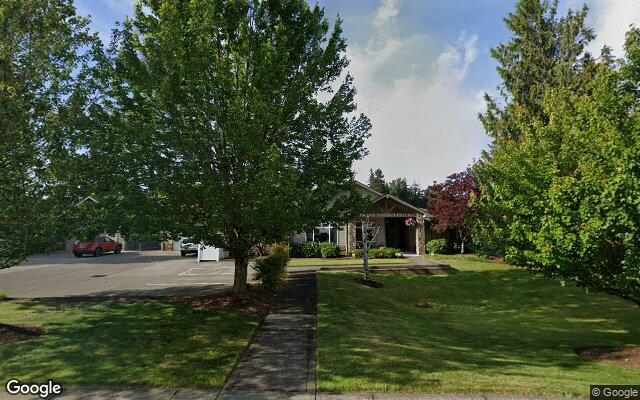
A medium home, reviewed on public record.
© Google Street View
Compared to 38 Oregon facilities with a similar number of beds.
ALF memory care · 36-month window. Higher percentile = better performance on inspection record. Source: Oregon Dept. of Human Services · Long-Term Care Licensing.
among peers to rank.
Rankings based on 36-month OR-DHS inspection data. Severity and frequency: fewer citations = higher percentile. Repeat rate: lower repeat citation share = higher percentile.
Citation history, plotted month by month.
5 deficiencies on record. Each bar is a month with a citation.
Finding distribution
5 total · 36 monthsScope × Severity (CMS A–L)
Every inspection visit, verbatim.
2 inspections in the public record, most recent first. Plain-language summaries open first — click into any row for the full citation text.
2025-04-22Annual Compliance VisitOR-cited · 2 findings
Plain-language summary
During a kitchen inspection on April 22, 2025, the facility was found to have failed to maintain the kitchen and food storage areas in a sanitary manner, with violations including accumulation of food debris and grease on refrigerators, burners, and storage areas; damaged drywall in the garage storage area; undated potentially hazardous foods; staff handling food without handwashing or protective barriers; and improper use of sanitizing products without correct contact time or test strips. The Person In Charge did not demonstrate adequate knowledge of food safety requirements, including proper cooking temperatures, thawing practices, cooling procedures, or exclusion of staff with foodborne illnesses. The facility was required to correct these violations and did not have a current copy of the Food Sanitation Rules available for staff reference.
Read full citation text (2)Hide full citation text
“Based on observations and interviews, it was determined the facility failed to follow licensing rules for Residential Care and Assisted Living Facilities. Findings include, but are not limited to: Refer to C240. Please refer to C0240 OAR 411-057-0140(2) Administration Compliance (2) The licensee of a memory care community must comply with both the licensing rules for the facility and Chapter 411, Division 57. This Rule is not met as evidenced by:”
“Based on observation, record review and interview, it was determined the facility failed to maintain the kitchen and food storage areas in good repair and in a sanitary manner in accordance with Food Sanitation Rules, OAR 333-150-000. Facility dedicated Person In Charge, did not demonstrate adequate knowledge of areas outlined in Food Sanitation Rules. Findings include, but are not limited to: Observation of the house kitchen on 04/22/25 from 11:40 am thru 2:15 pm revealed the following deficient practices. a. An accumulation of food spills, splatters, loose food and trash debris, dirt, dust, black matter, and grease was visible on or underneath the following: * Reach in refrigerators and freezers * Drawers and cupboards * Range top burners * Hot pads and mitts * Exterior of Ninja blender * Toaster * Thermometer probe; and * Drawer under oven where pan lids were stored. b. The following areas needed repair: * Drawer under oven * Multiple sections in garage area next to food storage closet with drywall missing exposing holes to walls. c. Multiple cans in dry goods storage were noted dented/damaged. d. Multiple potentially hazardous food items were observed stored in both house refrigerators that were not dated when opened as required. e. Multiple items were observed stored on the floor in garage panty. f. Multiple items were found stored in dry goods cupboard that were open to potential contamination. g. Multiple care staff were observed to be assisting residents with meal and or in and out of the kitchen area for food related tasks without aprons/protective barrier to prevent possible contamination. h. No strips to check or verify sanitizing solutions were at correct levels were located. Staff 2 (person in charge) was not aware of what strips were utilized. When interviewed about surface sanitation a spray Lysol product was used. Staff indicated they sprayed the counter top then whipped with a towel. No contact time was utilized or disclosed. Upon reading directions on the spray container it was a 10 min contact time and the product was to be wiped/rinsed off with water. The facility also had a product that was used that did not require a rinse but did require a mix to a correct parts per million concentration, however no test strips were available. Staff 2 did not know what strips would need to be utilized. i. Staff member was observed to enter the kitchen area from a care area. Staff did not don an apron and did not wash their hands. That staff then opened the refrigerator and retrieved an item and went to residents seated at the dining room table. Staff then went back to kitchen are and back into the refrigerator without washing hands. j. Food thermometer was observed stored in a drawer by the stove. The probe was uncovered and was observed with dried food debris. No method was available to sanitize the probe before/between/after use as required. k. Staff 2 (dedicated person in charge) was interviewed and was not able to correctly demonstrate the following *Correct cook to temperatures for multiple meat products *Propper reheat temperature *Potentially hazardous foods *Illnesses per food code that require exclusion and reporting *Effective surface sanitizing process l. Trash can was observed uncovered and filled with food products with out a lid when not in use. m. Facility did not have a copy of the current food code for PIC or staff with food preparation duties to refer to as required. Staff 1 (Executive director) was not aware of the Food Sanitation Rules document and surveyor assisted the facility in locating and printing a copy for staff reference. n. At 1:00 pm, Staff 2 was interviewed. They were not able to demonstrate effective knowledge in final cook to temperatures for all meat/protein items. They were also not able to discus proper thawing practices, proper cooling time/temperature benchmarks and methods. The PIC did not demonstrate effective oversight for cold food storage with 3 of 4 refrigerators not storing food at appropriate temperatures. The facility did not have effective ware washing sanitation practices and oversight. Staff 2 (PIC) toured areas with surveyor and acknowledged areas in need of attention and correction. In an interview on at 2 pm, Staff 1 (Executive Director) and Staff 3 (Assistant Executive Director) were informed of concerns found and acknowledged areas needing correction. Hawthorne House will implement the following below:”
Read raw inspector notesClose inspector notes
Based on observation, record review and interview, it was determined the facility failed to maintain the kitchen and food storage areas in good repair and in a sanitary manner in accordance with Food Sanitation Rules, OAR 333-150-000. Facility dedicated Person In Charge, did not demonstrate adequate knowledge of areas outlined in Food Sanitation Rules. Findings include, but are not limited to: Observation of the house kitchen on 04/22/25 from 11:40 am thru 2:15 pm revealed the following deficient practices. a. An accumulation of food spills, splatters, loose food and trash debris, dirt, dust, black matter, and grease was visible on or underneath the following: * Reach in refrigerators and freezers * Drawers and cupboards * Range top burners * Hot pads and mitts * Exterior of Ninja blender * Toaster * Thermometer probe; and * Drawer under oven where pan lids were stored. b. The following areas needed repair: * Drawer under oven * Multiple sections in garage area next to food storage closet with drywall missing exposing holes to walls. c. Multiple cans in dry goods storage were noted dented/damaged. d. Multiple potentially hazardous food items were observed stored in both house refrigerators that were not dated when opened as required. e. Multiple items were observed stored on the floor in garage panty. f. Multiple items were found stored in dry goods cupboard that were open to potential contamination. g. Multiple care staff were observed to be assisting residents with meal and or in and out of the kitchen area for food related tasks without aprons/protective barrier to prevent possible contamination. h. No strips to check or verify sanitizing solutions were at correct levels were located. Staff 2 (person in charge) was not aware of what strips were utilized. When interviewed about surface sanitation a spray Lysol product was used. Staff indicated they sprayed the counter top then whipped with a towel. No contact time was utilized or disclosed. Upon reading directions on the spray container it was a 10 min contact time and the product was to be wiped/rinsed off with water. The facility also had a product that was used that did not require a rinse but did require a mix to a correct parts per million concentration, however no test strips were available. Staff 2 did not know what strips would need to be utilized. i. Staff member was observed to enter the kitchen area from a care area. Staff did not don an apron and did not wash their hands. That staff then opened the refrigerator and retrieved an item and went to residents seated at the dining room table. Staff then went back to kitchen are and back into the refrigerator without washing hands. j. Food thermometer was observed stored in a drawer by the stove. The probe was uncovered and was observed with dried food debris. No method was available to sanitize the probe before/between/after use as required. k. Staff 2 (dedicated person in charge) was interviewed and was not able to correctly demonstrate the following *Correct cook to temperatures for multiple meat products *Propper reheat temperature *Potentially hazardous foods *Illnesses per food code that require exclusion and reporting *Effective surface sanitizing process l. Trash can was observed uncovered and filled with food products with out a lid when not in use. m. Facility did not have a copy of the current food code for PIC or staff with food preparation duties to refer to as required. Staff 1 (Executive director) was not aware of the Food Sanitation Rules document and surveyor assisted the facility in locating and printing a copy for staff reference. n. At 1:00 pm, Staff 2 was interviewed. They were not able to demonstrate effective knowledge in final cook to temperatures for all meat/protein items. They were also not able to discus proper thawing practices, proper cooling time/temperature benchmarks and methods. The PIC did not demonstrate effective oversight for cold food storage with 3 of 4 refrigerators not storing food at appropriate temperatures. The facility did not have effective ware washing sanitation practices and oversight. Staff 2 (PIC) toured areas with surveyor and acknowledged areas in need of attention and correction. In an interview on at 2 pm, Staff 1 (Executive Director) and Staff 3 (Assistant Executive Director) were informed of concerns found and acknowledged areas needing correction. Hawthorne House will implement the following below: Based on observations and interviews, it was determined the facility failed to follow licensing rules for Residential Care and Assisted Living Facilities. Findings include, but are not limited to: Refer to C240. Please refer to C0240 OAR 411-057-0140(2) Administration Compliance (2) The licensee of a memory care community must comply with both the licensing rules for the facility and Chapter 411, Division 57. This Rule is not met as evidenced by:
2024-03-14Annual Compliance VisitOR-cited · 3 findings
Plain-language summary
A state kitchen inspection conducted March 14, 2024 found multiple violations of food sanitation rules, including inadequate cleaning of kitchen surfaces and equipment, improper food storage and handling, staff bare-hand contact with ready-to-eat food, undated opened food items, and staff unable to identify correct food reheating temperatures. A follow-up revisit on May 15, 2024 determined the facility was in substantial compliance with meal service and food sanitation rules.
Read full citation text (3)Hide full citation text
“The findings of the kitchen inspection, conducted 03/14/24, are documented in this report. The survey was conducted to determine compliance with the OARs 411-054-0030 for Residential Care and Assisted Living Facilities for Resident Services- Meals, and Oregon Health Service Food Sanitation Rules OARs 333-150-0000. The findings of the kitchen inspection, conducted 03/14/24, are documented in this report. The survey was conducted to determine compliance with the OARs 411-054-0030 for Residential Care and Assisted Living Facilities for Resident Services- Meals, and Oregon Health Service Food Sanitation Rules OARs 333-150-0000. The findings of the first revisit to the kitchen inspection of 03/14/24, conducted 05/15/24, are documented in this report. It was determined the facility was in substantial compliance with the OARs 411-054-0030 for Residential Care and Assisted Living Facilities for Resident Services- Meals, and Oregon Health Service Food Sanitation Rules OARs 333-150-0000. The findings of the first revisit to the kitchen inspection of 03/14/24, conducted 05/15/24, are documented in this report. It was determined the facility was in substantial compliance with the OARs 411-054-0030 for Residential Care and Assisted Living Facilities for Resident Services- Meals, and Oregon Health Service Food Sanitation Rules OARs 333-150-0000.”
“Based on observation and interview, it was determined the facility failed to ensure the kitchen was clean and in good repair, and food and/or equipment was stored appropriately in accordance with the Food Sanitation Rules OARs 333-150-0000. Findings include, but are not limited to: On 03/14/24 at 10:40 am through 12:45 pm, the facility kitchen was observed to need cleaning in the following areas: * Stove top; * Stove vent hood; * Interior of reach in freezer; * Walls behind counters/food prep areas; * Interior of cabinets; * Drawer under oven storing pan lids; * Floor in pantry in garage; and * Interior of cabinet with trash can. The following areas failed to meet the food code standards: * Bulk containers containing ice and flour had scoop stored in the product; * Multiple food items were not dated when opened as required; * Items were found in reach in refrigerator open to potential contamination; * Food for staff was noted stored on the counter in kitchen space; * Staff were operating dish machine on the quick cycle and that cycle had not been validated to effectively sanitize dishes; * White cutting board found heavily scored/stained and in need of replacement. Cookie sheet pan found with heavy grease/carbon debris and in need of replacement; * Freezer in garage area observed with heavy frost accumulation and in need of defrosting; * Thermometer probe was noted bent and in need of replacement; * Fabric Towel/place mat found stored in meat drawer; * Bag of potatoes was observed stored on the floor; * Kitchen staff were observed to handle the ready to eat rolls for lunch with bare hands, grabbing and tearing them open then placing in bowl for service. Upon interview with Staff 1 (Executive Director) it was determined that the majority of food preparation occurred on night shifts. Other facility staff then warmed the food or finished cooking the food for the meals for the day. Facility staff were not able to correctly identify the reheat temperature requirement of 165 degrees. Staff 1 validated they were designated as person in charge. Staff 1 acknowledged the staff on night shift did not have any additional knowledge base to validate person in charge knowledge needs or responsibilities. At approximately 1:00 pm, areas needing cleaning, repair and correction were reviewed with Staff 1 (Administrator), they acknowledged the identified areas. Based on observation and interview, it was determined the facility failed to ensure the kitchen was clean and in good repair, and food and/or equipment was stored appropriately in accordance with the Food Sanitation Rules OARs 333-150-0000. Findings include, but are not limited to: On 03/14/24 at 10:40 am through 12:45 pm, the facility kitchen was observed to need cleaning in the following areas: * Stove top; * Stove vent hood; * Interior of reach in freezer; * Walls behind counters/food prep areas; * Interior of cabinets; * Drawer under oven storing pan lids; * Floor in pantry in garage; and * Interior of cabinet with trash can. The following areas failed to meet the food code standards: * Bulk containers containing ice and flour had scoop stored in the product; * Multiple food items were not dated when opened as required; * Items were found in reach in refrigerator open to potential contamination; * Food for staff was noted stored on the counter in kitchen space; * Staff were operating dish machine on the quick cycle and that cycle had not been validated to effectively sanitize dishes; * White cutting board found heavily scored/stained and in need of replacement. Cookie sheet pan found with heavy grease/carbon debris and in need of replacement; * Freezer in garage area observed with heavy frost accumulation and in need of defrosting; * Thermometer probe was noted bent and in need of replacement; * Fabric Towel/place mat found stored in meat drawer; * Bag of potatoes was observed stored on the floor; * Kitchen staff were observed to handle the ready to eat rolls for lunch with bare hands, grabbing and tearing them open then placing in bowl for service. Upon interview with Staff 1 (Executive Director) it was determined that the majority of food preparation occurred on night shifts. Other facility staff then warmed the food or finished cooking the food for the meals for the day. Facility staff were not able to correctly identify the reheat temperature requirement of 165 degrees. Staff 1 validated they were designated as person in charge. Staff 1 acknowledged the staff on night shift did not have any additional knowledge base to validate person in charge knowledge needs or responsibilities. At approximately 1:00 pm, areas needing cleaning, repair and correction were reviewed with Staff 1 (Administrator), they acknowledged the identified areas.”
“Based on observation, record review, and interview, it was determined the facility failed to follow licensing rules for Residential Care and Assisted Living Facilities. Findings include, but are not limited to: Refer to C 240. Based on observation, record review, and interview, it was determined the facility failed to follow licensing rules for Residential Care and Assisted Living Facilities. Findings include, but are not limited to: Refer to C 240.”
Read raw inspector notesClose inspector notes
The findings of the kitchen inspection, conducted 03/14/24, are documented in this report. The survey was conducted to determine compliance with the OARs 411-054-0030 for Residential Care and Assisted Living Facilities for Resident Services- Meals, and Oregon Health Service Food Sanitation Rules OARs 333-150-0000. The findings of the kitchen inspection, conducted 03/14/24, are documented in this report. The survey was conducted to determine compliance with the OARs 411-054-0030 for Residential Care and Assisted Living Facilities for Resident Services- Meals, and Oregon Health Service Food Sanitation Rules OARs 333-150-0000. The findings of the first revisit to the kitchen inspection of 03/14/24, conducted 05/15/24, are documented in this report. It was determined the facility was in substantial compliance with the OARs 411-054-0030 for Residential Care and Assisted Living Facilities for Resident Services- Meals, and Oregon Health Service Food Sanitation Rules OARs 333-150-0000. The findings of the first revisit to the kitchen inspection of 03/14/24, conducted 05/15/24, are documented in this report. It was determined the facility was in substantial compliance with the OARs 411-054-0030 for Residential Care and Assisted Living Facilities for Resident Services- Meals, and Oregon Health Service Food Sanitation Rules OARs 333-150-0000. Based on observation and interview, it was determined the facility failed to ensure the kitchen was clean and in good repair, and food and/or equipment was stored appropriately in accordance with the Food Sanitation Rules OARs 333-150-0000. Findings include, but are not limited to: On 03/14/24 at 10:40 am through 12:45 pm, the facility kitchen was observed to need cleaning in the following areas: * Stove top; * Stove vent hood; * Interior of reach in freezer; * Walls behind counters/food prep areas; * Interior of cabinets; * Drawer under oven storing pan lids; * Floor in pantry in garage; and * Interior of cabinet with trash can. The following areas failed to meet the food code standards: * Bulk containers containing ice and flour had scoop stored in the product; * Multiple food items were not dated when opened as required; * Items were found in reach in refrigerator open to potential contamination; * Food for staff was noted stored on the counter in kitchen space; * Staff were operating dish machine on the quick cycle and that cycle had not been validated to effectively sanitize dishes; * White cutting board found heavily scored/stained and in need of replacement. Cookie sheet pan found with heavy grease/carbon debris and in need of replacement; * Freezer in garage area observed with heavy frost accumulation and in need of defrosting; * Thermometer probe was noted bent and in need of replacement; * Fabric Towel/place mat found stored in meat drawer; * Bag of potatoes was observed stored on the floor; * Kitchen staff were observed to handle the ready to eat rolls for lunch with bare hands, grabbing and tearing them open then placing in bowl for service. Upon interview with Staff 1 (Executive Director) it was determined that the majority of food preparation occurred on night shifts. Other facility staff then warmed the food or finished cooking the food for the meals for the day. Facility staff were not able to correctly identify the reheat temperature requirement of 165 degrees. Staff 1 validated they were designated as person in charge. Staff 1 acknowledged the staff on night shift did not have any additional knowledge base to validate person in charge knowledge needs or responsibilities. At approximately 1:00 pm, areas needing cleaning, repair and correction were reviewed with Staff 1 (Administrator), they acknowledged the identified areas. Based on observation and interview, it was determined the facility failed to ensure the kitchen was clean and in good repair, and food and/or equipment was stored appropriately in accordance with the Food Sanitation Rules OARs 333-150-0000. Findings include, but are not limited to: On 03/14/24 at 10:40 am through 12:45 pm, the facility kitchen was observed to need cleaning in the following areas: * Stove top; * Stove vent hood; * Interior of reach in freezer; * Walls behind counters/food prep areas; * Interior of cabinets; * Drawer under oven storing pan lids; * Floor in pantry in garage; and * Interior of cabinet with trash can. The following areas failed to meet the food code standards: * Bulk containers containing ice and flour had scoop stored in the product; * Multiple food items were not dated when opened as required; * Items were found in reach in refrigerator open to potential contamination; * Food for staff was noted stored on the counter in kitchen space; * Staff were operating dish machine on the quick cycle and that cycle had not been validated to effectively sanitize dishes; * White cutting board found heavily scored/stained and in need of replacement. Cookie sheet pan found with heavy grease/carbon debris and in need of replacement; * Freezer in garage area observed with heavy frost accumulation and in need of defrosting; * Thermometer probe was noted bent and in need of replacement; * Fabric Towel/place mat found stored in meat drawer; * Bag of potatoes was observed stored on the floor; * Kitchen staff were observed to handle the ready to eat rolls for lunch with bare hands, grabbing and tearing them open then placing in bowl for service. Upon interview with Staff 1 (Executive Director) it was determined that the majority of food preparation occurred on night shifts. Other facility staff then warmed the food or finished cooking the food for the meals for the day. Facility staff were not able to correctly identify the reheat temperature requirement of 165 degrees. Staff 1 validated they were designated as person in charge. Staff 1 acknowledged the staff on night shift did not have any additional knowledge base to validate person in charge knowledge needs or responsibilities. At approximately 1:00 pm, areas needing cleaning, repair and correction were reviewed with Staff 1 (Administrator), they acknowledged the identified areas. Based on observation, record review, and interview, it was determined the facility failed to follow licensing rules for Residential Care and Assisted Living Facilities. Findings include, but are not limited to: Refer to C 240. Based on observation, record review, and interview, it was determined the facility failed to follow licensing rules for Residential Care and Assisted Living Facilities. Findings include, but are not limited to: Refer to C 240.
2 older inspections from 2022 are not shown above.
Get the complete record, translated into plain language — emailed to you.
Other facilities in Marion County.
Other memory care facilities in Marion County with similar care offerings.
Facility Watch · Premium
Family reviews
No reviews yet — be the first to share your experience
Other memory care options nearby.
More options in neighboring cities
Licensed memory care in other cities within this county region — useful when your search radius crosses city limits.