The Cottages Senior Living.
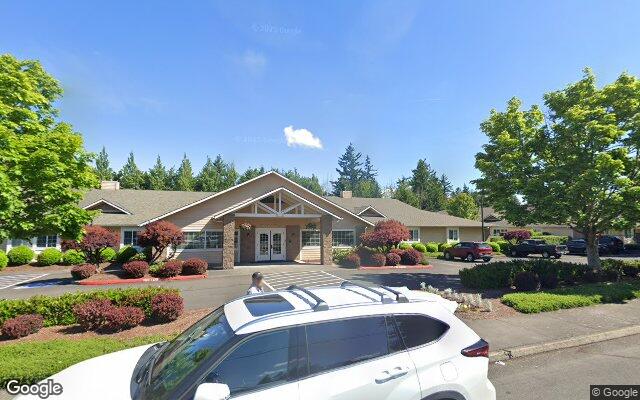
A large home, reviewed on public record.
© Google Street View
Compared to 15 Oregon facilities with a similar number of beds.
ALF memory care · 36-month window. Higher percentile = better performance on inspection record. Source: Oregon Dept. of Human Services · Long-Term Care Licensing.
among peers to rank.
Rankings based on 36-month OR-DHS inspection data. Severity and frequency: fewer citations = higher percentile. Repeat rate: lower repeat citation share = higher percentile.
Citation history, plotted month by month.
22 deficiencies on record. Each bar is a month with a citation.
Finding distribution
22 total · 36 monthsScope × Severity (CMS A–L)
Every inspection visit, verbatim.
3 inspections in the public record, most recent first. Plain-language summaries open first — click into any row for the full citation text.
2025-07-17Annual Compliance VisitOR-cited · 17 findings
Plain-language summary
During a re-licensure inspection in July 2025, inspectors found that the facility failed to treat residents with dignity and respect during meal and personal care activities for four residents, and failed to report a resident's unexplained bruise to the state's abuse hotline as required—the facility only reported it after the inspector instructed them to do so. The resident, who had Alzheimer's disease, had a bruise on the right rib area documented by a hospice nurse in May 2025, but the facility did not investigate whether abuse caused it or notify authorities until prompted during the inspection. The facility has committed to daily review of outside medical records, holding regular clinical meetings to identify new injuries, and training staff on identifying and reporting suspected abuse.
Read full citation text (17)Hide full citation text
“Based on observation, interview, and record review, it was determined the facility failed to create an environment in which residents were treated with dignity and respect and received services in a manner that protected privacy and dignity for 2 of 6 sampled residents (#s 2 and 6) and two unsampled residents who received meal services and/or ADL care from staff. Findings include, but are not limited to: Observations were conducted during lunch on 07/14/25 and 07/17/25. The following concerns were identified:”
“Based on interview and record review, it was determined the facility failed to ensure injuries of unknown cause were reported to the local SPD office as suspected abuse, unless an immediate facility investigation reasonably concluded and documented the injury was not the result of abuse for 1 of 5 sampled residents (#4) whose incidents were reviewed. Findings include, but are not limited to: Resident 4 moved into the facility in 07/2024 with diagnoses including Alzheimer’s disease. Progress notes, dated 04/15/25 through 06/23/25, corresponding incident reports, and outside provider documentation, dated 04/01/25 through 07/08/25, were reviewed. The following was revealed: Resident 4 had a bruise on the “right rib area” documented by the resident’s hospice RN on 05/22/25. On 05/23/25, Staff 2 (Administrator/RN) reviewed and initialed the outside provider document. On 07/15/25 at 1:48 pm, Staff 2 confirmed she reviewed the outside provider documentation, and she acknowledged there was no investigation to rule out abuse of the injury of unknown cause. The facility failed to promptly investigate the resident's injuries of unknown cause to rule out abuse. The facility was instructed to report the injury of unknown cause to the local SPD office. Proof of reporting was received by the survey team on 07/16/25 at 8:48 am. The need to ensure all injuries of unknown cause were reported to the local SPD office as suspected abuse, unless an immediate facility investigation reasonably concluded and documented the physical injury was not the result of abuse was discussed with Staff 1 (ED) on 07/17/25 at 8:25 am. She acknowledged the findings. The Cottages Senior Living will promptly investigate residents' injuries of unknown cause to rule out abuse. Community will report injuries of unknown cause to the local SPD office as suspected abuse, unless an immediate facility investigation reasonably concludes and documents the injury was not the result of abuse. During the Re-licensure survey, RSD reported to the local SPD office Resident #4's bruise identified on right rib area by an outside service provider on 5/22/2025. Outside service provider documents will be reviewed daily by ED and RSD to review and investigate all resident injuries. Routine clinical meetings will be held at minimum 5 days a week with ED, RSD and charge nurse. These meetings are a double check to review and identify any new resident injuries to review and investigate. Licensed nurse meeting held on July 22, 2025. Training topics included outside service provider document forms that include sections that identify new resident concerns (i.e. bruise). Resident incident reports will be reviewed at monthly Quality Assurance/Quality Measurement meetings to assure compliance and evaluate internal system to keep in compliance. All community's licensed nurses, RN and LPNs, will be registered for the Role of the RN Class through OHCA and/or Leading Age. ED and RSD will be responsible. OAR 411-054-0028 (1-3) Reporting & Investigating Abuse-Other Action (Amended 12/15/21)(1) The facility must have policies and procedures in place to assure the prevention and appropriate response to any incident. In the case of incidents of abuse, suspected abuse, or injury of unknown cause, policies and procedures must follow the requirements outlined below. In the case of incidents that are not abuse or injuries of unknown cause where abuse has been ruled out, the facility must have policies and procedures in place to respond appropriately, which may include such things as re-assessment, monitoring, or medication review. (2) ABUSE REPORTING. Abuse is prohibited. The facility employees, agents and licensee must not permit, aid, or engage in abuse of residents who are under their care. (a) STAFF REPORTING. All facility employees are required to immediately report abuse and suspected abuse to the local SPD office, or the local AAA, the facility administrator, or to the facility administrator's designee. (b) FACILITY REPORTING. The facility administrator, or designee, must immediately notify the local SPD office, or the local AAA, of any incident of abuse or suspected abuse, including events overheard or witnessed by observation. (c) LAW ENFORCEMENT AGENCY. The local law enforcement agency must be called first when the suspected abuse is believed to be a crime (e.g., rape, murder, assault, burglary, kidnapping, theft of controlled substances, etc.). (d) INJURY OF UNKNOWN CAUSE. Physical injury of unknown cause must be reported to the local SPD office, or the local AAA, as suspected abuse, unless an immediate facility investigation reasonably concludes and documents that the physical injury is not the result of abuse. (3) FACILITY INVESTIGATION. In addition to immediately reporting abuse or suspected abuse to SPD, AAA, or the law enforcement agency, the facility must promptly investigate all reports of abuse and suspected abuse and take measures necessary to protect residents and prevent the reoccurrence of abuse. Investigation of suspected abuse must document: (a) Time, date, place and individuals present; (b) Description of the event as reported; (c) Response of staff at the time of the event; (d) Follow-up action; and (e) Administrator's review. This Rule is not met as evidenced by:”
“Based on interview and record review, it was determined the facility failed to ensure the move-in evaluation addressed all required elements for 1 of 1 sampled resident (#7) whose move-in evaluation was reviewed. Findings include, but are not limited to: Resident 7 moved into the facility in 04/2025 with diagnoses including dementia and chronic atrial fibrillation. The resident’s “Pre-Move in Memory Care Assessment with Service Plan” dated 04/29/25 was reviewed, and the following required elements were not addressed: * Customary routines: sleeping, eating; * Mental health issues including presence of depression, thought disorders or behavioral or mood problems, history of treatment, and effective non-drug interventions; * Complex medication regimen; * Recent losses; * Unsuccessful prior placements; * Environmental factors that impact the resident’s behavior including but not limited to: noise, lighting, room temperature; * Gender identity; and * Preferred name. The need to address all required elements on the resident’s move-in evaluation was discussed with Staff 1 (ED) on 07/17/25 at 8:47 am. She acknowledged the findings. The Cottages Senior Living will ensure move-in, 30-day, quarterly and as needed evaluations address all required elements. All current residents' evaluations will be updated to address all required elements. Resident #7's evaluation will be updated to address all required elements. Weekly audits will be completed by ED and RSD to assure compliance. Audits will be reviewed at monthly Quality Assurance/Quality Measurement meetings to assure compliance and evaluate internal system to keep in compliance. Internal tracker developed to assure compliance. Communirty RN will registered for the Role of the RN class through OHCA and/or Leading Age. ED and RSD will be responsible. OAR 411-054-0034 (1-6) Resident Move-in & Evaluation: Res Evaluation (1) INITIAL SCREENING AND MOVE-IN. (a) The facility must determine whether a potential resident meets the facility's admission requirements. (b) Before the resident moving in, the facility must conduct an initial screening to determine the prospective resident's service needs and preferences. The screening must determine the ability of the facility to meet the potential resident's needs and preferences, while considering the needs of the other residents and the facility's overall service capability. (c) Each resident record must, before move-in and when updated, include the following information: (A) Legal name for billing purposes. (B) To promote person-centered care, any variance from legal records, as indicated by the resident, regarding: (i) Name. (ii) Pronouns. (iii) Gender identity. (C) Prior living arrangements; (D) Emergency contacts; (E) Service plan involvement - resident, family, and social supports; (F) Financial and other legal relationships, if applicable, including, but not limited to: (i) Advance directives; (ii) Guardianship; (iii) Conservatorship; and (iv) Power of attorney. (G) Primary language; (H) Community connections; and (I) Health and social service providers. (2) RESIDENT EVALUATION - GENERAL. The resident evaluation identifies the resident's preferences, strengths, and relationships, as well as activities that are meaningful to the individual. The evaluation describes the resident's physical health status, mental status, and the environmental factors that help the individual function at their optimal level. The evaluation is the foundation that a facility uses to develop the resident's service plan. The evaluation information may be collected using tools and protocols established by the facility, but must contain the elements stated in this rule. (a) Resident evaluations must be: (A) Performed before the resident moves into the facility, with updates and changes as appropriate within the first 30 days; and (B) Performed at least quarterly, to correspond with the quarterly service plan updates. (C) Reviewed and any updates must be documented each time a resident has a significant change in condition. (D) Done in person and the facility must gather data that is relevant to the needs and current condition of the resident. (E) Documented, dated, and indicate who was involved in the evaluation process. (b) 24 months of past evaluations must be kept in the resident's files in an accessible, on-site location. (c) The facility administrator is responsible for assuring only trained and experienced staff perform resident evaluations. (3) EVALUATION REQUIREMENTS AT MOVE-IN. (a) The resident evaluation must be completed before the resident moves into the facility. This evaluation provides baseline information of the resident's physical and mental condition at move-in. (b) If there is an urgent need and the evaluation is not completed before move-in, the facility must document the reasons and complete the evaluation within eight hours of move-in. (c) The initial evaluation must contain the elements specified in section (5) of this rule and address sufficient information to develop an initial service plan to meet the resident's needs. (d) The initial evaluation must be updated and modified as needed during the 30 days following the resident's move into the facility. (e) After the initial 30 day move-in period, the initial evaluation must be retained in the resident's file for 24 months. Future evaluations must be separate and distinct from the initial evaluation. (4) QUARTERLY EVALUATION REQUIREMENTS. (a) Resident evaluations must be performed quarterly after the resident moves into the facility. (b) The quarterly evaluation is the basis of the resident's quarterly service plan. (c) The most recent quarterly evaluation, with documented change of condition updates, must be in the resident's current record and available to staff. (d) If the evaluation is revised and updated at the quarterly review, changes must be dated and initialed and prior historical information must be maintained. (5) The resident evaluation must address the following elements: (a) For service planning purposes, if indicated by the resident, (A) Name. (B) Pronouns. (C) Gender identity. (b) Resident routines and preferences including: (A) Customary routines, such as those related to sleeping, eating, and bathing; (B) Interests, hobbies, and social and leisure activities; (C) Spiritual and cultural preferences and traditions; and (D) Additional elements as listed in 411-054-0027(2). (c) Physical health status including: (A) List of current diagnoses; (B) List of medications and PRN use; (C) Visits to health practitioners, emergency room, hospital, or nursing facility in the past year; and (D) Vital signs if indicated by diagnoses, health problems, or medications. (d) Mental health issues including: (A) Presence of depression, thought disorders, or behavioral or mood problems; (B) History of treatment; and (C) Effective non-drug interventions. (e) Cognition, including: (A) Memory; (B) Orientation; (C) Confusion; and (D) Decision-making abilities. (f) Personality, including how the person copes with change or challenging situations. (g) Communication and sensory abilities including: (A) Hearing; (B) Vision; (C) Speech; (D) Use of assistive devices; and (E) Ability to understand and be understood. (h) Activities of daily living including: (A) Toileting, bowel, and bladder management; (B) Dressing, grooming, bathing, and personal hygiene; (C) Mobility - ambulation, transfers, and assistive devices; and (D) Eating, dental status, and assistive devices. (i) Independent activities of daily living including: (A) Ability to manage medications; (B) Ability to use call system; (C) Housework and laundry; and (D) Transportation. (j) Pain - pharmaceutical and non-pharmaceutical interventions, including how a person expresses pain or discomfort. (k) Skin condition. (l) Nutrition habits, fluid preferences, and weight if indicated. (m) Li”
“Based on the resident evaluation performed before move-in, an initial service plan must be developed before move-in that reflects the identified needs and preferences of the resident. (b) The initial service plan must be reviewed within 30-days of movein to ensure that any changes made to the plan during the initial 30- days, accurately reflect the resident's needs and preferences. (c) Staff must document and date adjustments or changes as applicable. (4) QUARTERLY SERVICE PLAN REQUIREMENTS. (a) Service plans must be completed quarterly after the resident moves into the facility. (b) The quarterly evaluation is the basis of the resident's quarterly service plan. (c) If the resident's service plan is revised and updated at the quarterly review, changes must be dated and initialed, and prior historical information must be maintained. This Rule is not met as evidenced by: Based on observation, interview, and record review, it was determined the facility failed to ensure service plans were reflective of residents' current care needs and preferences and provided clear direction regarding the delivery of services for 5 of 6 sampled residents (#s 2, 3, 4, 5 and 6) whose service plans were reviewed. Findings include, but are not limited to:”
“Based on observation, interview, and record review, it was determined the facility failed to determine actions/interventions needed, communicate actions or interventions to staff on all shifts, and monitor changes through resolution with at least weekly documentation for 2 of 7 sampled residents (#s 4 and 6) reviewed with short-term changes of condition, and failed to evaluate the resident, refer to the facility nurse, document the change, and update the service plan for 1 of 3 sampled residents (#3) with a significant change of condition. Findings include, but are not limited to:”
“Based on observation, interview, and record review, it was determined the facility failed to accurately capture care time and care elements staff were providing to residents for 2 of 6 sampled residents (#s 2 and 4). Findings include, but are not limited to:”
“Based on interview and record review, it was determined the facility failed to ensure an RN assessment was completed and/or completed in a timely manner for 3 of 3 sampled residents (#s 2, 3 and 6) who experienced a significant change of condition. Findings include, but are not limited to:”
“Based on observation and interview, it was determined the facility failed to implement effective methods of infection control for 2 of 3 sampled residents (#s 2 and 3). Findings include, but are not limited to: Observations were made in the MCC during the survey to determine adherence to universal precautions for infection control.”
“Based on interview and record review, it was determined the facility failed to have a system in place for accurately tracking controlled substances administered by the facility for 1 of 2 sampled resident (# 2) whose MARs and Controlled Substance Drug Disposition logs were reviewed for accuracy. Findings include, but are not limited to: Resident 2 moved into the community in 06/2022 with diagnoses including dementia and seizures. The current written prescriber orders and MARs dated 07/01/25 through 07/14/25 were reviewed during the survey. Resident 2 had a physician order for lorazepam 0.5 MG, give one tablet by mouth every eight hours for agitation. Review of the MAR and Controlled Substance Disposition Log revealed the following discrepancies: There were 12 times a facility staff signed the Controlled Substance Disposition log indicating the lorazepam was removed from locked storage but did not document on the MAR that the medication was administered. In interviews on 07/16/25 with Staff 25 (MT) at 8:45 am and Staff 2 (RN) at 1:35 pm, both confirmed the missed documentation on the MAR for the lorazepam. Neither Staff 25 or Staff 2 could explain the missed documentation. The need to ensure the tracking of controlled substances was accurate was reviewed with Staff 2, Staff 1 (ED), Staff 24 (Regional Director of Operations). They acknowledged the findings. The Cottages Senior Living will have a system in place to accurately track controlled substances. WeeklyPointClick Care audits will be completed by RSD, charge nurse and/or Designee to assure compliance. Licensed nurse meeting held on July 22, 2025. Training topics included controllled substances. Cottage leader meeting held on July 29, 2025. Training topics included controlled substances. All staff in-service meeting held on August 8, 2025. Training topics included controlled substances. Weekly memos posted by ED in team breakroom and cottages, an additional educational/training tool for team. ED, RSD, charge nurses and/or Designee will be responsible. OAR 411-054-0055 (1)(e) Systems: Tracking Control Substances (e) The facility must have a system approved by a pharmacist consultant or registered nurse for tracking controlled substances and for disposal of all unused, outdated or discontinued medications administered by the facility. This Rule is not met as evidenced by:”
“Based on interview and record review, it was determined the facility failed to ensure MARs were accurate for 1 of 6 sampled residents (#3) whose medications were reviewed. Findings include, but are not limited to: Resident 3 was admitted to the facility in 02/2021 with diagnoses which included Alzheimer’s, insulin dependent diabetes, kidney disease, chronic wounds and edema. Residents 3's MARs were reviewed from 07/01/25 through 07/14/25. According to the MAR, staff failed to administer the following medications: * Tylenol (for pain) 325 mg two tablets three times a day was not administered on two occasions; * Ammonium Lactate cream (used for skin care on the lower extremities) was not applied on two occasions; * Eliquis (for atrial fibrillation) 5 mg one tablet twice a day was not administered on one occasion; *Levothyroxine (for thyroid) 150 mcg one tablet daily was not administered on one occasion; * Melatonin (for sleep) 3 mg one tablet at bedtime was not administered on one occasion; * Metformin (for diabetes) ER 500 mg two tablets twice daily was not administered on one occasion; * Metoprolol (for atrial fibrillation) 50 mg one tablet twice daily was not administered on one occasion; * Quetiapine (for agitation) 50 mg one tablet at bedtime was not administered on one occasion; * Quetiapine (for agitation) 50 mg 1/2 tablet at bedtime was not administered on one occasion; and * Tamsulosin (for urinary retention) HCL 0.4 mg two tablets nightly was not administered on one occasion. On 07/15/25 at 1:35 pm, the surveyor and Staff 9 (Resident Assistant) observed/checked the MARs and medication supply. Staff 9 verified that the medications had been given, but staff failed to document. The need for the facility to ensure MARs were accurate was discussed with Staff 20 (MCC Care Coordinator) on 07/15/25, and Staff 1 (ED) and Staff 24 (Regional Director of Operations) on 07/16/25. They acknowledged the findings. The Cottages Senior Living will ensure Medication Administration Records (MARs) will be accurate. Daily audits will be completed by RSD, charge nurse and/or Designee to be in compliance. Audits will be reviewed in monthly Quality Assurance/Quality Measurement meetings to assure compliance and evaluate internal system to keep in compliance. Licensed nurse meeting held on July 22, 2025. Training topics included accuracy of MARs. Cottage leader meeting held on July 29, 2025. Training topics included accuracy of MARs. All staff in-service held on August 8, 2025. Training topics included accuracy of MARs. Weekly memos posted by ED in team breakroom and cottages, an additional educational/training tool for team. ED, RSD, charge nurse and/or Designee will be responsible. OAR 411-054-0055 (2) Systems: Medication Administration (2) MEDICATION ADMINISTRATION. An accurate Medication Administration Record (MAR) must be kept of all medications, including over-the-counter medications that are ordered by a legally recognized prescriber and are administered by the facility.(a) Documentation of the MAR must be completed using one of the following processes. An alternative process may be used only with a written exception from the Department.(A) The MAR may be signed as the medications are set-up or poured. Medications must not be set-up in advance for more than one administration time. If a medicine cup or other individual container is used to set-up the medications, it must be placed in a closed compartment labeled with the resident's name. Changes to the MAR that occur after the medication is delivered, must be documented by the same staff person who administered the medication.(B) The facility may choose to sign the MAR after the medication is administered to a specific resident and prior to the next resident-specific medication or treatment.(b) MEDICATION RECORD. At minimum, the medication record for each resident that the facility administers medications to, must include:(A) Current month, day and year.(B) Name of medications, reason for use, dosage, route and date and time given.(C) Any medication specific instructions, if applicable (e.g., significant side effects, time sensitive dosage, when to call the prescriber or nurse).(D) Resident allergies and sensitivities, if any.(E) Resident specific parameters and instructions for p.r.n. medications.(F) Initials of the person administering the medication. This Rule is not met as evidenced by:”
“Based on interview and record review, it was determined the facility failed to provide health care services in accordance with the licensing rules for Residential Care and Assisted Living Facilities. Findings include, but are not limited to: Refer to C 252, C 260, C 270, C 280, C 295, C 302, C 310 Refer to C252, C260, C270, C280, C295, C302 and C310. OAR 411-057-0160(2b) Compliance with Rules Health Care (b) Health care services provided in accordance with the licensing rules of the facility. This Rule is not met as evidenced by:”
“Based on observation and interview, it was determined the facility failed to ensure the environment was kept clean, in good repair, and free from unpleasant odors. Findings include, but are not limited to:”
“Based on observation and interview, it was determined the facility failed to ensure covers, grates, or screens of wall heaters and associated heating elements did not exceed 120 degrees F when they were installed in locations that were subject to incidental contact by people. Findings include, but are not limited to: Observations of Cottage 2 were made at 11:31 am on 07/14/25. The following was identified: Several resident bathrooms had wall heaters situated approximately four inches from the floor and unobstructed, controlled by a knob on the wall. The wall heater in Room 207 reached a temperature of 160 degrees F when the knob was turned all the way on. In an interview at 11:40 am on 07/14/25, Staff 22 (Resident Assistant) confirmed the heater was frequently used for the residents who occupied Room 207. The environment was toured with Staff 1 (ED) at 10:58 am on 07/15/25 and the heater was discussed with her at that time. She acknowledged the temperature of the heater exceeded 120 degrees F and confirmed the lack of a system to monitor the temperatures of the wall heaters in use in the MCC. The heater was confirmed disconnected at 10:02 am on 07/16/25. The Cottages Senior Living will ensure covers, grates, or screens of wall heaters and associated heating elements do not exceed 120 degrees F. Weekly audits will be completed to assure compliance. Audits will be reviewed in Quality Assurance/Quality Measurement meetings to assure compliance and evaluate internal system to keep in compliance. ED and Maintenance Director will be responsible. OAR 411-054-0200 (8) Heating and Ventilation (8) HEATING AND VENTILATION SYSTEMS. A RCF must have heating and ventilation systems that comply with the building codes in effect at the time of facility construction. (a) TEMPERATURE. For all areas occupied by residents, design temperature for construction must be 75 degrees Fahrenheit. (A) A RCF must provide heating systems capable of maintaining 70 degrees Fahrenheit in resident areas. Required minimum temperatures are no less than 70 degrees Fahrenheit during the day and 60 degrees Fahrenheit during sleeping hours. (B) During times of extreme summer heat, fans must be made available when air conditioning is not provided. (b) EXHAUST SYSTEMS. All toilet and shower rooms must be equipped with a mechanical exhaust fan or central exhaust system that discharges to the outside. (c) FIREPLACES, FURNACES, WOODSTOVES, AND BOILERS. Where used, installation must meet standards of the building codes in effect at the time of construction. The glass and area surrounding the fireplace must not exceed 120 degrees Fahrenheit. (d) WALL HEATERS. Covers, grates, or screens of wall heaters and associated heating elements may not exceed 120 degrees Fahrenheit when they are installed in locations that are subject to incidental contact by people or with combustible material. Effective 01/15/2015, wall heaters are not acceptable in new construction or remodeling. This Rule is not met as evidenced by:”
“Based on observation and interview, it was determined the facility failed to ensure hot water temperatures in residents' apartments were maintained within a range of 110 - 120 degrees F. Findings include, but are not limited to: On 07/14/25 and 07/15/25, resident apartments were toured, and water temperatures were taken throughout the building’s eight cottages. Water temperatures were higher than 120 degrees F in Cottage 6 in the following apartments: * Room 603 – 140.9 degrees F; and * Room 609 – 140.6 degrees F. The need to adjust the water temperatures between 110 degrees and 120 degrees F was discussed with Staff 1 (ED) on 07/14/25 at 1:10 pm. Water temperatures were re-taken on 07/14/25 at 3:07 pm, and Room 603 was measured at 122.5 degrees F. At that time, Staff 1 was instructed to re-adjust the temperature to meet the regulation. On 07/15/25 at 8:45 am, water temperatures were measured in Room 603 at 115.1 degrees F. On 07/16/25 at 9:57 am, Staff 6 (Maintenance Director) and this surveyor reviewed the facility’s monthly water temperature monitoring system. There was no documented evidence of monitoring Cottage 6’s water temperatures after 04/30/25. The need to ensure water temperatures in residents' apartments were maintained within a range of 110 to 120 degrees F was discussed with Staff 1 at 8:47 am on 07/17/25. She acknowledged the findings. The Cottages Senior Living will ensure hot water temperatures in residents' rooms are maintained within a range of 110-120 degrees F. Weekly audits will be completed to assure compliance. Audits will be reviewed at monthly Quality Assurance/Quality Measurement meetings to assure compliance and evaluate internal system to keep in compliance. Licensed nurse meeting held July 22, 2025, Training topics included hot water temperatures in resident rooms. Cottage leader meeting held July 29, 2025. Topics included hot water temperatures in resident rooms. All staff in-service meeting held August 8, 2025. Training topics included hot water temperatures in resident rooms. ED and Maintenance Director will be responsible. OAR 411-054-0200 (9) Plumbing Systems (9) PLUMBING SYSTEMS. Plumbing systems must conform to the building codes in effect at the time of facility construction.(a) Hot water temperature in residents' units must be maintained within a range of 110 - 120 degrees Fahrenheit.(b) Hot water temperatures serving dietary areas must meet OAR 333-150-0000 (Food Sanitation Rules).(c) An outside area drain and hot and cold water hose bibs must be provided for sanitizing laundry carts, food carts, and garbage cans. This Rule is not met as evidenced by:”
“Based on observation and interview, it was determined the facility failed to provide each individual privacy in his or her own unit for multiple sampled and unsampled residents who resided in shared units. Findings include, but are not limited to: During the acuity interview on 07/14/25, the survey team was provided with a resident roster which indicated there were 15 double occupancy rooms in the facility. Eight of the double occupancy rooms had two residents sharing one unit. Large studio-like rooms that were shared between two residents had no means to provide privacy for one of the two residents when the unit was entered, when ADL cares were provided outside of the bathroom, or when a resident walked to the bathroom. The tour of the double occupancy rooms also revealed the bathroom doors did not have a lock to allow privacy. The need to ensure residents’ right to be afforded privacy was discussed with Staff 1 on 07/16/25 at 10:27 am. She acknowledged the findings. The Cottages Senior Living will ensure residents' right to privacy in shared units. Privacy curtains have been purchased and will be installed to be in compliance. Licensed nurse meeting held on Jul 22, 2025. Training topics included privacy curtains. Cottage leader meeting held on July 29, 2025. Training topic included privacy curtains. All staff in-service held on August 8, 2025. Topics included privacy curtains. ED and Maintenance Director will be responsible. OAR411-004-0020(2)(d) Individual Privacy: Own Unit (2) Provider owned, controlled, or operated residential settings must have all of the following qualities: (d) Each individual has privacy in his or her own unit. This Rule is not met as evidenced by:”
“Based on interview and record review, the facility failed to ensure the move-in evaluation addressed all required elements, including pronouns and gender identity, for 1 of 1 sampled resident (#7) whose move-in evaluation was reviewed. Findings include, but are not limited to: Refer to: C252. Refer to Plan of Correction for C252. OAR 411-054-0034 (1)(c)(B)&(5)(a)(A-C) Resident Move-in & Evaluation: Res Evaluation (1) INITIAL SCREENING AND MOVE-IN. (c) Each resident record must, before move-in and when updated, include the following information: (B) To promote person-centered care, any variance from legal records, as indicated by the resident, regarding: (i) Name. (ii) Pronouns. (iii) Gender identity. (5) The resident evaluation must address the following elements: (a) For service planning purposes, if indicated by the resident, (A) Name (B) Pronouns. (C) Gender identity. This Rule is not met as evidenced by:”
“Based on observation, interview and record review, it was determined the facility failed to follow licensing rules for Residential Care and Assisted Living Facilities. Findings include, but are not limited to: Refer to C 200, C 231, C 362, C 513, C 540, C 545 Refer to Plan of Correction for C200, C231, C362, C513, C540 and C545. OAR 411-057-0140(2) Administration Compliance (2) The licensee of a memory care community must comply with both the licensing rules for the facility and Chapter 411, Division 57. This Rule is not met as evidenced by:”
Read raw inspector notesClose inspector notes
Based on observation, interview, and record review, it was determined the facility failed to create an environment in which residents were treated with dignity and respect and received services in a manner that protected privacy and dignity for 2 of 6 sampled residents (#s 2 and 6) and two unsampled residents who received meal services and/or ADL care from staff. Findings include, but are not limited to: Observations were conducted during lunch on 07/14/25 and 07/17/25. The following concerns were identified: Based on interview and record review, it was determined the facility failed to ensure injuries of unknown cause were reported to the local SPD office as suspected abuse, unless an immediate facility investigation reasonably concluded and documented the injury was not the result of abuse for 1 of 5 sampled residents (#4) whose incidents were reviewed. Findings include, but are not limited to: Resident 4 moved into the facility in 07/2024 with diagnoses including Alzheimer’s disease. Progress notes, dated 04/15/25 through 06/23/25, corresponding incident reports, and outside provider documentation, dated 04/01/25 through 07/08/25, were reviewed. The following was revealed: Resident 4 had a bruise on the “right rib area” documented by the resident’s hospice RN on 05/22/25. On 05/23/25, Staff 2 (Administrator/RN) reviewed and initialed the outside provider document. On 07/15/25 at 1:48 pm, Staff 2 confirmed she reviewed the outside provider documentation, and she acknowledged there was no investigation to rule out abuse of the injury of unknown cause. The facility failed to promptly investigate the resident's injuries of unknown cause to rule out abuse. The facility was instructed to report the injury of unknown cause to the local SPD office. Proof of reporting was received by the survey team on 07/16/25 at 8:48 am. The need to ensure all injuries of unknown cause were reported to the local SPD office as suspected abuse, unless an immediate facility investigation reasonably concluded and documented the physical injury was not the result of abuse was discussed with Staff 1 (ED) on 07/17/25 at 8:25 am. She acknowledged the findings. The Cottages Senior Living will promptly investigate residents' injuries of unknown cause to rule out abuse. Community will report injuries of unknown cause to the local SPD office as suspected abuse, unless an immediate facility investigation reasonably concludes and documents the injury was not the result of abuse. During the Re-licensure survey, RSD reported to the local SPD office Resident #4's bruise identified on right rib area by an outside service provider on 5/22/2025. Outside service provider documents will be reviewed daily by ED and RSD to review and investigate all resident injuries. Routine clinical meetings will be held at minimum 5 days a week with ED, RSD and charge nurse. These meetings are a double check to review and identify any new resident injuries to review and investigate. Licensed nurse meeting held on July 22, 2025. Training topics included outside service provider document forms that include sections that identify new resident concerns (i.e. bruise). Resident incident reports will be reviewed at monthly Quality Assurance/Quality Measurement meetings to assure compliance and evaluate internal system to keep in compliance. All community's licensed nurses, RN and LPNs, will be registered for the Role of the RN Class through OHCA and/or Leading Age. ED and RSD will be responsible. OAR 411-054-0028 (1-3) Reporting & Investigating Abuse-Other Action (Amended 12/15/21)(1) The facility must have policies and procedures in place to assure the prevention and appropriate response to any incident. In the case of incidents of abuse, suspected abuse, or injury of unknown cause, policies and procedures must follow the requirements outlined below. In the case of incidents that are not abuse or injuries of unknown cause where abuse has been ruled out, the facility must have policies and procedures in place to respond appropriately, which may include such things as re-assessment, monitoring, or medication review. (2) ABUSE REPORTING. Abuse is prohibited. The facility employees, agents and licensee must not permit, aid, or engage in abuse of residents who are under their care. (a) STAFF REPORTING. All facility employees are required to immediately report abuse and suspected abuse to the local SPD office, or the local AAA, the facility administrator, or to the facility administrator's designee. (b) FACILITY REPORTING. The facility administrator, or designee, must immediately notify the local SPD office, or the local AAA, of any incident of abuse or suspected abuse, including events overheard or witnessed by observation. (c) LAW ENFORCEMENT AGENCY. The local law enforcement agency must be called first when the suspected abuse is believed to be a crime (e.g., rape, murder, assault, burglary, kidnapping, theft of controlled substances, etc.). (d) INJURY OF UNKNOWN CAUSE. Physical injury of unknown cause must be reported to the local SPD office, or the local AAA, as suspected abuse, unless an immediate facility investigation reasonably concludes and documents that the physical injury is not the result of abuse. (3) FACILITY INVESTIGATION. In addition to immediately reporting abuse or suspected abuse to SPD, AAA, or the law enforcement agency, the facility must promptly investigate all reports of abuse and suspected abuse and take measures necessary to protect residents and prevent the reoccurrence of abuse. Investigation of suspected abuse must document: (a) Time, date, place and individuals present; (b) Description of the event as reported; (c) Response of staff at the time of the event; (d) Follow-up action; and (e) Administrator's review. This Rule is not met as evidenced by: Based on interview and record review, it was determined the facility failed to ensure the move-in evaluation addressed all required elements for 1 of 1 sampled resident (#7) whose move-in evaluation was reviewed. Findings include, but are not limited to: Resident 7 moved into the facility in 04/2025 with diagnoses including dementia and chronic atrial fibrillation. The resident’s “Pre-Move in Memory Care Assessment with Service Plan” dated 04/29/25 was reviewed, and the following required elements were not addressed: * Customary routines: sleeping, eating; * Mental health issues including presence of depression, thought disorders or behavioral or mood problems, history of treatment, and effective non-drug interventions; * Complex medication regimen; * Recent losses; * Unsuccessful prior placements; * Environmental factors that impact the resident’s behavior including but not limited to: noise, lighting, room temperature; * Gender identity; and * Preferred name. The need to address all required elements on the resident’s move-in evaluation was discussed with Staff 1 (ED) on 07/17/25 at 8:47 am. She acknowledged the findings. The Cottages Senior Living will ensure move-in, 30-day, quarterly and as needed evaluations address all required elements. All current residents' evaluations will be updated to address all required elements. Resident #7's evaluation will be updated to address all required elements. Weekly audits will be completed by ED and RSD to assure compliance. Audits will be reviewed at monthly Quality Assurance/Quality Measurement meetings to assure compliance and evaluate internal system to keep in compliance. Internal tracker developed to assure compliance. Communirty RN will registered for the Role of the RN class through OHCA and/or Leading Age. ED and RSD will be responsible. OAR 411-054-0034 (1-6) Resident Move-in & Evaluation: Res Evaluation (1) INITIAL SCREENING AND MOVE-IN. (a) The facility must determine whether a potential resident meets the facility's admission requirements. (b) Before the resident moving in, the facility must conduct an initial screening to determine the prospective resident's service needs and preferences. The screening must determine the ability of the facility to meet the potential resident's needs and preferences, while considering the needs of the other residents and the facility's overall service capability. (c) Each resident record must, before move-in and when updated, include the following information: (A) Legal name for billing purposes. (B) To promote person-centered care, any variance from legal records, as indicated by the resident, regarding: (i) Name. (ii) Pronouns. (iii) Gender identity. (C) Prior living arrangements; (D) Emergency contacts; (E) Service plan involvement - resident, family, and social supports; (F) Financial and other legal relationships, if applicable, including, but not limited to: (i) Advance directives; (ii) Guardianship; (iii) Conservatorship; and (iv) Power of attorney. (G) Primary language; (H) Community connections; and (I) Health and social service providers. (2) RESIDENT EVALUATION - GENERAL. The resident evaluation identifies the resident's preferences, strengths, and relationships, as well as activities that are meaningful to the individual. The evaluation describes the resident's physical health status, mental status, and the environmental factors that help the individual function at their optimal level. The evaluation is the foundation that a facility uses to develop the resident's service plan. The evaluation information may be collected using tools and protocols established by the facility, but must contain the elements stated in this rule. (a) Resident evaluations must be: (A) Performed before the resident moves into the facility, with updates and changes as appropriate within the first 30 days; and (B) Performed at least quarterly, to correspond with the quarterly service plan updates. (C) Reviewed and any updates must be documented each time a resident has a significant change in condition. (D) Done in person and the facility must gather data that is relevant to the needs and current condition of the resident. (E) Documented, dated, and indicate who was involved in the evaluation process. (b) 24 months of past evaluations must be kept in the resident's files in an accessible, on-site location. (c) The facility administrator is responsible for assuring only trained and experienced staff perform resident evaluations. (3) EVALUATION REQUIREMENTS AT MOVE-IN. (a) The resident evaluation must be completed before the resident moves into the facility. This evaluation provides baseline information of the resident's physical and mental condition at move-in. (b) If there is an urgent need and the evaluation is not completed before move-in, the facility must document the reasons and complete the evaluation within eight hours of move-in. (c) The initial evaluation must contain the elements specified in section (5) of this rule and address sufficient information to develop an initial service plan to meet the resident's needs. (d) The initial evaluation must be updated and modified as needed during the 30 days following the resident's move into the facility. (e) After the initial 30 day move-in period, the initial evaluation must be retained in the resident's file for 24 months. Future evaluations must be separate and distinct from the initial evaluation. (4) QUARTERLY EVALUATION REQUIREMENTS. (a) Resident evaluations must be performed quarterly after the resident moves into the facility. (b) The quarterly evaluation is the basis of the resident's quarterly service plan. (c) The most recent quarterly evaluation, with documented change of condition updates, must be in the resident's current record and available to staff. (d) If the evaluation is revised and updated at the quarterly review, changes must be dated and initialed and prior historical information must be maintained. (5) The resident evaluation must address the following elements: (a) For service planning purposes, if indicated by the resident, (A) Name. (B) Pronouns. (C) Gender identity. (b) Resident routines and preferences including: (A) Customary routines, such as those related to sleeping, eating, and bathing; (B) Interests, hobbies, and social and leisure activities; (C) Spiritual and cultural preferences and traditions; and (D) Additional elements as listed in 411-054-0027(2). (c) Physical health status including: (A) List of current diagnoses; (B) List of medications and PRN use; (C) Visits to health practitioners, emergency room, hospital, or nursing facility in the past year; and (D) Vital signs if indicated by diagnoses, health problems, or medications. (d) Mental health issues including: (A) Presence of depression, thought disorders, or behavioral or mood problems; (B) History of treatment; and (C) Effective non-drug interventions. (e) Cognition, including: (A) Memory; (B) Orientation; (C) Confusion; and (D) Decision-making abilities. (f) Personality, including how the person copes with change or challenging situations. (g) Communication and sensory abilities including: (A) Hearing; (B) Vision; (C) Speech; (D) Use of assistive devices; and (E) Ability to understand and be understood. (h) Activities of daily living including: (A) Toileting, bowel, and bladder management; (B) Dressing, grooming, bathing, and personal hygiene; (C) Mobility - ambulation, transfers, and assistive devices; and (D) Eating, dental status, and assistive devices. (i) Independent activities of daily living including: (A) Ability to manage medications; (B) Ability to use call system; (C) Housework and laundry; and (D) Transportation. (j) Pain - pharmaceutical and non-pharmaceutical interventions, including how a person expresses pain or discomfort. (k) Skin condition. (l) Nutrition habits, fluid preferences, and weight if indicated. (m) Li Based on the resident evaluation performed before move-in, an initial service plan must be developed before move-in that reflects the identified needs and preferences of the resident. (b) The initial service plan must be reviewed within 30-days of movein to ensure that any changes made to the plan during the initial 30- days, accurately reflect the resident's needs and preferences. (c) Staff must document and date adjustments or changes as applicable. (4) QUARTERLY SERVICE PLAN REQUIREMENTS. (a) Service plans must be completed quarterly after the resident moves into the facility. (b) The quarterly evaluation is the basis of the resident's quarterly service plan. (c) If the resident's service plan is revised and updated at the quarterly review, changes must be dated and initialed, and prior historical information must be maintained. This Rule is not met as evidenced by: Based on observation, interview, and record review, it was determined the facility failed to ensure service plans were reflective of residents' current care needs and preferences and provided clear direction regarding the delivery of services for 5 of 6 sampled residents (#s 2, 3, 4, 5 and 6) whose service plans were reviewed. Findings include, but are not limited to: Based on observation, interview, and record review, it was determined the facility failed to determine actions/interventions needed, communicate actions or interventions to staff on all shifts, and monitor changes through resolution with at least weekly documentation for 2 of 7 sampled residents (#s 4 and 6) reviewed with short-term changes of condition, and failed to evaluate the resident, refer to the facility nurse, document the change, and update the service plan for 1 of 3 sampled residents (#3) with a significant change of condition. Findings include, but are not limited to: Based on interview and record review, it was determined the facility failed to ensure an RN assessment was completed and/or completed in a timely manner for 3 of 3 sampled residents (#s 2, 3 and 6) who experienced a significant change of condition. Findings include, but are not limited to: Based on observation and interview, it was determined the facility failed to implement effective methods of infection control for 2 of 3 sampled residents (#s 2 and 3). Findings include, but are not limited to: Observations were made in the MCC during the survey to determine adherence to universal precautions for infection control. Based on interview and record review, it was determined the facility failed to have a system in place for accurately tracking controlled substances administered by the facility for 1 of 2 sampled resident (# 2) whose MARs and Controlled Substance Drug Disposition logs were reviewed for accuracy. Findings include, but are not limited to: Resident 2 moved into the community in 06/2022 with diagnoses including dementia and seizures. The current written prescriber orders and MARs dated 07/01/25 through 07/14/25 were reviewed during the survey. Resident 2 had a physician order for lorazepam 0.5 MG, give one tablet by mouth every eight hours for agitation. Review of the MAR and Controlled Substance Disposition Log revealed the following discrepancies: There were 12 times a facility staff signed the Controlled Substance Disposition log indicating the lorazepam was removed from locked storage but did not document on the MAR that the medication was administered. In interviews on 07/16/25 with Staff 25 (MT) at 8:45 am and Staff 2 (RN) at 1:35 pm, both confirmed the missed documentation on the MAR for the lorazepam. Neither Staff 25 or Staff 2 could explain the missed documentation. The need to ensure the tracking of controlled substances was accurate was reviewed with Staff 2, Staff 1 (ED), Staff 24 (Regional Director of Operations). They acknowledged the findings. The Cottages Senior Living will have a system in place to accurately track controlled substances. WeeklyPointClick Care audits will be completed by RSD, charge nurse and/or Designee to assure compliance. Licensed nurse meeting held on July 22, 2025. Training topics included controllled substances. Cottage leader meeting held on July 29, 2025. Training topics included controlled substances. All staff in-service meeting held on August 8, 2025. Training topics included controlled substances. Weekly memos posted by ED in team breakroom and cottages, an additional educational/training tool for team. ED, RSD, charge nurses and/or Designee will be responsible. OAR 411-054-0055 (1)(e) Systems: Tracking Control Substances (e) The facility must have a system approved by a pharmacist consultant or registered nurse for tracking controlled substances and for disposal of all unused, outdated or discontinued medications administered by the facility. This Rule is not met as evidenced by: Based on interview and record review, it was determined the facility failed to ensure MARs were accurate for 1 of 6 sampled residents (#3) whose medications were reviewed. Findings include, but are not limited to: Resident 3 was admitted to the facility in 02/2021 with diagnoses which included Alzheimer’s, insulin dependent diabetes, kidney disease, chronic wounds and edema. Residents 3's MARs were reviewed from 07/01/25 through 07/14/25. According to the MAR, staff failed to administer the following medications: * Tylenol (for pain) 325 mg two tablets three times a day was not administered on two occasions; * Ammonium Lactate cream (used for skin care on the lower extremities) was not applied on two occasions; * Eliquis (for atrial fibrillation) 5 mg one tablet twice a day was not administered on one occasion; *Levothyroxine (for thyroid) 150 mcg one tablet daily was not administered on one occasion; * Melatonin (for sleep) 3 mg one tablet at bedtime was not administered on one occasion; * Metformin (for diabetes) ER 500 mg two tablets twice daily was not administered on one occasion; * Metoprolol (for atrial fibrillation) 50 mg one tablet twice daily was not administered on one occasion; * Quetiapine (for agitation) 50 mg one tablet at bedtime was not administered on one occasion; * Quetiapine (for agitation) 50 mg 1/2 tablet at bedtime was not administered on one occasion; and * Tamsulosin (for urinary retention) HCL 0.4 mg two tablets nightly was not administered on one occasion. On 07/15/25 at 1:35 pm, the surveyor and Staff 9 (Resident Assistant) observed/checked the MARs and medication supply. Staff 9 verified that the medications had been given, but staff failed to document. The need for the facility to ensure MARs were accurate was discussed with Staff 20 (MCC Care Coordinator) on 07/15/25, and Staff 1 (ED) and Staff 24 (Regional Director of Operations) on 07/16/25. They acknowledged the findings. The Cottages Senior Living will ensure Medication Administration Records (MARs) will be accurate. Daily audits will be completed by RSD, charge nurse and/or Designee to be in compliance. Audits will be reviewed in monthly Quality Assurance/Quality Measurement meetings to assure compliance and evaluate internal system to keep in compliance. Licensed nurse meeting held on July 22, 2025. Training topics included accuracy of MARs. Cottage leader meeting held on July 29, 2025. Training topics included accuracy of MARs. All staff in-service held on August 8, 2025. Training topics included accuracy of MARs. Weekly memos posted by ED in team breakroom and cottages, an additional educational/training tool for team. ED, RSD, charge nurse and/or Designee will be responsible. OAR 411-054-0055 (2) Systems: Medication Administration (2) MEDICATION ADMINISTRATION. An accurate Medication Administration Record (MAR) must be kept of all medications, including over-the-counter medications that are ordered by a legally recognized prescriber and are administered by the facility.(a) Documentation of the MAR must be completed using one of the following processes. An alternative process may be used only with a written exception from the Department.(A) The MAR may be signed as the medications are set-up or poured. Medications must not be set-up in advance for more than one administration time. If a medicine cup or other individual container is used to set-up the medications, it must be placed in a closed compartment labeled with the resident's name. Changes to the MAR that occur after the medication is delivered, must be documented by the same staff person who administered the medication.(B) The facility may choose to sign the MAR after the medication is administered to a specific resident and prior to the next resident-specific medication or treatment.(b) MEDICATION RECORD. At minimum, the medication record for each resident that the facility administers medications to, must include:(A) Current month, day and year.(B) Name of medications, reason for use, dosage, route and date and time given.(C) Any medication specific instructions, if applicable (e.g., significant side effects, time sensitive dosage, when to call the prescriber or nurse).(D) Resident allergies and sensitivities, if any.(E) Resident specific parameters and instructions for p.r.n. medications.(F) Initials of the person administering the medication. This Rule is not met as evidenced by: Based on observation, interview, and record review, it was determined the facility failed to accurately capture care time and care elements staff were providing to residents for 2 of 6 sampled residents (#s 2 and 4). Findings include, but are not limited to: Based on observation and interview, it was determined the facility failed to ensure the environment was kept clean, in good repair, and free from unpleasant odors. Findings include, but are not limited to: Based on observation and interview, it was determined the facility failed to ensure covers, grates, or screens of wall heaters and associated heating elements did not exceed 120 degrees F when they were installed in locations that were subject to incidental contact by people. Findings include, but are not limited to: Observations of Cottage 2 were made at 11:31 am on 07/14/25. The following was identified: Several resident bathrooms had wall heaters situated approximately four inches from the floor and unobstructed, controlled by a knob on the wall. The wall heater in Room 207 reached a temperature of 160 degrees F when the knob was turned all the way on. In an interview at 11:40 am on 07/14/25, Staff 22 (Resident Assistant) confirmed the heater was frequently used for the residents who occupied Room 207. The environment was toured with Staff 1 (ED) at 10:58 am on 07/15/25 and the heater was discussed with her at that time. She acknowledged the temperature of the heater exceeded 120 degrees F and confirmed the lack of a system to monitor the temperatures of the wall heaters in use in the MCC. The heater was confirmed disconnected at 10:02 am on 07/16/25. The Cottages Senior Living will ensure covers, grates, or screens of wall heaters and associated heating elements do not exceed 120 degrees F. Weekly audits will be completed to assure compliance. Audits will be reviewed in Quality Assurance/Quality Measurement meetings to assure compliance and evaluate internal system to keep in compliance. ED and Maintenance Director will be responsible. OAR 411-054-0200 (8) Heating and Ventilation (8) HEATING AND VENTILATION SYSTEMS. A RCF must have heating and ventilation systems that comply with the building codes in effect at the time of facility construction. (a) TEMPERATURE. For all areas occupied by residents, design temperature for construction must be 75 degrees Fahrenheit. (A) A RCF must provide heating systems capable of maintaining 70 degrees Fahrenheit in resident areas. Required minimum temperatures are no less than 70 degrees Fahrenheit during the day and 60 degrees Fahrenheit during sleeping hours. (B) During times of extreme summer heat, fans must be made available when air conditioning is not provided. (b) EXHAUST SYSTEMS. All toilet and shower rooms must be equipped with a mechanical exhaust fan or central exhaust system that discharges to the outside. (c) FIREPLACES, FURNACES, WOODSTOVES, AND BOILERS. Where used, installation must meet standards of the building codes in effect at the time of construction. The glass and area surrounding the fireplace must not exceed 120 degrees Fahrenheit. (d) WALL HEATERS. Covers, grates, or screens of wall heaters and associated heating elements may not exceed 120 degrees Fahrenheit when they are installed in locations that are subject to incidental contact by people or with combustible material. Effective 01/15/2015, wall heaters are not acceptable in new construction or remodeling. This Rule is not met as evidenced by: Based on observation and interview, it was determined the facility failed to ensure hot water temperatures in residents' apartments were maintained within a range of 110 - 120 degrees F. Findings include, but are not limited to: On 07/14/25 and 07/15/25, resident apartments were toured, and water temperatures were taken throughout the building’s eight cottages. Water temperatures were higher than 120 degrees F in Cottage 6 in the following apartments: * Room 603 – 140.9 degrees F; and * Room 609 – 140.6 degrees F. The need to adjust the water temperatures between 110 degrees and 120 degrees F was discussed with Staff 1 (ED) on 07/14/25 at 1:10 pm. Water temperatures were re-taken on 07/14/25 at 3:07 pm, and Room 603 was measured at 122.5 degrees F. At that time, Staff 1 was instructed to re-adjust the temperature to meet the regulation. On 07/15/25 at 8:45 am, water temperatures were measured in Room 603 at 115.1 degrees F. On 07/16/25 at 9:57 am, Staff 6 (Maintenance Director) and this surveyor reviewed the facility’s monthly water temperature monitoring system. There was no documented evidence of monitoring Cottage 6’s water temperatures after 04/30/25. The need to ensure water temperatures in residents' apartments were maintained within a range of 110 to 120 degrees F was discussed with Staff 1 at 8:47 am on 07/17/25. She acknowledged the findings. The Cottages Senior Living will ensure hot water temperatures in residents' rooms are maintained within a range of 110-120 degrees F. Weekly audits will be completed to assure compliance. Audits will be reviewed at monthly Quality Assurance/Quality Measurement meetings to assure compliance and evaluate internal system to keep in compliance. Licensed nurse meeting held July 22, 2025, Training topics included hot water temperatures in resident rooms. Cottage leader meeting held July 29, 2025. Topics included hot water temperatures in resident rooms. All staff in-service meeting held August 8, 2025. Training topics included hot water temperatures in resident rooms. ED and Maintenance Director will be responsible. OAR 411-054-0200 (9) Plumbing Systems (9) PLUMBING SYSTEMS. Plumbing systems must conform to the building codes in effect at the time of facility construction.(a) Hot water temperature in residents' units must be maintained within a range of 110 - 120 degrees Fahrenheit.(b) Hot water temperatures serving dietary areas must meet OAR 333-150-0000 (Food Sanitation Rules).(c) An outside area drain and hot and cold water hose bibs must be provided for sanitizing laundry carts, food carts, and garbage cans. This Rule is not met as evidenced by: Based on observation and interview, it was determined the facility failed to provide each individual privacy in his or her own unit for multiple sampled and unsampled residents who resided in shared units. Findings include, but are not limited to: During the acuity interview on 07/14/25, the survey team was provided with a resident roster which indicated there were 15 double occupancy rooms in the facility. Eight of the double occupancy rooms had two residents sharing one unit. Large studio-like rooms that were shared between two residents had no means to provide privacy for one of the two residents when the unit was entered, when ADL cares were provided outside of the bathroom, or when a resident walked to the bathroom. The tour of the double occupancy rooms also revealed the bathroom doors did not have a lock to allow privacy. The need to ensure residents’ right to be afforded privacy was discussed with Staff 1 on 07/16/25 at 10:27 am. She acknowledged the findings. The Cottages Senior Living will ensure residents' right to privacy in shared units. Privacy curtains have been purchased and will be installed to be in compliance. Licensed nurse meeting held on Jul 22, 2025. Training topics included privacy curtains. Cottage leader meeting held on July 29, 2025. Training topic included privacy curtains. All staff in-service held on August 8, 2025. Topics included privacy curtains. ED and Maintenance Director will be responsible. OAR411-004-0020(2)(d) Individual Privacy: Own Unit (2) Provider owned, controlled, or operated residential settings must have all of the following qualities: (d) Each individual has privacy in his or her own unit. This Rule is not met as evidenced by: Based on interview and record review, the facility failed to ensure the move-in evaluation addressed all required elements, including pronouns and gender identity, for 1 of 1 sampled resident (#7) whose move-in evaluation was reviewed. Findings include, but are not limited to: Refer to: C252. Refer to Plan of Correction for C252. OAR 411-054-0034 (1)(c)(B)&(5)(a)(A-C) Resident Move-in & Evaluation: Res Evaluation (1) INITIAL SCREENING AND MOVE-IN. (c) Each resident record must, before move-in and when updated, include the following information: (B) To promote person-centered care, any variance from legal records, as indicated by the resident, regarding: (i) Name. (ii) Pronouns. (iii) Gender identity. (5) The resident evaluation must address the following elements: (a) For service planning purposes, if indicated by the resident, (A) Name (B) Pronouns. (C) Gender identity. This Rule is not met as evidenced by: Based on observation, interview and record review, it was determined the facility failed to follow licensing rules for Residential Care and Assisted Living Facilities. Findings include, but are not limited to: Refer to C 200, C 231, C 362, C 513, C 540, C 545 Refer to Plan of Correction for C200, C231, C362, C513, C540 and C545. OAR 411-057-0140(2) Administration Compliance (2) The licensee of a memory care community must comply with both the licensing rules for the facility and Chapter 411, Division 57. This Rule is not met as evidenced by: Based on interview and record review, it was determined the facility failed to provide health care services in accordance with the licensing rules for Residential Care and Assisted Living Facilities. Findings include, but are not limited to: Refer to C 252, C 260, C 270, C 280, C 295, C 302, C 310 Refer to C252, C260, C270, C280, C295, C302 and C310. OAR 411-057-0160(2b) Compliance with Rules Health Care (b) Health care services provided in accordance with the licensing rules of the facility. This Rule is not met as evidenced by:
2025-06-04Annual Compliance VisitOR-cited · 4 findings
Plain-language summary
During a routine kitchen inspection on June 4, 2025, the facility was found to violate food sanitation rules in multiple areas including improper refrigerator maintenance with damaged door gaskets and temperatures above safe levels, expired food items, staff storing personal food in resident refrigerators, missing lids on garbage bins, improperly stored and labeled food, broken kitchen equipment, and structural damage to cabinets and sinks in several cottages. The facility acknowledged the findings and implemented corrective actions including replacing damaged refrigerator gaskets and garbage bin lids, discarding unsafe food and personal items, scheduling equipment repairs, and establishing bi-weekly audits and staff training to prevent future violations.
Read full citation text (4)Hide full citation text
“Based on observation and interview, it was determined the facility failed to maintain the kitchens clean and in good repair and in a sanitary manner in accordance with Food Sanitation Rules, OAR 333-150-000. Findings include, but are not limited to: The main kitchen and the kitchenettes in Cottages 1 through 8 were toured on 06/04/25 at 9:28 am. Staff 2 (Food and Beverage Director) stated the caregivers prepared the breakfast meal in the kitchenette of each Cottage and the main kitchen prepared lunch and dinner. The following was identified: a. Main kitchen: * Sanitation levels for the Quaternary based surface sanitizer was observed to be over 400 parts per million (ppm). b. Food Storage: * The refrigerators in Cottages 1,2,3,4,5,7 and 8 were observed to have torn and/or damaged door gaskets and internal temperatures over 41; * Cottage 8 had expired food in the refrigerator; and * Multiple Cottage refrigerators for resident use were being used by staff to store their personal food items. c. Garbage compost bins in 6 of 8 Cottages had missing lids. d. Leftover food items were improperly stored, labeled, dated and/or lacked a cover. e. Multiple cottages had improperly stored cooking equipment inside the ovens. f. Cottage 4 needed repair in the following areas: * Refrigerator crisper was broken/missing; * Handwash sink didn’t operate; * Multiple drawer pulls were damaged; and * Wood veneer by the sink was damaged rendering the surface uncleanable. g. Cottage 7 needed repair in the following areas: * The wood cabinet beneath the sink had dry rot and damaged wood and the front of the cabinet was pulling away from the base of the cabinet; * Quarter round baseboard joining the floor to the sink cabinet was damaged and separated from the floor. h. Cottage 8 needed repair in the following areas: * Corner cabinet between the sink and the stove had a broken door hinge preventing the cabinet from opening and closing correctly. The need to ensure the facility had a system in place to ensure the kitchens were clean and in good repair and maintained in a sanitary manner in accordance with Food Sanitation Rules was discussed with Staff 1 (ED) and Staff 2 (Food and Beverage Director) on 06/04/25 at 1:05 pm. They acknowledged the findings. Cottages Senior Living will maintain cottage kitchen areas to be clean, in good repair and in a sanitary manner. Main kitchen sanitation levels for the quaternary based surface sanitizer will be at desired level. Cottage refridgerator gaskets will be in good repair to maintain proper internal temperature. During inspection food items that were susceptible to rapid bacterial growth were removed from refridgerators and discarded. Cottage refridgerators will be used for resident use only, team members will not store their personal food items in refridgerators. During inspection personal food items were discarded. Cottage food scrap bins will have lids. During inspection, all food scrap bins in cottage kitchens were replaced with bins with lids. Leftover resident food items will be properly stored, labeled, dated and covered. During inspection leftover resident food items were discarded. Cottage ovens will be free of improperly stored cooking equipment. Cottage 4's refridgerator crisper will be in good repair. Cottage 4's handwash sink will be in good repair. Cottage 4's drawer pulls will be in good repair. Cottage 4's wood veneer by sink will be in good repair. Cottage 7's wood cabinet beneath sink will be in good repair. Cottage 7's baseboard joining floor to sink cabinet will be in good repair. Cottage 8's corner cabinet between sink and stove will be in good repair. Bi-weekly audits will be completed by Executive Director (ED), Dining Services Director (DSD), Maintenance Director (MD), and Resident Services Director (RSD) or Designee to assure compliance. Audits will be reviewed during Monthly Quality Assurance/Quality Measurement meetings to assure compliance and evaluate internal system to keep in compliance. All staff meeting held on June 10, 2025; training topics included cottage kitchens need to be clean, in good repair and in a sanitary manner. Future all staff meetings will be held July 10, 2025 and August 8, 2025; topics will include the above. Leadership meeting held on June 11, 2025 to discuss inspection findings and plan of correction. Daily Standup meetings were held with team members from all departments to discuss inspection findings and plan of correction. Weekly memos posted in team breakroom to alert team members of plan of correction and compliance. ED, DSD, MD and RSD will be responsible. OAR 411-054-0030 (1)(a) Resident Services Meals, Food Sanitation Rule (1) The residential care or assisted living facility must provide a minimum scope of services as follows: (a) Three daily nutritious, palatable meals with snacks available seven days a week, in accordance with the recommended dietary allowances found in the United States Department of Agriculture (USDA) guidelines, including seasonal fresh fruit and fresh vegetables; (A) Modified special diets that are appropriate to residents' needs and choices. The facility must encourage residents' involvement in developing menus. (B) Menus must be prepared at least one week in advance, and must be made available to all residents. Meal substitutions must be of similar nutritional value if a resident refuses a food that is served. Residents must be informed in advance of menu changes. (C) Food must be prepared and served in accordance with OAR 333-150-0000 (Food Sanitation Rules). This Rule is not met as evidenced by:”
“Based on interview and record review, the facility failed to establish and maintain infection prevention and control protocols to prevent the development and transmission of communicable disease per OAR 333-150-0000. Findings include, but are not limited to: During the entrance conference for the annual kitchen inspection, the facility provided a copy of their “Employee Illness Policy”. The policy lacked the following required exclusions for food employees: *Jaundice; * Lesions that are open and draining on the hands, wrists or exposed arms; and * Exclusion due to confirmed or presumptive with Hepatitis A virus, Shigella, E. coli or Salmonella. The need to ensure the facility established and maintained infection prevention protocols for all food employees was discussed with Staff 1 (ED), Staff 2 (Food and Beverage Director) on 06/04/25 at 1:05 pm. They acknowledged the findings. Cottage Senior Living will maintain a Employee Illness Policy that meets the requirement to include exclusions and restrictions for food team members. All staff meeting held on June 10, 2025: training included Employee Illness Policy that needs to include exclusions and restrictions for food team members. Leadership meeting held on June 11, 2025 to discuss inspection findings and plan of correction. ED will be responsible. OAR 411-054-0050(1-5) Infection Prevention & Control (Amended 03/18/2022)(1) Facilities must establish and maintain infection prevention and control protocols to provide a safe, sanitary and comfortable environment. This includes protocols to prevent the development and transmission of communicable diseases.(2) Each facility must designate an individual to be the facility ' s "Infection Control Specialist" responsible for carrying out the infection prevention and control protocols and serving as the primary point of contact for the Department regarding disease outbreaks. The Infection Control Specialist must:(a) Be qualified by education, training and experience or certification; and(b) Complete specialized training in infection prevention and control protocols within three months of being designated under this paragraph, unless the designee has received the specialized training within the 24-month period prior to the time of the designation. The Department will describe trainings that will be acceptable to meet the specialized training requirement in rule, by January 1, 2022.(3) Each facility must establish infection prevention and control protocols and have an Infection Control Specialist, trained as required in this rule, by July 1, 2022.(4) Facilities must comply with masking requirements as prescribed in OAR 333-019-1011 or, if applicable, OAR 437-001-0744, to control the spread of COVID-19.(5) Facilities must comply with vaccination requirements for COVID-19 as prescribed in OAR 333-019-1010.Stat. Auth.: ORS 410.070, 443.004, 443.012, 443.450Stats. Implemented: ORS 443.004, 443.400-443.455, 443.991 This Rule is not met as evidenced by:”
“Based on observation and interview, it was determined the facility failed to ensure all poisons, chemicals, rodenticides, and other toxic materials were secured in locked storage. Findings include, but are not limited to: During the tour of the kitchenette in Cottage 7 on 06/04/25 with Staff 2 (Food and Beverage Director) the following was identified: Multiple dishwasher pods and two chemical disinfectant spray bottles were observed in unlocked cabinets. The door leading into the kitchenette was unlocked and the door was open. The need to ensure all toxic chemicals were secured in locked storage was discussed with Staff 1 (ED) and Staff 2 on 06/04/25 at 1:05 pm. They acknowledged the findings. Cottages Senior Living will ensure all toxic chemicals are secured in locked storage. During inspection, dishwasher pods and chemical spray bottles were removed from cottage. Bi-weekly audits will be completed by ED, DSD, MD and RSD or Designee to assure compliance. Audits will be reviewed during monthly Quality Assurance/Quality Measurement meetings to assure compliance and evaluate internl system to keep in compliance. All staff meeting held on June 10, 2025; training topic included toxic chemicals need to be secured in locked storage. Future all staff meetings will be held on July 10, 2025 and August 8, 2025; topics will include the above. Leadership meeting held on June 11, 2025 to discuss inspection findings and plan of correction. Daily standup meetings were held with team members from all departments to discuss inspection findings and plan of correction. Weekly memos posted in team breakroom to alert teawm members of plan of correction and compliance. ED, DSD, MD and RSD will be responsible. OAR 411-054-0200 (3) General Building Exterior (3) GENERAL BUILDING EXTERIOR.(a) All exterior pathways and accesses to the RCF common-use areas, entrance, and exit ways must be made of hard, smooth material, be accessible, and maintained in good repair.(b) A RCF must take measures to prevent the entry of rodents, flies, mosquitoes, and other insects. There must be locked storage for all poisons, chemicals, rodenticides, and other toxic materials. All materials must be properly labeled.(c) RCF grounds must be kept orderly and free of litter and refuse. Garbage must be stored in covered refuse containers.(d) As described in OAR 411, division 057, memory care communities licensed as a RCF must be located on the ground floor. A CF cannot be endorsed as a memory care community.(e) A RCF must provide storage for all maintenance equipment, including yard maintenance tools, if not provided by a third-party contract.(f) A RCF must provide an accessible outdoor recreation area. The outdoor recreation area must be available to all residents. Lighting must be equal to a minimum of five foot candles. Memory Care Communities must provide residents with direct access to a secure outdoor recreation area as described in OAR chapter 411, division 057.(g) Outdoor perimeter fencing may not be secured to prevent exit unless the RCF has written approval from the Department for an exception or the RCF is in compliance with OAR chapter 411, division 057 (Memory Care Communities) or OAR 309-019-0100 through 309-019-0220.(h) A RCF must have an entry and exit drive to and from the main building entrance that allows for a vehicle to pick up and drop off residents and mail deliveries without the need for vehicles to back up. This Rule is not met as evidenced by:”
“Based on observation, interview and record review it was determined the facility failed to follow licensing rules for Residential Care and Assisted Living Facilities. Findings include, but are not limited to: Refer to: C 240, C 295, and C 510 Cottages Senior Living will follow licensing rules for Memory Care Community Rules. Please see plan of corrections under tags C0295, C0240 and C0510. OAR 411-057-0140(2) Administration Compliance (2) The licensee of a memory care community must comply with both the licensing rules for the facility and Chapter 411, Division 57. This Rule is not met as evidenced by:”
Read raw inspector notesClose inspector notes
Based on observation and interview, it was determined the facility failed to maintain the kitchens clean and in good repair and in a sanitary manner in accordance with Food Sanitation Rules, OAR 333-150-000. Findings include, but are not limited to: The main kitchen and the kitchenettes in Cottages 1 through 8 were toured on 06/04/25 at 9:28 am. Staff 2 (Food and Beverage Director) stated the caregivers prepared the breakfast meal in the kitchenette of each Cottage and the main kitchen prepared lunch and dinner. The following was identified: a. Main kitchen: * Sanitation levels for the Quaternary based surface sanitizer was observed to be over 400 parts per million (ppm). b. Food Storage: * The refrigerators in Cottages 1,2,3,4,5,7 and 8 were observed to have torn and/or damaged door gaskets and internal temperatures over 41; * Cottage 8 had expired food in the refrigerator; and * Multiple Cottage refrigerators for resident use were being used by staff to store their personal food items. c. Garbage compost bins in 6 of 8 Cottages had missing lids. d. Leftover food items were improperly stored, labeled, dated and/or lacked a cover. e. Multiple cottages had improperly stored cooking equipment inside the ovens. f. Cottage 4 needed repair in the following areas: * Refrigerator crisper was broken/missing; * Handwash sink didn’t operate; * Multiple drawer pulls were damaged; and * Wood veneer by the sink was damaged rendering the surface uncleanable. g. Cottage 7 needed repair in the following areas: * The wood cabinet beneath the sink had dry rot and damaged wood and the front of the cabinet was pulling away from the base of the cabinet; * Quarter round baseboard joining the floor to the sink cabinet was damaged and separated from the floor. h. Cottage 8 needed repair in the following areas: * Corner cabinet between the sink and the stove had a broken door hinge preventing the cabinet from opening and closing correctly. The need to ensure the facility had a system in place to ensure the kitchens were clean and in good repair and maintained in a sanitary manner in accordance with Food Sanitation Rules was discussed with Staff 1 (ED) and Staff 2 (Food and Beverage Director) on 06/04/25 at 1:05 pm. They acknowledged the findings. Cottages Senior Living will maintain cottage kitchen areas to be clean, in good repair and in a sanitary manner. Main kitchen sanitation levels for the quaternary based surface sanitizer will be at desired level. Cottage refridgerator gaskets will be in good repair to maintain proper internal temperature. During inspection food items that were susceptible to rapid bacterial growth were removed from refridgerators and discarded. Cottage refridgerators will be used for resident use only, team members will not store their personal food items in refridgerators. During inspection personal food items were discarded. Cottage food scrap bins will have lids. During inspection, all food scrap bins in cottage kitchens were replaced with bins with lids. Leftover resident food items will be properly stored, labeled, dated and covered. During inspection leftover resident food items were discarded. Cottage ovens will be free of improperly stored cooking equipment. Cottage 4's refridgerator crisper will be in good repair. Cottage 4's handwash sink will be in good repair. Cottage 4's drawer pulls will be in good repair. Cottage 4's wood veneer by sink will be in good repair. Cottage 7's wood cabinet beneath sink will be in good repair. Cottage 7's baseboard joining floor to sink cabinet will be in good repair. Cottage 8's corner cabinet between sink and stove will be in good repair. Bi-weekly audits will be completed by Executive Director (ED), Dining Services Director (DSD), Maintenance Director (MD), and Resident Services Director (RSD) or Designee to assure compliance. Audits will be reviewed during Monthly Quality Assurance/Quality Measurement meetings to assure compliance and evaluate internal system to keep in compliance. All staff meeting held on June 10, 2025; training topics included cottage kitchens need to be clean, in good repair and in a sanitary manner. Future all staff meetings will be held July 10, 2025 and August 8, 2025; topics will include the above. Leadership meeting held on June 11, 2025 to discuss inspection findings and plan of correction. Daily Standup meetings were held with team members from all departments to discuss inspection findings and plan of correction. Weekly memos posted in team breakroom to alert team members of plan of correction and compliance. ED, DSD, MD and RSD will be responsible. OAR 411-054-0030 (1)(a) Resident Services Meals, Food Sanitation Rule (1) The residential care or assisted living facility must provide a minimum scope of services as follows: (a) Three daily nutritious, palatable meals with snacks available seven days a week, in accordance with the recommended dietary allowances found in the United States Department of Agriculture (USDA) guidelines, including seasonal fresh fruit and fresh vegetables; (A) Modified special diets that are appropriate to residents' needs and choices. The facility must encourage residents' involvement in developing menus. (B) Menus must be prepared at least one week in advance, and must be made available to all residents. Meal substitutions must be of similar nutritional value if a resident refuses a food that is served. Residents must be informed in advance of menu changes. (C) Food must be prepared and served in accordance with OAR 333-150-0000 (Food Sanitation Rules). This Rule is not met as evidenced by: Based on interview and record review, the facility failed to establish and maintain infection prevention and control protocols to prevent the development and transmission of communicable disease per OAR 333-150-0000. Findings include, but are not limited to: During the entrance conference for the annual kitchen inspection, the facility provided a copy of their “Employee Illness Policy”. The policy lacked the following required exclusions for food employees: *Jaundice; * Lesions that are open and draining on the hands, wrists or exposed arms; and * Exclusion due to confirmed or presumptive with Hepatitis A virus, Shigella, E. coli or Salmonella. The need to ensure the facility established and maintained infection prevention protocols for all food employees was discussed with Staff 1 (ED), Staff 2 (Food and Beverage Director) on 06/04/25 at 1:05 pm. They acknowledged the findings. Cottage Senior Living will maintain a Employee Illness Policy that meets the requirement to include exclusions and restrictions for food team members. All staff meeting held on June 10, 2025: training included Employee Illness Policy that needs to include exclusions and restrictions for food team members. Leadership meeting held on June 11, 2025 to discuss inspection findings and plan of correction. ED will be responsible. OAR 411-054-0050(1-5) Infection Prevention & Control (Amended 03/18/2022)(1) Facilities must establish and maintain infection prevention and control protocols to provide a safe, sanitary and comfortable environment. This includes protocols to prevent the development and transmission of communicable diseases.(2) Each facility must designate an individual to be the facility ' s "Infection Control Specialist" responsible for carrying out the infection prevention and control protocols and serving as the primary point of contact for the Department regarding disease outbreaks. The Infection Control Specialist must:(a) Be qualified by education, training and experience or certification; and(b) Complete specialized training in infection prevention and control protocols within three months of being designated under this paragraph, unless the designee has received the specialized training within the 24-month period prior to the time of the designation. The Department will describe trainings that will be acceptable to meet the specialized training requirement in rule, by January 1, 2022.(3) Each facility must establish infection prevention and control protocols and have an Infection Control Specialist, trained as required in this rule, by July 1, 2022.(4) Facilities must comply with masking requirements as prescribed in OAR 333-019-1011 or, if applicable, OAR 437-001-0744, to control the spread of COVID-19.(5) Facilities must comply with vaccination requirements for COVID-19 as prescribed in OAR 333-019-1010.Stat. Auth.: ORS 410.070, 443.004, 443.012, 443.450Stats. Implemented: ORS 443.004, 443.400-443.455, 443.991 This Rule is not met as evidenced by: Based on observation and interview, it was determined the facility failed to ensure all poisons, chemicals, rodenticides, and other toxic materials were secured in locked storage. Findings include, but are not limited to: During the tour of the kitchenette in Cottage 7 on 06/04/25 with Staff 2 (Food and Beverage Director) the following was identified: Multiple dishwasher pods and two chemical disinfectant spray bottles were observed in unlocked cabinets. The door leading into the kitchenette was unlocked and the door was open. The need to ensure all toxic chemicals were secured in locked storage was discussed with Staff 1 (ED) and Staff 2 on 06/04/25 at 1:05 pm. They acknowledged the findings. Cottages Senior Living will ensure all toxic chemicals are secured in locked storage. During inspection, dishwasher pods and chemical spray bottles were removed from cottage. Bi-weekly audits will be completed by ED, DSD, MD and RSD or Designee to assure compliance. Audits will be reviewed during monthly Quality Assurance/Quality Measurement meetings to assure compliance and evaluate internl system to keep in compliance. All staff meeting held on June 10, 2025; training topic included toxic chemicals need to be secured in locked storage. Future all staff meetings will be held on July 10, 2025 and August 8, 2025; topics will include the above. Leadership meeting held on June 11, 2025 to discuss inspection findings and plan of correction. Daily standup meetings were held with team members from all departments to discuss inspection findings and plan of correction. Weekly memos posted in team breakroom to alert teawm members of plan of correction and compliance. ED, DSD, MD and RSD will be responsible. OAR 411-054-0200 (3) General Building Exterior (3) GENERAL BUILDING EXTERIOR.(a) All exterior pathways and accesses to the RCF common-use areas, entrance, and exit ways must be made of hard, smooth material, be accessible, and maintained in good repair.(b) A RCF must take measures to prevent the entry of rodents, flies, mosquitoes, and other insects. There must be locked storage for all poisons, chemicals, rodenticides, and other toxic materials. All materials must be properly labeled.(c) RCF grounds must be kept orderly and free of litter and refuse. Garbage must be stored in covered refuse containers.(d) As described in OAR 411, division 057, memory care communities licensed as a RCF must be located on the ground floor. A CF cannot be endorsed as a memory care community.(e) A RCF must provide storage for all maintenance equipment, including yard maintenance tools, if not provided by a third-party contract.(f) A RCF must provide an accessible outdoor recreation area. The outdoor recreation area must be available to all residents. Lighting must be equal to a minimum of five foot candles. Memory Care Communities must provide residents with direct access to a secure outdoor recreation area as described in OAR chapter 411, division 057.(g) Outdoor perimeter fencing may not be secured to prevent exit unless the RCF has written approval from the Department for an exception or the RCF is in compliance with OAR chapter 411, division 057 (Memory Care Communities) or OAR 309-019-0100 through 309-019-0220.(h) A RCF must have an entry and exit drive to and from the main building entrance that allows for a vehicle to pick up and drop off residents and mail deliveries without the need for vehicles to back up. This Rule is not met as evidenced by: Based on observation, interview and record review it was determined the facility failed to follow licensing rules for Residential Care and Assisted Living Facilities. Findings include, but are not limited to: Refer to: C 240, C 295, and C 510 Cottages Senior Living will follow licensing rules for Memory Care Community Rules. Please see plan of corrections under tags C0295, C0240 and C0510. OAR 411-057-0140(2) Administration Compliance (2) The licensee of a memory care community must comply with both the licensing rules for the facility and Chapter 411, Division 57. This Rule is not met as evidenced by:
2024-04-10Annual Compliance VisitOR-cited · 1 finding
Plain-language summary
A kitchen inspection was conducted on April 10, 2024, and the facility was found to be in substantial compliance with Oregon rules governing meal services and food sanitation for residential care and assisted living facilities. No violations were identified.
Read full citation text (1)Hide full citation text
“The findings of the kitchen inspection, conducted 04/10/24, are documented in this report. It was determined the facility was in substantial compliance with the OARs 411-054-0030 for Residential Care and Assisted Living Facilities for Resident Services - Meals and Oregon Health Service Food Sanitation Rules OARs 333-150-0000. The findings of the kitchen inspection, conducted 04/10/24, are documented in this report. It was determined the facility was in substantial compliance with the OARs 411-054-0030 for Residential Care and Assisted Living Facilities for Resident Services - Meals and Oregon Health Service Food Sanitation Rules OARs 333-150-0000.”
Read raw inspector notesClose inspector notes
The findings of the kitchen inspection, conducted 04/10/24, are documented in this report. It was determined the facility was in substantial compliance with the OARs 411-054-0030 for Residential Care and Assisted Living Facilities for Resident Services - Meals and Oregon Health Service Food Sanitation Rules OARs 333-150-0000. The findings of the kitchen inspection, conducted 04/10/24, are documented in this report. It was determined the facility was in substantial compliance with the OARs 411-054-0030 for Residential Care and Assisted Living Facilities for Resident Services - Meals and Oregon Health Service Food Sanitation Rules OARs 333-150-0000.
1 older inspection from 2023 are not shown above.
Get the complete record, translated into plain language — emailed to you.
Other facilities in Multnomah County.
Other memory care facilities in Multnomah County with similar care offerings.

Full Inspection Record
Family reviews
No reviews yet — be the first to share your experience
Other memory care options nearby.
More options in neighboring cities
Licensed memory care in other cities within this county region — useful when your search radius crosses city limits.