Autumn Garden Memory Rcf.
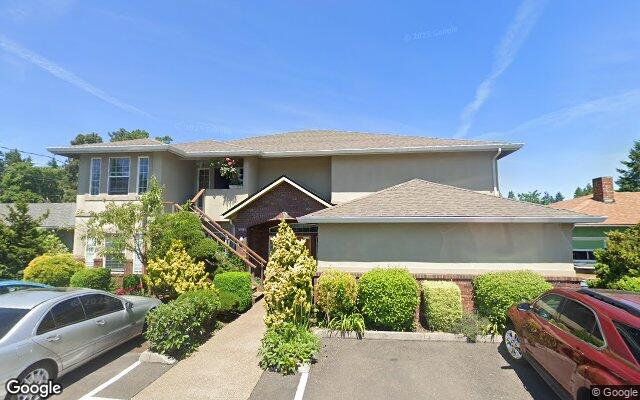
A medium home, reviewed on public record.
© Google Street View
Compared to 38 Oregon facilities with a similar number of beds.
ALF memory care · 36-month window. Higher percentile = better performance on inspection record. Source: Oregon Dept. of Human Services · Long-Term Care Licensing.
among peers to rank.
Rankings based on 36-month OR-DHS inspection data. Severity and frequency: fewer citations = higher percentile. Repeat rate: lower repeat citation share = higher percentile.
Citation history, plotted month by month.
3 deficiencies on record. Each bar is a month with a citation.
Finding distribution
3 total · 36 monthsScope × Severity (CMS A–L)
Every inspection visit, verbatim.
1 inspection in the public record, most recent first. Plain-language summaries open first — click into any row for the full citation text.
2025-08-28Annual Compliance VisitOR-cited · 3 findings
Plain-language summary
During a change of owner inspection on August 27–28, 2025, the facility was found to have violated two fire and life safety rules: staff had not received fire and life safety instruction on alternate months as required until August 20, 2025, and there was no system in place to ensure all staff received this training, and the two exit gates in the secure courtyard were secured with non-electronic combination pad locks instead of electronic locks that release automatically when the fire alarm or sprinkler system activates or during a power failure. The administrator acknowledged both findings when they were discussed.
Read full citation text (3)Hide full citation text
“Based on interview and record review, it was determined the facility failed to ensure fire and life safety instruction was provided to staff on alternate months from fire drills. Findings include, but are not limited to: Six months of facility fire drill and fire and life safety records from 02/2025 to 08/2025 were reviewed on 08/27/25. In interview on 08/27/25 at 3 pm, Staff 1 acknowledged training for staff in fire and life safety procedures on alternate months of fire drills had not been started until 08/20/25, and there was not a system to ensure all staff received the training. The requirement to ensure all staff were instructed in fire and life safety procedures on alternate months from fire drills was discussed with Staff 1 (Administrator) on 08/28/25, he acknowledged the findings. OAR 411-054-0090 (1-2) Fire and Life Safety: Safety (1) FIRE DRILLS. All fire drills shall be conducted according to the Oregon Fire Code (OFC). (a) Unannounced fire drills must be conducted and recorded every other month at different times of the day, evening, and night shifts. (b) Fire and life safety instruction to staff must be provided on alternate months. (c) The Fire Authority may develop an alternative fire drill plan for the facility. Any such plan must be submitted to the Department. (d) A written fire drill record must be kept to document fire drills that include: (A) Date and time of day; (B) Location of simulated fire origin; (C) The escape route used; (D) Problems encountered and comments relating to residents who resisted or failed to participate in the drills; (E) Evacuation time period needed; (F) Staff members on duty and participating; and (G) Number of occupants evacuated. (e) Alternate exit routes must be used during fire drills to react to varying potential fire origin points. (f) The evacuation capability of the residents and staff is a function of both the ability of the residents to evacuate and the assistance provided by the staff. (g) Staff must provide fire evacuation assistance to residents from the building to a designated point of safety as determined by the Fire Authority having jurisdiction. Points of safety may include, outside the building, through a horizontal exit, or other areas as determined by the Fire Authority having jurisdiction. (h) The fire alarm system shall be activated during each fire drill, unless otherwise directed by the Fire Authority having jurisdiction. (2) If the facility is unable to meet the applicable evacuation level, the facility must make an immediate effort to make changes to ensure the evacuation standard is met. Changes must include, but not be limited to: (a) Increasing staff levels, (b) Changing staff assignments, (c) Requesting change in resident rooms, and (d) Arranging for special equipment. After making necessary changes, if the facility fails to meet the applicable evacuation level, the facility must issue an involuntary move-out notice to the residents in accordance with OAR 411-054-0080. This Rule is not met as evidenced by:”
“Based on observation, interview, and record review, it was determined the facility failed to follow licensing rules for Residential Care and Assisted Living Facilities. Findings include, but are not limited to: Refer to C0420 OAR 411-057-0140(2) Administration Compliance (2) The licensee of a memory care community must comply with both the licensing rules for the facility and Chapter 411, Division 57. This Rule is not met as evidenced by:”
“Based on observation, record review, and interview, it was determined the facility failed to ensure locking devices used on exit doors were electronic and released were the fire alarm or sprinkler system to be activated or in the event of a power failure to the facility. Findings include, but are not limited to: Review of fire drill records showed the MCC fire evacuation routes were the front entrance, and a doorway leading to the secure courtyard. The secure courtyard was toured on 08/28/25 at 11 am with Staff 1, (Administrator) and observation showed two exit gates in the courtyard, both of which were secured with non-electronic combination pad locks. The need for all exit doors to have electronic locking devices which released automatically in specific situations was discussed with Staff 1 on 08/28/25 at 11 am. He acknowledged the findings. OAR 411-057-0170(10) Exit Doors (10) EXIT DOORS. (a) Locking devices used on exit doors, as approved by the Building Codes Agency and Fire Marshal having jurisdiction over the memory care community, must be electronic and release when the following occurs: (A) Upon activation of the fire alarm or sprinkler system; (B) Power failure to the facility; or (C) By activating a key button or keypad located at exits for routine use by staff. (b) If the memory care community uses keypads to lock and unlock exits, then directions for the keypad code and their operation must be posted on the outside of the door to allow access to the unit. However, if all of the community is endorsed, then directions for the operation of the locks need not be posted on the outside of the door. (c) Memory care communities may not have entrance and exit doors that are closed with non-electronic keyed locks. A door with a keyed lock may not be placed between a resident and the exit. (d) If the memory care community does not post the code, the community must develop a policy or a system that allows for visitor entry. This Rule is not met as evidenced by:”
Read raw inspector notesClose inspector notes
Based on interview and record review, it was determined the facility failed to ensure fire and life safety instruction was provided to staff on alternate months from fire drills. Findings include, but are not limited to: Six months of facility fire drill and fire and life safety records from 02/2025 to 08/2025 were reviewed on 08/27/25. In interview on 08/27/25 at 3 pm, Staff 1 acknowledged training for staff in fire and life safety procedures on alternate months of fire drills had not been started until 08/20/25, and there was not a system to ensure all staff received the training. The requirement to ensure all staff were instructed in fire and life safety procedures on alternate months from fire drills was discussed with Staff 1 (Administrator) on 08/28/25, he acknowledged the findings. OAR 411-054-0090 (1-2) Fire and Life Safety: Safety (1) FIRE DRILLS. All fire drills shall be conducted according to the Oregon Fire Code (OFC). (a) Unannounced fire drills must be conducted and recorded every other month at different times of the day, evening, and night shifts. (b) Fire and life safety instruction to staff must be provided on alternate months. (c) The Fire Authority may develop an alternative fire drill plan for the facility. Any such plan must be submitted to the Department. (d) A written fire drill record must be kept to document fire drills that include: (A) Date and time of day; (B) Location of simulated fire origin; (C) The escape route used; (D) Problems encountered and comments relating to residents who resisted or failed to participate in the drills; (E) Evacuation time period needed; (F) Staff members on duty and participating; and (G) Number of occupants evacuated. (e) Alternate exit routes must be used during fire drills to react to varying potential fire origin points. (f) The evacuation capability of the residents and staff is a function of both the ability of the residents to evacuate and the assistance provided by the staff. (g) Staff must provide fire evacuation assistance to residents from the building to a designated point of safety as determined by the Fire Authority having jurisdiction. Points of safety may include, outside the building, through a horizontal exit, or other areas as determined by the Fire Authority having jurisdiction. (h) The fire alarm system shall be activated during each fire drill, unless otherwise directed by the Fire Authority having jurisdiction. (2) If the facility is unable to meet the applicable evacuation level, the facility must make an immediate effort to make changes to ensure the evacuation standard is met. Changes must include, but not be limited to: (a) Increasing staff levels, (b) Changing staff assignments, (c) Requesting change in resident rooms, and (d) Arranging for special equipment. After making necessary changes, if the facility fails to meet the applicable evacuation level, the facility must issue an involuntary move-out notice to the residents in accordance with OAR 411-054-0080. This Rule is not met as evidenced by: Based on observation, interview, and record review, it was determined the facility failed to follow licensing rules for Residential Care and Assisted Living Facilities. Findings include, but are not limited to: Refer to C0420 OAR 411-057-0140(2) Administration Compliance (2) The licensee of a memory care community must comply with both the licensing rules for the facility and Chapter 411, Division 57. This Rule is not met as evidenced by: Based on observation, record review, and interview, it was determined the facility failed to ensure locking devices used on exit doors were electronic and released were the fire alarm or sprinkler system to be activated or in the event of a power failure to the facility. Findings include, but are not limited to: Review of fire drill records showed the MCC fire evacuation routes were the front entrance, and a doorway leading to the secure courtyard. The secure courtyard was toured on 08/28/25 at 11 am with Staff 1, (Administrator) and observation showed two exit gates in the courtyard, both of which were secured with non-electronic combination pad locks. The need for all exit doors to have electronic locking devices which released automatically in specific situations was discussed with Staff 1 on 08/28/25 at 11 am. He acknowledged the findings. OAR 411-057-0170(10) Exit Doors (10) EXIT DOORS. (a) Locking devices used on exit doors, as approved by the Building Codes Agency and Fire Marshal having jurisdiction over the memory care community, must be electronic and release when the following occurs: (A) Upon activation of the fire alarm or sprinkler system; (B) Power failure to the facility; or (C) By activating a key button or keypad located at exits for routine use by staff. (b) If the memory care community uses keypads to lock and unlock exits, then directions for the keypad code and their operation must be posted on the outside of the door to allow access to the unit. However, if all of the community is endorsed, then directions for the operation of the locks need not be posted on the outside of the door. (c) Memory care communities may not have entrance and exit doors that are closed with non-electronic keyed locks. A door with a keyed lock may not be placed between a resident and the exit. (d) If the memory care community does not post the code, the community must develop a policy or a system that allows for visitor entry. This Rule is not met as evidenced by:
3 older inspections from 2021 are not shown above.
Get the complete record, translated into plain language — emailed to you.
Other facilities in Multnomah County.
Other memory care facilities in Multnomah County with similar care offerings.

Contract Decoder
Family reviews
No reviews yet — be the first to share your experience
Other memory care options nearby.
More options in neighboring cities
Licensed memory care in other cities within this county region — useful when your search radius crosses city limits.