Avamere at Bethany.
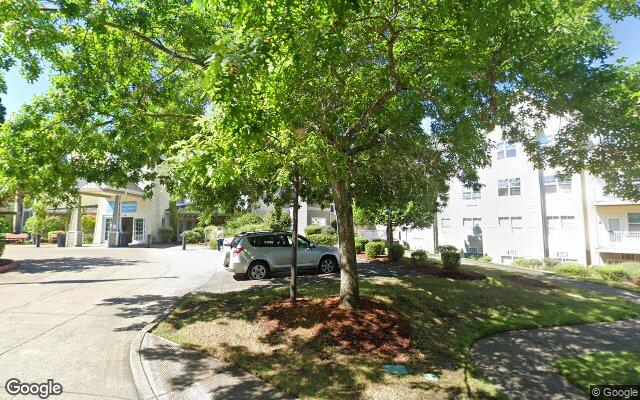
A medium home, reviewed on public record.
© Google Street View
Compared to 55 Oregon facilities with a similar number of beds.
ALF memory care · 36-month window. Higher percentile = better performance on inspection record. Source: Oregon Dept. of Human Services · Long-Term Care Licensing.
among peers to rank.
Rankings based on 36-month OR-DHS inspection data. Severity and frequency: fewer citations = higher percentile. Repeat rate: lower repeat citation share = higher percentile.
Citation history, plotted month by month.
17 deficiencies on record. Each bar is a month with a citation.
Finding distribution
17 total · 36 monthsScope × Severity (CMS A–L)
Every inspection visit, verbatim.
2 inspections in the public record, most recent first. Plain-language summaries open first — click into any row for the full citation text.
2025-03-06Annual Compliance VisitOR-cited · 13 findings
Plain-language summary
During this re-licensure inspection, the facility was found to have violated Oregon licensing rules in multiple areas of resident care. Violations included failing to complete or update service plans within required timeframes, not assessing and responding appropriately to significant changes in resident condition such as weight gain and infection, failing to communicate interventions from outside providers to staff, administering medication at incorrect doses (a resident prescribed furosemide twice daily received it only once daily for several days), and failing to obtain signed physician orders. The facility did not meet standards for evaluating assistive devices such as bed siderails.
Read full citation text (13)Hide full citation text
“Based on observation, interview and record review, it was determined the facility failed to follow licensing rules for Residential Care and Assisted Living Facilities. Findings include, but are not limited to: Refer to C 372, C 422 and C 555. Z142 - Administration Compliance Refer C372, C422 and C555. OAR 411-057-0140(2) Administration Compliance (2) The licensee of a memory care community must comply with both the licensing rules for the facility and Chapter 411, Division 57. This Rule is not met as evidenced by:”
“Based on interview and record review, it was determined the facility failed to ensure resident evaluations were updated within 30 days of move-in to the facility, and quarterly evaluations were completed timely or reflective of resident care needs for 2 of 2 sampled residents (#s 1 and 3) whose evaluations were reviewed. Findings include, but are not limited to:”
“Based on the resident evaluation performed before move-in, an initial service plan must be developed before move-in that reflects the identified needs and preferences of the resident. (b) The initial service plan must be reviewed within 30-days of movein to ensure that any changes made to the plan during the initial 30- days, accurately reflect the resident's needs and preferences. (c) Staff must document and date adjustments or changes as applicable. (4) QUARTERLY SERVICE PLAN REQUIREMENTS. (a) Service plans must be completed quarterly after the resident moves into the facility. (b) The quarterly evaluation is the basis of the resident's quarterly service plan. (c) If the resident's service plan is revised and updated at the quarterly review, changes must be dated and initialed, and prior historical information must be maintained. This Rule is not met as evidenced by: Based on observation, interview, and record review, it was determined the facility failed to complete a 30-day service plan, ensure service plans were reflective of residents' needs and provided clear direction for staff for 2 of 2 sampled residents (#s 1 and 3) whose service plans were reviewed. Findings include, but are not limited to:”
“Based on observation, interview, and record review, it was determined the facility failed to evaluate the resident, refer to the facility nurse, document the change, and update the service plan as needed for a significant change of condition, and failed to determine what resident-specific action or intervention was needed for a resident following a short-term change of condition, communicate the determined action or intervention to staff, and document progress until the condition resolved for 2 of 2 sampled residents (#s 1 and 3) who experienced changes of condition. Resident 1 experienced a severe and ongoing significant weight gain followed by a hospital visit and an infection in his/her legs. Findings include, but are not limited to:”
“Based on observation, interview and record review, it was determined the facility failed to ensure a significant change of condition assessment was completed by the RN, which included findings, resident status, and interventions, for 2 of 2 sampled residents (#s 1 and 3) who experienced significant changes of condition for weight gain and a pressure ulcer. Resident 1 experienced ongoing, significant weight gain followed by a hospital visit and an infection in his/her legs. Findings include, but are not limited to:”
“Based on interview and record review, it was determined the facility failed to ensure staff were informed of new interventions from outside providers and that service plans were adjusted if necessary for 2 of 2 sampled residents (#s 1 and 3) whose records were reviewed. Findings include, but are not limited to:”
“Based on interview and record review, it was determined the facility failed to ensure medication orders were carried out as prescribed, and written, signed physician or other legally recognized practitioner orders were documented in the resident's facility record for all medications the facility was responsible for administering for 1 of 2 sampled residents (#1) whose records were reviewed. Findings include, but are not limited to: Resident 1 was admitted to the facility in 10/2024 with diagnoses including dementia, depression and congestive heart failure. a. Review of physician orders, dated 11/12/24, indicated the resident was to start taking furosemide (for fluid retention) 20 mg, 2 tablets daily for 3 days and then 1 tablet daily until further notice. A follow up physician’s order, dated 11/14/24, had documented a conversation regarding Resident 1’s furosemide. The note indicated “Spoke with [Staff 1 (Administrator)] who confirmed…she just got a new fax for BID dose for 3 days. They (facility) will start BID dosing today…”. The November 2024 MAR revealed 2 tablets of furosemide was administered once daily between 11/15/24 through 11/18/24, not BID as ordered. During an interview on 03/06/25, Staff 1 acknowledged furosemide had not been administered twice a day as ordered and “it should have been.” No further documentation was provided. b. Resident 1’s quarterly physician orders were provided on 03/03/25 for review. The quarterly orders lacked a signed physician order and a date. During an interview on 03/06/25 at approximately 1:30 pm, Staff 1 acknowledged “we do not have those signed orders and they have been faxed over today to be signed.” No further documentation was provided. The need to ensure physician or other legally recognized practitioner orders were carried out as prescribed and the facility had written, signed physician orders documented in the resident's facility record was reviewed with Staff 1 (Administrator), Staff 14 (Regional RN), Staff 15 (Regional Director of Operations), Staff 20 (ED), and Staff 21 (Regional RN) on 03/06/25. They acknowledged the findings. C303 - Systems: Treatment Orders”
“Based on observation, interview and record review, it was determined the facility failed to ensure an assessment by a RN, PT or OT was completed for assistive devices with potentially restraining qualities for 1 of 1 sampled resident (# 3) who had a supportive device. Findings include, but are not limited to: Resident 3 was admitted to the facility in 12/2024 with diagnoses including dementia. During the entrance conference on 03/03/252, Resident 3 was identified as having siderails on his/her bed. Observations of the resident and the resident's room showed the siderails were on the bed in the down position and represented a device with restraining qualities. Review of Resident 3's record revealed there was no documented evidence an assessment of the siderails had been completed by an RN, PT or OT. In an interview on 03/06/25 at 12:30 pm, Staff 1 (Administrator) stated no assessment had been completed for Resident 3's siderails. The lack of an assessment for the resident's siderails was discussed with Staff 1 (Administrator), Staff 14 (Regional RN), Staff 15 (Regional Director), Staff 20 (ED), and Staff 21 (Regional RN) on 03/06/25. They acknowledged the findings. C340 - Restraints and Supportive Devices”
“Based on interview and record review, it was determined the facility failed to ensure 3 of 3 newly hired staff (#s 5, 7, and 8) demonstrated competency in first aid and abdominal thrust training within 30 days of hire. Findings include, but are not limited to: Staff training records were reviewed on 03/05/25 at 2:28 pm with Staff 15 (Regional Director of Operations). Staff 5 (MT), Staff 7 (CG), and Staff 8 (CG), hired 09/25/24, 12/26/24, and 12/26/24, respectively, lacked documented evidence they had completed abdominal thrust training within 30 days of hire. The need to document demonstrated competency of job duties within 30 days of hire was discussed with Staff 1 (Administrator), Staff 15, and Staff 20 (ED) on 03/05/25. They acknowledged the findings. C372 - Training within 30 days of hire”
“Based on interview and record review, it was determined the facility failed to ensure residents were instructed within 24 hours of admission and re-instructed at least annually in general safety procedures, responsibilities during fire drills, and designated meeting places outside the building or within the fire safe area in the event of an actual fire. Findings include, but are not limited to: In an interview on 03/05/24 with Staff 1 (Administrator), fire and life safety records were reviewed, and the following was identified: Survey requested documentation of fire and life safety instruction provided to residents within 24 hours of admission and the process for re-instruction, at least annually after admission. Staff 1 confirmed new residents were not instructed about the facility's fire and life safety procedures, residents were not reinstructed annually, and an annual written record of fire safety training, including content of the training sessions, was not being done. The need to ensure resident instruction in general safety procedures within 24 hours of move-in and at least annual reinstruction was discussed with Staff 1, Staff 15 (Regional Director of Operations), and Staff 20 (ED) on 03/05/25. They acknowledged the findings. C422 - Fire and Life Safety Training for Residents”
“Based on observation and interview, it was determined the facility failed to ensure a call system that connected resident units to the care staff center or staff pagers. Findings include, but are not limited to: Observations of resident units in the MCC were made on 03/04/25 and 03/05/25. The units lacked a call system that connected to the care staff center or staff pagers. At 10:40 am on 03/05/25, Staff 1 (Administrator) confirmed the lack of a call system. Staff 1 stated the facility policy was to complete frequent safety checks, encourage residents to be in common areas during the day, and for staff to use walkie talkies when they needed additional assistance in resident rooms. The need to ensure a call system that connected resident units to the care staff center or staff pagers was discussed with Staff 1, Staff 15 (Regional Director of Operations), and Staff 20 (ED) on 03/05/25. They acknowledged the findings. C555 - Call System”
“Based on interview and record review, it was determined the facility failed to ensure 4 of 4 newly-hired staff (#s 3, 4, 5, and 6) completed all required pre-service orientation training topics and received a written job description; 3 of 3 newly-hired direct care staff (#s 4, 5, and 6) completed all required pre-service dementia training topics; 3 of 3 newly-hired direct care staff (#s 5, 7, and 8) demonstrated competency in all assigned job duties within 30 days of hire; 1 of 2 long-term direct care staff (#9) completed the required number of annual in-service training hours, including at least six hours of training on dementia care; and 3 of 3 long term non-care staff (#s 11, 12, and 13) completed annual home and community-based services (HCBS) training and/or LGBTQIA2S+ training. Findings include, but are not limited to: Staff training records were reviewed on 03/05/25 at 2:28 pm with Staff 15 (Regional Director of Operations). a. There was no documented evidence Staff 3 (Cook), Staff 4 (CG), Staff 5 (MT), and Staff 6 (Server), hired 02/21/25, 02/17/25, 09/25/24, and 02/11/25, respectively, had a written description of their job responsibilities and/or completed one or more of the following pre-service orientation topics before completing any job duties: * Resident rights and values of CBC care; * Abuse reporting requirements; * Fire safety and emergency procedures; * HCBS course; * LGBTQIA2S+ course; and * Infectious disease prevention. b. There was no documented evidence Staff 4, Staff 5 and Staff 6 completed one or more of the following pre-service dementia training topics: * Dementia disease process including progression of the disease, memory loss and psychiatric and behavioral symptoms; * Techniques for understanding, communicating and responding to distressful behavioral symptoms; * Strategies for addressing social needs and engaging persons with dementia in meaningful activities; * Specific aspects of dementia care and ensuring safety of residents with dementia including addressing pain, providing food/fluids, preventing wandering, use of a person-centered approach; * Environmental factors that are important to a resident’s well-being (e.g., staff interactions, lighting, room temperature, noise, etc.); * Family support and the role the family may have in the care of the resident; * How to recognize behaviors that indicate a change in the resident's condition and report behaviors that require on-going assessment; * How to provide personal care to a resident with dementia; and * Use of supportive devices with restraining qualities in memory care communities. c. There was no documented evidence Staff 5, Staff 7 (CG), hired 12/26/24, and Staff 8 (CG), hired 12/26/24, demonstrated competency in one or more of the following areas within 30 days of hire: * Role of service plans in providing individualized care; * Changes associated with normal aging; * Providing assistance with ADLs; * Identification, documenting and reporting of changes of condition; * Conditions that require assessment, treatment, observation and reporting; * General food safety, serving and sanitation; and * Other duties, including medication pass and treatments. The facility completed Staff 5’s signed MT competencies and provided a copy to the survey team on 03/06/25. d. Documented annual in-service hours acquired between 04/28/23 and 04/28/24 were reviewed for Staff 9 (CG), hired 04/28/21. There was no documented evidence Staff 9 had completed the required number of annual in-service training hours, including at least six hours of training related to dementia care, HCBS training, and LGBTQIA2S+ training. e. There was no documented evidence Staff 11 (Cook), Staff 12 (Housekeeping), and Staff 13 (Housekeeping) hired 06/18/22, 08/01/22, and 12/20/23, respectively, completed the required HCBS and/or LGBTQIA2S+ training. The need to ensure the required pre-service and annual training was completed by staff in the time frames specified in the rules and staff demonstrated competency in assigned job duties within 30 days of hire was discussed with Staff 1 (Administrator), Staff 15, and Staff 20 (ED) on 03/05/25. They acknowledged the findings. Z155 - Staff Training Requirements”
“Based on observation, interview and record review, it was determined the facility failed to follow licensing rules for Residential Care and Assisted Living Facilities. Findings include, but are not limited to: Refer to C 252, C 260, C 270, C 280, C 290, C 303, and C 340. ? Z162 - Compliance with Rules Health Care Refer to C252, C260, C270, C280, C290, C303 and C340. OAR 411-057-0160(2b) Compliance with Rules Health Care (b) Health care services provided in accordance with the licensing rules of the facility. This Rule is not met as evidenced by:”
Read raw inspector notesClose inspector notes
Based on interview and record review, it was determined the facility failed to ensure resident evaluations were updated within 30 days of move-in to the facility, and quarterly evaluations were completed timely or reflective of resident care needs for 2 of 2 sampled residents (#s 1 and 3) whose evaluations were reviewed. Findings include, but are not limited to: Based on the resident evaluation performed before move-in, an initial service plan must be developed before move-in that reflects the identified needs and preferences of the resident. (b) The initial service plan must be reviewed within 30-days of movein to ensure that any changes made to the plan during the initial 30- days, accurately reflect the resident's needs and preferences. (c) Staff must document and date adjustments or changes as applicable. (4) QUARTERLY SERVICE PLAN REQUIREMENTS. (a) Service plans must be completed quarterly after the resident moves into the facility. (b) The quarterly evaluation is the basis of the resident's quarterly service plan. (c) If the resident's service plan is revised and updated at the quarterly review, changes must be dated and initialed, and prior historical information must be maintained. This Rule is not met as evidenced by: Based on observation, interview, and record review, it was determined the facility failed to complete a 30-day service plan, ensure service plans were reflective of residents' needs and provided clear direction for staff for 2 of 2 sampled residents (#s 1 and 3) whose service plans were reviewed. Findings include, but are not limited to: Based on observation, interview, and record review, it was determined the facility failed to evaluate the resident, refer to the facility nurse, document the change, and update the service plan as needed for a significant change of condition, and failed to determine what resident-specific action or intervention was needed for a resident following a short-term change of condition, communicate the determined action or intervention to staff, and document progress until the condition resolved for 2 of 2 sampled residents (#s 1 and 3) who experienced changes of condition. Resident 1 experienced a severe and ongoing significant weight gain followed by a hospital visit and an infection in his/her legs. Findings include, but are not limited to: Based on observation, interview and record review, it was determined the facility failed to ensure a significant change of condition assessment was completed by the RN, which included findings, resident status, and interventions, for 2 of 2 sampled residents (#s 1 and 3) who experienced significant changes of condition for weight gain and a pressure ulcer. Resident 1 experienced ongoing, significant weight gain followed by a hospital visit and an infection in his/her legs. Findings include, but are not limited to: Based on interview and record review, it was determined the facility failed to ensure staff were informed of new interventions from outside providers and that service plans were adjusted if necessary for 2 of 2 sampled residents (#s 1 and 3) whose records were reviewed. Findings include, but are not limited to: Based on interview and record review, it was determined the facility failed to ensure medication orders were carried out as prescribed, and written, signed physician or other legally recognized practitioner orders were documented in the resident's facility record for all medications the facility was responsible for administering for 1 of 2 sampled residents (#1) whose records were reviewed. Findings include, but are not limited to: Resident 1 was admitted to the facility in 10/2024 with diagnoses including dementia, depression and congestive heart failure. a. Review of physician orders, dated 11/12/24, indicated the resident was to start taking furosemide (for fluid retention) 20 mg, 2 tablets daily for 3 days and then 1 tablet daily until further notice. A follow up physician’s order, dated 11/14/24, had documented a conversation regarding Resident 1’s furosemide. The note indicated “Spoke with [Staff 1 (Administrator)] who confirmed…she just got a new fax for BID dose for 3 days. They (facility) will start BID dosing today…”. The November 2024 MAR revealed 2 tablets of furosemide was administered once daily between 11/15/24 through 11/18/24, not BID as ordered. During an interview on 03/06/25, Staff 1 acknowledged furosemide had not been administered twice a day as ordered and “it should have been.” No further documentation was provided. b. Resident 1’s quarterly physician orders were provided on 03/03/25 for review. The quarterly orders lacked a signed physician order and a date. During an interview on 03/06/25 at approximately 1:30 pm, Staff 1 acknowledged “we do not have those signed orders and they have been faxed over today to be signed.” No further documentation was provided. The need to ensure physician or other legally recognized practitioner orders were carried out as prescribed and the facility had written, signed physician orders documented in the resident's facility record was reviewed with Staff 1 (Administrator), Staff 14 (Regional RN), Staff 15 (Regional Director of Operations), Staff 20 (ED), and Staff 21 (Regional RN) on 03/06/25. They acknowledged the findings. C303 - Systems: Treatment Orders Based on observation, interview and record review, it was determined the facility failed to ensure an assessment by a RN, PT or OT was completed for assistive devices with potentially restraining qualities for 1 of 1 sampled resident (# 3) who had a supportive device. Findings include, but are not limited to: Resident 3 was admitted to the facility in 12/2024 with diagnoses including dementia. During the entrance conference on 03/03/252, Resident 3 was identified as having siderails on his/her bed. Observations of the resident and the resident's room showed the siderails were on the bed in the down position and represented a device with restraining qualities. Review of Resident 3's record revealed there was no documented evidence an assessment of the siderails had been completed by an RN, PT or OT. In an interview on 03/06/25 at 12:30 pm, Staff 1 (Administrator) stated no assessment had been completed for Resident 3's siderails. The lack of an assessment for the resident's siderails was discussed with Staff 1 (Administrator), Staff 14 (Regional RN), Staff 15 (Regional Director), Staff 20 (ED), and Staff 21 (Regional RN) on 03/06/25. They acknowledged the findings. C340 - Restraints and Supportive Devices Based on interview and record review, it was determined the facility failed to ensure 3 of 3 newly hired staff (#s 5, 7, and 8) demonstrated competency in first aid and abdominal thrust training within 30 days of hire. Findings include, but are not limited to: Staff training records were reviewed on 03/05/25 at 2:28 pm with Staff 15 (Regional Director of Operations). Staff 5 (MT), Staff 7 (CG), and Staff 8 (CG), hired 09/25/24, 12/26/24, and 12/26/24, respectively, lacked documented evidence they had completed abdominal thrust training within 30 days of hire. The need to document demonstrated competency of job duties within 30 days of hire was discussed with Staff 1 (Administrator), Staff 15, and Staff 20 (ED) on 03/05/25. They acknowledged the findings. C372 - Training within 30 days of hire Based on interview and record review, it was determined the facility failed to ensure residents were instructed within 24 hours of admission and re-instructed at least annually in general safety procedures, responsibilities during fire drills, and designated meeting places outside the building or within the fire safe area in the event of an actual fire. Findings include, but are not limited to: In an interview on 03/05/24 with Staff 1 (Administrator), fire and life safety records were reviewed, and the following was identified: Survey requested documentation of fire and life safety instruction provided to residents within 24 hours of admission and the process for re-instruction, at least annually after admission. Staff 1 confirmed new residents were not instructed about the facility's fire and life safety procedures, residents were not reinstructed annually, and an annual written record of fire safety training, including content of the training sessions, was not being done. The need to ensure resident instruction in general safety procedures within 24 hours of move-in and at least annual reinstruction was discussed with Staff 1, Staff 15 (Regional Director of Operations), and Staff 20 (ED) on 03/05/25. They acknowledged the findings. C422 - Fire and Life Safety Training for Residents Based on observation and interview, it was determined the facility failed to ensure a call system that connected resident units to the care staff center or staff pagers. Findings include, but are not limited to: Observations of resident units in the MCC were made on 03/04/25 and 03/05/25. The units lacked a call system that connected to the care staff center or staff pagers. At 10:40 am on 03/05/25, Staff 1 (Administrator) confirmed the lack of a call system. Staff 1 stated the facility policy was to complete frequent safety checks, encourage residents to be in common areas during the day, and for staff to use walkie talkies when they needed additional assistance in resident rooms. The need to ensure a call system that connected resident units to the care staff center or staff pagers was discussed with Staff 1, Staff 15 (Regional Director of Operations), and Staff 20 (ED) on 03/05/25. They acknowledged the findings. C555 - Call System Based on observation, interview and record review, it was determined the facility failed to follow licensing rules for Residential Care and Assisted Living Facilities. Findings include, but are not limited to: Refer to C 372, C 422 and C 555. Z142 - Administration Compliance Refer C372, C422 and C555. OAR 411-057-0140(2) Administration Compliance (2) The licensee of a memory care community must comply with both the licensing rules for the facility and Chapter 411, Division 57. This Rule is not met as evidenced by: Based on interview and record review, it was determined the facility failed to ensure 4 of 4 newly-hired staff (#s 3, 4, 5, and 6) completed all required pre-service orientation training topics and received a written job description; 3 of 3 newly-hired direct care staff (#s 4, 5, and 6) completed all required pre-service dementia training topics; 3 of 3 newly-hired direct care staff (#s 5, 7, and 8) demonstrated competency in all assigned job duties within 30 days of hire; 1 of 2 long-term direct care staff (#9) completed the required number of annual in-service training hours, including at least six hours of training on dementia care; and 3 of 3 long term non-care staff (#s 11, 12, and 13) completed annual home and community-based services (HCBS) training and/or LGBTQIA2S+ training. Findings include, but are not limited to: Staff training records were reviewed on 03/05/25 at 2:28 pm with Staff 15 (Regional Director of Operations). a. There was no documented evidence Staff 3 (Cook), Staff 4 (CG), Staff 5 (MT), and Staff 6 (Server), hired 02/21/25, 02/17/25, 09/25/24, and 02/11/25, respectively, had a written description of their job responsibilities and/or completed one or more of the following pre-service orientation topics before completing any job duties: * Resident rights and values of CBC care; * Abuse reporting requirements; * Fire safety and emergency procedures; * HCBS course; * LGBTQIA2S+ course; and * Infectious disease prevention. b. There was no documented evidence Staff 4, Staff 5 and Staff 6 completed one or more of the following pre-service dementia training topics: * Dementia disease process including progression of the disease, memory loss and psychiatric and behavioral symptoms; * Techniques for understanding, communicating and responding to distressful behavioral symptoms; * Strategies for addressing social needs and engaging persons with dementia in meaningful activities; * Specific aspects of dementia care and ensuring safety of residents with dementia including addressing pain, providing food/fluids, preventing wandering, use of a person-centered approach; * Environmental factors that are important to a resident’s well-being (e.g., staff interactions, lighting, room temperature, noise, etc.); * Family support and the role the family may have in the care of the resident; * How to recognize behaviors that indicate a change in the resident's condition and report behaviors that require on-going assessment; * How to provide personal care to a resident with dementia; and * Use of supportive devices with restraining qualities in memory care communities. c. There was no documented evidence Staff 5, Staff 7 (CG), hired 12/26/24, and Staff 8 (CG), hired 12/26/24, demonstrated competency in one or more of the following areas within 30 days of hire: * Role of service plans in providing individualized care; * Changes associated with normal aging; * Providing assistance with ADLs; * Identification, documenting and reporting of changes of condition; * Conditions that require assessment, treatment, observation and reporting; * General food safety, serving and sanitation; and * Other duties, including medication pass and treatments. The facility completed Staff 5’s signed MT competencies and provided a copy to the survey team on 03/06/25. d. Documented annual in-service hours acquired between 04/28/23 and 04/28/24 were reviewed for Staff 9 (CG), hired 04/28/21. There was no documented evidence Staff 9 had completed the required number of annual in-service training hours, including at least six hours of training related to dementia care, HCBS training, and LGBTQIA2S+ training. e. There was no documented evidence Staff 11 (Cook), Staff 12 (Housekeeping), and Staff 13 (Housekeeping) hired 06/18/22, 08/01/22, and 12/20/23, respectively, completed the required HCBS and/or LGBTQIA2S+ training. The need to ensure the required pre-service and annual training was completed by staff in the time frames specified in the rules and staff demonstrated competency in assigned job duties within 30 days of hire was discussed with Staff 1 (Administrator), Staff 15, and Staff 20 (ED) on 03/05/25. They acknowledged the findings. Z155 - Staff Training Requirements Based on observation, interview and record review, it was determined the facility failed to follow licensing rules for Residential Care and Assisted Living Facilities. Findings include, but are not limited to: Refer to C 252, C 260, C 270, C 280, C 290, C 303, and C 340. ? Z162 - Compliance with Rules Health Care Refer to C252, C260, C270, C280, C290, C303 and C340. OAR 411-057-0160(2b) Compliance with Rules Health Care (b) Health care services provided in accordance with the licensing rules of the facility. This Rule is not met as evidenced by:
2024-07-10Annual Compliance VisitOR-cited · 4 findings
Plain-language summary
A state licensure kitchen inspection on July 10, 2024 found the facility failed to maintain food sanitation standards, with violations including torn and stained flooring, grease and buildup on walls and equipment throughout the kitchen, dust accumulation on ceilings and vents, and two staff members not wearing hair restraints. The facility was required to complete corrective action, and a follow-up inspection on November 7, 2024 found the facility in substantial compliance with food sanitation rules.
Read full citation text (4)Hide full citation text
“The findings of the kitchen inspection, conducted 07/10/24, are documented in this report. The survey was conducted to determine compliance with the OARs 411-054-0030 for Residential Care and Assisted Living Facilities for Resident Services - Meals and Oregon Health Service Food Sanitation Rules OARs 333-150-0000 and OARs 411 Division 57 for Memory Care Communities. Tag numbers beginning with the letter C refer to the Residential Care and Assisted Living rules. Tag numbers beginning with the letter Z refer to the Memory Care Community rules. The findings of the kitchen inspection, conducted 07/10/24, are documented in this report. The survey was conducted to determine compliance with the OARs 411-054-0030 for Residential Care and Assisted Living Facilities for Resident Services - Meals and Oregon Health Service Food Sanitation Rules OARs 333-150-0000 and OARs 411 Division 57 for Memory Care Communities. Tag numbers beginning with the letter C refer to the Residential Care and Assisted Living rules. Tag numbers beginning with the letter Z refer to the Memory Care Community rules. The findings of the first revisit to the kitchen inspection of 07/10/24, conducted 09/06/24, are documented in this report. The survey was conducted to determine compliance with the OARs 411-054-0030 for Residential Care and Assisted Living Facilities for Resident Services- Meals, and Oregon Health Service Food Sanitation Rules OARs 333-150-0000. The findings of the first revisit to the kitchen inspection of 07/10/24, conducted 09/06/24, are documented in this report. The survey was conducted to determine compliance with the OARs 411-054-0030 for Residential Care and Assisted Living Facilities for Resident Services- Meals, and Oregon Health Service Food Sanitation Rules OARs 333-150-0000. The findings of the second re-visit to the kitchen inspection of 07/10/24, conducted on 11/07/24, are documented in this report. The facility was found in substantial compliance with the OARs 411-054-0030 for Residential Care and Assisted Living Facilities for Resident Services- Meals, and Oregon Health Service Food Sanitation Rules OARs 333-150-0000. The findings of the second re-visit to the kitchen inspection of 07/10/24, conducted on 11/07/24, are documented in this report. The facility was found in substantial compliance with the OARs 411-054-0030 for Residential Care and Assisted Living Facilities for Resident Services- Meals, and Oregon Health Service Food Sanitation Rules OARs 333-150-0000.”
“Based on observation and interview, it was determined the facility failed to ensure kitchen practices and protocols were in accordance with the Food Sanitation Rules OARs 333-150-0000. Findings include, but are not limited to: On 07/10/24 at 10:55 am, the facility kitchen was observed to need cleaning and/or repairs in the following areas: * Flooring throughout the kitchen - torn, cracked, areas missing the epoxy covering; significant build up of black matter, stains (brown, black, yellow) and debris - under counters, in corners, under dishwashing area, including drain, under and around ice maker, under and around stove/grill/deep fat fryer; * Walls throughout the kitchen - drips, spills, grease, dust, build up of black/brown matter - in dishwashing area - above and below the counters and behind the dishwashing machine; above and below prep counters; behind and beside the deep fat fryer; behind and beside ice maker; * Equipment with drips, spills, spatters, food debris, grease, dust - hood vents, microwave oven (interior and exterior), commercial can opener, blender base, exterior of ice maker, front and sides of stove/grill, deep fat fryer; * Upper and lower shelving throughout the kitchen - food debris, dust, drips, spills, splatters - prep areas, steam table, commercial mixer; * Kitchen ceiling, vents and sprinkler heads throughout the kitchen, including walk in refrigerator ceiling surrounding the light - significant accumulation of dust; * Kitchen doors, including walk in refrigerator door - significantly scuffed with black matter; and * Ceiling light near steam table uncovered exposing light bulb. Additional observations: * Two staff not wearing hair/beard restraints. The above findings were observed and discussed with Staff 1 (Director of Food Service) and Staff 2 (Executive Director) on 07/10/24. The findings were acknowledged. Based on observation and interview, it was determined the facility failed to ensure kitchen practices and protocols were in accordance with the Food Sanitation Rules OARs 333-150-0000. Findings include, but are not limited to: On 07/10/24 at 10:55 am, the facility kitchen was observed to need cleaning and/or repairs in the following areas: * Flooring throughout the kitchen - torn, cracked, areas missing the epoxy covering; significant build up of black matter, stains (brown, black, yellow) and debris - under counters, in corners, under dishwashing area, including drain, under and around ice maker, under and around stove/grill/deep fat fryer; * Walls throughout the kitchen - drips, spills, grease, dust, build up of black/brown matter - in dishwashing area - above and below the counters and behind the dishwashing machine; above and below prep counters; behind and beside the deep fat fryer; behind and beside ice maker; * Equipment with drips, spills, spatters, food debris, grease, dust - hood vents, microwave oven (interior and exterior), commercial can opener, blender base, exterior of ice maker, front and sides of stove/grill, deep fat fryer; * Upper and lower shelving throughout the kitchen - food debris, dust, drips, spills, splatters - prep areas, steam table, commercial mixer; * Kitchen ceiling, vents and sprinkler heads throughout the kitchen, including walk in refrigerator ceiling surrounding the light - significant accumulation of dust; * Kitchen doors, including walk in refrigerator door - significantly scuffed with black matter; and * Ceiling light near steam table uncovered exposing light bulb. Additional observations: * Two staff not wearing hair/beard restraints. The above findings were observed and discussed with Staff 1 (Director of Food Service) and Staff 2 (Executive Director) on 07/10/24. The findings were acknowledged.”
“Based on interview and observation, it was determined the facility failed to ensure their kitchen survey plan of correction was implemented and satisfied the Department. Findings include, but are not limited to: Refer to C 240. Based on interview and observation, it was determined the facility failed to ensure their kitchen survey plan of correction was implemented and satisfied the Department. Findings include, but are not limited to: Refer to C 240. See C 240 See C 240 There are no detail notes for this visit.”
“Based on observation and interview, it was determined the facility failed to follow licensing rules for Residential Care and Assisted Living Facilities. Findings include, but are not limited to: Refer to C 240. Based on observation and interview, it was determined the facility failed to follow licensing rules for Residential Care and Assisted Living Facilities. Findings include, but are not limited to: Refer to C 240.”
Read raw inspector notesClose inspector notes
The findings of the kitchen inspection, conducted 07/10/24, are documented in this report. The survey was conducted to determine compliance with the OARs 411-054-0030 for Residential Care and Assisted Living Facilities for Resident Services - Meals and Oregon Health Service Food Sanitation Rules OARs 333-150-0000 and OARs 411 Division 57 for Memory Care Communities. Tag numbers beginning with the letter C refer to the Residential Care and Assisted Living rules. Tag numbers beginning with the letter Z refer to the Memory Care Community rules. The findings of the kitchen inspection, conducted 07/10/24, are documented in this report. The survey was conducted to determine compliance with the OARs 411-054-0030 for Residential Care and Assisted Living Facilities for Resident Services - Meals and Oregon Health Service Food Sanitation Rules OARs 333-150-0000 and OARs 411 Division 57 for Memory Care Communities. Tag numbers beginning with the letter C refer to the Residential Care and Assisted Living rules. Tag numbers beginning with the letter Z refer to the Memory Care Community rules. The findings of the first revisit to the kitchen inspection of 07/10/24, conducted 09/06/24, are documented in this report. The survey was conducted to determine compliance with the OARs 411-054-0030 for Residential Care and Assisted Living Facilities for Resident Services- Meals, and Oregon Health Service Food Sanitation Rules OARs 333-150-0000. The findings of the first revisit to the kitchen inspection of 07/10/24, conducted 09/06/24, are documented in this report. The survey was conducted to determine compliance with the OARs 411-054-0030 for Residential Care and Assisted Living Facilities for Resident Services- Meals, and Oregon Health Service Food Sanitation Rules OARs 333-150-0000. The findings of the second re-visit to the kitchen inspection of 07/10/24, conducted on 11/07/24, are documented in this report. The facility was found in substantial compliance with the OARs 411-054-0030 for Residential Care and Assisted Living Facilities for Resident Services- Meals, and Oregon Health Service Food Sanitation Rules OARs 333-150-0000. The findings of the second re-visit to the kitchen inspection of 07/10/24, conducted on 11/07/24, are documented in this report. The facility was found in substantial compliance with the OARs 411-054-0030 for Residential Care and Assisted Living Facilities for Resident Services- Meals, and Oregon Health Service Food Sanitation Rules OARs 333-150-0000. Based on observation and interview, it was determined the facility failed to ensure kitchen practices and protocols were in accordance with the Food Sanitation Rules OARs 333-150-0000. Findings include, but are not limited to: On 07/10/24 at 10:55 am, the facility kitchen was observed to need cleaning and/or repairs in the following areas: * Flooring throughout the kitchen - torn, cracked, areas missing the epoxy covering; significant build up of black matter, stains (brown, black, yellow) and debris - under counters, in corners, under dishwashing area, including drain, under and around ice maker, under and around stove/grill/deep fat fryer; * Walls throughout the kitchen - drips, spills, grease, dust, build up of black/brown matter - in dishwashing area - above and below the counters and behind the dishwashing machine; above and below prep counters; behind and beside the deep fat fryer; behind and beside ice maker; * Equipment with drips, spills, spatters, food debris, grease, dust - hood vents, microwave oven (interior and exterior), commercial can opener, blender base, exterior of ice maker, front and sides of stove/grill, deep fat fryer; * Upper and lower shelving throughout the kitchen - food debris, dust, drips, spills, splatters - prep areas, steam table, commercial mixer; * Kitchen ceiling, vents and sprinkler heads throughout the kitchen, including walk in refrigerator ceiling surrounding the light - significant accumulation of dust; * Kitchen doors, including walk in refrigerator door - significantly scuffed with black matter; and * Ceiling light near steam table uncovered exposing light bulb. Additional observations: * Two staff not wearing hair/beard restraints. The above findings were observed and discussed with Staff 1 (Director of Food Service) and Staff 2 (Executive Director) on 07/10/24. The findings were acknowledged. Based on observation and interview, it was determined the facility failed to ensure kitchen practices and protocols were in accordance with the Food Sanitation Rules OARs 333-150-0000. Findings include, but are not limited to: On 07/10/24 at 10:55 am, the facility kitchen was observed to need cleaning and/or repairs in the following areas: * Flooring throughout the kitchen - torn, cracked, areas missing the epoxy covering; significant build up of black matter, stains (brown, black, yellow) and debris - under counters, in corners, under dishwashing area, including drain, under and around ice maker, under and around stove/grill/deep fat fryer; * Walls throughout the kitchen - drips, spills, grease, dust, build up of black/brown matter - in dishwashing area - above and below the counters and behind the dishwashing machine; above and below prep counters; behind and beside the deep fat fryer; behind and beside ice maker; * Equipment with drips, spills, spatters, food debris, grease, dust - hood vents, microwave oven (interior and exterior), commercial can opener, blender base, exterior of ice maker, front and sides of stove/grill, deep fat fryer; * Upper and lower shelving throughout the kitchen - food debris, dust, drips, spills, splatters - prep areas, steam table, commercial mixer; * Kitchen ceiling, vents and sprinkler heads throughout the kitchen, including walk in refrigerator ceiling surrounding the light - significant accumulation of dust; * Kitchen doors, including walk in refrigerator door - significantly scuffed with black matter; and * Ceiling light near steam table uncovered exposing light bulb. Additional observations: * Two staff not wearing hair/beard restraints. The above findings were observed and discussed with Staff 1 (Director of Food Service) and Staff 2 (Executive Director) on 07/10/24. The findings were acknowledged. Based on interview and observation, it was determined the facility failed to ensure their kitchen survey plan of correction was implemented and satisfied the Department. Findings include, but are not limited to: Refer to C 240. Based on interview and observation, it was determined the facility failed to ensure their kitchen survey plan of correction was implemented and satisfied the Department. Findings include, but are not limited to: Refer to C 240. See C 240 See C 240 There are no detail notes for this visit. Based on observation and interview, it was determined the facility failed to follow licensing rules for Residential Care and Assisted Living Facilities. Findings include, but are not limited to: Refer to C 240. Based on observation and interview, it was determined the facility failed to follow licensing rules for Residential Care and Assisted Living Facilities. Findings include, but are not limited to: Refer to C 240.
4 older inspections from 2022 are not shown above.
Get the complete record, translated into plain language — emailed to you.
Other facilities in Multnomah County.
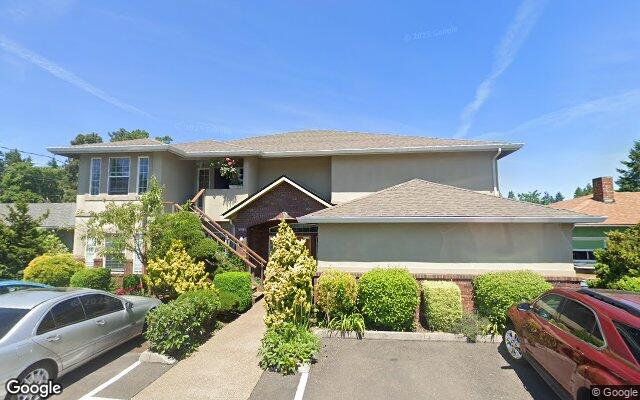
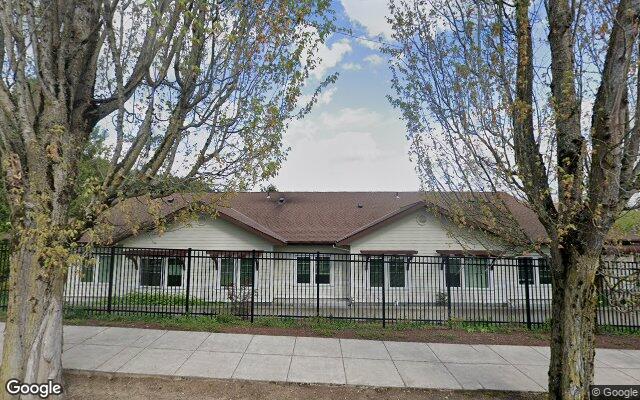
Other memory care facilities in Multnomah County with similar care offerings.

Full Inspection Record
Family reviews
No reviews yet — be the first to share your experience
Other memory care options nearby.
More options in neighboring cities
Licensed memory care in other cities within this county region — useful when your search radius crosses city limits.