Arbor Senior Living.

A medium home, reviewed on public record.
© Google Street View
Compared to 55 Oregon facilities with a similar number of beds.
ALF memory care · 36-month window. Higher percentile = better performance on inspection record. Source: Oregon Dept. of Human Services · Long-Term Care Licensing.
Rankings based on 36-month OR-DHS inspection data. Severity and frequency: fewer citations = higher percentile. Repeat rate: lower repeat citation share = higher percentile.
Citation history, plotted month by month.
39 deficiencies on record. Each bar is a month with a citation.
Finding distribution
39 total · 36 monthsScope × Severity (CMS A–L)
Every inspection visit, verbatim.
4 inspections in the public record, most recent first. Plain-language summaries open first — click into any row for the full citation text.
2025-10-29Annual Compliance VisitOR-cited · 18 findings
Plain-language summary
During a change of owner inspection on October 27-29, 2025, surveyors found that the facility failed to report or investigate injuries of unknown cause for one resident who had open wounds on their legs and toe but could not explain how they occurred; the facility did not document these injuries or report them as suspected abuse until directed to do so by the inspector, and staff stated they were unaware of the injuries. The facility subsequently completed abuse reporting and investigation training in November 2025 and implemented daily event reviews to ensure proper documentation and reporting going forward.
Read full citation text (18)Hide full citation text
“Based on observation, interview, and record review, it was determined the facility failed to report injuries of unknown cause to the local Seniors and People with Disabilities (SPD) office, or the local Area Agency on Aging (AAA), as suspected abuse, unless an immediate facility investigation reasonably concluded and documented that the physical injuries were not the result of abuse, for 1 of 1 sampled resident (#3) with injuries. Findings include, but are not limited to: Resident 3 was admitted to the facility in 04/2025 with diagnoses including insulin-dependent diabetes and Wernicke dementia. During an interview with the resident on 10/27/25 at 11:15 am, two surveyors observed that Resident 3 had an approximate 1X.5 cm open wound on his/her left shin, a 1X.5 cm open wound on the right side of his/her lower leg, and .5 cm open wound on his/her right 4th toe. When asked, Resident 3 stated s/he was unsure how the injuries occurred. There was no documentation in the resident's record regarding the wounds. Incident investigations were requested during the survey. On 10/29/25 at 1:40 pm, Staff 2 (Assistant Manager) reported no incident investigations had been completed regarding the injuries. The injuries to Resident 3's legs and toe represented incidents that should have been reported to the local SPD office or the local AAA unless an immediate facility investigation reasonably concluded and documented that the physical injuries were not the result of abuse. There was no documented evidence the facility either reported the incidents or immediately investigated the incidents and ruled out abuse. The incidents were reviewed with Staff 1 (ED) and Staff 2 on 10/29/25 at 2:40 pm. They stated they were not aware of the injuries and had not reported or investigated the incidents. The surveyor directed the facility to self-report the incidents to the local SPD or AAA office as suspected abuse. Confirmation the facility reported the incidents was received on 10/29/25. On 11/5/25 ED presented in our All-Staff meeting Abuse Reporting and Investigation training . A pre-service and ongoing training to ensure we all understand our roles in Abuse Prevention, Reporting and Investigation. We reviewed what is a Mandatory Reporting and responsibilities, abuse-self reporting requirements, Arbor Senior Living Policies and Procedures related to abuse and suspected abuse and injury of unknown causes, investigations, responses and reporting. We aew now implementing daily reviews of events in the last 24 hours and ensuring that all documentation and reporting has been completed with staff and education provided as needed. Executive Director and Asssistant Manager will continue a on going trianing. OAR 411-054-0028 (1-3) Reporting & Investigating Abuse-Other Action (Amended 12/15/21)(1) The facility must have policies and procedures in place to assure the prevention and appropriate response to any incident. In the case of incidents of abuse, suspected abuse, or injury of unknown cause, policies and procedures must follow the requirements outlined below. In the case of incidents that are not abuse or injuries of unknown cause where abuse has been ruled out, the facility must have policies and procedures in place to respond appropriately, which may include such things as re-assessment, monitoring, or medication review. (2) ABUSE REPORTING. Abuse is prohibited. The facility employees, agents and licensee must not permit, aid, or engage in abuse of residents who are under their care. (a) STAFF REPORTING. All facility employees are required to immediately report abuse and suspected abuse to the local SPD office, or the local AAA, the facility administrator, or to the facility administrator's designee. (b) FACILITY REPORTING. The facility administrator, or designee, must immediately notify the local SPD office, or the local AAA, of any incident of abuse or suspected abuse, including events overheard or witnessed by observation. (c) LAW ENFORCEMENT AGENCY. The local law enforcement agency must be called first when the suspected abuse is believed to be a crime (e.g., rape, murder, assault, burglary, kidnapping, theft of controlled substances, etc.). (d) INJURY OF UNKNOWN CAUSE. Physical injury of unknown cause must be reported to the local SPD office, or the local AAA, as suspected abuse, unless an immediate facility investigation reasonably concludes and documents that the physical injury is not the result of abuse. (3) FACILITY INVESTIGATION. In addition to immediately reporting abuse or suspected abuse to SPD, AAA, or the law enforcement agency, the facility must promptly investigate all reports of abuse and suspected abuse and take measures necessary to protect residents and prevent the reoccurrence of abuse. Investigation of suspected abuse must document: (a) Time, date, place and individuals present; (b) Description of the event as reported; (c) Response of staff at the time of the event; (d) Follow-up action; and (e) Administrator's review. This Rule is not met as evidenced by:”
“Based on observation, interview, and record review, it was determined the facility failed to provide a daily program of social and recreational activities based upon individual and group interests, physical, mental, and psychosocial needs, and that created opportunities for active participation for residents who resided on the first floor. Findings include, but are not limited to: The MCC was a two-story building and was home to 33 residents: 15 residing on the first floor and 18 residing on the second floor. The facility had an elevator allowing residents the opportunity to move between floors; however, it was not safely working during the survey. According to Staff 1 (ED) and resident council notes, the elevator had not been working properly since 06/2025. The activity calendar provided on 10/27/25 revealed multiple activities that would occur during the survey. Observations on 10/27/25 and 10/28/25 revealed activities occurred on the second floor, but none on the first floor. Most residents on the first floor remained in their rooms or were sitting in the common area with the television on. During an interview on 10/29/25 at 12:35 pm, Staff 3 (Activities Director) stated the elevator was currently not being used to transport residents between floors. He said that most activities were held on the second floor because “the residents are more engaged and ask for activities.” Failure to provide a daily activity program of social and recreational activities based on individual and group interests, physical, mental, and psychosocial needs, and that created opportunities for active participation in the community at large was discussed with Staff 1 (ED) and Staff 2 (Assistant Manager) on 10/29/25 at 2:20 pm. They acknowledged the findings. On October 30th we had our resident council, hosted by the Activities Director, Chef, Executive Director and as a guest the Ombudsman. Our main topics were activities and how we will engage more participation. A Activities Survey was created by out Activities Director to increase more participation based on a personal level preference .The number of activities has been equally split on both floors, and we have noticed an immediate increase in participation. Also, the activities director enrolled for a Life Enrichment webinar from Oregon Care Partners on November 13, 2025 - 1:00 PM - 4:00 PM. Executive Director will have a weekly meeting with Activities Director to make sure all expectations are met. OAR 411-054-0030 (1)(c-d) Resident Services: Activities (c) A daily program of social and recreational activities that are based upon individual and group interests, physical, mental, and psychosocial needs, and creates opportunities for active participation in the community at large; (d) Equipment, supplies and space to meet individual and group activity needs; This Rule is not met as evidenced by:”
“Based on interview and record review, it was determined the facility failed to ensure move-in evaluations addressed all required elements for 1 of 1 sampled resident (# 4) whose move-in evaluation was reviewed. Findings include, but are not limited to: Resident 4 moved into the facility in 10/2025. The new move-in evaluation failed to address the following elements: * Pronoun; * Gender identity; * Physical health status including list of medications and PRN use and visits to health practitioner(s), ER, hospital, or NF in the past year; * Mental health issues, including effective non-drug interventions; * Cognition, including decision-making abilities; * Personality, including how the person copes with change or challenging situations; * Pain, including non-pharmaceutical interventions and how a person expressed pain or discomfort; * Nutrition habits and fluid preference; * List of treatments; * Indicators of nursing needs, including potential for delegated nursing tasks; * History of dehydration or unexplained weight loss or gain; * Recent losses; * Unsuccessful prior placements; * Elopement risk or history; * Alcohol and drug use, not prescribed by a physician; and * Environmental factors that impact the resident’s behavior, including noise, lighting, room temperature. The need to ensure the move-in evaluation included all required elements was discussed with Staff 1 (ED) and Staff 2 (Assistant Manager) on 10/29/25 at 1:20 pm. Staff acknowledged the findings. Resident move-in Evaluation forms were updated on 10/30/25 with all the initial screening details requirements to be in compliance with OAR 411-054-0034. All initial, 30-day move-in and quarterly services plans have been updated with specific requirements.Exectuive Director and Assistant Manager will review all new-in documents to ensure we meet all requirements and have a quaterly audit to ensure proper documentation. OAR 411-054-0034 (1-6) Resident Move-in & Evaluation: Res Evaluation (1) INITIAL SCREENING AND MOVE-IN. (a) The facility must determine whether a potential resident meets the facility's admission requirements. (b) Before the resident moving in, the facility must conduct an initial screening to determine the prospective resident's service needs and preferences. The screening must determine the ability of the facility to meet the potential resident's needs and preferences, while considering the needs of the other residents and the facility's overall service capability. (c) Each resident record must, before move-in and when updated, include the following information: (A) Legal name for billing purposes. (B) To promote person-centered care, any variance from legal records, as indicated by the resident, regarding: (i) Name. (ii) Pronouns. (iii) Gender identity. (C) Prior living arrangements; (D) Emergency contacts; (E) Service plan involvement - resident, family, and social supports; (F) Financial and other legal relationships, if applicable, including, but not limited to: (i) Advance directives; (ii) Guardianship; (iii) Conservatorship; and (iv) Power of attorney. (G) Primary language; (H) Community connections; and (I) Health and social service providers. (2) RESIDENT EVALUATION - GENERAL. The resident evaluation identifies the resident's preferences, strengths, and relationships, as well as activities that are meaningful to the individual. The evaluation describes the resident's physical health status, mental status, and the environmental factors that help the individual function at their optimal level. The evaluation is the foundation that a facility uses to develop the resident's service plan. The evaluation information may be collected using tools and protocols established by the facility, but must contain the elements stated in this rule. (a) Resident evaluations must be: (A) Performed before the resident moves into the facility, with updates and changes as appropriate within the first 30 days; and (B) Performed at least quarterly, to correspond with the quarterly service plan updates. (C) Reviewed and any updates must be documented each time a resident has a significant change in condition. (D) Done in person and the facility must gather data that is relevant to the needs and current condition of the resident. (E) Documented, dated, and indicate who was involved in the evaluation process. (b) 24 months of past evaluations must be kept in the resident's files in an accessible, on-site location. (c) The facility administrator is responsible for assuring only trained and experienced staff perform resident evaluations. (3) EVALUATION REQUIREMENTS AT MOVE-IN. (a) The resident evaluation must be completed before the resident moves into the facility. This evaluation provides baseline information of the resident's physical and mental condition at move-in. (b) If there is an urgent need and the evaluation is not completed before move-in, the facility must document the reasons and complete the evaluation within eight hours of move-in. (c) The initial evaluation must contain the elements specified in section (5) of this rule and address sufficient information to develop an initial service plan to meet the resident's needs. (d) The initial evaluation must be updated and modified as needed during the 30 days following the resident's move into the facility. (e) After the initial 30 day move-in period, the initial evaluation must be retained in the resident's file for 24 months. Future evaluations must be separate and distinct from the initial evaluation. (4) QUARTERLY EVALUATION REQUIREMENTS. (a) Resident evaluations must be performed quarterly after the resident moves into the facility. (b) The quarterly evaluation is the basis of the resident's quarterly service plan. (c) The most recent quarterly evaluation, with documented change of condition updates, must be in the resident's current record and available to staff. (d) If the evaluation is revised and updated at the quarterly review, changes must be dated and initialed and prior historical information must be maintained. (5) The resident evaluation must address the following elements: (a) For service planning purposes, if indicated by the resident, (A) Name. (B) Pronouns. (C) Gender identity. (b) Resident routines and preferences including: (A) Customary routines, such as those related to sleeping, eating, and bathing; (B) Interests, hobbies, and social and leisure activities; (C) Spiritual and cultural preferences and traditions; and (D) Additional elements as listed in 411-054-0027(2). (c) Physical health status including: (A) List of current diagnoses; (B) List of medications and PRN use; (C) Visits to health practitioners, emergency room, hospital, or nursing facility in the past year; and (D) Vital signs if indicated by diagnoses, health problems, or medications. (d) Mental health issues including: (A) Presence of depression, thought disorders, or behavioral or mood problems; (B) History of treatment; and (C) Effective non-drug interventions. (e) Cognition, including: (A) Memory; (B) Orientation; (C) Confusion; and (D) Decision-making abilities. (f) Personality, including how the person copes with change or challenging situations. (g) Communication and sensory abilities including: (A) Hearing; (B) Vision; (C) Speech; (D) Use of assistive devices; and (E) Ability to understand and be understood. (h) Activities of daily living including: (A) Toileting, bowel, and bladder management; (B) Dressing, grooming, bathing, and personal hygiene; (C) Mobility - ambulation, transfers, and assistive devices; and (D) Eating, dental status, and assistive devices. (i) Independent activities of daily living including: (A) Ability to manage medications; (B) Ability to use call system; (C) Housework and laundry; and (D) Transportation. (j) Pain - pharmaceutical and non-pharmaceutical interventions, including how a person expresses pain or discomfort. (k) Skin condit”
“Based on interview and record review, it was determined the facility failed to ensure delegation and supervision of special tasks of nursing care was completed in accordance with Oregon State Board of Nursing (OSBN) Division 47 rules for 1 of 1 sampled resident (#3) reviewed for delegation. Findings include, but are not limited to: According to OSBN Division 47 Administrative Rules, delegation means an RN authorizes an unlicensed person to perform tasks of nursing care and indicates the authorization in writing. The delegation process includes nursing assessment of the client in a specific situation, evaluation of the ability of the unlicensed persons, teaching the nursing procedure, and observing the staff demonstrate the task. Resident 3 was admitted to the facility in 04/2025 with diagnoses including insulin-dependent diabetes and Wernicke dementia. Resident 3 had physician orders for the following: * Blood sugar checks before meals and at bedtime; * Insulin Aspart (rapid acting insulin) 20 units via PEN three times a day before meals; * Insulin Glargine (long-acting insulin) 70 units via PEN once a day before breakfast; and * PRN Insulin Aspart 10 units via PEN once daily as needed for blood sugar of 400 or greater. According to the resident’s MAR, reviewed from 10/01/25 through 10/27/25, MAs initialed that they were checking the resident’s CBGs and administering insulin. However, during interviews with Staff 1 (ED) and Staff 2 (Assistant Manager) on 10/28/25, and Staff 4 (MA) on 10/29/25, they stated staff checked the resident’s CBGs, determined the amount of insulin to be given, dialed the appropriate dose on the insulin pen, handed it to the resident, and observed him/her inject the medication. Delegation documentation was requested on 10/28/25. On 10/28/25 at 3:20 pm, Staff 1 informed the survey team that he was unable to find delegation for any of the MAs. He further stated he called the facility RN responsible for delegation, and she reported that staff had not been delegated. The facility RN responsible for delegation was not present at the facility during the survey. On 10/29/25 at 9:30 am, Staff 1 informed the survey team that the facility RN came in at 5:30 am that morning, delegated two MAs, and would delegate the rest of the MAs as soon as possible. He stated MAs would be performing both the CBGs and administering the insulin moving forward. Copies of the delegation were provided to the survey team. The need to ensure staff were delegated in accordance with OSBN Division 47 Rules was discussed with Staff 1 and Staff 2 on 10/29/25 at 2:40 pm. They acknowledged the findings. Additional information regarding CBC Delegation Division 47 – OSBN Nurse Practice Act Standards for Community-Based Care Registered Nurse Delegation was provided to Staff 1. On 10/29/25 facility RN rectified this issue by delegating two med-technicians and as of 11/11/25 all med-tech have been delegated by the facility RN. Administrator also enrolled for a two-day training course for Nursing Practice in Community-based Care: Training for Nurses in ALFs, RCFs and Memory Care on 11/18/25 to 11/19/25 with Leading Age Oregon to be further educated in the delegation process to allow further collaboration with facility RN.Moving forward Exectutive Director, Assistant Manager and Resident Care Coordinator will enure all med-tech get delegated OAR 411-054-0045 (1)(f)(B) RN Delegation and Teaching (1) RESIDENT HEALTH SERVICES. The facility must provide health services and have systems in place to respond to the 24-hour care needs of residents. The system must:(B) Delegation and Teaching. Delegation and teaching must be provided and documented by a RN in accordance with the Oregon Administrative Rules adopted by the Oregon State Board of Nursing in chapter 851, division 047. This Rule is not met as evidenced by:”
“Based on interview and record review, it was determined the facility failed to have a system in place for accurately tracking controlled substances administered by the facility for 1 of 1 sampled resident (#2) whose MARs and Controlled Substance Drug Disposition logs were reviewed for accuracy. Findings include, but are not limited to: Resident 2 moved into the MCC in 01/2011 and had diagnoses which included dementia and chronic pain and had recently been admitted to hospice services. Resident 2 had an order for oxycodone HCL (narcotic analgesic) 5 mg, one tablet every four hours PRN pain or shortness of breath. Resident 2's Controlled Substance Disposition Logs and MARs, reviewed from 10/01/25 through 10/27/25, revealed 14 occasions when staff signed on the drug disposition log that the oxycodone was given. However, the MAR lacked documentation that the resident received the medication. Inconsistencies between the MARs and Controlled Substance Disposition logs were reviewed with Staff 1 (ED) and Staff 2 (Assistant Manager) on 10/29/25 at 2:30 pm. They reviewed the documentation and acknowledged the discrepancies. As of 11/7/2025 all Med-Tech went under full training on proper documentation for full controlled Substances Disposition Logs and Mars. A weekly audit will be reviewed by the Resident Care Coordinator. Facility RN reviewed and updated protocols related to medication destruction with new recording system. As of 11/7/25 all residents’ physicians have been faxed a form to request how often they would like to be notified when a resident refuses their medication and our medication Refusal policy has been updated, reviewed it and signed by all med-tech. A weekly audit will be conducted by Resident Care Coordinator these requirements are met. OAR 411-054-0055 (1)(e) Systems: Tracking Control Substances (e) The facility must have a system approved by a pharmacist consultant or registered nurse for tracking controlled substances and for disposal of all unused, outdated or discontinued medications administered by the facility. This Rule is not met as evidenced by:”
“Based on interview and record review, it was determined the facility failed to ensure MARs were accurate for 1 of 3 sampled residents (#3) whose medications were reviewed. Findings include, but are not limited to: Resident 3 was admitted to the MCC in 04/2025 with diagnoses including insulin-dependent diabetes and Wernicke dementia. Resident 3 had physician orders for the following: * Insulin Aspart (rapid acting insulin) 20 units via PEN three times a day before meals; * Insulin Glargine (long acting insulin) 70 units via PEN once a day before breakfast; and * PRN Insulin Aspart 10 units via PEN once daily as needed for blood sugar of 400 or greater. According to the resident’s MARs, reviewed from 10/01/25 through 10/27/25, MAs initialed that they were administering insulin. However, during interviews with Staff 1 (ED) and Staff 2 (Assistant Manager) on 10/28/25, and Staff 4 (MA) on 10/29/25, they stated staff checked the resident’s CBGs, determined the amount of insulin to be given, dialed the appropriate dose on the insulin pen, handed it to the resident, and observed him/her inject the medication. The MARs did not indicate that the resident self-injected his/her insulin. In an interview on 10/28/25 at 10:10 am, Staff 4 reviewed the MAR. She verified that staff did not administer the insulin even though the MAR indicated they did. The need for the facility to ensure MARs were accurate was discussed with Staff 1 (ED) and Staff 2 (Assistant Manager) on 10/29/25 at 2:40 pm. They acknowledged the findings. As of 10/29/25 our Memory Care facility is fully responsible for administering prescription medication to all residents. Policies and procedures are in place where all pre- screening, new resident move in assessment and new resident policy will specify the facility is fully responsible for administering prescription medication. Moving forward Executive Direcor, Assistant Manager and RN facility will be responsible to address this with residents prior moving in. OAR 411-054-0055 (2) Systems: Medication Administration (2) MEDICATION ADMINISTRATION. An accurate Medication Administration Record (MAR) must be kept of all medications, including over-the-counter medications that are ordered by a legally recognized prescriber and are administered by the facility.(a) Documentation of the MAR must be completed using one of the following processes. An alternative process may be used only with a written exception from the Department.(A) The MAR may be signed as the medications are set-up or poured. Medications must not be set-up in advance for more than one administration time. If a medicine cup or other individual container is used to set-up the medications, it must be placed in a closed compartment labeled with the resident's name. Changes to the MAR that occur after the medication is delivered, must be documented by the same staff person who administered the medication.(B) The facility may choose to sign the MAR after the medication is administered to a specific resident and prior to the next resident-specific medication or treatment.(b) MEDICATION RECORD. At minimum, the medication record for each resident that the facility administers medications to, must include:(A) Current month, day and year.(B) Name of medications, reason for use, dosage, route and date and time given.(C) Any medication specific instructions, if applicable (e.g., significant side effects, time sensitive dosage, when to call the prescriber or nurse).(D) Resident allergies and sensitivities, if any.(E) Resident specific parameters and instructions for p.r.n. medications.(F) Initials of the person administering the medication. This Rule is not met as evidenced by:”
“Based on interview and record review, it was determined the facility failed to ensure residents who chose to self-administer their medications were evaluated quarterly for safety and ensure physician's orders were in place for the self-administration of prescription medications for 1 of 1 sampled resident (#3) who self-administered insulin. Findings include, but are not limited to: Resident 3 was admitted to the MCC in 04/2025 with diagnoses including insulin-dependent diabetes and Wernicke dementia. Resident 3 had physician orders for the following: * Insulin Aspart (rapid acting insulin) 20 units via PEN three times a day before meals; * Insulin Glargine (long-acting insulin) 70 units via PEN once a day before breakfast; and * PRN Insulin Aspart 10 units via PEN once daily as needed for blood sugar of 400 or greater. According to the resident’s MARs, reviewed from 10/01/25 through 10/27/25, MAs initialed that they were administering insulin. However, during interviews with Staff 1 (ED) and Staff 2 (Assistant Manager) on 10/28/25, and Staff 4 (MA) on 10/29/25, they stated staff checked the resident’s CBGs and dialed the appropriate dose on the insulin pen, then handed it to the resident and s/he administered it him/herself. A review of the clinical record revealed the following: * The initial move-in evaluation, dated 04/15/25, indicated the resident had “good hand dexterity” to use an insulin pen and was “able to self-inject.” However, additional evaluations, dated 05/15/25 and 08/15/25, lacked information about the resident’s continued ability to safely self-administer his/her insulin; and * There was no signed order from a legally recognized practitioner for the resident to self-administer insulin. Additional information was requested during the survey. In an interview on 10/29/25 at 9:30 am, Staff 1 (ED) and Staff 2 (Assistant Manager) stated the evaluation had not been completed quarterly nor was there an order from a legally recognized practitioner for the resident to self-administer insulin. The need to ensure residents were evaluated at least quarterly for their ability to safely self-administer prescription medications and to have a current signed order for self-administration was discussed with Staff 1 and Staff 2 on 10/29/25 at 2:40 pm. They acknowledged the findings. As of 10/29/25 our Memory Care facility is fully responsible for administering prescription medication to all residents. Policies and procedures are in place where all pre- screening, new resident move in assessment and new resident policy will specify the facility is fully responsible for administering prescription medication. Moving forward Executive Director, Assistant Manager and RN facility will be responsible to address this with residents prior moving in. OAR 411-054-0055 (5) Systems: Self-Administration of Meds (5) SELF ADMINISTRATION OF MEDICATION.(a) Residents who choose to self-administer their medications must be evaluated upon move-in and at least quarterly thereafter, to assure ability to safely self-administer medications.(b) Residents must have a physician's or other legally recognized practitioner's written order of approval for self-administration of prescription medications.(c) Residents able to administer their own medication regimen may keep prescription medications in their unit.(d) If more than one resident resides in the unit, an evaluation must be made of each person and the resident's ability to safely have medications in the unit. If safety is a factor, the medications must be kept in a locked container in the unit.(e) Unless contraindicated by a physician or resident evaluation, residents may keep and use over-the-counter medications in their unit without a written order. This Rule is not met as evidenced by:”
“based on acuity, complaint investigation or survey inspection.(e) Based on resident acuity and facility structural design there must be adequate direct care staff present at all times, to meet the fire safety evacuation standards as required by the fire authority or the Department.(f) The licensee is responsible for assuring that staffing is increased to compensate for the evaluated care and service needs of residents at move-in and for the changing physical or mental needs of the residents.(g) A minimum of two direct care staff must be scheduled and available at all times whenever a resident requires the assistance of two direct care staff for scheduled and unscheduled needs.(h) In facilities where residents are hosed in two or more detached buildings, or if a building has distinct and segregated areas, a designated caregiver must be awake and available in each building and each segregated area at all times.(i) Facilities must have a written, defined system to determine appropriate numbers of direct care staff and general staffing based on resident acuity and service needs. Such systems may be either manual or electronic.(A) Guidelines for systems must also consider physical elements of a building, use of technology if applicable and staff experience.(B) Facilities must be able to demonstrate how their staffing systems work. This Rule is not met as evidenced by: Based on interview and record review, it was determined the facility failed to have adequate direct care staff present at all times to meet the 24-hour scheduled and unscheduled needs of each resident as outlined in the acuity-based staffing tool (ABST). Findings include, but are not limited to: The facility was licensed as a Memory Care Facility with a capacity of 40 beds. During the entrance conference and review of the ABST facility entrance questionnaire on 10/27/25, the following was identified: * The facility was home to 33 residents; * The facility consisted of a two-story building, and each floor had its own exit door; * Four residents required assistance in the dining room; * Three residents required multiple staff members to transfer or provide care, including using a mechanical lift; and * Three residents required support for behavioral symptoms. The posted staffing plan in the lobby indicated the following information: * Day shift: 5 CGs and 2 MAs; * Swing shift: 4.5 CGs and 1.5 MAs; and * Overnight shift: 2 CG and 1 MA. The facility’s Acuity-Based Staffing Tool (ABST) data indicated the facility required a minimum of the following direct care staff members: * Day shift: 5.3 staff; * Swing shift: 4.5 staff; and * Noc shift: 2.1 staff. The staff schedule was reviewed, and the following was identified: * On 7 of 21 shifts, the facility was understaffed and did not meet the ABST-outlined staffing level. The need to ensure the facility had adequate direct care staff members as outlined in their ABST was discussed with Staff 1 (ED) and Staff 2 (Assistant Manager) on 10/29/25 at 10:00 am. They acknowledged the findings. The posted staffing plan in the lobby has been updated as of 11/10/25. Assistant Manager will update ABST weekly ensuring we have the adequate staff outlined in our lobby and our report. Executive Director will meet weekly with Assistant Manager to make sure we compliance with our ABST. OAR 411-054-0070 (1) Staffing Requirements and Training: Staffing (Amended 6/9/21)(1) STAFFING REQUIREMENTS. Facilities must have qualified awake direct care staff, sufficient in number to meet the 24-hour scheduled and unscheduled needs of each resident. Direct care staff provide services for residents that include assistance with activities of daily living, medication administration, resident-focused activities, supervision, and support.(a) If a facility employs universal workers whose duties include other tasks (e.g., housekeeping, laundry, food service), in addition to direct resident care, staffing must be increased to maintain adequate resident care and services.(b) Prior to providing care and services to residents, direct care staff must be trained as required in sections (2) - (4) of this rule.(c) The following facility employees are ancillary to the caregiver requirements in this section:(A) Individuals whose duties are exclusively housekeeping, building maintenance, clerical, administrative, or food preparation.(B) Licensed nurses who provide services as specified in OAR 411-054-0045 (Resident Health Services).(C) Administrators.(d) The Department retains the right to require minimum staffing standards based on acuity, complaint investigation or survey inspection.(e) Based on resident acuity and facility structural design there must be adequate direct care staff present at all times, to meet the fire safety evacuation standards as required by the fire authority or the Department.(f) The licensee is responsible for assuring that staffing is increased to compensate for the evaluated care and service needs of residents at move-in and for the changing physical or mental needs of the residents.(g) A minimum of two direct care staff must be scheduled and available at all times whenever a resident requires the assistance of two direct care staff for scheduled and unscheduled needs.(h) In facilities where residents are hosed in two or more detached buildings, or if a building has distinct and segregated areas, a designated caregiver must be awake and available in each building and each segregated area at all times.(i) Facilities must have a written, defined system to determine appropriate numbers of direct care staff and general staffing based on resident acuity and service needs. Such systems may be either manual or electronic.(A) Guidelines for systems must also consider physical elements of a building, use of technology if applicable and staff experience.(B) Facilities must be able to demonstrate how their staffing systems work. This Rule is not met as evidenced by:”
“Based on observation, interview, and record review, it was determined the facility failed to ensure the Acuity Based Staffing Tool (ABST) was updated at least quarterly and to enter a new move-in resident prior to move-in and failed to determine appropriate staffing levels to address activities of daily living and other tasks related to care. Findings include, but are not limited to: Observations, interviews, and review of clinical records, including service plans for Resident 1, revealed the facility's ABST tool was not updated quarterly, and a newly admitted resident was not entered into the ABST at the time of the survey, in order to ensure the ABST was accurately determining the needed staffing levels. On 10/28/25 at 1:35 pm, the need to ensure the ABST tool was updated to determine appropriate staffing levels to address activities of daily living and other tasks related to care was discussed with Staff 1 (ED) and Staff 2 (Assistant Manager). They acknowledged the findings. As of 11/3/2025 all residents ABST quarterly have been updated. A new system in place has been created with an updated service plan schedule with a quarterly ABST schedule reminder. Executive Director, Assistant Manager and RN will follow up quarterly to make sure this task is completed. OAR 411-054-0037 (4-6) Acuity Based Staffing Tool - Updates & Staffing Plan (4) FREQUENCY OF UPDATES. Facilities must complete or update and review the ABST evaluation for each resident according to the following schedule. (a) Before a resident moves in. (b) Whenever there is a significant change of condition as defined in OAR 411-054-0040(1)(b). (c) No less than quarterly at the same time the resident’s service plan is updated as required by OAR 411-054-0034. (5) DEVELOP AND MAINTAIN UPDATED POSTED STAFFING PLAN. Each facility should use the results of an ABST to develop and routinely update the facility’s posted staffing plan. The staffing plan must outline the staffing numbers required to meet the scheduled and unscheduled needs of all residents in the facility, for each shift. The ABST and staffing plan must be reviewed at the frequency required in paragraph (4) of this rule. The facility must review the following and ensure accuracy between the posted staffing plan and ABST: (a) The total ABST care time required for the individual care elements as referenced in paragraph (3) of this rule. (b) Staffing plan must account for unscheduled care needs. (c) Documentation of consistently staffing to meet or exceed the posted staffing plan 24 hours a day, seven days a week. (d) The staffing requirements outlined in OAR 411-054-0070(1). (e) Any other applicable factors to be considered. (e.g., disruptions to normal facility operations.) (f) Time for paid or unpaid staff meal breaks must be accounted for and should not be included in the total scheduled staff time per shift. (g) Distinct posted staffing plans for segregated areas as outlined in OAR 411-054-0070(1) to meet the scheduled and unscheduled needs of residents who reside in each segregated area. (h) The staffing needs required under the Specific Needs Contracts, if applicable. (6) ABST REPORTING OF SPECIFIC NEEDS CONTRACTS AND EXCEPTIONAL PAYMENTS. Staffing required by a Specific Needs Contract (Contract), as described in OAR chapter 411, division 027, must be included in a facility’s ABST. (a) If all residents within the facility are receiving service through a Contract: (A) The facility’s staffing plan must include the number of staff required by the Contract and additional staff time, if required to meet the scheduled and unscheduled needs of the residents. (B) If the ABST staffing analysis indicates numbers higher than the Contract, the facility must staff to the numbers indicated by the ABST. (b) If certain residents within the facility are served under Contract, and other residents are not served by a Contract: (A) The facility must maintain a posted staffing plan that includes the staffing required for residents served by the Contract as well as the staffing required for residents not served by the Contract. (B) The facility must prepare two distinct ABST reports: one for residents served by the Contract and the other for residents not served by the Contract. (C) If the ABST indicates higher staffing numbers than the Contract for residents who are served by the Contract, the facility must staff to numbers indicated by the ABST. (c) If the facility has any residents funded by an exceptional payment, as provided in OAR 411-027-0050, that must be included in the ABST and the facility must staff to the greater of the exception or the ABST. This Rule is not met as evidenced by:”
“Based on interview and record review, it was determined the facility failed to ensure fire drills were conducted and documented every other month and fire and life safety instruction was provided to staff on alternate months. Findings include, but are not limited to: Six months of fire and life safety records were requested on 10/27/25 and reviewed on 10/28/25. The following was identified: a. Fire and life safety instruction to staff was not conducted consistently on alternating months. b. The documented fire drills conducted on 05/29/25 and 09/26/25 lacked the following required components: * Location of simulated fire origin; and * Number of occupants evacuated. The requirement regarding fire drills and fire and life safety instruction for staff were reviewed with Staff 1 (ED) and Staff 2 (Assistant Manager) on 10/28/25 at 1:25 pm. They acknowledged the findings. Executive Director has taken immediate action on implementing a rule as of 10/27/25 to conduct and document with all details to mention a few such as location, number of occupants evacuated etc., and a fire drill every other month and a fire and life safety in service training. Executive Director and Assistant manager will follow up and conduct this task monthly and has been added into our yearly calendar. OAR 411-054-0090 (1-2) Fire and Life Safety: Safety (1) FIRE DRILLS. All fire drills shall be conducted according to the Oregon Fire Code (OFC). (a) Unannounced fire drills must be conducted and recorded every other month at different times of the day, evening, and night shifts. (b) Fire and life safety instruction to staff must be provided on alternate months. (c) The Fire Authority may develop an alternative fire drill plan for the facility. Any such plan must be submitted to the Department. (d) A written fire drill record must be kept to document fire drills that include: (A) Date and time of day; (B) Location of simulated fire origin; (C) The escape route used; (D) Problems encountered and comments relating to residents who resisted or failed to participate in the drills; (E) Evacuation time period needed; (F) Staff members on duty and participating; and (G) Number of occupants evacuated. (e) Alternate exit routes must be used during fire drills to react to varying potential fire origin points. (f) The evacuation capability of the residents and staff is a function of both the ability of the residents to evacuate and the assistance provided by the staff. (g) Staff must provide fire evacuation assistance to residents from the building to a designated point of safety as determined by the Fire Authority having jurisdiction. Points of safety may include, outside the building, through a horizontal exit, or other areas as determined by the Fire Authority having jurisdiction. (h) The fire alarm system shall be activated during each fire drill, unless otherwise directed by the Fire Authority having jurisdiction. (2) If the facility is unable to meet the applicable evacuation level, the facility must make an immediate effort to make changes to ensure the evacuation standard is met. Changes must include, but not be limited to: (a) Increasing staff levels, (b) Changing staff assignments, (c) Requesting change in resident rooms, and (d) Arranging for special equipment. After making necessary changes, if the facility fails to meet the applicable evacuation level, the facility must issue an involuntary move-out notice to the residents in accordance with OAR 411-054-0080. This Rule is not met as evidenced by:”
“Based on observation and interview, it was determined the facility failed to ensure all exterior pathways and outside areas were maintained in good repair. Findings include, but are not limited to: The courtyard was toured on 10/29/25. The concrete pathway had several areas of drop-offs and the concrete at the end of the parking lot had uneven surfaces. On 10/29/25 at 10:20 am, the area was reviewed with Staff 1 (ED). He acknowledged the findings. Executive Director reached out to Jeanne Bristol to request an extended time to find a vendor, budget approval and project to be completed. On 11/12/2025 Jeanne Bristol approved two additional months for this citation. Our AOC date is no later than 12/28/2025. We are grateful for your support and are giving us two additional months. We are fully committed to meeting our deadlines and documenting all our progress. OAR 411-054-0200 (3) General Building Exterior (3) GENERAL BUILDING EXTERIOR.(a) All exterior pathways and accesses to the RCF common-use areas, entrance, and exit ways must be made of hard, smooth material, be accessible, and maintained in good repair.(b) A RCF must take measures to prevent the entry of rodents, flies, mosquitoes, and other insects. There must be locked storage for all poisons, chemicals, rodenticides, and other toxic materials. All materials must be properly labeled.(c) RCF grounds must be kept orderly and free of litter and refuse. Garbage must be stored in covered refuse containers.(d) As described in OAR 411, division 057, memory care communities licensed as a RCF must be located on the ground floor. A CF cannot be endorsed as a memory care community.(e) A RCF must provide storage for all maintenance equipment, including yard maintenance tools, if not provided by a third-party contract.(f) A RCF must provide an accessible outdoor recreation area. The outdoor recreation area must be available to all residents. Lighting must be equal to a minimum of five foot candles. Memory Care Communities must provide residents with direct access to a secure outdoor recreation area as described in OAR chapter 411, division 057.(g) Outdoor perimeter fencing may not be secured to prevent exit unless the RCF has written approval from the Department for an exception or the RCF is in compliance with OAR chapter 411, division 057 (Memory Care Communities) or OAR 309-019-0100 through 309-019-0220.(h) A RCF must have an entry and exit drive to and from the main building entrance that allows for a vehicle to pick up and drop off residents and mail deliveries without the need for vehicles to back up. This Rule is not met as evidenced by: Based on an interview at 10:40 am on 01/14/26 with Staff 1 (Administrator), it was confirmed the facility had received an extension for the allegation of compliance until 02/28/26. The parkign lot is currently under repair for this citation. with the extended approval we receive until 2/28/26 we precdict this project will be completed 2/4/26.The administrator will be responsbile moving forward to maitain the building in compliance. OAR 411-054-0200 (3) General Building Exterior (3) GENERAL BUILDING EXTERIOR.(a) All exterior pathways and accesses to the RCF common-use areas, entrance, and exit ways must be made of hard, smooth material, be accessible, and maintained in good repair.(b) A RCF must take measures to prevent the entry of rodents, flies, mosquitoes, and other insects. There must be locked storage for all poisons, chemicals, rodenticides, and other toxic materials. All materials must be properly labeled.(c) RCF grounds must be kept orderly and free of litter and refuse. Garbage must be stored in covered refuse containers.(d) As described in OAR 411, division 057, memory care communities licensed as a RCF must be located on the ground floor. A CF cannot be endorsed as a memory care community.(e) A RCF must provide storage for all maintenance equipment, including yard maintenance tools, if not provided by a third-party contract.(f) A RCF must provide an accessible outdoor recreation area. The outdoor recreation area must be available to all residents. Lighting must be equal to a minimum of five foot candles. Memory Care Communities must provide residents with direct access to a secure outdoor recreation area as described in OAR chapter 411, division 057.(g) Outdoor perimeter fencing may not be secured to prevent exit unless the RCF has written approval from the Department for an exception or the RCF is in compliance with OAR chapter 411, division 057 (Memory Care Communities) or OAR 309-019-0100 through 309-019-0220.(h) A RCF must have an entry and exit drive to and from the main building entrance that allows for a vehicle to pick up and drop off residents and mail deliveries without the need for vehicles to back up. This Rule is not met as evidenced by:”
“Based on observation and interview, it was determined the facility failed to ensure the environment was kept clean and in good repair. Findings include, but are not limited to: Observation of the facility on 10/27/25 through 10/28/25 showed the following areas were in need of cleaning and/or repair: First floor: * Ceiling and wall vents throughout the facility, especially next to Room 12, next to console, and above main entrance door, had accumulated dust; * Several sprinkler heads had spiderwebs; * First floor shower room walls and floor had significant chips; * Ceiling in the dining room had multiple areas with water damage and gaps between the frame and ceiling panels; and * Walls throughout the dining area had chips and gouges. Second floor: * The entrance wall of the kitchenette had visible spills; * Strong and pertinent unpleasant odors, particularly on the second-floor hallway and in the public bathroom across from the dining room; * Wall at the entrance of the Med-Room had visible spills; * Entrance floor of Room 3 had gaps between the hallway and the room due to missing transition material; and * The exterior of the building, especially along the parking lot, had accumulated spiderwebs. On 10/27/25 at 12:00 pm and 10/28/25 at 1:30 pm, the above areas were toured with Staff 1 (ED), who acknowledged the findings. From 10/31/25 to 11/08/25 First floor ceiling and wall vents have been dusted including sprinkler heads. First floor shower and walls have been repaired. Ceiling tiles have been ordered and expected to arrive by 11/28/25 and to be installed immediately. Drywall repairs and paint are scheduled for 11/18/25. Moving forward Executive Director and Maintenance Technician will do a walkthrough of the building weekly and monthly projects recap. Second floor entrance of the kitchenette wall spills has been cleaned, and a weekly housekeeping walkthrough has been scheduled with the Executive Director to make sure this task has been completed. Strong odor on the second floor has been addressed by adding more housekeeping services to each room and public bathroom and shower rooms. Housekeeper will meet weekly with Executive Director to make sure all clean expectations are met. Entrance floor of room 3 door strip has been installed 11/7/25. The exteriors of the building with spiderwebs have been cleaned by our maintenance technician. Moving forward Executive Director and Maintenance Technician will do a walkthrough of the building weekly and monthly projects recap. OAR 411-054-0200 (4)(d-i) Doors, Walls, Elevators, Odors (d) INTERIOR DOORS. Lever-type door handles must be provided on all doors used by residents.(e) EXIT DOORS. Exit doors may not include locks that delay evacuation except as specified by the building codes. Such locks may not be installed except with written approval of the Department.(A) Exit doors may not include locks that prevent evacuation.(B) If an electronic code must be entered to use an exit door that code must be clearly posted for residents, visitors, and staff use.(f) WALLS AND CEILINGS. Walls and ceilings must be cleanable in kitchen, laundry, and bathing areas. Kitchen walls must be finished smooth per OAR 333-150-0000 (Food Sanitation Rules).(g) ELEVATORS. A RCF with residents on more than one floor must provide at least one elevator that meets Oregon Elevator Specialty Code (OESC) requirements.(h) The interior of the facility must be free from unpleasant odors.(i) All interior and exterior materials and surfaces (e.g., floors, walls, roofs, ceilings, windows, and furniture) and all equipment necessary for the health, safety, and comfort of the resident will be kept clean and in good repair. This Rule is not met as evidenced by:”
“Based on interview and record review, the facility failed to ensure move-in evaluations addressed all required elements, including pronouns and gender identity, for 1 of 1 sampled resident (#4) whose move-in evaluation was reviewed. Findings include, but are not limited to: Refer to: C 252 Resident move-in Evaluation Form was immediately updated on 10/30/25 with all the initial screening detail requirements to be in compliance with OAR 411-054-0034. All initial, 30-day move-in and quarterly services plans have been updated with specific requirements.Executive Director and Assistant manager will consult moving forward to our policy annalyst to make sure all our forms are current or if needs to be updated. OAR 411-054-0034 (1)(c)(B)&(5)(a)(A-C) Resident Move-in & Evaluation: Res Evaluation (1) INITIAL SCREENING AND MOVE-IN. (c) Each resident record must, before move-in and when updated, include the following information: (B) To promote person-centered care, any variance from legal records, as indicated by the resident, regarding: (i) Name. (ii) Pronouns. (iii) Gender identity. (5) The resident evaluation must address the following elements: (a) For service planning purposes, if indicated by the resident, (A) Name (B) Pronouns. (C) Gender identity. This Rule is not met as evidenced by:”
“Based on interview and record review, it was determined the facility failed to follow licensing rules for Residential Care and Assisted Living Facilities. Findings include, but are not limited to: Refer to: C 231, C 242, C 360, C 363, C 420, C 510, C 513, and C 545. After state survey exit on 10/29/25 Executive Director took inmediate action to comply wiith both licensing rules. Same rules and policies and updated forms will also apply to C321,C242,C360,C363,C420,C510,C513and C545. Exectuive Director will continue to work with our Policy Analyst to continue to be in compliance. OAR 411-057-0140(2) Administration Compliance (2) The licensee of a memory care community must comply with both the licensing rules for the facility and Chapter 411, Division 57. This Rule is not met as evidenced by: Based on an interview at 10:40 am on 01/14/26 with Staff 1 (Administrator), it was confirmed the facility had received an extension for the allegation of compliance until 02/28/26. Refer to C510. The parkign lot is currently under repair for this citation. with the extended approval we receive until 2/28/26 we precdict this project will be completed 2/4/26.The administrator will be responsbile moving forward to maitain the building in compliance. OAR 411-057-0140(2) Administration Compliance (2) The licensee of a memory care community must comply with both the licensing rules for the facility and Chapter 411, Division 57. This Rule is not met as evidenced by:”
“Based on interview and record review, it was determined the facility failed to ensure 4 of 4 newly-hired staff (#s 4, 5, 6, and 7) completed all required pre-service orientation training topics, 3 of 3 newly-hired direct care staff (#s 4, 5, and 6) completed all required pre-service dementia training topics, and 4 of 4 newly-hired direct care staff (#s 4, 5, 6, and 8) demonstrated competency in all assigned job duties within 30 days of hire. Findings include, but are not limited to: Staff training records were reviewed on 10/28/25 at 9:55 am with Staff 2 (Assistant Manager) and the following areas were identified:”
“Based on observation, interview, and record review, it was determined the facility failed to provide health care services in accordance with the licensing rules for Residential Care and Assisted Living Facilities. Findings include, but are not limited to: Refer to: C 252, C 282, C 302, C 310 and C 325. After state survey exit on 10/29/25 Excetutive Director too inmediate action to comply wiith both licensing rules. Same rules and policies and updated forms will also apply to C252,C282,C302,310 and C325. Executive Director will continue to work with our Policy Analyst make sure all we are up to date with all licensing rules. OAR 411-057-0160(2b) Compliance with Rules Health Care (b) Health care services provided in accordance with the licensing rules of the facility. This Rule is not met as evidenced by:”
“Based on observation and interview, it was determined the facility failed to ensure furniture in the outdoor recreation areas was of sufficient weight and design to not aid in elopement and that fencing was no less than six feet in height. Findings include, but are not limited to: On 10/27/25 and 10/28/25 tours of the facility courtyard showed the following: * Six metal patio chairs which were easily moveable and not of sufficient weight or design to prevent potential elopement; * The facility was asked on 10/28/25 to remove the chairs or secure them to prevent elopement; and * Staff 1 (ED) was asked to measure the metal fence on 10/27/25 at 12:00 pm, which was found to be less than six feet in height, with sections measuring approximately 71 inches tall. The fencing sections that were less than six feet in height, as well as the need for outdoor furniture in the recreation area to be designed and weighted adequately to prevent elopement, were discussed with Staff 1 on 10/27/25 and 10/28/25. The staff acknowledged the findings. Patio furniture was easily moveable and not sufficient weight to prevent potential elopement. On 10/28/25 the six chairs were immediately removed by the Executive Director and will be reinstalled next spring with a safety security system in place to prevent the chairs to be used as a tool for elopement. Our building metal fence was found to be less than 6 feet in height with sections measuring 71 inches tall. Executive Director reached out to Jeanne Bristol to request an extended time to find a vendor, budget approval and project to be completed. On 11/12/2025 Jeanne Bristol approved two additional months for this citation. Our AOC date is no later than 12/28/2025. We are grateful for your support and are giving us two additional months. We are fully committed to meeting our deadlines and documenting all our progress. OAR 411-057-0170(6) Secure Outdoor Recreation Area (6) SECURE OUTDOOR RECREATION AREA. The memory care community must comply with facility licensing requirements for outdoor recreation areas as well as the following standards. These requirements apply to newly endorsed, constructed, or remodeled communities which have construction documents approved on or after November 1, 2010 with the exception of subsections (d) and (e) of this section. (a) The space must be a minimum of 600 square feet or 15 square feet per resident, whichever is greater and is exclusive of normal walkways and landscaping. The space must have a minimum dimension of 15 feet in any direction; (b) Fences surrounding the perimeter of the outdoor recreation area must be no less than six feet in height, constructed to reduce the risk of resident elopement, and maintained in functional condition; (c) Walkways must meet the accessibility requirements of the Oregon Structural Specialty Code. Walkway surfaces must be a medium to dark reflectance value to prevent glare from reflected sunlight; (d) Outdoor furniture must be sufficient weight, stability, design, and be maintained to prevent resident injury or aid in elopement; and (e) Doors to the outdoor recreation area may be locked during nighttime hours or during severe weather per facility policy. This Rule is not met as evidenced by:”
“Based on observation and interview, it was determined the facility failed to ensure locking devices used on exit doors were electronic and were released when the fire alarm or sprinkler system was activated or in the event of a power failure to the facility. Findings include, but are not limited to: During the tour of the building, it was observed that there were few exit doors, and the following was noted: *The first-floor exit leading to the patio or gazebo area had an electronic keypad. However, on 10/28/25 at 12:00 pm, Staff 1 (ED) reported the door did not release during the fire drill and required a code to disengage the lock, even in the event of a fire; * The main entrance had a second door operated by a battery-powered keypad. Staff 1 confirmed that the door did not release automatically in the event of a fire; and * The secure courtyard was toured and observation showed one gate in the courtyard, which was secured with a non-electronic combination padlock. The need for all exit doors to have electronic locking devices which released automatically in specific situations was discussed with Staff 1 on 10/29/25. He acknowledged the findings. First floor exit leading to the patio area has an electrical keypad but doesn’t release during a fire drill as is required in the event of a fire. Executive Director reached out to Jeanne Bristol to request an extended time to find a vendor, budget approval and project to be completed. On 11/12/2025 Jeanne Bristol approved two additional months for this citation. Our AOC date is no later than 12/28/2025. We are grateful for your support and are giving us two additional months. We are fully committed to meeting our deadlines and documenting all our progress. The main entrance has a second door battery operated and doesn’t not release automatically in an event of a fire and the secure courtyard showed one gate with a non-electric combination padlock as of 10/30/25 this padlock has been removed however we have been instructed that this door requires an automatic release in the event of a fire. Executive Director reached out to Jeanne Bristol to request an extended time to find a vendor, budget approval and project to be completed. On 11/12/2025 Jeanne Bristol approved two additional months for this citation. Our AOC date is no later than 12/28/2025. We are grateful for your support and are giving us two additional months. We are fully committed to meeting our deadlines and documenting all our progress. OAR 411-057-0170(10) Exit Doors (10) EXIT DOORS. (a) Locking devices used on exit doors, as approved by the Building Codes Agency and Fire Marshal having jurisdiction over the memory care community, must be electronic and release when the following occurs: (A) Upon activation of the fire alarm or sprinkler system; (B) Power failure to the facility; or (C) By activating a key button or keypad located at exits for routine use by staff. (b) If the memory care community uses keypads to lock and unlock exits, then directions for the keypad code and their operation must be posted on the outside of the door to allow access to the unit. However, if all of the community is endorsed, then directions for the operation of the locks need not be posted on the outside of the door. (c) Memory care communities may not have entrance and exit doors that are closed with non-electronic keyed locks. A door with a keyed lock may not be placed between a resident and the exit. (d) If the memory care community does not post the code, the community must develop a policy or a system that allows for visitor entry. This Rule is not met as evidenced by: Based on an interview at 10:40 am on 01/14/26 with Staff 1 (Administrator), it was confirmed the facility had received an extension for the allegation of compliance until 02/28/26. The administrator is currently working with the fire marshall designated to our facility to review the fire exit door.The facility Administrator is currently workig with an electrician team to install a fire door system in our gate. With the approved extended time we guaranteed we will be in complaince by 2/28/26 OAR 411-057-0170(10) Exit Doors (10) EXIT DOORS. (a) Locking devices used on exit doors, as approved by the Building Codes Agency and Fire Marshal having jurisdiction over the memory care community, must be electronic and release when the following occurs: (A) Upon activation of the fire alarm or sprinkler system; (B) Power failure to the facility; or (C) By activating a key button or keypad located at exits for routine use by staff. (b) If the memory care community uses keypads to lock and unlock exits, then directions for the keypad code and their operation must be posted on the outside of the door to allow access to the unit. However, if all of the community is endorsed, then directions for the operation of the locks need not be posted on the outside of the door. (c) Memory care communities may not have entrance and exit doors that are closed with non-electronic keyed locks. A door with a keyed lock may not be placed between a resident and the exit. (d) If the memory care community does not post the code, the community must develop a policy or a system that allows for visitor entry. This Rule is not met as evidenced by:”
Read raw inspector notesClose inspector notes
Based on observation, interview, and record review, it was determined the facility failed to report injuries of unknown cause to the local Seniors and People with Disabilities (SPD) office, or the local Area Agency on Aging (AAA), as suspected abuse, unless an immediate facility investigation reasonably concluded and documented that the physical injuries were not the result of abuse, for 1 of 1 sampled resident (#3) with injuries. Findings include, but are not limited to: Resident 3 was admitted to the facility in 04/2025 with diagnoses including insulin-dependent diabetes and Wernicke dementia. During an interview with the resident on 10/27/25 at 11:15 am, two surveyors observed that Resident 3 had an approximate 1X.5 cm open wound on his/her left shin, a 1X.5 cm open wound on the right side of his/her lower leg, and .5 cm open wound on his/her right 4th toe. When asked, Resident 3 stated s/he was unsure how the injuries occurred. There was no documentation in the resident's record regarding the wounds. Incident investigations were requested during the survey. On 10/29/25 at 1:40 pm, Staff 2 (Assistant Manager) reported no incident investigations had been completed regarding the injuries. The injuries to Resident 3's legs and toe represented incidents that should have been reported to the local SPD office or the local AAA unless an immediate facility investigation reasonably concluded and documented that the physical injuries were not the result of abuse. There was no documented evidence the facility either reported the incidents or immediately investigated the incidents and ruled out abuse. The incidents were reviewed with Staff 1 (ED) and Staff 2 on 10/29/25 at 2:40 pm. They stated they were not aware of the injuries and had not reported or investigated the incidents. The surveyor directed the facility to self-report the incidents to the local SPD or AAA office as suspected abuse. Confirmation the facility reported the incidents was received on 10/29/25. On 11/5/25 ED presented in our All-Staff meeting Abuse Reporting and Investigation training . A pre-service and ongoing training to ensure we all understand our roles in Abuse Prevention, Reporting and Investigation. We reviewed what is a Mandatory Reporting and responsibilities, abuse-self reporting requirements, Arbor Senior Living Policies and Procedures related to abuse and suspected abuse and injury of unknown causes, investigations, responses and reporting. We aew now implementing daily reviews of events in the last 24 hours and ensuring that all documentation and reporting has been completed with staff and education provided as needed. Executive Director and Asssistant Manager will continue a on going trianing. OAR 411-054-0028 (1-3) Reporting & Investigating Abuse-Other Action (Amended 12/15/21)(1) The facility must have policies and procedures in place to assure the prevention and appropriate response to any incident. In the case of incidents of abuse, suspected abuse, or injury of unknown cause, policies and procedures must follow the requirements outlined below. In the case of incidents that are not abuse or injuries of unknown cause where abuse has been ruled out, the facility must have policies and procedures in place to respond appropriately, which may include such things as re-assessment, monitoring, or medication review. (2) ABUSE REPORTING. Abuse is prohibited. The facility employees, agents and licensee must not permit, aid, or engage in abuse of residents who are under their care. (a) STAFF REPORTING. All facility employees are required to immediately report abuse and suspected abuse to the local SPD office, or the local AAA, the facility administrator, or to the facility administrator's designee. (b) FACILITY REPORTING. The facility administrator, or designee, must immediately notify the local SPD office, or the local AAA, of any incident of abuse or suspected abuse, including events overheard or witnessed by observation. (c) LAW ENFORCEMENT AGENCY. The local law enforcement agency must be called first when the suspected abuse is believed to be a crime (e.g., rape, murder, assault, burglary, kidnapping, theft of controlled substances, etc.). (d) INJURY OF UNKNOWN CAUSE. Physical injury of unknown cause must be reported to the local SPD office, or the local AAA, as suspected abuse, unless an immediate facility investigation reasonably concludes and documents that the physical injury is not the result of abuse. (3) FACILITY INVESTIGATION. In addition to immediately reporting abuse or suspected abuse to SPD, AAA, or the law enforcement agency, the facility must promptly investigate all reports of abuse and suspected abuse and take measures necessary to protect residents and prevent the reoccurrence of abuse. Investigation of suspected abuse must document: (a) Time, date, place and individuals present; (b) Description of the event as reported; (c) Response of staff at the time of the event; (d) Follow-up action; and (e) Administrator's review. This Rule is not met as evidenced by: Based on observation, interview, and record review, it was determined the facility failed to provide a daily program of social and recreational activities based upon individual and group interests, physical, mental, and psychosocial needs, and that created opportunities for active participation for residents who resided on the first floor. Findings include, but are not limited to: The MCC was a two-story building and was home to 33 residents: 15 residing on the first floor and 18 residing on the second floor. The facility had an elevator allowing residents the opportunity to move between floors; however, it was not safely working during the survey. According to Staff 1 (ED) and resident council notes, the elevator had not been working properly since 06/2025. The activity calendar provided on 10/27/25 revealed multiple activities that would occur during the survey. Observations on 10/27/25 and 10/28/25 revealed activities occurred on the second floor, but none on the first floor. Most residents on the first floor remained in their rooms or were sitting in the common area with the television on. During an interview on 10/29/25 at 12:35 pm, Staff 3 (Activities Director) stated the elevator was currently not being used to transport residents between floors. He said that most activities were held on the second floor because “the residents are more engaged and ask for activities.” Failure to provide a daily activity program of social and recreational activities based on individual and group interests, physical, mental, and psychosocial needs, and that created opportunities for active participation in the community at large was discussed with Staff 1 (ED) and Staff 2 (Assistant Manager) on 10/29/25 at 2:20 pm. They acknowledged the findings. On October 30th we had our resident council, hosted by the Activities Director, Chef, Executive Director and as a guest the Ombudsman. Our main topics were activities and how we will engage more participation. A Activities Survey was created by out Activities Director to increase more participation based on a personal level preference .The number of activities has been equally split on both floors, and we have noticed an immediate increase in participation. Also, the activities director enrolled for a Life Enrichment webinar from Oregon Care Partners on November 13, 2025 - 1:00 PM - 4:00 PM. Executive Director will have a weekly meeting with Activities Director to make sure all expectations are met. OAR 411-054-0030 (1)(c-d) Resident Services: Activities (c) A daily program of social and recreational activities that are based upon individual and group interests, physical, mental, and psychosocial needs, and creates opportunities for active participation in the community at large; (d) Equipment, supplies and space to meet individual and group activity needs; This Rule is not met as evidenced by: Based on interview and record review, it was determined the facility failed to ensure move-in evaluations addressed all required elements for 1 of 1 sampled resident (# 4) whose move-in evaluation was reviewed. Findings include, but are not limited to: Resident 4 moved into the facility in 10/2025. The new move-in evaluation failed to address the following elements: * Pronoun; * Gender identity; * Physical health status including list of medications and PRN use and visits to health practitioner(s), ER, hospital, or NF in the past year; * Mental health issues, including effective non-drug interventions; * Cognition, including decision-making abilities; * Personality, including how the person copes with change or challenging situations; * Pain, including non-pharmaceutical interventions and how a person expressed pain or discomfort; * Nutrition habits and fluid preference; * List of treatments; * Indicators of nursing needs, including potential for delegated nursing tasks; * History of dehydration or unexplained weight loss or gain; * Recent losses; * Unsuccessful prior placements; * Elopement risk or history; * Alcohol and drug use, not prescribed by a physician; and * Environmental factors that impact the resident’s behavior, including noise, lighting, room temperature. The need to ensure the move-in evaluation included all required elements was discussed with Staff 1 (ED) and Staff 2 (Assistant Manager) on 10/29/25 at 1:20 pm. Staff acknowledged the findings. Resident move-in Evaluation forms were updated on 10/30/25 with all the initial screening details requirements to be in compliance with OAR 411-054-0034. All initial, 30-day move-in and quarterly services plans have been updated with specific requirements.Exectuive Director and Assistant Manager will review all new-in documents to ensure we meet all requirements and have a quaterly audit to ensure proper documentation. OAR 411-054-0034 (1-6) Resident Move-in & Evaluation: Res Evaluation (1) INITIAL SCREENING AND MOVE-IN. (a) The facility must determine whether a potential resident meets the facility's admission requirements. (b) Before the resident moving in, the facility must conduct an initial screening to determine the prospective resident's service needs and preferences. The screening must determine the ability of the facility to meet the potential resident's needs and preferences, while considering the needs of the other residents and the facility's overall service capability. (c) Each resident record must, before move-in and when updated, include the following information: (A) Legal name for billing purposes. (B) To promote person-centered care, any variance from legal records, as indicated by the resident, regarding: (i) Name. (ii) Pronouns. (iii) Gender identity. (C) Prior living arrangements; (D) Emergency contacts; (E) Service plan involvement - resident, family, and social supports; (F) Financial and other legal relationships, if applicable, including, but not limited to: (i) Advance directives; (ii) Guardianship; (iii) Conservatorship; and (iv) Power of attorney. (G) Primary language; (H) Community connections; and (I) Health and social service providers. (2) RESIDENT EVALUATION - GENERAL. The resident evaluation identifies the resident's preferences, strengths, and relationships, as well as activities that are meaningful to the individual. The evaluation describes the resident's physical health status, mental status, and the environmental factors that help the individual function at their optimal level. The evaluation is the foundation that a facility uses to develop the resident's service plan. The evaluation information may be collected using tools and protocols established by the facility, but must contain the elements stated in this rule. (a) Resident evaluations must be: (A) Performed before the resident moves into the facility, with updates and changes as appropriate within the first 30 days; and (B) Performed at least quarterly, to correspond with the quarterly service plan updates. (C) Reviewed and any updates must be documented each time a resident has a significant change in condition. (D) Done in person and the facility must gather data that is relevant to the needs and current condition of the resident. (E) Documented, dated, and indicate who was involved in the evaluation process. (b) 24 months of past evaluations must be kept in the resident's files in an accessible, on-site location. (c) The facility administrator is responsible for assuring only trained and experienced staff perform resident evaluations. (3) EVALUATION REQUIREMENTS AT MOVE-IN. (a) The resident evaluation must be completed before the resident moves into the facility. This evaluation provides baseline information of the resident's physical and mental condition at move-in. (b) If there is an urgent need and the evaluation is not completed before move-in, the facility must document the reasons and complete the evaluation within eight hours of move-in. (c) The initial evaluation must contain the elements specified in section (5) of this rule and address sufficient information to develop an initial service plan to meet the resident's needs. (d) The initial evaluation must be updated and modified as needed during the 30 days following the resident's move into the facility. (e) After the initial 30 day move-in period, the initial evaluation must be retained in the resident's file for 24 months. Future evaluations must be separate and distinct from the initial evaluation. (4) QUARTERLY EVALUATION REQUIREMENTS. (a) Resident evaluations must be performed quarterly after the resident moves into the facility. (b) The quarterly evaluation is the basis of the resident's quarterly service plan. (c) The most recent quarterly evaluation, with documented change of condition updates, must be in the resident's current record and available to staff. (d) If the evaluation is revised and updated at the quarterly review, changes must be dated and initialed and prior historical information must be maintained. (5) The resident evaluation must address the following elements: (a) For service planning purposes, if indicated by the resident, (A) Name. (B) Pronouns. (C) Gender identity. (b) Resident routines and preferences including: (A) Customary routines, such as those related to sleeping, eating, and bathing; (B) Interests, hobbies, and social and leisure activities; (C) Spiritual and cultural preferences and traditions; and (D) Additional elements as listed in 411-054-0027(2). (c) Physical health status including: (A) List of current diagnoses; (B) List of medications and PRN use; (C) Visits to health practitioners, emergency room, hospital, or nursing facility in the past year; and (D) Vital signs if indicated by diagnoses, health problems, or medications. (d) Mental health issues including: (A) Presence of depression, thought disorders, or behavioral or mood problems; (B) History of treatment; and (C) Effective non-drug interventions. (e) Cognition, including: (A) Memory; (B) Orientation; (C) Confusion; and (D) Decision-making abilities. (f) Personality, including how the person copes with change or challenging situations. (g) Communication and sensory abilities including: (A) Hearing; (B) Vision; (C) Speech; (D) Use of assistive devices; and (E) Ability to understand and be understood. (h) Activities of daily living including: (A) Toileting, bowel, and bladder management; (B) Dressing, grooming, bathing, and personal hygiene; (C) Mobility - ambulation, transfers, and assistive devices; and (D) Eating, dental status, and assistive devices. (i) Independent activities of daily living including: (A) Ability to manage medications; (B) Ability to use call system; (C) Housework and laundry; and (D) Transportation. (j) Pain - pharmaceutical and non-pharmaceutical interventions, including how a person expresses pain or discomfort. (k) Skin condit Based on interview and record review, it was determined the facility failed to ensure delegation and supervision of special tasks of nursing care was completed in accordance with Oregon State Board of Nursing (OSBN) Division 47 rules for 1 of 1 sampled resident (#3) reviewed for delegation. Findings include, but are not limited to: According to OSBN Division 47 Administrative Rules, delegation means an RN authorizes an unlicensed person to perform tasks of nursing care and indicates the authorization in writing. The delegation process includes nursing assessment of the client in a specific situation, evaluation of the ability of the unlicensed persons, teaching the nursing procedure, and observing the staff demonstrate the task. Resident 3 was admitted to the facility in 04/2025 with diagnoses including insulin-dependent diabetes and Wernicke dementia. Resident 3 had physician orders for the following: * Blood sugar checks before meals and at bedtime; * Insulin Aspart (rapid acting insulin) 20 units via PEN three times a day before meals; * Insulin Glargine (long-acting insulin) 70 units via PEN once a day before breakfast; and * PRN Insulin Aspart 10 units via PEN once daily as needed for blood sugar of 400 or greater. According to the resident’s MAR, reviewed from 10/01/25 through 10/27/25, MAs initialed that they were checking the resident’s CBGs and administering insulin. However, during interviews with Staff 1 (ED) and Staff 2 (Assistant Manager) on 10/28/25, and Staff 4 (MA) on 10/29/25, they stated staff checked the resident’s CBGs, determined the amount of insulin to be given, dialed the appropriate dose on the insulin pen, handed it to the resident, and observed him/her inject the medication. Delegation documentation was requested on 10/28/25. On 10/28/25 at 3:20 pm, Staff 1 informed the survey team that he was unable to find delegation for any of the MAs. He further stated he called the facility RN responsible for delegation, and she reported that staff had not been delegated. The facility RN responsible for delegation was not present at the facility during the survey. On 10/29/25 at 9:30 am, Staff 1 informed the survey team that the facility RN came in at 5:30 am that morning, delegated two MAs, and would delegate the rest of the MAs as soon as possible. He stated MAs would be performing both the CBGs and administering the insulin moving forward. Copies of the delegation were provided to the survey team. The need to ensure staff were delegated in accordance with OSBN Division 47 Rules was discussed with Staff 1 and Staff 2 on 10/29/25 at 2:40 pm. They acknowledged the findings. Additional information regarding CBC Delegation Division 47 – OSBN Nurse Practice Act Standards for Community-Based Care Registered Nurse Delegation was provided to Staff 1. On 10/29/25 facility RN rectified this issue by delegating two med-technicians and as of 11/11/25 all med-tech have been delegated by the facility RN. Administrator also enrolled for a two-day training course for Nursing Practice in Community-based Care: Training for Nurses in ALFs, RCFs and Memory Care on 11/18/25 to 11/19/25 with Leading Age Oregon to be further educated in the delegation process to allow further collaboration with facility RN.Moving forward Exectutive Director, Assistant Manager and Resident Care Coordinator will enure all med-tech get delegated OAR 411-054-0045 (1)(f)(B) RN Delegation and Teaching (1) RESIDENT HEALTH SERVICES. The facility must provide health services and have systems in place to respond to the 24-hour care needs of residents. The system must:(B) Delegation and Teaching. Delegation and teaching must be provided and documented by a RN in accordance with the Oregon Administrative Rules adopted by the Oregon State Board of Nursing in chapter 851, division 047. This Rule is not met as evidenced by: Based on interview and record review, it was determined the facility failed to have a system in place for accurately tracking controlled substances administered by the facility for 1 of 1 sampled resident (#2) whose MARs and Controlled Substance Drug Disposition logs were reviewed for accuracy. Findings include, but are not limited to: Resident 2 moved into the MCC in 01/2011 and had diagnoses which included dementia and chronic pain and had recently been admitted to hospice services. Resident 2 had an order for oxycodone HCL (narcotic analgesic) 5 mg, one tablet every four hours PRN pain or shortness of breath. Resident 2's Controlled Substance Disposition Logs and MARs, reviewed from 10/01/25 through 10/27/25, revealed 14 occasions when staff signed on the drug disposition log that the oxycodone was given. However, the MAR lacked documentation that the resident received the medication. Inconsistencies between the MARs and Controlled Substance Disposition logs were reviewed with Staff 1 (ED) and Staff 2 (Assistant Manager) on 10/29/25 at 2:30 pm. They reviewed the documentation and acknowledged the discrepancies. As of 11/7/2025 all Med-Tech went under full training on proper documentation for full controlled Substances Disposition Logs and Mars. A weekly audit will be reviewed by the Resident Care Coordinator. Facility RN reviewed and updated protocols related to medication destruction with new recording system. As of 11/7/25 all residents’ physicians have been faxed a form to request how often they would like to be notified when a resident refuses their medication and our medication Refusal policy has been updated, reviewed it and signed by all med-tech. A weekly audit will be conducted by Resident Care Coordinator these requirements are met. OAR 411-054-0055 (1)(e) Systems: Tracking Control Substances (e) The facility must have a system approved by a pharmacist consultant or registered nurse for tracking controlled substances and for disposal of all unused, outdated or discontinued medications administered by the facility. This Rule is not met as evidenced by: Based on interview and record review, it was determined the facility failed to ensure MARs were accurate for 1 of 3 sampled residents (#3) whose medications were reviewed. Findings include, but are not limited to: Resident 3 was admitted to the MCC in 04/2025 with diagnoses including insulin-dependent diabetes and Wernicke dementia. Resident 3 had physician orders for the following: * Insulin Aspart (rapid acting insulin) 20 units via PEN three times a day before meals; * Insulin Glargine (long acting insulin) 70 units via PEN once a day before breakfast; and * PRN Insulin Aspart 10 units via PEN once daily as needed for blood sugar of 400 or greater. According to the resident’s MARs, reviewed from 10/01/25 through 10/27/25, MAs initialed that they were administering insulin. However, during interviews with Staff 1 (ED) and Staff 2 (Assistant Manager) on 10/28/25, and Staff 4 (MA) on 10/29/25, they stated staff checked the resident’s CBGs, determined the amount of insulin to be given, dialed the appropriate dose on the insulin pen, handed it to the resident, and observed him/her inject the medication. The MARs did not indicate that the resident self-injected his/her insulin. In an interview on 10/28/25 at 10:10 am, Staff 4 reviewed the MAR. She verified that staff did not administer the insulin even though the MAR indicated they did. The need for the facility to ensure MARs were accurate was discussed with Staff 1 (ED) and Staff 2 (Assistant Manager) on 10/29/25 at 2:40 pm. They acknowledged the findings. As of 10/29/25 our Memory Care facility is fully responsible for administering prescription medication to all residents. Policies and procedures are in place where all pre- screening, new resident move in assessment and new resident policy will specify the facility is fully responsible for administering prescription medication. Moving forward Executive Direcor, Assistant Manager and RN facility will be responsible to address this with residents prior moving in. OAR 411-054-0055 (2) Systems: Medication Administration (2) MEDICATION ADMINISTRATION. An accurate Medication Administration Record (MAR) must be kept of all medications, including over-the-counter medications that are ordered by a legally recognized prescriber and are administered by the facility.(a) Documentation of the MAR must be completed using one of the following processes. An alternative process may be used only with a written exception from the Department.(A) The MAR may be signed as the medications are set-up or poured. Medications must not be set-up in advance for more than one administration time. If a medicine cup or other individual container is used to set-up the medications, it must be placed in a closed compartment labeled with the resident's name. Changes to the MAR that occur after the medication is delivered, must be documented by the same staff person who administered the medication.(B) The facility may choose to sign the MAR after the medication is administered to a specific resident and prior to the next resident-specific medication or treatment.(b) MEDICATION RECORD. At minimum, the medication record for each resident that the facility administers medications to, must include:(A) Current month, day and year.(B) Name of medications, reason for use, dosage, route and date and time given.(C) Any medication specific instructions, if applicable (e.g., significant side effects, time sensitive dosage, when to call the prescriber or nurse).(D) Resident allergies and sensitivities, if any.(E) Resident specific parameters and instructions for p.r.n. medications.(F) Initials of the person administering the medication. This Rule is not met as evidenced by: Based on interview and record review, it was determined the facility failed to ensure residents who chose to self-administer their medications were evaluated quarterly for safety and ensure physician's orders were in place for the self-administration of prescription medications for 1 of 1 sampled resident (#3) who self-administered insulin. Findings include, but are not limited to: Resident 3 was admitted to the MCC in 04/2025 with diagnoses including insulin-dependent diabetes and Wernicke dementia. Resident 3 had physician orders for the following: * Insulin Aspart (rapid acting insulin) 20 units via PEN three times a day before meals; * Insulin Glargine (long-acting insulin) 70 units via PEN once a day before breakfast; and * PRN Insulin Aspart 10 units via PEN once daily as needed for blood sugar of 400 or greater. According to the resident’s MARs, reviewed from 10/01/25 through 10/27/25, MAs initialed that they were administering insulin. However, during interviews with Staff 1 (ED) and Staff 2 (Assistant Manager) on 10/28/25, and Staff 4 (MA) on 10/29/25, they stated staff checked the resident’s CBGs and dialed the appropriate dose on the insulin pen, then handed it to the resident and s/he administered it him/herself. A review of the clinical record revealed the following: * The initial move-in evaluation, dated 04/15/25, indicated the resident had “good hand dexterity” to use an insulin pen and was “able to self-inject.” However, additional evaluations, dated 05/15/25 and 08/15/25, lacked information about the resident’s continued ability to safely self-administer his/her insulin; and * There was no signed order from a legally recognized practitioner for the resident to self-administer insulin. Additional information was requested during the survey. In an interview on 10/29/25 at 9:30 am, Staff 1 (ED) and Staff 2 (Assistant Manager) stated the evaluation had not been completed quarterly nor was there an order from a legally recognized practitioner for the resident to self-administer insulin. The need to ensure residents were evaluated at least quarterly for their ability to safely self-administer prescription medications and to have a current signed order for self-administration was discussed with Staff 1 and Staff 2 on 10/29/25 at 2:40 pm. They acknowledged the findings. As of 10/29/25 our Memory Care facility is fully responsible for administering prescription medication to all residents. Policies and procedures are in place where all pre- screening, new resident move in assessment and new resident policy will specify the facility is fully responsible for administering prescription medication. Moving forward Executive Director, Assistant Manager and RN facility will be responsible to address this with residents prior moving in. OAR 411-054-0055 (5) Systems: Self-Administration of Meds (5) SELF ADMINISTRATION OF MEDICATION.(a) Residents who choose to self-administer their medications must be evaluated upon move-in and at least quarterly thereafter, to assure ability to safely self-administer medications.(b) Residents must have a physician's or other legally recognized practitioner's written order of approval for self-administration of prescription medications.(c) Residents able to administer their own medication regimen may keep prescription medications in their unit.(d) If more than one resident resides in the unit, an evaluation must be made of each person and the resident's ability to safely have medications in the unit. If safety is a factor, the medications must be kept in a locked container in the unit.(e) Unless contraindicated by a physician or resident evaluation, residents may keep and use over-the-counter medications in their unit without a written order. This Rule is not met as evidenced by: based on acuity, complaint investigation or survey inspection.(e) Based on resident acuity and facility structural design there must be adequate direct care staff present at all times, to meet the fire safety evacuation standards as required by the fire authority or the Department.(f) The licensee is responsible for assuring that staffing is increased to compensate for the evaluated care and service needs of residents at move-in and for the changing physical or mental needs of the residents.(g) A minimum of two direct care staff must be scheduled and available at all times whenever a resident requires the assistance of two direct care staff for scheduled and unscheduled needs.(h) In facilities where residents are hosed in two or more detached buildings, or if a building has distinct and segregated areas, a designated caregiver must be awake and available in each building and each segregated area at all times.(i) Facilities must have a written, defined system to determine appropriate numbers of direct care staff and general staffing based on resident acuity and service needs. Such systems may be either manual or electronic.(A) Guidelines for systems must also consider physical elements of a building, use of technology if applicable and staff experience.(B) Facilities must be able to demonstrate how their staffing systems work. This Rule is not met as evidenced by: Based on interview and record review, it was determined the facility failed to have adequate direct care staff present at all times to meet the 24-hour scheduled and unscheduled needs of each resident as outlined in the acuity-based staffing tool (ABST). Findings include, but are not limited to: The facility was licensed as a Memory Care Facility with a capacity of 40 beds. During the entrance conference and review of the ABST facility entrance questionnaire on 10/27/25, the following was identified: * The facility was home to 33 residents; * The facility consisted of a two-story building, and each floor had its own exit door; * Four residents required assistance in the dining room; * Three residents required multiple staff members to transfer or provide care, including using a mechanical lift; and * Three residents required support for behavioral symptoms. The posted staffing plan in the lobby indicated the following information: * Day shift: 5 CGs and 2 MAs; * Swing shift: 4.5 CGs and 1.5 MAs; and * Overnight shift: 2 CG and 1 MA. The facility’s Acuity-Based Staffing Tool (ABST) data indicated the facility required a minimum of the following direct care staff members: * Day shift: 5.3 staff; * Swing shift: 4.5 staff; and * Noc shift: 2.1 staff. The staff schedule was reviewed, and the following was identified: * On 7 of 21 shifts, the facility was understaffed and did not meet the ABST-outlined staffing level. The need to ensure the facility had adequate direct care staff members as outlined in their ABST was discussed with Staff 1 (ED) and Staff 2 (Assistant Manager) on 10/29/25 at 10:00 am. They acknowledged the findings. The posted staffing plan in the lobby has been updated as of 11/10/25. Assistant Manager will update ABST weekly ensuring we have the adequate staff outlined in our lobby and our report. Executive Director will meet weekly with Assistant Manager to make sure we compliance with our ABST. OAR 411-054-0070 (1) Staffing Requirements and Training: Staffing (Amended 6/9/21)(1) STAFFING REQUIREMENTS. Facilities must have qualified awake direct care staff, sufficient in number to meet the 24-hour scheduled and unscheduled needs of each resident. Direct care staff provide services for residents that include assistance with activities of daily living, medication administration, resident-focused activities, supervision, and support.(a) If a facility employs universal workers whose duties include other tasks (e.g., housekeeping, laundry, food service), in addition to direct resident care, staffing must be increased to maintain adequate resident care and services.(b) Prior to providing care and services to residents, direct care staff must be trained as required in sections (2) - (4) of this rule.(c) The following facility employees are ancillary to the caregiver requirements in this section:(A) Individuals whose duties are exclusively housekeeping, building maintenance, clerical, administrative, or food preparation.(B) Licensed nurses who provide services as specified in OAR 411-054-0045 (Resident Health Services).(C) Administrators.(d) The Department retains the right to require minimum staffing standards based on acuity, complaint investigation or survey inspection.(e) Based on resident acuity and facility structural design there must be adequate direct care staff present at all times, to meet the fire safety evacuation standards as required by the fire authority or the Department.(f) The licensee is responsible for assuring that staffing is increased to compensate for the evaluated care and service needs of residents at move-in and for the changing physical or mental needs of the residents.(g) A minimum of two direct care staff must be scheduled and available at all times whenever a resident requires the assistance of two direct care staff for scheduled and unscheduled needs.(h) In facilities where residents are hosed in two or more detached buildings, or if a building has distinct and segregated areas, a designated caregiver must be awake and available in each building and each segregated area at all times.(i) Facilities must have a written, defined system to determine appropriate numbers of direct care staff and general staffing based on resident acuity and service needs. Such systems may be either manual or electronic.(A) Guidelines for systems must also consider physical elements of a building, use of technology if applicable and staff experience.(B) Facilities must be able to demonstrate how their staffing systems work. This Rule is not met as evidenced by: Based on observation, interview, and record review, it was determined the facility failed to ensure the Acuity Based Staffing Tool (ABST) was updated at least quarterly and to enter a new move-in resident prior to move-in and failed to determine appropriate staffing levels to address activities of daily living and other tasks related to care. Findings include, but are not limited to: Observations, interviews, and review of clinical records, including service plans for Resident 1, revealed the facility's ABST tool was not updated quarterly, and a newly admitted resident was not entered into the ABST at the time of the survey, in order to ensure the ABST was accurately determining the needed staffing levels. On 10/28/25 at 1:35 pm, the need to ensure the ABST tool was updated to determine appropriate staffing levels to address activities of daily living and other tasks related to care was discussed with Staff 1 (ED) and Staff 2 (Assistant Manager). They acknowledged the findings. As of 11/3/2025 all residents ABST quarterly have been updated. A new system in place has been created with an updated service plan schedule with a quarterly ABST schedule reminder. Executive Director, Assistant Manager and RN will follow up quarterly to make sure this task is completed. OAR 411-054-0037 (4-6) Acuity Based Staffing Tool - Updates & Staffing Plan (4) FREQUENCY OF UPDATES. Facilities must complete or update and review the ABST evaluation for each resident according to the following schedule. (a) Before a resident moves in. (b) Whenever there is a significant change of condition as defined in OAR 411-054-0040(1)(b). (c) No less than quarterly at the same time the resident’s service plan is updated as required by OAR 411-054-0034. (5) DEVELOP AND MAINTAIN UPDATED POSTED STAFFING PLAN. Each facility should use the results of an ABST to develop and routinely update the facility’s posted staffing plan. The staffing plan must outline the staffing numbers required to meet the scheduled and unscheduled needs of all residents in the facility, for each shift. The ABST and staffing plan must be reviewed at the frequency required in paragraph (4) of this rule. The facility must review the following and ensure accuracy between the posted staffing plan and ABST: (a) The total ABST care time required for the individual care elements as referenced in paragraph (3) of this rule. (b) Staffing plan must account for unscheduled care needs. (c) Documentation of consistently staffing to meet or exceed the posted staffing plan 24 hours a day, seven days a week. (d) The staffing requirements outlined in OAR 411-054-0070(1). (e) Any other applicable factors to be considered. (e.g., disruptions to normal facility operations.) (f) Time for paid or unpaid staff meal breaks must be accounted for and should not be included in the total scheduled staff time per shift. (g) Distinct posted staffing plans for segregated areas as outlined in OAR 411-054-0070(1) to meet the scheduled and unscheduled needs of residents who reside in each segregated area. (h) The staffing needs required under the Specific Needs Contracts, if applicable. (6) ABST REPORTING OF SPECIFIC NEEDS CONTRACTS AND EXCEPTIONAL PAYMENTS. Staffing required by a Specific Needs Contract (Contract), as described in OAR chapter 411, division 027, must be included in a facility’s ABST. (a) If all residents within the facility are receiving service through a Contract: (A) The facility’s staffing plan must include the number of staff required by the Contract and additional staff time, if required to meet the scheduled and unscheduled needs of the residents. (B) If the ABST staffing analysis indicates numbers higher than the Contract, the facility must staff to the numbers indicated by the ABST. (b) If certain residents within the facility are served under Contract, and other residents are not served by a Contract: (A) The facility must maintain a posted staffing plan that includes the staffing required for residents served by the Contract as well as the staffing required for residents not served by the Contract. (B) The facility must prepare two distinct ABST reports: one for residents served by the Contract and the other for residents not served by the Contract. (C) If the ABST indicates higher staffing numbers than the Contract for residents who are served by the Contract, the facility must staff to numbers indicated by the ABST. (c) If the facility has any residents funded by an exceptional payment, as provided in OAR 411-027-0050, that must be included in the ABST and the facility must staff to the greater of the exception or the ABST. This Rule is not met as evidenced by: Based on interview and record review, it was determined the facility failed to ensure fire drills were conducted and documented every other month and fire and life safety instruction was provided to staff on alternate months. Findings include, but are not limited to: Six months of fire and life safety records were requested on 10/27/25 and reviewed on 10/28/25. The following was identified: a. Fire and life safety instruction to staff was not conducted consistently on alternating months. b. The documented fire drills conducted on 05/29/25 and 09/26/25 lacked the following required components: * Location of simulated fire origin; and * Number of occupants evacuated. The requirement regarding fire drills and fire and life safety instruction for staff were reviewed with Staff 1 (ED) and Staff 2 (Assistant Manager) on 10/28/25 at 1:25 pm. They acknowledged the findings. Executive Director has taken immediate action on implementing a rule as of 10/27/25 to conduct and document with all details to mention a few such as location, number of occupants evacuated etc., and a fire drill every other month and a fire and life safety in service training. Executive Director and Assistant manager will follow up and conduct this task monthly and has been added into our yearly calendar. OAR 411-054-0090 (1-2) Fire and Life Safety: Safety (1) FIRE DRILLS. All fire drills shall be conducted according to the Oregon Fire Code (OFC). (a) Unannounced fire drills must be conducted and recorded every other month at different times of the day, evening, and night shifts. (b) Fire and life safety instruction to staff must be provided on alternate months. (c) The Fire Authority may develop an alternative fire drill plan for the facility. Any such plan must be submitted to the Department. (d) A written fire drill record must be kept to document fire drills that include: (A) Date and time of day; (B) Location of simulated fire origin; (C) The escape route used; (D) Problems encountered and comments relating to residents who resisted or failed to participate in the drills; (E) Evacuation time period needed; (F) Staff members on duty and participating; and (G) Number of occupants evacuated. (e) Alternate exit routes must be used during fire drills to react to varying potential fire origin points. (f) The evacuation capability of the residents and staff is a function of both the ability of the residents to evacuate and the assistance provided by the staff. (g) Staff must provide fire evacuation assistance to residents from the building to a designated point of safety as determined by the Fire Authority having jurisdiction. Points of safety may include, outside the building, through a horizontal exit, or other areas as determined by the Fire Authority having jurisdiction. (h) The fire alarm system shall be activated during each fire drill, unless otherwise directed by the Fire Authority having jurisdiction. (2) If the facility is unable to meet the applicable evacuation level, the facility must make an immediate effort to make changes to ensure the evacuation standard is met. Changes must include, but not be limited to: (a) Increasing staff levels, (b) Changing staff assignments, (c) Requesting change in resident rooms, and (d) Arranging for special equipment. After making necessary changes, if the facility fails to meet the applicable evacuation level, the facility must issue an involuntary move-out notice to the residents in accordance with OAR 411-054-0080. This Rule is not met as evidenced by: Based on observation and interview, it was determined the facility failed to ensure all exterior pathways and outside areas were maintained in good repair. Findings include, but are not limited to: The courtyard was toured on 10/29/25. The concrete pathway had several areas of drop-offs and the concrete at the end of the parking lot had uneven surfaces. On 10/29/25 at 10:20 am, the area was reviewed with Staff 1 (ED). He acknowledged the findings. Executive Director reached out to Jeanne Bristol to request an extended time to find a vendor, budget approval and project to be completed. On 11/12/2025 Jeanne Bristol approved two additional months for this citation. Our AOC date is no later than 12/28/2025. We are grateful for your support and are giving us two additional months. We are fully committed to meeting our deadlines and documenting all our progress. OAR 411-054-0200 (3) General Building Exterior (3) GENERAL BUILDING EXTERIOR.(a) All exterior pathways and accesses to the RCF common-use areas, entrance, and exit ways must be made of hard, smooth material, be accessible, and maintained in good repair.(b) A RCF must take measures to prevent the entry of rodents, flies, mosquitoes, and other insects. There must be locked storage for all poisons, chemicals, rodenticides, and other toxic materials. All materials must be properly labeled.(c) RCF grounds must be kept orderly and free of litter and refuse. Garbage must be stored in covered refuse containers.(d) As described in OAR 411, division 057, memory care communities licensed as a RCF must be located on the ground floor. A CF cannot be endorsed as a memory care community.(e) A RCF must provide storage for all maintenance equipment, including yard maintenance tools, if not provided by a third-party contract.(f) A RCF must provide an accessible outdoor recreation area. The outdoor recreation area must be available to all residents. Lighting must be equal to a minimum of five foot candles. Memory Care Communities must provide residents with direct access to a secure outdoor recreation area as described in OAR chapter 411, division 057.(g) Outdoor perimeter fencing may not be secured to prevent exit unless the RCF has written approval from the Department for an exception or the RCF is in compliance with OAR chapter 411, division 057 (Memory Care Communities) or OAR 309-019-0100 through 309-019-0220.(h) A RCF must have an entry and exit drive to and from the main building entrance that allows for a vehicle to pick up and drop off residents and mail deliveries without the need for vehicles to back up. This Rule is not met as evidenced by: Based on an interview at 10:40 am on 01/14/26 with Staff 1 (Administrator), it was confirmed the facility had received an extension for the allegation of compliance until 02/28/26. The parkign lot is currently under repair for this citation. with the extended approval we receive until 2/28/26 we precdict this project will be completed 2/4/26.The administrator will be responsbile moving forward to maitain the building in compliance. OAR 411-054-0200 (3) General Building Exterior (3) GENERAL BUILDING EXTERIOR.(a) All exterior pathways and accesses to the RCF common-use areas, entrance, and exit ways must be made of hard, smooth material, be accessible, and maintained in good repair.(b) A RCF must take measures to prevent the entry of rodents, flies, mosquitoes, and other insects. There must be locked storage for all poisons, chemicals, rodenticides, and other toxic materials. All materials must be properly labeled.(c) RCF grounds must be kept orderly and free of litter and refuse. Garbage must be stored in covered refuse containers.(d) As described in OAR 411, division 057, memory care communities licensed as a RCF must be located on the ground floor. A CF cannot be endorsed as a memory care community.(e) A RCF must provide storage for all maintenance equipment, including yard maintenance tools, if not provided by a third-party contract.(f) A RCF must provide an accessible outdoor recreation area. The outdoor recreation area must be available to all residents. Lighting must be equal to a minimum of five foot candles. Memory Care Communities must provide residents with direct access to a secure outdoor recreation area as described in OAR chapter 411, division 057.(g) Outdoor perimeter fencing may not be secured to prevent exit unless the RCF has written approval from the Department for an exception or the RCF is in compliance with OAR chapter 411, division 057 (Memory Care Communities) or OAR 309-019-0100 through 309-019-0220.(h) A RCF must have an entry and exit drive to and from the main building entrance that allows for a vehicle to pick up and drop off residents and mail deliveries without the need for vehicles to back up. This Rule is not met as evidenced by: Based on observation and interview, it was determined the facility failed to ensure the environment was kept clean and in good repair. Findings include, but are not limited to: Observation of the facility on 10/27/25 through 10/28/25 showed the following areas were in need of cleaning and/or repair: First floor: * Ceiling and wall vents throughout the facility, especially next to Room 12, next to console, and above main entrance door, had accumulated dust; * Several sprinkler heads had spiderwebs; * First floor shower room walls and floor had significant chips; * Ceiling in the dining room had multiple areas with water damage and gaps between the frame and ceiling panels; and * Walls throughout the dining area had chips and gouges. Second floor: * The entrance wall of the kitchenette had visible spills; * Strong and pertinent unpleasant odors, particularly on the second-floor hallway and in the public bathroom across from the dining room; * Wall at the entrance of the Med-Room had visible spills; * Entrance floor of Room 3 had gaps between the hallway and the room due to missing transition material; and * The exterior of the building, especially along the parking lot, had accumulated spiderwebs. On 10/27/25 at 12:00 pm and 10/28/25 at 1:30 pm, the above areas were toured with Staff 1 (ED), who acknowledged the findings. From 10/31/25 to 11/08/25 First floor ceiling and wall vents have been dusted including sprinkler heads. First floor shower and walls have been repaired. Ceiling tiles have been ordered and expected to arrive by 11/28/25 and to be installed immediately. Drywall repairs and paint are scheduled for 11/18/25. Moving forward Executive Director and Maintenance Technician will do a walkthrough of the building weekly and monthly projects recap. Second floor entrance of the kitchenette wall spills has been cleaned, and a weekly housekeeping walkthrough has been scheduled with the Executive Director to make sure this task has been completed. Strong odor on the second floor has been addressed by adding more housekeeping services to each room and public bathroom and shower rooms. Housekeeper will meet weekly with Executive Director to make sure all clean expectations are met. Entrance floor of room 3 door strip has been installed 11/7/25. The exteriors of the building with spiderwebs have been cleaned by our maintenance technician. Moving forward Executive Director and Maintenance Technician will do a walkthrough of the building weekly and monthly projects recap. OAR 411-054-0200 (4)(d-i) Doors, Walls, Elevators, Odors (d) INTERIOR DOORS. Lever-type door handles must be provided on all doors used by residents.(e) EXIT DOORS. Exit doors may not include locks that delay evacuation except as specified by the building codes. Such locks may not be installed except with written approval of the Department.(A) Exit doors may not include locks that prevent evacuation.(B) If an electronic code must be entered to use an exit door that code must be clearly posted for residents, visitors, and staff use.(f) WALLS AND CEILINGS. Walls and ceilings must be cleanable in kitchen, laundry, and bathing areas. Kitchen walls must be finished smooth per OAR 333-150-0000 (Food Sanitation Rules).(g) ELEVATORS. A RCF with residents on more than one floor must provide at least one elevator that meets Oregon Elevator Specialty Code (OESC) requirements.(h) The interior of the facility must be free from unpleasant odors.(i) All interior and exterior materials and surfaces (e.g., floors, walls, roofs, ceilings, windows, and furniture) and all equipment necessary for the health, safety, and comfort of the resident will be kept clean and in good repair. This Rule is not met as evidenced by: Based on interview and record review, the facility failed to ensure move-in evaluations addressed all required elements, including pronouns and gender identity, for 1 of 1 sampled resident (#4) whose move-in evaluation was reviewed. Findings include, but are not limited to: Refer to: C 252 Resident move-in Evaluation Form was immediately updated on 10/30/25 with all the initial screening detail requirements to be in compliance with OAR 411-054-0034. All initial, 30-day move-in and quarterly services plans have been updated with specific requirements.Executive Director and Assistant manager will consult moving forward to our policy annalyst to make sure all our forms are current or if needs to be updated. OAR 411-054-0034 (1)(c)(B)&(5)(a)(A-C) Resident Move-in & Evaluation: Res Evaluation (1) INITIAL SCREENING AND MOVE-IN. (c) Each resident record must, before move-in and when updated, include the following information: (B) To promote person-centered care, any variance from legal records, as indicated by the resident, regarding: (i) Name. (ii) Pronouns. (iii) Gender identity. (5) The resident evaluation must address the following elements: (a) For service planning purposes, if indicated by the resident, (A) Name (B) Pronouns. (C) Gender identity. This Rule is not met as evidenced by: Based on interview and record review, it was determined the facility failed to follow licensing rules for Residential Care and Assisted Living Facilities. Findings include, but are not limited to: Refer to: C 231, C 242, C 360, C 363, C 420, C 510, C 513, and C 545. After state survey exit on 10/29/25 Executive Director took inmediate action to comply wiith both licensing rules. Same rules and policies and updated forms will also apply to C321,C242,C360,C363,C420,C510,C513and C545. Exectuive Director will continue to work with our Policy Analyst to continue to be in compliance. OAR 411-057-0140(2) Administration Compliance (2) The licensee of a memory care community must comply with both the licensing rules for the facility and Chapter 411, Division 57. This Rule is not met as evidenced by: Based on an interview at 10:40 am on 01/14/26 with Staff 1 (Administrator), it was confirmed the facility had received an extension for the allegation of compliance until 02/28/26. Refer to C510. The parkign lot is currently under repair for this citation. with the extended approval we receive until 2/28/26 we precdict this project will be completed 2/4/26.The administrator will be responsbile moving forward to maitain the building in compliance. OAR 411-057-0140(2) Administration Compliance (2) The licensee of a memory care community must comply with both the licensing rules for the facility and Chapter 411, Division 57. This Rule is not met as evidenced by: Based on interview and record review, it was determined the facility failed to ensure 4 of 4 newly-hired staff (#s 4, 5, 6, and 7) completed all required pre-service orientation training topics, 3 of 3 newly-hired direct care staff (#s 4, 5, and 6) completed all required pre-service dementia training topics, and 4 of 4 newly-hired direct care staff (#s 4, 5, 6, and 8) demonstrated competency in all assigned job duties within 30 days of hire. Findings include, but are not limited to: Staff training records were reviewed on 10/28/25 at 9:55 am with Staff 2 (Assistant Manager) and the following areas were identified: Based on observation, interview, and record review, it was determined the facility failed to provide health care services in accordance with the licensing rules for Residential Care and Assisted Living Facilities. Findings include, but are not limited to: Refer to: C 252, C 282, C 302, C 310 and C 325. After state survey exit on 10/29/25 Excetutive Director too inmediate action to comply wiith both licensing rules. Same rules and policies and updated forms will also apply to C252,C282,C302,310 and C325. Executive Director will continue to work with our Policy Analyst make sure all we are up to date with all licensing rules. OAR 411-057-0160(2b) Compliance with Rules Health Care (b) Health care services provided in accordance with the licensing rules of the facility. This Rule is not met as evidenced by: Based on observation and interview, it was determined the facility failed to ensure furniture in the outdoor recreation areas was of sufficient weight and design to not aid in elopement and that fencing was no less than six feet in height. Findings include, but are not limited to: On 10/27/25 and 10/28/25 tours of the facility courtyard showed the following: * Six metal patio chairs which were easily moveable and not of sufficient weight or design to prevent potential elopement; * The facility was asked on 10/28/25 to remove the chairs or secure them to prevent elopement; and * Staff 1 (ED) was asked to measure the metal fence on 10/27/25 at 12:00 pm, which was found to be less than six feet in height, with sections measuring approximately 71 inches tall. The fencing sections that were less than six feet in height, as well as the need for outdoor furniture in the recreation area to be designed and weighted adequately to prevent elopement, were discussed with Staff 1 on 10/27/25 and 10/28/25. The staff acknowledged the findings. Patio furniture was easily moveable and not sufficient weight to prevent potential elopement. On 10/28/25 the six chairs were immediately removed by the Executive Director and will be reinstalled next spring with a safety security system in place to prevent the chairs to be used as a tool for elopement. Our building metal fence was found to be less than 6 feet in height with sections measuring 71 inches tall. Executive Director reached out to Jeanne Bristol to request an extended time to find a vendor, budget approval and project to be completed. On 11/12/2025 Jeanne Bristol approved two additional months for this citation. Our AOC date is no later than 12/28/2025. We are grateful for your support and are giving us two additional months. We are fully committed to meeting our deadlines and documenting all our progress. OAR 411-057-0170(6) Secure Outdoor Recreation Area (6) SECURE OUTDOOR RECREATION AREA. The memory care community must comply with facility licensing requirements for outdoor recreation areas as well as the following standards. These requirements apply to newly endorsed, constructed, or remodeled communities which have construction documents approved on or after November 1, 2010 with the exception of subsections (d) and (e) of this section. (a) The space must be a minimum of 600 square feet or 15 square feet per resident, whichever is greater and is exclusive of normal walkways and landscaping. The space must have a minimum dimension of 15 feet in any direction; (b) Fences surrounding the perimeter of the outdoor recreation area must be no less than six feet in height, constructed to reduce the risk of resident elopement, and maintained in functional condition; (c) Walkways must meet the accessibility requirements of the Oregon Structural Specialty Code. Walkway surfaces must be a medium to dark reflectance value to prevent glare from reflected sunlight; (d) Outdoor furniture must be sufficient weight, stability, design, and be maintained to prevent resident injury or aid in elopement; and (e) Doors to the outdoor recreation area may be locked during nighttime hours or during severe weather per facility policy. This Rule is not met as evidenced by: Based on observation and interview, it was determined the facility failed to ensure locking devices used on exit doors were electronic and were released when the fire alarm or sprinkler system was activated or in the event of a power failure to the facility. Findings include, but are not limited to: During the tour of the building, it was observed that there were few exit doors, and the following was noted: *The first-floor exit leading to the patio or gazebo area had an electronic keypad. However, on 10/28/25 at 12:00 pm, Staff 1 (ED) reported the door did not release during the fire drill and required a code to disengage the lock, even in the event of a fire; * The main entrance had a second door operated by a battery-powered keypad. Staff 1 confirmed that the door did not release automatically in the event of a fire; and * The secure courtyard was toured and observation showed one gate in the courtyard, which was secured with a non-electronic combination padlock. The need for all exit doors to have electronic locking devices which released automatically in specific situations was discussed with Staff 1 on 10/29/25. He acknowledged the findings. First floor exit leading to the patio area has an electrical keypad but doesn’t release during a fire drill as is required in the event of a fire. Executive Director reached out to Jeanne Bristol to request an extended time to find a vendor, budget approval and project to be completed. On 11/12/2025 Jeanne Bristol approved two additional months for this citation. Our AOC date is no later than 12/28/2025. We are grateful for your support and are giving us two additional months. We are fully committed to meeting our deadlines and documenting all our progress. The main entrance has a second door battery operated and doesn’t not release automatically in an event of a fire and the secure courtyard showed one gate with a non-electric combination padlock as of 10/30/25 this padlock has been removed however we have been instructed that this door requires an automatic release in the event of a fire. Executive Director reached out to Jeanne Bristol to request an extended time to find a vendor, budget approval and project to be completed. On 11/12/2025 Jeanne Bristol approved two additional months for this citation. Our AOC date is no later than 12/28/2025. We are grateful for your support and are giving us two additional months. We are fully committed to meeting our deadlines and documenting all our progress. OAR 411-057-0170(10) Exit Doors (10) EXIT DOORS. (a) Locking devices used on exit doors, as approved by the Building Codes Agency and Fire Marshal having jurisdiction over the memory care community, must be electronic and release when the following occurs: (A) Upon activation of the fire alarm or sprinkler system; (B) Power failure to the facility; or (C) By activating a key button or keypad located at exits for routine use by staff. (b) If the memory care community uses keypads to lock and unlock exits, then directions for the keypad code and their operation must be posted on the outside of the door to allow access to the unit. However, if all of the community is endorsed, then directions for the operation of the locks need not be posted on the outside of the door. (c) Memory care communities may not have entrance and exit doors that are closed with non-electronic keyed locks. A door with a keyed lock may not be placed between a resident and the exit. (d) If the memory care community does not post the code, the community must develop a policy or a system that allows for visitor entry. This Rule is not met as evidenced by: Based on an interview at 10:40 am on 01/14/26 with Staff 1 (Administrator), it was confirmed the facility had received an extension for the allegation of compliance until 02/28/26. The administrator is currently working with the fire marshall designated to our facility to review the fire exit door.The facility Administrator is currently workig with an electrician team to install a fire door system in our gate. With the approved extended time we guaranteed we will be in complaince by 2/28/26 OAR 411-057-0170(10) Exit Doors (10) EXIT DOORS. (a) Locking devices used on exit doors, as approved by the Building Codes Agency and Fire Marshal having jurisdiction over the memory care community, must be electronic and release when the following occurs: (A) Upon activation of the fire alarm or sprinkler system; (B) Power failure to the facility; or (C) By activating a key button or keypad located at exits for routine use by staff. (b) If the memory care community uses keypads to lock and unlock exits, then directions for the keypad code and their operation must be posted on the outside of the door to allow access to the unit. However, if all of the community is endorsed, then directions for the operation of the locks need not be posted on the outside of the door. (c) Memory care communities may not have entrance and exit doors that are closed with non-electronic keyed locks. A door with a keyed lock may not be placed between a resident and the exit. (d) If the memory care community does not post the code, the community must develop a policy or a system that allows for visitor entry. This Rule is not met as evidenced by:
2025-07-24Annual Compliance VisitOR-cited · 1 finding
Plain-language summary
A routine kitchen inspection on July 24, 2025 found multiple sanitation violations: accumulation of food spills, dirt, and grease on walls, shelving, and equipment; raw meat stored improperly in the refrigerator; uncovered meal carts exposed to contamination in resident corridors; staff serving meals without protective barriers; and an uncovered garbage can during food preparation. The facility also had broken and missing equipment, damaged flooring tiles, and a leaking prep sink. The facility submitted a plan of correction documenting repairs completed by July 31, 2025, including replacement of electrical outlets and flooring tiles, repair of the prep sink, purchase of new food storage containers, staff retraining on food safety protocols, and implementation of weekly and monthly cleaning schedules with executive director oversight.
Read full citation text (1)Hide full citation text
“Based on observation and interview, it was determined the facility failed to maintain the kitchen in a sanitary manner and ensure food was prepared and served in accordance with OAR 333-150-0000 (Food Sanitation Rules). Findings include, but are not limited to: On 07/24/25, interviews with staff and observations of the facility kitchen, food storage areas, food preparation, and food service were conducted. The following was identified: a. An accumulation of food spills, splatters, dirt, dust, black matter, and grease was visible on or underneath the following: * Walls throughout the kitchen; * Interior of the ice machine; * Industrial can opener; * White wire shelving throughout the kitchen; * The exit screen door; * Multiple electrical outlet plates; and * Small screened in area open to the exterior of the building to the right of the prep sink. b. The following areas were noted in need of repair: * The “prep sink” was noted to have a leak and a bucket was observed under the sink piping; * Several flooring tiles in-between the ovens and prep table were noted to be cracked and/or chipped; * Three ceiling light covers were noted to be cracked and/or broken; * The bottom left corner of the back door’s frame and baseboard were missing material; * The tabletop mixer had a coated flat beater with multiple chips in the coating; and * Multiple electrical outlet plates were found broken, chipped, and/or cracked. c. Raw meat in the refrigerator was not stored in a way to limit the potential of cross-contamination. d. An unsupervised cart of uncovered plated meals was observed in a resident use corridor and exposed to contamination. e. Direct-care staff were observed to serve residents meals without the use of a protective barrier. f. The garbage can was observed uncovered throughout meal preparation and service. On 07/24/25 at 2:06 pm, Staff 3 (Cook) and Staff 4 (Cook) toured the facility kitchen and food storage areas with this surveyor and acknowledged areas identified above. The need to ensure the kitchen was maintained in a sanitary manner and food was prepared and served in accordance with Food Sanitation Rules was discussed with Staff 1 (Executive Director) and Staff 2 (Assistant Executive Director) on 07/24/25 at 2:24 pm. They acknowledged the findings. a On July 31st, 2025, the Executive Director held a meeting with the Food and Beverage team and our maintenance staff go over on how a plan of correction that we will be implemented based on the report we received. The walls throughout the kitchen have been thoroughly clean and have been created a schedule every Thursday for a deep cleaning day. The Executive Director will have a a weekly meeting with the kitchen staff to go over the schedule cleaning list to make sure this task is being completed, if the Executive Director is not available, the Asisstant Manager will be conducting this meeting and inspection. The ice machine interior has been perfectly cleaned and disinfected and scheduled to be emptied every week and cleaned thoroughly by the kitchen staff. This task has been implemented in the to do list for the kitchen crew and to be monitored by the Executive Director to make sure it's being done with a weekly inspection, if the Executive Director is not present, this inspection will done by the Assistant Manager. The industrial can opener is to be properly washed in the dishwasher every time it is used. A written reminder and mandatory protocol have been posted in a visible area for the kitchen crew. The exective Director or Assistant Manager will monitor this task is being done. All the white wire shelving in the kitchen has been sanitized and cleaned. Moving forward kitchen shelves will be wiped down at least weekly with a damp cloth or mild cleaning solution to remove dust, grease, and splatters. A more thorough cleaning, involving emptying the shelves and cleaning both the interior and exterior, will be done monthly.A schedule for cleaning task has been created and has been posted in the kitchen for the kitchen crew and the Executive Director and Assistant Manager will follow up with the schedule to make sure this task is being done with frequent supervision . The exit screen door has been washed properly and is to be washed monthly. This task has been added to the schedule for the kitchen crew and the Executive Director or Assistant Manager will make sure this task is completed. On Monday July 28th all electrical plates have been replaced. Monthly building inspection by our maintnance Director has been scheduled to avoid this type of issues in the future and a step by step training has been implemeted to the kitchen crew to create a work order for the maintnance director. Small screened in area has been sealed from the outside on 7/27/25 b The prep sink has been repaired by Rescue Rooter 7/27/25 The flooring tiles have been replaced on 7/27/25. A new mixer flat bearer was purchased on 7/28/25 All electrical outlets’ broken plates have been replaced July 28th, 2025. c New Laxon with lids has been purchased on 7/29/25 to safely store and separate raw meat to avoid cross contamination.Executive Director will do frequent monitoring to make sure all this policies and protocols are being met, If Executive Director is absent, Assistant Manager will do this inspection. d Plate covers have been ordered on 7/28/25, and all staff have been educated and instructed on plate covers must be use while delivering room service to residents to avoid any type of contamination.Exectutive Director has created a new policy on how to properly serve food ready to eat. Executive Director and Assistant Manager will monitor this important task is being done correctly. e All Direct-care staff have been educated on the importance of using a protective barrier while serving meals. To ensure all direct care fully understand step by step this requirement a food handlers’ card has been a mandatory requirement if involved serving meals. Executive Director and Assistant Manager will keep track employee records for expiration dates on the food handlers card. f A new garbage can was ordered to replaced the broken one on 7/28/25. Kitchen crew is to report to Executive Director on the needs of all kitchen equipment and has been added to our weekly meeting. OAR 411-054-0030 (1)(a) Resident Services Meals, Food Sanitation Rule (1) The residential care or assisted living facility must provide a minimum scope of services as follows: (a) Three daily nutritious, palatable meals with snacks available seven days a week, in accordance with the recommended dietary allowances found in the United States Department of Agriculture (USDA) guidelines, including seasonal fresh fruit and fresh vegetables; (A) Modified special diets that are appropriate to residents' needs and choices. The facility must encourage residents' involvement in developing menus. (B) Menus must be prepared at least one week in advance, and must be made available to all residents. Meal substitutions must be of similar nutritional value if a resident refuses a food that is served. Residents must be informed in advance of menu changes. (C) Food must be prepared and served in accordance with OAR 333-150-0000 (Food Sanitation Rules). This Rule is not met as evidenced by:”
Read raw inspector notesClose inspector notes
Based on observation and interview, it was determined the facility failed to maintain the kitchen in a sanitary manner and ensure food was prepared and served in accordance with OAR 333-150-0000 (Food Sanitation Rules). Findings include, but are not limited to: On 07/24/25, interviews with staff and observations of the facility kitchen, food storage areas, food preparation, and food service were conducted. The following was identified: a. An accumulation of food spills, splatters, dirt, dust, black matter, and grease was visible on or underneath the following: * Walls throughout the kitchen; * Interior of the ice machine; * Industrial can opener; * White wire shelving throughout the kitchen; * The exit screen door; * Multiple electrical outlet plates; and * Small screened in area open to the exterior of the building to the right of the prep sink. b. The following areas were noted in need of repair: * The “prep sink” was noted to have a leak and a bucket was observed under the sink piping; * Several flooring tiles in-between the ovens and prep table were noted to be cracked and/or chipped; * Three ceiling light covers were noted to be cracked and/or broken; * The bottom left corner of the back door’s frame and baseboard were missing material; * The tabletop mixer had a coated flat beater with multiple chips in the coating; and * Multiple electrical outlet plates were found broken, chipped, and/or cracked. c. Raw meat in the refrigerator was not stored in a way to limit the potential of cross-contamination. d. An unsupervised cart of uncovered plated meals was observed in a resident use corridor and exposed to contamination. e. Direct-care staff were observed to serve residents meals without the use of a protective barrier. f. The garbage can was observed uncovered throughout meal preparation and service. On 07/24/25 at 2:06 pm, Staff 3 (Cook) and Staff 4 (Cook) toured the facility kitchen and food storage areas with this surveyor and acknowledged areas identified above. The need to ensure the kitchen was maintained in a sanitary manner and food was prepared and served in accordance with Food Sanitation Rules was discussed with Staff 1 (Executive Director) and Staff 2 (Assistant Executive Director) on 07/24/25 at 2:24 pm. They acknowledged the findings. a On July 31st, 2025, the Executive Director held a meeting with the Food and Beverage team and our maintenance staff go over on how a plan of correction that we will be implemented based on the report we received. The walls throughout the kitchen have been thoroughly clean and have been created a schedule every Thursday for a deep cleaning day. The Executive Director will have a a weekly meeting with the kitchen staff to go over the schedule cleaning list to make sure this task is being completed, if the Executive Director is not available, the Asisstant Manager will be conducting this meeting and inspection. The ice machine interior has been perfectly cleaned and disinfected and scheduled to be emptied every week and cleaned thoroughly by the kitchen staff. This task has been implemented in the to do list for the kitchen crew and to be monitored by the Executive Director to make sure it's being done with a weekly inspection, if the Executive Director is not present, this inspection will done by the Assistant Manager. The industrial can opener is to be properly washed in the dishwasher every time it is used. A written reminder and mandatory protocol have been posted in a visible area for the kitchen crew. The exective Director or Assistant Manager will monitor this task is being done. All the white wire shelving in the kitchen has been sanitized and cleaned. Moving forward kitchen shelves will be wiped down at least weekly with a damp cloth or mild cleaning solution to remove dust, grease, and splatters. A more thorough cleaning, involving emptying the shelves and cleaning both the interior and exterior, will be done monthly.A schedule for cleaning task has been created and has been posted in the kitchen for the kitchen crew and the Executive Director and Assistant Manager will follow up with the schedule to make sure this task is being done with frequent supervision . The exit screen door has been washed properly and is to be washed monthly. This task has been added to the schedule for the kitchen crew and the Executive Director or Assistant Manager will make sure this task is completed. On Monday July 28th all electrical plates have been replaced. Monthly building inspection by our maintnance Director has been scheduled to avoid this type of issues in the future and a step by step training has been implemeted to the kitchen crew to create a work order for the maintnance director. Small screened in area has been sealed from the outside on 7/27/25 b The prep sink has been repaired by Rescue Rooter 7/27/25 The flooring tiles have been replaced on 7/27/25. A new mixer flat bearer was purchased on 7/28/25 All electrical outlets’ broken plates have been replaced July 28th, 2025. c New Laxon with lids has been purchased on 7/29/25 to safely store and separate raw meat to avoid cross contamination.Executive Director will do frequent monitoring to make sure all this policies and protocols are being met, If Executive Director is absent, Assistant Manager will do this inspection. d Plate covers have been ordered on 7/28/25, and all staff have been educated and instructed on plate covers must be use while delivering room service to residents to avoid any type of contamination.Exectutive Director has created a new policy on how to properly serve food ready to eat. Executive Director and Assistant Manager will monitor this important task is being done correctly. e All Direct-care staff have been educated on the importance of using a protective barrier while serving meals. To ensure all direct care fully understand step by step this requirement a food handlers’ card has been a mandatory requirement if involved serving meals. Executive Director and Assistant Manager will keep track employee records for expiration dates on the food handlers card. f A new garbage can was ordered to replaced the broken one on 7/28/25. Kitchen crew is to report to Executive Director on the needs of all kitchen equipment and has been added to our weekly meeting. OAR 411-054-0030 (1)(a) Resident Services Meals, Food Sanitation Rule (1) The residential care or assisted living facility must provide a minimum scope of services as follows: (a) Three daily nutritious, palatable meals with snacks available seven days a week, in accordance with the recommended dietary allowances found in the United States Department of Agriculture (USDA) guidelines, including seasonal fresh fruit and fresh vegetables; (A) Modified special diets that are appropriate to residents' needs and choices. The facility must encourage residents' involvement in developing menus. (B) Menus must be prepared at least one week in advance, and must be made available to all residents. Meal substitutions must be of similar nutritional value if a resident refuses a food that is served. Residents must be informed in advance of menu changes. (C) Food must be prepared and served in accordance with OAR 333-150-0000 (Food Sanitation Rules). This Rule is not met as evidenced by:
2024-02-13Annual Compliance VisitOR-cited · 5 findings
Plain-language summary
A state kitchen inspection on February 13, 2024 found the facility did not meet food sanitation rules, with violations including buildup of grease and debris on cookware and surfaces, worn pots and pans, a nonfunctional garbage disposal, an uncovered garbage can, missing dishwasher test strips, and staff not consistently washing hands between glove changes. Follow-up inspections were conducted on May 14-15, 2024 and July 16, 2024; the July revisit determined the facility had achieved substantial compliance with the applicable rules.
Read full citation text (5)Hide full citation text
“The findings of the kitchen inspection, conducted 02/13/24, are documented in this report. The survey was conducted to determine compliance with the OARs 411-054-0030 for Residential Care and Assisted Living Facilities for Resident Services - Meals and Oregon Health Service Food Sanitation Rules OARs 333-150-0000. The findings of the kitchen inspection, conducted 02/13/24, are documented in this report. The survey was conducted to determine compliance with the OARs 411-054-0030 for Residential Care and Assisted Living Facilities for Resident Services - Meals and Oregon Health Service Food Sanitation Rules OARs 333-150-0000. The findings of the first revisit kitchen inspection to the relicensure inspection of 02/13/24 conducted 05/14/24 through 05/15/24, are documented in this report. The survey was conducted to determine compliance with the OARs 411-054-0030 for Residential Care and Assisted Living Facilities for Resident Services - Meals and Oregon Health Service Food Sanitation Rules OARs 333-150-0000. The findings of the first revisit kitchen inspection to the relicensure inspection of 02/13/24 conducted 05/14/24 through 05/15/24, are documented in this report. The survey was conducted to determine compliance with the OARs 411-054-0030 for Residential Care and Assisted Living Facilities for Resident Services - Meals and Oregon Health Service Food Sanitation Rules OARs 333-150-0000. The findings of the second re-visit to the kitchen inspection of 02/13/24, conducted on 07/16/24, are documented in this report. It was determined the facility was in substantial compliance with the OARs 411-054-0030 for Residential Care and Assisted Living Facilities for Resident Services- Meals, and Oregon Health Service Food Sanitation Rules OARs 333-150-0000. The findings of the second re-visit to the kitchen inspection of 02/13/24, conducted on 07/16/24, are documented in this report. It was determined the facility was in substantial compliance with the OARs 411-054-0030 for Residential Care and Assisted Living Facilities for Resident Services- Meals, and Oregon Health Service Food Sanitation Rules OARs 333-150-0000.”
“Based on observation and interview, it was determined the facility failed to ensure the kitchen practices and protocols were in accordance with the Food Sanitation Rules OARs 333-150-0000. Findings include, but are not limited to: On 02/13/24 at 11:05 am, the kitchen was observed in need of cleaning in the following areas: * Pots and pans' finish worn off; hotel pans and sheet pans had a heavy build-up of grease and black matter; * Lower shelves throughout the kitchen had black shelf liners on them which were covered with debris; * Flooring throughout the kitchen and under shelves, stove, refrigerator, freezer, sinks, and dry storage had debris and black matter; * The drain under the dishwashing area had black matter build-up; * The commercial can opener; * The oven doors and interior of the ovens; * The fan on window sill had heavy dust build-up; * The open window screen had a build-up of cobwebs and an opening to the outdoors; and * A screen on the wall above the microwave had a build-up of black matter. The following areas were in need of repair: * Missing equipment covers below the oven doors, which were exposing wires and had a build-up of debris; and * Garbage disposal not working and had food build-up in drain. In addition: * One garbage can was uncovered when not in use; * The facility did not have chemical test strips for the dishwasher; and * Staff were not always washing hands between glove changes. The areas of concerns were observed by and discussed with Staff 1 (Dietary Manager) and discussed with Staff 2 (Executive Director) on 02/13/24. The findings were acknowledged by both staff. Based on observation and interview, it was determined the facility failed to ensure the kitchen practices and protocols were in accordance with the Food Sanitation Rules OARs 333-150-0000. Findings include, but are not limited to: On 02/13/24 at 11:05 am, the kitchen was observed in need of cleaning in the following areas: * Pots and pans' finish worn off; hotel pans and sheet pans had a heavy build-up of grease and black matter; * Lower shelves throughout the kitchen had black shelf liners on them which were covered with debris; * Flooring throughout the kitchen and under shelves, stove, refrigerator, freezer, sinks, and dry storage had debris and black matter; * The drain under the dishwashing area had black matter build-up; * The commercial can opener; * The oven doors and interior of the ovens; * The fan on window sill had heavy dust build-up; * The open window screen had a build-up of cobwebs and an opening to the outdoors; and * A screen on the wall above the microwave had a build-up of black matter. The following areas were in need of repair: * Missing equipment covers below the oven doors, which were exposing wires and had a build-up of debris; and * Garbage disposal not working and had food build-up in drain. In addition: * One garbage can was uncovered when not in use; * The facility did not have chemical test strips for the dishwasher; and * Staff were not always washing hands between glove changes. The areas of concerns were observed by and discussed with Staff 1 (Dietary Manager) and discussed with Staff 2 (Executive Director) on 02/13/24. The findings were acknowledged by both staff.”
“Based on observation and interview, it was determined the facility failed to ensure their re-licensure survey plan of correction was implemented and satisfied the Department. Findings include, but are not limited to: Refer to C 240 and Z 142. Based on observation and interview, it was determined the facility failed to ensure their re-licensure survey plan of correction was implemented and satisfied the Department. Findings include, but are not limited to: Refer to C 240 and Z 142. Refer to response on C240 and Z140. Refer to response on C240 and Z140. There are no detail notes for this visit.”
“Based on observation and interview, it was determined the facility failed to provide effective administrative oversight over the operation of the kitchen and kitchenettes. Findings include, but are not limited to: During the first revisit to the annual kitchen inspection of 02/13/24, conducted 05/14/24 through 05/15/24, administrative oversight to ensure adequate resident care and services was found to be ineffective based on the number of repeat citations and areas of deficiency within the kitchen that had not been resolved. During an interview with Staff 1 (ED) on 05/14/24 it was reported the kitchen had two staff who rotated cooking throughout the week. Currently, there was no administrative staff for the kitchen. Refer to C240 and Z142. Based on observation and interview, it was determined the facility failed to provide effective administrative oversight over the operation of the kitchen and kitchenettes. Findings include, but are not limited to: During the first revisit to the annual kitchen inspection of 02/13/24, conducted 05/14/24 through 05/15/24, administrative oversight to ensure adequate resident care and services was found to be ineffective based on the number of repeat citations and areas of deficiency within the kitchen that had not been resolved. During an interview with Staff 1 (ED) on 05/14/24 it was reported the kitchen had two staff who rotated cooking throughout the week. Currently, there was no administrative staff for the kitchen. Refer to C240 and Z142.”
“Based on observation and interview, it was determined the facility failed to follow licensing rules for Residential Care and Assisted Living Facilities. Findings include, but are not limited to: Refer to C240. Based on observation and interview, it was determined the facility failed to follow licensing rules for Residential Care and Assisted Living Facilities. Findings include, but are not limited to: Refer to C240. Refer to C240 Response. Refer to C240 Response. Based on observation and interview, it was determined the facility failed to follow licensing rules for Residential Care and Assisted Living Facilities. This is a repeat citation. Findings include, but are not limited to: Refer to C240. Based on observation and interview, it was determined the facility failed to follow licensing rules for Residential Care and Assisted Living Facilities. This is a repeat citation. Findings include, but are not limited to: Refer to C240. Refer to C240 & Z140 Response. Refer to C240 & Z140 Response. There are no detail notes for this visit.”
Read raw inspector notesClose inspector notes
The findings of the kitchen inspection, conducted 02/13/24, are documented in this report. The survey was conducted to determine compliance with the OARs 411-054-0030 for Residential Care and Assisted Living Facilities for Resident Services - Meals and Oregon Health Service Food Sanitation Rules OARs 333-150-0000. The findings of the kitchen inspection, conducted 02/13/24, are documented in this report. The survey was conducted to determine compliance with the OARs 411-054-0030 for Residential Care and Assisted Living Facilities for Resident Services - Meals and Oregon Health Service Food Sanitation Rules OARs 333-150-0000. The findings of the first revisit kitchen inspection to the relicensure inspection of 02/13/24 conducted 05/14/24 through 05/15/24, are documented in this report. The survey was conducted to determine compliance with the OARs 411-054-0030 for Residential Care and Assisted Living Facilities for Resident Services - Meals and Oregon Health Service Food Sanitation Rules OARs 333-150-0000. The findings of the first revisit kitchen inspection to the relicensure inspection of 02/13/24 conducted 05/14/24 through 05/15/24, are documented in this report. The survey was conducted to determine compliance with the OARs 411-054-0030 for Residential Care and Assisted Living Facilities for Resident Services - Meals and Oregon Health Service Food Sanitation Rules OARs 333-150-0000. The findings of the second re-visit to the kitchen inspection of 02/13/24, conducted on 07/16/24, are documented in this report. It was determined the facility was in substantial compliance with the OARs 411-054-0030 for Residential Care and Assisted Living Facilities for Resident Services- Meals, and Oregon Health Service Food Sanitation Rules OARs 333-150-0000. The findings of the second re-visit to the kitchen inspection of 02/13/24, conducted on 07/16/24, are documented in this report. It was determined the facility was in substantial compliance with the OARs 411-054-0030 for Residential Care and Assisted Living Facilities for Resident Services- Meals, and Oregon Health Service Food Sanitation Rules OARs 333-150-0000. Based on observation and interview, it was determined the facility failed to ensure the kitchen practices and protocols were in accordance with the Food Sanitation Rules OARs 333-150-0000. Findings include, but are not limited to: On 02/13/24 at 11:05 am, the kitchen was observed in need of cleaning in the following areas: * Pots and pans' finish worn off; hotel pans and sheet pans had a heavy build-up of grease and black matter; * Lower shelves throughout the kitchen had black shelf liners on them which were covered with debris; * Flooring throughout the kitchen and under shelves, stove, refrigerator, freezer, sinks, and dry storage had debris and black matter; * The drain under the dishwashing area had black matter build-up; * The commercial can opener; * The oven doors and interior of the ovens; * The fan on window sill had heavy dust build-up; * The open window screen had a build-up of cobwebs and an opening to the outdoors; and * A screen on the wall above the microwave had a build-up of black matter. The following areas were in need of repair: * Missing equipment covers below the oven doors, which were exposing wires and had a build-up of debris; and * Garbage disposal not working and had food build-up in drain. In addition: * One garbage can was uncovered when not in use; * The facility did not have chemical test strips for the dishwasher; and * Staff were not always washing hands between glove changes. The areas of concerns were observed by and discussed with Staff 1 (Dietary Manager) and discussed with Staff 2 (Executive Director) on 02/13/24. The findings were acknowledged by both staff. Based on observation and interview, it was determined the facility failed to ensure the kitchen practices and protocols were in accordance with the Food Sanitation Rules OARs 333-150-0000. Findings include, but are not limited to: On 02/13/24 at 11:05 am, the kitchen was observed in need of cleaning in the following areas: * Pots and pans' finish worn off; hotel pans and sheet pans had a heavy build-up of grease and black matter; * Lower shelves throughout the kitchen had black shelf liners on them which were covered with debris; * Flooring throughout the kitchen and under shelves, stove, refrigerator, freezer, sinks, and dry storage had debris and black matter; * The drain under the dishwashing area had black matter build-up; * The commercial can opener; * The oven doors and interior of the ovens; * The fan on window sill had heavy dust build-up; * The open window screen had a build-up of cobwebs and an opening to the outdoors; and * A screen on the wall above the microwave had a build-up of black matter. The following areas were in need of repair: * Missing equipment covers below the oven doors, which were exposing wires and had a build-up of debris; and * Garbage disposal not working and had food build-up in drain. In addition: * One garbage can was uncovered when not in use; * The facility did not have chemical test strips for the dishwasher; and * Staff were not always washing hands between glove changes. The areas of concerns were observed by and discussed with Staff 1 (Dietary Manager) and discussed with Staff 2 (Executive Director) on 02/13/24. The findings were acknowledged by both staff. Based on observation and interview, it was determined the facility failed to ensure their re-licensure survey plan of correction was implemented and satisfied the Department. Findings include, but are not limited to: Refer to C 240 and Z 142. Based on observation and interview, it was determined the facility failed to ensure their re-licensure survey plan of correction was implemented and satisfied the Department. Findings include, but are not limited to: Refer to C 240 and Z 142. Refer to response on C240 and Z140. Refer to response on C240 and Z140. There are no detail notes for this visit. Based on observation and interview, it was determined the facility failed to provide effective administrative oversight over the operation of the kitchen and kitchenettes. Findings include, but are not limited to: During the first revisit to the annual kitchen inspection of 02/13/24, conducted 05/14/24 through 05/15/24, administrative oversight to ensure adequate resident care and services was found to be ineffective based on the number of repeat citations and areas of deficiency within the kitchen that had not been resolved. During an interview with Staff 1 (ED) on 05/14/24 it was reported the kitchen had two staff who rotated cooking throughout the week. Currently, there was no administrative staff for the kitchen. Refer to C240 and Z142. Based on observation and interview, it was determined the facility failed to provide effective administrative oversight over the operation of the kitchen and kitchenettes. Findings include, but are not limited to: During the first revisit to the annual kitchen inspection of 02/13/24, conducted 05/14/24 through 05/15/24, administrative oversight to ensure adequate resident care and services was found to be ineffective based on the number of repeat citations and areas of deficiency within the kitchen that had not been resolved. During an interview with Staff 1 (ED) on 05/14/24 it was reported the kitchen had two staff who rotated cooking throughout the week. Currently, there was no administrative staff for the kitchen. Refer to C240 and Z142. Based on observation and interview, it was determined the facility failed to follow licensing rules for Residential Care and Assisted Living Facilities. Findings include, but are not limited to: Refer to C240. Based on observation and interview, it was determined the facility failed to follow licensing rules for Residential Care and Assisted Living Facilities. Findings include, but are not limited to: Refer to C240. Refer to C240 Response. Refer to C240 Response. Based on observation and interview, it was determined the facility failed to follow licensing rules for Residential Care and Assisted Living Facilities. This is a repeat citation. Findings include, but are not limited to: Refer to C240. Based on observation and interview, it was determined the facility failed to follow licensing rules for Residential Care and Assisted Living Facilities. This is a repeat citation. Findings include, but are not limited to: Refer to C240. Refer to C240 & Z140 Response. Refer to C240 & Z140 Response. There are no detail notes for this visit.
2023-11-27Annual Compliance VisitOR-cited · 15 findings
Plain-language summary
A change of ownership validation survey conducted November 27-29, 2023, with follow-up visits through May 14-15, 2024, found the facility in substantial compliance with Oregon residential care, assisted living, and memory care regulations overall, but identified a violation related to the physical environment for residents with dementia, including one resident whose documented preference for low lighting during rest periods was not being honored. The facility was required to address how it provides a safe and homelike setting that accommodates individual resident needs.
Read full citation text (15)Hide full citation text
“Based on observation, interview, and record review, it was determined the facility failed to ensure service plans were available to staff, reviewed quarterly and were reflective of residents' current status and care needs and provided clear instruction to staff for 2 of 4 sampled residents (#s 1 and 4) whose service plans were reviewed. Findings include, but are not limited to: 1. Resident 4 was admitted to the facility in 06/2022 with diagnoses including Type II diabetes and heart failure. Interviews with care staff and observations made during the survey revealed the service plan was not reflective of the resident's care needs and/or did not provided clear instruction in the following areas: * Use of a hip abduction pillow; and * Use of Hoyer lift for transfers. The need to ensure service plans were reflective of the resident's current care needs and provided clear direction to staff was discussed with Staff 1 (ED) and Staff 2 (Health Services Director/RN) on 11/29/23. The findings were acknowledged. Based on observation, interview, and record review, it was determined the facility failed to ensure service plans were available to staff, reviewed quarterly and were reflective of residents' current status and care needs and provided clear instruction to staff for 2 of 4 sampled residents (#s 1 and 4) whose service plans were reviewed. Findings include, but are not limited to:”
“Based on observation and interview, it was determined the facility failed to establish and maintain infection prevention and control protocols to provide a safe and sanitary environment. Findings include, but are not limited to: 1. Observations were made during the survey to determine adherence to universal precautions for infection control. On 11/28/23, approximately 11:40 am, the surveyor obtained permission and observed Staff 4 (Care Associate/CG) and Staff 6 (Care Associate/CG) provide incontinence care to Resident 4. During the observation, Staff 4 failed to change gloves after removing a soiled incontinent product and wiping urine from Resident 4's perineum. Staff 4 touched a bin to retrieve the resident's barrier cream and applied the barrier cream to the resident's bottom while wearing the same soiled gloves. The need to ensure staff consistently used universal precautions was discussed with Staff 1 (ED) and Staff 2 (Health Services Director/RN) on 11/28/23. The findings were acknowledged. Based on observation and interview, it was determined the facility failed to establish and maintain infection prevention and control protocols to provide a safe and sanitary environment. Findings include, but are not limited to:”
“Based on observation, interview, and record review, it was determined the facility failed to follow licensing rules for Residential Care and Assisted Living Facilities. Findings include, but are not limited to: Refer to C200, C242, C515 and C522. Based on observation, interview, and record review, it was determined the facility failed to follow licensing rules for Residential Care and Assisted Living Facilities. Findings include, but are not limited to: Refer to C200, C242, C515 and C522. Refer to response C 200, C242, C515 and C522 Refer to response C 200, C242, C515 and C522 There are no detail notes for this visit.”
“The findings of the change of ownership survey, conducted 11/27/23 through 11/29/23, are documented in this report. The survey was conducted to determine compliance with the OARs 411 Division 54 for Residential Care and Assisted Living Facilities, OARs 411 Division 57 for Memory Care Communities and OARs 411 Division 004 for Home and Community Based Services Regulations. Tag numbers beginning with the letter C refer to the Residential Care and Assisted Living rules. Tag numbers beginning with the letter Z refer to the Memory Care Community rules. Abbreviations possibly used in this document: ADL: activities of daily living bid: twice a day CBG: capillary blood glucose or blood sugar CG: caregiver cm: centimeter ED: Executive Director F: Fahrenheit HH: Home Health LPN: Licensed Practical Nurse MA: Medication Aide MAR: Medication Administration Record MCC: Memory Care Community mg: milligram ml: milliliter MT: Medication Technician OT: Occupational Therapist PT: Physical Therapist PRN: as needed qd: every day or daily qid: four times a day QI: quality improvement RCC: Resident Care Coordinator RN: Registered Nurse TAR: Treatment Administration Record tid: three times a day The findings of the change of ownership survey, conducted 11/27/23 through 11/29/23, are documented in this report. The survey was conducted to determine compliance with the OARs 411 Division 54 for Residential Care and Assisted Living Facilities, OARs 411 Division 57 for Memory Care Communities and OARs 411 Division 004 for Home and Community Based Services Regulations. Tag numbers beginning with the letter C refer to the Residential Care and Assisted Living rules. Tag numbers beginning with the letter Z refer to the Memory Care Community rules. Abbreviations possibly used in this document: ADL: activities of daily living bid: twice a day CBG: capillary blood glucose or blood sugar CG: caregiver cm: centimeter ED: Executive Director F: Fahrenheit HH: Home Health LPN: Licensed Practical Nurse MA: Medication Aide MAR: Medication Administration Record MCC: Memory Care Community mg: milligram ml: milliliter MT: Medication Technician OT: Occupational Therapist PT: Physical Therapist PRN: as needed qd: every day or daily qid: four times a day QI: quality improvement RCC: Resident Care Coordinator RN: Registered Nurse TAR: Treatment Administration Record tid: three times a day The findings of the first revisit to the re-licensure survey of 11/19/23, conducted 02/21/24 through 02/22/24, are documented in this report. The survey was conducted to determine compliance with OARs 411 Division 54 for Residential Care and Assisted Living Facilities, OARs 411 Division 57 for Memory Care Communities and OARs 411 Division 004 for Home and Community Based Services Regulations. Abbreviations possibly used in this document: ADL: activities of daily living bid: twice a day CBG: capillary blood glucose or blood sugar CG: caregiver cm: centimeter ED: Executive Director F: Fahrenheit HH: Home Health LPN: Licensed Practical Nurse MA: Medication Aide MAR: Medication Administration Record MCC Memory Care Community mg: milligram ml: milliliter MT: Medication Technician OT: Occupational Therapist PT: Physical Therapist PRN: as needed qd: every day or daily qid: four times a day QI: quality improvement RCC: Resident Care Coordinator RN: Registered Nurse TAR: Treatment Administration Record tid: three times a day The findings of the first revisit to the re-licensure survey of 11/19/23, conducted 02/21/24 through 02/22/24, are documented in this report. The survey was conducted to determine compliance with OARs 411 Division 54 for Residential Care and Assisted Living Facilities, OARs 411 Division 57 for Memory Care Communities and OARs 411 Division 004 for Home and Community Based Services Regulations. Abbreviations possibly used in this document: ADL: activities of daily living bid: twice a day CBG: capillary blood glucose or blood sugar CG: caregiver cm: centimeter ED: Executive Director F: Fahrenheit HH: Home Health LPN: Licensed Practical Nurse MA: Medication Aide MAR: Medication Administration Record MCC Memory Care Community mg: milligram ml: milliliter MT: Medication Technician OT: Occupational Therapist PT: Physical Therapist PRN: as needed qd: every day or daily qid: four times a day QI: quality improvement RCC: Resident Care Coordinator RN: Registered Nurse TAR: Treatment Administration Record tid: three times a day The findings of the second revisit to the change of ownership survey of 11/29/23, conducted on 05/14/24 through 05/15/24, are documented in this report. It was determined the facility was in substantial compliance with OARs 411 Division 54 for Residential Care and Assisted Living Facilities, OARs 411 Division 57 for Memory Care Communities, and OARs 411 Division 004 Home and Community Based Services Regulations. The findings of the second revisit to the change of ownership survey of 11/29/23, conducted on 05/14/24 through 05/15/24, are documented in this report. It was determined the facility was in substantial compliance with OARs 411 Division 54 for Residential Care and Assisted Living Facilities, OARs 411 Division 57 for Memory Care Communities, and OARs 411 Division 004 Home and Community Based Services Regulations.”
“Based on observation, interview, and record review, it was determined the facility failed to provide a safe and homelike environment for 1 of 1 sampled resident (#2) and one non-sampled resident. Findings include, but are not limited to: Resident 2 was admitted to the facility in 10/2023 with diagnoses including dementia, altered mental status and agitation. Resident 2's move-in evaluation stated room lighting was a "behavior trigger" and the resident preferred the lights off during the day, when resting or sleeping. Resident 2 shared a room and bathroom with the non-sampled resident. Resident 2's head of bed was positioned next to the bathroom doorway. Progress notes between 11/01/23 and 11/21/23 indicated verbal conflicts between Resident 2 and the non-sampled resident over lighting in the room and leaving the bathroom door open with the bathroom light on. In an interview on 11/28/23, Resident 2 stated: "I've had arguments with my roommate about the room and bathroom lights turned on. She/he knows it bothers me and I believe she/he does it on purpose, it's been very frustrating." A facility "Safety Event Report" on 11/28/23 indicated the non-sampled resident opened the bathroom door while Resident 2 was using the bathroom. Resident 2 was startled and shut the bathroom door on the non-sampled resident's fingers. In an interview on 11/29/23 an non-sampled resident stated "I don't like my new roommate and we've yelled at each other. I spend more time sitting in the dining room." On 11/29/23, surveyors observed Resident 2 sitting on the edge of the bed. The non-sampled resident exited the bathroom, leaving the bathroom door open and the bathroom light on. A verbal conflict ensued between the two residents . In response, the facility updated the residents' service plans and placed a sign on the door "knock[ing] before entering if door closed." The need to provide a safe and homelike environment for residents was discussed with Staff 1 (ED) and Staff 2 (Health Services Director) on 11/29/23. They acknowledged the findings. Based on observation, interview, and record review, it was determined the facility failed to provide a safe and homelike environment for 1 of 1 sampled resident (#2) and one non-sampled resident. Findings include, but are not limited to: Resident 2 was admitted to the facility in 10/2023 with diagnoses including dementia, altered mental status and agitation. Resident 2's move-in evaluation stated room lighting was a "behavior trigger" and the resident preferred the lights off during the day, when resting or sleeping. Resident 2 shared a room and bathroom with the non-sampled resident. Resident 2's head of bed was positioned next to the bathroom doorway. Progress notes between 11/01/23 and 11/21/23 indicated verbal conflicts between Resident 2 and the non-sampled resident over lighting in the room and leaving the bathroom door open with the bathroom light on. In an interview on 11/28/23, Resident 2 stated: "I've had arguments with my roommate about the room and bathroom lights turned on. She/he knows it bothers me and I believe she/he does it on purpose, it's been very frustrating." A facility "Safety Event Report" on 11/28/23 indicated the non-sampled resident opened the bathroom door while Resident 2 was using the bathroom. Resident 2 was startled and shut the bathroom door on the non-sampled resident's fingers. In an interview on 11/29/23 an non-sampled resident stated "I don't like my new roommate and we've yelled at each other. I spend more time sitting in the dining room." On 11/29/23, surveyors observed Resident 2 sitting on the edge of the bed. The non-sampled resident exited the bathroom, leaving the bathroom door open and the bathroom light on. A verbal conflict ensued between the two residents . In response, the facility updated the residents' service plans and placed a sign on the door "knock[ing] before entering if door closed." The need to provide a safe and homelike environment for residents was discussed with Staff 1 (ED) and Staff 2 (Health Services Director) on 11/29/23. They acknowledged the findings.”
“Based on observation, interview, and record review, it was determined the facility failed to provide a daily activity program of social and recreational activities based on individual and group interests, physical, mental and psychosocial needs, and created opportunities for active participation in the community. Findings include, but are not limited to: During the survey, the MCC was home to 23 residents. Random resident observations were made during the survey between 11/27/23 and 11/29/23. Review of the activity calendar and interviews with staff revealed the following: a. The November 2023 Memory Care Activity Program calendar indicated the following activities would occur on 11/27/23: * 11:00 am - Bingo; and * 1:00 pm - Brain Teasers. b. On 11/28/23, the activity calendar noted the following activities would occur: * 9:00 am - Stretching; * 10:00 am - Morning News; * 11:00 am - Bowling; * 1:00 pm - Walker/Chair exercise; * 2:00 pm - Round Table Chat; and * 3:00 pm - Puzzles. c. On 11/29/23, the activity calendar noted the following activities would occur: * 9:00 am - Stretching; * 10:00 am - Morning News; and * 11:00 am - Trivia. The only facility led activity between 11/27/23 and 11/29/23 was Trivia on 11/29/23 at 10:15 am. Throughout the survey from 11/27/23 to 11/29/23, the other scheduled activities were not observed to take place. Residents were observed sitting in TV/dining room areas for long periods of time, sleeping, while a television played continuously, walked the halls, or remained in their rooms unengaged in individual and/or group activities. Failure to provide a daily activity program of social and recreational activities based on individual and group interests, physical, mental and psychosocial needs, and that created opportunities for active participation in the community was discussed with Staff 1 and Staff 2 (Health Services Director/RN) on 11/29/23. They acknowledged the findings. Based on observation, interview, and record review, it was determined the facility failed to provide a daily activity program of social and recreational activities based on individual and group interests, physical, mental and psychosocial needs, and created opportunities for active participation in the community. Findings include, but are not limited to: During the survey, the MCC was home to 23 residents. Random resident observations were made during the survey between 11/27/23 and 11/29/23. Review of the activity calendar and interviews with staff revealed the following: a. The November 2023 Memory Care Activity Program calendar indicated the following activities would occur on 11/27/23: * 11:00 am - Bingo; and * 1:00 pm - Brain Teasers. b. On 11/28/23, the activity calendar noted the following activities would occur: * 9:00 am - Stretching; * 10:00 am - Morning News; * 11:00 am - Bowling; * 1:00 pm - Walker/Chair exercise; * 2:00 pm - Round Table Chat; and * 3:00 pm - Puzzles. c. On 11/29/23, the activity calendar noted the following activities would occur: * 9:00 am - Stretching; * 10:00 am - Morning News; and * 11:00 am - Trivia. The only facility led activity between 11/27/23 and 11/29/23 was Trivia on 11/29/23 at 10:15 am. Throughout the survey from 11/27/23 to 11/29/23, the other scheduled activities were not observed to take place. Residents were observed sitting in TV/dining room areas for long periods of time, sleeping, while a television played continuously, walked the halls, or remained in their rooms unengaged in individual and/or group activities. Failure to provide a daily activity program of social and recreational activities based on individual and group interests, physical, mental and psychosocial needs, and that created opportunities for active participation in the community was discussed with Staff 1 and Staff 2 (Health Services Director/RN) on 11/29/23. They acknowledged the findings.”
“Based on interview and record review, it was determined the facility failed to ensure non-pharmacological interventions were attempted and documented to be ineffective prior to the administration of psychotropic medications for 1 of 1 sampled resident (#1) who was receiving PRN psychotropic medications. Findings include, but are not limited to: Resident 1 moved into the facility in 07/2022 with diagnoses including vascular dementia with behavior disturbance. Review of Resident 1's MAR, dated 11/01/23 through 11/27/23, and physician orders revealed the following: Resident 1 was prescribed quietiapine, 12.5 mg daily as needed for severe agitation prior to wound care, and it was documented as administered to the resident on 11/25/23. The MAR included documentation the medication was administered for "agitation/anxiety". The facility lacked documented evidence non-pharmacological interventions were attempted and were ineffective prior to administration of the medication. In an interview on 11/29/23, Staff 5 (MT) confirmed the MAR and electronic system had a "note" space for staff to document non-pharmacological interventions attempted prior to administering the PRN medications, but there had been no information entered on the 11/25/23 administration. On 11/29/23, the need to ensure non-pharmacological interventions were attempted and documented to be ineffective prior to the administration of PRN psychotropic medications was discussed with Staff 1 (ED) and Staff 2 (Health Services Director). They acknowledged the findings. Based on interview and record review, it was determined the facility failed to ensure non-pharmacological interventions were attempted and documented to be ineffective prior to the administration of psychotropic medications for 1 of 1 sampled resident (#1) who was receiving PRN psychotropic medications. Findings include, but are not limited to: Resident 1 moved into the facility in 07/2022 with diagnoses including vascular dementia with behavior disturbance. Review of Resident 1's MAR, dated 11/01/23 through 11/27/23, and physician orders revealed the following: Resident 1 was prescribed quietiapine, 12.5 mg daily as needed for severe agitation prior to wound care, and it was documented as administered to the resident on 11/25/23. The MAR included documentation the medication was administered for "agitation/anxiety". The facility lacked documented evidence non-pharmacological interventions were attempted and were ineffective prior to administration of the medication. In an interview on 11/29/23, Staff 5 (MT) confirmed the MAR and electronic system had a "note" space for staff to document non-pharmacological interventions attempted prior to administering the PRN medications, but there had been no information entered on the 11/25/23 administration. On 11/29/23, the need to ensure non-pharmacological interventions were attempted and documented to be ineffective prior to the administration of PRN psychotropic medications was discussed with Staff 1 (ED) and Staff 2 (Health Services Director). They acknowledged the findings.”
“Based on observation, interview, and record review, it was determined the facility failed to ensure their re-licensure survey plan of correction was implemented and satisfied the Department. Findings include, but are not limited to: Refer to C260 and C295. Based on observation, interview, and record review, it was determined the facility failed to ensure their re-licensure survey plan of correction was implemented and satisfied the Department. Findings include, but are not limited to: Refer to C260 and C295. Refer to response for C260 and C295 Refer to response for C260 and C295 There are no detail notes for this visit.”
“Based on observation and interview, it was determined the facility failed to provide a minimum of 80 square feet per resident exclusive of closets, vestibules and bathroom facilities, in apartments occupied by two residents. Findings include, but are not limited to: During the survey, the following was noted: * On 11/28/23 and 11/29/23, multiple sampled and non-sampled residents expressed a lack of adequate space in their units. Resident 2 stated his/her bed was positioned against the wall because there was "not enough room for his/her roommate to access the bathroom". An non-sampled resident stated the laundry hamper was "in the way, causing a risk of tripping" because "there is not enough room."; and * Observations of resident rooms showed limited space for residents to access the bathroom and closet areas in some units, resulting in measurements taken of multiple resident units. Resident rooms 4 and 5 in the Memory Care unit, had two residents living in each apartment. The living space was measured by two facility staff during the survey. Rooms 4 and 5 measured approximately 12 feet by 12 feet, or 144 total square feet. Failure to provide each resident a minimum of 80 square feet of living space per resident was discussed with Staff 1 (ED) and Staff 2 (Health Service Director/RN) on 11/29/23 at 12:40 pm. The findings were acknowledged. Based on observation and interview, it was determined the facility failed to provide a minimum of 80 square feet per resident exclusive of closets, vestibules and bathroom facilities, in apartments occupied by two residents. Findings include, but are not limited to: During the survey, the following was noted: * On 11/28/23 and 11/29/23, multiple sampled and non-sampled residents expressed a lack of adequate space in their units. Resident 2 stated his/her bed was positioned against the wall because there was "not enough room for his/her roommate to access the bathroom". An non-sampled resident stated the laundry hamper was "in the way, causing a risk of tripping" because "there is not enough room."; and * Observations of resident rooms showed limited space for residents to access the bathroom and closet areas in some units, resulting in measurements taken of multiple resident units. Resident rooms 4 and 5 in the Memory Care unit, had two residents living in each apartment. The living space was measured by two facility staff during the survey. Rooms 4 and 5 measured approximately 12 feet by 12 feet, or 144 total square feet. Failure to provide each resident a minimum of 80 square feet of living space per resident was discussed with Staff 1 (ED) and Staff 2 (Health Service Director/RN) on 11/29/23 at 12:40 pm. The findings were acknowledged. Resident Units 1. Residents in the following Rooms will be moved to provide each resident a minimum of 80 sq feet of living space per resident. Resident 2 was moved to a different room which is Rm 12 A Residents at room 4 and 5 will be moved as follows: a. Resident 5 A and B will be moving to Room 6A & B once room reconfiguration is completed. b. Room 6B resident will be moving to single Room 5. c. Resident 4A will be moving to room 1 shared room. d. Resident 4B will remain in the single room 4. 2.The system will be corrected by keeping a census sheet whichs specify which room is a single and double occupany. This will be used by the ED / Marketiing. 3.Monthly review of the census sheet by the ED. 4.Executive Director will be responsible to ensire the corrections are completed and monitored. Resident Units”
“Based on observation and interview, it was determined the facility failed to ensure the dining area had the capacity to seat 100 percent of the residents and failed to provide lounge and activity areas for social and recreational use. Findings include, but are not limited to: During the survey, the facility had a combined dining and activity area that included seven tables with the capacity to seat 19 residents. The current census at the facility was 23 residents and the memory care (upper floor) was licensed for a total capacity of 25 residents. Observations of meal service in the dining room on 11/27/23 through 11/29/23 showed residents having difficulty accessing space in the dining area to join in the meal and on 11/28/23, an non-sampled resident was escorted back to their room for a lunch meal as there was no space available to sit in the dining area. In an interview on 11/29/23, Staff 1 (ED) acknowledged the inadequate space to seat all of the residents and stated they had been considering relocating some furniture to accommodate the residents' needs. The need to ensure capacity to seat 100 percent of residents in the dining area and provide a lounge and activity space was discussed with Staff 1 and Staff 2 (Health Services Director) on 11/29/23. They acknowledged the findings. Based on observation and interview, it was determined the facility failed to ensure the dining area had the capacity to seat 100 percent of the residents and failed to provide lounge and activity areas for social and recreational use. Findings include, but are not limited to: During the survey, the facility had a combined dining and activity area that included seven tables with the capacity to seat 19 residents. The current census at the facility was 23 residents and the memory care (upper floor) was licensed for a total capacity of 25 residents. Observations of meal service in the dining room on 11/27/23 through 11/29/23 showed residents having difficulty accessing space in the dining area to join in the meal and on 11/28/23, an non-sampled resident was escorted back to their room for a lunch meal as there was no space available to sit in the dining area. In an interview on 11/29/23, Staff 1 (ED) acknowledged the inadequate space to seat all of the residents and stated they had been considering relocating some furniture to accommodate the residents' needs. The need to ensure capacity to seat 100 percent of residents in the dining area and provide a lounge and activity space was discussed with Staff 1 and Staff 2 (Health Services Director) on 11/29/23. They acknowledged the findings. Dining Area 1. Dining room will have a reconfiguration of tables and chairs. Piano will be transferred downstairs in dining room to give more room for additional seating in the dining room. That would provide the capacity to seat 100 percent of the resident in the dining area. Please see attached floor plans. To correct the lack of lounge and activity area, the current ED office will transitioned to activity area and lounge for social and recreational use for the residents. 2. The system will be corrected by creating a lounge/ activity area for the resident for social and recreational use. 3. This area will be evaluated quarterly to ensure that 100 percent seating is avaialbe in dining room and activity area/ lounge is accessible to resident for social and recreational use. 4. Excutive Director will be responsible for the corrections to be completed and monitored. Dining Area”
“Concerns were identified in the following areas and the facility was provided with technical assistance: The setting needs to be integrated in and support the same degree of access to the greater community as people not receiving HCBS, including opportunities for individuals enrolled in or utilizing HCBS to: (B) Engage in greater community life. Specifically related to key locked elevator doors that impeded resident access to all floors of the community when the RCF with endorsed memory care was operating solely as a memory care community in which all areas of the community were secured. Concerns were identified in the following areas and the facility was provided with technical assistance: The setting needs to be integrated in and support the same degree of access to the greater community as people not receiving HCBS, including opportunities for individuals enrolled in or utilizing HCBS to: (B) Engage in greater community life. Specifically related to key locked elevator doors that impeded resident access to all floors of the community when the RCF with endorsed memory care was operating solely as a memory care community in which all areas of the community were secured.”
“Concerns were identified in the following areas and the facility was provided with technical assistance: H1512 - Optimize Settings: Independence, Activities: (1) Residential and non-residential HCB settings must have all of the following qualities: (d) The setting optimizes, but does not regiment, individual initiative, autonomy, self-direction, and independence in making life choices including, but not limited to, daily activities, physical environment, and with whom to interact. Refer to H 1501 Concerns were identified in the following areas and the facility was provided with technical assistance: H1512 - Optimize Settings: Independence, Activities: (1) Residential and non-residential HCB settings must have all of the following qualities: (d) The setting optimizes, but does not regiment, individual initiative, autonomy, self-direction, and independence in making life choices including, but not limited to, daily activities, physical environment, and with whom to interact. Refer to H 1501”
“Concerns were identified in the following areas and the facility was provided with technical assistance: H1515 - Physical Setting: Individual Accessible: (2) Provider owned, controlled, or operated residential settings must have all of the following qualities: (b) The setting is physically accessible to an individual. Refer to 1501 Concerns were identified in the following areas and the facility was provided with technical assistance: H1515 - Physical Setting: Individual Accessible: (2) Provider owned, controlled, or operated residential settings must have all of the following qualities: (b) The setting is physically accessible to an individual. Refer to 1501”
“Based on observation, interview, and record review, it was determined the facility failed to provide health care services in accordance with the licensing rules for Residential Care and Assisted Living Facilities. Findings include, but are not limited to: Refer to C260, C295 and C330. Based on observation, interview, and record review, it was determined the facility failed to provide health care services in accordance with the licensing rules for Residential Care and Assisted Living Facilities. Findings include, but are not limited to: Refer to C260, C295 and C330. Please refer to C260, C295, and C330 Please refer to C260, C295, and C330 Based on observation, interview, and record review, it was determined the facility failed to provide health care services in accordance with the licensing rules for Residential Care and Assisted Living Facilities. This is a repeat citation. Findings include, but are not limited to: Refer to C260 and C295. Based on observation, interview, and record review, it was determined the facility failed to provide health care services in accordance with the licensing rules for Residential Care and Assisted Living Facilities. This is a repeat citation. Findings include, but are not limited to: Refer to C260 and C295. Refer to response for C260 and C295 Refer to response for C260 and C295 There are no detail notes for this visit.”
“Based on observation, interview, and record review, it was determined the facility failed to evaluate each resident for activities and develop an individualized activity plan for each resident based on the activity evaluation for 2 of 4 sampled residents (#s 1 and 4) whose activity plans were reviewed. Findings include, but are not limited to: 1. Resident 4 moved to the memory care facility in 06/2022 with diagnoses including Alzheimer's disease. During the survey, Resident 4 was observed needing assistance and encouragement from staff to initiate, attend, and participate in activities. The facility did not offer group activities. The activity section of Resident 4's current service plans were reviewed. Though there was some information about the resident's past or current interests, the facility had not fully evaluated the residents': * Current abilities and skills; * Emotional and social needs and patterns; * Physical abilities and limitations; * Adaptations necessary for participation; and * Activities that could be used as behavioral interventions. There was no specific activity plan which detailed what, when, how and how often staff should offer and assist the residents with individualized activities. There were no instructions for providing activities for residents who did not participate in group activities. The need to develop individualized activity plans which were based on a thorough evaluation of the resident's interests, abilities and needs was discussed with Staff 1 (ED) and Staff 2 (Health Services Director/RN) on 11/29/23. The findings were acknowledged. Based on observation, interview, and record review, it was determined the facility failed to evaluate each resident for activities and develop an individualized activity plan for each resident based on the activity evaluation for 2 of 4 sampled residents (#s 1 and 4) whose activity plans were reviewed. Findings include, but are not limited to:”
Read raw inspector notesClose inspector notes
The findings of the change of ownership survey, conducted 11/27/23 through 11/29/23, are documented in this report. The survey was conducted to determine compliance with the OARs 411 Division 54 for Residential Care and Assisted Living Facilities, OARs 411 Division 57 for Memory Care Communities and OARs 411 Division 004 for Home and Community Based Services Regulations. Tag numbers beginning with the letter C refer to the Residential Care and Assisted Living rules. Tag numbers beginning with the letter Z refer to the Memory Care Community rules. Abbreviations possibly used in this document: ADL: activities of daily living bid: twice a day CBG: capillary blood glucose or blood sugar CG: caregiver cm: centimeter ED: Executive Director F: Fahrenheit HH: Home Health LPN: Licensed Practical Nurse MA: Medication Aide MAR: Medication Administration Record MCC: Memory Care Community mg: milligram ml: milliliter MT: Medication Technician OT: Occupational Therapist PT: Physical Therapist PRN: as needed qd: every day or daily qid: four times a day QI: quality improvement RCC: Resident Care Coordinator RN: Registered Nurse TAR: Treatment Administration Record tid: three times a day The findings of the change of ownership survey, conducted 11/27/23 through 11/29/23, are documented in this report. The survey was conducted to determine compliance with the OARs 411 Division 54 for Residential Care and Assisted Living Facilities, OARs 411 Division 57 for Memory Care Communities and OARs 411 Division 004 for Home and Community Based Services Regulations. Tag numbers beginning with the letter C refer to the Residential Care and Assisted Living rules. Tag numbers beginning with the letter Z refer to the Memory Care Community rules. Abbreviations possibly used in this document: ADL: activities of daily living bid: twice a day CBG: capillary blood glucose or blood sugar CG: caregiver cm: centimeter ED: Executive Director F: Fahrenheit HH: Home Health LPN: Licensed Practical Nurse MA: Medication Aide MAR: Medication Administration Record MCC: Memory Care Community mg: milligram ml: milliliter MT: Medication Technician OT: Occupational Therapist PT: Physical Therapist PRN: as needed qd: every day or daily qid: four times a day QI: quality improvement RCC: Resident Care Coordinator RN: Registered Nurse TAR: Treatment Administration Record tid: three times a day The findings of the first revisit to the re-licensure survey of 11/19/23, conducted 02/21/24 through 02/22/24, are documented in this report. The survey was conducted to determine compliance with OARs 411 Division 54 for Residential Care and Assisted Living Facilities, OARs 411 Division 57 for Memory Care Communities and OARs 411 Division 004 for Home and Community Based Services Regulations. Abbreviations possibly used in this document: ADL: activities of daily living bid: twice a day CBG: capillary blood glucose or blood sugar CG: caregiver cm: centimeter ED: Executive Director F: Fahrenheit HH: Home Health LPN: Licensed Practical Nurse MA: Medication Aide MAR: Medication Administration Record MCC Memory Care Community mg: milligram ml: milliliter MT: Medication Technician OT: Occupational Therapist PT: Physical Therapist PRN: as needed qd: every day or daily qid: four times a day QI: quality improvement RCC: Resident Care Coordinator RN: Registered Nurse TAR: Treatment Administration Record tid: three times a day The findings of the first revisit to the re-licensure survey of 11/19/23, conducted 02/21/24 through 02/22/24, are documented in this report. The survey was conducted to determine compliance with OARs 411 Division 54 for Residential Care and Assisted Living Facilities, OARs 411 Division 57 for Memory Care Communities and OARs 411 Division 004 for Home and Community Based Services Regulations. Abbreviations possibly used in this document: ADL: activities of daily living bid: twice a day CBG: capillary blood glucose or blood sugar CG: caregiver cm: centimeter ED: Executive Director F: Fahrenheit HH: Home Health LPN: Licensed Practical Nurse MA: Medication Aide MAR: Medication Administration Record MCC Memory Care Community mg: milligram ml: milliliter MT: Medication Technician OT: Occupational Therapist PT: Physical Therapist PRN: as needed qd: every day or daily qid: four times a day QI: quality improvement RCC: Resident Care Coordinator RN: Registered Nurse TAR: Treatment Administration Record tid: three times a day The findings of the second revisit to the change of ownership survey of 11/29/23, conducted on 05/14/24 through 05/15/24, are documented in this report. It was determined the facility was in substantial compliance with OARs 411 Division 54 for Residential Care and Assisted Living Facilities, OARs 411 Division 57 for Memory Care Communities, and OARs 411 Division 004 Home and Community Based Services Regulations. The findings of the second revisit to the change of ownership survey of 11/29/23, conducted on 05/14/24 through 05/15/24, are documented in this report. It was determined the facility was in substantial compliance with OARs 411 Division 54 for Residential Care and Assisted Living Facilities, OARs 411 Division 57 for Memory Care Communities, and OARs 411 Division 004 Home and Community Based Services Regulations. Based on observation, interview, and record review, it was determined the facility failed to provide a safe and homelike environment for 1 of 1 sampled resident (#2) and one non-sampled resident. Findings include, but are not limited to: Resident 2 was admitted to the facility in 10/2023 with diagnoses including dementia, altered mental status and agitation. Resident 2's move-in evaluation stated room lighting was a "behavior trigger" and the resident preferred the lights off during the day, when resting or sleeping. Resident 2 shared a room and bathroom with the non-sampled resident. Resident 2's head of bed was positioned next to the bathroom doorway. Progress notes between 11/01/23 and 11/21/23 indicated verbal conflicts between Resident 2 and the non-sampled resident over lighting in the room and leaving the bathroom door open with the bathroom light on. In an interview on 11/28/23, Resident 2 stated: "I've had arguments with my roommate about the room and bathroom lights turned on. She/he knows it bothers me and I believe she/he does it on purpose, it's been very frustrating." A facility "Safety Event Report" on 11/28/23 indicated the non-sampled resident opened the bathroom door while Resident 2 was using the bathroom. Resident 2 was startled and shut the bathroom door on the non-sampled resident's fingers. In an interview on 11/29/23 an non-sampled resident stated "I don't like my new roommate and we've yelled at each other. I spend more time sitting in the dining room." On 11/29/23, surveyors observed Resident 2 sitting on the edge of the bed. The non-sampled resident exited the bathroom, leaving the bathroom door open and the bathroom light on. A verbal conflict ensued between the two residents . In response, the facility updated the residents' service plans and placed a sign on the door "knock[ing] before entering if door closed." The need to provide a safe and homelike environment for residents was discussed with Staff 1 (ED) and Staff 2 (Health Services Director) on 11/29/23. They acknowledged the findings. Based on observation, interview, and record review, it was determined the facility failed to provide a safe and homelike environment for 1 of 1 sampled resident (#2) and one non-sampled resident. Findings include, but are not limited to: Resident 2 was admitted to the facility in 10/2023 with diagnoses including dementia, altered mental status and agitation. Resident 2's move-in evaluation stated room lighting was a "behavior trigger" and the resident preferred the lights off during the day, when resting or sleeping. Resident 2 shared a room and bathroom with the non-sampled resident. Resident 2's head of bed was positioned next to the bathroom doorway. Progress notes between 11/01/23 and 11/21/23 indicated verbal conflicts between Resident 2 and the non-sampled resident over lighting in the room and leaving the bathroom door open with the bathroom light on. In an interview on 11/28/23, Resident 2 stated: "I've had arguments with my roommate about the room and bathroom lights turned on. She/he knows it bothers me and I believe she/he does it on purpose, it's been very frustrating." A facility "Safety Event Report" on 11/28/23 indicated the non-sampled resident opened the bathroom door while Resident 2 was using the bathroom. Resident 2 was startled and shut the bathroom door on the non-sampled resident's fingers. In an interview on 11/29/23 an non-sampled resident stated "I don't like my new roommate and we've yelled at each other. I spend more time sitting in the dining room." On 11/29/23, surveyors observed Resident 2 sitting on the edge of the bed. The non-sampled resident exited the bathroom, leaving the bathroom door open and the bathroom light on. A verbal conflict ensued between the two residents . In response, the facility updated the residents' service plans and placed a sign on the door "knock[ing] before entering if door closed." The need to provide a safe and homelike environment for residents was discussed with Staff 1 (ED) and Staff 2 (Health Services Director) on 11/29/23. They acknowledged the findings. Based on observation, interview, and record review, it was determined the facility failed to provide a daily activity program of social and recreational activities based on individual and group interests, physical, mental and psychosocial needs, and created opportunities for active participation in the community. Findings include, but are not limited to: During the survey, the MCC was home to 23 residents. Random resident observations were made during the survey between 11/27/23 and 11/29/23. Review of the activity calendar and interviews with staff revealed the following: a. The November 2023 Memory Care Activity Program calendar indicated the following activities would occur on 11/27/23: * 11:00 am - Bingo; and * 1:00 pm - Brain Teasers. b. On 11/28/23, the activity calendar noted the following activities would occur: * 9:00 am - Stretching; * 10:00 am - Morning News; * 11:00 am - Bowling; * 1:00 pm - Walker/Chair exercise; * 2:00 pm - Round Table Chat; and * 3:00 pm - Puzzles. c. On 11/29/23, the activity calendar noted the following activities would occur: * 9:00 am - Stretching; * 10:00 am - Morning News; and * 11:00 am - Trivia. The only facility led activity between 11/27/23 and 11/29/23 was Trivia on 11/29/23 at 10:15 am. Throughout the survey from 11/27/23 to 11/29/23, the other scheduled activities were not observed to take place. Residents were observed sitting in TV/dining room areas for long periods of time, sleeping, while a television played continuously, walked the halls, or remained in their rooms unengaged in individual and/or group activities. Failure to provide a daily activity program of social and recreational activities based on individual and group interests, physical, mental and psychosocial needs, and that created opportunities for active participation in the community was discussed with Staff 1 and Staff 2 (Health Services Director/RN) on 11/29/23. They acknowledged the findings. Based on observation, interview, and record review, it was determined the facility failed to provide a daily activity program of social and recreational activities based on individual and group interests, physical, mental and psychosocial needs, and created opportunities for active participation in the community. Findings include, but are not limited to: During the survey, the MCC was home to 23 residents. Random resident observations were made during the survey between 11/27/23 and 11/29/23. Review of the activity calendar and interviews with staff revealed the following: a. The November 2023 Memory Care Activity Program calendar indicated the following activities would occur on 11/27/23: * 11:00 am - Bingo; and * 1:00 pm - Brain Teasers. b. On 11/28/23, the activity calendar noted the following activities would occur: * 9:00 am - Stretching; * 10:00 am - Morning News; * 11:00 am - Bowling; * 1:00 pm - Walker/Chair exercise; * 2:00 pm - Round Table Chat; and * 3:00 pm - Puzzles. c. On 11/29/23, the activity calendar noted the following activities would occur: * 9:00 am - Stretching; * 10:00 am - Morning News; and * 11:00 am - Trivia. The only facility led activity between 11/27/23 and 11/29/23 was Trivia on 11/29/23 at 10:15 am. Throughout the survey from 11/27/23 to 11/29/23, the other scheduled activities were not observed to take place. Residents were observed sitting in TV/dining room areas for long periods of time, sleeping, while a television played continuously, walked the halls, or remained in their rooms unengaged in individual and/or group activities. Failure to provide a daily activity program of social and recreational activities based on individual and group interests, physical, mental and psychosocial needs, and that created opportunities for active participation in the community was discussed with Staff 1 and Staff 2 (Health Services Director/RN) on 11/29/23. They acknowledged the findings. Based on observation, interview, and record review, it was determined the facility failed to ensure service plans were available to staff, reviewed quarterly and were reflective of residents' current status and care needs and provided clear instruction to staff for 2 of 4 sampled residents (#s 1 and 4) whose service plans were reviewed. Findings include, but are not limited to: 1. Resident 4 was admitted to the facility in 06/2022 with diagnoses including Type II diabetes and heart failure. Interviews with care staff and observations made during the survey revealed the service plan was not reflective of the resident's care needs and/or did not provided clear instruction in the following areas: * Use of a hip abduction pillow; and * Use of Hoyer lift for transfers. The need to ensure service plans were reflective of the resident's current care needs and provided clear direction to staff was discussed with Staff 1 (ED) and Staff 2 (Health Services Director/RN) on 11/29/23. The findings were acknowledged. Based on observation, interview, and record review, it was determined the facility failed to ensure service plans were available to staff, reviewed quarterly and were reflective of residents' current status and care needs and provided clear instruction to staff for 2 of 4 sampled residents (#s 1 and 4) whose service plans were reviewed. Findings include, but are not limited to: Based on observation and interview, it was determined the facility failed to establish and maintain infection prevention and control protocols to provide a safe and sanitary environment. Findings include, but are not limited to: 1. Observations were made during the survey to determine adherence to universal precautions for infection control. On 11/28/23, approximately 11:40 am, the surveyor obtained permission and observed Staff 4 (Care Associate/CG) and Staff 6 (Care Associate/CG) provide incontinence care to Resident 4. During the observation, Staff 4 failed to change gloves after removing a soiled incontinent product and wiping urine from Resident 4's perineum. Staff 4 touched a bin to retrieve the resident's barrier cream and applied the barrier cream to the resident's bottom while wearing the same soiled gloves. The need to ensure staff consistently used universal precautions was discussed with Staff 1 (ED) and Staff 2 (Health Services Director/RN) on 11/28/23. The findings were acknowledged. Based on observation and interview, it was determined the facility failed to establish and maintain infection prevention and control protocols to provide a safe and sanitary environment. Findings include, but are not limited to: Based on interview and record review, it was determined the facility failed to ensure non-pharmacological interventions were attempted and documented to be ineffective prior to the administration of psychotropic medications for 1 of 1 sampled resident (#1) who was receiving PRN psychotropic medications. Findings include, but are not limited to: Resident 1 moved into the facility in 07/2022 with diagnoses including vascular dementia with behavior disturbance. Review of Resident 1's MAR, dated 11/01/23 through 11/27/23, and physician orders revealed the following: Resident 1 was prescribed quietiapine, 12.5 mg daily as needed for severe agitation prior to wound care, and it was documented as administered to the resident on 11/25/23. The MAR included documentation the medication was administered for "agitation/anxiety". The facility lacked documented evidence non-pharmacological interventions were attempted and were ineffective prior to administration of the medication. In an interview on 11/29/23, Staff 5 (MT) confirmed the MAR and electronic system had a "note" space for staff to document non-pharmacological interventions attempted prior to administering the PRN medications, but there had been no information entered on the 11/25/23 administration. On 11/29/23, the need to ensure non-pharmacological interventions were attempted and documented to be ineffective prior to the administration of PRN psychotropic medications was discussed with Staff 1 (ED) and Staff 2 (Health Services Director). They acknowledged the findings. Based on interview and record review, it was determined the facility failed to ensure non-pharmacological interventions were attempted and documented to be ineffective prior to the administration of psychotropic medications for 1 of 1 sampled resident (#1) who was receiving PRN psychotropic medications. Findings include, but are not limited to: Resident 1 moved into the facility in 07/2022 with diagnoses including vascular dementia with behavior disturbance. Review of Resident 1's MAR, dated 11/01/23 through 11/27/23, and physician orders revealed the following: Resident 1 was prescribed quietiapine, 12.5 mg daily as needed for severe agitation prior to wound care, and it was documented as administered to the resident on 11/25/23. The MAR included documentation the medication was administered for "agitation/anxiety". The facility lacked documented evidence non-pharmacological interventions were attempted and were ineffective prior to administration of the medication. In an interview on 11/29/23, Staff 5 (MT) confirmed the MAR and electronic system had a "note" space for staff to document non-pharmacological interventions attempted prior to administering the PRN medications, but there had been no information entered on the 11/25/23 administration. On 11/29/23, the need to ensure non-pharmacological interventions were attempted and documented to be ineffective prior to the administration of PRN psychotropic medications was discussed with Staff 1 (ED) and Staff 2 (Health Services Director). They acknowledged the findings. Based on observation, interview, and record review, it was determined the facility failed to ensure their re-licensure survey plan of correction was implemented and satisfied the Department. Findings include, but are not limited to: Refer to C260 and C295. Based on observation, interview, and record review, it was determined the facility failed to ensure their re-licensure survey plan of correction was implemented and satisfied the Department. Findings include, but are not limited to: Refer to C260 and C295. Refer to response for C260 and C295 Refer to response for C260 and C295 There are no detail notes for this visit. Based on observation and interview, it was determined the facility failed to provide a minimum of 80 square feet per resident exclusive of closets, vestibules and bathroom facilities, in apartments occupied by two residents. Findings include, but are not limited to: During the survey, the following was noted: * On 11/28/23 and 11/29/23, multiple sampled and non-sampled residents expressed a lack of adequate space in their units. Resident 2 stated his/her bed was positioned against the wall because there was "not enough room for his/her roommate to access the bathroom". An non-sampled resident stated the laundry hamper was "in the way, causing a risk of tripping" because "there is not enough room."; and * Observations of resident rooms showed limited space for residents to access the bathroom and closet areas in some units, resulting in measurements taken of multiple resident units. Resident rooms 4 and 5 in the Memory Care unit, had two residents living in each apartment. The living space was measured by two facility staff during the survey. Rooms 4 and 5 measured approximately 12 feet by 12 feet, or 144 total square feet. Failure to provide each resident a minimum of 80 square feet of living space per resident was discussed with Staff 1 (ED) and Staff 2 (Health Service Director/RN) on 11/29/23 at 12:40 pm. The findings were acknowledged. Based on observation and interview, it was determined the facility failed to provide a minimum of 80 square feet per resident exclusive of closets, vestibules and bathroom facilities, in apartments occupied by two residents. Findings include, but are not limited to: During the survey, the following was noted: * On 11/28/23 and 11/29/23, multiple sampled and non-sampled residents expressed a lack of adequate space in their units. Resident 2 stated his/her bed was positioned against the wall because there was "not enough room for his/her roommate to access the bathroom". An non-sampled resident stated the laundry hamper was "in the way, causing a risk of tripping" because "there is not enough room."; and * Observations of resident rooms showed limited space for residents to access the bathroom and closet areas in some units, resulting in measurements taken of multiple resident units. Resident rooms 4 and 5 in the Memory Care unit, had two residents living in each apartment. The living space was measured by two facility staff during the survey. Rooms 4 and 5 measured approximately 12 feet by 12 feet, or 144 total square feet. Failure to provide each resident a minimum of 80 square feet of living space per resident was discussed with Staff 1 (ED) and Staff 2 (Health Service Director/RN) on 11/29/23 at 12:40 pm. The findings were acknowledged. Resident Units 1. Residents in the following Rooms will be moved to provide each resident a minimum of 80 sq feet of living space per resident. Resident 2 was moved to a different room which is Rm 12 A Residents at room 4 and 5 will be moved as follows: a. Resident 5 A and B will be moving to Room 6A & B once room reconfiguration is completed. b. Room 6B resident will be moving to single Room 5. c. Resident 4A will be moving to room 1 shared room. d. Resident 4B will remain in the single room 4. 2.The system will be corrected by keeping a census sheet whichs specify which room is a single and double occupany. This will be used by the ED / Marketiing. 3.Monthly review of the census sheet by the ED. 4.Executive Director will be responsible to ensire the corrections are completed and monitored. Resident Units Based on observation and interview, it was determined the facility failed to ensure the dining area had the capacity to seat 100 percent of the residents and failed to provide lounge and activity areas for social and recreational use. Findings include, but are not limited to: During the survey, the facility had a combined dining and activity area that included seven tables with the capacity to seat 19 residents. The current census at the facility was 23 residents and the memory care (upper floor) was licensed for a total capacity of 25 residents. Observations of meal service in the dining room on 11/27/23 through 11/29/23 showed residents having difficulty accessing space in the dining area to join in the meal and on 11/28/23, an non-sampled resident was escorted back to their room for a lunch meal as there was no space available to sit in the dining area. In an interview on 11/29/23, Staff 1 (ED) acknowledged the inadequate space to seat all of the residents and stated they had been considering relocating some furniture to accommodate the residents' needs. The need to ensure capacity to seat 100 percent of residents in the dining area and provide a lounge and activity space was discussed with Staff 1 and Staff 2 (Health Services Director) on 11/29/23. They acknowledged the findings. Based on observation and interview, it was determined the facility failed to ensure the dining area had the capacity to seat 100 percent of the residents and failed to provide lounge and activity areas for social and recreational use. Findings include, but are not limited to: During the survey, the facility had a combined dining and activity area that included seven tables with the capacity to seat 19 residents. The current census at the facility was 23 residents and the memory care (upper floor) was licensed for a total capacity of 25 residents. Observations of meal service in the dining room on 11/27/23 through 11/29/23 showed residents having difficulty accessing space in the dining area to join in the meal and on 11/28/23, an non-sampled resident was escorted back to their room for a lunch meal as there was no space available to sit in the dining area. In an interview on 11/29/23, Staff 1 (ED) acknowledged the inadequate space to seat all of the residents and stated they had been considering relocating some furniture to accommodate the residents' needs. The need to ensure capacity to seat 100 percent of residents in the dining area and provide a lounge and activity space was discussed with Staff 1 and Staff 2 (Health Services Director) on 11/29/23. They acknowledged the findings. Dining Area 1. Dining room will have a reconfiguration of tables and chairs. Piano will be transferred downstairs in dining room to give more room for additional seating in the dining room. That would provide the capacity to seat 100 percent of the resident in the dining area. Please see attached floor plans. To correct the lack of lounge and activity area, the current ED office will transitioned to activity area and lounge for social and recreational use for the residents. 2. The system will be corrected by creating a lounge/ activity area for the resident for social and recreational use. 3. This area will be evaluated quarterly to ensure that 100 percent seating is avaialbe in dining room and activity area/ lounge is accessible to resident for social and recreational use. 4. Excutive Director will be responsible for the corrections to be completed and monitored. Dining Area Concerns were identified in the following areas and the facility was provided with technical assistance: The setting needs to be integrated in and support the same degree of access to the greater community as people not receiving HCBS, including opportunities for individuals enrolled in or utilizing HCBS to: (B) Engage in greater community life. Specifically related to key locked elevator doors that impeded resident access to all floors of the community when the RCF with endorsed memory care was operating solely as a memory care community in which all areas of the community were secured. Concerns were identified in the following areas and the facility was provided with technical assistance: The setting needs to be integrated in and support the same degree of access to the greater community as people not receiving HCBS, including opportunities for individuals enrolled in or utilizing HCBS to: (B) Engage in greater community life. Specifically related to key locked elevator doors that impeded resident access to all floors of the community when the RCF with endorsed memory care was operating solely as a memory care community in which all areas of the community were secured. Concerns were identified in the following areas and the facility was provided with technical assistance: H1512 - Optimize Settings: Independence, Activities: (1) Residential and non-residential HCB settings must have all of the following qualities: (d) The setting optimizes, but does not regiment, individual initiative, autonomy, self-direction, and independence in making life choices including, but not limited to, daily activities, physical environment, and with whom to interact. Refer to H 1501 Concerns were identified in the following areas and the facility was provided with technical assistance: H1512 - Optimize Settings: Independence, Activities: (1) Residential and non-residential HCB settings must have all of the following qualities: (d) The setting optimizes, but does not regiment, individual initiative, autonomy, self-direction, and independence in making life choices including, but not limited to, daily activities, physical environment, and with whom to interact. Refer to H 1501 Concerns were identified in the following areas and the facility was provided with technical assistance: H1515 - Physical Setting: Individual Accessible: (2) Provider owned, controlled, or operated residential settings must have all of the following qualities: (b) The setting is physically accessible to an individual. Refer to 1501 Concerns were identified in the following areas and the facility was provided with technical assistance: H1515 - Physical Setting: Individual Accessible: (2) Provider owned, controlled, or operated residential settings must have all of the following qualities: (b) The setting is physically accessible to an individual. Refer to 1501 Based on observation, interview, and record review, it was determined the facility failed to follow licensing rules for Residential Care and Assisted Living Facilities. Findings include, but are not limited to: Refer to C200, C242, C515 and C522. Based on observation, interview, and record review, it was determined the facility failed to follow licensing rules for Residential Care and Assisted Living Facilities. Findings include, but are not limited to: Refer to C200, C242, C515 and C522. Refer to response C 200, C242, C515 and C522 Refer to response C 200, C242, C515 and C522 There are no detail notes for this visit. Based on observation, interview, and record review, it was determined the facility failed to provide health care services in accordance with the licensing rules for Residential Care and Assisted Living Facilities. Findings include, but are not limited to: Refer to C260, C295 and C330. Based on observation, interview, and record review, it was determined the facility failed to provide health care services in accordance with the licensing rules for Residential Care and Assisted Living Facilities. Findings include, but are not limited to: Refer to C260, C295 and C330. Please refer to C260, C295, and C330 Please refer to C260, C295, and C330 Based on observation, interview, and record review, it was determined the facility failed to provide health care services in accordance with the licensing rules for Residential Care and Assisted Living Facilities. This is a repeat citation. Findings include, but are not limited to: Refer to C260 and C295. Based on observation, interview, and record review, it was determined the facility failed to provide health care services in accordance with the licensing rules for Residential Care and Assisted Living Facilities. This is a repeat citation. Findings include, but are not limited to: Refer to C260 and C295. Refer to response for C260 and C295 Refer to response for C260 and C295 There are no detail notes for this visit. Based on observation, interview, and record review, it was determined the facility failed to evaluate each resident for activities and develop an individualized activity plan for each resident based on the activity evaluation for 2 of 4 sampled residents (#s 1 and 4) whose activity plans were reviewed. Findings include, but are not limited to: 1. Resident 4 moved to the memory care facility in 06/2022 with diagnoses including Alzheimer's disease. During the survey, Resident 4 was observed needing assistance and encouragement from staff to initiate, attend, and participate in activities. The facility did not offer group activities. The activity section of Resident 4's current service plans were reviewed. Though there was some information about the resident's past or current interests, the facility had not fully evaluated the residents': * Current abilities and skills; * Emotional and social needs and patterns; * Physical abilities and limitations; * Adaptations necessary for participation; and * Activities that could be used as behavioral interventions. There was no specific activity plan which detailed what, when, how and how often staff should offer and assist the residents with individualized activities. There were no instructions for providing activities for residents who did not participate in group activities. The need to develop individualized activity plans which were based on a thorough evaluation of the resident's interests, abilities and needs was discussed with Staff 1 (ED) and Staff 2 (Health Services Director/RN) on 11/29/23. The findings were acknowledged. Based on observation, interview, and record review, it was determined the facility failed to evaluate each resident for activities and develop an individualized activity plan for each resident based on the activity evaluation for 2 of 4 sampled residents (#s 1 and 4) whose activity plans were reviewed. Findings include, but are not limited to:
5 older inspections from 2021 are not shown above.
Get the complete record, translated into plain language — emailed to you.
Other facilities in Multnomah County.
Other memory care facilities in Multnomah County with similar care offerings.
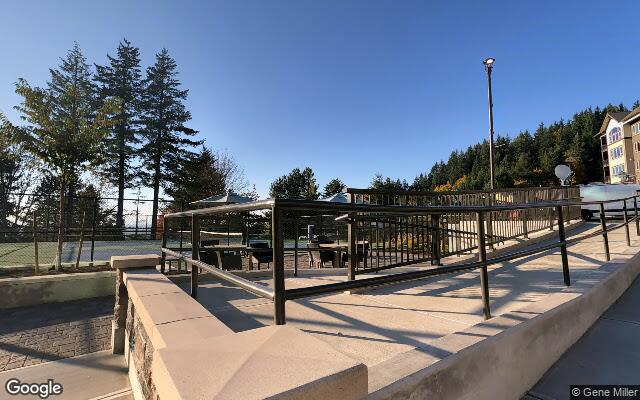
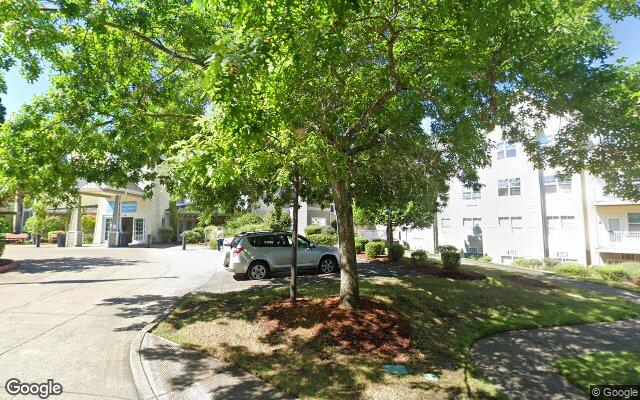
Full Inspection Record
Family reviews
No reviews yet — be the first to share your experience
Other memory care options nearby.
More options in neighboring cities
Licensed memory care in other cities within this county region — useful when your search radius crosses city limits.