Raleigh Hills Enhanced Care Community.
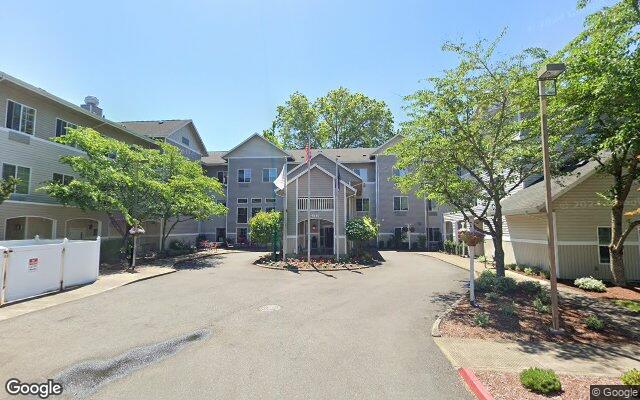
A medium home, reviewed on public record.
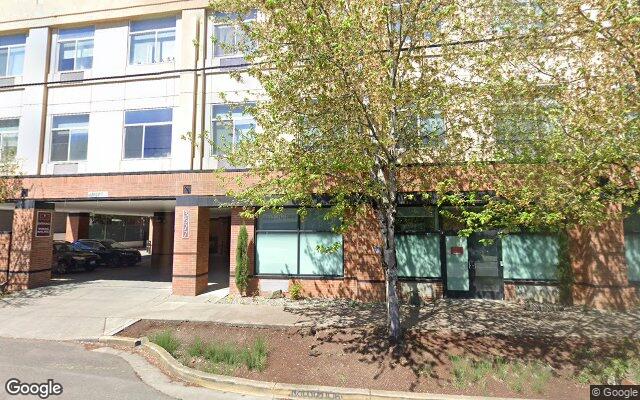
© Google Street View
Compared to 38 Oregon facilities with a similar number of beds.
ALF memory care · 36-month window. Higher percentile = better performance on inspection record. Source: Oregon Dept. of Human Services · Long-Term Care Licensing.
Rankings based on 36-month OR-DHS inspection data. Severity and frequency: fewer citations = higher percentile. Repeat rate: lower repeat citation share = higher percentile.
Citation history, plotted month by month.
23 deficiencies on record. Each bar is a month with a citation.
Finding distribution
23 total · 36 monthsScope × Severity (CMS A–L)
Every inspection visit, verbatim.
4 inspections in the public record, most recent first. Plain-language summaries open first — click into any row for the full citation text.
2025-06-17Annual Compliance VisitOR-cited · 3 findings
Plain-language summary
A routine kitchen inspection on June 17, 2025 found violations of Oregon Food Sanitation Rules, including accumulation of food debris, grease, and dirt throughout the kitchen; damaged equipment and structural issues such as holes in walls, rusted drains, and gaps that could allow pest entry; and poor infection control practices including uncovered food preparation items and inconsistent hand hygiene by staff. The facility began a deep clean on June 24, 2025, ordered cleaning supplies, notified maintenance of needed repairs, and implemented staff training on hand hygiene and daily cleaning schedules, with planned quarterly safety committee walkthroughs to monitor compliance.
Read full citation text (3)Hide full citation text
“Based on observation and interview, it was determined the facility failed to maintain the kitchen in good repair and in a sanitary manner in accordance with Food Sanitation Rules, OAR 333-150-000. Findings include, but are not limited to: The facility’s kitchen was toured on 06/17/25 at 10:10 am. The following was identified: a. An accumulation of food spills, splatters, loose food debris, grease, dirt, dust, garbage, or black matter was observed on, in or underneath the following: * Floor and baseboard junctions throughout the kitchen; * Walls behind appliances and sinks throughout the kitchen; * Gas pipes to the stove and griddle; * Water pipes to the warewasher and ice maker; * Floor drains; * Floors underneath storage racks in the walk-in refrigerator; * Ceiling vent above the juice machine; * Hood above the warewasher; * Interior casing of the can opener; * Plastic shavings were piled below cutting board racks where boards had scraped against metal dividers as they were removed; * Inside the ice maker along the cartridge that dispenses ice; and * Rust and corrosion were noted on floating ceiling tile supports, lighting fixtures and vents around the warewasher and three-compartment sink, as well as the ceiling seams in the walk-in refrigerator. b. The following kitchen items required repair or replacement: * Hole in the wall underneath warewasher; * Cut-out in the drywall in the janitor’s closet exposed water shut-off valves, pipes and insulation; * Broken drain for the cold prep sink; * Rusted drain under the three-compartment sink; * Rusted metal access panel under the three-compartment sink with splitting tile mortar around the panel interface; * Gap along the bottom edge of the exterior door could allow entry of insects and pests; * Drywall and corners in the dry food storage room were gouged and scratched; * Cabinet doors on the service line and coffee/juice stations did not close; * Floors in dining room cabinet that supported the soda dispenser were either missing or sagging and were stained and/or coated with black matter; * Cabinetry under the coffee/juice station had worn corners and laminate panels, exposing bare wood; * Ladder in dry storage room was heavily coated with dried paint and stains; and * Handwashing sink in cold prep room did not have a splash guard between it and the adjacent prep table. c. Poor infection control practices observed, but not limited to: * Stand mixer and mixing bowl were left uncovered when not in use; * Kitchen staff did not have access to chemical testing strips; * Kitchen staff failed to perform hand hygiene consistently between clean and dirty tasks; and * Silverware on preset dining tables was not covered. A kitchen walkthrough was completed with Staff 1 (ED) and Staff 2 (Administrator) on 06/17/25 at 12:37 pm. The areas that did not meet the rules were discussed with Staff 1 and Staff 2. They acknowledged the findings. 6/24/25 a deep clean of the kitchen began, cleaning baseboards, walls behind appliances, gas pipes to stove and griddle, floors, floor drains and vents. Maintenance notified of all repairs needed. Chemical testing strips have been ordered, staff educated on importance of hand hygiene ( Basics od Hand Hygiene- Relias). Plain in place with mainentenance on scheduled of repairs - hole under warewasher will be covered, plastic cover will be placed over shut off valves in janitors closet, repair and clean drains with porcelain repair kit, repair/replace metal access panel and splitting tile mortar, patch and paint dry food storage room, repair cabinet doors, worn corners,and laminate panels on cabinetry, replace ladder, attach ruber strip to exterior door to seal gap, repair/replace floors in dining room cabinets, mixing bowl to be stored upside down, replace worn cutting boards. When presetting tables, napkin will be placed over the silverware rather than under, install splash guard between the prep table and sink. Training and oversight of staff on routine daily, weekly,and monthly cleaning schedules. Quarterly walk through by safety committee. Education on glove usage to be done annually and as needed per routine audits. Daily, weekly, and monthly per audits and kitchen walk through. Executive Chef and Executive Director. OAR 411-054-0030 (1)(a) Resident Services Meals, Food Sanitation Rule (1) The residential care or assisted living facility must provide a minimum scope of services as follows: (a) Three daily nutritious, palatable meals with snacks available seven days a week, in accordance with the recommended dietary allowances found in the United States Department of Agriculture (USDA) guidelines, including seasonal fresh fruit and fresh vegetables; (A) Modified special diets that are appropriate to residents' needs and choices. The facility must encourage residents' involvement in developing menus. (B) Menus must be prepared at least one week in advance, and must be made available to all residents. Meal substitutions must be of similar nutritional value if a resident refuses a food that is served. Residents must be informed in advance of menu changes. (C) Food must be prepared and served in accordance with OAR 333-150-0000 (Food Sanitation Rules). This Rule is not met as evidenced by: OAR 411-054-0030 (1)(a) Resident Services Meals, Food Sanitation Rule (1) The residential care or assisted living facility must provide a minimum scope of services as follows: (a) Three daily nutritious, palatable meals with snacks available seven days a week, in accordance with the recommended dietary allowances found in the United States Department of Agriculture (USDA) guidelines, including seasonal fresh fruit and fresh vegetables; (A) Modified special diets that are appropriate to residents' needs and choices. The facility must encourage residents' involvement in developing menus. (B) Menus must be prepared at least one week in advance, and must be made available to all residents. Meal substitutions must be of similar nutritional value if a resident refuses a food that is served. Residents must be informed in advance of menu changes. (C) Food must be prepared and served in accordance with OAR 333-150-0000 (Food Sanitation Rules). This Rule is not met as evidenced by: Based on observation and interview, it was determined the facility failed to maintain the kitchen in a sanitary manner and ensure food was prepared and served in accordance with OAR 333-150-0000 (Food Sanitation Rules). This is a repeat citation. Findings include, but are not limited to: On 08/26/25, from 12:04 pm to 1:37 pm, interviews with staff and observations of the facility kitchen, food storage areas, food preparation, and food service were conducted. The following was identified: a. An accumulation of food spills, splatters, loose food and trash debris, dirt, dust, black matter, and grease was visible on or underneath the following: * Four floor drains located throughout the kitchen; * Rust and corrosion were noted on floating ceiling tile supports around the ware washer and three-compartment sink; and * The interior of the dining room cabinet that supported the soda dispenser. b. The following areas were noted in need of repair: * Hole in the wall underneath ware washer; * Cut-out in the drywall in the janitor’s closet exposed water shut-off valves, pipes and insulation; * Rust colored drain under the three-compartment sink; * Rust colored metal access panel under the three-compartment sink with splitting tile mortar around the panel interface; * The interior and exterior of the dining room cabinet that supported the soda dispenser had missing and broken material and had unsealed wood that supported the base of the cabinet; and * Cabinetry under the coffee/juice station had worn corners and laminate panels, exposing bare wood. c. Stand mixer and mixing bowl were left uncovered when not in use. On 08/26/25 at 1:24 pm, Staff 1 (Memory Care Adminis”
“Based on observation and interview, it was determined the facility failed to ensure their kitchen re-licensure survey plan of correction was implemented and satisfied the Department. Findings include, but are not limited to: Refer to C240. Administrator or designee will complete audits of kitchen survey and ensure that facility is in compliance by date provided. Audits will be conducted during and after survey. Administrator and or designee will hold department managers accountable for ensuring that compliance is reached by date. OAR 411-054-0105 (2-4) Inspections and Investigation: Insp Interval (Amended 12/15/21)(2) The facility shall not interfere with a good faith disclosure of information by an employee or volunteer concerning abuse or other action affecting a resident's safety or welfare, as described in OAR 411-054-0028(4).(3) Staff of the Department shall visit and inspect every facility at least but not limited to once every two years for a full in-person survey to determine whether the facility is maintained and operated in accordance with these rules.(a) For each year during which a facility does not have a full survey, the Department shall conduct an in-person inspection of the kitchen and other areas where food is prepared for residents.(b) Subsection (a) will not go into effect until July 1, 2022.(c) Facilities not in compliance with these rules must submit, within ten days of receipt of the inspection report, a plan of correction that satisfies the Department.(d) The Department may impose sanctions for failure to comply with these rules.(4) Department staff may consult with and advise the facility administrator concerning methods of care, records, housing, equipment, and other areas of operation. This Rule is not met as evidenced by:”
“Based on observation and interview, it was determined the facility failed to follow licensing rules for Residential Care and Assisted Living Facilities. Findings include, but are not limited to: Refer to C 240. See POC for C240. OAR 411-057-0140(2) Administration Compliance (2) The licensee of a memory care community must comply with both the licensing rules for the facility and Chapter 411, Division 57. This Rule is not met as evidenced by: OAR 411-057-0140(2) Administration Compliance (2) The licensee of a memory care community must comply with both the licensing rules for the facility and Chapter 411, Division 57. This Rule is not met as evidenced by: Based on observation and interview, it was determined the facility failed to follow licensing rules for Residential Care and Assisted Living Facilities. This is a repeat citation. Findings include, but are not limited to: Refer to C240. See POC for C455 and C240. OAR 411-057-0140(2) Administration Compliance (2) The licensee of a memory care community must comply with both the licensing rules for the facility and Chapter 411, Division 57. This Rule is not met as evidenced by:”
Read raw inspector notesClose inspector notes
Based on observation and interview, it was determined the facility failed to maintain the kitchen in good repair and in a sanitary manner in accordance with Food Sanitation Rules, OAR 333-150-000. Findings include, but are not limited to: The facility’s kitchen was toured on 06/17/25 at 10:10 am. The following was identified: a. An accumulation of food spills, splatters, loose food debris, grease, dirt, dust, garbage, or black matter was observed on, in or underneath the following: * Floor and baseboard junctions throughout the kitchen; * Walls behind appliances and sinks throughout the kitchen; * Gas pipes to the stove and griddle; * Water pipes to the warewasher and ice maker; * Floor drains; * Floors underneath storage racks in the walk-in refrigerator; * Ceiling vent above the juice machine; * Hood above the warewasher; * Interior casing of the can opener; * Plastic shavings were piled below cutting board racks where boards had scraped against metal dividers as they were removed; * Inside the ice maker along the cartridge that dispenses ice; and * Rust and corrosion were noted on floating ceiling tile supports, lighting fixtures and vents around the warewasher and three-compartment sink, as well as the ceiling seams in the walk-in refrigerator. b. The following kitchen items required repair or replacement: * Hole in the wall underneath warewasher; * Cut-out in the drywall in the janitor’s closet exposed water shut-off valves, pipes and insulation; * Broken drain for the cold prep sink; * Rusted drain under the three-compartment sink; * Rusted metal access panel under the three-compartment sink with splitting tile mortar around the panel interface; * Gap along the bottom edge of the exterior door could allow entry of insects and pests; * Drywall and corners in the dry food storage room were gouged and scratched; * Cabinet doors on the service line and coffee/juice stations did not close; * Floors in dining room cabinet that supported the soda dispenser were either missing or sagging and were stained and/or coated with black matter; * Cabinetry under the coffee/juice station had worn corners and laminate panels, exposing bare wood; * Ladder in dry storage room was heavily coated with dried paint and stains; and * Handwashing sink in cold prep room did not have a splash guard between it and the adjacent prep table. c. Poor infection control practices observed, but not limited to: * Stand mixer and mixing bowl were left uncovered when not in use; * Kitchen staff did not have access to chemical testing strips; * Kitchen staff failed to perform hand hygiene consistently between clean and dirty tasks; and * Silverware on preset dining tables was not covered. A kitchen walkthrough was completed with Staff 1 (ED) and Staff 2 (Administrator) on 06/17/25 at 12:37 pm. The areas that did not meet the rules were discussed with Staff 1 and Staff 2. They acknowledged the findings. 6/24/25 a deep clean of the kitchen began, cleaning baseboards, walls behind appliances, gas pipes to stove and griddle, floors, floor drains and vents. Maintenance notified of all repairs needed. Chemical testing strips have been ordered, staff educated on importance of hand hygiene ( Basics od Hand Hygiene- Relias). Plain in place with mainentenance on scheduled of repairs - hole under warewasher will be covered, plastic cover will be placed over shut off valves in janitors closet, repair and clean drains with porcelain repair kit, repair/replace metal access panel and splitting tile mortar, patch and paint dry food storage room, repair cabinet doors, worn corners,and laminate panels on cabinetry, replace ladder, attach ruber strip to exterior door to seal gap, repair/replace floors in dining room cabinets, mixing bowl to be stored upside down, replace worn cutting boards. When presetting tables, napkin will be placed over the silverware rather than under, install splash guard between the prep table and sink. Training and oversight of staff on routine daily, weekly,and monthly cleaning schedules. Quarterly walk through by safety committee. Education on glove usage to be done annually and as needed per routine audits. Daily, weekly, and monthly per audits and kitchen walk through. Executive Chef and Executive Director. OAR 411-054-0030 (1)(a) Resident Services Meals, Food Sanitation Rule (1) The residential care or assisted living facility must provide a minimum scope of services as follows: (a) Three daily nutritious, palatable meals with snacks available seven days a week, in accordance with the recommended dietary allowances found in the United States Department of Agriculture (USDA) guidelines, including seasonal fresh fruit and fresh vegetables; (A) Modified special diets that are appropriate to residents' needs and choices. The facility must encourage residents' involvement in developing menus. (B) Menus must be prepared at least one week in advance, and must be made available to all residents. Meal substitutions must be of similar nutritional value if a resident refuses a food that is served. Residents must be informed in advance of menu changes. (C) Food must be prepared and served in accordance with OAR 333-150-0000 (Food Sanitation Rules). This Rule is not met as evidenced by: OAR 411-054-0030 (1)(a) Resident Services Meals, Food Sanitation Rule (1) The residential care or assisted living facility must provide a minimum scope of services as follows: (a) Three daily nutritious, palatable meals with snacks available seven days a week, in accordance with the recommended dietary allowances found in the United States Department of Agriculture (USDA) guidelines, including seasonal fresh fruit and fresh vegetables; (A) Modified special diets that are appropriate to residents' needs and choices. The facility must encourage residents' involvement in developing menus. (B) Menus must be prepared at least one week in advance, and must be made available to all residents. Meal substitutions must be of similar nutritional value if a resident refuses a food that is served. Residents must be informed in advance of menu changes. (C) Food must be prepared and served in accordance with OAR 333-150-0000 (Food Sanitation Rules). This Rule is not met as evidenced by: Based on observation and interview, it was determined the facility failed to maintain the kitchen in a sanitary manner and ensure food was prepared and served in accordance with OAR 333-150-0000 (Food Sanitation Rules). This is a repeat citation. Findings include, but are not limited to: On 08/26/25, from 12:04 pm to 1:37 pm, interviews with staff and observations of the facility kitchen, food storage areas, food preparation, and food service were conducted. The following was identified: a. An accumulation of food spills, splatters, loose food and trash debris, dirt, dust, black matter, and grease was visible on or underneath the following: * Four floor drains located throughout the kitchen; * Rust and corrosion were noted on floating ceiling tile supports around the ware washer and three-compartment sink; and * The interior of the dining room cabinet that supported the soda dispenser. b. The following areas were noted in need of repair: * Hole in the wall underneath ware washer; * Cut-out in the drywall in the janitor’s closet exposed water shut-off valves, pipes and insulation; * Rust colored drain under the three-compartment sink; * Rust colored metal access panel under the three-compartment sink with splitting tile mortar around the panel interface; * The interior and exterior of the dining room cabinet that supported the soda dispenser had missing and broken material and had unsealed wood that supported the base of the cabinet; and * Cabinetry under the coffee/juice station had worn corners and laminate panels, exposing bare wood. c. Stand mixer and mixing bowl were left uncovered when not in use. On 08/26/25 at 1:24 pm, Staff 1 (Memory Care Adminis Based on observation and interview, it was determined the facility failed to ensure their kitchen re-licensure survey plan of correction was implemented and satisfied the Department. Findings include, but are not limited to: Refer to C240. Administrator or designee will complete audits of kitchen survey and ensure that facility is in compliance by date provided. Audits will be conducted during and after survey. Administrator and or designee will hold department managers accountable for ensuring that compliance is reached by date. OAR 411-054-0105 (2-4) Inspections and Investigation: Insp Interval (Amended 12/15/21)(2) The facility shall not interfere with a good faith disclosure of information by an employee or volunteer concerning abuse or other action affecting a resident's safety or welfare, as described in OAR 411-054-0028(4).(3) Staff of the Department shall visit and inspect every facility at least but not limited to once every two years for a full in-person survey to determine whether the facility is maintained and operated in accordance with these rules.(a) For each year during which a facility does not have a full survey, the Department shall conduct an in-person inspection of the kitchen and other areas where food is prepared for residents.(b) Subsection (a) will not go into effect until July 1, 2022.(c) Facilities not in compliance with these rules must submit, within ten days of receipt of the inspection report, a plan of correction that satisfies the Department.(d) The Department may impose sanctions for failure to comply with these rules.(4) Department staff may consult with and advise the facility administrator concerning methods of care, records, housing, equipment, and other areas of operation. This Rule is not met as evidenced by: Based on observation and interview, it was determined the facility failed to follow licensing rules for Residential Care and Assisted Living Facilities. Findings include, but are not limited to: Refer to C 240. See POC for C240. OAR 411-057-0140(2) Administration Compliance (2) The licensee of a memory care community must comply with both the licensing rules for the facility and Chapter 411, Division 57. This Rule is not met as evidenced by: OAR 411-057-0140(2) Administration Compliance (2) The licensee of a memory care community must comply with both the licensing rules for the facility and Chapter 411, Division 57. This Rule is not met as evidenced by: Based on observation and interview, it was determined the facility failed to follow licensing rules for Residential Care and Assisted Living Facilities. This is a repeat citation. Findings include, but are not limited to: Refer to C240. See POC for C455 and C240. OAR 411-057-0140(2) Administration Compliance (2) The licensee of a memory care community must comply with both the licensing rules for the facility and Chapter 411, Division 57. This Rule is not met as evidenced by:
2025-05-19Complaint InvestigationOR-cited · 1 finding
Plain-language summary
An unannounced complaint investigation was conducted on May 19, 2025, and no violations were found. The facility was evaluated for compliance with Oregon's assisted living and residential care rules, and the complaint was not substantiated.
Read full citation text (1)Hide full citation text
“Assisted Living and Residential Care Facilities must operate and provide services in compliance with all applicable State and local laws, regulations and codes. This report reflects the findings of the unannounced complaint investigation conducted 05/19/25. The facility was evaluated for compliance with Oregon Administrative Rule 411, Division 54 and if applicable, Oregon Administrative Rule 411, Division 57. No deficiencies were identified in relation to the complaint. Assisted Living and Residential Care Facilities must operate and provide services in compliance with all applicable State and local laws, regulations and codes. This report reflects the findings of the unannounced complaint investigation conducted 05/19/25. The facility was evaluated for compliance with Oregon Administrative Rule 411, Division 54 and if applicable, Oregon Administrative Rule 411, Division 57. No deficiencies were identified in relation to the complaint.”
Read raw inspector notesClose inspector notes
Assisted Living and Residential Care Facilities must operate and provide services in compliance with all applicable State and local laws, regulations and codes. This report reflects the findings of the unannounced complaint investigation conducted 05/19/25. The facility was evaluated for compliance with Oregon Administrative Rule 411, Division 54 and if applicable, Oregon Administrative Rule 411, Division 57. No deficiencies were identified in relation to the complaint. Assisted Living and Residential Care Facilities must operate and provide services in compliance with all applicable State and local laws, regulations and codes. This report reflects the findings of the unannounced complaint investigation conducted 05/19/25. The facility was evaluated for compliance with Oregon Administrative Rule 411, Division 54 and if applicable, Oregon Administrative Rule 411, Division 57. No deficiencies were identified in relation to the complaint.
2025-04-16Annual Compliance VisitOR-cited · 16 findings
Plain-language summary
During a re-licensure inspection on April 14-16, 2025, the facility was found to have multiple licensing violations: residents' privacy regarding health information was not protected, infection control practices were inadequate during dining and ADL care, required fire drills and staff fire safety training were not documented as conducted on the proper schedule, residents were not trained annually on fire and life safety procedures, handrails were missing from a 25-foot resident corridor where residents used walkers, and hot water temperatures in resident apartments were below the required 110-120 degree range. The facility's administrator and executive director acknowledged these findings during the inspection.
Read full citation text (16)Hide full citation text
“Based on observation and interview, it was determined the facility failed to ensure residents’ right to privacy related to protected health information and a safe and homelike environment related to seating in the outdoor area for multiple sampled and unsampled residents. Findings include, but are not limited to:”
“Based on observation and interview, it was determined the facility failed to maintain effective infection prevention and control protocols for 1 of 1 sampled resident (#2) dependent on staff for ADL care and for multiple sampled and unsampled residents related to dining services. Findings include, but are not limited to:”
“Based on interview and record review, it was determined the facility failed to conduct fire drills in accordance with the Oregon Fire Code (OFC) and failed to provide fire and life safety staff training on alternate months. Findings include, but are not limited to: On 04/14/25, a review of fire drills and fire and life safety records dating from 10/2024 through 03/2025 identified the following: a. There was no documented evidence the facility was conducting fire drills every other month in the MCC. b. The facility lacked documented evidence fire and life safety instruction was provided to staff on alternate months from fire drills. The need to ensure fire drills were conducted in accordance with the OFC and fire and life safety instruction was provided to staff on alternate months of fire drills was discussed with Staff 1 (Administrator) and Staff 2 (Executive Director) at 1:20pm on 04/16/25. They acknowledge the findings, and no additional documentation was provided. C420”
“Based on interview and record review, it was determined the facility failed to instruct residents in general safety procedures, evacuation methods, responsibilities during fire drills, and designated meeting places inside or outside the building at least annually, with a written record of the content of the training sessions and the residents attending per the Oregon Fire Code (OFC). Findings include, but are not limited to: On 04/14/25 fire and life safety records were reviewed and revealed the following: There was no documented evidence the facility was providing instruction at least annually to residents regarding fire and life safety procedures and responsibilities. During an interview on 04/15/25 at 1:10 pm, Staff 1 (Administrator) and Staff 2 (ED) stated they were not aware that residents needed to be trained at least annually in fire and life safety protocols. The need to re-instruct residents on fire and life safety at least annually as per the OFC requirements was discussed with Staff 1 and Staff 2 at 1:20 pm on 04/16/25. They acknowledged the findings, and no additional documentation was provided. C422”
“Based on observation and interview, it was determined the facility failed to ensure their re-licensure survey plan of correction was implemented and satisfied the Department. Findings include, but are not limited to: Refer to C 420 and Z 173 Refer to POC for C420 and Z0173. OAR 411-054-0105 (2-4) Inspections and Investigation: Insp Interval (Amended 12/15/21)(2) The facility shall not interfere with a good faith disclosure of information by an employee or volunteer concerning abuse or other action affecting a resident's safety or welfare, as described in OAR 411-054-0028(4).(3) Staff of the Department shall visit and inspect every facility at least but not limited to once every two years for a full in-person survey to determine whether the facility is maintained and operated in accordance with these rules.(a) For each year during which a facility does not have a full survey, the Department shall conduct an in-person inspection of the kitchen and other areas where food is prepared for residents.(b) Subsection (a) will not go into effect until July 1, 2022.(c) Facilities not in compliance with these rules must submit, within ten days of receipt of the inspection report, a plan of correction that satisfies the Department.(d) The Department may impose sanctions for failure to comply with these rules.(4) Department staff may consult with and advise the facility administrator concerning methods of care, records, housing, equipment, and other areas of operation. This Rule is not met as evidenced by:”
“Based on observation and interview, it was determined the facility failed to ensure resident-use corridors had handrails installed at one or both sides. Findings include, but are not limited to: The interior of the building was toured on 04/14/25. The resident-use corridor, which included apartment numbers 162, 164 and 166, was observed to be without a handrail on at least one side for approximately 25 feet. On 04/16/25 at 9:37 am, Staff 6 (Med Aide/CG) confirmed multiple unsampled residents used walkers, two unsampled residents used the handrails for behavior management and/or exercise and residents walked the hallway. The need to ensure handrails were installed along resident-use corridors was discussed with Staff 1 (Administrator) and Staff 2 (ED) on 04/16/25 at 12:31 pm. They acknowledged the findings. C511”
“Based on observation and interview, it was determined the facility failed to maintain hot water temperatures in residents' units within a range of 110 to 120 degrees Fahrenheit. Findings include, but are not limited to: The building was toured on 04/15/25, and temperatures in resident apartments 154, 157, and 164 were measured at 108, 109.8, and 106.8 degrees Fahrenheit, respectively. During an interview at approximately 9:20 am on 04/16/25, Staff 2 (ED) confirmed the facility did not have documentation to demonstrate a system of monitoring the hot water temperatures. The need to ensure hot water temperatures in resident units were maintained within a range of 110 to 120 degrees Fahrenheit was discussed with Staff 1 (Administrator) and Staff 2 on 04/16/25 at 12:31 pm. They acknowledged the findings. C545”
“Based on observation and interview, it was determined the facility failed to ensure individual rights of privacy for multiple sampled and unsampled residents. Refer to C200, Example 1. H1510 Refer to MCC plan of correction for C200. Refer to MCC plan of correction for C200. Refer to MCC plan of correction for C200. Refer to MCC plan of correction for C200. OAR411-004-0020(1)(c) Individual Rights Settings: Privacy, Dignity (1) Residential and non-residential HCB settings must have all of the following qualities: (c) The setting ensures individual rights of privacy, dignity, respect, and freedom from coercion and restraint. This Rule is not met as evidenced by:”
“Based on observation and interview, it was determined the facility failed to ensure each individual had privacy in his or her own unit for multiple sampled and unsampled residents who shared bathrooms. Findings include, but are not limited to: In an interview at 3:30 pm on 04/15/25, Staff 1 (Administrator) confirmed ten of the eleven MCC units had shared bathrooms. Observations of the shared bathrooms on 04/15/25 revealed lever-type door handles with no method to ensure resident privacy during use of the bathroom. The need to ensure privacy in individual resident units was discussed with Staff 1 on 04/16/25. She acknowledged the findings. H1517”
“Based on interview and record review, it was determined the facility failed to ensure residents had a key to their units for all sampled and unsampled residents. Findings include, but are not limited to: Review of Resident 1 and 2’s current service plans, dated 03/10/25 and 02/10/25, respectively, indicated neither had a key to their unit. In an interview at 3:30 pm on 04/15/25, Staff 1 (Administrator) stated residents and/or their families were offered a key at move-in, and it was noted in their service plan if they declined it. She stated none of the residents currently had a key to their units. The need to ensure residents had a key to their units was discussed with Staff 1 on 04/16/25. She acknowledged the findings. H1518”
“Based on observation, interview, and record review, it was determined the facility failed to follow licensing rules for Residential Care and Assisted Living Facilities. Findings include, but are not limited to: Refer to C200, C295, C420, C422, C511, and C545. Z142 Refer to MCC plan of correction for C200 (pg. 1), C295 (pg. 2), C420 (pg. 3), C422 (pg. 4), C511(pg. 5) and C545 (pg. 6). Refer to MCC plan of correction for C200 (pg. 1), C295 (pg. 2), C420 (pg. 3), C422 (pg. 4), C511(pg. 5) and C545 (pg. 6). Refer to MCC plan of correction for C200 (pg. 1), C295 (pg. 2), C420 (pg. 3), C422 (pg. 4), C511(pg. 5) and C545 (pg. 6). Refer to MCC plan of correction for C200 (pg. 1), C295 (pg. 2), C420 (pg. 3), C422 (pg. 4), C511(pg. 5) and C545 (pg. 6). OAR 411-057-0140(2) Administration Compliance (2) The licensee of a memory care community must comply with both the licensing rules for the facility and Chapter 411, Division 57. This Rule is not met as evidenced by: Based on observation and interview, it was determined the facility failed to follow licensing rules for Residential Care and Assisted Living Facilities. This is a repeat citation. Findings include, but are not limited to: Refer to C 420. Refer to POC for C420 and Z0173. OAR 411-057-0140(2) Administration Compliance (2) The licensee of a memory care community must comply with both the licensing rules for the facility and Chapter 411, Division 57. This Rule is not met as evidenced by:”
“Based on interview and record review, it was determined the facility failed to ensure 4 of 4 newly-hired staff (#s 3, 4, 9 and 10) completed all required pre-service orientation training topics; failed to ensure 4 of 4 newly-hired direct care staff (#s 3, 4, 9 and 10) completed all required pre-service dementia training before independently providing personal care or other services; and failed to ensure 3 of 4 newly-hired direct care staff (#s 3, 4 and 10) demonstrated competency in all assigned job duties within 30 days of hire. Findings include, but are not limited to: Staff training records were reviewed with Staff 13 (Director of People and Operations) on 04/15/25 and 04/16/25. The following was identified: a. There was no documented evidence Staff 3 (Med Aide), hired 02/24/25, Staff 4 (Med Aide), hired 01/20/25, Staff 9 (CG), hired 02/03/25, and Staff 10 (CG), hired 02/01/25, completed one or more of the following required pre-service orientation topics prior to beginning job duties: * Resident rights and values of CBC care; * Abuse reporting requirements; * Fire safety and emergency procedures; * Written job description; * Infectious Disease Preventions; and * HCBS course. b. There was no documented evidence Staff 3, Staff 4, Staff 9 and Staff 10 completed one or more of the following required pre-service dementia training topics prior to providing care and services independently: * Environmental factors that are important to a resident’s well-being; * Family support and the role the family may have in the care of the resident; * How to provide personal care to a resident with dementia, including an orientation to the resident’s service plan; and * Use of supportive devices with restraining qualities in memory care communities. c. Staff 3, Staff 4, and Staff 10 lacked documented evidence they had completed all the required training and demonstrated competency in all job duties within 30 days of hire in one or more of the following areas: * Role of service plans in providing individualized care; * Providing assistance with ADLs; * Changes associated with normal aging; * Identification, documentation and reporting of changes of condition; * Conditions that require assessment, treatment, observation and reporting; * General food safety, serving and sanitation; and * Other duties as applicable. In an interview on 04/15/25, Staff 1 (Administrator) and Staff 13 acknowledged Staff 3 and Staff 4 received medication pass training, but the facility could not find the documentation of the demonstrated competencies. On 04/15/25 at 2:45 pm, Staff 3 confirmed she received training from Staff 6 (Med Aide/CG), and they had completed a checklist for all the Med Aide training provided. Staff 1 provided documentation for medication pass training to the survey team on 04/16/25. The need to ensure all newly-hired staff completed pre-service orientation prior to performing any job duties, completed pre-service dementia care training before independently providing personal care or other services and demonstrated competency in job duties within 30 days was discussed with Staff 1 and Staff 2 (ED) on 04/16/25 at 1:01 pm. They acknowledged the findings. Z155”
“Based on interview and record review, it was determined the facility failed to ensure individualized nutrition and hydration plans were developed and included in the service plan for 2 of 2 sampled residents (#s 1 and 2) whose records were reviewed. Findings include, but are not limited to: Resident 1 and 2's current service plans, dated 03/10/25 and 02/10/25, respectively, were reviewed. Both service plans were found to be lacking information and staff instructions related to an individualized nutrition and hydration plan. The need to develop an individualized nutrition and hydration plan for each resident and include it in the service plan was discussed with Staff 1 (Administrator) on 04/16/25. She acknowledged the findings. Z163”
“based on their activity evaluation. The plan must reflect the resident ' s activity preferences and needs. (C) A selection of daily structured and non-structured activities must be provided and included on the resident ' s activity service or care plan as appropriate. Daily activity options based on resident evaluation may include but are not limited to: (i) Occupation or chore related tasks; (ii) Scheduled and planned events (e.g. entertainment, outings); (iii) Spontaneous activities for enjoyment or those that may help diffuse a behavior; (iv) One to one activities that encourage positive relationships between residents and staff (e.g. life story, reminiscing, music); (v) Spiritual, creative, and intellectual activities; (vi) Sensory stimulation activities; (vii) Physical activities that enhance or maintain a resident ' s ability to ambulate or move; and (viii) Outdoor activities. This Rule is not met as evidenced by: Based on interview and record review, it was determined the facility failed to ensure an individualized activity plan was developed for each resident, based on an activity evaluation, for 2 of 2 sampled residents (#s 1 and 2) whose records were reviewed. Findings include, but are not limited to: Resident 1 and 2's current service plans, dated 03/10/25 and 02/10/25, respectively, and “personal interests/social history” assessments were reviewed. There was no documented evidence the facility had evaluated and developed individualized plans based on the residents': * Current abilities and skills; * Emotional and social needs and patterns; * Physical abilities and limitations; * Adaptations necessary for the resident to participate; and * Identification of activities for behavioral interventions, if necessary. The need to ensure each resident was evaluated for activities and an individualized activity plan was developed was discussed with Staff 1 (Administrator) on 04/16/25. She acknowledged the findings. Z164 1.ISP's were written for sample residents #1 and #2 for an individualized activity plan. 2. Community is switching to a new platform for assessments and service plans (ECP) that will include individualized activity plan. Activity staff will complete social history questionaire and create individualized activity plan for each individual resident. 3. This will be evaluated upon move-in, quarterly, and at any change of condition.. 4. Administrator and RN OAR 411-057-0160(2d) Activities (d) Meaningful activities that promote or help sustain the physical and emotional well-being of residents. The activities must be person centered and available during residents ' waking hours. (A) Each resident must be evaluated for activities according to the licensing rules of the facility. In addition, the evaluation must address the following: (i) Past and current interests; (ii) Current abilities and skills; (iii) Emotional and social needs and patterns; (iv) Physical abilities and limitations; (v) Adaptations necessary for the resident to participate; and (vi) Identification of activities for behavioral interventions. (B) An individualized activity plan must be developed for each resident based on their activity evaluation. The plan must reflect the resident ' s activity preferences and needs. (C) A selection of daily structured and non-structured activities must be provided and included on the resident ' s activity service or care plan as appropriate. Daily activity options based on resident evaluation may include but are not limited to: (i) Occupation or chore related tasks; (ii) Scheduled and planned events (e.g. entertainment, outings); (iii) Spontaneous activities for enjoyment or those that may help diffuse a behavior; (iv) One to one activities that encourage positive relationships between residents and staff (e.g. life story, reminiscing, music); (v) Spiritual, creative, and intellectual activities; (vi) Sensory stimulation activities; (vii) Physical activities that enhance or maintain a resident ' s ability to ambulate or move; and (viii) Outdoor activities. This Rule is not met as evidenced by:”
“Based on observation and interview, it was determined the facility failed to ensure fences surrounding the perimeter of the outdoor recreation areas were no less than six feet in height. Findings include, but are not limited to: The facility was endorsed as a secure MCC for residents with a diagnosis of dementia. The building and its residents had access to an outdoor recreation area. The outdoor recreation area was toured on 04/14/25. The fencing was a combination of vinyl and brick which surrounded the perimeter of the secured area. The fence was measured in multiple spots and had different height measurements based on the type and location of the fencing, with multiple areas measuring below six feet. The need to ensure fences surrounding the perimeter of the outdoor recreation area were no less than six feet in height was discussed with Staff 1 (Administrator) and Staff 15 (Maintenance Director) on 04/14/25 at 10:20 am. They acknowledged the height of the fence was less than six feet in areas. The facility locked the outdoor recreation area for resident safety while the areas of fencing under six feet were addressed.”
“based on the resident's needs, preferences, and appropriateness. (c) The memory care community must individually identify residents' rooms to assist residents in recognizing their room. This Rule is not met as evidenced by: Based on observation and interview, it was determined the facility failed to ensure residents were not locked out of their rooms at any time for multiple sampled and unsampled residents. Findings include, but are not limited to: During the survey from 04/14/25 to 04/16/25, observations revealed Rooms 150, 157, 158, 159, 160, 164 and 166 were locked from the outside at various times, preventing residents from entering their rooms without assistance from staff. During interviews on 04/15/25 and 04/16/25, Staff 5 (Med Aide), Staff 6 (Med Aide), and Staff 7 (CG) stated resident room doors were locked because some residents wandered into others' rooms. On 04/15/25 at 12:28 pm, an unsampled resident in the dining room was observed stating s/he needed to use the restroom and walking toward his/her room. Staff 1 (Administrator) approached the resident, stating, “I need to unlock the door for you” and unlocked the resident’s room. The need to ensure residents were not locked outside of their rooms was discussed with Staff 1 on 04/16/25. She acknowledged the findings. Z176”
Read raw inspector notesClose inspector notes
Based on observation and interview, it was determined the facility failed to ensure residents’ right to privacy related to protected health information and a safe and homelike environment related to seating in the outdoor area for multiple sampled and unsampled residents. Findings include, but are not limited to: Based on observation and interview, it was determined the facility failed to maintain effective infection prevention and control protocols for 1 of 1 sampled resident (#2) dependent on staff for ADL care and for multiple sampled and unsampled residents related to dining services. Findings include, but are not limited to: Based on interview and record review, it was determined the facility failed to conduct fire drills in accordance with the Oregon Fire Code (OFC) and failed to provide fire and life safety staff training on alternate months. Findings include, but are not limited to: On 04/14/25, a review of fire drills and fire and life safety records dating from 10/2024 through 03/2025 identified the following: a. There was no documented evidence the facility was conducting fire drills every other month in the MCC. b. The facility lacked documented evidence fire and life safety instruction was provided to staff on alternate months from fire drills. The need to ensure fire drills were conducted in accordance with the OFC and fire and life safety instruction was provided to staff on alternate months of fire drills was discussed with Staff 1 (Administrator) and Staff 2 (Executive Director) at 1:20pm on 04/16/25. They acknowledge the findings, and no additional documentation was provided. C420 Based on interview and record review, it was determined the facility failed to instruct residents in general safety procedures, evacuation methods, responsibilities during fire drills, and designated meeting places inside or outside the building at least annually, with a written record of the content of the training sessions and the residents attending per the Oregon Fire Code (OFC). Findings include, but are not limited to: On 04/14/25 fire and life safety records were reviewed and revealed the following: There was no documented evidence the facility was providing instruction at least annually to residents regarding fire and life safety procedures and responsibilities. During an interview on 04/15/25 at 1:10 pm, Staff 1 (Administrator) and Staff 2 (ED) stated they were not aware that residents needed to be trained at least annually in fire and life safety protocols. The need to re-instruct residents on fire and life safety at least annually as per the OFC requirements was discussed with Staff 1 and Staff 2 at 1:20 pm on 04/16/25. They acknowledged the findings, and no additional documentation was provided. C422 Based on observation and interview, it was determined the facility failed to ensure their re-licensure survey plan of correction was implemented and satisfied the Department. Findings include, but are not limited to: Refer to C 420 and Z 173 Refer to POC for C420 and Z0173. OAR 411-054-0105 (2-4) Inspections and Investigation: Insp Interval (Amended 12/15/21)(2) The facility shall not interfere with a good faith disclosure of information by an employee or volunteer concerning abuse or other action affecting a resident's safety or welfare, as described in OAR 411-054-0028(4).(3) Staff of the Department shall visit and inspect every facility at least but not limited to once every two years for a full in-person survey to determine whether the facility is maintained and operated in accordance with these rules.(a) For each year during which a facility does not have a full survey, the Department shall conduct an in-person inspection of the kitchen and other areas where food is prepared for residents.(b) Subsection (a) will not go into effect until July 1, 2022.(c) Facilities not in compliance with these rules must submit, within ten days of receipt of the inspection report, a plan of correction that satisfies the Department.(d) The Department may impose sanctions for failure to comply with these rules.(4) Department staff may consult with and advise the facility administrator concerning methods of care, records, housing, equipment, and other areas of operation. This Rule is not met as evidenced by: Based on observation and interview, it was determined the facility failed to ensure resident-use corridors had handrails installed at one or both sides. Findings include, but are not limited to: The interior of the building was toured on 04/14/25. The resident-use corridor, which included apartment numbers 162, 164 and 166, was observed to be without a handrail on at least one side for approximately 25 feet. On 04/16/25 at 9:37 am, Staff 6 (Med Aide/CG) confirmed multiple unsampled residents used walkers, two unsampled residents used the handrails for behavior management and/or exercise and residents walked the hallway. The need to ensure handrails were installed along resident-use corridors was discussed with Staff 1 (Administrator) and Staff 2 (ED) on 04/16/25 at 12:31 pm. They acknowledged the findings. C511 Based on observation and interview, it was determined the facility failed to maintain hot water temperatures in residents' units within a range of 110 to 120 degrees Fahrenheit. Findings include, but are not limited to: The building was toured on 04/15/25, and temperatures in resident apartments 154, 157, and 164 were measured at 108, 109.8, and 106.8 degrees Fahrenheit, respectively. During an interview at approximately 9:20 am on 04/16/25, Staff 2 (ED) confirmed the facility did not have documentation to demonstrate a system of monitoring the hot water temperatures. The need to ensure hot water temperatures in resident units were maintained within a range of 110 to 120 degrees Fahrenheit was discussed with Staff 1 (Administrator) and Staff 2 on 04/16/25 at 12:31 pm. They acknowledged the findings. C545 Based on observation and interview, it was determined the facility failed to ensure individual rights of privacy for multiple sampled and unsampled residents. Refer to C200, Example 1. H1510 Refer to MCC plan of correction for C200. Refer to MCC plan of correction for C200. Refer to MCC plan of correction for C200. Refer to MCC plan of correction for C200. OAR411-004-0020(1)(c) Individual Rights Settings: Privacy, Dignity (1) Residential and non-residential HCB settings must have all of the following qualities: (c) The setting ensures individual rights of privacy, dignity, respect, and freedom from coercion and restraint. This Rule is not met as evidenced by: Based on observation and interview, it was determined the facility failed to ensure each individual had privacy in his or her own unit for multiple sampled and unsampled residents who shared bathrooms. Findings include, but are not limited to: In an interview at 3:30 pm on 04/15/25, Staff 1 (Administrator) confirmed ten of the eleven MCC units had shared bathrooms. Observations of the shared bathrooms on 04/15/25 revealed lever-type door handles with no method to ensure resident privacy during use of the bathroom. The need to ensure privacy in individual resident units was discussed with Staff 1 on 04/16/25. She acknowledged the findings. H1517 Based on interview and record review, it was determined the facility failed to ensure residents had a key to their units for all sampled and unsampled residents. Findings include, but are not limited to: Review of Resident 1 and 2’s current service plans, dated 03/10/25 and 02/10/25, respectively, indicated neither had a key to their unit. In an interview at 3:30 pm on 04/15/25, Staff 1 (Administrator) stated residents and/or their families were offered a key at move-in, and it was noted in their service plan if they declined it. She stated none of the residents currently had a key to their units. The need to ensure residents had a key to their units was discussed with Staff 1 on 04/16/25. She acknowledged the findings. H1518 Based on observation, interview, and record review, it was determined the facility failed to follow licensing rules for Residential Care and Assisted Living Facilities. Findings include, but are not limited to: Refer to C200, C295, C420, C422, C511, and C545. Z142 Refer to MCC plan of correction for C200 (pg. 1), C295 (pg. 2), C420 (pg. 3), C422 (pg. 4), C511(pg. 5) and C545 (pg. 6). Refer to MCC plan of correction for C200 (pg. 1), C295 (pg. 2), C420 (pg. 3), C422 (pg. 4), C511(pg. 5) and C545 (pg. 6). Refer to MCC plan of correction for C200 (pg. 1), C295 (pg. 2), C420 (pg. 3), C422 (pg. 4), C511(pg. 5) and C545 (pg. 6). Refer to MCC plan of correction for C200 (pg. 1), C295 (pg. 2), C420 (pg. 3), C422 (pg. 4), C511(pg. 5) and C545 (pg. 6). OAR 411-057-0140(2) Administration Compliance (2) The licensee of a memory care community must comply with both the licensing rules for the facility and Chapter 411, Division 57. This Rule is not met as evidenced by: Based on observation and interview, it was determined the facility failed to follow licensing rules for Residential Care and Assisted Living Facilities. This is a repeat citation. Findings include, but are not limited to: Refer to C 420. Refer to POC for C420 and Z0173. OAR 411-057-0140(2) Administration Compliance (2) The licensee of a memory care community must comply with both the licensing rules for the facility and Chapter 411, Division 57. This Rule is not met as evidenced by: Based on interview and record review, it was determined the facility failed to ensure 4 of 4 newly-hired staff (#s 3, 4, 9 and 10) completed all required pre-service orientation training topics; failed to ensure 4 of 4 newly-hired direct care staff (#s 3, 4, 9 and 10) completed all required pre-service dementia training before independently providing personal care or other services; and failed to ensure 3 of 4 newly-hired direct care staff (#s 3, 4 and 10) demonstrated competency in all assigned job duties within 30 days of hire. Findings include, but are not limited to: Staff training records were reviewed with Staff 13 (Director of People and Operations) on 04/15/25 and 04/16/25. The following was identified: a. There was no documented evidence Staff 3 (Med Aide), hired 02/24/25, Staff 4 (Med Aide), hired 01/20/25, Staff 9 (CG), hired 02/03/25, and Staff 10 (CG), hired 02/01/25, completed one or more of the following required pre-service orientation topics prior to beginning job duties: * Resident rights and values of CBC care; * Abuse reporting requirements; * Fire safety and emergency procedures; * Written job description; * Infectious Disease Preventions; and * HCBS course. b. There was no documented evidence Staff 3, Staff 4, Staff 9 and Staff 10 completed one or more of the following required pre-service dementia training topics prior to providing care and services independently: * Environmental factors that are important to a resident’s well-being; * Family support and the role the family may have in the care of the resident; * How to provide personal care to a resident with dementia, including an orientation to the resident’s service plan; and * Use of supportive devices with restraining qualities in memory care communities. c. Staff 3, Staff 4, and Staff 10 lacked documented evidence they had completed all the required training and demonstrated competency in all job duties within 30 days of hire in one or more of the following areas: * Role of service plans in providing individualized care; * Providing assistance with ADLs; * Changes associated with normal aging; * Identification, documentation and reporting of changes of condition; * Conditions that require assessment, treatment, observation and reporting; * General food safety, serving and sanitation; and * Other duties as applicable. In an interview on 04/15/25, Staff 1 (Administrator) and Staff 13 acknowledged Staff 3 and Staff 4 received medication pass training, but the facility could not find the documentation of the demonstrated competencies. On 04/15/25 at 2:45 pm, Staff 3 confirmed she received training from Staff 6 (Med Aide/CG), and they had completed a checklist for all the Med Aide training provided. Staff 1 provided documentation for medication pass training to the survey team on 04/16/25. The need to ensure all newly-hired staff completed pre-service orientation prior to performing any job duties, completed pre-service dementia care training before independently providing personal care or other services and demonstrated competency in job duties within 30 days was discussed with Staff 1 and Staff 2 (ED) on 04/16/25 at 1:01 pm. They acknowledged the findings. Z155 Based on interview and record review, it was determined the facility failed to ensure individualized nutrition and hydration plans were developed and included in the service plan for 2 of 2 sampled residents (#s 1 and 2) whose records were reviewed. Findings include, but are not limited to: Resident 1 and 2's current service plans, dated 03/10/25 and 02/10/25, respectively, were reviewed. Both service plans were found to be lacking information and staff instructions related to an individualized nutrition and hydration plan. The need to develop an individualized nutrition and hydration plan for each resident and include it in the service plan was discussed with Staff 1 (Administrator) on 04/16/25. She acknowledged the findings. Z163 based on their activity evaluation. The plan must reflect the resident ' s activity preferences and needs. (C) A selection of daily structured and non-structured activities must be provided and included on the resident ' s activity service or care plan as appropriate. Daily activity options based on resident evaluation may include but are not limited to: (i) Occupation or chore related tasks; (ii) Scheduled and planned events (e.g. entertainment, outings); (iii) Spontaneous activities for enjoyment or those that may help diffuse a behavior; (iv) One to one activities that encourage positive relationships between residents and staff (e.g. life story, reminiscing, music); (v) Spiritual, creative, and intellectual activities; (vi) Sensory stimulation activities; (vii) Physical activities that enhance or maintain a resident ' s ability to ambulate or move; and (viii) Outdoor activities. This Rule is not met as evidenced by: Based on interview and record review, it was determined the facility failed to ensure an individualized activity plan was developed for each resident, based on an activity evaluation, for 2 of 2 sampled residents (#s 1 and 2) whose records were reviewed. Findings include, but are not limited to: Resident 1 and 2's current service plans, dated 03/10/25 and 02/10/25, respectively, and “personal interests/social history” assessments were reviewed. There was no documented evidence the facility had evaluated and developed individualized plans based on the residents': * Current abilities and skills; * Emotional and social needs and patterns; * Physical abilities and limitations; * Adaptations necessary for the resident to participate; and * Identification of activities for behavioral interventions, if necessary. The need to ensure each resident was evaluated for activities and an individualized activity plan was developed was discussed with Staff 1 (Administrator) on 04/16/25. She acknowledged the findings. Z164 1.ISP's were written for sample residents #1 and #2 for an individualized activity plan. 2. Community is switching to a new platform for assessments and service plans (ECP) that will include individualized activity plan. Activity staff will complete social history questionaire and create individualized activity plan for each individual resident. 3. This will be evaluated upon move-in, quarterly, and at any change of condition.. 4. Administrator and RN OAR 411-057-0160(2d) Activities (d) Meaningful activities that promote or help sustain the physical and emotional well-being of residents. The activities must be person centered and available during residents ' waking hours. (A) Each resident must be evaluated for activities according to the licensing rules of the facility. In addition, the evaluation must address the following: (i) Past and current interests; (ii) Current abilities and skills; (iii) Emotional and social needs and patterns; (iv) Physical abilities and limitations; (v) Adaptations necessary for the resident to participate; and (vi) Identification of activities for behavioral interventions. (B) An individualized activity plan must be developed for each resident based on their activity evaluation. The plan must reflect the resident ' s activity preferences and needs. (C) A selection of daily structured and non-structured activities must be provided and included on the resident ' s activity service or care plan as appropriate. Daily activity options based on resident evaluation may include but are not limited to: (i) Occupation or chore related tasks; (ii) Scheduled and planned events (e.g. entertainment, outings); (iii) Spontaneous activities for enjoyment or those that may help diffuse a behavior; (iv) One to one activities that encourage positive relationships between residents and staff (e.g. life story, reminiscing, music); (v) Spiritual, creative, and intellectual activities; (vi) Sensory stimulation activities; (vii) Physical activities that enhance or maintain a resident ' s ability to ambulate or move; and (viii) Outdoor activities. This Rule is not met as evidenced by: Based on observation and interview, it was determined the facility failed to ensure fences surrounding the perimeter of the outdoor recreation areas were no less than six feet in height. Findings include, but are not limited to: The facility was endorsed as a secure MCC for residents with a diagnosis of dementia. The building and its residents had access to an outdoor recreation area. The outdoor recreation area was toured on 04/14/25. The fencing was a combination of vinyl and brick which surrounded the perimeter of the secured area. The fence was measured in multiple spots and had different height measurements based on the type and location of the fencing, with multiple areas measuring below six feet. The need to ensure fences surrounding the perimeter of the outdoor recreation area were no less than six feet in height was discussed with Staff 1 (Administrator) and Staff 15 (Maintenance Director) on 04/14/25 at 10:20 am. They acknowledged the height of the fence was less than six feet in areas. The facility locked the outdoor recreation area for resident safety while the areas of fencing under six feet were addressed. based on the resident's needs, preferences, and appropriateness. (c) The memory care community must individually identify residents' rooms to assist residents in recognizing their room. This Rule is not met as evidenced by: Based on observation and interview, it was determined the facility failed to ensure residents were not locked out of their rooms at any time for multiple sampled and unsampled residents. Findings include, but are not limited to: During the survey from 04/14/25 to 04/16/25, observations revealed Rooms 150, 157, 158, 159, 160, 164 and 166 were locked from the outside at various times, preventing residents from entering their rooms without assistance from staff. During interviews on 04/15/25 and 04/16/25, Staff 5 (Med Aide), Staff 6 (Med Aide), and Staff 7 (CG) stated resident room doors were locked because some residents wandered into others' rooms. On 04/15/25 at 12:28 pm, an unsampled resident in the dining room was observed stating s/he needed to use the restroom and walking toward his/her room. Staff 1 (Administrator) approached the resident, stating, “I need to unlock the door for you” and unlocked the resident’s room. The need to ensure residents were not locked outside of their rooms was discussed with Staff 1 on 04/16/25. She acknowledged the findings. Z176
2024-04-18Annual Compliance VisitOR-cited · 3 findings
Plain-language summary
During a kitchen inspection on April 18, 2024, the facility was found to have violated food sanitation rules, including uncovered food items exposed to air and possible cross-contamination, open food storage bins, and dust and grease buildup on hood vents. The facility implemented corrective actions including staff training on food coverage, daily spot checks, and increased cleaning schedules, and a follow-up inspection on June 27, 2024 determined the facility was in substantial compliance with food sanitation and meal service rules. The facility also had findings related to other licensing rules for residential care and assisted living facilities documented separately.
Read full citation text (3)Hide full citation text
“The findings of the kitchen inspection, conducted 04/18/24, are documented in this report. The survey was conducted to determine compliance with the OARs 411-054-0030 for Residential Care and Assisted Living Facilities for Resident Services - Meals and Oregon Health Service Food Sanitation Rules OARs 333-150-0000. The findings of the kitchen inspection, conducted 04/18/24, are documented in this report. The survey was conducted to determine compliance with the OARs 411-054-0030 for Residential Care and Assisted Living Facilities for Resident Services - Meals and Oregon Health Service Food Sanitation Rules OARs 333-150-0000. The findings of the first revisit to the kitchen inspection of 04/18/24, conducted 06/27/24, are documented in this report. It was determined the facility was in substantial compliance with the OARs 411-054-0030 for Residential Care and Assisted Living Facilities for Resident Services- Meals, and Oregon Health Service Food Sanitation Rules OARs 333-150-0000. The findings of the first revisit to the kitchen inspection of 04/18/24, conducted 06/27/24, are documented in this report. It was determined the facility was in substantial compliance with the OARs 411-054-0030 for Residential Care and Assisted Living Facilities for Resident Services- Meals, and Oregon Health Service Food Sanitation Rules OARs 333-150-0000.”
“Based on observation and interview, it was determined the facility failed to ensure kitchen practices and protocols were in accordance with the Food Sanitation Rules OARs 333-150-0000. Findings include, but are not limited to: On 04/18/24 at 10:45 am, the kitchen was observed to have the following areas of concern: * Two rolling carts, one next to the convection oven containing individual cake servings and pastries and one in walk in refrigerator had six trays of food items, including individual cake servings, sauce containers and fresh vegetables which were uncovered, exposed to the air and possible cross contamination; * A tray of uncovered individual servings of ice cream in the freezer were uncovered; * In the dry storage area: - A food bin was open which contained open bags of sugar and flour; - A scoop was in a bin of oats; - A cup was in a container of brown sugar which was not tightly sealed; and * The hood vents above the stove/grill had build up of dust and grease. The areas of concern were observed and discussed with Staff 1 (Cook) and discussed with Staff 2 (Executive Director) and Staff 3 (Memory Care Community Administrator) on 04/18/24. The findings were acknowledged. Based on observation and interview, it was determined the facility failed to ensure kitchen practices and protocols were in accordance with the Food Sanitation Rules OARs 333-150-0000. Findings include, but are not limited to: On 04/18/24 at 10:45 am, the kitchen was observed to have the following areas of concern: * Two rolling carts, one next to the convection oven containing individual cake servings and pastries and one in walk in refrigerator had six trays of food items, including individual cake servings, sauce containers and fresh vegetables which were uncovered, exposed to the air and possible cross contamination; * A tray of uncovered individual servings of ice cream in the freezer were uncovered; * In the dry storage area: - A food bin was open which contained open bags of sugar and flour; - A scoop was in a bin of oats; - A cup was in a container of brown sugar which was not tightly sealed; and * The hood vents above the stove/grill had build up of dust and grease. The areas of concern were observed and discussed with Staff 1 (Cook) and discussed with Staff 2 (Executive Director) and Staff 3 (Memory Care Community Administrator) on 04/18/24. The findings were acknowledged. 1.Training was conducted for all kitchen staff on importance of food being covered. and not left open to air with possibility of cross contamination. Signs were posted, scoop baskets were added and staff notified that all lids to bins should remain closed and utensils stored outside of bin when not in use. On top of hood vent system being cleaned quarterly by outside company, hood vent cleaning has been added to weekly cleaning schedule. 2. Spot checks will be conducted daily to ensure food is covered, lids are closed, and utensils are stored outside of containers. Weekly audit will be done to monitor cleaning schedule. 3. Daily and Weekly. 4. Kitchen Manager, Administrator, and Executive Director 1.Training was conducted for all kitchen staff on importance of food being covered. and not left open to air with possibility of cross contamination. Signs were posted, scoop baskets were added and staff notified that all lids to bins should remain closed and utensils stored outside of bin when not in use. On top of hood vent system being cleaned quarterly by outside company, hood vent cleaning has been added to weekly cleaning schedule. 2. Spot checks will be conducted daily to ensure food is covered, lids are closed, and utensils are stored outside of containers. Weekly audit will be done to monitor cleaning schedule. 3. Daily and Weekly. 4. Kitchen Manager, Administrator, and Executive Director”
“Based on observation and interview, it was determined the facility failed to follow licensing rules for Residential Care and Assisted Living Facilities. Findings include, but are not limited to: Refer to C240. Based on observation and interview, it was determined the facility failed to follow licensing rules for Residential Care and Assisted Living Facilities. Findings include, but are not limited to: Refer to C240. Refer to CBC Plan of Correction for C240 Refer to CBC Plan of Correction for C240”
Read raw inspector notesClose inspector notes
The findings of the kitchen inspection, conducted 04/18/24, are documented in this report. The survey was conducted to determine compliance with the OARs 411-054-0030 for Residential Care and Assisted Living Facilities for Resident Services - Meals and Oregon Health Service Food Sanitation Rules OARs 333-150-0000. The findings of the kitchen inspection, conducted 04/18/24, are documented in this report. The survey was conducted to determine compliance with the OARs 411-054-0030 for Residential Care and Assisted Living Facilities for Resident Services - Meals and Oregon Health Service Food Sanitation Rules OARs 333-150-0000. The findings of the first revisit to the kitchen inspection of 04/18/24, conducted 06/27/24, are documented in this report. It was determined the facility was in substantial compliance with the OARs 411-054-0030 for Residential Care and Assisted Living Facilities for Resident Services- Meals, and Oregon Health Service Food Sanitation Rules OARs 333-150-0000. The findings of the first revisit to the kitchen inspection of 04/18/24, conducted 06/27/24, are documented in this report. It was determined the facility was in substantial compliance with the OARs 411-054-0030 for Residential Care and Assisted Living Facilities for Resident Services- Meals, and Oregon Health Service Food Sanitation Rules OARs 333-150-0000. Based on observation and interview, it was determined the facility failed to ensure kitchen practices and protocols were in accordance with the Food Sanitation Rules OARs 333-150-0000. Findings include, but are not limited to: On 04/18/24 at 10:45 am, the kitchen was observed to have the following areas of concern: * Two rolling carts, one next to the convection oven containing individual cake servings and pastries and one in walk in refrigerator had six trays of food items, including individual cake servings, sauce containers and fresh vegetables which were uncovered, exposed to the air and possible cross contamination; * A tray of uncovered individual servings of ice cream in the freezer were uncovered; * In the dry storage area: - A food bin was open which contained open bags of sugar and flour; - A scoop was in a bin of oats; - A cup was in a container of brown sugar which was not tightly sealed; and * The hood vents above the stove/grill had build up of dust and grease. The areas of concern were observed and discussed with Staff 1 (Cook) and discussed with Staff 2 (Executive Director) and Staff 3 (Memory Care Community Administrator) on 04/18/24. The findings were acknowledged. Based on observation and interview, it was determined the facility failed to ensure kitchen practices and protocols were in accordance with the Food Sanitation Rules OARs 333-150-0000. Findings include, but are not limited to: On 04/18/24 at 10:45 am, the kitchen was observed to have the following areas of concern: * Two rolling carts, one next to the convection oven containing individual cake servings and pastries and one in walk in refrigerator had six trays of food items, including individual cake servings, sauce containers and fresh vegetables which were uncovered, exposed to the air and possible cross contamination; * A tray of uncovered individual servings of ice cream in the freezer were uncovered; * In the dry storage area: - A food bin was open which contained open bags of sugar and flour; - A scoop was in a bin of oats; - A cup was in a container of brown sugar which was not tightly sealed; and * The hood vents above the stove/grill had build up of dust and grease. The areas of concern were observed and discussed with Staff 1 (Cook) and discussed with Staff 2 (Executive Director) and Staff 3 (Memory Care Community Administrator) on 04/18/24. The findings were acknowledged. 1.Training was conducted for all kitchen staff on importance of food being covered. and not left open to air with possibility of cross contamination. Signs were posted, scoop baskets were added and staff notified that all lids to bins should remain closed and utensils stored outside of bin when not in use. On top of hood vent system being cleaned quarterly by outside company, hood vent cleaning has been added to weekly cleaning schedule. 2. Spot checks will be conducted daily to ensure food is covered, lids are closed, and utensils are stored outside of containers. Weekly audit will be done to monitor cleaning schedule. 3. Daily and Weekly. 4. Kitchen Manager, Administrator, and Executive Director 1.Training was conducted for all kitchen staff on importance of food being covered. and not left open to air with possibility of cross contamination. Signs were posted, scoop baskets were added and staff notified that all lids to bins should remain closed and utensils stored outside of bin when not in use. On top of hood vent system being cleaned quarterly by outside company, hood vent cleaning has been added to weekly cleaning schedule. 2. Spot checks will be conducted daily to ensure food is covered, lids are closed, and utensils are stored outside of containers. Weekly audit will be done to monitor cleaning schedule. 3. Daily and Weekly. 4. Kitchen Manager, Administrator, and Executive Director Based on observation and interview, it was determined the facility failed to follow licensing rules for Residential Care and Assisted Living Facilities. Findings include, but are not limited to: Refer to C240. Based on observation and interview, it was determined the facility failed to follow licensing rules for Residential Care and Assisted Living Facilities. Findings include, but are not limited to: Refer to C240. Refer to CBC Plan of Correction for C240 Refer to CBC Plan of Correction for C240
2 older inspections from 2022 are not shown above.
Get the complete record, translated into plain language — emailed to you.
Other facilities in Multnomah County.
Other memory care facilities in Multnomah County with similar care offerings.
Full Inspection Record
Family reviews
No reviews yet — be the first to share your experience
Other memory care options nearby.
More options in neighboring cities
Licensed memory care in other cities within this county region — useful when your search radius crosses city limits.