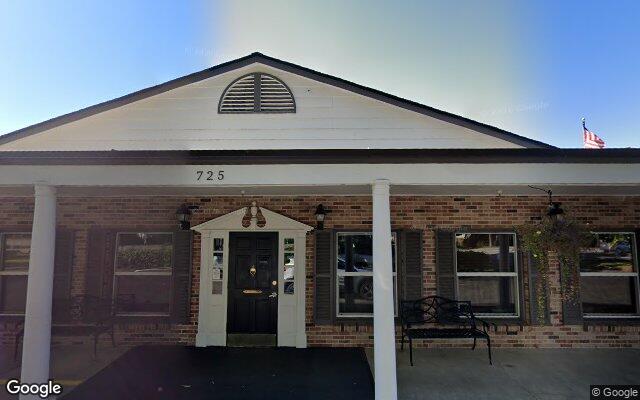
Courtyard at Mt Tabor Garden House.
Courtyard at Mt Tabor Garden House is Ranked in the bottom 18% of Oregon memory care with 39 OR DHS citations on record; last inspected Dec 2025.
A medium home, reviewed on public record.
Compared to 38 Oregon facilities with a similar number of beds.
ALF memory care · 36-month window. Higher percentile = better performance on inspection record. Source: Oregon Dept. of Human Services · Long-Term Care Licensing.
Rankings based on 36-month OR-DHS inspection data. Severity and frequency: fewer citations = higher percentile. Repeat rate: lower repeat citation share = higher percentile.
FACILITY WATCH · FREE
Courtyard at Mt Tabor Garden House has 39 citations on record. Know the moment anything changes.
New findings, complaint investigations, or status changes — emailed to you free.
Where are you in the process? (optional)
Citation history, plotted month by month.
39 deficiencies on record. Each bar is a month with a citation.
Finding distribution
39 total · 36 monthsScope × Severity (CMS A–L)
Every inspection visit, verbatim.
5 inspections in the public record, most recent first. Click any row to expand — cited rows open automatically.
2025-12-11Annual Compliance VisitOR-cited · 2 findings
Plain-language summary
During a kitchen inspection on December 11, 2025, the facility was found to have violated food sanitation rules due to unclean conditions including buildup in the ice maker, hood vents, and dishwashing area, as well as worn food preparation equipment and uncovered garbage cans. The facility acknowledged these findings when discussed with food service and administrative staff. The facility was required to take corrective action to bring kitchen practices into compliance with state sanitation standards.
“Based on observation and interview, it was determined the facility failed to ensure kitchen practices and protocols were in accordance with the Food Sanitation Rules OARs 333-150-0000. Findings include, but are not limited to: On 12/11/25 at 10:40 am, the facility kitchen was observed to need cleaning in the following areas: * Ice maker interior – significant pink matter build up; * Hood vents – greasy/dusty; * Door handles on oven doors – sticky/tacky; * Shelf above grill/stove – greasy; * Commercial can opener – food debris/black matter/blade finish worn; * Lids of food bins – food debris build up; * Floor drain – heavily stained; * Caulking above splash guard behind spray hose in dishwashing area – black matter build up; and * Wall beneath spray hose sink in dishwashing area – heavy build up of brown drips/splatter. Other concerns included: * Multiple garbage cans uncovered when not in use; and * Colored cutting board – heavily scored and worn. The areas of concern were observed and discussed with Staff 1 (Food & Beverage Director) and discussed with Staff 2 (Assistant Executive Director) on 12/11/25. The findings were acknowledged. What actions will be taken to correct the violation for each example/resident:”
“Based on observation and interview, it was determined the facility failed to follow licensing rules for Residential Care and Assisted Living Facilities. Findings include, but are not limited to: Refer to C240. Refer to C240 above What actions will be taken to correct the violation for each example/resident:”
Read raw inspector notesClose inspector notes
Based on observation and interview, it was determined the facility failed to ensure kitchen practices and protocols were in accordance with the Food Sanitation Rules OARs 333-150-0000. Findings include, but are not limited to: On 12/11/25 at 10:40 am, the facility kitchen was observed to need cleaning in the following areas: * Ice maker interior – significant pink matter build up; * Hood vents – greasy/dusty; * Door handles on oven doors – sticky/tacky; * Shelf above grill/stove – greasy; * Commercial can opener – food debris/black matter/blade finish worn; * Lids of food bins – food debris build up; * Floor drain – heavily stained; * Caulking above splash guard behind spray hose in dishwashing area – black matter build up; and * Wall beneath spray hose sink in dishwashing area – heavy build up of brown drips/splatter. Other concerns included: * Multiple garbage cans uncovered when not in use; and * Colored cutting board – heavily scored and worn. The areas of concern were observed and discussed with Staff 1 (Food & Beverage Director) and discussed with Staff 2 (Assistant Executive Director) on 12/11/25. The findings were acknowledged. What actions will be taken to correct the violation for each example/resident: Based on observation and interview, it was determined the facility failed to follow licensing rules for Residential Care and Assisted Living Facilities. Findings include, but are not limited to: Refer to C240. Refer to C240 above What actions will be taken to correct the violation for each example/resident:
2025-02-27Complaint InvestigationOR-cited · 2 findings
Plain-language summary
A complaint investigation conducted on February 27, 2025 found that the facility failed to administer a scheduled medication (Olanzapine 2.5 mg) to a resident with dementia-related anxiety. The pharmacy incorrectly entered the scheduled dose as "as needed" on the medication administration record, and the resident did not receive the scheduled medication from June 27, 2023 until the order was discontinued on December 7, 2023. The facility acknowledged this deficiency during the investigation.
“Assisted Living and Residential Care Facilities must operate and provide services in compliance with all applicable State and local laws, regulations and codes. This report reflects the findings of the complaint investigation conducted 02/27/25. The facility was evaluated for compliance with Oregon Administrative Rule 411, Division 54 and if applicable, Oregon Administrative Rule 411, Division 57. The following deficiencies were identified: Abbreviations possibly used in this document: ADL: activities of daily living CBG: capillary blood glucose or blood sugar CG: caregiver CS: Compliance Specialist cm: centimeter ED: Executive Director F: Fahrenheit HH: Home Health HS: Hours of sleep LPN: Licensed Practical Nurse MT: Medication Technician or Med Tech MAR: Medication Administration Record MCC: Memory Care Community OT: Occupational Therapist PT: Physical Therapist PRN: as needed RCC: Resident Care Coordinator RN: Registered Nurse SP: Service plan SPT: Service Planning Team TAR: Treatment Administration Record Assisted Living and Residential Care Facilities must operate and provide services in compliance with all applicable State and local laws, regulations and codes. This report reflects the findings of the complaint investigation conducted 02/27/25. The facility was evaluated for compliance with Oregon Administrative Rule 411, Division 54 and if applicable, Oregon Administrative Rule 411, Division 57. The following deficiencies were identified: Abbreviations possibly used in this document: ADL: activities of daily living CBG: capillary blood glucose or blood sugar CG: caregiver CS: Compliance Specialist cm: centimeter ED: Executive Director F: Fahrenheit HH: Home Health HS: Hours of sleep LPN: Licensed Practical Nurse MT: Medication Technician or Med Tech MAR: Medication Administration Record MCC: Memory Care Community OT: Occupational Therapist PT: Physical Therapist PRN: as needed RCC: Resident Care Coordinator RN: Registered Nurse SP: Service plan SPT: Service Planning Team TAR: Treatment Administration Record”
“Based on interview and record review, conducted during a site visit on 02/27/25, the facility's failure to carry out medication orders for 1 of 1 sampled Resident (# 1) was substantiated. Findings include, but are not limited to: Resident 1's service plan, dated 01/22/24, indicated Resident 1 was a total assist with medication, Med Tech to administer Resident 1's medications per physician's orders as noted on the MAR, and Staff to follow orders and administer all medications as directed. Resident 1's MAR, dated 06/01/23 through 06/30/23, indicated Resident 1 had scheduled Olanzapine 2.5 mg tab (dementia related anxiety) with the instructions: "[one] tablet by mouth every evening after dinner," and Olanzapine 2.5 mg tab (agitation) with the instructions "[one] tablet by mouth every day as needed for severe agitation/distress/anxiety." Resident 1's MARs, dated 07/01/23 through 11/30/23, indicated Olanzapine 2.5 mg tab was listed twice on the MAR under "as needed" medications. Resident 1's MARs, dated 12/01/23 through 12/31/23, indicated Olanzapine 2.5 mg tab was listed three times on the MAR under "as needed" medications. The MAR indicated Olanzapine 2.5 mg tab was discontinued on 12/07/23. Resident 1's narrative charting, dated 06/01/23 through 12/31/23, indicated on 06/29/23, Resident 1 received new orders for Olanzapine 2.5 mg. Resident 1's physician orders, dated 05/19/23, indicated on 05/19/23, Resident 1 was prescribed Olanzapine 2.5 mg tablet with the instructions "Take [one] tablet by mouth daily as needed in addition to schedule dose for severe agitation/distress/anxiety that is not alleviated with nonpharmacologic strategies first," and Olanzapine 2.5 mg tablet with the instructions "Take [one] tablet by mouth every evening: give after dinner for dementia related anxiety/distress." The facility self-report, dated 12/07/23, indicated Resident 1's scheduled Olanzapine order was entered incorrectly by the pharmacy and Resident 1 had not been administered his/her scheduled Olanzapine since 06/27/23. Staff 1 (Director of Resident Services) stated Resident 1 did not receive the scheduled medication for some time. The pharmacy had incorrectly transcribed the medication on the MAR and entered it "as needed" and not scheduled. It was determined the facility's failure to carry out medication orders for Resident 1 was substantiated. The findings of the investigation were reviewed with and acknowledged by Staff 1, Staff 2 (Residential Care Facility Administrator), and Staff 3 (Assistant Administrator). Based on interview and record review, conducted during a site visit on 02/27/25, the facility's failure to carry out medication orders for 1 of 1 sampled Resident (# 1) was substantiated. Findings include, but are not limited to: Resident 1's service plan, dated 01/22/24, indicated Resident 1 was a total assist with medication, Med Tech to administer Resident 1's medications per physician's orders as noted on the MAR, and Staff to follow orders and administer all medications as directed. Resident 1's MAR, dated 06/01/23 through 06/30/23, indicated Resident 1 had scheduled Olanzapine 2.5 mg tab (dementia related anxiety) with the instructions: "[one] tablet by mouth every evening after dinner," and Olanzapine 2.5 mg tab (agitation) with the instructions "[one] tablet by mouth every day as needed for severe agitation/distress/anxiety." Resident 1's MARs, dated 07/01/23 through 11/30/23, indicated Olanzapine 2.5 mg tab was listed twice on the MAR under "as needed" medications. Resident 1's MARs, dated 12/01/23 through 12/31/23, indicated Olanzapine 2.5 mg tab was listed three times on the MAR under "as needed" medications. The MAR indicated Olanzapine 2.5 mg tab was discontinued on 12/07/23. Resident 1's narrative charting, dated 06/01/23 through 12/31/23, indicated on 06/29/23, Resident 1 received new orders for Olanzapine 2.5 mg. Resident 1's physician orders, dated 05/19/23, indicated on 05/19/23, Resident 1 was prescribed Olanzapine 2.5 mg tablet with the instructions "Take [one] tablet by mouth daily as needed in addition to schedule dose for severe agitation/distress/anxiety that is not alleviated with nonpharmacologic strategies first," and Olanzapine 2.5 mg tablet with the instructions "Take [one] tablet by mouth every evening: give after dinner for dementia related anxiety/distress." The facility self-report, dated 12/07/23, indicated Resident 1's scheduled Olanzapine order was entered incorrectly by the pharmacy and Resident 1 had not been administered his/her scheduled Olanzapine since 06/27/23. Staff 1 (Director of Resident Services) stated Resident 1 did not receive the scheduled medication for some time. The pharmacy had incorrectly transcribed the medication on the MAR and entered it "as needed" and not scheduled. It was determined the facility's failure to carry out medication orders for Resident 1 was substantiated. The findings of the investigation were reviewed with and acknowledged by Staff 1, Staff 2 (Residential Care Facility Administrator), and Staff 3 (Assistant Administrator).”
Read raw inspector notesClose inspector notes
Assisted Living and Residential Care Facilities must operate and provide services in compliance with all applicable State and local laws, regulations and codes. This report reflects the findings of the complaint investigation conducted 02/27/25. The facility was evaluated for compliance with Oregon Administrative Rule 411, Division 54 and if applicable, Oregon Administrative Rule 411, Division 57. The following deficiencies were identified: Abbreviations possibly used in this document: ADL: activities of daily living CBG: capillary blood glucose or blood sugar CG: caregiver CS: Compliance Specialist cm: centimeter ED: Executive Director F: Fahrenheit HH: Home Health HS: Hours of sleep LPN: Licensed Practical Nurse MT: Medication Technician or Med Tech MAR: Medication Administration Record MCC: Memory Care Community OT: Occupational Therapist PT: Physical Therapist PRN: as needed RCC: Resident Care Coordinator RN: Registered Nurse SP: Service plan SPT: Service Planning Team TAR: Treatment Administration Record Assisted Living and Residential Care Facilities must operate and provide services in compliance with all applicable State and local laws, regulations and codes. This report reflects the findings of the complaint investigation conducted 02/27/25. The facility was evaluated for compliance with Oregon Administrative Rule 411, Division 54 and if applicable, Oregon Administrative Rule 411, Division 57. The following deficiencies were identified: Abbreviations possibly used in this document: ADL: activities of daily living CBG: capillary blood glucose or blood sugar CG: caregiver CS: Compliance Specialist cm: centimeter ED: Executive Director F: Fahrenheit HH: Home Health HS: Hours of sleep LPN: Licensed Practical Nurse MT: Medication Technician or Med Tech MAR: Medication Administration Record MCC: Memory Care Community OT: Occupational Therapist PT: Physical Therapist PRN: as needed RCC: Resident Care Coordinator RN: Registered Nurse SP: Service plan SPT: Service Planning Team TAR: Treatment Administration Record Based on interview and record review, conducted during a site visit on 02/27/25, the facility's failure to carry out medication orders for 1 of 1 sampled Resident (# 1) was substantiated. Findings include, but are not limited to: Resident 1's service plan, dated 01/22/24, indicated Resident 1 was a total assist with medication, Med Tech to administer Resident 1's medications per physician's orders as noted on the MAR, and Staff to follow orders and administer all medications as directed. Resident 1's MAR, dated 06/01/23 through 06/30/23, indicated Resident 1 had scheduled Olanzapine 2.5 mg tab (dementia related anxiety) with the instructions: "[one] tablet by mouth every evening after dinner," and Olanzapine 2.5 mg tab (agitation) with the instructions "[one] tablet by mouth every day as needed for severe agitation/distress/anxiety." Resident 1's MARs, dated 07/01/23 through 11/30/23, indicated Olanzapine 2.5 mg tab was listed twice on the MAR under "as needed" medications. Resident 1's MARs, dated 12/01/23 through 12/31/23, indicated Olanzapine 2.5 mg tab was listed three times on the MAR under "as needed" medications. The MAR indicated Olanzapine 2.5 mg tab was discontinued on 12/07/23. Resident 1's narrative charting, dated 06/01/23 through 12/31/23, indicated on 06/29/23, Resident 1 received new orders for Olanzapine 2.5 mg. Resident 1's physician orders, dated 05/19/23, indicated on 05/19/23, Resident 1 was prescribed Olanzapine 2.5 mg tablet with the instructions "Take [one] tablet by mouth daily as needed in addition to schedule dose for severe agitation/distress/anxiety that is not alleviated with nonpharmacologic strategies first," and Olanzapine 2.5 mg tablet with the instructions "Take [one] tablet by mouth every evening: give after dinner for dementia related anxiety/distress." The facility self-report, dated 12/07/23, indicated Resident 1's scheduled Olanzapine order was entered incorrectly by the pharmacy and Resident 1 had not been administered his/her scheduled Olanzapine since 06/27/23. Staff 1 (Director of Resident Services) stated Resident 1 did not receive the scheduled medication for some time. The pharmacy had incorrectly transcribed the medication on the MAR and entered it "as needed" and not scheduled. It was determined the facility's failure to carry out medication orders for Resident 1 was substantiated. The findings of the investigation were reviewed with and acknowledged by Staff 1, Staff 2 (Residential Care Facility Administrator), and Staff 3 (Assistant Administrator). Based on interview and record review, conducted during a site visit on 02/27/25, the facility's failure to carry out medication orders for 1 of 1 sampled Resident (# 1) was substantiated. Findings include, but are not limited to: Resident 1's service plan, dated 01/22/24, indicated Resident 1 was a total assist with medication, Med Tech to administer Resident 1's medications per physician's orders as noted on the MAR, and Staff to follow orders and administer all medications as directed. Resident 1's MAR, dated 06/01/23 through 06/30/23, indicated Resident 1 had scheduled Olanzapine 2.5 mg tab (dementia related anxiety) with the instructions: "[one] tablet by mouth every evening after dinner," and Olanzapine 2.5 mg tab (agitation) with the instructions "[one] tablet by mouth every day as needed for severe agitation/distress/anxiety." Resident 1's MARs, dated 07/01/23 through 11/30/23, indicated Olanzapine 2.5 mg tab was listed twice on the MAR under "as needed" medications. Resident 1's MARs, dated 12/01/23 through 12/31/23, indicated Olanzapine 2.5 mg tab was listed three times on the MAR under "as needed" medications. The MAR indicated Olanzapine 2.5 mg tab was discontinued on 12/07/23. Resident 1's narrative charting, dated 06/01/23 through 12/31/23, indicated on 06/29/23, Resident 1 received new orders for Olanzapine 2.5 mg. Resident 1's physician orders, dated 05/19/23, indicated on 05/19/23, Resident 1 was prescribed Olanzapine 2.5 mg tablet with the instructions "Take [one] tablet by mouth daily as needed in addition to schedule dose for severe agitation/distress/anxiety that is not alleviated with nonpharmacologic strategies first," and Olanzapine 2.5 mg tablet with the instructions "Take [one] tablet by mouth every evening: give after dinner for dementia related anxiety/distress." The facility self-report, dated 12/07/23, indicated Resident 1's scheduled Olanzapine order was entered incorrectly by the pharmacy and Resident 1 had not been administered his/her scheduled Olanzapine since 06/27/23. Staff 1 (Director of Resident Services) stated Resident 1 did not receive the scheduled medication for some time. The pharmacy had incorrectly transcribed the medication on the MAR and entered it "as needed" and not scheduled. It was determined the facility's failure to carry out medication orders for Resident 1 was substantiated. The findings of the investigation were reviewed with and acknowledged by Staff 1, Staff 2 (Residential Care Facility Administrator), and Staff 3 (Assistant Administrator).
2024-12-26Annual Compliance VisitOR-cited · 3 findings
Plain-language summary
During a routine kitchen inspection on December 26, 2024, the facility's main kitchen, walk-in refrigerator, and freezer were found to have multiple cleanliness violations including pooled oil on floors, grease buildup on appliances and pipes, uncovered ready-to-serve items exposed to dust, and improperly dated or wrapped food items. Kitchen staff were observed not following food safety practices such as reusing single-use gloves, not wearing aprons during food handling, leaving food uncovered, and three staff members lacked current food handler permits; similar violations were found in the memory care kitchenette, where staff also failed to maintain proper hand hygiene and barrier protection when serving meals. The facility acknowledged these findings and stated corrective actions including deep cleaning scheduled for January 18, 2025, staff retraining, and implementation of new oversight by a Food & Beverage Director.
“Based on observation, interview and record review, it was determined the facility failed to ensure the kitchen was clean and maintained in good repair, kitchen staff did not follow hygienic practices, and proper food handling procedures were not followed in accordance with the Food Sanitation Rules OAR 333-150-000. Findings include, but are not limited to: On 12/26/24 at 10:02 am the main kitchen, walk-in refrigerator and freezer were observed to need cleaning in the following areas: a. Kitchen area: * Pooling of a large amount of charred oil was observed on the floor on either side of the stove; * Pipes behind multiple appliances had grease, dirt, and debris on them; * Cooktop knobs and handles had sticky matter, built-up grease and dried food debris on them; * Interior walls of the ice-maker machine had unidentified yellow residue; * Cooktop and burners were covered with burnt-on grease and other residue; * Range hood filters were covered with grease; * Air return duct cover above the tray line was covered with dust; * Cooling racks had rust on them; * Waffle iron was covered with dirt and grease; and * Knobs, doors, and handles of various kitchen appliances were missing or covered with grease. b. Walk-in refrigerator and freezer: * Refrigerator and freezer cooling unit fans had a layer of dust and dirt. Ready-to-serve items stored under the cooling unit in the refrigerator were uncovered and open to direct dust and debris contamination from blowing fan; * Liquid discharge from box of defrosted meat products had leaked onto the refrigerator floor; and * Exterior surfaces and handles were covered with sticky residue. On 12/26/24 at 10:02 am, the main kitchen was observed to need the following repairs: * The molding around the door frame connecting the sous chef office and the main kitchen was missing and/or damaged, exposing underlying drywall and holes in the wall; * Holes in the ceiling up to approximately 6 inches surrounded the copper pipes from various appliances; * Displaced ceiling tile in dishwashing room in the far left corner exposing ventilation duct; * Drop ceiling tiles were cracked, missing, or out-of-place; and * Cabinets under serving station were missing doors. On 12/26/24 at 11:00 am, the following improper food handling practices were observed: * Multiple kitchen staff was observed using single-use gloves for multiple tasks, including food handling, cooking and operating appliances; * Industrial mixer was not covered when not in use as required; * Individual portions of food were plated on trays in the walk-in refrigerator and left uncovered; and * Multiple food items in the walk-in refrigerator and walk-in freezer were found not dated and only partially wrapped. Bulk food items were found not dated after opening. Kitchen staff was observed not following proper hygienic practices: * Kitchen staff were not wearing aprons when cooking and serving food; and * Three garbage cans in the kitchen were not covered with lids when not in use. Staff 5 (Cook), Staff 6 (Cook), and Staff 7 (Cook) did not have current food handler's permits. The findings were discussed with Staff 1 (Associate ED) and Staff 2 (Sous Chef) on 12/26/24. Both staff acknowledged the findings. c. On12/26/24 from 10:00 am to 10:10 am, an inspection of the kitchenette area in the memory care was conducted. The following observations were made: * A brown substance was present underneath the sink; * Five beverage jars in the refrigerator were uncovered and undated; * Premade thickened liquid beverages were open, but lacked labeling or dates; * The interior of the microwave in the second dining room was stained with a brown residue and the exterior surface was sticky to the touch; and * Cabinets and drawer surfaces were sticky to the touch and contained open salt and sugar containers in the drawers. In an interview on 12/26/24 at 11:24 am, Staff 4 (MT) stated “never made it clear” who was responsible for cleaning the refrigerator. The areas that required cleaning were observed and discussed with Staff 3 (Connections for Living Director) on 12/26/24 at 12:18 pm. The staff acknowledged the area needed cleaning. d. The MCC had 15 residents at the time of survey. There were 11 residents in the dining room for lunch on 12/26/24 and lunch service was observed from 11:47 am through 12:07 pm. During the observation, a caregiving staff provided 1-on-1 meal assistance to a resident. The caregiving staff was not wearing an apron or other type of barrier to prevent the potential cross contamination when providing meal assistance. Staff were observed setting tables with napkins and silverware, serving meals and beverages, and then clearing dirty dishes. During the process, staff touched residents, handled sandwiches on plates, and moved in and out of the dining room to retrieve juice and milk. Meals were served to residents without the staff changing their gloves or performing proper hand hygiene. The above observation was discussed with Staff 3 on 12/26/24 at12:23 pm. The staff acknowledged the findings. Section a: Kitchen Area Q1. What Actions will be taken to correct the rule Violation? The team will utilize MBK senior living cleaning procedure listed in DINING SERVICES POLICY & PROCEDURE MANUAL to correct the rule violation. Daily cleanings according to policy have been implemented. An after hours deep clean of the kitchen and appliances is scheduled for January 18th to ensure kitchen is in compliance. A Back of House All Staff meeting is scheduled for January 20th re-educate staff on compliance policies and procedures. Q2. How will the system be corrected so the violation will not happen again. The Food & Beverage Director is accountable to all Dining Dept. policies and procedures as well as Oregon Administrative Rules. As such, we have had turnover in the position and the new Director will ensure compliance utilizing all available resources. The team will receive ongoing and adequate support to ensure sustainable compliance. Director, Sous Chef, Lead Cooks will review prior day's logs and perform visual inspection to confirm compliance and take corrective action immediately if found to not be in compliance. a. All cleaning, temperature, and other relevant logs are confirmed to be in their accurate locations, accessible, and clear. b. Cleaning schedules and assignments have been posted for the kitchen and dining room areas. Each item needing to be cleaned and the frequency of cleaning are included on the cleaning schedule. c. Monthly In-service for Dining staff has been scheduled and attendance is mandatory. Q3. How often will the area needing correction will be evaluated? Daily through substantial compliance. Ongoing per policy for the areas/equipment being evaluated. Q4. Who on your staff will be responsible to ensure that all corrections are completed and monitored? Food and beverage Director, Sous Chef and Dining room supervisor. Executive Director, Associate Executive Director to support Food when Food and Beverage department leadership is absent. Q5. Date facility alleges compliance January 31, 2025 Section b. Walk-in refrigerator and freezer: Q1. What Actions will be taken to correct the rule Violation? The team will utilize MBK senior living cleaning procedure listed in DINING SERVICES POLICY & PROCEDURE MANUAL to correct the rule violation. Daily cleanings according to policy have been implemented. An after hours deep clean of the kitchen and appliances is scheduled for January 18th to ensure kitchen is in compliance. A Back of House All Staff meeting is scheduled for January 20th re-educate staff on compliance policies and procedures. Q2. How the system will be corrected so this violation will not happen again? A cleaning schedule has been placed for the kitchen. Each item needing to be cleaned and the frequency of cleaning has been included on the cleaning schedule. A training for all Back of the house kitchen team has been sc”
“Based on observation, interview and record review, it was determined the facility failed to ensure their relicensure survey plan of correction was implemented and satisfied the Department. Findings include, but are not limited to: Refer to C 240. Q1. What actions will be taken to correct the rule violation? The team will utilize MBK senior living procedure listed in DINING SERVICES POLICY & PROCEDURE MANUAL to correct the rule violation. Re-education, Training and corrective actions, according to policy have been implemented. A Back of House All Staff meeting is scheduled for March 23rd re-educate staff on compliance policies and procedures. Q2. How will the system be corrected so this violation will not happen again? The Food & Beverage Director is accountable to all Dining Dept. policies and procedures as well as Oregon Administrative Rules. The Director will ensure compliance utilizing all available resources. The team will receive ongoing and adequate support to ensure sustainable compliance. Director, Sous Chef, Lead Cooks will review prior day's logs and perform visual inspection to confirm compliance and take corrective action immediately if found to not comply. Q3. How often will the area needing correction will be evaluated? A. Daily, weekly and Quarterly inspections to ensure thorough and substantial compliance. Ongoing per policy. Q4. Who on your staff will be responsible to ensure that all corrections are completed and monitored? A. Food and beverage Director, Sous Chef and Dining room supervisor. Executive Director, Associate Executive Director to support Food when Food and Beverage department leadership is absent. Q5. Date facility alleges compliance March 23rd, 2025 OAR 411-054-0105 (2-4) Inspections and Investigation: Insp Interval (Amended 12/15/21)(2) The facility shall not interfere with a good faith disclosure of information by an employee or volunteer concerning abuse or other action affecting a resident's safety or welfare, as described in OAR 411-054-0028(4).(3) Staff of the Department shall visit and inspect every facility at least but not limited to once every two years for a full in-person survey to determine whether the facility is maintained and operated in accordance with these rules.(a) For each year during which a facility does not have a full survey, the Department shall conduct an in-person inspection of the kitchen and other areas where food is prepared for residents.(b) Subsection (a) will not go into effect until July 1, 2022.(c) Facilities not in compliance with these rules must submit, within ten days of receipt of the inspection report, a plan of correction that satisfies the Department.(d) The Department may impose sanctions for failure to comply with these rules.(4) Department staff may consult with and advise the facility administrator concerning methods of care, records, housing, equipment, and other areas of operation. This Rule is not met as evidenced by:”
“Based on observation, interview and record review, it was determined the facility failed to follow licensing rules for Residential Care and Assisted Living Facilities. Findings include, but are not limited to: Refer to C 240. Z 142 corresponds with the above C240. The Plan of Correction above for C240 will be implemented for the purposes of bringing Z142 into complaince. OAR 411-057-0140(2) Administration Compliance (2) The licensee of a memory care community must comply with both the licensing rules for the facility and Chapter 411, Division 57. This Rule is not met as evidenced by: Based on observation, interview and record review, it was determined the facility failed to follow licensing rules for Residential Care and Assisted Living Facilities. This is a repeat citation. Findings include, but are not limited to: Refer to C 240. Refer to C240 OAR 411-057-0140(2) Administration Compliance (2) The licensee of a memory care community must comply with both the licensing rules for the facility and Chapter 411, Division 57. This Rule is not met as evidenced by: OAR 411-057-0140(2) Administration Compliance (2) The licensee of a memory care community must comply with both the licensing rules for the facility and Chapter 411, Division 57. This Rule is not met as evidenced by:”
Read raw inspector notesClose inspector notes
Based on observation, interview and record review, it was determined the facility failed to ensure the kitchen was clean and maintained in good repair, kitchen staff did not follow hygienic practices, and proper food handling procedures were not followed in accordance with the Food Sanitation Rules OAR 333-150-000. Findings include, but are not limited to: On 12/26/24 at 10:02 am the main kitchen, walk-in refrigerator and freezer were observed to need cleaning in the following areas: a. Kitchen area: * Pooling of a large amount of charred oil was observed on the floor on either side of the stove; * Pipes behind multiple appliances had grease, dirt, and debris on them; * Cooktop knobs and handles had sticky matter, built-up grease and dried food debris on them; * Interior walls of the ice-maker machine had unidentified yellow residue; * Cooktop and burners were covered with burnt-on grease and other residue; * Range hood filters were covered with grease; * Air return duct cover above the tray line was covered with dust; * Cooling racks had rust on them; * Waffle iron was covered with dirt and grease; and * Knobs, doors, and handles of various kitchen appliances were missing or covered with grease. b. Walk-in refrigerator and freezer: * Refrigerator and freezer cooling unit fans had a layer of dust and dirt. Ready-to-serve items stored under the cooling unit in the refrigerator were uncovered and open to direct dust and debris contamination from blowing fan; * Liquid discharge from box of defrosted meat products had leaked onto the refrigerator floor; and * Exterior surfaces and handles were covered with sticky residue. On 12/26/24 at 10:02 am, the main kitchen was observed to need the following repairs: * The molding around the door frame connecting the sous chef office and the main kitchen was missing and/or damaged, exposing underlying drywall and holes in the wall; * Holes in the ceiling up to approximately 6 inches surrounded the copper pipes from various appliances; * Displaced ceiling tile in dishwashing room in the far left corner exposing ventilation duct; * Drop ceiling tiles were cracked, missing, or out-of-place; and * Cabinets under serving station were missing doors. On 12/26/24 at 11:00 am, the following improper food handling practices were observed: * Multiple kitchen staff was observed using single-use gloves for multiple tasks, including food handling, cooking and operating appliances; * Industrial mixer was not covered when not in use as required; * Individual portions of food were plated on trays in the walk-in refrigerator and left uncovered; and * Multiple food items in the walk-in refrigerator and walk-in freezer were found not dated and only partially wrapped. Bulk food items were found not dated after opening. Kitchen staff was observed not following proper hygienic practices: * Kitchen staff were not wearing aprons when cooking and serving food; and * Three garbage cans in the kitchen were not covered with lids when not in use. Staff 5 (Cook), Staff 6 (Cook), and Staff 7 (Cook) did not have current food handler's permits. The findings were discussed with Staff 1 (Associate ED) and Staff 2 (Sous Chef) on 12/26/24. Both staff acknowledged the findings. c. On12/26/24 from 10:00 am to 10:10 am, an inspection of the kitchenette area in the memory care was conducted. The following observations were made: * A brown substance was present underneath the sink; * Five beverage jars in the refrigerator were uncovered and undated; * Premade thickened liquid beverages were open, but lacked labeling or dates; * The interior of the microwave in the second dining room was stained with a brown residue and the exterior surface was sticky to the touch; and * Cabinets and drawer surfaces were sticky to the touch and contained open salt and sugar containers in the drawers. In an interview on 12/26/24 at 11:24 am, Staff 4 (MT) stated “never made it clear” who was responsible for cleaning the refrigerator. The areas that required cleaning were observed and discussed with Staff 3 (Connections for Living Director) on 12/26/24 at 12:18 pm. The staff acknowledged the area needed cleaning. d. The MCC had 15 residents at the time of survey. There were 11 residents in the dining room for lunch on 12/26/24 and lunch service was observed from 11:47 am through 12:07 pm. During the observation, a caregiving staff provided 1-on-1 meal assistance to a resident. The caregiving staff was not wearing an apron or other type of barrier to prevent the potential cross contamination when providing meal assistance. Staff were observed setting tables with napkins and silverware, serving meals and beverages, and then clearing dirty dishes. During the process, staff touched residents, handled sandwiches on plates, and moved in and out of the dining room to retrieve juice and milk. Meals were served to residents without the staff changing their gloves or performing proper hand hygiene. The above observation was discussed with Staff 3 on 12/26/24 at12:23 pm. The staff acknowledged the findings. Section a: Kitchen Area Q1. What Actions will be taken to correct the rule Violation? The team will utilize MBK senior living cleaning procedure listed in DINING SERVICES POLICY & PROCEDURE MANUAL to correct the rule violation. Daily cleanings according to policy have been implemented. An after hours deep clean of the kitchen and appliances is scheduled for January 18th to ensure kitchen is in compliance. A Back of House All Staff meeting is scheduled for January 20th re-educate staff on compliance policies and procedures. Q2. How will the system be corrected so the violation will not happen again. The Food & Beverage Director is accountable to all Dining Dept. policies and procedures as well as Oregon Administrative Rules. As such, we have had turnover in the position and the new Director will ensure compliance utilizing all available resources. The team will receive ongoing and adequate support to ensure sustainable compliance. Director, Sous Chef, Lead Cooks will review prior day's logs and perform visual inspection to confirm compliance and take corrective action immediately if found to not be in compliance. a. All cleaning, temperature, and other relevant logs are confirmed to be in their accurate locations, accessible, and clear. b. Cleaning schedules and assignments have been posted for the kitchen and dining room areas. Each item needing to be cleaned and the frequency of cleaning are included on the cleaning schedule. c. Monthly In-service for Dining staff has been scheduled and attendance is mandatory. Q3. How often will the area needing correction will be evaluated? Daily through substantial compliance. Ongoing per policy for the areas/equipment being evaluated. Q4. Who on your staff will be responsible to ensure that all corrections are completed and monitored? Food and beverage Director, Sous Chef and Dining room supervisor. Executive Director, Associate Executive Director to support Food when Food and Beverage department leadership is absent. Q5. Date facility alleges compliance January 31, 2025 Section b. Walk-in refrigerator and freezer: Q1. What Actions will be taken to correct the rule Violation? The team will utilize MBK senior living cleaning procedure listed in DINING SERVICES POLICY & PROCEDURE MANUAL to correct the rule violation. Daily cleanings according to policy have been implemented. An after hours deep clean of the kitchen and appliances is scheduled for January 18th to ensure kitchen is in compliance. A Back of House All Staff meeting is scheduled for January 20th re-educate staff on compliance policies and procedures. Q2. How the system will be corrected so this violation will not happen again? A cleaning schedule has been placed for the kitchen. Each item needing to be cleaned and the frequency of cleaning has been included on the cleaning schedule. A training for all Back of the house kitchen team has been sc Based on observation, interview and record review, it was determined the facility failed to ensure their relicensure survey plan of correction was implemented and satisfied the Department. Findings include, but are not limited to: Refer to C 240. Q1. What actions will be taken to correct the rule violation? The team will utilize MBK senior living procedure listed in DINING SERVICES POLICY & PROCEDURE MANUAL to correct the rule violation. Re-education, Training and corrective actions, according to policy have been implemented. A Back of House All Staff meeting is scheduled for March 23rd re-educate staff on compliance policies and procedures. Q2. How will the system be corrected so this violation will not happen again? The Food & Beverage Director is accountable to all Dining Dept. policies and procedures as well as Oregon Administrative Rules. The Director will ensure compliance utilizing all available resources. The team will receive ongoing and adequate support to ensure sustainable compliance. Director, Sous Chef, Lead Cooks will review prior day's logs and perform visual inspection to confirm compliance and take corrective action immediately if found to not comply. Q3. How often will the area needing correction will be evaluated? A. Daily, weekly and Quarterly inspections to ensure thorough and substantial compliance. Ongoing per policy. Q4. Who on your staff will be responsible to ensure that all corrections are completed and monitored? A. Food and beverage Director, Sous Chef and Dining room supervisor. Executive Director, Associate Executive Director to support Food when Food and Beverage department leadership is absent. Q5. Date facility alleges compliance March 23rd, 2025 OAR 411-054-0105 (2-4) Inspections and Investigation: Insp Interval (Amended 12/15/21)(2) The facility shall not interfere with a good faith disclosure of information by an employee or volunteer concerning abuse or other action affecting a resident's safety or welfare, as described in OAR 411-054-0028(4).(3) Staff of the Department shall visit and inspect every facility at least but not limited to once every two years for a full in-person survey to determine whether the facility is maintained and operated in accordance with these rules.(a) For each year during which a facility does not have a full survey, the Department shall conduct an in-person inspection of the kitchen and other areas where food is prepared for residents.(b) Subsection (a) will not go into effect until July 1, 2022.(c) Facilities not in compliance with these rules must submit, within ten days of receipt of the inspection report, a plan of correction that satisfies the Department.(d) The Department may impose sanctions for failure to comply with these rules.(4) Department staff may consult with and advise the facility administrator concerning methods of care, records, housing, equipment, and other areas of operation. This Rule is not met as evidenced by: Based on observation, interview and record review, it was determined the facility failed to follow licensing rules for Residential Care and Assisted Living Facilities. Findings include, but are not limited to: Refer to C 240. Z 142 corresponds with the above C240. The Plan of Correction above for C240 will be implemented for the purposes of bringing Z142 into complaince. OAR 411-057-0140(2) Administration Compliance (2) The licensee of a memory care community must comply with both the licensing rules for the facility and Chapter 411, Division 57. This Rule is not met as evidenced by: Based on observation, interview and record review, it was determined the facility failed to follow licensing rules for Residential Care and Assisted Living Facilities. This is a repeat citation. Findings include, but are not limited to: Refer to C 240. Refer to C240 OAR 411-057-0140(2) Administration Compliance (2) The licensee of a memory care community must comply with both the licensing rules for the facility and Chapter 411, Division 57. This Rule is not met as evidenced by: OAR 411-057-0140(2) Administration Compliance (2) The licensee of a memory care community must comply with both the licensing rules for the facility and Chapter 411, Division 57. This Rule is not met as evidenced by:
2024-01-31Annual Compliance VisitOR-cited · 1 finding
Plain-language summary
During a kitchen inspection on January 31, 2024, the facility was found to be in substantial compliance with Oregon's rules for meal service and food sanitation in residential care and assisted living facilities. No violations were identified.
“The findings of the kitchen inspection, conducted 01/31/24, are documented in this report. It was determined the facility was in substantial compliance with the OARs 411-054-0030 for Residential Care and Assisted Living Facilities for Resident Services - Meals and Oregon Health Service Food Sanitation Rules OARs 333-150-0000. The findings of the kitchen inspection, conducted 01/31/24, are documented in this report. It was determined the facility was in substantial compliance with the OARs 411-054-0030 for Residential Care and Assisted Living Facilities for Resident Services - Meals and Oregon Health Service Food Sanitation Rules OARs 333-150-0000.”
Read raw inspector notesClose inspector notes
The findings of the kitchen inspection, conducted 01/31/24, are documented in this report. It was determined the facility was in substantial compliance with the OARs 411-054-0030 for Residential Care and Assisted Living Facilities for Resident Services - Meals and Oregon Health Service Food Sanitation Rules OARs 333-150-0000. The findings of the kitchen inspection, conducted 01/31/24, are documented in this report. It was determined the facility was in substantial compliance with the OARs 411-054-0030 for Residential Care and Assisted Living Facilities for Resident Services - Meals and Oregon Health Service Food Sanitation Rules OARs 333-150-0000.
2023-08-07Annual Compliance VisitOR-cited · 31 findings
Plain-language summary
A re-licensure survey conducted August 7-11, 2023 identified a violation of nursing delegation and teaching rules that was likely to cause residents harm; the facility implemented an immediate plan of correction during the survey to abate the situation. Follow-up surveys were conducted December 5-7, 2023 and April 30-May 2, 2024 to verify compliance.
“Based on observation, interview, and record review, it was determined the facility failed to develop and conduct ongoing quality improvement programs that evaluated services, staff performance, resident outcomes and resident satisfaction. Findings included, but are not limited to: During the first revisit to the change of management survey of 08/11/23 conducted 12/05/23 through 12/07/23; quality improvement and oversight to ensure adequate resident care, services and satisfaction was found to be ineffective based on the number of repeat citations and the number of new citations during the revisit survey. During an interview on 12/07/23 with Staff 1 (ED) at 3:20 pm, it was reported the facility had a quality assurance program to evaluate services, resident outcomes and satisfaction. The team met at various intervals from weekly for clinical areas to monthly for other areas, such as kitchens. Staff 1 reported the last clinical meeting was conducted on 10/20/23. The need to ensure the facility conducted an ongoing quality improvement program that evaluated services, resident outcomes, and resident satisfaction was discussed with Staff 1 on 12/07/23. She acknowledged the findings. Based on observation, interview, and record review, it was determined the facility failed to develop and conduct ongoing quality improvement programs that evaluated services, staff performance, resident outcomes and resident satisfaction. Findings included, but are not limited to: During the first revisit to the change of management survey of 08/11/23 conducted 12/05/23 through 12/07/23; quality improvement and oversight to ensure adequate resident care, services and satisfaction was found to be ineffective based on the number of repeat citations and the number of new citations during the revisit survey. During an interview on 12/07/23 with Staff 1 (ED) at 3:20 pm, it was reported the facility had a quality assurance program to evaluate services, resident outcomes and satisfaction. The team met at various intervals from weekly for clinical areas to monthly for other areas, such as kitchens. Staff 1 reported the last clinical meeting was conducted on 10/20/23. The need to ensure the facility conducted an ongoing quality improvement program that evaluated services, resident outcomes, and resident satisfaction was discussed with Staff 1 on 12/07/23. She acknowledged the findings. " C 156: OAR 411-054-0025 (7) Facility Administration: Quality and Improvement 1. Facility ED, AED, CFLD, ALD, DHS or designee will conduct weekly Interdisciplinary Quality Assurance meetings focused on evaluating resident health status, care needs, services, improvements, outcomes, and satisfaction; incident reports and investigations; staff performance training gaps. 2. Facility ED, AED, CFLD, ALD, DHS will ensure meeting is scheduled, recurring, and held weekly on an ongoing basis. Meeting will be documented with minutes and action items will be produced for weekly follow-up and tracking. 3. Weekly 4. ED, AED, DHS, CFLD, CFLC or designee " C 156: OAR 411-054-0025 (7) Facility Administration: Quality and Improvement”
“The findings of the re-licensure survey, conducted 08/07/23 through 08/11/23, are documented in this report. The survey was conducted to determine compliance with the OARs 411 Division 54 for Residential Care and Assisted Living Facilities, OARs 411 Division 57 for Memory Care Communities, and OARs 411 Division 004 for Home and Community Based Services Regulations. Tag numbers beginning with C refer to the Residential Care and Assisted Living Facilities rules. Tag numbers beginning with the letter Z refer to the Memory Care Community rules . Tag numbers beginning with the letter H refer to the Home & Community-Based Services rules. Abbreviations possibly used in this document: ADL: activities of daily living bid: twice a day CBG: capillary blood glucose or blood sugar CG: caregiver cm: centimeter ED: Executive Director F: Fahrenheit HH: Home Health LPN: Licensed Practical Nurse MA: Medication Aide MAR: Medication Administration Record MCC: Memory Care Community mg: milligram ml: milliliter MT: Medication Technician OT: Occupational Therapist PT: Physical Therapist PRN: as needed qd: every day or daily qid: four times a day QI: quality improvement RCC: Resident Care Coordinator RN: Registered Nurse TAR: Treatment Administration Record tid: three times a day A situation was identified where there was a failure of the facility to comply with the Department's rules which was likely to cause residents serious harm. An immediate plan of correction was requested in the following area: OAR 411-054-0045 (1)(f)(B) RN Delegation and Teaching The facility put an immediate plan of correction in place during the survey and the situation was abated. The findings of the re-licensure survey, conducted 08/07/23 through 08/11/23, are documented in this report. The survey was conducted to determine compliance with the OARs 411 Division 54 for Residential Care and Assisted Living Facilities, OARs 411 Division 57 for Memory Care Communities, and OARs 411 Division 004 for Home and Community Based Services Regulations. Tag numbers beginning with C refer to the Residential Care and Assisted Living Facilities rules. Tag numbers beginning with the letter Z refer to the Memory Care Community rules . Tag numbers beginning with the letter H refer to the Home & Community-Based Services rules. Abbreviations possibly used in this document: ADL: activities of daily living bid: twice a day CBG: capillary blood glucose or blood sugar CG: caregiver cm: centimeter ED: Executive Director F: Fahrenheit HH: Home Health LPN: Licensed Practical Nurse MA: Medication Aide MAR: Medication Administration Record MCC: Memory Care Community mg: milligram ml: milliliter MT: Medication Technician OT: Occupational Therapist PT: Physical Therapist PRN: as needed qd: every day or daily qid: four times a day QI: quality improvement RCC: Resident Care Coordinator RN: Registered Nurse TAR: Treatment Administration Record tid: three times a day A situation was identified where there was a failure of the facility to comply with the Department's rules which was likely to cause residents serious harm. An immediate plan of correction was requested in the following area: OAR 411-054-0045 (1)(f)(B) RN Delegation and Teaching The facility put an immediate plan of correction in place during the survey and the situation was abated. The findings of the first revisit to the change of management survey of 08/11/23 conducted 12/05/23 through 12/07/23, are documented in this report. The survey was conducted to determine compliance with the OARs 411 Division 54 for Residential Care and Assisted Living Facilities, OARs 411 Division 57 for Memory Care Communities. Tag numbers beginning with C refer to the Residential Care and Assisted Living Facilities rules. Tag numbers beginning with the letter Z refer to the Memory Care Community rules. Abbreviations possibly used in this document: ADL: activities of daily living bid: twice a day CBG: capillary blood glucose or blood sugar CG: caregiver cm: centimeter ED: Executive Director F: Fahrenheit HH: Home Health LPN: Licensed Practical Nurse MA: Medication Aide MAR: Medication Administration Record MCC: Memory Care Community mg: milligram ml: milliliter MT: Medication Technician OT: Occupational Therapist PT: Physical Therapist PRN: as needed qd: every day or daily qid: four times a day QI: quality improvement RCC: Resident Care Coordinator RN: Registered Nurse TAR: Treatment Administration Record tid: three times a day The findings of the first revisit to the change of management survey of 08/11/23 conducted 12/05/23 through 12/07/23, are documented in this report. The survey was conducted to determine compliance with the OARs 411 Division 54 for Residential Care and Assisted Living Facilities, OARs 411 Division 57 for Memory Care Communities. Tag numbers beginning with C refer to the Residential Care and Assisted Living Facilities rules. Tag numbers beginning with the letter Z refer to the Memory Care Community rules. Abbreviations possibly used in this document: ADL: activities of daily living bid: twice a day CBG: capillary blood glucose or blood sugar CG: caregiver cm: centimeter ED: Executive Director F: Fahrenheit HH: Home Health LPN: Licensed Practical Nurse MA: Medication Aide MAR: Medication Administration Record MCC: Memory Care Community mg: milligram ml: milliliter MT: Medication Technician OT: Occupational Therapist PT: Physical Therapist PRN: as needed qd: every day or daily qid: four times a day QI: quality improvement RCC: Resident Care Coordinator RN: Registered Nurse TAR: Treatment Administration Record tid: three times a day The findings of the second revisit to the change of management survey of 08/11/23 conducted 04/30/24 through 05/02/24, are documented in this report. The survey was conducted to determine compliance with the OARs 411 Division 54 for Residential Care and Assisted Living Facilities, OARs 411 Division 57 for Memory Care Communities. Tag numbers beginning with C refer to the Residential Care and Assisted Living Facilities rules. Tag numbers beginning with the letter Z refer to the Memory Care Community rules. Abbreviations possibly used in this document: ADL: activities of daily living bid: twice a day CBG: capillary blood glucose or blood sugar CG: caregiver cm: centimeter ED: Executive Director F: Fahrenheit HH: Home Health LPN: Licensed Practical Nurse MA: Medication Aide MAR: Medication Administration Record MCC: Memory Care Community mg: milligram ml: milliliter MT: Medication Technician OT: Occupational Therapist PT: Physical Therapist PRN: as needed qd: every day or daily qid: four times a day QI: quality improvement RCC: Resident Care Coordinator RN: Registered Nurse TAR: Treatment Administration Record tid: three times a day Situations were identified where there was a failure of the facility to comply with the Departments rules that caused or were likely to cause an immediate threat to residents' health and safety. An immediate plan of correction was requested in the following area: OAR 411-054-0040 (1-2) (C0270) - Change of Condition and Monitoring. The facility put an immediate plan of correction in place during the survey and the situations were abated. The findings of the second revisit to the change of management survey of 08/11/23 conducted 04/30/24 through 05/02/24, are documented in this report. The survey was conducted to determine compliance with the OARs 411 Division 54 for Residential Care and Assisted Living Facilities, OARs 411 Division 57 for Memory Care Communities. Tag numbers beginning with C refer to the Residential Care and Assisted Living Facilities rules. Tag numbers beginning with the letter Z refer to the Memory Care Community rules. Abbreviations possibly used in this document: ADL: activities of daily living bid: twice a day ”
“Based on observation and interview, it was determined the facility failed to ensure required postings were displayed, in a routinely accessible and conspicuous location to residents and visitors, and available for inspection. Findings include, but are not limited to: A tour of the facility conducted on 12/05/23 and 12/07/23 identified the facility lacked the following required postings: * Facility license; * The name of the administrator or designee in charge. The designee in charge must be posted by shift or whenever the administrator was out of the facility; * The current facility staffing plan; and * A copy of the most recent re-licensure survey, including all revisits and plans of correction as applicable. The need to ensure all required postings were in an accessible and conspicuous location for the public was discussed with Staff 1 (ED) and Staff 27 (MCC Director) on 12/07/23. They acknowledged the findings. Based on observation and interview, it was determined the facility failed to ensure required postings were displayed, in a routinely accessible and conspicuous location to residents and visitors, and available for inspection. Findings include, but are not limited to: A tour of the facility conducted on 12/05/23 and 12/07/23 identified the facility lacked the following required postings: * Facility license; * The name of the administrator or designee in charge. The designee in charge must be posted by shift or whenever the administrator was out of the facility; * The current facility staffing plan; and * A copy of the most recent re-licensure survey, including all revisits and plans of correction as applicable. The need to ensure all required postings were in an accessible and conspicuous location for the public was discussed with Staff 1 (ED) and Staff 27 (MCC Director) on 12/07/23. They acknowledged the findings. " C 152: OAR 411-054-0025 (5) Facility Administration: Required Postings 1. The community will display required postings in conspicuous location for public view. Postings included but not limited to Facility license, Administrator, current staffing plan, manager on duty, contact information, copies of most recent licensure visits. 2. Community leadership will be trained on required postings to display. Executive Director or designee will routinely review and update postings to ensure most current forms are displayed or accessible. 3. This process will be monitored on a monthly basis by community leadership and daily by manager on duty. 4. The Executive Director or designee will ensure this process is completed/monitored. " C 152: OAR 411-054-0025 (5) Facility Administration: Required Postings”
“Based on interview and record review, it was determined the facility failed to implement effective methods of responding to and resolving resident complaints. Findings include, but are not limited to: During the survey, multiple witnesses including family members and outside providers expressed their concerns with the following: * Lack of staff; * Residents left unsupervised in dining room during a meal; and * Residents care plans not being adjusted with changes such as falls and new behaviors. On 12/07/23, Witness 2 (Family Member) stated concerns related to lack of staff, residents appearing to be sitting in soiled garments and lack of activities for residents. Witness 2 described difficulty communicating with staff about his/her concerns, and sent an email to Staff 1 (ED) approximately two weeks prior and had not received a response. On 12/07/23 Staff 27 (MCC Director) was interviewed about the facility's grievance and resolution policy. She stated the facility didn't have a grievance resolution policy and a system was not implemented in the MCC. She acknowledged the need to ensure the facility had a system for responding to and resolving resident complaints. Based on interview and record review, it was determined the facility failed to implement effective methods of responding to and resolving resident complaints. Findings include, but are not limited to: During the survey, multiple witnesses including family members and outside providers expressed their concerns with the following: * Lack of staff; * Residents left unsupervised in dining room during a meal; and * Residents care plans not being adjusted with changes such as falls and new behaviors. On 12/07/23, Witness 2 (Family Member) stated concerns related to lack of staff, residents appearing to be sitting in soiled garments and lack of activities for residents. Witness 2 described difficulty communicating with staff about his/her concerns, and sent an email to Staff 1 (ED) approximately two weeks prior and had not received a response. On 12/07/23 Staff 27 (MCC Director) was interviewed about the facility's grievance and resolution policy. She stated the facility didn't have a grievance resolution policy and a system was not implemented in the MCC. She acknowledged the need to ensure the facility had a system for responding to and resolving resident complaints. " C 156: OAR 411-054-0025 (7) Facility Administration: Policy and Procedure 1. Facility staff will be trained on written services, health, and safety policies and procedures per the MBK Senior Living Health Services-Memory Care Policy & Progedure Manual; Oregon; ver. 12/2023, the Residential Care Facility Residence and Services Agreement (OR), and Resident Handbook (OR). Including grievance resolution policy. Staff will be trained on where to locate policies & procedures ongoing- in print and online. 2. The grievance system process is published in residency agreement and resident handbook materials. The process along with Administrator and management contact information will be posted in a public place for residents, family, POAs to access. A grievance form and box will be included to provide for written communication which will be monitored weekdays. When a grievance or complaint is made, the Administrator or designee will respond to the individual within 72 hours, investigate, and support the resolution process and associated actions including relevant parties as needed. 3. Daily, weekly, monthly, and as needed. 4. ED, AED, DHS, CFLD, CFLC or designee. " C 156: OAR 411-054-0025 (7) Facility Administration: Policy and Procedure”
“Based on observation and interview, it was determined the facility failed to establish and maintain effective infection prevention and control protocols. Findings include, but are not limited to: Observations made during the survey on 08/07/23 and 08/08/23 determined the facility failed to adhere to universal precautions for infection control in the following areas: 1. Resident 2 was admitted to the facility in 07/2021 with diagnoses including dementia. Observations and interviews with staff during the survey identified s/he relied on staff for incontinent care needs. On 08/08/23 at 10:25 am, Staff 9 (CG) provided ADL incontinent care for Resident 2. Staff 9 donned gloves without first performing hand hygiene. Staff 9 removed the soiled brief and threw it into the trash. Staff 9 then used a wipe and performed pericare without first doffing soiled gloves, performing hand hygiene, and donning clean gloves. The need to establish and maintain effective infection prevention and control protocols was discussed with Staff 1 (ED) and Staff 2 (Associate ED) on 08/10/23. They acknowledged the findings. Based on observation and interview, it was determined the facility failed to establish and maintain effective infection prevention and control protocols. Findings include, but are not limited to: Observations made during the survey on 08/07/23 and 08/08/23 determined the facility failed to adhere to universal precautions for infection control in the following areas:”
“Based on interview and record review, it was determined the facility failed to investigate incidents or injuries of unknown cause to rule-out abuse, document all required areas of an investigation and report to the local SPD office, if abuse or neglect could not be ruled out, for 2 of 2 sampled residents (#s 2 and 3) with incidents or injuries of unknown cause. Findings include, but are not limited to: 1. Resident 3 was admitted to the facility in 08/2021 with diagnoses including vascular dementia with behavioral disturbance. Observations of the resident, interviews with staff, and review of the resident's 06/29/23 service plan, 05/07/23 through 08/07/23 temporary service plans and progress notes, physician communications, and incident investigations were reviewed, and the following was identified: * 05/14/23 unobserved fall with injury to right eye; * 05/19/23 resident to resident altercation resulting in injury to Resident 3; * 06/01/23 unobserved fall with injury including bruise to right forearm; and * 08/05/23 injury of unknown cause, large bruise on right hip. There was no documented evidence the occurrences had been investigated at the time of occurrence and the investigations included all required components, or the occurrences reported to the local APS office, if abuse and/or neglect could not be ruled out. At the request of the survey team, all incidents above were reported to APS before the survey team exited the facility on 08/11/23. The need to ensure injuries of unknown cause were immediately investigated, contained all required areas of documentation, including if abuse and neglect could be ruled out and if not, the injuries were reported to the local APS office was discussed with Staff 2 (Associate ED), Staff 3 and Staff 5 on 08/11/23. They acknowledged the findings. Based on interview and record review, it was determined the facility failed to investigate incidents or injuries of unknown cause to rule-out abuse, document all required areas of an investigation and report to the local SPD office, if abuse or neglect could not be ruled out, for 2 of 2 sampled residents (#s 2 and 3) with incidents or injuries of unknown cause. Findings include, but are not limited to:”
“Based on observation, interview and record review, it was determined the facility failed to ensure a move-in evaluation addressed all required elements for 1 of 1 sampled resident (# 1) whose initial evaluation was reviewed, and the facility failed to ensure quarterly evaluations were reflective of residents' current status for 2 of 2 sampled residents (#s 2 and 3) whose quarterly evaluations were reviewed. Findings include, but are not limited to: 1. Resident 1 was admitted to the facility in 06/2023 with diagnoses including dementia. The move-in evaluation failed to address the following elements: * Spiritual, cultural preferences and traditions; * Decision-making abilities; * Personality, including how the person copes with change or challenging situations; * Assistive devices; * Pain; and * Fall Risk or history. The need to ensure new move-in evaluations included all required elements was discussed with Staff 1 (ED) and Staff 2 (Associate ED) on 08/11/23. They acknowledged the findings. Based on observation, interview and record review, it was determined the facility failed to ensure a move-in evaluation addressed all required elements for 1 of 1 sampled resident (# 1) whose initial evaluation was reviewed, and the facility failed to ensure quarterly evaluations were reflective of residents' current status for 2 of 2 sampled residents (#s 2 and 3) whose quarterly evaluations were reviewed. Findings include, but are not limited to:”
“Based on observation, interview and record review, it was determined the facility failed to ensure service plans were reflective of residents' needs, readily available to staff, provided clear direction regarding the delivery of services and were implemented for 3 of 3 sampled residents (#s 1, 2 and 3) whose service plans were reviewed. Findings include, but are not limited to: 1. Resident 2 was admitted to the facility in 07/2021 with diagnoses including dementia. The resident's current service plan dated 07/11/23 was reviewed, observations were made, and interviews with the resident's family and caregivers were conducted between 08/07/23 and 08/09/23. Resident 2's service plan was not reflective and did not provide clear direction to staff in the following areas: * Transfer status; * Speech/communication status; * Preferred liquids; * Activities and assistance with participation; * Behaviors including oral fixation and resistance to personal care; * Pain, including how the resident expressed pain and non-pharmacological interventions; and * Use of fall mat. The need to ensure service plans were reflective of the identified needs of the resident and provided clear direction to staff was discussed with Staff 1 (ED) and Staff 2 (Associate ED) on 08/10/23. They acknowledged the findings. Based on observation, interview and record review, it was determined the facility failed to ensure service plans were reflective of residents' needs, readily available to staff, provided clear direction regarding the delivery of services and were implemented for 3 of 3 sampled residents (#s 1, 2 and 3) whose service plans were reviewed. Findings include, but are not limited to:”
“Based on observation, interview, and record review, it was determined the facility failed to ensure residents who had short-term changes of condition were evaluated, resident-specific instructions or interventions were developed and reviewed for effectiveness, and progress was documented weekly until resolution for 2 of 2 sampled memory care residents (#s 2 and 3). Findings include, but are not limited to: 1. Resident 3 was admitted to the facility in 08/2021 with diagnoses including vascular dementia with behavioral disturbance. Observations of the resident, interviews with staff, and review of the resident's 06/29/23 service plan, 05/07/23 through 08/07/23 temporary service plans and progress notes, physician communications, and incident investigations were completed. The following short-term changes of condition lacked documentation of actions or interventions needed for the resident, communication of the determined actions or interventions to staff on all shifts, and/or progress noted at least weekly through resolution: * 05/14/23: unwitnessed fall with injury to right eye; * 05/19/23: resident to resident altercation resulting in injury to Resident 3's face; * 05/21/23: Covid-19 diagnosis; * 06/01/23: unwitnessed fall with bruise to right forearm; and * 06/16/23: unwitnessed fall. The need to ensure actions or interventions for short-term changes of condition were documented, communicated to staff on each shift, and the changes of condition were monitored through resolution was discussed with Staff 2 (Associate ED), Staff 3 (Connections for Living Director) and Staff 5 (LPN) on 08/11/23. They acknowledged the findings. Based on observation, interview, and record review, it was determined the facility failed to ensure residents who had short-term changes of condition were evaluated, resident-specific instructions or interventions were developed and reviewed for effectiveness, and progress was documented weekly until resolution for 2 of 2 sampled memory care residents (#s 2 and 3). Findings include, but are not limited to:”
“Based on observation, interview and record review, it was determined the facility failed to ensure significant changes of condition were assessed by an RN and the service plan was updated by the RN for 1 of 1 sampled resident (#2) reviewed for significant changes of condition. Findings include, but are not limited to: Resident 2 was admitted to the facility in 07/2021 with diagnoses including dementia and hypertension. a. Progress notes dated 02/18/23 through 08/07/23, an incident report dated 02/18/23, the service plan dated 05/05/23 and 07/11/23 and interviews with staff were reviewed and revealed the following: * A 02/07/23 progress note indicated the resident was showing signs of pain with walking. Interviews with staff and Witness 1 confirm the resident was able to walk independently at the time. * A 02/28/23 progress note indicated the resident was sent to the hospital for a fractured hip. Interviews with staff and Witness 1 confirmed the resident was not able to walk upon return from the hospital. Observations made during the survey revealed the resident used a wheelchair for ambulation and was fully dependent on staff. The change in ambulation status constituted a significant change of condition and required an RN assessment and a service plan update. An RN assessment and service plan update were requested on 08/08/23 at 2:50 pm. No documentation was provided. There was no documented evidence the facility RN completed an assessment of Resident 1's significant change of condition and that the service plan was reviewed and/or updated by the RN. The need to ensure all significant changes of condition were assessed by an RN and the licensed nurse participated on the service planning team or reviewed the service plan with date and signature within 48 hours was discussed with Staff 1 (ED) and Staff 2 (Associate ED) on 08/10/23. They acknowledged the findings. Based on observation, interview and record review, it was determined the facility failed to ensure significant changes of condition were assessed by an RN and the service plan was updated by the RN for 1 of 1 sampled resident (#2) reviewed for significant changes of condition. Findings include, but are not limited to: Resident 2 was admitted to the facility in 07/2021 with diagnoses including dementia and hypertension. a. Progress notes dated 02/18/23 through 08/07/23, an incident report dated 02/18/23, the service plan dated 05/05/23 and 07/11/23 and interviews with staff were reviewed and revealed the following: * A 02/07/23 progress note indicated the resident was showing signs of pain with walking. Interviews with staff and Witness 1 confirm the resident was able to walk independently at the time. * A 02/28/23 progress note indicated the resident was sent to the hospital for a fractured hip. Interviews with staff and Witness 1 confirmed the resident was not able to walk upon return from the hospital. Observations made during the survey revealed the resident used a wheelchair for ambulation and was fully dependent on staff. The change in ambulation status constituted a significant change of condition and required an RN assessment and a service plan update. An RN assessment and service plan update were requested on 08/08/23 at 2:50 pm. No documentation was provided. There was no documented evidence the facility RN completed an assessment of Resident 1's significant change of condition and that the service plan was reviewed and/or updated by the RN. The need to ensure all significant changes of condition were assessed by an RN and the licensed nurse participated on the service planning team or reviewed the service plan with date and signature within 48 hours was discussed with Staff 1 (ED) and Staff 2 (Associate ED) on 08/10/23. They acknowledged the findings.”
“Based on interview and record review, it was determined the facility failed to ensure the delegation and supervision of special tasks of nursing care were completed in accordance with the Oregon State Board of Nursing (OSBN) Division 47 Rules, for 1 of 1 sampled resident (# 1) who received insulin injections by unlicensed facility staff. Resident 1 was at risk for harm related to potential medical complications from the lack of an RN assessment of the resident's condition, unlicensed staff training and supervision to ensure safety and accuracy of insulin administration. Findings include, but are not limited to: Resident 1 was admitted to the facility in 06/2023 with diagnoses including diabetes and Alzheimer's disease. Review of the 07/01/23 through 07/31/23 MAR noted the resident received routine insulin multiple times every day. The MAR noted Staff 8 (MT), Staff 10 (MT) and Staff 12 (MT) administered insulin to the resident during the month of July. During an interview with Staff 1 (ED), Staff 2 (Associate ED) and Staff 5 (LPN) on 08/10/23 at 12:48 pm, they stated the memory care community had one resident that received insulin and the facility RN had recently completed delegation. Staff 9, the facility RN, was not present and available during the survey. Review of the delegation binder for Resident 1 revealed no documented evidence the resident's condition had been assessed by the RN to determine if s/he was stable and predictable or determine the frequency the resident should be reassessed, including rationale. The records also revealed there was no documented evidence Staff 12 had been delegated by an RN including: * Rationale why the task could be safely delegated; * Skills, abilities and willingness of non-licensed staff to complete the task; * Task was taught to the non-licensed staff and they were competent to safely perform task; * Written instructions available including risks, side effects, response, and risk factors; * Non-licensed staff were taught the task was client specific and not transferable; * Determination of frequency the non-licensed staff should be supervised and reevaluated, including rationale; and * RN takes responsibility for delegating task and ensures supervision will occur for as long as RN was supervising performance. On 08/10/23, the need to ensure all staff who administered insulin injections were appropriately delegated and supervised in accordance with OSBN Administrative Rules was discussed with Staff 1, 2 and 5. They acknowledged the above findings. The surveyor requested an immediate plan to ensure insulin was administered by licensed or delegated staff in accordance with OSBN Division 47 Rules. On 08/10/12 at 5:00 pm, a plan to address the delegation issue which included licensed staff administering insulin until delegation was completed was accepted and the situation was abated. Based on interview and record review, it was determined the facility failed to ensure the delegation and supervision of special tasks of nursing care were completed in accordance with the Oregon State Board of Nursing (OSBN) Division 47 Rules, for 1 of 1 sampled resident (# 1) who received insulin injections by unlicensed facility staff. Resident 1 was at risk for harm related to potential medical complications from the lack of an RN assessment of the resident's condition, unlicensed staff training and supervision to ensure safety and accuracy of insulin administration. Findings include, but are not limited to: Resident 1 was admitted to the facility in 06/2023 with diagnoses including diabetes and Alzheimer's disease. Review of the 07/01/23 through 07/31/23 MAR noted the resident received routine insulin multiple times every day. The MAR noted Staff 8 (MT), Staff 10 (MT) and Staff 12 (MT) administered insulin to the resident during the month of July. During an interview with Staff 1 (ED), Staff 2 (Associate ED) and Staff 5 (LPN) on 08/10/23 at 12:48 pm, they stated the memory care community had one resident that received insulin and the facility RN had recently completed delegation. Staff 9, the facility RN, was not present and available during the survey. Review of the delegation binder for Resident 1 revealed no documented evidence the resident's condition had been assessed by the RN to determine if s/he was stable and predictable or determine the frequency the resident should be reassessed, including rationale. The records also revealed there was no documented evidence Staff 12 had been delegated by an RN including: * Rationale why the task could be safely delegated; * Skills, abilities and willingness of non-licensed staff to complete the task; * Task was taught to the non-licensed staff and they were competent to safely perform task; * Written instructions available including risks, side effects, response, and risk factors; * Non-licensed staff were taught the task was client specific and not transferable; * Determination of frequency the non-licensed staff should be supervised and reevaluated, including rationale; and * RN takes responsibility for delegating task and ensures supervision will occur for as long as RN was supervising performance. On 08/10/23, the need to ensure all staff who administered insulin injections were appropriately delegated and supervised in accordance with OSBN Administrative Rules was discussed with Staff 1, 2 and 5. They acknowledged the above findings. The surveyor requested an immediate plan to ensure insulin was administered by licensed or delegated staff in accordance with OSBN Division 47 Rules. On 08/10/12 at 5:00 pm, a plan to address the delegation issue which included licensed staff administering insulin until delegation was completed was accepted and the situation was abated.”
“based on deficiencies identified in the following areas: * C303 Systems: Treatment Orders; * C305 Systems: Resident Right to Refuse; * C310 Systems: Medication Administration; and * C330 Systems: Psychotropic Medication. The requirement to ensure adequate professional oversight of the medication and treatment administration system was discussed with Staff 1 (ED) and Staff 27 (MCC Director) on 12/07/23. They acknowledged the findings. 2. Resident 1 was admitted to the facility in 01/2021 with diagnoses including Alzheimer's disease and Type II diabetes. During the acuity interview on 12/05/23, the resident was noted to received insulin administration by staff. The resident was in the hospital at the time of survey. The resident's physician orders and 11/01/23 through 11/27/23 MAR was reviewed and revealed the following: a. The MAR had multiple blanks on it regarding insulin administration. b. On multiple occasions the insulin orders were not carried out as prescribed. Refer to C303 example 3a and 3b. c. The MAR instructed staff to hold insulin administration when the resident's CBG [blood sugar level] was 70 or less and there were 20 occasions staff did not measure the CBG result to determine the amount of insulin to administer or hold. d. Review of the 10/10/23 to 11/27/23 insulin administration records and delegation records showed the following: * Staff 30 (MT) documented on the MAR she administered Resident 1's insulin injection on 10/28/23. There was no evaluation by the facility RN for Staff 30's skills and ability. Staff 30 was no longer working in the facility. * Staff 31 (RCC Supervisor) documented on the MAR she administered Resident 1's insulin injection on multiple occasions. There was no current evaluation by the facility RN for Staff 31's skills and ability. The last evaluation for Staff 31's skills and ability was completed on 08/17/23 and scheduled for re-evaluation "approx. [approximately] on 10/16/23." The need to ensure a safe medication system and to ensure adequate professional oversight including injectable delegated tasks was discussed with Staff 1 (ED) and Staff 27 (MCC Director) on 12/07/23. The findings were acknowledged. 3. Administrative oversight of the medication administration system was found to be ineffective based on deficiencies identified in the following areas: * C303 Systems: Treatment Orders; * C305 Systems: Resident Right to Refuse; * C310 Systems: Medication Administration; and * C330 Systems: Psychotropic Medication. The requirement to ensure adequate professional oversight of the medication and treatment administration system was discussed with Staff 1 (ED) and Staff 27 (MCC Director) on 12/07/23. They acknowledged the findings. Based on observation, interview and record review, it was determined the facility failed to ensure a safe medication system and failed to ensure adequate professional oversight. Findings include, but are not limited to: 1. Resident 5 was admitted to the facility in 05/2023 with diagnoses including dementia and hypertension. The resident's physician orders and 10/10/23 through 12/04/23 MAR were reviewed and showed the following: a. The resident had a physician order for olanzapine 2.5 mg which stated "1 tablet by mouth every evening after dinner for dementia". Review of the MAR showed that the medication had not been administered to the resident at all during the dates reviewed. During an interview with Staff 5 (LPN) and Staff 27 (MCC Director), they stated it appeared the pharmacy had put in the medication incorrectly as a PRN instead of a scheduled medication when it was prescribed in June 2023. They acknowledged the facility's current system for reviewing MARs did not find the discrepancy, and the resident had not been receiving the medication. b. Resident 5 had a physician's order dated 11/24/23 stating "may crush pills for difficulty swallowing". Multiple facility MTs stated they had been trained that that meant to crush all medications, including opening capsules which had bottles stating "do not crush". On 12/07/23, Staff 1 (ED) provided a copy of the facility's "Med 15- Crushing/Breaking Medications" policy dated 12/14/20 which noted "capsule may not be opened unless designed and ordered as a "sprinkle" medication." During an interview on 12/07/23, Staff 1, Staff 5, and Staff 27 acknowledged they were unaware of the MT's current practice as described above. c. Multiple medications had been initialed as provided by "A1" which correlated with "agency staff". Surveyors were provided with conflicting information as to who administered the medications. The need to ensure a safe medication system and adequate professional oversight was discussed with Staff 1 (ED) and Staff 5 and Staff 27 on 12/07/23. They acknowledged the findings. Based on observation, interview and record review, it was determined the facility failed to ensure a safe medication system and failed to ensure adequate professional oversight. Findings include, but are not limited to:”
“Based on interview and record review, it was determined the facility failed to ensure physician orders were carried out as prescribed for 1 of 3 sampled residents (# 3) whose orders were reviewed. Findings include, but are not limited to: Resident 3 was admitted to the facility in 08/2021 with diagnoses including vascular dementia with behavioral disturbance. Resident 3's MAR, dated 07/01/23 through 08/06/23, corresponding progress notes, and prescriber orders were reviewed and revealed the following: Resident 3 was prescribed scheduled and PRN olanzapine on 06/20/23. Physician orders stated "Take one tab daily at bedtime. May take additional ½ tab (1.25 mg) once daily for severe agitation only. Must be 4 hours between doses." a. On the following dates, PRN olanzapine was administered more than once daily as prescribed: * 07/08/23 1:19 pm; and * 07/08/23 5:38 pm. b. The MAR indicated staff administered scheduled olanzapine at 8:00 pm. On the following dates, PRN olanzapine was administered within four hours of the scheduled dose: * 07/03/23 9:32 pm; * 07/06/23 7:58 pm; * 07/08/23 5:38 pm; * 07/19/23 8:41 pm; and * 07/23/23 7:43 pm. c. On the following dates, staff documented administering olanzapine for anxiety, and not as prescribed for severe agitation: * 07/08/23 5:38 pm; and * 07/23/23 7:43 pm. During an interview on 08/07/23, Staff 3 (Connections for Living Director) did not provide additional information and agreed to update the MAR so that the PRN olanzapine was administered as prescribed. The need to ensure physician's orders were carried out as prescribed was discussed Staff 2 (Associate ED), Staff 3 and Staff 5 (LPN) on 08/11/23. They acknowledged the findings. Based on interview and record review, it was determined the facility failed to ensure physician orders were carried out as prescribed for 1 of 3 sampled residents (# 3) whose orders were reviewed. Findings include, but are not limited to: Resident 3 was admitted to the facility in 08/2021 with diagnoses including vascular dementia with behavioral disturbance. Resident 3's MAR, dated 07/01/23 through 08/06/23, corresponding progress notes, and prescriber orders were reviewed and revealed the following: Resident 3 was prescribed scheduled and PRN olanzapine on 06/20/23. Physician orders stated "Take one tab daily at bedtime. May take additional ½ tab (1.25 mg) once daily for severe agitation only. Must be 4 hours between doses." a. On the following dates, PRN olanzapine was administered more than once daily as prescribed: * 07/08/23 1:19 pm; and * 07/08/23 5:38 pm. b. The MAR indicated staff administered scheduled olanzapine at 8:00 pm. On the following dates, PRN olanzapine was administered within four hours of the scheduled dose: * 07/03/23 9:32 pm; * 07/06/23 7:58 pm; * 07/08/23 5:38 pm; * 07/19/23 8:41 pm; and * 07/23/23 7:43 pm. c. On the following dates, staff documented administering olanzapine for anxiety, and not as prescribed for severe agitation: * 07/08/23 5:38 pm; and * 07/23/23 7:43 pm. During an interview on 08/07/23, Staff 3 (Connections for Living Director) did not provide additional information and agreed to update the MAR so that the PRN olanzapine was administered as prescribed. The need to ensure physician's orders were carried out as prescribed was discussed Staff 2 (Associate ED), Staff 3 and Staff 5 (LPN) on 08/11/23. They acknowledged the findings. 1.Med tech retraining provided on 1st , 2nd and 3rd check system for all medication orders which will ensure that all medications are checked 3 times for accuracy by Med techs and DHS/wellness nurse. Staff training and education provided for entering treatment orders such as checking CBG, manually to QuickMAR system. 2.All prescription medications are entered to QuickMAR by pharmacy. Med techs retrained on checking for accuracy in verbiage, time, dose, and frequency. Med techs were also trained on checking for duplicate orders when confirming medication orders on QuickMAR. Lead Med Tech will audit for accuracy and documentation. 3. DAily review. Weekly audit. 4. Lead Med Tech, Health Services Assistant, Memory Care Director, Wellness Nurse, DHS. 1.Med tech retraining provided on 1st , 2nd and 3rd check system for all medication orders which will ensure that all medications are checked 3 times for accuracy by Med techs and DHS/wellness nurse. Staff training and education provided for entering treatment orders such as checking CBG, manually to QuickMAR system. 2.All prescription medications are entered to QuickMAR by pharmacy. Med techs retrained on checking for accuracy in verbiage, time, dose, and frequency. Med techs were also trained on checking for duplicate orders when confirming medication orders on QuickMAR. Lead Med Tech will audit for accuracy and documentation. 3. DAily review. Weekly audit. 4. Lead Med Tech, Health Services Assistant, Memory Care Director, Wellness Nurse, DHS. 3. Resident 1 moved into the facility in 01/2021 with diagnoses including Alzheimer's disease and Type II diabetes. Resident 1's MARs dated 11/01/23 through 11/27/23 and current physician orders were reviewed and identified the following: a. Resident 1 had a physician's order, dated 11/07/23, to administer "NovoLog 15 units at 8:00 am "with food" and at noon, and 10 units at 6:00 pm." Resident 1's 11/01/23 through 11/27/23 MAR instructed to hold insulin "if resident is not eating. Do not hold long acting [insulin]." * On 11/07/23 at 8:00 am, 12:00 pm and 6:00 pm the insulin was not administered. * On 11/08/23 at 8:00 am, the insulin was not administered as prescribed, and staff documented "invalid med (dc'd or no RX)." * On 11/10/23 at 12:00 pm the insulin was not administered as ordered and staff documented "withheld per Dr/RN orders." There was no documented evidence the resident did not eat his/her meal. * On 11/15/23 at 12:00 pm, the insulin was not administered as prescribed, and staff documented "withheld per Dr/RN orders" and "need clarification instruction for when [s/he] doesn't [does not] want to eat." * On 11/20/23 at 6:00 pm, the insulin was not administered, and staff documented "missed insulin no one delegated to give." b. Resident 1 had a physician's order, dated 11/07/23, to administer insulin NPH [long acting insulin] 45 units at 11:00 am and 24 units before dinner. Resident 1's 11/01/23 through 11/27/23 MAR showed the dinner time scheduled at 4:00 pm and instructed to hold and notify for further insulin prior to administration of insulin if CBG 70 or less. Additional instruction showed "do not hold long acting [insulin]." * On 11/06/23 at 11:00 am and at 4:00 pm, the insulin was not administered as prescribed, and staff documented "invalid med (dc'd or no RX)" and "needed clarification." * On 11/10/23 at 11:00 am, the insulin was not administered, and staff documented "withheld per Dr/RN orders" and CBG of 79. * On 11/15/23 at 11:00 am, the long acting insulin was not administered, and staff documented "withheld per Dr/RN orders" and "need clarification instruction for when [s/he] doesn't [does not] want to eat." However, the MAR indicated "do not hold long acting [insulin]." * On 11/20/23 at 4:00 pm, the insulin was not administered, and staff documented "missed insulin no one delegated to do it." The need to ensure medication and treatment orders were carried out as prescribed was discussed with Staff 1 (ED) and Staff 27 (MCC Director) on 12/07/23. The findings were acknowledged. 3. Resident 1 moved into the facility in 01/2021 with diagnoses including Alzheimer's disease and Type II diabetes. Resident 1's MARs dated 11/01/23 through 11/27/23 and current physician orders were reviewed and identified the following: a. Resident 1 had a physician's order, dated 11/07/23, to administer "NovoLog 15 units at 8:00 am "with food" and at noon, and 10 units at 6:00 pm." Resident 1's 11/01/23 through 11/27/23 MAR instructed to hold insulin "if resident is not eating. D”
“Based on interview and record review, it was determined the facility failed to notify the physician or other practitioner when a resident refused consent to orders for 1 of 1 sampled resident (# 1), who had documented medication and treatment refusals. Findings include, but are not limited to: Resident 1 was admitted to the facility in 06/2023 with diagnoses including diabetes. The resident's MAR, dated 07/01/23 through 07/31/23, was reviewed and revealed facility staff documented Resident 1 refused the following orders: * Novolin N (for diabetes) on three occasion; * Novolog (for diabetes) on two occasions; * Weekly BP on one occasion; and * Weekly weight on three occasions; On 08/11/23, the need to notify the physician or other practitioner when a resident refused consent to orders was discussed with Staff 1 (ED) and Staff 2 (Associate ED). They acknowledged the findings, and no additional documentation was provided. Based on interview and record review, it was determined the facility failed to notify the physician or other practitioner when a resident refused consent to orders for 1 of 1 sampled resident (# 1), who had documented medication and treatment refusals. Findings include, but are not limited to: Resident 1 was admitted to the facility in 06/2023 with diagnoses including diabetes. The resident's MAR, dated 07/01/23 through 07/31/23, was reviewed and revealed facility staff documented Resident 1 refused the following orders: * Novolin N (for diabetes) on three occasion; * Novolog (for diabetes) on two occasions; * Weekly BP on one occasion; and * Weekly weight on three occasions; On 08/11/23, the need to notify the physician or other practitioner when a resident refused consent to orders was discussed with Staff 1 (ED) and Staff 2 (Associate ED). They acknowledged the findings, and no additional documentation was provided.”
“Based on interview and record review, it was determined the facility failed to ensure MARs were accurate and included resident-specific parameters for PRN medications for 3 of 3 sampled residents (#s 1, 5 and 6) whose medications were reviewed. Findings include, but are not limited to: 1. Resident 5 was admitted to the facility in 05/2023 with diagnoses including dementia and anxiety. Resident 5's 11/01/23 through 12/04/23 MAR was reviewed and the following PRN medications lacked clear parameters for administration: * Lorazepam PRN 0.5 mg (for anxiety/shortness of breath); * Haloperidol PRN 0.5 mg (for hallucinations/agitation); * Acetaminophen PRN 500 mg (for pain or fever); and * Oxycodone PRN 5 mg (for pain/shortness of breath). The need to ensure MARs included resident specific parameters and instructions for PRN medications was discussed with Staff 1 (ED), Staff 5 (LPN) and Staff 27 (MCC Director) on 12/07/23. They acknowledged the findings. Based on interview and record review, it was determined the facility failed to ensure MARs were accurate and included resident-specific parameters for PRN medications for 3 of 3 sampled residents (#s 1, 5 and 6) whose medications were reviewed. Findings include, but are not limited to:”
“Based on interview and record review, it was determined the facility failed to ensure non-pharmacological interventions were attempted and documented to be ineffective prior to the administration of psychotropic medications for 1 of 1 sampled resident (#3) who was prescribed psychotropic medications. Findings include, but are not limited to: Resident 3 was admitted to the facility in 08/2021 with diagnoses including vascular dementia with behavioral disturbance. Review of Resident 3's MAR, dated 07/01/23 through 08/06/23, and physician orders revealed the following: Resident 3 was prescribed PRN olanzapine for severe agitation on 06/20/23, and it was documented as administered to the resident on 12 occasions between 07/01/23 and 08/06/23. The facility lacked documented evidence non-pharmacological interventions were attempted and were ineffective prior to administration of the medication for 11 of the 12 administrations. On 08/11/23, the need to ensure non-pharmacological interventions were attempted and documented to be ineffective prior to the administration of PRN psychotropic medications was discussed with Staff 2 (Associate ED), Staff 3 (Connections for Living Director) and Staff 5 (LPN). They acknowledged the findings. Based on interview and record review, it was determined the facility failed to ensure non-pharmacological interventions were attempted and documented to be ineffective prior to the administration of psychotropic medications for 1 of 1 sampled resident (#3) who was prescribed psychotropic medications. Findings include, but are not limited to: Resident 3 was admitted to the facility in 08/2021 with diagnoses including vascular dementia with behavioral disturbance. Review of Resident 3's MAR, dated 07/01/23 through 08/06/23, and physician orders revealed the following: Resident 3 was prescribed PRN olanzapine for severe agitation on 06/20/23, and it was documented as administered to the resident on 12 occasions between 07/01/23 and 08/06/23. The facility lacked documented evidence non-pharmacological interventions were attempted and were ineffective prior to administration of the medication for 11 of the 12 administrations. On 08/11/23, the need to ensure non-pharmacological interventions were attempted and documented to be ineffective prior to the administration of PRN psychotropic medications was discussed with Staff 2 (Associate ED), Staff 3 (Connections for Living Director) and Staff 5 (LPN). They acknowledged the findings.”
“Based on observation, interview, and record review, it was determined the facility failed to ensure an Administrator was scheduled to be on-site in the facility at least 40 hours per week. Findings include, but are not limited to: Survey entered the facility on 12/05/23 at approximately 9:25 am and requested to speak with the Executive Director. Staff 29 (Concierge) reported Staff 1 (ED) was not in the facility. Survey asked to speak to the Memory Care Director. Staff 29 reported she was working in Pavilion, a separately licensed building. When asked who was in charge in the Administrator's absence, she stated she was not sure, but she would call Staff 1. A tour of the facility on 12/05/23 identified there was no sign posted with the name of the Administrator or designee in charge. The need to have an Administrator on-site in the facility at least 40 hours per week was discussed with Staff 1 on 12/06/23 at 2:45 pm. She acknowledged the findings. Based on observation, interview, and record review, it was determined the facility failed to ensure an Administrator was scheduled to be on-site in the facility at least 40 hours per week. Findings include, but are not limited to: Survey entered the facility on 12/05/23 at approximately 9:25 am and requested to speak with the Executive Director. Staff 29 (Concierge) reported Staff 1 (ED) was not in the facility. Survey asked to speak to the Memory Care Director. Staff 29 reported she was working in Pavilion, a separately licensed building. When asked who was in charge in the Administrator's absence, she stated she was not sure, but she would call Staff 1. A tour of the facility on 12/05/23 identified there was no sign posted with the name of the Administrator or designee in charge. The need to have an Administrator on-site in the facility at least 40 hours per week was discussed with Staff 1 on 12/06/23 at 2:45 pm. She acknowledged the findings. " C 350: OAR 411-054-0065 (1-3) Administrator Qualification and Requirements 1. Administrator will be scheduled to be onsite and available 40 hours per week minimum. Signage will be posted with name of administrator or designee in charge. Community staff will be in-serviced on location of administrator signage. 2. ED will monitor schedule and signage on a weekly basis. 3. Weekly and as needed. 4. ED or designee. " C 350: OAR 411-054-0065 (1-3) Administrator Qualification and Requirements”
“Based on observation, interview, and record review, it was determined the facility failed to document sufficient number of caregiving staff to meet the 24-hour scheduled and unscheduled needs of residents to compensate for staff duties beyond direct resident care, and failed to have an accurate and effective Acuity Based Staffing Tool (ABST) that included all required components and defined an appropriate number of caregivers and general staff based on resident acuity and service needs. Findings include, but are not limited to: The facility was home to 19 residents at the time of the re-licensure survey. During the acuity interview on 08/07/23, the facility identified multiple residents with high ADL care needs, two of which required two direct care staff to assist with transfers. The facility's Uniform Disclosure Statement (UDS) was reviewed 08/07/23. The UDS staffing plan showed: * Day shift: one MT and two CGs; * Swing shift: one MT and two CGs; and * Night shift: one MT and one CG. Observations and interviews conducted during the survey 08/07/23 through 08/09/23 identified the following: * The staff were not direct caregivers but universal workers. In addition to providing resident care, staff duties included serving food and beverages, cleaning up after meals, doing residents' laundry and assisting with activities and snacks . The regulation requires that if universal workers are used, the facility must increase the number of staff to maintain adequate resident care and services. The number of staff was not increased to meet resident needs. During an interview on 08/09/23 Staff 2 (Associate ED) stated there was an error on the UDS. At 10:45 am an updated copy of the UDS was provided. Care giving staff were changed to universal workers, but the staffing numbers remained the same. The ABST was reviewed with Staff 1 (ED) and Staff 2 on 08/09/23 at 1:45 pm. The tool lacked some of the 22 required components used to determine staffing levels. The staffing schedule for 08/01/23 through 08/10/23 identified only two staff scheduled during the night shift. Some of the staff scheduled at night were not on the MCC staff list and were identified to the survey team as ALF staff. Through interviews with multiple MTs and CGs 08/08/23 and 08/09/23 staff stated the MCC only had two staff working at night, one MT and one CG. They stated the MT would at times float over to the ALF and pass medication or help ALF staff, leaving only one direct care staff member on the floor of the MCC for at least part of the night shift. During an interview on 08/11/23, Staff 1 and Staff 2 acknowledged staff scheduled to work the MCC also worked on the ALF during the overnight shift and verified there were times on the overnight shift where only one direct care staff was present in the MCC. The need to ensure the facility provided a sufficient number of direct care staff to meet the 24 hour scheduled and unscheduled needs of residents to include a minimum of two direct care staff who were scheduled and available at all times when a resident required the assistance of two direct care staff, was discussed with Staff 1 and Staff 2 on 08/11/23. They acknowledged the findings and modified the staffing schedule to ensure two direct care staff were scheduled and available at all times. Based on observation, interview, and record review, it was determined the facility failed to document sufficient number of caregiving staff to meet the 24-hour scheduled and unscheduled needs of residents to compensate for staff duties beyond direct resident care, and failed to have an accurate and effective Acuity Based Staffing Tool (ABST) that included all required components and defined an appropriate number of caregivers and general staff based on resident acuity and service needs. Findings include, but are not limited to: The facility was home to 19 residents at the time of the re-licensure survey. During the acuity interview on 08/07/23, the facility identified multiple residents with high ADL care needs, two of which required two direct care staff to assist with transfers. The facility's Uniform Disclosure Statement (UDS) was reviewed 08/07/23. The UDS staffing plan showed: * Day shift: one MT and two CGs; * Swing shift: one MT and two CGs; and * Night shift: one MT and one CG. Observations and interviews conducted during the survey 08/07/23 through 08/09/23 identified the following: * The staff were not direct caregivers but universal workers. In addition to providing resident care, staff duties included serving food and beverages, cleaning up after meals, doing residents' laundry and assisting with activities and snacks . The regulation requires that if universal workers are used, the facility must increase the number of staff to maintain adequate resident care and services. The number of staff was not increased to meet resident needs. During an interview on 08/09/23 Staff 2 (Associate ED) stated there was an error on the UDS. At 10:45 am an updated copy of the UDS was provided. Care giving staff were changed to universal workers, but the staffing numbers remained the same. The ABST was reviewed with Staff 1 (ED) and Staff 2 on 08/09/23 at 1:45 pm. The tool lacked some of the 22 required components used to determine staffing levels. The staffing schedule for 08/01/23 through 08/10/23 identified only two staff scheduled during the night shift. Some of the staff scheduled at night were not on the MCC staff list and were identified to the survey team as ALF staff. Through interviews with multiple MTs and CGs 08/08/23 and 08/09/23 staff stated the MCC only had two staff working at night, one MT and one CG. They stated the MT would at times float over to the ALF and pass medication or help ALF staff, leaving only one direct care staff member on the floor of the MCC for at least part of the night shift. During an interview on 08/11/23, Staff 1 and Staff 2 acknowledged staff scheduled to work the MCC also worked on the ALF during the overnight shift and verified there were times on the overnight shift where only one direct care staff was present in the MCC. The need to ensure the facility provided a sufficient number of direct care staff to meet the 24 hour scheduled and unscheduled needs of residents to include a minimum of two direct care staff who were scheduled and available at all times when a resident required the assistance of two direct care staff, was discussed with Staff 1 and Staff 2 on 08/11/23. They acknowledged the findings and modified the staffing schedule to ensure two direct care staff were scheduled and available at all times.”
“Based on interview and record review, it was determined the facility failed to implement an acuity-based staffing tool (ABST) which met the regulation. Findings include, but are not limited to: The facility's ABST was reviewed on 08/09/23 and discussed with Staff 1 (ED) and Staff 2 (Associate ED). They reported the ABST was populated by the Resident Assessment, which was driven by the service plan for each resident. There was no documented evidence all 22 of the required ADLs were addressed in the tool the facility was using. The need to have all required ADLs on the ABST, and to ensure service plans were reflective so the ABST would be accurate, was discussed with Staff 1 and Staff 2 on 08/10/23. They acknowledged the findings. Staff 1 was referred to the Department's ABST Policy Analyst. Based on interview and record review, it was determined the facility failed to implement an acuity-based staffing tool (ABST) which met the regulation. Findings include, but are not limited to: The facility's ABST was reviewed on 08/09/23 and discussed with Staff 1 (ED) and Staff 2 (Associate ED). They reported the ABST was populated by the Resident Assessment, which was driven by the service plan for each resident. There was no documented evidence all 22 of the required ADLs were addressed in the tool the facility was using. The need to have all required ADLs on the ABST, and to ensure service plans were reflective so the ABST would be accurate, was discussed with Staff 1 and Staff 2 on 08/10/23. They acknowledged the findings. Staff 1 was referred to the Department's ABST Policy Analyst.”
“Based on interview and record review, it was determined the facility failed to ensure 4 of 4 direct care staff (#s 10, 12, 14 and 17) demonstrated satisfactory performance in any assigned duty within 30 days of hire. Findings include, but are not limited to: Staff training records were reviewed on 08/9/23 and 08/11/23 and revealed the following: There was no documented evidence Staff 10 (MT), Staff 12 (MT), Staff 14 (CG) and Staff 17 (MT), hired 01/13/23, 04/18/23, 04/06/23, and 02/15/23 respectively, demonstrated satisfactory performance in first aid/abdominal thrust . The need for direct care staff to demonstrate satisfactory performance in assigned job duties within 30 days of hire was discussed with Staff 2 (Associate ED), Staff 3 (Connections for Living Director) and Staff 5 (LPN) on 08/11/23. They acknowledged the findings. Based on interview and record review, it was determined the facility failed to ensure 4 of 4 direct care staff (#s 10, 12, 14 and 17) demonstrated satisfactory performance in any assigned duty within 30 days of hire. Findings include, but are not limited to: Staff training records were reviewed on 08/9/23 and 08/11/23 and revealed the following: There was no documented evidence Staff 10 (MT), Staff 12 (MT), Staff 14 (CG) and Staff 17 (MT), hired 01/13/23, 04/18/23, 04/06/23, and 02/15/23 respectively, demonstrated satisfactory performance in first aid/abdominal thrust . The need for direct care staff to demonstrate satisfactory performance in assigned job duties within 30 days of hire was discussed with Staff 2 (Associate ED), Staff 3 (Connections for Living Director) and Staff 5 (LPN) on 08/11/23. They acknowledged the findings.”
“Based on interview and record review, it was determined the facility failed to ensure fire drills were conducted and documented in accordance with Oregon Fire Code, and fire and life safety instruction to staff was provided on alternate months. Findings include, but are not limited to: A review of fire and life safety records provided from 02/2023 through 08/2023 identified the following: * Lack of documented evidence fire drills were conducted every other month. * Lack of documented evidence of all required components of fire drills, including: - Location of simulated fire origin; - Escape route used; - Problems encountered and comments relating to residents who resisted or failed to participate in drills; - Evacuation time period needed; and - Number of occupants evacuated. * Lack of documented evidence fire and life safety instruction was provided to staff on alternate months. The need to ensure fire drills were conducted and documented in accordance with Oregon Fire Code, and fire and life safety instruction was completed on alternate months was discussed with Staff 2 (Associate ED), Staff 3 (Connections for Living Director) and Staff 5 (LPN) on 08/11/23. They acknowledged the findings. Based on interview and record review, it was determined the facility failed to ensure fire drills were conducted and documented in accordance with Oregon Fire Code, and fire and life safety instruction to staff was provided on alternate months. Findings include, but are not limited to: A review of fire and life safety records provided from 02/2023 through 08/2023 identified the following: * Lack of documented evidence fire drills were conducted every other month. * Lack of documented evidence of all required components of fire drills, including: - Location of simulated fire origin; - Escape route used; - Problems encountered and comments relating to residents who resisted or failed to participate in drills; - Evacuation time period needed; and - Number of occupants evacuated. * Lack of documented evidence fire and life safety instruction was provided to staff on alternate months. The need to ensure fire drills were conducted and documented in accordance with Oregon Fire Code, and fire and life safety instruction was completed on alternate months was discussed with Staff 2 (Associate ED), Staff 3 (Connections for Living Director) and Staff 5 (LPN) on 08/11/23. They acknowledged the findings.”
“Based on interview and record review, it was determined the facility failed to ensure residents were instructed within 24 hours of admission and re-instructed at least annually in general safety procedures, evacuation methods, responsibilities during fire drills and designated meeting places outside the building or within the fire safe area in the event of an actual fire. Findings include, but are not limited to: During an interview on 08/08/23 Staff 6 (Director of Environmental Services) stated there was no current method for providing fire safety training to residents within 24 hours of admission or annually. The need to ensure residents were trained in fire safety procedures upon admission and at least annually was reviewed with Staff 2 (Associate ED), Staff 3 (Connections for Living Director) and Staff 5 (LPN) on 08/11/23. They acknowledged the findings. Based on interview and record review, it was determined the facility failed to ensure residents were instructed within 24 hours of admission and re-instructed at least annually in general safety procedures, evacuation methods, responsibilities during fire drills and designated meeting places outside the building or within the fire safe area in the event of an actual fire. Findings include, but are not limited to: During an interview on 08/08/23 Staff 6 (Director of Environmental Services) stated there was no current method for providing fire safety training to residents within 24 hours of admission or annually. The need to ensure residents were trained in fire safety procedures upon admission and at least annually was reviewed with Staff 2 (Associate ED), Staff 3 (Connections for Living Director) and Staff 5 (LPN) on 08/11/23. They acknowledged the findings.”
“Based on observation, interview and record review, it was determined the facility failed to ensure their change of management survey plan of correction was implemented and satisfied the Department. Findings include, but are not limited to: Refer to C 231, C 260, C 270, C 280, C 303, C 305, C 330, C 372, C 530, Z 155, Z 142, Z 162, Z 163, and Z 164. Based on observation, interview and record review, it was determined the facility failed to ensure their change of management survey plan of correction was implemented and satisfied the Department. Findings include, but are not limited to: Refer to C 231, C 260, C 270, C 280, C 303, C 305, C 330, C 372, C 530, Z 155, Z 142, Z 162, Z 163, and Z 164. " C 455: OAR 411-054-0105 (2-4) Inspections and Investigation: Insp Interval 1. Facility will ensure the Plan of Correction is implemented. 2. System reviewed by ED. 3. Status checks will be done daily until substantial compliance is met. 4. ED will ensure corrections are completed/monitored. " C 455: OAR 411-054-0105 (2-4) Inspections and Investigation: Insp Interval”
“Based on observation and interview, it was determined the facility failed to ensure a separate area with closed containers for separate storage and handling of soiled linens and soiled clothing, a one-way flow of soiled laundry to preclude potential contamination, a flushing rim clinical sink with a handheld rinsing device and a hand wash sink or lavatory and ensure washers for soiled laundry had a minimum rinse temperature of 140 degrees Fahrenheit unless a chemical disinfectant was used. Findings include, but are not limited to: A tour of the laundry facilities and interviews with staff on 08/07/23 revealed the following: There was no clear one-way flow from dirty to clean laundry. Multiple care staff were interviewed on 08/07/23 and 08/08/23 regarding the laundry process, and they stated they sometimes rinsed soiled laundry in the resident shower rooms and put the soiled linens in a large metal rolling basket to transport to the laundry room. They stated the machines on the units were used to wash soiled linens as well as resident personal laundry and that they "try to keep the soiled laundry separate." Staff were not aware of any disinfectant chemicals to be added and did not know whether the machines provided a high temperature rinse option. During an interview on 08/08/23, Staff 6 (Director of Environmental Services) could not confirm whether there was a chemical disinfectant in the detergent or whether the machines being used provided a minimum rinse temperature of 140 degrees F. The need to ensure a safe and sanitary process for handling soiled laundry was discussed with Staff 1 (ED) and Staff 2 (Associate ED) on 08/10/23. They acknowledged the findings. Based on observation and interview, it was determined the facility failed to ensure a separate area with closed containers for separate storage and handling of soiled linens and soiled clothing, a one-way flow of soiled laundry to preclude potential contamination, a flushing rim clinical sink with a handheld rinsing device and a hand wash sink or lavatory and ensure washers for soiled laundry had a minimum rinse temperature of 140 degrees Fahrenheit unless a chemical disinfectant was used. Findings include, but are not limited to: A tour of the laundry facilities and interviews with staff on 08/07/23 revealed the following: There was no clear one-way flow from dirty to clean laundry. Multiple care staff were interviewed on 08/07/23 and 08/08/23 regarding the laundry process, and they stated they sometimes rinsed soiled laundry in the resident shower rooms and put the soiled linens in a large metal rolling basket to transport to the laundry room. They stated the machines on the units were used to wash soiled linens as well as resident personal laundry and that they "try to keep the soiled laundry separate." Staff were not aware of any disinfectant chemicals to be added and did not know whether the machines provided a high temperature rinse option. During an interview on 08/08/23, Staff 6 (Director of Environmental Services) could not confirm whether there was a chemical disinfectant in the detergent or whether the machines being used provided a minimum rinse temperature of 140 degrees F. The need to ensure a safe and sanitary process for handling soiled laundry was discussed with Staff 1 (ED) and Staff 2 (Associate ED) on 08/10/23. They acknowledged the findings.”
“Based on observation, interview and record review, it was determined the facility failed to provide effective administrative oversight over the operation of the Memory Care Community. Findings include, but are not limited to: During the first revisit to the change of management survey of 08/11/23, conducted 12/05/23 through 12/07/23, administrative oversight to ensure adequate resident care and services was found to be ineffective based on the number of repeat citations and additional citations added during the revisit survey. Refer to deficiencies in the report. Based on observation, interview and record review, it was determined the facility failed to provide effective administrative oversight over the operation of the Memory Care Community. Findings include, but are not limited to: During the first revisit to the change of management survey of 08/11/23, conducted 12/05/23 through 12/07/23, administrative oversight to ensure adequate resident care and services was found to be ineffective based on the number of repeat citations and additional citations added during the revisit survey. Refer to deficiencies in the report. " Z 140: OAR 411-057-0140(1) Administration Responsibilities 1. Facility will ensure the Plan of Correction is implemented 2. System reviewed by ED 3. Status checks will be done daily until substantial compliance is met. 4. ED will ensure corrections are completed/monitored. " Z 140: OAR 411-057-0140(1) Administration Responsibilities”
“Based on observation, interview, and record review, it was determined the facility failed to follow licensing rules for Residential Care and Assisted Living Facilities. Findings include, but are not limited to: Refer to C 231, C 295, C 360, C 361, C 372, C 420, C 422, and C 530. Based on observation, interview, and record review, it was determined the facility failed to follow licensing rules for Residential Care and Assisted Living Facilities. Findings include, but are not limited to: Refer to C 231, C 295, C 360, C 361, C 372, C 420, C 422, and C 530.”
“Based on interview and record review, it was determined the facility failed to have documented evidence of required pre-service orientation and dementia training completed for 4 of 4 newly hired staff (#s 7, 12, 13 and 14), demonstrated competency in assigned duties within 30 days of hire for 4 of 4 newly hired direct care staff (#s 10, 12, 14 and 17), and a total of 16 hours of in-service training completed annually, including six hours related to dementia care topics for 3 of 3 long-term direct care staff (#s 11, 15 and 18). Findings include, but are not limited to: Staff training records were reviewed with Staff 1 (ED), Staff 2 (Associate ED) and Staff 3 (Connections for Living Director) on 08/9/23 and 08/11/23. 1. Training records for Staff 7 (Wellness Program Assistant), Staff 12 (MT), Staff 13 (CG) and Staff 14 (CG), hired 05/25/23, 04/18/23, 07/17/23, and 04/06/23 respectively, identified the following: a. Staff 7, 12, 13 and 14 lacked documented evidence pre-service orientation training was completed prior to beginning job responsibilities in the areas of: * Resident rights and values of community based care; * Abuse reporting requirements; and * Infectious disease prevention. b. Staff 7, 12, 13 and 14 lacked documented evidence pre-service dementia training was completed prior to independently providing care and services to residents. 2. Staff 10 (MT), 12, 14 and 17 (MT), hired 01/13/23, 04/18/23, 04/06/23, and 02/15/23 respectively, lacked documented evidence of knowledge and performance demonstrated within 30 days of hire in the following required areas: * Changes associated with normal aging; and * General food safety, serving, and sanitation. 3. Staff 11 (MT), Staff 15 (CG) and Staff 18 (MT), hired 05/12/21, 08/25/16 and 05/20/21 respectively, lacked documented evidence of completion of 16 hours of annual in-service training which included annual infection control training and at least six hours of dementia care training. The need to ensure all required training was completed in the specified time frames was reviewed with Staff 2, Staff 3 and Staff 5 (LPN) on 08/11/23. They acknowledged the findings. Based on interview and record review, it was determined the facility failed to have documented evidence of required pre-service orientation and dementia training completed for 4 of 4 newly hired staff (#s 7, 12, 13 and 14), demonstrated competency in assigned duties within 30 days of hire for 4 of 4 newly hired direct care staff (#s 10, 12, 14 and 17), and a total of 16 hours of in-service training completed annually, including six hours related to dementia care topics for 3 of 3 long-term direct care staff (#s 11, 15 and 18). Findings include, but are not limited to: Staff training records were reviewed with Staff 1 (ED), Staff 2 (Associate ED) and Staff 3 (Connections for Living Director) on 08/9/23 and 08/11/23.”
“Based on observation, interview and record review, it was determined the facility failed to provide health care services in accordance with the licensing rules for Residential Care and Assisted Living Facilities. Findings include, but are not limited to: Refer to C 252, C 260, C 270, C 280, C 282, C 303, C 305 and C 330. Based on observation, interview and record review, it was determined the facility failed to provide health care services in accordance with the licensing rules for Residential Care and Assisted Living Facilities. Findings include, but are not limited to: Refer to C 252, C 260, C 270, C 280, C 282, C 303, C 305 and C 330.”
“Based on interview and record review, it was determined the facility failed to ensure an individualized nutrition and hydration plan for each resident was developed and included in the service plan for 1 of 3 sampled residents (# 3) whose service plans were reviewed. Findings include, but are not limited to: Resident 3 moved in to the facility 08/09/21 with diagnoses including vascular dementia with behavioral disturbance, hypertension and pre-diabetes. The resident's service plan was reviewed on 08/08/23. There was no documented information related to nutrition and hydration status and needs of the resident. During an interview with Staff 2 (Associate ED), Staff 3 (Connections for Living Director) and Staff 5 (LPN) on 08/11/23, no additional information was provided. The need to develop individualized service plans addressing residents' nutrition and hydration needs was discussed with Staff 2, Staff 3 and Staff 5 on 08/11/23. They acknowledged the findings. Based on interview and record review, it was determined the facility failed to ensure an individualized nutrition and hydration plan for each resident was developed and included in the service plan for 1 of 3 sampled residents (# 3) whose service plans were reviewed. Findings include, but are not limited to: Resident 3 moved in to the facility 08/09/21 with diagnoses including vascular dementia with behavioral disturbance, hypertension and pre-diabetes. The resident's service plan was reviewed on 08/08/23. There was no documented information related to nutrition and hydration status and needs of the resident. During an interview with Staff 2 (Associate ED), Staff 3 (Connections for Living Director) and Staff 5 (LPN) on 08/11/23, no additional information was provided. The need to develop individualized service plans addressing residents' nutrition and hydration needs was discussed with Staff 2, Staff 3 and Staff 5 on 08/11/23. They acknowledged the findings.”
“Based on interview and record review, it was determined the facility failed to develop an individualized activity plan for each resident based on their activity evaluation, for 3 of 3 sampled residents (#s 1, 2 and 3) whose activity plans were reviewed. Findings include, but are not limited to: Resident 1, 2 and 3's evaluations, service plans and "The Story of a Lifetime" documents were reviewed. The facility's evaluation failed to address the following * Emotional and social needs and patterns; * Adaptations necessary for participation; and * Activities that could be used as behavioral interventions. There was no documented evidence an individualized activity plan based on the evaluation had been completed for Residents 1, 2 and 3. The need to develop individualized activity plans which were based on an evaluation of the resident's interests, abilities and needs was discussed with Staff 2 (Associate ED), Staff 3 (Connections for Living Director) and Staff 5 (LPN) on 08/11/23. They acknowledged the findings. Based on interview and record review, it was determined the facility failed to develop an individualized activity plan for each resident based on their activity evaluation, for 3 of 3 sampled residents (#s 1, 2 and 3) whose activity plans were reviewed. Findings include, but are not limited to: Resident 1, 2 and 3's evaluations, service plans and "The Story of a Lifetime" documents were reviewed. The facility's evaluation failed to address the following * Emotional and social needs and patterns; * Adaptations necessary for participation; and * Activities that could be used as behavioral interventions. There was no documented evidence an individualized activity plan based on the evaluation had been completed for Residents 1, 2 and 3. The need to develop individualized activity plans which were based on an evaluation of the resident's interests, abilities and needs was discussed with Staff 2 (Associate ED), Staff 3 (Connections for Living Director) and Staff 5 (LPN) on 08/11/23. They acknowledged the findings.”
“Based on interview and record review, it was determined the facility failed to ensure resident behaviors which negatively impacted themselves or others were evaluated and included in the service plan for 1 of 1 sampled resident (#6), who was reviewed with challenging behaviors. Findings include, but are not limited to: Resident 6 moved into the facility in 03/2023 with diagnoses including dementia with behavioral disturbance. Resident 6's most recent updated service plan, narrative charting notes dated 10/10/23 through 11/29/23 and occurrence reports were reviewed. The following behaviors were documented: * 10/09/23: Resident to resident altercation; * 10/13/23: Verbally threatening physical harm; * 10/22/23: Aggressive towards staff and residents all shift; * 10/22/23: Wandering and sleeping in another resident room, when redirected by staff, the resident called staff derogatory names and threw shoes at them; and * 11/09/23: Resident to resident altercation. There were no interim service plans for the above behaviors. The service plan failed to include the following: * A description of the resident's behaviors (as noted above); and * Resident specific interventions or approaches for staff to utilize for each type of behavior. The facility failed to evaluate the resident's behaviors and update the service plan. On 12/07/23, the need to ensure behaviors which negatively impacted the resident and others in the community were evaluated and the service plan updated was discussed with Staff 1 (ED) and Staff 27 (MCC Director). The findings were acknowledged. Based on interview and record review, it was determined the facility failed to ensure resident behaviors which negatively impacted themselves or others were evaluated and included in the service plan for 1 of 1 sampled resident (#6), who was reviewed with challenging behaviors. Findings include, but are not limited to: Resident 6 moved into the facility in 03/2023 with diagnoses including dementia with behavioral disturbance. Resident 6's most recent updated service plan, narrative charting notes dated 10/10/23 through 11/29/23 and occurrence reports were reviewed. The following behaviors were documented: * 10/09/23: Resident to resident altercation; * 10/13/23: Verbally threatening physical harm; * 10/22/23: Aggressive towards staff and residents all shift; * 10/22/23: Wandering and sleeping in another resident room, when redirected by staff, the resident called staff derogatory names and threw shoes at them; and * 11/09/23: Resident to resident altercation. There were no interim service plans for the above behaviors. The service plan failed to include the following: * A description of the resident's behaviors (as noted above); and * Resident specific interventions or approaches for staff to utilize for each type of behavior. The facility failed to evaluate the resident's behaviors and update the service plan. On 12/07/23, the need to ensure behaviors which negatively impacted the resident and others in the community were evaluated and the service plan updated was discussed with Staff 1 (ED) and Staff 27 (MCC Director). The findings were acknowledged. * Z 165: OAR 411-057-0160(e) Behavior 1. Utilize MBK Behavior Management policies. Identify residents requiring ongoing daily behavior monitoring. Behavior tracking reviewed weekly QA meeting or more often as applicable per resident needs. Provide behavior training to direct care staff including identification of changes, reporting/documenting and how to provide care. a. Resident 6: Assessment and service plan updated to include behavior related monitoring, tracking, and care support attributes. 2. Behavior training provided to direct care staff. Ongoing monitoring of behaviors at weekly QA meeting. Changes in service plan to be made as needed. 3. Weekly and as changes occur. 4. ED, CFLD, CFLC, DHS or designee * Z 165: OAR 411-057-0160(e) Behavior”
Read raw inspector notesClose inspector notes
The findings of the re-licensure survey, conducted 08/07/23 through 08/11/23, are documented in this report. The survey was conducted to determine compliance with the OARs 411 Division 54 for Residential Care and Assisted Living Facilities, OARs 411 Division 57 for Memory Care Communities, and OARs 411 Division 004 for Home and Community Based Services Regulations. Tag numbers beginning with C refer to the Residential Care and Assisted Living Facilities rules. Tag numbers beginning with the letter Z refer to the Memory Care Community rules . Tag numbers beginning with the letter H refer to the Home & Community-Based Services rules. Abbreviations possibly used in this document: ADL: activities of daily living bid: twice a day CBG: capillary blood glucose or blood sugar CG: caregiver cm: centimeter ED: Executive Director F: Fahrenheit HH: Home Health LPN: Licensed Practical Nurse MA: Medication Aide MAR: Medication Administration Record MCC: Memory Care Community mg: milligram ml: milliliter MT: Medication Technician OT: Occupational Therapist PT: Physical Therapist PRN: as needed qd: every day or daily qid: four times a day QI: quality improvement RCC: Resident Care Coordinator RN: Registered Nurse TAR: Treatment Administration Record tid: three times a day A situation was identified where there was a failure of the facility to comply with the Department's rules which was likely to cause residents serious harm. An immediate plan of correction was requested in the following area: OAR 411-054-0045 (1)(f)(B) RN Delegation and Teaching The facility put an immediate plan of correction in place during the survey and the situation was abated. The findings of the re-licensure survey, conducted 08/07/23 through 08/11/23, are documented in this report. The survey was conducted to determine compliance with the OARs 411 Division 54 for Residential Care and Assisted Living Facilities, OARs 411 Division 57 for Memory Care Communities, and OARs 411 Division 004 for Home and Community Based Services Regulations. Tag numbers beginning with C refer to the Residential Care and Assisted Living Facilities rules. Tag numbers beginning with the letter Z refer to the Memory Care Community rules . Tag numbers beginning with the letter H refer to the Home & Community-Based Services rules. Abbreviations possibly used in this document: ADL: activities of daily living bid: twice a day CBG: capillary blood glucose or blood sugar CG: caregiver cm: centimeter ED: Executive Director F: Fahrenheit HH: Home Health LPN: Licensed Practical Nurse MA: Medication Aide MAR: Medication Administration Record MCC: Memory Care Community mg: milligram ml: milliliter MT: Medication Technician OT: Occupational Therapist PT: Physical Therapist PRN: as needed qd: every day or daily qid: four times a day QI: quality improvement RCC: Resident Care Coordinator RN: Registered Nurse TAR: Treatment Administration Record tid: three times a day A situation was identified where there was a failure of the facility to comply with the Department's rules which was likely to cause residents serious harm. An immediate plan of correction was requested in the following area: OAR 411-054-0045 (1)(f)(B) RN Delegation and Teaching The facility put an immediate plan of correction in place during the survey and the situation was abated. The findings of the first revisit to the change of management survey of 08/11/23 conducted 12/05/23 through 12/07/23, are documented in this report. The survey was conducted to determine compliance with the OARs 411 Division 54 for Residential Care and Assisted Living Facilities, OARs 411 Division 57 for Memory Care Communities. Tag numbers beginning with C refer to the Residential Care and Assisted Living Facilities rules. Tag numbers beginning with the letter Z refer to the Memory Care Community rules. Abbreviations possibly used in this document: ADL: activities of daily living bid: twice a day CBG: capillary blood glucose or blood sugar CG: caregiver cm: centimeter ED: Executive Director F: Fahrenheit HH: Home Health LPN: Licensed Practical Nurse MA: Medication Aide MAR: Medication Administration Record MCC: Memory Care Community mg: milligram ml: milliliter MT: Medication Technician OT: Occupational Therapist PT: Physical Therapist PRN: as needed qd: every day or daily qid: four times a day QI: quality improvement RCC: Resident Care Coordinator RN: Registered Nurse TAR: Treatment Administration Record tid: three times a day The findings of the first revisit to the change of management survey of 08/11/23 conducted 12/05/23 through 12/07/23, are documented in this report. The survey was conducted to determine compliance with the OARs 411 Division 54 for Residential Care and Assisted Living Facilities, OARs 411 Division 57 for Memory Care Communities. Tag numbers beginning with C refer to the Residential Care and Assisted Living Facilities rules. Tag numbers beginning with the letter Z refer to the Memory Care Community rules. Abbreviations possibly used in this document: ADL: activities of daily living bid: twice a day CBG: capillary blood glucose or blood sugar CG: caregiver cm: centimeter ED: Executive Director F: Fahrenheit HH: Home Health LPN: Licensed Practical Nurse MA: Medication Aide MAR: Medication Administration Record MCC: Memory Care Community mg: milligram ml: milliliter MT: Medication Technician OT: Occupational Therapist PT: Physical Therapist PRN: as needed qd: every day or daily qid: four times a day QI: quality improvement RCC: Resident Care Coordinator RN: Registered Nurse TAR: Treatment Administration Record tid: three times a day The findings of the second revisit to the change of management survey of 08/11/23 conducted 04/30/24 through 05/02/24, are documented in this report. The survey was conducted to determine compliance with the OARs 411 Division 54 for Residential Care and Assisted Living Facilities, OARs 411 Division 57 for Memory Care Communities. Tag numbers beginning with C refer to the Residential Care and Assisted Living Facilities rules. Tag numbers beginning with the letter Z refer to the Memory Care Community rules. Abbreviations possibly used in this document: ADL: activities of daily living bid: twice a day CBG: capillary blood glucose or blood sugar CG: caregiver cm: centimeter ED: Executive Director F: Fahrenheit HH: Home Health LPN: Licensed Practical Nurse MA: Medication Aide MAR: Medication Administration Record MCC: Memory Care Community mg: milligram ml: milliliter MT: Medication Technician OT: Occupational Therapist PT: Physical Therapist PRN: as needed qd: every day or daily qid: four times a day QI: quality improvement RCC: Resident Care Coordinator RN: Registered Nurse TAR: Treatment Administration Record tid: three times a day Situations were identified where there was a failure of the facility to comply with the Departments rules that caused or were likely to cause an immediate threat to residents' health and safety. An immediate plan of correction was requested in the following area: OAR 411-054-0040 (1-2) (C0270) - Change of Condition and Monitoring. The facility put an immediate plan of correction in place during the survey and the situations were abated. The findings of the second revisit to the change of management survey of 08/11/23 conducted 04/30/24 through 05/02/24, are documented in this report. The survey was conducted to determine compliance with the OARs 411 Division 54 for Residential Care and Assisted Living Facilities, OARs 411 Division 57 for Memory Care Communities. Tag numbers beginning with C refer to the Residential Care and Assisted Living Facilities rules. Tag numbers beginning with the letter Z refer to the Memory Care Community rules. Abbreviations possibly used in this document: ADL: activities of daily living bid: twice a day Based on observation and interview, it was determined the facility failed to ensure required postings were displayed, in a routinely accessible and conspicuous location to residents and visitors, and available for inspection. Findings include, but are not limited to: A tour of the facility conducted on 12/05/23 and 12/07/23 identified the facility lacked the following required postings: * Facility license; * The name of the administrator or designee in charge. The designee in charge must be posted by shift or whenever the administrator was out of the facility; * The current facility staffing plan; and * A copy of the most recent re-licensure survey, including all revisits and plans of correction as applicable. The need to ensure all required postings were in an accessible and conspicuous location for the public was discussed with Staff 1 (ED) and Staff 27 (MCC Director) on 12/07/23. They acknowledged the findings. Based on observation and interview, it was determined the facility failed to ensure required postings were displayed, in a routinely accessible and conspicuous location to residents and visitors, and available for inspection. Findings include, but are not limited to: A tour of the facility conducted on 12/05/23 and 12/07/23 identified the facility lacked the following required postings: * Facility license; * The name of the administrator or designee in charge. The designee in charge must be posted by shift or whenever the administrator was out of the facility; * The current facility staffing plan; and * A copy of the most recent re-licensure survey, including all revisits and plans of correction as applicable. The need to ensure all required postings were in an accessible and conspicuous location for the public was discussed with Staff 1 (ED) and Staff 27 (MCC Director) on 12/07/23. They acknowledged the findings. " C 152: OAR 411-054-0025 (5) Facility Administration: Required Postings 1. The community will display required postings in conspicuous location for public view. Postings included but not limited to Facility license, Administrator, current staffing plan, manager on duty, contact information, copies of most recent licensure visits. 2. Community leadership will be trained on required postings to display. Executive Director or designee will routinely review and update postings to ensure most current forms are displayed or accessible. 3. This process will be monitored on a monthly basis by community leadership and daily by manager on duty. 4. The Executive Director or designee will ensure this process is completed/monitored. " C 152: OAR 411-054-0025 (5) Facility Administration: Required Postings Based on interview and record review, it was determined the facility failed to implement effective methods of responding to and resolving resident complaints. Findings include, but are not limited to: During the survey, multiple witnesses including family members and outside providers expressed their concerns with the following: * Lack of staff; * Residents left unsupervised in dining room during a meal; and * Residents care plans not being adjusted with changes such as falls and new behaviors. On 12/07/23, Witness 2 (Family Member) stated concerns related to lack of staff, residents appearing to be sitting in soiled garments and lack of activities for residents. Witness 2 described difficulty communicating with staff about his/her concerns, and sent an email to Staff 1 (ED) approximately two weeks prior and had not received a response. On 12/07/23 Staff 27 (MCC Director) was interviewed about the facility's grievance and resolution policy. She stated the facility didn't have a grievance resolution policy and a system was not implemented in the MCC. She acknowledged the need to ensure the facility had a system for responding to and resolving resident complaints. Based on interview and record review, it was determined the facility failed to implement effective methods of responding to and resolving resident complaints. Findings include, but are not limited to: During the survey, multiple witnesses including family members and outside providers expressed their concerns with the following: * Lack of staff; * Residents left unsupervised in dining room during a meal; and * Residents care plans not being adjusted with changes such as falls and new behaviors. On 12/07/23, Witness 2 (Family Member) stated concerns related to lack of staff, residents appearing to be sitting in soiled garments and lack of activities for residents. Witness 2 described difficulty communicating with staff about his/her concerns, and sent an email to Staff 1 (ED) approximately two weeks prior and had not received a response. On 12/07/23 Staff 27 (MCC Director) was interviewed about the facility's grievance and resolution policy. She stated the facility didn't have a grievance resolution policy and a system was not implemented in the MCC. She acknowledged the need to ensure the facility had a system for responding to and resolving resident complaints. " C 156: OAR 411-054-0025 (7) Facility Administration: Policy and Procedure 1. Facility staff will be trained on written services, health, and safety policies and procedures per the MBK Senior Living Health Services-Memory Care Policy & Progedure Manual; Oregon; ver. 12/2023, the Residential Care Facility Residence and Services Agreement (OR), and Resident Handbook (OR). Including grievance resolution policy. Staff will be trained on where to locate policies & procedures ongoing- in print and online. 2. The grievance system process is published in residency agreement and resident handbook materials. The process along with Administrator and management contact information will be posted in a public place for residents, family, POAs to access. A grievance form and box will be included to provide for written communication which will be monitored weekdays. When a grievance or complaint is made, the Administrator or designee will respond to the individual within 72 hours, investigate, and support the resolution process and associated actions including relevant parties as needed. 3. Daily, weekly, monthly, and as needed. 4. ED, AED, DHS, CFLD, CFLC or designee. " C 156: OAR 411-054-0025 (7) Facility Administration: Policy and Procedure Based on observation, interview, and record review, it was determined the facility failed to develop and conduct ongoing quality improvement programs that evaluated services, staff performance, resident outcomes and resident satisfaction. Findings included, but are not limited to: During the first revisit to the change of management survey of 08/11/23 conducted 12/05/23 through 12/07/23; quality improvement and oversight to ensure adequate resident care, services and satisfaction was found to be ineffective based on the number of repeat citations and the number of new citations during the revisit survey. During an interview on 12/07/23 with Staff 1 (ED) at 3:20 pm, it was reported the facility had a quality assurance program to evaluate services, resident outcomes and satisfaction. The team met at various intervals from weekly for clinical areas to monthly for other areas, such as kitchens. Staff 1 reported the last clinical meeting was conducted on 10/20/23. The need to ensure the facility conducted an ongoing quality improvement program that evaluated services, resident outcomes, and resident satisfaction was discussed with Staff 1 on 12/07/23. She acknowledged the findings. Based on observation, interview, and record review, it was determined the facility failed to develop and conduct ongoing quality improvement programs that evaluated services, staff performance, resident outcomes and resident satisfaction. Findings included, but are not limited to: During the first revisit to the change of management survey of 08/11/23 conducted 12/05/23 through 12/07/23; quality improvement and oversight to ensure adequate resident care, services and satisfaction was found to be ineffective based on the number of repeat citations and the number of new citations during the revisit survey. During an interview on 12/07/23 with Staff 1 (ED) at 3:20 pm, it was reported the facility had a quality assurance program to evaluate services, resident outcomes and satisfaction. The team met at various intervals from weekly for clinical areas to monthly for other areas, such as kitchens. Staff 1 reported the last clinical meeting was conducted on 10/20/23. The need to ensure the facility conducted an ongoing quality improvement program that evaluated services, resident outcomes, and resident satisfaction was discussed with Staff 1 on 12/07/23. She acknowledged the findings. " C 156: OAR 411-054-0025 (7) Facility Administration: Quality and Improvement 1. Facility ED, AED, CFLD, ALD, DHS or designee will conduct weekly Interdisciplinary Quality Assurance meetings focused on evaluating resident health status, care needs, services, improvements, outcomes, and satisfaction; incident reports and investigations; staff performance training gaps. 2. Facility ED, AED, CFLD, ALD, DHS will ensure meeting is scheduled, recurring, and held weekly on an ongoing basis. Meeting will be documented with minutes and action items will be produced for weekly follow-up and tracking. 3. Weekly 4. ED, AED, DHS, CFLD, CFLC or designee " C 156: OAR 411-054-0025 (7) Facility Administration: Quality and Improvement Based on interview and record review, it was determined the facility failed to investigate incidents or injuries of unknown cause to rule-out abuse, document all required areas of an investigation and report to the local SPD office, if abuse or neglect could not be ruled out, for 2 of 2 sampled residents (#s 2 and 3) with incidents or injuries of unknown cause. Findings include, but are not limited to: 1. Resident 3 was admitted to the facility in 08/2021 with diagnoses including vascular dementia with behavioral disturbance. Observations of the resident, interviews with staff, and review of the resident's 06/29/23 service plan, 05/07/23 through 08/07/23 temporary service plans and progress notes, physician communications, and incident investigations were reviewed, and the following was identified: * 05/14/23 unobserved fall with injury to right eye; * 05/19/23 resident to resident altercation resulting in injury to Resident 3; * 06/01/23 unobserved fall with injury including bruise to right forearm; and * 08/05/23 injury of unknown cause, large bruise on right hip. There was no documented evidence the occurrences had been investigated at the time of occurrence and the investigations included all required components, or the occurrences reported to the local APS office, if abuse and/or neglect could not be ruled out. At the request of the survey team, all incidents above were reported to APS before the survey team exited the facility on 08/11/23. The need to ensure injuries of unknown cause were immediately investigated, contained all required areas of documentation, including if abuse and neglect could be ruled out and if not, the injuries were reported to the local APS office was discussed with Staff 2 (Associate ED), Staff 3 and Staff 5 on 08/11/23. They acknowledged the findings. Based on interview and record review, it was determined the facility failed to investigate incidents or injuries of unknown cause to rule-out abuse, document all required areas of an investigation and report to the local SPD office, if abuse or neglect could not be ruled out, for 2 of 2 sampled residents (#s 2 and 3) with incidents or injuries of unknown cause. Findings include, but are not limited to: Based on observation, interview and record review, it was determined the facility failed to ensure a move-in evaluation addressed all required elements for 1 of 1 sampled resident (# 1) whose initial evaluation was reviewed, and the facility failed to ensure quarterly evaluations were reflective of residents' current status for 2 of 2 sampled residents (#s 2 and 3) whose quarterly evaluations were reviewed. Findings include, but are not limited to: 1. Resident 1 was admitted to the facility in 06/2023 with diagnoses including dementia. The move-in evaluation failed to address the following elements: * Spiritual, cultural preferences and traditions; * Decision-making abilities; * Personality, including how the person copes with change or challenging situations; * Assistive devices; * Pain; and * Fall Risk or history. The need to ensure new move-in evaluations included all required elements was discussed with Staff 1 (ED) and Staff 2 (Associate ED) on 08/11/23. They acknowledged the findings. Based on observation, interview and record review, it was determined the facility failed to ensure a move-in evaluation addressed all required elements for 1 of 1 sampled resident (# 1) whose initial evaluation was reviewed, and the facility failed to ensure quarterly evaluations were reflective of residents' current status for 2 of 2 sampled residents (#s 2 and 3) whose quarterly evaluations were reviewed. Findings include, but are not limited to: Based on observation, interview and record review, it was determined the facility failed to ensure service plans were reflective of residents' needs, readily available to staff, provided clear direction regarding the delivery of services and were implemented for 3 of 3 sampled residents (#s 1, 2 and 3) whose service plans were reviewed. Findings include, but are not limited to: 1. Resident 2 was admitted to the facility in 07/2021 with diagnoses including dementia. The resident's current service plan dated 07/11/23 was reviewed, observations were made, and interviews with the resident's family and caregivers were conducted between 08/07/23 and 08/09/23. Resident 2's service plan was not reflective and did not provide clear direction to staff in the following areas: * Transfer status; * Speech/communication status; * Preferred liquids; * Activities and assistance with participation; * Behaviors including oral fixation and resistance to personal care; * Pain, including how the resident expressed pain and non-pharmacological interventions; and * Use of fall mat. The need to ensure service plans were reflective of the identified needs of the resident and provided clear direction to staff was discussed with Staff 1 (ED) and Staff 2 (Associate ED) on 08/10/23. They acknowledged the findings. Based on observation, interview and record review, it was determined the facility failed to ensure service plans were reflective of residents' needs, readily available to staff, provided clear direction regarding the delivery of services and were implemented for 3 of 3 sampled residents (#s 1, 2 and 3) whose service plans were reviewed. Findings include, but are not limited to: Based on observation, interview, and record review, it was determined the facility failed to ensure residents who had short-term changes of condition were evaluated, resident-specific instructions or interventions were developed and reviewed for effectiveness, and progress was documented weekly until resolution for 2 of 2 sampled memory care residents (#s 2 and 3). Findings include, but are not limited to: 1. Resident 3 was admitted to the facility in 08/2021 with diagnoses including vascular dementia with behavioral disturbance. Observations of the resident, interviews with staff, and review of the resident's 06/29/23 service plan, 05/07/23 through 08/07/23 temporary service plans and progress notes, physician communications, and incident investigations were completed. The following short-term changes of condition lacked documentation of actions or interventions needed for the resident, communication of the determined actions or interventions to staff on all shifts, and/or progress noted at least weekly through resolution: * 05/14/23: unwitnessed fall with injury to right eye; * 05/19/23: resident to resident altercation resulting in injury to Resident 3's face; * 05/21/23: Covid-19 diagnosis; * 06/01/23: unwitnessed fall with bruise to right forearm; and * 06/16/23: unwitnessed fall. The need to ensure actions or interventions for short-term changes of condition were documented, communicated to staff on each shift, and the changes of condition were monitored through resolution was discussed with Staff 2 (Associate ED), Staff 3 (Connections for Living Director) and Staff 5 (LPN) on 08/11/23. They acknowledged the findings. Based on observation, interview, and record review, it was determined the facility failed to ensure residents who had short-term changes of condition were evaluated, resident-specific instructions or interventions were developed and reviewed for effectiveness, and progress was documented weekly until resolution for 2 of 2 sampled memory care residents (#s 2 and 3). Findings include, but are not limited to: Based on observation, interview and record review, it was determined the facility failed to ensure significant changes of condition were assessed by an RN and the service plan was updated by the RN for 1 of 1 sampled resident (#2) reviewed for significant changes of condition. Findings include, but are not limited to: Resident 2 was admitted to the facility in 07/2021 with diagnoses including dementia and hypertension. a. Progress notes dated 02/18/23 through 08/07/23, an incident report dated 02/18/23, the service plan dated 05/05/23 and 07/11/23 and interviews with staff were reviewed and revealed the following: * A 02/07/23 progress note indicated the resident was showing signs of pain with walking. Interviews with staff and Witness 1 confirm the resident was able to walk independently at the time. * A 02/28/23 progress note indicated the resident was sent to the hospital for a fractured hip. Interviews with staff and Witness 1 confirmed the resident was not able to walk upon return from the hospital. Observations made during the survey revealed the resident used a wheelchair for ambulation and was fully dependent on staff. The change in ambulation status constituted a significant change of condition and required an RN assessment and a service plan update. An RN assessment and service plan update were requested on 08/08/23 at 2:50 pm. No documentation was provided. There was no documented evidence the facility RN completed an assessment of Resident 1's significant change of condition and that the service plan was reviewed and/or updated by the RN. The need to ensure all significant changes of condition were assessed by an RN and the licensed nurse participated on the service planning team or reviewed the service plan with date and signature within 48 hours was discussed with Staff 1 (ED) and Staff 2 (Associate ED) on 08/10/23. They acknowledged the findings. Based on observation, interview and record review, it was determined the facility failed to ensure significant changes of condition were assessed by an RN and the service plan was updated by the RN for 1 of 1 sampled resident (#2) reviewed for significant changes of condition. Findings include, but are not limited to: Resident 2 was admitted to the facility in 07/2021 with diagnoses including dementia and hypertension. a. Progress notes dated 02/18/23 through 08/07/23, an incident report dated 02/18/23, the service plan dated 05/05/23 and 07/11/23 and interviews with staff were reviewed and revealed the following: * A 02/07/23 progress note indicated the resident was showing signs of pain with walking. Interviews with staff and Witness 1 confirm the resident was able to walk independently at the time. * A 02/28/23 progress note indicated the resident was sent to the hospital for a fractured hip. Interviews with staff and Witness 1 confirmed the resident was not able to walk upon return from the hospital. Observations made during the survey revealed the resident used a wheelchair for ambulation and was fully dependent on staff. The change in ambulation status constituted a significant change of condition and required an RN assessment and a service plan update. An RN assessment and service plan update were requested on 08/08/23 at 2:50 pm. No documentation was provided. There was no documented evidence the facility RN completed an assessment of Resident 1's significant change of condition and that the service plan was reviewed and/or updated by the RN. The need to ensure all significant changes of condition were assessed by an RN and the licensed nurse participated on the service planning team or reviewed the service plan with date and signature within 48 hours was discussed with Staff 1 (ED) and Staff 2 (Associate ED) on 08/10/23. They acknowledged the findings. Based on interview and record review, it was determined the facility failed to ensure the delegation and supervision of special tasks of nursing care were completed in accordance with the Oregon State Board of Nursing (OSBN) Division 47 Rules, for 1 of 1 sampled resident (# 1) who received insulin injections by unlicensed facility staff. Resident 1 was at risk for harm related to potential medical complications from the lack of an RN assessment of the resident's condition, unlicensed staff training and supervision to ensure safety and accuracy of insulin administration. Findings include, but are not limited to: Resident 1 was admitted to the facility in 06/2023 with diagnoses including diabetes and Alzheimer's disease. Review of the 07/01/23 through 07/31/23 MAR noted the resident received routine insulin multiple times every day. The MAR noted Staff 8 (MT), Staff 10 (MT) and Staff 12 (MT) administered insulin to the resident during the month of July. During an interview with Staff 1 (ED), Staff 2 (Associate ED) and Staff 5 (LPN) on 08/10/23 at 12:48 pm, they stated the memory care community had one resident that received insulin and the facility RN had recently completed delegation. Staff 9, the facility RN, was not present and available during the survey. Review of the delegation binder for Resident 1 revealed no documented evidence the resident's condition had been assessed by the RN to determine if s/he was stable and predictable or determine the frequency the resident should be reassessed, including rationale. The records also revealed there was no documented evidence Staff 12 had been delegated by an RN including: * Rationale why the task could be safely delegated; * Skills, abilities and willingness of non-licensed staff to complete the task; * Task was taught to the non-licensed staff and they were competent to safely perform task; * Written instructions available including risks, side effects, response, and risk factors; * Non-licensed staff were taught the task was client specific and not transferable; * Determination of frequency the non-licensed staff should be supervised and reevaluated, including rationale; and * RN takes responsibility for delegating task and ensures supervision will occur for as long as RN was supervising performance. On 08/10/23, the need to ensure all staff who administered insulin injections were appropriately delegated and supervised in accordance with OSBN Administrative Rules was discussed with Staff 1, 2 and 5. They acknowledged the above findings. The surveyor requested an immediate plan to ensure insulin was administered by licensed or delegated staff in accordance with OSBN Division 47 Rules. On 08/10/12 at 5:00 pm, a plan to address the delegation issue which included licensed staff administering insulin until delegation was completed was accepted and the situation was abated. Based on interview and record review, it was determined the facility failed to ensure the delegation and supervision of special tasks of nursing care were completed in accordance with the Oregon State Board of Nursing (OSBN) Division 47 Rules, for 1 of 1 sampled resident (# 1) who received insulin injections by unlicensed facility staff. Resident 1 was at risk for harm related to potential medical complications from the lack of an RN assessment of the resident's condition, unlicensed staff training and supervision to ensure safety and accuracy of insulin administration. Findings include, but are not limited to: Resident 1 was admitted to the facility in 06/2023 with diagnoses including diabetes and Alzheimer's disease. Review of the 07/01/23 through 07/31/23 MAR noted the resident received routine insulin multiple times every day. The MAR noted Staff 8 (MT), Staff 10 (MT) and Staff 12 (MT) administered insulin to the resident during the month of July. During an interview with Staff 1 (ED), Staff 2 (Associate ED) and Staff 5 (LPN) on 08/10/23 at 12:48 pm, they stated the memory care community had one resident that received insulin and the facility RN had recently completed delegation. Staff 9, the facility RN, was not present and available during the survey. Review of the delegation binder for Resident 1 revealed no documented evidence the resident's condition had been assessed by the RN to determine if s/he was stable and predictable or determine the frequency the resident should be reassessed, including rationale. The records also revealed there was no documented evidence Staff 12 had been delegated by an RN including: * Rationale why the task could be safely delegated; * Skills, abilities and willingness of non-licensed staff to complete the task; * Task was taught to the non-licensed staff and they were competent to safely perform task; * Written instructions available including risks, side effects, response, and risk factors; * Non-licensed staff were taught the task was client specific and not transferable; * Determination of frequency the non-licensed staff should be supervised and reevaluated, including rationale; and * RN takes responsibility for delegating task and ensures supervision will occur for as long as RN was supervising performance. On 08/10/23, the need to ensure all staff who administered insulin injections were appropriately delegated and supervised in accordance with OSBN Administrative Rules was discussed with Staff 1, 2 and 5. They acknowledged the above findings. The surveyor requested an immediate plan to ensure insulin was administered by licensed or delegated staff in accordance with OSBN Division 47 Rules. On 08/10/12 at 5:00 pm, a plan to address the delegation issue which included licensed staff administering insulin until delegation was completed was accepted and the situation was abated. Based on observation and interview, it was determined the facility failed to establish and maintain effective infection prevention and control protocols. Findings include, but are not limited to: Observations made during the survey on 08/07/23 and 08/08/23 determined the facility failed to adhere to universal precautions for infection control in the following areas: 1. Resident 2 was admitted to the facility in 07/2021 with diagnoses including dementia. Observations and interviews with staff during the survey identified s/he relied on staff for incontinent care needs. On 08/08/23 at 10:25 am, Staff 9 (CG) provided ADL incontinent care for Resident 2. Staff 9 donned gloves without first performing hand hygiene. Staff 9 removed the soiled brief and threw it into the trash. Staff 9 then used a wipe and performed pericare without first doffing soiled gloves, performing hand hygiene, and donning clean gloves. The need to establish and maintain effective infection prevention and control protocols was discussed with Staff 1 (ED) and Staff 2 (Associate ED) on 08/10/23. They acknowledged the findings. Based on observation and interview, it was determined the facility failed to establish and maintain effective infection prevention and control protocols. Findings include, but are not limited to: Observations made during the survey on 08/07/23 and 08/08/23 determined the facility failed to adhere to universal precautions for infection control in the following areas: based on deficiencies identified in the following areas: * C303 Systems: Treatment Orders; * C305 Systems: Resident Right to Refuse; * C310 Systems: Medication Administration; and * C330 Systems: Psychotropic Medication. The requirement to ensure adequate professional oversight of the medication and treatment administration system was discussed with Staff 1 (ED) and Staff 27 (MCC Director) on 12/07/23. They acknowledged the findings. 2. Resident 1 was admitted to the facility in 01/2021 with diagnoses including Alzheimer's disease and Type II diabetes. During the acuity interview on 12/05/23, the resident was noted to received insulin administration by staff. The resident was in the hospital at the time of survey. The resident's physician orders and 11/01/23 through 11/27/23 MAR was reviewed and revealed the following: a. The MAR had multiple blanks on it regarding insulin administration. b. On multiple occasions the insulin orders were not carried out as prescribed. Refer to C303 example 3a and 3b. c. The MAR instructed staff to hold insulin administration when the resident's CBG [blood sugar level] was 70 or less and there were 20 occasions staff did not measure the CBG result to determine the amount of insulin to administer or hold. d. Review of the 10/10/23 to 11/27/23 insulin administration records and delegation records showed the following: * Staff 30 (MT) documented on the MAR she administered Resident 1's insulin injection on 10/28/23. There was no evaluation by the facility RN for Staff 30's skills and ability. Staff 30 was no longer working in the facility. * Staff 31 (RCC Supervisor) documented on the MAR she administered Resident 1's insulin injection on multiple occasions. There was no current evaluation by the facility RN for Staff 31's skills and ability. The last evaluation for Staff 31's skills and ability was completed on 08/17/23 and scheduled for re-evaluation "approx. [approximately] on 10/16/23." The need to ensure a safe medication system and to ensure adequate professional oversight including injectable delegated tasks was discussed with Staff 1 (ED) and Staff 27 (MCC Director) on 12/07/23. The findings were acknowledged. 3. Administrative oversight of the medication administration system was found to be ineffective based on deficiencies identified in the following areas: * C303 Systems: Treatment Orders; * C305 Systems: Resident Right to Refuse; * C310 Systems: Medication Administration; and * C330 Systems: Psychotropic Medication. The requirement to ensure adequate professional oversight of the medication and treatment administration system was discussed with Staff 1 (ED) and Staff 27 (MCC Director) on 12/07/23. They acknowledged the findings. Based on observation, interview and record review, it was determined the facility failed to ensure a safe medication system and failed to ensure adequate professional oversight. Findings include, but are not limited to: 1. Resident 5 was admitted to the facility in 05/2023 with diagnoses including dementia and hypertension. The resident's physician orders and 10/10/23 through 12/04/23 MAR were reviewed and showed the following: a. The resident had a physician order for olanzapine 2.5 mg which stated "1 tablet by mouth every evening after dinner for dementia". Review of the MAR showed that the medication had not been administered to the resident at all during the dates reviewed. During an interview with Staff 5 (LPN) and Staff 27 (MCC Director), they stated it appeared the pharmacy had put in the medication incorrectly as a PRN instead of a scheduled medication when it was prescribed in June 2023. They acknowledged the facility's current system for reviewing MARs did not find the discrepancy, and the resident had not been receiving the medication. b. Resident 5 had a physician's order dated 11/24/23 stating "may crush pills for difficulty swallowing". Multiple facility MTs stated they had been trained that that meant to crush all medications, including opening capsules which had bottles stating "do not crush". On 12/07/23, Staff 1 (ED) provided a copy of the facility's "Med 15- Crushing/Breaking Medications" policy dated 12/14/20 which noted "capsule may not be opened unless designed and ordered as a "sprinkle" medication." During an interview on 12/07/23, Staff 1, Staff 5, and Staff 27 acknowledged they were unaware of the MT's current practice as described above. c. Multiple medications had been initialed as provided by "A1" which correlated with "agency staff". Surveyors were provided with conflicting information as to who administered the medications. The need to ensure a safe medication system and adequate professional oversight was discussed with Staff 1 (ED) and Staff 5 and Staff 27 on 12/07/23. They acknowledged the findings. Based on observation, interview and record review, it was determined the facility failed to ensure a safe medication system and failed to ensure adequate professional oversight. Findings include, but are not limited to: Based on interview and record review, it was determined the facility failed to ensure physician orders were carried out as prescribed for 1 of 3 sampled residents (# 3) whose orders were reviewed. Findings include, but are not limited to: Resident 3 was admitted to the facility in 08/2021 with diagnoses including vascular dementia with behavioral disturbance. Resident 3's MAR, dated 07/01/23 through 08/06/23, corresponding progress notes, and prescriber orders were reviewed and revealed the following: Resident 3 was prescribed scheduled and PRN olanzapine on 06/20/23. Physician orders stated "Take one tab daily at bedtime. May take additional ½ tab (1.25 mg) once daily for severe agitation only. Must be 4 hours between doses." a. On the following dates, PRN olanzapine was administered more than once daily as prescribed: * 07/08/23 1:19 pm; and * 07/08/23 5:38 pm. b. The MAR indicated staff administered scheduled olanzapine at 8:00 pm. On the following dates, PRN olanzapine was administered within four hours of the scheduled dose: * 07/03/23 9:32 pm; * 07/06/23 7:58 pm; * 07/08/23 5:38 pm; * 07/19/23 8:41 pm; and * 07/23/23 7:43 pm. c. On the following dates, staff documented administering olanzapine for anxiety, and not as prescribed for severe agitation: * 07/08/23 5:38 pm; and * 07/23/23 7:43 pm. During an interview on 08/07/23, Staff 3 (Connections for Living Director) did not provide additional information and agreed to update the MAR so that the PRN olanzapine was administered as prescribed. The need to ensure physician's orders were carried out as prescribed was discussed Staff 2 (Associate ED), Staff 3 and Staff 5 (LPN) on 08/11/23. They acknowledged the findings. Based on interview and record review, it was determined the facility failed to ensure physician orders were carried out as prescribed for 1 of 3 sampled residents (# 3) whose orders were reviewed. Findings include, but are not limited to: Resident 3 was admitted to the facility in 08/2021 with diagnoses including vascular dementia with behavioral disturbance. Resident 3's MAR, dated 07/01/23 through 08/06/23, corresponding progress notes, and prescriber orders were reviewed and revealed the following: Resident 3 was prescribed scheduled and PRN olanzapine on 06/20/23. Physician orders stated "Take one tab daily at bedtime. May take additional ½ tab (1.25 mg) once daily for severe agitation only. Must be 4 hours between doses." a. On the following dates, PRN olanzapine was administered more than once daily as prescribed: * 07/08/23 1:19 pm; and * 07/08/23 5:38 pm. b. The MAR indicated staff administered scheduled olanzapine at 8:00 pm. On the following dates, PRN olanzapine was administered within four hours of the scheduled dose: * 07/03/23 9:32 pm; * 07/06/23 7:58 pm; * 07/08/23 5:38 pm; * 07/19/23 8:41 pm; and * 07/23/23 7:43 pm. c. On the following dates, staff documented administering olanzapine for anxiety, and not as prescribed for severe agitation: * 07/08/23 5:38 pm; and * 07/23/23 7:43 pm. During an interview on 08/07/23, Staff 3 (Connections for Living Director) did not provide additional information and agreed to update the MAR so that the PRN olanzapine was administered as prescribed. The need to ensure physician's orders were carried out as prescribed was discussed Staff 2 (Associate ED), Staff 3 and Staff 5 (LPN) on 08/11/23. They acknowledged the findings. 1.Med tech retraining provided on 1st , 2nd and 3rd check system for all medication orders which will ensure that all medications are checked 3 times for accuracy by Med techs and DHS/wellness nurse. Staff training and education provided for entering treatment orders such as checking CBG, manually to QuickMAR system. 2.All prescription medications are entered to QuickMAR by pharmacy. Med techs retrained on checking for accuracy in verbiage, time, dose, and frequency. Med techs were also trained on checking for duplicate orders when confirming medication orders on QuickMAR. Lead Med Tech will audit for accuracy and documentation. 3. DAily review. Weekly audit. 4. Lead Med Tech, Health Services Assistant, Memory Care Director, Wellness Nurse, DHS. 1.Med tech retraining provided on 1st , 2nd and 3rd check system for all medication orders which will ensure that all medications are checked 3 times for accuracy by Med techs and DHS/wellness nurse. Staff training and education provided for entering treatment orders such as checking CBG, manually to QuickMAR system. 2.All prescription medications are entered to QuickMAR by pharmacy. Med techs retrained on checking for accuracy in verbiage, time, dose, and frequency. Med techs were also trained on checking for duplicate orders when confirming medication orders on QuickMAR. Lead Med Tech will audit for accuracy and documentation. 3. DAily review. Weekly audit. 4. Lead Med Tech, Health Services Assistant, Memory Care Director, Wellness Nurse, DHS. 3. Resident 1 moved into the facility in 01/2021 with diagnoses including Alzheimer's disease and Type II diabetes. Resident 1's MARs dated 11/01/23 through 11/27/23 and current physician orders were reviewed and identified the following: a. Resident 1 had a physician's order, dated 11/07/23, to administer "NovoLog 15 units at 8:00 am "with food" and at noon, and 10 units at 6:00 pm." Resident 1's 11/01/23 through 11/27/23 MAR instructed to hold insulin "if resident is not eating. Do not hold long acting [insulin]." * On 11/07/23 at 8:00 am, 12:00 pm and 6:00 pm the insulin was not administered. * On 11/08/23 at 8:00 am, the insulin was not administered as prescribed, and staff documented "invalid med (dc'd or no RX)." * On 11/10/23 at 12:00 pm the insulin was not administered as ordered and staff documented "withheld per Dr/RN orders." There was no documented evidence the resident did not eat his/her meal. * On 11/15/23 at 12:00 pm, the insulin was not administered as prescribed, and staff documented "withheld per Dr/RN orders" and "need clarification instruction for when [s/he] doesn't [does not] want to eat." * On 11/20/23 at 6:00 pm, the insulin was not administered, and staff documented "missed insulin no one delegated to give." b. Resident 1 had a physician's order, dated 11/07/23, to administer insulin NPH [long acting insulin] 45 units at 11:00 am and 24 units before dinner. Resident 1's 11/01/23 through 11/27/23 MAR showed the dinner time scheduled at 4:00 pm and instructed to hold and notify for further insulin prior to administration of insulin if CBG 70 or less. Additional instruction showed "do not hold long acting [insulin]." * On 11/06/23 at 11:00 am and at 4:00 pm, the insulin was not administered as prescribed, and staff documented "invalid med (dc'd or no RX)" and "needed clarification." * On 11/10/23 at 11:00 am, the insulin was not administered, and staff documented "withheld per Dr/RN orders" and CBG of 79. * On 11/15/23 at 11:00 am, the long acting insulin was not administered, and staff documented "withheld per Dr/RN orders" and "need clarification instruction for when [s/he] doesn't [does not] want to eat." However, the MAR indicated "do not hold long acting [insulin]." * On 11/20/23 at 4:00 pm, the insulin was not administered, and staff documented "missed insulin no one delegated to do it." The need to ensure medication and treatment orders were carried out as prescribed was discussed with Staff 1 (ED) and Staff 27 (MCC Director) on 12/07/23. The findings were acknowledged. 3. Resident 1 moved into the facility in 01/2021 with diagnoses including Alzheimer's disease and Type II diabetes. Resident 1's MARs dated 11/01/23 through 11/27/23 and current physician orders were reviewed and identified the following: a. Resident 1 had a physician's order, dated 11/07/23, to administer "NovoLog 15 units at 8:00 am "with food" and at noon, and 10 units at 6:00 pm." Resident 1's 11/01/23 through 11/27/23 MAR instructed to hold insulin "if resident is not eating. D Based on interview and record review, it was determined the facility failed to notify the physician or other practitioner when a resident refused consent to orders for 1 of 1 sampled resident (# 1), who had documented medication and treatment refusals. Findings include, but are not limited to: Resident 1 was admitted to the facility in 06/2023 with diagnoses including diabetes. The resident's MAR, dated 07/01/23 through 07/31/23, was reviewed and revealed facility staff documented Resident 1 refused the following orders: * Novolin N (for diabetes) on three occasion; * Novolog (for diabetes) on two occasions; * Weekly BP on one occasion; and * Weekly weight on three occasions; On 08/11/23, the need to notify the physician or other practitioner when a resident refused consent to orders was discussed with Staff 1 (ED) and Staff 2 (Associate ED). They acknowledged the findings, and no additional documentation was provided. Based on interview and record review, it was determined the facility failed to notify the physician or other practitioner when a resident refused consent to orders for 1 of 1 sampled resident (# 1), who had documented medication and treatment refusals. Findings include, but are not limited to: Resident 1 was admitted to the facility in 06/2023 with diagnoses including diabetes. The resident's MAR, dated 07/01/23 through 07/31/23, was reviewed and revealed facility staff documented Resident 1 refused the following orders: * Novolin N (for diabetes) on three occasion; * Novolog (for diabetes) on two occasions; * Weekly BP on one occasion; and * Weekly weight on three occasions; On 08/11/23, the need to notify the physician or other practitioner when a resident refused consent to orders was discussed with Staff 1 (ED) and Staff 2 (Associate ED). They acknowledged the findings, and no additional documentation was provided. Based on interview and record review, it was determined the facility failed to ensure MARs were accurate and included resident-specific parameters for PRN medications for 3 of 3 sampled residents (#s 1, 5 and 6) whose medications were reviewed. Findings include, but are not limited to: 1. Resident 5 was admitted to the facility in 05/2023 with diagnoses including dementia and anxiety. Resident 5's 11/01/23 through 12/04/23 MAR was reviewed and the following PRN medications lacked clear parameters for administration: * Lorazepam PRN 0.5 mg (for anxiety/shortness of breath); * Haloperidol PRN 0.5 mg (for hallucinations/agitation); * Acetaminophen PRN 500 mg (for pain or fever); and * Oxycodone PRN 5 mg (for pain/shortness of breath). The need to ensure MARs included resident specific parameters and instructions for PRN medications was discussed with Staff 1 (ED), Staff 5 (LPN) and Staff 27 (MCC Director) on 12/07/23. They acknowledged the findings. Based on interview and record review, it was determined the facility failed to ensure MARs were accurate and included resident-specific parameters for PRN medications for 3 of 3 sampled residents (#s 1, 5 and 6) whose medications were reviewed. Findings include, but are not limited to: Based on interview and record review, it was determined the facility failed to ensure non-pharmacological interventions were attempted and documented to be ineffective prior to the administration of psychotropic medications for 1 of 1 sampled resident (#3) who was prescribed psychotropic medications. Findings include, but are not limited to: Resident 3 was admitted to the facility in 08/2021 with diagnoses including vascular dementia with behavioral disturbance. Review of Resident 3's MAR, dated 07/01/23 through 08/06/23, and physician orders revealed the following: Resident 3 was prescribed PRN olanzapine for severe agitation on 06/20/23, and it was documented as administered to the resident on 12 occasions between 07/01/23 and 08/06/23. The facility lacked documented evidence non-pharmacological interventions were attempted and were ineffective prior to administration of the medication for 11 of the 12 administrations. On 08/11/23, the need to ensure non-pharmacological interventions were attempted and documented to be ineffective prior to the administration of PRN psychotropic medications was discussed with Staff 2 (Associate ED), Staff 3 (Connections for Living Director) and Staff 5 (LPN). They acknowledged the findings. Based on interview and record review, it was determined the facility failed to ensure non-pharmacological interventions were attempted and documented to be ineffective prior to the administration of psychotropic medications for 1 of 1 sampled resident (#3) who was prescribed psychotropic medications. Findings include, but are not limited to: Resident 3 was admitted to the facility in 08/2021 with diagnoses including vascular dementia with behavioral disturbance. Review of Resident 3's MAR, dated 07/01/23 through 08/06/23, and physician orders revealed the following: Resident 3 was prescribed PRN olanzapine for severe agitation on 06/20/23, and it was documented as administered to the resident on 12 occasions between 07/01/23 and 08/06/23. The facility lacked documented evidence non-pharmacological interventions were attempted and were ineffective prior to administration of the medication for 11 of the 12 administrations. On 08/11/23, the need to ensure non-pharmacological interventions were attempted and documented to be ineffective prior to the administration of PRN psychotropic medications was discussed with Staff 2 (Associate ED), Staff 3 (Connections for Living Director) and Staff 5 (LPN). They acknowledged the findings. Based on observation, interview, and record review, it was determined the facility failed to ensure an Administrator was scheduled to be on-site in the facility at least 40 hours per week. Findings include, but are not limited to: Survey entered the facility on 12/05/23 at approximately 9:25 am and requested to speak with the Executive Director. Staff 29 (Concierge) reported Staff 1 (ED) was not in the facility. Survey asked to speak to the Memory Care Director. Staff 29 reported she was working in Pavilion, a separately licensed building. When asked who was in charge in the Administrator's absence, she stated she was not sure, but she would call Staff 1. A tour of the facility on 12/05/23 identified there was no sign posted with the name of the Administrator or designee in charge. The need to have an Administrator on-site in the facility at least 40 hours per week was discussed with Staff 1 on 12/06/23 at 2:45 pm. She acknowledged the findings. Based on observation, interview, and record review, it was determined the facility failed to ensure an Administrator was scheduled to be on-site in the facility at least 40 hours per week. Findings include, but are not limited to: Survey entered the facility on 12/05/23 at approximately 9:25 am and requested to speak with the Executive Director. Staff 29 (Concierge) reported Staff 1 (ED) was not in the facility. Survey asked to speak to the Memory Care Director. Staff 29 reported she was working in Pavilion, a separately licensed building. When asked who was in charge in the Administrator's absence, she stated she was not sure, but she would call Staff 1. A tour of the facility on 12/05/23 identified there was no sign posted with the name of the Administrator or designee in charge. The need to have an Administrator on-site in the facility at least 40 hours per week was discussed with Staff 1 on 12/06/23 at 2:45 pm. She acknowledged the findings. " C 350: OAR 411-054-0065 (1-3) Administrator Qualification and Requirements 1. Administrator will be scheduled to be onsite and available 40 hours per week minimum. Signage will be posted with name of administrator or designee in charge. Community staff will be in-serviced on location of administrator signage. 2. ED will monitor schedule and signage on a weekly basis. 3. Weekly and as needed. 4. ED or designee. " C 350: OAR 411-054-0065 (1-3) Administrator Qualification and Requirements Based on observation, interview, and record review, it was determined the facility failed to document sufficient number of caregiving staff to meet the 24-hour scheduled and unscheduled needs of residents to compensate for staff duties beyond direct resident care, and failed to have an accurate and effective Acuity Based Staffing Tool (ABST) that included all required components and defined an appropriate number of caregivers and general staff based on resident acuity and service needs. Findings include, but are not limited to: The facility was home to 19 residents at the time of the re-licensure survey. During the acuity interview on 08/07/23, the facility identified multiple residents with high ADL care needs, two of which required two direct care staff to assist with transfers. The facility's Uniform Disclosure Statement (UDS) was reviewed 08/07/23. The UDS staffing plan showed: * Day shift: one MT and two CGs; * Swing shift: one MT and two CGs; and * Night shift: one MT and one CG. Observations and interviews conducted during the survey 08/07/23 through 08/09/23 identified the following: * The staff were not direct caregivers but universal workers. In addition to providing resident care, staff duties included serving food and beverages, cleaning up after meals, doing residents' laundry and assisting with activities and snacks . The regulation requires that if universal workers are used, the facility must increase the number of staff to maintain adequate resident care and services. The number of staff was not increased to meet resident needs. During an interview on 08/09/23 Staff 2 (Associate ED) stated there was an error on the UDS. At 10:45 am an updated copy of the UDS was provided. Care giving staff were changed to universal workers, but the staffing numbers remained the same. The ABST was reviewed with Staff 1 (ED) and Staff 2 on 08/09/23 at 1:45 pm. The tool lacked some of the 22 required components used to determine staffing levels. The staffing schedule for 08/01/23 through 08/10/23 identified only two staff scheduled during the night shift. Some of the staff scheduled at night were not on the MCC staff list and were identified to the survey team as ALF staff. Through interviews with multiple MTs and CGs 08/08/23 and 08/09/23 staff stated the MCC only had two staff working at night, one MT and one CG. They stated the MT would at times float over to the ALF and pass medication or help ALF staff, leaving only one direct care staff member on the floor of the MCC for at least part of the night shift. During an interview on 08/11/23, Staff 1 and Staff 2 acknowledged staff scheduled to work the MCC also worked on the ALF during the overnight shift and verified there were times on the overnight shift where only one direct care staff was present in the MCC. The need to ensure the facility provided a sufficient number of direct care staff to meet the 24 hour scheduled and unscheduled needs of residents to include a minimum of two direct care staff who were scheduled and available at all times when a resident required the assistance of two direct care staff, was discussed with Staff 1 and Staff 2 on 08/11/23. They acknowledged the findings and modified the staffing schedule to ensure two direct care staff were scheduled and available at all times. Based on observation, interview, and record review, it was determined the facility failed to document sufficient number of caregiving staff to meet the 24-hour scheduled and unscheduled needs of residents to compensate for staff duties beyond direct resident care, and failed to have an accurate and effective Acuity Based Staffing Tool (ABST) that included all required components and defined an appropriate number of caregivers and general staff based on resident acuity and service needs. Findings include, but are not limited to: The facility was home to 19 residents at the time of the re-licensure survey. During the acuity interview on 08/07/23, the facility identified multiple residents with high ADL care needs, two of which required two direct care staff to assist with transfers. The facility's Uniform Disclosure Statement (UDS) was reviewed 08/07/23. The UDS staffing plan showed: * Day shift: one MT and two CGs; * Swing shift: one MT and two CGs; and * Night shift: one MT and one CG. Observations and interviews conducted during the survey 08/07/23 through 08/09/23 identified the following: * The staff were not direct caregivers but universal workers. In addition to providing resident care, staff duties included serving food and beverages, cleaning up after meals, doing residents' laundry and assisting with activities and snacks . The regulation requires that if universal workers are used, the facility must increase the number of staff to maintain adequate resident care and services. The number of staff was not increased to meet resident needs. During an interview on 08/09/23 Staff 2 (Associate ED) stated there was an error on the UDS. At 10:45 am an updated copy of the UDS was provided. Care giving staff were changed to universal workers, but the staffing numbers remained the same. The ABST was reviewed with Staff 1 (ED) and Staff 2 on 08/09/23 at 1:45 pm. The tool lacked some of the 22 required components used to determine staffing levels. The staffing schedule for 08/01/23 through 08/10/23 identified only two staff scheduled during the night shift. Some of the staff scheduled at night were not on the MCC staff list and were identified to the survey team as ALF staff. Through interviews with multiple MTs and CGs 08/08/23 and 08/09/23 staff stated the MCC only had two staff working at night, one MT and one CG. They stated the MT would at times float over to the ALF and pass medication or help ALF staff, leaving only one direct care staff member on the floor of the MCC for at least part of the night shift. During an interview on 08/11/23, Staff 1 and Staff 2 acknowledged staff scheduled to work the MCC also worked on the ALF during the overnight shift and verified there were times on the overnight shift where only one direct care staff was present in the MCC. The need to ensure the facility provided a sufficient number of direct care staff to meet the 24 hour scheduled and unscheduled needs of residents to include a minimum of two direct care staff who were scheduled and available at all times when a resident required the assistance of two direct care staff, was discussed with Staff 1 and Staff 2 on 08/11/23. They acknowledged the findings and modified the staffing schedule to ensure two direct care staff were scheduled and available at all times. Based on interview and record review, it was determined the facility failed to implement an acuity-based staffing tool (ABST) which met the regulation. Findings include, but are not limited to: The facility's ABST was reviewed on 08/09/23 and discussed with Staff 1 (ED) and Staff 2 (Associate ED). They reported the ABST was populated by the Resident Assessment, which was driven by the service plan for each resident. There was no documented evidence all 22 of the required ADLs were addressed in the tool the facility was using. The need to have all required ADLs on the ABST, and to ensure service plans were reflective so the ABST would be accurate, was discussed with Staff 1 and Staff 2 on 08/10/23. They acknowledged the findings. Staff 1 was referred to the Department's ABST Policy Analyst. Based on interview and record review, it was determined the facility failed to implement an acuity-based staffing tool (ABST) which met the regulation. Findings include, but are not limited to: The facility's ABST was reviewed on 08/09/23 and discussed with Staff 1 (ED) and Staff 2 (Associate ED). They reported the ABST was populated by the Resident Assessment, which was driven by the service plan for each resident. There was no documented evidence all 22 of the required ADLs were addressed in the tool the facility was using. The need to have all required ADLs on the ABST, and to ensure service plans were reflective so the ABST would be accurate, was discussed with Staff 1 and Staff 2 on 08/10/23. They acknowledged the findings. Staff 1 was referred to the Department's ABST Policy Analyst. Based on interview and record review, it was determined the facility failed to ensure 4 of 4 direct care staff (#s 10, 12, 14 and 17) demonstrated satisfactory performance in any assigned duty within 30 days of hire. Findings include, but are not limited to: Staff training records were reviewed on 08/9/23 and 08/11/23 and revealed the following: There was no documented evidence Staff 10 (MT), Staff 12 (MT), Staff 14 (CG) and Staff 17 (MT), hired 01/13/23, 04/18/23, 04/06/23, and 02/15/23 respectively, demonstrated satisfactory performance in first aid/abdominal thrust . The need for direct care staff to demonstrate satisfactory performance in assigned job duties within 30 days of hire was discussed with Staff 2 (Associate ED), Staff 3 (Connections for Living Director) and Staff 5 (LPN) on 08/11/23. They acknowledged the findings. Based on interview and record review, it was determined the facility failed to ensure 4 of 4 direct care staff (#s 10, 12, 14 and 17) demonstrated satisfactory performance in any assigned duty within 30 days of hire. Findings include, but are not limited to: Staff training records were reviewed on 08/9/23 and 08/11/23 and revealed the following: There was no documented evidence Staff 10 (MT), Staff 12 (MT), Staff 14 (CG) and Staff 17 (MT), hired 01/13/23, 04/18/23, 04/06/23, and 02/15/23 respectively, demonstrated satisfactory performance in first aid/abdominal thrust . The need for direct care staff to demonstrate satisfactory performance in assigned job duties within 30 days of hire was discussed with Staff 2 (Associate ED), Staff 3 (Connections for Living Director) and Staff 5 (LPN) on 08/11/23. They acknowledged the findings. Based on interview and record review, it was determined the facility failed to ensure fire drills were conducted and documented in accordance with Oregon Fire Code, and fire and life safety instruction to staff was provided on alternate months. Findings include, but are not limited to: A review of fire and life safety records provided from 02/2023 through 08/2023 identified the following: * Lack of documented evidence fire drills were conducted every other month. * Lack of documented evidence of all required components of fire drills, including: - Location of simulated fire origin; - Escape route used; - Problems encountered and comments relating to residents who resisted or failed to participate in drills; - Evacuation time period needed; and - Number of occupants evacuated. * Lack of documented evidence fire and life safety instruction was provided to staff on alternate months. The need to ensure fire drills were conducted and documented in accordance with Oregon Fire Code, and fire and life safety instruction was completed on alternate months was discussed with Staff 2 (Associate ED), Staff 3 (Connections for Living Director) and Staff 5 (LPN) on 08/11/23. They acknowledged the findings. Based on interview and record review, it was determined the facility failed to ensure fire drills were conducted and documented in accordance with Oregon Fire Code, and fire and life safety instruction to staff was provided on alternate months. Findings include, but are not limited to: A review of fire and life safety records provided from 02/2023 through 08/2023 identified the following: * Lack of documented evidence fire drills were conducted every other month. * Lack of documented evidence of all required components of fire drills, including: - Location of simulated fire origin; - Escape route used; - Problems encountered and comments relating to residents who resisted or failed to participate in drills; - Evacuation time period needed; and - Number of occupants evacuated. * Lack of documented evidence fire and life safety instruction was provided to staff on alternate months. The need to ensure fire drills were conducted and documented in accordance with Oregon Fire Code, and fire and life safety instruction was completed on alternate months was discussed with Staff 2 (Associate ED), Staff 3 (Connections for Living Director) and Staff 5 (LPN) on 08/11/23. They acknowledged the findings. Based on interview and record review, it was determined the facility failed to ensure residents were instructed within 24 hours of admission and re-instructed at least annually in general safety procedures, evacuation methods, responsibilities during fire drills and designated meeting places outside the building or within the fire safe area in the event of an actual fire. Findings include, but are not limited to: During an interview on 08/08/23 Staff 6 (Director of Environmental Services) stated there was no current method for providing fire safety training to residents within 24 hours of admission or annually. The need to ensure residents were trained in fire safety procedures upon admission and at least annually was reviewed with Staff 2 (Associate ED), Staff 3 (Connections for Living Director) and Staff 5 (LPN) on 08/11/23. They acknowledged the findings. Based on interview and record review, it was determined the facility failed to ensure residents were instructed within 24 hours of admission and re-instructed at least annually in general safety procedures, evacuation methods, responsibilities during fire drills and designated meeting places outside the building or within the fire safe area in the event of an actual fire. Findings include, but are not limited to: During an interview on 08/08/23 Staff 6 (Director of Environmental Services) stated there was no current method for providing fire safety training to residents within 24 hours of admission or annually. The need to ensure residents were trained in fire safety procedures upon admission and at least annually was reviewed with Staff 2 (Associate ED), Staff 3 (Connections for Living Director) and Staff 5 (LPN) on 08/11/23. They acknowledged the findings. Based on observation, interview and record review, it was determined the facility failed to ensure their change of management survey plan of correction was implemented and satisfied the Department. Findings include, but are not limited to: Refer to C 231, C 260, C 270, C 280, C 303, C 305, C 330, C 372, C 530, Z 155, Z 142, Z 162, Z 163, and Z 164. Based on observation, interview and record review, it was determined the facility failed to ensure their change of management survey plan of correction was implemented and satisfied the Department. Findings include, but are not limited to: Refer to C 231, C 260, C 270, C 280, C 303, C 305, C 330, C 372, C 530, Z 155, Z 142, Z 162, Z 163, and Z 164. " C 455: OAR 411-054-0105 (2-4) Inspections and Investigation: Insp Interval 1. Facility will ensure the Plan of Correction is implemented. 2. System reviewed by ED. 3. Status checks will be done daily until substantial compliance is met. 4. ED will ensure corrections are completed/monitored. " C 455: OAR 411-054-0105 (2-4) Inspections and Investigation: Insp Interval Based on observation and interview, it was determined the facility failed to ensure a separate area with closed containers for separate storage and handling of soiled linens and soiled clothing, a one-way flow of soiled laundry to preclude potential contamination, a flushing rim clinical sink with a handheld rinsing device and a hand wash sink or lavatory and ensure washers for soiled laundry had a minimum rinse temperature of 140 degrees Fahrenheit unless a chemical disinfectant was used. Findings include, but are not limited to: A tour of the laundry facilities and interviews with staff on 08/07/23 revealed the following: There was no clear one-way flow from dirty to clean laundry. Multiple care staff were interviewed on 08/07/23 and 08/08/23 regarding the laundry process, and they stated they sometimes rinsed soiled laundry in the resident shower rooms and put the soiled linens in a large metal rolling basket to transport to the laundry room. They stated the machines on the units were used to wash soiled linens as well as resident personal laundry and that they "try to keep the soiled laundry separate." Staff were not aware of any disinfectant chemicals to be added and did not know whether the machines provided a high temperature rinse option. During an interview on 08/08/23, Staff 6 (Director of Environmental Services) could not confirm whether there was a chemical disinfectant in the detergent or whether the machines being used provided a minimum rinse temperature of 140 degrees F. The need to ensure a safe and sanitary process for handling soiled laundry was discussed with Staff 1 (ED) and Staff 2 (Associate ED) on 08/10/23. They acknowledged the findings. Based on observation and interview, it was determined the facility failed to ensure a separate area with closed containers for separate storage and handling of soiled linens and soiled clothing, a one-way flow of soiled laundry to preclude potential contamination, a flushing rim clinical sink with a handheld rinsing device and a hand wash sink or lavatory and ensure washers for soiled laundry had a minimum rinse temperature of 140 degrees Fahrenheit unless a chemical disinfectant was used. Findings include, but are not limited to: A tour of the laundry facilities and interviews with staff on 08/07/23 revealed the following: There was no clear one-way flow from dirty to clean laundry. Multiple care staff were interviewed on 08/07/23 and 08/08/23 regarding the laundry process, and they stated they sometimes rinsed soiled laundry in the resident shower rooms and put the soiled linens in a large metal rolling basket to transport to the laundry room. They stated the machines on the units were used to wash soiled linens as well as resident personal laundry and that they "try to keep the soiled laundry separate." Staff were not aware of any disinfectant chemicals to be added and did not know whether the machines provided a high temperature rinse option. During an interview on 08/08/23, Staff 6 (Director of Environmental Services) could not confirm whether there was a chemical disinfectant in the detergent or whether the machines being used provided a minimum rinse temperature of 140 degrees F. The need to ensure a safe and sanitary process for handling soiled laundry was discussed with Staff 1 (ED) and Staff 2 (Associate ED) on 08/10/23. They acknowledged the findings. Based on observation, interview and record review, it was determined the facility failed to provide effective administrative oversight over the operation of the Memory Care Community. Findings include, but are not limited to: During the first revisit to the change of management survey of 08/11/23, conducted 12/05/23 through 12/07/23, administrative oversight to ensure adequate resident care and services was found to be ineffective based on the number of repeat citations and additional citations added during the revisit survey. Refer to deficiencies in the report. Based on observation, interview and record review, it was determined the facility failed to provide effective administrative oversight over the operation of the Memory Care Community. Findings include, but are not limited to: During the first revisit to the change of management survey of 08/11/23, conducted 12/05/23 through 12/07/23, administrative oversight to ensure adequate resident care and services was found to be ineffective based on the number of repeat citations and additional citations added during the revisit survey. Refer to deficiencies in the report. " Z 140: OAR 411-057-0140(1) Administration Responsibilities 1. Facility will ensure the Plan of Correction is implemented 2. System reviewed by ED 3. Status checks will be done daily until substantial compliance is met. 4. ED will ensure corrections are completed/monitored. " Z 140: OAR 411-057-0140(1) Administration Responsibilities Based on observation, interview, and record review, it was determined the facility failed to follow licensing rules for Residential Care and Assisted Living Facilities. Findings include, but are not limited to: Refer to C 231, C 295, C 360, C 361, C 372, C 420, C 422, and C 530. Based on observation, interview, and record review, it was determined the facility failed to follow licensing rules for Residential Care and Assisted Living Facilities. Findings include, but are not limited to: Refer to C 231, C 295, C 360, C 361, C 372, C 420, C 422, and C 530. Based on interview and record review, it was determined the facility failed to have documented evidence of required pre-service orientation and dementia training completed for 4 of 4 newly hired staff (#s 7, 12, 13 and 14), demonstrated competency in assigned duties within 30 days of hire for 4 of 4 newly hired direct care staff (#s 10, 12, 14 and 17), and a total of 16 hours of in-service training completed annually, including six hours related to dementia care topics for 3 of 3 long-term direct care staff (#s 11, 15 and 18). Findings include, but are not limited to: Staff training records were reviewed with Staff 1 (ED), Staff 2 (Associate ED) and Staff 3 (Connections for Living Director) on 08/9/23 and 08/11/23. 1. Training records for Staff 7 (Wellness Program Assistant), Staff 12 (MT), Staff 13 (CG) and Staff 14 (CG), hired 05/25/23, 04/18/23, 07/17/23, and 04/06/23 respectively, identified the following: a. Staff 7, 12, 13 and 14 lacked documented evidence pre-service orientation training was completed prior to beginning job responsibilities in the areas of: * Resident rights and values of community based care; * Abuse reporting requirements; and * Infectious disease prevention. b. Staff 7, 12, 13 and 14 lacked documented evidence pre-service dementia training was completed prior to independently providing care and services to residents. 2. Staff 10 (MT), 12, 14 and 17 (MT), hired 01/13/23, 04/18/23, 04/06/23, and 02/15/23 respectively, lacked documented evidence of knowledge and performance demonstrated within 30 days of hire in the following required areas: * Changes associated with normal aging; and * General food safety, serving, and sanitation. 3. Staff 11 (MT), Staff 15 (CG) and Staff 18 (MT), hired 05/12/21, 08/25/16 and 05/20/21 respectively, lacked documented evidence of completion of 16 hours of annual in-service training which included annual infection control training and at least six hours of dementia care training. The need to ensure all required training was completed in the specified time frames was reviewed with Staff 2, Staff 3 and Staff 5 (LPN) on 08/11/23. They acknowledged the findings. Based on interview and record review, it was determined the facility failed to have documented evidence of required pre-service orientation and dementia training completed for 4 of 4 newly hired staff (#s 7, 12, 13 and 14), demonstrated competency in assigned duties within 30 days of hire for 4 of 4 newly hired direct care staff (#s 10, 12, 14 and 17), and a total of 16 hours of in-service training completed annually, including six hours related to dementia care topics for 3 of 3 long-term direct care staff (#s 11, 15 and 18). Findings include, but are not limited to: Staff training records were reviewed with Staff 1 (ED), Staff 2 (Associate ED) and Staff 3 (Connections for Living Director) on 08/9/23 and 08/11/23. Based on observation, interview and record review, it was determined the facility failed to provide health care services in accordance with the licensing rules for Residential Care and Assisted Living Facilities. Findings include, but are not limited to: Refer to C 252, C 260, C 270, C 280, C 282, C 303, C 305 and C 330. Based on observation, interview and record review, it was determined the facility failed to provide health care services in accordance with the licensing rules for Residential Care and Assisted Living Facilities. Findings include, but are not limited to: Refer to C 252, C 260, C 270, C 280, C 282, C 303, C 305 and C 330. Based on interview and record review, it was determined the facility failed to ensure an individualized nutrition and hydration plan for each resident was developed and included in the service plan for 1 of 3 sampled residents (# 3) whose service plans were reviewed. Findings include, but are not limited to: Resident 3 moved in to the facility 08/09/21 with diagnoses including vascular dementia with behavioral disturbance, hypertension and pre-diabetes. The resident's service plan was reviewed on 08/08/23. There was no documented information related to nutrition and hydration status and needs of the resident. During an interview with Staff 2 (Associate ED), Staff 3 (Connections for Living Director) and Staff 5 (LPN) on 08/11/23, no additional information was provided. The need to develop individualized service plans addressing residents' nutrition and hydration needs was discussed with Staff 2, Staff 3 and Staff 5 on 08/11/23. They acknowledged the findings. Based on interview and record review, it was determined the facility failed to ensure an individualized nutrition and hydration plan for each resident was developed and included in the service plan for 1 of 3 sampled residents (# 3) whose service plans were reviewed. Findings include, but are not limited to: Resident 3 moved in to the facility 08/09/21 with diagnoses including vascular dementia with behavioral disturbance, hypertension and pre-diabetes. The resident's service plan was reviewed on 08/08/23. There was no documented information related to nutrition and hydration status and needs of the resident. During an interview with Staff 2 (Associate ED), Staff 3 (Connections for Living Director) and Staff 5 (LPN) on 08/11/23, no additional information was provided. The need to develop individualized service plans addressing residents' nutrition and hydration needs was discussed with Staff 2, Staff 3 and Staff 5 on 08/11/23. They acknowledged the findings. Based on interview and record review, it was determined the facility failed to develop an individualized activity plan for each resident based on their activity evaluation, for 3 of 3 sampled residents (#s 1, 2 and 3) whose activity plans were reviewed. Findings include, but are not limited to: Resident 1, 2 and 3's evaluations, service plans and "The Story of a Lifetime" documents were reviewed. The facility's evaluation failed to address the following * Emotional and social needs and patterns; * Adaptations necessary for participation; and * Activities that could be used as behavioral interventions. There was no documented evidence an individualized activity plan based on the evaluation had been completed for Residents 1, 2 and 3. The need to develop individualized activity plans which were based on an evaluation of the resident's interests, abilities and needs was discussed with Staff 2 (Associate ED), Staff 3 (Connections for Living Director) and Staff 5 (LPN) on 08/11/23. They acknowledged the findings. Based on interview and record review, it was determined the facility failed to develop an individualized activity plan for each resident based on their activity evaluation, for 3 of 3 sampled residents (#s 1, 2 and 3) whose activity plans were reviewed. Findings include, but are not limited to: Resident 1, 2 and 3's evaluations, service plans and "The Story of a Lifetime" documents were reviewed. The facility's evaluation failed to address the following * Emotional and social needs and patterns; * Adaptations necessary for participation; and * Activities that could be used as behavioral interventions. There was no documented evidence an individualized activity plan based on the evaluation had been completed for Residents 1, 2 and 3. The need to develop individualized activity plans which were based on an evaluation of the resident's interests, abilities and needs was discussed with Staff 2 (Associate ED), Staff 3 (Connections for Living Director) and Staff 5 (LPN) on 08/11/23. They acknowledged the findings. Based on interview and record review, it was determined the facility failed to ensure resident behaviors which negatively impacted themselves or others were evaluated and included in the service plan for 1 of 1 sampled resident (#6), who was reviewed with challenging behaviors. Findings include, but are not limited to: Resident 6 moved into the facility in 03/2023 with diagnoses including dementia with behavioral disturbance. Resident 6's most recent updated service plan, narrative charting notes dated 10/10/23 through 11/29/23 and occurrence reports were reviewed. The following behaviors were documented: * 10/09/23: Resident to resident altercation; * 10/13/23: Verbally threatening physical harm; * 10/22/23: Aggressive towards staff and residents all shift; * 10/22/23: Wandering and sleeping in another resident room, when redirected by staff, the resident called staff derogatory names and threw shoes at them; and * 11/09/23: Resident to resident altercation. There were no interim service plans for the above behaviors. The service plan failed to include the following: * A description of the resident's behaviors (as noted above); and * Resident specific interventions or approaches for staff to utilize for each type of behavior. The facility failed to evaluate the resident's behaviors and update the service plan. On 12/07/23, the need to ensure behaviors which negatively impacted the resident and others in the community were evaluated and the service plan updated was discussed with Staff 1 (ED) and Staff 27 (MCC Director). The findings were acknowledged. Based on interview and record review, it was determined the facility failed to ensure resident behaviors which negatively impacted themselves or others were evaluated and included in the service plan for 1 of 1 sampled resident (#6), who was reviewed with challenging behaviors. Findings include, but are not limited to: Resident 6 moved into the facility in 03/2023 with diagnoses including dementia with behavioral disturbance. Resident 6's most recent updated service plan, narrative charting notes dated 10/10/23 through 11/29/23 and occurrence reports were reviewed. The following behaviors were documented: * 10/09/23: Resident to resident altercation; * 10/13/23: Verbally threatening physical harm; * 10/22/23: Aggressive towards staff and residents all shift; * 10/22/23: Wandering and sleeping in another resident room, when redirected by staff, the resident called staff derogatory names and threw shoes at them; and * 11/09/23: Resident to resident altercation. There were no interim service plans for the above behaviors. The service plan failed to include the following: * A description of the resident's behaviors (as noted above); and * Resident specific interventions or approaches for staff to utilize for each type of behavior. The facility failed to evaluate the resident's behaviors and update the service plan. On 12/07/23, the need to ensure behaviors which negatively impacted the resident and others in the community were evaluated and the service plan updated was discussed with Staff 1 (ED) and Staff 27 (MCC Director). The findings were acknowledged. * Z 165: OAR 411-057-0160(e) Behavior 1. Utilize MBK Behavior Management policies. Identify residents requiring ongoing daily behavior monitoring. Behavior tracking reviewed weekly QA meeting or more often as applicable per resident needs. Provide behavior training to direct care staff including identification of changes, reporting/documenting and how to provide care. a. Resident 6: Assessment and service plan updated to include behavior related monitoring, tracking, and care support attributes. 2. Behavior training provided to direct care staff. Ongoing monitoring of behaviors at weekly QA meeting. Changes in service plan to be made as needed. 3. Weekly and as changes occur. 4. ED, CFLD, CFLC, DHS or designee * Z 165: OAR 411-057-0160(e) Behavior
1 older inspection from 2023 are not shown above.
Get the complete record, translated into plain language — emailed to you.
Other facilities in Multnomah County.
Other memory care facilities in Multnomah County with similar care offerings.
Free · Full Inspection Record
Family reviews
No reviews yet — be the first to share your experience
Other memory care options nearby.
More options in neighboring cities
Licensed memory care in other cities within this county region — useful when your search radius crosses city limits.