St Anthony Village.
A large home, reviewed on public record.
Compared to 15 Oregon facilities with a similar number of beds.
ALF memory care · 36-month window. Higher percentile = better performance on inspection record. Source: Oregon Dept. of Human Services · Long-Term Care Licensing.
among peers to rank.
Rankings based on 36-month OR-DHS inspection data. Severity and frequency: fewer citations = higher percentile. Repeat rate: lower repeat citation share = higher percentile.
Citation history, plotted month by month.
45 deficiencies on record. Each bar is a month with a citation.
Finding distribution
45 total · 36 monthsScope × Severity (CMS A–L)
Every inspection visit, verbatim.
3 inspections in the public record, most recent first. Plain-language summaries open first — click into any row for the full citation text.
2025-05-15Annual Compliance VisitOR-cited · 38 findings
Plain-language summary
During a re-licensure inspection from May 12–15, 2025, the facility was cited for multiple violations including failure to post required notices about resident rights, LGBTQIA2S+ protections, and administrator information; failure to develop and implement a written smoking policy despite observing residents smoking in unauthorized locations throughout the property; incomplete and inaccurate resident records for four of six sampled residents, including missing service plans and physician orders; and failure to maintain an ongoing quality improvement program after August 2024. The administrator acknowledged each finding during the inspection.
Read full citation text (38)Hide full citation text
“Based on interview and record review, it was determined the facility failed to ensure a system to track controlled substances for 2 of 3 sampled residents (#s 1 and 3) who were administered PRN narcotics. Findings include, but are not limited to:”
“Based on observation, interview, and record review, it was determined the licensee failed to provide effective oversight for the operation of the facility and to ensure the quality of services rendered in the facility. Findings include, but are not limited to: During the re-licensure survey, conducted 05/12/25 through 05/15/25, administrative oversight to ensure adequate resident care and services rendered in the facility was found to be ineffective based on the severity of the citations.”
“Based on observation and interview, it was determined the facility failed to ensure required postings were displayed in a routinely accessible and conspicuous location for residents and visitors and available for inspection at all times. Findings include, but are not limited to: The initial tour of the facility was completed on 05/12/25. Observations showed three required postings were not displayed including: * The name of the administrator, including designee in charge posted by shift or when the administrator was out of the facility; * Resident Rights and Protections, as described in OAR 411-054- 0027, including the LGBTQIA2S+ Rights and Protections; and * The LGBTQIA2S+ Non-discrimination Notice. The environmental walkthrough was completed with Staff 1 (Administrator), Staff 9 (Maintenance Supervisor), and Witness 2 (Consultant) on 05/13/25 at 3:00 pm, and the requirement for postings was reviewed. On 05/15/25 at 1:30 pm, the need to display the required postings was reviewed with Staff 1 and Witness 2. They acknowledged the findings.”
“based on an individual’s actual or perceived sexual orientation, gender identity, gender expression or human immunodeficiency virus status, or based on an individual’s association with another individual on account of the other individual’s actual or perceived sexual orientation, gender identity, gender expression or human immunodeficiency virus status. If you believe you have experienced this kind of discrimination, you may file a complaint with the Oregon Department of Human Services at (provide current contact information).” (j) ABST Policy for accurate and consistent implementation of the ABST. The policy must explain how a facility evaluates and accounts for both scheduled and unscheduled resident needs. This Rule is not met as evidenced by: Based on observation, interview, and record review, it was determined the facility failed to develop and implement a written policy and procedure for resident smoking in accordance with the Oregon Indoor Clean Air Act, ORS 433.835 to 433.875. Findings include, but are not limited to: During the acuity interview on 05/12/25, the facility stated there were no residents who required assistance with smoking, and residents who smoked independently used a covered smoking area in the parking lot. A copy of the facility smoking policy was requested on 05/12/25 at 10:30 am. On 5/12/25 at 11:30 am, three unsampled residents were observed smoking cigarettes on the sidewalk less than 10 feet from the building entrance. Additional observations throughout the survey showed residents smoking inside the smoking area, and also individual residents smoking in locations around the facility property. The environmental walkthrough was completed with Staff 1 (Administrator), Staff 9 (Maintenance Supervisor), and Witness 2 (Consultant) on 05/13/25 at 3:00 pm. During the walkthrough, multiple cigarette butts were discovered outside the facility entrance and exit doors, along with burned wooden matches and cigarette ashes. During the walkthrough, Staff 1 acknowledged they could not provide a written policy for smoking other than residents should smoke in the designated area. The need to ensure the community implemented a written policy and procedure on smoking in accordance with the Oregon Indoor Clean Air Act, ORS 433.835 to 433.875 was discussed with Staff 1 and Staff 9 on 05/15/25 at 1:30 pm. They acknowledged the findings.”
“Based on interview and record review, it was determined the facility failed to maintain complete and accurate records for 4 of 6 sampled residents (#s 3, 4, 5 and 6) and one unsampled resident whose records were requested. Findings include, but are not limited to: Facility records for Residents 3, 4, 5 and 6 were reviewed during survey and found to be incomplete and/or inaccurate in the following areas: * Residents 3, 4, 5, and 6 lacked updated quarterly evaluations, updated quarterly service plans and/or an initial service plan; * Resident 5 lacked an RN assessment for a significant change of condition; * Resident 6 lacked signed physician orders; and * Resident 6 and an unsampled resident lacked documentation of signed Residency Agreements (a document that must be provided to a resident at move-in). The need to ensure resident records were complete and accurate was discussed with Staff 1 (Administrator) and Witness 2 (Consultant) during the exit interview on 05/15/25 at 5:25 pm. They acknowledged the findings. Refer to C252, C260, C280”
“Based on interview and record review, it was determined, the facility failed to conduct an ongoing quality improvement program that evaluated services, resident outcomes, and resident satisfaction. Findings include, but are not limited to: a. During an interview with Staff 1 (Administrator) and Staff 7 (Director of Care and Nursing) on 05/15/25 at 3:51pm, it was confirmed the facility had an initial quality improvement meeting in 06/2024, subsequent meetings were held in 07/2024 and 08/2024 however; there was no documented evidence the facility continued the quality improvement meetings after 08/2024. b. During the re-licensure survey, conducted 05/12/25 through 05/15/25, the quality improvement plan to ensure adequate resident care, services, and satisfaction was found to be ineffective based on the number and severity of the citations. Refer to the deficiencies in the report.”
“Based on observation and interview, it was determined the facility failed to ensure residents’ right to a homelike environment and to be treated with dignity and respect for multiple unsampled residents residing in the community. Findings include, but are not limited to: Observations of resident corridors were made at 9:03 am on 05/12/25. Several signs and two neon lights featuring adult content topics such as nudity and sexually suggestive content were observed outside of Room 103, covering the door, as well as portions of the walls to the left and to the right of the door. Interviews with unsampled residents on 05/15/25 revealed the following statements regarding the adult content signs: * “I hate it, it offends me, but [they] just say [it’s] free speech”; * “I dislike them very much. They’re practically pornography”; * “I’ve just been told not to go down there, so I avoid that hall now”; * “They upset me so much, just walking by them”; * “I think it’s offensive and disrespectful to everyone living here”; and * “[I]t’s gotten worse. It’s like pornography all over our walls.” The need to ensure residents’ right to dignity, respect, and a homelike environment was discussed with Staff 1 (Administrator) on 05/15/25 at 8:23 am. She acknowledged the findings.”
“Based on interview and record review, it was determined the facility failed to ensure resident-to-resident altercations were immediately reported to the local Seniors and People with Disability (SPD) office for 2 of 2 sampled residents (#s 1 and 3) who had resident-to-resident altercations. Findings include, but are not limited to:”
“Based on interview and record review, it was determined the facility failed to ensure the initial evaluation addressed all required elements to develop an initial service plan to meet the resident's needs, evaluations were performed with significant changes of condition and/or at least quarterly and available to staff for 4 of 6 sampled residents (#s 3, 4, 5 and 6) whose evaluations were reviewed. Findings include, but are not limited to:”
“Based on the resident evaluation performed before move-in, an initial service plan must be developed before move-in that reflects the identified needs and preferences of the resident. (b) The initial service plan must be reviewed within 30-days of movein to ensure that any changes made to the plan during the initial 30- days, accurately reflect the resident's needs and preferences. (c) Staff must document and date adjustments or changes as applicable. (4) QUARTERLY SERVICE PLAN REQUIREMENTS. (a) Service plans must be completed quarterly after the resident moves into the facility. (b) The quarterly evaluation is the basis of the resident's quarterly service plan. (c) If the resident's service plan is revised and updated at the quarterly review, changes must be dated and initialed, and prior historical information must be maintained. This Rule is not met as evidenced by: ?Based on observation, interview, and record review, it was determined the facility failed to ensure service plans were reflective of residents' current care needs and preferences, were readily available to staff, provided clear direction regarding the delivery of services and were implemented for 4 of 6 sampled residents (#s 1, 3, 5 and 6) whose service plans were reviewed. Findings include, but are not limited to:”
“Based on interview and record review, it was determined the facility failed to ensure service plans were developed by a Service Planning Team that included the resident, the resident's legal representative if applicable, any person of the resident's choice, the Administrator or designee, at least one other staff person who was familiar with or who was going to provide services to the resident and a licensed nurse if the resident needed, or was receiving nursing services for 4 of 6 sampled residents (#s 3, 4, 5 and 6) whose service plans were reviewed. Findings include, but are not limited to: Resident 3, 4, 5 and 6's current service plans were reviewed during the survey. The service plans lacked evidence a Service Planning Team reviewed and participated in the development of the service plans. In an interview on 05/14/25 at 11:45 am, Staff 4 (Resident Services Director) confirmed there was no documented evidence of a service planning team. The need to ensure service plans were developed by a Service Planning Team was discussed with Staff 1 (Administrator) and Witness 2 (Consultant) on 05/15/25 at 1:45 pm. They acknowledged the findings.”
“Based on interview and record review, it was determined the facility failed to ensure resident-specific instructions or interventions were developed for short-term changes of condition, the interventions were communicated to the staff and made part of the resident record, and the condition was monitored at least weekly through resolution for 3 of 6 sampled residents (#s 2, 4 and 6) who experienced changes of condition. Findings include, but are not limited to:”
“Based on interview and record review, it was determined the facility failed to ensure significant changes of condition were assessed by a facility RN for 1 of 1 sampled resident (#5) reviewed for significant changes of condition. Findings include, but are not limited to: Resident 5 moved into the assisted living community in 12/2016 with diagnoses which included type two diabetes, vascular dementia and aphasia due to cerebrovascular accident. During the entrance conference on 05/12/25, Resident 5 was identified as having had a recent fall with right wrist fracture. Review of the clinical record revealed the resident fell on 03/26/25 which resulted in a fracture of the right wrist which caused a decline in ADL functioning. Interviews with staff and the resident throughout the survey confirmed Resident 5 was independent with ADL function prior to the right wrist fracture and required ADL assistance in the areas of dressing and bathing following the right wrist fracture. The decline in ADL functioning constituted a significant change of condition for which an assessment by the facility RN was required. There was no documented evidence the facility RN conducted an assessment. During an interview on 05/13/25 at 11:10 am Staff 2 (LPN) confirmed the facility was without an RN at the time the significant change of condition occurred, and no RN assessment was conducted. The need to ensure the facility RN completed an assessment timely when a resident experienced a significant change of condition was discussed with Staff 1 (Administrator) and Witness 2 (Consultant) on 05/15/25 at 1:45 pm. They acknowledged the findings.”
“Based on interview and record review, it was determined the facility failed to ensure delegation and teaching was provided and documented by a RN in accordance with the Oregon Administrative Rules (OAR) adopted by the Oregon State Board of Nursing (OSBN) in chapter 851, division 047 for 2 of 2 sampled residents (#s 1 and 5) who received subcutaneous injections by a facility unregulated assistive person (UAP). UAP /MT's #s 14,15, 23, 24, and 29 documented insulin administration for residents #s 1 and 5 and multiple unsampled residents who were prescribed insulin. The UAP's were not delegated to perform insulin administration which put the residents at risk for serious harm. Findings include, but are not limited to: Pursuant to OAR chapter 851 division 006, delegation process means the process utilized by an RN to authorize an UAP to perform a nursing procedure for a client, the outcome of which the RN retains accountability for. The RN must document all delegation process decisions, actions and outcomes pursuant to OAR 851-045 including comprehensive assessment, reasoned conclusions that identify client problems and risks, educate the UAP and evaluate their learned knowledge, and provide a one-on-one education and evaluation experience with the UAP and the client. Resident 5's MARs from 04/01/25 through 05/12/25 revealed subcutaneous injections had been given once weekly by Staff 14 (CG/MT) and Staff 15 (MT). Review of the nursing delegation binder found no documented evidence delegation had been completed for Staff 14 (CG/MT) and Staff 15 (MT). Additionally, the RN comprehensive assessment to determine Resident 5’s condition was stable and predictable, one of the criteria for delegation of a nursing procedure, was not completed and/or documented. During the acuity interview on 05/12/25, Staff 5 (RN) was identified by facility staff to be the RN holding delegation at the facility. Documented evidence of Staff 5 having taken over delegation was not available. Staff 5 was not present during the survey for interview. There was no documented evidence Staff 14 and Staff 15 had been delegated to administer Trulicity (for diabetes) by subcutaneous injection for Resident 5. This put the resident at serious risk for harm. An immediate plan of correction was requested on 05/14/25. The facility provided a plan of correction on 05/14/25 at 4:25 pm, prior to survey exit. The immediate risk was addressed; however, the facility will need to evaluate the overall system failure associated with the licensing violation. The need to ensure nursing delegation and teaching to facility UAPs was provided and documented by a RN in accordance with the Oregon Administrative Rules (OAR) adopted by the Oregon State Board of Nursing (OSBN) in chapter 851, division 047 was reviewed with Staff 1 (Administrator) and Witness 2 (Consultant) on 05/15/25 at 1:45 pm. They acknowledged the findings. 2. Resident 1 moved into the endorsed MCC in 03/2022 with diagnoses including dementia, diabetes mellitus type two and peripheral artery disease. Resident 1's MARs from 04/01/25 through 05/12/25 revealed subcutaneous injections had been given once nightly by Staff 23 (CG/MT), Staff 24 (MT) and Staff 29 (MT). Review of the nursing delegation binder found no documented evidence delegation had been completed for Staff 23 (CG/MT), Staff 24 (MT) and Staff 29 (MT). During an interview with Staff 1, Staff 6, and Staff 7 on 05/14/25 at 9:15 am, confirmation was received there were no employee delegation records for any MTs. There was no documented evidence Staff 23, 24, and 29 had been delegated to administer insulin glargine (for diabetes) by subcutaneous injection for Resident 1. This put the resident at serious risk for harm. An immediate plan of correction was requested on 05/14/25. The facility provided a plan of correction on 05/14/25 at 4:25 pm, prior to survey exit. The immediate risk was addressed; however, the facility will need to evaluate the overall system failure associated with the licensing violation. The need to ensure nursing delegation and teaching to facility UAPs was provided and documented by a RN in accordance with the Oregon Administrative Rules (OAR) adopted by the Oregon State Board of Nursing (OSBN) in chapter 851, division 047 was reviewed with Staff 1 (Administrator) and Witness 2 (Consultant) on 05/15/25 at 1:45 pm. They acknowledged the findings.”
“Based on observation and interview, it was determined the facility failed to establish and maintain infection prevention and control protocols to provide a safe and sanitary environment for 1 of 1 sampled resident (#1) during ADL care and multiple unsampled residents during meal service. Findings include, but are not limited to:”
“Based on observation, interview, and record review, it was determined the facility failed to ensure a safe medication and treatment system was in place and failed to ensure adequate professional oversight of the medication and treatment administration systems. Residents were put at risk related to failure to ensure delegation and supervision of special tasks of nursing care was completed in accordance with Oregon State Board of Nursing (OSBN) Division 47 rules, to have an effective system for tracking controlled substances, to follow or have physician orders, to ensure proper use of PRN psychoactive medications, and a system to complete demonstrated competency staff training in medication administration. Findings include, but are not limited to: During the re-licensure survey, conducted 05/12/25 through 05/15/25, administrative oversight of the facility's medication system was found to be ineffective based on deficiencies in the following areas: * C 282: RN Delegation and Teaching; * C 302: Systems: Tracking Controlled Substances; * C 303: Systems: Medication and Treatment Orders; * C 330: Systems: Psychotropic Medications; * C 372: Training within 30 days: Direct Care Staff; and * Z 155: Staff Training Requirements. On 05/14/25 at 1:45 pm the survey team requested an immediate plan of correction to address the issues identified. At 4:25 pm, a plan was received and accepted by the survey team prior to exit. The immediate risk was addressed however, the facility will need to evaluate the overall system failures associated with the licensing violation. Failure to ensure a safe medication system and to ensure adequate professional oversight based on deficiencies related to medication administration was discussed with Staff 1 (Administrator), Staff 3 (LPN/Director of the Cottages) and Witness 2 (Consultant) on 05/15/25 at 2:55 pm. They acknowledged the findings.”
“Based on interview and record review, it was determined the facility failed to ensure written, signed physician or other legally recognized practitioner orders were documented in the resident's facility record for all medications and treatments that the facility was responsible to administer and/or to ensure written orders were administered as prescribed for 3 of 6 sampled residents (#s 3, 5 and 6) whose MARs and physician orders were reviewed. Findings include, but are not limited to:”
“Based on interview and record review, it was determined the facility failed to ensure the MAR had written resident-specific parameters, failed to provide the common side effects of the medications and when to contact a health professional regarding side effects and document non-pharmacological interventions had been tried with ineffective results prior to administering a PRN psychotropic medication for 3 of 4 sampled residents (#s 1, 2 and 6) who had orders for PRN psychotropics. Findings include, but are not limited to:”
“Based on observation, interview, and record review, it was determined the facility failed to ensure a supportive device with potentially restraining qualities was thoroughly assessed by an RN, PT or OT and evaluated quarterly for 1 of 3 residents (#3) who had supportive devices with potentially restraining qualities. Findings include, but are not limited to: Resident 3 moved into the assisted living community in 04/2022 with diagnoses including stroke, chronic obstructive pulmonary disease, hypertension, and atrial fibrillation, and was identified in the acuity interview as receiving hospice services. The resident’s 08/16/24 service plan and quarterly evaluation, 05/07/24 hospice service plan, and temporary service plans were reviewed, and observations of the resident were made. The following was identified: Observations of the resident’s room on 05/12/25 showed the resident had a hospital bed with bilateral quarter-length side rails in the up position. Review of the service plan indicated the resident used the side rails for mobility. There was no documented evidence a thorough assessment of the side rails had been completed by an RN, PT, or OT. In an interview at 2:03 pm on 05/13/25, Staff 2 (LPN) confirmed there was no assessment completed. The last quarterly evaluation for the resident was completed on 08/16/24. Therefore, the side rails were not evaluated on a quarterly basis. The need to ensure supportive devices with potentially restraining qualities were assessed by an RN, PT, or OT and evaluated on a quarterly basis was discussed with Staff 1 (Administrator) and Witness 2 (Consultant) on 05/15/25 at 8:23 am. They acknowledged the findings.”
“based on acuity, complaint investigation or survey inspection.(e) Based on resident acuity and facility structural design there must be adequate direct care staff present at all times, to meet the fire safety evacuation standards as required by the fire authority or the Department.(f) The licensee is responsible for assuring that staffing is increased to compensate for the evaluated care and service needs of residents at move-in and for the changing physical or mental needs of the residents.(g) A minimum of two direct care staff must be scheduled and available at all times whenever a resident requires the assistance of two direct care staff for scheduled and unscheduled needs.(h) In facilities where residents are hosed in two or more detached buildings, or if a building has distinct and segregated areas, a designated caregiver must be awake and available in each building and each segregated area at all times.(i) Facilities must have a written, defined system to determine appropriate numbers of direct care staff and general staffing based on resident acuity and service needs. Such systems may be either manual or electronic.(A) Guidelines for systems must also consider physical elements of a building, use of technology if applicable and staff experience.(B) Facilities must be able to demonstrate how their staffing systems work. This Rule is not met as evidenced by: Based on interview and record review, it was determined the facility failed to have sufficient staff to meet the scheduled and unscheduled needs of the residents per the facility’s Acuity-Based Staffing Tool (ABST) and posted staffing plan. Findings include, but are not limited to: a. The assisted living community was home to 72 residents with three separate floors and an endorsed MCC with two separate and locked units (North and South Cottages). Both cottages combined had a total of 22 residents. b. The facility ABST questionnaire completed by Staff 1 (Administrator) on 05/12/25 identified the following: * One resident in assisted living and two residents in memory care required 2-person care and/or transfers; * 12 residents required assistance with behavioral symptoms; and * Eight residents required assistance due to cognitive decline. c. Review of the facility's posted staffing plan and current ABST data from 05/01/25 through 05/07/25 indicated the following: * Day Shift: 6:00 am to 2:00 pm – 2 MT’s and 3 CG’s in Assisted Living and 1 MT and 4 CG’s in memory care ; * Swing Shift : 2:00 pm to 10:00 pm - 2 MT’s and 3 CG’s in Assisted Living and 1 MT and 4 CG’s in memory care; and * Overnight Shift: 1 MT and 2 CG’s in assisted Living and 2 CG’s in memory care (one CG in each locked and separate cottage); and * Seven of seven days reviewed were not staffed to the posted staffing plan. Following the review of the facility ABST and posted staffing plan it was determined the facility failed to have sufficient staff to meet the scheduled and unscheduled needs of the residents, including sufficient staff in the memory care units for two-person transfers and emergency evacuation needs. The need to ensure the facility had sufficient staff per the ABST, posted staffing plan and resident acuity was discussed with Staff 1 (Administrator), Staff 7 (Director of Care and Nursing) and Witness 2 (Consultant) on 05/13/25 at 1:15 pm. They acknowledged the findings. Refer to C 362 and C 363.”
“Based on observation, interview, and record review, it was determined the facility’s Acuity-Based Staffing Tool (ABST) did not accurately capture care time and care elements that staff were providing to each resident as outlined in each individual service plan for 6 of 6 sampled residents (#s 1, 2, 3, 4, 5 and 6). Findings include, but are not limited to: A review of ABST documentation, interviews and observations throughout the survey were completed. The following was identified: * The minutes recorded on the ABST did not match services provided by staff in multiple areas for Residents 1, 2, 3, 4, 5 and 6. The need for the ABST to accurately capture care time and care elements that staff were providing to each resident was discussed with Staff 1 (Administrator) and Witness 2 (Consultant) on 05/15/25 at 1:45 pm. They acknowledged the findings.”
“Based on interview and record review, it was determined the facility failed to ensure the acuity-based staffing tool (ABST) was updated whenever there was a significant change of condition and/or no less than quarterly for 6 of 6 sampled residents (#s 1, 2, 3, 4, 5, and 6). Findings include, but are not limited to: The facility’s ABST data was reviewed at 12:02 pm on 05/12/25. The ABST data for 6 of 6 sampled residents did not show documented evidence of being updated at least quarterly. The need to ensure residents’ ABST was updated no less than quarterly was discussed with Staff 1 (Administrator), Staff 3 (LPN/Director of the Cottages) and Witness 2 (Consultant) on 05/15/25 at 2:55 pm. They acknowledged the findings.”
“Based on interview and record review, it was determined the facility failed to ensure 7 of 7 sampled MTs (#s 11,12,13,15, 23, 24, and 27) and multiple unsampled MTs demonstrated knowledge and performance in abdominal thrust and first aid training prior to providing care and services to residents. This put residents at risk for serious harm. Findings include, but are not limited to: On 05/14/25 at 9:15 am survey requested competency training records which included first aid and abdominal thrust training for the following MTs: * Staff 15, hired 03/17/25; * Staff 24, hired 03/18/25; and * Staff 27, hired 04/29/25. During an interview on 05/14/25 at 9:52 am, Staff 7 (Director of Care and Nursing) reported there were no competency training records for any of the newer staff. On 05/14/25 at 10:38 am, MT competency training records including abdominal thrust and first aid training were requested for the following long-term MTs: * Staff 11, hired 01/20/15; * Staff 12, hired 02/25/08; * Staff 13, hired 04/20/15; and * Staff 23, hired 12/16/15. During an interview on 05/14/25 at approximately 12:32 pm, Staff 1 (Administrator) stated, “we don’t have any competency training, for anyone.” The lack of documented competency training records for the above MTs put residents at risk for serious harm related to potential choking incidents and medication and treatment errors. On 05/14/25 at 1:45 pm, the survey team requested an immediate plan of correction (POC) to ensure direct care staff whose job it was to perform first aid and abdominal thrust were trained by appropriate facility staff and there was documentation to show they had observed and evaluated the direct care staff’s ability to perform the task. On 05/14/25 at approximately 4:25 pm, the facility submitted a POC that was accepted by the survey team. The immediate risk was addressed; however, the facility will need to evaluate the overall system failures associated with the licensing violation. The need to ensure the facility had a process to ensure all direct care staff had documentation of demonstrated competency in any duty they were assigned, including abdominal thrust and first aid was discussed with Staff 1 and Witness 3 (Consultant) on 05/14/25 at 1:52 pm. They acknowledged the findings.”
“Based on interview and record review, it was determined the facility failed to ensure fire drills were conducted and recorded according to Oregon Fire Code (OFC) and fire and life safety instruction was provided to staff on alternate months from fire drills. Findings include, but are not limited to: Six months of facility fire drills and fire and life safety records from 11/2024 to 05/2025 were requested and reviewed on 05/13/25 and revealed the following: a. The facility lacked documented evidence unannounced fire drills were conducted and recorded at least every other month. b. Staff 1 (Administrator) confirmed on 05/13/25 at 11:25 am there was no documented evidence staff were trained in fire and life safety instruction on alternate months from fire drills. The need to ensure fire drills were conducted per OFC and staff were trained in fire and life safety instruction on alternate months from fire drills was discussed with Staff 1 and Witness 2 (Consultant) on 05/15/25 at 12:20 pm. They acknowledged the findings.”
“Based on interview and record review, it was determined the facility failed to ensure residents were instructed in fire and life safety procedures within 24 hours of admission and at least annually. Findings include, but are not limited to: Fire and life safety records were reviewed and discussed with Staff 1 (Administrator) on 05/13/25 at 11:25 am. There was no documented evidence residents were educated in general fire and life safety procedures, evacuation methods, responsibilities and designated meeting places inside or outside the building in the event of an actual fire within 24 hours of admission and again at least annually. The need to ensure fire and life safety instruction was provided to each resident within 24 hours of admission and again annually was discussed with Staff 1 and Witness 2 (Consultant) on 05/15/25 at 1:45 pm. They acknowledged the findings.”
“Based on observation and interview, it was determined the facility failed to ensure emergency fire exits including stairways, halls, passageways and exits remained unobstructed. Findings include, but are not limited to: The posted fire evacuation map of the facility showed there were four stairwells in the facility, and they would be used to evacuate the 2nd and 3rd floor residents to the ground level fire exits in the event of an emergency evacuation. The initial tour of the facility was completed on 05/12/25. Observations showed stored items partially obstructing all four stairwells and fire exits including: * Two trash cans in use; * Two bed frames and mattresses; * Two housekeeping carts; * Three six-foot-long folding tables; * Six new and unused trash cans; * Two carpet extractors; * A powered wheelchair; * A shower bench; * A four wheeled walker; *Two bed side rails; and * A one-foot ladder. The environmental walkthrough was completed with Staff 1 (Administrator), Staff 9 (Maintenance Supervisor), and Witness 2 (Consultant) on 05/13/25 at 3:00 pm. During the walkthrough, the partially obstructed fire exits were acknowledged by Staff 1 and Staff 9. On 05/15/25 at 1:30 pm, fire egresses were observed unobstructed. The requirement to ensure emergency fire exits remained unobstructed was discussed with Staff 1 and Witness 2. They acknowledged the findings.”
“Based on observation, interview and record review, it was determined the facility failed to submit a plan of correction that satisfied the Department. This is a repeat citation. Findings include, but are not limited to: Refer to Z 155”
“Based on observation and interview, it was determined the facility failed to ensure the use of extension cords was not allowed. Findings include, but are not limited to: The initial environmental tour was completed on 05/12/25. Observations showed an electrical outlet outside of Room 101 with an extension cord duct taped into the outlet, then duct taped to the floor of the hallway leading toward Room 103, then attached to a multi plug electrical tap. The environmental walkthrough was completed with Staff 1 (Administrator), Staff 9 (Maintenance Supervisor), and Witness 2 (Consultant) on 05/13/25 at 3:00 pm. During the walkthrough, the duct taped extension cord and tap were acknowledged by staff. On 05/15/25 at 1:30 pm, the requirement to ensure extension cords were not used was discussed with Staff 1 and Witness 2. They acknowledged the findings.”
“Based on observation and interview, it was determined the facility failed to ensure the residents' right to be treated with dignity and respect and to receive services in a manner that protects privacy and dignity for 1 of 1 resident (#1) during ADL care. Findings include, but are not limited to: Resident 1 moved into the memory care with diagnoses including type 2 diabetes, peripheral artery disease and dementia. During the acuity interview, Resident 1 was identified as a two-person assist for incontinence care. During an ADL observation on 05/12/25 at 1:50 pm the following was noted: * Two staff were observed providing Resident 1 with incontinence care and failed to close the shutter of the window looking into the resident’s room; * An unsampled resident was observed peeking through the window into the resident’s room and knocking on the window during incontinent care; * The unsampled resident opened Resident 1’s door during incontinent care and said, “What’s going on here?” The need to ensure residents' rights of privacy and dignity were upheld was discussed with Staff 1 (Administrator), Staff 3 (LPN/Director of the Cottages) and Witness 2 (Consultant) on 05/15/25 at 2:30 pm. They acknowledged the findings.”
“Based on observation, interview and record review, it was determined the facility failed to ensure residents who lived in the facility were provided a key to their units. Findings include, but are not limited to: During the survey from 05/12/25 through 05/15/25, observations and interviews with residents and staff confirmed not all residents in memory care had keys to their units. In an interview on 05/15/25 at 10:32 am, Staff 1 (Administrator) indicated they did not routinely give every resident in the memory care a key to their units. The need to ensure all residents were provided keys to their units was discussed with Staff 1 on 05/15/25 at 10:32 am. She acknowledged the findings.”
“Based on observation and interview, the facility failed to post the Resident Rights and Protections, as described in OAR 411-054- 0027, and the LGBTQIA2S+ nondiscrimination notice. Findings include, but are not limited to: The initial tour of the facility was completed on 05/12/25. Observations showed two required postings were not displayed: * Resident Rights and Protections, as described in OAR 411-054- 0027, including the LGBTQIA2S+ Rights and Protections; and * The LGBTQIA2S+ Non-discrimination Notice. The need to ensure required postings were displayed in a routinely accessible and conspicuous location for residents and visitors, and available for inspection at all times was discussed with Staff 1 (Administrator), Staff 9 (Maintenance Supervisor), and Witness 2 (Consultant) on 05/13/25 at 3:00 pm. Refer to C 152.”
“Based on interview and record review, it was determined the facility failed to ensure an initial evaluation addressed all required elements, including pronouns and gender identity for 1 of 1 sampled resident (#6) whose initial evaluation was reviewed. Findings include, but are not limited to: Refer to C252.”
“Based on observation, interview and record review it was determined the facility failed to follow licensing rules for Residential Care and Assisted Living Facilities. Findings include, but are not limited to: A situation was identified which constituted an immediate threat to the health and safety of the residents in the following area: OAR 411-054-0070 (9)(b) – Training within 30 days: Direct Care Staff Refer to: C 150, C 152, C 154, C155, C 156, C 200, C 231, C 295, C 372, C 420, C 422, C 427, C 650. Refer to tags C150, C152, C154, C155, C156, C200, C231, C295, C372, C420, C422, C427, C650. OAR 411-057-0140(2) Administration Compliance (2) The licensee of a memory care community must comply with both the licensing rules for the facility and Chapter 411, Division 57. This Rule is not met as evidenced by:”
“Based on observation, interview, and record review, it was determined the facility failed to ensure 12 of 12 newly hired and long-term direct care staff (#s 11,12,13,15,18, 19, 21, 23, 24, 25, 27 and 29) completed pre-service orientation, pre-service dementia training and had demonstrated knowledge and performance in any duty they were assigned prior to providing care and services to residents. Seven of 12 staff were identified MTs who were observed working independently passing medications and treatments. The MTs lacked documentation of competency in medication and treatment administration, which put residents at risk for serious harm. Findings include, but are not limited to: Employee training records were reviewed on 05/14/25 at 12:15 pm. a. On 05/14/25 at 9:15 am survey requested competency training records for the following staff: * Staff 15 (MT), hired 03/17/25; * Staff 24 (MT), hired 03/18/25; * Staff 27 (MT), hired 04/29/25; * Staff 18 (CG), hired 03/15/25; * Staff 25 (CG) hired 02/01/25; * Staff 21 (CG) hired 03/15/25; and * Staff 19 (CG) hired 12/02/24. During an interview on 05/14/25 at 9:52 am, Staff 7 (Director of Care and Nursing) reported there were no competency training records for any of the newer staff. On 05/14/25 at 10:38 am MT competency training records for the following long-term MTs were requested: * Staff 11, hired 01/20/15; * Staff 12, hired 02/25/08; * Staff 13, hired 04/20/15; and * Staff 23, hired 12/16/15. During an interview on 05/14/25 at approximately 12:32 pm, Staff 1 (Administrator) stated, “we don’t have any competency training, for anyone.” The lack of documented competency training records for the above MTs put residents at risk for serious harm related to potential medication and treatment errors. On 05/14/25 at 1:45 pm, the survey team requested an immediate plan of correction (POC) to ensure MTs whose job it was to administer medications to residents were trained by appropriate facility staff and there was documentation to show they had observed and evaluated the MTs’ ability to perform safe medication administration unsupervised. On 05/14/25 at approximately 4:25 pm, the facility submitted a POC that was accepted by the survey team. The immediate risk was addressed; however, the facility will need to evaluate the overall system failures associated with the licensing violation. b. Staff 11,12,13,15,18, 19, 21, 23, 24, 25 and 27 lacked the following additional competency training requirements, pre-service orientation and pre-service dementia training requirements in one or all of the following areas: * Written job description; * Resident rights; * Abuse reporting; * Fire safety and emergency procedures; * Infectious disease prevention; * HCBS; * Department approved LGBTQIA2S+ training; * Pre-service dementia care training; * Environmental factors that are important to a resident’s well being; * Family support and the role of the family; * How to provide personal care to a resident with dementia; * Supportive devices with restraining qualities; * Role of the service plan in providing individualized care; * Providing assistance with ADL’s; * Changes associated with normal aging; * Identification, documentation and reporting of changes of condition; * Conditions that require assessment, treatment, observation and reporting; and * General food Safety, serving and sanitation. c. Annual in-service training records were reviewed for Staff 11, 12, 13, 23 and Staff 29 (CG), hired 06/21/20, and the following was identified: All five long term direct care staff lacked documented evidence 16 hours of annual in-service training, which included at least 6 hours in dementia care topics, was completed. The need to ensure the facility had a process to ensure all direct care staff had documentation of pre-service orientation prior to beginning any job duties, pre-service dementia training prior to providing care and services independently, had demonstrated competency in any duty they were assigned, including additional medication training for MTs and to ensure annual in-service hours were completed was reviewed with Staff 1 (Administrator) on 05/14/25 at 12:23 pm. She acknowledged the findings.”
“Based on observation, interview and record review it was determined the facility failed to ensure health care services were provided in accordance with the licensing rules of the facility. Findings include, but are not limited to: A situation was identified which constituted an immediate threat to the health and safety of the residents in the following area: OAR 411-054-0045 (1)(f)(B) – RN Delegation and Teaching Refer to: C 252, C 260, C 262, C 270, C 280, C 282, C 300, C 302, C 303, C 330, C 340, C 360, C 362, C 363 . Refer to: C252, C260, C262, C270, C280, C282, C300, C302, C303, C330, C340, C360, C362, C363. OAR 411-057-0160(2b) Compliance with Rules Health Care (b) Health care services provided in accordance with the licensing rules of the facility. This Rule is not met as evidenced by:”
“based on their activity evaluation. The plan must reflect the resident ' s activity preferences and needs. (C) A selection of daily structured and non-structured activities must be provided and included on the resident ' s activity service or care plan as appropriate. Daily activity options based on resident evaluation may include but are not limited to: (i) Occupation or chore related tasks; (ii) Scheduled and planned events (e.g. entertainment, outings); (iii) Spontaneous activities for enjoyment or those that may help diffuse a behavior; (iv) One to one activities that encourage positive relationships between residents and staff (e.g. life story, reminiscing, music); (v) Spiritual, creative, and intellectual activities; (vi) Sensory stimulation activities; (vii) Physical activities that enhance or maintain a resident ' s ability to ambulate or move; and (viii) Outdoor activities. This Rule is not met as evidenced by: Based on interview and record review, it was determined the facility failed to ensure activity evaluations and individualized activity plans were completed for 2 of 2 sampled residents (#s 1 and 2) whose service plans were reviewed. Findings include, but are not limited to: Resident 1 and 2's service plans offered some information about the residents' interests, but the facility had not fully evaluated the residents' activity needs in one or more of the following areas: * Current abilities and skills; * Emotional and social needs and patterns; * Physical abilities and limitations; * Adaptations necessary for the resident to participate; and * Activities which could be used as behavioral interventions, if necessary. There were no resident-specific activity plans developed from activity evaluations which detailed what, when, how, and how often staff should offer and assist the resident with more individualized activities. The need to ensure activity evaluations were completed for all residents, and individualized activity plans developed and implemented was discussed with Staff 1 (Administrator), Staff 3 (LPN/Director of the Cottages) and Witness 2 (Consultant) on 05/15/25 at 2:30 pm. They acknowledged the findings.”
“Based on observation and interview, it was determined the facility failed to have a written facility policy which detailed when residents had access to the outdoor recreation area and when the doors would be locked. Findings include, but are not limited to: Observations of the facility interior on 05/12/25 at 11:00 am revealed the courtyard doors were locked, preventing residents from accessing the outdoor recreation area. The weather at the time of the observation was cloudy and approximately 60 F. On 05/12/25 at 11:00 am, the MCC caregivers were asked and were not aware of when the doors were to be locked or unlocked and who was responsible for unlocking them. In an interview on 05/12/25 at 12:30 pm, Staff 1 (Administrator) and Staff 3 (LPN/Director of the Cottages) acknowledged there was not a written policy for when MCC residents could access the courtyard. On 05/15/25 at 1:30 pm the need to have a written policy which described under what circumstances the doors to the courtyard would be locked to limit resident access was discussed with Staff 1 (Administrator) and Witness 2 (Consultant). They acknowledged the findings.”
“Based on observation and interview, it was determined the facility failed to ensure fencing surrounding the perimeter of the outdoor recreation area was maintained. Findings include, but are not limited to: At 11:45 am on 05/12/25, a tour of the outdoor recreation areas showed a six-foot tall wood fence around the perimeter of the area to prevent elopement, supported by four-inch by four-inch wood posts every six feet. At least five of the fence posts had broken off, leaving a 30-foot section of fence leaning into the yard, supported from collapse only by a tree branch it had fallen into and was leaning against. Other sections of fence showed boards cracked and broken off, with large gaps and spaces. The gate was loosely attached with gaps large enough to place an arm through. At 12:15 pm, Staff 1 (Administrator), Staff 9 (Maintenance Supervisor), Staff 3 (LPN/Director of the Cottages) and Witness 2 (Consultant) were brought to the MCC yard to observe the condition of the fence. They acknowledged the fence was not secure. Staff 1 and Witness 2 stated they would prevent residents from entering the outdoor recreation area until repairs could be completed. Observations on 05/12/25 at 4:15 pm showed six new posts had been driven into the ground to support the fence, a rope with an anchor post was attached to prevent further lean, and the areas of missing and broken boards had new boards attached. In an interview on 05/15/25 at 1:30 pm the need to maintain the MCC secure fence in functional condition was discussed with Staff 1 and Witness 2. They acknowledged the findings.”
Read raw inspector notesClose inspector notes
Based on observation, interview, and record review, it was determined the licensee failed to provide effective oversight for the operation of the facility and to ensure the quality of services rendered in the facility. Findings include, but are not limited to: During the re-licensure survey, conducted 05/12/25 through 05/15/25, administrative oversight to ensure adequate resident care and services rendered in the facility was found to be ineffective based on the severity of the citations. Based on observation and interview, it was determined the facility failed to ensure required postings were displayed in a routinely accessible and conspicuous location for residents and visitors and available for inspection at all times. Findings include, but are not limited to: The initial tour of the facility was completed on 05/12/25. Observations showed three required postings were not displayed including: * The name of the administrator, including designee in charge posted by shift or when the administrator was out of the facility; * Resident Rights and Protections, as described in OAR 411-054- 0027, including the LGBTQIA2S+ Rights and Protections; and * The LGBTQIA2S+ Non-discrimination Notice. The environmental walkthrough was completed with Staff 1 (Administrator), Staff 9 (Maintenance Supervisor), and Witness 2 (Consultant) on 05/13/25 at 3:00 pm, and the requirement for postings was reviewed. On 05/15/25 at 1:30 pm, the need to display the required postings was reviewed with Staff 1 and Witness 2. They acknowledged the findings. based on an individual’s actual or perceived sexual orientation, gender identity, gender expression or human immunodeficiency virus status, or based on an individual’s association with another individual on account of the other individual’s actual or perceived sexual orientation, gender identity, gender expression or human immunodeficiency virus status. If you believe you have experienced this kind of discrimination, you may file a complaint with the Oregon Department of Human Services at (provide current contact information).” (j) ABST Policy for accurate and consistent implementation of the ABST. The policy must explain how a facility evaluates and accounts for both scheduled and unscheduled resident needs. This Rule is not met as evidenced by: Based on observation, interview, and record review, it was determined the facility failed to develop and implement a written policy and procedure for resident smoking in accordance with the Oregon Indoor Clean Air Act, ORS 433.835 to 433.875. Findings include, but are not limited to: During the acuity interview on 05/12/25, the facility stated there were no residents who required assistance with smoking, and residents who smoked independently used a covered smoking area in the parking lot. A copy of the facility smoking policy was requested on 05/12/25 at 10:30 am. On 5/12/25 at 11:30 am, three unsampled residents were observed smoking cigarettes on the sidewalk less than 10 feet from the building entrance. Additional observations throughout the survey showed residents smoking inside the smoking area, and also individual residents smoking in locations around the facility property. The environmental walkthrough was completed with Staff 1 (Administrator), Staff 9 (Maintenance Supervisor), and Witness 2 (Consultant) on 05/13/25 at 3:00 pm. During the walkthrough, multiple cigarette butts were discovered outside the facility entrance and exit doors, along with burned wooden matches and cigarette ashes. During the walkthrough, Staff 1 acknowledged they could not provide a written policy for smoking other than residents should smoke in the designated area. The need to ensure the community implemented a written policy and procedure on smoking in accordance with the Oregon Indoor Clean Air Act, ORS 433.835 to 433.875 was discussed with Staff 1 and Staff 9 on 05/15/25 at 1:30 pm. They acknowledged the findings. Based on interview and record review, it was determined the facility failed to maintain complete and accurate records for 4 of 6 sampled residents (#s 3, 4, 5 and 6) and one unsampled resident whose records were requested. Findings include, but are not limited to: Facility records for Residents 3, 4, 5 and 6 were reviewed during survey and found to be incomplete and/or inaccurate in the following areas: * Residents 3, 4, 5, and 6 lacked updated quarterly evaluations, updated quarterly service plans and/or an initial service plan; * Resident 5 lacked an RN assessment for a significant change of condition; * Resident 6 lacked signed physician orders; and * Resident 6 and an unsampled resident lacked documentation of signed Residency Agreements (a document that must be provided to a resident at move-in). The need to ensure resident records were complete and accurate was discussed with Staff 1 (Administrator) and Witness 2 (Consultant) during the exit interview on 05/15/25 at 5:25 pm. They acknowledged the findings. Refer to C252, C260, C280 Based on interview and record review, it was determined, the facility failed to conduct an ongoing quality improvement program that evaluated services, resident outcomes, and resident satisfaction. Findings include, but are not limited to: a. During an interview with Staff 1 (Administrator) and Staff 7 (Director of Care and Nursing) on 05/15/25 at 3:51pm, it was confirmed the facility had an initial quality improvement meeting in 06/2024, subsequent meetings were held in 07/2024 and 08/2024 however; there was no documented evidence the facility continued the quality improvement meetings after 08/2024. b. During the re-licensure survey, conducted 05/12/25 through 05/15/25, the quality improvement plan to ensure adequate resident care, services, and satisfaction was found to be ineffective based on the number and severity of the citations. Refer to the deficiencies in the report. Based on observation and interview, it was determined the facility failed to ensure residents’ right to a homelike environment and to be treated with dignity and respect for multiple unsampled residents residing in the community. Findings include, but are not limited to: Observations of resident corridors were made at 9:03 am on 05/12/25. Several signs and two neon lights featuring adult content topics such as nudity and sexually suggestive content were observed outside of Room 103, covering the door, as well as portions of the walls to the left and to the right of the door. Interviews with unsampled residents on 05/15/25 revealed the following statements regarding the adult content signs: * “I hate it, it offends me, but [they] just say [it’s] free speech”; * “I dislike them very much. They’re practically pornography”; * “I’ve just been told not to go down there, so I avoid that hall now”; * “They upset me so much, just walking by them”; * “I think it’s offensive and disrespectful to everyone living here”; and * “[I]t’s gotten worse. It’s like pornography all over our walls.” The need to ensure residents’ right to dignity, respect, and a homelike environment was discussed with Staff 1 (Administrator) on 05/15/25 at 8:23 am. She acknowledged the findings. Based on interview and record review, it was determined the facility failed to ensure resident-to-resident altercations were immediately reported to the local Seniors and People with Disability (SPD) office for 2 of 2 sampled residents (#s 1 and 3) who had resident-to-resident altercations. Findings include, but are not limited to: Based on interview and record review, it was determined the facility failed to ensure the initial evaluation addressed all required elements to develop an initial service plan to meet the resident's needs, evaluations were performed with significant changes of condition and/or at least quarterly and available to staff for 4 of 6 sampled residents (#s 3, 4, 5 and 6) whose evaluations were reviewed. Findings include, but are not limited to: Based on the resident evaluation performed before move-in, an initial service plan must be developed before move-in that reflects the identified needs and preferences of the resident. (b) The initial service plan must be reviewed within 30-days of movein to ensure that any changes made to the plan during the initial 30- days, accurately reflect the resident's needs and preferences. (c) Staff must document and date adjustments or changes as applicable. (4) QUARTERLY SERVICE PLAN REQUIREMENTS. (a) Service plans must be completed quarterly after the resident moves into the facility. (b) The quarterly evaluation is the basis of the resident's quarterly service plan. (c) If the resident's service plan is revised and updated at the quarterly review, changes must be dated and initialed, and prior historical information must be maintained. This Rule is not met as evidenced by: ?Based on observation, interview, and record review, it was determined the facility failed to ensure service plans were reflective of residents' current care needs and preferences, were readily available to staff, provided clear direction regarding the delivery of services and were implemented for 4 of 6 sampled residents (#s 1, 3, 5 and 6) whose service plans were reviewed. Findings include, but are not limited to: Based on interview and record review, it was determined the facility failed to ensure service plans were developed by a Service Planning Team that included the resident, the resident's legal representative if applicable, any person of the resident's choice, the Administrator or designee, at least one other staff person who was familiar with or who was going to provide services to the resident and a licensed nurse if the resident needed, or was receiving nursing services for 4 of 6 sampled residents (#s 3, 4, 5 and 6) whose service plans were reviewed. Findings include, but are not limited to: Resident 3, 4, 5 and 6's current service plans were reviewed during the survey. The service plans lacked evidence a Service Planning Team reviewed and participated in the development of the service plans. In an interview on 05/14/25 at 11:45 am, Staff 4 (Resident Services Director) confirmed there was no documented evidence of a service planning team. The need to ensure service plans were developed by a Service Planning Team was discussed with Staff 1 (Administrator) and Witness 2 (Consultant) on 05/15/25 at 1:45 pm. They acknowledged the findings. Based on interview and record review, it was determined the facility failed to ensure resident-specific instructions or interventions were developed for short-term changes of condition, the interventions were communicated to the staff and made part of the resident record, and the condition was monitored at least weekly through resolution for 3 of 6 sampled residents (#s 2, 4 and 6) who experienced changes of condition. Findings include, but are not limited to: Based on interview and record review, it was determined the facility failed to ensure significant changes of condition were assessed by a facility RN for 1 of 1 sampled resident (#5) reviewed for significant changes of condition. Findings include, but are not limited to: Resident 5 moved into the assisted living community in 12/2016 with diagnoses which included type two diabetes, vascular dementia and aphasia due to cerebrovascular accident. During the entrance conference on 05/12/25, Resident 5 was identified as having had a recent fall with right wrist fracture. Review of the clinical record revealed the resident fell on 03/26/25 which resulted in a fracture of the right wrist which caused a decline in ADL functioning. Interviews with staff and the resident throughout the survey confirmed Resident 5 was independent with ADL function prior to the right wrist fracture and required ADL assistance in the areas of dressing and bathing following the right wrist fracture. The decline in ADL functioning constituted a significant change of condition for which an assessment by the facility RN was required. There was no documented evidence the facility RN conducted an assessment. During an interview on 05/13/25 at 11:10 am Staff 2 (LPN) confirmed the facility was without an RN at the time the significant change of condition occurred, and no RN assessment was conducted. The need to ensure the facility RN completed an assessment timely when a resident experienced a significant change of condition was discussed with Staff 1 (Administrator) and Witness 2 (Consultant) on 05/15/25 at 1:45 pm. They acknowledged the findings. Based on interview and record review, it was determined the facility failed to ensure delegation and teaching was provided and documented by a RN in accordance with the Oregon Administrative Rules (OAR) adopted by the Oregon State Board of Nursing (OSBN) in chapter 851, division 047 for 2 of 2 sampled residents (#s 1 and 5) who received subcutaneous injections by a facility unregulated assistive person (UAP). UAP /MT's #s 14,15, 23, 24, and 29 documented insulin administration for residents #s 1 and 5 and multiple unsampled residents who were prescribed insulin. The UAP's were not delegated to perform insulin administration which put the residents at risk for serious harm. Findings include, but are not limited to: Pursuant to OAR chapter 851 division 006, delegation process means the process utilized by an RN to authorize an UAP to perform a nursing procedure for a client, the outcome of which the RN retains accountability for. The RN must document all delegation process decisions, actions and outcomes pursuant to OAR 851-045 including comprehensive assessment, reasoned conclusions that identify client problems and risks, educate the UAP and evaluate their learned knowledge, and provide a one-on-one education and evaluation experience with the UAP and the client. Resident 5's MARs from 04/01/25 through 05/12/25 revealed subcutaneous injections had been given once weekly by Staff 14 (CG/MT) and Staff 15 (MT). Review of the nursing delegation binder found no documented evidence delegation had been completed for Staff 14 (CG/MT) and Staff 15 (MT). Additionally, the RN comprehensive assessment to determine Resident 5’s condition was stable and predictable, one of the criteria for delegation of a nursing procedure, was not completed and/or documented. During the acuity interview on 05/12/25, Staff 5 (RN) was identified by facility staff to be the RN holding delegation at the facility. Documented evidence of Staff 5 having taken over delegation was not available. Staff 5 was not present during the survey for interview. There was no documented evidence Staff 14 and Staff 15 had been delegated to administer Trulicity (for diabetes) by subcutaneous injection for Resident 5. This put the resident at serious risk for harm. An immediate plan of correction was requested on 05/14/25. The facility provided a plan of correction on 05/14/25 at 4:25 pm, prior to survey exit. The immediate risk was addressed; however, the facility will need to evaluate the overall system failure associated with the licensing violation. The need to ensure nursing delegation and teaching to facility UAPs was provided and documented by a RN in accordance with the Oregon Administrative Rules (OAR) adopted by the Oregon State Board of Nursing (OSBN) in chapter 851, division 047 was reviewed with Staff 1 (Administrator) and Witness 2 (Consultant) on 05/15/25 at 1:45 pm. They acknowledged the findings. 2. Resident 1 moved into the endorsed MCC in 03/2022 with diagnoses including dementia, diabetes mellitus type two and peripheral artery disease. Resident 1's MARs from 04/01/25 through 05/12/25 revealed subcutaneous injections had been given once nightly by Staff 23 (CG/MT), Staff 24 (MT) and Staff 29 (MT). Review of the nursing delegation binder found no documented evidence delegation had been completed for Staff 23 (CG/MT), Staff 24 (MT) and Staff 29 (MT). During an interview with Staff 1, Staff 6, and Staff 7 on 05/14/25 at 9:15 am, confirmation was received there were no employee delegation records for any MTs. There was no documented evidence Staff 23, 24, and 29 had been delegated to administer insulin glargine (for diabetes) by subcutaneous injection for Resident 1. This put the resident at serious risk for harm. An immediate plan of correction was requested on 05/14/25. The facility provided a plan of correction on 05/14/25 at 4:25 pm, prior to survey exit. The immediate risk was addressed; however, the facility will need to evaluate the overall system failure associated with the licensing violation. The need to ensure nursing delegation and teaching to facility UAPs was provided and documented by a RN in accordance with the Oregon Administrative Rules (OAR) adopted by the Oregon State Board of Nursing (OSBN) in chapter 851, division 047 was reviewed with Staff 1 (Administrator) and Witness 2 (Consultant) on 05/15/25 at 1:45 pm. They acknowledged the findings. Based on observation and interview, it was determined the facility failed to establish and maintain infection prevention and control protocols to provide a safe and sanitary environment for 1 of 1 sampled resident (#1) during ADL care and multiple unsampled residents during meal service. Findings include, but are not limited to: Based on observation, interview, and record review, it was determined the facility failed to ensure a safe medication and treatment system was in place and failed to ensure adequate professional oversight of the medication and treatment administration systems. Residents were put at risk related to failure to ensure delegation and supervision of special tasks of nursing care was completed in accordance with Oregon State Board of Nursing (OSBN) Division 47 rules, to have an effective system for tracking controlled substances, to follow or have physician orders, to ensure proper use of PRN psychoactive medications, and a system to complete demonstrated competency staff training in medication administration. Findings include, but are not limited to: During the re-licensure survey, conducted 05/12/25 through 05/15/25, administrative oversight of the facility's medication system was found to be ineffective based on deficiencies in the following areas: * C 282: RN Delegation and Teaching; * C 302: Systems: Tracking Controlled Substances; * C 303: Systems: Medication and Treatment Orders; * C 330: Systems: Psychotropic Medications; * C 372: Training within 30 days: Direct Care Staff; and * Z 155: Staff Training Requirements. On 05/14/25 at 1:45 pm the survey team requested an immediate plan of correction to address the issues identified. At 4:25 pm, a plan was received and accepted by the survey team prior to exit. The immediate risk was addressed however, the facility will need to evaluate the overall system failures associated with the licensing violation. Failure to ensure a safe medication system and to ensure adequate professional oversight based on deficiencies related to medication administration was discussed with Staff 1 (Administrator), Staff 3 (LPN/Director of the Cottages) and Witness 2 (Consultant) on 05/15/25 at 2:55 pm. They acknowledged the findings. Based on interview and record review, it was determined the facility failed to ensure a system to track controlled substances for 2 of 3 sampled residents (#s 1 and 3) who were administered PRN narcotics. Findings include, but are not limited to: Based on interview and record review, it was determined the facility failed to ensure written, signed physician or other legally recognized practitioner orders were documented in the resident's facility record for all medications and treatments that the facility was responsible to administer and/or to ensure written orders were administered as prescribed for 3 of 6 sampled residents (#s 3, 5 and 6) whose MARs and physician orders were reviewed. Findings include, but are not limited to: Based on interview and record review, it was determined the facility failed to ensure the MAR had written resident-specific parameters, failed to provide the common side effects of the medications and when to contact a health professional regarding side effects and document non-pharmacological interventions had been tried with ineffective results prior to administering a PRN psychotropic medication for 3 of 4 sampled residents (#s 1, 2 and 6) who had orders for PRN psychotropics. Findings include, but are not limited to: Based on observation, interview, and record review, it was determined the facility failed to ensure a supportive device with potentially restraining qualities was thoroughly assessed by an RN, PT or OT and evaluated quarterly for 1 of 3 residents (#3) who had supportive devices with potentially restraining qualities. Findings include, but are not limited to: Resident 3 moved into the assisted living community in 04/2022 with diagnoses including stroke, chronic obstructive pulmonary disease, hypertension, and atrial fibrillation, and was identified in the acuity interview as receiving hospice services. The resident’s 08/16/24 service plan and quarterly evaluation, 05/07/24 hospice service plan, and temporary service plans were reviewed, and observations of the resident were made. The following was identified: Observations of the resident’s room on 05/12/25 showed the resident had a hospital bed with bilateral quarter-length side rails in the up position. Review of the service plan indicated the resident used the side rails for mobility. There was no documented evidence a thorough assessment of the side rails had been completed by an RN, PT, or OT. In an interview at 2:03 pm on 05/13/25, Staff 2 (LPN) confirmed there was no assessment completed. The last quarterly evaluation for the resident was completed on 08/16/24. Therefore, the side rails were not evaluated on a quarterly basis. The need to ensure supportive devices with potentially restraining qualities were assessed by an RN, PT, or OT and evaluated on a quarterly basis was discussed with Staff 1 (Administrator) and Witness 2 (Consultant) on 05/15/25 at 8:23 am. They acknowledged the findings. based on acuity, complaint investigation or survey inspection.(e) Based on resident acuity and facility structural design there must be adequate direct care staff present at all times, to meet the fire safety evacuation standards as required by the fire authority or the Department.(f) The licensee is responsible for assuring that staffing is increased to compensate for the evaluated care and service needs of residents at move-in and for the changing physical or mental needs of the residents.(g) A minimum of two direct care staff must be scheduled and available at all times whenever a resident requires the assistance of two direct care staff for scheduled and unscheduled needs.(h) In facilities where residents are hosed in two or more detached buildings, or if a building has distinct and segregated areas, a designated caregiver must be awake and available in each building and each segregated area at all times.(i) Facilities must have a written, defined system to determine appropriate numbers of direct care staff and general staffing based on resident acuity and service needs. Such systems may be either manual or electronic.(A) Guidelines for systems must also consider physical elements of a building, use of technology if applicable and staff experience.(B) Facilities must be able to demonstrate how their staffing systems work. This Rule is not met as evidenced by: Based on interview and record review, it was determined the facility failed to have sufficient staff to meet the scheduled and unscheduled needs of the residents per the facility’s Acuity-Based Staffing Tool (ABST) and posted staffing plan. Findings include, but are not limited to: a. The assisted living community was home to 72 residents with three separate floors and an endorsed MCC with two separate and locked units (North and South Cottages). Both cottages combined had a total of 22 residents. b. The facility ABST questionnaire completed by Staff 1 (Administrator) on 05/12/25 identified the following: * One resident in assisted living and two residents in memory care required 2-person care and/or transfers; * 12 residents required assistance with behavioral symptoms; and * Eight residents required assistance due to cognitive decline. c. Review of the facility's posted staffing plan and current ABST data from 05/01/25 through 05/07/25 indicated the following: * Day Shift: 6:00 am to 2:00 pm – 2 MT’s and 3 CG’s in Assisted Living and 1 MT and 4 CG’s in memory care ; * Swing Shift : 2:00 pm to 10:00 pm - 2 MT’s and 3 CG’s in Assisted Living and 1 MT and 4 CG’s in memory care; and * Overnight Shift: 1 MT and 2 CG’s in assisted Living and 2 CG’s in memory care (one CG in each locked and separate cottage); and * Seven of seven days reviewed were not staffed to the posted staffing plan. Following the review of the facility ABST and posted staffing plan it was determined the facility failed to have sufficient staff to meet the scheduled and unscheduled needs of the residents, including sufficient staff in the memory care units for two-person transfers and emergency evacuation needs. The need to ensure the facility had sufficient staff per the ABST, posted staffing plan and resident acuity was discussed with Staff 1 (Administrator), Staff 7 (Director of Care and Nursing) and Witness 2 (Consultant) on 05/13/25 at 1:15 pm. They acknowledged the findings. Refer to C 362 and C 363. Based on observation, interview, and record review, it was determined the facility’s Acuity-Based Staffing Tool (ABST) did not accurately capture care time and care elements that staff were providing to each resident as outlined in each individual service plan for 6 of 6 sampled residents (#s 1, 2, 3, 4, 5 and 6). Findings include, but are not limited to: A review of ABST documentation, interviews and observations throughout the survey were completed. The following was identified: * The minutes recorded on the ABST did not match services provided by staff in multiple areas for Residents 1, 2, 3, 4, 5 and 6. The need for the ABST to accurately capture care time and care elements that staff were providing to each resident was discussed with Staff 1 (Administrator) and Witness 2 (Consultant) on 05/15/25 at 1:45 pm. They acknowledged the findings. Based on interview and record review, it was determined the facility failed to ensure the acuity-based staffing tool (ABST) was updated whenever there was a significant change of condition and/or no less than quarterly for 6 of 6 sampled residents (#s 1, 2, 3, 4, 5, and 6). Findings include, but are not limited to: The facility’s ABST data was reviewed at 12:02 pm on 05/12/25. The ABST data for 6 of 6 sampled residents did not show documented evidence of being updated at least quarterly. The need to ensure residents’ ABST was updated no less than quarterly was discussed with Staff 1 (Administrator), Staff 3 (LPN/Director of the Cottages) and Witness 2 (Consultant) on 05/15/25 at 2:55 pm. They acknowledged the findings. Based on interview and record review, it was determined the facility failed to ensure 7 of 7 sampled MTs (#s 11,12,13,15, 23, 24, and 27) and multiple unsampled MTs demonstrated knowledge and performance in abdominal thrust and first aid training prior to providing care and services to residents. This put residents at risk for serious harm. Findings include, but are not limited to: On 05/14/25 at 9:15 am survey requested competency training records which included first aid and abdominal thrust training for the following MTs: * Staff 15, hired 03/17/25; * Staff 24, hired 03/18/25; and * Staff 27, hired 04/29/25. During an interview on 05/14/25 at 9:52 am, Staff 7 (Director of Care and Nursing) reported there were no competency training records for any of the newer staff. On 05/14/25 at 10:38 am, MT competency training records including abdominal thrust and first aid training were requested for the following long-term MTs: * Staff 11, hired 01/20/15; * Staff 12, hired 02/25/08; * Staff 13, hired 04/20/15; and * Staff 23, hired 12/16/15. During an interview on 05/14/25 at approximately 12:32 pm, Staff 1 (Administrator) stated, “we don’t have any competency training, for anyone.” The lack of documented competency training records for the above MTs put residents at risk for serious harm related to potential choking incidents and medication and treatment errors. On 05/14/25 at 1:45 pm, the survey team requested an immediate plan of correction (POC) to ensure direct care staff whose job it was to perform first aid and abdominal thrust were trained by appropriate facility staff and there was documentation to show they had observed and evaluated the direct care staff’s ability to perform the task. On 05/14/25 at approximately 4:25 pm, the facility submitted a POC that was accepted by the survey team. The immediate risk was addressed; however, the facility will need to evaluate the overall system failures associated with the licensing violation. The need to ensure the facility had a process to ensure all direct care staff had documentation of demonstrated competency in any duty they were assigned, including abdominal thrust and first aid was discussed with Staff 1 and Witness 3 (Consultant) on 05/14/25 at 1:52 pm. They acknowledged the findings. Based on interview and record review, it was determined the facility failed to ensure fire drills were conducted and recorded according to Oregon Fire Code (OFC) and fire and life safety instruction was provided to staff on alternate months from fire drills. Findings include, but are not limited to: Six months of facility fire drills and fire and life safety records from 11/2024 to 05/2025 were requested and reviewed on 05/13/25 and revealed the following: a. The facility lacked documented evidence unannounced fire drills were conducted and recorded at least every other month. b. Staff 1 (Administrator) confirmed on 05/13/25 at 11:25 am there was no documented evidence staff were trained in fire and life safety instruction on alternate months from fire drills. The need to ensure fire drills were conducted per OFC and staff were trained in fire and life safety instruction on alternate months from fire drills was discussed with Staff 1 and Witness 2 (Consultant) on 05/15/25 at 12:20 pm. They acknowledged the findings. Based on interview and record review, it was determined the facility failed to ensure residents were instructed in fire and life safety procedures within 24 hours of admission and at least annually. Findings include, but are not limited to: Fire and life safety records were reviewed and discussed with Staff 1 (Administrator) on 05/13/25 at 11:25 am. There was no documented evidence residents were educated in general fire and life safety procedures, evacuation methods, responsibilities and designated meeting places inside or outside the building in the event of an actual fire within 24 hours of admission and again at least annually. The need to ensure fire and life safety instruction was provided to each resident within 24 hours of admission and again annually was discussed with Staff 1 and Witness 2 (Consultant) on 05/15/25 at 1:45 pm. They acknowledged the findings. Based on observation and interview, it was determined the facility failed to ensure emergency fire exits including stairways, halls, passageways and exits remained unobstructed. Findings include, but are not limited to: The posted fire evacuation map of the facility showed there were four stairwells in the facility, and they would be used to evacuate the 2nd and 3rd floor residents to the ground level fire exits in the event of an emergency evacuation. The initial tour of the facility was completed on 05/12/25. Observations showed stored items partially obstructing all four stairwells and fire exits including: * Two trash cans in use; * Two bed frames and mattresses; * Two housekeeping carts; * Three six-foot-long folding tables; * Six new and unused trash cans; * Two carpet extractors; * A powered wheelchair; * A shower bench; * A four wheeled walker; *Two bed side rails; and * A one-foot ladder. The environmental walkthrough was completed with Staff 1 (Administrator), Staff 9 (Maintenance Supervisor), and Witness 2 (Consultant) on 05/13/25 at 3:00 pm. During the walkthrough, the partially obstructed fire exits were acknowledged by Staff 1 and Staff 9. On 05/15/25 at 1:30 pm, fire egresses were observed unobstructed. The requirement to ensure emergency fire exits remained unobstructed was discussed with Staff 1 and Witness 2. They acknowledged the findings. Based on observation, interview and record review, it was determined the facility failed to submit a plan of correction that satisfied the Department. This is a repeat citation. Findings include, but are not limited to: Refer to Z 155 Based on observation and interview, it was determined the facility failed to ensure the use of extension cords was not allowed. Findings include, but are not limited to: The initial environmental tour was completed on 05/12/25. Observations showed an electrical outlet outside of Room 101 with an extension cord duct taped into the outlet, then duct taped to the floor of the hallway leading toward Room 103, then attached to a multi plug electrical tap. The environmental walkthrough was completed with Staff 1 (Administrator), Staff 9 (Maintenance Supervisor), and Witness 2 (Consultant) on 05/13/25 at 3:00 pm. During the walkthrough, the duct taped extension cord and tap were acknowledged by staff. On 05/15/25 at 1:30 pm, the requirement to ensure extension cords were not used was discussed with Staff 1 and Witness 2. They acknowledged the findings. Based on observation and interview, it was determined the facility failed to ensure the residents' right to be treated with dignity and respect and to receive services in a manner that protects privacy and dignity for 1 of 1 resident (#1) during ADL care. Findings include, but are not limited to: Resident 1 moved into the memory care with diagnoses including type 2 diabetes, peripheral artery disease and dementia. During the acuity interview, Resident 1 was identified as a two-person assist for incontinence care. During an ADL observation on 05/12/25 at 1:50 pm the following was noted: * Two staff were observed providing Resident 1 with incontinence care and failed to close the shutter of the window looking into the resident’s room; * An unsampled resident was observed peeking through the window into the resident’s room and knocking on the window during incontinent care; * The unsampled resident opened Resident 1’s door during incontinent care and said, “What’s going on here?” The need to ensure residents' rights of privacy and dignity were upheld was discussed with Staff 1 (Administrator), Staff 3 (LPN/Director of the Cottages) and Witness 2 (Consultant) on 05/15/25 at 2:30 pm. They acknowledged the findings. Based on observation, interview and record review, it was determined the facility failed to ensure residents who lived in the facility were provided a key to their units. Findings include, but are not limited to: During the survey from 05/12/25 through 05/15/25, observations and interviews with residents and staff confirmed not all residents in memory care had keys to their units. In an interview on 05/15/25 at 10:32 am, Staff 1 (Administrator) indicated they did not routinely give every resident in the memory care a key to their units. The need to ensure all residents were provided keys to their units was discussed with Staff 1 on 05/15/25 at 10:32 am. She acknowledged the findings. Based on observation and interview, the facility failed to post the Resident Rights and Protections, as described in OAR 411-054- 0027, and the LGBTQIA2S+ nondiscrimination notice. Findings include, but are not limited to: The initial tour of the facility was completed on 05/12/25. Observations showed two required postings were not displayed: * Resident Rights and Protections, as described in OAR 411-054- 0027, including the LGBTQIA2S+ Rights and Protections; and * The LGBTQIA2S+ Non-discrimination Notice. The need to ensure required postings were displayed in a routinely accessible and conspicuous location for residents and visitors, and available for inspection at all times was discussed with Staff 1 (Administrator), Staff 9 (Maintenance Supervisor), and Witness 2 (Consultant) on 05/13/25 at 3:00 pm. Refer to C 152. Based on interview and record review, it was determined the facility failed to ensure an initial evaluation addressed all required elements, including pronouns and gender identity for 1 of 1 sampled resident (#6) whose initial evaluation was reviewed. Findings include, but are not limited to: Refer to C252. Based on observation, interview and record review it was determined the facility failed to follow licensing rules for Residential Care and Assisted Living Facilities. Findings include, but are not limited to: A situation was identified which constituted an immediate threat to the health and safety of the residents in the following area: OAR 411-054-0070 (9)(b) – Training within 30 days: Direct Care Staff Refer to: C 150, C 152, C 154, C155, C 156, C 200, C 231, C 295, C 372, C 420, C 422, C 427, C 650. Refer to tags C150, C152, C154, C155, C156, C200, C231, C295, C372, C420, C422, C427, C650. OAR 411-057-0140(2) Administration Compliance (2) The licensee of a memory care community must comply with both the licensing rules for the facility and Chapter 411, Division 57. This Rule is not met as evidenced by: Based on observation, interview, and record review, it was determined the facility failed to ensure 12 of 12 newly hired and long-term direct care staff (#s 11,12,13,15,18, 19, 21, 23, 24, 25, 27 and 29) completed pre-service orientation, pre-service dementia training and had demonstrated knowledge and performance in any duty they were assigned prior to providing care and services to residents. Seven of 12 staff were identified MTs who were observed working independently passing medications and treatments. The MTs lacked documentation of competency in medication and treatment administration, which put residents at risk for serious harm. Findings include, but are not limited to: Employee training records were reviewed on 05/14/25 at 12:15 pm. a. On 05/14/25 at 9:15 am survey requested competency training records for the following staff: * Staff 15 (MT), hired 03/17/25; * Staff 24 (MT), hired 03/18/25; * Staff 27 (MT), hired 04/29/25; * Staff 18 (CG), hired 03/15/25; * Staff 25 (CG) hired 02/01/25; * Staff 21 (CG) hired 03/15/25; and * Staff 19 (CG) hired 12/02/24. During an interview on 05/14/25 at 9:52 am, Staff 7 (Director of Care and Nursing) reported there were no competency training records for any of the newer staff. On 05/14/25 at 10:38 am MT competency training records for the following long-term MTs were requested: * Staff 11, hired 01/20/15; * Staff 12, hired 02/25/08; * Staff 13, hired 04/20/15; and * Staff 23, hired 12/16/15. During an interview on 05/14/25 at approximately 12:32 pm, Staff 1 (Administrator) stated, “we don’t have any competency training, for anyone.” The lack of documented competency training records for the above MTs put residents at risk for serious harm related to potential medication and treatment errors. On 05/14/25 at 1:45 pm, the survey team requested an immediate plan of correction (POC) to ensure MTs whose job it was to administer medications to residents were trained by appropriate facility staff and there was documentation to show they had observed and evaluated the MTs’ ability to perform safe medication administration unsupervised. On 05/14/25 at approximately 4:25 pm, the facility submitted a POC that was accepted by the survey team. The immediate risk was addressed; however, the facility will need to evaluate the overall system failures associated with the licensing violation. b. Staff 11,12,13,15,18, 19, 21, 23, 24, 25 and 27 lacked the following additional competency training requirements, pre-service orientation and pre-service dementia training requirements in one or all of the following areas: * Written job description; * Resident rights; * Abuse reporting; * Fire safety and emergency procedures; * Infectious disease prevention; * HCBS; * Department approved LGBTQIA2S+ training; * Pre-service dementia care training; * Environmental factors that are important to a resident’s well being; * Family support and the role of the family; * How to provide personal care to a resident with dementia; * Supportive devices with restraining qualities; * Role of the service plan in providing individualized care; * Providing assistance with ADL’s; * Changes associated with normal aging; * Identification, documentation and reporting of changes of condition; * Conditions that require assessment, treatment, observation and reporting; and * General food Safety, serving and sanitation. c. Annual in-service training records were reviewed for Staff 11, 12, 13, 23 and Staff 29 (CG), hired 06/21/20, and the following was identified: All five long term direct care staff lacked documented evidence 16 hours of annual in-service training, which included at least 6 hours in dementia care topics, was completed. The need to ensure the facility had a process to ensure all direct care staff had documentation of pre-service orientation prior to beginning any job duties, pre-service dementia training prior to providing care and services independently, had demonstrated competency in any duty they were assigned, including additional medication training for MTs and to ensure annual in-service hours were completed was reviewed with Staff 1 (Administrator) on 05/14/25 at 12:23 pm. She acknowledged the findings. Based on observation, interview and record review it was determined the facility failed to ensure health care services were provided in accordance with the licensing rules of the facility. Findings include, but are not limited to: A situation was identified which constituted an immediate threat to the health and safety of the residents in the following area: OAR 411-054-0045 (1)(f)(B) – RN Delegation and Teaching Refer to: C 252, C 260, C 262, C 270, C 280, C 282, C 300, C 302, C 303, C 330, C 340, C 360, C 362, C 363 . Refer to: C252, C260, C262, C270, C280, C282, C300, C302, C303, C330, C340, C360, C362, C363. OAR 411-057-0160(2b) Compliance with Rules Health Care (b) Health care services provided in accordance with the licensing rules of the facility. This Rule is not met as evidenced by: based on their activity evaluation. The plan must reflect the resident ' s activity preferences and needs. (C) A selection of daily structured and non-structured activities must be provided and included on the resident ' s activity service or care plan as appropriate. Daily activity options based on resident evaluation may include but are not limited to: (i) Occupation or chore related tasks; (ii) Scheduled and planned events (e.g. entertainment, outings); (iii) Spontaneous activities for enjoyment or those that may help diffuse a behavior; (iv) One to one activities that encourage positive relationships between residents and staff (e.g. life story, reminiscing, music); (v) Spiritual, creative, and intellectual activities; (vi) Sensory stimulation activities; (vii) Physical activities that enhance or maintain a resident ' s ability to ambulate or move; and (viii) Outdoor activities. This Rule is not met as evidenced by: Based on interview and record review, it was determined the facility failed to ensure activity evaluations and individualized activity plans were completed for 2 of 2 sampled residents (#s 1 and 2) whose service plans were reviewed. Findings include, but are not limited to: Resident 1 and 2's service plans offered some information about the residents' interests, but the facility had not fully evaluated the residents' activity needs in one or more of the following areas: * Current abilities and skills; * Emotional and social needs and patterns; * Physical abilities and limitations; * Adaptations necessary for the resident to participate; and * Activities which could be used as behavioral interventions, if necessary. There were no resident-specific activity plans developed from activity evaluations which detailed what, when, how, and how often staff should offer and assist the resident with more individualized activities. The need to ensure activity evaluations were completed for all residents, and individualized activity plans developed and implemented was discussed with Staff 1 (Administrator), Staff 3 (LPN/Director of the Cottages) and Witness 2 (Consultant) on 05/15/25 at 2:30 pm. They acknowledged the findings. Based on observation and interview, it was determined the facility failed to have a written facility policy which detailed when residents had access to the outdoor recreation area and when the doors would be locked. Findings include, but are not limited to: Observations of the facility interior on 05/12/25 at 11:00 am revealed the courtyard doors were locked, preventing residents from accessing the outdoor recreation area. The weather at the time of the observation was cloudy and approximately 60 F. On 05/12/25 at 11:00 am, the MCC caregivers were asked and were not aware of when the doors were to be locked or unlocked and who was responsible for unlocking them. In an interview on 05/12/25 at 12:30 pm, Staff 1 (Administrator) and Staff 3 (LPN/Director of the Cottages) acknowledged there was not a written policy for when MCC residents could access the courtyard. On 05/15/25 at 1:30 pm the need to have a written policy which described under what circumstances the doors to the courtyard would be locked to limit resident access was discussed with Staff 1 (Administrator) and Witness 2 (Consultant). They acknowledged the findings. Based on observation and interview, it was determined the facility failed to ensure fencing surrounding the perimeter of the outdoor recreation area was maintained. Findings include, but are not limited to: At 11:45 am on 05/12/25, a tour of the outdoor recreation areas showed a six-foot tall wood fence around the perimeter of the area to prevent elopement, supported by four-inch by four-inch wood posts every six feet. At least five of the fence posts had broken off, leaving a 30-foot section of fence leaning into the yard, supported from collapse only by a tree branch it had fallen into and was leaning against. Other sections of fence showed boards cracked and broken off, with large gaps and spaces. The gate was loosely attached with gaps large enough to place an arm through. At 12:15 pm, Staff 1 (Administrator), Staff 9 (Maintenance Supervisor), Staff 3 (LPN/Director of the Cottages) and Witness 2 (Consultant) were brought to the MCC yard to observe the condition of the fence. They acknowledged the fence was not secure. Staff 1 and Witness 2 stated they would prevent residents from entering the outdoor recreation area until repairs could be completed. Observations on 05/12/25 at 4:15 pm showed six new posts had been driven into the ground to support the fence, a rope with an anchor post was attached to prevent further lean, and the areas of missing and broken boards had new boards attached. In an interview on 05/15/25 at 1:30 pm the need to maintain the MCC secure fence in functional condition was discussed with Staff 1 and Witness 2. They acknowledged the findings.
2025-02-10Complaint InvestigationOR-cited · 3 findings
Plain-language summary
A complaint investigation on February 10, 2025, found that the facility failed to give medications as prescribed when a resident received midodrine, aspirin, and senna docusate on April 6, 2024, despite having no doctor's order for midodrine; the staff member responsible was removed from medication duties. The investigation also found that the facility failed to properly maintain and update its acuity-based staffing tool for residents and did not consistently staff to its posted staffing plan, with some newly admitted residents having incomplete staffing profiles.
Read full citation text (3)Hide full citation text
“The findings of the on-site investigation, conducted 02/10/25, are documented in this report. The investigation was conducted to determine compliance with the OARs 411 Division 54 for Residential Care and Assisted Living Facilities, OARs 411 Division 57 for Memory Care Communities. Abbreviations possibly used in this document: ADL: activities of daily living CBG: capillary blood glucose or blood sugar CG: caregiver CS: Compliance Specialist cm: centimeter ED: Executive Director F: Fahrenheit HH: Home Health LPN: Licensed Practical Nurse MT: Medication Tech MAR: Medication Administration Record MCC: Memory Care Community OT: Occupational Therapist PT: Physical Therapist PRN: as needed RCC: Resident Care Coordinator RN: Registered Nurse The findings of the on-site investigation, conducted 02/10/25, are documented in this report. The investigation was conducted to determine compliance with the OARs 411 Division 54 for Residential Care and Assisted Living Facilities, OARs 411 Division 57 for Memory Care Communities. Abbreviations possibly used in this document: ADL: activities of daily living CBG: capillary blood glucose or blood sugar CG: caregiver CS: Compliance Specialist cm: centimeter ED: Executive Director F: Fahrenheit HH: Home Health LPN: Licensed Practical Nurse MT: Medication Tech MAR: Medication Administration Record MCC: Memory Care Community OT: Occupational Therapist PT: Physical Therapist PRN: as needed RCC: Resident Care Coordinator RN: Registered Nurse”
“Based on interview and record review, conducted during a site visit on 02/10/25, the facility's failure to carry out medication and treatment orders as prescribed was substantiated for 1 of 1 sampled resident (# 1). Findings include, but are not limited to: A review of Resident 1's physician orders dated 04/10/24, MAR dated 04/01/24 - 04/30/24 and chart notes dated 12/16/23 - 07/15/24 which indicated the following: · On 04/06/24 at 8:30 am [Resident 1] was placed on alert for receiving wrong medications. Resident 1 received midodrine, aspirin, and senna docusate. RN notified and PCP faxed; · Resident 1 had PRN orders for senna plus for constipation, scheduled order for low dose aspirin for cardiac health, and no order for midodrine. In an interview on 02/10/25, Staff 1 (Administrator) stated s/he recalled this occurrence, and the staff member involved no longer worked for the facility. The facility's failure to carry out medication and treatment orders as prescribed was substantiated. Findings were reviewed and acknowledged by Staff 1 on 02/10/25. Facility Verbal Plan of Correction: The staff member was removed from the medication cart and was restricted to caregiving. Based on interview and record review, conducted during a site visit on 02/10/25, the facility's failure to carry out medication and treatment orders as prescribed was substantiated for 1 of 1 sampled resident (# 1). Findings include, but are not limited to: A review of Resident 1's physician orders dated 04/10/24, MAR dated 04/01/24 - 04/30/24 and chart notes dated 12/16/23 - 07/15/24 which indicated the following: · On 04/06/24 at 8:30 am [Resident 1] was placed on alert for receiving wrong medications. Resident 1 received midodrine, aspirin, and senna docusate. RN notified and PCP faxed; · Resident 1 had PRN orders for senna plus for constipation, scheduled order for low dose aspirin for cardiac health, and no order for midodrine. In an interview on 02/10/25, Staff 1 (Administrator) stated s/he recalled this occurrence, and the staff member involved no longer worked for the facility. The facility's failure to carry out medication and treatment orders as prescribed was substantiated. Findings were reviewed and acknowledged by Staff 1 on 02/10/25. Facility Verbal Plan of Correction: The staff member was removed from the medication cart and was restricted to caregiving.”
“Based on interview and record review, conducted during a site visit on 02/10/25, the facility's failure to fully implement and update an acuity-based staffing tool was substantiated for 2 of 2 sampled residents (#s 3 and 4). Findings include, but are not limited to: Resident 3's service plan dated 09/06/24 and ABST last updated 10/25/24, had not been updated in the last quarter. Resident 4's service plan dated 08/28/24 and ABST last updated 10/25/24, had not been updated in the last quarter. Four residents were listed on the resident roster and lived in the facility that were not entered into the ABST. An unsampled resident moved into the facility on 02/03/25 and had an incomplete ABST profile on 02/10/25. In an interview on 02/10/25, Staff 1 (Administrator) stated s/he had forgotten that resident ABST profiles needed to have at least one item updated and saved to reflect the quarterly update. S/he also stated s/he had started to update the unsampled residents ABST profile but had not gotten back to completing it. A review of the facility's posted staffing plan indicated the following: · Day Shift: ALF - 2 Med techs and 4 Caregivers, MCC - 1 Med tech and 4 caregivers; · Swing Shift: ALF - 2 Med techs and 4 Caregivers, MCC - 1 Med tech and 4 caregivers; and · Night Shift: ALF - 1 Med-tech and 2 Caregivers, MCC - 2 Caregivers. A review of the facility staffing from 02/04/25 - 02/10/25 indicated the facility was not consistently staffed to the posted staffing plan. The facility failed to adopt an acuity-based staffing tool to determine appropriate staffing levels. The findings were reviewed with and acknowledged by Staff 1 on 02/10/25. Based on interview and record review, conducted during a site visit on 02/10/25, the facility's failure to fully implement and update an acuity-based staffing tool was substantiated for 2 of 2 sampled residents (#s 3 and 4). Findings include, but are not limited to: Resident 3's service plan dated 09/06/24 and ABST last updated 10/25/24, had not been updated in the last quarter. Resident 4's service plan dated 08/28/24 and ABST last updated 10/25/24, had not been updated in the last quarter. Four residents were listed on the resident roster and lived in the facility that were not entered into the ABST. An unsampled resident moved into the facility on 02/03/25 and had an incomplete ABST profile on 02/10/25. In an interview on 02/10/25, Staff 1 (Administrator) stated s/he had forgotten that resident ABST profiles needed to have at least one item updated and saved to reflect the quarterly update. S/he also stated s/he had started to update the unsampled residents ABST profile but had not gotten back to completing it. A review of the facility's posted staffing plan indicated the following: · Day Shift: ALF - 2 Med techs and 4 Caregivers, MCC - 1 Med tech and 4 caregivers; · Swing Shift: ALF - 2 Med techs and 4 Caregivers, MCC - 1 Med tech and 4 caregivers; and · Night Shift: ALF - 1 Med-tech and 2 Caregivers, MCC - 2 Caregivers. A review of the facility staffing from 02/04/25 - 02/10/25 indicated the facility was not consistently staffed to the posted staffing plan. The facility failed to adopt an acuity-based staffing tool to determine appropriate staffing levels. The findings were reviewed with and acknowledged by Staff 1 on 02/10/25.”
Read raw inspector notesClose inspector notes
The findings of the on-site investigation, conducted 02/10/25, are documented in this report. The investigation was conducted to determine compliance with the OARs 411 Division 54 for Residential Care and Assisted Living Facilities, OARs 411 Division 57 for Memory Care Communities. Abbreviations possibly used in this document: ADL: activities of daily living CBG: capillary blood glucose or blood sugar CG: caregiver CS: Compliance Specialist cm: centimeter ED: Executive Director F: Fahrenheit HH: Home Health LPN: Licensed Practical Nurse MT: Medication Tech MAR: Medication Administration Record MCC: Memory Care Community OT: Occupational Therapist PT: Physical Therapist PRN: as needed RCC: Resident Care Coordinator RN: Registered Nurse The findings of the on-site investigation, conducted 02/10/25, are documented in this report. The investigation was conducted to determine compliance with the OARs 411 Division 54 for Residential Care and Assisted Living Facilities, OARs 411 Division 57 for Memory Care Communities. Abbreviations possibly used in this document: ADL: activities of daily living CBG: capillary blood glucose or blood sugar CG: caregiver CS: Compliance Specialist cm: centimeter ED: Executive Director F: Fahrenheit HH: Home Health LPN: Licensed Practical Nurse MT: Medication Tech MAR: Medication Administration Record MCC: Memory Care Community OT: Occupational Therapist PT: Physical Therapist PRN: as needed RCC: Resident Care Coordinator RN: Registered Nurse Based on interview and record review, conducted during a site visit on 02/10/25, the facility's failure to carry out medication and treatment orders as prescribed was substantiated for 1 of 1 sampled resident (# 1). Findings include, but are not limited to: A review of Resident 1's physician orders dated 04/10/24, MAR dated 04/01/24 - 04/30/24 and chart notes dated 12/16/23 - 07/15/24 which indicated the following: · On 04/06/24 at 8:30 am [Resident 1] was placed on alert for receiving wrong medications. Resident 1 received midodrine, aspirin, and senna docusate. RN notified and PCP faxed; · Resident 1 had PRN orders for senna plus for constipation, scheduled order for low dose aspirin for cardiac health, and no order for midodrine. In an interview on 02/10/25, Staff 1 (Administrator) stated s/he recalled this occurrence, and the staff member involved no longer worked for the facility. The facility's failure to carry out medication and treatment orders as prescribed was substantiated. Findings were reviewed and acknowledged by Staff 1 on 02/10/25. Facility Verbal Plan of Correction: The staff member was removed from the medication cart and was restricted to caregiving. Based on interview and record review, conducted during a site visit on 02/10/25, the facility's failure to carry out medication and treatment orders as prescribed was substantiated for 1 of 1 sampled resident (# 1). Findings include, but are not limited to: A review of Resident 1's physician orders dated 04/10/24, MAR dated 04/01/24 - 04/30/24 and chart notes dated 12/16/23 - 07/15/24 which indicated the following: · On 04/06/24 at 8:30 am [Resident 1] was placed on alert for receiving wrong medications. Resident 1 received midodrine, aspirin, and senna docusate. RN notified and PCP faxed; · Resident 1 had PRN orders for senna plus for constipation, scheduled order for low dose aspirin for cardiac health, and no order for midodrine. In an interview on 02/10/25, Staff 1 (Administrator) stated s/he recalled this occurrence, and the staff member involved no longer worked for the facility. The facility's failure to carry out medication and treatment orders as prescribed was substantiated. Findings were reviewed and acknowledged by Staff 1 on 02/10/25. Facility Verbal Plan of Correction: The staff member was removed from the medication cart and was restricted to caregiving. Based on interview and record review, conducted during a site visit on 02/10/25, the facility's failure to fully implement and update an acuity-based staffing tool was substantiated for 2 of 2 sampled residents (#s 3 and 4). Findings include, but are not limited to: Resident 3's service plan dated 09/06/24 and ABST last updated 10/25/24, had not been updated in the last quarter. Resident 4's service plan dated 08/28/24 and ABST last updated 10/25/24, had not been updated in the last quarter. Four residents were listed on the resident roster and lived in the facility that were not entered into the ABST. An unsampled resident moved into the facility on 02/03/25 and had an incomplete ABST profile on 02/10/25. In an interview on 02/10/25, Staff 1 (Administrator) stated s/he had forgotten that resident ABST profiles needed to have at least one item updated and saved to reflect the quarterly update. S/he also stated s/he had started to update the unsampled residents ABST profile but had not gotten back to completing it. A review of the facility's posted staffing plan indicated the following: · Day Shift: ALF - 2 Med techs and 4 Caregivers, MCC - 1 Med tech and 4 caregivers; · Swing Shift: ALF - 2 Med techs and 4 Caregivers, MCC - 1 Med tech and 4 caregivers; and · Night Shift: ALF - 1 Med-tech and 2 Caregivers, MCC - 2 Caregivers. A review of the facility staffing from 02/04/25 - 02/10/25 indicated the facility was not consistently staffed to the posted staffing plan. The facility failed to adopt an acuity-based staffing tool to determine appropriate staffing levels. The findings were reviewed with and acknowledged by Staff 1 on 02/10/25. Based on interview and record review, conducted during a site visit on 02/10/25, the facility's failure to fully implement and update an acuity-based staffing tool was substantiated for 2 of 2 sampled residents (#s 3 and 4). Findings include, but are not limited to: Resident 3's service plan dated 09/06/24 and ABST last updated 10/25/24, had not been updated in the last quarter. Resident 4's service plan dated 08/28/24 and ABST last updated 10/25/24, had not been updated in the last quarter. Four residents were listed on the resident roster and lived in the facility that were not entered into the ABST. An unsampled resident moved into the facility on 02/03/25 and had an incomplete ABST profile on 02/10/25. In an interview on 02/10/25, Staff 1 (Administrator) stated s/he had forgotten that resident ABST profiles needed to have at least one item updated and saved to reflect the quarterly update. S/he also stated s/he had started to update the unsampled residents ABST profile but had not gotten back to completing it. A review of the facility's posted staffing plan indicated the following: · Day Shift: ALF - 2 Med techs and 4 Caregivers, MCC - 1 Med tech and 4 caregivers; · Swing Shift: ALF - 2 Med techs and 4 Caregivers, MCC - 1 Med tech and 4 caregivers; and · Night Shift: ALF - 1 Med-tech and 2 Caregivers, MCC - 2 Caregivers. A review of the facility staffing from 02/04/25 - 02/10/25 indicated the facility was not consistently staffed to the posted staffing plan. The facility failed to adopt an acuity-based staffing tool to determine appropriate staffing levels. The findings were reviewed with and acknowledged by Staff 1 on 02/10/25.
2023-12-07Annual Compliance VisitOR-cited · 4 findings
Plain-language summary
A routine kitchen inspection conducted on December 7, 2023 found the facility failed to maintain the kitchen in accordance with food sanitation rules, with findings including food spills and debris on surfaces and equipment throughout the kitchen, equipment in need of repair, open food items in storage, and staff not following proper hand hygiene and glove use during food preparation. The facility completed three follow-up inspections, with the final inspection on August 6, 2024 determining the facility was in substantial compliance with food sanitation rules.
Read full citation text (4)Hide full citation text
“Based on observation and interview, it was determined the facility failed to ensure their re-licensure survey plan of correction was implemented and satisfied the Department. Findings include, but are not limited to: Refer to C 240 and Z 142. Based on observation and interview, it was determined the facility failed to ensure their re-licensure survey plan of correction was implemented and satisfied the Department. Findings include, but are not limited to: Refer to C 240 and Z 142.”
“The findings of the kitchen inspection, conducted 12/07/23, are documented in this report. The survey was conducted to determine compliance with the OARs 411-054-0030 for Residential Care and Assisted Living Facilities for Resident Services- Meals, and Oregon Health Service Food Sanitation Rules OARs 333-150-0000. The findings of the kitchen inspection, conducted 12/07/23, are documented in this report. The survey was conducted to determine compliance with the OARs 411-054-0030 for Residential Care and Assisted Living Facilities for Resident Services- Meals, and Oregon Health Service Food Sanitation Rules OARs 333-150-0000. The findings of the revisit to the kitchen inspection of 12/07/23, conducted 02/22/24, are documented in this report. The survey was conducted to determine compliance with the OARs 411-054-0030 for Residential Care and Assisted Living Facilities for Resident Services- Meals, and Oregon Health Service Food Sanitation Rules OARs 333-150-0000. The findings of the revisit to the kitchen inspection of 12/07/23, conducted 02/22/24, are documented in this report. The survey was conducted to determine compliance with the OARs 411-054-0030 for Residential Care and Assisted Living Facilities for Resident Services- Meals, and Oregon Health Service Food Sanitation Rules OARs 333-150-0000. The findings of the second revisit to the kitchen inspection of 12/07/23, conducted 06/27/24, are documented in this report. The survey was conducted to determine compliance with the OARs 411-054-0030 for Residential Care and Assisted Living Facilities for Resident Services- Meals, and Oregon Health Service Food Sanitation Rules OARs 333-150-0000. Tag numbers beginning with C refer to the Residential Care and Assisted Living Facilities rules. Tag numbers beginning with the letter Z refer to the Memory Care Community rules. The findings of the second revisit to the kitchen inspection of 12/07/23, conducted 06/27/24, are documented in this report. The survey was conducted to determine compliance with the OARs 411-054-0030 for Residential Care and Assisted Living Facilities for Resident Services- Meals, and Oregon Health Service Food Sanitation Rules OARs 333-150-0000. Tag numbers beginning with C refer to the Residential Care and Assisted Living Facilities rules. Tag numbers beginning with the letter Z refer to the Memory Care Community rules. The findings of the third revisit to the kitchen inspection of 12/07/23, conducted 08/06/24, are documented in this report. It was determined the facility was in substantial compliance with the OARs 411-054-0030 for Residential Care and Assisted Living Facilities for Resident Services - Meals, and Oregon Health Service Food Sanitation Rules OARs 333-150-0000. The findings of the third revisit to the kitchen inspection of 12/07/23, conducted 08/06/24, are documented in this report. It was determined the facility was in substantial compliance with the OARs 411-054-0030 for Residential Care and Assisted Living Facilities for Resident Services - Meals, and Oregon Health Service Food Sanitation Rules OARs 333-150-0000.”
“Based on observation, interview, and record review, it was determined the facility failed to ensure the kitchen was maintained in accordance with the Food Sanitation Rules OAR 333-150-000. Findings include, but are not limited to: On 12/07/23 at 10:15 am, the facility's kitchen was toured, and food preparation and food delivery was observed. a. Food spills, splatters, debris, dust and dirt was observed on, inside, around or underneath the following: * Flooring edges and base trim throughout the kitchen; * Walls throughout the kitchen; * Ceiling vents throughout the kitchen; * Ceiling tiles throughout the kitchen; * Stainless steel shelving throughout the kitchen; * Legs of stainless steel shelving throughout the kitchen; * Drains throughout the kitchen; * Ice machine grate; * Cabinets under steam table; * Wall and pipes behind the stove and ovens; * Chains suspending the warming lamp of the steam table; * Caulking near warewasher; * Industrial can opener; * French fry slicer; * Kitchen Aid mixer; * Walk-in refrigerator fan guard and surrounding surfaces; * Microwave; * Blenders; * Handles of spice cabinet; * Radio mounted under spice cabinet; * Stand-up mixer; and * Fans throughout the kitchen. b. The following equipment was in need of repair: * Trim and corner guards throughout the kitchen were lifted, broken or missing; * Ceiling tiles with holes near entrance to dining room; * Door frame to dining room had gouged wood and chipped paint; * Sealant of previously repaired floor near drink station was worn; * Clean dish racks had peeling and chipped sealant; * Non-stick coating on frying pans was worn; * Temperature gauge of warewasher was broken; * Cabinets under the steam table had exposed wood and a broken handle; * Laminate of shelving was lifted under microwave; * Stand-up mixer coating was chipped; * Stainless steel three tiered cart had a broken handle; * White cutting board had brown marks and was warped; and * Walk-in freezer door was broken with frozen condensation lining the exterior edges. c. Multiple food items in the dried storage were open to air. d. Staff lacked good infection control related to the use of aprons for caregivers serving food, hand hygiene during food preparation, hand hygiene between dirty and clean tasks, and use of gloves. The need to ensure the kitchen was clean, in good repair, and infection control processes were followed in accordance with the Food Sanitation Rules OAR 333-150-000 was discussed with Staff 1 (Administrator) and Staff 2 (Dining Services Director) on 12/07/23. They acknowledged the findings. Based on observation, interview, and record review, it was determined the facility failed to ensure the kitchen was maintained in accordance with the Food Sanitation Rules OAR 333-150-000. Findings include, but are not limited to: On 12/07/23 at 10:15 am, the facility's kitchen was toured, and food preparation and food delivery was observed. a. Food spills, splatters, debris, dust and dirt was observed on, inside, around or underneath the following: * Flooring edges and base trim throughout the kitchen; * Walls throughout the kitchen; * Ceiling vents throughout the kitchen; * Ceiling tiles throughout the kitchen; * Stainless steel shelving throughout the kitchen; * Legs of stainless steel shelving throughout the kitchen; * Drains throughout the kitchen; * Ice machine grate; * Cabinets under steam table; * Wall and pipes behind the stove and ovens; * Chains suspending the warming lamp of the steam table; * Caulking near warewasher; * Industrial can opener; * French fry slicer; * Kitchen Aid mixer; * Walk-in refrigerator fan guard and surrounding surfaces; * Microwave; * Blenders; * Handles of spice cabinet; * Radio mounted under spice cabinet; * Stand-up mixer; and * Fans throughout the kitchen. b. The following equipment was in need of repair: * Trim and corner guards throughout the kitchen were lifted, broken or missing; * Ceiling tiles with holes near entrance to dining room; * Door frame to dining room had gouged wood and chipped paint; * Sealant of previously repaired floor near drink station was worn; * Clean dish racks had peeling and chipped sealant; * Non-stick coating on frying pans was worn; * Temperature gauge of warewasher was broken; * Cabinets under the steam table had exposed wood and a broken handle; * Laminate of shelving was lifted under microwave; * Stand-up mixer coating was chipped; * Stainless steel three tiered cart had a broken handle; * White cutting board had brown marks and was warped; and * Walk-in freezer door was broken with frozen condensation lining the exterior edges. c. Multiple food items in the dried storage were open to air. d. Staff lacked good infection control related to the use of aprons for caregivers serving food, hand hygiene during food preparation, hand hygiene between dirty and clean tasks, and use of gloves. The need to ensure the kitchen was clean, in good repair, and infection control processes were followed in accordance with the Food Sanitation Rules OAR 333-150-000 was discussed with Staff 1 (Administrator) and Staff 2 (Dining Services Director) on 12/07/23. They acknowledged the findings. C240 -(A) Maintenance department and kitchen staff - under the direction of Dietary Supervisor - will close kitchen for two nights to complete noted list of required cleaning and repairs to ensure all food spills, splatters, debris, dust and/or dirt as noted in the statement of deficiency . (B) In addition repairs as noted to include all environmental/equipment noted in the statement of deficiency. (C) All dry storage items will be tight fitting containers ensuring they are not open to air (D) Staff will have frequent and easy access with reminders to ensure wearing of appropriate aprons, hairnuts, gloves and frequent hand washing with proper use of donning off and on gloves between uses ie: dirty and cleaning tasks. Ongoing cleaning schedules for all noted deficiences will be maintained and audited by Kitchen Supervisor as indicated by internal processes Z142 - see noted POC above Please see attached formatting for cleaning. Audits will occur at least once weekly depending on the task. C240 -(A) Maintenance department and kitchen staff - under the direction of Dietary Supervisor - will close kitchen for two nights to complete noted list of required cleaning and repairs to ensure all food spills, splatters, debris, dust and/or dirt as noted in the statement of deficiency . (B) In addition repairs as noted to include all environmental/equipment noted in the statement of deficiency. (C) All dry storage items will be tight fitting containers ensuring they are not open to air (D) Staff will have frequent and easy access with reminders to ensure wearing of appropriate aprons, hairnuts, gloves and frequent hand washing with proper use of donning off and on gloves between uses ie: dirty and cleaning tasks. Ongoing cleaning schedules for all noted deficiences will be maintained and audited by Kitchen Supervisor as indicated by internal processes Z142 - see noted POC above Please see attached formatting for cleaning. Audits will occur at least once weekly depending on the task. Based on observation and interview, it was determined the facility failed to ensure the kitchen was maintained in accordance with the Food Sanitation Rules OAR 333-150-000. This is a repeat citation. Findings include, but are not limited to: On 02/22/24 at 1:33 pm, the facility's kitchen was toured and food service was observed. a. Food spills, splatters, debris, dust and dirt was observed on, inside, around or underneath the following: * Flooring edges and base trim throughout the kitchen; * Walls throughout the kitchen; * Ceiling vents throughout the kitchen; * Ceiling tiles throughout the kitchen; * Stainless steel shelving throughout the kitchen; * Legs of stainless steel shelving throughout the kitchen; * Multiple food service carts; *”
“Based on observation, interview, and record review, it was determined the facility failed to follow licensing rules for Residential Care and Assisted Living Facilities. Findings include, but are not limited to: Refer to C240. Based on observation, interview, and record review, it was determined the facility failed to follow licensing rules for Residential Care and Assisted Living Facilities. Findings include, but are not limited to: Refer to C240. Refer to C240 Refer to C240 Based on observation and interview, it was determined the facility failed to follow licensing rules for Residential Care and Assisted Living Facilities. This is a repeat citation. Findings include, but are not limited to: Refer to C 240 . Based on observation and interview, it was determined the facility failed to follow licensing rules for Residential Care and Assisted Living Facilities. This is a repeat citation. Findings include, but are not limited to: Refer to C 240 . Please refer to tag C 240 and tag C 455 Please refer to tag C 240 and tag C 455 Based on observation and interview, it was determined the facility failed to follow licensing rules for Residential Care and Assisted Living Facilities. This is a repeat citation. Findings include, but are not limited to: Refer to C240. Based on observation and interview, it was determined the facility failed to follow licensing rules for Residential Care and Assisted Living Facilities. This is a repeat citation. Findings include, but are not limited to: Refer to C240. There are no detail notes for this visit.”
Read raw inspector notesClose inspector notes
The findings of the kitchen inspection, conducted 12/07/23, are documented in this report. The survey was conducted to determine compliance with the OARs 411-054-0030 for Residential Care and Assisted Living Facilities for Resident Services- Meals, and Oregon Health Service Food Sanitation Rules OARs 333-150-0000. The findings of the kitchen inspection, conducted 12/07/23, are documented in this report. The survey was conducted to determine compliance with the OARs 411-054-0030 for Residential Care and Assisted Living Facilities for Resident Services- Meals, and Oregon Health Service Food Sanitation Rules OARs 333-150-0000. The findings of the revisit to the kitchen inspection of 12/07/23, conducted 02/22/24, are documented in this report. The survey was conducted to determine compliance with the OARs 411-054-0030 for Residential Care and Assisted Living Facilities for Resident Services- Meals, and Oregon Health Service Food Sanitation Rules OARs 333-150-0000. The findings of the revisit to the kitchen inspection of 12/07/23, conducted 02/22/24, are documented in this report. The survey was conducted to determine compliance with the OARs 411-054-0030 for Residential Care and Assisted Living Facilities for Resident Services- Meals, and Oregon Health Service Food Sanitation Rules OARs 333-150-0000. The findings of the second revisit to the kitchen inspection of 12/07/23, conducted 06/27/24, are documented in this report. The survey was conducted to determine compliance with the OARs 411-054-0030 for Residential Care and Assisted Living Facilities for Resident Services- Meals, and Oregon Health Service Food Sanitation Rules OARs 333-150-0000. Tag numbers beginning with C refer to the Residential Care and Assisted Living Facilities rules. Tag numbers beginning with the letter Z refer to the Memory Care Community rules. The findings of the second revisit to the kitchen inspection of 12/07/23, conducted 06/27/24, are documented in this report. The survey was conducted to determine compliance with the OARs 411-054-0030 for Residential Care and Assisted Living Facilities for Resident Services- Meals, and Oregon Health Service Food Sanitation Rules OARs 333-150-0000. Tag numbers beginning with C refer to the Residential Care and Assisted Living Facilities rules. Tag numbers beginning with the letter Z refer to the Memory Care Community rules. The findings of the third revisit to the kitchen inspection of 12/07/23, conducted 08/06/24, are documented in this report. It was determined the facility was in substantial compliance with the OARs 411-054-0030 for Residential Care and Assisted Living Facilities for Resident Services - Meals, and Oregon Health Service Food Sanitation Rules OARs 333-150-0000. The findings of the third revisit to the kitchen inspection of 12/07/23, conducted 08/06/24, are documented in this report. It was determined the facility was in substantial compliance with the OARs 411-054-0030 for Residential Care and Assisted Living Facilities for Resident Services - Meals, and Oregon Health Service Food Sanitation Rules OARs 333-150-0000. Based on observation, interview, and record review, it was determined the facility failed to ensure the kitchen was maintained in accordance with the Food Sanitation Rules OAR 333-150-000. Findings include, but are not limited to: On 12/07/23 at 10:15 am, the facility's kitchen was toured, and food preparation and food delivery was observed. a. Food spills, splatters, debris, dust and dirt was observed on, inside, around or underneath the following: * Flooring edges and base trim throughout the kitchen; * Walls throughout the kitchen; * Ceiling vents throughout the kitchen; * Ceiling tiles throughout the kitchen; * Stainless steel shelving throughout the kitchen; * Legs of stainless steel shelving throughout the kitchen; * Drains throughout the kitchen; * Ice machine grate; * Cabinets under steam table; * Wall and pipes behind the stove and ovens; * Chains suspending the warming lamp of the steam table; * Caulking near warewasher; * Industrial can opener; * French fry slicer; * Kitchen Aid mixer; * Walk-in refrigerator fan guard and surrounding surfaces; * Microwave; * Blenders; * Handles of spice cabinet; * Radio mounted under spice cabinet; * Stand-up mixer; and * Fans throughout the kitchen. b. The following equipment was in need of repair: * Trim and corner guards throughout the kitchen were lifted, broken or missing; * Ceiling tiles with holes near entrance to dining room; * Door frame to dining room had gouged wood and chipped paint; * Sealant of previously repaired floor near drink station was worn; * Clean dish racks had peeling and chipped sealant; * Non-stick coating on frying pans was worn; * Temperature gauge of warewasher was broken; * Cabinets under the steam table had exposed wood and a broken handle; * Laminate of shelving was lifted under microwave; * Stand-up mixer coating was chipped; * Stainless steel three tiered cart had a broken handle; * White cutting board had brown marks and was warped; and * Walk-in freezer door was broken with frozen condensation lining the exterior edges. c. Multiple food items in the dried storage were open to air. d. Staff lacked good infection control related to the use of aprons for caregivers serving food, hand hygiene during food preparation, hand hygiene between dirty and clean tasks, and use of gloves. The need to ensure the kitchen was clean, in good repair, and infection control processes were followed in accordance with the Food Sanitation Rules OAR 333-150-000 was discussed with Staff 1 (Administrator) and Staff 2 (Dining Services Director) on 12/07/23. They acknowledged the findings. Based on observation, interview, and record review, it was determined the facility failed to ensure the kitchen was maintained in accordance with the Food Sanitation Rules OAR 333-150-000. Findings include, but are not limited to: On 12/07/23 at 10:15 am, the facility's kitchen was toured, and food preparation and food delivery was observed. a. Food spills, splatters, debris, dust and dirt was observed on, inside, around or underneath the following: * Flooring edges and base trim throughout the kitchen; * Walls throughout the kitchen; * Ceiling vents throughout the kitchen; * Ceiling tiles throughout the kitchen; * Stainless steel shelving throughout the kitchen; * Legs of stainless steel shelving throughout the kitchen; * Drains throughout the kitchen; * Ice machine grate; * Cabinets under steam table; * Wall and pipes behind the stove and ovens; * Chains suspending the warming lamp of the steam table; * Caulking near warewasher; * Industrial can opener; * French fry slicer; * Kitchen Aid mixer; * Walk-in refrigerator fan guard and surrounding surfaces; * Microwave; * Blenders; * Handles of spice cabinet; * Radio mounted under spice cabinet; * Stand-up mixer; and * Fans throughout the kitchen. b. The following equipment was in need of repair: * Trim and corner guards throughout the kitchen were lifted, broken or missing; * Ceiling tiles with holes near entrance to dining room; * Door frame to dining room had gouged wood and chipped paint; * Sealant of previously repaired floor near drink station was worn; * Clean dish racks had peeling and chipped sealant; * Non-stick coating on frying pans was worn; * Temperature gauge of warewasher was broken; * Cabinets under the steam table had exposed wood and a broken handle; * Laminate of shelving was lifted under microwave; * Stand-up mixer coating was chipped; * Stainless steel three tiered cart had a broken handle; * White cutting board had brown marks and was warped; and * Walk-in freezer door was broken with frozen condensation lining the exterior edges. c. Multiple food items in the dried storage were open to air. d. Staff lacked good infection control related to the use of aprons for caregivers serving food, hand hygiene during food preparation, hand hygiene between dirty and clean tasks, and use of gloves. The need to ensure the kitchen was clean, in good repair, and infection control processes were followed in accordance with the Food Sanitation Rules OAR 333-150-000 was discussed with Staff 1 (Administrator) and Staff 2 (Dining Services Director) on 12/07/23. They acknowledged the findings. C240 -(A) Maintenance department and kitchen staff - under the direction of Dietary Supervisor - will close kitchen for two nights to complete noted list of required cleaning and repairs to ensure all food spills, splatters, debris, dust and/or dirt as noted in the statement of deficiency . (B) In addition repairs as noted to include all environmental/equipment noted in the statement of deficiency. (C) All dry storage items will be tight fitting containers ensuring they are not open to air (D) Staff will have frequent and easy access with reminders to ensure wearing of appropriate aprons, hairnuts, gloves and frequent hand washing with proper use of donning off and on gloves between uses ie: dirty and cleaning tasks. Ongoing cleaning schedules for all noted deficiences will be maintained and audited by Kitchen Supervisor as indicated by internal processes Z142 - see noted POC above Please see attached formatting for cleaning. Audits will occur at least once weekly depending on the task. C240 -(A) Maintenance department and kitchen staff - under the direction of Dietary Supervisor - will close kitchen for two nights to complete noted list of required cleaning and repairs to ensure all food spills, splatters, debris, dust and/or dirt as noted in the statement of deficiency . (B) In addition repairs as noted to include all environmental/equipment noted in the statement of deficiency. (C) All dry storage items will be tight fitting containers ensuring they are not open to air (D) Staff will have frequent and easy access with reminders to ensure wearing of appropriate aprons, hairnuts, gloves and frequent hand washing with proper use of donning off and on gloves between uses ie: dirty and cleaning tasks. Ongoing cleaning schedules for all noted deficiences will be maintained and audited by Kitchen Supervisor as indicated by internal processes Z142 - see noted POC above Please see attached formatting for cleaning. Audits will occur at least once weekly depending on the task. Based on observation and interview, it was determined the facility failed to ensure the kitchen was maintained in accordance with the Food Sanitation Rules OAR 333-150-000. This is a repeat citation. Findings include, but are not limited to: On 02/22/24 at 1:33 pm, the facility's kitchen was toured and food service was observed. a. Food spills, splatters, debris, dust and dirt was observed on, inside, around or underneath the following: * Flooring edges and base trim throughout the kitchen; * Walls throughout the kitchen; * Ceiling vents throughout the kitchen; * Ceiling tiles throughout the kitchen; * Stainless steel shelving throughout the kitchen; * Legs of stainless steel shelving throughout the kitchen; * Multiple food service carts; * Based on observation and interview, it was determined the facility failed to ensure their re-licensure survey plan of correction was implemented and satisfied the Department. Findings include, but are not limited to: Refer to C 240 and Z 142. Based on observation and interview, it was determined the facility failed to ensure their re-licensure survey plan of correction was implemented and satisfied the Department. Findings include, but are not limited to: Refer to C 240 and Z 142. Based on observation, interview, and record review, it was determined the facility failed to follow licensing rules for Residential Care and Assisted Living Facilities. Findings include, but are not limited to: Refer to C240. Based on observation, interview, and record review, it was determined the facility failed to follow licensing rules for Residential Care and Assisted Living Facilities. Findings include, but are not limited to: Refer to C240. Refer to C240 Refer to C240 Based on observation and interview, it was determined the facility failed to follow licensing rules for Residential Care and Assisted Living Facilities. This is a repeat citation. Findings include, but are not limited to: Refer to C 240 . Based on observation and interview, it was determined the facility failed to follow licensing rules for Residential Care and Assisted Living Facilities. This is a repeat citation. Findings include, but are not limited to: Refer to C 240 . Please refer to tag C 240 and tag C 455 Please refer to tag C 240 and tag C 455 Based on observation and interview, it was determined the facility failed to follow licensing rules for Residential Care and Assisted Living Facilities. This is a repeat citation. Findings include, but are not limited to: Refer to C240. Based on observation and interview, it was determined the facility failed to follow licensing rules for Residential Care and Assisted Living Facilities. This is a repeat citation. Findings include, but are not limited to: Refer to C240. There are no detail notes for this visit.
1 older inspection from 2022 are not shown above.
Get the complete record, translated into plain language — emailed to you.
Other facilities in Multnomah County.
Other memory care facilities in Multnomah County with similar care offerings.

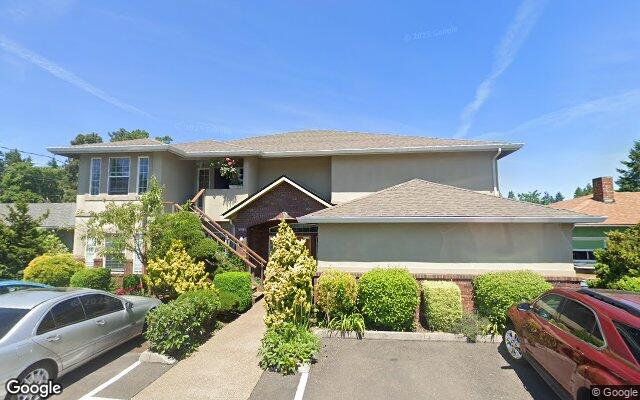
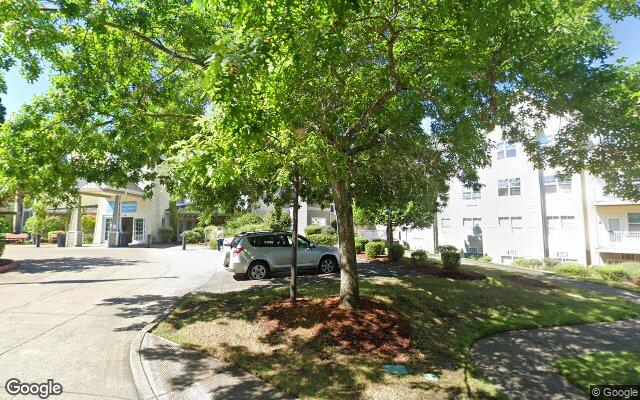
Tour Prep
Family reviews
No reviews yet — be the first to share your experience
Other memory care options nearby.
More options in neighboring cities
Licensed memory care in other cities within this county region — useful when your search radius crosses city limits.