Tsl Elderhealth and Living Memory Village.
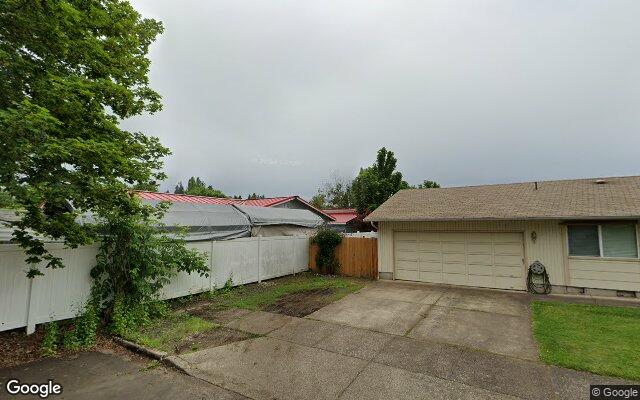
A large home, reviewed on public record.
© Google Street View
Compared to 22 Oregon facilities with a similar number of beds.
ALF memory care · 36-month window. Higher percentile = better performance on inspection record. Source: Oregon Dept. of Human Services · Long-Term Care Licensing.
among peers to rank.
Rankings based on 36-month OR-DHS inspection data. Severity and frequency: fewer citations = higher percentile. Repeat rate: lower repeat citation share = higher percentile.
Citation history, plotted month by month.
8 deficiencies on record. Each bar is a month with a citation.
Finding distribution
8 total · 36 monthsScope × Severity (CMS A–L)
Every inspection visit, verbatim.
4 inspections in the public record, most recent first. Plain-language summaries open first — click into any row for the full citation text.
2026-07-01Annual Compliance VisitNo findings
2026-01-08Annual Compliance VisitOR-cited · 2 findings
Plain-language summary
A kitchen inspection on January 8, 2026 found that the facility failed to maintain its kitchen and food storage areas in good repair and in a sanitary manner as required by Oregon Food Sanitation Rules. The facility also failed to comply with licensing rules for memory care communities. The facility has submitted a plan of correction addressing these findings.
Read full citation text (2)Hide full citation text
“Based on observation and interview, it was determined the facility failed to maintain the kitchen in good repair and in a sanitary manner in accordance with the Food Sanitation Rules, OAR 333-150-000. Findings include, but are not limited to: Observation of the facility cottage kitchens and facility food storage and distribution areas on 01/08/26 from 10:35 am through 1:15 pm revealed the following deficiencies:”
“Based on observations and interviews, it was determined the facility failed to follow licensing rules for Residential Care and Assisted Living Facilities. Findings include, but are not limited to: Refer to C240. Refer to plan of correction for C240 OAR 411-057-0140(2) Administration Compliance (2) The licensee of a memory care community must comply with both the licensing rules for the facility and Chapter 411, Division 57. This Rule is not met as evidenced by:”
Read raw inspector notesClose inspector notes
Based on observation and interview, it was determined the facility failed to maintain the kitchen in good repair and in a sanitary manner in accordance with the Food Sanitation Rules, OAR 333-150-000. Findings include, but are not limited to: Observation of the facility cottage kitchens and facility food storage and distribution areas on 01/08/26 from 10:35 am through 1:15 pm revealed the following deficiencies: Based on observations and interviews, it was determined the facility failed to follow licensing rules for Residential Care and Assisted Living Facilities. Findings include, but are not limited to: Refer to C240. Refer to plan of correction for C240 OAR 411-057-0140(2) Administration Compliance (2) The licensee of a memory care community must comply with both the licensing rules for the facility and Chapter 411, Division 57. This Rule is not met as evidenced by:
2025-01-10Annual Compliance VisitOR-cited · 3 findings
Plain-language summary
A routine kitchen inspection on January 10, 2025 found multiple violations of Oregon food sanitation rules, including accumulation of food debris and grease in coolers, freezers, and storage areas; damaged equipment and cupboards; food items stored without dates or past expiration; inadequate staff knowledge of sanitizing procedures and chemical concentrations; and unsafe food storage practices such as raw fish stored above ready-to-eat foods. Staff were also observed assisting residents with meals without protective barriers and using uncovered food during service, and fly trap devices in food preparation areas contained visible dead insects. The facility did not provide documentation of the sanitizing chemicals and concentrations being used to meet regulatory standards.
Read full citation text (3)Hide full citation text
“Based on observation, and interviews, it was determined the facility failed to maintain the kitchen in good repair and in a sanitary manner, in accordance with the Food Sanitation Rules, OAR 333-150-000. Findings include, but are not limited to: Observation of the facility cottage kitchens and facility food storage areas on 01/10/25 at 10:30 am through 3:00 pm revealed the following deficiencies: a. An accumulation of food spills, splatters, loose food and trash debris, dirt, dust, black matter and grease was visible on, underneath or between the following: Main food storage and distribution center * Walk in cooler floor; * Reach in freezers; Individual Cottage Kitchens; * Interior of reach in refrigerators and freezers; * Interior kitchen drawers, cupboards and cabinets; * Cupboard/drawer where trash/compost was stored; * Interior of oven (Mt Vernon); * Interior of microwaves; * Dry storage pantry floors; * Floors in outdoor storage areas where reach in freezers located; b. The following areas were found in need of repair: Individual Cottage Kitchens: * Corner cupboards and cupboards storing pots/pans, baking pans observed with damage. * Cedar house cove base missing on the corner between fridge and dishwasher. * Cedar house vent above stove with bent/damaged screen yeilding gaps. c. Multiple cutting boards and cooking pots/pans were found damaged and in poor repair with nonstick coating scratched or worn off. d. Multiple potentially hazardous food items found sored in the individual kitchen reach in refrigerators not labeled or dated. Facility is removing most food items from original manufactured packaging and not putting a use by date on the food package. Multiple items were found dated past seven days from opening or preparing and should have been discarded per rule. In the Diamond Peak house, multiple specific resident food items were found stored in the refrigerator and did not have a date opened/prepared or use by date. Multiple containers of beets were found past the expired date of 01/01/25 that was written on the containers. e. Scoops were observed stored in bulk food items like sugar and coffee where handles touched by staff were touching the food product. f. Package of dough was noted to be stored in the draw marked “For defrosting Meats only.” Multiple open packages of deli meats were observed stored next to and with packaging touching the Bread dough packaging. In Cedar house, a bowl of raw fish was observed stored on the top shelf above ready to eat food items and fresh fruits and vegetables. g. Care staff were observed in all houses assisting resident with meals without protective barriers (full aprons) to minimize potential contamination between care provision tasks and meal service. h. Care staff preparing the meals were not able to identify the sanitizing agents used to sanitize surfaces in the kitchen. Staff were unaware of the effective concentrations for surface sanitation. Multiple houses were not effectively sanitizing food thermometers prior to checking food temperatures or in between food items. One staff member was observed to not sanitize the thermometer after checking temperature of fish before placing thermometer in the dessert potentially contaminating the dessert. The fish was fully cooked and posed a minimal risk to the dessert but the practice was unsafe. Surveyor immediately provided education to the caregiver. i. Multiple food items were found stored in cold and dry food storage that were not appropriately covered/sealed and protected from potential contamination. In Diamond Peak house, a plate of food was set aside for a resident on top of the microwave. The plate of food was not covered to protect from potential contamination or to promote palatable temperatures. In Cascades house, meal service items were noted uncovered at 12:50 pm. Lunch service begins for all houses at 12:00 pm. Staff verified they were finished serving residents lunch service. Food items should be kept covered when possible, to protect from potential contamination but also to promote hot holding temperature requirements. j. The main food storage and distribution building does not have a dishwasher to sanitize food contact utensils/dishes. The area has an one compartment sink. Multiple cutting boards and knives were observed next to the sink. Surveyor asked staff 2 (Food and Supply Coordinator/Person In Charge) what the process was for washing and sanitizing his food contact dishes and equipment as well as other surfaces in the food distribution area. Staff 2 indicated cutting boards, knives and other food contact utensils were washed by hand in the sink observed. Staff 2 acknowledged there currently was not a sanitation step as required per rule. Staff 2 was not aware a sanitize step was required. Staff 2 was also not aware of the surface sanitation chemicals used nor the needed parts per million (PPM) to ensure effective sanitation as required per rule. Staff 2 indicated maintenance department mixed the sanitation chemicals for all the houses. At 2:45pm Staff 1 (Executive Director) was interviewed and verified the maintenance department mixed chemicals for surface sanitation. Staff 2 did not know the chemicals or PPM needed for effective surface sanitation per rule. Staff 2 indicated the maintenance director was not at the facility for surveyor to interview. Surveyor asked to be provided the chemicals used and the PPM it was being mixed to along with other written information about the sanitizer used for surfaces and food contact surfaces. At the time of this report no further information was provided to ensure chemicals used were food grade and appropriate concentrations and timelines were followed. k. Multiple kitchens were observed to have uncontained fly trap devices stored in the food preparation and service areas. The traps were full with multiple dead insect carcasses which were clearly visible to residents, staff and visitors. Surveyor discussed this with Staff 1 who was unaware these style of insect traps were not appropriate in food preparation and service areas. l. Staff drinks were observed stored on the counters and or in reach in refrigerators and were not of approved styles. Multiple soda bottles were noted and did not have lids, straws or handles as outlined in rule. Staff drinks must be in a secure/separate area and of the right style to minimize/prevent potential cross contamination. Staff 2 was not aware of the specific style requirements. m. The facility was composting organic material. The individual houses did not have appropriate composting containers that had securely fitting lids to minimize access, attraction and accumulation of pests. The curbside containers utilized were not being cleaned at a frequency to minimize odor and had a great accumulation of food, dirt and debris. This practice could attract pests to the refuse area of the facilities if not maintained as outlined in rule. a) The main food storage and distribution center: walk in cooler and reach in freezers were deep cleaned; all accumulation of food spills, splatters, loose food, trash debris, dirt, dust and black matter/grease was removed. - completed 1/27/2025 Each reach-in refrigerator and freezer has been cleaned by the resident coordinator for each home. -completed 1/24/25. Interior and exterior of kitchen drawers, cupboards, and cabinets are in process of being deep cleaned. All drawers and cupboards with damaged wood (not smooth and cleanable) were identified by the maintenance director. We are in process of completing patching/repairing, it will be completed by the maintenance team on or before March 11th. The interior of all microwaves have been cleaned by the resident coordinator for each home. The dry storage pantries in all homes have been cleaned and organized by resident coordinator. Weekly checks to be done by lead or resident coordinator. The flooring in each outside storage area where reach-in freezers are l”
“Based on interview, observation and review of records, it was determined the facility failed to ensure their kitchen survey plan of correction was implemented and satisfied the Department. Findings include, but are not limited to: Refer to C 240 and Z142 Facility has added additional QA audits for food service and kitchens daily, weekly and monthly. Individual homes will complete daily, weekly and monthly audits, these audits will be reviewed by admin staff each week. Teams will meet weekly to discuss findings and ensure all aspects of the POC are being address appropiately to maintain safe enviroment. OAR 411-054-0105 (2-4) Inspections and Investigation: Insp Interval (Amended 12/15/21)(2) The facility shall not interfere with a good faith disclosure of information by an employee or volunteer concerning abuse or other action affecting a resident's safety or welfare, as described in OAR 411-054-0028(4).(3) Staff of the Department shall visit and inspect every facility at least but not limited to once every two years for a full in-person survey to determine whether the facility is maintained and operated in accordance with these rules.(a) For each year during which a facility does not have a full survey, the Department shall conduct an in-person inspection of the kitchen and other areas where food is prepared for residents.(b) Subsection (a) will not go into effect until July 1, 2022.(c) Facilities not in compliance with these rules must submit, within ten days of receipt of the inspection report, a plan of correction that satisfies the Department.(d) The Department may impose sanctions for failure to comply with these rules.(4) Department staff may consult with and advise the facility administrator concerning methods of care, records, housing, equipment, and other areas of operation. This Rule is not met as evidenced by:”
“Based on observations and interviews, it was determined the facility failed to follow licensing rules for Residential Care and Assisted Living Facilities. Findings include, but are not limited to: Refer to C240. Refer to plan of correction for C240 OAR 411-057-0140(2) Administration Compliance (2) The licensee of a memory care community must comply with both the licensing rules for the facility and Chapter 411, Division 57. This Rule is not met as evidenced by: Based on observations and interviews, it was determined the facility failed to follow licensing rules for Residential Care and Assisted Living Facilities. This is a repeat citation. Findings include, but are not limited to: Refer to C240 and C455 Refer to plan of correction for C240 OAR 411-057-0140(2) Administration Compliance (2) The licensee of a memory care community must comply with both the licensing rules for the facility and Chapter 411, Division 57. This Rule is not met as evidenced by: Refer to plan of correction for C240 OAR 411-057-0140(2) Administration Compliance (2) The licensee of a memory care community must comply with both the licensing rules for the facility and Chapter 411, Division 57. This Rule is not met as evidenced by: OAR 411-057-0140(2) Administration Compliance (2) The licensee of a memory care community must comply with both the licensing rules for the facility and Chapter 411, Division 57. This Rule is not met as evidenced by:”
Read raw inspector notesClose inspector notes
Based on observation, and interviews, it was determined the facility failed to maintain the kitchen in good repair and in a sanitary manner, in accordance with the Food Sanitation Rules, OAR 333-150-000. Findings include, but are not limited to: Observation of the facility cottage kitchens and facility food storage areas on 01/10/25 at 10:30 am through 3:00 pm revealed the following deficiencies: a. An accumulation of food spills, splatters, loose food and trash debris, dirt, dust, black matter and grease was visible on, underneath or between the following: Main food storage and distribution center * Walk in cooler floor; * Reach in freezers; Individual Cottage Kitchens; * Interior of reach in refrigerators and freezers; * Interior kitchen drawers, cupboards and cabinets; * Cupboard/drawer where trash/compost was stored; * Interior of oven (Mt Vernon); * Interior of microwaves; * Dry storage pantry floors; * Floors in outdoor storage areas where reach in freezers located; b. The following areas were found in need of repair: Individual Cottage Kitchens: * Corner cupboards and cupboards storing pots/pans, baking pans observed with damage. * Cedar house cove base missing on the corner between fridge and dishwasher. * Cedar house vent above stove with bent/damaged screen yeilding gaps. c. Multiple cutting boards and cooking pots/pans were found damaged and in poor repair with nonstick coating scratched or worn off. d. Multiple potentially hazardous food items found sored in the individual kitchen reach in refrigerators not labeled or dated. Facility is removing most food items from original manufactured packaging and not putting a use by date on the food package. Multiple items were found dated past seven days from opening or preparing and should have been discarded per rule. In the Diamond Peak house, multiple specific resident food items were found stored in the refrigerator and did not have a date opened/prepared or use by date. Multiple containers of beets were found past the expired date of 01/01/25 that was written on the containers. e. Scoops were observed stored in bulk food items like sugar and coffee where handles touched by staff were touching the food product. f. Package of dough was noted to be stored in the draw marked “For defrosting Meats only.” Multiple open packages of deli meats were observed stored next to and with packaging touching the Bread dough packaging. In Cedar house, a bowl of raw fish was observed stored on the top shelf above ready to eat food items and fresh fruits and vegetables. g. Care staff were observed in all houses assisting resident with meals without protective barriers (full aprons) to minimize potential contamination between care provision tasks and meal service. h. Care staff preparing the meals were not able to identify the sanitizing agents used to sanitize surfaces in the kitchen. Staff were unaware of the effective concentrations for surface sanitation. Multiple houses were not effectively sanitizing food thermometers prior to checking food temperatures or in between food items. One staff member was observed to not sanitize the thermometer after checking temperature of fish before placing thermometer in the dessert potentially contaminating the dessert. The fish was fully cooked and posed a minimal risk to the dessert but the practice was unsafe. Surveyor immediately provided education to the caregiver. i. Multiple food items were found stored in cold and dry food storage that were not appropriately covered/sealed and protected from potential contamination. In Diamond Peak house, a plate of food was set aside for a resident on top of the microwave. The plate of food was not covered to protect from potential contamination or to promote palatable temperatures. In Cascades house, meal service items were noted uncovered at 12:50 pm. Lunch service begins for all houses at 12:00 pm. Staff verified they were finished serving residents lunch service. Food items should be kept covered when possible, to protect from potential contamination but also to promote hot holding temperature requirements. j. The main food storage and distribution building does not have a dishwasher to sanitize food contact utensils/dishes. The area has an one compartment sink. Multiple cutting boards and knives were observed next to the sink. Surveyor asked staff 2 (Food and Supply Coordinator/Person In Charge) what the process was for washing and sanitizing his food contact dishes and equipment as well as other surfaces in the food distribution area. Staff 2 indicated cutting boards, knives and other food contact utensils were washed by hand in the sink observed. Staff 2 acknowledged there currently was not a sanitation step as required per rule. Staff 2 was not aware a sanitize step was required. Staff 2 was also not aware of the surface sanitation chemicals used nor the needed parts per million (PPM) to ensure effective sanitation as required per rule. Staff 2 indicated maintenance department mixed the sanitation chemicals for all the houses. At 2:45pm Staff 1 (Executive Director) was interviewed and verified the maintenance department mixed chemicals for surface sanitation. Staff 2 did not know the chemicals or PPM needed for effective surface sanitation per rule. Staff 2 indicated the maintenance director was not at the facility for surveyor to interview. Surveyor asked to be provided the chemicals used and the PPM it was being mixed to along with other written information about the sanitizer used for surfaces and food contact surfaces. At the time of this report no further information was provided to ensure chemicals used were food grade and appropriate concentrations and timelines were followed. k. Multiple kitchens were observed to have uncontained fly trap devices stored in the food preparation and service areas. The traps were full with multiple dead insect carcasses which were clearly visible to residents, staff and visitors. Surveyor discussed this with Staff 1 who was unaware these style of insect traps were not appropriate in food preparation and service areas. l. Staff drinks were observed stored on the counters and or in reach in refrigerators and were not of approved styles. Multiple soda bottles were noted and did not have lids, straws or handles as outlined in rule. Staff drinks must be in a secure/separate area and of the right style to minimize/prevent potential cross contamination. Staff 2 was not aware of the specific style requirements. m. The facility was composting organic material. The individual houses did not have appropriate composting containers that had securely fitting lids to minimize access, attraction and accumulation of pests. The curbside containers utilized were not being cleaned at a frequency to minimize odor and had a great accumulation of food, dirt and debris. This practice could attract pests to the refuse area of the facilities if not maintained as outlined in rule. a) The main food storage and distribution center: walk in cooler and reach in freezers were deep cleaned; all accumulation of food spills, splatters, loose food, trash debris, dirt, dust and black matter/grease was removed. - completed 1/27/2025 Each reach-in refrigerator and freezer has been cleaned by the resident coordinator for each home. -completed 1/24/25. Interior and exterior of kitchen drawers, cupboards, and cabinets are in process of being deep cleaned. All drawers and cupboards with damaged wood (not smooth and cleanable) were identified by the maintenance director. We are in process of completing patching/repairing, it will be completed by the maintenance team on or before March 11th. The interior of all microwaves have been cleaned by the resident coordinator for each home. The dry storage pantries in all homes have been cleaned and organized by resident coordinator. Weekly checks to be done by lead or resident coordinator. The flooring in each outside storage area where reach-in freezers are l Based on interview, observation and review of records, it was determined the facility failed to ensure their kitchen survey plan of correction was implemented and satisfied the Department. Findings include, but are not limited to: Refer to C 240 and Z142 Facility has added additional QA audits for food service and kitchens daily, weekly and monthly. Individual homes will complete daily, weekly and monthly audits, these audits will be reviewed by admin staff each week. Teams will meet weekly to discuss findings and ensure all aspects of the POC are being address appropiately to maintain safe enviroment. OAR 411-054-0105 (2-4) Inspections and Investigation: Insp Interval (Amended 12/15/21)(2) The facility shall not interfere with a good faith disclosure of information by an employee or volunteer concerning abuse or other action affecting a resident's safety or welfare, as described in OAR 411-054-0028(4).(3) Staff of the Department shall visit and inspect every facility at least but not limited to once every two years for a full in-person survey to determine whether the facility is maintained and operated in accordance with these rules.(a) For each year during which a facility does not have a full survey, the Department shall conduct an in-person inspection of the kitchen and other areas where food is prepared for residents.(b) Subsection (a) will not go into effect until July 1, 2022.(c) Facilities not in compliance with these rules must submit, within ten days of receipt of the inspection report, a plan of correction that satisfies the Department.(d) The Department may impose sanctions for failure to comply with these rules.(4) Department staff may consult with and advise the facility administrator concerning methods of care, records, housing, equipment, and other areas of operation. This Rule is not met as evidenced by: Based on observations and interviews, it was determined the facility failed to follow licensing rules for Residential Care and Assisted Living Facilities. Findings include, but are not limited to: Refer to C240. Refer to plan of correction for C240 OAR 411-057-0140(2) Administration Compliance (2) The licensee of a memory care community must comply with both the licensing rules for the facility and Chapter 411, Division 57. This Rule is not met as evidenced by: Based on observations and interviews, it was determined the facility failed to follow licensing rules for Residential Care and Assisted Living Facilities. This is a repeat citation. Findings include, but are not limited to: Refer to C240 and C455 Refer to plan of correction for C240 OAR 411-057-0140(2) Administration Compliance (2) The licensee of a memory care community must comply with both the licensing rules for the facility and Chapter 411, Division 57. This Rule is not met as evidenced by: Refer to plan of correction for C240 OAR 411-057-0140(2) Administration Compliance (2) The licensee of a memory care community must comply with both the licensing rules for the facility and Chapter 411, Division 57. This Rule is not met as evidenced by: OAR 411-057-0140(2) Administration Compliance (2) The licensee of a memory care community must comply with both the licensing rules for the facility and Chapter 411, Division 57. This Rule is not met as evidenced by:
2024-10-31Complaint InvestigationOR-cited · 3 findings
Plain-language summary
A complaint investigation on October 31, 2024 found two licensing violations at this facility. First, a staff member hired in April 2024 worked with residents and was left alone overnight without any training on service plans, resident orientation, or task competency, which the staff member reported made them uncomfortable; that staff member left the facility in June 2024. Second, the facility failed to maintain an up-to-date staffing tool and was not staffing according to resident acuity levels, including scheduling only one staff member on night shift in some homes where six residents required two-person assistance with transfers, despite the staffing tool showing higher staffing needs.
Read full citation text (3)Hide full citation text
“Based on interview and record review, conducted during a site visit on 10/31/24, the facility's failure to comply with required staffing or staff training practices was substantiated for 1 of 1 sampled staff (#6). Findings include, but are not limited to: Compliance Specialist reviewed training documents for Staff 6 (Universal worker) who was hired on 04/30/24. Records indicated there was no documented training on service plans, orientation to the residents, or documentation showing Staff 6 had successfully demonstrated satisfactory performance in any task assigned in order to work unsupervised. In separate interviews, Staff 1 (ED) stated s/he had started working at the facility in August 2024 and was not aware of staff working without completed training. S/he stated staff were trained on reviewing service plans on their first day. Staff 1 stated Staff 6 was terminated/quit on 06/01/24. Staff 6 reported s/he had started working with residents before having any training and was left alone in the house overnight without anyone to train them. "The next time I went in, there was someone there, but [s/he] left several times during the night for about half an hour at time" and "it made me very uncomfortable with not having any training in case soemthing were to happen to one of the residents". The findings were reviewed with and acknowledged by Staff 1 on 10/31/24. The facility's failure to comply with required staffing or staff training practices was substantiated. Verbal plan of correction: Facility is now doing onboarding. Hiring/interviews are done every Tuesday and if offered a position, onboarding is scheduled right away. Every week on Thursday's LPNs teach medications, transfers, and first aid training. RCC is responsible for completing the competency check off after 3 days of training in the home. Based on interview and record review, conducted during a site visit on 10/31/24, the facility's failure to comply with required staffing or staff training practices was substantiated for 1 of 1 sampled staff (#6). Findings include, but are not limited to: Compliance Specialist reviewed training documents for Staff 6 (Universal worker) who was hired on 04/30/24. Records indicated there was no documented training on service plans, orientation to the residents, or documentation showing Staff 6 had successfully demonstrated satisfactory performance in any task assigned in order to work unsupervised. In separate interviews, Staff 1 (ED) stated s/he had started working at the facility in August 2024 and was not aware of staff working without completed training. S/he stated staff were trained on reviewing service plans on their first day. Staff 1 stated Staff 6 was terminated/quit on 06/01/24. Staff 6 reported s/he had started working with residents before having any training and was left alone in the house overnight without anyone to train them. "The next time I went in, there was someone there, but [s/he] left several times during the night for about half an hour at time" and "it made me very uncomfortable with not having any training in case soemthing were to happen to one of the residents". The findings were reviewed with and acknowledged by Staff 1 on 10/31/24. The facility's failure to comply with required staffing or staff training practices was substantiated. Verbal plan of correction: Facility is now doing onboarding. Hiring/interviews are done every Tuesday and if offered a position, onboarding is scheduled right away. Every week on Thursday's LPNs teach medications, transfers, and first aid training. RCC is responsible for completing the competency check off after 3 days of training in the home.”
“Based on interview and record review, conducted during a site visit on 10/31/24, it was determined the facility failed to have a fully implemented and updated Acuity Based Staffing Tool (ABST). Findings include, but are not limited to: A review of the facility's ABST and resident roster indicated all 89 residents were included in the tool and had a completed ABST evaluation. Not all resident ABST evaluations had been updated at least quarterly in the tool. A review of the ABST indicated the following: · Day shift: Willow 2.17, Redwood 1.93, Cedar 1.24, Birch 2.09, Aspen 1.96, Cascade 1.24, Diamond Peak 1.75, Mt Vernon 0.90, Mt Hood 1.70 staff needed. · Swing shift: Willow 0.12, Redwood 1.40, Cedar 0.91, Birch 0.52, Aspen 1.07, Cascade 0.74, Diamond Peak 1.16, Mt Vernon 0.66, Mt Hood 1.16 staff needed. · Nigh shift: Willow 1.12, Redwood 0.19, Cedar 0.19, Birch 1.10, Aspen 0.24, Cascade 0.35, Diamond Peak 0.66, Mt Vernon 0.16, Mt Hood 0.46 staff needed. A review of the posted staffing plan and staffing schedules for 09/25/24 through 10/31/24 indicated the following: · Day shift: two universal workers (for each home) · Swing shift: two universal workers, one lead direct care staff (for each home) · Night shift: one universal worker (for each home) · The facility was not staffing per the posted staffing plan and tool. · The facility had six residents requiring two-person assistance with transferring, rolling, or sit to stand and was only scheduling one staff in each home on night shift for Cedar, Diamond, Redwood, and Willow homes. In an interview on 10/31/24, Staff 1 (Executive Director) stated the following: · The facility was using the state ABST. · The tool generated a 24-hour staffing plan. · The tool was updated with service plan updates, new move-ins, and change of condition. · The facility had floats and shift supervisors that could go around between the nine homes. · The facility was calculating their ABST hours by dividing by twelve hours or taking an average, even though they had staff working eight hours and 4 hour shifts as well. Findings were reviewed with and acknowledged by Staff 1 during phone call on 11/05/24. It was confirmed the facility failed to have a fully implemented and updated ABST. Based on interview and record review, conducted during a site visit on 10/31/24, it was determined the facility failed to have a fully implemented and updated Acuity Based Staffing Tool (ABST). Findings include, but are not limited to: A review of the facility's ABST and resident roster indicated all 89 residents were included in the tool and had a completed ABST evaluation. Not all resident ABST evaluations had been updated at least quarterly in the tool. A review of the ABST indicated the following: · Day shift: Willow 2.17, Redwood 1.93, Cedar 1.24, Birch 2.09, Aspen 1.96, Cascade 1.24, Diamond Peak 1.75, Mt Vernon 0.90, Mt Hood 1.70 staff needed. · Swing shift: Willow 0.12, Redwood 1.40, Cedar 0.91, Birch 0.52, Aspen 1.07, Cascade 0.74, Diamond Peak 1.16, Mt Vernon 0.66, Mt Hood 1.16 staff needed. · Nigh shift: Willow 1.12, Redwood 0.19, Cedar 0.19, Birch 1.10, Aspen 0.24, Cascade 0.35, Diamond Peak 0.66, Mt Vernon 0.16, Mt Hood 0.46 staff needed. A review of the posted staffing plan and staffing schedules for 09/25/24 through 10/31/24 indicated the following: · Day shift: two universal workers (for each home) · Swing shift: two universal workers, one lead direct care staff (for each home) · Night shift: one universal worker (for each home) · The facility was not staffing per the posted staffing plan and tool. · The facility had six residents requiring two-person assistance with transferring, rolling, or sit to stand and was only scheduling one staff in each home on night shift for Cedar, Diamond, Redwood, and Willow homes. In an interview on 10/31/24, Staff 1 (Executive Director) stated the following: · The facility was using the state ABST. · The tool generated a 24-hour staffing plan. · The tool was updated with service plan updates, new move-ins, and change of condition. · The facility had floats and shift supervisors that could go around between the nine homes. · The facility was calculating their ABST hours by dividing by twelve hours or taking an average, even though they had staff working eight hours and 4 hour shifts as well. Findings were reviewed with and acknowledged by Staff 1 during phone call on 11/05/24. It was confirmed the facility failed to have a fully implemented and updated ABST.”
“Based on interview and record review, conducted during a site visit on 10/31/24, it was determined the facility failed to have a fully implemented and updated Acuity Based Staffing Tool (ABST). Findings include, but are not limited to: A review of the facility's ABST and resident roster indicated all 89 residents were included in the tool and had a completed ABST evaluation. Not all resident ABST evaluations had been updated at least quarterly in the tool. A review of the ABST indicated the following: · Day shift: Willow 2.17, Redwood 1.93, Cedar 1.24, Birch 2.09, Aspen 1.96, Cascade 1.24, Diamond Peak 1.75, Mt Vernon 0.90, Mt Hood 1.70 staff needed. · Swing shift: Willow 0.12, Redwood 1.40, Cedar 0.91, Birch 0.52, Aspen 1.07, Cascade 0.74, Diamond Peak 1.16, Mt Vernon 0.66, Mt Hood 1.16 staff needed. · Nigh shift: Willow 1.12, Redwood 0.19, Cedar 0.19, Birch 1.10, Aspen 0.24, Cascade 0.35, Diamond Peak 0.66, Mt Vernon 0.16, Mt Hood 0.46 staff needed. A review of the posted staffing plan and staffing schedules for 09/25/24 through 10/31/24 indicated the following: · Day shift: two universal workers (for each home) · Swing shift: two universal workers, one lead direct care staff (for each home) · Night shift: one universal worker (for each home) · The facility was not staffing per the posted staffing plan and tool. · The facility had six residents requiring two-person assistance with transferring, rolling, or sit to stand and was only scheduling one staff in each home on night shift for Cedar, Diamond, Redwood, and Willow homes. In an interview on 10/31/24, Staff 1 (Executive Director) stated the following: · The facility was using the state ABST. · The tool generated a 24-hour staffing plan. · The tool was updated with service plan updates, new move-ins, and change of condition. · The facility had floats and shift supervisors that could go around between the nine homes. · The facility was calculating their ABST hours by dividing by twelve hours or taking an average, even though they had staff working eight hours and 4 hour shifts as well. Findings were reviewed with and acknowledged by Staff 1 during phone call on 11/05/24. It was confirmed the facility failed to have a fully implemented and updated ABST. Based on interview and record review, conducted during a site visit on 10/31/24, it was determined the facility failed to have a fully implemented and updated Acuity Based Staffing Tool (ABST). Findings include, but are not limited to: A review of the facility's ABST and resident roster indicated all 89 residents were included in the tool and had a completed ABST evaluation. Not all resident ABST evaluations had been updated at least quarterly in the tool. A review of the ABST indicated the following: · Day shift: Willow 2.17, Redwood 1.93, Cedar 1.24, Birch 2.09, Aspen 1.96, Cascade 1.24, Diamond Peak 1.75, Mt Vernon 0.90, Mt Hood 1.70 staff needed. · Swing shift: Willow 0.12, Redwood 1.40, Cedar 0.91, Birch 0.52, Aspen 1.07, Cascade 0.74, Diamond Peak 1.16, Mt Vernon 0.66, Mt Hood 1.16 staff needed. · Nigh shift: Willow 1.12, Redwood 0.19, Cedar 0.19, Birch 1.10, Aspen 0.24, Cascade 0.35, Diamond Peak 0.66, Mt Vernon 0.16, Mt Hood 0.46 staff needed. A review of the posted staffing plan and staffing schedules for 09/25/24 through 10/31/24 indicated the following: · Day shift: two universal workers (for each home) · Swing shift: two universal workers, one lead direct care staff (for each home) · Night shift: one universal worker (for each home) · The facility was not staffing per the posted staffing plan and tool. · The facility had six residents requiring two-person assistance with transferring, rolling, or sit to stand and was only scheduling one staff in each home on night shift for Cedar, Diamond, Redwood, and Willow homes. In an interview on 10/31/24, Staff 1 (Executive Director) stated the following: · The facility was using the state ABST. · The tool generated a 24-hour staffing plan. · The tool was updated with service plan updates, new move-ins, and change of condition. · The facility had floats and shift supervisors that could go around between the nine homes. · The facility was calculating their ABST hours by dividing by twelve hours or taking an average, even though they had staff working eight hours and 4 hour shifts as well. Findings were reviewed with and acknowledged by Staff 1 during phone call on 11/05/24. It was confirmed the facility failed to have a fully implemented and updated ABST.”
Read raw inspector notesClose inspector notes
Based on interview and record review, conducted during a site visit on 10/31/24, the facility's failure to comply with required staffing or staff training practices was substantiated for 1 of 1 sampled staff (#6). Findings include, but are not limited to: Compliance Specialist reviewed training documents for Staff 6 (Universal worker) who was hired on 04/30/24. Records indicated there was no documented training on service plans, orientation to the residents, or documentation showing Staff 6 had successfully demonstrated satisfactory performance in any task assigned in order to work unsupervised. In separate interviews, Staff 1 (ED) stated s/he had started working at the facility in August 2024 and was not aware of staff working without completed training. S/he stated staff were trained on reviewing service plans on their first day. Staff 1 stated Staff 6 was terminated/quit on 06/01/24. Staff 6 reported s/he had started working with residents before having any training and was left alone in the house overnight without anyone to train them. "The next time I went in, there was someone there, but [s/he] left several times during the night for about half an hour at time" and "it made me very uncomfortable with not having any training in case soemthing were to happen to one of the residents". The findings were reviewed with and acknowledged by Staff 1 on 10/31/24. The facility's failure to comply with required staffing or staff training practices was substantiated. Verbal plan of correction: Facility is now doing onboarding. Hiring/interviews are done every Tuesday and if offered a position, onboarding is scheduled right away. Every week on Thursday's LPNs teach medications, transfers, and first aid training. RCC is responsible for completing the competency check off after 3 days of training in the home. Based on interview and record review, conducted during a site visit on 10/31/24, the facility's failure to comply with required staffing or staff training practices was substantiated for 1 of 1 sampled staff (#6). Findings include, but are not limited to: Compliance Specialist reviewed training documents for Staff 6 (Universal worker) who was hired on 04/30/24. Records indicated there was no documented training on service plans, orientation to the residents, or documentation showing Staff 6 had successfully demonstrated satisfactory performance in any task assigned in order to work unsupervised. In separate interviews, Staff 1 (ED) stated s/he had started working at the facility in August 2024 and was not aware of staff working without completed training. S/he stated staff were trained on reviewing service plans on their first day. Staff 1 stated Staff 6 was terminated/quit on 06/01/24. Staff 6 reported s/he had started working with residents before having any training and was left alone in the house overnight without anyone to train them. "The next time I went in, there was someone there, but [s/he] left several times during the night for about half an hour at time" and "it made me very uncomfortable with not having any training in case soemthing were to happen to one of the residents". The findings were reviewed with and acknowledged by Staff 1 on 10/31/24. The facility's failure to comply with required staffing or staff training practices was substantiated. Verbal plan of correction: Facility is now doing onboarding. Hiring/interviews are done every Tuesday and if offered a position, onboarding is scheduled right away. Every week on Thursday's LPNs teach medications, transfers, and first aid training. RCC is responsible for completing the competency check off after 3 days of training in the home. Based on interview and record review, conducted during a site visit on 10/31/24, it was determined the facility failed to have a fully implemented and updated Acuity Based Staffing Tool (ABST). Findings include, but are not limited to: A review of the facility's ABST and resident roster indicated all 89 residents were included in the tool and had a completed ABST evaluation. Not all resident ABST evaluations had been updated at least quarterly in the tool. A review of the ABST indicated the following: · Day shift: Willow 2.17, Redwood 1.93, Cedar 1.24, Birch 2.09, Aspen 1.96, Cascade 1.24, Diamond Peak 1.75, Mt Vernon 0.90, Mt Hood 1.70 staff needed. · Swing shift: Willow 0.12, Redwood 1.40, Cedar 0.91, Birch 0.52, Aspen 1.07, Cascade 0.74, Diamond Peak 1.16, Mt Vernon 0.66, Mt Hood 1.16 staff needed. · Nigh shift: Willow 1.12, Redwood 0.19, Cedar 0.19, Birch 1.10, Aspen 0.24, Cascade 0.35, Diamond Peak 0.66, Mt Vernon 0.16, Mt Hood 0.46 staff needed. A review of the posted staffing plan and staffing schedules for 09/25/24 through 10/31/24 indicated the following: · Day shift: two universal workers (for each home) · Swing shift: two universal workers, one lead direct care staff (for each home) · Night shift: one universal worker (for each home) · The facility was not staffing per the posted staffing plan and tool. · The facility had six residents requiring two-person assistance with transferring, rolling, or sit to stand and was only scheduling one staff in each home on night shift for Cedar, Diamond, Redwood, and Willow homes. In an interview on 10/31/24, Staff 1 (Executive Director) stated the following: · The facility was using the state ABST. · The tool generated a 24-hour staffing plan. · The tool was updated with service plan updates, new move-ins, and change of condition. · The facility had floats and shift supervisors that could go around between the nine homes. · The facility was calculating their ABST hours by dividing by twelve hours or taking an average, even though they had staff working eight hours and 4 hour shifts as well. Findings were reviewed with and acknowledged by Staff 1 during phone call on 11/05/24. It was confirmed the facility failed to have a fully implemented and updated ABST. Based on interview and record review, conducted during a site visit on 10/31/24, it was determined the facility failed to have a fully implemented and updated Acuity Based Staffing Tool (ABST). Findings include, but are not limited to: A review of the facility's ABST and resident roster indicated all 89 residents were included in the tool and had a completed ABST evaluation. Not all resident ABST evaluations had been updated at least quarterly in the tool. A review of the ABST indicated the following: · Day shift: Willow 2.17, Redwood 1.93, Cedar 1.24, Birch 2.09, Aspen 1.96, Cascade 1.24, Diamond Peak 1.75, Mt Vernon 0.90, Mt Hood 1.70 staff needed. · Swing shift: Willow 0.12, Redwood 1.40, Cedar 0.91, Birch 0.52, Aspen 1.07, Cascade 0.74, Diamond Peak 1.16, Mt Vernon 0.66, Mt Hood 1.16 staff needed. · Nigh shift: Willow 1.12, Redwood 0.19, Cedar 0.19, Birch 1.10, Aspen 0.24, Cascade 0.35, Diamond Peak 0.66, Mt Vernon 0.16, Mt Hood 0.46 staff needed. A review of the posted staffing plan and staffing schedules for 09/25/24 through 10/31/24 indicated the following: · Day shift: two universal workers (for each home) · Swing shift: two universal workers, one lead direct care staff (for each home) · Night shift: one universal worker (for each home) · The facility was not staffing per the posted staffing plan and tool. · The facility had six residents requiring two-person assistance with transferring, rolling, or sit to stand and was only scheduling one staff in each home on night shift for Cedar, Diamond, Redwood, and Willow homes. In an interview on 10/31/24, Staff 1 (Executive Director) stated the following: · The facility was using the state ABST. · The tool generated a 24-hour staffing plan. · The tool was updated with service plan updates, new move-ins, and change of condition. · The facility had floats and shift supervisors that could go around between the nine homes. · The facility was calculating their ABST hours by dividing by twelve hours or taking an average, even though they had staff working eight hours and 4 hour shifts as well. Findings were reviewed with and acknowledged by Staff 1 during phone call on 11/05/24. It was confirmed the facility failed to have a fully implemented and updated ABST. Based on interview and record review, conducted during a site visit on 10/31/24, it was determined the facility failed to have a fully implemented and updated Acuity Based Staffing Tool (ABST). Findings include, but are not limited to: A review of the facility's ABST and resident roster indicated all 89 residents were included in the tool and had a completed ABST evaluation. Not all resident ABST evaluations had been updated at least quarterly in the tool. A review of the ABST indicated the following: · Day shift: Willow 2.17, Redwood 1.93, Cedar 1.24, Birch 2.09, Aspen 1.96, Cascade 1.24, Diamond Peak 1.75, Mt Vernon 0.90, Mt Hood 1.70 staff needed. · Swing shift: Willow 0.12, Redwood 1.40, Cedar 0.91, Birch 0.52, Aspen 1.07, Cascade 0.74, Diamond Peak 1.16, Mt Vernon 0.66, Mt Hood 1.16 staff needed. · Nigh shift: Willow 1.12, Redwood 0.19, Cedar 0.19, Birch 1.10, Aspen 0.24, Cascade 0.35, Diamond Peak 0.66, Mt Vernon 0.16, Mt Hood 0.46 staff needed. A review of the posted staffing plan and staffing schedules for 09/25/24 through 10/31/24 indicated the following: · Day shift: two universal workers (for each home) · Swing shift: two universal workers, one lead direct care staff (for each home) · Night shift: one universal worker (for each home) · The facility was not staffing per the posted staffing plan and tool. · The facility had six residents requiring two-person assistance with transferring, rolling, or sit to stand and was only scheduling one staff in each home on night shift for Cedar, Diamond, Redwood, and Willow homes. In an interview on 10/31/24, Staff 1 (Executive Director) stated the following: · The facility was using the state ABST. · The tool generated a 24-hour staffing plan. · The tool was updated with service plan updates, new move-ins, and change of condition. · The facility had floats and shift supervisors that could go around between the nine homes. · The facility was calculating their ABST hours by dividing by twelve hours or taking an average, even though they had staff working eight hours and 4 hour shifts as well. Findings were reviewed with and acknowledged by Staff 1 during phone call on 11/05/24. It was confirmed the facility failed to have a fully implemented and updated ABST. Based on interview and record review, conducted during a site visit on 10/31/24, it was determined the facility failed to have a fully implemented and updated Acuity Based Staffing Tool (ABST). Findings include, but are not limited to: A review of the facility's ABST and resident roster indicated all 89 residents were included in the tool and had a completed ABST evaluation. Not all resident ABST evaluations had been updated at least quarterly in the tool. A review of the ABST indicated the following: · Day shift: Willow 2.17, Redwood 1.93, Cedar 1.24, Birch 2.09, Aspen 1.96, Cascade 1.24, Diamond Peak 1.75, Mt Vernon 0.90, Mt Hood 1.70 staff needed. · Swing shift: Willow 0.12, Redwood 1.40, Cedar 0.91, Birch 0.52, Aspen 1.07, Cascade 0.74, Diamond Peak 1.16, Mt Vernon 0.66, Mt Hood 1.16 staff needed. · Nigh shift: Willow 1.12, Redwood 0.19, Cedar 0.19, Birch 1.10, Aspen 0.24, Cascade 0.35, Diamond Peak 0.66, Mt Vernon 0.16, Mt Hood 0.46 staff needed. A review of the posted staffing plan and staffing schedules for 09/25/24 through 10/31/24 indicated the following: · Day shift: two universal workers (for each home) · Swing shift: two universal workers, one lead direct care staff (for each home) · Night shift: one universal worker (for each home) · The facility was not staffing per the posted staffing plan and tool. · The facility had six residents requiring two-person assistance with transferring, rolling, or sit to stand and was only scheduling one staff in each home on night shift for Cedar, Diamond, Redwood, and Willow homes. In an interview on 10/31/24, Staff 1 (Executive Director) stated the following: · The facility was using the state ABST. · The tool generated a 24-hour staffing plan. · The tool was updated with service plan updates, new move-ins, and change of condition. · The facility had floats and shift supervisors that could go around between the nine homes. · The facility was calculating their ABST hours by dividing by twelve hours or taking an average, even though they had staff working eight hours and 4 hour shifts as well. Findings were reviewed with and acknowledged by Staff 1 during phone call on 11/05/24. It was confirmed the facility failed to have a fully implemented and updated ABST.
2 older inspections from 2022 are not shown above.
Get the complete record, translated into plain language — emailed to you.
Other facilities in Lane County.
Other memory care facilities in Lane County with similar care offerings.

Facility Watch · Premium
Family reviews
No reviews yet — be the first to share your experience
Other memory care options nearby.
More options in neighboring cities
Licensed memory care in other cities within this county region — useful when your search radius crosses city limits.