Gateway Living.
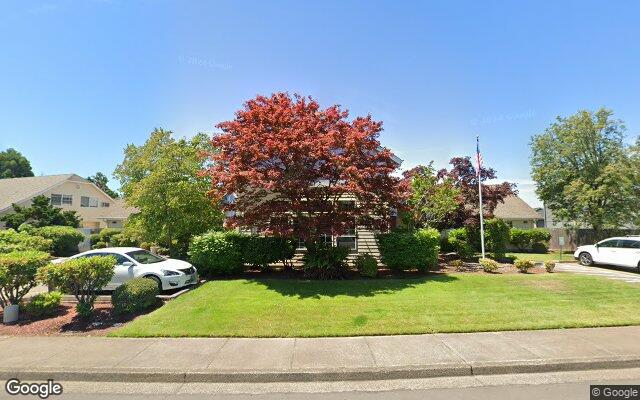
A large home, reviewed on public record.
© Google Street View
Compared to 15 Oregon facilities with a similar number of beds.
ALF memory care · 36-month window. Higher percentile = better performance on inspection record. Source: Oregon Dept. of Human Services · Long-Term Care Licensing.
Rankings based on 36-month OR-DHS inspection data. Severity and frequency: fewer citations = higher percentile. Repeat rate: lower repeat citation share = higher percentile.
Citation history, plotted month by month.
38 deficiencies on record. Each bar is a month with a citation.
Finding distribution
38 total · 36 monthsScope × Severity (CMS A–L)
Every inspection visit, verbatim.
6 inspections in the public record, most recent first. Plain-language summaries open first — click into any row for the full citation text.
2026-02-23Annual Compliance VisitOR-cited · 2 findings
Plain-language summary
During a kitchen inspection on February 23, 2026, Oregon DHS found that the facility failed to serve palatable textured meals and failed to maintain the kitchen in a sanitary manner in violation of Food Sanitation Rules and memory care licensing requirements. The violations were identified through observations of eight cottage kitchen areas and main food storage areas including the cooks' food storage, freezer room, and dry storage. The facility must bring its food service and kitchen sanitation into compliance with state rules.
Read full citation text (2)Hide full citation text
“Based on observation, interview, and record review, it was determined the facility failed to serve palatable textured meals and maintain the kitchen in a sanitary manner in accordance with Food Sanitation Rules, OAR 333-150-000. Findings include, but are not limited to: Observations of the eight cottage kitchen areas and the main food storage areas (Cooks food storage, freezer room, dry storage) were completed on 02/23/26 from 10:30 am through 2:00 pm and found the following:”
“Based on observations and interviews, it was determined the facility failed to follow licensing rules for Residential Care and Assisted Living Facilities. Findings include, but are not limited to: Refer to C240. See C240 OAR 411-057-0140(2) Administration Compliance (2) The licensee of a memory care community must comply with both the licensing rules for the facility and Chapter 411, Division 57. This Rule is not met as evidenced by:”
Read raw inspector notesClose inspector notes
Based on observation, interview, and record review, it was determined the facility failed to serve palatable textured meals and maintain the kitchen in a sanitary manner in accordance with Food Sanitation Rules, OAR 333-150-000. Findings include, but are not limited to: Observations of the eight cottage kitchen areas and the main food storage areas (Cooks food storage, freezer room, dry storage) were completed on 02/23/26 from 10:30 am through 2:00 pm and found the following: Based on observations and interviews, it was determined the facility failed to follow licensing rules for Residential Care and Assisted Living Facilities. Findings include, but are not limited to: Refer to C240. See C240 OAR 411-057-0140(2) Administration Compliance (2) The licensee of a memory care community must comply with both the licensing rules for the facility and Chapter 411, Division 57. This Rule is not met as evidenced by:
2025-02-13Annual Compliance VisitOR-cited · 2 findings
Plain-language summary
During a routine kitchen inspection on February 12, 2025, the facility was found to have violated food sanitation rules due to accumulations of food debris and dirt in multiple cottage kitchens and storage areas, broken or malfunctioning refrigeration and cabinet equipment, staff failing to check food temperatures or properly sanitize thermometers and utensils before serving meals, potentially hazardous foods stored without date labels, and meals left uncovered for extended periods before service. Additional violations included improperly textured pureed food for a resident requiring that diet, staff washing hands over dirty dishes instead of using a designated handwashing sink, and recyclable materials stored in food preparation areas creating contamination and pest risks. The facility submitted a corrective action plan addressing cleaning protocols, equipment repairs, staff training, and quality assurance inspections.
Read full citation text (2)Hide full citation text
“Based on observation, record review and interview, it was determined the facility failed to maintain the kitchen in good repair and in a sanitary manner in accordance with Food Sanitation Rules, OAR 333-150-000. Findings include, but are not limited to: Observation of the seven cottage kitchen areas and main food storage areas (cooks shack, dry storage and freezer room) were reviewed on 02/12/25 at 10:15 am through 1:45pm and found the following: a. An accumulation of food spills, splatters, loose food and trash debris, dirt, dust, and/or black matter was visible on or underneath the following: *Reach in freezer door ice and water dispensers in 620,622, 608 and 604; * Kitchen floor in 608; * Microwaves in 608 and 604; * Ovens in 604 and 608; * Interior of cabinets and/or drawers in 608, * Interior of refrigerator in 604; b. The following areas were in need of repair: * Multiple cabinets or drawers in 611 and 608 with dings/chips/scratches/non smooth surfaces. Drawer in 608 broken. * Reach in refrigerator in 604 drawer broken. * Reach in refrigerator in house 612 at 50 degrees Fahrenheit, door not shutting/sealing appropriately; c. Staff 3 and Staff 4 observed to reheat alternate protein sources for meals and did not check temperatures of food items to ensure at appropriate/safe temperatures prior to serving residents. d. Multiple potentially hazardous foods (PHF) in all cottages were found open without open dates. Unlabeled and undated food items were found in multiple cottages. Staff food was found stored with resident foods in multiple cottages. e. Staff 3 and staff 4 were observed to not sanitize thermometers prior to use nor in between use for different food items. Staff 4 was observed to use a knife for cutting up resident food then wash and rinse and put back in sharps drawer without sanitizing equipment before storage. f. Cottage 608 had a resident requiring pureed foods. The pureed crab cake for this resident was not at the correct texture with visible varying particle sizes and not a smooth texture. The pureed food items were warmed in a microwave and the temperatures were not checked prior to plating. Surveyor checked the texture and it was grainy and not smooth with chunks. The temperature of the food product did not feel hot to the mouth and most likely was not at 135 degrees as required for service. Surveyor instructed staff of the need to reprocess the food item until smooth and consistent. Surveyor also notified staff 2(kitchen manager) who followed up with the cook to ensure correct consistency was served to the resident. g. Majority of cottages had dirty dishes in both sinks. Multiple staff were observed to wash hands over the dishes. Staff must have a designated empty and available sink for handwashing tasks. h. Multiple cottages had a bag of recyclable cans stored in the kitchen area and/or stored with food storage areas causing potential cross contamination concerns along with attractants for insects and pests. i. In cottage 608 plates for residents were plated and sat uncovered for 10-15 minutes prior to being served to residents. A resident’s meal was served to their room uncovered and unprotected. At approximately 1:15 pm surveyor reviewed items with Staff 2 (Kitchen manager/PIC) and they acknowledged the above areas. On 3/13/25 at 2:00 pm, surveyor reviewed above areas with Staff 1 (Administrator) who acknowledged the need for correction. C240 A 1) All identified areas in Cottages 620, 622, 608, and 604, including reach-in freezer door ice/water dispensers, kitchen floors, microwaves, ovens, cabinets, drawers, and refrigerator interiors, have been thoroughly cleaned and sanitized. Food spills, splatters, dust, and debris have been removed to ensure all surfaces meet sanitation and hygiene standards. Cleaning supplies have been restocked in all cottages, and staff members have been assigned responsibility for detailed cleaning as part of their shift duties. 2) The importance of maintaining a sanitary kitchen environment will be reinforced at the March 12th all-staff in-service training, where proper cleaning protocols will be reviewed. A detailed cleaning schedule has been implemented in each house, and staff are now required to sign off on completed cleaning tasks. This schedule includes daily, weekly, and monthly deep-cleaning tasks to ensure continued compliance. Quality assurance inspections will be conducted on a weekly basis to verify that cleaning tasks are being completed as required. Any non-compliance will be addressed with immediate corrective action and retraining. 3) Cleaning schedules will include daily sanitation tasks performed by assigned staff, with weekly quality assurance inspections to confirm compliance. In addition, monthly deep-cleaning reviews will be conducted in all kitchen and storage areas to ensure all surfaces remain clean and sanitary. 4) The Kitchen Coordinator, Maintenance Director, Administrator, or a designated staff member will be responsible for ensuring compliance with cleaning protocols. These individuals will review sign-off sheets from daily cleaning schedules, conduct weekly sanitation inspections, and implement corrective actions as needed. B 1) All areas identified as needing repairs have been evaluated and addressed. The cabinets and drawers in Cottages 611 and 608 with dings, chips, scratches, or non-smooth surfaces have been repaired or replaced to ensure they meet sanitation standards. The broken drawer in Cottage 608 and the damaged refrigerator drawer in Cottage 604 have also been fixed. Additionally, the reach-in refrigerator in Cottage 612, which was not maintaining proper temperature and had a faulty seal, has been replaced with a new unit to ensure safe food storage at the required temperature of 40°F or below. 2) A preventative maintenance schedule has been implemented to identify and address repairs before they become compliance issues. Staff will be reminded at the March 12th all-staff meeting that all maintenance concerns must be immediately reported using the facility’s online maintenance software, UpKeep. Additionally, weekly quality assurance inspections will now include checks for damaged surfaces, drawers, and equipment functionality to ensure that all kitchen areas remain safe and in good repair. Any new issues identified will be reported immediately for maintenance intervention. 3) Quality assurance inspections will be conducted at least once a week in each house to proactively identify repair needs. Additionally, monthly inspections focused specifically on repairs will be conducted to ensure that all kitchen structures and appliances remain in compliance with safety and sanitation regulations. 4) The Kitchen Coordinator, Maintenance Director, Administrator, or a designated staff member will be responsible for overseeing kitchen repairs, ensuring they are identified, documented, and addressed promptly. They will monitor weekly quality assurance inspections and work with the maintenance team to confirm that all necessary repairs are completed as scheduled. C 1) Corrective action has been implemented to prevent this issue moving forward. All kitchen staff, including Staff 3 and Staff 4, have been retrained on the correct procedures for reheating food and checking temperatures to ensure compliance with FDA Food Code guidelines. Training included the proper use of food thermometers, ensuring that all reheated foods reach the minimum safe temperature of 165°F before serving. Additionally, supervisors have been instructed to observe meal service and verify that food temperatures are checked and documented before meals are plated. 2) This issue will be addressed at the mandatory all-staff training on March 12th, where staff will review the correct procedures for reheating food, using thermometers, and documenting food temperatures. Going forward, staff will be required to document food temperatures at each meal in a”
“Based on observations and interviews, it was determined the facility failed to follow licensing rules for Residential Care and Assisted Living Facilities. Findings include, but are not limited to: Refer to C240. Please see Tag C240 OAR 411-057-0140(2) Administration Compliance (2) The licensee of a memory care community must comply with both the licensing rules for the facility and Chapter 411, Division 57. This Rule is not met as evidenced by:”
Read raw inspector notesClose inspector notes
Based on observation, record review and interview, it was determined the facility failed to maintain the kitchen in good repair and in a sanitary manner in accordance with Food Sanitation Rules, OAR 333-150-000. Findings include, but are not limited to: Observation of the seven cottage kitchen areas and main food storage areas (cooks shack, dry storage and freezer room) were reviewed on 02/12/25 at 10:15 am through 1:45pm and found the following: a. An accumulation of food spills, splatters, loose food and trash debris, dirt, dust, and/or black matter was visible on or underneath the following: *Reach in freezer door ice and water dispensers in 620,622, 608 and 604; * Kitchen floor in 608; * Microwaves in 608 and 604; * Ovens in 604 and 608; * Interior of cabinets and/or drawers in 608, * Interior of refrigerator in 604; b. The following areas were in need of repair: * Multiple cabinets or drawers in 611 and 608 with dings/chips/scratches/non smooth surfaces. Drawer in 608 broken. * Reach in refrigerator in 604 drawer broken. * Reach in refrigerator in house 612 at 50 degrees Fahrenheit, door not shutting/sealing appropriately; c. Staff 3 and Staff 4 observed to reheat alternate protein sources for meals and did not check temperatures of food items to ensure at appropriate/safe temperatures prior to serving residents. d. Multiple potentially hazardous foods (PHF) in all cottages were found open without open dates. Unlabeled and undated food items were found in multiple cottages. Staff food was found stored with resident foods in multiple cottages. e. Staff 3 and staff 4 were observed to not sanitize thermometers prior to use nor in between use for different food items. Staff 4 was observed to use a knife for cutting up resident food then wash and rinse and put back in sharps drawer without sanitizing equipment before storage. f. Cottage 608 had a resident requiring pureed foods. The pureed crab cake for this resident was not at the correct texture with visible varying particle sizes and not a smooth texture. The pureed food items were warmed in a microwave and the temperatures were not checked prior to plating. Surveyor checked the texture and it was grainy and not smooth with chunks. The temperature of the food product did not feel hot to the mouth and most likely was not at 135 degrees as required for service. Surveyor instructed staff of the need to reprocess the food item until smooth and consistent. Surveyor also notified staff 2(kitchen manager) who followed up with the cook to ensure correct consistency was served to the resident. g. Majority of cottages had dirty dishes in both sinks. Multiple staff were observed to wash hands over the dishes. Staff must have a designated empty and available sink for handwashing tasks. h. Multiple cottages had a bag of recyclable cans stored in the kitchen area and/or stored with food storage areas causing potential cross contamination concerns along with attractants for insects and pests. i. In cottage 608 plates for residents were plated and sat uncovered for 10-15 minutes prior to being served to residents. A resident’s meal was served to their room uncovered and unprotected. At approximately 1:15 pm surveyor reviewed items with Staff 2 (Kitchen manager/PIC) and they acknowledged the above areas. On 3/13/25 at 2:00 pm, surveyor reviewed above areas with Staff 1 (Administrator) who acknowledged the need for correction. C240 A 1) All identified areas in Cottages 620, 622, 608, and 604, including reach-in freezer door ice/water dispensers, kitchen floors, microwaves, ovens, cabinets, drawers, and refrigerator interiors, have been thoroughly cleaned and sanitized. Food spills, splatters, dust, and debris have been removed to ensure all surfaces meet sanitation and hygiene standards. Cleaning supplies have been restocked in all cottages, and staff members have been assigned responsibility for detailed cleaning as part of their shift duties. 2) The importance of maintaining a sanitary kitchen environment will be reinforced at the March 12th all-staff in-service training, where proper cleaning protocols will be reviewed. A detailed cleaning schedule has been implemented in each house, and staff are now required to sign off on completed cleaning tasks. This schedule includes daily, weekly, and monthly deep-cleaning tasks to ensure continued compliance. Quality assurance inspections will be conducted on a weekly basis to verify that cleaning tasks are being completed as required. Any non-compliance will be addressed with immediate corrective action and retraining. 3) Cleaning schedules will include daily sanitation tasks performed by assigned staff, with weekly quality assurance inspections to confirm compliance. In addition, monthly deep-cleaning reviews will be conducted in all kitchen and storage areas to ensure all surfaces remain clean and sanitary. 4) The Kitchen Coordinator, Maintenance Director, Administrator, or a designated staff member will be responsible for ensuring compliance with cleaning protocols. These individuals will review sign-off sheets from daily cleaning schedules, conduct weekly sanitation inspections, and implement corrective actions as needed. B 1) All areas identified as needing repairs have been evaluated and addressed. The cabinets and drawers in Cottages 611 and 608 with dings, chips, scratches, or non-smooth surfaces have been repaired or replaced to ensure they meet sanitation standards. The broken drawer in Cottage 608 and the damaged refrigerator drawer in Cottage 604 have also been fixed. Additionally, the reach-in refrigerator in Cottage 612, which was not maintaining proper temperature and had a faulty seal, has been replaced with a new unit to ensure safe food storage at the required temperature of 40°F or below. 2) A preventative maintenance schedule has been implemented to identify and address repairs before they become compliance issues. Staff will be reminded at the March 12th all-staff meeting that all maintenance concerns must be immediately reported using the facility’s online maintenance software, UpKeep. Additionally, weekly quality assurance inspections will now include checks for damaged surfaces, drawers, and equipment functionality to ensure that all kitchen areas remain safe and in good repair. Any new issues identified will be reported immediately for maintenance intervention. 3) Quality assurance inspections will be conducted at least once a week in each house to proactively identify repair needs. Additionally, monthly inspections focused specifically on repairs will be conducted to ensure that all kitchen structures and appliances remain in compliance with safety and sanitation regulations. 4) The Kitchen Coordinator, Maintenance Director, Administrator, or a designated staff member will be responsible for overseeing kitchen repairs, ensuring they are identified, documented, and addressed promptly. They will monitor weekly quality assurance inspections and work with the maintenance team to confirm that all necessary repairs are completed as scheduled. C 1) Corrective action has been implemented to prevent this issue moving forward. All kitchen staff, including Staff 3 and Staff 4, have been retrained on the correct procedures for reheating food and checking temperatures to ensure compliance with FDA Food Code guidelines. Training included the proper use of food thermometers, ensuring that all reheated foods reach the minimum safe temperature of 165°F before serving. Additionally, supervisors have been instructed to observe meal service and verify that food temperatures are checked and documented before meals are plated. 2) This issue will be addressed at the mandatory all-staff training on March 12th, where staff will review the correct procedures for reheating food, using thermometers, and documenting food temperatures. Going forward, staff will be required to document food temperatures at each meal in a Based on observations and interviews, it was determined the facility failed to follow licensing rules for Residential Care and Assisted Living Facilities. Findings include, but are not limited to: Refer to C240. Please see Tag C240 OAR 411-057-0140(2) Administration Compliance (2) The licensee of a memory care community must comply with both the licensing rules for the facility and Chapter 411, Division 57. This Rule is not met as evidenced by:
2025-02-05Complaint InvestigationOR-cited · 2 findings
2024-04-16Complaint InvestigationOR-cited · 2 findings
Plain-language summary
A complaint investigation conducted on April 16, 2024 found licensing violations in two areas: the facility failed to ensure that registered nurses properly documented delegation and teaching for insulin administration for three staff members, including incomplete re-evaluations and gaps in the delegation process, and the facility administered an incorrect insulin dose to a resident on November 27, 2023 (9 units instead of 3 units for a blood sugar reading of 179). The facility acknowledged both findings and reported they are working with an RN consultant and are current with delegations.
Read full citation text (2)Hide full citation text
“Based on interview and record review, conducted during a site visit on 04/16/24, it was confirmed the facility failed to provide delegation and teaching that is documented by an RN for 3 of 3 sampled staff (#'s 6, 7, and 8). Findings include, but are not limited to: A review of delegations for insulin administration for Residents 6,7, and 8 indicated the following: · Re-evaluation was not completed within 60 days of the initial delegation and some of the documents were not completely filled out, · For Resident 7, Staff 6 (MT) had an initial delegation for insulin administration on 06/23/23 (Rescinded on 07/27/23), an initial delegation on 08/26/23 and a review on 04/05/24, · For Resident 7, Staff 8 (MT) had an initial delegation for insulin administration on 05/13/23 (Rescinded on 07/27/23), a review on 11/23/23 and 04/12/24, · For Resident 8, Staff 8 had an initial delegation for insulin administration on 11/01/23 and on 04/11/24 by a different RN, · For Resident 8, Staff 7 (MT) had an initial delegation for insulin administration on 11/01/23 and on 04/16/24 by a different RN · For Resident 6, Staff 8 had an initial delegation for insulin on 07/20/23 and on 04/12/24 by a different RN In an interview on 04/23/24, Staff 1 (ED) stated there had been several RNs that were rotating in during that time. S/He stated they always had an RN available. The findings were reviewed with and acknowledged by Staff 1 via phone call on 04/23/24. It was determined the facility failed to provide delegation and teaching that is documented by an RN. Verbal plan of correction: The facility is working with an RN consultant and they are current with their delegations. Based on interview and record review, conducted during a site visit on 04/16/24, it was confirmed the facility failed to provide delegation and teaching that is documented by an RN for 3 of 3 sampled staff (#'s 6, 7, and 8). Findings include, but are not limited to: A review of delegations for insulin administration for Residents 6,7, and 8 indicated the following: · Re-evaluation was not completed within 60 days of the initial delegation and some of the documents were not completely filled out, · For Resident 7, Staff 6 (MT) had an initial delegation for insulin administration on 06/23/23 (Rescinded on 07/27/23), an initial delegation on 08/26/23 and a review on 04/05/24, · For Resident 7, Staff 8 (MT) had an initial delegation for insulin administration on 05/13/23 (Rescinded on 07/27/23), a review on 11/23/23 and 04/12/24, · For Resident 8, Staff 8 had an initial delegation for insulin administration on 11/01/23 and on 04/11/24 by a different RN, · For Resident 8, Staff 7 (MT) had an initial delegation for insulin administration on 11/01/23 and on 04/16/24 by a different RN · For Resident 6, Staff 8 had an initial delegation for insulin on 07/20/23 and on 04/12/24 by a different RN In an interview on 04/23/24, Staff 1 (ED) stated there had been several RNs that were rotating in during that time. S/He stated they always had an RN available. The findings were reviewed with and acknowledged by Staff 1 via phone call on 04/23/24. It was determined the facility failed to provide delegation and teaching that is documented by an RN. Verbal plan of correction: The facility is working with an RN consultant and they are current with their delegations.”
“Based on interview and record review, conducted during a site visit on 04/16/24, it was confirmed the facility failed to carry out medication and treatment orders as prescribed for 1 of 1 sampled resident (#1). Findings include, but are not limited to: A review of Resident 2's November 2023 MAR, progress notes, and physician orders indicated the following: · Order dated 10/13/23 for Admelog Solostar U-100 Insulin Lispro 100 unit/ml (3ml) SQ pen. Inject 3-15 units by subcutaneous route TID per sliding scale. Sliding scale: <150= No Insulin; 150-199= 3 units; 200-249= 5 units; 250-299= 7 units; 300-349= 10 units; 350-400= 15 units · Progress note dated 11/27/23 indicated resident was given 9 units of Lispro instead of 3 units in error, for a CBG of 179 In an interview on 04/23/24 with Staff 1 (ED), s/he stated the incident did occur and the MT was removed from administering insulin. The findings were reviewed with and acknowledged by Staff 1 on 04/23/24. It was confirmed the facility failed to carry out medication and treatment orders as prescribed. Based on interview and record review, conducted during a site visit on 04/16/24, it was confirmed the facility failed to carry out medication and treatment orders as prescribed for 1 of 1 sampled resident (#1). Findings include, but are not limited to: A review of Resident 2's November 2023 MAR, progress notes, and physician orders indicated the following: · Order dated 10/13/23 for Admelog Solostar U-100 Insulin Lispro 100 unit/ml (3ml) SQ pen. Inject 3-15 units by subcutaneous route TID per sliding scale. Sliding scale: <150= No Insulin; 150-199= 3 units; 200-249= 5 units; 250-299= 7 units; 300-349= 10 units; 350-400= 15 units · Progress note dated 11/27/23 indicated resident was given 9 units of Lispro instead of 3 units in error, for a CBG of 179 In an interview on 04/23/24 with Staff 1 (ED), s/he stated the incident did occur and the MT was removed from administering insulin. The findings were reviewed with and acknowledged by Staff 1 on 04/23/24. It was confirmed the facility failed to carry out medication and treatment orders as prescribed.”
Read raw inspector notesClose inspector notes
Based on interview and record review, conducted during a site visit on 04/16/24, it was confirmed the facility failed to provide delegation and teaching that is documented by an RN for 3 of 3 sampled staff (#'s 6, 7, and 8). Findings include, but are not limited to: A review of delegations for insulin administration for Residents 6,7, and 8 indicated the following: · Re-evaluation was not completed within 60 days of the initial delegation and some of the documents were not completely filled out, · For Resident 7, Staff 6 (MT) had an initial delegation for insulin administration on 06/23/23 (Rescinded on 07/27/23), an initial delegation on 08/26/23 and a review on 04/05/24, · For Resident 7, Staff 8 (MT) had an initial delegation for insulin administration on 05/13/23 (Rescinded on 07/27/23), a review on 11/23/23 and 04/12/24, · For Resident 8, Staff 8 had an initial delegation for insulin administration on 11/01/23 and on 04/11/24 by a different RN, · For Resident 8, Staff 7 (MT) had an initial delegation for insulin administration on 11/01/23 and on 04/16/24 by a different RN · For Resident 6, Staff 8 had an initial delegation for insulin on 07/20/23 and on 04/12/24 by a different RN In an interview on 04/23/24, Staff 1 (ED) stated there had been several RNs that were rotating in during that time. S/He stated they always had an RN available. The findings were reviewed with and acknowledged by Staff 1 via phone call on 04/23/24. It was determined the facility failed to provide delegation and teaching that is documented by an RN. Verbal plan of correction: The facility is working with an RN consultant and they are current with their delegations. Based on interview and record review, conducted during a site visit on 04/16/24, it was confirmed the facility failed to provide delegation and teaching that is documented by an RN for 3 of 3 sampled staff (#'s 6, 7, and 8). Findings include, but are not limited to: A review of delegations for insulin administration for Residents 6,7, and 8 indicated the following: · Re-evaluation was not completed within 60 days of the initial delegation and some of the documents were not completely filled out, · For Resident 7, Staff 6 (MT) had an initial delegation for insulin administration on 06/23/23 (Rescinded on 07/27/23), an initial delegation on 08/26/23 and a review on 04/05/24, · For Resident 7, Staff 8 (MT) had an initial delegation for insulin administration on 05/13/23 (Rescinded on 07/27/23), a review on 11/23/23 and 04/12/24, · For Resident 8, Staff 8 had an initial delegation for insulin administration on 11/01/23 and on 04/11/24 by a different RN, · For Resident 8, Staff 7 (MT) had an initial delegation for insulin administration on 11/01/23 and on 04/16/24 by a different RN · For Resident 6, Staff 8 had an initial delegation for insulin on 07/20/23 and on 04/12/24 by a different RN In an interview on 04/23/24, Staff 1 (ED) stated there had been several RNs that were rotating in during that time. S/He stated they always had an RN available. The findings were reviewed with and acknowledged by Staff 1 via phone call on 04/23/24. It was determined the facility failed to provide delegation and teaching that is documented by an RN. Verbal plan of correction: The facility is working with an RN consultant and they are current with their delegations. Based on interview and record review, conducted during a site visit on 04/16/24, it was confirmed the facility failed to carry out medication and treatment orders as prescribed for 1 of 1 sampled resident (#1). Findings include, but are not limited to: A review of Resident 2's November 2023 MAR, progress notes, and physician orders indicated the following: · Order dated 10/13/23 for Admelog Solostar U-100 Insulin Lispro 100 unit/ml (3ml) SQ pen. Inject 3-15 units by subcutaneous route TID per sliding scale. Sliding scale: <150= No Insulin; 150-199= 3 units; 200-249= 5 units; 250-299= 7 units; 300-349= 10 units; 350-400= 15 units · Progress note dated 11/27/23 indicated resident was given 9 units of Lispro instead of 3 units in error, for a CBG of 179 In an interview on 04/23/24 with Staff 1 (ED), s/he stated the incident did occur and the MT was removed from administering insulin. The findings were reviewed with and acknowledged by Staff 1 on 04/23/24. It was confirmed the facility failed to carry out medication and treatment orders as prescribed. Based on interview and record review, conducted during a site visit on 04/16/24, it was confirmed the facility failed to carry out medication and treatment orders as prescribed for 1 of 1 sampled resident (#1). Findings include, but are not limited to: A review of Resident 2's November 2023 MAR, progress notes, and physician orders indicated the following: · Order dated 10/13/23 for Admelog Solostar U-100 Insulin Lispro 100 unit/ml (3ml) SQ pen. Inject 3-15 units by subcutaneous route TID per sliding scale. Sliding scale: <150= No Insulin; 150-199= 3 units; 200-249= 5 units; 250-299= 7 units; 300-349= 10 units; 350-400= 15 units · Progress note dated 11/27/23 indicated resident was given 9 units of Lispro instead of 3 units in error, for a CBG of 179 In an interview on 04/23/24 with Staff 1 (ED), s/he stated the incident did occur and the MT was removed from administering insulin. The findings were reviewed with and acknowledged by Staff 1 on 04/23/24. It was confirmed the facility failed to carry out medication and treatment orders as prescribed.
2024-02-20Annual Compliance VisitOR-cited · 1 finding
Plain-language summary
A state kitchen inspection on February 20, 2024 found the facility in substantial compliance with Oregon rules governing meals and food sanitation for residential care and assisted living facilities. No violations were identified.
Read full citation text (1)Hide full citation text
“The findings of the kitchen inspection, conducted 02/20/24, are documented in this report. It was determined the facility was in substantial compliance with the OARs 411-054-0030 for Residential Care and Assisted Living Facilities for Resident Services- Meals, and Oregon Health Service Food Sanitation Rules OARs 333-150-0000. The findings of the kitchen inspection, conducted 02/20/24, are documented in this report. It was determined the facility was in substantial compliance with the OARs 411-054-0030 for Residential Care and Assisted Living Facilities for Resident Services- Meals, and Oregon Health Service Food Sanitation Rules OARs 333-150-0000.”
Read raw inspector notesClose inspector notes
The findings of the kitchen inspection, conducted 02/20/24, are documented in this report. It was determined the facility was in substantial compliance with the OARs 411-054-0030 for Residential Care and Assisted Living Facilities for Resident Services- Meals, and Oregon Health Service Food Sanitation Rules OARs 333-150-0000. The findings of the kitchen inspection, conducted 02/20/24, are documented in this report. It was determined the facility was in substantial compliance with the OARs 411-054-0030 for Residential Care and Assisted Living Facilities for Resident Services- Meals, and Oregon Health Service Food Sanitation Rules OARs 333-150-0000.
2023-11-15Annual Compliance VisitOR-cited · 29 findings
Plain-language summary
A re-licensure validation survey was conducted from November 13–16, 2023, followed by revisits on July 29–30, 2024 and October 29, 2024. During the initial survey, the facility was found to have failed to provide effective administrative oversight to ensure quality of care and services. By the second revisit on October 29, 2024, the facility was determined to be in compliance with Oregon regulations for Residential Care and Assisted Living Facilities, Memory Care Communities, and Home and Community Based Services.
Read full citation text (29)Hide full citation text
“The findings of the re-licensure survey, conducted 11/13/23 through 11/16/23, are documented in this report. The survey was conducted to determine compliance with the OARs 411 Division 54 for Residential Care and Assisted Living Facilities, OARs 411 Division 57 for Memory Care Communities, and OARs 411 Division 004 Home and Community Based Services Regulations. Tag numbers beginning with the letter C refer to the Residential Care and Assisted Living rules. Tag numbers beginning with the letter Z refer to the Memory Care Community rules. Abbreviations possibly used in this document: ADL: activities of daily living bid: twice a day CBG: capillary blood glucose or blood sugar CG: caregiver cm: centimeter ED: Executive Director F: Fahrenheit HH: Home Health LPN: Licensed Practical Nurse MA: Medication Aide MAR: Medication Administration Record MCC: Memory Care Community mg: milligram ml: milliliter MT: Medication Technician OT: Occupational Therapist PT: Physical Therapist PRN: as needed qd: every day or daily qid: four times a day QI: quality improvement RCC: Resident Care Coordinator RN: Registered Nurse TAR: Treatment Administration Record tid: three times a day The findings of the re-licensure survey, conducted 11/13/23 through 11/16/23, are documented in this report. The survey was conducted to determine compliance with the OARs 411 Division 54 for Residential Care and Assisted Living Facilities, OARs 411 Division 57 for Memory Care Communities, and OARs 411 Division 004 Home and Community Based Services Regulations. Tag numbers beginning with the letter C refer to the Residential Care and Assisted Living rules. Tag numbers beginning with the letter Z refer to the Memory Care Community rules. Abbreviations possibly used in this document: ADL: activities of daily living bid: twice a day CBG: capillary blood glucose or blood sugar CG: caregiver cm: centimeter ED: Executive Director F: Fahrenheit HH: Home Health LPN: Licensed Practical Nurse MA: Medication Aide MAR: Medication Administration Record MCC: Memory Care Community mg: milligram ml: milliliter MT: Medication Technician OT: Occupational Therapist PT: Physical Therapist PRN: as needed qd: every day or daily qid: four times a day QI: quality improvement RCC: Resident Care Coordinator RN: Registered Nurse TAR: Treatment Administration Record tid: three times a day The findings of the first revisit to the re-licensure survey of 11/16/23, conducted 07/29/24 through 07/30/24, are documented in this report. The survey was conducted to determine compliance with OARs 411 Division 54 for Residential Care and Assisted Living Facilities, OARs 411 Division 57 for Memory Care Communities, and OARs 411 Division 004 Home and Community Based Services Regulations. Tag numbers beginning with the letter C refer to the Residential Care and Assisted Living rules. Tag numbers beginning with the letter Z refer to the Memory Care Community rules. Abbreviations possibly used in this document: ADL: activities of daily living bid: twice a day CBG: capillary blood glucose or blood sugar CG: caregiver cm: centimeter ED: Executive Director F: Fahrenheit HH: Home Health LPN: Licensed Practical Nurse MA: Medication Aide MAR: Medication Administration Record MCC Memory Care Community mg: milligram ml: milliliter MT: Medication Technician OT: Occupational Therapist PT: Physical Therapist PRN: as needed qd: every day or daily qid: four times a day QI: quality improvement RCC: Resident Care Coordinator RN: Registered Nurse TAR: Treatment Administration Record tid: three times a day The findings of the first revisit to the re-licensure survey of 11/16/23, conducted 07/29/24 through 07/30/24, are documented in this report. The survey was conducted to determine compliance with OARs 411 Division 54 for Residential Care and Assisted Living Facilities, OARs 411 Division 57 for Memory Care Communities, and OARs 411 Division 004 Home and Community Based Services Regulations. Tag numbers beginning with the letter C refer to the Residential Care and Assisted Living rules. Tag numbers beginning with the letter Z refer to the Memory Care Community rules. Abbreviations possibly used in this document: ADL: activities of daily living bid: twice a day CBG: capillary blood glucose or blood sugar CG: caregiver cm: centimeter ED: Executive Director F: Fahrenheit HH: Home Health LPN: Licensed Practical Nurse MA: Medication Aide MAR: Medication Administration Record MCC Memory Care Community mg: milligram ml: milliliter MT: Medication Technician OT: Occupational Therapist PT: Physical Therapist PRN: as needed qd: every day or daily qid: four times a day QI: quality improvement RCC: Resident Care Coordinator RN: Registered Nurse TAR: Treatment Administration Record tid: three times a day The findings of the second re-visit to the re-licensure survey of 11/16/23, conducted on 10/29/24, are documented in this report. It was determined the facility was in compliance with OARs 411 Division 54 for Residential Care and Assisted Living Facilities, OARs 411 Division 57 for Memory Care Communities, and Home and Community Based Services Regulations OARs 411 Division 004. The findings of the second re-visit to the re-licensure survey of 11/16/23, conducted on 10/29/24, are documented in this report. It was determined the facility was in compliance with OARs 411 Division 54 for Residential Care and Assisted Living Facilities, OARs 411 Division 57 for Memory Care Communities, and Home and Community Based Services Regulations OARs 411 Division 004.”
“Based on observation, interview, and record review, it was determined the facility failed to provide effective administrative oversight to ensure quality of care and services rendered in the facility. Findings include, but are not limited to: During the re-licensure survey, conducted 11/13/23 through 11/16/23, administrative oversight to ensure adequate resident care and services rendered in the facility was found to be ineffective based on the number and severity of citations. Refer to deficiencies in the report. Based on observation, interview, and record review, it was determined the facility failed to provide effective administrative oversight to ensure quality of care and services rendered in the facility. Findings include, but are not limited to: During the re-licensure survey, conducted 11/13/23 through 11/16/23, administrative oversight to ensure adequate resident care and services rendered in the facility was found to be ineffective based on the number and severity of citations. Refer to deficiencies in the report. 1) Gateway Living implemented several procedures to improve communication with the team, including twice-weekly census meetings with Care Managers, Nursing, Administration, Behavior Support, and Supervisors. Campus walking rounds have been increased to four times per week and will be performed by the Administrator and Assistant Administrator, covering both day and night shifts. Maintenance will be doing weekly walking rounds, and shift Supervisors will be performing daily walking rounds. Service plan team meetings will be held monthly for Specific Needs houses and quarterly for memory care and residential houses. 2) Increased communication between all departments and the Administration Team will ensure that problem areas are recognized swiftly and addressed in a timely manner. 3) New procedures and meetings will be evaluated for efficacy quarterly or, if an obvious problem area arises, immediately. 4) The Administrator is the sole person responsible for the facility operations and is responsible for ensuring all corrections are in place, completed, and monitored. 1) Gateway Living implemented several procedures to improve communication with the team, including twice-weekly census meetings with Care Managers, Nursing, Administration, Behavior Support, and Supervisors. Campus walking rounds have been increased to four times per week and will be performed by the Administrator and Assistant Administrator, covering both day and night shifts. Maintenance will be doing weekly walking rounds, and shift Supervisors will be performing daily walking rounds. Service plan team meetings will be held monthly for Specific Needs houses and quarterly for memory care and residential houses. 2) Increased communication between all departments and the Administration Team will ensure that problem areas are recognized swiftly and addressed in a timely manner. 3) New procedures and meetings will be evaluated for efficacy quarterly or, if an obvious problem area arises, immediately. 4) The Administrator is the sole person responsible for the facility operations and is responsible for ensuring all corrections are in place, completed, and monitored. There are no detail notes for this visit.”
“Based on observation and interview, it was determined the facility failed to treat residents with dignity and respect and provide a safe and homelike environment in multiple buildings and for two unsampled residents who required meal assistance. Findings include, but are not limited to: 1. Observations from 11/13/23 to 11/16/23 of the interior of the memory care and residential care communities in buildings 611 and 612 were found to have various equipment stored in common area alcoves, including shower chairs, an oxygen tank, walkers, a wheelchair cushion, a high/low table, a toilet riser, a seated scale, and wheelchair footrests. During an interview on 11/15/23, Staff 1 (Administrator) confirmed the clutter in the alcoves precluded a safe and homelike environment for residents and would have the equipment stored elsewhere. The need to provide a safe and homelike environment for residents was discussed with Staff 1 and Staff 2 (Chief Operating Officer) on 11/15/23. They acknowledged the findings. Based on observation and interview, it was determined the facility failed to treat residents with dignity and respect and provide a safe and homelike environment in multiple buildings and for two unsampled residents who required meal assistance. Findings include, but are not limited to:”
“Based on observation, interview, and record review, it was determined the facility failed to investigate injuries of unknown cause to rule out abuse or neglect, document all required areas of an investigation, and/or report to the local SPD office if abuse or neglect could not be ruled out, for 2 of 4 sampled residents (#s 2 and 6) reviewed for injuries of unknown cause. Findings include, but are not limited to: 1. Resident 2 was admitted to the facility in 09/2023 with diagnoses including dementia and seizure disorder. A review of the resident's clinical record, including progress notes, dated 09/13/23 through 11/13/23, and staff interviews identified the following: * 11/04/23: A bruise on the resident's left hand. There was no documented evidence the bruise had been investigated to rule out abuse or suspected abuse, nor evidence the local SPD was immediately notified. During an interview on 11/14/23 at 11:21 am, Staff 1 (Administrator) confirmed the bruise was not promptly investigated. The facility was directed to self-report the incident to the local SPD office. Confirmation of the reporting was received on 11/15/23 at 1:50 pm. The need to immediately investigate injuries of unknown cause to rule out abuse or suspected abuse, and to notify the local SPD if abuse could not be ruled out, was discussed with Staff 1 and Staff 2 (Chief Operating Officer) on 11/15/23. They acknowledged the findings. Based on observation, interview, and record review, it was determined the facility failed to investigate injuries of unknown cause to rule out abuse or neglect, document all required areas of an investigation, and/or report to the local SPD office if abuse or neglect could not be ruled out, for 2 of 4 sampled residents (#s 2 and 6) reviewed for injuries of unknown cause. Findings include, but are not limited to:”
“Based on interview and record review, it was determined the facility failed to ensure move-in evaluations contained all required elements and addressed sufficient information to develop an initial service plan to meet the residents' needs for 3 of 3 sampled residents (#s 1, 2, and 4) who were recently admitted to the facility, and the most recent quarterly evaluations were relevant to the needs and conditions of the residents for 2 of 3 sampled residents (#s 5 and 6) whose quarterly evaluations were reviewed. Findings include, but are not limited to: 1. Resident 4 was admitted to the facility in 11/2023 with diagnoses including paroxysmal atrial fibrillation, type 2 diabetes mellitus, chronic obstructive pulmonary disease, schizoaffective disorder, and benign prostatic hyperplasia. Review of the move-in evaluation identified the following required elements were not documented as being addressed: * Presence of depression, thought disorders, behavioral and mood problems; * History of treatment; * Effective non-drug interventions; * Personality: including how the person copes with change or challenging situations; * Ability to manage medications; * Pain: including how a person expresses pain or discomfort; and * Environmental factors that impact the resident's behavior including, but not limited to: noise, lighting, room temperature. The need to ensure the initial evaluation contained all required elements and addressed sufficient information to develop an initial service plan to meet the resident's needs was reviewed with Staff 1 (Administrator), Staff 4 (RN), and Staff 8 (Care Manager) on 11/16/23. They acknowledged the findings. No further information was provided. Based on interview and record review, it was determined the facility failed to ensure move-in evaluations contained all required elements and addressed sufficient information to develop an initial service plan to meet the residents' needs for 3 of 3 sampled residents (#s 1, 2, and 4) who were recently admitted to the facility, and the most recent quarterly evaluations were relevant to the needs and conditions of the residents for 2 of 3 sampled residents (#s 5 and 6) whose quarterly evaluations were reviewed. Findings include, but are not limited to:”
“Based on observation, interview, and record review, it was determined the facility failed to ensure service plans were reflective of residents' current care needs, were implemented, and provided clear directions to staff regarding the delivery of services, and/or failed to ensure changes or entries made to the service plan were dated and initialed for 5 of 6 sampled residents (#s 1, 2, 4, 5, and 6) whose service plans were reviewed. Findings include, but are not limited to: 1. Resident 4 was admitted to the facility in 11/2023 with diagnoses including paroxysmal atrial fibrillation, type 2 diabetes mellitus, chronic obstructive pulmonary disease, schizoaffective disorder, and benign prostatic hyperplasia. Interviews with the resident and staff, and review of the current service plan, dated 10/31/23, revealed Resident 4's service plan was not reflective of the resident's current needs or lacked clear instructions to staff in the following areas: * Smoking; * Self-catheterization; * Bathing and personal hygiene; * Instructions on what types of skin impairments to report and to whom; * Instructions on signs and symptoms of hypo- and hyperglycemia to report; * Instructions for bleeding precautions and interventions while on anticoagulation therapy; * Instructions on signs and symptoms of depression to report while on anti-depressant therapy; and * Oxygen equipment precautions, instructions for proper maintenance, and how to monitor for safety. The need to ensure the service plan reflected the resident's current needs and provided clear instructions to staff regarding delivery of services was reviewed with Staff 1 (Administrator), Staff 4 (RN), and Staff 8 (Care Manager) on 11/16/23. They acknowledged the findings. No further information was provided. Based on observation, interview, and record review, it was determined the facility failed to ensure service plans were reflective of residents' current care needs, were implemented, and provided clear directions to staff regarding the delivery of services, and/or failed to ensure changes or entries made to the service plan were dated and initialed for 5 of 6 sampled residents (#s 1, 2, 4, 5, and 6) whose service plans were reviewed. Findings include, but are not limited to:”
“Based on interview and record review, it was determined the facility failed to ensure service plans were developed by a Service Planning Team which consisted of the resident, the resident's legal representative if applicable, any person of the resident's choice, the facility administrator or designee, and at least one other staff person who was familiar with or would be providing services to the resident, as well as the case manager, for 2 of 6 sampled residents (#s 1 and 6) whose service plans were reviewed. Findings include, but are not limited to: Resident 1's and 6's most recent service plans lacked evidence that a Service Planning Team reviewed and participated in the development of the service plans. In an interview on 11/16/23, Staff 7 (Care Manager) was asked about the process for including the facility RN in development of the service plan for Resident 6 and whether the resident's case manager was notified, in advance, of the service-planning meeting. Staff 7 reported the "case manager only wanted to have a copy of the service plan once a year" and was not able to provide documentation that the facility RN or other required staff participated in the service plan development. On 11/16/23, the need to ensure service plans were developed by a Service Planning Team was discussed with Staff 1 (Administrator), Staff 2 (Chief Operating Officer), and Staff 7. They acknowledged the findings. Based on interview and record review, it was determined the facility failed to ensure service plans were developed by a Service Planning Team which consisted of the resident, the resident's legal representative if applicable, any person of the resident's choice, the facility administrator or designee, and at least one other staff person who was familiar with or would be providing services to the resident, as well as the case manager, for 2 of 6 sampled residents (#s 1 and 6) whose service plans were reviewed. Findings include, but are not limited to: Resident 1's and 6's most recent service plans lacked evidence that a Service Planning Team reviewed and participated in the development of the service plans. In an interview on 11/16/23, Staff 7 (Care Manager) was asked about the process for including the facility RN in development of the service plan for Resident 6 and whether the resident's case manager was notified, in advance, of the service-planning meeting. Staff 7 reported the "case manager only wanted to have a copy of the service plan once a year" and was not able to provide documentation that the facility RN or other required staff participated in the service plan development. On 11/16/23, the need to ensure service plans were developed by a Service Planning Team was discussed with Staff 1 (Administrator), Staff 2 (Chief Operating Officer), and Staff 7. They acknowledged the findings. 1) All members of the Service Planning Team, including the resident, family, Administration, Nursing, and Case Worker, will receive invitations sent by Care Managers. Our next Service Planning review is scheduled for our Specific Needs residents on 12/20/2023, and Memory Care, as well as Residential Care, are scheduled for 01/02/2024. 2) Each employee of the Service Planning Team will review OAR 411-054-0036(5), Service Plan: Service Planning Team to ensure compliance and understanding of the rule. Care managers will develop a schedule and send invitations to the Service Planning Team. During the meeting, the Care Conference form will be used to document the discussion and any changes needed for the Service Plan, and a chart note will be documented in our Electronic Medical Record. During this conference, any Temporary Service Plans the resident had during the previous time period will be reviewed, discussed for permanency, and placed in the resident's Service Plan if needed. 3) Care Conferences will occur quarterly on a schedule, and the Administration Team will be a part of the Service Planning Team and evaluate the schedule, attendance, and performance as needed. 4) The Administrator is responsible for corrections and will verify the Care Conferences are scheduled with the appropriate Service Planning Team. The entire Service Planning Team will be responsible for monitoring and ensuring Care Conferences are scheduled, completed, and will be verified by the Administrator. 1) All members of the Service Planning Team, including the resident, family, Administration, Nursing, and Case Worker, will receive invitations sent by Care Managers. Our next Service Planning review is scheduled for our Specific Needs residents on 12/20/2023, and Memory Care, as well as Residential Care, are scheduled for 01/02/2024. 2) Each employee of the Service Planning Team will review OAR 411-054-0036(5), Service Plan: Service Planning Team to ensure compliance and understanding of the rule. Care managers will develop a schedule and send invitations to the Service Planning Team. During the meeting, the Care Conference form will be used to document the discussion and any changes needed for the Service Plan, and a chart note will be documented in our Electronic Medical Record. During this conference, any Temporary Service Plans the resident had during the previous time period will be reviewed, discussed for permanency, and placed in the resident's Service Plan if needed. 3) Care Conferences will occur quarterly on a schedule, and the Administration Team will be a part of the Service Planning Team and evaluate the schedule, attendance, and performance as needed. 4) The Administrator is responsible for corrections and will verify the Care Conferences are scheduled with the appropriate Service Planning Team. The entire Service Planning Team will be responsible for monitoring and ensuring Care Conferences are scheduled, completed, and will be verified by the Administrator. There are no detail notes for this visit.”
“Based on observation, interview, and record review, it was determined the facility failed to determine and document what actions or interventions were needed for residents who experienced short-term changes of condition, ensure actions or interventions were communicated to staff on each shift, document progress at least weekly until the conditions resolved, and monitor each resident consistent with his or her evaluated needs for 6 of 6 sampled residents (#s 1, 2, 3, 4, 5, and 6) who experienced changes of condition. Residents 3 and 6 experienced continued weight loss. Findings include, but are not limited to: 1. Resident 3 was admitted to the facility in 07/2022 with diagnoses including acute respiratory failure. Review of clinical records, including the service plan, dated 09/19/23, progress notes from 08/01/23 through 11/13/23, and incident reports revealed the following information: a. Resident 3 experienced a severe weight loss of 25 pounds, or 10.41% of his/her total body weight, in three months, from 07/2023 through 10/2023. The weight loss constituted a significant change in condition. The resident had a physician order, dated 05/30/23, for house protein shakes with breakfast. An RN assessment dated 10/15/23 noted a new intervention for staff to save the resident's meal and offer it at another time or to offer an alternate meal if the resident refused his/her meal. Observations of the resident between 11/14/23 and 11/16/23 showed the resident ate zero percent of breakfast and lunch on both days. Staff offered a house protein shake to the resident after the meals, which the resident refused. Staff did not hold the resident's meal to offer at another time or offer alternate meals. In a 11/15/23 interview with Staff 22 (CG), when asked what instructions were in place if Resident 3 did not eat his/her meal, she stated, "We will offer him/her a health shake." On 11/15/23 the facility was asked to obtain the weight for Resident 3. The resident's weight was observed to be 199.2 pounds, an additional loss of 15.8 pounds, or 7.34% of his/her total body weight, in just over one month. The 11/15/23 observations and interview with Staff 22 were relayed to Staff 5 (LPN) on the same date. There was no documented evidence the facility monitored the resident's weight loss, noting progress at least weekly through resolution, evaluated previously implemented interventions for effectiveness, or determined if new interventions needed to be developed. The resident continue to experience weight loss. b. Review of the record showed the following short-term changes of condition were identified: * 08/26/23 - Positive for COVID-19; * 09/06/23 - New medication order: magnesium oxide 400 mg, one tablet daily (a supplement); * 09/20/23 - New medication orders: Bisacodyl 10 mg one tablet PRN if no bowel movement in three days (for constipation); haloperidol 0.25 milliliters every four hours PRN (for nausea, agitation, and hallucinations); hyoscyamine 0.125 mg one tablet every four hours PRN (for excessive secretions); Lorazepam 0.25 milliliters every four hours PRN (for anxiety, shortness of breath); and morphine 0.25 milliliters every two hours PRN (for pain and shortness of breath); * 10/04/24 - New medication order; sulfamethoxazole - trimethoprim 800 mg/160 mg (for toe infection); * 10/10/23 - Multiple new and discontinued medication orders; * 11/01/23 - New medication orders: aripiprazole 15 mg one tablet daily (for schizophrenia) and olanzapine five mg one tablet every evening (for psychotic itching). There was no documented evidence the facility determined and documented what actions or interventions were needed for each of Resident 3's short-term changes of condition, communicated interventions to staff on each shift, and monitored the resident until the each condition resolved. The need to ensure the facility had a system to determine and document what actions or interventions were needed for residents' short-term changes of condition, communicate the interventions to staff on each shift, evaluate previously implemented interventions for effectiveness or determine if new interventions needed to be developed, and monitor each change of condition until resolution was discussed with Staff 1 (Administrator) and Staff 2 (Chief Operating Officer) on 11/16/23. They acknowledged the findings. Based on observation, interview, and record review, it was determined the facility failed to determine and document what actions or interventions were needed for residents who experienced short-term changes of condition, ensure actions or interventions were communicated to staff on each shift, document progress at least weekly until the conditions resolved, and monitor each resident consistent with his or her evaluated needs for 6 of 6 sampled residents (#s 1, 2, 3, 4, 5, and 6) who experienced changes of condition. Residents 3 and 6 experienced continued weight loss. Findings include, but are not limited to:”
“Based on observation, interview, and record review, it was determined the facility failed to ensure an RN assessed significant changes of condition and documented findings, resident status, and interventions made as a result of the assessment for 3 of 4 sampled residents (#1, 3, and 6) reviewed for significant changes. Findings include, but are not limited to: 1. Resident 3 was admitted in 07/2020 with diagnoses including retention of urine. The resident's clinical record was reviewed and revealed the resident experienced a Foley catheter placement on 08/14/23. There was no documented evidence the facility RN conducted an assessment which included documentation of findings, resident status, and interventions made as a result of the assessment. During a 11/16/23 interview, Staff 5 (LPN) acknowledged it was unlikely an RN assessment had been completed for Resident 5's Foley catheter placement. No further documentation was provided. The need for an RN to conduct an assessment when a resident experienced a significant change of condition was reviewed with Staff 1 (Administrator) and Staff 2 (Chief Operating Officer) on 11/16/23. They acknowledged the findings. Based on observation, interview, and record review, it was determined the facility failed to ensure an RN assessed significant changes of condition and documented findings, resident status, and interventions made as a result of the assessment for 3 of 4 sampled residents (#1, 3, and 6) reviewed for significant changes. Findings include, but are not limited to:”
“Based on observation and interview, it was determined the facility failed to establish and maintain effective infection prevention and control protocols for 1 of 2 sampled residents (# 1) observed during incontinence care and for multiple non-sampled residents observed during meal service. Findings include, but are not limited to: 1. Resident 1 was admitted to the facility in 10/2023 with diagnoses including dementia and thoracic/lumbar compression fractures. Observations of Resident 1 during the survey revealed s/he was dependent on two staff for all incontinence care and needed assistance with incontinence care while in bed. On 11/14/23, at 1:40 pm, the surveyor obtained permission and observed two caregivers providing incontinence care for Resident 1. Both caregivers failed to change gloves after removing a soiled incontinence brief and then wiping Resident 1's perineum. The soiled incontinence brief was initially tossed on the floor beside the bed prior to retrieving a trash can. The caregivers proceeded to touch the resident's clean incontinence brief, the resident's lower legs and both sides of the resident's body, bed linens, the resident's fall mat, and the bed control. Both caregivers doffed their gloves, and one caregiver removed the incontinence garbage from the resident's room. Both caregivers performed hand hygiene following the disposal of the resident's garbage. Following care, the surveyor reviewed the observations with regard to maintaining effective infection prevention and control while providing incontinence care. The caregivers verbalized understanding and indicated they would return to the resident's room and clean his/her bed control. 2. On 11/14/23, at 12:35 pm, a caregiver was observed providing meal assistance to two non-sampled residents. The caregiver provided meal assistance to one resident with her left hand and held the food container with her right hand. The caregiver turned around and provided meal assistance to the second resident with her right hand and held the food container with her left hand. The surveyor observed the caregiver rub the second resident's arm and shoulder with both hands and then return to providing meal assistance to both residents with the same process. The caregiver did not change her gloves or perform hand hygiene prior to resuming meal assistance to both residents. 3. During meal observations at lunch time on 11/13/23 and 11/14/23, in multiple buildings, direct care staff were observed serving and/or providing meal assistance to residents seated in the dining room. The direct care staff, who also provided ADL cares such as bathing, toileting, and incontinence care to residents prior to the meal service, did not wear aprons or other protective barriers over their clothing during the meal service. The need to ensure staff followed infection prevention practices during meal times and incontinence care was reviewed with Staff 1 (Administrator) on 11/16/23. She acknowledged the findings. Based on observation and interview, it was determined the facility failed to establish and maintain effective infection prevention and control protocols for 1 of 2 sampled residents (# 1) observed during incontinence care and for multiple non-sampled residents observed during meal service. Findings include, but are not limited to:”
“Based on interview and record review, it was determined the facility failed to ensure a safe medication system and adequate professional oversight. Findings include, but are not limited to: The facility failed to ensure a safe medication and treatment system, and administrative oversight was found to be ineffective based on deficiencies in the following areas: C 303: Systems: Treatment Orders; C 304: Systems: Medication and Treatment Review; and C 310: Systems: Medication Administration. Failure to ensure a safe medication system and adequate professional oversight of the system was reviewed with Staff 1 (Administrator) and Staff 2 (Chief Operating Officer) on 11/16/23. They acknowledged the findings. Based on interview and record review, it was determined the facility failed to ensure a safe medication system and adequate professional oversight. Findings include, but are not limited to: The facility failed to ensure a safe medication and treatment system, and administrative oversight was found to be ineffective based on deficiencies in the following areas: C 303: Systems: Treatment Orders; C 304: Systems: Medication and Treatment Review; and C 310: Systems: Medication Administration. Failure to ensure a safe medication system and adequate professional oversight of the system was reviewed with Staff 1 (Administrator) and Staff 2 (Chief Operating Officer) on 11/16/23. They acknowledged the findings. Please see tags 303, 304, and 310 Please see tags 303, 304, and 310 There are no detail notes for this visit.”
“Based on observation, interview, and record review, it was determined the facility failed to ensure medication orders were carried out as prescribed for 5 of 6 sampled residents (#s 1, 2, 4, 5, and 6) whose orders were reviewed. Resident 6 experienced rectal bleeding and emergency care, potentially as a result of not receiving bowel care medications as prescribed. Findings include, but are not limited to: 1. A review of Resident 6's clinical record, including progress notes, physician's orders, and the 10/01/23 through 11/13/23 MARs showed the following: Physician's orders, signed 09/12/23, prescribed the following bowel care medications: * "MOM - give 30 mL daily as needed for constipation day 2 no BM [bowel movement] and/or per Nursing directions"; * "Suppository - Insert rectally once daily as needed for constipation day 3 no BM and/or per Nursing direction"; and * "Enema - Insert one enema daily as needed for constipation day 4 no BM and/or per Nursing direction." The Milk of Magnesia (MOM) and Enema orders had not been transcribed onto the 10/2023 or 11/2023 MAR. * Progress notes dated 10/17/23 documented "PRN glycerin supp [given at 8:56 PM] for bowel care." On 10/19/23 staff documented "PRN glycerin suppos given at 10:52 AM for day 8 no BM. Nursing is aware." * On 10/19/23 at 4:43 pm, Resident 6 was transported to the emergency department due to "moderate rectal bright red blood bleeding." * Review of the progress notes, dated 10/20/23, and the emergency department discharge summary showed the resident was diagnosed with "constipation" and received an enema resulting in a bowel movement. The resident then returned to the facility. The facility failed to transcribe the medication orders to the MAR, resulting in staff not administering medication for constipation. Resident 6 did not receive bowel medications as ordered on days 2, 3, and 4 of not having a bowel movement, resulting in rectal bleeding and an emergency department visit for treatment of constipation. The need to ensure physician's orders were carried out as prescribed was discussed with Staff 1 (Administrator), Staff 4 (RN), and Staff 7 (Care Manager). They acknowledged the medications were not administered as ordered to treat the resident's constipation. Based on observation, interview, and record review, it was determined the facility failed to ensure medication orders were carried out as prescribed for 5 of 6 sampled residents (#s 1, 2, 4, 5, and 6) whose orders were reviewed. Resident 6 experienced rectal bleeding and emergency care, potentially as a result of not receiving bowel care medications as prescribed. Findings include, but are not limited to:”
“Based on interview and record review, it was determined the facility failed to ensure a registered pharmacist or registered nurse reviewed all medications and treatments administered by the facility to residents at least every 90 days for 5 of 6 residents (#s 1, 2, 4, 5, and 6) whose medication and treatment orders were reviewed. Findings include, but are not limited to: In an interview on 11/16/23, Staff 1 (Administrator) confirmed the facility lacked documented evidence medications and treatments administered by the facility to Residents 1, 2, 4, 5, and 6 had been reviewed by a registered pharmacist or RN at least every 90 days. The need to ensure a registered pharmacist or RN reviewed medications and treatments administered by the facility to residents at least every 90 days was discussed with Staff 1 and Staff 2 (Chief Operating Officer) on 11/16/23. They acknowledged the findings. Based on interview and record review, it was determined the facility failed to ensure a registered pharmacist or registered nurse reviewed all medications and treatments administered by the facility to residents at least every 90 days for 5 of 6 residents (#s 1, 2, 4, 5, and 6) whose medication and treatment orders were reviewed. Findings include, but are not limited to: In an interview on 11/16/23, Staff 1 (Administrator) confirmed the facility lacked documented evidence medications and treatments administered by the facility to Residents 1, 2, 4, 5, and 6 had been reviewed by a registered pharmacist or RN at least every 90 days. The need to ensure a registered pharmacist or RN reviewed medications and treatments administered by the facility to residents at least every 90 days was discussed with Staff 1 and Staff 2 (Chief Operating Officer) on 11/16/23. They acknowledged the findings. 1) The Chief Operations Officer contacted our pharmacy, ProPac Payless, to schedule a consulting pharmacist medication review. We are awaiting an answer for their next availability. 2) The Chief Operations Officer will be setting up a quarterly review schedule with the consulting pharmacist. The reviews come with documentation that provides directions, and the Administrator will file for verification. 3) Audits will be scheduled quarterly by consulting pharmacists. 4) The Chief Operations Officer and Administrator will be responsible for ensuring the schedule remains in compliance with OAR 411-054-0055(1)(i). 1) The Chief Operations Officer contacted our pharmacy, ProPac Payless, to schedule a consulting pharmacist medication review. We are awaiting an answer for their next availability. 2) The Chief Operations Officer will be setting up a quarterly review schedule with the consulting pharmacist. The reviews come with documentation that provides directions, and the Administrator will file for verification. 3) Audits will be scheduled quarterly by consulting pharmacists. 4) The Chief Operations Officer and Administrator will be responsible for ensuring the schedule remains in compliance with OAR 411-054-0055(1)(i). There are no detail notes for this visit.”
“Based on interview and record review, it was determined the facility failed to ensure residents' MARs were accurate and included resident-specific parameters and instructions for PRN medications for 5 of 6 sampled residents (#s 2, 3, 4, 5, and 6) whose MARs were reviewed. Findings include, but are not limited to: 1. Resident 4 was admitted to the facility in 11/2023 with diagnoses including paroxysmal atrial fibrillation, type 2 diabetes mellitus, chronic obstructive pulmonary disease, schizoaffective disorder, and benign prostatic hyperplasia. Resident 4's 11/01/23 through 11/13/23 MAR and physician orders were reviewed and revealed the following: a. The following medications lacked specific instructions: * Dorzolamide/Timolol solution 2-0.5% (eye drops); and * Prednisolone solution 1% (eye drops). b. The following PRN medications lacked resident-specific parameters, including sequential order of use: * Acetaminophen 500mg (for pain); * Hydrocodone/APAP 5/325mg (for pain); and * Naproxen 500mg (for pain). The need to ensure MARs were accurate, contained medication-specific instructions, and provided resident-specific parameters and instructions for PRN medications was reviewed with Staff 1 (Administrator), Staff 4 (RN), and Staff 8 (Care Manager) on 11/16/23. They acknowledged the findings. No further information was provided. Based on interview and record review, it was determined the facility failed to ensure residents' MARs were accurate and included resident-specific parameters and instructions for PRN medications for 5 of 6 sampled residents (#s 2, 3, 4, 5, and 6) whose MARs were reviewed. Findings include, but are not limited to:”
“Based on interview and record review, it was determined the facility failed to ensure an Acuity-Based Staffing Tool (ABST) assessment was completed for 2 of 7 sampled residents (#s 2 and 7), and 4 unsampled residents, whose ABST data was reviewed. Findings include, but are not limited to: Review of ABST records and interviews with staff noted ABST entries were not completed at move-in for Residents 2 and 7 and for four unsampled residents. In an interview on 11/15/23, Staff 1 (Administrator) confirmed the ABST was not updated following the admission of several residents. The need to ensure an ABST assessment was completed for each resident before the resident moved into the facility and was used to develop the facility's staffing plan was discussed with Staff 1 on 11/16/23. She acknowledged the findings. Based on interview and record review, it was determined the facility failed to ensure an Acuity-Based Staffing Tool (ABST) assessment was completed for 2 of 7 sampled residents (#s 2 and 7), and 4 unsampled residents, whose ABST data was reviewed. Findings include, but are not limited to: Review of ABST records and interviews with staff noted ABST entries were not completed at move-in for Residents 2 and 7 and for four unsampled residents. In an interview on 11/15/23, Staff 1 (Administrator) confirmed the ABST was not updated following the admission of several residents. The need to ensure an ABST assessment was completed for each resident before the resident moved into the facility and was used to develop the facility's staffing plan was discussed with Staff 1 on 11/16/23. She acknowledged the findings. 1) The ABST tool was immediately updated with all missing residents from their move-in. A complete audit of all residents was performed to ensure all aspects of the ABST tool are in place and meet compliance with OAR 411-054-0037. 2) The Administration Team and Care Manager will review OAR 411-054-0037: Acuity-Based Staffing Tool to ensure compliance going forward. Resident Care Managers will update ABST with all new admissions within 24 hours prior to the admission date, each discharge, and with Changes of Condition affecting the resident's ADL needs. A new "check sheet" for the move-in process is being formatted to include the addition of information into ABST. 3) The Administrator will audit quarterly after the Service Planning Team meets to make sure the ABST and current Service Plan match. The Administrator will also verify with each move-in and discharge. 4) The Care Manager is responsible for the ABST data entry, and the Administrator or designee is responsible for monitoring the ABST to be in compliance and ensuring we are meeting our staffing standards in comparison to the ABST. 1) The ABST tool was immediately updated with all missing residents from their move-in. A complete audit of all residents was performed to ensure all aspects of the ABST tool are in place and meet compliance with OAR 411-054-0037. 2) The Administration Team and Care Manager will review OAR 411-054-0037: Acuity-Based Staffing Tool to ensure compliance going forward. Resident Care Managers will update ABST with all new admissions within 24 hours prior to the admission date, each discharge, and with Changes of Condition affecting the resident's ADL needs. A new "check sheet" for the move-in process is being formatted to include the addition of information into ABST. 3) The Administrator will audit quarterly after the Service Planning Team meets to make sure the ABST and current Service Plan match. The Administrator will also verify with each move-in and discharge. 4) The Care Manager is responsible for the ABST data entry, and the Administrator or designee is responsible for monitoring the ABST to be in compliance and ensuring we are meeting our staffing standards in comparison to the ABST. There are no detail notes for this visit.”
“Based on interview and record review, it was determined the facility failed to ensure 2 of 2 sampled staff (#s 15 and 16) completed all required elements of annual infectious disease prevention training. Findings include, but are not limited to: Annual training records were reviewed on 11/16/23 with Staff 3 (Administrative Support Specialist). There was no documented evidence Staff 16 (MT), hired 06/13/97, or Staff 15 (MT), hired 08/25/21, completed all required elements of the annual infectious disease prevention training. The need for all employees to complete all required elements of infectious disease prevention training annually was discussed with Staff 1 (Administrator), Staff 4 (RN), Staff 5 (LPN), Staff 7 (Care Manager), and Staff 28 (Care Manager) on 11/16/23. They acknowledged the findings. Based on interview and record review, it was determined the facility failed to ensure 2 of 2 sampled staff (#s 15 and 16) completed all required elements of annual infectious disease prevention training. Findings include, but are not limited to: Annual training records were reviewed on 11/16/23 with Staff 3 (Administrative Support Specialist). There was no documented evidence Staff 16 (MT), hired 06/13/97, or Staff 15 (MT), hired 08/25/21, completed all required elements of the annual infectious disease prevention training. The need for all employees to complete all required elements of infectious disease prevention training annually was discussed with Staff 1 (Administrator), Staff 4 (RN), Staff 5 (LPN), Staff 7 (Care Manager), and Staff 28 (Care Manager) on 11/16/23. They acknowledged the findings. 1) We are auditing our current staff's (100 employees) training records to see who is not meeting the required Annual Training for Infection Control per OAR 411-054-0070(2-5)(5-8). Once our list of deficiencies is established, we will coordinate and schedule a time at our Training Center where each staff member will take the department-approved training via Relias or Oregon Care Partners. 2) We are setting up a system like our first-aid and food handlers cards, where we run a monthly report of expiring training certifications. That list is sent to the Administration Team, which is to schedule a time at a computer in our Training Center before the certification expires to ensure we are in compliance with our annual training. 3) As stated above in number two, this audit is performed monthly to ensure compliance with all our online training. 4) The Chief Operating Officer, who is also the Infection Control Specialist, will be responsible for the corrections and monitoring of our system to remain in compliance. 1) We are auditing our current staff's (100 employees) training records to see who is not meeting the required Annual Training for Infection Control per OAR 411-054-0070(2-5)(5-8). Once our list of deficiencies is established, we will coordinate and schedule a time at our Training Center where each staff member will take the department-approved training via Relias or Oregon Care Partners. 2) We are setting up a system like our first-aid and food handlers cards, where we run a monthly report of expiring training certifications. That list is sent to the Administration Team, which is to schedule a time at a computer in our Training Center before the certification expires to ensure we are in compliance with our annual training. 3) As stated above in number two, this audit is performed monthly to ensure compliance with all our online training. 4) The Chief Operating Officer, who is also the Infection Control Specialist, will be responsible for the corrections and monitoring of our system to remain in compliance. There are no detail notes for this visit.”
“Based on interview and record review, it was determined the facility failed to provide fire and life safety instruction to staff on alternating months, conduct fire drills consistently every other month, and to document all required elements for fire drills in accordance with Oregon Fire Code (OFC) requirements. Findings include, but are not limited to: The facility provided documentation of one fire drill in the last six months, which occurred on 06/30/23. Fire drills were not consistently conducted every other month, and written fire drill documentation did not include all the required elements. There was no documented evidence staff were provided fire and life safety instruction on alternating months. During an interview on 11/14/23, Staff 1 (Administrator) confirmed the fire drills had not occurred since 06/30/23 and fire and life safety instruction to staff had not occurred over the last six months. The need to provide fire and life safety instruction to staff on alternate months, to consistently conduct fire drills every other month, and to document all required elements for fire drills as required by the OFC was discussed with Staff 1 and Staff 2 (Chief Operating Officer) on 11/14/23. They acknowledged the findings. Based on interview and record review, it was determined the facility failed to provide fire and life safety instruction to staff on alternating months, conduct fire drills consistently every other month, and to document all required elements for fire drills in accordance with Oregon Fire Code (OFC) requirements. Findings include, but are not limited to: The facility provided documentation of one fire drill in the last six months, which occurred on 06/30/23. Fire drills were not consistently conducted every other month, and written fire drill documentation did not include all the required elements. There was no documented evidence staff were provided fire and life safety instruction on alternating months. During an interview on 11/14/23, Staff 1 (Administrator) confirmed the fire drills had not occurred since 06/30/23 and fire and life safety instruction to staff had not occurred over the last six months. The need to provide fire and life safety instruction to staff on alternate months, to consistently conduct fire drills every other month, and to document all required elements for fire drills as required by the OFC was discussed with Staff 1 and Staff 2 (Chief Operating Officer) on 11/14/23. They acknowledged the findings. 1) Fire drills are being completed for every house for the month of December 2023 2) A fire drill binder has been developed for 2024 fire drills which includes a monthly schedule and proper staff instruction and documentation. 3) The Safety Committee will audit the binder and documentation monthly, ensuring the required fire drills have been completed. 4) The Safety Committee Chair will be responsible for ensuring the fire drills are completed, and the Administrator or designee will monitor the fire drill binder for accuracy in conjunction with the Safety Committee. 1) Fire drills are being completed for every house for the month of December 2023 2) A fire drill binder has been developed for 2024 fire drills which includes a monthly schedule and proper staff instruction and documentation. 3) The Safety Committee will audit the binder and documentation monthly, ensuring the required fire drills have been completed. 4) The Safety Committee Chair will be responsible for ensuring the fire drills are completed, and the Administrator or designee will monitor the fire drill binder for accuracy in conjunction with the Safety Committee. There are no detail notes for this visit.”
“Based on interview and record review, it was determined the facility failed to ensure residents were instructed in fire and life safety procedures within 24 hours of admission and re-instructed, at least annually, as required by the Oregon Fire Code (OFC). Findings include, but are not limited to: Fire and life safety records were reviewed on 11/14/23 at 2:30 pm. There was no documented evidence residents were provided fire and life safety procedure training within 24 hours of admission to the facility or were being re-instructed, at least annually, in general safety procedures, evacuation methods, responsibilities during fire drills, and designated meeting places outside the building or within the fire safe area in the event of an actual fire. The need for residents to be instructed in fire and life safety procedures within 24 hours of admission and at least annually thereafter, per the OFC, was discussed with Staff 1 (Administrator) and Staff 2 (Chief Operating Officer) on 11/14/23. They acknowledged the findings. Based on interview and record review, it was determined the facility failed to ensure residents were instructed in fire and life safety procedures within 24 hours of admission and re-instructed, at least annually, as required by the Oregon Fire Code (OFC). Findings include, but are not limited to: Fire and life safety records were reviewed on 11/14/23 at 2:30 pm. There was no documented evidence residents were provided fire and life safety procedure training within 24 hours of admission to the facility or were being re-instructed, at least annually, in general safety procedures, evacuation methods, responsibilities during fire drills, and designated meeting places outside the building or within the fire safe area in the event of an actual fire. The need for residents to be instructed in fire and life safety procedures within 24 hours of admission and at least annually thereafter, per the OFC, was discussed with Staff 1 (Administrator) and Staff 2 (Chief Operating Officer) on 11/14/23. They acknowledged the findings. 1) An audit will be completed of all residents to see who has not had proper fire life and safety training within the last year. If there is no evidence of it, training will be completed in compliance with OAR 411-054-0090(5) Fire and Life Safety: Training for Residents. 2) Fire life and safety information will be gone over with each resident within 24 hours of move-in by the RN when they are doing their admission assessments and noted in the resident's medical record. This will be repeated at the quarterly Care Conferences to remain in compliance annually. The RN Move-In Assessment form and Care Conference forms will be updated to include fire exits and fire drill/evacuation instructions that were either gone over with the resident or that the resident is unable to understand the instructions. 3) The fire life and safety training for residents will be evaluated upon move-in and quarterly thereafter to ensure compliance. 4) The RN is responsible for the initial resident instruction. The Service Planning Team is responsible for reevaluating the resident's needs and will go over fire life and safety instructions with the resident quarterly. The Administrator is responsible for monitoring and ensuring compliance. 1) An audit will be completed of all residents to see who has not had proper fire life and safety training within the last year. If there is no evidence of it, training will be completed in compliance with OAR 411-054-0090(5) Fire and Life Safety: Training for Residents. 2) Fire life and safety information will be gone over with each resident within 24 hours of move-in by the RN when they are doing their admission assessments and noted in the resident's medical record. This will be repeated at the quarterly Care Conferences to remain in compliance annually. The RN Move-In Assessment form and Care Conference forms will be updated to include fire exits and fire drill/evacuation instructions that were either gone over with the resident or that the resident is unable to understand the instructions. 3) The fire life and safety training for residents will be evaluated upon move-in and quarterly thereafter to ensure compliance. 4) The RN is responsible for the initial resident instruction. The Service Planning Team is responsible for reevaluating the resident's needs and will go over fire life and safety instructions with the resident quarterly. The Administrator is responsible for monitoring and ensuring compliance. There are no detail notes for this visit.”
“Based on interview and record review, it was determined the facility failed to ensure their relicensure survey plan of correction was implemented and satisfied the Department. Findings include, but are not limited to: Refer to C231, C555 and Z142. Based on interview and record review, it was determined the facility failed to ensure their relicensure survey plan of correction was implemented and satisfied the Department. Findings include, but are not limited to: Refer to C231, C555 and Z142. Refer to C231 Refer to C231 There are no detail notes for this visit.”
“Based on observation and interview, it was determined the facility failed to ensure the grounds were free of litter and refuse, and the exterior pathways were made of hard, smooth material and maintained in good repair. Findings include, but are not limited to: Observations of the facility exterior on 11/13/23 and 11/14/23 identified the following: * Mattresses and broken furniture were stacked behind the maintenance shed; * A bag of garbage was left near the front door of building 610 and building 632 on 11/13 and 11/14; * The sidewalk near the employee smoking area behind building 611 was uneven and had drop-offs; and * The pathway leading to the gate behind building 611 was rocky. These findings were reviewed with Staff 24 (Facilities Maintenance Specialist) on 11/15/23 and Staff 1 (Administrator) on 11/16/23. They acknowledged the findings. Based on observation and interview, it was determined the facility failed to ensure the grounds were free of litter and refuse, and the exterior pathways were made of hard, smooth material and maintained in good repair. Findings include, but are not limited to: Observations of the facility exterior on 11/13/23 and 11/14/23 identified the following: * Mattresses and broken furniture were stacked behind the maintenance shed; * A bag of garbage was left near the front door of building 610 and building 632 on 11/13 and 11/14; * The sidewalk near the employee smoking area behind building 611 was uneven and had drop-offs; and * The pathway leading to the gate behind building 611 was rocky. These findings were reviewed with Staff 24 (Facilities Maintenance Specialist) on 11/15/23 and Staff 1 (Administrator) on 11/16/23. They acknowledged the findings. 1) The Administrator, the Chief Operations Officer, and the Maintenance Director met on 12/5/23, and all exterior concerns were brought to the maintenance team's attention. Mattresses and broken furniture behind the shop were immediately removed, the sidewalk behind 611 is scheduled to be leveled on 12/19/23, and the drop-offs next to sidewalks that are more than 2 inches will be filled. 2) We added the above concerns to the Maintenance Department's walking rounds of all outside areas added to their maintenance calendar. Reminders will be made to staff at mandatory meetings that if we see any safety hazards, they should be reported immediately using our electronic maintenance ticketing system. 3) Monthly walking rounds by the Maintenance Director, quarterly walking rounds by the Safety Committee, and 4 times weekly walking rounds by the Administrator Team will ensure compliance in accordance with OAR 411-054-200(3) General Building Exterior. 4) The Maintenance Director and the Safety Committee are responsible for corrections, and the Administrator will be responsible for monitoring compliance. 1) The Administrator, the Chief Operations Officer, and the Maintenance Director met on 12/5/23, and all exterior concerns were brought to the maintenance team's attention. Mattresses and broken furniture behind the shop were immediately removed, the sidewalk behind 611 is scheduled to be leveled on 12/19/23, and the drop-offs next to sidewalks that are more than 2 inches will be filled. 2) We added the above concerns to the Maintenance Department's walking rounds of all outside areas added to their maintenance calendar. Reminders will be made to staff at mandatory meetings that if we see any safety hazards, they should be reported immediately using our electronic maintenance ticketing system. 3) Monthly walking rounds by the Maintenance Director, quarterly walking rounds by the Safety Committee, and 4 times weekly walking rounds by the Administrator Team will ensure compliance in accordance with OAR 411-054-200(3) General Building Exterior. 4) The Maintenance Director and the Safety Committee are responsible for corrections, and the Administrator will be responsible for monitoring compliance. There are no detail notes for this visit.”
“Based on observation and interview, it was determined the facility failed to ensure all interior materials and surfaces were kept clean and in good repair. Findings include, but are not limited to: The facility was comprised of 11 individual buildings, seven of which either housed residents (buildings 604, 608, 610, 611, 612, and 622) or were slated to house residents within the next month (building 620). The interior of these seven buildings was toured by various surveyors during the survey. The following areas were found to need cleaning or repair: Building 608: * Gouges on door frame to room 8; * Black streaks on door frames to rooms 1, 3, and 10; * Hole in wall behind door handle in bathroom across from room 5; * Carpet stains in room 8; * Brown stains on arms and seat of green fabric chair in common area; and * Clear coat peeling across top surface of two end tables in common area. Building 611: * Dings on the wall in sitting area of medication cart alcove; * Hole in the door of room 5; * Dings on wall/baseboard by room 1; * Threshold on both showers missing, leaving yellowish glue stains; and * A rolling shower chair, walker, a seated scale, a high/low table, and wheelchair footrests stored in alcove. Building 612: * Ripped chair near MT station; * Gouges on multiple door frames throughout building; * Recliner, shower chair, oxygen tanks, four wheeled walker, toilet riser, and fan stored in alcove; and * Plant stand had containers with decaying herbs. Findings were reviewed with Staff 1 (Administrator) and Staff 2 (Chief Operating Officer) on 11/15/23, with Staff 24 (Facilities Maintenance Specialist) on 11/15/23, and again with Staff 1 on 11/16/23. They acknowledged the findings. Based on observation and interview, it was determined the facility failed to ensure all interior materials and surfaces were kept clean and in good repair. Findings include, but are not limited to: The facility was comprised of 11 individual buildings, seven of which either housed residents (buildings 604, 608, 610, 611, 612, and 622) or were slated to house residents within the next month (building 620). The interior of these seven buildings was toured by various surveyors during the survey. The following areas were found to need cleaning or repair: Building 608: * Gouges on door frame to room 8; * Black streaks on door frames to rooms 1, 3, and 10; * Hole in wall behind door handle in bathroom across from room 5; * Carpet stains in room 8; * Brown stains on arms and seat of green fabric chair in common area; and * Clear coat peeling across top surface of two end tables in common area. Building 611: * Dings on the wall in sitting area of medication cart alcove; * Hole in the door of room 5; * Dings on wall/baseboard by room 1; * Threshold on both showers missing, leaving yellowish glue stains; and * A rolling shower chair, walker, a seated scale, a high/low table, and wheelchair footrests stored in alcove. Building 612: * Ripped chair near MT station; * Gouges on multiple door frames throughout building; * Recliner, shower chair, oxygen tanks, four wheeled walker, toilet riser, and fan stored in alcove; and * Plant stand had containers with decaying herbs. Findings were reviewed with Staff 1 (Administrator) and Staff 2 (Chief Operating Officer) on 11/15/23, with Staff 24 (Facilities Maintenance Specialist) on 11/15/23, and again with Staff 1 on 11/16/23. They acknowledged the findings. 1) The Administrator, the Chief Operations Officer, and the Maintenance Directors met on 12/5/23, and all interior concerns were brought to their attention. All items mentioned in the SOD were either immediately corrected or are scheduled to be corrected prior to 1/15/23. Specifically, room 8 in house 608 is scheduled to have a professional carpet cleaning company come and deep clean the carpet; the end tables in house 608 have been replaced, and the hole in the door in 611 room 5 has been repaired with a door guard added for further protection. Both shower thresholds in 611 have been cleaned up. The ripped chair in 612 was removed, all clutter and equipment in alcoves have been removed and signage placed to prevent future storage clutter. The decaying plants in outdoor flowerpots on the porch of 612 were removed, and each house's gouges and black streaks on door frames are being repaired. 2) A maintenance calendar and checklists will be sent out monthly by the Maintenance Director, which will include things such as carpet cleaning and checking doorways for dings. Staff will be reminded to utilize our electronic maintenance ticketing system to request repairs. 3) Monthly walking rounds by the Maintenance Director, quarterly walking rounds by the Safety Committee, and 4 times weekly walking rounds by the Administration Team will evaluate compliance with OAR 411-054-0200 Residential Care Facility Building Requirements. 4) The Maintenance Director and the Safety Committee are responsible for corrections, and the Administrator will be responsible for monitoring. 1) The Administrator, the Chief Operations Officer, and the Maintenance Directors met on 12/5/23, and all interior concerns were brought to their attention. All items mentioned in the SOD were either immediately corrected or are scheduled to be corrected prior to 1/15/23. Specifically, room 8 in house 608 is scheduled to have a professional carpet cleaning company come and deep clean the carpet; the end tables in house 608 have been replaced, and the hole in the door in 611 room 5 has been repaired with a door guard added for further protection. Both shower thresholds in 611 have been cleaned up. The ripped chair in 612 was removed, all clutter and equipment in alcoves have been removed and signage placed to prevent future storage clutter. The decaying plants in outdoor flowerpots on the porch of 612 were removed, and each house's gouges and black streaks on door frames are being repaired. 2) A maintenance calendar and checklists will be sent out monthly by the Maintenance Director, which will include things such as carpet cleaning and checking doorways for dings. Staff will be reminded to utilize our electronic maintenance ticketing system to request repairs. 3) Monthly walking rounds by the Maintenance Director, quarterly walking rounds by the Safety Committee, and 4 times weekly walking rounds by the Administration Team will evaluate compliance with OAR 411-054-0200 Residential Care Facility Building Requirements. 4) The Maintenance Director and the Safety Committee are responsible for corrections, and the Administrator will be responsible for monitoring. There are no detail notes for this visit.”
“Based on observation and interview, it was determined the facility failed to ensure a time schedule for resident use of laundry facilities was provided. Findings include, but are not limited to: The facility laundry room for the residential care community, building 611, was toured with Staff 29 (CG) on 11/14/23. Observation of the laundry room identified the door was locked. Staff 29 stated that the door was always locked. Staff 34 (CG) also confirmed they were locking the door now. On 11/15/23 during an interview with a non-sampled resident s/he reported the laundry room door had recently been locked and now the only time s/he could access the laundry room was "when a particular caregiver is working and she will let me in." The resident was not aware of a schedule of when s/he had access to the laundry room. On 11/16/123 an interview with Staff 1 (Administrator) confirmed there was no time schedule of when residents had access to the laundry facilities in building 611. The need to ensure a time schedule for resident use of laundry facilities was discussed with Staff 1, Staff 4 (RN), Staff 7 (Care Manager) and Staff 28 (Care Manager). They acknowledged the findings. Based on observation and interview, it was determined the facility failed to ensure a time schedule for resident use of laundry facilities was provided. Findings include, but are not limited to: The facility laundry room for the residential care community, building 611, was toured with Staff 29 (CG) on 11/14/23. Observation of the laundry room identified the door was locked. Staff 29 stated that the door was always locked. Staff 34 (CG) also confirmed they were locking the door now. On 11/15/23 during an interview with a non-sampled resident s/he reported the laundry room door had recently been locked and now the only time s/he could access the laundry room was "when a particular caregiver is working and she will let me in." The resident was not aware of a schedule of when s/he had access to the laundry room. On 11/16/123 an interview with Staff 1 (Administrator) confirmed there was no time schedule of when residents had access to the laundry facilities in building 611. The need to ensure a time schedule for resident use of laundry facilities was discussed with Staff 1, Staff 4 (RN), Staff 7 (Care Manager) and Staff 28 (Care Manager). They acknowledged the findings. 1)The lock for the laundry room in house 611 was removed. 2) The lock will not be replaced. 3) Changes would only be made if OARS changed or the house is relicensed for a higher level of care. 4) The Administrator and the Maintenance Department will be responsible for monitoring for compliance. 1)The lock for the laundry room in house 611 was removed. 2) The lock will not be replaced. 3) Changes would only be made if OARS changed or the house is relicensed for a higher level of care. 4) The Administrator and the Maintenance Department will be responsible for monitoring for compliance. There are no detail notes for this visit.”
“Based on observation and interview, it was determined the facility failed to ensure all exit doors were equipped with an alarming device or other acceptable system to provide security and to alert staff when residents exited the building and ensure a call system that connects resident units to the care staff. Findings include, but are not limited to: a. Observations in building 610 (memory care) from 11/13/23 through 11/15/23 revealed an exit door to the exterior courtyard failed to have an alarm or other acceptable system to alert staff when residents exited the building. One of the courtyard doors had an audible alarm which was not operable over the course of the survey. b. Observations of resident units in building 610 and interviews with Staff 32 (MT) revealed the facility had a call system that included a cord with a button attached for the resident to use to alert staff. Resident units 4, 5, and 8 did not have a cord attached to the wall outlets for the residents to use. Room 10 had a cord attached; however, the call system was not activated when the button was pushed. On 11/16/23, the need to ensure exit doors were equipped with an audible alarm or other acceptable system to alert staff and the need to ensure residents had a system to connect resident units to care staff was discussed with Staff 1 (Administrator) and Staff 25 (Facilities Maintenance Specialist). They acknowledged the findings. Based on observation and interview, it was determined the facility failed to ensure all exit doors were equipped with an alarming device or other acceptable system to provide security and to alert staff when residents exited the building and ensure a call system that connects resident units to the care staff. Findings include, but are not limited to: a. Observations in building 610 (memory care) from 11/13/23 through 11/15/23 revealed an exit door to the exterior courtyard failed to have an alarm or other acceptable system to alert staff when residents exited the building. One of the courtyard doors had an audible alarm which was not operable over the course of the survey. b. Observations of resident units in building 610 and interviews with Staff 32 (MT) revealed the facility had a call system that included a cord with a button attached for the resident to use to alert staff. Resident units 4, 5, and 8 did not have a cord attached to the wall outlets for the residents to use. Room 10 had a cord attached; however, the call system was not activated when the button was pushed. On 11/16/23, the need to ensure exit doors were equipped with an audible alarm or other acceptable system to alert staff and the need to ensure residents had a system to connect resident units to care staff was discussed with Staff 1 (Administrator) and Staff 25 (Facilities Maintenance Specialist). They acknowledged the findings. 1) Building 610's non-functioning call lights and back door were addressed immediately, and a full audit of all call lights and doors was conducted campus-wide. 2) Call light and exterior door alarm audits will be added to the monthly maintenance calendar to ensure all are in compliance with OAR 411-054-0200(11-13). The Safety Committee will do quarterly walking rounds, and floor staff will be re-educated in the proper way to let maintenance know if they see a door alarm or call cord is not working. 3) Monthly walking rounds by the Maintenance Director, quarterly walking rounds by the Safety Committee, and 4 times weekly walking rounds by the Administration Team will evaluate compliance with OAR 411-054-0200 Residential Care Facility Building Requirements. 4) The Maintenance Director and the Safety Committee are responsible for corrections, and the Administrator will be responsible for monitoring. 1) Building 610's non-functioning call lights and back door were addressed immediately, and a full audit of all call lights and doors was conducted campus-wide. 2) Call light and exterior door alarm audits will be added to the monthly maintenance calendar to ensure all are in compliance with OAR 411-054-0200(11-13). The Safety Committee will do quarterly walking rounds, and floor staff will be re-educated in the proper way to let maintenance know if they see a door alarm or call cord is not working. 3) Monthly walking rounds by the Maintenance Director, quarterly walking rounds by the Safety Committee, and 4 times weekly walking rounds by the Administration Team will evaluate compliance with OAR 411-054-0200 Residential Care Facility Building Requirements. 4) The Maintenance Director and the Safety Committee are responsible for corrections, and the Administrator will be responsible for monitoring. Based on observation and interview, it was determined the facility failed to provide a call system that connected resident units to the care staff. This is a repeat citation. Findings include, but are not limited to: Building 610 was toured on 07/30/24 at 11:04 am. Staff 34 (CG) was asked to demonstrate the call system from resident rooms 4, 5, 8, and 10. Units 4 and 8 did not have a cord attached to the call system outlet. The call system in Room 10 was not activated when the button was pushed. On 07/30/24 the need to ensure residents had a system to connect resident units to care staff was discussed with Staff 1 (Administrator). She acknowledged the findings. Based on observation and interview, it was determined the facility failed to provide a call system that connected resident units to the care staff. This is a repeat citation. Findings include, but are not limited to: Building 610 was toured on 07/30/24 at 11:04 am. Staff 34 (CG) was asked to demonstrate the call system from resident rooms 4, 5, 8, and 10. Units 4 and 8 did not have a cord attached to the call system outlet. The call system in Room 10 was not activated when the button was pushed. On 07/30/24 the need to ensure residents had a system to connect resident units to care staff was discussed with Staff 1 (Administrator). She acknowledged the findings.”
“Based on observation, interview, and record review, it was determined the facility failed to follow licensing rules for Residential Care and Assisted Living Facilities. Findings include, but are not limited to: Refer to C150, C200, C231, C295, C361, C374, C420, C422, C510, C513, C530, and C555. Based on observation, interview, and record review, it was determined the facility failed to follow licensing rules for Residential Care and Assisted Living Facilities. Findings include, but are not limited to: Refer to C150, C200, C231, C295, C361, C374, C420, C422, C510, C513, C530, and C555. Please refer to plans of corrections for C150, C200, C231, C295, C361, C374, C420, C422, C510, C513, C530 and C555 Please refer to plans of corrections for C150, C200, C231, C295, C361, C374, C420, C422, C510, C513, C530 and C555 Based on observation, interview and record review, it was determined the facility failed to follow licensing rules for Residential Care and Assisted Living Facilities. This is a repeat citation. Findings include, but are not limited to: Refer to C231 and C555. Based on observation, interview and record review, it was determined the facility failed to follow licensing rules for Residential Care and Assisted Living Facilities. This is a repeat citation. Findings include, but are not limited to: Refer to C231 and C555. Refer to C231 and C555 Refer to C231 and C555 There are no detail notes for this visit.”
“Based on observation, interview, and record review, it was determined the facility failed to provide health care services in accordance with the licensing rules for Residential Care and Assisted Living Facilities. Findings include, but are not limited to: Refer to C252, C260, C262, C270, C280, C300, C303, C304, and C310. Based on observation, interview, and record review, it was determined the facility failed to provide health care services in accordance with the licensing rules for Residential Care and Assisted Living Facilities. Findings include, but are not limited to: Refer to C252, C260, C262, C270, C280, C300, C303, C304, and C310. Please refer to plans of correction for C252, C260, C262, C270, C280, C300, C303, C304, C310 Please refer to plans of correction for C252, C260, C262, C270, C280, C300, C303, C304, C310 There are no detail notes for this visit.”
“Based on interview and record review, it was determined the facility failed to ensure an individualized nutritional plan for each resident was developed and documented in residents' service plans for 2 of 2 sampled residents (#s 2 and 6) whose nutrition and hydration plans were reviewed. Findings include, but are not limited to: Service plans for Residents 2 and 6 were reviewed during survey. Resident 2's service plan included some food preferences, but lacked individualized hydration information and staff instructions related to meeting resident-specific nutrition and hydration needs. Resident 6's "eating/nutrition" plan identified the resident at "moderate risk" for nutrition and instructed staff to offer snacks and encourage fluids, but did not include information on the resident's food and drink preferences. The plan included information that the resident "will refuse meals at times," but did not provide direction to staff on what to do if the resident refused meals. The need to develop individualized nutritional plans addressing residents' nutrition and hydration preferences and needs was discussed with Staff 1 (Administrator) and Staff 2 (Chief Operating Officer) on 11/15/23 and 11/16/23. They acknowledged the findings. Based on interview and record review, it was determined the facility failed to ensure an individualized nutritional plan for each resident was developed and documented in residents' service plans for 2 of 2 sampled residents (#s 2 and 6) whose nutrition and hydration plans were reviewed. Findings include, but are not limited to: Service plans for Residents 2 and 6 were reviewed during survey. Resident 2's service plan included some food preferences, but lacked individualized hydration information and staff instructions related to meeting resident-specific nutrition and hydration needs. Resident 6's "eating/nutrition" plan identified the resident at "moderate risk" for nutrition and instructed staff to offer snacks and encourage fluids, but did not include information on the resident's food and drink preferences. The plan included information that the resident "will refuse meals at times," but did not provide direction to staff on what to do if the resident refused meals. The need to develop individualized nutritional plans addressing residents' nutrition and hydration preferences and needs was discussed with Staff 1 (Administrator) and Staff 2 (Chief Operating Officer) on 11/15/23 and 11/16/23. They acknowledged the findings. 1) Residents #2 and #6 were immediately asked what specific foods and drinks they preferred, and the information was added to each resident's nutrition and hydration plan. Instruction for staff on what to offer in case a resident refused food or drink was added, as well as when to notify nursing of refusals. 2) A community-wide audit of all resident nutrition and hydration plans will be conducted to ensure we are in compliance with OAR 411-054-0160(2)(c)(A)(B) Nutrition and hydration. The New Resident Assessment was updated to include much more detailed questions regarding resident preferences. Any needed adaptive devices will be added to the service plan with instructions for staff on how to assist residents if needed. 3) The Service Planning Team will review quarterly. If an adaptive device or texture change is needed prior to the quarterly Care Conferences, a Temporary Service Plan will be placed for staff instruction. 4) The Care managers and the Nursing Department are responsible for corrections, and they are completed. The Administrator is responsible for monitoring compliance. 1) Residents #2 and #6 were immediately asked what specific foods and drinks they preferred, and the information was added to each resident's nutrition and hydration plan. Instruction for staff on what to offer in case a resident refused food or drink was added, as well as when to notify nursing of refusals. 2) A community-wide audit of all resident nutrition and hydration plans will be conducted to ensure we are in compliance with OAR 411-054-0160(2)(c)(A)(B) Nutrition and hydration. The New Resident Assessment was updated to include much more detailed questions regarding resident preferences. Any needed adaptive devices will be added to the service plan with instructions for staff on how to assist residents if needed. 3) The Service Planning Team will review quarterly. If an adaptive device or texture change is needed prior to the quarterly Care Conferences, a Temporary Service Plan will be placed for staff instruction. 4) The Care managers and the Nursing Department are responsible for corrections, and they are completed. The Administrator is responsible for monitoring compliance. There are no detail notes for this visit.”
“Based on interview and record review, it was determined the facility failed to evaluate and develop individualized activity plans for 2 of 2 sampled residents (#s 2 and 6) whose activity plans were reviewed and failed to consistently provide meaningful activities for all residents which promoted or helped sustain physical and emotional well-being. Findings include, but are not limited to: a. Records for Residents 2 and 6 were reviewed during the survey. There was no documented evidence an activity evaluation had been completed and the service plans individualized to reflect one or more of the following required components: * Current abilities and skills; * Emotional/social needs and patterns; * Physical abilities and limitations; * Adaptations necessary for the resident to participate; and * Identification of activities for behavioral interventions. There was no specific activity plan which detailed what, when, how, and how often staff should offer and assist each resident with individualized activities. Resident 6's individualized activity plan was not reflective of his/her activity preferences and needs. b. Observations and interviews during survey indicated the residents were dependent on staff to initiate activities. In the two memory care houses (buildings 610 and 612) there were 10 to 15 residents observed throughout the day watching television, sleeping in chairs, staring, sitting at the dining table, or walking around the common areas. The posted activity calendar was as follows: Monday, 11/13/23: * Morning greeting and visits; * 10:00 am - tell me your story; * 2:00 pm - bingo; and * 2:30 pm - 3:00 pm - emotional. Tuesday: 11/14/23: * Morning greeting and visits; * 10:00 am - coloring; * 2:30 pm - Church (for all houses); and * 2:30 - 3:00 pm - creative minds. The November 2023 schedule was reviewed and did not include any physical activities that enhanced or maintained a resident's ability to ambulate or move, nor did it include any outdoor activities. On 11/13/23, Staff 31 (MT) reported that activities were held in the "activity room" next to building 612. She reported that during evenings when there were no scheduled activities, staff would turn the television on for the residents to watch or there were coloring supplies available on the unit to offer residents. On 11/14/23, Staff 35 (Activities Assistant) reported the caregivers were responsible for engaging residents prior to 10 am during the "morning greeting and visits." On 11/15/23 and 11/16/23, the need to evaluate and develop individualized activity plans which included all required components and was reflective of activity preferences and needs for each memory care resident, as well as the need to ensure meaningful activities that promote or help sustain the physical and emotional well-being of residents, were person-centered, and were available during residents' waking hours, was discussed with Staff 1 (Administrator) and Staff 2 (Chief Operating Officer). They acknowledged the findings. Based on interview and record review, it was determined the facility failed to evaluate and develop individualized activity plans for 2 of 2 sampled residents (#s 2 and 6) whose activity plans were reviewed and failed to consistently provide meaningful activities for all residents which promoted or helped sustain physical and emotional well-being. Findings include, but are not limited to: a. Records for Residents 2 and 6 were reviewed during the survey. There was no documented evidence an activity evaluation had been completed and the service plans individualized to reflect one or more of the following required components: * Current abilities and skills; * Emotional/social needs and patterns; * Physical abilities and limitations; * Adaptations necessary for the resident to participate; and * Identification of activities for behavioral interventions. There was no specific activity plan which detailed what, when, how, and how often staff should offer and assist each resident with individualized activities. Resident 6's individualized activity plan was not reflective of his/her activity preferences and needs. b. Observations and interviews during survey indicated the residents were dependent on staff to initiate activities. In the two memory care houses (buildings 610 and 612) there were 10 to 15 residents observed throughout the day watching television, sleeping in chairs, staring, sitting at the dining table, or walking around the common areas. The posted activity calendar was as follows: Monday, 11/13/23: * Morning greeting and visits; * 10:00 am - tell me your story; * 2:00 pm - bingo; and * 2:30 pm - 3:00 pm - emotional. Tuesday: 11/14/23: * Morning greeting and visits; * 10:00 am - coloring; * 2:30 pm - Church (for all houses); and * 2:30 - 3:00 pm - creative minds. The November 2023 schedule was reviewed and did not include any physical activities that enhanced or maintained a resident's ability to ambulate or move, nor did it include any outdoor activities. On 11/13/23, Staff 31 (MT) reported that activities were held in the "activity room" next to building 612. She reported that during evenings when there were no scheduled activities, staff would turn the television on for the residents to watch or there were coloring supplies available on the unit to offer residents. On 11/14/23, Staff 35 (Activities Assistant) reported the caregivers were responsible for engaging residents prior to 10 am during the "morning greeting and visits." On 11/15/23 and 11/16/23, the need to evaluate and develop individualized activity plans which included all required components and was reflective of activity preferences and needs for each memory care resident, as well as the need to ensure meaningful activities that promote or help sustain the physical and emotional well-being of residents, were person-centered, and were available during residents' waking hours, was discussed with Staff 1 (Administrator) and Staff 2 (Chief Operating Officer). They acknowledged the findings. 1) Residents #2 and #6 have been assessed and we have updated their Activity Plans with all required topics. 2) On 12/5/23, the Chief Operations Officer and the Administrator met with the Activity Coordinator and explained the need for more person-centered activity plans. Several different layouts and examples of activity plans were reviewed. The Chief Operations Officer will produce a new, comprehensive activity plan template and procedure to catch all needed topics per OAR 411-054-0160(2d). Each resident's activity plan will be updated with the new template. The new Resident Assessment will include all elements needed on a preliminary basis, and as we get to know the resident, the Activity Plan will be updated with likes and dislikes and more specific resident needs. The Activity Coordinator will be given the quarterly Care Conference schedule to provide any information they learn over that quarter. 3) The Administrator will perform the initial assessment, and the Service Plan Team will assess quarterly for accuracy. 4) The Activity Coordinator will be responsible for completing an activity evaluation and Activity Service Plan. The Administrator and Service Planning Team will be responsible for monitoring changes for the quarterly Care Conferences to ensure compliance. 1) Residents #2 and #6 have been assessed and we have updated their Activity Plans with all required topics. 2) On 12/5/23, the Chief Operations Officer and the Administrator met with the Activity Coordinator and explained the need for more person-centered activity plans. Several different layouts and examples of activity plans were reviewed. The Chief Operations Officer will produce a new, comprehensive activity plan template and procedure to catch all needed topics per OAR 411-054-0160(2d). Each resident's activity plan will be updated with the new template. The new Resident Assessment will include all elements ne”
“Based on interview and record review, it was determined the facility failed to evaluate and include in the service plan behavioral symptoms that negatively impacted the resident or others in the community for 1 of 1 sampled memory care residents (#6) with documented behaviors. Findings include, but are not limited to: Resident 6 moved into the memory care unit of the facility in 03/2021 with diagnoses including dementia. Resident 6's record documented behaviors including, but not limited to, sexually inappropriate behaviors towards staff and other residents, including touching, grabbing, and sexual comments. The resident's service plan, dated 09/08/23, did not include the behaviors and lacked direction to staff for minimizing the negative impact of the behaviors. On 11/16/23 the need to evaluate and include behavioral symptoms on the resident's service plan was discussed with Staff 1 (Administrator), Staff 4 (RN), and Staff 7 (Care Manager). They acknowledged the findings. Based on interview and record review, it was determined the facility failed to evaluate and include in the service plan behavioral symptoms that negatively impacted the resident or others in the community for 1 of 1 sampled memory care residents (#6) with documented behaviors. Findings include, but are not limited to: Resident 6 moved into the memory care unit of the facility in 03/2021 with diagnoses including dementia. Resident 6's record documented behaviors including, but not limited to, sexually inappropriate behaviors towards staff and other residents, including touching, grabbing, and sexual comments. The resident's service plan, dated 09/08/23, did not include the behaviors and lacked direction to staff for minimizing the negative impact of the behaviors. On 11/16/23 the need to evaluate and include behavioral symptoms on the resident's service plan was discussed with Staff 1 (Administrator), Staff 4 (RN), and Staff 7 (Care Manager). They acknowledged the findings. 1) Behaviors mentioned in SOD were immediately added to the Behavior Service Plan for resident #6, along with instructions for staff on how to address the behaviors. 2) The initial Resident Assessment has been modified to capture much more information about the residents' behavioral needs. The Behavior Support Director provided a template for Care Managers who will audit each resident and either make sure the current Behavioral Support Plan is comprehensive or make the resident a new one that covers all elements and staff instructions. 3) Behavior Support Plans will be reviewed quarterly at the Care Conference meetings. For any changes prior to meetings, a Temporary Care Plan will be put in place for staff instruction. 4) The Care Managers will be responsible for the creation and updates of the Behavior Support Plan. The Nursing Department will be responsible for calibration with the Service Planning Team for any needed changes. The Administrator will be responsible for monitoring and ensuring compliance. 1) Behaviors mentioned in SOD were immediately added to the Behavior Service Plan for resident #6, along with instructions for staff on how to address the behaviors. 2) The initial Resident Assessment has been modified to capture much more information about the residents' behavioral needs. The Behavior Support Director provided a template for Care Managers who will audit each resident and either make sure the current Behavioral Support Plan is comprehensive or make the resident a new one that covers all elements and staff instructions. 3) Behavior Support Plans will be reviewed quarterly at the Care Conference meetings. For any changes prior to meetings, a Temporary Care Plan will be put in place for staff instruction. 4) The Care Managers will be responsible for the creation and updates of the Behavior Support Plan. The Nursing Department will be responsible for calibration with the Service Planning Team for any needed changes. The Administrator will be responsible for monitoring and ensuring compliance. There are no detail notes for this visit.”
“Based on observation and interview, it was determined the facility failed to ensure outdoor furniture was of sufficient weight, stability, and design to prevent resident injury or aid in elopement. Findings include, but are not limited to: The outdoor secured courtyard was toured on 11/15/23 at 9:52 am. The following was observed: * Multiple wheelchairs; * Multiple walkers; * Dining and patio chairs; * Bicycles; and * A patio table. Residents had free access to the secured courtyard. The above mentioned outdoor furniture was easily movable, thus not of sufficient weight to prevent injury or aid in elopement. The need for furniture which was of sufficient weight and not easily moveable to prevent potential elopement was discussed with Staff 1 (Administrator) and Staff 2 (Chief Operating Officer) on 11/15/23 and Staff 25 (Facilities Maintenance Specialist) on 11/16/23. They acknowledged the findings. Based on observation and interview, it was determined the facility failed to ensure outdoor furniture was of sufficient weight, stability, and design to prevent resident injury or aid in elopement. Findings include, but are not limited to: The outdoor secured courtyard was toured on 11/15/23 at 9:52 am. The following was observed: * Multiple wheelchairs; * Multiple walkers; * Dining and patio chairs; * Bicycles; and * A patio table. Residents had free access to the secured courtyard. The above mentioned outdoor furniture was easily movable, thus not of sufficient weight to prevent injury or aid in elopement. The need for furniture which was of sufficient weight and not easily moveable to prevent potential elopement was discussed with Staff 1 (Administrator) and Staff 2 (Chief Operating Officer) on 11/15/23 and Staff 25 (Facilities Maintenance Specialist) on 11/16/23. They acknowledged the findings. 1) All wheelchairs, bicycles, walkers, and patio furniture were removed from the outdoor courtyard. 2) Walking rounds by the Maintenance Team will be put on their calendar to catch anything that may have been placed outside, and staff will be re-educated on not storing items outside. 3) Monthly walking rounds by the Maintenance Director, quarterly walking rounds by the Safety Committee, and 4 times weekly walking rounds by the Administration Team will evaluate compliance with OAR 411-054-0170(6) Secure Outdoor Recreation Area. 4) The Maintenance Director and the Safety Committee are responsible for corrections, and the Administrator will be responsible for monitoring. 1) All wheelchairs, bicycles, walkers, and patio furniture were removed from the outdoor courtyard. 2) Walking rounds by the Maintenance Team will be put on their calendar to catch anything that may have been placed outside, and staff will be re-educated on not storing items outside. 3) Monthly walking rounds by the Maintenance Director, quarterly walking rounds by the Safety Committee, and 4 times weekly walking rounds by the Administration Team will evaluate compliance with OAR 411-054-0170(6) Secure Outdoor Recreation Area. 4) The Maintenance Director and the Safety Committee are responsible for corrections, and the Administrator will be responsible for monitoring. There are no detail notes for this visit.”
Read raw inspector notesClose inspector notes
The findings of the re-licensure survey, conducted 11/13/23 through 11/16/23, are documented in this report. The survey was conducted to determine compliance with the OARs 411 Division 54 for Residential Care and Assisted Living Facilities, OARs 411 Division 57 for Memory Care Communities, and OARs 411 Division 004 Home and Community Based Services Regulations. Tag numbers beginning with the letter C refer to the Residential Care and Assisted Living rules. Tag numbers beginning with the letter Z refer to the Memory Care Community rules. Abbreviations possibly used in this document: ADL: activities of daily living bid: twice a day CBG: capillary blood glucose or blood sugar CG: caregiver cm: centimeter ED: Executive Director F: Fahrenheit HH: Home Health LPN: Licensed Practical Nurse MA: Medication Aide MAR: Medication Administration Record MCC: Memory Care Community mg: milligram ml: milliliter MT: Medication Technician OT: Occupational Therapist PT: Physical Therapist PRN: as needed qd: every day or daily qid: four times a day QI: quality improvement RCC: Resident Care Coordinator RN: Registered Nurse TAR: Treatment Administration Record tid: three times a day The findings of the re-licensure survey, conducted 11/13/23 through 11/16/23, are documented in this report. The survey was conducted to determine compliance with the OARs 411 Division 54 for Residential Care and Assisted Living Facilities, OARs 411 Division 57 for Memory Care Communities, and OARs 411 Division 004 Home and Community Based Services Regulations. Tag numbers beginning with the letter C refer to the Residential Care and Assisted Living rules. Tag numbers beginning with the letter Z refer to the Memory Care Community rules. Abbreviations possibly used in this document: ADL: activities of daily living bid: twice a day CBG: capillary blood glucose or blood sugar CG: caregiver cm: centimeter ED: Executive Director F: Fahrenheit HH: Home Health LPN: Licensed Practical Nurse MA: Medication Aide MAR: Medication Administration Record MCC: Memory Care Community mg: milligram ml: milliliter MT: Medication Technician OT: Occupational Therapist PT: Physical Therapist PRN: as needed qd: every day or daily qid: four times a day QI: quality improvement RCC: Resident Care Coordinator RN: Registered Nurse TAR: Treatment Administration Record tid: three times a day The findings of the first revisit to the re-licensure survey of 11/16/23, conducted 07/29/24 through 07/30/24, are documented in this report. The survey was conducted to determine compliance with OARs 411 Division 54 for Residential Care and Assisted Living Facilities, OARs 411 Division 57 for Memory Care Communities, and OARs 411 Division 004 Home and Community Based Services Regulations. Tag numbers beginning with the letter C refer to the Residential Care and Assisted Living rules. Tag numbers beginning with the letter Z refer to the Memory Care Community rules. Abbreviations possibly used in this document: ADL: activities of daily living bid: twice a day CBG: capillary blood glucose or blood sugar CG: caregiver cm: centimeter ED: Executive Director F: Fahrenheit HH: Home Health LPN: Licensed Practical Nurse MA: Medication Aide MAR: Medication Administration Record MCC Memory Care Community mg: milligram ml: milliliter MT: Medication Technician OT: Occupational Therapist PT: Physical Therapist PRN: as needed qd: every day or daily qid: four times a day QI: quality improvement RCC: Resident Care Coordinator RN: Registered Nurse TAR: Treatment Administration Record tid: three times a day The findings of the first revisit to the re-licensure survey of 11/16/23, conducted 07/29/24 through 07/30/24, are documented in this report. The survey was conducted to determine compliance with OARs 411 Division 54 for Residential Care and Assisted Living Facilities, OARs 411 Division 57 for Memory Care Communities, and OARs 411 Division 004 Home and Community Based Services Regulations. Tag numbers beginning with the letter C refer to the Residential Care and Assisted Living rules. Tag numbers beginning with the letter Z refer to the Memory Care Community rules. Abbreviations possibly used in this document: ADL: activities of daily living bid: twice a day CBG: capillary blood glucose or blood sugar CG: caregiver cm: centimeter ED: Executive Director F: Fahrenheit HH: Home Health LPN: Licensed Practical Nurse MA: Medication Aide MAR: Medication Administration Record MCC Memory Care Community mg: milligram ml: milliliter MT: Medication Technician OT: Occupational Therapist PT: Physical Therapist PRN: as needed qd: every day or daily qid: four times a day QI: quality improvement RCC: Resident Care Coordinator RN: Registered Nurse TAR: Treatment Administration Record tid: three times a day The findings of the second re-visit to the re-licensure survey of 11/16/23, conducted on 10/29/24, are documented in this report. It was determined the facility was in compliance with OARs 411 Division 54 for Residential Care and Assisted Living Facilities, OARs 411 Division 57 for Memory Care Communities, and Home and Community Based Services Regulations OARs 411 Division 004. The findings of the second re-visit to the re-licensure survey of 11/16/23, conducted on 10/29/24, are documented in this report. It was determined the facility was in compliance with OARs 411 Division 54 for Residential Care and Assisted Living Facilities, OARs 411 Division 57 for Memory Care Communities, and Home and Community Based Services Regulations OARs 411 Division 004. Based on observation, interview, and record review, it was determined the facility failed to provide effective administrative oversight to ensure quality of care and services rendered in the facility. Findings include, but are not limited to: During the re-licensure survey, conducted 11/13/23 through 11/16/23, administrative oversight to ensure adequate resident care and services rendered in the facility was found to be ineffective based on the number and severity of citations. Refer to deficiencies in the report. Based on observation, interview, and record review, it was determined the facility failed to provide effective administrative oversight to ensure quality of care and services rendered in the facility. Findings include, but are not limited to: During the re-licensure survey, conducted 11/13/23 through 11/16/23, administrative oversight to ensure adequate resident care and services rendered in the facility was found to be ineffective based on the number and severity of citations. Refer to deficiencies in the report. 1) Gateway Living implemented several procedures to improve communication with the team, including twice-weekly census meetings with Care Managers, Nursing, Administration, Behavior Support, and Supervisors. Campus walking rounds have been increased to four times per week and will be performed by the Administrator and Assistant Administrator, covering both day and night shifts. Maintenance will be doing weekly walking rounds, and shift Supervisors will be performing daily walking rounds. Service plan team meetings will be held monthly for Specific Needs houses and quarterly for memory care and residential houses. 2) Increased communication between all departments and the Administration Team will ensure that problem areas are recognized swiftly and addressed in a timely manner. 3) New procedures and meetings will be evaluated for efficacy quarterly or, if an obvious problem area arises, immediately. 4) The Administrator is the sole person responsible for the facility operations and is responsible for ensuring all corrections are in place, completed, and monitored. 1) Gateway Living implemented several procedures to improve communication with the team, including twice-weekly census meetings with Care Managers, Nursing, Administration, Behavior Support, and Supervisors. Campus walking rounds have been increased to four times per week and will be performed by the Administrator and Assistant Administrator, covering both day and night shifts. Maintenance will be doing weekly walking rounds, and shift Supervisors will be performing daily walking rounds. Service plan team meetings will be held monthly for Specific Needs houses and quarterly for memory care and residential houses. 2) Increased communication between all departments and the Administration Team will ensure that problem areas are recognized swiftly and addressed in a timely manner. 3) New procedures and meetings will be evaluated for efficacy quarterly or, if an obvious problem area arises, immediately. 4) The Administrator is the sole person responsible for the facility operations and is responsible for ensuring all corrections are in place, completed, and monitored. There are no detail notes for this visit. Based on observation and interview, it was determined the facility failed to treat residents with dignity and respect and provide a safe and homelike environment in multiple buildings and for two unsampled residents who required meal assistance. Findings include, but are not limited to: 1. Observations from 11/13/23 to 11/16/23 of the interior of the memory care and residential care communities in buildings 611 and 612 were found to have various equipment stored in common area alcoves, including shower chairs, an oxygen tank, walkers, a wheelchair cushion, a high/low table, a toilet riser, a seated scale, and wheelchair footrests. During an interview on 11/15/23, Staff 1 (Administrator) confirmed the clutter in the alcoves precluded a safe and homelike environment for residents and would have the equipment stored elsewhere. The need to provide a safe and homelike environment for residents was discussed with Staff 1 and Staff 2 (Chief Operating Officer) on 11/15/23. They acknowledged the findings. Based on observation and interview, it was determined the facility failed to treat residents with dignity and respect and provide a safe and homelike environment in multiple buildings and for two unsampled residents who required meal assistance. Findings include, but are not limited to: Based on observation, interview, and record review, it was determined the facility failed to investigate injuries of unknown cause to rule out abuse or neglect, document all required areas of an investigation, and/or report to the local SPD office if abuse or neglect could not be ruled out, for 2 of 4 sampled residents (#s 2 and 6) reviewed for injuries of unknown cause. Findings include, but are not limited to: 1. Resident 2 was admitted to the facility in 09/2023 with diagnoses including dementia and seizure disorder. A review of the resident's clinical record, including progress notes, dated 09/13/23 through 11/13/23, and staff interviews identified the following: * 11/04/23: A bruise on the resident's left hand. There was no documented evidence the bruise had been investigated to rule out abuse or suspected abuse, nor evidence the local SPD was immediately notified. During an interview on 11/14/23 at 11:21 am, Staff 1 (Administrator) confirmed the bruise was not promptly investigated. The facility was directed to self-report the incident to the local SPD office. Confirmation of the reporting was received on 11/15/23 at 1:50 pm. The need to immediately investigate injuries of unknown cause to rule out abuse or suspected abuse, and to notify the local SPD if abuse could not be ruled out, was discussed with Staff 1 and Staff 2 (Chief Operating Officer) on 11/15/23. They acknowledged the findings. Based on observation, interview, and record review, it was determined the facility failed to investigate injuries of unknown cause to rule out abuse or neglect, document all required areas of an investigation, and/or report to the local SPD office if abuse or neglect could not be ruled out, for 2 of 4 sampled residents (#s 2 and 6) reviewed for injuries of unknown cause. Findings include, but are not limited to: Based on interview and record review, it was determined the facility failed to ensure move-in evaluations contained all required elements and addressed sufficient information to develop an initial service plan to meet the residents' needs for 3 of 3 sampled residents (#s 1, 2, and 4) who were recently admitted to the facility, and the most recent quarterly evaluations were relevant to the needs and conditions of the residents for 2 of 3 sampled residents (#s 5 and 6) whose quarterly evaluations were reviewed. Findings include, but are not limited to: 1. Resident 4 was admitted to the facility in 11/2023 with diagnoses including paroxysmal atrial fibrillation, type 2 diabetes mellitus, chronic obstructive pulmonary disease, schizoaffective disorder, and benign prostatic hyperplasia. Review of the move-in evaluation identified the following required elements were not documented as being addressed: * Presence of depression, thought disorders, behavioral and mood problems; * History of treatment; * Effective non-drug interventions; * Personality: including how the person copes with change or challenging situations; * Ability to manage medications; * Pain: including how a person expresses pain or discomfort; and * Environmental factors that impact the resident's behavior including, but not limited to: noise, lighting, room temperature. The need to ensure the initial evaluation contained all required elements and addressed sufficient information to develop an initial service plan to meet the resident's needs was reviewed with Staff 1 (Administrator), Staff 4 (RN), and Staff 8 (Care Manager) on 11/16/23. They acknowledged the findings. No further information was provided. Based on interview and record review, it was determined the facility failed to ensure move-in evaluations contained all required elements and addressed sufficient information to develop an initial service plan to meet the residents' needs for 3 of 3 sampled residents (#s 1, 2, and 4) who were recently admitted to the facility, and the most recent quarterly evaluations were relevant to the needs and conditions of the residents for 2 of 3 sampled residents (#s 5 and 6) whose quarterly evaluations were reviewed. Findings include, but are not limited to: Based on observation, interview, and record review, it was determined the facility failed to ensure service plans were reflective of residents' current care needs, were implemented, and provided clear directions to staff regarding the delivery of services, and/or failed to ensure changes or entries made to the service plan were dated and initialed for 5 of 6 sampled residents (#s 1, 2, 4, 5, and 6) whose service plans were reviewed. Findings include, but are not limited to: 1. Resident 4 was admitted to the facility in 11/2023 with diagnoses including paroxysmal atrial fibrillation, type 2 diabetes mellitus, chronic obstructive pulmonary disease, schizoaffective disorder, and benign prostatic hyperplasia. Interviews with the resident and staff, and review of the current service plan, dated 10/31/23, revealed Resident 4's service plan was not reflective of the resident's current needs or lacked clear instructions to staff in the following areas: * Smoking; * Self-catheterization; * Bathing and personal hygiene; * Instructions on what types of skin impairments to report and to whom; * Instructions on signs and symptoms of hypo- and hyperglycemia to report; * Instructions for bleeding precautions and interventions while on anticoagulation therapy; * Instructions on signs and symptoms of depression to report while on anti-depressant therapy; and * Oxygen equipment precautions, instructions for proper maintenance, and how to monitor for safety. The need to ensure the service plan reflected the resident's current needs and provided clear instructions to staff regarding delivery of services was reviewed with Staff 1 (Administrator), Staff 4 (RN), and Staff 8 (Care Manager) on 11/16/23. They acknowledged the findings. No further information was provided. Based on observation, interview, and record review, it was determined the facility failed to ensure service plans were reflective of residents' current care needs, were implemented, and provided clear directions to staff regarding the delivery of services, and/or failed to ensure changes or entries made to the service plan were dated and initialed for 5 of 6 sampled residents (#s 1, 2, 4, 5, and 6) whose service plans were reviewed. Findings include, but are not limited to: Based on interview and record review, it was determined the facility failed to ensure service plans were developed by a Service Planning Team which consisted of the resident, the resident's legal representative if applicable, any person of the resident's choice, the facility administrator or designee, and at least one other staff person who was familiar with or would be providing services to the resident, as well as the case manager, for 2 of 6 sampled residents (#s 1 and 6) whose service plans were reviewed. Findings include, but are not limited to: Resident 1's and 6's most recent service plans lacked evidence that a Service Planning Team reviewed and participated in the development of the service plans. In an interview on 11/16/23, Staff 7 (Care Manager) was asked about the process for including the facility RN in development of the service plan for Resident 6 and whether the resident's case manager was notified, in advance, of the service-planning meeting. Staff 7 reported the "case manager only wanted to have a copy of the service plan once a year" and was not able to provide documentation that the facility RN or other required staff participated in the service plan development. On 11/16/23, the need to ensure service plans were developed by a Service Planning Team was discussed with Staff 1 (Administrator), Staff 2 (Chief Operating Officer), and Staff 7. They acknowledged the findings. Based on interview and record review, it was determined the facility failed to ensure service plans were developed by a Service Planning Team which consisted of the resident, the resident's legal representative if applicable, any person of the resident's choice, the facility administrator or designee, and at least one other staff person who was familiar with or would be providing services to the resident, as well as the case manager, for 2 of 6 sampled residents (#s 1 and 6) whose service plans were reviewed. Findings include, but are not limited to: Resident 1's and 6's most recent service plans lacked evidence that a Service Planning Team reviewed and participated in the development of the service plans. In an interview on 11/16/23, Staff 7 (Care Manager) was asked about the process for including the facility RN in development of the service plan for Resident 6 and whether the resident's case manager was notified, in advance, of the service-planning meeting. Staff 7 reported the "case manager only wanted to have a copy of the service plan once a year" and was not able to provide documentation that the facility RN or other required staff participated in the service plan development. On 11/16/23, the need to ensure service plans were developed by a Service Planning Team was discussed with Staff 1 (Administrator), Staff 2 (Chief Operating Officer), and Staff 7. They acknowledged the findings. 1) All members of the Service Planning Team, including the resident, family, Administration, Nursing, and Case Worker, will receive invitations sent by Care Managers. Our next Service Planning review is scheduled for our Specific Needs residents on 12/20/2023, and Memory Care, as well as Residential Care, are scheduled for 01/02/2024. 2) Each employee of the Service Planning Team will review OAR 411-054-0036(5), Service Plan: Service Planning Team to ensure compliance and understanding of the rule. Care managers will develop a schedule and send invitations to the Service Planning Team. During the meeting, the Care Conference form will be used to document the discussion and any changes needed for the Service Plan, and a chart note will be documented in our Electronic Medical Record. During this conference, any Temporary Service Plans the resident had during the previous time period will be reviewed, discussed for permanency, and placed in the resident's Service Plan if needed. 3) Care Conferences will occur quarterly on a schedule, and the Administration Team will be a part of the Service Planning Team and evaluate the schedule, attendance, and performance as needed. 4) The Administrator is responsible for corrections and will verify the Care Conferences are scheduled with the appropriate Service Planning Team. The entire Service Planning Team will be responsible for monitoring and ensuring Care Conferences are scheduled, completed, and will be verified by the Administrator. 1) All members of the Service Planning Team, including the resident, family, Administration, Nursing, and Case Worker, will receive invitations sent by Care Managers. Our next Service Planning review is scheduled for our Specific Needs residents on 12/20/2023, and Memory Care, as well as Residential Care, are scheduled for 01/02/2024. 2) Each employee of the Service Planning Team will review OAR 411-054-0036(5), Service Plan: Service Planning Team to ensure compliance and understanding of the rule. Care managers will develop a schedule and send invitations to the Service Planning Team. During the meeting, the Care Conference form will be used to document the discussion and any changes needed for the Service Plan, and a chart note will be documented in our Electronic Medical Record. During this conference, any Temporary Service Plans the resident had during the previous time period will be reviewed, discussed for permanency, and placed in the resident's Service Plan if needed. 3) Care Conferences will occur quarterly on a schedule, and the Administration Team will be a part of the Service Planning Team and evaluate the schedule, attendance, and performance as needed. 4) The Administrator is responsible for corrections and will verify the Care Conferences are scheduled with the appropriate Service Planning Team. The entire Service Planning Team will be responsible for monitoring and ensuring Care Conferences are scheduled, completed, and will be verified by the Administrator. There are no detail notes for this visit. Based on observation, interview, and record review, it was determined the facility failed to determine and document what actions or interventions were needed for residents who experienced short-term changes of condition, ensure actions or interventions were communicated to staff on each shift, document progress at least weekly until the conditions resolved, and monitor each resident consistent with his or her evaluated needs for 6 of 6 sampled residents (#s 1, 2, 3, 4, 5, and 6) who experienced changes of condition. Residents 3 and 6 experienced continued weight loss. Findings include, but are not limited to: 1. Resident 3 was admitted to the facility in 07/2022 with diagnoses including acute respiratory failure. Review of clinical records, including the service plan, dated 09/19/23, progress notes from 08/01/23 through 11/13/23, and incident reports revealed the following information: a. Resident 3 experienced a severe weight loss of 25 pounds, or 10.41% of his/her total body weight, in three months, from 07/2023 through 10/2023. The weight loss constituted a significant change in condition. The resident had a physician order, dated 05/30/23, for house protein shakes with breakfast. An RN assessment dated 10/15/23 noted a new intervention for staff to save the resident's meal and offer it at another time or to offer an alternate meal if the resident refused his/her meal. Observations of the resident between 11/14/23 and 11/16/23 showed the resident ate zero percent of breakfast and lunch on both days. Staff offered a house protein shake to the resident after the meals, which the resident refused. Staff did not hold the resident's meal to offer at another time or offer alternate meals. In a 11/15/23 interview with Staff 22 (CG), when asked what instructions were in place if Resident 3 did not eat his/her meal, she stated, "We will offer him/her a health shake." On 11/15/23 the facility was asked to obtain the weight for Resident 3. The resident's weight was observed to be 199.2 pounds, an additional loss of 15.8 pounds, or 7.34% of his/her total body weight, in just over one month. The 11/15/23 observations and interview with Staff 22 were relayed to Staff 5 (LPN) on the same date. There was no documented evidence the facility monitored the resident's weight loss, noting progress at least weekly through resolution, evaluated previously implemented interventions for effectiveness, or determined if new interventions needed to be developed. The resident continue to experience weight loss. b. Review of the record showed the following short-term changes of condition were identified: * 08/26/23 - Positive for COVID-19; * 09/06/23 - New medication order: magnesium oxide 400 mg, one tablet daily (a supplement); * 09/20/23 - New medication orders: Bisacodyl 10 mg one tablet PRN if no bowel movement in three days (for constipation); haloperidol 0.25 milliliters every four hours PRN (for nausea, agitation, and hallucinations); hyoscyamine 0.125 mg one tablet every four hours PRN (for excessive secretions); Lorazepam 0.25 milliliters every four hours PRN (for anxiety, shortness of breath); and morphine 0.25 milliliters every two hours PRN (for pain and shortness of breath); * 10/04/24 - New medication order; sulfamethoxazole - trimethoprim 800 mg/160 mg (for toe infection); * 10/10/23 - Multiple new and discontinued medication orders; * 11/01/23 - New medication orders: aripiprazole 15 mg one tablet daily (for schizophrenia) and olanzapine five mg one tablet every evening (for psychotic itching). There was no documented evidence the facility determined and documented what actions or interventions were needed for each of Resident 3's short-term changes of condition, communicated interventions to staff on each shift, and monitored the resident until the each condition resolved. The need to ensure the facility had a system to determine and document what actions or interventions were needed for residents' short-term changes of condition, communicate the interventions to staff on each shift, evaluate previously implemented interventions for effectiveness or determine if new interventions needed to be developed, and monitor each change of condition until resolution was discussed with Staff 1 (Administrator) and Staff 2 (Chief Operating Officer) on 11/16/23. They acknowledged the findings. Based on observation, interview, and record review, it was determined the facility failed to determine and document what actions or interventions were needed for residents who experienced short-term changes of condition, ensure actions or interventions were communicated to staff on each shift, document progress at least weekly until the conditions resolved, and monitor each resident consistent with his or her evaluated needs for 6 of 6 sampled residents (#s 1, 2, 3, 4, 5, and 6) who experienced changes of condition. Residents 3 and 6 experienced continued weight loss. Findings include, but are not limited to: Based on observation, interview, and record review, it was determined the facility failed to ensure an RN assessed significant changes of condition and documented findings, resident status, and interventions made as a result of the assessment for 3 of 4 sampled residents (#1, 3, and 6) reviewed for significant changes. Findings include, but are not limited to: 1. Resident 3 was admitted in 07/2020 with diagnoses including retention of urine. The resident's clinical record was reviewed and revealed the resident experienced a Foley catheter placement on 08/14/23. There was no documented evidence the facility RN conducted an assessment which included documentation of findings, resident status, and interventions made as a result of the assessment. During a 11/16/23 interview, Staff 5 (LPN) acknowledged it was unlikely an RN assessment had been completed for Resident 5's Foley catheter placement. No further documentation was provided. The need for an RN to conduct an assessment when a resident experienced a significant change of condition was reviewed with Staff 1 (Administrator) and Staff 2 (Chief Operating Officer) on 11/16/23. They acknowledged the findings. Based on observation, interview, and record review, it was determined the facility failed to ensure an RN assessed significant changes of condition and documented findings, resident status, and interventions made as a result of the assessment for 3 of 4 sampled residents (#1, 3, and 6) reviewed for significant changes. Findings include, but are not limited to: Based on observation and interview, it was determined the facility failed to establish and maintain effective infection prevention and control protocols for 1 of 2 sampled residents (# 1) observed during incontinence care and for multiple non-sampled residents observed during meal service. Findings include, but are not limited to: 1. Resident 1 was admitted to the facility in 10/2023 with diagnoses including dementia and thoracic/lumbar compression fractures. Observations of Resident 1 during the survey revealed s/he was dependent on two staff for all incontinence care and needed assistance with incontinence care while in bed. On 11/14/23, at 1:40 pm, the surveyor obtained permission and observed two caregivers providing incontinence care for Resident 1. Both caregivers failed to change gloves after removing a soiled incontinence brief and then wiping Resident 1's perineum. The soiled incontinence brief was initially tossed on the floor beside the bed prior to retrieving a trash can. The caregivers proceeded to touch the resident's clean incontinence brief, the resident's lower legs and both sides of the resident's body, bed linens, the resident's fall mat, and the bed control. Both caregivers doffed their gloves, and one caregiver removed the incontinence garbage from the resident's room. Both caregivers performed hand hygiene following the disposal of the resident's garbage. Following care, the surveyor reviewed the observations with regard to maintaining effective infection prevention and control while providing incontinence care. The caregivers verbalized understanding and indicated they would return to the resident's room and clean his/her bed control. 2. On 11/14/23, at 12:35 pm, a caregiver was observed providing meal assistance to two non-sampled residents. The caregiver provided meal assistance to one resident with her left hand and held the food container with her right hand. The caregiver turned around and provided meal assistance to the second resident with her right hand and held the food container with her left hand. The surveyor observed the caregiver rub the second resident's arm and shoulder with both hands and then return to providing meal assistance to both residents with the same process. The caregiver did not change her gloves or perform hand hygiene prior to resuming meal assistance to both residents. 3. During meal observations at lunch time on 11/13/23 and 11/14/23, in multiple buildings, direct care staff were observed serving and/or providing meal assistance to residents seated in the dining room. The direct care staff, who also provided ADL cares such as bathing, toileting, and incontinence care to residents prior to the meal service, did not wear aprons or other protective barriers over their clothing during the meal service. The need to ensure staff followed infection prevention practices during meal times and incontinence care was reviewed with Staff 1 (Administrator) on 11/16/23. She acknowledged the findings. Based on observation and interview, it was determined the facility failed to establish and maintain effective infection prevention and control protocols for 1 of 2 sampled residents (# 1) observed during incontinence care and for multiple non-sampled residents observed during meal service. Findings include, but are not limited to: Based on interview and record review, it was determined the facility failed to ensure a safe medication system and adequate professional oversight. Findings include, but are not limited to: The facility failed to ensure a safe medication and treatment system, and administrative oversight was found to be ineffective based on deficiencies in the following areas: C 303: Systems: Treatment Orders; C 304: Systems: Medication and Treatment Review; and C 310: Systems: Medication Administration. Failure to ensure a safe medication system and adequate professional oversight of the system was reviewed with Staff 1 (Administrator) and Staff 2 (Chief Operating Officer) on 11/16/23. They acknowledged the findings. Based on interview and record review, it was determined the facility failed to ensure a safe medication system and adequate professional oversight. Findings include, but are not limited to: The facility failed to ensure a safe medication and treatment system, and administrative oversight was found to be ineffective based on deficiencies in the following areas: C 303: Systems: Treatment Orders; C 304: Systems: Medication and Treatment Review; and C 310: Systems: Medication Administration. Failure to ensure a safe medication system and adequate professional oversight of the system was reviewed with Staff 1 (Administrator) and Staff 2 (Chief Operating Officer) on 11/16/23. They acknowledged the findings. Please see tags 303, 304, and 310 Please see tags 303, 304, and 310 There are no detail notes for this visit. Based on observation, interview, and record review, it was determined the facility failed to ensure medication orders were carried out as prescribed for 5 of 6 sampled residents (#s 1, 2, 4, 5, and 6) whose orders were reviewed. Resident 6 experienced rectal bleeding and emergency care, potentially as a result of not receiving bowel care medications as prescribed. Findings include, but are not limited to: 1. A review of Resident 6's clinical record, including progress notes, physician's orders, and the 10/01/23 through 11/13/23 MARs showed the following: Physician's orders, signed 09/12/23, prescribed the following bowel care medications: * "MOM - give 30 mL daily as needed for constipation day 2 no BM [bowel movement] and/or per Nursing directions"; * "Suppository - Insert rectally once daily as needed for constipation day 3 no BM and/or per Nursing direction"; and * "Enema - Insert one enema daily as needed for constipation day 4 no BM and/or per Nursing direction." The Milk of Magnesia (MOM) and Enema orders had not been transcribed onto the 10/2023 or 11/2023 MAR. * Progress notes dated 10/17/23 documented "PRN glycerin supp [given at 8:56 PM] for bowel care." On 10/19/23 staff documented "PRN glycerin suppos given at 10:52 AM for day 8 no BM. Nursing is aware." * On 10/19/23 at 4:43 pm, Resident 6 was transported to the emergency department due to "moderate rectal bright red blood bleeding." * Review of the progress notes, dated 10/20/23, and the emergency department discharge summary showed the resident was diagnosed with "constipation" and received an enema resulting in a bowel movement. The resident then returned to the facility. The facility failed to transcribe the medication orders to the MAR, resulting in staff not administering medication for constipation. Resident 6 did not receive bowel medications as ordered on days 2, 3, and 4 of not having a bowel movement, resulting in rectal bleeding and an emergency department visit for treatment of constipation. The need to ensure physician's orders were carried out as prescribed was discussed with Staff 1 (Administrator), Staff 4 (RN), and Staff 7 (Care Manager). They acknowledged the medications were not administered as ordered to treat the resident's constipation. Based on observation, interview, and record review, it was determined the facility failed to ensure medication orders were carried out as prescribed for 5 of 6 sampled residents (#s 1, 2, 4, 5, and 6) whose orders were reviewed. Resident 6 experienced rectal bleeding and emergency care, potentially as a result of not receiving bowel care medications as prescribed. Findings include, but are not limited to: Based on interview and record review, it was determined the facility failed to ensure a registered pharmacist or registered nurse reviewed all medications and treatments administered by the facility to residents at least every 90 days for 5 of 6 residents (#s 1, 2, 4, 5, and 6) whose medication and treatment orders were reviewed. Findings include, but are not limited to: In an interview on 11/16/23, Staff 1 (Administrator) confirmed the facility lacked documented evidence medications and treatments administered by the facility to Residents 1, 2, 4, 5, and 6 had been reviewed by a registered pharmacist or RN at least every 90 days. The need to ensure a registered pharmacist or RN reviewed medications and treatments administered by the facility to residents at least every 90 days was discussed with Staff 1 and Staff 2 (Chief Operating Officer) on 11/16/23. They acknowledged the findings. Based on interview and record review, it was determined the facility failed to ensure a registered pharmacist or registered nurse reviewed all medications and treatments administered by the facility to residents at least every 90 days for 5 of 6 residents (#s 1, 2, 4, 5, and 6) whose medication and treatment orders were reviewed. Findings include, but are not limited to: In an interview on 11/16/23, Staff 1 (Administrator) confirmed the facility lacked documented evidence medications and treatments administered by the facility to Residents 1, 2, 4, 5, and 6 had been reviewed by a registered pharmacist or RN at least every 90 days. The need to ensure a registered pharmacist or RN reviewed medications and treatments administered by the facility to residents at least every 90 days was discussed with Staff 1 and Staff 2 (Chief Operating Officer) on 11/16/23. They acknowledged the findings. 1) The Chief Operations Officer contacted our pharmacy, ProPac Payless, to schedule a consulting pharmacist medication review. We are awaiting an answer for their next availability. 2) The Chief Operations Officer will be setting up a quarterly review schedule with the consulting pharmacist. The reviews come with documentation that provides directions, and the Administrator will file for verification. 3) Audits will be scheduled quarterly by consulting pharmacists. 4) The Chief Operations Officer and Administrator will be responsible for ensuring the schedule remains in compliance with OAR 411-054-0055(1)(i). 1) The Chief Operations Officer contacted our pharmacy, ProPac Payless, to schedule a consulting pharmacist medication review. We are awaiting an answer for their next availability. 2) The Chief Operations Officer will be setting up a quarterly review schedule with the consulting pharmacist. The reviews come with documentation that provides directions, and the Administrator will file for verification. 3) Audits will be scheduled quarterly by consulting pharmacists. 4) The Chief Operations Officer and Administrator will be responsible for ensuring the schedule remains in compliance with OAR 411-054-0055(1)(i). There are no detail notes for this visit. Based on interview and record review, it was determined the facility failed to ensure residents' MARs were accurate and included resident-specific parameters and instructions for PRN medications for 5 of 6 sampled residents (#s 2, 3, 4, 5, and 6) whose MARs were reviewed. Findings include, but are not limited to: 1. Resident 4 was admitted to the facility in 11/2023 with diagnoses including paroxysmal atrial fibrillation, type 2 diabetes mellitus, chronic obstructive pulmonary disease, schizoaffective disorder, and benign prostatic hyperplasia. Resident 4's 11/01/23 through 11/13/23 MAR and physician orders were reviewed and revealed the following: a. The following medications lacked specific instructions: * Dorzolamide/Timolol solution 2-0.5% (eye drops); and * Prednisolone solution 1% (eye drops). b. The following PRN medications lacked resident-specific parameters, including sequential order of use: * Acetaminophen 500mg (for pain); * Hydrocodone/APAP 5/325mg (for pain); and * Naproxen 500mg (for pain). The need to ensure MARs were accurate, contained medication-specific instructions, and provided resident-specific parameters and instructions for PRN medications was reviewed with Staff 1 (Administrator), Staff 4 (RN), and Staff 8 (Care Manager) on 11/16/23. They acknowledged the findings. No further information was provided. Based on interview and record review, it was determined the facility failed to ensure residents' MARs were accurate and included resident-specific parameters and instructions for PRN medications for 5 of 6 sampled residents (#s 2, 3, 4, 5, and 6) whose MARs were reviewed. Findings include, but are not limited to: Based on interview and record review, it was determined the facility failed to ensure an Acuity-Based Staffing Tool (ABST) assessment was completed for 2 of 7 sampled residents (#s 2 and 7), and 4 unsampled residents, whose ABST data was reviewed. Findings include, but are not limited to: Review of ABST records and interviews with staff noted ABST entries were not completed at move-in for Residents 2 and 7 and for four unsampled residents. In an interview on 11/15/23, Staff 1 (Administrator) confirmed the ABST was not updated following the admission of several residents. The need to ensure an ABST assessment was completed for each resident before the resident moved into the facility and was used to develop the facility's staffing plan was discussed with Staff 1 on 11/16/23. She acknowledged the findings. Based on interview and record review, it was determined the facility failed to ensure an Acuity-Based Staffing Tool (ABST) assessment was completed for 2 of 7 sampled residents (#s 2 and 7), and 4 unsampled residents, whose ABST data was reviewed. Findings include, but are not limited to: Review of ABST records and interviews with staff noted ABST entries were not completed at move-in for Residents 2 and 7 and for four unsampled residents. In an interview on 11/15/23, Staff 1 (Administrator) confirmed the ABST was not updated following the admission of several residents. The need to ensure an ABST assessment was completed for each resident before the resident moved into the facility and was used to develop the facility's staffing plan was discussed with Staff 1 on 11/16/23. She acknowledged the findings. 1) The ABST tool was immediately updated with all missing residents from their move-in. A complete audit of all residents was performed to ensure all aspects of the ABST tool are in place and meet compliance with OAR 411-054-0037. 2) The Administration Team and Care Manager will review OAR 411-054-0037: Acuity-Based Staffing Tool to ensure compliance going forward. Resident Care Managers will update ABST with all new admissions within 24 hours prior to the admission date, each discharge, and with Changes of Condition affecting the resident's ADL needs. A new "check sheet" for the move-in process is being formatted to include the addition of information into ABST. 3) The Administrator will audit quarterly after the Service Planning Team meets to make sure the ABST and current Service Plan match. The Administrator will also verify with each move-in and discharge. 4) The Care Manager is responsible for the ABST data entry, and the Administrator or designee is responsible for monitoring the ABST to be in compliance and ensuring we are meeting our staffing standards in comparison to the ABST. 1) The ABST tool was immediately updated with all missing residents from their move-in. A complete audit of all residents was performed to ensure all aspects of the ABST tool are in place and meet compliance with OAR 411-054-0037. 2) The Administration Team and Care Manager will review OAR 411-054-0037: Acuity-Based Staffing Tool to ensure compliance going forward. Resident Care Managers will update ABST with all new admissions within 24 hours prior to the admission date, each discharge, and with Changes of Condition affecting the resident's ADL needs. A new "check sheet" for the move-in process is being formatted to include the addition of information into ABST. 3) The Administrator will audit quarterly after the Service Planning Team meets to make sure the ABST and current Service Plan match. The Administrator will also verify with each move-in and discharge. 4) The Care Manager is responsible for the ABST data entry, and the Administrator or designee is responsible for monitoring the ABST to be in compliance and ensuring we are meeting our staffing standards in comparison to the ABST. There are no detail notes for this visit. Based on interview and record review, it was determined the facility failed to ensure 2 of 2 sampled staff (#s 15 and 16) completed all required elements of annual infectious disease prevention training. Findings include, but are not limited to: Annual training records were reviewed on 11/16/23 with Staff 3 (Administrative Support Specialist). There was no documented evidence Staff 16 (MT), hired 06/13/97, or Staff 15 (MT), hired 08/25/21, completed all required elements of the annual infectious disease prevention training. The need for all employees to complete all required elements of infectious disease prevention training annually was discussed with Staff 1 (Administrator), Staff 4 (RN), Staff 5 (LPN), Staff 7 (Care Manager), and Staff 28 (Care Manager) on 11/16/23. They acknowledged the findings. Based on interview and record review, it was determined the facility failed to ensure 2 of 2 sampled staff (#s 15 and 16) completed all required elements of annual infectious disease prevention training. Findings include, but are not limited to: Annual training records were reviewed on 11/16/23 with Staff 3 (Administrative Support Specialist). There was no documented evidence Staff 16 (MT), hired 06/13/97, or Staff 15 (MT), hired 08/25/21, completed all required elements of the annual infectious disease prevention training. The need for all employees to complete all required elements of infectious disease prevention training annually was discussed with Staff 1 (Administrator), Staff 4 (RN), Staff 5 (LPN), Staff 7 (Care Manager), and Staff 28 (Care Manager) on 11/16/23. They acknowledged the findings. 1) We are auditing our current staff's (100 employees) training records to see who is not meeting the required Annual Training for Infection Control per OAR 411-054-0070(2-5)(5-8). Once our list of deficiencies is established, we will coordinate and schedule a time at our Training Center where each staff member will take the department-approved training via Relias or Oregon Care Partners. 2) We are setting up a system like our first-aid and food handlers cards, where we run a monthly report of expiring training certifications. That list is sent to the Administration Team, which is to schedule a time at a computer in our Training Center before the certification expires to ensure we are in compliance with our annual training. 3) As stated above in number two, this audit is performed monthly to ensure compliance with all our online training. 4) The Chief Operating Officer, who is also the Infection Control Specialist, will be responsible for the corrections and monitoring of our system to remain in compliance. 1) We are auditing our current staff's (100 employees) training records to see who is not meeting the required Annual Training for Infection Control per OAR 411-054-0070(2-5)(5-8). Once our list of deficiencies is established, we will coordinate and schedule a time at our Training Center where each staff member will take the department-approved training via Relias or Oregon Care Partners. 2) We are setting up a system like our first-aid and food handlers cards, where we run a monthly report of expiring training certifications. That list is sent to the Administration Team, which is to schedule a time at a computer in our Training Center before the certification expires to ensure we are in compliance with our annual training. 3) As stated above in number two, this audit is performed monthly to ensure compliance with all our online training. 4) The Chief Operating Officer, who is also the Infection Control Specialist, will be responsible for the corrections and monitoring of our system to remain in compliance. There are no detail notes for this visit. Based on interview and record review, it was determined the facility failed to provide fire and life safety instruction to staff on alternating months, conduct fire drills consistently every other month, and to document all required elements for fire drills in accordance with Oregon Fire Code (OFC) requirements. Findings include, but are not limited to: The facility provided documentation of one fire drill in the last six months, which occurred on 06/30/23. Fire drills were not consistently conducted every other month, and written fire drill documentation did not include all the required elements. There was no documented evidence staff were provided fire and life safety instruction on alternating months. During an interview on 11/14/23, Staff 1 (Administrator) confirmed the fire drills had not occurred since 06/30/23 and fire and life safety instruction to staff had not occurred over the last six months. The need to provide fire and life safety instruction to staff on alternate months, to consistently conduct fire drills every other month, and to document all required elements for fire drills as required by the OFC was discussed with Staff 1 and Staff 2 (Chief Operating Officer) on 11/14/23. They acknowledged the findings. Based on interview and record review, it was determined the facility failed to provide fire and life safety instruction to staff on alternating months, conduct fire drills consistently every other month, and to document all required elements for fire drills in accordance with Oregon Fire Code (OFC) requirements. Findings include, but are not limited to: The facility provided documentation of one fire drill in the last six months, which occurred on 06/30/23. Fire drills were not consistently conducted every other month, and written fire drill documentation did not include all the required elements. There was no documented evidence staff were provided fire and life safety instruction on alternating months. During an interview on 11/14/23, Staff 1 (Administrator) confirmed the fire drills had not occurred since 06/30/23 and fire and life safety instruction to staff had not occurred over the last six months. The need to provide fire and life safety instruction to staff on alternate months, to consistently conduct fire drills every other month, and to document all required elements for fire drills as required by the OFC was discussed with Staff 1 and Staff 2 (Chief Operating Officer) on 11/14/23. They acknowledged the findings. 1) Fire drills are being completed for every house for the month of December 2023 2) A fire drill binder has been developed for 2024 fire drills which includes a monthly schedule and proper staff instruction and documentation. 3) The Safety Committee will audit the binder and documentation monthly, ensuring the required fire drills have been completed. 4) The Safety Committee Chair will be responsible for ensuring the fire drills are completed, and the Administrator or designee will monitor the fire drill binder for accuracy in conjunction with the Safety Committee. 1) Fire drills are being completed for every house for the month of December 2023 2) A fire drill binder has been developed for 2024 fire drills which includes a monthly schedule and proper staff instruction and documentation. 3) The Safety Committee will audit the binder and documentation monthly, ensuring the required fire drills have been completed. 4) The Safety Committee Chair will be responsible for ensuring the fire drills are completed, and the Administrator or designee will monitor the fire drill binder for accuracy in conjunction with the Safety Committee. There are no detail notes for this visit. Based on interview and record review, it was determined the facility failed to ensure residents were instructed in fire and life safety procedures within 24 hours of admission and re-instructed, at least annually, as required by the Oregon Fire Code (OFC). Findings include, but are not limited to: Fire and life safety records were reviewed on 11/14/23 at 2:30 pm. There was no documented evidence residents were provided fire and life safety procedure training within 24 hours of admission to the facility or were being re-instructed, at least annually, in general safety procedures, evacuation methods, responsibilities during fire drills, and designated meeting places outside the building or within the fire safe area in the event of an actual fire. The need for residents to be instructed in fire and life safety procedures within 24 hours of admission and at least annually thereafter, per the OFC, was discussed with Staff 1 (Administrator) and Staff 2 (Chief Operating Officer) on 11/14/23. They acknowledged the findings. Based on interview and record review, it was determined the facility failed to ensure residents were instructed in fire and life safety procedures within 24 hours of admission and re-instructed, at least annually, as required by the Oregon Fire Code (OFC). Findings include, but are not limited to: Fire and life safety records were reviewed on 11/14/23 at 2:30 pm. There was no documented evidence residents were provided fire and life safety procedure training within 24 hours of admission to the facility or were being re-instructed, at least annually, in general safety procedures, evacuation methods, responsibilities during fire drills, and designated meeting places outside the building or within the fire safe area in the event of an actual fire. The need for residents to be instructed in fire and life safety procedures within 24 hours of admission and at least annually thereafter, per the OFC, was discussed with Staff 1 (Administrator) and Staff 2 (Chief Operating Officer) on 11/14/23. They acknowledged the findings. 1) An audit will be completed of all residents to see who has not had proper fire life and safety training within the last year. If there is no evidence of it, training will be completed in compliance with OAR 411-054-0090(5) Fire and Life Safety: Training for Residents. 2) Fire life and safety information will be gone over with each resident within 24 hours of move-in by the RN when they are doing their admission assessments and noted in the resident's medical record. This will be repeated at the quarterly Care Conferences to remain in compliance annually. The RN Move-In Assessment form and Care Conference forms will be updated to include fire exits and fire drill/evacuation instructions that were either gone over with the resident or that the resident is unable to understand the instructions. 3) The fire life and safety training for residents will be evaluated upon move-in and quarterly thereafter to ensure compliance. 4) The RN is responsible for the initial resident instruction. The Service Planning Team is responsible for reevaluating the resident's needs and will go over fire life and safety instructions with the resident quarterly. The Administrator is responsible for monitoring and ensuring compliance. 1) An audit will be completed of all residents to see who has not had proper fire life and safety training within the last year. If there is no evidence of it, training will be completed in compliance with OAR 411-054-0090(5) Fire and Life Safety: Training for Residents. 2) Fire life and safety information will be gone over with each resident within 24 hours of move-in by the RN when they are doing their admission assessments and noted in the resident's medical record. This will be repeated at the quarterly Care Conferences to remain in compliance annually. The RN Move-In Assessment form and Care Conference forms will be updated to include fire exits and fire drill/evacuation instructions that were either gone over with the resident or that the resident is unable to understand the instructions. 3) The fire life and safety training for residents will be evaluated upon move-in and quarterly thereafter to ensure compliance. 4) The RN is responsible for the initial resident instruction. The Service Planning Team is responsible for reevaluating the resident's needs and will go over fire life and safety instructions with the resident quarterly. The Administrator is responsible for monitoring and ensuring compliance. There are no detail notes for this visit. Based on interview and record review, it was determined the facility failed to ensure their relicensure survey plan of correction was implemented and satisfied the Department. Findings include, but are not limited to: Refer to C231, C555 and Z142. Based on interview and record review, it was determined the facility failed to ensure their relicensure survey plan of correction was implemented and satisfied the Department. Findings include, but are not limited to: Refer to C231, C555 and Z142. Refer to C231 Refer to C231 There are no detail notes for this visit. Based on observation and interview, it was determined the facility failed to ensure the grounds were free of litter and refuse, and the exterior pathways were made of hard, smooth material and maintained in good repair. Findings include, but are not limited to: Observations of the facility exterior on 11/13/23 and 11/14/23 identified the following: * Mattresses and broken furniture were stacked behind the maintenance shed; * A bag of garbage was left near the front door of building 610 and building 632 on 11/13 and 11/14; * The sidewalk near the employee smoking area behind building 611 was uneven and had drop-offs; and * The pathway leading to the gate behind building 611 was rocky. These findings were reviewed with Staff 24 (Facilities Maintenance Specialist) on 11/15/23 and Staff 1 (Administrator) on 11/16/23. They acknowledged the findings. Based on observation and interview, it was determined the facility failed to ensure the grounds were free of litter and refuse, and the exterior pathways were made of hard, smooth material and maintained in good repair. Findings include, but are not limited to: Observations of the facility exterior on 11/13/23 and 11/14/23 identified the following: * Mattresses and broken furniture were stacked behind the maintenance shed; * A bag of garbage was left near the front door of building 610 and building 632 on 11/13 and 11/14; * The sidewalk near the employee smoking area behind building 611 was uneven and had drop-offs; and * The pathway leading to the gate behind building 611 was rocky. These findings were reviewed with Staff 24 (Facilities Maintenance Specialist) on 11/15/23 and Staff 1 (Administrator) on 11/16/23. They acknowledged the findings. 1) The Administrator, the Chief Operations Officer, and the Maintenance Director met on 12/5/23, and all exterior concerns were brought to the maintenance team's attention. Mattresses and broken furniture behind the shop were immediately removed, the sidewalk behind 611 is scheduled to be leveled on 12/19/23, and the drop-offs next to sidewalks that are more than 2 inches will be filled. 2) We added the above concerns to the Maintenance Department's walking rounds of all outside areas added to their maintenance calendar. Reminders will be made to staff at mandatory meetings that if we see any safety hazards, they should be reported immediately using our electronic maintenance ticketing system. 3) Monthly walking rounds by the Maintenance Director, quarterly walking rounds by the Safety Committee, and 4 times weekly walking rounds by the Administrator Team will ensure compliance in accordance with OAR 411-054-200(3) General Building Exterior. 4) The Maintenance Director and the Safety Committee are responsible for corrections, and the Administrator will be responsible for monitoring compliance. 1) The Administrator, the Chief Operations Officer, and the Maintenance Director met on 12/5/23, and all exterior concerns were brought to the maintenance team's attention. Mattresses and broken furniture behind the shop were immediately removed, the sidewalk behind 611 is scheduled to be leveled on 12/19/23, and the drop-offs next to sidewalks that are more than 2 inches will be filled. 2) We added the above concerns to the Maintenance Department's walking rounds of all outside areas added to their maintenance calendar. Reminders will be made to staff at mandatory meetings that if we see any safety hazards, they should be reported immediately using our electronic maintenance ticketing system. 3) Monthly walking rounds by the Maintenance Director, quarterly walking rounds by the Safety Committee, and 4 times weekly walking rounds by the Administrator Team will ensure compliance in accordance with OAR 411-054-200(3) General Building Exterior. 4) The Maintenance Director and the Safety Committee are responsible for corrections, and the Administrator will be responsible for monitoring compliance. There are no detail notes for this visit. Based on observation and interview, it was determined the facility failed to ensure all interior materials and surfaces were kept clean and in good repair. Findings include, but are not limited to: The facility was comprised of 11 individual buildings, seven of which either housed residents (buildings 604, 608, 610, 611, 612, and 622) or were slated to house residents within the next month (building 620). The interior of these seven buildings was toured by various surveyors during the survey. The following areas were found to need cleaning or repair: Building 608: * Gouges on door frame to room 8; * Black streaks on door frames to rooms 1, 3, and 10; * Hole in wall behind door handle in bathroom across from room 5; * Carpet stains in room 8; * Brown stains on arms and seat of green fabric chair in common area; and * Clear coat peeling across top surface of two end tables in common area. Building 611: * Dings on the wall in sitting area of medication cart alcove; * Hole in the door of room 5; * Dings on wall/baseboard by room 1; * Threshold on both showers missing, leaving yellowish glue stains; and * A rolling shower chair, walker, a seated scale, a high/low table, and wheelchair footrests stored in alcove. Building 612: * Ripped chair near MT station; * Gouges on multiple door frames throughout building; * Recliner, shower chair, oxygen tanks, four wheeled walker, toilet riser, and fan stored in alcove; and * Plant stand had containers with decaying herbs. Findings were reviewed with Staff 1 (Administrator) and Staff 2 (Chief Operating Officer) on 11/15/23, with Staff 24 (Facilities Maintenance Specialist) on 11/15/23, and again with Staff 1 on 11/16/23. They acknowledged the findings. Based on observation and interview, it was determined the facility failed to ensure all interior materials and surfaces were kept clean and in good repair. Findings include, but are not limited to: The facility was comprised of 11 individual buildings, seven of which either housed residents (buildings 604, 608, 610, 611, 612, and 622) or were slated to house residents within the next month (building 620). The interior of these seven buildings was toured by various surveyors during the survey. The following areas were found to need cleaning or repair: Building 608: * Gouges on door frame to room 8; * Black streaks on door frames to rooms 1, 3, and 10; * Hole in wall behind door handle in bathroom across from room 5; * Carpet stains in room 8; * Brown stains on arms and seat of green fabric chair in common area; and * Clear coat peeling across top surface of two end tables in common area. Building 611: * Dings on the wall in sitting area of medication cart alcove; * Hole in the door of room 5; * Dings on wall/baseboard by room 1; * Threshold on both showers missing, leaving yellowish glue stains; and * A rolling shower chair, walker, a seated scale, a high/low table, and wheelchair footrests stored in alcove. Building 612: * Ripped chair near MT station; * Gouges on multiple door frames throughout building; * Recliner, shower chair, oxygen tanks, four wheeled walker, toilet riser, and fan stored in alcove; and * Plant stand had containers with decaying herbs. Findings were reviewed with Staff 1 (Administrator) and Staff 2 (Chief Operating Officer) on 11/15/23, with Staff 24 (Facilities Maintenance Specialist) on 11/15/23, and again with Staff 1 on 11/16/23. They acknowledged the findings. 1) The Administrator, the Chief Operations Officer, and the Maintenance Directors met on 12/5/23, and all interior concerns were brought to their attention. All items mentioned in the SOD were either immediately corrected or are scheduled to be corrected prior to 1/15/23. Specifically, room 8 in house 608 is scheduled to have a professional carpet cleaning company come and deep clean the carpet; the end tables in house 608 have been replaced, and the hole in the door in 611 room 5 has been repaired with a door guard added for further protection. Both shower thresholds in 611 have been cleaned up. The ripped chair in 612 was removed, all clutter and equipment in alcoves have been removed and signage placed to prevent future storage clutter. The decaying plants in outdoor flowerpots on the porch of 612 were removed, and each house's gouges and black streaks on door frames are being repaired. 2) A maintenance calendar and checklists will be sent out monthly by the Maintenance Director, which will include things such as carpet cleaning and checking doorways for dings. Staff will be reminded to utilize our electronic maintenance ticketing system to request repairs. 3) Monthly walking rounds by the Maintenance Director, quarterly walking rounds by the Safety Committee, and 4 times weekly walking rounds by the Administration Team will evaluate compliance with OAR 411-054-0200 Residential Care Facility Building Requirements. 4) The Maintenance Director and the Safety Committee are responsible for corrections, and the Administrator will be responsible for monitoring. 1) The Administrator, the Chief Operations Officer, and the Maintenance Directors met on 12/5/23, and all interior concerns were brought to their attention. All items mentioned in the SOD were either immediately corrected or are scheduled to be corrected prior to 1/15/23. Specifically, room 8 in house 608 is scheduled to have a professional carpet cleaning company come and deep clean the carpet; the end tables in house 608 have been replaced, and the hole in the door in 611 room 5 has been repaired with a door guard added for further protection. Both shower thresholds in 611 have been cleaned up. The ripped chair in 612 was removed, all clutter and equipment in alcoves have been removed and signage placed to prevent future storage clutter. The decaying plants in outdoor flowerpots on the porch of 612 were removed, and each house's gouges and black streaks on door frames are being repaired. 2) A maintenance calendar and checklists will be sent out monthly by the Maintenance Director, which will include things such as carpet cleaning and checking doorways for dings. Staff will be reminded to utilize our electronic maintenance ticketing system to request repairs. 3) Monthly walking rounds by the Maintenance Director, quarterly walking rounds by the Safety Committee, and 4 times weekly walking rounds by the Administration Team will evaluate compliance with OAR 411-054-0200 Residential Care Facility Building Requirements. 4) The Maintenance Director and the Safety Committee are responsible for corrections, and the Administrator will be responsible for monitoring. There are no detail notes for this visit. Based on observation and interview, it was determined the facility failed to ensure a time schedule for resident use of laundry facilities was provided. Findings include, but are not limited to: The facility laundry room for the residential care community, building 611, was toured with Staff 29 (CG) on 11/14/23. Observation of the laundry room identified the door was locked. Staff 29 stated that the door was always locked. Staff 34 (CG) also confirmed they were locking the door now. On 11/15/23 during an interview with a non-sampled resident s/he reported the laundry room door had recently been locked and now the only time s/he could access the laundry room was "when a particular caregiver is working and she will let me in." The resident was not aware of a schedule of when s/he had access to the laundry room. On 11/16/123 an interview with Staff 1 (Administrator) confirmed there was no time schedule of when residents had access to the laundry facilities in building 611. The need to ensure a time schedule for resident use of laundry facilities was discussed with Staff 1, Staff 4 (RN), Staff 7 (Care Manager) and Staff 28 (Care Manager). They acknowledged the findings. Based on observation and interview, it was determined the facility failed to ensure a time schedule for resident use of laundry facilities was provided. Findings include, but are not limited to: The facility laundry room for the residential care community, building 611, was toured with Staff 29 (CG) on 11/14/23. Observation of the laundry room identified the door was locked. Staff 29 stated that the door was always locked. Staff 34 (CG) also confirmed they were locking the door now. On 11/15/23 during an interview with a non-sampled resident s/he reported the laundry room door had recently been locked and now the only time s/he could access the laundry room was "when a particular caregiver is working and she will let me in." The resident was not aware of a schedule of when s/he had access to the laundry room. On 11/16/123 an interview with Staff 1 (Administrator) confirmed there was no time schedule of when residents had access to the laundry facilities in building 611. The need to ensure a time schedule for resident use of laundry facilities was discussed with Staff 1, Staff 4 (RN), Staff 7 (Care Manager) and Staff 28 (Care Manager). They acknowledged the findings. 1)The lock for the laundry room in house 611 was removed. 2) The lock will not be replaced. 3) Changes would only be made if OARS changed or the house is relicensed for a higher level of care. 4) The Administrator and the Maintenance Department will be responsible for monitoring for compliance. 1)The lock for the laundry room in house 611 was removed. 2) The lock will not be replaced. 3) Changes would only be made if OARS changed or the house is relicensed for a higher level of care. 4) The Administrator and the Maintenance Department will be responsible for monitoring for compliance. There are no detail notes for this visit. Based on observation and interview, it was determined the facility failed to ensure all exit doors were equipped with an alarming device or other acceptable system to provide security and to alert staff when residents exited the building and ensure a call system that connects resident units to the care staff. Findings include, but are not limited to: a. Observations in building 610 (memory care) from 11/13/23 through 11/15/23 revealed an exit door to the exterior courtyard failed to have an alarm or other acceptable system to alert staff when residents exited the building. One of the courtyard doors had an audible alarm which was not operable over the course of the survey. b. Observations of resident units in building 610 and interviews with Staff 32 (MT) revealed the facility had a call system that included a cord with a button attached for the resident to use to alert staff. Resident units 4, 5, and 8 did not have a cord attached to the wall outlets for the residents to use. Room 10 had a cord attached; however, the call system was not activated when the button was pushed. On 11/16/23, the need to ensure exit doors were equipped with an audible alarm or other acceptable system to alert staff and the need to ensure residents had a system to connect resident units to care staff was discussed with Staff 1 (Administrator) and Staff 25 (Facilities Maintenance Specialist). They acknowledged the findings. Based on observation and interview, it was determined the facility failed to ensure all exit doors were equipped with an alarming device or other acceptable system to provide security and to alert staff when residents exited the building and ensure a call system that connects resident units to the care staff. Findings include, but are not limited to: a. Observations in building 610 (memory care) from 11/13/23 through 11/15/23 revealed an exit door to the exterior courtyard failed to have an alarm or other acceptable system to alert staff when residents exited the building. One of the courtyard doors had an audible alarm which was not operable over the course of the survey. b. Observations of resident units in building 610 and interviews with Staff 32 (MT) revealed the facility had a call system that included a cord with a button attached for the resident to use to alert staff. Resident units 4, 5, and 8 did not have a cord attached to the wall outlets for the residents to use. Room 10 had a cord attached; however, the call system was not activated when the button was pushed. On 11/16/23, the need to ensure exit doors were equipped with an audible alarm or other acceptable system to alert staff and the need to ensure residents had a system to connect resident units to care staff was discussed with Staff 1 (Administrator) and Staff 25 (Facilities Maintenance Specialist). They acknowledged the findings. 1) Building 610's non-functioning call lights and back door were addressed immediately, and a full audit of all call lights and doors was conducted campus-wide. 2) Call light and exterior door alarm audits will be added to the monthly maintenance calendar to ensure all are in compliance with OAR 411-054-0200(11-13). The Safety Committee will do quarterly walking rounds, and floor staff will be re-educated in the proper way to let maintenance know if they see a door alarm or call cord is not working. 3) Monthly walking rounds by the Maintenance Director, quarterly walking rounds by the Safety Committee, and 4 times weekly walking rounds by the Administration Team will evaluate compliance with OAR 411-054-0200 Residential Care Facility Building Requirements. 4) The Maintenance Director and the Safety Committee are responsible for corrections, and the Administrator will be responsible for monitoring. 1) Building 610's non-functioning call lights and back door were addressed immediately, and a full audit of all call lights and doors was conducted campus-wide. 2) Call light and exterior door alarm audits will be added to the monthly maintenance calendar to ensure all are in compliance with OAR 411-054-0200(11-13). The Safety Committee will do quarterly walking rounds, and floor staff will be re-educated in the proper way to let maintenance know if they see a door alarm or call cord is not working. 3) Monthly walking rounds by the Maintenance Director, quarterly walking rounds by the Safety Committee, and 4 times weekly walking rounds by the Administration Team will evaluate compliance with OAR 411-054-0200 Residential Care Facility Building Requirements. 4) The Maintenance Director and the Safety Committee are responsible for corrections, and the Administrator will be responsible for monitoring. Based on observation and interview, it was determined the facility failed to provide a call system that connected resident units to the care staff. This is a repeat citation. Findings include, but are not limited to: Building 610 was toured on 07/30/24 at 11:04 am. Staff 34 (CG) was asked to demonstrate the call system from resident rooms 4, 5, 8, and 10. Units 4 and 8 did not have a cord attached to the call system outlet. The call system in Room 10 was not activated when the button was pushed. On 07/30/24 the need to ensure residents had a system to connect resident units to care staff was discussed with Staff 1 (Administrator). She acknowledged the findings. Based on observation and interview, it was determined the facility failed to provide a call system that connected resident units to the care staff. This is a repeat citation. Findings include, but are not limited to: Building 610 was toured on 07/30/24 at 11:04 am. Staff 34 (CG) was asked to demonstrate the call system from resident rooms 4, 5, 8, and 10. Units 4 and 8 did not have a cord attached to the call system outlet. The call system in Room 10 was not activated when the button was pushed. On 07/30/24 the need to ensure residents had a system to connect resident units to care staff was discussed with Staff 1 (Administrator). She acknowledged the findings. Based on observation, interview, and record review, it was determined the facility failed to follow licensing rules for Residential Care and Assisted Living Facilities. Findings include, but are not limited to: Refer to C150, C200, C231, C295, C361, C374, C420, C422, C510, C513, C530, and C555. Based on observation, interview, and record review, it was determined the facility failed to follow licensing rules for Residential Care and Assisted Living Facilities. Findings include, but are not limited to: Refer to C150, C200, C231, C295, C361, C374, C420, C422, C510, C513, C530, and C555. Please refer to plans of corrections for C150, C200, C231, C295, C361, C374, C420, C422, C510, C513, C530 and C555 Please refer to plans of corrections for C150, C200, C231, C295, C361, C374, C420, C422, C510, C513, C530 and C555 Based on observation, interview and record review, it was determined the facility failed to follow licensing rules for Residential Care and Assisted Living Facilities. This is a repeat citation. Findings include, but are not limited to: Refer to C231 and C555. Based on observation, interview and record review, it was determined the facility failed to follow licensing rules for Residential Care and Assisted Living Facilities. This is a repeat citation. Findings include, but are not limited to: Refer to C231 and C555. Refer to C231 and C555 Refer to C231 and C555 There are no detail notes for this visit. Based on observation, interview, and record review, it was determined the facility failed to provide health care services in accordance with the licensing rules for Residential Care and Assisted Living Facilities. Findings include, but are not limited to: Refer to C252, C260, C262, C270, C280, C300, C303, C304, and C310. Based on observation, interview, and record review, it was determined the facility failed to provide health care services in accordance with the licensing rules for Residential Care and Assisted Living Facilities. Findings include, but are not limited to: Refer to C252, C260, C262, C270, C280, C300, C303, C304, and C310. Please refer to plans of correction for C252, C260, C262, C270, C280, C300, C303, C304, C310 Please refer to plans of correction for C252, C260, C262, C270, C280, C300, C303, C304, C310 There are no detail notes for this visit. Based on interview and record review, it was determined the facility failed to ensure an individualized nutritional plan for each resident was developed and documented in residents' service plans for 2 of 2 sampled residents (#s 2 and 6) whose nutrition and hydration plans were reviewed. Findings include, but are not limited to: Service plans for Residents 2 and 6 were reviewed during survey. Resident 2's service plan included some food preferences, but lacked individualized hydration information and staff instructions related to meeting resident-specific nutrition and hydration needs. Resident 6's "eating/nutrition" plan identified the resident at "moderate risk" for nutrition and instructed staff to offer snacks and encourage fluids, but did not include information on the resident's food and drink preferences. The plan included information that the resident "will refuse meals at times," but did not provide direction to staff on what to do if the resident refused meals. The need to develop individualized nutritional plans addressing residents' nutrition and hydration preferences and needs was discussed with Staff 1 (Administrator) and Staff 2 (Chief Operating Officer) on 11/15/23 and 11/16/23. They acknowledged the findings. Based on interview and record review, it was determined the facility failed to ensure an individualized nutritional plan for each resident was developed and documented in residents' service plans for 2 of 2 sampled residents (#s 2 and 6) whose nutrition and hydration plans were reviewed. Findings include, but are not limited to: Service plans for Residents 2 and 6 were reviewed during survey. Resident 2's service plan included some food preferences, but lacked individualized hydration information and staff instructions related to meeting resident-specific nutrition and hydration needs. Resident 6's "eating/nutrition" plan identified the resident at "moderate risk" for nutrition and instructed staff to offer snacks and encourage fluids, but did not include information on the resident's food and drink preferences. The plan included information that the resident "will refuse meals at times," but did not provide direction to staff on what to do if the resident refused meals. The need to develop individualized nutritional plans addressing residents' nutrition and hydration preferences and needs was discussed with Staff 1 (Administrator) and Staff 2 (Chief Operating Officer) on 11/15/23 and 11/16/23. They acknowledged the findings. 1) Residents #2 and #6 were immediately asked what specific foods and drinks they preferred, and the information was added to each resident's nutrition and hydration plan. Instruction for staff on what to offer in case a resident refused food or drink was added, as well as when to notify nursing of refusals. 2) A community-wide audit of all resident nutrition and hydration plans will be conducted to ensure we are in compliance with OAR 411-054-0160(2)(c)(A)(B) Nutrition and hydration. The New Resident Assessment was updated to include much more detailed questions regarding resident preferences. Any needed adaptive devices will be added to the service plan with instructions for staff on how to assist residents if needed. 3) The Service Planning Team will review quarterly. If an adaptive device or texture change is needed prior to the quarterly Care Conferences, a Temporary Service Plan will be placed for staff instruction. 4) The Care managers and the Nursing Department are responsible for corrections, and they are completed. The Administrator is responsible for monitoring compliance. 1) Residents #2 and #6 were immediately asked what specific foods and drinks they preferred, and the information was added to each resident's nutrition and hydration plan. Instruction for staff on what to offer in case a resident refused food or drink was added, as well as when to notify nursing of refusals. 2) A community-wide audit of all resident nutrition and hydration plans will be conducted to ensure we are in compliance with OAR 411-054-0160(2)(c)(A)(B) Nutrition and hydration. The New Resident Assessment was updated to include much more detailed questions regarding resident preferences. Any needed adaptive devices will be added to the service plan with instructions for staff on how to assist residents if needed. 3) The Service Planning Team will review quarterly. If an adaptive device or texture change is needed prior to the quarterly Care Conferences, a Temporary Service Plan will be placed for staff instruction. 4) The Care managers and the Nursing Department are responsible for corrections, and they are completed. The Administrator is responsible for monitoring compliance. There are no detail notes for this visit. Based on interview and record review, it was determined the facility failed to evaluate and develop individualized activity plans for 2 of 2 sampled residents (#s 2 and 6) whose activity plans were reviewed and failed to consistently provide meaningful activities for all residents which promoted or helped sustain physical and emotional well-being. Findings include, but are not limited to: a. Records for Residents 2 and 6 were reviewed during the survey. There was no documented evidence an activity evaluation had been completed and the service plans individualized to reflect one or more of the following required components: * Current abilities and skills; * Emotional/social needs and patterns; * Physical abilities and limitations; * Adaptations necessary for the resident to participate; and * Identification of activities for behavioral interventions. There was no specific activity plan which detailed what, when, how, and how often staff should offer and assist each resident with individualized activities. Resident 6's individualized activity plan was not reflective of his/her activity preferences and needs. b. Observations and interviews during survey indicated the residents were dependent on staff to initiate activities. In the two memory care houses (buildings 610 and 612) there were 10 to 15 residents observed throughout the day watching television, sleeping in chairs, staring, sitting at the dining table, or walking around the common areas. The posted activity calendar was as follows: Monday, 11/13/23: * Morning greeting and visits; * 10:00 am - tell me your story; * 2:00 pm - bingo; and * 2:30 pm - 3:00 pm - emotional. Tuesday: 11/14/23: * Morning greeting and visits; * 10:00 am - coloring; * 2:30 pm - Church (for all houses); and * 2:30 - 3:00 pm - creative minds. The November 2023 schedule was reviewed and did not include any physical activities that enhanced or maintained a resident's ability to ambulate or move, nor did it include any outdoor activities. On 11/13/23, Staff 31 (MT) reported that activities were held in the "activity room" next to building 612. She reported that during evenings when there were no scheduled activities, staff would turn the television on for the residents to watch or there were coloring supplies available on the unit to offer residents. On 11/14/23, Staff 35 (Activities Assistant) reported the caregivers were responsible for engaging residents prior to 10 am during the "morning greeting and visits." On 11/15/23 and 11/16/23, the need to evaluate and develop individualized activity plans which included all required components and was reflective of activity preferences and needs for each memory care resident, as well as the need to ensure meaningful activities that promote or help sustain the physical and emotional well-being of residents, were person-centered, and were available during residents' waking hours, was discussed with Staff 1 (Administrator) and Staff 2 (Chief Operating Officer). They acknowledged the findings. Based on interview and record review, it was determined the facility failed to evaluate and develop individualized activity plans for 2 of 2 sampled residents (#s 2 and 6) whose activity plans were reviewed and failed to consistently provide meaningful activities for all residents which promoted or helped sustain physical and emotional well-being. Findings include, but are not limited to: a. Records for Residents 2 and 6 were reviewed during the survey. There was no documented evidence an activity evaluation had been completed and the service plans individualized to reflect one or more of the following required components: * Current abilities and skills; * Emotional/social needs and patterns; * Physical abilities and limitations; * Adaptations necessary for the resident to participate; and * Identification of activities for behavioral interventions. There was no specific activity plan which detailed what, when, how, and how often staff should offer and assist each resident with individualized activities. Resident 6's individualized activity plan was not reflective of his/her activity preferences and needs. b. Observations and interviews during survey indicated the residents were dependent on staff to initiate activities. In the two memory care houses (buildings 610 and 612) there were 10 to 15 residents observed throughout the day watching television, sleeping in chairs, staring, sitting at the dining table, or walking around the common areas. The posted activity calendar was as follows: Monday, 11/13/23: * Morning greeting and visits; * 10:00 am - tell me your story; * 2:00 pm - bingo; and * 2:30 pm - 3:00 pm - emotional. Tuesday: 11/14/23: * Morning greeting and visits; * 10:00 am - coloring; * 2:30 pm - Church (for all houses); and * 2:30 - 3:00 pm - creative minds. The November 2023 schedule was reviewed and did not include any physical activities that enhanced or maintained a resident's ability to ambulate or move, nor did it include any outdoor activities. On 11/13/23, Staff 31 (MT) reported that activities were held in the "activity room" next to building 612. She reported that during evenings when there were no scheduled activities, staff would turn the television on for the residents to watch or there were coloring supplies available on the unit to offer residents. On 11/14/23, Staff 35 (Activities Assistant) reported the caregivers were responsible for engaging residents prior to 10 am during the "morning greeting and visits." On 11/15/23 and 11/16/23, the need to evaluate and develop individualized activity plans which included all required components and was reflective of activity preferences and needs for each memory care resident, as well as the need to ensure meaningful activities that promote or help sustain the physical and emotional well-being of residents, were person-centered, and were available during residents' waking hours, was discussed with Staff 1 (Administrator) and Staff 2 (Chief Operating Officer). They acknowledged the findings. 1) Residents #2 and #6 have been assessed and we have updated their Activity Plans with all required topics. 2) On 12/5/23, the Chief Operations Officer and the Administrator met with the Activity Coordinator and explained the need for more person-centered activity plans. Several different layouts and examples of activity plans were reviewed. The Chief Operations Officer will produce a new, comprehensive activity plan template and procedure to catch all needed topics per OAR 411-054-0160(2d). Each resident's activity plan will be updated with the new template. The new Resident Assessment will include all elements needed on a preliminary basis, and as we get to know the resident, the Activity Plan will be updated with likes and dislikes and more specific resident needs. The Activity Coordinator will be given the quarterly Care Conference schedule to provide any information they learn over that quarter. 3) The Administrator will perform the initial assessment, and the Service Plan Team will assess quarterly for accuracy. 4) The Activity Coordinator will be responsible for completing an activity evaluation and Activity Service Plan. The Administrator and Service Planning Team will be responsible for monitoring changes for the quarterly Care Conferences to ensure compliance. 1) Residents #2 and #6 have been assessed and we have updated their Activity Plans with all required topics. 2) On 12/5/23, the Chief Operations Officer and the Administrator met with the Activity Coordinator and explained the need for more person-centered activity plans. Several different layouts and examples of activity plans were reviewed. The Chief Operations Officer will produce a new, comprehensive activity plan template and procedure to catch all needed topics per OAR 411-054-0160(2d). Each resident's activity plan will be updated with the new template. The new Resident Assessment will include all elements ne Based on interview and record review, it was determined the facility failed to evaluate and include in the service plan behavioral symptoms that negatively impacted the resident or others in the community for 1 of 1 sampled memory care residents (#6) with documented behaviors. Findings include, but are not limited to: Resident 6 moved into the memory care unit of the facility in 03/2021 with diagnoses including dementia. Resident 6's record documented behaviors including, but not limited to, sexually inappropriate behaviors towards staff and other residents, including touching, grabbing, and sexual comments. The resident's service plan, dated 09/08/23, did not include the behaviors and lacked direction to staff for minimizing the negative impact of the behaviors. On 11/16/23 the need to evaluate and include behavioral symptoms on the resident's service plan was discussed with Staff 1 (Administrator), Staff 4 (RN), and Staff 7 (Care Manager). They acknowledged the findings. Based on interview and record review, it was determined the facility failed to evaluate and include in the service plan behavioral symptoms that negatively impacted the resident or others in the community for 1 of 1 sampled memory care residents (#6) with documented behaviors. Findings include, but are not limited to: Resident 6 moved into the memory care unit of the facility in 03/2021 with diagnoses including dementia. Resident 6's record documented behaviors including, but not limited to, sexually inappropriate behaviors towards staff and other residents, including touching, grabbing, and sexual comments. The resident's service plan, dated 09/08/23, did not include the behaviors and lacked direction to staff for minimizing the negative impact of the behaviors. On 11/16/23 the need to evaluate and include behavioral symptoms on the resident's service plan was discussed with Staff 1 (Administrator), Staff 4 (RN), and Staff 7 (Care Manager). They acknowledged the findings. 1) Behaviors mentioned in SOD were immediately added to the Behavior Service Plan for resident #6, along with instructions for staff on how to address the behaviors. 2) The initial Resident Assessment has been modified to capture much more information about the residents' behavioral needs. The Behavior Support Director provided a template for Care Managers who will audit each resident and either make sure the current Behavioral Support Plan is comprehensive or make the resident a new one that covers all elements and staff instructions. 3) Behavior Support Plans will be reviewed quarterly at the Care Conference meetings. For any changes prior to meetings, a Temporary Care Plan will be put in place for staff instruction. 4) The Care Managers will be responsible for the creation and updates of the Behavior Support Plan. The Nursing Department will be responsible for calibration with the Service Planning Team for any needed changes. The Administrator will be responsible for monitoring and ensuring compliance. 1) Behaviors mentioned in SOD were immediately added to the Behavior Service Plan for resident #6, along with instructions for staff on how to address the behaviors. 2) The initial Resident Assessment has been modified to capture much more information about the residents' behavioral needs. The Behavior Support Director provided a template for Care Managers who will audit each resident and either make sure the current Behavioral Support Plan is comprehensive or make the resident a new one that covers all elements and staff instructions. 3) Behavior Support Plans will be reviewed quarterly at the Care Conference meetings. For any changes prior to meetings, a Temporary Care Plan will be put in place for staff instruction. 4) The Care Managers will be responsible for the creation and updates of the Behavior Support Plan. The Nursing Department will be responsible for calibration with the Service Planning Team for any needed changes. The Administrator will be responsible for monitoring and ensuring compliance. There are no detail notes for this visit. Based on observation and interview, it was determined the facility failed to ensure outdoor furniture was of sufficient weight, stability, and design to prevent resident injury or aid in elopement. Findings include, but are not limited to: The outdoor secured courtyard was toured on 11/15/23 at 9:52 am. The following was observed: * Multiple wheelchairs; * Multiple walkers; * Dining and patio chairs; * Bicycles; and * A patio table. Residents had free access to the secured courtyard. The above mentioned outdoor furniture was easily movable, thus not of sufficient weight to prevent injury or aid in elopement. The need for furniture which was of sufficient weight and not easily moveable to prevent potential elopement was discussed with Staff 1 (Administrator) and Staff 2 (Chief Operating Officer) on 11/15/23 and Staff 25 (Facilities Maintenance Specialist) on 11/16/23. They acknowledged the findings. Based on observation and interview, it was determined the facility failed to ensure outdoor furniture was of sufficient weight, stability, and design to prevent resident injury or aid in elopement. Findings include, but are not limited to: The outdoor secured courtyard was toured on 11/15/23 at 9:52 am. The following was observed: * Multiple wheelchairs; * Multiple walkers; * Dining and patio chairs; * Bicycles; and * A patio table. Residents had free access to the secured courtyard. The above mentioned outdoor furniture was easily movable, thus not of sufficient weight to prevent injury or aid in elopement. The need for furniture which was of sufficient weight and not easily moveable to prevent potential elopement was discussed with Staff 1 (Administrator) and Staff 2 (Chief Operating Officer) on 11/15/23 and Staff 25 (Facilities Maintenance Specialist) on 11/16/23. They acknowledged the findings. 1) All wheelchairs, bicycles, walkers, and patio furniture were removed from the outdoor courtyard. 2) Walking rounds by the Maintenance Team will be put on their calendar to catch anything that may have been placed outside, and staff will be re-educated on not storing items outside. 3) Monthly walking rounds by the Maintenance Director, quarterly walking rounds by the Safety Committee, and 4 times weekly walking rounds by the Administration Team will evaluate compliance with OAR 411-054-0170(6) Secure Outdoor Recreation Area. 4) The Maintenance Director and the Safety Committee are responsible for corrections, and the Administrator will be responsible for monitoring. 1) All wheelchairs, bicycles, walkers, and patio furniture were removed from the outdoor courtyard. 2) Walking rounds by the Maintenance Team will be put on their calendar to catch anything that may have been placed outside, and staff will be re-educated on not storing items outside. 3) Monthly walking rounds by the Maintenance Director, quarterly walking rounds by the Safety Committee, and 4 times weekly walking rounds by the Administration Team will evaluate compliance with OAR 411-054-0170(6) Secure Outdoor Recreation Area. 4) The Maintenance Director and the Safety Committee are responsible for corrections, and the Administrator will be responsible for monitoring. There are no detail notes for this visit.
1 older inspection from 2023 are not shown above.
Get the complete record, translated into plain language — emailed to you.
Other facilities in Lane County.
Other memory care facilities in Lane County with similar care offerings.

Tour Prep
Family reviews
No reviews yet — be the first to share your experience
Other memory care options nearby.
More options in neighboring cities
Licensed memory care in other cities within this county region — useful when your search radius crosses city limits.