Gateway Gardens.
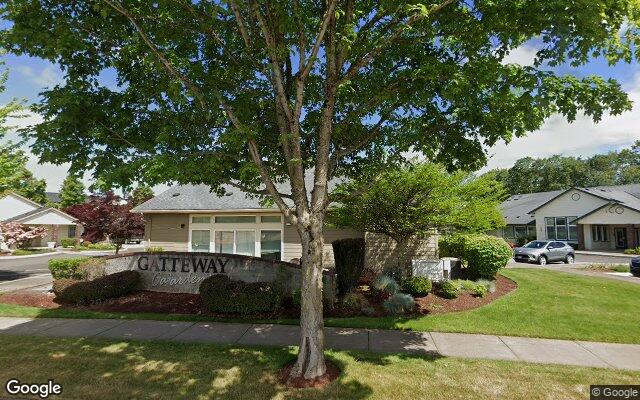
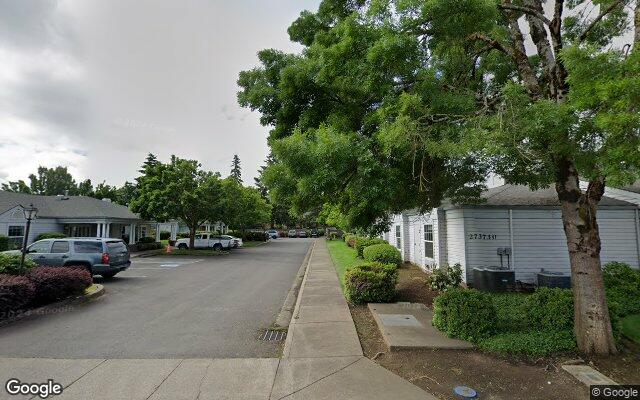
A large home, reviewed on public record.
© Google Street View
Compared to 22 Oregon facilities with a similar number of beds.
ALF memory care · 36-month window. Higher percentile = better performance on inspection record. Source: Oregon Dept. of Human Services · Long-Term Care Licensing.
among peers to rank.
Rankings based on 36-month OR-DHS inspection data. Severity and frequency: fewer citations = higher percentile. Repeat rate: lower repeat citation share = higher percentile.
Citation history, plotted month by month.
4 deficiencies on record. Each bar is a month with a citation.
Finding distribution
4 total · 36 monthsScope × Severity (CMS A–L)
Every inspection visit, verbatim.
2 inspections in the public record, most recent first. Plain-language summaries open first — click into any row for the full citation text.
2026-09-09Annual Compliance VisitNo findings
2024-04-17Annual Compliance VisitOR-cited · 4 findings
Plain-language summary
A state kitchen inspection on April 17, 2024 found the facility failed to maintain kitchens in a sanitary manner, with accumulations of food debris and dirt on equipment, non-functional thermometers, a refrigerator holding food above safe temperature, moldy strawberries, and staff unable to correctly identify foodborne illness exclusion requirements. A follow-up inspection on July 8, 2024 determined the facility was in substantial compliance with food sanitation rules.
Read full citation text (4)Hide full citation text
“The findings of the kitchen inspection, conducted 04/17/24, are documented in this report. The survey was conducted to determine compliance with the OARs 411-054-0030 for Residential Care and Assisted Living Facilities for Resident Services- Meals, and Oregon Health Service Food Sanitation Rules OARs 333-150-0000. The findings of the kitchen inspection, conducted 04/17/24, are documented in this report. The survey was conducted to determine compliance with the OARs 411-054-0030 for Residential Care and Assisted Living Facilities for Resident Services- Meals, and Oregon Health Service Food Sanitation Rules OARs 333-150-0000. The findings of the re-visit to the kitchen inspection of 04/17/24, conducted 07/08/24, are documented in this report. It was determined the facility was in substantial compliance with the OARs 411-054-0030 for Residential Care and Assisted Living Facilities for Resident Services- Meals, and Oregon Health Service Food Sanitation Rules OARs 333-150-0000. The findings of the re-visit to the kitchen inspection of 04/17/24, conducted 07/08/24, are documented in this report. It was determined the facility was in substantial compliance with the OARs 411-054-0030 for Residential Care and Assisted Living Facilities for Resident Services- Meals, and Oregon Health Service Food Sanitation Rules OARs 333-150-0000.”
“Based on observation, interview and record review, it was determined the facility failed to maintain the kitchen in good repair and in a sanitary manner in accordance with Food Sanitation Rules, OAR 333-150-000. Findings include, but are not limited to: Observations of the three cottage kitchen areas and food storage (cooks shack) were reviewed on 04/17/24 from 11:00 am through 1:45 pm and found the following: a. An accumulation of food spills, splatters, loose food and trash debris, dirt, dust, and/or black matter was visible on or underneath the following: * Reach in freezer door ice and water dispensers in 184 and 194; * Kitchen floor in 154; * Microwave in 154; * Range top in 194; and * Fan cages and blades in windows of house 184 and 194. b. The following areas were in need of repair: * Reach in thermometers in house 184 and 194 not operational; * Reach in refrigerator in house 154 at 50 degrees Fahrenheit; and * Multiple cupboards found with integrity damage causing non smooth surfaces for effective cleaning and sanitizing. c. Multiple containers of strawberries were found with visible mold growth in cook shack walk in cooler. d. Refrigerator in house 154 was found at 50 degrees, Food items were temped and also were above required 41 degrees Fahrenheit. Milk was at 53 degrees and egg salad was at 44 degrees. Temp logs were reviewed and no refrigerator temperatures were documented on 4/16/24 or 4/17/24 to indicate potentially how long food items were out of temp. Staff 2 (Head Cook/Person in Charge) acknowledged that food items needed to be discarded from that fridge and that food needed to be stored at 41 degrees or below. e. Regular shell eggs were observed stored in all cottage refrigerators. Staff in house 194 were interviewed and validated eggs were cooked to order for residents in the morning including poached and over medium or over easy eggs (yolks runny) if desired by residents. Staff were not able to verbalize correct temperatures for eggs and breakfast meats. When asked if they check the temperature of breakfast items they stated no as they were "just warming up items that were already previously cooked." These staff members did not know what pasteurized shell eggs looked like or if they utilized them. f. There was no system in place for the internal workings of water and ice dispensers to ensure they were cleaned and sanitized. The maintenance staff had a process for ensuring filters were changed per manufactures specifications. The water and ice dispensers in all homes were noted to have white and black debris build up on them. Staff 2 acknowledged need for enhanced cleaning of dispensers. g. Staff 2 was not able to correctly identify illnesses that would need to be excluded and reported to local health department as required under Person in Charge responsibilities in Oregon food sanitation rules. At 1:15 pm Staff 2 (Head Cook/Person in Charge) acknowledged the above areas. At approximately 2:00 pm, identified areas were reviewed with Staff 1 (Administrator) and s/he acknowledged the findings. Based on observation, interview and record review, it was determined the facility failed to maintain the kitchen in good repair and in a sanitary manner in accordance with Food Sanitation Rules, OAR 333-150-000. Findings include, but are not limited to: Observations of the three cottage kitchen areas and food storage (cooks shack) were reviewed on 04/17/24 from 11:00 am through 1:45 pm and found the following: a. An accumulation of food spills, splatters, loose food and trash debris, dirt, dust, and/or black matter was visible on or underneath the following: * Reach in freezer door ice and water dispensers in 184 and 194; * Kitchen floor in 154; * Microwave in 154; * Range top in 194; and * Fan cages and blades in windows of house 184 and 194. b. The following areas were in need of repair: * Reach in thermometers in house 184 and 194 not operational; * Reach in refrigerator in house 154 at 50 degrees Fahrenheit; and * Multiple cupboards found with integrity damage causing non smooth surfaces for effective cleaning and sanitizing. c. Multiple containers of strawberries were found with visible mold growth in cook shack walk in cooler. d. Refrigerator in house 154 was found at 50 degrees, Food items were temped and also were above required 41 degrees Fahrenheit. Milk was at 53 degrees and egg salad was at 44 degrees. Temp logs were reviewed and no refrigerator temperatures were documented on 4/16/24 or 4/17/24 to indicate potentially how long food items were out of temp. Staff 2 (Head Cook/Person in Charge) acknowledged that food items needed to be discarded from that fridge and that food needed to be stored at 41 degrees or below. e. Regular shell eggs were observed stored in all cottage refrigerators. Staff in house 194 were interviewed and validated eggs were cooked to order for residents in the morning including poached and over medium or over easy eggs (yolks runny) if desired by residents. Staff were not able to verbalize correct temperatures for eggs and breakfast meats. When asked if they check the temperature of breakfast items they stated no as they were "just warming up items that were already previously cooked." These staff members did not know what pasteurized shell eggs looked like or if they utilized them. f. There was no system in place for the internal workings of water and ice dispensers to ensure they were cleaned and sanitized. The maintenance staff had a process for ensuring filters were changed per manufactures specifications. The water and ice dispensers in all homes were noted to have white and black debris build up on them. Staff 2 acknowledged need for enhanced cleaning of dispensers. g. Staff 2 was not able to correctly identify illnesses that would need to be excluded and reported to local health department as required under Person in Charge responsibilities in Oregon food sanitation rules. At 1:15 pm Staff 2 (Head Cook/Person in Charge) acknowledged the above areas. At approximately 2:00 pm, identified areas were reviewed with Staff 1 (Administrator) and s/he acknowledged the findings. C240 This Rule is not met as evidenced by: Based on observation, interview, and record review, it was determined the facility failed to maintain the kitchen in good repair and in a sanitary manner in accordance with Food Sanitation Rules, OAR 333-150-000. Findings include, but are not limited to: (a) An accumulation of food spills, splatters, loose food and trash debris, dirt, dust, and/or black matter was visible on or underneath the following: Reach in freezer door ice and water dispensers in 184 and 194; Kitchen floor in 154; Microwave in 154; Range top in 194; and Fan cages and blades in windows of houses 184 and 194. 1. We have invested in specialized straw cleaners to clean the ice and water dispensers efficiently. Additionally, all kitchen floors, microwaves, and range tops underwent an immediate deep cleaning to eliminate debris, and fans have been removed from kitchen areas. These actions have markedly improved the cleanliness of the specified locations. 2. We've instituted a rigorous regimen in which the nocturnal shift is tasked with comprehensive deep cleaning duties every night. The responsible staff members must complete and sign off on these tasks to ensure adherence to our cleaning standards. 3. To maintain oversight of the cleaning process, we will collect and review the deep cleaning task lists monthly. The Kitchen Coordinator has also introduced a monthly audit system to verify that all tasks meet our cleanliness standards. 4. The responsibility for overseeing the completion of deep cleaning and monthly audits has been assigned to the Gateway Gardens Kitchen Coordinator and the Administration Team. They will also conduct daily inspections to monitor and ensure the ongoing cleanliness of our kitchen facilities. (b) The following areas were in need of repair: Reach in thermomet”
“Based on interview and record review, it was determined the facility failed to have policy and procedures in place for exclusion of food service workers when sick or ill with potential or actual contagious food related illness. Findings include, but are not limited by: On 04/17/24 Staff 1 (Administrator) was asked to provide policy and procedure for when employee's who prepared food were sick and had illnesses or symptoms that may be related to a potentially contagious pathogen. Staff 1 informed the surveyor that the facility was still updating employee sick policies. The facility provided a copy of a section in the Employee Handbook that stated, "An employee who is sick, such as vomiting, diarrhea or a temperature of 100 degrees or more should not come to work. If employee comes to work sick, they me(sic) subject to a Safety Violation, which may include termination." Staff 1 acknowledged there was nothing that indicated what illnesses would need to be reported to the health department or be excluded from working with food. S/he acknowledged there was no policy that currently outlined what symptoms/illnesses the PIC (person in charge) was to be aware of for exclusion for working with food or that needed to be reported to health department as outlined in Oregon food sanitation rule. At 1:15 pm staff 2 (Person in Charge) was interviewed and was not able to correctly identify illness and symptoms that would require exclusion from working in the kitchen or would need to be reported to Local Health Department per Food Sanitation Rule requirement. Based on interview and record review, it was determined the facility failed to have policy and procedures in place for exclusion of food service workers when sick or ill with potential or actual contagious food related illness. Findings include, but are not limited by: On 04/17/24 Staff 1 (Administrator) was asked to provide policy and procedure for when employee's who prepared food were sick and had illnesses or symptoms that may be related to a potentially contagious pathogen. Staff 1 informed the surveyor that the facility was still updating employee sick policies. The facility provided a copy of a section in the Employee Handbook that stated, "An employee who is sick, such as vomiting, diarrhea or a temperature of 100 degrees or more should not come to work. If employee comes to work sick, they me(sic) subject to a Safety Violation, which may include termination." Staff 1 acknowledged there was nothing that indicated what illnesses would need to be reported to the health department or be excluded from working with food. S/he acknowledged there was no policy that currently outlined what symptoms/illnesses the PIC (person in charge) was to be aware of for exclusion for working with food or that needed to be reported to health department as outlined in Oregon food sanitation rule. At 1:15 pm staff 2 (Person in Charge) was interviewed and was not able to correctly identify illness and symptoms that would require exclusion from working in the kitchen or would need to be reported to Local Health Department per Food Sanitation Rule requirement. C295 This Rule is not met as evidenced by: Based on interview and record review, it was determined the facility failed to have policy and procedures in place for exclusion of food service workers when sick or ill with potential or actual contagious food-related illness. Findings include, but are not limited by: At 1:15 pm, staff 2 (Person in Charge) was interviewed and was not able to correctly identify illness and symptoms that would require exclusion from working in the kitchen or would need to be reported to the Local Health Department per Food Sanitation Rule requirement. 1. In response to the identified gaps, the Chief Operations Officer, who also serves as the Infection Control Specialist, has developed a comprehensive Gastrointestinal Illness Policy and Procedure. This policy aligns with Oregon Administrative Rules (OAR) 411-054-0050(1-5) on Infection Prevention & Control, ensuring strict adherence to health regulations. 2. To maintain the highest standards of health and safety, the Kitchen Coordinator will collaborate with the Chief Operations Officer to review our exclusion of food service workers when sick or ill and update policies and procedures annually. This will ensure our practices are up-to-date and continue to meet regulatory requirements effectively. 3. We will conduct a thorough annual audit of our illness policy and procedures. This audit is designed to verify compliance with all relevant laws and regulations, thus safeguarding our staff and the individuals we serve from health risks associated with food handling. 4. The Kitchen Coordinator and the Administration Team share the responsibility for continuously monitoring updates to health policies and procedures. They will ensure all updates are promptly communicated and implemented across our team, guaranteeing compliance and promoting a culture of health and safety excellence. C295 This Rule is not met as evidenced by: Based on interview and record review, it was determined the facility failed to have policy and procedures in place for exclusion of food service workers when sick or ill with potential or actual contagious food-related illness. Findings include, but are not limited by: At 1:15 pm, staff 2 (Person in Charge) was interviewed and was not able to correctly identify illness and symptoms that would require exclusion from working in the kitchen or would need to be reported to the Local Health Department per Food Sanitation Rule requirement.”
“Based on observation, interview and record review, it was determined the facility failed to follow licensing rules for Residential Care and Assisted Living Facilities. Findings include, but are not limited to: Refer to C 240 and C 295. Based on observation, interview and record review, it was determined the facility failed to follow licensing rules for Residential Care and Assisted Living Facilities. Findings include, but are not limited to: Refer to C 240 and C 295. Z142 This Rule is not met, as evidenced by: Based on observation, interview and record review, it was determined that the facility failed to follow licensing rules for Residential Care and Assisted Living Facilities. Findings include, but are not limited to: Refer to C 240 and C 295. Please refer to our C240 and C295 submissions above. Z142 This Rule is not met, as evidenced by: Based on observation, interview and record review, it was determined that the facility failed to follow licensing rules for Residential Care and Assisted Living Facilities. Findings include, but are not limited to: Refer to C 240 and C 295. Please refer to our C240 and C295 submissions above. There are no detail notes for this visit.”
Read raw inspector notesClose inspector notes
The findings of the kitchen inspection, conducted 04/17/24, are documented in this report. The survey was conducted to determine compliance with the OARs 411-054-0030 for Residential Care and Assisted Living Facilities for Resident Services- Meals, and Oregon Health Service Food Sanitation Rules OARs 333-150-0000. The findings of the kitchen inspection, conducted 04/17/24, are documented in this report. The survey was conducted to determine compliance with the OARs 411-054-0030 for Residential Care and Assisted Living Facilities for Resident Services- Meals, and Oregon Health Service Food Sanitation Rules OARs 333-150-0000. The findings of the re-visit to the kitchen inspection of 04/17/24, conducted 07/08/24, are documented in this report. It was determined the facility was in substantial compliance with the OARs 411-054-0030 for Residential Care and Assisted Living Facilities for Resident Services- Meals, and Oregon Health Service Food Sanitation Rules OARs 333-150-0000. The findings of the re-visit to the kitchen inspection of 04/17/24, conducted 07/08/24, are documented in this report. It was determined the facility was in substantial compliance with the OARs 411-054-0030 for Residential Care and Assisted Living Facilities for Resident Services- Meals, and Oregon Health Service Food Sanitation Rules OARs 333-150-0000. Based on observation, interview and record review, it was determined the facility failed to maintain the kitchen in good repair and in a sanitary manner in accordance with Food Sanitation Rules, OAR 333-150-000. Findings include, but are not limited to: Observations of the three cottage kitchen areas and food storage (cooks shack) were reviewed on 04/17/24 from 11:00 am through 1:45 pm and found the following: a. An accumulation of food spills, splatters, loose food and trash debris, dirt, dust, and/or black matter was visible on or underneath the following: * Reach in freezer door ice and water dispensers in 184 and 194; * Kitchen floor in 154; * Microwave in 154; * Range top in 194; and * Fan cages and blades in windows of house 184 and 194. b. The following areas were in need of repair: * Reach in thermometers in house 184 and 194 not operational; * Reach in refrigerator in house 154 at 50 degrees Fahrenheit; and * Multiple cupboards found with integrity damage causing non smooth surfaces for effective cleaning and sanitizing. c. Multiple containers of strawberries were found with visible mold growth in cook shack walk in cooler. d. Refrigerator in house 154 was found at 50 degrees, Food items were temped and also were above required 41 degrees Fahrenheit. Milk was at 53 degrees and egg salad was at 44 degrees. Temp logs were reviewed and no refrigerator temperatures were documented on 4/16/24 or 4/17/24 to indicate potentially how long food items were out of temp. Staff 2 (Head Cook/Person in Charge) acknowledged that food items needed to be discarded from that fridge and that food needed to be stored at 41 degrees or below. e. Regular shell eggs were observed stored in all cottage refrigerators. Staff in house 194 were interviewed and validated eggs were cooked to order for residents in the morning including poached and over medium or over easy eggs (yolks runny) if desired by residents. Staff were not able to verbalize correct temperatures for eggs and breakfast meats. When asked if they check the temperature of breakfast items they stated no as they were "just warming up items that were already previously cooked." These staff members did not know what pasteurized shell eggs looked like or if they utilized them. f. There was no system in place for the internal workings of water and ice dispensers to ensure they were cleaned and sanitized. The maintenance staff had a process for ensuring filters were changed per manufactures specifications. The water and ice dispensers in all homes were noted to have white and black debris build up on them. Staff 2 acknowledged need for enhanced cleaning of dispensers. g. Staff 2 was not able to correctly identify illnesses that would need to be excluded and reported to local health department as required under Person in Charge responsibilities in Oregon food sanitation rules. At 1:15 pm Staff 2 (Head Cook/Person in Charge) acknowledged the above areas. At approximately 2:00 pm, identified areas were reviewed with Staff 1 (Administrator) and s/he acknowledged the findings. Based on observation, interview and record review, it was determined the facility failed to maintain the kitchen in good repair and in a sanitary manner in accordance with Food Sanitation Rules, OAR 333-150-000. Findings include, but are not limited to: Observations of the three cottage kitchen areas and food storage (cooks shack) were reviewed on 04/17/24 from 11:00 am through 1:45 pm and found the following: a. An accumulation of food spills, splatters, loose food and trash debris, dirt, dust, and/or black matter was visible on or underneath the following: * Reach in freezer door ice and water dispensers in 184 and 194; * Kitchen floor in 154; * Microwave in 154; * Range top in 194; and * Fan cages and blades in windows of house 184 and 194. b. The following areas were in need of repair: * Reach in thermometers in house 184 and 194 not operational; * Reach in refrigerator in house 154 at 50 degrees Fahrenheit; and * Multiple cupboards found with integrity damage causing non smooth surfaces for effective cleaning and sanitizing. c. Multiple containers of strawberries were found with visible mold growth in cook shack walk in cooler. d. Refrigerator in house 154 was found at 50 degrees, Food items were temped and also were above required 41 degrees Fahrenheit. Milk was at 53 degrees and egg salad was at 44 degrees. Temp logs were reviewed and no refrigerator temperatures were documented on 4/16/24 or 4/17/24 to indicate potentially how long food items were out of temp. Staff 2 (Head Cook/Person in Charge) acknowledged that food items needed to be discarded from that fridge and that food needed to be stored at 41 degrees or below. e. Regular shell eggs were observed stored in all cottage refrigerators. Staff in house 194 were interviewed and validated eggs were cooked to order for residents in the morning including poached and over medium or over easy eggs (yolks runny) if desired by residents. Staff were not able to verbalize correct temperatures for eggs and breakfast meats. When asked if they check the temperature of breakfast items they stated no as they were "just warming up items that were already previously cooked." These staff members did not know what pasteurized shell eggs looked like or if they utilized them. f. There was no system in place for the internal workings of water and ice dispensers to ensure they were cleaned and sanitized. The maintenance staff had a process for ensuring filters were changed per manufactures specifications. The water and ice dispensers in all homes were noted to have white and black debris build up on them. Staff 2 acknowledged need for enhanced cleaning of dispensers. g. Staff 2 was not able to correctly identify illnesses that would need to be excluded and reported to local health department as required under Person in Charge responsibilities in Oregon food sanitation rules. At 1:15 pm Staff 2 (Head Cook/Person in Charge) acknowledged the above areas. At approximately 2:00 pm, identified areas were reviewed with Staff 1 (Administrator) and s/he acknowledged the findings. C240 This Rule is not met as evidenced by: Based on observation, interview, and record review, it was determined the facility failed to maintain the kitchen in good repair and in a sanitary manner in accordance with Food Sanitation Rules, OAR 333-150-000. Findings include, but are not limited to: (a) An accumulation of food spills, splatters, loose food and trash debris, dirt, dust, and/or black matter was visible on or underneath the following: Reach in freezer door ice and water dispensers in 184 and 194; Kitchen floor in 154; Microwave in 154; Range top in 194; and Fan cages and blades in windows of houses 184 and 194. 1. We have invested in specialized straw cleaners to clean the ice and water dispensers efficiently. Additionally, all kitchen floors, microwaves, and range tops underwent an immediate deep cleaning to eliminate debris, and fans have been removed from kitchen areas. These actions have markedly improved the cleanliness of the specified locations. 2. We've instituted a rigorous regimen in which the nocturnal shift is tasked with comprehensive deep cleaning duties every night. The responsible staff members must complete and sign off on these tasks to ensure adherence to our cleaning standards. 3. To maintain oversight of the cleaning process, we will collect and review the deep cleaning task lists monthly. The Kitchen Coordinator has also introduced a monthly audit system to verify that all tasks meet our cleanliness standards. 4. The responsibility for overseeing the completion of deep cleaning and monthly audits has been assigned to the Gateway Gardens Kitchen Coordinator and the Administration Team. They will also conduct daily inspections to monitor and ensure the ongoing cleanliness of our kitchen facilities. (b) The following areas were in need of repair: Reach in thermomet Based on interview and record review, it was determined the facility failed to have policy and procedures in place for exclusion of food service workers when sick or ill with potential or actual contagious food related illness. Findings include, but are not limited by: On 04/17/24 Staff 1 (Administrator) was asked to provide policy and procedure for when employee's who prepared food were sick and had illnesses or symptoms that may be related to a potentially contagious pathogen. Staff 1 informed the surveyor that the facility was still updating employee sick policies. The facility provided a copy of a section in the Employee Handbook that stated, "An employee who is sick, such as vomiting, diarrhea or a temperature of 100 degrees or more should not come to work. If employee comes to work sick, they me(sic) subject to a Safety Violation, which may include termination." Staff 1 acknowledged there was nothing that indicated what illnesses would need to be reported to the health department or be excluded from working with food. S/he acknowledged there was no policy that currently outlined what symptoms/illnesses the PIC (person in charge) was to be aware of for exclusion for working with food or that needed to be reported to health department as outlined in Oregon food sanitation rule. At 1:15 pm staff 2 (Person in Charge) was interviewed and was not able to correctly identify illness and symptoms that would require exclusion from working in the kitchen or would need to be reported to Local Health Department per Food Sanitation Rule requirement. Based on interview and record review, it was determined the facility failed to have policy and procedures in place for exclusion of food service workers when sick or ill with potential or actual contagious food related illness. Findings include, but are not limited by: On 04/17/24 Staff 1 (Administrator) was asked to provide policy and procedure for when employee's who prepared food were sick and had illnesses or symptoms that may be related to a potentially contagious pathogen. Staff 1 informed the surveyor that the facility was still updating employee sick policies. The facility provided a copy of a section in the Employee Handbook that stated, "An employee who is sick, such as vomiting, diarrhea or a temperature of 100 degrees or more should not come to work. If employee comes to work sick, they me(sic) subject to a Safety Violation, which may include termination." Staff 1 acknowledged there was nothing that indicated what illnesses would need to be reported to the health department or be excluded from working with food. S/he acknowledged there was no policy that currently outlined what symptoms/illnesses the PIC (person in charge) was to be aware of for exclusion for working with food or that needed to be reported to health department as outlined in Oregon food sanitation rule. At 1:15 pm staff 2 (Person in Charge) was interviewed and was not able to correctly identify illness and symptoms that would require exclusion from working in the kitchen or would need to be reported to Local Health Department per Food Sanitation Rule requirement. C295 This Rule is not met as evidenced by: Based on interview and record review, it was determined the facility failed to have policy and procedures in place for exclusion of food service workers when sick or ill with potential or actual contagious food-related illness. Findings include, but are not limited by: At 1:15 pm, staff 2 (Person in Charge) was interviewed and was not able to correctly identify illness and symptoms that would require exclusion from working in the kitchen or would need to be reported to the Local Health Department per Food Sanitation Rule requirement. 1. In response to the identified gaps, the Chief Operations Officer, who also serves as the Infection Control Specialist, has developed a comprehensive Gastrointestinal Illness Policy and Procedure. This policy aligns with Oregon Administrative Rules (OAR) 411-054-0050(1-5) on Infection Prevention & Control, ensuring strict adherence to health regulations. 2. To maintain the highest standards of health and safety, the Kitchen Coordinator will collaborate with the Chief Operations Officer to review our exclusion of food service workers when sick or ill and update policies and procedures annually. This will ensure our practices are up-to-date and continue to meet regulatory requirements effectively. 3. We will conduct a thorough annual audit of our illness policy and procedures. This audit is designed to verify compliance with all relevant laws and regulations, thus safeguarding our staff and the individuals we serve from health risks associated with food handling. 4. The Kitchen Coordinator and the Administration Team share the responsibility for continuously monitoring updates to health policies and procedures. They will ensure all updates are promptly communicated and implemented across our team, guaranteeing compliance and promoting a culture of health and safety excellence. C295 This Rule is not met as evidenced by: Based on interview and record review, it was determined the facility failed to have policy and procedures in place for exclusion of food service workers when sick or ill with potential or actual contagious food-related illness. Findings include, but are not limited by: At 1:15 pm, staff 2 (Person in Charge) was interviewed and was not able to correctly identify illness and symptoms that would require exclusion from working in the kitchen or would need to be reported to the Local Health Department per Food Sanitation Rule requirement. Based on observation, interview and record review, it was determined the facility failed to follow licensing rules for Residential Care and Assisted Living Facilities. Findings include, but are not limited to: Refer to C 240 and C 295. Based on observation, interview and record review, it was determined the facility failed to follow licensing rules for Residential Care and Assisted Living Facilities. Findings include, but are not limited to: Refer to C 240 and C 295. Z142 This Rule is not met, as evidenced by: Based on observation, interview and record review, it was determined that the facility failed to follow licensing rules for Residential Care and Assisted Living Facilities. Findings include, but are not limited to: Refer to C 240 and C 295. Please refer to our C240 and C295 submissions above. Z142 This Rule is not met, as evidenced by: Based on observation, interview and record review, it was determined that the facility failed to follow licensing rules for Residential Care and Assisted Living Facilities. Findings include, but are not limited to: Refer to C 240 and C 295. Please refer to our C240 and C295 submissions above. There are no detail notes for this visit.
2 older inspections from 2022 are not shown above.
Get the complete record, translated into plain language — emailed to you.
Other facilities in Lane County.
Other memory care facilities in Lane County with similar care offerings.
Contract Decoder
Family reviews
No reviews yet — be the first to share your experience
Other memory care options nearby.
More options in neighboring cities
Licensed memory care in other cities within this county region — useful when your search radius crosses city limits.