Sweetbriar Villa.
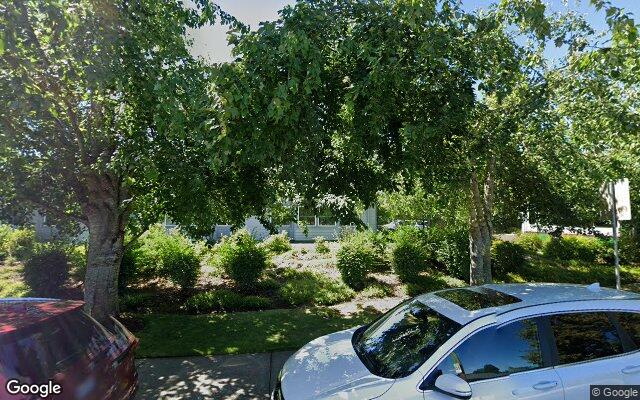
A medium home, reviewed on public record.
© Google Street View
Compared to 55 Oregon facilities with a similar number of beds.
ALF memory care · 36-month window. Higher percentile = better performance on inspection record. Source: Oregon Dept. of Human Services · Long-Term Care Licensing.
among peers to rank.
Rankings based on 36-month OR-DHS inspection data. Severity and frequency: fewer citations = higher percentile. Repeat rate: lower repeat citation share = higher percentile.
Citation history, plotted month by month.
11 deficiencies on record. Each bar is a month with a citation.
Finding distribution
11 total · 36 monthsScope × Severity (CMS A–L)
Every inspection visit, verbatim.
4 inspections in the public record, most recent first. Plain-language summaries open first — click into any row for the full citation text.
2026-05-14Annual Compliance VisitNo findings
2025-06-05Annual Compliance VisitOR-cited · 3 findings
Plain-language summary
A routine kitchen inspection on June 5, 2025 found the facility failed to maintain sanitary conditions and serve food safely: inspectors observed accumulation of food debris and grease on equipment and shelving, sanitizer buckets with no active chemical, food items not dated when opened, a memory care refrigerator at 48 degrees without temperature monitoring, and two residents on minced-and-moist diet texture being served mixed-texture food at 118 degrees instead of the required 135 degrees or hotter (food was reheated before service). Additional violations included uncovered equipment, bulk food storage containers with scoops touching food, partially uncovered freezer items, and caregiving staff assisting residents with meals without protective aprons; the facility also failed to implement a satisfactory plan of correction and did not comply with memory care licensing rules.
Read full citation text (3)Hide full citation text
“Based on observations and interviews, it was determined the facility failed to maintain the kitchen in a sanitary manner and serve food at palatable temperatures and appropriate textures in accordance with Food Sanitation Rules, OAR 333-150-000. Findings include, but are not limited to: Observation of the kitchen on 06/05/25 at 10:45 am through 1:00pm revealed the following: a. An accumulation of food spills, splatters, loose food and trash debris, dirt, dust, black matter and grease was visible on, around or underneath the following: * Kitchen drains * Industrial mixer and slicer * Industrial can opener * Metal large can rack * Metal shelf above cooking area * Interior of stainless-steel drawers * Juice machine * Lids of bulk bins * Popcorn maker * Stainless-steel shelving b. The following areas were in need of repair: * Light switch cover cracked * Area around floor electrical outlet in Dining room with gap in caulking. c. Both surface sanitizer buckets were found not a proper concentration (Parts Per Million) for effective sanitizing. Facility’s test strips did not turn any color indicating zero active sanitizing chemical available in the red buckets meant for sanitizing surfaces. Facility made fresh buckets and were found at appropriate PPM for sanitizer concentration. d. Multiple food items were found not dated when opened. e. Multiple containers of bulk dry goods had cups or scoops stored in them with the handles or hand contact surfaces touching the food product potentially contaminating the items. f. The small memory care refrigerator was noted at 48 degrees. The facility was not able to demonstrate an effective process for monitoring the mini fridge temperatures for cold food storage. Multiple resident food items were observed stored in that refrigerator. g. Some items in reach in freezers were observed not fully covered/protected from potential contamination. h. Two residents on minced and moist diet textures were served minced meat but with bbq sauce poured on top. For this diet type mixed textures are not permitted and must be thoroughly mixed into the product yielding one texture. The temperature of the BBQ pork was also noted to be at 118 degrees Fahrenheit and was about to be served to the residents at that lower temperature. Surveyor interviewed and instructed that food must be hot held and leave the kitchen at 135 degrees or hotter. Staff 2 (Dining Services Director) acknowledged the food was not hot enough and was going to be served at unpalatable temperatures. Food was reheated to a higher and more palatable temperature before served to residents. i. Caregiving staff in memory care unit that were assisting residents with their meals did not have aprons/protective barriers on to prevent possible contamination from their clothing during meals. j. Industrial slicer was observed uncovered and not protected from potential contamination when stored/not in use. At 12:45 pm, the surveyor reviewed above identified areas with both Staff 1 (Executive Director) and Staff 2 who acknowledged the of areas in need of correction.”
“Based on observation, interview, and record review, it was determined the facility failed to ensure the plan of correction was implemented and satisfied the Department. Findings include, but are not limited to: Refer to: C240. Refer to C 240. OAR 411-054-0105 (2-4) Inspections and Investigation: Insp Interval (Amended 12/15/21)(2) The facility shall not interfere with a good faith disclosure of information by an employee or volunteer concerning abuse or other action affecting a resident's safety or welfare, as described in OAR 411-054-0028(4).(3) Staff of the Department shall visit and inspect every facility at least but not limited to once every two years for a full in-person survey to determine whether the facility is maintained and operated in accordance with these rules.(a) For each year during which a facility does not have a full survey, the Department shall conduct an in-person inspection of the kitchen and other areas where food is prepared for residents.(b) Subsection (a) will not go into effect until July 1, 2022.(c) Facilities not in compliance with these rules must submit, within ten days of receipt of the inspection report, a plan of correction that satisfies the Department.(d) The Department may impose sanctions for failure to comply with these rules.(4) Department staff may consult with and advise the facility administrator concerning methods of care, records, housing, equipment, and other areas of operation. This Rule is not met as evidenced by:”
“Based on observations and interviews, it was determined the facility failed to follow licensing rules for Residential Care and Assisted Living Facilities. Findings include, but are not limited to: Refer to C240. Refer to C240. OAR 411-057-0140(2) Administration Compliance (2) The licensee of a memory care community must comply with both the licensing rules for the facility and Chapter 411, Division 57. This Rule is not met as evidenced by: Based on observation, interview, and record review, it was determined the facility failed to follow licensing rules for Residential Care and Assisted Living Facilities. This is a repeat citation. Findings include, but are not limited to: Refer to: C240. Refer to C 240. OAR 411-057-0140(2) Administration Compliance (2) The licensee of a memory care community must comply with both the licensing rules for the facility and Chapter 411, Division 57. This Rule is not met as evidenced by:”
Read raw inspector notesClose inspector notes
Based on observations and interviews, it was determined the facility failed to maintain the kitchen in a sanitary manner and serve food at palatable temperatures and appropriate textures in accordance with Food Sanitation Rules, OAR 333-150-000. Findings include, but are not limited to: Observation of the kitchen on 06/05/25 at 10:45 am through 1:00pm revealed the following: a. An accumulation of food spills, splatters, loose food and trash debris, dirt, dust, black matter and grease was visible on, around or underneath the following: * Kitchen drains * Industrial mixer and slicer * Industrial can opener * Metal large can rack * Metal shelf above cooking area * Interior of stainless-steel drawers * Juice machine * Lids of bulk bins * Popcorn maker * Stainless-steel shelving b. The following areas were in need of repair: * Light switch cover cracked * Area around floor electrical outlet in Dining room with gap in caulking. c. Both surface sanitizer buckets were found not a proper concentration (Parts Per Million) for effective sanitizing. Facility’s test strips did not turn any color indicating zero active sanitizing chemical available in the red buckets meant for sanitizing surfaces. Facility made fresh buckets and were found at appropriate PPM for sanitizer concentration. d. Multiple food items were found not dated when opened. e. Multiple containers of bulk dry goods had cups or scoops stored in them with the handles or hand contact surfaces touching the food product potentially contaminating the items. f. The small memory care refrigerator was noted at 48 degrees. The facility was not able to demonstrate an effective process for monitoring the mini fridge temperatures for cold food storage. Multiple resident food items were observed stored in that refrigerator. g. Some items in reach in freezers were observed not fully covered/protected from potential contamination. h. Two residents on minced and moist diet textures were served minced meat but with bbq sauce poured on top. For this diet type mixed textures are not permitted and must be thoroughly mixed into the product yielding one texture. The temperature of the BBQ pork was also noted to be at 118 degrees Fahrenheit and was about to be served to the residents at that lower temperature. Surveyor interviewed and instructed that food must be hot held and leave the kitchen at 135 degrees or hotter. Staff 2 (Dining Services Director) acknowledged the food was not hot enough and was going to be served at unpalatable temperatures. Food was reheated to a higher and more palatable temperature before served to residents. i. Caregiving staff in memory care unit that were assisting residents with their meals did not have aprons/protective barriers on to prevent possible contamination from their clothing during meals. j. Industrial slicer was observed uncovered and not protected from potential contamination when stored/not in use. At 12:45 pm, the surveyor reviewed above identified areas with both Staff 1 (Executive Director) and Staff 2 who acknowledged the of areas in need of correction. Based on observation, interview, and record review, it was determined the facility failed to ensure the plan of correction was implemented and satisfied the Department. Findings include, but are not limited to: Refer to: C240. Refer to C 240. OAR 411-054-0105 (2-4) Inspections and Investigation: Insp Interval (Amended 12/15/21)(2) The facility shall not interfere with a good faith disclosure of information by an employee or volunteer concerning abuse or other action affecting a resident's safety or welfare, as described in OAR 411-054-0028(4).(3) Staff of the Department shall visit and inspect every facility at least but not limited to once every two years for a full in-person survey to determine whether the facility is maintained and operated in accordance with these rules.(a) For each year during which a facility does not have a full survey, the Department shall conduct an in-person inspection of the kitchen and other areas where food is prepared for residents.(b) Subsection (a) will not go into effect until July 1, 2022.(c) Facilities not in compliance with these rules must submit, within ten days of receipt of the inspection report, a plan of correction that satisfies the Department.(d) The Department may impose sanctions for failure to comply with these rules.(4) Department staff may consult with and advise the facility administrator concerning methods of care, records, housing, equipment, and other areas of operation. This Rule is not met as evidenced by: Based on observations and interviews, it was determined the facility failed to follow licensing rules for Residential Care and Assisted Living Facilities. Findings include, but are not limited to: Refer to C240. Refer to C240. OAR 411-057-0140(2) Administration Compliance (2) The licensee of a memory care community must comply with both the licensing rules for the facility and Chapter 411, Division 57. This Rule is not met as evidenced by: Based on observation, interview, and record review, it was determined the facility failed to follow licensing rules for Residential Care and Assisted Living Facilities. This is a repeat citation. Findings include, but are not limited to: Refer to: C240. Refer to C 240. OAR 411-057-0140(2) Administration Compliance (2) The licensee of a memory care community must comply with both the licensing rules for the facility and Chapter 411, Division 57. This Rule is not met as evidenced by:
2025-03-25Complaint InvestigationOR-cited · 4 findings
Plain-language summary
A complaint investigation conducted on March 25, 2025 substantiated two medication administration errors: one resident did not receive prescribed insulin injections and was given a different insulin by mistake, and another resident missed two scheduled doses of Tramadol pain medication. The investigation also found the facility did not have a fully implemented and updated staffing plan; not all residents had completed required acuity assessments, staffing levels did not match calculated needs, and the facility was not consistently assigning two staff members to segregated areas on night shift for residents requiring two-person transfers.
Read full citation text (4)Hide full citation text
“Based on interview and record review, conducted during a site visit on 03/25/25, the facility's failure to carry out medication and treatment orders as prescribed was substantiated for 1 of 1 sampled resident (#1). Findings include, but are not limited to: A review of Resident 1's August 2024 MAR and progress notes, incident report dated 08/14/24, and Interim Service Plan dated 08/15/24 indicated the following: · Novolog 100-U/ML PEN 3ML to be injected 11 units before breakfast and 10 units before lunch and dinner for diabetes. · Tresiba 100-U/ML PEN 3ML to be injected 18 units every day at 8 pm for diabetes. · Resident 2 did not receive his/her Novolog 100-U/ML PEN 3ML on 08/14/25 at 7:30 am and 11:30 am and was administered Tresiba 100-U/ML PEN 3ML in error before breakfast and lunch. In an interview, Staff 2 (Wellness Nurse) stated the incident had occurred. The findings were reviewed with and acknowledged by Staff 1 (Executive Director) and Staff 2 on 03/25/25. The facility's failure to carry out medication and treatment orders as prescribed was substantiated. Based on interview and record review, conducted during a site visit on 03/25/25, the facility's failure to carry out medication and treatment orders as prescribed was substantiated for 1 of 1 sampled resident (#2). Findings include, but are not limited to: A review of Resident 2's November 2023 MAR and progress notes, incident report dated 11/09/23, and Interim Service Plan dated 11/10/23 indicated the following: · Tramadol 50mg Tab to be given twice daily at 8 am and 2 pm. · Resident 2 did not receive his/her scheduled doses of Tramadol on 11/09/23 at 8 am and 2 pm. In an interview, Staff 2 (Wellness Nurse) stated the incident had occurred. The findings were reviewed with and acknowledged by Staff 1 (Executive Director) and Staff 2 on 03/25/25. The facility's failure to carry out medication and treatment orders as prescribed was substantiated. Based on interview and record review, conducted during a site visit on 03/25/25, the facility's failure to carry out medication and treatment orders as prescribed was substantiated for 1 of 1 sampled resident (#1). Findings include, but are not limited to: A review of Resident 1's August 2024 MAR and progress notes, incident report dated 08/14/24, and Interim Service Plan dated 08/15/24 indicated the following: · Novolog 100-U/ML PEN 3ML to be injected 11 units before breakfast and 10 units before lunch and dinner for diabetes. · Tresiba 100-U/ML PEN 3ML to be injected 18 units every day at 8 pm for diabetes. · Resident 2 did not receive his/her Novolog 100-U/ML PEN 3ML on 08/14/25 at 7:30 am and 11:30 am and was administered Tresiba 100-U/ML PEN 3ML in error before breakfast and lunch. In an interview, Staff 2 (Wellness Nurse) stated the incident had occurred. The findings were reviewed with and acknowledged by Staff 1 (Executive Director) and Staff 2 on 03/25/25. The facility's failure to carry out medication and treatment orders as prescribed was substantiated. Based on interview and record review, conducted during a site visit on 03/25/25, the facility's failure to carry out medication and treatment orders as prescribed was substantiated for 1 of 1 sampled resident (#2). Findings include, but are not limited to: A review of Resident 2's November 2023 MAR and progress notes, incident report dated 11/09/23, and Interim Service Plan dated 11/10/23 indicated the following: · Tramadol 50mg Tab to be given twice daily at 8 am and 2 pm. · Resident 2 did not receive his/her scheduled doses of Tramadol on 11/09/23 at 8 am and 2 pm. In an interview, Staff 2 (Wellness Nurse) stated the incident had occurred. The findings were reviewed with and acknowledged by Staff 1 (Executive Director) and Staff 2 on 03/25/25. The facility's failure to carry out medication and treatment orders as prescribed was substantiated.”
“Based on interview and record review, conducted during a site visit on 03/25/25, the facility's failure to have a fully implemented and updated Acuity-Based Staffing Tool (ABST) was substantiated. Findings include, but are not limited to: A review of the facility's ABST and resident roster indicated that not all 33 residents had completed ABST evaluations, and the residents had not been updated at least quarterly. A review of the ABST indicated the following: · Day shift: Assisted Living (AL) 15.25 and Memory Care (MC) 5.37 staff required. · Swing shift: AL 12.73 and MC 4.95 staff required. · Night shift: AL 6.02 and MC 2.4 staff required. A review of the posted staffing plan and staffing schedules for 03/19/25 through 03/25/25 indicated the following: · Day shift: AL two CGs and 0.50 MT; MC two CGs and 0.50 MT required. · Swing shift: AL two CGs and 0.50 MT; MC two CGs and 0.50 MT required. · Night shift: AL one CG and 0.50 MT; MC one CG and 0.50 MT required. · The posted staffing plan did not account for fire and life safety on the night shift considering multiple transfer care, segregated areas, or behavioral needs. · The facility had five residents (two AL and three MC) requiring two-person transfers and was not consistently scheduling two care staff in each segregated area on the night shift. In an interview on 03/26/25, Staff 1 (Executive Director) stated the following: · Staff 1 did not know they needed two staff in each segregated area, at all times, for residents with two-person transfers or assistance. · Staff 1 included the shared med tech as the second staff member available for two-person transfers on the night shift. Findings were reviewed with and acknowledged by Staff 1 during a phone call on 03/26/25. The facility's failure to have a fully implemented and updated ABST was substantiated. Based on interview and record review, conducted during a site visit on 03/25/25, the facility's failure to have a fully implemented and updated Acuity-Based Staffing Tool (ABST) was substantiated. Findings include, but are not limited to: A review of the facility's ABST and resident roster indicated that not all 33 residents had completed ABST evaluations, and the residents had not been updated at least quarterly. A review of the ABST indicated the following: · Day shift: Assisted Living (AL) 15.25 and Memory Care (MC) 5.37 staff required. · Swing shift: AL 12.73 and MC 4.95 staff required. · Night shift: AL 6.02 and MC 2.4 staff required. A review of the posted staffing plan and staffing schedules for 03/19/25 through 03/25/25 indicated the following: · Day shift: AL two CGs and 0.50 MT; MC two CGs and 0.50 MT required. · Swing shift: AL two CGs and 0.50 MT; MC two CGs and 0.50 MT required. · Night shift: AL one CG and 0.50 MT; MC one CG and 0.50 MT required. · The posted staffing plan did not account for fire and life safety on the night shift considering multiple transfer care, segregated areas, or behavioral needs. · The facility had five residents (two AL and three MC) requiring two-person transfers and was not consistently scheduling two care staff in each segregated area on the night shift. In an interview on 03/26/25, Staff 1 (Executive Director) stated the following: · Staff 1 did not know they needed two staff in each segregated area, at all times, for residents with two-person transfers or assistance. · Staff 1 included the shared med tech as the second staff member available for two-person transfers on the night shift. Findings were reviewed with and acknowledged by Staff 1 during a phone call on 03/26/25. The facility's failure to have a fully implemented and updated ABST was substantiated.”
“Based on interview and record review, conducted during a site visit on 03/25/25, the facility's failure to have a fully implemented and updated Acuity-Based Staffing Tool (ABST) was substantiated. Findings include, but are not limited to: A review of the facility's ABST and resident roster indicated that not all 33 residents had completed ABST evaluations, and the residents had not been updated at least quarterly. A review of the ABST indicated the following: · Day shift: Assisted Living (AL) 15.25 and Memory Care (MC) 5.37 staff required. · Swing shift: AL 12.73 and MC 4.95 staff required. · Night shift: AL 6.02 and MC 2.4 staff required. A review of the posted staffing plan and staffing schedules for 03/19/25 through 03/25/25 indicated the following: · Day shift: AL two CGs and 0.50 MT; MC two CGs and 0.50 MT required. · Swing shift: AL two CGs and 0.50 MT; MC two CGs and 0.50 MT required. · Night shift: AL one CG and 0.50 MT; MC one CG and 0.50 MT required. · The posted staffing plan did not account for fire and life safety on the night shift considering multiple transfer care, segregated areas, or behavioral needs. · The facility had five residents (two AL and three MC) requiring two-person transfers and was not consistently scheduling two care staff in each segregated area on the night shift. In an interview on 03/26/25, Staff 1 (Executive Director) stated the following: · Staff 1 did not know they needed two staff in each segregated area, at all times, for residents with two-person transfers or assistance. · Staff 1 included the shared med tech as the second staff member available for two-person transfers on the night shift. Findings were reviewed with and acknowledged by Staff 1 during a phone call on 03/26/25. The facility's failure to have a fully implemented and updated ABST was substantiated. Based on interview and record review, conducted during a site visit on 03/25/25, the facility's failure to have a fully implemented and updated Acuity-Based Staffing Tool (ABST) was substantiated. Findings include, but are not limited to: A review of the facility's ABST and resident roster indicated that not all 33 residents had completed ABST evaluations, and the residents had not been updated at least quarterly. A review of the ABST indicated the following: · Day shift: Assisted Living (AL) 15.25 and Memory Care (MC) 5.37 staff required. · Swing shift: AL 12.73 and MC 4.95 staff required. · Night shift: AL 6.02 and MC 2.4 staff required. A review of the posted staffing plan and staffing schedules for 03/19/25 through 03/25/25 indicated the following: · Day shift: AL two CGs and 0.50 MT; MC two CGs and 0.50 MT required. · Swing shift: AL two CGs and 0.50 MT; MC two CGs and 0.50 MT required. · Night shift: AL one CG and 0.50 MT; MC one CG and 0.50 MT required. · The posted staffing plan did not account for fire and life safety on the night shift considering multiple transfer care, segregated areas, or behavioral needs. · The facility had five residents (two AL and three MC) requiring two-person transfers and was not consistently scheduling two care staff in each segregated area on the night shift. In an interview on 03/26/25, Staff 1 (Executive Director) stated the following: · Staff 1 did not know they needed two staff in each segregated area, at all times, for residents with two-person transfers or assistance. · Staff 1 included the shared med tech as the second staff member available for two-person transfers on the night shift. Findings were reviewed with and acknowledged by Staff 1 during a phone call on 03/26/25. The facility's failure to have a fully implemented and updated ABST was substantiated.”
“Based on interview and record review, conducted during a site visit on 03/25/25, the facility's failure to have a fully implemented and updated Acuity-Based Staffing Tool (ABST) was substantiated. Findings include, but are not limited to: A review of the facility's ABST and resident roster indicated that not all 33 residents had completed ABST evaluations, and the residents had not been updated at least quarterly. A review of the ABST indicated the following: · Day shift: Assisted Living (AL) 15.25 and Memory Care (MC) 5.37 staff required. · Swing shift: AL 12.73 and MC 4.95 staff required. · Night shift: AL 6.02 and MC 2.4 staff required. A review of the posted staffing plan and staffing schedules for 03/19/25 through 03/25/25 indicated the following: · Day shift: AL two CGs and 0.50 MT; MC two CGs and 0.50 MT required. · Swing shift: AL two CGs and 0.50 MT; MC two CGs and 0.50 MT required. · Night shift: AL one CG and 0.50 MT; MC one CG and 0.50 MT required. · The posted staffing plan did not account for fire and life safety on the night shift considering multiple transfer care, segregated areas, or behavioral needs. · The facility had five residents (two AL and three MC) requiring two-person transfers and was not consistently scheduling two care staff in each segregated area on the night shift. In an interview on 03/26/25, Staff 1 (Executive Director) stated the following: · Staff 1 did not know they needed two staff in each segregated area, at all times, for residents with two-person transfers or assistance. · Staff 1 included the shared med tech as the second staff member available for two-person transfers on the night shift. Findings were reviewed with and acknowledged by Staff 1 during a phone call on 03/26/25. The facility's failure to have a fully implemented and updated ABST was substantiated. Based on interview and record review, conducted during a site visit on 03/25/25, the facility's failure to have a fully implemented and updated Acuity-Based Staffing Tool (ABST) was substantiated. Findings include, but are not limited to: A review of the facility's ABST and resident roster indicated that not all 33 residents had completed ABST evaluations, and the residents had not been updated at least quarterly. A review of the ABST indicated the following: · Day shift: Assisted Living (AL) 15.25 and Memory Care (MC) 5.37 staff required. · Swing shift: AL 12.73 and MC 4.95 staff required. · Night shift: AL 6.02 and MC 2.4 staff required. A review of the posted staffing plan and staffing schedules for 03/19/25 through 03/25/25 indicated the following: · Day shift: AL two CGs and 0.50 MT; MC two CGs and 0.50 MT required. · Swing shift: AL two CGs and 0.50 MT; MC two CGs and 0.50 MT required. · Night shift: AL one CG and 0.50 MT; MC one CG and 0.50 MT required. · The posted staffing plan did not account for fire and life safety on the night shift considering multiple transfer care, segregated areas, or behavioral needs. · The facility had five residents (two AL and three MC) requiring two-person transfers and was not consistently scheduling two care staff in each segregated area on the night shift. In an interview on 03/26/25, Staff 1 (Executive Director) stated the following: · Staff 1 did not know they needed two staff in each segregated area, at all times, for residents with two-person transfers or assistance. · Staff 1 included the shared med tech as the second staff member available for two-person transfers on the night shift. Findings were reviewed with and acknowledged by Staff 1 during a phone call on 03/26/25. The facility's failure to have a fully implemented and updated ABST was substantiated.”
Read raw inspector notesClose inspector notes
Based on interview and record review, conducted during a site visit on 03/25/25, the facility's failure to carry out medication and treatment orders as prescribed was substantiated for 1 of 1 sampled resident (#1). Findings include, but are not limited to: A review of Resident 1's August 2024 MAR and progress notes, incident report dated 08/14/24, and Interim Service Plan dated 08/15/24 indicated the following: · Novolog 100-U/ML PEN 3ML to be injected 11 units before breakfast and 10 units before lunch and dinner for diabetes. · Tresiba 100-U/ML PEN 3ML to be injected 18 units every day at 8 pm for diabetes. · Resident 2 did not receive his/her Novolog 100-U/ML PEN 3ML on 08/14/25 at 7:30 am and 11:30 am and was administered Tresiba 100-U/ML PEN 3ML in error before breakfast and lunch. In an interview, Staff 2 (Wellness Nurse) stated the incident had occurred. The findings were reviewed with and acknowledged by Staff 1 (Executive Director) and Staff 2 on 03/25/25. The facility's failure to carry out medication and treatment orders as prescribed was substantiated. Based on interview and record review, conducted during a site visit on 03/25/25, the facility's failure to carry out medication and treatment orders as prescribed was substantiated for 1 of 1 sampled resident (#2). Findings include, but are not limited to: A review of Resident 2's November 2023 MAR and progress notes, incident report dated 11/09/23, and Interim Service Plan dated 11/10/23 indicated the following: · Tramadol 50mg Tab to be given twice daily at 8 am and 2 pm. · Resident 2 did not receive his/her scheduled doses of Tramadol on 11/09/23 at 8 am and 2 pm. In an interview, Staff 2 (Wellness Nurse) stated the incident had occurred. The findings were reviewed with and acknowledged by Staff 1 (Executive Director) and Staff 2 on 03/25/25. The facility's failure to carry out medication and treatment orders as prescribed was substantiated. Based on interview and record review, conducted during a site visit on 03/25/25, the facility's failure to carry out medication and treatment orders as prescribed was substantiated for 1 of 1 sampled resident (#1). Findings include, but are not limited to: A review of Resident 1's August 2024 MAR and progress notes, incident report dated 08/14/24, and Interim Service Plan dated 08/15/24 indicated the following: · Novolog 100-U/ML PEN 3ML to be injected 11 units before breakfast and 10 units before lunch and dinner for diabetes. · Tresiba 100-U/ML PEN 3ML to be injected 18 units every day at 8 pm for diabetes. · Resident 2 did not receive his/her Novolog 100-U/ML PEN 3ML on 08/14/25 at 7:30 am and 11:30 am and was administered Tresiba 100-U/ML PEN 3ML in error before breakfast and lunch. In an interview, Staff 2 (Wellness Nurse) stated the incident had occurred. The findings were reviewed with and acknowledged by Staff 1 (Executive Director) and Staff 2 on 03/25/25. The facility's failure to carry out medication and treatment orders as prescribed was substantiated. Based on interview and record review, conducted during a site visit on 03/25/25, the facility's failure to carry out medication and treatment orders as prescribed was substantiated for 1 of 1 sampled resident (#2). Findings include, but are not limited to: A review of Resident 2's November 2023 MAR and progress notes, incident report dated 11/09/23, and Interim Service Plan dated 11/10/23 indicated the following: · Tramadol 50mg Tab to be given twice daily at 8 am and 2 pm. · Resident 2 did not receive his/her scheduled doses of Tramadol on 11/09/23 at 8 am and 2 pm. In an interview, Staff 2 (Wellness Nurse) stated the incident had occurred. The findings were reviewed with and acknowledged by Staff 1 (Executive Director) and Staff 2 on 03/25/25. The facility's failure to carry out medication and treatment orders as prescribed was substantiated. Based on interview and record review, conducted during a site visit on 03/25/25, the facility's failure to have a fully implemented and updated Acuity-Based Staffing Tool (ABST) was substantiated. Findings include, but are not limited to: A review of the facility's ABST and resident roster indicated that not all 33 residents had completed ABST evaluations, and the residents had not been updated at least quarterly. A review of the ABST indicated the following: · Day shift: Assisted Living (AL) 15.25 and Memory Care (MC) 5.37 staff required. · Swing shift: AL 12.73 and MC 4.95 staff required. · Night shift: AL 6.02 and MC 2.4 staff required. A review of the posted staffing plan and staffing schedules for 03/19/25 through 03/25/25 indicated the following: · Day shift: AL two CGs and 0.50 MT; MC two CGs and 0.50 MT required. · Swing shift: AL two CGs and 0.50 MT; MC two CGs and 0.50 MT required. · Night shift: AL one CG and 0.50 MT; MC one CG and 0.50 MT required. · The posted staffing plan did not account for fire and life safety on the night shift considering multiple transfer care, segregated areas, or behavioral needs. · The facility had five residents (two AL and three MC) requiring two-person transfers and was not consistently scheduling two care staff in each segregated area on the night shift. In an interview on 03/26/25, Staff 1 (Executive Director) stated the following: · Staff 1 did not know they needed two staff in each segregated area, at all times, for residents with two-person transfers or assistance. · Staff 1 included the shared med tech as the second staff member available for two-person transfers on the night shift. Findings were reviewed with and acknowledged by Staff 1 during a phone call on 03/26/25. The facility's failure to have a fully implemented and updated ABST was substantiated. Based on interview and record review, conducted during a site visit on 03/25/25, the facility's failure to have a fully implemented and updated Acuity-Based Staffing Tool (ABST) was substantiated. Findings include, but are not limited to: A review of the facility's ABST and resident roster indicated that not all 33 residents had completed ABST evaluations, and the residents had not been updated at least quarterly. A review of the ABST indicated the following: · Day shift: Assisted Living (AL) 15.25 and Memory Care (MC) 5.37 staff required. · Swing shift: AL 12.73 and MC 4.95 staff required. · Night shift: AL 6.02 and MC 2.4 staff required. A review of the posted staffing plan and staffing schedules for 03/19/25 through 03/25/25 indicated the following: · Day shift: AL two CGs and 0.50 MT; MC two CGs and 0.50 MT required. · Swing shift: AL two CGs and 0.50 MT; MC two CGs and 0.50 MT required. · Night shift: AL one CG and 0.50 MT; MC one CG and 0.50 MT required. · The posted staffing plan did not account for fire and life safety on the night shift considering multiple transfer care, segregated areas, or behavioral needs. · The facility had five residents (two AL and three MC) requiring two-person transfers and was not consistently scheduling two care staff in each segregated area on the night shift. In an interview on 03/26/25, Staff 1 (Executive Director) stated the following: · Staff 1 did not know they needed two staff in each segregated area, at all times, for residents with two-person transfers or assistance. · Staff 1 included the shared med tech as the second staff member available for two-person transfers on the night shift. Findings were reviewed with and acknowledged by Staff 1 during a phone call on 03/26/25. The facility's failure to have a fully implemented and updated ABST was substantiated. Based on interview and record review, conducted during a site visit on 03/25/25, the facility's failure to have a fully implemented and updated Acuity-Based Staffing Tool (ABST) was substantiated. Findings include, but are not limited to: A review of the facility's ABST and resident roster indicated that not all 33 residents had completed ABST evaluations, and the residents had not been updated at least quarterly. A review of the ABST indicated the following: · Day shift: Assisted Living (AL) 15.25 and Memory Care (MC) 5.37 staff required. · Swing shift: AL 12.73 and MC 4.95 staff required. · Night shift: AL 6.02 and MC 2.4 staff required. A review of the posted staffing plan and staffing schedules for 03/19/25 through 03/25/25 indicated the following: · Day shift: AL two CGs and 0.50 MT; MC two CGs and 0.50 MT required. · Swing shift: AL two CGs and 0.50 MT; MC two CGs and 0.50 MT required. · Night shift: AL one CG and 0.50 MT; MC one CG and 0.50 MT required. · The posted staffing plan did not account for fire and life safety on the night shift considering multiple transfer care, segregated areas, or behavioral needs. · The facility had five residents (two AL and three MC) requiring two-person transfers and was not consistently scheduling two care staff in each segregated area on the night shift. In an interview on 03/26/25, Staff 1 (Executive Director) stated the following: · Staff 1 did not know they needed two staff in each segregated area, at all times, for residents with two-person transfers or assistance. · Staff 1 included the shared med tech as the second staff member available for two-person transfers on the night shift. Findings were reviewed with and acknowledged by Staff 1 during a phone call on 03/26/25. The facility's failure to have a fully implemented and updated ABST was substantiated. Based on interview and record review, conducted during a site visit on 03/25/25, the facility's failure to have a fully implemented and updated Acuity-Based Staffing Tool (ABST) was substantiated. Findings include, but are not limited to: A review of the facility's ABST and resident roster indicated that not all 33 residents had completed ABST evaluations, and the residents had not been updated at least quarterly. A review of the ABST indicated the following: · Day shift: Assisted Living (AL) 15.25 and Memory Care (MC) 5.37 staff required. · Swing shift: AL 12.73 and MC 4.95 staff required. · Night shift: AL 6.02 and MC 2.4 staff required. A review of the posted staffing plan and staffing schedules for 03/19/25 through 03/25/25 indicated the following: · Day shift: AL two CGs and 0.50 MT; MC two CGs and 0.50 MT required. · Swing shift: AL two CGs and 0.50 MT; MC two CGs and 0.50 MT required. · Night shift: AL one CG and 0.50 MT; MC one CG and 0.50 MT required. · The posted staffing plan did not account for fire and life safety on the night shift considering multiple transfer care, segregated areas, or behavioral needs. · The facility had five residents (two AL and three MC) requiring two-person transfers and was not consistently scheduling two care staff in each segregated area on the night shift. In an interview on 03/26/25, Staff 1 (Executive Director) stated the following: · Staff 1 did not know they needed two staff in each segregated area, at all times, for residents with two-person transfers or assistance. · Staff 1 included the shared med tech as the second staff member available for two-person transfers on the night shift. Findings were reviewed with and acknowledged by Staff 1 during a phone call on 03/26/25. The facility's failure to have a fully implemented and updated ABST was substantiated. Based on interview and record review, conducted during a site visit on 03/25/25, the facility's failure to have a fully implemented and updated Acuity-Based Staffing Tool (ABST) was substantiated. Findings include, but are not limited to: A review of the facility's ABST and resident roster indicated that not all 33 residents had completed ABST evaluations, and the residents had not been updated at least quarterly. A review of the ABST indicated the following: · Day shift: Assisted Living (AL) 15.25 and Memory Care (MC) 5.37 staff required. · Swing shift: AL 12.73 and MC 4.95 staff required. · Night shift: AL 6.02 and MC 2.4 staff required. A review of the posted staffing plan and staffing schedules for 03/19/25 through 03/25/25 indicated the following: · Day shift: AL two CGs and 0.50 MT; MC two CGs and 0.50 MT required. · Swing shift: AL two CGs and 0.50 MT; MC two CGs and 0.50 MT required. · Night shift: AL one CG and 0.50 MT; MC one CG and 0.50 MT required. · The posted staffing plan did not account for fire and life safety on the night shift considering multiple transfer care, segregated areas, or behavioral needs. · The facility had five residents (two AL and three MC) requiring two-person transfers and was not consistently scheduling two care staff in each segregated area on the night shift. In an interview on 03/26/25, Staff 1 (Executive Director) stated the following: · Staff 1 did not know they needed two staff in each segregated area, at all times, for residents with two-person transfers or assistance. · Staff 1 included the shared med tech as the second staff member available for two-person transfers on the night shift. Findings were reviewed with and acknowledged by Staff 1 during a phone call on 03/26/25. The facility's failure to have a fully implemented and updated ABST was substantiated. Based on interview and record review, conducted during a site visit on 03/25/25, the facility's failure to have a fully implemented and updated Acuity-Based Staffing Tool (ABST) was substantiated. Findings include, but are not limited to: A review of the facility's ABST and resident roster indicated that not all 33 residents had completed ABST evaluations, and the residents had not been updated at least quarterly. A review of the ABST indicated the following: · Day shift: Assisted Living (AL) 15.25 and Memory Care (MC) 5.37 staff required. · Swing shift: AL 12.73 and MC 4.95 staff required. · Night shift: AL 6.02 and MC 2.4 staff required. A review of the posted staffing plan and staffing schedules for 03/19/25 through 03/25/25 indicated the following: · Day shift: AL two CGs and 0.50 MT; MC two CGs and 0.50 MT required. · Swing shift: AL two CGs and 0.50 MT; MC two CGs and 0.50 MT required. · Night shift: AL one CG and 0.50 MT; MC one CG and 0.50 MT required. · The posted staffing plan did not account for fire and life safety on the night shift considering multiple transfer care, segregated areas, or behavioral needs. · The facility had five residents (two AL and three MC) requiring two-person transfers and was not consistently scheduling two care staff in each segregated area on the night shift. In an interview on 03/26/25, Staff 1 (Executive Director) stated the following: · Staff 1 did not know they needed two staff in each segregated area, at all times, for residents with two-person transfers or assistance. · Staff 1 included the shared med tech as the second staff member available for two-person transfers on the night shift. Findings were reviewed with and acknowledged by Staff 1 during a phone call on 03/26/25. The facility's failure to have a fully implemented and updated ABST was substantiated.
2024-04-11Annual Compliance VisitOR-cited · 4 findings
Plain-language summary
A routine kitchen inspection conducted April 11-12, 2024 found that the facility failed to maintain sanitary conditions, with inspectors observing accumulation of food debris, grease, and dirt throughout the kitchen and storage areas, equipment in need of repair, improperly dated food items, and multiple instances of staff not following hand hygiene and food safety practices including handling food without washing hands and not wearing required protective clothing. Follow-up inspections were conducted on July 3, 2024 and September 16, 2024, with the facility achieving substantial compliance by the September revisit.
Read full citation text (4)Hide full citation text
“The findings of the kitchen inspection, conducted 04/11/24 - 04/12/24, are documented in this report. The survey was conducted to determine compliance with the OARs 411-054-0030 for Residential Care and Assisted Living Facilities for Resident Services- Meals, and Oregon Health Service Food Sanitation Rules OARs 333-150-0000. The findings of the kitchen inspection, conducted 04/11/24 - 04/12/24, are documented in this report. The survey was conducted to determine compliance with the OARs 411-054-0030 for Residential Care and Assisted Living Facilities for Resident Services- Meals, and Oregon Health Service Food Sanitation Rules OARs 333-150-0000. The findings of the re-visit to the kitchen inspection of 04/12/24, conducted 07/03/24, are documented in this report. The survey was conducted to determine compliance with the OARs 411-054-0030 for Residential Care and Assisted Living Facilities for Resident Services- Meals, and Oregon Health Service Food Sanitation Rules OARs 333-150-0000. Tag numbers beginning with C refer to the Residential Care and Assisted Living Facilities rules. Tag numbers beginning with the letter Z refer to the Memory Care Community rules. The findings of the re-visit to the kitchen inspection of 04/12/24, conducted 07/03/24, are documented in this report. The survey was conducted to determine compliance with the OARs 411-054-0030 for Residential Care and Assisted Living Facilities for Resident Services- Meals, and Oregon Health Service Food Sanitation Rules OARs 333-150-0000. Tag numbers beginning with C refer to the Residential Care and Assisted Living Facilities rules. Tag numbers beginning with the letter Z refer to the Memory Care Community rules. The findings of the second revisit to the kitchen inspection of 04/12/24, conducted 09/16/24, are documented in this report. It was determined the facility was in substantial compliance with the OARs 411-054-0030 for Residential Care and Assisted Living Facilities for Resident Services- Meals, and Oregon Health Service Food Sanitation Rules OARs 333-150-0000. The findings of the second revisit to the kitchen inspection of 04/12/24, conducted 09/16/24, are documented in this report. It was determined the facility was in substantial compliance with the OARs 411-054-0030 for Residential Care and Assisted Living Facilities for Resident Services- Meals, and Oregon Health Service Food Sanitation Rules OARs 333-150-0000.”
“Based on observations and interviews, it was determined the facility failed to maintain the kitchen in a sanitary manner in accordance with Food Sanitation Rules, OAR 333-150-000. Findings include, but are not limited to: Observation of the kitchen on 04/11/24 at 10:30 am through 12:30 pm, and on 04/12/24 from 11:30 am through 2:00 pm revealed the following: a. An accumulation of food spills, splatters, loose food and trash debris, dirt, dust, black matter and grease was visible on or underneath the following: * Pipes, walls, gauges, disposal, drain, walls and flooring behind/underneath the dish machine; * Kitchen drains; * Electrical outlets and light switches; * Ceiling fire vents and light fixtures; * Wall behind prep area where knives were stored; * Stove top, oven doors, interior, and exterior; * Industrial mixer and slicer; * Floors throughout the kitchen had black matter build-up, food debris and grease in corners, under and between equipment; * Rack shelving in dry good storage; * Under and behind shelving in dry good storage; * Exterior and interior of reach in refrigerators and freezers; * Interior of food cart; and * Cabinet under sink in memory care kitchenette. b. The following areas were in need of repair: * Section of caulking by dish machine with black debris build up; * Small refrigerator in Memory Care unit with frost build up; * Cabinet under sink in Memory Care unit with damage to wall (hole in concrete) and: * Section of base board missing in Memory Care kitchenette. c. Surface sanitizer strips were not stored properly and were visibly damaged. d. Multiple food items were found not dated when opened. Some items were found past seven days and should have been discarded. Whole shell eggs were found stored above RTE (ready to eat) food items causing potential for cross contamination. e. Multiple containers of bulk dry goods had cups or scoops stored in them. f. Large bucket of used/dirty cooking oil found stored without a cover. g. Some items in refrigerator weren't covered/protected from potential contamination. h. Multiple staff observed coming in kitchen area without washing hands or performing hand hygiene and without hair restrained as required. Two kitchen employees were observed preparing food/handling clean equipment without facial hair restrained. i. Caregiving staff assisting residents with their meals did not have aprons on to prevent possible contamination from their clothing during meals. j. Kitchen staff returned from a break without washing hands. They were also observed to drink from a canned beverage and not wash hands. Cook was observed to wash hands in a prep sink and dry hands on a cloth towel. k. Staff member assisting in dining room during meal service was observed to handle their phone then assist residents with beverages and meals without performing hand hygiene. The hand sanitizer dispenser in the dining room was observed not operational during the survey process. One 04/12/24 At 1:15 pm, the surveyor reviewed with Staff 2 (Dining Service Director) areas in need of cleaning, repair and attention. S/he acknowledged areas. At approximately 1:45 pm, Staff 1 (Executive Director) was informed and acknowledged the of areas in need of correction. Based on observations and interviews, it was determined the facility failed to maintain the kitchen in a sanitary manner in accordance with Food Sanitation Rules, OAR 333-150-000. Findings include, but are not limited to: Observation of the kitchen on 04/11/24 at 10:30 am through 12:30 pm, and on 04/12/24 from 11:30 am through 2:00 pm revealed the following: a. An accumulation of food spills, splatters, loose food and trash debris, dirt, dust, black matter and grease was visible on or underneath the following: * Pipes, walls, gauges, disposal, drain, walls and flooring behind/underneath the dish machine; * Kitchen drains; * Electrical outlets and light switches; * Ceiling fire vents and light fixtures; * Wall behind prep area where knives were stored; * Stove top, oven doors, interior, and exterior; * Industrial mixer and slicer; * Floors throughout the kitchen had black matter build-up, food debris and grease in corners, under and between equipment; * Rack shelving in dry good storage; * Under and behind shelving in dry good storage; * Exterior and interior of reach in refrigerators and freezers; * Interior of food cart; and * Cabinet under sink in memory care kitchenette. b. The following areas were in need of repair: * Section of caulking by dish machine with black debris build up; * Small refrigerator in Memory Care unit with frost build up; * Cabinet under sink in Memory Care unit with damage to wall (hole in concrete) and: * Section of base board missing in Memory Care kitchenette. c. Surface sanitizer strips were not stored properly and were visibly damaged. d. Multiple food items were found not dated when opened. Some items were found past seven days and should have been discarded. Whole shell eggs were found stored above RTE (ready to eat) food items causing potential for cross contamination. e. Multiple containers of bulk dry goods had cups or scoops stored in them. f. Large bucket of used/dirty cooking oil found stored without a cover. g. Some items in refrigerator weren't covered/protected from potential contamination. h. Multiple staff observed coming in kitchen area without washing hands or performing hand hygiene and without hair restrained as required. Two kitchen employees were observed preparing food/handling clean equipment without facial hair restrained. i. Caregiving staff assisting residents with their meals did not have aprons on to prevent possible contamination from their clothing during meals. j. Kitchen staff returned from a break without washing hands. They were also observed to drink from a canned beverage and not wash hands. Cook was observed to wash hands in a prep sink and dry hands on a cloth towel. k. Staff member assisting in dining room during meal service was observed to handle their phone then assist residents with beverages and meals without performing hand hygiene. The hand sanitizer dispenser in the dining room was observed not operational during the survey process. One 04/12/24 At 1:15 pm, the surveyor reviewed with Staff 2 (Dining Service Director) areas in need of cleaning, repair and attention. S/he acknowledged areas. At approximately 1:45 pm, Staff 1 (Executive Director) was informed and acknowledged the of areas in need of correction.”
“Based on interview, observation, and review of records, it was determined the facility failed to ensure their kitchen survey plan of correction was implemented and satisfied the Department. Findings include, but are not limited to: Refer to C 240. Based on interview, observation, and review of records, it was determined the facility failed to ensure their kitchen survey plan of correction was implemented and satisfied the Department. Findings include, but are not limited to: Refer to C 240. Refer to C240 Refer to C240 There are no detail notes for this visit.”
“Based on observations and interviews, it was determined the facility failed to follow licensing rules for Residential Care and Assisted Living Facilities. Findings include, but are not limited to: Refer to C240. Based on observations and interviews, it was determined the facility failed to follow licensing rules for Residential Care and Assisted Living Facilities. Findings include, but are not limited to: Refer to C240. Refer to C240. Refer to C240. Based on observation, interview, and record review, it was determined the facility failed to follow licensing rules for Residential Care and Assisted Living Facilities. Findings include, but are not limited to: Refer to C 240. Based on observation, interview, and record review, it was determined the facility failed to follow licensing rules for Residential Care and Assisted Living Facilities. Findings include, but are not limited to: Refer to C 240. Refer to C240 Refer to C240 There are no detail notes for this visit.”
Read raw inspector notesClose inspector notes
The findings of the kitchen inspection, conducted 04/11/24 - 04/12/24, are documented in this report. The survey was conducted to determine compliance with the OARs 411-054-0030 for Residential Care and Assisted Living Facilities for Resident Services- Meals, and Oregon Health Service Food Sanitation Rules OARs 333-150-0000. The findings of the kitchen inspection, conducted 04/11/24 - 04/12/24, are documented in this report. The survey was conducted to determine compliance with the OARs 411-054-0030 for Residential Care and Assisted Living Facilities for Resident Services- Meals, and Oregon Health Service Food Sanitation Rules OARs 333-150-0000. The findings of the re-visit to the kitchen inspection of 04/12/24, conducted 07/03/24, are documented in this report. The survey was conducted to determine compliance with the OARs 411-054-0030 for Residential Care and Assisted Living Facilities for Resident Services- Meals, and Oregon Health Service Food Sanitation Rules OARs 333-150-0000. Tag numbers beginning with C refer to the Residential Care and Assisted Living Facilities rules. Tag numbers beginning with the letter Z refer to the Memory Care Community rules. The findings of the re-visit to the kitchen inspection of 04/12/24, conducted 07/03/24, are documented in this report. The survey was conducted to determine compliance with the OARs 411-054-0030 for Residential Care and Assisted Living Facilities for Resident Services- Meals, and Oregon Health Service Food Sanitation Rules OARs 333-150-0000. Tag numbers beginning with C refer to the Residential Care and Assisted Living Facilities rules. Tag numbers beginning with the letter Z refer to the Memory Care Community rules. The findings of the second revisit to the kitchen inspection of 04/12/24, conducted 09/16/24, are documented in this report. It was determined the facility was in substantial compliance with the OARs 411-054-0030 for Residential Care and Assisted Living Facilities for Resident Services- Meals, and Oregon Health Service Food Sanitation Rules OARs 333-150-0000. The findings of the second revisit to the kitchen inspection of 04/12/24, conducted 09/16/24, are documented in this report. It was determined the facility was in substantial compliance with the OARs 411-054-0030 for Residential Care and Assisted Living Facilities for Resident Services- Meals, and Oregon Health Service Food Sanitation Rules OARs 333-150-0000. Based on observations and interviews, it was determined the facility failed to maintain the kitchen in a sanitary manner in accordance with Food Sanitation Rules, OAR 333-150-000. Findings include, but are not limited to: Observation of the kitchen on 04/11/24 at 10:30 am through 12:30 pm, and on 04/12/24 from 11:30 am through 2:00 pm revealed the following: a. An accumulation of food spills, splatters, loose food and trash debris, dirt, dust, black matter and grease was visible on or underneath the following: * Pipes, walls, gauges, disposal, drain, walls and flooring behind/underneath the dish machine; * Kitchen drains; * Electrical outlets and light switches; * Ceiling fire vents and light fixtures; * Wall behind prep area where knives were stored; * Stove top, oven doors, interior, and exterior; * Industrial mixer and slicer; * Floors throughout the kitchen had black matter build-up, food debris and grease in corners, under and between equipment; * Rack shelving in dry good storage; * Under and behind shelving in dry good storage; * Exterior and interior of reach in refrigerators and freezers; * Interior of food cart; and * Cabinet under sink in memory care kitchenette. b. The following areas were in need of repair: * Section of caulking by dish machine with black debris build up; * Small refrigerator in Memory Care unit with frost build up; * Cabinet under sink in Memory Care unit with damage to wall (hole in concrete) and: * Section of base board missing in Memory Care kitchenette. c. Surface sanitizer strips were not stored properly and were visibly damaged. d. Multiple food items were found not dated when opened. Some items were found past seven days and should have been discarded. Whole shell eggs were found stored above RTE (ready to eat) food items causing potential for cross contamination. e. Multiple containers of bulk dry goods had cups or scoops stored in them. f. Large bucket of used/dirty cooking oil found stored without a cover. g. Some items in refrigerator weren't covered/protected from potential contamination. h. Multiple staff observed coming in kitchen area without washing hands or performing hand hygiene and without hair restrained as required. Two kitchen employees were observed preparing food/handling clean equipment without facial hair restrained. i. Caregiving staff assisting residents with their meals did not have aprons on to prevent possible contamination from their clothing during meals. j. Kitchen staff returned from a break without washing hands. They were also observed to drink from a canned beverage and not wash hands. Cook was observed to wash hands in a prep sink and dry hands on a cloth towel. k. Staff member assisting in dining room during meal service was observed to handle their phone then assist residents with beverages and meals without performing hand hygiene. The hand sanitizer dispenser in the dining room was observed not operational during the survey process. One 04/12/24 At 1:15 pm, the surveyor reviewed with Staff 2 (Dining Service Director) areas in need of cleaning, repair and attention. S/he acknowledged areas. At approximately 1:45 pm, Staff 1 (Executive Director) was informed and acknowledged the of areas in need of correction. Based on observations and interviews, it was determined the facility failed to maintain the kitchen in a sanitary manner in accordance with Food Sanitation Rules, OAR 333-150-000. Findings include, but are not limited to: Observation of the kitchen on 04/11/24 at 10:30 am through 12:30 pm, and on 04/12/24 from 11:30 am through 2:00 pm revealed the following: a. An accumulation of food spills, splatters, loose food and trash debris, dirt, dust, black matter and grease was visible on or underneath the following: * Pipes, walls, gauges, disposal, drain, walls and flooring behind/underneath the dish machine; * Kitchen drains; * Electrical outlets and light switches; * Ceiling fire vents and light fixtures; * Wall behind prep area where knives were stored; * Stove top, oven doors, interior, and exterior; * Industrial mixer and slicer; * Floors throughout the kitchen had black matter build-up, food debris and grease in corners, under and between equipment; * Rack shelving in dry good storage; * Under and behind shelving in dry good storage; * Exterior and interior of reach in refrigerators and freezers; * Interior of food cart; and * Cabinet under sink in memory care kitchenette. b. The following areas were in need of repair: * Section of caulking by dish machine with black debris build up; * Small refrigerator in Memory Care unit with frost build up; * Cabinet under sink in Memory Care unit with damage to wall (hole in concrete) and: * Section of base board missing in Memory Care kitchenette. c. Surface sanitizer strips were not stored properly and were visibly damaged. d. Multiple food items were found not dated when opened. Some items were found past seven days and should have been discarded. Whole shell eggs were found stored above RTE (ready to eat) food items causing potential for cross contamination. e. Multiple containers of bulk dry goods had cups or scoops stored in them. f. Large bucket of used/dirty cooking oil found stored without a cover. g. Some items in refrigerator weren't covered/protected from potential contamination. h. Multiple staff observed coming in kitchen area without washing hands or performing hand hygiene and without hair restrained as required. Two kitchen employees were observed preparing food/handling clean equipment without facial hair restrained. i. Caregiving staff assisting residents with their meals did not have aprons on to prevent possible contamination from their clothing during meals. j. Kitchen staff returned from a break without washing hands. They were also observed to drink from a canned beverage and not wash hands. Cook was observed to wash hands in a prep sink and dry hands on a cloth towel. k. Staff member assisting in dining room during meal service was observed to handle their phone then assist residents with beverages and meals without performing hand hygiene. The hand sanitizer dispenser in the dining room was observed not operational during the survey process. One 04/12/24 At 1:15 pm, the surveyor reviewed with Staff 2 (Dining Service Director) areas in need of cleaning, repair and attention. S/he acknowledged areas. At approximately 1:45 pm, Staff 1 (Executive Director) was informed and acknowledged the of areas in need of correction. Based on interview, observation, and review of records, it was determined the facility failed to ensure their kitchen survey plan of correction was implemented and satisfied the Department. Findings include, but are not limited to: Refer to C 240. Based on interview, observation, and review of records, it was determined the facility failed to ensure their kitchen survey plan of correction was implemented and satisfied the Department. Findings include, but are not limited to: Refer to C 240. Refer to C240 Refer to C240 There are no detail notes for this visit. Based on observations and interviews, it was determined the facility failed to follow licensing rules for Residential Care and Assisted Living Facilities. Findings include, but are not limited to: Refer to C240. Based on observations and interviews, it was determined the facility failed to follow licensing rules for Residential Care and Assisted Living Facilities. Findings include, but are not limited to: Refer to C240. Refer to C240. Refer to C240. Based on observation, interview, and record review, it was determined the facility failed to follow licensing rules for Residential Care and Assisted Living Facilities. Findings include, but are not limited to: Refer to C 240. Based on observation, interview, and record review, it was determined the facility failed to follow licensing rules for Residential Care and Assisted Living Facilities. Findings include, but are not limited to: Refer to C 240. Refer to C240 Refer to C240 There are no detail notes for this visit.
5 older inspections from 2022 are not shown above.
Get the complete record, translated into plain language — emailed to you.
Other facilities in Lane County.
Other memory care facilities in Lane County with similar care offerings.

Tour Prep
Family reviews
No reviews yet — be the first to share your experience
Other memory care options nearby.
More options in neighboring cities
Licensed memory care in other cities within this county region — useful when your search radius crosses city limits.