The Rawlin at Riverbend.
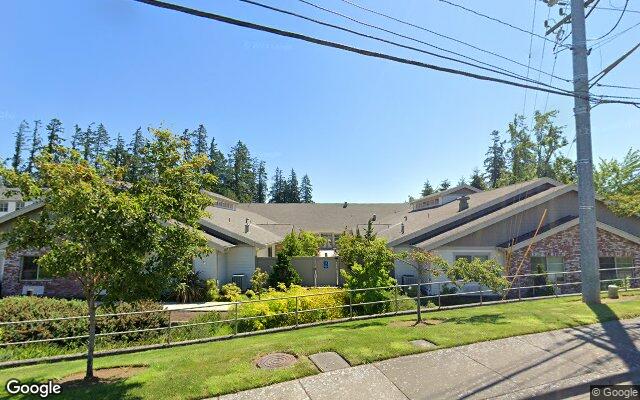
A large home, reviewed on public record.
© Google Street View
Compared to 22 Oregon facilities with a similar number of beds.
ALF memory care · 36-month window. Higher percentile = better performance on inspection record. Source: Oregon Dept. of Human Services · Long-Term Care Licensing.
among peers to rank.
Rankings based on 36-month OR-DHS inspection data. Severity and frequency: fewer citations = higher percentile. Repeat rate: lower repeat citation share = higher percentile.
Citation history, plotted month by month.
25 deficiencies on record. Each bar is a month with a citation.
Finding distribution
25 total · 36 monthsScope × Severity (CMS A–L)
Every inspection visit, verbatim.
4 inspections in the public record, most recent first. Plain-language summaries open first — click into any row for the full citation text.
2025-04-17Annual Compliance VisitOR-cited · 7 findings
Plain-language summary
A routine inspection on April 15–17, 2025 found licensing violations related to abuse reporting, resident evaluations, service plan documentation, monitoring of health changes, and staffing calculations. The facility failed to immediately notify the local Senior and People with Disabilities office of suspected abuse for three residents sampled, did not include required elements in move-in evaluations for five of seven residents reviewed, and did not ensure service plans reflected identified needs or included clear care directions for five residents. Additionally, the facility did not accurately document the care time and elements staff provided to residents, and failed to properly monitor and document progress for residents experiencing short-term health changes.
Read full citation text (7)Hide full citation text
“Based on interview and record review, it was determined the facility failed to immediately notify the local Senior and People with Disabilities (SPD) office when an incident of abuse, or suspected abuse, occurred, failed to report physical injuries of unknown cause to the local SPD office as suspected abuse, unless an immediate facility investigation reasonably concluded and documented the physical injury was not the result of abuse, and failed to promptly investigate incidents for 3 of 3 sampled residents (#s 1, 2 and 6). Findings include, but are not limited to:”
“Based on observation, interview, and record review, it was determined the facility failed to ensure the evaluation described the resident's physical health status, mental status, and the environmental factors that helped the individual function at their optimal level, including data relevant to the residents' needs and current condition, and that move-in evaluations included all required elements, for 5 of 7 residents (#1, 4, 5, 6, and 7) whose evaluations were reviewed. Findings include, but are not limited to:”
“Based on the resident evaluation performed before move-in, an initial service plan must be developed before move-in that reflects the identified needs and preferences of the resident. (b) The initial service plan must be reviewed within 30-days of movein to ensure that any changes made to the plan during the initial 30- days, accurately reflect the resident's needs and preferences. (c) Staff must document and date adjustments or changes as applicable. (4) QUARTERLY SERVICE PLAN REQUIREMENTS. (a) Service plans must be completed quarterly after the resident moves into the facility. (b) The quarterly evaluation is the basis of the resident's quarterly service plan. (c) If the resident's service plan is revised and updated at the quarterly review, changes must be dated and initialed, and prior historical information must be maintained. This Rule is not met as evidenced by: Based on observation, interview and record review, it was determined the facility failed to ensure service plans reflected residents’ needs as identified in their evaluations and/or lacked clear directions to staff for 5 of 7 residents (#s 1, 2, 5, 6, and 7) whose service plans were reviewed. Findings include, but are not limited to:”
“Based on observation, interview, and record review, it was determined the facility failed to ensure resident-specific interventions were determined and documented, actions or interventions were communicated to staff on each shift, and the condition was monitored with progress noted at least weekly until resolution for 4 of 6 sampled residents (#s 1, 2, 5, and 6) who experienced short-term changes of conditions. Findings include, but are not limited to:”
“Based on observation, interview, and record review, it was determined the facility failed to ensure they accurately captured care time and care elements that staff were providing to each resident as outlined in each individual care plan and service plan for 5 of 7 sampled residents (#s 1, 2, 4, 5, and 6) whose Acuity Based Staffing Tool (ABST) was reviewed. Findings include, but are not limited to: The facility's ABST was reviewed during the survey, 04/15/25 through 04/17/25. Review of Residents 1, 2, 4, 5, and 6’s ABST revealed multiple ADLs were not reflective of the residents' evaluated care needs. The need to ensure the facility's ABST addressed all evaluated care needs of residents, including the amount of staff time needed to provide care, was reviewed with Staff 1 (ED) and Staff 3 (RCC) on 04/17/25. They acknowledged the findings.”
“Based on interview and record review, it was determined the facility failed to follow licensing rules for Residential Care and Assisted Living Facilities. Findings include, but are not limited to: Refer to C231. Refer to C231 OAR 411-057-0140(2) Administration Compliance (2) The licensee of a memory care community must comply with both the licensing rules for the facility and Chapter 411, Division 57. This Rule is not met as evidenced by:”
“Based on observation, interview, and record review, it was determined the facility failed to provide health care services in accordance with the licensing rules for Residential Care and Assisted Living Facilities. Findings include, but are not limited to: Refer to C252, C260, C270 and C362. Refer to C252, C260, C270 and C362 OAR 411-057-0160(2b) Compliance with Rules Health Care (b) Health care services provided in accordance with the licensing rules of the facility. This Rule is not met as evidenced by:”
Read raw inspector notesClose inspector notes
Based on interview and record review, it was determined the facility failed to immediately notify the local Senior and People with Disabilities (SPD) office when an incident of abuse, or suspected abuse, occurred, failed to report physical injuries of unknown cause to the local SPD office as suspected abuse, unless an immediate facility investigation reasonably concluded and documented the physical injury was not the result of abuse, and failed to promptly investigate incidents for 3 of 3 sampled residents (#s 1, 2 and 6). Findings include, but are not limited to: Based on observation, interview, and record review, it was determined the facility failed to ensure the evaluation described the resident's physical health status, mental status, and the environmental factors that helped the individual function at their optimal level, including data relevant to the residents' needs and current condition, and that move-in evaluations included all required elements, for 5 of 7 residents (#1, 4, 5, 6, and 7) whose evaluations were reviewed. Findings include, but are not limited to: Based on the resident evaluation performed before move-in, an initial service plan must be developed before move-in that reflects the identified needs and preferences of the resident. (b) The initial service plan must be reviewed within 30-days of movein to ensure that any changes made to the plan during the initial 30- days, accurately reflect the resident's needs and preferences. (c) Staff must document and date adjustments or changes as applicable. (4) QUARTERLY SERVICE PLAN REQUIREMENTS. (a) Service plans must be completed quarterly after the resident moves into the facility. (b) The quarterly evaluation is the basis of the resident's quarterly service plan. (c) If the resident's service plan is revised and updated at the quarterly review, changes must be dated and initialed, and prior historical information must be maintained. This Rule is not met as evidenced by: Based on observation, interview and record review, it was determined the facility failed to ensure service plans reflected residents’ needs as identified in their evaluations and/or lacked clear directions to staff for 5 of 7 residents (#s 1, 2, 5, 6, and 7) whose service plans were reviewed. Findings include, but are not limited to: Based on observation, interview, and record review, it was determined the facility failed to ensure resident-specific interventions were determined and documented, actions or interventions were communicated to staff on each shift, and the condition was monitored with progress noted at least weekly until resolution for 4 of 6 sampled residents (#s 1, 2, 5, and 6) who experienced short-term changes of conditions. Findings include, but are not limited to: Based on observation, interview, and record review, it was determined the facility failed to ensure they accurately captured care time and care elements that staff were providing to each resident as outlined in each individual care plan and service plan for 5 of 7 sampled residents (#s 1, 2, 4, 5, and 6) whose Acuity Based Staffing Tool (ABST) was reviewed. Findings include, but are not limited to: The facility's ABST was reviewed during the survey, 04/15/25 through 04/17/25. Review of Residents 1, 2, 4, 5, and 6’s ABST revealed multiple ADLs were not reflective of the residents' evaluated care needs. The need to ensure the facility's ABST addressed all evaluated care needs of residents, including the amount of staff time needed to provide care, was reviewed with Staff 1 (ED) and Staff 3 (RCC) on 04/17/25. They acknowledged the findings. Based on interview and record review, it was determined the facility failed to follow licensing rules for Residential Care and Assisted Living Facilities. Findings include, but are not limited to: Refer to C231. Refer to C231 OAR 411-057-0140(2) Administration Compliance (2) The licensee of a memory care community must comply with both the licensing rules for the facility and Chapter 411, Division 57. This Rule is not met as evidenced by: Based on observation, interview, and record review, it was determined the facility failed to provide health care services in accordance with the licensing rules for Residential Care and Assisted Living Facilities. Findings include, but are not limited to: Refer to C252, C260, C270 and C362. Refer to C252, C260, C270 and C362 OAR 411-057-0160(2b) Compliance with Rules Health Care (b) Health care services provided in accordance with the licensing rules of the facility. This Rule is not met as evidenced by:
2024-07-16Annual Compliance VisitOR-cited · 1 finding
Plain-language summary
A routine kitchen inspection was conducted on July 16, 2024, and the facility was found to be in substantial compliance with Oregon rules governing meal service and food sanitation. No violations were identified.
Read full citation text (1)Hide full citation text
“The findings of the kitchen inspection, conducted 07/16/24, are documented in this report. It was determined the facility was in substantial compliance with the OARs 411-054-0030 for Residential Care and Assisted Living Facilities for Resident Services- Meals, and Oregon Health Service Food Sanitation Rules OARs 333-150-0000. The findings of the kitchen inspection, conducted 07/16/24, are documented in this report. It was determined the facility was in substantial compliance with the OARs 411-054-0030 for Residential Care and Assisted Living Facilities for Resident Services- Meals, and Oregon Health Service Food Sanitation Rules OARs 333-150-0000.”
Read raw inspector notesClose inspector notes
The findings of the kitchen inspection, conducted 07/16/24, are documented in this report. It was determined the facility was in substantial compliance with the OARs 411-054-0030 for Residential Care and Assisted Living Facilities for Resident Services- Meals, and Oregon Health Service Food Sanitation Rules OARs 333-150-0000. The findings of the kitchen inspection, conducted 07/16/24, are documented in this report. It was determined the facility was in substantial compliance with the OARs 411-054-0030 for Residential Care and Assisted Living Facilities for Resident Services- Meals, and Oregon Health Service Food Sanitation Rules OARs 333-150-0000.
2024-04-01Annual Compliance VisitOR-cited · 15 findings
Plain-language summary
A relicensure validation survey was conducted April 1-4, 2024, followed by a revisit September 16-18, 2024, which identified a failure to comply with call system requirements that was likely to cause resident harm; the facility implemented an immediate corrective action plan during that revisit. A second revisit conducted December 30-31, 2024 determined the facility was in substantial compliance.
Read full citation text (15)Hide full citation text
“Based on interview and record review, it was determined the facility failed to ensure physicians orders were carried out as prescribed for 3 of 5 sampled residents (#s 2, 4, and 5) whose orders were reviewed. Findings include, but are not limited to: 1. Resident 4 was admitted to the facility in 11/2023 with diagnoses including dementia and high blood pressure. Resident 4's MARs for 03/01/24 and physician's orders were reviewed. Resident 4 had physician's orders for Metoprolol Tartrate 25 mg twice daily, to be held for systolic blood pressure less than 100. Resident 4's systolic blood pressure was documented to be below 100 in the morning on March 5th and 9th, and below 100 in the afternoon on March 9th and 19th. The Metoprolol Tartrate was not held as ordered. The need to ensure physician's orders were carried out as prescribed was reviewed with Staff 1 (ED) and Staff 2 (RN). They Acknowledged the findings. Based on interview and record review, it was determined the facility failed to ensure physicians orders were carried out as prescribed for 3 of 5 sampled residents (#s 2, 4, and 5) whose orders were reviewed. Findings include, but are not limited to:”
“The findings of the relicensure survey conducted 04/01/24 through 04/04/24 are documented in this report. The survey was conducted to determine compliance with the OARs 411 Division 54 for Residential Care and Assisted Living Facilities, OARs 411 Division 57 for Memory Care Communities and OARs 411 Division 004 Home and Community Based Services Regulations. Tag numbers beginning with the letter C refer to the Residential Care and Assisted Living rules. Tag numbers beginning with the letter Z refer to the Memory Care Community rules. Abbreviations possibly used in this document: ADL: activities of daily living bid: twice a day CBG: capillary blood glucose or blood sugar CG: caregiver cm: centimeter ED: Executive Director F: Fahrenheit HH: Home Health LPN: Licensed Practical Nurse MA: Medication Aide MAR: Medication Administration Record MCC: Memory Care Community mg: milligram ml: milliliter MT: Medication Technician OT: Occupational Therapist PT: Physical Therapist PRN: as needed qd: every day or daily qid: four times a day QI: quality improvement RCC: Resident Care Coordinator RN: Registered Nurse TAR: Treatment Administration Record tid: three times a day The findings of the relicensure survey conducted 04/01/24 through 04/04/24 are documented in this report. The survey was conducted to determine compliance with the OARs 411 Division 54 for Residential Care and Assisted Living Facilities, OARs 411 Division 57 for Memory Care Communities and OARs 411 Division 004 Home and Community Based Services Regulations. Tag numbers beginning with the letter C refer to the Residential Care and Assisted Living rules. Tag numbers beginning with the letter Z refer to the Memory Care Community rules. Abbreviations possibly used in this document: ADL: activities of daily living bid: twice a day CBG: capillary blood glucose or blood sugar CG: caregiver cm: centimeter ED: Executive Director F: Fahrenheit HH: Home Health LPN: Licensed Practical Nurse MA: Medication Aide MAR: Medication Administration Record MCC: Memory Care Community mg: milligram ml: milliliter MT: Medication Technician OT: Occupational Therapist PT: Physical Therapist PRN: as needed qd: every day or daily qid: four times a day QI: quality improvement RCC: Resident Care Coordinator RN: Registered Nurse TAR: Treatment Administration Record tid: three times a day The findings of the first re-visit to the re-licensure survey of 04/04/24, conducted 09/16/24 through 09/18/24, are documented in this report. The survey was conducted to determine compliance with OARs 411 Division 54 for Residential Care and Assisted Living Facilities, OARs 411 Division 57 for Memory Care Communities, and OARs 411 Division 004 for Home and Community Based Services Regulations. Tag numbers beginning with C refer to the Residential Care and Assisted Living Facilities rules. Tag numbers beginning with the letter Z refer to the Memory Care Community rules. Tag numbers beginning with the letter H refer to the Home & Community-Based Services rules. Abbreviations possibly used in this document: ADL: activities of daily living bid: twice a day CBG: capillary blood glucose or blood sugar CG: caregiver cm: centimeter ED: Executive Director F: Fahrenheit HH: Home Health LPN: Licensed Practical Nurse MA: Medication Aide MAR: Medication Administration Record MCC: Memory Care Community mg: milligram ml: milliliter MT: Medication Technician OT: Occupational Therapist PT: Physical Therapist PRN: as needed qd: every day or daily qid: four times a day QI: quality improvement RCC: Resident Care Coordinator RN: Registered Nurse TAR: Treatment Administration Record tid: three times a day A situation was identified where there was a failure of the facility to comply with the Department's rules that was likely to cause a resident serious harm. An Immediate Plan of Correction was requested in the following area: OAR 411-054-0300 (11-13): Call System The facility put an Immediate Plan of Correction in place during the survey. The findings of the first re-visit to the re-licensure survey of 04/04/24, conducted 09/16/24 through 09/18/24, are documented in this report. The survey was conducted to determine compliance with OARs 411 Division 54 for Residential Care and Assisted Living Facilities, OARs 411 Division 57 for Memory Care Communities, and OARs 411 Division 004 for Home and Community Based Services Regulations. Tag numbers beginning with C refer to the Residential Care and Assisted Living Facilities rules. Tag numbers beginning with the letter Z refer to the Memory Care Community rules. Tag numbers beginning with the letter H refer to the Home & Community-Based Services rules. Abbreviations possibly used in this document: ADL: activities of daily living bid: twice a day CBG: capillary blood glucose or blood sugar CG: caregiver cm: centimeter ED: Executive Director F: Fahrenheit HH: Home Health LPN: Licensed Practical Nurse MA: Medication Aide MAR: Medication Administration Record MCC: Memory Care Community mg: milligram ml: milliliter MT: Medication Technician OT: Occupational Therapist PT: Physical Therapist PRN: as needed qd: every day or daily qid: four times a day QI: quality improvement RCC: Resident Care Coordinator RN: Registered Nurse TAR: Treatment Administration Record tid: three times a day A situation was identified where there was a failure of the facility to comply with the Department's rules that was likely to cause a resident serious harm. An Immediate Plan of Correction was requested in the following area: OAR 411-054-0300 (11-13): Call System The facility put an Immediate Plan of Correction in place during the survey. The findings of the second revisit, to the re- licensure survey of 04/04/24, conducted 12/30/24 to 12/31/24, are documented in this report. It was determined the facility was in substantial compliance with the OARs 411 Division 54 for Residential Care and Assisted Living Facilities, OARs 411 Division 57 for Memory Care Communities, and Home and Community Based Services Regulations OARs 411 Division 004. The findings of the second revisit, to the re- licensure survey of 04/04/24, conducted 12/30/24 to 12/31/24, are documented in this report. It was determined the facility was in substantial compliance with the OARs 411 Division 54 for Residential Care and Assisted Living Facilities, OARs 411 Division 57 for Memory Care Communities, and Home and Community Based Services Regulations OARs 411 Division 004.”
“Based on observation, interview and record review, it was determined the facility failed to ensure service plans were reflective of resident's current status and care needs, and provided clear direction to staff regarding the delivery of services for 3 of 5 sampled residents (#s 2, 3 and 5) whose service plans were reviewed. Findings include, but are not limited to: 1. Resident 5 was admitted to the facility in 02/2023 with diagnoses including Alzheimer's Disease, hypothyroidism, and heart failure. The resident's service plan, dated 01/11/24, was not reflective of the resident's current needs, or did not provide clear direction to staff in the following areas: * Assistance needed for activities; * Nutrition/ hydration, and eating assistance; * Side rails on bed; * Safety checks; and * Fall interventions. On 04/03/24, the need to ensure service plans were reflective of current status and provided clear directions for staff was discussed with Staff 1 (ED). She acknowledged the findings. Based on observation, interview and record review, it was determined the facility failed to ensure service plans were reflective of resident's current status and care needs, and provided clear direction to staff regarding the delivery of services for 3 of 5 sampled residents (#s 2, 3 and 5) whose service plans were reviewed. Findings include, but are not limited to:”
“Based on interview and record review, it was determined the facility failed to monitor resident injuries with weekly progress noted until the condition resolved, for 2 of 3 sampled residents (#s 1 and 4) with skin wounds. Findings include, but are not limited to: 1. Resident 4 was admitted to the facility in 11/2023 with diagnoses including dementia. The resident's record was reviewed and interviews were conducted with the resident and staff during the survey. On 02/09/24 a facility Progress Note indicated "Resident has a very small cut on [his/her] right hand. The cut is about less than a [centimeters] long in the shape of a C..." A Temporary Service Plan dated 02/09/24 was created for the injury and noted "Inner wrist right hand. About 2 cm long in the shape of the letter C." There was no documented evidence the injury was evaluated to determine the accurate size. There was no documented evidence the injury had been monitored weekly to resolution. The need to ensure the changes in condition were evaluated and monitored with weekly progress noted until the condition was determined to be resolved was discussed with Staff 1 (ED) and Staff 2 (RN). They acknowledged the findings. Based on interview and record review, it was determined the facility failed to monitor resident injuries with weekly progress noted until the condition resolved, for 2 of 3 sampled residents (#s 1 and 4) with skin wounds. Findings include, but are not limited to:”
“Based on interview and record review, it was determined the facility failed to ensure resident MARs included specific parameters and instructions for PRN medications, for 4 of 5 sampled residents (#s 2, 3, 4 and 5) whose MARs included multiple PRN medications used to treat the same condition. Findings include, but are not limited to: 1. Resident 3 was admitted to the facility in 01/2023 with diagnoses which included dementia and anxiety. Residents 3's orders and 03/01/24 through 04/01/24 MARs were reviewed. Resident 3 had orders for: * Acetaminophen 500 mg as needed for moderate pain; * Morphine Sulfate solution 5 mg as needed for pain; * Buspirone 5 mg as needed for anxiety; and * Lorazepam 0.5 mg as needed for anxiety. There were no resident specific parameters and instructions for which PRN medication to use first. The need to ensure there were clear parameters for unlicensed staff when administering multiple PRN medications for the same condition was discussed with Staff 1 (ED) and Staff 2 (RN) on 04/02/24. They acknowledged the findings. 2. Resident 4 was admitted to the facility in 11/2023 with diagnoses including dementia. Residents 4's orders and 03/01/24 through 04/01/24 MARs were reviewed. Resident 4 had orders for: * Biofreeze gel 5%, apply to lower back as needed for low back pain; and * Voltaren gel 1%, APPLY 2 grams to lower back as needed for pain. There were no resident specific parameters and instructions for which PRN medication to use first. The need to ensure there were clear parameters for unlicensed staff when administering multiple PRN medications for the same condition was discussed with Staff 1 (ED) and Staff 2 (RN) on 04/02/24. They acknowledged the findings. Based on interview and record review, it was determined the facility failed to ensure resident MARs included specific parameters and instructions for PRN medications, for 4 of 5 sampled residents (#s 2, 3, 4 and 5) whose MARs included multiple PRN medications used to treat the same condition. Findings include, but are not limited to:”
“Based on interview and record review, it was determined the facility failed to ensure all direct care staff administering psychotropic medications knew the specific reasons for the use of the psychotropic medication for that resident, medications had written, resident-specific parameters, and non-pharmacological interventions had been tried with ineffective results prior to administering PRN psychotropic medications for 3 of 3 sampled residents (#s 1, 2, and 3) who had received psychotropic medications. Findings include, but are not limited to: 1. Resident 2 was admitted to the facility in 10/2022 with diagnoses including dementia with behavioral disturbance, pain, and hypertension. S/he was subsequently admitted to hospice in 4/2024 with admitting diagnosis of Alzheimer's disease with behavioral disturbance. Review of Resident 2's clinical record indicated the following: * Resident 2 was prescribed haloperidol 0.5 ml as needed for delirium, nausea, and/or vomiting, and lorazepam 0.25 ml as needed for anxiety, restlessness, and shortness of breath; and * The MAR from 03/01/24 through 04/01/24 indicated staff administered four doses of PRN lorazepam and one dose of PRN haloperidol. There was no documented evidence the staff attempted and documented non-pharmacological interventions with ineffective results prior to administering the medication. The need to ensure non-pharmacological interventions had been tried with ineffective results prior to administering PRN psychotropic medications was reviewed with Staff 1 (Executive Director) and Staff 2 (RN) on 04/04/24. They acknowledged the findings. No further information was provided. Based on interview and record review, it was determined the facility failed to ensure all direct care staff administering psychotropic medications knew the specific reasons for the use of the psychotropic medication for that resident, medications had written, resident-specific parameters, and non-pharmacological interventions had been tried with ineffective results prior to administering PRN psychotropic medications for 3 of 3 sampled residents (#s 1, 2, and 3) who had received psychotropic medications. Findings include, but are not limited to:”
“Based on interview and record review, it was determined the facility failed to ensure 4 of 4 newly hired direct care staff (#s 7, 8, 9 and 10) had documented evidence of training in First Aid and abdominal thrust within 30 days of hire. Findings include, but are not limited to: Staff training records were reviewed with Staff 6 (Business Office Director) on 04/02/24. Staff 7 (CG), hired 12/14/23, Staff 8 (CG), hired on 02/16/24, Staff 9 (CG), hired 02/23/24, and Staff 10 (CG), hired 02/22/24, lacked documented evidence they had completed first aid and abdominal thrust training within 30 days of hire. Staff 6 acknowledged the staff had not been trained in First Aid or abdominal thrust. The need to ensure staff completed the required training within 30 days was reviewed with Staff 1 (ED) on 04/02/24. She acknowledged the findings. Based on interview and record review, it was determined the facility failed to ensure 4 of 4 newly hired direct care staff (#s 7, 8, 9 and 10) had documented evidence of training in First Aid and abdominal thrust within 30 days of hire. Findings include, but are not limited to: Staff training records were reviewed with Staff 6 (Business Office Director) on 04/02/24. Staff 7 (CG), hired 12/14/23, Staff 8 (CG), hired on 02/16/24, Staff 9 (CG), hired 02/23/24, and Staff 10 (CG), hired 02/22/24, lacked documented evidence they had completed first aid and abdominal thrust training within 30 days of hire. Staff 6 acknowledged the staff had not been trained in First Aid or abdominal thrust. The need to ensure staff completed the required training within 30 days was reviewed with Staff 1 (ED) on 04/02/24. She acknowledged the findings.”
“Based on interview and record review, it was determined the facility failed to provide fire safety instruction to residents, at least annually, in accordance with the Oregon Fire Code (OFC). Findings include, but are not limited to: Review of facility records on 04/02/24 identified the following deficiencies: There was no documented evidence that annual training on fire safety was provided to residents. On 04/02/24, the need to provide and document fire safety instruction to residents, at least annually, in accordance with the OFC was discussed with Staff 1 (ED). She acknowledged the findings. Based on interview and record review, it was determined the facility failed to provide fire safety instruction to residents, at least annually, in accordance with the Oregon Fire Code (OFC). Findings include, but are not limited to: Review of facility records on 04/02/24 identified the following deficiencies: There was no documented evidence that annual training on fire safety was provided to residents. On 04/02/24, the need to provide and document fire safety instruction to residents, at least annually, in accordance with the OFC was discussed with Staff 1 (ED). She acknowledged the findings.”
“Based on interview and record review, it was determined the facility failed to ensure their re-licensure survey plan of correction was implemented and satisfied the Department. Findings include, but are not limited to: Refer to C 260, C 270, C 303, C 310, and Z 164. Based on interview and record review, it was determined the facility failed to ensure their re-licensure survey plan of correction was implemented and satisfied the Department. Findings include, but are not limited to: Refer to C 260, C 270, C 303, C 310, and Z 164. Refer to C260, C270, C303, C310 and Z 164 Refer to C260, C270, C303, C310 and Z 164 There are no detail notes for this visit.”
“Based on observation and interview, it was determined the facility failed to provide a call system that connected resident units to the care staff center or staff pagers. The current call system did not have a way to consistently alert caregiving staff when a call light was activated, which constituted a threat to the health, safety, and welfare of residents. Findings include, but are not limited to: During an interview on 09/17/24 at 11:00 am, Resident 10 revealed his/her call system in his/her room failed to work, and s/he used a wooden clapper to get the staff's attention because the call lights went unanswered. On 09/17/24 at 11:30 am, the pull cord in Resident 10's room was pulled. At 12:15 pm the surveyor asked staff how they were alerted to resident call lights. Staff reported when a resident pulled a cord for assistance, the notification went to a call light panel located behind a locked door, and the MTs informed the caregivers of the call through their walkie talkies. When staff were asked if they had received notification Resident 10 had activated his/her call light, they stated no. No one responded to the call from 11:30 am to 1:00 pm. In an interview about the call system 09/17/24 at 12:25 pm, Staff 16 reported when she was near the call light panel, she would alert the caregivers of the room numbers that needed assistance. On 09/17/24 at 2:18 pm, surveyors discussed the call light system with Staff 1 (Executive Director). She reported tablets had been ordered for each neighborhood and they were "supposed to be able to download" an app to the tablets connecting them to the call system. She said that app would cue staff on each neighborhood that a resident's call light had been activated. Staff 1 stated the tablets were "enroute," and the system should be "up and running by the end of the week." She indicated some of the residents had call buttons worn on their wrist and some had call pendants, and that these devices were part of a "stand-alone system." Surveyors requested a list of all residents who had a wrist button or call pendant. Staff 1 reported the current call system had no way of tracking response time to call lights. She said the new system using the tablets would be able to track response time. Staff 1 indicated "someone was at the front" desk during "business hours," and it was part of the receptionist's duties to monitor the call panel and notify staff of call lights and follow-up to ensure they were answered. She said "all staff" should have walkie talkies so the MT, RCC, and receptionist could reach care staff to alert them to call lights. On 09/17/24, an observation of the call light panel showed that thirteen resident room emergency pull cords had been activated. There was no evidence the call system panel was being consistently monitored to alert staff when call lights went off. Call lights left unanswered placed the residents' health, safety, and welfare at risk. At 2:40 pm on 09/17/24 the facility was asked to provide an invoice or other documentation to show the tablets had been purchased. At 3:30 pm, Staff 1 reported she would have the list of residents with call buttons independent from the main system, as well as the documentation the tablets had been purchased, on the morning of 09/18/24. On 09/18/24 at 9:30 am a list of 10 of the 64 residents in the facility with call buttons independent from the main system was received, as well as an invoice for the tablets. The facility also provided an email from the corporate IT specialist, who wrote they would "have the ability to add more applications such as the call-light system in the future." When asked what "in the future" meant, Staff 1 said the app would be installed as soon as the tablets were received. She indicated that in the meantime hourly checks on every resident had been implemented. Surveyors requested a plan regarding how the facility would ensure residents' needs were met until the call system was consistently connected to the care staff center or staff pagers. A plan to have one staff responsible to check on all residents every 15 minutes, as well as scheduling the vendor to make the current call system audible on 09/23/24, was received on 09/18/24 at 12:47 pm. The immediate risk was addressed; however, the facility will need to evaluate the overall system(s) failures(s) associated with the licensing violation. The need to ensure the facility provided a call system that consistently connected resident units to the care staff center or staff pagers was discussed with Resident 1 (Executive Director) and Resident 13 (Asset Manager) on 09/18/24. They acknowledged the findings. Based on observation and interview, it was determined the facility failed to provide a call system that connected resident units to the care staff center or staff pagers. The current call system did not have a way to consistently alert caregiving staff when a call light was activated, which constituted a threat to the health, safety, and welfare of residents. Findings include, but are not limited to: During an interview on 09/17/24 at 11:00 am, Resident 10 revealed his/her call system in his/her room failed to work, and s/he used a wooden clapper to get the staff's attention because the call lights went unanswered. On 09/17/24 at 11:30 am, the pull cord in Resident 10's room was pulled. At 12:15 pm the surveyor asked staff how they were alerted to resident call lights. Staff reported when a resident pulled a cord for assistance, the notification went to a call light panel located behind a locked door, and the MTs informed the caregivers of the call through their walkie talkies. When staff were asked if they had received notification Resident 10 had activated his/her call light, they stated no. No one responded to the call from 11:30 am to 1:00 pm. In an interview about the call system 09/17/24 at 12:25 pm, Staff 16 reported when she was near the call light panel, she would alert the caregivers of the room numbers that needed assistance. On 09/17/24 at 2:18 pm, surveyors discussed the call light system with Staff 1 (Executive Director). She reported tablets had been ordered for each neighborhood and they were "supposed to be able to download" an app to the tablets connecting them to the call system. She said that app would cue staff on each neighborhood that a resident's call light had been activated. Staff 1 stated the tablets were "enroute," and the system should be "up and running by the end of the week." She indicated some of the residents had call buttons worn on their wrist and some had call pendants, and that these devices were part of a "stand-alone system." Surveyors requested a list of all residents who had a wrist button or call pendant. Staff 1 reported the current call system had no way of tracking response time to call lights. She said the new system using the tablets would be able to track response time. Staff 1 indicated "someone was at the front" desk during "business hours," and it was part of the receptionist's duties to monitor the call panel and notify staff of call lights and follow-up to ensure they were answered. She said "all staff" should have walkie talkies so the MT, RCC, and receptionist could reach care staff to alert them to call lights. On 09/17/24, an observation of the call light panel showed that thirteen resident room emergency pull cords had been activated. There was no evidence the call system panel was being consistently monitored to alert staff when call lights went off. Call lights left unanswered placed the residents' health, safety, and welfare at risk. At 2:40 pm on 09/17/24 the facility was asked to provide an invoice or other documentation to show the tablets had been purchased. At 3:30 pm, Staff 1 reported she would have the list of residents with call buttons independent from the main system, as well as the documentation the tablets had been purchased, on the morning of 09/18/24. On 09/18/24 at 9:30 am a list ”
“Based on interview and record review, it was determined the facility failed to follow licensing rules for Residential Care and Assisted Living Facilities. Findings include, but are not limited to: Refer to C 372 and C 422. Based on interview and record review, it was determined the facility failed to follow licensing rules for Residential Care and Assisted Living Facilities. Findings include, but are not limited to: Refer to C 372 and C 422. Refer to C 372 and C 422 Refer to C 372 and C 422 Based on observation, interview, and record review, it was determined the facility failed to follow licensing rules for Residential Care and Assisted Living Facilities. This is a repeat citation. Findings include, but are not limited to: Refer to C 555. Based on observation, interview, and record review, it was determined the facility failed to follow licensing rules for Residential Care and Assisted Living Facilities. This is a repeat citation. Findings include, but are not limited to: Refer to C 555. Refer to C555 Refer to C555 There are no detail notes for this visit.”
“Based on observation, interview and record review, it was determined the facility failed to provide health care services in accordance with the licensing rules for Residential Care and Assisted Living Facilities. Findings include, but are not limited to: Refer to C 260, C 270, C 303, C 310 and C 330. Based on observation, interview and record review, it was determined the facility failed to provide health care services in accordance with the licensing rules for Residential Care and Assisted Living Facilities. Findings include, but are not limited to: Refer to C 260, C 270, C 303, C 310 and C 330. Refer to C 260, C 270, C 303, C 310 and C 330 Refer to C 260, C 270, C 303, C 310 and C 330 Based on observation, interview, and record review, it was determined the facility failed to provide health care services in accordance with the licensing rules for Residential Care and Assisted Living Facilities. This is a repeat citation. Findings include, but are not limited to: Refer to C 260, C 270, C 303, and C 310. Based on observation, interview, and record review, it was determined the facility failed to provide health care services in accordance with the licensing rules for Residential Care and Assisted Living Facilities. This is a repeat citation. Findings include, but are not limited to: Refer to C 260, C 270, C 303, and C 310. Refer to C260, C270, C303 and C310 Refer to C260, C270, C303 and C310 There are no detail notes for this visit.”
“Based on observation, interview and record review, it was determined the facility failed to ensure an individualized nutrition and hydration plan for each resident was developed and included in service plans for 2 of 5 sampled residents (#s 2 and 5) whose service plans were reviewed. Findings include, but are not limited to: 1. Resident 5 was admitted to the facility in 02/2023, with diagnoses including Alzheimer's Disease, heart failure, and atrial fibrillation. In an acuity interview on 04/01/24, the resident was identified as needing physical assistance with eating. Review of Resident 5's service plan, dated 01/11/24, observations, and interviews with staff identified the following deficiencies: The dining portion of Resident 5's service plan lacked the following information: * Food and fluid preferences; * Individual needs or adaptations, to allow the resident the greatest independence possible; and * A set process or program, to provide hydration and nutrition to the resident between meals. On 04/03/24, the need to develop individualized service plans addressing residents' nutrition and hydration needs was discussed with Staff 1 (ED). She acknowledged the findings. Based on observation, interview and record review, it was determined the facility failed to ensure an individualized nutrition and hydration plan for each resident was developed and included in service plans for 2 of 5 sampled residents (#s 2 and 5) whose service plans were reviewed. Findings include, but are not limited to:”
“Based on interview and record review, it was determined the facility failed to evaluate and develop individualized activity plans for 5 of 5 sampled residents (#s 1, 2, 3, 4, and 5) whose activity plans were reviewed. Findings include, but are not limited to: Residents 1, 2, 3, 4, and 5's records were reviewed during the survey. There was no documented evidence an activity evaluation had been completed and the service plans individualized to reflect the following required components: *Residents' current preferences; *Abilities and skills; *Emotional/social needs and patterns; *Physical abilities and limitations; *Adaptations necessary for the resident to participate; and *Identification of activities for behavioral interventions. There was no specific activity plan which detailed what, when, how, and how often staff should offer and assist each resident with individualized activities. The need to evaluate and develop individualized activity plans, including all required components for each memory care resident, was discussed with Staff 1 (ED) and Staff 3 (RCC) on 04/02/24 and 04/03/24. They acknowledged the findings. Based on interview and record review, it was determined the facility failed to evaluate and develop individualized activity plans for 5 of 5 sampled residents (#s 1, 2, 3, 4, and 5) whose activity plans were reviewed. Findings include, but are not limited to: Residents 1, 2, 3, 4, and 5's records were reviewed during the survey. There was no documented evidence an activity evaluation had been completed and the service plans individualized to reflect the following required components: *Residents' current preferences; *Abilities and skills; *Emotional/social needs and patterns; *Physical abilities and limitations; *Adaptations necessary for the resident to participate; and *Identification of activities for behavioral interventions. There was no specific activity plan which detailed what, when, how, and how often staff should offer and assist each resident with individualized activities. The need to evaluate and develop individualized activity plans, including all required components for each memory care resident, was discussed with Staff 1 (ED) and Staff 3 (RCC) on 04/02/24 and 04/03/24. They acknowledged the findings.”
“Based on interview and record review, it was determined the facility failed to provide an individualized service plan for behavioral symptoms that negatively impacted the resident or others in the community for 1 of 2 sampled residents (#4) with documented behaviors. Findings include, but are not limited to: Resident 4 was admitted to the facility in 11/2023 with diagnoses including dementia. Resident 4's record documented behaviors including physical altercations with other residents. The resident's service plan, dated 01/04/24, did not address the behaviors and lacked individualized interventions to assist staff in minimizing the negative impact of the behaviors. On 04/02/24 and 04/03/24, the need to develop individualized behavior plans for residents with behavioral symptoms was discussed with Staff 1 (ED) and Staff 3 (RCC). They acknowledged the findings. Based on interview and record review, it was determined the facility failed to provide an individualized service plan for behavioral symptoms that negatively impacted the resident or others in the community for 1 of 2 sampled residents (#4) with documented behaviors. Findings include, but are not limited to: Resident 4 was admitted to the facility in 11/2023 with diagnoses including dementia. Resident 4's record documented behaviors including physical altercations with other residents. The resident's service plan, dated 01/04/24, did not address the behaviors and lacked individualized interventions to assist staff in minimizing the negative impact of the behaviors. On 04/02/24 and 04/03/24, the need to develop individualized behavior plans for residents with behavioral symptoms was discussed with Staff 1 (ED) and Staff 3 (RCC). They acknowledged the findings.”
Read raw inspector notesClose inspector notes
The findings of the relicensure survey conducted 04/01/24 through 04/04/24 are documented in this report. The survey was conducted to determine compliance with the OARs 411 Division 54 for Residential Care and Assisted Living Facilities, OARs 411 Division 57 for Memory Care Communities and OARs 411 Division 004 Home and Community Based Services Regulations. Tag numbers beginning with the letter C refer to the Residential Care and Assisted Living rules. Tag numbers beginning with the letter Z refer to the Memory Care Community rules. Abbreviations possibly used in this document: ADL: activities of daily living bid: twice a day CBG: capillary blood glucose or blood sugar CG: caregiver cm: centimeter ED: Executive Director F: Fahrenheit HH: Home Health LPN: Licensed Practical Nurse MA: Medication Aide MAR: Medication Administration Record MCC: Memory Care Community mg: milligram ml: milliliter MT: Medication Technician OT: Occupational Therapist PT: Physical Therapist PRN: as needed qd: every day or daily qid: four times a day QI: quality improvement RCC: Resident Care Coordinator RN: Registered Nurse TAR: Treatment Administration Record tid: three times a day The findings of the relicensure survey conducted 04/01/24 through 04/04/24 are documented in this report. The survey was conducted to determine compliance with the OARs 411 Division 54 for Residential Care and Assisted Living Facilities, OARs 411 Division 57 for Memory Care Communities and OARs 411 Division 004 Home and Community Based Services Regulations. Tag numbers beginning with the letter C refer to the Residential Care and Assisted Living rules. Tag numbers beginning with the letter Z refer to the Memory Care Community rules. Abbreviations possibly used in this document: ADL: activities of daily living bid: twice a day CBG: capillary blood glucose or blood sugar CG: caregiver cm: centimeter ED: Executive Director F: Fahrenheit HH: Home Health LPN: Licensed Practical Nurse MA: Medication Aide MAR: Medication Administration Record MCC: Memory Care Community mg: milligram ml: milliliter MT: Medication Technician OT: Occupational Therapist PT: Physical Therapist PRN: as needed qd: every day or daily qid: four times a day QI: quality improvement RCC: Resident Care Coordinator RN: Registered Nurse TAR: Treatment Administration Record tid: three times a day The findings of the first re-visit to the re-licensure survey of 04/04/24, conducted 09/16/24 through 09/18/24, are documented in this report. The survey was conducted to determine compliance with OARs 411 Division 54 for Residential Care and Assisted Living Facilities, OARs 411 Division 57 for Memory Care Communities, and OARs 411 Division 004 for Home and Community Based Services Regulations. Tag numbers beginning with C refer to the Residential Care and Assisted Living Facilities rules. Tag numbers beginning with the letter Z refer to the Memory Care Community rules. Tag numbers beginning with the letter H refer to the Home & Community-Based Services rules. Abbreviations possibly used in this document: ADL: activities of daily living bid: twice a day CBG: capillary blood glucose or blood sugar CG: caregiver cm: centimeter ED: Executive Director F: Fahrenheit HH: Home Health LPN: Licensed Practical Nurse MA: Medication Aide MAR: Medication Administration Record MCC: Memory Care Community mg: milligram ml: milliliter MT: Medication Technician OT: Occupational Therapist PT: Physical Therapist PRN: as needed qd: every day or daily qid: four times a day QI: quality improvement RCC: Resident Care Coordinator RN: Registered Nurse TAR: Treatment Administration Record tid: three times a day A situation was identified where there was a failure of the facility to comply with the Department's rules that was likely to cause a resident serious harm. An Immediate Plan of Correction was requested in the following area: OAR 411-054-0300 (11-13): Call System The facility put an Immediate Plan of Correction in place during the survey. The findings of the first re-visit to the re-licensure survey of 04/04/24, conducted 09/16/24 through 09/18/24, are documented in this report. The survey was conducted to determine compliance with OARs 411 Division 54 for Residential Care and Assisted Living Facilities, OARs 411 Division 57 for Memory Care Communities, and OARs 411 Division 004 for Home and Community Based Services Regulations. Tag numbers beginning with C refer to the Residential Care and Assisted Living Facilities rules. Tag numbers beginning with the letter Z refer to the Memory Care Community rules. Tag numbers beginning with the letter H refer to the Home & Community-Based Services rules. Abbreviations possibly used in this document: ADL: activities of daily living bid: twice a day CBG: capillary blood glucose or blood sugar CG: caregiver cm: centimeter ED: Executive Director F: Fahrenheit HH: Home Health LPN: Licensed Practical Nurse MA: Medication Aide MAR: Medication Administration Record MCC: Memory Care Community mg: milligram ml: milliliter MT: Medication Technician OT: Occupational Therapist PT: Physical Therapist PRN: as needed qd: every day or daily qid: four times a day QI: quality improvement RCC: Resident Care Coordinator RN: Registered Nurse TAR: Treatment Administration Record tid: three times a day A situation was identified where there was a failure of the facility to comply with the Department's rules that was likely to cause a resident serious harm. An Immediate Plan of Correction was requested in the following area: OAR 411-054-0300 (11-13): Call System The facility put an Immediate Plan of Correction in place during the survey. The findings of the second revisit, to the re- licensure survey of 04/04/24, conducted 12/30/24 to 12/31/24, are documented in this report. It was determined the facility was in substantial compliance with the OARs 411 Division 54 for Residential Care and Assisted Living Facilities, OARs 411 Division 57 for Memory Care Communities, and Home and Community Based Services Regulations OARs 411 Division 004. The findings of the second revisit, to the re- licensure survey of 04/04/24, conducted 12/30/24 to 12/31/24, are documented in this report. It was determined the facility was in substantial compliance with the OARs 411 Division 54 for Residential Care and Assisted Living Facilities, OARs 411 Division 57 for Memory Care Communities, and Home and Community Based Services Regulations OARs 411 Division 004. Based on observation, interview and record review, it was determined the facility failed to ensure service plans were reflective of resident's current status and care needs, and provided clear direction to staff regarding the delivery of services for 3 of 5 sampled residents (#s 2, 3 and 5) whose service plans were reviewed. Findings include, but are not limited to: 1. Resident 5 was admitted to the facility in 02/2023 with diagnoses including Alzheimer's Disease, hypothyroidism, and heart failure. The resident's service plan, dated 01/11/24, was not reflective of the resident's current needs, or did not provide clear direction to staff in the following areas: * Assistance needed for activities; * Nutrition/ hydration, and eating assistance; * Side rails on bed; * Safety checks; and * Fall interventions. On 04/03/24, the need to ensure service plans were reflective of current status and provided clear directions for staff was discussed with Staff 1 (ED). She acknowledged the findings. Based on observation, interview and record review, it was determined the facility failed to ensure service plans were reflective of resident's current status and care needs, and provided clear direction to staff regarding the delivery of services for 3 of 5 sampled residents (#s 2, 3 and 5) whose service plans were reviewed. Findings include, but are not limited to: Based on interview and record review, it was determined the facility failed to monitor resident injuries with weekly progress noted until the condition resolved, for 2 of 3 sampled residents (#s 1 and 4) with skin wounds. Findings include, but are not limited to: 1. Resident 4 was admitted to the facility in 11/2023 with diagnoses including dementia. The resident's record was reviewed and interviews were conducted with the resident and staff during the survey. On 02/09/24 a facility Progress Note indicated "Resident has a very small cut on [his/her] right hand. The cut is about less than a [centimeters] long in the shape of a C..." A Temporary Service Plan dated 02/09/24 was created for the injury and noted "Inner wrist right hand. About 2 cm long in the shape of the letter C." There was no documented evidence the injury was evaluated to determine the accurate size. There was no documented evidence the injury had been monitored weekly to resolution. The need to ensure the changes in condition were evaluated and monitored with weekly progress noted until the condition was determined to be resolved was discussed with Staff 1 (ED) and Staff 2 (RN). They acknowledged the findings. Based on interview and record review, it was determined the facility failed to monitor resident injuries with weekly progress noted until the condition resolved, for 2 of 3 sampled residents (#s 1 and 4) with skin wounds. Findings include, but are not limited to: Based on interview and record review, it was determined the facility failed to ensure physicians orders were carried out as prescribed for 3 of 5 sampled residents (#s 2, 4, and 5) whose orders were reviewed. Findings include, but are not limited to: 1. Resident 4 was admitted to the facility in 11/2023 with diagnoses including dementia and high blood pressure. Resident 4's MARs for 03/01/24 and physician's orders were reviewed. Resident 4 had physician's orders for Metoprolol Tartrate 25 mg twice daily, to be held for systolic blood pressure less than 100. Resident 4's systolic blood pressure was documented to be below 100 in the morning on March 5th and 9th, and below 100 in the afternoon on March 9th and 19th. The Metoprolol Tartrate was not held as ordered. The need to ensure physician's orders were carried out as prescribed was reviewed with Staff 1 (ED) and Staff 2 (RN). They Acknowledged the findings. Based on interview and record review, it was determined the facility failed to ensure physicians orders were carried out as prescribed for 3 of 5 sampled residents (#s 2, 4, and 5) whose orders were reviewed. Findings include, but are not limited to: Based on interview and record review, it was determined the facility failed to ensure resident MARs included specific parameters and instructions for PRN medications, for 4 of 5 sampled residents (#s 2, 3, 4 and 5) whose MARs included multiple PRN medications used to treat the same condition. Findings include, but are not limited to: 1. Resident 3 was admitted to the facility in 01/2023 with diagnoses which included dementia and anxiety. Residents 3's orders and 03/01/24 through 04/01/24 MARs were reviewed. Resident 3 had orders for: * Acetaminophen 500 mg as needed for moderate pain; * Morphine Sulfate solution 5 mg as needed for pain; * Buspirone 5 mg as needed for anxiety; and * Lorazepam 0.5 mg as needed for anxiety. There were no resident specific parameters and instructions for which PRN medication to use first. The need to ensure there were clear parameters for unlicensed staff when administering multiple PRN medications for the same condition was discussed with Staff 1 (ED) and Staff 2 (RN) on 04/02/24. They acknowledged the findings. 2. Resident 4 was admitted to the facility in 11/2023 with diagnoses including dementia. Residents 4's orders and 03/01/24 through 04/01/24 MARs were reviewed. Resident 4 had orders for: * Biofreeze gel 5%, apply to lower back as needed for low back pain; and * Voltaren gel 1%, APPLY 2 grams to lower back as needed for pain. There were no resident specific parameters and instructions for which PRN medication to use first. The need to ensure there were clear parameters for unlicensed staff when administering multiple PRN medications for the same condition was discussed with Staff 1 (ED) and Staff 2 (RN) on 04/02/24. They acknowledged the findings. Based on interview and record review, it was determined the facility failed to ensure resident MARs included specific parameters and instructions for PRN medications, for 4 of 5 sampled residents (#s 2, 3, 4 and 5) whose MARs included multiple PRN medications used to treat the same condition. Findings include, but are not limited to: Based on interview and record review, it was determined the facility failed to ensure all direct care staff administering psychotropic medications knew the specific reasons for the use of the psychotropic medication for that resident, medications had written, resident-specific parameters, and non-pharmacological interventions had been tried with ineffective results prior to administering PRN psychotropic medications for 3 of 3 sampled residents (#s 1, 2, and 3) who had received psychotropic medications. Findings include, but are not limited to: 1. Resident 2 was admitted to the facility in 10/2022 with diagnoses including dementia with behavioral disturbance, pain, and hypertension. S/he was subsequently admitted to hospice in 4/2024 with admitting diagnosis of Alzheimer's disease with behavioral disturbance. Review of Resident 2's clinical record indicated the following: * Resident 2 was prescribed haloperidol 0.5 ml as needed for delirium, nausea, and/or vomiting, and lorazepam 0.25 ml as needed for anxiety, restlessness, and shortness of breath; and * The MAR from 03/01/24 through 04/01/24 indicated staff administered four doses of PRN lorazepam and one dose of PRN haloperidol. There was no documented evidence the staff attempted and documented non-pharmacological interventions with ineffective results prior to administering the medication. The need to ensure non-pharmacological interventions had been tried with ineffective results prior to administering PRN psychotropic medications was reviewed with Staff 1 (Executive Director) and Staff 2 (RN) on 04/04/24. They acknowledged the findings. No further information was provided. Based on interview and record review, it was determined the facility failed to ensure all direct care staff administering psychotropic medications knew the specific reasons for the use of the psychotropic medication for that resident, medications had written, resident-specific parameters, and non-pharmacological interventions had been tried with ineffective results prior to administering PRN psychotropic medications for 3 of 3 sampled residents (#s 1, 2, and 3) who had received psychotropic medications. Findings include, but are not limited to: Based on interview and record review, it was determined the facility failed to ensure 4 of 4 newly hired direct care staff (#s 7, 8, 9 and 10) had documented evidence of training in First Aid and abdominal thrust within 30 days of hire. Findings include, but are not limited to: Staff training records were reviewed with Staff 6 (Business Office Director) on 04/02/24. Staff 7 (CG), hired 12/14/23, Staff 8 (CG), hired on 02/16/24, Staff 9 (CG), hired 02/23/24, and Staff 10 (CG), hired 02/22/24, lacked documented evidence they had completed first aid and abdominal thrust training within 30 days of hire. Staff 6 acknowledged the staff had not been trained in First Aid or abdominal thrust. The need to ensure staff completed the required training within 30 days was reviewed with Staff 1 (ED) on 04/02/24. She acknowledged the findings. Based on interview and record review, it was determined the facility failed to ensure 4 of 4 newly hired direct care staff (#s 7, 8, 9 and 10) had documented evidence of training in First Aid and abdominal thrust within 30 days of hire. Findings include, but are not limited to: Staff training records were reviewed with Staff 6 (Business Office Director) on 04/02/24. Staff 7 (CG), hired 12/14/23, Staff 8 (CG), hired on 02/16/24, Staff 9 (CG), hired 02/23/24, and Staff 10 (CG), hired 02/22/24, lacked documented evidence they had completed first aid and abdominal thrust training within 30 days of hire. Staff 6 acknowledged the staff had not been trained in First Aid or abdominal thrust. The need to ensure staff completed the required training within 30 days was reviewed with Staff 1 (ED) on 04/02/24. She acknowledged the findings. Based on interview and record review, it was determined the facility failed to provide fire safety instruction to residents, at least annually, in accordance with the Oregon Fire Code (OFC). Findings include, but are not limited to: Review of facility records on 04/02/24 identified the following deficiencies: There was no documented evidence that annual training on fire safety was provided to residents. On 04/02/24, the need to provide and document fire safety instruction to residents, at least annually, in accordance with the OFC was discussed with Staff 1 (ED). She acknowledged the findings. Based on interview and record review, it was determined the facility failed to provide fire safety instruction to residents, at least annually, in accordance with the Oregon Fire Code (OFC). Findings include, but are not limited to: Review of facility records on 04/02/24 identified the following deficiencies: There was no documented evidence that annual training on fire safety was provided to residents. On 04/02/24, the need to provide and document fire safety instruction to residents, at least annually, in accordance with the OFC was discussed with Staff 1 (ED). She acknowledged the findings. Based on interview and record review, it was determined the facility failed to ensure their re-licensure survey plan of correction was implemented and satisfied the Department. Findings include, but are not limited to: Refer to C 260, C 270, C 303, C 310, and Z 164. Based on interview and record review, it was determined the facility failed to ensure their re-licensure survey plan of correction was implemented and satisfied the Department. Findings include, but are not limited to: Refer to C 260, C 270, C 303, C 310, and Z 164. Refer to C260, C270, C303, C310 and Z 164 Refer to C260, C270, C303, C310 and Z 164 There are no detail notes for this visit. Based on observation and interview, it was determined the facility failed to provide a call system that connected resident units to the care staff center or staff pagers. The current call system did not have a way to consistently alert caregiving staff when a call light was activated, which constituted a threat to the health, safety, and welfare of residents. Findings include, but are not limited to: During an interview on 09/17/24 at 11:00 am, Resident 10 revealed his/her call system in his/her room failed to work, and s/he used a wooden clapper to get the staff's attention because the call lights went unanswered. On 09/17/24 at 11:30 am, the pull cord in Resident 10's room was pulled. At 12:15 pm the surveyor asked staff how they were alerted to resident call lights. Staff reported when a resident pulled a cord for assistance, the notification went to a call light panel located behind a locked door, and the MTs informed the caregivers of the call through their walkie talkies. When staff were asked if they had received notification Resident 10 had activated his/her call light, they stated no. No one responded to the call from 11:30 am to 1:00 pm. In an interview about the call system 09/17/24 at 12:25 pm, Staff 16 reported when she was near the call light panel, she would alert the caregivers of the room numbers that needed assistance. On 09/17/24 at 2:18 pm, surveyors discussed the call light system with Staff 1 (Executive Director). She reported tablets had been ordered for each neighborhood and they were "supposed to be able to download" an app to the tablets connecting them to the call system. She said that app would cue staff on each neighborhood that a resident's call light had been activated. Staff 1 stated the tablets were "enroute," and the system should be "up and running by the end of the week." She indicated some of the residents had call buttons worn on their wrist and some had call pendants, and that these devices were part of a "stand-alone system." Surveyors requested a list of all residents who had a wrist button or call pendant. Staff 1 reported the current call system had no way of tracking response time to call lights. She said the new system using the tablets would be able to track response time. Staff 1 indicated "someone was at the front" desk during "business hours," and it was part of the receptionist's duties to monitor the call panel and notify staff of call lights and follow-up to ensure they were answered. She said "all staff" should have walkie talkies so the MT, RCC, and receptionist could reach care staff to alert them to call lights. On 09/17/24, an observation of the call light panel showed that thirteen resident room emergency pull cords had been activated. There was no evidence the call system panel was being consistently monitored to alert staff when call lights went off. Call lights left unanswered placed the residents' health, safety, and welfare at risk. At 2:40 pm on 09/17/24 the facility was asked to provide an invoice or other documentation to show the tablets had been purchased. At 3:30 pm, Staff 1 reported she would have the list of residents with call buttons independent from the main system, as well as the documentation the tablets had been purchased, on the morning of 09/18/24. On 09/18/24 at 9:30 am a list of 10 of the 64 residents in the facility with call buttons independent from the main system was received, as well as an invoice for the tablets. The facility also provided an email from the corporate IT specialist, who wrote they would "have the ability to add more applications such as the call-light system in the future." When asked what "in the future" meant, Staff 1 said the app would be installed as soon as the tablets were received. She indicated that in the meantime hourly checks on every resident had been implemented. Surveyors requested a plan regarding how the facility would ensure residents' needs were met until the call system was consistently connected to the care staff center or staff pagers. A plan to have one staff responsible to check on all residents every 15 minutes, as well as scheduling the vendor to make the current call system audible on 09/23/24, was received on 09/18/24 at 12:47 pm. The immediate risk was addressed; however, the facility will need to evaluate the overall system(s) failures(s) associated with the licensing violation. The need to ensure the facility provided a call system that consistently connected resident units to the care staff center or staff pagers was discussed with Resident 1 (Executive Director) and Resident 13 (Asset Manager) on 09/18/24. They acknowledged the findings. Based on observation and interview, it was determined the facility failed to provide a call system that connected resident units to the care staff center or staff pagers. The current call system did not have a way to consistently alert caregiving staff when a call light was activated, which constituted a threat to the health, safety, and welfare of residents. Findings include, but are not limited to: During an interview on 09/17/24 at 11:00 am, Resident 10 revealed his/her call system in his/her room failed to work, and s/he used a wooden clapper to get the staff's attention because the call lights went unanswered. On 09/17/24 at 11:30 am, the pull cord in Resident 10's room was pulled. At 12:15 pm the surveyor asked staff how they were alerted to resident call lights. Staff reported when a resident pulled a cord for assistance, the notification went to a call light panel located behind a locked door, and the MTs informed the caregivers of the call through their walkie talkies. When staff were asked if they had received notification Resident 10 had activated his/her call light, they stated no. No one responded to the call from 11:30 am to 1:00 pm. In an interview about the call system 09/17/24 at 12:25 pm, Staff 16 reported when she was near the call light panel, she would alert the caregivers of the room numbers that needed assistance. On 09/17/24 at 2:18 pm, surveyors discussed the call light system with Staff 1 (Executive Director). She reported tablets had been ordered for each neighborhood and they were "supposed to be able to download" an app to the tablets connecting them to the call system. She said that app would cue staff on each neighborhood that a resident's call light had been activated. Staff 1 stated the tablets were "enroute," and the system should be "up and running by the end of the week." She indicated some of the residents had call buttons worn on their wrist and some had call pendants, and that these devices were part of a "stand-alone system." Surveyors requested a list of all residents who had a wrist button or call pendant. Staff 1 reported the current call system had no way of tracking response time to call lights. She said the new system using the tablets would be able to track response time. Staff 1 indicated "someone was at the front" desk during "business hours," and it was part of the receptionist's duties to monitor the call panel and notify staff of call lights and follow-up to ensure they were answered. She said "all staff" should have walkie talkies so the MT, RCC, and receptionist could reach care staff to alert them to call lights. On 09/17/24, an observation of the call light panel showed that thirteen resident room emergency pull cords had been activated. There was no evidence the call system panel was being consistently monitored to alert staff when call lights went off. Call lights left unanswered placed the residents' health, safety, and welfare at risk. At 2:40 pm on 09/17/24 the facility was asked to provide an invoice or other documentation to show the tablets had been purchased. At 3:30 pm, Staff 1 reported she would have the list of residents with call buttons independent from the main system, as well as the documentation the tablets had been purchased, on the morning of 09/18/24. On 09/18/24 at 9:30 am a list Based on interview and record review, it was determined the facility failed to follow licensing rules for Residential Care and Assisted Living Facilities. Findings include, but are not limited to: Refer to C 372 and C 422. Based on interview and record review, it was determined the facility failed to follow licensing rules for Residential Care and Assisted Living Facilities. Findings include, but are not limited to: Refer to C 372 and C 422. Refer to C 372 and C 422 Refer to C 372 and C 422 Based on observation, interview, and record review, it was determined the facility failed to follow licensing rules for Residential Care and Assisted Living Facilities. This is a repeat citation. Findings include, but are not limited to: Refer to C 555. Based on observation, interview, and record review, it was determined the facility failed to follow licensing rules for Residential Care and Assisted Living Facilities. This is a repeat citation. Findings include, but are not limited to: Refer to C 555. Refer to C555 Refer to C555 There are no detail notes for this visit. Based on observation, interview and record review, it was determined the facility failed to provide health care services in accordance with the licensing rules for Residential Care and Assisted Living Facilities. Findings include, but are not limited to: Refer to C 260, C 270, C 303, C 310 and C 330. Based on observation, interview and record review, it was determined the facility failed to provide health care services in accordance with the licensing rules for Residential Care and Assisted Living Facilities. Findings include, but are not limited to: Refer to C 260, C 270, C 303, C 310 and C 330. Refer to C 260, C 270, C 303, C 310 and C 330 Refer to C 260, C 270, C 303, C 310 and C 330 Based on observation, interview, and record review, it was determined the facility failed to provide health care services in accordance with the licensing rules for Residential Care and Assisted Living Facilities. This is a repeat citation. Findings include, but are not limited to: Refer to C 260, C 270, C 303, and C 310. Based on observation, interview, and record review, it was determined the facility failed to provide health care services in accordance with the licensing rules for Residential Care and Assisted Living Facilities. This is a repeat citation. Findings include, but are not limited to: Refer to C 260, C 270, C 303, and C 310. Refer to C260, C270, C303 and C310 Refer to C260, C270, C303 and C310 There are no detail notes for this visit. Based on observation, interview and record review, it was determined the facility failed to ensure an individualized nutrition and hydration plan for each resident was developed and included in service plans for 2 of 5 sampled residents (#s 2 and 5) whose service plans were reviewed. Findings include, but are not limited to: 1. Resident 5 was admitted to the facility in 02/2023, with diagnoses including Alzheimer's Disease, heart failure, and atrial fibrillation. In an acuity interview on 04/01/24, the resident was identified as needing physical assistance with eating. Review of Resident 5's service plan, dated 01/11/24, observations, and interviews with staff identified the following deficiencies: The dining portion of Resident 5's service plan lacked the following information: * Food and fluid preferences; * Individual needs or adaptations, to allow the resident the greatest independence possible; and * A set process or program, to provide hydration and nutrition to the resident between meals. On 04/03/24, the need to develop individualized service plans addressing residents' nutrition and hydration needs was discussed with Staff 1 (ED). She acknowledged the findings. Based on observation, interview and record review, it was determined the facility failed to ensure an individualized nutrition and hydration plan for each resident was developed and included in service plans for 2 of 5 sampled residents (#s 2 and 5) whose service plans were reviewed. Findings include, but are not limited to: Based on interview and record review, it was determined the facility failed to evaluate and develop individualized activity plans for 5 of 5 sampled residents (#s 1, 2, 3, 4, and 5) whose activity plans were reviewed. Findings include, but are not limited to: Residents 1, 2, 3, 4, and 5's records were reviewed during the survey. There was no documented evidence an activity evaluation had been completed and the service plans individualized to reflect the following required components: *Residents' current preferences; *Abilities and skills; *Emotional/social needs and patterns; *Physical abilities and limitations; *Adaptations necessary for the resident to participate; and *Identification of activities for behavioral interventions. There was no specific activity plan which detailed what, when, how, and how often staff should offer and assist each resident with individualized activities. The need to evaluate and develop individualized activity plans, including all required components for each memory care resident, was discussed with Staff 1 (ED) and Staff 3 (RCC) on 04/02/24 and 04/03/24. They acknowledged the findings. Based on interview and record review, it was determined the facility failed to evaluate and develop individualized activity plans for 5 of 5 sampled residents (#s 1, 2, 3, 4, and 5) whose activity plans were reviewed. Findings include, but are not limited to: Residents 1, 2, 3, 4, and 5's records were reviewed during the survey. There was no documented evidence an activity evaluation had been completed and the service plans individualized to reflect the following required components: *Residents' current preferences; *Abilities and skills; *Emotional/social needs and patterns; *Physical abilities and limitations; *Adaptations necessary for the resident to participate; and *Identification of activities for behavioral interventions. There was no specific activity plan which detailed what, when, how, and how often staff should offer and assist each resident with individualized activities. The need to evaluate and develop individualized activity plans, including all required components for each memory care resident, was discussed with Staff 1 (ED) and Staff 3 (RCC) on 04/02/24 and 04/03/24. They acknowledged the findings. Based on interview and record review, it was determined the facility failed to provide an individualized service plan for behavioral symptoms that negatively impacted the resident or others in the community for 1 of 2 sampled residents (#4) with documented behaviors. Findings include, but are not limited to: Resident 4 was admitted to the facility in 11/2023 with diagnoses including dementia. Resident 4's record documented behaviors including physical altercations with other residents. The resident's service plan, dated 01/04/24, did not address the behaviors and lacked individualized interventions to assist staff in minimizing the negative impact of the behaviors. On 04/02/24 and 04/03/24, the need to develop individualized behavior plans for residents with behavioral symptoms was discussed with Staff 1 (ED) and Staff 3 (RCC). They acknowledged the findings. Based on interview and record review, it was determined the facility failed to provide an individualized service plan for behavioral symptoms that negatively impacted the resident or others in the community for 1 of 2 sampled residents (#4) with documented behaviors. Findings include, but are not limited to: Resident 4 was admitted to the facility in 11/2023 with diagnoses including dementia. Resident 4's record documented behaviors including physical altercations with other residents. The resident's service plan, dated 01/04/24, did not address the behaviors and lacked individualized interventions to assist staff in minimizing the negative impact of the behaviors. On 04/02/24 and 04/03/24, the need to develop individualized behavior plans for residents with behavioral symptoms was discussed with Staff 1 (ED) and Staff 3 (RCC). They acknowledged the findings.
2024-01-10Complaint InvestigationOR-cited · 2 findings
Plain-language summary
I cannot provide a summary because the document contains only boilerplate procedural language and abbreviation definitions, with no actual investigation findings, violations, or outcomes documented. Please provide the substantive portion of the complaint investigation report that describes what was found.
Read full citation text (2)Hide full citation text
“The findings of the on-site investigation, conducted 01/10/24, are documented in this report. The investigation was conducted to determine compliance with the OARs 411 Division 54 for Residential Care and Assisted Living Facilities, OARs 411 Division 57 for Memory Care Communities. Abbreviations possibly used in this document: ADL: activities of daily living CBG: capillary blood glucose or blood sugar CG: caregiver CS: Compliance Specialist cm: centimeter ED: Executive Director F: Fahrenheit HH: Home Health LPN: Licensed Practical Nurse MT: Medication Tech MAR: Medication Administration Record MCC: Memory Care Community OT: Occupational Therapist PT: Physical Therapist PRN: as needed RCC: Resident Care Coordinator RN: Registered Nurse The findings of the on-site investigation, conducted 01/10/24, are documented in this report. The investigation was conducted to determine compliance with the OARs 411 Division 54 for Residential Care and Assisted Living Facilities, OARs 411 Division 57 for Memory Care Communities. Abbreviations possibly used in this document: ADL: activities of daily living CBG: capillary blood glucose or blood sugar CG: caregiver CS: Compliance Specialist cm: centimeter ED: Executive Director F: Fahrenheit HH: Home Health LPN: Licensed Practical Nurse MT: Medication Tech MAR: Medication Administration Record MCC: Memory Care Community OT: Occupational Therapist PT: Physical Therapist PRN: as needed RCC: Resident Care Coordinator RN: Registered Nurse”
“The findings of the on-site investigation, conducted 01/10/24, are documented in this report. The investigation was conducted to determine compliance with the OARs 411 Division 54 for Residential Care and Assisted Living Facilities, OARs 411 Division 57 for Memory Care Communities. Abbreviations possibly used in this document: ADL: activities of daily living CBG: capillary blood glucose or blood sugar CG: caregiver CS: Compliance Specialist cm: centimeter ED: Executive Director F: Fahrenheit HH: Home Health LPN: Licensed Practical Nurse MT: Medication Tech MAR: Medication Administration Record MCC: Memory Care Community OT: Occupational Therapist PT: Physical Therapist PRN: as needed RCC: Resident Care Coordinator RN: Registered Nurse The findings of the on-site investigation, conducted 01/10/24, are documented in this report. The investigation was conducted to determine compliance with the OARs 411 Division 54 for Residential Care and Assisted Living Facilities, OARs 411 Division 57 for Memory Care Communities. Abbreviations possibly used in this document: ADL: activities of daily living CBG: capillary blood glucose or blood sugar CG: caregiver CS: Compliance Specialist cm: centimeter ED: Executive Director F: Fahrenheit HH: Home Health LPN: Licensed Practical Nurse MT: Medication Tech MAR: Medication Administration Record MCC: Memory Care Community OT: Occupational Therapist PT: Physical Therapist PRN: as needed RCC: Resident Care Coordinator RN: Registered Nurse”
Read raw inspector notesClose inspector notes
The findings of the on-site investigation, conducted 01/10/24, are documented in this report. The investigation was conducted to determine compliance with the OARs 411 Division 54 for Residential Care and Assisted Living Facilities, OARs 411 Division 57 for Memory Care Communities. Abbreviations possibly used in this document: ADL: activities of daily living CBG: capillary blood glucose or blood sugar CG: caregiver CS: Compliance Specialist cm: centimeter ED: Executive Director F: Fahrenheit HH: Home Health LPN: Licensed Practical Nurse MT: Medication Tech MAR: Medication Administration Record MCC: Memory Care Community OT: Occupational Therapist PT: Physical Therapist PRN: as needed RCC: Resident Care Coordinator RN: Registered Nurse The findings of the on-site investigation, conducted 01/10/24, are documented in this report. The investigation was conducted to determine compliance with the OARs 411 Division 54 for Residential Care and Assisted Living Facilities, OARs 411 Division 57 for Memory Care Communities. Abbreviations possibly used in this document: ADL: activities of daily living CBG: capillary blood glucose or blood sugar CG: caregiver CS: Compliance Specialist cm: centimeter ED: Executive Director F: Fahrenheit HH: Home Health LPN: Licensed Practical Nurse MT: Medication Tech MAR: Medication Administration Record MCC: Memory Care Community OT: Occupational Therapist PT: Physical Therapist PRN: as needed RCC: Resident Care Coordinator RN: Registered Nurse The findings of the on-site investigation, conducted 01/10/24, are documented in this report. The investigation was conducted to determine compliance with the OARs 411 Division 54 for Residential Care and Assisted Living Facilities, OARs 411 Division 57 for Memory Care Communities. Abbreviations possibly used in this document: ADL: activities of daily living CBG: capillary blood glucose or blood sugar CG: caregiver CS: Compliance Specialist cm: centimeter ED: Executive Director F: Fahrenheit HH: Home Health LPN: Licensed Practical Nurse MT: Medication Tech MAR: Medication Administration Record MCC: Memory Care Community OT: Occupational Therapist PT: Physical Therapist PRN: as needed RCC: Resident Care Coordinator RN: Registered Nurse The findings of the on-site investigation, conducted 01/10/24, are documented in this report. The investigation was conducted to determine compliance with the OARs 411 Division 54 for Residential Care and Assisted Living Facilities, OARs 411 Division 57 for Memory Care Communities. Abbreviations possibly used in this document: ADL: activities of daily living CBG: capillary blood glucose or blood sugar CG: caregiver CS: Compliance Specialist cm: centimeter ED: Executive Director F: Fahrenheit HH: Home Health LPN: Licensed Practical Nurse MT: Medication Tech MAR: Medication Administration Record MCC: Memory Care Community OT: Occupational Therapist PT: Physical Therapist PRN: as needed RCC: Resident Care Coordinator RN: Registered Nurse
7 older inspections from 2021 are not shown above.
Get the complete record, translated into plain language — emailed to you.
Other facilities in Lane County.
Other memory care facilities in Lane County with similar care offerings.
Contract Decoder
Family reviews
No reviews yet — be the first to share your experience
Other memory care options nearby.
More options in neighboring cities
Licensed memory care in other cities within this county region — useful when your search radius crosses city limits.