Footsteps at Greer Gardens.
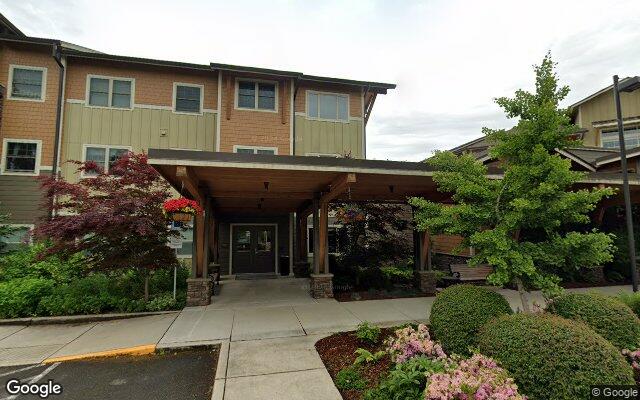
A medium home, reviewed on public record.
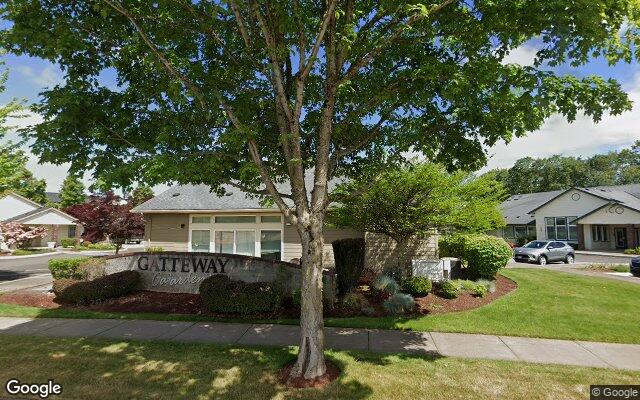
© Google Street View
Compared to 55 Oregon facilities with a similar number of beds.
ALF memory care · 36-month window. Higher percentile = better performance on inspection record. Source: Oregon Dept. of Human Services · Long-Term Care Licensing.
Rankings based on 36-month OR-DHS inspection data. Severity and frequency: fewer citations = higher percentile. Repeat rate: lower repeat citation share = higher percentile.
Citation history, plotted month by month.
10 deficiencies on record. Each bar is a month with a citation.
Finding distribution
10 total · 36 monthsScope × Severity (CMS A–L)
Every inspection visit, verbatim.
3 inspections in the public record, most recent first. Plain-language summaries open first — click into any row for the full citation text.
2025-10-21Annual Compliance VisitOR-cited · 2 findings
Plain-language summary
A routine kitchen inspection found the facility failed to maintain the kitchen in good repair and in a sanitary manner according to Oregon Food Sanitation Rules. The facility also failed to comply with licensing rules for resident care and Assisted Living Facilities, and did not meet memory care community compliance requirements under OAR 411-057-0140(2). Specific details of the violations are referenced in the inspection report under citation C240.
Read full citation text (2)Hide full citation text
“Based on observation, and interview, it was determined the facility failed to maintain the kitchen in good repair and in a sanitary manner in accordance with Food Sanitation Rules, OAR 333-150-000. Findings include, but are not limited to:”
“Based on observation and interview, it was determined the facility failed to follow licensing rules for Resident care and Assisted Living Facilities. Findings include, but are not limited to: Refer to C240 see C 240 OAR 411-057-0140(2) Administration Compliance (2) The licensee of a memory care community must comply with both the licensing rules for the facility and Chapter 411, Division 57. This Rule is not met as evidenced by:”
Read raw inspector notesClose inspector notes
Based on observation, and interview, it was determined the facility failed to maintain the kitchen in good repair and in a sanitary manner in accordance with Food Sanitation Rules, OAR 333-150-000. Findings include, but are not limited to: Based on observation and interview, it was determined the facility failed to follow licensing rules for Resident care and Assisted Living Facilities. Findings include, but are not limited to: Refer to C240 see C 240 OAR 411-057-0140(2) Administration Compliance (2) The licensee of a memory care community must comply with both the licensing rules for the facility and Chapter 411, Division 57. This Rule is not met as evidenced by:
2025-03-13Annual Compliance VisitOR-cited · 5 findings
Plain-language summary
During a re-licensure inspection on March 11-13, 2025, the facility was found to have violated multiple licensing rules, including failing to immediately report three resident-to-resident altercations involving one resident to the adult protective services office (the altercations occurred in late December 2024 and January 2025 but were not reported until March 2025), failing to maintain sufficient direct care staffing on night shifts to meet resident needs and fire safety requirements, and failing to document that residents received required fire and life safety instruction. The facility administrator acknowledged each of these findings during the inspection.
Read full citation text (5)Hide full citation text
“Based on interview and record review, it was determined the facility failed to immediately report abuse and/or suspected abuse to the local SPD office for 1 of 2 sampled residents (#1) whose record was reviewed. Findings include, but are not limited to: Resident 1 was admitted to the facility in 11/2023 with diagnoses including dementia. Review of Resident 1’s clinical record identified the following: * On 12/22/24, Resident 1 was involved in a resident-to-resident altercation. The altercation was investigated, however was not reported to the local SPD office until 03/12/25. * On 01/15/25, Resident 1 was involved in a resident-to-resident altercation. The altercation was investigated, however was not reported to the local SPD office until 03/11/25. * On 01/26/25, Resident 1 was involved in a resident-to-resident altercation. The altercation was investigated, however was not reported to the local SPD office until 03/11/25. On 03/13/25, the need to ensure incidents of abuse or suspected abuse were promptly reported to the local SPD office was discussed with Staff 1 (Administrator). She acknowledged the findings.”
“based on acuity, complaint investigation or survey inspection.(e) Based on resident acuity and facility structural design there must be adequate direct care staff present at all times, to meet the fire safety evacuation standards as required by the fire authority or the Department.(f) The licensee is responsible for assuring that staffing is increased to compensate for the evaluated care and service needs of residents at move-in and for the changing physical or mental needs of the residents.(g) A minimum of two direct care staff must be scheduled and available at all times whenever a resident requires the assistance of two direct care staff for scheduled and unscheduled needs.(h) In facilities where residents are hosed in two or more detached buildings, or if a building has distinct and segregated areas, a designated caregiver must be awake and available in each building and each segregated area at all times.(i) Facilities must have a written, defined system to determine appropriate numbers of direct care staff and general staffing based on resident acuity and service needs. Such systems may be either manual or electronic.(A) Guidelines for systems must also consider physical elements of a building, use of technology if applicable and staff experience.(B) Facilities must be able to demonstrate how their staffing systems work. This Rule is not met as evidenced by: Based on interview and record review, it was determined the facility failed to have a sufficient number of direct care staff to meet the 24-hour scheduled and unscheduled needs of each resident and to meet the fire safety evacuation standards during the night shift. Findings include, but are not limited to: During the entrance conference on 03/11/25 with Staff 1 (Administrator) and Staff 5 (CG) the following was identified: * The memory care community was home to 21 residents at the time of the re-licensure survey; * Three residents who required two-person assistance for transfers and/or ADL care, including the use of a mechanical lift; * Three residents who required assistance in the dining room (observations, cueing, hand over hand, or physical assistance with eating); * Two residents who required support for behavioral symptoms; and * Two residents who required support for cognitive impairments. The facility's posted staffing plan and the staffing schedule from 02/01/25 through 03/11/25 were reviewed. The facility's posted staffing plan indicated the following: * Day Shift: 6:00 am - 2:30 pm - Three CGs and one MT; * Swing Shift: 2:00 pm - 10:30 pm - Three CGs and one MT; and * Night Shift: 10:00 pm - 6:30 am - Two CGs and one MT. The staffing schedule from 02/01/25 through 03/11/25 showed 23-night shifts, the facility failed to follow their staffing plan. This was confirmed in an interview with Staff 1 (Administrator) on 03/13/25 at 1:50pm. The facility failed to have sufficient night shift staff to meet the scheduled and unscheduled needs of the residents and adequate direct care staff to meet the fire safety evacuation standards as required by the Department. The need to have a sufficient number of staff to meet all scheduled and unscheduled needs of residents on the night shift was discussed with Staff 1 on 03/13/25. She acknowledged the findings.”
“Based on interview and record review, it was determined the facility failed to ensure residents were instructed on fire and life safety procedures within 24 hours of admission and annually. Findings include, but are not limited to: On 03/13/25, facility fire and life safety records were reviewed and lacked documented evidence the following required elements were completed: * Instruction to Resident 5 on fire and life safety procedures within 24 hours of admission; and * Annual instruction on general safety procedures, evacuation methods, responsibilities during fire drills, and designated meeting places inside or outside the building in the event of an actual fire for Resident 1. On 03/13/25, the need to ensure residents were provided instruction per the Oregon Fire Code was discussed with Staff 1 (Administrator), Staff 3 (Health Services Quality Coordinator), and Staff 4 (Maintenance Director). They acknowledged the findings.”
“Based on interview and record review, it was determined the facility failed to follow licensing rules for Residential Care and Assisted Living Facilities. Findings include, but are not limited to: Refer to C 231, C 360 and C 422.”
“Based on interview and record review, it was determined the facility failed to ensure 2 of 3 long term staff completed 16 hours of annual in-service training including at least six hours of dementia care. Findings include, but are not limited to: Staff training records were reviewed on 03/13/25 with Staff 3 (Health Services Quality Coordinator). There was no documented evidence Staff 5 (CG) hired 05/28/23 and Staff 6 (CG) hired 06/07/23, had completed the required 10 hours of annual training related to provision of care in community-based care or the required 6 hours related to dementia care. On 03/13/25, the need to ensure staff completed annual in-service training was discussed with Staff 1 (Administrator). She acknowledged the findings.”
Read raw inspector notesClose inspector notes
Based on interview and record review, it was determined the facility failed to immediately report abuse and/or suspected abuse to the local SPD office for 1 of 2 sampled residents (#1) whose record was reviewed. Findings include, but are not limited to: Resident 1 was admitted to the facility in 11/2023 with diagnoses including dementia. Review of Resident 1’s clinical record identified the following: * On 12/22/24, Resident 1 was involved in a resident-to-resident altercation. The altercation was investigated, however was not reported to the local SPD office until 03/12/25. * On 01/15/25, Resident 1 was involved in a resident-to-resident altercation. The altercation was investigated, however was not reported to the local SPD office until 03/11/25. * On 01/26/25, Resident 1 was involved in a resident-to-resident altercation. The altercation was investigated, however was not reported to the local SPD office until 03/11/25. On 03/13/25, the need to ensure incidents of abuse or suspected abuse were promptly reported to the local SPD office was discussed with Staff 1 (Administrator). She acknowledged the findings. based on acuity, complaint investigation or survey inspection.(e) Based on resident acuity and facility structural design there must be adequate direct care staff present at all times, to meet the fire safety evacuation standards as required by the fire authority or the Department.(f) The licensee is responsible for assuring that staffing is increased to compensate for the evaluated care and service needs of residents at move-in and for the changing physical or mental needs of the residents.(g) A minimum of two direct care staff must be scheduled and available at all times whenever a resident requires the assistance of two direct care staff for scheduled and unscheduled needs.(h) In facilities where residents are hosed in two or more detached buildings, or if a building has distinct and segregated areas, a designated caregiver must be awake and available in each building and each segregated area at all times.(i) Facilities must have a written, defined system to determine appropriate numbers of direct care staff and general staffing based on resident acuity and service needs. Such systems may be either manual or electronic.(A) Guidelines for systems must also consider physical elements of a building, use of technology if applicable and staff experience.(B) Facilities must be able to demonstrate how their staffing systems work. This Rule is not met as evidenced by: Based on interview and record review, it was determined the facility failed to have a sufficient number of direct care staff to meet the 24-hour scheduled and unscheduled needs of each resident and to meet the fire safety evacuation standards during the night shift. Findings include, but are not limited to: During the entrance conference on 03/11/25 with Staff 1 (Administrator) and Staff 5 (CG) the following was identified: * The memory care community was home to 21 residents at the time of the re-licensure survey; * Three residents who required two-person assistance for transfers and/or ADL care, including the use of a mechanical lift; * Three residents who required assistance in the dining room (observations, cueing, hand over hand, or physical assistance with eating); * Two residents who required support for behavioral symptoms; and * Two residents who required support for cognitive impairments. The facility's posted staffing plan and the staffing schedule from 02/01/25 through 03/11/25 were reviewed. The facility's posted staffing plan indicated the following: * Day Shift: 6:00 am - 2:30 pm - Three CGs and one MT; * Swing Shift: 2:00 pm - 10:30 pm - Three CGs and one MT; and * Night Shift: 10:00 pm - 6:30 am - Two CGs and one MT. The staffing schedule from 02/01/25 through 03/11/25 showed 23-night shifts, the facility failed to follow their staffing plan. This was confirmed in an interview with Staff 1 (Administrator) on 03/13/25 at 1:50pm. The facility failed to have sufficient night shift staff to meet the scheduled and unscheduled needs of the residents and adequate direct care staff to meet the fire safety evacuation standards as required by the Department. The need to have a sufficient number of staff to meet all scheduled and unscheduled needs of residents on the night shift was discussed with Staff 1 on 03/13/25. She acknowledged the findings. Based on interview and record review, it was determined the facility failed to ensure residents were instructed on fire and life safety procedures within 24 hours of admission and annually. Findings include, but are not limited to: On 03/13/25, facility fire and life safety records were reviewed and lacked documented evidence the following required elements were completed: * Instruction to Resident 5 on fire and life safety procedures within 24 hours of admission; and * Annual instruction on general safety procedures, evacuation methods, responsibilities during fire drills, and designated meeting places inside or outside the building in the event of an actual fire for Resident 1. On 03/13/25, the need to ensure residents were provided instruction per the Oregon Fire Code was discussed with Staff 1 (Administrator), Staff 3 (Health Services Quality Coordinator), and Staff 4 (Maintenance Director). They acknowledged the findings. Based on interview and record review, it was determined the facility failed to follow licensing rules for Residential Care and Assisted Living Facilities. Findings include, but are not limited to: Refer to C 231, C 360 and C 422. Based on interview and record review, it was determined the facility failed to ensure 2 of 3 long term staff completed 16 hours of annual in-service training including at least six hours of dementia care. Findings include, but are not limited to: Staff training records were reviewed on 03/13/25 with Staff 3 (Health Services Quality Coordinator). There was no documented evidence Staff 5 (CG) hired 05/28/23 and Staff 6 (CG) hired 06/07/23, had completed the required 10 hours of annual training related to provision of care in community-based care or the required 6 hours related to dementia care. On 03/13/25, the need to ensure staff completed annual in-service training was discussed with Staff 1 (Administrator). She acknowledged the findings.
2024-10-09Annual Compliance VisitOR-cited · 3 findings
Plain-language summary
A routine kitchen inspection on October 8-9, 2024 found the facility failed to maintain the kitchen in sanitary condition and in good repair under Oregon food sanitation rules, with findings including accumulation of food spills, dirt, and debris on refrigeration equipment, cooking surfaces, floors, and storage areas; improperly stored and expired food items; staff not following facial hair and beverage storage requirements; and a cook serving meat without verifying safe internal temperatures. The memory care kitchenette had similar issues with contaminated food contact surfaces and expired food. The facility developed corrective action plans including daily cleaning schedules with staff sign-offs, equipment repairs, food handling procedure updates, and staff retraining.
Read full citation text (3)Hide full citation text
“Based on observation, and interview, it was determined the facility failed to maintain the kitchen in good repair and in a sanitary manner in accordance with Food Sanitation Rules, OAR 333-150-000. Findings include, but are not limited to: Observation of the facility kitchen was reviewed on 10/08/24 from 10:30 am through 1:45pm and again on 10/09/24 from 10:45 through 1:30 pm and found the following: a. An accumulation of food spills, splatters, loose food and trash debris, dirt, dust, and/or black matter was visible on or underneath the following: * All reach in coolers and freezers; * Sliding refrigerated drawers; * Walk in freezer floor; * Plastic and metal racks in walk in cooler; * Wood shelving pieces in walk in cooler; * Interior of ice machine; * Kitchen drains; * Floors under, behind and between equipment; * Legs and wheels of large equipment; * Interior and exterior of microwaves; * Industrial can opener housing; * Grill top and sides; * Griddle top and sides; * Interior of cabinet where clean plates were stored; * Ceiling vents above food prep area; * Vents above clean dish storage area; * Floors throughout kitchen in corners and edges; * Interior and exterior of hot box/warming containers; * Interior of food transportation carts; * Walls behind cooking areas; * Walls where knives were stored; * Mandolin; * Interior of drawers; * Sprinkler heads; * Exterior and interior of stainless steel drawers; * Under metal racks in dry storage; b. The following areas were in need of repair: *Multiple reach in coolers with damage to seals; * Caulking in the dirty side of dish machine area with black debris build up. c. Multiple food items found in walk in cooler and reach in coolers not covered and exposed to potential contamination. d. Multiple prepared food items found past seven days. Multiple potentially hazardous food items not dated when opened and/or prepared. Multiple food items found past manufactures use by dates. e. Multiple staff noted to be handling clean dishes and/or preparing food without facial hair restraints as required. f. Line cook observed to serve cheeseburger patties to residents without checking proper cook to temperatures were met to ensure safety. g. Multiple plastic spatulas for cooking were noted to have chips and other integrity concerns and in need of replacement. h. Multiple hot mitts/potholders were noted to have holes and other integrity concerns and in need of replacement. i. Staff drinks were observed stored in food preparation areas and did not contain lids/straws to minimize hand/lip contact as required. On 10/08/24 at 11:45am, the Memory care kitchenette area was reviewed and noted the following: * Food splatter/spills in reach in refrigerators * Food, dust, dirt debris in food delivery carts; * Food splatter/debris on walls near trash can; * Drips/splatters/spills on exterior and interior of cabinets: * Blender with food and dust/dirt debris; * Microwave with food splatter debris on interior; * Food contact surfaces of blender/mixer stored open/exposed to potential contamination; * Cabinet under sink with visible water damage needing repair; * Staff drinks stored in food service area and observed without lids/straws as required. * Multiple food items in reach in refrigerator several weeks past their printed manufactured use by dates. On 10/08/24 at 11:15am and again on 10/09/24 at 1:00 Staff 1 (Assistant Executive Director) and Staff 2 (Food and Beverage director) were interviewed and acknowledged identified deficient areas/practices. On 10/09/24 at 12:00 pm Staff 3 (Executive Chef) was informed of areas in need of attention. They acknowledged identified areas. a. Food spills cleaned and sanitized; added to the per shift daily cleaning duties to be initialed by employee once complete. Floors, corners and edges scrubbed and sanitized on per shift cleaning duties to be initialed by employee once complete. Hot box, warming containers scrubbed, cleaned and sanitized on a daily, per-shift basis to be initialed by employee once complete. Food transportation carts scrubbed and santized on a daily per-shift cleaning schedule to be initialed by employee once complete. All reach in coolers and freezers have been scrubbed and sanitized; procedure posted, including proper chemical usage for separate areas. Cooler & freezer cleaning calendar posted; Executive Chef to hold employees accountable for proper and time sensitive cleaning tasks via per-shift, daily, weekly and monthly cleaning lists, to be initialed by individual staff once completed. Plastic and metal racks have been power washed, cleaned, santized and organized with weekly cleaning sign off sheet posted. Wood shelving was disposed of and replaced with metal trays and shelves. Interior ice machine cleaned and sanitized with "How To Clean Ice Machine" guide posted with sign off sheet; dedicated scrub brush purchased. Legs, wheels of large equipment washed, scrubbed and sanitized; listed on daily checklist to be initialed by employee once complete. Microwaves, grill tops and sides, griddle top and sides cleaned and sanitized; added to per shift duties to be initialed by employee once complete. Industrial can opener cleaned and sanitzed; added to the station daily cleaning tasks to be intialized by employee once complete. Ceiling vents above food prep area and clean dish area cleaned; added to the weekly cleaning duties to be initialed by employee once complete. All walls including those where the knives are kept and behind cooking areas scrubbed and sanitized; added to the the per shift daily cleaning duties to be initialed once complete. Exterior and interior of both tool and food drawers emptied, scrubbed and sanitized; added to daily per shift duties to be initialed by employee once finished. Sprinkler heads: we have reached out to Harvey & Price, they added a recurring bi-annual task to clean all 19 sprinkler heads in the front & back kitchen, pantry, dry stock and dish areas. The next service date is in December. Metal racks emptied and scrubbed, floors sanitized and scrubbed; added to daily cleaning tasks to be initialed by employee once complete. b. Fridge and hot box seals have been replaced: cooler #2 door gaskets were replaced 10/29/24, cooler #4 all door gaskets will be replaced on 11/8/24 Hot box seals have been replaced and are to be inspected daily by Sous Chef and Executive Chef as described in job description. Caulking in dish area is scheduled to be resealed 11/8/24 and has been added to the weekly cleaning list. c. Food items not covered were disposed of; followed by proper training and posting of 'how to' store perishable items. d. Lead is assigned to check dates and proper storage daily, supervised by Sous Chef. Stocking employee is trained to inspect product best by dates as delivered, returning past dated items to distributor. Facial hair restraints have been stocked and implemented with posting of proper usage; supervisor on team responsible for ensuring protocol per job description. f. Food safety demonstration training provided (10/30/24); thermometers ordered, one on each station and one per cook as a required part of their uniform. Thermometers tested and calibrated per manufactures guidelines. Dates are to be checked weekly, as listed in weekly station duties to be initialed by employee once complete. g. Plastic spatulas have been disposed of and replacements ordered; integrity checked daily h. Pot holders/hot mitts with holes and integrity concerns have been disposed of and replaced. Executive Chef to inspect daily, per job description. i. Staff drink area has been designated, below counter level, with lids and straws mandatory. Executive Chef to ensure proper storage. A review of written job positions reviewed at 10/30/24 employee meeting. Oregon State Food Handler's cards are active, updated and properly filed. Additionally, Executive Chef will be held responsible for upkeep of equipme”
“Based on record review and interview, it was determined the facility failed to ensure 7 of 16 staff (#3, 4, 5, 6, 7, 8, and 9) who prepared and served food had active food handlers certificates. Findings include, but are not limited to: On 10/08/24 employee records were requested and reviewed to ensure staff had active food handlers certifications. There were six employees who's food cards could not be located and one staff (staff #4) who's card was expired. Staff 1 (Assistant Executive Director) indicated the facility had recently switched over to a new system and would attempt to retrieve copies of cards from corporate offices. On 10/09/24 at 10:45am, Staff 1 provided a report provided from corporate offices validating that the additional six staff (cooks and Sous Chefs) had expired food handler cards. Staff 1 stated that the switch over of computer programs contributed to a lack of oversite on expired cards. The facility scheduled all expired staff to get their cards updated the following week. Staff 1, 2 and 3 acknowledged that all staff preparing food must have active food handlers cards and that seven of their staff's cards were not active. Food splatter/spills in the reach in refrigerators, on walls near trash can, exterior and interior of cabinets and interior microwave have been scrubbed and sanitized; a shift cleaning list has been posted and will be initialed by employee once completed. Food delivery carts have been scrubbed and sanitized; duties have been added to the per shift cleaning list. Small kitchen equipment including the blender have been cleaned and covered to limit contamination; postage has been placed for proper sanitaztion after every use. Water damage under the sink cabinet is scheduled to be completed by 11/15/24 by in house maintenance team. All drinks are kept in a designated area with lids and straws with a 'friendly reminder' posting. All expired food has been discarded and will be evaulated daily as listed in the daily duties, posted in the back hallway An outline of cleaning descriptions and expectations have been posted. OAR 411-054-0070 (3-4) Staffing Requirements and Training – Pre-service (3) PRE-SERVICE ORIENTATION FOR ALL EMPLOYEES. Prior to beginning their job responsibilities, all employees must complete orientation training regarding: (a) A review of their written position description with their job responsibilities. (b) RESIDENTS’ RIGHTS. Residents' rights and the values of community-based care, including the Department-approved LGBTQIA2S+ trainings. (A) Effective December 31, 2024, all staff must have completed the required training. All new staff, hired on and after January 1, 2025, must complete the required training prior to beginning job responsibilities. (B) The Department-approved LGBTQIA2S+ trainings shall address the elements described in paragraph (6)(b) of this rule. (c) Abuse and reporting requirements. (d) Fire safety and emergency procedures. (e) INFECTIOUS DISEASE PREVENTION. Prior to beginning their job responsibilities, unless the employee received the training described below within the 24-month period prior to the time of hiring, all employees must complete training addressing the prevention, recognition, control and reporting of the spread of infectious disease. (A) The Department, in consultation with the Oregon Health Authority, has determined this training must address the following curricula: (i) Transmission of communicable disease and infections, including development of a policy with criteria directing staff to stay home when ill with a communicable disease, so as not to transmit disease. (ii) Policy addressing respiratory hygiene and coughing etiquette. (iii) Standard precautions. (iv) Hand hygiene. (v) Use of personal protective equipment. (vi) Cleaning of physical environment, including, but not limited to disinfecting high-touch surfaces and equipment, and handling, storing, processing and transporting linens to prevent the spread of infection. (vii) Isolating and cohorting of residents during a disease outbreak. (viii) Employees must also receive training on the rights and responsibilities of employees to report disease outbreaks under ORS 433.004 and safeguards for employees who report disease outbreaks. (B) INFECTIOUS DISEASE TRAINING CURRICULUM. Pre-service infectious disease training curriculum must be approved by the Department before facilities may offer training to staff. (i) The pre-service training may be provided in person, in writing, by webinar or by other electronic means. (ii) Facilities or other entities that want to provide training curriculum to facilities must first present that curriculum to the Department for review and approval. (f) HOME AND COMMUNITY-BASED SERVICES (HCBS) TRAINING. All staff are required to complete the Department-approved HCBS training, as provided below: (A) Effective March 31, 2024, all staff must have completed the required training. (B) All new staff, hired on or after April 1, 2024, must complete the required training prior to beginning job responsibilities. (g) FOOD HANDLING. If the staff member's duties include preparing food, they must have a food handler's certificate. (4) PRE-SERVICE TRAINING FOR ALL DIRECT CARE STAFF. (a) DEMENTIA. Prior to providing care to residents, all direct care staff must complete an approved pre-service dementia training. (A) Documentation of dementia training: (i) A certificate of completion shall be issued to direct care staff who satisfactorily complete approved dementia training. Facilities shall also maintain records of all direct care staff who have successfully completed pre-service dementia training. (ii) Each facility shall maintain written documentation of continuing education completed, including required pre-service dementia training, for all direct care staff. (B) Portability of pre-service dementia training: After completing the pre-service training, if a direct care staff person is hired within 24 months by a different facility, the hiring facility may choose to accept the previous training or require the direct care staff to complete the hiring facility’s pre-service dementia training. (C) A certificate of completion must be made available to the Department upon request. (D) Pre-service dementia care training must include the following subject areas: (i) Education on the dementia disease process, including the progression of the disease, memory loss, and psychiatric and behavioral symptoms. (ii) Techniques for understanding, communicating, and responding to distressful behavioral symptoms, including, but not limited to, reducing the use of antipsychotic medications for non-standard uses. (iii) Strategies for addressing social needs of persons with dementia and engaging them with meaningful activities. (iv) Information concerning specific aspects of dementia care and ensuring the safety of residents with dementia, including, but not limited to, how to: (I) Identify and address pain. (II) Provide food and fluids. (III) Prevent wandering and elopement. (IV) Use a person-centered approach. (b) ORIENTATION TO RESIDENT. Pre-service orientation to resident: (A) Prior to providing personal care services for a resident, direct care staff must receive an orientation to the resident, including the resident’s service plan. (B) Direct care staff members must be directly supervised by a qualified person until they have successfully demonstrated satisfactory performance in any task assigned and the provision of individualized resident services, as applicable This Rule is not met as evidenced by:”
“Based on observations and interviews, it was determined the facility failed to follow licensing rules for Residential Care and Assisted Living Facilities. Findings include, but are not limited to: Refer to C240. Refer to C370 Please refer to the plan of correction for C240 and C370 for this tag. OAR 411-057-0140(2) Administration Compliance (2) The licensee of a memory care community must comply with both the licensing rules for the facility and Chapter 411, Division 57. This Rule is not met as evidenced by:”
Read raw inspector notesClose inspector notes
Based on observation, and interview, it was determined the facility failed to maintain the kitchen in good repair and in a sanitary manner in accordance with Food Sanitation Rules, OAR 333-150-000. Findings include, but are not limited to: Observation of the facility kitchen was reviewed on 10/08/24 from 10:30 am through 1:45pm and again on 10/09/24 from 10:45 through 1:30 pm and found the following: a. An accumulation of food spills, splatters, loose food and trash debris, dirt, dust, and/or black matter was visible on or underneath the following: * All reach in coolers and freezers; * Sliding refrigerated drawers; * Walk in freezer floor; * Plastic and metal racks in walk in cooler; * Wood shelving pieces in walk in cooler; * Interior of ice machine; * Kitchen drains; * Floors under, behind and between equipment; * Legs and wheels of large equipment; * Interior and exterior of microwaves; * Industrial can opener housing; * Grill top and sides; * Griddle top and sides; * Interior of cabinet where clean plates were stored; * Ceiling vents above food prep area; * Vents above clean dish storage area; * Floors throughout kitchen in corners and edges; * Interior and exterior of hot box/warming containers; * Interior of food transportation carts; * Walls behind cooking areas; * Walls where knives were stored; * Mandolin; * Interior of drawers; * Sprinkler heads; * Exterior and interior of stainless steel drawers; * Under metal racks in dry storage; b. The following areas were in need of repair: *Multiple reach in coolers with damage to seals; * Caulking in the dirty side of dish machine area with black debris build up. c. Multiple food items found in walk in cooler and reach in coolers not covered and exposed to potential contamination. d. Multiple prepared food items found past seven days. Multiple potentially hazardous food items not dated when opened and/or prepared. Multiple food items found past manufactures use by dates. e. Multiple staff noted to be handling clean dishes and/or preparing food without facial hair restraints as required. f. Line cook observed to serve cheeseburger patties to residents without checking proper cook to temperatures were met to ensure safety. g. Multiple plastic spatulas for cooking were noted to have chips and other integrity concerns and in need of replacement. h. Multiple hot mitts/potholders were noted to have holes and other integrity concerns and in need of replacement. i. Staff drinks were observed stored in food preparation areas and did not contain lids/straws to minimize hand/lip contact as required. On 10/08/24 at 11:45am, the Memory care kitchenette area was reviewed and noted the following: * Food splatter/spills in reach in refrigerators * Food, dust, dirt debris in food delivery carts; * Food splatter/debris on walls near trash can; * Drips/splatters/spills on exterior and interior of cabinets: * Blender with food and dust/dirt debris; * Microwave with food splatter debris on interior; * Food contact surfaces of blender/mixer stored open/exposed to potential contamination; * Cabinet under sink with visible water damage needing repair; * Staff drinks stored in food service area and observed without lids/straws as required. * Multiple food items in reach in refrigerator several weeks past their printed manufactured use by dates. On 10/08/24 at 11:15am and again on 10/09/24 at 1:00 Staff 1 (Assistant Executive Director) and Staff 2 (Food and Beverage director) were interviewed and acknowledged identified deficient areas/practices. On 10/09/24 at 12:00 pm Staff 3 (Executive Chef) was informed of areas in need of attention. They acknowledged identified areas. a. Food spills cleaned and sanitized; added to the per shift daily cleaning duties to be initialed by employee once complete. Floors, corners and edges scrubbed and sanitized on per shift cleaning duties to be initialed by employee once complete. Hot box, warming containers scrubbed, cleaned and sanitized on a daily, per-shift basis to be initialed by employee once complete. Food transportation carts scrubbed and santized on a daily per-shift cleaning schedule to be initialed by employee once complete. All reach in coolers and freezers have been scrubbed and sanitized; procedure posted, including proper chemical usage for separate areas. Cooler & freezer cleaning calendar posted; Executive Chef to hold employees accountable for proper and time sensitive cleaning tasks via per-shift, daily, weekly and monthly cleaning lists, to be initialed by individual staff once completed. Plastic and metal racks have been power washed, cleaned, santized and organized with weekly cleaning sign off sheet posted. Wood shelving was disposed of and replaced with metal trays and shelves. Interior ice machine cleaned and sanitized with "How To Clean Ice Machine" guide posted with sign off sheet; dedicated scrub brush purchased. Legs, wheels of large equipment washed, scrubbed and sanitized; listed on daily checklist to be initialed by employee once complete. Microwaves, grill tops and sides, griddle top and sides cleaned and sanitized; added to per shift duties to be initialed by employee once complete. Industrial can opener cleaned and sanitzed; added to the station daily cleaning tasks to be intialized by employee once complete. Ceiling vents above food prep area and clean dish area cleaned; added to the weekly cleaning duties to be initialed by employee once complete. All walls including those where the knives are kept and behind cooking areas scrubbed and sanitized; added to the the per shift daily cleaning duties to be initialed once complete. Exterior and interior of both tool and food drawers emptied, scrubbed and sanitized; added to daily per shift duties to be initialed by employee once finished. Sprinkler heads: we have reached out to Harvey & Price, they added a recurring bi-annual task to clean all 19 sprinkler heads in the front & back kitchen, pantry, dry stock and dish areas. The next service date is in December. Metal racks emptied and scrubbed, floors sanitized and scrubbed; added to daily cleaning tasks to be initialed by employee once complete. b. Fridge and hot box seals have been replaced: cooler #2 door gaskets were replaced 10/29/24, cooler #4 all door gaskets will be replaced on 11/8/24 Hot box seals have been replaced and are to be inspected daily by Sous Chef and Executive Chef as described in job description. Caulking in dish area is scheduled to be resealed 11/8/24 and has been added to the weekly cleaning list. c. Food items not covered were disposed of; followed by proper training and posting of 'how to' store perishable items. d. Lead is assigned to check dates and proper storage daily, supervised by Sous Chef. Stocking employee is trained to inspect product best by dates as delivered, returning past dated items to distributor. Facial hair restraints have been stocked and implemented with posting of proper usage; supervisor on team responsible for ensuring protocol per job description. f. Food safety demonstration training provided (10/30/24); thermometers ordered, one on each station and one per cook as a required part of their uniform. Thermometers tested and calibrated per manufactures guidelines. Dates are to be checked weekly, as listed in weekly station duties to be initialed by employee once complete. g. Plastic spatulas have been disposed of and replacements ordered; integrity checked daily h. Pot holders/hot mitts with holes and integrity concerns have been disposed of and replaced. Executive Chef to inspect daily, per job description. i. Staff drink area has been designated, below counter level, with lids and straws mandatory. Executive Chef to ensure proper storage. A review of written job positions reviewed at 10/30/24 employee meeting. Oregon State Food Handler's cards are active, updated and properly filed. Additionally, Executive Chef will be held responsible for upkeep of equipme Based on record review and interview, it was determined the facility failed to ensure 7 of 16 staff (#3, 4, 5, 6, 7, 8, and 9) who prepared and served food had active food handlers certificates. Findings include, but are not limited to: On 10/08/24 employee records were requested and reviewed to ensure staff had active food handlers certifications. There were six employees who's food cards could not be located and one staff (staff #4) who's card was expired. Staff 1 (Assistant Executive Director) indicated the facility had recently switched over to a new system and would attempt to retrieve copies of cards from corporate offices. On 10/09/24 at 10:45am, Staff 1 provided a report provided from corporate offices validating that the additional six staff (cooks and Sous Chefs) had expired food handler cards. Staff 1 stated that the switch over of computer programs contributed to a lack of oversite on expired cards. The facility scheduled all expired staff to get their cards updated the following week. Staff 1, 2 and 3 acknowledged that all staff preparing food must have active food handlers cards and that seven of their staff's cards were not active. Food splatter/spills in the reach in refrigerators, on walls near trash can, exterior and interior of cabinets and interior microwave have been scrubbed and sanitized; a shift cleaning list has been posted and will be initialed by employee once completed. Food delivery carts have been scrubbed and sanitized; duties have been added to the per shift cleaning list. Small kitchen equipment including the blender have been cleaned and covered to limit contamination; postage has been placed for proper sanitaztion after every use. Water damage under the sink cabinet is scheduled to be completed by 11/15/24 by in house maintenance team. All drinks are kept in a designated area with lids and straws with a 'friendly reminder' posting. All expired food has been discarded and will be evaulated daily as listed in the daily duties, posted in the back hallway An outline of cleaning descriptions and expectations have been posted. OAR 411-054-0070 (3-4) Staffing Requirements and Training – Pre-service (3) PRE-SERVICE ORIENTATION FOR ALL EMPLOYEES. Prior to beginning their job responsibilities, all employees must complete orientation training regarding: (a) A review of their written position description with their job responsibilities. (b) RESIDENTS’ RIGHTS. Residents' rights and the values of community-based care, including the Department-approved LGBTQIA2S+ trainings. (A) Effective December 31, 2024, all staff must have completed the required training. All new staff, hired on and after January 1, 2025, must complete the required training prior to beginning job responsibilities. (B) The Department-approved LGBTQIA2S+ trainings shall address the elements described in paragraph (6)(b) of this rule. (c) Abuse and reporting requirements. (d) Fire safety and emergency procedures. (e) INFECTIOUS DISEASE PREVENTION. Prior to beginning their job responsibilities, unless the employee received the training described below within the 24-month period prior to the time of hiring, all employees must complete training addressing the prevention, recognition, control and reporting of the spread of infectious disease. (A) The Department, in consultation with the Oregon Health Authority, has determined this training must address the following curricula: (i) Transmission of communicable disease and infections, including development of a policy with criteria directing staff to stay home when ill with a communicable disease, so as not to transmit disease. (ii) Policy addressing respiratory hygiene and coughing etiquette. (iii) Standard precautions. (iv) Hand hygiene. (v) Use of personal protective equipment. (vi) Cleaning of physical environment, including, but not limited to disinfecting high-touch surfaces and equipment, and handling, storing, processing and transporting linens to prevent the spread of infection. (vii) Isolating and cohorting of residents during a disease outbreak. (viii) Employees must also receive training on the rights and responsibilities of employees to report disease outbreaks under ORS 433.004 and safeguards for employees who report disease outbreaks. (B) INFECTIOUS DISEASE TRAINING CURRICULUM. Pre-service infectious disease training curriculum must be approved by the Department before facilities may offer training to staff. (i) The pre-service training may be provided in person, in writing, by webinar or by other electronic means. (ii) Facilities or other entities that want to provide training curriculum to facilities must first present that curriculum to the Department for review and approval. (f) HOME AND COMMUNITY-BASED SERVICES (HCBS) TRAINING. All staff are required to complete the Department-approved HCBS training, as provided below: (A) Effective March 31, 2024, all staff must have completed the required training. (B) All new staff, hired on or after April 1, 2024, must complete the required training prior to beginning job responsibilities. (g) FOOD HANDLING. If the staff member's duties include preparing food, they must have a food handler's certificate. (4) PRE-SERVICE TRAINING FOR ALL DIRECT CARE STAFF. (a) DEMENTIA. Prior to providing care to residents, all direct care staff must complete an approved pre-service dementia training. (A) Documentation of dementia training: (i) A certificate of completion shall be issued to direct care staff who satisfactorily complete approved dementia training. Facilities shall also maintain records of all direct care staff who have successfully completed pre-service dementia training. (ii) Each facility shall maintain written documentation of continuing education completed, including required pre-service dementia training, for all direct care staff. (B) Portability of pre-service dementia training: After completing the pre-service training, if a direct care staff person is hired within 24 months by a different facility, the hiring facility may choose to accept the previous training or require the direct care staff to complete the hiring facility’s pre-service dementia training. (C) A certificate of completion must be made available to the Department upon request. (D) Pre-service dementia care training must include the following subject areas: (i) Education on the dementia disease process, including the progression of the disease, memory loss, and psychiatric and behavioral symptoms. (ii) Techniques for understanding, communicating, and responding to distressful behavioral symptoms, including, but not limited to, reducing the use of antipsychotic medications for non-standard uses. (iii) Strategies for addressing social needs of persons with dementia and engaging them with meaningful activities. (iv) Information concerning specific aspects of dementia care and ensuring the safety of residents with dementia, including, but not limited to, how to: (I) Identify and address pain. (II) Provide food and fluids. (III) Prevent wandering and elopement. (IV) Use a person-centered approach. (b) ORIENTATION TO RESIDENT. Pre-service orientation to resident: (A) Prior to providing personal care services for a resident, direct care staff must receive an orientation to the resident, including the resident’s service plan. (B) Direct care staff members must be directly supervised by a qualified person until they have successfully demonstrated satisfactory performance in any task assigned and the provision of individualized resident services, as applicable This Rule is not met as evidenced by: Based on observations and interviews, it was determined the facility failed to follow licensing rules for Residential Care and Assisted Living Facilities. Findings include, but are not limited to: Refer to C240. Refer to C370 Please refer to the plan of correction for C240 and C370 for this tag. OAR 411-057-0140(2) Administration Compliance (2) The licensee of a memory care community must comply with both the licensing rules for the facility and Chapter 411, Division 57. This Rule is not met as evidenced by:
6 older inspections from 2021 are not shown above.
Get the complete record, translated into plain language — emailed to you.
Other facilities in Lane County.
Other memory care facilities in Lane County with similar care offerings.
Contract Decoder
Family reviews
No reviews yet — be the first to share your experience
Other memory care options nearby.
More options in neighboring cities
Licensed memory care in other cities within this county region — useful when your search radius crosses city limits.