New Friends Memory and Residential Care of Florence.
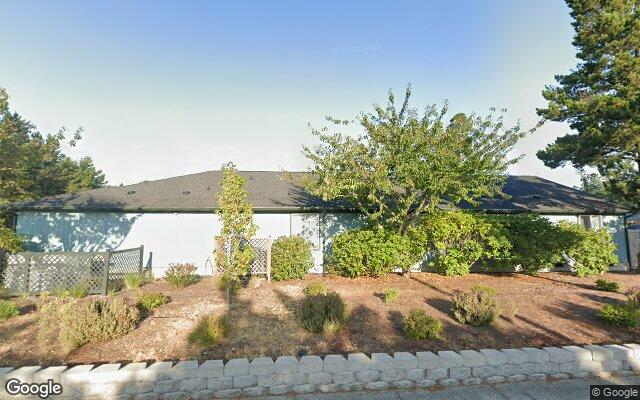
A medium home, reviewed on public record.
© Google Street View
Compared to 55 Oregon facilities with a similar number of beds.
ALF memory care · 36-month window. Higher percentile = better performance on inspection record. Source: Oregon Dept. of Human Services · Long-Term Care Licensing.
among peers to rank.
Rankings based on 36-month OR-DHS inspection data. Severity and frequency: fewer citations = higher percentile. Repeat rate: lower repeat citation share = higher percentile.
Citation history, plotted month by month.
7 deficiencies on record. Each bar is a month with a citation.
Finding distribution
7 total · 36 monthsScope × Severity (CMS A–L)
Every inspection visit, verbatim.
3 inspections in the public record, most recent first. Plain-language summaries open first — click into any row for the full citation text.
2026-09-15Annual Compliance VisitNo findings
2025-08-18Annual Compliance VisitOR-cited · 2 findings
Plain-language summary
During kitchen inspections on August 15 and 18, 2025, the facility was found to have violated food sanitation rules including accumulation of dirt and food debris in storage areas and equipment, refrigerators not holding proper temperatures, uncovered and contaminated food items, and staff not following handwashing and glove-changing practices during meal service. The facility also failed to follow residents' prescribed diet textures, particularly for residents on mechanical soft diets who received improperly prepared foods, and did not serve meals at standard times due to inadequate staffing for meal preparation. Additionally, multiple pieces of kitchen equipment and facility structures required repair, including damaged refrigerators, flooring with integrity issues, and holes in walls.
Read full citation text (2)Hide full citation text
“Based on observation, record review, and interview, it was determined the facility failed to maintain the kitchen in good repair and in a sanitary manner in accordance with Food Sanitation Rules, OAR 333-150-000. Facility also failed to ensure diet texture orders were followed for residents along with provide meals at standard times. Findings include, but are not limited to: Observation of the main facility kitchen and house 2 and 3 kitchen areas were reviewed on 08/15 from 1:30 pm through 3:00 pm and again on 8/18/25 from 10:30 am thru 1:15pm and found the following: a. An accumulation of food spills, splatters, loose food and trash debris, dirt, dust, and/or black matter was visible on or underneath the following: * Inside and outside of reach in coolers and freezers * Outdoor storage space floors, walls, ceiling where refrigerators and freezers were stored * Door thresholds to food storage areas * Open shelving in dry storage * Black plastic shelving * Flooring of pantry * Interior of microwaves * Industrial can opener and housing * Open shelving: * Drawers and cabinets storing clean dishes and other equipment * Cabinets, drawers, shelving holding/storing food b. The following areas were in need of repair: * Small holes in walls in kitchens. * Reach in refrigerator in house one not holding temperature at 41 degrees are below * Multiple exteriors of refrigerators with dirt and/rust on exteriors or with no handles * Multiple reach in refrigerators with large condensation and notable water leakage/build up * Microwave in house 2 with dents/damage * Flooring in house 3 with integrity flaws, chips, gouges yielding non-smooth surface * Multiple cupboard/cabinets/shelving with exposed porous wood and/or non-smooth surfaces. * Multiple refrigerators had water and/or excessive condensation in the refrigerators with water leakage/build up on shelves, food or beverage containers. c. Multiple food items found uncovered in reach in fridges. Multiple items without dates opened/prepared. Multiple items found past the manufactures use by dates and or facility date marking for use within 7 days. In house 3 a bag of hot dogs was observed that did not have a date and were visibly discolored and looked spoiled. A pan of dessert was loosely covered with plastic wrap where multiple areas of exposed food were noted. Pan of dessert was noted to have liquid contaminants from other areas of the fridge inside the food product where the open sections were. Staff was asked to discard the hot dogs and the dessert due to contamination and safety concerns. d. Refrigerator in house 1 thermometer reading 48 degrees Fahrenheit on 08/15/25. Mayonnaise temperature was checked and found also at 48 degrees Fahrenheit. Multiple items were stored in the refrigerator and limited open space was observed potentially creating cold circulation concerns. Staff 2 (Cook) indicated some items in the fridge (near the back) were freezing. Staff 2 was instructed to check the temperature of all potentially hazardous foods and discard any found at greater than 41 degrees. Upon return to facility on 08/18/25 the identified fridge was within acceptable temperatures (41 degrees) and was at maximum cold setting (7). e. Care giving staff were observed to not properly remove/change gloves and or wash hands when necessary during meals service on 08/18/25. Staff were observed to leave the kitchen with gloves on touch residents and or resident care equipment and return to kitchen area without removing/changing gloves. Other staff were observed entering kitchen from care areas and did not wash hands before donning gloves as required. f. On 08/15/25 at 2:00pm already prepared food items were observed tin the oven. Staff 2 was interviewed and revealed the food items were for dinner at 4:30 pm that day. On 08/18/25 at 12:30 pm, Staff 1 (Administrator) was interviewed and confirmed that on multiple days there was no evening cook to prepare dinner meal and that the morning cook prepared evening meal and care staff served the meal. Staff 1 acknowledged the food was being hot held for greater than 2 hrs on those days with no evening cook. Staff 1 and Staff 3 (Facility Representative) acknowledged that practice could impact food quality and palatability having food continue cooking process for that extended amount of time. g. Pans of food were observed in house 3 not held on or in a heat source and no covers or lids during service to keep hot food hot or food protected from potential contamination. Pans of food were observed uncovered for more than 20 minutes. h. Staff were observed in house 3 putting food off the stove in plastic containers for “left overs”. Staff were asked about proper cooling methods and what the time/temperature steps were for proper cooling. Staff was not able to correctly demonstrate knowledge of cooling or reheating temperatures/processes. i. Facility had multiple residents on Mechanical soft diets. Staff were interviewed regarding items that are available to be provided to residents on mechanical soft diets. Varied answers were given. Staff did not have guidance to refer to in kitchen areas for appropriate foods for mechanical soft foods. Staff indicated they used to have a reference sheet to help them but didn’t know where it was. Multiple care staff indicated that they were the ones that would mechanicalize the food that the cook prepared for the residents and would “figure out” items as/if needed appropriate for the mechanical soft diet. Staff stated that if residents could not have a vegetable that was offered like lettuce for soft tacos, they would offer apple sauce or other fruit available. Staff 1 acknowledged that cook was not mechanicalizing food for mechanical soft diets. In house 3 a resident’s diet indicated Mechanical soft (ground) meat, resident was given cut up meat of various sizes/chunks none of which were ground. Vegetables on plate also included broccoli stems that were not fork mashable/soft. A whole roll with a hard/crusted bottom was also served. House 1 had a resident that was on mechanical soft on the list posted on the fridge however staff 4 (cook) was unaware any residents in that house were mechanical soft. Staff 1 was interviewed regarding the resident in house 1 on mechanical soft and indicated it was the resident’s preference to get a regular texture diet. Staff 1 acknowledged the diet order was still Mechanical soft and that the MD had not been informed of the resident’s preference to not follow mechanical soft diet. Staff 3 provided a typed sheet for Mechanical soft diets that included. “Tender meats (shredded or finely chopped), vegetables (soft, well cooked, pureed or smashed), breads (white bread, soft rolls or toast without crusts). None of the mechanical diets served for the lunch meal on 08/18/25 met criteria for mechanical soft. j. On 8/15/25 staff 2 informed surveyor of dinner meal times that was at 4 pm. When asked why dinner meal was at 4 pm, staff 2 indicated “it has just always been that way since I started.” Staff 2 acknowledged they felt 4 pm was early time for dinner. A care staff in house 3 indicated that dinner was at 4:30pm for their house. Surveyor inquired on why dinner was at 4:30 pm and they also did not know why and that “it has always been at 4:30 pm.” On 08/18/25 at 10:30 am staff 1 was asked about meal times and confirmed dinner is served at around 4:30 pm. They indicated they were not sure why it was 4:30 pm as it has been that way since they started. Staff 1 indicated most likely was because residents go to bed fairly early like 7 pm. Staff 1 indicated a snack was offered to residents if they wanted one but was not able to determine if it was a substantial snack indicating a protein source was given with the snack. Staff 1 acknowledged that dinner meal and breakfast meal was 16 hrs apart exceeding recommended maximum of 14 hrs. Staff 1 acknowledged that the facility could not determine or provide informatio”
“Based on observations and interviews, it was determined the facility failed to follow licensing rules for Residential Care and Assisted Living Facilities. Findings include, but are not limited to: Refer to C240. Refer to C240 OAR 411-057-0140(2) Administration Compliance (2) The licensee of a memory care community must comply with both the licensing rules for the facility and Chapter 411, Division 57. This Rule is not met as evidenced by: Based on observations and interviews, it was determined the facility failed to follow licensing rules for Residential Care and Assisted Living Facilities. Findings include, but are not limited to: Refer to C240. OAR 211-054-0030 (1)(a) Food Sanitation Rules OAR 333-150-000 All residents are at risk for this deficient practice. An In-Service will be held by the RD on Altered Texture diets with Dietary Staff and Health Services Staff to include education and observation of the Mech soft diets being prepared and plated. ED or designee will ensure that there is a Diet Manual available for staff to be able to reference when preparing therapeutic diet texture. The Dietary Manager or designee will Inservice staff on the Diet Manual and that it is a guide and reference for preparing meals that deviate from a regular diet. Dietary Manager or designee will Ensure that there is a current diet list posted in all kitchens at all times as well as a Diet Manual in House 1 at all times for reference. The ED or designee will audit meal preparation of altered texture diets at different mealtimes weekly to ensure that the diet follows the diet order and is prepared according to the diet manual. The ED or designee will bring the results of the above audit to QAPI monthly for three months or until the deficient practice has been resolved. The ED or designee will audit to ensure that a current diet list is posted in all kitchens daily during rounds. The ED or designee will bring the results of the above audit to QAPI monthly for three months or until the deficient practice has been resolved. An In-service will be held by the RD on proper sanitation of dishwashing, and how to properly test the sanitation water. Dietary Manager or designee will ensure that there are the proper sanitation testing materials available in all houses at all times. The Dietary Manager or designee will perform random audits weekly during different mealtimes to ensure dietary staff and health services staff are performing proper sanitation testing as needed during the dishwashing process. The Dietary Manager or designee will bring the results of the above audit to QAPI for three months or until the deficient practice has resolved. The refrigerator in House 1 was replaced with a new Microwave. The Microwave in House 2 was replaced with a new Microwave. The Maintenance Director or designee will perform a Kitchen Audit weekly to ensure that equipment is functioning and in proper working order weekly. The Maintenance Director or designee will notify the ED or designee of items requiring repair or replacement. The Maintenance Director or designee will bring the results of the above audit to QAPI monthly for three months or until the deficient practice has resolved. OAR 411-057-0140(2) Administration Compliance (2) The licensee of a memory care community must comply with both the licensing rules for the facility and Chapter 411, Division 57. This Rule is not met as evidenced by:”
Read raw inspector notesClose inspector notes
Based on observation, record review, and interview, it was determined the facility failed to maintain the kitchen in good repair and in a sanitary manner in accordance with Food Sanitation Rules, OAR 333-150-000. Facility also failed to ensure diet texture orders were followed for residents along with provide meals at standard times. Findings include, but are not limited to: Observation of the main facility kitchen and house 2 and 3 kitchen areas were reviewed on 08/15 from 1:30 pm through 3:00 pm and again on 8/18/25 from 10:30 am thru 1:15pm and found the following: a. An accumulation of food spills, splatters, loose food and trash debris, dirt, dust, and/or black matter was visible on or underneath the following: * Inside and outside of reach in coolers and freezers * Outdoor storage space floors, walls, ceiling where refrigerators and freezers were stored * Door thresholds to food storage areas * Open shelving in dry storage * Black plastic shelving * Flooring of pantry * Interior of microwaves * Industrial can opener and housing * Open shelving: * Drawers and cabinets storing clean dishes and other equipment * Cabinets, drawers, shelving holding/storing food b. The following areas were in need of repair: * Small holes in walls in kitchens. * Reach in refrigerator in house one not holding temperature at 41 degrees are below * Multiple exteriors of refrigerators with dirt and/rust on exteriors or with no handles * Multiple reach in refrigerators with large condensation and notable water leakage/build up * Microwave in house 2 with dents/damage * Flooring in house 3 with integrity flaws, chips, gouges yielding non-smooth surface * Multiple cupboard/cabinets/shelving with exposed porous wood and/or non-smooth surfaces. * Multiple refrigerators had water and/or excessive condensation in the refrigerators with water leakage/build up on shelves, food or beverage containers. c. Multiple food items found uncovered in reach in fridges. Multiple items without dates opened/prepared. Multiple items found past the manufactures use by dates and or facility date marking for use within 7 days. In house 3 a bag of hot dogs was observed that did not have a date and were visibly discolored and looked spoiled. A pan of dessert was loosely covered with plastic wrap where multiple areas of exposed food were noted. Pan of dessert was noted to have liquid contaminants from other areas of the fridge inside the food product where the open sections were. Staff was asked to discard the hot dogs and the dessert due to contamination and safety concerns. d. Refrigerator in house 1 thermometer reading 48 degrees Fahrenheit on 08/15/25. Mayonnaise temperature was checked and found also at 48 degrees Fahrenheit. Multiple items were stored in the refrigerator and limited open space was observed potentially creating cold circulation concerns. Staff 2 (Cook) indicated some items in the fridge (near the back) were freezing. Staff 2 was instructed to check the temperature of all potentially hazardous foods and discard any found at greater than 41 degrees. Upon return to facility on 08/18/25 the identified fridge was within acceptable temperatures (41 degrees) and was at maximum cold setting (7). e. Care giving staff were observed to not properly remove/change gloves and or wash hands when necessary during meals service on 08/18/25. Staff were observed to leave the kitchen with gloves on touch residents and or resident care equipment and return to kitchen area without removing/changing gloves. Other staff were observed entering kitchen from care areas and did not wash hands before donning gloves as required. f. On 08/15/25 at 2:00pm already prepared food items were observed tin the oven. Staff 2 was interviewed and revealed the food items were for dinner at 4:30 pm that day. On 08/18/25 at 12:30 pm, Staff 1 (Administrator) was interviewed and confirmed that on multiple days there was no evening cook to prepare dinner meal and that the morning cook prepared evening meal and care staff served the meal. Staff 1 acknowledged the food was being hot held for greater than 2 hrs on those days with no evening cook. Staff 1 and Staff 3 (Facility Representative) acknowledged that practice could impact food quality and palatability having food continue cooking process for that extended amount of time. g. Pans of food were observed in house 3 not held on or in a heat source and no covers or lids during service to keep hot food hot or food protected from potential contamination. Pans of food were observed uncovered for more than 20 minutes. h. Staff were observed in house 3 putting food off the stove in plastic containers for “left overs”. Staff were asked about proper cooling methods and what the time/temperature steps were for proper cooling. Staff was not able to correctly demonstrate knowledge of cooling or reheating temperatures/processes. i. Facility had multiple residents on Mechanical soft diets. Staff were interviewed regarding items that are available to be provided to residents on mechanical soft diets. Varied answers were given. Staff did not have guidance to refer to in kitchen areas for appropriate foods for mechanical soft foods. Staff indicated they used to have a reference sheet to help them but didn’t know where it was. Multiple care staff indicated that they were the ones that would mechanicalize the food that the cook prepared for the residents and would “figure out” items as/if needed appropriate for the mechanical soft diet. Staff stated that if residents could not have a vegetable that was offered like lettuce for soft tacos, they would offer apple sauce or other fruit available. Staff 1 acknowledged that cook was not mechanicalizing food for mechanical soft diets. In house 3 a resident’s diet indicated Mechanical soft (ground) meat, resident was given cut up meat of various sizes/chunks none of which were ground. Vegetables on plate also included broccoli stems that were not fork mashable/soft. A whole roll with a hard/crusted bottom was also served. House 1 had a resident that was on mechanical soft on the list posted on the fridge however staff 4 (cook) was unaware any residents in that house were mechanical soft. Staff 1 was interviewed regarding the resident in house 1 on mechanical soft and indicated it was the resident’s preference to get a regular texture diet. Staff 1 acknowledged the diet order was still Mechanical soft and that the MD had not been informed of the resident’s preference to not follow mechanical soft diet. Staff 3 provided a typed sheet for Mechanical soft diets that included. “Tender meats (shredded or finely chopped), vegetables (soft, well cooked, pureed or smashed), breads (white bread, soft rolls or toast without crusts). None of the mechanical diets served for the lunch meal on 08/18/25 met criteria for mechanical soft. j. On 8/15/25 staff 2 informed surveyor of dinner meal times that was at 4 pm. When asked why dinner meal was at 4 pm, staff 2 indicated “it has just always been that way since I started.” Staff 2 acknowledged they felt 4 pm was early time for dinner. A care staff in house 3 indicated that dinner was at 4:30pm for their house. Surveyor inquired on why dinner was at 4:30 pm and they also did not know why and that “it has always been at 4:30 pm.” On 08/18/25 at 10:30 am staff 1 was asked about meal times and confirmed dinner is served at around 4:30 pm. They indicated they were not sure why it was 4:30 pm as it has been that way since they started. Staff 1 indicated most likely was because residents go to bed fairly early like 7 pm. Staff 1 indicated a snack was offered to residents if they wanted one but was not able to determine if it was a substantial snack indicating a protein source was given with the snack. Staff 1 acknowledged that dinner meal and breakfast meal was 16 hrs apart exceeding recommended maximum of 14 hrs. Staff 1 acknowledged that the facility could not determine or provide informatio Based on observations and interviews, it was determined the facility failed to follow licensing rules for Residential Care and Assisted Living Facilities. Findings include, but are not limited to: Refer to C240. Refer to C240 OAR 411-057-0140(2) Administration Compliance (2) The licensee of a memory care community must comply with both the licensing rules for the facility and Chapter 411, Division 57. This Rule is not met as evidenced by: Based on observations and interviews, it was determined the facility failed to follow licensing rules for Residential Care and Assisted Living Facilities. Findings include, but are not limited to: Refer to C240. OAR 211-054-0030 (1)(a) Food Sanitation Rules OAR 333-150-000 All residents are at risk for this deficient practice. An In-Service will be held by the RD on Altered Texture diets with Dietary Staff and Health Services Staff to include education and observation of the Mech soft diets being prepared and plated. ED or designee will ensure that there is a Diet Manual available for staff to be able to reference when preparing therapeutic diet texture. The Dietary Manager or designee will Inservice staff on the Diet Manual and that it is a guide and reference for preparing meals that deviate from a regular diet. Dietary Manager or designee will Ensure that there is a current diet list posted in all kitchens at all times as well as a Diet Manual in House 1 at all times for reference. The ED or designee will audit meal preparation of altered texture diets at different mealtimes weekly to ensure that the diet follows the diet order and is prepared according to the diet manual. The ED or designee will bring the results of the above audit to QAPI monthly for three months or until the deficient practice has been resolved. The ED or designee will audit to ensure that a current diet list is posted in all kitchens daily during rounds. The ED or designee will bring the results of the above audit to QAPI monthly for three months or until the deficient practice has been resolved. An In-service will be held by the RD on proper sanitation of dishwashing, and how to properly test the sanitation water. Dietary Manager or designee will ensure that there are the proper sanitation testing materials available in all houses at all times. The Dietary Manager or designee will perform random audits weekly during different mealtimes to ensure dietary staff and health services staff are performing proper sanitation testing as needed during the dishwashing process. The Dietary Manager or designee will bring the results of the above audit to QAPI for three months or until the deficient practice has resolved. The refrigerator in House 1 was replaced with a new Microwave. The Microwave in House 2 was replaced with a new Microwave. The Maintenance Director or designee will perform a Kitchen Audit weekly to ensure that equipment is functioning and in proper working order weekly. The Maintenance Director or designee will notify the ED or designee of items requiring repair or replacement. The Maintenance Director or designee will bring the results of the above audit to QAPI monthly for three months or until the deficient practice has resolved. OAR 411-057-0140(2) Administration Compliance (2) The licensee of a memory care community must comply with both the licensing rules for the facility and Chapter 411, Division 57. This Rule is not met as evidenced by:
2024-01-25Annual Compliance VisitOR-cited · 5 findings
“The findings of the kitchen inspection, conducted 01/25/24, are documented in this report. The survey was conducted to determine compliance with the OARs 411-054-0030 for Residential Care and Assisted Living Facilities for Resident Services- Meals, and Oregon Health Service Food Sanitation Rules OARs 333-150-0000. The findings of the kitchen inspection, conducted 01/25/24, are documented in this report. The survey was conducted to determine compliance with the OARs 411-054-0030 for Residential Care and Assisted Living Facilities for Resident Services- Meals, and Oregon Health Service Food Sanitation Rules OARs 333-150-0000. The findings of the first re-visit to the kitchen inspection of 01/25/24, conducted 10/24/24, are documented in this report. The survey was conducted to determine compliance with the OARs 411-054-0030 for Residential Care and Assisted Living Facilities for Resident Services- Meals, and Oregon Health Service Food Sanitation Rules OARs 333-150-0000. The findings of the first re-visit to the kitchen inspection of 01/25/24, conducted 10/24/24, are documented in this report. The survey was conducted to determine compliance with the OARs 411-054-0030 for Residential Care and Assisted Living Facilities for Resident Services- Meals, and Oregon Health Service Food Sanitation Rules OARs 333-150-0000. The findings of the second revisit to the kitchen inspection of 01/25/24, conducted 02/20/25, are documented in this report. The survey was conducted to determine compliance with the OARs 411-054-0030 for Residential Care and Assisted Living Facilities for Resident Services- Meals, Oregon Health Service Food Sanitation Rules OARs 333-150-0000 and OARs 411 Division 57 for Memory Care Communities. Abbreviations possibly used in this document: ADL: activities of daily living bid: twice a day CBG: capillary blood glucose or blood sugar CG: caregiver cm: centimeter ED: Executive Director F: Fahrenheit HH: Home Health LPN: Licensed Practical Nurse MA: Medication Aide MAR: Medication Administration Record MCC: Memory Care Community mg: milligram ml: milliliter MT: Medication Technician OT: Occupational Therapist PT: Physical Therapist PRN: as needed qd: every day or daily qid: four times a day QI: quality improvement RCC: Resident Care Coordinator RN: Registered Nurse TAR: Treatment Administration Record tid: three times a day The findings of the second revisit to the kitchen inspection of 01/25/24, conducted 02/20/25, are documented in this report. The survey was conducted to determine compliance with the OARs 411-054-0030 for Residential Care and Assisted Living Facilities for Resident Services- Meals, Oregon Health Service Food Sanitation Rules OARs 333-150-0000 and OARs 411 Division 57 for Memory Care Communities. Abbreviations possibly used in this document: ADL: activities of daily living bid: twice a day CBG: capillary blood glucose or blood sugar CG: caregiver cm: centimeter ED: Executive Director F: Fahrenheit HH: Home Health LPN: Licensed Practical Nurse MA: Medication Aide MAR: Medication Administration Record MCC: Memory Care Community mg: milligram ml: milliliter MT: Medication Technician OT: Occupational Therapist PT: Physical Therapist PRN: as needed qd: every day or daily qid: four times a day QI: quality improvement RCC: Resident Care Coordinator RN: Registered Nurse TAR: Treatment Administration Record tid: three times a day The findings of the third revisit to the kitchen inspection of 01/25/24, conducted 04/15/25, are documented in this report. The survey was conducted to determine compliance with the OARs 411-054-0030 for Residential Care and Assisted Living Facilities for Resident Services- Meals, Oregon Health Service Food Sanitation Rules OARs 333-150-0000 and OARs 411 Division 57 for Memory Care Communities. Tag numbers beginning with the letter C refer to the Residential Care and Assisted Living Facilities rules. Tag numbers beginning with the letter Z refer to the Memory Care Community rules. Abbreviations possibly used in this document: ADL: activities of daily living bid: twice a day CBG: capillary blood glucose or blood sugar CG: caregiver cm: centimeter ED: Executive Director F: Fahrenheit HH: Home Health LPN: Licensed Practical Nurse MA: Medication Aide MAR: Medication Administration Record MCC Memory Care Community mg: milligram ml: milliliter MT: Medication Technician OT: Occupational Therapist PT: Physical Therapist PRN: as needed qd: every day or daily qid: four times a day QI: quality improvement RCC: Resident Care Coordinator RN: Registered Nurse TAR: Treatment Administration Record tid: three times a day The findings of the third revisit to the kitchen inspection of 01/25/24, conducted 04/15/25, are documented in this report. The survey was conducted to determine compliance with the OARs 411-054-0030 for Residential Care and Assisted Living Facilities for Resident Services- Meals, Oregon Health Service Food Sanitation Rules OARs 333-150-0000 and OARs 411 Division 57 for Memory Care Communities. Tag numbers beginning with the letter C refer to the Residential Care and Assisted Living Facilities rules. Tag numbers beginning with the letter Z refer to the Memory Care Community rules. Abbreviations possibly used in this document: ADL: activities of daily living bid: twice a day CBG: capillary blood glucose or blood sugar CG: caregiver cm: centimeter ED: Executive Director F: Fahrenheit HH: Home Health LPN: Licensed Practical Nurse MA: Medication Aide MAR: Medication Administration Record MCC Memory Care Community mg: milligram ml: milliliter MT: Medication Technician OT: Occupational Therapist PT: Physical Therapist PRN: as needed qd: every day or daily qid: four times a day QI: quality improvement RCC: Resident Care Coordinator RN: Registered Nurse TAR: Treatment Administration Record tid: three times a day The findings of the fourth re-visit to the kitchen inspection of 01/25/24, conducted 06/06/25, are documented in this report. It was determined the facility was in substantial compliance with the OARs 411-054-0030 for Residential Care and Assisted Living Facilities for Resident Services - Meals, Oregon Health Service Food Sanitation Rules OARs 333-150-0000, and OARs 411 Division 57 for Memory Care Communities. The findings of the fourth re-visit to the kitchen inspection of 01/25/24, conducted 06/06/25, are documented in this report. It was determined the facility was in substantial compliance with the OARs 411-054-0030 for Residential Care and Assisted Living Facilities for Resident Services - Meals, Oregon Health Service Food Sanitation Rules OARs 333-150-0000, and OARs 411 Division 57 for Memory Care Communities.”
“Based on observations and staff interviews, it was determined the facility administration failed to provide necessary oversight of the food service program to achieve and maintain compliance with food sanitation rules. Findings include, but are not limited to: On 04/15/25 at 10:15 am, a revisit kitchen survey was conducted which found multiple areas that remained out of compliance. This was the third failed revisit for the kitchen survey. At 11:15 am, Staff 1 (Administrator) and Staff 2 (Dietary Manager) acknowledged the need for enhanced oversight of the kitchens and food service program. Based on observations and staff interviews, it was determined the facility administration failed to provide necessary oversight of the food service program to achieve and maintain compliance with food sanitation rules. Findings include, but are not limited to: On 04/15/25 at 10:15 am, a revisit kitchen survey was conducted which found multiple areas that remained out of compliance. This was the third failed revisit for the kitchen survey. At 11:15 am, Staff 1 (Administrator) and Staff 2 (Dietary Manager) acknowledged the need for enhanced oversight of the kitchens and food service program. *Based on observations and staff interviews, it was determined the facility administration failed to provide necessary oversight of the food service program to achieve and maintain compliance with food sanitation rules. Findings include, but are not limited to: On 04/15/25 at 10:15 am, a revisit kitchen survey was conducted which found multiple areas that remained out of compliance. This was the third failed revisit for the kitchen survey. o New labeling and cleaning processes put in place, several trainings provided on new processes. Daily oversight from Executive Director and Dietary Manager for compliance. Monthly RD oversight to ensure compliance for at minimum 90 days. *Based on observations and staff interviews, it was determined the facility administration failed to provide necessary oversight of the food service program to achieve and maintain compliance with food sanitation rules. Findings include, but are not limited to: On 04/15/25 at 10:15 am, a revisit kitchen survey was conducted which found multiple areas that remained out of compliance. This was the third failed revisit for the kitchen survey. o New labeling and cleaning processes put in place, several trainings provided on new processes. Daily oversight from Executive Director and Dietary Manager for compliance. Monthly RD oversight to ensure compliance for at minimum 90 days. There are no detail notes for this visit.”
“Based on observation and interview, it was determined the facility failed to maintain the kitchen in good repair and in a sanitary manner in accordance with Food Sanitation Rules, OAR 333-150-000. Findings include, but are not limited to: Observation of the main facility kitchen and house 2 and 3 kitchen areas were reviewed on 1/25/24 from 11:30 am through 2:30 pm and found the following: a. An accumulation of food spills, splatters, loose food and trash debris, dirt, dust, and/or black matter was visible on or underneath the following: * Inside and outside of reach in coolers and freezers; * Fans blades, cages and screen of open window in house 1; * Ceiling vents; * Walls; * Interior of microwaves; * Interior of ovens; * Industrial can opener housing; * Underneath, between and behind equipment; * Floor mats: * Kitchen floors; * Open shelving: * Drawers and cabinets; * Metal legs of tables/prep spaces; * Interior and exterior of Rubbermaid drawers; and * Drains under sinks. b. The following areas were in need of repair: * Small holes in walls throughout kitchens; * Reach in refrigerator with large crack in drawer; * Significant floor damage under sink in Kitchen 2: * Multiple cupboard/cabinets/shelving with exposed porous wood; * Window seal in house 1 kitchen with non smooth surface for cleaning; * Countertops with visible damage and signs of ware in multiple areas; * Dining room chairs with un-smooth surfaces with damage to outer layer of seating surfaces; c. Multiple sauté pans were observed with visible damage of nonstick surface. Plastic cups, mugs, bowls were noted with pitting and glaze worn yielding un-smooth surfaces. d. Multiple plastic spatulas or other utensils were found in poor repair being heavily melted, scored, stained and/or with chunks missing. Multiple hot pads found with holes. e. Multiple items found in reach in refrigerators without date and/or resident identifiers. Multiple items found past the manufactures use by dates and or facility date marking for use within 7 days. f. Refrigerator in dining room of house 1 without thermometer to ensure items stored at appropriate temperatures. g. Multiple dry good items stored unsecured and open to possible contamination. Other dry goods not dated when opened or manufactures use by date marked on item when removed from packaging. Some bulk food items found with scoops stored inside. h. Care giving staff were not wearing aprons during meal service to create a clean barrier as a mechanism to prevent possible spread of infectious agents. i. Dry good storage was noted to have stock stored on the floor. Staff 3 (Person in Charge/PIC) acknowledged s/he had not had a chance to put away stock yet. Stock was delivered greater than 24 hrs prior. Upon interview it was determined PIC was also the primary maintenance worker for the facility. Staff 3 acknowledged that maintenance duties were taking away from time for cleaning and organizing food storage according to food code. Staff 3 (Cook/PIC) toured kitchen areas with surveyor and acknowledged the findings. On 1/25/24 at approximately 1:15 pm, the surveyor reviewed the above areas with Staff 1 (Executive Director) and Staff 2 (Administrator) who acknowledged the identified areas. Based on observation and interview, it was determined the facility failed to maintain the kitchen in good repair and in a sanitary manner in accordance with Food Sanitation Rules, OAR 333-150-000. Findings include, but are not limited to: Observation of the main facility kitchen and house 2 and 3 kitchen areas were reviewed on 1/25/24 from 11:30 am through 2:30 pm and found the following: a. An accumulation of food spills, splatters, loose food and trash debris, dirt, dust, and/or black matter was visible on or underneath the following: * Inside and outside of reach in coolers and freezers; * Fans blades, cages and screen of open window in house 1; * Ceiling vents; * Walls; * Interior of microwaves; * Interior of ovens; * Industrial can opener housing; * Underneath, between and behind equipment; * Floor mats: * Kitchen floors; * Open shelving: * Drawers and cabinets; * Metal legs of tables/prep spaces; * Interior and exterior of Rubbermaid drawers; and * Drains under sinks. b. The following areas were in need of repair: * Small holes in walls throughout kitchens; * Reach in refrigerator with large crack in drawer; * Significant floor damage under sink in Kitchen 2: * Multiple cupboard/cabinets/shelving with exposed porous wood; * Window seal in house 1 kitchen with non smooth surface for cleaning; * Countertops with visible damage and signs of ware in multiple areas; * Dining room chairs with un-smooth surfaces with damage to outer layer of seating surfaces; c. Multiple sauté pans were observed with visible damage of nonstick surface. Plastic cups, mugs, bowls were noted with pitting and glaze worn yielding un-smooth surfaces. d. Multiple plastic spatulas or other utensils were found in poor repair being heavily melted, scored, stained and/or with chunks missing. Multiple hot pads found with holes. e. Multiple items found in reach in refrigerators without date and/or resident identifiers. Multiple items found past the manufactures use by dates and or facility date marking for use within 7 days. f. Refrigerator in dining room of house 1 without thermometer to ensure items stored at appropriate temperatures. g. Multiple dry good items stored unsecured and open to possible contamination. Other dry goods not dated when opened or manufactures use by date marked on item when removed from packaging. Some bulk food items found with scoops stored inside. h. Care giving staff were not wearing aprons during meal service to create a clean barrier as a mechanism to prevent possible spread of infectious agents. i. Dry good storage was noted to have stock stored on the floor. Staff 3 (Person in Charge/PIC) acknowledged s/he had not had a chance to put away stock yet. Stock was delivered greater than 24 hrs prior. Upon interview it was determined PIC was also the primary maintenance worker for the facility. Staff 3 acknowledged that maintenance duties were taking away from time for cleaning and organizing food storage according to food code. Staff 3 (Cook/PIC) toured kitchen areas with surveyor and acknowledged the findings. On 1/25/24 at approximately 1:15 pm, the surveyor reviewed the above areas with Staff 1 (Executive Director) and Staff 2 (Administrator) who acknowledged the identified areas. C240 1. All of the listed items have been or are in process of being deep cleaned: * Inside and outside of reach in coolers and freezers; * Fans blades, cages and screen of open window in house 1; * Ceiling vents; * Walls; * Interior of microwaves; * Interior of ovens; * Industrial can opener housing; * Underneath, between and behind equipment; * Floor mats: * Kitchen floors; * Open shelving: * Drawers and cabinets; * Metal legs of tables/prep spaces; * Interior and exterior of Rubbermaid drawers; and * Drains under sinks. The following items have been or are being repaired: * Small holes in walls throughout kitchens; * Reach in refrigerator with large crack in drawer; * Significant floor damage under sink in Kitchen 2: * Multiple cupboard/cabinets/shelving with exposed porous wood; * Window seal in house 1 kitchen with non smooth surface for cleaning; * Countertops with visible damage and signs of ware in multiple areas; * Dining room chairs with un-smooth surfaces with damage to outer layer of seating surfaces; These items have been discarded and new ones purchased: c. Multiple sauté pans d. Multiple plastic spatulas, other utensils and hot pads in poor repair are ordered and being replaced. e. All undated food and expired food has been discarded. f. Thermometer purchased for the refrigerator in dining room of house 1 g. All dry good items will be stored in secure bins to ensure that they are free from contamination. All dry go”
“Based on interview and record review, it was determined the facility failed to ensure their relicensure survey plan of correction was implemented and satisfied the Department. Findings include, but are not limited to: Refer to C240. Based on interview and record review, it was determined the facility failed to ensure their relicensure survey plan of correction was implemented and satisfied the Department. Findings include, but are not limited to: Refer to C240. Refer to C240 Refer to C240 Based on observations and interviews, it was determined the facility failed to ensure their kitchen survey plan of correction was implemented and satisfied the Department. This is a repeat citation. Findings include, but are not limited to: Refer to C 240. Based on observations and interviews, it was determined the facility failed to ensure their kitchen survey plan of correction was implemented and satisfied the Department. This is a repeat citation. Findings include, but are not limited to: Refer to C 240. Refer to C240 Refer to C240 Based on interview, observation and review of records, it was determined the facility failed to ensure their kitchen survey plan of correction was implemented and satisfied the Department. This is a repeat citation. Findings include, but are not limited to: Refer to C 240. Based on interview, observation and review of records, it was determined the facility failed to ensure their kitchen survey plan of correction was implemented and satisfied the Department. This is a repeat citation. Findings include, but are not limited to: Refer to C 240. Refer to C 240. Refer to C 240. There are no detail notes for this visit.”
“Based on observation, interview, and record review, it was determined the facility failed to follow licensing rules for Residential Care and Assisted Living Facilities. Findings include, but are not limited to: Refer to C 240. Based on observation, interview, and record review, it was determined the facility failed to follow licensing rules for Residential Care and Assisted Living Facilities. Findings include, but are not limited to: Refer to C 240. Refer to C240 Refer to C240 Based on observation, interview, and record review, it was determined the facility failed to follow licensing rules for Residential Care and Assisted Living Facilities. Findings include, but are not limited to: Refer to C240. Based on observation, interview, and record review, it was determined the facility failed to follow licensing rules for Residential Care and Assisted Living Facilities. Findings include, but are not limited to: Refer to C240. Refer to C240 Refer to C240 Based on observations and interviews, it was determined the facility failed to follow licensing rules for Residential Care and Assisted Living Facilities. This is a repeat citation. Findings include, but are not limited to: Refer to C 240 . Based on observations and interviews, it was determined the facility failed to follow licensing rules for Residential Care and Assisted Living Facilities. This is a repeat citation. Findings include, but are not limited to: Refer to C 240 . Refer to C240 Refer to C240 Based on observations, interviews and record review, it was determined the facility failed to follow licensing rules for Residential Care and Assisted Living Facilities. This is a repeat citation. Findings include, but are not limited to: Refer to C150, C240 and C455. Based on observations, interviews and record review, it was determined the facility failed to follow licensing rules for Residential Care and Assisted Living Facilities. This is a repeat citation. Findings include, but are not limited to: Refer to C150, C240 and C455. Refer to C 150 and C 240. Refer to C 150 and C 240. There are no detail notes for this visit.”
Read raw inspector notesClose inspector notes
The findings of the kitchen inspection, conducted 01/25/24, are documented in this report. The survey was conducted to determine compliance with the OARs 411-054-0030 for Residential Care and Assisted Living Facilities for Resident Services- Meals, and Oregon Health Service Food Sanitation Rules OARs 333-150-0000. The findings of the kitchen inspection, conducted 01/25/24, are documented in this report. The survey was conducted to determine compliance with the OARs 411-054-0030 for Residential Care and Assisted Living Facilities for Resident Services- Meals, and Oregon Health Service Food Sanitation Rules OARs 333-150-0000. The findings of the first re-visit to the kitchen inspection of 01/25/24, conducted 10/24/24, are documented in this report. The survey was conducted to determine compliance with the OARs 411-054-0030 for Residential Care and Assisted Living Facilities for Resident Services- Meals, and Oregon Health Service Food Sanitation Rules OARs 333-150-0000. The findings of the first re-visit to the kitchen inspection of 01/25/24, conducted 10/24/24, are documented in this report. The survey was conducted to determine compliance with the OARs 411-054-0030 for Residential Care and Assisted Living Facilities for Resident Services- Meals, and Oregon Health Service Food Sanitation Rules OARs 333-150-0000. The findings of the second revisit to the kitchen inspection of 01/25/24, conducted 02/20/25, are documented in this report. The survey was conducted to determine compliance with the OARs 411-054-0030 for Residential Care and Assisted Living Facilities for Resident Services- Meals, Oregon Health Service Food Sanitation Rules OARs 333-150-0000 and OARs 411 Division 57 for Memory Care Communities. Abbreviations possibly used in this document: ADL: activities of daily living bid: twice a day CBG: capillary blood glucose or blood sugar CG: caregiver cm: centimeter ED: Executive Director F: Fahrenheit HH: Home Health LPN: Licensed Practical Nurse MA: Medication Aide MAR: Medication Administration Record MCC: Memory Care Community mg: milligram ml: milliliter MT: Medication Technician OT: Occupational Therapist PT: Physical Therapist PRN: as needed qd: every day or daily qid: four times a day QI: quality improvement RCC: Resident Care Coordinator RN: Registered Nurse TAR: Treatment Administration Record tid: three times a day The findings of the second revisit to the kitchen inspection of 01/25/24, conducted 02/20/25, are documented in this report. The survey was conducted to determine compliance with the OARs 411-054-0030 for Residential Care and Assisted Living Facilities for Resident Services- Meals, Oregon Health Service Food Sanitation Rules OARs 333-150-0000 and OARs 411 Division 57 for Memory Care Communities. Abbreviations possibly used in this document: ADL: activities of daily living bid: twice a day CBG: capillary blood glucose or blood sugar CG: caregiver cm: centimeter ED: Executive Director F: Fahrenheit HH: Home Health LPN: Licensed Practical Nurse MA: Medication Aide MAR: Medication Administration Record MCC: Memory Care Community mg: milligram ml: milliliter MT: Medication Technician OT: Occupational Therapist PT: Physical Therapist PRN: as needed qd: every day or daily qid: four times a day QI: quality improvement RCC: Resident Care Coordinator RN: Registered Nurse TAR: Treatment Administration Record tid: three times a day The findings of the third revisit to the kitchen inspection of 01/25/24, conducted 04/15/25, are documented in this report. The survey was conducted to determine compliance with the OARs 411-054-0030 for Residential Care and Assisted Living Facilities for Resident Services- Meals, Oregon Health Service Food Sanitation Rules OARs 333-150-0000 and OARs 411 Division 57 for Memory Care Communities. Tag numbers beginning with the letter C refer to the Residential Care and Assisted Living Facilities rules. Tag numbers beginning with the letter Z refer to the Memory Care Community rules. Abbreviations possibly used in this document: ADL: activities of daily living bid: twice a day CBG: capillary blood glucose or blood sugar CG: caregiver cm: centimeter ED: Executive Director F: Fahrenheit HH: Home Health LPN: Licensed Practical Nurse MA: Medication Aide MAR: Medication Administration Record MCC Memory Care Community mg: milligram ml: milliliter MT: Medication Technician OT: Occupational Therapist PT: Physical Therapist PRN: as needed qd: every day or daily qid: four times a day QI: quality improvement RCC: Resident Care Coordinator RN: Registered Nurse TAR: Treatment Administration Record tid: three times a day The findings of the third revisit to the kitchen inspection of 01/25/24, conducted 04/15/25, are documented in this report. The survey was conducted to determine compliance with the OARs 411-054-0030 for Residential Care and Assisted Living Facilities for Resident Services- Meals, Oregon Health Service Food Sanitation Rules OARs 333-150-0000 and OARs 411 Division 57 for Memory Care Communities. Tag numbers beginning with the letter C refer to the Residential Care and Assisted Living Facilities rules. Tag numbers beginning with the letter Z refer to the Memory Care Community rules. Abbreviations possibly used in this document: ADL: activities of daily living bid: twice a day CBG: capillary blood glucose or blood sugar CG: caregiver cm: centimeter ED: Executive Director F: Fahrenheit HH: Home Health LPN: Licensed Practical Nurse MA: Medication Aide MAR: Medication Administration Record MCC Memory Care Community mg: milligram ml: milliliter MT: Medication Technician OT: Occupational Therapist PT: Physical Therapist PRN: as needed qd: every day or daily qid: four times a day QI: quality improvement RCC: Resident Care Coordinator RN: Registered Nurse TAR: Treatment Administration Record tid: three times a day The findings of the fourth re-visit to the kitchen inspection of 01/25/24, conducted 06/06/25, are documented in this report. It was determined the facility was in substantial compliance with the OARs 411-054-0030 for Residential Care and Assisted Living Facilities for Resident Services - Meals, Oregon Health Service Food Sanitation Rules OARs 333-150-0000, and OARs 411 Division 57 for Memory Care Communities. The findings of the fourth re-visit to the kitchen inspection of 01/25/24, conducted 06/06/25, are documented in this report. It was determined the facility was in substantial compliance with the OARs 411-054-0030 for Residential Care and Assisted Living Facilities for Resident Services - Meals, Oregon Health Service Food Sanitation Rules OARs 333-150-0000, and OARs 411 Division 57 for Memory Care Communities. Based on observations and staff interviews, it was determined the facility administration failed to provide necessary oversight of the food service program to achieve and maintain compliance with food sanitation rules. Findings include, but are not limited to: On 04/15/25 at 10:15 am, a revisit kitchen survey was conducted which found multiple areas that remained out of compliance. This was the third failed revisit for the kitchen survey. At 11:15 am, Staff 1 (Administrator) and Staff 2 (Dietary Manager) acknowledged the need for enhanced oversight of the kitchens and food service program. Based on observations and staff interviews, it was determined the facility administration failed to provide necessary oversight of the food service program to achieve and maintain compliance with food sanitation rules. Findings include, but are not limited to: On 04/15/25 at 10:15 am, a revisit kitchen survey was conducted which found multiple areas that remained out of compliance. This was the third failed revisit for the kitchen survey. At 11:15 am, Staff 1 (Administrator) and Staff 2 (Dietary Manager) acknowledged the need for enhanced oversight of the kitchens and food service program. *Based on observations and staff interviews, it was determined the facility administration failed to provide necessary oversight of the food service program to achieve and maintain compliance with food sanitation rules. Findings include, but are not limited to: On 04/15/25 at 10:15 am, a revisit kitchen survey was conducted which found multiple areas that remained out of compliance. This was the third failed revisit for the kitchen survey. o New labeling and cleaning processes put in place, several trainings provided on new processes. Daily oversight from Executive Director and Dietary Manager for compliance. Monthly RD oversight to ensure compliance for at minimum 90 days. *Based on observations and staff interviews, it was determined the facility administration failed to provide necessary oversight of the food service program to achieve and maintain compliance with food sanitation rules. Findings include, but are not limited to: On 04/15/25 at 10:15 am, a revisit kitchen survey was conducted which found multiple areas that remained out of compliance. This was the third failed revisit for the kitchen survey. o New labeling and cleaning processes put in place, several trainings provided on new processes. Daily oversight from Executive Director and Dietary Manager for compliance. Monthly RD oversight to ensure compliance for at minimum 90 days. There are no detail notes for this visit. Based on observation and interview, it was determined the facility failed to maintain the kitchen in good repair and in a sanitary manner in accordance with Food Sanitation Rules, OAR 333-150-000. Findings include, but are not limited to: Observation of the main facility kitchen and house 2 and 3 kitchen areas were reviewed on 1/25/24 from 11:30 am through 2:30 pm and found the following: a. An accumulation of food spills, splatters, loose food and trash debris, dirt, dust, and/or black matter was visible on or underneath the following: * Inside and outside of reach in coolers and freezers; * Fans blades, cages and screen of open window in house 1; * Ceiling vents; * Walls; * Interior of microwaves; * Interior of ovens; * Industrial can opener housing; * Underneath, between and behind equipment; * Floor mats: * Kitchen floors; * Open shelving: * Drawers and cabinets; * Metal legs of tables/prep spaces; * Interior and exterior of Rubbermaid drawers; and * Drains under sinks. b. The following areas were in need of repair: * Small holes in walls throughout kitchens; * Reach in refrigerator with large crack in drawer; * Significant floor damage under sink in Kitchen 2: * Multiple cupboard/cabinets/shelving with exposed porous wood; * Window seal in house 1 kitchen with non smooth surface for cleaning; * Countertops with visible damage and signs of ware in multiple areas; * Dining room chairs with un-smooth surfaces with damage to outer layer of seating surfaces; c. Multiple sauté pans were observed with visible damage of nonstick surface. Plastic cups, mugs, bowls were noted with pitting and glaze worn yielding un-smooth surfaces. d. Multiple plastic spatulas or other utensils were found in poor repair being heavily melted, scored, stained and/or with chunks missing. Multiple hot pads found with holes. e. Multiple items found in reach in refrigerators without date and/or resident identifiers. Multiple items found past the manufactures use by dates and or facility date marking for use within 7 days. f. Refrigerator in dining room of house 1 without thermometer to ensure items stored at appropriate temperatures. g. Multiple dry good items stored unsecured and open to possible contamination. Other dry goods not dated when opened or manufactures use by date marked on item when removed from packaging. Some bulk food items found with scoops stored inside. h. Care giving staff were not wearing aprons during meal service to create a clean barrier as a mechanism to prevent possible spread of infectious agents. i. Dry good storage was noted to have stock stored on the floor. Staff 3 (Person in Charge/PIC) acknowledged s/he had not had a chance to put away stock yet. Stock was delivered greater than 24 hrs prior. Upon interview it was determined PIC was also the primary maintenance worker for the facility. Staff 3 acknowledged that maintenance duties were taking away from time for cleaning and organizing food storage according to food code. Staff 3 (Cook/PIC) toured kitchen areas with surveyor and acknowledged the findings. On 1/25/24 at approximately 1:15 pm, the surveyor reviewed the above areas with Staff 1 (Executive Director) and Staff 2 (Administrator) who acknowledged the identified areas. Based on observation and interview, it was determined the facility failed to maintain the kitchen in good repair and in a sanitary manner in accordance with Food Sanitation Rules, OAR 333-150-000. Findings include, but are not limited to: Observation of the main facility kitchen and house 2 and 3 kitchen areas were reviewed on 1/25/24 from 11:30 am through 2:30 pm and found the following: a. An accumulation of food spills, splatters, loose food and trash debris, dirt, dust, and/or black matter was visible on or underneath the following: * Inside and outside of reach in coolers and freezers; * Fans blades, cages and screen of open window in house 1; * Ceiling vents; * Walls; * Interior of microwaves; * Interior of ovens; * Industrial can opener housing; * Underneath, between and behind equipment; * Floor mats: * Kitchen floors; * Open shelving: * Drawers and cabinets; * Metal legs of tables/prep spaces; * Interior and exterior of Rubbermaid drawers; and * Drains under sinks. b. The following areas were in need of repair: * Small holes in walls throughout kitchens; * Reach in refrigerator with large crack in drawer; * Significant floor damage under sink in Kitchen 2: * Multiple cupboard/cabinets/shelving with exposed porous wood; * Window seal in house 1 kitchen with non smooth surface for cleaning; * Countertops with visible damage and signs of ware in multiple areas; * Dining room chairs with un-smooth surfaces with damage to outer layer of seating surfaces; c. Multiple sauté pans were observed with visible damage of nonstick surface. Plastic cups, mugs, bowls were noted with pitting and glaze worn yielding un-smooth surfaces. d. Multiple plastic spatulas or other utensils were found in poor repair being heavily melted, scored, stained and/or with chunks missing. Multiple hot pads found with holes. e. Multiple items found in reach in refrigerators without date and/or resident identifiers. Multiple items found past the manufactures use by dates and or facility date marking for use within 7 days. f. Refrigerator in dining room of house 1 without thermometer to ensure items stored at appropriate temperatures. g. Multiple dry good items stored unsecured and open to possible contamination. Other dry goods not dated when opened or manufactures use by date marked on item when removed from packaging. Some bulk food items found with scoops stored inside. h. Care giving staff were not wearing aprons during meal service to create a clean barrier as a mechanism to prevent possible spread of infectious agents. i. Dry good storage was noted to have stock stored on the floor. Staff 3 (Person in Charge/PIC) acknowledged s/he had not had a chance to put away stock yet. Stock was delivered greater than 24 hrs prior. Upon interview it was determined PIC was also the primary maintenance worker for the facility. Staff 3 acknowledged that maintenance duties were taking away from time for cleaning and organizing food storage according to food code. Staff 3 (Cook/PIC) toured kitchen areas with surveyor and acknowledged the findings. On 1/25/24 at approximately 1:15 pm, the surveyor reviewed the above areas with Staff 1 (Executive Director) and Staff 2 (Administrator) who acknowledged the identified areas. C240 1. All of the listed items have been or are in process of being deep cleaned: * Inside and outside of reach in coolers and freezers; * Fans blades, cages and screen of open window in house 1; * Ceiling vents; * Walls; * Interior of microwaves; * Interior of ovens; * Industrial can opener housing; * Underneath, between and behind equipment; * Floor mats: * Kitchen floors; * Open shelving: * Drawers and cabinets; * Metal legs of tables/prep spaces; * Interior and exterior of Rubbermaid drawers; and * Drains under sinks. The following items have been or are being repaired: * Small holes in walls throughout kitchens; * Reach in refrigerator with large crack in drawer; * Significant floor damage under sink in Kitchen 2: * Multiple cupboard/cabinets/shelving with exposed porous wood; * Window seal in house 1 kitchen with non smooth surface for cleaning; * Countertops with visible damage and signs of ware in multiple areas; * Dining room chairs with un-smooth surfaces with damage to outer layer of seating surfaces; These items have been discarded and new ones purchased: c. Multiple sauté pans d. Multiple plastic spatulas, other utensils and hot pads in poor repair are ordered and being replaced. e. All undated food and expired food has been discarded. f. Thermometer purchased for the refrigerator in dining room of house 1 g. All dry good items will be stored in secure bins to ensure that they are free from contamination. All dry go Based on interview and record review, it was determined the facility failed to ensure their relicensure survey plan of correction was implemented and satisfied the Department. Findings include, but are not limited to: Refer to C240. Based on interview and record review, it was determined the facility failed to ensure their relicensure survey plan of correction was implemented and satisfied the Department. Findings include, but are not limited to: Refer to C240. Refer to C240 Refer to C240 Based on observations and interviews, it was determined the facility failed to ensure their kitchen survey plan of correction was implemented and satisfied the Department. This is a repeat citation. Findings include, but are not limited to: Refer to C 240. Based on observations and interviews, it was determined the facility failed to ensure their kitchen survey plan of correction was implemented and satisfied the Department. This is a repeat citation. Findings include, but are not limited to: Refer to C 240. Refer to C240 Refer to C240 Based on interview, observation and review of records, it was determined the facility failed to ensure their kitchen survey plan of correction was implemented and satisfied the Department. This is a repeat citation. Findings include, but are not limited to: Refer to C 240. Based on interview, observation and review of records, it was determined the facility failed to ensure their kitchen survey plan of correction was implemented and satisfied the Department. This is a repeat citation. Findings include, but are not limited to: Refer to C 240. Refer to C 240. Refer to C 240. There are no detail notes for this visit. Based on observation, interview, and record review, it was determined the facility failed to follow licensing rules for Residential Care and Assisted Living Facilities. Findings include, but are not limited to: Refer to C 240. Based on observation, interview, and record review, it was determined the facility failed to follow licensing rules for Residential Care and Assisted Living Facilities. Findings include, but are not limited to: Refer to C 240. Refer to C240 Refer to C240 Based on observation, interview, and record review, it was determined the facility failed to follow licensing rules for Residential Care and Assisted Living Facilities. Findings include, but are not limited to: Refer to C240. Based on observation, interview, and record review, it was determined the facility failed to follow licensing rules for Residential Care and Assisted Living Facilities. Findings include, but are not limited to: Refer to C240. Refer to C240 Refer to C240 Based on observations and interviews, it was determined the facility failed to follow licensing rules for Residential Care and Assisted Living Facilities. This is a repeat citation. Findings include, but are not limited to: Refer to C 240 . Based on observations and interviews, it was determined the facility failed to follow licensing rules for Residential Care and Assisted Living Facilities. This is a repeat citation. Findings include, but are not limited to: Refer to C 240 . Refer to C240 Refer to C240 Based on observations, interviews and record review, it was determined the facility failed to follow licensing rules for Residential Care and Assisted Living Facilities. This is a repeat citation. Findings include, but are not limited to: Refer to C150, C240 and C455. Based on observations, interviews and record review, it was determined the facility failed to follow licensing rules for Residential Care and Assisted Living Facilities. This is a repeat citation. Findings include, but are not limited to: Refer to C150, C240 and C455. Refer to C 150 and C 240. Refer to C 150 and C 240. There are no detail notes for this visit.
2 older inspections from 2022 are not shown above.
Get the complete record, translated into plain language — emailed to you.
Contract Decoder
Family reviews
No reviews yet — be the first to share your experience
More options in neighboring cities
Licensed memory care in other cities within this county region — useful when your search radius crosses city limits.