Churchill Retirement Assisted Living.
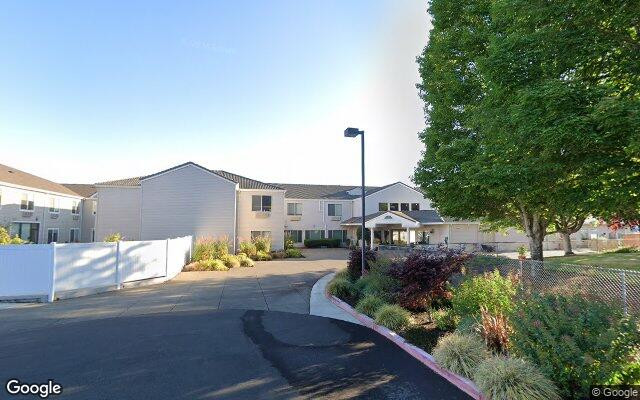
A large home, reviewed on public record.
© Google Street View
Compared to 22 Oregon facilities with a similar number of beds.
ALF memory care · 36-month window. Higher percentile = better performance on inspection record. Source: Oregon Dept. of Human Services · Long-Term Care Licensing.
Rankings based on 36-month OR-DHS inspection data. Severity and frequency: fewer citations = higher percentile. Repeat rate: lower repeat citation share = higher percentile.
Citation history, plotted month by month.
37 deficiencies on record. Each bar is a month with a citation.
Finding distribution
37 total · 36 monthsScope × Severity (CMS A–L)
Every inspection visit, verbatim.
6 inspections in the public record, most recent first. Plain-language summaries open first — click into any row for the full citation text.
2026-04-16Annual Compliance VisitOR-cited · 12 findings
Plain-language summary
During a change of ownership inspection on April 14–16, 2026, surveyors found the memory care unit failed to treat residents with dignity and respect: staff served meals on disposable cups and paper plates, left one resident waiting 26 minutes for assistance to continue eating after staff abruptly stopped mid-meal, and startled another resident by touching their lips with a utensil without announcement. Surveyors also found the facility failed to immediately report two incidents of suspected sexual abuse documented in February and March 2026, and failed to investigate two injuries of unknown cause to determine whether abuse was involved before notifying the state.
Read full citation text (12)Hide full citation text
“Based on observation, interview, and record review, it was determined the facility failed to follow licensing rules for Residential Care and Assisted Living Facilities. Findings include, but are not limited to: Refer to C200, C231, C295, and C360. See Plan of Correction for C200, C231, C295 and C360”
“Based on observation, interview, and record review, it was determined the facility failed to follow licensing rules for Residential Care and Assisted Living Facilities. Findings include, but are not limited to: Refer to C260, C270, C303, and C310. See Plan of Correction for C260, C270, C303 and C310”
“Based on observation and interview, it was determined the facility failed to ensure residents' right to be treated with dignity and respect for 2 of 2 sampled residents (#s 2 and 8) and multiple unsampled residents who resided in MC1, one of the facility’s memory care units, and ate their meals in the dining room. Findings include, but are not limited to: The facility was comprised of an assisted living community and two memory care communities: MC1 and MC2. Observations of MC1 dining room were made on 04/14/26 and the following was identified: a. At 11:12 am, Resident 2 was observed sitting at a table in the dining room. The resident had two plates of food: a ham sandwich and a plastic cup of fruit on a ceramic plate, and scrambled eggs and toast on a paper plate. Resident 2 was drinking from a disposable cup. At 11:35 am, Staff 19 (CG) stated that staff used paper plates when residents needed their meals reheated. Staff 19 confirmed the kitchen gave disposable cups for all meals served in the memory care units. This was observed at 11:25 am when Staff 19 was pouring beverages for the lunch meal. A total of seven residents were observed using disposable cups at lunch. b. At 12:34 pm, Staff 19 began assisting Resident 8 with eating his/her lunch. The staff member was quiet and was not observed to talk with the resident while providing assistance. Resident 8 was sitting in a chair with his/her head bent down, keeping his/her eyes closed. Staff 19 stopped assisting Resident 8 at 12:37 pm, when an unsampled resident stated s/he wanted to go back to their apartment. At that time, Staff 19 turned her attention to the unsampled resident and stated, “You have to wait until everyone is finished with their dinner.” The staff member picked up the unsampled resident’s hearing device and stated, “You have to finish dinner.” The resident replied, “I can’t eat, I’m sick to my stomach.” Staff 19 began feeding the unsampled resident who was observed to wince when the utensil would get close to his/her mouth. The unsampled resident said, “I’ve got to go home.” Staff 19 continued to try to feed the resident and then asked, “Are you okay?” The resident replied, “No, I want to go to bed.” Staff 19 told him/her, “Just wait a few minutes for the food to go down”, and gave the resident a bite of food. Staff 19 got up from the dining room table and walked out of the dining room. The unsampled resident was assisted to his/her apartment by Staff 27 (MT) at approximately 1:10 pm. When Staff 19 returned to the dining room, she started cleaning up. Resident 8 had not been assisted to eat by any other staff member and had not attempted to get anything to eat or drink independently since 12:34 pm. At 1:03 pm, Staff 19 took the resident’s plate and put it in the microwave. A paper plate was not used to re-heat the meal as she reported was the process previously. Staff 19 continued to assist Resident 8 to eat at 1:04 pm. Twenty-six minutes passed while the resident sat at the dining room table and waited for someone to continue to assist with the remainder of his/her lunch. At 1:04 pm, when Staff 19 sat next to Resident 8, she did not announce herself. The staff member put food on a fork and touched the resident’s lips with the utensil. Resident 8 was visibly startled and stated, “Oh!” Staff 19 giggled. The need to ensure residents’ right to be treated with dignity and respect was reviewed with Staff 1 (Administrator), Staff 2 (ED), Staff 3 (RN), and Staff 6 (RN Consultant) on 04/16/26 at 3:40 pm. They acknowledged the findings.”
“Based on interview and record review, it was determined the facility failed to ensure incidents of abuse or suspected abuse were immediately reported to the local Department office for 1 of 1 sampled resident (# 2) who was reviewed for suspected abuse, and failed to ensure injuries of unknown cause were immediately investigated by the facility, and if the investigation could not reasonably rule out abuse, the local Department office was notified for 1 of 2 sampled residents (# 2) who were reviewed for injuries of unknown cause. Findings include, but are not limited to: Resident 2 moved into one of the facility’s memory care communities in 09/2025 with diagnoses including mild cognitive impairment. The resident’s clinical record, dated 01/04/26 through 04/13/26, was reviewed and the following was identified: a. The following incidents of suspected abuse were documented: * An incident report dated 02/27/26 identified that another resident told staff that Resident 2 had been sexually assaulted by a male caregiver; and * An incident report dated 03/19/26 reported that Resident 2 stated, "[s/he] did not want to sleep with 'him' again referring to a caregiver." On 04/15/26 at 4:15 pm, Staff 1 (Administrator) and Staff 2 (ED) confirmed that neither incident had been immediately reported to the local Department office. Documentation of the incident dated 02/27/26 showed that the caregiver was put on leave until the facility conducted an investigation. Staff interviewed both Resident 2 and his/her family relating to the incident dated 03/19/26. Documentation showed that the resident began talking about a time when s/he lived in California. Documentation that the facility notified the local Department office of the 02/27/26 and 03/19/26 incidents of suspected abuse was provided on 04/15/26 at 6:12 pm. b. The following injuries were identified: * A progress note dated 03/05/26 identified the resident had a “small wound on the top of [his/her left] ?? what .” On 03/07/26 staff noted that Resident 2 did not know how s/he obtained the wound; and * A progress note dated 03/21/26 identified the resident had a scratch to the back of the heal. There was no documented evidence the facility had conducted an immediate investigation of the injuries to rule out abuse or suspected abuse. There was no documented evidence the facility had reported the injuries of unknown case to the local Department office. Documentation that the facility notified the local Department office of the injuries of unknown cause was provided on 04/17/26 at 10:03 am. The need to ensure incidents of abuse or suspected abuse were immediately reported to the local Department office and to ensure injuries of unknown cause were immediately investigated by the facility, and if the investigation could not reasonably rule out suspected abuse, the local Department office was notified was discussed with Staff 1, Staff 2, Staff 3 (RN), and Staff 6 (RN Consultant) on 04/16/26 at 3:40 pm. They acknowledged the findings.”
“Based on the resident evaluation performed before move-in, an initial service plan must be developed before move-in that reflects the identified needs and preferences of the resident. (b) The initial service plan must be reviewed within 30-days of movein to ensure that any changes made to the plan during the initial 30- days, accurately reflect the resident's needs and preferences. (c) Staff must document and date adjustments or changes as applicable. (4) QUARTERLY SERVICE PLAN REQUIREMENTS. (a) Service plans must be completed quarterly after the resident moves into the facility. (b) The quarterly evaluation is the basis of the resident's quarterly service plan. (c) If the resident's service plan is revised and updated at the quarterly review, changes must be dated and initialed, and prior historical information must be maintained. This Rule is not met as evidenced by: Based on observation, interview, and record review, it was determined the facility failed to ensure service plans were reflective of resident care needs and preferences, provided clear direction to staff regarding the delivery of services, including a written description of who should provide the services and what, when, how, and how often the services shall be provided, were implemented, and/or were readily available to staff for 4 of 7 sampled residents (#s 1, 2, 6, and 8) whose service plans were reviewed. Findings include, but are not limited to:”
“Based on observation, interview, and record review, it was determined the facility failed to ensure resident-specific actions or interventions were determined, documented, communicated to staff on each shift, and were monitored at least weekly until the condition resolved for 2 of 6 sampled residents (#’s 2 and 4), who were reviewed for changes of condition. The findings include, but are not limited to:”
“Based on interview and record review, it was determined the facility failed to coordinate care with on-site healthcare providers, including ensuring staff were informed of new interventions and the service plan adjusted for 1 of 1 sampled resident (#6) who received services from an outside behavior support services provider. Findings include, but are not limited to: Resident 6 moved into the assisted living community in 11/2023 with diagnoses including bipolar disorder and type 2 diabetes mellitus. Review of the resident’s progress notes, dated 01/15/26 through 04/13/26, identified the resident received behavior support services on-site from an outside provider. On 04/15/26 at 8:45 am the surveyor requested all behavior professional (BP) notes from the last 90 days. On 04/16/26 at 8:55 am Staff 1 provided a BP note dated 03/19/26. No other documentation was provided. The progress notes documented visits from the BP on 03/22/26, 03/26/26, and 04/07/26, which included the following recommendations and comments: * 03/26/26 – “Behavioral health saw resident and recommended when trying to get resident to get up to get [his/her] briefs changed or trying to toilet [him/her] that we don’t tell [him/her] [s/he’s] ‘supposed to’ or that it will be a refusal if [s/he] doesn’t because that will make[him/her] more defensive and more likely to refuse care in the future. They recommend being patient and letting [him/her] know we are doing it because we care about [him/her].” * 04/07/26 – “LPN, RN, Admin [Administrator] unavailable to speak with today. BP would like to talk about concerns Re [regarding]: chronic UTI [urinary tract infection]/hygiene, and the sit-to-stand issue.” There was no documented evidence the facility informed staff of new interventions, that the service plan was adjusted as required. These findings were reviewed with Staff 1, Staff 2 (ED), Staff 3 (RN), and Staff 6 (RN Consultant) on 04/16/26 at 1:00 pm. They acknowledged the need for the facility to coordinate care with on-site healthcare providers.”
“Based on observation and interview, it was determined the facility failed to maintain infection prevention and control protocols to provide a safe, sanitary, and comfortable environment for several unsampled residents. Findings include, but are not limited to:”
“Based on interview and record review, it was determined the facility failed to ensure physician orders were carried out as prescribed, and written, signed physician or other legally recognized practitioner orders were documented in the resident's facility record for all medications and treatments the facility was responsible to administer for 2 of 6 sampled residents (#s 1 and 4) whose orders were reviewed. The findings include, but are not limited to:”
“Based on interview and record review, it was determined the facility failed to ensure MARs were kept accurate and included resident-specific parameters for PRN medications for 1 of 6 sampled residents (# 2) whose medications were reviewed. Findings include, but are not limited to: Resident 1 moved into one of the facility’s memory care community in 04/2025 with diagnoses including?Alzheimer’s disease. The resident’s clinical record including MARs, dated 04/01/26 through 04/13/26, and physician’s orders were reviewed during the survey. The following inaccuracies were identified: a. The following PRN medications were transcribed onto the MAR without current orders for administration: * Acetaminophen (for pain); * Barrier cream (for skin); * Polyethylene glycol (for constipation) to administer for no bowel movement in three days; * Polyethylene glycol to be administered for no bowel movement in five days; * Antacid (for upset stomach); * Hydrocodone (for pain); * Loperamide (for diarrhea); and * Ondansetron (for heart burn). b. The following PRN bowel medications used for constipation lacked instruction to staff on the sequential order of administration: * Polyethylene glycol, once daily; and * Senna, twice daily. The need to ensure MARs were accurate and included resident-specific parameters for PRN medications was discussed with Staff 1 (Administrator), Staff 2 (ED), Staff 3 (RN) and Staff 6 (RN Consultant) on 04/16/26 at 3:40 pm. They acknowledged the findings.”
“based on acuity, complaint investigation or survey inspection.(e) Based on resident acuity and facility structural design there must be adequate direct care staff present at all times, to meet the fire safety evacuation standards as required by the fire authority or the Department.(f) The licensee is responsible for assuring that staffing is increased to compensate for the evaluated care and service needs of residents at move-in and for the changing physical or mental needs of the residents.(g) A minimum of two direct care staff must be scheduled and available at all times whenever a resident requires the assistance of two direct care staff for scheduled and unscheduled needs.(h) In facilities where residents are hosed in two or more detached buildings, or if a building has distinct and segregated areas, a designated caregiver must be awake and available in each building and each segregated area at all times.(i) Facilities must have a written, defined system to determine appropriate numbers of direct care staff and general staffing based on resident acuity and service needs. Such systems may be either manual or electronic.(A) Guidelines for systems must also consider physical elements of a building, use of technology if applicable and staff experience.(B) Facilities must be able to demonstrate how their staffing systems work. This Rule is not met as evidenced by: Based on observation and record review, it was determined the facility failed to have two direct care staff scheduled and available at all times whenever a resident required the assistance of two direct care staff for scheduled and unscheduled needs. Findings include, but are not limited to: The facility was divided into three distinct and segregated areas: two memory care units, Memory Care 1 and Memory Care 2, and an assisted living unit on the second floor. At the time of the survey, the facility was home to 69 residents: 16 in Memory Care 1, nine in Memory Care 2, and 44 in the assisted living unit. Documentation provided by the facility on 04/14/26 indicated that one resident in Memory Care 2 and one resident in the assisted living unit required multiple-person transfers. The facility’s posted staffing plan identified the night shift, 10:30 pm to 6:30 am, was staffed with four direct care staff: one caregiver in each of the memory care units, one care giver in the assisted living unit, and one medication aide that floated between the three units. The facility failed to have a minimum of two direct care staff available in each of the units where a resident required the assistance of two direct care staff for scheduled and unscheduled needs. These findings were discussed with Staff 1 (Administrator) on 04/15/26 at 8:45 am. She acknowledged the findings.”
“based on their activity evaluation. The plan must reflect the resident ' s activity preferences and needs. (C) A selection of daily structured and non-structured activities must be provided and included on the resident ' s activity service or care plan as appropriate. Daily activity options based on resident evaluation may include but are not limited to: (i) Occupation or chore related tasks; (ii) Scheduled and planned events (e.g. entertainment, outings); (iii) Spontaneous activities for enjoyment or those that may help diffuse a behavior; (iv) One to one activities that encourage positive relationships between residents and staff (e.g. life story, reminiscing, music); (v) Spiritual, creative, and intellectual activities; (vi) Sensory stimulation activities; (vii) Physical activities that enhance or maintain a resident ' s ability to ambulate or move; and (viii) Outdoor activities. This Rule is not met as evidenced by: Based on observation, interview, and record review, it was determined the facility failed to evaluate the resident for activities and develop an individual activity plan based on their activity evaluation, for 3 of 4 sampled residents (#s 1, 2, and 8) whose activity plans were reviewed. Findings include, but are not limited to: During the survey, sampled and unsampled residents were observed needing assistance and encouragement from staff to initiate, attend, and participate in activities. The facility offered group activities, which many residents attended. Some residents did not attend the activities and, instead, stayed in their rooms, sat in the common areas, or ambulated in the unit. Resident 1, 2, and 8’s service plans were reviewed, and observations were made of the residents. The following was identified: Though the service plan included some information about activity preferences, there was no documented evidence of an evaluation that addressed the following required elements: * Current abilities and skills; * Emotional and social needs and patterns; * Physical abilities and limitations; * Adaptations necessary for the resident to participate; and * Identification of activities for behavioral interventions. On 04/16/26 at 10:16 am, Staff 8 (Activities Lead) verified neither she nor her staff had evaluated the residents who resided in the two memory care units as it pertained to activities. She also confirmed that an individual activity plan had not been developed. The need to develop individualized activity plans that were based on a thorough evaluation of the resident's activity interests, abilities, and needs was discussed with Staff 1 (Administrator), Staff 2 (ED), Staff 3 (RN) and Staff 6 (RN Consultant) on 04/16/26 at 3:40 pm. They acknowledged the findings.”
Read raw inspector notesClose inspector notes
Based on observation and interview, it was determined the facility failed to ensure residents' right to be treated with dignity and respect for 2 of 2 sampled residents (#s 2 and 8) and multiple unsampled residents who resided in MC1, one of the facility’s memory care units, and ate their meals in the dining room. Findings include, but are not limited to: The facility was comprised of an assisted living community and two memory care communities: MC1 and MC2. Observations of MC1 dining room were made on 04/14/26 and the following was identified: a. At 11:12 am, Resident 2 was observed sitting at a table in the dining room. The resident had two plates of food: a ham sandwich and a plastic cup of fruit on a ceramic plate, and scrambled eggs and toast on a paper plate. Resident 2 was drinking from a disposable cup. At 11:35 am, Staff 19 (CG) stated that staff used paper plates when residents needed their meals reheated. Staff 19 confirmed the kitchen gave disposable cups for all meals served in the memory care units. This was observed at 11:25 am when Staff 19 was pouring beverages for the lunch meal. A total of seven residents were observed using disposable cups at lunch. b. At 12:34 pm, Staff 19 began assisting Resident 8 with eating his/her lunch. The staff member was quiet and was not observed to talk with the resident while providing assistance. Resident 8 was sitting in a chair with his/her head bent down, keeping his/her eyes closed. Staff 19 stopped assisting Resident 8 at 12:37 pm, when an unsampled resident stated s/he wanted to go back to their apartment. At that time, Staff 19 turned her attention to the unsampled resident and stated, “You have to wait until everyone is finished with their dinner.” The staff member picked up the unsampled resident’s hearing device and stated, “You have to finish dinner.” The resident replied, “I can’t eat, I’m sick to my stomach.” Staff 19 began feeding the unsampled resident who was observed to wince when the utensil would get close to his/her mouth. The unsampled resident said, “I’ve got to go home.” Staff 19 continued to try to feed the resident and then asked, “Are you okay?” The resident replied, “No, I want to go to bed.” Staff 19 told him/her, “Just wait a few minutes for the food to go down”, and gave the resident a bite of food. Staff 19 got up from the dining room table and walked out of the dining room. The unsampled resident was assisted to his/her apartment by Staff 27 (MT) at approximately 1:10 pm. When Staff 19 returned to the dining room, she started cleaning up. Resident 8 had not been assisted to eat by any other staff member and had not attempted to get anything to eat or drink independently since 12:34 pm. At 1:03 pm, Staff 19 took the resident’s plate and put it in the microwave. A paper plate was not used to re-heat the meal as she reported was the process previously. Staff 19 continued to assist Resident 8 to eat at 1:04 pm. Twenty-six minutes passed while the resident sat at the dining room table and waited for someone to continue to assist with the remainder of his/her lunch. At 1:04 pm, when Staff 19 sat next to Resident 8, she did not announce herself. The staff member put food on a fork and touched the resident’s lips with the utensil. Resident 8 was visibly startled and stated, “Oh!” Staff 19 giggled. The need to ensure residents’ right to be treated with dignity and respect was reviewed with Staff 1 (Administrator), Staff 2 (ED), Staff 3 (RN), and Staff 6 (RN Consultant) on 04/16/26 at 3:40 pm. They acknowledged the findings. Based on interview and record review, it was determined the facility failed to ensure incidents of abuse or suspected abuse were immediately reported to the local Department office for 1 of 1 sampled resident (# 2) who was reviewed for suspected abuse, and failed to ensure injuries of unknown cause were immediately investigated by the facility, and if the investigation could not reasonably rule out abuse, the local Department office was notified for 1 of 2 sampled residents (# 2) who were reviewed for injuries of unknown cause. Findings include, but are not limited to: Resident 2 moved into one of the facility’s memory care communities in 09/2025 with diagnoses including mild cognitive impairment. The resident’s clinical record, dated 01/04/26 through 04/13/26, was reviewed and the following was identified: a. The following incidents of suspected abuse were documented: * An incident report dated 02/27/26 identified that another resident told staff that Resident 2 had been sexually assaulted by a male caregiver; and * An incident report dated 03/19/26 reported that Resident 2 stated, "[s/he] did not want to sleep with 'him' again referring to a caregiver." On 04/15/26 at 4:15 pm, Staff 1 (Administrator) and Staff 2 (ED) confirmed that neither incident had been immediately reported to the local Department office. Documentation of the incident dated 02/27/26 showed that the caregiver was put on leave until the facility conducted an investigation. Staff interviewed both Resident 2 and his/her family relating to the incident dated 03/19/26. Documentation showed that the resident began talking about a time when s/he lived in California. Documentation that the facility notified the local Department office of the 02/27/26 and 03/19/26 incidents of suspected abuse was provided on 04/15/26 at 6:12 pm. b. The following injuries were identified: * A progress note dated 03/05/26 identified the resident had a “small wound on the top of [his/her left] ?? what .” On 03/07/26 staff noted that Resident 2 did not know how s/he obtained the wound; and * A progress note dated 03/21/26 identified the resident had a scratch to the back of the heal. There was no documented evidence the facility had conducted an immediate investigation of the injuries to rule out abuse or suspected abuse. There was no documented evidence the facility had reported the injuries of unknown case to the local Department office. Documentation that the facility notified the local Department office of the injuries of unknown cause was provided on 04/17/26 at 10:03 am. The need to ensure incidents of abuse or suspected abuse were immediately reported to the local Department office and to ensure injuries of unknown cause were immediately investigated by the facility, and if the investigation could not reasonably rule out suspected abuse, the local Department office was notified was discussed with Staff 1, Staff 2, Staff 3 (RN), and Staff 6 (RN Consultant) on 04/16/26 at 3:40 pm. They acknowledged the findings. Based on the resident evaluation performed before move-in, an initial service plan must be developed before move-in that reflects the identified needs and preferences of the resident. (b) The initial service plan must be reviewed within 30-days of movein to ensure that any changes made to the plan during the initial 30- days, accurately reflect the resident's needs and preferences. (c) Staff must document and date adjustments or changes as applicable. (4) QUARTERLY SERVICE PLAN REQUIREMENTS. (a) Service plans must be completed quarterly after the resident moves into the facility. (b) The quarterly evaluation is the basis of the resident's quarterly service plan. (c) If the resident's service plan is revised and updated at the quarterly review, changes must be dated and initialed, and prior historical information must be maintained. This Rule is not met as evidenced by: Based on observation, interview, and record review, it was determined the facility failed to ensure service plans were reflective of resident care needs and preferences, provided clear direction to staff regarding the delivery of services, including a written description of who should provide the services and what, when, how, and how often the services shall be provided, were implemented, and/or were readily available to staff for 4 of 7 sampled residents (#s 1, 2, 6, and 8) whose service plans were reviewed. Findings include, but are not limited to: Based on observation, interview, and record review, it was determined the facility failed to ensure resident-specific actions or interventions were determined, documented, communicated to staff on each shift, and were monitored at least weekly until the condition resolved for 2 of 6 sampled residents (#’s 2 and 4), who were reviewed for changes of condition. The findings include, but are not limited to: Based on interview and record review, it was determined the facility failed to coordinate care with on-site healthcare providers, including ensuring staff were informed of new interventions and the service plan adjusted for 1 of 1 sampled resident (#6) who received services from an outside behavior support services provider. Findings include, but are not limited to: Resident 6 moved into the assisted living community in 11/2023 with diagnoses including bipolar disorder and type 2 diabetes mellitus. Review of the resident’s progress notes, dated 01/15/26 through 04/13/26, identified the resident received behavior support services on-site from an outside provider. On 04/15/26 at 8:45 am the surveyor requested all behavior professional (BP) notes from the last 90 days. On 04/16/26 at 8:55 am Staff 1 provided a BP note dated 03/19/26. No other documentation was provided. The progress notes documented visits from the BP on 03/22/26, 03/26/26, and 04/07/26, which included the following recommendations and comments: * 03/26/26 – “Behavioral health saw resident and recommended when trying to get resident to get up to get [his/her] briefs changed or trying to toilet [him/her] that we don’t tell [him/her] [s/he’s] ‘supposed to’ or that it will be a refusal if [s/he] doesn’t because that will make[him/her] more defensive and more likely to refuse care in the future. They recommend being patient and letting [him/her] know we are doing it because we care about [him/her].” * 04/07/26 – “LPN, RN, Admin [Administrator] unavailable to speak with today. BP would like to talk about concerns Re [regarding]: chronic UTI [urinary tract infection]/hygiene, and the sit-to-stand issue.” There was no documented evidence the facility informed staff of new interventions, that the service plan was adjusted as required. These findings were reviewed with Staff 1, Staff 2 (ED), Staff 3 (RN), and Staff 6 (RN Consultant) on 04/16/26 at 1:00 pm. They acknowledged the need for the facility to coordinate care with on-site healthcare providers. Based on observation and interview, it was determined the facility failed to maintain infection prevention and control protocols to provide a safe, sanitary, and comfortable environment for several unsampled residents. Findings include, but are not limited to: Based on interview and record review, it was determined the facility failed to ensure physician orders were carried out as prescribed, and written, signed physician or other legally recognized practitioner orders were documented in the resident's facility record for all medications and treatments the facility was responsible to administer for 2 of 6 sampled residents (#s 1 and 4) whose orders were reviewed. The findings include, but are not limited to: Based on interview and record review, it was determined the facility failed to ensure MARs were kept accurate and included resident-specific parameters for PRN medications for 1 of 6 sampled residents (# 2) whose medications were reviewed. Findings include, but are not limited to: Resident 1 moved into one of the facility’s memory care community in 04/2025 with diagnoses including?Alzheimer’s disease. The resident’s clinical record including MARs, dated 04/01/26 through 04/13/26, and physician’s orders were reviewed during the survey. The following inaccuracies were identified: a. The following PRN medications were transcribed onto the MAR without current orders for administration: * Acetaminophen (for pain); * Barrier cream (for skin); * Polyethylene glycol (for constipation) to administer for no bowel movement in three days; * Polyethylene glycol to be administered for no bowel movement in five days; * Antacid (for upset stomach); * Hydrocodone (for pain); * Loperamide (for diarrhea); and * Ondansetron (for heart burn). b. The following PRN bowel medications used for constipation lacked instruction to staff on the sequential order of administration: * Polyethylene glycol, once daily; and * Senna, twice daily. The need to ensure MARs were accurate and included resident-specific parameters for PRN medications was discussed with Staff 1 (Administrator), Staff 2 (ED), Staff 3 (RN) and Staff 6 (RN Consultant) on 04/16/26 at 3:40 pm. They acknowledged the findings. based on acuity, complaint investigation or survey inspection.(e) Based on resident acuity and facility structural design there must be adequate direct care staff present at all times, to meet the fire safety evacuation standards as required by the fire authority or the Department.(f) The licensee is responsible for assuring that staffing is increased to compensate for the evaluated care and service needs of residents at move-in and for the changing physical or mental needs of the residents.(g) A minimum of two direct care staff must be scheduled and available at all times whenever a resident requires the assistance of two direct care staff for scheduled and unscheduled needs.(h) In facilities where residents are hosed in two or more detached buildings, or if a building has distinct and segregated areas, a designated caregiver must be awake and available in each building and each segregated area at all times.(i) Facilities must have a written, defined system to determine appropriate numbers of direct care staff and general staffing based on resident acuity and service needs. Such systems may be either manual or electronic.(A) Guidelines for systems must also consider physical elements of a building, use of technology if applicable and staff experience.(B) Facilities must be able to demonstrate how their staffing systems work. This Rule is not met as evidenced by: Based on observation and record review, it was determined the facility failed to have two direct care staff scheduled and available at all times whenever a resident required the assistance of two direct care staff for scheduled and unscheduled needs. Findings include, but are not limited to: The facility was divided into three distinct and segregated areas: two memory care units, Memory Care 1 and Memory Care 2, and an assisted living unit on the second floor. At the time of the survey, the facility was home to 69 residents: 16 in Memory Care 1, nine in Memory Care 2, and 44 in the assisted living unit. Documentation provided by the facility on 04/14/26 indicated that one resident in Memory Care 2 and one resident in the assisted living unit required multiple-person transfers. The facility’s posted staffing plan identified the night shift, 10:30 pm to 6:30 am, was staffed with four direct care staff: one caregiver in each of the memory care units, one care giver in the assisted living unit, and one medication aide that floated between the three units. The facility failed to have a minimum of two direct care staff available in each of the units where a resident required the assistance of two direct care staff for scheduled and unscheduled needs. These findings were discussed with Staff 1 (Administrator) on 04/15/26 at 8:45 am. She acknowledged the findings. Based on observation, interview, and record review, it was determined the facility failed to follow licensing rules for Residential Care and Assisted Living Facilities. Findings include, but are not limited to: Refer to C200, C231, C295, and C360. See Plan of Correction for C200, C231, C295 and C360 Based on observation, interview, and record review, it was determined the facility failed to follow licensing rules for Residential Care and Assisted Living Facilities. Findings include, but are not limited to: Refer to C260, C270, C303, and C310. See Plan of Correction for C260, C270, C303 and C310 based on their activity evaluation. The plan must reflect the resident ' s activity preferences and needs. (C) A selection of daily structured and non-structured activities must be provided and included on the resident ' s activity service or care plan as appropriate. Daily activity options based on resident evaluation may include but are not limited to: (i) Occupation or chore related tasks; (ii) Scheduled and planned events (e.g. entertainment, outings); (iii) Spontaneous activities for enjoyment or those that may help diffuse a behavior; (iv) One to one activities that encourage positive relationships between residents and staff (e.g. life story, reminiscing, music); (v) Spiritual, creative, and intellectual activities; (vi) Sensory stimulation activities; (vii) Physical activities that enhance or maintain a resident ' s ability to ambulate or move; and (viii) Outdoor activities. This Rule is not met as evidenced by: Based on observation, interview, and record review, it was determined the facility failed to evaluate the resident for activities and develop an individual activity plan based on their activity evaluation, for 3 of 4 sampled residents (#s 1, 2, and 8) whose activity plans were reviewed. Findings include, but are not limited to: During the survey, sampled and unsampled residents were observed needing assistance and encouragement from staff to initiate, attend, and participate in activities. The facility offered group activities, which many residents attended. Some residents did not attend the activities and, instead, stayed in their rooms, sat in the common areas, or ambulated in the unit. Resident 1, 2, and 8’s service plans were reviewed, and observations were made of the residents. The following was identified: Though the service plan included some information about activity preferences, there was no documented evidence of an evaluation that addressed the following required elements: * Current abilities and skills; * Emotional and social needs and patterns; * Physical abilities and limitations; * Adaptations necessary for the resident to participate; and * Identification of activities for behavioral interventions. On 04/16/26 at 10:16 am, Staff 8 (Activities Lead) verified neither she nor her staff had evaluated the residents who resided in the two memory care units as it pertained to activities. She also confirmed that an individual activity plan had not been developed. The need to develop individualized activity plans that were based on a thorough evaluation of the resident's activity interests, abilities, and needs was discussed with Staff 1 (Administrator), Staff 2 (ED), Staff 3 (RN) and Staff 6 (RN Consultant) on 04/16/26 at 3:40 pm. They acknowledged the findings.
2025-03-04Annual Compliance VisitOR-cited · 3 findings
Plain-language summary
During a kitchen inspection on March 3, 2025, inspectors found that the facility failed to respond effectively to resident complaints about meal service, including that food was consistently served cold or lukewarm, meat was tough and dry, and residents' requests to have food cut up were not being honored or documented in care plans. Temperature testing of lunch items confirmed temperatures ranging from 100 to 137 degrees Fahrenheit, which inspectors determined resulted in unpalatable food, and the facility was not using insulated carts for meal delivery. The facility implemented corrective actions including weekly temperature monitoring, monthly resident feedback meetings, new staff training on food safety and handling, and a resident satisfaction survey.
Read full citation text (3)Hide full citation text
“based on an individual’s actual or perceived sexual orientation, gender identity, gender expression or human immunodeficiency virus status, or based on an individual’s association with another individual on account of the other individual’s actual or perceived sexual orientation, gender identity, gender expression or human immunodeficiency virus status. If you believe you have experienced this kind of discrimination, you may file a complaint with the Oregon Department of Human Services at (provide current contact information).” (j) ABST Policy for accurate and consistent implementation of the ABST. The policy must explain how a facility evaluates and accounts for both scheduled and unscheduled resident needs. This Rule is not met as evidenced by: Based on observations, interviews, and record review, it was determined, the facility failed to ensure there was an effective method in place to respond and resolve resident complaints related to food/meal service. Findings include but are not limited to: On 03/03/25 at 9:30 am, food complaints and resident council minutes were reviewed. The following was identified: *January’s minutes noted residents complained of running out of items they liked such as cereal, silverware, cups and glasses; *February’s minutes noted residents were having trouble getting things cut up per their request/care plan and that some residents “get the impression the kitchen staff does not take their concerns seriously and just dismiss them entirely as change is very slow to come;” and *On 02/16/25 residents noted lunch was “cold” and of poor quality. On 03/03/25 at 10:45 am, Resident 1, Resident Council President, was interviewed and stated the following: *Food was always/mostly cold and never “hot”; *Meat was often tough/dry and hard to eat; *Residents did not like the menus; *Quality of the food was not acceptable; *Menu items would change without notification; *Room trays were often not what was ordered or not cut up per resident need; and *The residents did not feel heard related to on-going food concerns. During the lunch meal on 03/03/25 from 12:00 to 12:45pm 13 residents were observed eating in the dining room. Eleven residents were interviewed regarding the food. Seven of the 11 indicated some or all of the following: *Meals are “always” cold; and *Meat was often tough and dry; and *Disliked the “Grove” menus; and *Disliked the couscous. Three of the residents stated the lunch the day before was “gross”. One of the residents commented that many times the food “inedible.” Majority of residents interviewed indicated they did not have adequate input into menu choices. During the lunch observation on 03/03/25, test trays were requested. The macaroni and cheese was observed at 112 degrees and tasted luke warm. Broccoli was observed at 103 degrees and tasted cold. Soup was observed at 109 degrees and tasted cold. Toasted garlic bread was observed at 100 degrees and tasted cold. Roasted chicken breast was observed at 117 degrees and tasted luke warm and was noted to taste dry. A cheeseburger patty was noted at 137 degrees and tasted warm and the meat was dry. The test trays were noted to be not palatable. During an interview on 03/03/05, at 1:15 pm, Staff 2 (Food Service Director) stated the following: *Meal delivery to the rooms had recently changed to help with cold food concerns; *Changed food prepared in main kitchen to improve consistency and quality; *Food was being delivered to the south dining room in tin foil and saran wrap; *Insulated carts were not used in delivery. During an interview on 03/03/05 at 3:00pm, Staff 1 (Administrator), Staff 2 and Staff 3 (Executive Director) acknowledged the on-going concerns related to food quality and temperature from the residents. On 04/04/25 at 1:30 pm Resident 2 was interviewed. The resident stated they needed their food cut up related to missing/pulled teeth and had communicated it to facility staff. Resident 2 stated they were not receiving cut up foods. Resident #2 service plan was reviewed and did not indicate need for food cut up. The facility had a list of residents who requested food cut up in the dining room posted for staff. Resident #2 was not on the list. Residents interviewed continue to feel the food service at facility was not adequate. Observations during meal service validated unpalatable temperatures for many food items. The facility has not effectively responded to or resolved concerns/complaints regarding meal services. A)South Kitchen and Memory kitchenettes areas of note added to kitchen cleaning task sheet, staff training was completed to ensure cleaniness of idenified areas. B)Maintance to repair areas of note listed in Statement of deficencys C)Proper coverage of food items with proper dating, Food to be disposed of within 5 days. D)A thermometer was placed in all refridgerators. Tempature logs implemented in kitchenettes to log and ensure temp is maintaned at or below 41*. This is to be montiored x1 weekly for 3 months Administrator or Designee E) Single serve items not stored in closed containers F) Aprons were provided to staff to use while serving meals to resident to prevent comtaimnation from care tasks to meal service. G) Beard nets & Jewelry addressed H) Temperature to be monitored by culinary director or designee to monitor x3 a week for 3 months and as needed. I) Separate food services meeting implemented to ensure feedback on quality of meals, temperature, accuracy of orders, menu input and any other resident’s needs, monthly. A resident satisfaction survey was implemented. All areas of concern will be looked at x1 weekly for two monthes than once monthly and as needed OAR 411-054-0025 (7) Facility Administration: Policy & Procedure (7) POLICIES AND PROCEDURES. The facility must develop and implement written policies and procedures that promote high quality services, health and safety for residents, and incorporate the community based care principles of individuality, independence, dignity, privacy, choice, and a homelike environment. The facility must develop and implement: (a) A policy on the possession of firearms and ammunition within the facility. The policy must be disclosed in writing and by one other means of communication commonly used by the resident or potential resident in his or her daily living. (b) A written policy that prohibits sexual relations between any facility employee and a resident who did not have a pre-existing relationship. (c) Effective methods of responding to and resolving resident complaints. (d) All additional requirements for written policies and procedures as established in OAR 411-054-0012 (Requirements for New Construction or Initial Licensure), OAR 411-054-0040 (Change of Condition and Monitoring), OAR 411-054-0045 (Resident Health Services), and OAR 411-054-0085 (Refunds and Financial Management). (e) A policy on smoking. (A) The smoking policy must be in accordance with: (i) The Oregon Indoor Clean Air Act, ORS 433.835 to 433.875; (ii) The rules in OAR chapter 333, division 015; and (iii) Any other applicable state and local laws. (B) The facility may designate itself as non-smoking. (f) A policy for the referral of residents who may be victims of acute sexual assault to the nearest trained sexual assault examiner. The policy must include information regarding the collection of medical and forensic evidence that must be obtained within 86 hours of the incident. (g) A policy on facility employees not receiving gifts or money from residents. (h) Protocols for preventing and controlling infection, as described in OAR 411-054-0050. (i) LGBTQIA2S+ Nondiscrimination Notice: “(Name of care facility) does not discriminate and does not permit discrimination, including but not limited to bullying, abuse or harassment, based on an individual’s actual or perceived sexual orientation, gender identity, gender expression or human immunodeficiency virus status, or based on an”
“Based on observation and interview, it was determined the facility failed to maintain the kitchen in good repair, in a sanitary manner, and ensure meals were palatable in accordance with Food Sanitation Rules, OAR 333-150-000. Findings include, but are not limited to: Observation of the south kitchen and memory care kitchenettes on 03/03/25 from 9:30 am through 2:30 pm and the Main kitchen on 03/04/25 from 9:30 am thru 2:30 pm revealed the following: a. An accumulation of food spills, splatters, loose food and trash debris, dirt, dust, black matter and grease was visible on or underneath the following: South Kitchen: * Floors under/behind/between equipment; * Ceiling Vents; * Sides of stove/grill; * Metal utility carts; * Non metal utility carts; * Table top and large mixers; * Blender base; * Flooring around entry/exit doors to kitchen/service area; * Flooring around corners/edges in serving area; * Edges of shelving on racks in walk in cooler; * Freezer floor and threshold from cooler to freezer; * Green food delivery carts; * Microwave in dining room; * Juice machine in dining room; * Industrial can opener and housing; and * Tall movable metal rack. MC unit 2: * Reach in larger refrigerator; * Metal service equipment (not used); and * Microwave. Main Kitchen area: * Floors corners, edges; * Floors in walk in cooler under metal racks; * Racks in dry storage; * Metal can rack; * Microwave; * Walls/floors under dish washing area; and * Industrial can opener and housing. b. The following areas were in need of repair: * South serving area with sections of the wall with damage/exposed drywall. * South reach in freezer had large accumulation of ice. * Ceiling section near hood with cracked/peeling paint/previous water damage. * Missing cove base in sections of door thresholds in south kitchen. * Convection oven not operational in south kitchen. * Main kitchen bakery prep table was separated and pulling away from the wall c. Food items observed stored in reach in freezer were uncovered. Items found in coolers/refrigerators were not dated when opened or prepared. Food items found that were past manufactures use by dates. Facility prepared food found past 7 days. Ice cream in Memory care unit 1 found in reach in freezer that was not frozen. d. Activities area refrigerator contained food items that were opened and not dated. Multiple packages of dry good foods were found stored in cupboards/cabinets that were not closed and open to potential contamination. Refrigerator storing resident food did not have a thermometer to ensure food was stored at or below 41 degrees as required. e. Reach in refrigerators in both unit kitchenettes were noted above 41 degrees. There was not a system in place for staff to monitor refrigerator temperatures to ensure food was stored at appropriate temperatures. Staff 1 and 2 acknowledged food was not stored at appropriate temperatures and would need to be discarded. e. Single service utensils and paper plates stored in dry storage open to potential contamination. f. Care staff assisting residents with meal service were not wearing aprons or protective outer clothing to prevent potential contamination from care tasks to meal service tasks. g. Staff member washing dishes did not have facial hair restrained as required. h. Multiple residents during meal observations complained that often food temperatures seemed cold. A test tray received at 12;00 pm noted multiple meal items were not palatable. Mac and cheese was observed at 112 degrees and tasted luke warm. Broccoli was observed at 103 degrees and tasted cold. Soup was observed at 109 degrees and tasted cold. Toasted garlic bread was observed at 100 degrees and tasted cold. Roasted chicken breast was observed at 117 degrees and tasted luke warm and was noted to taste dry. Cheeseburger patty was noted at 137 degrees and the meat was dry. i. Cook serving the meal was observed to have multiple bracelets on during meals service, which is not allowed per code. On 03/03/25 Food Service Director and Staff 3 (Executive director) toured areas with surveyor and acknowledged the areas identified. On 03/03/25 at 2:00 pm, surveyor discussed test tray findings with Staff 2, Staff 1 and Staff 3. Who acknowledged the findings and no additional information was provided. 1) The Culinary Director reassessed and ordered more needed items. 2) Resident service plan and Dietary cut up list updated to be reflective of resident’s new needs. 3) Training provided to cooks and servers on 3/17/25, New plate warmers implemented to ensure correct heating temperature. 4) The Separate food services meeting implemented to ensure feedback on quality of meals, temperature, accuracy of orders, menu input and any other resident’s needs, monthly. A resident satisfaction survey was implemented. 5) Transporting food, is now done in a heat containing cart. Temperature audit x3 weekly for one month and ongoing as needed. The Administrator and Culinary Director will be responsible for overseeing this. OAR 411-054-0030 (1)(a) Resident Services Meals, Food Sanitation Rule (1) The residential care or assisted living facility must provide a minimum scope of services as follows: (a) Three daily nutritious, palatable meals with snacks available seven days a week, in accordance with the recommended dietary allowances found in the United States Department of Agriculture (USDA) guidelines, including seasonal fresh fruit and fresh vegetables; (A) Modified special diets that are appropriate to residents' needs and choices. The facility must encourage residents' involvement in developing menus. (B) Menus must be prepared at least one week in advance, and must be made available to all residents. Meal substitutions must be of similar nutritional value if a resident refuses a food that is served. Residents must be informed in advance of menu changes. (C) Food must be prepared and served in accordance with OAR 333-150-0000 (Food Sanitation Rules). This Rule is not met as evidenced by:”
“Based on observations and interviews, it was determined the facility failed to follow licensing rules for Residential Care and Assisted Living Facilities. Findings include, but are not limited to: Refer to C240. Refer to C154 and C240 OAR 411-057-0140(2) Administration Compliance (2) The licensee of a memory care community must comply with both the licensing rules for the facility and Chapter 411, Division 57. This Rule is not met as evidenced by:”
Read raw inspector notesClose inspector notes
based on an individual’s actual or perceived sexual orientation, gender identity, gender expression or human immunodeficiency virus status, or based on an individual’s association with another individual on account of the other individual’s actual or perceived sexual orientation, gender identity, gender expression or human immunodeficiency virus status. If you believe you have experienced this kind of discrimination, you may file a complaint with the Oregon Department of Human Services at (provide current contact information).” (j) ABST Policy for accurate and consistent implementation of the ABST. The policy must explain how a facility evaluates and accounts for both scheduled and unscheduled resident needs. This Rule is not met as evidenced by: Based on observations, interviews, and record review, it was determined, the facility failed to ensure there was an effective method in place to respond and resolve resident complaints related to food/meal service. Findings include but are not limited to: On 03/03/25 at 9:30 am, food complaints and resident council minutes were reviewed. The following was identified: *January’s minutes noted residents complained of running out of items they liked such as cereal, silverware, cups and glasses; *February’s minutes noted residents were having trouble getting things cut up per their request/care plan and that some residents “get the impression the kitchen staff does not take their concerns seriously and just dismiss them entirely as change is very slow to come;” and *On 02/16/25 residents noted lunch was “cold” and of poor quality. On 03/03/25 at 10:45 am, Resident 1, Resident Council President, was interviewed and stated the following: *Food was always/mostly cold and never “hot”; *Meat was often tough/dry and hard to eat; *Residents did not like the menus; *Quality of the food was not acceptable; *Menu items would change without notification; *Room trays were often not what was ordered or not cut up per resident need; and *The residents did not feel heard related to on-going food concerns. During the lunch meal on 03/03/25 from 12:00 to 12:45pm 13 residents were observed eating in the dining room. Eleven residents were interviewed regarding the food. Seven of the 11 indicated some or all of the following: *Meals are “always” cold; and *Meat was often tough and dry; and *Disliked the “Grove” menus; and *Disliked the couscous. Three of the residents stated the lunch the day before was “gross”. One of the residents commented that many times the food “inedible.” Majority of residents interviewed indicated they did not have adequate input into menu choices. During the lunch observation on 03/03/25, test trays were requested. The macaroni and cheese was observed at 112 degrees and tasted luke warm. Broccoli was observed at 103 degrees and tasted cold. Soup was observed at 109 degrees and tasted cold. Toasted garlic bread was observed at 100 degrees and tasted cold. Roasted chicken breast was observed at 117 degrees and tasted luke warm and was noted to taste dry. A cheeseburger patty was noted at 137 degrees and tasted warm and the meat was dry. The test trays were noted to be not palatable. During an interview on 03/03/05, at 1:15 pm, Staff 2 (Food Service Director) stated the following: *Meal delivery to the rooms had recently changed to help with cold food concerns; *Changed food prepared in main kitchen to improve consistency and quality; *Food was being delivered to the south dining room in tin foil and saran wrap; *Insulated carts were not used in delivery. During an interview on 03/03/05 at 3:00pm, Staff 1 (Administrator), Staff 2 and Staff 3 (Executive Director) acknowledged the on-going concerns related to food quality and temperature from the residents. On 04/04/25 at 1:30 pm Resident 2 was interviewed. The resident stated they needed their food cut up related to missing/pulled teeth and had communicated it to facility staff. Resident 2 stated they were not receiving cut up foods. Resident #2 service plan was reviewed and did not indicate need for food cut up. The facility had a list of residents who requested food cut up in the dining room posted for staff. Resident #2 was not on the list. Residents interviewed continue to feel the food service at facility was not adequate. Observations during meal service validated unpalatable temperatures for many food items. The facility has not effectively responded to or resolved concerns/complaints regarding meal services. A)South Kitchen and Memory kitchenettes areas of note added to kitchen cleaning task sheet, staff training was completed to ensure cleaniness of idenified areas. B)Maintance to repair areas of note listed in Statement of deficencys C)Proper coverage of food items with proper dating, Food to be disposed of within 5 days. D)A thermometer was placed in all refridgerators. Tempature logs implemented in kitchenettes to log and ensure temp is maintaned at or below 41*. This is to be montiored x1 weekly for 3 months Administrator or Designee E) Single serve items not stored in closed containers F) Aprons were provided to staff to use while serving meals to resident to prevent comtaimnation from care tasks to meal service. G) Beard nets & Jewelry addressed H) Temperature to be monitored by culinary director or designee to monitor x3 a week for 3 months and as needed. I) Separate food services meeting implemented to ensure feedback on quality of meals, temperature, accuracy of orders, menu input and any other resident’s needs, monthly. A resident satisfaction survey was implemented. All areas of concern will be looked at x1 weekly for two monthes than once monthly and as needed OAR 411-054-0025 (7) Facility Administration: Policy & Procedure (7) POLICIES AND PROCEDURES. The facility must develop and implement written policies and procedures that promote high quality services, health and safety for residents, and incorporate the community based care principles of individuality, independence, dignity, privacy, choice, and a homelike environment. The facility must develop and implement: (a) A policy on the possession of firearms and ammunition within the facility. The policy must be disclosed in writing and by one other means of communication commonly used by the resident or potential resident in his or her daily living. (b) A written policy that prohibits sexual relations between any facility employee and a resident who did not have a pre-existing relationship. (c) Effective methods of responding to and resolving resident complaints. (d) All additional requirements for written policies and procedures as established in OAR 411-054-0012 (Requirements for New Construction or Initial Licensure), OAR 411-054-0040 (Change of Condition and Monitoring), OAR 411-054-0045 (Resident Health Services), and OAR 411-054-0085 (Refunds and Financial Management). (e) A policy on smoking. (A) The smoking policy must be in accordance with: (i) The Oregon Indoor Clean Air Act, ORS 433.835 to 433.875; (ii) The rules in OAR chapter 333, division 015; and (iii) Any other applicable state and local laws. (B) The facility may designate itself as non-smoking. (f) A policy for the referral of residents who may be victims of acute sexual assault to the nearest trained sexual assault examiner. The policy must include information regarding the collection of medical and forensic evidence that must be obtained within 86 hours of the incident. (g) A policy on facility employees not receiving gifts or money from residents. (h) Protocols for preventing and controlling infection, as described in OAR 411-054-0050. (i) LGBTQIA2S+ Nondiscrimination Notice: “(Name of care facility) does not discriminate and does not permit discrimination, including but not limited to bullying, abuse or harassment, based on an individual’s actual or perceived sexual orientation, gender identity, gender expression or human immunodeficiency virus status, or based on an Based on observation and interview, it was determined the facility failed to maintain the kitchen in good repair, in a sanitary manner, and ensure meals were palatable in accordance with Food Sanitation Rules, OAR 333-150-000. Findings include, but are not limited to: Observation of the south kitchen and memory care kitchenettes on 03/03/25 from 9:30 am through 2:30 pm and the Main kitchen on 03/04/25 from 9:30 am thru 2:30 pm revealed the following: a. An accumulation of food spills, splatters, loose food and trash debris, dirt, dust, black matter and grease was visible on or underneath the following: South Kitchen: * Floors under/behind/between equipment; * Ceiling Vents; * Sides of stove/grill; * Metal utility carts; * Non metal utility carts; * Table top and large mixers; * Blender base; * Flooring around entry/exit doors to kitchen/service area; * Flooring around corners/edges in serving area; * Edges of shelving on racks in walk in cooler; * Freezer floor and threshold from cooler to freezer; * Green food delivery carts; * Microwave in dining room; * Juice machine in dining room; * Industrial can opener and housing; and * Tall movable metal rack. MC unit 2: * Reach in larger refrigerator; * Metal service equipment (not used); and * Microwave. Main Kitchen area: * Floors corners, edges; * Floors in walk in cooler under metal racks; * Racks in dry storage; * Metal can rack; * Microwave; * Walls/floors under dish washing area; and * Industrial can opener and housing. b. The following areas were in need of repair: * South serving area with sections of the wall with damage/exposed drywall. * South reach in freezer had large accumulation of ice. * Ceiling section near hood with cracked/peeling paint/previous water damage. * Missing cove base in sections of door thresholds in south kitchen. * Convection oven not operational in south kitchen. * Main kitchen bakery prep table was separated and pulling away from the wall c. Food items observed stored in reach in freezer were uncovered. Items found in coolers/refrigerators were not dated when opened or prepared. Food items found that were past manufactures use by dates. Facility prepared food found past 7 days. Ice cream in Memory care unit 1 found in reach in freezer that was not frozen. d. Activities area refrigerator contained food items that were opened and not dated. Multiple packages of dry good foods were found stored in cupboards/cabinets that were not closed and open to potential contamination. Refrigerator storing resident food did not have a thermometer to ensure food was stored at or below 41 degrees as required. e. Reach in refrigerators in both unit kitchenettes were noted above 41 degrees. There was not a system in place for staff to monitor refrigerator temperatures to ensure food was stored at appropriate temperatures. Staff 1 and 2 acknowledged food was not stored at appropriate temperatures and would need to be discarded. e. Single service utensils and paper plates stored in dry storage open to potential contamination. f. Care staff assisting residents with meal service were not wearing aprons or protective outer clothing to prevent potential contamination from care tasks to meal service tasks. g. Staff member washing dishes did not have facial hair restrained as required. h. Multiple residents during meal observations complained that often food temperatures seemed cold. A test tray received at 12;00 pm noted multiple meal items were not palatable. Mac and cheese was observed at 112 degrees and tasted luke warm. Broccoli was observed at 103 degrees and tasted cold. Soup was observed at 109 degrees and tasted cold. Toasted garlic bread was observed at 100 degrees and tasted cold. Roasted chicken breast was observed at 117 degrees and tasted luke warm and was noted to taste dry. Cheeseburger patty was noted at 137 degrees and the meat was dry. i. Cook serving the meal was observed to have multiple bracelets on during meals service, which is not allowed per code. On 03/03/25 Food Service Director and Staff 3 (Executive director) toured areas with surveyor and acknowledged the areas identified. On 03/03/25 at 2:00 pm, surveyor discussed test tray findings with Staff 2, Staff 1 and Staff 3. Who acknowledged the findings and no additional information was provided. 1) The Culinary Director reassessed and ordered more needed items. 2) Resident service plan and Dietary cut up list updated to be reflective of resident’s new needs. 3) Training provided to cooks and servers on 3/17/25, New plate warmers implemented to ensure correct heating temperature. 4) The Separate food services meeting implemented to ensure feedback on quality of meals, temperature, accuracy of orders, menu input and any other resident’s needs, monthly. A resident satisfaction survey was implemented. 5) Transporting food, is now done in a heat containing cart. Temperature audit x3 weekly for one month and ongoing as needed. The Administrator and Culinary Director will be responsible for overseeing this. OAR 411-054-0030 (1)(a) Resident Services Meals, Food Sanitation Rule (1) The residential care or assisted living facility must provide a minimum scope of services as follows: (a) Three daily nutritious, palatable meals with snacks available seven days a week, in accordance with the recommended dietary allowances found in the United States Department of Agriculture (USDA) guidelines, including seasonal fresh fruit and fresh vegetables; (A) Modified special diets that are appropriate to residents' needs and choices. The facility must encourage residents' involvement in developing menus. (B) Menus must be prepared at least one week in advance, and must be made available to all residents. Meal substitutions must be of similar nutritional value if a resident refuses a food that is served. Residents must be informed in advance of menu changes. (C) Food must be prepared and served in accordance with OAR 333-150-0000 (Food Sanitation Rules). This Rule is not met as evidenced by: Based on observations and interviews, it was determined the facility failed to follow licensing rules for Residential Care and Assisted Living Facilities. Findings include, but are not limited to: Refer to C240. Refer to C154 and C240 OAR 411-057-0140(2) Administration Compliance (2) The licensee of a memory care community must comply with both the licensing rules for the facility and Chapter 411, Division 57. This Rule is not met as evidenced by:
2024-12-20Annual Compliance VisitOR-cited · 19 findings
Plain-language summary
During a re-licensure inspection on December 17, 2024, the facility was found to have failed to post required notices including the administrator's name by shift, LGBTQIA2S+ nondiscrimination notice, and Ombudsman notification in memory care units; failed to conduct initial move-in evaluations for one resident and failed to ensure move-in evaluations addressed all required elements for two residents; and failed to ensure service plans reflected residents' current needs, were developed by required service planning teams, and were properly implemented for multiple residents sampled. The facility also failed to ensure residents with changes in condition had documented resident-specific interventions and monitoring, and failed to complete a required RN assessment with documented findings and interventions for one resident who experienced a significant change of condition. The facility implemented corrective actions beginning in January 2025, including posting all required notices, revising service plan procedures with new documentation forms, and establishing audit monitoring by the Health and Wellness Director weekly for one month and then monthly thereafter.
Read full citation text (19)Hide full citation text
“based on their activity evaluation. The plan must reflect the resident ' s activity preferences and needs. (C) A selection of daily structured and non-structured activities must be provided and included on the resident ' s activity service or care plan as appropriate. Daily activity options based on resident evaluation may include but are not limited to: (i) Occupation or chore related tasks; (ii) Scheduled and planned events (e.g. entertainment, outings); (iii) Spontaneous activities for enjoyment or those that may help diffuse a behavior; (iv) One to one activities that encourage positive relationships between residents and staff (e.g. life story, reminiscing, music); (v) Spiritual, creative, and intellectual activities; (vi) Sensory stimulation activities; (vii) Physical activities that enhance or maintain a resident ' s ability to ambulate or move; and (viii) Outdoor activities. This Rule is not met as evidenced by: Based on interview and record review, it was determined the facility failed to evaluate and develop individualized activity plans for 3 of 3 sampled MCC residents (#s 1, 2, and 4) whose activity plans were reviewed. Findings include, but are not limited to: Residents 1 ,2, and 4's records were reviewed during the survey. There was no documented evidence an activity evaluation had been completed and the service plans individualized, to reflect one or more of the following required components: * Residents' current preferences; * Abilities and skills; * Emotional/social needs and patterns; * Physical abilities and limitations; * Adaptations necessary for the resident to participate; and * Identification of activities for behavioral interventions. There was no specific activity plan which detailed what, when, how and how often staff should offer and assist each resident with individualized activities. On 12/19/24 at 2:15 pm, the need to evaluate and develop individualized activity plans including all required components for each memory care resident was discussed with Staff 1 (Administrator), Staff 2 (Executive Director), Staff 3 (LPN), and Staff 4 (RCC). They acknowledged the findings. Resident care coordinator will ensure activity plan is completed upon move in, and quarterly and if there is a change. Residents #1, #2 and# 4 have had activity plan completed. All Memory care residents charts will be audited to ensure there is a current activities plan in place. Activity plan will be kept in resident chart and a copy with their service plan available to staff. Rcc or designee to audit charts, and ensure completion of all memory care residents activities plan”
“Based on observation and interview, it was determined the facility failed to ensure required postings were in a routinely accessible and conspicuous location to residents and visitors. Findings include, but are not limited to: The facility was toured on 12/17/24. The following were not posted as required: * The name of administrator or designee in charge posted by shift; * The LGBTQIA2S+ nondiscrimination notice; and * The Ombudsman notification poster was not posted in the separate memory care units 1 and 2. The need to ensure required postings were in a routinely accessible and conspicuous location to residents and visitors was discussed with Staff 1 (Administrator), Staff 2 (Executive Director), Staff 4 (RCC) and Staff 6 (Director of Facilities) on 12/20/24. They acknowledged the findings. Ombudsman poster for memory cares are ordered.12/22/24. All Posters posted 1/3/24 LBGTQIAS+ Are posted in Assisted living and both memory cares. Administrator Designee sign also posted. Signs will be checked monthly to ensure compliance by RCC/ADMIN”
“Based on interview and record review, it was determined the facility failed to ensure the ABST (Acuity-Based Staffing Tool) was updated at least quarterly and/or with significant changes of condition to determine appropriate staffing levels to address activities of daily living and other tasks related to care. Findings include, but are not limited to: The facility had a census of 78 residents at the time of survey. Review of the facility’s ABST Tool showed 40 of 78 residents’ ABST information was not updated quarterly and/or with a signficant change of condition to reflect the residents’ current care needs and status. On 12/19/24, the need to ensure the ABST tool was updated no less than quarterly and with significant changes of condition to determine appropriate staffing levels to address activities of daily living and other tasks related to care was discussed with Staff 1 (Administrator). She acknowledged the findings. The administrator will ensure that ABST is updated upon move in, Quarterly and with significant changes of condition Administrator or designee will review ABST for Accuracy for all residents Administrator will be inservied on completing the ABST”
“Based on interview and record review, it was determined the facility failed to conduct an initial move-in evaluation for 1 of 1 sampled resident (# 4) and failed to ensure move-in evaluations addressed all required elements, for 2 of 2 sampled residents (#s 5 and 6) whose evaluations were reviewed. Findings include, but are not limited to:”
“Based on the resident evaluation performed before move-in, an initial service plan must be developed before move-in that reflects the identified needs and preferences of the resident. (b) The initial service plan must be reviewed within 30-days of movein to ensure that any changes made to the plan during the initial 30- days, accurately reflect the resident's needs and preferences. (c) Staff must document and date adjustments or changes as applicable. (4) QUARTERLY SERVICE PLAN REQUIREMENTS. (a) Service plans must be completed quarterly after the resident moves into the facility. (b) The quarterly evaluation is the basis of the resident's quarterly service plan. (c) If the resident's service plan is revised and updated at the quarterly review, changes must be dated and initialed, and prior historical information must be maintained. This Rule is not met as evidenced by: Based on observation, interview, and record review, it was determined the facility failed to ensure service plans were reflective of residents' current care needs and preferences, provided clear direction regarding the delivery of services, and/or were implemented for 6 of 6 sampled residents (#s 1, 2, 3, 4, 5 and 6) whose service plans were reviewed. Findings include, but are not limited to:”
“Based on interview and record review, it was determined the facility failed to ensure service plans were developed by a Service Planning Team that consisted of the resident, the resident's legal representative if applicable, any person of the residents choice, the facility administrator or designee, and at least one other staff person who was familiar with or provided services, for 2 of 4 sampled residents (#s 2 and 4) whose service plans were reviewed. Findings include, but are not limited to: Resident 2 and 4's most recent service plans lacked documentation a Service Planning Team reviewed and participated in the development of the service plans. On 12/19/24 at 2:15 pm, the need to ensure service plans were developed by a Service Planning Team was discussed with Staff 1 (Administrator), Staff 2 (Executive Director), Staff 3 (LPN), and Staff 4 (RCC). They acknowledged the findings. Resident #2 and #4 had another service plan meeting with resident/family invited and documentation was completed showing who participated in the service plan meeting. Beginning 1/13/25 the service planning team will complete the new form for each care conference held that includes who attended. The facility implemented a new service plan review form with each care conference effective 1/13/25. The HWD or Designee will audit for compliance 1x/week for 1 month and then 1x monthly thereafter. Audit details to be reported at Quarterly QA meeting”
“Based on observation, interview, and record review, it was determined the facility failed to ensure residents who experienced short-term changes of condition had resident-specific actions or interventions determined and documented, and residents' changes of condition were monitored consistent with evaluated needs with progress noted at least weekly to resolution for 6 of 6 sampled residents (#s 1, 2, 3, 4, 5 and 6) who experienced changes of condition. Findings include, but are not limited to:”
“Based on observation, interview, and record review, it was determined the facility failed to ensure an RN assessment was completed which documented findings, resident status, and interventions made as a result of the assessment for 1 of 2 sampled resident (# 1) who experienced a significant change of condition. Findings include, but are not limited to: Resident 1 was admitted to the facility in 01/2019 with diagnoses including Alzheimer’s disease and chronic pain. During the acuity interview on 12/17/24, staff reported the resident needed two-person assist with transfers and was “heavy care” for ADLs. Observations of Resident 1 during survey revealed s/he remained in bed for most of the time, getting up only for two meals. Two staff provided assistance with bed mobility, incontinence cares, dressing and transfer to the wheelchair. Total one person assist was provided for grooming and hygiene tasks. Interviews with staff and review of the resident's 11/20/24 service plan, temporary service plans, and 10/10/24 through 12/17/24 progress notes, were completed. The service plan, with an activation date of 07/09/24, last updated on 11/20/24, indicated the resident required minimum assist with transfers, was ambulatory with a walker up to 150 feet and set up, supervision and cueing for grooming and hygiene as needed. Staff 13 (CG) and Staff 19 (CG) reported that Resident 1 was not able to walk any longer, needed total one to two person assist in all ADL cares, and at times feeding assist was provided. Staff reported that in 08/2024 the resident was able to ambulate with a walker with one person assist. During an interview with Staff 5 (RN) on 12/18/24, she reported an assessment had been completed for Resident 1. She provided documentation of an RN change of condition note dated 11/21/24 indicating hospice services had been started on 11/19/24, without any documentation related to the resident’s significant decline in ADLs and mobility. The need to ensure an RN assessment was completed for significant changes of condition which included resident status and interventions made as a result of the assessment was discussed with Staff 1 (Administrator), Staff 2 (Executive Director), and Staff 3 (LPN) on 12/19/24. No further documentation was provided. The RN completed a significant change in condition assessment for resident #1 and updated interventions to reflect her current ADL’s and medical condition. The HWD or designee will audit all resident charts who are on hospice to ensure there is an RN change in condition assessment completed with interventions that have detailed instructions on resident’s current ADL and medical condition. Facility hired a new RN and will take "Role of the RN in CBC setting" on February 18th- 20th, 2025. RN/LPN will enroll in the Nurse Learn program for Licensed Nurses and take the modules for Changes in Resident Condition. Significant changes in resident condition will be monitored and identified through the 24-hour chart review and follow-up process. The facility implemented a new 24-hour/alert charting policy and procedure/system. Changes in conditions will also be discussed at morning clinical meetings for appropriate follow-up by RN. Monthly audits will be completed by the HWD or designee to ensure that significant changes in condition have a RN assessment completed timely with detailed instructions/interventions for staff to follow. Results of audit to be reported to the QA meeting quarterly.”
“Based on interview and record review, it was determined the facility failed to ensure resident-specific parameters and instructions for PRN medications were included on the MAR and/or the MAR included all required components, including medication specific instructions, for 2 of 6 sampled residents (#s 2 and 3) whose MARs were reviewed. Findings include, but are not limited to: 1.Resident 3 was admitted to the facility in 08/2022 with diagnoses including chronic pain and Type 2 diabetes. The resident's 12/01/24 to 12/17/24 MAR was reviewed and revealed the following: a. PRN medications for pain lacked resident-specific parameters for administration: *Hydrocodone-acetaminophen 5-325 mg; and *Acetaminophen 325 mg. b. There was no documented evidence of resident-specific instructions for administration of PRN naloxone 4 mg/0.1ml (for opioid overdose). c. There was no documentation of where the Buprenorphine transdermal patch (for pain) was applied. d. Medication administration instructions for levothyroxine 150 mcg (for hypothyroidism) including that the medication should be taken 30 minutes before food, coffee, or other medications and on an empty stomach, were not included on the MAR. The need to ensure medications contained resident-specific parameters and instructions for administration was discussed with Staff 1 (Administrator), Staff 2 (Executive Director) Staff 3 (LPN) and Staff 4 (RCC) at 11:00 am on 12/20/24. They acknowledged the findings. 2. Resident 2 was admitted to the facility in 07/2022, with diagnoses including dementia, depression, and hypertension. Review of Resident 2’s MAR, dated 12/01/24 through 12/17/24, identified the following: The MAR lacked resident-specific parameters for use of the following PRN pain medications, and PRN bowel medications: * Four PRN medications for constipation were listed on the MAR: bisacodyl 10 mg supp, Senna 8.6 mg tab, Milk of Magnesia 400 mg/5ml, Glycerin 2 gm supp. There were no instructions for the sequential order of administration of these medications; and * Three PRN medications for pain were listed on the MAR: acetaminophen 325 mg tab (for pain or fever), acetaminophen 650 mg supp (for pain or fever) and morphine sulfate 100 mg/5 ml sol (for pain or shortness of breath). There were no instructions for the sequential order of administration of these medications. The need to ensure MARs were accurate, and included clear parameters and direction to staff for medication administration was discussed with Staff 1 (Administrator), Staff 2 (Executive Director), Staff 3 (LPN), and Staff 4 (RCC). They acknowledged the findings. Resident #3 and #2 EMARs were reviewed and updated to include resident specific instructions/parameters for prn medications. Licensed nurse will review all resident MARs for appropriate instructions/parameters for all PRN medications. Licensed Nurse to include resident specific instructions/parameters for prn medications during process of confirming orders. Pharmacy Consultant or designee will audit for resident specific instructions/parameters during their quarterly audit. HWD will follow-up to ensure recommendations have been completed. Nurse Consultant will do random audits during routine visits to ensure compliance.”
“Based on interview, and record review, it was determined the facility failed to ensure residents who chose to self-administer their medications were evaluated at least quarterly to assure the residents' ability to safely self-administer medications and had a physician's or other legally recognized practitioner's written order of approval for self-administration of prescription medications for 1 of 1 sampled resident (# 7) who was reviewed for self-administration. Findings include, but are not limited to: Resident 7 was admitted to the facility in 12/2023 with diagnoses including arthritis and diabetes. During the acuity interview on 07/22/24, Resident 7 was identified as self-administering his/her medications. Review of Resident 7's medical records revealed there was no documented quarterly evaluation of Resident 7's ability to safely self-administer medications after 07/10/24, and no physician's or other legally recognized practitioner's written order of approval for self-administration of prescription medications. In an interview on 12/18/24, Staff 1 (Administrator) acknowledged no physician or other legally recognized practitioner's written order was available, and the most recent quarterly evaluation was not completed timely. The need to ensure residents who chose to self-administer their medications were evaluated at least quarterly to assure the residents' ability to safely self-administer medications and had a physician's or other legally recognized practitioner's written order of approval for self-administration of prescription medications was reviewed with Staff 1, Staff 2 (Executive Director), and Staff 3 (LPN) on 12/19/24. They acknowledged the findings. No further information was provided. Licensed Nurse to complete a self-med assessment for resident #7 and obtain a physician order if appropriate. LN will assess a resident upon move-in and if assessed to be able to safely administer their medications will obtain a physician’s order and will complete a self-med assessment quarterly thereafter or when there is a change in condition or ability to self-administer own medications. HWD or designee will review all residents who are administering their own medications to ensure there is a self-med assessment completed by a LN at least quarterly and/or with a change in condition and that there is a physician’s order in place to self-administer. HWD or designee to monitor for compliance monthly x2 months and then quarterly thereafter.”
“Based on observation, interview, and record review, it was determined the facility failed to ensure a supportive device with potentially restraining qualities was assessed by an RN, PT or OT, less restrictive alternatives prior to use were documented, instruction was provided to caregivers on the correct use of and precautions for the device, and use of the device was documented in the resident's service plan for 2 of 2 sampled resident (#s 1 and 3) who had side rails on his/her bed. Findings include, but are not limited to: 1.During an interview at 9:54 am on 12/19/24, Resident 3 stated s/he had bilateral side rails on his/her bed. Interviews with care staff confirmed the resident did currently have side rails on his/her bed. There was no documented evidence the following required elements were completed: * Thorough assessment by an RN, PT or OT; * Documentation of less restrictive alternatives evaluated prior to use of the device; * Instruction provided to staff on the correct use and precautions related to the device; and * Documentation of side rails in the resident's service plan. The need to ensure the use of a supportive device with potentially restraining qualities was assessed by an RN, PT or OT, included documentation of all required elements and was included in the resident's service plan was discussed with Staff 1 (Administrator), Staff 2 (Executive Director) Staff 3 (LPN) and Staff 4 (RCC) at 11:00 am on 12/20/24. They acknowledged the findings, and no additional documentation was provided. 2. Resident 1 was identified during acuity interview as having side rails on his/her bed and was observed on 12/17/24 to have half side rails in the up position on both sides of the bed. Review of the resident's clinical record revealed the following: * No documented evidence of an assessment completed by an RN, Physical Therapist or Occupational therapist for the use of the side rail or seatbelt; and * No documented evidence that other less restrictive alternatives had been attempted prior to use. The need to complete an assessment and the required components for the use of devices with restraining qualities was discussed on 12/17/24 with Staff 1 (Administrator) and 12/19/24 with Staff 1, Staff 2 (Executive Director) and Staff 3 (LPN). They acknowledged the findings. The side rails were removed from the bed on 12/18/24. Resident #1 siderails were removed from bed on 12/18/24. Resident #3 device with restraining quality had an assessment completed on and service plan was updated to reflect current device being used. RN to assess each resident who has a device with restraining qualities and document required elements on service plan. Residents with current devices will be re-assessed on a quarterly basis and/or with a change in condition. The HWD or designee to monitor for compliance monthly x2 months and then quarterly thereafter.”
“Based on interview and record review, it was determined the facility failed to ensure their Acuity-Based Staffing Tool (ABST) accurately captured care time and care elements that staff were providing to residents. Findings include, but are not limited to: A review of the facility’s ABST revealed the care times and care elements documented for cares provided by staff were not accurate for Residents 1, 4, and 6. On 12/19/24 the need to ensure the ABST accurately captured care time and care elements was discussed with Staff 1 (Administrator). She acknowledged the findings. Resident #1, #4, #6 were updated on the ABST to reflect current care time and care elements that staff provide to these residents. The Administrator will review all other residents on the ABST to ensure the Acuity Based Staffing Tool accurately captures care time and elements. Administrator will be inserviced On completing ABST This will be done upon move in, quarterly, with significant change of condition or as needed”
“Based on interview and record review, it was determined the facility failed to ensure 4 of 4 newly hired staff (#s 18, 21, 24, and 26) completed abdominal thrust training within 30 days of hire. Findings include, but are not limited to: Staff training records were reviewed on 12/20/24. There was no documented evidence Staff 18 (CG), Staff 21 (CG), Staff 24 (MT), and Staff 26 (MT) hired on 09/19/24, 10/18/24, 08/21/24, and 10/31/24 respectively, completed abdominal thrust training within 30 days of hire. On 12/20/24, the need for staff to complete all required training within the specified time frames was discussed with Staff 1 (Administrator), Staff 2 (Executive Director), and Staff 4 (RCC). They acknowledged the findings. Abdominal Thrust training, has been completed for 4 staff that were missing it by licensed Nurse All New employees will complete state required Training with in their first 30 days of hire. A licensed nurse will complete abdominal thrust training within 30 days of starting floor training. Annual training to be completed yearly, New hires will have Abdominal thrust training within 30 days of hire. Wellness director/ RCC/Admin to ensure this is completed.”
“Based on interview and record review, it was determined the facility failed to conduct fire drills every other month in accordance with the Oregon Fire Code. Findings include, but are not limited to: Review of fire drill and fire and life safety records for June 2024 through December 2024 identified the following deficiencies: * Fire drills were not being conducted and recorded every other month; * The facility was not relocating residents from the simulated fire area; therefore, there was no documentation of: - The escape route used; - Problems encountered, comments relating to residents who resisted or failed to participate in the drills; - Evacuation time-period needed; and - Number of occupants evacuated. On 12/19/24, multiple staff were interviewed. The staff were unable to state the designated point of safety as determined by the Fire Authority having jurisdiction. On 12/20/24, the need to ensure fire drills were conducted in accordance with the Oregon Fire Code was discussed with Staff 1 (Administrator), Staff 2 (Executive Director), and Staff 6 (Director of Facilities). They acknowledged the findings. Conduct all missing fire drills for the review by 2/18/25 ensuring proper documentation. Date time, simulated fire origin, escape routes, evacuation time, and staff/resident participation. Ensure residents are relocated to designated points of safety during drills. Provided refresher training to staff on fire evacuation procedures and designated points of safety. Fire drills and staff trainings have been set on an alternating schedule each month for the remainder of the year and ongoing. Fire drill documentation form has been updated to include all required elements. ED, Admin or designee to audit documentation monthly and correct as needed. ED, Admin, Maintenance Director or designee to monitor for compliance”
“Based on interview and record review, it was determined the facility failed to ensure residents were instructed in fire and life safety procedures within 24 hours of admission and re-educated at least annually. Findings include, but are not limited to: Fire and life safety records were reviewed on 12/19/24, and the following was identified: There was no documented evidence residents were educated in general fire and life safety procedures, evacuation methods, responsibilities, and designated meeting places inside or outside the building in the event of an actual fire within 24 hours of admission and re-educated at least annually. On 12/20/24, the need to ensure fire and life safety instruction was provided to each resident within 24 hours of admission and at least annually as required by the Oregon Fire Code was discussed with Staff 1 (Administrator). She acknowledged the findings. 1)By 2/18/25 will identify all residents missing fire life and safety covering general safety procedures, evacuation methods, responsibilities and meeting points. Document all training records with participation records. Provide initial training for new residents within 24hrs of admission.Update the admission process to include mandatory fire life and safety training. Annual fire life and safety was completed in April of 2024.Training scheduled for re-education for all residents during March of 2025. New move in's will be educated within 24hours of move in on fire life and safety plan. We will annually audit records to ensure re-education for all residents. Maintenance director, Admin or designee to ensure compliance.”
“Based on observation and interview, it was determined the facility failed to ensure the environment was clean and maintained in good repair. Findings include, but are not limited to: The facility was toured on 12/17/24 and the following was observed: * The carpet in the hallway of the east side of the building on the 2nd floor had multiple dark stains of varying sizes throughout; * Several of the chairs in the dining room and common areas had gouges on the legs and were worn and stained in the memory care units 1 and 2; and * The toilets in the community bathrooms on the first and second floor near the elevator and the toilets in the community bathrooms in the memory care units 1 and 2 had missing or stained caulking around the base of the toilets. On 12/20/24, the areas in need of cleaning and repair were discussed with Staff 1 (Administrator), Staff 2 (Executive Director), and Staff 6 (Director of Facilities). They acknowledged the findings. On 12/19/24 a contracted carpet cleaning company came during the noc hours to clean carpets noted in state findings. Caulking around toilets were completed in community restrooms on 1/09/25. Maintenance to train additional staff to perform carpet cleaning. Carpet cleaning will be completed bi weekly on Fridays and as needed. Common area and dining room chairs will be repaired and in good condition by 2/18/25. Monthly rounding with maintenance, ED , Admin or designee will be completed to ensure common area furniture and equipment is in good conditon.”
“Based on observation, interview and record review, it was determined the facility failed to follow licensing rules for Residential Care and Assisted Living Facilities. Findings include, but are not limited to: Refer to C 152, C 362, C 363, C 372, C 420, C 422, and C 613. Refer to C152, C362, C363,C372, C420,C422 and C613”
“Based on interview and record review, it was determined the facility failed to ensure 4 of 4 newly hired staff (#s 18, 21, 24, and 26) demonstrated competency in all job duties within 30 days of hire, and 3 of 4 long-term staff (#s 16, 17, and 21) completed the required number of hours of annual in-service training. Findings include, but are not limited to: Staff training records were reviewed on 12/19/24 and 12/20/24. a. There was no documented evidence Staff 18 (CG), Staff 21 (CG), Staff 24 (MT), and Staff 26 (MT) hired on 09/19/24, 10/18/24, 08/21/24, and 10/31/24 respectively, demonstrated competency in their job duties within 30 days of hire in the following areas: * Role of service plans in providing individualized care; * Providing assistance with ADLs; * Identification, documentation, and reporting changes of condition; * Conditions which require assessment, treatment, observation, and reporting; and * General food safety, serving, and sanitation. b. There was no documented evidence Staff 16 (CG), Staff 17 (CG), and Staff 25 (MT) hired on 05/10/22, 07/26/22, and 06/24/21, respectively completed the required minimum of 16 hours of annual in-service training, with 10 hours related to the provision of care in Community Based Care and six hours related to dementia care. On 12/20/24, the need to ensure all staff training was completed in the required time frames was discussed with Staff 1 (Administrator), Staff 2 (Executive Director) and Staff 4 (RCC). They acknowledged the findings. The Four identified staff members completed their intial Competencies, The other three idenified staff members completed the annual training. Resident care coordinator will ensure documentation of demonstrated competency will be completed within 30 days of hire. RCC will ensure documentation of 16 hours annual inservice training with 10 hours of related to the provision of care in CBC and 6 hours related to dementia care is completed annually. Admin and RCC will be responsible for Compliance”
“Based on observation, interview and record review, it was determined the facility failed to provide health care services in accordance with the licensing rules for Residential Care and Assisted Living Facilities. Findings include, but are not limited to: Refer to C 252, C 260, C 262, C 270, C 280, C 310, C 325 and C 340. Refer to C252, C260,C270, C280, C310, C325 AND C340”
Read raw inspector notesClose inspector notes
Based on observation and interview, it was determined the facility failed to ensure required postings were in a routinely accessible and conspicuous location to residents and visitors. Findings include, but are not limited to: The facility was toured on 12/17/24. The following were not posted as required: * The name of administrator or designee in charge posted by shift; * The LGBTQIA2S+ nondiscrimination notice; and * The Ombudsman notification poster was not posted in the separate memory care units 1 and 2. The need to ensure required postings were in a routinely accessible and conspicuous location to residents and visitors was discussed with Staff 1 (Administrator), Staff 2 (Executive Director), Staff 4 (RCC) and Staff 6 (Director of Facilities) on 12/20/24. They acknowledged the findings. Ombudsman poster for memory cares are ordered.12/22/24. All Posters posted 1/3/24 LBGTQIAS+ Are posted in Assisted living and both memory cares. Administrator Designee sign also posted. Signs will be checked monthly to ensure compliance by RCC/ADMIN Based on interview and record review, it was determined the facility failed to conduct an initial move-in evaluation for 1 of 1 sampled resident (# 4) and failed to ensure move-in evaluations addressed all required elements, for 2 of 2 sampled residents (#s 5 and 6) whose evaluations were reviewed. Findings include, but are not limited to: Based on the resident evaluation performed before move-in, an initial service plan must be developed before move-in that reflects the identified needs and preferences of the resident. (b) The initial service plan must be reviewed within 30-days of movein to ensure that any changes made to the plan during the initial 30- days, accurately reflect the resident's needs and preferences. (c) Staff must document and date adjustments or changes as applicable. (4) QUARTERLY SERVICE PLAN REQUIREMENTS. (a) Service plans must be completed quarterly after the resident moves into the facility. (b) The quarterly evaluation is the basis of the resident's quarterly service plan. (c) If the resident's service plan is revised and updated at the quarterly review, changes must be dated and initialed, and prior historical information must be maintained. This Rule is not met as evidenced by: Based on observation, interview, and record review, it was determined the facility failed to ensure service plans were reflective of residents' current care needs and preferences, provided clear direction regarding the delivery of services, and/or were implemented for 6 of 6 sampled residents (#s 1, 2, 3, 4, 5 and 6) whose service plans were reviewed. Findings include, but are not limited to: Based on interview and record review, it was determined the facility failed to ensure service plans were developed by a Service Planning Team that consisted of the resident, the resident's legal representative if applicable, any person of the residents choice, the facility administrator or designee, and at least one other staff person who was familiar with or provided services, for 2 of 4 sampled residents (#s 2 and 4) whose service plans were reviewed. Findings include, but are not limited to: Resident 2 and 4's most recent service plans lacked documentation a Service Planning Team reviewed and participated in the development of the service plans. On 12/19/24 at 2:15 pm, the need to ensure service plans were developed by a Service Planning Team was discussed with Staff 1 (Administrator), Staff 2 (Executive Director), Staff 3 (LPN), and Staff 4 (RCC). They acknowledged the findings. Resident #2 and #4 had another service plan meeting with resident/family invited and documentation was completed showing who participated in the service plan meeting. Beginning 1/13/25 the service planning team will complete the new form for each care conference held that includes who attended. The facility implemented a new service plan review form with each care conference effective 1/13/25. The HWD or Designee will audit for compliance 1x/week for 1 month and then 1x monthly thereafter. Audit details to be reported at Quarterly QA meeting Based on observation, interview, and record review, it was determined the facility failed to ensure residents who experienced short-term changes of condition had resident-specific actions or interventions determined and documented, and residents' changes of condition were monitored consistent with evaluated needs with progress noted at least weekly to resolution for 6 of 6 sampled residents (#s 1, 2, 3, 4, 5 and 6) who experienced changes of condition. Findings include, but are not limited to: Based on observation, interview, and record review, it was determined the facility failed to ensure an RN assessment was completed which documented findings, resident status, and interventions made as a result of the assessment for 1 of 2 sampled resident (# 1) who experienced a significant change of condition. Findings include, but are not limited to: Resident 1 was admitted to the facility in 01/2019 with diagnoses including Alzheimer’s disease and chronic pain. During the acuity interview on 12/17/24, staff reported the resident needed two-person assist with transfers and was “heavy care” for ADLs. Observations of Resident 1 during survey revealed s/he remained in bed for most of the time, getting up only for two meals. Two staff provided assistance with bed mobility, incontinence cares, dressing and transfer to the wheelchair. Total one person assist was provided for grooming and hygiene tasks. Interviews with staff and review of the resident's 11/20/24 service plan, temporary service plans, and 10/10/24 through 12/17/24 progress notes, were completed. The service plan, with an activation date of 07/09/24, last updated on 11/20/24, indicated the resident required minimum assist with transfers, was ambulatory with a walker up to 150 feet and set up, supervision and cueing for grooming and hygiene as needed. Staff 13 (CG) and Staff 19 (CG) reported that Resident 1 was not able to walk any longer, needed total one to two person assist in all ADL cares, and at times feeding assist was provided. Staff reported that in 08/2024 the resident was able to ambulate with a walker with one person assist. During an interview with Staff 5 (RN) on 12/18/24, she reported an assessment had been completed for Resident 1. She provided documentation of an RN change of condition note dated 11/21/24 indicating hospice services had been started on 11/19/24, without any documentation related to the resident’s significant decline in ADLs and mobility. The need to ensure an RN assessment was completed for significant changes of condition which included resident status and interventions made as a result of the assessment was discussed with Staff 1 (Administrator), Staff 2 (Executive Director), and Staff 3 (LPN) on 12/19/24. No further documentation was provided. The RN completed a significant change in condition assessment for resident #1 and updated interventions to reflect her current ADL’s and medical condition. The HWD or designee will audit all resident charts who are on hospice to ensure there is an RN change in condition assessment completed with interventions that have detailed instructions on resident’s current ADL and medical condition. Facility hired a new RN and will take "Role of the RN in CBC setting" on February 18th- 20th, 2025. RN/LPN will enroll in the Nurse Learn program for Licensed Nurses and take the modules for Changes in Resident Condition. Significant changes in resident condition will be monitored and identified through the 24-hour chart review and follow-up process. The facility implemented a new 24-hour/alert charting policy and procedure/system. Changes in conditions will also be discussed at morning clinical meetings for appropriate follow-up by RN. Monthly audits will be completed by the HWD or designee to ensure that significant changes in condition have a RN assessment completed timely with detailed instructions/interventions for staff to follow. Results of audit to be reported to the QA meeting quarterly. Based on interview and record review, it was determined the facility failed to ensure resident-specific parameters and instructions for PRN medications were included on the MAR and/or the MAR included all required components, including medication specific instructions, for 2 of 6 sampled residents (#s 2 and 3) whose MARs were reviewed. Findings include, but are not limited to: 1.Resident 3 was admitted to the facility in 08/2022 with diagnoses including chronic pain and Type 2 diabetes. The resident's 12/01/24 to 12/17/24 MAR was reviewed and revealed the following: a. PRN medications for pain lacked resident-specific parameters for administration: *Hydrocodone-acetaminophen 5-325 mg; and *Acetaminophen 325 mg. b. There was no documented evidence of resident-specific instructions for administration of PRN naloxone 4 mg/0.1ml (for opioid overdose). c. There was no documentation of where the Buprenorphine transdermal patch (for pain) was applied. d. Medication administration instructions for levothyroxine 150 mcg (for hypothyroidism) including that the medication should be taken 30 minutes before food, coffee, or other medications and on an empty stomach, were not included on the MAR. The need to ensure medications contained resident-specific parameters and instructions for administration was discussed with Staff 1 (Administrator), Staff 2 (Executive Director) Staff 3 (LPN) and Staff 4 (RCC) at 11:00 am on 12/20/24. They acknowledged the findings. 2. Resident 2 was admitted to the facility in 07/2022, with diagnoses including dementia, depression, and hypertension. Review of Resident 2’s MAR, dated 12/01/24 through 12/17/24, identified the following: The MAR lacked resident-specific parameters for use of the following PRN pain medications, and PRN bowel medications: * Four PRN medications for constipation were listed on the MAR: bisacodyl 10 mg supp, Senna 8.6 mg tab, Milk of Magnesia 400 mg/5ml, Glycerin 2 gm supp. There were no instructions for the sequential order of administration of these medications; and * Three PRN medications for pain were listed on the MAR: acetaminophen 325 mg tab (for pain or fever), acetaminophen 650 mg supp (for pain or fever) and morphine sulfate 100 mg/5 ml sol (for pain or shortness of breath). There were no instructions for the sequential order of administration of these medications. The need to ensure MARs were accurate, and included clear parameters and direction to staff for medication administration was discussed with Staff 1 (Administrator), Staff 2 (Executive Director), Staff 3 (LPN), and Staff 4 (RCC). They acknowledged the findings. Resident #3 and #2 EMARs were reviewed and updated to include resident specific instructions/parameters for prn medications. Licensed nurse will review all resident MARs for appropriate instructions/parameters for all PRN medications. Licensed Nurse to include resident specific instructions/parameters for prn medications during process of confirming orders. Pharmacy Consultant or designee will audit for resident specific instructions/parameters during their quarterly audit. HWD will follow-up to ensure recommendations have been completed. Nurse Consultant will do random audits during routine visits to ensure compliance. Based on interview, and record review, it was determined the facility failed to ensure residents who chose to self-administer their medications were evaluated at least quarterly to assure the residents' ability to safely self-administer medications and had a physician's or other legally recognized practitioner's written order of approval for self-administration of prescription medications for 1 of 1 sampled resident (# 7) who was reviewed for self-administration. Findings include, but are not limited to: Resident 7 was admitted to the facility in 12/2023 with diagnoses including arthritis and diabetes. During the acuity interview on 07/22/24, Resident 7 was identified as self-administering his/her medications. Review of Resident 7's medical records revealed there was no documented quarterly evaluation of Resident 7's ability to safely self-administer medications after 07/10/24, and no physician's or other legally recognized practitioner's written order of approval for self-administration of prescription medications. In an interview on 12/18/24, Staff 1 (Administrator) acknowledged no physician or other legally recognized practitioner's written order was available, and the most recent quarterly evaluation was not completed timely. The need to ensure residents who chose to self-administer their medications were evaluated at least quarterly to assure the residents' ability to safely self-administer medications and had a physician's or other legally recognized practitioner's written order of approval for self-administration of prescription medications was reviewed with Staff 1, Staff 2 (Executive Director), and Staff 3 (LPN) on 12/19/24. They acknowledged the findings. No further information was provided. Licensed Nurse to complete a self-med assessment for resident #7 and obtain a physician order if appropriate. LN will assess a resident upon move-in and if assessed to be able to safely administer their medications will obtain a physician’s order and will complete a self-med assessment quarterly thereafter or when there is a change in condition or ability to self-administer own medications. HWD or designee will review all residents who are administering their own medications to ensure there is a self-med assessment completed by a LN at least quarterly and/or with a change in condition and that there is a physician’s order in place to self-administer. HWD or designee to monitor for compliance monthly x2 months and then quarterly thereafter. Based on observation, interview, and record review, it was determined the facility failed to ensure a supportive device with potentially restraining qualities was assessed by an RN, PT or OT, less restrictive alternatives prior to use were documented, instruction was provided to caregivers on the correct use of and precautions for the device, and use of the device was documented in the resident's service plan for 2 of 2 sampled resident (#s 1 and 3) who had side rails on his/her bed. Findings include, but are not limited to: 1.During an interview at 9:54 am on 12/19/24, Resident 3 stated s/he had bilateral side rails on his/her bed. Interviews with care staff confirmed the resident did currently have side rails on his/her bed. There was no documented evidence the following required elements were completed: * Thorough assessment by an RN, PT or OT; * Documentation of less restrictive alternatives evaluated prior to use of the device; * Instruction provided to staff on the correct use and precautions related to the device; and * Documentation of side rails in the resident's service plan. The need to ensure the use of a supportive device with potentially restraining qualities was assessed by an RN, PT or OT, included documentation of all required elements and was included in the resident's service plan was discussed with Staff 1 (Administrator), Staff 2 (Executive Director) Staff 3 (LPN) and Staff 4 (RCC) at 11:00 am on 12/20/24. They acknowledged the findings, and no additional documentation was provided. 2. Resident 1 was identified during acuity interview as having side rails on his/her bed and was observed on 12/17/24 to have half side rails in the up position on both sides of the bed. Review of the resident's clinical record revealed the following: * No documented evidence of an assessment completed by an RN, Physical Therapist or Occupational therapist for the use of the side rail or seatbelt; and * No documented evidence that other less restrictive alternatives had been attempted prior to use. The need to complete an assessment and the required components for the use of devices with restraining qualities was discussed on 12/17/24 with Staff 1 (Administrator) and 12/19/24 with Staff 1, Staff 2 (Executive Director) and Staff 3 (LPN). They acknowledged the findings. The side rails were removed from the bed on 12/18/24. Resident #1 siderails were removed from bed on 12/18/24. Resident #3 device with restraining quality had an assessment completed on and service plan was updated to reflect current device being used. RN to assess each resident who has a device with restraining qualities and document required elements on service plan. Residents with current devices will be re-assessed on a quarterly basis and/or with a change in condition. The HWD or designee to monitor for compliance monthly x2 months and then quarterly thereafter. Based on interview and record review, it was determined the facility failed to ensure their Acuity-Based Staffing Tool (ABST) accurately captured care time and care elements that staff were providing to residents. Findings include, but are not limited to: A review of the facility’s ABST revealed the care times and care elements documented for cares provided by staff were not accurate for Residents 1, 4, and 6. On 12/19/24 the need to ensure the ABST accurately captured care time and care elements was discussed with Staff 1 (Administrator). She acknowledged the findings. Resident #1, #4, #6 were updated on the ABST to reflect current care time and care elements that staff provide to these residents. The Administrator will review all other residents on the ABST to ensure the Acuity Based Staffing Tool accurately captures care time and elements. Administrator will be inserviced On completing ABST This will be done upon move in, quarterly, with significant change of condition or as needed Based on interview and record review, it was determined the facility failed to ensure the ABST (Acuity-Based Staffing Tool) was updated at least quarterly and/or with significant changes of condition to determine appropriate staffing levels to address activities of daily living and other tasks related to care. Findings include, but are not limited to: The facility had a census of 78 residents at the time of survey. Review of the facility’s ABST Tool showed 40 of 78 residents’ ABST information was not updated quarterly and/or with a signficant change of condition to reflect the residents’ current care needs and status. On 12/19/24, the need to ensure the ABST tool was updated no less than quarterly and with significant changes of condition to determine appropriate staffing levels to address activities of daily living and other tasks related to care was discussed with Staff 1 (Administrator). She acknowledged the findings. The administrator will ensure that ABST is updated upon move in, Quarterly and with significant changes of condition Administrator or designee will review ABST for Accuracy for all residents Administrator will be inservied on completing the ABST Based on interview and record review, it was determined the facility failed to ensure 4 of 4 newly hired staff (#s 18, 21, 24, and 26) completed abdominal thrust training within 30 days of hire. Findings include, but are not limited to: Staff training records were reviewed on 12/20/24. There was no documented evidence Staff 18 (CG), Staff 21 (CG), Staff 24 (MT), and Staff 26 (MT) hired on 09/19/24, 10/18/24, 08/21/24, and 10/31/24 respectively, completed abdominal thrust training within 30 days of hire. On 12/20/24, the need for staff to complete all required training within the specified time frames was discussed with Staff 1 (Administrator), Staff 2 (Executive Director), and Staff 4 (RCC). They acknowledged the findings. Abdominal Thrust training, has been completed for 4 staff that were missing it by licensed Nurse All New employees will complete state required Training with in their first 30 days of hire. A licensed nurse will complete abdominal thrust training within 30 days of starting floor training. Annual training to be completed yearly, New hires will have Abdominal thrust training within 30 days of hire. Wellness director/ RCC/Admin to ensure this is completed. Based on interview and record review, it was determined the facility failed to conduct fire drills every other month in accordance with the Oregon Fire Code. Findings include, but are not limited to: Review of fire drill and fire and life safety records for June 2024 through December 2024 identified the following deficiencies: * Fire drills were not being conducted and recorded every other month; * The facility was not relocating residents from the simulated fire area; therefore, there was no documentation of: - The escape route used; - Problems encountered, comments relating to residents who resisted or failed to participate in the drills; - Evacuation time-period needed; and - Number of occupants evacuated. On 12/19/24, multiple staff were interviewed. The staff were unable to state the designated point of safety as determined by the Fire Authority having jurisdiction. On 12/20/24, the need to ensure fire drills were conducted in accordance with the Oregon Fire Code was discussed with Staff 1 (Administrator), Staff 2 (Executive Director), and Staff 6 (Director of Facilities). They acknowledged the findings. Conduct all missing fire drills for the review by 2/18/25 ensuring proper documentation. Date time, simulated fire origin, escape routes, evacuation time, and staff/resident participation. Ensure residents are relocated to designated points of safety during drills. Provided refresher training to staff on fire evacuation procedures and designated points of safety. Fire drills and staff trainings have been set on an alternating schedule each month for the remainder of the year and ongoing. Fire drill documentation form has been updated to include all required elements. ED, Admin or designee to audit documentation monthly and correct as needed. ED, Admin, Maintenance Director or designee to monitor for compliance Based on interview and record review, it was determined the facility failed to ensure residents were instructed in fire and life safety procedures within 24 hours of admission and re-educated at least annually. Findings include, but are not limited to: Fire and life safety records were reviewed on 12/19/24, and the following was identified: There was no documented evidence residents were educated in general fire and life safety procedures, evacuation methods, responsibilities, and designated meeting places inside or outside the building in the event of an actual fire within 24 hours of admission and re-educated at least annually. On 12/20/24, the need to ensure fire and life safety instruction was provided to each resident within 24 hours of admission and at least annually as required by the Oregon Fire Code was discussed with Staff 1 (Administrator). She acknowledged the findings. 1)By 2/18/25 will identify all residents missing fire life and safety covering general safety procedures, evacuation methods, responsibilities and meeting points. Document all training records with participation records. Provide initial training for new residents within 24hrs of admission.Update the admission process to include mandatory fire life and safety training. Annual fire life and safety was completed in April of 2024.Training scheduled for re-education for all residents during March of 2025. New move in's will be educated within 24hours of move in on fire life and safety plan. We will annually audit records to ensure re-education for all residents. Maintenance director, Admin or designee to ensure compliance. Based on observation and interview, it was determined the facility failed to ensure the environment was clean and maintained in good repair. Findings include, but are not limited to: The facility was toured on 12/17/24 and the following was observed: * The carpet in the hallway of the east side of the building on the 2nd floor had multiple dark stains of varying sizes throughout; * Several of the chairs in the dining room and common areas had gouges on the legs and were worn and stained in the memory care units 1 and 2; and * The toilets in the community bathrooms on the first and second floor near the elevator and the toilets in the community bathrooms in the memory care units 1 and 2 had missing or stained caulking around the base of the toilets. On 12/20/24, the areas in need of cleaning and repair were discussed with Staff 1 (Administrator), Staff 2 (Executive Director), and Staff 6 (Director of Facilities). They acknowledged the findings. On 12/19/24 a contracted carpet cleaning company came during the noc hours to clean carpets noted in state findings. Caulking around toilets were completed in community restrooms on 1/09/25. Maintenance to train additional staff to perform carpet cleaning. Carpet cleaning will be completed bi weekly on Fridays and as needed. Common area and dining room chairs will be repaired and in good condition by 2/18/25. Monthly rounding with maintenance, ED , Admin or designee will be completed to ensure common area furniture and equipment is in good conditon. Based on observation, interview and record review, it was determined the facility failed to follow licensing rules for Residential Care and Assisted Living Facilities. Findings include, but are not limited to: Refer to C 152, C 362, C 363, C 372, C 420, C 422, and C 613. Refer to C152, C362, C363,C372, C420,C422 and C613 Based on interview and record review, it was determined the facility failed to ensure 4 of 4 newly hired staff (#s 18, 21, 24, and 26) demonstrated competency in all job duties within 30 days of hire, and 3 of 4 long-term staff (#s 16, 17, and 21) completed the required number of hours of annual in-service training. Findings include, but are not limited to: Staff training records were reviewed on 12/19/24 and 12/20/24. a. There was no documented evidence Staff 18 (CG), Staff 21 (CG), Staff 24 (MT), and Staff 26 (MT) hired on 09/19/24, 10/18/24, 08/21/24, and 10/31/24 respectively, demonstrated competency in their job duties within 30 days of hire in the following areas: * Role of service plans in providing individualized care; * Providing assistance with ADLs; * Identification, documentation, and reporting changes of condition; * Conditions which require assessment, treatment, observation, and reporting; and * General food safety, serving, and sanitation. b. There was no documented evidence Staff 16 (CG), Staff 17 (CG), and Staff 25 (MT) hired on 05/10/22, 07/26/22, and 06/24/21, respectively completed the required minimum of 16 hours of annual in-service training, with 10 hours related to the provision of care in Community Based Care and six hours related to dementia care. On 12/20/24, the need to ensure all staff training was completed in the required time frames was discussed with Staff 1 (Administrator), Staff 2 (Executive Director) and Staff 4 (RCC). They acknowledged the findings. The Four identified staff members completed their intial Competencies, The other three idenified staff members completed the annual training. Resident care coordinator will ensure documentation of demonstrated competency will be completed within 30 days of hire. RCC will ensure documentation of 16 hours annual inservice training with 10 hours of related to the provision of care in CBC and 6 hours related to dementia care is completed annually. Admin and RCC will be responsible for Compliance Based on observation, interview and record review, it was determined the facility failed to provide health care services in accordance with the licensing rules for Residential Care and Assisted Living Facilities. Findings include, but are not limited to: Refer to C 252, C 260, C 262, C 270, C 280, C 310, C 325 and C 340. Refer to C252, C260,C270, C280, C310, C325 AND C340 based on their activity evaluation. The plan must reflect the resident ' s activity preferences and needs. (C) A selection of daily structured and non-structured activities must be provided and included on the resident ' s activity service or care plan as appropriate. Daily activity options based on resident evaluation may include but are not limited to: (i) Occupation or chore related tasks; (ii) Scheduled and planned events (e.g. entertainment, outings); (iii) Spontaneous activities for enjoyment or those that may help diffuse a behavior; (iv) One to one activities that encourage positive relationships between residents and staff (e.g. life story, reminiscing, music); (v) Spiritual, creative, and intellectual activities; (vi) Sensory stimulation activities; (vii) Physical activities that enhance or maintain a resident ' s ability to ambulate or move; and (viii) Outdoor activities. This Rule is not met as evidenced by: Based on interview and record review, it was determined the facility failed to evaluate and develop individualized activity plans for 3 of 3 sampled MCC residents (#s 1, 2, and 4) whose activity plans were reviewed. Findings include, but are not limited to: Residents 1 ,2, and 4's records were reviewed during the survey. There was no documented evidence an activity evaluation had been completed and the service plans individualized, to reflect one or more of the following required components: * Residents' current preferences; * Abilities and skills; * Emotional/social needs and patterns; * Physical abilities and limitations; * Adaptations necessary for the resident to participate; and * Identification of activities for behavioral interventions. There was no specific activity plan which detailed what, when, how and how often staff should offer and assist each resident with individualized activities. On 12/19/24 at 2:15 pm, the need to evaluate and develop individualized activity plans including all required components for each memory care resident was discussed with Staff 1 (Administrator), Staff 2 (Executive Director), Staff 3 (LPN), and Staff 4 (RCC). They acknowledged the findings. Resident care coordinator will ensure activity plan is completed upon move in, and quarterly and if there is a change. Residents #1, #2 and# 4 have had activity plan completed. All Memory care residents charts will be audited to ensure there is a current activities plan in place. Activity plan will be kept in resident chart and a copy with their service plan available to staff. Rcc or designee to audit charts, and ensure completion of all memory care residents activities plan
2024-06-11Annual Compliance VisitOR-cited · 1 finding
Plain-language summary
A state kitchen inspection conducted on June 11, 2024 found the facility in substantial compliance with Oregon rules governing meal service and food sanitation for residential care and assisted living facilities. No violations were identified.
Read full citation text (1)Hide full citation text
“The findings of the kitchen inspection, conducted 06/11/24, are documented in this report. It was determined the facility was in substantial compliance with the OARs 411-054-0030 for Residential Care and Assisted Living Facilities for Resident Services- Meals, and Oregon Health Service Food Sanitation Rules OARs 333-150-0000. The findings of the kitchen inspection, conducted 06/11/24, are documented in this report. It was determined the facility was in substantial compliance with the OARs 411-054-0030 for Residential Care and Assisted Living Facilities for Resident Services- Meals, and Oregon Health Service Food Sanitation Rules OARs 333-150-0000.”
Read raw inspector notesClose inspector notes
The findings of the kitchen inspection, conducted 06/11/24, are documented in this report. It was determined the facility was in substantial compliance with the OARs 411-054-0030 for Residential Care and Assisted Living Facilities for Resident Services- Meals, and Oregon Health Service Food Sanitation Rules OARs 333-150-0000. The findings of the kitchen inspection, conducted 06/11/24, are documented in this report. It was determined the facility was in substantial compliance with the OARs 411-054-0030 for Residential Care and Assisted Living Facilities for Resident Services- Meals, and Oregon Health Service Food Sanitation Rules OARs 333-150-0000.
2024-05-09Complaint InvestigationOR-cited · 1 finding
Plain-language summary
During a complaint investigation on May 9, 2024, the facility was found to have failed to administer a prescribed seizure medication (Levetiracetam 500 mg) to a resident on February 21, 2024, even though staff signed the medication administration record indicating the doses were given at 10:00 am and 10:00 pm—the medication remained unadministered in the bubble pack. The facility self-reported the error, acknowledged the findings, and stated it provided additional staff training on medication handling and planned twice-weekly meetings between the executive director and nurse to address the issue.
Read full citation text (1)Hide full citation text
“Based on interview and record review, conducted during a site visit on 05/09/24, it was confirmed the facility failed to carry out medication and treatment orders as prescribed for 1 of 1 sampled resident (#1). Findings include, but are not limited to: A review of Resident 1's February 2024 MAR and progress notes, investigation form dated 02/26/24, and picture of the bubble pack, indicated the following: · MAR shows Levetiracetam oral tablet 500 MG; Take 1 tablet by mouth twice daily, in the morning and at bedtime, · MAR was signed off as given on 02/21/24 at 10:00 am and 10:00 pm, · Picture of the bubble pack shows the medication was not popped, · Investigation form indicated "med tech clicked off the medication and did not administer the medication, it was still sitting in the bubble pack". In an interview, Staff 1 (Administrator) and Staff 2 (RN) stated the incident did occur. The findings were reviewed with and acknowledged by Staff 1 and Staff 2 on 05/09/24. It was confirmed the facility failed to carry out medication and treatment orders as prescribed. Verbal plan of correction: Self-reported med error. Additional training on med cart provided to staff. MT meetings every 2 weeks with the ED and RN. Based on interview and record review, conducted during a site visit on 05/09/24, it was confirmed the facility failed to carry out medication and treatment orders as prescribed for 1 of 1 sampled resident (#1). Findings include, but are not limited to: A review of Resident 1's February 2024 MAR and progress notes, investigation form dated 02/26/24, and picture of the bubble pack, indicated the following: · MAR shows Levetiracetam oral tablet 500 MG; Take 1 tablet by mouth twice daily, in the morning and at bedtime, · MAR was signed off as given on 02/21/24 at 10:00 am and 10:00 pm, · Picture of the bubble pack shows the medication was not popped, · Investigation form indicated "med tech clicked off the medication and did not administer the medication, it was still sitting in the bubble pack". In an interview, Staff 1 (Administrator) and Staff 2 (RN) stated the incident did occur. The findings were reviewed with and acknowledged by Staff 1 and Staff 2 on 05/09/24. It was confirmed the facility failed to carry out medication and treatment orders as prescribed. Verbal plan of correction: Self-reported med error. Additional training on med cart provided to staff. MT meetings every 2 weeks with the ED and RN.”
Read raw inspector notesClose inspector notes
Based on interview and record review, conducted during a site visit on 05/09/24, it was confirmed the facility failed to carry out medication and treatment orders as prescribed for 1 of 1 sampled resident (#1). Findings include, but are not limited to: A review of Resident 1's February 2024 MAR and progress notes, investigation form dated 02/26/24, and picture of the bubble pack, indicated the following: · MAR shows Levetiracetam oral tablet 500 MG; Take 1 tablet by mouth twice daily, in the morning and at bedtime, · MAR was signed off as given on 02/21/24 at 10:00 am and 10:00 pm, · Picture of the bubble pack shows the medication was not popped, · Investigation form indicated "med tech clicked off the medication and did not administer the medication, it was still sitting in the bubble pack". In an interview, Staff 1 (Administrator) and Staff 2 (RN) stated the incident did occur. The findings were reviewed with and acknowledged by Staff 1 and Staff 2 on 05/09/24. It was confirmed the facility failed to carry out medication and treatment orders as prescribed. Verbal plan of correction: Self-reported med error. Additional training on med cart provided to staff. MT meetings every 2 weeks with the ED and RN. Based on interview and record review, conducted during a site visit on 05/09/24, it was confirmed the facility failed to carry out medication and treatment orders as prescribed for 1 of 1 sampled resident (#1). Findings include, but are not limited to: A review of Resident 1's February 2024 MAR and progress notes, investigation form dated 02/26/24, and picture of the bubble pack, indicated the following: · MAR shows Levetiracetam oral tablet 500 MG; Take 1 tablet by mouth twice daily, in the morning and at bedtime, · MAR was signed off as given on 02/21/24 at 10:00 am and 10:00 pm, · Picture of the bubble pack shows the medication was not popped, · Investigation form indicated "med tech clicked off the medication and did not administer the medication, it was still sitting in the bubble pack". In an interview, Staff 1 (Administrator) and Staff 2 (RN) stated the incident did occur. The findings were reviewed with and acknowledged by Staff 1 and Staff 2 on 05/09/24. It was confirmed the facility failed to carry out medication and treatment orders as prescribed. Verbal plan of correction: Self-reported med error. Additional training on med cart provided to staff. MT meetings every 2 weeks with the ED and RN.
2024-02-27Complaint InvestigationOR-cited · 1 finding
Plain-language summary
A complaint investigation was conducted on February 27, 2024, to determine whether the facility complied with Oregon's Residential Care and Assisted Living Facility regulations. The document provided does not include the specific findings or conclusions from that investigation.
Read full citation text (1)Hide full citation text
“The findings of the on-site investigation, conducted 02/27/24, are documented in this report. The investigation was conducted to determine compliance with the OARs 411 Division 54 for Residential Care and Assisted Living Facilities. Abbreviations possibly used in this document: ADL: activities of daily living CBG: capillary blood glucose or blood sugar CG: caregiver CS: Compliance Specialist cm: centimeter ED: Executive Director F: Fahrenheit HH: Home Health LPN: Licensed Practical Nurse MT: Medication Tech MAR: Medication Administration Record MCC: Memory Care Community OT: Occupational Therapist PT: Physical Therapist PRN: as needed RCC: Resident Care Coordinator RN: Registered Nurse The findings of the on-site investigation, conducted 02/27/24, are documented in this report. The investigation was conducted to determine compliance with the OARs 411 Division 54 for Residential Care and Assisted Living Facilities. Abbreviations possibly used in this document: ADL: activities of daily living CBG: capillary blood glucose or blood sugar CG: caregiver CS: Compliance Specialist cm: centimeter ED: Executive Director F: Fahrenheit HH: Home Health LPN: Licensed Practical Nurse MT: Medication Tech MAR: Medication Administration Record MCC: Memory Care Community OT: Occupational Therapist PT: Physical Therapist PRN: as needed RCC: Resident Care Coordinator RN: Registered Nurse”
Read raw inspector notesClose inspector notes
The findings of the on-site investigation, conducted 02/27/24, are documented in this report. The investigation was conducted to determine compliance with the OARs 411 Division 54 for Residential Care and Assisted Living Facilities. Abbreviations possibly used in this document: ADL: activities of daily living CBG: capillary blood glucose or blood sugar CG: caregiver CS: Compliance Specialist cm: centimeter ED: Executive Director F: Fahrenheit HH: Home Health LPN: Licensed Practical Nurse MT: Medication Tech MAR: Medication Administration Record MCC: Memory Care Community OT: Occupational Therapist PT: Physical Therapist PRN: as needed RCC: Resident Care Coordinator RN: Registered Nurse The findings of the on-site investigation, conducted 02/27/24, are documented in this report. The investigation was conducted to determine compliance with the OARs 411 Division 54 for Residential Care and Assisted Living Facilities. Abbreviations possibly used in this document: ADL: activities of daily living CBG: capillary blood glucose or blood sugar CG: caregiver CS: Compliance Specialist cm: centimeter ED: Executive Director F: Fahrenheit HH: Home Health LPN: Licensed Practical Nurse MT: Medication Tech MAR: Medication Administration Record MCC: Memory Care Community OT: Occupational Therapist PT: Physical Therapist PRN: as needed RCC: Resident Care Coordinator RN: Registered Nurse
7 older inspections from 2022 are not shown above.
Get the complete record, translated into plain language — emailed to you.
Other facilities in Lane County.
Other memory care facilities in Lane County with similar care offerings.
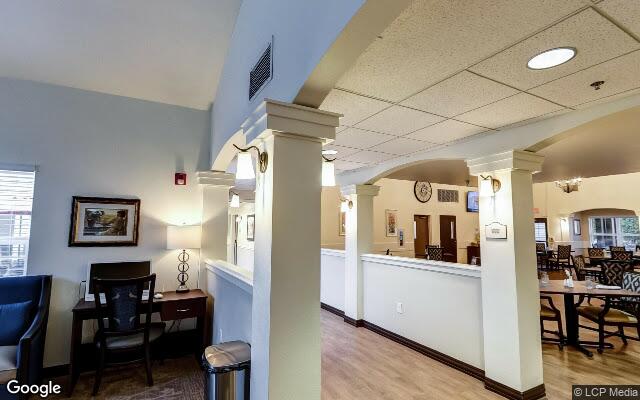
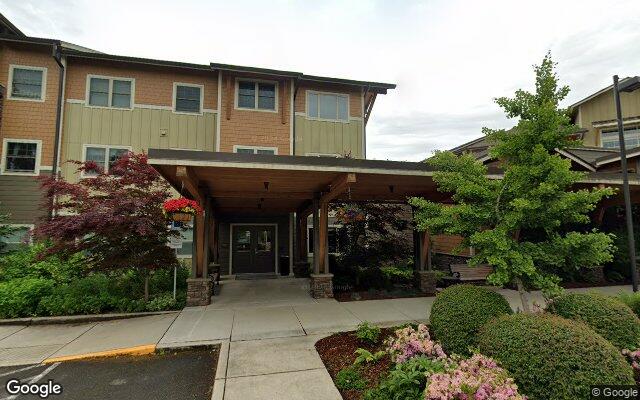
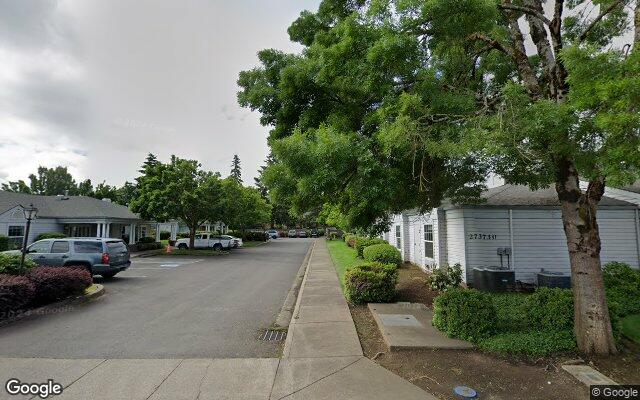
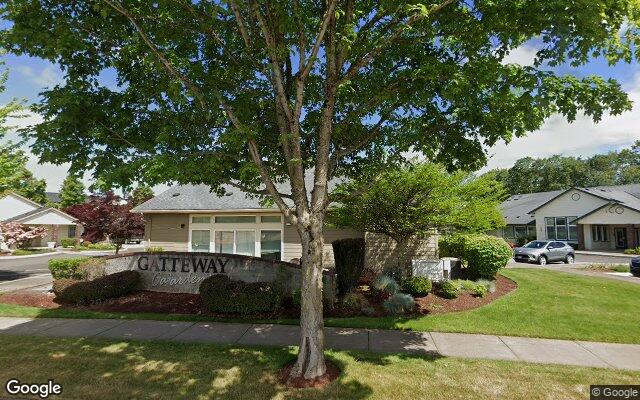
Contract Decoder
Family reviews
No reviews yet — be the first to share your experience
Other memory care options nearby.
More options in neighboring cities
Licensed memory care in other cities within this county region — useful when your search radius crosses city limits.