Ascot Park Senior Living.
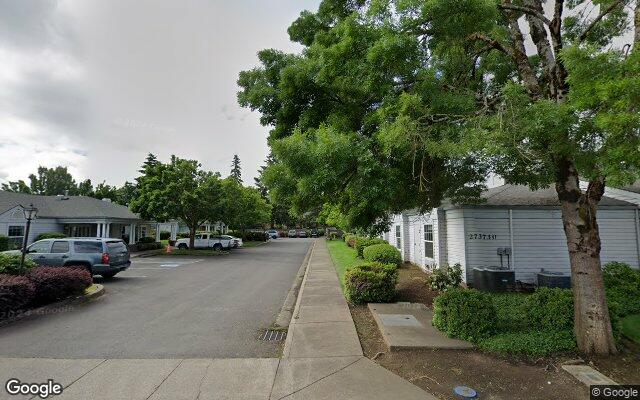
A large home, reviewed on public record.
© Google Street View
Compared to 22 Oregon facilities with a similar number of beds.
ALF memory care · 36-month window. Higher percentile = better performance on inspection record. Source: Oregon Dept. of Human Services · Long-Term Care Licensing.
Rankings based on 36-month OR-DHS inspection data. Severity and frequency: fewer citations = higher percentile. Repeat rate: lower repeat citation share = higher percentile.
Citation history, plotted month by month.
37 deficiencies on record. Each bar is a month with a citation.
Finding distribution
37 total · 36 monthsScope × Severity (CMS A–L)
Every inspection visit, verbatim.
7 inspections in the public record, most recent first. Plain-language summaries open first — click into any row for the full citation text.
2026-08-31Annual Compliance VisitNo findings
2025-09-22Annual Compliance VisitOR-cited · 2 findings
Plain-language summary
A routine kitchen inspection on September 22, 2025 found the facility failed to maintain sanitary conditions across all three cottage kitchens, including accumulation of food debris, grease, and dirt on equipment and surfaces; improperly sealed and unlabeled food items in storage; damaged flooring and equipment; insects found on a juice dispenser; uncovered meal trays transported to residents; and staff failures to properly prepare texture-modified diets, check food temperatures, or follow safe reheating procedures. The facility immediately discontinued use of the contaminated juice machine, contacted pest control, and committed to corrective actions including staff retraining on food safety and sanitation, cleaning schedules with regular audits, equipment repairs, and proper food labeling and temperature monitoring.
Read full citation text (2)Hide full citation text
“Based on observation and interview, it was determined the facility failed to maintain the kitchen in good repair and in a sanitary manner, and to ensure meals were served at appropriate temperatures and were palatable, in accordance with the Food Sanitation Rules, OAR 333-150-000. include, but are not limited to: Observation of the 3 cottage kitchens and facility food storage areas on 9/22/25 at 10:30 am through 1:30 pm revealed the following: a. Cottage C was noted with an accumulation of food spills, splatters, loose food and trash debris, dirt, dust, black matter and grease was visible on, underneath or between the following: * Interior and exterior of reach in refrigerators and freezers * Stainless steel shelving in dry storage * Grill top * Range Top * Interior and exterior of ovens * Floors behind and underneath ovens/range * Windowsill * Stainless steel shelving storing pots/Pans * Juice machine where nozzles rest Multiple food items noted to be stored in reach in coolers or freezers that were not properly closed/sealed after opened to prevent potential contamination during storage. Multiple food items were observed stored in reach in coolers without open and/or prepared dates. Large section of laminate flooring was damaged under the ice machine creating a noncleanable surface. Multiple metal table bottom selves were observed/noted with rusted/worn/compromised areas and were in need of replacement/repair. The nozzle for orange juice dispenser was observed with small accumulation of small, winged pests/insects on the inside section of the spout. Staff 2 (Culinary Services Director) was informed immediately who discontinued use of the juice machine and contacted their pest control company. No other pests were noted in that or any other kitchen area. At approximately 12:00 pm, a staff member was observed to transport a meal tray to a resident’s room with beverages and dessert uncovered and not protected from potential contamination. b. Cottage A was noted with an accumulation of food spills, splatters, loose food and trash debris, dirt, dust, black matter and grease was visible on, underneath or between the following: * Industrial can opener and housing * Microwave * Interiors of reach in freezer and cooler * Walls with splatter * Interior of blender base Staff was observed to prepare mechanically altered/puree texture diets. The texture of the vegetable was observed to have visible small chunks of mechanicalized vegetables. Surveyor intervened and had the staff further process the vegetables until smooth and at an appropriate texture for puree before served to residents. Staff was observed to place plated puree meals into microwave prior to service. The staff member did not appropriately stir the product after microwaving. The staff member did not check the temperature of the food product to ensure for safety and/or palatability. Staff member was not able to verbalize correct reheat temperature for safety or correct hot holding temperature requirements. c. Cottage B was noted with an accumulation of food spills, splatters, loose food and trash debris, dirt, dust, black matter and grease was visible on, underneath or between the following: * Industrial can opener and housing * Juice machine * Interiors of reach in freezers/cooler * Interior of ovens * Range top * Behind/underneath Stove/range * Ceiling vent above work table * Edges of light fixtures above work table * Windowsill * Wall by light switch * Wall by door to dining room * Interior of green hot holding food cart Multiple trays for resident room dining were observed transported with beverages not covered/protected from potential contamination. Surveyor toured above areas with Staff 2 (Culinary Services Director) who acknowledged the identified areas. At approximately 1:30 pm the surveyor reviewed the areas in need of cleaning, repair and practices with Staff 1 (Business Office Manager) and Staff 2 who both acknowledged the findings. All identified areas to be cleaned by Culinary Services Team. All items (laminate flooring, table shelving) needing painted/repaired/replaced will be completed by Maintenance Director. CSD and ED will be educated on Sinceri policy of proper transportation of food items and beverages by the National Director of Culinary. CSD and ED will educate culinary team and care staff on proper transportation of food items and beverages. The CSD will educate Culinary Staff and care staff on required food temperatures & monitoring procedures. CSD and ED will be educated on diet motifications and textures by National Culinary Services Director. CSD and ED will educate culinary team and care staff on diet motifications and textures. The CSD will educate Culinary staff on cleaning expectations and schedules to include regular inspections of the juice machines. Daily, weekly and monthly cleaning schedules are posted in the kitchen for staff to follow. CSD will audit cleaning schedules/cleanliness at least 3 days/week. Weekly kitchen inspection report to be compeleted by CSD. Executive Director (ED) will audit kitchen cleaning and schedules weekly x 4 weeks, bi-weekly x 4 weeks, and then randomly ongoing. CSD to be educated by National Culinary Services Director on importance of refrigerated and dry storage dates/labels. CSD will educate culinary team on maintaining dates/labels on food items.CSD or designee will perform an audit of storage and labeling at least weekly x 4 weeks, bi-weekly x 4 weeks. OAR 411-054-0030 (1)(a) Resident Services Meals, Food Sanitation Rule (1) The residential care or assisted living facility must provide a minimum scope of services as follows: (a) Three daily nutritious, palatable meals with snacks available seven days a week, in accordance with the recommended dietary allowances found in the United States Department of Agriculture (USDA) guidelines, including seasonal fresh fruit and fresh vegetables; (A) Modified special diets that are appropriate to residents' needs and choices. The facility must encourage residents' involvement in developing menus. (B) Menus must be prepared at least one week in advance, and must be made available to all residents. Meal substitutions must be of similar nutritional value if a resident refuses a food that is served. Residents must be informed in advance of menu changes. (C) Food must be prepared and served in accordance with OAR 333-150-0000 (Food Sanitation Rules). This Rule is not met as evidenced by:”
“Based on observations and interviews, it was determined the facility failed to follow licensing rules for Residential Care and Assisted Living Facilities. Findings include, but are not limited to: Refer to C240. See C240 Plan OAR 411-057-0140(2) Administration Compliance (2) The licensee of a memory care community must comply with both the licensing rules for the facility and Chapter 411, Division 57. This Rule is not met as evidenced by:”
Read raw inspector notesClose inspector notes
Based on observation and interview, it was determined the facility failed to maintain the kitchen in good repair and in a sanitary manner, and to ensure meals were served at appropriate temperatures and were palatable, in accordance with the Food Sanitation Rules, OAR 333-150-000. include, but are not limited to: Observation of the 3 cottage kitchens and facility food storage areas on 9/22/25 at 10:30 am through 1:30 pm revealed the following: a. Cottage C was noted with an accumulation of food spills, splatters, loose food and trash debris, dirt, dust, black matter and grease was visible on, underneath or between the following: * Interior and exterior of reach in refrigerators and freezers * Stainless steel shelving in dry storage * Grill top * Range Top * Interior and exterior of ovens * Floors behind and underneath ovens/range * Windowsill * Stainless steel shelving storing pots/Pans * Juice machine where nozzles rest Multiple food items noted to be stored in reach in coolers or freezers that were not properly closed/sealed after opened to prevent potential contamination during storage. Multiple food items were observed stored in reach in coolers without open and/or prepared dates. Large section of laminate flooring was damaged under the ice machine creating a noncleanable surface. Multiple metal table bottom selves were observed/noted with rusted/worn/compromised areas and were in need of replacement/repair. The nozzle for orange juice dispenser was observed with small accumulation of small, winged pests/insects on the inside section of the spout. Staff 2 (Culinary Services Director) was informed immediately who discontinued use of the juice machine and contacted their pest control company. No other pests were noted in that or any other kitchen area. At approximately 12:00 pm, a staff member was observed to transport a meal tray to a resident’s room with beverages and dessert uncovered and not protected from potential contamination. b. Cottage A was noted with an accumulation of food spills, splatters, loose food and trash debris, dirt, dust, black matter and grease was visible on, underneath or between the following: * Industrial can opener and housing * Microwave * Interiors of reach in freezer and cooler * Walls with splatter * Interior of blender base Staff was observed to prepare mechanically altered/puree texture diets. The texture of the vegetable was observed to have visible small chunks of mechanicalized vegetables. Surveyor intervened and had the staff further process the vegetables until smooth and at an appropriate texture for puree before served to residents. Staff was observed to place plated puree meals into microwave prior to service. The staff member did not appropriately stir the product after microwaving. The staff member did not check the temperature of the food product to ensure for safety and/or palatability. Staff member was not able to verbalize correct reheat temperature for safety or correct hot holding temperature requirements. c. Cottage B was noted with an accumulation of food spills, splatters, loose food and trash debris, dirt, dust, black matter and grease was visible on, underneath or between the following: * Industrial can opener and housing * Juice machine * Interiors of reach in freezers/cooler * Interior of ovens * Range top * Behind/underneath Stove/range * Ceiling vent above work table * Edges of light fixtures above work table * Windowsill * Wall by light switch * Wall by door to dining room * Interior of green hot holding food cart Multiple trays for resident room dining were observed transported with beverages not covered/protected from potential contamination. Surveyor toured above areas with Staff 2 (Culinary Services Director) who acknowledged the identified areas. At approximately 1:30 pm the surveyor reviewed the areas in need of cleaning, repair and practices with Staff 1 (Business Office Manager) and Staff 2 who both acknowledged the findings. All identified areas to be cleaned by Culinary Services Team. All items (laminate flooring, table shelving) needing painted/repaired/replaced will be completed by Maintenance Director. CSD and ED will be educated on Sinceri policy of proper transportation of food items and beverages by the National Director of Culinary. CSD and ED will educate culinary team and care staff on proper transportation of food items and beverages. The CSD will educate Culinary Staff and care staff on required food temperatures & monitoring procedures. CSD and ED will be educated on diet motifications and textures by National Culinary Services Director. CSD and ED will educate culinary team and care staff on diet motifications and textures. The CSD will educate Culinary staff on cleaning expectations and schedules to include regular inspections of the juice machines. Daily, weekly and monthly cleaning schedules are posted in the kitchen for staff to follow. CSD will audit cleaning schedules/cleanliness at least 3 days/week. Weekly kitchen inspection report to be compeleted by CSD. Executive Director (ED) will audit kitchen cleaning and schedules weekly x 4 weeks, bi-weekly x 4 weeks, and then randomly ongoing. CSD to be educated by National Culinary Services Director on importance of refrigerated and dry storage dates/labels. CSD will educate culinary team on maintaining dates/labels on food items.CSD or designee will perform an audit of storage and labeling at least weekly x 4 weeks, bi-weekly x 4 weeks. OAR 411-054-0030 (1)(a) Resident Services Meals, Food Sanitation Rule (1) The residential care or assisted living facility must provide a minimum scope of services as follows: (a) Three daily nutritious, palatable meals with snacks available seven days a week, in accordance with the recommended dietary allowances found in the United States Department of Agriculture (USDA) guidelines, including seasonal fresh fruit and fresh vegetables; (A) Modified special diets that are appropriate to residents' needs and choices. The facility must encourage residents' involvement in developing menus. (B) Menus must be prepared at least one week in advance, and must be made available to all residents. Meal substitutions must be of similar nutritional value if a resident refuses a food that is served. Residents must be informed in advance of menu changes. (C) Food must be prepared and served in accordance with OAR 333-150-0000 (Food Sanitation Rules). This Rule is not met as evidenced by: Based on observations and interviews, it was determined the facility failed to follow licensing rules for Residential Care and Assisted Living Facilities. Findings include, but are not limited to: Refer to C240. See C240 Plan OAR 411-057-0140(2) Administration Compliance (2) The licensee of a memory care community must comply with both the licensing rules for the facility and Chapter 411, Division 57. This Rule is not met as evidenced by:
2025-01-30Annual Compliance VisitOR-cited · 21 findings
Plain-language summary
During a change of ownership survey from January 27–30, 2025, the facility was found to have ineffective administrative oversight and failed to implement methods for responding to and resolving resident complaints. Resident Council Meeting notes from October 2024 through January 2025 documented numerous unaddressed concerns including requests for increased activities and socialization, broken call systems with response delays exceeding one hour, missing snacks for memory care residents, empty hand sanitizer dispensers, and laundry issues, with no documented evidence that any of these complaints had been addressed or resolved. The facility's leadership acknowledged the findings and committed to implementing a process to document and resolve resident concerns within specified timeframes.
Read full citation text (21)Hide full citation text
“Based on observation, interview, and record review, it was determined the facility failed to provide health care services in accordance with the licensing rules for Residential Care and Assisted Living Facilities. Findings include, but are not limited to: Refer to C 252, C 260, C 270, C 330, and C 362. Refer to C252, C260, C270, C330, C362. OAR 411-057-0160(2b) Compliance with Rules Health Care (b) Health care services provided in accordance with the licensing rules of the facility. This Rule is not met as evidenced by:”
“Based on observation, interview, and record review, it was determined the licensee failed to provide effective oversight for the operation of the facility and to ensure the quality of services rendered in the facility. Findings include, but are not limited to: During the change of ownership survey, conducted 01/27/25 through 01/30/25, administrative oversight to ensure adequate resident care and services rendered in the facility was found to be ineffective based on the severity of the citations.”
“based on an individual’s actual or perceived sexual orientation, gender identity, gender expression or human immunodeficiency virus status, or based on an individual’s association with another individual on account of the other individual’s actual or perceived sexual orientation, gender identity, gender expression or human immunodeficiency virus status. If you believe you have experienced this kind of discrimination, you may file a complaint with the Oregon Department of Human Services at (provide current contact information).” (j) ABST Policy for accurate and consistent implementation of the ABST. The policy must explain how a facility evaluates and accounts for both scheduled and unscheduled resident needs. This Rule is not met as evidenced by: Based on interview and record review, it was determined the facility failed to implement effective methods of responding to and resolving resident complaints. Findings include, but are not limited to: A review of Resident Council Meeting Notes dated 10/15/24, 12/10/24, and 01/07/25 identified the following resident concerns: On 10/15/24, staff documented residents stating: * "We are bored, we need more socialization”; * “We want family outings and hotdogs”; * “We want more poker nights and play cards”; * “We would like a pizza night and [non-alcoholic] mai tais”; * “We need to get out more and do, we need models and tinker toys to keep us busy”; * “More movie nights”; * “Ladies would like to put together paper flowers, go Christmas shopping”; * “All residents stated they would like to incorporate food into an activity so they can make things they like instead of hoping they get it on the menu”; * “Need books, such as westerns, mystery, and romance”; * “Need more music and dances”; * “We would like soup of the day not just at dinner time”; * “Residents stated they would like more options with food, they would like hot dogs instead of hamburgers all the time”; * “Memory care said they are not getting their snacks”. Staff documentation on 12/10/24 was as follows: * “Staff need to sanitize hands prior to entering rooms and upon leaving rooms”; * “Hand sanitizer wall mounts are empty; residents want to remain healthy as possible and would like to get the wall mounts filled so staff can utilize them”; and * “Bus needs to be painted or rewrapped as you can still see Farmington Square as the community”. On 01/07/25, staff documented the following concerns: * “A resident brought to the attention that when ringing for assistance no one comes. [S/He] said [s/he] thinks the system is broken and what can we do to be able to get the assistance that the residents need”; * “It was stated the [call] system wasn’t working for a week and they had an interim plan of 15-minute round checks to visually lay eyes on each resident.” * “A resident pressed [his/her] wrist pendant to see how long it would take care staff to respond, this was at the beginning of the meeting [2:00 pm] at the end of the meeting [3:00 pm] a [CG] came.” “[CG] was informed that the pendant had been activated since the beginning of the meeting and that it was not appropriate to take so long to respond.” “[CG] reported the phone was dead, so it was charging”; * “Residents feel they are forgotten by staff when they are sick and trying to minimize exposing others by remaining in rooms”; * “Cottage A is upset as they are not getting their snacks, often times snacks are not furnished or available”; and * “Residents stated laundry is challenging and items don’t always make it back to the residents”. There was no documented evidence the above concerns identified during the Resident Council Meetings had been addressed, responded to, or resolved. In an interview on 01/28/25 at 12:28 pm, Staff 1 (ED) acknowledged the lack of documented follow-up response to complaints or suggestions from Resident Council Meetings. She stated her plan moving forward was to document resident complaints and how the facility attempted to resolve complaints. The need to improve the facility's method for responding to and resolving resident complaints was reviewed with Staff 1 and Staff 2 (Regional Director of Operations) on 01/28/25. They acknowledged the findings. ED will review all Resident Council Notes within 24 hours after monthly Resident Council Meetings ED will identify concerns and note them in Grievance Binder ED will address concerns with appropriate Team Member within 48 hour of Resident Council Meeting ED will follow up with Team Member daily to during Stand Up Meeting to ensure concerns are resolved ED will file completed Grievance form in Completed Grievance binder OAR 411-054-0025 (7) Facility Administration: Policy & Procedure (7) POLICIES AND PROCEDURES. The facility must develop and implement written policies and procedures that promote high quality services, health and safety for residents, and incorporate the community based care principles of individuality, independence, dignity, privacy, choice, and a homelike environment. The facility must develop and implement: (a) A policy on the possession of firearms and ammunition within the facility. The policy must be disclosed in writing and by one other means of communication commonly used by the resident or potential resident in his or her daily living. (b) A written policy that prohibits sexual relations between any facility employee and a resident who did not have a pre-existing relationship. (c) Effective methods of responding to and resolving resident complaints. (d) All additional requirements for written policies and procedures as established in OAR 411-054-0012 (Requirements for New Construction or Initial Licensure), OAR 411-054-0040 (Change of Condition and Monitoring), OAR 411-054-0045 (Resident Health Services), and OAR 411-054-0085 (Refunds and Financial Management). (e) A policy on smoking. (A) The smoking policy must be in accordance with: (i) The Oregon Indoor Clean Air Act, ORS 433.835 to 433.875; (ii) The rules in OAR chapter 333, division 015; and (iii) Any other applicable state and local laws. (B) The facility may designate itself as non-smoking. (f) A policy for the referral of residents who may be victims of acute sexual assault to the nearest trained sexual assault examiner. The policy must include information regarding the collection of medical and forensic evidence that must be obtained within 86 hours of the incident. (g) A policy on facility employees not receiving gifts or money from residents. (h) Protocols for preventing and controlling infection, as described in OAR 411-054-0050. (i) LGBTQIA2S+ Nondiscrimination Notice: “(Name of care facility) does not discriminate and does not permit discrimination, including but not limited to bullying, abuse or harassment, based on an individual’s actual or perceived sexual orientation, gender identity, gender expression or human immunodeficiency virus status, or based on an individual’s association with another individual on account of the other individual’s actual or perceived sexual orientation, gender identity, gender expression or human immunodeficiency virus status. If you believe you have experienced this kind of discrimination, you may file a complaint with the Oregon Department of Human Services at (provide current contact information).” (j) ABST Policy for accurate and consistent implementation of the ABST. The policy must explain how a facility evaluates and accounts for both scheduled and unscheduled resident needs. This Rule is not met as evidenced by:”
“Based on interview, and record review, it was determined the facility failed to ensure incidents were investigated and when abuse could not be immediately ruled out, reported to the local SPD (Seniors and People with Disabilities) office for 4 of 5 sampled residents (#s 1, 3, 4, and 5) who were reviewed. Findings include, but are not limited to:”
“Based on observation, interview, and record review, it was determined the facility failed to provide a daily program of social and recreational activities based upon individual and group interests, physical, mental, and psychosocial needs, and opportunities for active participation in the community at large. Findings include, but are not limited to: During the survey, conducted 01/27/25 through 01/30/25, observations were made in all three resident-occupied buildings (Cottages A, B, and C). Residents in Cottages A, B, and C were observed staying in their rooms, sitting in chairs sleeping, looking around, and/or exit seeking throughout the survey. The only scheduled activity observed during survey was on 01/29/25 at 1:00 pm, when Bingo was played in Cottage A, with multiple residents in attendance. The survey team did not consistently observe a daily program of social and recreational activities, which created opportunities for participation for the community at large. On 01/29/25, the need to ensure a daily activity program of social and recreational activities that were based on individual and group interests, physical, mental and psychosocial needs, and created opportunities for active participation in the community at large was discussed with Staff 1 (ED). She acknowledged the findings. Resident Experience Team to attend Life Enrichment Training through OCP on 3/7/2025 ED/Resident Experience Director/Designee will be reeducated on activities/programming and following the calendar of daily programming by National Program Director by 3/07/2025. ED/Resident Experience Director/Designee will reeducate all staff on programming and activity calendar by 3/15/2025. ED/Designee will audit activities in all community houses daily x4weeks then weekly x3 months until compliance is met. Results of audits will be reported to Continuous Quality Improvement committee next scheduled meeting OAR 411-054-0030 (1)(c-d) Resident Services: Activities (c) A daily program of social and recreational activities that are based upon individual and group interests, physical, mental, and psychosocial needs, and creates opportunities for active participation in the community at large; (d) Equipment, supplies and space to meet individual and group activity needs; This Rule is not met as evidenced by:”
“Based on interview and record review, the facility failed to ensure evaluations were updated quarterly and reflective of the residents’ current status and condition for 2 of 6 sampled residents (#s 1 and 8) whose evaluations were reviewed. Findings include, but are not limited to:”
“Based on the resident evaluation performed before move-in, an initial service plan must be developed before move-in that reflects the identified needs and preferences of the resident. (b) The initial service plan must be reviewed within 30-days of movein to ensure that any changes made to the plan during the initial 30- days, accurately reflect the resident's needs and preferences. (c) Staff must document and date adjustments or changes as applicable. (4) QUARTERLY SERVICE PLAN REQUIREMENTS. (a) Service plans must be completed quarterly after the resident moves into the facility. (b) The quarterly evaluation is the basis of the resident's quarterly service plan. (c) If the resident's service plan is revised and updated at the quarterly review, changes must be dated and initialed, and prior historical information must be maintained. This Rule is not met as evidenced by: Based on observation, interview, and record review, it was determined the facility failed to ensure service plans were updated at least quarterly, reflective of residents' current care needs and preferences, provided clear direction regarding the delivery of services, and/or were implemented for 6 of 9 sampled residents (#s 1, 2, 3, 4, 5 and 8) whose service plans were reviewed. Findings include, but are not limited to:”
“Based on interview and record review, it was determined the facility failed to determine and document what action or intervention was needed for a resident following a short-term change of condition, document on the progress of the condition at least weekly until resolution and ensure documentation of interventions was made part of the resident record for 9 of 9 sampled residents (#s 1, 2, 3, 4, 5, 6, 7, 8 and 9) with changes of condition or who required monitoring. Findings include, but are not limited to:”
“Based on interview, and record review, it was determined the facility failed to ensure non-pharmacological interventions were attempted and documented as unsuccessful prior to PRN psychotropic medication being administered for 1 of 2 sampled residents (# 3) who were prescribed as needed psychotropic medications. Findings include, but are not limited to: Resident 3 was admitted to the facility in 11/2024 with diagnoses including Alzheimer’s disease and dementia with psychosis. The resident's 12/01/24 through 01/27/25 MARs and physician’s orders were reviewed. Staff were interviewed and the following was identified: Resident 3 had a physician’s order for PRN quetiapine (for hallucinations, agitation, and dementia with behaviors). The resident received the PRN medication four times between 12/01/24 and 01/27/25. On 01/29/25 at 9:35 am, Staff 1 (ED) was requested to check the computer medication system for direction relating to non-drug interventions to try with Resident 3 prior to administering the PRN psychotropic. Staff 1 confirmed there were no interventions listed for staff to try prior to administration in 01/2025’s MAR and staff failed to document non-drug interventions tried and failed prior to giving the PRN to the resident. Although there were non-drug interventions listed to try prior to administrating the PRN on the 12/2024 MAR, there was no documented evidence staff attempted non-drug interventions prior to the administration of the medication. The need to ensure non-pharmacological interventions were documented as attempted and failed prior to the administration of PRN psychotropics was discussed with Staff 1 on 01/30/25 at 12:33 pm. She acknowledged the findings. ED(Executive Director)/HSD(Health Services Director)/Designee will reeducate all med techs/staff on using non-pharmcological interventions and documenting the use of all non-pharmcological interventions prior to administration of psychotropics. Resident #3 had interventions in place on the MAR, the medication techs were identified and re-educated on documentation requirements by the Health Services Director on 2/21/2025. HSD/Designee will audit all PRN psychotropic medications ordered to ensure accuracy, and that each prn psychotropic has listed resident specific non-pharmacological interventions that staff are to attempt prior to the administration The Health Services Director/Executive Director/Designee will audit PRN psychotropic medication administration during clinical huddle to verify that non-pharmacological interventions are attempted and documented. The ED/HSD/Designee will spot check at least 3 x's/week x 4 weeks and then and then monthly at the Continuous Quality Improvement meeting. OAR 411-054-0055 (6) Systems: Psychotropic Medication (6) PSYCHOTROPIC MEDICATION. Psychotropic medications may be used only pursuant to a prescription that specifies the circumstances, dosage and duration of use.(a) Facility administered psychotropic medications may be used only when required to treat a resident's medical symptoms or to maximize a resident's functioning.(b) The facility must not request psychotropic medication to treat a resident's behavioral symptoms without a consultation from a physician, nurse practitioner, registered nurse, or mental health professional. This does not apply when a resident is enrolled in a hospice program as defined in OAR 333-035-0050.(c) Prior to requesting a psychotropic medication, the facility must demonstrate through the evaluation and service planning process that non-pharmacological interventions have been attempted.(d) Prior to administering any psychotropic medications to treat a resident's behavior, all direct care staff administering medications for the resident must know:(A) The specific reasons for the use of the psychotropic medication for that resident.(B) The common side effects of the medications.(C) When to contact a health professional regarding side effects.(e) When a psychotropic medication is ordered by a health care practitioner other than the resident's primary care provider, the facility is responsible for notifying the resident's primary care provider of that medication order within 72 hours of when the facility was notified of the order. This includes weekends and holidays. Notification may be either by telephone or electronic submission and should be documented by the facility.(f) Medications that are administered p.r.n. that are given to treat a resident's behavior must have written, resident-specific parameters.(A) These p.r.n. medications may be used only after documented; non-pharmacological interventions have been tried with ineffective results.(B) All direct care staff must have knowledge of non-pharmacological interventions.(g) Psychotropic medications must not be given to discipline a resident, or for the convenience of the facility. This Rule is not met as evidenced by:”
“based on acuity, complaint investigation or survey inspection.(e) Based on resident acuity and facility structural design there must be adequate direct care staff present at all times, to meet the fire safety evacuation standards as required by the fire authority or the Department.(f) The licensee is responsible for assuring that staffing is increased to compensate for the evaluated care and service needs of residents at move-in and for the changing physical or mental needs of the residents.(g) A minimum of two direct care staff must be scheduled and available at all times whenever a resident requires the assistance of two direct care staff for scheduled and unscheduled needs.(h) In facilities where residents are hosed in two or more detached buildings, or if a building has distinct and segregated areas, a designated caregiver must be awake and available in each building and each segregated area at all times.(i) Facilities must have a written, defined system to determine appropriate numbers of direct care staff and general staffing based on resident acuity and service needs. Such systems may be either manual or electronic.(A) Guidelines for systems must also consider physical elements of a building, use of technology if applicable and staff experience.(B) Facilities must be able to demonstrate how their staffing systems work. This Rule is not met as evidenced by: Based on observation, interview, and record review, it was determined the facility failed to have a sufficient number of caregivers to meet the 24-hour scheduled and unscheduled needs of each resident, including sufficient staff to meet the fire safety evacuation standards. Findings include, but are not limited to: The facility was licensed as a Memory Care with a capacity of 66 beds. a. On 01/27/25 during the entrance conference, survey requested a facility staffing policy or a tool to determine number of caregiving staff needed to provide scheduled and unscheduled residents' care needs. The facility acuity-based staffing tool (ABST) for all residents was reviewed during the survey in addition to the facility’s staffing plan. During the acuity interview on 01/27/25 and subsequent resident record reviews, the following care needs were identified: * The facility had a census of 43 residents that resided in three cottages; * Nine residents were identified as requiring two-person transfers or assistance with care; and * Two cottages were locked units and the residents who resided in them (18 residents living in Cottage A and 10 residents living in Cottage B) required the minimum of a one-person assistance for emergency evacuations. The facility ABST was not accurately being used to determine the correct staffing minutes in all cottages relating to the residents who required two staff members for transfers or care. b. The facility's staffing plan, posted during the survey, showed the following: * Cottage A - Day shift: 2 Caregivers and 1 Med Tech; - Swing shift: 2 Caregivers and 1 Med Tech; and - NOC [Night] shift: 1 Caregiver and 1 Med Tech. * Cottage B - Day shift: 2 Caregivers and 0.5 Med Tech; - Swing shift: 2 Caregivers and 0.5 Med Tech; and - NOC shift: 1 Caregiver and 0.5 Med Tech. * Cottage C - Day shift: 2 Caregivers and 0.5 Med Tech; - Swing shift: 2 Caregivers and 0.5 Med Tech; and - NOC shift: 1 Caregiver and 0.5 Med Tech. The facilities schedule did not include a minimum of two care staff present on night shift in cottages B and C, both that had residents requiring two-person assist with transfers and/or care. The facility's failure to ensure staff adequate in number to meet the scheduled and unscheduled needs of the residents was shared with Staff 1 (ED) on 01/30/25 at 12:33 pm. She acknowledged the findings. HSD/ED/Designee will update the ABST tool prior to a resident moving in, with quarterly service plan updates and with any change of condition. ED/Designee will audit 10% of resident evaluations/service plans per month to ensure accuracy of services provided and time of care provided. ED/Designee will ensure that staffing meets or exceeds the ABST tool to meet resident's scheduled and unscheduled needs OAR 411-054-0070 (1) Staffing Requirements and Training: Staffing (Amended 6/9/21)(1) STAFFING REQUIREMENTS. Facilities must have qualified awake direct care staff, sufficient in number to meet the 24-hour scheduled and unscheduled needs of each resident. Direct care staff provide services for residents that include assistance with activities of daily living, medication administration, resident-focused activities, supervision, and support.(a) If a facility employs universal workers whose duties include other tasks (e.g., housekeeping, laundry, food service), in addition to direct resident care, staffing must be increased to maintain adequate resident care and services.(b) Prior to providing care and services to residents, direct care staff must be trained as required in sections (2) - (4) of this rule.(c) The following facility employees are ancillary to the caregiver requirements in this section:(A) Individuals whose duties are exclusively housekeeping, building maintenance, clerical, administrative, or food preparation.(B) Licensed nurses who provide services as specified in OAR 411-054-0045 (Resident Health Services).(C) Administrators.(d) The Department retains the right to require minimum staffing standards based on acuity, complaint investigation or survey inspection.(e) Based on resident acuity and facility structural design there must be adequate direct care staff present at all times, to meet the fire safety evacuation standards as required by the fire authority or the Department.(f) The licensee is responsible for assuring that staffing is increased to compensate for the evaluated care and service needs of residents at move-in and for the changing physical or mental needs of the residents.(g) A minimum of two direct care staff must be scheduled and available at all times whenever a resident requires the assistance of two direct care staff for scheduled and unscheduled needs.(h) In facilities where residents are hosed in two or more detached buildings, or if a building has distinct and segregated areas, a designated caregiver must be awake and available in each building and each segregated area at all times.(i) Facilities must have a written, defined system to determine appropriate numbers of direct care staff and general staffing based on resident acuity and service needs. Such systems may be either manual or electronic.(A) Guidelines for systems must also consider physical elements of a building, use of technology if applicable and staff experience.(B) Facilities must be able to demonstrate how their staffing systems work. This Rule is not met as evidenced by:”
“Based on observation, interview, and record review, it was determined the facility failed to have accurate care minutes included on the acuity-based staffing tool (ABST) for 4 of 5 sampled residents (#s 1, 2, 3, and 4) and two unsampled residents. Findings include, but are not limited to:”
“Based on interview and record review, it was determined the facility failed to update the acuity-based staffing tool (ABST) before a resident moved into the facility for 2 of 2 sampled residents (#s 3 and 6) and for nine unsampled residents, and no less than quarterly for 1 of 1 unsampled resident. Findings include, but are not limited to: Review of the ABST on 01/27/25 revealed the following: * Resident 3 admitted to the facility in 11/2024. The ABST reflected care minutes were entered three days after the resident moved in; * Resident 6 admitted to the facility in 11/2024. The ABST reflected care minutes were entered two days after the resident moved in; * The ABST reflected that nine unsampled residents had their care minutes entered between one and twelve days after admitting to the facility; and * One unsampled resident’s ABST had not been updated since 09/2024. The need to ensure residents' ABST was updated prior to move-in and at least quarterly was reviewed with Staff 1 (ED) on 01/30/25 at 12:33 pm. She acknowledged the findings. ED will educate Resident Care Coordinator (RCC)/HSD on ABST update requirements to include: prior to move in, quarterly service plans and with any change of condition. Regional Director of Health Services completed an audit of the ABST tool on 2/6/2025 and on 2/12/2025 on all residents to ensure that all residents had been updated quarterly and with change of conditions, any time that was not reflective of needs was updated. ED/HSD and/or Designee will audit ABST prior to any new resident move in to ensure that care time is reflected accurately. Health Services Director/Executive Director/Designee will update the ABST tool prior to a resident moving in, with quarterly service plan updates and with any change of condition. ED educated the Resident Care Coordinator on 2/19/2025 on how time is to be entered into the ABST based on the evaluation, actual time of resident care. ED/Designee will audit 10% of residents each week x 4 weeks utilizing evaluations/service plans, timing resident care, and staff interviews to ensure accuracy of services provided and time of care provided and update the ABST as required. ED/Designee will audit the ABST one time per month to ensure ABST is updated prior to move in, at least quarterly and with change of condition and report to the Continuous Quality Improvement meeting. OAR 411-054-0037 (4-6) Acuity Based Staffing Tool - Updates & Staffing Plan (4) FREQUENCY OF UPDATES. Facilities must complete or update and review the ABST evaluation for each resident according to the following schedule. (a) Before a resident moves in. (b) Whenever there is a significant change of condition as defined in OAR 411-054-0040(1)(b). (c) No less than quarterly at the same time the resident’s service plan is updated as required by OAR 411-054-0034. (5) DEVELOP AND MAINTAIN UPDATED POSTED STAFFING PLAN. Each facility should use the results of an ABST to develop and routinely update the facility’s posted staffing plan. The staffing plan must outline the staffing numbers required to meet the scheduled and unscheduled needs of all residents in the facility, for each shift. The ABST and staffing plan must be reviewed at the frequency required in paragraph (4) of this rule. The facility must review the following and ensure accuracy between the posted staffing plan and ABST: (a) The total ABST care time required for the individual care elements as referenced in paragraph (3) of this rule. (b) Staffing plan must account for unscheduled care needs. (c) Documentation of consistently staffing to meet or exceed the posted staffing plan 24 hours a day, seven days a week. (d) The staffing requirements outlined in OAR 411-054-0070(1). (e) Any other applicable factors to be considered. (e.g., disruptions to normal facility operations.) (f) Time for paid or unpaid staff meal breaks must be accounted for and should not be included in the total scheduled staff time per shift. (g) Distinct posted staffing plans for segregated areas as outlined in OAR 411-054-0070(1) to meet the scheduled and unscheduled needs of residents who reside in each segregated area. (h) The staffing needs required under the Specific Needs Contracts, if applicable. (6) ABST REPORTING OF SPECIFIC NEEDS CONTRACTS AND EXCEPTIONAL PAYMENTS. Staffing required by a Specific Needs Contract (Contract), as described in OAR chapter 411, division 027, must be included in a facility’s ABST. (a) If all residents within the facility are receiving service through a Contract: (A) The facility’s staffing plan must include the number of staff required by the Contract and additional staff time, if required to meet the scheduled and unscheduled needs of the residents. (B) If the ABST staffing analysis indicates numbers higher than the Contract, the facility must staff to the numbers indicated by the ABST. (b) If certain residents within the facility are served under Contract, and other residents are not served by a Contract: (A) The facility must maintain a posted staffing plan that includes the staffing required for residents served by the Contract as well as the staffing required for residents not served by the Contract. (B) The facility must prepare two distinct ABST reports: one for residents served by the Contract and the other for residents not served by the Contract. (C) If the ABST indicates higher staffing numbers than the Contract for residents who are served by the Contract, the facility must staff to numbers indicated by the ABST. (c) If the facility has any residents funded by an exceptional payment, as provided in OAR 411-027-0050, that must be included in the ABST and the facility must staff to the greater of the exception or the ABST. This Rule is not met as evidenced by:”
“Based on interview and record review, it was determined the facility failed to ensure fire drills were conducted according to Oregon Fire Code and fire and life safety instruction to staff was provided on alternate months. Findings include, but are not limited to: Six months of fire drill records were reviewed on 01/28/25 and revealed the following: a. Fire drills lacked documentation of one or more of the following components: * The escape route used; * Problems encountered and comments relating to residents who resisted or failed to participate in the drills; * Evacuation time-period needed; and * Number of occupants evacuated. In an interview on 01/28/25, Staff 1 (ED) and Staff 2 (Regional Director of Operations) acknowledged the documentation lacked one or more of the required components. b. The facility failed to provide fire and life safety instruction to staff on alternate months. In an interview on 01/28/25, Staff 1 confirmed staff were not provided fire and life safety instruction on alternating months. The need to ensure fire drills were conducted according to Oregon Fire Code with all required components documented and fire and life safety instruction to staff was provided on alternating months was discussed with Staff 1, and Staff 2 on 10/28/25. They acknowledged these findings. Maintenance Director (MTD) will be educated by Director of Facilities on expectations of fire drills and requirement of alternating monthly fire and life safety trainings. The updated fire drill report was placed in use on 1/29/2025 and contains all required information: escape route used; problems encountered and comments relating to residents who resisted/failed to participate; evacuation time needed and number of occupants evacuated. Fire Drills and monthly all staff meeting education will be tracked utilizing the appropriate forms and uploaded into TELS. Fire drills will be reported through the monthly CQI meeting. * BOM/Designee will track all staff training as completed and report to ED. Executive Director/Designee will audit the fire drill forms monthly to ensure all required information is contained. ED/Designee will monitor through the monthly CQI meeting training topics and fire drills. OAR 411-054-0090 (1-2) Fire and Life Safety: Safety (1) FIRE DRILLS. All fire drills shall be conducted according to the Oregon Fire Code (OFC). (a) Unannounced fire drills must be conducted and recorded every other month at different times of the day, evening, and night shifts. (b) Fire and life safety instruction to staff must be provided on alternate months. (c) The Fire Authority may develop an alternative fire drill plan for the facility. Any such plan must be submitted to the Department. (d) A written fire drill record must be kept to document fire drills that include: (A) Date and time of day; (B) Location of simulated fire origin; (C) The escape route used; (D) Problems encountered and comments relating to residents who resisted or failed to participate in the drills; (E) Evacuation time period needed; (F) Staff members on duty and participating; and (G) Number of occupants evacuated. (e) Alternate exit routes must be used during fire drills to react to varying potential fire origin points. (f) The evacuation capability of the residents and staff is a function of both the ability of the residents to evacuate and the assistance provided by the staff. (g) Staff must provide fire evacuation assistance to residents from the building to a designated point of safety as determined by the Fire Authority having jurisdiction. Points of safety may include, outside the building, through a horizontal exit, or other areas as determined by the Fire Authority having jurisdiction. (h) The fire alarm system shall be activated during each fire drill, unless otherwise directed by the Fire Authority having jurisdiction. (2) If the facility is unable to meet the applicable evacuation level, the facility must make an immediate effort to make changes to ensure the evacuation standard is met. Changes must include, but not be limited to: (a) Increasing staff levels, (b) Changing staff assignments, (c) Requesting change in resident rooms, and (d) Arranging for special equipment. After making necessary changes, if the facility fails to meet the applicable evacuation level, the facility must issue an involuntary move-out notice to the residents in accordance with OAR 411-054-0080. This Rule is not met as evidenced by:”
“Based on observation, and interview, it was determined the facility failed to ensure resident areas maintained a minimum temperature of no less than 70 degrees Fahrenheit during the day. Findings include, but are not limited to: Observations during the survey from 01/27/25 through 01/30/25 revealed temperatures inside Cottage C were consistently below 70 degrees during daytime hours. Temperatures obtained from the common area thermostat included the following: a. Rear corridor thermostat: * 01/27/25 at 12:15 pm, 1:30 pm, and 2:30 pm, thermostat was at 69 degrees; * 01/28/25 at 10:00 am, thermostat was at 68 degrees; and * 01/28/25 at 12:27 pm, thermostat was at 69 degrees. b. Front corridor thermostat: * 01/28/24 at 10:00 am, thermostat was at 66 degrees; and * 01/28/25 at 12:27 pm, thermostat was at 67 degrees. On 01/28/25, the need to ensure resident areas were maintained at a minimum of no less than 70 degrees during the day was discussed with Staff 1 (ED). She acknowledged the findings and reported the facility would get corridor thermostats adjusted. Maintenance Director (MTD) to track internal temperatures weekly utilizing approriate forms and upload into TELS. ED to check temperatures in common areas daily x 4 weeks during rounds and notify MTD of concerns, and then spot check at least twice per month. OAR 411-054-0200 (8) Heating and Ventilation (8) HEATING AND VENTILATION SYSTEMS. A RCF must have heating and ventilation systems that comply with the building codes in effect at the time of facility construction. (a) TEMPERATURE. For all areas occupied by residents, design temperature for construction must be 75 degrees Fahrenheit. (A) A RCF must provide heating systems capable of maintaining 70 degrees Fahrenheit in resident areas. Required minimum temperatures are no less than 70 degrees Fahrenheit during the day and 60 degrees Fahrenheit during sleeping hours. (B) During times of extreme summer heat, fans must be made available when air conditioning is not provided. (b) EXHAUST SYSTEMS. All toilet and shower rooms must be equipped with a mechanical exhaust fan or central exhaust system that discharges to the outside. (c) FIREPLACES, FURNACES, WOODSTOVES, AND BOILERS. Where used, installation must meet standards of the building codes in effect at the time of construction. The glass and area surrounding the fireplace must not exceed 120 degrees Fahrenheit. (d) WALL HEATERS. Covers, grates, or screens of wall heaters and associated heating elements may not exceed 120 degrees Fahrenheit when they are installed in locations that are subject to incidental contact by people or with combustible material. Effective 01/15/2015, wall heaters are not acceptable in new construction or remodeling. This Rule is not met as evidenced by:”
“Based on observation, interview, and record review, it was determined the facility failed to provide a call system that connected resident units and bathrooms to the care staff center, staff pagers, or a wireless call system. Residents were unable to contact staff to request help when needed, constituting a threat to their health, safety, and welfare. The facility also failed to have a system to notify staff of residents exiting the facility. Findings include, but are not limited to: The facility was made up of three separate cottages. Cottages A and B were secured memory care units, and Cottage C was an unlocked residential care unit.”
“Based on observation and interview, it was determined the facility failed to ensure privacy and dignity related to no locks on bathroom doors for residents who had shared bathrooms. Findings include, but are not limited to: On 01/28/25, observations of the shared bathrooms with Staff 1 (ED) and Staff 2 (Regional Director of Operations) revealed the doors to residents’ shared bathrooms did not have locking mechanisms to ensure privacy and dignity. On 01/30/25, the need to ensure shared bathroom doors had locks were reviewed with Staff 1. She acknowledged the findings. Director of Facilities & MTD to ensure each unit has a locking door on the bathroom to ensure privacy and dignity, to be completed on or before 3/15/2025. OAR411-004-0020(2)(d) Individual Privacy: Own Unit (2) Provider owned, controlled, or operated residential settings must have all of the following qualities: (d) Each individual has privacy in his or her own unit. This Rule is not met as evidenced by:”
“Based on observation, interview, and record review, it was determined the facility failed to follow licensing rules for Residential Care and Assisted Living Facilities. Findings include, but are not limited to: Refer to: C 150, C 154, C 231, C 242, C 360, C 363, C 420, C 540, and C 555. Refer to C150, C154, C231, C242, C360, C363, C420, C540, C555 OAR 411-057-0140(2) Administration Compliance (2) The licensee of a memory care community must comply with both the licensing rules for the facility and Chapter 411, Division 57. This Rule is not met as evidenced by:”
“Based on interview and record review, it was determined the facility failed to ensure a daily meal program based on resident's preferences and needs that was individualized and documented in the resident's service plan for 2 of 3 sampled residents (#s 1 and 8) whose service plans were reviewed. Findings include, but are not limited to: Resident 1 and 8’s current service plans were reviewed during survey. Each service plan lacked information and/or staff instructions related to the individualized nutrition and hydration status, preferences, and needs of the resident. The need to develop a daily meal program based on resident's preferences and needs that was individualized and documented in the resident's service plan was discussed with Staff 1 (ED) on 01/30/25. She acknowledged the findings. Resident # 1 and Resident #8 nutrition and hydration plans were updated by the Regional Director of Health Services(RDHS) on 2/6/2025 to include preferences, limitations, abilities. The RDHS/ED will complete an audit of all evaluations to ensure the nutrition/hydration plans are reflective of preferences, limitations, abilities; resident/family/staff interviews will be utilized where needed. The ED/Designee will audit nutrition and hydration plans upon move in, and with quarterly updates. OAR 411-057-0160(2)(c)(A)(B) Nutrition and Hydration (c) A daily meal program for nutrition and hydration must be provided based upon the resident ' s preferences and needs available throughout each resident ' s waking hours. The individualized nutritional plan for each resident must be documented in the resident ' s service or care plan. In addition, the memory care community must provide: (A) Visual contrast between plates, eating utensils, and the table to maximize the independence of each resident; and (B) Adaptive eating utensils for those residents who have been evaluated as needing them to maintain their eating skills. This Rule is not met as evidenced by:”
“based on their activity evaluation. The plan must reflect the resident ' s activity preferences and needs. (C) A selection of daily structured and non-structured activities must be provided and included on the resident ' s activity service or care plan as appropriate. Daily activity options based on resident evaluation may include but are not limited to: (i) Occupation or chore related tasks; (ii) Scheduled and planned events (e.g. entertainment, outings); (iii) Spontaneous activities for enjoyment or those that may help diffuse a behavior; (iv) One to one activities that encourage positive relationships between residents and staff (e.g. life story, reminiscing, music); (v) Spiritual, creative, and intellectual activities; (vi) Sensory stimulation activities; (vii) Physical activities that enhance or maintain a resident ' s ability to ambulate or move; and (viii) Outdoor activities. This Rule is not met as evidenced by: Based on interview and record review, it was determined the facility failed to ensure an individualized activity plan was developed for each resident, based on an activity evaluation, for 2 of 4 sampled residents (#s 1 and 8) whose records were reviewed. Findings include, but are not limited to: Resident service plans and activity evaluations were reviewed. There was no documented evidence the facility had fully evaluated and developed individualized plans based on the residents': * Current abilities and skills; * Emotional and social needs and patterns; * Physical abilities and limitations; * Adaptations necessary for the resident to participate; and * Identification of activities for behavioral interventions, if necessary. On 01/30/25, the need to ensure residents had individualized activity plans developed based on their activity evaluations was discussed with Staff 1 (ED). She acknowledged the findings. Life Stories will be obtained for all residents by the Resident Experience Director (RED)/Executive Director/Designee. RED/ED will give a list of resident specific likes/dislikes for activities to the ED/HSD to update service plans. Service plans will be updated by the ED/HSD/Designee to reflect activity/engagement plans. The ED/HSD/Designee will provide ongoing audit of service plans for activity plans with move in, change in condition, and at least quarterly. Results of audits will be reported to the Continuous Quality Improvement team at next scheduled meeting OAR 411-057-0160(2d) Activities (d) Meaningful activities that promote or help sustain the physical and emotional well-being of residents. The activities must be person centered and available during residents ' waking hours. (A) Each resident must be evaluated for activities according to the licensing rules of the facility. In addition, the evaluation must address the following: (i) Past and current interests; (ii) Current abilities and skills; (iii) Emotional and social needs and patterns; (iv) Physical abilities and limitations; (v) Adaptations necessary for the resident to participate; and (vi) Identification of activities for behavioral interventions. (B) An individualized activity plan must be developed for each resident based on their activity evaluation. The plan must reflect the resident ' s activity preferences and needs. (C) A selection of daily structured and non-structured activities must be provided and included on the resident ' s activity service or care plan as appropriate. Daily activity options based on resident evaluation may include but are not limited to: (i) Occupation or chore related tasks; (ii) Scheduled and planned events (e.g. entertainment, outings); (iii) Spontaneous activities for enjoyment or those that may help diffuse a behavior; (iv) One to one activities that encourage positive relationships between residents and staff (e.g. life story, reminiscing, music); (v) Spiritual, creative, and intellectual activities; (vi) Sensory stimulation activities; (vii) Physical activities that enhance or maintain a resident ' s ability to ambulate or move; and (viii) Outdoor activities. This Rule is not met as evidenced by:”
“Based on interview, and record review, it was determined the facility failed to ensure behavioral symptoms that negatively impacted the resident or others in the community were included on the service plan for 3 of 3 sampled residents (#s 1, 3, and 8) with documented behaviors. Findings include, but are not limited to: During the acuity interview on 01/27/25, Resident’s 1, 3, and 8 were identified as being involved in resident-to-resident altercations and/or sexual behaviors. The residents’ facility records were reviewed, which included Resident 1, 3, and 8’s service plans that were available to staff, and Observation notes. The Observation notes contained documented evidence which confirmed the behaviors identified during the acuity interview. The three identified residents’ service plan did not address the behaviors and lacked individualized interventions to assist staff in minimizing the negative impact of the behaviors. On 01/30/25, the need to include residents’ behavioral symptoms on the service plan was discussed with Staff 1 (ED). She acknowledged the findings. Resident #1, Resident #3 and Resident #8 behavioral plans were updated on 2/6/2025 by the LPN to reflect person centered interventions for behaviors. The ED/Designee will obtain behavioral health referrals for Resident #1 and Resident #8. RDHS/LPN/Designee will audit all service plans for the residents in Memory Care and update Behavioral plans, ensuring person centered interventions are in place. Interventions will be communicated to the care team via Temporary Service Plans (TSPs). ED/HSD/Designee will audit TSPs, progress notes and interventions in the clinical huddle. OAR 411-057-0160(e) Behavior (e) Behavioral symptoms which negatively impact the resident and others in the community must be evaluated and included on the service or care plan. The memory care community must initiate and coordinate outside consultation or acute care when indicated. This Rule is not met as evidenced by:”
“based on the resident's needs, preferences, and appropriateness. (c) The memory care community must individually identify residents' rooms to assist residents in recognizing their room. This Rule is not met as evidenced by: Based on observation and interview, it was determined the facility failed to individually identify residents' rooms to assist residents in recognizing their room. Findings include, but are not limited to: The MCC was toured on 01/29/25 and 01/30/25. * Resident rooms in Cottage A - 101, 103, 106 and 108; and * Resident rooms in Cottage B - 103, 104, 105, 107 and 112 lacked any individualized identification to assist residents in recognizing their room. The need to ensure each resident room was identified for the resident was reviewed with Staff 1 (ED) on 01/30/25 at 11:45 am. She acknowledged the findings. ED, RED and Designee will contact families for current residents to collect resident pictures on or before 3/15/2025. RED & MTD will ensure all resident rooms have personalized pictures posted outside of their units to identify their living space on or before 3/20/2025. ED, RED and Community Resource Director (CRD) will ensure a new resident picture is collected upon move in. The ED/MTD will audit room personalization monthly on the internal CBC walkthrough and report to the Continuous Quality Improvement Meeting monthly. OAR 411-057-0170(9) Resident Rooms (9) RESIDENT ROOMS. (a) Residents may not be locked out of or inside of their rooms at any time. (b) Residents must be encouraged to decorate and furnish their rooms with personal items and furnishings based on the resident's needs, preferences, and appropriateness. (c) The memory care community must individually identify residents' rooms to assist residents in recognizing their room. This Rule is not met as evidenced by:”
Read raw inspector notesClose inspector notes
Based on observation, interview, and record review, it was determined the licensee failed to provide effective oversight for the operation of the facility and to ensure the quality of services rendered in the facility. Findings include, but are not limited to: During the change of ownership survey, conducted 01/27/25 through 01/30/25, administrative oversight to ensure adequate resident care and services rendered in the facility was found to be ineffective based on the severity of the citations. based on an individual’s actual or perceived sexual orientation, gender identity, gender expression or human immunodeficiency virus status, or based on an individual’s association with another individual on account of the other individual’s actual or perceived sexual orientation, gender identity, gender expression or human immunodeficiency virus status. If you believe you have experienced this kind of discrimination, you may file a complaint with the Oregon Department of Human Services at (provide current contact information).” (j) ABST Policy for accurate and consistent implementation of the ABST. The policy must explain how a facility evaluates and accounts for both scheduled and unscheduled resident needs. This Rule is not met as evidenced by: Based on interview and record review, it was determined the facility failed to implement effective methods of responding to and resolving resident complaints. Findings include, but are not limited to: A review of Resident Council Meeting Notes dated 10/15/24, 12/10/24, and 01/07/25 identified the following resident concerns: On 10/15/24, staff documented residents stating: * "We are bored, we need more socialization”; * “We want family outings and hotdogs”; * “We want more poker nights and play cards”; * “We would like a pizza night and [non-alcoholic] mai tais”; * “We need to get out more and do, we need models and tinker toys to keep us busy”; * “More movie nights”; * “Ladies would like to put together paper flowers, go Christmas shopping”; * “All residents stated they would like to incorporate food into an activity so they can make things they like instead of hoping they get it on the menu”; * “Need books, such as westerns, mystery, and romance”; * “Need more music and dances”; * “We would like soup of the day not just at dinner time”; * “Residents stated they would like more options with food, they would like hot dogs instead of hamburgers all the time”; * “Memory care said they are not getting their snacks”. Staff documentation on 12/10/24 was as follows: * “Staff need to sanitize hands prior to entering rooms and upon leaving rooms”; * “Hand sanitizer wall mounts are empty; residents want to remain healthy as possible and would like to get the wall mounts filled so staff can utilize them”; and * “Bus needs to be painted or rewrapped as you can still see Farmington Square as the community”. On 01/07/25, staff documented the following concerns: * “A resident brought to the attention that when ringing for assistance no one comes. [S/He] said [s/he] thinks the system is broken and what can we do to be able to get the assistance that the residents need”; * “It was stated the [call] system wasn’t working for a week and they had an interim plan of 15-minute round checks to visually lay eyes on each resident.” * “A resident pressed [his/her] wrist pendant to see how long it would take care staff to respond, this was at the beginning of the meeting [2:00 pm] at the end of the meeting [3:00 pm] a [CG] came.” “[CG] was informed that the pendant had been activated since the beginning of the meeting and that it was not appropriate to take so long to respond.” “[CG] reported the phone was dead, so it was charging”; * “Residents feel they are forgotten by staff when they are sick and trying to minimize exposing others by remaining in rooms”; * “Cottage A is upset as they are not getting their snacks, often times snacks are not furnished or available”; and * “Residents stated laundry is challenging and items don’t always make it back to the residents”. There was no documented evidence the above concerns identified during the Resident Council Meetings had been addressed, responded to, or resolved. In an interview on 01/28/25 at 12:28 pm, Staff 1 (ED) acknowledged the lack of documented follow-up response to complaints or suggestions from Resident Council Meetings. She stated her plan moving forward was to document resident complaints and how the facility attempted to resolve complaints. The need to improve the facility's method for responding to and resolving resident complaints was reviewed with Staff 1 and Staff 2 (Regional Director of Operations) on 01/28/25. They acknowledged the findings. ED will review all Resident Council Notes within 24 hours after monthly Resident Council Meetings ED will identify concerns and note them in Grievance Binder ED will address concerns with appropriate Team Member within 48 hour of Resident Council Meeting ED will follow up with Team Member daily to during Stand Up Meeting to ensure concerns are resolved ED will file completed Grievance form in Completed Grievance binder OAR 411-054-0025 (7) Facility Administration: Policy & Procedure (7) POLICIES AND PROCEDURES. The facility must develop and implement written policies and procedures that promote high quality services, health and safety for residents, and incorporate the community based care principles of individuality, independence, dignity, privacy, choice, and a homelike environment. The facility must develop and implement: (a) A policy on the possession of firearms and ammunition within the facility. The policy must be disclosed in writing and by one other means of communication commonly used by the resident or potential resident in his or her daily living. (b) A written policy that prohibits sexual relations between any facility employee and a resident who did not have a pre-existing relationship. (c) Effective methods of responding to and resolving resident complaints. (d) All additional requirements for written policies and procedures as established in OAR 411-054-0012 (Requirements for New Construction or Initial Licensure), OAR 411-054-0040 (Change of Condition and Monitoring), OAR 411-054-0045 (Resident Health Services), and OAR 411-054-0085 (Refunds and Financial Management). (e) A policy on smoking. (A) The smoking policy must be in accordance with: (i) The Oregon Indoor Clean Air Act, ORS 433.835 to 433.875; (ii) The rules in OAR chapter 333, division 015; and (iii) Any other applicable state and local laws. (B) The facility may designate itself as non-smoking. (f) A policy for the referral of residents who may be victims of acute sexual assault to the nearest trained sexual assault examiner. The policy must include information regarding the collection of medical and forensic evidence that must be obtained within 86 hours of the incident. (g) A policy on facility employees not receiving gifts or money from residents. (h) Protocols for preventing and controlling infection, as described in OAR 411-054-0050. (i) LGBTQIA2S+ Nondiscrimination Notice: “(Name of care facility) does not discriminate and does not permit discrimination, including but not limited to bullying, abuse or harassment, based on an individual’s actual or perceived sexual orientation, gender identity, gender expression or human immunodeficiency virus status, or based on an individual’s association with another individual on account of the other individual’s actual or perceived sexual orientation, gender identity, gender expression or human immunodeficiency virus status. If you believe you have experienced this kind of discrimination, you may file a complaint with the Oregon Department of Human Services at (provide current contact information).” (j) ABST Policy for accurate and consistent implementation of the ABST. The policy must explain how a facility evaluates and accounts for both scheduled and unscheduled resident needs. This Rule is not met as evidenced by: Based on interview, and record review, it was determined the facility failed to ensure incidents were investigated and when abuse could not be immediately ruled out, reported to the local SPD (Seniors and People with Disabilities) office for 4 of 5 sampled residents (#s 1, 3, 4, and 5) who were reviewed. Findings include, but are not limited to: Based on observation, interview, and record review, it was determined the facility failed to provide a daily program of social and recreational activities based upon individual and group interests, physical, mental, and psychosocial needs, and opportunities for active participation in the community at large. Findings include, but are not limited to: During the survey, conducted 01/27/25 through 01/30/25, observations were made in all three resident-occupied buildings (Cottages A, B, and C). Residents in Cottages A, B, and C were observed staying in their rooms, sitting in chairs sleeping, looking around, and/or exit seeking throughout the survey. The only scheduled activity observed during survey was on 01/29/25 at 1:00 pm, when Bingo was played in Cottage A, with multiple residents in attendance. The survey team did not consistently observe a daily program of social and recreational activities, which created opportunities for participation for the community at large. On 01/29/25, the need to ensure a daily activity program of social and recreational activities that were based on individual and group interests, physical, mental and psychosocial needs, and created opportunities for active participation in the community at large was discussed with Staff 1 (ED). She acknowledged the findings. Resident Experience Team to attend Life Enrichment Training through OCP on 3/7/2025 ED/Resident Experience Director/Designee will be reeducated on activities/programming and following the calendar of daily programming by National Program Director by 3/07/2025. ED/Resident Experience Director/Designee will reeducate all staff on programming and activity calendar by 3/15/2025. ED/Designee will audit activities in all community houses daily x4weeks then weekly x3 months until compliance is met. Results of audits will be reported to Continuous Quality Improvement committee next scheduled meeting OAR 411-054-0030 (1)(c-d) Resident Services: Activities (c) A daily program of social and recreational activities that are based upon individual and group interests, physical, mental, and psychosocial needs, and creates opportunities for active participation in the community at large; (d) Equipment, supplies and space to meet individual and group activity needs; This Rule is not met as evidenced by: Based on interview and record review, the facility failed to ensure evaluations were updated quarterly and reflective of the residents’ current status and condition for 2 of 6 sampled residents (#s 1 and 8) whose evaluations were reviewed. Findings include, but are not limited to: Based on the resident evaluation performed before move-in, an initial service plan must be developed before move-in that reflects the identified needs and preferences of the resident. (b) The initial service plan must be reviewed within 30-days of movein to ensure that any changes made to the plan during the initial 30- days, accurately reflect the resident's needs and preferences. (c) Staff must document and date adjustments or changes as applicable. (4) QUARTERLY SERVICE PLAN REQUIREMENTS. (a) Service plans must be completed quarterly after the resident moves into the facility. (b) The quarterly evaluation is the basis of the resident's quarterly service plan. (c) If the resident's service plan is revised and updated at the quarterly review, changes must be dated and initialed, and prior historical information must be maintained. This Rule is not met as evidenced by: Based on observation, interview, and record review, it was determined the facility failed to ensure service plans were updated at least quarterly, reflective of residents' current care needs and preferences, provided clear direction regarding the delivery of services, and/or were implemented for 6 of 9 sampled residents (#s 1, 2, 3, 4, 5 and 8) whose service plans were reviewed. Findings include, but are not limited to: Based on interview and record review, it was determined the facility failed to determine and document what action or intervention was needed for a resident following a short-term change of condition, document on the progress of the condition at least weekly until resolution and ensure documentation of interventions was made part of the resident record for 9 of 9 sampled residents (#s 1, 2, 3, 4, 5, 6, 7, 8 and 9) with changes of condition or who required monitoring. Findings include, but are not limited to: Based on interview, and record review, it was determined the facility failed to ensure non-pharmacological interventions were attempted and documented as unsuccessful prior to PRN psychotropic medication being administered for 1 of 2 sampled residents (# 3) who were prescribed as needed psychotropic medications. Findings include, but are not limited to: Resident 3 was admitted to the facility in 11/2024 with diagnoses including Alzheimer’s disease and dementia with psychosis. The resident's 12/01/24 through 01/27/25 MARs and physician’s orders were reviewed. Staff were interviewed and the following was identified: Resident 3 had a physician’s order for PRN quetiapine (for hallucinations, agitation, and dementia with behaviors). The resident received the PRN medication four times between 12/01/24 and 01/27/25. On 01/29/25 at 9:35 am, Staff 1 (ED) was requested to check the computer medication system for direction relating to non-drug interventions to try with Resident 3 prior to administering the PRN psychotropic. Staff 1 confirmed there were no interventions listed for staff to try prior to administration in 01/2025’s MAR and staff failed to document non-drug interventions tried and failed prior to giving the PRN to the resident. Although there were non-drug interventions listed to try prior to administrating the PRN on the 12/2024 MAR, there was no documented evidence staff attempted non-drug interventions prior to the administration of the medication. The need to ensure non-pharmacological interventions were documented as attempted and failed prior to the administration of PRN psychotropics was discussed with Staff 1 on 01/30/25 at 12:33 pm. She acknowledged the findings. ED(Executive Director)/HSD(Health Services Director)/Designee will reeducate all med techs/staff on using non-pharmcological interventions and documenting the use of all non-pharmcological interventions prior to administration of psychotropics. Resident #3 had interventions in place on the MAR, the medication techs were identified and re-educated on documentation requirements by the Health Services Director on 2/21/2025. HSD/Designee will audit all PRN psychotropic medications ordered to ensure accuracy, and that each prn psychotropic has listed resident specific non-pharmacological interventions that staff are to attempt prior to the administration The Health Services Director/Executive Director/Designee will audit PRN psychotropic medication administration during clinical huddle to verify that non-pharmacological interventions are attempted and documented. The ED/HSD/Designee will spot check at least 3 x's/week x 4 weeks and then and then monthly at the Continuous Quality Improvement meeting. OAR 411-054-0055 (6) Systems: Psychotropic Medication (6) PSYCHOTROPIC MEDICATION. Psychotropic medications may be used only pursuant to a prescription that specifies the circumstances, dosage and duration of use.(a) Facility administered psychotropic medications may be used only when required to treat a resident's medical symptoms or to maximize a resident's functioning.(b) The facility must not request psychotropic medication to treat a resident's behavioral symptoms without a consultation from a physician, nurse practitioner, registered nurse, or mental health professional. This does not apply when a resident is enrolled in a hospice program as defined in OAR 333-035-0050.(c) Prior to requesting a psychotropic medication, the facility must demonstrate through the evaluation and service planning process that non-pharmacological interventions have been attempted.(d) Prior to administering any psychotropic medications to treat a resident's behavior, all direct care staff administering medications for the resident must know:(A) The specific reasons for the use of the psychotropic medication for that resident.(B) The common side effects of the medications.(C) When to contact a health professional regarding side effects.(e) When a psychotropic medication is ordered by a health care practitioner other than the resident's primary care provider, the facility is responsible for notifying the resident's primary care provider of that medication order within 72 hours of when the facility was notified of the order. This includes weekends and holidays. Notification may be either by telephone or electronic submission and should be documented by the facility.(f) Medications that are administered p.r.n. that are given to treat a resident's behavior must have written, resident-specific parameters.(A) These p.r.n. medications may be used only after documented; non-pharmacological interventions have been tried with ineffective results.(B) All direct care staff must have knowledge of non-pharmacological interventions.(g) Psychotropic medications must not be given to discipline a resident, or for the convenience of the facility. This Rule is not met as evidenced by: based on acuity, complaint investigation or survey inspection.(e) Based on resident acuity and facility structural design there must be adequate direct care staff present at all times, to meet the fire safety evacuation standards as required by the fire authority or the Department.(f) The licensee is responsible for assuring that staffing is increased to compensate for the evaluated care and service needs of residents at move-in and for the changing physical or mental needs of the residents.(g) A minimum of two direct care staff must be scheduled and available at all times whenever a resident requires the assistance of two direct care staff for scheduled and unscheduled needs.(h) In facilities where residents are hosed in two or more detached buildings, or if a building has distinct and segregated areas, a designated caregiver must be awake and available in each building and each segregated area at all times.(i) Facilities must have a written, defined system to determine appropriate numbers of direct care staff and general staffing based on resident acuity and service needs. Such systems may be either manual or electronic.(A) Guidelines for systems must also consider physical elements of a building, use of technology if applicable and staff experience.(B) Facilities must be able to demonstrate how their staffing systems work. This Rule is not met as evidenced by: Based on observation, interview, and record review, it was determined the facility failed to have a sufficient number of caregivers to meet the 24-hour scheduled and unscheduled needs of each resident, including sufficient staff to meet the fire safety evacuation standards. Findings include, but are not limited to: The facility was licensed as a Memory Care with a capacity of 66 beds. a. On 01/27/25 during the entrance conference, survey requested a facility staffing policy or a tool to determine number of caregiving staff needed to provide scheduled and unscheduled residents' care needs. The facility acuity-based staffing tool (ABST) for all residents was reviewed during the survey in addition to the facility’s staffing plan. During the acuity interview on 01/27/25 and subsequent resident record reviews, the following care needs were identified: * The facility had a census of 43 residents that resided in three cottages; * Nine residents were identified as requiring two-person transfers or assistance with care; and * Two cottages were locked units and the residents who resided in them (18 residents living in Cottage A and 10 residents living in Cottage B) required the minimum of a one-person assistance for emergency evacuations. The facility ABST was not accurately being used to determine the correct staffing minutes in all cottages relating to the residents who required two staff members for transfers or care. b. The facility's staffing plan, posted during the survey, showed the following: * Cottage A - Day shift: 2 Caregivers and 1 Med Tech; - Swing shift: 2 Caregivers and 1 Med Tech; and - NOC [Night] shift: 1 Caregiver and 1 Med Tech. * Cottage B - Day shift: 2 Caregivers and 0.5 Med Tech; - Swing shift: 2 Caregivers and 0.5 Med Tech; and - NOC shift: 1 Caregiver and 0.5 Med Tech. * Cottage C - Day shift: 2 Caregivers and 0.5 Med Tech; - Swing shift: 2 Caregivers and 0.5 Med Tech; and - NOC shift: 1 Caregiver and 0.5 Med Tech. The facilities schedule did not include a minimum of two care staff present on night shift in cottages B and C, both that had residents requiring two-person assist with transfers and/or care. The facility's failure to ensure staff adequate in number to meet the scheduled and unscheduled needs of the residents was shared with Staff 1 (ED) on 01/30/25 at 12:33 pm. She acknowledged the findings. HSD/ED/Designee will update the ABST tool prior to a resident moving in, with quarterly service plan updates and with any change of condition. ED/Designee will audit 10% of resident evaluations/service plans per month to ensure accuracy of services provided and time of care provided. ED/Designee will ensure that staffing meets or exceeds the ABST tool to meet resident's scheduled and unscheduled needs OAR 411-054-0070 (1) Staffing Requirements and Training: Staffing (Amended 6/9/21)(1) STAFFING REQUIREMENTS. Facilities must have qualified awake direct care staff, sufficient in number to meet the 24-hour scheduled and unscheduled needs of each resident. Direct care staff provide services for residents that include assistance with activities of daily living, medication administration, resident-focused activities, supervision, and support.(a) If a facility employs universal workers whose duties include other tasks (e.g., housekeeping, laundry, food service), in addition to direct resident care, staffing must be increased to maintain adequate resident care and services.(b) Prior to providing care and services to residents, direct care staff must be trained as required in sections (2) - (4) of this rule.(c) The following facility employees are ancillary to the caregiver requirements in this section:(A) Individuals whose duties are exclusively housekeeping, building maintenance, clerical, administrative, or food preparation.(B) Licensed nurses who provide services as specified in OAR 411-054-0045 (Resident Health Services).(C) Administrators.(d) The Department retains the right to require minimum staffing standards based on acuity, complaint investigation or survey inspection.(e) Based on resident acuity and facility structural design there must be adequate direct care staff present at all times, to meet the fire safety evacuation standards as required by the fire authority or the Department.(f) The licensee is responsible for assuring that staffing is increased to compensate for the evaluated care and service needs of residents at move-in and for the changing physical or mental needs of the residents.(g) A minimum of two direct care staff must be scheduled and available at all times whenever a resident requires the assistance of two direct care staff for scheduled and unscheduled needs.(h) In facilities where residents are hosed in two or more detached buildings, or if a building has distinct and segregated areas, a designated caregiver must be awake and available in each building and each segregated area at all times.(i) Facilities must have a written, defined system to determine appropriate numbers of direct care staff and general staffing based on resident acuity and service needs. Such systems may be either manual or electronic.(A) Guidelines for systems must also consider physical elements of a building, use of technology if applicable and staff experience.(B) Facilities must be able to demonstrate how their staffing systems work. This Rule is not met as evidenced by: Based on observation, interview, and record review, it was determined the facility failed to have accurate care minutes included on the acuity-based staffing tool (ABST) for 4 of 5 sampled residents (#s 1, 2, 3, and 4) and two unsampled residents. Findings include, but are not limited to: Based on interview and record review, it was determined the facility failed to update the acuity-based staffing tool (ABST) before a resident moved into the facility for 2 of 2 sampled residents (#s 3 and 6) and for nine unsampled residents, and no less than quarterly for 1 of 1 unsampled resident. Findings include, but are not limited to: Review of the ABST on 01/27/25 revealed the following: * Resident 3 admitted to the facility in 11/2024. The ABST reflected care minutes were entered three days after the resident moved in; * Resident 6 admitted to the facility in 11/2024. The ABST reflected care minutes were entered two days after the resident moved in; * The ABST reflected that nine unsampled residents had their care minutes entered between one and twelve days after admitting to the facility; and * One unsampled resident’s ABST had not been updated since 09/2024. The need to ensure residents' ABST was updated prior to move-in and at least quarterly was reviewed with Staff 1 (ED) on 01/30/25 at 12:33 pm. She acknowledged the findings. ED will educate Resident Care Coordinator (RCC)/HSD on ABST update requirements to include: prior to move in, quarterly service plans and with any change of condition. Regional Director of Health Services completed an audit of the ABST tool on 2/6/2025 and on 2/12/2025 on all residents to ensure that all residents had been updated quarterly and with change of conditions, any time that was not reflective of needs was updated. ED/HSD and/or Designee will audit ABST prior to any new resident move in to ensure that care time is reflected accurately. Health Services Director/Executive Director/Designee will update the ABST tool prior to a resident moving in, with quarterly service plan updates and with any change of condition. ED educated the Resident Care Coordinator on 2/19/2025 on how time is to be entered into the ABST based on the evaluation, actual time of resident care. ED/Designee will audit 10% of residents each week x 4 weeks utilizing evaluations/service plans, timing resident care, and staff interviews to ensure accuracy of services provided and time of care provided and update the ABST as required. ED/Designee will audit the ABST one time per month to ensure ABST is updated prior to move in, at least quarterly and with change of condition and report to the Continuous Quality Improvement meeting. OAR 411-054-0037 (4-6) Acuity Based Staffing Tool - Updates & Staffing Plan (4) FREQUENCY OF UPDATES. Facilities must complete or update and review the ABST evaluation for each resident according to the following schedule. (a) Before a resident moves in. (b) Whenever there is a significant change of condition as defined in OAR 411-054-0040(1)(b). (c) No less than quarterly at the same time the resident’s service plan is updated as required by OAR 411-054-0034. (5) DEVELOP AND MAINTAIN UPDATED POSTED STAFFING PLAN. Each facility should use the results of an ABST to develop and routinely update the facility’s posted staffing plan. The staffing plan must outline the staffing numbers required to meet the scheduled and unscheduled needs of all residents in the facility, for each shift. The ABST and staffing plan must be reviewed at the frequency required in paragraph (4) of this rule. The facility must review the following and ensure accuracy between the posted staffing plan and ABST: (a) The total ABST care time required for the individual care elements as referenced in paragraph (3) of this rule. (b) Staffing plan must account for unscheduled care needs. (c) Documentation of consistently staffing to meet or exceed the posted staffing plan 24 hours a day, seven days a week. (d) The staffing requirements outlined in OAR 411-054-0070(1). (e) Any other applicable factors to be considered. (e.g., disruptions to normal facility operations.) (f) Time for paid or unpaid staff meal breaks must be accounted for and should not be included in the total scheduled staff time per shift. (g) Distinct posted staffing plans for segregated areas as outlined in OAR 411-054-0070(1) to meet the scheduled and unscheduled needs of residents who reside in each segregated area. (h) The staffing needs required under the Specific Needs Contracts, if applicable. (6) ABST REPORTING OF SPECIFIC NEEDS CONTRACTS AND EXCEPTIONAL PAYMENTS. Staffing required by a Specific Needs Contract (Contract), as described in OAR chapter 411, division 027, must be included in a facility’s ABST. (a) If all residents within the facility are receiving service through a Contract: (A) The facility’s staffing plan must include the number of staff required by the Contract and additional staff time, if required to meet the scheduled and unscheduled needs of the residents. (B) If the ABST staffing analysis indicates numbers higher than the Contract, the facility must staff to the numbers indicated by the ABST. (b) If certain residents within the facility are served under Contract, and other residents are not served by a Contract: (A) The facility must maintain a posted staffing plan that includes the staffing required for residents served by the Contract as well as the staffing required for residents not served by the Contract. (B) The facility must prepare two distinct ABST reports: one for residents served by the Contract and the other for residents not served by the Contract. (C) If the ABST indicates higher staffing numbers than the Contract for residents who are served by the Contract, the facility must staff to numbers indicated by the ABST. (c) If the facility has any residents funded by an exceptional payment, as provided in OAR 411-027-0050, that must be included in the ABST and the facility must staff to the greater of the exception or the ABST. This Rule is not met as evidenced by: Based on interview and record review, it was determined the facility failed to ensure fire drills were conducted according to Oregon Fire Code and fire and life safety instruction to staff was provided on alternate months. Findings include, but are not limited to: Six months of fire drill records were reviewed on 01/28/25 and revealed the following: a. Fire drills lacked documentation of one or more of the following components: * The escape route used; * Problems encountered and comments relating to residents who resisted or failed to participate in the drills; * Evacuation time-period needed; and * Number of occupants evacuated. In an interview on 01/28/25, Staff 1 (ED) and Staff 2 (Regional Director of Operations) acknowledged the documentation lacked one or more of the required components. b. The facility failed to provide fire and life safety instruction to staff on alternate months. In an interview on 01/28/25, Staff 1 confirmed staff were not provided fire and life safety instruction on alternating months. The need to ensure fire drills were conducted according to Oregon Fire Code with all required components documented and fire and life safety instruction to staff was provided on alternating months was discussed with Staff 1, and Staff 2 on 10/28/25. They acknowledged these findings. Maintenance Director (MTD) will be educated by Director of Facilities on expectations of fire drills and requirement of alternating monthly fire and life safety trainings. The updated fire drill report was placed in use on 1/29/2025 and contains all required information: escape route used; problems encountered and comments relating to residents who resisted/failed to participate; evacuation time needed and number of occupants evacuated. Fire Drills and monthly all staff meeting education will be tracked utilizing the appropriate forms and uploaded into TELS. Fire drills will be reported through the monthly CQI meeting. * BOM/Designee will track all staff training as completed and report to ED. Executive Director/Designee will audit the fire drill forms monthly to ensure all required information is contained. ED/Designee will monitor through the monthly CQI meeting training topics and fire drills. OAR 411-054-0090 (1-2) Fire and Life Safety: Safety (1) FIRE DRILLS. All fire drills shall be conducted according to the Oregon Fire Code (OFC). (a) Unannounced fire drills must be conducted and recorded every other month at different times of the day, evening, and night shifts. (b) Fire and life safety instruction to staff must be provided on alternate months. (c) The Fire Authority may develop an alternative fire drill plan for the facility. Any such plan must be submitted to the Department. (d) A written fire drill record must be kept to document fire drills that include: (A) Date and time of day; (B) Location of simulated fire origin; (C) The escape route used; (D) Problems encountered and comments relating to residents who resisted or failed to participate in the drills; (E) Evacuation time period needed; (F) Staff members on duty and participating; and (G) Number of occupants evacuated. (e) Alternate exit routes must be used during fire drills to react to varying potential fire origin points. (f) The evacuation capability of the residents and staff is a function of both the ability of the residents to evacuate and the assistance provided by the staff. (g) Staff must provide fire evacuation assistance to residents from the building to a designated point of safety as determined by the Fire Authority having jurisdiction. Points of safety may include, outside the building, through a horizontal exit, or other areas as determined by the Fire Authority having jurisdiction. (h) The fire alarm system shall be activated during each fire drill, unless otherwise directed by the Fire Authority having jurisdiction. (2) If the facility is unable to meet the applicable evacuation level, the facility must make an immediate effort to make changes to ensure the evacuation standard is met. Changes must include, but not be limited to: (a) Increasing staff levels, (b) Changing staff assignments, (c) Requesting change in resident rooms, and (d) Arranging for special equipment. After making necessary changes, if the facility fails to meet the applicable evacuation level, the facility must issue an involuntary move-out notice to the residents in accordance with OAR 411-054-0080. This Rule is not met as evidenced by: Based on observation, and interview, it was determined the facility failed to ensure resident areas maintained a minimum temperature of no less than 70 degrees Fahrenheit during the day. Findings include, but are not limited to: Observations during the survey from 01/27/25 through 01/30/25 revealed temperatures inside Cottage C were consistently below 70 degrees during daytime hours. Temperatures obtained from the common area thermostat included the following: a. Rear corridor thermostat: * 01/27/25 at 12:15 pm, 1:30 pm, and 2:30 pm, thermostat was at 69 degrees; * 01/28/25 at 10:00 am, thermostat was at 68 degrees; and * 01/28/25 at 12:27 pm, thermostat was at 69 degrees. b. Front corridor thermostat: * 01/28/24 at 10:00 am, thermostat was at 66 degrees; and * 01/28/25 at 12:27 pm, thermostat was at 67 degrees. On 01/28/25, the need to ensure resident areas were maintained at a minimum of no less than 70 degrees during the day was discussed with Staff 1 (ED). She acknowledged the findings and reported the facility would get corridor thermostats adjusted. Maintenance Director (MTD) to track internal temperatures weekly utilizing approriate forms and upload into TELS. ED to check temperatures in common areas daily x 4 weeks during rounds and notify MTD of concerns, and then spot check at least twice per month. OAR 411-054-0200 (8) Heating and Ventilation (8) HEATING AND VENTILATION SYSTEMS. A RCF must have heating and ventilation systems that comply with the building codes in effect at the time of facility construction. (a) TEMPERATURE. For all areas occupied by residents, design temperature for construction must be 75 degrees Fahrenheit. (A) A RCF must provide heating systems capable of maintaining 70 degrees Fahrenheit in resident areas. Required minimum temperatures are no less than 70 degrees Fahrenheit during the day and 60 degrees Fahrenheit during sleeping hours. (B) During times of extreme summer heat, fans must be made available when air conditioning is not provided. (b) EXHAUST SYSTEMS. All toilet and shower rooms must be equipped with a mechanical exhaust fan or central exhaust system that discharges to the outside. (c) FIREPLACES, FURNACES, WOODSTOVES, AND BOILERS. Where used, installation must meet standards of the building codes in effect at the time of construction. The glass and area surrounding the fireplace must not exceed 120 degrees Fahrenheit. (d) WALL HEATERS. Covers, grates, or screens of wall heaters and associated heating elements may not exceed 120 degrees Fahrenheit when they are installed in locations that are subject to incidental contact by people or with combustible material. Effective 01/15/2015, wall heaters are not acceptable in new construction or remodeling. This Rule is not met as evidenced by: Based on observation, interview, and record review, it was determined the facility failed to provide a call system that connected resident units and bathrooms to the care staff center, staff pagers, or a wireless call system. Residents were unable to contact staff to request help when needed, constituting a threat to their health, safety, and welfare. The facility also failed to have a system to notify staff of residents exiting the facility. Findings include, but are not limited to: The facility was made up of three separate cottages. Cottages A and B were secured memory care units, and Cottage C was an unlocked residential care unit. Based on observation and interview, it was determined the facility failed to ensure privacy and dignity related to no locks on bathroom doors for residents who had shared bathrooms. Findings include, but are not limited to: On 01/28/25, observations of the shared bathrooms with Staff 1 (ED) and Staff 2 (Regional Director of Operations) revealed the doors to residents’ shared bathrooms did not have locking mechanisms to ensure privacy and dignity. On 01/30/25, the need to ensure shared bathroom doors had locks were reviewed with Staff 1. She acknowledged the findings. Director of Facilities & MTD to ensure each unit has a locking door on the bathroom to ensure privacy and dignity, to be completed on or before 3/15/2025. OAR411-004-0020(2)(d) Individual Privacy: Own Unit (2) Provider owned, controlled, or operated residential settings must have all of the following qualities: (d) Each individual has privacy in his or her own unit. This Rule is not met as evidenced by: Based on observation, interview, and record review, it was determined the facility failed to follow licensing rules for Residential Care and Assisted Living Facilities. Findings include, but are not limited to: Refer to: C 150, C 154, C 231, C 242, C 360, C 363, C 420, C 540, and C 555. Refer to C150, C154, C231, C242, C360, C363, C420, C540, C555 OAR 411-057-0140(2) Administration Compliance (2) The licensee of a memory care community must comply with both the licensing rules for the facility and Chapter 411, Division 57. This Rule is not met as evidenced by: Based on observation, interview, and record review, it was determined the facility failed to provide health care services in accordance with the licensing rules for Residential Care and Assisted Living Facilities. Findings include, but are not limited to: Refer to C 252, C 260, C 270, C 330, and C 362. Refer to C252, C260, C270, C330, C362. OAR 411-057-0160(2b) Compliance with Rules Health Care (b) Health care services provided in accordance with the licensing rules of the facility. This Rule is not met as evidenced by: Based on interview and record review, it was determined the facility failed to ensure a daily meal program based on resident's preferences and needs that was individualized and documented in the resident's service plan for 2 of 3 sampled residents (#s 1 and 8) whose service plans were reviewed. Findings include, but are not limited to: Resident 1 and 8’s current service plans were reviewed during survey. Each service plan lacked information and/or staff instructions related to the individualized nutrition and hydration status, preferences, and needs of the resident. The need to develop a daily meal program based on resident's preferences and needs that was individualized and documented in the resident's service plan was discussed with Staff 1 (ED) on 01/30/25. She acknowledged the findings. Resident # 1 and Resident #8 nutrition and hydration plans were updated by the Regional Director of Health Services(RDHS) on 2/6/2025 to include preferences, limitations, abilities. The RDHS/ED will complete an audit of all evaluations to ensure the nutrition/hydration plans are reflective of preferences, limitations, abilities; resident/family/staff interviews will be utilized where needed. The ED/Designee will audit nutrition and hydration plans upon move in, and with quarterly updates. OAR 411-057-0160(2)(c)(A)(B) Nutrition and Hydration (c) A daily meal program for nutrition and hydration must be provided based upon the resident ' s preferences and needs available throughout each resident ' s waking hours. The individualized nutritional plan for each resident must be documented in the resident ' s service or care plan. In addition, the memory care community must provide: (A) Visual contrast between plates, eating utensils, and the table to maximize the independence of each resident; and (B) Adaptive eating utensils for those residents who have been evaluated as needing them to maintain their eating skills. This Rule is not met as evidenced by: based on their activity evaluation. The plan must reflect the resident ' s activity preferences and needs. (C) A selection of daily structured and non-structured activities must be provided and included on the resident ' s activity service or care plan as appropriate. Daily activity options based on resident evaluation may include but are not limited to: (i) Occupation or chore related tasks; (ii) Scheduled and planned events (e.g. entertainment, outings); (iii) Spontaneous activities for enjoyment or those that may help diffuse a behavior; (iv) One to one activities that encourage positive relationships between residents and staff (e.g. life story, reminiscing, music); (v) Spiritual, creative, and intellectual activities; (vi) Sensory stimulation activities; (vii) Physical activities that enhance or maintain a resident ' s ability to ambulate or move; and (viii) Outdoor activities. This Rule is not met as evidenced by: Based on interview and record review, it was determined the facility failed to ensure an individualized activity plan was developed for each resident, based on an activity evaluation, for 2 of 4 sampled residents (#s 1 and 8) whose records were reviewed. Findings include, but are not limited to: Resident service plans and activity evaluations were reviewed. There was no documented evidence the facility had fully evaluated and developed individualized plans based on the residents': * Current abilities and skills; * Emotional and social needs and patterns; * Physical abilities and limitations; * Adaptations necessary for the resident to participate; and * Identification of activities for behavioral interventions, if necessary. On 01/30/25, the need to ensure residents had individualized activity plans developed based on their activity evaluations was discussed with Staff 1 (ED). She acknowledged the findings. Life Stories will be obtained for all residents by the Resident Experience Director (RED)/Executive Director/Designee. RED/ED will give a list of resident specific likes/dislikes for activities to the ED/HSD to update service plans. Service plans will be updated by the ED/HSD/Designee to reflect activity/engagement plans. The ED/HSD/Designee will provide ongoing audit of service plans for activity plans with move in, change in condition, and at least quarterly. Results of audits will be reported to the Continuous Quality Improvement team at next scheduled meeting OAR 411-057-0160(2d) Activities (d) Meaningful activities that promote or help sustain the physical and emotional well-being of residents. The activities must be person centered and available during residents ' waking hours. (A) Each resident must be evaluated for activities according to the licensing rules of the facility. In addition, the evaluation must address the following: (i) Past and current interests; (ii) Current abilities and skills; (iii) Emotional and social needs and patterns; (iv) Physical abilities and limitations; (v) Adaptations necessary for the resident to participate; and (vi) Identification of activities for behavioral interventions. (B) An individualized activity plan must be developed for each resident based on their activity evaluation. The plan must reflect the resident ' s activity preferences and needs. (C) A selection of daily structured and non-structured activities must be provided and included on the resident ' s activity service or care plan as appropriate. Daily activity options based on resident evaluation may include but are not limited to: (i) Occupation or chore related tasks; (ii) Scheduled and planned events (e.g. entertainment, outings); (iii) Spontaneous activities for enjoyment or those that may help diffuse a behavior; (iv) One to one activities that encourage positive relationships between residents and staff (e.g. life story, reminiscing, music); (v) Spiritual, creative, and intellectual activities; (vi) Sensory stimulation activities; (vii) Physical activities that enhance or maintain a resident ' s ability to ambulate or move; and (viii) Outdoor activities. This Rule is not met as evidenced by: Based on interview, and record review, it was determined the facility failed to ensure behavioral symptoms that negatively impacted the resident or others in the community were included on the service plan for 3 of 3 sampled residents (#s 1, 3, and 8) with documented behaviors. Findings include, but are not limited to: During the acuity interview on 01/27/25, Resident’s 1, 3, and 8 were identified as being involved in resident-to-resident altercations and/or sexual behaviors. The residents’ facility records were reviewed, which included Resident 1, 3, and 8’s service plans that were available to staff, and Observation notes. The Observation notes contained documented evidence which confirmed the behaviors identified during the acuity interview. The three identified residents’ service plan did not address the behaviors and lacked individualized interventions to assist staff in minimizing the negative impact of the behaviors. On 01/30/25, the need to include residents’ behavioral symptoms on the service plan was discussed with Staff 1 (ED). She acknowledged the findings. Resident #1, Resident #3 and Resident #8 behavioral plans were updated on 2/6/2025 by the LPN to reflect person centered interventions for behaviors. The ED/Designee will obtain behavioral health referrals for Resident #1 and Resident #8. RDHS/LPN/Designee will audit all service plans for the residents in Memory Care and update Behavioral plans, ensuring person centered interventions are in place. Interventions will be communicated to the care team via Temporary Service Plans (TSPs). ED/HSD/Designee will audit TSPs, progress notes and interventions in the clinical huddle. OAR 411-057-0160(e) Behavior (e) Behavioral symptoms which negatively impact the resident and others in the community must be evaluated and included on the service or care plan. The memory care community must initiate and coordinate outside consultation or acute care when indicated. This Rule is not met as evidenced by: based on the resident's needs, preferences, and appropriateness. (c) The memory care community must individually identify residents' rooms to assist residents in recognizing their room. This Rule is not met as evidenced by: Based on observation and interview, it was determined the facility failed to individually identify residents' rooms to assist residents in recognizing their room. Findings include, but are not limited to: The MCC was toured on 01/29/25 and 01/30/25. * Resident rooms in Cottage A - 101, 103, 106 and 108; and * Resident rooms in Cottage B - 103, 104, 105, 107 and 112 lacked any individualized identification to assist residents in recognizing their room. The need to ensure each resident room was identified for the resident was reviewed with Staff 1 (ED) on 01/30/25 at 11:45 am. She acknowledged the findings. ED, RED and Designee will contact families for current residents to collect resident pictures on or before 3/15/2025. RED & MTD will ensure all resident rooms have personalized pictures posted outside of their units to identify their living space on or before 3/20/2025. ED, RED and Community Resource Director (CRD) will ensure a new resident picture is collected upon move in. The ED/MTD will audit room personalization monthly on the internal CBC walkthrough and report to the Continuous Quality Improvement Meeting monthly. OAR 411-057-0170(9) Resident Rooms (9) RESIDENT ROOMS. (a) Residents may not be locked out of or inside of their rooms at any time. (b) Residents must be encouraged to decorate and furnish their rooms with personal items and furnishings based on the resident's needs, preferences, and appropriateness. (c) The memory care community must individually identify residents' rooms to assist residents in recognizing their room. This Rule is not met as evidenced by:
2024-10-10Complaint InvestigationOR-cited · 1 finding
2024-03-11Complaint InvestigationOR-cited · 3 findings
Plain-language summary
A complaint investigation conducted on March 11, 2024, found three licensing violations: the facility failed to immediately notify the Department when a fire detection panel in Cottage C completely failed on January 25, 2024; a resident received another resident's insulin injection by mistake on January 15, 2024, because the medication technician could not see clearly during a power outage; and the facility did not maintain functional fire detection and protection equipment. The facility acknowledged these findings and implemented corrections including staff retraining on reporting requirements and medication administration procedures, improved lighting in the medication room, and ordered the replacement fire panel with interim fire watch monitoring every 15 minutes.
Read full citation text (3)Hide full citation text
“Based on interview and record review, conducted during a site visit on 03/11/24, it was confirmed the facility failed to maintain their fire detection and protection equipment. Findings include, but are not limited to: Compliance Specialist (CS) reviewed an email sent to Staff 1 (ED) dated 01/25/24 notifying him/her that the fire panel in Cottage C suffered a complete failure. In an interview on 03/11/24, Staff 1 (ED) stated the company requires 3 quotes before approving a purchase. S/He stated the part had been ordered and should be arriving on 03/22/24. Staff 1 also stated fire watch was being done every 15 minutes. On 03/11/24, findings were reviewed with and acknowledged by Staff 1. It was confirmed the facility failed to maintain their fire detection and protection equipment. Verbal plan of correction: The facility has ordered the part needed to fix the system which will arrive on 3/22/24. The repair is scheduled for 3/25/24. In the meantime, they have a safety plan in place. Fire watch is on every 15 minutes and is being reported to the Fire Marshall. Based on interview and record review, conducted during a site visit on 03/11/24, it was confirmed the facility failed to maintain their fire detection and protection equipment. Findings include, but are not limited to: Compliance Specialist (CS) reviewed an email sent to Staff 1 (ED) dated 01/25/24 notifying him/her that the fire panel in Cottage C suffered a complete failure. In an interview on 03/11/24, Staff 1 (ED) stated the company requires 3 quotes before approving a purchase. S/He stated the part had been ordered and should be arriving on 03/22/24. Staff 1 also stated fire watch was being done every 15 minutes. On 03/11/24, findings were reviewed with and acknowledged by Staff 1. It was confirmed the facility failed to maintain their fire detection and protection equipment. Verbal plan of correction: The facility has ordered the part needed to fix the system which will arrive on 3/22/24. The repair is scheduled for 3/25/24. In the meantime, they have a safety plan in place. Fire watch is on every 15 minutes and is being reported to the Fire Marshall.”
“Based on interview and record review, conducted during a site visit on 03/11/24, it was confirmed the facility failed to immediately notify the Department's Central Office of severe interruption of physical plant services. Findings include, but are not limited to: Compliance Specialist (CS) reviewed an email sent to Staff 1 (ED) dated 01/25/24 notifying him/her that the fire panel in Cottage C suffered a complete failure. Reviewed another email from the Department dated 02/23/24 notifying the facility that they had just become aware of the situation and the facility had failed to notify the Department immediately. In an interview on 03/11/24, Staff 1 (ED) stated the fire panel had been reported to him/her from maintenance, however, s/he was not aware that was something s/he needed to report to the Department. On 03/11/24, findings were reviewed with and acknowledged by Staff 1. The facility failed to immediately notify the Department's Central Office of severe interruption of physical plant services. Verbal plan of correction: Supervisor went over the reporting requirements with the ED so that s/he knows what and when to report to the Department in the future. Based on interview and record review, conducted during a site visit on 03/11/24, it was confirmed the facility failed to immediately notify the Department's Central Office of severe interruption of physical plant services. Findings include, but are not limited to: Compliance Specialist (CS) reviewed an email sent to Staff 1 (ED) dated 01/25/24 notifying him/her that the fire panel in Cottage C suffered a complete failure. Reviewed another email from the Department dated 02/23/24 notifying the facility that they had just become aware of the situation and the facility had failed to notify the Department immediately. In an interview on 03/11/24, Staff 1 (ED) stated the fire panel had been reported to him/her from maintenance, however, s/he was not aware that was something s/he needed to report to the Department. On 03/11/24, findings were reviewed with and acknowledged by Staff 1. The facility failed to immediately notify the Department's Central Office of severe interruption of physical plant services. Verbal plan of correction: Supervisor went over the reporting requirements with the ED so that s/he knows what and when to report to the Department in the future.”
“Based on interview and record review, conducted during a site visit on 03/11/24, it was confirmed the facility failed to carry out medication and treatment orders as prescribed for 1 of 1 sampled resident (#1). Findings include, but not limited to: Resident 1's medication error report dated 01/15/24, January 2023 Medication Administration Record (MAR), progress notes, and physician orders, indicated that on 01/15/24, s/he was given another resident's insulin dose in error. Resident 1's order was for 0.5 ml (3 mg) Sub-Q once every week on Monday, however, s/he was given another resident's Trulicity dose of 1.5 ml in error. During an interview, Staff 1 (ED) stated there were portable lights in the med room during a power outage and the MT reported the wrong dose was given because s/he couldn't see. The findings were reviewed with and acknowledged by Staff 1 on 03/11/24. It was confirmed the facility failed to carry out medication and treatment orders as prescribed. Verbal plan of correction: Better lighting was provided to the med techs during the power outage. The Director of Nursing and the ED have been working on trainings with staff on policy and procedures as things come up, including ensuring the right medication before administering to the residents. Based on interview and record review, conducted during a site visit on 03/11/24, it was confirmed the facility failed to carry out medication and treatment orders as prescribed for 1 of 1 sampled resident (#1). Findings include, but not limited to: Resident 1's medication error report dated 01/15/24, January 2023 Medication Administration Record (MAR), progress notes, and physician orders, indicated that on 01/15/24, s/he was given another resident's insulin dose in error. Resident 1's order was for 0.5 ml (3 mg) Sub-Q once every week on Monday, however, s/he was given another resident's Trulicity dose of 1.5 ml in error. During an interview, Staff 1 (ED) stated there were portable lights in the med room during a power outage and the MT reported the wrong dose was given because s/he couldn't see. The findings were reviewed with and acknowledged by Staff 1 on 03/11/24. It was confirmed the facility failed to carry out medication and treatment orders as prescribed. Verbal plan of correction: Better lighting was provided to the med techs during the power outage. The Director of Nursing and the ED have been working on trainings with staff on policy and procedures as things come up, including ensuring the right medication before administering to the residents.”
Read raw inspector notesClose inspector notes
Based on interview and record review, conducted during a site visit on 03/11/24, it was confirmed the facility failed to immediately notify the Department's Central Office of severe interruption of physical plant services. Findings include, but are not limited to: Compliance Specialist (CS) reviewed an email sent to Staff 1 (ED) dated 01/25/24 notifying him/her that the fire panel in Cottage C suffered a complete failure. Reviewed another email from the Department dated 02/23/24 notifying the facility that they had just become aware of the situation and the facility had failed to notify the Department immediately. In an interview on 03/11/24, Staff 1 (ED) stated the fire panel had been reported to him/her from maintenance, however, s/he was not aware that was something s/he needed to report to the Department. On 03/11/24, findings were reviewed with and acknowledged by Staff 1. The facility failed to immediately notify the Department's Central Office of severe interruption of physical plant services. Verbal plan of correction: Supervisor went over the reporting requirements with the ED so that s/he knows what and when to report to the Department in the future. Based on interview and record review, conducted during a site visit on 03/11/24, it was confirmed the facility failed to immediately notify the Department's Central Office of severe interruption of physical plant services. Findings include, but are not limited to: Compliance Specialist (CS) reviewed an email sent to Staff 1 (ED) dated 01/25/24 notifying him/her that the fire panel in Cottage C suffered a complete failure. Reviewed another email from the Department dated 02/23/24 notifying the facility that they had just become aware of the situation and the facility had failed to notify the Department immediately. In an interview on 03/11/24, Staff 1 (ED) stated the fire panel had been reported to him/her from maintenance, however, s/he was not aware that was something s/he needed to report to the Department. On 03/11/24, findings were reviewed with and acknowledged by Staff 1. The facility failed to immediately notify the Department's Central Office of severe interruption of physical plant services. Verbal plan of correction: Supervisor went over the reporting requirements with the ED so that s/he knows what and when to report to the Department in the future. Based on interview and record review, conducted during a site visit on 03/11/24, it was confirmed the facility failed to carry out medication and treatment orders as prescribed for 1 of 1 sampled resident (#1). Findings include, but not limited to: Resident 1's medication error report dated 01/15/24, January 2023 Medication Administration Record (MAR), progress notes, and physician orders, indicated that on 01/15/24, s/he was given another resident's insulin dose in error. Resident 1's order was for 0.5 ml (3 mg) Sub-Q once every week on Monday, however, s/he was given another resident's Trulicity dose of 1.5 ml in error. During an interview, Staff 1 (ED) stated there were portable lights in the med room during a power outage and the MT reported the wrong dose was given because s/he couldn't see. The findings were reviewed with and acknowledged by Staff 1 on 03/11/24. It was confirmed the facility failed to carry out medication and treatment orders as prescribed. Verbal plan of correction: Better lighting was provided to the med techs during the power outage. The Director of Nursing and the ED have been working on trainings with staff on policy and procedures as things come up, including ensuring the right medication before administering to the residents. Based on interview and record review, conducted during a site visit on 03/11/24, it was confirmed the facility failed to carry out medication and treatment orders as prescribed for 1 of 1 sampled resident (#1). Findings include, but not limited to: Resident 1's medication error report dated 01/15/24, January 2023 Medication Administration Record (MAR), progress notes, and physician orders, indicated that on 01/15/24, s/he was given another resident's insulin dose in error. Resident 1's order was for 0.5 ml (3 mg) Sub-Q once every week on Monday, however, s/he was given another resident's Trulicity dose of 1.5 ml in error. During an interview, Staff 1 (ED) stated there were portable lights in the med room during a power outage and the MT reported the wrong dose was given because s/he couldn't see. The findings were reviewed with and acknowledged by Staff 1 on 03/11/24. It was confirmed the facility failed to carry out medication and treatment orders as prescribed. Verbal plan of correction: Better lighting was provided to the med techs during the power outage. The Director of Nursing and the ED have been working on trainings with staff on policy and procedures as things come up, including ensuring the right medication before administering to the residents. Based on interview and record review, conducted during a site visit on 03/11/24, it was confirmed the facility failed to maintain their fire detection and protection equipment. Findings include, but are not limited to: Compliance Specialist (CS) reviewed an email sent to Staff 1 (ED) dated 01/25/24 notifying him/her that the fire panel in Cottage C suffered a complete failure. In an interview on 03/11/24, Staff 1 (ED) stated the company requires 3 quotes before approving a purchase. S/He stated the part had been ordered and should be arriving on 03/22/24. Staff 1 also stated fire watch was being done every 15 minutes. On 03/11/24, findings were reviewed with and acknowledged by Staff 1. It was confirmed the facility failed to maintain their fire detection and protection equipment. Verbal plan of correction: The facility has ordered the part needed to fix the system which will arrive on 3/22/24. The repair is scheduled for 3/25/24. In the meantime, they have a safety plan in place. Fire watch is on every 15 minutes and is being reported to the Fire Marshall. Based on interview and record review, conducted during a site visit on 03/11/24, it was confirmed the facility failed to maintain their fire detection and protection equipment. Findings include, but are not limited to: Compliance Specialist (CS) reviewed an email sent to Staff 1 (ED) dated 01/25/24 notifying him/her that the fire panel in Cottage C suffered a complete failure. In an interview on 03/11/24, Staff 1 (ED) stated the company requires 3 quotes before approving a purchase. S/He stated the part had been ordered and should be arriving on 03/22/24. Staff 1 also stated fire watch was being done every 15 minutes. On 03/11/24, findings were reviewed with and acknowledged by Staff 1. It was confirmed the facility failed to maintain their fire detection and protection equipment. Verbal plan of correction: The facility has ordered the part needed to fix the system which will arrive on 3/22/24. The repair is scheduled for 3/25/24. In the meantime, they have a safety plan in place. Fire watch is on every 15 minutes and is being reported to the Fire Marshall.
2023-11-28Complaint InvestigationOR-cited · 5 findings
Plain-language summary
A complaint investigation conducted on November 28, 2023 found that the facility failed to notify the Oregon Department of Human Services about a medication error involving a resident who did not receive an antibiotic before a scheduled dental appointment on November 13, 2023. The facility's policy required notification to authorities when medication errors occurred, but no such notification was made, and a review of ten incident reports from November 2023 showed the administrator had not reviewed them. The facility stated it has since hired a new Director of Health Services Nurse and will provide staff training on abuse reporting.
Read full citation text (5)Hide full citation text
“Based on interview and record review, conducted during a site visit on 11/28/23, it was confirmed the facility failed to notify the Department of any incident of abuse or suspected abuse for 1 of 3 sampled residents (#1). Findings include, but are not limited to: A review of Resident 1's records including Medication Administration Record (MAR), dated 11/2023, and progress notes, dated 10/2023 through 11/2023, indicated the following: * On 11/16/23 at 9:24 pm, a progress note entered stated: "Resident on alert for missed dental med. Resident [showed] no [complaints] of any this shift. Will continue to monitor." * On 11/22/23 at 9:45 pm, a progress note entered stated: "Resident on alert for missed dental medication. Zero [complaint] side effects of missing [antibiotic] before dental visit...." * On 01/05/23, "Cephlexin 500 mg capsule" was ordered to "give four capsules (2000 mg) by mouth 30 minutes prior to dental visit". There was no evidence this medication was provided. * The Compliance Specialist requested the records related to this incident. At 12:30 pm, a document containing only the name of the Resident 1 was provided. * At approximately 2:30 pm, an incident report was provided and stated "the medication had not been checked to verify it being here and available until after the [actual] dental appointment. It did get order and was administered as soon as it came to the facility." * At 5:20pm, a incident summary, dated 11/15/23, stated: "Date of Incident 11/14/23 at 2:32 pm; Resident did have a dental appointment scheduled for yesterday and per doctor's orders should of had an antibiotic administered to [him/her] before the scheduled appointment. The medication had not been properly ordered and was not available till 7:00 am this morning....." In an interview, Staff 1 (RN) stated Resident 1 had a dentist appointment on 11/13/23 and was prescribed an antibiotic to be given before his/her dentist appointment but he/she did not receive it. The incident report is incomplete and requested the involved staff member to complete the report. A review of facility's records, including policy and procedures, and documented investigations, indicated the following: * The "Accidents, Incidents, and Unusual Occurrences" policy and procedure, dated 11/01/2014, indicated medications errors are considered an 'accident or incident' and 'whenever a accident or incident occurs: follow state and local laws regarding notification to authorities or agencies." * A review of 10 separate incident reports, dated 11/2023, lacked evidence of administrator's review. On 01/10/24, via telephone, these findings were reviewed with and acknowledged by Staff 16 (Administrator) who stated s/he started in the role on 12/04/23 and did not have access to the incident reporting system to review incident report but that has been corrected. Verbal Plan of Correction: Since these incidents, the facility has hired a new Director of Health Services Nurse and has been focusing on staff training and will provide staff training on abuse reporting. Based on interview and record review, conducted during a site visit on 11/28/23, it was confirmed the facility failed to notify the Department of any incident of abuse or suspected abuse for 1 of 3 sampled residents (#1). Findings include, but are not limited to: A review of Resident 1's records including Medication Administration Record (MAR), dated 11/2023, and progress notes, dated 10/2023 through 11/2023, indicated the following: * On 11/16/23 at 9:24 pm, a progress note entered stated: "Resident on alert for missed dental med. Resident [showed] no [complaints] of any this shift. Will continue to monitor." * On 11/22/23 at 9:45 pm, a progress note entered stated: "Resident on alert for missed dental medication. Zero [complaint] side effects of missing [antibiotic] before dental visit...." * On 01/05/23, "Cephlexin 500 mg capsule" was ordered to "give four capsules (2000 mg) by mouth 30 minutes prior to dental visit". There was no evidence this medication was provided. * The Compliance Specialist requested the records related to this incident. At 12:30 pm, a document containing only the name of the Resident 1 was provided. * At approximately 2:30 pm, an incident report was provided and stated "the medication had not been checked to verify it being here and available until after the [actual] dental appointment. It did get order and was administered as soon as it came to the facility." * At 5:20pm, a incident summary, dated 11/15/23, stated: "Date of Incident 11/14/23 at 2:32 pm; Resident did have a dental appointment scheduled for yesterday and per doctor's orders should of had an antibiotic administered to [him/her] before the scheduled appointment. The medication had not been properly ordered and was not available till 7:00 am this morning....." In an interview, Staff 1 (RN) stated Resident 1 had a dentist appointment on 11/13/23 and was prescribed an antibiotic to be given before his/her dentist appointment but he/she did not receive it. The incident report is incomplete and requested the involved staff member to complete the report. A review of facility's records, including policy and procedures, and documented investigations, indicated the following: * The "Accidents, Incidents, and Unusual Occurrences" policy and procedure, dated 11/01/2014, indicated medications errors are considered an 'accident or incident' and 'whenever a accident or incident occurs: follow state and local laws regarding notification to authorities or agencies." * A review of 10 separate incident reports, dated 11/2023, lacked evidence of administrator's review. On 01/10/24, via telephone, these findings were reviewed with and acknowledged by Staff 16 (Administrator) who stated s/he started in the role on 12/04/23 and did not have access to the incident reporting system to review incident report but that has been corrected. Verbal Plan of Correction: Since these incidents, the facility has hired a new Director of Health Services Nurse and has been focusing on staff training and will provide staff training on abuse reporting.”
“Based on interview and record review, conducted during a site visit on 11/28/23, it was confirmed the facility failed to ensure service plans were updated quarterly and readily available to staff for 2 of 2 sampled residents (#s 1 and 2) and several unsampled residents. Findings include, but are not limited to: A review of the facility's service plan binders indicated eight residents service plans had not been updated quarterly. Resident 1's service plan was dated 08/24/23 and Resident 2's service plan was dated 07/27/23. During separate interviews on 11/28/23, Staff 1 (Regional Cooperate Nurse) stated, "There are only four service plans that are out of date, the other four have been completed. The service plans just have not been added into the binders for staff to view." Staff 2 (RN) stated, "No service plans have gotten completed since the old LPN quit around the end of October." It was confirmed the facility failed to ensure service plans were updated quarterly and readily available to staff. On 11/28/23, the findings were reviewed with and acknowledged by Staff 1 (Regional Corporate Nurse). Verbal plan of correction: Acting ED and new HSD will audit service plan binders to ensure service plans are all up to date. Based on interview and record review, conducted during a site visit on 11/28/23, it was confirmed the facility failed to ensure service plans were updated quarterly and readily available to staff for 2 of 2 sampled residents (#s 1 and 2) and several unsampled residents. Findings include, but are not limited to: A review of the facility's service plan binders indicated eight residents service plans had not been updated quarterly. Resident 1's service plan was dated 08/24/23 and Resident 2's service plan was dated 07/27/23. During separate interviews on 11/28/23, Staff 1 (Regional Cooperate Nurse) stated, "There are only four service plans that are out of date, the other four have been completed. The service plans just have not been added into the binders for staff to view." Staff 2 (RN) stated, "No service plans have gotten completed since the old LPN quit around the end of October." It was confirmed the facility failed to ensure service plans were updated quarterly and readily available to staff. On 11/28/23, the findings were reviewed with and acknowledged by Staff 1 (Regional Corporate Nurse). Verbal plan of correction: Acting ED and new HSD will audit service plan binders to ensure service plans are all up to date.”
“Based on interview and record review, conducted during a site visit on 11/28/23, it was confirmed the facility failed to carry out medication and treatment orders as prescribed for 1 of 1 sampled resident (# 1). Findings include, but are not limited to: A review of Resident 1's medication administration records (MARs) indicated the following medications not provided due to medication not on hand at the facility: ·Travoprost for Glaucoma- one drop dose in each eye daily at bedtime was not given from 10/15/23 through 01/25/23. ·Temazepam for insomnia, 15MG capsule was not given on 10/04/23. ·Systane nighttime eye ointment was not given from 10/12/23 though 10/15/23. ·Levothyroxine for hypothyroidism, 88MCG tablet one daily was not given on 10/27/23. During an interview on 11/28/23, Resident 1 stated, "I have not received some medications and/or have received my medication late on several occasions." During an interview on 11/28/23, Staff 2 (RN) acknowledge when s/he has run medication audit reports there have been several occasions where medication had been administered late or not have been administered. It was confirmed the facility failed to carry out medication and treatment orders as prescribed. On 11/28/23, the findings were reviewed with and acknowledged by Staff 1 (Regional Cooperate Nurse). Verbal plan of correction: Retrain staff, disciplinary action if required. II. Based on interview and record review, conducted during a site visit on 11/28/23, it was determined the facility failed to carry out medication orders as prescribed for 4 of 4 sampled residents (#1, 5, 6, 7) whose records were reviewed. Findings include, but are not limited to: In an interview, Staff 2 (RN) stated eight residents missed their 7:00 pm medications on 11/08/23 in Cottage C after an "agency [staff member] popped meds for 7 pm, and another agency [staff member] was supposed to complete the pass but didn't." a. A review of Resident 7's records including, medication administration record (MAR), dated November 2023, and progress notes, dated 12/2022 - 11/2023, indicated the following: * On 11/09/23 at 10:32 am, a progress note stated in the "[morning] medication technician (MT) observed a stack of medication cups with pills in them on top of the med cart this morning. Individual resident name was written on the cups. [S/He] called over RCC and RN. RCC contacted the agency MT who worked that shift and asked what happened. [S/he] stated that the agency MT asked [him/her] to pop all the 7pm medications before [s/he] left and [s/he] would come over and give them later. The agency MT who popped the medications also documented them as 'given' in the eMAR. The 2nd MT did not come pass them, as the pills were observed in the med cart this morning. No concerns with resident at this time...." * On 11/14/23 at 5:33 pm, a progress note stated "received fax from PCP regarding med error on 11/07/23..... [Resident 7's] trazodone was missed." * A facility incident report, dated 11/09/23 indicated on 11/08/23 at 7:00 pm, "agency med techs preparing medications" led to this med error. [Resident 7] was identified as having missed 1 medication. b. A review of Resident 5's records including medication administration record (MAR), dated November 2023, and progress notes, dated 12/2022 - 11/2023, indicated the following: * "Carbamide Peroxide 6.5% Ear DP, instill 5 drops in the right ear twice daily for 5 days for impacted cerumen" was started on 11/15/23. This medication was not administered at 5 pm on 11/16, 11/17, and 11/18. The noted exception stated: "unable to locate medication", "med not available", and "medication is not in the box" respectively. * "Mucus relief ER 600 mg tablet. Give 1 tab by mouth twice daily for secretions" was started on 08/23/23. This medication was not administered at 7:00 pm on 11/13 and 11/14. The noted exception stated: "med not available." * A facility incident report, dated 11/27/23, indicated on 11/27/23 at 2:30 pm, Resident 5 was administered a dose of ear drops after the medication was discontinued. c. A review of Resident 6's records including medication administration record (MAR), dated November 2023, and progress notes, dated 12/2022 - 11/2023, indicated the following: * On 11/09/23 at 10:34 am, a progress note stated in the "[morning] medication technician (MT) observed a stack of medication cups with pills in them on top of the med cart this morning. individual resident name was written on the cups. [S/He] called over RCC and RN. RCC contacted the agency MT who worked that shift and asked what happened. [S/he] stated that the agency MT asked [him/her] to pop all the 7pm medications before [s/he] left and [s/he] would come over and give them later. The agency MT who popped the medications also documented them as "given" in the eMAR. The 2nd MT did not come pass them, as the pills were observed in the med cart this morning. No concerns with resident at this time...." * A facility incident report dated 11/09/23 indicated on 11/08/23 at 7:00 pm, "agency prepouring medications" led to this med error. [Resident 5] was identified as having missed 4 different medications which included "calcium carbonate/vitamin D3", "loratadine", "melatonin", and "trazodone". d. A review of Resident 1's records including Medication Administration Record (MAR), dated 11/2023, and progress notes, dated 10/2023 through 11/2023, indicated the following: * On 11/16/23 at 9:24 pm, a progress note entered stated: "Resident on alert for missed dental med. Resident [showed] no [complaints] of any this shift. Will continue to monitor." * On 11/22/23 at 9:45 pm, a progress note entered stated: "Resident on alert for missed dental medication. Zero [complaint] side effects of missing [antibiotic] before dental visit...." * On 01/05/23, "Cephlexin 500 mg capsule" was ordered to "give four capsules (2000 mg) by mouth 30 minutes prior to dental visit". There was no evidence this medication was provided. * The Compliance Specialist requested the records related to this incident. At 12:30 pm, a document containing only the name of the Resident 1 was provided. * At approximately 2:30 pm, an incident report was provided and stated "the medication had not been checked to verify it being here and available until after the [actual] dental appointment. It did get ordered and was administered as soon as it came to the facility." * At 5:20pm, an incident summary, dated 11/15/23, stated: "Date of Incident 11/14/23 at 2:32 pm; Resident did have a dental appointment scheduled for yesterday and per doctor's orders should of had an antibiotic administered to [him/her] before the scheduled appointment. The medication had not been properly ordered and was not available till 7:00 am this morning....." In an interview, Staff 1 (RN) stated Resident 1 had a dentist appointment on 11/13/23 and was prescribed an antibiotic to be given before his/her dentist appointment but he/she did not receive it. The incident report is incomplete and requested the involved staff member to complete the report. A review of facility's Med Error Incident reports, dated 11/09/23, indicated on 11/08/23, a total of seven residents missed medications for a total of 26 different medications that were missed. On 11/28/23, these findings were reviewed with and acknowledged by Staff 1 (Regional Director of Health Services) and Staff 2. Verbal Plan of Correction: All medication technicians will be re-trained and disciplinary action may be required. I. Based on interview and record review, conducted during a site visit on 11/28/23, it was confirmed the facility failed to carry out medication and treatment orders as prescribed for 1 of 1 sampled resident (# 1). Findings include, but are not limited to: A review of Resident 1's medication administration records (MARs) indicated the following medications not provided due to medication not on hand at the facility: ·Travoprost for Glaucoma- one drop dose in each eye daily at bedtime ”
“Based on interview and record review, during a site visit conducted on 11/28/23, it was confirmed the facility failed to provide qualified awake direct care staff sufficient in number to meet the 24-hour scheduled and unscheduled needs of each resident, 3 of 3 sampled residents (#1, 2, 3). Findings include, but are not limited to: During an interview on 11/28/23, Resident 1 stated the following: ·"I have received medications late due to lack of staff." ·"The staff take a long time to respond to call lights." ·"I went 11 days without a shower." During an interview on 11/28/23, Staff 3 (MT) stated the following, ·"I had to clock in early today because the night staff were sitting on their phones and residents were yelling for assistance." ·"It is often that residents left soiled." ·"I feel the facility is short staffed during swing and night shift, not typically during the day." ·"If staff are assigned to a building they shouldn't need to go to another building unless covering for breaks." A review of the posted staffing plan showed the following, ·Building A oDay, swing, and night: one MT and one CG ·Building B oDay and swing: one MT and one CG oNOC: zero MT and one CG ·Building C oDay and swing: one MT and two CG oNOC: one MT and one CG A review of the shower schedule for Resident 1 and Resident 3 were scheduled to receive two showers a week. Resident 1 was to receive showers on Monday and Fridays. Resident 1's September through November 2023 shower sheets indicated 12 of 26 showers were not provided. Resident 3 was to receive showers on Wednesday and Fridays. Resident 3s shower sheets for November 2023 indicated the resident received three of nine showers on 11/01/23, 11/15/23, and 11/24/23. A review of the call lights response log dated 11/05/23 and 11/28/23, indicated 39 call light response times that exceeded 15 minutes, 31 of which exceeded 20 minutes. It was confirmed the facility failed to provide qualified awake direct care staff sufficient in number to meet the 24-hour scheduled and unscheduled needs of each resident. On 11/28/23, the findings were reviewed with and acknowledged by Staff 1 (Regional Corporate Nurse). Verbal plan of correction: None was provided. Based on interview and record review, during a site visit conducted on 11/28/23, it was confirmed the facility failed to provide qualified awake direct care staff sufficient in number to meet the 24-hour scheduled and unscheduled needs of each resident, 3 of 3 sampled residents (#1, 2, 3). Findings include, but are not limited to: During an interview on 11/28/23, Resident 1 stated the following: ·"I have received medications late due to lack of staff." ·"The staff take a long time to respond to call lights." ·"I went 11 days without a shower." During an interview on 11/28/23, Staff 3 (MT) stated the following, ·"I had to clock in early today because the night staff were sitting on their phones and residents were yelling for assistance." ·"It is often that residents left soiled." ·"I feel the facility is short staffed during swing and night shift, not typically during the day." ·"If staff are assigned to a building they shouldn't need to go to another building unless covering for breaks." A review of the posted staffing plan showed the following, ·Building A oDay, swing, and night: one MT and one CG ·Building B oDay and swing: one MT and one CG oNOC: zero MT and one CG ·Building C oDay and swing: one MT and two CG oNOC: one MT and one CG A review of the shower schedule for Resident 1 and Resident 3 were scheduled to receive two showers a week. Resident 1 was to receive showers on Monday and Fridays. Resident 1's September through November 2023 shower sheets indicated 12 of 26 showers were not provided. Resident 3 was to receive showers on Wednesday and Fridays. Resident 3s shower sheets for November 2023 indicated the resident received three of nine showers on 11/01/23, 11/15/23, and 11/24/23. A review of the call lights response log dated 11/05/23 and 11/28/23, indicated 39 call light response times that exceeded 15 minutes, 31 of which exceeded 20 minutes. It was confirmed the facility failed to provide qualified awake direct care staff sufficient in number to meet the 24-hour scheduled and unscheduled needs of each resident. On 11/28/23, the findings were reviewed with and acknowledged by Staff 1 (Regional Corporate Nurse). Verbal plan of correction: None was provided.”
“Based on interview and record review, during a site visit conducted on 11/28/23, it was confirmed the facility failed to verify that direct care staff had demonstrated satisfactory performance in any duty they were assigned. Findings include, but are not limited to: A review of Staff 13 (Caregiver), Staff 14 (Caregiver), and Staff 15 ' s (Caregiver) competency training checklists indicated each staff had not completed the necessary training. Staff 13 hired on 10/19/23, Staff 14 hired on 10/21/23, and Staff 15 hired on 10/24/23. In looking at Staff 14 and Staff 15's training records, training in lifting and transferring had not been completed. During separate interviews on 11/28/23, Staff 1 (Regional Corporate Nurse) acknowledged the facility had staff that had not completed all necessary training required. Staff 3 (MT) stated, "I did not believe caregivers nor med techs have received proper training." It was confirmed the facility failed to verify that direct care staff had demonstrated satisfactory performance in any duty they were assigned. On 11/28/23, the findings were reviewed with and acknowledged by Staff 1. Verbal plan of correction: The new HSD and RCC will audit staff to see who has received training and who has not and have those staff complete the necessary training. Based on interview and record review, during a site visit conducted on 11/28/23, it was confirmed the facility failed to verify that direct care staff had demonstrated satisfactory performance in any duty they were assigned. Findings include, but are not limited to: A review of Staff 13 (Caregiver), Staff 14 (Caregiver), and Staff 15 ' s (Caregiver) competency training checklists indicated each staff had not completed the necessary training. Staff 13 hired on 10/19/23, Staff 14 hired on 10/21/23, and Staff 15 hired on 10/24/23. In looking at Staff 14 and Staff 15's training records, training in lifting and transferring had not been completed. During separate interviews on 11/28/23, Staff 1 (Regional Corporate Nurse) acknowledged the facility had staff that had not completed all necessary training required. Staff 3 (MT) stated, "I did not believe caregivers nor med techs have received proper training." It was confirmed the facility failed to verify that direct care staff had demonstrated satisfactory performance in any duty they were assigned. On 11/28/23, the findings were reviewed with and acknowledged by Staff 1. Verbal plan of correction: The new HSD and RCC will audit staff to see who has received training and who has not and have those staff complete the necessary training.”
Read raw inspector notesClose inspector notes
Based on interview and record review, conducted during a site visit on 11/28/23, it was confirmed the facility failed to notify the Department of any incident of abuse or suspected abuse for 1 of 3 sampled residents (#1). Findings include, but are not limited to: A review of Resident 1's records including Medication Administration Record (MAR), dated 11/2023, and progress notes, dated 10/2023 through 11/2023, indicated the following: * On 11/16/23 at 9:24 pm, a progress note entered stated: "Resident on alert for missed dental med. Resident [showed] no [complaints] of any this shift. Will continue to monitor." * On 11/22/23 at 9:45 pm, a progress note entered stated: "Resident on alert for missed dental medication. Zero [complaint] side effects of missing [antibiotic] before dental visit...." * On 01/05/23, "Cephlexin 500 mg capsule" was ordered to "give four capsules (2000 mg) by mouth 30 minutes prior to dental visit". There was no evidence this medication was provided. * The Compliance Specialist requested the records related to this incident. At 12:30 pm, a document containing only the name of the Resident 1 was provided. * At approximately 2:30 pm, an incident report was provided and stated "the medication had not been checked to verify it being here and available until after the [actual] dental appointment. It did get order and was administered as soon as it came to the facility." * At 5:20pm, a incident summary, dated 11/15/23, stated: "Date of Incident 11/14/23 at 2:32 pm; Resident did have a dental appointment scheduled for yesterday and per doctor's orders should of had an antibiotic administered to [him/her] before the scheduled appointment. The medication had not been properly ordered and was not available till 7:00 am this morning....." In an interview, Staff 1 (RN) stated Resident 1 had a dentist appointment on 11/13/23 and was prescribed an antibiotic to be given before his/her dentist appointment but he/she did not receive it. The incident report is incomplete and requested the involved staff member to complete the report. A review of facility's records, including policy and procedures, and documented investigations, indicated the following: * The "Accidents, Incidents, and Unusual Occurrences" policy and procedure, dated 11/01/2014, indicated medications errors are considered an 'accident or incident' and 'whenever a accident or incident occurs: follow state and local laws regarding notification to authorities or agencies." * A review of 10 separate incident reports, dated 11/2023, lacked evidence of administrator's review. On 01/10/24, via telephone, these findings were reviewed with and acknowledged by Staff 16 (Administrator) who stated s/he started in the role on 12/04/23 and did not have access to the incident reporting system to review incident report but that has been corrected. Verbal Plan of Correction: Since these incidents, the facility has hired a new Director of Health Services Nurse and has been focusing on staff training and will provide staff training on abuse reporting. Based on interview and record review, conducted during a site visit on 11/28/23, it was confirmed the facility failed to notify the Department of any incident of abuse or suspected abuse for 1 of 3 sampled residents (#1). Findings include, but are not limited to: A review of Resident 1's records including Medication Administration Record (MAR), dated 11/2023, and progress notes, dated 10/2023 through 11/2023, indicated the following: * On 11/16/23 at 9:24 pm, a progress note entered stated: "Resident on alert for missed dental med. Resident [showed] no [complaints] of any this shift. Will continue to monitor." * On 11/22/23 at 9:45 pm, a progress note entered stated: "Resident on alert for missed dental medication. Zero [complaint] side effects of missing [antibiotic] before dental visit...." * On 01/05/23, "Cephlexin 500 mg capsule" was ordered to "give four capsules (2000 mg) by mouth 30 minutes prior to dental visit". There was no evidence this medication was provided. * The Compliance Specialist requested the records related to this incident. At 12:30 pm, a document containing only the name of the Resident 1 was provided. * At approximately 2:30 pm, an incident report was provided and stated "the medication had not been checked to verify it being here and available until after the [actual] dental appointment. It did get order and was administered as soon as it came to the facility." * At 5:20pm, a incident summary, dated 11/15/23, stated: "Date of Incident 11/14/23 at 2:32 pm; Resident did have a dental appointment scheduled for yesterday and per doctor's orders should of had an antibiotic administered to [him/her] before the scheduled appointment. The medication had not been properly ordered and was not available till 7:00 am this morning....." In an interview, Staff 1 (RN) stated Resident 1 had a dentist appointment on 11/13/23 and was prescribed an antibiotic to be given before his/her dentist appointment but he/she did not receive it. The incident report is incomplete and requested the involved staff member to complete the report. A review of facility's records, including policy and procedures, and documented investigations, indicated the following: * The "Accidents, Incidents, and Unusual Occurrences" policy and procedure, dated 11/01/2014, indicated medications errors are considered an 'accident or incident' and 'whenever a accident or incident occurs: follow state and local laws regarding notification to authorities or agencies." * A review of 10 separate incident reports, dated 11/2023, lacked evidence of administrator's review. On 01/10/24, via telephone, these findings were reviewed with and acknowledged by Staff 16 (Administrator) who stated s/he started in the role on 12/04/23 and did not have access to the incident reporting system to review incident report but that has been corrected. Verbal Plan of Correction: Since these incidents, the facility has hired a new Director of Health Services Nurse and has been focusing on staff training and will provide staff training on abuse reporting. Based on interview and record review, conducted during a site visit on 11/28/23, it was confirmed the facility failed to ensure service plans were updated quarterly and readily available to staff for 2 of 2 sampled residents (#s 1 and 2) and several unsampled residents. Findings include, but are not limited to: A review of the facility's service plan binders indicated eight residents service plans had not been updated quarterly. Resident 1's service plan was dated 08/24/23 and Resident 2's service plan was dated 07/27/23. During separate interviews on 11/28/23, Staff 1 (Regional Cooperate Nurse) stated, "There are only four service plans that are out of date, the other four have been completed. The service plans just have not been added into the binders for staff to view." Staff 2 (RN) stated, "No service plans have gotten completed since the old LPN quit around the end of October." It was confirmed the facility failed to ensure service plans were updated quarterly and readily available to staff. On 11/28/23, the findings were reviewed with and acknowledged by Staff 1 (Regional Corporate Nurse). Verbal plan of correction: Acting ED and new HSD will audit service plan binders to ensure service plans are all up to date. Based on interview and record review, conducted during a site visit on 11/28/23, it was confirmed the facility failed to ensure service plans were updated quarterly and readily available to staff for 2 of 2 sampled residents (#s 1 and 2) and several unsampled residents. Findings include, but are not limited to: A review of the facility's service plan binders indicated eight residents service plans had not been updated quarterly. Resident 1's service plan was dated 08/24/23 and Resident 2's service plan was dated 07/27/23. During separate interviews on 11/28/23, Staff 1 (Regional Cooperate Nurse) stated, "There are only four service plans that are out of date, the other four have been completed. The service plans just have not been added into the binders for staff to view." Staff 2 (RN) stated, "No service plans have gotten completed since the old LPN quit around the end of October." It was confirmed the facility failed to ensure service plans were updated quarterly and readily available to staff. On 11/28/23, the findings were reviewed with and acknowledged by Staff 1 (Regional Corporate Nurse). Verbal plan of correction: Acting ED and new HSD will audit service plan binders to ensure service plans are all up to date. Based on interview and record review, conducted during a site visit on 11/28/23, it was confirmed the facility failed to carry out medication and treatment orders as prescribed for 1 of 1 sampled resident (# 1). Findings include, but are not limited to: A review of Resident 1's medication administration records (MARs) indicated the following medications not provided due to medication not on hand at the facility: ·Travoprost for Glaucoma- one drop dose in each eye daily at bedtime was not given from 10/15/23 through 01/25/23. ·Temazepam for insomnia, 15MG capsule was not given on 10/04/23. ·Systane nighttime eye ointment was not given from 10/12/23 though 10/15/23. ·Levothyroxine for hypothyroidism, 88MCG tablet one daily was not given on 10/27/23. During an interview on 11/28/23, Resident 1 stated, "I have not received some medications and/or have received my medication late on several occasions." During an interview on 11/28/23, Staff 2 (RN) acknowledge when s/he has run medication audit reports there have been several occasions where medication had been administered late or not have been administered. It was confirmed the facility failed to carry out medication and treatment orders as prescribed. On 11/28/23, the findings were reviewed with and acknowledged by Staff 1 (Regional Cooperate Nurse). Verbal plan of correction: Retrain staff, disciplinary action if required. II. Based on interview and record review, conducted during a site visit on 11/28/23, it was determined the facility failed to carry out medication orders as prescribed for 4 of 4 sampled residents (#1, 5, 6, 7) whose records were reviewed. Findings include, but are not limited to: In an interview, Staff 2 (RN) stated eight residents missed their 7:00 pm medications on 11/08/23 in Cottage C after an "agency [staff member] popped meds for 7 pm, and another agency [staff member] was supposed to complete the pass but didn't." a. A review of Resident 7's records including, medication administration record (MAR), dated November 2023, and progress notes, dated 12/2022 - 11/2023, indicated the following: * On 11/09/23 at 10:32 am, a progress note stated in the "[morning] medication technician (MT) observed a stack of medication cups with pills in them on top of the med cart this morning. Individual resident name was written on the cups. [S/He] called over RCC and RN. RCC contacted the agency MT who worked that shift and asked what happened. [S/he] stated that the agency MT asked [him/her] to pop all the 7pm medications before [s/he] left and [s/he] would come over and give them later. The agency MT who popped the medications also documented them as 'given' in the eMAR. The 2nd MT did not come pass them, as the pills were observed in the med cart this morning. No concerns with resident at this time...." * On 11/14/23 at 5:33 pm, a progress note stated "received fax from PCP regarding med error on 11/07/23..... [Resident 7's] trazodone was missed." * A facility incident report, dated 11/09/23 indicated on 11/08/23 at 7:00 pm, "agency med techs preparing medications" led to this med error. [Resident 7] was identified as having missed 1 medication. b. A review of Resident 5's records including medication administration record (MAR), dated November 2023, and progress notes, dated 12/2022 - 11/2023, indicated the following: * "Carbamide Peroxide 6.5% Ear DP, instill 5 drops in the right ear twice daily for 5 days for impacted cerumen" was started on 11/15/23. This medication was not administered at 5 pm on 11/16, 11/17, and 11/18. The noted exception stated: "unable to locate medication", "med not available", and "medication is not in the box" respectively. * "Mucus relief ER 600 mg tablet. Give 1 tab by mouth twice daily for secretions" was started on 08/23/23. This medication was not administered at 7:00 pm on 11/13 and 11/14. The noted exception stated: "med not available." * A facility incident report, dated 11/27/23, indicated on 11/27/23 at 2:30 pm, Resident 5 was administered a dose of ear drops after the medication was discontinued. c. A review of Resident 6's records including medication administration record (MAR), dated November 2023, and progress notes, dated 12/2022 - 11/2023, indicated the following: * On 11/09/23 at 10:34 am, a progress note stated in the "[morning] medication technician (MT) observed a stack of medication cups with pills in them on top of the med cart this morning. individual resident name was written on the cups. [S/He] called over RCC and RN. RCC contacted the agency MT who worked that shift and asked what happened. [S/he] stated that the agency MT asked [him/her] to pop all the 7pm medications before [s/he] left and [s/he] would come over and give them later. The agency MT who popped the medications also documented them as "given" in the eMAR. The 2nd MT did not come pass them, as the pills were observed in the med cart this morning. No concerns with resident at this time...." * A facility incident report dated 11/09/23 indicated on 11/08/23 at 7:00 pm, "agency prepouring medications" led to this med error. [Resident 5] was identified as having missed 4 different medications which included "calcium carbonate/vitamin D3", "loratadine", "melatonin", and "trazodone". d. A review of Resident 1's records including Medication Administration Record (MAR), dated 11/2023, and progress notes, dated 10/2023 through 11/2023, indicated the following: * On 11/16/23 at 9:24 pm, a progress note entered stated: "Resident on alert for missed dental med. Resident [showed] no [complaints] of any this shift. Will continue to monitor." * On 11/22/23 at 9:45 pm, a progress note entered stated: "Resident on alert for missed dental medication. Zero [complaint] side effects of missing [antibiotic] before dental visit...." * On 01/05/23, "Cephlexin 500 mg capsule" was ordered to "give four capsules (2000 mg) by mouth 30 minutes prior to dental visit". There was no evidence this medication was provided. * The Compliance Specialist requested the records related to this incident. At 12:30 pm, a document containing only the name of the Resident 1 was provided. * At approximately 2:30 pm, an incident report was provided and stated "the medication had not been checked to verify it being here and available until after the [actual] dental appointment. It did get ordered and was administered as soon as it came to the facility." * At 5:20pm, an incident summary, dated 11/15/23, stated: "Date of Incident 11/14/23 at 2:32 pm; Resident did have a dental appointment scheduled for yesterday and per doctor's orders should of had an antibiotic administered to [him/her] before the scheduled appointment. The medication had not been properly ordered and was not available till 7:00 am this morning....." In an interview, Staff 1 (RN) stated Resident 1 had a dentist appointment on 11/13/23 and was prescribed an antibiotic to be given before his/her dentist appointment but he/she did not receive it. The incident report is incomplete and requested the involved staff member to complete the report. A review of facility's Med Error Incident reports, dated 11/09/23, indicated on 11/08/23, a total of seven residents missed medications for a total of 26 different medications that were missed. On 11/28/23, these findings were reviewed with and acknowledged by Staff 1 (Regional Director of Health Services) and Staff 2. Verbal Plan of Correction: All medication technicians will be re-trained and disciplinary action may be required. I. Based on interview and record review, conducted during a site visit on 11/28/23, it was confirmed the facility failed to carry out medication and treatment orders as prescribed for 1 of 1 sampled resident (# 1). Findings include, but are not limited to: A review of Resident 1's medication administration records (MARs) indicated the following medications not provided due to medication not on hand at the facility: ·Travoprost for Glaucoma- one drop dose in each eye daily at bedtime Based on interview and record review, during a site visit conducted on 11/28/23, it was confirmed the facility failed to provide qualified awake direct care staff sufficient in number to meet the 24-hour scheduled and unscheduled needs of each resident, 3 of 3 sampled residents (#1, 2, 3). Findings include, but are not limited to: During an interview on 11/28/23, Resident 1 stated the following: ·"I have received medications late due to lack of staff." ·"The staff take a long time to respond to call lights." ·"I went 11 days without a shower." During an interview on 11/28/23, Staff 3 (MT) stated the following, ·"I had to clock in early today because the night staff were sitting on their phones and residents were yelling for assistance." ·"It is often that residents left soiled." ·"I feel the facility is short staffed during swing and night shift, not typically during the day." ·"If staff are assigned to a building they shouldn't need to go to another building unless covering for breaks." A review of the posted staffing plan showed the following, ·Building A oDay, swing, and night: one MT and one CG ·Building B oDay and swing: one MT and one CG oNOC: zero MT and one CG ·Building C oDay and swing: one MT and two CG oNOC: one MT and one CG A review of the shower schedule for Resident 1 and Resident 3 were scheduled to receive two showers a week. Resident 1 was to receive showers on Monday and Fridays. Resident 1's September through November 2023 shower sheets indicated 12 of 26 showers were not provided. Resident 3 was to receive showers on Wednesday and Fridays. Resident 3s shower sheets for November 2023 indicated the resident received three of nine showers on 11/01/23, 11/15/23, and 11/24/23. A review of the call lights response log dated 11/05/23 and 11/28/23, indicated 39 call light response times that exceeded 15 minutes, 31 of which exceeded 20 minutes. It was confirmed the facility failed to provide qualified awake direct care staff sufficient in number to meet the 24-hour scheduled and unscheduled needs of each resident. On 11/28/23, the findings were reviewed with and acknowledged by Staff 1 (Regional Corporate Nurse). Verbal plan of correction: None was provided. Based on interview and record review, during a site visit conducted on 11/28/23, it was confirmed the facility failed to provide qualified awake direct care staff sufficient in number to meet the 24-hour scheduled and unscheduled needs of each resident, 3 of 3 sampled residents (#1, 2, 3). Findings include, but are not limited to: During an interview on 11/28/23, Resident 1 stated the following: ·"I have received medications late due to lack of staff." ·"The staff take a long time to respond to call lights." ·"I went 11 days without a shower." During an interview on 11/28/23, Staff 3 (MT) stated the following, ·"I had to clock in early today because the night staff were sitting on their phones and residents were yelling for assistance." ·"It is often that residents left soiled." ·"I feel the facility is short staffed during swing and night shift, not typically during the day." ·"If staff are assigned to a building they shouldn't need to go to another building unless covering for breaks." A review of the posted staffing plan showed the following, ·Building A oDay, swing, and night: one MT and one CG ·Building B oDay and swing: one MT and one CG oNOC: zero MT and one CG ·Building C oDay and swing: one MT and two CG oNOC: one MT and one CG A review of the shower schedule for Resident 1 and Resident 3 were scheduled to receive two showers a week. Resident 1 was to receive showers on Monday and Fridays. Resident 1's September through November 2023 shower sheets indicated 12 of 26 showers were not provided. Resident 3 was to receive showers on Wednesday and Fridays. Resident 3s shower sheets for November 2023 indicated the resident received three of nine showers on 11/01/23, 11/15/23, and 11/24/23. A review of the call lights response log dated 11/05/23 and 11/28/23, indicated 39 call light response times that exceeded 15 minutes, 31 of which exceeded 20 minutes. It was confirmed the facility failed to provide qualified awake direct care staff sufficient in number to meet the 24-hour scheduled and unscheduled needs of each resident. On 11/28/23, the findings were reviewed with and acknowledged by Staff 1 (Regional Corporate Nurse). Verbal plan of correction: None was provided. Based on interview and record review, during a site visit conducted on 11/28/23, it was confirmed the facility failed to verify that direct care staff had demonstrated satisfactory performance in any duty they were assigned. Findings include, but are not limited to: A review of Staff 13 (Caregiver), Staff 14 (Caregiver), and Staff 15 ' s (Caregiver) competency training checklists indicated each staff had not completed the necessary training. Staff 13 hired on 10/19/23, Staff 14 hired on 10/21/23, and Staff 15 hired on 10/24/23. In looking at Staff 14 and Staff 15's training records, training in lifting and transferring had not been completed. During separate interviews on 11/28/23, Staff 1 (Regional Corporate Nurse) acknowledged the facility had staff that had not completed all necessary training required. Staff 3 (MT) stated, "I did not believe caregivers nor med techs have received proper training." It was confirmed the facility failed to verify that direct care staff had demonstrated satisfactory performance in any duty they were assigned. On 11/28/23, the findings were reviewed with and acknowledged by Staff 1. Verbal plan of correction: The new HSD and RCC will audit staff to see who has received training and who has not and have those staff complete the necessary training. Based on interview and record review, during a site visit conducted on 11/28/23, it was confirmed the facility failed to verify that direct care staff had demonstrated satisfactory performance in any duty they were assigned. Findings include, but are not limited to: A review of Staff 13 (Caregiver), Staff 14 (Caregiver), and Staff 15 ' s (Caregiver) competency training checklists indicated each staff had not completed the necessary training. Staff 13 hired on 10/19/23, Staff 14 hired on 10/21/23, and Staff 15 hired on 10/24/23. In looking at Staff 14 and Staff 15's training records, training in lifting and transferring had not been completed. During separate interviews on 11/28/23, Staff 1 (Regional Corporate Nurse) acknowledged the facility had staff that had not completed all necessary training required. Staff 3 (MT) stated, "I did not believe caregivers nor med techs have received proper training." It was confirmed the facility failed to verify that direct care staff had demonstrated satisfactory performance in any duty they were assigned. On 11/28/23, the findings were reviewed with and acknowledged by Staff 1. Verbal plan of correction: The new HSD and RCC will audit staff to see who has received training and who has not and have those staff complete the necessary training.
2023-10-13Complaint InvestigationOR-cited · 5 findings
Plain-language summary
A complaint investigation conducted on October 13, 2023 found two licensing violations at this memory care community. The facility failed to immediately report suspected abuse to Adult Protective Services when a medication technician did not administer medications to residents on January 22, 2023, delaying the report by six days; the facility also failed to ensure a nonverbal resident who requires total assistance eating received dinner on September 26, 2023, with the meal left in a microwave until nearly 10 p.m. The facility implemented staff meetings on reporting procedures, medication technician training, and meal attendance logs as corrective actions.
Read full citation text (5)Hide full citation text
“The findings of the on-site investigation, conducted on 10/13/23, are documented in this report. The investigation was conducted to determine compliance with the OARs 411 Division 54 for Residential Care and Assisted Living Facilities, OARs 411 Division 57 for Memory Care Communities. Abbreviations possibly used in this document: ADL: activities of daily living CBG: capillary blood glucose or blood sugar CG: caregiver CS: Compliance Specialist cm: centimeter ED: Executive Director F: Fahrenheit HH: Home Health LPN: Licensed Practical Nurse MT: Medication Tech MAR: Medication Administration Record MCC: Memory Care Community OT: Occupational Therapist PT: Physical Therapist PRN: as needed RCC: Resident Care Coordinator RN: Registered Nurse The findings of the on-site investigation, conducted on 10/13/23, are documented in this report. The investigation was conducted to determine compliance with the OARs 411 Division 54 for Residential Care and Assisted Living Facilities, OARs 411 Division 57 for Memory Care Communities. Abbreviations possibly used in this document: ADL: activities of daily living CBG: capillary blood glucose or blood sugar CG: caregiver CS: Compliance Specialist cm: centimeter ED: Executive Director F: Fahrenheit HH: Home Health LPN: Licensed Practical Nurse MT: Medication Tech MAR: Medication Administration Record MCC: Memory Care Community OT: Occupational Therapist PT: Physical Therapist PRN: as needed RCC: Resident Care Coordinator RN: Registered Nurse”
“Based on interview and record review, conducted during a site visit on 10/13/23, it was confirmed the facility failed to immediately notify the local APD office, or the local AAA, of any incident of abuse or suspected abuse. Findings include, but are not limited to: A review of 18 suspected abuse or unexplained injury reporting forms with an incident date of 01/22/23 revealed the missed medications were discovered on 01/24/23 and reported to APS on 01/30/23. In an interview on 10/13/23, Staff 2 (RN) stated when the incidents occurred, s/he was new to the community and out in training for the week. S/he stated, "the med tech decided not to pass meds" and "I initiated the report". Staff 2 also stated that it took awhile to get ahold of the med tech and gather all the information once s/he had been informed of it. The findings were reviewed and acknowledged with Staff 1 (Business Office Manager) and Staff 2 on 10/13/23. It was determined the facility failed to immediately notify the local APD office, or the local AAA, of any incident of abuse or suspected abuse. Verbal pan of correction: Facility had an all-staff meeting after the incident and informed staff. MT training was done by RN on what and when to report. Initiating chain of command with new management so staff are aware of who to report to. They also have an RCC designated to each cottage now. Based on interview and record review, conducted during a site visit on 10/13/23, it was confirmed the facility failed to immediately notify the local APD office, or the local AAA, of any incident of abuse or suspected abuse. Findings include, but are not limited to: A review of 18 suspected abuse or unexplained injury reporting forms with an incident date of 01/22/23 revealed the missed medications were discovered on 01/24/23 and reported to APS on 01/30/23. In an interview on 10/13/23, Staff 2 (RN) stated when the incidents occurred, s/he was new to the community and out in training for the week. S/he stated, "the med tech decided not to pass meds" and "I initiated the report". Staff 2 also stated that it took awhile to get ahold of the med tech and gather all the information once s/he had been informed of it. The findings were reviewed and acknowledged with Staff 1 (Business Office Manager) and Staff 2 on 10/13/23. It was determined the facility failed to immediately notify the local APD office, or the local AAA, of any incident of abuse or suspected abuse. Verbal pan of correction: Facility had an all-staff meeting after the incident and informed staff. MT training was done by RN on what and when to report. Initiating chain of command with new management so staff are aware of who to report to. They also have an RCC designated to each cottage now.”
“Based on interview and record review, conducted during a site visit on 10/13/23, it was confirmed the facility failed to provide three daily nutritious meals and snacks for the residents. Findings include, but are not limited to: In an interview on 10/13/23, Staff 4 (MT) stated Resident 1 gets fed in his/her room after the dining room is served first, and s/he was forgotten. S/he stated it was not something that occurred frequently, just the one time. Resident 1's service plan dated 07/27/23 revealed the resident was nonverbal and was a total assist for eating. An incident report dated 09/26/23 indicated that Resident 1's dinner tray was found in the microwave between 8:30 pm-9:00 pm, and it wasn't until 9:45 pm that someone was able to feed him/her dinner. The above information was shared with Staff 1 (Business Office Manager) on 10/13/23. S/he acknowledged the findings. It was confirmed that the facility failed to provide three daily nutritious meals and snacks for the residents. Verbal POC: The facility implemented meal attendance logs in order to ensure residents are getting their meals and snacks. Based on interview and record review, conducted during a site visit on 10/13/23, it was confirmed the facility failed to provide three daily nutritious meals and snacks for the residents. Findings include, but are not limited to: In an interview on 10/13/23, Staff 4 (MT) stated Resident 1 gets fed in his/her room after the dining room is served first, and s/he was forgotten. S/he stated it was not something that occurred frequently, just the one time. Resident 1's service plan dated 07/27/23 revealed the resident was nonverbal and was a total assist for eating. An incident report dated 09/26/23 indicated that Resident 1's dinner tray was found in the microwave between 8:30 pm-9:00 pm, and it wasn't until 9:45 pm that someone was able to feed him/her dinner. The above information was shared with Staff 1 (Business Office Manager) on 10/13/23. S/he acknowledged the findings. It was confirmed that the facility failed to provide three daily nutritious meals and snacks for the residents. Verbal POC: The facility implemented meal attendance logs in order to ensure residents are getting their meals and snacks.”
“Based on interview and record review, conducted during a site visit on 10/13/23, it was confirmed the facility failed to ensure service plans were updated quarterly for 1 of 1 sampled resident (#4), whose service plans were reviewed. Findings include, but are not limited to: Compliance Specialist reviewed Resident 4's service plans dated 05/18/22 and 02/20/23. There was no indication the facility had completed any other service plans between the two dates. During an interview on 10/13/23 Staff 4 (MT) stated the RCC's did the quarterly updates. S/he stated they were not getting done in the past, but they are beginning to do them better. The findings were shared with Staff 1 via email on 10/18/23. It was confirmed the facility failed to ensure service plans were updated quarterly. Verbal POC: Facility has been working on getting service plans updated with change of management/staff. RCC's and RN are making sure they are being updated quarterly. Based on interview and record review, conducted during a site visit on 10/13/23, it was confirmed the facility failed to ensure service plans were updated quarterly for 1 of 1 sampled resident (#4), whose service plans were reviewed. Findings include, but are not limited to: Compliance Specialist reviewed Resident 4's service plans dated 05/18/22 and 02/20/23. There was no indication the facility had completed any other service plans between the two dates. During an interview on 10/13/23 Staff 4 (MT) stated the RCC's did the quarterly updates. S/he stated they were not getting done in the past, but they are beginning to do them better. The findings were shared with Staff 1 via email on 10/18/23. It was confirmed the facility failed to ensure service plans were updated quarterly. Verbal POC: Facility has been working on getting service plans updated with change of management/staff. RCC's and RN are making sure they are being updated quarterly.”
“Based on interview and record review, conducted during a site visit on 10/13/23, it was confirmed the facility failed to fully implement and update an Acuity Based Staffing Tool (ABST) for 2 of 3 sampled residents (#s 1 and 2). Findings include, but are not limited to: In review of the facility's ABST and resident roster on 10/13/23, all 42 residents were listed on the ABST. The facility was using the ODHS tool and the posted staffing plan matched the ABST generated staffing. Resident 1's last edit date was on 03/07/23 and Resident 2's last edit date was on 03/29/23. In a phone interview on 10/13/23, Staff 2 (RN) stated the prior ED was mostly responsible for updating the ABST, along with the RN and RCC. S/he stated they are working with the regional nurse to get that going. On 10/18/23, findings were reviewed via email with Staff 1 (Business office Manager). The facility failed to fully implement and update an ABST. Based on interview and record review, conducted during a site visit on 10/13/23, it was confirmed the facility failed to fully implement and update an Acuity Based Staffing Tool (ABST) for 2 of 3 sampled residents (#s 1 and 2). Findings include, but are not limited to: In review of the facility's ABST and resident roster on 10/13/23, all 42 residents were listed on the ABST. The facility was using the ODHS tool and the posted staffing plan matched the ABST generated staffing. Resident 1's last edit date was on 03/07/23 and Resident 2's last edit date was on 03/29/23. In a phone interview on 10/13/23, Staff 2 (RN) stated the prior ED was mostly responsible for updating the ABST, along with the RN and RCC. S/he stated they are working with the regional nurse to get that going. On 10/18/23, findings were reviewed via email with Staff 1 (Business office Manager). The facility failed to fully implement and update an ABST.”
Read raw inspector notesClose inspector notes
The findings of the on-site investigation, conducted on 10/13/23, are documented in this report. The investigation was conducted to determine compliance with the OARs 411 Division 54 for Residential Care and Assisted Living Facilities, OARs 411 Division 57 for Memory Care Communities. Abbreviations possibly used in this document: ADL: activities of daily living CBG: capillary blood glucose or blood sugar CG: caregiver CS: Compliance Specialist cm: centimeter ED: Executive Director F: Fahrenheit HH: Home Health LPN: Licensed Practical Nurse MT: Medication Tech MAR: Medication Administration Record MCC: Memory Care Community OT: Occupational Therapist PT: Physical Therapist PRN: as needed RCC: Resident Care Coordinator RN: Registered Nurse The findings of the on-site investigation, conducted on 10/13/23, are documented in this report. The investigation was conducted to determine compliance with the OARs 411 Division 54 for Residential Care and Assisted Living Facilities, OARs 411 Division 57 for Memory Care Communities. Abbreviations possibly used in this document: ADL: activities of daily living CBG: capillary blood glucose or blood sugar CG: caregiver CS: Compliance Specialist cm: centimeter ED: Executive Director F: Fahrenheit HH: Home Health LPN: Licensed Practical Nurse MT: Medication Tech MAR: Medication Administration Record MCC: Memory Care Community OT: Occupational Therapist PT: Physical Therapist PRN: as needed RCC: Resident Care Coordinator RN: Registered Nurse Based on interview and record review, conducted during a site visit on 10/13/23, it was confirmed the facility failed to immediately notify the local APD office, or the local AAA, of any incident of abuse or suspected abuse. Findings include, but are not limited to: A review of 18 suspected abuse or unexplained injury reporting forms with an incident date of 01/22/23 revealed the missed medications were discovered on 01/24/23 and reported to APS on 01/30/23. In an interview on 10/13/23, Staff 2 (RN) stated when the incidents occurred, s/he was new to the community and out in training for the week. S/he stated, "the med tech decided not to pass meds" and "I initiated the report". Staff 2 also stated that it took awhile to get ahold of the med tech and gather all the information once s/he had been informed of it. The findings were reviewed and acknowledged with Staff 1 (Business Office Manager) and Staff 2 on 10/13/23. It was determined the facility failed to immediately notify the local APD office, or the local AAA, of any incident of abuse or suspected abuse. Verbal pan of correction: Facility had an all-staff meeting after the incident and informed staff. MT training was done by RN on what and when to report. Initiating chain of command with new management so staff are aware of who to report to. They also have an RCC designated to each cottage now. Based on interview and record review, conducted during a site visit on 10/13/23, it was confirmed the facility failed to immediately notify the local APD office, or the local AAA, of any incident of abuse or suspected abuse. Findings include, but are not limited to: A review of 18 suspected abuse or unexplained injury reporting forms with an incident date of 01/22/23 revealed the missed medications were discovered on 01/24/23 and reported to APS on 01/30/23. In an interview on 10/13/23, Staff 2 (RN) stated when the incidents occurred, s/he was new to the community and out in training for the week. S/he stated, "the med tech decided not to pass meds" and "I initiated the report". Staff 2 also stated that it took awhile to get ahold of the med tech and gather all the information once s/he had been informed of it. The findings were reviewed and acknowledged with Staff 1 (Business Office Manager) and Staff 2 on 10/13/23. It was determined the facility failed to immediately notify the local APD office, or the local AAA, of any incident of abuse or suspected abuse. Verbal pan of correction: Facility had an all-staff meeting after the incident and informed staff. MT training was done by RN on what and when to report. Initiating chain of command with new management so staff are aware of who to report to. They also have an RCC designated to each cottage now. Based on interview and record review, conducted during a site visit on 10/13/23, it was confirmed the facility failed to provide three daily nutritious meals and snacks for the residents. Findings include, but are not limited to: In an interview on 10/13/23, Staff 4 (MT) stated Resident 1 gets fed in his/her room after the dining room is served first, and s/he was forgotten. S/he stated it was not something that occurred frequently, just the one time. Resident 1's service plan dated 07/27/23 revealed the resident was nonverbal and was a total assist for eating. An incident report dated 09/26/23 indicated that Resident 1's dinner tray was found in the microwave between 8:30 pm-9:00 pm, and it wasn't until 9:45 pm that someone was able to feed him/her dinner. The above information was shared with Staff 1 (Business Office Manager) on 10/13/23. S/he acknowledged the findings. It was confirmed that the facility failed to provide three daily nutritious meals and snacks for the residents. Verbal POC: The facility implemented meal attendance logs in order to ensure residents are getting their meals and snacks. Based on interview and record review, conducted during a site visit on 10/13/23, it was confirmed the facility failed to provide three daily nutritious meals and snacks for the residents. Findings include, but are not limited to: In an interview on 10/13/23, Staff 4 (MT) stated Resident 1 gets fed in his/her room after the dining room is served first, and s/he was forgotten. S/he stated it was not something that occurred frequently, just the one time. Resident 1's service plan dated 07/27/23 revealed the resident was nonverbal and was a total assist for eating. An incident report dated 09/26/23 indicated that Resident 1's dinner tray was found in the microwave between 8:30 pm-9:00 pm, and it wasn't until 9:45 pm that someone was able to feed him/her dinner. The above information was shared with Staff 1 (Business Office Manager) on 10/13/23. S/he acknowledged the findings. It was confirmed that the facility failed to provide three daily nutritious meals and snacks for the residents. Verbal POC: The facility implemented meal attendance logs in order to ensure residents are getting their meals and snacks. Based on interview and record review, conducted during a site visit on 10/13/23, it was confirmed the facility failed to ensure service plans were updated quarterly for 1 of 1 sampled resident (#4), whose service plans were reviewed. Findings include, but are not limited to: Compliance Specialist reviewed Resident 4's service plans dated 05/18/22 and 02/20/23. There was no indication the facility had completed any other service plans between the two dates. During an interview on 10/13/23 Staff 4 (MT) stated the RCC's did the quarterly updates. S/he stated they were not getting done in the past, but they are beginning to do them better. The findings were shared with Staff 1 via email on 10/18/23. It was confirmed the facility failed to ensure service plans were updated quarterly. Verbal POC: Facility has been working on getting service plans updated with change of management/staff. RCC's and RN are making sure they are being updated quarterly. Based on interview and record review, conducted during a site visit on 10/13/23, it was confirmed the facility failed to ensure service plans were updated quarterly for 1 of 1 sampled resident (#4), whose service plans were reviewed. Findings include, but are not limited to: Compliance Specialist reviewed Resident 4's service plans dated 05/18/22 and 02/20/23. There was no indication the facility had completed any other service plans between the two dates. During an interview on 10/13/23 Staff 4 (MT) stated the RCC's did the quarterly updates. S/he stated they were not getting done in the past, but they are beginning to do them better. The findings were shared with Staff 1 via email on 10/18/23. It was confirmed the facility failed to ensure service plans were updated quarterly. Verbal POC: Facility has been working on getting service plans updated with change of management/staff. RCC's and RN are making sure they are being updated quarterly. Based on interview and record review, conducted during a site visit on 10/13/23, it was confirmed the facility failed to fully implement and update an Acuity Based Staffing Tool (ABST) for 2 of 3 sampled residents (#s 1 and 2). Findings include, but are not limited to: In review of the facility's ABST and resident roster on 10/13/23, all 42 residents were listed on the ABST. The facility was using the ODHS tool and the posted staffing plan matched the ABST generated staffing. Resident 1's last edit date was on 03/07/23 and Resident 2's last edit date was on 03/29/23. In a phone interview on 10/13/23, Staff 2 (RN) stated the prior ED was mostly responsible for updating the ABST, along with the RN and RCC. S/he stated they are working with the regional nurse to get that going. On 10/18/23, findings were reviewed via email with Staff 1 (Business office Manager). The facility failed to fully implement and update an ABST. Based on interview and record review, conducted during a site visit on 10/13/23, it was confirmed the facility failed to fully implement and update an Acuity Based Staffing Tool (ABST) for 2 of 3 sampled residents (#s 1 and 2). Findings include, but are not limited to: In review of the facility's ABST and resident roster on 10/13/23, all 42 residents were listed on the ABST. The facility was using the ODHS tool and the posted staffing plan matched the ABST generated staffing. Resident 1's last edit date was on 03/07/23 and Resident 2's last edit date was on 03/29/23. In a phone interview on 10/13/23, Staff 2 (RN) stated the prior ED was mostly responsible for updating the ABST, along with the RN and RCC. S/he stated they are working with the regional nurse to get that going. On 10/18/23, findings were reviewed via email with Staff 1 (Business office Manager). The facility failed to fully implement and update an ABST.
5 older inspections from 2021 are not shown above.
Get the complete record, translated into plain language — emailed to you.
Other facilities in Lane County.
Other memory care facilities in Lane County with similar care offerings.
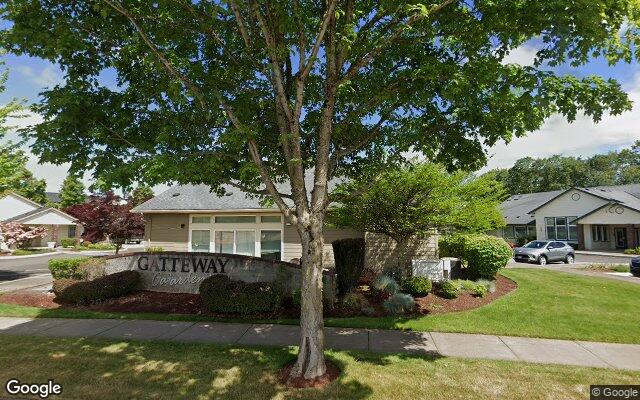
Tour Prep
Family reviews
No reviews yet — be the first to share your experience
Other memory care options nearby.
More options in neighboring cities
Licensed memory care in other cities within this county region — useful when your search radius crosses city limits.