Jennings Mccall Rcf.
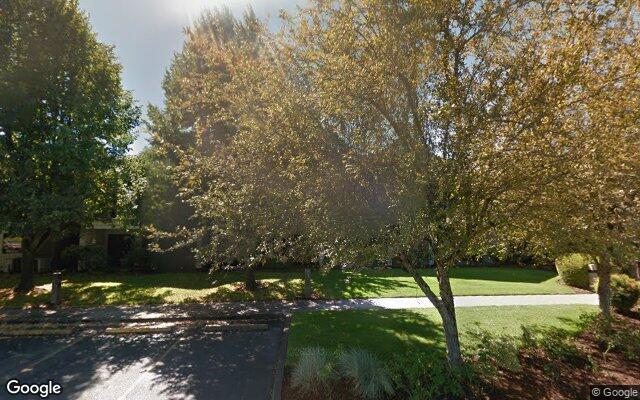
A medium home, reviewed on public record.
© Google Street View
Compared to 55 Oregon facilities with a similar number of beds.
ALF memory care · 36-month window. Higher percentile = better performance on inspection record. Source: Oregon Dept. of Human Services · Long-Term Care Licensing.
Rankings based on 36-month OR-DHS inspection data. Severity and frequency: fewer citations = higher percentile. Repeat rate: lower repeat citation share = higher percentile.
Citation history, plotted month by month.
14 deficiencies on record. Each bar is a month with a citation.
Finding distribution
14 total · 36 monthsScope × Severity (CMS A–L)
Every inspection visit, verbatim.
4 inspections in the public record, most recent first. Plain-language summaries open first — click into any row for the full citation text.
2026-09-09Annual Compliance VisitNo findings
2025-09-26Annual Compliance VisitOR-cited · 10 findings
Plain-language summary
During a re-licensure inspection in September 2025, inspectors found that the facility failed to protect one resident with dementia and behavioral health diagnoses from health and safety risks. The resident, who had a documented peanut allergy, was observed consuming or potentially consuming peanut products on multiple occasions between June and August 2025, and staff documented suspected ingestion of non-food items including a nicotine patch, hair conditioner, barrier cream, and hand soap found in unlocked bathrooms and other resident rooms. The facility acknowledged the violations and implemented corrective measures including locking up all toiletries and toxic items, daily administrative rounds to verify locked storage, and staff retraining.
Read full citation text (10)Hide full citation text
“Based on observation, interview, and record review, it was determined the facility failed to follow licensing rules for Residential Care and Assisted Living Facilities. Findings include, but are not limited to: Refer to C160, C200, C231, C362, and C420. Refer back to Citations C160, C200, C231, C362, C420 OAR 411-057-0140(2) Administration Compliance (2) The licensee of a memory care community must comply with both the licensing rules for the facility and Chapter 411, Division 57. This Rule is not met as evidenced by:”
“Based on interview and record review, it was determined the facility failed to maintain an acuity-based staffing tool (ABST) that accurately captured care time and care elements staff provided to residents for 1 of 3 sampled residents (# 1) whose ABST was reviewed and failed to develop a staffing plan for each shift that met the scheduled and unscheduled needs of all the residents. Findings include, but are not limited to: a. Resident 1 moved into the community in 05/2025 with diagnoses including vascular dementia and psychotic disturbance with anxiety, mood disturbance, and dermatitis. The resident was observed to exit seek and wander throughout the facility common areas, multiple resident rooms, and within the locked and secure courtyard. The resident’s record and current ABST evaluation were reviewed, the resident was observed, and interviews with staff were conducted. The resident's care time was not reflective in the following areas: * Personal hygiene and oral care; * Monitoring behavioral conditions and symptoms; * Leisure activities; * Cueing/redirecting due to cognitive impairment; * Treatments; * Supervising and supporting while eating; * Meal and activity reminders and escorts; * Bathing; * Bowel and bladder management; and * Grooming. b. The ABST and posted staffing plan were reviewed on 09/26/25 and the following was identified: The posted staffing plan was reflective the number of staff needed, based on the minutes determined by the ABST. However, on 09/26/25 at 9:09 am, Staff 1 (Memory Care Administrator) reported she only included scheduled needs in the individual ABST minutes and did not include time required for unscheduled needs. Therefore, the facility ABST did not accurately capture care time provided to the residents that met all residents scheduled and unscheduled needs. The need to ensure the facility ABST accurately captured care time and care elements staff provided to residents and developed a staffing plan for each shift that met the scheduled and unscheduled needs for all residents was reviewed with Staff 1, Staff 2 (Executive Director), Staff 3 (Resident Care Manager/LPN), and Witness 3 (Consultant) on 09/26/25 at 1:29 pm. They acknowledged the findings. Resident #1 ABST is updated to reflect her current needs, Audit of all residents ABST to ensure each resident ABST numbers is reflective of their care and needs. Initially all residents ABST will be reviewed and updated to reflect resident care and needs including Resident #1, then Quarterly and/or Change of Conditions will by updated to reflect their care and needs. Quarterly and/or Change of Condition Memory Care Administrator OAR 411-054-0037 (1)(b-g) Acuity Based Staffing Tool - ABST Time (1) DEVELOP AND MAINTAIN ACUITY-BASED STAFFING (b) Accurately capture care time and care elements that staff are providing to each resident as outlined in each individual service plan. Established care time must be resident specific, rather than a predetermined average. (c) Develop a staffing plan for each shift, that meets the scheduled and unscheduled needs of all residents. (d) Develop ABST reports and posted staffing plans that reflect distinct and segregated areas as outlined in OAR 411-054-0070(1). (e) If applicable, determine ABST time for residents on a Specific Needs Settings Contract and residents not on a Specific Needs Setting Contract to build posted staffing plan as outlined in this rule. (f) Develop written policies and procedures to accurately and consistently implement the ABST. The policy must explain how a facility evaluates and accounts for both scheduled and unscheduled resident needs. (g) Provide the relevant ABST information for a specific resident if requested by the Department, that specific resident, that specific resident’s legal representative, or the Long-Term Care Ombudsman. This Rule is not met as evidenced by:”
“Based on interview and record review, it was determined the facility failed to provide health care services in accordance with the licensing rules for Residential Care and Assisted Living Facilities. Findings include, but are not limited to: Refer to C260 and C303. Refer to citations C260, C303 OAR 411-057-0160(2b) Compliance with Rules Health Care (b) Health care services provided in accordance with the licensing rules of the facility. This Rule is not met as evidenced by:”
“Based on interview and record review, it was determined the facility failed to provide and document fire and life safety instruction to staff on alternate months and to conduct unannounced fire drills according to the Oregon Fire Code (OFC). Findings include, but are not limited to: On 09/22/25, fire drill and fire and life safety records for the previous six months were requested. Review of the documentation provided revealed there was no documented evidence the facility provided fire and life safety training for staff and conducted unannounced fire drills on alternate months. The need to provide fire and life safety instruction to staff and conduct unannounced fire drills on alternate months was discussed with Staff 1 (Memory Care Administrator), Staff 2 (Executive Director), and Staff 4 (Maintenance Director) on 09/26/25 at 11:06 am. They acknowledged the findings. Fire life Safety binder was updated with a check list for quick reference to ensure it was completed. Starting October Fire drill or Education will be completed. Maintenance Director will work with MC admin to ensure form is filled out completely, Admin to receive completed copy of sheet In October we had Fire and life saftey Education with all staff for our day shift Maintenance Director will complete either a fire frill, evacuation drill or education every month with rotation of each shift to assure staff are trained on what to do Maintenance Director will work with Asministrator to assure we are completing these monthly Memory Care Administrator and Maintenance Director. OAR 411-054-0090 (1-2) Fire and Life Safety: Safety (1) FIRE DRILLS. All fire drills shall be conducted according to the Oregon Fire Code (OFC). (a) Unannounced fire drills must be conducted and recorded every other month at different times of the day, evening, and night shifts. (b) Fire and life safety instruction to staff must be provided on alternate months. (c) The Fire Authority may develop an alternative fire drill plan for the facility. Any such plan must be submitted to the Department. (d) A written fire drill record must be kept to document fire drills that include: (A) Date and time of day; (B) Location of simulated fire origin; (C) The escape route used; (D) Problems encountered and comments relating to residents who resisted or failed to participate in the drills; (E) Evacuation time period needed; (F) Staff members on duty and participating; and (G) Number of occupants evacuated. (e) Alternate exit routes must be used during fire drills to react to varying potential fire origin points. (f) The evacuation capability of the residents and staff is a function of both the ability of the residents to evacuate and the assistance provided by the staff. (g) Staff must provide fire evacuation assistance to residents from the building to a designated point of safety as determined by the Fire Authority having jurisdiction. Points of safety may include, outside the building, through a horizontal exit, or other areas as determined by the Fire Authority having jurisdiction. (h) The fire alarm system shall be activated during each fire drill, unless otherwise directed by the Fire Authority having jurisdiction. (2) If the facility is unable to meet the applicable evacuation level, the facility must make an immediate effort to make changes to ensure the evacuation standard is met. Changes must include, but not be limited to: (a) Increasing staff levels, (b) Changing staff assignments, (c) Requesting change in resident rooms, and (d) Arranging for special equipment. After making necessary changes, if the facility fails to meet the applicable evacuation level, the facility must issue an involuntary move-out notice to the residents in accordance with OAR 411-054-0080. This Rule is not met as evidenced by:”
“Based on observation, interview and record review, it was determined the facility failed to ensure reasonable precautions were taken to protect residents against any condition that could threaten the health, safety, or welfare of residents for 1 of 1 sampled resident (# 1) who had a history of behaviors. Findings include, but are not limited to: Resident 1 moved into the community in 05/2025 with diagnoses including vascular dementia, psychotic disturbance with anxiety, and mood disturbance. The resident’s record was reviewed, observations of the resident were made, and interviews with staff were conducted. The resident was observed to independently ambulate without the use of an assistive device throughout the facility, pushing on exit doors, and entering and exiting other resident rooms. The following was identified: a. The resident’s service plan indicated s/he was “allergic to peanuts” and “[didn’t] realize [s/he had] this allergy and will try to take residents food off plate that contain nuts or [go] in other resident apartments and take the food items that contain nuts” and instructed staff “to be mindful on giving [him/her] items or items containing nuts” and “when [s/he] consumes nuts [for] staff to inform nursing, put on alert for consuming nuts and monitor resident closely…” The resident was noted to consume or potentially consume nuts on the following occasions: * 06/04/25 – Resident was provided a peanut butter bar for dessert; * 06/19/25 – Resident was holding a granola bar, the wrapper of which noted it “may contain nuts”; * 06/24/25 – Staff noted the resident was “itching and agitated,” and wandered around until 1:00 am; and * 08/14/25 – Staff noted the resident had taken a bite of a peanut butter cookie, which s/he had taken from another resident’s room. b. Documentation revealed Resident 1 consumed non-edible products s/he found in other resident rooms, and staff were to keep all “shampoo/conditioner” in locked cabinets. However, the following was identified: * 07/04/25 – Staff documented they thought the resident ate a nicotine patch; * 09/02/25 – Staff documented they thought it possible Resident 1 ingested conditioner, because s/he was found with a bottle of conditioner in his/her hand and conditioner on his/her mouth; and * 09/09/25 – Resident 1 was found in the kitchen, and staff “suspected” s/he had possibly ingested barrier cream and hand soap. On 09/23/25 and 09/25/25, Resident 1’s shared bathroom was observed to have unlocked products that included barrier cream, shaving cream, and sunscreen. On 09/24/25, staff reported the following: * At 12:18 pm, Staff 8 (CG) reported he was instructed to “redirect with snacks and television” and “not to take things away from [the resident] because it [made] things worse.” * At 2:55 pm, Staff 11 (MT) reported she did her “best” to keep a close eye on the resident; however, it was difficult when the resident was awake because s/he wandered throughout the facility and in and out of resident rooms, and it was difficult to keep him/her in line of sight. * At 7:40 pm, Staff 13 (CG) reported when Resident 1 wandered she would redirect him/her with “chocolate and snacks,” and staff had to “keep a close eye” on the resident because s/he had “an allergy to nuts and [took food] from other [resident] rooms.” Staff 13 noted that staff did not take things away from the resident, because it would make his/her behaviors worse. The facility failed to take reasonable precautions to protect Resident 1 against any condition that could threaten his/her health and safety. The need to ensure reasonable precautions were taken to protect residents against any condition that could threaten the health, safety, or welfare of the residents was reviewed with Staff 1 (Memory Care Administrator), Staff 2 (Executive Director), Staff 3 (Resident Care Manager/LPN), and Witness 3 (Consultant) on 09/26/25 at 1:29 pm. They acknowledged the findings. Initially an audit will be completed and will remove all creams,conditioners, shampoos and/or other toxic items. from apartments. Training all staff to lock all resident toiletries up. PCP D'Cd Nut allergy on 10/9/2025 for Resident #1 due to PCP stating, " Resident has not experienced any reactions and has outgrown nut allergy" Administrator will do daily rounds to assure apartments have all residents personal care items, and toxic items locked up in their own cabinets. Administrator will assure cabinets in dining room are locked up at all times. On the weekends Med aid will be in charge of making sure the cabinets in all apartments and dining room are locked. A daily audit will be completed to ensure that there are no toiletries and toxic items left out for possible consumption by any resident including Resident #1. Memory Care Administrator and all staff OAR 411-054-0025 (4) Reasonable Precautions (4) Reasonable precautions must be exercised against any condition that could threaten the health, safety, or welfare of residents. This Rule is not met as evidenced by:”
“Based on observation, interview, and record review, it was determined the facility failed to provide a safe and homelike environment for residents related to the behaviors of 1 of 3 sampled residents (# 1) whose records were reviewed. Findings include, but are not limited to: Resident 1 moved into the community in 05/2025 with diagnoses including vascular dementia, psychotic disturbance with anxiety, mood disturbance, and dermatitis. The resident’s record was reviewed, observations were made, and interviews were conducted. The resident was observed to wander throughout the facility common areas, multiple resident rooms, and within the locked and secure courtyard. The following repeat behaviors were noted to negatively impact other residents residing in the facility: a. Documentation revealed the resident entered other resident rooms unwelcomed which upset other residents on multiple occasions, including the following: * 08/03/25 – The resident took personal items from another resident’s room, causing the other resident to scream. An unrelated resident’s visiting family member intervened in the situation; * 08/31/25 – The resident had been entering the rooms of other residents, taking items, and upsetting other residents; and * 09/06/25 – Resident 1 entered other residents’ rooms and caused “significant distress and frustration” among other residents, as well as made loud noises and disrupted the sleep of other residents. b. Documentation revealed Resident 1 was “found” in other residents’ beds on multiple occasions, including the following: * 07/22/25 – The resident could not be located during the “midnight safety check” and was found in another resident’s room at the foot of the bed underneath the comforter; * 07/28/25 – Resident was found in another resident’s bed; * 08/01/25 – Resident laid in another resident’s bed. The other resident told care staff to check on the resident in his/her room; and * 09/08/25 – Resident was found in another resident’s bed. c. Documentation revealed Resident 1 was undressing and/or found undressed in common areas and other resident rooms on multiple occasions, including the following: * 07/30/25 – The resident was found in a common area “taking off pants”; * 08/28/25 – The resident disrobed in a common area; * 09/06/25 – The resident was walking around the community in only his/her underwear; * 09/12/25 – The resident wondered the halls shirtless.”; and * 09/13/25 – The resident was walking in the unit without a shirt and had bowel movement on his/her back. d. Documentation revealed the resident had toileting behaviors in common areas and other resident rooms on multiple occasions, including the following: * 08/28/25 – “Resident peed on the floor outside of another resident’s room and then [had a bowel movement] in their toilet…”; * 09/03/25 – The resident had a bowel movement in another residents’ shower; and * 09/16/25 – The resident pulled down his/her pants and had a bowel movement in a chair. e. Documentation revealed the resident would “threaten” other residents using objects found in the facility and attempted to take other residents’ ambulatory devices on multiple occasions, including the following: * 07/30/25 – Resident 1 “took hydration station and threatened combative action against another [resident] using it”; * 08/29/25 – Resident 1 tried to take another resident’s walker while they were ambulating in a common area; * 08/30/25 – Resident 1 attempted to run over another resident with the sit-to-stand; * 09/03/25 – Resident 1 was upsetting other residents by trying to push them in their wheelchairs; and * 09/09/25 – Resident 1 threw a pillow into another resident’s face. f. Staff documented the resident pulled the fire alarm, which upset multiple other residents, on the following occasions: * 07/24/25 – The resident pulled the emergency fire alarm; * 08/23/25 – The resident pulled the emergency fire alarm; and * 09/01/25 – Resident 1 pulled the fire alarm and other residents were getting “agitated.” On 09/23/25 at 12:31 pm, a surveyor observed Resident 1 partially remove his/her pants in the dining room with seven other residents present. Another resident yelled to staff about what was happening, and staff responded, escorting Resident 1 out of the dining room. On 09/24/25 at 7:35 pm, a surveyor observed Resident 1 entering Resident 4’s room. Resident 4 came out of his/her room visibly upset and stated s/he would “call the police” if it happened again, and at 7:40 pm, a surveyor observed Resident 1 walking into an unsampled residents’ room. The unsampled resident was visibly upset and yelled out, “I’m trying to get some sleep, I’m frustrated!” Staff 13 told the unsampled resident she would lock his/her door. The resident’s ongoing behaviors, as noted above, impacted the ability of multiple unsampled residents to live in a safe and homelike environment. The need to ensure residents had a safe and homelike environment, free from the negative behavior of other residents, was reviewed with Staff 1 (Memory Care Administrator), Staff 2 (Executive Director), Staff 3 (Resident Care Manager/LPN), and Witness 3 (Consultant) on 09/26/25 at 1:29 pm. They acknowledged the findings. 1:1 with resident #1 during high peak times for behaviors until behaviors are managed, to hopefully reduce the impact of other residents. Will conitnue having weekly family meetings with PCP until behaviors are managed. Adjusting medications as needed for behaviors. Memory Care Administrator reached out to behavioral support through Altoris for extra support for Resident #1. Memory Care Administrator and Licensed Nurse working with PCP and family weekly and adjusting medications as needed and interventions accourdingly Memory Care Administrator, Executive Director and Licensed Nurse will have weekly meetings with PCP to adjust medications accordingly, behavior monitoring daily on every shift. Memory care Administrator and Licensed Nurse are responsible OAR 411-054-0027 (1) Resident Rights and Protection - General (1) GENERAL RIGHTS. The facility must implement a residents' Bill of Rights. Each resident and the resident's designated representative, if appropriate, must be given a copy of the resident's rights and responsibilities before moving into the facility. The Bill of Rights must state that residents have the right: (a) To be treated with dignity and respect. (b) To be given informed choice and opportunity to select or refuse service and to accept responsibility for the consequences. (c) To be given informed consent before any nontherapeutic examination, observation or treatment is provided. (d) To participate in the development of their initial service plan and any revisions or updates at the time those changes are made. (e) To receive information about the method for evaluating their service needs and assessing costs for the services provided. (f) To exercise individual rights that do not infringe upon the rights or safety of others. (g) To be free from neglect, financial exploitation, verbal, mental, physical, or sexual abuse. (h) To receive services in a manner that protects privacy and dignity. (i) To have prompt access to review all of their records and to purchase photocopies. Photocopied records must be promptly provided, but in no case require more than two business days (excluding Saturday, Sunday, and holidays). (j) To have medical and other records kept confidential except as otherwise provided by law. (k) To associate and communicate privately with any individual of choice, to send and receive personal mail unopened, and to have reasonable access to the private use of a telephone. (l) To be free from physical restraints and inappropriate use of psychoactive medications. (m) To manage personal financial affairs unless legally restricted. (n) To have access to, and participate in, social activities. (o) To be encouraged and assisted to exercise rights as a citizen. (p) To be”
“Based on observation, interview, and record review, it was determined the facility failed to immediately report all incidents of abuse or suspected abuse to the local Seniors and People with Disabilities (SPD) office, to promptly investigate reports of abuse or suspected abuse, and to take measures necessary to protect residents and prevent the reoccurrence of abuse of any incident of abuse or suspected abuse, including events overheard or witnessed by observation, for 1 of 1 sampled resident (#1) who had a history of physical and verbal behaviors toward other residents. This placed residents at risk and constituted an immediate threat to the residents' physical and emotional health and safety. Findings include, but are not limited to: Resident 1 moved into the community in 05/2025 with diagnoses including vascular dementia, psychotic disturbance with anxiety, and mood disturbance. During the survey, from 09/22/25 through 09/26/25, the resident was observed to wander throughout the facility common areas, enter and exit multiple resident rooms, and push on exit doors. The resident’s record was reviewed, observations of the resident were made, and interviews with staff were conducted. The following was identified: There was no documented evidence the following incidents were immediately reported to the local SPD office or that the facility had promptly investigated the incidents in order to rule out abuse or suspected abuse, or taken measures necessary to protect residents and prevent the reoccurrence of abuse: * 07/01/25 – Resident-to-resident altercation: Resident 1 was the recipient and had made recent comments about not liking the aggressing resident, as well as avoiding being around the other resident; * 07/15/25 – Resident-to-resident altercation: Staff documented witnessing “punches and slaps” between Resident 1 and another resident; * 07/28/25 – Staff documented Resident 1 “seemingly” tossed candy, which hit the back of another resident; * 08/10/25 – Staff documented the resident slapped another resident’s forearm and verbally threatened him/her; * 08/22/25 – Staff documented the resident grabbed the handle of another resident’s room door and played “tug-of-war” with the other resident; * 08/29/25 – The resident walked by another resident who was using his/her walker and tried to take it away from him/her; * 08/29/25 – The resident rammed his/her walker against another resident’s legs and slapped the other resident’s hand. The other resident slapped Resident 1’s upper back; * 08/31/25 – Staff documented Resident 1 had been “shopping” other residents’ belongings, which had caused arguments that sometimes turned physical or verbal; * 09/01/25 – Staff documented the resident was getting mad at residents and one resident kicked at Resident 1, then hit his/her back; * 09/04/25 – Staff documented an altercation between Resident 1 and another resident, where they struck each other; * 09/08/25 – Staff documented Resident 1 had been trying to push other residents around; * 09/09/25 – Resident 1 threw a pillow into another resident’s face; * 09/09/25 – Staff documented Resident 1’s “escalating aggressive behavior” toward other residents, noting s/he was observed engaging in physical and verbal aggression, including hitting, slapping, punching, yelling, and documenting that several residents were “physically assaulted during the incident”; * 09/10/25 – Staff documented Resident 1 displaying “significant behavioral issues,” including flipping furniture and pushing it into other residents and caregivers, entering other residents’ rooms, and becoming physically aggressive when re-directed; * 09/10/25 – Resident 1 “physically assaulted” another resident; * 09/11/25 – Staff documented the resident exhibited physical and verbal aggression, including throwing decorations and using them as “potential weapons” and physically assaulting another resident; * 09/11/25 – Staff documented Resident 1 “displayed ongoing combative and aggressive behavior” including incidents of “ramming chairs” into others, “charging individuals” while verbally making threats to “hit or punch”, and “grabbing another resident”, which resulted in a skin injury; * 09/16/25 – Staff documented the resident had been hitting other residents all shift; * 09/17/25 – Staff documented the resident walked up to another resident and threw a blanket at him/her, then hit another resident; * 09/18/25 – Staff documented that Resident 1 made a fist and hit another resident twice on the arm; and * 09/20/25 – Staff documented the resident was hitting another resident in the hand with a set of keys. On 09/04/25, Staff 6 (MT) wrote a progress note indicating “Staff are concerned that [Resident 1] has the potential to cause injury to [his/her] peers as [s/he] is ambulatory while many residents here are [wheelchair] bound.” On 09/24/25, at 11:38 am, Staff 1 (Memory Care Administrator) confirmed there was no documented evidence that the incidents noted above were investigated and/or reported. She reported she was unaware of the altercations. On 09/24/25 at 2:55 pm, Staff 11 (MT) reported when the resident had behaviors staff were to offer a peppermint chocolate or Pepsi. Staff 11 stated if Resident 1 was not redirectable with peppermint chocolate or Pepsi, staff were instructed to reapproach him/her later. On 09/24/25 at 8:03 pm, Witness 1 (Family of Unsampled Resident) reported that other residents were afraid of Resident 1, and stated they had previously discussed concerns regarding Resident 1’s behavior with Staff 1. The facility failed to immediately notify the local SPD office and promptly investigate all reports of abuse and suspected abuse, including events overheard or witnessed by observation, and failed to take measures necessary to protect residents and prevent the reoccurrence of abuse. The survey team requested the facility report the resident-to-resident altercations to the local SPD office. Documentation that the incidents were reported was provided on 09/25/25 at 2:10 pm. An immediate plan of correction was requested on 09/25/25 at 10:02 am. The facility provided a plan of correction on 09/25/25 at 1:26 pm, prior to survey exit. The immediate risk was addressed; however, the facility will need to evaluate the overall system(s) failure(s) associated with the licensing violation. The need to ensure the facility immediately notified the local SPD office of any incident of abuse or suspected abuse, including events overheard or witnessed by observation, promptly investigated all reports of abuse and suspected abuse, and took measures necessary to protect residents and prevent the reoccurrence of abuse was reviewed with Staff 1, Staff 2 (Executive Director), Staff 3 (Resident Care Manager/LPN), and Witness 3 (Consultant) on 09/26/25 at 1:29 pm. They acknowledged the findings. While surveyors were on premisses Administrator and Licensed Nurse reported and investigated chart notes from 8/31-9/20. Administrator and LN investigated the following 7/1, 7/15, 7/28, 8/10, 8/22, 8/29, 8/29 from survey report on Resident #1 and addressed them accordingly. Administrator and LN are utilizing a tool called the 24 hr report to follow up on residents behaviors and alerts. LN is monitoring Resident #1 progress notes daily for any follow up. LN or Registered Nurse will train the med aides to document in charts of exact details. Inservice/training what to report and who to report for incidents if they occur. Resident #1 daily and other residents routinely as they need by LN and Administrator Administrator and LN/RN are responsible OAR 411-054-0028 (1-3) Reporting & Investigating Abuse-Other Action (Amended 12/15/21)(1) The facility must have policies and procedures in place to assure the prevention and appropriate response to any incident. In the case of incidents of abuse, suspected abuse, or injury of unknown cause, policies and procedures must follow the requirements outlined below. In the”
“Based on the resident evaluation performed before move-in, an initial service plan must be developed before move-in that reflects the identified needs and preferences of the resident. (b) The initial service plan must be reviewed within 30-days of movein to ensure that any changes made to the plan during the initial 30- days, accurately reflect the resident's needs and preferences. (c) Staff must document and date adjustments or changes as applicable. (4) QUARTERLY SERVICE PLAN REQUIREMENTS. (a) Service plans must be completed quarterly after the resident moves into the facility. (b) The quarterly evaluation is the basis of the resident's quarterly service plan. (c) If the resident's service plan is revised and updated at the quarterly review, changes must be dated and initialed, and prior historical information must be maintained. This Rule is not met as evidenced by: Based on observation, interview, and record review, it was determined the facility failed to ensure service plans were reflective of residents' current care needs and preferences and provided clear direction regarding the delivery of services for 1 of 3 sampled residents (# 1) whose service plans were reviewed. Findings include, but are not limited to:”
“Based on interview and record review, it was determined the facility failed to ensure medication and treatment orders were carried out as prescribed for 1 of 3 sampled residents (# 1) whose orders were reviewed. Findings include, but are not limited to:”
“based on their activity evaluation. The plan must reflect the resident ' s activity preferences and needs. (C) A selection of daily structured and non-structured activities must be provided and included on the resident ' s activity service or care plan as appropriate. Daily activity options based on resident evaluation may include but are not limited to: (i) Occupation or chore related tasks; (ii) Scheduled and planned events (e.g. entertainment, outings); (iii) Spontaneous activities for enjoyment or those that may help diffuse a behavior; (iv) One to one activities that encourage positive relationships between residents and staff (e.g. life story, reminiscing, music); (v) Spiritual, creative, and intellectual activities; (vi) Sensory stimulation activities; (vii) Physical activities that enhance or maintain a resident ' s ability to ambulate or move; and (viii) Outdoor activities. This Rule is not met as evidenced by: Based on interview and record review, it was determined the facility failed to ensure all required elements were addressed in resident activity evaluations and failed to ensure individualized activity plans which were person centered, meaningful, and promoted or helped maintain the resident’s physical and emotional well-being were developed for each resident, based on their activity evaluation, for 1 of 3 sampled residents (# 1) whose activity evaluations were reviewed. Findings include, but are not limited to: Resident 1 moved into the community in 05/2025 with diagnoses including vascular dementia, psychotic disturbance with anxiety, and mood disturbance. The resident was observed to exit seek and wonder throughout the facility, multiple resident rooms, and within the locked and secure courtyard. The resident’s record was reviewed and interviews with staff were conducted. The documented activity evaluation did not address the following required elements: * Emotional and social needs and patterns; * Physical abilities and limitations; * Adaptations necessary for the resident to participate; and * Identification of activities for behavioral interventions. Additionally, there was no specific activity plan which detailed what, when, how, and how often staff should offer, and assist the resident with, individualized activities during his/her waking hours. The need to ensure residents were evaluated and had an individualized activity plan developed was reviewed with Staff 1 (Memory Care Administrator), Staff 2 (Executive Director), Staff 3 (Resident Care Manager/LPN), and Witness 3 (Consultant) on 09/26/25 at 1:29 pm. They acknowledged the findings. Initially Resident #1 individualized activity plan was reviewed and updated. Audit of all residents individualized activity plan was reviewed and updated, every Quarter and/or Change of Condition the individualized activity plan will be updated by Life Enrichment Coordinator. Every Quarter and/or Change of Condition the activity plan will be reviewed and updated. Inservice with Life Enrichment Coordinator to assure that the service plans meet person centered, meaningful, promote or helped maintain the residents physical and emotional well being, and other requirements that the facility must have in care plan. Every Quarter and/or Change of Condition Memory Care Administrator and Life Enrichment Coordinator. OAR 411-057-0160(2d) Activities (d) Meaningful activities that promote or help sustain the physical and emotional well-being of residents. The activities must be person centered and available during residents ' waking hours. (A) Each resident must be evaluated for activities according to the licensing rules of the facility. In addition, the evaluation must address the following: (i) Past and current interests; (ii) Current abilities and skills; (iii) Emotional and social needs and patterns; (iv) Physical abilities and limitations; (v) Adaptations necessary for the resident to participate; and (vi) Identification of activities for behavioral interventions. (B) An individualized activity plan must be developed for each resident based on their activity evaluation. The plan must reflect the resident ' s activity preferences and needs. (C) A selection of daily structured and non-structured activities must be provided and included on the resident ' s activity service or care plan as appropriate. Daily activity options based on resident evaluation may include but are not limited to: (i) Occupation or chore related tasks; (ii) Scheduled and planned events (e.g. entertainment, outings); (iii) Spontaneous activities for enjoyment or those that may help diffuse a behavior; (iv) One to one activities that encourage positive relationships between residents and staff (e.g. life story, reminiscing, music); (v) Spiritual, creative, and intellectual activities; (vi) Sensory stimulation activities; (vii) Physical activities that enhance or maintain a resident ' s ability to ambulate or move; and (viii) Outdoor activities. This Rule is not met as evidenced by:”
Read raw inspector notesClose inspector notes
Based on observation, interview and record review, it was determined the facility failed to ensure reasonable precautions were taken to protect residents against any condition that could threaten the health, safety, or welfare of residents for 1 of 1 sampled resident (# 1) who had a history of behaviors. Findings include, but are not limited to: Resident 1 moved into the community in 05/2025 with diagnoses including vascular dementia, psychotic disturbance with anxiety, and mood disturbance. The resident’s record was reviewed, observations of the resident were made, and interviews with staff were conducted. The resident was observed to independently ambulate without the use of an assistive device throughout the facility, pushing on exit doors, and entering and exiting other resident rooms. The following was identified: a. The resident’s service plan indicated s/he was “allergic to peanuts” and “[didn’t] realize [s/he had] this allergy and will try to take residents food off plate that contain nuts or [go] in other resident apartments and take the food items that contain nuts” and instructed staff “to be mindful on giving [him/her] items or items containing nuts” and “when [s/he] consumes nuts [for] staff to inform nursing, put on alert for consuming nuts and monitor resident closely…” The resident was noted to consume or potentially consume nuts on the following occasions: * 06/04/25 – Resident was provided a peanut butter bar for dessert; * 06/19/25 – Resident was holding a granola bar, the wrapper of which noted it “may contain nuts”; * 06/24/25 – Staff noted the resident was “itching and agitated,” and wandered around until 1:00 am; and * 08/14/25 – Staff noted the resident had taken a bite of a peanut butter cookie, which s/he had taken from another resident’s room. b. Documentation revealed Resident 1 consumed non-edible products s/he found in other resident rooms, and staff were to keep all “shampoo/conditioner” in locked cabinets. However, the following was identified: * 07/04/25 – Staff documented they thought the resident ate a nicotine patch; * 09/02/25 – Staff documented they thought it possible Resident 1 ingested conditioner, because s/he was found with a bottle of conditioner in his/her hand and conditioner on his/her mouth; and * 09/09/25 – Resident 1 was found in the kitchen, and staff “suspected” s/he had possibly ingested barrier cream and hand soap. On 09/23/25 and 09/25/25, Resident 1’s shared bathroom was observed to have unlocked products that included barrier cream, shaving cream, and sunscreen. On 09/24/25, staff reported the following: * At 12:18 pm, Staff 8 (CG) reported he was instructed to “redirect with snacks and television” and “not to take things away from [the resident] because it [made] things worse.” * At 2:55 pm, Staff 11 (MT) reported she did her “best” to keep a close eye on the resident; however, it was difficult when the resident was awake because s/he wandered throughout the facility and in and out of resident rooms, and it was difficult to keep him/her in line of sight. * At 7:40 pm, Staff 13 (CG) reported when Resident 1 wandered she would redirect him/her with “chocolate and snacks,” and staff had to “keep a close eye” on the resident because s/he had “an allergy to nuts and [took food] from other [resident] rooms.” Staff 13 noted that staff did not take things away from the resident, because it would make his/her behaviors worse. The facility failed to take reasonable precautions to protect Resident 1 against any condition that could threaten his/her health and safety. The need to ensure reasonable precautions were taken to protect residents against any condition that could threaten the health, safety, or welfare of the residents was reviewed with Staff 1 (Memory Care Administrator), Staff 2 (Executive Director), Staff 3 (Resident Care Manager/LPN), and Witness 3 (Consultant) on 09/26/25 at 1:29 pm. They acknowledged the findings. Initially an audit will be completed and will remove all creams,conditioners, shampoos and/or other toxic items. from apartments. Training all staff to lock all resident toiletries up. PCP D'Cd Nut allergy on 10/9/2025 for Resident #1 due to PCP stating, " Resident has not experienced any reactions and has outgrown nut allergy" Administrator will do daily rounds to assure apartments have all residents personal care items, and toxic items locked up in their own cabinets. Administrator will assure cabinets in dining room are locked up at all times. On the weekends Med aid will be in charge of making sure the cabinets in all apartments and dining room are locked. A daily audit will be completed to ensure that there are no toiletries and toxic items left out for possible consumption by any resident including Resident #1. Memory Care Administrator and all staff OAR 411-054-0025 (4) Reasonable Precautions (4) Reasonable precautions must be exercised against any condition that could threaten the health, safety, or welfare of residents. This Rule is not met as evidenced by: Based on observation, interview, and record review, it was determined the facility failed to provide a safe and homelike environment for residents related to the behaviors of 1 of 3 sampled residents (# 1) whose records were reviewed. Findings include, but are not limited to: Resident 1 moved into the community in 05/2025 with diagnoses including vascular dementia, psychotic disturbance with anxiety, mood disturbance, and dermatitis. The resident’s record was reviewed, observations were made, and interviews were conducted. The resident was observed to wander throughout the facility common areas, multiple resident rooms, and within the locked and secure courtyard. The following repeat behaviors were noted to negatively impact other residents residing in the facility: a. Documentation revealed the resident entered other resident rooms unwelcomed which upset other residents on multiple occasions, including the following: * 08/03/25 – The resident took personal items from another resident’s room, causing the other resident to scream. An unrelated resident’s visiting family member intervened in the situation; * 08/31/25 – The resident had been entering the rooms of other residents, taking items, and upsetting other residents; and * 09/06/25 – Resident 1 entered other residents’ rooms and caused “significant distress and frustration” among other residents, as well as made loud noises and disrupted the sleep of other residents. b. Documentation revealed Resident 1 was “found” in other residents’ beds on multiple occasions, including the following: * 07/22/25 – The resident could not be located during the “midnight safety check” and was found in another resident’s room at the foot of the bed underneath the comforter; * 07/28/25 – Resident was found in another resident’s bed; * 08/01/25 – Resident laid in another resident’s bed. The other resident told care staff to check on the resident in his/her room; and * 09/08/25 – Resident was found in another resident’s bed. c. Documentation revealed Resident 1 was undressing and/or found undressed in common areas and other resident rooms on multiple occasions, including the following: * 07/30/25 – The resident was found in a common area “taking off pants”; * 08/28/25 – The resident disrobed in a common area; * 09/06/25 – The resident was walking around the community in only his/her underwear; * 09/12/25 – The resident wondered the halls shirtless.”; and * 09/13/25 – The resident was walking in the unit without a shirt and had bowel movement on his/her back. d. Documentation revealed the resident had toileting behaviors in common areas and other resident rooms on multiple occasions, including the following: * 08/28/25 – “Resident peed on the floor outside of another resident’s room and then [had a bowel movement] in their toilet…”; * 09/03/25 – The resident had a bowel movement in another residents’ shower; and * 09/16/25 – The resident pulled down his/her pants and had a bowel movement in a chair. e. Documentation revealed the resident would “threaten” other residents using objects found in the facility and attempted to take other residents’ ambulatory devices on multiple occasions, including the following: * 07/30/25 – Resident 1 “took hydration station and threatened combative action against another [resident] using it”; * 08/29/25 – Resident 1 tried to take another resident’s walker while they were ambulating in a common area; * 08/30/25 – Resident 1 attempted to run over another resident with the sit-to-stand; * 09/03/25 – Resident 1 was upsetting other residents by trying to push them in their wheelchairs; and * 09/09/25 – Resident 1 threw a pillow into another resident’s face. f. Staff documented the resident pulled the fire alarm, which upset multiple other residents, on the following occasions: * 07/24/25 – The resident pulled the emergency fire alarm; * 08/23/25 – The resident pulled the emergency fire alarm; and * 09/01/25 – Resident 1 pulled the fire alarm and other residents were getting “agitated.” On 09/23/25 at 12:31 pm, a surveyor observed Resident 1 partially remove his/her pants in the dining room with seven other residents present. Another resident yelled to staff about what was happening, and staff responded, escorting Resident 1 out of the dining room. On 09/24/25 at 7:35 pm, a surveyor observed Resident 1 entering Resident 4’s room. Resident 4 came out of his/her room visibly upset and stated s/he would “call the police” if it happened again, and at 7:40 pm, a surveyor observed Resident 1 walking into an unsampled residents’ room. The unsampled resident was visibly upset and yelled out, “I’m trying to get some sleep, I’m frustrated!” Staff 13 told the unsampled resident she would lock his/her door. The resident’s ongoing behaviors, as noted above, impacted the ability of multiple unsampled residents to live in a safe and homelike environment. The need to ensure residents had a safe and homelike environment, free from the negative behavior of other residents, was reviewed with Staff 1 (Memory Care Administrator), Staff 2 (Executive Director), Staff 3 (Resident Care Manager/LPN), and Witness 3 (Consultant) on 09/26/25 at 1:29 pm. They acknowledged the findings. 1:1 with resident #1 during high peak times for behaviors until behaviors are managed, to hopefully reduce the impact of other residents. Will conitnue having weekly family meetings with PCP until behaviors are managed. Adjusting medications as needed for behaviors. Memory Care Administrator reached out to behavioral support through Altoris for extra support for Resident #1. Memory Care Administrator and Licensed Nurse working with PCP and family weekly and adjusting medications as needed and interventions accourdingly Memory Care Administrator, Executive Director and Licensed Nurse will have weekly meetings with PCP to adjust medications accordingly, behavior monitoring daily on every shift. Memory care Administrator and Licensed Nurse are responsible OAR 411-054-0027 (1) Resident Rights and Protection - General (1) GENERAL RIGHTS. The facility must implement a residents' Bill of Rights. Each resident and the resident's designated representative, if appropriate, must be given a copy of the resident's rights and responsibilities before moving into the facility. The Bill of Rights must state that residents have the right: (a) To be treated with dignity and respect. (b) To be given informed choice and opportunity to select or refuse service and to accept responsibility for the consequences. (c) To be given informed consent before any nontherapeutic examination, observation or treatment is provided. (d) To participate in the development of their initial service plan and any revisions or updates at the time those changes are made. (e) To receive information about the method for evaluating their service needs and assessing costs for the services provided. (f) To exercise individual rights that do not infringe upon the rights or safety of others. (g) To be free from neglect, financial exploitation, verbal, mental, physical, or sexual abuse. (h) To receive services in a manner that protects privacy and dignity. (i) To have prompt access to review all of their records and to purchase photocopies. Photocopied records must be promptly provided, but in no case require more than two business days (excluding Saturday, Sunday, and holidays). (j) To have medical and other records kept confidential except as otherwise provided by law. (k) To associate and communicate privately with any individual of choice, to send and receive personal mail unopened, and to have reasonable access to the private use of a telephone. (l) To be free from physical restraints and inappropriate use of psychoactive medications. (m) To manage personal financial affairs unless legally restricted. (n) To have access to, and participate in, social activities. (o) To be encouraged and assisted to exercise rights as a citizen. (p) To be Based on observation, interview, and record review, it was determined the facility failed to immediately report all incidents of abuse or suspected abuse to the local Seniors and People with Disabilities (SPD) office, to promptly investigate reports of abuse or suspected abuse, and to take measures necessary to protect residents and prevent the reoccurrence of abuse of any incident of abuse or suspected abuse, including events overheard or witnessed by observation, for 1 of 1 sampled resident (#1) who had a history of physical and verbal behaviors toward other residents. This placed residents at risk and constituted an immediate threat to the residents' physical and emotional health and safety. Findings include, but are not limited to: Resident 1 moved into the community in 05/2025 with diagnoses including vascular dementia, psychotic disturbance with anxiety, and mood disturbance. During the survey, from 09/22/25 through 09/26/25, the resident was observed to wander throughout the facility common areas, enter and exit multiple resident rooms, and push on exit doors. The resident’s record was reviewed, observations of the resident were made, and interviews with staff were conducted. The following was identified: There was no documented evidence the following incidents were immediately reported to the local SPD office or that the facility had promptly investigated the incidents in order to rule out abuse or suspected abuse, or taken measures necessary to protect residents and prevent the reoccurrence of abuse: * 07/01/25 – Resident-to-resident altercation: Resident 1 was the recipient and had made recent comments about not liking the aggressing resident, as well as avoiding being around the other resident; * 07/15/25 – Resident-to-resident altercation: Staff documented witnessing “punches and slaps” between Resident 1 and another resident; * 07/28/25 – Staff documented Resident 1 “seemingly” tossed candy, which hit the back of another resident; * 08/10/25 – Staff documented the resident slapped another resident’s forearm and verbally threatened him/her; * 08/22/25 – Staff documented the resident grabbed the handle of another resident’s room door and played “tug-of-war” with the other resident; * 08/29/25 – The resident walked by another resident who was using his/her walker and tried to take it away from him/her; * 08/29/25 – The resident rammed his/her walker against another resident’s legs and slapped the other resident’s hand. The other resident slapped Resident 1’s upper back; * 08/31/25 – Staff documented Resident 1 had been “shopping” other residents’ belongings, which had caused arguments that sometimes turned physical or verbal; * 09/01/25 – Staff documented the resident was getting mad at residents and one resident kicked at Resident 1, then hit his/her back; * 09/04/25 – Staff documented an altercation between Resident 1 and another resident, where they struck each other; * 09/08/25 – Staff documented Resident 1 had been trying to push other residents around; * 09/09/25 – Resident 1 threw a pillow into another resident’s face; * 09/09/25 – Staff documented Resident 1’s “escalating aggressive behavior” toward other residents, noting s/he was observed engaging in physical and verbal aggression, including hitting, slapping, punching, yelling, and documenting that several residents were “physically assaulted during the incident”; * 09/10/25 – Staff documented Resident 1 displaying “significant behavioral issues,” including flipping furniture and pushing it into other residents and caregivers, entering other residents’ rooms, and becoming physically aggressive when re-directed; * 09/10/25 – Resident 1 “physically assaulted” another resident; * 09/11/25 – Staff documented the resident exhibited physical and verbal aggression, including throwing decorations and using them as “potential weapons” and physically assaulting another resident; * 09/11/25 – Staff documented Resident 1 “displayed ongoing combative and aggressive behavior” including incidents of “ramming chairs” into others, “charging individuals” while verbally making threats to “hit or punch”, and “grabbing another resident”, which resulted in a skin injury; * 09/16/25 – Staff documented the resident had been hitting other residents all shift; * 09/17/25 – Staff documented the resident walked up to another resident and threw a blanket at him/her, then hit another resident; * 09/18/25 – Staff documented that Resident 1 made a fist and hit another resident twice on the arm; and * 09/20/25 – Staff documented the resident was hitting another resident in the hand with a set of keys. On 09/04/25, Staff 6 (MT) wrote a progress note indicating “Staff are concerned that [Resident 1] has the potential to cause injury to [his/her] peers as [s/he] is ambulatory while many residents here are [wheelchair] bound.” On 09/24/25, at 11:38 am, Staff 1 (Memory Care Administrator) confirmed there was no documented evidence that the incidents noted above were investigated and/or reported. She reported she was unaware of the altercations. On 09/24/25 at 2:55 pm, Staff 11 (MT) reported when the resident had behaviors staff were to offer a peppermint chocolate or Pepsi. Staff 11 stated if Resident 1 was not redirectable with peppermint chocolate or Pepsi, staff were instructed to reapproach him/her later. On 09/24/25 at 8:03 pm, Witness 1 (Family of Unsampled Resident) reported that other residents were afraid of Resident 1, and stated they had previously discussed concerns regarding Resident 1’s behavior with Staff 1. The facility failed to immediately notify the local SPD office and promptly investigate all reports of abuse and suspected abuse, including events overheard or witnessed by observation, and failed to take measures necessary to protect residents and prevent the reoccurrence of abuse. The survey team requested the facility report the resident-to-resident altercations to the local SPD office. Documentation that the incidents were reported was provided on 09/25/25 at 2:10 pm. An immediate plan of correction was requested on 09/25/25 at 10:02 am. The facility provided a plan of correction on 09/25/25 at 1:26 pm, prior to survey exit. The immediate risk was addressed; however, the facility will need to evaluate the overall system(s) failure(s) associated with the licensing violation. The need to ensure the facility immediately notified the local SPD office of any incident of abuse or suspected abuse, including events overheard or witnessed by observation, promptly investigated all reports of abuse and suspected abuse, and took measures necessary to protect residents and prevent the reoccurrence of abuse was reviewed with Staff 1, Staff 2 (Executive Director), Staff 3 (Resident Care Manager/LPN), and Witness 3 (Consultant) on 09/26/25 at 1:29 pm. They acknowledged the findings. While surveyors were on premisses Administrator and Licensed Nurse reported and investigated chart notes from 8/31-9/20. Administrator and LN investigated the following 7/1, 7/15, 7/28, 8/10, 8/22, 8/29, 8/29 from survey report on Resident #1 and addressed them accordingly. Administrator and LN are utilizing a tool called the 24 hr report to follow up on residents behaviors and alerts. LN is monitoring Resident #1 progress notes daily for any follow up. LN or Registered Nurse will train the med aides to document in charts of exact details. Inservice/training what to report and who to report for incidents if they occur. Resident #1 daily and other residents routinely as they need by LN and Administrator Administrator and LN/RN are responsible OAR 411-054-0028 (1-3) Reporting & Investigating Abuse-Other Action (Amended 12/15/21)(1) The facility must have policies and procedures in place to assure the prevention and appropriate response to any incident. In the case of incidents of abuse, suspected abuse, or injury of unknown cause, policies and procedures must follow the requirements outlined below. In the Based on the resident evaluation performed before move-in, an initial service plan must be developed before move-in that reflects the identified needs and preferences of the resident. (b) The initial service plan must be reviewed within 30-days of movein to ensure that any changes made to the plan during the initial 30- days, accurately reflect the resident's needs and preferences. (c) Staff must document and date adjustments or changes as applicable. (4) QUARTERLY SERVICE PLAN REQUIREMENTS. (a) Service plans must be completed quarterly after the resident moves into the facility. (b) The quarterly evaluation is the basis of the resident's quarterly service plan. (c) If the resident's service plan is revised and updated at the quarterly review, changes must be dated and initialed, and prior historical information must be maintained. This Rule is not met as evidenced by: Based on observation, interview, and record review, it was determined the facility failed to ensure service plans were reflective of residents' current care needs and preferences and provided clear direction regarding the delivery of services for 1 of 3 sampled residents (# 1) whose service plans were reviewed. Findings include, but are not limited to: Based on interview and record review, it was determined the facility failed to ensure medication and treatment orders were carried out as prescribed for 1 of 3 sampled residents (# 1) whose orders were reviewed. Findings include, but are not limited to: Based on interview and record review, it was determined the facility failed to maintain an acuity-based staffing tool (ABST) that accurately captured care time and care elements staff provided to residents for 1 of 3 sampled residents (# 1) whose ABST was reviewed and failed to develop a staffing plan for each shift that met the scheduled and unscheduled needs of all the residents. Findings include, but are not limited to: a. Resident 1 moved into the community in 05/2025 with diagnoses including vascular dementia and psychotic disturbance with anxiety, mood disturbance, and dermatitis. The resident was observed to exit seek and wander throughout the facility common areas, multiple resident rooms, and within the locked and secure courtyard. The resident’s record and current ABST evaluation were reviewed, the resident was observed, and interviews with staff were conducted. The resident's care time was not reflective in the following areas: * Personal hygiene and oral care; * Monitoring behavioral conditions and symptoms; * Leisure activities; * Cueing/redirecting due to cognitive impairment; * Treatments; * Supervising and supporting while eating; * Meal and activity reminders and escorts; * Bathing; * Bowel and bladder management; and * Grooming. b. The ABST and posted staffing plan were reviewed on 09/26/25 and the following was identified: The posted staffing plan was reflective the number of staff needed, based on the minutes determined by the ABST. However, on 09/26/25 at 9:09 am, Staff 1 (Memory Care Administrator) reported she only included scheduled needs in the individual ABST minutes and did not include time required for unscheduled needs. Therefore, the facility ABST did not accurately capture care time provided to the residents that met all residents scheduled and unscheduled needs. The need to ensure the facility ABST accurately captured care time and care elements staff provided to residents and developed a staffing plan for each shift that met the scheduled and unscheduled needs for all residents was reviewed with Staff 1, Staff 2 (Executive Director), Staff 3 (Resident Care Manager/LPN), and Witness 3 (Consultant) on 09/26/25 at 1:29 pm. They acknowledged the findings. Resident #1 ABST is updated to reflect her current needs, Audit of all residents ABST to ensure each resident ABST numbers is reflective of their care and needs. Initially all residents ABST will be reviewed and updated to reflect resident care and needs including Resident #1, then Quarterly and/or Change of Conditions will by updated to reflect their care and needs. Quarterly and/or Change of Condition Memory Care Administrator OAR 411-054-0037 (1)(b-g) Acuity Based Staffing Tool - ABST Time (1) DEVELOP AND MAINTAIN ACUITY-BASED STAFFING (b) Accurately capture care time and care elements that staff are providing to each resident as outlined in each individual service plan. Established care time must be resident specific, rather than a predetermined average. (c) Develop a staffing plan for each shift, that meets the scheduled and unscheduled needs of all residents. (d) Develop ABST reports and posted staffing plans that reflect distinct and segregated areas as outlined in OAR 411-054-0070(1). (e) If applicable, determine ABST time for residents on a Specific Needs Settings Contract and residents not on a Specific Needs Setting Contract to build posted staffing plan as outlined in this rule. (f) Develop written policies and procedures to accurately and consistently implement the ABST. The policy must explain how a facility evaluates and accounts for both scheduled and unscheduled resident needs. (g) Provide the relevant ABST information for a specific resident if requested by the Department, that specific resident, that specific resident’s legal representative, or the Long-Term Care Ombudsman. This Rule is not met as evidenced by: Based on interview and record review, it was determined the facility failed to provide and document fire and life safety instruction to staff on alternate months and to conduct unannounced fire drills according to the Oregon Fire Code (OFC). Findings include, but are not limited to: On 09/22/25, fire drill and fire and life safety records for the previous six months were requested. Review of the documentation provided revealed there was no documented evidence the facility provided fire and life safety training for staff and conducted unannounced fire drills on alternate months. The need to provide fire and life safety instruction to staff and conduct unannounced fire drills on alternate months was discussed with Staff 1 (Memory Care Administrator), Staff 2 (Executive Director), and Staff 4 (Maintenance Director) on 09/26/25 at 11:06 am. They acknowledged the findings. Fire life Safety binder was updated with a check list for quick reference to ensure it was completed. Starting October Fire drill or Education will be completed. Maintenance Director will work with MC admin to ensure form is filled out completely, Admin to receive completed copy of sheet In October we had Fire and life saftey Education with all staff for our day shift Maintenance Director will complete either a fire frill, evacuation drill or education every month with rotation of each shift to assure staff are trained on what to do Maintenance Director will work with Asministrator to assure we are completing these monthly Memory Care Administrator and Maintenance Director. OAR 411-054-0090 (1-2) Fire and Life Safety: Safety (1) FIRE DRILLS. All fire drills shall be conducted according to the Oregon Fire Code (OFC). (a) Unannounced fire drills must be conducted and recorded every other month at different times of the day, evening, and night shifts. (b) Fire and life safety instruction to staff must be provided on alternate months. (c) The Fire Authority may develop an alternative fire drill plan for the facility. Any such plan must be submitted to the Department. (d) A written fire drill record must be kept to document fire drills that include: (A) Date and time of day; (B) Location of simulated fire origin; (C) The escape route used; (D) Problems encountered and comments relating to residents who resisted or failed to participate in the drills; (E) Evacuation time period needed; (F) Staff members on duty and participating; and (G) Number of occupants evacuated. (e) Alternate exit routes must be used during fire drills to react to varying potential fire origin points. (f) The evacuation capability of the residents and staff is a function of both the ability of the residents to evacuate and the assistance provided by the staff. (g) Staff must provide fire evacuation assistance to residents from the building to a designated point of safety as determined by the Fire Authority having jurisdiction. Points of safety may include, outside the building, through a horizontal exit, or other areas as determined by the Fire Authority having jurisdiction. (h) The fire alarm system shall be activated during each fire drill, unless otherwise directed by the Fire Authority having jurisdiction. (2) If the facility is unable to meet the applicable evacuation level, the facility must make an immediate effort to make changes to ensure the evacuation standard is met. Changes must include, but not be limited to: (a) Increasing staff levels, (b) Changing staff assignments, (c) Requesting change in resident rooms, and (d) Arranging for special equipment. After making necessary changes, if the facility fails to meet the applicable evacuation level, the facility must issue an involuntary move-out notice to the residents in accordance with OAR 411-054-0080. This Rule is not met as evidenced by: Based on observation, interview, and record review, it was determined the facility failed to follow licensing rules for Residential Care and Assisted Living Facilities. Findings include, but are not limited to: Refer to C160, C200, C231, C362, and C420. Refer back to Citations C160, C200, C231, C362, C420 OAR 411-057-0140(2) Administration Compliance (2) The licensee of a memory care community must comply with both the licensing rules for the facility and Chapter 411, Division 57. This Rule is not met as evidenced by: Based on interview and record review, it was determined the facility failed to provide health care services in accordance with the licensing rules for Residential Care and Assisted Living Facilities. Findings include, but are not limited to: Refer to C260 and C303. Refer to citations C260, C303 OAR 411-057-0160(2b) Compliance with Rules Health Care (b) Health care services provided in accordance with the licensing rules of the facility. This Rule is not met as evidenced by: based on their activity evaluation. The plan must reflect the resident ' s activity preferences and needs. (C) A selection of daily structured and non-structured activities must be provided and included on the resident ' s activity service or care plan as appropriate. Daily activity options based on resident evaluation may include but are not limited to: (i) Occupation or chore related tasks; (ii) Scheduled and planned events (e.g. entertainment, outings); (iii) Spontaneous activities for enjoyment or those that may help diffuse a behavior; (iv) One to one activities that encourage positive relationships between residents and staff (e.g. life story, reminiscing, music); (v) Spiritual, creative, and intellectual activities; (vi) Sensory stimulation activities; (vii) Physical activities that enhance or maintain a resident ' s ability to ambulate or move; and (viii) Outdoor activities. This Rule is not met as evidenced by: Based on interview and record review, it was determined the facility failed to ensure all required elements were addressed in resident activity evaluations and failed to ensure individualized activity plans which were person centered, meaningful, and promoted or helped maintain the resident’s physical and emotional well-being were developed for each resident, based on their activity evaluation, for 1 of 3 sampled residents (# 1) whose activity evaluations were reviewed. Findings include, but are not limited to: Resident 1 moved into the community in 05/2025 with diagnoses including vascular dementia, psychotic disturbance with anxiety, and mood disturbance. The resident was observed to exit seek and wonder throughout the facility, multiple resident rooms, and within the locked and secure courtyard. The resident’s record was reviewed and interviews with staff were conducted. The documented activity evaluation did not address the following required elements: * Emotional and social needs and patterns; * Physical abilities and limitations; * Adaptations necessary for the resident to participate; and * Identification of activities for behavioral interventions. Additionally, there was no specific activity plan which detailed what, when, how, and how often staff should offer, and assist the resident with, individualized activities during his/her waking hours. The need to ensure residents were evaluated and had an individualized activity plan developed was reviewed with Staff 1 (Memory Care Administrator), Staff 2 (Executive Director), Staff 3 (Resident Care Manager/LPN), and Witness 3 (Consultant) on 09/26/25 at 1:29 pm. They acknowledged the findings. Initially Resident #1 individualized activity plan was reviewed and updated. Audit of all residents individualized activity plan was reviewed and updated, every Quarter and/or Change of Condition the individualized activity plan will be updated by Life Enrichment Coordinator. Every Quarter and/or Change of Condition the activity plan will be reviewed and updated. Inservice with Life Enrichment Coordinator to assure that the service plans meet person centered, meaningful, promote or helped maintain the residents physical and emotional well being, and other requirements that the facility must have in care plan. Every Quarter and/or Change of Condition Memory Care Administrator and Life Enrichment Coordinator. OAR 411-057-0160(2d) Activities (d) Meaningful activities that promote or help sustain the physical and emotional well-being of residents. The activities must be person centered and available during residents ' waking hours. (A) Each resident must be evaluated for activities according to the licensing rules of the facility. In addition, the evaluation must address the following: (i) Past and current interests; (ii) Current abilities and skills; (iii) Emotional and social needs and patterns; (iv) Physical abilities and limitations; (v) Adaptations necessary for the resident to participate; and (vi) Identification of activities for behavioral interventions. (B) An individualized activity plan must be developed for each resident based on their activity evaluation. The plan must reflect the resident ' s activity preferences and needs. (C) A selection of daily structured and non-structured activities must be provided and included on the resident ' s activity service or care plan as appropriate. Daily activity options based on resident evaluation may include but are not limited to: (i) Occupation or chore related tasks; (ii) Scheduled and planned events (e.g. entertainment, outings); (iii) Spontaneous activities for enjoyment or those that may help diffuse a behavior; (iv) One to one activities that encourage positive relationships between residents and staff (e.g. life story, reminiscing, music); (v) Spiritual, creative, and intellectual activities; (vi) Sensory stimulation activities; (vii) Physical activities that enhance or maintain a resident ' s ability to ambulate or move; and (viii) Outdoor activities. This Rule is not met as evidenced by:
2025-08-26Annual Compliance VisitOR-cited · 2 findings
Plain-language summary
A routine kitchen inspection on August 26, 2025 found the facility failed to maintain food sanitation standards, with violations including pink and black buildup in the ice maker, black matter on walls and equipment, food debris on the can opener, grease accumulation behind the kettle, standing liquid in refrigerators, and worn cutting boards. The facility cleaned all affected areas between August 26 and September 5, 2025, implemented daily shift cleaning task lists with weekly audits by the food service director, and established daily refrigerator checks by the administrator to prevent standing liquid. These corrective actions address the violations found under Oregon food sanitation rules.
Read full citation text (2)Hide full citation text
“Based on observation and interview, it was determined the facility failed to ensure kitchen practices and protocols were in accordance with the Food Sanitation Rules OARs 333-150-0000. Findings include, but are not limited to: On 08/26/25 at 11:00 am, the facility kitchen was observed to need cleaning in the following areas: * Interior of ice maker – ledge with pink/black matter; * Wall and caulking above the splash guard behind spray hose – black matter; * Commercial can opener – blade finish worn off/significant food debris and black matter ; * Area behind steam jacketed kettle – significant build up of grease; * Refrigerator #3 on memory care unit – bottom shelf with standing liquid, box of individual yogurt containers damp from liquid; and * Refrigerator on service line – bottom shelf with spills/splatters. Other concerns included: * Colored cutting board – significantly worn and scored finish; and * White cutting board on service line refrigerator – heavily stained and scored. The areas of concern were observed and discussed with Staff 1 (Food Service Director) and discussed with Staff 2 (Administrator) on 08/26/25. The findings were acknowledged. On 8/29 the ice maker was deep cleaned. 9/4 The Splash guard was replaced, after being deep cleaned and then recaulked. On 8/27 The commercial can opener was deep cleaned and the new blade was ordered. 8/27 The soup kettle and the area surrounding it was deep cleaned of grease and debris. 8/28 The service line refrigerator was deep cleaned, inside and out; the white cutting board was also ordered. 9/5 all colored cutting have been replaced with new ones. 8/26 Admin pulled out the items that was sitting in the standing liquid, and cleaned up the standing water. The Food Service Director has implemented cleaning task list for staff to have for each shift. FSD will audit and monitor task lists weekly to assure staff are continuing to keep up with cleaning tasks. Admin will check refrigerator daily to ensure it is dried and no standing liquid is present FSD will monitor this weekly. The Administrator will monitor as needed. FSD is responsible for assuring this is being completed and that the kitchen is clean in all areas for the sake of our residents. OAR 411-054-0030 (1)(a) Resident Services Meals, Food Sanitation Rule (1) The residential care or assisted living facility must provide a minimum scope of services as follows: (a) Three daily nutritious, palatable meals with snacks available seven days a week, in accordance with the recommended dietary allowances found in the United States Department of Agriculture (USDA) guidelines, including seasonal fresh fruit and fresh vegetables; (A) Modified special diets that are appropriate to residents' needs and choices. The facility must encourage residents' involvement in developing menus. (B) Menus must be prepared at least one week in advance, and must be made available to all residents. Meal substitutions must be of similar nutritional value if a resident refuses a food that is served. Residents must be informed in advance of menu changes. (C) Food must be prepared and served in accordance with OAR 333-150-0000 (Food Sanitation Rules). This Rule is not met as evidenced by:”
“Based on observation and interview, it was determined the facility failed to follow licensing rules for Residential Care and Assisted Living Facilities. Findings include, but are not limited to: Refer to C240. On 8/29 the ice maker was deep cleaned. 9/4 The Splash guard was replaced, after being deep cleaned and then recaulked. On 8/27 The commercial can opener was deep cleaned and the new blade was ordered. 8/27 The soup kettle and the area surrounding it was deep cleaned of grease and debris. 8/28 The service line refrigerator was deep cleaned, inside and out; the white cutting board was also ordered. 9/5 all colored cutting have been replaced with new ones. 8/26 Admin pulled out the items that was sitting in the standing liquid, and cleaned up the standing water. The Food Service Director has implemented cleaning task list for staff to have for each shift. FSD will audit and monitor task lists weekly to assure staff are continuing to keep up with cleaning tasks. Admin will check refrigerator daily to ensure it is dried and no standing liquid is present FSD will monitor this weekly. The Administrator will monitor as needed. FSD is responsible for assuring this is being completed and that the kitchen is clean in all areas for the sake of our residents. OAR 411-057-0140(2) Administration Compliance (2) The licensee of a memory care community must comply with both the licensing rules for the facility and Chapter 411, Division 57. This Rule is not met as evidenced by:”
Read raw inspector notesClose inspector notes
Based on observation and interview, it was determined the facility failed to ensure kitchen practices and protocols were in accordance with the Food Sanitation Rules OARs 333-150-0000. Findings include, but are not limited to: On 08/26/25 at 11:00 am, the facility kitchen was observed to need cleaning in the following areas: * Interior of ice maker – ledge with pink/black matter; * Wall and caulking above the splash guard behind spray hose – black matter; * Commercial can opener – blade finish worn off/significant food debris and black matter ; * Area behind steam jacketed kettle – significant build up of grease; * Refrigerator #3 on memory care unit – bottom shelf with standing liquid, box of individual yogurt containers damp from liquid; and * Refrigerator on service line – bottom shelf with spills/splatters. Other concerns included: * Colored cutting board – significantly worn and scored finish; and * White cutting board on service line refrigerator – heavily stained and scored. The areas of concern were observed and discussed with Staff 1 (Food Service Director) and discussed with Staff 2 (Administrator) on 08/26/25. The findings were acknowledged. On 8/29 the ice maker was deep cleaned. 9/4 The Splash guard was replaced, after being deep cleaned and then recaulked. On 8/27 The commercial can opener was deep cleaned and the new blade was ordered. 8/27 The soup kettle and the area surrounding it was deep cleaned of grease and debris. 8/28 The service line refrigerator was deep cleaned, inside and out; the white cutting board was also ordered. 9/5 all colored cutting have been replaced with new ones. 8/26 Admin pulled out the items that was sitting in the standing liquid, and cleaned up the standing water. The Food Service Director has implemented cleaning task list for staff to have for each shift. FSD will audit and monitor task lists weekly to assure staff are continuing to keep up with cleaning tasks. Admin will check refrigerator daily to ensure it is dried and no standing liquid is present FSD will monitor this weekly. The Administrator will monitor as needed. FSD is responsible for assuring this is being completed and that the kitchen is clean in all areas for the sake of our residents. OAR 411-054-0030 (1)(a) Resident Services Meals, Food Sanitation Rule (1) The residential care or assisted living facility must provide a minimum scope of services as follows: (a) Three daily nutritious, palatable meals with snacks available seven days a week, in accordance with the recommended dietary allowances found in the United States Department of Agriculture (USDA) guidelines, including seasonal fresh fruit and fresh vegetables; (A) Modified special diets that are appropriate to residents' needs and choices. The facility must encourage residents' involvement in developing menus. (B) Menus must be prepared at least one week in advance, and must be made available to all residents. Meal substitutions must be of similar nutritional value if a resident refuses a food that is served. Residents must be informed in advance of menu changes. (C) Food must be prepared and served in accordance with OAR 333-150-0000 (Food Sanitation Rules). This Rule is not met as evidenced by: Based on observation and interview, it was determined the facility failed to follow licensing rules for Residential Care and Assisted Living Facilities. Findings include, but are not limited to: Refer to C240. On 8/29 the ice maker was deep cleaned. 9/4 The Splash guard was replaced, after being deep cleaned and then recaulked. On 8/27 The commercial can opener was deep cleaned and the new blade was ordered. 8/27 The soup kettle and the area surrounding it was deep cleaned of grease and debris. 8/28 The service line refrigerator was deep cleaned, inside and out; the white cutting board was also ordered. 9/5 all colored cutting have been replaced with new ones. 8/26 Admin pulled out the items that was sitting in the standing liquid, and cleaned up the standing water. The Food Service Director has implemented cleaning task list for staff to have for each shift. FSD will audit and monitor task lists weekly to assure staff are continuing to keep up with cleaning tasks. Admin will check refrigerator daily to ensure it is dried and no standing liquid is present FSD will monitor this weekly. The Administrator will monitor as needed. FSD is responsible for assuring this is being completed and that the kitchen is clean in all areas for the sake of our residents. OAR 411-057-0140(2) Administration Compliance (2) The licensee of a memory care community must comply with both the licensing rules for the facility and Chapter 411, Division 57. This Rule is not met as evidenced by:
2024-09-05Annual Compliance VisitOR-cited · 2 findings
Plain-language summary
During a routine kitchen inspection on September 5, 2024, inspectors found multiple areas of the facility's kitchen requiring cleaning, including heavy buildup of dust and grease on cooking equipment, vents, and pipes, as well as interior spills in the secondary kitchen area, and discovered the memory care kitchenette refrigerator was above the safe temperature of 41 degrees Fahrenheit with milk-based products reaching 50.2 and 50.9 degrees, requiring all such products to be discarded. The facility was cited for violations of food sanitation rules and agreed to implement daily, weekly, and monthly cleaning task lists with audits by the Food Services Director and oversight by the administrator.
Read full citation text (2)Hide full citation text
“Based on observation and interview, it was determined the facility failed to ensure kitchen practices and protocols were in accordance with the Food Sanitation Rules OARs 333-150-0000. Findings include, but are not limited to: On 09/05/24 at 11:00 am, the facility kitchen was observed to need cleaning in the following areas: * Top of dishwashing machine – buildup of chemicals/debris; * Wall and caulking behind the spray hose in dishwashing area – black matter buildup and food debris; * Floor under convection oven – buildup of black matter near wall; * Pipes behind and under convection oven – heavy build up of dust and grease and the vent on top of oven - heavy buildup of dust and debris; * Vent on exterior of hood over the grill/stove facing the steam table – heavy accumulation of dust; * Interior of hood over cooking equipment and wall behind cooking equipment – accumulation of grease/dust/debris; * Ceiling vent at end of steam table next to ceiling mounted air conditioner unit – buildup of dust on vent and surrounding ceiling area; * Ceiling mounted air conditioner unit vent above walk in freezer – heaving buildup of dust; * Secondary kitchen area, in the main kitchen: - Microwave - interior spills/splatter; - Hood vents above deep fat fryer – grease/dust; - Stove knobs, sides and shelf – spills/drips; - Wall behind stove and deep fat fryer – drips/dust/grease; * Oven doors and handles – sticky film/drips; * Ice machine – intake vents on both sides and pipes and hoses behind - heavy buildup of dust; and * Food bin lids in prep area – sticky film. The areas needing cleaning were discussed with Staff 1 (ALF Administrator) and Staff 2 (MCC Administrator) on 09/05/24. The findings were acknowledged. Memory Care kitchenette: The refrigerator temperature was greater than 50 degrees F, at 11:30 am. ) too Temperatures were taken by Staff 2 (MCC Administrator) of two milk-based food products stored in the refrigerator and they registered at 50.2 and 50.9 degrees F. Refrigerator temperatures are taken at midnight by the night shift per Staff 2 (MCC Administrator). The last temperature recorded on the temperature log was 39 degrees F at 10:00 pm on 09/04/24. All milk-based food products were disposed of and a sign was posted on the refrigerator not to use until repaired and temperature registers 41 degrees F or lower. Initially the kitchen to be deep cleaned; The Food Services Director will create task lists for the cooks, dish washers and prep cooks. The FSD will audit these tasks list for completion. Task lists will be put into place for daily cleaning; weekly cleaning and monthly cleaning. The Food Services Director will Audit these for completion. Food Services Director is Responsible for this. This will evaluated daily, weekly and monthly. FSD will audit and is responsible to assure completion. FSD is responsible to audit these areas for completion. Administrator is responsible to assure these areas are being monitored and completed. OAR 411-054-0030 (1)(a) Resident Services Meals, Food Sanitation Rule (1) The residential care or assisted living facility must provide a minimum scope of services as follows: (a) Three daily nutritious, palatable meals with snacks available seven days a week, in accordance with the recommended dietary allowances found in the United States Department of Agriculture (USDA) guidelines, including seasonal fresh fruit and fresh vegetables; (A) Modified special diets that are appropriate to residents' needs and choices. The facility must encourage residents' involvement in developing menus. (B) Menus must be prepared at least one week in advance, and must be made available to all residents. Meal substitutions must be of similar nutritional value if a resident refuses a food that is served. Residents must be informed in advance of menu changes. (C) Food must be prepared and served in accordance with OAR 333-150-0000 (Food Sanitation Rules). This Rule is not met as evidenced by:”
“Based on observation and interview, it was determined the facility failed to follow licensing rules for Residential Care and Assisted Living Facilities. Findings include, but are not limited to: Refer to C240. Initially the kitchen to be deep cleaned; The Food Services Director will create task lists for the cooks, dish washers and prep cooks. The FSD will audit these tasks list for completion. Task lists will be put into place for daily cleaning; weekly cleaning and monthly cleaning. The Food Services Director will Audit these for completion. Food Services Director is Responsible for this. This will evaluated daily, weekly and monthly. FSD will audit and is responsible to assure completion. FSD is responsible to audit these areas for completion. Administrator is responsible to assure these areas are being monitored and completed OAR 411-057-0140(2) Administration Compliance (2) The licensee of a memory care community must comply with both the licensing rules for the facility and Chapter 411, Division 57. This Rule is not met as evidenced by:”
Read raw inspector notesClose inspector notes
Based on observation and interview, it was determined the facility failed to ensure kitchen practices and protocols were in accordance with the Food Sanitation Rules OARs 333-150-0000. Findings include, but are not limited to: On 09/05/24 at 11:00 am, the facility kitchen was observed to need cleaning in the following areas: * Top of dishwashing machine – buildup of chemicals/debris; * Wall and caulking behind the spray hose in dishwashing area – black matter buildup and food debris; * Floor under convection oven – buildup of black matter near wall; * Pipes behind and under convection oven – heavy build up of dust and grease and the vent on top of oven - heavy buildup of dust and debris; * Vent on exterior of hood over the grill/stove facing the steam table – heavy accumulation of dust; * Interior of hood over cooking equipment and wall behind cooking equipment – accumulation of grease/dust/debris; * Ceiling vent at end of steam table next to ceiling mounted air conditioner unit – buildup of dust on vent and surrounding ceiling area; * Ceiling mounted air conditioner unit vent above walk in freezer – heaving buildup of dust; * Secondary kitchen area, in the main kitchen: - Microwave - interior spills/splatter; - Hood vents above deep fat fryer – grease/dust; - Stove knobs, sides and shelf – spills/drips; - Wall behind stove and deep fat fryer – drips/dust/grease; * Oven doors and handles – sticky film/drips; * Ice machine – intake vents on both sides and pipes and hoses behind - heavy buildup of dust; and * Food bin lids in prep area – sticky film. The areas needing cleaning were discussed with Staff 1 (ALF Administrator) and Staff 2 (MCC Administrator) on 09/05/24. The findings were acknowledged. Memory Care kitchenette: The refrigerator temperature was greater than 50 degrees F, at 11:30 am. ) too Temperatures were taken by Staff 2 (MCC Administrator) of two milk-based food products stored in the refrigerator and they registered at 50.2 and 50.9 degrees F. Refrigerator temperatures are taken at midnight by the night shift per Staff 2 (MCC Administrator). The last temperature recorded on the temperature log was 39 degrees F at 10:00 pm on 09/04/24. All milk-based food products were disposed of and a sign was posted on the refrigerator not to use until repaired and temperature registers 41 degrees F or lower. Initially the kitchen to be deep cleaned; The Food Services Director will create task lists for the cooks, dish washers and prep cooks. The FSD will audit these tasks list for completion. Task lists will be put into place for daily cleaning; weekly cleaning and monthly cleaning. The Food Services Director will Audit these for completion. Food Services Director is Responsible for this. This will evaluated daily, weekly and monthly. FSD will audit and is responsible to assure completion. FSD is responsible to audit these areas for completion. Administrator is responsible to assure these areas are being monitored and completed. OAR 411-054-0030 (1)(a) Resident Services Meals, Food Sanitation Rule (1) The residential care or assisted living facility must provide a minimum scope of services as follows: (a) Three daily nutritious, palatable meals with snacks available seven days a week, in accordance with the recommended dietary allowances found in the United States Department of Agriculture (USDA) guidelines, including seasonal fresh fruit and fresh vegetables; (A) Modified special diets that are appropriate to residents' needs and choices. The facility must encourage residents' involvement in developing menus. (B) Menus must be prepared at least one week in advance, and must be made available to all residents. Meal substitutions must be of similar nutritional value if a resident refuses a food that is served. Residents must be informed in advance of menu changes. (C) Food must be prepared and served in accordance with OAR 333-150-0000 (Food Sanitation Rules). This Rule is not met as evidenced by: Based on observation and interview, it was determined the facility failed to follow licensing rules for Residential Care and Assisted Living Facilities. Findings include, but are not limited to: Refer to C240. Initially the kitchen to be deep cleaned; The Food Services Director will create task lists for the cooks, dish washers and prep cooks. The FSD will audit these tasks list for completion. Task lists will be put into place for daily cleaning; weekly cleaning and monthly cleaning. The Food Services Director will Audit these for completion. Food Services Director is Responsible for this. This will evaluated daily, weekly and monthly. FSD will audit and is responsible to assure completion. FSD is responsible to audit these areas for completion. Administrator is responsible to assure these areas are being monitored and completed OAR 411-057-0140(2) Administration Compliance (2) The licensee of a memory care community must comply with both the licensing rules for the facility and Chapter 411, Division 57. This Rule is not met as evidenced by:
2 older inspections from 2022 are not shown above.
Get the complete record, translated into plain language — emailed to you.
Facility Watch · Premium
Family reviews
No reviews yet — be the first to share your experience
More options in neighboring cities
Licensed memory care in other cities within this county region — useful when your search radius crosses city limits.