The Watermark at the Pearl.

A large home, reviewed on public record.
© Google Street View
Compared to 15 Oregon facilities with a similar number of beds.
ALF memory care · 36-month window. Higher percentile = better performance on inspection record. Source: Oregon Dept. of Human Services · Long-Term Care Licensing.
among peers to rank.
Rankings based on 36-month OR-DHS inspection data. Severity and frequency: fewer citations = higher percentile. Repeat rate: lower repeat citation share = higher percentile.
Citation history, plotted month by month.
30 deficiencies on record. Each bar is a month with a citation.
Finding distribution
30 total · 36 monthsScope × Severity (CMS A–L)
Every inspection visit, verbatim.
2 inspections in the public record, most recent first. Plain-language summaries open first — click into any row for the full citation text.
2026-01-23Annual Compliance VisitOR-cited · 19 findings
Plain-language summary
During a re-licensure inspection in January 2026, the facility was found to have multiple licensing violations. The facility failed to immediately report suspected abuse to the local SPD office and failed to properly investigate injuries of unknown cause for two residents; failed to develop and implement service plans that reflected residents' needs and were available to staff for five residents; failed to monitor and document progress for three residents with changes in condition; failed to complete a required nurse assessment when one resident gained 11.5 pounds in one month despite having heart failure and kidney disease; and failed to properly document nursing delegation before allowing staff to administer insulin injections to one resident, with one staff member administering insulin before delegation was even completed.
Read full citation text (19)Hide full citation text
“Based on interview and record review, it was determined the facility failed to ensure incidents of abuse or suspected abuse were immediately reported to the local Seniors & People with Disability (SPD) office, injuries of unknown cause were promptly investigated to rule out abuse or reported to the SPD if abuse could not be ruled out, and failed to promptly investigate incidents of abuse or suspected abuse and document all required elements for 2 of 3 sampled residents (#s 2 and 3) whose incidents and injuries of unknown cause were reviewed. Findings include, but are not limited to:”
“Based on the resident evaluation performed before move-in, an initial service plan must be developed before move-in that reflects the identified needs and preferences of the resident. (b) The initial service plan must be reviewed within 30-days of movein to ensure that any changes made to the plan during the initial 30- days, accurately reflect the resident's needs and preferences. (c) Staff must document and date adjustments or changes as applicable. (4) QUARTERLY SERVICE PLAN REQUIREMENTS. (a) Service plans must be completed quarterly after the resident moves into the facility. (b) The quarterly evaluation is the basis of the resident's quarterly service plan. (c) If the resident's service plan is revised and updated at the quarterly review, changes must be dated and initialed, and prior historical information must be maintained. This Rule is not met as evidenced by: Based on observation, interview, and record review, it was determined the facility failed to ensure service plans were reflective of the resident’s needs, were readily available to staff, provided clear direction regarding the delivery of services, and were implemented, for 5 of 7 sampled residents (#s 1, 2, 3, 5, and 8) whose service plans were reviewed. Findings include, but are not limited to:”
“Based on observation, interview, and record review, it was determined the facility failed to determine, document, and communicate to staff what actions or interventions were needed for a resident following a short term change of condition and monitor the resident with weekly progress noted until resolved, for 3 of 6 sampled residents (#s 2, 3, and 8) with short term changes of condition requiring monitoring. Findings include, but are not limited to:”
“Based on interview and record review, it was determined the facility failed to ensure an RN assessment was completed for 1 of 2 sampled residents (# 3) who experienced a significant weight gain. Findings include, but are not limited to: Resident 3 was admitted to the assisted living facility in 08/2025 with diagnoses including heart failure, dementia and chronic kidney disease. The resident’s clinical record from 09/30/25 to 01/19/26 was reviewed and revealed the following: Resident 3’s weight record was reviewed during the survey and revealed the following: * 09/12/25 – 156.9 pounds; * 10/12/25 – 168.4 pounds; and * 01/11/26 – 176.8 pounds. Review of the weight record indicated Resident 3 experienced a gain of 11.5 pounds, or 7.3 % of his/her body weight, between 09/12/25 and 10/12/25. This represented a significant change of condition for which an RN assessment of the weight gain was required. There was no documented evidence a facility RN completed an assessment which included findings, a description of the resident’s status and interventions made as a result of the assessment. In an interview on 01/23/26 at 5:02 pm, Witness 1 (RN consultant) confirmed that there was no RN assessment of the resident’s significant weight gain. The need to ensure an RN assessment was completed for the resident who experienced significant weight changes was discussed with Staff 1 (Associate ED), Staff 2 (Interim ED), Staff 4 (Resident Care Director/RN) and Witness 1 on 01/23/26 at 12:10 pm. They acknowledged the findings.”
“Based on observation, interview, and record review, it was determined the facility failed to ensure the use of an acuity-based staffing tool (ABST) to develop and routinely update the facility’s posted staffing plan and failed to ensure the posted staffing plan contained the date(s) it was effective. Findings include but are not limited to: The facility’s ABST was reviewed on 01/23/26 at 12:30 pm with Staff 1 (Associate ED), Staff 2 (Interim ED), Staff 3 (MCC Director), Staff 4 (Resident Care Director/RN) and Witness 1 (RN Consultant). The following was identified: The ABST for the assisted living floors showed the facility needed to schedule five staff for day shift, five staff for evening shift and two staff for overnight shift. Review of the staffing schedule from 01/18/26 through 01/24/26 indicated the facility was scheduling staff as required. However, the posted staffing plan for the assisted living floors indicated the facility was staffing four staff for day shift, four staff for evening shift and two staff for the overnight shift. The posted staffing plan for the assisted living did not accurately reflect the ABST, and it did not include the date it became effective. The need to ensure the results of an ABST were used to develop and routinely update the facility’s posted staffing plan and the staffing plan contained an effective date was discussed with Staff 1, Staff 2, Staff 5 (Human Resources Director) and Witness 1 on 01/23/26 at 3:45pm. They acknowledged the findings.”
“Based on observation, interview and record review, it was determined the facility failed to ensure delegation and teaching was provided and documented by a RN in accordance with the Oregon Administrative Rules (OAR) adopted by the Oregon State Board of Nursing (OSBN) in chapter 851, division 047 for 1 of 1 sampled resident (# 7) who received insulin injections by a facility unregulated assistive person (UAP). Findings include, but are not limited to: Pursuant to OAR chapter 851 division 006, delegation process means the process utilized by an RN to authorize an UAP to perform a nursing procedure for a client, the outcome of which the RN retains accountability for. The RN must document all delegation process decisions, actions and outcomes pursuant to OAR 851-045 including comprehensive assessment, reasoned conclusions that identify client problems and risks, educate the UAP and evaluate their learned knowledge, and provide a one-on-one education and evaluation experience with the UAP and the client. Resident 7 was admitted to the assisted living facility in 10/2024 with diagnoses including dementia and type 2 diabetes. During the acuity interview on 01/20/26, Resident 7 was identified to be administered insulin via injection multiple times daily by a facility UAP. Resident 7's MARs from 09/01/25 through 10/31/25 and 12/01/25 through 01/23/26 revealed insulin injections had been given by Staff 8 (MT/CG), Staff 9 (MT/CG), Staff 22 (MT/CG), and Staff 23 (MT/CG). Staff 23 was no longer employed at the facility. Review of the nursing delegation binder and the MAR revealed the following: * There was no documented evidence the initial nursing delegation was completed for Staff 22 and 23; * The initial nursing delegation for Staff 8 was dated 09/17/25. However, the MAR showed Staff 8 signed as having administered insulin to the resident on 09/11/25, 09/14/25, 09/15/25 and 09/16/25, which occurred prior to completion of the initial delegation; * The initial nursing delegation for Staff 9 was dated 10/17/25. However, the MAR showed Staff 9 signed as having administered insulin to the resident on 09/30/25, which occurred prior to completion of the initial delegation; and * The initial delegation for Staff 8 and 9 lacked documentation of the skills and abilities of each UAP, and did not include documentation of the rationale for deciding the task could be safely delegated to the UAP or whether the RN had previously authorized the same UAP to perform the same procedure or for how long the RN had worked with the UAP. The need to ensure nursing delegation and teaching to facility UAPs was provided and documented by an RN in accordance with the OARs adopted by the OSBN in chapter 851, Division 047 was reviewed with Staff 4 (Resident Care Director/RN) on 01/23/26 at 5:40 pm. She acknowledged the findings. No further information was provided.”
“Based on interview and record review, it was determined the facility failed to coordinate on-site health services with outside service providers and failed to ensure outside service providers left written information in the facility that addressed the on-site services being provided to the resident and any clinical information necessary for facility staff to provide supplemental care for 1 of 2 sampled residents (#4) who received home health services. Findings include, but are not limited to: Resident 4 was admitted to the assisted living facility in 02/2025 with diagnoses including Parkinsonism, Alzheimer’s disease, osteoporosis, and anxiety disorder. The resident’s clinical record, reviewed from 10/27/25 to 01/20/26, indicated the following: * Resident 4 returned to the facility on 12/09/25 following surgery and skilled rehabilitation for a hip fracture; and * Resident 4 was receiving PT and OT services in the facility. This was noted in the resident’s 12/09/25 service plan and confirmed in an interview on 01/22/26 with Witness 2 (Family). There was no documented evidence the outside service provider had left written information about the progress of the resident’s on-site services, including any clinical information necessary for facility staff to provide supplemental care. The need to coordinate on-site health services with outside service providers and ensure outside service providers left written information in the facility regarding the resident’s progress was reviewed with Staff 1 (Associate ED), Staff 2 (Interim ED), Staff 4 (Resident Care Director/RN), and Staff 5 (Human Resources Director) on 01/23/26 at 12:36 pm. Staff 4 acknowledged the outside provider had not provided the facility with any written reports of Resident 4’s therapy and progress. Michael Farrell1. Resident 4: Hospice Services were initiated and resident's Service Plan was updated indicating coordination of care with Hospice Provider on 2/12/26. Hospice provided updated orders and progress notes 2/13/26. 2. Facility will identify all residents receiving third party services through medical record review by RN, Program Director, or designee. All residents receiving third party services will have their Service Plan updated. 3. Third party providers will be educated that progress notes are required to be completed after services are rendered and prior to leaving Facility. Progress notes are to be left with the Program Director in-person or designated mailbox. The facility will conduct a weekly audit of third party Progress Notes for residents receiving services for the next three months. 4. The Nurse, Program Director or designee will monitor for ongoing compliance. OAR 411-054-0045(2) Res Hlth Srvc: On- and Off-Site Health Srvc (2) ON-SITE AND OFF-SITE HEALTH SERVICES. The facility must assist residents in accessing health care services and benefits to which they are entitled from outside providers. When benefits are no longer available, or if the resident is not eligible for benefits, the facility must provide or coordinate the required services, as defined in facility disclosure information, for residents whose health status is stable and predictable. (a) On-site Health Services. The facility must coordinate on-site health services with outside service providers such as hospice, home health, or other privately paid supplemental health care providers, etc. (A) The facility management or licensed nurse must be notified of the services provided by the outside provider to ensure that staff are informed of new interventions, and that the service plan is adjusted if necessary, and reporting protocols are in place. (B) The facility nurse must review the resident's health related service plan changes made as a result of the provision of on-site health services noted in section (2)(a)(A) of this rule. (C) The facility must have policies to ensure that outside service providers leave written information in the facility that addresses the on-site services being provided to the resident and any clinical information necessary for facility staff to provide supplemental care. (b) Off-site Health Services. The facility must coordinate off-site health services for residents who cannot or choose not to self-manage their health services. (A) The facility must assist the resident by coordinating appointments, with outside providers, that are necessary to support the resident's health needs. (B) Transportation for medical purposes must be arranged or provided for by the facility. (C) Following a resident's visit to an outside medical provider, if information is obtained from said provider, it must be included in the resident's record. Adjustments to the resident's services and service plan must be made as applicable. (D) The facility must provide relevant information to the off-site provider and must have a protocol to facilitate the receipt of information from the provider. (c) The facility is exempt from the coordination of outside health services for residents who are capable and choose to independently arrange and manage their health care needs. This Rule is not met as evidenced by:”
“Based on observation, interview, and record review, it was determined the facility failed to ensure a safe medication and treatment administration system. Findings include, but are not limited to: During the re-licensure survey, conducted 01/20/26 through 01/23/26, professional oversight of the facility's medication and treatment administration system was found to be ineffective based on deficiencies in the following areas: * C282: RN Delegation and Teaching; and * C302: Systems: Tracking Controlled Substances. Failure to ensure a safe medication system and to ensure adequate professional oversight based on deficiencies related to medication and treatment administration was discussed with Staff 1 (Associate ED), Staff 2 (Interim ED), Staff 3 (MCC Director), Staff 5 (Human Resources Director), and Witness 1 (RN Consultant) on 01/23/26 at 3:20 pm. They acknowledged the findings. Please refer to citation 282 for plan of correction. OAR 411-054-0055 (1)(a) Systems: Medications and Treatments (1) MEDICATION AND TREATMENT ADMINISTRATION SYSTEMS. The facility must have safe medication and treatment administration systems in place that are approved by a pharmacist consultant, registered nurse, or physician.(a) The administrator is responsible for ensuring adequate professional oversight of the medication and treatment administration system. This Rule is not met as evidenced by:”
“Based on interview and record review, it was determined the facility failed to have a system in place for accurately tracking controlled substances administered by the facility for 2 of 2 sampled residents (#s 3 and 8) whose MARs and Controlled Substance Disposition Logs were reviewed for accuracy. Findings include, but are not limited to:”
“Based on observation, interview and record review, it was determined the facility failed to ensure the facility RN, a PT, or an OT conducted a thorough assessment of a device with restraining qualities, the use of the device was included in the resident service plan, and the facility instructed caregivers on the correct use and precautions related to the use of the device, for 3 of 4 sampled residents (#s 1, 2, and 4) with devices with restraining qualities. Findings include, but are not limited to:”
“Based on interview and record review, it was determined the facility failed to ensure 4 of 4 newly-hired staff (#s 11, 12, 13, and 14) completed all required pre-service orientation training and 3 of 3 newly-hired direct care staff (#s 11, 12, and 13) completed required pre-service dementia training. Findings include, but are not limited to: Staff training records were reviewed on 01/23/26 at 9:05 am with Staff 5 (Human Resource Director), and the following was identified: a. There was no documented evidence Staff 11 (MT), Staff 12 (CG), Staff 13 (MT), or Staff 14 (Dining Services), hired 11/25/25, 11/11/25, 10/08/25 and 11/13/25, respectively, had completed one or more of the following required pre-service orientation topics prior to beginning their job responsibilities: * Infectious disease prevention training; * Home and Community-Based Services training; and * LGBTQIA2S+ training. b. There was no documented evidence Staff 11, Staff 12 and Staff 13 had completed one or more of the following pre-service dementia care training topics prior to beginning their job responsibilities: * Dementia disease process including progression, memory loss, psychiatric and behavioral symptoms; * Techniques for understanding, communicating and responding to behaviors; reducing use of antipsychotics; * Strategies for addressing social needs and engaging them in meaningful activities; and * Specific aspects of dementia including addressing pain, providing food/fluids, preventing wandering, use of person-centered approach. The need for staff to complete all required pre-service orientation training and for direct care staff to complete required pre-service dementia training was discussed with Staff 1 (Associate ED), Staff 2 (Interim ED), Staff 3 (MCC Director), Staff 5, and Witness 1 (RN Consultant) on 01/23/26 at 02:20 pm. They acknowledged the findings.”
“Based on interview and record review, it was determined the facility failed to ensure 3 of 3 newly-hired staff (#s 11, 12, 13) demonstrated competency in all assigned job duties within 30 days of hire; and 3 of 3 newly-hired staff (#s 15, 16 and 17) lacked documented evidence they had completed first aid and abdominal thrust training within 30 days of hire. Findings include, but are not limited to: Staff training records were reviewed on 01/23/25 at 9:05 am with Staff 5 (Human Resource Director) and revealed the following: a. There was no documented evidence Staff 11 (MT), Staff 12 (CG), Staff 13 (MT), Staff 15 (MT), Staff 16 (CG), Staff 17 (CG), hired 11/25/25, 11/11/25, 10/08/25, 11/14/25, 12/18/25, and 10/28/25, respectively, completed first aid and abdominal thrust training within 30 days of hire. b. Staff 11, Staff 12 and Staff 13 lacked demonstrated competency in all assigned job duties within 30 days of hire in one or more of the following areas: * Role of service plans in providing individualized care; * Changes associated with normal aging; * Identification, documentation, and reporting of changes of condition; * Conditions which require assessment, treatment, observation, and reporting; and * Other duties as applicable (med pass, treatments). The need for staff to demonstrate competency in their assigned job duties within 30 days of hire was discussed with Staff 1 (Associate ED), Staff 2 (Interim ED), Staff 3 (MCC Director), Staff 5, and Witness 1 (RN Consultant) on 01/23/26 at 02:20 pm. They acknowledged the findings.”
“Based on interview and record review, it was determined the facility failed to provide fire and life safety instruction to staff on alternate months and failed to keep a written fire drill record that included all required information. Findings include, but are not limited to: Fire and life safety records were reviewed with Staff 1 (Associate ED) on 01/22/26 at 3:00 pm. The following was identified: a. The 16-story building consisted of two floors of licensed assisted living (AL) apartments, 13 floors of independent living apartments and a separate memory care unit on the ground floor. Fire drill records from 07/2025 through 12/2025 indicated the facility conducted fire drills where the origin of the fire was sometimes on an independent living floor, and the AL and MCC residents were not always included in the drill. The facility was not specifically documenting the following information for the assisted living and MCC units: * The escape route used; * Problems encountered and comments relating to residents who resisted or failed to participate in the drills; * Evacuation time period needed; * Staff members on duty and participating; and * Number of occupants evacuated. b. In an interview on 01/22/26 at 3:00 pm, Staff 1 reported the facility had not been providing fire and life safety instruction to staff every other month as required. The need to ensure fire and life safety instruction was provided to staff on alternate months and a written fire drill record was kept that included all required information was reviewed with Staff 1, Staff 2 (Interim ED), Staff 3 (MCC Director), and Staff 5 (Human Resources Director) on 01/23/26 at 12:36 pm. They acknowledged the findings.”
“Based on interview and record review, it was determined the facility failed to re-instruct residents, at least annually, in general safety procedures, evacuation methods, responsibilities during fire drills, and designated meeting places outside the building or within the fire safe area in the event of an actual fire. Findings include, but are not limited to: In an interview on 01/22/26 at 3:00 pm, Staff 1 (Associate ED) reported the facility had not provided annual re-instruction to residents on fire and life safety procedures. He said the facility was planning to provide this instruction sometime in the next couple of months. No documentation of annual re-instruction for residents could be located. The need to ensure the facility had a process for re-instructing residents, at least annually, in general safety procedures was reviewed with Staff 1, Staff 2 (Interim ED), Staff 3 (MCC Director), and Staff 5 (Human Resources Director) on 01/23/26 at 12:36 pm. They acknowledged the findings.”
“Based on observation and interview, it was determined the facility failed to ensure all interior materials and surfaces were kept clean and in good repair. Findings include, but are not limited to: On 01/21/26 at 9:30 am the interior of the facility was toured, and the following observations were made:”
“based on a resident’s sexual orientation, gender identity, gender expression or human immunodeficiency virus status. (iii) The defined terms commonly associated with LGBTQIA2S+ individuals and human immunodeficiency virus status. (iv) Best practices for communicating with or about LGBTQIA2S+ residents and residents living with human immunodeficiency virus, including the use of an individual’s chosen name and pronouns. (v) A description of the health and social challenges historically experienced by LGBTQIA2S+ residents and residents living with human immunodeficiency virus, including discrimination when seeking or receiving care at care facilities and the demonstrated physical and mental health effects within the LGBTQIA2S+ community associated with such discrimination. (vi) Strategies to create a safe and affirming environment for LGBTQIA2S+ residents and residents living with human immunodeficiency virus, including suggested changes to care facility policies and procedures, forms, signage, communication between residents and their families, activities, in-house services and staff training. The Department-approved LGBTQIA2S+ trainings shall address the elements described in paragraph (6)(b) of this rule. This Rule is not met as evidenced by: Based on interview and record review, it was determined the facility failed to ensure pre-service orientation was completed prior to providing services to residents, including the Department-approved LGBTQIA2S+ course, for 5 of 8 newly hired assisted living and MCC staff (#s 12, 13, 14, 16 and 17) whose training records were reviewed. Findings include, but are not limited to: Refer to C370 and Z155. Refer to Citation C370 and Z155 for plan of Correction OAR 411-054-0070 (3)(b)(A)(B)(C) Staffing Requirements and Training – Pre-service (3) PRE-SERVICE ORIENTATION FOR ALL EMPLOYEES. Prior to beginning their job responsibilities, all employees must complete orientation training regarding: (b) RESIDENTS’ RIGHTS. Residents' rights and the values of community-based care, including the Department-approved LGBTQIA2S+ trainings. (A) Effective December 31, 2024, all staff must have completed the required training. All new staff, hired on and after January 1, 2025, must complete the required training prior to beginning job responsibilities. (B) Facilities must select the LGBTQIA2S+ training to be used by the facility by either: (i) Choosing to use the standard Department-approved biennial LGBTQIA2S+ training, or (ii) Applying to the Department to request approval of a biennial LGBTQIA2S+ training to be provided by the facility. (C) ORS 441.116 requires all LGBTQIA2S+ trainings address: (i) Caring for LGBTQIA2S+ residents and residents living with human immunodeficiency virus. (ii) Preventing discrimination based on a resident’s sexual orientation, gender identity, gender expression or human immunodeficiency virus status. (iii) The defined terms commonly associated with LGBTQIA2S+ individuals and human immunodeficiency virus status. (iv) Best practices for communicating with or about LGBTQIA2S+ residents and residents living with human immunodeficiency virus, including the use of an individual’s chosen name and pronouns. (v) A description of the health and social challenges historically experienced by LGBTQIA2S+ residents and residents living with human immunodeficiency virus, including discrimination when seeking or receiving care at care facilities and the demonstrated physical and mental health effects within the LGBTQIA2S+ community associated with such discrimination. (vi) Strategies to create a safe and affirming environment for LGBTQIA2S+ residents and residents living with human immunodeficiency virus, including suggested changes to care facility policies and procedures, forms, signage, communication between residents and their families, activities, in-house services and staff training. The Department-approved LGBTQIA2S+ trainings shall address the elements described in paragraph (6)(b) of this rule. This Rule is not met as evidenced by:”
“Based on observation, interview and record review, it was determined the facility failed to follow licensing rules for Residential Care and Assisted Living Facilities. Findings include, but are not limited to: Refer to C 231, C 363, C 370, C 372, C 420, C 422, and C 513. Please refer to plan of corrections for C231, C363, C370, C372, C420, C422 and C513. OAR 411-057-0140(2) Administration Compliance (2) The licensee of a memory care community must comply with both the licensing rules for the facility and Chapter 411, Division 57. This Rule is not met as evidenced by:”
“Based on interview and record review, it was determined the facility failed to ensure 4 of 4 newly-hired MCC staff (#s 15, 16, 17, and 18) completed all required pre-service orientation training, and 3 of 3 newly-hired direct care MCC staff (#s 15, 16, and 17) completed all required pre-service dementia training topics and demonstrated competency in all assigned job duties within 30 days of hire. Findings include, but are not limited to: Staff training records were reviewed on 01/23/25 at 9:05 am with Staff 5 (Human Resource Director) and revealed the following: a. There was no documented evidence Staff 15 (MT), Staff 16 (CG), Staff 17 (CG), and Staff 18 (Housekeeper), hired 11/14/25, 12/18/25, 10/28/25 and 08/13/25, respectively, had completed one or more of the following pre-service orientation topics before beginning any job duties: * Resident rights and values of CBC care; * Abuse reporting requirements; * Fire safety and emergency procedures; * Infectious disease prevention; * HCBS training; and * LGBTQIA2S+ training. b. There was no documented evidence Staff 15, Staff 16 and Staff 17 completed one or more of the following pre-service dementia training topics: * Dementia disease process including progression of the disease, memory loss and psychiatric and behavioral symptoms; * Techniques for understanding, communicating and responding to distressful behavioral symptoms; * Strategies for addressing social needs and engaging persons with dementia in meaningful activities; * Specific aspects of dementia care and ensuring safety of residents with dementia including addressing pain, providing food/fluids, preventing wandering, use of a person-centered approach; * How to provide personal care to a resident with dementia; and * Use of supportive devices with restraining qualities in memory care communities. c. Staff 17 was missing additional pre-service dementia training topics: * Environmental factors that are important to a resident’s well-being (e.g., staff interactions, lighting, room temperature, noise, etc.); * Family support and the role the family may have in the care of the resident; and * How to recognize behaviors that indicate a change in the resident's condition and report behaviors that require on-going assessment. d. There was no documented evidence Staff 18 completed the following pre-service dementia training topics: * Dementia disease process including progression of the disease, memory loss and psychiatric and behavioral symptoms; * Techniques for understanding, communicating and responding to distressful behavioral symptoms; * Strategies for addressing social needs and engaging persons with dementia in meaningful activities; and * Specific aspects of dementia care and ensuring safety of residents with dementia including addressing pain, providing food/fluids, preventing wandering, use of a person-centered approach. e. There was no documented evidence Staff 15, Staff 16, and Staff 17 demonstrated competency in one or more of the following areas within 30 days of hire: * Role of service plans in providing individualized care; * Changes associated with normal aging; * Identification, documenting and reporting of changes of condition; * Conditions that require assessment, treatment, observation and reporting; * General food safety, serving and sanitation; and * Other duties, including medication pass and treatments. The need to ensure the required pre-service training was completed by staff prior to beginning job and staff demonstrated competency in assigned job duties within 30 days of hire was discussed with Staff 1 (Associate ED), Staff 2 (Interim ED), Staff 3 (MCC Director), Staff 5, and Witness 1 (RN Consultant) on 01/23/26 at 02:20 pm. They acknowledged the findings.”
“Based on observation, interview and record review, it was determined the facility failed to provide health care services in accordance with the licensing rules for Residential Care and Assisted Living Facilities. Findings include, but are not limited to: Refer to C 260, C 270, C 280, C 282, C 290, C 300, C 302, and C 340. .Refer to plan of corrections for C260, C270, C280, C282, C290, C 300, C302, C340. OAR 411-057-0160(2b) Compliance with Rules Health Care (b) Health care services provided in accordance with the licensing rules of the facility. This Rule is not met as evidenced by:”
Read raw inspector notesClose inspector notes
Based on interview and record review, it was determined the facility failed to ensure incidents of abuse or suspected abuse were immediately reported to the local Seniors & People with Disability (SPD) office, injuries of unknown cause were promptly investigated to rule out abuse or reported to the SPD if abuse could not be ruled out, and failed to promptly investigate incidents of abuse or suspected abuse and document all required elements for 2 of 3 sampled residents (#s 2 and 3) whose incidents and injuries of unknown cause were reviewed. Findings include, but are not limited to: Based on the resident evaluation performed before move-in, an initial service plan must be developed before move-in that reflects the identified needs and preferences of the resident. (b) The initial service plan must be reviewed within 30-days of movein to ensure that any changes made to the plan during the initial 30- days, accurately reflect the resident's needs and preferences. (c) Staff must document and date adjustments or changes as applicable. (4) QUARTERLY SERVICE PLAN REQUIREMENTS. (a) Service plans must be completed quarterly after the resident moves into the facility. (b) The quarterly evaluation is the basis of the resident's quarterly service plan. (c) If the resident's service plan is revised and updated at the quarterly review, changes must be dated and initialed, and prior historical information must be maintained. This Rule is not met as evidenced by: Based on observation, interview, and record review, it was determined the facility failed to ensure service plans were reflective of the resident’s needs, were readily available to staff, provided clear direction regarding the delivery of services, and were implemented, for 5 of 7 sampled residents (#s 1, 2, 3, 5, and 8) whose service plans were reviewed. Findings include, but are not limited to: Based on observation, interview, and record review, it was determined the facility failed to determine, document, and communicate to staff what actions or interventions were needed for a resident following a short term change of condition and monitor the resident with weekly progress noted until resolved, for 3 of 6 sampled residents (#s 2, 3, and 8) with short term changes of condition requiring monitoring. Findings include, but are not limited to: Based on interview and record review, it was determined the facility failed to ensure an RN assessment was completed for 1 of 2 sampled residents (# 3) who experienced a significant weight gain. Findings include, but are not limited to: Resident 3 was admitted to the assisted living facility in 08/2025 with diagnoses including heart failure, dementia and chronic kidney disease. The resident’s clinical record from 09/30/25 to 01/19/26 was reviewed and revealed the following: Resident 3’s weight record was reviewed during the survey and revealed the following: * 09/12/25 – 156.9 pounds; * 10/12/25 – 168.4 pounds; and * 01/11/26 – 176.8 pounds. Review of the weight record indicated Resident 3 experienced a gain of 11.5 pounds, or 7.3 % of his/her body weight, between 09/12/25 and 10/12/25. This represented a significant change of condition for which an RN assessment of the weight gain was required. There was no documented evidence a facility RN completed an assessment which included findings, a description of the resident’s status and interventions made as a result of the assessment. In an interview on 01/23/26 at 5:02 pm, Witness 1 (RN consultant) confirmed that there was no RN assessment of the resident’s significant weight gain. The need to ensure an RN assessment was completed for the resident who experienced significant weight changes was discussed with Staff 1 (Associate ED), Staff 2 (Interim ED), Staff 4 (Resident Care Director/RN) and Witness 1 on 01/23/26 at 12:10 pm. They acknowledged the findings. Based on observation, interview and record review, it was determined the facility failed to ensure delegation and teaching was provided and documented by a RN in accordance with the Oregon Administrative Rules (OAR) adopted by the Oregon State Board of Nursing (OSBN) in chapter 851, division 047 for 1 of 1 sampled resident (# 7) who received insulin injections by a facility unregulated assistive person (UAP). Findings include, but are not limited to: Pursuant to OAR chapter 851 division 006, delegation process means the process utilized by an RN to authorize an UAP to perform a nursing procedure for a client, the outcome of which the RN retains accountability for. The RN must document all delegation process decisions, actions and outcomes pursuant to OAR 851-045 including comprehensive assessment, reasoned conclusions that identify client problems and risks, educate the UAP and evaluate their learned knowledge, and provide a one-on-one education and evaluation experience with the UAP and the client. Resident 7 was admitted to the assisted living facility in 10/2024 with diagnoses including dementia and type 2 diabetes. During the acuity interview on 01/20/26, Resident 7 was identified to be administered insulin via injection multiple times daily by a facility UAP. Resident 7's MARs from 09/01/25 through 10/31/25 and 12/01/25 through 01/23/26 revealed insulin injections had been given by Staff 8 (MT/CG), Staff 9 (MT/CG), Staff 22 (MT/CG), and Staff 23 (MT/CG). Staff 23 was no longer employed at the facility. Review of the nursing delegation binder and the MAR revealed the following: * There was no documented evidence the initial nursing delegation was completed for Staff 22 and 23; * The initial nursing delegation for Staff 8 was dated 09/17/25. However, the MAR showed Staff 8 signed as having administered insulin to the resident on 09/11/25, 09/14/25, 09/15/25 and 09/16/25, which occurred prior to completion of the initial delegation; * The initial nursing delegation for Staff 9 was dated 10/17/25. However, the MAR showed Staff 9 signed as having administered insulin to the resident on 09/30/25, which occurred prior to completion of the initial delegation; and * The initial delegation for Staff 8 and 9 lacked documentation of the skills and abilities of each UAP, and did not include documentation of the rationale for deciding the task could be safely delegated to the UAP or whether the RN had previously authorized the same UAP to perform the same procedure or for how long the RN had worked with the UAP. The need to ensure nursing delegation and teaching to facility UAPs was provided and documented by an RN in accordance with the OARs adopted by the OSBN in chapter 851, Division 047 was reviewed with Staff 4 (Resident Care Director/RN) on 01/23/26 at 5:40 pm. She acknowledged the findings. No further information was provided. Based on interview and record review, it was determined the facility failed to coordinate on-site health services with outside service providers and failed to ensure outside service providers left written information in the facility that addressed the on-site services being provided to the resident and any clinical information necessary for facility staff to provide supplemental care for 1 of 2 sampled residents (#4) who received home health services. Findings include, but are not limited to: Resident 4 was admitted to the assisted living facility in 02/2025 with diagnoses including Parkinsonism, Alzheimer’s disease, osteoporosis, and anxiety disorder. The resident’s clinical record, reviewed from 10/27/25 to 01/20/26, indicated the following: * Resident 4 returned to the facility on 12/09/25 following surgery and skilled rehabilitation for a hip fracture; and * Resident 4 was receiving PT and OT services in the facility. This was noted in the resident’s 12/09/25 service plan and confirmed in an interview on 01/22/26 with Witness 2 (Family). There was no documented evidence the outside service provider had left written information about the progress of the resident’s on-site services, including any clinical information necessary for facility staff to provide supplemental care. The need to coordinate on-site health services with outside service providers and ensure outside service providers left written information in the facility regarding the resident’s progress was reviewed with Staff 1 (Associate ED), Staff 2 (Interim ED), Staff 4 (Resident Care Director/RN), and Staff 5 (Human Resources Director) on 01/23/26 at 12:36 pm. Staff 4 acknowledged the outside provider had not provided the facility with any written reports of Resident 4’s therapy and progress. Michael Farrell1. Resident 4: Hospice Services were initiated and resident's Service Plan was updated indicating coordination of care with Hospice Provider on 2/12/26. Hospice provided updated orders and progress notes 2/13/26. 2. Facility will identify all residents receiving third party services through medical record review by RN, Program Director, or designee. All residents receiving third party services will have their Service Plan updated. 3. Third party providers will be educated that progress notes are required to be completed after services are rendered and prior to leaving Facility. Progress notes are to be left with the Program Director in-person or designated mailbox. The facility will conduct a weekly audit of third party Progress Notes for residents receiving services for the next three months. 4. The Nurse, Program Director or designee will monitor for ongoing compliance. OAR 411-054-0045(2) Res Hlth Srvc: On- and Off-Site Health Srvc (2) ON-SITE AND OFF-SITE HEALTH SERVICES. The facility must assist residents in accessing health care services and benefits to which they are entitled from outside providers. When benefits are no longer available, or if the resident is not eligible for benefits, the facility must provide or coordinate the required services, as defined in facility disclosure information, for residents whose health status is stable and predictable. (a) On-site Health Services. The facility must coordinate on-site health services with outside service providers such as hospice, home health, or other privately paid supplemental health care providers, etc. (A) The facility management or licensed nurse must be notified of the services provided by the outside provider to ensure that staff are informed of new interventions, and that the service plan is adjusted if necessary, and reporting protocols are in place. (B) The facility nurse must review the resident's health related service plan changes made as a result of the provision of on-site health services noted in section (2)(a)(A) of this rule. (C) The facility must have policies to ensure that outside service providers leave written information in the facility that addresses the on-site services being provided to the resident and any clinical information necessary for facility staff to provide supplemental care. (b) Off-site Health Services. The facility must coordinate off-site health services for residents who cannot or choose not to self-manage their health services. (A) The facility must assist the resident by coordinating appointments, with outside providers, that are necessary to support the resident's health needs. (B) Transportation for medical purposes must be arranged or provided for by the facility. (C) Following a resident's visit to an outside medical provider, if information is obtained from said provider, it must be included in the resident's record. Adjustments to the resident's services and service plan must be made as applicable. (D) The facility must provide relevant information to the off-site provider and must have a protocol to facilitate the receipt of information from the provider. (c) The facility is exempt from the coordination of outside health services for residents who are capable and choose to independently arrange and manage their health care needs. This Rule is not met as evidenced by: Based on observation, interview, and record review, it was determined the facility failed to ensure a safe medication and treatment administration system. Findings include, but are not limited to: During the re-licensure survey, conducted 01/20/26 through 01/23/26, professional oversight of the facility's medication and treatment administration system was found to be ineffective based on deficiencies in the following areas: * C282: RN Delegation and Teaching; and * C302: Systems: Tracking Controlled Substances. Failure to ensure a safe medication system and to ensure adequate professional oversight based on deficiencies related to medication and treatment administration was discussed with Staff 1 (Associate ED), Staff 2 (Interim ED), Staff 3 (MCC Director), Staff 5 (Human Resources Director), and Witness 1 (RN Consultant) on 01/23/26 at 3:20 pm. They acknowledged the findings. Please refer to citation 282 for plan of correction. OAR 411-054-0055 (1)(a) Systems: Medications and Treatments (1) MEDICATION AND TREATMENT ADMINISTRATION SYSTEMS. The facility must have safe medication and treatment administration systems in place that are approved by a pharmacist consultant, registered nurse, or physician.(a) The administrator is responsible for ensuring adequate professional oversight of the medication and treatment administration system. This Rule is not met as evidenced by: Based on interview and record review, it was determined the facility failed to have a system in place for accurately tracking controlled substances administered by the facility for 2 of 2 sampled residents (#s 3 and 8) whose MARs and Controlled Substance Disposition Logs were reviewed for accuracy. Findings include, but are not limited to: Based on observation, interview and record review, it was determined the facility failed to ensure the facility RN, a PT, or an OT conducted a thorough assessment of a device with restraining qualities, the use of the device was included in the resident service plan, and the facility instructed caregivers on the correct use and precautions related to the use of the device, for 3 of 4 sampled residents (#s 1, 2, and 4) with devices with restraining qualities. Findings include, but are not limited to: Based on observation, interview, and record review, it was determined the facility failed to ensure the use of an acuity-based staffing tool (ABST) to develop and routinely update the facility’s posted staffing plan and failed to ensure the posted staffing plan contained the date(s) it was effective. Findings include but are not limited to: The facility’s ABST was reviewed on 01/23/26 at 12:30 pm with Staff 1 (Associate ED), Staff 2 (Interim ED), Staff 3 (MCC Director), Staff 4 (Resident Care Director/RN) and Witness 1 (RN Consultant). The following was identified: The ABST for the assisted living floors showed the facility needed to schedule five staff for day shift, five staff for evening shift and two staff for overnight shift. Review of the staffing schedule from 01/18/26 through 01/24/26 indicated the facility was scheduling staff as required. However, the posted staffing plan for the assisted living floors indicated the facility was staffing four staff for day shift, four staff for evening shift and two staff for the overnight shift. The posted staffing plan for the assisted living did not accurately reflect the ABST, and it did not include the date it became effective. The need to ensure the results of an ABST were used to develop and routinely update the facility’s posted staffing plan and the staffing plan contained an effective date was discussed with Staff 1, Staff 2, Staff 5 (Human Resources Director) and Witness 1 on 01/23/26 at 3:45pm. They acknowledged the findings. Based on interview and record review, it was determined the facility failed to ensure 4 of 4 newly-hired staff (#s 11, 12, 13, and 14) completed all required pre-service orientation training and 3 of 3 newly-hired direct care staff (#s 11, 12, and 13) completed required pre-service dementia training. Findings include, but are not limited to: Staff training records were reviewed on 01/23/26 at 9:05 am with Staff 5 (Human Resource Director), and the following was identified: a. There was no documented evidence Staff 11 (MT), Staff 12 (CG), Staff 13 (MT), or Staff 14 (Dining Services), hired 11/25/25, 11/11/25, 10/08/25 and 11/13/25, respectively, had completed one or more of the following required pre-service orientation topics prior to beginning their job responsibilities: * Infectious disease prevention training; * Home and Community-Based Services training; and * LGBTQIA2S+ training. b. There was no documented evidence Staff 11, Staff 12 and Staff 13 had completed one or more of the following pre-service dementia care training topics prior to beginning their job responsibilities: * Dementia disease process including progression, memory loss, psychiatric and behavioral symptoms; * Techniques for understanding, communicating and responding to behaviors; reducing use of antipsychotics; * Strategies for addressing social needs and engaging them in meaningful activities; and * Specific aspects of dementia including addressing pain, providing food/fluids, preventing wandering, use of person-centered approach. The need for staff to complete all required pre-service orientation training and for direct care staff to complete required pre-service dementia training was discussed with Staff 1 (Associate ED), Staff 2 (Interim ED), Staff 3 (MCC Director), Staff 5, and Witness 1 (RN Consultant) on 01/23/26 at 02:20 pm. They acknowledged the findings. Based on interview and record review, it was determined the facility failed to ensure 3 of 3 newly-hired staff (#s 11, 12, 13) demonstrated competency in all assigned job duties within 30 days of hire; and 3 of 3 newly-hired staff (#s 15, 16 and 17) lacked documented evidence they had completed first aid and abdominal thrust training within 30 days of hire. Findings include, but are not limited to: Staff training records were reviewed on 01/23/25 at 9:05 am with Staff 5 (Human Resource Director) and revealed the following: a. There was no documented evidence Staff 11 (MT), Staff 12 (CG), Staff 13 (MT), Staff 15 (MT), Staff 16 (CG), Staff 17 (CG), hired 11/25/25, 11/11/25, 10/08/25, 11/14/25, 12/18/25, and 10/28/25, respectively, completed first aid and abdominal thrust training within 30 days of hire. b. Staff 11, Staff 12 and Staff 13 lacked demonstrated competency in all assigned job duties within 30 days of hire in one or more of the following areas: * Role of service plans in providing individualized care; * Changes associated with normal aging; * Identification, documentation, and reporting of changes of condition; * Conditions which require assessment, treatment, observation, and reporting; and * Other duties as applicable (med pass, treatments). The need for staff to demonstrate competency in their assigned job duties within 30 days of hire was discussed with Staff 1 (Associate ED), Staff 2 (Interim ED), Staff 3 (MCC Director), Staff 5, and Witness 1 (RN Consultant) on 01/23/26 at 02:20 pm. They acknowledged the findings. Based on interview and record review, it was determined the facility failed to provide fire and life safety instruction to staff on alternate months and failed to keep a written fire drill record that included all required information. Findings include, but are not limited to: Fire and life safety records were reviewed with Staff 1 (Associate ED) on 01/22/26 at 3:00 pm. The following was identified: a. The 16-story building consisted of two floors of licensed assisted living (AL) apartments, 13 floors of independent living apartments and a separate memory care unit on the ground floor. Fire drill records from 07/2025 through 12/2025 indicated the facility conducted fire drills where the origin of the fire was sometimes on an independent living floor, and the AL and MCC residents were not always included in the drill. The facility was not specifically documenting the following information for the assisted living and MCC units: * The escape route used; * Problems encountered and comments relating to residents who resisted or failed to participate in the drills; * Evacuation time period needed; * Staff members on duty and participating; and * Number of occupants evacuated. b. In an interview on 01/22/26 at 3:00 pm, Staff 1 reported the facility had not been providing fire and life safety instruction to staff every other month as required. The need to ensure fire and life safety instruction was provided to staff on alternate months and a written fire drill record was kept that included all required information was reviewed with Staff 1, Staff 2 (Interim ED), Staff 3 (MCC Director), and Staff 5 (Human Resources Director) on 01/23/26 at 12:36 pm. They acknowledged the findings. Based on interview and record review, it was determined the facility failed to re-instruct residents, at least annually, in general safety procedures, evacuation methods, responsibilities during fire drills, and designated meeting places outside the building or within the fire safe area in the event of an actual fire. Findings include, but are not limited to: In an interview on 01/22/26 at 3:00 pm, Staff 1 (Associate ED) reported the facility had not provided annual re-instruction to residents on fire and life safety procedures. He said the facility was planning to provide this instruction sometime in the next couple of months. No documentation of annual re-instruction for residents could be located. The need to ensure the facility had a process for re-instructing residents, at least annually, in general safety procedures was reviewed with Staff 1, Staff 2 (Interim ED), Staff 3 (MCC Director), and Staff 5 (Human Resources Director) on 01/23/26 at 12:36 pm. They acknowledged the findings. Based on observation and interview, it was determined the facility failed to ensure all interior materials and surfaces were kept clean and in good repair. Findings include, but are not limited to: On 01/21/26 at 9:30 am the interior of the facility was toured, and the following observations were made: based on a resident’s sexual orientation, gender identity, gender expression or human immunodeficiency virus status. (iii) The defined terms commonly associated with LGBTQIA2S+ individuals and human immunodeficiency virus status. (iv) Best practices for communicating with or about LGBTQIA2S+ residents and residents living with human immunodeficiency virus, including the use of an individual’s chosen name and pronouns. (v) A description of the health and social challenges historically experienced by LGBTQIA2S+ residents and residents living with human immunodeficiency virus, including discrimination when seeking or receiving care at care facilities and the demonstrated physical and mental health effects within the LGBTQIA2S+ community associated with such discrimination. (vi) Strategies to create a safe and affirming environment for LGBTQIA2S+ residents and residents living with human immunodeficiency virus, including suggested changes to care facility policies and procedures, forms, signage, communication between residents and their families, activities, in-house services and staff training. The Department-approved LGBTQIA2S+ trainings shall address the elements described in paragraph (6)(b) of this rule. This Rule is not met as evidenced by: Based on interview and record review, it was determined the facility failed to ensure pre-service orientation was completed prior to providing services to residents, including the Department-approved LGBTQIA2S+ course, for 5 of 8 newly hired assisted living and MCC staff (#s 12, 13, 14, 16 and 17) whose training records were reviewed. Findings include, but are not limited to: Refer to C370 and Z155. Refer to Citation C370 and Z155 for plan of Correction OAR 411-054-0070 (3)(b)(A)(B)(C) Staffing Requirements and Training – Pre-service (3) PRE-SERVICE ORIENTATION FOR ALL EMPLOYEES. Prior to beginning their job responsibilities, all employees must complete orientation training regarding: (b) RESIDENTS’ RIGHTS. Residents' rights and the values of community-based care, including the Department-approved LGBTQIA2S+ trainings. (A) Effective December 31, 2024, all staff must have completed the required training. All new staff, hired on and after January 1, 2025, must complete the required training prior to beginning job responsibilities. (B) Facilities must select the LGBTQIA2S+ training to be used by the facility by either: (i) Choosing to use the standard Department-approved biennial LGBTQIA2S+ training, or (ii) Applying to the Department to request approval of a biennial LGBTQIA2S+ training to be provided by the facility. (C) ORS 441.116 requires all LGBTQIA2S+ trainings address: (i) Caring for LGBTQIA2S+ residents and residents living with human immunodeficiency virus. (ii) Preventing discrimination based on a resident’s sexual orientation, gender identity, gender expression or human immunodeficiency virus status. (iii) The defined terms commonly associated with LGBTQIA2S+ individuals and human immunodeficiency virus status. (iv) Best practices for communicating with or about LGBTQIA2S+ residents and residents living with human immunodeficiency virus, including the use of an individual’s chosen name and pronouns. (v) A description of the health and social challenges historically experienced by LGBTQIA2S+ residents and residents living with human immunodeficiency virus, including discrimination when seeking or receiving care at care facilities and the demonstrated physical and mental health effects within the LGBTQIA2S+ community associated with such discrimination. (vi) Strategies to create a safe and affirming environment for LGBTQIA2S+ residents and residents living with human immunodeficiency virus, including suggested changes to care facility policies and procedures, forms, signage, communication between residents and their families, activities, in-house services and staff training. The Department-approved LGBTQIA2S+ trainings shall address the elements described in paragraph (6)(b) of this rule. This Rule is not met as evidenced by: Based on observation, interview and record review, it was determined the facility failed to follow licensing rules for Residential Care and Assisted Living Facilities. Findings include, but are not limited to: Refer to C 231, C 363, C 370, C 372, C 420, C 422, and C 513. Please refer to plan of corrections for C231, C363, C370, C372, C420, C422 and C513. OAR 411-057-0140(2) Administration Compliance (2) The licensee of a memory care community must comply with both the licensing rules for the facility and Chapter 411, Division 57. This Rule is not met as evidenced by: Based on interview and record review, it was determined the facility failed to ensure 4 of 4 newly-hired MCC staff (#s 15, 16, 17, and 18) completed all required pre-service orientation training, and 3 of 3 newly-hired direct care MCC staff (#s 15, 16, and 17) completed all required pre-service dementia training topics and demonstrated competency in all assigned job duties within 30 days of hire. Findings include, but are not limited to: Staff training records were reviewed on 01/23/25 at 9:05 am with Staff 5 (Human Resource Director) and revealed the following: a. There was no documented evidence Staff 15 (MT), Staff 16 (CG), Staff 17 (CG), and Staff 18 (Housekeeper), hired 11/14/25, 12/18/25, 10/28/25 and 08/13/25, respectively, had completed one or more of the following pre-service orientation topics before beginning any job duties: * Resident rights and values of CBC care; * Abuse reporting requirements; * Fire safety and emergency procedures; * Infectious disease prevention; * HCBS training; and * LGBTQIA2S+ training. b. There was no documented evidence Staff 15, Staff 16 and Staff 17 completed one or more of the following pre-service dementia training topics: * Dementia disease process including progression of the disease, memory loss and psychiatric and behavioral symptoms; * Techniques for understanding, communicating and responding to distressful behavioral symptoms; * Strategies for addressing social needs and engaging persons with dementia in meaningful activities; * Specific aspects of dementia care and ensuring safety of residents with dementia including addressing pain, providing food/fluids, preventing wandering, use of a person-centered approach; * How to provide personal care to a resident with dementia; and * Use of supportive devices with restraining qualities in memory care communities. c. Staff 17 was missing additional pre-service dementia training topics: * Environmental factors that are important to a resident’s well-being (e.g., staff interactions, lighting, room temperature, noise, etc.); * Family support and the role the family may have in the care of the resident; and * How to recognize behaviors that indicate a change in the resident's condition and report behaviors that require on-going assessment. d. There was no documented evidence Staff 18 completed the following pre-service dementia training topics: * Dementia disease process including progression of the disease, memory loss and psychiatric and behavioral symptoms; * Techniques for understanding, communicating and responding to distressful behavioral symptoms; * Strategies for addressing social needs and engaging persons with dementia in meaningful activities; and * Specific aspects of dementia care and ensuring safety of residents with dementia including addressing pain, providing food/fluids, preventing wandering, use of a person-centered approach. e. There was no documented evidence Staff 15, Staff 16, and Staff 17 demonstrated competency in one or more of the following areas within 30 days of hire: * Role of service plans in providing individualized care; * Changes associated with normal aging; * Identification, documenting and reporting of changes of condition; * Conditions that require assessment, treatment, observation and reporting; * General food safety, serving and sanitation; and * Other duties, including medication pass and treatments. The need to ensure the required pre-service training was completed by staff prior to beginning job and staff demonstrated competency in assigned job duties within 30 days of hire was discussed with Staff 1 (Associate ED), Staff 2 (Interim ED), Staff 3 (MCC Director), Staff 5, and Witness 1 (RN Consultant) on 01/23/26 at 02:20 pm. They acknowledged the findings. Based on observation, interview and record review, it was determined the facility failed to provide health care services in accordance with the licensing rules for Residential Care and Assisted Living Facilities. Findings include, but are not limited to: Refer to C 260, C 270, C 280, C 282, C 290, C 300, C 302, and C 340. .Refer to plan of corrections for C260, C270, C280, C282, C290, C 300, C302, C340. OAR 411-057-0160(2b) Compliance with Rules Health Care (b) Health care services provided in accordance with the licensing rules of the facility. This Rule is not met as evidenced by:
2024-08-12Annual Compliance VisitOR-cited · 11 findings
Plain-language summary
An initial licensure inspection was conducted August 12-15, 2024, and a follow-up visit on December 23-24, 2024 found the facility in substantial compliance with Oregon regulations. However, the facility failed to document weekly monitoring with progress notes for one resident's changes in condition, including redness on the skin and medication changes for pain and constipation between June and July 2024. The administrator and memory care manager acknowledged this finding during the inspection.
Read full citation text (11)Hide full citation text
“The findings of the initial licensure survey conducted 08/12/24 through 08/15/24 are documented in this report. The survey was conducted to determine compliance with the OARs 411 Division 54 for Residential Care and Assisted Living Facilities, OARs 411 Division 57 for Memory Care Communities and OARs 411 Division 004 Home and Community Based Services Regulations. Tag numbers beginning with the letter C refer to the Residential Care and Assisted Living rules. Tag numbers beginning with the letter Z refer to the Memory Care Community rules. Tag numbers beginning with the letter H refer to the Home and Community Based Services rules. Abbreviations possibly used in this document: ADL: activities of daily living bid: twice a day CBG: capillary blood glucose or blood sugar CG: caregiver cm: centimeter ED: Executive Director F: Fahrenheit HH: Home Health LPN: Licensed Practical Nurse MA: Medication Aide MAR: Medication Administration Record MCC: Memory Care Community mg: milligram ml: milliliter MT: Medication Technician OT: Occupational Therapist PT: Physical Therapist PRN: as needed qd: every day or daily qid: four times a day QI: quality improvement RCC: Resident Care Coordinator RN: Registered Nurse TAR: Treatment Administration Record tid: three times a day The findings of the initial licensure survey conducted 08/12/24 through 08/15/24 are documented in this report. The survey was conducted to determine compliance with the OARs 411 Division 54 for Residential Care and Assisted Living Facilities, OARs 411 Division 57 for Memory Care Communities and OARs 411 Division 004 Home and Community Based Services Regulations. Tag numbers beginning with the letter C refer to the Residential Care and Assisted Living rules. Tag numbers beginning with the letter Z refer to the Memory Care Community rules. Tag numbers beginning with the letter H refer to the Home and Community Based Services rules. Abbreviations possibly used in this document: ADL: activities of daily living bid: twice a day CBG: capillary blood glucose or blood sugar CG: caregiver cm: centimeter ED: Executive Director F: Fahrenheit HH: Home Health LPN: Licensed Practical Nurse MA: Medication Aide MAR: Medication Administration Record MCC: Memory Care Community mg: milligram ml: milliliter MT: Medication Technician OT: Occupational Therapist PT: Physical Therapist PRN: as needed qd: every day or daily qid: four times a day QI: quality improvement RCC: Resident Care Coordinator RN: Registered Nurse TAR: Treatment Administration Record tid: three times a day The findings of the first revisit to the initial survey of 08/15/24, conducted 12/23/24 through 12/24/24, are documented in this report. It was determined the facility was in substantial compliance with the OARs 411 Division 54 for Residential Care and Assisted Living Facilities, OARs 411 Division 57 for Memory Care Communities, and OARs 411 Division 004 Home and Community Based Services Regulations. The findings of the first revisit to the initial survey of 08/15/24, conducted 12/23/24 through 12/24/24, are documented in this report. It was determined the facility was in substantial compliance with the OARs 411 Division 54 for Residential Care and Assisted Living Facilities, OARs 411 Division 57 for Memory Care Communities, and OARs 411 Division 004 Home and Community Based Services Regulations.”
“Based on interview and record review, it was determined the facility failed to ensure changes of condition were monitored with weekly progress noted until resolution for 1 of 5 sampled residents (#4) who experienced short term changes of condition. Findings include, but are not limited to: Resident 4 was admitted to the facility on 06/10/24 with diagnoses including Alzheimer's disease. Review of 06/10/24 through 08/14/24 progress notes, 08/03/24 service plan, and Temporary Service Plans (TSP's) revealed Resident 4 experienced the following short-term changes of condition: * 06/14/24 - Redness to bilateral upper extremities; * 06/28/24 - Medication order, start tramadol 50 mg (for severe pain) give one tablet every six hours PRN; and * 07/17/24 - Medication order, start docusate 100 mg (for constipation) give one capsule once a day. The facility lacked documented evidence the skin concerns and medication changes were monitored with progress noted at least weekly through resolution . The need to ensure each of Resident 4's short term changes of condition were monitored with progress noted at least weekly through resolution was discussed with Staff 1 (Administrator), Staff 2 (Memory Care Manager) and Witness 1 (Consultant) on 08/15/24. They acknowledged the findings. Based on interview and record review, it was determined the facility failed to ensure changes of condition were monitored with weekly progress noted until resolution for 1 of 5 sampled residents (#4) who experienced short term changes of condition. Findings include, but are not limited to: Resident 4 was admitted to the facility on 06/10/24 with diagnoses including Alzheimer's disease. Review of 06/10/24 through 08/14/24 progress notes, 08/03/24 service plan, and Temporary Service Plans (TSP's) revealed Resident 4 experienced the following short-term changes of condition: * 06/14/24 - Redness to bilateral upper extremities; * 06/28/24 - Medication order, start tramadol 50 mg (for severe pain) give one tablet every six hours PRN; and * 07/17/24 - Medication order, start docusate 100 mg (for constipation) give one capsule once a day. The facility lacked documented evidence the skin concerns and medication changes were monitored with progress noted at least weekly through resolution . The need to ensure each of Resident 4's short term changes of condition were monitored with progress noted at least weekly through resolution was discussed with Staff 1 (Administrator), Staff 2 (Memory Care Manager) and Witness 1 (Consultant) on 08/15/24. They acknowledged the findings.”
“Based on interview and record review, it was determined the facility failed to ensure an RN assessment was completed for 1 of 2 sampled residents (#4) who experienced a significant change of condition. Findings include, but are not limited to: Resident 4 was admitted to the memory care on 06/10/24 with diagnoses including Alzheimer's disease. The resident's clinical record indicated the resident had a history of pressure injuries to the skin. On 06/11/24 the facility RN requested an order for a wound consult from the resident's primary care physician. On 06/13/24 the facility RN documented the resident had a stage two wound to the coccyx area. A stage two or greater pressure wound represented a significant change of condition, for which an assessment was required by the facility RN. There was no documented evidence the facility RN conducted an assessment which included resident status and interventions made as a result of the assessment. On 06/27/24 the facility RN noted the wound had progressed to a stage three wound. The change constituted as a significant change of condition, for which an assessment was required by the facility RN. There was no documented evidence the facility RN assessed the resident including the resident's status and interventions specific to the change to the wound. In a 08/14/24 interview, Witness 6 (Home Health LPN) stated Resident 4's wound to the coccyx area had improved significantly. The need for the facility RN to conduct an assessment when a resident experienced a significant change of condition was reviewed with Staff 1 (Administrator), Staff 2 (Memory Care Manager) and Witness 1 (Consultant) on 08/15/24. They acknowledged the findings. Based on interview and record review, it was determined the facility failed to ensure an RN assessment was completed for 1 of 2 sampled residents (#4) who experienced a significant change of condition. Findings include, but are not limited to: Resident 4 was admitted to the memory care on 06/10/24 with diagnoses including Alzheimer's disease. The resident's clinical record indicated the resident had a history of pressure injuries to the skin. On 06/11/24 the facility RN requested an order for a wound consult from the resident's primary care physician. On 06/13/24 the facility RN documented the resident had a stage two wound to the coccyx area. A stage two or greater pressure wound represented a significant change of condition, for which an assessment was required by the facility RN. There was no documented evidence the facility RN conducted an assessment which included resident status and interventions made as a result of the assessment. On 06/27/24 the facility RN noted the wound had progressed to a stage three wound. The change constituted as a significant change of condition, for which an assessment was required by the facility RN. There was no documented evidence the facility RN assessed the resident including the resident's status and interventions specific to the change to the wound. In a 08/14/24 interview, Witness 6 (Home Health LPN) stated Resident 4's wound to the coccyx area had improved significantly. The need for the facility RN to conduct an assessment when a resident experienced a significant change of condition was reviewed with Staff 1 (Administrator), Staff 2 (Memory Care Manager) and Witness 1 (Consultant) on 08/15/24. They acknowledged the findings.”
“Based on interview and record review, it was determined the facility failed to ensure a safe medication system and adequate professional oversight of the medication system, for 2 of 5 sampled residents (#s 1 and 3) whose physician orders and MARs were reviewed. Findings include, but are not limited to: 1. Resident 1 was admitted to the facility in 02/2024 with diagnoses including unspecified dementia and mood disturbance. Review of the physician orders indicated on 07/23/24 the physician changed Resident 1's prescription for memantine (to treat symptoms of dementia) from 10 mg twice daily to 5 mg in the morning and 10 mg in the evening. Review of Resident 1's MAR from 07/01/24 through 08/11/24 indicated the morning administration instructions were changed to indicate the resident was self-administering the medication. In an interview on 08/13/24, Witness 2 (Consultant) confirmed the MAR had been updated incorrectly and that the resident was not self-administering the medication. She further reported the facility had not administered the morning dose of the medication as ordered between 07/23/24 and 08/13/24. The lack of oversight of Resident 1's MAR when medication changes occurred was discussed with Staff 1 (Administrator) on 08/15/24. She acknowledged the error and said that even though the facility nurse had indicated she had reviewed the order and MAR, the MAR was still updated incorrectly. 2. Resident 3 was admitted to the facility in 02/2024 with diagnoses including Parkinson's disease and syncope. The resident was prescribed carbidopa-levodopa (to treat Parkinson's disease) 25-100 tablet to be administered at 8 am, 11 am, 2 pm, 5 pm, and 8 pm. The medication requires an individualized, timed administration regimen to prevent an increase in Parkinson's symptoms, and the physician should be contacted for a missed dose to prevent under or overdosing. Resident 3's MAR for the 11 am medication administration on 07/12/24 was blank. The MAR did not include any documentation as to whether the medication was administered or not. A progress note, dated 07/12/24, written by a MT read: "Med supposed to be given by day shift. Day shift did not inform swing shift. Swing shift called day shift after day shift left building to find out status, ask why med not given, etc. Med given at 3:10 pm." The resident was administered the medication at 2:00 pm as scheduled, and administered the additional dose that was missed earlier at 3:10 pm. The MAR lacked instructions for unlicensed staff regarding what to do for a missed medication administration. There was no documented evidence the MT contacted a medical professional for instructions on whether to administer the missed medication or not. The need to ensure medications included parameters for medication administration, including instructions for a missed medication, and that unlicensed staff were properly trained on the scope and limits of their job duties, was discussed with Witness 2 (Consultant) on 08/14/24 and Staff 1 (Administrator) and Witness 1 (Consultant) on 08/15/24. They acknowledged the lack of parameters and that the MT should not have administered the medication without specific instructions from a medical professional. Based on interview and record review, it was determined the facility failed to ensure a safe medication system and adequate professional oversight of the medication system, for 2 of 5 sampled residents (#s 1 and 3) whose physician orders and MARs were reviewed. Findings include, but are not limited to:”
“Based on observation, interview, and record review, it was determined the facility failed to ensure residents who chose to self-administer their medications had a physician's or other legally recognized practitioner's written order of approval for self-administration of prescription medications for 1 of 1 sampled residents (#2) who was reviewed for self-administration. Findings include, but are not limited to: Resident 2 was admitted to the facility in 05/2024 with diagnoses including insomnia, anxiety, and major depressive disorder. During the acuity interview on 08/12/24, Resident 2 was not identified as self-administering any of his/her medications. Review of Resident 2's Progress Notes from 05/13/24 through 08/12/24 noted s/he was self-administering all of his/her medications from the initial admission to the facility until hospitalization on 06/02/24 related to a fall. This was confirmed by Resident 2 in an interview on 08/13/24, and Staff 7 (MT) in an interview on 08/14/24. The facility assumed the medication management when Resident 2 was discharged from the hospital back to the facility on 06/04/24. Review of Resident 2's medical records revealed no physician's or other legally recognized practitioner's written order of approval for self-administration of prescription medications was given to the facility at the time of admission. In interviews with Witness 2 (Consultant) on 08/14/24 and Staff 1 (Administrator) on 08/15/24, they both acknowledged no order for Resident 2 to self-administer medications was available. The need to ensure residents who chose to self-administer their medications had a physician's or other legally recognized practitioner's written order of approval for self-administration of prescription medications was reviewed with Staff 1 (Administrator) and Witness 1 (Consultant) on 08/15/24 at 11:25 am. They acknowledged the findings. No further information was provided. Based on observation, interview, and record review, it was determined the facility failed to ensure residents who chose to self-administer their medications had a physician's or other legally recognized practitioner's written order of approval for self-administration of prescription medications for 1 of 1 sampled residents (#2) who was reviewed for self-administration. Findings include, but are not limited to: Resident 2 was admitted to the facility in 05/2024 with diagnoses including insomnia, anxiety, and major depressive disorder. During the acuity interview on 08/12/24, Resident 2 was not identified as self-administering any of his/her medications. Review of Resident 2's Progress Notes from 05/13/24 through 08/12/24 noted s/he was self-administering all of his/her medications from the initial admission to the facility until hospitalization on 06/02/24 related to a fall. This was confirmed by Resident 2 in an interview on 08/13/24, and Staff 7 (MT) in an interview on 08/14/24. The facility assumed the medication management when Resident 2 was discharged from the hospital back to the facility on 06/04/24. Review of Resident 2's medical records revealed no physician's or other legally recognized practitioner's written order of approval for self-administration of prescription medications was given to the facility at the time of admission. In interviews with Witness 2 (Consultant) on 08/14/24 and Staff 1 (Administrator) on 08/15/24, they both acknowledged no order for Resident 2 to self-administer medications was available. The need to ensure residents who chose to self-administer their medications had a physician's or other legally recognized practitioner's written order of approval for self-administration of prescription medications was reviewed with Staff 1 (Administrator) and Witness 1 (Consultant) on 08/15/24 at 11:25 am. They acknowledged the findings. No further information was provided.”
“Based on interview and record review, it was determined the facility failed to review the acuity-based staffing tool (ABST) for each resident no less than quarterly, preferably at the same time the resident's service plan was updated, for 2 of 5 sampled residents (#s 3 and 5) and multiple unsampled residents. Findings include, but are not limited to: The facility used the ODHS ABST to assess the time required to meet each resident's care needs and to develop a staffing plan to ensure an adequate number of staff were scheduled. Review of the date each resident's assessment was last reviewed indicated Residents 3 and 5, and seven non-sampled residents' assessments, had not been updated since 04/09/24. This was more than 90 days prior to the survey. The need to ensure the facility reviewed the ABST for each resident no less than quarterly was discussed with Staff 1 (Administrator) on 08/15/24. She acknowledged the findings. Based on interview and record review, it was determined the facility failed to review the acuity-based staffing tool (ABST) for each resident no less than quarterly, preferably at the same time the resident's service plan was updated, for 2 of 5 sampled residents (#s 3 and 5) and multiple unsampled residents. Findings include, but are not limited to: The facility used the ODHS ABST to assess the time required to meet each resident's care needs and to develop a staffing plan to ensure an adequate number of staff were scheduled. Review of the date each resident's assessment was last reviewed indicated Residents 3 and 5, and seven non-sampled residents' assessments, had not been updated since 04/09/24. This was more than 90 days prior to the survey. The need to ensure the facility reviewed the ABST for each resident no less than quarterly was discussed with Staff 1 (Administrator) on 08/15/24. She acknowledged the findings.”
“Based on interview and record review, it was determined the facility failed to ensure fire drills were conducted according to the Oregon Fire Code (OFC) and fire drill records included documentation of all required elements. Findings include, but are not limited to: On 08/13/24, fire drill records dated 03/14/24 through 07/31/24 were reviewed and showed the facility failed to document the following required elements: * Location of simulated fire origin; * Escape route used; * Problems encountered and comments relating to residents who resisted or failed to participate in the drills; and * Evacuation time period needed. On 08/13/24, the need to ensure all required components of fire drills were documented was discussed with Staff 1 (Administrator) and Staff 4 (Director of Plant Operations). They acknowledged the findings. Based on interview and record review, it was determined the facility failed to ensure fire drills were conducted according to the Oregon Fire Code (OFC) and fire drill records included documentation of all required elements. Findings include, but are not limited to: On 08/13/24, fire drill records dated 03/14/24 through 07/31/24 were reviewed and showed the facility failed to document the following required elements: * Location of simulated fire origin; * Escape route used; * Problems encountered and comments relating to residents who resisted or failed to participate in the drills; and * Evacuation time period needed. On 08/13/24, the need to ensure all required components of fire drills were documented was discussed with Staff 1 (Administrator) and Staff 4 (Director of Plant Operations). They acknowledged the findings.”
“Based on observation and interview, it was determined the facility failed to ensure handrails were installed at one or both sides of resident-use corridors. Findings include, but are not limited to: During a tour of the RCF on 08/12/24 at 10:40 am, the following was identified: Approximately 10 feet of the corridor in the MCC between the emergency exit door and room 113 did not include handrails on either side of the corridor. The need to ensure handrails were installed on one or both sides of resident-use corridors was discussed with Staff 4 (Director of Plant Operations) on 08/13/24 at 1:05 pm and Staff 1 (Administrator) on 08/15/24 at 1:10 pm. They acknowledged the findings. No further information was provided. Based on observation and interview, it was determined the facility failed to ensure handrails were installed at one or both sides of resident-use corridors. Findings include, but are not limited to: During a tour of the RCF on 08/12/24 at 10:40 am, the following was identified: Approximately 10 feet of the corridor in the MCC between the emergency exit door and room 113 did not include handrails on either side of the corridor. The need to ensure handrails were installed on one or both sides of resident-use corridors was discussed with Staff 4 (Director of Plant Operations) on 08/13/24 at 1:05 pm and Staff 1 (Administrator) on 08/15/24 at 1:10 pm. They acknowledged the findings. No further information was provided.”
“Based on observation and interview, it was determined the facility failed to ensure each resident room had an entrance door that was lockable by the individual, with the individual and only appropriate staff having a key to access the room. Observations of the facility Memory Care unit indicated resident room entry doors used an electronic key fob system to unlock the door in place of a traditional door key. In an interview on 08/15/24, Staff 1 (Administrator) and Staff 2 (Memory Care Manager) stated the facility was unable to provide electronic key fobs to each resident because the system was not set-up properly yet - each key fob opened all the other resident room doors and the exit doors to the secured unit. The need to ensure each resident room entrance door was lockable by the individual and each resident was given a key was reviewed with Staff 1, Staff 2 and Witness 1 (Consultant) on 08/15/24. They acknowledged the findings. Based on observation and interview, it was determined the facility failed to ensure each resident room had an entrance door that was lockable by the individual, with the individual and only appropriate staff having a key to access the room. Observations of the facility Memory Care unit indicated resident room entry doors used an electronic key fob system to unlock the door in place of a traditional door key. In an interview on 08/15/24, Staff 1 (Administrator) and Staff 2 (Memory Care Manager) stated the facility was unable to provide electronic key fobs to each resident because the system was not set-up properly yet - each key fob opened all the other resident room doors and the exit doors to the secured unit. The need to ensure each resident room entrance door was lockable by the individual and each resident was given a key was reviewed with Staff 1, Staff 2 and Witness 1 (Consultant) on 08/15/24. They acknowledged the findings.”
“Based on observation, interview, and record review, it was determined the facility failed to follow licensing rules for Residential Care and Assisted Living Facilities. Findings include, but are not limited to: Refer to C 361, C 420, and C 511. Based on observation, interview, and record review, it was determined the facility failed to follow licensing rules for Residential Care and Assisted Living Facilities. Findings include, but are not limited to: Refer to C 361, C 420, and C 511. Refer to C361, C420 and C511. Refer to C361, C420 and C511. There are no detail notes for this visit.”
“Based on observation, interview, and record review, it was determined the facility failed to provide health care services in accordance with the licensing rules for Residential Care and Assisted Living Facilities. Findings include, but are not limited to: Refer to C 270, C 280, C 300, and C 325. Based on observation, interview, and record review, it was determined the facility failed to provide health care services in accordance with the licensing rules for Residential Care and Assisted Living Facilities. Findings include, but are not limited to: Refer to C 270, C 280, C 300, and C 325. Refer to C270, C280, C300 and C325. Refer to C270, C280, C300 and C325. There are no detail notes for this visit.”
Read raw inspector notesClose inspector notes
The findings of the initial licensure survey conducted 08/12/24 through 08/15/24 are documented in this report. The survey was conducted to determine compliance with the OARs 411 Division 54 for Residential Care and Assisted Living Facilities, OARs 411 Division 57 for Memory Care Communities and OARs 411 Division 004 Home and Community Based Services Regulations. Tag numbers beginning with the letter C refer to the Residential Care and Assisted Living rules. Tag numbers beginning with the letter Z refer to the Memory Care Community rules. Tag numbers beginning with the letter H refer to the Home and Community Based Services rules. Abbreviations possibly used in this document: ADL: activities of daily living bid: twice a day CBG: capillary blood glucose or blood sugar CG: caregiver cm: centimeter ED: Executive Director F: Fahrenheit HH: Home Health LPN: Licensed Practical Nurse MA: Medication Aide MAR: Medication Administration Record MCC: Memory Care Community mg: milligram ml: milliliter MT: Medication Technician OT: Occupational Therapist PT: Physical Therapist PRN: as needed qd: every day or daily qid: four times a day QI: quality improvement RCC: Resident Care Coordinator RN: Registered Nurse TAR: Treatment Administration Record tid: three times a day The findings of the initial licensure survey conducted 08/12/24 through 08/15/24 are documented in this report. The survey was conducted to determine compliance with the OARs 411 Division 54 for Residential Care and Assisted Living Facilities, OARs 411 Division 57 for Memory Care Communities and OARs 411 Division 004 Home and Community Based Services Regulations. Tag numbers beginning with the letter C refer to the Residential Care and Assisted Living rules. Tag numbers beginning with the letter Z refer to the Memory Care Community rules. Tag numbers beginning with the letter H refer to the Home and Community Based Services rules. Abbreviations possibly used in this document: ADL: activities of daily living bid: twice a day CBG: capillary blood glucose or blood sugar CG: caregiver cm: centimeter ED: Executive Director F: Fahrenheit HH: Home Health LPN: Licensed Practical Nurse MA: Medication Aide MAR: Medication Administration Record MCC: Memory Care Community mg: milligram ml: milliliter MT: Medication Technician OT: Occupational Therapist PT: Physical Therapist PRN: as needed qd: every day or daily qid: four times a day QI: quality improvement RCC: Resident Care Coordinator RN: Registered Nurse TAR: Treatment Administration Record tid: three times a day The findings of the first revisit to the initial survey of 08/15/24, conducted 12/23/24 through 12/24/24, are documented in this report. It was determined the facility was in substantial compliance with the OARs 411 Division 54 for Residential Care and Assisted Living Facilities, OARs 411 Division 57 for Memory Care Communities, and OARs 411 Division 004 Home and Community Based Services Regulations. The findings of the first revisit to the initial survey of 08/15/24, conducted 12/23/24 through 12/24/24, are documented in this report. It was determined the facility was in substantial compliance with the OARs 411 Division 54 for Residential Care and Assisted Living Facilities, OARs 411 Division 57 for Memory Care Communities, and OARs 411 Division 004 Home and Community Based Services Regulations. Based on interview and record review, it was determined the facility failed to ensure changes of condition were monitored with weekly progress noted until resolution for 1 of 5 sampled residents (#4) who experienced short term changes of condition. Findings include, but are not limited to: Resident 4 was admitted to the facility on 06/10/24 with diagnoses including Alzheimer's disease. Review of 06/10/24 through 08/14/24 progress notes, 08/03/24 service plan, and Temporary Service Plans (TSP's) revealed Resident 4 experienced the following short-term changes of condition: * 06/14/24 - Redness to bilateral upper extremities; * 06/28/24 - Medication order, start tramadol 50 mg (for severe pain) give one tablet every six hours PRN; and * 07/17/24 - Medication order, start docusate 100 mg (for constipation) give one capsule once a day. The facility lacked documented evidence the skin concerns and medication changes were monitored with progress noted at least weekly through resolution . The need to ensure each of Resident 4's short term changes of condition were monitored with progress noted at least weekly through resolution was discussed with Staff 1 (Administrator), Staff 2 (Memory Care Manager) and Witness 1 (Consultant) on 08/15/24. They acknowledged the findings. Based on interview and record review, it was determined the facility failed to ensure changes of condition were monitored with weekly progress noted until resolution for 1 of 5 sampled residents (#4) who experienced short term changes of condition. Findings include, but are not limited to: Resident 4 was admitted to the facility on 06/10/24 with diagnoses including Alzheimer's disease. Review of 06/10/24 through 08/14/24 progress notes, 08/03/24 service plan, and Temporary Service Plans (TSP's) revealed Resident 4 experienced the following short-term changes of condition: * 06/14/24 - Redness to bilateral upper extremities; * 06/28/24 - Medication order, start tramadol 50 mg (for severe pain) give one tablet every six hours PRN; and * 07/17/24 - Medication order, start docusate 100 mg (for constipation) give one capsule once a day. The facility lacked documented evidence the skin concerns and medication changes were monitored with progress noted at least weekly through resolution . The need to ensure each of Resident 4's short term changes of condition were monitored with progress noted at least weekly through resolution was discussed with Staff 1 (Administrator), Staff 2 (Memory Care Manager) and Witness 1 (Consultant) on 08/15/24. They acknowledged the findings. Based on interview and record review, it was determined the facility failed to ensure an RN assessment was completed for 1 of 2 sampled residents (#4) who experienced a significant change of condition. Findings include, but are not limited to: Resident 4 was admitted to the memory care on 06/10/24 with diagnoses including Alzheimer's disease. The resident's clinical record indicated the resident had a history of pressure injuries to the skin. On 06/11/24 the facility RN requested an order for a wound consult from the resident's primary care physician. On 06/13/24 the facility RN documented the resident had a stage two wound to the coccyx area. A stage two or greater pressure wound represented a significant change of condition, for which an assessment was required by the facility RN. There was no documented evidence the facility RN conducted an assessment which included resident status and interventions made as a result of the assessment. On 06/27/24 the facility RN noted the wound had progressed to a stage three wound. The change constituted as a significant change of condition, for which an assessment was required by the facility RN. There was no documented evidence the facility RN assessed the resident including the resident's status and interventions specific to the change to the wound. In a 08/14/24 interview, Witness 6 (Home Health LPN) stated Resident 4's wound to the coccyx area had improved significantly. The need for the facility RN to conduct an assessment when a resident experienced a significant change of condition was reviewed with Staff 1 (Administrator), Staff 2 (Memory Care Manager) and Witness 1 (Consultant) on 08/15/24. They acknowledged the findings. Based on interview and record review, it was determined the facility failed to ensure an RN assessment was completed for 1 of 2 sampled residents (#4) who experienced a significant change of condition. Findings include, but are not limited to: Resident 4 was admitted to the memory care on 06/10/24 with diagnoses including Alzheimer's disease. The resident's clinical record indicated the resident had a history of pressure injuries to the skin. On 06/11/24 the facility RN requested an order for a wound consult from the resident's primary care physician. On 06/13/24 the facility RN documented the resident had a stage two wound to the coccyx area. A stage two or greater pressure wound represented a significant change of condition, for which an assessment was required by the facility RN. There was no documented evidence the facility RN conducted an assessment which included resident status and interventions made as a result of the assessment. On 06/27/24 the facility RN noted the wound had progressed to a stage three wound. The change constituted as a significant change of condition, for which an assessment was required by the facility RN. There was no documented evidence the facility RN assessed the resident including the resident's status and interventions specific to the change to the wound. In a 08/14/24 interview, Witness 6 (Home Health LPN) stated Resident 4's wound to the coccyx area had improved significantly. The need for the facility RN to conduct an assessment when a resident experienced a significant change of condition was reviewed with Staff 1 (Administrator), Staff 2 (Memory Care Manager) and Witness 1 (Consultant) on 08/15/24. They acknowledged the findings. Based on interview and record review, it was determined the facility failed to ensure a safe medication system and adequate professional oversight of the medication system, for 2 of 5 sampled residents (#s 1 and 3) whose physician orders and MARs were reviewed. Findings include, but are not limited to: 1. Resident 1 was admitted to the facility in 02/2024 with diagnoses including unspecified dementia and mood disturbance. Review of the physician orders indicated on 07/23/24 the physician changed Resident 1's prescription for memantine (to treat symptoms of dementia) from 10 mg twice daily to 5 mg in the morning and 10 mg in the evening. Review of Resident 1's MAR from 07/01/24 through 08/11/24 indicated the morning administration instructions were changed to indicate the resident was self-administering the medication. In an interview on 08/13/24, Witness 2 (Consultant) confirmed the MAR had been updated incorrectly and that the resident was not self-administering the medication. She further reported the facility had not administered the morning dose of the medication as ordered between 07/23/24 and 08/13/24. The lack of oversight of Resident 1's MAR when medication changes occurred was discussed with Staff 1 (Administrator) on 08/15/24. She acknowledged the error and said that even though the facility nurse had indicated she had reviewed the order and MAR, the MAR was still updated incorrectly. 2. Resident 3 was admitted to the facility in 02/2024 with diagnoses including Parkinson's disease and syncope. The resident was prescribed carbidopa-levodopa (to treat Parkinson's disease) 25-100 tablet to be administered at 8 am, 11 am, 2 pm, 5 pm, and 8 pm. The medication requires an individualized, timed administration regimen to prevent an increase in Parkinson's symptoms, and the physician should be contacted for a missed dose to prevent under or overdosing. Resident 3's MAR for the 11 am medication administration on 07/12/24 was blank. The MAR did not include any documentation as to whether the medication was administered or not. A progress note, dated 07/12/24, written by a MT read: "Med supposed to be given by day shift. Day shift did not inform swing shift. Swing shift called day shift after day shift left building to find out status, ask why med not given, etc. Med given at 3:10 pm." The resident was administered the medication at 2:00 pm as scheduled, and administered the additional dose that was missed earlier at 3:10 pm. The MAR lacked instructions for unlicensed staff regarding what to do for a missed medication administration. There was no documented evidence the MT contacted a medical professional for instructions on whether to administer the missed medication or not. The need to ensure medications included parameters for medication administration, including instructions for a missed medication, and that unlicensed staff were properly trained on the scope and limits of their job duties, was discussed with Witness 2 (Consultant) on 08/14/24 and Staff 1 (Administrator) and Witness 1 (Consultant) on 08/15/24. They acknowledged the lack of parameters and that the MT should not have administered the medication without specific instructions from a medical professional. Based on interview and record review, it was determined the facility failed to ensure a safe medication system and adequate professional oversight of the medication system, for 2 of 5 sampled residents (#s 1 and 3) whose physician orders and MARs were reviewed. Findings include, but are not limited to: Based on observation, interview, and record review, it was determined the facility failed to ensure residents who chose to self-administer their medications had a physician's or other legally recognized practitioner's written order of approval for self-administration of prescription medications for 1 of 1 sampled residents (#2) who was reviewed for self-administration. Findings include, but are not limited to: Resident 2 was admitted to the facility in 05/2024 with diagnoses including insomnia, anxiety, and major depressive disorder. During the acuity interview on 08/12/24, Resident 2 was not identified as self-administering any of his/her medications. Review of Resident 2's Progress Notes from 05/13/24 through 08/12/24 noted s/he was self-administering all of his/her medications from the initial admission to the facility until hospitalization on 06/02/24 related to a fall. This was confirmed by Resident 2 in an interview on 08/13/24, and Staff 7 (MT) in an interview on 08/14/24. The facility assumed the medication management when Resident 2 was discharged from the hospital back to the facility on 06/04/24. Review of Resident 2's medical records revealed no physician's or other legally recognized practitioner's written order of approval for self-administration of prescription medications was given to the facility at the time of admission. In interviews with Witness 2 (Consultant) on 08/14/24 and Staff 1 (Administrator) on 08/15/24, they both acknowledged no order for Resident 2 to self-administer medications was available. The need to ensure residents who chose to self-administer their medications had a physician's or other legally recognized practitioner's written order of approval for self-administration of prescription medications was reviewed with Staff 1 (Administrator) and Witness 1 (Consultant) on 08/15/24 at 11:25 am. They acknowledged the findings. No further information was provided. Based on observation, interview, and record review, it was determined the facility failed to ensure residents who chose to self-administer their medications had a physician's or other legally recognized practitioner's written order of approval for self-administration of prescription medications for 1 of 1 sampled residents (#2) who was reviewed for self-administration. Findings include, but are not limited to: Resident 2 was admitted to the facility in 05/2024 with diagnoses including insomnia, anxiety, and major depressive disorder. During the acuity interview on 08/12/24, Resident 2 was not identified as self-administering any of his/her medications. Review of Resident 2's Progress Notes from 05/13/24 through 08/12/24 noted s/he was self-administering all of his/her medications from the initial admission to the facility until hospitalization on 06/02/24 related to a fall. This was confirmed by Resident 2 in an interview on 08/13/24, and Staff 7 (MT) in an interview on 08/14/24. The facility assumed the medication management when Resident 2 was discharged from the hospital back to the facility on 06/04/24. Review of Resident 2's medical records revealed no physician's or other legally recognized practitioner's written order of approval for self-administration of prescription medications was given to the facility at the time of admission. In interviews with Witness 2 (Consultant) on 08/14/24 and Staff 1 (Administrator) on 08/15/24, they both acknowledged no order for Resident 2 to self-administer medications was available. The need to ensure residents who chose to self-administer their medications had a physician's or other legally recognized practitioner's written order of approval for self-administration of prescription medications was reviewed with Staff 1 (Administrator) and Witness 1 (Consultant) on 08/15/24 at 11:25 am. They acknowledged the findings. No further information was provided. Based on interview and record review, it was determined the facility failed to review the acuity-based staffing tool (ABST) for each resident no less than quarterly, preferably at the same time the resident's service plan was updated, for 2 of 5 sampled residents (#s 3 and 5) and multiple unsampled residents. Findings include, but are not limited to: The facility used the ODHS ABST to assess the time required to meet each resident's care needs and to develop a staffing plan to ensure an adequate number of staff were scheduled. Review of the date each resident's assessment was last reviewed indicated Residents 3 and 5, and seven non-sampled residents' assessments, had not been updated since 04/09/24. This was more than 90 days prior to the survey. The need to ensure the facility reviewed the ABST for each resident no less than quarterly was discussed with Staff 1 (Administrator) on 08/15/24. She acknowledged the findings. Based on interview and record review, it was determined the facility failed to review the acuity-based staffing tool (ABST) for each resident no less than quarterly, preferably at the same time the resident's service plan was updated, for 2 of 5 sampled residents (#s 3 and 5) and multiple unsampled residents. Findings include, but are not limited to: The facility used the ODHS ABST to assess the time required to meet each resident's care needs and to develop a staffing plan to ensure an adequate number of staff were scheduled. Review of the date each resident's assessment was last reviewed indicated Residents 3 and 5, and seven non-sampled residents' assessments, had not been updated since 04/09/24. This was more than 90 days prior to the survey. The need to ensure the facility reviewed the ABST for each resident no less than quarterly was discussed with Staff 1 (Administrator) on 08/15/24. She acknowledged the findings. Based on interview and record review, it was determined the facility failed to ensure fire drills were conducted according to the Oregon Fire Code (OFC) and fire drill records included documentation of all required elements. Findings include, but are not limited to: On 08/13/24, fire drill records dated 03/14/24 through 07/31/24 were reviewed and showed the facility failed to document the following required elements: * Location of simulated fire origin; * Escape route used; * Problems encountered and comments relating to residents who resisted or failed to participate in the drills; and * Evacuation time period needed. On 08/13/24, the need to ensure all required components of fire drills were documented was discussed with Staff 1 (Administrator) and Staff 4 (Director of Plant Operations). They acknowledged the findings. Based on interview and record review, it was determined the facility failed to ensure fire drills were conducted according to the Oregon Fire Code (OFC) and fire drill records included documentation of all required elements. Findings include, but are not limited to: On 08/13/24, fire drill records dated 03/14/24 through 07/31/24 were reviewed and showed the facility failed to document the following required elements: * Location of simulated fire origin; * Escape route used; * Problems encountered and comments relating to residents who resisted or failed to participate in the drills; and * Evacuation time period needed. On 08/13/24, the need to ensure all required components of fire drills were documented was discussed with Staff 1 (Administrator) and Staff 4 (Director of Plant Operations). They acknowledged the findings. Based on observation and interview, it was determined the facility failed to ensure handrails were installed at one or both sides of resident-use corridors. Findings include, but are not limited to: During a tour of the RCF on 08/12/24 at 10:40 am, the following was identified: Approximately 10 feet of the corridor in the MCC between the emergency exit door and room 113 did not include handrails on either side of the corridor. The need to ensure handrails were installed on one or both sides of resident-use corridors was discussed with Staff 4 (Director of Plant Operations) on 08/13/24 at 1:05 pm and Staff 1 (Administrator) on 08/15/24 at 1:10 pm. They acknowledged the findings. No further information was provided. Based on observation and interview, it was determined the facility failed to ensure handrails were installed at one or both sides of resident-use corridors. Findings include, but are not limited to: During a tour of the RCF on 08/12/24 at 10:40 am, the following was identified: Approximately 10 feet of the corridor in the MCC between the emergency exit door and room 113 did not include handrails on either side of the corridor. The need to ensure handrails were installed on one or both sides of resident-use corridors was discussed with Staff 4 (Director of Plant Operations) on 08/13/24 at 1:05 pm and Staff 1 (Administrator) on 08/15/24 at 1:10 pm. They acknowledged the findings. No further information was provided. Based on observation and interview, it was determined the facility failed to ensure each resident room had an entrance door that was lockable by the individual, with the individual and only appropriate staff having a key to access the room. Observations of the facility Memory Care unit indicated resident room entry doors used an electronic key fob system to unlock the door in place of a traditional door key. In an interview on 08/15/24, Staff 1 (Administrator) and Staff 2 (Memory Care Manager) stated the facility was unable to provide electronic key fobs to each resident because the system was not set-up properly yet - each key fob opened all the other resident room doors and the exit doors to the secured unit. The need to ensure each resident room entrance door was lockable by the individual and each resident was given a key was reviewed with Staff 1, Staff 2 and Witness 1 (Consultant) on 08/15/24. They acknowledged the findings. Based on observation and interview, it was determined the facility failed to ensure each resident room had an entrance door that was lockable by the individual, with the individual and only appropriate staff having a key to access the room. Observations of the facility Memory Care unit indicated resident room entry doors used an electronic key fob system to unlock the door in place of a traditional door key. In an interview on 08/15/24, Staff 1 (Administrator) and Staff 2 (Memory Care Manager) stated the facility was unable to provide electronic key fobs to each resident because the system was not set-up properly yet - each key fob opened all the other resident room doors and the exit doors to the secured unit. The need to ensure each resident room entrance door was lockable by the individual and each resident was given a key was reviewed with Staff 1, Staff 2 and Witness 1 (Consultant) on 08/15/24. They acknowledged the findings. Based on observation, interview, and record review, it was determined the facility failed to follow licensing rules for Residential Care and Assisted Living Facilities. Findings include, but are not limited to: Refer to C 361, C 420, and C 511. Based on observation, interview, and record review, it was determined the facility failed to follow licensing rules for Residential Care and Assisted Living Facilities. Findings include, but are not limited to: Refer to C 361, C 420, and C 511. Refer to C361, C420 and C511. Refer to C361, C420 and C511. There are no detail notes for this visit. Based on observation, interview, and record review, it was determined the facility failed to provide health care services in accordance with the licensing rules for Residential Care and Assisted Living Facilities. Findings include, but are not limited to: Refer to C 270, C 280, C 300, and C 325. Based on observation, interview, and record review, it was determined the facility failed to provide health care services in accordance with the licensing rules for Residential Care and Assisted Living Facilities. Findings include, but are not limited to: Refer to C 270, C 280, C 300, and C 325. Refer to C270, C280, C300 and C325. Refer to C270, C280, C300 and C325. There are no detail notes for this visit.
Other facilities in Multnomah County.
Other memory care facilities in Multnomah County with similar care offerings.

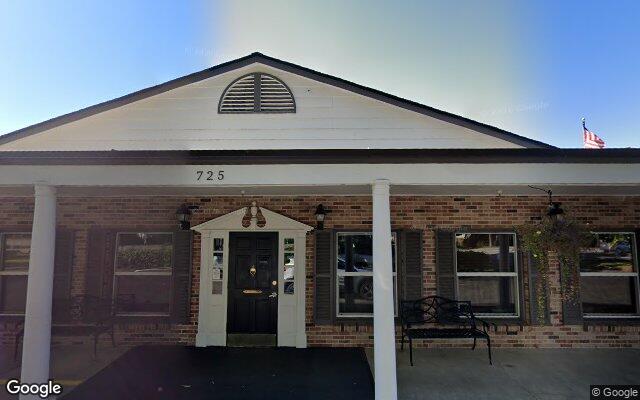


Tour Prep
Family reviews
No reviews yet — be the first to share your experience
Other memory care options nearby.
More options in neighboring cities
Licensed memory care in other cities within this county region — useful when your search radius crosses city limits.