Stephanie Gardens Residential Care.
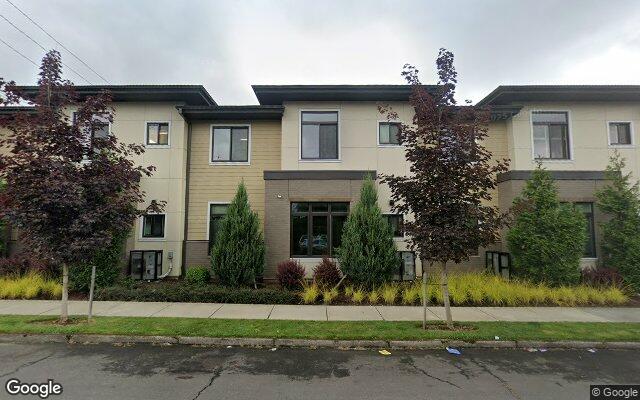
A large home, reviewed on public record.
© Google Street View
Compared to 55 Oregon facilities with a similar number of beds.
ALF memory care · 36-month window. Higher percentile = better performance on inspection record. Source: Oregon Dept. of Human Services · Long-Term Care Licensing.
among peers to rank.
Rankings based on 36-month OR-DHS inspection data. Severity and frequency: fewer citations = higher percentile. Repeat rate: lower repeat citation share = higher percentile.
Citation history, plotted month by month.
16 deficiencies on record. Each bar is a month with a citation.
Finding distribution
16 total · 36 monthsScope × Severity (CMS A–L)
Every inspection visit, verbatim.
3 inspections in the public record, most recent first. Plain-language summaries open first — click into any row for the full citation text.
2025-07-09Complaint InvestigationOR-cited · 1 finding
Plain-language summary
A complaint investigation was conducted on July 9, 2025, and found that the facility failed to complete quarterly service plans for the resident sampled; service plans were completed on October 2, 2023, and July 10, 2024, with no plans documented in the nine-month period between those dates. The Executive Director confirmed that no service planning meetings were held during that interval and could not locate any related documentation. The facility acknowledged this finding.
Read full citation text (1)Hide full citation text
“Based on interview and record review, conducted during a site visit on 07/09/25, the facility's failure to complete quarterly service plans was substantiated for 1 of 1 sampled resident (# 5). Findings include, but are not limited to: A review of service plans for Resident 5 indicated there was a service plan completed on 10/02/23 and the next service plan available was dated 07/10/24. In an interview on 07/09/25, Staff 1 (Executive Director) stated s/he was unable to locate the service plans with signature pages or any indication that there were service planning teams present. S/He also confirmed there were no service plans completed between 10/02/23 and 07/10/24. The facility failed to complete quarterly service plans. The findings were reviewed and acknowledged by Staff 1. Based on interview and record review, conducted during a site visit on 07/09/25, the facility's failure to complete quarterly service plans was substantiated for 1 of 1 sampled resident (# 5). Findings include, but are not limited to: A review of service plans for Resident 5 indicated there was a service plan completed on 10/02/23 and the next service plan available was dated 07/10/24. In an interview on 07/09/25, Staff 1 (Executive Director) stated s/he was unable to locate the service plans with signature pages or any indication that there were service planning teams present. S/He also confirmed there were no service plans completed between 10/02/23 and 07/10/24. The facility failed to complete quarterly service plans. The findings were reviewed and acknowledged by Staff 1.”
Read raw inspector notesClose inspector notes
Based on interview and record review, conducted during a site visit on 07/09/25, the facility's failure to complete quarterly service plans was substantiated for 1 of 1 sampled resident (# 5). Findings include, but are not limited to: A review of service plans for Resident 5 indicated there was a service plan completed on 10/02/23 and the next service plan available was dated 07/10/24. In an interview on 07/09/25, Staff 1 (Executive Director) stated s/he was unable to locate the service plans with signature pages or any indication that there were service planning teams present. S/He also confirmed there were no service plans completed between 10/02/23 and 07/10/24. The facility failed to complete quarterly service plans. The findings were reviewed and acknowledged by Staff 1. Based on interview and record review, conducted during a site visit on 07/09/25, the facility's failure to complete quarterly service plans was substantiated for 1 of 1 sampled resident (# 5). Findings include, but are not limited to: A review of service plans for Resident 5 indicated there was a service plan completed on 10/02/23 and the next service plan available was dated 07/10/24. In an interview on 07/09/25, Staff 1 (Executive Director) stated s/he was unable to locate the service plans with signature pages or any indication that there were service planning teams present. S/He also confirmed there were no service plans completed between 10/02/23 and 07/10/24. The facility failed to complete quarterly service plans. The findings were reviewed and acknowledged by Staff 1.
2024-08-05Annual Compliance VisitOR-cited · 11 findings
Plain-language summary
A change of ownership inspection was conducted August 5–8, 2024, and a follow-up re-licensure survey on December 18–19, 2024 found the facility in substantial compliance with Oregon regulations. However, the initial inspection identified a licensing violation: the facility failed to report an unwitnessed skin tear injury to the state protective services office as suspected abuse and did not adequately investigate two unwitnessed falls for one resident to rule out abuse or verify that fall prevention measures were in place. The violation was self-reported during the inspection after being identified by the surveyor.
Read full citation text (11)Hide full citation text
“The findings of the change of ownership survey, conducted 08/05/24 through 08/08/24, are documented in this report. The survey was conducted to determine compliance with the OARs 411 Division 54 for Residential Care and Assisted Living Facilities, OARs 411 Division 57 for Memory Care Communities and OARs 411 Division 004 for Home and Community Based Services Regulations. Tag numbers beginning with the letter C refer to the Residential Care and Assisted Living rules. Tag numbers beginning with the letter Z refer to the Memory Care Community rules. Abbreviations possibly used in this document: ADL: activities of daily living bid: twice a day CBG: capillary blood glucose or blood sugar CG: caregiver cm: centimeter ED: Executive Director F: Fahrenheit HH: Home Health LPN: Licensed Practical Nurse MA: Medication Aide MAR: Medication Administration Record MCC: Memory Care Community mg: milligram ml: milliliter MT: Medication Technician OT: Occupational Therapist PT: Physical Therapist PRN: as needed qd: every day or daily qid: four times a day QI: quality improvement RCC: Resident Care Coordinator RN: Registered Nurse TAR: Treatment Administration Record tid: three times a day The findings of the change of ownership survey, conducted 08/05/24 through 08/08/24, are documented in this report. The survey was conducted to determine compliance with the OARs 411 Division 54 for Residential Care and Assisted Living Facilities, OARs 411 Division 57 for Memory Care Communities and OARs 411 Division 004 for Home and Community Based Services Regulations. Tag numbers beginning with the letter C refer to the Residential Care and Assisted Living rules. Tag numbers beginning with the letter Z refer to the Memory Care Community rules. Abbreviations possibly used in this document: ADL: activities of daily living bid: twice a day CBG: capillary blood glucose or blood sugar CG: caregiver cm: centimeter ED: Executive Director F: Fahrenheit HH: Home Health LPN: Licensed Practical Nurse MA: Medication Aide MAR: Medication Administration Record MCC: Memory Care Community mg: milligram ml: milliliter MT: Medication Technician OT: Occupational Therapist PT: Physical Therapist PRN: as needed qd: every day or daily qid: four times a day QI: quality improvement RCC: Resident Care Coordinator RN: Registered Nurse TAR: Treatment Administration Record tid: three times a day The findings of the first re-visit to the re-licensure survey of 08/08/24, conducted 12/18/24 through 12/19/24, are documented in this report. It was determined the facility was in substantial compliance with the OARs 411 Division 54 for Residential Care and Assisted Living Facilities, OARs 411 Division 57 for Memory Care Communities, and Home and Community Based Services Regulations OARs 411 Division 004. The findings of the first re-visit to the re-licensure survey of 08/08/24, conducted 12/18/24 through 12/19/24, are documented in this report. It was determined the facility was in substantial compliance with the OARs 411 Division 54 for Residential Care and Assisted Living Facilities, OARs 411 Division 57 for Memory Care Communities, and Home and Community Based Services Regulations OARs 411 Division 004.”
“Based on observation, interview, and record review, it was determined the facility failed to ensure injuries of unknown cause were reported to the local SPD office or the local AAA as suspected abuse, unless an immediate facility investigation reasonably concluded and documented that the injury was not the result of abuse, and promptly investigate reports of abuse and suspected abuse related to unwitnessed falls for 1 of 3 sampled residents (# 2) whose incidents were reviewed. Findings include, but are not limited to: Resident 2 was admitted to the memory care facility in 12/2022 with diagnoses including dementia. The resident's service plan, last updated on 07/10/24, incident reports, progress notes from 05/10/24 through 08/05/24, observations of the resident, and interviews with care staff identified the following: * 07/25/24: Unwitnessed fall; * 07/27/24: Unwitnessed skin tear; and * 07/28/24: Unwitnessed fall in the secured courtyard. The unwitnessed skin tear represented an injury of unknown cause which required reporting to the local SPD office or the local AAA as suspected abuse, unless an immediate facility investigation reasonably concluded and documented that the injury was not the result of abuse. The facility investigation for both unwitnessed falls failed to effectively rule out suspected abuse and include if the service planned fall interventions were being implemented at the time of the falls and there was no evidence the injury of unknown cause had been reported to the local SPD office as required. In an interview with Staff 1 (ED) on 08/06/24 at 10:20 am, the facility was requested to self report the above incidents. Verification was received on 08/06/24 at 11:49 am. The need to ensure all injuries of unknown cause were reported to the local SPD office, or the local AAA, as suspected abuse, unless an immediate facility investigation reasonably concluded and documented the physical injury was not the result of abuse was discussed with Staff 1 (ED), Staff 2 (Regional Director of Operations), Staff 3 (Regional RN), Staff 4 (Regional Director of Training), Staff 5 (RN) and Staff 7 (RCC) on 08/08/24 at 1:37 pm. They acknowledged the findings. Based on observation, interview, and record review, it was determined the facility failed to ensure injuries of unknown cause were reported to the local SPD office or the local AAA as suspected abuse, unless an immediate facility investigation reasonably concluded and documented that the injury was not the result of abuse, and promptly investigate reports of abuse and suspected abuse related to unwitnessed falls for 1 of 3 sampled residents (# 2) whose incidents were reviewed. Findings include, but are not limited to: Resident 2 was admitted to the memory care facility in 12/2022 with diagnoses including dementia. The resident's service plan, last updated on 07/10/24, incident reports, progress notes from 05/10/24 through 08/05/24, observations of the resident, and interviews with care staff identified the following: * 07/25/24: Unwitnessed fall; * 07/27/24: Unwitnessed skin tear; and * 07/28/24: Unwitnessed fall in the secured courtyard. The unwitnessed skin tear represented an injury of unknown cause which required reporting to the local SPD office or the local AAA as suspected abuse, unless an immediate facility investigation reasonably concluded and documented that the injury was not the result of abuse. The facility investigation for both unwitnessed falls failed to effectively rule out suspected abuse and include if the service planned fall interventions were being implemented at the time of the falls and there was no evidence the injury of unknown cause had been reported to the local SPD office as required. In an interview with Staff 1 (ED) on 08/06/24 at 10:20 am, the facility was requested to self report the above incidents. Verification was received on 08/06/24 at 11:49 am. The need to ensure all injuries of unknown cause were reported to the local SPD office, or the local AAA, as suspected abuse, unless an immediate facility investigation reasonably concluded and documented the physical injury was not the result of abuse was discussed with Staff 1 (ED), Staff 2 (Regional Director of Operations), Staff 3 (Regional RN), Staff 4 (Regional Director of Training), Staff 5 (RN) and Staff 7 (RCC) on 08/08/24 at 1:37 pm. They acknowledged the findings. Incident reports will be closed out within 5 days and ruled out for abuse within 24 hours during investigation by RCC/Nurse/ED. Daily review during Clinical meeting M-F at 10am to investigate and document with RN/LN/RCC/ED Summary of the incident will be done by RCC/LN/RN/RD after reviewing cameras if possible, talking to med techs and caregivers that were involved and reviewing service plan. An overview of previous interventions will be reviewed and gone over if they are accurately working to prevent the incidents. A new TSP/intervention will be placed (looked over by RCC/LN/RN/ED in clinical meetings). ED to report all incidents that can not rule out abuse or neglect including injuries of unknown cause, unwitnessed falls, and any incidents that cannot be ruled out for abuse or neglect to APS within 24 hours. Regional health services or operations will be reviewing all IR's to make sure anything that is reportable is sent on a weekly basis All former incident reports were gone over and investigated for ruling out of abuse and neglect and reported if needed with the RCC/Nurse/ED. Resident 2 incident reports gone over, a safety plan put in place with interventions specific for resident. Incident reports will be closed out within 5 days and ruled out for abuse within 24 hours during investigation by RCC/Nurse/ED. Daily review during Clinical meeting M-F at 10am to investigate and document with RN/LN/RCC/ED Summary of the incident will be done by RCC/LN/RN/RD after reviewing cameras if possible, talking to med techs and caregivers that were involved and reviewing service plan. An overview of previous interventions will be reviewed and gone over if they are accurately working to prevent the incidents. A new TSP/intervention will be placed (looked over by RCC/LN/RN/ED in clinical meetings). ED to report all incidents that can not rule out abuse or neglect including injuries of unknown cause, unwitnessed falls, and any incidents that cannot be ruled out for abuse or neglect to APS within 24 hours. Regional health services or operations will be reviewing all IR's to make sure anything that is reportable is sent on a weekly basis All former incident reports were gone over and investigated for ruling out of abuse and neglect and reported if needed with the RCC/Nurse/ED. Resident 2 incident reports gone over, a safety plan put in place with interventions specific for resident. There are no detail notes for this visit.”
“Based on observation, interview, and record review, it was determined the facility failed to ensure service plans were reflective of residents' current care needs and provided clear directions to staff regarding the delivery of services for 2 of 4 sampled residents (#s 1 and 4) whose service plans were reviewed. Findings include, but are not limited to: 1. Resident 1 was admitted to the facility in 03/2024 with diagnoses including type 2 diabetes mellitus, Alzheimer's disease and disorder of right external ear. Observations were made of the resident's care from 08/05/24 through 08/07/24. Interviews with facility staff and Witness 1 (family member) were conducted. Witness 1 sat with the resident three times a week for approximately two hours to assist with ADLs, including grooming. Resident 1 was unable to communicate clearly with facility staff but used gestures and short sentences to answer simple questions. The current service plan dated 07/29/24 was reviewed. Resident 1's service plan was not reflective of the resident's current needs and lacked clear instructions to staff in the following areas: * Number of staff needed to assist with activities of daily living; * Number of staff needed to assist with emergency evacuations; * Instructions on signs and symptoms of depression to report while on anti-depressant therapy; * Instructions to staff on blood glucose monitoring protocol when resident skipped meals; * Instructions on edema management; * Blood sugar monitor on left upper extremity, instructions for proper maintenance, and how to monitor malfunctions; * Instructions on specific changes of condition and complications to report to the outside provider; * Skin integrity and instructions on whom to report skin impairments; * Personality, including how the person copes with change or challenging situations; * Hearing and use of assistive devices; * Non-pharmaceutical interventions for pain, including how a person expresses pain or discomfort; * Behavioral problems; and * Instructions on fall prevention. The need to ensure the service plan reflected residents' current needs and provided clear instructions to staff regarding the delivery of services was reviewed with Staff 1 (ED), Staff 2 (Regional Director of Operations), Staff 3 (Regional RN), Staff 4 (Regional Director of Training), Staff 5 (RN), and Staff 7 (RCC) on 08/08/24 at 12:30 pm. They acknowledged the findings. No further information was provided. Based on observation, interview, and record review, it was determined the facility failed to ensure service plans were reflective of residents' current care needs and provided clear directions to staff regarding the delivery of services for 2 of 4 sampled residents (#s 1 and 4) whose service plans were reviewed. Findings include, but are not limited to:”
“Based on observation, interview, and record review, it was determined the facility failed to provide health care services in accordance with the licensing rules for Residential Care and Assisted Living Facilities. Findings include, but are not limited to: Refer to C 260, C 270, C 280, C 303, C 325, and C 330. Based on observation, interview, and record review, it was determined the facility failed to provide health care services in accordance with the licensing rules for Residential Care and Assisted Living Facilities. Findings include, but are not limited to: Refer to C 260, C 270, C 280, C 303, C 325, and C 330. Please refer to C: 260, 270, 280, 303, 325, 330 for response Please refer to C: 260, 270, 280, 303, 325, 330 for response There are no detail notes for this visit.”
“Based on observation, interview, and record review, it was determined the facility failed to evaluate, document the change and update the service plan as needed for a significant change of condition, and determine and document what actions or interventions were needed for short term changes of condition, communicated resident-specific instructions and interventions to staff on each shift, and monitored the change of condition at least weekly until resolved for 3 of 4 sampled residents (#s 1, 2, and 4) who experienced changes of condition. Findings include, but are not limited to: 1. Resident 2 was admitted to the facility in 12/2022 with diagnoses including dementia and Alzheimer's disease. Resident 2's clinical records, including progress notes, incident reports, service plan and temporary service plans (TSP's) were reviewed, observations of the resident and interviews with staff were conducted during the survey. Resident 2's service plan with updates made on 05/05/24 indicated the resident was at risk for falls and had the following fall interventions: * At risk for falls due to inability to identify hazards in the environment; * Ensure floor is dry if [Resident] turns on water without staff assist; and * Staff to check on [him/her] often and encourage [him/her] to stay in common areas for increased supervision. a. The resident experienced the following non-injury and injury falls that lacked determined action or intervention communicated to staff, interventions reviewed for effectiveness and/or monitoring through resolution: * 05/16/24 - Unwitnessed injury fall in the common area dining room resulting in a bruise on the right shin; * 05/17/24 - Unwitnessed injury fall in another resident's room resulting in a bruise to the right lower leg; and * 06/19/24 - Unwitnessed fall in the secured courtyard with injuries (skin tears, elbows, knees, top of head). There was no evidence the facility reviewed the previous service planned interventions to ensure their was increased supervision in the common area and developed new interventions to reduce the potential for future injury falls. * On 06/28/24 - Witnessed fall with skin tear to the right elbow. On 06/29/24 a TSP was written that included the following fall intervention: * Make sure dining room was safe to walk around and that resident was not picking up or dragging chairs, or tripping over other resident walkers/belongings. * On 07/16/24 - Witnessed resident tripped and fell over a small "kitty" pool in the secured courtyard and sustained bruising; and * On 07/21/24 - Unwitnessed fall in the dining room resulting in a skin tear to the right elbow. There was no evidence the facility reviewed the previous service planned intervention to ensure hazards were removed from the environment and to make sure the dining room was safe to walk around to reduce the potential for future injury falls. b. Resident 2 had the following changes of condition that lacked determined action or intervention communicated to staff on each shift and/or monitoring at least weekly through resolution: * On 07/27/24 - Skin tear on the right arm; and * On 08/02/24 - On alert for possible pain in left hip; and * From June 2024 to July 2024 the resident lost 4.8 % of total body weight within one month. The need to ensure interventions were developed in response to changes of condition, the interventions were communicated to staff on all shifts, and were monitored for effectiveness and monitored at least weekly through resolution was discussed with Staff 1 (ED), Staff 2 (Regional Director of Operations), Staff 3 (Regional RN), Staff 4 (Regional Director of Training), Staff 5 (RN) and Staff 7 (RCC) on 08/08/24 at 1:37 pm. They acknowledged the findings. Based on observation, interview, and record review, it was determined the facility failed to evaluate, document the change and update the service plan as needed for a significant change of condition, and determine and document what actions or interventions were needed for short term changes of condition, communicated resident-specific instructions and interventions to staff on each shift, and monitored the change of condition at least weekly until resolved for 3 of 4 sampled residents (#s 1, 2, and 4) who experienced changes of condition. Findings include, but are not limited to:”
“Based on observation, interview, and record review, it was determined the facility failed to ensure a significant change of condition assessment was completed by the RN, which included findings, resident status and interventions, for 1 of 2 sampled residents (#4) who experienced a significant change of condition. Resident 4 experienced severe weight gain followed by a hospital stay. Findings include, but are not limited to: Resident 4 was admitted to the facility in 03/2024 with diagnoses including hypertension and a recent diagnosis of congestive heart failure. Resident 4 was observed during the survey with minimal swelling to the lower extremities with compression stockings on. In an interview with Resident 4 on 08/06/24 at 9:35 am, s/he stated that compression stockings were being put on every morning and taken off every evening by staff. Resident 4's clinical record, including, but not limited to, the current service plan, revised on 08/05/24, progress notes dated 05/31/24 through 08/05/24 and weight records from 04/2024 through 08/08/24 were reviewed. Resident 4's weight records noted the following: * 04/2024 - 221.2 pounds; * 05/2024 - 226.2 pounds; and * 06/2024 - 241.4 pounds. Between 05/2024 and 06/2024, Resident 4 gained 15.2 pounds, or 6.72% of his/her total body weight in one month, which was considered severe and triggered a significant change of condition. In an interview with Staff 5 (RN) on 08/08/24 at 10:45 am, he stated he became aware of the swollen ankles on 06/05/24 when Resident 4 reported s/he noticed swelling in her/his ankles. Staff 5 completed weekly skin assessments and noted the following: * 06/05/24 - "swollen ankle, pitting edema" for the right and "swollen ankle, edema" for the left; * 06/12/24 - "swollen ankle, pitting edema" for the right and "swollen ankle, edema" for the left. Note continued "will continue to assess weekly, [provider] notified today and she will assess legs as well."; * 06/19/24 - Progress note stated, "This RN called [provider] to inform them that this resident has been complaining of swollen legs." * 06/25/24 - "swollen ankle, pitting edema" for the right and "swollen ankle, edema" for the left. Note continued "Residents new baseline, PCP called...This RN will take off weekly skin assessments due to baseline unless [provider] advises differently." A progress note dated 06/27/24 stated "Resident was sent out around 8:00 am to [the hospital]. [Provider] was called first but by the time the [provider] called, resident was unresponsive. Resident was out of breath, lips and whole face were purple. BP (77/34 P 120 Ox2 69)." There was no documented evidence an RN assessment had been completed which included findings, resident status, and interventions, when the resident had a severe weight gain. The resident became unresponsive, required a hospital stay and returned to the facility on 06/28/24 with new diagnoses including congestive heart failure and pulmonary hypertension. Resident 4's weight during the time of the survey was noted to be 230.5 pounds and the resident's weight has been taken daily since the hospital stay. In an interview on 08/07/24 at 2:45 pm, Staff 5 confirmed he was aware of the severe weight gain and confirmed an assessment had not been completed. The need to ensure all significant changes of condition were assessed by an RN, with documented findings, resident status, and interventions made as a result of the assessment, was discussed with Staff 1 (ED), Staff 2 (Regional Director of Operations), Staff 3 (Regional RN), Staff 4 (Regional Director of Training), Staff 5, and Staff 7 (RCC) on 08/08/24 at 1:20 pm. They acknowledged the findings. Based on observation, interview, and record review, it was determined the facility failed to ensure a significant change of condition assessment was completed by the RN, which included findings, resident status and interventions, for 1 of 2 sampled residents (#4) who experienced a significant change of condition. Resident 4 experienced severe weight gain followed by a hospital stay. Findings include, but are not limited to: Resident 4 was admitted to the facility in 03/2024 with diagnoses including hypertension and a recent diagnosis of congestive heart failure. Resident 4 was observed during the survey with minimal swelling to the lower extremities with compression stockings on. In an interview with Resident 4 on 08/06/24 at 9:35 am, s/he stated that compression stockings were being put on every morning and taken off every evening by staff. Resident 4's clinical record, including, but not limited to, the current service plan, revised on 08/05/24, progress notes dated 05/31/24 through 08/05/24 and weight records from 04/2024 through 08/08/24 were reviewed. Resident 4's weight records noted the following: * 04/2024 - 221.2 pounds; * 05/2024 - 226.2 pounds; and * 06/2024 - 241.4 pounds. Between 05/2024 and 06/2024, Resident 4 gained 15.2 pounds, or 6.72% of his/her total body weight in one month, which was considered severe and triggered a significant change of condition. In an interview with Staff 5 (RN) on 08/08/24 at 10:45 am, he stated he became aware of the swollen ankles on 06/05/24 when Resident 4 reported s/he noticed swelling in her/his ankles. Staff 5 completed weekly skin assessments and noted the following: * 06/05/24 - "swollen ankle, pitting edema" for the right and "swollen ankle, edema" for the left; * 06/12/24 - "swollen ankle, pitting edema" for the right and "swollen ankle, edema" for the left. Note continued "will continue to assess weekly, [provider] notified today and she will assess legs as well."; * 06/19/24 - Progress note stated, "This RN called [provider] to inform them that this resident has been complaining of swollen legs." * 06/25/24 - "swollen ankle, pitting edema" for the right and "swollen ankle, edema" for the left. Note continued "Residents new baseline, PCP called...This RN will take off weekly skin assessments due to baseline unless [provider] advises differently." A progress note dated 06/27/24 stated "Resident was sent out around 8:00 am to [the hospital]. [Provider] was called first but by the time the [provider] called, resident was unresponsive. Resident was out of breath, lips and whole face were purple. BP (77/34 P 120 Ox2 69)." There was no documented evidence an RN assessment had been completed which included findings, resident status, and interventions, when the resident had a severe weight gain. The resident became unresponsive, required a hospital stay and returned to the facility on 06/28/24 with new diagnoses including congestive heart failure and pulmonary hypertension. Resident 4's weight during the time of the survey was noted to be 230.5 pounds and the resident's weight has been taken daily since the hospital stay. In an interview on 08/07/24 at 2:45 pm, Staff 5 confirmed he was aware of the severe weight gain and confirmed an assessment had not been completed. The need to ensure all significant changes of condition were assessed by an RN, with documented findings, resident status, and interventions made as a result of the assessment, was discussed with Staff 1 (ED), Staff 2 (Regional Director of Operations), Staff 3 (Regional RN), Staff 4 (Regional Director of Training), Staff 5, and Staff 7 (RCC) on 08/08/24 at 1:20 pm. They acknowledged the findings. Weights will be reviewed by clinical team during high risk meeting on the second Tuesday of every month with regional nurse. Community nurse will now oversee that all residents with a weight loss/ gain within 1 month, 5% Greater than 5%, 3 months, 7.5% Greater than 7.5%, 6 months, 10% Greater than 10%. Any weights triggered will go on alert monitoring for weight loss, have intervention of weekly weights added and meal monitoring for 72 hours. 1. Weights will be obtained at the beginning of the month by care staff, Med techs, RCC, and RN (1st-5th). Tracking to be placed into weight chart that wil”
“based on the MAR" and provided no further information. The need to ensure the facility followed physician orders was discussed with Staff 1 (ED), Staff 2 (Regional Director of Operations), Staff 3 (Regional RN), Staff 4 (Regional Director of Training), Staff 5 (RN) and Staff 7 (RCC) on 08/08/24 at 1:20 pm. They acknowledged the findings. 2. Resident 4 was admitted to the facility in 03/2024 with diagnoses including hypertension and chronic kidney disease stage 3. The resident's 07/01/24 through 08/05/24 MARs and physician's orders were reviewed and revealed the following: Resident 4 had physician orders for blood pressure readings to be done twice daily prior to administering Lisinopril 20 mg (for hypertension). The physician's orders gave unlicensed staff parameters to hold the medication for systolic blood pressure below 110. Review of the MAR revealed staff administered the medication when the systolic blood pressure was below 110 on four occasions during the month of 07/2024. The 07/2024 MAR was reviewed with Staff 16 (MT) and she stated it "looks to have been administered based on the MAR" and provided no further information. The need to ensure the facility followed physician orders was discussed with Staff 1 (ED), Staff 2 (Regional Director of Operations), Staff 3 (Regional RN), Staff 4 (Regional Director of Training), Staff 5 (RN) and Staff 7 (RCC) on 08/08/24 at 1:20 pm. They acknowledged the findings. Based on interview and record review, it was determined the facility failed to ensure physician or other legally recognized practitioner orders were carried out as prescribed for 3 of 4 sampled residents (#s 1, 2 and 4) whose orders were reviewed. Findings include, but are not limited to: 1. Resident 1 was admitted to the facility in 03/2024 with diagnoses including Type 2 diabetes mellitus, Alzheimer's disease and disorder of right external ear. Review of Resident 1's current physician orders and MARs from 06/01/24 through 08/05/24 revealed the following: * Lispro 100 U/ml insulin was ordered for injection six units subcutaneously after breakfast and dinner to control blood glucose level with instructions to hold if blood glucose level was less than 150. There was no documented evidence insulin was held based on these instructions on two occasions; and * Glargine Solostar 100 U/ml insulin was ordered for injection 25 units subcutaneously once nightly to control blood glucose with instructions to hold if blood glucose level was less than 100. There was no documented evidence insulin was held based on these instructions on three occasions. The need to ensure physician or other legally recognized practitioner orders were carried out as prescribed was reviewed with Staff 1 (ED), Staff 2 (Regional Director of Operations), Staff 3 (Regional RN), Staff 4 (Regional Director of Training), Staff 5 (RN), and Staff 7 (RCC) on 08/08/24 at 12:30 pm. They acknowledged the findings. Based on interview and record review, it was determined the facility failed to ensure physician or other legally recognized practitioner orders were carried out as prescribed for 3 of 4 sampled residents (#s 1, 2 and 4) whose orders were reviewed. Findings include, but are not limited to:”
“Based on interview and record review, it was determined the facility failed to evaluate a resident's ability to safely self-administer medications and have a physician's or other legally recognized practitioner's written order of approval for self-administration of prescription medications for 1 of 2 sampled residents (#6) who chose to self-administer their medications. Findings include, but are not limited to: Resident 6 moved into the facility in 03/2024 with diagnoses including Type 2 diabetes. During the acuity interview on 08/05/24, staff reported the resident self-administered their medications. During an interview with Staff 1 (ED) on 08/06/24 at 8:28 am, surveyor requested a self-administration of medications evaluation and a signed physician order. The facility provided an evaluation that was completed on 08/05/24. There was no documented evidence the facility evaluated the resident's ability to safely administer his/her own medications upon move in and quarterly thereafter. The facility failed to have signed physician's or other legally recognized practitioner's written order of approval for self-administration of prescription medications. The need to ensure the facility updated the self-administration of medications evaluation quarterly and had a physician's or other legally recognized practitioner's written order of approval for self-administration of prescription medications was discussed with Staff 1 (ED), Staff 2 (Regional Director of Operations), Staff 3 (Regional RN), Staff 4 (Regional Director of Training), Staff 5 (RN) and Staff 7 (RCC) on 08/08/24 at 1:37 pm. They acknowledged the findings. Based on interview and record review, it was determined the facility failed to evaluate a resident's ability to safely self-administer medications and have a physician's or other legally recognized practitioner's written order of approval for self-administration of prescription medications for 1 of 2 sampled residents (#6) who chose to self-administer their medications. Findings include, but are not limited to: Resident 6 moved into the facility in 03/2024 with diagnoses including Type 2 diabetes. During the acuity interview on 08/05/24, staff reported the resident self-administered their medications. During an interview with Staff 1 (ED) on 08/06/24 at 8:28 am, surveyor requested a self-administration of medications evaluation and a signed physician order. The facility provided an evaluation that was completed on 08/05/24. There was no documented evidence the facility evaluated the resident's ability to safely administer his/her own medications upon move in and quarterly thereafter. The facility failed to have signed physician's or other legally recognized practitioner's written order of approval for self-administration of prescription medications. The need to ensure the facility updated the self-administration of medications evaluation quarterly and had a physician's or other legally recognized practitioner's written order of approval for self-administration of prescription medications was discussed with Staff 1 (ED), Staff 2 (Regional Director of Operations), Staff 3 (Regional RN), Staff 4 (Regional Director of Training), Staff 5 (RN) and Staff 7 (RCC) on 08/08/24 at 1:37 pm. They acknowledged the findings. Community Nurse has completed all self med assessments and they are now up to date as of 8/20/24. ED/RCC/Nurse reviewed forms to be accurate quarterly with Service plan review. Self med assessments to be done quarterly by Nurse or as needs change. A order in MAR will be placed fo self medication administration. Physician orders for self med administration will be requested and received upon move in. Going forward will be placed on MAR so that 90 day physician orders will be signed with self medication order. Nurse to ensure all physican orders are received for self med administration with assessment Self med assessment for residents 6 has been completed and order from physician for self med admistration has been received. Community Nurse has completed all self med assessments and they are now up to date as of 8/20/24. ED/RCC/Nurse reviewed forms to be accurate quarterly with Service plan review. Self med assessments to be done quarterly by Nurse or as needs change. A order in MAR will be placed fo self medication administration. Physician orders for self med administration will be requested and received upon move in. Going forward will be placed on MAR so that 90 day physician orders will be signed with self medication order. Nurse to ensure all physican orders are received for self med administration with assessment Self med assessment for residents 6 has been completed and order from physician for self med admistration has been received. There are no detail notes for this visit.”
“Based on interview and record review, it was determined the facility failed to ensure medications that were given to treat a resident's behavior had written, resident-specific parameters, included when to contact a health professional regarding side effects, and non-pharmacological interventions were attempted and documented to be ineffective prior to the administration of psychotropic medications for 1 of 1 sampled resident (#2) who was prescribed and administered a PRN psychotropic medication. Findings include, but are not limited to: Resident 2 was admitted to the facility in 12/2022 with diagnoses including Alzheimer's disease, unspecified dementia and generalized anxiety disorder. A review of the resident's 07/01/24 through 08/05/24 MARs and 05/05/24 through 08/05/24 progress notes identified the following: Resident 2 had an order for Lorazepam 0.5 mg every day four hours as needed for anxiety. The Lorazepam PRN dose was administered on 07/18/24, 07/23/24, 07/27/24, and 07/29/24. On 07/23/24 and 07/29/24 direct care staff documented on the MAR that the PRN was ineffective. During an interview with Staff 11 (MT) on 08/07/24 at 1:20 pm it was confirmed there was no documented evidence non-pharmacological interventions had been tried first with ineffective results prior to giving the PRN medications, there were no instructions for when to contact a health professional regarding side effects and there were no resident-specific parameters instructing staff what to do when the PRN dose was ineffective. The need to ensure PRN medications given to treat a resident's behaviors had written non-pharmacological interventions which had been tried with ineffective results prior to administration and included instructions for when staff were to contact a health professional with side effects was discussed with Staff 1 (ED), Staff 2 (Regional Director of Operations), Staff 3 (Regional RN), Staff 4 (Regional Director of Training), Staff 5 (RN) and Staff 7 (RCC) on 08/08/24 at 1:37 pm. They acknowledged the findings. Based on interview and record review, it was determined the facility failed to ensure medications that were given to treat a resident's behavior had written, resident-specific parameters, included when to contact a health professional regarding side effects, and non-pharmacological interventions were attempted and documented to be ineffective prior to the administration of psychotropic medications for 1 of 1 sampled resident (#2) who was prescribed and administered a PRN psychotropic medication. Findings include, but are not limited to: Resident 2 was admitted to the facility in 12/2022 with diagnoses including Alzheimer's disease, unspecified dementia and generalized anxiety disorder. A review of the resident's 07/01/24 through 08/05/24 MARs and 05/05/24 through 08/05/24 progress notes identified the following: Resident 2 had an order for Lorazepam 0.5 mg every day four hours as needed for anxiety. The Lorazepam PRN dose was administered on 07/18/24, 07/23/24, 07/27/24, and 07/29/24. On 07/23/24 and 07/29/24 direct care staff documented on the MAR that the PRN was ineffective. During an interview with Staff 11 (MT) on 08/07/24 at 1:20 pm it was confirmed there was no documented evidence non-pharmacological interventions had been tried first with ineffective results prior to giving the PRN medications, there were no instructions for when to contact a health professional regarding side effects and there were no resident-specific parameters instructing staff what to do when the PRN dose was ineffective. The need to ensure PRN medications given to treat a resident's behaviors had written non-pharmacological interventions which had been tried with ineffective results prior to administration and included instructions for when staff were to contact a health professional with side effects was discussed with Staff 1 (ED), Staff 2 (Regional Director of Operations), Staff 3 (Regional RN), Staff 4 (Regional Director of Training), Staff 5 (RN) and Staff 7 (RCC) on 08/08/24 at 1:37 pm. They acknowledged the findings. The need to attempt non-pharm interventions prior to administering PRN psychotropic medications. 1. All residents on PRN Psychotropics will receive an audit for resident centered interventions and instructions added for steps to follow if the medication is ineffective or with side-effects. This audit will be complete within 14 days by RN 2. Facility will continue process of requiring MT to make an observation note after giving a PRN psychotropic medication to document interventions used and if they were effective or not. 3.RN/Designee will reeducate all med techs meeting the regulation to ensure prn interventions are used and documented, prior to the admnistration of any psychotropic medications, training to be completed by 10/7/24 . 2. All PRN psychotropic medications will be processed through triple check system. RN on third check will assure that individualized interventions are added to the order before it is approved. 3. RCC will pull daily medication prn administration reports to review for admnistration of these meds and documentation of effectiveness and interventions. 4. RN will conduct a monthly MAR audit to ensure all medicaitons that require nursing parameters, interventions, order of administration, etc. are placed in MAR Resident 2 MAR will be updated with interventions and parameters by 9/25/24 The need to attempt non-pharm interventions prior to administering PRN psychotropic medications.”
“Based on observation and interview, it was determined the facility failed to ensure interior materials and surfaces were kept clean and in good repair. Findings include, but are not limited to: During a tour of the interior of the facility on 08/05/24 at 9:20 am, carpet throughout the common area hallway of the second floor and stairwells were stained throughout. A large tear in the flooring of the medication room on the first floor was observed which created an uncleanable surface. The surveyor toured the environment with Staff 8 (Maintenance Director) on 08/07/24 at 2:00 pm. He acknowledged the findings. Based on observation and interview, it was determined the facility failed to ensure interior materials and surfaces were kept clean and in good repair. Findings include, but are not limited to: During a tour of the interior of the facility on 08/05/24 at 9:20 am, carpet throughout the common area hallway of the second floor and stairwells were stained throughout. A large tear in the flooring of the medication room on the first floor was observed which created an uncleanable surface. The surveyor toured the environment with Staff 8 (Maintenance Director) on 08/07/24 at 2:00 pm. He acknowledged the findings. The need to ensure the environment was clean, in good repair. 1. Maintenance Director will inquire with outside vendor about repairing the floor in the med tech room and schedule the repair to be completed. 2. Carpet cleaning company came in and did a commercial cleaning of carpet floors and stairways on the second floor on 8/19/24 A. Going forward Summit carpet cleaning is scheduled every quarter for carpet cleaning and annualy for all flooring in the building. 3. MD will maintain spot cleaning as needed for spots to the second floor carpet. 3. MD and ED will conduct a building walk-through once a month to identify areas that need repaired or replaced, specifically focusing on "uncleanable surfaces. 4.Monthly Safety Committee for maintenece needs will be on the 25th of every month prior to staff meeting. MD and ED will follow up with needs that arise prior to next meeting. The need to ensure the environment was clean, in good repair.”
“Based on observation, interview, and record review, it was determined the facility failed to follow licensing rules for Residential Care and Assisted Living Facilities. Findings include, but are not limited to: Refer to C 231 and C 513. Based on observation, interview, and record review, it was determined the facility failed to follow licensing rules for Residential Care and Assisted Living Facilities. Findings include, but are not limited to: Refer to C 231 and C 513. Please refer to C231 C513 for response Please refer to C231 C513 for response There are no detail notes for this visit.”
Read raw inspector notesClose inspector notes
The findings of the change of ownership survey, conducted 08/05/24 through 08/08/24, are documented in this report. The survey was conducted to determine compliance with the OARs 411 Division 54 for Residential Care and Assisted Living Facilities, OARs 411 Division 57 for Memory Care Communities and OARs 411 Division 004 for Home and Community Based Services Regulations. Tag numbers beginning with the letter C refer to the Residential Care and Assisted Living rules. Tag numbers beginning with the letter Z refer to the Memory Care Community rules. Abbreviations possibly used in this document: ADL: activities of daily living bid: twice a day CBG: capillary blood glucose or blood sugar CG: caregiver cm: centimeter ED: Executive Director F: Fahrenheit HH: Home Health LPN: Licensed Practical Nurse MA: Medication Aide MAR: Medication Administration Record MCC: Memory Care Community mg: milligram ml: milliliter MT: Medication Technician OT: Occupational Therapist PT: Physical Therapist PRN: as needed qd: every day or daily qid: four times a day QI: quality improvement RCC: Resident Care Coordinator RN: Registered Nurse TAR: Treatment Administration Record tid: three times a day The findings of the change of ownership survey, conducted 08/05/24 through 08/08/24, are documented in this report. The survey was conducted to determine compliance with the OARs 411 Division 54 for Residential Care and Assisted Living Facilities, OARs 411 Division 57 for Memory Care Communities and OARs 411 Division 004 for Home and Community Based Services Regulations. Tag numbers beginning with the letter C refer to the Residential Care and Assisted Living rules. Tag numbers beginning with the letter Z refer to the Memory Care Community rules. Abbreviations possibly used in this document: ADL: activities of daily living bid: twice a day CBG: capillary blood glucose or blood sugar CG: caregiver cm: centimeter ED: Executive Director F: Fahrenheit HH: Home Health LPN: Licensed Practical Nurse MA: Medication Aide MAR: Medication Administration Record MCC: Memory Care Community mg: milligram ml: milliliter MT: Medication Technician OT: Occupational Therapist PT: Physical Therapist PRN: as needed qd: every day or daily qid: four times a day QI: quality improvement RCC: Resident Care Coordinator RN: Registered Nurse TAR: Treatment Administration Record tid: three times a day The findings of the first re-visit to the re-licensure survey of 08/08/24, conducted 12/18/24 through 12/19/24, are documented in this report. It was determined the facility was in substantial compliance with the OARs 411 Division 54 for Residential Care and Assisted Living Facilities, OARs 411 Division 57 for Memory Care Communities, and Home and Community Based Services Regulations OARs 411 Division 004. The findings of the first re-visit to the re-licensure survey of 08/08/24, conducted 12/18/24 through 12/19/24, are documented in this report. It was determined the facility was in substantial compliance with the OARs 411 Division 54 for Residential Care and Assisted Living Facilities, OARs 411 Division 57 for Memory Care Communities, and Home and Community Based Services Regulations OARs 411 Division 004. Based on observation, interview, and record review, it was determined the facility failed to ensure injuries of unknown cause were reported to the local SPD office or the local AAA as suspected abuse, unless an immediate facility investigation reasonably concluded and documented that the injury was not the result of abuse, and promptly investigate reports of abuse and suspected abuse related to unwitnessed falls for 1 of 3 sampled residents (# 2) whose incidents were reviewed. Findings include, but are not limited to: Resident 2 was admitted to the memory care facility in 12/2022 with diagnoses including dementia. The resident's service plan, last updated on 07/10/24, incident reports, progress notes from 05/10/24 through 08/05/24, observations of the resident, and interviews with care staff identified the following: * 07/25/24: Unwitnessed fall; * 07/27/24: Unwitnessed skin tear; and * 07/28/24: Unwitnessed fall in the secured courtyard. The unwitnessed skin tear represented an injury of unknown cause which required reporting to the local SPD office or the local AAA as suspected abuse, unless an immediate facility investigation reasonably concluded and documented that the injury was not the result of abuse. The facility investigation for both unwitnessed falls failed to effectively rule out suspected abuse and include if the service planned fall interventions were being implemented at the time of the falls and there was no evidence the injury of unknown cause had been reported to the local SPD office as required. In an interview with Staff 1 (ED) on 08/06/24 at 10:20 am, the facility was requested to self report the above incidents. Verification was received on 08/06/24 at 11:49 am. The need to ensure all injuries of unknown cause were reported to the local SPD office, or the local AAA, as suspected abuse, unless an immediate facility investigation reasonably concluded and documented the physical injury was not the result of abuse was discussed with Staff 1 (ED), Staff 2 (Regional Director of Operations), Staff 3 (Regional RN), Staff 4 (Regional Director of Training), Staff 5 (RN) and Staff 7 (RCC) on 08/08/24 at 1:37 pm. They acknowledged the findings. Based on observation, interview, and record review, it was determined the facility failed to ensure injuries of unknown cause were reported to the local SPD office or the local AAA as suspected abuse, unless an immediate facility investigation reasonably concluded and documented that the injury was not the result of abuse, and promptly investigate reports of abuse and suspected abuse related to unwitnessed falls for 1 of 3 sampled residents (# 2) whose incidents were reviewed. Findings include, but are not limited to: Resident 2 was admitted to the memory care facility in 12/2022 with diagnoses including dementia. The resident's service plan, last updated on 07/10/24, incident reports, progress notes from 05/10/24 through 08/05/24, observations of the resident, and interviews with care staff identified the following: * 07/25/24: Unwitnessed fall; * 07/27/24: Unwitnessed skin tear; and * 07/28/24: Unwitnessed fall in the secured courtyard. The unwitnessed skin tear represented an injury of unknown cause which required reporting to the local SPD office or the local AAA as suspected abuse, unless an immediate facility investigation reasonably concluded and documented that the injury was not the result of abuse. The facility investigation for both unwitnessed falls failed to effectively rule out suspected abuse and include if the service planned fall interventions were being implemented at the time of the falls and there was no evidence the injury of unknown cause had been reported to the local SPD office as required. In an interview with Staff 1 (ED) on 08/06/24 at 10:20 am, the facility was requested to self report the above incidents. Verification was received on 08/06/24 at 11:49 am. The need to ensure all injuries of unknown cause were reported to the local SPD office, or the local AAA, as suspected abuse, unless an immediate facility investigation reasonably concluded and documented the physical injury was not the result of abuse was discussed with Staff 1 (ED), Staff 2 (Regional Director of Operations), Staff 3 (Regional RN), Staff 4 (Regional Director of Training), Staff 5 (RN) and Staff 7 (RCC) on 08/08/24 at 1:37 pm. They acknowledged the findings. Incident reports will be closed out within 5 days and ruled out for abuse within 24 hours during investigation by RCC/Nurse/ED. Daily review during Clinical meeting M-F at 10am to investigate and document with RN/LN/RCC/ED Summary of the incident will be done by RCC/LN/RN/RD after reviewing cameras if possible, talking to med techs and caregivers that were involved and reviewing service plan. An overview of previous interventions will be reviewed and gone over if they are accurately working to prevent the incidents. A new TSP/intervention will be placed (looked over by RCC/LN/RN/ED in clinical meetings). ED to report all incidents that can not rule out abuse or neglect including injuries of unknown cause, unwitnessed falls, and any incidents that cannot be ruled out for abuse or neglect to APS within 24 hours. Regional health services or operations will be reviewing all IR's to make sure anything that is reportable is sent on a weekly basis All former incident reports were gone over and investigated for ruling out of abuse and neglect and reported if needed with the RCC/Nurse/ED. Resident 2 incident reports gone over, a safety plan put in place with interventions specific for resident. Incident reports will be closed out within 5 days and ruled out for abuse within 24 hours during investigation by RCC/Nurse/ED. Daily review during Clinical meeting M-F at 10am to investigate and document with RN/LN/RCC/ED Summary of the incident will be done by RCC/LN/RN/RD after reviewing cameras if possible, talking to med techs and caregivers that were involved and reviewing service plan. An overview of previous interventions will be reviewed and gone over if they are accurately working to prevent the incidents. A new TSP/intervention will be placed (looked over by RCC/LN/RN/ED in clinical meetings). ED to report all incidents that can not rule out abuse or neglect including injuries of unknown cause, unwitnessed falls, and any incidents that cannot be ruled out for abuse or neglect to APS within 24 hours. Regional health services or operations will be reviewing all IR's to make sure anything that is reportable is sent on a weekly basis All former incident reports were gone over and investigated for ruling out of abuse and neglect and reported if needed with the RCC/Nurse/ED. Resident 2 incident reports gone over, a safety plan put in place with interventions specific for resident. There are no detail notes for this visit. Based on observation, interview, and record review, it was determined the facility failed to ensure service plans were reflective of residents' current care needs and provided clear directions to staff regarding the delivery of services for 2 of 4 sampled residents (#s 1 and 4) whose service plans were reviewed. Findings include, but are not limited to: 1. Resident 1 was admitted to the facility in 03/2024 with diagnoses including type 2 diabetes mellitus, Alzheimer's disease and disorder of right external ear. Observations were made of the resident's care from 08/05/24 through 08/07/24. Interviews with facility staff and Witness 1 (family member) were conducted. Witness 1 sat with the resident three times a week for approximately two hours to assist with ADLs, including grooming. Resident 1 was unable to communicate clearly with facility staff but used gestures and short sentences to answer simple questions. The current service plan dated 07/29/24 was reviewed. Resident 1's service plan was not reflective of the resident's current needs and lacked clear instructions to staff in the following areas: * Number of staff needed to assist with activities of daily living; * Number of staff needed to assist with emergency evacuations; * Instructions on signs and symptoms of depression to report while on anti-depressant therapy; * Instructions to staff on blood glucose monitoring protocol when resident skipped meals; * Instructions on edema management; * Blood sugar monitor on left upper extremity, instructions for proper maintenance, and how to monitor malfunctions; * Instructions on specific changes of condition and complications to report to the outside provider; * Skin integrity and instructions on whom to report skin impairments; * Personality, including how the person copes with change or challenging situations; * Hearing and use of assistive devices; * Non-pharmaceutical interventions for pain, including how a person expresses pain or discomfort; * Behavioral problems; and * Instructions on fall prevention. The need to ensure the service plan reflected residents' current needs and provided clear instructions to staff regarding the delivery of services was reviewed with Staff 1 (ED), Staff 2 (Regional Director of Operations), Staff 3 (Regional RN), Staff 4 (Regional Director of Training), Staff 5 (RN), and Staff 7 (RCC) on 08/08/24 at 12:30 pm. They acknowledged the findings. No further information was provided. Based on observation, interview, and record review, it was determined the facility failed to ensure service plans were reflective of residents' current care needs and provided clear directions to staff regarding the delivery of services for 2 of 4 sampled residents (#s 1 and 4) whose service plans were reviewed. Findings include, but are not limited to: Based on observation, interview, and record review, it was determined the facility failed to evaluate, document the change and update the service plan as needed for a significant change of condition, and determine and document what actions or interventions were needed for short term changes of condition, communicated resident-specific instructions and interventions to staff on each shift, and monitored the change of condition at least weekly until resolved for 3 of 4 sampled residents (#s 1, 2, and 4) who experienced changes of condition. Findings include, but are not limited to: 1. Resident 2 was admitted to the facility in 12/2022 with diagnoses including dementia and Alzheimer's disease. Resident 2's clinical records, including progress notes, incident reports, service plan and temporary service plans (TSP's) were reviewed, observations of the resident and interviews with staff were conducted during the survey. Resident 2's service plan with updates made on 05/05/24 indicated the resident was at risk for falls and had the following fall interventions: * At risk for falls due to inability to identify hazards in the environment; * Ensure floor is dry if [Resident] turns on water without staff assist; and * Staff to check on [him/her] often and encourage [him/her] to stay in common areas for increased supervision. a. The resident experienced the following non-injury and injury falls that lacked determined action or intervention communicated to staff, interventions reviewed for effectiveness and/or monitoring through resolution: * 05/16/24 - Unwitnessed injury fall in the common area dining room resulting in a bruise on the right shin; * 05/17/24 - Unwitnessed injury fall in another resident's room resulting in a bruise to the right lower leg; and * 06/19/24 - Unwitnessed fall in the secured courtyard with injuries (skin tears, elbows, knees, top of head). There was no evidence the facility reviewed the previous service planned interventions to ensure their was increased supervision in the common area and developed new interventions to reduce the potential for future injury falls. * On 06/28/24 - Witnessed fall with skin tear to the right elbow. On 06/29/24 a TSP was written that included the following fall intervention: * Make sure dining room was safe to walk around and that resident was not picking up or dragging chairs, or tripping over other resident walkers/belongings. * On 07/16/24 - Witnessed resident tripped and fell over a small "kitty" pool in the secured courtyard and sustained bruising; and * On 07/21/24 - Unwitnessed fall in the dining room resulting in a skin tear to the right elbow. There was no evidence the facility reviewed the previous service planned intervention to ensure hazards were removed from the environment and to make sure the dining room was safe to walk around to reduce the potential for future injury falls. b. Resident 2 had the following changes of condition that lacked determined action or intervention communicated to staff on each shift and/or monitoring at least weekly through resolution: * On 07/27/24 - Skin tear on the right arm; and * On 08/02/24 - On alert for possible pain in left hip; and * From June 2024 to July 2024 the resident lost 4.8 % of total body weight within one month. The need to ensure interventions were developed in response to changes of condition, the interventions were communicated to staff on all shifts, and were monitored for effectiveness and monitored at least weekly through resolution was discussed with Staff 1 (ED), Staff 2 (Regional Director of Operations), Staff 3 (Regional RN), Staff 4 (Regional Director of Training), Staff 5 (RN) and Staff 7 (RCC) on 08/08/24 at 1:37 pm. They acknowledged the findings. Based on observation, interview, and record review, it was determined the facility failed to evaluate, document the change and update the service plan as needed for a significant change of condition, and determine and document what actions or interventions were needed for short term changes of condition, communicated resident-specific instructions and interventions to staff on each shift, and monitored the change of condition at least weekly until resolved for 3 of 4 sampled residents (#s 1, 2, and 4) who experienced changes of condition. Findings include, but are not limited to: Based on observation, interview, and record review, it was determined the facility failed to ensure a significant change of condition assessment was completed by the RN, which included findings, resident status and interventions, for 1 of 2 sampled residents (#4) who experienced a significant change of condition. Resident 4 experienced severe weight gain followed by a hospital stay. Findings include, but are not limited to: Resident 4 was admitted to the facility in 03/2024 with diagnoses including hypertension and a recent diagnosis of congestive heart failure. Resident 4 was observed during the survey with minimal swelling to the lower extremities with compression stockings on. In an interview with Resident 4 on 08/06/24 at 9:35 am, s/he stated that compression stockings were being put on every morning and taken off every evening by staff. Resident 4's clinical record, including, but not limited to, the current service plan, revised on 08/05/24, progress notes dated 05/31/24 through 08/05/24 and weight records from 04/2024 through 08/08/24 were reviewed. Resident 4's weight records noted the following: * 04/2024 - 221.2 pounds; * 05/2024 - 226.2 pounds; and * 06/2024 - 241.4 pounds. Between 05/2024 and 06/2024, Resident 4 gained 15.2 pounds, or 6.72% of his/her total body weight in one month, which was considered severe and triggered a significant change of condition. In an interview with Staff 5 (RN) on 08/08/24 at 10:45 am, he stated he became aware of the swollen ankles on 06/05/24 when Resident 4 reported s/he noticed swelling in her/his ankles. Staff 5 completed weekly skin assessments and noted the following: * 06/05/24 - "swollen ankle, pitting edema" for the right and "swollen ankle, edema" for the left; * 06/12/24 - "swollen ankle, pitting edema" for the right and "swollen ankle, edema" for the left. Note continued "will continue to assess weekly, [provider] notified today and she will assess legs as well."; * 06/19/24 - Progress note stated, "This RN called [provider] to inform them that this resident has been complaining of swollen legs." * 06/25/24 - "swollen ankle, pitting edema" for the right and "swollen ankle, edema" for the left. Note continued "Residents new baseline, PCP called...This RN will take off weekly skin assessments due to baseline unless [provider] advises differently." A progress note dated 06/27/24 stated "Resident was sent out around 8:00 am to [the hospital]. [Provider] was called first but by the time the [provider] called, resident was unresponsive. Resident was out of breath, lips and whole face were purple. BP (77/34 P 120 Ox2 69)." There was no documented evidence an RN assessment had been completed which included findings, resident status, and interventions, when the resident had a severe weight gain. The resident became unresponsive, required a hospital stay and returned to the facility on 06/28/24 with new diagnoses including congestive heart failure and pulmonary hypertension. Resident 4's weight during the time of the survey was noted to be 230.5 pounds and the resident's weight has been taken daily since the hospital stay. In an interview on 08/07/24 at 2:45 pm, Staff 5 confirmed he was aware of the severe weight gain and confirmed an assessment had not been completed. The need to ensure all significant changes of condition were assessed by an RN, with documented findings, resident status, and interventions made as a result of the assessment, was discussed with Staff 1 (ED), Staff 2 (Regional Director of Operations), Staff 3 (Regional RN), Staff 4 (Regional Director of Training), Staff 5, and Staff 7 (RCC) on 08/08/24 at 1:20 pm. They acknowledged the findings. Based on observation, interview, and record review, it was determined the facility failed to ensure a significant change of condition assessment was completed by the RN, which included findings, resident status and interventions, for 1 of 2 sampled residents (#4) who experienced a significant change of condition. Resident 4 experienced severe weight gain followed by a hospital stay. Findings include, but are not limited to: Resident 4 was admitted to the facility in 03/2024 with diagnoses including hypertension and a recent diagnosis of congestive heart failure. Resident 4 was observed during the survey with minimal swelling to the lower extremities with compression stockings on. In an interview with Resident 4 on 08/06/24 at 9:35 am, s/he stated that compression stockings were being put on every morning and taken off every evening by staff. Resident 4's clinical record, including, but not limited to, the current service plan, revised on 08/05/24, progress notes dated 05/31/24 through 08/05/24 and weight records from 04/2024 through 08/08/24 were reviewed. Resident 4's weight records noted the following: * 04/2024 - 221.2 pounds; * 05/2024 - 226.2 pounds; and * 06/2024 - 241.4 pounds. Between 05/2024 and 06/2024, Resident 4 gained 15.2 pounds, or 6.72% of his/her total body weight in one month, which was considered severe and triggered a significant change of condition. In an interview with Staff 5 (RN) on 08/08/24 at 10:45 am, he stated he became aware of the swollen ankles on 06/05/24 when Resident 4 reported s/he noticed swelling in her/his ankles. Staff 5 completed weekly skin assessments and noted the following: * 06/05/24 - "swollen ankle, pitting edema" for the right and "swollen ankle, edema" for the left; * 06/12/24 - "swollen ankle, pitting edema" for the right and "swollen ankle, edema" for the left. Note continued "will continue to assess weekly, [provider] notified today and she will assess legs as well."; * 06/19/24 - Progress note stated, "This RN called [provider] to inform them that this resident has been complaining of swollen legs." * 06/25/24 - "swollen ankle, pitting edema" for the right and "swollen ankle, edema" for the left. Note continued "Residents new baseline, PCP called...This RN will take off weekly skin assessments due to baseline unless [provider] advises differently." A progress note dated 06/27/24 stated "Resident was sent out around 8:00 am to [the hospital]. [Provider] was called first but by the time the [provider] called, resident was unresponsive. Resident was out of breath, lips and whole face were purple. BP (77/34 P 120 Ox2 69)." There was no documented evidence an RN assessment had been completed which included findings, resident status, and interventions, when the resident had a severe weight gain. The resident became unresponsive, required a hospital stay and returned to the facility on 06/28/24 with new diagnoses including congestive heart failure and pulmonary hypertension. Resident 4's weight during the time of the survey was noted to be 230.5 pounds and the resident's weight has been taken daily since the hospital stay. In an interview on 08/07/24 at 2:45 pm, Staff 5 confirmed he was aware of the severe weight gain and confirmed an assessment had not been completed. The need to ensure all significant changes of condition were assessed by an RN, with documented findings, resident status, and interventions made as a result of the assessment, was discussed with Staff 1 (ED), Staff 2 (Regional Director of Operations), Staff 3 (Regional RN), Staff 4 (Regional Director of Training), Staff 5, and Staff 7 (RCC) on 08/08/24 at 1:20 pm. They acknowledged the findings. Weights will be reviewed by clinical team during high risk meeting on the second Tuesday of every month with regional nurse. Community nurse will now oversee that all residents with a weight loss/ gain within 1 month, 5% Greater than 5%, 3 months, 7.5% Greater than 7.5%, 6 months, 10% Greater than 10%. Any weights triggered will go on alert monitoring for weight loss, have intervention of weekly weights added and meal monitoring for 72 hours. 1. Weights will be obtained at the beginning of the month by care staff, Med techs, RCC, and RN (1st-5th). Tracking to be placed into weight chart that wil based on the MAR" and provided no further information. The need to ensure the facility followed physician orders was discussed with Staff 1 (ED), Staff 2 (Regional Director of Operations), Staff 3 (Regional RN), Staff 4 (Regional Director of Training), Staff 5 (RN) and Staff 7 (RCC) on 08/08/24 at 1:20 pm. They acknowledged the findings. 2. Resident 4 was admitted to the facility in 03/2024 with diagnoses including hypertension and chronic kidney disease stage 3. The resident's 07/01/24 through 08/05/24 MARs and physician's orders were reviewed and revealed the following: Resident 4 had physician orders for blood pressure readings to be done twice daily prior to administering Lisinopril 20 mg (for hypertension). The physician's orders gave unlicensed staff parameters to hold the medication for systolic blood pressure below 110. Review of the MAR revealed staff administered the medication when the systolic blood pressure was below 110 on four occasions during the month of 07/2024. The 07/2024 MAR was reviewed with Staff 16 (MT) and she stated it "looks to have been administered based on the MAR" and provided no further information. The need to ensure the facility followed physician orders was discussed with Staff 1 (ED), Staff 2 (Regional Director of Operations), Staff 3 (Regional RN), Staff 4 (Regional Director of Training), Staff 5 (RN) and Staff 7 (RCC) on 08/08/24 at 1:20 pm. They acknowledged the findings. Based on interview and record review, it was determined the facility failed to ensure physician or other legally recognized practitioner orders were carried out as prescribed for 3 of 4 sampled residents (#s 1, 2 and 4) whose orders were reviewed. Findings include, but are not limited to: 1. Resident 1 was admitted to the facility in 03/2024 with diagnoses including Type 2 diabetes mellitus, Alzheimer's disease and disorder of right external ear. Review of Resident 1's current physician orders and MARs from 06/01/24 through 08/05/24 revealed the following: * Lispro 100 U/ml insulin was ordered for injection six units subcutaneously after breakfast and dinner to control blood glucose level with instructions to hold if blood glucose level was less than 150. There was no documented evidence insulin was held based on these instructions on two occasions; and * Glargine Solostar 100 U/ml insulin was ordered for injection 25 units subcutaneously once nightly to control blood glucose with instructions to hold if blood glucose level was less than 100. There was no documented evidence insulin was held based on these instructions on three occasions. The need to ensure physician or other legally recognized practitioner orders were carried out as prescribed was reviewed with Staff 1 (ED), Staff 2 (Regional Director of Operations), Staff 3 (Regional RN), Staff 4 (Regional Director of Training), Staff 5 (RN), and Staff 7 (RCC) on 08/08/24 at 12:30 pm. They acknowledged the findings. Based on interview and record review, it was determined the facility failed to ensure physician or other legally recognized practitioner orders were carried out as prescribed for 3 of 4 sampled residents (#s 1, 2 and 4) whose orders were reviewed. Findings include, but are not limited to: Based on interview and record review, it was determined the facility failed to evaluate a resident's ability to safely self-administer medications and have a physician's or other legally recognized practitioner's written order of approval for self-administration of prescription medications for 1 of 2 sampled residents (#6) who chose to self-administer their medications. Findings include, but are not limited to: Resident 6 moved into the facility in 03/2024 with diagnoses including Type 2 diabetes. During the acuity interview on 08/05/24, staff reported the resident self-administered their medications. During an interview with Staff 1 (ED) on 08/06/24 at 8:28 am, surveyor requested a self-administration of medications evaluation and a signed physician order. The facility provided an evaluation that was completed on 08/05/24. There was no documented evidence the facility evaluated the resident's ability to safely administer his/her own medications upon move in and quarterly thereafter. The facility failed to have signed physician's or other legally recognized practitioner's written order of approval for self-administration of prescription medications. The need to ensure the facility updated the self-administration of medications evaluation quarterly and had a physician's or other legally recognized practitioner's written order of approval for self-administration of prescription medications was discussed with Staff 1 (ED), Staff 2 (Regional Director of Operations), Staff 3 (Regional RN), Staff 4 (Regional Director of Training), Staff 5 (RN) and Staff 7 (RCC) on 08/08/24 at 1:37 pm. They acknowledged the findings. Based on interview and record review, it was determined the facility failed to evaluate a resident's ability to safely self-administer medications and have a physician's or other legally recognized practitioner's written order of approval for self-administration of prescription medications for 1 of 2 sampled residents (#6) who chose to self-administer their medications. Findings include, but are not limited to: Resident 6 moved into the facility in 03/2024 with diagnoses including Type 2 diabetes. During the acuity interview on 08/05/24, staff reported the resident self-administered their medications. During an interview with Staff 1 (ED) on 08/06/24 at 8:28 am, surveyor requested a self-administration of medications evaluation and a signed physician order. The facility provided an evaluation that was completed on 08/05/24. There was no documented evidence the facility evaluated the resident's ability to safely administer his/her own medications upon move in and quarterly thereafter. The facility failed to have signed physician's or other legally recognized practitioner's written order of approval for self-administration of prescription medications. The need to ensure the facility updated the self-administration of medications evaluation quarterly and had a physician's or other legally recognized practitioner's written order of approval for self-administration of prescription medications was discussed with Staff 1 (ED), Staff 2 (Regional Director of Operations), Staff 3 (Regional RN), Staff 4 (Regional Director of Training), Staff 5 (RN) and Staff 7 (RCC) on 08/08/24 at 1:37 pm. They acknowledged the findings. Community Nurse has completed all self med assessments and they are now up to date as of 8/20/24. ED/RCC/Nurse reviewed forms to be accurate quarterly with Service plan review. Self med assessments to be done quarterly by Nurse or as needs change. A order in MAR will be placed fo self medication administration. Physician orders for self med administration will be requested and received upon move in. Going forward will be placed on MAR so that 90 day physician orders will be signed with self medication order. Nurse to ensure all physican orders are received for self med administration with assessment Self med assessment for residents 6 has been completed and order from physician for self med admistration has been received. Community Nurse has completed all self med assessments and they are now up to date as of 8/20/24. ED/RCC/Nurse reviewed forms to be accurate quarterly with Service plan review. Self med assessments to be done quarterly by Nurse or as needs change. A order in MAR will be placed fo self medication administration. Physician orders for self med administration will be requested and received upon move in. Going forward will be placed on MAR so that 90 day physician orders will be signed with self medication order. Nurse to ensure all physican orders are received for self med administration with assessment Self med assessment for residents 6 has been completed and order from physician for self med admistration has been received. There are no detail notes for this visit. Based on interview and record review, it was determined the facility failed to ensure medications that were given to treat a resident's behavior had written, resident-specific parameters, included when to contact a health professional regarding side effects, and non-pharmacological interventions were attempted and documented to be ineffective prior to the administration of psychotropic medications for 1 of 1 sampled resident (#2) who was prescribed and administered a PRN psychotropic medication. Findings include, but are not limited to: Resident 2 was admitted to the facility in 12/2022 with diagnoses including Alzheimer's disease, unspecified dementia and generalized anxiety disorder. A review of the resident's 07/01/24 through 08/05/24 MARs and 05/05/24 through 08/05/24 progress notes identified the following: Resident 2 had an order for Lorazepam 0.5 mg every day four hours as needed for anxiety. The Lorazepam PRN dose was administered on 07/18/24, 07/23/24, 07/27/24, and 07/29/24. On 07/23/24 and 07/29/24 direct care staff documented on the MAR that the PRN was ineffective. During an interview with Staff 11 (MT) on 08/07/24 at 1:20 pm it was confirmed there was no documented evidence non-pharmacological interventions had been tried first with ineffective results prior to giving the PRN medications, there were no instructions for when to contact a health professional regarding side effects and there were no resident-specific parameters instructing staff what to do when the PRN dose was ineffective. The need to ensure PRN medications given to treat a resident's behaviors had written non-pharmacological interventions which had been tried with ineffective results prior to administration and included instructions for when staff were to contact a health professional with side effects was discussed with Staff 1 (ED), Staff 2 (Regional Director of Operations), Staff 3 (Regional RN), Staff 4 (Regional Director of Training), Staff 5 (RN) and Staff 7 (RCC) on 08/08/24 at 1:37 pm. They acknowledged the findings. Based on interview and record review, it was determined the facility failed to ensure medications that were given to treat a resident's behavior had written, resident-specific parameters, included when to contact a health professional regarding side effects, and non-pharmacological interventions were attempted and documented to be ineffective prior to the administration of psychotropic medications for 1 of 1 sampled resident (#2) who was prescribed and administered a PRN psychotropic medication. Findings include, but are not limited to: Resident 2 was admitted to the facility in 12/2022 with diagnoses including Alzheimer's disease, unspecified dementia and generalized anxiety disorder. A review of the resident's 07/01/24 through 08/05/24 MARs and 05/05/24 through 08/05/24 progress notes identified the following: Resident 2 had an order for Lorazepam 0.5 mg every day four hours as needed for anxiety. The Lorazepam PRN dose was administered on 07/18/24, 07/23/24, 07/27/24, and 07/29/24. On 07/23/24 and 07/29/24 direct care staff documented on the MAR that the PRN was ineffective. During an interview with Staff 11 (MT) on 08/07/24 at 1:20 pm it was confirmed there was no documented evidence non-pharmacological interventions had been tried first with ineffective results prior to giving the PRN medications, there were no instructions for when to contact a health professional regarding side effects and there were no resident-specific parameters instructing staff what to do when the PRN dose was ineffective. The need to ensure PRN medications given to treat a resident's behaviors had written non-pharmacological interventions which had been tried with ineffective results prior to administration and included instructions for when staff were to contact a health professional with side effects was discussed with Staff 1 (ED), Staff 2 (Regional Director of Operations), Staff 3 (Regional RN), Staff 4 (Regional Director of Training), Staff 5 (RN) and Staff 7 (RCC) on 08/08/24 at 1:37 pm. They acknowledged the findings. The need to attempt non-pharm interventions prior to administering PRN psychotropic medications. 1. All residents on PRN Psychotropics will receive an audit for resident centered interventions and instructions added for steps to follow if the medication is ineffective or with side-effects. This audit will be complete within 14 days by RN 2. Facility will continue process of requiring MT to make an observation note after giving a PRN psychotropic medication to document interventions used and if they were effective or not. 3.RN/Designee will reeducate all med techs meeting the regulation to ensure prn interventions are used and documented, prior to the admnistration of any psychotropic medications, training to be completed by 10/7/24 . 2. All PRN psychotropic medications will be processed through triple check system. RN on third check will assure that individualized interventions are added to the order before it is approved. 3. RCC will pull daily medication prn administration reports to review for admnistration of these meds and documentation of effectiveness and interventions. 4. RN will conduct a monthly MAR audit to ensure all medicaitons that require nursing parameters, interventions, order of administration, etc. are placed in MAR Resident 2 MAR will be updated with interventions and parameters by 9/25/24 The need to attempt non-pharm interventions prior to administering PRN psychotropic medications. Based on observation and interview, it was determined the facility failed to ensure interior materials and surfaces were kept clean and in good repair. Findings include, but are not limited to: During a tour of the interior of the facility on 08/05/24 at 9:20 am, carpet throughout the common area hallway of the second floor and stairwells were stained throughout. A large tear in the flooring of the medication room on the first floor was observed which created an uncleanable surface. The surveyor toured the environment with Staff 8 (Maintenance Director) on 08/07/24 at 2:00 pm. He acknowledged the findings. Based on observation and interview, it was determined the facility failed to ensure interior materials and surfaces were kept clean and in good repair. Findings include, but are not limited to: During a tour of the interior of the facility on 08/05/24 at 9:20 am, carpet throughout the common area hallway of the second floor and stairwells were stained throughout. A large tear in the flooring of the medication room on the first floor was observed which created an uncleanable surface. The surveyor toured the environment with Staff 8 (Maintenance Director) on 08/07/24 at 2:00 pm. He acknowledged the findings. The need to ensure the environment was clean, in good repair. 1. Maintenance Director will inquire with outside vendor about repairing the floor in the med tech room and schedule the repair to be completed. 2. Carpet cleaning company came in and did a commercial cleaning of carpet floors and stairways on the second floor on 8/19/24 A. Going forward Summit carpet cleaning is scheduled every quarter for carpet cleaning and annualy for all flooring in the building. 3. MD will maintain spot cleaning as needed for spots to the second floor carpet. 3. MD and ED will conduct a building walk-through once a month to identify areas that need repaired or replaced, specifically focusing on "uncleanable surfaces. 4.Monthly Safety Committee for maintenece needs will be on the 25th of every month prior to staff meeting. MD and ED will follow up with needs that arise prior to next meeting. The need to ensure the environment was clean, in good repair. Based on observation, interview, and record review, it was determined the facility failed to follow licensing rules for Residential Care and Assisted Living Facilities. Findings include, but are not limited to: Refer to C 231 and C 513. Based on observation, interview, and record review, it was determined the facility failed to follow licensing rules for Residential Care and Assisted Living Facilities. Findings include, but are not limited to: Refer to C 231 and C 513. Please refer to C231 C513 for response Please refer to C231 C513 for response There are no detail notes for this visit. Based on observation, interview, and record review, it was determined the facility failed to provide health care services in accordance with the licensing rules for Residential Care and Assisted Living Facilities. Findings include, but are not limited to: Refer to C 260, C 270, C 280, C 303, C 325, and C 330. Based on observation, interview, and record review, it was determined the facility failed to provide health care services in accordance with the licensing rules for Residential Care and Assisted Living Facilities. Findings include, but are not limited to: Refer to C 260, C 270, C 280, C 303, C 325, and C 330. Please refer to C: 260, 270, 280, 303, 325, 330 for response Please refer to C: 260, 270, 280, 303, 325, 330 for response There are no detail notes for this visit.
2023-12-05Annual Compliance VisitOR-cited · 4 findings
Plain-language summary
A routine kitchen inspection on December 5, 2023 found violations of food sanitation rules, including buildup of debris and splatters throughout the kitchen, improper food storage (raw eggs stored above produce, undated foods, dented cans), equipment issues (ice machine leak, missing thermometer), and staff hygiene lapses (staff preparing food without restrained hair, not washing hands upon entering the kitchen, caregiving staff assisting with incontinent care not wearing aprons while serving food). A second follow-up inspection on April 29, 2024 determined the facility had achieved substantial compliance with food sanitation rules.
Read full citation text (4)Hide full citation text
“The findings of the kitchen inspection, conducted 12/05/23, are documented in this report. The survey was conducted to determine compliance with the OARs 411-054-0030 for Residential Care and Assisted Living Facilities for Resident Services- Meals, and Oregon Health Service Food Sanitation Rules OARs 333-150-0000. The findings of the kitchen inspection, conducted 12/05/23, are documented in this report. The survey was conducted to determine compliance with the OARs 411-054-0030 for Residential Care and Assisted Living Facilities for Resident Services- Meals, and Oregon Health Service Food Sanitation Rules OARs 333-150-0000. The findings of the first revisit to the kitchen inspection survey of 12/05/23, conducted 02/23/24, are documented in this report. The survey was conducted to determine compliance with the OARs 411-054-0030 for Residential Care and Assisted Living Facilities for Resident Services-Meals, and Oregon Health Service Food Sanitation Rules OARs 333-150-0000. The findings of the first revisit to the kitchen inspection survey of 12/05/23, conducted 02/23/24, are documented in this report. The survey was conducted to determine compliance with the OARs 411-054-0030 for Residential Care and Assisted Living Facilities for Resident Services-Meals, and Oregon Health Service Food Sanitation Rules OARs 333-150-0000. The findings of the second revisit to the kitchen inspection of 12/05/23, conducted 04/29/24, are documented in this report. It was determined the facility was in substantial compliance with the OARs 411-054-0030 for Residential Care and Assisted Living Facilities for Resident Services- Meals, and Oregon Health Service Food Sanitation Rules OARs 333-150-0000. The findings of the second revisit to the kitchen inspection of 12/05/23, conducted 04/29/24, are documented in this report. It was determined the facility was in substantial compliance with the OARs 411-054-0030 for Residential Care and Assisted Living Facilities for Resident Services- Meals, and Oregon Health Service Food Sanitation Rules OARs 333-150-0000.”
“Based on observation, interview, and record review, it was determined the facility failed to ensure the kitchen was maintained in accordance with the Food Sanitation Rules OAR 333-150-000. Findings include, but are not limited to: Observations of the facility main kitchen, food storage areas, food preparation, food service, and the Residential Care kitchenette area on 12/05/23 noted a buildup of splatters, spills, drips, and debris on: - Interior of reach in refrigerators and freezers; - Exterior and interior of ice machine; - Stand mixer; - Walls in food preparation areas; - Interior of the Residential Care microwave; - Can opener casing and blade; - Exterior, sides, beneath, and behind the gas range and oven; - Open shelving - surfaces, legs, and underneath; and - Equipment throughout kitchen. * There were undated and unlabeled foods in refrigerators. * Raw eggs were stored on the top shelf above produce. * Packaged foods were not dated when opened. * Scoops were left in bulk bins of foods. * Dented cans were noted in the upstairs dry storage area. * The ice machine had a leak creating a puddle on the floor. * There was not a small diameter probe thermometer to measure thin foods. * Sanitizer buckets were observed with insufficient water to submerge towels. * Staff were unaware of how to use sanitizer strips for the low temp dish sanitizer and the sanitizer buckets. * Staff preparing food did not have hair restrained. * Dish racks were stored directly on the floor. * Staff washing dishes did not remove gloves and wash hands between rinsing and loading dirty dishes and putting away clean dishes. * Caregiving staff, who assisted residents with incontinent care, did not use aprons while serving food. * Staff were observed to not wash hands upon entry to the kitchen. * Garbage cans did not have lids to use when not in use. * The back door to the kitchen was left open allowing for the entry of pests. Staff 1 (Executive Director) and the surveyor toured the kitchens on 12/05/23. Staff 1 acknowledged the food storage issues and the kitchens needed cleaning. Based on observation, interview, and record review, it was determined the facility failed to ensure the kitchen was maintained in accordance with the Food Sanitation Rules OAR 333-150-000. Findings include, but are not limited to: Observations of the facility main kitchen, food storage areas, food preparation, food service, and the Residential Care kitchenette area on 12/05/23 noted a buildup of splatters, spills, drips, and debris on: - Interior of reach in refrigerators and freezers; - Exterior and interior of ice machine; - Stand mixer; - Walls in food preparation areas; - Interior of the Residential Care microwave; - Can opener casing and blade; - Exterior, sides, beneath, and behind the gas range and oven; - Open shelving - surfaces, legs, and underneath; and - Equipment throughout kitchen. * There were undated and unlabeled foods in refrigerators. * Raw eggs were stored on the top shelf above produce. * Packaged foods were not dated when opened. * Scoops were left in bulk bins of foods. * Dented cans were noted in the upstairs dry storage area. * The ice machine had a leak creating a puddle on the floor. * There was not a small diameter probe thermometer to measure thin foods. * Sanitizer buckets were observed with insufficient water to submerge towels. * Staff were unaware of how to use sanitizer strips for the low temp dish sanitizer and the sanitizer buckets. * Staff preparing food did not have hair restrained. * Dish racks were stored directly on the floor. * Staff washing dishes did not remove gloves and wash hands between rinsing and loading dirty dishes and putting away clean dishes. * Caregiving staff, who assisted residents with incontinent care, did not use aprons while serving food. * Staff were observed to not wash hands upon entry to the kitchen. * Garbage cans did not have lids to use when not in use. * The back door to the kitchen was left open allowing for the entry of pests. Staff 1 (Executive Director) and the surveyor toured the kitchens on 12/05/23. Staff 1 acknowledged the food storage issues and the kitchens needed cleaning. Dietary aide will clean; interior of reach in refrigerators and freezers, exterior and interior of ice machine, stand mixer, walls in food preparation areas, interior of the residential care microwave, can opener casing and blade, exterior, sides, beneath, and behind, the gase range and oven, open shelving- surfaces, legs and underneath, and equipment through the kitchen, if splatters, spills, drips and debri are found. If no spillage or debri is found dietary aide will still document that the area was monitored. Signed documentation on a log will be used to ensure duties are completed. Diatery Manager/ED will monitor logs weekly to ensure duties are being done correctly. Food will be labeled and dated when opened and placed in the refrigerator. Dietary staff will be educated by an inservice training. Dietary Manager/ED will monitor labeling weekly for task completion. Raw eggs have been moved to the bottom shelf of the refrigerator. Dietary taff will be educated on placing eggs on the bottom shelf when putting away deliveries by an inservice training. Packaged foods will be labeled and dated when opened. Dietary staff will be educated by an inservice training. Dietary manager/ED will monitor labeling weekly for task completion. Scoops have been removed in bulk bins of food. Staff will be educated by an inservice training. Dietary manager/ED will monitor labeling weekly for task completion. Dented Cans have been removed and placed in a designated area. Dietary staff will monitor weekly for dented cans at deliveries and move them into designated area. Dietary staff will be educated on procedure by inservice training. Dietary Manager/ED will monitor weekly that cans have been removed. Ice machine leak has been fixed with no observation of further leakage. Dietary Manager/ED will monitor monthly for proper function of the ice machine and sign off on the documention log binder. Community has purchased and received a small diameter probe thermometer to measure thin foods. Dietary staff will be educated on where to locate the small diameter probe thermometer by inservice training. Dietary manager/ED will monitor weekly to ensure thermometer is in working condition. Sanitization buckets have sufficient water to submerge towels. Dietary staff will be educated on how much water to place into the sanitization buckets by an inservice training. Dietary Manager/ED will monitor task compentency monthly and document in log binder. Dietary staff will be educated on how to use sanitizer strips for the low temp dish sanitizer and the sanitizer buckets. Education will be in the form of inservice training. Dietary staff have been privided Hair nets and hats to restrain hair. Dietary manager/ED will monitor and document in log book weekly for proper uniform Dish racks will be placed in designated shelf near dish shelf. Dietary staff will be educated on the proper placement of the dish racks by an inservice training. Dietary Manager/ED will monitor weekly and document completion of task in log book. Staff will be educated when washing dishes that they will remove gloves and wash hads between rinsing and loading dirty dishes and putting away clean dishes by inservice training. Dietary Manager/ED will monitor weekly and document completion of task in log book. Health Services and Dietary staff will be be educated on wearing aprons when staff are handeling food after providing incontinence care by inservice training. Dietary Manager, ED and RCC will monitor Weekley for compliance and document in log book. All staff will be educated to wash hands when entering a food preperation area by inservice training. ED/Dietary Manager/RCC will monitor weekly and document in log book of proper completion of task. Gar”
“Based on observation, interview, and record review, it was determined the facility failed to ensure their kitchen survey plan of correction was implemented and satisfied the Department. Findings include, but are not limited to: Refer to C 240. Based on observation, interview, and record review, it was determined the facility failed to ensure their kitchen survey plan of correction was implemented and satisfied the Department. Findings include, but are not limited to: Refer to C 240. There are no detail notes for this visit.”
“Based on observation, interview, and record review, it was determined the facility failed to follow licensing rules for Residential Care and Assisted Living Facilities. Findings include, but are not limited to: Refer to C 240. Based on observation, interview, and record review, it was determined the facility failed to follow licensing rules for Residential Care and Assisted Living Facilities. Findings include, but are not limited to: Refer to C 240. Dietary aide will clean; interior of reach in refrigerators and freezers, exterior and interior of ice machine, stand mixer, walls in food preparation areas, interior of the residential care microwave, can opener casing and blade, exterior, sides, beneath, and behind, the gase range and oven, open shelving- surfaces, legs and underneath, and equipment through the kitchen, if splatters, spills, drips and debri are found. If no spillage or debri is found dietary aide will still document that the area was monitored. Signed documentation on a log will be used to ensure duties are completed. Diatery Manager/ED will monitor logs weekly to ensure duties are being done correctly. Food will be labeled and dated when opened and placed in the refrigerator. Dietary staff will be educated by an inservice training. Dietary Manager/ED will monitor labeling weekly for task completion. Raw eggs have been moved to the bottom shelf of the refrigerator. Dietary taff will be educated on placing eggs on the bottom shelf when putting away deliveries by an inservice training. Packaged foods will be labeled and dated when opened. Dietary staff will be educated by an inservice training. Dietary manager/ED will monitor labeling weekly for task completion. Scoops have been removed in bulk bins of food. Staff will be educated by an inservice training. Dietary manager/ED will monitor labeling weekly for task completion. Dented Cans have been removed and placed in a designated area. Dietary staff will monitor weekly for dented cans at deliveries and move them into designated area. Dietary staff will be educated on procedure by inservice training. Dietary Manager/ED will monitor weekly that cans have been removed. Ice machine leak has been fixed with no observation of further leakage. Dietary Manager/ED will monitor monthly for proper function of the ice machine and sign off on the documention log binder. Community has purchased and received a small diameter probe thermometer to measure thin foods. Dietary staff will be educated on where to locate the small diameter probe thermometer by inservice training. Dietary manager/ED will monitor weekly to ensure thermometer is in working condition. Sanitization buckets have sufficient water to submerge towels. Dietary staff will be educated on how much water to place into the sanitization buckets by an inservice training. Dietary Manager/ED will monitor task compentency monthly and document in log binder. Dietary staff will be educated on how to use sanitizer strips for the low temp dish sanitizer and the sanitizer buckets. Education will be in the form of inservice training. Dietary staff have been privided Hair nets and hats to restrain hair. Dietary manager/ED will monitor and document in log book weekly for proper uniform Dish racks will be placed in designated shelf near dish shelf. Dietary staff will be educated on the proper placement of the dish racks by an inservice training. Dietary Manager/ED will monitor weekly and document completion of task in log book. Staff will be educated when washing dishes that they will remove gloves and wash hads between rinsing and loading dirty dishes and putting away clean dishes by inservice training. Dietary Manager/ED will monitor weekly and document completion of task in log book. Health Services and Dietary staff will be be educated on wearing aprons when staff are handeling food after providing incontinence care by inservice training. Dietary Manager, ED and RCC will monitor Weekley for compliance and document in log book. All staff will be educated to wash hands when entering a food preperation area by inservice training. ED/Dietary Manager/RCC will monitor weekly and document in log book of proper completion of task. Garbage cans have proper lids to use when not in use. Dietary Manager will monitor proper and functional garbage lids weekly and document in log. Magnetic screen door will arrive and be installed in Kitchen to prevent entry of pests when kitchen door to the outside is open 12/22/2023. Dietary Manager will monito the condition of the magnetic screen door Monthly and documnt in log book. Dietary aide will clean; interior of reach in refrigerators and freezers, exterior and interior of ice machine, stand mixer, walls in food preparation areas, interior of the residential care microwave, can opener casing and blade, exterior, sides, beneath, and behind, the gase range and oven, open shelving- surfaces, legs and underneath, and equipment through the kitchen, if splatters, spills, drips and debri are found. If no spillage or debri is found dietary aide will still document that the area was monitored. Signed documentation on a log will be used to ensure duties are completed. Diatery Manager/ED will monitor logs weekly to ensure duties are being done correctly. Food will be labeled and dated when opened and placed in the refrigerator. Dietary staff will be educated by an inservice training. Dietary Manager/ED will monitor labeling weekly for task completion. Raw eggs have been moved to the bottom shelf of the refrigerator. Dietary taff will be educated on placing eggs on the bottom shelf when putting away deliveries by an inservice training. Packaged foods will be labeled and dated when opened. Dietary staff will be educated by an inservice training. Dietary manager/ED will monitor labeling weekly for task completion. Scoops have been removed in bulk bins of food. Staff will be educated by an inservice training. Dietary manager/ED will monitor labeling weekly for task completion. Dented Cans have been removed and placed in a designated area. Dietary staff will monitor weekly for dented cans at deliveries and move them into designated area. Dietary staff will be educated on procedure by inservice training. Dietary Manager/ED will monitor weekly that cans have been removed. Ice machine leak has been fixed with no observation of further leakage. Dietary Manager/ED will monitor monthly for proper function of the ice machine and sign off on the documention log binder. Community has purchased and received a small diameter probe thermometer to measure thin foods. Dietary staff will be educated on where to locate the small diameter probe thermometer by inservice training. Dietary manager/ED will monitor weekly to ensure thermometer is in working condition. Sanitization buckets have sufficient water to submerge towels. Dietary staff will be educated on how much water to place into the sanitization buckets by an inservice training. Dietary Manager/ED will monitor task compentency monthly and document in log binder. Dietary staff will be educated on how to use sanitizer strips for the low temp dish sanitizer and the sanitizer buckets. Education will be in the form of inservice training. Dietary staff have been privided Hair nets and hats to restrain hair. Dietary manager/ED will monitor and document in log book weekly for proper uniform Dish racks will be placed in designated shelf near dish shelf. Dietary staff will be educated on the proper placement of the dish racks by an inservice training. Dietary Manager/ED will monitor weekly and document completion of task in log book. Staff will be educated when washing dishes that they will remove gloves and wash hads between rinsing and loading dirty dishes and putting away clean dishes by inservice training. Dietary Manager/ED will monitor weekly and document completion of task in log book. Health Services and Dietary staff will be be educated on wearing ap”
Read raw inspector notesClose inspector notes
The findings of the kitchen inspection, conducted 12/05/23, are documented in this report. The survey was conducted to determine compliance with the OARs 411-054-0030 for Residential Care and Assisted Living Facilities for Resident Services- Meals, and Oregon Health Service Food Sanitation Rules OARs 333-150-0000. The findings of the kitchen inspection, conducted 12/05/23, are documented in this report. The survey was conducted to determine compliance with the OARs 411-054-0030 for Residential Care and Assisted Living Facilities for Resident Services- Meals, and Oregon Health Service Food Sanitation Rules OARs 333-150-0000. The findings of the first revisit to the kitchen inspection survey of 12/05/23, conducted 02/23/24, are documented in this report. The survey was conducted to determine compliance with the OARs 411-054-0030 for Residential Care and Assisted Living Facilities for Resident Services-Meals, and Oregon Health Service Food Sanitation Rules OARs 333-150-0000. The findings of the first revisit to the kitchen inspection survey of 12/05/23, conducted 02/23/24, are documented in this report. The survey was conducted to determine compliance with the OARs 411-054-0030 for Residential Care and Assisted Living Facilities for Resident Services-Meals, and Oregon Health Service Food Sanitation Rules OARs 333-150-0000. The findings of the second revisit to the kitchen inspection of 12/05/23, conducted 04/29/24, are documented in this report. It was determined the facility was in substantial compliance with the OARs 411-054-0030 for Residential Care and Assisted Living Facilities for Resident Services- Meals, and Oregon Health Service Food Sanitation Rules OARs 333-150-0000. The findings of the second revisit to the kitchen inspection of 12/05/23, conducted 04/29/24, are documented in this report. It was determined the facility was in substantial compliance with the OARs 411-054-0030 for Residential Care and Assisted Living Facilities for Resident Services- Meals, and Oregon Health Service Food Sanitation Rules OARs 333-150-0000. Based on observation, interview, and record review, it was determined the facility failed to ensure the kitchen was maintained in accordance with the Food Sanitation Rules OAR 333-150-000. Findings include, but are not limited to: Observations of the facility main kitchen, food storage areas, food preparation, food service, and the Residential Care kitchenette area on 12/05/23 noted a buildup of splatters, spills, drips, and debris on: - Interior of reach in refrigerators and freezers; - Exterior and interior of ice machine; - Stand mixer; - Walls in food preparation areas; - Interior of the Residential Care microwave; - Can opener casing and blade; - Exterior, sides, beneath, and behind the gas range and oven; - Open shelving - surfaces, legs, and underneath; and - Equipment throughout kitchen. * There were undated and unlabeled foods in refrigerators. * Raw eggs were stored on the top shelf above produce. * Packaged foods were not dated when opened. * Scoops were left in bulk bins of foods. * Dented cans were noted in the upstairs dry storage area. * The ice machine had a leak creating a puddle on the floor. * There was not a small diameter probe thermometer to measure thin foods. * Sanitizer buckets were observed with insufficient water to submerge towels. * Staff were unaware of how to use sanitizer strips for the low temp dish sanitizer and the sanitizer buckets. * Staff preparing food did not have hair restrained. * Dish racks were stored directly on the floor. * Staff washing dishes did not remove gloves and wash hands between rinsing and loading dirty dishes and putting away clean dishes. * Caregiving staff, who assisted residents with incontinent care, did not use aprons while serving food. * Staff were observed to not wash hands upon entry to the kitchen. * Garbage cans did not have lids to use when not in use. * The back door to the kitchen was left open allowing for the entry of pests. Staff 1 (Executive Director) and the surveyor toured the kitchens on 12/05/23. Staff 1 acknowledged the food storage issues and the kitchens needed cleaning. Based on observation, interview, and record review, it was determined the facility failed to ensure the kitchen was maintained in accordance with the Food Sanitation Rules OAR 333-150-000. Findings include, but are not limited to: Observations of the facility main kitchen, food storage areas, food preparation, food service, and the Residential Care kitchenette area on 12/05/23 noted a buildup of splatters, spills, drips, and debris on: - Interior of reach in refrigerators and freezers; - Exterior and interior of ice machine; - Stand mixer; - Walls in food preparation areas; - Interior of the Residential Care microwave; - Can opener casing and blade; - Exterior, sides, beneath, and behind the gas range and oven; - Open shelving - surfaces, legs, and underneath; and - Equipment throughout kitchen. * There were undated and unlabeled foods in refrigerators. * Raw eggs were stored on the top shelf above produce. * Packaged foods were not dated when opened. * Scoops were left in bulk bins of foods. * Dented cans were noted in the upstairs dry storage area. * The ice machine had a leak creating a puddle on the floor. * There was not a small diameter probe thermometer to measure thin foods. * Sanitizer buckets were observed with insufficient water to submerge towels. * Staff were unaware of how to use sanitizer strips for the low temp dish sanitizer and the sanitizer buckets. * Staff preparing food did not have hair restrained. * Dish racks were stored directly on the floor. * Staff washing dishes did not remove gloves and wash hands between rinsing and loading dirty dishes and putting away clean dishes. * Caregiving staff, who assisted residents with incontinent care, did not use aprons while serving food. * Staff were observed to not wash hands upon entry to the kitchen. * Garbage cans did not have lids to use when not in use. * The back door to the kitchen was left open allowing for the entry of pests. Staff 1 (Executive Director) and the surveyor toured the kitchens on 12/05/23. Staff 1 acknowledged the food storage issues and the kitchens needed cleaning. Dietary aide will clean; interior of reach in refrigerators and freezers, exterior and interior of ice machine, stand mixer, walls in food preparation areas, interior of the residential care microwave, can opener casing and blade, exterior, sides, beneath, and behind, the gase range and oven, open shelving- surfaces, legs and underneath, and equipment through the kitchen, if splatters, spills, drips and debri are found. If no spillage or debri is found dietary aide will still document that the area was monitored. Signed documentation on a log will be used to ensure duties are completed. Diatery Manager/ED will monitor logs weekly to ensure duties are being done correctly. Food will be labeled and dated when opened and placed in the refrigerator. Dietary staff will be educated by an inservice training. Dietary Manager/ED will monitor labeling weekly for task completion. Raw eggs have been moved to the bottom shelf of the refrigerator. Dietary taff will be educated on placing eggs on the bottom shelf when putting away deliveries by an inservice training. Packaged foods will be labeled and dated when opened. Dietary staff will be educated by an inservice training. Dietary manager/ED will monitor labeling weekly for task completion. Scoops have been removed in bulk bins of food. Staff will be educated by an inservice training. Dietary manager/ED will monitor labeling weekly for task completion. Dented Cans have been removed and placed in a designated area. Dietary staff will monitor weekly for dented cans at deliveries and move them into designated area. Dietary staff will be educated on procedure by inservice training. Dietary Manager/ED will monitor weekly that cans have been removed. Ice machine leak has been fixed with no observation of further leakage. Dietary Manager/ED will monitor monthly for proper function of the ice machine and sign off on the documention log binder. Community has purchased and received a small diameter probe thermometer to measure thin foods. Dietary staff will be educated on where to locate the small diameter probe thermometer by inservice training. Dietary manager/ED will monitor weekly to ensure thermometer is in working condition. Sanitization buckets have sufficient water to submerge towels. Dietary staff will be educated on how much water to place into the sanitization buckets by an inservice training. Dietary Manager/ED will monitor task compentency monthly and document in log binder. Dietary staff will be educated on how to use sanitizer strips for the low temp dish sanitizer and the sanitizer buckets. Education will be in the form of inservice training. Dietary staff have been privided Hair nets and hats to restrain hair. Dietary manager/ED will monitor and document in log book weekly for proper uniform Dish racks will be placed in designated shelf near dish shelf. Dietary staff will be educated on the proper placement of the dish racks by an inservice training. Dietary Manager/ED will monitor weekly and document completion of task in log book. Staff will be educated when washing dishes that they will remove gloves and wash hads between rinsing and loading dirty dishes and putting away clean dishes by inservice training. Dietary Manager/ED will monitor weekly and document completion of task in log book. Health Services and Dietary staff will be be educated on wearing aprons when staff are handeling food after providing incontinence care by inservice training. Dietary Manager, ED and RCC will monitor Weekley for compliance and document in log book. All staff will be educated to wash hands when entering a food preperation area by inservice training. ED/Dietary Manager/RCC will monitor weekly and document in log book of proper completion of task. Gar Based on observation, interview, and record review, it was determined the facility failed to ensure their kitchen survey plan of correction was implemented and satisfied the Department. Findings include, but are not limited to: Refer to C 240. Based on observation, interview, and record review, it was determined the facility failed to ensure their kitchen survey plan of correction was implemented and satisfied the Department. Findings include, but are not limited to: Refer to C 240. There are no detail notes for this visit. Based on observation, interview, and record review, it was determined the facility failed to follow licensing rules for Residential Care and Assisted Living Facilities. Findings include, but are not limited to: Refer to C 240. Based on observation, interview, and record review, it was determined the facility failed to follow licensing rules for Residential Care and Assisted Living Facilities. Findings include, but are not limited to: Refer to C 240. Dietary aide will clean; interior of reach in refrigerators and freezers, exterior and interior of ice machine, stand mixer, walls in food preparation areas, interior of the residential care microwave, can opener casing and blade, exterior, sides, beneath, and behind, the gase range and oven, open shelving- surfaces, legs and underneath, and equipment through the kitchen, if splatters, spills, drips and debri are found. If no spillage or debri is found dietary aide will still document that the area was monitored. Signed documentation on a log will be used to ensure duties are completed. Diatery Manager/ED will monitor logs weekly to ensure duties are being done correctly. Food will be labeled and dated when opened and placed in the refrigerator. Dietary staff will be educated by an inservice training. Dietary Manager/ED will monitor labeling weekly for task completion. Raw eggs have been moved to the bottom shelf of the refrigerator. Dietary taff will be educated on placing eggs on the bottom shelf when putting away deliveries by an inservice training. Packaged foods will be labeled and dated when opened. Dietary staff will be educated by an inservice training. Dietary manager/ED will monitor labeling weekly for task completion. Scoops have been removed in bulk bins of food. Staff will be educated by an inservice training. Dietary manager/ED will monitor labeling weekly for task completion. Dented Cans have been removed and placed in a designated area. Dietary staff will monitor weekly for dented cans at deliveries and move them into designated area. Dietary staff will be educated on procedure by inservice training. Dietary Manager/ED will monitor weekly that cans have been removed. Ice machine leak has been fixed with no observation of further leakage. Dietary Manager/ED will monitor monthly for proper function of the ice machine and sign off on the documention log binder. Community has purchased and received a small diameter probe thermometer to measure thin foods. Dietary staff will be educated on where to locate the small diameter probe thermometer by inservice training. Dietary manager/ED will monitor weekly to ensure thermometer is in working condition. Sanitization buckets have sufficient water to submerge towels. Dietary staff will be educated on how much water to place into the sanitization buckets by an inservice training. Dietary Manager/ED will monitor task compentency monthly and document in log binder. Dietary staff will be educated on how to use sanitizer strips for the low temp dish sanitizer and the sanitizer buckets. Education will be in the form of inservice training. Dietary staff have been privided Hair nets and hats to restrain hair. Dietary manager/ED will monitor and document in log book weekly for proper uniform Dish racks will be placed in designated shelf near dish shelf. Dietary staff will be educated on the proper placement of the dish racks by an inservice training. Dietary Manager/ED will monitor weekly and document completion of task in log book. Staff will be educated when washing dishes that they will remove gloves and wash hads between rinsing and loading dirty dishes and putting away clean dishes by inservice training. Dietary Manager/ED will monitor weekly and document completion of task in log book. Health Services and Dietary staff will be be educated on wearing aprons when staff are handeling food after providing incontinence care by inservice training. Dietary Manager, ED and RCC will monitor Weekley for compliance and document in log book. All staff will be educated to wash hands when entering a food preperation area by inservice training. ED/Dietary Manager/RCC will monitor weekly and document in log book of proper completion of task. Garbage cans have proper lids to use when not in use. Dietary Manager will monitor proper and functional garbage lids weekly and document in log. Magnetic screen door will arrive and be installed in Kitchen to prevent entry of pests when kitchen door to the outside is open 12/22/2023. Dietary Manager will monito the condition of the magnetic screen door Monthly and documnt in log book. Dietary aide will clean; interior of reach in refrigerators and freezers, exterior and interior of ice machine, stand mixer, walls in food preparation areas, interior of the residential care microwave, can opener casing and blade, exterior, sides, beneath, and behind, the gase range and oven, open shelving- surfaces, legs and underneath, and equipment through the kitchen, if splatters, spills, drips and debri are found. If no spillage or debri is found dietary aide will still document that the area was monitored. Signed documentation on a log will be used to ensure duties are completed. Diatery Manager/ED will monitor logs weekly to ensure duties are being done correctly. Food will be labeled and dated when opened and placed in the refrigerator. Dietary staff will be educated by an inservice training. Dietary Manager/ED will monitor labeling weekly for task completion. Raw eggs have been moved to the bottom shelf of the refrigerator. Dietary taff will be educated on placing eggs on the bottom shelf when putting away deliveries by an inservice training. Packaged foods will be labeled and dated when opened. Dietary staff will be educated by an inservice training. Dietary manager/ED will monitor labeling weekly for task completion. Scoops have been removed in bulk bins of food. Staff will be educated by an inservice training. Dietary manager/ED will monitor labeling weekly for task completion. Dented Cans have been removed and placed in a designated area. Dietary staff will monitor weekly for dented cans at deliveries and move them into designated area. Dietary staff will be educated on procedure by inservice training. Dietary Manager/ED will monitor weekly that cans have been removed. Ice machine leak has been fixed with no observation of further leakage. Dietary Manager/ED will monitor monthly for proper function of the ice machine and sign off on the documention log binder. Community has purchased and received a small diameter probe thermometer to measure thin foods. Dietary staff will be educated on where to locate the small diameter probe thermometer by inservice training. Dietary manager/ED will monitor weekly to ensure thermometer is in working condition. Sanitization buckets have sufficient water to submerge towels. Dietary staff will be educated on how much water to place into the sanitization buckets by an inservice training. Dietary Manager/ED will monitor task compentency monthly and document in log binder. Dietary staff will be educated on how to use sanitizer strips for the low temp dish sanitizer and the sanitizer buckets. Education will be in the form of inservice training. Dietary staff have been privided Hair nets and hats to restrain hair. Dietary manager/ED will monitor and document in log book weekly for proper uniform Dish racks will be placed in designated shelf near dish shelf. Dietary staff will be educated on the proper placement of the dish racks by an inservice training. Dietary Manager/ED will monitor weekly and document completion of task in log book. Staff will be educated when washing dishes that they will remove gloves and wash hads between rinsing and loading dirty dishes and putting away clean dishes by inservice training. Dietary Manager/ED will monitor weekly and document completion of task in log book. Health Services and Dietary staff will be be educated on wearing ap
1 older inspection from 2022 are not shown above.
Get the complete record, translated into plain language — emailed to you.
Other facilities in Multnomah County.
Other memory care facilities in Multnomah County with similar care offerings.

Facility Watch · Premium
Family reviews
No reviews yet — be the first to share your experience
Other memory care options nearby.
More options in neighboring cities
Licensed memory care in other cities within this county region — useful when your search radius crosses city limits.