The Pines at the Canopy -.
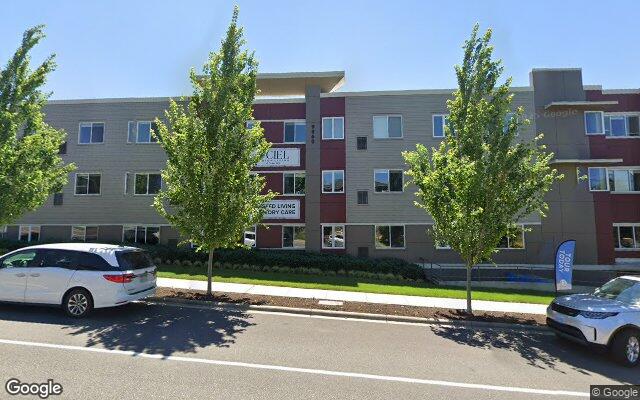
A medium home, reviewed on public record.
© Google Street View
Compared to 55 Oregon facilities with a similar number of beds.
ALF memory care · 36-month window. Higher percentile = better performance on inspection record. Source: Oregon Dept. of Human Services · Long-Term Care Licensing.
among peers to rank.
Rankings based on 36-month OR-DHS inspection data. Severity and frequency: fewer citations = higher percentile. Repeat rate: lower repeat citation share = higher percentile.
Citation history, plotted month by month.
21 deficiencies on record. Each bar is a month with a citation.
Finding distribution
21 total · 36 monthsScope × Severity (CMS A–L)
Every inspection visit, verbatim.
4 inspections in the public record, most recent first. Plain-language summaries open first — click into any row for the full citation text.
2026-02-04Annual Compliance VisitOR-cited · 2 findings
Plain-language summary
During a change of ownership inspection on February 3, 2026, the facility was found to have failed to complete required pre-service training for newly hired staff, including department-approved LGBTQIA2S+ training and dementia-specific training for direct care staff hired between August and December 2025. The facility submitted a corrective action plan to audit all staff training records, reassign required courses based on state-approved templates, and implement monthly audits and administrative meetings to ensure compliance going forward.
Read full citation text (2)Hide full citation text
“based on a resident’s sexual orientation, gender identity, gender expression or human immunodeficiency virus status. (iii) The defined terms commonly associated with LGBTQIA2S+ individuals and human immunodeficiency virus status. (iv) Best practices for communicating with or about LGBTQIA2S+ residents and residents living with human immunodeficiency virus, including the use of an individual’s chosen name and pronouns. (v) A description of the health and social challenges historically experienced by LGBTQIA2S+ residents and residents living with human immunodeficiency virus, including discrimination when seeking or receiving care at care facilities and the demonstrated physical and mental health effects within the LGBTQIA2S+ community associated with such discrimination. (vi) Strategies to create a safe and affirming environment for LGBTQIA2S+ residents and residents living with human immunodeficiency virus, including suggested changes to care facility policies and procedures, forms, signage, communication between residents and their families, activities, in-house services and staff training. The Department-approved LGBTQIA2S+ trainings shall address the elements described in paragraph (6)(b) of this rule. This Rule is not met as evidenced by: Based on interview and record review, it was determined the facility failed to ensure pre-service orientation was completed prior to providing services to residents, including the Department-approved LGBTQIA2S+ course, for 2 of 4 newly hired staff (#s 10 and 18) whose training records were reviewed. Findings include, but are not limited to: Refer to: Z155. Business Office Director audited all team members and reassigned courses based on the crosswalks between Relias and Oregon Care Partners. All new hires have been assigned the required courses based on the Oregon Care Partners crosswalk. Business Office Director updated our in-house template (copied from OCP crosswalk) to include all current state required trainings and all new nires will be assigned based on this template. All current team members training records will be thoroughly audited the middle of each month. BOD and Administrator will meet once a month. OAR 411-054-0070 (3)(b)(A)(B)(C) Staffing Requirements and Training – Pre-service (3) PRE-SERVICE ORIENTATION FOR ALL EMPLOYEES. Prior to beginning their job responsibilities, all employees must complete orientation training regarding: (b) RESIDENTS’ RIGHTS. Residents' rights and the values of community-based care, including the Department-approved LGBTQIA2S+ trainings. (A) Effective December 31, 2024, all staff must have completed the required training. All new staff, hired on and after January 1, 2025, must complete the required training prior to beginning job responsibilities. (B) Facilities must select the LGBTQIA2S+ training to be used by the facility by either: (i) Choosing to use the standard Department-approved biennial LGBTQIA2S+ training, or (ii) Applying to the Department to request approval of a biennial LGBTQIA2S+ training to be provided by the facility. (C) ORS 441.116 requires all LGBTQIA2S+ trainings address: (i) Caring for LGBTQIA2S+ residents and residents living with human immunodeficiency virus. (ii) Preventing discrimination based on a resident’s sexual orientation, gender identity, gender expression or human immunodeficiency virus status. (iii) The defined terms commonly associated with LGBTQIA2S+ individuals and human immunodeficiency virus status. (iv) Best practices for communicating with or about LGBTQIA2S+ residents and residents living with human immunodeficiency virus, including the use of an individual’s chosen name and pronouns. (v) A description of the health and social challenges historically experienced by LGBTQIA2S+ residents and residents living with human immunodeficiency virus, including discrimination when seeking or receiving care at care facilities and the demonstrated physical and mental health effects within the LGBTQIA2S+ community associated with such discrimination. (vi) Strategies to create a safe and affirming environment for LGBTQIA2S+ residents and residents living with human immunodeficiency virus, including suggested changes to care facility policies and procedures, forms, signage, communication between residents and their families, activities, in-house services and staff training. The Department-approved LGBTQIA2S+ trainings shall address the elements described in paragraph (6)(b) of this rule. This Rule is not met as evidenced by:”
“Based on interview and record review, it was determined the facility failed to ensure 3 of 4 newly hired MCC staff (#s 10, 16, and 18) completed all required pre-service orientation training, 3 of 3 newly hired MCC direct care staff (#s 10, 12, and 18) completed all required additional pre-service dementia training, and 2 of 3 newly hired MCC direct care staff (#s 10 and 18) demonstrated competency in all job duties within 30 days of hire. Findings include, but are not limited to: Staff training records were reviewed on 02/03/26 at 12:00 pm with Staff 6 (Business Office Director) and revealed the following: a. There was no documented evidence Staff 10 (CG), Staff 16 (Dining Assistant), and Staff 18 (MT), hired 12/17/25, 12/30/25, and 08/26/25, respectively, had completed one or more of the following pre-service orientation trainings before beginning any job duties: * Resident rights and the values of CBC care; * Infectious disease prevention; *Approved LGBTQIA2S+ course; * Dementia disease process including progression of the disease, memory loss, and psychiatric and behavioral symptoms; * Techniques for understanding, communicating and responding to distressful behavioral symptoms; * Strategies for addressing social needs and engaging persons with dementia in meaningful activities; and * Specific aspects of dementia care and ensuring safety of residents with dementia including addressing pain, providing food/ fluids, preventing wandering, use of person-centered approach. b. There was no documented evidence Staff 10, Staff 12 (MT), hired 12/02/25, and Staff 18 completed one or more of the following pre-service dementia training topics for direct care staff prior to providing personal care: * Environmental factors that are important to a resident’s well-being (eg. staff interactions, lighting, room temperature, noise, etc.); * Family support and the role the family may have in the care of the resident; * How to recognize behaviors that indicate a change in the resident’s condition and report behaviors that require ongoing assessment; * How to provide personal care to a resident with dementia, including an orientation to the resident’s service plan; and * Use of supportive devices with restraining qualities in memory care communities. c. There was no documented evidence Staff 10 and Staff 18 demonstrated competency in one or more of the following areas within 30 days of hire: * Role of service plans in providing individualized care; * Changes associated with normal aging; * Identification, documentation and reporting of changes of condition; and * Conditions that require assessment, treatment, observation, and reporting. The need to ensure the required pre-service training was completed by staff prior to providing services to resident and staff demonstrated competency in assigned job duties within 30 days of hire was discussed with Staff 2 (Community Administrator), Staff 3 (Wellness Director/ RN), Staff 5 (Life Enrichment Director), Staff 6, Staff 7 (Memory Care Coordinator), Staff 8 (Maintenance Director), and Staff 21 (RCC) on 02/04/26 at 11:30 am. They acknowledged the findings. Business Office Director audited all team members and reassigned courses based on the crosswalks between Relias and Oregon Care Partners. All new hires have been assigned the required courses based on the Oregon Care Partners crosswalk. Business Office Director updated our in-house template (copied from OCP crosswalk) to include all current state required trainings and all new nires will be assigned based on this template. All current team members training records will be thoroughly audited the middle of each month. BOD and Administrator will meet once a month. OAR 411-057-0155(1-6) Staff Training Requirements (1) A memory care community must ensure staff who provide support to residents with dementia have a basic understanding and fundamental knowledge of the residents' emotional and unique health care needs prior to providing services to residents. The training requirements for staff who work in memory care communities are described in the following sections. (2) ALL STAFF TRAINING REQUIREMENTS. All staff who work in memory care communities licensed as residential care facilities or assisted living facilities must complete the following: (a) Orientation as required in OAR 411-054-0070(3) before performing any job duties. (b) Pre-service dementia care training as required before independently providing personal care or other services. The dementia care training must address these topics: (A) Education on the dementia disease process, including the progression of the disease, memory loss and psychiatric and behavioral symptoms. (B) Techniques for understanding, communicating and responding to distressful behavioral symptoms; including but not limited to, reducing the use of antipsychotic medications for non-standard uses when responding to distressful behavioral symptoms. (C) Strategies for addressing social needs of persons with dementia and engaging them with meaningful activities; (D) Information concerning specific aspects of dementia care and ensuring safety of residents with dementia including, but not limited to, how to: (i) Identify and address pain; (ii) Provide food and fluid; (iii) Prevent wandering and elopement; (iv) Use a person-centered approach. (c) Additional pre-service training topics that must be completed before independently providing personal care to residents: (A) Environmental factors that are important to resident ' s well-being (e.g. noise, staff interactions, lighting, room temperature, etc.); (B) Family support and the role the family may have in the care of the resident; (C) How to recognize behaviors that indicate a change in the resident ' s condition and report behaviors that require on-going assessment. (3) DIRECT CARE STAFF TRAINING REQUIREMENTS. Direct care staff must be directly supervised by a qualified staff person until they have successfully demonstrated satisfactory performance in any task assigned in the provision of individualized resident services. In addition to training required for all staff as described in paragraph (2): (a) Before independently providing personal care or other services to residents, direct care staff must complete training on: (A) How to provide personal care to a resident with dementia, including an orientation to the resident and the resident ' s service plan, as required in OAR 411-054-0070(4). (B) The use of supportive devices with restraining qualities in memory care communities. (b) Within 30 days after hire, direct care staff must complete training as outlined in OAR 411-054-0070(5). (c) Direct care staff who work in memory care communities licensed as residential care facilities or assisted living facilities must complete a total of 16 hours of in-service training annually. The six hours of annual dementia care training required pursuant to OAR 411-054-0070(6) may be included in the 16 hours of in-service training. Annual in-service hours required of each staff are due by the anniversary date of that person ' s hire. All completed trainings must be documented by the facility. (4) NURSING FACILITY STAFF. Staff who work in memory care communities licensed as nursing facilities must complete the following: (a) Orientation as outlined in OAR 411-086-0310, 42 CFR ? 483.95 (F 943). (b) Pre-service dementia care training as outlined in paragraphs (2)(b) and (c) and paragraph (3)(a) of this section. (c) A total of 16 hours of annual in-service training must be completed by direct care staff only. Four of the 16 hours must be dementia care training and may be included in the 16 hours of in-service training. Annual in-service hours required of each staff are due by the anniversary date of that person ' s hire. All completed trainings must be documented by the facility. (5) Persons providing or overseeing the training of staff must have experience and knowledge in the c”
Read raw inspector notesClose inspector notes
based on a resident’s sexual orientation, gender identity, gender expression or human immunodeficiency virus status. (iii) The defined terms commonly associated with LGBTQIA2S+ individuals and human immunodeficiency virus status. (iv) Best practices for communicating with or about LGBTQIA2S+ residents and residents living with human immunodeficiency virus, including the use of an individual’s chosen name and pronouns. (v) A description of the health and social challenges historically experienced by LGBTQIA2S+ residents and residents living with human immunodeficiency virus, including discrimination when seeking or receiving care at care facilities and the demonstrated physical and mental health effects within the LGBTQIA2S+ community associated with such discrimination. (vi) Strategies to create a safe and affirming environment for LGBTQIA2S+ residents and residents living with human immunodeficiency virus, including suggested changes to care facility policies and procedures, forms, signage, communication between residents and their families, activities, in-house services and staff training. The Department-approved LGBTQIA2S+ trainings shall address the elements described in paragraph (6)(b) of this rule. This Rule is not met as evidenced by: Based on interview and record review, it was determined the facility failed to ensure pre-service orientation was completed prior to providing services to residents, including the Department-approved LGBTQIA2S+ course, for 2 of 4 newly hired staff (#s 10 and 18) whose training records were reviewed. Findings include, but are not limited to: Refer to: Z155. Business Office Director audited all team members and reassigned courses based on the crosswalks between Relias and Oregon Care Partners. All new hires have been assigned the required courses based on the Oregon Care Partners crosswalk. Business Office Director updated our in-house template (copied from OCP crosswalk) to include all current state required trainings and all new nires will be assigned based on this template. All current team members training records will be thoroughly audited the middle of each month. BOD and Administrator will meet once a month. OAR 411-054-0070 (3)(b)(A)(B)(C) Staffing Requirements and Training – Pre-service (3) PRE-SERVICE ORIENTATION FOR ALL EMPLOYEES. Prior to beginning their job responsibilities, all employees must complete orientation training regarding: (b) RESIDENTS’ RIGHTS. Residents' rights and the values of community-based care, including the Department-approved LGBTQIA2S+ trainings. (A) Effective December 31, 2024, all staff must have completed the required training. All new staff, hired on and after January 1, 2025, must complete the required training prior to beginning job responsibilities. (B) Facilities must select the LGBTQIA2S+ training to be used by the facility by either: (i) Choosing to use the standard Department-approved biennial LGBTQIA2S+ training, or (ii) Applying to the Department to request approval of a biennial LGBTQIA2S+ training to be provided by the facility. (C) ORS 441.116 requires all LGBTQIA2S+ trainings address: (i) Caring for LGBTQIA2S+ residents and residents living with human immunodeficiency virus. (ii) Preventing discrimination based on a resident’s sexual orientation, gender identity, gender expression or human immunodeficiency virus status. (iii) The defined terms commonly associated with LGBTQIA2S+ individuals and human immunodeficiency virus status. (iv) Best practices for communicating with or about LGBTQIA2S+ residents and residents living with human immunodeficiency virus, including the use of an individual’s chosen name and pronouns. (v) A description of the health and social challenges historically experienced by LGBTQIA2S+ residents and residents living with human immunodeficiency virus, including discrimination when seeking or receiving care at care facilities and the demonstrated physical and mental health effects within the LGBTQIA2S+ community associated with such discrimination. (vi) Strategies to create a safe and affirming environment for LGBTQIA2S+ residents and residents living with human immunodeficiency virus, including suggested changes to care facility policies and procedures, forms, signage, communication between residents and their families, activities, in-house services and staff training. The Department-approved LGBTQIA2S+ trainings shall address the elements described in paragraph (6)(b) of this rule. This Rule is not met as evidenced by: Based on interview and record review, it was determined the facility failed to ensure 3 of 4 newly hired MCC staff (#s 10, 16, and 18) completed all required pre-service orientation training, 3 of 3 newly hired MCC direct care staff (#s 10, 12, and 18) completed all required additional pre-service dementia training, and 2 of 3 newly hired MCC direct care staff (#s 10 and 18) demonstrated competency in all job duties within 30 days of hire. Findings include, but are not limited to: Staff training records were reviewed on 02/03/26 at 12:00 pm with Staff 6 (Business Office Director) and revealed the following: a. There was no documented evidence Staff 10 (CG), Staff 16 (Dining Assistant), and Staff 18 (MT), hired 12/17/25, 12/30/25, and 08/26/25, respectively, had completed one or more of the following pre-service orientation trainings before beginning any job duties: * Resident rights and the values of CBC care; * Infectious disease prevention; *Approved LGBTQIA2S+ course; * Dementia disease process including progression of the disease, memory loss, and psychiatric and behavioral symptoms; * Techniques for understanding, communicating and responding to distressful behavioral symptoms; * Strategies for addressing social needs and engaging persons with dementia in meaningful activities; and * Specific aspects of dementia care and ensuring safety of residents with dementia including addressing pain, providing food/ fluids, preventing wandering, use of person-centered approach. b. There was no documented evidence Staff 10, Staff 12 (MT), hired 12/02/25, and Staff 18 completed one or more of the following pre-service dementia training topics for direct care staff prior to providing personal care: * Environmental factors that are important to a resident’s well-being (eg. staff interactions, lighting, room temperature, noise, etc.); * Family support and the role the family may have in the care of the resident; * How to recognize behaviors that indicate a change in the resident’s condition and report behaviors that require ongoing assessment; * How to provide personal care to a resident with dementia, including an orientation to the resident’s service plan; and * Use of supportive devices with restraining qualities in memory care communities. c. There was no documented evidence Staff 10 and Staff 18 demonstrated competency in one or more of the following areas within 30 days of hire: * Role of service plans in providing individualized care; * Changes associated with normal aging; * Identification, documentation and reporting of changes of condition; and * Conditions that require assessment, treatment, observation, and reporting. The need to ensure the required pre-service training was completed by staff prior to providing services to resident and staff demonstrated competency in assigned job duties within 30 days of hire was discussed with Staff 2 (Community Administrator), Staff 3 (Wellness Director/ RN), Staff 5 (Life Enrichment Director), Staff 6, Staff 7 (Memory Care Coordinator), Staff 8 (Maintenance Director), and Staff 21 (RCC) on 02/04/26 at 11:30 am. They acknowledged the findings. Business Office Director audited all team members and reassigned courses based on the crosswalks between Relias and Oregon Care Partners. All new hires have been assigned the required courses based on the Oregon Care Partners crosswalk. Business Office Director updated our in-house template (copied from OCP crosswalk) to include all current state required trainings and all new nires will be assigned based on this template. All current team members training records will be thoroughly audited the middle of each month. BOD and Administrator will meet once a month. OAR 411-057-0155(1-6) Staff Training Requirements (1) A memory care community must ensure staff who provide support to residents with dementia have a basic understanding and fundamental knowledge of the residents' emotional and unique health care needs prior to providing services to residents. The training requirements for staff who work in memory care communities are described in the following sections. (2) ALL STAFF TRAINING REQUIREMENTS. All staff who work in memory care communities licensed as residential care facilities or assisted living facilities must complete the following: (a) Orientation as required in OAR 411-054-0070(3) before performing any job duties. (b) Pre-service dementia care training as required before independently providing personal care or other services. The dementia care training must address these topics: (A) Education on the dementia disease process, including the progression of the disease, memory loss and psychiatric and behavioral symptoms. (B) Techniques for understanding, communicating and responding to distressful behavioral symptoms; including but not limited to, reducing the use of antipsychotic medications for non-standard uses when responding to distressful behavioral symptoms. (C) Strategies for addressing social needs of persons with dementia and engaging them with meaningful activities; (D) Information concerning specific aspects of dementia care and ensuring safety of residents with dementia including, but not limited to, how to: (i) Identify and address pain; (ii) Provide food and fluid; (iii) Prevent wandering and elopement; (iv) Use a person-centered approach. (c) Additional pre-service training topics that must be completed before independently providing personal care to residents: (A) Environmental factors that are important to resident ' s well-being (e.g. noise, staff interactions, lighting, room temperature, etc.); (B) Family support and the role the family may have in the care of the resident; (C) How to recognize behaviors that indicate a change in the resident ' s condition and report behaviors that require on-going assessment. (3) DIRECT CARE STAFF TRAINING REQUIREMENTS. Direct care staff must be directly supervised by a qualified staff person until they have successfully demonstrated satisfactory performance in any task assigned in the provision of individualized resident services. In addition to training required for all staff as described in paragraph (2): (a) Before independently providing personal care or other services to residents, direct care staff must complete training on: (A) How to provide personal care to a resident with dementia, including an orientation to the resident and the resident ' s service plan, as required in OAR 411-054-0070(4). (B) The use of supportive devices with restraining qualities in memory care communities. (b) Within 30 days after hire, direct care staff must complete training as outlined in OAR 411-054-0070(5). (c) Direct care staff who work in memory care communities licensed as residential care facilities or assisted living facilities must complete a total of 16 hours of in-service training annually. The six hours of annual dementia care training required pursuant to OAR 411-054-0070(6) may be included in the 16 hours of in-service training. Annual in-service hours required of each staff are due by the anniversary date of that person ' s hire. All completed trainings must be documented by the facility. (4) NURSING FACILITY STAFF. Staff who work in memory care communities licensed as nursing facilities must complete the following: (a) Orientation as outlined in OAR 411-086-0310, 42 CFR ? 483.95 (F 943). (b) Pre-service dementia care training as outlined in paragraphs (2)(b) and (c) and paragraph (3)(a) of this section. (c) A total of 16 hours of annual in-service training must be completed by direct care staff only. Four of the 16 hours must be dementia care training and may be included in the 16 hours of in-service training. Annual in-service hours required of each staff are due by the anniversary date of that person ' s hire. All completed trainings must be documented by the facility. (5) Persons providing or overseeing the training of staff must have experience and knowledge in the c
2025-08-28Annual Compliance VisitOR-cited · 2 findings
Plain-language summary
A routine kitchen inspection on August 28, 2025, found the facility failed to maintain sanitary conditions in its kitchen and memory care kitchenette, with accumulations of food debris, grease, and dirt on equipment, floors, and storage areas; the walk-in refrigerator was held at unsafe temperatures (44-53.6°F instead of 41°F or below), raw meat was thawing on a preparation table and dripping onto food storage containers, and the facility was serving eggs with soft yolks despite having no pasteurized eggs available. The facility has since deep-cleaned all areas, repaired damaged surfaces, corrected refrigerator temperatures, switched to pasteurized eggs, and implemented daily and weekly cleaning logs and sanitation walkthroughs overseen by culinary and maintenance staff.
Read full citation text (2)Hide full citation text
“Based on observation and interview, it was determined the facility failed to maintain the kitchen in a sanitary manner and ensure food was prepared and served in accordance with OAR 333-150-0000 (Food Sanitation Rules). Findings include, but are not limited to: On 08/28/25, from 11:11 am to 3:08 pm, interviews with staff and observations of the facility kitchen, food storage areas, food preparation, and food service were conducted. The following was identified: a. An accumulation of food spills, splatters, loose food and trash debris, dirt, dust, black matter, and grease was visible on or underneath the following: * The flooring throughout the kitchen, janitors closet, and under, behind, and around the ice machine, ovens, convection oven, deep fryer, hot service line, food preparation areas, and storage racks in the walk-in refrigerator; * Interior and exterior of the deep fryer, ovens, and grill; * Interior of the ice machine; * The storage racks in the walk-in refrigerator; * Interior and exterior of two large food storage containers under a food preparation table; * The vents and the ceiling and/or walls near the vents, located in the janitors’ closet, above the three-compartment sink, inside of the walk-in refrigerator, at the top of the standing refrigerator to the right of the hot service line, and four above the hot service line; * The wall to the right of the walk-in refrigerator and near the swinging entry and exit doors; * The seal located around the dish pit in the ware wash area; * The base of an outside company’s bread storage rack; * The flooring in the memory care kitchenette located under, around, and behind the steam table and refrigerator. b. The following areas were noted in need of repair: * The walls in the entry hallway had gouged, broken, chipped, and scratched material; * The tiles located on the corners of the entry hallway were broken and cracked; * Floor drain to the right of the ice machine was missing approximately four inches of the seal; * The storage racks in the walk-in refrigerator had chipped coating; * The standing bread warmer was reported to be inoperable; * The memory care kitchenette entry door had large areas of worn surface material at the top of the door on both sides; and * The walls in the memory care kitchenette had scratches and chips throughout and had peeling material behind the steam table. c. Staff 2 (Director of Culinary Services) reported the facility served eggs with soft yolks, however there were no pasteurized eggs available. d. The walk-in refrigerator had an external thermometer, and two internal thermometers noted to have temperatures ranging from 44 - 53.6 degrees Fahrenheit throughout the survey. Therefore, thermometers were not at the required temperature of 41 degrees Fahrenheit or below. e. While completing a walk-through of the kitchen with Staff 1 (Executive Director) and Staff 2, thawed raw meat was observed on a food preparation table with liquid around the raw meat, dripping into and on one of the large dry food canisters located under the food preparation table. On 08/28/25 at 2:29 pm, Staff 1 and Staff 2 completed a walk-through of the memory care kitchenette and at 2:33 pm, Staff 1 and Staff 2 completed a walk-through of the kitchen with this surveyor and reviewed the above noted areas. The need to ensure the kitchen was maintained in a sanitary manner and food was prepared and served in accordance with Food Sanitation Rules was reviewed with Staff 1 and Staff 2, on 08/28/25 at 3:08 pm. They acknowledged the findings. • The Culinary Director (CD), Maintenance Director (MD), and Executive Director (ED) conducted a comprehensive walkthrough of all areas identified during the survey. The team completed a deep cleaning of food preparation areas, equipment, vents, and floors under equipment, as well as recaulked the dishwashing area. • The CD removed and disposed of inoperable equipment. • The CD transitioned to pasteurized eggs, which have been delivered and are now in use. • The CD held a documented in-service training with the culinary team addressing cross-contamination prevention. • The MD repaired chipped walls, baseboards, and tiles in the kitchen. • The MD corrected refrigerator temperature concerns, ensuring the unit maintains temperatures below 42°F. • The MD completed a thorough cleaning and sanitization of the ice machine. 2. The CD implemented cleaning logs for both the main kitchen and the Memory Care kitchenette, outlining daily and weekly cleaning tasks. • The CD reviews these logs with the team daily and conducts a weekly sanitation walkthrough with the Sous Chef. • The CD, Sous Chef, and Memory Care Director (MCD) perform a detailed sanitation walkthrough on the first Monday of each month. 3. Daily and weekly walkthroughs of the kitchen are conducted by the CD and Sous Chef. • The CD, ED, and MD jointly conduct a monthly walkthrough of the kitchen, storage closets, dishwashing area, Memory Care kitchenette, and hallways to identify and correct any damaged or chipped surfaces. 4. The CD and Sous Chef oversee all daily cleaning responsibilities. • A weekly sanitation audit is completed for the kitchen, storage areas, Memory Care kitchenette, and dishwashing area by the CD and Sous Chef. • The CD, MD, Memory Care Director/ED conduct a monthly walkthrough of the physical kitchen including MC kitchenette- including walls, tiles, and baseboards, to ensure all areas are maintained in compliance.”
“Based on observation and interview, it was determined the facility failed to follow licensing rules for Residential Care and Assisted Living Facilities. Findings include, but are not limited to: Refer to C240. • The Culinary Director (CD), Maintenance Director (MD), and Executive Director (ED) conducted a comprehensive walkthrough of all areas identified during the survey. The team completed a deep cleaning of food preparation areas, equipment, vents, and floors under equipment, as well as recaulked the dishwashing area. • The CD removed and disposed of inoperable equipment. • The CD transitioned to pasteurized eggs, which have been delivered and are now in use. • The CD held a documented in-service training with the culinary team addressing cross-contamination prevention. • The MD repaired chipped walls, baseboards, and tiles in the kitchen. • The MD corrected refrigerator temperature concerns, ensuring the unit maintains temperatures below 42°F. • The MD completed a thorough cleaning and sanitization of the ice machine. 2. The CD implemented cleaning logs for both the main kitchen and the Memory Care kitchenette, outlining daily and weekly cleaning tasks. • The CD reviews these logs with the team daily and conducts a weekly sanitation walkthrough with the Sous Chef. • The CD, Sous Chef, and Memory Care Director (MCD) perform a detailed sanitation walkthrough on the first Monday of each month. 3. Daily and weekly walkthroughs of the kitchen are conducted by the CD and Sous Chef. • The CD, ED, and MD jointly conduct a monthly walkthrough of the kitchen, storage closets, dishwashing area, Memory Care kitchenette, and hallways to identify and correct any damaged or chipped surfaces. 4. The CD and Sous Chef oversee all daily cleaning responsibilities. • A weekly sanitation audit is completed for the kitchen, storage areas, Memory Care kitchenette, and dishwashing area by the CD and Sous Chef. • The CD, MD, Memory Care Director/ED conduct a monthly walkthrough of the physical kitchen including MC kitchenette- including walls, tiles, and baseboards, to ensure all areas are maintained in compliance”
Read raw inspector notesClose inspector notes
Based on observation and interview, it was determined the facility failed to maintain the kitchen in a sanitary manner and ensure food was prepared and served in accordance with OAR 333-150-0000 (Food Sanitation Rules). Findings include, but are not limited to: On 08/28/25, from 11:11 am to 3:08 pm, interviews with staff and observations of the facility kitchen, food storage areas, food preparation, and food service were conducted. The following was identified: a. An accumulation of food spills, splatters, loose food and trash debris, dirt, dust, black matter, and grease was visible on or underneath the following: * The flooring throughout the kitchen, janitors closet, and under, behind, and around the ice machine, ovens, convection oven, deep fryer, hot service line, food preparation areas, and storage racks in the walk-in refrigerator; * Interior and exterior of the deep fryer, ovens, and grill; * Interior of the ice machine; * The storage racks in the walk-in refrigerator; * Interior and exterior of two large food storage containers under a food preparation table; * The vents and the ceiling and/or walls near the vents, located in the janitors’ closet, above the three-compartment sink, inside of the walk-in refrigerator, at the top of the standing refrigerator to the right of the hot service line, and four above the hot service line; * The wall to the right of the walk-in refrigerator and near the swinging entry and exit doors; * The seal located around the dish pit in the ware wash area; * The base of an outside company’s bread storage rack; * The flooring in the memory care kitchenette located under, around, and behind the steam table and refrigerator. b. The following areas were noted in need of repair: * The walls in the entry hallway had gouged, broken, chipped, and scratched material; * The tiles located on the corners of the entry hallway were broken and cracked; * Floor drain to the right of the ice machine was missing approximately four inches of the seal; * The storage racks in the walk-in refrigerator had chipped coating; * The standing bread warmer was reported to be inoperable; * The memory care kitchenette entry door had large areas of worn surface material at the top of the door on both sides; and * The walls in the memory care kitchenette had scratches and chips throughout and had peeling material behind the steam table. c. Staff 2 (Director of Culinary Services) reported the facility served eggs with soft yolks, however there were no pasteurized eggs available. d. The walk-in refrigerator had an external thermometer, and two internal thermometers noted to have temperatures ranging from 44 - 53.6 degrees Fahrenheit throughout the survey. Therefore, thermometers were not at the required temperature of 41 degrees Fahrenheit or below. e. While completing a walk-through of the kitchen with Staff 1 (Executive Director) and Staff 2, thawed raw meat was observed on a food preparation table with liquid around the raw meat, dripping into and on one of the large dry food canisters located under the food preparation table. On 08/28/25 at 2:29 pm, Staff 1 and Staff 2 completed a walk-through of the memory care kitchenette and at 2:33 pm, Staff 1 and Staff 2 completed a walk-through of the kitchen with this surveyor and reviewed the above noted areas. The need to ensure the kitchen was maintained in a sanitary manner and food was prepared and served in accordance with Food Sanitation Rules was reviewed with Staff 1 and Staff 2, on 08/28/25 at 3:08 pm. They acknowledged the findings. • The Culinary Director (CD), Maintenance Director (MD), and Executive Director (ED) conducted a comprehensive walkthrough of all areas identified during the survey. The team completed a deep cleaning of food preparation areas, equipment, vents, and floors under equipment, as well as recaulked the dishwashing area. • The CD removed and disposed of inoperable equipment. • The CD transitioned to pasteurized eggs, which have been delivered and are now in use. • The CD held a documented in-service training with the culinary team addressing cross-contamination prevention. • The MD repaired chipped walls, baseboards, and tiles in the kitchen. • The MD corrected refrigerator temperature concerns, ensuring the unit maintains temperatures below 42°F. • The MD completed a thorough cleaning and sanitization of the ice machine. 2. The CD implemented cleaning logs for both the main kitchen and the Memory Care kitchenette, outlining daily and weekly cleaning tasks. • The CD reviews these logs with the team daily and conducts a weekly sanitation walkthrough with the Sous Chef. • The CD, Sous Chef, and Memory Care Director (MCD) perform a detailed sanitation walkthrough on the first Monday of each month. 3. Daily and weekly walkthroughs of the kitchen are conducted by the CD and Sous Chef. • The CD, ED, and MD jointly conduct a monthly walkthrough of the kitchen, storage closets, dishwashing area, Memory Care kitchenette, and hallways to identify and correct any damaged or chipped surfaces. 4. The CD and Sous Chef oversee all daily cleaning responsibilities. • A weekly sanitation audit is completed for the kitchen, storage areas, Memory Care kitchenette, and dishwashing area by the CD and Sous Chef. • The CD, MD, Memory Care Director/ED conduct a monthly walkthrough of the physical kitchen including MC kitchenette- including walls, tiles, and baseboards, to ensure all areas are maintained in compliance. Based on observation and interview, it was determined the facility failed to follow licensing rules for Residential Care and Assisted Living Facilities. Findings include, but are not limited to: Refer to C240. • The Culinary Director (CD), Maintenance Director (MD), and Executive Director (ED) conducted a comprehensive walkthrough of all areas identified during the survey. The team completed a deep cleaning of food preparation areas, equipment, vents, and floors under equipment, as well as recaulked the dishwashing area. • The CD removed and disposed of inoperable equipment. • The CD transitioned to pasteurized eggs, which have been delivered and are now in use. • The CD held a documented in-service training with the culinary team addressing cross-contamination prevention. • The MD repaired chipped walls, baseboards, and tiles in the kitchen. • The MD corrected refrigerator temperature concerns, ensuring the unit maintains temperatures below 42°F. • The MD completed a thorough cleaning and sanitization of the ice machine. 2. The CD implemented cleaning logs for both the main kitchen and the Memory Care kitchenette, outlining daily and weekly cleaning tasks. • The CD reviews these logs with the team daily and conducts a weekly sanitation walkthrough with the Sous Chef. • The CD, Sous Chef, and Memory Care Director (MCD) perform a detailed sanitation walkthrough on the first Monday of each month. 3. Daily and weekly walkthroughs of the kitchen are conducted by the CD and Sous Chef. • The CD, ED, and MD jointly conduct a monthly walkthrough of the kitchen, storage closets, dishwashing area, Memory Care kitchenette, and hallways to identify and correct any damaged or chipped surfaces. 4. The CD and Sous Chef oversee all daily cleaning responsibilities. • A weekly sanitation audit is completed for the kitchen, storage areas, Memory Care kitchenette, and dishwashing area by the CD and Sous Chef. • The CD, MD, Memory Care Director/ED conduct a monthly walkthrough of the physical kitchen including MC kitchenette- including walls, tiles, and baseboards, to ensure all areas are maintained in compliance
2024-07-29Annual Compliance VisitOR-cited · 13 findings
Plain-language summary
A re-licensure survey conducted from July 29 to August 1, 2024, with follow-up visits in December 2024 and June 2025, determined that the facility was in substantial compliance with Oregon regulations for residential care, assisted living, and memory care communities. The facility met the standards established under OARs 411 Division 54, Division 57, and Division 004 for Home and Community Based Services.
Read full citation text (13)Hide full citation text
“The findings of the re-licensure survey, conducted 07/29/24 through 08/01/24, are documented in this report. The survey was conducted to determine compliance with OARs 411 Division 54 for Residential Care and Assisted Living Facilities, OARs 411 Division 57 for Memory Care Communities, and OARs 411 Division 004 Home and Community Based Services Regulations. Tag numbers beginning with the letter C refer to the Residential Care and Assisted Living rules. Tag numbers beginning with the letter Z refer to the Memory Care Community rules. Tag numbers beginning with the letter H refer to the Home and Community Based Services rules. Abbreviations possibly used in this document: ADL: activities of daily living bid: twice a day CBG: capillary blood glucose or blood sugar CG: caregiver cm: centimeter ED: Executive Director F: Fahrenheit HH: Home Health LPN: Licensed Practical Nurse MA: Medication Aide MAR: Medication Administration Record MCC: Memory Care Community mg: milligram ml: milliliter MT: Medication Technician OT: Occupational Therapist PT: Physical Therapist PRN: as needed qd: every day or daily qid: four times a day QI: quality improvement RCC: Resident Care Coordinator RN: Registered Nurse TAR: Treatment Administration Record tid: three times a day The findings of the re-licensure survey, conducted 07/29/24 through 08/01/24, are documented in this report. The survey was conducted to determine compliance with OARs 411 Division 54 for Residential Care and Assisted Living Facilities, OARs 411 Division 57 for Memory Care Communities, and OARs 411 Division 004 Home and Community Based Services Regulations. Tag numbers beginning with the letter C refer to the Residential Care and Assisted Living rules. Tag numbers beginning with the letter Z refer to the Memory Care Community rules. Tag numbers beginning with the letter H refer to the Home and Community Based Services rules. Abbreviations possibly used in this document: ADL: activities of daily living bid: twice a day CBG: capillary blood glucose or blood sugar CG: caregiver cm: centimeter ED: Executive Director F: Fahrenheit HH: Home Health LPN: Licensed Practical Nurse MA: Medication Aide MAR: Medication Administration Record MCC: Memory Care Community mg: milligram ml: milliliter MT: Medication Technician OT: Occupational Therapist PT: Physical Therapist PRN: as needed qd: every day or daily qid: four times a day QI: quality improvement RCC: Resident Care Coordinator RN: Registered Nurse TAR: Treatment Administration Record tid: three times a day The findings of the first re-visit to the re-licensure survey of 08/01/24, conducted 12/02/24 through 12/03/24, are documented in this report. The survey was conducted to determine compliance with the OARs 411 Division 54 for Residential Care and Assisted Living Facilities, Division 57 for Memory Care Communities and Home and Community Based Services Regulations OARs 411 Division 004. Tag numbers beginning with the letter C refer to the Residential Care and Assisted Living rules. Tag numbers beginning with the letter H refer to the Home and Community Based Services rules. Abbreviations possibly used in this document: ADL: activities of daily living bid: twice a day CBG: capillary blood glucose or blood sugar CG: caregiver cm: centimeter ED: Executive Director F: Fahrenheit HH: Home Health LPN: Licensed Practical Nurse MA: Medication Aide MAR: Medication Administration Record MCC: Memory Care Community mg: milligram ml: milliliter MT: Medication Technician OT: Occupational Therapist PT: Physical Therapist PRN: as needed qd: every day or daily qid: four times a day QI: quality improvement RCC: Resident Care Coordinator RN: Registered Nurse TAR: Treatment Administration Record tid: three times a day The findings of the first re-visit to the re-licensure survey of 08/01/24, conducted 12/02/24 through 12/03/24, are documented in this report. The survey was conducted to determine compliance with the OARs 411 Division 54 for Residential Care and Assisted Living Facilities, Division 57 for Memory Care Communities and Home and Community Based Services Regulations OARs 411 Division 004. Tag numbers beginning with the letter C refer to the Residential Care and Assisted Living rules. Tag numbers beginning with the letter H refer to the Home and Community Based Services rules. Abbreviations possibly used in this document: ADL: activities of daily living bid: twice a day CBG: capillary blood glucose or blood sugar CG: caregiver cm: centimeter ED: Executive Director F: Fahrenheit HH: Home Health LPN: Licensed Practical Nurse MA: Medication Aide MAR: Medication Administration Record MCC: Memory Care Community mg: milligram ml: milliliter MT: Medication Technician OT: Occupational Therapist PT: Physical Therapist PRN: as needed qd: every day or daily qid: four times a day QI: quality improvement RCC: Resident Care Coordinator RN: Registered Nurse TAR: Treatment Administration Record tid: three times a day The findings of the second re-visit to the re-licensure survey of 08/01/24, conducted on 06/26/25 are documented in this report. It was determined the facility was in substantial compliance with OARs 411 Division 54 for Residential Care and Assisted Living Facilities, OARs 411 Division 57 for Memory Care Communities and OARs 411 Division 004 for Home and Community Based Services Regulations. The findings of the second re-visit to the re-licensure survey of 08/01/24, conducted on 06/26/25 are documented in this report. It was determined the facility was in substantial compliance with OARs 411 Division 54 for Residential Care and Assisted Living Facilities, OARs 411 Division 57 for Memory Care Communities and OARs 411 Division 004 for Home and Community Based Services Regulations.”
“Based on observation, interview, and record review, it was determined the facility failed to ensure the service plan was reflective of resident's needs, was readily available to staff, and provided clear direction regarding the delivery of services for 1 of 1 sampled resident (#3) who had a history of elopement. Findings include, but are not limited to: Resident 3 moved into the facility in 06/2024 with diagnoses including dementia, and was identified during the acuity interview as having recently eloped. The resident's current service plan dated 07/07/24, temporary service plans (TSPs) dated 06/28/24 to 07/29/24, and progress notes dated 06/28/24 to 07/29/24 were reviewed, interviews with staff were conducted, and observations of the resident were made. The following was identified: a. The resident's service plan and TSPs were not reflective and/or did not provide clear direction to staff regarding the resident's elopement behaviors. During an interview at 2:18 pm on 08/01/24, Staff 14 (Resident Care Assistant) stated Resident 3 would often wear a badge and carry papers around to "look official," and would attempt to convince visitors to the MCC that s/he was not a resident. During an interview at 2:05 pm on 08/01/24 Staff 18 (Resident Care Assistant) stated the resident would approach visitors and ask to be let out, telling them s/he forgot his/her key. This information was not in the resident's current service plan or TSPs. b. Review of the record revealed TSPs were typically located in the "Memory Care TSPs" binder, available in the staff break room. Two TSPs both dated 06/28/24 with instructions to staff regarding the resident's elopement that same day were located in the resident's hard chart in the locked medication room. The instructions were not on the resident's current service plan available to staff. During an interview at 2:15 pm on 08/01/24, Staff 12 stated, "We are supposed to redirect [him/her] but I haven't been given specific instructions what to do when [s/he] is looking like [s/he] wants to leave." An updated TSP regarding Resident 3's elopement behaviors with clear directions to staff was requested and received by the survey team at 4:00 pm on 08/01/24. The need to ensure service plans were reflective of resident's needs, made readily available to staff, and provided clear direction regarding the delivery of services was discussed with Staff 1 (Memory Care Director), Staff 2 (ED), Staff 3 (Health and Wellness Director), Staff 15 (LPN), and Staff 16 (Assisted Living Coordinator)on 08/01/24. They acknowledged the findings. Based on observation, interview, and record review, it was determined the facility failed to ensure the service plan was reflective of resident's needs, was readily available to staff, and provided clear direction regarding the delivery of services for 1 of 1 sampled resident (#3) who had a history of elopement. Findings include, but are not limited to: Resident 3 moved into the facility in 06/2024 with diagnoses including dementia, and was identified during the acuity interview as having recently eloped. The resident's current service plan dated 07/07/24, temporary service plans (TSPs) dated 06/28/24 to 07/29/24, and progress notes dated 06/28/24 to 07/29/24 were reviewed, interviews with staff were conducted, and observations of the resident were made. The following was identified: a. The resident's service plan and TSPs were not reflective and/or did not provide clear direction to staff regarding the resident's elopement behaviors. During an interview at 2:18 pm on 08/01/24, Staff 14 (Resident Care Assistant) stated Resident 3 would often wear a badge and carry papers around to "look official," and would attempt to convince visitors to the MCC that s/he was not a resident. During an interview at 2:05 pm on 08/01/24 Staff 18 (Resident Care Assistant) stated the resident would approach visitors and ask to be let out, telling them s/he forgot his/her key. This information was not in the resident's current service plan or TSPs. b. Review of the record revealed TSPs were typically located in the "Memory Care TSPs" binder, available in the staff break room. Two TSPs both dated 06/28/24 with instructions to staff regarding the resident's elopement that same day were located in the resident's hard chart in the locked medication room. The instructions were not on the resident's current service plan available to staff. During an interview at 2:15 pm on 08/01/24, Staff 12 stated, "We are supposed to redirect [him/her] but I haven't been given specific instructions what to do when [s/he] is looking like [s/he] wants to leave." An updated TSP regarding Resident 3's elopement behaviors with clear directions to staff was requested and received by the survey team at 4:00 pm on 08/01/24. The need to ensure service plans were reflective of resident's needs, made readily available to staff, and provided clear direction regarding the delivery of services was discussed with Staff 1 (Memory Care Director), Staff 2 (ED), Staff 3 (Health and Wellness Director), Staff 15 (LPN), and Staff 16 (Assisted Living Coordinator)on 08/01/24. They acknowledged the findings. New TSP was placed for Resident 3 with more details on elopement behaviors. It will be added to the service plan at the next quarterly update. Care staff have been retrained to read and sign TSPs. On going training will occur from the Clinical team to ensure care staff are reading and signing the TSPs. The Health and Wellness Director will input all relevant TSPs to the service plan at each update (quarterly and as needed). Memory Care Director will check each service plan update to ensure that the relevant TSPs have been entered. Administrator will be responsible that the items above are completed and documented timely. New TSP was placed for Resident 3 with more details on elopement behaviors. It will be added to the service plan at the next quarterly update. Care staff have been retrained to read and sign TSPs. On going training will occur from the Clinical team to ensure care staff are reading and signing the TSPs. The Health and Wellness Director will input all relevant TSPs to the service plan at each update (quarterly and as needed). Memory Care Director will check each service plan update to ensure that the relevant TSPs have been entered. Administrator will be responsible that the items above are completed and documented timely. There are no detail notes for this visit.”
“Based on observation and interview, it was determined the facility failed to maintain infection prevention and control protocols to provide a safe, sanitary, and comfortable environment for 2 of 2 sampled residents (#s 1 and 2) and multiple unsampled residents dependent on staff for care needs and meal service. Findings include, but are not limited to: 1a. Resident 1 was admitted to the facility in 04/2022 with diagnoses including Alzheimer's disease. Review of the resident's current service plan dated 07/10/24 indicated s/he was dependent on staff for toileting and incontinence care. At 12:30 pm on 07/29/24, Staff 9 (Resident Care Assistant) was observed providing toileting assistance for Resident 1. Staff 9 escorted the resident to his/her bathroom wearing the same single use gloves from lunch service. Staff 9 assisted Resident 1 with pulling pants and briefs down wearing the single use gloves from lunch service. She then provided pericare and assisted Resident 1 in pulling his/her briefs and pants up without disposing of single use gloves and performing hand hygiene between dirty and clean tasks. 1b. General observations were conducted in the MCC from 07/29/24 to 08/01/24. The following was identified: * Multiple care staff were observed entering and exiting unsampled residents' rooms, donning and doffing single use gloves without performing hand hygiene prior to and before assisting residents with ADLs, touching their devices, and touching other surfaces in the community. * Staff 8 was observed exiting an unsampled resident's room with incontinent trash on 07/31/24 at 10:32 am. He was observed to touch another resident's wheelchair handlebar while holding the incontinent trash. He proceeded to another unsampled resident's room and placed the incontinent trash on the resident's floor. He then assisted the unsampled resident to his/her bathroom to provide toileting assistance without first performing hand hygiene. 1c. Observations of meal service were conducted from 07/29/24 to 07/30/24. Caregiving staff were observed serving food and feeding residents without wearing a protective covering over potentially contaminated clothing. The need to maintain effective infection prevention and control protocols was discussed with Staff 1 (Memory Care Director), Staff 2 (ED), Staff 3 (Health and Wellness Director), Staff 15 (LPN), and Staff 16 (Assisted Living Coordinator) on 08/01/24. They acknowledged the findings. Based on observation and interview, it was determined the facility failed to maintain infection prevention and control protocols to provide a safe, sanitary, and comfortable environment for 2 of 2 sampled residents (#s 1 and 2) and multiple unsampled residents dependent on staff for care needs and meal service. Findings include, but are not limited to: 1a. Resident 1 was admitted to the facility in 04/2022 with diagnoses including Alzheimer's disease. Review of the resident's current service plan dated 07/10/24 indicated s/he was dependent on staff for toileting and incontinence care. At 12:30 pm on 07/29/24, Staff 9 (Resident Care Assistant) was observed providing toileting assistance for Resident 1. Staff 9 escorted the resident to his/her bathroom wearing the same single use gloves from lunch service. Staff 9 assisted Resident 1 with pulling pants and briefs down wearing the single use gloves from lunch service. She then provided pericare and assisted Resident 1 in pulling his/her briefs and pants up without disposing of single use gloves and performing hand hygiene between dirty and clean tasks. 1b. General observations were conducted in the MCC from 07/29/24 to 08/01/24. The following was identified: * Multiple care staff were observed entering and exiting unsampled residents' rooms, donning and doffing single use gloves without performing hand hygiene prior to and before assisting residents with ADLs, touching their devices, and touching other surfaces in the community. * Staff 8 was observed exiting an unsampled resident's room with incontinent trash on 07/31/24 at 10:32 am. He was observed to touch another resident's wheelchair handlebar while holding the incontinent trash. He proceeded to another unsampled resident's room and placed the incontinent trash on the resident's floor. He then assisted the unsampled resident to his/her bathroom to provide toileting assistance without first performing hand hygiene. 1c. Observations of meal service were conducted from 07/29/24 to 07/30/24. Caregiving staff were observed serving food and feeding residents without wearing a protective covering over potentially contaminated clothing. The need to maintain effective infection prevention and control protocols was discussed with Staff 1 (Memory Care Director), Staff 2 (ED), Staff 3 (Health and Wellness Director), Staff 15 (LPN), and Staff 16 (Assisted Living Coordinator) on 08/01/24. They acknowledged the findings. Aprons have been purchased for clothing protection during meal service. Staff have been educated to utilize these at each meal. All staff will be retrained during monthly all staff meeting by the Health and Wellness Director on when to wash hands/change gloves during perineal care/care in the bathroom. Ongoing training and observation by supervisory team members will occur to insure compliance and appropriate Infection Control measures ongoing. Memory Care Director will observe bathroom cares monthly to ensure compliance. Memory Care Director to ensure there are aprons for meals. Health and Wellness Director will be responsible for scheduling/conducting training. Memory Care Director to supervise monthly audits. Aprons have been purchased for clothing protection during meal service. Staff have been educated to utilize these at each meal. All staff will be retrained during monthly all staff meeting by the Health and Wellness Director on when to wash hands/change gloves during perineal care/care in the bathroom. Ongoing training and observation by supervisory team members will occur to insure compliance and appropriate Infection Control measures ongoing. Memory Care Director will observe bathroom cares monthly to ensure compliance. Memory Care Director to ensure there are aprons for meals. Health and Wellness Director will be responsible for scheduling/conducting training. Memory Care Director to supervise monthly audits. There are no detail notes for this visit.”
“Based on interview and record review, it was determined the facility failed to ensure PRN psychotropic medications were administered only after documented, nonpharmacological interventions were tried with ineffective results for 1 of 1 sampled resident (#1) who had an order for PRN psychotropic medications. Findings include, but are not limited to: Resident 1 was admitted to the facility in 04/2022 with diagnoses including Alzheimer's disease. The resident's 07/01/24 to 07/29/24 MAR and progress notes and current physician orders were reviewed. The following was identified: The resident had an order for lorazepam, administer one tablet by mouth every four hours as needed for anxiety. The MAR indicated staff administered the PRN medication on six occasions from 07/01/24 to 07/29/24. There was no documented evidence staff attempted non-drug interventions with ineffective results prior to administering the medication. The need to ensure documentation that staff administered PRN psychotropic medications only after attempting nonpharmacological interventions with ineffective results was discussed with Staff 1 (Memory Care Director), Staff 2 (ED), Staff 3 (Health and Wellness Director), Staff 15 (LPN), and Staff 16 (Assisted Living Coordinator). They acknowledged the findings. Based on interview and record review, it was determined the facility failed to ensure PRN psychotropic medications were administered only after documented, nonpharmacological interventions were tried with ineffective results for 1 of 1 sampled resident (#1) who had an order for PRN psychotropic medications. Findings include, but are not limited to: Resident 1 was admitted to the facility in 04/2022 with diagnoses including Alzheimer's disease. The resident's 07/01/24 to 07/29/24 MAR and progress notes and current physician orders were reviewed. The following was identified: The resident had an order for lorazepam, administer one tablet by mouth every four hours as needed for anxiety. The MAR indicated staff administered the PRN medication on six occasions from 07/01/24 to 07/29/24. There was no documented evidence staff attempted non-drug interventions with ineffective results prior to administering the medication. The need to ensure documentation that staff administered PRN psychotropic medications only after attempting nonpharmacological interventions with ineffective results was discussed with Staff 1 (Memory Care Director), Staff 2 (ED), Staff 3 (Health and Wellness Director), Staff 15 (LPN), and Staff 16 (Assisted Living Coordinator). They acknowledged the findings. Before giving a psychotropic medication as PRN, the Med Tech will document that they have tried all listed nonpharmacological interventions. Med Techs will be re-trained during a Med Tech meeting to ensure they are aware of where to document that the nonpharmacological interventions were completed. The Health and Wellness Director will evaluate this quarterly. Licensed Nursing staff, led by Health and Wellness Director will work to ensure compliance. Before giving a psychotropic medication as PRN, the Med Tech will document that they have tried all listed nonpharmacological interventions. Med Techs will be re-trained during a Med Tech meeting to ensure they are aware of where to document that the nonpharmacological interventions were completed. The Health and Wellness Director will evaluate this quarterly. Licensed Nursing staff, led by Health and Wellness Director will work to ensure compliance. There are no detail notes for this visit.”
“Based on observation, interview, and record review, it was determined the facility failed to have a sufficient number of direct care staff to meet the 24-hour scheduled and unscheduled needs of each resident and to meet the fire safety evacuation standards during the night shift. Findings include, but are not limited to the following: The facility was licensed as a Residential Care Facility (RCF) with a capacity of 30 beds. a. On 07/29/24 during the entrance conference, survey requested a facility staffing policy or a tool to determine number of caregiving staff needed to provide scheduled and unscheduled residents' care needs. Staff 1 (Memory Care Director) stated the facility used the service plan points generated to determine staffing levels, and provided a key that corresponded with the points assigned for care tasks. The facility acuity-based staffing tool (ABST) was reviewed during the survey. b. During the acuity interview on 07/29/24 with Staff 1 (Memory Care Director) and Staff 3 (Health and Wellness Director), the following care needs were identified: * The facility had a census of 23 residents; * Five residents required two-person assistance for transfers, including three who required the use of a mechanical lift; * Four residents required cueing/redirection during meals and/or one-on-one assistance with feeding; and * Ten residents were reported to require high levels of caregiving assistance due to hospice, exit-seeking/wandering, need for frequent safety checks, and/or due to fall risk. c. The facility ABST did not generate the minutes needed for staff to provide care in all 22 ADL areas, and did not capture all 22 ADLs for facility residents. Therefore, the tool could not be used to determine an appropriate staffing plan. d. The staffing plan provided by the facility on 07/30/24 was as follows: * Day shift - Three resident care assistants and one MT; * Evening shift - Three resident care assistants and one MT; and * Night shift - Two resident care assistants and one MT. e. Observations and interviews conducted from 07/29/24 to 08/01/24 revealed the following: *Four residents were provided with one-on-one meal assistance for breakfast, lunch, and dinner; *Resident 1 and multiple unsampled residents needed redirection from staff to stay seated to eat meals; * Multiple non-direct care staff, including Staff 1, Staff 2 (ED), Staff 3, Staff 15 (Licensed Practical Nurse) and Staff 17 (Assistant Sales Director) were observed providing meal assistance, serving food/beverages, and escorting residents to and from meals; * A total of nine direct care and non-direct care staff were observed serving residents and/or providing care during meals; * Resident 1 and an unsampled resident, both identified as at high risk for falls, were observed unsupervised while walking around the unit and/or pushing furniture for up to 25 minutes. They were both observed to leave their walkers behind while walking; and * Resident 3 was observed to elope from the locked unit into the lobby twice. * During an interview on 07/30/24 at 1:00 pm, Staff 1 indicated the facility had identified the need to add seven additional hours per day to the staffing plan. She confirmed there was no current plan in place to fill the hours. * During an interview at 3:28 pm on 08/01/24, Staff 13 (MT) stated when the MCC was short-staffed due to staff calling out for their shift, Staff 16 (Assisted Living Coordinator) was supposed to cover the shift, "but that only happens when we're down to one caregiver." Staff 13 further stated that residents often didn't receive showers or other care when staff called out for their shift. * During an interview at 9:34 am on 07/31/24, Staff 7 (Resident Care Assistant) stated weekend day shifts were short staffed due to not having a server for meals, so direct care staff had to serve in addition to providing escorts, one-on-one meal assistance, and redirection. * During an interview on 07/30/24 Staff 11 (Maintenance Director) reported the facility was not relocating residents during fire drills. He further indicated facility procedure during fire drills was to use staff from the separately licensed assisted living facility as part of the fire drill plan. The facility lacked a sufficient number of direct care staff to meet the scheduled and unscheduled needs and fire evacuation standards of the multiple residents who required the assistance of two care staff for transfers and had high levels of care needs. A plan of correction to address the insufficient staffing was requested from Staff 1 and Staff 2 at 1:26 pm on 07/31/24, and was received by the survey team at 3:09 pm on 07/31/24. The need to have a sufficient number of staff to meet all scheduled and unscheduled needs of residents for all shifts was discussed on 08/01/24 with Staff 1, Staff 2, Staff 3, Staff 15 (LPN) and Staff 16 (Assisted Living Coordinator). They acknowledged the findings Based on observation, interview, and record review, it was determined the facility failed to have a sufficient number of direct care staff to meet the 24-hour scheduled and unscheduled needs of each resident and to meet the fire safety evacuation standards during the night shift. Findings include, but are not limited to the following: The facility was licensed as a Residential Care Facility (RCF) with a capacity of 30 beds. a. On 07/29/24 during the entrance conference, survey requested a facility staffing policy or a tool to determine number of caregiving staff needed to provide scheduled and unscheduled residents' care needs. Staff 1 (Memory Care Director) stated the facility used the service plan points generated to determine staffing levels, and provided a key that corresponded with the points assigned for care tasks. The facility acuity-based staffing tool (ABST) was reviewed during the survey. b. During the acuity interview on 07/29/24 with Staff 1 (Memory Care Director) and Staff 3 (Health and Wellness Director), the following care needs were identified: * The facility had a census of 23 residents; * Five residents required two-person assistance for transfers, including three who required the use of a mechanical lift; * Four residents required cueing/redirection during meals and/or one-on-one assistance with feeding; and * Ten residents were reported to require high levels of caregiving assistance due to hospice, exit-seeking/wandering, need for frequent safety checks, and/or due to fall risk. c. The facility ABST did not generate the minutes needed for staff to provide care in all 22 ADL areas, and did not capture all 22 ADLs for facility residents. Therefore, the tool could not be used to determine an appropriate staffing plan. d. The staffing plan provided by the facility on 07/30/24 was as follows: * Day shift - Three resident care assistants and one MT; * Evening shift - Three resident care assistants and one MT; and * Night shift - Two resident care assistants and one MT. e. Observations and interviews conducted from 07/29/24 to 08/01/24 revealed the following: *Four residents were provided with one-on-one meal assistance for breakfast, lunch, and dinner; *Resident 1 and multiple unsampled residents needed redirection from staff to stay seated to eat meals; * Multiple non-direct care staff, including Staff 1, Staff 2 (ED), Staff 3, Staff 15 (Licensed Practical Nurse) and Staff 17 (Assistant Sales Director) were observed providing meal assistance, serving food/beverages, and escorting residents to and from meals; * A total of nine direct care and non-direct care staff were observed serving residents and/or providing care during meals; * Resident 1 and an unsampled resident, both identified as at high risk for falls, were observed unsupervised while walking around the unit and/or pushing furniture for up to 25 minutes. They were both observed to leave their walkers behind while walking; and * Resident 3 was observed to elope from the locked unit into the lobby twice. ”
“Based on interview and record review, it was determined the facility failed to ensure implementation of an acuity-based staffing tool (ABST) that included all required ADLs and the amount of staff time needed to provide care. Findings include, but are not limited to: On 07/30/24 at 1:00 pm, the facility's ABST was reviewed and discussed with Staff 1 (Memory Care Director) and Staff 2 (ED). Staff 1 and 2 confirmed they used a proprietary ABST using a point system and the ABST was driven by the service plan for each resident. Review of the facility ABST tool revealed there was no documented evidence all 22 of the required ADLs were individually addressed for each resident, nor was the amount of staff time needed for each of the 22 ADL elements. On 08/01/24 at 12:15 pm, the need to ensure the facility used an ABST which met the regulation was discussed with Staff 1 and Staff 2. They acknowledged the findings. Based on interview and record review, it was determined the facility failed to ensure implementation of an acuity-based staffing tool (ABST) that included all required ADLs and the amount of staff time needed to provide care. Findings include, but are not limited to: On 07/30/24 at 1:00 pm, the facility's ABST was reviewed and discussed with Staff 1 (Memory Care Director) and Staff 2 (ED). Staff 1 and 2 confirmed they used a proprietary ABST using a point system and the ABST was driven by the service plan for each resident. Review of the facility ABST tool revealed there was no documented evidence all 22 of the required ADLs were individually addressed for each resident, nor was the amount of staff time needed for each of the 22 ADL elements. On 08/01/24 at 12:15 pm, the need to ensure the facility used an ABST which met the regulation was discussed with Staff 1 and Staff 2. They acknowledged the findings. The community will be utilizing the ODHS ABST tool in place of their previous tool to ensure all 22 ADLs are individually addressed for each resident and the amount of staff time needed for each ADL. The service planning team, specifically the Health and Wellness Director, will update the ODHS ABST at each service plan update (quarterly and as needed for any change of condition and for the resident prior to move in when we enter their service plan for our team. It will also be reassessed at 30 days when we administer the service plan as well with any changes. The ABST will be updated at each service plan update. Administrator or desginee will be responsible for accuracy ongoing. The community will be utilizing the ODHS ABST tool in place of their previous tool to ensure all 22 ADLs are individually addressed for each resident and the amount of staff time needed for each ADL. The service planning team, specifically the Health and Wellness Director, will update the ODHS ABST at each service plan update (quarterly and as needed for any change of condition and for the resident prior to move in when we enter their service plan for our team. It will also be reassessed at 30 days when we administer the service plan as well with any changes. The ABST will be updated at each service plan update. Administrator or desginee will be responsible for accuracy ongoing. There are no detail notes for this visit.”
“Based on interview and record review, it was determined the facility failed to ensure fire drills were conducted in accordance with Oregon Fire Code (OFC). Findings include, but are not limited to: Review of fire drill records for February 2024 through July 2024 identified the following: * The facility lacked documented evidence that fire drills were done every other month after April 2024. No further documented evidence was provided upon request; and * The facility had not documented residents being relocated or evacuated during fire drills, therefore there was no documentation of the problems encountered, evacuation time-period needed, number of occupants evacuated and comments relating to residents who resisted or failed to participate in the drills. The need to ensure the facility conducted fire drills per the OFC was reviewed with Staff 11 (Maintenance Director) on 07/30/24 and with Staff 1 (Memory Care Director) and Staff 2 (ED), Staff 3 (Health and Wellness Director), Staff 15 (LPN) and Staff 16 (Assisted Living Coordinator) on 08/01/24 at 12:15 pm. They acknowledged the findings. Based on interview and record review, it was determined the facility failed to ensure fire drills were conducted in accordance with Oregon Fire Code (OFC). Findings include, but are not limited to: Review of fire drill records for February 2024 through July 2024 identified the following: * The facility lacked documented evidence that fire drills were done every other month after April 2024. No further documented evidence was provided upon request; and * The facility had not documented residents being relocated or evacuated during fire drills, therefore there was no documentation of the problems encountered, evacuation time-period needed, number of occupants evacuated and comments relating to residents who resisted or failed to participate in the drills. The need to ensure the facility conducted fire drills per the OFC was reviewed with Staff 11 (Maintenance Director) on 07/30/24 and with Staff 1 (Memory Care Director) and Staff 2 (ED), Staff 3 (Health and Wellness Director), Staff 15 (LPN) and Staff 16 (Assisted Living Coordinator) on 08/01/24 at 12:15 pm. They acknowledged the findings. One fire drill per shift will be conducted and documented. Each drill will rotate which shift is is completed on. Additionally, all planned fire drills are to be communicated to the Memory Care Director to ensure compliance. Each fire drill conducted will involve evacuating or relocating residents. Assisted Living staff and Memory Care staff will only be used for their designated sections for fire drills. Monthly review of Life Safety requirements, specifically Fire Drills, to be conducted and documented by Maintenance Director. Fire drills will be conducted effective immediately and every other month following with documentation of any problems that occurred, evacuation time period, number of occupants that were evacuated and any comments relating to any resident that resisted or failed to participate in the drills. Administrator will be responsible for oversight of corrections and compliance ongoing. One fire drill per shift will be conducted and documented. Each drill will rotate which shift is is completed on. Additionally, all planned fire drills are to be communicated to the Memory Care Director to ensure compliance. Each fire drill conducted will involve evacuating or relocating residents. Assisted Living staff and Memory Care staff will only be used for their designated sections for fire drills. Monthly review of Life Safety requirements, specifically Fire Drills, to be conducted and documented by Maintenance Director. Fire drills will be conducted effective immediately and every other month following with documentation of any problems that occurred, evacuation time period, number of occupants that were evacuated and any comments relating to any resident that resisted or failed to participate in the drills. Administrator will be responsible for oversight of corrections and compliance ongoing. There are no detail notes for this visit.”
“Based on observation, interview, and record review, it was determined the facility failed to ensure their re-licensure survey plan of correction was implemented and satisfied the Department. Findings include but are not limited to: Refer to H 1510. Based on observation, interview, and record review, it was determined the facility failed to ensure their re-licensure survey plan of correction was implemented and satisfied the Department. Findings include but are not limited to: Refer to H 1510. The facility will review and comply with all regulations under OAR 411-054-0105. The facility will continue to conduct audits for each apartment on a weekly basis. The Memory Care Director will conduct weekly audits of the bathroom doors for each shared apartment to ensure we are in compliance. The Memory Care Director, Maintenance Director and the Executive Director will work closely together to ensure we are in compliance. The facility will review and comply with all regulations under OAR 411-054-0105. The facility will continue to conduct audits for each apartment on a weekly basis. The Memory Care Director will conduct weekly audits of the bathroom doors for each shared apartment to ensure we are in compliance. The Memory Care Director, Maintenance Director and the Executive Director will work closely together to ensure we are in compliance. There are no detail notes for this visit.”
“Based on observation and interview, it was determined the facility failed to ensure privacy and dignity related to no locks on residents who had shared bathrooms and were not bedbound. Findings include, but are not limited to: Observations of toileting and incontinence care on 07/29/24 and 07/30/24 revealed Residents 1 and 2 did not have a locking mechanism on their respective shared bathroom doors to ensure privacy. During an interview on 07/30/24 at 1:00 pm, Staff 1 (Memory Care Director) and Staff 2 (ED) confirmed that residents who used the toilet in their shared bathrooms did not have locks that would ensure privacy and dignity. They revealed the majority of the residents had shared bathrooms. The inability to lock the door for residents who had shared bathrooms and used the bathroom for their toileting needs jeopardized residents' rights to privacy and dignity. The observations were reviewed with Staff 1, Staff 2, Staff 3 (Health and Wellness Director), Staff 15 (LPN) and Staff 16 (Assisted Living Coordinator) on 08/01/24 at 12:15 pm. No additional information was provided. Based on observation and interview, it was determined the facility failed to ensure privacy and dignity related to no locks on residents who had shared bathrooms and were not bedbound. Findings include, but are not limited to: Observations of toileting and incontinence care on 07/29/24 and 07/30/24 revealed Residents 1 and 2 did not have a locking mechanism on their respective shared bathroom doors to ensure privacy. During an interview on 07/30/24 at 1:00 pm, Staff 1 (Memory Care Director) and Staff 2 (ED) confirmed that residents who used the toilet in their shared bathrooms did not have locks that would ensure privacy and dignity. They revealed the majority of the residents had shared bathrooms. The inability to lock the door for residents who had shared bathrooms and used the bathroom for their toileting needs jeopardized residents' rights to privacy and dignity. The observations were reviewed with Staff 1, Staff 2, Staff 3 (Health and Wellness Director), Staff 15 (LPN) and Staff 16 (Assisted Living Coordinator) on 08/01/24 at 12:15 pm. No additional information was provided. Maintenance Director to install a locking mechanism on the inside of shared bathroom doors to ensure privacy and dignity of the resident. Memory Care Director will ensure that the locks are still in place and not broken. If broken, the Memory Care Director will contact the Maintenance Director to fix the lock. Memory Care Director completes weekly room audits and will check the locks in each room once weekly. The Maintenance Director and the Memory Care Director will work together to ensure the locks are placed, and functioning on the shared bathroom doors. Maintenance Director to install a locking mechanism on the inside of shared bathroom doors to ensure privacy and dignity of the resident. Memory Care Director will ensure that the locks are still in place and not broken. If broken, the Memory Care Director will contact the Maintenance Director to fix the lock. Memory Care Director completes weekly room audits and will check the locks in each room once weekly. The Maintenance Director and the Memory Care Director will work together to ensure the locks are placed, and functioning on the shared bathroom doors. Based on observation and interview, it was determined the facility failed to ensure privacy and dignity related to no locks on bathroom doors for residents who had shared bathrooms and were not bedbound. This is a repeat citation. Findings include, but are not limited to: Observations on 12/02/24 of shared bathrooms revealed there was no locking mechanisms on shared bathroom doors to ensure privacy. During an interview on 12/02/24, Staff 11 (Maintenance Director) and Staff 2 (ED) confirmed that residents who used the toilet in their shared bathrooms did not have locks that would ensure privacy and dignity. The inability to lock the door for residents who had shared bathrooms and used the bathroom for their toileting needs jeopardized residents' rights to privacy and dignity. The observations were reviewed with Staff 2, Staff 3 (Health and Wellness Director), and Staff 20 (Memory Care Director) on 12/03/24. They acknowledged the findings. Based on observation and interview, it was determined the facility failed to ensure privacy and dignity related to no locks on bathroom doors for residents who had shared bathrooms and were not bedbound. This is a repeat citation. Findings include, but are not limited to: Observations on 12/02/24 of shared bathrooms revealed there was no locking mechanisms on shared bathroom doors to ensure privacy. During an interview on 12/02/24, Staff 11 (Maintenance Director) and Staff 2 (ED) confirmed that residents who used the toilet in their shared bathrooms did not have locks that would ensure privacy and dignity. The inability to lock the door for residents who had shared bathrooms and used the bathroom for their toileting needs jeopardized residents' rights to privacy and dignity. The observations were reviewed with Staff 2, Staff 3 (Health and Wellness Director), and Staff 20 (Memory Care Director) on 12/03/24. They acknowledged the findings. Maintenance Director to install a locking mechanism on the inside of shred bathroom doors to ensure privacy and dignity of the resident. Maintenance Director is currently getting several bids for door locks. Memory Care Director will ensure that the locks are still in place and not broken. If broken, the Memory Care Director will contact the Maintenance Director to fix the lock. Memory Care Director completes weekly room audits and will check the locks in each room once weekly. The Maintenance Director and the Memory Care Director will work together to ensure the locks are placed, and functioning on the shared bathrrom doors. Maintenance Director to install a locking mechanism on the inside of shred bathroom doors to ensure privacy and dignity of the resident. Maintenance Director is currently getting several bids for door locks. Memory Care Director will ensure that the locks are still in place and not broken. If broken, the Memory Care Director will contact the Maintenance Director to fix the lock. Memory Care Director completes weekly room audits and will check the locks in each room once weekly. The Maintenance Director and the Memory Care Director will work together to ensure the locks are placed, and functioning on the shared bathrrom doors. There are no detail notes for this visit.”
“Based on observation and interview, it was determined the facility failed to ensure the individual and only appropriate staff had a key to access the unit for multiple sampled and unsampled residents. Findings include, but are not limited to: During an interview on 07/30/24 at 1:15 pm, Staff 1 (Memory Care Director) and Staff 2 (ED) confirmed the majority of the residents did not have keys to their rooms. Review of Resident 2's evaluation revealed the resident was independent with the use of a key locking device. In an interview with Resident 2 on 07/30/24 at 2:00 pm, s/he indicated s/he did not think s/he had a key to lock his/her room. The need to ensure the individual and only appropriate staff had a key to access their unit was discussed with Staff 1, Staff 2, Staff 3 (Health and Wellness Director), Staff 15 (LPN) and Staff 16 (Assisted Living Coordinator) on 08/01/24 at 12:15 pm. No additional information was provided. Based on observation and interview, it was determined the facility failed to ensure the individual and only appropriate staff had a key to access the unit for multiple sampled and unsampled residents. Findings include, but are not limited to: During an interview on 07/30/24 at 1:15 pm, Staff 1 (Memory Care Director) and Staff 2 (ED) confirmed the majority of the residents did not have keys to their rooms. Review of Resident 2's evaluation revealed the resident was independent with the use of a key locking device. In an interview with Resident 2 on 07/30/24 at 2:00 pm, s/he indicated s/he did not think s/he had a key to lock his/her room. The need to ensure the individual and only appropriate staff had a key to access their unit was discussed with Staff 1, Staff 2, Staff 3 (Health and Wellness Director), Staff 15 (LPN) and Staff 16 (Assisted Living Coordinator) on 08/01/24 at 12:15 pm. No additional information was provided. The Memory Care Director will document and give each resident a key to their lockable unit. The key will be placed in each residents closet on the wall. Upon move in for new residents, the Memory Care Director will offer a key to access to their lockable unit and document that it was given. Documentation will be kept in the service plan. The service plan is reviewed and updated quarterly and as needed The key documentation will be reviewed during each service plan review and update. The Memory Care Director and the service planning team will work together to ensure the correct documentation is in each service plan. The Memory Care Director will document and give each resident a key to their lockable unit. The key will be placed in each residents closet on the wall. Upon move in for new residents, the Memory Care Director will offer a key to access to their lockable unit and document that it was given. Documentation will be kept in the service plan. The service plan is reviewed and updated quarterly and as needed The key documentation will be reviewed during each service plan review and update. The Memory Care Director and the service planning team will work together to ensure the correct documentation is in each service plan. There are no detail notes for this visit.”
“Based on observation, interview, and record review, it was determined the facility failed to follow licensing rules for Residential Care and Assisted Living Facilities. Findings include, but are not limited to: Refer to C 295, C 360, C 361 and C 420. Based on observation, interview, and record review, it was determined the facility failed to follow licensing rules for Residential Care and Assisted Living Facilities. Findings include, but are not limited to: Refer to C 295, C 360, C 361 and C 420. See plans for C 295, C 360, C 361 and C 420. See plans for C 295, C 360, C 361 and C 420. There are no detail notes for this visit.”
“Based on observation, interview, and record review, it was determined the facility failed to provide health care services in accordance with the licensing rules for Residential Care and Assisted Living Facilities. Findings include, but are not limited to: Refer to C 260 and C 330. Based on observation, interview, and record review, it was determined the facility failed to provide health care services in accordance with the licensing rules for Residential Care and Assisted Living Facilities. Findings include, but are not limited to: Refer to C 260 and C 330. See plans for C 260 and C 330. See plans for C 260 and C 330. There are no detail notes for this visit.”
“Based on interview and record review, it was determined the facility failed to ensure each resident was evaluated for activities addressing all required elements and to develop an individualized activity plan based on their activity evaluation for 2 of 2 sampled residents (#s 1 and 2) whose evaluations and services plans were reviewed. The most recent evaluations and current service plans were reviewed for Residents 1 and 2. The following was identified: a. There was no documented evidence an activity evaluation had been completed for Resident 1 that addressed the following: * Current abilities and skills; * Physical abilities and limitations; and * Adaptations necessary for the resident to participate. b. There was no activity evaluation completed for Resident 2. c. There was no documented evidence an individualized plan was developed for both sampled residents. The need to ensure activity evaluations were completed and individualized activity plans were developed was discussed with Staff 1 (Memory Care Director), Staff 2 (ED), Staff 3 (Health and Wellness Director), Staff 15 (LPN), and Staff 16 (Assisted Living Coordinator)on 08/01/24. They acknowledged the findings. Based on interview and record review, it was determined the facility failed to ensure each resident was evaluated for activities addressing all required elements and to develop an individualized activity plan based on their activity evaluation for 2 of 2 sampled residents (#s 1 and 2) whose evaluations and services plans were reviewed. The most recent evaluations and current service plans were reviewed for Residents 1 and 2. The following was identified: a. There was no documented evidence an activity evaluation had been completed for Resident 1 that addressed the following: * Current abilities and skills; * Physical abilities and limitations; and * Adaptations necessary for the resident to participate. b. There was no activity evaluation completed for Resident 2. c. There was no documented evidence an individualized plan was developed for both sampled residents. The need to ensure activity evaluations were completed and individualized activity plans were developed was discussed with Staff 1 (Memory Care Director), Staff 2 (ED), Staff 3 (Health and Wellness Director), Staff 15 (LPN), and Staff 16 (Assisted Living Coordinator)on 08/01/24. They acknowledged the findings. Life Enrichment Director will complete the activities evaluation for the two sampled residents. The Life Enrichment Director will use the activity evaluation to complete the individualized activity plan for each resident. Upon move in, the Life Enrichment Director will complete the resident activity evaluation and the individualized activity plan as well as all of the residents individualized activity evaluations updated and completed for Memory Care by 9/30/24. The Life Enrichment Director will post the information in a binder in the breakroom for all the staff to review. The Life Enrichment Director will review all the individualized activity plans every six months unless a resident experiences a significant chagne of condition which we will update with the residents abilities. The Memory Care Director or designee will be responsible to see that the corrections are completed. Life Enrichment Director will complete the activities evaluation for the two sampled residents. The Life Enrichment Director will use the activity evaluation to complete the individualized activity plan for each resident. Upon move in, the Life Enrichment Director will complete the resident activity evaluation and the individualized activity plan as well as all of the residents individualized activity evaluations updated and completed for Memory Care by 9/30/24. The Life Enrichment Director will post the information in a binder in the breakroom for all the staff to review. The Life Enrichment Director will review all the individualized activity plans every six months unless a resident experiences a significant chagne of condition which we will update with the residents abilities. The Memory Care Director or designee will be responsible to see that the corrections are completed. There are no detail notes for this visit.”
Read raw inspector notesClose inspector notes
The findings of the re-licensure survey, conducted 07/29/24 through 08/01/24, are documented in this report. The survey was conducted to determine compliance with OARs 411 Division 54 for Residential Care and Assisted Living Facilities, OARs 411 Division 57 for Memory Care Communities, and OARs 411 Division 004 Home and Community Based Services Regulations. Tag numbers beginning with the letter C refer to the Residential Care and Assisted Living rules. Tag numbers beginning with the letter Z refer to the Memory Care Community rules. Tag numbers beginning with the letter H refer to the Home and Community Based Services rules. Abbreviations possibly used in this document: ADL: activities of daily living bid: twice a day CBG: capillary blood glucose or blood sugar CG: caregiver cm: centimeter ED: Executive Director F: Fahrenheit HH: Home Health LPN: Licensed Practical Nurse MA: Medication Aide MAR: Medication Administration Record MCC: Memory Care Community mg: milligram ml: milliliter MT: Medication Technician OT: Occupational Therapist PT: Physical Therapist PRN: as needed qd: every day or daily qid: four times a day QI: quality improvement RCC: Resident Care Coordinator RN: Registered Nurse TAR: Treatment Administration Record tid: three times a day The findings of the re-licensure survey, conducted 07/29/24 through 08/01/24, are documented in this report. The survey was conducted to determine compliance with OARs 411 Division 54 for Residential Care and Assisted Living Facilities, OARs 411 Division 57 for Memory Care Communities, and OARs 411 Division 004 Home and Community Based Services Regulations. Tag numbers beginning with the letter C refer to the Residential Care and Assisted Living rules. Tag numbers beginning with the letter Z refer to the Memory Care Community rules. Tag numbers beginning with the letter H refer to the Home and Community Based Services rules. Abbreviations possibly used in this document: ADL: activities of daily living bid: twice a day CBG: capillary blood glucose or blood sugar CG: caregiver cm: centimeter ED: Executive Director F: Fahrenheit HH: Home Health LPN: Licensed Practical Nurse MA: Medication Aide MAR: Medication Administration Record MCC: Memory Care Community mg: milligram ml: milliliter MT: Medication Technician OT: Occupational Therapist PT: Physical Therapist PRN: as needed qd: every day or daily qid: four times a day QI: quality improvement RCC: Resident Care Coordinator RN: Registered Nurse TAR: Treatment Administration Record tid: three times a day The findings of the first re-visit to the re-licensure survey of 08/01/24, conducted 12/02/24 through 12/03/24, are documented in this report. The survey was conducted to determine compliance with the OARs 411 Division 54 for Residential Care and Assisted Living Facilities, Division 57 for Memory Care Communities and Home and Community Based Services Regulations OARs 411 Division 004. Tag numbers beginning with the letter C refer to the Residential Care and Assisted Living rules. Tag numbers beginning with the letter H refer to the Home and Community Based Services rules. Abbreviations possibly used in this document: ADL: activities of daily living bid: twice a day CBG: capillary blood glucose or blood sugar CG: caregiver cm: centimeter ED: Executive Director F: Fahrenheit HH: Home Health LPN: Licensed Practical Nurse MA: Medication Aide MAR: Medication Administration Record MCC: Memory Care Community mg: milligram ml: milliliter MT: Medication Technician OT: Occupational Therapist PT: Physical Therapist PRN: as needed qd: every day or daily qid: four times a day QI: quality improvement RCC: Resident Care Coordinator RN: Registered Nurse TAR: Treatment Administration Record tid: three times a day The findings of the first re-visit to the re-licensure survey of 08/01/24, conducted 12/02/24 through 12/03/24, are documented in this report. The survey was conducted to determine compliance with the OARs 411 Division 54 for Residential Care and Assisted Living Facilities, Division 57 for Memory Care Communities and Home and Community Based Services Regulations OARs 411 Division 004. Tag numbers beginning with the letter C refer to the Residential Care and Assisted Living rules. Tag numbers beginning with the letter H refer to the Home and Community Based Services rules. Abbreviations possibly used in this document: ADL: activities of daily living bid: twice a day CBG: capillary blood glucose or blood sugar CG: caregiver cm: centimeter ED: Executive Director F: Fahrenheit HH: Home Health LPN: Licensed Practical Nurse MA: Medication Aide MAR: Medication Administration Record MCC: Memory Care Community mg: milligram ml: milliliter MT: Medication Technician OT: Occupational Therapist PT: Physical Therapist PRN: as needed qd: every day or daily qid: four times a day QI: quality improvement RCC: Resident Care Coordinator RN: Registered Nurse TAR: Treatment Administration Record tid: three times a day The findings of the second re-visit to the re-licensure survey of 08/01/24, conducted on 06/26/25 are documented in this report. It was determined the facility was in substantial compliance with OARs 411 Division 54 for Residential Care and Assisted Living Facilities, OARs 411 Division 57 for Memory Care Communities and OARs 411 Division 004 for Home and Community Based Services Regulations. The findings of the second re-visit to the re-licensure survey of 08/01/24, conducted on 06/26/25 are documented in this report. It was determined the facility was in substantial compliance with OARs 411 Division 54 for Residential Care and Assisted Living Facilities, OARs 411 Division 57 for Memory Care Communities and OARs 411 Division 004 for Home and Community Based Services Regulations. Based on observation, interview, and record review, it was determined the facility failed to ensure the service plan was reflective of resident's needs, was readily available to staff, and provided clear direction regarding the delivery of services for 1 of 1 sampled resident (#3) who had a history of elopement. Findings include, but are not limited to: Resident 3 moved into the facility in 06/2024 with diagnoses including dementia, and was identified during the acuity interview as having recently eloped. The resident's current service plan dated 07/07/24, temporary service plans (TSPs) dated 06/28/24 to 07/29/24, and progress notes dated 06/28/24 to 07/29/24 were reviewed, interviews with staff were conducted, and observations of the resident were made. The following was identified: a. The resident's service plan and TSPs were not reflective and/or did not provide clear direction to staff regarding the resident's elopement behaviors. During an interview at 2:18 pm on 08/01/24, Staff 14 (Resident Care Assistant) stated Resident 3 would often wear a badge and carry papers around to "look official," and would attempt to convince visitors to the MCC that s/he was not a resident. During an interview at 2:05 pm on 08/01/24 Staff 18 (Resident Care Assistant) stated the resident would approach visitors and ask to be let out, telling them s/he forgot his/her key. This information was not in the resident's current service plan or TSPs. b. Review of the record revealed TSPs were typically located in the "Memory Care TSPs" binder, available in the staff break room. Two TSPs both dated 06/28/24 with instructions to staff regarding the resident's elopement that same day were located in the resident's hard chart in the locked medication room. The instructions were not on the resident's current service plan available to staff. During an interview at 2:15 pm on 08/01/24, Staff 12 stated, "We are supposed to redirect [him/her] but I haven't been given specific instructions what to do when [s/he] is looking like [s/he] wants to leave." An updated TSP regarding Resident 3's elopement behaviors with clear directions to staff was requested and received by the survey team at 4:00 pm on 08/01/24. The need to ensure service plans were reflective of resident's needs, made readily available to staff, and provided clear direction regarding the delivery of services was discussed with Staff 1 (Memory Care Director), Staff 2 (ED), Staff 3 (Health and Wellness Director), Staff 15 (LPN), and Staff 16 (Assisted Living Coordinator)on 08/01/24. They acknowledged the findings. Based on observation, interview, and record review, it was determined the facility failed to ensure the service plan was reflective of resident's needs, was readily available to staff, and provided clear direction regarding the delivery of services for 1 of 1 sampled resident (#3) who had a history of elopement. Findings include, but are not limited to: Resident 3 moved into the facility in 06/2024 with diagnoses including dementia, and was identified during the acuity interview as having recently eloped. The resident's current service plan dated 07/07/24, temporary service plans (TSPs) dated 06/28/24 to 07/29/24, and progress notes dated 06/28/24 to 07/29/24 were reviewed, interviews with staff were conducted, and observations of the resident were made. The following was identified: a. The resident's service plan and TSPs were not reflective and/or did not provide clear direction to staff regarding the resident's elopement behaviors. During an interview at 2:18 pm on 08/01/24, Staff 14 (Resident Care Assistant) stated Resident 3 would often wear a badge and carry papers around to "look official," and would attempt to convince visitors to the MCC that s/he was not a resident. During an interview at 2:05 pm on 08/01/24 Staff 18 (Resident Care Assistant) stated the resident would approach visitors and ask to be let out, telling them s/he forgot his/her key. This information was not in the resident's current service plan or TSPs. b. Review of the record revealed TSPs were typically located in the "Memory Care TSPs" binder, available in the staff break room. Two TSPs both dated 06/28/24 with instructions to staff regarding the resident's elopement that same day were located in the resident's hard chart in the locked medication room. The instructions were not on the resident's current service plan available to staff. During an interview at 2:15 pm on 08/01/24, Staff 12 stated, "We are supposed to redirect [him/her] but I haven't been given specific instructions what to do when [s/he] is looking like [s/he] wants to leave." An updated TSP regarding Resident 3's elopement behaviors with clear directions to staff was requested and received by the survey team at 4:00 pm on 08/01/24. The need to ensure service plans were reflective of resident's needs, made readily available to staff, and provided clear direction regarding the delivery of services was discussed with Staff 1 (Memory Care Director), Staff 2 (ED), Staff 3 (Health and Wellness Director), Staff 15 (LPN), and Staff 16 (Assisted Living Coordinator)on 08/01/24. They acknowledged the findings. New TSP was placed for Resident 3 with more details on elopement behaviors. It will be added to the service plan at the next quarterly update. Care staff have been retrained to read and sign TSPs. On going training will occur from the Clinical team to ensure care staff are reading and signing the TSPs. The Health and Wellness Director will input all relevant TSPs to the service plan at each update (quarterly and as needed). Memory Care Director will check each service plan update to ensure that the relevant TSPs have been entered. Administrator will be responsible that the items above are completed and documented timely. New TSP was placed for Resident 3 with more details on elopement behaviors. It will be added to the service plan at the next quarterly update. Care staff have been retrained to read and sign TSPs. On going training will occur from the Clinical team to ensure care staff are reading and signing the TSPs. The Health and Wellness Director will input all relevant TSPs to the service plan at each update (quarterly and as needed). Memory Care Director will check each service plan update to ensure that the relevant TSPs have been entered. Administrator will be responsible that the items above are completed and documented timely. There are no detail notes for this visit. Based on observation and interview, it was determined the facility failed to maintain infection prevention and control protocols to provide a safe, sanitary, and comfortable environment for 2 of 2 sampled residents (#s 1 and 2) and multiple unsampled residents dependent on staff for care needs and meal service. Findings include, but are not limited to: 1a. Resident 1 was admitted to the facility in 04/2022 with diagnoses including Alzheimer's disease. Review of the resident's current service plan dated 07/10/24 indicated s/he was dependent on staff for toileting and incontinence care. At 12:30 pm on 07/29/24, Staff 9 (Resident Care Assistant) was observed providing toileting assistance for Resident 1. Staff 9 escorted the resident to his/her bathroom wearing the same single use gloves from lunch service. Staff 9 assisted Resident 1 with pulling pants and briefs down wearing the single use gloves from lunch service. She then provided pericare and assisted Resident 1 in pulling his/her briefs and pants up without disposing of single use gloves and performing hand hygiene between dirty and clean tasks. 1b. General observations were conducted in the MCC from 07/29/24 to 08/01/24. The following was identified: * Multiple care staff were observed entering and exiting unsampled residents' rooms, donning and doffing single use gloves without performing hand hygiene prior to and before assisting residents with ADLs, touching their devices, and touching other surfaces in the community. * Staff 8 was observed exiting an unsampled resident's room with incontinent trash on 07/31/24 at 10:32 am. He was observed to touch another resident's wheelchair handlebar while holding the incontinent trash. He proceeded to another unsampled resident's room and placed the incontinent trash on the resident's floor. He then assisted the unsampled resident to his/her bathroom to provide toileting assistance without first performing hand hygiene. 1c. Observations of meal service were conducted from 07/29/24 to 07/30/24. Caregiving staff were observed serving food and feeding residents without wearing a protective covering over potentially contaminated clothing. The need to maintain effective infection prevention and control protocols was discussed with Staff 1 (Memory Care Director), Staff 2 (ED), Staff 3 (Health and Wellness Director), Staff 15 (LPN), and Staff 16 (Assisted Living Coordinator) on 08/01/24. They acknowledged the findings. Based on observation and interview, it was determined the facility failed to maintain infection prevention and control protocols to provide a safe, sanitary, and comfortable environment for 2 of 2 sampled residents (#s 1 and 2) and multiple unsampled residents dependent on staff for care needs and meal service. Findings include, but are not limited to: 1a. Resident 1 was admitted to the facility in 04/2022 with diagnoses including Alzheimer's disease. Review of the resident's current service plan dated 07/10/24 indicated s/he was dependent on staff for toileting and incontinence care. At 12:30 pm on 07/29/24, Staff 9 (Resident Care Assistant) was observed providing toileting assistance for Resident 1. Staff 9 escorted the resident to his/her bathroom wearing the same single use gloves from lunch service. Staff 9 assisted Resident 1 with pulling pants and briefs down wearing the single use gloves from lunch service. She then provided pericare and assisted Resident 1 in pulling his/her briefs and pants up without disposing of single use gloves and performing hand hygiene between dirty and clean tasks. 1b. General observations were conducted in the MCC from 07/29/24 to 08/01/24. The following was identified: * Multiple care staff were observed entering and exiting unsampled residents' rooms, donning and doffing single use gloves without performing hand hygiene prior to and before assisting residents with ADLs, touching their devices, and touching other surfaces in the community. * Staff 8 was observed exiting an unsampled resident's room with incontinent trash on 07/31/24 at 10:32 am. He was observed to touch another resident's wheelchair handlebar while holding the incontinent trash. He proceeded to another unsampled resident's room and placed the incontinent trash on the resident's floor. He then assisted the unsampled resident to his/her bathroom to provide toileting assistance without first performing hand hygiene. 1c. Observations of meal service were conducted from 07/29/24 to 07/30/24. Caregiving staff were observed serving food and feeding residents without wearing a protective covering over potentially contaminated clothing. The need to maintain effective infection prevention and control protocols was discussed with Staff 1 (Memory Care Director), Staff 2 (ED), Staff 3 (Health and Wellness Director), Staff 15 (LPN), and Staff 16 (Assisted Living Coordinator) on 08/01/24. They acknowledged the findings. Aprons have been purchased for clothing protection during meal service. Staff have been educated to utilize these at each meal. All staff will be retrained during monthly all staff meeting by the Health and Wellness Director on when to wash hands/change gloves during perineal care/care in the bathroom. Ongoing training and observation by supervisory team members will occur to insure compliance and appropriate Infection Control measures ongoing. Memory Care Director will observe bathroom cares monthly to ensure compliance. Memory Care Director to ensure there are aprons for meals. Health and Wellness Director will be responsible for scheduling/conducting training. Memory Care Director to supervise monthly audits. Aprons have been purchased for clothing protection during meal service. Staff have been educated to utilize these at each meal. All staff will be retrained during monthly all staff meeting by the Health and Wellness Director on when to wash hands/change gloves during perineal care/care in the bathroom. Ongoing training and observation by supervisory team members will occur to insure compliance and appropriate Infection Control measures ongoing. Memory Care Director will observe bathroom cares monthly to ensure compliance. Memory Care Director to ensure there are aprons for meals. Health and Wellness Director will be responsible for scheduling/conducting training. Memory Care Director to supervise monthly audits. There are no detail notes for this visit. Based on interview and record review, it was determined the facility failed to ensure PRN psychotropic medications were administered only after documented, nonpharmacological interventions were tried with ineffective results for 1 of 1 sampled resident (#1) who had an order for PRN psychotropic medications. Findings include, but are not limited to: Resident 1 was admitted to the facility in 04/2022 with diagnoses including Alzheimer's disease. The resident's 07/01/24 to 07/29/24 MAR and progress notes and current physician orders were reviewed. The following was identified: The resident had an order for lorazepam, administer one tablet by mouth every four hours as needed for anxiety. The MAR indicated staff administered the PRN medication on six occasions from 07/01/24 to 07/29/24. There was no documented evidence staff attempted non-drug interventions with ineffective results prior to administering the medication. The need to ensure documentation that staff administered PRN psychotropic medications only after attempting nonpharmacological interventions with ineffective results was discussed with Staff 1 (Memory Care Director), Staff 2 (ED), Staff 3 (Health and Wellness Director), Staff 15 (LPN), and Staff 16 (Assisted Living Coordinator). They acknowledged the findings. Based on interview and record review, it was determined the facility failed to ensure PRN psychotropic medications were administered only after documented, nonpharmacological interventions were tried with ineffective results for 1 of 1 sampled resident (#1) who had an order for PRN psychotropic medications. Findings include, but are not limited to: Resident 1 was admitted to the facility in 04/2022 with diagnoses including Alzheimer's disease. The resident's 07/01/24 to 07/29/24 MAR and progress notes and current physician orders were reviewed. The following was identified: The resident had an order for lorazepam, administer one tablet by mouth every four hours as needed for anxiety. The MAR indicated staff administered the PRN medication on six occasions from 07/01/24 to 07/29/24. There was no documented evidence staff attempted non-drug interventions with ineffective results prior to administering the medication. The need to ensure documentation that staff administered PRN psychotropic medications only after attempting nonpharmacological interventions with ineffective results was discussed with Staff 1 (Memory Care Director), Staff 2 (ED), Staff 3 (Health and Wellness Director), Staff 15 (LPN), and Staff 16 (Assisted Living Coordinator). They acknowledged the findings. Before giving a psychotropic medication as PRN, the Med Tech will document that they have tried all listed nonpharmacological interventions. Med Techs will be re-trained during a Med Tech meeting to ensure they are aware of where to document that the nonpharmacological interventions were completed. The Health and Wellness Director will evaluate this quarterly. Licensed Nursing staff, led by Health and Wellness Director will work to ensure compliance. Before giving a psychotropic medication as PRN, the Med Tech will document that they have tried all listed nonpharmacological interventions. Med Techs will be re-trained during a Med Tech meeting to ensure they are aware of where to document that the nonpharmacological interventions were completed. The Health and Wellness Director will evaluate this quarterly. Licensed Nursing staff, led by Health and Wellness Director will work to ensure compliance. There are no detail notes for this visit. Based on observation, interview, and record review, it was determined the facility failed to have a sufficient number of direct care staff to meet the 24-hour scheduled and unscheduled needs of each resident and to meet the fire safety evacuation standards during the night shift. Findings include, but are not limited to the following: The facility was licensed as a Residential Care Facility (RCF) with a capacity of 30 beds. a. On 07/29/24 during the entrance conference, survey requested a facility staffing policy or a tool to determine number of caregiving staff needed to provide scheduled and unscheduled residents' care needs. Staff 1 (Memory Care Director) stated the facility used the service plan points generated to determine staffing levels, and provided a key that corresponded with the points assigned for care tasks. The facility acuity-based staffing tool (ABST) was reviewed during the survey. b. During the acuity interview on 07/29/24 with Staff 1 (Memory Care Director) and Staff 3 (Health and Wellness Director), the following care needs were identified: * The facility had a census of 23 residents; * Five residents required two-person assistance for transfers, including three who required the use of a mechanical lift; * Four residents required cueing/redirection during meals and/or one-on-one assistance with feeding; and * Ten residents were reported to require high levels of caregiving assistance due to hospice, exit-seeking/wandering, need for frequent safety checks, and/or due to fall risk. c. The facility ABST did not generate the minutes needed for staff to provide care in all 22 ADL areas, and did not capture all 22 ADLs for facility residents. Therefore, the tool could not be used to determine an appropriate staffing plan. d. The staffing plan provided by the facility on 07/30/24 was as follows: * Day shift - Three resident care assistants and one MT; * Evening shift - Three resident care assistants and one MT; and * Night shift - Two resident care assistants and one MT. e. Observations and interviews conducted from 07/29/24 to 08/01/24 revealed the following: *Four residents were provided with one-on-one meal assistance for breakfast, lunch, and dinner; *Resident 1 and multiple unsampled residents needed redirection from staff to stay seated to eat meals; * Multiple non-direct care staff, including Staff 1, Staff 2 (ED), Staff 3, Staff 15 (Licensed Practical Nurse) and Staff 17 (Assistant Sales Director) were observed providing meal assistance, serving food/beverages, and escorting residents to and from meals; * A total of nine direct care and non-direct care staff were observed serving residents and/or providing care during meals; * Resident 1 and an unsampled resident, both identified as at high risk for falls, were observed unsupervised while walking around the unit and/or pushing furniture for up to 25 minutes. They were both observed to leave their walkers behind while walking; and * Resident 3 was observed to elope from the locked unit into the lobby twice. * During an interview on 07/30/24 at 1:00 pm, Staff 1 indicated the facility had identified the need to add seven additional hours per day to the staffing plan. She confirmed there was no current plan in place to fill the hours. * During an interview at 3:28 pm on 08/01/24, Staff 13 (MT) stated when the MCC was short-staffed due to staff calling out for their shift, Staff 16 (Assisted Living Coordinator) was supposed to cover the shift, "but that only happens when we're down to one caregiver." Staff 13 further stated that residents often didn't receive showers or other care when staff called out for their shift. * During an interview at 9:34 am on 07/31/24, Staff 7 (Resident Care Assistant) stated weekend day shifts were short staffed due to not having a server for meals, so direct care staff had to serve in addition to providing escorts, one-on-one meal assistance, and redirection. * During an interview on 07/30/24 Staff 11 (Maintenance Director) reported the facility was not relocating residents during fire drills. He further indicated facility procedure during fire drills was to use staff from the separately licensed assisted living facility as part of the fire drill plan. The facility lacked a sufficient number of direct care staff to meet the scheduled and unscheduled needs and fire evacuation standards of the multiple residents who required the assistance of two care staff for transfers and had high levels of care needs. A plan of correction to address the insufficient staffing was requested from Staff 1 and Staff 2 at 1:26 pm on 07/31/24, and was received by the survey team at 3:09 pm on 07/31/24. The need to have a sufficient number of staff to meet all scheduled and unscheduled needs of residents for all shifts was discussed on 08/01/24 with Staff 1, Staff 2, Staff 3, Staff 15 (LPN) and Staff 16 (Assisted Living Coordinator). They acknowledged the findings Based on observation, interview, and record review, it was determined the facility failed to have a sufficient number of direct care staff to meet the 24-hour scheduled and unscheduled needs of each resident and to meet the fire safety evacuation standards during the night shift. Findings include, but are not limited to the following: The facility was licensed as a Residential Care Facility (RCF) with a capacity of 30 beds. a. On 07/29/24 during the entrance conference, survey requested a facility staffing policy or a tool to determine number of caregiving staff needed to provide scheduled and unscheduled residents' care needs. Staff 1 (Memory Care Director) stated the facility used the service plan points generated to determine staffing levels, and provided a key that corresponded with the points assigned for care tasks. The facility acuity-based staffing tool (ABST) was reviewed during the survey. b. During the acuity interview on 07/29/24 with Staff 1 (Memory Care Director) and Staff 3 (Health and Wellness Director), the following care needs were identified: * The facility had a census of 23 residents; * Five residents required two-person assistance for transfers, including three who required the use of a mechanical lift; * Four residents required cueing/redirection during meals and/or one-on-one assistance with feeding; and * Ten residents were reported to require high levels of caregiving assistance due to hospice, exit-seeking/wandering, need for frequent safety checks, and/or due to fall risk. c. The facility ABST did not generate the minutes needed for staff to provide care in all 22 ADL areas, and did not capture all 22 ADLs for facility residents. Therefore, the tool could not be used to determine an appropriate staffing plan. d. The staffing plan provided by the facility on 07/30/24 was as follows: * Day shift - Three resident care assistants and one MT; * Evening shift - Three resident care assistants and one MT; and * Night shift - Two resident care assistants and one MT. e. Observations and interviews conducted from 07/29/24 to 08/01/24 revealed the following: *Four residents were provided with one-on-one meal assistance for breakfast, lunch, and dinner; *Resident 1 and multiple unsampled residents needed redirection from staff to stay seated to eat meals; * Multiple non-direct care staff, including Staff 1, Staff 2 (ED), Staff 3, Staff 15 (Licensed Practical Nurse) and Staff 17 (Assistant Sales Director) were observed providing meal assistance, serving food/beverages, and escorting residents to and from meals; * A total of nine direct care and non-direct care staff were observed serving residents and/or providing care during meals; * Resident 1 and an unsampled resident, both identified as at high risk for falls, were observed unsupervised while walking around the unit and/or pushing furniture for up to 25 minutes. They were both observed to leave their walkers behind while walking; and * Resident 3 was observed to elope from the locked unit into the lobby twice. Based on interview and record review, it was determined the facility failed to ensure implementation of an acuity-based staffing tool (ABST) that included all required ADLs and the amount of staff time needed to provide care. Findings include, but are not limited to: On 07/30/24 at 1:00 pm, the facility's ABST was reviewed and discussed with Staff 1 (Memory Care Director) and Staff 2 (ED). Staff 1 and 2 confirmed they used a proprietary ABST using a point system and the ABST was driven by the service plan for each resident. Review of the facility ABST tool revealed there was no documented evidence all 22 of the required ADLs were individually addressed for each resident, nor was the amount of staff time needed for each of the 22 ADL elements. On 08/01/24 at 12:15 pm, the need to ensure the facility used an ABST which met the regulation was discussed with Staff 1 and Staff 2. They acknowledged the findings. Based on interview and record review, it was determined the facility failed to ensure implementation of an acuity-based staffing tool (ABST) that included all required ADLs and the amount of staff time needed to provide care. Findings include, but are not limited to: On 07/30/24 at 1:00 pm, the facility's ABST was reviewed and discussed with Staff 1 (Memory Care Director) and Staff 2 (ED). Staff 1 and 2 confirmed they used a proprietary ABST using a point system and the ABST was driven by the service plan for each resident. Review of the facility ABST tool revealed there was no documented evidence all 22 of the required ADLs were individually addressed for each resident, nor was the amount of staff time needed for each of the 22 ADL elements. On 08/01/24 at 12:15 pm, the need to ensure the facility used an ABST which met the regulation was discussed with Staff 1 and Staff 2. They acknowledged the findings. The community will be utilizing the ODHS ABST tool in place of their previous tool to ensure all 22 ADLs are individually addressed for each resident and the amount of staff time needed for each ADL. The service planning team, specifically the Health and Wellness Director, will update the ODHS ABST at each service plan update (quarterly and as needed for any change of condition and for the resident prior to move in when we enter their service plan for our team. It will also be reassessed at 30 days when we administer the service plan as well with any changes. The ABST will be updated at each service plan update. Administrator or desginee will be responsible for accuracy ongoing. The community will be utilizing the ODHS ABST tool in place of their previous tool to ensure all 22 ADLs are individually addressed for each resident and the amount of staff time needed for each ADL. The service planning team, specifically the Health and Wellness Director, will update the ODHS ABST at each service plan update (quarterly and as needed for any change of condition and for the resident prior to move in when we enter their service plan for our team. It will also be reassessed at 30 days when we administer the service plan as well with any changes. The ABST will be updated at each service plan update. Administrator or desginee will be responsible for accuracy ongoing. There are no detail notes for this visit. Based on interview and record review, it was determined the facility failed to ensure fire drills were conducted in accordance with Oregon Fire Code (OFC). Findings include, but are not limited to: Review of fire drill records for February 2024 through July 2024 identified the following: * The facility lacked documented evidence that fire drills were done every other month after April 2024. No further documented evidence was provided upon request; and * The facility had not documented residents being relocated or evacuated during fire drills, therefore there was no documentation of the problems encountered, evacuation time-period needed, number of occupants evacuated and comments relating to residents who resisted or failed to participate in the drills. The need to ensure the facility conducted fire drills per the OFC was reviewed with Staff 11 (Maintenance Director) on 07/30/24 and with Staff 1 (Memory Care Director) and Staff 2 (ED), Staff 3 (Health and Wellness Director), Staff 15 (LPN) and Staff 16 (Assisted Living Coordinator) on 08/01/24 at 12:15 pm. They acknowledged the findings. Based on interview and record review, it was determined the facility failed to ensure fire drills were conducted in accordance with Oregon Fire Code (OFC). Findings include, but are not limited to: Review of fire drill records for February 2024 through July 2024 identified the following: * The facility lacked documented evidence that fire drills were done every other month after April 2024. No further documented evidence was provided upon request; and * The facility had not documented residents being relocated or evacuated during fire drills, therefore there was no documentation of the problems encountered, evacuation time-period needed, number of occupants evacuated and comments relating to residents who resisted or failed to participate in the drills. The need to ensure the facility conducted fire drills per the OFC was reviewed with Staff 11 (Maintenance Director) on 07/30/24 and with Staff 1 (Memory Care Director) and Staff 2 (ED), Staff 3 (Health and Wellness Director), Staff 15 (LPN) and Staff 16 (Assisted Living Coordinator) on 08/01/24 at 12:15 pm. They acknowledged the findings. One fire drill per shift will be conducted and documented. Each drill will rotate which shift is is completed on. Additionally, all planned fire drills are to be communicated to the Memory Care Director to ensure compliance. Each fire drill conducted will involve evacuating or relocating residents. Assisted Living staff and Memory Care staff will only be used for their designated sections for fire drills. Monthly review of Life Safety requirements, specifically Fire Drills, to be conducted and documented by Maintenance Director. Fire drills will be conducted effective immediately and every other month following with documentation of any problems that occurred, evacuation time period, number of occupants that were evacuated and any comments relating to any resident that resisted or failed to participate in the drills. Administrator will be responsible for oversight of corrections and compliance ongoing. One fire drill per shift will be conducted and documented. Each drill will rotate which shift is is completed on. Additionally, all planned fire drills are to be communicated to the Memory Care Director to ensure compliance. Each fire drill conducted will involve evacuating or relocating residents. Assisted Living staff and Memory Care staff will only be used for their designated sections for fire drills. Monthly review of Life Safety requirements, specifically Fire Drills, to be conducted and documented by Maintenance Director. Fire drills will be conducted effective immediately and every other month following with documentation of any problems that occurred, evacuation time period, number of occupants that were evacuated and any comments relating to any resident that resisted or failed to participate in the drills. Administrator will be responsible for oversight of corrections and compliance ongoing. There are no detail notes for this visit. Based on observation, interview, and record review, it was determined the facility failed to ensure their re-licensure survey plan of correction was implemented and satisfied the Department. Findings include but are not limited to: Refer to H 1510. Based on observation, interview, and record review, it was determined the facility failed to ensure their re-licensure survey plan of correction was implemented and satisfied the Department. Findings include but are not limited to: Refer to H 1510. The facility will review and comply with all regulations under OAR 411-054-0105. The facility will continue to conduct audits for each apartment on a weekly basis. The Memory Care Director will conduct weekly audits of the bathroom doors for each shared apartment to ensure we are in compliance. The Memory Care Director, Maintenance Director and the Executive Director will work closely together to ensure we are in compliance. The facility will review and comply with all regulations under OAR 411-054-0105. The facility will continue to conduct audits for each apartment on a weekly basis. The Memory Care Director will conduct weekly audits of the bathroom doors for each shared apartment to ensure we are in compliance. The Memory Care Director, Maintenance Director and the Executive Director will work closely together to ensure we are in compliance. There are no detail notes for this visit. Based on observation and interview, it was determined the facility failed to ensure privacy and dignity related to no locks on residents who had shared bathrooms and were not bedbound. Findings include, but are not limited to: Observations of toileting and incontinence care on 07/29/24 and 07/30/24 revealed Residents 1 and 2 did not have a locking mechanism on their respective shared bathroom doors to ensure privacy. During an interview on 07/30/24 at 1:00 pm, Staff 1 (Memory Care Director) and Staff 2 (ED) confirmed that residents who used the toilet in their shared bathrooms did not have locks that would ensure privacy and dignity. They revealed the majority of the residents had shared bathrooms. The inability to lock the door for residents who had shared bathrooms and used the bathroom for their toileting needs jeopardized residents' rights to privacy and dignity. The observations were reviewed with Staff 1, Staff 2, Staff 3 (Health and Wellness Director), Staff 15 (LPN) and Staff 16 (Assisted Living Coordinator) on 08/01/24 at 12:15 pm. No additional information was provided. Based on observation and interview, it was determined the facility failed to ensure privacy and dignity related to no locks on residents who had shared bathrooms and were not bedbound. Findings include, but are not limited to: Observations of toileting and incontinence care on 07/29/24 and 07/30/24 revealed Residents 1 and 2 did not have a locking mechanism on their respective shared bathroom doors to ensure privacy. During an interview on 07/30/24 at 1:00 pm, Staff 1 (Memory Care Director) and Staff 2 (ED) confirmed that residents who used the toilet in their shared bathrooms did not have locks that would ensure privacy and dignity. They revealed the majority of the residents had shared bathrooms. The inability to lock the door for residents who had shared bathrooms and used the bathroom for their toileting needs jeopardized residents' rights to privacy and dignity. The observations were reviewed with Staff 1, Staff 2, Staff 3 (Health and Wellness Director), Staff 15 (LPN) and Staff 16 (Assisted Living Coordinator) on 08/01/24 at 12:15 pm. No additional information was provided. Maintenance Director to install a locking mechanism on the inside of shared bathroom doors to ensure privacy and dignity of the resident. Memory Care Director will ensure that the locks are still in place and not broken. If broken, the Memory Care Director will contact the Maintenance Director to fix the lock. Memory Care Director completes weekly room audits and will check the locks in each room once weekly. The Maintenance Director and the Memory Care Director will work together to ensure the locks are placed, and functioning on the shared bathroom doors. Maintenance Director to install a locking mechanism on the inside of shared bathroom doors to ensure privacy and dignity of the resident. Memory Care Director will ensure that the locks are still in place and not broken. If broken, the Memory Care Director will contact the Maintenance Director to fix the lock. Memory Care Director completes weekly room audits and will check the locks in each room once weekly. The Maintenance Director and the Memory Care Director will work together to ensure the locks are placed, and functioning on the shared bathroom doors. Based on observation and interview, it was determined the facility failed to ensure privacy and dignity related to no locks on bathroom doors for residents who had shared bathrooms and were not bedbound. This is a repeat citation. Findings include, but are not limited to: Observations on 12/02/24 of shared bathrooms revealed there was no locking mechanisms on shared bathroom doors to ensure privacy. During an interview on 12/02/24, Staff 11 (Maintenance Director) and Staff 2 (ED) confirmed that residents who used the toilet in their shared bathrooms did not have locks that would ensure privacy and dignity. The inability to lock the door for residents who had shared bathrooms and used the bathroom for their toileting needs jeopardized residents' rights to privacy and dignity. The observations were reviewed with Staff 2, Staff 3 (Health and Wellness Director), and Staff 20 (Memory Care Director) on 12/03/24. They acknowledged the findings. Based on observation and interview, it was determined the facility failed to ensure privacy and dignity related to no locks on bathroom doors for residents who had shared bathrooms and were not bedbound. This is a repeat citation. Findings include, but are not limited to: Observations on 12/02/24 of shared bathrooms revealed there was no locking mechanisms on shared bathroom doors to ensure privacy. During an interview on 12/02/24, Staff 11 (Maintenance Director) and Staff 2 (ED) confirmed that residents who used the toilet in their shared bathrooms did not have locks that would ensure privacy and dignity. The inability to lock the door for residents who had shared bathrooms and used the bathroom for their toileting needs jeopardized residents' rights to privacy and dignity. The observations were reviewed with Staff 2, Staff 3 (Health and Wellness Director), and Staff 20 (Memory Care Director) on 12/03/24. They acknowledged the findings. Maintenance Director to install a locking mechanism on the inside of shred bathroom doors to ensure privacy and dignity of the resident. Maintenance Director is currently getting several bids for door locks. Memory Care Director will ensure that the locks are still in place and not broken. If broken, the Memory Care Director will contact the Maintenance Director to fix the lock. Memory Care Director completes weekly room audits and will check the locks in each room once weekly. The Maintenance Director and the Memory Care Director will work together to ensure the locks are placed, and functioning on the shared bathrrom doors. Maintenance Director to install a locking mechanism on the inside of shred bathroom doors to ensure privacy and dignity of the resident. Maintenance Director is currently getting several bids for door locks. Memory Care Director will ensure that the locks are still in place and not broken. If broken, the Memory Care Director will contact the Maintenance Director to fix the lock. Memory Care Director completes weekly room audits and will check the locks in each room once weekly. The Maintenance Director and the Memory Care Director will work together to ensure the locks are placed, and functioning on the shared bathrrom doors. There are no detail notes for this visit. Based on observation and interview, it was determined the facility failed to ensure the individual and only appropriate staff had a key to access the unit for multiple sampled and unsampled residents. Findings include, but are not limited to: During an interview on 07/30/24 at 1:15 pm, Staff 1 (Memory Care Director) and Staff 2 (ED) confirmed the majority of the residents did not have keys to their rooms. Review of Resident 2's evaluation revealed the resident was independent with the use of a key locking device. In an interview with Resident 2 on 07/30/24 at 2:00 pm, s/he indicated s/he did not think s/he had a key to lock his/her room. The need to ensure the individual and only appropriate staff had a key to access their unit was discussed with Staff 1, Staff 2, Staff 3 (Health and Wellness Director), Staff 15 (LPN) and Staff 16 (Assisted Living Coordinator) on 08/01/24 at 12:15 pm. No additional information was provided. Based on observation and interview, it was determined the facility failed to ensure the individual and only appropriate staff had a key to access the unit for multiple sampled and unsampled residents. Findings include, but are not limited to: During an interview on 07/30/24 at 1:15 pm, Staff 1 (Memory Care Director) and Staff 2 (ED) confirmed the majority of the residents did not have keys to their rooms. Review of Resident 2's evaluation revealed the resident was independent with the use of a key locking device. In an interview with Resident 2 on 07/30/24 at 2:00 pm, s/he indicated s/he did not think s/he had a key to lock his/her room. The need to ensure the individual and only appropriate staff had a key to access their unit was discussed with Staff 1, Staff 2, Staff 3 (Health and Wellness Director), Staff 15 (LPN) and Staff 16 (Assisted Living Coordinator) on 08/01/24 at 12:15 pm. No additional information was provided. The Memory Care Director will document and give each resident a key to their lockable unit. The key will be placed in each residents closet on the wall. Upon move in for new residents, the Memory Care Director will offer a key to access to their lockable unit and document that it was given. Documentation will be kept in the service plan. The service plan is reviewed and updated quarterly and as needed The key documentation will be reviewed during each service plan review and update. The Memory Care Director and the service planning team will work together to ensure the correct documentation is in each service plan. The Memory Care Director will document and give each resident a key to their lockable unit. The key will be placed in each residents closet on the wall. Upon move in for new residents, the Memory Care Director will offer a key to access to their lockable unit and document that it was given. Documentation will be kept in the service plan. The service plan is reviewed and updated quarterly and as needed The key documentation will be reviewed during each service plan review and update. The Memory Care Director and the service planning team will work together to ensure the correct documentation is in each service plan. There are no detail notes for this visit. Based on observation, interview, and record review, it was determined the facility failed to follow licensing rules for Residential Care and Assisted Living Facilities. Findings include, but are not limited to: Refer to C 295, C 360, C 361 and C 420. Based on observation, interview, and record review, it was determined the facility failed to follow licensing rules for Residential Care and Assisted Living Facilities. Findings include, but are not limited to: Refer to C 295, C 360, C 361 and C 420. See plans for C 295, C 360, C 361 and C 420. See plans for C 295, C 360, C 361 and C 420. There are no detail notes for this visit. Based on observation, interview, and record review, it was determined the facility failed to provide health care services in accordance with the licensing rules for Residential Care and Assisted Living Facilities. Findings include, but are not limited to: Refer to C 260 and C 330. Based on observation, interview, and record review, it was determined the facility failed to provide health care services in accordance with the licensing rules for Residential Care and Assisted Living Facilities. Findings include, but are not limited to: Refer to C 260 and C 330. See plans for C 260 and C 330. See plans for C 260 and C 330. There are no detail notes for this visit. Based on interview and record review, it was determined the facility failed to ensure each resident was evaluated for activities addressing all required elements and to develop an individualized activity plan based on their activity evaluation for 2 of 2 sampled residents (#s 1 and 2) whose evaluations and services plans were reviewed. The most recent evaluations and current service plans were reviewed for Residents 1 and 2. The following was identified: a. There was no documented evidence an activity evaluation had been completed for Resident 1 that addressed the following: * Current abilities and skills; * Physical abilities and limitations; and * Adaptations necessary for the resident to participate. b. There was no activity evaluation completed for Resident 2. c. There was no documented evidence an individualized plan was developed for both sampled residents. The need to ensure activity evaluations were completed and individualized activity plans were developed was discussed with Staff 1 (Memory Care Director), Staff 2 (ED), Staff 3 (Health and Wellness Director), Staff 15 (LPN), and Staff 16 (Assisted Living Coordinator)on 08/01/24. They acknowledged the findings. Based on interview and record review, it was determined the facility failed to ensure each resident was evaluated for activities addressing all required elements and to develop an individualized activity plan based on their activity evaluation for 2 of 2 sampled residents (#s 1 and 2) whose evaluations and services plans were reviewed. The most recent evaluations and current service plans were reviewed for Residents 1 and 2. The following was identified: a. There was no documented evidence an activity evaluation had been completed for Resident 1 that addressed the following: * Current abilities and skills; * Physical abilities and limitations; and * Adaptations necessary for the resident to participate. b. There was no activity evaluation completed for Resident 2. c. There was no documented evidence an individualized plan was developed for both sampled residents. The need to ensure activity evaluations were completed and individualized activity plans were developed was discussed with Staff 1 (Memory Care Director), Staff 2 (ED), Staff 3 (Health and Wellness Director), Staff 15 (LPN), and Staff 16 (Assisted Living Coordinator)on 08/01/24. They acknowledged the findings. Life Enrichment Director will complete the activities evaluation for the two sampled residents. The Life Enrichment Director will use the activity evaluation to complete the individualized activity plan for each resident. Upon move in, the Life Enrichment Director will complete the resident activity evaluation and the individualized activity plan as well as all of the residents individualized activity evaluations updated and completed for Memory Care by 9/30/24. The Life Enrichment Director will post the information in a binder in the breakroom for all the staff to review. The Life Enrichment Director will review all the individualized activity plans every six months unless a resident experiences a significant chagne of condition which we will update with the residents abilities. The Memory Care Director or designee will be responsible to see that the corrections are completed. Life Enrichment Director will complete the activities evaluation for the two sampled residents. The Life Enrichment Director will use the activity evaluation to complete the individualized activity plan for each resident. Upon move in, the Life Enrichment Director will complete the resident activity evaluation and the individualized activity plan as well as all of the residents individualized activity evaluations updated and completed for Memory Care by 9/30/24. The Life Enrichment Director will post the information in a binder in the breakroom for all the staff to review. The Life Enrichment Director will review all the individualized activity plans every six months unless a resident experiences a significant chagne of condition which we will update with the residents abilities. The Memory Care Director or designee will be responsible to see that the corrections are completed. There are no detail notes for this visit.
2024-06-11Complaint InvestigationOR-cited · 4 findings
2 older inspections from 2022 are not shown above.
Get the complete record, translated into plain language — emailed to you.
Other facilities in Multnomah County.
Other memory care facilities in Multnomah County with similar care offerings.

Full Inspection Record
Family reviews
No reviews yet — be the first to share your experience
Other memory care options nearby.
More options in neighboring cities
Licensed memory care in other cities within this county region — useful when your search radius crosses city limits.