Best memory care in Allegheny County
44 licensed facilities, ranked by state inspection records — every citation from primary PA DHS data, no referral fees.
Last updated May 2026
Browse Pennsylvania facilitiesOf the 44 licensed memory care facilities indexed in Allegheny County, 38 (86%) have a Type-A or Type-B deficiency in their state record from the past 24 months.
Source: CA CDSS Community Care Licensing · Refreshed 2026-05-24 · Type-A = immediate health/safety risk; Type-B = lesser violation
Licensed PCH / ALR memory care facilities indexed in Allegheny County County
Total PA DHS citations on record across all Allegheny County facilities
↑ avg 38 per facilitySevere findings (PA DHS severity ≥ 3) on record
↑ avg 3.3 per facilityImmediate-jeopardy findings on record
Allegheny County — by the data
Derived from indexed inspections and deficiency records. Only shown when sufficient data exists.
- Citation trend · 3-year window
- ↓ Improving359 → 278 → 220 (citations per 12-month window)
- Allegheny County vs. Pennsylvania avg
- 19.48citations/facility here vs.22.26statewide (36 months)
- Median beds per home
- 98beds
- Most improved · yr-over-yr
- Arden Courts (monroeville)-13 citations vs. prior year
- Most citations added · yr-over-yr
- Hemsley House Personal & Memory Care of Upper St. Clair+17 citations vs. prior year
- Last inspected (region)
- September 2026
Sources: indexed state inspection records. See methodology.
Highest-performing facilities by state inspection record.
Paramount Senior Living at South Hills
Pittsburgh
Concordia of the South Hills
Mt. Lebanon
Harmony at Diamond Ridge
Coraopolis
The Haven at North Hills
Pittsburgh
Schenley Gardens
Pittsburgh
Arden Courts (north Hills)
Pittsburgh
Grace Manor at North Park
Allison Park
Apple Blossom Senior Living
Moon Township
Most-cited on record · Allegheny County County · PA DHS OLTL
- 1.Artis Senior Living of South Hills12 severe
- 2.Norbert Residential Care Facility11 severe
- 3.Arden Courts (jefferson Hills)11 severe
- 4.Ashton Commons Senior Living11 severe
- 5.Discovery Commons Bethel Park9 severe
Allegheny County — every licensed facility ranked by inspection record.
Memory care · 50+ beds
(36)Community-style facilities (purpose-built buildings, common in regional chains).
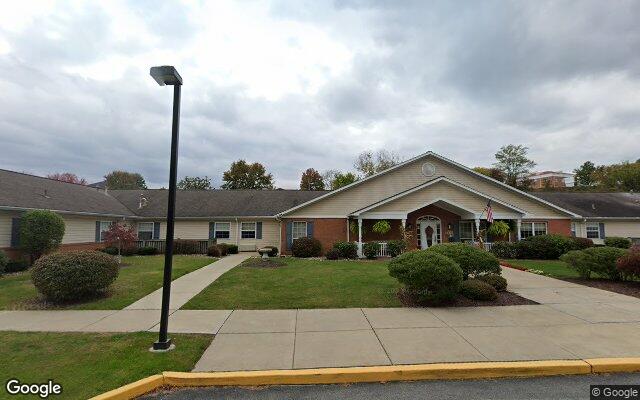
Arden Courts (jefferson Hills)
11 serious citations on fileJefferson Hills · 60 beds · ALF · Memory care
 5 serious
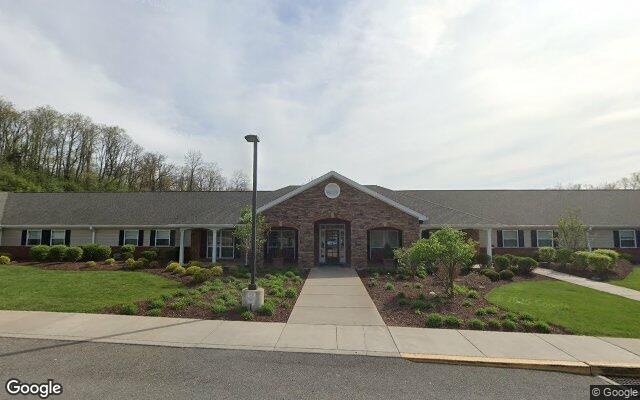
Arden Courts (monroeville)
5 serious citations on fileMonroeville · 56 beds · ALF · Memory care
 12 serious
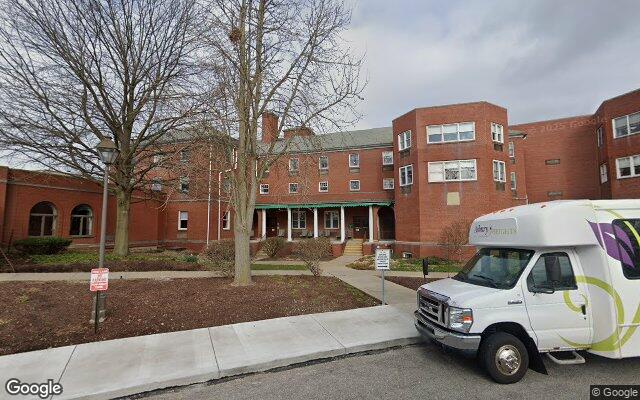
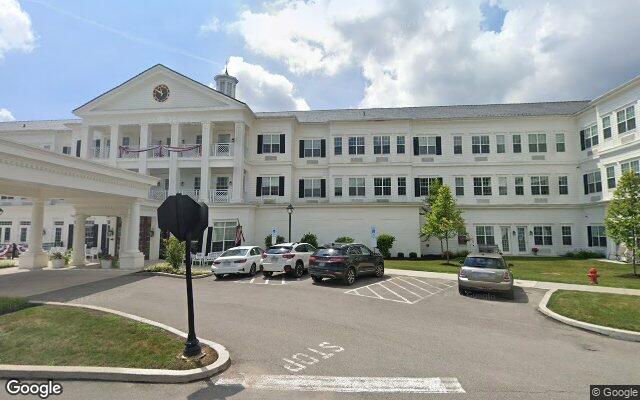
Artis Senior Living of South Hills
12 serious citations on fileBethel Park · 72 beds · ALF · Memory care
 11 serious
Ashton Commons Senior Living
11 serious citations on fileWexford · 140 beds · ALF · Memory care
Celebration Villa of Lakemont Farms
9 serious citations on fileBridgeville · 140 beds · ALF · Memory care
Concordia of Bridgeville-memory Care
2 serious citations on fileBridgeville · 100 beds · ALF · Memory care
 1 serious
Concordia of the South Hills
· limited history1 serious citation on fileMt. Lebanon · 70 beds · ALF · Memory care
Discovery Commons Bethel Park
9 serious citations on filePittsburgh · 147 beds · ALF · Memory care
Friendship Village of South Hills
4 serious citations on fileUpper Saint Clair · 102 beds · ALF · Memory care
Grandview Estates Memory Care LLC
3 serious citations on fileElizabeth · 71 beds · ALF · Memory care
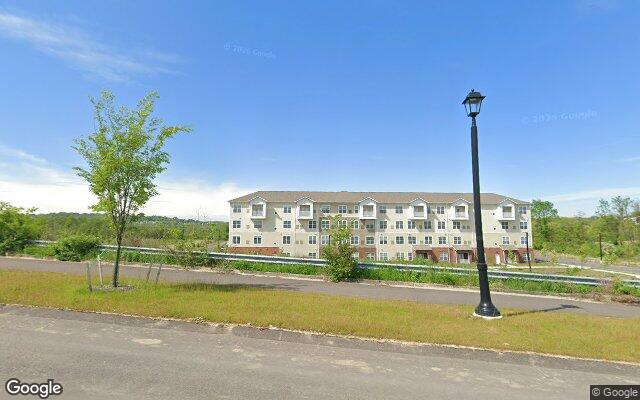
Hemsley House Personal & Memory Care of Mccandless
4 serious citations on filePittsburgh · 153 beds · ALF · Memory care
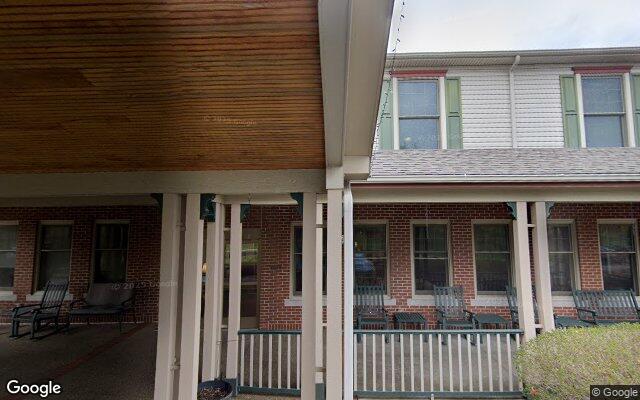
Hemsley House Personal & Memory Care of Upper St. Clair
6 serious citations on fileUpper St. Clair · 94 beds · ALF · Memory care
 1 serious
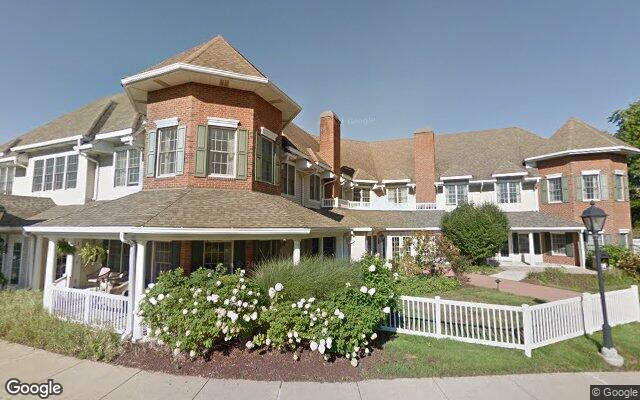
Heritage Valley Senior Living Community
1 serious citation on fileMckees Rocks · 107 beds · ALF · Memory care
 1 serious
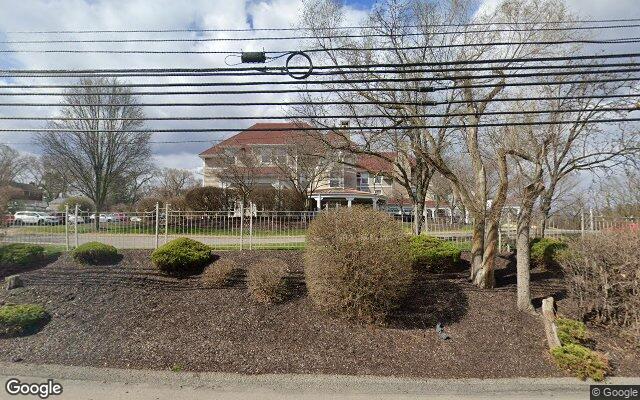
Juniper Village at Monroeville
1 serious citation on fileMonroeville · 126 beds · ALF · Memory care
 2 serious
Juniper Village at South Hills
2 serious citations on filePittsburgh · 96 beds · ALF · Memory care
 11 serious
Norbert Residential Care Facility
11 serious citations on filePittsburgh · 102 beds · ALF · Memory care
Paramount Senior Living at Bethel Park
6 serious citations on fileBethel Park · 125 beds · ALF · Memory care
Paramount Senior Living at South Hills
· limited historyNo inspection data yetPittsburgh · 127 beds · ALF · Memory care
Providence Point
· limited history4 serious citations on filePittsburgh · 84 beds · ALF · Memory care
Ridgecrest Personal Care & Memory Care
4 serious citations on filePittsburgh · 211 beds · ALF · Memory care
 1 serious
Tapestry Senior Living Moon Township
1 serious citation on fileCoraopolis · 210 beds · ALF · Memory care
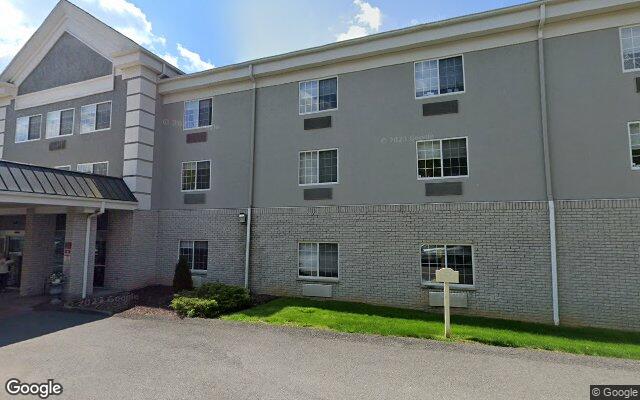
The Haven at North Hills
· limited history3 citations on filePittsburgh · 90 beds · ALF · Memory care
The Pines of Mt. Lebanon
· limited history6 citations on filePittsburgh · 112 beds · ALF · Memory care
Memory care · 7–49 beds
(8)Small to medium freestanding RCFEs with a memory-care program.
About Allegheny County
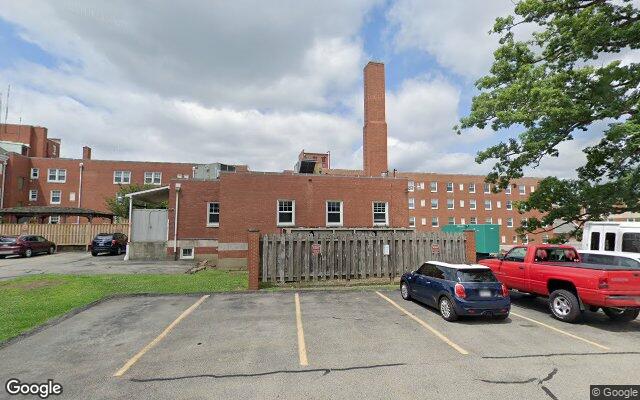
Allegheny County anchors the Pittsburgh metro memory care market, with 44 PA DHS-indexed facilities spread across Pittsburgh's neighborhoods and a ring of established suburbs — Bethel Park, Mt. Lebanon, Upper St. Clair, Wexford, and Allison Park to the south and north. The county's market is defined by strong regional health systems (UPMC, AHN), an older residential housing stock in the city, and suburban communities with newer purpose-built memory care campuses in the North Hills and South Hills corridors.
Read more ↓
PA DHS OLTL inspects Allegheny County PCHs and ALRs on roughly annual cycles. DHS issues citations under 55 Pa Code Ch 2600 (PCH) or Ch 2800 (ALR), with enforcement escalating from correctable citations to Civil Money Penalties, Provisional License status, and in severe cases, license revocation. StarlynnCare parses and indexes every DHS inspection PDF for each Allegheny County facility — read the severity breakdown on each profile before narrowing your tour list.
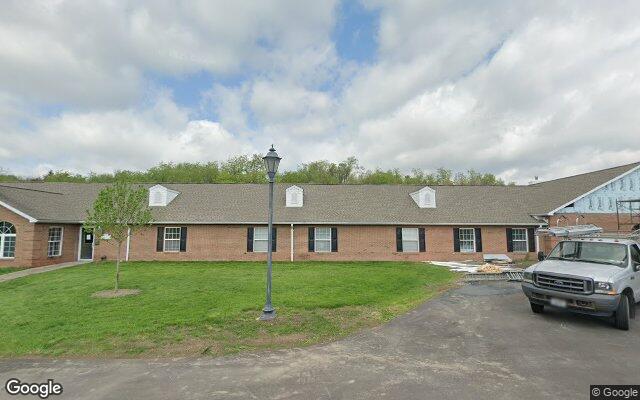
Pittsburgh's in-city facilities tend toward smaller footprints and older buildings converted from residential stock. The South Hills suburbs — Mt. Lebanon, Bethel Park, Upper St. Clair, Jefferson Hills — offer newer builds with suburban parking and lower-density visit logistics. The North Hills corridor — Wexford, Allison Park, Cheswick, Warrendale — has seen new development in the past decade, with several purpose-built memory care campuses along the Route 19 and I-79 corridors. Monroeville anchors the eastern suburbs with access to Forbes and UPMC East facilities for medical coordination.
Pennsylvania Medicaid room-and-board exclusion applies here as in every PA county: MA funds services, not the facility base rate. Families with loved ones who meet nursing-facility level of care should ask each facility about their PA MA Waiver participation and LIFE program enrollment availability. Not every Allegheny County PCH or ALR participates in state funding programs — verifying this early avoids placement disruptions later.
Allegheny County's inspection record spans PCHs and ALRs, and the two license types attract different oversight patterns. ALRs typically have more complex residents with higher care needs, so DHS surveys tend to focus more heavily on medication management, nursing oversight, and care plan documentation. PCHs face scrutiny around staffing levels, resident assessment accuracy, and physical environment maintenance. Read the 55 Pa Code citation sections in each profile to understand which regulatory domain drove the inspection findings.
The public record behind every profile.
About memory care in Allegheny County.
How much does memory care cost across Allegheny County?
Memory care across Allegheny County typically runs $4,000–$8,500/month for a licensed Personal Care Home or Assisted Living Residence with a DHS Special Care designation. Rates vary by room type, care level, and operator.
What makes a facility "memory care" in Pennsylvania?
Pennsylvania licenses memory care through DHS OLTL as Personal Care Homes (55 Pa Code Ch 2600) or Assisted Living Residences (Ch 2800). Facilities indexed here hold a DHS-recognized Special Care or Secure Dementia Care Unit designation — or an Assisted Living — Special Care license type. These are government-recorded designations, not marketing claims. License type appears on every StarlynnCare profile.
What's the difference between memory care and a nursing home in Pennsylvania?
PA DHS-licensed PCHs and ALRs provide residential personal care and dementia programming. Nursing homes (Skilled Nursing Facilities) are regulated by PA DOH and CMS, provide 24-hour licensed nursing, and operate under a separate inspection framework. If your family member needs continuous skilled nursing, wound care, or IV therapy, a nursing facility may be more appropriate.
How many Allegheny County facilities have a serious deficiency on file?
Of the 44 licensed memory care facilities indexed in Allegheny County, 38 (86%) carry a documented severe finding (PA DHS severity ≥ 3) or Immediate Jeopardy in the indexed inspection record. Specific findings appear on each profile with inspection date and source link. StarlynnCare sources all deficiency data directly from state regulator records — no facility-side surveys or paid submissions are used. See the methodology for how deficiency classes are mapped across states.
How does StarlynnCare rank memory care facilities in Allegheny County?
StarlynnCare does not assign a single letter grade. Instead, each profile shows four independent signals derived from state inspection records: deficiency severity (Type-A vs. Type-B in California, equivalent classes in other states), repeat citation rate, inspection frequency relative to peers, and trajectory over time. Facilities with too few inspections on record show a "limited history" notice rather than a misleading score. All underlying data is sourced from mandatory public records — CDSS for California, HHSC LTCR for Texas, DHS for Oregon, and equivalent agencies for other states. Full methodology is at starlynncare.com/methodology.
What should I look for on a memory care tour in Allegheny County?
What predicts safety usually isn't what admissions directors highlight. From clinician and family interviews, the most under-asked items: staff-to-resident ratio at night and on weekends, skin-check and wound-prevention protocol, medication management and error reporting, shower frequency, and how the facility handles behavioral escalation. We publish a free 37-question tour checklist you can print.
Where can I find inspection reports for memory care facilities in Allegheny County?
Every facility profile on StarlynnCare links directly to its state inspection records — the same documents regulators use to evaluate compliance. For California facilities, reports come from the CDSS Community Care Licensing portal; for Texas, from HHSC LTCR; for Oregon, DHS Long-Term Care Licensing; for Washington, DSHS. On each facility profile, navigate to the "Inspection record" section to see full verbatim citations with dates and regulatory citations. You can also access the underlying raw data (open dataset).
What are the ratings for memory care facilities in Allegheny County?
StarlynnCare uses state inspection data — not self-reported surveys or paid placements — to evaluate facilities. Each profile surfaces four signals: citation severity (e.g. Type-A vs. Type-B in California), citation frequency relative to peers, repeat-finding rate, and inspection recency. Facilities with too few inspections receive a "limited history" label rather than a misleading composite score. You can sort the list of Allegheny County facilities by inspection record using the "By record" sort toggle to see the cleanest inspection histories first. No referral commissions influence how facilities appear.
Does Pennsylvania Medicaid cover memory care in Allegheny County?
Pennsylvania Medicaid (Medical Assistance) does not pay room and board in a PCH or ALR. MA can fund personal care services through HealthChoices managed care organizations for eligible residents, but not the daily base rate. Nursing homes certified for Medicaid do accept MA for clinical care and room and board. Each StarlynnCare profile notes payment acceptance where documented. Contact your county Area Agency on Aging for options in Allegheny County.