Amira Choice Plymouth.
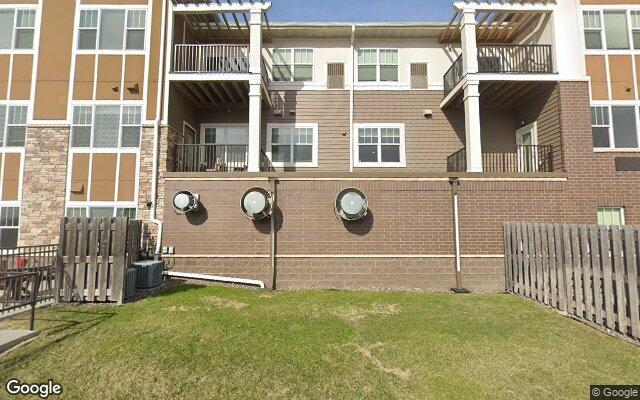
A large home, reviewed on public record.
Compared to 139 Minnesota facilities with a similar number of beds.
ALF memory care · 36-month window. Higher percentile = better performance on inspection record. Source: Minnesota Dept. of Health · Health Regulation Division.
among peers to rank.
Rankings based on 36-month MDH inspection data. Severity and frequency: fewer citations = higher percentile. Repeat rate: lower repeat citation share = higher percentile.
Citation history, plotted month by month.
No citations in the last 36 months.
Finding distribution
none · 36 monthsScope × Severity (CMS A–L)
Questions to ask before you visit.
A short pre-tour checklist tailored to Amira Choice Plymouth's record and state requirements.
Minnesota Department of Health records show 2 complaints on file for this 125-bed assisted living facility with dementia care — were any of those complaints substantiated, and can you share the corrective action plans or written responses the facility submitted to MDH?
Ask the operator on tour. Take notes and compare answers across facilities you visit.
The most recent MDH inspection was on August 21, 2025, and no deficiencies were cited — can you walk us through how the facility prepared for that inspection and what documentation was reviewed by the state surveyors?
Ask the operator on tour. Take notes and compare answers across facilities you visit.
This facility holds an Assisted Living Facility with Dementia Care license under Minnesota Statutes chapter 144G — can you provide a copy of the written dementia care program that describes staffing approaches, environmental design, and activity programming specific to memory care residents?
Ask the operator on tour. Take notes and compare answers across facilities you visit.
Every inspection visit, verbatim.
3 inspections in the public record, most recent first. Plain-language summaries open first — click into any row for the full citation text.
2026-06-04Complaint InvestigationNo findings
2025-08-21Annual Compliance VisitNo findings
Plain-language summary
A routine inspection of Amira Choice Plymouth was conducted August 19–21, 2025, and resulted in state correction orders for violations of Minnesota Assisted Living Facility statutes; no immediate fines were assessed. The facility is required to document in its records how it corrected the areas of noncompliance and what system changes were made to prevent future violations. Families can request more details about the specific violations by contacting the Minnesota Department of Health.
Read full citation textHide full citation text
Read raw inspector notesClose inspector notes
correction orders and document the actions taken to comply in the facility's records. The Department reserves the right to return to the facility at any time should the Department receive a complaint or deem it necessar yto ensure the health, safety, and welfare of residents in your care. STATE CORRECTIO ONRDERS The enclosed State Form documents the state correction orders. MDH documents state licensing correction orders using federal software. Tag numbers are assigned to Minnesota state statutes for Assisted Living Facilities .The assigned tag number appears in the far left column entitled "ID Prefix Tag". The state statute number and the corresponding text of the state statute out of compliance are listed in the "Summary Statemen tof Deficiencies "column. This column also includes the findings that are in violation of the state statute after the statement, "This MN Requiremen tis not met as evidenced by . . ." In accordance with Minn. Stat. § 144G3. 1 Subd .4, MDH may asses sfines based on the level and scope of the violations; however, no immediate fines are assesse dfor this Survey of your facility. DOCUMENTATIO ONF ACTION TO COMPLY In accordance with Minn. Stat. § 144G3. 0, Subd .5(c), the licensee must docum ent actions taken to comply with the correction orders within the time period outlined on the state form; however, plans of correction are not required to be submitted for approval. The correction order documentation should include the following: x Identify how the area(s) of noncompliance was corrected related to the An equal opportunity employer . Letter ID: IS7N REVISE 0D9/13/2021 Amira Choice Plymouth October 10, 2025 Page 2 resident(s)/ employees( ) identified in the correction order. x Identify how the area(s) of noncompliance was corrected for all of the provider’s resident(s)/ employees that may be affected by the noncompliance. x Identify what changes to your systems and practices were made to ensure compliance with the specific statute(s). CORRECTIO ONRDER RECONSIDERATI OPRNOCESS In accordance with Minn. Stat. § 144G3. 2, Subd .2, you may challenge the correction order(s) issued, including the level and scope ,and any fine assesse dthrough the correction order reconsideration process .The request for reconsideration must be in writing and received by MDH within 15 calendar days of the correction order receipt date. To submit a reconsideration request, please visit: https:/ / forms.web.health.state.mn.us/form/ HRDAppealsForm The MDH Health Regulation Division (HRD )values your feedback about your experience during the survey and/or investigation process .Please fill out this anonymous provider feedback questionnaire at your convenience at this link: https:/ / forms.office.com/g/ Bm5uQEpHV.a Your input is important to us and will enable MDH to improve its processe sand communication with providers . If you have any questions regarding the questionnaire ,please contact Susan Winkelmann at susanw. inkelmann@state.mn.us or call 651-201-5952. You are encouraged to retain this document for your records . It is your responsibility to share the information contained in the letter and state form with your organizations’ Governing Body. If you have any questions ,please contact me. Sincerely, Kelly Thorson ,Supervisor State Evaluation Team Email: kelly.thorson@state.mn.us Telephone :651-431-5000 Fax :1-866-890-9290 kfd PRINTED: 10/10/2025 FORM APPROVED STATEMENT OF DEFICIENCIES (X1) PROVIDER/SUPPLIER/CLIA (X2) MULTIPLE CONSTRUCTION (X3) DATE SURVEY AND PLAN OF CORRECTION IDENTIFICATION NUMBER: COMPLETED A. BUILDING: ______________________ B. WING _____________________________ 33599 08/21/2025 NAME OF PROVIDER OR SUPPLIER STREET ADDRESS, CITY, STATE, ZIP CODE 18405 OLD ROCKFORD ROAD AMIRA CHOICE PLYMOUTH PLYMOUTH, MN 55446 SUMMARY STATEMENT OF DEFICIENCIES PROVIDER'S PLAN OF CORRECTION (X4) ID ID (X5) (EACH DEFICIENCY MUST BE PRECEDED BY FULL (EACH CORRECTIVE ACTION SHOULD BE COMPLETE PREFIX PREFIX REGULATORY OR LSC IDENTIFYING INFORMATION) CROSS-REFERENCED TO THE APPROPRIATE DATE TAG TAG DEFICIENCY) 0 000 Initial Comments 0 000 ****ATTENTION***** Minnesota Department of Health is documenting the State Correction Orders ASSISTED LIVING PROVIDER LICENSING using federal software. Tag numbers have CORRECTION ORDER(S) been assigned to Minnesota State Statutes for Assisted Living Facilities. The In accordance with Minnesota Statutes, section assigned tag number appears in the 144G.08 to 144G.95, these correction orders are far-left column entitled "ID Prefix Tag." issued pursuant to a survey. The state Statute number and the corresponding text of the state Statute out Determination of whether violations are corrected of compliance is listed in the "Summary requires compliance with all requirements Statement of Deficiencies" column. This provided at the Statute number indicated below. column also includes the findings which When Minnesota Statute contains several items, are in violation of the state requirement failure to comply with any of the items will be after the statement, "This Minnesota considered lack of compliance. requirement is not met as evidenced by." Following the evaluators ' findings is the INITIAL COMMENTS: Time Period for Correction. SL33599016-0 PLEASE DISREGARD THE HEADING OF THE FOURTH COLUMN WHICH On August 19, 2025, through August 21, 2025, STATES,"PROVIDER'S PLAN OF the Minnesota Department of Health conducted a CORRECTION." THIS APPLIES TO full survey at the above provider and the FEDERAL DEFICIENCIES ONLY. THIS following correction orders are issued. At the time WILL APPEAR ON EACH PAGE. of the survey, there were 106 residents; 64 were receiving services under the Provisional Assisted THERE IS NO REQUIREMENT TO Living Facility with Dementia Care license. SUBMIT A PLAN OF CORRECTION FOR VIOLATIONS OF MINNESOTA STATE STATUTES. THE LETTER IN THE LEFT COLUMN IS USED FOR TRACKING PURPOSES AND REFLECTS THE SCOPE AND LEVEL ISSUED PURSUANT TO 144G.31 SUBDIVISION 1-3. 0 775 144G.45 Subd. 2. (a) Fire protection and physical 0 775 SS=D environment LABORATORY DIRECTOR'S OR PROVIDER/SUPPLIER REPRESENTATIVE'S SIGNATURE TITLE (X6) DATE STATE FORM 6899 KKEJ11 If continuation sheet 1 of 20 PRINTED: 10/10/2025 FORM APPROVED STATEMENT OF DEFICIENCIES (X1) PROVIDER/SUPPLIER/CLIA (X2) MULTIPLE CONSTRUCTION (X3) DATE SURVEY AND PLAN OF CORRECTION IDENTIFICATION NUMBER: COMPLETED A. BUILDING: ______________________ B. WING _____________________________ 33599 08/21/2025 NAME OF PROVIDER OR SUPPLIER STREET ADDRESS, CITY, STATE, ZIP CODE 18405 OLD ROCKFORD ROAD AMIRA CHOICE PLYMOUTH PLYMOUTH, MN 55446 SUMMARY STATEMENT OF DEFICIENCIES PROVIDER'S PLAN OF CORRECTION (X4) ID ID (X5) (EACH DEFICIENCY MUST BE PRECEDED BY FULL (EACH CORRECTIVE ACTION SHOULD BE COMPLETE PREFIX PREFIX REGULATORY OR LSC IDENTIFYING INFORMATION) CROSS-REFERENCED TO THE APPROPRIATE DATE TAG TAG DEFICIENCY) 0 775 Continued From page 1 0 775 Each assisted living facility must comply with the State Fire Code in Minnesota Rules, chapter 7511, and: This MN Requirement is not met as evidenced by: Based on observation and interview, the licensee failed to maintain facility in compliance with Minnesota State Fire Code under Minnesota Rules Chapter 7511. This had the potential to affect some residents, staff, and visitors. This practice resulted in a level two violation (a violation that did not harm a resident's health or safety but had the potential to have harmed a resident's health or safety, but was not likely to cause serious injury, impairment, or death) and was issued at an isolated scope (when one or a limited number of residents are affected or one or a limited number of staff are involved, or the situation has occurred only occasionally). The findings include: On August 20, 2025, from approximately 10:50 a.m. to 1:30 p.m., the surveyor toured the facility with environmental services director (ESD)-E, licensed assisted living director (LALD)-C, and regional manager (RM)-F and the surveyor observed the following: A sprinkler head in the kitchen was obstructed by high stacked food items and boxes on a shelf. Proper clearance must be maintained around the sprinkler head to allow operation during a fire. ESD-E removed the obstructing items during inspection. STATE FORM 6899 KKEJ11 If continuation sheet 2 of 20 PRINTED: 10/10/2025 FORM APPROVED STATEMENT OF DEFICIENCIES (X1) PROVIDER/SUPPLIER/CLIA (X2) MULTIPLE CONSTRUCTION (X3) DATE SURVEY AND PLAN OF CORRECTION IDENTIFICATION NUMBER: COMPLETED A. BUILDING: ______________________ B. WING _____________________________ 33599 08/21/2025 NAME OF PROVIDER OR SUPPLIER STREET ADDRESS, CITY, STATE, ZIP CODE 18405 OLD ROCKFORD ROAD AMIRA CHOICE PLYMOUTH PLYMOUTH, MN 55446 SUMMARY STATEMENT OF DEFICIENCIES PROVIDER'S PLAN OF CORRECTION (X4) ID ID (X5) (EACH DEFICIENCY MUST BE PRECEDED BY FULL (EACH CORRECTIVE ACTION SHOULD BE COMPLETE PREFIX PREFIX REGULATORY OR LSC IDENTIFYING INFORMATION) CROSS-REFERENCED TO THE APPROPRIATE DATE TAG TAG DEFICIENCY) 0 775 Continued From page 2 0 775 An emergency exit sign in stairwell B on the first floor did not illuminate and function properly when tested. Emergency exit signs should be maintained in proper condition and function properly when disconnected from primary power.
2024-02-20Complaint InvestigationNo findings
Plain-language summary
A complaint alleged the facility neglected a memory care resident by failing to provide appropriate care during a change in condition and after she aspirated during a meal, but the Minnesota Department of Health investigated and found the allegation was not substantiated. The resident aspirated while eating dinner; staff assessed her, contacted hospice, monitored her, and administered medications, and although one scheduled toileting service was missed, it would not have affected the resident's outcome. The resident died approximately a day and a half after the aspiration incident, with the cause of death identified as neurocognitive disorder with lewy bodies.
Read full citation textHide full citation text
Read raw inspector notesClose inspector notes
Finding: Not Substantiated Nature of Investigation: The Minnesota Department of Health investigated an allegation of maltreatment, in accordance with the Minnesota Reporting of Maltreatment of Vulnerable Adults Act, Minn. Stat. 626.557, and to evaluate compliance with applicable licensing standards for the provider type. Initial Investigation Allegation(s): The facility neglected the resident when staff failed to provide the appropriate level of care during a change in condition. The resident aspirated during a meal and staff failed to provide safety checks during end of life. Investigative Findings and Conclusion: The Minnesota Department of Health determined neglect was not substantiated. After the resident aspirated, the facility contacted hospice, administered as needed medication, and assessed and monitored the resident until she returned to her baseline before assisting her to bed. During the night, the facility staff checked on the resident and noticed a change in the resident’s breathing and level of consciousness. The staff notified the on-call nurse and administered as needed medications. Although staff missed one scheduled toileting service, the missed service could not have impacted the resident’s outcome. The investigator conducted interviews with facility staff members, including administrative staff, nursing staff, and unlicensed staff. The investigation included review of the resident record, death record, hospice record, facility internal investigation, facility incident reports, personnel files, staff schedules, and related facility policy and procedures. Also, the investigator observed safety checks and staff assisting a resident to eat. The resident resided in an assisted living memory care unit. The resident’s diagnoses included dementia. The resident’s service plan included assistance with medication administration, safety checks every two hours, toileting 10 times daily, and repositioning five times daily. The resident’s assessment indicated the resident had a mechanical soft diet (a modified diet that restricted foods that were difficult to swallow) and required assistance to eat meals. The resident’s hospice record indicated the resident likely aspirated while eating dinner, and secretions were observed by staff. The nurse assessed the resident who could cough hard enough to cough out the objects. The resident’s lung sounds were clear, and she showed no signs of pain with facial expressions and posture. The hospice nurse called family to update on the incident. Family stated this was normal, and the resident often aspirated. Family also stated that even if the resident could not cough it out and got pneumonia from the aspiration, they would feel okay about it. A progress note in the resident’s record indicated approximately five weeks later, the resident experienced gurgling and phlegm after eating. The resident could speak with ease and denied pain. The nurse administered hyoscyamine (a medication to help with oral secretions) and brought her wheelchair next to the medication cart to be monitored. The nurse called hospice who instructed facility staff to administer morphine (a medication used for pain and shortness of breath) and more hyoscyamine if needed. The nurse contacted family who reported this had happened before. Another progress note indicated staff called the on-call nurse approximately eight hours after the aspiration to report the resident’s breathing changed, she had a low oxygen saturation percentage, and her hands, arms, and neck were starting to turn blue. The resident’s eyes were open but not responsive. The on-call nurse instructed staff to administer morphine, then called hospice to update them on the change of condition. Multiple progress notes after indicated facility staff were in communication with hospice regarding the resident’s decline, medication order changes, and noting the resident’s apparent comfort. A progress note indicated the resident died approximately a day and a half after the resident aspirated. The resident’s death record identified the cause of death as neurocognitive disorder with lewy bodies (a form of dementia). During an interview, unlicensed personnel (ULP) 1 stated she had been assisting the resident to eat dinner in the dining room. The resident started choking, so ULP 1 called a nurse who came and assessed the resident. ULP 1 brought the resident close to the medication cart to be monitored by staff. Approximately four hours after the resident aspirated the loud gurgling improved, and ULP 1 assisted the resident to bed as directed by a nurse. ULP 1 raised the head of the bed and assisted her into a comfortable position. During an interview, ULP 2 stated during the night shift, she received a call from ULP 3, informing her something was wrong with the resident. ULP 3 asked ULP 2 to come to the memory care unit and see the resident. As ULP 2 arrived outside the resident’s room, she could hear her breathing had been completely different from her baseline. They turned the light on and observed the resident appeared pale. They called the on-call nurse who instructed them to make sure the resident was comfortable, and the on-call nurse called hospice. ULP 2 then went back to the assisted living to answer call lights while ULP 3 assisted residents on the memory care unit. ULP 2 stated at the beginning of the night shift, she and ULP 3 were not informed the resident’s condition had changed. ULP 2 stated upon hire, she had been instructed not to put the light on while the resident slept when completing safety checks at night. Instead, they opened the door enough to listen for breathing and make sure residents were not on the floor. During an interview, ULP 3 stated was instructed not to put the light on during safety checks at night. Instead, her instruction included opening the door and listen to their breathing, not letting too much light in. ULP 3 had not received a report at the beginning of the shift about the resident’s change in condition. ULP 3 stated the first time she completed a safety check on the resident, she had been breathing normally. The second time ULP 3 went to the resident’s apartment, the resident had been wheezing, breathing like someone trying to catch their breath. During an interview, a nurse stated the nurse did not think there had been any changes to what the resident could eat after the first aspiration incident. The resident had been fairly stable, declining slowly over time. The resident left the facility for a period of time, due to family wanting her to pass away at home with family but later returned her to the facility. The nurse coached the overnight staff about the investigation, documenting properly, and the importance of addressing all scheduled tasks. Staff were emphatic they completed the scheduled safety check due around 11:30 p.m., and the resident did not appear to be in distress at that time. The nurse stated they also discussed the incident, the importance of following the schedule and completing shift-to-shift reports in their stand-up meetings. The facility posted signage regarding the process for a change of condition. The nurse watched surveillance footage from the time of the incident. The nurse could see activity in the hallway that looked like the overnight staff looked in the room around 10:30 p.m. During an interview, a family member stated she had been with the resident until dinner time the day of the incident. The resident seemed to be at her baseline at the time she left. About an hour and a half later, she received a call from a nurse at the facility informing her the resident aspirated on rice again. The facility administered hyoscyamine for secretions and they would alert hospice. The family stated their apartment video footage showed staff placed the resident in bed at 9:00 p.m., and no one came to check on her until 2:30 a.m. Approximately an hour later, staff called to inform the family member of the resident’s rapid decline and labored breathing. The family member stated when she arrived, the resident was alone, eyes wide open, and having a difficult time breathing. The family member thought the resident suffered unnecessarily, and comfort care could have been implemented. In conclusion, the Minnesota Department of Health determined neglect was not substantiated. “Not Substantiated” means: An investigatory conclusion indicating the preponderance of evidence shows that an act meeting the definition of maltreatment did not occur. Neglect: Minnesota Statutes, section 626.5572, subdivision 17 “Neglect” means neglect by a caregiver or self-neglect.
2 older inspections from 2023 are not shown above.
Get the complete record, translated into plain language — emailed to you.
Other facilities in Hennepin County.
Other memory care facilities in Hennepin County with similar care offerings.
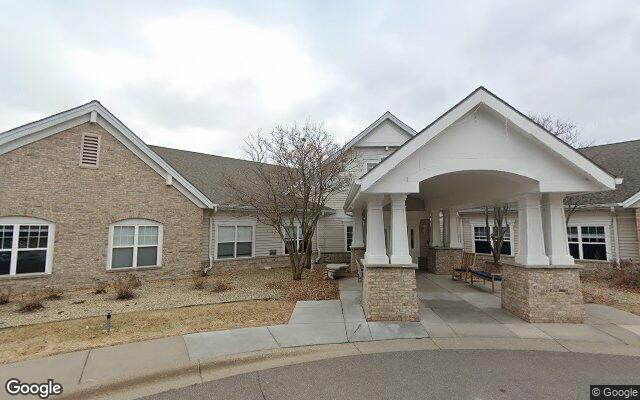
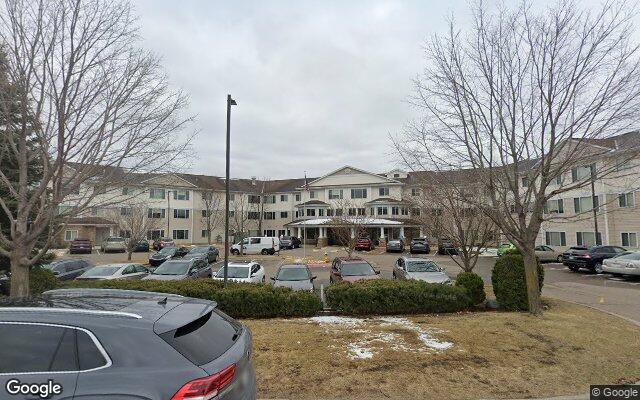
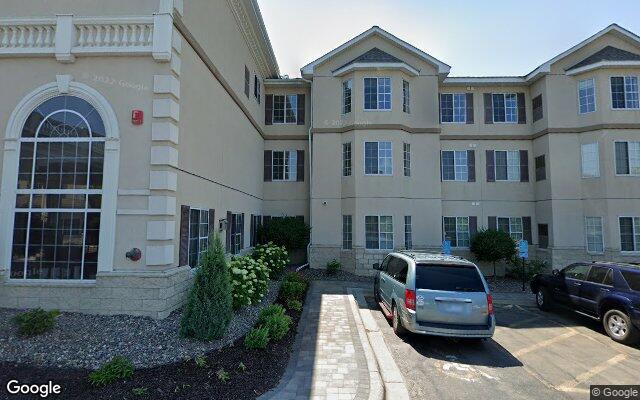
Full Inspection Record
Family reviews
No reviews yet — be the first to share your experience
Other memory care options nearby.
More options in neighboring cities
Licensed memory care in other cities within this county region — useful when your search radius crosses city limits.