The Pillars of Prospect Park.
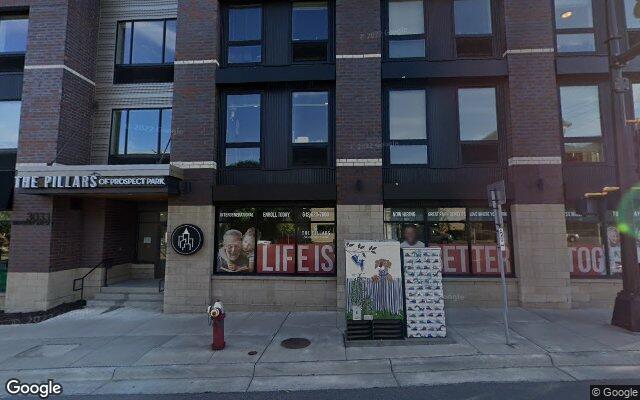
A large home, reviewed on public record.
Compared to 139 Minnesota facilities with a similar number of beds.
ALF memory care · 36-month window. Higher percentile = better performance on inspection record. Source: Minnesota Dept. of Health · Health Regulation Division.
among peers to rank.
Rankings based on 36-month MDH inspection data. Severity and frequency: fewer citations = higher percentile. Repeat rate: lower repeat citation share = higher percentile.
Citation history, plotted month by month.
1 deficiency on record. Each bar is a month with a citation.
Finding distribution
1 total · 36 monthsScope × Severity (CMS A–L)
Every inspection visit, verbatim.
5 inspections in the public record, most recent first. Plain-language summaries open first — click into any row for the full citation text.
2026-04-15Annual Compliance VisitNo findings
Plain-language summary
A routine inspection on April 15, 2026 found one violation related to fire protection and physical environment (Minnesota Statute 144G.45), for which the facility was assessed a $500 fine. The facility must document the actions it takes to correct this deficiency and may request reconsideration or a hearing within 15 days if it wishes to contest the finding.
Read full citation textHide full citation text
Read raw inspector notesClose inspector notes
correction orders and document the actions taken to comply in the facility's records. The Department reserves the right to return to the facility at any time should the Department receive a complaint or deem it necessary to ensure the health, safety, and welfare of residents in your care. STATE CORRECTIO NORDERS The enclosed State Form documents the state correction orders. MDH documents state licensing correction orders using federal software. Tag numbers are assigned to Minnesota state statutes for Assisted Living Facilities. The assigned tag number appears in the far left column entitled "ID Prefix Tag." The state statute number and the corresponding text of the state statute out of compliance are listed in the "Summary Statement of Deficiencies" column. This column also includes the findings that are in violation of the state statute after the statement, "This MN Requirement is not met as evidenced by . . ." IMPOSITION OF FINES In accordance with Minn. Stat. § 144G.31, Subd. 4, fines and enforcement actions may be imposed based on the level and scope of the violations and may be imposed immediately with no opportunity to correct the violation first as follows: Level 1: no fines or enforcement; Level 2: a fine of $500 per violation, in addition to any enforcement mechanism authorized in § 144G.20; Level 3: a fine of $1,000 per incident, in addition to any enforcement mechanism authorized in § 144G.20; An equal opportunity employer. Letter ID: IS7N REVISE D09/13/2021 The Pillars of Prospect Park May 5, 2026 Page 2 Level 4: a fine of $3,000 per incident, in addition to any enforcement mechanism authorized in § 144G.20; Level 5: a fine of $5,000 per violation, in addition to any enforcement mechanism authorized in § 144G.20. Therefore, in accordance with Minn. Stat. §§ 144G.01 to 144G.9999, the following fines are assessed pursuant to this survey: St - 0 - 0775 - 144g.45 Subd. 2. (a) - Fire Protection And Physical Environment - $500.00 The refor e, in accor danc e wit h Minn. Sta t. §§ 144G.01 to 144G.999 9, the total amount you are assessed is $500.00. You will be invoiced approximately 30 days after receipt of this notice, subject to appeal . DOCUMENTATIO ONF ACTION TO COMPLY In accorda nce with Min n. Stat. § 144G.30, Sub d. 5(c), th e lic ens ee mus t docum ent ac tions taken t o comply with the correction orders within the time period outlined on the state form; however, plans of correction are not required to be submitted for approval. The correction order documentation should include the following: Identify how the area( s) of noncompliance was corrected related to the · resident( s)/ employee( s) identified in the correction order. Identify how the area( s) of noncompliance was corrected for all of the provider’s · resident( s)/ employees that may be affected by the noncompliance. Identify what changes to your systems and practices were made to ensure compliance with · the specific statute( s). CORRECTIO NORDER RECONSIDERATIO PNROCESS In accordance with Minn. Stat. § 144G.32, Subd. 2, you may challenge the correction order( s) issued, including the level and scope, and any fine assessed through the correction order reconsideration process. The request for reconsideration must be in writing and received by MDH within 15 calendar days of the correction order receipt date. To submit a reconsideration request, please visit: https: / / forms. web. health. state. mn.us/ form/ HRDAppealsForm REQUESTIN GA HEARING Alternatively, in accordance with Minn. Stat. § 144G.31, Subd. 5(d), an assisted living provider that has been assessed a fine under this subdivision has a right to a reconsideration or a hearing under this section and chapter 14. Pursuant to Minn. Stat. § 144G.20, Subd. 14 and Subd. 18, a request for a hearing must be in writing and received by the Department of Health within 15 business days of the correction order receipt date. The request must contain a brief and plain statement describing each matter or issue contested and any new information you believe constitutes a defense or mitigating factor. The Pillars of Prospect Park May 5, 2026 Page 3 To submit a hearing request, please visit: https: / / forms. web. health. state. mn. us/ form/ HRDAppealsForm To appe al fi nes via re cons iderat ion , pl ease follow the procedu r e outl ined abo ve. Plea se no te tha t you may re que st a rec onside rati on or a hearing, bu t not bot h. If you wish to cont est ta gs with out fine s in a reconsideration and tags with the fines at a hearing, please submit two separate appeals forms at the website listed above. The MDH Health Regulation Division (HRD )values your feedback about your experience during the survey and/ or investigation process. Please fill out this anonymous provider feedback questionnaire at your conv enien ce at thi s link: https: / / forms. office.com/ g/ Bm5uQEpHVa. Your inpu t is import ant to us and will enable MDH to improve its processes and communication with providers. If you have any questions regarding the questionnaire, please contact Susan Winkelmann at susan. winkelmann@state. mn.us or call 651-201-5952. You are encouraged to retain this document for your records. It is your responsibility to share the information contained in the letter and state form with your organization’s Governing Body. If you have any questions, please contact me. Sincerely, Renee L. Anderson, Supervisor State Evaluation Team Email: Renee. L.Anderson@state. mn.us Telephone: 651-201-5871 Fax: 1-866-890-9290 CLN PRINTED: 05/ 05/ 2026 FORM APPROVED STATEMENT OF DEFICIENCIES (X1) PROVIDER/ SUPPLIER/ CLIA (X2) MULTIPLE CONSTRUCTION (X3) DATE SURVEY AND PLAN OF CORRECTION IDENTIFICATION NUMBER: COMPLETED A. BUILDING: ______________________ B. WING _____________________________ 36252 04/ 15/ 2026 NAME OF PROVIDER OR SUPPLIER STREET ADDRESS, CITY, STATE, ZIP CODE 22 MALCOLM AVENUE SE THE PILLARS OF PROSPECT PARK MINNEAPOLIS, MN 55414 SUMMARY STATEMENT OF DEFICIENCIES PROVIDER' S PLAN OF CORRECTION (X4) ID ID (X5) PREFIX (EACH DEFICIENCY MUST BE PRECEDED BY FULL PREFIX (EACH CORRECTIVE ACTION SHOULD BE COMPLETE REGULATORY OR LSC IDENTIFYING INFORMATION) CROSS- REFERENCED TO THE APPROPRIATE DATE TAG TAG DEFICIENCY) 0 000 Initial Comments 0 000 *****ATTENTION***** Minnesota Department of Health is documenting the State Correction Orders ASSISTED LIVING PROVIDER LICENSING using federal software. Tag numbers have CORRECTION ORDER( S) been assigned to Minnesota State Statutes for Assisted Living Facilities. The In accordance with Minnesota Statutes, section assigned tag number appears in the 144G. 08 to 144G. 95, these correction orders are far-left column entitled "ID Prefix Tag. " The issued pursuant to a survey. state Statute number and the corresponding text of the state Statute out Determination of whether violations are corrected of compliance is listed in the "Summary requires compliance with all requirements Statement of Deficiencies" column. This provided at the Statute number indicated below. column also includes the findings which When Minnesota Statute contains several items, are in violation of the state requirement failure to comply with any of the items will be after the statement, "This Minnesota considered lack of compliance. requirement is not met as evidenced by." Following the evaluators' findings is the INITIAL COMMENTS: Time Period for Correction. SL36252016- 0 PLEASE DISREGARD THE HEADING OF THE FOURTH COLUMN WHICH On April 13, 2026, through April 15, 2026, the STATES, "PROVIDER' S PLAN OF survey at the above provider and the following FEDERAL DEFICIENCIES ONLY. THIS correction orders are issued. At the time of the WILL APPEAR ON EACH PAGE. survey, there were 309 residents; 144 receiving services under the Assisted Living Facility with THERE IS NO REQUIREMENT TO Dementia Care license. SUBMIT A PLAN OF CORRECTION FOR VIOLATIONS OF MINNESOTA STATE STATUTES. THE LETTER IN THE LEFT COLUMN IS USED FOR TRACKING PURPOSES AND REFLECTS THE SCOPE AND LEVEL ISSUED PURSUANT TO 144G. 31 SUBDIVISION 1-3. 0 480 144G. 41 Subdivision 1 Subd. 1a (a-b) Minimum 0 480 SS= F requirements; required food services LABORATORY DIRECTOR' S OR PROVIDER/ SUPPLIER REPRESENTATIVE' S SIGNATURE TITLE (X6) DATE STATE FORM 6899 WG6P11 If continuation sheet 1 of 15 PRINTED: 05/ 05/ 2026 FORM APPROVED STATEMENT OF DEFICIENCIES (X1) PROVIDER/ SUPPLIER/ CLIA (X2) MULTIPLE CONSTRUCTION (X3) DATE SURVEY AND PLAN OF CORRECTION IDENTIFICATION NUMBER: COMPLETED A. BUILDING: ______________________ B.
2025-12-02Complaint InvestigationNo findings
Plain-language summary
The Minnesota Department of Health investigated a complaint that the facility neglected a resident by failing to provide adequate supervision, which allegedly resulted in the resident drinking shampoo and hand soap and requiring hospitalization. The investigation determined the complaint was not substantiated; the resident had a documented history of suicidal ideation with safety interventions in place, did not express suicidal thoughts during the shift before the incident, and had no prior history of drinking shampoo or soap to self-harm. Staff responded promptly by calling emergency medical services when the resident barricaded himself in the bathroom and admitted to drinking the substances.
Read full citation textHide full citation text
Read raw inspector notesClose inspector notes
Finding: Not Substantiated Nature of Investigation: The Minnesota Department of Health investigated an allegation of maltreatment, in accordance with the Minnesota Reporting of Maltreatment of Vulnerable Adults Act, Minn. Stat. 626.557, and to evaluate compliance with applicable licensing standards for the provider type. Initial Investigation Allegation(s): The facility neglected the resident when facility staff failed to provide adequate supervision. As a result, the resident barricaded himself in the bathroom drank shampoo and hand soap in attempts to harm himself. The resident required hospitalization. Investigative Findings and Conclusion: The Minnesota Department of Health determined neglect was not substantiated. The resident had a history of suicidal ideation, and the facility had interventions in place. The day the resident admitted to the memory care unit; the resident barricaded himself in his bathroom. The resident told staff he drank shampoo and hand soap in attempts to harm himself. During the shift prior to the incident, the resident did not verbalize any suicidal ideation. In addition, the resident did not have history of drinking shampoo or hand soap in attempts to self-harm. The facility staff called EMS (emergency medical services) and the resident transferred to the hospital. The investigator conducted interviews with facility staff members, including nursing staff and unlicensed staff. The investigation included review of the resident’s records, hospital records, facility incident reports, and related facility policy and procedures. Also, the investigator observed the memory care unit and staff interactions with other residents. The resident resided in an assisted living memory care unit. The resident’s diagnoses included dementia, mild cognitive impairment, and depression. The resident’s service plan included assistance with behavior management of suicidal ideation and safety checks during shift. The resident’s assessment indicated the resident was oriented to person, with short term memory impairment. The resident ignored his own safety, had previously drank a bottle of whiskey, and had previously written a suicide note. The interventions in memory care included to keep apartment door open, items such as belts, scarves, cords, sharp objects, silverware, were removed from the room. Lotions and creams were locked in medicine cabinet. The resident was to eat in dining room and staff were to conduct safety checks. The resident walked independently using a walker requiring cues, reminders, stand by assist. The resident also had a pending evaluation for hospice services. Records indicated the resident had a change in condition while residing in the assisting living setting. The resident’s changes included increased agitation, aggressiveness, refusals of care, and the resident started to wander unsafely. An outside agency added services which included a companion for the resident 12 hours a day. In the assisted living setting, staff found a handwritten “suicidal note.” Staff called the nurse, EMS, as well as the crisis team. The resident transported to the hospital, was seen for passive suicidal ideation (suicidal thoughts), and discharged back to the facility. The resident’s records also indicated during the timeframe of these changes in the assisted living setting, the facility added interventions including putting the resident on a list for memory care placement for increased supervision and additional support. While the resident resided in the assisted living setting, the facility updated the resident’s medical provider of changes, and the resident was also seen by his medical provider. One day while the resident still resided in the assisted living setting, staff found the resident on the bathroom floor on his stomach, passed out next to a bottle of alcohol/liquor. Staff contacted EMS and the resident transported to the hospital. The resident’s hospital records indicated the resident was admitted. The resident hospitalized for four days, was evaluated by psychiatry, and discharged back to the facility. The records indicated when discharged, the resident would admit to the memory care setting. The resident discharged back to the facility in stable condition with medication changes. On the same day the resident admitted into the memory care unit, an incident report indicated the resident barricaded himself in the bathroom, locked the bathroom door, and had debris in front of the door attempting to block staff entrance. Unlicensed staff convinced the resident to open the door. The resident told staff he drank a half bottle of shampoo and the entire bottle of hand soap. The unlicensed staff asked the resident why, the resident said he felt hopeless and wanted to harm himself. Staff called EMS and the resident transported to the hospital. Records indicated the resident hospitalized and did not return to the facility. The resident’s scheduled services record indicated the resident received safety checks. The resident’s records did not indicate any prior incidents of the resident drinking shampoo or hand soap in attempts to harm himself. During an interview, unlicensed personnel (ULP) stated during shift prior to the incident, the resident did not verbalize any suicidal ideation. The ULP stated the resident had been doing well, interacted, ate a meal in dining, and was talkative with other residents. Later in the shift during a safety check, the resident was not observed in his bed. The resident was in the bathroom. The ULP stated he tried to open the door, and the resident barricaded it and pushed back on the door preventing it from opening. The ULP spoke to the resident through the door. The resident said he drank shampoo and hand soap. The ULP asked the resident why, the resident conveyed a message he was depressed and suicidal. The ULP talked the resident out of the bathroom. The resident was able to walk, and he had the resident sit on the bed. The ULP said he called a nurse, called EMS, alerted his co-workers, and removed the shampoo and soap bottles from the room. EMS sent mental health services. While awaiting their arrival, the ULP said he stayed near the resident’s room door and himself, and other staff continued to check on the resident. Once mental health services arrived, mental health services conducted their assessment. The resident transferred to the hospital. During an interview, nurse 1 stated the resident admitted to memory care from the hospital. Nurse 1 said prior to the resident’s admission she proofed the resident’s room for items that could be used to self-harm and medicated creams were locked up. Nurse 1 stated interventions were in place. Safety checks were increased, staff were instructed to keep the resident’s door open at night, the resident had a call pendent, and the resident’s room was located next to the communal dining area offering the ability for staff to see the resident more frequently. She instructed staff to keep close eyes on the resident. Upon admission, nurse 1 said she assessed and spoke to the resident. The resident appeared calm and was not agitated or anxious. During an interview, nurse 2 stated the resident did not have prior history of drinking shampoo or hand soap in attempts to self-harm. In conclusion, the Minnesota Department of Health determined neglect was not substantiated. “Not Substantiated” means: An investigatory conclusion indicating the preponderance of evidence shows that an act meeting the definition of maltreatment did not occur. Neglect: Minnesota Statutes, section 626.5572, subdivision 17 “Neglect” means neglect by a caregiver or self-neglect. (a) "Caregiver neglect" means the failure or omission by a caregiver to supply a vulnerable adult with care or services, including but not limited to, food, clothing, shelter, health care, or supervision which is: (1) reasonable and necessary to obtain or maintain the vulnerable adult's physical or mental health or safety, considering the physical and mental capacity or dysfunction of the vulnerable adult; and (2) which is not the result of an accident or therapeutic conduct. Vulnerable Adult interviewed: No. The resident was deceased. Family/Responsible Party interviewed: Yes. Alleged Perpetrator interviewed: Not Applicable. Action taken by facility: When the resident expressed suicidal ideation, facility staff contacted EMS. Action taken by the Minnesota Department of Health: No further action taken at this time. cc: The Office of Ombudsman for Long Term Care The Office of Ombudsman for Mental Health and Developmental Disabilities PRINTED: 12/03/2025 FORM APPROVED STATEMENT OF DEFICIENCIES (X1) PROVIDER/SUPPLIER/CLIA (X2) MULTIPLE CONSTRUCTION (X3) DATE SURVEY AND PLAN OF CORRECTION IDENTIFICATION NUMBER: COMPLETED A. BUILDING: ______________________ C B.
2024-10-14Complaint InvestigationNo findings
Plain-language summary
The Minnesota Department of Health investigated a complaint that an assisted living memory care staff member sexually assaulted a resident during personal care on a specific date. The investigation found the allegation to be inconclusive: while the resident reported being assaulted, the staff member denied the allegation, DNA testing from swabs was inconclusive, and physical examination findings could not definitively establish whether sexual assault occurred. The investigation included interviews with facility staff, law enforcement, a forensic examiner, and review of police reports, facility records, and medical documentation.
Read full citation textHide full citation text
Read raw inspector notesClose inspector notes
Finding: Inconclusive Nature of Investigation: The Minnesota Department of Health investigated an allegation of maltreatment, in accordance with the Minnesota Reporting of Maltreatment of Vulnerable Adults Act, Minn. Stat. 626.557, and to evaluate compliance with applicable licensing standards for the provider type. Initial Investigation Allegation(s): The alleged perpetrator (AP) abused a resident when the AP sexually assaulted the resident during cares. Investigative Findings and Conclusion: The Minnesota Department of Health determined abuse was inconclusive. The resident reported the AP raped her. The AP denied he raped the resident. The DNA swab did not detect any male DNA. The physical exam findings could not determine any definitive signs of sexual assault. It could not be determined if the AP sexually assaulted the resident. The investigator conducted interviews with facility staff members, including administrative staff, nursing staff, and unlicensed staff. The investigator contacted the law enforcement, the forensic examiner, and the SANE. The investigation included review of the facility internal investigation, police report, the forensic examination report, the SANE’s report, the resident’s medical record, employee training records, and staff documentation. An equal opportunity employer. The resident resided in an assisted living memory care unit. The resident’s diagnoses included Parkinson’s disease and dementia. The resident’s service plan included assistance with bathing, toileting, transfers, medications, and meals. The resident’s assessment indicated the resident had behaviors including a recent suicide attempt. A facility investigation of the incident indicated the resident reported to unlicensed personnel the AP had raped her. The investigation detailed a timeline of events the morning of the incident. The investigation indicated the morning of the incident the AP reported he went into the resident’s room and observed the resident at her bathroom sink getting ready for the day. The AP saw feces on the bathroom sink and on the resident’s laptop. The AP cleaned up the feces in the bathroom and took the resident to the toilet to be cleaned up. The AP was alone in the resident’s room with her for 20 minutes before he called another resident assistant to bring him more sanitary wipes. While the AP waited for more wipes, he continued to provide hygiene to the resident to remove the feces from her perineal area and buttocks. The report indicated another unlicensed personnel entered the room with additional wipes and observed the resident sitting on the toilet, she then left the room. The report indicated it was four minutes after the AP received the wipes when he and the resident exited the resident’s room. When the resident came out of her room, unlicensed personnel asked the resident how she was doing, to which the resident replied, “I’m not fine, the AP raped me and wiped me up”. The unlicensed personnel reported to the nurse. The report indicated the nurse interviewed the AP and asked her if the AP was inappropriate with her and if he cleaned her up. The resident responded, “He cleaned me up and then he cleaned me up”. The nurse reported to the Director of Health Services, who interviewed the AP. The AP denied raping the resident. The police were called, and the resident was sent to the hospital for examination. A police report indicated when the officer asked the resident what happened, they could make out the word “rape”, but the resident would not offer more details. The report indicated the officer interviewed the AP, who told the officer on the morning of the incident he entered the resident’s room to clean her and the room up from her feces. The AP told the officer the resident was getting dressed in her room, while he started cleaning up the feces in the bathroom and the laptop. He then brought her to the attached bathroom and had her stand next to the toilet where he pulled her pants down and started cleaning her and then sat her on the toilet. The AP told the officer the resident started saying, “get out” to him repeatedly. The AP told the officer he ran out of sanitary wipes and walked out of the room to ask another unlicensed personnel to assist him with getting wipes. After the unlicensed personnel gave him the wipes, he finished cleaning the resident and brought her out to the community room. The report indicated the officer also spoke with unlicensed personnel who brought the AP wipes, and the unlicensed personnel told the officer she entered the room and saw the AP cleaning the resident up and she asked if they needed anything else. The AP told her, “We got it”. A sexual assault examination indicated the resident was interviewed and had vaginal and perineal swabs collected, though the resident had discomfort so there were no inner vaginal swabs collected. The examination indicated the resident told the nurse examiner the AP had inserted something vaginally to clean her out. The examination indicated the resident was able to name and describe the AP and stated the AP told her to spread her legs because she was fighting him, then the AP put his penis inside her and pumped. The examination indicated the resident had abrasions (minor injuries to the skin caused by rubbing or scraping the top layer of skin) on her lower back, a contusion (bruise) on her inner right arm that appeared yellow, green, and red, and diffuse erythema (area of redness) on her fossa navicularis (depression at the base of the labia). The examination indicated the vaginal and perineal swabs were sent to the Minnesota Bureau of Criminal Apprehension (BCA) for DNA testing. Review of the BCA report indicated the vaginal and perineal swabs were tested for DNA. The report indicated based on the male versus total DNA, the swabs were not suitable for further DNA testing. During an interview, the resident was unable to speak due to her medical conditions, but she was asked if she remembered being sexually assaulted by the AP and she nodded her head “yes”. The resident was asked if she had been hurt by the AP and she nodded her head, “yes”. The resident nodded her head “no” when asked if she felt safe in the facility. When asked if she would feel safer if the AP did not work in the facility, she nodded her head, “yes”. During an interview, the unlicensed personnel stated morning of the incident she was in the middle of the common area passing medication when she heard the AP ask for more wipes. The unlicensed personnel asked another unlicensed personnel if she could get the wipes. She saw the AP standing in the doorway while the resident was in the bathroom. The other unlicensed personnel got the wipes. When the resident came out of her room, the unlicensed personnel asked her, “what’s up? Are you okay?” The resident said, “No I’m not, the AP raped me.” The unlicensed personnel asked her if she was sure, and she said yes. The unlicensed personnel stated the resident repeated she was raped over and over. The unlicensed personnel stated she informed the nurse of what the resident was saying. During an interview, the facility nurse stated after he was informed of the incident, he went to talk with the resident. He sated the resident told him she was raped by the AP while she was being toileted. The nurse stated the resident told him, “He cleaned me up, then he cleaned me up.” The nurse stated he asked the resident if she would like to go to the hospital and have a rape kit done and she said yes. The nurse stated he called 911, after that he spoke with the AP and the AP told him he went into the resident’s room and found feces on her bathroom counter, the floor, and her laptop. The AP started to clean her room and take her to the toilet. The nurse stated the AP told him he took off the resident’s pants and brief and set her on the toilet. The resident told the AP to stop cleaning her bathroom and get out of her room. The AP then asked another unlicensed personnel to bring him more wipes because he ran out. The unlicensed personnel brought the wipes, and he stood the resident up and cleaned her bottom. When he finished cleaning her, he brought her out to the dining area.
2024-08-26Complaint InvestigationNo findings
Plain-language summary
A complaint investigation found that staff reported finding a resident's legs tied with a bedsheet, but the Minnesota Department of Health determined abuse was inconclusive due to incomplete and conflicting accounts from staff and no medical evidence that a blood clot the resident developed was caused by the incident. Both staff members identified as possible perpetrators denied tying the resident's legs, and the facility's internal investigation could not substantiate the allegation. The facility did not notify the resident's family of the incident for seven days after it occurred.
Read full citation textHide full citation text
Read raw inspector notesClose inspector notes
Finding: Inconclusive Nature of Investigation: The Minnesota Department of Health investigated an allegation of maltreatment, in accordance with the Minnesota Reporting of Maltreatment of Vulnerable Adults Act, Minn. Stat. 626.557, and to evaluate compliance with applicable licensing standards for the provider type. Initial Investigation Allegation(s): The alleged perpetrator (AP) abused the resident when the AP tied the resident’s legs with a bed sheet resulting in a blood clot in the left leg. Investigative Findings and Conclusion: The Minnesota Department of Health determined abuse was inconclusive. Due to incomplete and conflicting accounts of the incident, it could not be determined if maltreatment occurred. In addition, there was no evidence to support that the blood clot was directly related to the incident. The investigator conducted interviews with facility staff members, including administrative staff, nursing staff, and unlicensed staff. The investigator also contacted the physician. The investigation included review of the resident record, hospital records, facility internal investigation documentation, facility incident reports, personnel files, staff schedules, and related facility policies and procedures. Also, the investigator observed interactions between staff and residents. The resident resided in an assisted living memory care unit. The resident’s diagnoses included primary progressive aphasia (is a rare nervous system syndrome that affects the ability to communicate), and dementia. The resident’s service plan included assistance with dressing, grooming, and bathing but was independent with bed mobility. The resident’s assessment indicated the resident was not able to report abuse or neglect and was not at risk for abuse. The resident’s assessment indicated the resident had memory loss and confusion. Facility documentation indicated two unlicensed staff members reported to the nurse that they found the resident with her legs tied up with a bedsheet when they went in the resident’s room to provide morning cares. When facility management became aware of the incident, an internal investigation was initiated, and camera footage was reviewed to identify which staff members last provided care to the resident. Internal investigation documentation identified two night-shift staff were last witnessed going into the resident’s room. One of the two night-shift staff members was identified as the alleged perpetrator (AP #1) as they were assigned to provide care to the resident; the second staff member (AP #2) was not listed as an alleged perpetrator. AP #1 was suspended for two days pending the outcome of the investigation; AP #2 was not suspended. The resident’s family was not contacted the day of the incident and the family was not notified of the incident or investigation until seven days later. AP #1 and AP #2 both denied tying the resident’s legs with a sheet and the facility’s internal investigation indicated they could not substantiate the allegation. The resident’s medical record indicated the family reported concerns of redness and swelling in the resident’s lower leg around the same time the incident occurred, despite having no knowledge of the incident. The resident was seen by the medical provider four days after the incident and diagnosed with a deep vein thrombosis (DVT). The medical provider ordered a medication to treat the DVT (blood clot). During an interview, the medical provider stated the family notified her of the incident and their concerns with the developing redness and swelling observed on the resident’s left leg. The medical provider did not think that the DVT was caused from a sheet being tied on the resident’s legs. During interview with the staff members who initially reported the incident, one staff member denied seeing the sheet tied to the resident’s leg and stated she was told by the second staff member about the finding. The staff member stated she went to gather supplies and clothes for the resident while the other staff assisted the resident out of bed and found the sheet tied around the resident’s leg. The staff members stated they did not observe injuries to the resident’s legs and reported the incident immediately to the nurse. During an interview, the nurse stated that staff reported when they pulled back the resident’s blanket, the resident’s legs and feet were tied together with a sheet. The sheet was wrapped around her legs above the ankles and tied one time. Staff reported it was like untying a shoelace when they removed the sheet. The nurse stated she did not assess the resident but was told by staff that the resident had no injuries. The nurse reported the incident to facility management. During investigative interviews, both AP #1 and AP #2 denied tying a sheet around the resident’s legs. They stated they did not utilize a sheet when assisting the resident and did not see a sheet in the room that night. AP #1 stated he was suspended for two days after the incident and received corrective action. AP #2 stated he was not suspended, did not receive a corrective action, and did not receive education after the incident. During an interview, facility management stated an internal investigation was initiated immediately but the family was not notified for seven days because the allegation was so “egregious”, and he wanted to gather all the facts for the investigation before informing the family. Facility management stated although both AP #1 and AP #2 left the resident’s room at the same time, he was familiar with AP #2’s pattern of conduct so only AP #1 was listed as the alleged perpetrator. Facility management stated the resident was not assessed by the nurse the day of the incident for injuries. Facility management stated that following the incident, education was completed to prevent further occurrence. During an interview, a family member stated they were not told of the incident until seven days after it occurred. The family stated the facility was evasive, did not provide requested documents regarding the incident, and felt facility management wasn’t equipped to supervise the staff at the facility. In conclusion, the Minnesota Department of Health determined abuse was inconclusive. Inconclusive: Minnesota Statutes, section 626.5572, Subdivision 11. "Inconclusive" means there is less than a preponderance of evidence to show that maltreatment did or did not occur. Abuse: Minnesota Statutes section 626.5572, subdivision 2. "Abuse" means: (a) An act against a vulnerable adult that constitutes a violation of, an attempt to violate, or aiding and abetting a violation of: (1) assault in the first through fifth degrees as defined in sections 609.221 to 609.224; (2) the use of drugs to injure or facilitate crime as defined in section 609.235; (3) the solicitation, inducement, and promotion of prostitution as defined in section 609.322; and (4) criminal sexual conduct in the first through fifth degrees as defined in sections 609.342 to 609.3451. A violation includes any action that meets the elements of the crime, regardless of whether there is a criminal proceeding or conviction. Vulnerable Adult interviewed: No, due to cognitive impairment. Family/Responsible Party interviewed: Yes. Alleged Perpetrators interviewed: Yes. the Action taken by facility: The facility investigated the incident and suspended AP #1 for two days. Action taken by the Minnesota Department of Health: The facility was found to be in noncompliance. To view a copy of the Statement of Deficiencies and/or correction orders, please visit: https://www.health.state.mn.us/facilities/regulation/directory/provcompselect.html If you are viewing this report on the MDH website, please see the attached Statement of Deficiencies. You may also call 651-201-4200 to receive a copy via mail or email cc: The Office of Ombudsman for Long Term Care The Office of Ombudsman for Mental Health and Developmental Disabilities Minnesota Board of Executives for Long Term Services and Supports PRINTED: 08/26/2024 FORM APPROVED STATEMENT OF DEFICIENCIES (X1) PROVIDER/SUPPLIER/CLIA (X2) MULTIPLE CONSTRUCTION (X3) DATE SURVEY AND PLAN OF CORRECTION IDENTIFICATION NUMBER: COMPLETED A. BUILDING: ______________________ C B. WING _____________________________ 36252 07/02/2024 NAME OF PROVIDER OR SUPPLIER STREET ADDRESS, CITY, STATE, ZIP CODE 22 MALCOLM AVENUE SE THE PILLARS OF PROSPECT PARK MINNEAPOLIS, MN 55414 SUMMARY STATEMENT OF DEFICIENCIES PROVIDER'S PLAN OF CORRECTION (X4) ID ID (X5) PREFIX (EACH DEFICIENCY MUST BE PRECEDED BY FULL PREFIX (EACH CORRECTIVE ACTION SHOULD BE COMPLETE REGULATORY OR LSC IDENTIFYING INFORMATION) CROSS-REFERENCED TO THE APPROPRIATE DATE TAG TAG DEFICIENCY) 0 000 Initial Comments 0 000 ******ATTENTION****** Minnesota Department of Health is documenting the State Correction Orders ASSISTED LIVING PROVIDER CORRECTION using federal software. Tag numbers have ORDER been assigned to Minnesota State Statutes for Assisted Living Facilities. The In accordance with Minnesota Statutes, section assigned tag number appears in the 144G.08 to 144G.95, these correction orders are far-left column entitled "ID Prefix Tag.
2024-04-16Complaint InvestigationSubstantiated Finding · 1 finding
Plain-language summary
A complaint investigation found that a resident with multiple sclerosis sustained a hip fracture when a mechanical lift tipped over during a transfer in the carpeted bedroom; although the facility had identified the carpeted surface as a safety risk and discussed it with the family multiple times, the Minnesota Department of Health determined that neglect was not substantiated based on the evidence. The facility was aware of the unsafe conditions but failed to implement interventions to ensure safe transfers in that location, and the resident fell out of the lift while being transferred by staff and a family member who had requested to assist that morning. Following the incident, the facility committed to removing the carpet, retraining staff on mechanical lift procedures, and having therapy reevaluate equipment needs.
Read full citation text (1)Hide full citation text
“MDH substantiated maltreatment or licensing violation finding”
Read raw inspector notesClose inspector notes
Finding: Not Substantiated Nature of Investigation: The Minnesota Department of Health investigated an allegation of maltreatment, in accordance with the Minnesota Reporting of Maltreatment of Vulnerable Adults Act, Minn. Stat. 626.557, and to evaluate compliance with applicable licensing standards for the provider type. Initial Investigation Allegation(s): The alleged perpetrator (AP), facility staff, neglected the resident when the AP failed to obtain a second staff to transfer the resident using a mechanical lift. The lift tipped over while the resident was suspended in the lift and the resident required surgery. Investigative Findings and Conclusion: The Minnesota Department of Health determined neglect was not substantiated. The facility was responsible for the maltreatment. The facility was aware the resident was at risk for injury when being transferred with the mechanical lift on the carpeting in the bedroom. The facility failed to implement interventions to ensure staff could safely transfer the resident in the bedroom using the mechanical lift. The resident fell out of the lift and sustained a hip fracture. The investigator conducted interviews with facility staff including administrative, nursing, maintenance, and unlicensed staff. The investigation included review of hospital records, facility medical records, internal investigation, personnel files, staff training and related facility policy and procedures. Also, the investigator observed resident cares and interaction of staff and residents at the facility. The resident resided in an assisted living facility with diagnoses including multiple sclerosis (chronic and progressive brain and spinal cord disease) and spastic paraplegia (progressive weakness and stiffness in lower extremities). The resident’s assessment indicated the resident required assistance from two, and occasionally three staff, and a full body mechanical lift for all transfers. The resident used a power wheelchair and navigated independently when in the chair. The service plan included assistance with dressing, toileting, and transferring. The resident’s family member provided twenty-four-hour care in addition to facility staff. A facility meeting summary indicated facility management were concerned the resident was not safe being transferred with the mechanical lift in the bedroom due to the carpeted surface and the resident’s obesity. The summary indicated the residents case worker would work with the facility and replace the carpet in the bedroom with vinyl flooring. The residents progress notes indicated staff were directed not to transfer the resident in the bedroom due to the risk of injury pushing the resident in mechanical lift on carpeted surface. In addition, the resident’s bed was not appropriate size and deemed unsafe. The resident slept in a reclining chair in the living room while waiting for the new mattress and carpet removal. Approximately five months later a facility internal investigation indicated the resident fell out of the mechanical lift when being transferred by the AP and the resident’s family member. The report indicated the AP and family member were transferring the resident out of bed using the mechanical lift. The lift tipped sideways, and the resident fell to the floor. The resident complained of pain in his left leg, was transferred to the hospital, and admitted with a fractured femur (hip) and required surgical repair. The facility investigation indicated several previous discussions were had with the resident and family regarding safety concerns with transferring the resident in the carpeted bedroom with the mechanical lift. The report indicated “carpeting bedroom is a safety factory [sp], which has been discussed with [family] and resident multiple times prior as mechanical Hoyer lift unsafe to push on carpet.” The family member stated the carpet likely played a factor because the wheels would have “slid” rather that tipped over. The investigation indicated the facility would implement interventions including removing the carpet in the residents’ bedroom, staff retraining on mechanical lifts, and therapy would reevaluate safety and needs for bariatric equipment. During interview a nurse stated staff had ongoing concern for resident and staff safety while transferring the resident with the mechanical lift. During interview the resident’s family member stated the morning of the incident the family member requested to assist the AP rather than wait for a second staff member. The family member stated they believed the mechanical lift tipped due to the carpet in bedroom and the of transferring the resident from the new mattress. The family member stated they did not believe the fall would have been prevented if a second staff member was present. The family stated they transferred the resident regularly using the mechanical lift without a second person. During interview the AP stated the morning of incident the resident’s family member requested to be the second person to assist with the transfer. The AP stated that morning the resident was in his bedroom lying in bed for the first time and the AP assumed the mechanical lift transfer would be like all other mechanical lift transfers from a bed. The AP stated the resident’s family provided frequent care and assistance with transferring. The AP believed the lift tipped due to the resident’s weight and the difficulty in turning the lift ninety degrees on carpet from bed to chair was not feasible. In conclusion, the Minnesota Department of Health determined neglect was not substantiated. Substantiated: Minnesota Statutes, section 626.5572, Subdivision 19. “Substantiated” means a preponderance of evidence shows that an act that meets the definition of maltreatment occurred. Neglect: Minnesota Statutes, section 626.5572, subdivision 17 “Neglect” means neglect by a caregiver or self-neglect. (a) "Caregiver neglect" means the failure or omission by a caregiver to supply a vulnerable adult with care or services, including but not limited to, food, clothing, shelter, health care, or supervision which is: (1) reasonable and necessary to obtain or maintain the vulnerable adult's physical or mental health or safety, considering the physical and mental capacity or dysfunction of the vulnerable adult; and (2) which is not the result of an accident or therapeutic conduct. Vulnerable Adult interviewed: Yes Family/Responsible Party interviewed: Yes Alleged Perpetrator interviewed: Yes Action taken by facility: The facility staff called 911, investigated the incident, retrained staff, made required reports and ensured the carpet was replaced. Action taken by the Minnesota Department of Health: The facility was found to be in noncompliance. To view a copy of the Statement of Deficiencies and/or correction orders, please visit: https://www.health.state.mn.us/facilities/regulation/directory/provcompselect.html If you are viewing this report on the MDH website, please see the attached Statement of Deficiencies. You may also call 651-201-4200 to receive a copy via mail or email The responsible party will be notified of their right to appeal the maltreatment finding. If the maltreatment is substantiated against an identified employee, this report will be submitted to the nurse aide registry for possible inclusion of the finding on the abuse registry and/or to the Minnesota Department of Human Services for possible disqualification in accordance with the provisions of the background study requirements under Minnesota 245C. cc: The Office of Ombudsman for Long Term Care The Office of Ombudsman for Mental Health and Developmental Disabilities Hennepin County Attorney Minneapolis City Attorney Minneapolis Police Department PRINTED: 04/17/2024 FORM APPROVED STATEMENT OF DEFICIENCIES (X1) PROVIDER/SUPPLIER/CLIA (X2) MULTIPLE CONSTRUCTION (X3) DATE SURVEY AND PLAN OF CORRECTION IDENTIFICATION NUMBER: COMPLETED A. BUILDING: ______________________ C 36252 B. WING _____________________________ 02/27/2024 NAME OF PROVIDER OR SUPPLIER STREET ADDRESS, CITY, STATE, ZIP CODE 22 MALCOLM AVENUE SE THE PILLARS OF PROSPECT PARK MINNEAPOLIS, MN 55414 (X4) ID SUMMARY STATEMENT OF DEFICIENCIES ID PROVIDER'S PLAN OF CORRECTION (X5) PREFIX (EACH DEFICIENCY MUST BE PRECEDED BY FULL PREFIX (EACH CORRECTIVE ACTION SHOULD BE COMPLETE TAG REGULATORY OR LSC IDENTIFYING INFORMATION) TAG CROSS-REFERENCED TO THE APPROPRIATE DATE DEFICIENCY) 0 000 Initial Comments 0 000 ******ATTENTION****** ASSISTED LIVING PROVIDER CORRECTION ORDER In accordance with Minnesota Statutes, section 144G.08 to 144G.95, these correction orders are issued pursuant to a complaint investigation. Determination of whether a violation is corrected requires compliance with all requirements provided at the statute number indicated below. When a Minnesota Statute contains several items, failure to comply with any of the items will be considered lack of compliance. INITIAL COMMENTS: #HL362525598C/#HL362528424M On February 27, 2024 the Minnesota Department of Health conducted a complaint investigation at the above provider, and the following correction orders are issued. At the time of the complaint investigation, there were 110 residents receiving services under the provider's Assisted Living with Dementia Care license. The following correction order is issued #HL362525598C/#HL362528424M tag identification 2360. 02360 144G.91 Subd.
1 older inspection from 2023 are not shown above.
Get the complete record, translated into plain language — emailed to you.
Other facilities in Hennepin County.
Other memory care facilities in Hennepin County with similar care offerings.
Full Inspection Record
Family reviews
No reviews yet — be the first to share your experience
Other memory care options nearby.
More options in neighboring cities
Licensed memory care in other cities within this county region — useful when your search radius crosses city limits.