Pearl Garden.
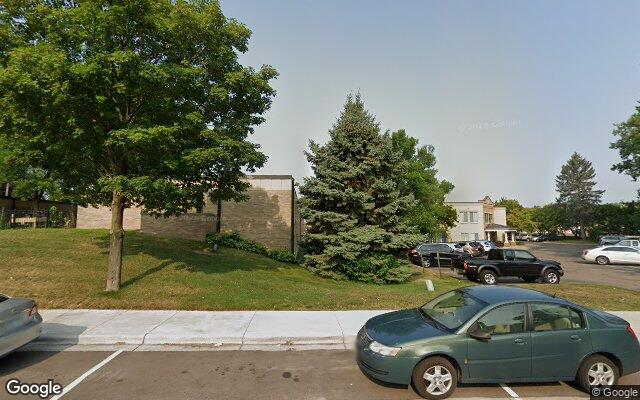
A medium home, reviewed on public record.
Compared to 187 Minnesota facilities with a similar number of beds.
ALF memory care · 36-month window. Higher percentile = better performance on inspection record. Source: Minnesota Dept. of Health · Health Regulation Division.
among peers to rank.
Rankings based on 36-month MDH inspection data. Severity and frequency: fewer citations = higher percentile. Repeat rate: lower repeat citation share = higher percentile.
Citation history, plotted month by month.
1 deficiency on record. Each bar is a month with a citation.
Finding distribution
1 total · 36 monthsScope × Severity (CMS A–L)
Questions to ask before you visit.
A short pre-tour checklist tailored to Pearl Garden's record and state requirements.
MDH records show 2 complaints on file through the December 2024 inspection — can you share what those complaints involved, whether MDH substantiated any findings, and what corrective steps Pearl Garden took in response?
Ask the operator on tour. Take notes and compare answers across facilities you visit.
The facility holds an Assisted Living Facility with Dementia Care license under Minn. Stat. ch. 144G and operates 25 licensed beds — can you walk us through the written dementia care program and explain how it differs from the general assisted living services for residents without memory impairment?
Ask the operator on tour. Take notes and compare answers across facilities you visit.
MDH inspected Pearl Garden on December 11, 2024, and recorded zero deficiencies — can you show families the most recent inspection report and explain how the community maintains compliance with Minnesota dementia care regulations between state surveys?
Ask the operator on tour. Take notes and compare answers across facilities you visit.
Every inspection visit, verbatim.
3 inspections in the public record, most recent first. Plain-language summaries open first — click into any row for the full citation text.
2024-12-11Annual Compliance VisitNo findings
Plain-language summary
A standard licensing inspection was conducted December 9–11, 2024, at Pearl Garden, and state correction orders were issued for violations of Minnesota statutes governing assisted living facilities with dementia care. No immediate fines were assessed, and the facility must document corrective actions within the timeframe specified on the state form but is not required to submit a plan of correction for approval. The specific violations identified on the attached state form must be corrected, and families can review those details in the regulatory documentation.
Read full citation textHide full citation text
Read raw inspector notesClose inspector notes
correction orders and document the actions taken to comply in the facility's records. The Department reserves the right to return to the facility at any time should the Department receive a complaint or deem it necessary to ensure the health, safety, and welfare of residents in your care. STATE CORRECTION ORDERS The enclosed State Form documents the state correction orders. MDH documents state licensing correction orders using federal software. Tag numbers are assigned to Minnesota state statutes for Assisted Living Facilities. The assigned tag number appears in the far left column entitled "ID Prefix Tag." The state statute number and the corresponding text of the state statute out of compliance are listed in the "Summary Statement of Deficiencies" column. This column also includes the findings that are in violation of the state statute after the statement, "This MN Requirement is not met as evidenced by . . ." In accordance with Minn. Stat. § 144G.31 Subd. 4, MDH may assess fines based on the level and scope of the violations; h owever, no immediate fines are assessed for this survey of your facility. DOCUMENTATION OF ACTION TO COMPLY In accordance with Minn. Stat. § 144G.30, Subd. 5(c), the licensee must document actions taken to comply with the correction orders within the time period outlined on the state form; however, plans of correction are not required to be submitted for approval. The correction order documentation should include the following: An equal opportunity employer. Letter ID: IS7N REVISED 09/13/2021 Pearl Garden January 14, 2025 Page 2 Identify how the area(s) of noncompliance was corrected related to the resident(s)/employee(s) identified in the correction order. Identify how the area(s) of noncompliance was corrected for all of the provider’s resident(s)/employees that may be affected by the noncompliance. Identify what changes to your systems and practices were made to ensure compliance with the specific statute(s). CORRECTION ORDER RECONSIDERATION PROCESS In accordance with Minn. Stat. § 144G.32, Subd. 2, you may challenge the correction order(s) issued, including the level and scope, and any fine assessed through the correction order reconsideration process. The request for reconsideration must be in writing and received by MDH within 15 calendar days of the correction order receipt date. To submit a reconsideration request, please visit: https://forms.web.health.state.mn.us/form/HRDAppealsForm The MDH Health Regulation Division (HRD) values your feedback about your experience during the survey and/or investigation process. Please fill out this anonymous provider feedback questionnaire at your convenience at this link: h ttps://forms.office.com/g/Bm5uQEpHVa. Your input is important to us and will enable MDH to improve its processes and communication with providers. If you have any questions regarding the questionnaire, please contact Susan Winkelmann at susan.winkelmann@state.mn.us or call 651-201-5952. You are encouraged to retain this document for your records. It is your responsibility to share the information contained in the letter and state form with your organization’s Governing Body. If you have any questions, please contact me. Sincerely, Casey DeVries, Supervisor State Evaluation Team Email: Casey.DeVries@state.mn.us Telephone: 651-201-5917 Fax: 1 -866-890-9290 HHH PRINTED: 01/14/2025 FORM APPROVED STATEMENT OF DEFICIENCIES (X1) PROVIDER/SUPPLIER/CLIA (X2) MULTIPLE CONSTRUCTION (X3) DATE SURVEY AND PLAN OF CORRECTION IDENTIFICATION NUMBER: COMPLETED A. BUILDING: ______________________ B. WING _____________________________ 20451 12/11/2024 NAME OF PROVIDER OR SUPPLIER STREET ADDRESS, CITY, STATE, ZIP CODE 3700 FOSS ROAD NE PEARL GARDEN MINNEAPOLIS, MN 55421 SUMMARY STATEMENT OF DEFICIENCIES PROVIDER'S PLAN OF CORRECTION (X4) ID ID (X5) PREFIX (EACH DEFICIENCY MUST BE PRECEDED BY FULL PREFIX (EACH CORRECTIVE ACTION SHOULD BE COMPLETE REGULATORY OR LSC IDENTIFYING INFORMATION) CROSS-REFERENCED TO THE APPROPRIATE DATE TAG TAG DEFICIENCY) 0 000 Initial Comments 0 000 ******ATTENTION****** Minnesota Department of Health is documenting the State Correction Orders ASSISTED LIVING PROVIDER LICENSING using federal software. Tag numbers have CORRECTION ORDER(S) been assigned to Minnesota State Statutes for Assisted Living License In accordance with Minnesota Statutes, section Providers. The assigned tag number 144G.08 to 144G.95, these correction orders are appears in the far-left column entitled "ID issued pursuant to a survey. Prefix Tag." The state Statute number and the corresponding text of the state Statute Determination of whether violations are corrected out of compliance is listed in the requires compliance with all requirements "Summary Statement of Deficiencies" provided at the Statute number indicated below. column. This column also includes the When Minnesota Statute contains several items, findings which are in violation of the state failure to comply with any of the items will be requirement after the statement, "This considered lack of compliance. Minnesota requirement is not met as evidenced by." Following the surveyors' INITIAL COMMENTS: findings is the Time Period for Correction. SL20451016-0 PLEASE DISREGARD THE HEADING OF THE FOURTH COLUMN WHICH On December 9, 2024, through December 11, STATES,"PROVIDER'S PLAN OF 2024, the Minnesota Department of Health CORRECTION." THIS APPLIES TO conducted a full survey at the above provider, and FEDERAL DEFICIENCIES ONLY. THIS the following correction orders are issued. At the WILL APPEAR ON EACH PAGE. time of the survey, there were 22 residents, all of whom received services under the Assisted Living THERE IS NO REQUIREMENT TO with Dementia Care license. SUBMIT A PLAN OF CORRECTION FOR VIOLATIONS OF MINNESOTA STATE STATUTES. The letter in the left column is used for tracking purposes and reflects the scope and level issued pursuant to 144G.31 subd. 1, 2, and 3. 01060 144G.52 Subd. 9 Emergency relocation 01060 SS=D (a) A facility may remove a resident from the facility in an emergency if necessary due to a LABORATORY DIRECTOR'S OR PROVIDER/SUPPLIER REPRESENTATIVE'S SIGNATURE TITLE (X6) DATE STATE FORM 6899 QJHX11 If continuation sheet 1 of 7 PRINTED: 01/14/2025 FORM APPROVED STATEMENT OF DEFICIENCIES (X1) PROVIDER/SUPPLIER/CLIA (X2) MULTIPLE CONSTRUCTION (X3) DATE SURVEY AND PLAN OF CORRECTION IDENTIFICATION NUMBER: COMPLETED A. BUILDING: ______________________ B. WING _____________________________ 20451 12/11/2024 NAME OF PROVIDER OR SUPPLIER STREET ADDRESS, CITY, STATE, ZIP CODE 3700 FOSS ROAD NE PEARL GARDEN MINNEAPOLIS, MN 55421 SUMMARY STATEMENT OF DEFICIENCIES PROVIDER'S PLAN OF CORRECTION (X4) ID ID (X5) PREFIX (EACH DEFICIENCY MUST BE PRECEDED BY FULL PREFIX (EACH CORRECTIVE ACTION SHOULD BE COMPLETE REGULATORY OR LSC IDENTIFYING INFORMATION) CROSS-REFERENCED TO THE APPROPRIATE DATE TAG TAG DEFICIENCY) 01060 Continued From page 1 01060 resident's urgent medical needs or an imminent risk the resident poses to the health or safety of another facility resident or facility staff member. An emergency relocation is not a termination. (b) In the event of an emergency relocation, the facility must provide a written notice that contains, at a minimum: (1) the reason for the relocation; (2) the name and contact information for the location to which the resident has been relocated and any new service provider; (3) contact information for the Office of Ombudsman for Long-Term Care and the Office of Ombudsman for Mental Health and Developmental Disabilities; (4) if known and applicable, the approximate date or range of dates within which the resident is expected to return to the facility, or a statement that a return date is not currently known; and (5) a statement that, if the facility refuses to provide housing or services after a relocation, the resident has the right to appeal under section 144G.54. The facility must provide contact information for the agency to which the resident may submit an appeal. (c) The notice required under paragraph (b) must be delivered as soon as practicable to: (1) the resident, legal representative, and designated representative; (2) for residents who receive home and community-based waiver services under chapter 256S and section 256B.49, the resident's case manager; and (3) the Office of Ombudsman for Long-Term Care if the resident has been relocated and has not returned to the facility within four days. (d) Following an emergency relocation, a facility's refusal to provide housing or services constitutes a termination and triggers the termination process STATE FORM 6899 QJHX11 If continuation sheet 2 of 7 PRINTED: 01/14/2025 FORM APPROVED STATEMENT OF DEFICIENCIES (X1) PROVIDER/SUPPLIER/CLIA (X2) MULTIPLE CONSTRUCTION (X3) DATE SURVEY AND PLAN OF CORRECTION IDENTIFICATION NUMBER: COMPLETED A. BUILDING: ______________________ B. WING _____________________________ 20451 12/11/2024 NAME OF PROVIDER OR SUPPLIER STREET ADDRESS, CITY, STATE, ZIP CODE 3700 FOSS ROAD NE PEARL GARDEN MINNEAPOLIS, MN 55421 SUMMARY STATEMENT OF DEFICIENCIES PROVIDER'S PLAN OF CORRECTION (X4) ID ID (X5) PREFIX (EACH DEFICIENCY MUST BE PRECEDED BY FULL PREFIX (EACH CORRECTIVE ACTION SHOULD BE COMPLETE REGULATORY OR LSC IDENTIFYING INFORMATION) CROSS-REFERENCED TO THE APPROPRIATE DATE TAG TAG DEFICIENCY) 01060 Continued From page 2 01060 in this section.
2024-07-15Complaint InvestigationNo findings
Plain-language summary
A complaint investigation concluded that an allegation of abuse by a staff member was inconclusive because conflicting accounts and witness statements could not establish whether the incident occurred; the resident reported being hit, the staff member denied it, there were no witnesses, and while a bruise to the back of the resident's head was found the next day, it could not be determined whether it resulted from the alleged incident or from the resident's multiple falls before and after the allegation. The facility suspended the staff member during the investigation and reviewed incident reports, staff interviews, and facility policies as part of the process.
Read full citation textHide full citation text
Read raw inspector notesClose inspector notes
Finding: Inconclusive Nature of Investigation: The Minnesota Department of Health investigated an allegation of maltreatment, in accordance with the Minnesota Reporting of Maltreatment of Vulnerable Adults Act, Minn. Stat. 626.557, and to evaluate compliance with applicable licensing standards for the provider type. Initial Investigation Allegation(s): The alleged perpetrator (AP), a facility staff member, abused the resident when the AP hit the resident. Investigative Findings and Conclusion: The Minnesota Department of Health determined abuse was inconclusive. Due to conflicting information provided, it could not be determined whether the alleged incident did or did not occur. The resident reported that the AP hit her, and the AP denied hitting the resident. There were no witnesses of the alleged incident. During a skin assessment the following morning after the alleged incident, the resident was found with a bruise to the back of her head and a bruised ring finger. It could not be determined whether the injuries occurred by the AP hitting the resident or the resident’s multiple falls prior to the allegation and a fall later that night after the allegation. The investigator conducted interviews with facility staff members, including administrative staff, nursing staff, and unlicensed staff. The investigator contacted the resident’s family member. The investigation included review of the resident records, facility internal investigation, facility incident reports, personnel files, staff schedules, and related facility policy and procedures. Also, the investigator observed resident and staff interactions at the facility. The resident resided in an assisted living memory care unit. The resident’s diagnoses included dementia. The resident’s service plan included assistance with fall risk preventions, toileting, and dressing. The resident was deaf but could communicate by reading lips and would answer questions that were written out. The resident’s vulnerability assessment indicated the resident had areas of concerns for abuse and that staff was trained to observe for signs and symptoms and report immediately any concerns of abuse. The facility investigation indicated unlicensed personnel notified the on-call nurse that the resident reported someone grabbed her arm and had a hand on her throat. During an interview with nursing leadership, the unlicensed personnel indicated the AP brought the resident to a common area by the nurse’s station. The unlicensed personnel stated the resident mouthed the words “help me” and “was shaking” and stated she was “scared of her [AP].” The unlicensed personnel asked the AP if she hit the resident. The AP stated no, you know the resident does not like me. During an interview with nursing leadership, another unlicensed personnel stated the resident waved her over and stated, “that girl over there” and pointed to the AP and stated, “she hit me.” During an interview with nursing leadership the following day, the resident denied being hurt. When the resident was asked if someone hurt you yesterday, the resident stated not last night. An incident report indicated approximately one hour after the resident reported she was hit; the resident had an unwitnessed fall. The incident report indicated the resident had no injuries from the fall. The morning after the resident reported being hit, the facility completed a skin check and found the resident with a bruise to the back of her head and a bruise to her ring finger. Approximately two weeks prior to the incident, the resident’s assessment indicated the resident had a bruise to the back of her head. During an interview, unlicensed personnel stated the resident told her that the AP hit her with a pillow on her head. The AP denied hitting the resident and stated the resident hit her. The unlicensed personnel stated she looked at the resident’s head and did not see a bruise. During an interview, the other unlicensed personnel stated when the AP brought the resident out to the common area, the resident was very upset, and her face was red. The unlicensed personnel stated she did not see any bruises or specific redness to indicate the resident was hit or slapped. During an interview, nursing leadership stated they found out about the incident the next morning. The AP was suspended during the investigation. The resident was found with a bruise to the back of her head. The resident did have a fall after making the allegation of being hit by the AP. The resident also had a bruised ring finger, and a couple of staff stated the bruise was older. Nursing leadership stated no one witnessed the AP hit the resident and the resident’s room did not have a camera. Nursing leadership stated they had no evidence that the AP did or did not hit the resident. During an attempted interview, the AP denied working at the facility. During an attempted interview, the resident was incoherent. During an interview, a family member stated the resident had dementia. The resident talked about different things that were not coherent. The family member stated they were unsure if the resident was abused. In conclusion, the Minnesota Department of Health determined abuse was inconclusive. Inconclusive: Minnesota Statutes, section 626.5572, Subdivision 11. "Inconclusive" means there is less than a preponderance of evidence to show that maltreatment did or did not occur. Abuse: Minnesota Statutes section 626.5572, subdivision 2. "Abuse" means: (a) An act against a vulnerable adult that constitutes a violation of an attempt to violate, or aiding and abetting a violation of: (1) assault in the first through fifth degrees as defined in sections 609.221 to 609.224; (2) the use of drugs to injure or facilitate crime as defined in section 609.235; (3) the solicitation, inducement, and promotion of prostitution as defined in section 609.322; and (4) criminal sexual conduct in the first through fifth degrees as defined in sections 609.342 to 609.3451. A violation includes any action that meets the elements of the crime, regardless of whether there is a criminal proceeding or conviction. (b) Conduct which is not an accident or therapeutic conduct as defined in this section, which produces or could reasonably be expected to produce physical pain or injury or emotional distress including, but not limited to, the following: (1) hitting, slapping, kicking, pinching, biting, or corporal punishment of a vulnerable adult; (2) use of repeated or malicious oral, written, or gestured language toward a vulnerable adult or the treatment of a vulnerable adult which would be considered by a reasonable person to be disparaging, derogatory, humiliating, harassing, or threatening Vulnerable Adult interviewed: Yes. Family/Responsible Party interviewed: Yes. Alleged Perpetrator interviewed: No. The AP declined to interview. Action taken by facility: The facility completed an internal investigation and staff were re-educated on reporting abuse immediately. The AP is no longer employed by the facility. Action taken by the Minnesota Department of Health: No further action taken at this time. cc: The Office of Ombudsman for Long Term Care The Office of Ombudsman for Mental Health and Developmental Disabilities PRINTED: 07/16/2024 FORM APPROVED STATEMENT OF DEFICIENCIES (X1) PROVIDER/SUPPLIER/CLIA (X2) MULTIPLE CONSTRUCTION (X3) DATE SURVEY AND PLAN OF CORRECTION IDENTIFICATION NUMBER: COMPLETED A. BUILDING: ______________________ C B. WING _____________________________ 20451 06/24/2024 NAME OF PROVIDER OR SUPPLIER STREET ADDRESS, CITY, STATE, ZIP CODE 3700 FOSS ROAD NE PEARL GARDEN MINNEAPOLIS, MN 55421 SUMMARY STATEMENT OF DEFICIENCIES PROVIDER'S PLAN OF CORRECTION (X4) ID ID (X5) PREFIX (EACH DEFICIENCY MUST BE PRECEDED BY FULL PREFIX (EACH CORRECTIVE ACTION SHOULD BE COMPLETE REGULATORY OR LSC IDENTIFYING INFORMATION) CROSS-REFERENCED TO THE APPROPRIATE DATE TAG TAG DEFICIENCY) 0 000 Initial Comments 0 000 On June 24, 2024, the Minnesota Department of Health initiated an investigation of complaint #HL204513441M#HL204513650C. No correction orders are issued. LABORATORY DIRECTOR'S OR PROVIDER/SUPPLIER REPRESENTATIVE'S SIGNATURE TITLE (X6) DATE STATE FORM 6899 EM5511 If continuation sheet 1 of 1
2023-10-17Complaint InvestigationSubstantiated Finding · 1 finding
Plain-language summary
A complaint investigation found that the facility neglected a resident on an anticoagulant who fell and hit her head; staff failed to notify the resident's physician immediately after the fall and waited approximately five hours before calling 911 when the resident became unresponsive, despite the resident's medication and head injury creating a medical emergency. The resident was transported to the hospital with a severe brain bleed and died the next day; the facility was determined responsible for the maltreatment.
Read full citation text (1)Hide full citation text
“MDH substantiated maltreatment or licensing violation finding”
Read raw inspector notesClose inspector notes
Finding: Substantiated, facility responsibility Nature of Investigation: The Minnesota Department of Health investigated an allegation of maltreatment, in accordance with the Minnesota Reporting of Maltreatment of Vulnerable Adults Act, Minn. Stat. 626.557, and to evaluate compliance with applicable licensing standards for the provider type. Initial Investigation Allegation(s): The facility neglected the resident when the resident fell and hit her head, and the facility did not send her to the emergency department until hours later when the resident became unresponsive. Subsequently, the resident was diagnosed with a traumatic brain injury. Investigative Findings and Conclusion: The Minnesota Department of Health determined neglect was substantiated. The facility was responsible for the maltreatment. The facility failed to contact the resident’s physician immediately after the fall due to the resident being on a blood thinner and hitting her head. The facility waited approximately five hours after the fall to send the resident to the hospital when the resident became unresponsive. The resident died the next day after her fall due to a significant brain bleed. The investigator conducted interviews with facility staff members, including administrative staff, nursing staff, and unlicensed staff. The investigator contacted family. The investigation included An equal opportunity employer. review of the resident’s medical record, policies including vulnerable adult, falls and emergencies and incident reports. Also, the investigator observed staff interactions with residents, transfers, and toileting. The resident resided in an assisted living memory care unit. The resident’s diagnoses included dementia and long-term use of an anticoagulant (a medication used to treat or prevent blood clots). The resident’s service plan included assistance with safety checks and medication administration. The resident’s assessment indicated the resident toileted and walked without assistance from staff. The resident’s physician orders included warfarin (an anticoagulant) 4 milligrams (mg) Sunday, Tuesday, Wednesday, Friday, and Saturday, and warfarin 5 mg Monday and Thursday. An incident report indicated the resident pushed her pendant in the middle of the night. A staff member entered the room and found the resident laying on her left side on the bathroom floor. The staff member observed a small bump on the left side of the resident’s head. The resident stated she used the toilet and tried to get out of the bathroom when she fell. The staff member assisted the resident off the floor and administered acetaminophen (a pain-relieving medication) and provided an ice pack per the resident’s request. The staff member notified the on-call registered nurse (RN). The facility staff failed to contact the resident’s physician to provide notification of the fall and obtain instructions. Facility staff checked on the resident several times and did not note a change in condition. The resident talked with a day shift staff member approximately four hours after the fall, appearing alert and resting on a couch. Thirty minutes later, a RN went to assess the resident and found the resident no longer responding to stimuli. The facility staff called 911, and emergency medical services (EMS) transported the resident to the emergency department (ED). EMS records indicated the resident arrived to the ED approximately five hours after her fall. The resident remained unresponsive and did not respond to painful stimuli. These records indicated the resident had swelling on the back of her skull, approximately two inches in diameter, and the area had previously been bleeding externally. The resident’s hair had matted to where the bleeding had been coming from. The resident’s hospital record indicated the resident presented with a large bleed in her head after the fall and decreased consciousness. An ED physician evaluated the resident and determined she had a high probability of imminent life-threatening deterioration due to the severe subdural hemorrhage (brain bleed) with coma. A neurosurgery physician examined the resident and determined no neurosurgery was indicated due to the nonsurvivable bleed and do not resuscitate (DNR) status. Family pursued comfort cares, and the resident died the next day. The resident’s death certificate identified a brain bleed due to a fall as the cause of death. During an interview, a nurse stated the overnight unlicensed personnel (ULP) called to report the resident fell but did not recall there being any issues at the time of the fall. During an interview, a management staff person stated she completed an internal investigation of the incident and spoke with the ULPs on duty and the nurse on call at the time of the fall. The overnight ULP who found the resident on the floor followed protocol and notified the on-call nurse, updating the nurse about the fall. The ULPs checked on the resident multiple times after the fall, and the resident seemed fine. Since this incident, the facility completed reeducation with all nursing staff regarding the fall emergency protocol, when to call 911, and what to report to the on-call nurse. During an interview, a family member stated the resident had been fairly independent prior to the fall. The resident did not require a lot of assistance from staff. The resident called the family member approximately three hours after her fall. The resident informed the family member she fell and hit her head, and staff gave her an ice pack but did not come back to check on her after. About an hour later, a morning shift ULP called the family member while walking to the resident’s room. The family member could hear the resident talking in the background during the call. Approximately 30 minutes later, the family member received a call from a nurse, informing her the resident lost consciousness and needed to go to the hospital. At the hospital, the physician informed the family member there was nothing they could do for the resident. The family member stated she wished the facility would have called 911 right away after the fall because the resident had been on an anticoagulant. The family member stated she wondered if the resident would have had a chance to live if the facility would have called 911 right away. A North American Thrombosis Forum web article titled Falls and Anticoagulation: What You Should Know, updated July 17, 2023, indicated if one falls while on a blood thinner, the healthcare provider should be contacted right away. The article indicated bleeding is not always visible and internally bleeding could occur without one knowing it, which poses a significant concern when people fall and hit their heads. In conclusion, the Minnesota Department of Health determined neglect was substantiated. Substantiated: Minnesota Statutes, section 626.5572, Subdivision 19. “Substantiated” means a preponderance of evidence shows that an act that meets the definition of maltreatment occurred. Neglect: Minnesota Statutes, section 626.5572, subdivision 17 Neglect means neglect by a caregiver or self-neglect. (a) "Caregiver neglect" means the failure or omission by a caregiver to supply a vulnerable adult with care or services, including but not limited to, food, clothing, shelter, health care, or supervision which is: (1) reasonable and necessary to obtain or maintain the vulnerable adult's physical or mental health or safety, considering the physical and mental capacity or dysfunction of the vulnerable adult; and (2) which is not the result of an accident or therapeutic conduct. Vulnerable Adult interviewed: No, deceased. Family/Responsible Party interviewed: Yes. Alleged Perpetrator interviewed: Not Applicable. Action taken by facility: The facility completed an internal investigation. The facility updated their fall and emergency protocol and educated staff. Action taken by the Minnesota Department of Health: The responsible party will be notified of their right to appeal the maltreatment finding. The facility was found to be in noncompliance. To view a copy of the Statement of Deficiencies and/or correction orders, please visit: https://www.health.state.mn.us/facilities/regulation/directory/provcompselect.html If you are viewing this report on the MDH website, please see the attached Statement of Deficiencies. You may also call 651-201-4200 to receive a copy via mail or email. cc: The Office of Ombudsman for Long Term Care The Office of Ombudsman for Mental Health and Developmental Disabilities Hennepin County Attorney Saint Anthony City Attorney Saint Anthony Police Department Hennepin County Medical Examiner PRINTED: 10/26/2023 FORM APPROVED STATEMENT OF DEFICIENCIES (X1) PROVIDER/SUPPLIER/CLIA (X2) MULTIPLE CONSTRUCTION (X3) DATE SURVEY AND PLAN OF CORRECTION IDENTIFICATION NUMBER: COMPLETED A. BUILDING: ______________________ C B.
Other facilities in Hennepin County.
Other memory care facilities in Hennepin County with similar care offerings.
Full Inspection Record
Family reviews
No reviews yet — be the first to share your experience
Other memory care options nearby.
More options in neighboring cities
Licensed memory care in other cities within this county region — useful when your search radius crosses city limits.