Assisted Living at North Ridge.
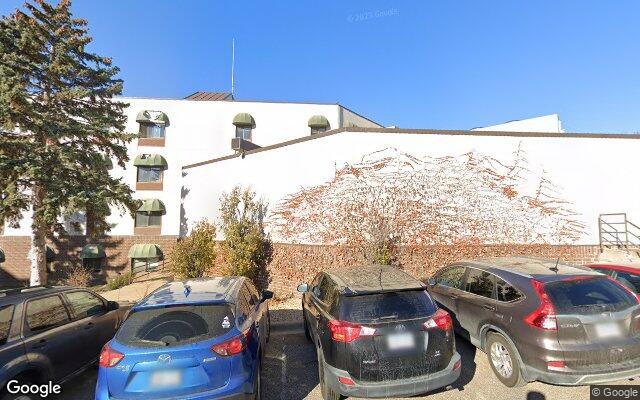
A large home, reviewed on public record.
Compared to 139 Minnesota facilities with a similar number of beds.
ALF memory care · 36-month window. Higher percentile = better performance on inspection record. Source: Minnesota Dept. of Health · Health Regulation Division.
among peers to rank.
Rankings based on 36-month MDH inspection data. Severity and frequency: fewer citations = higher percentile. Repeat rate: lower repeat citation share = higher percentile.
Citation history, plotted month by month.
No citations in the last 36 months.
Finding distribution
none · 36 monthsScope × Severity (CMS A–L)
Questions to ask before you visit.
A short pre-tour checklist tailored to Assisted Living at North Ridge's record and state requirements.
Minnesota Department of Health records show 1 complaint was filed during the inspection period, and the most recent inspection was on December 14, 2022 — can you share whether that complaint was substantiated, and if so, what corrective action plans or documentation the facility produced in response?
Ask the operator on tour. Take notes and compare answers across facilities you visit.
The December 14, 2022 inspection resulted in zero deficiencies across 195 licensed beds — can you walk us through the facility's internal quality assurance process and show us documentation of how staff competency in dementia care is tracked and maintained between state inspections?
Ask the operator on tour. Take notes and compare answers across facilities you visit.
This facility holds an Assisted Living Facility with Dementia Care license under Minnesota Statute Chapter 144G — can you provide a copy of the written dementia care program and explain how it addresses residents' changing cognitive and behavioral needs as dementia progresses?
Ask the operator on tour. Take notes and compare answers across facilities you visit.
Every inspection visit, verbatim.
8 inspections in the public record, most recent first. Plain-language summaries open first — click into any row for the full citation text.
2026-06-16Complaint InvestigationNo findings
2026-06-11Complaint InvestigationNo findings
2026-01-28Complaint InvestigationNo findings
Plain-language summary
A complaint alleged that a staff member neglected a resident during a toilet transfer that resulted in a fall causing bruising and a broken toe. The Minnesota Department of Health investigated and determined the allegation was not substantiated, finding that the staff member was following the resident's care plan, used appropriate equipment, and responded properly to the fall; the resident lost her balance during the transfer, an accident rather than neglect. No violations were found, and the facility managed the incident according to protocol.
Read full citation textHide full citation text
Read raw inspector notesClose inspector notes
Finding: Not Substantiated Nature of Investigation: The Minnesota Department of Health investigated an allegation of maltreatment, in accordance with the Minnesota Reporting of Maltreatment of Vulnerable Adults Act, Minn. Stat. 626.557, and to evaluate compliance with applicable licensing standards for the provider type. Initial Investigation Allegation(s): The alleged perpetrator (AP) neglected the resident when she failed to follow the resident’s care plan for transfers and the resident fell while toileting. The resident sustained bruising to her face and knee, and a broken toe. Investigative Findings and Conclusion: The Minnesota Department of Health determined neglect was not substantiated. The AP was following the resident’s care plan and helped transfer the resident to and from the toilet. As the AP helped the resident transfer using a gait belt, the resident lost her balance and fell, landing on top of the AP. After the resident fell, the AP obtained help, staff helped the resident up and managed the incident per facility protocol. The investigator conducted interviews with facility staff members, including administrative staff, nursing staff, and unlicensed staff. The investigator contacted family. The investigation included review of the resident record, death record, facility internal investigation, facility incident reports, personnel files, staff schedules, and related facility policy and procedures. Also, the investigator observed resident cares and interactions with staff. The resident resided in an assisted living facility. The resident’s diagnoses included chronic kidney disease; hemiparesis, right-sided; and generalized muscle weakness. The resident’s services included assistance with activities of daily living, housekeeping, laundry, meals, and medication management. The resident’s assessment indicated she was at high risk for falls. A facility incident report indicated the AP was transferring the resident and the resident’s feet slipped on the floor. The resident fell and hit her head on the bathroom wall. Staff noted a hematoma on top of the resident’s scalp at the time of the fall. Staff did not observe any further injuries. Staff notified the resident’s hospice provider and family, who came to visit resident. Staff called 911, but it was decided since the resident was on hospice she would not be sent in and she stayed at the facility. The resident’s progress notes indicated after the fall she complained of pain to her right shoulder, her knees and legs, and the top of her head. The resident’s service/care plan in place at the time of the fall, and her most recent nursing assessment, indicated she was an assist of one for toileting and transfers. After the resident fell, nursing updated all resident documents to indicate the resident was an assist of two. The medical examiner report indicated the resident’s immediate cause of death was a “lung nodule concerning for malignancy.” The medical examiner documented the resident’s manner of death as natural. When interviewed, a nurse said the resident was on hospice and her need for staff assistance varied day by day. When the AP helped the resident toilet, the AP said the resident stood up and then got scared. The resident said, “I can’t, I can’t” and then fell, landing on top of the AP. The resident had a previous fall, after which she went to a transitional care unit (TCU) for recuperation before returning to the facility. So, the resident had become anxious about transfers. Staff called 911, but the resident did not go to the hospital because she was receiving hospice services. The AP said she had transferred the resident twice that day and had no issues. After the fall, the nurse upgraded the resident to an assist of two staff members for transfers and toileting. The resident sustained bruising to her face. The nurse did not recall that the resident had a broken toe. The resident passed away soon after the fall. When interviewed, the AP said she helped the resident to the toilet. The AP used a gait belt to help the resident back up and transfer to her wheelchair. However, the resident lost her balance and fell, landing on top of the AP. The AP called for help and another staff member helped both the resident and AP off the floor. Staff notified a nurse and called 911 and managed the fall per protocol. When interviewed, family members said the resident did not like the AP and felt the AP rushed her during cares. The resident lived at the facility for several years and after an adjustment period, a family said the resident’s care, overall, was good. In conclusion, the Minnesota Department of Health determined neglect was not substantiated. “Not Substantiated” means: An investigatory conclusion indicating the preponderance of evidence shows that an act meeting the definition of maltreatment did not occur. Neglect: Minnesota Statutes, section 626.5572, subdivision 17 “Neglect” means neglect by a caregiver or self-neglect. (a) "Caregiver neglect" means the failure or omission by a caregiver to supply a vulnerable adult with care or services, including but not limited to, food, clothing, shelter, health care, or supervision which is: (1) reasonable and necessary to obtain or maintain the vulnerable adult's physical or mental health or safety, considering the physical and mental capacity or dysfunction of the vulnerable adult; and (2) which is not the result of an accident or therapeutic conduct. Vulnerable Adult interviewed: No, deceased. Family/Responsible Party interviewed: Yes. Alleged Perpetrator interviewed: Yes. the Action taken by facility: The facility completed an investigation into the fall and managed the fall per protocol. Action taken by the Minnesota Department of Health: No further action taken at this time. cc: The Office of Ombudsman for Long Term Care The Office of Ombudsman for Mental Health and Developmental Disabilities PRINTED: 01/ 29/ 2026 FORM APPROVED STATEMENT OF DEFICIENCIES (X1) PROVIDER/ SUPPLIER/ CLIA (X2) MULTIPLE CONSTRUCTION (X3) DATE SURVEY AND PLAN OF CORRECTION IDENTIFICATION NUMBER: COMPLETED A. BUILDING: ______________________ C B. WING _____________________________ 20257 12/ 16/ 2025 NAME OF PROVIDER OR SUPPLIER STREET ADDRESS, CITY, STATE, ZIP CODE 5500 BOONE AVENUE NORTH ASSISTED LIVING AT NORTH RIDGE NEW HOPE, MN 55428 SUMMARY STATEMENT OF DEFICIENCIES PROVIDER' S PLAN OF CORRECTION (X4) ID ID (X5) PREFIX (EACH DEFICIENCY MUST BE PRECEDED BY FULL PREFIX (EACH CORRECTIVE ACTION SHOULD BE COMPLETE REGULATORY OR LSC IDENTIFYING INFORMATION) CROSS- REFERENCED TO THE APPROPRIATE DATE TAG TAG DEFICIENCY) 0 000 Initial Comments 0 000 On December 16, 2025, the Minnesota Minnesota Department of Health is Department of Health initiated an investigation of documenting the State Correction Orders complaint #HL202575722C/ #HL202576583M. No using federal software. Tag numbers have correction orders are issued. been assigned to Minnesota State Statutes for Assisted Living Facilities. The assigned tag number appears in the far-left column entitled "ID Prefix Tag. " The state Statute number and the corresponding text of the state Statute out of compliance is listed in the "Summary Statement of Deficiencies" column. This column also includes the findings which are in violation of the state requirement after the statement, "This Minnesota requirement is not met as evidenced by." Following the evaluators' findings is the Time Period for Correction. PLEASE DISREGARD THE HEADING OF THE FOURTH COLUMN WHICH STATES, "PROVIDER' S PLAN OF CORRECTION. " THIS APPLIES TO FEDERAL DEFICIENCIES ONLY. THIS WILL APPEAR ON EACH PAGE. THERE IS NO REQUIREMENT TO SUBMIT A PLAN OF CORRECTION FOR VIOLATIONS OF MINNESOTA STATE STATUTES. THE LETTER IN THE LEFT COLUMN IS USED FOR TRACKING PURPOSES AND REFLECTS THE SCOPE AND LEVEL ISSUED PURSUANT TO 144G. 31 SUBDIVISION 1-3. LABORATORY DIRECTOR' S OR PROVIDER/ SUPPLIER REPRESENTATIVE' S SIGNATURE TITLE (X6) DATE STATE FORM 6899 Z63Q11 If continuation sheet 1 of 1
2025-08-25Complaint InvestigationNo findings
Plain-language summary
The Minnesota Department of Health investigated a complaint that staff failed to respond to a resident's fall and did not provide medical care, but found the allegation was not substantiated. The resident did not report the fall to night staff during the incident, and when a family member reported it to the nurse days later, the facility promptly assessed the resident, contacted the provider, ordered an x-ray, and provided pain management; the x-ray showed no fracture and the resident recovered. The investigation included interviews with staff and family, review of medical records and incident reports, and a facility tour.
Read full citation textHide full citation text
Read raw inspector notesClose inspector notes
Finding: Not Substantiated Nature of Investigation: The Minnesota Department of Health investigated an allegati0on of maltreatment, in accordance with the Minnesota Reporting of Maltreatment of Vulnerable Adults Act, Minn. Stat. 626.557, and to evaluate compliance with applicable licensing standards for the provider type. Initial Investigation Allegation(s): The unknown alleged perpetrator (AP) and facility neglected the resident when the AP failed to report a fall with injury and the facility failed to provide medical care after learning of the fall. Investigative Findings and Conclusion: The Minnesota Department of Health determined neglect was not substantiated. The resident was unable to state what night the alleged incident occurred and did not report the fall to staff. The resident reported the fall to a family member who then reported the incident to the nurse. Once the facility learned of the fall, the facility assessed the resident, reported the incident to a provider, and ordered an x-ray. The x-ray indicated no fracture, and the resident returned to baseline. The investigator conducted interviews with facility staff members, including administrative staff, nursing staff, and unlicensed staff. The investigator contacted a family member. The investigation included review of the resident’s record, facility internal investigation, facility incident reports, personnel files, staff schedules, related facility policy and procedures. Also, the investigator toured the facility and observed care provided to the residents and the response time to pendent alerts. The resident resided in an assisted living facility. The resident’s diagnoses included dementia, diabetes, anxiety, and depression. The resident’s service plan included assistance with bathing, dressing, toileting, medication, administration, housekeeping, and laundry. The resident’s assessment indicated she was at risk for falls and had self-care deficits. The resident’s progress notes indicated the resident and the resident’s family member reported the resident fell out of bed during the night shift on a Saturday night. The family member and resident reported the incident to the nurse on Monday. The nurse updated the resident’s provider who ordered an x-ray. The nurse noted bruising on the resident’s shin and the resident complained of pain in her toe. The resident was offered an ice pack and pain medication. A follow-up progress note indicated no fractures were found. The resident’s incident report indicated the resident reported she fell out of bed and injured her foot. The resident was unable to remember when the incident happened but according to the family member the incident happened Saturday night. The resident’s foot was assessed, pain medication and ice were offered, and an x-ray was ordered. No injuries were observed post incident. The resident’s pendent push log indicated the resident never pushed her pendant light the night she reported she fell out of bed. The resident’s most recent care conference note indicated the resident resisted care including incontinence cares and housekeeping. The resident’s mental and physical health declined requiring increased support and monitoring. A decision was made between the care team and family to move the resident to memory care. During an interview, a family member said the resident reported she fell during the night and staff never answered her call light. She said the resident reported the incident happened on a Saturday night and she reported the incident to the nurse and primary care provider the following Tuesday. She said the resident reported the incident to the night shift staff who told her she was fine and to go back to bed. She said the resident sustained significant bruising and a broken toe from the fall. She said the facility failed to provide medical care. During an interview, unlicensed personnel (ULP)-1 who worked the night during the reported incident said the resident never reported she fell out of bed or injured herself during her shift. She said ULP-2, who worked with her during the night shift never reported the resident had an accident or fall during their shift. During an interview, the nurse said a family member reported to her the incident happened over the weekend. She said the resident was unable to confirm what day the incident happened. She said neither the family or resident told her the resident told the staff member she fell or was injured over the weekend. When she learned of the incident on Monday, she assessed the resident and noted some bruising on the leg. She updated the provider and implemented interventions for pain management. She said the resident already received scheduled medications for pain and the resident was able to move her foot and walk. An x-ray indicated no fracture, and the resident has since healed and returned to baseline. During an interview, a member of management said the resident was often confused, paranoid and resistive to cares. The resident reported she fell to the family but never reported the incident to facility staff. The nurse addressed the resident’s injuries and communicated with family. An incident report was completed, and medical care was provided to the resident. After consulting with the family, the resident planned to move to memory care soon. In conclusion, the Minnesota Department of Health determined neglect was not substantiated. “Not Substantiated” means: An investigatory conclusion indicating the preponderance of evidence shows that an act meeting the definition of maltreatment did not occur. Neglect: Minnesota Statutes, section 626.5572, subdivision 17 “Neglect” means neglect by a caregiver or self-neglect. (a) "Caregiver neglect" means the failure or omission by a caregiver to supply a vulnerable adult with care or services, including but not limited to, food, clothing, shelter, health care, or supervision which is: (1) reasonable and necessary to obtain or maintain the vulnerable adult's physical or mental health or safety, considering the physical and mental capacity or dysfunction of the vulnerable adult; and (2) which is not the result of an accident or therapeutic conduct. Vulnerable Adult interviewed: Yes, but the resident declined a recorded interview. Family/Responsible Party interviewed: Yes. Alleged Perpetrator interviewed: Not Applicable. Action taken by facility: The facility updated the provider, assessed the resident and implemented interventions to ensure the resident’s health and pain was managed. Action taken by the Minnesota Department of Health: The facility was found to be in noncompliance. To view a copy of the Statement of Deficiencies and/or correction orders, please visit: https://www.health.state.mn.us/facilities/regulation/directory/provcompselect.html If you are viewing this report on the MDH website, please see the attached Statement of Deficiencies. You may also call 651-201-4200 to receive a copy via mail or email cc: The Office of Ombudsman for Long Term Care The Office of Ombudsman for Mental Health and Developmental Disabilities PRINTED: 08/26/2025 FORM APPROVED STATEMENT OF DEFICIENCIES (X1) PROVIDER/SUPPLIER/CLIA (X2) MULTIPLE CONSTRUCTION (X3) DATE SURVEY AND PLAN OF CORRECTION IDENTIFICATION NUMBER: COMPLETED A. BUILDING: ______________________ C B. WING _____________________________ 20257 07/31/2025 NAME OF PROVIDER OR SUPPLIER STREET ADDRESS, CITY, STATE, ZIP CODE 5500 BOONE AVENUE NORTH ASSISTED LIVING AT NORTH RIDGE NEW HOPE, MN 55428 SUMMARY STATEMENT OF DEFICIENCIES PROVIDER'S PLAN OF CORRECTION (X4) ID ID (X5) PREFIX (EACH DEFICIENCY MUST BE PRECEDED BY FULL PREFIX (EACH CORRECTIVE ACTION SHOULD BE COMPLETE REGULATORY OR LSC IDENTIFYING INFORMATION) CROSS-REFERENCED TO THE APPROPRIATE DATE TAG TAG DEFICIENCY) 0 000 Initial Comments 0 000 ******ATTENTION****** Minnesota Department of Health is documenting the State Correction Orders ASSISTED LIVING PROVIDER CORRECTION using federal software. Tag numbers have ORDER been assigned to Minnesota State Statutes for Assisted Living Facilities. The In accordance with Minnesota Statutes, section assigned tag number appears in the 144G.08 to 144G.95, these correction orders are far-left column entitled "ID Prefix Tag." The issued pursuant to a complaint investigation. state Statute number and the corresponding text of the state Statute out Determination of whether a violation is corrected of compliance is listed in the "Summary requires compliance with all requirements Statement of Deficiencies" column. This provided at the statute number indicated below. column also includes the findings which When a Minnesota Statute contains several are in violation of the state requirement items, failure to comply with any of the items will after the statement, "This Minnesota be considered lack of compliance. requirement is not met as evidenced by." Following the evaluators' findings is the INITIAL COMMENTS: Time Period for Correction. #HL202576168C/#HL202573243M PLEASE DISREGARD THE HEADING OF THE FOURTH COLUMN WHICH On July 31, 2025, the Minnesota Department of STATES,"PROVIDER'S PLAN OF Health conducted a complaint investigation at the CORRECTION." THIS APPLIES TO above provider, and the following correction FEDERAL DEFICIENCIES ONLY. THIS orders are issued. At the time of the complaint WILL APPEAR ON EACH PAGE.
2025-04-29Complaint InvestigationNo findings
Plain-language summary
A complaint investigation found that neglect was not substantiated after a resident with dementia died from injuries including a shoulder fracture discovered on December 27th. The investigation reviewed staff interviews, medical records, and care documentation, finding insufficient evidence that the facility failed to provide adequate care, though the resident had a documented history of refusing care, aggressive behavior, and multiple falls in the weeks before his death. The physician assistant had ordered the resident transferred to the hospital upon discovering the bruising and swelling on December 27th.
Read full citation textHide full citation text
Read raw inspector notesClose inspector notes
Finding: Not Substantiated Nature of Investigation: The Minnesota Department of Health investigated an allegation of maltreatment, in accordance with the Minnesota Reporting of Maltreatment of Vulnerable Adults Act, Minn. Stat. 626.557, and to evaluate compliance with applicable licensing standards for the provider type. Initial Investigation Allegation(s): The facility neglected the resident, who was found lying in bed, from fractures and bruising. He was sent to the hospital where he was diagnosed with fracture and eventually passed away. Investigative Findings and Conclusion: The Minnesota Department of Health determined neglect was not substantiated. The investigation found there was insufficient evidence to determine if neglect occurred. The investigator conducted interviews with facility staff members, including administrative staff, nursing staff, and unlicensed staff. The investigation included review of the resident’s records, incident reports, staff schedules, policies, and procedures. The resident lived in a secured memory care unit within an assisted living facility. He had been diagnosed with dementia and required assistance with all activities of daily living, including hygiene, dressing, toileting, medication administration, meals, and incontinence cares. According to the resident’s assessment, he was noted to be verbally aggressive, often displaying angry outbursts including cursing and swearing. On December 27th, unlicensed caregivers, while trying to provide incontinence cares, found a purple bruise on the resident’s right shoulder extending down to his ribs. This was reported to the physician assistant during his visit to the facility. After assessing the resident, the physician assistant ordered the resident transferred to the emergency room for further evaluation. Additionally, a concern arose that the facility had not provided cares sufficiently from a previous fall about one week earlier and the bruising and injuries had gone unidentified. There were also concerns about his cares regarding incontinence cares and lymphedema management. In October, the resident’s physician assistant notes indicated the resident had a history of refusing care, particularly related to the management of lymphedema [severe swelling]. He frequently removed his wraps, which led to the discontinuation of occupational therapy services for edema management. During one of these visits in October, the resident became extremely agitated, refused to sit still, and attempted to strike the physician assistant. The physician assistant notes also indicated the resident’s care was difficult to manage due to his violent behavior and non-compliance with care routines. Additionally, according to the same physician notes, the resident was ambulating independently without the use of any assistive device. In November, the physician assistant notes described his aggressive behavior occurred at least twice a week, without any specific pattern relating to the time of day. Staff members reported these behaviors were most frequent during care routines. His personal hygiene was poor, largely because he frequently refused care from caregivers. The resident was incontinent of both bowel and bladder, and due to his combative nature, care often required three staff members. Over time, his aggressive behavior had slowly worsened. The notes also referenced input from a family friend, who observed that while the resident used to have a wet brief during visits, it had recently been dry, suggesting that he might have started allowing staff to change his brief. However, despite this, there was significant skin breakdown in his bottom and groin areas due to the ongoing refusal of care. Ointment was ordered to treat this breakdown. On December 12th, the physician assistant notes indicated the resident was seen again for Alzheimer’s disease, ongoing combativeness, and refusal of care. On December 27th, the physician assistant notes indicated the resident was seen at bedside accompanied by a nurse and a family member, due to concerns about poor intake and right shoulder bruising and swelling. The physician assistant observed a large amount of fading ecchymosis on the resident’s right shoulder, with edema extending down toward the elbow and up toward the neck. The resident did not voluntarily move his right upper extremity and displayed nonverbal signs of pain during passive range of motion The physician assistant transferred the resident to the emergency room. The same document indicated the resident appeared thin and dehydrated, with minimal edema in his legs, which was significantly different from his baseline of having massive bilateral lower extremity swelling. The physician assistant reviewed the most recent falls, noting a fall on December 17th where the resident was found on his buttocks in the dining room without injury, and another fall on December 19th, also reported without injury. The physician assistant questioned whether the shoulder injury might have been new since December 23rd, as lab work drawn that day had shown no major concerns aside from low protein, low albumin, and mild anemia. A family member said that a close family friend, who typically cared for the resident closely, had been ill and had not visited recently to report concerns. The resident’s medication administration record indicated that the resident was considered a fall risk and required staff to check on him every two hours. The records indicated that these checks were performed consistently until the time he was sent to the hospital. The progress notes further indicated he had fallen on December 15th, 17th, and 19th. Each time, the nurse assessed him, found no apparent injuries plus the facility notified the family and the resident’s physician assistant. Additionally, on December 24th, staff observed the resident appeared pale and weak, so the nurse assessed him and attempted to feed him lunch, which he refused. The family was notified about his refusal to eat. The resident remained at the hospital for approximately 10 days, entered hospice, and passed away the next day. During an interview, family member #1 stated that the facility called her on December 17th to notify her about the resident’s fall, telling her that he did not sustain any injuries. She also received a voicemail from the facility on December 24th informing her that the resident had started refusing food. During an interview, family member #2 stated he visited the resident on December 27th. He saw the resident lying flat in bed wearing only an adult diaper, while staff were attempting to put a shirt on him. The staff noticed bruising on the resident’s chest and right arm and reported this to the nurse. The nurse and physician assistant then came to assess the resident. During an interview, the nurse stated the resident did not use any assistive devices and walked independently, though he was unsteady and often moved from chair to chair. She said the resident resisted care, did not want to be touched, and frequently refused to be changed when incontinent or showered. Caregivers would attempt to re-approach him several times until he allowed them to provide care. She stated she assessed him after his fall on December 17th and found no injuries at that time. She was unsure about the details of the incident on December 19th. The nurse noted that the first time she saw the bruise on the resident’s chest was on December 27th and she did not know how or when it occurred, as she had not seen any bruising before that day. During an interview, an unlicensed caregiver stated she had worked at the facility for six years and helped care for the resident because he was often aggressive toward staff and refused care. She said sometimes he would try to hit or harm staff members. When this happened, staff would try to re-approach him or call the nurse for assistance. She said that a family friend visited regularly and was the only person the resident consistently allowed to provide care. In conclusion, the Minnesota Department of Health determined neglect was not. “Not Substantiated” means: An investigatory conclusion indicating the preponderance of evidence shows that an act meeting the definition of maltreatment did not occur. Neglect: Minnesota Statutes, section 626.5572, subdivision 17 “Neglect” means neglect by a caregiver or self-neglect. (a) "Caregiver neglect" means the failure or omission by a caregiver to supply a vulnerable adult with care or services, including but not limited to, food, clothing, shelter, health care, or supervision which is: (1) reasonable and necessary to obtain or maintain the vulnerable adult's physical or mental health or safety, considering the physical and mental capacity or dysfunction of the vulnerable adult; and (2) which is not the result of an accident or therapeutic conduct. Vulnerable Adult interviewed: No. The resident was deceased. Family/Responsible Party interviewed: Yes. Alleged Perpetrator interviewed: Not Applicable.
2025-01-16Annual Compliance VisitNo findings
Plain-language summary
A follow-up survey on March 14, 2025 found that a correction order from the January 16, 2025 inspection regarding background studies required under Minnesota law had not been corrected, and the facility was assessed a fine of $3,000. The facility has 15 calendar days from receipt of the correction order to request reconsideration or a hearing if it wishes to challenge the finding.
Read full citation textHide full citation text
Read raw inspector notesClose inspector notes
correction orders issued pursuant to the January 16, 2025 survey. In accordance with Minn. Stat. § 144G.31 Subd. 4 (a), state correction orders issued pursuant to the last survey, completed on January 16, 2025, found not corrected at the time of the March 14, 2025, follow-up survey and/or subject to penalty assessment are as follows: 1290-Background Studies Required-144g.60 Subdivision 1 - $3,000.00 The details of the violations noted at the time of this follow-up survey completed on March 14, 2025 (listed above), are on the attached State Form. Brackets around the ID Prefix Tag in the left hand column, e.g., {2 ----} will identify the uncorrected tags. Therefore, in accordance with Minn. Stat. §§ 144G.01 to 144G.9999, the total amount you are assessed is $3,000.00. You will be invoiced approximately 30 days after receipt of this notice, subject to appeal. DOCUMENTATION OF ACTION TO COMPLY In accordance with Minn. Stat. § 144G.30, Subd. 5(c), the licensee must document actions taken to comply with the correction orders outlined on the state form; however, plans of correction are not required to be submitted for approval. IMPOSITION OF FINES: Level 1: no fines or enforcement. Level 2: a fine of $500 per violation, in addition to any enforcement mechanism authorized in §144G.20 for widespread violations; Level 3: a fine of $3,000 per violation per incident, in addition to any enforcement mechanism authorized in §144G.20. Level 4: a fine of $5,000 per incident, in addition to any enforcement mechanism authorized in §144 G.20. CORRECTION ORDER RECONSIDERATION PROCESS In accordance with Minn. Stat. § 144G.32, Subd. 2, you may challenge the correction order(s) issued, including the level and scope, and any fine assessed through the correction order reconsideration process. The request An equal opportunity employer. Letter ID: 8GKP Revised 04/14/2023 Assisted Living at North Ridge April 11, 2025 Page 2 for reconsideration must be in writing and received by MDH within 15 calendar days of the correction order receipt date. To submit a reconsideration request, please visit: https://forms.web.health.state.mn.us/form/HRDAppealsForm REQUESTING A HEARING Alternatively, in accordance with Minn. Stat. § 144G.31, Subd. 5(d), an assisted living provider that has been assessed a fine under this subdivision has a right to a reconsideration or a hearing under this section and chapter 14. Pursuant to Minn. Stat. § 144G.20, Subd. 14 and Subd. 18, a request for a hearing must be in writing and received by the Department of Health within 15 business days of the correction order receipt date. The request must contain a brief and plain statement describing each matter or issue contested and any new information you believe constitutes a defense or mitigating factor. To submit a hearing request, please visit: https://forms.web.health.state.mn.us/form/HRDAppealsForm To appeal fines via reconsideration, please follow the procedure outlined above. Please note that you may request a reconsideration o r a hearing, but not both. If you wish to contest tags without fines in a reconsideration and tags with the fines at a hearing, please submit two separate appeals forms at the website listed above. We urge you to review these orders carefully. If you have questions, please contact Kelly Thorson at You are encouraged to retain this document for your records. It is your responsibility to share the information contained in the letter and/or state form with your organization’s Governing Body. Sincerely, Kelly Thorson, Supervisor State Evaluation Team Email: Kelly.Thorson@state.mn.us Telephone: 320-223-7336 Fax: 1-866-890-9290 HHH PRINTED: 04/11/2025 FORM APPROVED STATEMENT OF DEFICIENCIES (X1) PROVIDER/SUPPLIER/CLIA (X2) MULTIPLE CONSTRUCTION (X3) DATE SURVEY AND PLAN OF CORRECTION IDENTIFICATION NUMBER: COMPLETED A. BUILDING: ______________________ R B. WING _____________________________ 20257 03/14/2025 NAME OF PROVIDER OR SUPPLIER STREET ADDRESS, CITY, STATE, ZIP CODE 5500 BOONE AVENUE NORTH ASSISTED LIVING AT NORTH RIDGE NEW HOPE, MN 55428 SUMMARY STATEMENT OF DEFICIENCIES PROVIDER'S PLAN OF CORRECTION (X4) ID ID (X5) PREFIX (EACH DEFICIENCY MUST BE PRECEDED BY FULL PREFIX (EACH CORRECTIVE ACTION SHOULD BE COMPLETE REGULATORY OR LSC IDENTIFYING INFORMATION) CROSS-REFERENCED TO THE APPROPRIATE DATE TAG TAG DEFICIENCY) {0 000} Initial Comments {0 000} ******ATTENTION****** Minnesota Department of Health is documenting the State Correction Orders ASSISTED LIVING PROVIDER FOLLOW UP using federal software. Tag numbers have SURVEY WITH RE-ISSUE OF ORDERS been assigned to Minnesota State Statutes for Assisted Living Facilities. The INITIAL COMMENTS assigned tag number appears in the SL#20257016-1 far-left column entitled "ID Prefix Tag." The state Statute number and the On March 13, 2025, through March 14, 2025, the corresponding text of the state Statute out follow-up survey at the above provider to Statement of Deficiencies" column. This follow-up on orders issued pursuant to a survey column also includes the findings which completed on January 16, 2025. At the time of are in violation of the state requirement the survey, there were 126 residents; 113 were after the statement, "This Minnesota receiving services under the Assisted Living with requirement is not met as evidenced by." Dementia Care License. As a result of the Following the evaluators ' findings is the follow-up survey, the following orders were Time Period for Correction. reissued and/or new orders issued. PLEASE DISREGARD THE HEADING OF THE FOURTH COLUMN WHICH STATES,"PROVIDER'S PLAN OF CORRECTION." THIS APPLIES TO FEDERAL DEFICIENCIES ONLY. THIS WILL APPEAR ON EACH PAGE. THERE IS NO REQUIREMENT TO SUBMIT A PLAN OF CORRECTION FOR VIOLATIONS OF MINNESOTA STATE STATUTES. THE LETTER IN THE LEFT COLUMN IS USED FOR TRACKING PURPOSES AND REFLECTS THE SCOPE AND LEVEL ISSUED PURSUANT TO 144G.31 SUBDIVISION 1-3. {0 550} 144G.41 Subd. 7 Resident grievances; reporting {0 550} SS=F maltreatment LABORATORY DIRECTOR'S OR PROVIDER/SUPPLIER REPRESENTATIVE'S SIGNATURE TITLE (X6) DATE STATE FORM 6899 22K012 If continuation sheet 1 of 14 PRINTED: 04/11/2025 FORM APPROVED STATEMENT OF DEFICIENCIES (X1) PROVIDER/SUPPLIER/CLIA (X2) MULTIPLE CONSTRUCTION (X3) DATE SURVEY AND PLAN OF CORRECTION IDENTIFICATION NUMBER: COMPLETED A. BUILDING: ______________________ R B. WING _____________________________ 20257 03/14/2025 NAME OF PROVIDER OR SUPPLIER STREET ADDRESS, CITY, STATE, ZIP CODE 5500 BOONE AVENUE NORTH ASSISTED LIVING AT NORTH RIDGE NEW HOPE, MN 55428 SUMMARY STATEMENT OF DEFICIENCIES PROVIDER'S PLAN OF CORRECTION (X4) ID ID (X5) PREFIX (EACH DEFICIENCY MUST BE PRECEDED BY FULL PREFIX (EACH CORRECTIVE ACTION SHOULD BE COMPLETE REGULATORY OR LSC IDENTIFYING INFORMATION) CROSS-REFERENCED TO THE APPROPRIATE DATE TAG TAG DEFICIENCY) {0 550} Continued From page 1 {0 550} All facilities must post in a conspicuous place information about the facilities' grievance procedure, and the name, telephone number, and email contact information for the individuals who are responsible for handling resident grievances. The notice must also have the contact information for the Office of Ombudsman for Long-Term Care and the Office of Ombudsman for Mental Health and Developmental Disabilities and must have information for reporting suspected maltreatment to the Minnesota Adult Abuse Reporting Center. The notice must also state that if an individual has a complaint about the facility or person providing services, the individual may contact the Office of Health Facility Complaints at the Minnesota Department of Health. This MN Requirement is not met as evidenced by: Not reviewed during this survey. {0 630} 144G.42 Subd. 6 (b) Compliance with {0 630} SS=F requirements for reporting ma (b) The facility must develop and implement an individual abuse prevention plan for each vulnerable adult. The plan shall contain an individualized review or assessment of the person's susceptibility to abuse by another individual, including other vulnerable adults; the person's risk of abusing other vulnerable adults; and statements of the specific measures to be taken to minimize the risk of abuse to that person and other vulnerable adults. For purposes of the abuse prevention plan, abuse includes self-abuse. This MN Requirement is not met as evidenced STATE FORM 6899 22K012 If continuation sheet 2 of 14 PRINTED: 04/11/2025 FORM APPROVED STATEMENT OF DEFICIENCIES (X1) PROVIDER/SUPPLIER/CLIA (X2) MULTIPLE CONSTRUCTION (X3) DATE SURVEY AND PLAN OF CORRECTION IDENTIFICATION NUMBER: COMPLETED A. BUILDING: ______________________ R B. WING _____________________________ 20257 03/14/2025 NAME OF PROVIDER OR SUPPLIER STREET ADDRESS, CITY, STATE, ZIP CODE 5500 BOONE AVENUE NORTH ASSISTED LIVING AT NORTH RIDGE NEW HOPE, MN 55428 SUMMARY STATEMENT OF DEFICIENCIES PROVIDER'S PLAN OF CORRECTION (X4) ID ID (X5) PREFIX (EACH DEFICIENCY MUST BE PRECEDED BY FULL PREFIX (EACH CORRECTIVE ACTION SHOULD BE COMPLETE REGULATORY OR LSC IDENTIFYING INFORMATION) CROSS-REFERENCED TO THE APPROPRIATE DATE TAG TAG DEFICIENCY) {0 630} Continued From page 2 {0 630} by: Not reviewed during this survey. {0 650} 144G.42 Subd.
2025-01-13Complaint InvestigationNo findings
Plain-language summary
A complaint investigation found that a facility nurse made a medication transcription error when entering hospice orders for a morphine dose, resulting in the resident receiving the medication hourly instead of at the prescribed interval; however, the Minnesota Department of Health determined the neglect allegation was not substantiated because medical providers confirmed the dosing error did not contribute to the resident's death from dementia complications. The resident passed away the day after the error was discovered, and the facility consulted with hospice and the medical director following the incident. The facility was found in noncompliance and received a correction order.
Read full citation textHide full citation text
Read raw inspector notesClose inspector notes
Finding: Not Substantiated Nature of Investigation: The Minnesota Department of Health investigated an allegation of maltreatment, in accordance with the Minnesota Reporting of Maltreatment of Vulnerable Adults Act, Minn. Stat. 626.557, and to evaluate compliance with applicable licensing standards for the provider type. Initial Investigation Allegation(s): The facility neglected the resident when the facility failed to administer the resident’s morphine (opioid pain medication) according to physician’s orders. Investigative Findings and Conclusion: The Minnesota Department of Health determined neglect was not substantiated. Although a medication error occurred, it could not be determined if the error had any adverse effect on the resident. The resident passed away shortly after the error occurred; however, medical providers indicated there was no evidence the error contributed to the resident’s death. The investigator conducted interviews with facility staff members, including administrative staff, nursing staff, and unlicensed staff. The investigator also contacted the hospice agency. The investigation included review of the resident record, death records, facility incident reports, personnel files, staff schedules, and related facility policies and procedures. Also, the investigator observed interactions between staff and residents. The resident resided in an assisted living memory care unit. The resident’s diagnoses included dementia and atrial fibrillation. The resident’s service plan included assistance with medication administration and activities of daily living. The assessment indicated the resident was enrolled in hospice care. Hospice records from three days prior to the resident’s death indicated the resident was agitated and had a weak heart rate. Facility staff administered as-needed medication per hospice instructions and the resident calmed down. While visiting the resident, the hospice nurse wrote orders to increase the resident’s morphine dose for additional comfort measures. However, the order was transcribed incorrectly, and the morphine was scheduled for administration every hour and was administered to the resident every one hour. Hospice records from the day prior to the resident’s death, indicated the resident was in bed and comatose. The resident was not responsive to stimuli and passed away the next day. The resident’s death record indicated the resident passed from complications of dementia. During an interview, the hospice nurse stated the resident was agitated and medication orders were changed. The hospice nurse did not know why the morphine order was crossed out. The hospice nurse stated the orders were handed to a facility nurse who entered them into the computer system for staff. The hospice nurse stated he did not know there was an error with transcription until after the resident passed away. The medical director was consulted about the error, and it was determined the dosing of morphine was not lethal for the resident. During an interview, a facility nurse recalled the resident was more agitated and hospice wrote new orders. A facility nurse stated she thought she transcribed the order correctly but found out after the resident passed that she had made a mistake with transcription. The nurse stated facility management contacted the medical director who determined the mistake was not detrimental to the resident. After the incident, facility management educated the nurse to double check all transcribed orders. During an interview a family member stated she was not notified of the medication error. In conclusion, the Minnesota Department of Health determined neglect was not substantiated. “Not Substantiated” means: An investigatory conclusion indicating the preponderance of evidence shows that an act meeting the definition of maltreatment did not occur. Neglect: Minnesota Statutes, section 626.5572, subdivision 17 “Neglect” means neglect by a caregiver or self-neglect. (a) "Caregiver neglect" means the failure or omission by a caregiver to supply a vulnerable adult with care or services, including but not limited to, food, clothing, shelter, health care, or supervision which is: (1) reasonable and necessary to obtain or maintain the vulnerable adult's physical or mental health or safety, considering the physical and mental capacity or dysfunction of the vulnerable adult; and (2) which is not the result of an accident or therapeutic conduct. Vulnerable Adult interviewed: No. Resident was deceased. Family/Responsible Party interviewed: Yes. Alleged Perpetrator interviewed: Not Applicable. the Action taken by facility: The facility consulted with hospice and the medical provider after the incident. Action taken by the Minnesota Department of Health: The facility was found to be in noncompliance. To view a copy of the Statement of Deficiencies and/or correction orders, please visit: https://www.health.state.mn.us/facilities/regulation/directory/provcompselect.html If you are viewing this report on the MDH website, please see the attached Statement of Deficiencies. You may also call 651-201-4200 to receive a copy via mail or email cc: The Office of Ombudsman for Long Term Care The Office of Ombudsman for Mental Health and Developmental Disabilities PRINTED: 01/14/2025 FORM APPROVED STATEMENT OF DEFICIENCIES (X1) PROVIDER/SUPPLIER/CLIA (X2) MULTIPLE CONSTRUCTION (X3) DATE SURVEY AND PLAN OF CORRECTION IDENTIFICATION NUMBER: COMPLETED A. BUILDING: ______________________ C B. WING _____________________________ 20257 12/02/2024 NAME OF PROVIDER OR SUPPLIER STREET ADDRESS, CITY, STATE, ZIP CODE 5500 BOONE AVENUE NORTH ASSISTED LIVING AT NORTH RIDGE NEW HOPE, MN 55428 SUMMARY STATEMENT OF DEFICIENCIES PROVIDER'S PLAN OF CORRECTION (X4) ID ID (X5) PREFIX (EACH DEFICIENCY MUST BE PRECEDED BY FULL PREFIX (EACH CORRECTIVE ACTION SHOULD BE COMPLETE REGULATORY OR LSC IDENTIFYING INFORMATION) CROSS-REFERENCED TO THE APPROPRIATE DATE TAG TAG DEFICIENCY) 0 000 Initial Comments 0 000 ******ATTENTION****** Minnesota Department of Health is documenting the State Correction Orders ASSISTED LIVING PROVIDER CORRECTION using federal software. Tag numbers have ORDER been assigned to Minnesota State Statutes for Assisted Living Facilities. The In accordance with Minnesota Statutes, section assigned tag number appears in the 144G.08 to 144G.95, these correction orders are far-left column entitled "ID Prefix Tag." The issued pursuant to a complaint investigation. state Statute number and the corresponding text of the state Statute out Determination of whether a violation is corrected of compliance is listed in the "Summary requires compliance with all requirements Statement of Deficiencies" column. This provided at the statute number indicated below. column also includes the findings which When a Minnesota Statute contains several are in violation of the state requirement items, failure to comply with any of the items will after the statement, "This Minnesota be considered lack of compliance. requirement is not met as evidenced by." Following the evaluators ' findings is the INITIAL COMMENTS: Time Period for Correction. #HL202577303C/#HL202575321M PLEASE DISREGARD THE HEADING OF On December 2, 2024, the Minnesota THE FOURTH COLUMN WHICH Department of Health conducted a complaint STATES,"PROVIDER'S PLAN OF investigation at the above provider, and the CORRECTION." THIS APPLIES TO following correction orders are issued. At the time FEDERAL DEFICIENCIES ONLY. THIS of the complaint investigation, there were 130 WILL APPEAR ON EACH PAGE. residents receiving services under the provider ' s Assisted Living with Dementia Care license. THERE IS NO REQUIREMENT TO The following correction order is issued/orders SUBMIT A PLAN OF CORRECTION FOR are issued for VIOLATIONS OF MINNESOTA STATE #HL202577303C/#HL202575321M, tag STATUTES. identification 1760. THE LETTER IN THE LEFT COLUMN IS USED FOR TRACKING PURPOSES AND REFLECTS THE SCOPE AND LEVEL ISSUED PURSUANT TO 144G.31 SUBDIVISION 1-3. LABORATORY DIRECTOR'S OR PROVIDER/SUPPLIER REPRESENTATIVE'S SIGNATURE TITLE (X6) DATE STATE FORM 6899 9TWI11 If continuation sheet 1 of 6 PRINTED: 01/14/2025 FORM APPROVED STATEMENT OF DEFICIENCIES (X1) PROVIDER/SUPPLIER/CLIA (X2) MULTIPLE CONSTRUCTION (X3) DATE SURVEY AND PLAN OF CORRECTION IDENTIFICATION NUMBER: COMPLETED A. BUILDING: ______________________ C B. WING _____________________________ 20257 12/02/2024 NAME OF PROVIDER OR SUPPLIER STREET ADDRESS, CITY, STATE, ZIP CODE 5500 BOONE AVENUE NORTH ASSISTED LIVING AT NORTH RIDGE NEW HOPE, MN 55428 SUMMARY STATEMENT OF DEFICIENCIES PROVIDER'S PLAN OF CORRECTION (X4) ID ID (X5) PREFIX (EACH DEFICIENCY MUST BE PRECEDED BY FULL PREFIX (EACH CORRECTIVE ACTION SHOULD BE COMPLETE REGULATORY OR LSC IDENTIFYING INFORMATION) CROSS-REFERENCED TO THE APPROPRIATE DATE TAG TAG DEFICIENCY) 01760 Continued From page 1 01760 01760 144G.71 Subd. 8 Documentation of 01760 SS=D administration of medication Each medication administered by the assisted living facility staff must be documented in the resident's record. The documentation must include the signature and title of the person who administered the medication. The documentation must include the medication name, dosage, date and time administered, and method and route of administration. The staff must document the reason why medication administration was not completed as prescribed and document any follow-up procedures that were provided to meet the resident's needs when medication was not administered as prescribed and in compliance with the resident's medication management plan.
2024-04-19Complaint InvestigationNo findings
Plain-language summary
A complaint investigation found that a staff member took blank checks from a resident with mild cognitive impairment, forged the resident's signature, and wrote herself three checks totaling $3,600 without authorization. The investigation reviewed facility records, staff schedules, handwriting samples, and law enforcement findings, and concluded the staff member was responsible for financial exploitation of the resident. The resident's family recovered the full amount from the bank.
Read full citation textHide full citation text
Read raw inspector notesClose inspector notes
Finding: Substantiated, individual responsibility Nature of Investigation: The Minnesota Department of Health investigated an allegation of maltreatment, in accordance with the Minnesota Reporting of Maltreatment of Vulnerable Adults Act, Minn. Stat. 626.557, and to evaluate compliance with applicable licensing standards for the provider type. Initial Investigation Allegation(s): The alleged perpetrator (AP) financially exploited the resident by taking the resident’s blank checks and writing checks to herself. The total amount was $3,600. Investigative Findings and Conclusion: The Minnesota Department of Health determined financial exploitation was substantiated. The AP was responsible for the maltreatment. The AP took the resident’s checks, forged the resident’s signature, and wrote herself three checks. The investigator conducted interviews with facility staff members, including administrative staff, nursing staff, and unlicensed staff. The investigator contacted the resident's family member. The investigation included review of resident's records, the AP’s personnel files, facility's policies and procedures, incident reports, and staff schedules, law enforcement report. The resident resided in an assisted living building. The resident’s diagnoses include mild cognitive impairment. The facility’s internal investigation indicated the AP wrote checks to herself and signed the resident's name. The resident was transferred to the nursing home part of the campus, but many of her personal belongings remained in her assisted living apartment for a few months. When the family came to retrieve her personal belongings, they discovered checks were missing and an investigation was initiated. No one in the family authorized these checks, and law enforcement was called. The police report indicated the family member discovered some checks were missing from the resident's apartment and cashed. The family member told the police officer the signatures on these checks did not match the resident's signature. They showed the police officer a check with the resident's real signature, which did not match the signatures on the stolen checks. The same document indicated a review of the checks were written to a name used by the AP. The facility shared schedules, which indicated the AP worked evening shifts during the time period the checks went missing and had access to the resident’s apartment. The facility had samples of the AP’s writing/signature and felt the handwriting was similar when compared to the checks. The facility placed the AP on leave while the investigation was conducted. The police report indicated the police officer interview the AP, who stated she had not interacted with the resident and had never been in her apartment. The AP said the resident did not live there when she began working as a medication passer. The AP identified her bank but said she did not check her account frequently. Initially, she denied knowing about any checks, but later said she could not recall receiving money from anyone. The AP later contacted the police officer to report noticing a few deposits from the resident's account. During an interview, a manager stated the resident had moved to the skilled nursing home six months prior. The manager stated the family came later to clean out her room and informed the manager that someone had stolen the resident’s checks. Upon investigation, the manager learned the one of the facility employees, the AP, was involved. She stated the AP had written the check to herself without authorization from the family. The manager immediately contacted the police and attempted to question the AP over the phone since the AP refused to come to the facility for a discussion. The AP claimed to be confused and unsure of how the situation had occurred. To verify, the manager compared the AP’s signature on official documents with the unauthorized check, finding them quite similar. The stolen amount was reported to be $3600 from the resident’s bank account. During an interview, a family member stated the resident had moved to a different building a while ago. The family member stated he noticed two significant withdrawals from the resident’s bank account which he did not recognize nor was authorized the resident. Upon discussing this with the facility's manager, he discovered another unauthorized check for $600 was pending. He reported to the bank, and they refunded the entire amount of $3600. When the family member cleaned out the resident's old apartment, he found one check pads was missing. According to the family member, the AP claimed the resident had given her a check and authorized her to write whatever she needed. However, when questioned, the resident denied ever meeting the AP or knowing who she was. During an interview, the AP stated she worked as a medication passer at the facility for four months. The AP said she knew the resident and told the resident about the loss of one of her family members. According to the AP, the resident then offered her money. She said the resident gave her three blank checks and told her to fill in the desired amounts. However, the AP could not recall the specific day when the resident gave her the checks. She admitted to receiving the checks from the resident totaling $3000. The AP said she did not know she was not supposed to receive money from the resident. She also said the family contacted the police and retrieved the money from her account. In conclusion, the Minnesota Department of Health determined financial exploitation was substantiated. Substantiated: Minnesota Statutes, section 626.5572, Subdivision 19. “Substantiated” means a preponderance of evidence shows that an act that meets the definition of maltreatment occurred. Financial exploitation: Minnesota Statutes, section 626.5572, subdivision 9 "Financial exploitation" means: … [omit section a unless there is a fiduciary element] (a) In breach of a fiduciary obligation recognized elsewhere in law, including pertinent regulations, contractual obligations, documented consent by a competent person, or the obligations of a responsible party under section 144.6501, a person: (1) engages in unauthorized expenditure of funds entrusted to the actor by the vulnerable adult which results or is likely to result in detriment to the vulnerable adult; or (2) fails to use the financial resources of the vulnerable adult to provide food, clothing, shelter, health care, therapeutic conduct or supervision for the vulnerable adult, and the failure results or is likely to result in detriment to the vulnerable adult. (b) In the absence of legal authority, a person: (1) willfully uses, withholds, or disposes of funds or property of a vulnerable adult; (2) obtains for the actor or another the performance of services by a third person for the wrongful profit or advantage of the actor or another to the detriment of the vulnerable adult; (3) acquires possession or control of, or an interest in, funds or property of a vulnerable adult through the use of undue influence, harassment, duress, deception, or fraud; or (4) forces, compels, coerces, or entices a vulnerable adult against the vulnerable adult's will to perform services for the profit or advantage of another. Vulnerable Adult interviewed: Attempts unsuccessful. Family/Responsible Party interviewed: Yes. Alleged Perpetrator interviewed: Yes. Action taken by facility: The facility reported to the police, the AP was placed on suspension pending investigation and subsequently her employment was terminated. Action taken by the Minnesota Department of Health: The facility was issued a correction order regarding the vulnerable adult’s right to be free from maltreatment. You may also call 651-201-4200 to receive a copy via mail or email. The responsible party will be notified of their right to appeal the maltreatment finding. If the maltreatment is substantiated against an identified employee, this report will be submitted to the nurse aide registry for possible inclusion of the finding on the abuse registry and/or to the Minnesota Department of Human Services for possible disqualification in accordance with the provisions of the background study requirements under Minnesota 245C. cc: The Office of Ombudsman for Long Term Care The Office of Ombudsman for Mental Health and Developmental Disabilities Hennepin County Attorney New Hope City Attorney New Hope Police Department PRINTED: 04/22/2024 FORM APPROVED STATEMENT OF DEFICIENCIES (X1) PROVIDER/SUPPLIER/CLIA (X2) MULTIPLE CONSTRUCTION (X3) DATE SURVEY AND PLAN OF CORRECTION IDENTIFICATION NUMBER: COMPLETED A. BUILDING: ______________________ C B.
3 older inspections from 2022 are not shown above.
Get the complete record, translated into plain language — emailed to you.
Other facilities in Hennepin County.
Other memory care facilities in Hennepin County with similar care offerings.
Tour Prep
Family reviews
No reviews yet — be the first to share your experience
Other memory care options nearby.
More options in neighboring cities
Licensed memory care in other cities within this county region — useful when your search radius crosses city limits.