New Perspective Golden Valley.
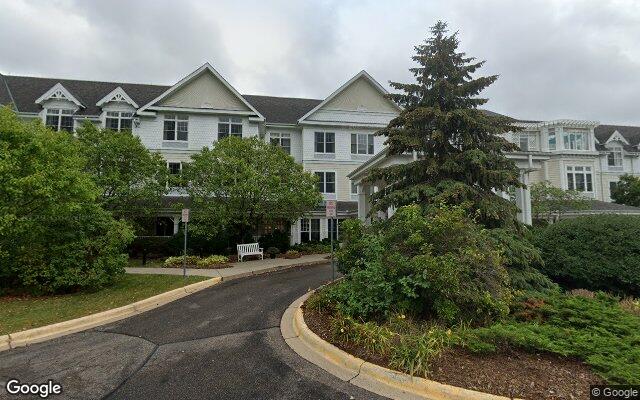
A large home, reviewed on public record.
Compared to 143 Minnesota facilities with a similar number of beds.
ALF memory care · 36-month window. Higher percentile = better performance on inspection record. Source: Minnesota Dept. of Health · Health Regulation Division.
among peers to rank.
Rankings based on 36-month MDH inspection data. Severity and frequency: fewer citations = higher percentile. Repeat rate: lower repeat citation share = higher percentile.
Citation history, plotted month by month.
1 deficiency on record. Each bar is a month with a citation.
Finding distribution
1 total · 36 monthsScope × Severity (CMS A–L)
Questions to ask before you visit.
A short pre-tour checklist tailored to New Perspective Golden Valley's record and state requirements.
The most recent Minnesota Department of Health inspection was conducted on June 26, 2025, with zero deficiencies cited — can you walk us through the written policies and staff training protocols that support your Assisted Living Facility with Dementia Care license under Minn. Stat. ch. 144G?
Ask the operator on tour. Take notes and compare answers across facilities you visit.
Three complaints were filed with MDH during the inspection period on file — were any of those complaints substantiated, and what corrective action plans or documentation can you share regarding the facility's response?
Ask the operator on tour. Take notes and compare answers across facilities you visit.
With 92 licensed beds and a dementia care designation, how does the facility document and demonstrate that care plans are individualized for residents with memory loss, and can families review sample assessment records during a tour?
Ask the operator on tour. Take notes and compare answers across facilities you visit.
Every inspection visit, verbatim.
5 inspections in the public record, most recent first. Plain-language summaries open first — click into any row for the full citation text.
2026-06-04Annual Compliance VisitNo findings
2026-04-17Complaint InvestigationNo findings
Plain-language summary
A complaint investigation found that a staff member tied a dining chair to a resident's wheelchair while the resident was asleep, but the Minnesota Department of Health determined this did not constitute abuse because no physical restraint was used on the resident, there was no evidence of harm, and the resident was unaware the incident occurred. The facility terminated the staff member's employment and reeducated all staff following an internal investigation. The family and resident's care team had previously agreed on alternative safety measures including monitoring and redirection techniques rather than physical restraint.
Read full citation textHide full citation text
Read raw inspector notesClose inspector notes
Finding: Not Substantiated Nature of Investigation: The Minnesota Department of Health investigated an allegation of maltreatment, in accordance with the Minnesota Reporting of Maltreatment of Vulnerable Adults Act, Minn. Stat. 626.557, and to evaluate compliance with applicable licensing standards for the provider type. Initial Investigation Allegation(s): The alleged perpetrator (AP) abused the resident when the AP tied the resident’s wheelchair to another dining chair restraining the resident from moving about the unit. Investigative Findings and Conclusion: The Minnesota Department of Health determined abuse was not substantiated. Although the incident occurred, the incident did not meet the definition of abuse. No physical restraint was utilized on the resident, there was no evidence of harm to the resident and the resident was not aware the incident occurred. The investigator conducted interviews with facility staff members, including administrative staff, and nursing staff. The investigator also contacted the hospice agency. The investigation included review of the resident record, death record, staff records, facility policy and procedures. The investigator also toured the facility, observed staff members interacting with residents and completing scheduled care activities. The resident resided in an assisted living memory care unit. The resident’s diagnoses included dementia, and anxiety. The resident’s service plan included assistance with medication management, activities of daily living and ambulation. The resident’s assessment indicated the resident was independent in repositioning while in a chair, although had a history of falls. Staff were directed to provide standby assistance while the resident was out of her apartment. During a scheduled visit to the facility, an outside agency staff member observed the resident asleep, seated in the main living area in her Broda chair (a type of wheelchair). The resident was seated in a reclined position as a dining room chair was positioned in front of the resident’s Broda chair to elevate her legs and feet. Upon closer inspection, the agency staff member noticed the dining room chair was tied to the resident’s chair, preventing them from moving apart. The outside agency staff member was concerned that the chairs were being used as a restraint and asked a facility staff member to assist with untying the dining room chair and reported the findings to the nurse. The facility nurse assessed the resident and found no evidence of injury. The resident was asleep at the time the agency staff member arrived and was not aware of the incident. The facility completed an investigation into the incident. The staff member/alleged perpetrator (AP) who worked the night shift stated the resident had been restless that night and acknowledged she tied the chairs together to try to keep the resident from falling. There were no witnesses to the incident, and no photos were taken of the way the chairs were positioned or tied. The resident was assessed and had no evidence of harm or recollection of the incident. The AP was terminated following the investigation and all staff were reeducated. During an interview, the AP stated she was familiar with the resident’s baseline behaviors. The AP stated the resident was restless and had come out into the common area. The AP stated that around 5:00 a.m. she positioned a dining room chair in front of the resident who was seated in her wheelchair. The AP positioned the resident’s legs out in front of her, so her feet were resting on the padded seat of the dining hall chair. She then took plastic garbage bags from the kitchen and used them to bind the two chairs together. The AP then gave the resident a snack and the resident fell asleep. The AP could not recall how long the resident was in this position prior to falling asleep. The AP stated she tied the chairs together for safety and better monitoring of the resident’s behavior and was not aware that this was a restraint. During an interview, the outside agency staff member stated that upon entering the facility at approximately 7:00 a.m. she observed the resident asleep in her Broda chair in the common area of the memory care unit. The resident’s legs were extended out in front of her and resting on a dinning room chair that was tied with plastic garbage bags to the front of the Broda chair. The caregiver untied the restraints and wheeled the resident into her room to complete her assigned cares. She stated that the resident showed no signs of distress. After she finished with her assigned cares, she reported the incident to the facility nurse. She stated that multiple staff and administrators questioned her over the incident. During an interview, the nurse stated that the resident’s behavior of independently getting out of her wheelchair and lowering herself onto the floor was well known by the resident’s care team as well as the facility staff and documented in the resident’s plan of care. During a recent care conference, the family, as well as the resident’s primary care provider had agreed to alternate safety measures including monitoring, redirection techniques, and allowing the resident to continue to get out of her chair independently if done safely. The nurse stated that she was first made aware of the incident when the hospice caregiver came to her office later that morning. The nurse then notified the facility administrators, and an internal investigation was completed. During an interview, an administrator stated that during a follow up phone conversation with the AP, she admitted to securing the chairs together to keep the resident from crawling out of the chair and onto the floor. Upon review of the incident, multiple staff members including the AP were suspended and their employment was terminated for failing to follow facility policies during that shift. In conclusion, the Minnesota Department of Health determined neglect was not substantiated. “Not Substantiated” means: An investigatory conclusion indicating the preponderance of evidence shows that an act meeting the definition of maltreatment did not occur. Abuse: Minnesota Statutes section 626.5572, subdivision 2. "Abuse" means: (a) An act against a vulnerable adult that constitutes a violation of, an attempt to violate, or aiding and abetting a violation of: (1) assault in the first through fifth degrees as defined in sections 609.221 to 609.224; (2) the use of drugs to injure or facilitate crime as defined in section 609.235; (3) the solicitation, inducement, and promotion of prostitution as defined in section 609.322; and (4) criminal sexual conduct in the first through fifth degrees as defined in sections 609.342 to 609.3451. A violation includes any action that meets the elements of the crime, regardless of whether there is a criminal proceeding or conviction. (b) Conduct which is not an accident or therapeutic conduct as defined in this section, which produces or could reasonably be expected to produce physical pain or injury or emotional distress including, but not limited to, the following: (1) hitting, slapping, kicking, pinching, biting, or corporal punishment of a vulnerable adult; (2) use of repeated or malicious oral, written, or gestured language toward a vulnerable adult or the treatment of a vulnerable adult which would be considered by a reasonable person to be disparaging, derogatory, humiliating, harassing, or threatening; or (3) use of any aversive or deprivation procedure, unreasonable confinement, or involuntary seclusion, including the forced separation of the vulnerable adult from other persons against the will of the vulnerable adult or the legal representative of the vulnerable adult unless authorized under applicable licensing requirements or Minnesota Rules, chapter 9544. (c) Any sexual contact or penetration as defined in section 609.341, between a facility staff person or a person providing services in the facility and a resident, patient, or client of that facility. (d) The act of forcing, compelling, coercing, or enticing a vulnerable adult against the vulnerable adult's will to perform services for the advantage of another. Vulnerable Adult interviewed: No. Deceased Family/Responsible Party interviewed: N/A Alleged Perpetrator interviewed: Yes the Action taken by facility: The AP and other staff members were suspended and terminated. The facility provided refresher training to all staff regarding resident rights. Action taken by the Minnesota Department of Health: No further action taken at this time. cc: The Office of Ombudsman for Long Term Care The Office of Ombudsman for Mental Health and Developmental Disabilities PRINTED: 04/ 22/ 2026 FORM APPROVED STATEMENT OF DEFICIENCIES (X1) PROVIDER/ SUPPLIER/ CLIA (X2) MULTIPLE CONSTRUCTION (X3) DATE SURVEY AND PLAN OF CORRECTION IDENTIFICATION NUMBER: COMPLETED A. BUILDING: ______________________ C B.
2025-06-26Annual Compliance VisitNo findings
Plain-language summary
A follow-up survey was conducted on September 18, 2025, to check whether the facility had corrected a violation identified in a June 25, 2025 inspection; the facility had not corrected a background studies requirement violation. The facility was assessed a $1,000 fine for this uncorrected violation.
Read full citation textHide full citation text
Read raw inspector notesClose inspector notes
correction orders issued pursuant to the June 25, 2025 survey. In accordance with Minn. Stat. § 144G3. 1 Subd .4 (a), state correction orders issued pursuant to the last survey ,completed on June 25, 2025, found not corrected at the time of the Septembe r18, 2025, follow-up survey and/or subject to penalty assessmen at re as follows: 1290-Background Studies Required-144g.60 Subdivision 1 - $1,000.00 The details of the violations noted at the time of this follow-up survey completed on Septembe r18, 2025 (listed above), are on the attached State Form. Brackets around the ID Prefix Tag in the left hand column, e.g., {2 ----} will identify the uncorrected tags. Therefore ,in accordance with Minn. Stat. §§ 144G0. 1 to 144G9. 999, the total amount you are assesse dis $1,000.00. You will be invoiced approximately 30 days after receipt of this notice, subject to appeal. DOCUMENTATIO ONF ACTION TO COMPLY In acc ordanc e with Minn. Stat. § 144 G.30 , Subd .5(c), the licensee must do cume nt ac tio ns ta ken to comply with the correction orders outlined on the state form; however, plans of correction are not required to be submitted for approval. IMPOSITION OF FINES In accordance with Minn. Stat. § 144G3. 1, Subd .4, fines and enforcement actions may be imposed based on the level and scope of the violations and may be imposed immediately with no opportunity to correct the violation first as follows: Leve l1: no fines or enforcement; Leve l2: a fine of $500 per violation, in addition to any enforcement mechanism authorized in § 144G.20; Leve l3: a fine of $1,000 per incident, in addition to any enforcement mechanism authorized in § 144G2. 0; Leve l4: a fine of $3,000 per incident, in addition to any enforcement mechanism authorized in § 144G.20; Leve l5: a fine of $5,000 per violation, in addition to any enforcement mechanism authorized in An equal opportunity employer . Letter ID: 8GKP Revised 04/14/2023 Sunrise of Golden Valley October 24, 2025 Page 2 § 144G2. 0. CORRECTIO ONRDER RECONSIDERATI OPNROCESS In accordance with Minn. Stat. § 144G3. 2, Subd .2, you may challenge the correction order(s) issued ,including the level and scope ,and any fine assesse dthrough the correction order reconsideration process .The request for reconsideration must be in writing and received by MDH within 15 calendar days of the correction order receipt date. To submit a reconsideration request, please visit: https:/ / forms.web.health.state.mn.us/form/ HRDAppealsForm REQUESTIN AG HEARING Alternatively, in accordance with Minn. Stat. § 144G3. 1, Subd .5(d), an assisted living provider that has been assesse da fine under this subdivision has a right to a reconsideration or a hearing under this section and chapter 14. Pursuan tto Minn. Stat. § 144G2. 0, Subd .14 and Subd .18, a request for a hearing must be in writing and received by the Department of Health within 15 business days of the correction order receipt date. The request must contain a brief and plain statement describing each matter or issue contested and any new information you believe constitutes a defense or mitigating factor. To submit a hearing request, please visit: https:/ / forms.web.health.state.mn.us/form/ HRDAppealsForm To appea lfines via reconsideration ,please follow the procedure outlined above. Please note that you may request a reconsideration or a hearing, but not both. If you wish to contest tags without fines in a reconsideration and tags with the fines at a hearing, please submit two separate appeals forms at the website listed above. We urge you to review these orders carefully. If you have questions ,please contact Jess Schoenecke ar t You are encouraged to retain this document for your records. It is your responsibility to share the information contained in the letter and/or state form with your organizations’ Governing Body. Sincerely, Jess Schoenecke rS, upervisor State Evaluation Team Email: JessS. choenecker@state.mn.us Telephone :651-201-3789 Fax :1-866-890-9290 HHH PRINTED: 10/24/2025 FORM APPROVED STATEMENT OF DEFICIENCIES (X1) PROVIDER/SUPPLIER/CLIA (X2) MULTIPLE CONSTRUCTION (X3) DATE SURVEY AND PLAN OF CORRECTION IDENTIFICATION NUMBER: COMPLETED A. BUILDING: ______________________ R B. WING _____________________________ 23982 09/18/2025 NAME OF PROVIDER OR SUPPLIER STREET ADDRESS, CITY, STATE, ZIP CODE 4950 OLSON MEMORIAL HIGHWAY SUNRISE OF GOLDEN VALLEY GOLDEN VALLEY, MN 55422 SUMMARY STATEMENT OF DEFICIENCIES PROVIDER'S PLAN OF CORRECTION (X4) ID ID (X5) (EACH DEFICIENCY MUST BE PRECEDED BY FULL (EACH CORRECTIVE ACTION SHOULD BE COMPLETE PREFIX PREFIX REGULATORY OR LSC IDENTIFYING INFORMATION) CROSS-REFERENCED TO THE APPROPRIATE DATE TAG TAG DEFICIENCY) {0 000} Initial Comments {0 000} ******ATTENTION****** Minnesota Department of Health is documenting the State Correction Orders ASSISTED LIVING PROVIDER FOLLOW UP using federal software. Tag numbers have SURVEY WITH RE-ISSUE OF ORDERS been assigned to Minnesota State Statutes for Assisted Living Facilities. The INITIAL COMMENTS assigned tag number appears in the SL23982016-1 far-left column entitled "ID Prefix Tag." The state Statute number and the On September 15, 2025, through September 18, corresponding text of the state Statute out 2025, the Minnesota Department of Health of compliance is listed in the "Summary conducted a follow-up survey at the above Statement of Deficiencies" column. This provider to follow-up on orders issued pursuant column also includes the findings which to a survey completed on June 26, 2025. As a are in violation of the state requirement result of the follow-up survey, the following order after the statement, "This Minnesota was reissued. requirement is not met as evidenced by." Following the evaluators' findings is the Time Period for Correction. PLEASE DISREGARD THE HEADING OF THE FOURTH COLUMN WHICH STATES,"PROVIDER'S PLAN OF CORRECTION." THIS APPLIES TO FEDERAL DEFICIENCIES ONLY. THIS WILL APPEAR ON EACH PAGE. THERE IS NO REQUIREMENT TO SUBMIT A PLAN OF CORRECTION FOR VIOLATIONS OF MINNESOTA STATE STATUTES. THE LETTER IN THE LEFT COLUMN IS USED FOR TRACKING PURPOSES AND REFLECTS THE SCOPE AND LEVEL ISSUED PURSUANT TO 144G.31 SUBDIVISION 1-3. {0 470} 144G.41 Subdivision 1 Minimum requirements {0 470} SS=F LABORATORY DIRECTOR'S OR PROVIDER/SUPPLIER REPRESENTATIVE'S SIGNATURE TITLE (X6) DATE STATE FORM 6899 NMB812 If continuation sheet 1 of 24 PRINTED: 10/24/2025 FORM APPROVED STATEMENT OF DEFICIENCIES (X1) PROVIDER/SUPPLIER/CLIA (X2) MULTIPLE CONSTRUCTION (X3) DATE SURVEY AND PLAN OF CORRECTION IDENTIFICATION NUMBER: COMPLETED A. BUILDING: ______________________ R B. WING _____________________________ 23982 09/18/2025 NAME OF PROVIDER OR SUPPLIER STREET ADDRESS, CITY, STATE, ZIP CODE 4950 OLSON MEMORIAL HIGHWAY SUNRISE OF GOLDEN VALLEY GOLDEN VALLEY, MN 55422 SUMMARY STATEMENT OF DEFICIENCIES PROVIDER'S PLAN OF CORRECTION (X4) ID ID (X5) (EACH DEFICIENCY MUST BE PRECEDED BY FULL (EACH CORRECTIVE ACTION SHOULD BE COMPLETE PREFIX PREFIX REGULATORY OR LSC IDENTIFYING INFORMATION) CROSS-REFERENCED TO THE APPROPRIATE DATE TAG TAG DEFICIENCY) {0 470} Continued From page 1 {0 470} (11) develop and implement a staffing plan for determining its staffing level that: (i) includes an evaluation, to be conducted at least twice a year, of the appropriateness of staffing levels in the facility; (ii) ensures sufficient staffing at all times to meet the scheduled and reasonably foreseeable unscheduled needs of each resident as required by the residents' assessments and service plans on a 24-hour per day basis; and (iii) ensures that the facility can respond promptly and effectively to individual resident emergencies and to emergency, life safety, and disaster situations affecting staff or residents in the facility; (12) ensure that one or more persons are available 24 hours per day, seven days per week, who are responsible for responding to the requests of residents for assistance with health or safety needs. Such persons must be: (i) awake; (ii) located in the same building, in an attached building, or on a contiguous campus with the facility in order to respond within a reasonable amount of time; (iii) capable of communicating with residents; (iv) capable of providing or summoning the appropriate assistance; and (v) capable of following directions; This MN Requirement is not met as evidenced by: Not evaluated during this survey. {0 480} 144G.41 Subdivision 1 Subd. 1a (a-b) Minimum {0 480} SS=F requirements; required food services (a) Except as provided in paragraph (b), food must be prepared and served according to the STATE FORM 6899 NMB812 If continuation sheet 2 of 24 PRINTED: 10/24/2025 FORM APPROVED STATEMENT OF DEFICIENCIES (X1) PROVIDER/SUPPLIER/CLIA (X2) MULTIPLE CONSTRUCTION (X3) DATE SURVEY AND PLAN OF CORRECTION IDENTIFICATION NUMBER: COMPLETED A. BUILDING: ______________________ R B.
2025-02-03Complaint InvestigationSubstantiated Finding · 1 finding
Plain-language summary
A complaint investigation determined the facility was responsible for neglect that led to a resident's death by choking. The resident had a diagnosed swallowing difficulty and a care plan requiring meal supervision and safety cues, but the facility failed to provide these services and allowed the resident to eat alone in his room; when staff found him unresponsive, he was not breathing and had no pulse, and the cause of death was determined to be food blocking his airway. The facility did not implement required supervision directives to staff even after the resident's diet was changed to regular liquids per his request, and staff interviews confirmed the resident received no assistance during meals.
Read full citation text (1)Hide full citation text
“MDH substantiated maltreatment or licensing violation finding”
Read raw inspector notesClose inspector notes
Finding: Substantiated, facility responsibility Nature of Investigation: The Minnesota Department of Health investigated an allegation of maltreatment, in accordance with the Minnesota Reporting of Maltreatment of Vulnerable Adults Act, Minn. Stat. 626.557, and to evaluate compliance with applicable licensing standards for the provider type. Initial Investigation Allegation(s): The alleged perpetrator (AP) neglected the resident when the AP left the resident alone to eat lunch. The resident choked on food and died. Investigative Findings and Conclusion: The Minnesota Department of Health determined neglect was substantiated. The facility was responsible for the maltreatment. The resident had requested a change from thickened liquids to regular consistency liquids due to quality of life but maintained difficulties swallowing due a medical condition. The facility nursing assessment indicated he needed supervision and cues during meals for meal safety. The facility failed to implement the required meal supervision service and directives to unlicensed personnel (ULP) for cues during meals. ULP interviewed stated he ate independently. The AP was not responsible for maltreatment. The AP followed the plan of care provided by the facility. The investigator conducted interviews with facility staff members, including administrative staff, nursing staff, and unlicensed staff. The investigator contacted law enforcement, the provider, and dietitian. The investigation included review of the resident record, death record, home health agency records, personnel files, staff schedules, law enforcement report, and related facility policy and procedures. Also, the investigator observed a meal and staff assisting residents to eat. The resident resided in an assisted living facility. The resident’s diagnoses included dysphagia (difficulty swallowing) from a rare neurodegenerative disorder. The resident’s assessment identified under the activities of daily living section; the resident was independent with the physical function of eating. The assessment also identified choking and swallowing issues as nutritional risk factors. The assessment indicated interventions in place for the risk factors included encouraging him to eat in an upright position, to eat slowly, and to chew each bite thoroughly before attempting to swallow. Staff were to encourage him to use spoons for eating and discourage him from using straws. Additional interventions in place included observing the resident’s dining needs and report changes to the provider. The resident’s service plan was reflective of the nursing assessment identifying the resident as independent with the function of eating. However, the service plan also included the resident’s assessed eating safety needs and included assistance cues with alternating small bites of food with sips of beverages, sit in an upright position, eat slowly, use spoons and avoid straws. The service plan indicated the resident required observation of dining needs and report any changes in meal intake or tolerance to the diet. The service plan also included assistance with observing and reporting any signs or symptoms of swallowing changes or difficulty tolerating the diet, including coughing or delayed swallowing. The service plan was signed and dated by the resident’s family member and the nurse. The resident’s orders included an order to discontinue nectar thickened liquids, and the resident requested thin liquids. The order indicated the provider discussed risks with the resident and spouse who wanted thin liquids for quality of life. The provider changed the resident’s diet orders to regular consistency and texture diet and thin liquids. The resident’s service delivery record showed under each meal service the facility failed to include directive to ULP for the resident’s meal safety cues and failed to indicate the resident required observation and supervision with meals to provide cues. The service delivery record required ULP to identify what level of assistance the resident required and where the resident ate. The service delivery record indicated the resident had been eating meals independently in his room consistently for each meal throughout the month leading up to the incident. The service delivery record on other services inappropriately directed ULP to identify what level of assistance the resident required on each shift, instead of directing what level of assistance the resident needed as determined by the nursing assessment. A nursing note indicated the AP (an ULP) found the resident unresponsive when they went into his room to collect his meal tray. The AP called a nurse who came and assessed the resident. The resident was not breathing and had no pulse. The resident was slumped over to his left side with his mouth open and saliva coming out of his mouth. A second nurse assessed the resident as well; verified he was not breathing and without a pulse. Staff called emergency medical services (EMS) who pronounced him deceased. The resident’s death record identified cause of death due to lack of oxygen from food blocking the airway. An image of the resident’s meal tray included a plate with sliced sausages and sauerkraut. The plate also included bowls of fresh fruit and cottage cheese, each individually covered in plastic wrap, as well as plastic spoons and forks. During investigative interviews, staff members stated the resident did not receive assistance eating meals. During an interview, the licensed assisted living director (LALD) stated the interventions in the resident’s plan should have been removed when his diet changed back from thickened liquids to regular liquids due to quality of life. The LALD stated the facility did not complete an internal investigation or incident report because they just thought it was an unexpected death. The facility did not learn about the resident’s cause of death until the following month. During an interview, the nurse stated the resident fed himself. The nurse stated the service plan should have been changed and the resident “probably” would not have wanted assistance. The nurse stated she did not know why the service plan included services for assistance and observation with meals. During an interview, the AP stated she had not been told the resident needed assistance with eating when she started. The resident asked for help cutting food as needed, but he ate by himself. The day of the incident, the AP took the resident’s lunch tray to his room. The resident sat in his wheelchair and told the AP thank you. Less than one hour later, the AP went back to collect the meal tray. The AP saw the resident leaning onto one side in his wheelchair. The AP thought the resident had been asleep and did not want him to fall, but he did not respond when she called his name. The AP notified nursing who decided to call EMS. During an interview, a family member stated she did not think facility staff were honest with her when they said he had not been hungry for lunch. They were adamant he did not eat anything. Staff were supposed to make sure his food was in small, bite sized pieces, and assist him in taking small bites and drink water while eating. In conclusion, the Minnesota Department of Health determined neglect was substantiated. Substantiated: Minnesota Statutes, section 626.5572, Subdivision 19. “Substantiated” means a preponderance of evidence shows that an act that meets the definition of maltreatment occurred. Neglect: Minnesota Statutes, section 626.5572, subdivision 17 “Neglect” means neglect by a caregiver or self-neglect. (a) "Caregiver neglect" means the failure or omission by a caregiver to supply a vulnerable adult with care or services, including but not limited to, food, clothing, shelter, health care, or supervision which is: (1) reasonable and necessary to obtain or maintain the vulnerable adult's physical or mental health or safety, considering the physical and mental capacity or dysfunction of the vulnerable adult; and (2) which is not the result of an accident or therapeutic conduct. Mitigating Factors considered, Minnesota Statutes, section 626.557, Subd. 9c(f): (1) The facility and the AP did not follow an erroneous order, direction or care plan with awareness and failure to take action. The facility did not direct an erroneous order, direction, or care plan. (2) The facility was not in compliance with regulatory standards. The facility provided proper training and/or supervision of staff. The facility provided adequate staffing levels. The AP followed the facility directive and/or policies and procedures. (3) The facility failed to follow professional standards and/or exercise professional judgement. The facility failed to act in good faith interest of the vulnerable adult. The maltreatment was not a sudden or foreseen event. Vulnerable Adult interviewed: No. The resident is deceased. Family/Responsible Party interviewed: Yes. Alleged Perpetrator interviewed: Yes. Action taken by facility: The facility called 911 and the family.
2024-01-02Complaint InvestigationNo findings
Plain-language summary
A complaint investigation was conducted on November 30, 2023 at Sunrise of Golden Valley regarding complaints HL239827484M and HL239824054C. No violations were found and no correction orders were issued.
Read full citation textHide full citation text
Read raw inspector notesClose inspector notes
PRINTED: 01/03/2024 FORM APPROVED STATEMENT OF DEFICIENCIES (X1) PROVIDER/SUPPLIER/CLIA (X2) MULTIPLE CONSTRUCTION (X3) DATE SURVEY AND PLAN OF CORRECTION IDENTIFICATION NUMBER: COMPLETED A. BUILDING: ______________________ C 23982 B. WING _____________________________ 11/30/2023 NAME OF PROVIDER OR SUPPLIER STREET ADDRESS, CITY, STATE, ZIP CODE 4950 OLSON MEMORIAL HIGHWAY SUNRISE OF GOLDEN VALLEY GOLDEN VALLEY, MN 55422 (X4) ID SUMMARY STATEMENT OF DEFICIENCIES ID PROVIDER'S PLAN OF CORRECTION (X5) PREFIX (EACH DEFICIENCY MUST BE PRECEDED BY FULL PREFIX (EACH CORRECTIVE ACTION SHOULD BE COMPLETE TAG REGULATORY OR LSC IDENTIFYING INFORMATION) TAG CROSS-REFERENCED TO THE APPROPRIATE DATE DEFICIENCY) 0 000 Initial Comments 0 000 On November 30, 2023, the Minnesota Department of Health initiated an investigation of complaints #HL239827484M/HL239824054C. No correction orders are issued. LABORATORY DIRECTOR'S OR PROVIDER/SUPPLIER REPRESENTATIVE'S SIGNATURE TITLE (X6) DATE STATE FORM 6899 OJ6Q11 If continuation sheet 1 of 1
1 older inspection from 2023 are not shown above.
Get the complete record, translated into plain language — emailed to you.
Other facilities in Hennepin County.
Other memory care facilities in Hennepin County with similar care offerings.
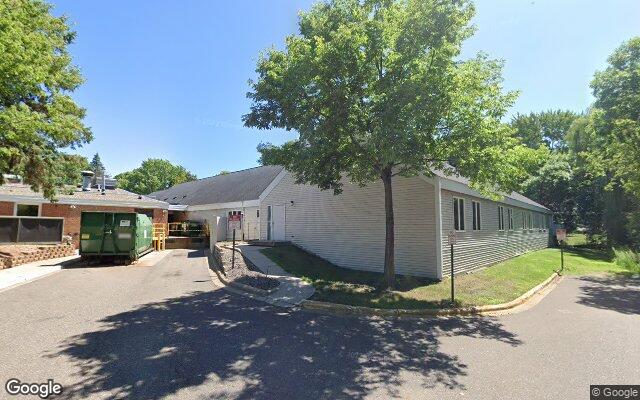
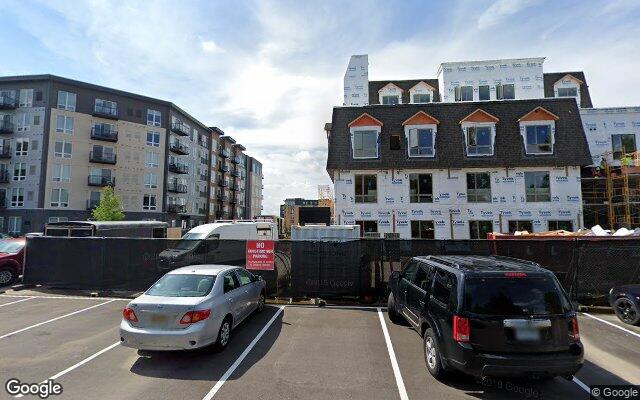
Full Inspection Record
Family reviews
No reviews yet — be the first to share your experience
Other memory care options nearby.
More options in neighboring cities
Licensed memory care in other cities within this county region — useful when your search radius crosses city limits.