Rose Arbor Wildflower Lodge.
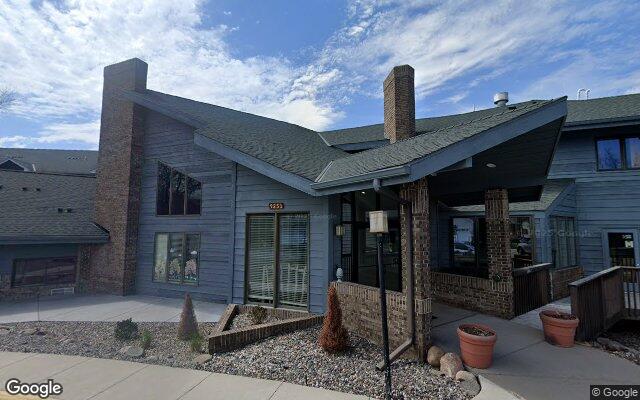
A large home, reviewed on public record.
Compared to 139 Minnesota facilities with a similar number of beds.
ALF memory care · 36-month window. Higher percentile = better performance on inspection record. Source: Minnesota Dept. of Health · Health Regulation Division.
among peers to rank.
Rankings based on 36-month MDH inspection data. Severity and frequency: fewer citations = higher percentile. Repeat rate: lower repeat citation share = higher percentile.
Citation history, plotted month by month.
2 deficiencies on record. Each bar is a month with a citation.
Finding distribution
2 total · 36 monthsScope × Severity (CMS A–L)
Questions to ask before you visit.
A short pre-tour checklist tailored to Rose Arbor Wildflower Lodge's record and state requirements.
Minnesota Department of Health records show zero deficiencies across four inspections, most recently on April 20, 2023 — can you walk us through your internal quality assurance process and share examples of how you identify and address concerns before they become regulatory issues?
Ask the operator on tour. Take notes and compare answers across facilities you visit.
Three complaints were filed with MDH during the inspection period on file — were any of those complaints substantiated, and what specific steps did the facility take in response to each complaint?
Ask the operator on tour. Take notes and compare answers across facilities you visit.
This community holds an Assisted Living Facility with Dementia Care license under Minnesota Statute chapter 144G — can you provide a copy of your written dementia care program and explain how staff competency in dementia care practices is documented and maintained?
Ask the operator on tour. Take notes and compare answers across facilities you visit.
Every inspection visit, verbatim.
7 inspections in the public record, most recent first. Plain-language summaries open first — click into any row for the full citation text.
2025-07-29Complaint InvestigationNo findings
Plain-language summary
A complaint alleged the facility failed to provide a resident's dementia medications for over a week and falsely documented administration, but the Minnesota Department of Health determined the allegation was not substantiated. The investigation found inconsistent documentation between staff, with pharmacy records showing the medication was delivered partway through the period in question, and the resident had no adverse health effects; however, the facility was previously issued licensing orders related to medication administration processes. The resident's physician reduced the medication dose to once daily following notification of the medication gap.
Read full citation textHide full citation text
Read raw inspector notesClose inspector notes
Finding: Not Substantiated Nature of Investigation: The Minnesota Department of Health investigated an allegation of maltreatment, in accordance with the Minnesota Reporting of Maltreatment of Vulnerable Adults Act, Minn. Stat. 626.557, and to evaluate compliance with applicable licensing standards for the provider type. Initial Investigation Allegation(s): The facility neglected the resident by failing to provide his medications for over a week due to not obtaining the necessary refills and staff documented administration despite the medications being unavailable. Investigative Findings and Conclusion: The Minnesota Department of Health determined neglect was not substantiated. The resident’s medication administration record showed inconsistencies in documentation, where morning staff documented the medication was administered and evening staff documented the medication was not available. Pharmacy records indicated the medication was delivered mid-way through the week of the documented omittance. The facility was issued licensing orders related to their medication administration process during a recent survey. Although, there was four days prior to the delivery of the medication where there was a preponderance the medication was not available to administer, the resident had no notable adverse effects. The physician decreased the medication to once daily instead of twice daily after notification of the medication error. The investigator conducted interviews with facility staff members, including administrative staff, nursing staff, and unlicensed staff. The investigation included review of the resident’s records, staff schedules, policies, and procedures. The resident resided in an assisted living secured memory care building. The resident’s diagnoses include dementia. The resident’s service plan included assistance with all activities of daily living and medication administration. Review of the medication administration record (MAR) indicated the resident had memantine (medication for Alzheimer’s dementia) scheduled twice daily. The MAR indicated from the 18th to the 27th of the month, morning staff charted memantine was administered, while evening staff documented that the medication was not administered due to it being unavailable. On the 27th, the note indicated unlicensed personnel (ULP) notified the registered nurse (RN) and the RN would call the pharmacy. Pharmacy delivery records indicated memantine was delivered on the 22nd of the month. The facility’s internal investigation indicated the RN investigation the medication error. Review of the MAR and medication cart showed the resident received memantine once a day most days, although it was ordered twice daily. The resident’s spouse brought in the medication and had not been notified a refill was needed and the medication should have ran out during the time of the errors. The resident’s physician and spouse were notified of the error. The RN assessed the resident and he did not have any notable side effects. The resident’s physician orders indicated the resident’s memantine was decreased to once daily after the medication error. During an interview, ULP #1 stated she was not a certified nursing assistant and had not administered medications in the past 10 years. She said she did not know why her name appeared in the MAR as having administered the resident’s medication. Review of the MAR showed ULP #1 documented administering the medication at 6:00 p.m. on the 23rd of the month. During an interview, ULP #2 stated the medication was not available. He contacted the nurse, who indicated the medication would be reordered, but the refill never occurred. He stated this issue happened frequently with multiple residents, not just this one. He eventually left the job due to frustration. Review of the MAR showed ULP #2 and other unlicensed caregivers consistently documented that the medication was not available in the evening from the 18th to the 27th of the month. During an interview, ULP #3 stated the resident’s medication was administered from a bottle. She denied failing to administer the medication and maintained that if she documented it as given, then it was indeed administered. Review of the MAR showed ULP #3 documented administering the medication at 9:00 a.m. on the 18th and 25th of the month. During an interview, the facility manager, who is a licensed nurse, acknowledged that medication errors occurred related to memantine. She said the resident was prescribed memantine twice daily, but the MAR showed it was only administered once daily. She stated the supply should have run out by the 18th of the month, but staff continued to chart administration, indicating a discrepancy. She admitted that communication among staff was unclear. She said she spoke with the nurse, who confirmed the last actual dose was administered on the 15th of the month. She suspected that some staff documented medication administration without actually giving it but had no proof. She also stated staff might have ordered the medication from the facility’s pharmacy and administered it from the card, but she could not confirm any order was placed from the pharmacy. During an interview, the resident’s family member stated that the manager contacted her to inform her the resident was out of some medications. She said that they determined he had been without memantine and donepezil (medication for dementia) for more than a week. She stated the facility could not tell her when the resident last received donepezil because staff had mixed it in a bottle with another medication. She also reported the facility claimed they had ordered the memantine through their pharmacy, but in reality, the order was never placed, and the resident went without the memantine for over a week. In conclusion, the Minnesota Department of Health determined neglect was not substantiated. “Not Substantiated” means: An investigatory conclusion indicating the preponderance of evidence shows that an act meeting the definition of maltreatment did not occur. Neglect: Minnesota Statutes, section 626.5572, subdivision 17 “Neglect” means neglect by a caregiver or self-neglect. (a) "Caregiver neglect" means the failure or omission by a caregiver to supply a vulnerable adult with care or services, including but not limited to, food, clothing, shelter, health care, or supervision which is: (1) reasonable and necessary to obtain or maintain the vulnerable adult's physical or mental health or safety, considering the physical and mental capacity or dysfunction of the vulnerable adult; and (2) which is not the result of an accident or therapeutic conduct. (d) For purposes of this section, a vulnerable adult is not neglected for the sole reason that: (4) an individual makes an error in the provision of therapeutic conduct to a vulnerable adult which does not result in injury or harm which reasonably requires medical or mental health care; Vulnerable Adult interviewed: No, the resident was deceased. Family/Responsible Party interviewed: Yes. Alleged Perpetrator interviewed: Not Applicable. Action taken by facility: The facility contacted the family member after discovering the medication error and had her deliver his medication. The facility completed an internal investigation, assessed the resident and notified the physician. Action taken by the Minnesota Department of Health: No further action taken at this time. cc: The Office of Ombudsman for Long Term Care The Office of Ombudsman for Mental Health and Developmental Disabilities PRINTED: 08/01/2025 FORM APPROVED STATEMENT OF DEFICIENCIES (X1) PROVIDER/SUPPLIER/CLIA (X2) MULTIPLE CONSTRUCTION (X3) DATE SURVEY AND PLAN OF CORRECTION IDENTIFICATION NUMBER: COMPLETED A. BUILDING: ______________________ C B. WING _____________________________ 21387 05/14/2025 NAME OF PROVIDER OR SUPPLIER STREET ADDRESS, CITY, STATE, ZIP CODE 16500 92ND AVENUE NORTH ROSE ARBOR/WILDFLOWER LODGE MAPLE GROVE, MN 55311 SUMMARY STATEMENT OF DEFICIENCIES PROVIDER'S PLAN OF CORRECTION (X4) ID ID (X5) PREFIX (EACH DEFICIENCY MUST BE PRECEDED BY FULL PREFIX (EACH CORRECTIVE ACTION SHOULD BE COMPLETE REGULATORY OR LSC IDENTIFYING INFORMATION) CROSS-REFERENCED TO THE APPROPRIATE DATE TAG TAG DEFICIENCY) 0 000 Initial Comments 0 000 On May 14, 2025, the Minnesota Department of Health initiated an investigation of complaint HL213872043M/HL213873449C and HL213871903M/HL213873194C. Violations were found for HL213871903M/HL213873194C but not issued due to open survey #SL21387016-0 No correction orders are issued for HL213872043M/HL213873449C and HL213871903M/HL213873194C. LABORATORY DIRECTOR'S OR PROVIDER/SUPPLIER REPRESENTATIVE'S SIGNATURE TITLE (X6) DATE STATE FORM 6899 SP7F11 If continuation sheet 1 of 1
2025-07-28Complaint InvestigationNo findings
Plain-language summary
A complaint investigation was conducted at Rose Arbor/Wildflower Lodge in Maple Grove on June 23, 2025. The facility violated Minnesota law by failing to provide requested documentation to the state triage team in a timely manner across five different incidents, with multiple delays between April and July 2025 and one refusal to submit an incident report citing legal advice. The facility was ordered to correct this violation within seven days.
Read full citation textHide full citation text
Read raw inspector notesClose inspector notes
findings which cause serious injury, impairment, or death), and are in violation of the state requirement was issued at an isolated scope (when one or a after the statement, "This Minnesota limited number of residents are affected or one or requirement is not met as evidenced by." a limited number of staff are involved or the Following the evaluators' findings is the situation has occurred only occasionally). Time Period for Correction. The findings include: PLEASE DISREGARD THE HEADING OF THE FOURTH COLUMN WHICH The licensee did not provide requested STATES,"PROVIDER'S PLAN OF information to the state triage team in a timely CORRECTION." THIS APPLIES TO manner for requests made regarding five different FEDERAL DEFICIENCIES ONLY. THIS STATE FORM 6899 362R11 If continuation sheet 2 of 4 PRINTED: 07/28/2025 FORM APPROVED STATEMENT OF DEFICIENCIES (X1) PROVIDER/SUPPLIER/CLIA (X2) MULTIPLE CONSTRUCTION (X3) DATE SURVEY AND PLAN OF CORRECTION IDENTIFICATION NUMBER: COMPLETED A. BUILDING: ______________________ C B. WING _____________________________ 21387 06/23/2025 NAME OF PROVIDER OR SUPPLIER STREET ADDRESS, CITY, STATE, ZIP CODE 16500 92ND AVENUE NORTH ROSE ARBOR/WILDFLOWER LODGE MAPLE GROVE, MN 55311 SUMMARY STATEMENT OF DEFICIENCIES PROVIDER'S PLAN OF CORRECTION (X4) ID ID (X5) PREFIX (EACH DEFICIENCY MUST BE PRECEDED BY FULL PREFIX (EACH CORRECTIVE ACTION SHOULD BE COMPLETE REGULATORY OR LSC IDENTIFYING INFORMATION) CROSS-REFERENCED TO THE APPROPRIATE DATE TAG TAG DEFICIENCY) 0 320 Continued From page 2 0 320 incidents. WILL APPEAR ON EACH PAGE. Documentation reviewed included an email dated THERE IS NO REQUIREMENT TO April 11, 2025, at 11:32 a.m., from state triage SUBMIT A PLAN OF CORRECTION FOR staff requesting documentation be provided by VIOLATIONS OF MINNESOTA STATE April 14, 2025. No response was provided by the STATUTES. licensee. -On April 15, 2025, at 4:32 p.m., triage staff sent THE LETTER IN THE LEFT COLUMN IS another email to the licensee requesting the USED FOR TRACKING PURPOSES AND same documents. No response was provided by REFLECTS THE SCOPE AND LEVEL the licensee. ISSUED PURSUANT TO 144G.31 -On April 17, 2025, at 10:18 a.m., triage staff SUBDIVISION 1-3. again requested the documents. No response was provided by the licensee. -On April 17, 2025, at 10:46 a.m., the licensee replied she would check with other staff about the request; however, the facility did not respond to the record requests made by the state agency. An email dated April 18, 2025, 2:38 p.m., was sent by the state triage staff requesting documents by April 22, 2025. No response was provided by the licensee. -On April 23, 2025, at 10:02 a.m., the licensee emailed documents. -On April 23, 2025, at 10:51 a.m., triage staff emailed the licensee with follow up questions. No response to the questions was provided until May 1, 2025 at 10:09 a.m. An email dated May 1, 2025, at 3:24 p.m., sent by state triage staff requested documents be provided by May 5, 2025. -The licensee responded on May 6, 2025, at 12:55 p.m., indicating the nurse who was assisting with this was not available and would send the documents ASAP (as soon as possible). -On May 7, 2025, at 2:35 p.m., triage staff informed the licensee the requested records had not been received. On May 7, 2025 at 3:48 p.m., STATE FORM 6899 362R11 If continuation sheet 3 of 4 PRINTED: 07/28/2025 FORM APPROVED STATEMENT OF DEFICIENCIES (X1) PROVIDER/SUPPLIER/CLIA (X2) MULTIPLE CONSTRUCTION (X3) DATE SURVEY AND PLAN OF CORRECTION IDENTIFICATION NUMBER: COMPLETED A. BUILDING: ______________________ C B. WING _____________________________ 21387 06/23/2025 NAME OF PROVIDER OR SUPPLIER STREET ADDRESS, CITY, STATE, ZIP CODE 16500 92ND AVENUE NORTH ROSE ARBOR/WILDFLOWER LODGE MAPLE GROVE, MN 55311 SUMMARY STATEMENT OF DEFICIENCIES PROVIDER'S PLAN OF CORRECTION (X4) ID ID (X5) PREFIX (EACH DEFICIENCY MUST BE PRECEDED BY FULL PREFIX (EACH CORRECTIVE ACTION SHOULD BE COMPLETE REGULATORY OR LSC IDENTIFYING INFORMATION) CROSS-REFERENCED TO THE APPROPRIATE DATE TAG TAG DEFICIENCY) 0 320 Continued From page 3 0 320 the licensee sent the requested documents to triage staff. An email dated June 9, 2025, at 4:38 p.m., sent by state triage staff requested information be provided by June 10, 2025. -On June 9, 2025, at 4:38 p.m., the licensee responded that they were working on the request. -On June 11, 2025, at 11:07 a.m., state triage staff emailed the licensee asking if the documents would be sent by the end of the day. -On June 11, 2025, at 2:26 p.m., the licensee indicated they were working with their legal department before sending the documents. -Again on June 11, 2025, at 5:07 p.m., the licensee responded again indicating the legal team had a couple questions so the requested documented would not be able to be sent that night. -On June 13, 2025, at 10:07 a.m., the licensee sent all of the requested information. An email dated July 8, 2025, at 10:36 a.m., sent by state triage staff requested the following information be provided by July 10, 2025: resident care plan, incident report related to the incident, and progress notes for June. On July 10, 2025, at 2:21 p.m., the licensee responded that they sent the resident care plan and June progress notes, but was not able to provide a copy of the incident report per their legal department and the additional requested information was not provided by the licensee to the state department. No further information provided TIME PERIOD FOR CORRECTION: Seven (7) days STATE FORM 6899 362R11 If continuation sheet 4 of 4
2025-06-26Complaint InvestigationNo findings
Plain-language summary
A complaint investigation was conducted at Rose Harbor Wildflower Lodge on June 24, 2025, and concluded July 17, 2025. Violations were found during the investigation, but no correction orders were issued because a separate licensing survey was already in progress at the facility. No maltreatment allegations were part of this complaint.
Read full citation textHide full citation text
Read raw inspector notesClose inspector notes
STATE LICENSING COMPLIANCE REPORT Report #: HL213877407C Date Concluded: July 17, 2025 Name, Address, and County of Facility Investigated: Rose Harbor Wildflower Lodge 16500 92nd Ave. North Maple Grove, MN 55311 Hennepin County Facility Type: Assisted Living Facility with Evaluator’s Name: Brooke Anderson, RN Dementia Care (ALFDC) The Minnesota Department of Health conducted a complaint investigation to determine compliance with state laws and rules governing the provision of care under Minnesota Statutes, Chapter 144G. The purpose of this complaint investigation was to review if facility policies and practices comply with applicable laws and rules. No maltreatment under Minnesota Statutes, Chapter 626 was alleged. To view a copy of the correction orders, if any, please visit: https://www.health.state.mn.us/facilities/regulation/directory/provcompselect.html, or call website, please see the attached state form. PRINTED: 07/23/2025 FORM APPROVED STATEMENT OF DEFICIENCIES (X1) PROVIDER/SUPPLIER/CLIA (X2) MULTIPLE CONSTRUCTION (X3) DATE SURVEY AND PLAN OF CORRECTION IDENTIFICATION NUMBER: COMPLETED A. BUILDING: ______________________ C B. WING _____________________________ 21387 06/24/2025 NAME OF PROVIDER OR SUPPLIER STREET ADDRESS, CITY, STATE, ZIP CODE 16500 92ND AVENUE NORTH ROSE ARBOR/WILDFLOWER LODGE MAPLE GROVE, MN 55311 SUMMARY STATEMENT OF DEFICIENCIES PROVIDER'S PLAN OF CORRECTION (X4) ID ID (X5) PREFIX (EACH DEFICIENCY MUST BE PRECEDED BY FULL PREFIX (EACH CORRECTIVE ACTION SHOULD BE COMPLETE REGULATORY OR LSC IDENTIFYING INFORMATION) CROSS-REFERENCED TO THE APPROPRIATE DATE TAG TAG DEFICIENCY) 0 000 Initial Comments 0 000 On June 24, 2025, the Minnesota Department of Health initiated an investigation of complaint #HL213877407C. Violations were found but not issued due to open survey #SL21387016-0. No correction orders are issued. LABORATORY DIRECTOR'S OR PROVIDER/SUPPLIER REPRESENTATIVE'S SIGNATURE TITLE (X6) DATE STATE FORM 6899 H69L11 If continuation sheet 1 of 1
2025-04-04Annual Compliance VisitNo findings
Plain-language summary
A follow-up survey on July 30, 2025, found that three correction orders from an April 2025 inspection had not been corrected, involving temporary staffing, service plan implementation, and individualized treatment management, resulting in a total fine of $2,000. The facility's conditional license was extended for 60 additional days with continued requirements including an independent RN consultant, a restriction on new substantive maltreatment allegations, and removal of the previous ban on new admissions. MDH will conduct an unannounced follow-up survey within the 60-day period to determine if the facility achieves substantial compliance.
Read full citation textHide full citation text
Read raw inspector notesClose inspector notes
correction orders issued pursuant to the last survey, completed on April 4, 2025, found not corrected at the time of the July 30, 2025, follow-up survey and/or An equal opportunity employer. Letter ID: 175O Rose Arbor/wildflower Lodge August 15, 2025 Page 2 subject to penalty assessment are as follows: 1350-Temporary Staff-144g.60 Subd. 5 - $1,000.00 1640-Service Plan, Implementation And Revisions To-144g.70 Subd. 4 (a-E) - $500.00 1940-Individualized Treatment Or Therapy Managemen- 144g.72 Subd. 3 - $500.00 The details of the violations noted at the time of this follow-up survey completed on July 30, 2025 (listed above), are on the attached State Form. Brackets around the ID Prefix Tag in the left hand column, e.g., {2 ----} will identify the uncorrected tags. Therefore, in accordance with Minn. Stat. §§ 144G.01 to 144G.9999, the total amount you are assessed is $2,000.00. You will be invoiced approximately 30 days after receipt of this notice, subject to appeal. DOCUMENTATION OF ACTION TO COMPLY In accordance with Minn. Sta t. § 144 G.30, Subd. 5(c), the licensee must document actions taken to comply with the correction orders and immediately correct any reissued orders outlined on the state form; however, plans of correction are not required to be submitted for approval. The correction order documentation should include the following: Identify how the area(s) of noncompliance was corrected related to the resident(s)/employee(s) • identified in the correction order. Identify how the area(s) of noncompliance was corrected for all of the provider’s resident(s)/employees • that may be affected by the noncompliance. Identify what changes to your systems and practices were made to ensure compliance with the specific • statute(s). CORRECTION ORDER RECONSIDERATION PROCESS In accordance with Minn. Stat. § 144G.32, Subd. 2, you may challenge the correction order(s) issued, including the level and scope, and any fine assessed through the correction order reconsideration process. The request for reconsideration must be in writing and received by MDH within 15 calendar days of the correction order receipt date. To submit a reconsideration request, please visit: https://forms.web.health. state.mn.us/form/HRDAppealsForm REQUESTING A HEARING Alternatively, in accordance with Minn. Stat. § 144G.31, Subd. 5(d), an assisted living provider that has been assessed a fine under this subdivision has a right to a reconsideration or a hearing under this section and chapter 14. Pursuant to Minn. Stat. § 144G.20, Subd. 14 and Subd. 18, a request for a hearing must be in writing and received by the Department of Health within 15 business days of the correction order receipt date. The request must contain a brief and plain statement describing each matter or issue contested and any new information you believe constitutes a defense or mitigating factor. To submit a hearing request, please visit: https://forms.web.health.state.mn.us/form/ HRDAppealsForm To appeal fines via reconsideration, please follow the procedure outlined above. Please note that you may request a reconsidera tion or a hearing, but not both . If you wish to contest tags without fines in a Rose Arbor/wildflower Lodge August 15, 2025 Page 3 reconsideration and tags with the fines at a hearing, please submit two separate appeals forms at the website listed above. CONDITIONAL LICENSE ISSUED: MDH will extend the conditional assisted living with dementia care facility license for Rose Arbor/Wildflower Lodge, for an additional 60 calendar days from the date of this notice. At an unannounced point in time, within the 60 calendar days, MDH will conduct a follow-up survey, as defined in Minn. Stat. § 144G.30, Subd. 6. Based on the results of the follow-up survey, MDH will determine if Rose Arbor/Wildflower Lodge is in substantial compliance. The following condition has been removed, effective August 15, 2025: a. No new admiss ions : Rose Arbor/Wildflower Lodge will not admit any new residents under its conditional assisted living facility license until MDH removes the “no new admissions” condition. Rose Arbor/Wildflower Lodge must provide the Department: i. A list of the names and birthdates of any individuals Rose Arbor/Wildflower Lodge is currently in the process of admitting. These individuals will be able to continue the admittance process. ii. A list of all current residents including: 1. Name and birthdate of each resident 2. Current payment source for services 3. If Elderly Waiver, the name and contact information of the care coordinator/case manager 4. If the resident is not able to make informed decisions, the name of their representative and how to contact the representative The following conditions will continue to be in effect on the conditional assisted living facility with dementia care license: b. No new substantiated maltreatment allegations: If any new investigations begin in the conditional license period, and the allegations are substantiated, MDH may pursue additional enforcement actions up to and including immediate temporary suspension and revocation of the license. c. Cons ultan t: Rose Arbor/Wildflower Lodge will continue to contract with an RN to provide consultation concerning all resident(s) to whom Rose Arbor/Wildflower Lodge pr ov ides licensed assisted living services under the conditional license. The consultant must continue to have access to all resident(s) receiving services from Rose Arbor/Wildflower Lodge. The consultant will continue to conduct initial and ongoing evaluations of the provider. Direct resident observation may be required based on the consultant’s judgement or at the discretion of MDH. The RN must continue to not have any affiliation with Rose Arbor/Wildflower Lodge. Rose Arbor/Wildflower Lodge is responsible for the expense of the contract with the RN. The main purpose of the consultant is to provide guidance to Rose Arbor/Wildflower Lodge in an effort to help Rose Arbor/Wildflower Lodge align their practices with the requirements of Minn. Stat. §§ 144G.01 – 144G.9999 and to provide oral and written Rose Arbor/wildflower Lodge August 15, 2025 Page 4 reports to MDH noting progress toward substantial compliance and/or concerns about observations. Rose Arbor/Wildflower Lodge will continue to develop and implement policies, procedures, and processes specific to the offered services in accordance with the guidance provided by the consultant to ensure ongoing monitoring and substantial compliance with statutory requirements. d. Reports: The RN consultant will continue to provide MDH with regular reports at intervals specified by MDH. Reports will continue on a weekly basis until MDH notifies Rose Arbor/Wildflower Lodge and the RN consulta nt about a change. Each report will be electronically submitted to: HRDConsultantReports. MDH@state.mn.us. The content of the reports will include information such as: i. Progress towards correction of orders; ii. Observations of staff delivering assisted living services and the level of competency observed; iii. Conversations with residents and family members about satisfaction with assisted living services; iv. Conversations with staff about their level of knowledge about the tasks they perform, the people they serve and the health professionals who delegate to them; v. Overall impressions about the quality of the assisted living services delivered; vi. Overall impressions about the dignity with which the residents and their family members are treated; vii. Concerns; and viii. Any other information requested by the Department or considered important by the RN consultant(s). e. Moni tor ing visits: MDH may make unannounced monitoring visits to assess the progress of Rose Arbor/Wildflower Lodge to correct the violations cited during the follow-up survey as well as to determine the overall practice of Rose Arbor/Wildflower Lodge in meeting the needs of the people it serves. In addition, the Office of Ombudsman for Long-Term Care (OOLTC) may also make unannounced monitoring visits to determine the level of satisfaction of those people who receive licensed assisted living services. The OOLTC will share their findings with MDH. f. Follow-up survey: At the time of the follow-up survey, MDH may pursue additional enforcement actions, up to and including immediate temporary suspension or revocation of the license if MDH identifies any level 3 or 4 violations or widespread care related violations. g. Corrective Action Plan: Rose Arbor/Wildflower Lodge will continue to develop and work within a corrective action plan (CAP). The CAP is a working document that includes at least the following information: i. A statement of the concern ii. A description of what will happen to correct the concern iii. A target date for when each correction will be complete iv. Who is responsible to make sure it happens v. Current status of correction work vi.
2024-11-04Complaint InvestigationNo findings
Plain-language summary
A complaint investigation found that a resident's oxycodone tablet went missing from a pre-packaged medication envelope and was replaced with Tylenol, but the Minnesota Department of Health could not conclusively determine who took it, even though staff members had access to the medication cart during the relevant time period. The facility's procedures for monitoring and counting narcotic medications that were pre-packed for residents were inadequate, as staff did not perform narcotic counts on the packaged envelope between shifts. The facility has since discontinued the practice of pre-packaging medications ahead of time.
Read full citation textHide full citation text
Read raw inspector notesClose inspector notes
Finding: Inconclusive Nature of Investigation: The Minnesota Department of Health investigated an allegation of maltreatment, in accordance with the Minnesota Reporting of Maltreatment of Vulnerable Adults Act, Minn. Stat. 626.557, and to evaluate compliance with applicable licensing standards for the provider type. Initial Investigation Allegation(s): The alleged perpetrator (AP) financially exploited the resident when she took the resident’s narcotic medication. Investigative Findings and Conclusion: The Minnesota Department of Health determined financial exploitation was inconclusive. While narcotic medication went missing and the AP was one of the staff members responsible for the medication cart for a shift during the time frame the narcotic medication went missing, the investigation did not reveal it was conclusively the AP who took the medication. The facility failed to ensure proper procedures for monitoring and counting narcotic medication that had been pre-packed for the resident who was planning time away from the facility. Several unlicensed personnel (ULP) had worked the medication cart from the time a ULP pre-packed the resident’s medications, including oxycodone (a controlled substance for pain) in the afternoon, until the following morning when a different ULP discovered the oxycodone was replaced with Tylenol (an over-the-counter pain medication). The investigator conducted interviews with facility staff members, including administrative staff, nursing staff, and unlicensed staff. The investigator also contacted law enforcement. The investigation included review of the resident records, facility internal investigation, facility incident reports, personnel files, staff schedules, law enforcement report, related facility policy and procedures. Also, the investigator observed medication administration while on site. The resident resided in an assisted living facility. The resident’s diagnoses included anxiety and chronic pain. The resident’s service plan included assistance with medication administration. The resident’s assessment indicated the resident was alert and oriented and was independent with mobility. The resident’s medication administration record indicated the resident received oxycodone routinely three times a day. The resident’s narcotic record indicated ULP-1 signed out one tablet of oxycodone at the resident’s scheduled time in the afternoon, and the AP signed out one tablet of oxycodone at the resident’s scheduled time in the evening. The narcotic record lacked documentation to indicate which staff and what time that staff removed the pre-packaged oxycodone from the medication card. The narcotic log indicated the resident continued to receive her medications as scheduled. A facility incident report indicated registered nurse (RN)-1 directed ULP-1 to package up the resident’s medication at 2:30 p.m. for the next morning because the resident would be leaving the facility to attend an appointment with family. The report indicated ULP-1 dispensed the medications as ordered, placed the medications in labeled envelopes, and placed the envelopes in the medication cart. The packed medications included one oxycodone tablet. ULP-1 reported to the AP, who worked the next shift, there was medications packed for the following morning and directed the AP to pass that information on to the next shift, ULP-2. At the end of her overnight shift, ULP-2 reported to ULP-3 about the need to send the packed medications with the resident that morning before the resident left for her appointment. ULP-3 noted during the morning shift to shift narcotic count, the medication envelope labeled as oxycodone did not appear to contain oxycodone, and instead contained a Tylenol tablet. The staff did not do a narcotic monitoring count or check the oxycodone in the packaged envelope between each shift. During an interview, ULP-1 stated the facility stored narcotic medications in the medication cart in a separate locked box. ULP-1 stated the staff count the narcotics between each shift by comparing the narcotic logbook to the actual medication card to confirm the amount was right. ULP-1 stated the assigned staff member working the cart was the only person with access to the medications on that shift, aside from the nurses having an extra key. ULP-1 stated the RN-1 asked her to pack up the resident’s medications for the next morning. ULP-1 stated she placed all the regular meds in one envelope and the narcotic medication in another envelope. ULP-1 stated she showed the AP the packed medications, including the blue narcotic tablet in the envelope during shift change when the AP was taking over. ULP-1 stated she did not know what happened to the oxycodone. ULP-1 stated they no longer pre-package medications ahead of time. During an interview, the AP stated when she took over the cart from ULP-1. She did not count the narcotic in the envelope because the envelope was sealed, and it did not concern her on her shift. The AP stated she gave the resident her oxycodone as scheduled on her shift per usual from the medication card. The AP stated at the end of her shift, she and ULP-2 counted the narcotics on the cards but did not look at the narcotic in the envelope. The AP stated she told ULP-2 there were medications packed in the cart to go with the resident in the morning. The AP denied taking the oxycodone. During an interview, ULP-2 stated the AP told her about the resident’s medications packaged in the medication cart. ULP-2 stated she did not look at them and did not know what medications staff packaged up because it was not something she needed to deal with on her shift. ULP-2 stated her responsibility was to just keep the medications in the cart for the next shift. During an interview, ULP-3 stated when she came on to her shift to relieve ULP-2, she opened the envelope labeled for the oxycodone to check it since she was responsible for the cart. ULP-3 stated she noticed it was a white pill in the envelope, and she remembered the resident’s oxycodone was a blue tablet. ULP-3 stated she confirmed the white tablet in the envelope was in fact a Tylenol tablet, not oxycodone. ULP-3 stated ULP-2 witnessed the discrepancy but stated the AP told her about medications being in the cart, and to pass the information on to ULP-3. ULP-3 stated she did not believe ULP-2 knew what medications were packaged in the envelopes because she was not even aware of what medications the resident was scheduled to receive. ULP-3 did not know what happened to the oxycodone. During an interview, RN-1 stated she was not aware if anyone else would have access to the medication cart other than the staff assigned to the cart on the shift. RN-1 stated she told ULP-1 to package up the resident’s medications for the next morning. RN-1 stated she was not aware of a policy stating a time frame of when staff should prepackage medications for a resident with planned time away from the facility. RN-1 stated she directed ULP-1 to pack the medications at the time she did because that was the time she became aware of the resident’s planned time away. RN-1 stated she was not aware the resident’s packaged medications would include oxycodone. RN-1 stated if she knew of the narcotic, she would not have directed ULP-1 to package the medications at that time, but rather during the shift the resident was actually leaving on. RN-1 stated the staff should have checked for the oxycodone as part of the shift-to-shift narcotic count. RN-1 stated during the facility investigation, the facility felt the medication when missing during the AP’s shift, but they had no way to prove it. During an investigation, RN-2 stated it was ideal to package medications the day before a resident was leaving the facility for planned time away. RN-2 stated she would prefer staff packed a narcotic in a separate envelope from the other meds that the family then signed for when given to them. RN-2 stated she would prefer the staff to be checking and counting prepackaged medications during the narcotic count between shifts. RN-2 stated she reviewed the internal investigation RN-1 completed and agreed together they felt the AP took the oxycodone but could not determine where the oxycodone went. The resident did not return calls for request for interview. The law enforcement report indicated there was no video or way to see who accessed the medication cart and the staff on site did not know where the pill went. The report indicated the officer directed RN-1 to call him if there was any new information revealed. In conclusion, the Minnesota Department of Health determined financial exploitation was inconclusive. Inconclusive: Minnesota Statutes, section 626.5572, Subdivision 11.
2024-10-02Complaint InvestigationSubstantiated Finding · 1 finding
Plain-language summary
A complaint investigation found that the facility neglected a resident by failing to refill medications on time, causing her to miss four to seven days of doses including furosemide for her heart condition; this resulted in fluid buildup around her heart and an emergency room visit where she required intravenous medication. The resident has congestive heart failure and atrial fibrillation, and the facility's pharmacy and staff did not coordinate properly to reorder her medications as required by her care plan. The facility was found in noncompliance, and it has since implemented weekly medication audits and staff education to prevent future lapses.
Read full citation text (1)Hide full citation text
“MDH substantiated maltreatment or licensing violation finding”
Read raw inspector notesClose inspector notes
Finding: Substantiated, facility responsibility Nature of Investigation: The Minnesota Department of Health investigated an allegation of maltreatment, in accordance with the Minnesota Reporting of Maltreatment of Vulnerable Adults Act, Minn. Stat. 626.557, and to evaluate compliance with applicable licensing standards for the provider type. Initial Investigation Allegation(s): The facility neglected the resident when the facility failed to have a system in place to ensure medications were refilled timely. As a result, the resident missed several days of medications and required an evaluation at a hospital. Investigative Findings and Conclusion: The Minnesota Department of Health determined neglect was substantiated. The facility was responsible for the maltreatment. The facility failed to have a system in place to ensure the resident’s medications were refilled in a timely manner, including furosemide (given to help treat fluid retention and swelling), which resulted in an emergency room visit and intravenous medication to remove excess fluid around the resident’s heart. The investigator conducted interviews with facility staff members, including administrative staff, nursing staff, and unlicensed staff. The investigator contacted the resident and the resident’s family member. The investigation included review of the resident records, hospital records, facility internal investigation, facility incident reports, staff schedules, and related facility policy and procedures. Also, the investigator observed a facility staff member pass medications to a resident. The resident resided in an assisted living facility. The resident’s diagnoses included congestive heart failure, atrial fibrillation (irregular heartbeat), and depression. The resident’s service plan included assistance with medication administration four times a day. The resident’s assessment indicated the resident used the facility’s pharmacy and was alert and oriented. The facility’s investigation indicated the resident missed four to seven days of regularly scheduled medications. The resident’s missed medications included metoprolol (blood pressure), citalopram (antidepressant), Metamucil (fiber supplement), losartan (blood pressure), furosemide, and atorvastatin (lower cholesterol). One day the resident stated she was not feeling well and was brought to the emergency room for an evaluation. The resident records indicated that day the resident complained of shortness of breath and was feeling nauseated. The resident was sent to the emergency room for an evaluation. The hospital record indicated the resident arrived at the emergency room with shortness of breath and it was discovered the resident had not received her medications for several days. The hospital record indicated due to the resident not getting her furosemide, the resident had fluid around her heart and her heart failure became worse. The resident was given intravenous (into a vein) furosemide to remove the extra fluid and discharged back to the facility. During an interview, nursing leadership stated one month the resident missed six different medications. Nursing leadership stated it was determined that staff had not reordered medications timely, and the pharmacy did not have the resident’s correct doctor listed to request reordered medications. After missing medications for seven days, the resident reported not feeling well and was sent to the emergency room for an evaluation. The resident received intravenous furosemide because of extra fluid around her heart and returned to the facility. Nursing leadership stated had the resident received her medications, she could have avoided the emergency room visit. During an interview, the resident stated she missed medications for a number of days and had shortness of breath. In conclusion, the Minnesota Department of Health determined neglect was substantiated. Substantiated: Minnesota Statutes, section 626.5572, Subdivision 19. “Substantiated” means a preponderance of evidence shows that an act that meets the definition of maltreatment occurred. Neglect: Minnesota Statutes, section 626.5572, subdivision 17 “Neglect” means neglect by a caregiver or self-neglect. (a) "Caregiver neglect" means the failure or omission by a caregiver to supply a vulnerable adult with care or services, including but not limited to, food, clothing, shelter, health care, or supervision which is: (1) reasonable and necessary to obtain or maintain the vulnerable adult's physical or mental health or safety, considering the physical and mental capacity or dysfunction of the vulnerable adult; and (2) which is not the result of an accident or therapeutic conduct. Vulnerable Adult interviewed: Yes. Family/Responsible Party interviewed: No, attempted but did not reach. Alleged Perpetrator interviewed: Not Applicable. the Action taken by facility: The resident’s medications were ordered and delivered to the facility prior to the resident returning from the emergency room. All staff that pass medications were educated on reordering medications. In addition, nursing staff was to complete weekly audits of the medication carts and ensure medications were reordered appropriately. Action taken by the Minnesota Department of Health: The responsible party will be notified of their right to appeal the maltreatment finding. The facility was found to be in noncompliance. To view a copy of the Statement of Deficiencies and/or correction orders, please visit: https://www.health.state.mn.us/facilities/regulation/directory/provcompselect.html If you are viewing this report on the MDH website, please see the attached Statement of Deficiencies. You may also call 651-201-4200 to receive a copy via mail or email. cc: The Office of Ombudsman for Long Term Care The Office of Ombudsman for Mental Health and Developmental Disabilities Hennepin County Attorney Maple Grove City Attorney Maple Grove Police Department PRINTED: 10/02/2024 FORM APPROVED STATEMENT OF DEFICIENCIES (X1) PROVIDER/SUPPLIER/CLIA (X2) MULTIPLE CONSTRUCTION (X3) DATE SURVEY AND PLAN OF CORRECTION IDENTIFICATION NUMBER: COMPLETED A. BUILDING: ______________________ C B. WING _____________________________ 21387 08/26/2024 NAME OF PROVIDER OR SUPPLIER STREET ADDRESS, CITY, STATE, ZIP CODE 16500 92ND AVENUE NORTH ROSE ARBOR/WILDFLOWER LODGE MAPLE GROVE, MN 55311 SUMMARY STATEMENT OF DEFICIENCIES PROVIDER'S PLAN OF CORRECTION (X4) ID ID (X5) PREFIX (EACH DEFICIENCY MUST BE PRECEDED BY FULL PREFIX (EACH CORRECTIVE ACTION SHOULD BE COMPLETE REGULATORY OR LSC IDENTIFYING INFORMATION) CROSS-REFERENCED TO THE APPROPRIATE DATE TAG TAG DEFICIENCY) 0 000 Initial Comments 0 000 ******ATTENTION****** Minnesota Department of Health is documenting the State Correction Orders ASSISTED LIVING PROVIDER CORRECTION using federal software. Tag numbers have ORDER been assigned to Minnesota State Statutes for Assisted Living Facilities. The In accordance with Minnesota Statutes, section assigned tag number appears in the 144G.08 to 144G.95, these correction orders are far-left column entitled "ID Prefix Tag." The issued pursuant to a complaint investigation. state Statute number and the corresponding text of the state Statute out Determination of whether a violation is corrected of compliance is listed in the "Summary requires compliance with all requirements Statement of Deficiencies" column. This provided at the statute number indicated below. column also includes the findings which When a Minnesota Statute contains several are in violation of the state requirement items, failure to comply with any of the items will after the statement, "This Minnesota be considered lack of compliance. requirement is not met as evidenced by." Following the evaluators' findings is the INITIAL COMMENTS: Time Period for Correction. #HL213873981M/#HL213874534C PLEASE DISREGARD THE HEADING OF THE FOURTH COLUMN WHICH On August 26, 2024, the Minnesota Department STATES,"PROVIDER'S PLAN OF of Health conducted a complaint investigation at CORRECTION." THIS APPLIES TO the above provider, and the following correction FEDERAL DEFICIENCIES ONLY. THIS orders are issued. At the time of the complaint WILL APPEAR ON EACH PAGE. investigation, there were 102 residents receiving services under the provider's Assisted Living with THERE IS NO REQUIREMENT TO Dementia Care license. SUBMIT A PLAN OF CORRECTION FOR VIOLATIONS OF MINNESOTA STATE The following correction order is issued/orders STATUTES. are issued for # HL213873981M/#HL213874534C, tag THE LETTER IN THE LEFT COLUMN IS identification 2360. USED FOR TRACKING PURPOSES AND REFLECTS THE SCOPE AND LEVEL ISSUED PURSUANT TO 144G.31 SUBDIVISION 1-3. 02360 144G.91 Subd. 8 Freedom from maltreatment 02360 Residents have the right to be free from physical, LABORATORY DIRECTOR'S OR PROVIDER/SUPPLIER REPRESENTATIVE'S SIGNATURE TITLE (X6) DATE STATE FORM 6899 C4UT11 If continuation sheet 1 of 2 PRINTED: 10/02/2024 FORM APPROVED STATEMENT OF DEFICIENCIES (X1) PROVIDER/SUPPLIER/CLIA (X2) MULTIPLE CONSTRUCTION (X3) DATE SURVEY AND PLAN OF CORRECTION IDENTIFICATION NUMBER: COMPLETED A. BUILDING: ______________________ C B. WING _____________________________ 21387 08/26/2024 NAME OF PROVIDER OR SUPPLIER STREET ADDRESS, CITY, STATE, ZIP CODE 16500 92ND AVENUE NORTH ROSE ARBOR/WILDFLOWER LODGE MAPLE GROVE, MN 55311 SUMMARY STATEMENT OF DEFICIENCIES PROVIDER'S PLAN OF CORRECTION (X4) ID ID (X5) PREFIX (EACH DEFICIENCY MUST BE PRECEDED BY FULL PREFIX (EACH CORRECTIVE ACTION SHOULD BE COMPLETE REGULATORY OR LSC IDENTIFYING INFORMATION) CROSS-REFERENCED TO THE APPROPRIATE DATE TAG TAG DEFICIENCY) 02360 Continued From page 1 02360 sexual, and emotional abuse; neglect; financial exploitation; and all forms of maltreatment covered under the Vulnerable Adults Act.
2024-04-22Complaint InvestigationSubstantiated Finding · 1 finding
Plain-language summary
A complaint investigation found that a staff member neglected a resident by sleeping during her night shift, failing to conduct required two-hour safety checks, and not responding to the resident's call pendant when the resident was short of breath and unable to reach her oxygen tubing for several hours; the resident ultimately called 911 for help herself. The investigation reviewed facility records, interviewed staff and family, and examined law enforcement and ambulance reports, which documented finding the staff member asleep and the resident in respiratory distress. The Minnesota Department of Health substantiated neglect and determined the staff member was responsible for the maltreatment.
Read full citation text (1)Hide full citation text
“MDH substantiated maltreatment or licensing violation finding”
Read raw inspector notesClose inspector notes
Finding: Substantiated, individual responsibility Nature of Investigation: The Minnesota Department of Health investigated an allegation of maltreatment, in accordance with the Minnesota Reporting of Maltreatment of Vulnerable Adults Act, Minn. Stat. 626.557, and to evaluate compliance with applicable licensing standards for the provider type. Initial Investigation Allegation(s): The alleged perpetrator (AP) neglected the resident when she failed to conduct scheduled safety checks on the resident, slept during her shift and failed to answer the resident’s call pendant. The resident was short of breath and called 911 for help. Investigative Findings and Conclusion: The Minnesota Department of Health determined neglect was substantiated. The AP was responsible for the maltreatment. The AP slept during her night shift and failed to conduct two-hour safety checks on the resident as directed in her service plan, failed to answer the resident’s call pendant when she needed help, and failed to answer the resident’s call pendant when activated by EMS staff, who could not find the AP. The resident was short of breath for a couple of hours and was unable to reach her oxygen nasal cannula. The investigator conducted interviews with facility staff members, including administrative staff, nursing staff, and unlicensed staff. The investigator contacted the resident’s family member. The investigation included review of the resident record, facility incident reports, personnel files, staff schedules, and related facility policy and procedures. The investigator reviewed the law enforcement report and ambulance report. Also, the investigator observed overnight staff in the memory care unit cleaning common areas and checking residents. The resident resided in an assisted living memory care unit. The resident’s diagnoses included chronic obstructive pulmonary disease (COPD), stroke, and respiratory failure. The resident’s service plan included scheduled safety checks every two hours. The resident had a physician’s order for oxygen, two liters per minute as needed. The resident received hospice care. The resident’s assessments indicated she had occasional disorientation to person, place, time, or situation. She was vulnerable to self-abuse due to inability to provide self-care. The resident required staff to assist with all cares and report any concerns to the nurse. The law enforcement report and ambulance reports indicated around 4:00 a.m., the resident called 911 for help because she was short of breath. When law enforcement and paramedics arrived, they found the resident in her room short of breath. Her oxygen tubing was on the floor with the oxygen running. The resident said her shortness of breath started a few hours earlier. She used her call pendant to summon staff for help, but no one came. One of the paramedics activated the resident’s call pendant, however no staff arrived. The law enforcement officer and another paramedic went looking for the AP and found her asleep on a couch. When they woke the AP, she said she had not been asleep. She did not know the resident had called 911 or used her call pendant for help. The paramedic asked the AP about the resident’s cares and medications, but the AP struggled to find information on the laptop. The AP handed it to the paramedic who observed a big red box on the screen indicating the AP had missed a scheduled safety check on the resident. The AP stated she last checked the resident about three hours earlier. The AP provided the resident with an as needed nebulizer treatment and increased her oxygen. The resident said she felt better and declined going to the hospital. One of the paramedics called the resident’s family member and a facility manager about the incident. Review of the alarm activation report indicated the resident’s call alarm had two alarms the night of the incident [the resident activation, the paramedic staff activation]. During an interview, the AP said she did not sleep during her overnight shift. The AP said when the law enforcement officer and the paramedic found her in the common area, she was watching a newer resident who would not go to sleep. She was awake all night and did her two-hour checks on the resident. The AP stated she had no idea the resident had called 911 and did not get a call pendant alert. During an interview with a manager, he said he found out about the incident days later. First responders had a hard time getting into the building and finding the AP. The manager said there were reports of a few staff members sleeping during work and the AP was one of them. The manager said staff can only sleep on their break in the breakroom and that was part of their training. There was no video available to review. During an interview, a former staff nurse said he spoke to the AP once about sleeping during her shift but did not recall if he documented the meeting. During an interview, the family member said she was not sure staff members always did two- hour safety checks on the resident. She said the resident could get confused and remove her oxygen tubing and if staff were checking on her regularly, they would have caught that. In conclusion, the Minnesota Department of Health determined neglect was substantiated. Substantiated: Minnesota Statutes, section 626.5572, Subdivision 19. “Substantiated” means a preponderance of evidence shows that an act that meets the definition of maltreatment occurred. Neglect: Minnesota Statutes, section 626.5572, subdivision 17 “Neglect” means neglect by a caregiver or self-neglect. (a) "Caregiver neglect" means the failure or omission by a caregiver to supply a vulnerable adult with care or services, including but not limited to, food, clothing, shelter, health care, or supervision which is: (1) reasonable and necessary to obtain or maintain the vulnerable adult's physical or mental health or safety, considering the physical and mental capacity or dysfunction of the vulnerable adult; and (2) which is not the result of an accident or therapeutic conduct. Vulnerable Adult interviewed: No, deceased. Family/Responsible Party interviewed: Yes. Alleged Perpetrator interviewed: Yes. the Action taken by facility: No action taken by the facility related to the incident. The AP was no longer employed at facility for an unrelated concern. Action taken by the Minnesota Department of Health: The facility was found to be in noncompliance. To view a copy of the Statement of Deficiencies and/or correction orders, please visit: https://www.health.state.mn.us/facilities/regulation/directory/provcompselect.html If you are viewing this report on the MDH website, please see the attached Statement of Deficiencies. You may also call 651-201-4200 to receive a copy via mail or email The responsible party will be notified of their right to appeal the maltreatment finding. If the maltreatment is substantiated against an identified employee, this report will be submitted to the nurse aide registry for possible inclusion of the finding on the abuse registry and/or to the Minnesota Department of Human Services for possible disqualification in accordance with the provisions of the background study requirements under Minnesota 245C. cc: The Office of Ombudsman for Long Term Care The Office of Ombudsman for Mental Health and Developmental Disabilities Hennepin County Attorney Maple Grove City Attorney Maple Grove Police Department PRINTED: 04/23/2024 FORM APPROVED STATEMENT OF DEFICIENCIES (X1) PROVIDER/SUPPLIER/CLIA (X2) MULTIPLE CONSTRUCTION (X3) DATE SURVEY AND PLAN OF CORRECTION IDENTIFICATION NUMBER: COMPLETED A. BUILDING: ______________________ C B. WING _____________________________ 21387 03/19/2024 NAME OF PROVIDER OR SUPPLIER STREET ADDRESS, CITY, STATE, ZIP CODE 16500 92ND AVENUE NORTH ROSE ARBOR/WILDFLOWER LODGE MAPLE GROVE, MN 55311 SUMMARY STATEMENT OF DEFICIENCIES PROVIDER'S PLAN OF CORRECTION (X4) ID ID (X5) PREFIX (EACH DEFICIENCY MUST BE PRECEDED BY FULL PREFIX (EACH CORRECTIVE ACTION SHOULD BE COMPLETE REGULATORY OR LSC IDENTIFYING INFORMATION) CROSS-REFERENCED TO THE APPROPRIATE DATE TAG TAG DEFICIENCY) 0 000 Initial Comments 0 000 ******ATTENTION****** The assigned tag number appears in the far left column entitled "ID Prefix Tag." The ASSISTED LIVING PROVIDER CORRECTION state Statute number and the ORDER corresponding text of the state Statute out In accordance with Minnesota Statutes, section documenting the State Correction Orders 144G.08 to 144G.95, these correction orders are using federal software. Tag numbers have issued pursuant to a complaint investigation. been assigned to Minnesota State of compliance is listed in the "Summary Determination of whether a violation is corrected Statement of Deficiencies" column. This requires compliance with all requirements column also includes the findings which provided at the statute number indicated below.
1 older inspection from 2023 are not shown above.
Get the complete record, translated into plain language — emailed to you.
Other facilities in Hennepin County.
Other memory care facilities in Hennepin County with similar care offerings.
Tour Prep
Family reviews
No reviews yet — be the first to share your experience
Other memory care options nearby.
More options in neighboring cities
Licensed memory care in other cities within this county region — useful when your search radius crosses city limits.