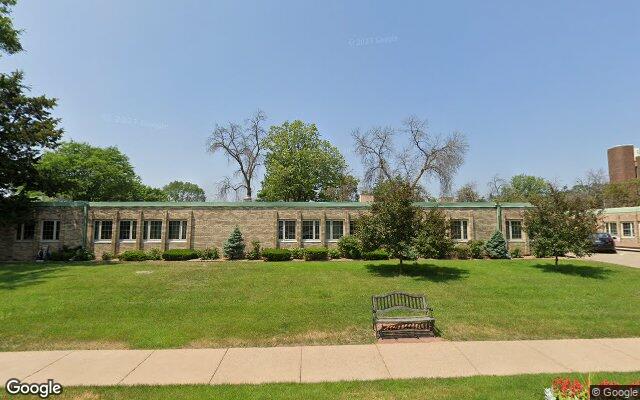
York Gardens Senior Living.
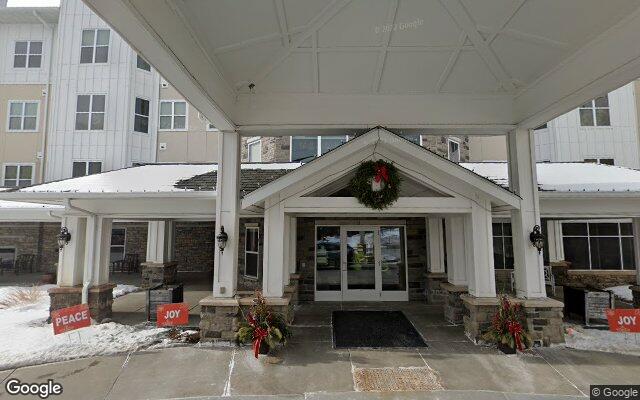
A large home, reviewed on public record.
Compared to 143 Minnesota facilities with a similar number of beds.
ALF memory care · 36-month window. Higher percentile = better performance on inspection record. Source: Minnesota Dept. of Health · Health Regulation Division.
among peers to rank.
Rankings based on 36-month MDH inspection data. Severity and frequency: fewer citations = higher percentile. Repeat rate: lower repeat citation share = higher percentile.
Citation history, plotted month by month.
No citations in the last 36 months.
Finding distribution
none · 36 monthsScope × Severity (CMS A–L)
Questions to ask before you visit.
A short pre-tour checklist tailored to York Gardens Senior Living's record and state requirements.
Minnesota Department of Health records show 3 complaints on file through the May 7, 2025 inspection — can you describe what those complaints concerned and provide copies of your internal corrective action plans or response documentation for families to review?
Ask the operator on tour. Take notes and compare answers across facilities you visit.
The facility holds an Assisted Living Facility with Dementia Care license under Minn. Stat. ch. 144G — can you walk us through the written dementia care program that MDH requires, and show us how staff competency in dementia care is documented and maintained?
Ask the operator on tour. Take notes and compare answers across facilities you visit.
With 94 licensed beds and a dementia care designation, how does the facility organize its physical layout to support residents with memory loss, and can you provide families with the written policies that describe supervision practices and environmental safety measures?
Ask the operator on tour. Take notes and compare answers across facilities you visit.
Every inspection visit, verbatim.
3 inspections in the public record, most recent first. Plain-language summaries open first — click into any row for the full citation text.
2025-05-09Complaint InvestigationNo findings
Plain-language summary
The Minnesota Department of Health investigated a complaint that the facility neglected a resident by failing to provide mental health medications, which led to a fall and hospitalization. The investigation found the allegation was not substantiated: the medications were not yet eligible for refill through the facility's pharmacy, and a family member administered the resident's own medications from home daily during the wait period, so no doses were missed. No correction orders were issued and no further action was taken.
Read full citation textHide full citation text
Read raw inspector notesClose inspector notes
Finding: Not Substantiated Nature of Investigation: The Minnesota Department of Health investigated an allegation of maltreatment, in accordance with the Minnesota Reporting of Maltreatment of Vulnerable Adults Act, Minn. Stat. 626.557, and to evaluate compliance with applicable licensing standards for the provider type. Initial Investigation Allegation(s): The facility neglected the resident by failing to refill and administer his mental health medications. As a result, the resident missed 11 days of medication and was subsequently hospitalized following a fall. Investigative Findings and Conclusion: The Minnesota Department of Health determined neglect was not substantiated. Upon admission, the resident was prescribed donepezil and sertraline. At the time, the medications were not eligible for refill through the facility's pharmacy. A family member informed staff that she had both medications at home and would administer them daily until a refill could be processed. A review of the documentation and family member interview confirmed the resident did not miss any doses during this period. The investigator conducted interviews with facility staff members, including administrative staff, and nursing staff. The investigation included review of the resident’s records, incident reports, policies, and procedures. The resident resided in an assisted living secured memory care building. The resident’s diagnoses include dementia. The resident’s service plan included assistance with medications. A report indicated that the resident’s medications, including donepezil and sertraline (both psychoactive medications), were placed on hold in the facility’s system because they were not yet due for refill. According to the facility’s medication administration records, the resident did not receive these medications for a period of 11 days. During an interview, a healthcare worker stated the resident was admitted to the hospital following a fall. A pharmacy review of the resident’s medication list found the resident had missed 11 days of donepezil and sertraline, as prescribed by the physician. The health care worker stated the abrupt discontinuation of donepezil may result in worsening cognitive function, altered mental status, hallucinations, delusions, insomnia, increased anxiety, and agitation. Similarly, sudden discontinuation of sertraline could lead to Antidepressant Discontinuation Syndrome (ADS), which presents with symptoms such as nausea, insomnia, fatigue, muscle aches, and dizziness. During an interview, a nurse stated she informed the family member that two of the resident’s medications were too early to refill and would not be available unless paid for out-of-pocket. The family member said that she had both medications at home. However, because the medications were in original prescription bottles, the facility’s policy required a licensed nurse to complete a proper medication setup. The nurse reported the family member declined this service and instead chose to come in daily to administer the medications herself. The nurse added that, per facility policy, unlicensed caregivers were not permitted to administer medications directly from the bottle. The family member routinely stopped by the nurse’s office and informed her she had administered the resident’s medications. During an interview, a family member stated that upon the resident’s admission, the facility did not have the prescribed medications available. The family member stated she had remaining doses of the resident’s donepezil and sertraline at home and continued to administer these medications daily until the facility obtained them. She confirmed the resident did not miss any doses. Once the facility received the medications, she was instructed to discontinue administration, and facility staff took over medication management of those medications. In conclusion, the Minnesota Department of Health determined neglect was not substantiated. “Not Substantiated” means: An investigatory conclusion indicating the preponderance of evidence shows that an act meeting the definition of maltreatment did not occur. Neglect: Minnesota Statutes, section 626.5572, subdivision 17 “Neglect” means neglect by a caregiver or self-neglect. (a) "Caregiver neglect" means the failure or omission by a caregiver to supply a vulnerable adult with care or services, including but not limited to, food, clothing, shelter, health care, or supervision which is: (1) reasonable and necessary to obtain or maintain the vulnerable adult's physical or mental health or safety, considering the physical and mental capacity or dysfunction of the vulnerable adult; and (2) which is not the result of an accident or therapeutic conduct. Vulnerable Adult interviewed: No. Family/Responsible Party interviewed: Yes. Alleged Perpetrator interviewed: Not Applicable. Action taken by facility: No action required. Action taken by the Minnesota Department of Health: No further action taken at this time. cc: The Office of Ombudsman for Long Term Care The Office of Ombudsman for Mental Health and Developmental Disabilities PRINTED: 05/13/2025 FORM APPROVED STATEMENT OF DEFICIENCIES (X1) PROVIDER/SUPPLIER/CLIA (X2) MULTIPLE CONSTRUCTION (X3) DATE SURVEY AND PLAN OF CORRECTION IDENTIFICATION NUMBER: COMPLETED A. BUILDING: ______________________ C B. WING _____________________________ 30779 04/24/2025 NAME OF PROVIDER OR SUPPLIER STREET ADDRESS, CITY, STATE, ZIP CODE 3451 PARKLAWN AVENUE YORK GARDENS SENIOR LIVING EDINA, MN 55435 SUMMARY STATEMENT OF DEFICIENCIES PROVIDER'S PLAN OF CORRECTION (X4) ID ID (X5) PREFIX (EACH DEFICIENCY MUST BE PRECEDED BY FULL PREFIX (EACH CORRECTIVE ACTION SHOULD BE COMPLETE REGULATORY OR LSC IDENTIFYING INFORMATION) CROSS-REFERENCED TO THE APPROPRIATE DATE TAG TAG DEFICIENCY) 0 000 Initial Comments 0 000 On April 24, 2025, the Minnesota Department of Health initiated an investigation of complaints #HL307791340M/HL307791941C. No correction orders are issued. LABORATORY DIRECTOR'S OR PROVIDER/SUPPLIER REPRESENTATIVE'S SIGNATURE TITLE (X6) DATE STATE FORM 6899 N34411 If continuation sheet 1 of 1
2025-05-07Annual Compliance VisitNo findings
Plain-language summary
A routine inspection of York Gardens Senior Living on May 7, 2025 found a violation in the facility's infection control program, resulting in a $500 fine. The facility must document the actions it took to correct this deficiency within the timeframe specified by the Minnesota Department of Health.
Read full citation textHide full citation text
Read raw inspector notesClose inspector notes
correction orders and document the actions taken to comply in the facility's records. The Department reserves the right to return to the facility at any time should the Department receive a complaint or deem it necessary to ensure the health, safety, and welfare of residents in your care. STATE CORRECTION ORDERS The enclosed State Form documents the state correction orders. MDH documents state licensing correction orders using federal software. Tag numbers are assigned to Minnesota state statutes for Assisted Living Facilities. The assigned tag number appears in the far left column entitled "ID Prefix Tag." The state statute number and the corresponding text of the state statute out of compliance are listed in the "Summary Statement of Deficiencies" column. This column also includes the findings that are in violation of the state statute after the statement, "This MN Requirement is not met as evidenced by . . ." IMPOSITION OF FINES In accordance with Minn. Stat. § 144G.31, Subd. 4, fines and enforcement actions may be imposed based on the level and scope of the violations and may be imposed immediately with no opportunity to correct the violation first as follows: Level 1: no fines or enforcement. Level 2: a fine of $500 per violation, in addition to any enforcement mechanism authorized in § 144G.20 for widespread violations; Level 3: a fine of $3,000 per violation per incident, in addition to any enforcement mechanism authorized in § 144G.20. Level 4: a fine of $5,000 per incident, in addition to any enforcement mechanism authorized in An equal opportunity employer. Letter ID: IS7N REVISED 09/13/2021 York Gardens Senior Living June 17, 2025 Page 2 § 144G.20. Therefore, in accordance with Minn. Stat. §§ 144G.01 to 144G.9999, the following fines are assessed pursuant to this survey: 0510 - 144g.41 Subd. 3 - Infection Control Program - $500.00 Therefore, in accordance with Minn. Stat. §§ 144G.01 to 144G.9999, t he total amount you are assessed is $500.00. You will be invoiced approximately 30 days after receipt of this notice, subject to appeal. DOCUMENTATION OF ACTION TO COMPLY In accordance with Minn. Stat. § 144G.30, Subd. 5(c), the licensee must document actions taken to comply with the correction orders within the time period outlined on the state form; however, plans of correction are not required to be submitted for approval. The correction order documentation should include the following: Identify how the area(s) of noncompliance was corrected related to the resident(s)/employee(s) identified in the correction order. Identify how the area(s) of noncompliance was corrected for all of the provider’s resident(s)/employees that may be affected by the noncompliance. Identify what changes to your systems and practices were made to ensure compliance with the specific statute(s). CORRECTION ORDER RECONSIDERATION PROCESS In accordance with Minn. Stat. § 144G.32, Subd. 2, you may challenge the correction order(s) issued, including the level and scope, and any fine assessed through the correction order reconsideration process. The request for reconsideration must be in writing and received by MDH within 15 calendar days of the correction order receipt date. To submit a reconsideration request, please visit: https://forms.web.health.state.mn.us/form/HRDAppealsForm REQUESTING A HEARING Alternatively, in accordance with Minn. Stat. § 144G.31, Subd. 5(d), an assisted living provider that has been assessed a fine under this subdivision has a right to a reconsideration or a hearing under this section and chapter 14. Pursuant to Minn. Stat. § 144G.20, Subd. 14 and Subd. 18, a request for a hearing must be in writing and received by the Department of Health within 15 business days of the correction order receipt date. The request must contain a brief and plain statement describing each matter or issue contested and any new information you believe constitutes a defense or mitigating factor. York Gardens Senior Living June 17, 2025 Page 3 To submit a hearing request, please visit: https://forms.web.health.state.mn.us/form/HRDAppealsForm To appeal fines via reconsideration, please follow the procedure outlined above. P lease note that you may request a reconsideration o r a hearing, but not both. If you wish to contest tags without fines in a reconsideration and tags with the fines at a hearing, please submit two separate appeals forms at the website listed above. The MDH Health Regulation Division (HRD) values your feedback about your experience during the survey and/or investigation process. Please fill out this anonymous provider feedback questionnaire at your convenience at this link: h ttps://forms.office.com/g/Bm5uQEpHVa. Your input is important to us and will enable MDH to improve its processes and communication with providers. If you have any questions regarding the questionnaire, please contact Susan Winkelmann at susan.winkelmann@state.mn.us or call 651-201-5952. You are encouraged to retain this document for your records. It is your responsibility to share the information contained in the letter and state form with your organization’s Governing Body. If you have any questions, please contact me. Sincerely, Renee Anderson, Supervisor State Evaluation Team Email: Renee.L.Anderson@state.mn.us Telephone: 651-201-5871 Fax: 1 -866-890-9290 JMD PRINTED: 06/17/2025 FORM APPROVED STATEMENT OF DEFICIENCIES (X1) PROVIDER/SUPPLIER/CLIA (X2) MULTIPLE CONSTRUCTION (X3) DATE SURVEY AND PLAN OF CORRECTION IDENTIFICATION NUMBER: COMPLETED A. BUILDING: ______________________ B. WING _____________________________ 30779 05/07/2025 NAME OF PROVIDER OR SUPPLIER STREET ADDRESS, CITY, STATE, ZIP CODE 3451 PARKLAWN AVENUE YORK GARDENS SENIOR LIVING EDINA, MN 55435 SUMMARY STATEMENT OF DEFICIENCIES PROVIDER'S PLAN OF CORRECTION (X4) ID ID (X5) PREFIX (EACH DEFICIENCY MUST BE PRECEDED BY FULL PREFIX (EACH CORRECTIVE ACTION SHOULD BE COMPLETE REGULATORY OR LSC IDENTIFYING INFORMATION) CROSS-REFERENCED TO THE APPROPRIATE DATE TAG TAG DEFICIENCY) 0 000 Initial Comments 0 000 ***ATTENTION*** Minnesota Department of Health is ASSISTED LIVING PROVIDER LICENSING documenting the State Correction Orders CORRECTION ORDER(S) using federal software. Tag numbers have been assigned to Minnesota State In accordance with Minnesota Statutes, section Statutes for Assisted Living Facilities. The 144G.08 to 144G.95, these correction orders are assigned tag number appears in the issued pursuant to a survey. far-left column entitled "ID Prefix Tag." The state Statute number and the Determination of whether violations are corrected corresponding text of the state Statute out requires compliance with all requirements of compliance is listed in the "Summary provided at the Statute number indicated below. Statement of Deficiencies" column. This When Minnesota Statute contains several items, column also includes the findings which failure to comply with any of the items will be are in violation of the state requirement considered lack of compliance. after the statement, "This Minnesota requirement is not met as evidenced by." INITIAL COMMENTS: Following the evaluators ' findings is the Time Period for Correction. SL30779016-0 PLEASE DISREGARD THE HEADING OF On May 5, 2025, through May 7, 2025, the THE FOURTH COLUMN WHICH survey at the above provider, and the following CORRECTION." THIS APPLIES TO correction orders are issued. At the time of the FEDERAL DEFICIENCIES ONLY. THIS survey, there were 73 residents; 70 receiving WILL APPEAR ON EACH PAGE. services under the Assisted Living Facility with Dementia Care license. THERE IS NO REQUIREMENT TO SUBMIT A PLAN OF CORRECTION FOR VIOLATIONS OF MINNESOTA STATE STATUTES. THE LETTER IN THE LEFT COLUMN IS USED FOR TRACKING PURPOSES AND REFLECTS THE SCOPE AND LEVEL ISSUED PURSUANT TO 144G.31 SUBDIVISION 1-3. 0 480 144G.41 Subdivision 1 Subd. 1a (a-b) Minimum 0 480 SS=F requirements; required food services LABORATORY DIRECTOR'S OR PROVIDER/SUPPLIER REPRESENTATIVE'S SIGNATURE TITLE (X6) DATE STATE FORM 6899 H1K611 If continuation sheet 1 of 14 PRINTED: 06/17/2025 FORM APPROVED STATEMENT OF DEFICIENCIES (X1) PROVIDER/SUPPLIER/CLIA (X2) MULTIPLE CONSTRUCTION (X3) DATE SURVEY AND PLAN OF CORRECTION IDENTIFICATION NUMBER: COMPLETED A. BUILDING: ______________________ B. WING _____________________________ 30779 05/07/2025 NAME OF PROVIDER OR SUPPLIER STREET ADDRESS, CITY, STATE, ZIP CODE 3451 PARKLAWN AVENUE YORK GARDENS SENIOR LIVING EDINA, MN 55435 SUMMARY STATEMENT OF DEFICIENCIES PROVIDER'S PLAN OF CORRECTION (X4) ID ID (X5) PREFIX (EACH DEFICIENCY MUST BE PRECEDED BY FULL PREFIX (EACH CORRECTIVE ACTION SHOULD BE COMPLETE REGULATORY OR LSC IDENTIFYING INFORMATION) CROSS-REFERENCED TO THE APPROPRIATE DATE TAG TAG DEFICIENCY) 0 480 Continued From page 1 0 480 (a) Except as provided in paragraph (b), food must be prepared and served according to the Minnesota Food Code, Minnesota Rules, chapter 4626. (b) For an assisted living facility with a licensed capacity of ten or fewer residents: (1) notwithstanding Minnesota Rules, part 4626.
2024-12-23Complaint InvestigationNo findings
Plain-language summary
A complaint investigation found that unlicensed staff gave resident #1 medications intended for resident #2, causing his blood pressure to drop; the staff alerted the facility nurse within 30 minutes, and the facility sent him to the emergency room the same day where he was treated and discharged in stable condition. The Minnesota Department of Health determined that neglect was not substantiated because the caregivers promptly reported the error and the facility provided appropriate monitoring and care. Resident #1 later returned to the facility, enrolled in hospice, and passed away approximately two weeks later.
Read full citation textHide full citation text
Read raw inspector notesClose inspector notes
Finding: Not Substantiated Nature of Investigation: The Minnesota Department of Health investigated an allegation of maltreatment, in accordance with the Minnesota Reporting of Maltreatment of Vulnerable Adults Act, Minn. Stat. 626.557, and to evaluate compliance with applicable licensing standards for the provider type. Initial Investigation Allegation(s): The facility neglected the resident #1 when a medication error and the facility administered medications prescribed for resident #2. Resident #1 experienced a drop in blood pressure and was sent to the emergency room. Investigative Findings and Conclusion: The Minnesota Department of Health determined neglect was not substantiated. While a medication error did occur, the unlicensed caregivers involved promptly informed the facility nurse. The facility provided appropriate care and monitoring following the error including sending him to the emergency room later the same day. The investigator conducted interviews with facility staff members, including administrative staff, nursing staff, and unlicensed staff. The investigator contacted resident #1’s family member. The investigation included review of resident #1’s record, death record, hospital records, facility internal investigation, personnel files, staff schedules, and related facility policy and procedures. Also, the investigator observed medication administration. Both resident #1 and #2 resided in an assisted living facility and the service plans of both included medication management. Resident #1’s diagnoses included Parkinson’s disease, non-healing ulcers, and hypertension. Resident #1’s assessment indicated he was oriented but could be forgetful at times. The facility’s internal investigation indicated unlicensed caregiver #1 administered medications intended for resident #2 to resident #1 in error. The same document indicated one morning at 8:30 AM unlicensed caregiver #1 and unlicensed caregiver #2 were working together. Caregiver #2 prepared a cup of medications and asked caregiver #1 to give them to resident #2. However, there was a miscommunication between the two caregivers and caregiver #1 gave the medications to the incorrect resident: resident #1. The same document indicated the caregivers realized the error and alerted the nurse by 9 AM. The medications involved included: Duloxetine 60 milligram (mg) (an antidepressant) Lyrica 150 mg (for nerve pain) Tylenol 1000 mg (pain reliever) Tamsulosin 0.4mg (used to treat benign prostatic hyperplasia AKA enlarged prostate) The report indicated the provider and family were notified of the error. Resident #1 vital signs (blood pressure, pulse, etc.) were to be monitored and the provider and family were to be called back if they began to run low. At the time of the incident, the vital sign record indicated resident #1’s blood pressure was 113/60. However, an hour later, his blood pressure had decreased to 72/45 and within two hours the blood pressure had decreased to 70/40. The progress notes indicated the facility contacted resident #1’s medical provider regarding the low blood pressure and sent him to the emergency department via 911. The facility also updated resident #1’s family regarding resident #1’s low blood pressure. The note indicated resident #1 was alert and oriented when he left the facility. Hospital notes indicated resident #1 presented with mild bradycardia (slow heart rate) and low blood pressures. He was treated with a small amount of intravenous (inside the vein) fluids and monitored for several hours. The same documents indicated resident #1’s blood pressure normalized and resolved. The note indicated blood test showed kidney insufficiency and the provider gave resident #1 and his family member options to be treated with a hospital admission, which were declined. The hospital records indicated resident #1 was discharged in stable and improved condition. Resident #1 and a family member chose to have resident #1 return to the facility with outpatient follow-up and repeat blood work. Progress notes indicated resident #1 returned to the facility from the emergency room nine hours following the incident. The notes indicated resident #1’s blood pressure was 115/59. The notes further indicated follow-up including resident #1 should see his medical provider within two days and additional laboratory blood testing in the following week. The following day the progress notes indicated resident #1’s medical provider several order changes, which included holding hydrochlorothiazide (an antihypertensive medication), which the facility implemented as ordered. Two days after the medication error, the progress notes indicated resident #1 was not feeling well. The notes indicated resident #1 was sleepy, alert and oriented, and his blood pressure was 105/53. The facility updated the medical provider and the family; resident #1 went to the emergency room. Hospital notes indicated resident #1 admitted with lethargy (tiredness, weakness) and decreased responsiveness After five days, the hospital prepared to discharge resident #1 with his condition listed as stable with mental status back to baseline, and kidney function improved as indicated by his blood laboratory results. The same documents indicated resident #1 and family were interested in discussing hospice. The facility progress notes indicated resident #1 was hospitalized for five days for hypotension and a urinary tract infection. The notes indicated a discussion regarding hospice was held during resident #1’s hospital stay, but a decision had not been made. After resident #1 returned to the facility from the hospital, he enrolled in hospice within a few days. Resident #1 remained at the facility and passed away about two weeks later. During an interview, unlicensed caregiver #1 stated her first shift working alone was two days prior to the incident. Caregiver #1 stated she picked this shift up and had never worked a “short shift” before so was not sure what to do. Unlicensed caregiver #2, who trained her, was working so she stuck with her. Caregiver #1 stated she and caregiver #2 went into resident #1’s room to get him up for the morning but the nurse was in there, so she asked them to come back later. Caregiver #1 stated her and caregiver #2 were at the desk, caregiver #2 was preparing medications as they discussed resident #1 and the cares he needed. Caregiver #2 handed caregiver #1 a dish of medications and said, “can you give these to him?” Caregiver #1 stated she thought caregiver #2 meant resident #1 because they had been talking about his cares, so she went resident #1’s room and started administering the medications. However, caregiver #2 walked in the room, told her to stop giving the medications, and asked me to come to the hallway where caregiver #2 told her the medications were for resident #2, not resident #1. Caregiver #1 stated they told the nurse right away, who came and assessed resident #1. Caregiver #2 stated in her experience it was common for unlicensed caregivers to administer medications that another unlicensed caregiver had dished up. She stated she did not realize it was a problem until the facility gave her a corrective action and education to not do this. During an interview, a manager, who is also a nurse, stated caregiver #2 dished up the medication and handed it to caregiver #1, who was a new employee in training. The manager stated it was apparent caregiver #1 and caregiver #2 did not follow the medication administration policy and there was poor communication between the two caregivers. The manager stated staff receive training during orientation related to not dishing up medications and asking another caregiver to administer them and administering medications they did not dish up. The manager further stated she was not aware of other situations where this occurred nor had other unlicensed caregivers said they had seen this practice. A medication training document, referenced in the manager interview, indicated the training included information such as to set-up one resident’s medications at a time and the person who sets up the medication should also give the medication. No other medication errors of a similar nature were identified. Attempts to interview unlicensed caregiver #2 were not successful. In conclusion, the Minnesota Department of Health determined neglect was not substantiated. “Not Substantiated” means: An investigatory conclusion indicating the preponderance of evidence shows that an act meeting the definition of maltreatment did not occur. Neglect: Minnesota Statutes, section 626.5572, subdivision 17 “Neglect” means neglect by a caregiver or self-neglect.
2 older inspections from 2022 are not shown above.
Get the complete record, translated into plain language — emailed to you.
Other facilities in Hennepin County.
Other memory care facilities in Hennepin County with similar care offerings.
Full Inspection Record
Family reviews
No reviews yet — be the first to share your experience
Other memory care options nearby.
More options in neighboring cities
Licensed memory care in other cities within this county region — useful when your search radius crosses city limits.