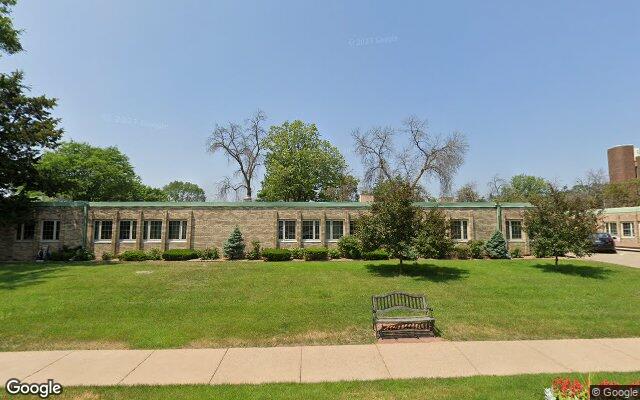
The Waters of Edina.
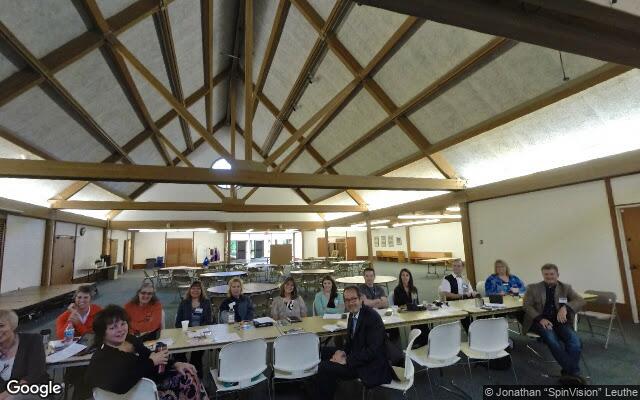
A large home, reviewed on public record.
© Google Street View
Compared to 139 Minnesota facilities with a similar number of beds.
ALF memory care · 36-month window. Higher percentile = better performance on inspection record. Source: Minnesota Dept. of Health · Health Regulation Division.
among peers to rank.
Rankings based on 36-month MDH inspection data. Severity and frequency: fewer citations = higher percentile. Repeat rate: lower repeat citation share = higher percentile.
Citation history, plotted month by month.
1 deficiency on record. Each bar is a month with a citation.
Finding distribution
1 total · 36 monthsScope × Severity (CMS A–L)
Questions to ask before you visit.
A short pre-tour checklist tailored to The Waters of Edina's record and state requirements.
The most recent Minnesota Department of Health inspection on 2024-10-10 found zero deficiencies across all standards — can you walk me through how the community prepares for inspections and what internal audits or quality checks are conducted between state visits?
Ask the operator on tour. Take notes and compare answers across facilities you visit.
One complaint was filed with MDH during the inspection period on record — can you describe the nature of that complaint, whether it was substantiated, and what steps the facility took in response?
Ask the operator on tour. Take notes and compare answers across facilities you visit.
With 142 licensed beds and an Assisted Living Facility with Dementia Care designation under Minnesota Statutes Chapter 144G, can you explain how memory care residents are distributed across the building and what specific dementia supports are documented in your written program?
Ask the operator on tour. Take notes and compare answers across facilities you visit.
Every inspection visit, verbatim.
6 inspections in the public record, most recent first. Plain-language summaries open first — click into any row for the full citation text.
2026-04-17Complaint InvestigationNo findings
Plain-language summary
Minnesota Department of Health investigated a complaint that a staff member physically restrained a resident by wheeling her into the community room against her wishes and locking her wheelchair in place at a table. The investigation found the complaint was not substantiated, concluding the staff member's actions did not meet the legal definition of abuse and did not result in injury or harm to the resident, though the staff member was subsequently terminated by the facility.
Read full citation textHide full citation text
Read raw inspector notesClose inspector notes
Finding: Not Substantiated Nature of Investigation: The Minnesota Department of Health investigated an allegation of maltreatment, in accordance with the Minnesota Reporting of Maltreatment of Vulnerable Adults Act, Minn. Stat. 626.557, and to evaluate compliance with applicable licensing standards for the provider type. Initial Investigation Allegation(s): The alleged perpetrator (AP) physically abused the resident via the use of physical restraint. The AP wheeled the resident into the community room against her wishes and positioned the resident’s chair at a table, locking both sides of the chair. The resident could not unlock the brakes without staff assistance and was restrained in place. Investigative Findings and Conclusion: The Minnesota Department of Health determined abuse was not substantiated. The AP’s actions did not result in injury or harm to the resident and did not meet the statutory definition of abuse. The investigator conducted interviews with facility staff members, including administrative staff, nursing staff, and unlicensed staff. The investigator contacted family. The investigation included review of the resident record, death record, the facility internal investigation, facility incident reports, personnel files, staff schedules, and related facility policy and procedures. Also, the investigator observed resident cares provided by staff. The resident resided in an assisted living memory care unit. The resident’s diagnoses included dementia. The resident’s services included assistance with activities of daily living, meals, housekeeping, and medication management. The resident’s assessment indicated she required maximum assistance with activities of daily living and was oriented to self only. The facility internal investigation indicated a witness reported she had asked the resident if she wanted to be wheeled to the sitting area by other residents and the television. The resident said, “No.” Later, as the witness prepared to leave, she saw the AP try to wheel the resident to the sitting area. The witness said it was clear the resident did not want to be pushed to the sitting area. The AP instructed the resident several times to put her feet up, while the resident’s feet/legs were pinned backwards under the chair. The AP wheeled the resident to a table and locked the wheelchair in place. Leadership reviewed surveillance video of the incident. The video showed the AP assisting the resident, who was sitting in a Broda chair (a large, customized wheelchair), into the community living room. The resident planted her feet on the floor, and the AP continued to push the Broda chair forward. The AP positioned the Broda chair at a table and then locked both sides of the chair. The resident was unable to independently unlock the breaks. During an interview, the AP said she brought the resident into the community room. The resident was “planting her feet,” and the AP asked the resident to pick up her feet. The AP explained she brought the resident into the community room because the AP was afraid the resident might fall. The AP said she positioned the resident’s wheelchair against a table and locked the brakes so she would not move. Leadership asked if the AP understood positioning a resident against a table and locking the wheelchair brakes constituted restraint. The AP said she was aware but also expressed concern about the resident falling out of the chair. Leadership asked why the AP believed the resident was going to fall, as video footage showed no evidence of the resident attempting to stand or exit the wheelchair. The AP said the resident “kept moving” and the AP was attempting to stop her from moving. The AP’s training record indicated she completed training in preventing, recognizing, and reporting abuse. A knowledge quiz indicated the AP understood that staff use of restraint to keep a resident immobile or to make their job easier was reportable to the state. After the investigation, the AP’s employment at the facility was terminated. Camera footage was not available for the investigator to review. When interviewed, an administrator said a witness reported the AP pushed the resident in her wheelchair while the resident planted her feet. The administrator reviewed video footage and saw the resident self-propelling in her wheelchair with her feet, wandering in her own way. The resident did not look distressed. The AP appeared in frame and tried to propel the wheelchair forward while the resident tried to stop the movement with her feet. The resident nonverbally indicated she did not want to move. The AP wheeled the resident against a table and locked both sides of the wheelchair. Initially the resident tried to move away from the table but then settled in and watched television. The administrator did not watch the entire video, so she did not know how long the resident sat at the table. When interviewed, a supervisor said the resident was chair-bound and required full assistance with activities of daily living. In the video, the supervisor saw the AP pulling the resident back in her wheelchair and pushing her forward with her legs underneath the chair. The supervisor did not see the rest of the video. According to the supervisor, the AP said she did not know locking the resident’s wheelchair in place at the table constituted physical restraint. When interviewed, the AP said she cared for the resident and was concerned she was going to fall out of her wheelchair. Although the resident physically protested by planting her feet on the floor, the AP wheeled her into the community and placed her at a table. The AP locked the wheelchair to keep the resident in place. The AP said she was not aware wheeling the resident to a table and locking the wheelchair in place constituted a restraint. In conclusion, the Minnesota Department of Health determined abuse was not substantiated. “Not Substantiated” means: An investigatory conclusion indicating the preponderance of evidence shows that an act meeting the definition of maltreatment did not occur. Abuse: Minnesota Statutes section 626.5572, subdivision 2. "Abuse" means: (a) An act against a vulnerable adult that constitutes a violation of, an attempt to violate, or aiding and abetting a violation of: (1) assault in the first through fifth degrees as defined in sections 609.221 to 609.224; (2) the use of drugs to injure or facilitate crime as defined in section 609.235; (3) the solicitation, inducement, and promotion of prostitution as defined in section 609.322; and (4) criminal sexual conduct in the first through fifth degrees as defined in sections 609.342 to 609.3451. A violation includes any action that meets the elements of the crime, regardless of whether there is a criminal proceeding or conviction. (b) Conduct which is not an accident or therapeutic conduct as defined in this section, which produces or could reasonably be expected to produce physical pain or injury or emotional distress including, but not limited to, the following: (1) hitting, slapping, kicking, pinching, biting, or corporal punishment of a vulnerable adult; (2) use of repeated or malicious oral, written, or gestured language toward a vulnerable adult or the treatment of a vulnerable adult which would be considered by a reasonable person to be disparaging, derogatory, humiliating, harassing, or threatening; or (3) use of any aversive or deprivation procedure, unreasonable confinement, or involuntary seclusion, including the forced separation of the vulnerable adult from other persons against the will of the vulnerable adult or the legal representative of the vulnerable adult unless authorized under applicable licensing requirements or Minnesota Rules, chapter 9544. (c) Any sexual contact or penetration as defined in section 609.341, between a facility staff person or a person providing services in the facility and a resident, patient, or client of that facility. (d) The act of forcing, compelling, coercing, or enticing a vulnerable adult against the vulnerable adult's will to perform services for the advantage of another. Vulnerable Adult interviewed: No, deceased. Family/Responsible Party interviewed: No, chose to not interview. Alleged Perpetrator interviewed: Yes. the Action taken by facility: The facility completed an internal investigation of the incident. The AP is no longer employed by the facility. Action taken by the Minnesota Department of Health: No further action taken at this time. cc: The Office of Ombudsman for Long Term Care The Office of Ombudsman for Mental Health and Developmental Disabilities PRINTED: 04/ 22/ 2026 FORM APPROVED STATEMENT OF DEFICIENCIES (X1) PROVIDER/ SUPPLIER/ CLIA (X2) MULTIPLE CONSTRUCTION (X3) DATE SURVEY AND PLAN OF CORRECTION IDENTIFICATION NUMBER: COMPLETED A. BUILDING: ______________________ C B.
2025-04-30Complaint InvestigationNo findings
Plain-language summary
A complaint investigation found that the facility neglected a resident by failing to follow its daily "I'm Okay" check protocol, which contributed to the resident's death not being discovered for over a day after she fell in her apartment. On Sunday, the weekend concierge did not notify staff when the resident failed to respond to the check-in system, and the resident was found deceased on Monday afternoon; the coroner determined the cause of death was natural, due to heart failure from aortic stenosis and related cardiac conditions. The facility lacked a backup process to catch missed checks, and staff did not notice other warning signs such as unopened meal pickups or newspapers accumulating outside the resident's door.
Read full citation textHide full citation text
Read raw inspector notesClose inspector notes
Finding: Substantiated, facility responsibility Nature of Investigation: The Minnesota Department of Health investigated an allegation of maltreatment, in accordance with the Minnesota Reporting of Maltreatment of Vulnerable Adults Act, Minn. Stat. 626.557, and to evaluate compliance with applicable licensing standards for the provider type. Initial Investigation Allegation(s): The facility neglected the resident when staff failed to complete the residents daily, “I’m ok” check. Staff found the resident deceased in her apartment after not having been seen in the community for two days. Investigative Findings and Conclusion: The Minnesota Department of Health determined neglect was substantiated. The facility was responsible for the maltreatment. Staff were directed to complete an “I’m Okay” check daily. The facility did not have a process in place to double-check in case staff missed a resident’s checks. This created a domino-effect of missed opportunities in which staff missed the resident’s “I’m Okay” check, did not notice newspapers piling up outside her door, nor the fact that the resident missed several meal pick-ups. Staff failed to complete the residents check on Sunday, and staff last saw the resident around dinnertime on Saturday. When staff checked on the resident Monday the resident was found deceased in her apartment. The investigator conducted interviews with facility staff members, including administrative staff, nursing staff, and unlicensed staff. The investigator contacted family and law enforcement. The investigation included review of the resident record, death record, the facility internal investigation, facility incident reports, personnel files, staff schedules, law enforcement report, and related facility policy and procedures. Also, the investigator observed resident interactions with staff. The resident resided in an assisted living facility. The resident’s diagnoses included coronary artery disease, tachycardia, aortic stenosis, and high blood pressure. The resident’s services included nursing assessments and monthly vital signs. The resident’s lease indicated the resident received daily “I’m Okay” checks. The resident’s assessment indicated the resident was independent with cares and was a full code. The facility’s internal investigation indicated staff had not seen the resident in the community for over two days and was last seen in the community picking up lunch on Saturday. On Sunday, the resident did not respond to her “I’m Okay” check, but the facility concierge did not notify staff to check on her. On Monday, the resident again did not respond to her “I’m Okay” check. The facility concierge notified staff, and they checked on the resident later that afternoon. Two staff members entered the resident’s apartment and found the resident deceased, lying on the floor at the foot of her bed. Staff called 911 and emergency personnel confirmed there was no heartbeat. The police report indicated although the resident was a full code, no resuscitation efforts were performed because the resident showed prolonged signs of death. The resident was lying on her bedroom floor near the right side of the bed, on her right side with her left elbow on top her body. A large gash was noted on the resident’s left elbow. The gash appeared to be one or two days old, surrounded by dried blood and bruising. A nightstand near the resident’s bed had been moved slightly and items on top were knocked over. There was a spotted blood trail from the nightstand to where the resident was found lying on the floor. The police officer observed lividity in the resident’s body as well as rigor in her limbs. The resident’s death record indicated the immediate cause of death was natural causes due to heart failure due to aortic stenosis, atrial tachycardia, and high blood pressure. The manner of death was natural. When interviewed, a nurse said the facility provided “I’m Okay” checks every 24 hours. Each resident was to press their “I’m Okay” button in the morning. If they did not press that button, the facility concierge would call the resident. If the resident did not answer, the concierge would notify staff to check on the resident. One Sunday the resident did not press her “I’m Okay” button. The concierge attempted to call the resident but did not reach her. The concierge did not notify staff to check on the resident, per protocol, so staff did not see or hear from the resident that day. On Monday, the resident again did not respond to the “I’m Okay” check, but the concierge did notify staff to check on her. Staff checked on the resident and found her deceased in her apartment. When interviewed, staff leaders said the weekend concierge was working Saturday and Sunday, and staff found the resident deceased on Monday. Staff leaders said if residents did not check in, the system would populate an email (a push report) to staff leaders and the concierge. The concierge would review the push report and call any residents who had not checked in. By noon, if a resident had not been seen nor responded to the call, the concierge would send a text to the nurse team to check on that resident. Leadership discovered the resident had not received her “I’m Okay” check on Sunday. The weekend concierge said she overlooked it as Sunday was very busy. On Monday the full-time concierge returned and when the resident did not check in, the concierge attempted to call. The resident did not answer, and the concierge notified staff to check on her. Staff then found the resident in her apartment deceased. When interviewed, a facility concierge said residents were asked to press their “I’m Okay” pendants before 10:00 a.m. every day. After 10:00 a.m., the concierge would get a printout of residents who did not press their “I’m Okay” pendants. The concierge would then call each of those residents to see if they were alright. If the concierge was unable to get a hold of certain residents, the concierge would text the nursing team and someone on that team would check on the residents. The concierge said on Sunday she received a list of residents who had not checked in and called them. She texted the room numbers of residents who had not answered their phones to the nurse team. Although the resident had not answered the concierge’s call, the resident’s room number was not included on the list that was texted to the nurse team. The concierge said she did not know why she did not include the resident’s room number on the list. The concierge was unaware of any backup process or doublecheck in case something like this would happen again. There would not have been any way for her or another staff member to know if a resident had been inadvertently left off the list. The office worker noted that the resident’s newspapers piling up outside her door and the resident not picking up meals could have been clues for other staff members to notice as well. When interviewed, family members said they were notified of the resident’s passing on a Monday. Whey they arrived at the facility and entered her apartment, it appeared she had taken her Saturday medications, but not her Sunday medications. Staff told family the resident had been seen on Saturday around noon, but no one had seen her on Sunday. One family member said the resident’s newspapers had piled up outside her door even though the resident read her newspaper religiously every day. Family said staff were supposed to check on the resident every day. Apparently on Sunday the resident’s name was circled but never checked off, so staff did not check on the resident until Monday afternoon, when they found her deceased. In conclusion, the Minnesota Department of Health determined neglect was substantiated. Substantiated: Minnesota Statutes, section 626.5572, Subdivision 19. “Substantiated” means a preponderance of evidence shows that an act that meets the definition of maltreatment occurred. “Neglect” means neglect by a caregiver or self-neglect. (a) "Caregiver neglect" means the failure or omission by a caregiver to supply a vulnerable adult with care or services, including but not limited to, food, clothing, shelter, health care, or supervision which is: (1) reasonable and necessary to obtain or maintain the vulnerable adult's physical or mental health or safety, considering the physical and mental capacity or dysfunction of the vulnerable adult; and (2) which is not the result of an accident or therapeutic conduct. Vulnerable Adult interviewed: No, deceased. Family/Responsible Party interviewed: Yes. Alleged Perpetrator interviewed: Yes. the Action taken by facility: Staff were re-educated on the “I’m Okay” check process.
2025-02-27Complaint InvestigationNo findings
Plain-language summary
A complaint investigation was conducted at The Waters of Edina on February 19, 2025, to review whether facility policies and practices complied with state laws and rules governing assisted living with dementia care. No violations were found, and no correction orders were issued.
Read full citation textHide full citation text
Read raw inspector notesClose inspector notes
STATE LICENSING COMPLIANCE REPORT Report #: HL 296471499C Date Concluded: February 21, 2025 Name, Address, and County of Facility Investigated: The Waters of Edina 6300 Colonial Way Edina MN 55436 Facility Type: Assisted Living Facility with Evaluator’s Name: Maggie Regnier Dementia Care (ALFDC) Special Investigator The Minnesota Department of Health conducted a complaint investigation to determine compliance with state laws and rules governing the provision of care under Minnesota Statutes, Chapter 144G. The purpose of this complaint investigation was to review if facility policies and practices comply with applicable laws and rules. No maltreatment under Minnesota Statutes, Chapter 626 was alleged. To view a copy of the correction orders, if any, please visit: https://www.health.state.mn.us/facilities/regulation/directory/provcompselect.html Or call 651-201-4201 to be provided a copy via mail or email. If you are viewing this report on the MDH website, please see the attached state form. PRINTED: 02/27/2025 FORM APPROVED STATEMENT OF DEFICIENCIES (X1) PROVIDER/SUPPLIER/CLIA (X2) MULTIPLE CONSTRUCTION (X3) DATE SURVEY AND PLAN OF CORRECTION IDENTIFICATION NUMBER: COMPLETED A. BUILDING: ______________________ C B. WING _____________________________ 29647 02/19/2025 NAME OF PROVIDER OR SUPPLIER STREET ADDRESS, CITY, STATE, ZIP CODE 6300 COLONIAL WAY THE WATERS OF EDINA EDINA, MN 55436 SUMMARY STATEMENT OF DEFICIENCIES PROVIDER'S PLAN OF CORRECTION (X4) ID ID (X5) PREFIX (EACH DEFICIENCY MUST BE PRECEDED BY FULL PREFIX (EACH CORRECTIVE ACTION SHOULD BE COMPLETE REGULATORY OR LSC IDENTIFYING INFORMATION) CROSS-REFERENCED TO THE APPROPRIATE DATE TAG TAG DEFICIENCY) 0 000 Initial Comments 0 000 On February 19, 2025, the Minnesota Department of Health initiated an investigation of complaint HL296471499C. No correction orders are issued. LABORATORY DIRECTOR'S OR PROVIDER/SUPPLIER REPRESENTATIVE'S SIGNATURE TITLE (X6) DATE STATE FORM 6899 243W11 If continuation sheet 1 of 1
2024-12-31Complaint InvestigationSubstantiated Finding · 1 finding
Plain-language summary
A complaint investigation found that the facility neglected a resident by failing to administer her daily respiratory inhaler medication for 65 days due to a transcription error on her medication record, during which the resident developed wheezing, weakness, and difficulty breathing that required hospitalization. The facility had no system in place to review medications when they were entered into resident records, so staff did not catch the error that occurred when the inhaler was incorrectly marked as "self-administer" instead of "staff-administer." The facility was found responsible for the maltreatment and has since implemented a process to verify medication transcriptions.
Read full citation text (1)Hide full citation text
“MDH substantiated maltreatment or licensing violation finding”
Read raw inspector notesClose inspector notes
Finding: Substantiated, facility responsibility Nature of Investigation: The Minnesota Department of Health investigated an allegation of maltreatment, in accordance with the Minnesota Reporting of Maltreatment of Vulnerable Adults Act, Minn. Stat. 626.557, and to evaluate compliance with applicable licensing standards for the provider type. Initial Investigation Allegation(s): The facility neglected the resident when staff failed to administer the resident’s oral respiratory inhaler medication for 68 days. The resident developed audible wheezing, pallor, weakness, and increased difficulty in breathing. The resident required hospitalization to manage her symptoms. Investigative Findings and Conclusion: The Minnesota Department of Health determined neglect was substantiated. The facility was responsible for the maltreatment. The facility had no system in place to review medications transcribed onto resident medical administration records (MARs). As a result, when the resident’s scheduled daily inhaler (Breo Ellipta) was incorrectly transcribed and removed from the MAR, staff did not notice the error and the resident did not receive her inhaler for 65 days. The resident developed difficulty breathing and was sent to the hospital. The investigator conducted interviews with facility staff members, including administrative staff, nursing staff, and unlicensed staff. The investigator contacted the resident’s family members. The investigation included review of the resident records, hospital records, pharmacy records, facility internal investigation, facility incident reports, personnel files, staff schedules, and related facility policy and procedures. Also, the investigator observed staff interactions with resident and the medication administration process. The resident resided in an assisted living facility. The resident’s diagnoses included chronic obstructive pulmonary disease and Alzheimer’s disease. The resident’s services included assistance with meals, activities of daily living, and medication management. The resident’s assessment indicated the resident experienced mild cognitive impairment and required assistance with medication management. After a family member discovered the medication error regarding the resident’s Breo Ellipta inhaler, the resident’s progress notes indicated staff completed a focused respiratory and cardio assessment. The resident experience increased work of breathing described as labored with stupor, breathy voice, and gasping when talking. The resident was pale and unkempt, which was unusual for her. Staff contacted the resident’s primary care provider (PCP) who recommended the resident go to urgent care to rule out pneumonia. A later note indicated the resident returned from the emergency room with no new diagnoses. The resident’s MARs indicated staff administered her daily scheduled inhaler, Breo Ellipta, until it was abruptly stopped after the start of one month. The Breo Ellipta was crossed out on the MAR for 65 days until staff began to initial the medication, indicating staff were again administering it to the resident. A medication error document indicated the resident’s PCP sent out a new order for the Breo Ellipta. Prior to the new order, the MAR indicated the inhaler was “Regular,” meaning staff would administer the inhaler to the resident. After the facility received the new inhaler order, the nurse who transcribed the medication into the resident’s MAR indicated the inhaler was “Self,” indicating the resident would self-administer the Breo Ellipta. The inhaler was changed back to “Regular” nearly two months later and staff began to administer the inhaler to the resident again. The resident’s hospital record indicated she was seen in the emergency room for non-productive cough and wheezing. A family member discovered facility staff had not been administering the Breo Ellipta inhaler to the resident for several weeks. The family member noticed the resident was having coughing fits one to two times a day and wanted to make sure she did not have pneumonia. The resident’s blood pressure and respiratory rate were slightly elevated, but her lungs were clear. The resident was instructed to resume her Breo Ellipta inhaler and see her PCP in one week if her symptoms persisted. The facility’s internal investigation indicated a family member notified the facility that the resident had not received her Breo Ellipta inhaler for several weeks. Staff reviewed the resident’s chart and saw after her original order for the inhaler expired, her PCP sent a new prescription to the pharmacy. The pharmacy processed the order and then a staff member confirmed the order and changed the inhaler from “regular” to “self” in the resident’s MAR. Since the MAR indicated the resident would self-administer the Breo Ellipta inhaler, it no longer showed up on the MAR for staff to administer. When the family member was present, she noticed the resident was not given her inhaler during a medication pass. A nurse completed a focused assessment at which time the resident had audible wheezing, pallor, weakness, and increased effort in breathing. Staff notified the resident’s PCP, who was concerned about the development of pneumonia, and a family member took the resident to the hospital. When interviewed, a facility nurse said upon receiving a new order for the resident’s Breo Ellipta inhaler, a nurse mistakenly transcribed it into the MAR as self-administer rather than administered by staff. Since the inhaler was transcribed as self-administer, it did not show up on the MAR so the medication passers would not have known to administer it. The facility nurse said a family member noticed with discrepancy and notified staff. At the time, the facility did not have a system in place to ensure the accuracy of medication transcriptions but had since developed on after the medication error. When interviewed, family members said they noticed a pattern of medication errors that concerned them. Also concerning was the fact that the family members were finding the errors and not the staff. In conclusion, the Minnesota Department of Health determined neglect was substantiated. Substantiated: Minnesota Statutes, section 626.5572, Subdivision 19. “Substantiated” means a preponderance of evidence shows that an act that meets the definition of maltreatment occurred. Neglect: Minnesota Statutes, section 626.5572, subdivision 17 “Neglect” means neglect by a caregiver or self-neglect. (a) "Caregiver neglect" means the failure or omission by a caregiver to supply a vulnerable adult with care or services, including but not limited to, food, clothing, shelter, health care, or supervision which is: (1) reasonable and necessary to obtain or maintain the vulnerable adult's physical or mental health or safety, considering the physical and mental capacity or dysfunction of the vulnerable adult; and (2) which is not the result of an accident or therapeutic conduct. Vulnerable Adult interviewed: No, declined. Family/Responsible Party interviewed: Yes. Alleged Perpetrator interviewed: Not Applicable. the Action taken by facility: The facility provided education to the nurse team regarding medication order processing and review to ensure the accuracy of orders. The facility established regular MAR audits to ensure accuracy of medication transcriptions and proper medication administration. Action taken by the Minnesota Department of Health: The responsible party will be notified of their right to appeal the maltreatment finding. The facility was found to be in noncompliance. To view a copy of the Statement of Deficiencies and/or correction orders, please visit: https://www.health.state.mn.us/facilities/regulation/directory/provcompselect.html If you are viewing this report on the MDH website, please see the attached Statement of Deficiencies. You may also call 651-201-4200 to receive a copy via mail or email. cc: The Office of Ombudsman for Long Term Care The Office of Ombudsman for Mental Health and Developmental Disabilities Hennepin County Attorney Edina City Attorney Edina Police Department PRINTED: 12/31/2024 FORM APPROVED STATEMENT OF DEFICIENCIES (X1) PROVIDER/SUPPLIER/CLIA (X2) MULTIPLE CONSTRUCTION (X3) DATE SURVEY AND PLAN OF CORRECTION IDENTIFICATION NUMBER: COMPLETED A. BUILDING: ______________________ C B. WING _____________________________ 29647 12/03/2024 NAME OF PROVIDER OR SUPPLIER STREET ADDRESS, CITY, STATE, ZIP CODE 6300 COLONIAL WAY THE WATERS OF EDINA EDINA, MN 55436 SUMMARY STATEMENT OF DEFICIENCIES PROVIDER'S PLAN OF CORRECTION (X4) ID ID (X5) PREFIX (EACH DEFICIENCY MUST BE PRECEDED BY FULL PREFIX (EACH CORRECTIVE ACTION SHOULD BE COMPLETE REGULATORY OR LSC IDENTIFYING INFORMATION) CROSS-REFERENCED TO THE APPROPRIATE DATE TAG TAG DEFICIENCY) 0 000 Initial Comments 0 000 ******ATTENTION****** Minnesota Department of Health is documenting the State Correction Orders ASSISTED LIVING PROVIDER CORRECTION using federal software. Tag numbers have ORDER been assigned to Minnesota State Statutes for Assisted Living Facilities. The In accordance with Minnesota Statutes, section assigned tag number appears in the 144G.08 to 144G.95, these correction orders are far-left column entitled "ID Prefix Tag." The issued pursuant to a complaint investigation. state Statute number and the corresponding text of the state Statute out Determination of whether a violation is corrected of compliance is listed in the "Summary requires compliance with all requirements Statement of Deficiencies" column. This provided at the statute number indicated below.
2024-10-10Annual Compliance VisitNo findings
Plain-language summary
A standard inspection of The Waters of Edina on October 10, 2024 found a violation of the infection control program requirement under Minnesota law, and the facility was assessed a $500 fine. The facility must document the actions it took to correct this violation and correct it for all residents and staff who may be affected by the noncompliance.
Read full citation textHide full citation text
Read raw inspector notesClose inspector notes
correction orders and document the actions taken to comply in the facility's records. The Department reserves the right to return to the facility at any time should the Department receive a complaint or deem it necessary to ensure the health, safety, and welfare of residents in your care. STATE CORRECTION ORDERS The enclosed State Form documents the state correction orders. MDH documents state licensing correction orders using federal software. Tag numbers are assigned to Minnesota state statutes for Assisted Living Facilities. The assigned tag number appears in the far left column entitled "ID Prefix Tag." The state statute number and the corresponding text of the state statute out of compliance are listed in the "Summary Statement of Deficiencies" column. This column also includes the findings that are in violation of the state statute after the statement, "This MN Requirement is not met as evidenced by . . ." IMPOSITION OF FINES In accordance with Minn. Stat. § 144G.31, Subd. 4, fines and enforcement actions may be imposed based on the level and scope of the violations and may be imposed immediately with no opportunity to correct the violation first as follows: Level 1: no fines or enforcement. Level 2: a fine of $500 per violation, in addition to any enforcement mechanism authorized in § 144G.20 for widespread violations; Level 3: a fine of $3,000 per violation per incident, in addition to any enforcement mechanism authorized in § 144G.20. An equal opportunity employer. Letter ID: IS7N REVISED 09/13/2021 The Waters Of Edina November 15, 2024 Page 2 Level 4: a fine of $5,000 per incident, in addition to any enforcement mechanism authorized in § 144G.20. Therefore, in accordance with Minn. Stat. §§ 144G.01 to 144G.9999, the following fines are assessed pursuant to this survey: 0510 - 144g.41 Subd. 3 - Infection Control Program - $500.00 Therefore, in accordance with Minn. Stat. §§ 144G.01 to 144G.9999, t he total amount you are assessed is $500.00. You will be invoiced approximately 30 days after receipt of this notice, subject to appeal. DOCUMENTATION OF ACTION TO COMPLY In accordance with Minn. Stat. § 144G.30, Subd. 5(c), the licensee must document actions taken to comply with the correction orders within the time period outlined on the state form; however, plans of correction are not required to be submitted for approval. The correction order documentation should include the following: Identify how the area(s) of noncompliance was corrected related to the resident(s)/employee(s) identified in the correction order. Identify how the area(s) of noncompliance was corrected for all of the provider’s resident(s)/employees that may be affected by the noncompliance. Identify what changes to your systems and practices were made to ensure compliance with the specific statute(s). CORRECTION ORDER RECONSIDERATION PROCESS In accordance with Minn. Stat. § 144G.32, Subd. 2, you may challenge the correction order(s) issued, including the level and scope, and any fine assessed through the correction order reconsideration process. The request for reconsideration must be in writing and received by MDH within 15 calendar days of the correction order receipt date. To submit a reconsideration request, please visit: https://forms.web.health.state.mn.us/form/HRDAppealsForm REQUESTING A HEARING Alternatively, in accordance with Minn. Stat. § 144G.31, Subd. 5(d), an assisted living provider that has been assessed a fine under this subdivision has a right to a reconsideration or a hearing under this section and chapter 14. Pursuant to Minn. Stat. § 144G.20, Subd. 14 and Subd. 18, a request for a hearing must be in writing and received by the Department of Health within 15 business days of the correction order receipt date. The request must contain a brief and plain statement describing each matter or issue contested and any new information you believe constitutes a defense or mitigating factor. The Waters Of Edina November 15, 2024 Page 3 To submit a hearing request, please visit: https://forms.web.health.state.mn.us/form/HRDAppealsForm To appeal fines via reconsideration, please follow the procedure outlined above. P lease note that you may request a reconsideration o r a hearing, but not both. If you wish to contest tags without fines in a reconsideration and tags with the fines at a hearing, please submit two separate appeals forms at the website listed above. The MDH Health Regulation Division (HRD) values your feedback about your experience during the survey and/or investigation process. Please fill out this anonymous provider feedback questionnaire at your convenience at this link: h ttps://forms.office.com/g/Bm5uQEpHVa. Your input is important to us and will enable MDH to improve its processes and communication with providers. If you have any questions regarding the questionnaire, please contact Susan Winkelmann at susan.winkelmann@state.mn.us or call 651-201-5952. You are encouraged to retain this document for your records. It is your responsibility to share the information contained in the letter and state form with your organization’s Governing Body. If you have any questions, please contact me. Sincerely, Jessie Chenze, Supervisor State Evaluation Team Email: jessie.chenze@state.mn.us Telephone: 218-332-5175 Fax: 1 -866-890-9290 JMD PRINTED: 11/15/2024 FORM APPROVED STATEMENT OF DEFICIENCIES (X1) PROVIDER/SUPPLIER/CLIA (X2) MULTIPLE CONSTRUCTION (X3) DATE SURVEY AND PLAN OF CORRECTION IDENTIFICATION NUMBER: COMPLETED A. BUILDING: ______________________ B. WING _____________________________ 29647 10/10/2024 NAME OF PROVIDER OR SUPPLIER STREET ADDRESS, CITY, STATE, ZIP CODE 6300 COLONIAL WAY THE WATERS OF EDINA EDINA, MN 55436 SUMMARY STATEMENT OF DEFICIENCIES PROVIDER'S PLAN OF CORRECTION (X4) ID ID (X5) PREFIX (EACH DEFICIENCY MUST BE PRECEDED BY FULL PREFIX (EACH CORRECTIVE ACTION SHOULD BE COMPLETE REGULATORY OR LSC IDENTIFYING INFORMATION) CROSS-REFERENCED TO THE APPROPRIATE DATE TAG TAG DEFICIENCY) 0 000 Initial Comments 0 000 ASSISTED LIVING PROVIDER LICENSING Minnesota Department of Health is CORRECTION ORDER(S) documenting the State Correction Orders using federal software. Tag numbers have In accordance with Minnesota Statutes, section been assigned to Minnesota State 144G.08 to 144G.95, these correction orders are Statutes for Assisted Living Facilities. The issued pursuant to a survey. assigned tag number appears in the far left column entitled "ID Prefix Tag." The Determination of whether violations are corrected state Statute number and the requires compliance with all requirements corresponding text of the state Statute out provided at the Statute number indicated below. of compliance is listed in the "Summary When Minnesota Statute contains several items, Statement of Deficiencies" column. This failure to comply with any of the items will be column also includes the findings which considered lack of compliance. are in violation of the state requirement after the statement, "This Minnesota INITIAL COMMENTS: requirement is not met as evidenced by." Following the evaluators ' findings is the SL29647014 Time Period for Correction. On October 7, 2024, through October 10, 2024, PLEASE DISREGARD THE HEADING OF the Minnesota Department of Health conducted a THE FOURTH COLUMN WHICH full survey at the above provider. At the time of STATES,"PROVIDER'S PLAN OF the survey, there were 130 resident(s); 88 CORRECTION." THIS APPLIES TO receiving services under the Assisted Living FEDERAL DEFICIENCIES ONLY. THIS Facility with Dementia Care license. WILL APPEAR ON EACH PAGE. THERE IS NO REQUIREMENT TO SUBMIT A PLAN OF CORRECTION FOR VIOLATIONS OF MINNESOTA STATE STATUTES. THE LETTER IN THE LEFT COLUMN IS USED FOR TRACKING PURPOSES AND REFLECTS THE SCOPE AND LEVEL ISSUED PURSUANT TO 144G.31 SUBDIVISION 1-3. 0 480 144G.41 Subd 1 (13) (i) (B) Minimum 0 480 SS=F requirements LABORATORY DIRECTOR'S OR PROVIDER/SUPPLIER REPRESENTATIVE'S SIGNATURE TITLE (X6) DATE STATE FORM 6899 7IX511 If continuation sheet 1 of 26 PRINTED: 11/15/2024 FORM APPROVED STATEMENT OF DEFICIENCIES (X1) PROVIDER/SUPPLIER/CLIA (X2) MULTIPLE CONSTRUCTION (X3) DATE SURVEY AND PLAN OF CORRECTION IDENTIFICATION NUMBER: COMPLETED A. BUILDING: ______________________ B. WING _____________________________ 29647 10/10/2024 NAME OF PROVIDER OR SUPPLIER STREET ADDRESS, CITY, STATE, ZIP CODE 6300 COLONIAL WAY THE WATERS OF EDINA EDINA, MN 55436 SUMMARY STATEMENT OF DEFICIENCIES PROVIDER'S PLAN OF CORRECTION (X4) ID ID (X5) PREFIX (EACH DEFICIENCY MUST BE PRECEDED BY FULL PREFIX (EACH CORRECTIVE ACTION SHOULD BE COMPLETE REGULATORY OR LSC IDENTIFYING INFORMATION) CROSS-REFERENCED TO THE APPROPRIATE DATE TAG TAG DEFICIENCY) 0 480 Continued From page 1 0 480 (13) offer to provide or make available at least the following services to residents: (B) food must be prepared and served according to the Minnesota Food Code, Minnesota Rules, chapter 4626; and This MN Requirement is not met as evidenced by: Based on observation, interview, and record review, the licensee failed to ensure food was prepared and served according to the Minnesota Food Code.
2024-04-04Annual Compliance VisitNo findings
Plain-language summary
During a routine inspection conducted April 1–4, 2024, Minnesota Department of Health identified correction orders for The Waters of Edina, including a violation related to food preparation and service requirements under Minnesota Statutes chapter 144G. No immediate fines were assessed, and the facility was required to document corrective actions within a specified timeframe.
Read full citation textHide full citation text
Read raw inspector notesClose inspector notes
correction orders. MDH documents state licensing correction orders using federal software. Tag numbers are assigned to Minnesota state statutes for Assisted Living Facilities. The assigned tag number appears in the far left column entitled "ID Prefix Tag." The state statute number and the corresponding text of the state statute out of compliance are listed in the "Summary Statement of Deficiencies" column. This column also includes the findings that are in violation of the state statute after the statement, "This MN Requirement is not met as evidenced by . . ." In accordance with Minn. Stat. § 144G.31 Subd. 4, MDH may assess fines based on the level and scope of the vi ol ati ons ; however, no immediate fines are assessed for this survey of your facility. DOCUMENTATIO ONF ACTION TO COMPLY In accorda nc e wi th Mi nn. Sta t. § 144G.30, Subd. 5(c), the licens ee mus t doc ument acti ons ta ken to comply with the correction orders within the time period outlined on the state form; however, plans of correction are not required to be submitted for approval. The correction order documentation should include the following: Identify how the area( s) of noncompliance was corrected related to the · resident( s)/ employee(s) identified in the correction order. Identify how the area( s) of noncompliance was corrected for all of the provider’s · resident( s)/ employees that may be affected by the noncompliance. Identify what changes to your systems and practices were made to ensure compliance with the · specific statute( s). CORRECTIO NORDER RECONSIDERATIO PNROCESS In accordance with Minn. Stat. § 144G.32, Subd. 2, you may challenge the correction order(s) issued, An equal opportunity employer. Letter ID: IS7N REVISED 09/13/ 2021 The Waters Of Edina April 17, 2024 Page 2 including the level and scope, and any fine assessed through the correction order reconsideration process. The request for reconsideration must be in writing and received by MDH within 15 calendar days of the correction order receipt date. To submit a reconsideration request, please visit: https: / / forms. web. health. state. mn. us/ form/ HRDAppealsForm The MDH Health Regulation Division (HRD) values your feedback about your experience during the survey and/ or investigation process. Please fill out this anonymous provider feedback questionnaire at your conveni enc e at thi s link: https: / / forms. office.com/ g/ Bm5uQEpHVa. Your input is importa nt to us and will enable MDH to improve its processes and communication with providers. If you have any questions regarding the questionnaire, please contact Susan Winkelmann at susan. winkelmann@state. mn.us or call 651-201-5952. You are encouraged to retain this document for your records. It is your responsibility to share the information contained in the letter and state form with your organization’s Governing Body. If you have any questions, please contact me. Sincerely, Renee L. Anderson, Supervisor State Evaluation Team Email: renee. l.anderson@ state. mn.us Telephone: 651-201-5871 Fax: 1-866-890-9290 PMB PRINTED: 04/ 17/ 2024 FORM APPROVED STATEMENT OF DEFICIENCIES (X1) PROVIDER/ SUPPLIER/ CLIA (X2) MULTIPLE CONSTRUCTION (X3) DATE SURVEY AND PLAN OF CORRECTION IDENTIFICATION NUMBER: COMPLETED A. BUILDING: ______________________ B. WING _____________________________ 29647 04/ 04/ 2024 NAME OF PROVIDER OR SUPPLIER STREET ADDRESS, CITY, STATE, ZIP CODE 6300 COLONIAL WAY THE WATERS OF EDINA EDINA, MN 55436 SUMMARY STATEMENT OF DEFICIENCIES PROVIDER' S PLAN OF CORRECTION (X4) ID ID (X5) PREFIX (EACH DEFICIENCY MUST BE PRECEDED BY FULL PREFIX (EACH CORRECTIVE ACTION SHOULD BE COMPLETE REGULATORY OR LSC IDENTIFYING INFORMATION) CROSS- REFERENCED TO THE APPROPRIATE DATE TAG TAG DEFICIENCY) 0 000 Initial Comments 0 000 ******ATTENTION****** Minnesota Department of Health is documenting the State Licensing ASSISTED LIVING PROVIDER LICENSING Correction Orders using federal software. CORRECTION ORDER( S) Tag numbers have been assigned to Minnesota State Statutes for Assisted In accordance with Minnesota Statutes, section Living License Providers. The assigned 144G. 08 to 144G. 95, these correction orders are tag number appears in the far left column issued pursuant to a survey. entitled "ID Prefix Tag. " The state Statute number and the corresponding text of the Determination of whether violations are corrected state Statute out of compliance is listed in requires compliance with all requirements the "Summary Statement of Deficiencies" provided at the Statute number indicated below. column. This column also includes the When Minnesota Statute contains several items, findings which are in violation of the state failure to comply with any of the items will be requirement after the statement, "This considered lack of compliance. Minnesota requirement is not met as evidenced by." Following the surveyors' INITIAL COMMENTS: findings is the Time Period for Correction. SL29647013- 0 PLEASE DISREGARD THE HEADING OF On April 1, 2024, through April 4, 2024, the THE FOURTH COLUMN WHICH survey at the above provider, and the following CORRECTION. " THIS APPLIES TO correction orders are issued. At the time of the FEDERAL DEFICIENCIES ONLY. THIS survey, there were 76 residents, all of whom WILL APPEAR ON EACH PAGE. received services under the provider' s Assisted Living with Dementia Care Facility license. THERE IS NO REQUIREMENT TO SUBMIT A PLAN OF CORRECTION FOR VIOLATIONS OF MINNESOTA STATE STATUTES. The letter in the left column is used for tracking purposes and reflects the scope and level pursuant to 144G. 31 Subd. 1, 2 and 3. 0 480 144G. 41 Subd 1 (13) (i) (B) Minimum 0 480 SS= F requirements (13) offer to provide or make available at least the following services to residents: (B) food must be prepared and served according LABORATORY DIRECTOR' S OR PROVIDER/ SUPPLIER REPRESENTATIVE' S SIGNATURE TITLE (X6) DATE STATE FORM 6899 6CUQ11 If continuation sheet 1 of 30 PRINTED: 04/ 17/ 2024 FORM APPROVED STATEMENT OF DEFICIENCIES (X1) PROVIDER/ SUPPLIER/ CLIA (X2) MULTIPLE CONSTRUCTION (X3) DATE SURVEY AND PLAN OF CORRECTION IDENTIFICATION NUMBER: COMPLETED A. BUILDING: ______________________ B. WING _____________________________ 29647 04/ 04/ 2024 NAME OF PROVIDER OR SUPPLIER STREET ADDRESS, CITY, STATE, ZIP CODE 6300 COLONIAL WAY THE WATERS OF EDINA EDINA, MN 55436 SUMMARY STATEMENT OF DEFICIENCIES PROVIDER' S PLAN OF CORRECTION (X4) ID ID (X5) PREFIX (EACH DEFICIENCY MUST BE PRECEDED BY FULL PREFIX (EACH CORRECTIVE ACTION SHOULD BE COMPLETE REGULATORY OR LSC IDENTIFYING INFORMATION) CROSS- REFERENCED TO THE APPROPRIATE DATE TAG TAG DEFICIENCY) 0 480 Continued From page 1 0 480 to the Minnesota Food Code, Minnesota Rules, chapter 4626; and This MN Requirement is not met as evidenced by: Based on observation, interview, and record review, the licensee failed to ensure food was prepared and served according to the Minnesota Food Code. This practice resulted in a level two violation (a violation that did not harm a resident' s health or safety but had the potential to have harmed a resident' s health or safety) and was issued at a widespread scope (when problems are pervasive or represent a systemic failure that has affected or has the potential to affect a large portion or all the residents) . The findings include: Please refer to the document titled, Food and Beverage Establishment Inspection Report (FBEIR) dated April 1, 2024, for the specific Minnesota Food Code violations. The Inspection Report was provided to the licensee within 24 hours of the inspection. TIME PERIOD FOR CORRECTION: Please refer to the FBEIR for any compliance dates. 0 630 144G. 42 Subd. 6 (b) Compliance with 0 630 SS= D requirements for reporting ma (b) The facility must develop and implement an individual abuse prevention plan for each vulnerable adult. The plan shall contain an individualized review or assessment of the person' s susceptibility to abuse by another STATE FORM 6899 6CUQ11 If continuation sheet 2 of 30 PRINTED: 04/ 17/ 2024 FORM APPROVED STATEMENT OF DEFICIENCIES (X1) PROVIDER/ SUPPLIER/ CLIA (X2) MULTIPLE CONSTRUCTION (X3) DATE SURVEY AND PLAN OF CORRECTION IDENTIFICATION NUMBER: COMPLETED A. BUILDING: ______________________ B.
1 older inspection from 2023 are not shown above.
Get the complete record, translated into plain language — emailed to you.
Other facilities in Hennepin County.
Other memory care facilities in Hennepin County with similar care offerings.
Tour Prep
Family reviews
No reviews yet — be the first to share your experience
Other memory care options nearby.
More options in neighboring cities
Licensed memory care in other cities within this county region — useful when your search radius crosses city limits.