Sunrise of Edina.
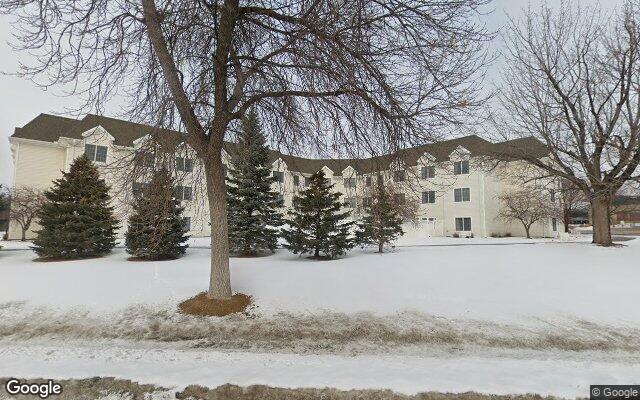
A large home, reviewed on public record.
Compared to 143 Minnesota facilities with a similar number of beds.
ALF memory care · 36-month window. Higher percentile = better performance on inspection record. Source: Minnesota Dept. of Health · Health Regulation Division.
among peers to rank.
Rankings based on 36-month MDH inspection data. Severity and frequency: fewer citations = higher percentile. Repeat rate: lower repeat citation share = higher percentile.
Citation history, plotted month by month.
1 deficiency on record. Each bar is a month with a citation.
Finding distribution
1 total · 36 monthsScope × Severity (CMS A–L)
Questions to ask before you visit.
A short pre-tour checklist tailored to Sunrise of Edina's record and state requirements.
The most recent Minnesota Department of Health inspection on January 13, 2023 found zero deficiencies across 2 reports on file — can you walk us through how the community maintains compliance with Minnesota Statute Chapter 144G Assisted Living with Dementia Care requirements, and what internal quality-assurance processes are in place?
Ask the operator on tour. Take notes and compare answers across facilities you visit.
One complaint was filed with MDH during the inspection period on record — was that complaint substantiated, and if so, what corrective action plan did the facility implement in response?
Ask the operator on tour. Take notes and compare answers across facilities you visit.
Minnesota Chapter 144G requires facilities with dementia care licensure to maintain written policies on resident assessment and individualized service planning — can you provide a copy of those written policies and show us how they are implemented for residents with memory loss?
Ask the operator on tour. Take notes and compare answers across facilities you visit.
Every inspection visit, verbatim.
5 inspections in the public record, most recent first. Plain-language summaries open first — click into any row for the full citation text.
2025-10-24Annual Compliance VisitNo findings
Plain-language summary
A follow-up inspection on December 29, 2025 found that the facility had not corrected a background studies violation from the prior October 24, 2025 survey, resulting in a $500 fine. The facility is otherwise in substantial compliance and must document the actions it takes to correct this violation in its records.
Read full citation textHide full citation text
Read raw inspector notesClose inspector notes
correction orders issued pursuant to the October 24, 2025 survey. The Department of Health concludes the licensee is in substantial compliance. State law requires the facility must take action to correct the state correction orders and document the actions taken to comply in the facility's records. The Department reserves the right to return to the facility at any time should the Department receive a complaint or deem it necessary to ensure the health, safety, and welfare of residents in your care. In accordance with Minn. Stat. § 144G.31 Subd. 4 (a), state correction orders issued pursuant to the last survey, completed on October 24, 2025, found not corrected at the time of the December 29, 2025, follow-up survey and/ or subject to penalty assessment are as follows: 1290-Background Studies Required- 144g.60 Subdivision 1 - $500.00 The details of the violations noted at the time of this follow-up survey completed on December 29, 2025 (listed above), are on the attached State Form. Brackets around the ID Prefix Tag in the left hand column, e.g., {2 ----} will identify the uncorrected tags. Therefo re , in acc ordanc e with Minn. Stat. §§ 144 G.01 to 144G .99 99 , the total amount you are assessed is $500.00. You will be invoiced approximately 30 days after receipt of this notice, subject to appeal. DOCUMENTATIO ONF ACTION TO COMPLY In accordance with Minn. Stat. § 144G.30, Subd. 5(c), the licensee must document actions taken to comply with the correction orders outlined on the state form; however, plans of correction are not required to be submitted for approval. IMPOSITION OF FINES In accordance with Minn. Stat. § 144G.31, Subd. 4, fines and enforcement actions may be imposed based on the level and scope of the violations and may be imposed immediately with no opportunity to correct the violation first as follows: Level 1: no fines or enforcement; An equal opportunity employer. Letter ID: 8GKP Revised 04/14/2023 Sunrise of Edina January 21, 2026 Page 2 Level 2: a fine of $500 per violation, in addition to any enforcement mechanism authorized in § 144G.20; Level 3: a fine of $1,000 per incident, in addition to any enforcement mechanism authorized in § 144G.20; Level 4: a fine of $3,000 per incident, in addition to any enforcement mechanism authorized in § 144G.20; Level 5: a fine of $5,000 per violation, in addition to any enforcement mechanism authorized in § 144G.20. CORRECTIO NORDER RECONSIDERATIO PNROCESS In accordance with Minn. Stat. § 144G.32, Subd. 2, you may challenge the correction order( s) issued, including the level and scope, and any fine assessed through the correction order reconsideration process. The request for reconsideration must be in writing and received by MDH within 15 calendar days of the correction order receipt date. To submit a reconsideration request, please visit: https: / / forms. web. health. state. mn. us/ form/ HRDAppealsForm REQUESTIN GA HEARING Alternatively, in accordance with Minn. Stat. § 144G.31, Subd. 5(d), an assisted living provider that has been assessed a fine under this subdivision has a right to a reconsideration or a hearing under this section and chapter 14. Pursuant to Minn. Stat. § 144G.20, Subd. 14 and Subd. 18, a request for a hearing must be in writing and received by the Department of Health within 15 business days of the correction order receipt date. The request must contain a brief and plain statement describing each matter or issue contested and any new information you believe constitutes a defense or mitigating factor. To submit a hearing request, please visit: https: / / forms. web. health. state. mn. us/ form/ HRDAppealsForm To appea l fines via rec onsiderati o n, ple ase fol lo w the pro cedure outlined abo ve. Please no te tha t you may reques t a reco ns ide ratio n or a he aring, but no t bo th. If you wish to conte st tags witho ut fines in a reconsideration and tags with the fines at a hearing, please submit two separate appeals forms at the website listed above. We urge you to review these orders carefully. If you have questions, please contact Jess Schoenecker at You are encouraged to retain this document for your records. It is your responsibility to share the information contained in the letter and/ or state form with your organization’s Governing Body. Sincerely, Jess Schoenecker, Supervisor State Evaluation Team Email: Jess.Schoenecker@state. mn.us Telephone: 651-201-3789 Fax: 1-866-890-9290 CLN PRINTED: 01/ 21/ 2026 FORM APPROVED STATEMENT OF DEFICIENCIES (X1) PROVIDER/ SUPPLIER/ CLIA (X2) MULTIPLE CONSTRUCTION (X3) DATE SURVEY AND PLAN OF CORRECTION IDENTIFICATION NUMBER: COMPLETED A. BUILDING: ______________________ R B. WING _____________________________ 21787 12/ 29/ 2025 NAME OF PROVIDER OR SUPPLIER STREET ADDRESS, CITY, STATE, ZIP CODE 7128 FRANCE AVENUE SOUTH SUNRISE OF EDINA EDINA, MN 55435 SUMMARY STATEMENT OF DEFICIENCIES PROVIDER' S PLAN OF CORRECTION (X4) ID ID (X5) PREFIX (EACH DEFICIENCY MUST BE PRECEDED BY FULL PREFIX (EACH CORRECTIVE ACTION SHOULD BE COMPLETE REGULATORY OR LSC IDENTIFYING INFORMATION) CROSS- REFERENCED TO THE APPROPRIATE DATE TAG TAG DEFICIENCY) {0 000} Initial Comments {0 000} ******ATTENTION****** Minnesota Department of Health is documenting the State Correction Orders ASSISTED LIVING PROVIDER FOLLOW UP using federal software. Tag numbers have SURVEY WITH RE- ISSUE OF ORDERS been assigned to Minnesota State Statutes for Assisted Living Facilities. The INITIAL COMMENTS assigned tag number appears in the SL21787016- 1 far-left column entitled "ID Prefix Tag. " The state Statute number and the On December 29, 2025, the Minnesota corresponding text of the state Statute out Department of Health conducted a follow-up of compliance is listed in the "Summary survey at the above provider to follow-up on Statement of Deficiencies" column. This orders issued pursuant to a survey completed on column also includes the findings which October 24, 2025. Ate the time of the survey, are in violation of the state requirement there were 63 residents; 63 receiving services after the statement, "This Minnesota under the Assisted Living with Dementia Care requirement is not met as evidenced by." license. As a result of the follow-up survey, the Following the evaluators' findings is the following orders were issued and/ or reissued. Time Period for Correction. PLEASE DISREGARD THE HEADING OF THE FOURTH COLUMN WHICH STATES, "PROVIDER' S PLAN OF CORRECTION. " THIS APPLIES TO FEDERAL DEFICIENCIES ONLY. THIS WILL APPEAR ON EACH PAGE. THERE IS NO REQUIREMENT TO SUBMIT A PLAN OF CORRECTION FOR VIOLATIONS OF MINNESOTA STATE STATUTES. THE LETTER IN THE LEFT COLUMN IS USED FOR TRACKING PURPOSES AND REFLECTS THE SCOPE AND LEVEL ISSUED PURSUANT TO 144G. 31 SUBDIVISION 1-3. {0 420} 144G. 40 Subdivision 1 Responsibility for housing {0 420} SS= F and services LABORATORY DIRECTOR' S OR PROVIDER/ SUPPLIER REPRESENTATIVE' S SIGNATURE TITLE (X6) DATE STATE FORM 6899 49EN12 If continuation sheet 1 of 21 PRINTED: 01/ 21/ 2026 FORM APPROVED STATEMENT OF DEFICIENCIES (X1) PROVIDER/ SUPPLIER/ CLIA (X2) MULTIPLE CONSTRUCTION (X3) DATE SURVEY AND PLAN OF CORRECTION IDENTIFICATION NUMBER: COMPLETED A. BUILDING: ______________________ R B. WING _____________________________ 21787 12/ 29/ 2025 NAME OF PROVIDER OR SUPPLIER STREET ADDRESS, CITY, STATE, ZIP CODE 7128 FRANCE AVENUE SOUTH SUNRISE OF EDINA EDINA, MN 55435 SUMMARY STATEMENT OF DEFICIENCIES PROVIDER' S PLAN OF CORRECTION (X4) ID ID (X5) PREFIX (EACH DEFICIENCY MUST BE PRECEDED BY FULL PREFIX (EACH CORRECTIVE ACTION SHOULD BE COMPLETE REGULATORY OR LSC IDENTIFYING INFORMATION) CROSS- REFERENCED TO THE APPROPRIATE DATE TAG TAG DEFICIENCY) {0 420} Continued From page 1 {0 420} The facility is directly responsible to the resident for all housing and service- related matters provided, irrespective of a management contract. Housing and service- related matters include but are not limited to the handling of complaints, the provision of notices, and the initiation of any adverse action against the resident involving housing or services provided by the facility. This MN Requirement is not met as evidenced by: Not evaluated this survey {0 480} 144G. 41 Subdivision 1 Subd. 1a (a-b) Minimum {0 480} SS= F requirements; required food services (a) Except as provided in paragraph (b), food must be prepared and served according to the Minnesota Food Code, Minnesota Rules, chapter 4626. (b) For an assisted living facility with a licensed capacity of ten or fewer residents: (1) notwithstanding Minnesota Rules, part 4626.
2025-10-16Complaint InvestigationNo findings
Plain-language summary
The Minnesota Department of Health investigated a complaint that the facility neglected a resident by failing to follow the plan of care, which resulted in a toe wound that required partial amputation after hospitalization. The investigation concluded that neglect was not substantiated because the four-day delay in assessing the wound was an isolated error and the wound's cause from chronic health conditions would not have changed treatment if caught earlier. The facility was found in noncompliance and must submit a correction plan.
Read full citation textHide full citation text
Read raw inspector notesClose inspector notes
Finding: Not Substantiated Nature of Investigation: The Minnesota Department of Health investigated an allegation of maltreatment, in accordance with the Minnesota Reporting of Maltreatment of Vulnerable Adults Act, Minn. Stat. 626.557, and to evaluate compliance with applicable licensing standards for the provider type. Initial Investigation Allegation(s): The facility neglected the resident when the resident’s plan of care was not followed resulting in a hospitalization due to a wound to the resident’s toe. Investigative Findings and Conclusion: The Minnesota Department of Health determined neglect was not substantiated. Although the resident sustained a wound to his right toe and the facility failed to assess the wound for four days, the error was an isolated incident. Etiology of the wound was from chronic health conditions and would not have changed the treatment if the facility assessed the wound four days prior. The resident was sent to the hospital and had a partial amputation completed to the toe. The investigator conducted interviews with facility staff members, including administrative staff, nursing staff, and unlicensed staff. The investigation included review of the resident records, hospital records, facility, staff schedules, and related facility policy and procedures. Also, the investigator observed staff and resident interactions. The resident resided in an assisted living facility. The resident’s diagnoses included psychoactive substance abuse, opioid abuse, bipolar disorder, and depression. The resident’s service plan included assistance with applying and removing compression wraps, toileting, observing skin for changes, and bathing. The resident’s assessment indicated the resident had impaired cognition related to stroke and drug use. The resident’s assessment indicated the resident’s skin was at risk for breakdown because of impaired mobility, blood circulation issues, and edema. The resident’s medical record indicated one day the resident was found with a new open area on his foot. The medical record indicated in the days prior to the resident’s toe wound being found, the resident had no skin concerns. The medical record indicated four days after the open area was found, the resident was sent to the hospital for further evaluation. The resident’s medical record lacked a wound assessment completed by a nurse. The hospital record indicated the resident’s toe wound was “likely” from drug abuse that caused skin tissue damage and osteomyelitis (an infection of the bone). The resident required a partial big toe amputation and was discharged back to the facility. During an interview, unlicensed personnel stated they were assisting the resident with removing his compression stockings and observed an open area on his right big toe. The area was cleansed with soap and water. The unlicensed personnel stated they made a note in the resident’s medical record about the wound. The wound was found a few days prior to the resident going to the hospital. During an interview, nursing leadership stated nursing was alerted to the resident’s wound by another unlicensed personnel four days after it was documented the resident’s medical record. The facility’s medical provider assessed the resident’s wound, and the resident was transported to the hospital for further evaluation. During an interview, a family member stated the resident’s toe was amputated because of an infection. The family member stated the resident was transferred to a higher level of care. In conclusion, the Minnesota Department of Health determined neglect was not substantiated. “Not Substantiated” means: An investigatory conclusion indicating the preponderance of evidence shows that an act meeting the definition of maltreatment did not occur. Neglect: Minnesota Statutes, section 626.5572, subdivision 17 “Neglect” means neglect by a caregiver or self-neglect. (a) "Caregiver neglect" means the failure or omission by a caregiver to supply a vulnerable adult with care or services, including but not limited to, food, clothing, shelter, health care, or supervision which is: (1) reasonable and necessary to obtain or maintain the vulnerable adult's physical or mental health or safety, considering the physical and mental capacity or dysfunction of the vulnerable adult; and (2) which is not the result of an accident or therapeutic conduct. Vulnerable Adult interviewed: No. The resident no longer resided at the facility. Family/Responsible Party interviewed: Yes. Alleged Perpetrator interviewed: Not Applicable. the Action taken by facility: The facility requested a medical provider to evaluate the resident’s toe and transported the resident to the hospital for further evaluation. Action taken by the Minnesota Department of Health: The facility was found to be in noncompliance. To view a copy of the Statement of Deficiencies and/or correction orders, please visit: https://www.health.state.mn.us/facilities/regulation/directory/provcompselect.html If you are viewing this report on the MDH website, please see the attached Statement of Deficiencies. You may also call 651-201-4200 to receive a copy via mail or email cc: The Office of Ombudsman for Long Term Care The Office of Ombudsman for Mental Health and Developmental Disabilities PRINTED: 10/22/2025 FORM APPROVED STATEMENT OF DEFICIENCIES (X1) PROVIDER/SUPPLIER/CLIA (X2) MULTIPLE CONSTRUCTION (X3) DATE SURVEY AND PLAN OF CORRECTION IDENTIFICATION NUMBER: COMPLETED A. BUILDING: ______________________ C B. WING _____________________________ 21787 08/26/2025 NAME OF PROVIDER OR SUPPLIER STREET ADDRESS, CITY, STATE, ZIP CODE 7128 FRANCE AVENUE SOUTH SUNRISE OF EDINA EDINA, MN 55435 SUMMARY STATEMENT OF DEFICIENCIES PROVIDER'S PLAN OF CORRECTION (X4) ID ID (X5) (EACH DEFICIENCY MUST BE PRECEDED BY FULL (EACH CORRECTIVE ACTION SHOULD BE COMPLETE PREFIX PREFIX REGULATORY OR LSC IDENTIFYING INFORMATION) CROSS-REFERENCED TO THE APPROPRIATE DATE TAG TAG DEFICIENCY) 0 000 Initial Comments 0 000 ******ATTENTION****** Minnesota Department of Health is documenting the State Correction Orders ASSISTED LIVING PROVIDER CORRECTION using federal software. Tag numbers have ORDER been assigned to Minnesota State Statutes for Assisted Living Facilities. The In accordance with Minnesota Statutes, section assigned tag number appears in the 144G.08 to 144G.95, these correction orders are far-left column entitled "ID Prefix Tag." issued pursuant to a complaint investigation. The state Statute number and the corresponding text of the state Statute out Determination of whether a violation is corrected of compliance is listed in the "Summary requires compliance with all requirements Statement of Deficiencies" column. This provided at the statute number indicated below. column also includes the findings which When a Minnesota Statute contains several are in violation of the state requirement items, failure to comply with any of the items will after the statement, "This Minnesota be considered lack of compliance. requirement is not met as evidenced by." Following the evaluators' findings is the INITIAL COMMENTS: Time Period for Correction. HL217874102M/HL217877987C PLEASE DISREGARD THE HEADING OF THE FOURTH COLUMN WHICH On August 26, 2025, the Minnesota Department STATES,"PROVIDER'S PLAN OF of Health conducted a complaint investigation at CORRECTION." THIS APPLIES TO the above provider, and the following correction FEDERAL DEFICIENCIES ONLY. THIS orders are issued. At the time of the complaint WILL APPEAR ON EACH PAGE. investigation, there were 62 residents receiving services under the provider's Assisted Living with THERE IS NO REQUIREMENT TO Dementia Care license. SUBMIT A PLAN OF CORRECTION FOR VIOLATIONS OF MINNESOTA STATE The following correction order is issued for STATUTES. HL217874102M/HL217877987C, tag identification 1620. THE LETTER IN THE LEFT COLUMN IS USED FOR TRACKING PURPOSES AND REFLECTS THE SCOPE AND LEVEL ISSUED PURSUANT TO 144G.31 SUBDIVISION 1-3. 01620 144G.70 Subd. 2 (c-e) Initial reviews, 01620 SS=D assessments, and monitoring LABORATORY DIRECTOR'S OR PROVIDER/SUPPLIER REPRESENTATIVE'S SIGNATURE TITLE (X6) DATE STATE FORM 6899 6LPL11 If continuation sheet 1 of 5 PRINTED: 10/22/2025 FORM APPROVED STATEMENT OF DEFICIENCIES (X1) PROVIDER/SUPPLIER/CLIA (X2) MULTIPLE CONSTRUCTION (X3) DATE SURVEY AND PLAN OF CORRECTION IDENTIFICATION NUMBER: COMPLETED A. BUILDING: ______________________ C B. WING _____________________________ 21787 08/26/2025 NAME OF PROVIDER OR SUPPLIER STREET ADDRESS, CITY, STATE, ZIP CODE 7128 FRANCE AVENUE SOUTH SUNRISE OF EDINA EDINA, MN 55435 SUMMARY STATEMENT OF DEFICIENCIES PROVIDER'S PLAN OF CORRECTION (X4) ID ID (X5) (EACH DEFICIENCY MUST BE PRECEDED BY FULL (EACH CORRECTIVE ACTION SHOULD BE COMPLETE PREFIX PREFIX REGULATORY OR LSC IDENTIFYING INFORMATION) CROSS-REFERENCED TO THE APPROPRIATE DATE TAG TAG DEFICIENCY) 01620 Continued From page 1 01620 (a) Residents who are not receiving any assisted living services shall not be required to undergo an initial nursing assessment. (b) An assisted living facility shall conduct a nursing assessment by a registered nurse of the physical and cognitive needs of the prospective resident and propose a temporary service plan prior to the date on which a prospective resident executes a contract with a facility or the date on which a prospective resident moves in, whichever is earlier.
2025-02-12Complaint InvestigationNo findings
Plain-language summary
A complaint investigation found the facility neglected a resident with diabetes and mobility limitations by failing to reposition him and prevent pressure sores, resulting in a hip pressure sore that grew from 1.5 centimeters to 7 centimeters over two weeks, became infected with severe sepsis, and led to hospitalization and the resident's death. Nursing staff identified the initial pressure sore but did not implement required repositioning interventions every two hours or keep the resident off his left hip despite clear direction from the outside home care agency. The resident also developed additional pressure sores and skin damage related to inadequate hygiene and catheter care.
Read full citation textHide full citation text
Read raw inspector notesClose inspector notes
Finding: Substantiated, facility responsibility Nature of Investigation: The Minnesota Department of Health investigated an allegation of maltreatment, in accordance with the Minnesota Reporting of Maltreatment of Vulnerable Adults Act, Minn. Stat. 626.557, and to evaluate compliance with applicable licensing standards for the provider type. Initial Investigation Allegation(s): The facility neglected the resident when the resident developed a pressure sore on his left hip. The facility failed to provide repositioning assistance and the pressure sore worsened. The resident required hospitalization. Investigative Findings and Conclusion: The Minnesota Department of Health determined neglect was substantiated. The facility was responsible for the maltreatment. The facility identified the resident had a new pressure sore on his left hip and failed to develop and implement interventions to prevent the pressure sore from worsening. Over approximately two weeks, the pressure sore more than tripled in size and became infected. The resident required hospitalization for severe sepsis (life-threatening infection) secondary to the pressure sore on his hip. In addition, during the same time, the resident developed additional pressure sores and skin tears. The investigator conducted interviews with facility staff members, including administrative staff, nursing staff, and unlicensed staff. The investigator contacted the outside home care agency and the resident's family. The investigation included a review of medical records from the facility, hospital, outside home care, and primary care providers. The investigation included a review of staff records and related facility policies. In addition, the investigator observed staff members provide care to other residents. The resident resided in an assisted living facility with diagnoses including diabetes. The resident's service plan indicated the resident was blind and required staff assistance with all personal care, including mobility with two staff members and a mechanical lift, repositioning three to four times a shift to prevent pressure sores, catheter care, and skin care. The resident's assessment indicated the resident was frail and at risk of skin breakdown, pressure sores, and poor wound healing. Unlicensed staff notified facility nursing staff the resident had a new open area on his left hip. Nursing staff assessed the left hip and observed a new pressure sore described as pink with a tinge of red and measured 1.5 centimeters (cm) length x 1.0 centimeters width and zero depth. The resident complained of pain around the sore during care and repositioning. Nursing staff cleansed the sore, applied barrier cream and covered the sore with a band aid and indicated the outside home care nurse would follow up. The next day an outside home care agency nurse assessed the resident's left hip and indicated a new unstageable, necrotic (dead or non-viable tissue), pressure sore measuring 0.7 cm x 1 cm x 0.1 cm. The nurse covered the pressure sore and visited again the same week. The following week the residents medical record indicated nursing staff assessed the pressure sore and observed a small amount of thick and foul-smelling drainage from the pressure sore. No new interventions were added to the resident's plan of care. Three days later the outside home care agency indicated the resident’s pressure sore on the left hip measured 7 cm x 5 cm x 0.2 cm. The outside nurse directed the resident and staff to have the resident stay off his left hip and turn and reposition the resident every two hours. There was no indication the intervention was implemented or that direction was given to staff to ensure the resident was repositioned every two hours and stayed off his left hip. Three days later the residents medical record indicated a facility nurse applied a new dressing to the pressure sore and observed a moderate amount of foul-smelling drainage from the pressure sore. There was no indication the nurse reported the change in the resident’s pressure ulcer to the physician. The next day the outside home care agency records indicated the outside agency came to the facility to see the resident. The residents left hip wound appeared worse and the resident had several new wounds on the buttocks, testicles and penis. The home care nurse notified the on-call provider who directed the resident go to the hospital. The hospital record indicated suspicion of necrotizing infection and severe sepsis secondary to the left hip pressure sore. The hospital records indicated the resident had newer pressure sores to the right ankle, right foot, and left heel. The resident's buttocks, coccyx, and right hip had redness and scabbing. The resident's penis and scrotum had scattered areas of necrotic tissue related to pressure and moisture from the residents indwelling urinary catheter. The hospital record indicated the resident’s left hip pressure sore would not respond to antibiotics and the resident would require surgical intervention. The resident declined surgical intervention and returned to the facility 5 days later with end-of-life care. The resident’s death record indicated the resident died of natural causes with contributing factors including infected pressure ulcer left hip. During interviews with the outside home care agency staff, they stated when they came to the facility, they usually found the resident lying in bed on his left side. The home care staff stated they had frequent discussions with facility staff about the importance of repositioning the resident every two hours and ensuring the resident was not laying on his left side. They also stated the staff were not completing adequate hygiene of the resident and the indwelling urinary catheter. During interviews multiple unlicensed facility staff stated they made frequent verbal and written reports to facility nursing staff regarding changes in the resident's skin condition including redness, open areas, and skin tears. During interview a facility nurse stated the resident received daily wound care for the left hip pressure sore which was in addition to the outside home care agency. The nurse stated the facility did not document the daily wound care that was completed, nor did the facility have physician orders on the care to provide to the residents left hip pressure sore during that time. During interview facility leadership stated although the residents medical record lacked documentation regarding the frequency of repositioning, leadership stated they were confident the staff provided repositioning three to four times per shift because staff were always in the resident’s apartment. Leadership stated the facility documentation in the resident’s medical record regarding the resident’s left hip sore were notes made by the outside home care agency that was copy and pasted into the resident’s facility medical record. Leadership stated they had no documentation of obtaining a specialized mattress for the resident, a bed rail, or cushion for the wheelchair prior to the resident’s hospitalization. Leadership stated they had no further information available regarding physician orders for wound care, staff training, and orientation specific to resident-changing needs and skin care. In conclusion, the Minnesota Department of Health determined neglect was substantiated. Substantiated: Minnesota Statutes, section 626.5572, Subdivision 19. “Substantiated” means a preponderance of evidence shows that an act that meets the definition of maltreatment occurred. Neglect: Minnesota Statutes, section 626.5572, subdivision 17 “Neglect” means neglect by a caregiver or self-neglect. (a) "Caregiver neglect" means the failure or omission by a caregiver to supply a vulnerable adult with care or services, including but not limited to, food, clothing, shelter, health care, or supervision which is: (1) reasonable and necessary to obtain or maintain the vulnerable adult's physical or mental health or safety, considering the physical and mental capacity or dysfunction of the vulnerable adult; and (2) which is not the result of an accident or therapeutic conduct. Vulnerable Adult interviewed: No, deceased Family/Responsible Party interviewed: Yes Alleged Perpetrator interviewed: Not Applicable Action taken by facility: Provided education for proper documentation of services. Action taken by the Minnesota Department of Health: The responsible party will be notified of their right to appeal the maltreatment finding. The facility was found to be in noncompliance. To view a copy of the Statement of Deficiencies and/or correction orders, please visit: https://www.health.state.mn.us/facilities/regulation/directory/provcompselect.html If you are viewing this report on the MDH website, please see the attached Statement of Deficiencies. You may also call 651-201-4200 to receive a copy via mail or email. cc: The Office of Ombudsman for Long Term Care The Office of Ombudsman for Mental Health and Developmental Disabilities Hennepin County Attorney Edina City Attorney Edina Police Department Minnesota Board of Nursing PRINTED: 02/12/2025 FORM APPROVED STATEMENT OF DEFICIENCIES (X1) PROVIDER/SUPPLIER/CLIA (X2) MULTIPLE CONSTRUCTION (X3) DATE SURVEY AND PLAN OF CORRECTION IDENTIFICATION NUMBER: COMPLETED A. BUILDING: ______________________ C B.
2025-02-05Complaint InvestigationNo findings
Plain-language summary
A complaint investigation into a resident's falls found that the facility was not negligent—staff followed the resident's care plan, performed regular safety checks, and implemented fall precautions as required, and there was insufficient evidence to show the facility failed to provide necessary supervision or care. The resident, who had a history of falls and dementia, fell twice on the same day in January 2025 and sustained serious injuries requiring hospitalization; the facility immediately contacted family and collaborated on her care. No further action was taken by the Minnesota Department of Health.
Read full citation textHide full citation text
Read raw inspector notesClose inspector notes
Finding: Not Substantiated Nature of Investigation: The Minnesota Department of Health investigated an allegation of maltreatment, in accordance with the Minnesota Reporting of Maltreatment of Vulnerable Adults Act, Minn. Stat. 626.557, and to evaluate compliance with applicable licensing standards for the provider type. Initial Investigation Allegation(s): The facility neglected the resident when they failed to provide fall precautions after the resident previously had unwitnessed falls in her apartment. The resident then fell again and sustained injuries that required advanced care and intensive care hospitalization. Investigative Findings and Conclusion: The Minnesota Department of Health determined neglect was not substantiated. The facility followed the care plan, performed safety checks, and implemented fall precautions as directed. There was not a preponderance of evidence to support that the actions of the facility staff met the definition of neglect. The investigator conducted interviews with facility staff members, including nursing staff. The investigation included review of the resident record, the facility internal incident reports, personnel files, employee training files, and facility policy and procedures. The investigator also toured the facility and observed staff members interacting with residents. The resident resided in an assisted living facility memory care unit. The resident’s diagnoses included dementia, psychotic disturbance, and anxiety. The resident’s service plan included assistance with all activities of daily living, routine safety checks, and medication administration. The resident’s assessment indicated the resident had a history of unwitnessed falls with injury and required supervision due to impaired cognition. Records reviewed indicated the resident had history of falls with injury at her home prior to her admission to the assisted living. Records further indicated that the resident was independent with ambulation upon admission to the facility, although at times showed signs of compulsive behavior when attempting to assist facility staff with tasks. In the weeks and days leading up to the injury, facility staff recorded unwitnessed falls that had occurred in both common areas of the memory care unit and the resident’s apartment. The day of the incident, two separate unwitnessed falls occurred. The resident first fell in her apartment and facility notes indicated that the resident reported to staff that she was making her bed when she tripped on something and fall. Later that afternoon, staff members found the resident on the floor in her apartment, and she appeared to have lost consciousness. The facility collaborated with the resident’s family, and it was decided that she should be transported to a local hospital for evaluation. The resident was found to have significant brain and back injuries and upon returning to the facility days later, was admitted to Hospice care. During an interview, a registered nurse (RN) stated she was aware of the resident’s history of falls prior to admission to the facility. Continuous revisions to the resident’s care plan were made throughout her admission to ensure safety, which including increased safety checks when the resident was in her apartment and not engaging in activities in the common area. The nurse stated that she witnessed the resident abruptly falling with no warning and facility staff were aware of this and increased supervision and monitoring of the resident. During an interview, a family member stated that they were contacted and informed of the incidents by the facility and that they had no concern with care provided by the facility. In conclusion, the Minnesota Department of Health determined neglect was not substantiated. “Not Substantiated” means: An investigatory conclusion indicating the preponderance of evidence shows that an act meeting the definition of maltreatment did not occur. Neglect: Minnesota Statutes, section 626.5572, subdivision 17 “Neglect” means neglect by a caregiver or self-neglect. (a) "Caregiver neglect" means the failure or omission by a caregiver to supply a vulnerable adult with care or services, including but not limited to, food, clothing, shelter, health care, or supervision which is: (1) reasonable and necessary to obtain or maintain the vulnerable adult's physical or mental health or safety, considering the physical and mental capacity or dysfunction of the vulnerable adult; and (2) which is not the result of an accident or therapeutic conduct. Vulnerable Adult interviewed: No, Unable Family/Responsible Party interviewed: Yes Alleged Perpetrator interviewed: N/A Action taken by facility: The nursing staff identified fall vulnerabilities in the nursing assessments and addressed ongoing precautions in the care plan to identify potential and actual risk for falls and injury. Action taken by the Minnesota Department of Health: No further action taken at this time. cc: The Office of Ombudsman for Long Term Care The Office of Ombudsman for Mental Health and Developmental Disabilities PRINTED: 02/11/2025 FORM APPROVED STATEMENT OF DEFICIENCIES (X1) PROVIDER/SUPPLIER/CLIA (X2) MULTIPLE CONSTRUCTION (X3) DATE SURVEY AND PLAN OF CORRECTION IDENTIFICATION NUMBER: COMPLETED A. BUILDING: ______________________ C B. WING _____________________________ 21787 01/13/2025 NAME OF PROVIDER OR SUPPLIER STREET ADDRESS, CITY, STATE, ZIP CODE 7128 FRANCE AVENUE SOUTH SUNRISE OF EDINA EDINA, MN 55435 SUMMARY STATEMENT OF DEFICIENCIES PROVIDER'S PLAN OF CORRECTION (X4) ID ID (X5) PREFIX (EACH DEFICIENCY MUST BE PRECEDED BY FULL PREFIX (EACH CORRECTIVE ACTION SHOULD BE COMPLETE REGULATORY OR LSC IDENTIFYING INFORMATION) CROSS-REFERENCED TO THE APPROPRIATE DATE TAG TAG DEFICIENCY) 0 000 Initial Comments 0 000 On January 13, 2025, the Minnesota Department of Health initiated an investigation of complaint ##HL217879472C/#HL217876286M. No correction orders are issued LABORATORY DIRECTOR'S OR PROVIDER/SUPPLIER REPRESENTATIVE'S SIGNATURE TITLE (X6) DATE STATE FORM 6899 QWRM11 If continuation sheet 1 of 1
2024-03-07Complaint InvestigationSubstantiated Finding · 1 finding
Plain-language summary
A complaint investigation found the facility neglected a resident by failing to obtain three mood-regulating medications for 16 days and another mood-regulating medication for 42 days after admission, causing the resident to experience increased anxiety, agitation, and delusions. The investigation determined facility staff had communication breakdowns with the pharmacy over co-pay issues and did not implement adequate processes to track missing medications. The facility implemented new procedures requiring nurses to review daily medication reports, and the facility was cited for noncompliance.
Read full citation text (1)Hide full citation text
“MDH substantiated maltreatment or licensing violation finding”
Read raw inspector notesClose inspector notes
Finding: Substantiated, facility responsibility Nature of Investigation: The Minnesota Department of Health investigated an allegation of maltreatment, in accordance with the Minnesota Reporting of Maltreatment of Vulnerable Adults Act, Minn. Stat. 626.557, and to evaluate compliance with applicable licensing standards for the provider type. Initial Investigation Allegation(s): The facility neglected the resident when they failed to administer the resident’s medications as ordered. Investigative Findings and Conclusion: The Minnesota Department of Health determined neglect was substantiated. The facility was responsible for the maltreatment. The facility failed to obtain the residents three prescription, mood regulating medications for 16 days, and failed to obtain another mood regulating medication for 42 days. The resident experienced increased anxiety, agitation, and delusions during the time the resident did not receive the prescribed mood regulating medications. The investigator conducted interviews with facility staff members, including administrative staff, nursing staff, and unlicensed staff. The investigation included review of medical records, staffing records, and policy. The investigator observed staff members providing care to residents at the facility. The resident resided in an assisted living facility. The resident’s diagnoses included dementia and glaucoma. The resident’s service plan included assistance with decision making and medication management. The resident’s assessment indicated the resident took psychotropic medications (drugs that affect a person’s mental state) that required resident behavior monitoring. Review of resident medication orders indicated an order for a medicated patch to treat dementia (rivastigmine) to be applied daily, an oral pill (escitalopram oxalate) to treat depression daily at bedtime, an oral pill (olanzapine) to treat agitation daily at bedtime, and eyedrops (latanoprost ophthalmic) to treat glaucoma (pressure that damages the eye nerve) in both eyes daily at bedtime. Review of the resident’s medication administration record indicated the resident did not receive the medicated patch to treat dementia for the first 42 days of admission. The medication administration record also indicated the resident did not receive the medications for depression, agitation, glaucoma 16 of the first 22 days of admission. Progress notes from the 3rd day of admission indicated the facility contacted the pharmacy regarding the supply of the resident’s eyedrops for glaucoma and patch for dementia and the pharmacy informed the facility it was awaiting approval from the resident’s power of attorney due to high co-pay. Progress notes from the 16th day of admission indicated the facility contacted the resident’s spouse to inform him the facility was out of the resident’s medications and the pharmacy was not sending the medication due to high co-pay. Progress notes the 37th day of admission indicated a family member reported to facility staff concern for the resident because she was experiencing paranoia and notes the 39th day of admission indicated the facility contacted the pharmacy to obtain medications for the resident as soon as possible. During interview, an unlicensed staff stated during the time in question the resident’s mental state changed, and she became highly anxious and delusional. During interview, a second unlicensed staff stated she informed facility nurses the resident did not have a medication supply. The unlicensed staff stated there were process issues at the facility because staff were told to leave nurses notes regarding medication needs, but nurses would not always read the notes. During interview, a leadership staff stated during the time of the incident the facility had a “clumsy” medication process between receiving orders and information being sent to pharmacy. The leadership staff stated because of this incident the facility implemented a process where nurses review a daily report to ensure awareness around medications that were not given as ordered. During interview, a family member stated the resident would deteriorate to the point of shaking and being severely paranoid and anxious when she didn’t receive her prescribed medications. It was “very difficult” for family to witness the resident in such a state. In conclusion, the Minnesota Department of Health determined neglect was substantiated. Substantiated: Minnesota Statutes, section 626.5572, Subdivision 19. “Substantiated” means a preponderance of evidence shows that an act that meets the definition of maltreatment occurred. Neglect: Minnesota Statutes, section 626.5572, subdivision 17 “Neglect” means neglect by a caregiver or self-neglect. (a) "Caregiver neglect" means the failure or omission by a caregiver to supply a vulnerable adult with care or services, including but not limited to, food, clothing, shelter, health care, or supervision which is: (1) reasonable and necessary to obtain or maintain the vulnerable adult's physical or mental health or safety, considering the physical and mental capacity or dysfunction of the vulnerable adult; and (2) which is not the result of an accident or therapeutic conduct. Vulnerable Adult interviewed: No, resident deceased. Family/Responsible Party interviewed: Yes. Alleged Perpetrator interviewed: Not Applicable. Action taken by facility: Facility reviewed the incident and implemented additional processes, such as nurses reviewing daily reports of medications not given, to prevent future occurrences. Action taken by the Minnesota Department of Health: The responsible party will be notified of their right to appeal the maltreatment finding. The facility was found to be in noncompliance. To view a copy of the Statement of Deficiencies and/or correction orders, please visit: https://www.health.state.mn.us/facilities/regulation/directory/provcompselect.html If you are viewing this report on the MDH website, please see the attached Statement of Deficiencies. You may also call 651-201-4200 to receive a copy via mail or email. cc: The Office of Ombudsman for Long Term Care The Office of Ombudsman for Mental Health and Developmental Disabilities Hennepin County Attorney Edina City Attorney Edina Police Department PRINTED: 03/12/2024 FORM APPROVED STATEMENT OF DEFICIENCIES (X1) PROVIDER/SUPPLIER/CLIA (X2) MULTIPLE CONSTRUCTION (X3) DATE SURVEY AND PLAN OF CORRECTION IDENTIFICATION NUMBER: COMPLETED A. BUILDING: ______________________ C B. WING _____________________________ 21787 01/09/2024 NAME OF PROVIDER OR SUPPLIER STREET ADDRESS, CITY, STATE, ZIP CODE 7128 FRANCE AVENUE SOUTH SUNRISE OF EDINA EDINA, MN 55435 SUMMARY STATEMENT OF DEFICIENCIES PROVIDER'S PLAN OF CORRECTION (X4) ID ID (X5) PREFIX (EACH DEFICIENCY MUST BE PRECEDED BY FULL PREFIX (EACH CORRECTIVE ACTION SHOULD BE COMPLETE REGULATORY OR LSC IDENTIFYING INFORMATION) CROSS-REFERENCED TO THE APPROPRIATE DATE TAG TAG DEFICIENCY) 0 000 Initial Comments 0 000 ******ATTENTION****** ASSISTED LIVING PROVIDER CORRECTION ORDER In accordance with Minnesota Statutes, section 144G.08 to 144G.95, these correction orders are issued pursuant to a complaint investigation. Determination of whether a violation is corrected requires compliance with all requirements provided at the statute number indicated below. When a Minnesota Statute contains several items, failure to comply with any of the items will be considered lack of compliance. INITIAL COMMENTS: #HL217874405C /#HL217877666M #HL217874542C/ #HL217877668M On January 9, 2024, the Minnesota Department of Health conducted a complaint investigation at the above provider, and the following correction orders are issued. At the time of the complaint investigation, there were 63 residents receiving services under the provider's Assisted Living with Dementia Care license. The following correction order is issued for #HL217874405C/#HL217877666M, and #HL217874542C/#HL217877668M, tag identification 2360. 02360 144G.91 Subd. 8 Freedom from maltreatment 02360 Residents have the right to be free from physical, sexual, and emotional abuse; neglect; financial exploitation; and all forms of maltreatment LABORATORY DIRECTOR'S OR PROVIDER/SUPPLIER REPRESENTATIVE'S SIGNATURE TITLE (X6) DATE STATE FORM 6899 J9PS11 If continuation sheet 1 of 2 PRINTED: 03/12/2024 FORM APPROVED STATEMENT OF DEFICIENCIES (X1) PROVIDER/SUPPLIER/CLIA (X2) MULTIPLE CONSTRUCTION (X3) DATE SURVEY AND PLAN OF CORRECTION IDENTIFICATION NUMBER: COMPLETED A. BUILDING: ______________________ C B. WING _____________________________ 21787 01/09/2024 NAME OF PROVIDER OR SUPPLIER STREET ADDRESS, CITY, STATE, ZIP CODE 7128 FRANCE AVENUE SOUTH SUNRISE OF EDINA EDINA, MN 55435 SUMMARY STATEMENT OF DEFICIENCIES PROVIDER'S PLAN OF CORRECTION (X4) ID ID (X5) PREFIX (EACH DEFICIENCY MUST BE PRECEDED BY FULL PREFIX (EACH CORRECTIVE ACTION SHOULD BE COMPLETE REGULATORY OR LSC IDENTIFYING INFORMATION) CROSS-REFERENCED TO THE APPROPRIATE DATE TAG TAG DEFICIENCY) 02360 Continued From page 1 02360 covered under the Vulnerable Adults Act. This MN Requirement is not met as evidenced by: The facility failed to ensure two of two residents reviewed (R1,R2) were free from maltreatment. Findings include: The Minnesota Department of Health (MDH) issued a determination maltreatment occurred, and the facility was responsible for the maltreatment, in connection with incidents which occurred at the facility. Please refer to the public maltreatment reports for details. STATE FORM 6899 J9PS11 If continuation sheet 2 of 2
1 older inspection from 2023 are not shown above.
Get the complete record, translated into plain language — emailed to you.
Other facilities in Hennepin County.
Other memory care facilities in Hennepin County with similar care offerings.
Facility Watch · Premium
Family reviews
No reviews yet — be the first to share your experience
Other memory care options nearby.
More options in neighboring cities
Licensed memory care in other cities within this county region — useful when your search radius crosses city limits.