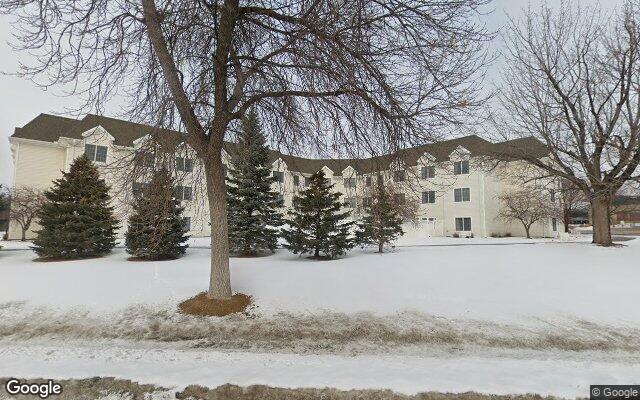
Brookdale Edina.
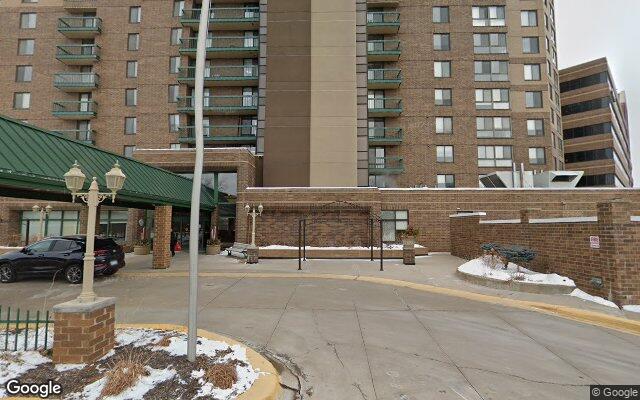
A large home, reviewed on public record.
Compared to 139 Minnesota facilities with a similar number of beds.
ALF memory care · 36-month window. Higher percentile = better performance on inspection record. Source: Minnesota Dept. of Health · Health Regulation Division.
among peers to rank.
Rankings based on 36-month MDH inspection data. Severity and frequency: fewer citations = higher percentile. Repeat rate: lower repeat citation share = higher percentile.
Citation history, plotted month by month.
1 deficiency on record. Each bar is a month with a citation.
Finding distribution
1 total · 36 monthsScope × Severity (CMS A–L)
Questions to ask before you visit.
A short pre-tour checklist tailored to Brookdale Edina's record and state requirements.
Minnesota Department of Health records show three complaints on file for this community — can you walk us through what those complaints were about, whether any were substantiated, and what corrective action plans you put in place?
Ask the operator on tour. Take notes and compare answers across facilities you visit.
The community holds an Assisted Living Facility with Dementia Care license under Minnesota Statutes chapter 144G with 377 licensed beds — can you explain how the dementia care program is structured across a building of this size, and how staff ensure continuity of care for residents with memory loss?
Ask the operator on tour. Take notes and compare answers across facilities you visit.
MDH records show three inspection reports on file but zero deficiencies cited — can you share copies of those inspection reports and walk us through how the facility maintains compliance with Minnesota's assisted living and dementia care regulations?
Ask the operator on tour. Take notes and compare answers across facilities you visit.
Every inspection visit, verbatim.
6 inspections in the public record, most recent first. Plain-language summaries open first — click into any row for the full citation text.
2026-04-03Complaint InvestigationNo findings
Plain-language summary
A complaint investigation into alleged financial exploitation by a staff member was not substantiated after the Minnesota Department of Health found that although three oxycodone tablets went missing from a resident's medication supply, the resident did not miss any doses and the facility reimbursed the cost of the missing pills. The investigation determined that the staff member failed to follow proper medication verification procedures at shift change but there was no evidence the pills were intentionally taken for personal gain. The resident and family members expressed no concerns about the care received.
Read full citation textHide full citation text
Read raw inspector notesClose inspector notes
Finding: Not Substantiated Nature of Investigation: The Minnesota Department of Health investigated an allegation of maltreatment, in accordance with the Minnesota Reporting of Maltreatment of Vulnerable Adults Act, Minn. Stat. 626.557, and to evaluate compliance with applicable licensing standards for the provider type. Initial Investigation Allegation(s): The alleged perpetrator (AP), a facility staff member, financially exploited the resident when three oxycodone tablets (a narcotic pain reliever) were discovered missing from the resident’s supply. Investigative Findings and Conclusion: The Minnesota Department of Health determined financial exploitation was not substantiated. Although narcotic medication went missing, the resident did not miss a dose of scheduled narcotic pain medication, and the facility reimbursed the resident for the missing medications. The investigator conducted interviews with facility staff members, including administrative staff, and nursing staff. The investigation included review of the resident records, facility internal investigation documents, facility incident reports, personnel files, law enforcement report, and related facility policy and procedures. Also, the investigator toured the facility and observed staff administering narcotic medication. The resident resided in an assisted living facility. The resident’s diagnoses included heart failure, kidney failure, Chronic Obstructive Pulmonary Disease (COPD). The resident’s service plan included assistance with activities of daily living including housekeeping, laundry, safety checks and medication management. The resident’s assessment indicated that the resident could communicate her needs. A review of the resident’s medical record indicated that the medication administration record was properly attested accurate by the AP and the off going staff person at the beginning of the AP’s evening shift that day. The AP documented during the shift that she had administered two tablets of the narcotic pain medication (Oxycodone) to the resident. The AP failed to follow facility policy at the end of the shift when she left the facility and did not allow for the oncoming shift to verify the count of the available medication before she left the facility. The oncoming staff conducted a count and identified that a total of five pills were dispensed from the resident’s supply during the AP’s shift although only two pills were documented in the electronic health record and the narcotic logbook record. When informed of the discrepancy, nursing staff questioned the AP who denied knowing anything about the three missing and unaccounted pills. The AP reported to nursing staff she did not release the keys to the locked narcotic storage area to any other person during the shift but admitted she did not follow protocol when leaving at the end of her assigned shift and failed to validate the narcotic supply with the oncoming staff. Police were notified of the incident. The investigation was closed as there was no witness or video evidence of the incident. The AP did not respond to requests for interview and did not respond to the subpoena request sent by the investigator. During an interview, an administrator stated that the AP denied knowledge of the whereabouts of the missing medication and continually denied involvement. The missing medication was not recovered. The facility worked with the resident’s pharmacy to identify the cost of the three missing pills and an equivalent onetime monetary credit was placed on the resident’s account. During an interview, the nurse stated the AP had been retrained on proper medication process and procedures prior to the incident. Upon notification of the incident, the nurse completed an internal medication audit and searched the facility, although the missing medication was not recovered. During the audit, the nurse was able to verify that the medication was prescribed to the resident on an as-needed basis to relieve pain and further verified that the resident had not missed any doses due to the incident. During an interview with the resident, she had no concerns over the care she had received. She had no knowledge of the missing medication, nor could she identify ever missing a dose of a requested medication while living at the facility. During an interview, a family member stated that they had knowledge of the incident as reported to them by the facility and had no further concerns over the care the resident has received at the facility. In conclusion, the Minnesota Department of Health determined financial exploitation was not substantiated. “Not Substantiated” means: An investigatory conclusion indicating the preponderance of evidence shows that an act meeting the definition of maltreatment did not occur. Financial exploitation: Minnesota Statutes, section 626.5572, subdivision 9 "Financial exploitation" means: (a) In breach of a fiduciary obligation recognized elsewhere in law, including pertinent regulations, contractual obligations, documented consent by a competent person, or the obligations of a responsible party under section 144.6501, a person: (1) engages in unauthorized expenditure of funds entrusted to the actor by the vulnerable adult which results or is likely to result in detriment to the vulnerable adult; or (2) fails to use the financial resources of the vulnerable adult to provide food, clothing, shelter, health care, therapeutic conduct or supervision for the vulnerable adult, and the failure results or is likely to result in detriment to the vulnerable adult. (b) In the absence of legal authority a person: (1) willfully uses, withholds, or disposes of funds or property of a vulnerable adult; (2) obtains for the actor or another the performance of services by a third person for the wrongful profit or advantage of the actor or another to the detriment of the vulnerable adult; (3) acquires possession or control of, or an interest in, funds or property of a vulnerable adult through the use of undue influence, harassment, duress, deception, or fraud; or (4) forces, compels, coerces, or entices a vulnerable adult against the vulnerable adult's will to perform services for the profit or advantage of another. Vulnerable Adult interviewed: Yes Family/Responsible Party interviewed: Yes Alleged Perpetrator interviewed: No. The AP did not respond to multiple attempts to interview. Action taken by facility: The alleged perpetrator was placed on suspension immediately and her employment was terminated following the investigation. Facility staff were provided education on the procedure for shift change narcotic count. Action taken by the Minnesota Department of Health: No further action taken at this time. cc: The Office of Ombudsman for Long Term Care The Office of Ombudsman for Mental Health and Developmental Disabilities PRINTED: 04/ 07/ 2026 FORM APPROVED STATEMENT OF DEFICIENCIES (X1) PROVIDER/ SUPPLIER/ CLIA (X2) MULTIPLE CONSTRUCTION (X3) DATE SURVEY AND PLAN OF CORRECTION IDENTIFICATION NUMBER: COMPLETED A. BUILDING: ______________________ C B. WING _____________________________ 20381 01/ 13/ 2026 NAME OF PROVIDER OR SUPPLIER STREET ADDRESS, CITY, STATE, ZIP CODE 3330 EDINBOROUGH WAY BROOKDALE EDINA EDINA, MN 55435 SUMMARY STATEMENT OF DEFICIENCIES PROVIDER' S PLAN OF CORRECTION (X4) ID ID (X5) PREFIX (EACH DEFICIENCY MUST BE PRECEDED BY FULL PREFIX (EACH CORRECTIVE ACTION SHOULD BE COMPLETE REGULATORY OR LSC IDENTIFYING INFORMATION) CROSS- REFERENCED TO THE APPROPRIATE DATE TAG TAG DEFICIENCY) 0 000 Initial Comments 0 000 On January 13, 2026, the Minnesota Department of Health initiated an investigation of complaint #HL203818702C/ #HL203818042M. No correction orders are issued. LABORATORY DIRECTOR' S OR PROVIDER/ SUPPLIER REPRESENTATIVE' S SIGNATURE TITLE (X6) DATE STATE FORM 6899 ZM8Q11 If continuation sheet 1 of 1
2024-12-12Annual Compliance VisitNo findings
Plain-language summary
A standard inspection on December 12, 2024 found that the facility did not comply with Minnesota's requirement for background studies, resulting in a $3,000 fine assessed at Level 3. The facility must document the actions it has taken to correct this violation and ensure background study procedures are followed for all residents and employees going forward. The facility may appeal this fine or request reconsideration within 15 calendar days of receiving the correction order.
Read full citation textHide full citation text
Read raw inspector notesClose inspector notes
correction orders and document the actions taken to comply in the facility's records. The Department reserves the right to return to the facility at any time should the Department receive a complaint or deem it necessary to ensure the health, safety, and welfare of residents in your care. STATE CORRECTION ORDERS The enclosed State Form documents the state correction orders. MDH documents state licensing correction orders using federal software. Tag numbers are assigned to Minnesota state statutes for Assisted Living Facilities. The assigned tag number appears in the far left column entitled "ID Prefix Tag." The state statute number and the corresponding text of the state statute out of compliance are listed in the "Summary Statement of Deficiencies" column. This column also includes the findings that are in violation of the state statute after the statement, "This MN Requirement is not met as evidenced by . . ." IMPOSITION OF FINES In accordance with Minn. Stat. § 144G.31, Subd. 4, fines and enforcement actions may be imposed based on the level and scope of the violations and may be imposed immediately with no opportunity to correct the violation first as follows: Level 1: no fines or enforcement. Level 2: a fine of $500 per violation, in addition to any enforcement mechanism authorized in § 144G.20 for widespread violations; Level 3: a fine of $3,000 per violation per incident, in addition to any enforcement mechanism authorized in § 144G.20. An equal opportunity employer. Letter ID: IS7N REVISED 09/13/2021 Brookdale Edina January 22, 2025 Page 2 Level 4: a fine of $5,000 per incident, in addition to any enforcement mechanism authorized in § 144G.20. Therefore, in accordance with Minn. Stat. §§ 144G.01 to 144G.9999, the following fines are assessed pursuant to this survey: St - 0 - 1290 - 144g.60 Subdivision 1 - Background Studies Required - $3,000.00 Therefore, in accordance with Minn. Stat. §§ 144G.01 to 144G.9999, t he total amount you are assessed is $3,000.00. You will be invoiced approximately 30 days after receipt of this notice, subject to appeal. DOCUMENTATION OF ACTION TO COMPLY In accordance with Minn. Stat. § 144G.30, Subd. 5(c), the licensee must document actions taken to comply with the correction orders within the time period outlined on the state form; however, plans of correction are not required to be submitted for approval. The correction order documentation should include the following: Identify how the area(s) of noncompliance was corrected related to the resident(s)/employee(s) identified in the correction order. Identify how the area(s) of noncompliance was corrected for all of the provider’s resident(s)/employees that may be affected by the noncompliance. Identify what changes to your systems and practices were made to ensure compliance with the specific statute(s). CORRECTION ORDER RECONSIDERATION PROCESS In accordance with Minn. Stat. § 144G.32, Subd. 2, you may challenge the correction order(s) issued, including the level and scope, and any fine assessed through the correction order reconsideration process. The request for reconsideration must be in writing and received by MDH within 15 calendar days of the correction order receipt date. To submit a reconsideration request, please visit: https://forms.web.health.state.mn.us/form/HRDAppealsForm REQUESTING A HEARING Alternatively, in accordance with Minn. Stat. § 144G.31, Subd. 5(d), an assisted living provider that has been assessed a fine under this subdivision has a right to a reconsideration or a hearing under this section and chapter 14. Pursuant to Minn. Stat. § 144G.20, Subd. 14 and Subd. 18, a request for a hearing must be in writing and received by the Department of Health within 15 business days of the correction order receipt date. The request must contain a brief and plain statement describing each matter or issue contested and any new information you believe constitutes a defense or mitigating factor. Brookdale Edina January 22, 2025 Page 3 To submit a hearing request, please visit: https://forms.web.health.state.mn.us/form/HRDAppealsForm To appeal fines via reconsideration, please follow the procedure outlined above. P lease note that you may request a reconsideration o r a hearing, but not both. If you wish to contest tags without fines in a reconsideration and tags with the fines at a hearing, please submit two separate appeals forms at the website listed above. The MDH Health Regulation Division (HRD) values your feedback about your experience during the survey and/or investigation process. Please fill out this anonymous provider feedback questionnaire at your convenience at this link: h ttps://forms.office.com/g/Bm5uQEpHVa. Your input is important to us and will enable MDH to improve its processes and communication with providers. If you have any questions regarding the questionnaire, please contact Susan Winkelmann at susan.winkelmann@state.mn.us or call 651-201-5952. You are encouraged to retain this document for your records. It is your responsibility to share the information contained in the letter and state form with your organization’s Governing Body. If you have any questions, please contact me. Sincerely, Kelly Thorson, Supervisor State Evaluation Team Email: Jess.Schoenecker@state.mn.us Telephone: 651-201-3789 Fax: 1-866-890-9290 HHH PRINTED: 01/22/2025 FORM APPROVED STATEMENT OF DEFICIENCIES (X1) PROVIDER/SUPPLIER/CLIA (X2) MULTIPLE CONSTRUCTION (X3) DATE SURVEY AND PLAN OF CORRECTION IDENTIFICATION NUMBER: COMPLETED A. BUILDING: ______________________ B. WING _____________________________ 20381 12/12/2024 NAME OF PROVIDER OR SUPPLIER STREET ADDRESS, CITY, STATE, ZIP CODE 3330 EDINBOROUGH WAY BROOKDALE EDINA EDINA, MN 55435 SUMMARY STATEMENT OF DEFICIENCIES PROVIDER'S PLAN OF CORRECTION (X4) ID ID (X5) PREFIX (EACH DEFICIENCY MUST BE PRECEDED BY FULL PREFIX (EACH CORRECTIVE ACTION SHOULD BE COMPLETE REGULATORY OR LSC IDENTIFYING INFORMATION) CROSS-REFERENCED TO THE APPROPRIATE DATE TAG TAG DEFICIENCY) 0 000 Initial Comments 0 000 ASSISTED LIVING PROVIDER LICENSING Minnesota Department of Health is CORRECTION ORDER(S) documenting the State Licensing Correction Orders using federal software. In accordance with Minnesota Statutes, section Tag numbers have been assigned to 144G.08 to 144G.95, these correction orders are Minnesota State Statutes for Assisted issued pursuant to a survey. Living License Providers. The assigned tag number appears in the far left column Determination of whether violations are corrected entitled "ID Prefix Tag." The state Statute requires compliance with all requirements number and the corresponding text of the provided at the Statute number indicated below. state Statute out of compliance is listed in When Minnesota Statute contains several items, the "Summary Statement of Deficiencies" failure to comply with any of the items will be column. This column also includes the considered lack of compliance. findings which are in violation of the state requirement after the statement, "This INITIAL COMMENTS: Minnesota requirement is not met as evidenced by." Following the surveyors' SL20381016-0 findings is the Time Period for Correction. On December 9, 2024, through December 12, PLEASE DISREGARD THE HEADING OF 2024, the Minnesota Department of Health THE FOURTH COLUMN WHICH conducted a full survey at the above provider. At STATES,"PROVIDER'S PLAN OF the time of the survey, there were 132 residents; CORRECTION." THIS APPLIES TO 46 receiving services under the Assisted Living FEDERAL DEFICIENCIES ONLY. THIS Facility with Dementia Care license. WILL APPEAR ON EACH PAGE. THERE IS NO REQUIREMENT TO SUBMIT A PLAN OF CORRECTION FOR VIOLATIONS OF MINNESOTA STATE STATUTES. The letter in the left column is used for tracking purposes and reflects the scope and level issued pursuant to 144G.31 subd. 1, 2, and 3. 0 480 144G.41 Subdivision 1 Subd. 1a (a-b) Minimum 0 480 SS=F requirements; required food services (a) Except as provided in paragraph (b), food LABORATORY DIRECTOR'S OR PROVIDER/SUPPLIER REPRESENTATIVE'S SIGNATURE TITLE (X6) DATE STATE FORM 6899 CQVU11 If continuation sheet 1 of 33 PRINTED: 01/22/2025 FORM APPROVED STATEMENT OF DEFICIENCIES (X1) PROVIDER/SUPPLIER/CLIA (X2) MULTIPLE CONSTRUCTION (X3) DATE SURVEY AND PLAN OF CORRECTION IDENTIFICATION NUMBER: COMPLETED A. BUILDING: ______________________ B. WING _____________________________ 20381 12/12/2024 NAME OF PROVIDER OR SUPPLIER STREET ADDRESS, CITY, STATE, ZIP CODE 3330 EDINBOROUGH WAY BROOKDALE EDINA EDINA, MN 55435 SUMMARY STATEMENT OF DEFICIENCIES PROVIDER'S PLAN OF CORRECTION (X4) ID ID (X5) PREFIX (EACH DEFICIENCY MUST BE PRECEDED BY FULL PREFIX (EACH CORRECTIVE ACTION SHOULD BE COMPLETE REGULATORY OR LSC IDENTIFYING INFORMATION) CROSS-REFERENCED TO THE APPROPRIATE DATE TAG TAG DEFICIENCY) 0 480 Continued From page 1 0 480 must be prepared and served according to the Minnesota Food Code, Minnesota Rules, chapter 4626. (b) For an assisted living facility with a licensed capacity of ten or fewer residents: (1) notwithstanding Minnesota Rules, part 4626.
2024-11-08Complaint InvestigationNo findings
Plain-language summary
A complaint investigation found that an aide placed a chair behind a resident's wheelchair at a dining table to prevent the resident from tipping over, but a supervisor removed the chair shortly after noticing it and the resident was assessed with no harm. The Minnesota Department of Health determined the allegation of neglect was not substantiated, though it noted the chair placement could be considered a restraint; the facility re-educated all staff on restraint policies to prevent recurrence. No correction orders were issued.
Read full citation textHide full citation text
Read raw inspector notesClose inspector notes
Finding: Not Substantiated Nature of Investigation: The Minnesota Department of Health investigated an allegation of maltreatment, in accordance with the Minnesota Reporting of Maltreatment of Vulnerable Adults Act, Minn. Stat. 626.557, and to evaluate compliance with applicable licensing standards for the provider type. Initial Investigation Allegation(s): The alleged perpetrator neglected the resident when an inappropriate fall intervention was put in place. Investigative Findings and Conclusion: The Minnesota Department of Health determined neglect was not substantiated. Although an inappropriate fall intervention was briefly in place when the alleged perpetrator placed a chair behind the resident’s wheelchair to prevent her from tipping backward, the error was an isolated incident, corrected quickly and no harm occurred to the resident. The investigator conducted interviews with facility staff members, including administrative staff, nursing staff, and unlicensed staff. The investigator contacted family members. The investigation included review of the resident records, facility records including internal investigation records, policies, and training records. Also, the investigator observed staff interactions with other staff, residents, and visitors. Also, the investigator observed the area where the incident took place. The resident resided in an assisted living memory care unit. The resident’s diagnoses included dementia, heart disease and weakness. The resident’s service plan included assistance with daily care activities and use of wheelchair for movement within the facility. The resident’s assessment indicated she had recent falls and needed assistance with ambulating short distances but could become impulsive which could increase her risk of injury if not assisted with transferring. One day the AP placed a chair behind the resident’s wheelchair, while the resident was sitting at a dining table, to prevent the resident from rolling back and potentially hurting herself by tipping over the wheelchair. However, the chair was removed shortly afterwards by a supervisor working in the area who noticed the chair. The resident’s medical record indicated resident was taken to her room and assessed to have no negative effects from the situation. During an interview, a manager indicated that the alleged perpetrator along with other staff members did not realize placing a chair behind the resident’s wheelchair could be considered a restraint. The facility provided re-education to staff members to prevent recurrence. During an interview, a nurse stated the restraint policy was reviewed, along with this incident with staff, and provide re-education to prevent recurrence. During an interview, the alleged perpetrator stated she did not know that placing a chair behind the resident’s wheelchair could be a restraint. The alleged perpetrator stated she just wanted the resident to be safe and prevent a fall. The alleged perpetrator stated she now understands how this was a restraint and would not do so again. In conclusion, the Minnesota Department of Health determined neglect was not substantiated. “Not Substantiated” means: An investigatory conclusion indicating the preponderance of evidence shows that an act meeting the definition of maltreatment did not occur. Neglect: Minnesota Statutes, section 626.5572, subdivision 17 “Neglect” means neglect by a caregiver or self-neglect. (a) "Caregiver neglect" means the failure or omission by a caregiver to supply a vulnerable adult with care or services, including but not limited to, food, clothing, shelter, health care, or supervision which is: (1) reasonable and necessary to obtain or maintain the vulnerable adult's physical or mental health or safety, considering the physical and mental capacity or dysfunction of the vulnerable adult; and (2) which is not the result of an accident or therapeutic conduct. Vulnerable Adult interviewed: No, dementia Family/Responsible Party interviewed: Yes Alleged Perpetrator interviewed: Yes the Action taken by facility: The facility reported this incident and did re-education of all staff on what is a restraint. Action taken by the Minnesota Department of Health: No further action at this time. cc: The Office of Ombudsman for Long Term Care The Office of Ombudsman for Mental Health and Developmental Disabilities PRINTED: 11/12/2024 FORM APPROVED STATEMENT OF DEFICIENCIES (X1) PROVIDER/SUPPLIER/CLIA (X2) MULTIPLE CONSTRUCTION (X3) DATE SURVEY AND PLAN OF CORRECTION IDENTIFICATION NUMBER: COMPLETED A. BUILDING: ______________________ C B. WING _____________________________ 20381 10/08/2024 NAME OF PROVIDER OR SUPPLIER STREET ADDRESS, CITY, STATE, ZIP CODE 3330 EDINBOROUGH WAY BROOKDALE EDINA EDINA, MN 55435 SUMMARY STATEMENT OF DEFICIENCIES PROVIDER'S PLAN OF CORRECTION (X4) ID ID (X5) PREFIX (EACH DEFICIENCY MUST BE PRECEDED BY FULL PREFIX (EACH CORRECTIVE ACTION SHOULD BE COMPLETE REGULATORY OR LSC IDENTIFYING INFORMATION) CROSS-REFERENCED TO THE APPROPRIATE DATE TAG TAG DEFICIENCY) 0 000 Initial Comments 0 000 On October 8, 2024, the Minnesota Department of Health initiated an investigation of complaint #HL203817387C/#HL203815384M. No correction orders are issued. LABORATORY DIRECTOR'S OR PROVIDER/SUPPLIER REPRESENTATIVE'S SIGNATURE TITLE (X6) DATE STATE FORM 6899 X6EG11 If continuation sheet 1 of 1
2024-04-29Complaint InvestigationNo findings
Plain-language summary
A complaint investigation substantiated that the facility neglected a resident by failing to ensure nursing follow-up when staff repeatedly reported a toe wound over several weeks; the infection spread to the bone, and the resident was hospitalized and required amputation of her toe, and an additional open wound on her upper arm was discovered during hospitalization. Nursing staff assessed the wound once but did not notify the resident's primary care provider or arrange wound care services, and the administrative nurse did not follow up on whether assessments were completed or whether the provider had been contacted. The Minnesota Department of Health determined the facility was responsible for this maltreatment.
Read full citation textHide full citation text
Read raw inspector notesClose inspector notes
Finding: Substantiated, facility responsibility Nature of Investigation: The Minnesota Department of Health investigated an allegation of maltreatment, in accordance with the Minnesota Reporting of Maltreatment of Vulnerable Adults Act, Minn. Stat. 626.557, and to evaluate compliance with applicable licensing standards for the provider type. Initial Investigation Allegation(s): The facility neglected a resident when they failed to ensure nursing follow-up when staff reported the resident skin issues. Several weeks later, the resident was sent to the hospital and had her toe amputated due to infection in the bone. Investigative Findings and Conclusion: The Minnesota Department of Health determined neglect was substantiated. The facility was responsible for the maltreatment. Staff reported their observations of the resident’s toe wound to several facility nurses, however, nursing failed to followed-up with assessments or notification to the resident’s primary care provider. The resident’s toe infection infiltrated the bone and up the resident’s leg. The resident required hospitalization and surgery to amputate the toe. The hospital staff discovered an additional open wound on the resident’s upper arm. The investigator conducted interviews with facility staff members, including administrative staff, nursing staff, and unlicensed staff. The investigator contacted family. The investigation included review of the resident records, hospital records, facility internal investigation, facility incident reports, staff schedules, related facility policy and procedures. The resident lived in an assisted living memory care unit. The resident’s diagnoses included dementia, anxiety, and osteoporosis. The resident’s assessment indicated she required assistance with grooming, dressing, twice weekly showers, and used a walker for mobility. An incident report indicated a staff noticed a bump on the resident’s toe after a bath. The staff notified an administrative nurse per facility protocol. The administrative nurse failed to assess the resident’s toe. The report indicated one week later a staff notified the administrative nurse that the resident’s toe wound worsened. Another nurse assessed the wound. Neither nurse notified the primary care provider nor changed the services to include wound care. Several days later another staff notified a third nurse, who sent the primary care provider a message via electronic portal. The following day the provider indicated in a return message the provider would assess the resident on her next visit. The report indicated the provider saw the resident’s toe two days later, ordered an x-ray, and an antibiotic. The report indicated administration decided to send the resident to the emergency department. Hospital records indicated the resident presented to the emergency department with a necrotic (dead tissue) infection with an abscess (a mass filled with pus) on her toe. The records indicated X-rays identified the infection infiltrated the bone and the doctors had to amputate the resident’s toe. The record indicated during examination, the hospital identified and treated an open, draining wound on the resident’s upper arm. The resident discharged from the hospital 12 days later with orders for wound cares and required a wheelchair for mobility. During an interview, the administrative nurse stated the facility protocol directed staff to notify nursing of changes in resident’s condition, including skin issues. The administrative nurse stated the facility policies did not require the staff to document the communication. The administrative nurse stated she was new and busy (as the only nurse in the building with over 80 residents). The administrative nurse stated when the staff told her about the resident’s toe, she was too busy and did not assess the wound. The administrative nurse stated the following week staff told her the wound was getting worse, so she delegated another nurse to assess the resident. The administrative nurse stated she did not follow-up on whether the nurse completed the assessment, notified the provider, or changed the services. During an interview a nurse stated she went to the facility to help the administrative nurse, who was new and busy. The nurse stated she completed the task of assessing the resident’s foot, cleaning the area, and placing a bandage on it. The nurse stated she put a note in the facility skin management record and believed that the administrative nurse would follow-up with the provider and change the resident’s services. During investigative interviews, multiple staff members stated they viewed the resident’s wound on her toe and notified nursing several times. The staff members stated they reported to the nurse and provided photos of the wound on several occasions a month prior to the resident’s hospitalization, but there was no nursing follow-up. During an interview, a family member stated they had difficulty understanding how the facility nurse saw a wound on the resident’s toe and a week later decided to send her to the hospital. In conclusion, the Minnesota Department of Health determined neglect was substantiated. Substantiated: Minnesota Statutes, section 626.5572, Subdivision 19. “Substantiated” means a preponderance of evidence shows that an act that meets the definition of maltreatment occurred. Neglect: Minnesota Statutes, section 626.5572, subdivision 17 “Neglect” means neglect by a caregiver or self-neglect. (a) "Caregiver neglect" means the failure or omission by a caregiver to supply a vulnerable adult with care or services, including but not limited to, food, clothing, shelter, health care, or supervision which is: (1) reasonable and necessary to obtain or maintain the vulnerable adult's physical or mental health or safety, considering the physical and mental capacity or dysfunction of the vulnerable adult; and (2) which is not the result of an accident or therapeutic conduct. Vulnerable Adult interviewed: No, the resident moved to a different facility. Family/Responsible Party interviewed: Yes. Alleged Perpetrator interviewed: Not Applicable. the Action taken by facility: The facility reported they initiated new skin assessments of all residents, provided training to all nurses on the facility skin assessment procedure, training to unlicensed staff, and corrective action to nurses involved. Action taken by the Minnesota Department of Health: The responsible party will be notified of their right to appeal the maltreatment finding. The facility was found to be in noncompliance. To view a copy of the Statement of Deficiencies and/or correction orders, please visit: https://www.health.state.mn.us/facilities/regulation/directory/provcompselect.html If you are viewing this report on the MDH website, please see the attached Statement of Deficiencies. You may also call 651-201-4200 to receive a copy via mail or email cc: The Office of Ombudsman for Long Term Care The Office of Ombudsman for Mental Health and Developmental Disabilities Hennepin County Attorney Edina City Attorney Edina Police Department PRINTED: 05/14/2024 FORM APPROVED STATEMENT OF DEFICIENCIES (X1) PROVIDER/SUPPLIER/CLIA (X2) MULTIPLE CONSTRUCTION (X3) DATE SURVEY AND PLAN OF CORRECTION IDENTIFICATION NUMBER: COMPLETED A. BUILDING: ______________________ C B. WING _____________________________ 20381 04/16/2024 NAME OF PROVIDER OR SUPPLIER STREET ADDRESS, CITY, STATE, ZIP CODE 3330 EDINBOROUGH WAY BROOKDALE EDINA EDINA, MN 55435 SUMMARY STATEMENT OF DEFICIENCIES PROVIDER'S PLAN OF CORRECTION (X4) ID ID (X5) PREFIX (EACH DEFICIENCY MUST BE PRECEDED BY FULL PREFIX (EACH CORRECTIVE ACTION SHOULD BE COMPLETE REGULATORY OR LSC IDENTIFYING INFORMATION) CROSS-REFERENCED TO THE APPROPRIATE DATE TAG TAG DEFICIENCY) 0 000 Initial Comments 0 000 ******ATTENTION****** ASSISTED LIVING PROVIDER CORRECTION ORDER In accordance with Minnesota Statutes, section 144G.08 to 144G.95, these correction orders are issued pursuant to a complaint investigation. Determination of whether a violation is corrected requires compliance with all requirements provided at the statute number indicated below. When a Minnesota Statute contains several items, failure to comply with any of the items will be considered lack of compliance. INITIAL COMMENTS: #HL203812344C/ #HL203812800M On April 16, 2024, the Minnesota Department of Health conducted a complaint investigation at the above provider, and the following correction orders are issued. At the time of the complaint investigation, there were 58 residents receiving services under the provider's Assisted Living with Dementia Care license. The following correction orders are issued for #HL203812344C/ #HL203812800M, tag identification 2310, 2360. 02310 144G.91 Subd. 4 (a) Appropriate care and 02310 SS=K services (a) Residents have the right to care and assisted living services that are appropriate based on the resident's needs and according to an up-to-date service plan subject to accepted health care LABORATORY DIRECTOR'S OR PROVIDER/SUPPLIER REPRESENTATIVE'S SIGNATURE TITLE (X6) DATE STATE FORM 6899 62UC11 If continuation sheet 1 of 7 PRINTED: 05/14/2024 FORM APPROVED STATEMENT OF DEFICIENCIES (X1) PROVIDER/SUPPLIER/CLIA (X2) MULTIPLE CONSTRUCTION (X3) DATE SURVEY AND PLAN OF CORRECTION IDENTIFICATION NUMBER: COMPLETED A. BUILDING: ______________________ C B.
2024-02-12Complaint InvestigationNo findings
Plain-language summary
MDH investigated a complaint of neglect and substantiated that the facility failed to follow the resident's care plan for toileting assistance and safety checks, leaving her sitting on a toilet for approximately four to six hours, which resulted in significant pressure injuries, skin tears, and other wounds that required hospitalization. The facility was found in noncompliance and has been notified of the maltreatment finding and right to appeal; the facility implemented a safety check documentation form in response.
Read full citation textHide full citation text
Read raw inspector notesClose inspector notes
Finding: Substantiated, facility responsibility Nature of Investigation: The Minnesota Department of Health investigated an allegation of maltreatment, in accordance with the Minnesota Reporting of Maltreatment of Vulnerable Adults Act, Minn. Stat. 626.557, and to evaluate compliance with applicable licensing standards for the provider type. Initial Investigation Allegation(s): The facility neglected a resident when they failed to ensure staff followed the plan of care for toileting and failed to monitor the resident. Staff left the resident sitting on the toilet for an unknown number of hours and the resident developed wounds on her bottom, leg, elbow, knee, finger, and toes. Investigative Findings and Conclusion: The Minnesota Department of Health determined neglect was substantiated. The facility was responsible for the maltreatment. The facility neglected to ensure staff completed safety checks every two hours or provided toileting to the resident per the service plan. Morning staff found the resident sitting on the toilet for an unknown amount of time, the resident was weak and unable to stand up, and staff called 911. The resident was admitted to the hospital with significant skin breakdown including pressure injuries in the shape of a toilet seat on the resident’s bottom and thighs, a 5-inch skin tear on the back of her thigh, pressure injuries on her right elbow and right knee, and injuries to her left pinky and middle toes with missing nails and bleeding. The investigator conducted interviews with facility staff members, including administrative staff, nursing staff, and unlicensed staff. The investigation included review of the resident records, hospital records, facility internal investigation, staff schedules, related facility policy and procedures. Also, the investigator observed a photo of the injuries. The resident lived in an assisted living memory care unit. The resident’s diagnoses included metabolic encephalopathy, depression, urinary incontinence, and memory loss. The resident’s service plan included assistance with medication administration, meals, dressing, grooming, bathing, and toileting assistance. Toileting assistance included assistance with pulling pants down and up, handling toilet paper and wiping, changing protective undergarments, and directed staff to be alert to the condition of the resident’s skin. A progress note indicated staff discovered the resident one morning sitting on the toilet and needed four staff to lift her, as she was weak and no longer had feeling in her legs. The progress note indicated staff called 911 and sent her to the hospital due to weakness. The progress note did not indicate staff noticed any wounds. The previous day the resident tested positive for COVID-19, but the facility had no documentation of her symptoms. Hospital records indicated the resident was admitted with significant skin breakdown. The records indicated the resident was admitted with pressure injuries in the shape of a toilet seat on the resident’s bottom and thighs, a 5-inch skin tear on the back of her thigh, pressure injuries on her right elbow and right knee, and injuries to her left pinky and middle toes with missing nails and bleeding. The resident remained in the hospital for four days for weakness, COVID-19, and treatment of her wounds. The resident returned to the facility for a little over a week and the facility sent her back to the hospital when the pressure injuries got worse. The facility had no documentation of staff providing the resident services or safety checks on the evening or night before staff found the resident on the toilet, which was 14 hours after the last confirmed observation by staff who provided the resident her medication. During an interview an administrator stated the facility investigation indicated the resident may have been on the toilet four to six hours. During investigative interviews, multiple staff members stated the facility was always short staffed and they were unable to complete all required resident services. Multiple staff stated they were unaware at the time of the incident the resident had been diagnosed with COVID-19 or the resident’s need for increased toileting assistance. During an interview, a resident who wished to remain anonymous stated although there were a few good staff, the constant turnover of administrative staff impacted the accountability of direct care. In conclusion, the Minnesota Department of Health determined neglect was substantiated. Substantiated: Minnesota Statutes, section 626.5572, Subdivision 19. “Substantiated” means a preponderance of evidence shows that an act that meets the definition of maltreatment occurred. Neglect: Minnesota Statutes, section 626.5572, subdivision 17 “Neglect” means neglect by a caregiver or self-neglect. (a) "Caregiver neglect" means the failure or omission by a caregiver to supply a vulnerable adult with care or services, including but not limited to, food, clothing, shelter, health care, or supervision which is: (1) reasonable and necessary to obtain or maintain the vulnerable adult's physical or mental health or safety, considering the physical and mental capacity or dysfunction of the vulnerable adult; and (2) which is not the result of an accident or therapeutic conduct. Vulnerable Adult interviewed: No, the resident moved to a care facility for medically complex patients. Family/Responsible Party interviewed: Yes. Alleged Perpetrator interviewed: Not Applicable Action taken by facility: The facility investigated the incident and implemented a form for safety check documentation. Action taken by the Minnesota Department of Health: The responsible party will be notified of their right to appeal the maltreatment finding. The facility was found to be in noncompliance. To view a copy of the Statement of Deficiencies and/or correction orders, please visit: https://www.health.state.mn.us/facilities/regulation/directory/provcompselect.html If you are viewing this report on the MDH website, please see the attached Statement of Deficiencies. You may also call 651-201-4200 to receive a copy via mail or email cc: The Office of Ombudsman for Long Term Care The Office of Ombudsman for Mental Health and Developmental Disabilities Hennepin County Attorney Edina City Attorney Edina Police Department PRINTED: 03/11/2024 FORM APPROVED STATEMENT OF DEFICIENCIES (X1) PROVIDER/SUPPLIER/CLIA (X2) MULTIPLE CONSTRUCTION (X3) DATE SURVEY AND PLAN OF CORRECTION IDENTIFICATION NUMBER: COMPLETED A. BUILDING: ______________________ C B. WING _____________________________ 20381 02/05/2024 NAME OF PROVIDER OR SUPPLIER STREET ADDRESS, CITY, STATE, ZIP CODE 3330 EDINBOROUGH WAY BROOKDALE EDINA EDINA, MN 55435 SUMMARY STATEMENT OF DEFICIENCIES PROVIDER'S PLAN OF CORRECTION (X4) ID ID (X5) PREFIX (EACH DEFICIENCY MUST BE PRECEDED BY FULL PREFIX (EACH CORRECTIVE ACTION SHOULD BE COMPLETE REGULATORY OR LSC IDENTIFYING INFORMATION) CROSS-REFERENCED TO THE APPROPRIATE DATE TAG TAG DEFICIENCY) 0 000 Initial Comments 0 000 ******ATTENTION****** ASSISTED LIVING PROVIDER CORRECTION ORDER In accordance with Minnesota Statutes, section 144G.08 to 144G.95, these correction orders are issued pursuant to a complaint investigation. Determination of whether a violation is corrected requires compliance with all requirements provided at the statute number indicated below. When a Minnesota Statute contains several items, failure to comply with any of the items will be considered lack of compliance. INITIAL COMMENTS: #HL203818202C/ #HL203819965M On February 5, 2024, the Minnesota Department of Health conducted a complaint investigation at the above provider, and the following correction orders are issued. At the time of the complaint investigation, there were 62 residents receiving services under the provider's Assisted Living with Dementia Care license. The following correction orders are issued for #HL203818202C/#HL203819965M, tag identification 0250, 2310, and 2360. 0 250 144G.20 Subdivision 1 Conditions 0 250 SS=I (a) The commissioner may refuse to grant a provisional license, refuse to grant a license as a result of a change in ownership, refuse to renew a license, suspend or revoke a license, or impose a conditional license if the owner, controlling LABORATORY DIRECTOR'S OR PROVIDER/SUPPLIER REPRESENTATIVE'S SIGNATURE TITLE (X6) DATE STATE FORM 6899 897P11 If continuation sheet 1 of 15 PRINTED: 03/11/2024 FORM APPROVED STATEMENT OF DEFICIENCIES (X1) PROVIDER/SUPPLIER/CLIA (X2) MULTIPLE CONSTRUCTION (X3) DATE SURVEY AND PLAN OF CORRECTION IDENTIFICATION NUMBER: COMPLETED A. BUILDING: ______________________ C B.
2023-12-18Complaint InvestigationSubstantiated Finding · 1 finding
Plain-language summary
A complaint investigation found that facility staff neglected a resident by failing to notify the resident's physician about significant increases in pain and by not administering prescribed pain medications as ordered, resulting in the resident being hospitalized with uncontrolled pain and a diagnosed lumbar compression fracture. Staff did not administer the prescribed Medrol steroid pack as ordered (giving only one tablet instead of a six-day tapered regimen) and delayed starting the prescribed Dilaudid pain medication by two days despite the resident's severe pain levels documented by home health providers at 7-10 out of 10. The facility was found responsible for the maltreatment.
Read full citation text (1)Hide full citation text
“MDH substantiated maltreatment or licensing violation finding”
Read raw inspector notesClose inspector notes
Finding: Substantiated, facility responsibility Nature of Investigation: The Minnesota Department of Health investigated an allegation of maltreatment, in accordance with the Minnesota Reporting of Maltreatment of Vulnerable Adults Act, Minn. Stat. 626.557, and to evaluate compliance with applicable licensing standards for the provider type. Initial Investigation Allegation(s): The facility neglected a resident when staff failed to ensure the residents increase in pain was assessed, reported to the physician, and medications were administered to relieve the residents’ pain. Investigative Findings and Conclusion: The Minnesota Department of Health determined neglect was substantiated. The facility was responsible for the maltreatment. The resident had an increase in pain and the facility staff failed to notify the physician of the resident change in increased pain and failed to implement physician orders to treat the resident’s pain. The resident was hospitalized for uncontrolled pain and diagnosed with a lumbar compression fracture. The investigator conducted interviews with facility staff members, including administrative staff and unlicensed staff. The investigator contacted the home health agency and the residents’ providers. The investigation included review of facility policy and procedures, staff employment An equal opportunity employer. records, resident medical records, medication administration, and hospital records. Also, the investigator observed resident cares and staff interactions with residents. The resident resided in an assisted living memory care unit. The resident’s diagnoses included dementia, mood disturbance, and vertebral compression fracture. The resident’s service plan included assistance with medication management, showering/bathing, bathroom assistance, and service coordination. The resident’s assessment indicated changes in orientation might impact the resident’s decision-making, the resident had short-term memory loss, and was forgetful at times. The residents home health records indicated the resident’s provider ordered physical therapy (PT) and occupational therapy (OT) for treatment of the residents increasing, significant back pain with a decline in functional mobility. PT went to the facility to initiate services for the resident 3 days after the PT was ordered. The PT assessment indicated the resident described her current pain as 9 out of 10 on a pain scale (10 being the highest level of pain), and the pain frequently interfered with the resident’s ability to function and participate in regular activities. PT described the resident as displaying impaired balance, decreased endurance, and an inability to ambulate more than 5-10 feet due to significant low back pain. The home health records indicated OT visited the resident the day after PT completed the initial assessment. The OT documented the resident’s pain level as 7-9 out of 10 and the resident described the pain as aching and shooting. The pain interfered with the resident’s ability to participate in activities and complete activities of daily living. The following day, home health records indicated PT saw the resident again and the resident rated her pain 10 out of 10. The notes indicated the resident was lying in bed and crying out in pain. The resident continued to experience significant low back pain, and PT communicated with the resident’s provider about the resident’s continued low back pain. The resident was sent to the hospital for the uncontrolled, increase in pain. The resident’s physician orders indicated the resident was prescribed a Medrol dose pack (steroids used to treat inflammation and relieve pain) 9 days prior to the resident’s hospitalization. The orders indicated the resident was to receive Medrol as a tapered regimen over the course of six days. The Medrol taper was to begin with six tablets on day 1, decreasing by one tablet daily until day 6, when the resident was to receive the final tablet. The resident’s MAR indicated the resident was administered only one tablet 9 days after the Medrol pack was prescribed. The resident received no further doses of Medrol prior to hospitalization. The resident’s facility medication orders indicated a new prescription for scheduled Dilaudid (a pain medication), three times a day, was prescribed 3 days prior to the resident’s admission to the hospital. Although the resident had significant pain, the resident did not receive the first dose of the Dilaudid until 2 days after the provider ordered the medication. The resident’s hospital record indicated the resident had chronic back pain with a two-week history of worsening low back pain and radiation down the resident’s right leg. The hospital record indicated the resident had been unable to get up and walk for several days, and the assisted living staff were not able to care for the resident due to the amount of assistance she was requesting. The hospital record indicated the resident was hypokalemic (low potassium) upon admission likely secondary to poor oral intake the prior several days due to pain and inability to go down to the dining room. The resident was diagnosed with an acute vertebral compression fracture of the L2 and L3 vertebrae. The resident was discharged from the hospital back to the facility six days later. When interviewed, the physical therapist stated she initially saw the resident to complete an intake assessment due to increased pain and decrease in mobility. PT stated when she saw the resident, the resident was in tears. The resident was crying because she was in so much pain, so the physical therapist stated she was hesitant to complete the intake assessment. PT stated she was unable to find a nurse in the building to discuss the resident’s pain management. PT stated she called the resident’s provider and left a message regarding the resident’s level of pain. When PT returned three days later for her 2nd visit, the resident’s provider was in the building and PT again expressed her concerns about the resident’s level of pain. The provider told PT facility staff had not contacted her with concerns about the resident’s pain. The provider evaluated the resident’s pain and decided the resident should be further evaluated at the hospital. PT stated the resident was diagnosed with a fracture the facility had not been aware of. When interviewed the resident’s provider stated there were times the resident had been experiencing high levels of pain and staff had not reported to her. She felt she would often not find out about the resident’s pain level until she was on site for a regular visit. The provider ordered PT and OT for the resident, and both PT and OT had come to her with concerns about the resident’s pain, at which point she ordered the scheduled Dilaudid. The prescriber said no one from the facility had reported any issues with the Medrol taper she had ordered, so was unclear as to why the resident did not receive the complete taper. On the day PT spoke with her at the facility, the prescriber assessed the resident and sent her to the hospital for further evaluation of her increased pain. When interviewed, a family member stated the resident was not able to receive OT services due to her high level of pain. The family stated they contacted the resident’s provider to have scheduled Dilaudid administered to the resident. The family member stated there was a continuing lack of communication and family struggled to get information from the facility about the resident’s care. The resident’s facility medical record lacked any progress notes and/ or assessment related to the residents increase in pain, and the facility was unable to provide any names or contact information for a nurse who was providing services to the resident at the time of the incident. In conclusion, the Minnesota Department of Health determined neglect was substantiated. Substantiated: Minnesota Statutes, section 626.5572, Subdivision 19. “Substantiated” means a preponderance of evidence shows that an act that meets the definition of maltreatment occurred. Neglect: Minnesota Statutes, section 626.5572, subdivision 17 “Neglect” means neglect by a caregiver or self-neglect. (a) "Caregiver neglect" means the failure or omission by a caregiver to supply a vulnerable adult with care or services, including but not limited to, food, clothing, shelter, health care, or supervision which is: (1) reasonable and necessary to obtain or maintain the vulnerable adult's physical or mental health or safety, considering the physical and mental capacity or dysfunction of the vulnerable adult; and (2) which is not the result of an accident or therapeutic conduct. Vulnerable Adult interviewed: Yes. Family/Responsible Party interviewed: Yes. Alleged Perpetrator interviewed: Not Applicable . Action taken by facility: No action taken by the facility. Action taken by the Minnesota Department of Health: The responsible party will be notified of their right to appeal the maltreatment finding.
2 older inspections from 2022 are not shown above.
Get the complete record, translated into plain language — emailed to you.
Other facilities in Hennepin County.
Other memory care facilities in Hennepin County with similar care offerings.
Full Inspection Record
Family reviews
No reviews yet — be the first to share your experience
Other memory care options nearby.
More options in neighboring cities
Licensed memory care in other cities within this county region — useful when your search radius crosses city limits.