Heritage of Edina Inc..
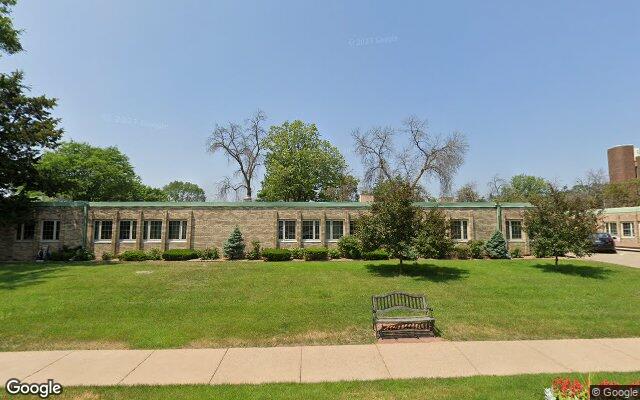
A large home, reviewed on public record.
Compared to 187 Minnesota facilities with a similar number of beds.
ALF memory care · 36-month window. Higher percentile = better performance on inspection record. Source: Minnesota Dept. of Health · Health Regulation Division.
among peers to rank.
Rankings based on 36-month MDH inspection data. Severity and frequency: fewer citations = higher percentile. Repeat rate: lower repeat citation share = higher percentile.
Citation history, plotted month by month.
2 deficiencies on record. Each bar is a month with a citation.
Finding distribution
2 total · 36 monthsScope × Severity (CMS A–L)
Questions to ask before you visit.
A short pre-tour checklist tailored to Heritage of Edina Inc.'s record and state requirements.
Minnesota Department of Health records show three complaints were filed during the inspection period — can you walk us through what those complaints involved, whether any were substantiated, and what corrective steps the facility took in response?
Ask the operator on tour. Take notes and compare answers across facilities you visit.
The most recent inspection on April 30, 2025 resulted in zero deficiencies across six total reports on file — can you explain your internal quality assurance process and how the facility maintains compliance with Minnesota Stat. ch. 144G dementia care requirements?
Ask the operator on tour. Take notes and compare answers across facilities you visit.
This facility holds an Assisted Living Facility with Dementia Care license under Minnesota law — can you provide a copy of your written dementia care program and show us documentation of how staff competency in dementia care is assessed and maintained?
Ask the operator on tour. Take notes and compare answers across facilities you visit.
Every inspection visit, verbatim.
6 inspections in the public record, most recent first. Plain-language summaries open first — click into any row for the full citation text.
2026-06-04Annual Compliance VisitNo findings
2026-04-10Annual Compliance VisitNo findings
2025-04-30Annual Compliance VisitNo findings
Plain-language summary
A standard inspection of Heritage of Edina Inc was conducted April 28-30, 2025, with 32 residents present; the facility received state correction orders for violations of Minnesota statutes related to minimum requirements under section 144G.41, and no immediate fines were assessed. The facility must document the actions taken to correct these violations within the timeframe specified on the state form, though submission of a plan of correction for approval is not required. The facility may request reconsideration of the correction orders in writing within 15 calendar days of receipt.
Read full citation textHide full citation text
Read raw inspector notesClose inspector notes
correction orders and document the actions taken to comply in the facility's records. The Department reserves the right to return to the facility at any time should the Department receive a complaint or deem it necessary to ensure the health, safety, and welfare of residents in your care. STATE CORRECTION ORDERS The enclosed State Form documents the state correction orders. MDH documents state licensing correction orders using federal software. Tag numbers are assigned to Minnesota state statutes for Assisted Living Facilities. The assigned tag number appears in the far left column entitled "ID Prefix Tag." The state statute number and the corresponding text of the state statute out of compliance are listed in the "Summary Statement of Deficiencies" column. This column also includes the findings that are in violation of the state statute after the statement, "This MN Requirement is not met as evidenced by . . ." In accordance with Minn. Stat. § 144G.31 Subd. 4, MDH may assess fines based on the level andscope of the violations; h owever, no immediate fines are assessed for this survey of your facility. DOCUMENTATION OF ACTION TO COMPLY In accordance with Minn. Stat. § 144G.30, Subd. 5(c), the licensee must document actions taken to comply with the correction orders within the time period outlined on the state form; however, plans of correction are not required to be submitted for approval. The correction order documentation should include the following: Identify how the area(s) of noncompliance was corrected related to the An equal opportunity employer. Letter ID: IS7N REVISED 09/13/2021 Heritage of Edina Inc June 10, 2025 Page 2 resident(s)/employee(s) identified in the correction order. Identify how the area(s) of noncompliance was corrected for all of the provider’s resident(s)/employees that may be affected by the noncompliance. Identify what changes to your systems and practices were made to ensure compliance with the specific statute(s). CORRECTION ORDER RECONSIDERATION PROCESS In accordance with Minn. Stat. § 144G.32, Subd. 2, you may challenge the correction order(s) issued, including the level and scope, and any fine assessed through the correction order reconsideration process. The request for reconsideration must be in writing and received by MDH within 15 calendar days of the correction order receipt date. To submit a reconsideration request, please visit: https://forms.web.health.state.mn.us/form/HRDAppealsForm The MDH Health Regulation Division (HRD) values your feedback about your experience during the survey and/or investigation process. Please fill out this anonymous provider feedback questionnaire at your convenience at this link: h ttps://forms.office.com/g/Bm5uQEpHVa. Your input is important to us and will enable MDH to improve its processes and communication with providers. If you have any questions regarding the questionnaire, please contact Susan Winkelmann at susan.winkelmann@state.mn.us or call 651-201-5952. You are encouraged to retain this document for your records. It is your responsibility to share the information contained in the letter and state form with your organization’s Governing Body. If you have any questions, please contact me. Sincerely, Jess Schoenecker, Supervisor State Evaluation Team Email: Jess.Schoenecker@state.mn.us Telephone: 651-201-3789 Fax: 1-866-890-9290 HHH PRINTED: 06/10/2025 FORM APPROVED STATEMENT OF DEFICIENCIES (X1) PROVIDER/SUPPLIER/CLIA (X2) MULTIPLE CONSTRUCTION (X3) DATE SURVEY AND PLAN OF CORRECTION IDENTIFICATION NUMBER: COMPLETED A. BUILDING: ______________________ B. WING _____________________________ 35018 04/30/2025 NAME OF PROVIDER OR SUPPLIER STREET ADDRESS, CITY, STATE, ZIP CODE 3456 HERITAGE DRIVE HERITAGE OF EDINA INC EDINA, MN 55435 SUMMARY STATEMENT OF DEFICIENCIES PROVIDER'S PLAN OF CORRECTION (X4) ID ID (X5) PREFIX (EACH DEFICIENCY MUST BE PRECEDED BY FULL PREFIX (EACH CORRECTIVE ACTION SHOULD BE COMPLETE REGULATORY OR LSC IDENTIFYING INFORMATION) CROSS-REFERENCED TO THE APPROPRIATE DATE TAG TAG DEFICIENCY) 0 000 Initial Comments 0 000 *****ATTENTION****** Minnesota Department of Health is documenting the State Correction Orders ASSISTED LIVING PROVIDER LICENSING using federal software. Tag numbers have CORRECTION ORDER been assigned to Minnesota State Statutes for Assisted Living Facility with In accordance with Minnesota Statutes, section Dementia Care. The assigned tag number 144G.08 to 144G.95, these correction orders are appears in the far-left column entitled "ID issued pursuant to a survey. Prefix Tag." The state Statute number and Determination of whether violations are corrected the corresponding text of the state Statute requires compliance with all requirements out of compliance is listed in the provided at the Statute number indicated below. "Summary Statement of Deficiencies" When Minnesota Statute contains several items, column. This column also includes the failure to comply with any of the items will be findings which are in violation of the state considered lack of compliance. requirement after the statement, "This Minnesota requirement is not met as INITIAL COMMENTS: evidenced by." Following the evaluators ' Project # SL35018016-1 findings is the Time Period for Correction. On April 28, 2025, through April 30, 2025, the PLEASE DISREGARD THE HEADING OF survey at the above provider, and the following STATES,"PROVIDER'S PLAN OF correction orders are issued. At the time of the CORRECTION." THIS APPLIES TO survey, there were thirty-two (32) residents FEDERAL DEFICIENCIES ONLY. THIS receiving services under the provider's Assisted WILL APPEAR ON EACH PAGE. Living with Dementia Care license. THERE IS NO REQUIREMENT TO SUBMIT A PLAN OF CORRECTION FOR VIOLATIONS OF MINNESOTA STATE STATUTES. THE LETTER IN THE LEFT COLUMN IS USED FOR TRACKING PURPOSES AND REFLECTS THE SCOPE AND LEVEL ISSUED PURSUANT TO 144G.31 SUBDIVISION 1-3. 0 480 144G.41 Subdivision 1 Subd. 1a (a-b) Minimum 0 480 SS=F requirements; required food services LABORATORY DIRECTOR'S OR PROVIDER/SUPPLIER REPRESENTATIVE'S SIGNATURE TITLE (X6) DATE STATE FORM 6899 4YHQ11 If continuation sheet 1 of 6 PRINTED: 06/10/2025 FORM APPROVED STATEMENT OF DEFICIENCIES (X1) PROVIDER/SUPPLIER/CLIA (X2) MULTIPLE CONSTRUCTION (X3) DATE SURVEY AND PLAN OF CORRECTION IDENTIFICATION NUMBER: COMPLETED A. BUILDING: ______________________ B. WING _____________________________ 35018 04/30/2025 NAME OF PROVIDER OR SUPPLIER STREET ADDRESS, CITY, STATE, ZIP CODE 3456 HERITAGE DRIVE HERITAGE OF EDINA INC EDINA, MN 55435 SUMMARY STATEMENT OF DEFICIENCIES PROVIDER'S PLAN OF CORRECTION (X4) ID ID (X5) PREFIX (EACH DEFICIENCY MUST BE PRECEDED BY FULL PREFIX (EACH CORRECTIVE ACTION SHOULD BE COMPLETE REGULATORY OR LSC IDENTIFYING INFORMATION) CROSS-REFERENCED TO THE APPROPRIATE DATE TAG TAG DEFICIENCY) 0 480 Continued From page 1 0 480 (a) Except as provided in paragraph (b), food must be prepared and served according to the Minnesota Food Code, Minnesota Rules, chapter 4626. (b) For an assisted living facility with a licensed capacity of ten or fewer residents: (1) notwithstanding Minnesota Rules, part 4626.0033, item A, the facility may share a certified food protection manager (CFPM) with one other facility located within a 60-mile radius and under common management provided the CFPM is present at each facility frequently enough to effectively administer, manage, and supervise each facility's food service operation; (2) notwithstanding Minnesota Rules, part 4626.0545, item A, kick plates that are not removable or cannot be rotated open are allowed unless the facility has been issued repeated correction orders for violations of Minnesota Rules, part 4626.1565 or 4626.1570; (3) notwithstanding Minnesota Rules, part 4626.0685, item A, the facility is not required to provide integral drainboards, utensil racks, or tables large enough to accommodate soiled and clean items that may accumulate during hours of operation provided soiled items do not contaminate clean items, surfaces, or food, and clean equipment and dishes are air dried in a manner that prevents contamination before storage; (4) notwithstanding Minnesota Rules, part 4626.1070, item A, the facility is not required to install a dedicated handwashing sink in its existing kitchen provided it designates one well of a two-compartment sink for use only as a handwashing sink; (5) notwithstanding Minnesota Rules, parts 4626.1325, 4626.1335, and 4626.1360, item A, existing floor, wall, and ceiling finishes are STATE FORM 6899 4YHQ11 If continuation sheet 2 of 6 PRINTED: 06/10/2025 FORM APPROVED STATEMENT OF DEFICIENCIES (X1) PROVIDER/SUPPLIER/CLIA (X2) MULTIPLE CONSTRUCTION (X3) DATE SURVEY AND PLAN OF CORRECTION IDENTIFICATION NUMBER: COMPLETED A. BUILDING: ______________________ B. WING _____________________________ 35018 04/30/2025 NAME OF PROVIDER OR SUPPLIER STREET ADDRESS, CITY, STATE, ZIP CODE 3456 HERITAGE DRIVE HERITAGE OF EDINA INC EDINA, MN 55435 SUMMARY STATEMENT OF DEFICIENCIES PROVIDER'S PLAN OF CORRECTION (X4) ID ID (X5) PREFIX (EACH DEFICIENCY MUST BE PRECEDED BY FULL PREFIX (EACH CORRECTIVE ACTION SHOULD BE COMPLETE REGULATORY OR LSC IDENTIFYING INFORMATION) CROSS-REFERENCED TO THE APPROPRIATE DATE TAG TAG DEFICIENCY) 0 480 Continued From page 2 0 480 allowed provided the facility keeps them clean and in good condition; (6) notwithstanding Minnesota Rules, part 4626.
2024-12-16Complaint InvestigationSubstantiated Finding · 1 finding
Plain-language summary
A complaint investigation substantiated that a staffing agency employee hit a resident with a garbage bag and verbally abused him with profanities and racial slurs while the resident was vulnerable and being cared for; the employee was no longer working at the facility at the time of the investigation. No physical injuries to the resident were noted after the incident, and the facility reported the matter to the staffing agency and the resident's family.
Read full citation text (1)Hide full citation text
“MDH substantiated maltreatment or licensing violation finding”
Read raw inspector notesClose inspector notes
Finding: Substantiated, individual responsibility Nature of Investigation: The Minnesota Department of Health investigated an allegation of maltreatment, in accordance with the Minnesota Reporting of Maltreatment of Vulnerable Adults Act, Minn. Stat. 626.557, and to evaluate compliance with applicable licensing standards for the provider type. Initial Investigation Allegation(s): The alleged perpetrator (AP) abused the resident when the AP was observed on video swearing and yelling at the resident and hit the resident with an unknown object. Investigative Findings and Conclusion: The Minnesota Department of Health determined abuse was substantiated. The AP was responsible for the maltreatment. The video showed the AP hit the resident with a bag of garbage. The audio from the video heard the AP tell the resident he was a “worthless honkey” and told him he could not “even stand” on his own feet to clean his own “nasty ass.” The AP called the resident a “mother fucker.” The investigator conducted interviews with facility staff members, including administrative staff, nursing staff, and unlicensed staff. The investigator also contacted a family member. The investigation included review of the resident’s records, facility internal investigation, facility incident reports, personnel files, and facility policies. The investigator requested the police report. Also, the investigator toured the facility and observed facility staff providing hygiene cares to residents. The resident resided in an assisted living facility. The resident’s diagnoses included senile degeneration of brain, multiple sclerosis, depression, and anxiety. The resident’s service plan included assistance with dressing, bathing, grooming, incontinence cares, medication administration, mobility, and housekeeping. The resident’s assessment indicated he was confused, anxious and easily agitated. Interventions to help the resident remain safe included talking calmly and offer reassurance. A recording of the incident showed the resident laying on the bed naked, covered only with a brief. The video showed the AP hit the resident with a bag of garbage. The audio from the video heard the AP tell the resident he was a “worthless honkey” and told him he could not “even stand” on his own feet to clean his own “nasty ass.” The AP called the resident a “mother fucker.” The internal investigation indicated an email with an attached video was sent to the facility’s human resources department. Upon video review, the AP was identified as a staffing agency employee who had not worked at the facility for over one month. The facility spoke to unlicensed personnel (ULP)-1 and ULP-2, who were witness to the incident and the video. The investigation indicated ULP-2 recoded the video while her phone was in her pocket facing outward, so the camera was pointed at the AP. ULP-1 said ULP-2 sent her the video to report the incident as ULP-2 was afraid of the AP. When the facility met with ULP-2, she denied she recorded the video and said she did not know who sent it to her. ULP-2 said she sent it to ULP-1 because she wanted to discuss the video and what to do with it. During an interview, ULP-1 said a video of the incident was sent to her by ULP-2. She identified the AP in the video and said the AP called the resident names and hit him with a garbage bag filled with a dirty brief. She said she was trained on vulnerable adult maltreatment. She said ULP-2 sent her the video to report as ULP-2 was fearful of the AP. The AP has threatened ULP-2 in the past. During an interview, a member of management, who is also a nurse, said she conducted the internal investigation. She said ULP-1 reported ULP-2 sent her the video and she sent the video to the facility’s human resources department. When management questioned ULP-2, she denied she recorded the incident. After investigating the incident and speaking with all staff members who worked with the AP, management said the only person who could have recorded the incident was ULP-2. She watched the video and described the AP’s actions as disgusting and said the AP should not be allowed to work with vulnerable adults. The resident was assessed, and no injuries were noted. She reported the incident to the staffing agency and the AP was removed from the schedule. Facility staff receive training on maltreatment of vulnerable adults from staff development upon hire and annually. The resident’s family member declined interview as they had no further information to add. The family member said the facility reported the incident to them. The AP declined the interview but provided a written statement via email that indicated the video was edited and falsified. the In conclusion, the Minnesota Department of Health determined abuse was substantiated. Substantiated: Minnesota Statutes, section 626.5572, Subdivision 19. “Substantiated” means a preponderance of evidence shows that an act that meets the definition of maltreatment occurred. Abuse: Minnesota Statutes section 626.5572, subdivision 2. "Abuse" means: (b) Conduct which is not an accident or therapeutic conduct as defined in this section, which produces or could reasonably be expected to produce physical pain or injury or emotional distress including, but not limited to, the following: (1) hitting, slapping, kicking, pinching, biting, or corporal punishment of a vulnerable adult; (2) use of repeated or malicious oral, written, or gestured language toward a vulnerable adult or the treatment of a vulnerable adult which would be considered by a reasonable person to be disparaging, derogatory, humiliating, harassing, or threatening; or (3) use of any aversive or deprivation procedure, unreasonable confinement, or involuntary seclusion, including the forced separation of the vulnerable adult from other persons against the will of the vulnerable adult or the legal representative of the vulnerable adult unless authorized under applicable licensing requirements or Minnesota Rules, chapter 9544. Mitigating Factors considered, Minnesota Statutes, section 626.557, Subd. 9c(f): (1) The AP did not follow an erroneous order, direction or care plan with awareness and failure to take action. The facility did not direct an erroneous order, direction, or care plan. (2) The facility was in compliance with regulatory standards. The facility provided proper training and/or supervision of staff. The facility provided adequate staffing levels. The AP failed to follow the facility directive and/or policies and procedures. (3) The AP failed to follow professional standards and/or exercise professional judgement. The AP failed to act in good faith interest of the vulnerable adult. The maltreatment was not a sudden or foreseen event. Vulnerable Adult interviewed: No, due to cognitive deficit. Family/Responsible Party interviewed: No, family member declined interview. Alleged Perpetrator interviewed: No, the AP declined. Action taken by facility: The facility reported the incident and completed a thorough internal investigation. The facility assessed the resident and spoke to all staff and residents who worked with the AP. The facility recently provided education on vulnerable adult maltreatment to all staff members. Action taken by the Minnesota Department of Health: The facility was issued a correction order regarding the vulnerable adult’s right to be free from maltreatment. You may also call 651-201-4200 to receive a copy via mail or email. The responsible party will be notified of their right to appeal the maltreatment finding. If the maltreatment is substantiated against an identified employee, this report will be submitted to the nurse aide registry for possible inclusion of the finding on the abuse registry and/or to the Minnesota Department of Human Services for possible disqualification in accordance with the provisions of the background study requirements under Minnesota 245C. cc: The Office of Ombudsman for Long Term Care The Office of Ombudsman for Mental Health and Developmental Disabilities Hennepin County Attorney Edina City Attorney Edina Police Department PRINTED: 12/17/2024 FORM APPROVED STATEMENT OF DEFICIENCIES (X1) PROVIDER/SUPPLIER/CLIA (X2) MULTIPLE CONSTRUCTION (X3) DATE SURVEY AND PLAN OF CORRECTION IDENTIFICATION NUMBER: COMPLETED A. BUILDING: ______________________ C B. WING _____________________________ 35017 11/14/2024 NAME OF PROVIDER OR SUPPLIER STREET ADDRESS, CITY, STATE, ZIP CODE 3450 HERITAGE DRIVE HERITAGE OF EDINA INC EDINA, MN 55435 SUMMARY STATEMENT OF DEFICIENCIES PROVIDER'S PLAN OF CORRECTION (X4) ID ID (X5) PREFIX (EACH DEFICIENCY MUST BE PRECEDED BY FULL PREFIX (EACH CORRECTIVE ACTION SHOULD BE COMPLETE REGULATORY OR LSC IDENTIFYING INFORMATION) CROSS-REFERENCED TO THE APPROPRIATE DATE TAG TAG DEFICIENCY) 0 000 Initial Comments 0 000 ASSISTED LIVING PROVIDER CORRECTION Minnesota Department of Health is ORDER documenting the State Correction Orders using federal software. Tag numbers have In accordance with Minnesota Statutes, section been assigned to Minnesota State 144G.08 to 144G.95, these correction orders are Statutes for Assisted Living Facilities. The issued pursuant to a complaint investigation.
2024-05-29Complaint InvestigationSubstantiated Finding · 1 finding
Plain-language summary
A complaint investigation found that the facility neglected a resident by failing to ensure she received her prescribed olanzapine medication for 12 days; the medication nurse did not properly notify leadership when the medication ran out and falsely documented that the resident was receiving it, while the resident experienced a hypertensive crisis requiring hospitalization that improved after she resumed the medication in the hospital. The investigation determined the facility was responsible for this maltreatment, with staff failures in medication management, documentation, and communication with the prescriber and pharmacy contributing to the harm.
Read full citation text (1)Hide full citation text
“MDH substantiated maltreatment or licensing violation finding”
Read raw inspector notesClose inspector notes
Finding: Substantiated, facility responsibility Nature of Investigation: The Minnesota Department of Health investigated an allegation of maltreatment, in accordance with the Minnesota Reporting of Maltreatment of Vulnerable Adults Act, Minn. Stat. 626.557, and to evaluate compliance with applicable licensing standards for the provider type. Initial Investigation Allegation(s): It is alleged the alleged perpetrator (AP) neglected a resident when the resident did not receive medication according to physician orders. The resident experienced a hypertensive crisis that required hospitalization. Investigative Findings and Conclusion: The Minnesota Department of Health determined neglect was substantiated. The facility was responsible for the maltreatment. The resident ran out of olanzapine (a psychotropic medication) and the medication nurse failed to notify the AP to follow up and order more medication, nor did the nurse attempt to order more of the residents Olanzapine. Although the resident had no Olanzapine, the medication nurse continued to document in the resident’s medication administration record the resident was receiving the olanzapine. The resident did not receive Olanzapine for 12 days. The resident had a hypertensive crisis and was hospitalized. The investigator conducted interviews with facility staff members, including administrative staff, nursing staff, and unlicensed staff. The investigator contacted family members, providers, and caregivers. The investigation included review of the resident records, hospital records, pharmacy records, clinic records, the facility internal investigation, facility incident reports, personnel files, staff schedules, and related facility policy and procedures. Also, the investigator observed medication administration and resident interactions with staff. The resident resided in an assisted living facility The resident’s diagnoses included schizophrenia, anxiety, and high blood pressure. The resident’s service plan included assistance with morning and evening cares, bathing, meals, housekeeping, laundry, and medication management. The resident’s assessment indicated the resident required orientation and redirection as needed by staff due to cognitive impairment. The facility’s internal investigation indicated the resident went without her olanzapine for a total of 12 days. The medication nurse sent a refill request to the pharmacy, and the pharmacy contacted the prescriber multiple times to request a new prescription. The prescriber denied the refill requests, but the facility did not receive this information. The medication nurse contacted the pharmacy but did not notify the AP for further follow up, per protocol. The nurse continued to sign off the olanzapine when setting up the resident’s weekly medication set up. However, the olanzapine was out of stock and not in the resident’s weekly medication setup. The resident’s progress notes indicated she then experienced a blood pressure spike and was sent to the hospital for further evaluation. The resident’s care sheets indicated unlicensed personnel (ULP) staff were instructed to administer the resident’s medications in the morning and evening. The care sheets provided no further direction to staff regarding the resident’s medications, such as the names, dosages, methods, and routes of administration. The ULP staff initialed and signed the care sheets, but there was no indication ULP staff knew what medications they were signing off as having administered. The resident’s hospital records indicated a diagnosis of hypertensive urgency with a history of hypertension, and delirium, hypoactive type. The resident’s family expressed concerns they discovered the resident had not been receiving olanzapine for 12 days. Upon receiving olanzapine in the hospital, the resident improved. Psychiatry recommended continuing the resident’s current medication management without any changes. At discharge, the resident’s diagnoses were altered mental status, unclear cause, and hypertensive emergency, improved. The resident’s condition at discharge was documented as stable. After hospitalization, the resident’s psychiatric clinic visit note indicated the resident experienced withdrawn behavior, psychosis, and cognitive changes. The resident was at a higher risk of falls and had not returned to baseline. When interviewed, the AP stated the medication nurse had not notified her that the resident was out of olanzapine. The AP was unaware she needed to follow up about the olanzapine with the pharmacy and provider. The AP was unaware of why the med nurse continued to document that she set up the resident’s olanzapine when it was out of stock, and the AP did not discover the missing olanzapine until after the resident returned from the hospital. The AP said ULP staff who administered medications to the residents would have had no way to double-check the med set up because the sign off sheets only note the medication times, and not what medications are being administered. When interviewed, leadership staff stated she discovered the medication nurse continued to sign off that the resident’s olanzapine had been included in her medication set up, although the medication had been out of stock for 12 days. The medication nurse contacted the pharmacy with a refill request; however, the AP was unaware and did not follow up on the prescription refill. The pharmacy contacted the prescriber multiple times with refill requests, and the prescriber denied the requests. The prescriber wanted the resident’s mental health provider to start prescribing the olanzapine. The facility did not receive this information. When interviewed, the med set up nurse said when the resident’s olanzapine was running low, she sent a refill request to the pharmacy. She said she also notified the AP, although there was no documentation of that until the resident had been out of olanzapine for six days. There was no indication of follow-up to that notification. The medication nurse stated she continued to document she was setting up olanzapine for the resident, which was “a mistake.” When interviewed, the resident’s mental health provider said the resident had pre-existing health issues the pre-disposed her to developing a hypertensive crisis in response to the abrupt discontinuation of olanzapine. In addition to the increased blood pressure, the resident developed a worsening of her psychosis. The mental health provider said the resident experienced significant clinical changes after she missed the olanzapine and did not return to her baseline status. When interviewed, family members said they were concerned the resident was not getting some of her medications. In response, family members contacted the dispensing pharmacy. The family discovered the resident had been without her olanzapine for almost two weeks, as the prescription had not been refilled. The family notified the facility and coordinated with the resident’s mental health provider to obtain an updated prescription. Family members said the resident never returned to a baseline level of functioning. In conclusion, the Minnesota Department of Health determined neglect was substantiated. Substantiated: Minnesota Statutes, section 626.5572, Subdivision 19. “Substantiated” means a preponderance of evidence shows that an act that meets the definition of maltreatment occurred. Neglect: Minnesota Statutes, section 626.5572, subdivision 17 “Neglect” means neglect by a caregiver or self-neglect. (a) "Caregiver neglect" means the failure or omission by a caregiver to supply a vulnerable adult with care or services, including but not limited to, food, clothing, shelter, health care, or supervision which is: (1) reasonable and necessary to obtain or maintain the vulnerable adult's physical or mental health or safety, considering the physical and mental capacity or dysfunction of the vulnerable adult; and (2) which is not the result of an accident or therapeutic conduct. Vulnerable Adult interviewed: No, due to cognitive limitations. Family/Responsible Party interviewed: Yes. Alleged Perpetrator interviewed: Yes. the Action taken by facility: The facility identified the error, took corrective action, and implemented new measures designed to reduce the risk of further occurrence of this or similar errors. The facility trained staff in the new procedure for medication administration. Action taken by the Minnesota Department of Health: The responsible party will be notified of their right to appeal the maltreatment finding. The facility was found to be in noncompliance. To view a copy of the Statement of Deficiencies and/or correction orders, please visit: https://www.health.state.mn.us/facilities/regulation/directory/provcompselect.html If you are viewing this report on the MDH website, please see the attached Statement of Deficiencies. You may also call 651-201-4200 to receive a copy via mail or email. cc: The Office of Ombudsman for Long Term Care The Office of Ombudsman for Mental Health and Developmental Disabilities Hennepin County Attorney Edina City Attorney Edina Police Department PRINTED: 05/30/2024 FORM APPROVED STATEMENT OF DEFICIENCIES (X1) PROVIDER/SUPPLIER/CLIA (X2) MULTIPLE CONSTRUCTION (X3) DATE SURVEY AND PLAN OF CORRECTION IDENTIFICATION NUMBER: COMPLETED A. BUILDING: ______________________ C B.
2024-04-04Annual Compliance VisitNo findings
Plain-language summary
A standard licensing survey of Heritage of Edina, Inc. was conducted April 1-4, 2024, and correction orders were issued for violations of Minnesota Statutes related to staffing plan requirements under section 144G.41. No immediate fines were assessed, and the facility was required to document corrective actions within the specified time period.
Read full citation textHide full citation text
Read raw inspector notesClose inspector notes
correction orders. MDH documents state licensing correction orders using federal software. Tag numbers are assigned to Minnesota state statutes for Assisted Living Facilities. The assigned tag number appears in the far left column entitled "ID Prefix Tag." The state statute number and the corresponding text of the state statute out of compliance are listed in the "Summary Statement of Deficiencies" column. This column also includes the findings that are in violation of the state statute after the statement, "This MN Requirement is not met as evidenced by . . ." In accordance with Minn. Stat. § 144G.31 Subd. 4, MDH may assess fines based on the level and scope of the violations ; however, no immediate fines are assessed for this survey of your facility. DOCUMENTATIO ONF ACTION TO COMPLY In ac cordanc e with Minn. Stat. § 144G .30, Subd . 5(c), the lice ns ee mus t doc um ent ac tion s taken to comply with the correction orders within the time period outlined on the state form; however, plans of correction are not required to be submitted for approval. The correction order documentation should include the following: Identify how the area( s) of noncompliance was corrected related to the · resident( s)/ employee( s) identified in the correction order. Identify how the area( s) of noncompliance was corrected for all of the provider’s · resident( s)/ employees that may be affected by the noncompliance. Identify what changes to your systems and practices were made to ensure compliance with the · specific statute( s). An equal opportunity employer. Letter ID: IS7N REVISED 09/13/2021 Heritage Of Edina, Inc. May 15, 2024 Pag e 2 CORRECTIO ONRDER RECONSIDERATIO PNROCESS In accordance with Minn. Stat. § 144G.32, Subd. 2, you may challenge the correction order( s) issued, including the level and scope, and any fine assessed through the correction order reconsideration process. The request for reconsideration must be in writing and received by MDH within 15 calendar days of the correction order receipt date. To submit a reconsideration request, please visit: https: / / forms. web. health. state. mn. us/ form/ HRDAppealsForm The MDH Health Regulation Division (HRD )values your feedback about your experience during the survey and/ or investigation process. Please fill out this anonymous provider feedback questionnaire at your con venien ce at this lin k : https: / / forms. office.com/ g/ Bm5uQEpHVa. Your inpu t is im port ant to us and will enable MDH to improve its processes and communication with providers. If you have any questions regarding the questionnaire, please contact Susan Winkelmann at susan. winkelmann@state. mn.us or call 651-201-5952. You are encouraged to retain this document for your records. It is your responsibility to share the information contained in the letter and state form with your organization’s Governing Body. If you have any questions, please contact me. Sincerely, Jodi Johnson, Supervisor State Evaluation Team Email: jodi.johnson@state. mn.us Telephone: 507-344-2730 Fax: 1-866-890-9290 PMB PRINTED: 05/ 15/ 2024 FORM APPROVED STATEMENT OF DEFICIENCIES (X1) PROVIDER/ SUPPLIER/ CLIA (X2) MULTIPLE CONSTRUCTION (X3) DATE SURVEY AND PLAN OF CORRECTION IDENTIFICATION NUMBER: COMPLETED A. BUILDING: ______________________ B. WING _____________________________ 35017 04/ 04/ 2024 NAME OF PROVIDER OR SUPPLIER STREET ADDRESS, CITY, STATE, ZIP CODE 3450 HERITAGE DRIVE HERITAGE OF EDINA INC EDINA, MN 55435 SUMMARY STATEMENT OF DEFICIENCIES PROVIDER' S PLAN OF CORRECTION (X4) ID ID (X5) PREFIX (EACH DEFICIENCY MUST BE PRECEDED BY FULL PREFIX (EACH CORRECTIVE ACTION SHOULD BE COMPLETE REGULATORY OR LSC IDENTIFYING INFORMATION) CROSS- REFERENCED TO THE APPROPRIATE DATE TAG TAG DEFICIENCY) 0 000 Initial Comments 0 000 ASSISTED LIVING PROVIDER LICENSING Minnesota Department of Health is CORRECTION ORDER( S) documenting the State Correction Orders using federal software. Tag numbers have In accordance with Minnesota Statutes, section been assigned to Minnesota State 144G. 08 to 144G. 95, these correction orders are Statutes for Assisted Living Facilities. The issued pursuant to a survey. assigned tag number appears in the far-left column entitled "ID Prefix Tag. " The Determination of whether violations are corrected state Statute number and the requires compliance with all requirements corresponding text of the state Statute out provided at the Statute number indicated below. of compliance is listed in the "Summary When Minnesota Statute contains several items, Statement of Deficiencies" column. This failure to comply with any of the items will be column also includes the findings which considered lack of compliance. are in violation of the state requirement after the statement, "This Minnesota INITIAL COMMENTS: requirement is not met as evidenced by." SL35017015- 0 Following the evaluators ' findings is the Time Period for Correction. On Apri1 1, 2024, through April 4, 2024, the survey at the above provider, and the following OF THE FOURTH COLUMN WHICH correction orders are issued. At the time of the STATES, "PROVIDER' S PLAN OF survey, there were 89 residents, 86 of whom CORRECTION. " THIS APPLIES TO were receiving services under the Assisted Living FEDERAL DEFICIENCIES ONLY. THIS Facility license. WILL APPEAR ON EACH PAGE. THERE IS NO REQUIREMENT TO SUBMIT A PLAN OF CORRECTION FOR VIOLATIONS OF MINNESOTA STATE STATUTES. THE LETTER IN THE LEFT COLUMN IS USED FOR TRACKING PURPOSES AND REFLECTS THE SCOPE AND LEVEL ISSUED PURSUANT TO 144G. 31 SUBDIVISION 1-3. 0 470 144G. 41 Subdivision 1 Minimum requirements 0 470 SS= F (11) develop and implement a staffing plan for LABORATORY DIRECTOR' S OR PROVIDER/ SUPPLIER REPRESENTATIVE' S SIGNATURE TITLE (X6) DATE STATE FORM 6899 L3UC11 If continuation sheet 1 of 25 PRINTED: 05/ 15/ 2024 FORM APPROVED STATEMENT OF DEFICIENCIES (X1) PROVIDER/ SUPPLIER/ CLIA (X2) MULTIPLE CONSTRUCTION (X3) DATE SURVEY AND PLAN OF CORRECTION IDENTIFICATION NUMBER: COMPLETED A. BUILDING: ______________________ B. WING _____________________________ 35017 04/ 04/ 2024 NAME OF PROVIDER OR SUPPLIER STREET ADDRESS, CITY, STATE, ZIP CODE 3450 HERITAGE DRIVE HERITAGE OF EDINA INC EDINA, MN 55435 SUMMARY STATEMENT OF DEFICIENCIES PROVIDER' S PLAN OF CORRECTION (X4) ID ID (X5) PREFIX (EACH DEFICIENCY MUST BE PRECEDED BY FULL PREFIX (EACH CORRECTIVE ACTION SHOULD BE COMPLETE REGULATORY OR LSC IDENTIFYING INFORMATION) CROSS- REFERENCED TO THE APPROPRIATE DATE TAG TAG DEFICIENCY) 0 470 Continued From page 1 0 470 determining its staffing level that: (i) includes an evaluation, to be conducted at least twice a year, of the appropriateness of staffing levels in the facility; (ii) ensures sufficient staffing at all times to meet the scheduled and reasonably foreseeable unscheduled needs of each resident as required by the residents' assessments and service plans on a 24- hour per day basis; and (iii) ensures that the facility can respond promptly and effectively to individual resident emergencies and to emergency, life safety, and disaster situations affecting staff or residents in the facility; (12) ensure that one or more persons are available 24 hours per day, seven days per week, who are responsible for responding to the requests of residents for assistance with health or safety needs. Such persons must be: (i) awake; (ii) located in the same building, in an attached building, or on a contiguous campus with the facility in order to respond within a reasonable amount of time; (iii) capable of communicating with residents; (iv) capable of providing or summoning the appropriate assistance; and (v) capable of following directions; This MN Requirement is not met as evidenced by: Based on interview and record review, the licensee failed to develop and implement a staffing plan to determine staffing levels to meet the needs of all residents. This had the potential to affect residents residing in the facility, staff, and visitors. This practice resulted in a level two violation (a violation that did not harm a resident' s health or safety but had the potential to have harmed a STATE FORM 6899 L3UC11 If continuation sheet 2 of 25 PRINTED: 05/ 15/ 2024 FORM APPROVED STATEMENT OF DEFICIENCIES (X1) PROVIDER/ SUPPLIER/ CLIA (X2) MULTIPLE CONSTRUCTION (X3) DATE SURVEY AND PLAN OF CORRECTION IDENTIFICATION NUMBER: COMPLETED A. BUILDING: ______________________ B.
2 older inspections from 2023 are not shown above.
Get the complete record, translated into plain language — emailed to you.
Other facilities in Hennepin County.
Other memory care facilities in Hennepin County with similar care offerings.
Tour Prep
Family reviews
No reviews yet — be the first to share your experience
Other memory care options nearby.
More options in neighboring cities
Licensed memory care in other cities within this county region — useful when your search radius crosses city limits.