Countryside Living of Redmond.
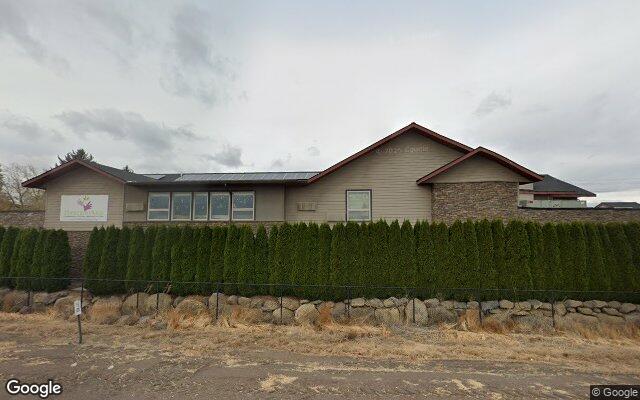
A medium home, reviewed on public record.
© Google Street View
Compared to 55 Oregon facilities with a similar number of beds.
ALF memory care · 36-month window. Higher percentile = better performance on inspection record. Source: Oregon Dept. of Human Services · Long-Term Care Licensing.
among peers to rank.
Rankings based on 36-month OR-DHS inspection data. Severity and frequency: fewer citations = higher percentile. Repeat rate: lower repeat citation share = higher percentile.
Citation history, plotted month by month.
12 deficiencies on record. Each bar is a month with a citation.
Finding distribution
12 total · 36 monthsScope × Severity (CMS A–L)
Every inspection visit, verbatim.
1 inspection in the public record, most recent first. Plain-language summaries open first — click into any row for the full citation text.
2023-11-14Annual Compliance VisitOR-cited · 12 findings
Plain-language summary
A re-licensure survey conducted November 14–16, 2023, with a follow-up visit on February 7, 2024, found that the facility failed to promptly investigate injuries of unknown origin and failed to report incidents of abuse to the local adult protective services office for two residents reviewed, including a resident-to-resident incident involving bruising to the forearm and a resident with a bump and abrasion to the forehead. The facility acknowledged these findings after the survey and reported the incidents to the appropriate authorities. A follow-up visit determined the facility came into compliance with state regulations.
Read full citation text (12)Hide full citation text
“The findings of the re-licensure survey, conducted 11/14/23 through 11/16/23, are documented in this report. The survey was conducted to determine compliance with OARs 411 Division 54 for Residential Care and Assisted Living Facilities, OARs 411 Division 57 for Memory Care Communities, and OARs 411 Division 004 Home and Community Based Services Regulations. Tag numbers beginning with the letter C refer to the Residential Care and Assisted Living rules. Tag numbers beginning with the letter Z refer to the Memory Care Community rules. Abbreviations possibly used in this document: ADL: activities of daily living bid: twice a day CBG: capillary blood glucose or blood sugar CG: caregiver cm: centimeter ED: Executive Director F: Fahrenheit HH: Home Health LPN: Licensed Practical Nurse MA: Medication Aide MAR: Medication Administration Record MCC: Memory Care Community mg: milligram ml: milliliter MT: Medication Technician OT: Occupational Therapist PT: Physical Therapist PRN: as needed qd: every day or daily qid: four times a day QI: quality improvement RCC: Resident Care Coordinator RN: Registered Nurse TAR: Treatment Administration Record tid: three times a day The findings of the re-licensure survey, conducted 11/14/23 through 11/16/23, are documented in this report. The survey was conducted to determine compliance with OARs 411 Division 54 for Residential Care and Assisted Living Facilities, OARs 411 Division 57 for Memory Care Communities, and OARs 411 Division 004 Home and Community Based Services Regulations. Tag numbers beginning with the letter C refer to the Residential Care and Assisted Living rules. Tag numbers beginning with the letter Z refer to the Memory Care Community rules. Abbreviations possibly used in this document: ADL: activities of daily living bid: twice a day CBG: capillary blood glucose or blood sugar CG: caregiver cm: centimeter ED: Executive Director F: Fahrenheit HH: Home Health LPN: Licensed Practical Nurse MA: Medication Aide MAR: Medication Administration Record MCC: Memory Care Community mg: milligram ml: milliliter MT: Medication Technician OT: Occupational Therapist PT: Physical Therapist PRN: as needed qd: every day or daily qid: four times a day QI: quality improvement RCC: Resident Care Coordinator RN: Registered Nurse TAR: Treatment Administration Record tid: three times a day The findings of the re-visit to the re-licensure survey of 11/16/23, conducted 02/07/24, are documented in this report. It was determined the facility was in compliance with OARs 411 Division 54 for Residential Care and Assisted Living Facilities, Division 57 for Memory Care Communities, and Home and Community Based Services Regulations OARs 411 Division 004. The findings of the re-visit to the re-licensure survey of 11/16/23, conducted 02/07/24, are documented in this report. It was determined the facility was in compliance with OARs 411 Division 54 for Residential Care and Assisted Living Facilities, Division 57 for Memory Care Communities, and Home and Community Based Services Regulations OARs 411 Division 004.”
“Based on interview and record review, it was determined the facility failed to ensure injuries of unknown origin were promptly investigated to rule out abuse and neglect, and failed to report incidents of abuse for 2 of 2 sampled residents (#s 1 and 2) whose incidents were reviewed. Findings include, but are not limited to: 1. Resident 1 was admitted to the facility in 01/2016 with diagnoses including a traumatic brain injury and dementia. Review of the resident's progress notes and incident investigations from 08/01/23 through 11/13/23 identified: * 11/05/23 Progress note - "Resident being placed on alert for a res to res altercation. This resident had been sitting in the living room, watching football, when another resident disrupted [him/her] somehow. [S/he] grabbed [his/her] forearm and caused redness and bruising." * 11/05/23 Resident to Resident Incident Report - "Carestaff [name] stated that [Resident 1] had [resident initials] by the wrist/forearm and twisted it, causing redness and bruising." There was no evidence the incident was immediately reported to the local SPD office. The need to immediately report any incident of abuse and neglect to the local SPD office as required was discussed with Staff 1 (Administrator) and Staff 2 (RCC). They acknowledged the findings and reported the incidents to the local SPD. Confirmation of the reporting was received. 2. Resident 2 was admitted to the facility in 08/2020 with diagnoses including dementia. Review of the resident's progress notes and incident investigations from 08/01/23 through 11/13/23 identified: * 08/22/23 Progress Note - "Resident is being placed on alert for a small bump/abrasion on forehead. Resident observed with a small bump on her forehead...small abrasion with slight swelling also observed." There was no evidence the injury of unknown origin was investigated to rule out possible abuse or neglect, nor evidence the injury was immediately reported to the local SPD. The need to report injuries of unknown cause to the local SPD office, or the local AAA, as suspected abuse, unless an immediate facility investigation reasonably concludes and documents that the physical injury was not the result of abuse, was discussed with Staff 1 (Administrator) and Staff 2 (RCC). They acknowledged the findings and reported the incident to the local SPD. Confirmation of the reporting was received. Based on interview and record review, it was determined the facility failed to ensure injuries of unknown origin were promptly investigated to rule out abuse and neglect, and failed to report incidents of abuse for 2 of 2 sampled residents (#s 1 and 2) whose incidents were reviewed. Findings include, but are not limited to:”
“Based on interview and record review, it was determined the facility failed to complete quarterly evaluations and ensure evaluations were reflective of the residents' current condition for 2 of 3 sampled residents (#s 2 and 3) whose records were reviewed. Findings include, but are not limited to: 1. Resident 2 was admitted to the facility in 06/2020 with diagnosis of dementia. Resident 2's current evaluation, dated 04/19/23, was not reflective of his/her current care needs related to intrusive behaviors putting the resident at risk for altercations. During the survey Resident 2 was observed to wander throughout the facility, into other residents rooms and personal space. Facility records indicated Resident 2 had been in several altercations with other residents while wandering. The incidents were reported to the local unit. Resident 2's quarterly evaluations, due in 07/2023 and 10/2023, were not done. The need to ensure the quarterly evaluation was completed timely and was reflective was discussed with Staff 1 (ED) and Staff 2 (RCC) on 11/15/23. They acknowledged the findings. 2. Resident 3 was admitted to the facility in 03/2022 with diagnosis of dementia. Resident 3's current evaluation, dated 04/12/23, was not reflective of his/her current care needs related to: * Weight loss; and * Assistance with eating, aspiration risk, thickened liquids, and meal texture; and * The use of a fall mat. During the survey Resident 3 was observed to be provided thickened liquids and a minced moist texture meal. Staff assisted Resident 3 with eating all meals. A fall mat was observed either under or folded at the foot of Resident 3's bed. Resident 3's quarterly evaluations, due in 07/2023 and 10/2023, were not done. The need to ensure the quarterly evaluation was completed timely and reflective was discussed with Staff 1 (Administrator) and Staff 2 (RCC) on 11/15/23. They acknowledged the findings. Based on interview and record review, it was determined the facility failed to complete quarterly evaluations and ensure evaluations were reflective of the residents' current condition for 2 of 3 sampled residents (#s 2 and 3) whose records were reviewed. Findings include, but are not limited to:”
“Based on interview and record review, it was determined the facility failed to ensure service plans were developed by a service planning team that included the resident, the resident's legal representative if applicable, any person of the resident's choice, the Administrator or designee, and at least one other staff person who was familiar with or who was going to provide services to the resident for 3 of 3 sampled residents (#s 1, 2 and 3) whose service plans were reviewed. Findings include, but are not limited to: The most recent service plans for Residents 1, 2, and 3 were reviewed during the survey. The records lacked documented evidence the service plans were developed by a service planning team. On 011/15/13, the need to ensure service plans were developed by a service planning team was discussed with Staff 1 (Administrator) and Staff 2 (RCC). They acknowledged the findings. Based on interview and record review, it was determined the facility failed to ensure service plans were developed by a service planning team that included the resident, the resident's legal representative if applicable, any person of the resident's choice, the Administrator or designee, and at least one other staff person who was familiar with or who was going to provide services to the resident for 3 of 3 sampled residents (#s 1, 2 and 3) whose service plans were reviewed. Findings include, but are not limited to: The most recent service plans for Residents 1, 2, and 3 were reviewed during the survey. The records lacked documented evidence the service plans were developed by a service planning team. On 011/15/13, the need to ensure service plans were developed by a service planning team was discussed with Staff 1 (Administrator) and Staff 2 (RCC). They acknowledged the findings. Service Plannin Team: 1. Effective Immediately it will be indicated who was involved in the Service Planning meeting. this will be documented on the Service Plan itself. 2. As above 3. Evaluated each service plan meeting 4. Admin/RCC will be responsible to notify all parties on the team for service plan updates and meetings. Service Plannin Team:”
“Based on observation, interview, and record review, it was determined the facility failed to evaluate and monitor residents specific to evaluated needs and service planned interventions for 3 of 3 sampled residents (#s 1, 2, and 3) reviewed for falls. Findings include but are not limited to: 1. Resident 1 was admitted to the facility in 01/2016 with diagnoses of dementia and was evaluated to be at risk for falls. Resident 1 was observed during the survey to utilize a wheelchair for mobility. Resident 1's current service plan indicated the resident was a fall risk and provided interventions to reduce falls. Resident 1's clinical record revealed the resident was noted to have fallen on 09/14/23 and injured his/her wrist. There was no documented evidence Resident 1's fall interventions were evaluated and monitored for effectiveness. 2. Resident 2 was admitted to the facility in 08/2022 with diagnoses of dementia and was evaluated to be at risk for falls. Resident 2 was observed during the survey to ambulate independently throughout the facility. Resident 2's current service plan indicated the resident was a fall risk and provided interventions to reduce falls. Resident 2's clinical record revealed the resident was noted to have fallen on 10/02/23 and injured his/her head. There was no documented evidence Resident 2's fall interventions were evaluated and monitored for effectiveness. 3. Resident 3 was admitted to the facility in 03/2022 with diagnoses of dementia and was evaluated to be at risk for falls. Resident 3 was observed during the survey to ambulate independently throughout the facility. Resident 3's current service plan indicated the resident was a fall risk and provided interventions to reduce falls. Resident 3's clinical record revealed the resident was noted to have fallen twice on 08/11/23, once on 09/11/23, and once on 09/13/23. There was no documented evidence Resident 3's fall interventions were evaluated with each instance and monitored for effectiveness. The need to monitor interventions related to the falls experienced by Residents 1, 2, and 3 was reviewed with Staff 1 (Administrator) and Staff 2 (RCC) on 11/15/23. They acknowledged the findings. Based on observation, interview, and record review, it was determined the facility failed to evaluate and monitor residents specific to evaluated needs and service planned interventions for 3 of 3 sampled residents (#s 1, 2, and 3) reviewed for falls. Findings include but are not limited to:”
“Based on interview and record review, it was determined the facility failed to develop a staffing plan to meet the scheduled and unscheduled needs of the residents based on care minutes calculated by their ABST tool. Findings include, but are not limited to: The facility's ABST tool calculations, resident ABST data entries and the facility's staffing plan were reviewed on 11/15/23 and 11/16/23. Review of resident ABST entries showed multiple ADL areas which reflected excessive minutes for care. Inaccuracies on resident entries for the ABST tool and potentially inaccurate staffing calculations were discussed with Staff 1 (Administrator). Staff 1 acknowledged the staffing plan was not accurate. The facility had a census of 35 residents at the time of the survey. Review of the staffing plan generated by the ABST indicated a need for over 30 staff at times. The need to ensure ABST resident entries were accurate and staffing calculations were used to develop and implement a staffing plan to meet resident needs was discussed with Staff 1 on 11/15/23. Based on interview and record review, it was determined the facility failed to develop a staffing plan to meet the scheduled and unscheduled needs of the residents based on care minutes calculated by their ABST tool. Findings include, but are not limited to: The facility's ABST tool calculations, resident ABST data entries and the facility's staffing plan were reviewed on 11/15/23 and 11/16/23. Review of resident ABST entries showed multiple ADL areas which reflected excessive minutes for care. Inaccuracies on resident entries for the ABST tool and potentially inaccurate staffing calculations were discussed with Staff 1 (Administrator). Staff 1 acknowledged the staffing plan was not accurate. The facility had a census of 35 residents at the time of the survey. Review of the staffing plan generated by the ABST indicated a need for over 30 staff at times. The need to ensure ABST resident entries were accurate and staffing calculations were used to develop and implement a staffing plan to meet resident needs was discussed with Staff 1 on 11/15/23. ABST TooL 1. This was completed, however, inputted time incorrectly. Met with Katie via zoom and re-educated on ABST tool. 2. Correct as of this date 3. Will be evaluated as services change for residents and updated within 24 hours to reflect current needs for residents. minimally quarterly. 4. Responsible Party: Administrator ABST TooL”
“Based on interview and record review, it was determined the facility failed to ensure 2 of 2 sampled staff (#s 11 and 12) completed the required annual infectious disease prevention training. Findings include, but are not limited to: Training records were reviewed on 11/15/23. Staff 11 (CG), hired 11/14/21, and Staff 12 (CG), hired 11/02/15, lacked documented evidence of completing the required annual infectious disease prevention training. The need for all employees to complete annual training on infectious outbreaks and infection control was reviewed with Staff 1 (Administrator) and Staff 4 (Human Resources Manager) on 11/15/23. They acknowledged the findings. Based on interview and record review, it was determined the facility failed to ensure 2 of 2 sampled staff (#s 11 and 12) completed the required annual infectious disease prevention training. Findings include, but are not limited to: Training records were reviewed on 11/15/23. Staff 11 (CG), hired 11/14/21, and Staff 12 (CG), hired 11/02/15, lacked documented evidence of completing the required annual infectious disease prevention training. The need for all employees to complete annual training on infectious outbreaks and infection control was reviewed with Staff 1 (Administrator) and Staff 4 (Human Resources Manager) on 11/15/23. They acknowledged the findings. Training: 1. Action: Annual Infection Control (2-hour) annual training and upon hire (Orientation). 2. Corrected as of 12-15-2023 All staff that are currently employed have completed the two hour training and are in compliance. 3. Orientation internal tool has been updated to include the 2-hour infection control, facility walk through, etc. All trainings will have Dementia indicated for all in-service or Relias trainings. 4. Human Resources is responsible, Administrator to follow up with routine audits for compliance. Training:”
“Based on record review and interview, it was determined the facility failed to ensure residents who lived in the facility were provided a key to their units. Findings include, but are not limited to: Review of records for Residents 1, 2, and 3 revealed no documented evidence the residents had been provided keys to their rooms or had been evaluated for the ability to manage keys to their rooms. The need to ensure all residents were provided keys to their units was discussed with Staff 1 (Administrator) and Staff 2 (RCC) on 11/15/23. They acknowledged the findings. Based on record review and interview, it was determined the facility failed to ensure residents who lived in the facility were provided a key to their units. Findings include, but are not limited to: Review of records for Residents 1, 2, and 3 revealed no documented evidence the residents had been provided keys to their rooms or had been evaluated for the ability to manage keys to their rooms. The need to ensure all residents were provided keys to their units was discussed with Staff 1 (Administrator) and Staff 2 (RCC) on 11/15/23. They acknowledged the findings. Individual Door Locks Key Access 1. Although doors are unlocked, each resident who resides currently and future residents will be provided with one key to their respective unit. 2. As above 3. This will be evaluated during the move in process to assure each resident is provided a room key. this will be documented on the Service Plan as well. 4. Office Manager/RCC and Admin will be responsible for this process. Individual Door Locks Key Access”
“Based on observation, interview, and record review, it was determined the facility failed to follow licensing rules for Residential Care and Assisted Living Facilities. Findings include, but are not limited to: Refer to C 231, C 361, and C 374. Based on observation, interview, and record review, it was determined the facility failed to follow licensing rules for Residential Care and Assisted Living Facilities. Findings include, but are not limited to: Refer to C 231, C 361, and C 374. Self Reporting Abuse and Neglect to APS: 1. Corrected Immediately, RCC/RCC Assistant/All Staff have been made aware and given the APS reporting tool as a guide for what needs to be reported, either by calling the Abuse Hotline or faxing. 2. The noted violations in the SOD were corrected at the time of the Survey. Injuries of unknown origin or Resident to Resident Incidents etc. (as outlined in the Abuse Reporting Tool will be adhered too immediately if abuse and neglect cannot be ruled out) Staff understand to report within the alloted hours as outlined even if investigation is ongoing. Staff understand if they have questions regarding a situation to follow protocol and either fax to APS or call the Abuse Hotline to make a report. 3. Evaluated: This will be competed on a daily basis and ongoing. 4. Responsible Party: RCC/RCC Assistant and Administrator will follow up and follow through with the process and guiding the staff continuously on self reporting processes. ABST TooL 1. This was completed, however, inputted time incorrectly. Met with Katie via zoom and re-educated on ABST tool. 2. Correct as of this date 3. Will be evaluated as services change for residents and updated within 24 hours to reflect current needs for residents. minimally quarterly. 4. Responsible Party: Administrator Training: 1. Action: Annual Infection Control (2-hour) annual training and upon hire (Orientation). 2. Corrected as of 12-15-2023 All staff that are currently employed have completed the two hour training and are in compliance. 3. Orientation internal tool has been updated to include the 2-hour infection control, facility walk through, etc. All trainings will have Dementia indicated for all in-service or Relias trainings. 4. Human Resources is responsible, Administrator to follow up with routine audits for compliance. Self Reporting Abuse and Neglect to APS:”
“Based on interview and record review, it was determined the facility failed to ensure 4 of 4 sampled newly hired staff (#s 7, 8, 9 and 10) completed the pre-service Infectious Disease Prevention training. Findings include, but are not limited to: Training records for Staff 7 (CG), hired 3/24/23, Staff 8 (CG), hired 07/19/23, Staff 9 (CG), hired 07/24/23, and Staff 10 (CG), hired 10/06/23, were reviewed with Staff 4 (Human Resources Manager) on 11/15/23. There was no documented evidence Staff 7, 8, 9, and 10 had completed the required pre-service Infectious Disease Prevention training. The need to ensure staff completed all required pre-service training was discussed with Staff 1 (Administrator) on 11/15/23. She acknowledged the findings. Based on interview and record review, it was determined the facility failed to ensure 4 of 4 sampled newly hired staff (#s 7, 8, 9 and 10) completed the pre-service Infectious Disease Prevention training. Findings include, but are not limited to: Training records for Staff 7 (CG), hired 3/24/23, Staff 8 (CG), hired 07/19/23, Staff 9 (CG), hired 07/24/23, and Staff 10 (CG), hired 10/06/23, were reviewed with Staff 4 (Human Resources Manager) on 11/15/23. There was no documented evidence Staff 7, 8, 9, and 10 had completed the required pre-service Infectious Disease Prevention training. The need to ensure staff completed all required pre-service training was discussed with Staff 1 (Administrator) on 11/15/23. She acknowledged the findings. Training: 1. Action: Annual Infection Control (2-hour) annual training and upon hire (Orientation). 2. Corrected as of 12-15-2023 All staff that are currently employed have completed the two hour training and are in compliance. 3. Orientation internal tool has been updated to include the 2-hour infection control, facility walk through, etc. All trainings will have Dementia indicated for all in-service or Relias trainings. 4. Human Resources is responsible, Administrator to follow up with routine audits for compliance. Training:”
“Based on observation, interview, and record review, it was determined the facility failed to provide health care services in accordance with the licensing rules for Residential Care and Assisted Living Facilities. Findings include, but are not limited to: Refer to C 252, C 262, and C 270. Based on observation, interview, and record review, it was determined the facility failed to provide health care services in accordance with the licensing rules for Residential Care and Assisted Living Facilities. Findings include, but are not limited to: Refer to C 252, C 262, and C 270. Service Planning/Updates: 1. Transitioning from current system to new system, Service Plan have TSP's in place, and transcribed on to the fluid working plan, dated, what new service is provided, and who made the change. Scheduled Service Plan updates are in place currently to manage keeping on schedule; barring COC's. 2. This has been corrected by utilizing the update schedule and the TSP (Temporary Service Plan) that indicates a change in service, whether temporary, or permanent (which will be added to the fluid plan in red ink, dated, and initialed). Until new Plan is typed 3. Evaluated bi-monthly with the Team by the Administrator. By meeting and reviewing each resident plan (chart notes, incidents etc) 4. Reponsible Party: Overall it is the Admins responsibility to assure this is completed timely, RCC/RN/Family/POA's/Caseworker also to be apart of the service planning proccess.. Service Plannin Team: 1. Effective Immediately it will be indicated who was involved in the Service Planning meeting. this will be documented on the Service Plan itself 2. As above 3. Evaluated each service plan meeting 4. Admin/RCC will be responsible to notify all parties on the team for service plan updates and meetings. Change of Condition: 1. During the investigations for COC person(s) completing the investigation will also review/note if the interventions to minimize risk of injury are effective, if not then a new plan for interventions will be implemented. This will be documented in the Chartnotes. 2. Will adhere to the above and/or on a quarterly basis. 3. Evaluated: Will be evaluated as a team, on incident or COC or quarterly fdor effectiveness of plan to minimize risk of injury. 4. Responsible Party: RCC/RN and Administrator will follow through and involve team members who are providing day to day services and adhere to their recommendations and update Plan of interventions. Service Planning/Updates:”
“Based on observation and interview, it was determined the facility failed to provide access to a secured outdoor space which allowed residents to enter and return without staff assistance, except when indicated by OAR 411-057-0170(5)(e). Findings include, but are not limited to: Observations during the survey between 11/14/23 and 11/16/23 showed the doors to the exterior courtyard were locked at times and did not allow residents to exit and return. The courtyard doors were locked on 11/14/23. In an interview on 11/14/23, with Staff 2 (RCC), he explained the doors were on a schedule to be automatically locked and unlocked, and the computer required a reset. The courtyard doors were unlocked on 11/15/23. The doors were locked on 11/16/23. The need to ensure residents had access to the secured outdoor space without staff assistance was reviewed with Staff 1 and Staff 2. They acknowledged the findings. Based on observation and interview, it was determined the facility failed to provide access to a secured outdoor space which allowed residents to enter and return without staff assistance, except when indicated by OAR 411-057-0170(5)(e). Findings include, but are not limited to: Observations during the survey between 11/14/23 and 11/16/23 showed the doors to the exterior courtyard were locked at times and did not allow residents to exit and return. The courtyard doors were locked on 11/14/23. In an interview on 11/14/23, with Staff 2 (RCC), he explained the doors were on a schedule to be automatically locked and unlocked, and the computer required a reset. The courtyard doors were unlocked on 11/15/23. The doors were locked on 11/16/23. The need to ensure residents had access to the secured outdoor space without staff assistance was reviewed with Staff 1 and Staff 2. They acknowledged the findings. Outside Area: 1. Action corrected immediately barring severe inclement weather 2. Doors will be open during waking hours to allow access to outdoor courtyard barring severe inclement weather; 3. This will be evaluated daily as weather changes. 4. Responsible Party: Activities team and RCC, RCC Assistant to assure outdoor access is available Outside Area:”
Read raw inspector notesClose inspector notes
The findings of the re-licensure survey, conducted 11/14/23 through 11/16/23, are documented in this report. The survey was conducted to determine compliance with OARs 411 Division 54 for Residential Care and Assisted Living Facilities, OARs 411 Division 57 for Memory Care Communities, and OARs 411 Division 004 Home and Community Based Services Regulations. Tag numbers beginning with the letter C refer to the Residential Care and Assisted Living rules. Tag numbers beginning with the letter Z refer to the Memory Care Community rules. Abbreviations possibly used in this document: ADL: activities of daily living bid: twice a day CBG: capillary blood glucose or blood sugar CG: caregiver cm: centimeter ED: Executive Director F: Fahrenheit HH: Home Health LPN: Licensed Practical Nurse MA: Medication Aide MAR: Medication Administration Record MCC: Memory Care Community mg: milligram ml: milliliter MT: Medication Technician OT: Occupational Therapist PT: Physical Therapist PRN: as needed qd: every day or daily qid: four times a day QI: quality improvement RCC: Resident Care Coordinator RN: Registered Nurse TAR: Treatment Administration Record tid: three times a day The findings of the re-licensure survey, conducted 11/14/23 through 11/16/23, are documented in this report. The survey was conducted to determine compliance with OARs 411 Division 54 for Residential Care and Assisted Living Facilities, OARs 411 Division 57 for Memory Care Communities, and OARs 411 Division 004 Home and Community Based Services Regulations. Tag numbers beginning with the letter C refer to the Residential Care and Assisted Living rules. Tag numbers beginning with the letter Z refer to the Memory Care Community rules. Abbreviations possibly used in this document: ADL: activities of daily living bid: twice a day CBG: capillary blood glucose or blood sugar CG: caregiver cm: centimeter ED: Executive Director F: Fahrenheit HH: Home Health LPN: Licensed Practical Nurse MA: Medication Aide MAR: Medication Administration Record MCC: Memory Care Community mg: milligram ml: milliliter MT: Medication Technician OT: Occupational Therapist PT: Physical Therapist PRN: as needed qd: every day or daily qid: four times a day QI: quality improvement RCC: Resident Care Coordinator RN: Registered Nurse TAR: Treatment Administration Record tid: three times a day The findings of the re-visit to the re-licensure survey of 11/16/23, conducted 02/07/24, are documented in this report. It was determined the facility was in compliance with OARs 411 Division 54 for Residential Care and Assisted Living Facilities, Division 57 for Memory Care Communities, and Home and Community Based Services Regulations OARs 411 Division 004. The findings of the re-visit to the re-licensure survey of 11/16/23, conducted 02/07/24, are documented in this report. It was determined the facility was in compliance with OARs 411 Division 54 for Residential Care and Assisted Living Facilities, Division 57 for Memory Care Communities, and Home and Community Based Services Regulations OARs 411 Division 004. Based on interview and record review, it was determined the facility failed to ensure injuries of unknown origin were promptly investigated to rule out abuse and neglect, and failed to report incidents of abuse for 2 of 2 sampled residents (#s 1 and 2) whose incidents were reviewed. Findings include, but are not limited to: 1. Resident 1 was admitted to the facility in 01/2016 with diagnoses including a traumatic brain injury and dementia. Review of the resident's progress notes and incident investigations from 08/01/23 through 11/13/23 identified: * 11/05/23 Progress note - "Resident being placed on alert for a res to res altercation. This resident had been sitting in the living room, watching football, when another resident disrupted [him/her] somehow. [S/he] grabbed [his/her] forearm and caused redness and bruising." * 11/05/23 Resident to Resident Incident Report - "Carestaff [name] stated that [Resident 1] had [resident initials] by the wrist/forearm and twisted it, causing redness and bruising." There was no evidence the incident was immediately reported to the local SPD office. The need to immediately report any incident of abuse and neglect to the local SPD office as required was discussed with Staff 1 (Administrator) and Staff 2 (RCC). They acknowledged the findings and reported the incidents to the local SPD. Confirmation of the reporting was received. 2. Resident 2 was admitted to the facility in 08/2020 with diagnoses including dementia. Review of the resident's progress notes and incident investigations from 08/01/23 through 11/13/23 identified: * 08/22/23 Progress Note - "Resident is being placed on alert for a small bump/abrasion on forehead. Resident observed with a small bump on her forehead...small abrasion with slight swelling also observed." There was no evidence the injury of unknown origin was investigated to rule out possible abuse or neglect, nor evidence the injury was immediately reported to the local SPD. The need to report injuries of unknown cause to the local SPD office, or the local AAA, as suspected abuse, unless an immediate facility investigation reasonably concludes and documents that the physical injury was not the result of abuse, was discussed with Staff 1 (Administrator) and Staff 2 (RCC). They acknowledged the findings and reported the incident to the local SPD. Confirmation of the reporting was received. Based on interview and record review, it was determined the facility failed to ensure injuries of unknown origin were promptly investigated to rule out abuse and neglect, and failed to report incidents of abuse for 2 of 2 sampled residents (#s 1 and 2) whose incidents were reviewed. Findings include, but are not limited to: Based on interview and record review, it was determined the facility failed to complete quarterly evaluations and ensure evaluations were reflective of the residents' current condition for 2 of 3 sampled residents (#s 2 and 3) whose records were reviewed. Findings include, but are not limited to: 1. Resident 2 was admitted to the facility in 06/2020 with diagnosis of dementia. Resident 2's current evaluation, dated 04/19/23, was not reflective of his/her current care needs related to intrusive behaviors putting the resident at risk for altercations. During the survey Resident 2 was observed to wander throughout the facility, into other residents rooms and personal space. Facility records indicated Resident 2 had been in several altercations with other residents while wandering. The incidents were reported to the local unit. Resident 2's quarterly evaluations, due in 07/2023 and 10/2023, were not done. The need to ensure the quarterly evaluation was completed timely and was reflective was discussed with Staff 1 (ED) and Staff 2 (RCC) on 11/15/23. They acknowledged the findings. 2. Resident 3 was admitted to the facility in 03/2022 with diagnosis of dementia. Resident 3's current evaluation, dated 04/12/23, was not reflective of his/her current care needs related to: * Weight loss; and * Assistance with eating, aspiration risk, thickened liquids, and meal texture; and * The use of a fall mat. During the survey Resident 3 was observed to be provided thickened liquids and a minced moist texture meal. Staff assisted Resident 3 with eating all meals. A fall mat was observed either under or folded at the foot of Resident 3's bed. Resident 3's quarterly evaluations, due in 07/2023 and 10/2023, were not done. The need to ensure the quarterly evaluation was completed timely and reflective was discussed with Staff 1 (Administrator) and Staff 2 (RCC) on 11/15/23. They acknowledged the findings. Based on interview and record review, it was determined the facility failed to complete quarterly evaluations and ensure evaluations were reflective of the residents' current condition for 2 of 3 sampled residents (#s 2 and 3) whose records were reviewed. Findings include, but are not limited to: Based on interview and record review, it was determined the facility failed to ensure service plans were developed by a service planning team that included the resident, the resident's legal representative if applicable, any person of the resident's choice, the Administrator or designee, and at least one other staff person who was familiar with or who was going to provide services to the resident for 3 of 3 sampled residents (#s 1, 2 and 3) whose service plans were reviewed. Findings include, but are not limited to: The most recent service plans for Residents 1, 2, and 3 were reviewed during the survey. The records lacked documented evidence the service plans were developed by a service planning team. On 011/15/13, the need to ensure service plans were developed by a service planning team was discussed with Staff 1 (Administrator) and Staff 2 (RCC). They acknowledged the findings. Based on interview and record review, it was determined the facility failed to ensure service plans were developed by a service planning team that included the resident, the resident's legal representative if applicable, any person of the resident's choice, the Administrator or designee, and at least one other staff person who was familiar with or who was going to provide services to the resident for 3 of 3 sampled residents (#s 1, 2 and 3) whose service plans were reviewed. Findings include, but are not limited to: The most recent service plans for Residents 1, 2, and 3 were reviewed during the survey. The records lacked documented evidence the service plans were developed by a service planning team. On 011/15/13, the need to ensure service plans were developed by a service planning team was discussed with Staff 1 (Administrator) and Staff 2 (RCC). They acknowledged the findings. Service Plannin Team: 1. Effective Immediately it will be indicated who was involved in the Service Planning meeting. this will be documented on the Service Plan itself. 2. As above 3. Evaluated each service plan meeting 4. Admin/RCC will be responsible to notify all parties on the team for service plan updates and meetings. Service Plannin Team: Based on observation, interview, and record review, it was determined the facility failed to evaluate and monitor residents specific to evaluated needs and service planned interventions for 3 of 3 sampled residents (#s 1, 2, and 3) reviewed for falls. Findings include but are not limited to: 1. Resident 1 was admitted to the facility in 01/2016 with diagnoses of dementia and was evaluated to be at risk for falls. Resident 1 was observed during the survey to utilize a wheelchair for mobility. Resident 1's current service plan indicated the resident was a fall risk and provided interventions to reduce falls. Resident 1's clinical record revealed the resident was noted to have fallen on 09/14/23 and injured his/her wrist. There was no documented evidence Resident 1's fall interventions were evaluated and monitored for effectiveness. 2. Resident 2 was admitted to the facility in 08/2022 with diagnoses of dementia and was evaluated to be at risk for falls. Resident 2 was observed during the survey to ambulate independently throughout the facility. Resident 2's current service plan indicated the resident was a fall risk and provided interventions to reduce falls. Resident 2's clinical record revealed the resident was noted to have fallen on 10/02/23 and injured his/her head. There was no documented evidence Resident 2's fall interventions were evaluated and monitored for effectiveness. 3. Resident 3 was admitted to the facility in 03/2022 with diagnoses of dementia and was evaluated to be at risk for falls. Resident 3 was observed during the survey to ambulate independently throughout the facility. Resident 3's current service plan indicated the resident was a fall risk and provided interventions to reduce falls. Resident 3's clinical record revealed the resident was noted to have fallen twice on 08/11/23, once on 09/11/23, and once on 09/13/23. There was no documented evidence Resident 3's fall interventions were evaluated with each instance and monitored for effectiveness. The need to monitor interventions related to the falls experienced by Residents 1, 2, and 3 was reviewed with Staff 1 (Administrator) and Staff 2 (RCC) on 11/15/23. They acknowledged the findings. Based on observation, interview, and record review, it was determined the facility failed to evaluate and monitor residents specific to evaluated needs and service planned interventions for 3 of 3 sampled residents (#s 1, 2, and 3) reviewed for falls. Findings include but are not limited to: Based on interview and record review, it was determined the facility failed to develop a staffing plan to meet the scheduled and unscheduled needs of the residents based on care minutes calculated by their ABST tool. Findings include, but are not limited to: The facility's ABST tool calculations, resident ABST data entries and the facility's staffing plan were reviewed on 11/15/23 and 11/16/23. Review of resident ABST entries showed multiple ADL areas which reflected excessive minutes for care. Inaccuracies on resident entries for the ABST tool and potentially inaccurate staffing calculations were discussed with Staff 1 (Administrator). Staff 1 acknowledged the staffing plan was not accurate. The facility had a census of 35 residents at the time of the survey. Review of the staffing plan generated by the ABST indicated a need for over 30 staff at times. The need to ensure ABST resident entries were accurate and staffing calculations were used to develop and implement a staffing plan to meet resident needs was discussed with Staff 1 on 11/15/23. Based on interview and record review, it was determined the facility failed to develop a staffing plan to meet the scheduled and unscheduled needs of the residents based on care minutes calculated by their ABST tool. Findings include, but are not limited to: The facility's ABST tool calculations, resident ABST data entries and the facility's staffing plan were reviewed on 11/15/23 and 11/16/23. Review of resident ABST entries showed multiple ADL areas which reflected excessive minutes for care. Inaccuracies on resident entries for the ABST tool and potentially inaccurate staffing calculations were discussed with Staff 1 (Administrator). Staff 1 acknowledged the staffing plan was not accurate. The facility had a census of 35 residents at the time of the survey. Review of the staffing plan generated by the ABST indicated a need for over 30 staff at times. The need to ensure ABST resident entries were accurate and staffing calculations were used to develop and implement a staffing plan to meet resident needs was discussed with Staff 1 on 11/15/23. ABST TooL 1. This was completed, however, inputted time incorrectly. Met with Katie via zoom and re-educated on ABST tool. 2. Correct as of this date 3. Will be evaluated as services change for residents and updated within 24 hours to reflect current needs for residents. minimally quarterly. 4. Responsible Party: Administrator ABST TooL Based on interview and record review, it was determined the facility failed to ensure 2 of 2 sampled staff (#s 11 and 12) completed the required annual infectious disease prevention training. Findings include, but are not limited to: Training records were reviewed on 11/15/23. Staff 11 (CG), hired 11/14/21, and Staff 12 (CG), hired 11/02/15, lacked documented evidence of completing the required annual infectious disease prevention training. The need for all employees to complete annual training on infectious outbreaks and infection control was reviewed with Staff 1 (Administrator) and Staff 4 (Human Resources Manager) on 11/15/23. They acknowledged the findings. Based on interview and record review, it was determined the facility failed to ensure 2 of 2 sampled staff (#s 11 and 12) completed the required annual infectious disease prevention training. Findings include, but are not limited to: Training records were reviewed on 11/15/23. Staff 11 (CG), hired 11/14/21, and Staff 12 (CG), hired 11/02/15, lacked documented evidence of completing the required annual infectious disease prevention training. The need for all employees to complete annual training on infectious outbreaks and infection control was reviewed with Staff 1 (Administrator) and Staff 4 (Human Resources Manager) on 11/15/23. They acknowledged the findings. Training: 1. Action: Annual Infection Control (2-hour) annual training and upon hire (Orientation). 2. Corrected as of 12-15-2023 All staff that are currently employed have completed the two hour training and are in compliance. 3. Orientation internal tool has been updated to include the 2-hour infection control, facility walk through, etc. All trainings will have Dementia indicated for all in-service or Relias trainings. 4. Human Resources is responsible, Administrator to follow up with routine audits for compliance. Training: Based on record review and interview, it was determined the facility failed to ensure residents who lived in the facility were provided a key to their units. Findings include, but are not limited to: Review of records for Residents 1, 2, and 3 revealed no documented evidence the residents had been provided keys to their rooms or had been evaluated for the ability to manage keys to their rooms. The need to ensure all residents were provided keys to their units was discussed with Staff 1 (Administrator) and Staff 2 (RCC) on 11/15/23. They acknowledged the findings. Based on record review and interview, it was determined the facility failed to ensure residents who lived in the facility were provided a key to their units. Findings include, but are not limited to: Review of records for Residents 1, 2, and 3 revealed no documented evidence the residents had been provided keys to their rooms or had been evaluated for the ability to manage keys to their rooms. The need to ensure all residents were provided keys to their units was discussed with Staff 1 (Administrator) and Staff 2 (RCC) on 11/15/23. They acknowledged the findings. Individual Door Locks Key Access 1. Although doors are unlocked, each resident who resides currently and future residents will be provided with one key to their respective unit. 2. As above 3. This will be evaluated during the move in process to assure each resident is provided a room key. this will be documented on the Service Plan as well. 4. Office Manager/RCC and Admin will be responsible for this process. Individual Door Locks Key Access Based on observation, interview, and record review, it was determined the facility failed to follow licensing rules for Residential Care and Assisted Living Facilities. Findings include, but are not limited to: Refer to C 231, C 361, and C 374. Based on observation, interview, and record review, it was determined the facility failed to follow licensing rules for Residential Care and Assisted Living Facilities. Findings include, but are not limited to: Refer to C 231, C 361, and C 374. Self Reporting Abuse and Neglect to APS: 1. Corrected Immediately, RCC/RCC Assistant/All Staff have been made aware and given the APS reporting tool as a guide for what needs to be reported, either by calling the Abuse Hotline or faxing. 2. The noted violations in the SOD were corrected at the time of the Survey. Injuries of unknown origin or Resident to Resident Incidents etc. (as outlined in the Abuse Reporting Tool will be adhered too immediately if abuse and neglect cannot be ruled out) Staff understand to report within the alloted hours as outlined even if investigation is ongoing. Staff understand if they have questions regarding a situation to follow protocol and either fax to APS or call the Abuse Hotline to make a report. 3. Evaluated: This will be competed on a daily basis and ongoing. 4. Responsible Party: RCC/RCC Assistant and Administrator will follow up and follow through with the process and guiding the staff continuously on self reporting processes. ABST TooL 1. This was completed, however, inputted time incorrectly. Met with Katie via zoom and re-educated on ABST tool. 2. Correct as of this date 3. Will be evaluated as services change for residents and updated within 24 hours to reflect current needs for residents. minimally quarterly. 4. Responsible Party: Administrator Training: 1. Action: Annual Infection Control (2-hour) annual training and upon hire (Orientation). 2. Corrected as of 12-15-2023 All staff that are currently employed have completed the two hour training and are in compliance. 3. Orientation internal tool has been updated to include the 2-hour infection control, facility walk through, etc. All trainings will have Dementia indicated for all in-service or Relias trainings. 4. Human Resources is responsible, Administrator to follow up with routine audits for compliance. Self Reporting Abuse and Neglect to APS: Based on interview and record review, it was determined the facility failed to ensure 4 of 4 sampled newly hired staff (#s 7, 8, 9 and 10) completed the pre-service Infectious Disease Prevention training. Findings include, but are not limited to: Training records for Staff 7 (CG), hired 3/24/23, Staff 8 (CG), hired 07/19/23, Staff 9 (CG), hired 07/24/23, and Staff 10 (CG), hired 10/06/23, were reviewed with Staff 4 (Human Resources Manager) on 11/15/23. There was no documented evidence Staff 7, 8, 9, and 10 had completed the required pre-service Infectious Disease Prevention training. The need to ensure staff completed all required pre-service training was discussed with Staff 1 (Administrator) on 11/15/23. She acknowledged the findings. Based on interview and record review, it was determined the facility failed to ensure 4 of 4 sampled newly hired staff (#s 7, 8, 9 and 10) completed the pre-service Infectious Disease Prevention training. Findings include, but are not limited to: Training records for Staff 7 (CG), hired 3/24/23, Staff 8 (CG), hired 07/19/23, Staff 9 (CG), hired 07/24/23, and Staff 10 (CG), hired 10/06/23, were reviewed with Staff 4 (Human Resources Manager) on 11/15/23. There was no documented evidence Staff 7, 8, 9, and 10 had completed the required pre-service Infectious Disease Prevention training. The need to ensure staff completed all required pre-service training was discussed with Staff 1 (Administrator) on 11/15/23. She acknowledged the findings. Training: 1. Action: Annual Infection Control (2-hour) annual training and upon hire (Orientation). 2. Corrected as of 12-15-2023 All staff that are currently employed have completed the two hour training and are in compliance. 3. Orientation internal tool has been updated to include the 2-hour infection control, facility walk through, etc. All trainings will have Dementia indicated for all in-service or Relias trainings. 4. Human Resources is responsible, Administrator to follow up with routine audits for compliance. Training: Based on observation, interview, and record review, it was determined the facility failed to provide health care services in accordance with the licensing rules for Residential Care and Assisted Living Facilities. Findings include, but are not limited to: Refer to C 252, C 262, and C 270. Based on observation, interview, and record review, it was determined the facility failed to provide health care services in accordance with the licensing rules for Residential Care and Assisted Living Facilities. Findings include, but are not limited to: Refer to C 252, C 262, and C 270. Service Planning/Updates: 1. Transitioning from current system to new system, Service Plan have TSP's in place, and transcribed on to the fluid working plan, dated, what new service is provided, and who made the change. Scheduled Service Plan updates are in place currently to manage keeping on schedule; barring COC's. 2. This has been corrected by utilizing the update schedule and the TSP (Temporary Service Plan) that indicates a change in service, whether temporary, or permanent (which will be added to the fluid plan in red ink, dated, and initialed). Until new Plan is typed 3. Evaluated bi-monthly with the Team by the Administrator. By meeting and reviewing each resident plan (chart notes, incidents etc) 4. Reponsible Party: Overall it is the Admins responsibility to assure this is completed timely, RCC/RN/Family/POA's/Caseworker also to be apart of the service planning proccess.. Service Plannin Team: 1. Effective Immediately it will be indicated who was involved in the Service Planning meeting. this will be documented on the Service Plan itself 2. As above 3. Evaluated each service plan meeting 4. Admin/RCC will be responsible to notify all parties on the team for service plan updates and meetings. Change of Condition: 1. During the investigations for COC person(s) completing the investigation will also review/note if the interventions to minimize risk of injury are effective, if not then a new plan for interventions will be implemented. This will be documented in the Chartnotes. 2. Will adhere to the above and/or on a quarterly basis. 3. Evaluated: Will be evaluated as a team, on incident or COC or quarterly fdor effectiveness of plan to minimize risk of injury. 4. Responsible Party: RCC/RN and Administrator will follow through and involve team members who are providing day to day services and adhere to their recommendations and update Plan of interventions. Service Planning/Updates: Based on observation and interview, it was determined the facility failed to provide access to a secured outdoor space which allowed residents to enter and return without staff assistance, except when indicated by OAR 411-057-0170(5)(e). Findings include, but are not limited to: Observations during the survey between 11/14/23 and 11/16/23 showed the doors to the exterior courtyard were locked at times and did not allow residents to exit and return. The courtyard doors were locked on 11/14/23. In an interview on 11/14/23, with Staff 2 (RCC), he explained the doors were on a schedule to be automatically locked and unlocked, and the computer required a reset. The courtyard doors were unlocked on 11/15/23. The doors were locked on 11/16/23. The need to ensure residents had access to the secured outdoor space without staff assistance was reviewed with Staff 1 and Staff 2. They acknowledged the findings. Based on observation and interview, it was determined the facility failed to provide access to a secured outdoor space which allowed residents to enter and return without staff assistance, except when indicated by OAR 411-057-0170(5)(e). Findings include, but are not limited to: Observations during the survey between 11/14/23 and 11/16/23 showed the doors to the exterior courtyard were locked at times and did not allow residents to exit and return. The courtyard doors were locked on 11/14/23. In an interview on 11/14/23, with Staff 2 (RCC), he explained the doors were on a schedule to be automatically locked and unlocked, and the computer required a reset. The courtyard doors were unlocked on 11/15/23. The doors were locked on 11/16/23. The need to ensure residents had access to the secured outdoor space without staff assistance was reviewed with Staff 1 and Staff 2. They acknowledged the findings. Outside Area: 1. Action corrected immediately barring severe inclement weather 2. Doors will be open during waking hours to allow access to outdoor courtyard barring severe inclement weather; 3. This will be evaluated daily as weather changes. 4. Responsible Party: Activities team and RCC, RCC Assistant to assure outdoor access is available Outside Area:
2 older inspections from 2021 are not shown above.
Get the complete record, translated into plain language — emailed to you.
Other facilities in Deschutes County.
Other memory care facilities in Deschutes County with similar care offerings.
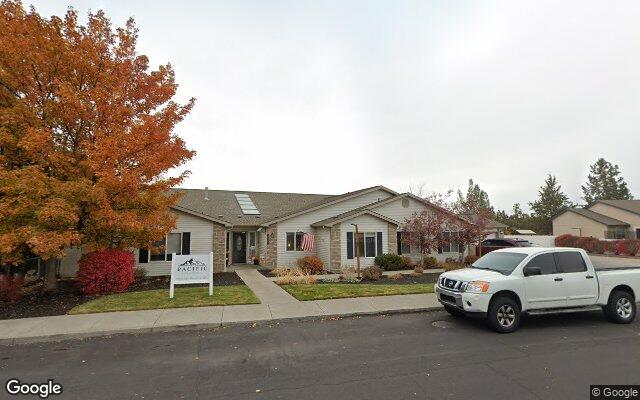
Full Inspection Record
Family reviews
No reviews yet — be the first to share your experience
Other memory care options nearby.
More options in neighboring cities
Licensed memory care in other cities within this county region — useful when your search radius crosses city limits.