Comfort Village LLC.
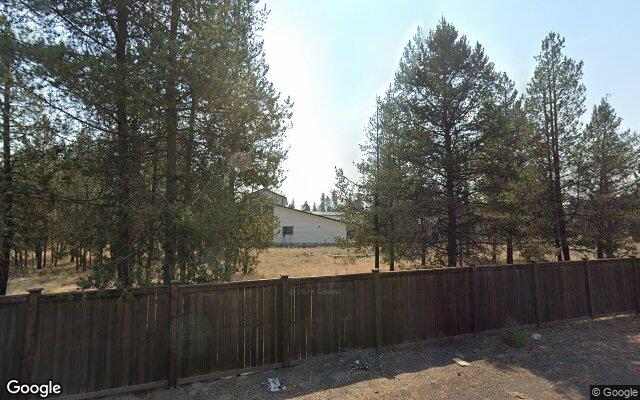
A large home, reviewed on public record.
© Google Street View
Compared to 55 Oregon facilities with a similar number of beds.
ALF memory care · 36-month window. Higher percentile = better performance on inspection record. Source: Oregon Dept. of Human Services · Long-Term Care Licensing.
among peers to rank.
Rankings based on 36-month OR-DHS inspection data. Severity and frequency: fewer citations = higher percentile. Repeat rate: lower repeat citation share = higher percentile.
Citation history, plotted month by month.
8 deficiencies on record. Each bar is a month with a citation.
Finding distribution
8 total · 36 monthsScope × Severity (CMS A–L)
Every inspection visit, verbatim.
2 inspections in the public record, most recent first. Plain-language summaries open first — click into any row for the full citation text.
2026-02-05Annual Compliance VisitOR-cited · 7 findings
Plain-language summary
During a re-licensure inspection on February 2-5, 2026, inspectors found the facility violated staffing rules by having only two direct care staff on the night shift to care for 41 residents, including 19 with behavioral needs and one requiring two-person assistance, when the facility's own administrator acknowledged that two staff could not safely evacuate all residents in an emergency. The facility has since revised its staffing plan to require a minimum of three staff members on every night shift.
Read full citation text (7)Hide full citation text
“based on acuity, complaint investigation or survey inspection.(e) Based on resident acuity and facility structural design there must be adequate direct care staff present at all times, to meet the fire safety evacuation standards as required by the fire authority or the Department.(f) The licensee is responsible for assuring that staffing is increased to compensate for the evaluated care and service needs of residents at move-in and for the changing physical or mental needs of the residents.(g) A minimum of two direct care staff must be scheduled and available at all times whenever a resident requires the assistance of two direct care staff for scheduled and unscheduled needs.(h) In facilities where residents are hosed in two or more detached buildings, or if a building has distinct and segregated areas, a designated caregiver must be awake and available in each building and each segregated area at all times.(i) Facilities must have a written, defined system to determine appropriate numbers of direct care staff and general staffing based on resident acuity and service needs. Such systems may be either manual or electronic.(A) Guidelines for systems must also consider physical elements of a building, use of technology if applicable and staff experience.(B) Facilities must be able to demonstrate how their staffing systems work. This Rule is not met as evidenced by: Based on observation, interview, and record review, it was determined the facility failed to have a sufficient number of direct care staff to meet the 24-hour scheduled and unscheduled needs of each resident and to meet the fire safety evacuation standards during the night shift. Findings include, but are not limited to: The acuity interview, conducted on 02/02/26 at 1:00 pm with Staff 9 (CG) and Staff (14 MT), and review of resident information provided from Staff 1 (Administrator) identified: * The memory care community was home to 41 residents; * 19 residents required staff support and intervention for behavioral symptoms; * 19 residents required support due to cognitive impairment; * 13 residents required assistance in the dining room (observations, cueing, hand-over-hand, or physical assistance with eating); and * One resident required a two-person assist with transfers. Staffing schedules showed two direct care staff were assigned to the overnight (NOC) shift from 10:00 pm to 6:00 am. Review of staffing assignments identified all direct care staff were scheduled as universal workers whose duties included tasks such as housekeeping, laundry, and food service, in addition to providing direct resident care. Staffing was not increased to maintain adequate resident care and services while staff performed universal worker tasks. Interviews and observations conducted throughout the survey revealed the following: Interviews on 02/04/26 at 12:30 pm and 02/05/26 at 11:35 am with Staff 1 (Administrator) indicated there were two staff assigned to work on the night shift. The administrator acknowledged the current population of the facility was made up of several ambulatory residents. There were several residents that would be an elopement risk if they exited the secured area of the facility. When questioned, Staff 1 stated two staff on night shift might have difficulty getting all the residents out of the facility and keeping them safely contained at the designated meeting point in the event an evacuation of the building was required. She acknowledged the facility had very active residents and two staff on night shift would be insufficient to evacuate all residents. In an interview conducted on 02/05/26 at 1:30 pm, Staff 4 (MT/Infection Control Specialist) stated she conducted fire drills every other month on alternating shifts. She reported night shift staff did not move residents during drills. Staff 4 indicated two staff were assigned to the night shift and that night staff normally received verbal training and practiced moving a substitute item around the unit in place of residents. The last drill staff used cushions in place of the sleeping residents and moved the cushions away from the fire location. When asked whether two staff would be able to evacuate all 41 residents and keep them together in front of the building, Staff 4 stated she was unsure if two staff would be sufficient. Multiple daily observations completed between 02/02/26 and 02/05/26, of sampled and non-sampled residents, identified a minimum of 10 residents who were ambulatory without assistive devices, independently moving throughout all areas of the facility and requiring ongoing monitoring and direction from staff. Additional residents utilizing walkers and/or wheelchairs were also observed independently ambulating within the facility, increasing the need for sufficient staff to ensure supervision and safe evacuation in an emergency. Considering resident acuity, including the number of residents requiring behavioral supervision, cognitive support, and two-person assistance, the facility’s overnight staffing of two universal care workers did not provide adequate direct care staff to meet fire safety evacuation standards required by the Department. The need to ensure the facility increased staffing when universal workers performed additional duties and to ensure adequate direct care staff were present at all times to meet evacuation needs was discussed with Staff 1 (Administrator) and Staff 2 (RN) on 02/04/26 at 1:30pm and on 02/05/26 at 2:45 pm. They acknowledged the findings. The facility has permanently revised staffing plan to require a minimum of three scheduled staff members on every night shift regardless of census fluctuation unless reassessed by the RN and Administrator. The administrator will review the weekly schedule prior to posting to verify compliance with minimum staffing requirements.”
“Based on interview and record review, it was determined the facility failed to ensure the acuity-based staffing tool (ABST) accurately captured the care time and care elements that staff were providing to each resident as outlined in each individual service plan for 3 of 6 sampled residents (#1, 2, and 6) whose ABST data was reviewed. Findings include, but are not limited to: Review of the ABST data identified care time was not accurately captured for Residents 1, 2, and 6 in one or more of the following areas: * Providing non-drug interventions for behaviors; * Monitoring physical conditions or symptoms; * Assisting with leisure activities; * Cueing or redirecting due to cognitive impairment or dementia; * Providing non-drug interventions for pain management; * Supervising, cueing, or supporting while eating; and * Assisting with ambulation, escorting to and from meals or activities. Interviews with staff, conducted 02/02/26 through 02/05/26, indicated Resident 6 required continuous redirection, reassurance, and consoling, with staff providing redirection approximately every 30 to 60 minutes. In an interview on 02/05/26 at 1:50 pm, Staff 1 (Administrator) acknowledged the inaccuracies in care times. The need for the ABST to accurately capture care time and care elements that staff were providing to residents was discussed with Staff 1 and Staff 2 (RN) on 02/05/26 at 2:00 pm. They acknowledged the findings. Upon identification of deficiency, the Administrator and RN immediately conducted a full reassessment of all current residents’ ABST evaluations to ensure accurate capture of: -Providing non-drug interventions for behaviors -Monitoring physical conditions and symptoms -Assisting with leisure activities -Cueing or redirecting due to cognitive impairment -Providing non-drug interventions for pain management -Supervising, cueing, or supporting while eating -Assisting with ambulation, escorting to and from meals or activities -Weekly ABST audits will be completed by the RN and administrator”
“Based on observation and interview, it was determined the facility failed to ensure all exterior pathways were made of hard smooth material and maintained in good repair and the grounds were kept orderly and free of litter and refuse. Findings include, but are not limited to: On 02/03/24 at 10:02 am, the exterior of the facility was toured, and the following was identified: The facility was noted to have exterior pathways located in the front of the building and in the locked and secure courtyard. a. Exterior pathways were noted to have breaking, broken, missing, and/or damaged material and were not maintained with a smooth hard surface or in good repair. An additional pathway, in the locked and secure courtyard, was noted to have significant plant overgrowth and was not maintained in good repair. b. Facility grounds were noted to have litter around the entrance area and in the locked and secure courtyard. Additionally, the courtyard was noted to have what was determined to be excrement in two areas on the patio. A walk-through of the above noted areas was completed with Staff 1 (Administrator) on 02/04/26 at 10:24 am and on 02/04/26 at 1:13 pm with Staff 3 (Maintenance). The need to ensure all exterior pathways were made of hard, smooth material and were maintained in good repair and grounds were kept orderly and free of litter, was reviewed with Staff 1 and Staff 2 (RN) on 02/05/26 at 3:45 pm. They acknowledged the findings. Contractors have been hired for the exterior pathways in the front of the building and in the locked and secure courtyard Maintenance will be responsible for daily walk through to ensure the grounds are free from litter and debris. Administrator will audit task sheet weekly”
“Based on observation, interview, and record review, it was determined the facility failed to ensure all surfaces were kept clean and in good repair and the interior of the facility was kept free from unpleasant odors. Findings include, but are not limited to: The environment was toured from 02/02/26 through 02/05/26, and the following was identified: * Carpeting had discolored areas located near rooms #s 105, 304, 403, 405, and 406, and was heavily worn and rippled in the area to the left of the entrance, outside the staff room, and medication room; * The flooring transitions located near the dining room and resident restroom were taped to the ground; * Fabric couches in the resident living corridors were observed to have discolored areas on the seat cushions and arm rests, and the chairs with wooden frames had scratched and chipped material on the arm rests; and * Ceiling fans throughout the facility, window coverings in the dining room, and multiple light fixtures in the dining room, had a significant build-up of dust and/or dirt. On 02/03/26 at 10:51 am, Staff 1 (Administrator) confirmed the large area of carpet, noted above, was previously identified and provided documentation of an estimated quote to replace. b. Odors were noted from 02/02/26 to 02/05/26, primarily located around the entry area and down the corridors to the left and right of the entry area. A walk-through of the above noted areas was completed with Staff 1 on 02/04/26 at 10:24 am and on 02/05/26 at 2:03 pm with Staff 1 and Staff 3 (Maintenance). The need to ensure the interior environment was clean, in good repair, and free from unpleasant odors was reviewed with Staff 1 and Staff 2 (RN) on 02/05/26 at 3:45 pm. They acknowledged the findings. Carpeting to the left of the entrance is currently being replaced as well as the floor transitions. -Routine carpet cleaning is scheduled professionally every 6 months -Immediate cleaning of carpets and furniture will be documented in housekeeping log. -Routine professional cleaning hired for hard to reach dust/dirt -Housekeeping will ensure furniture and carpets are odor and free of soil. -Administrator will complete weekly audits. -Wooden chair arms and frames have been repaired. Administrator will audit condition weekly.”
“Based on observation and interview, it was determined the facility failed to provide each individual privacy in his or her own unit for 1 of 1 sampled resident (#4) and multiple unsampled residents. Findings include, but are not limited to: a. The facility had multiple double occupancy rooms with a shared bathroom. On 02/03/26, a shared bathroom in a resident room was observed to have a pocket door and was not equipped with a way to lock the door from the inside. At 12:56 pm, Staff 1 (Administrator) reported all shared bathrooms in resident rooms had a pocket door that could not be locked. b. Resident 4 resided in a shared room with an unsampled resident who was observed to ambulate independently. Resident 4’s bed and living space were at the entry of the shared room. On 02/04/26, Resident 4 was observed to receive assistance with incontinence care while in bed. There were no observations of a privacy screen or use of something to provide the resident privacy if someone were to enter the room. On 02/05/26 at 3:21 pm, the resident’s room was toured with Staff 1 (ED) and Staff 2 (RN). They acknowledged Resident 4’s lack of privacy while receiving ADL care. The need to ensure each resident had privacy in his or her own unit was reviewed with Staff 1 and Staff 2 on 02/05/26 at 3:45 pm. They acknowledged the findings. A portable privacy screen has been implemented and will be used for all residents requiring privacy during personal care, treatments and other care related services when doors cannot be fully closed or when roommates are present. The RN will conduct random weekly audits for 4 weeks to ensure compliance. An exception was submitted and requested to ODHS licensing unit regarding the structural limitations of the existing pocket doors. Staff have been educated to ensure resident privacy during use of bathrooms by knocking prior to entry.”
“Based on observation, interview, and record review, it was determined the facility failed to follow licensing rules for Residential Care and Assisted Living Facilities. Findings include, but are not limited to: Refer to C360, C362, C510, and C513. Please refer to C360, C362, C510, and C513”
“based on the resident's needs, preferences, and appropriateness. (c) The memory care community must individually identify residents' rooms to assist residents in recognizing their room. This Rule is not met as evidenced by: Based on observation, interview, and record review, it was determined the facility failed to ensure residents' rooms were individually identified to assist residents in recognizing their room. Findings include, but are not limited to: On 02/03/26 the facility was toured, and each room and room identifier was observed and referenced with the current resident roster, provided to survey on 02/02/26, which noted resident names and room numbers. The following was identified: Multiple resident rooms lacked individualized identification to assist residents in recognizing their room, six rooms lacked identification of at least one resident who currently lived in that room, and multiple rooms were noted to have names of former residents. On 02/05/26 at 2:03 pm, the above was reviewed with Staff 1 (Administrator) and the individual resident identifiers for room 102 were observed. She acknowledged the findings. The need to ensure each resident room was individually identified to assist residents in recognizing their room was discussed with Staff 1 and Staff 2 (RN) on 02/05/26 at 3:45 pm. They acknowledged the findings. Individual room identifiers have been implemented for all resident rooms. Staff were educated on the importance of using these identifiers to assist residents with orientation and to promote independence. Any missing or damaged identifiers will be replaced immediately. Activity director will document weekly audits and replacements.”
Read raw inspector notesClose inspector notes
based on acuity, complaint investigation or survey inspection.(e) Based on resident acuity and facility structural design there must be adequate direct care staff present at all times, to meet the fire safety evacuation standards as required by the fire authority or the Department.(f) The licensee is responsible for assuring that staffing is increased to compensate for the evaluated care and service needs of residents at move-in and for the changing physical or mental needs of the residents.(g) A minimum of two direct care staff must be scheduled and available at all times whenever a resident requires the assistance of two direct care staff for scheduled and unscheduled needs.(h) In facilities where residents are hosed in two or more detached buildings, or if a building has distinct and segregated areas, a designated caregiver must be awake and available in each building and each segregated area at all times.(i) Facilities must have a written, defined system to determine appropriate numbers of direct care staff and general staffing based on resident acuity and service needs. Such systems may be either manual or electronic.(A) Guidelines for systems must also consider physical elements of a building, use of technology if applicable and staff experience.(B) Facilities must be able to demonstrate how their staffing systems work. This Rule is not met as evidenced by: Based on observation, interview, and record review, it was determined the facility failed to have a sufficient number of direct care staff to meet the 24-hour scheduled and unscheduled needs of each resident and to meet the fire safety evacuation standards during the night shift. Findings include, but are not limited to: The acuity interview, conducted on 02/02/26 at 1:00 pm with Staff 9 (CG) and Staff (14 MT), and review of resident information provided from Staff 1 (Administrator) identified: * The memory care community was home to 41 residents; * 19 residents required staff support and intervention for behavioral symptoms; * 19 residents required support due to cognitive impairment; * 13 residents required assistance in the dining room (observations, cueing, hand-over-hand, or physical assistance with eating); and * One resident required a two-person assist with transfers. Staffing schedules showed two direct care staff were assigned to the overnight (NOC) shift from 10:00 pm to 6:00 am. Review of staffing assignments identified all direct care staff were scheduled as universal workers whose duties included tasks such as housekeeping, laundry, and food service, in addition to providing direct resident care. Staffing was not increased to maintain adequate resident care and services while staff performed universal worker tasks. Interviews and observations conducted throughout the survey revealed the following: Interviews on 02/04/26 at 12:30 pm and 02/05/26 at 11:35 am with Staff 1 (Administrator) indicated there were two staff assigned to work on the night shift. The administrator acknowledged the current population of the facility was made up of several ambulatory residents. There were several residents that would be an elopement risk if they exited the secured area of the facility. When questioned, Staff 1 stated two staff on night shift might have difficulty getting all the residents out of the facility and keeping them safely contained at the designated meeting point in the event an evacuation of the building was required. She acknowledged the facility had very active residents and two staff on night shift would be insufficient to evacuate all residents. In an interview conducted on 02/05/26 at 1:30 pm, Staff 4 (MT/Infection Control Specialist) stated she conducted fire drills every other month on alternating shifts. She reported night shift staff did not move residents during drills. Staff 4 indicated two staff were assigned to the night shift and that night staff normally received verbal training and practiced moving a substitute item around the unit in place of residents. The last drill staff used cushions in place of the sleeping residents and moved the cushions away from the fire location. When asked whether two staff would be able to evacuate all 41 residents and keep them together in front of the building, Staff 4 stated she was unsure if two staff would be sufficient. Multiple daily observations completed between 02/02/26 and 02/05/26, of sampled and non-sampled residents, identified a minimum of 10 residents who were ambulatory without assistive devices, independently moving throughout all areas of the facility and requiring ongoing monitoring and direction from staff. Additional residents utilizing walkers and/or wheelchairs were also observed independently ambulating within the facility, increasing the need for sufficient staff to ensure supervision and safe evacuation in an emergency. Considering resident acuity, including the number of residents requiring behavioral supervision, cognitive support, and two-person assistance, the facility’s overnight staffing of two universal care workers did not provide adequate direct care staff to meet fire safety evacuation standards required by the Department. The need to ensure the facility increased staffing when universal workers performed additional duties and to ensure adequate direct care staff were present at all times to meet evacuation needs was discussed with Staff 1 (Administrator) and Staff 2 (RN) on 02/04/26 at 1:30pm and on 02/05/26 at 2:45 pm. They acknowledged the findings. The facility has permanently revised staffing plan to require a minimum of three scheduled staff members on every night shift regardless of census fluctuation unless reassessed by the RN and Administrator. The administrator will review the weekly schedule prior to posting to verify compliance with minimum staffing requirements. Based on interview and record review, it was determined the facility failed to ensure the acuity-based staffing tool (ABST) accurately captured the care time and care elements that staff were providing to each resident as outlined in each individual service plan for 3 of 6 sampled residents (#1, 2, and 6) whose ABST data was reviewed. Findings include, but are not limited to: Review of the ABST data identified care time was not accurately captured for Residents 1, 2, and 6 in one or more of the following areas: * Providing non-drug interventions for behaviors; * Monitoring physical conditions or symptoms; * Assisting with leisure activities; * Cueing or redirecting due to cognitive impairment or dementia; * Providing non-drug interventions for pain management; * Supervising, cueing, or supporting while eating; and * Assisting with ambulation, escorting to and from meals or activities. Interviews with staff, conducted 02/02/26 through 02/05/26, indicated Resident 6 required continuous redirection, reassurance, and consoling, with staff providing redirection approximately every 30 to 60 minutes. In an interview on 02/05/26 at 1:50 pm, Staff 1 (Administrator) acknowledged the inaccuracies in care times. The need for the ABST to accurately capture care time and care elements that staff were providing to residents was discussed with Staff 1 and Staff 2 (RN) on 02/05/26 at 2:00 pm. They acknowledged the findings. Upon identification of deficiency, the Administrator and RN immediately conducted a full reassessment of all current residents’ ABST evaluations to ensure accurate capture of: -Providing non-drug interventions for behaviors -Monitoring physical conditions and symptoms -Assisting with leisure activities -Cueing or redirecting due to cognitive impairment -Providing non-drug interventions for pain management -Supervising, cueing, or supporting while eating -Assisting with ambulation, escorting to and from meals or activities -Weekly ABST audits will be completed by the RN and administrator Based on observation and interview, it was determined the facility failed to ensure all exterior pathways were made of hard smooth material and maintained in good repair and the grounds were kept orderly and free of litter and refuse. Findings include, but are not limited to: On 02/03/24 at 10:02 am, the exterior of the facility was toured, and the following was identified: The facility was noted to have exterior pathways located in the front of the building and in the locked and secure courtyard. a. Exterior pathways were noted to have breaking, broken, missing, and/or damaged material and were not maintained with a smooth hard surface or in good repair. An additional pathway, in the locked and secure courtyard, was noted to have significant plant overgrowth and was not maintained in good repair. b. Facility grounds were noted to have litter around the entrance area and in the locked and secure courtyard. Additionally, the courtyard was noted to have what was determined to be excrement in two areas on the patio. A walk-through of the above noted areas was completed with Staff 1 (Administrator) on 02/04/26 at 10:24 am and on 02/04/26 at 1:13 pm with Staff 3 (Maintenance). The need to ensure all exterior pathways were made of hard, smooth material and were maintained in good repair and grounds were kept orderly and free of litter, was reviewed with Staff 1 and Staff 2 (RN) on 02/05/26 at 3:45 pm. They acknowledged the findings. Contractors have been hired for the exterior pathways in the front of the building and in the locked and secure courtyard Maintenance will be responsible for daily walk through to ensure the grounds are free from litter and debris. Administrator will audit task sheet weekly Based on observation, interview, and record review, it was determined the facility failed to ensure all surfaces were kept clean and in good repair and the interior of the facility was kept free from unpleasant odors. Findings include, but are not limited to: The environment was toured from 02/02/26 through 02/05/26, and the following was identified: * Carpeting had discolored areas located near rooms #s 105, 304, 403, 405, and 406, and was heavily worn and rippled in the area to the left of the entrance, outside the staff room, and medication room; * The flooring transitions located near the dining room and resident restroom were taped to the ground; * Fabric couches in the resident living corridors were observed to have discolored areas on the seat cushions and arm rests, and the chairs with wooden frames had scratched and chipped material on the arm rests; and * Ceiling fans throughout the facility, window coverings in the dining room, and multiple light fixtures in the dining room, had a significant build-up of dust and/or dirt. On 02/03/26 at 10:51 am, Staff 1 (Administrator) confirmed the large area of carpet, noted above, was previously identified and provided documentation of an estimated quote to replace. b. Odors were noted from 02/02/26 to 02/05/26, primarily located around the entry area and down the corridors to the left and right of the entry area. A walk-through of the above noted areas was completed with Staff 1 on 02/04/26 at 10:24 am and on 02/05/26 at 2:03 pm with Staff 1 and Staff 3 (Maintenance). The need to ensure the interior environment was clean, in good repair, and free from unpleasant odors was reviewed with Staff 1 and Staff 2 (RN) on 02/05/26 at 3:45 pm. They acknowledged the findings. Carpeting to the left of the entrance is currently being replaced as well as the floor transitions. -Routine carpet cleaning is scheduled professionally every 6 months -Immediate cleaning of carpets and furniture will be documented in housekeeping log. -Routine professional cleaning hired for hard to reach dust/dirt -Housekeeping will ensure furniture and carpets are odor and free of soil. -Administrator will complete weekly audits. -Wooden chair arms and frames have been repaired. Administrator will audit condition weekly. Based on observation and interview, it was determined the facility failed to provide each individual privacy in his or her own unit for 1 of 1 sampled resident (#4) and multiple unsampled residents. Findings include, but are not limited to: a. The facility had multiple double occupancy rooms with a shared bathroom. On 02/03/26, a shared bathroom in a resident room was observed to have a pocket door and was not equipped with a way to lock the door from the inside. At 12:56 pm, Staff 1 (Administrator) reported all shared bathrooms in resident rooms had a pocket door that could not be locked. b. Resident 4 resided in a shared room with an unsampled resident who was observed to ambulate independently. Resident 4’s bed and living space were at the entry of the shared room. On 02/04/26, Resident 4 was observed to receive assistance with incontinence care while in bed. There were no observations of a privacy screen or use of something to provide the resident privacy if someone were to enter the room. On 02/05/26 at 3:21 pm, the resident’s room was toured with Staff 1 (ED) and Staff 2 (RN). They acknowledged Resident 4’s lack of privacy while receiving ADL care. The need to ensure each resident had privacy in his or her own unit was reviewed with Staff 1 and Staff 2 on 02/05/26 at 3:45 pm. They acknowledged the findings. A portable privacy screen has been implemented and will be used for all residents requiring privacy during personal care, treatments and other care related services when doors cannot be fully closed or when roommates are present. The RN will conduct random weekly audits for 4 weeks to ensure compliance. An exception was submitted and requested to ODHS licensing unit regarding the structural limitations of the existing pocket doors. Staff have been educated to ensure resident privacy during use of bathrooms by knocking prior to entry. Based on observation, interview, and record review, it was determined the facility failed to follow licensing rules for Residential Care and Assisted Living Facilities. Findings include, but are not limited to: Refer to C360, C362, C510, and C513. Please refer to C360, C362, C510, and C513 based on the resident's needs, preferences, and appropriateness. (c) The memory care community must individually identify residents' rooms to assist residents in recognizing their room. This Rule is not met as evidenced by: Based on observation, interview, and record review, it was determined the facility failed to ensure residents' rooms were individually identified to assist residents in recognizing their room. Findings include, but are not limited to: On 02/03/26 the facility was toured, and each room and room identifier was observed and referenced with the current resident roster, provided to survey on 02/02/26, which noted resident names and room numbers. The following was identified: Multiple resident rooms lacked individualized identification to assist residents in recognizing their room, six rooms lacked identification of at least one resident who currently lived in that room, and multiple rooms were noted to have names of former residents. On 02/05/26 at 2:03 pm, the above was reviewed with Staff 1 (Administrator) and the individual resident identifiers for room 102 were observed. She acknowledged the findings. The need to ensure each resident room was individually identified to assist residents in recognizing their room was discussed with Staff 1 and Staff 2 (RN) on 02/05/26 at 3:45 pm. They acknowledged the findings. Individual room identifiers have been implemented for all resident rooms. Staff were educated on the importance of using these identifiers to assist residents with orientation and to promote independence. Any missing or damaged identifiers will be replaced immediately. Activity director will document weekly audits and replacements.
2023-11-21Annual Compliance VisitOR-cited · 1 finding
Plain-language summary
A state kitchen inspection was conducted on November 21, 2023, and the facility was found to be in substantial compliance with Oregon rules governing meal services and food sanitation for residential care and assisted living facilities. No violations were identified.
Read full citation text (1)Hide full citation text
“The findings of the kitchen inspection, conducted 11/21/23, are documented in this report. It was determined the facility was in substantial compliance with the OARs 411-054-0030 for Residential Care and Assisted Living Facilities for Resident Services - Meals and Oregon Health Service Food Sanitation Rules OARs 333-150-0000. The findings of the kitchen inspection, conducted 11/21/23, are documented in this report. It was determined the facility was in substantial compliance with the OARs 411-054-0030 for Residential Care and Assisted Living Facilities for Resident Services - Meals and Oregon Health Service Food Sanitation Rules OARs 333-150-0000.”
Read raw inspector notesClose inspector notes
The findings of the kitchen inspection, conducted 11/21/23, are documented in this report. It was determined the facility was in substantial compliance with the OARs 411-054-0030 for Residential Care and Assisted Living Facilities for Resident Services - Meals and Oregon Health Service Food Sanitation Rules OARs 333-150-0000. The findings of the kitchen inspection, conducted 11/21/23, are documented in this report. It was determined the facility was in substantial compliance with the OARs 411-054-0030 for Residential Care and Assisted Living Facilities for Resident Services - Meals and Oregon Health Service Food Sanitation Rules OARs 333-150-0000.
1 older inspection from 2022 are not shown above.
Get the complete record, translated into plain language — emailed to you.
Contract Decoder
Family reviews
No reviews yet — be the first to share your experience
More options in neighboring cities
Licensed memory care in other cities within this county region — useful when your search radius crosses city limits.